Slideshow · Technology
25 Retro Gadgets From the 1970s and 1980s Collectors Still Track Down
Consumer electronics from the 1970s and 1980s turned cassette tapes, instant film, and home computers into everyday tools. This countdown profiles 25 surviving models preserved in museums and collections, based on records from the Computer History Museum, Sony History, Apple archives, and Nintendo timelines.
By Most Viral Today
11 min agoradar-lead:signal:a817eb6c-6b01-40ba-af8a-c9f5084f1ba1

25 Classic 1970s and 1980s Gadgets Built When Electronics Were Meant to Last 
25. Sony Watchman FD-10A 
24. Casio VL-1 
23. Texas Instruments Speak & Spell - AdvertisementSwipe or tap ▶ to continue countdown

22. HP-35 Scientific Calculator 
21. Magnavox Odyssey 
20. TRS-80 Model I 
19. Roland TR-808 Rhythm Composer - AdvertisementSwipe or tap ▶ to continue countdown

18. Sony Trinitron Television 
17. Sega Master System 
16. Sony CDP-101 CD Player 
15. Canon AE-1 - AdvertisementSwipe or tap ▶ to continue countdown

14. Sinclair ZX Spectrum 
13. Sony Betamax VCR 
12. Nintendo Game & Watch 
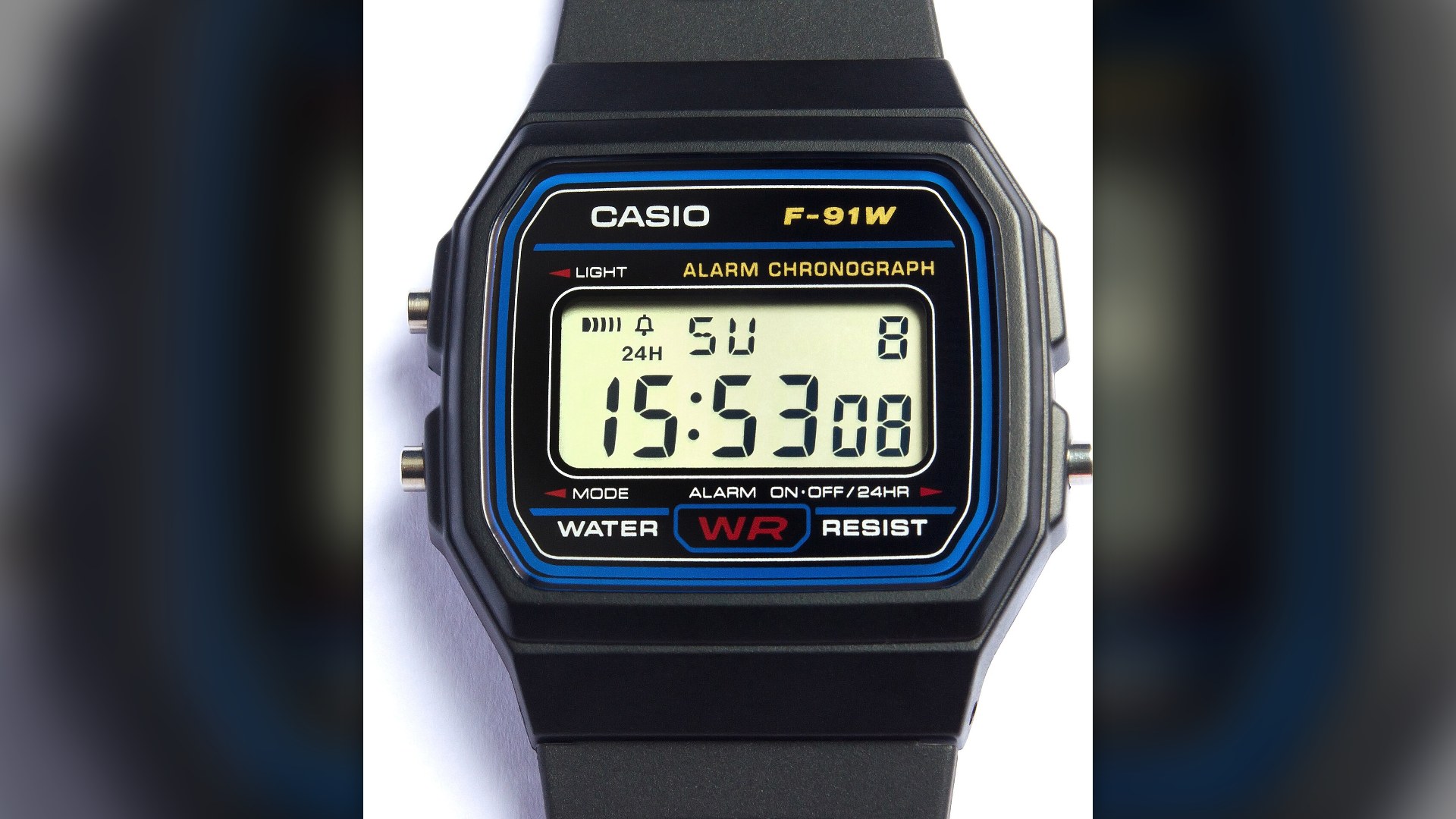
11. Casio F-91W - AdvertisementSwipe or tap ▶ to continue countdown

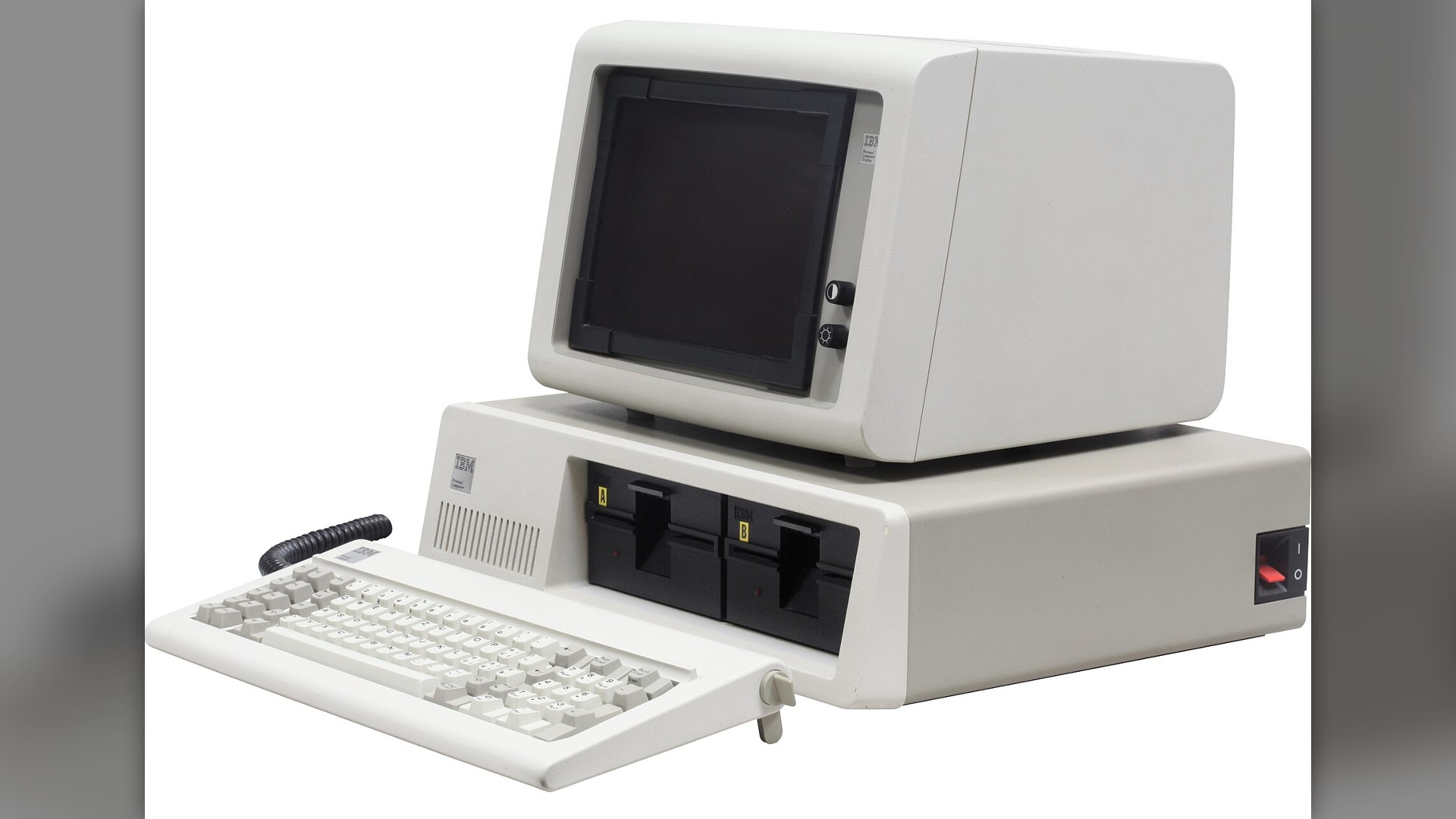
10. IBM PC 5150 
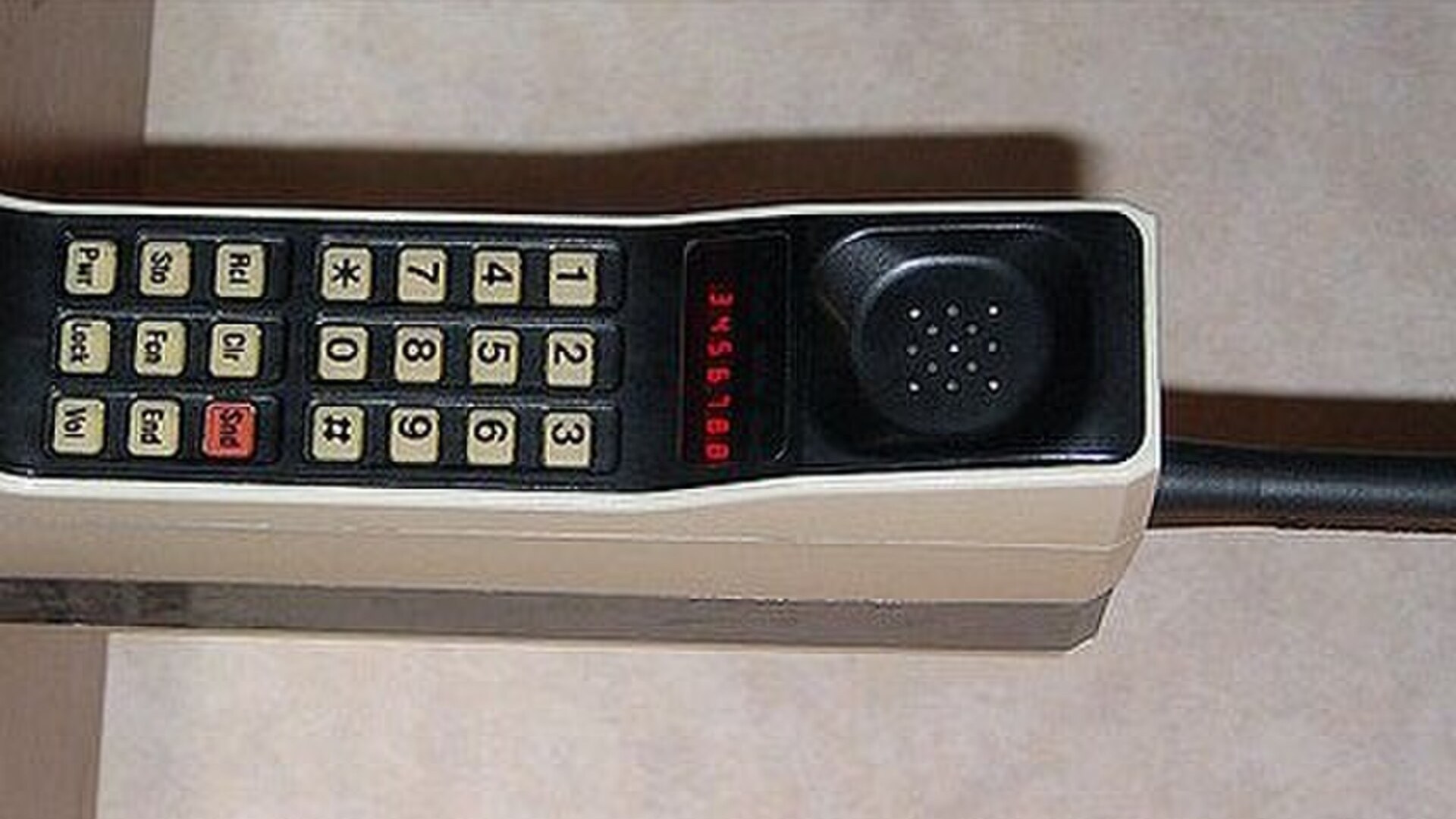
9. Motorola DynaTAC 8000X 
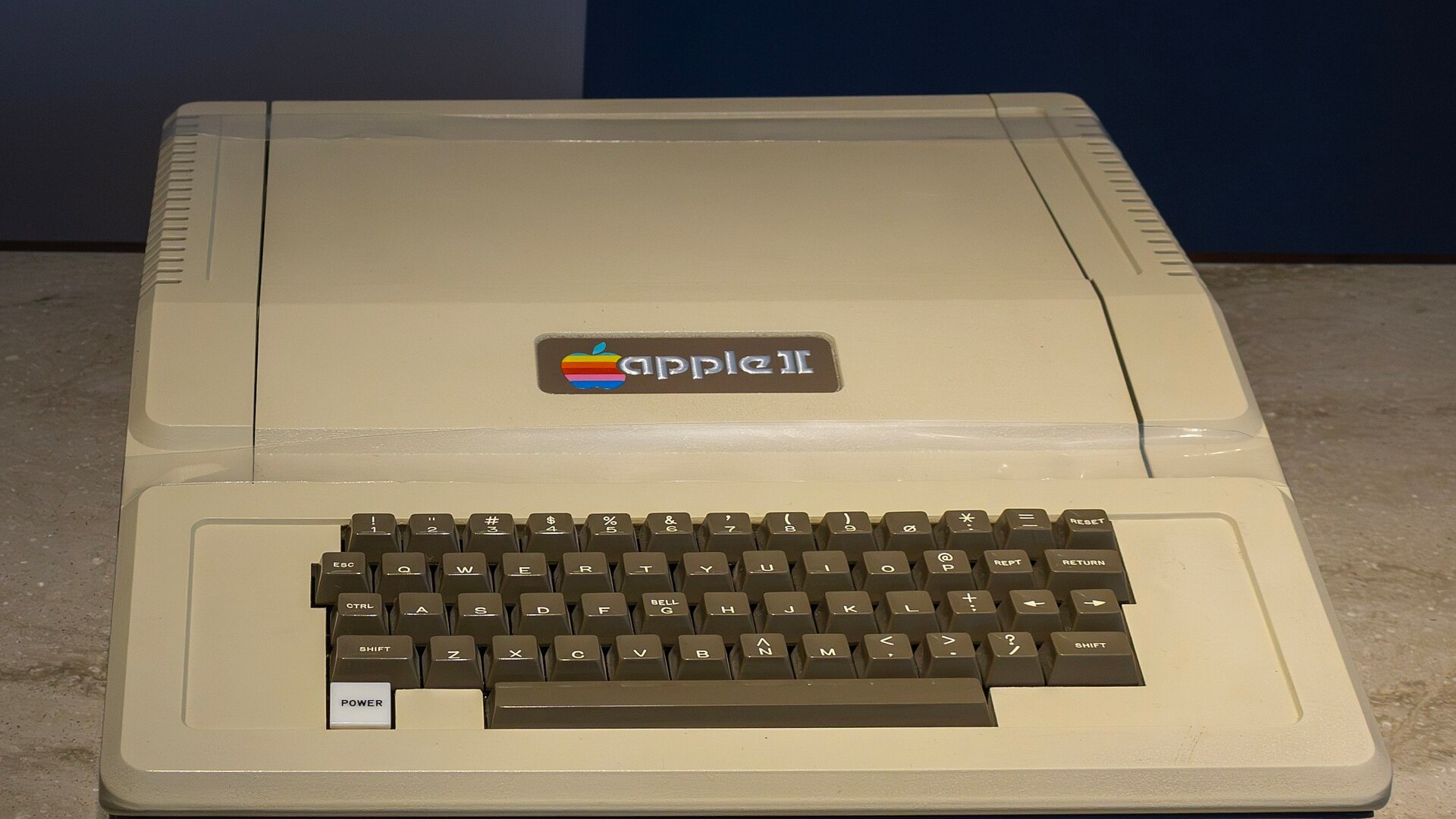
8. Apple II 
7. Atari 2600 - AdvertisementSwipe or tap ▶ to continue countdown

6. Commodore 64 
5. Nintendo Entertainment System 
4. Apple Macintosh 128K 
3. Polaroid SX-70 - AdvertisementSwipe or tap ▶ to continue countdown

2. Nintendo Game Boy 
1. Sony Walkman TPS-L2 - Advertisement🔥 UP NEXT IN THIS SERIES◫ 24 Slides

23 Real-World Robots and Androids Echoing Blade Runner 2099
Blade Runner 2099 asks where machines end and people begin. This countdown tracks 23 real robots and androids, from 1939 fairground prototypes and early factory arms to expressive humanoids in labs today. Facts draw on records from NASA, SRI International, MIT, Boston Dynamics, and national museum archives.
Consumer electronics from the 1970s and 1980s turned cassette tapes, instant film, and home computers into everyday tools. This countdown profiles 25 surviving models preserved in museums and collections, based on records from the Computer History Museum, Sony History, Apple archives, and Nintendo timelines.
Swipe or tap ▶ to begin the countdown
©Wikimedia / nagi usano
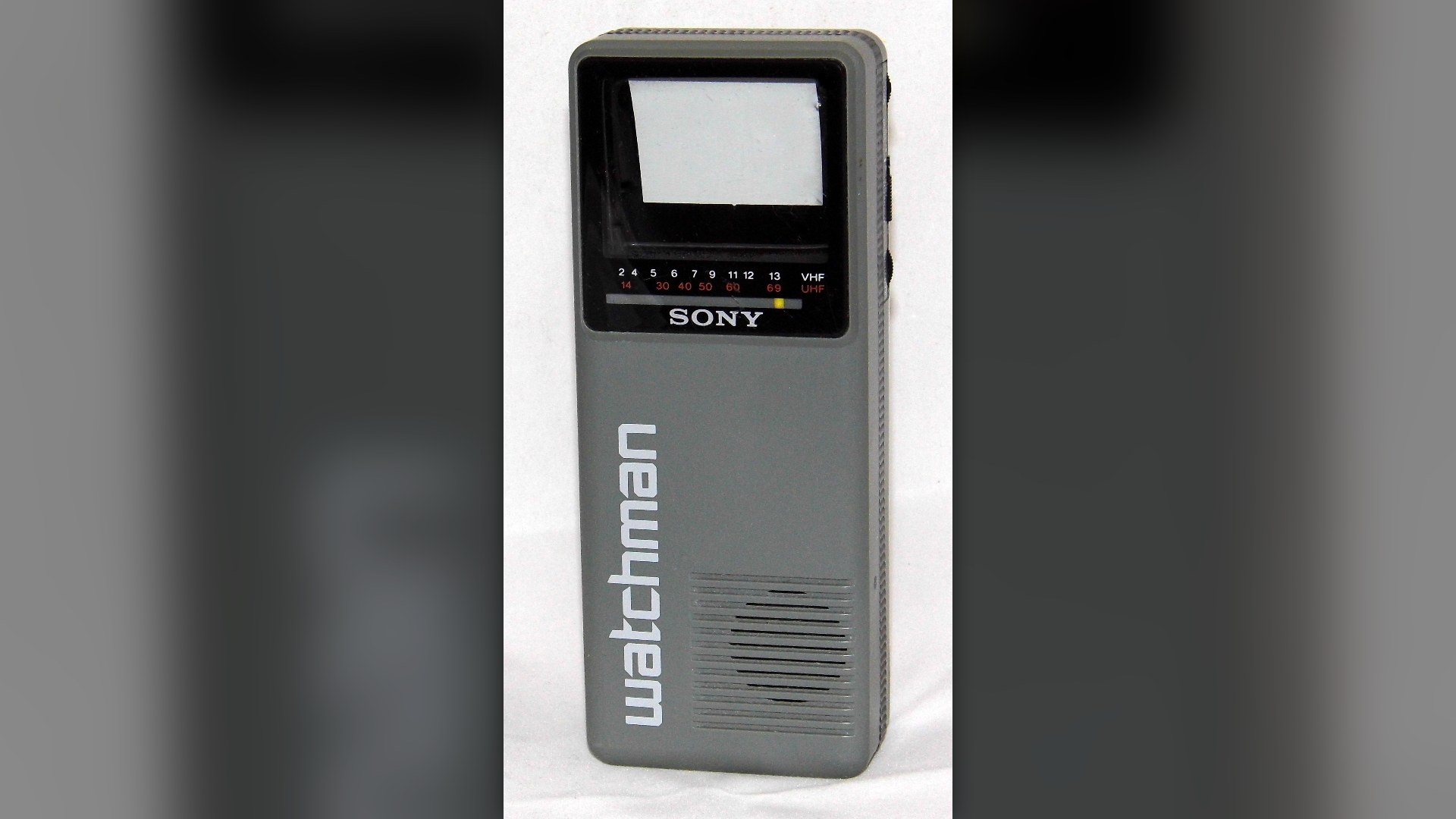
25. Sony Watchman FD-10A
Sony followed its 1982 FD-210 Watchman with the slimmer FD-10A in 1986, using a side-mounted electron gun to flatten the two-inch monochrome CRT screen. Analog over-the-air broadcasts ended in most countries, so collectors today pair working units with low-power VHF modulators.
©Wikimedia / Joe Haupt
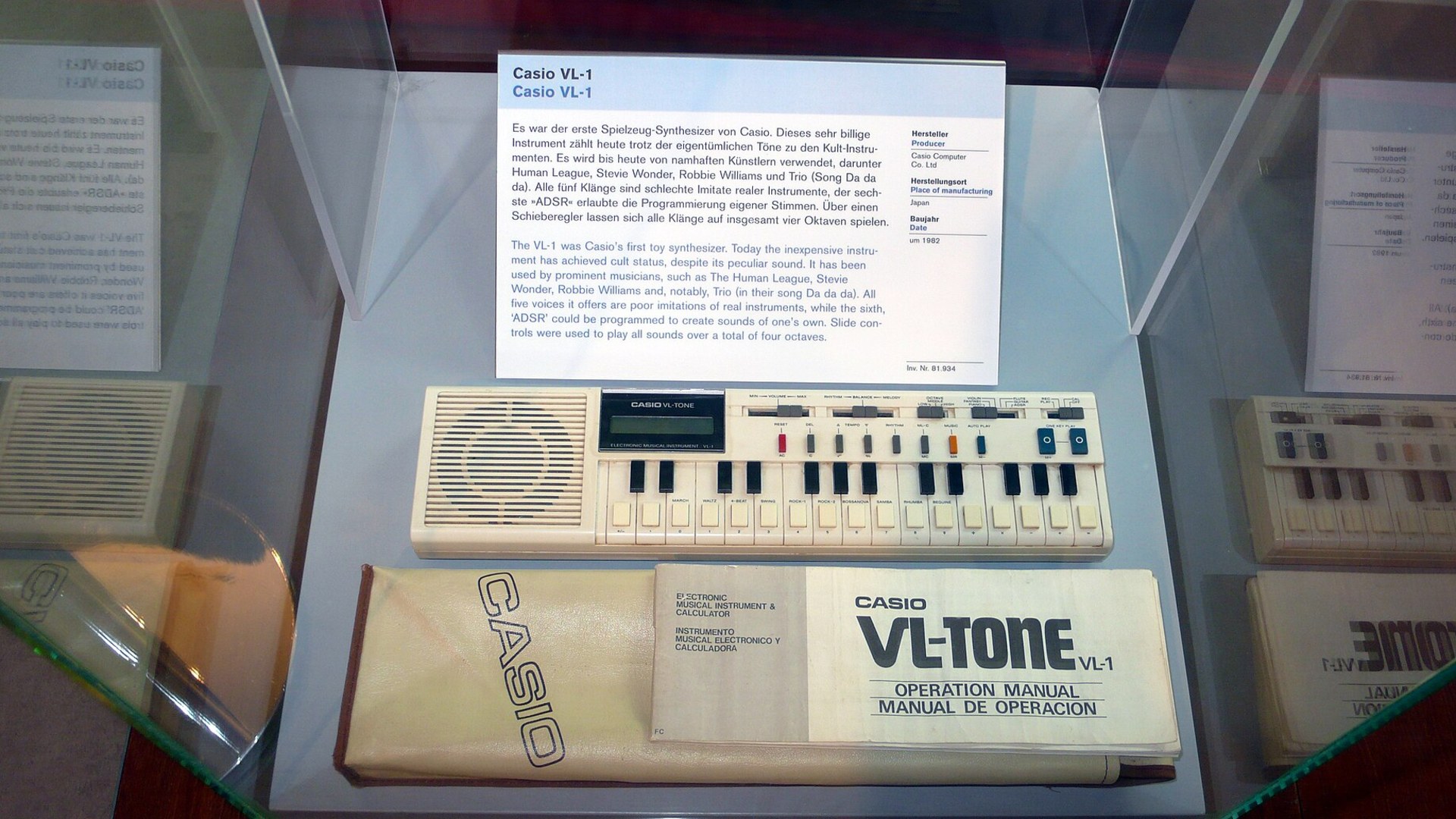
24. Casio VL-1
Casio released the VL-Tone VL-1 in 1980 at a retail price around $70, combining a standard LCD calculator with 29 tiny keys and built-in rhythm presets. German band Trio used its rock preset and thin square-wave lead on their 1982 single Da Da Da, turning the toy-sized keyboard into a studio staple.
©Wikimedia / Reinraum
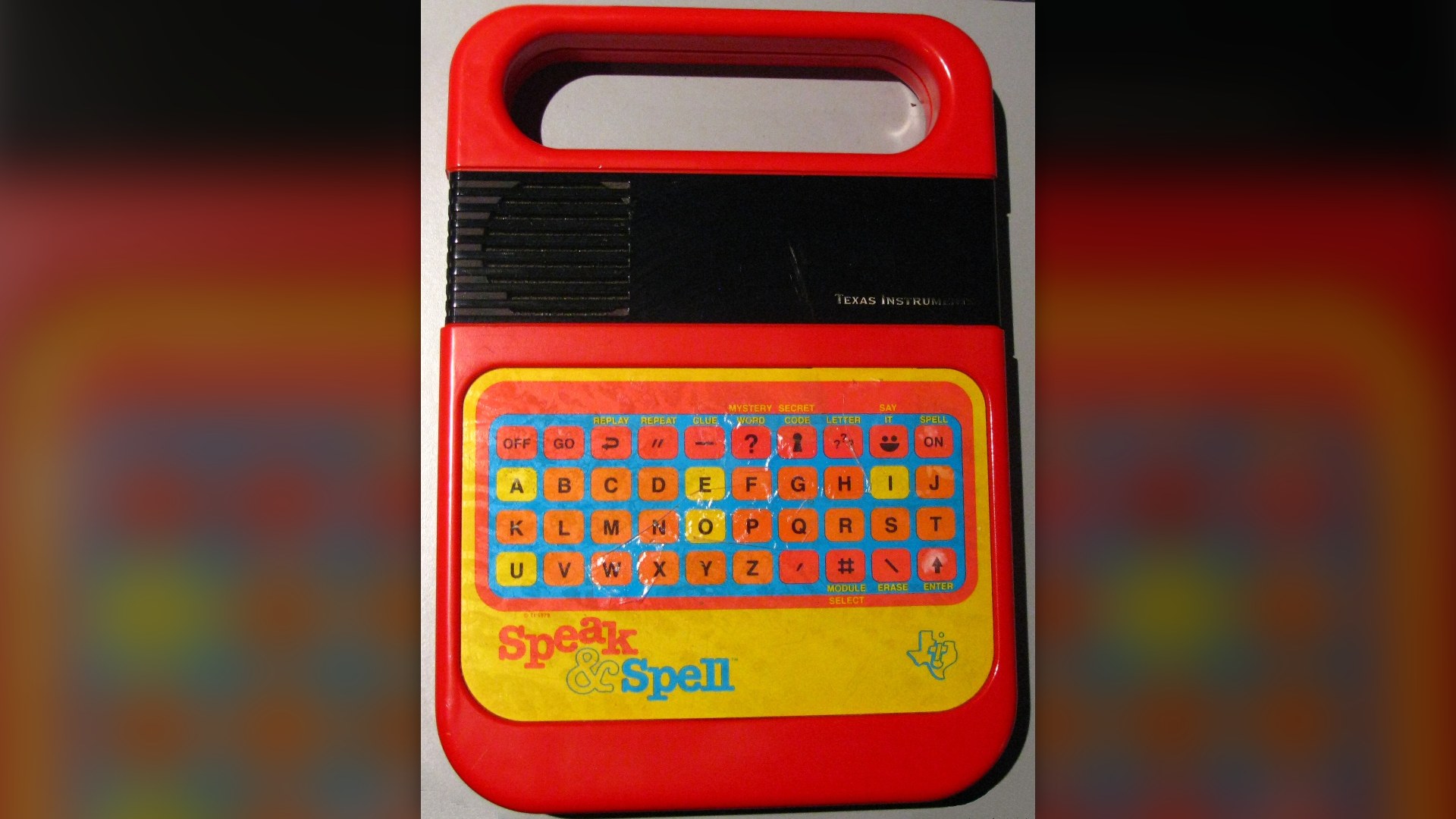
23. Texas Instruments Speak & Spell
Texas Instruments unveiled the Speak & Spell at the 1978 Summer CES with a TMC0280 speech synthesizer that spoke over 200 commonly misspelled words. Its distinctive robotic voice later appeared in the 1982 film E.T. the Extra-Terrestrial, and surviving units remain popular in circuit-bending studios.
©Wikimedia / Tilemahos Efthimiadis from Athens, Greece
Advertisement
Swipe or tap ▶ to resume the countdown.
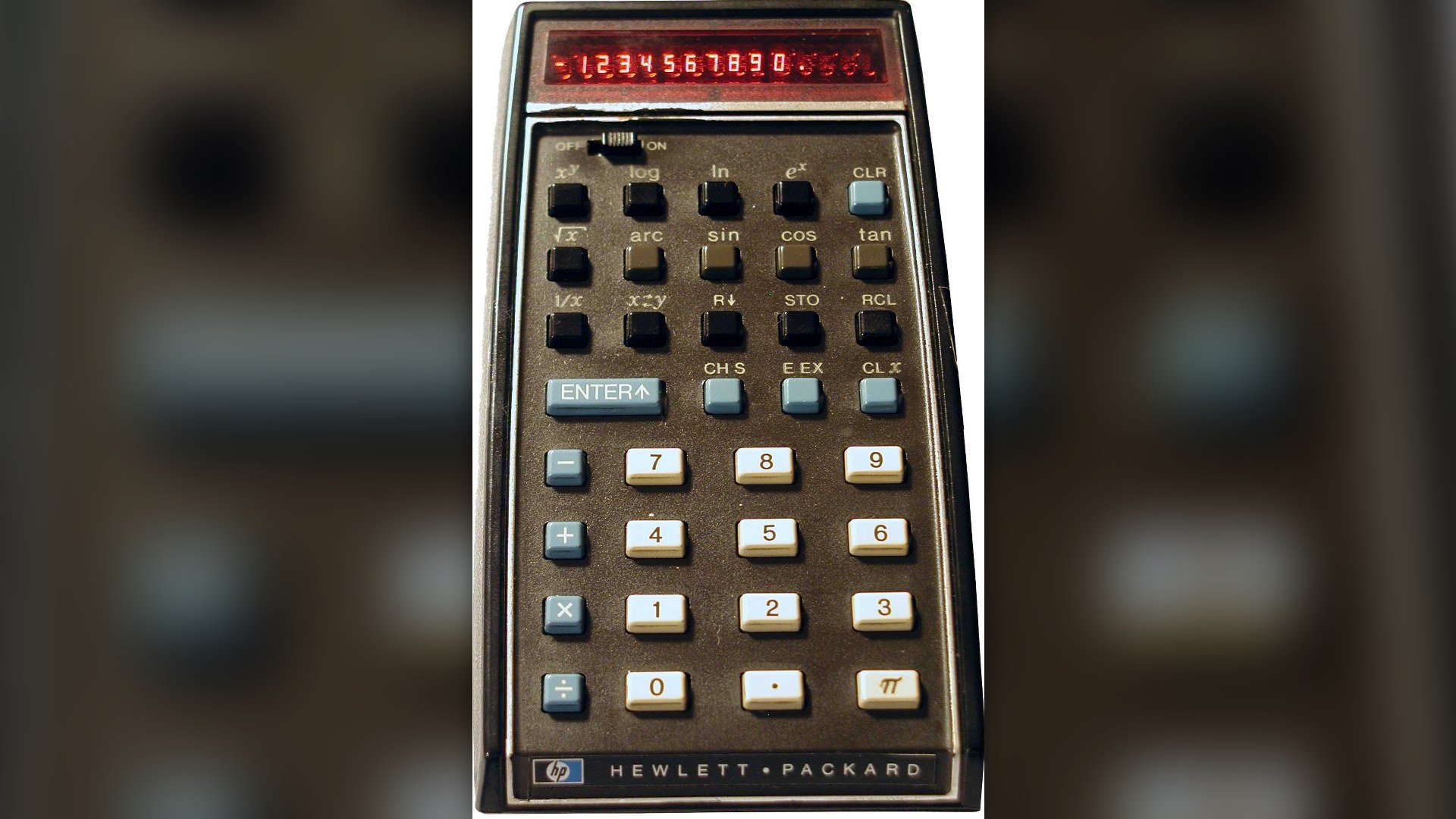
22. HP-35 Scientific Calculator
Launched in January 1972 for $395, the HP-35 became the world's first pocket scientific calculator capable of trigonometric and logarithmic functions. Its red LED display and Reverse Polish Notation keypad made it an immediate hit, selling over 300,000 units before Hewlett-Packard retired the model in 1975.
©Wikimedia / Holger Weihe
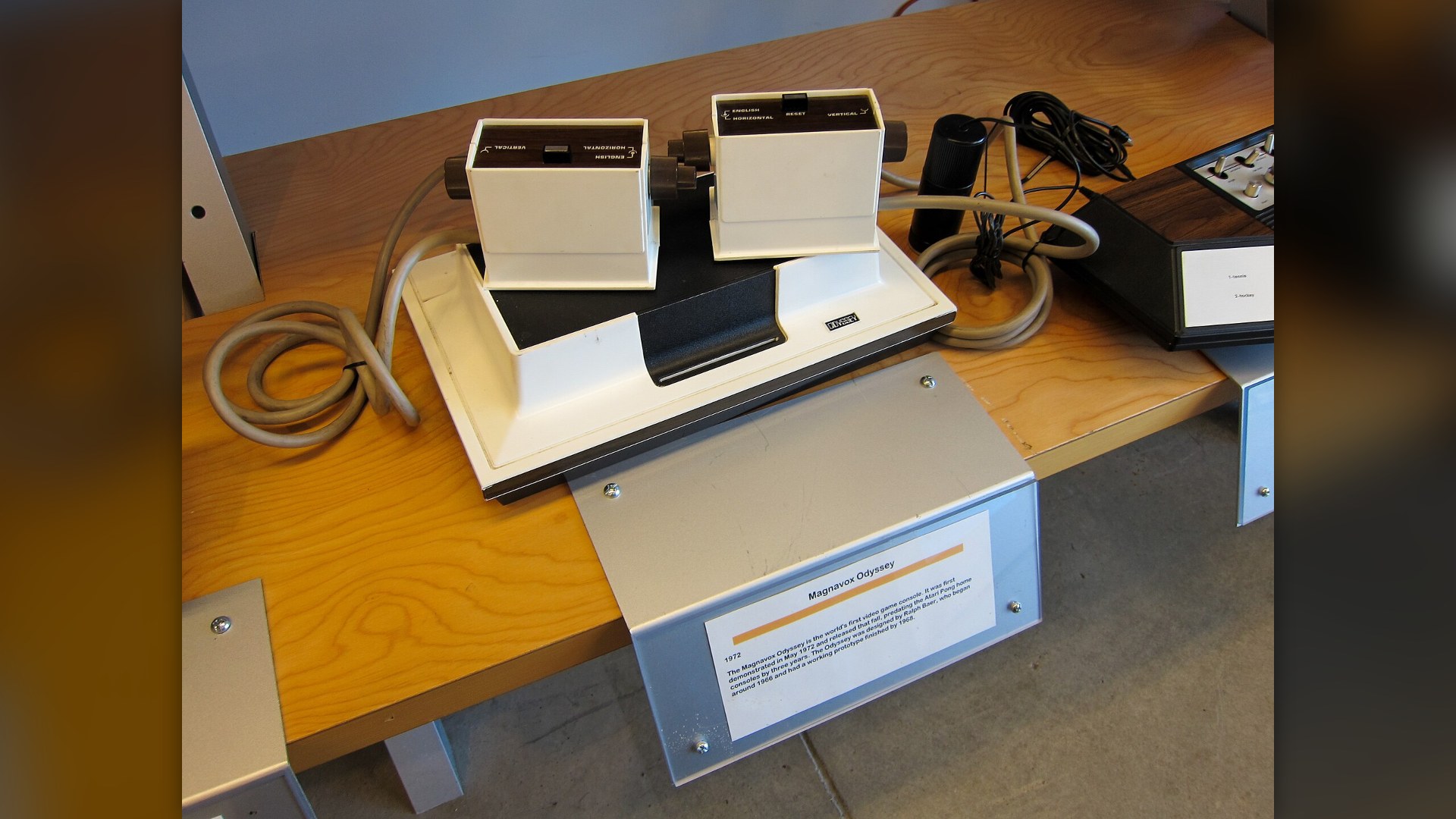
21. Magnavox Odyssey
Magnavox shipped the Odyssey in September 1972 as the first commercial home video game console. Because the hardware had no sound or color output, players taped translucent plastic overlays onto their television screens to simulate tennis courts, haunted houses, and roulette tables.
©Wikimedia / Jeff Keyzer from Austin, TX, USA
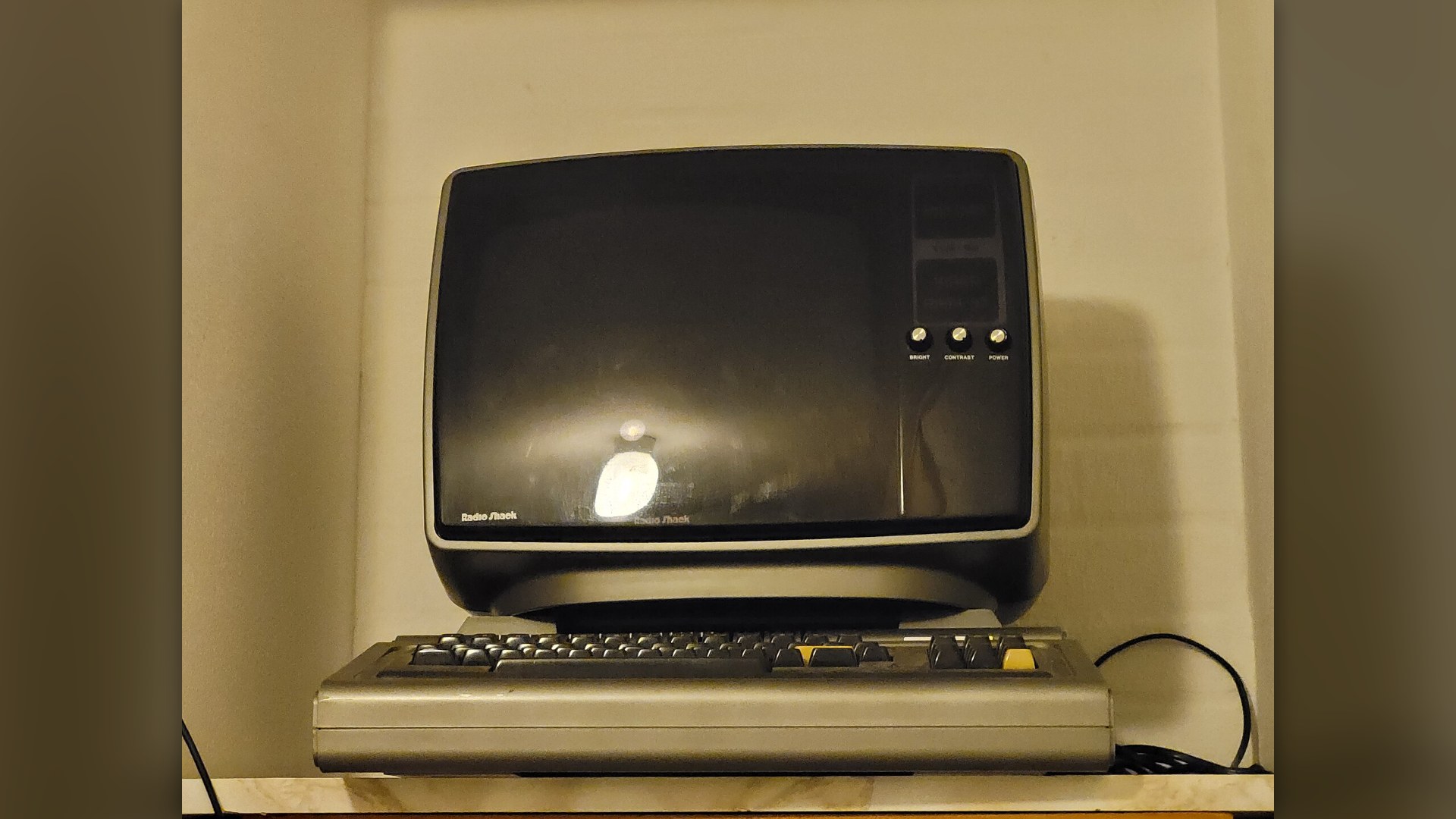
20. TRS-80 Model I
Tandy Corporation launched the TRS-80 Model I through RadioShack stores in August 1977 with 4 KB of RAM and a cassette tape interface for saving programs. Expectations were modest at 3,000 units a year, yet buyers ordered more than 10,000 systems in the very first month on sale.
©Wikimedia / Prolete
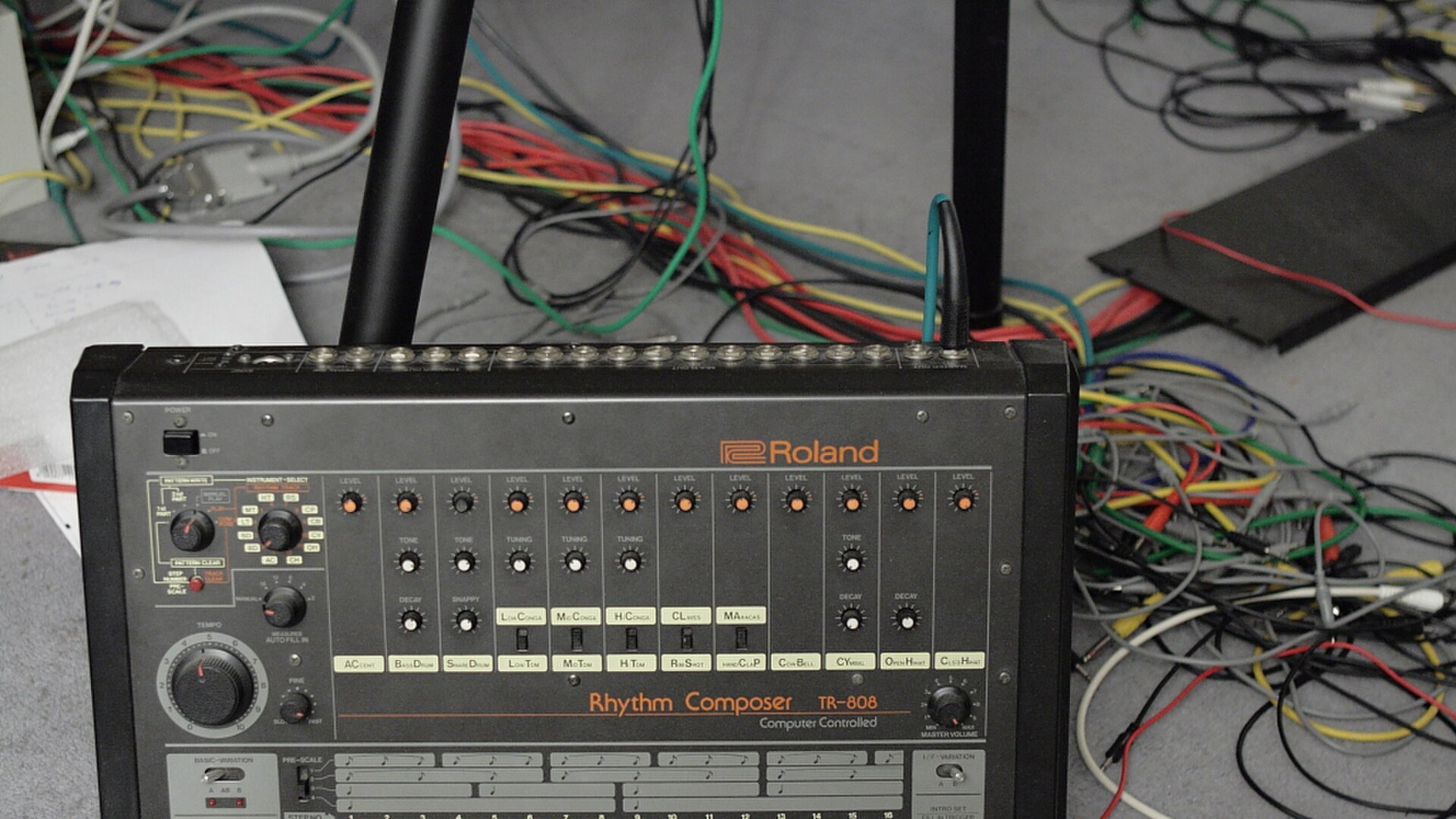
19. Roland TR-808 Rhythm Composer
Roland built roughly 12,000 units of the TR-808 Rhythm Composer between 1980 and 1983 using analog transistors instead of digital samples. Initially dismissed by studio rock drummers for sounding artificial, its booming bass kick powered Marvin Gaye's Sexual Healing and Afrika Bambaataa's Planet Rock.
©Wikimedia / fr4dd
Advertisement
Swipe or tap ▶ to resume the countdown.
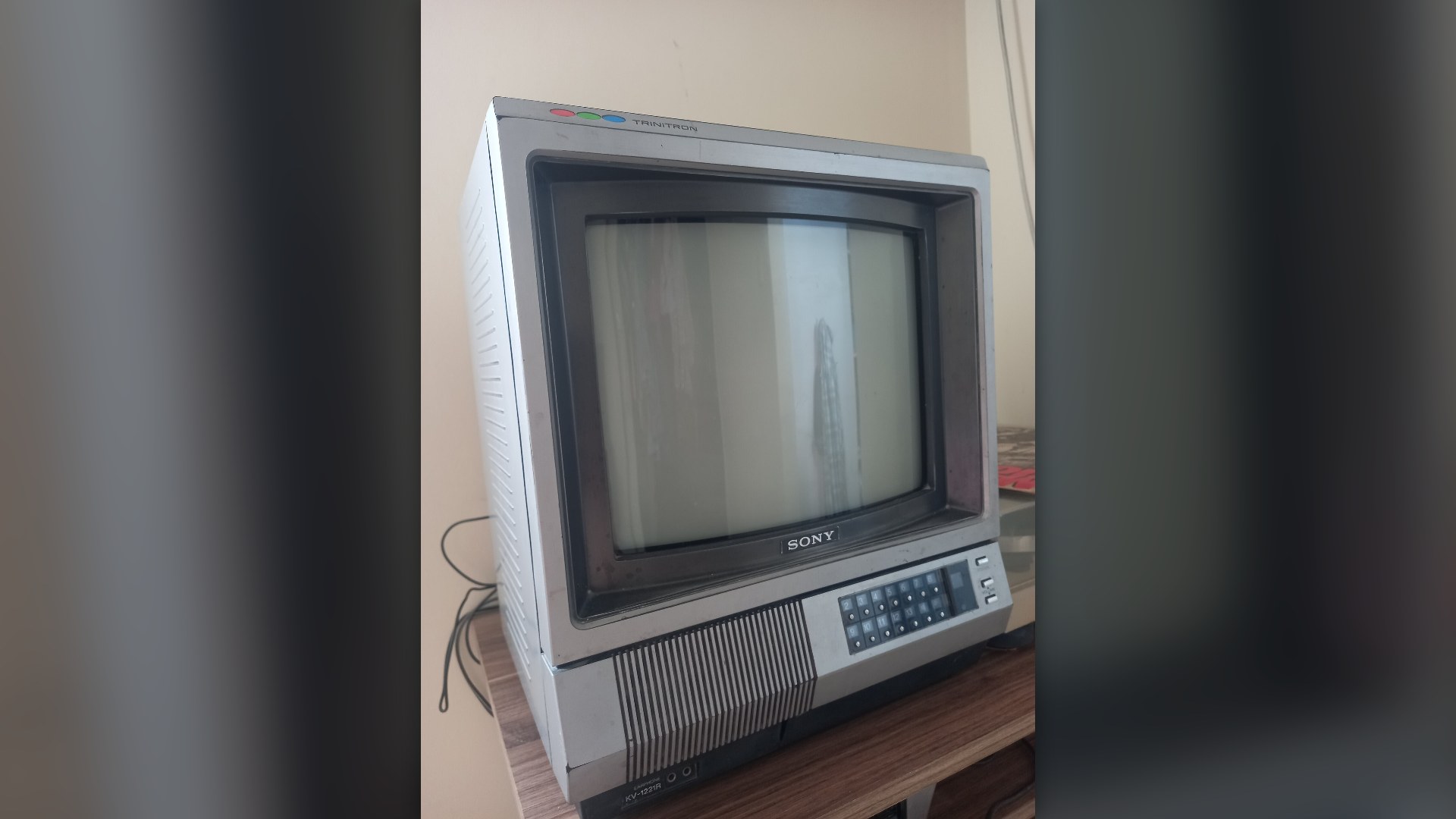
18. Sony Trinitron Television
Introduced in 1968 and ubiquitous across 1970s and 1980s dens, the Trinitron replaced perforated shadow masks with vertical tensioned wires that let more electrons reach the phosphor screen. Retro console players still hunt down working vintage Trinitron sets for crisp RGB scanlines and zero input lag.
©Wikimedia / Pablo Jarrín
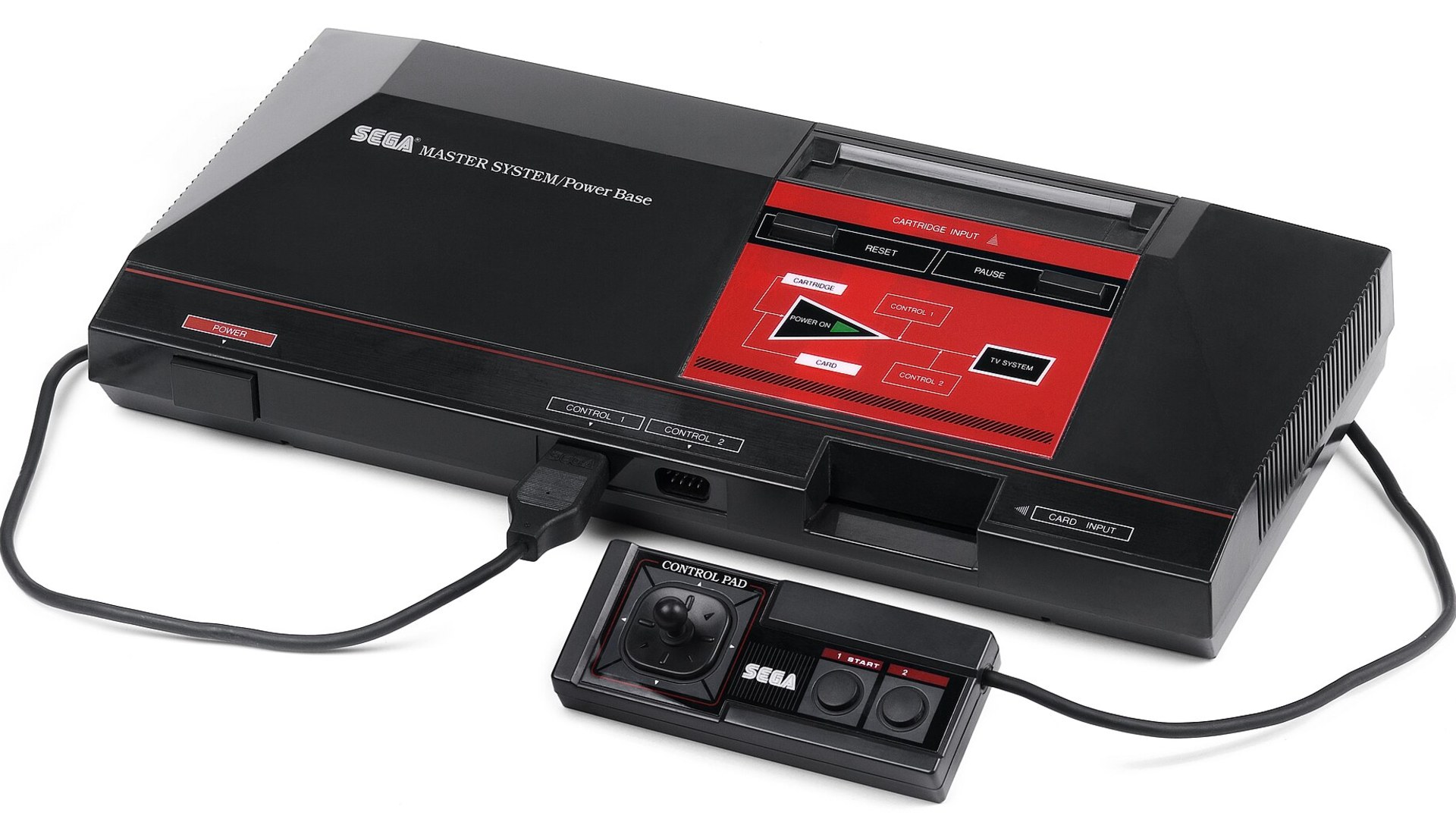
17. Sega Master System
Redesigned from Japan's 1985 Sega Mark III for its 1986 North American launch, the Master System offered sharper color palettes than its rivals and supported credit-card-sized Sega Cards alongside cartridges. Strong distribution in Europe and South America kept it culturally prominent well into the 1990s.
©Wikimedia / Evan-Amos
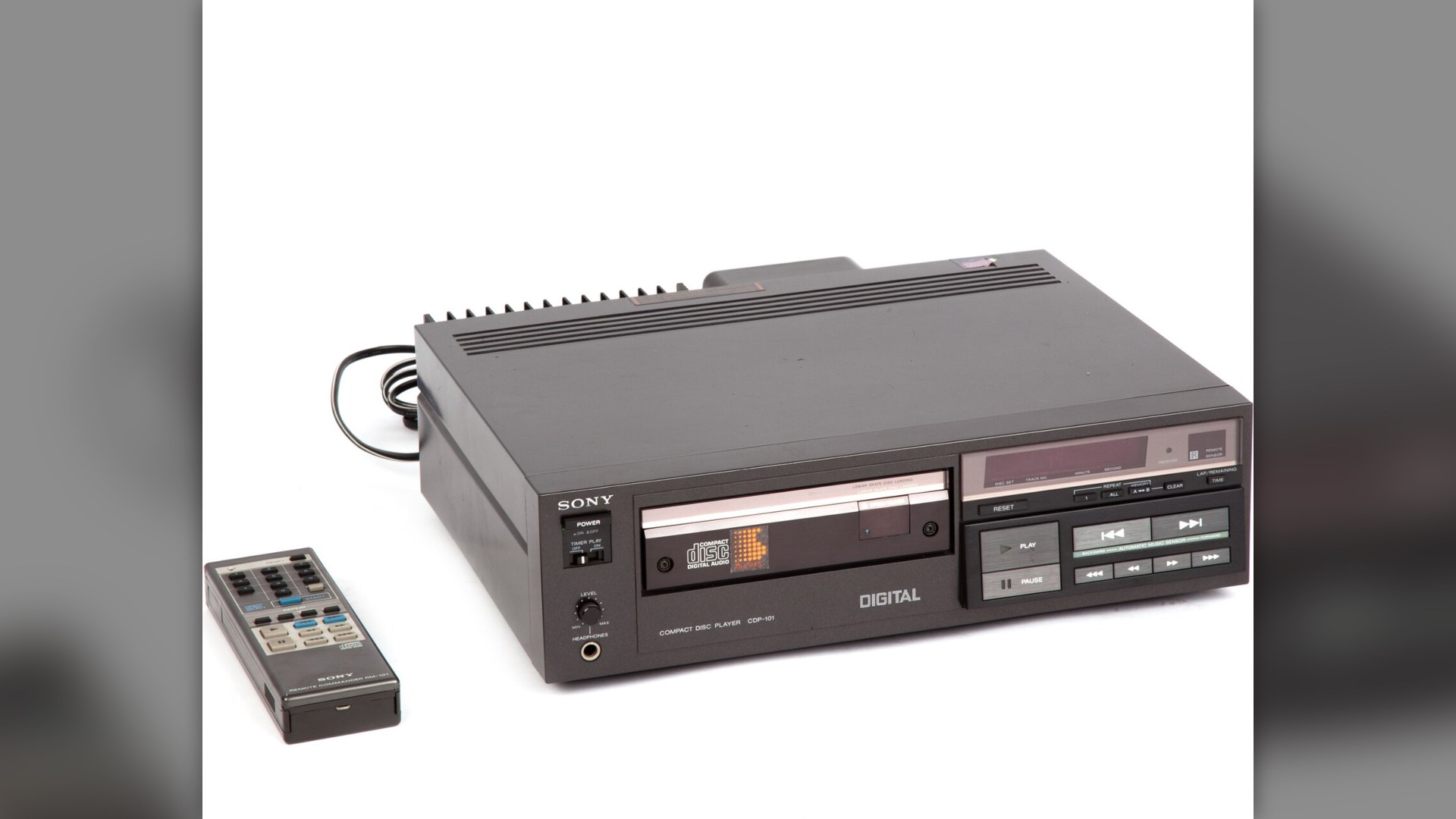
16. Sony CDP-101 CD Player
Sony launched the CDP-101 in Japan on October 1, 1982 for 168,000 yen alongside the first 50 commercial compact disc titles. Built like a tank with a motorized front tray and an infrared remote, its linear 16-bit digital audio conversion launched the optical disc era for home hi-fi listeners.
©Wikimedia / Alessandro Nassiri
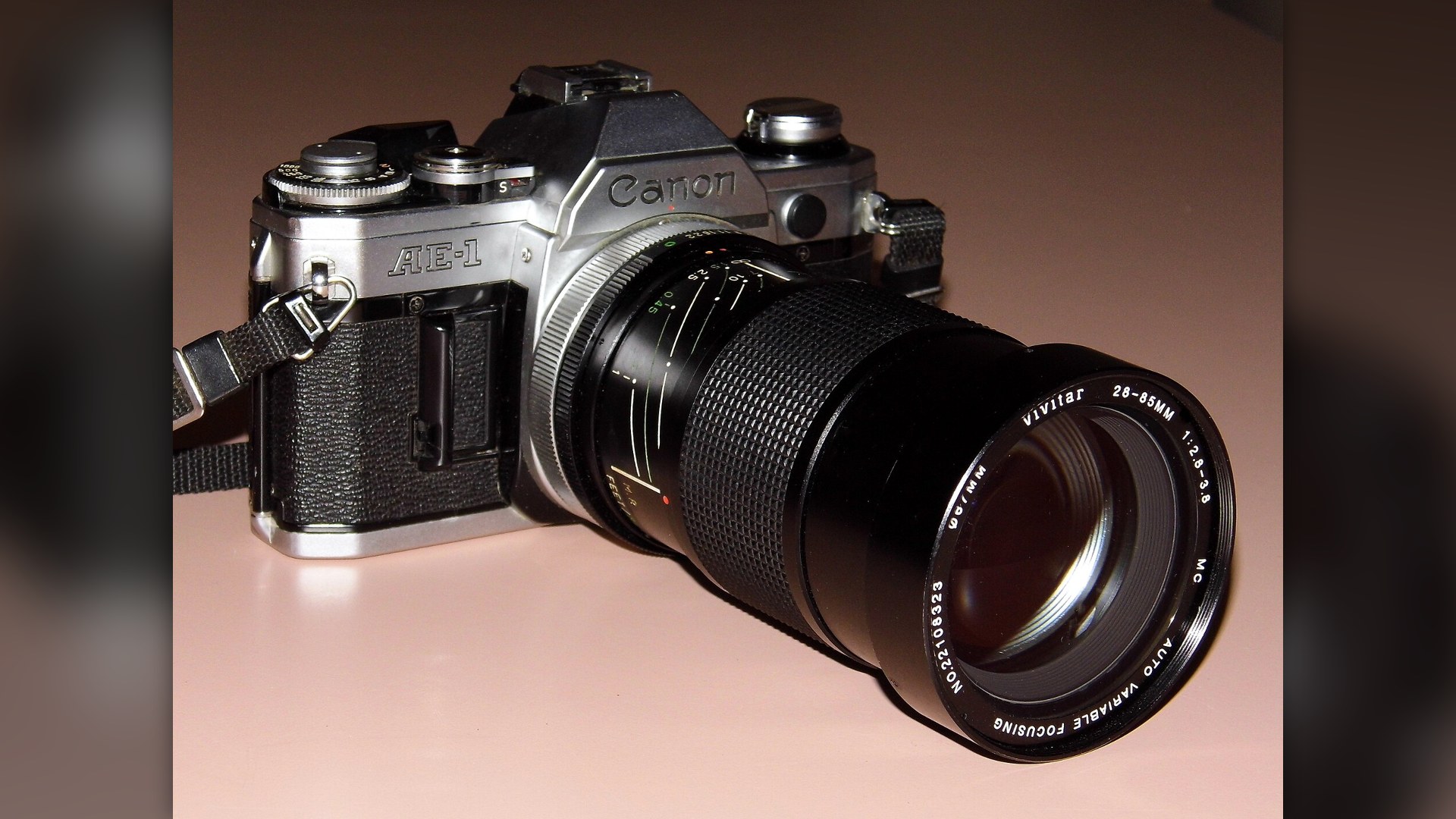
15. Canon AE-1
Canon introduced the AE-1 in April 1976 as the first single-lens reflex camera controlled by an onboard central processing unit. Paired with automated shutter-priority exposure and a massive television ad campaign, it sold more than five million bodies and remains a favorite starter camera for film students.
©Wikimedia / Joe Haupt from USA
Advertisement
Swipe or tap ▶ to resume the countdown.
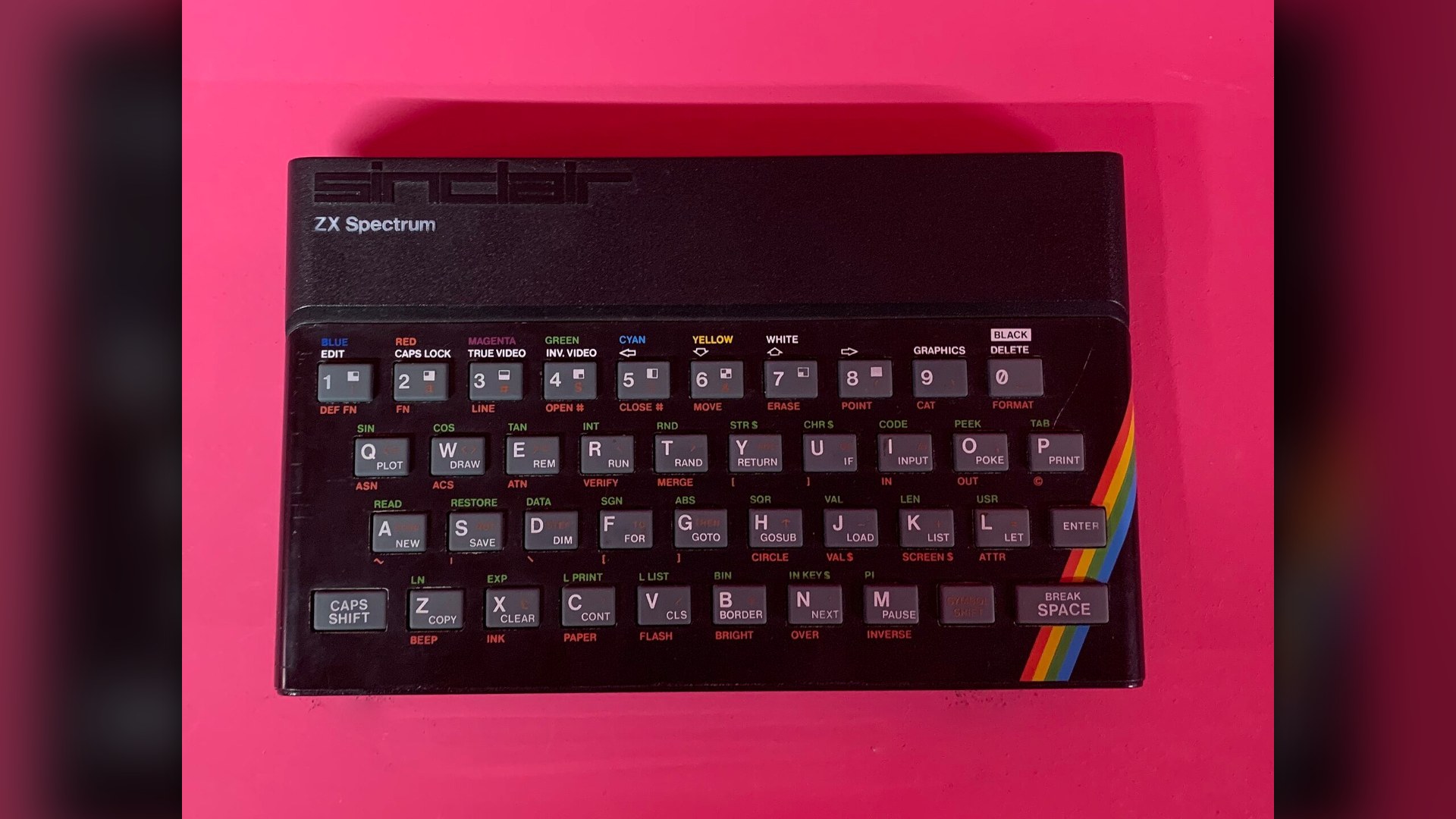
14. Sinclair ZX Spectrum
Sinclair Research released the ZX Spectrum in April 1982 in the UK at 125 pounds for the 16 KB model, using rubber chiclet keys to keep manufacturing costs low. Games loaded from standard audio cassettes over several minutes, inspiring a generation of European programmers and hardware hobbyists.
©Wikimedia / Federigo Federighi
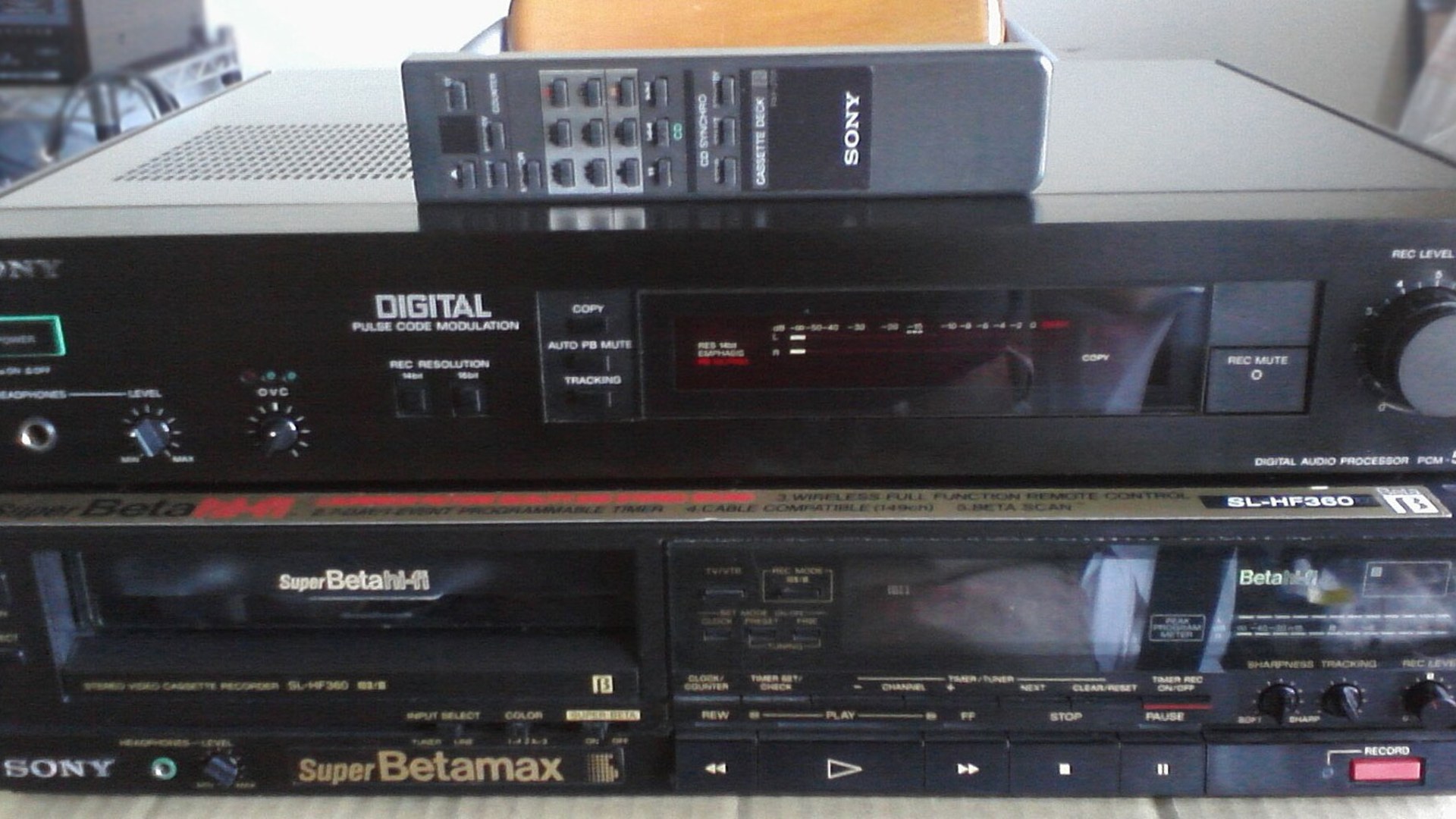
13. Sony Betamax VCR
Sony introduced Betamax in May 1975 with compact half-inch tape cassettes that let viewers time-shift television broadcasts at home. Later 1980s models like the Super Betamax SL-HF360 delivered superior picture resolution, and surviving decks remain essential for digitizing old family tapes.
©Wikimedia / Oliver A. Masciarotte
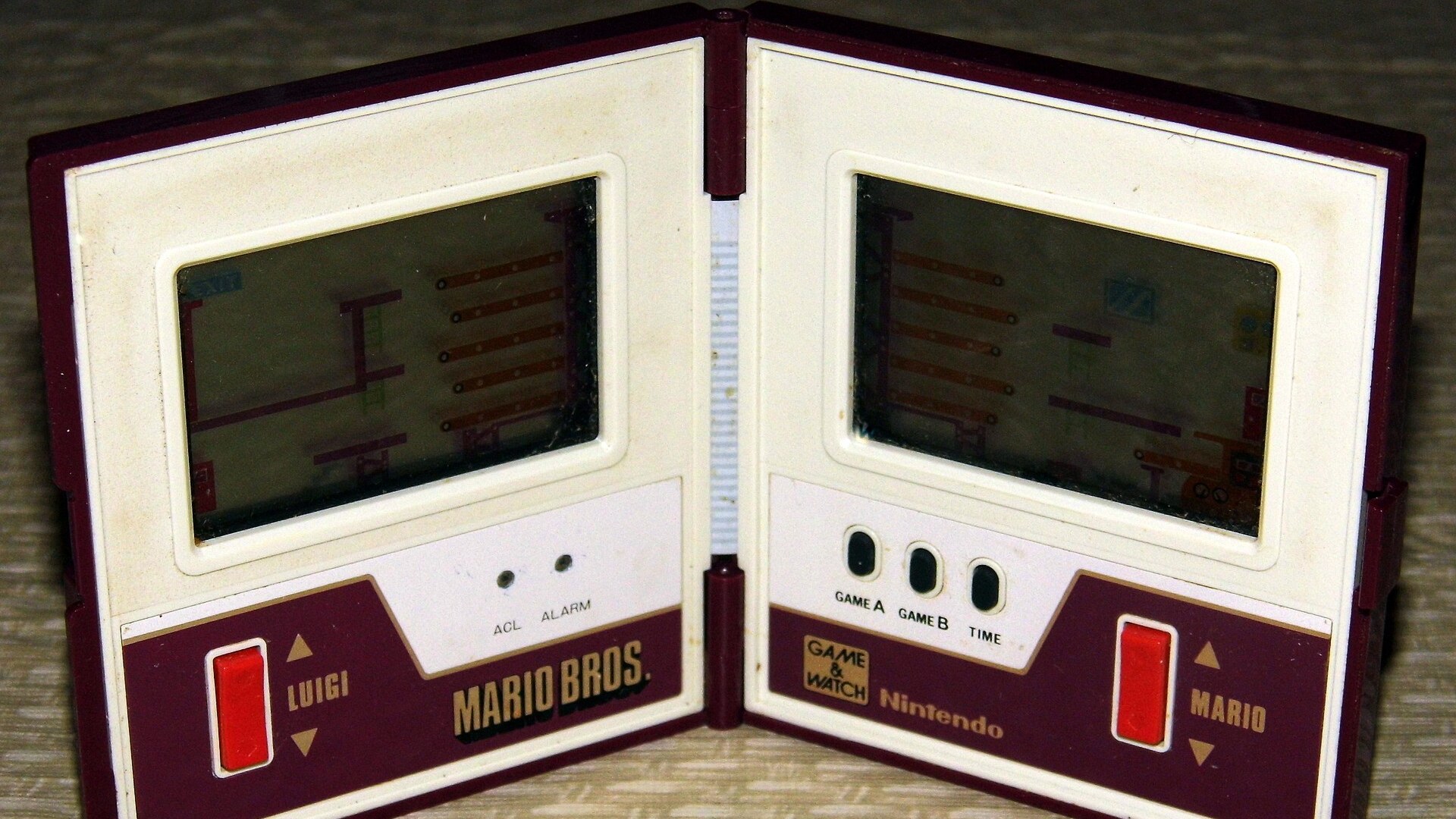
12. Nintendo Game & Watch
Inspired by watching a commuter play with a pocket calculator on a Shinkansen train, Nintendo designer Gunpei Yokoi created the Game & Watch line in 1980. Multi-screen clamshell titles such as 1982's Donkey Kong and 1983's Mario Bros. laid the blueprint for Nintendo's later dual-screen handhelds.
©Wikimedia / Joe Haupt from USA
11. Casio F-91W
Designer Ryusuke Moriai created the Casio F-91W in 1989 around a flat resin case, three side buttons, an amber microlight, and a single CR2016 battery rated for seven years. Still manufactured today with its original quartz module design, millions sell every year for under $20.
©Wikimedia / Multicherry
Advertisement
Swipe or tap ▶ to resume the countdown.
10. IBM PC 5150
Developed in Boca Raton, Florida in just twelve months, the IBM 5150 shipped on August 12, 1981 starting at $1,565 with an Intel 8088 processor and 16 KB of memory. By relying on off-the-shelf components and Microsoft's DOS operating system, IBM inadvertently created the PC-compatible ecosystem.
©Wikimedia / Rama & Musée Bolo
9. Motorola DynaTAC 8000X
Approved by the FCC in September 1983 and sold commercially in March 1984, the Motorola DynaTAC 8000X was the first handheld mobile telephone. It stored just 30 phone numbers, offered 30 minutes of talk time on a ten-hour charge, and became an instant symbol of 1980s corporate excess.
©Wikimedia / DynaTAC8000X.jpg : Redrum0486 derivative work: T
8. Apple II
Unveiled at the West Coast Computer Faire in April 1977, the Apple II featured built-in color graphics, eight expansion slots, and integer BASIC stored in ROM. Its killer spreadsheet app VisiCalc drove small-business adoption, keeping Apple II variants in production until 1993.
©Wikimedia / The wub
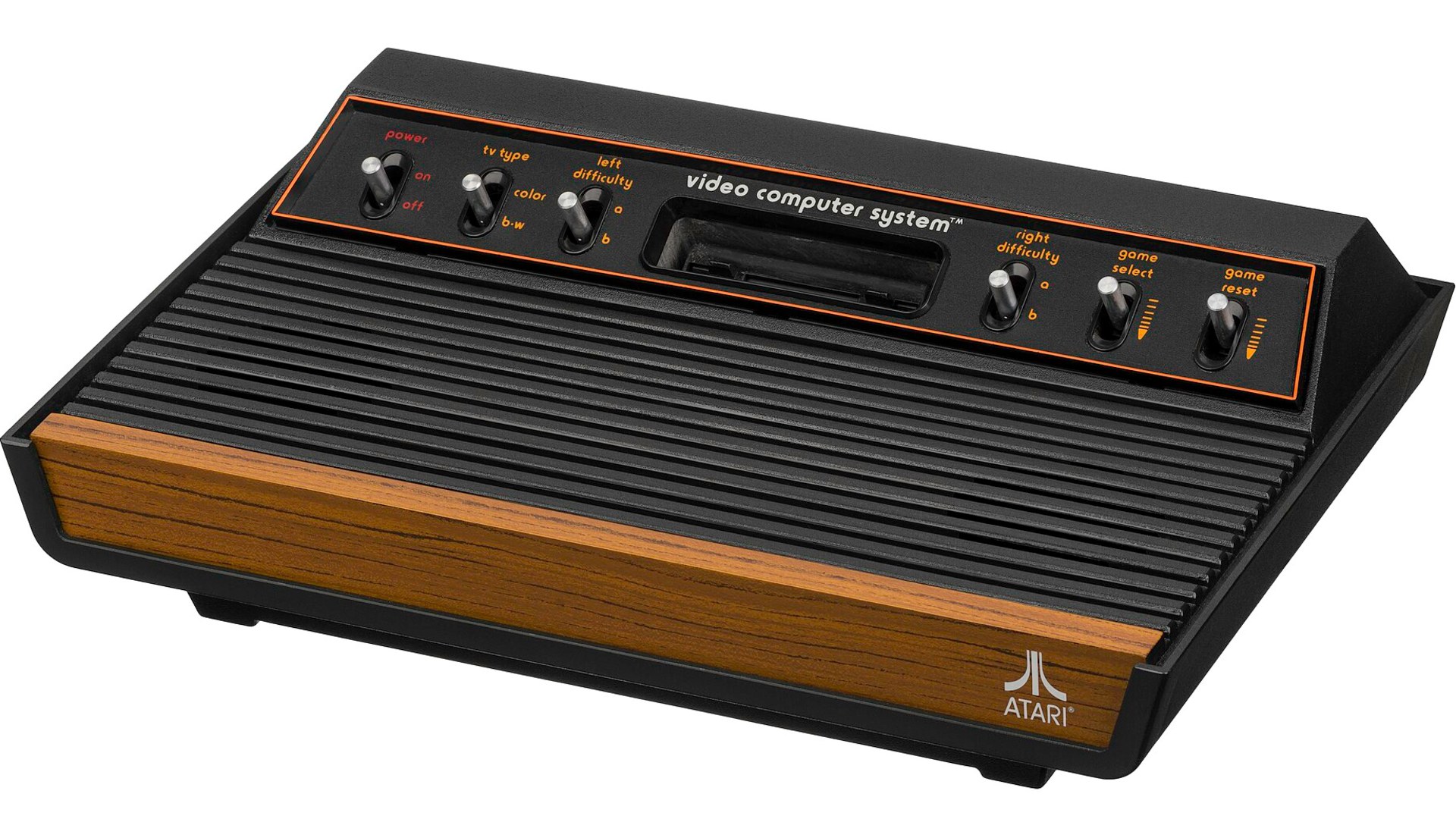
7. Atari 2600
Originally branded the Atari Video Computer System in September 1977, the Atari 2600 bundled two single-button joysticks and Combat in the box. Its 1980 arcade conversion of Space Invaders quadrupled hardware sales and proved third-party game cartridges could become a billion-dollar business.
©Wikimedia / Evan-Amos
Advertisement
Swipe or tap ▶ to resume the countdown.
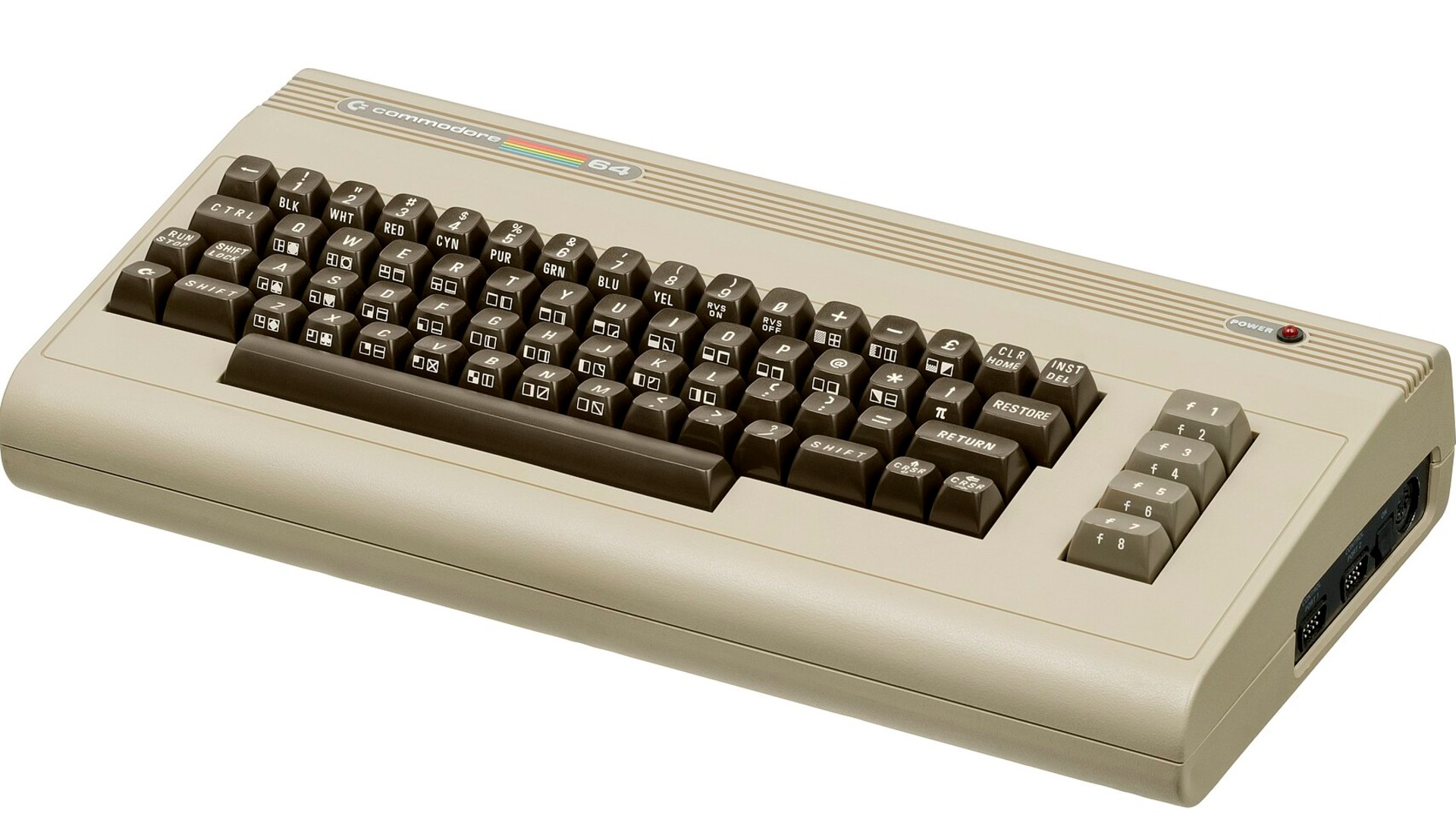
6. Commodore 64
Commodore unveiled the C64 at the January 1982 Consumer Electronics Show with 64 KB of RAM and the custom SID synthesizer chip for $595. Aggressive price cuts soon brought it into department stores under $200, moving an estimated 12.5 to 17 million units over its twelve-year run.
©Wikimedia / Evan-Amos
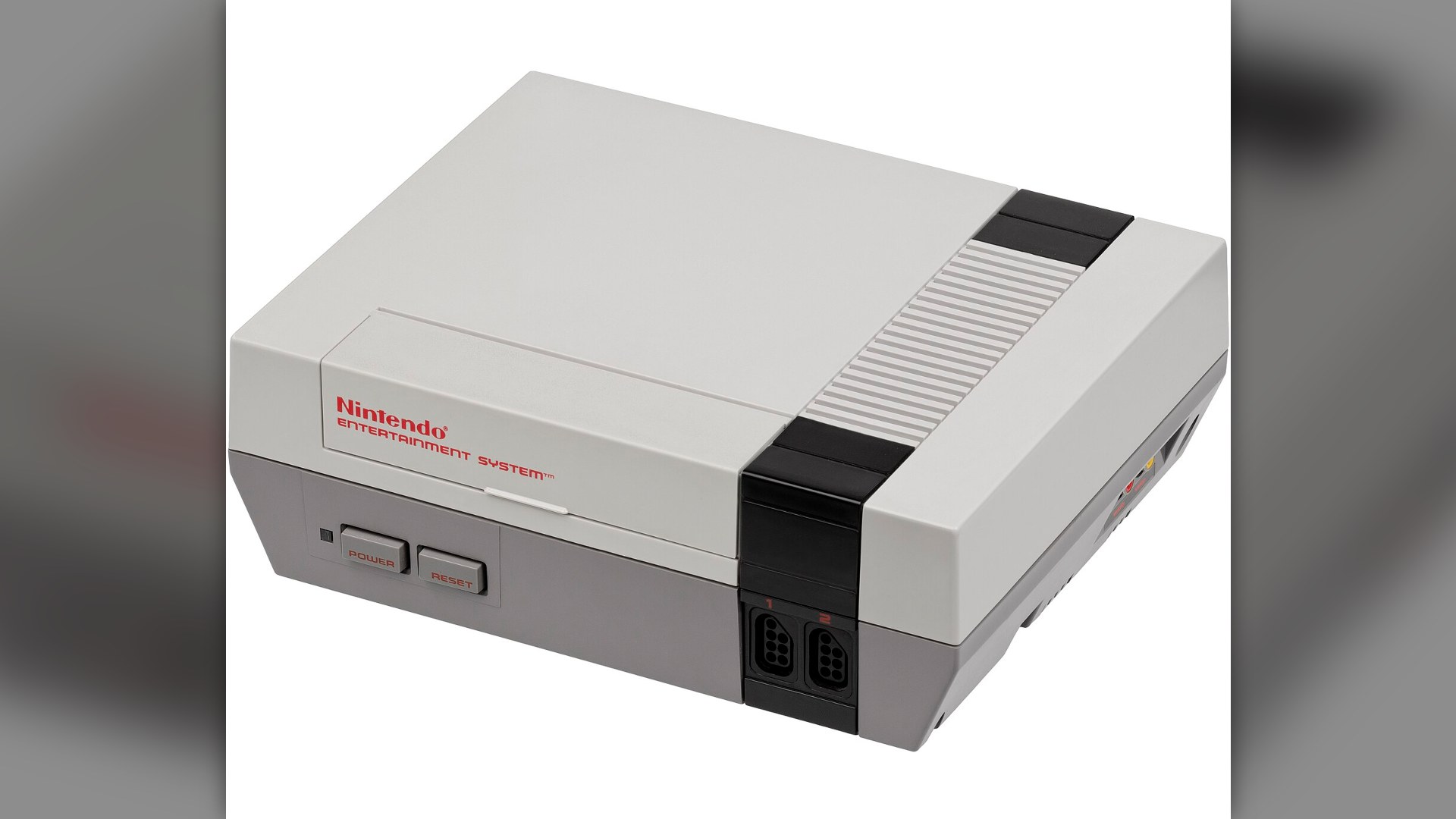
5. Nintendo Entertainment System
Adapted from Japan's 1983 Famicom, the Nintendo Entertainment System reached New York test markets in October 1985 packaged with R.O.B. the robot and Super Mario Bros. Its cross-shaped D-pad and strict cartridge licensing rebuilt retailer confidence and sold nearly 62 million consoles globally.
©Wikimedia / Evan-Amos
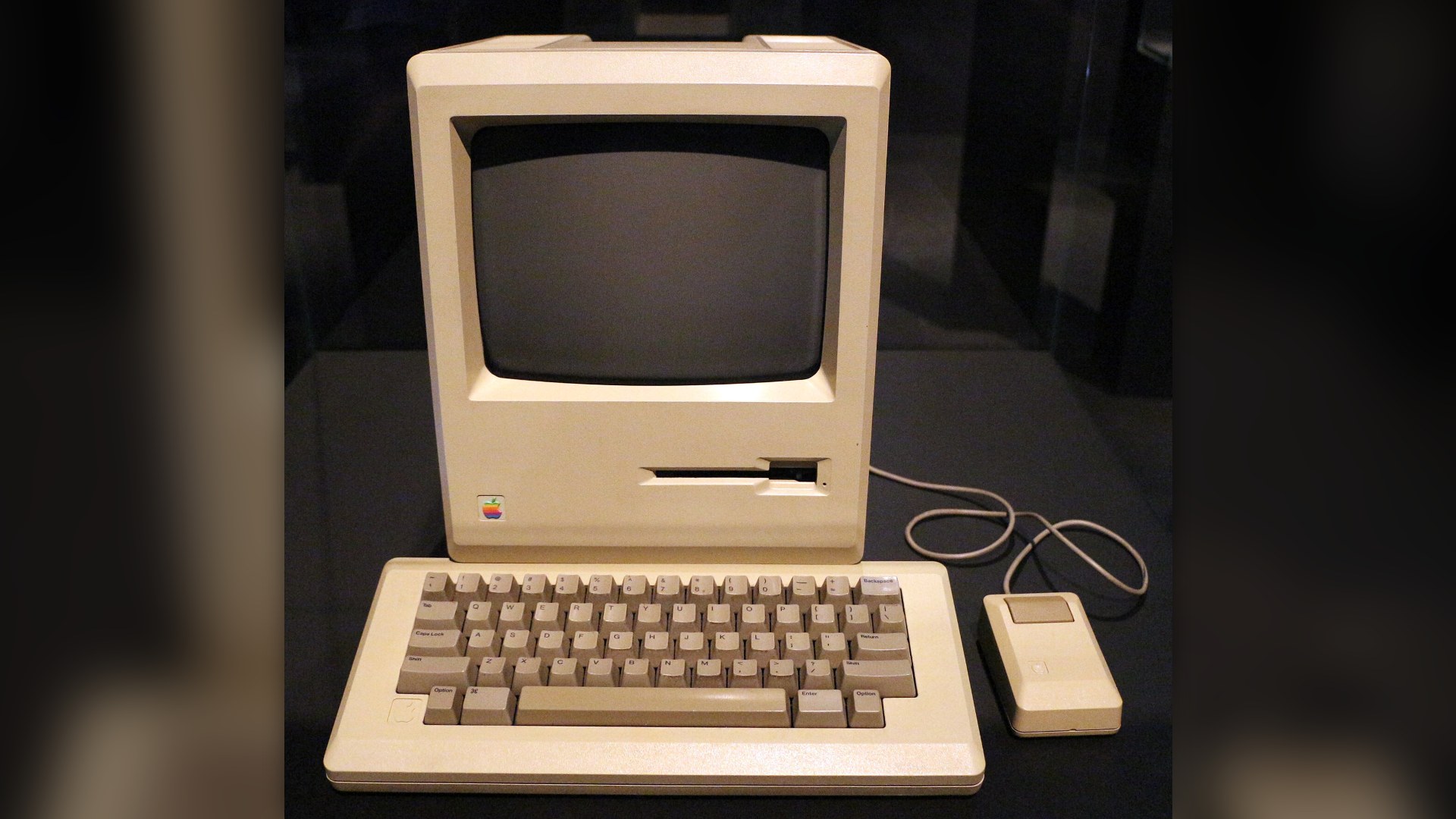
4. Apple Macintosh 128K
Launched two days after its famous Super Bowl commercial, the original Macintosh 128K packed a nine-inch monochrome CRT, 3.5-inch Sony floppy drive, and Motorola 68000 chip for $2,495. Built-in MacPaint and MacWrite showed buyers what point-and-click computing looked like out of the box.
©Wikimedia / Sailko
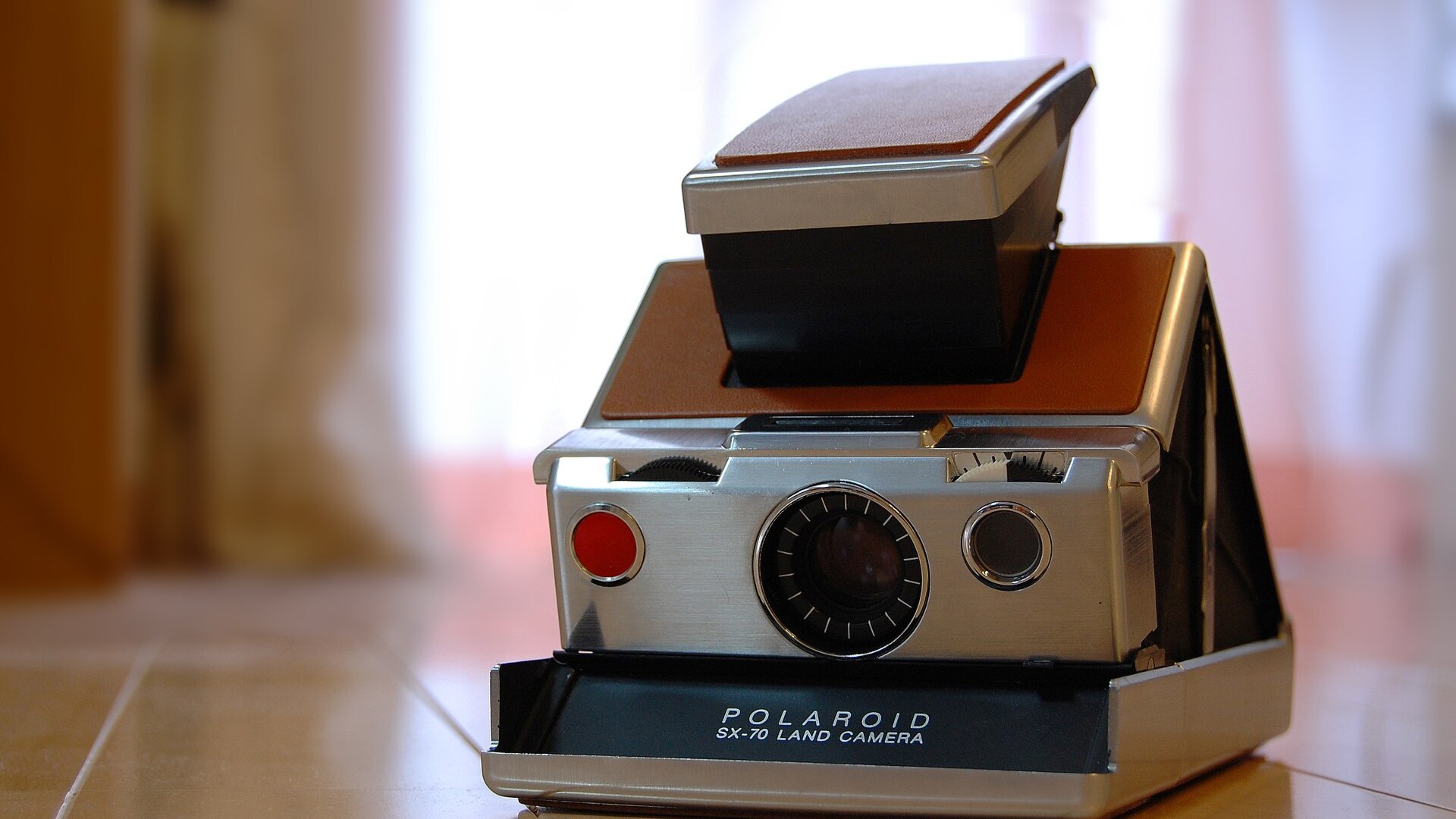
3. Polaroid SX-70
Designed with Henry Dreyfuss Associates and launched in 1972, the Polaroid SX-70 collapsed flat enough to slip inside a coat pocket. Press the red shutter button and an electric motor ejected an integral dry film pack that developed in daylight, captivating Andy Warhol and Ansel Adams alike.
©Wikimedia / Fabian Reus from Tokyo, Japan
Advertisement
Swipe or tap ▶ to resume the countdown.
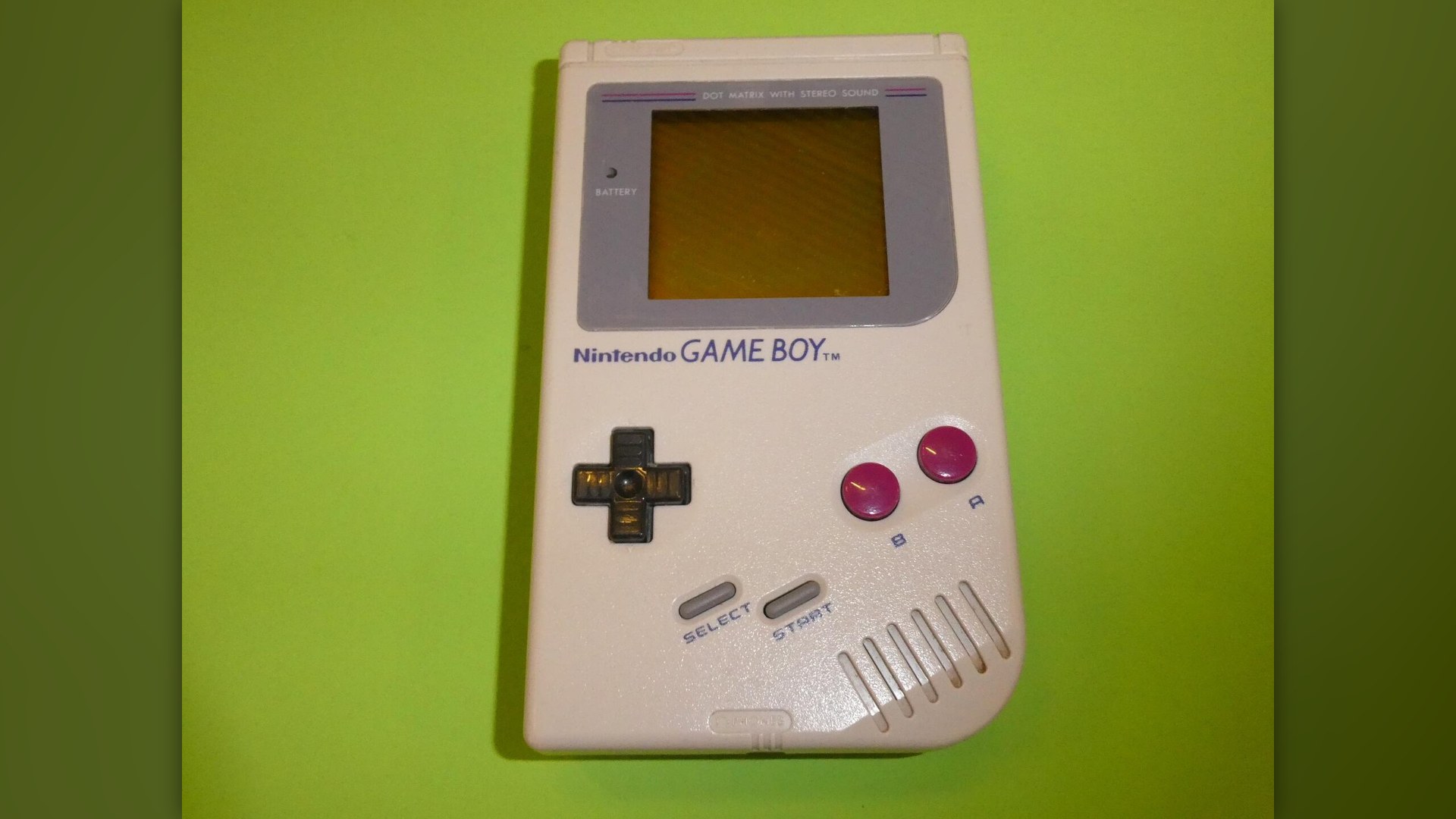
2. Nintendo Game Boy
Shunning power-hungry color screens, Nintendo released the DMG-01 Game Boy in 1989 with a reflective four-shade green LCD that ran up to 30 hours on four AA batteries. Bundled with Alexey Pajitnov's Tetris in North America and Europe, the original brick and its Pocket sibling sold 118.69 million units.
©Wikimedia / Jzh2074
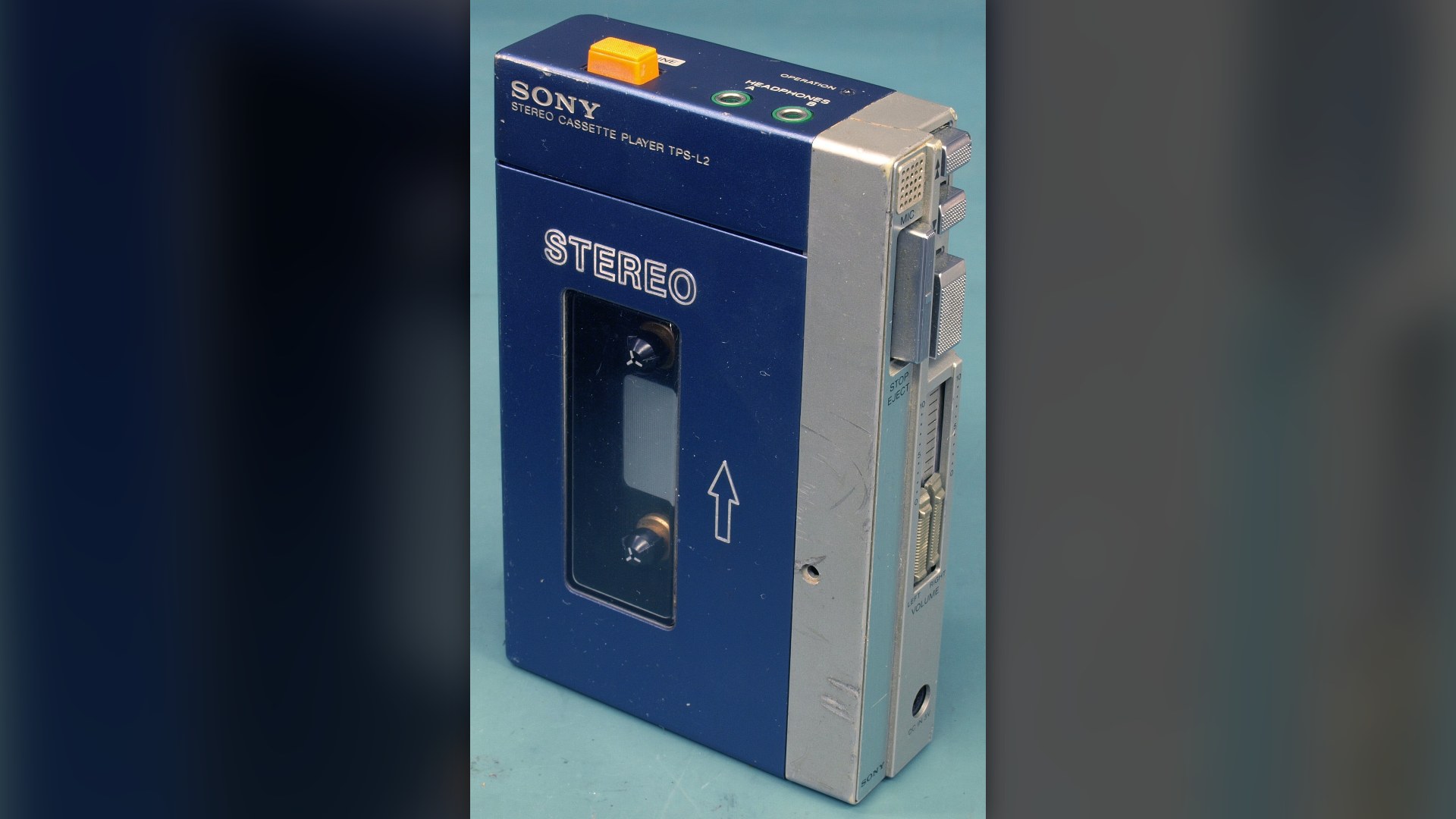
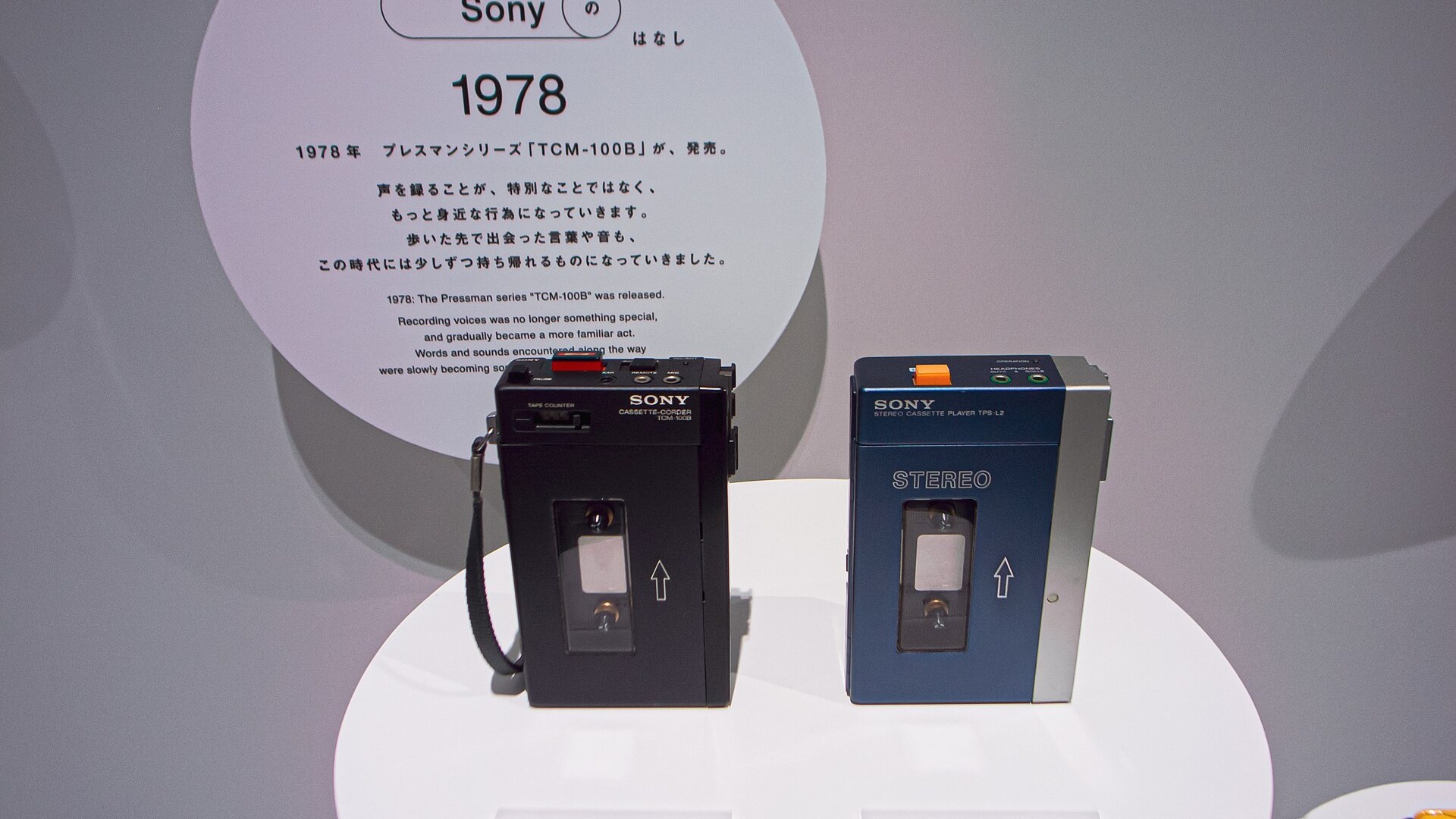
1. Sony Walkman TPS-L2
Built at co-founder Masaru Ibuka's request so he could hear opera on long flights, the TPS-L2 stripped the recording heads from a Pressman dictation unit. Priced at 33,000 yen in July 1979 with two headphone jacks and an orange hotline button, it changed how the world listens to music in public.
©Wikimedia / Binarysequence
Advertisement
You've reached the end of the story. Thanks for reading!

23 Real-World Robots and Androids Echoing Blade Runner 2099
Blade Runner 2099 asks where machines end and people begin. This countdown tracks 23 real robots and androids, from 1939 fairground prototypes and early factory arms to expressive humanoids in labs today. Facts draw on records from NASA, SRI International, MIT, Boston Dynamics, and national museum archives.
All 25 Entries in this Story
25. Sony Watchman FD-10A
Sony followed its 1982 FD-210 Watchman with the slimmer FD-10A in 1986, using a side-mounted electron gun to flatten the two-inch monochrome CRT screen. Analog over-the-air broadcasts ended in most countries, so collectors today pair working units with low-power VHF modulators.

24. Casio VL-1
Casio released the VL-Tone VL-1 in 1980 at a retail price around $70, combining a standard LCD calculator with 29 tiny keys and built-in rhythm presets. German band Trio used its rock preset and thin square-wave lead on their 1982 single Da Da Da, turning the toy-sized keyboard into a studio staple.

23. Texas Instruments Speak & Spell
Texas Instruments unveiled the Speak & Spell at the 1978 Summer CES with a TMC0280 speech synthesizer that spoke over 200 commonly misspelled words. Its distinctive robotic voice later appeared in the 1982 film E.T. the Extra-Terrestrial, and surviving units remain popular in circuit-bending studios.

22. HP-35 Scientific Calculator
Launched in January 1972 for $395, the HP-35 became the world's first pocket scientific calculator capable of trigonometric and logarithmic functions. Its red LED display and Reverse Polish Notation keypad made it an immediate hit, selling over 300,000 units before Hewlett-Packard retired the model in 1975.

21. Magnavox Odyssey
Magnavox shipped the Odyssey in September 1972 as the first commercial home video game console. Because the hardware had no sound or color output, players taped translucent plastic overlays onto their television screens to simulate tennis courts, haunted houses, and roulette tables.

20. TRS-80 Model I
Tandy Corporation launched the TRS-80 Model I through RadioShack stores in August 1977 with 4 KB of RAM and a cassette tape interface for saving programs. Expectations were modest at 3,000 units a year, yet buyers ordered more than 10,000 systems in the very first month on sale.

19. Roland TR-808 Rhythm Composer
Roland built roughly 12,000 units of the TR-808 Rhythm Composer between 1980 and 1983 using analog transistors instead of digital samples. Initially dismissed by studio rock drummers for sounding artificial, its booming bass kick powered Marvin Gaye's Sexual Healing and Afrika Bambaataa's Planet Rock.

18. Sony Trinitron Television
Introduced in 1968 and ubiquitous across 1970s and 1980s dens, the Trinitron replaced perforated shadow masks with vertical tensioned wires that let more electrons reach the phosphor screen. Retro console players still hunt down working vintage Trinitron sets for crisp RGB scanlines and zero input lag.

17. Sega Master System
Redesigned from Japan's 1985 Sega Mark III for its 1986 North American launch, the Master System offered sharper color palettes than its rivals and supported credit-card-sized Sega Cards alongside cartridges. Strong distribution in Europe and South America kept it culturally prominent well into the 1990s.

16. Sony CDP-101 CD Player
Sony launched the CDP-101 in Japan on October 1, 1982 for 168,000 yen alongside the first 50 commercial compact disc titles. Built like a tank with a motorized front tray and an infrared remote, its linear 16-bit digital audio conversion launched the optical disc era for home hi-fi listeners.

15. Canon AE-1
Canon introduced the AE-1 in April 1976 as the first single-lens reflex camera controlled by an onboard central processing unit. Paired with automated shutter-priority exposure and a massive television ad campaign, it sold more than five million bodies and remains a favorite starter camera for film students.

14. Sinclair ZX Spectrum
Sinclair Research released the ZX Spectrum in April 1982 in the UK at 125 pounds for the 16 KB model, using rubber chiclet keys to keep manufacturing costs low. Games loaded from standard audio cassettes over several minutes, inspiring a generation of European programmers and hardware hobbyists.

13. Sony Betamax VCR
Sony introduced Betamax in May 1975 with compact half-inch tape cassettes that let viewers time-shift television broadcasts at home. Later 1980s models like the Super Betamax SL-HF360 delivered superior picture resolution, and surviving decks remain essential for digitizing old family tapes.

12. Nintendo Game & Watch
Inspired by watching a commuter play with a pocket calculator on a Shinkansen train, Nintendo designer Gunpei Yokoi created the Game & Watch line in 1980. Multi-screen clamshell titles such as 1982's Donkey Kong and 1983's Mario Bros. laid the blueprint for Nintendo's later dual-screen handhelds.

11. Casio F-91W
Designer Ryusuke Moriai created the Casio F-91W in 1989 around a flat resin case, three side buttons, an amber microlight, and a single CR2016 battery rated for seven years. Still manufactured today with its original quartz module design, millions sell every year for under $20.

10. IBM PC 5150
Developed in Boca Raton, Florida in just twelve months, the IBM 5150 shipped on August 12, 1981 starting at $1,565 with an Intel 8088 processor and 16 KB of memory. By relying on off-the-shelf components and Microsoft's DOS operating system, IBM inadvertently created the PC-compatible ecosystem.

9. Motorola DynaTAC 8000X
Approved by the FCC in September 1983 and sold commercially in March 1984, the Motorola DynaTAC 8000X was the first handheld mobile telephone. It stored just 30 phone numbers, offered 30 minutes of talk time on a ten-hour charge, and became an instant symbol of 1980s corporate excess.

8. Apple II
Unveiled at the West Coast Computer Faire in April 1977, the Apple II featured built-in color graphics, eight expansion slots, and integer BASIC stored in ROM. Its killer spreadsheet app VisiCalc drove small-business adoption, keeping Apple II variants in production until 1993.

7. Atari 2600
Originally branded the Atari Video Computer System in September 1977, the Atari 2600 bundled two single-button joysticks and Combat in the box. Its 1980 arcade conversion of Space Invaders quadrupled hardware sales and proved third-party game cartridges could become a billion-dollar business.

6. Commodore 64
Commodore unveiled the C64 at the January 1982 Consumer Electronics Show with 64 KB of RAM and the custom SID synthesizer chip for $595. Aggressive price cuts soon brought it into department stores under $200, moving an estimated 12.5 to 17 million units over its twelve-year run.

5. Nintendo Entertainment System
Adapted from Japan's 1983 Famicom, the Nintendo Entertainment System reached New York test markets in October 1985 packaged with R.O.B. the robot and Super Mario Bros. Its cross-shaped D-pad and strict cartridge licensing rebuilt retailer confidence and sold nearly 62 million consoles globally.

4. Apple Macintosh 128K
Launched two days after its famous Super Bowl commercial, the original Macintosh 128K packed a nine-inch monochrome CRT, 3.5-inch Sony floppy drive, and Motorola 68000 chip for $2,495. Built-in MacPaint and MacWrite showed buyers what point-and-click computing looked like out of the box.

3. Polaroid SX-70
Designed with Henry Dreyfuss Associates and launched in 1972, the Polaroid SX-70 collapsed flat enough to slip inside a coat pocket. Press the red shutter button and an electric motor ejected an integral dry film pack that developed in daylight, captivating Andy Warhol and Ansel Adams alike.

2. Nintendo Game Boy
Shunning power-hungry color screens, Nintendo released the DMG-01 Game Boy in 1989 with a reflective four-shade green LCD that ran up to 30 hours on four AA batteries. Bundled with Alexey Pajitnov's Tetris in North America and Europe, the original brick and its Pocket sibling sold 118.69 million units.

1. Sony Walkman TPS-L2
Built at co-founder Masaru Ibuka's request so he could hear opera on long flights, the TPS-L2 stripped the recording heads from a Pressman dictation unit. Priced at 33,000 yen in July 1979 with two headphone jacks and an orange hotline button, it changed how the world listens to music in public.