Slideshow · Viral
22 Famous Furniture and Lighting Classics Behind Budget Store Copies
Big-box furniture stores routinely sell lookalikes of famous 20th-century chairs, tables and lamps. This countdown traces 22 influential originals back to their creators, release years and patents. Based on museum records from MoMA and the Vitra Design Museum alongside archives at Herman Miller and Knoll.
By Most Viral Today
33 min ago

Recognize these living room staples? Meet the museum originals behind them. 
22. Tolix Model A Chair 
21. Acapulco Chair 
20. Kartell Louis Ghost Chair - AdvertisementSwipe or tap ▶ to continue countdown

19. Stokke Tripp Trapp Chair 
18. George Nelson Bubble Lamp 
17. Isamu Noguchi Akari Lamp 
16. Sori Yanagi Butterfly Stool - AdvertisementSwipe or tap ▶ to continue countdown

15. Eero Aarnio Ball Chair 
14. Verner Panton S-Chair 
13. Anglepoise Desk Lamp 
12. Alvar Aalto Paimio Armchair - AdvertisementSwipe or tap ▶ to continue countdown

11. Poul Henningsen PH Artichoke Lamp 
10. Arne Jacobsen Swan Chair 
9. Arne Jacobsen Egg Chair 
8. Marcel Breuer Cesca Chair - AdvertisementSwipe or tap ▶ to continue countdown

7. Marcel Breuer Wassily Chair 
6. Saarinen Tulip Chair 
5. Hans Wegner Wishbone Chair 
4. Isamu Noguchi Coffee Table - AdvertisementSwipe or tap ▶ to continue countdown

3. Eames Molded Plastic Chair 
2. Mies Van Der Rohe Barcelona Chair 
1. Eames Lounge Chair And Ottoman - Advertisement🔥 UP NEXT IN THIS SERIES◫ 21 Slides

20 Iconic Historical Photos and the Archive Clues Behind Them
Contact sheets, cracked glass plates, and NASA mission logs preserve the hidden steps behind 20 famous photographs. Drawing on records from the Library of Congress, the National Archives, NASA, and the Smithsonian, this countdown traces how cropping, camera setups, and double exposures shaped each frame.
Big-box furniture stores routinely sell lookalikes of famous 20th-century chairs, tables and lamps. This countdown traces 22 influential originals back to their creators, release years and patents. Based on museum records from MoMA and the Vitra Design Museum alongside archives at Herman Miller and Knoll.
Swipe or tap ▶ to begin the countdown
©Wikimedia / Casey Marshall
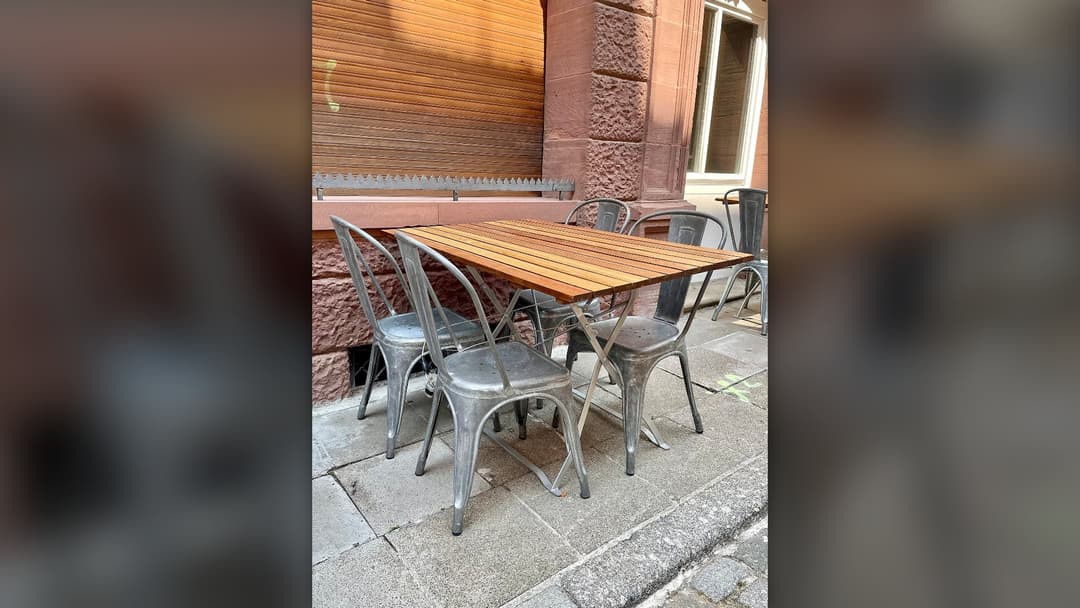
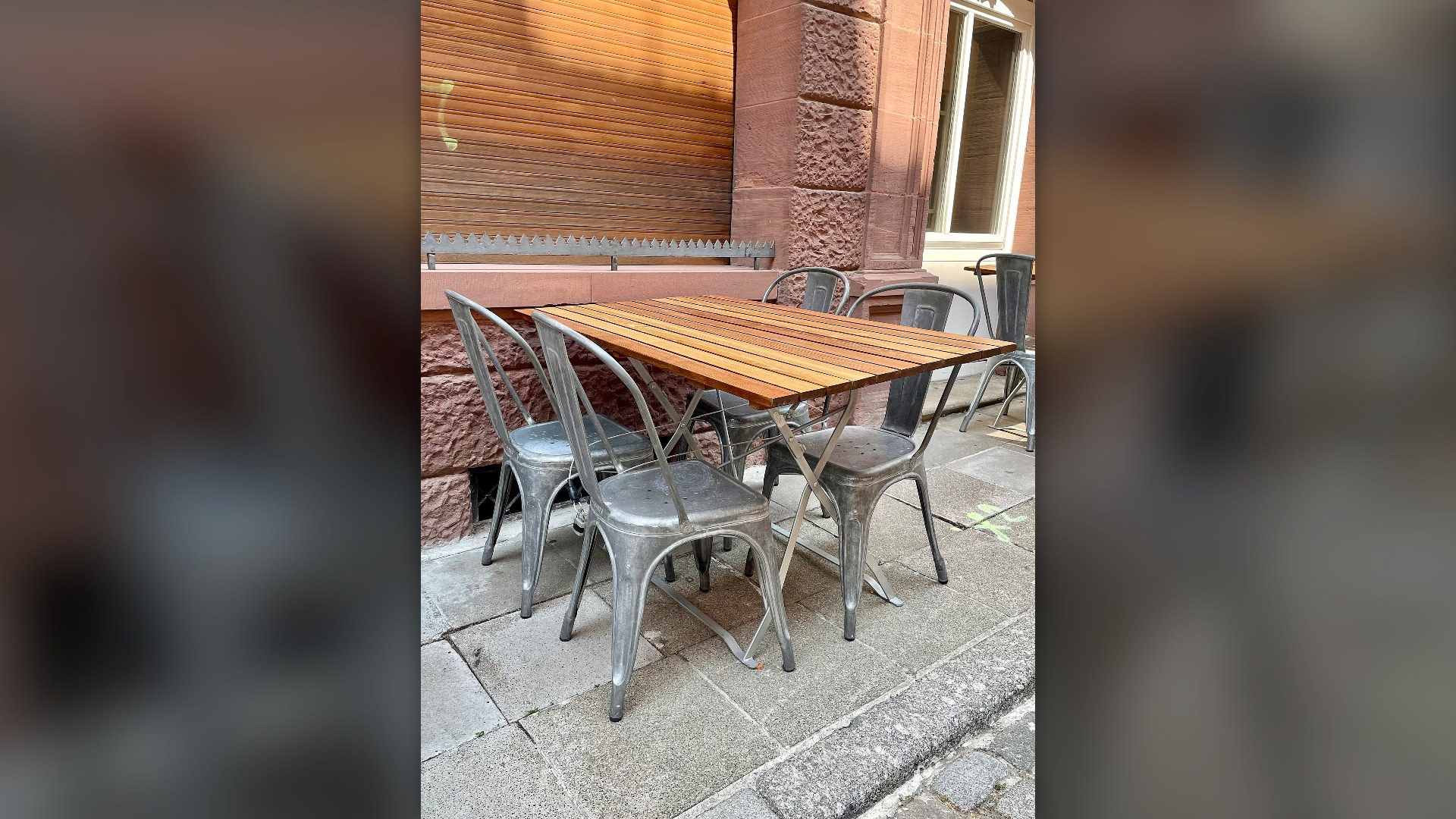
22. Tolix Model A Chair
French metalworker Xavier Pauchard designed the galvanized sheet-steel Chaise A in 1934 for outdoor cafe patios. Its stackable frame resists rust and weighs under 10 pounds, which made it a restaurant staple worldwide. Modern discount retailers still sell nearly identical stamped-steel bistro chairs.
©Wikimedia / Ditigibt
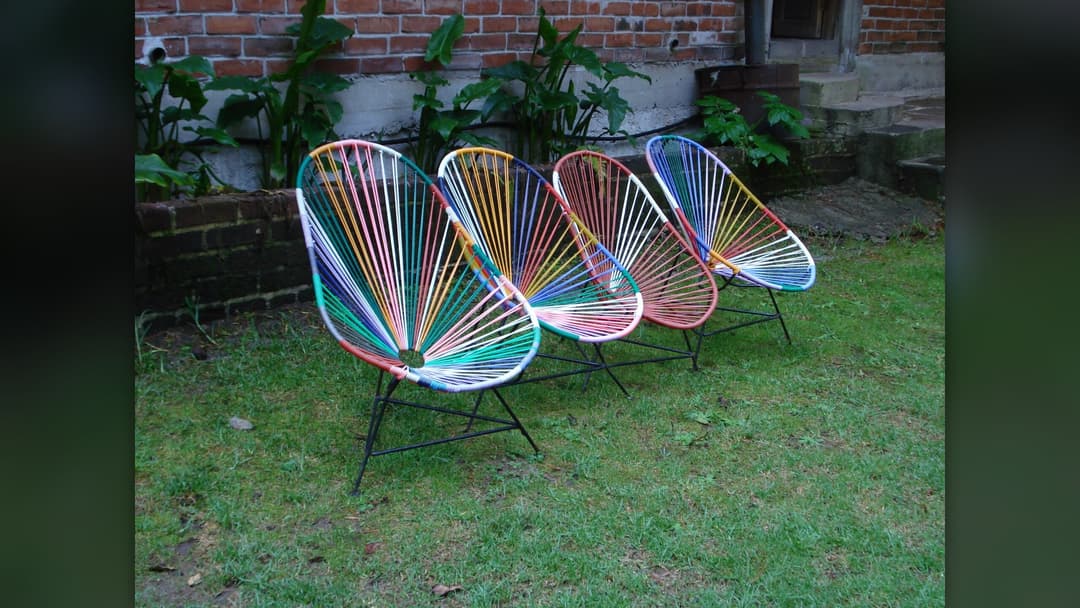
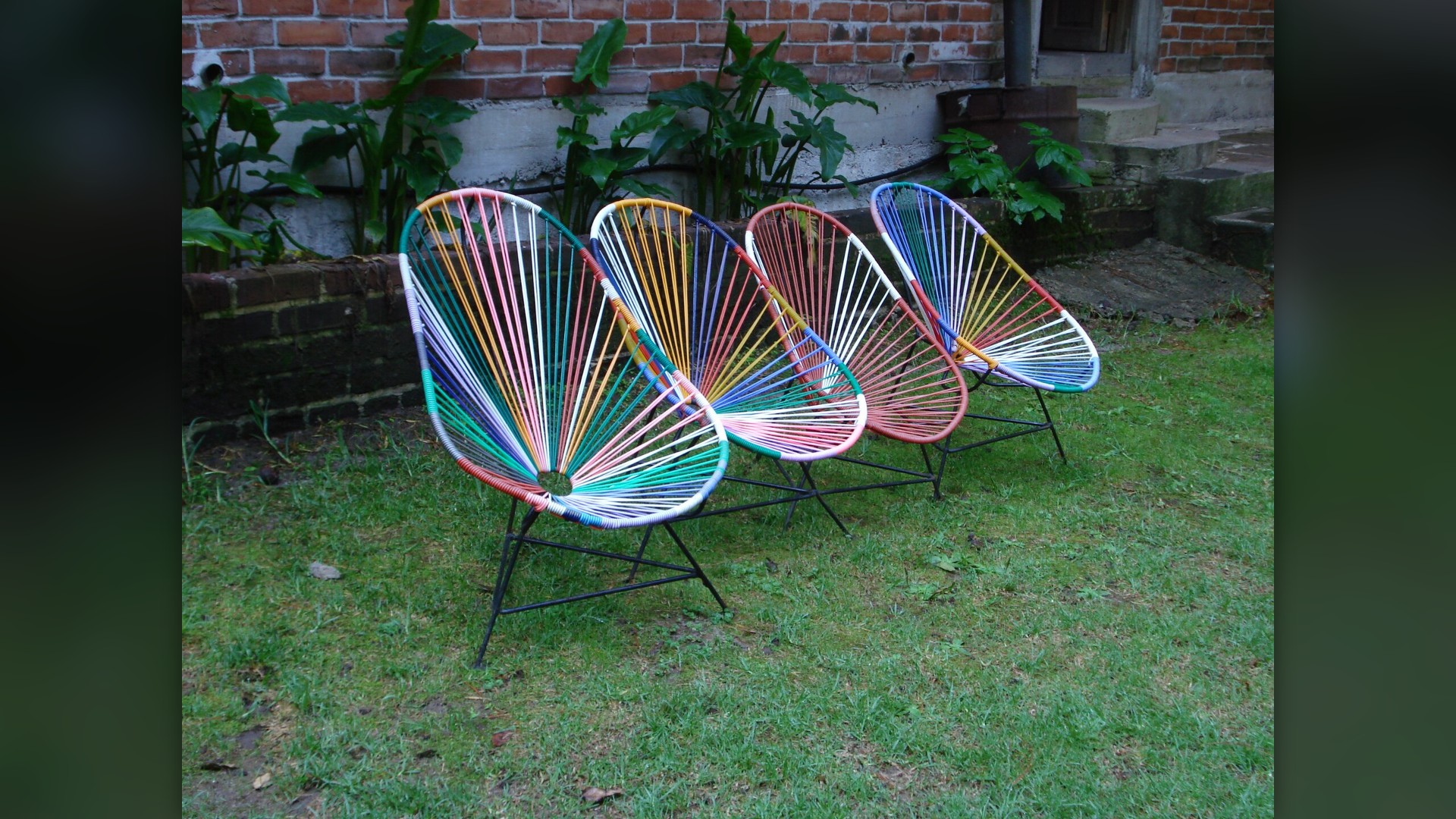
21. Acapulco Chair
Originating in Acapulco during the 1950s, this open-weave lounge chair pairs a welded steel base with flexible PVC cords inspired by traditional Maya hammock weaving. No single designer holds a patent on the original form. Budget patio brands produce thousands of colorful cord copies each summer.
©Wikimedia / vladimix
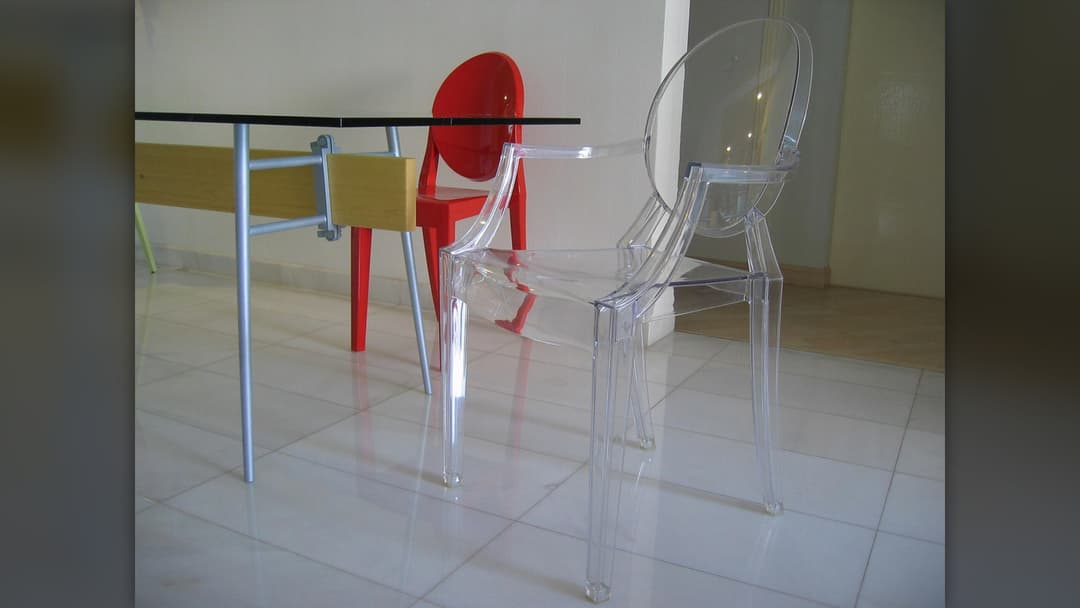
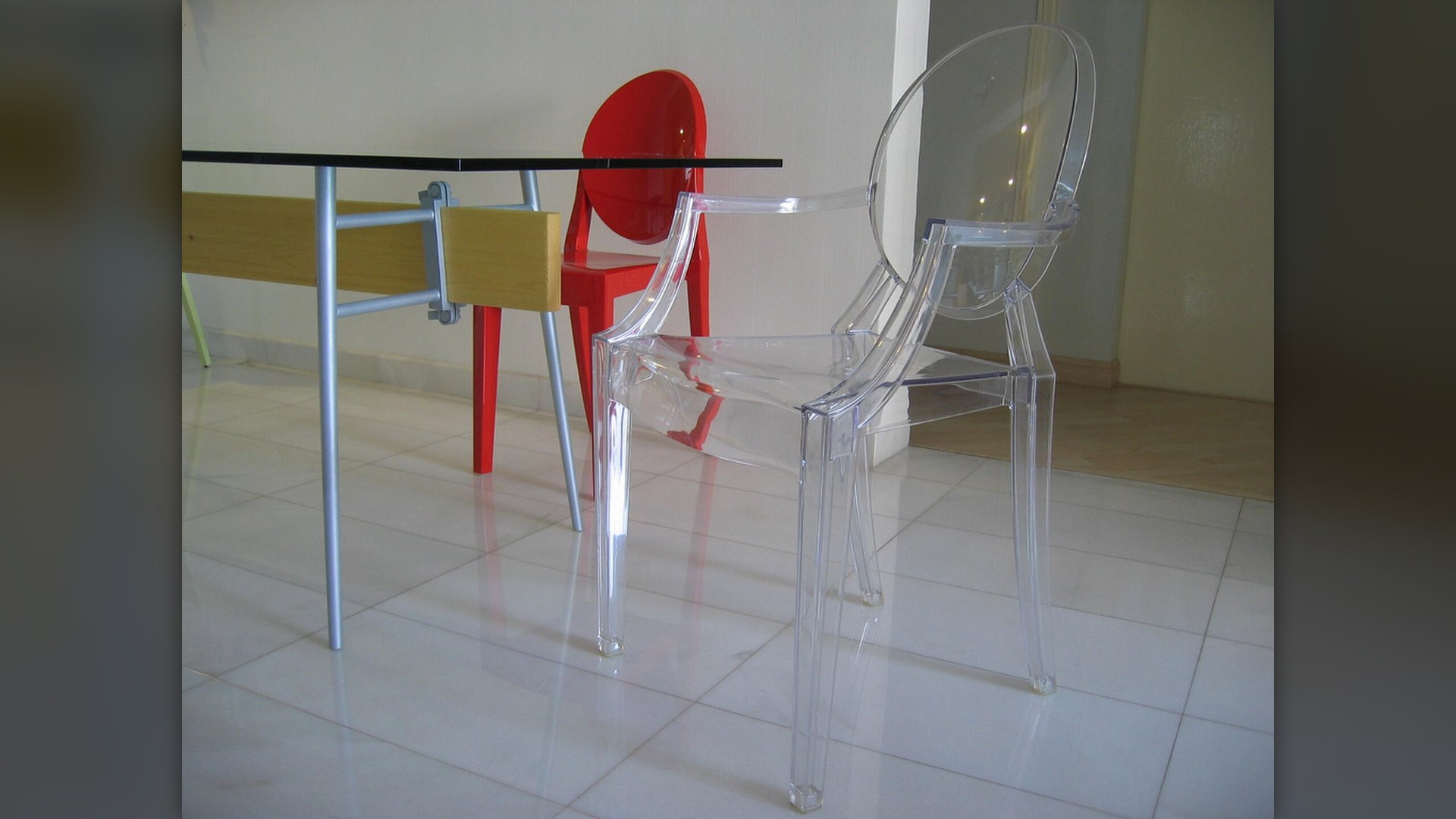
20. Kartell Louis Ghost Chair
Introduced by Italian maker Kartell in 2002, Philippe Starck's Louis Ghost chair uses injection-molded polycarbonate to echo Louis XV salon furniture. Because the transparent frame blends into small rooms without blocking light, discount event suppliers and homeware chains quickly copied the silhouette.
©Wikimedia / Starck Ting
Advertisement
Swipe or tap ▶ to resume the countdown.
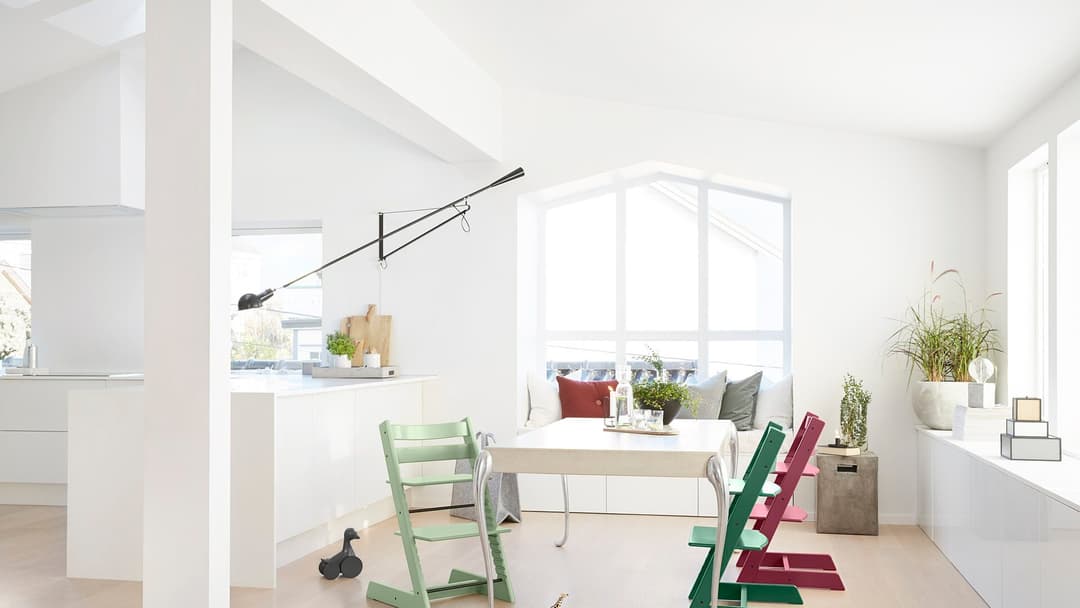
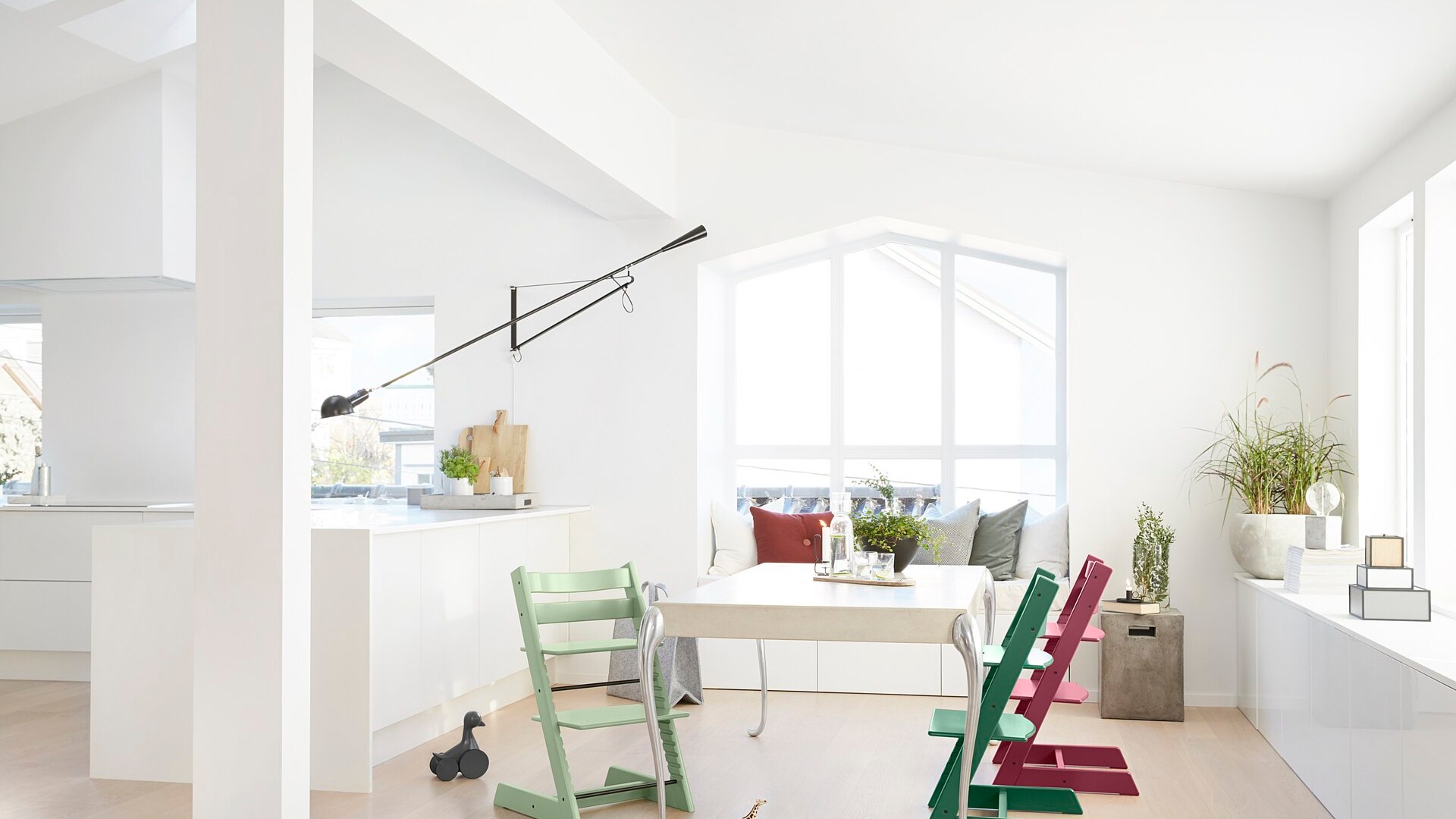
19. Stokke Tripp Trapp Chair
Norwegian industrial designer Peter Opsvik built the Tripp Trapp in 1972 after noticing his two-year-old son Tor had no chair that fit adult table height. Grooved beechwood slots let the seat and footrest slide down as a child grows. Flat-pack imitators sell cheaper slotted-wood frames everywhere.
©Wikimedia / SabineK1991
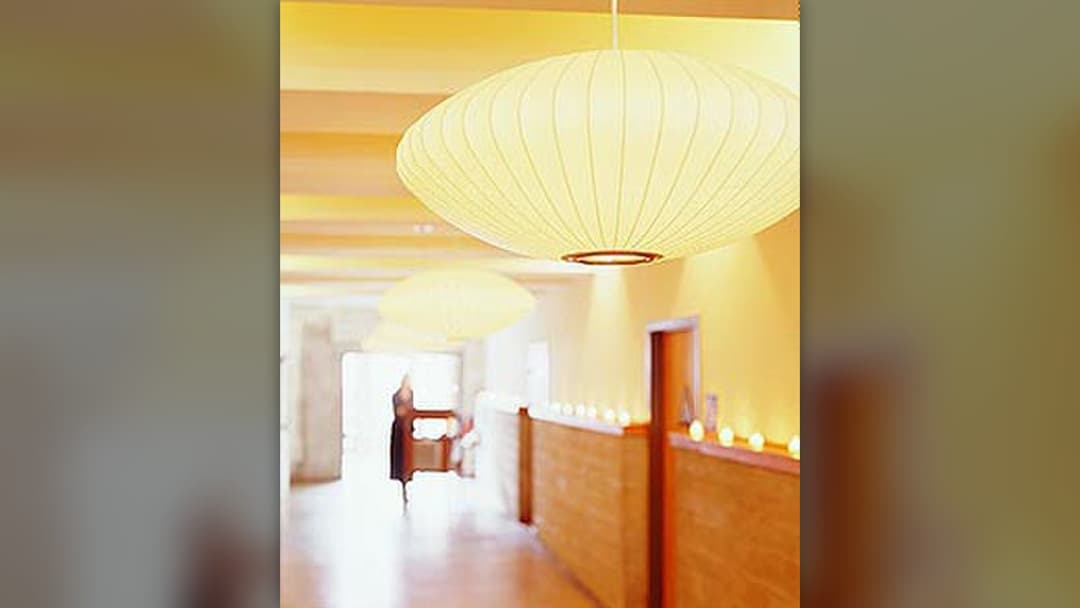
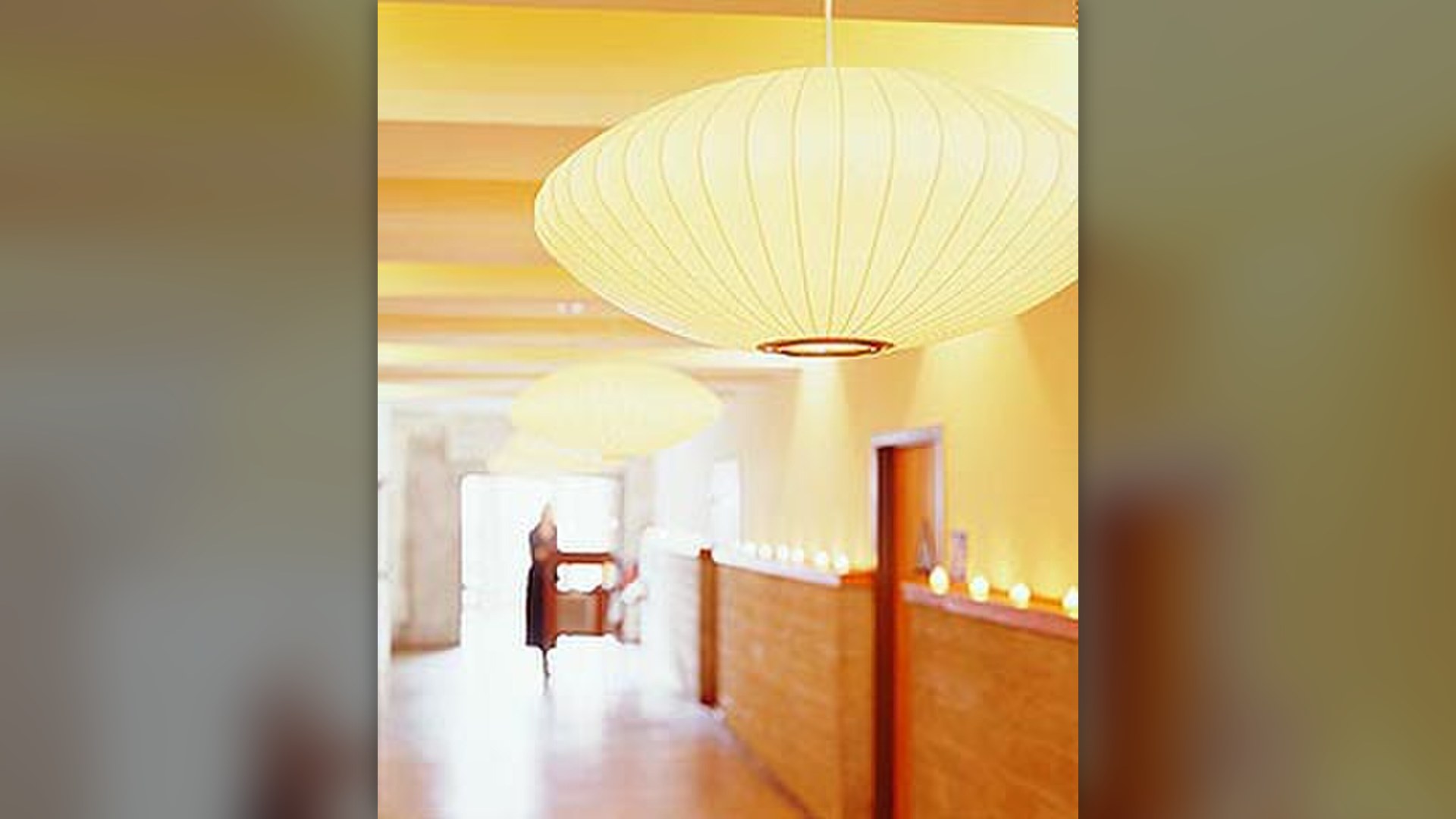
18. George Nelson Bubble Lamp
George Nelson designed the Bubble Lamp series in 1947 after seeing Swedish silk-covered pendants priced far above his budget. Howard Miller began producing the lamps in the early 1950s by spraying translucent vinyl resin over a spinning steel wire frame. Lookalike ribbed shades fill home stores.
©Wikimedia / stef yau from Seattle, USA
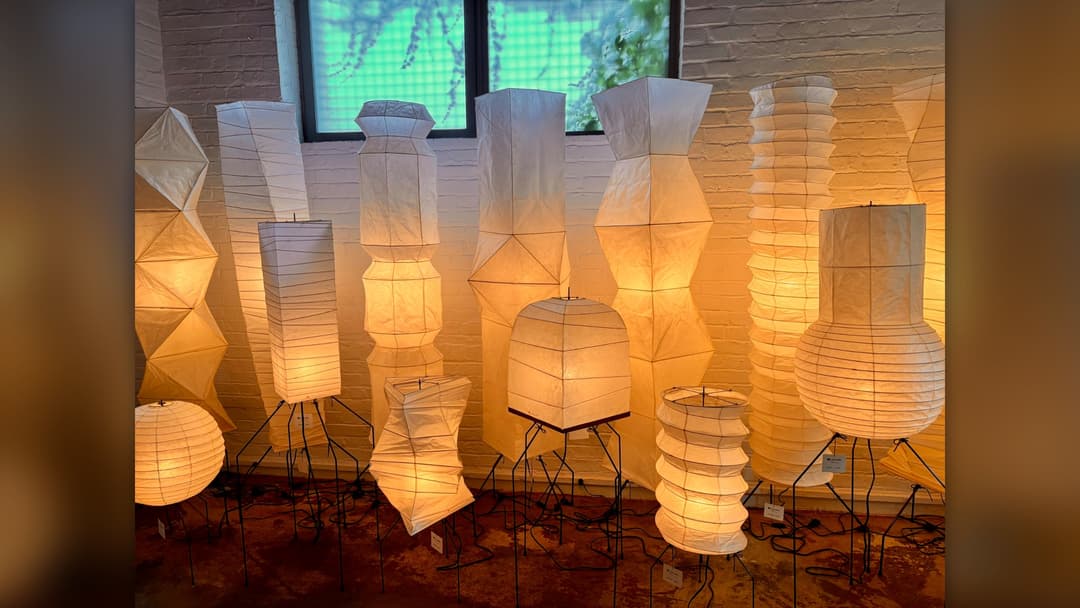
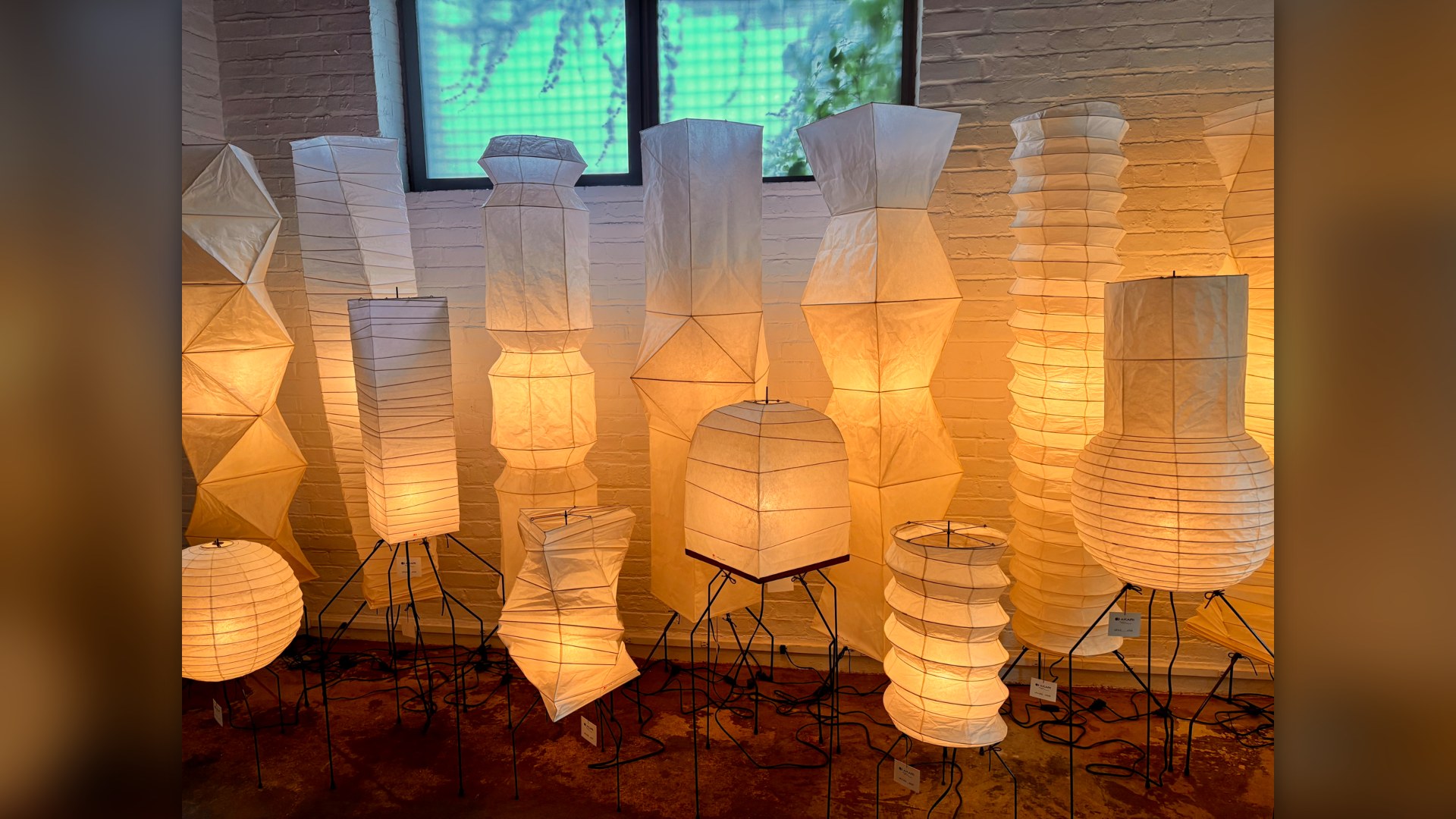
17. Isamu Noguchi Akari Lamp
Sculptor Isamu Noguchi launched the Akari Light Sculptures in 1951 after visiting Gifu, a Japanese town known for traditional lantern workshops. He combined bamboo ribbing with handmade washi paper and folded each shade flat for shipping. Big-box retailers sell cheap pleated paper versions today.
©Wikimedia / Heartleafphilodendron
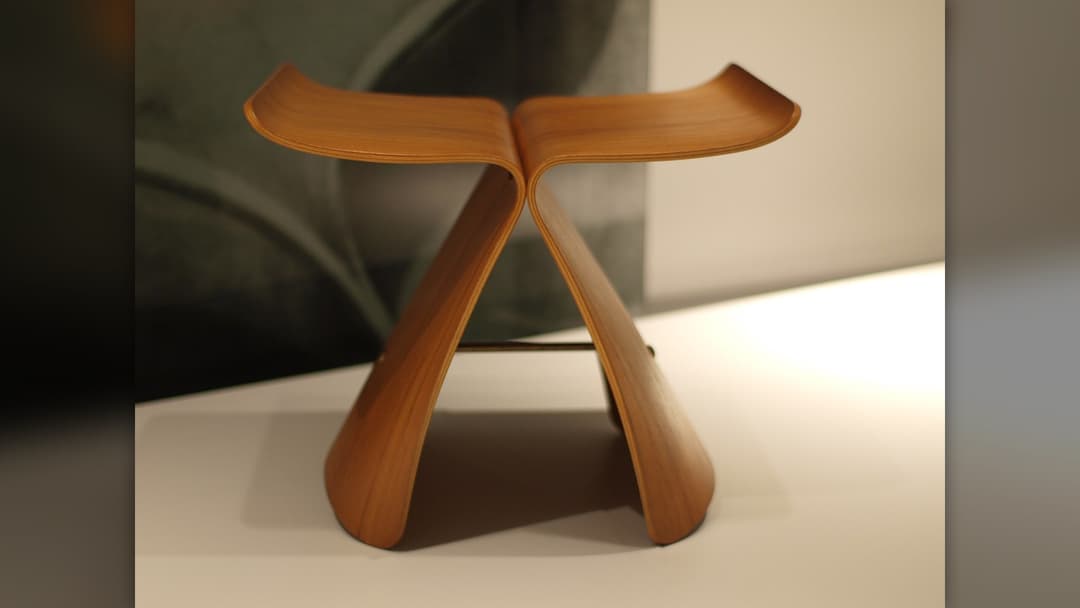
16. Sori Yanagi Butterfly Stool
Industrial designer Sori Yanagi created the Butterfly Stool in 1954 using two symmetrical molded-plywood shells connected by screws and a brass stretcher. Tendo Mokko began manufacturing it in 1956, and MoMA added an example to its permanent collection. Low-cost copies omit the solid brass rod.
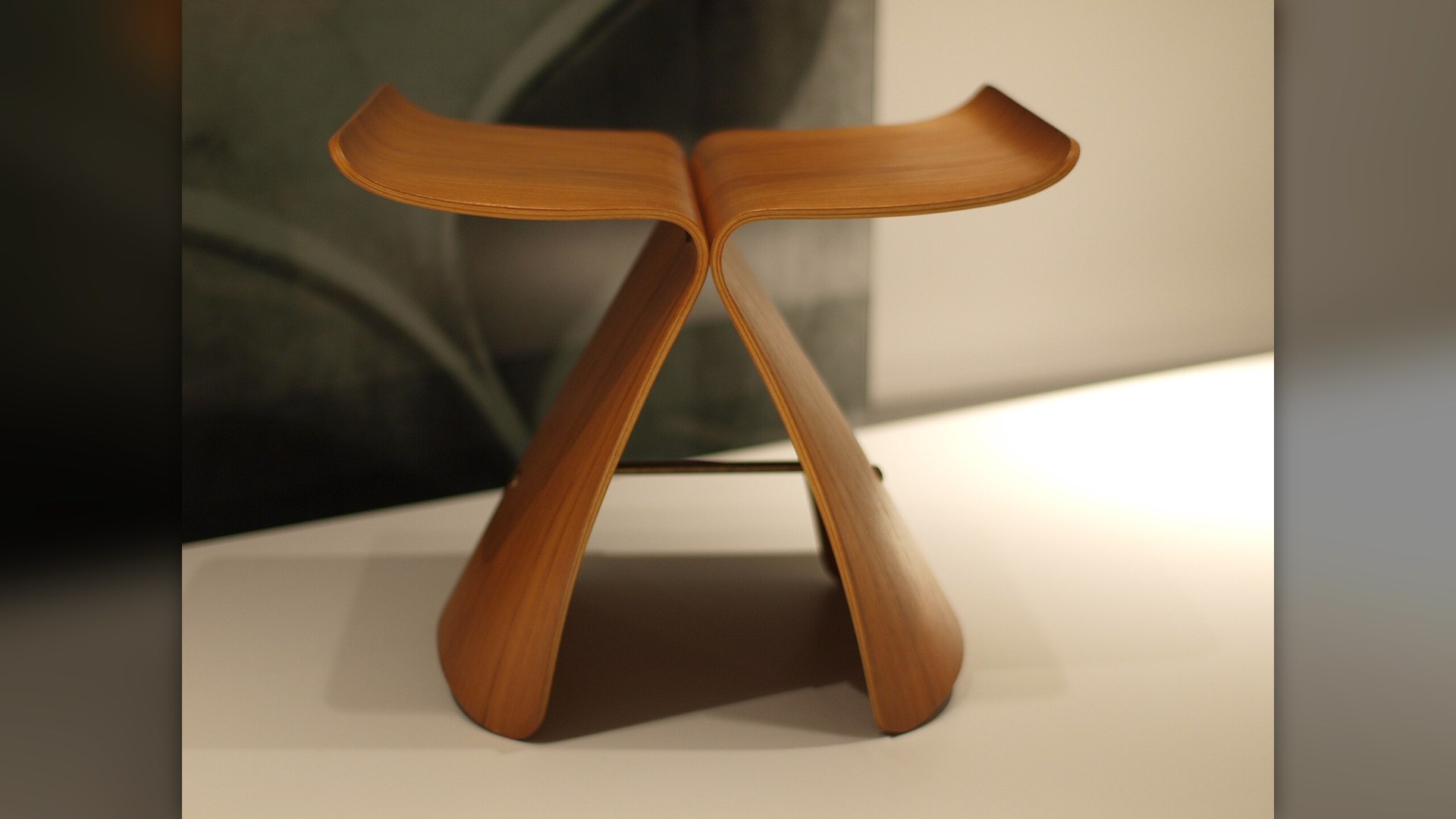
©Wikimedia / tomislav medak
Advertisement
Swipe or tap ▶ to resume the countdown.
15. Eero Aarnio Ball Chair
Finnish designer Eero Aarnio built the prototype Ball Chair in 1963 out of fiberglass reinforced over a giant beach-ball mold. Debuted by Asko at the 1966 Cologne Furniture Fair, the acoustic pod shelters sitters from outside noise. Novelty furniture makers copy the round shell in molded plastic.

©Wikimedia / TheInstructionMaster
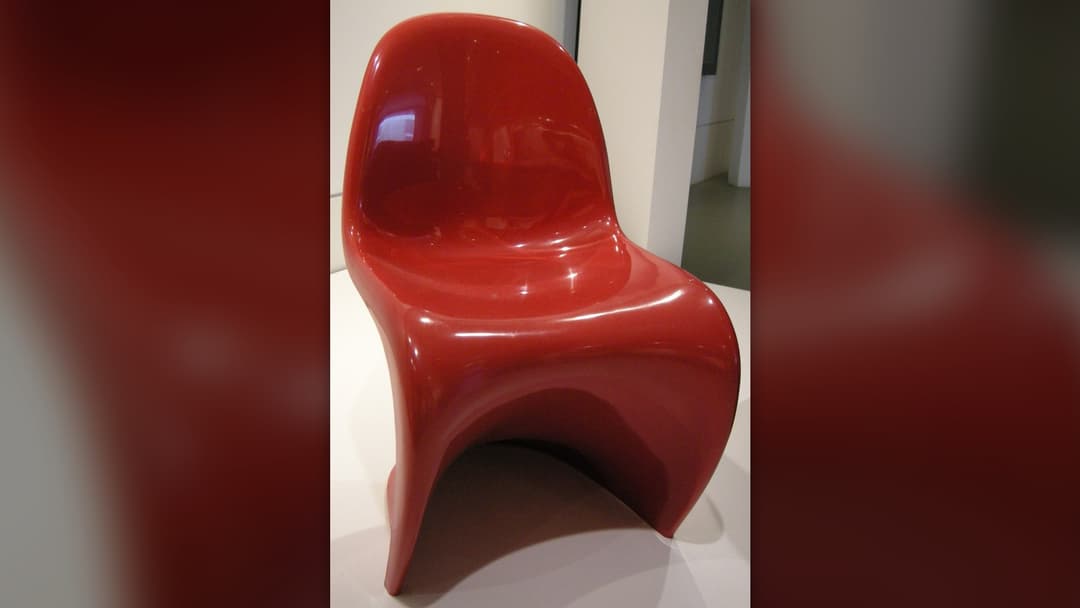
14. Verner Panton S-Chair
Danish designer Verner Panton sketched an S-curved, legless plastic chair in 1960, though Vitra did not achieve full injection-molded production until 1967. Its glossy cantilever shape stacks neatly and skips metal legs altogether. Discount outdoor brands sell lightweight lookalikes in every color.
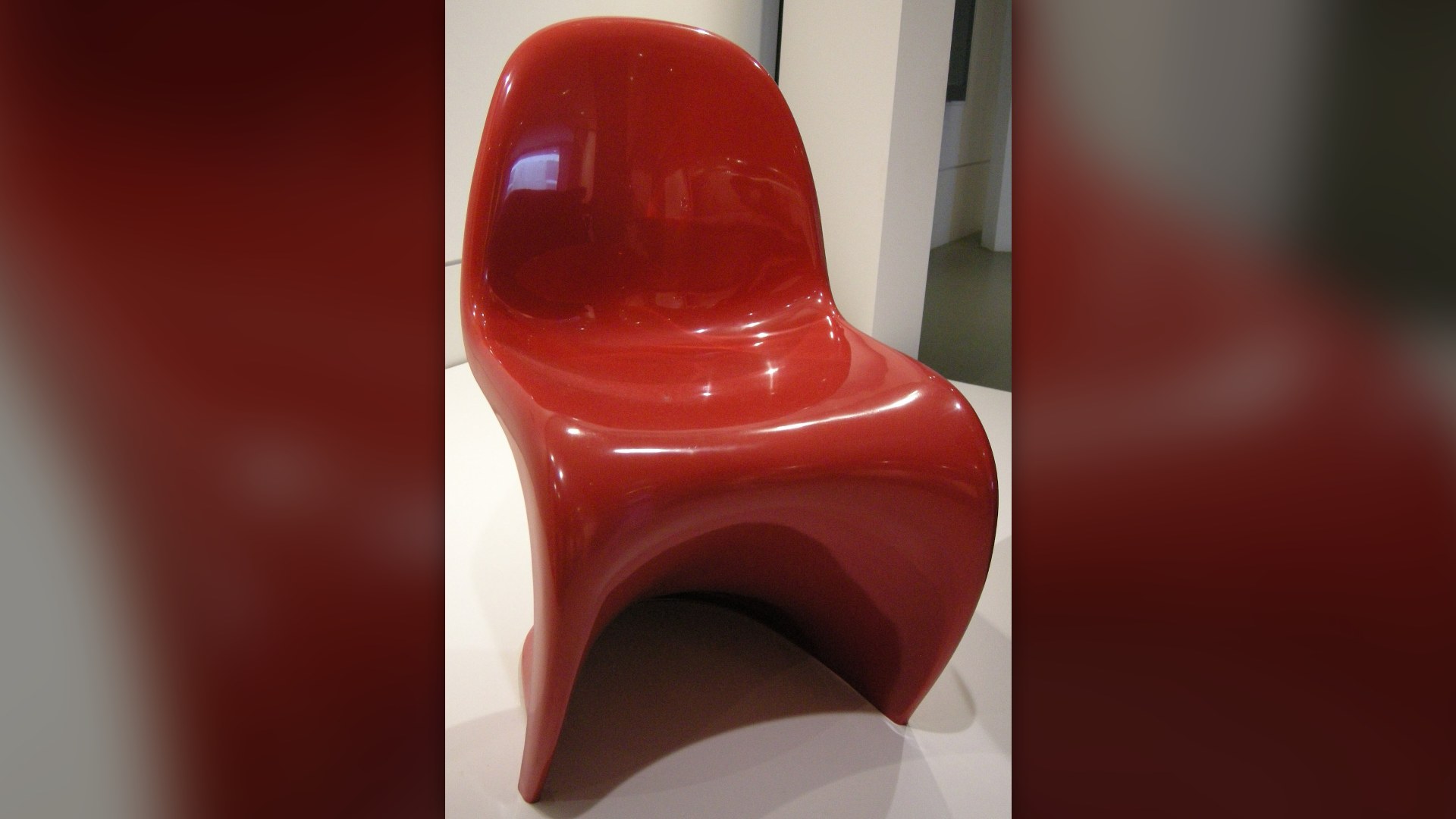
©Wikimedia / sailko
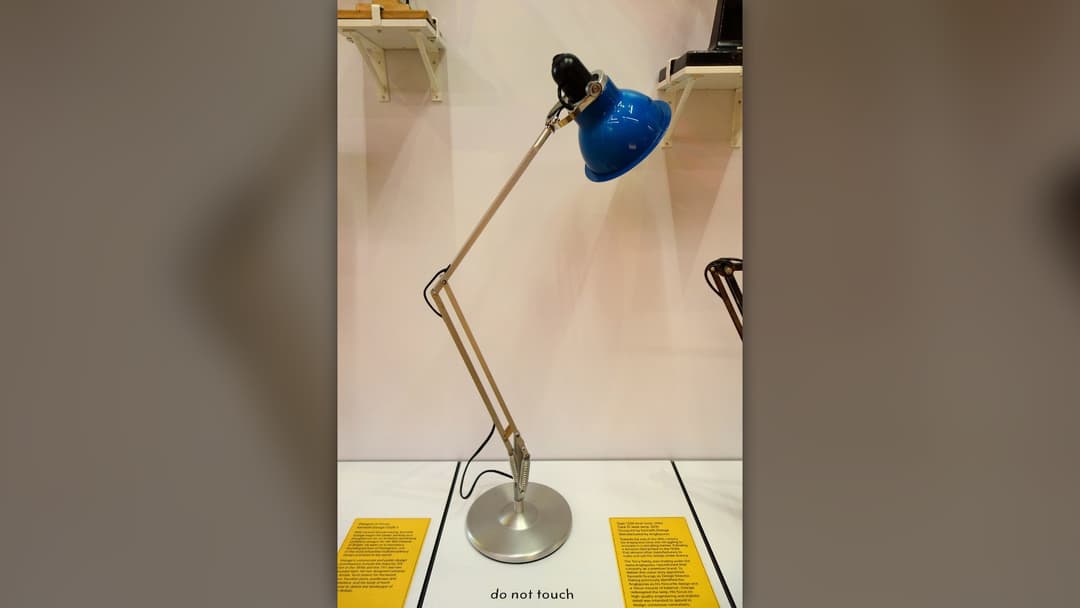
13. Anglepoise Desk Lamp
British automotive engineer George Carwardine patented his constant-tension spring mechanism in 1932 and launched the Original 1227 desk lamp in 1935. Later versions like Kenneth Grange's 2004 Type 1228 kept the balanced arm geometry. Budget spring-arm task lamps borrow that exact lever system.
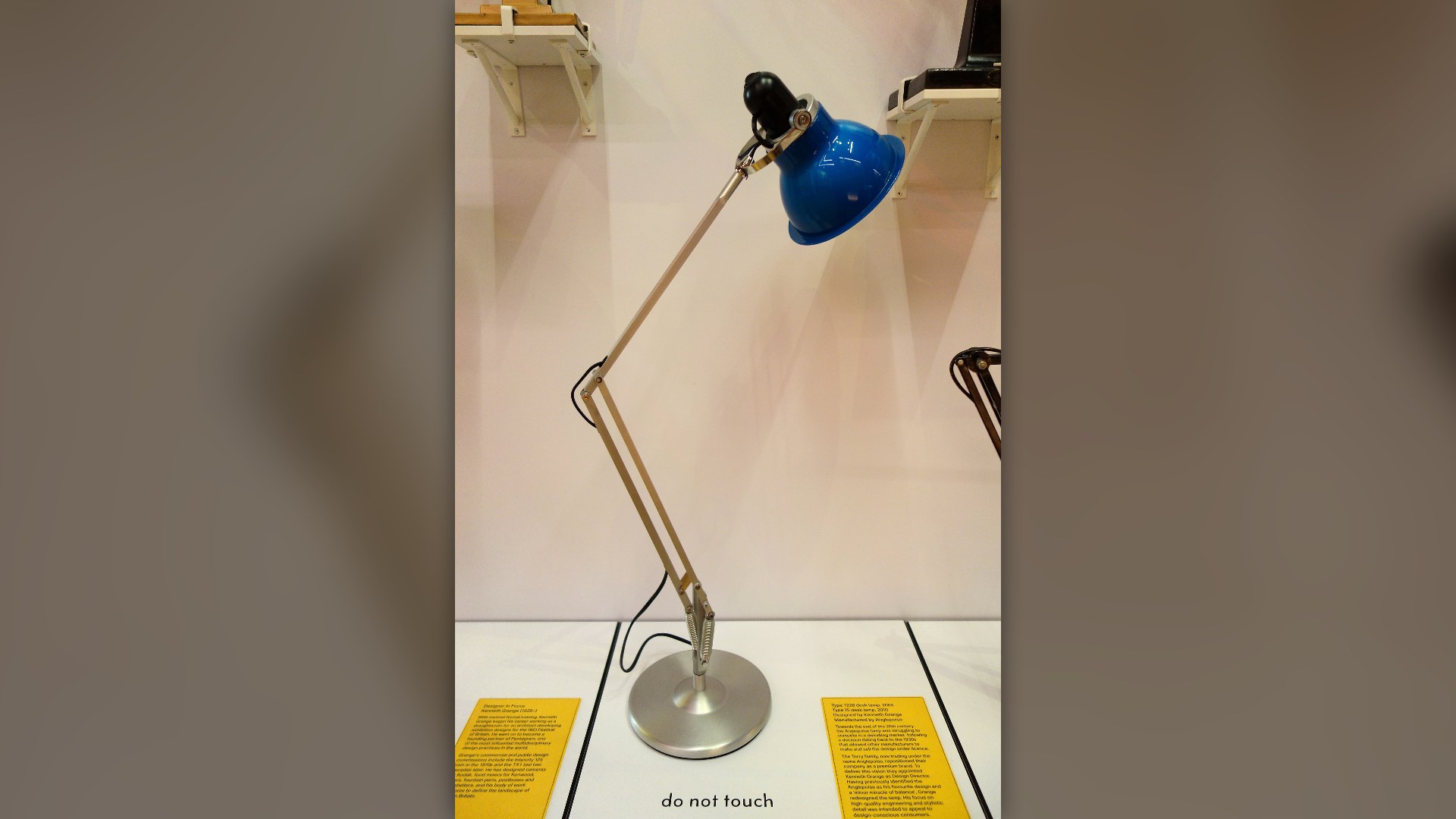
©Wikimedia / Daderot
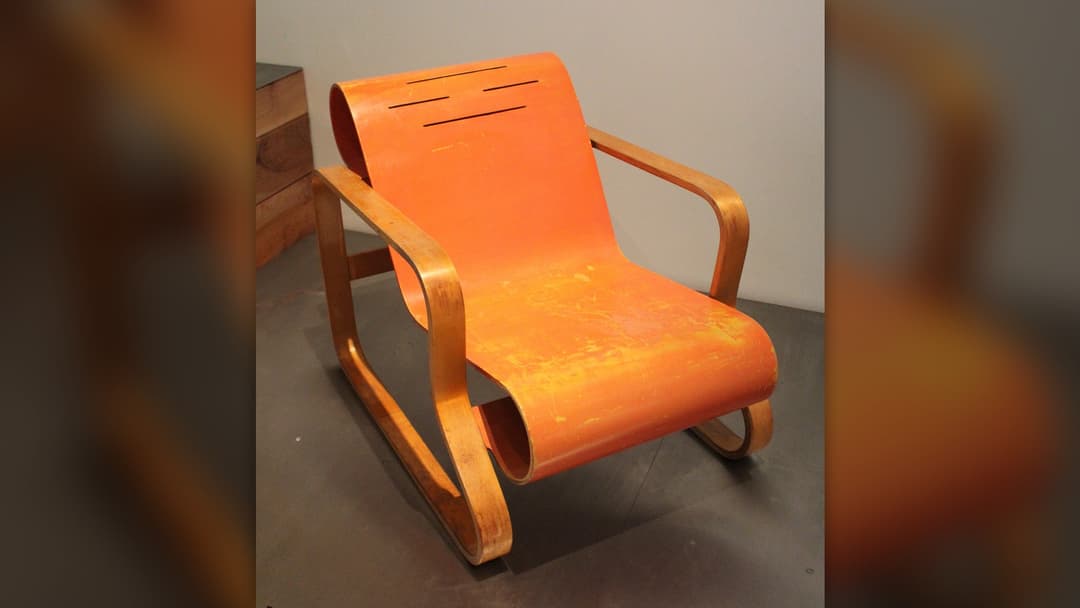
12. Alvar Aalto Paimio Armchair
Architect Alvar Aalto designed Armchair 41 in 1932 for patients at the Paimio Sanatorium in southwestern Finland. He steamed and bent laminated birch so the frame flexed gently without metal springs. Flat-pack furniture giants later built entire lines of bent-birch lounge chairs on the same principle.
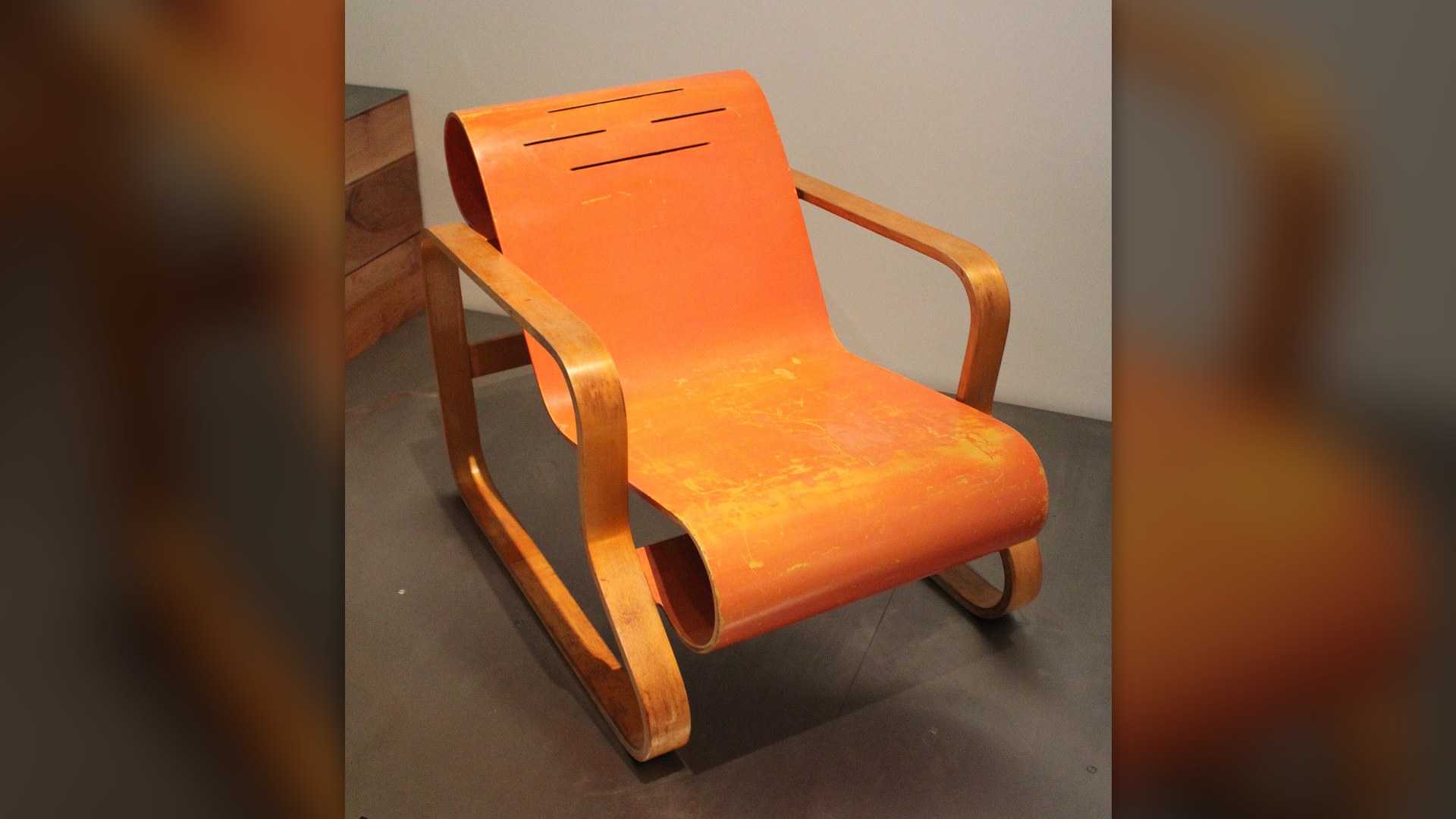
©Wikimedia / 14GTR
Advertisement
Swipe or tap ▶ to resume the countdown.
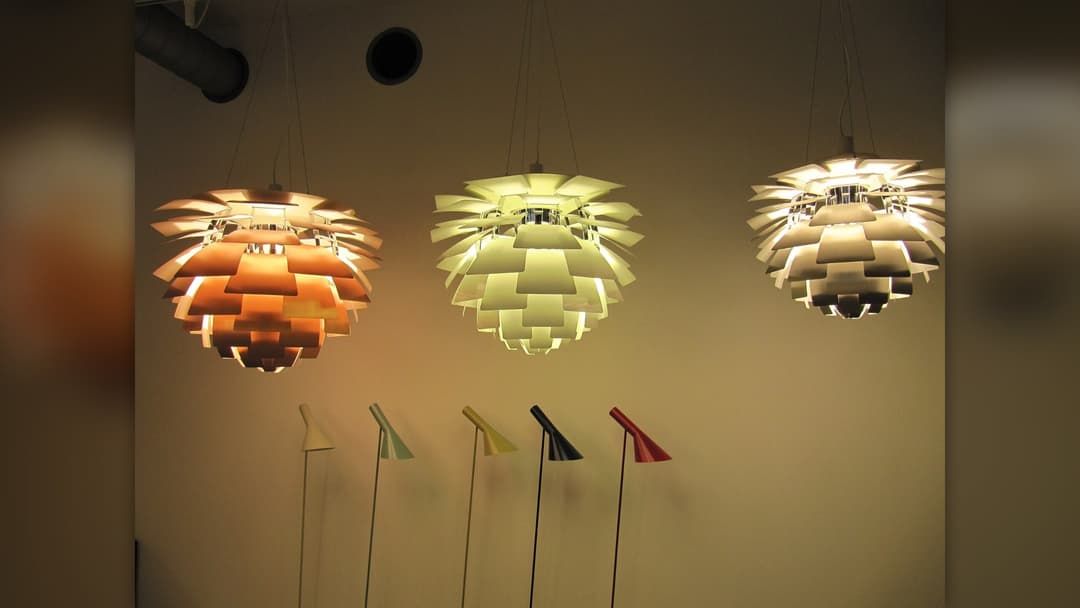
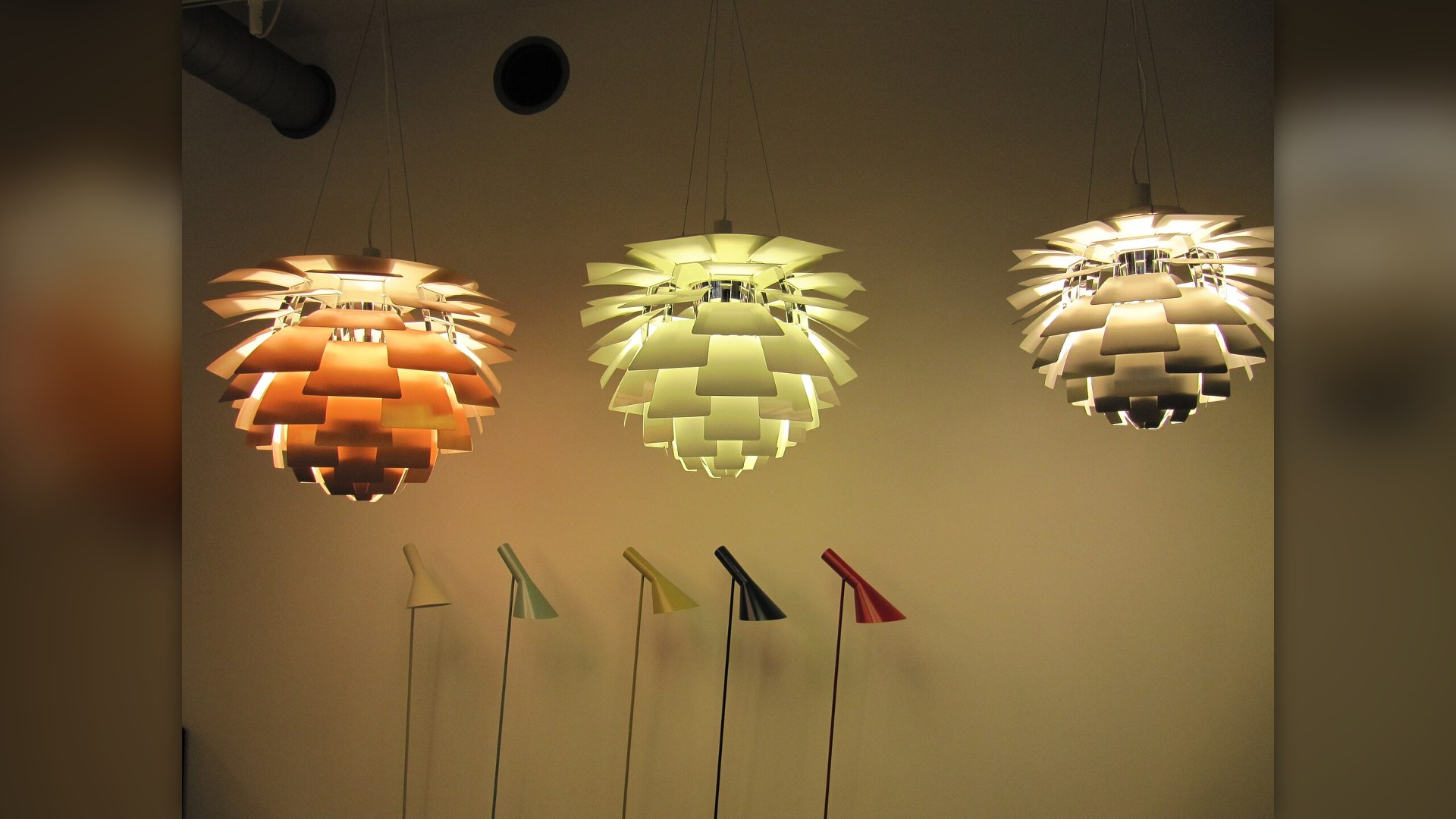
11. Poul Henningsen PH Artichoke Lamp
Danish architect Poul Henningsen created the PH Artichoke in 1958 for the Langelinie Pavilion restaurant in Copenhagen. Twelve circular rows hold 72 hand-angled leaves that bounce warm light while shielding eyes from direct glare. Affordable pendant knockoffs mimic the layered cone at half the weight.
©Wikimedia / lglazier618
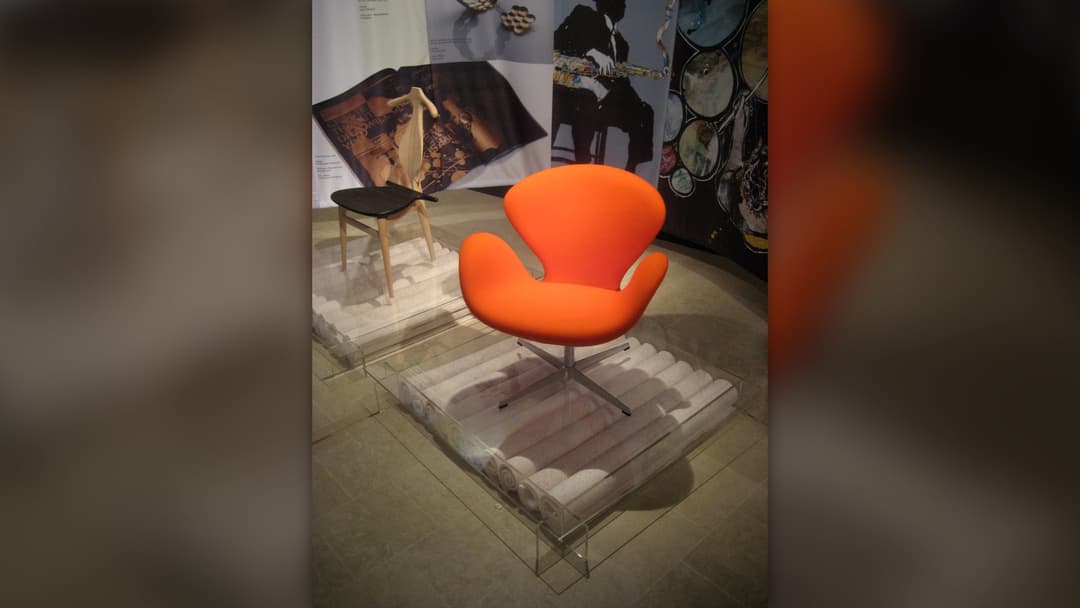
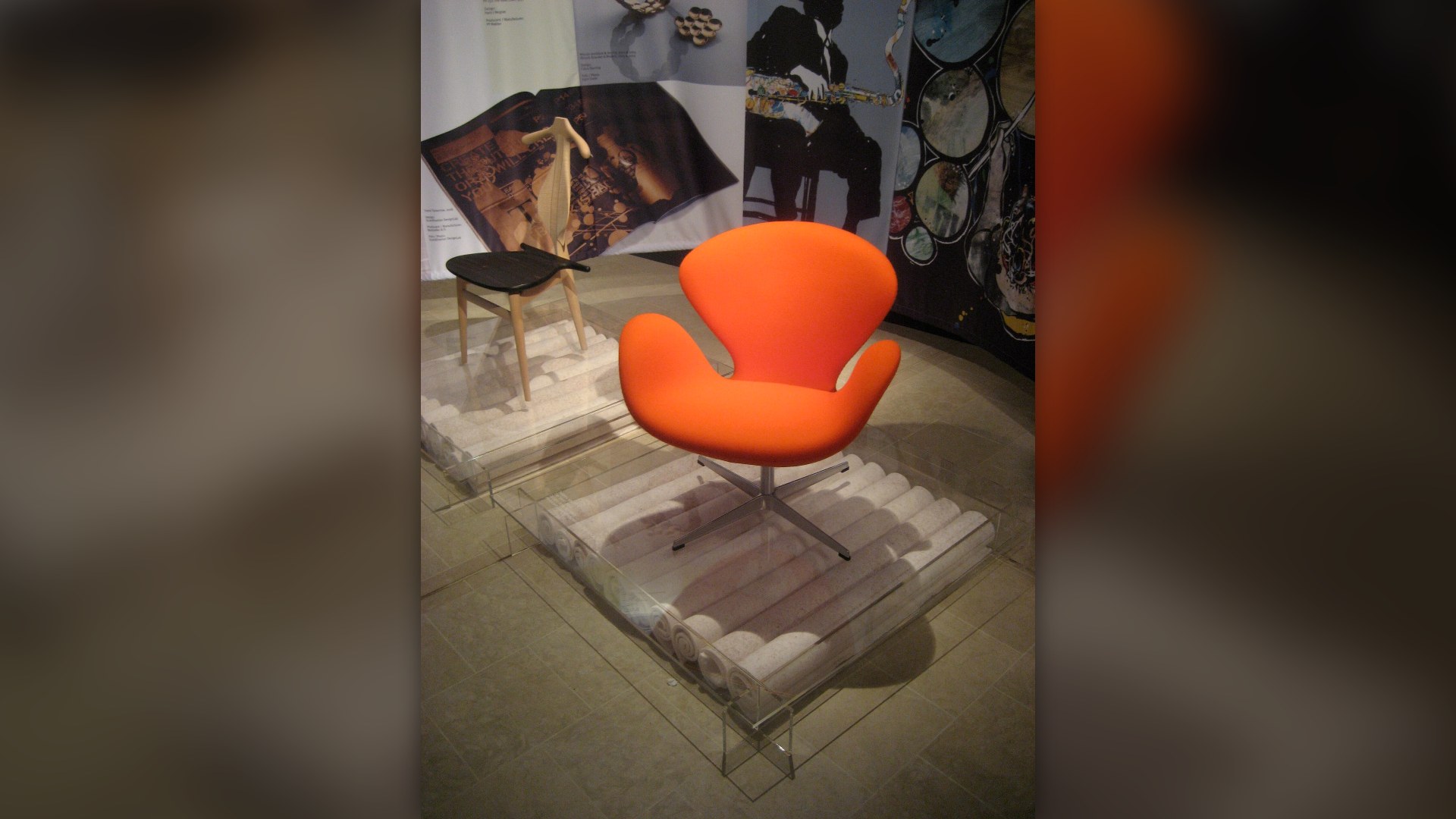
10. Arne Jacobsen Swan Chair
Arne Jacobsen sculpted the Swan Chair in 1958 for the SAS Royal Hotel in Copenhagen, pairing curved foam-padded shells with a four-star aluminum base. Manufactured by Fritz Hansen, the compact swivel seat fits tight apartments easily. Online furniture outlets carry dozens of low-cost fabric versions.
©Wikimedia / Kars Alfrink from Utrecht, Netherlands
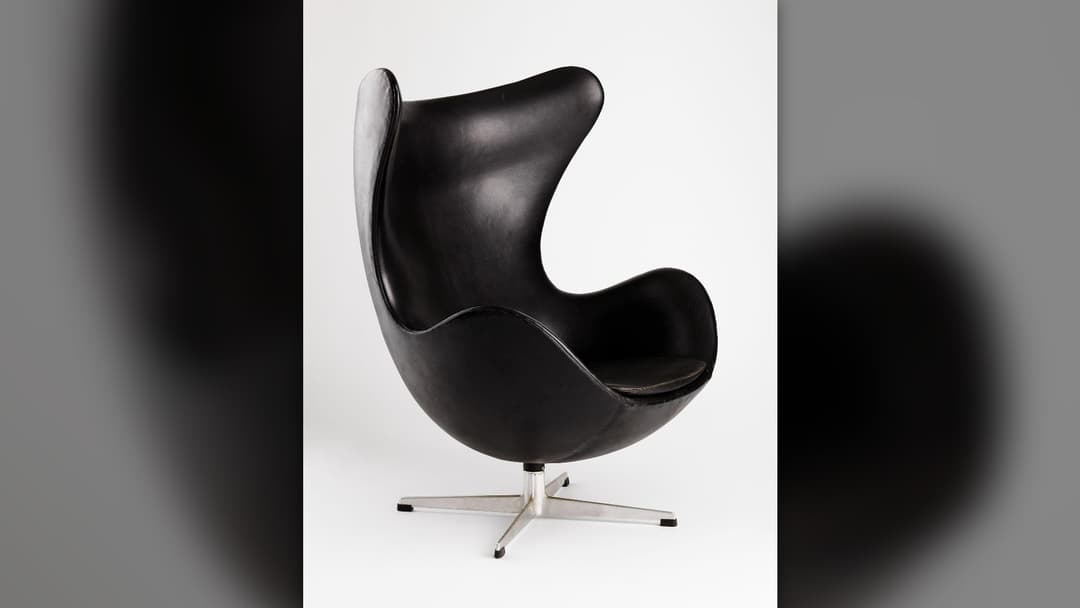
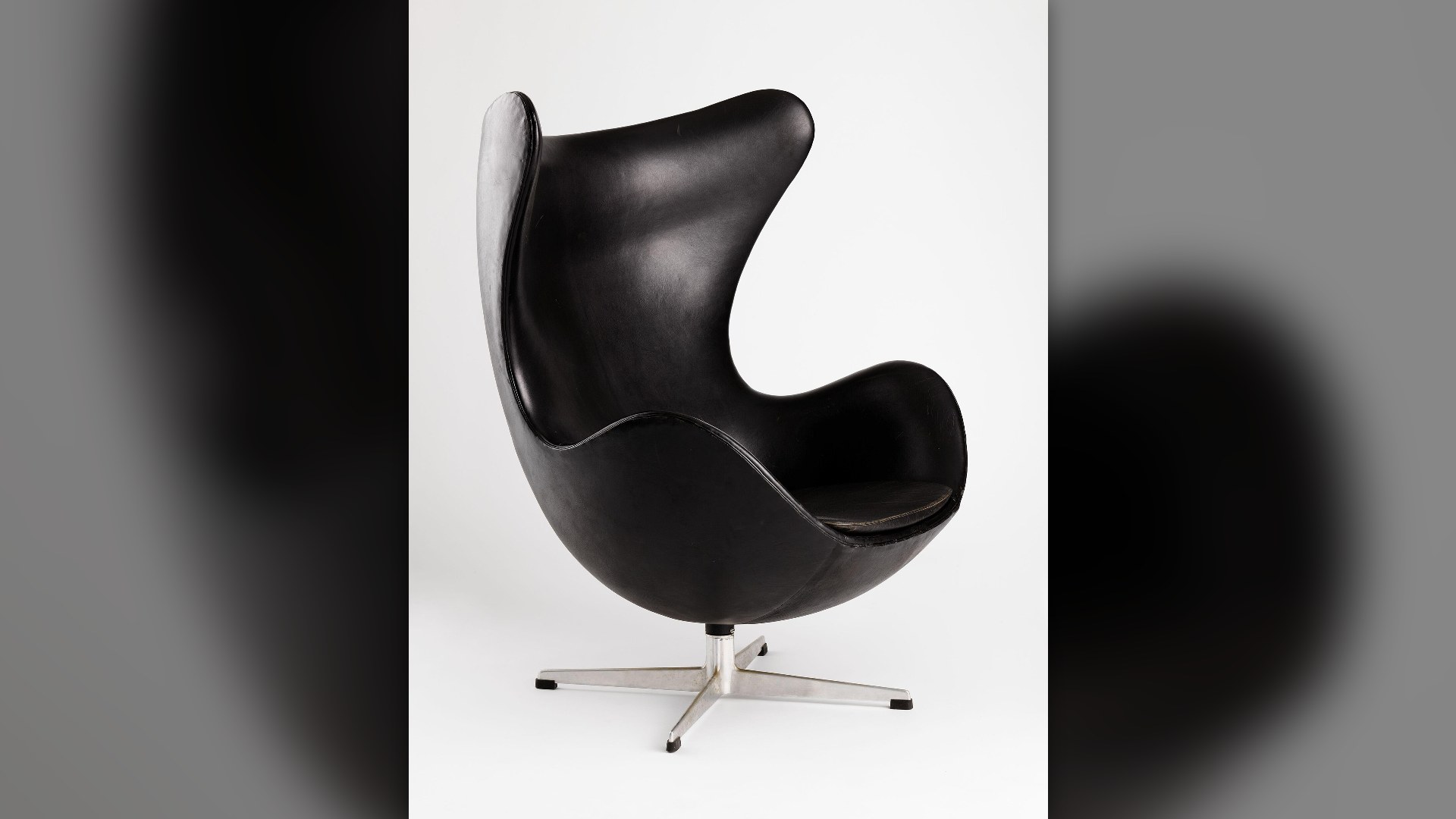
9. Arne Jacobsen Egg Chair
Created alongside the Swan in 1958 for Copenhagen's SAS Royal Hotel, Arne Jacobsen's Egg Chair wraps sitters inside a sculpted polyurethane shell. Its flared wings block peripheral motion in open rooms. Budget brands often swap the cast-aluminum swivel base and hand-stitched seams for welded steel.
©Wikimedia / Nasjonalmuseet
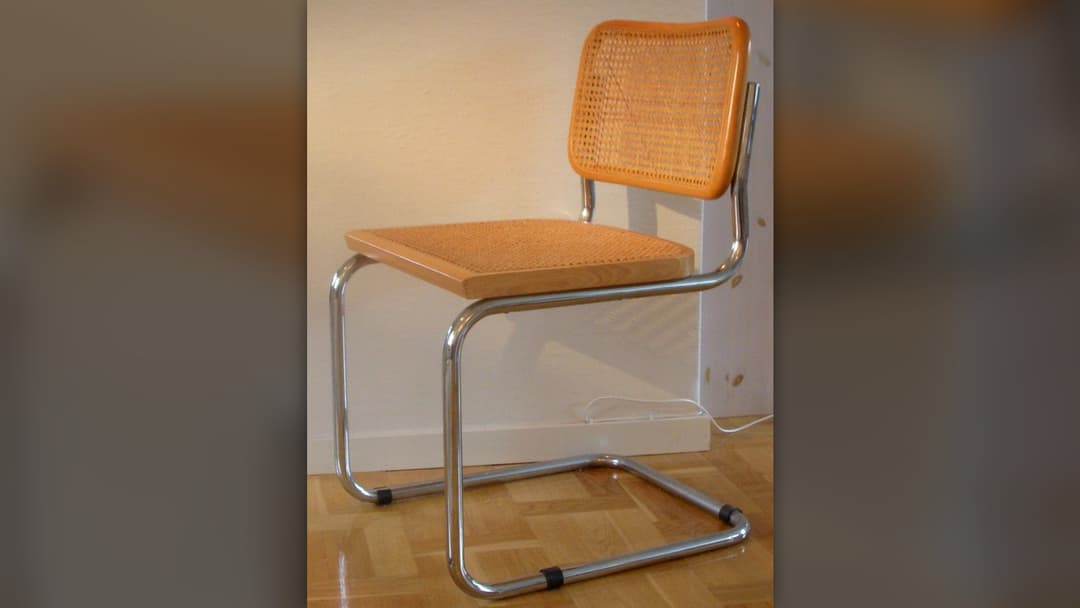
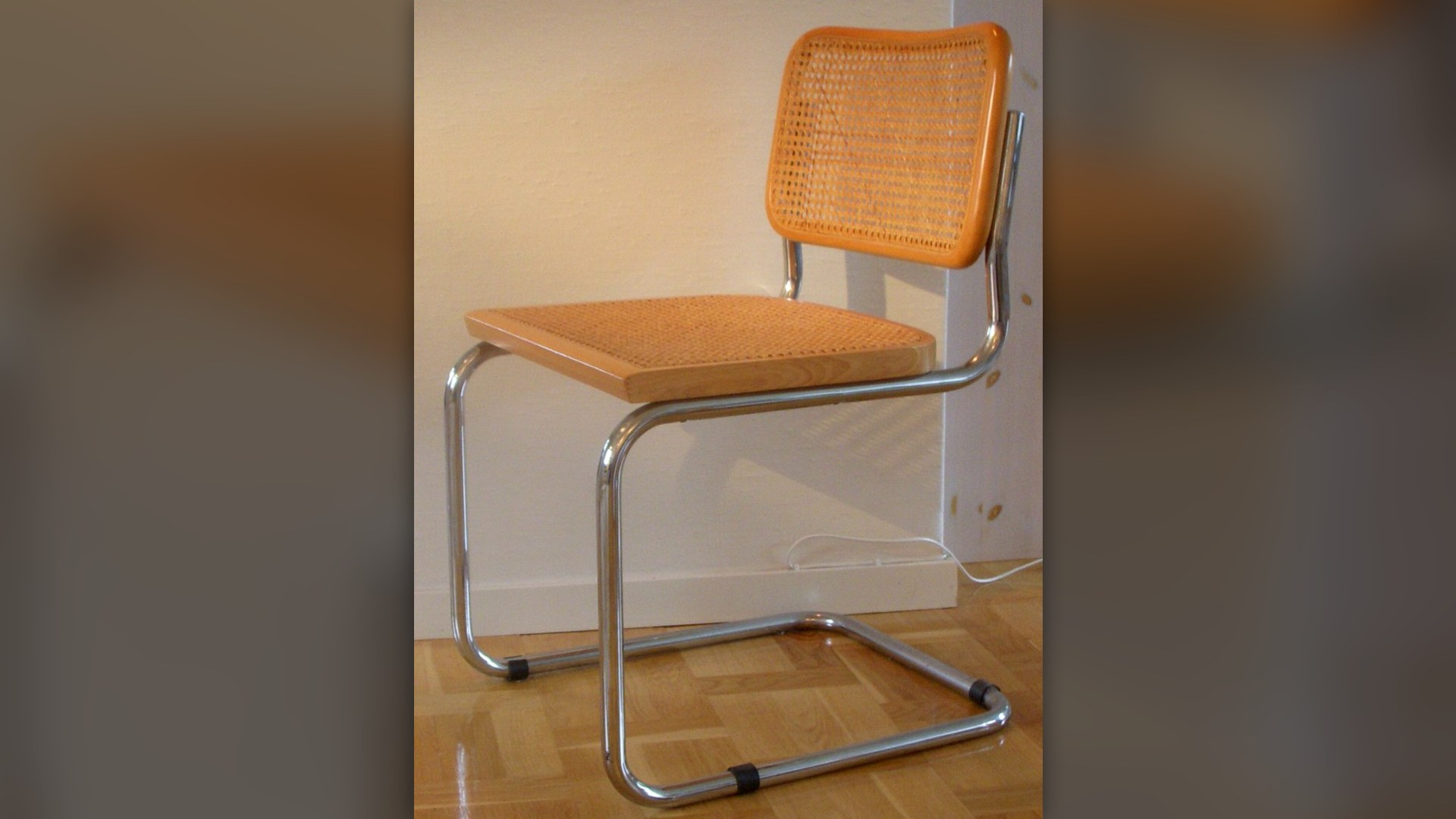
8. Marcel Breuer Cesca Chair
Marcel Breuer designed the B32 cantilever chair in 1928 using bent tubular steel paired with wood-framed cane, later naming it Cesca after his daughter Francesca. Because the design entered production before modern trademark rules tightened, dozens of factories now sell cheap chrome-and-rattan clones.
©Wikimedia / Holger.Ellgaard
Advertisement
Swipe or tap ▶ to resume the countdown.
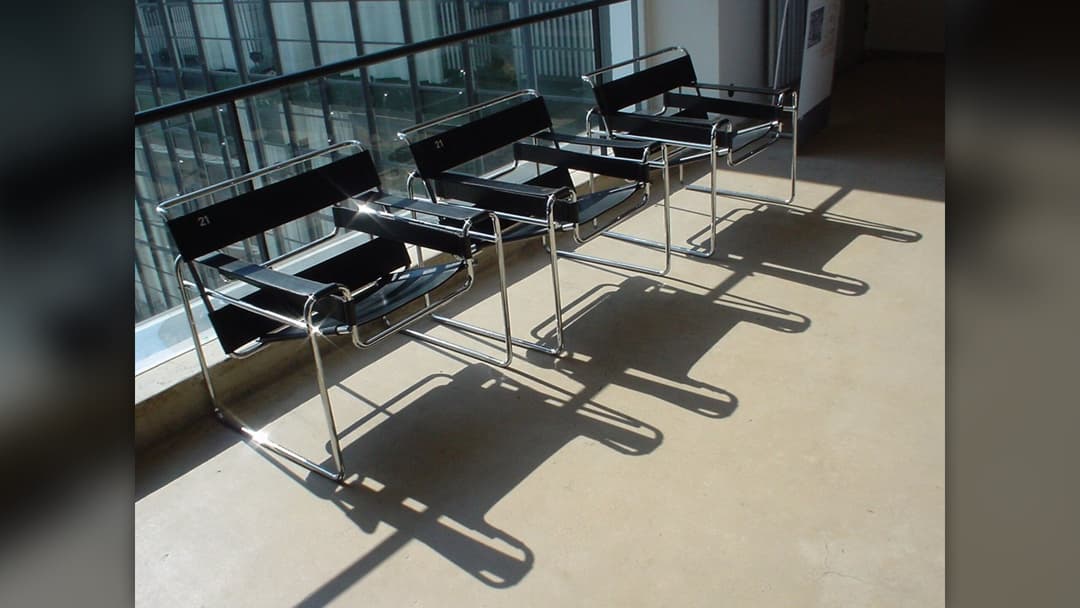
7. Marcel Breuer Wassily Chair
At the Dessau Bauhaus in 1925, Marcel Breuer bent seamless nickel-plated bicycle tubing to build the Model B3 chair, later nicknamed for painter Wassily Kandinsky. Canvas straps supported the sitter without heavy stuffing. Entry-level copies substitute thinner steel and split leather.
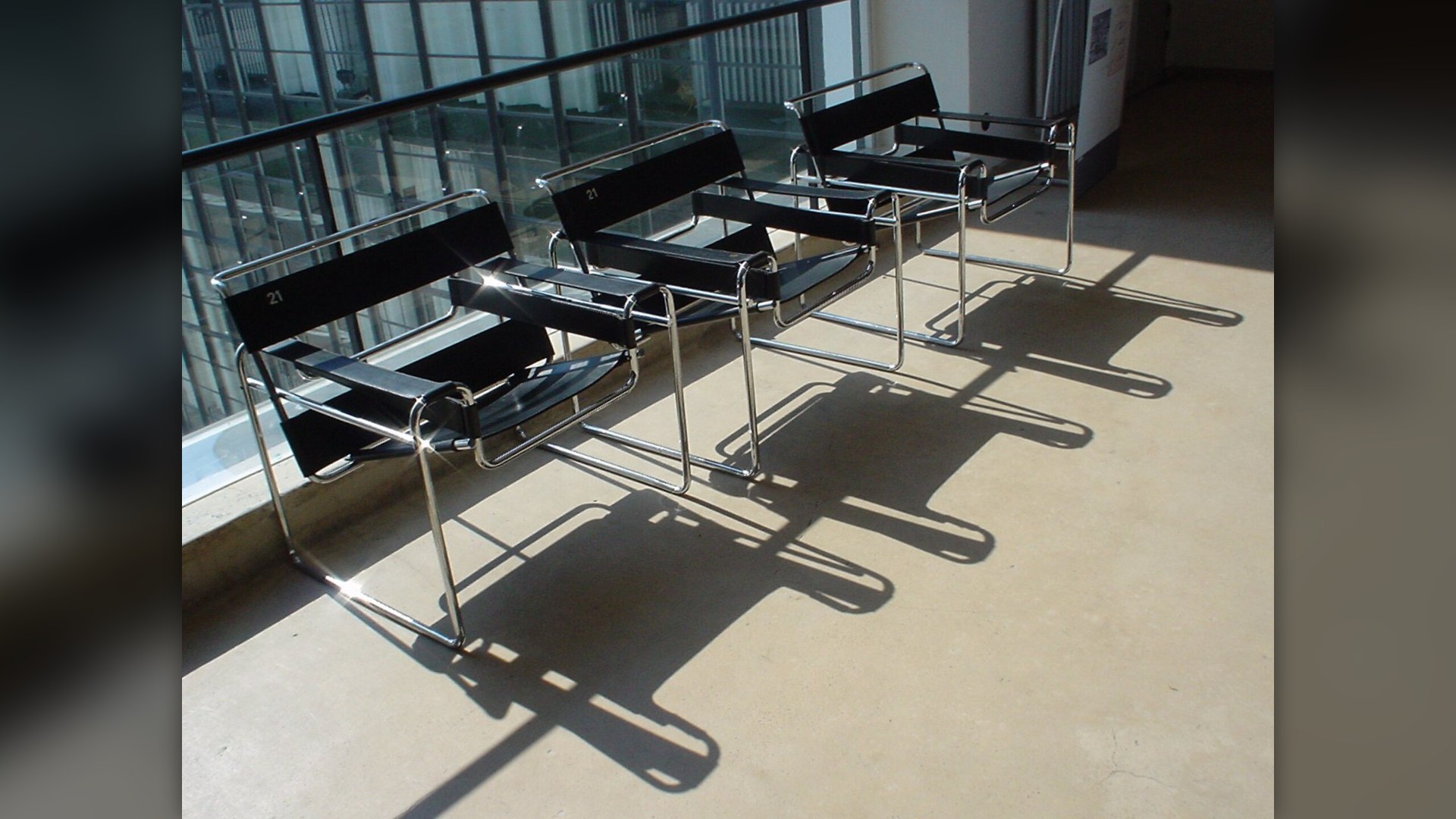
©Wikimedia / Lorkan
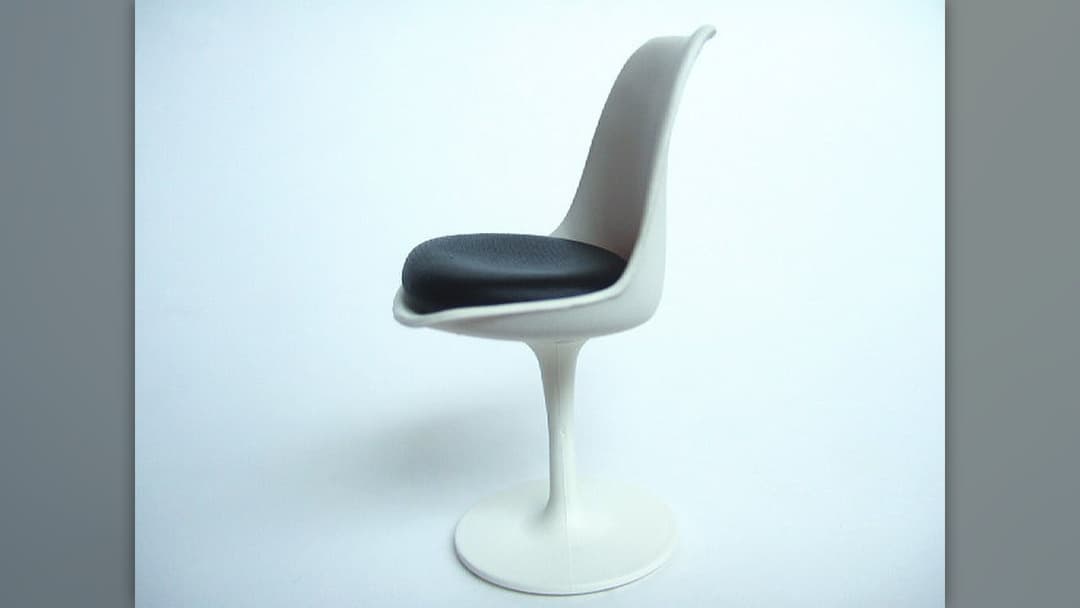
6. Saarinen Tulip Chair
Finno-American architect Eero Saarinen spent five years developing the Pedestal collection with Knoll, releasing the Tulip Chair in 1957 to clear away what he called the slum of legs. Molded fiberglass meets a cast-aluminum base. Mass-market stores sell plastic pedestals that mimic the flared stem.
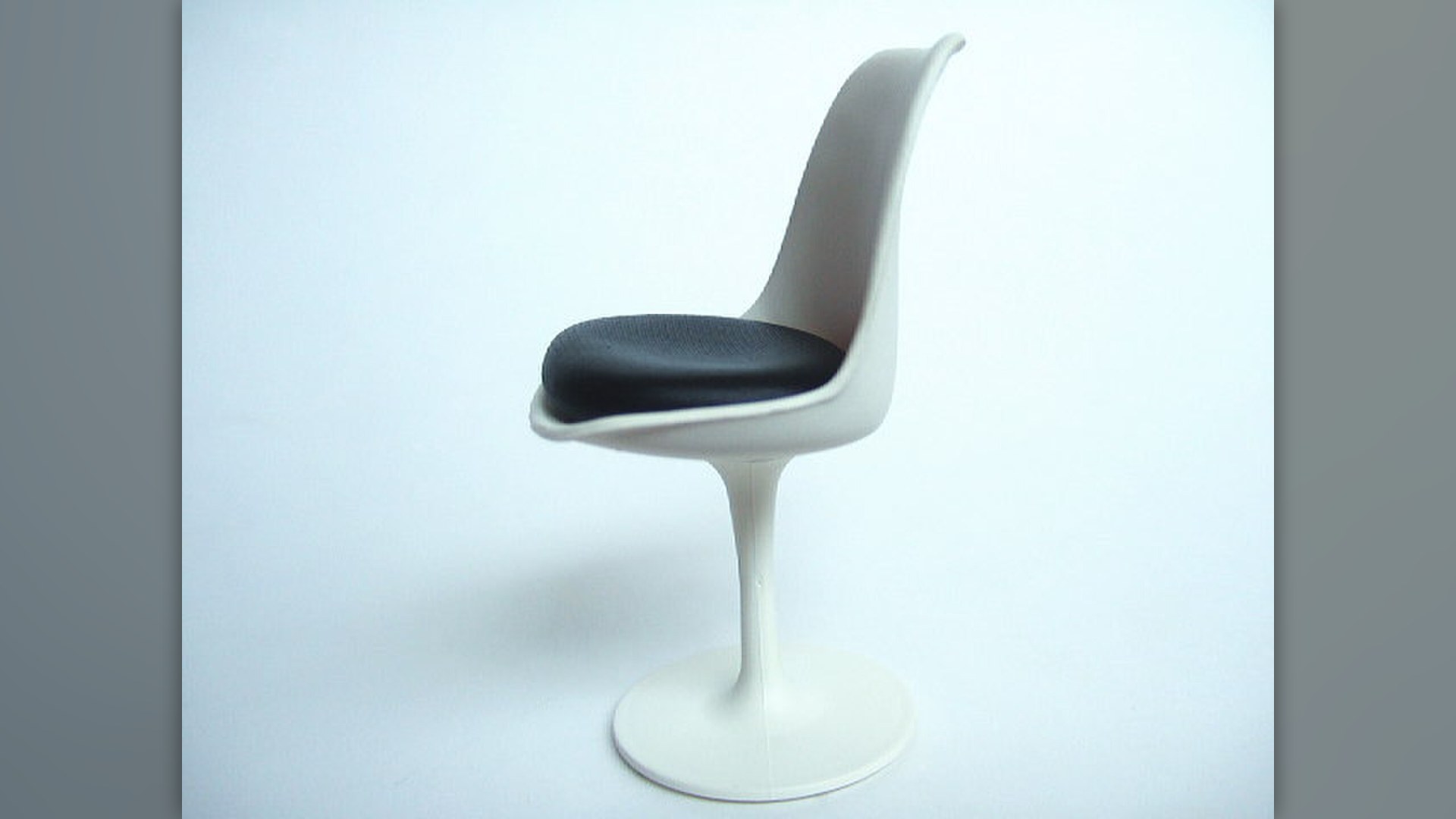
©Wikimedia / Flickr.com user "kana"
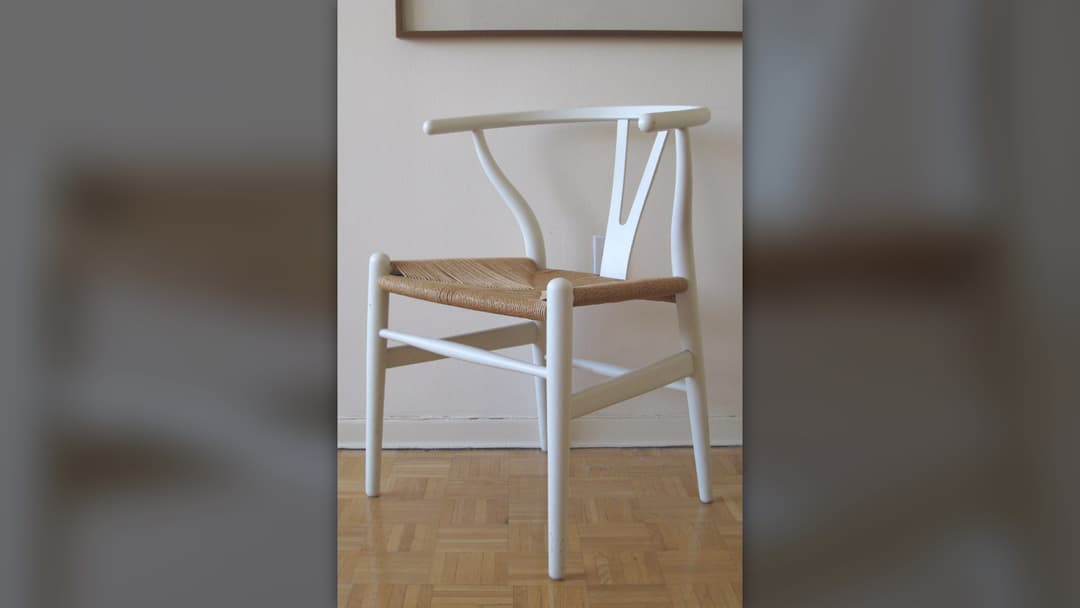
5. Hans Wegner Wishbone Chair
Danish cabinetmaker Hans J. Wegner designed the CH24 Wishbone Chair in 1949 for Carl Hansen & Son, crafting its curved top rail from steam-bent solid wood. Each genuine seat takes roughly an hour to weave from 120 meters of paper cord. Knockoffs routinely replace solid oak and cord with stained ash.
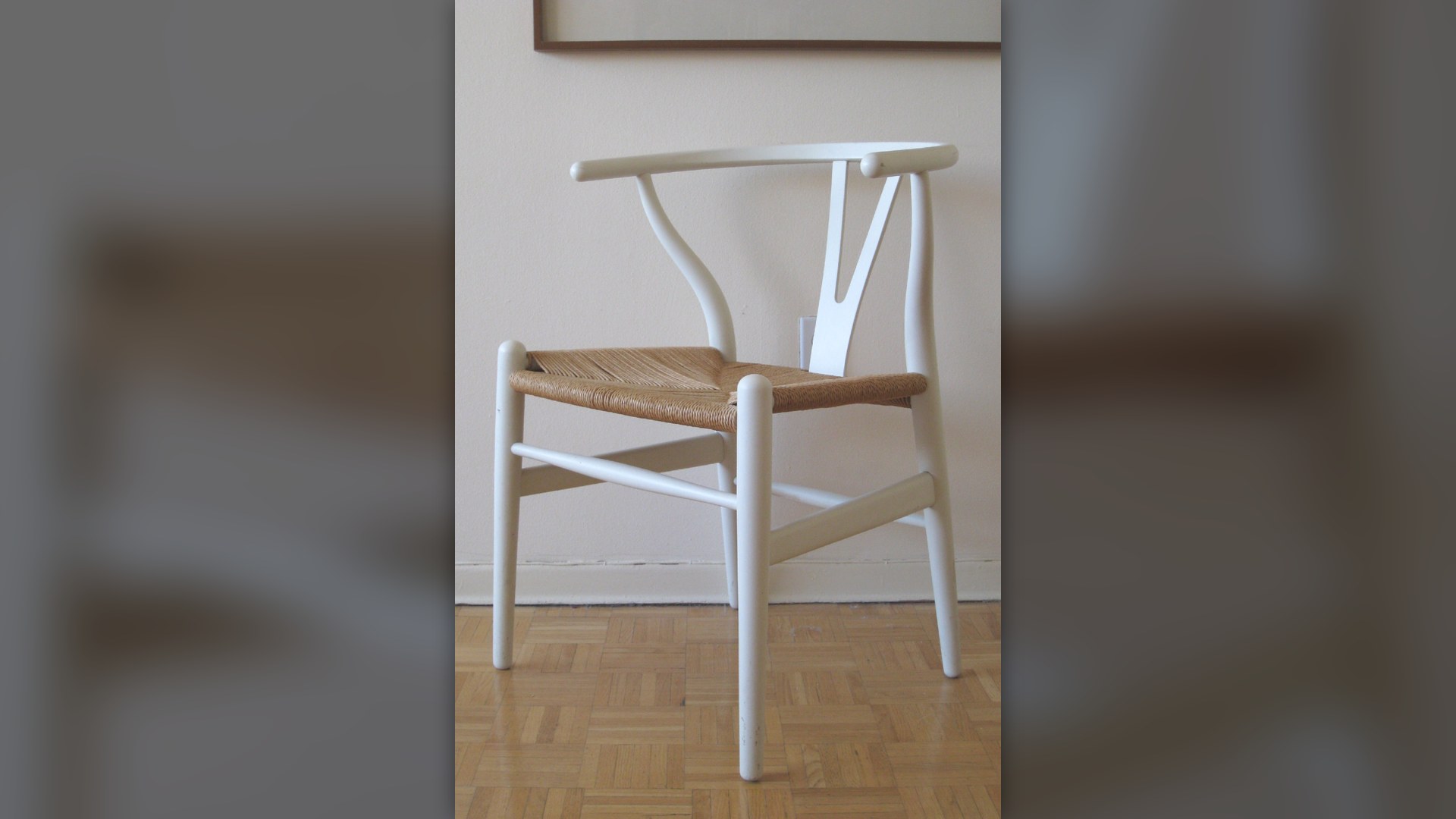
©Wikimedia / Robert B. Moffatt
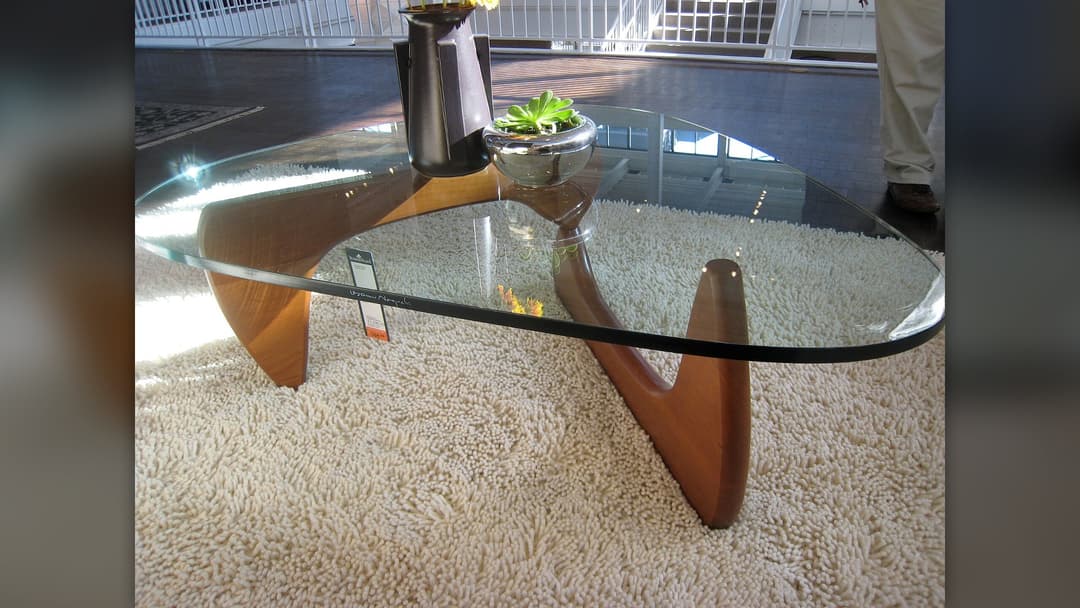
4. Isamu Noguchi Coffee Table
Sculptor Isamu Noguchi paired a heavy teardrop glass top with two identical carved wood struts that pivot on a concealed dowel. Herman Miller launched the table in 1947 after Noguchi drew inspiration from a design made for A. Conger Goodyear. Imitations often use thinner glass and sharp-edged plywood.
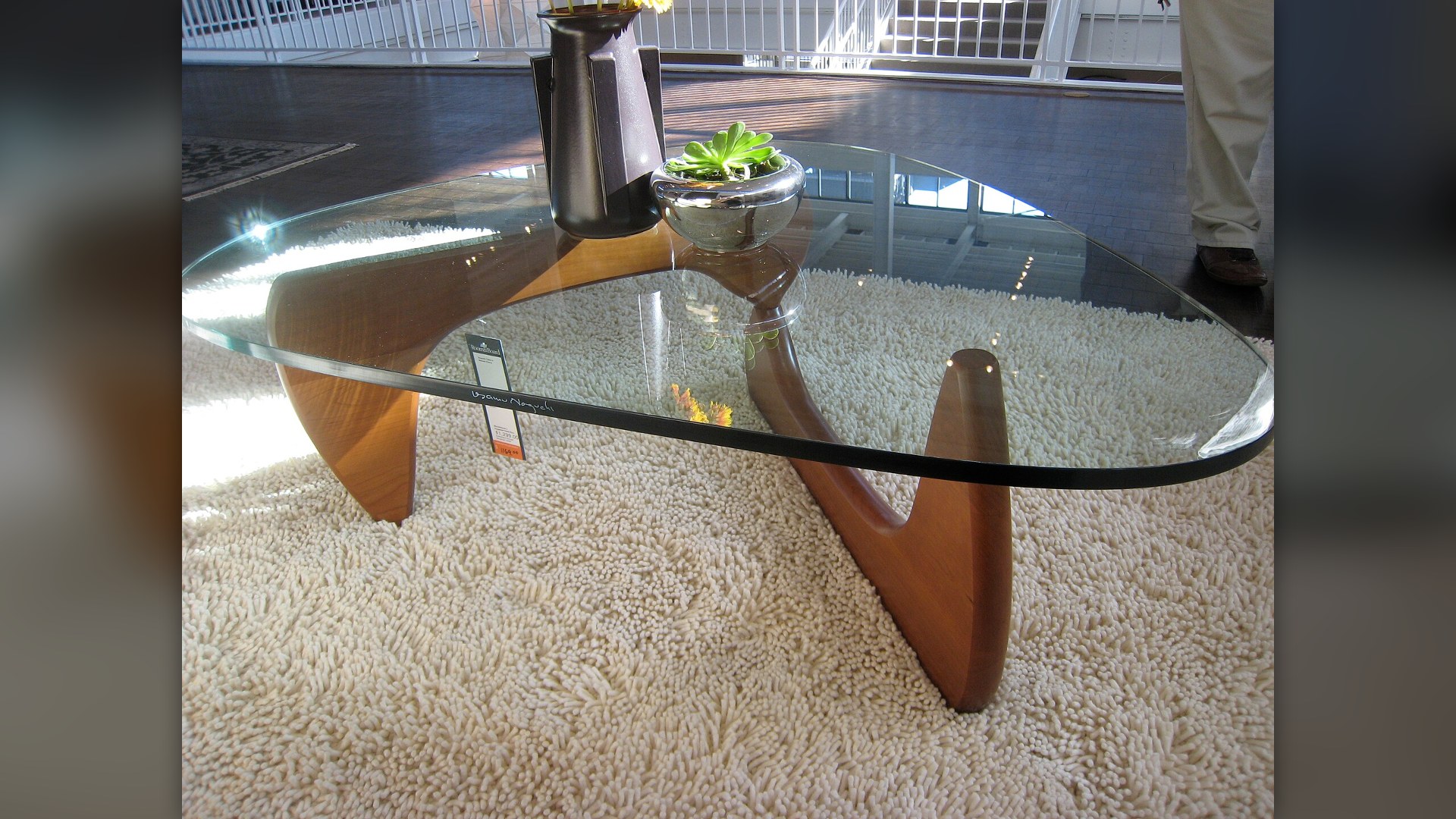
©Wikimedia / philosophygeek from San Francisco, US
Advertisement
Swipe or tap ▶ to resume the countdown.
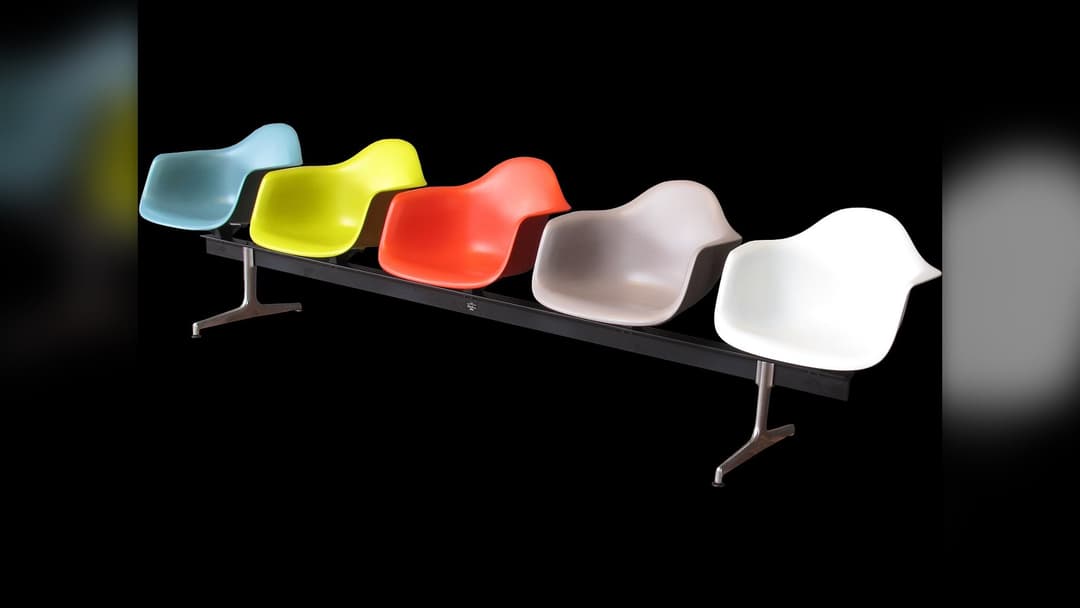
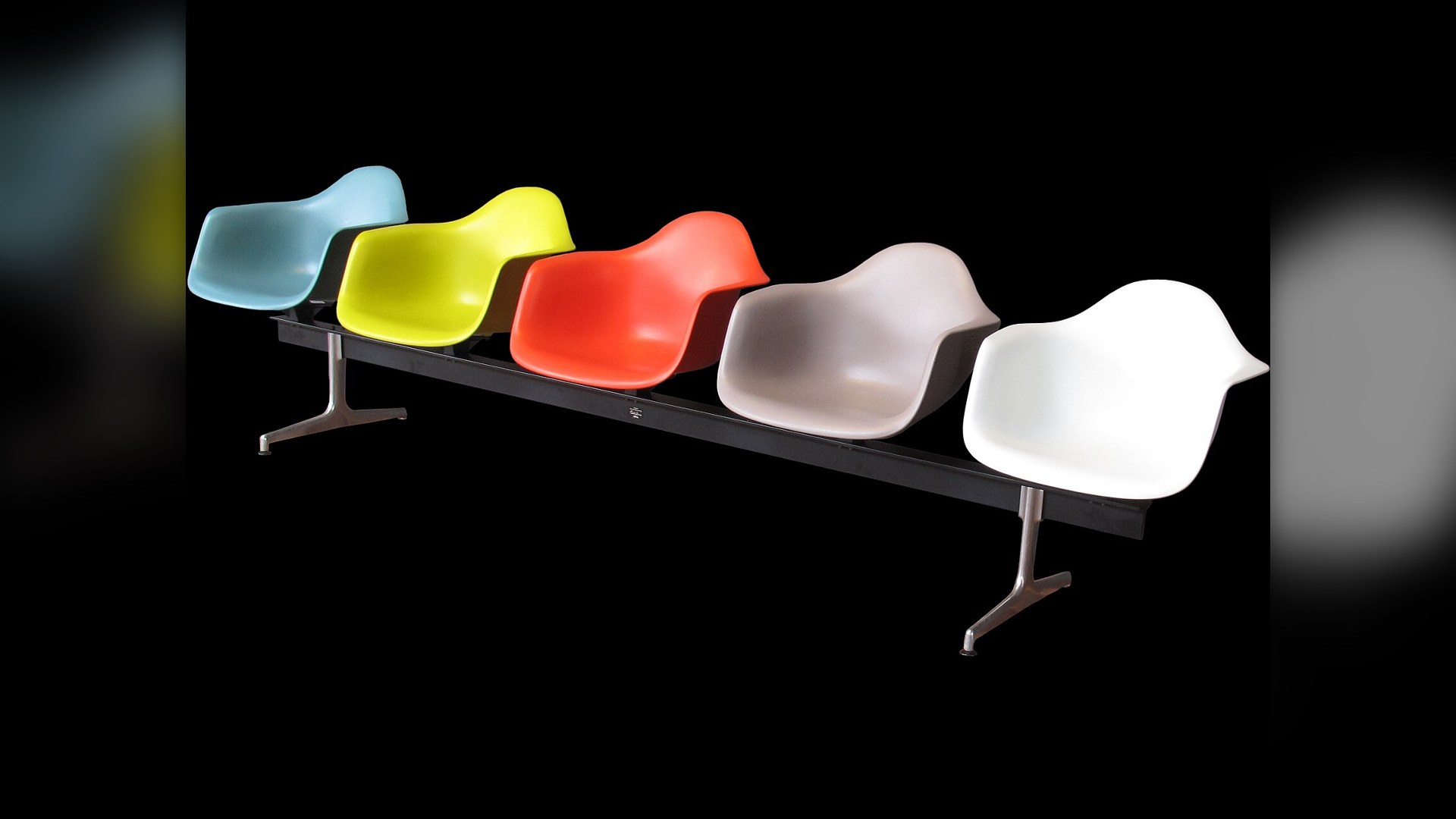
3. Eames Molded Plastic Chair
Charles and Ray Eames partnered with Zenith Plastics in 1950 to produce the first mass-manufactured plastic chairs, swapping fiberglass for polypropylene in later Herman Miller runs. Its Eiffel-wire and wood-dowel bases sit beneath millions of cafe tables, most of them unbranded reproductions.
©Wikimedia / Rama
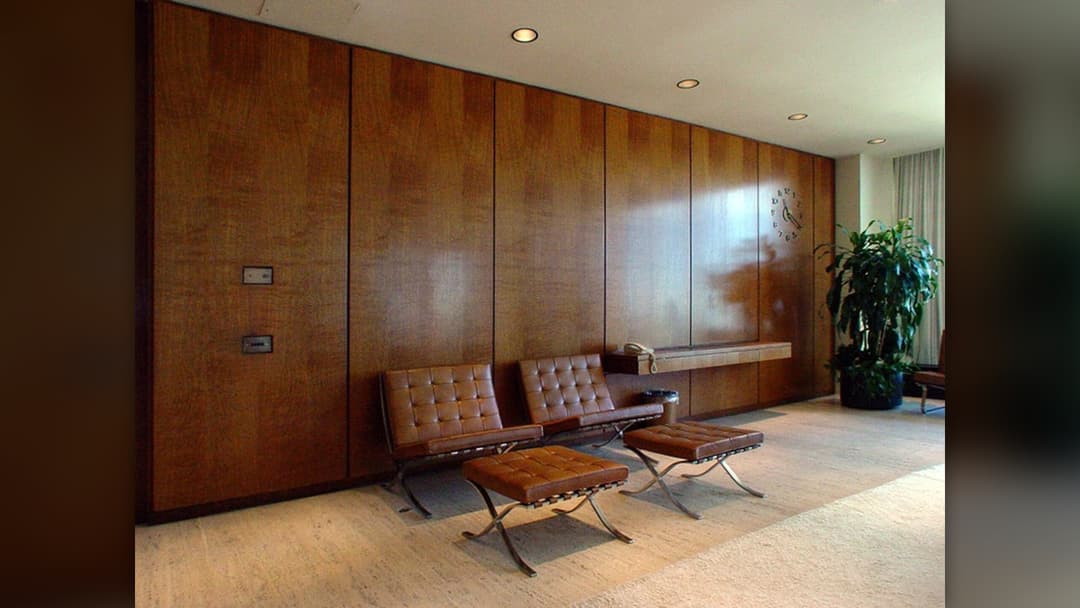
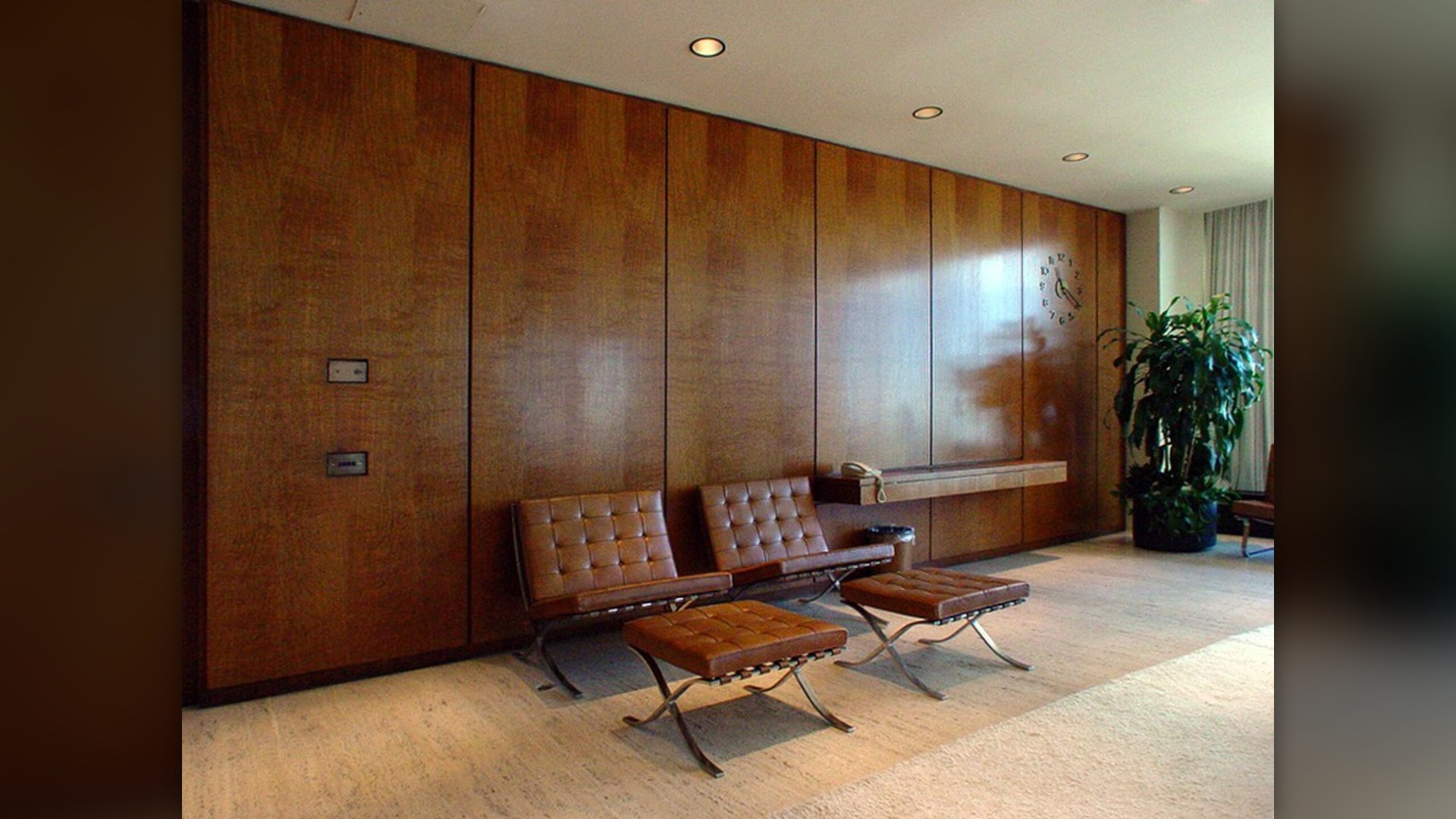
2. Mies Van Der Rohe Barcelona Chair
Ludwig Mies van der Rohe and Lilly Reich designed the Barcelona Chair for the German Pavilion at the 1929 International Exposition. Forty hand-tufted leather squares rest over a polished chrome X-frame originally bolted together. Affordable lookalikes trade stainless steel for hollow plated tubing.
©Wikimedia / jmv from New Westminster, BC, Canada
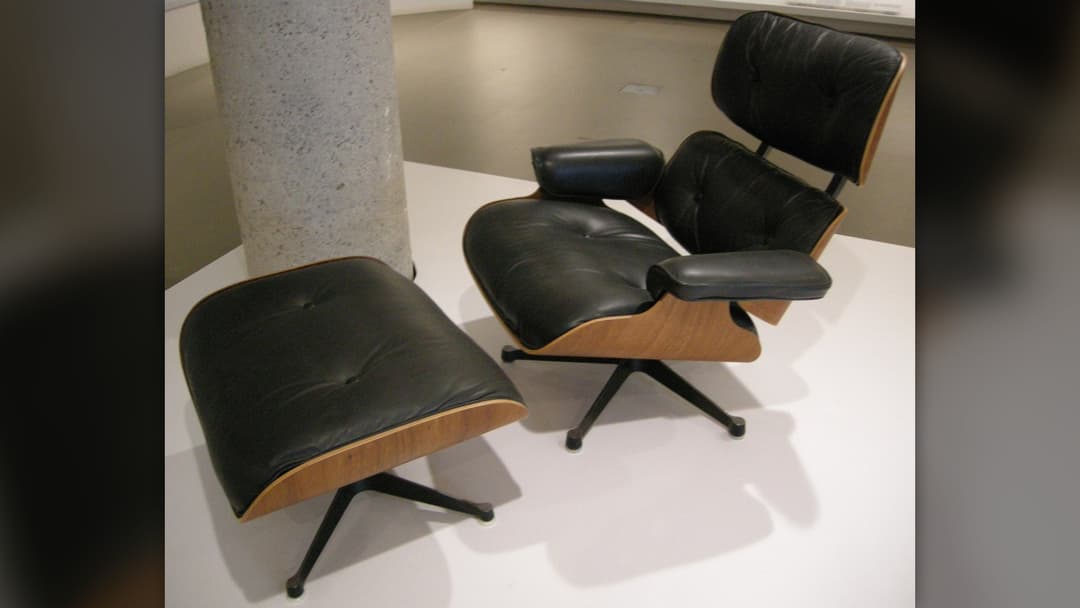
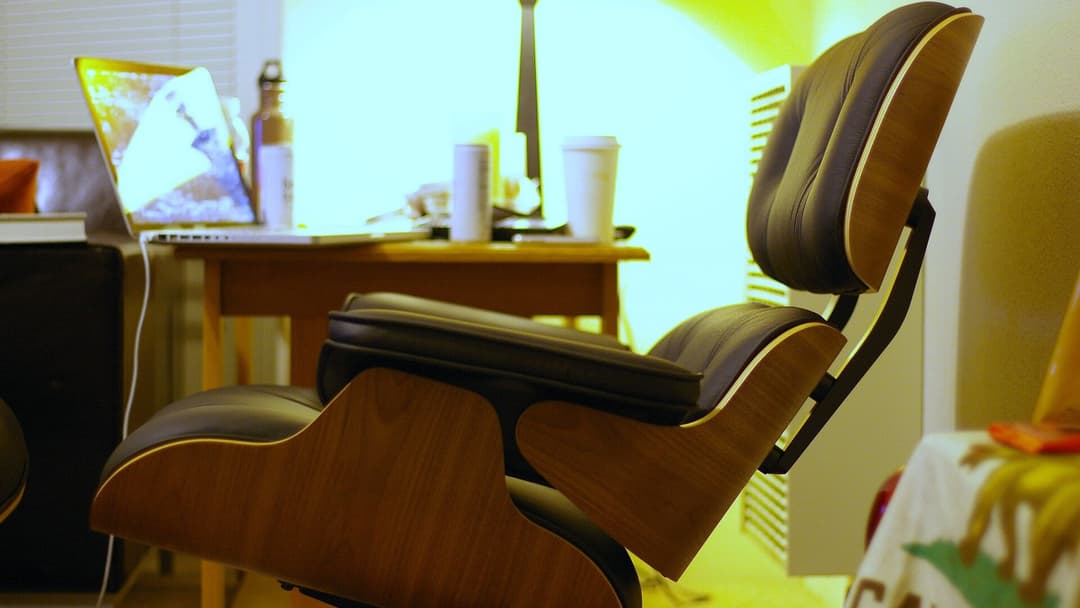
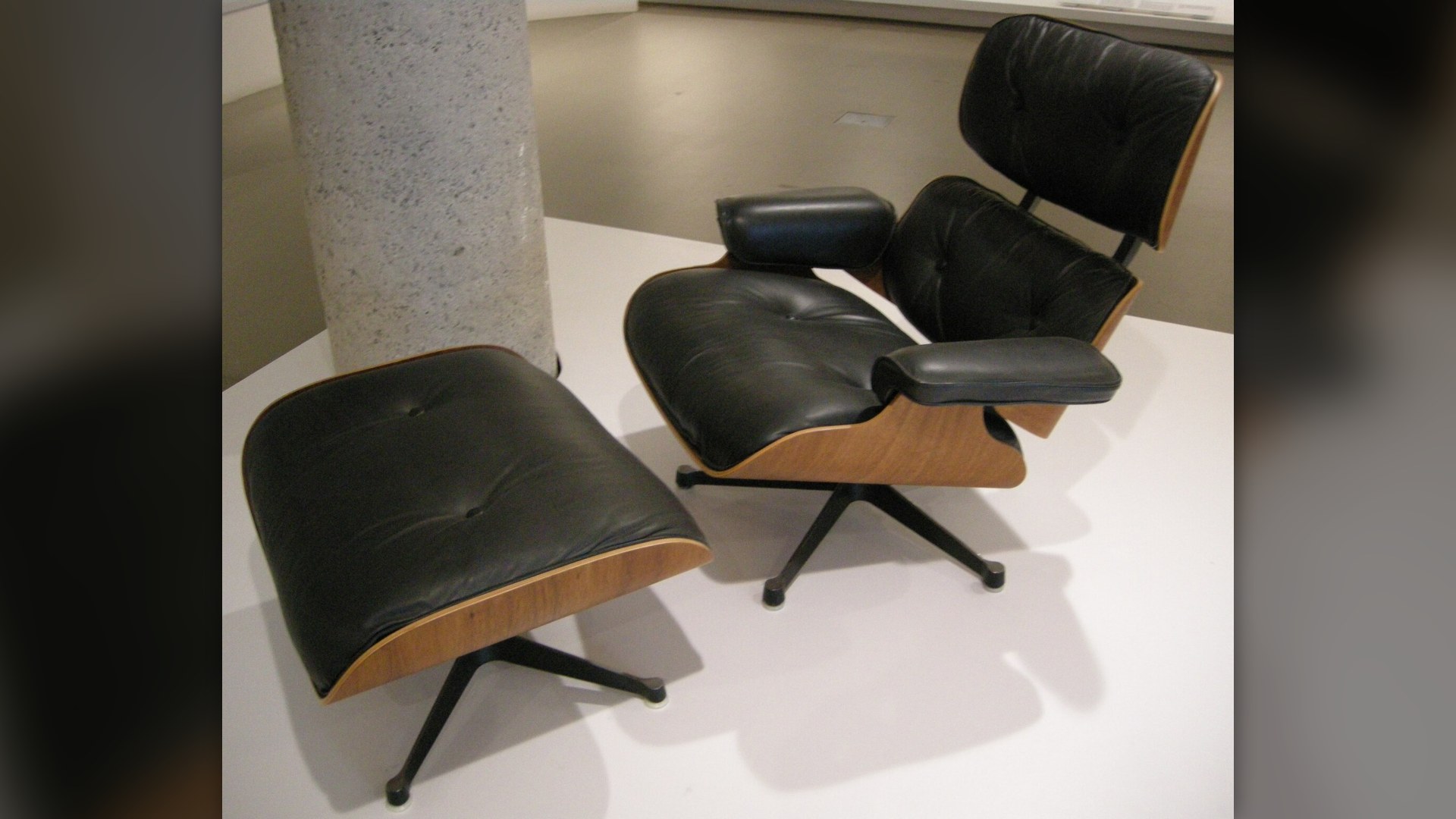
1. Eames Lounge Chair And Ottoman
Charles and Ray Eames spent years perfecting the 670 Lounge Chair and 671 Ottoman for Herman Miller, debuting the set on network television in 1956. Three curved rosewood-and-plywood shells cradle removable down-filled leather cushions. Lookalike recliners echo the angle while skipping the shock mounts.
©Wikimedia / sailko
Advertisement
You've reached the end of the story. Thanks for reading!

20 Iconic Historical Photos and the Archive Clues Behind Them
Contact sheets, cracked glass plates, and NASA mission logs preserve the hidden steps behind 20 famous photographs. Drawing on records from the Library of Congress, the National Archives, NASA, and the Smithsonian, this countdown traces how cropping, camera setups, and double exposures shaped each frame.
All 22 Entries in this Story
22. Tolix Model A Chair
French metalworker Xavier Pauchard designed the galvanized sheet-steel Chaise A in 1934 for outdoor cafe patios. Its stackable frame resists rust and weighs under 10 pounds, which made it a restaurant staple worldwide. Modern discount retailers still sell nearly identical stamped-steel bistro chairs.

21. Acapulco Chair
Originating in Acapulco during the 1950s, this open-weave lounge chair pairs a welded steel base with flexible PVC cords inspired by traditional Maya hammock weaving. No single designer holds a patent on the original form. Budget patio brands produce thousands of colorful cord copies each summer.

20. Kartell Louis Ghost Chair
Introduced by Italian maker Kartell in 2002, Philippe Starck's Louis Ghost chair uses injection-molded polycarbonate to echo Louis XV salon furniture. Because the transparent frame blends into small rooms without blocking light, discount event suppliers and homeware chains quickly copied the silhouette.

19. Stokke Tripp Trapp Chair
Norwegian industrial designer Peter Opsvik built the Tripp Trapp in 1972 after noticing his two-year-old son Tor had no chair that fit adult table height. Grooved beechwood slots let the seat and footrest slide down as a child grows. Flat-pack imitators sell cheaper slotted-wood frames everywhere.

18. George Nelson Bubble Lamp
George Nelson designed the Bubble Lamp series in 1947 after seeing Swedish silk-covered pendants priced far above his budget. Howard Miller began producing the lamps in the early 1950s by spraying translucent vinyl resin over a spinning steel wire frame. Lookalike ribbed shades fill home stores.

17. Isamu Noguchi Akari Lamp
Sculptor Isamu Noguchi launched the Akari Light Sculptures in 1951 after visiting Gifu, a Japanese town known for traditional lantern workshops. He combined bamboo ribbing with handmade washi paper and folded each shade flat for shipping. Big-box retailers sell cheap pleated paper versions today.

16. Sori Yanagi Butterfly Stool
Industrial designer Sori Yanagi created the Butterfly Stool in 1954 using two symmetrical molded-plywood shells connected by screws and a brass stretcher. Tendo Mokko began manufacturing it in 1956, and MoMA added an example to its permanent collection. Low-cost copies omit the solid brass rod.

15. Eero Aarnio Ball Chair
Finnish designer Eero Aarnio built the prototype Ball Chair in 1963 out of fiberglass reinforced over a giant beach-ball mold. Debuted by Asko at the 1966 Cologne Furniture Fair, the acoustic pod shelters sitters from outside noise. Novelty furniture makers copy the round shell in molded plastic.

14. Verner Panton S-Chair
Danish designer Verner Panton sketched an S-curved, legless plastic chair in 1960, though Vitra did not achieve full injection-molded production until 1967. Its glossy cantilever shape stacks neatly and skips metal legs altogether. Discount outdoor brands sell lightweight lookalikes in every color.

13. Anglepoise Desk Lamp
British automotive engineer George Carwardine patented his constant-tension spring mechanism in 1932 and launched the Original 1227 desk lamp in 1935. Later versions like Kenneth Grange's 2004 Type 1228 kept the balanced arm geometry. Budget spring-arm task lamps borrow that exact lever system.

12. Alvar Aalto Paimio Armchair
Architect Alvar Aalto designed Armchair 41 in 1932 for patients at the Paimio Sanatorium in southwestern Finland. He steamed and bent laminated birch so the frame flexed gently without metal springs. Flat-pack furniture giants later built entire lines of bent-birch lounge chairs on the same principle.

11. Poul Henningsen PH Artichoke Lamp
Danish architect Poul Henningsen created the PH Artichoke in 1958 for the Langelinie Pavilion restaurant in Copenhagen. Twelve circular rows hold 72 hand-angled leaves that bounce warm light while shielding eyes from direct glare. Affordable pendant knockoffs mimic the layered cone at half the weight.

10. Arne Jacobsen Swan Chair
Arne Jacobsen sculpted the Swan Chair in 1958 for the SAS Royal Hotel in Copenhagen, pairing curved foam-padded shells with a four-star aluminum base. Manufactured by Fritz Hansen, the compact swivel seat fits tight apartments easily. Online furniture outlets carry dozens of low-cost fabric versions.

9. Arne Jacobsen Egg Chair
Created alongside the Swan in 1958 for Copenhagen's SAS Royal Hotel, Arne Jacobsen's Egg Chair wraps sitters inside a sculpted polyurethane shell. Its flared wings block peripheral motion in open rooms. Budget brands often swap the cast-aluminum swivel base and hand-stitched seams for welded steel.

8. Marcel Breuer Cesca Chair
Marcel Breuer designed the B32 cantilever chair in 1928 using bent tubular steel paired with wood-framed cane, later naming it Cesca after his daughter Francesca. Because the design entered production before modern trademark rules tightened, dozens of factories now sell cheap chrome-and-rattan clones.

7. Marcel Breuer Wassily Chair
At the Dessau Bauhaus in 1925, Marcel Breuer bent seamless nickel-plated bicycle tubing to build the Model B3 chair, later nicknamed for painter Wassily Kandinsky. Canvas straps supported the sitter without heavy stuffing. Entry-level copies substitute thinner steel and split leather.

6. Saarinen Tulip Chair
Finno-American architect Eero Saarinen spent five years developing the Pedestal collection with Knoll, releasing the Tulip Chair in 1957 to clear away what he called the slum of legs. Molded fiberglass meets a cast-aluminum base. Mass-market stores sell plastic pedestals that mimic the flared stem.

5. Hans Wegner Wishbone Chair
Danish cabinetmaker Hans J. Wegner designed the CH24 Wishbone Chair in 1949 for Carl Hansen & Son, crafting its curved top rail from steam-bent solid wood. Each genuine seat takes roughly an hour to weave from 120 meters of paper cord. Knockoffs routinely replace solid oak and cord with stained ash.

4. Isamu Noguchi Coffee Table
Sculptor Isamu Noguchi paired a heavy teardrop glass top with two identical carved wood struts that pivot on a concealed dowel. Herman Miller launched the table in 1947 after Noguchi drew inspiration from a design made for A. Conger Goodyear. Imitations often use thinner glass and sharp-edged plywood.

3. Eames Molded Plastic Chair
Charles and Ray Eames partnered with Zenith Plastics in 1950 to produce the first mass-manufactured plastic chairs, swapping fiberglass for polypropylene in later Herman Miller runs. Its Eiffel-wire and wood-dowel bases sit beneath millions of cafe tables, most of them unbranded reproductions.

2. Mies Van Der Rohe Barcelona Chair
Ludwig Mies van der Rohe and Lilly Reich designed the Barcelona Chair for the German Pavilion at the 1929 International Exposition. Forty hand-tufted leather squares rest over a polished chrome X-frame originally bolted together. Affordable lookalikes trade stainless steel for hollow plated tubing.

1. Eames Lounge Chair And Ottoman
Charles and Ray Eames spent years perfecting the 670 Lounge Chair and 671 Ottoman for Herman Miller, debuting the set on network television in 1956. Three curved rosewood-and-plywood shells cradle removable down-filled leather cushions. Lookalike recliners echo the angle while skipping the shock mounts.