Slideshow · Viral
20 Iconic Historical Photos and the Archive Clues Behind Them
Contact sheets, cracked glass plates, and NASA mission logs preserve the hidden steps behind 20 famous photographs. Drawing on records from the Library of Congress, the National Archives, NASA, and the Smithsonian, this countdown traces how cropping, camera setups, and double exposures shaped each frame.
All 20 Entries in this Story
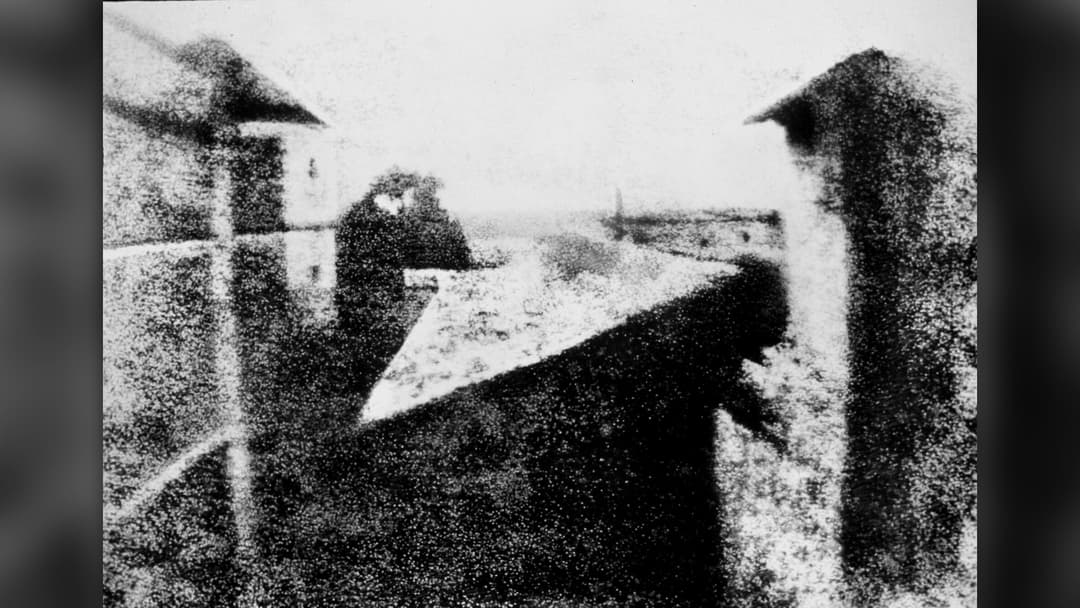
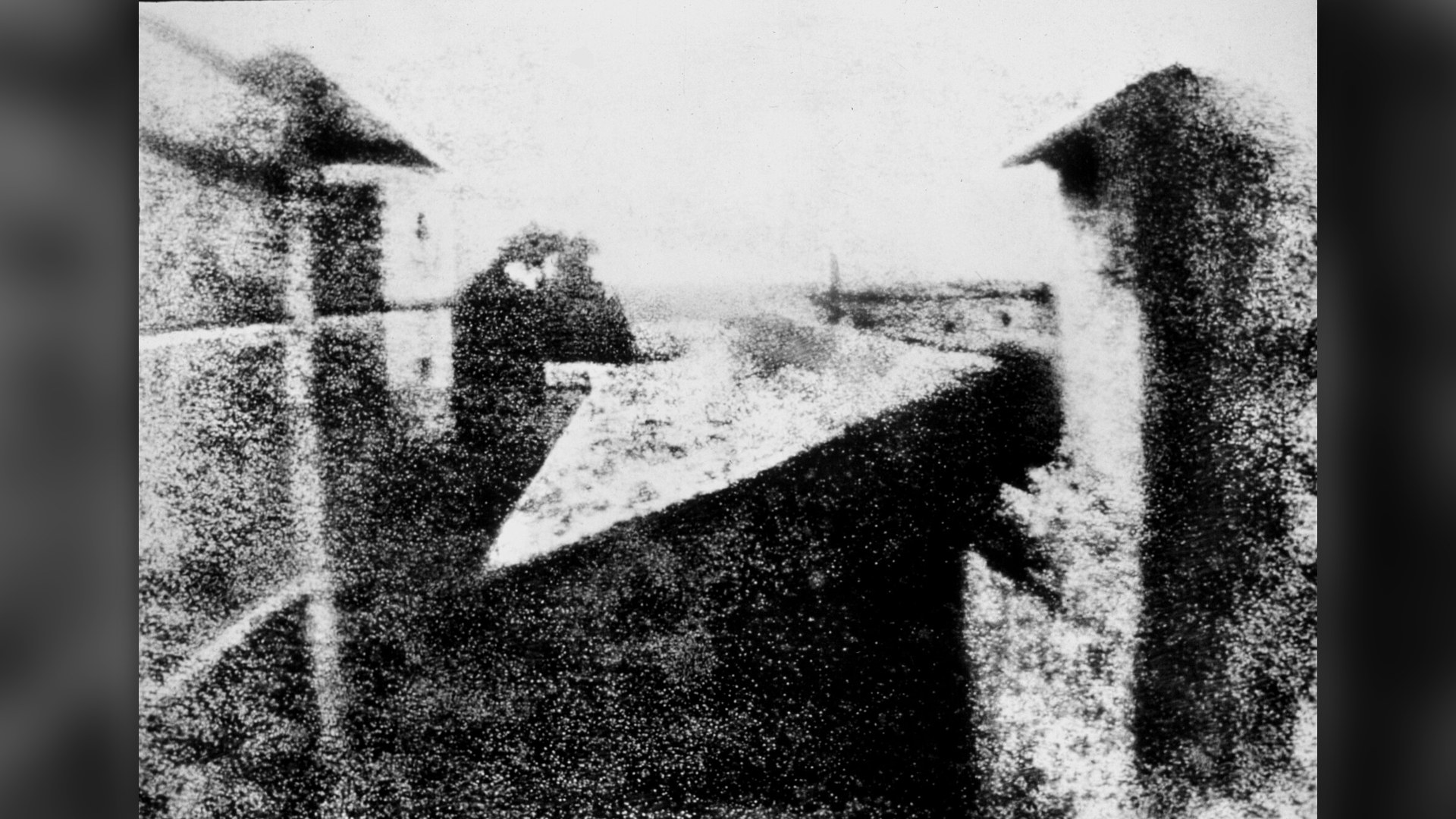
#20. View From The Window At Le Gras, 1826
Joseph Nicephore Niepce exposed a bitumen-coated pewter plate from an upper window in Saint-Loup-de-Varennes, France, around 1826 or 1827. University of Texas Harry Ransom Center records confirm the exposure lasted at least eight hours, explaining why shadows fall in two directions.
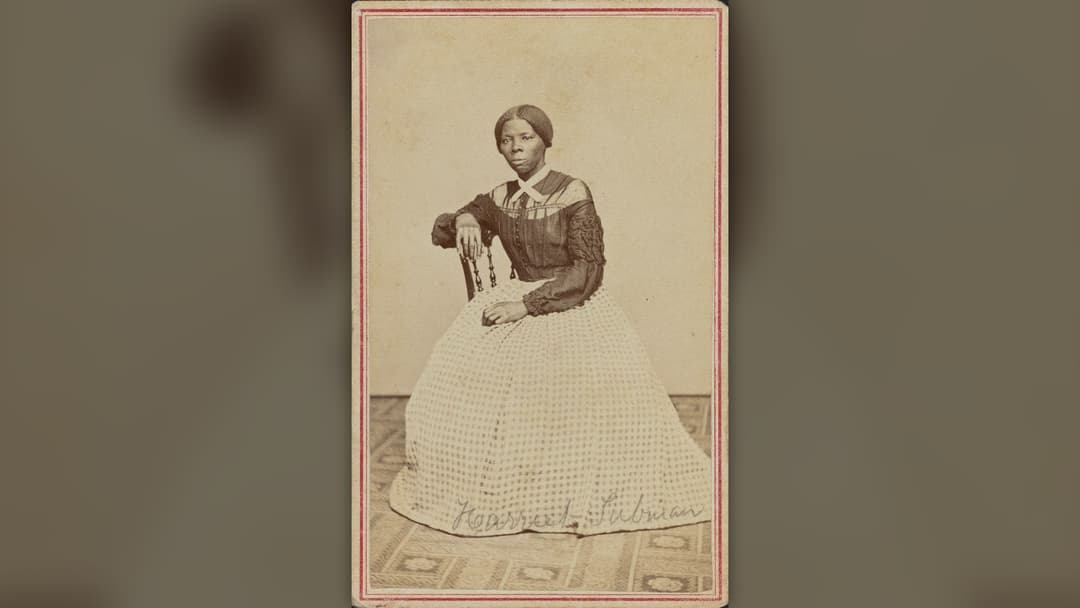
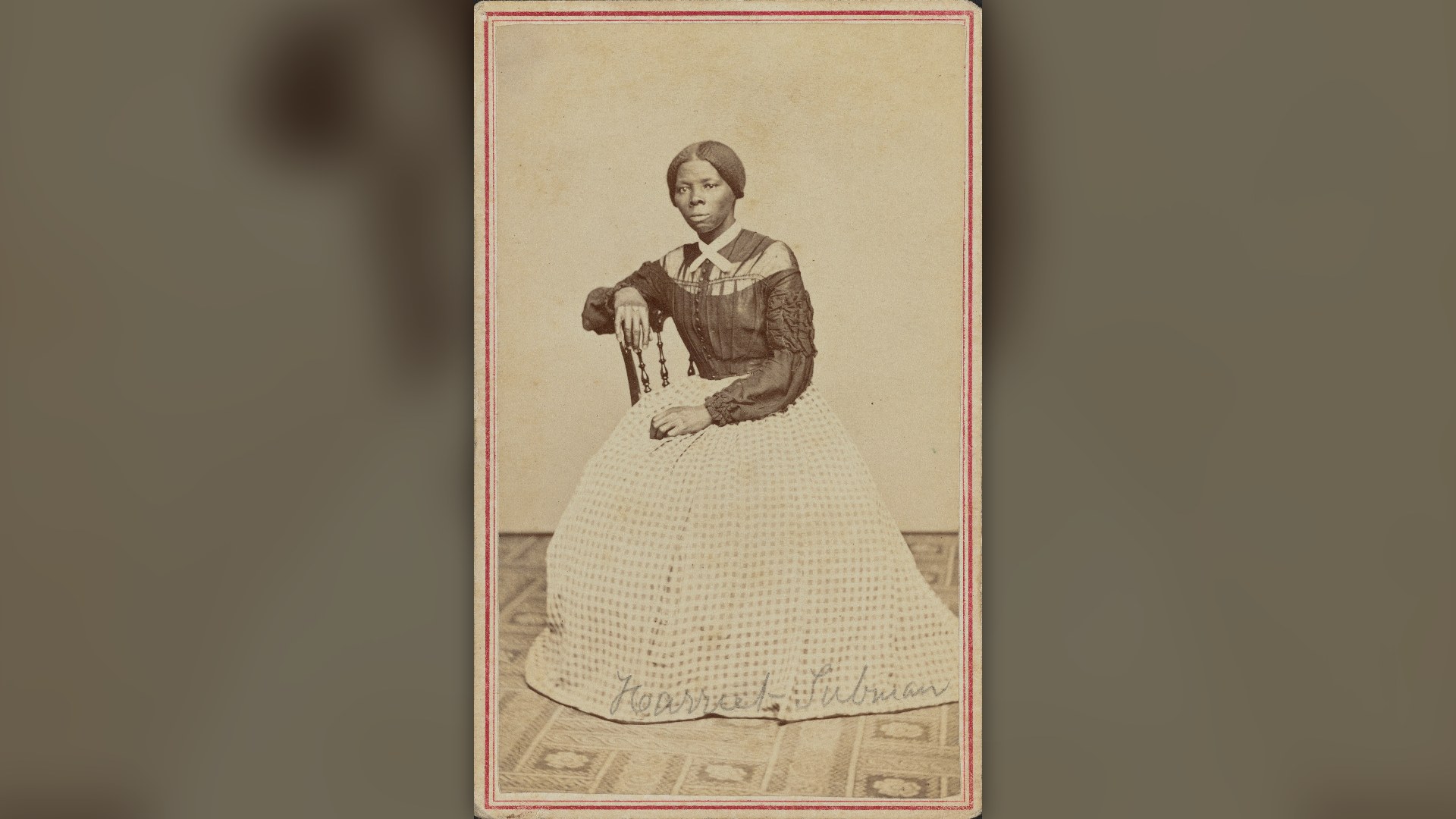
#19. Harriet Tubman Carte De-Visite, 1868
Benjamin F. Powelson photographed Harriet Tubman in Auburn, New York, between 1868 and 1869. Library of Congress and Smithsonian archivists traced the small print to abolitionist Emily Howland's family album in 2017, revealing the earliest confirmed photo of Tubman.
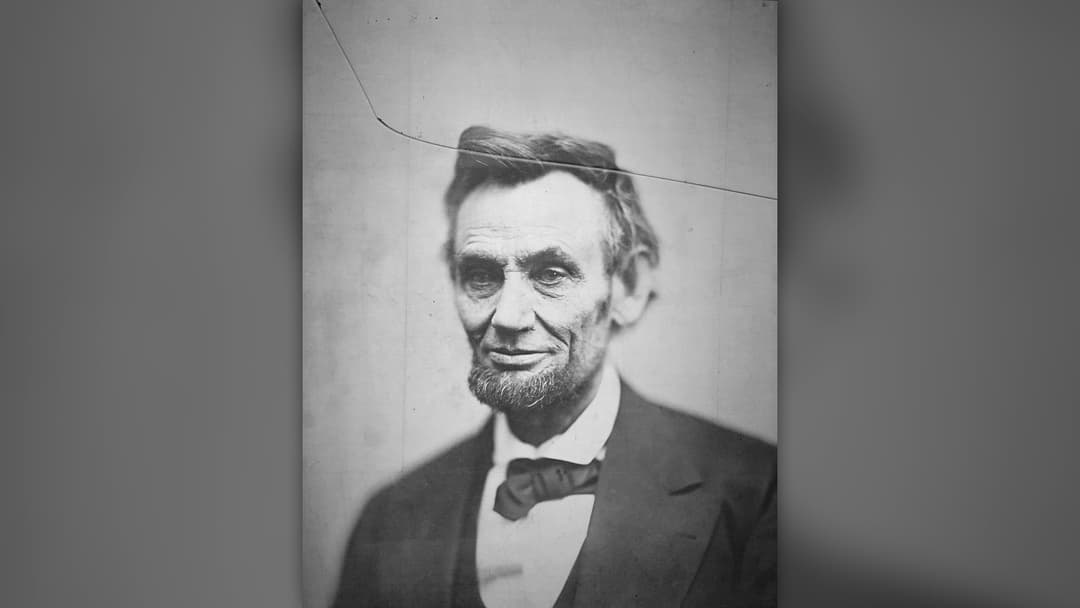
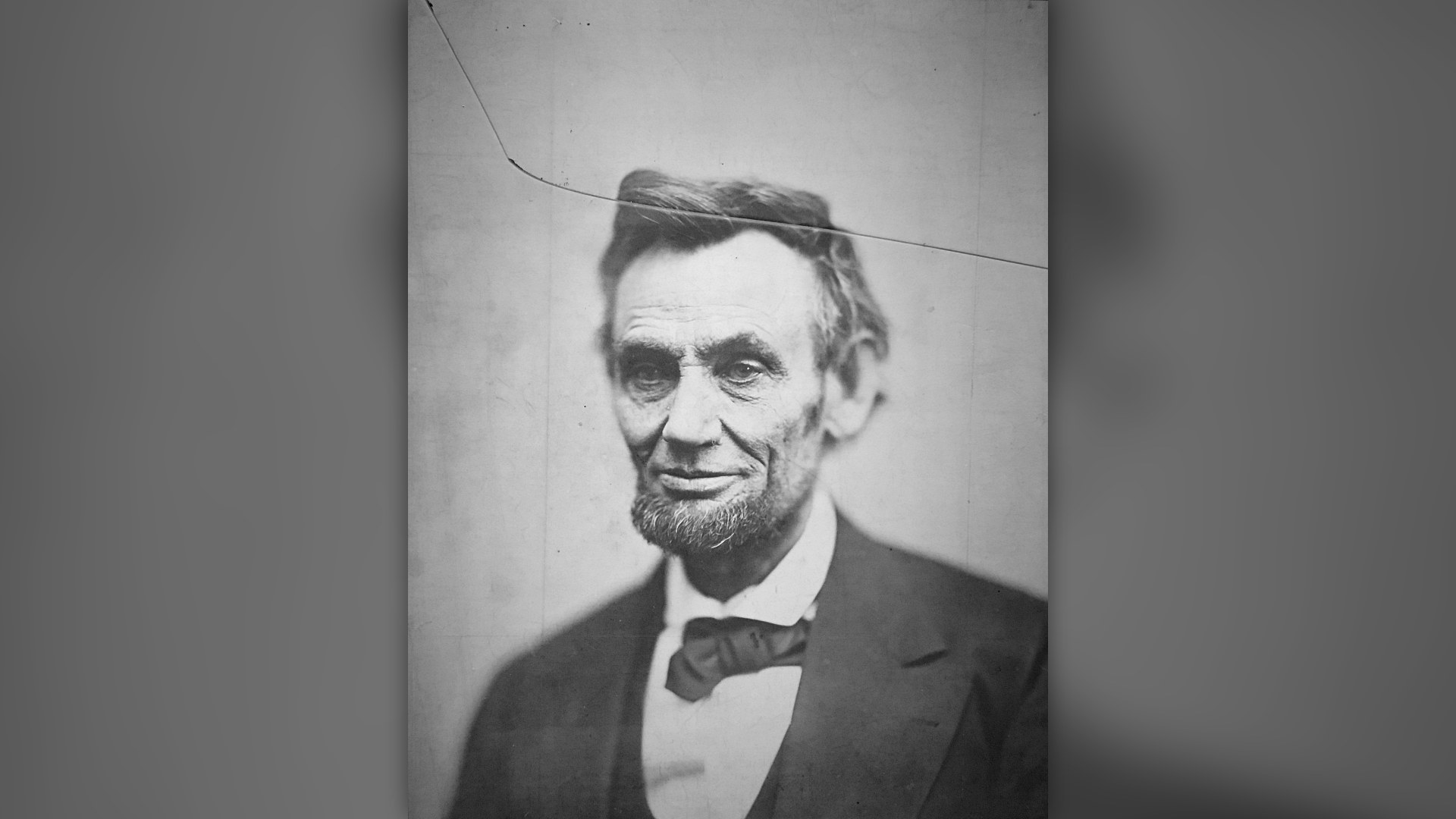
#18. Lincoln's Cracked Plate Portrait, 1865
Alexander Gardner took this sitting of President Abraham Lincoln in Washington on February 5, 1865, two months before the assassination. Smithsonian National Portrait Gallery files show the collodion glass negative split across the top after a single print was made, and Gardner threw the glass away.
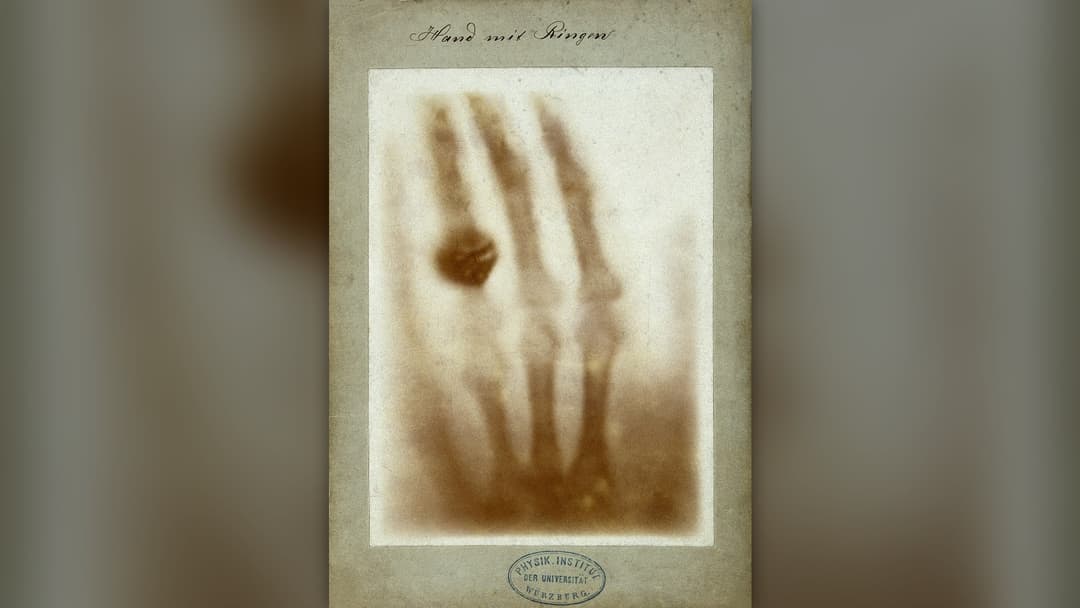
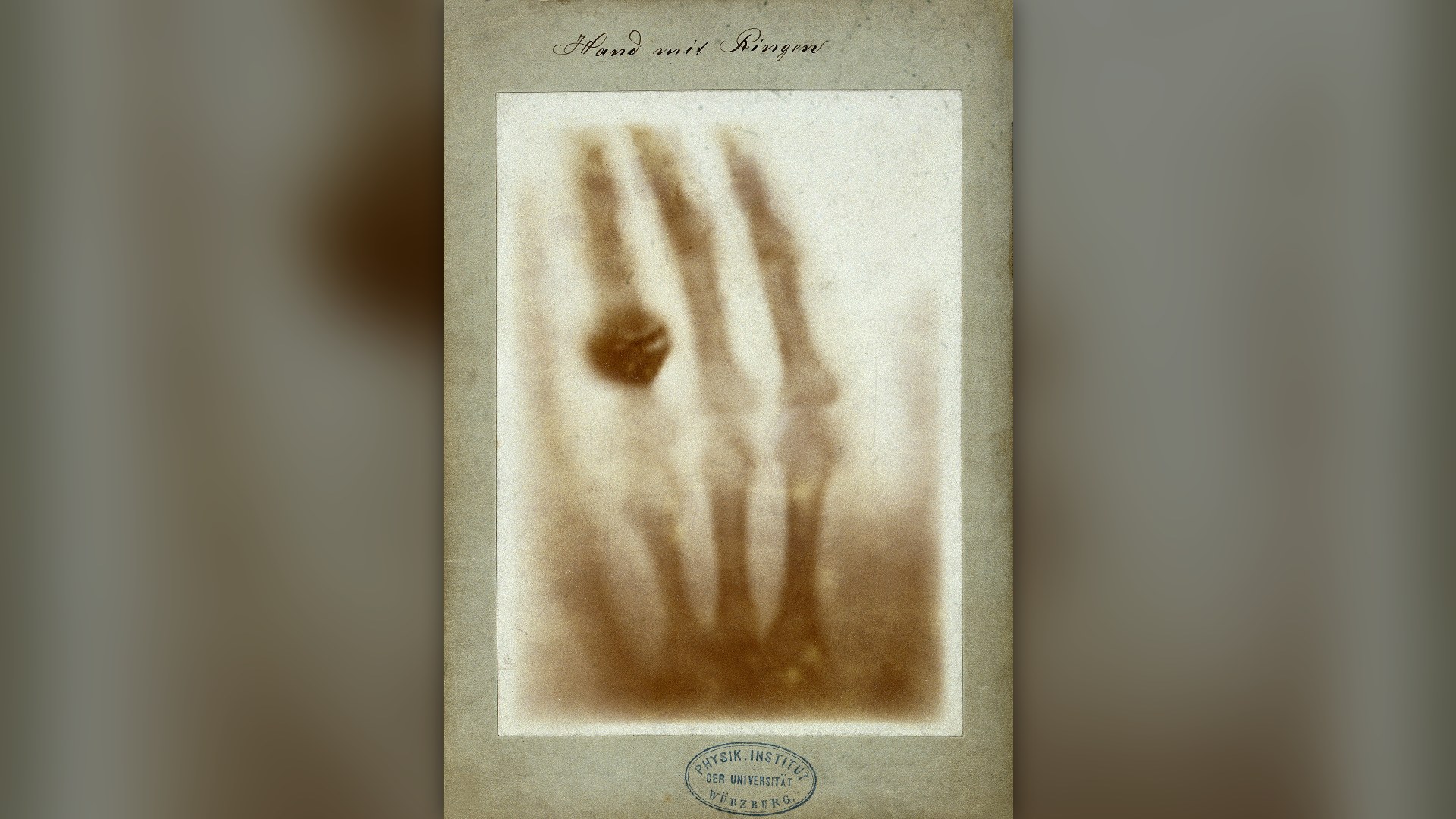
#17. First Medical X-Ray Hand, 1895
German physicist Wilhelm Conrad Rontgen tested his newly found rays on his wife's hand in Wurzburg on December 22, 1895. University of Wurzburg and Wellcome Collection archives record a 15-minute exposure on a glass photographic plate, clearly outlining the bones and her wedding ring.
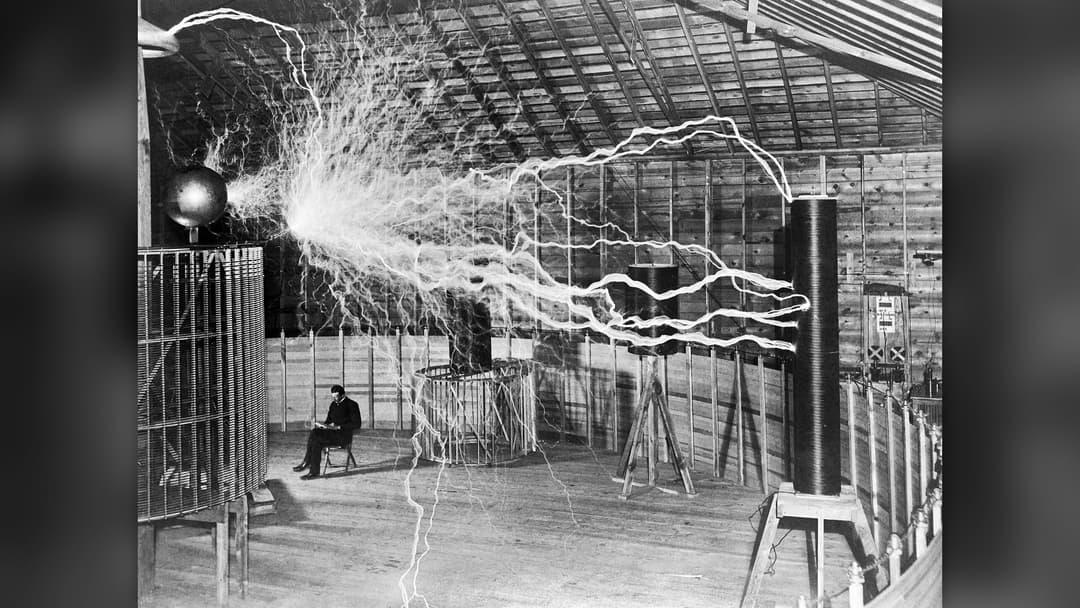
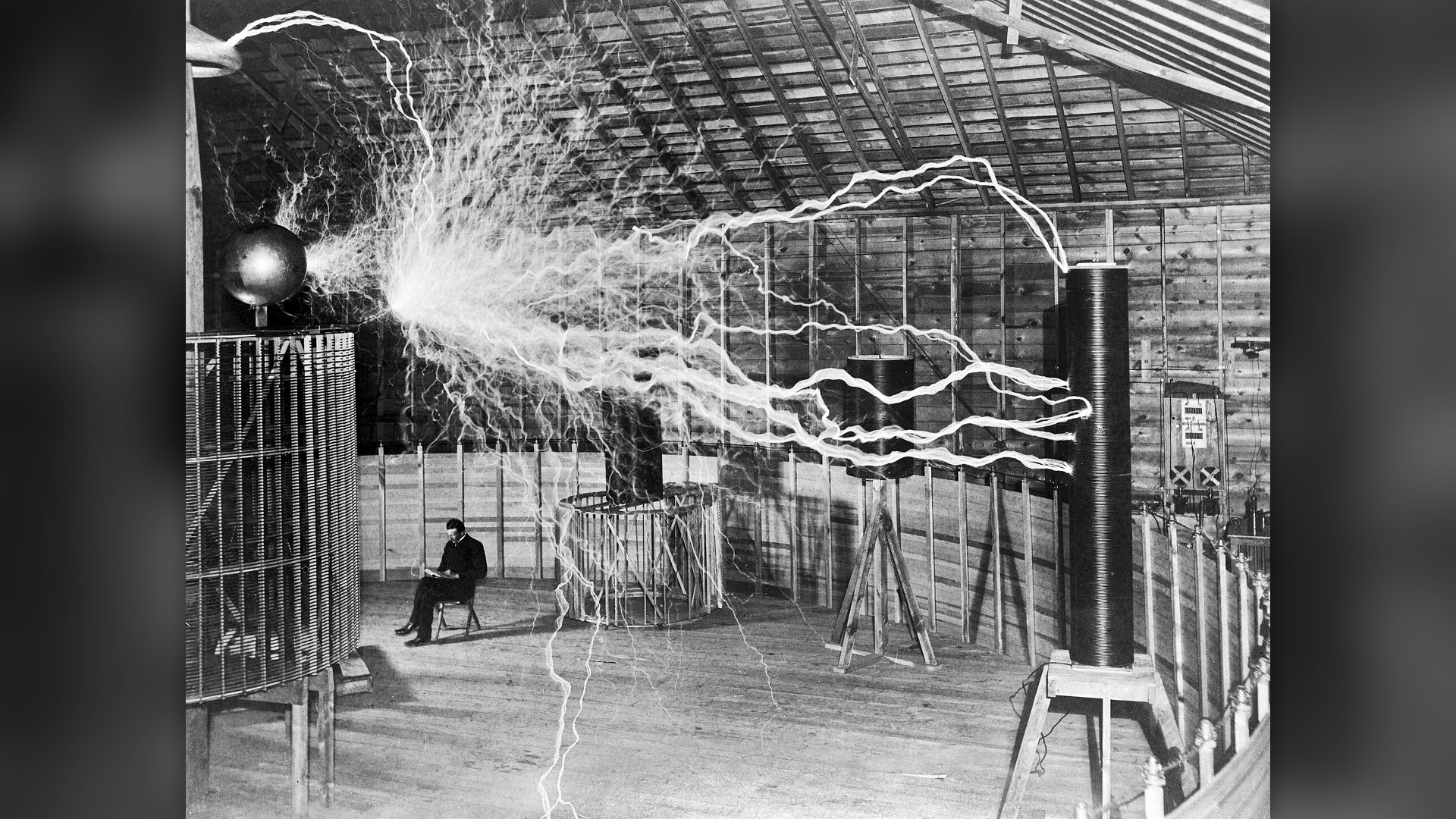
#16. Nikola Tesla In Colorado Springs, 1899
Photographer Dickenson V. Alley took this promotional image inside Nikola Tesla's Colorado Springs lab in December 1899. Records at the Nikola Tesla Museum in Belgrade confirm it is a double exposure: Alley first photographed the electrical arcs in darkness, then shut off the coil while Tesla sat still.
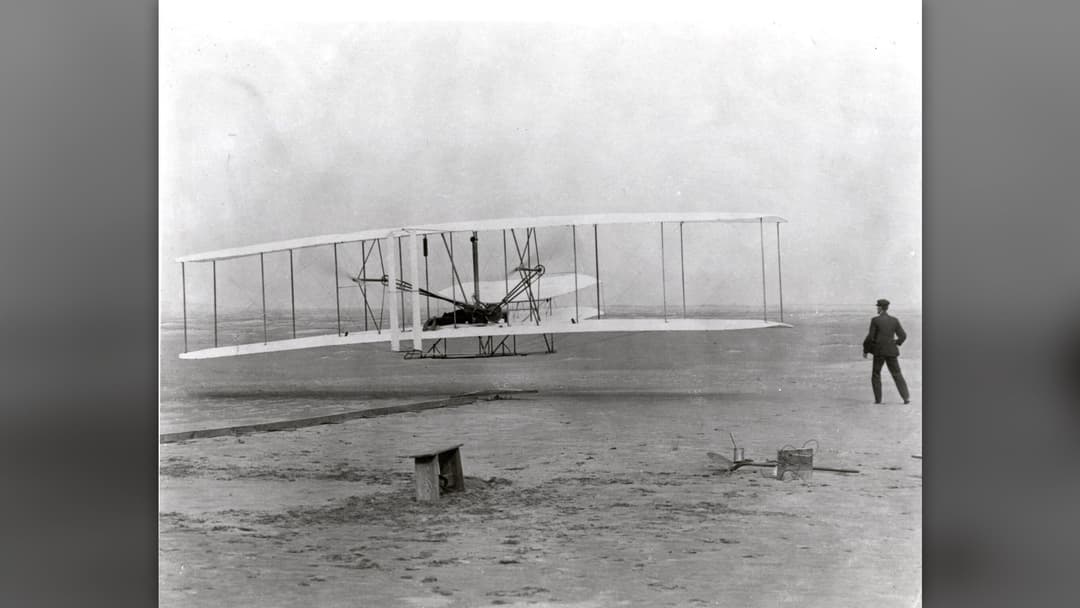
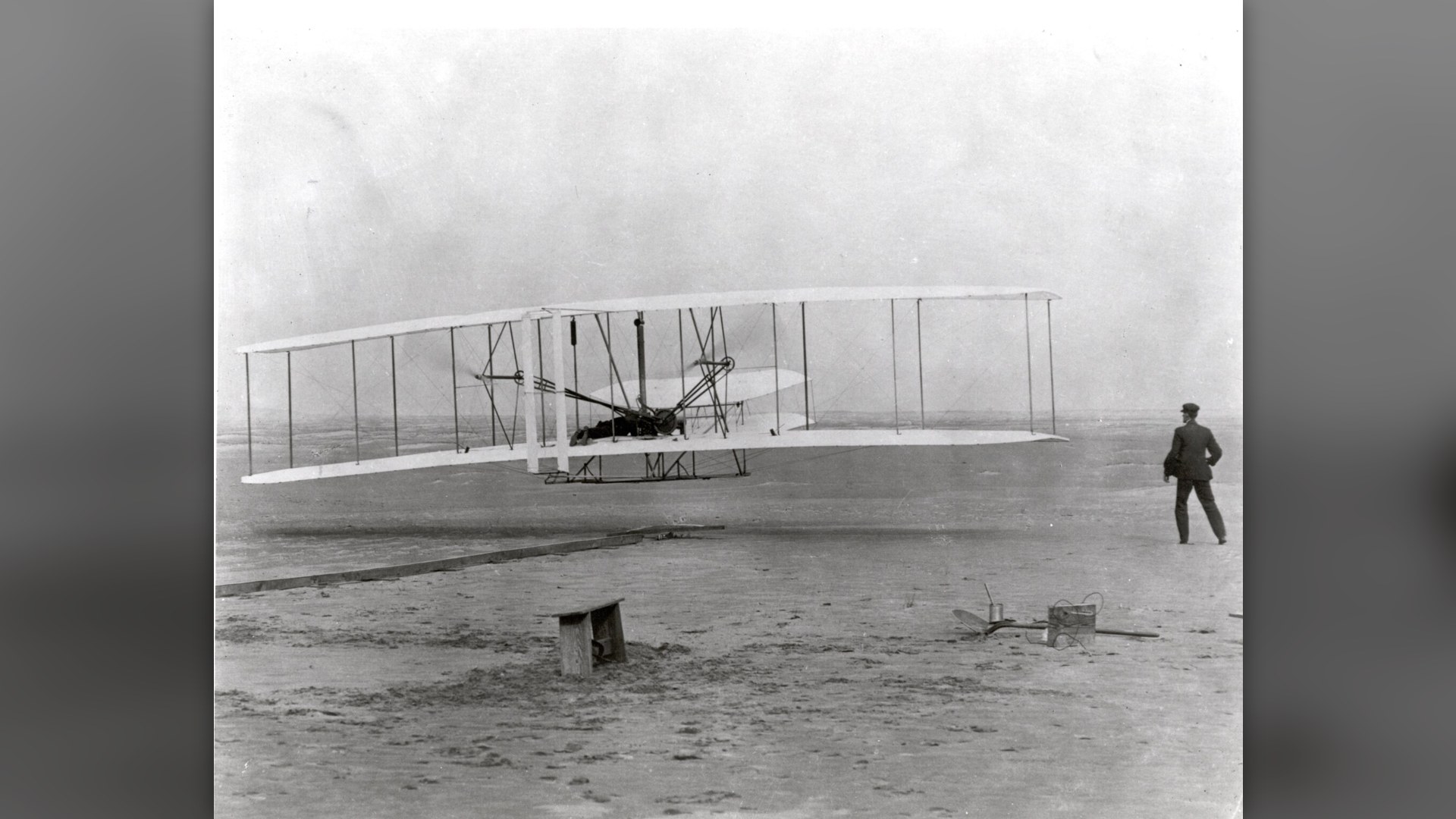
#15. First Powered Flight At Kitty Hawk, 1903
Orville Wright piloted the Wright Flyer for 12 seconds and 120 feet near Kitty Hawk, North Carolina, on December 17, 1903. Library of Congress files show Wright preset his tripod-mounted Korona V camera and asked Kill Devil Hills lifesaving crewman John T. Daniels to squeeze the bulb as it lifted off.
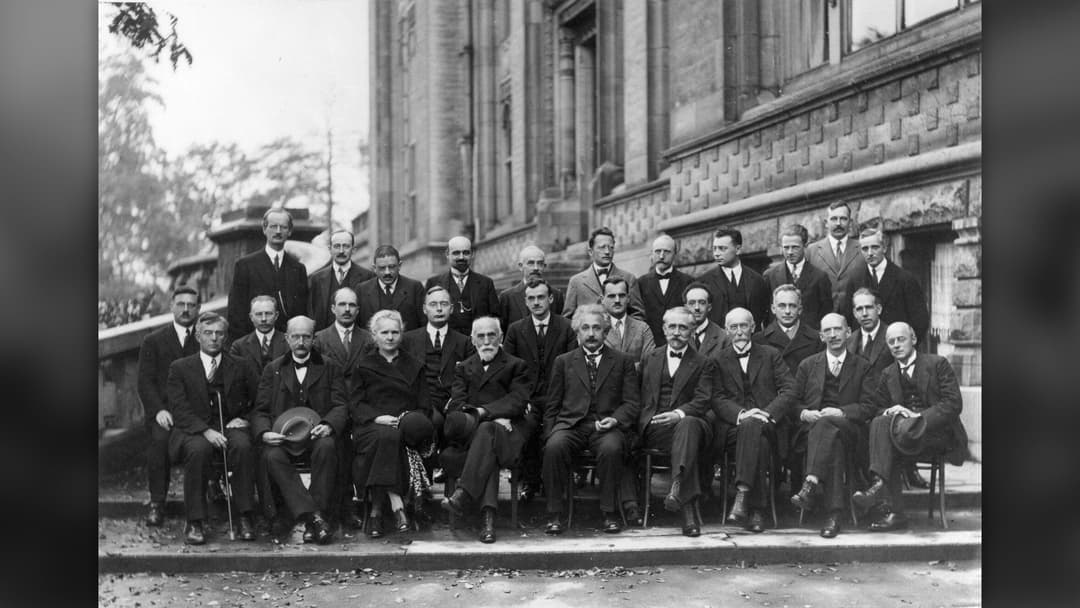
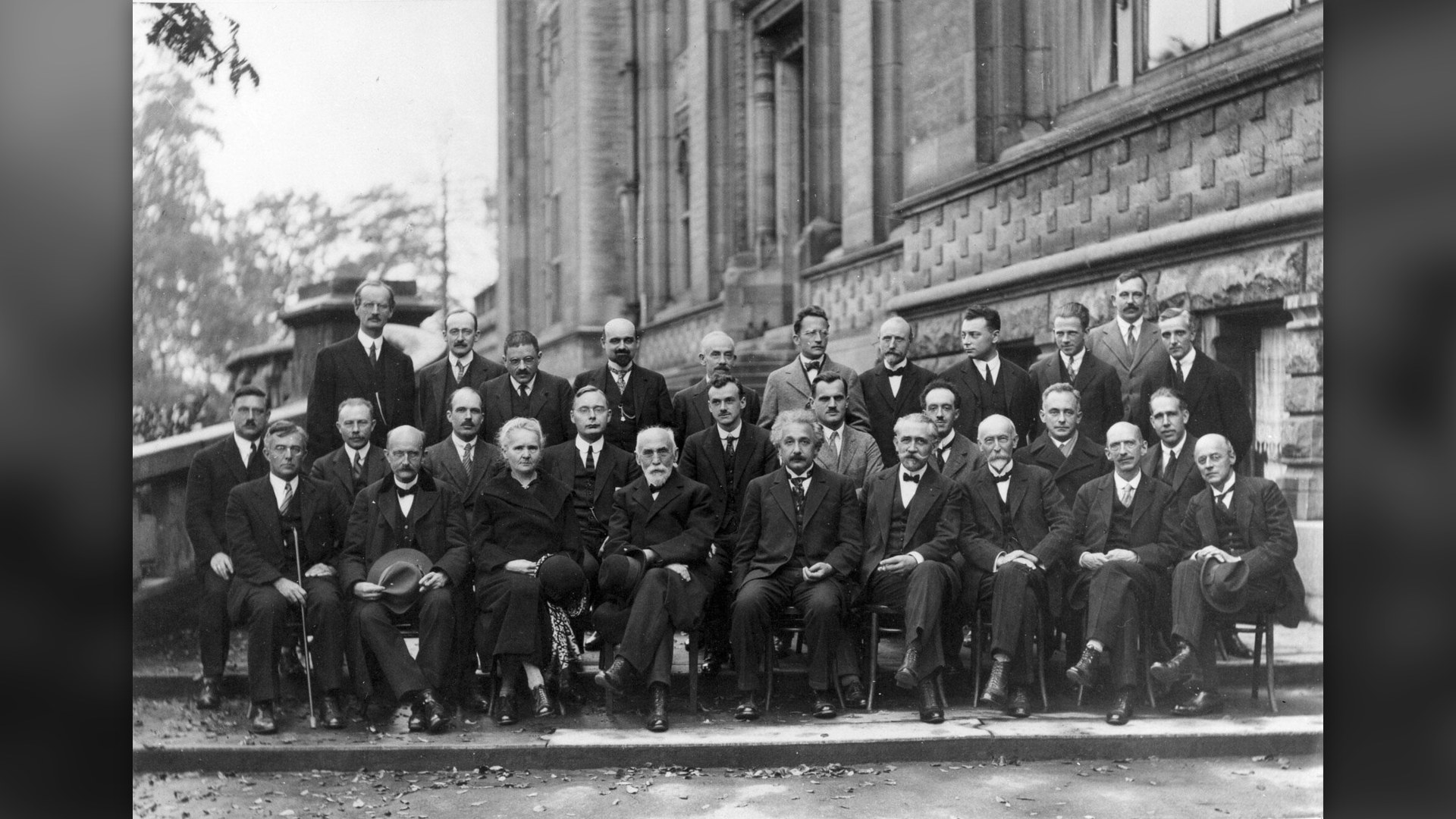
#14. The 1927 Solvay Conference Portrait
Benjamin Couprie photographed the Fifth Solvay Conference delegates outside the Institute of Physiology in Brussels in October 1927. Solvay Institute rosters identify every attendee, including Albert Einstein, Marie Curie, Niels Bohr, and Erwin Schrodinger during their famous quantum mechanics debates.
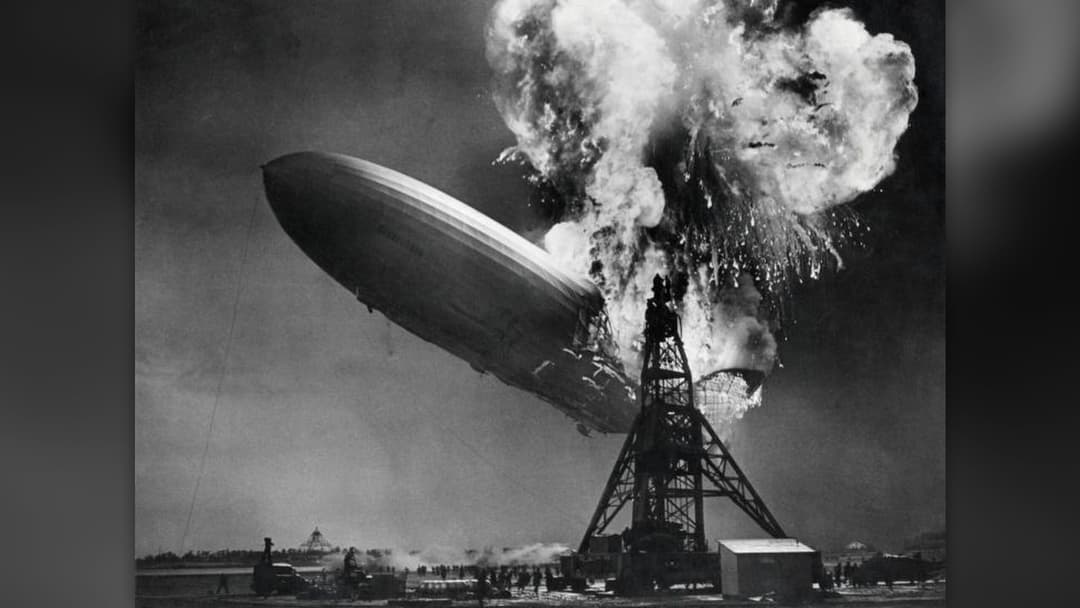
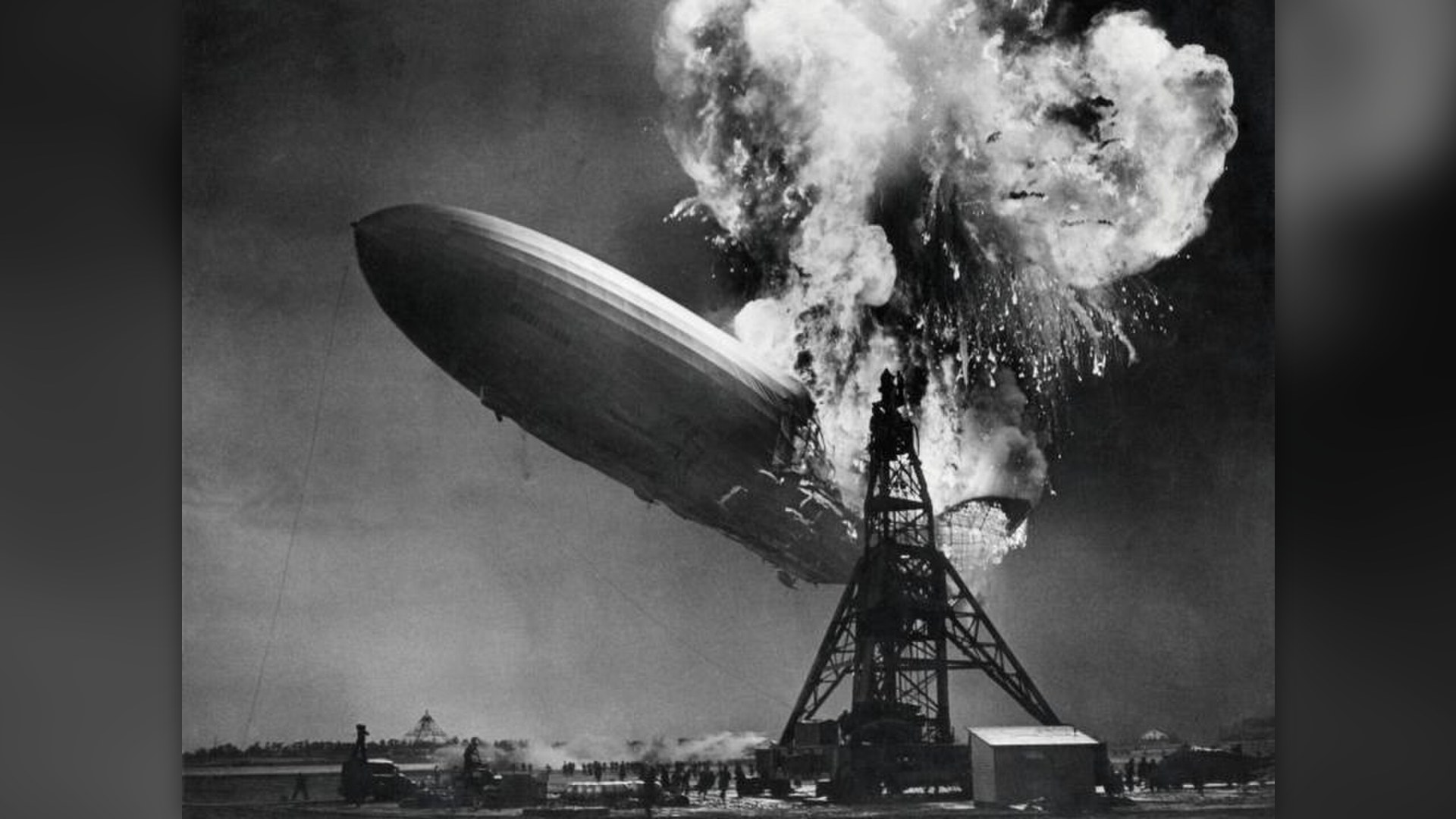
#13. Hindenburg Disaster At Lakehurst, 1937
LZ 129 Hindenburg caught fire while mooring at Naval Air Station Lakehurst, New Jersey, on May 6, 1937, killing 36 people. National Archives and newsreel logs show over 20 press and Navy cameramen had lenses trained on the tail when flames erupted, capturing the 34-second collapse from every side.
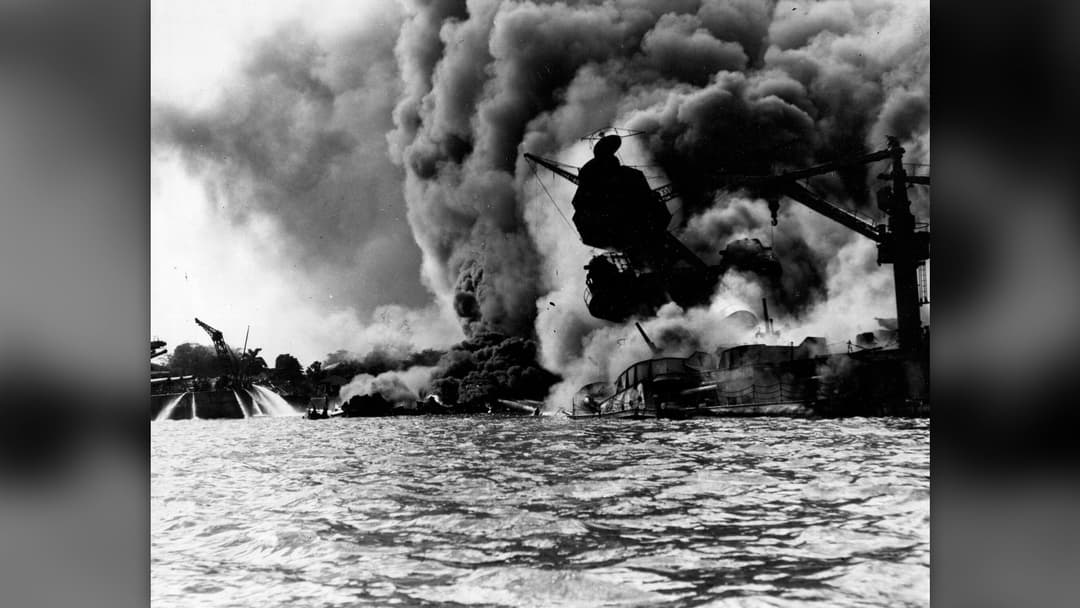
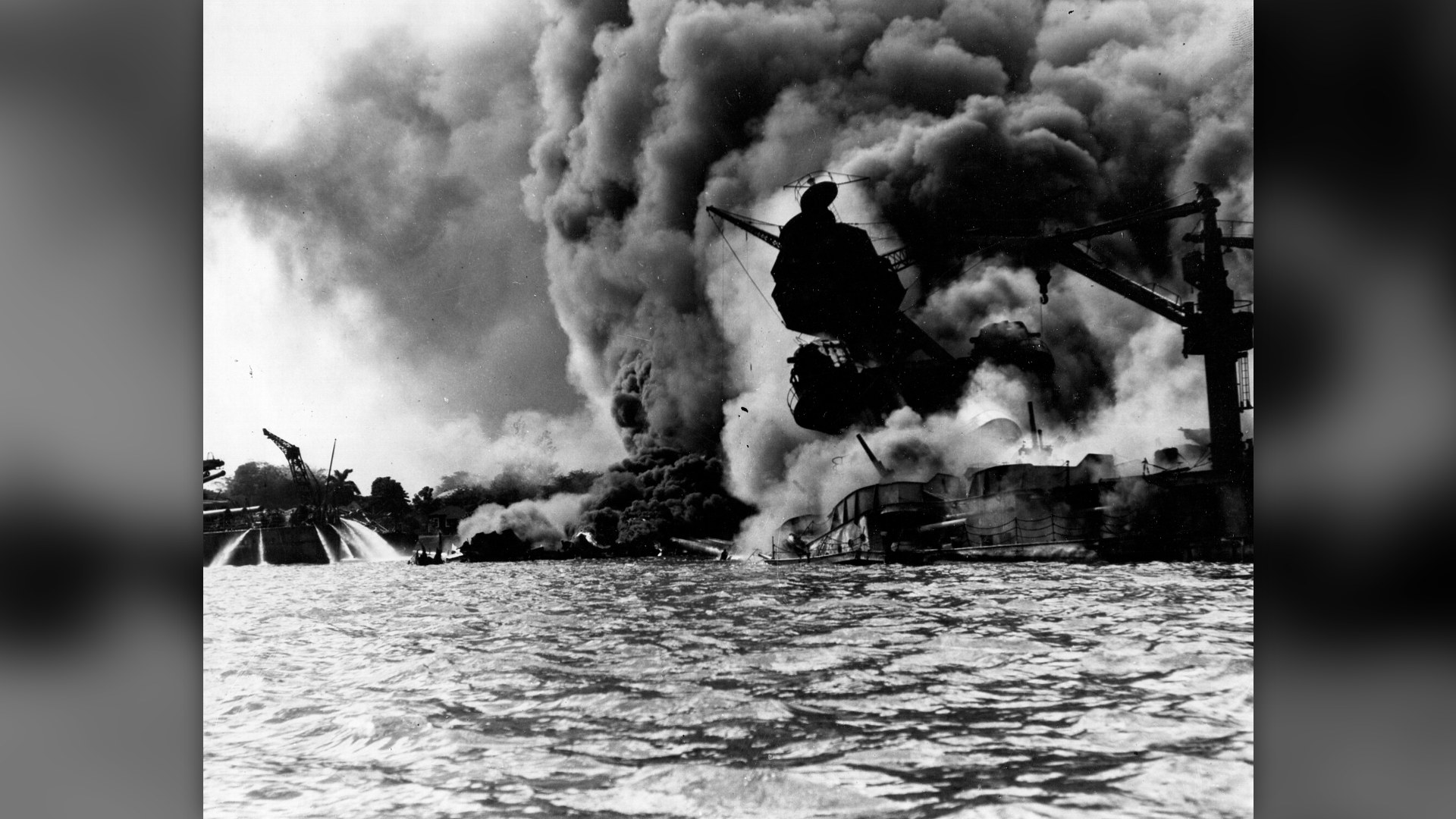
#12. USS Arizona At Pearl Harbor, 1941
USS Arizona sank at Pearl Harbor on December 7, 1941, taking 1,177 crewmen down during the Japanese air raid. National Archives record 80-G-19942 and U.S. Navy film logs cross-reference this still with 16mm color motion-picture frames shot from Ford Island and the hospital ship USS Solace.
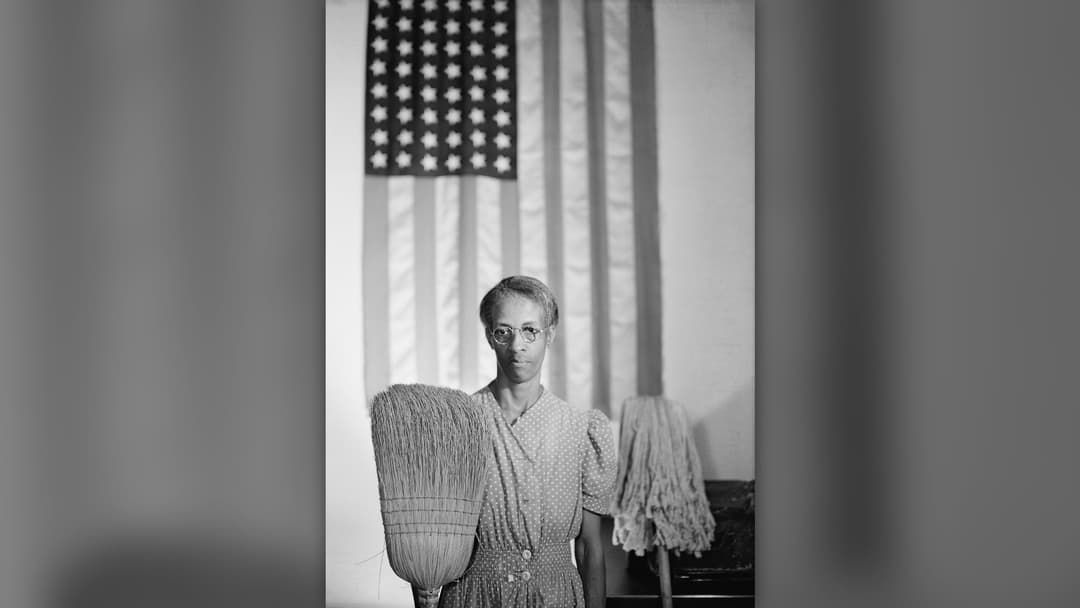
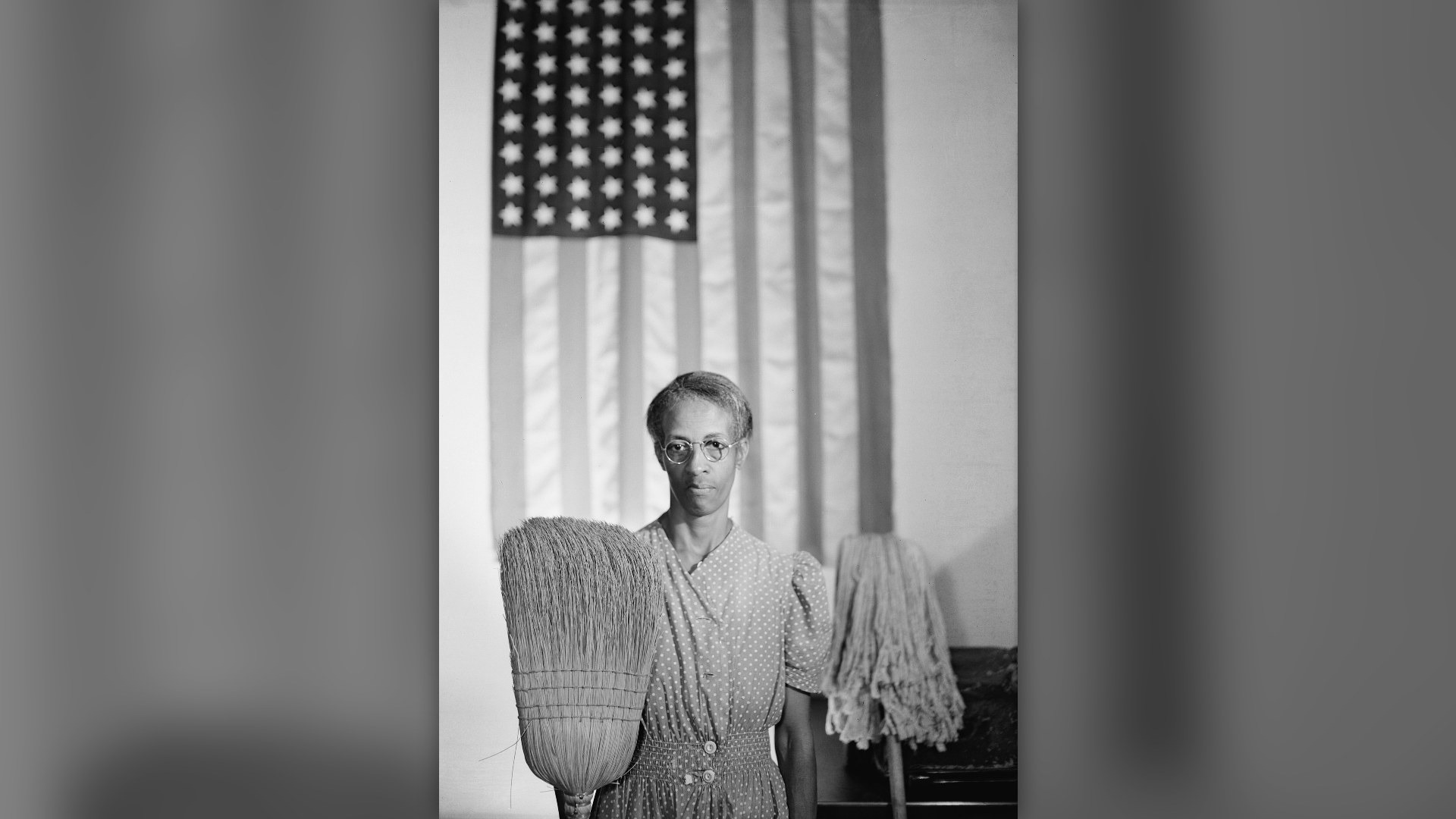
#11. American Gothic, Washington, D.C., 1942
Photographer Gordon Parks posed government charwoman Ella Watson with a broom and mop before an American flag in Washington in 1942. Library of Congress Farm Security Administration rolls hold dozens of follow-up negatives Parks shot of Watson's family and church after Roy Stryker objected to this first frame.
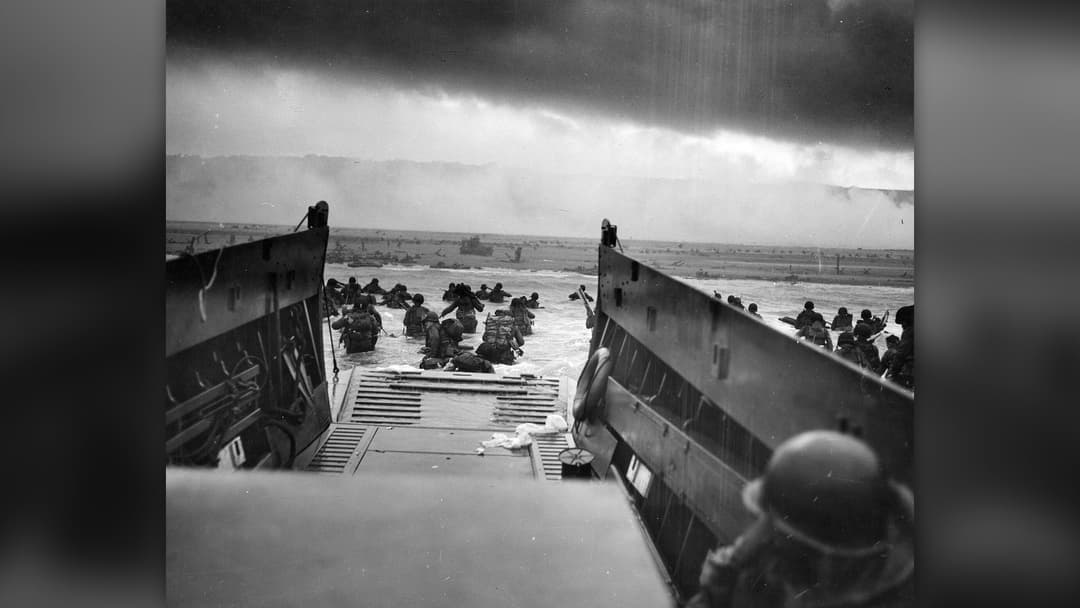
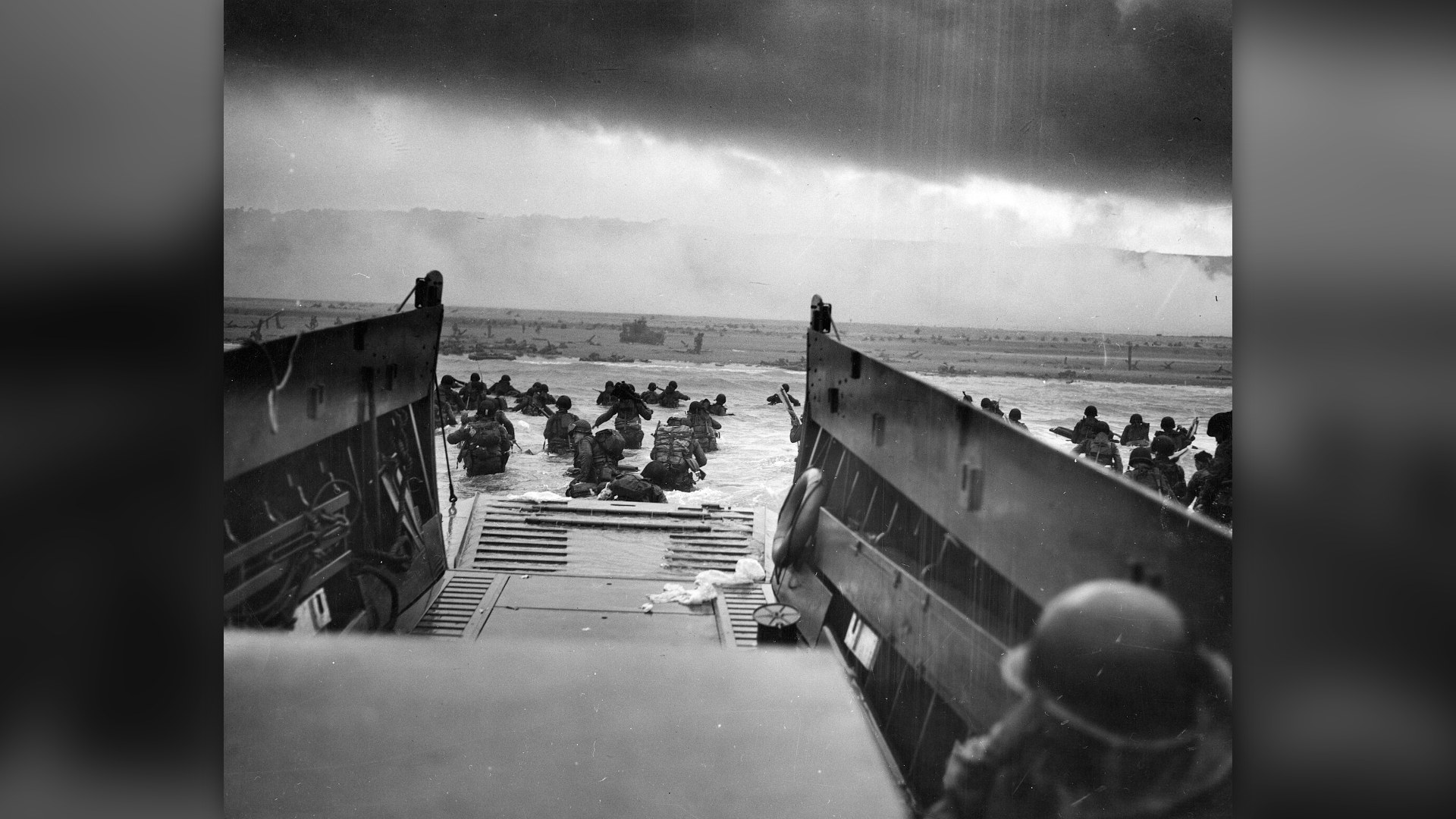
#10. D-Day Into The Jaws Of Death, 1944
Chief Photographer's Mate Robert F. Sargent snapped soldiers stepping off the ramp at Omaha Beach on June 6, 1944, at roughly 7:40 a.m. National Archives Coast Guard files trace the boat to an LCVP from USS Samuel Chase carrying Company E, 16th Infantry Regiment onto Easy Red sector.
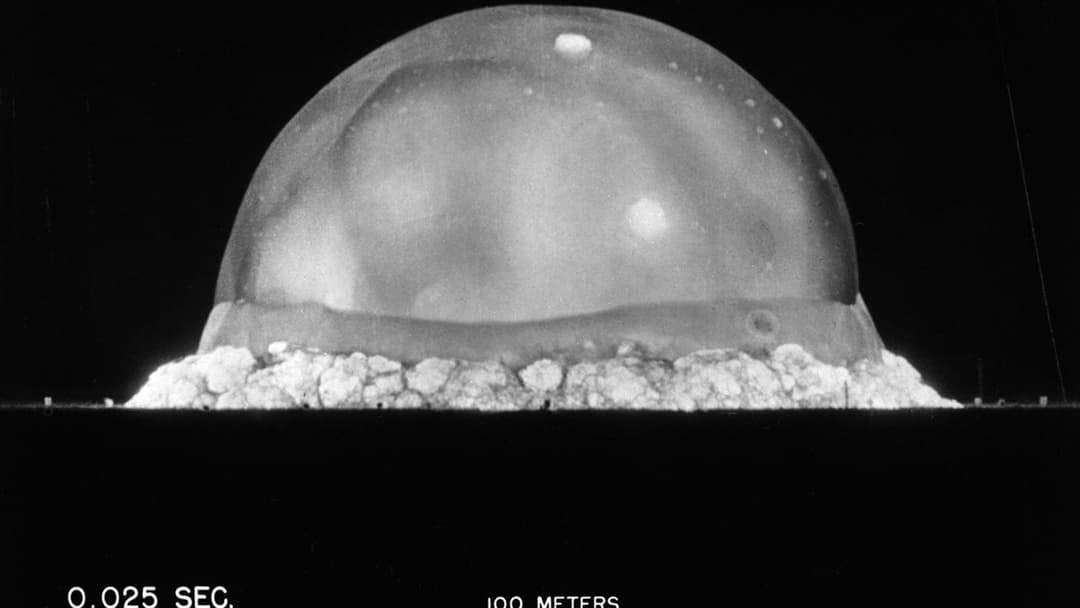
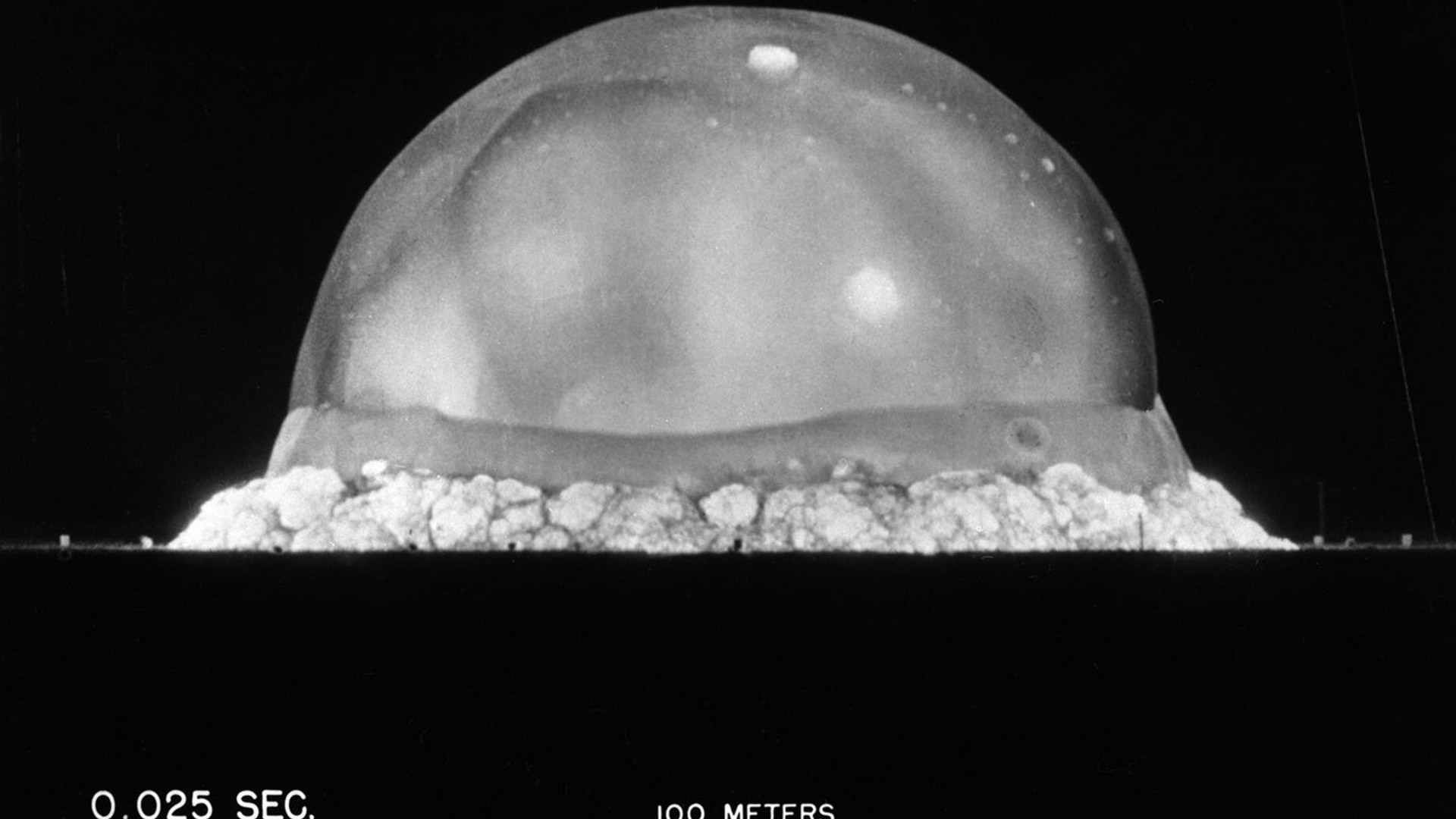
#9. Trinity Nuclear Test Fireball, 1945
The world's first nuclear detonation lit the New Mexico desert at 5:29 a.m. on July 16, 1945. Defense Threat Reduction Agency records explain that Harold Edgerton's Rapatronic camera used crossed polarizing filters to open and shut in microseconds, freezing the fireball at 25 milliseconds.
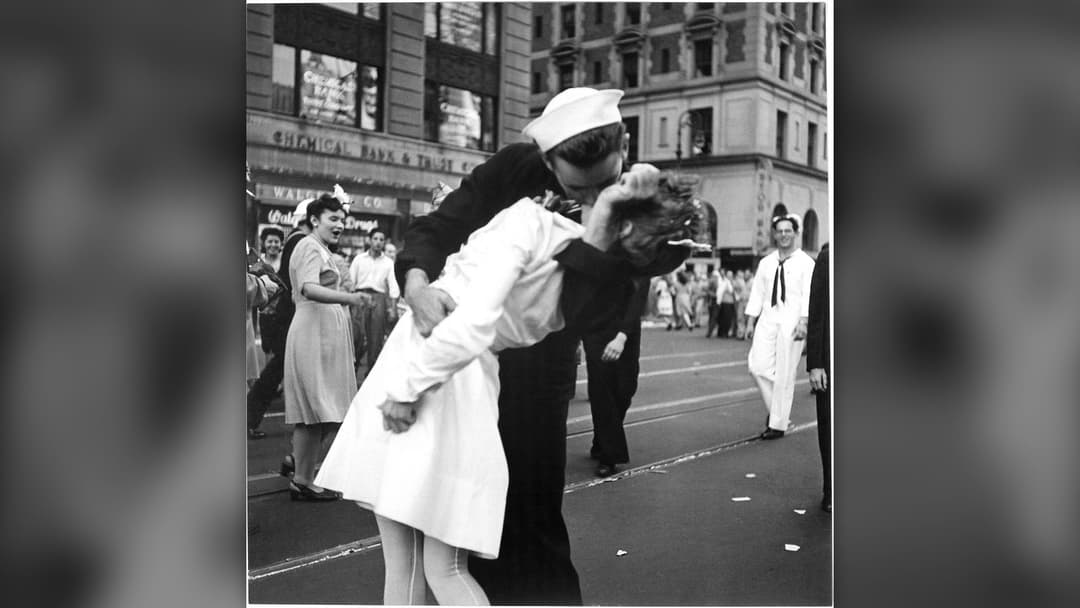
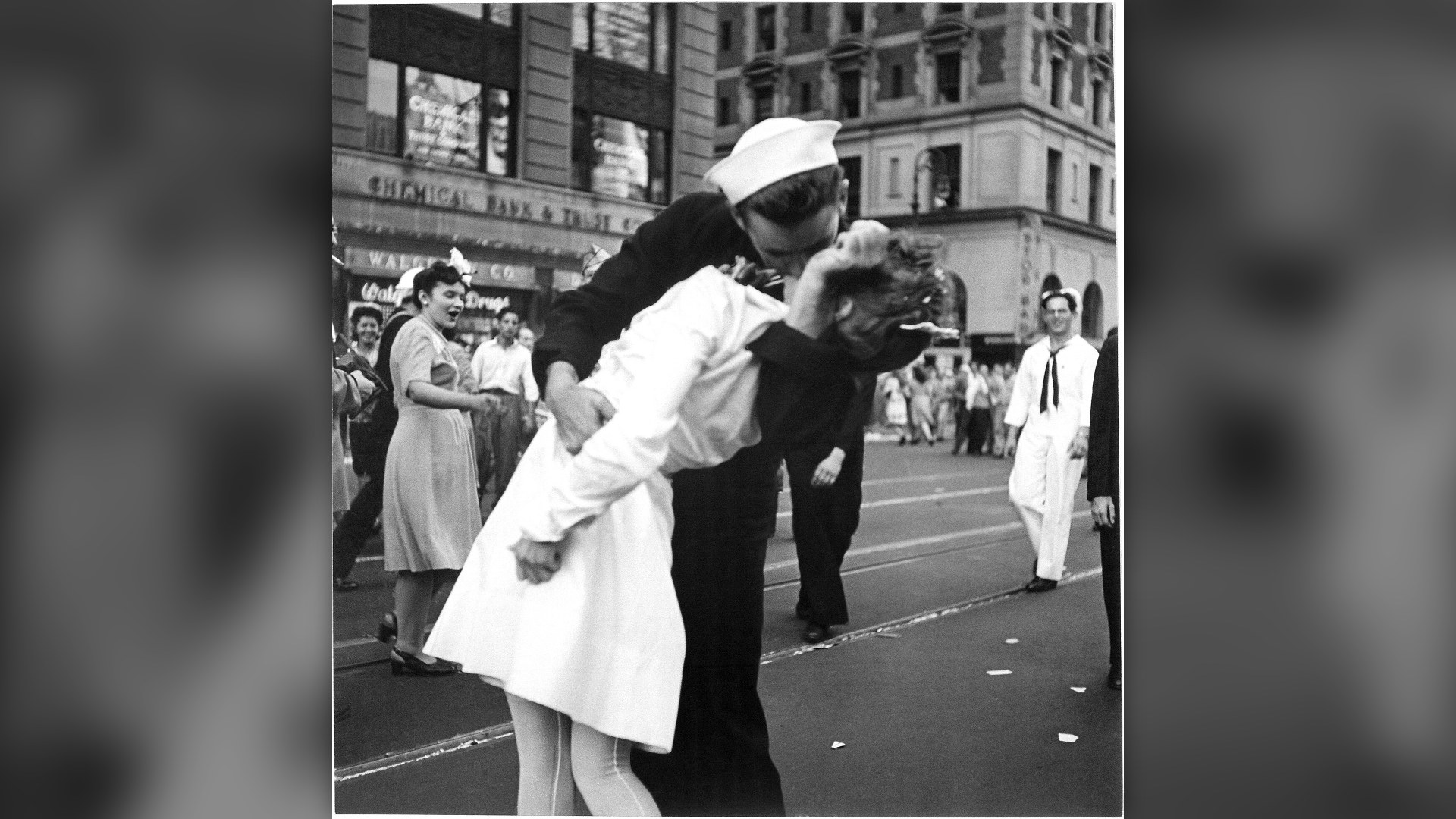
#8. Kissing The War Goodbye, 1945
As crowds packed Times Square on August 14, 1945, to celebrate Japan's surrender, U.S. Navy Lt. Victor Jorgensen photographed the same sailor and woman as Alfred Eisenstaedt. National Archives file 80-G-377094 shows Jorgensen framed a wider view from slightly farther right, capturing the street behind them.
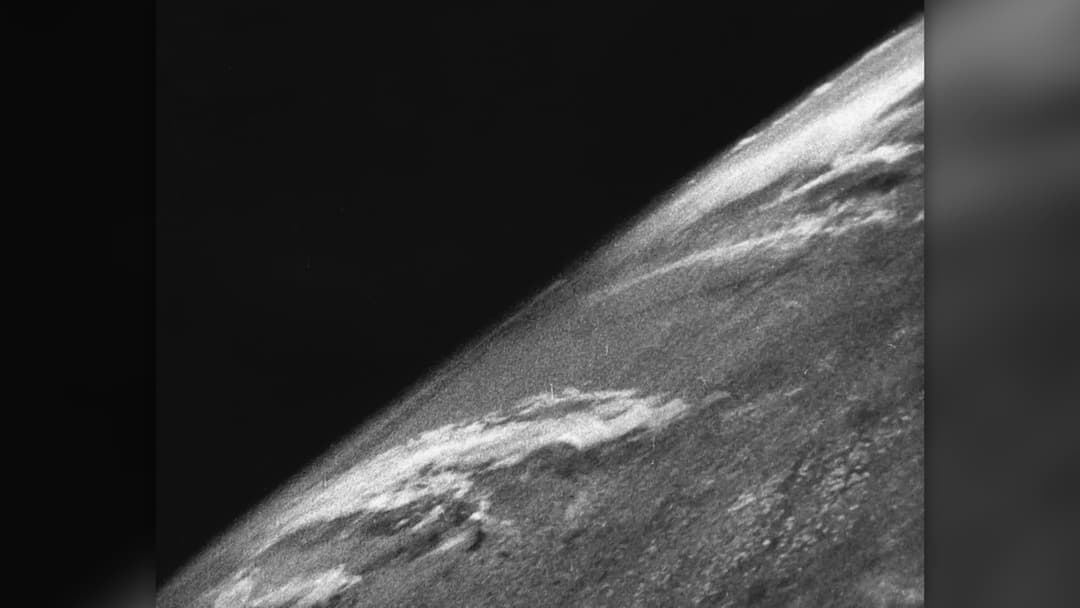
#7. First Photo From Space, V-2 Rocket, 1946
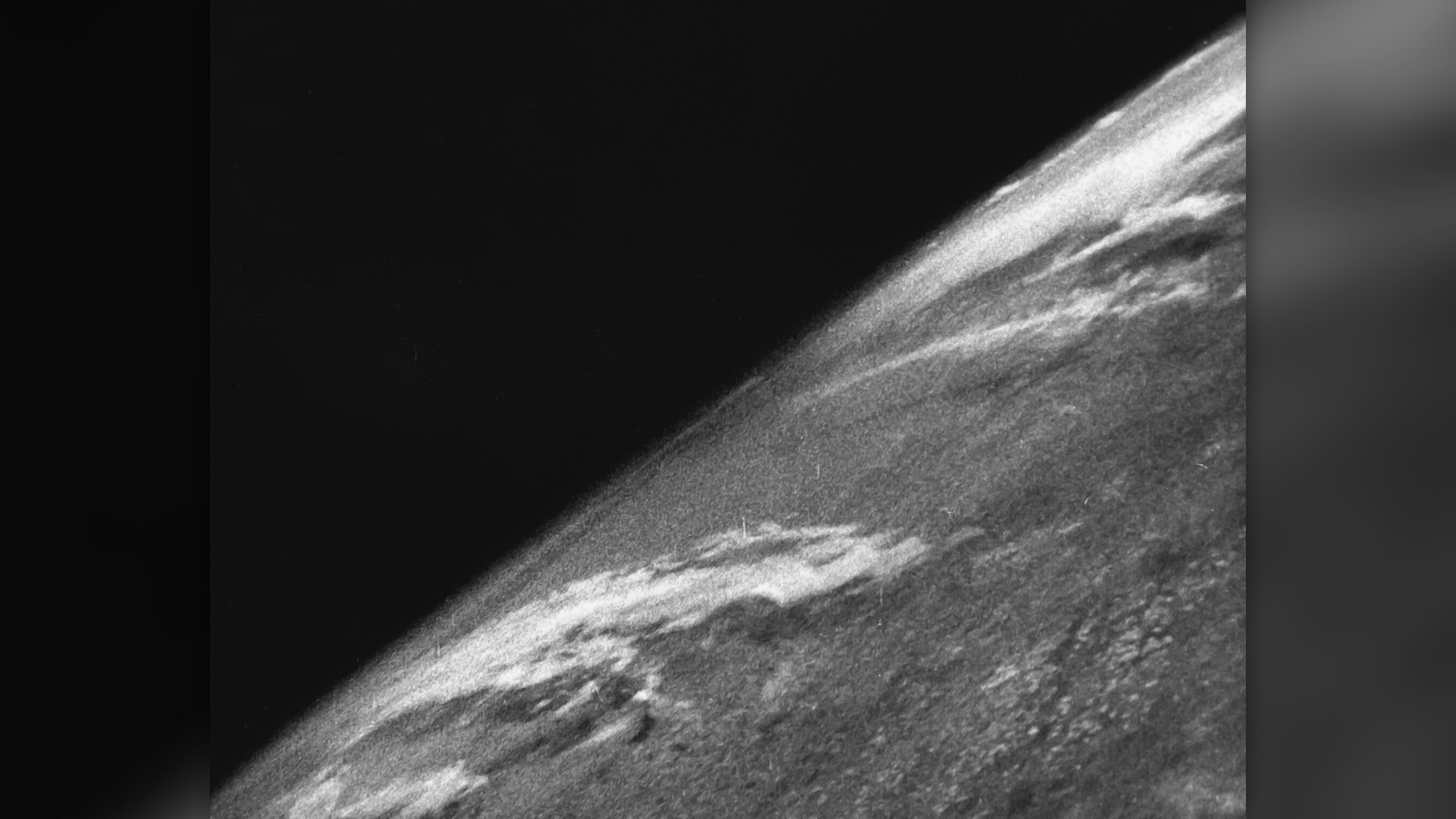
On October 24, 1946, U.S.-launched V-2 rocket No. 13 climbed 105 kilometers (65 miles) above White Sands, New Mexico, crossing the space boundary. Johns Hopkins Applied Physics Laboratory records show Clyde Holliday built a steel cassette around a 35mm Devry camera that snapped one frame every 1.5 seconds.
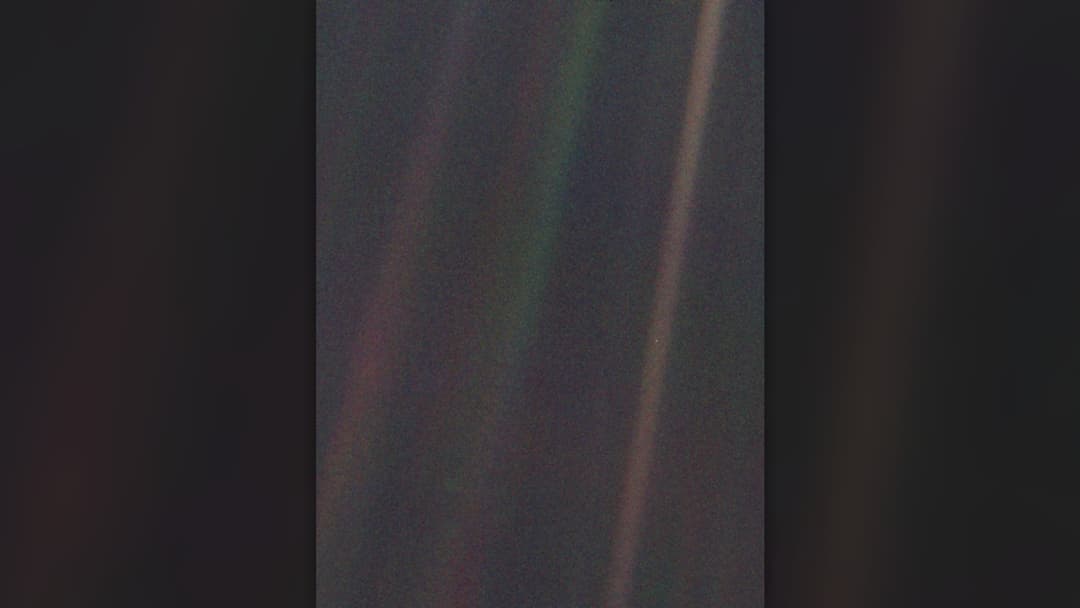
#6. Pale Blue Dot By Voyager 1, 1990
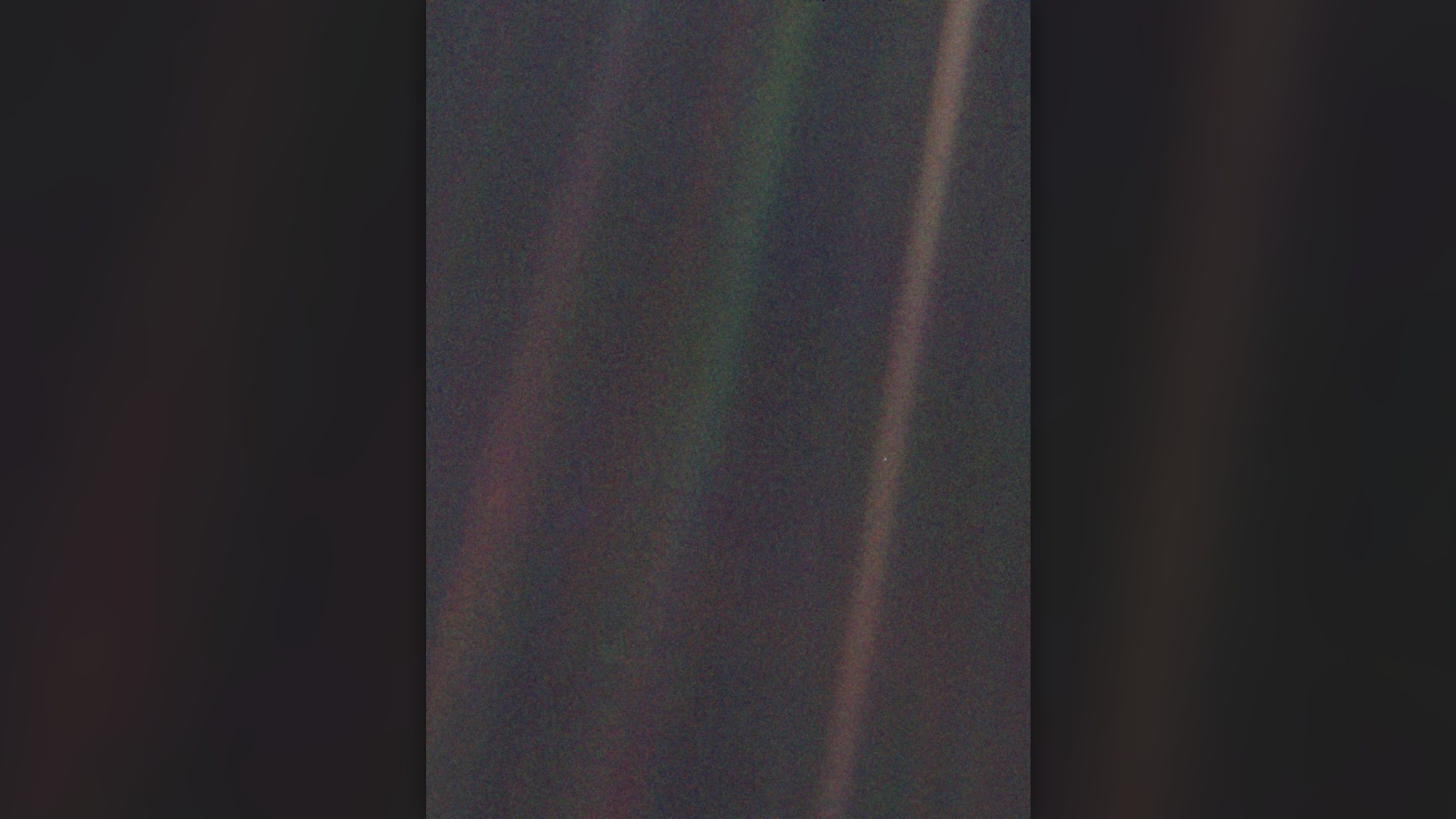
NASA commanded Voyager 1 to turn back and photograph Earth from 6 billion kilometers (3.7 billion miles) away on February 14, 1990. Jet Propulsion Laboratory calibration logs show Earth occupies less than one pixel, while the dramatic light bands are glare scattered inside the narrow-angle optics.
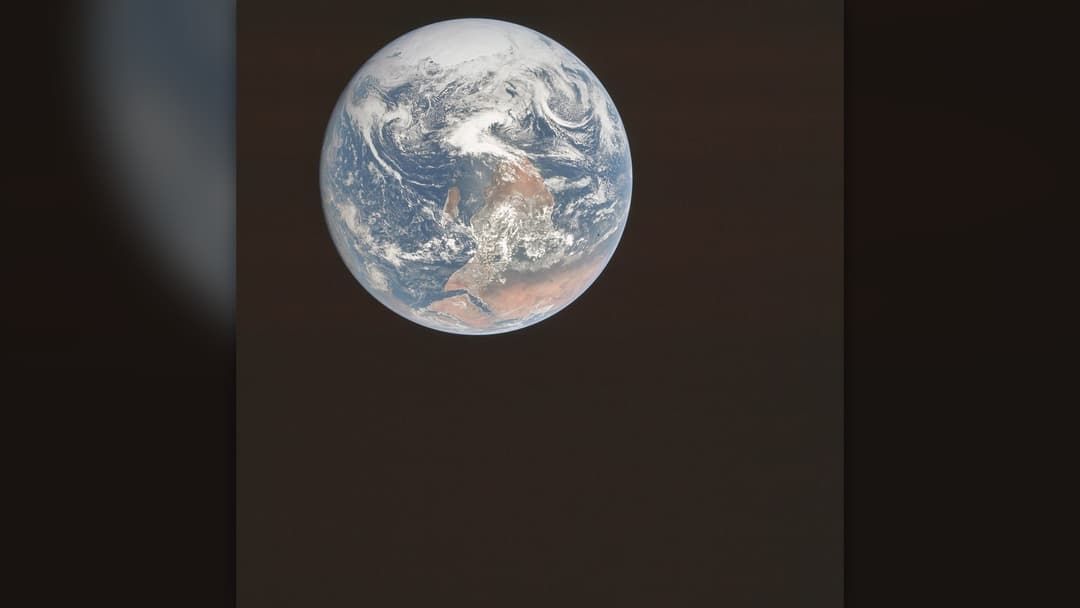
#5. The Blue Marble, Apollo 17, 1972
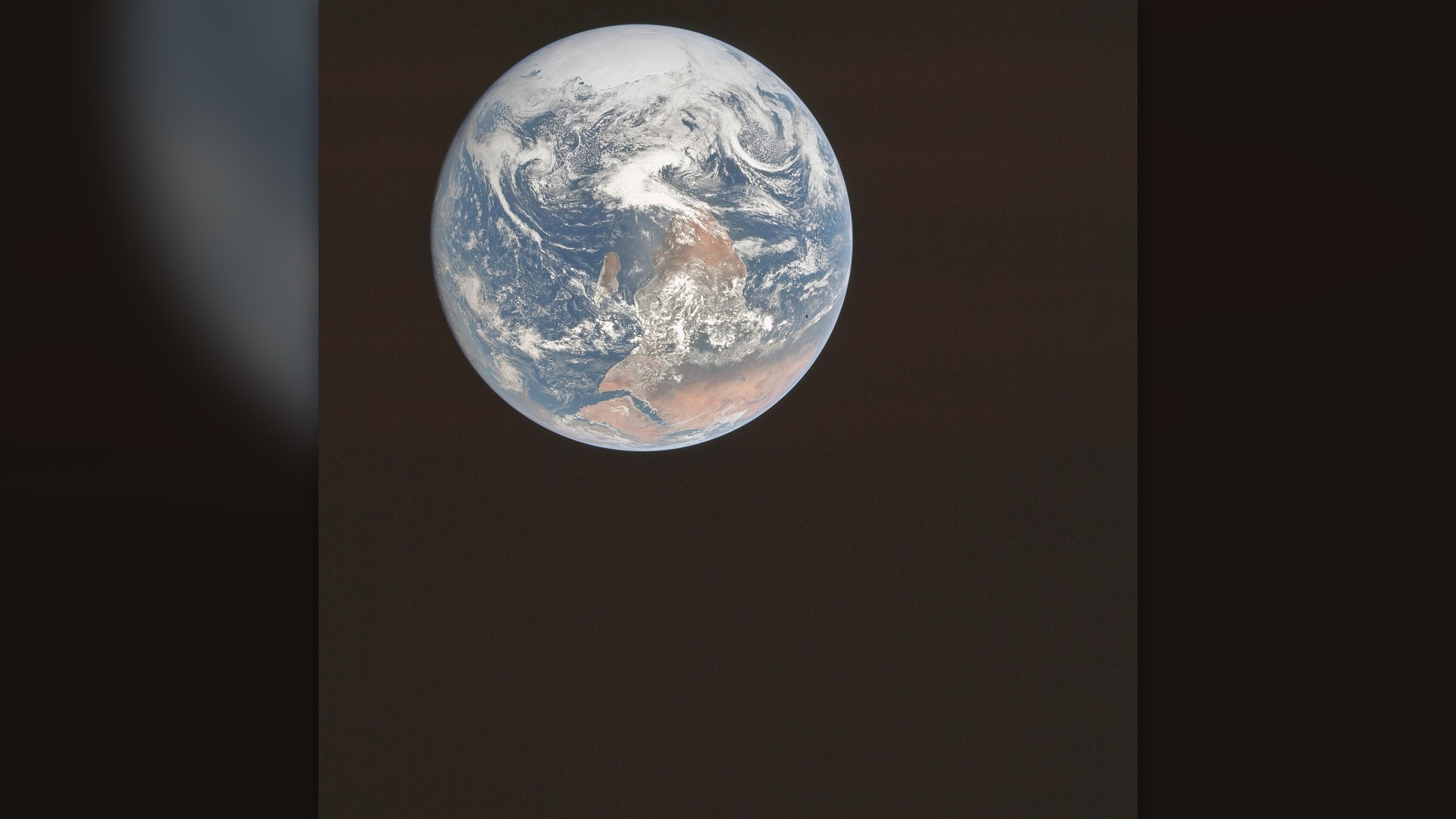
Apollo 17 astronauts captured this full-disk Earth view on December 7, 1972, from about 29,000 kilometers (18,000 miles) out. NASA's unedited Hasselblad scan AS17-148-22727 actually places Antarctica at the top and Africa upside down, matching the crew's orientation before public release.
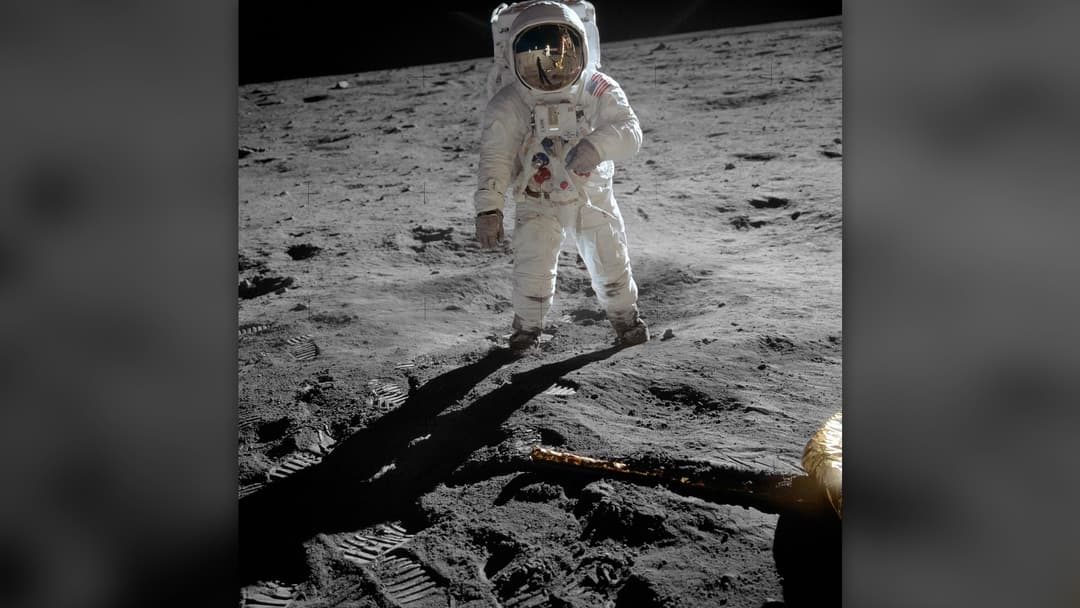
#4. Buzz Aldrin On The Moon, 1969
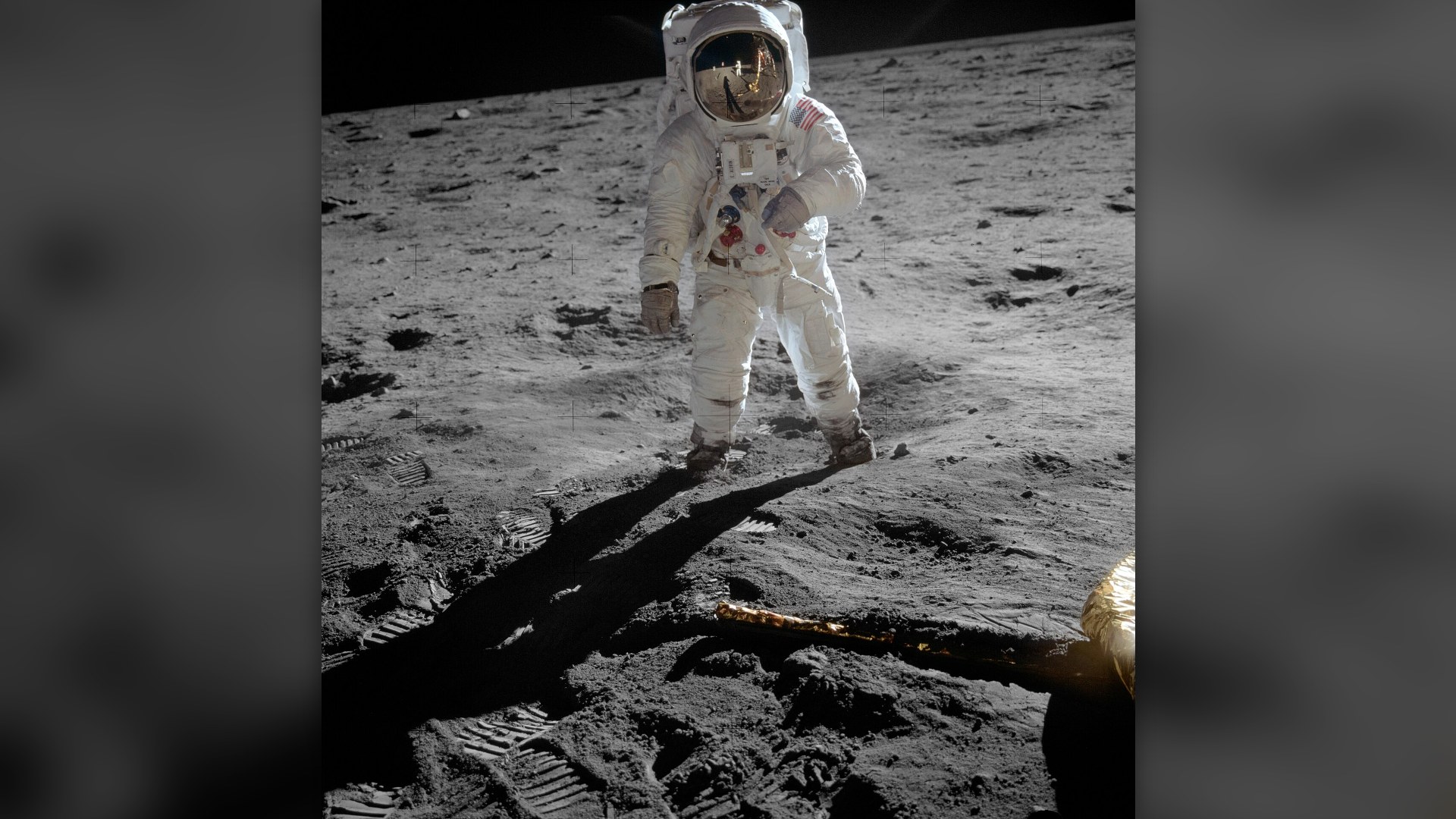
Neil Armstrong took Apollo 11 frame AS11-40-5903 on July 20, 1969, catching his own silhouette and the Lunar Module reflected in Buzz Aldrin's gold visor. NASA's original square Hasselblad negative reveals Armstrong barely left headroom, cutting off the tip of Aldrin's backpack antenna in the raw scan.
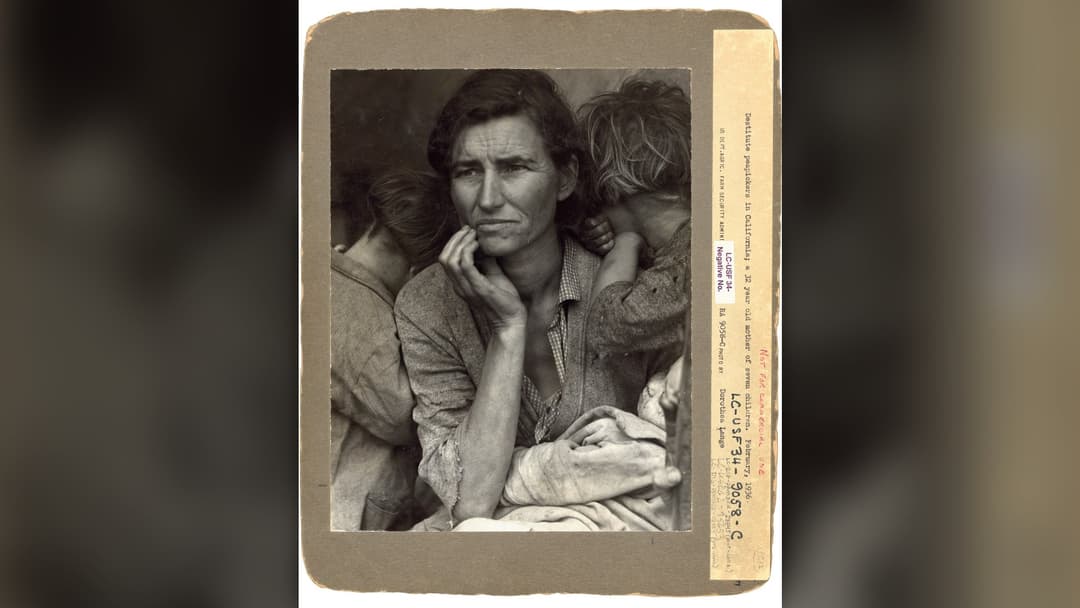
#3. Migrant Mother By Dorothea Lange, 1936
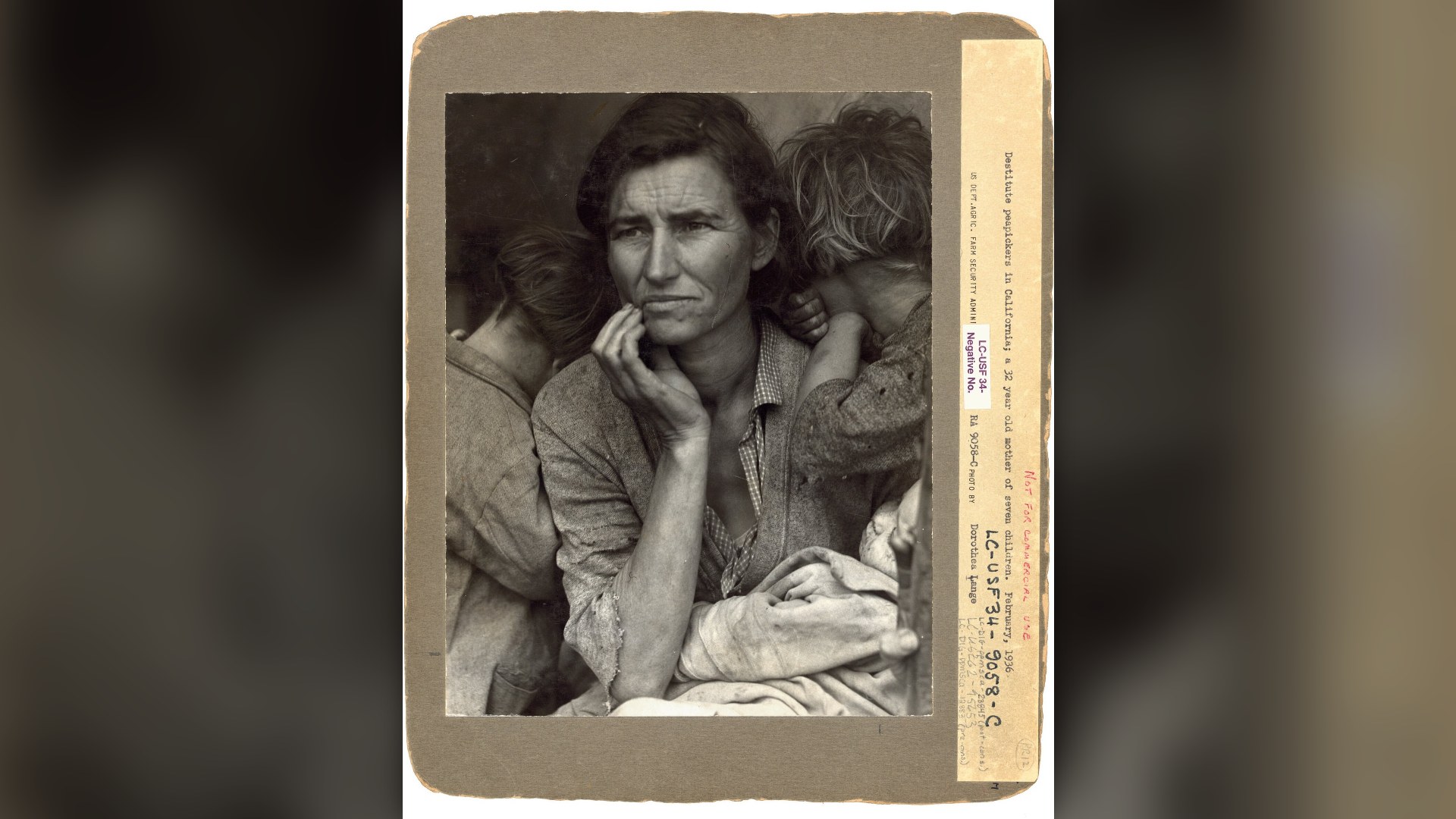
Dorothea Lange spent ten minutes at a Nipomo, California pea-pickers camp in March 1936 photographing 32-year-old Florence Owens Thompson. Library of Congress files preserve all six exposures from wide camp views to this close-up, plus the later print where a thumb gripping the tent pole was retouched out.
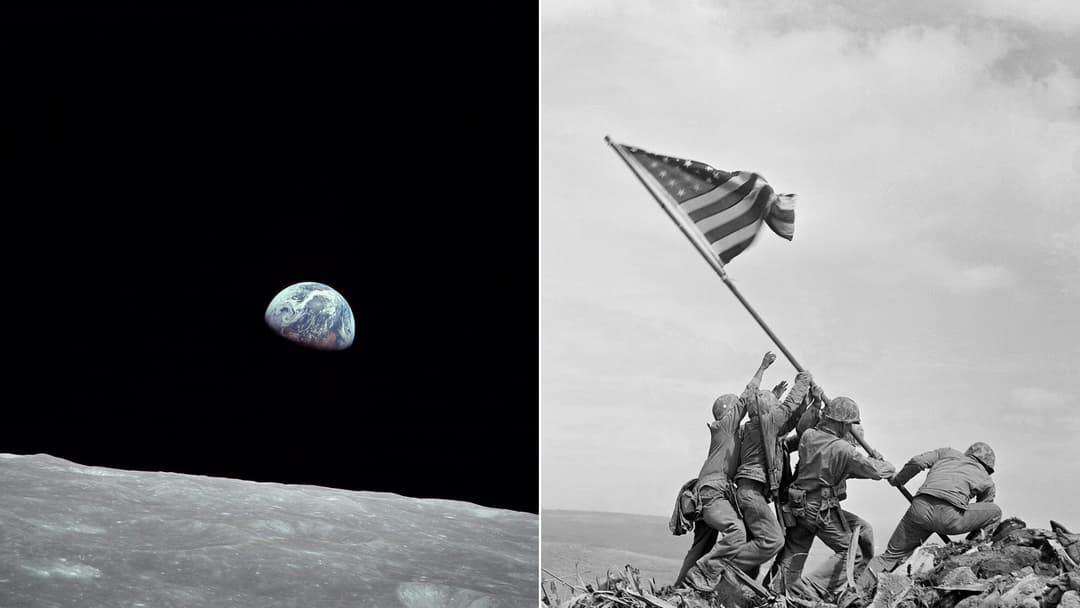
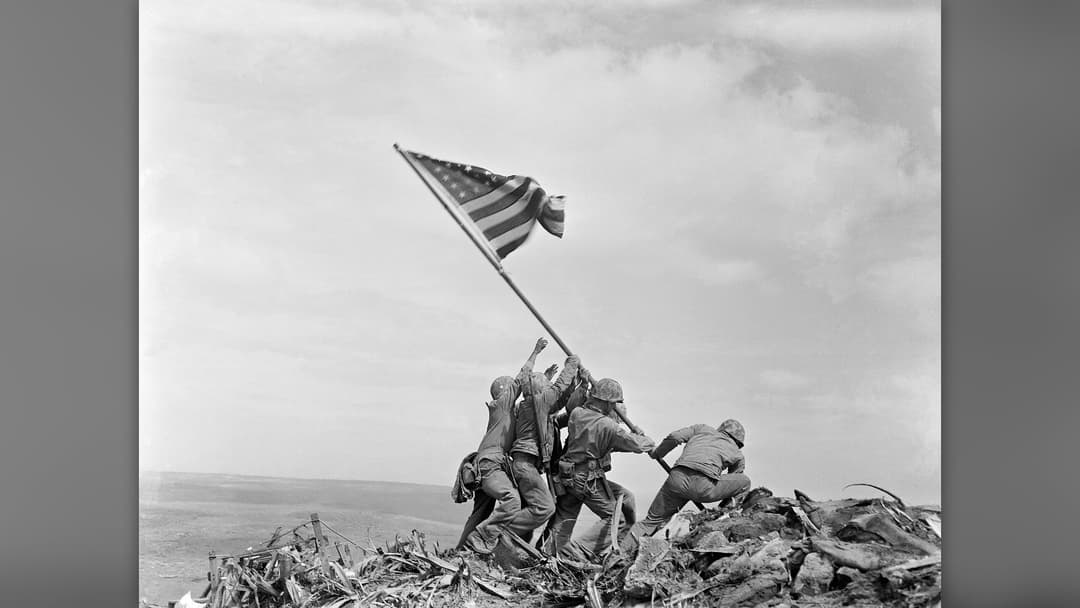
#2. Raising The Flag On Iwo Jima, 1945
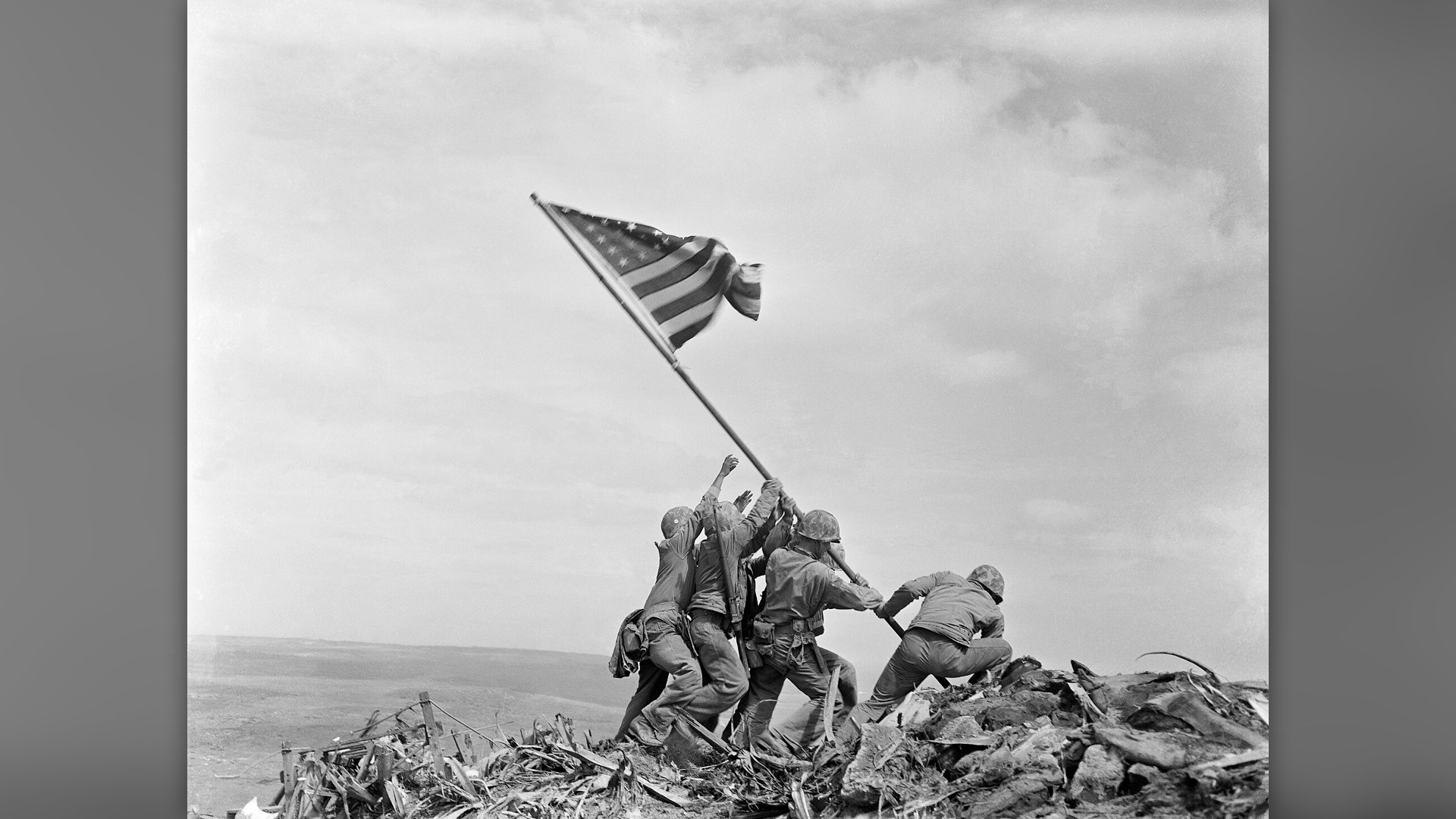
Associated Press photographer Joe Rosenthal snapped the second flag raising atop Mount Suribachi on February 23, 1945, without looking through his viewfinder. Marine Corps archives and Bill Genaust's film reel later led official panels in 2016 and 2019 to update two of the six flag-raisers' names.
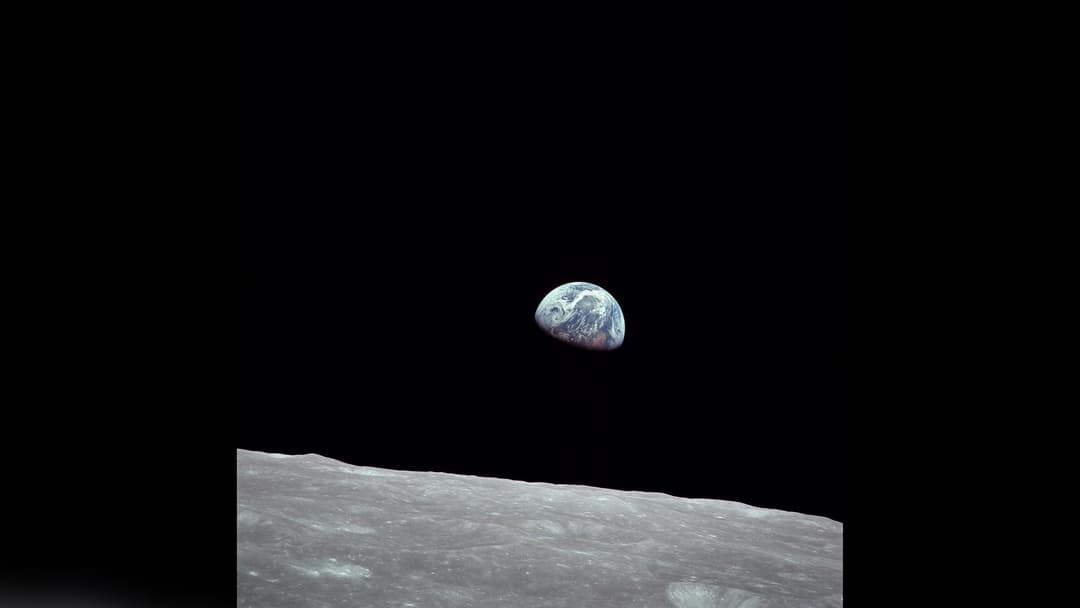
#1. Earthrise From Apollo 8, 1968
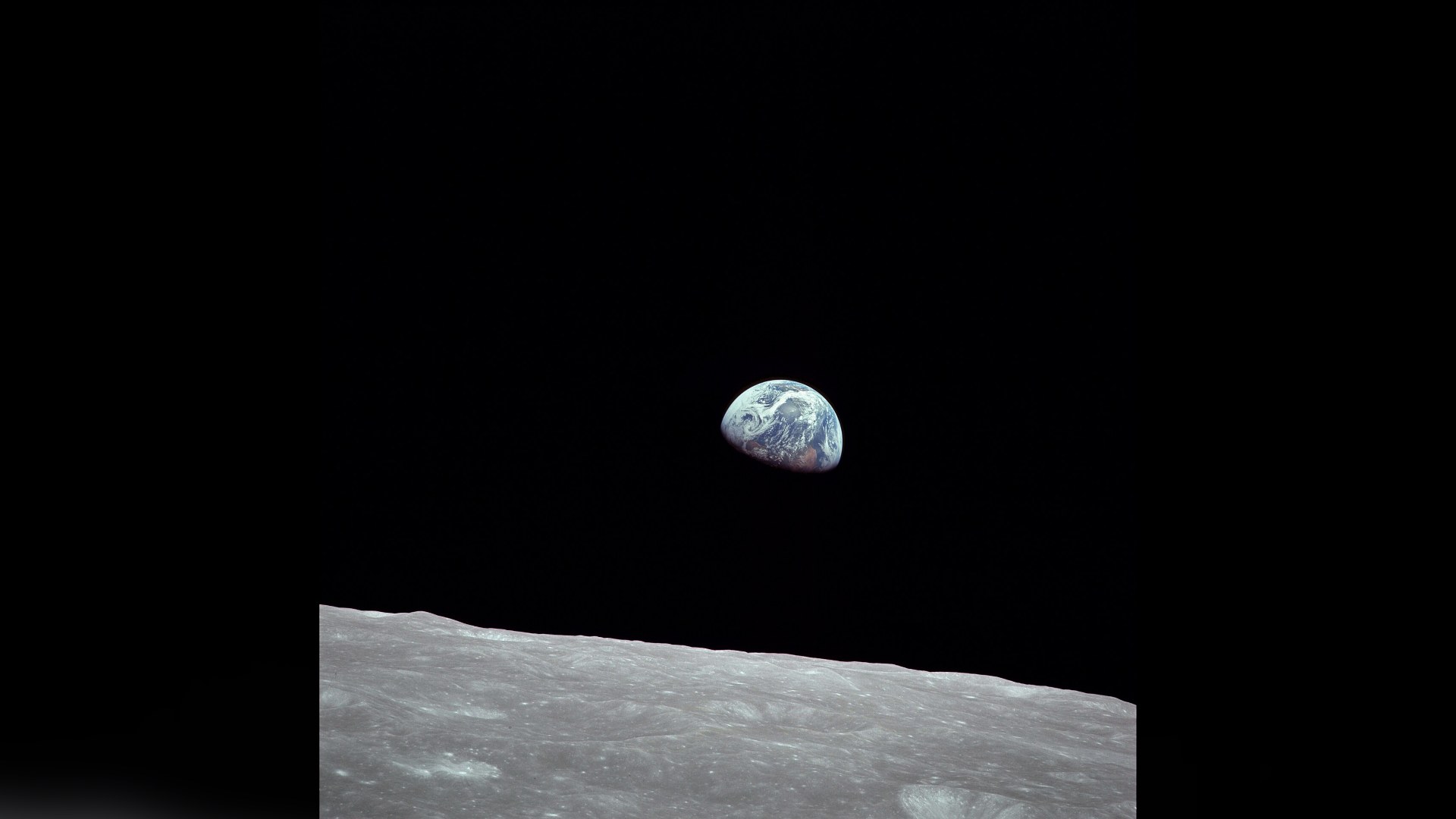
Bill Anders captured Earth emerging over the lunar horizon on December 24, 1968, during Apollo 8's fourth orbit. NASA voice transcripts and Hasselblad magazine 14 show Frank Borman first shot a black-and-white frame, and editors later turned Anders's color photo 90 degrees so the Moon formed a horizontal floor.