Slideshow · Lifestyle
22 Habits That Quietly Make People Dislike You
Small conversational tics and unconscious body language can damage interpersonal bonds long before anyone speaks up. Drawing on peer-reviewed research from Harvard Business School, the American Psychological Association, and Stanford University, these 22 patterns quietly erode daily trust and social connection.

By Most Viral Today
1 day ago

Subtle Daily Behaviors That Secretly Push Friends and Colleagues Away 
22. Name-Dropping In Casual Talk 
21. Nitpicking Minor Grammar And Facts 
20. Scanning The Room Over Someone's Shoulder - AdvertisementSwipe or tap ▶ to continue countdown

19. Spreading Casual Workplace Gossip 
18. Premature Trauma Dumping 
17. Chronic Lateness To Social Gatherings 
16. Offering Unsolicited Advice - AdvertisementSwipe or tap ▶ to continue countdown

15. Habitual Emotional Suppression 
14. One-Upping Other People's Stories 
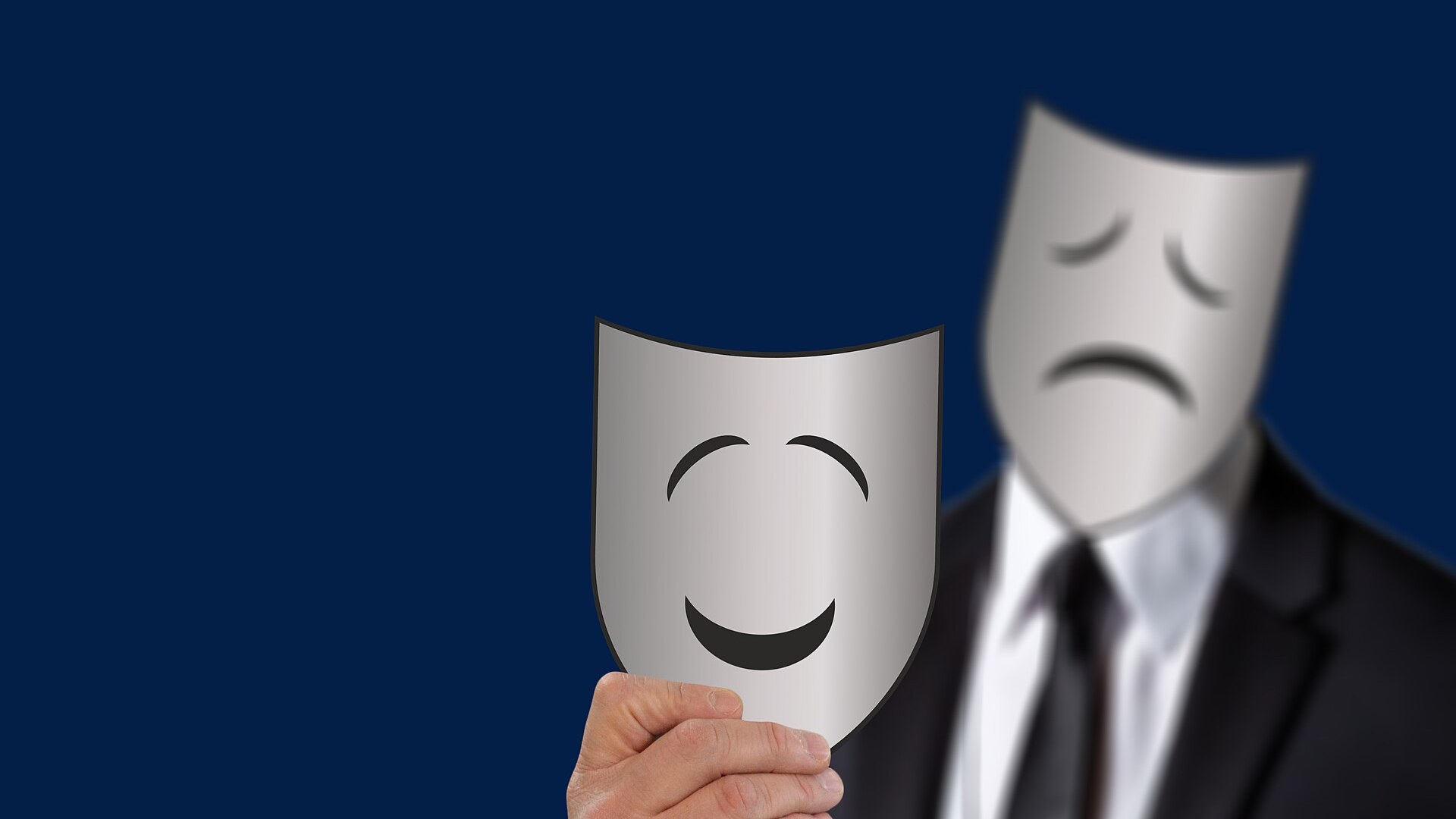
13. Delivering Backhanded Compliments 
12. Imposing Toxic Positivity - AdvertisementSwipe or tap ▶ to continue countdown

11. Co-Rumination And Venting Drains 
10. Disguising Boasts As Complaints 
9. Failing To Ask Reciprocal Questions 
8. Chronic Last-Minute Flaking - AdvertisementSwipe or tap ▶ to continue countdown

7. Refusing To Apologize Directly 
6. Conversational Narcissism And Shift Responses 
5. Habitually Cutting People Off Mid-Sentence 
4. Stonewalling And Giving The Silent Treatment - AdvertisementSwipe or tap ▶ to continue countdown

3. Masking Hostility With Sharp Sarcasm 
2. Phubbing And Constant Phone Snubbing 
1. Listening Only To Formulate Your Next Reply - Advertisement🔥 UP NEXT IN THIS SERIES◫ 21 Slides

20 Unusual Myths Around The World People Still Believe
Generations of folklore continue to shape everyday habits across diverse cultures. Based on research from National Geographic, BBC Culture, and Smithsonian anthropological records as of November 2026, communities worldwide maintain bizarre customs to ward off misfortune, bad spirits, and unproven dangers.
Small conversational tics and unconscious body language can damage interpersonal bonds long before anyone speaks up. Drawing on peer-reviewed research from Harvard Business School, the American Psychological Association, and Stanford University, these 22 patterns quietly erode daily trust and social connection.

Swipe or tap ▶ to begin the countdown
©Pixabay / Pexels
22. Name-Dropping In Casual Talk
A University of Zurich social psychology study revealed that casual name-dropping consistently lowers perceived competence. Listeners judge individuals who mention influential acquaintances as insecure, manipulative, and less likable than peers who let their own merits stand.
©Wikimedia / Shixart1985
21. Nitpicking Minor Grammar And Facts
University of Michigan linguists found that people who habitually point out minor typos or factual slips score lower on agreeableness. Halting a peer mid-story to fix pronunciation or grammar makes the speaker feel policed rather than heard, creating subtle conversational resentment.
©Pixabay / annekarakash
20. Scanning The Room Over Someone's Shoulder
Nonverbal communication research from the University of Chicago demonstrates that gaze direction directly governs felt connection. When you look past a speaker to spot someone more interesting, their brain registers immediate social rejection, sharply eroding conversational rapport.
©Pixabay / AlexanderGrey
Advertisement
Swipe or tap ▶ to resume the countdown.
19. Spreading Casual Workplace Gossip
Ohio State University psychologists confirmed the phenomenon of spontaneous trait transference. When you describe someone else as cheap, deceitful, or rude, listeners unconsciously associate those negative traits with you, lowering your perceived warmth and reliability.
©Pixabay / Tumisu
18. Premature Trauma Dumping
Communication researcher Susan Sprecher at Illinois State University established that self-disclosure fosters intimacy only when it develops gradually. Unloading deep emotional baggage during early encounters overwhelms new acquaintances and creates awkward pressure to manage your crisis.
©Pixabay / Shimabdinzade
17. Chronic Lateness To Social Gatherings
San Francisco State University psychological surveys show that chronic lateness is rarely viewed as a charming eccentricity. Observers interpret habitual delays as arrogance and disorganization, concluding that the tardy person views their commitments as superior to everyone else.
©Pixabay / justifotka
16. Offering Unsolicited Advice
Research from Northwestern University and Columbia Business School indicates that jumping to solve problems without an invitation triggers defensiveness. Most people share frustrations seeking emotional validation, and unprompted advice feels paternalistic and dismissive.
©Pixabay / sunsetwestlgca
Advertisement
Swipe or tap ▶ to resume the countdown.
15. Habitual Emotional Suppression
Stanford psychologist James Gross showed that masking emotions takes heavy cognitive effort and suppresses social bonding. When a person refuses to display natural joy, sadness, or vulnerability, conversational partners experience elevated blood pressure and instinctively withdraw.
©Pixabay / stevepb
14. One-Upping Other People's Stories
Social psychologists at the University of Virginia found that chronic conversational one-upping repels peers. Hijacking a friend's vacation story with your own more exotic trip turns a collaborative exchange into a dominance play, leaving the original speaker deflated and alienated.
©Pixabay / cloney
13. Delivering Backhanded Compliments
A 2019 Harvard Business School study by Alison Wood Brooks revealed that backhanded compliments fail on two fronts. Whether remarking that someone looks surprisingly polished or spoke articulately for once, recipients remember the insult and rate the giver as deeply condescending.
©Wikimedia / geralt (pixabay.com)
12. Imposing Toxic Positivity
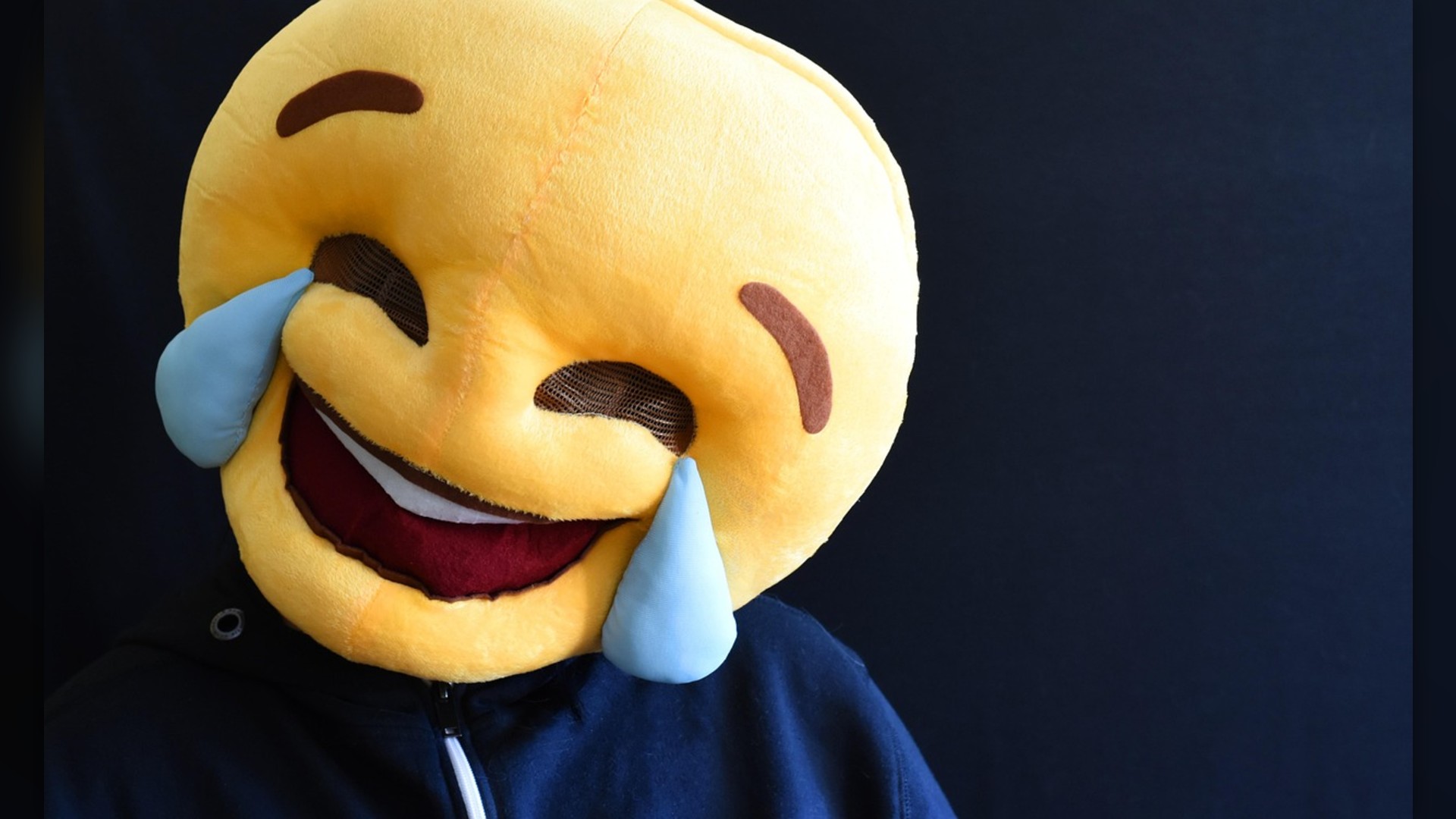
Clinical research published in the Journal of Personality and Social Psychology confirms that platitudes like 'look on the bright side' stifle emotional recovery. Dismissing legitimate hardship with forced optimism alienates peers who need authentic comfort rather than cheerleading.
©Pixabay / toyquests
Advertisement
Swipe or tap ▶ to resume the countdown.
11. Co-Rumination And Venting Drains
University of Missouri psychologist Amanda Rose identified co-rumination as a subtle relationship hazard. While venting can feel supportive initially, obsessively rehashing problems without pursuing solutions increases mutual anxiety and leaves companions emotionally depleted.
©Pixabay / u_zzcb2899sz
10. Disguising Boasts As Complaints
Harvard Business School researchers Francesca Gino and Michael Norton examined humblebragging across thousands of interactions. They discovered that dressing up self-promotion as a complaint or modesty plea creates intense insincerity, causing listeners to rate the speaker poorly.
©Pixabay / StartupStockPhotos
9. Failing To Ask Reciprocal Questions
A Harvard University study led by Karen Huang tracked conversational patterns and likability scores. People who ask nine or more follow-up questions during social interactions are rated significantly more likable than those who simply answer prompts and never inquire about others.
©Pixabay / Tumisu
8. Chronic Last-Minute Flaking
Behavioral economists at Carnegie Mellon University note that social reliability operates like a credit score. Backing out of commitments with casual excuses communicates that you view other people as backup options, leading peers to quietly stop extending future invitations.
©Pixabay / Alexas_Fotos
Advertisement
Swipe or tap ▶ to resume the countdown.
7. Refusing To Apologize Directly
University of Pittsburgh psychologist Karina Schumann found that statements like 'I am sorry if you felt hurt' worsen interpersonal discord. Refusing to own your actions shifts blame onto the victim's sensitivity, signaling a defensive mindset that makes reconciliation impossible.
©Pixabay / Alexas_Fotos
6. Conversational Narcissism And Shift Responses
Boston College sociologist Charles Derber demonstrated that conversational narcissists constantly use shift responses to pivot attention back to their own lives. When a peer shares news and you immediately redirect the topic to your own schedule, it makes the interaction feel one-sided.
©Pixabay / geralt
5. Habitually Cutting People Off Mid-Sentence
George Washington University research on verbal dynamics shows that frequent interruptions disrupt cognitive flow and induce stress in speakers. Repeatedly cutting someone off broadcasts that you are merely waiting for an opening to speak rather than paying attention to what they say.
©Pixabay / jamesoladujoye
4. Stonewalling And Giving The Silent Treatment
Relationship psychologist John Gottman identified stonewalling as one of the primary predictors of relational breakdown. Withdrawing into hostile silence during disagreements leaves issues unresolved and inflicts emotional distress, eroding psychological safety across long-term bonds.
©Wikimedia / Skedonk
Advertisement
Swipe or tap ▶ to resume the countdown.
3. Masking Hostility With Sharp Sarcasm
Behavioral researchers at INSEAD discovered that chronic sarcasm breeds distrust in social groups. Dismissing caustic barbs with 'I was only joking' creates psychological unease, leading acquaintances to keep their emotional distance to avoid becoming the target of the next jab.
©Pixabay / Alexas_Fotos
2. Phubbing And Constant Phone Snubbing
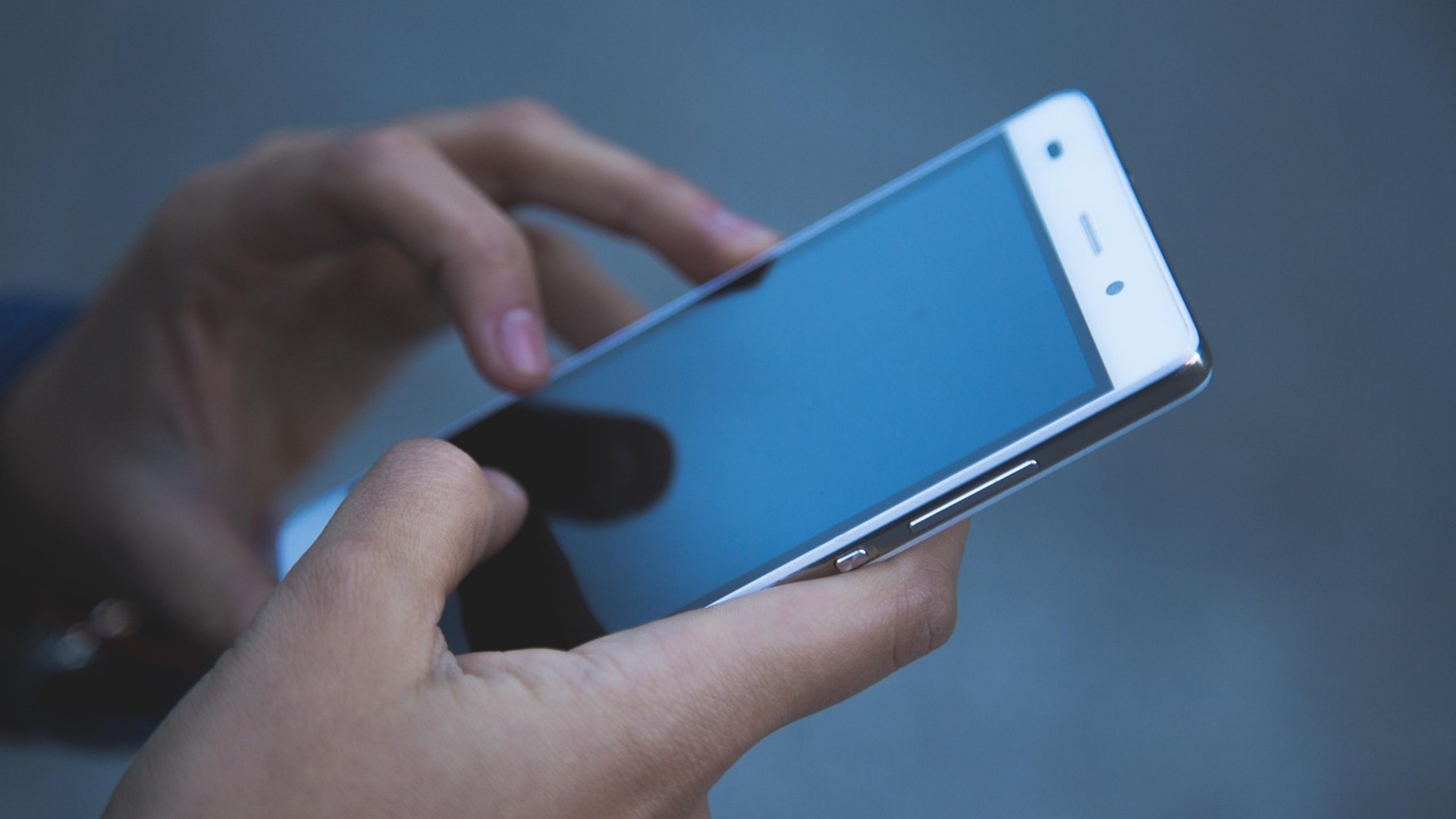
Baylor University researchers James A. Roberts and Meredith David studied phone snubbing, or phubbing. Their findings show that even glancing at a smartphone screen during conversation drops connection ratings and signals to your companion that digital notifications outrank their presence.
©Pixabay / Pixabay Contributor
1. Listening Only To Formulate Your Next Reply
A landmark University of Minnesota study on active listening revealed that most adults operate at a 25% comprehension efficiency. Tuning out a speaker's meaning to mentally prepare your own speech is instantly felt through delayed responses, making it the most pervasive social habit.

©Wikimedia / PattayaPatrol
Advertisement
You've reached the end of the story. Thanks for reading!

20 Unusual Myths Around The World People Still Believe
Generations of folklore continue to shape everyday habits across diverse cultures. Based on research from National Geographic, BBC Culture, and Smithsonian anthropological records as of November 2026, communities worldwide maintain bizarre customs to ward off misfortune, bad spirits, and unproven dangers.
All 22 Entries in this Story
22. Name-Dropping In Casual Talk
A University of Zurich social psychology study revealed that casual name-dropping consistently lowers perceived competence. Listeners judge individuals who mention influential acquaintances as insecure, manipulative, and less likable than peers who let their own merits stand.

21. Nitpicking Minor Grammar And Facts
University of Michigan linguists found that people who habitually point out minor typos or factual slips score lower on agreeableness. Halting a peer mid-story to fix pronunciation or grammar makes the speaker feel policed rather than heard, creating subtle conversational resentment.

20. Scanning The Room Over Someone's Shoulder
Nonverbal communication research from the University of Chicago demonstrates that gaze direction directly governs felt connection. When you look past a speaker to spot someone more interesting, their brain registers immediate social rejection, sharply eroding conversational rapport.

19. Spreading Casual Workplace Gossip
Ohio State University psychologists confirmed the phenomenon of spontaneous trait transference. When you describe someone else as cheap, deceitful, or rude, listeners unconsciously associate those negative traits with you, lowering your perceived warmth and reliability.

18. Premature Trauma Dumping
Communication researcher Susan Sprecher at Illinois State University established that self-disclosure fosters intimacy only when it develops gradually. Unloading deep emotional baggage during early encounters overwhelms new acquaintances and creates awkward pressure to manage your crisis.

17. Chronic Lateness To Social Gatherings
San Francisco State University psychological surveys show that chronic lateness is rarely viewed as a charming eccentricity. Observers interpret habitual delays as arrogance and disorganization, concluding that the tardy person views their commitments as superior to everyone else.

16. Offering Unsolicited Advice
Research from Northwestern University and Columbia Business School indicates that jumping to solve problems without an invitation triggers defensiveness. Most people share frustrations seeking emotional validation, and unprompted advice feels paternalistic and dismissive.

15. Habitual Emotional Suppression
Stanford psychologist James Gross showed that masking emotions takes heavy cognitive effort and suppresses social bonding. When a person refuses to display natural joy, sadness, or vulnerability, conversational partners experience elevated blood pressure and instinctively withdraw.

14. One-Upping Other People's Stories
Social psychologists at the University of Virginia found that chronic conversational one-upping repels peers. Hijacking a friend's vacation story with your own more exotic trip turns a collaborative exchange into a dominance play, leaving the original speaker deflated and alienated.

13. Delivering Backhanded Compliments
A 2019 Harvard Business School study by Alison Wood Brooks revealed that backhanded compliments fail on two fronts. Whether remarking that someone looks surprisingly polished or spoke articulately for once, recipients remember the insult and rate the giver as deeply condescending.

12. Imposing Toxic Positivity
Clinical research published in the Journal of Personality and Social Psychology confirms that platitudes like 'look on the bright side' stifle emotional recovery. Dismissing legitimate hardship with forced optimism alienates peers who need authentic comfort rather than cheerleading.

11. Co-Rumination And Venting Drains
University of Missouri psychologist Amanda Rose identified co-rumination as a subtle relationship hazard. While venting can feel supportive initially, obsessively rehashing problems without pursuing solutions increases mutual anxiety and leaves companions emotionally depleted.

10. Disguising Boasts As Complaints
Harvard Business School researchers Francesca Gino and Michael Norton examined humblebragging across thousands of interactions. They discovered that dressing up self-promotion as a complaint or modesty plea creates intense insincerity, causing listeners to rate the speaker poorly.

9. Failing To Ask Reciprocal Questions
A Harvard University study led by Karen Huang tracked conversational patterns and likability scores. People who ask nine or more follow-up questions during social interactions are rated significantly more likable than those who simply answer prompts and never inquire about others.

8. Chronic Last-Minute Flaking
Behavioral economists at Carnegie Mellon University note that social reliability operates like a credit score. Backing out of commitments with casual excuses communicates that you view other people as backup options, leading peers to quietly stop extending future invitations.

7. Refusing To Apologize Directly
University of Pittsburgh psychologist Karina Schumann found that statements like 'I am sorry if you felt hurt' worsen interpersonal discord. Refusing to own your actions shifts blame onto the victim's sensitivity, signaling a defensive mindset that makes reconciliation impossible.

6. Conversational Narcissism And Shift Responses
Boston College sociologist Charles Derber demonstrated that conversational narcissists constantly use shift responses to pivot attention back to their own lives. When a peer shares news and you immediately redirect the topic to your own schedule, it makes the interaction feel one-sided.

5. Habitually Cutting People Off Mid-Sentence
George Washington University research on verbal dynamics shows that frequent interruptions disrupt cognitive flow and induce stress in speakers. Repeatedly cutting someone off broadcasts that you are merely waiting for an opening to speak rather than paying attention to what they say.

4. Stonewalling And Giving The Silent Treatment
Relationship psychologist John Gottman identified stonewalling as one of the primary predictors of relational breakdown. Withdrawing into hostile silence during disagreements leaves issues unresolved and inflicts emotional distress, eroding psychological safety across long-term bonds.

3. Masking Hostility With Sharp Sarcasm
Behavioral researchers at INSEAD discovered that chronic sarcasm breeds distrust in social groups. Dismissing caustic barbs with 'I was only joking' creates psychological unease, leading acquaintances to keep their emotional distance to avoid becoming the target of the next jab.

2. Phubbing And Constant Phone Snubbing
Baylor University researchers James A. Roberts and Meredith David studied phone snubbing, or phubbing. Their findings show that even glancing at a smartphone screen during conversation drops connection ratings and signals to your companion that digital notifications outrank their presence.

1. Listening Only To Formulate Your Next Reply
A landmark University of Minnesota study on active listening revealed that most adults operate at a 25% comprehension efficiency. Tuning out a speaker's meaning to mentally prepare your own speech is instantly felt through delayed responses, making it the most pervasive social habit.