Slideshow · Viral
24 Unusual Objects Preserved From Nazi Germany
From secret cipher encoders and tracked demolition mines to experimental rocket interceptors, museums worldwide preserve curious artifacts from 1933 to 1945. Based on collections at the Smithsonian, Imperial War Museums, and Bletchley Park, this chronological survey uncovers unusual technological relics.
All 24 Entries in this Story
1. Volksempfaenger Radio
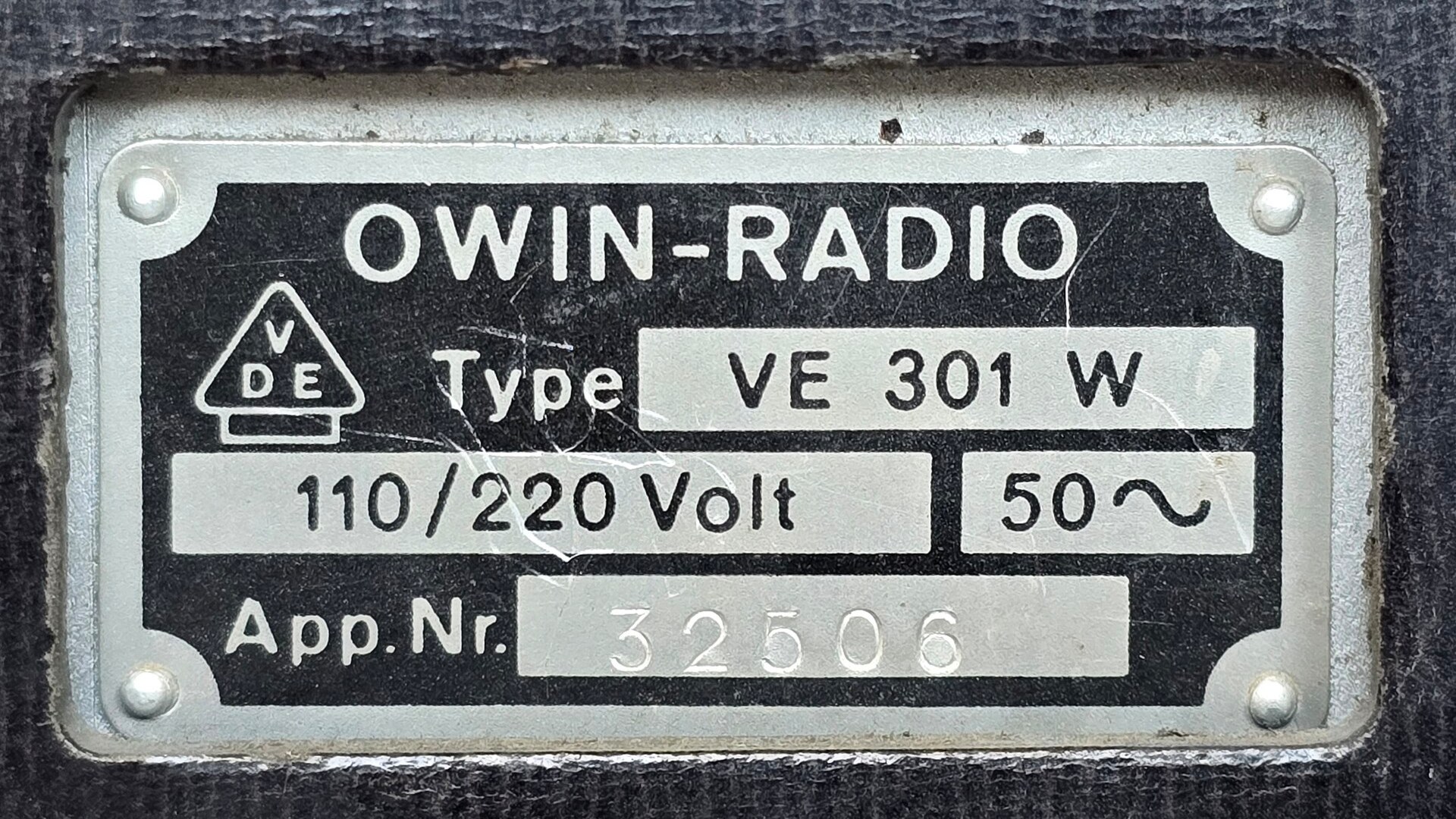
Introduced at the Berlin Radio Show in August 1933, the VE301 was designed by Otto Griessing and sold for seventy-six Reichsmarks. The receiver used a simplified circuit that intentionally limited international broadcast reception. Surviving units are preserved today in the Deutsches Museum in Munich.
2. Zeppelin Hindenburg Girder
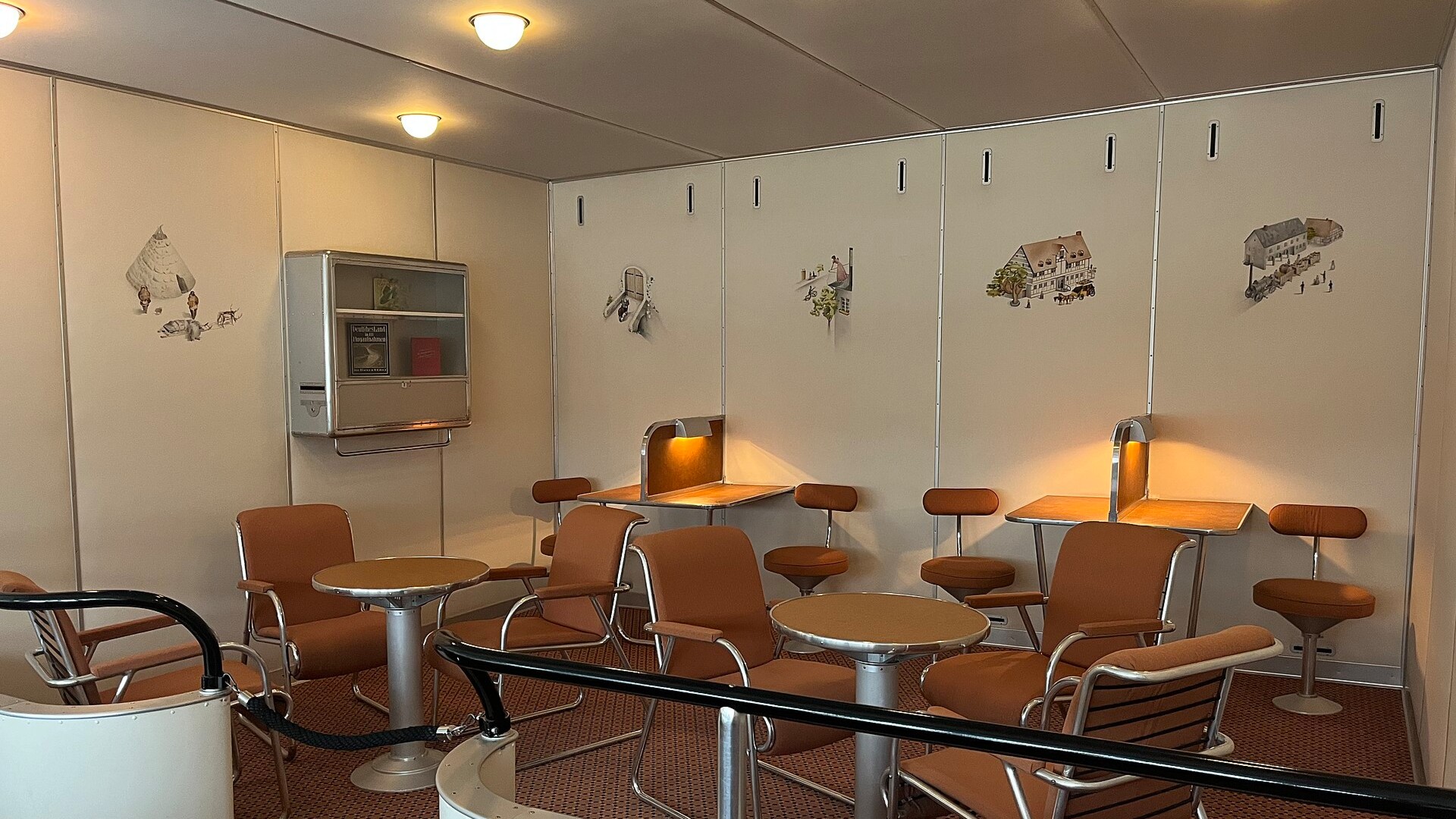
Completed in 1936 at Friedrichshafen, the LZ 129 Hindenburg relied on a lightweight duralumin framework stamped with state insignias. Salvaged triangular frame girders survived the 1937 Lakehurst disaster and remain displayed today at the Smithsonian National Air and Space Museum.
3. Berlin Olympic Bell
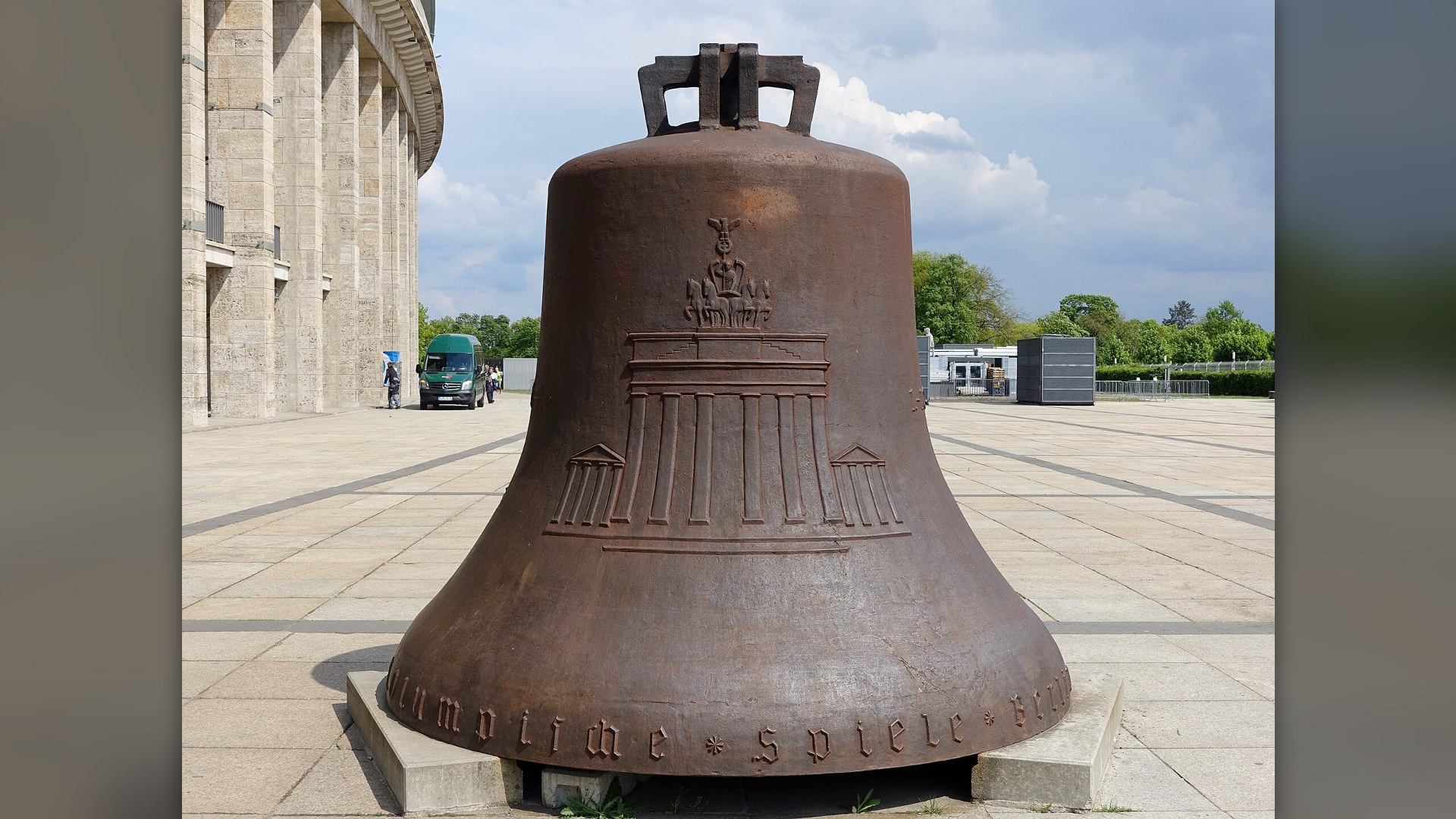
Cast in 1936 by the Bochumer Verein foundry, the 10.4-ton Olympic Bell hung inside the bell tower of the Berlin Olympic Stadium. Damaged by gunfire during the 1945 Battle of Berlin, the cracked bronze bell was preserved and placed on a public stone pedestal outside the modern Olympiastadion arena.
4. Fieseler Fi 156 Storch
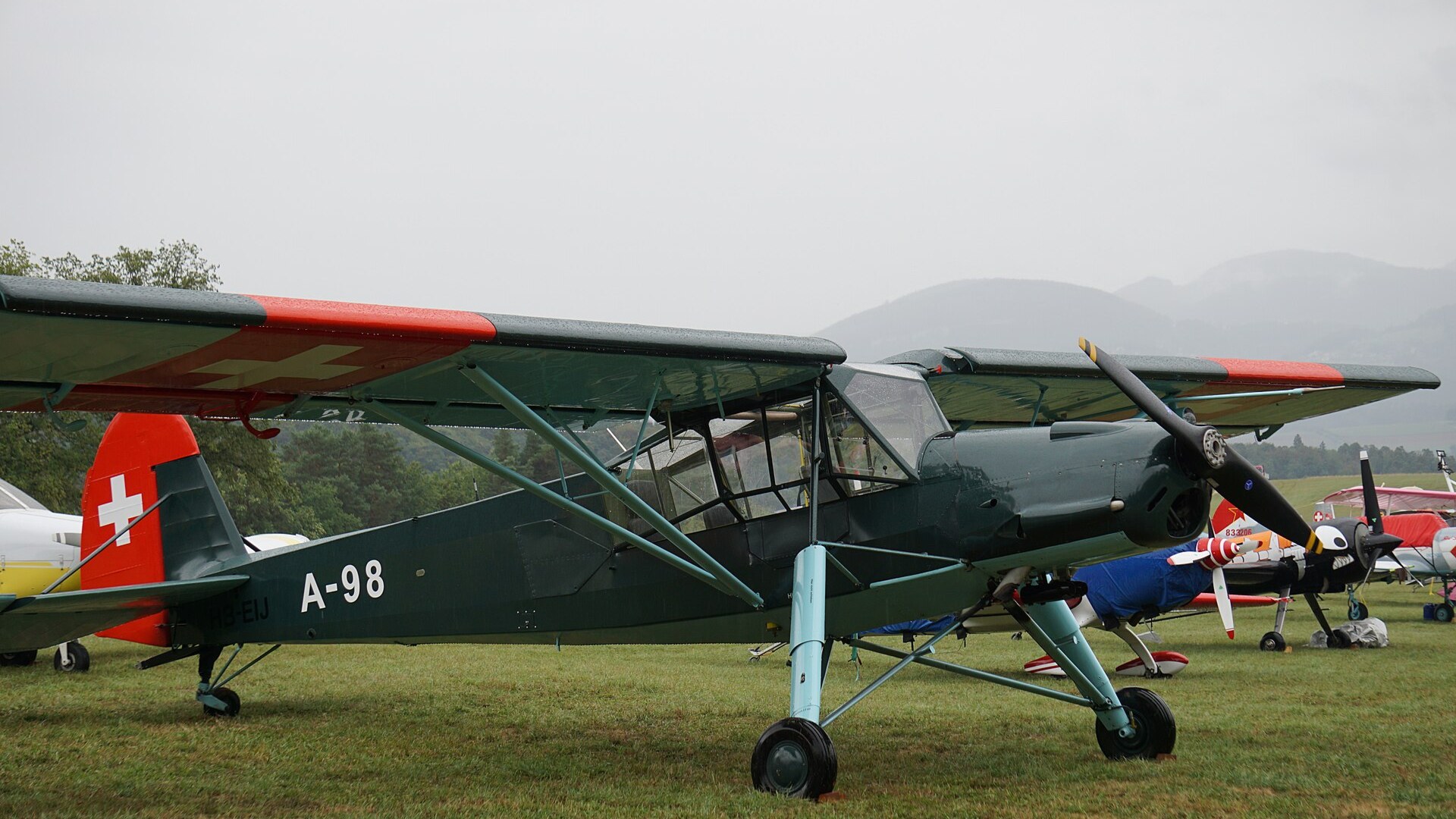
Entering mass service in 1937, the Gerhard Fieseler design featured fixed leading-edge slats and long-stroke landing gear allowing takeoffs in under two hundred feet. A pristine airframe used during high-altitude rescue missions is preserved in the Steven F. Udvar-Hazy Center in Chantilly, Virginia.
5. KdF-Wagen Prototype Chassis
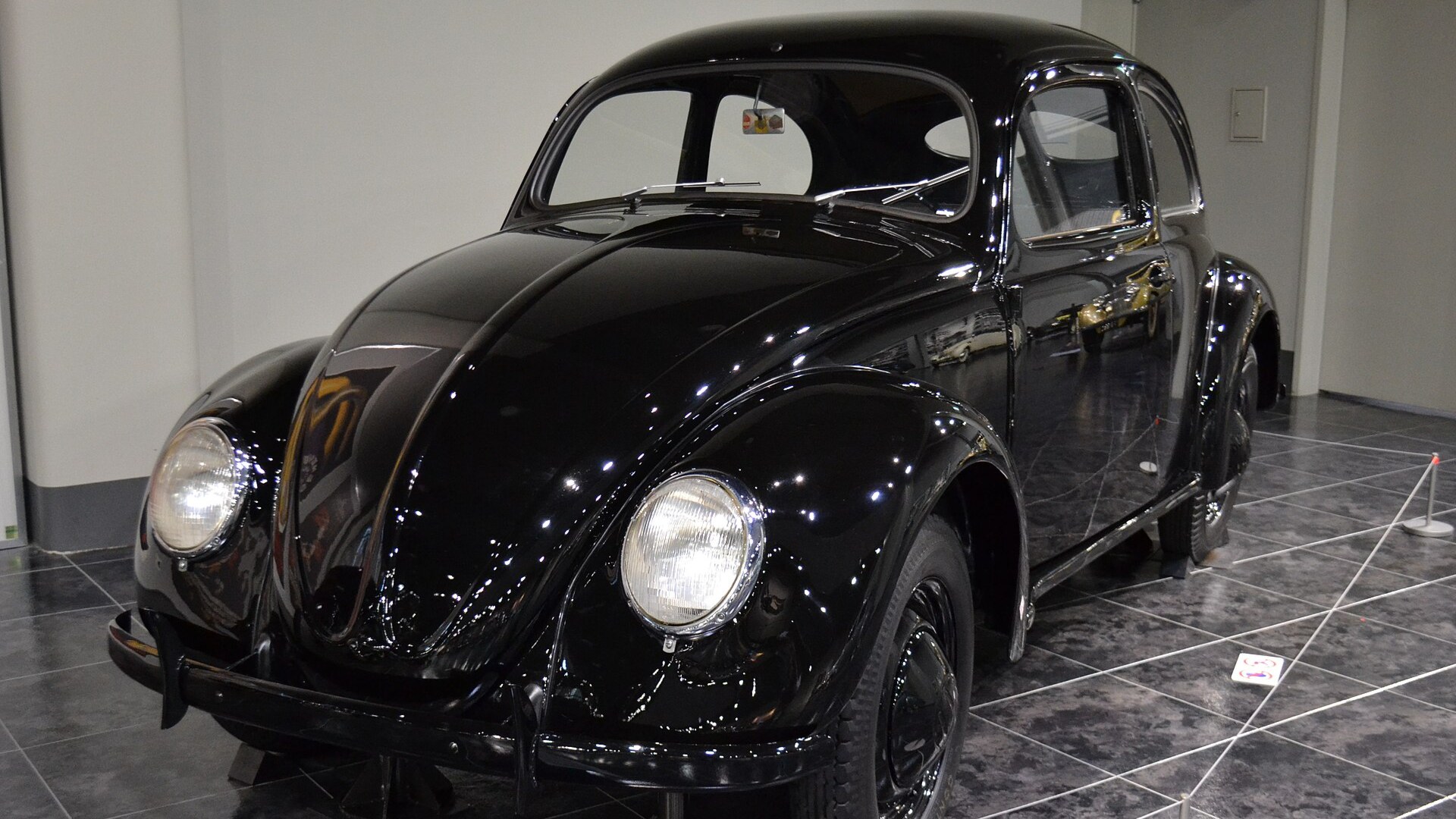
Conceived by Ferdinand Porsche as the KdF-Wagen, 1938 prototypes featured an air-cooled flat-four rear engine and split rear windows. Only a few pre-war test models survived military conversion, and early chassis number nineteen is exhibited at the Automuseum Volkswagen in Wolfsburg.
6. Curta Calculator Prototype
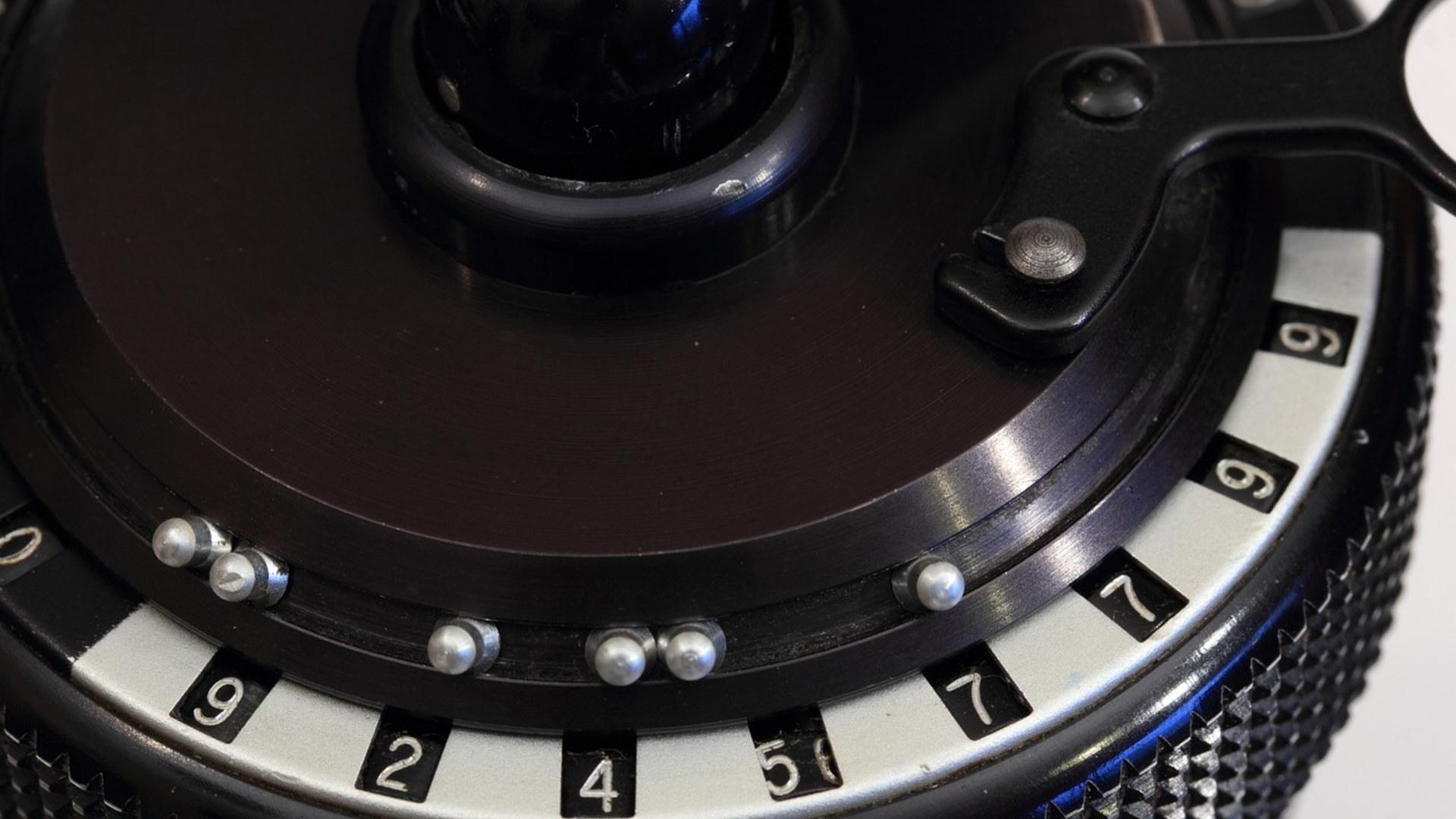
Austrian engineer Curt Herzstark completed engineering drawings for the stepped-drum pocket calculator while imprisoned in Buchenwald in 1944. His completed prototype revolutionized portable mathematics, and early production units are preserved today in the Computer History Museum in Mountain View.
7. Agfacolor Motion Picture Film
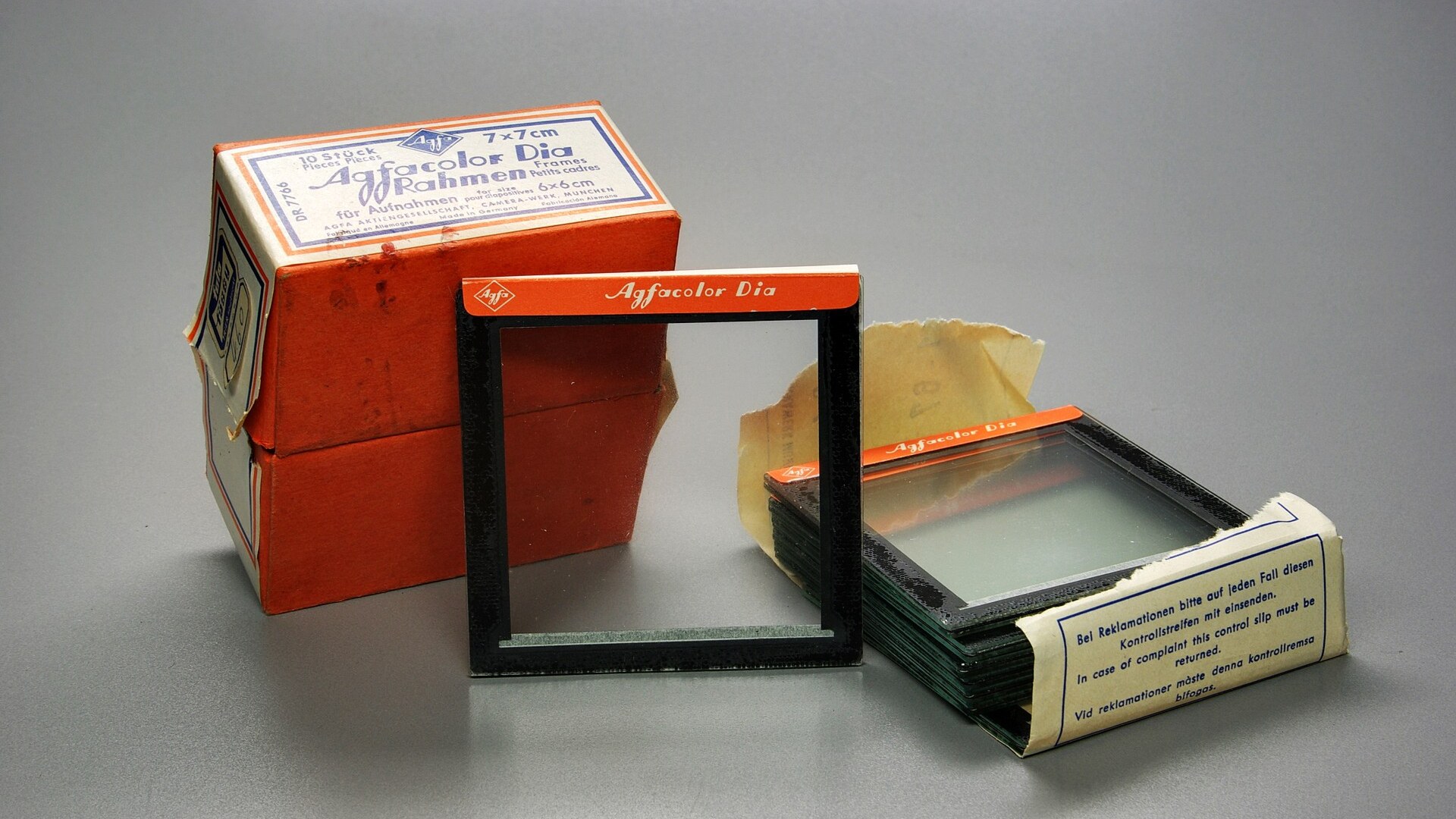
Chemists at Agfa perfected colour-coupler technology in 1936, producing full-length feature colour films by 1939 that rivalled Technicolor. Original surviving rolls, dye-transfer processing tanks, and Arriflex 35 film cameras from the Wolfen factory are curated by the Filmmuseum Potsdam and the British Film Institute.
8. Siemens T52 Geheimschreiber
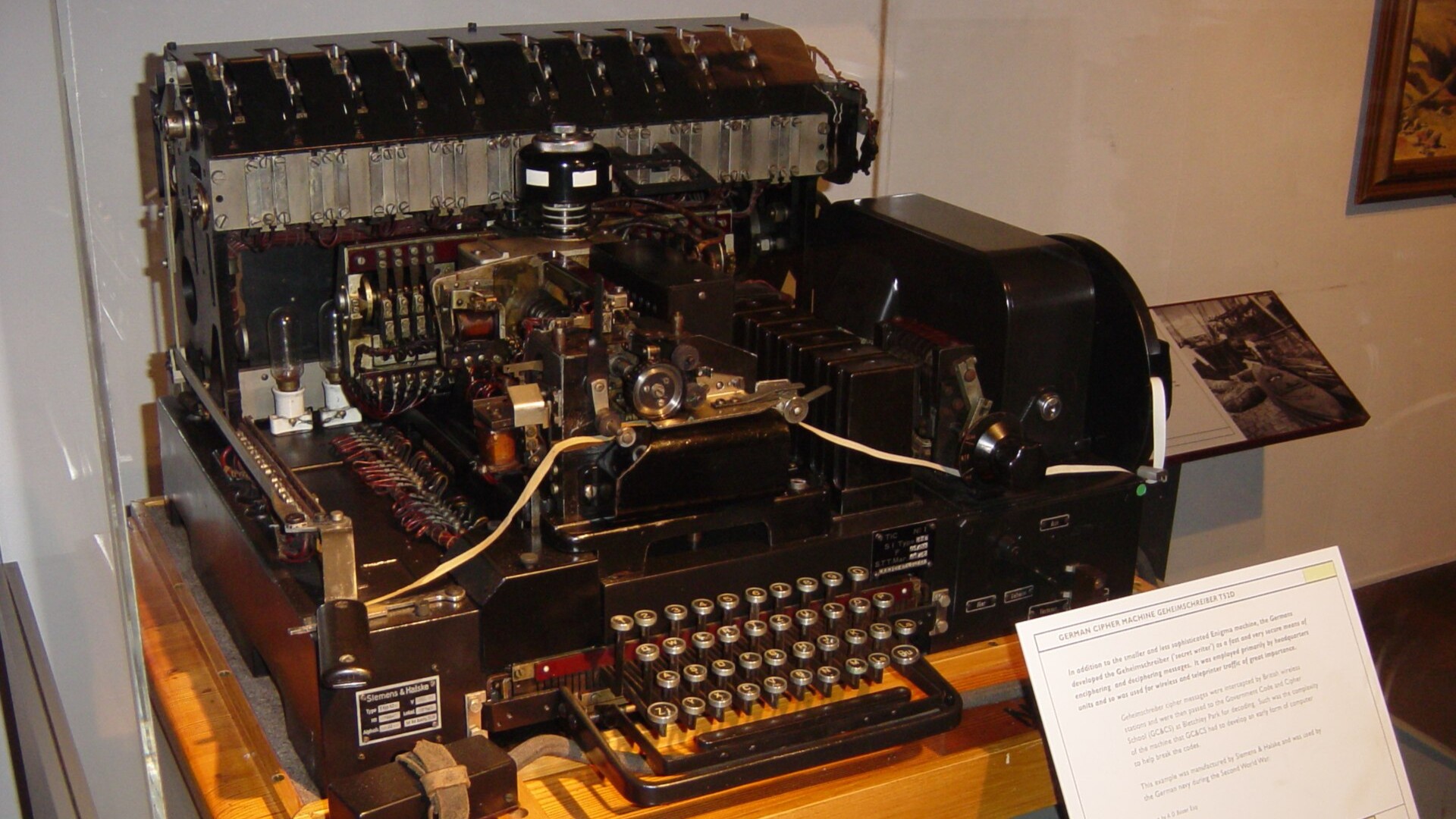
Developed by Siemens and Halske in 1939, the T52 was a hundred-kilogram teleprinter cipher system used by the High Command. Swedish mathematician Arne Beurling famously reverse-engineered its internal wiring in 1940, and an intact unit is maintained by the National Museum of Computing.
9. Fallschirmjaeger Gravity Knife
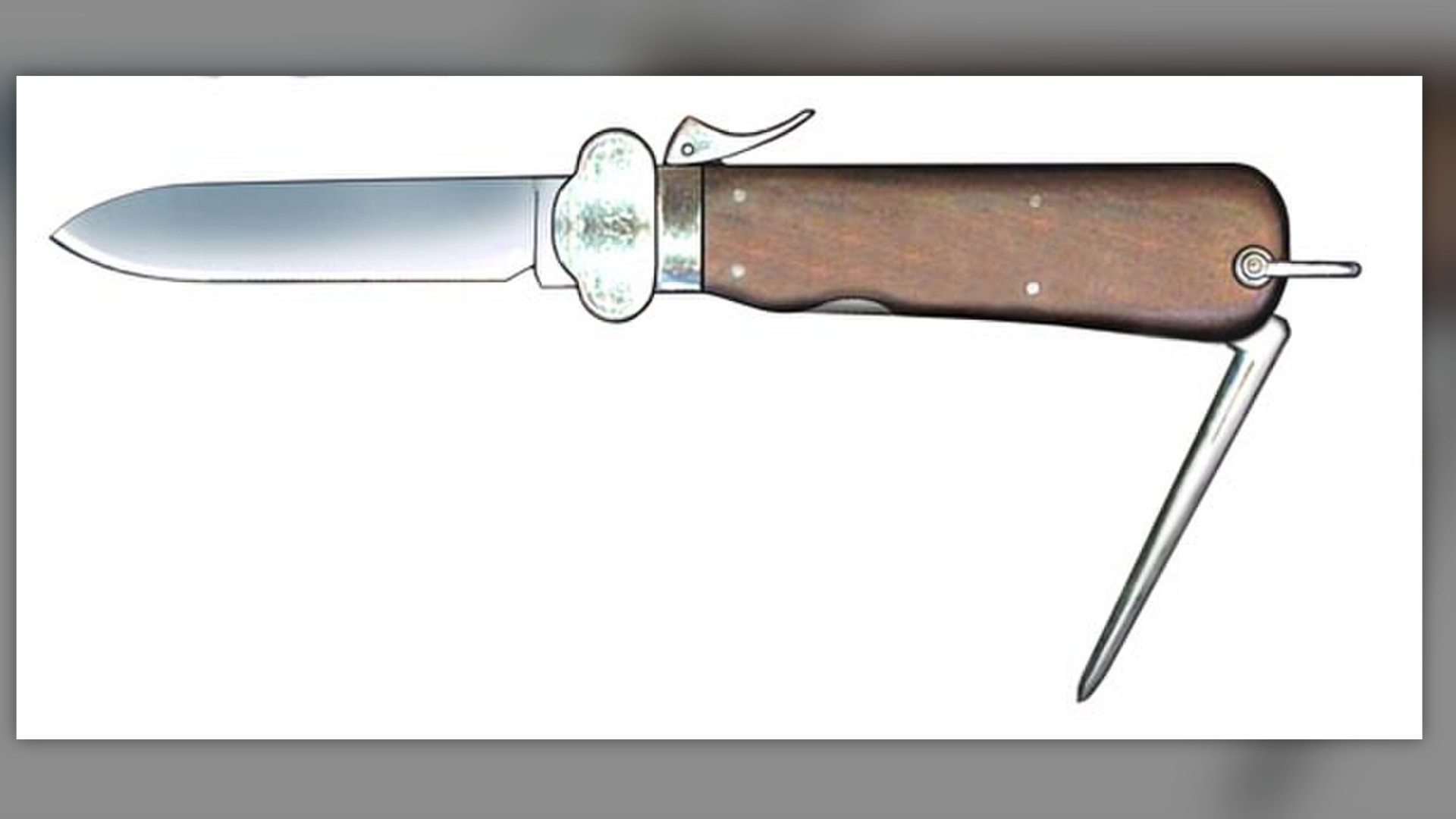
Produced by Solingen cutlery firms starting in 1937, the Flieger-Kappmesser featured an internal gravity-assisted locking blade and a fold-out marlinspike for untangling parachute rigging. Intact specimens showing the original nickel-plated hardware and wooden grips are preserved in the Imperial War Museum in London.
10. Goliath Tracked Demolition Mine
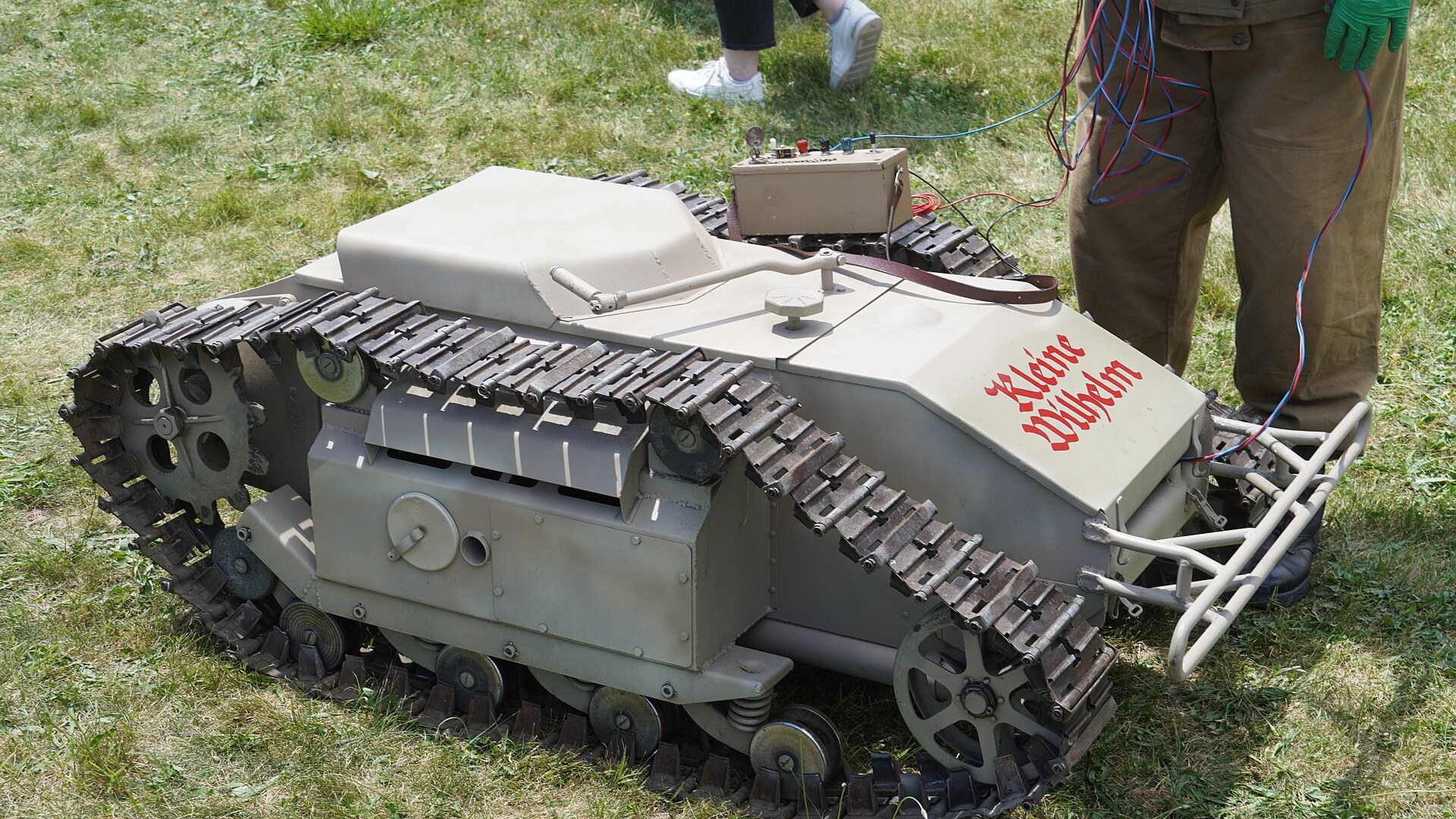
Introduced in 1942 as the Sd.Kfz. 302, the electric-powered Goliath measured four feet long and was steered via an eight-hundred-yard trailing telephone cable. Captured examples used during the Normandy campaign and the Warsaw Uprising are displayed at the Bovington Tank Museum in Dorset, England.
11. Lorenz SZ42 Cipher Teleprinter
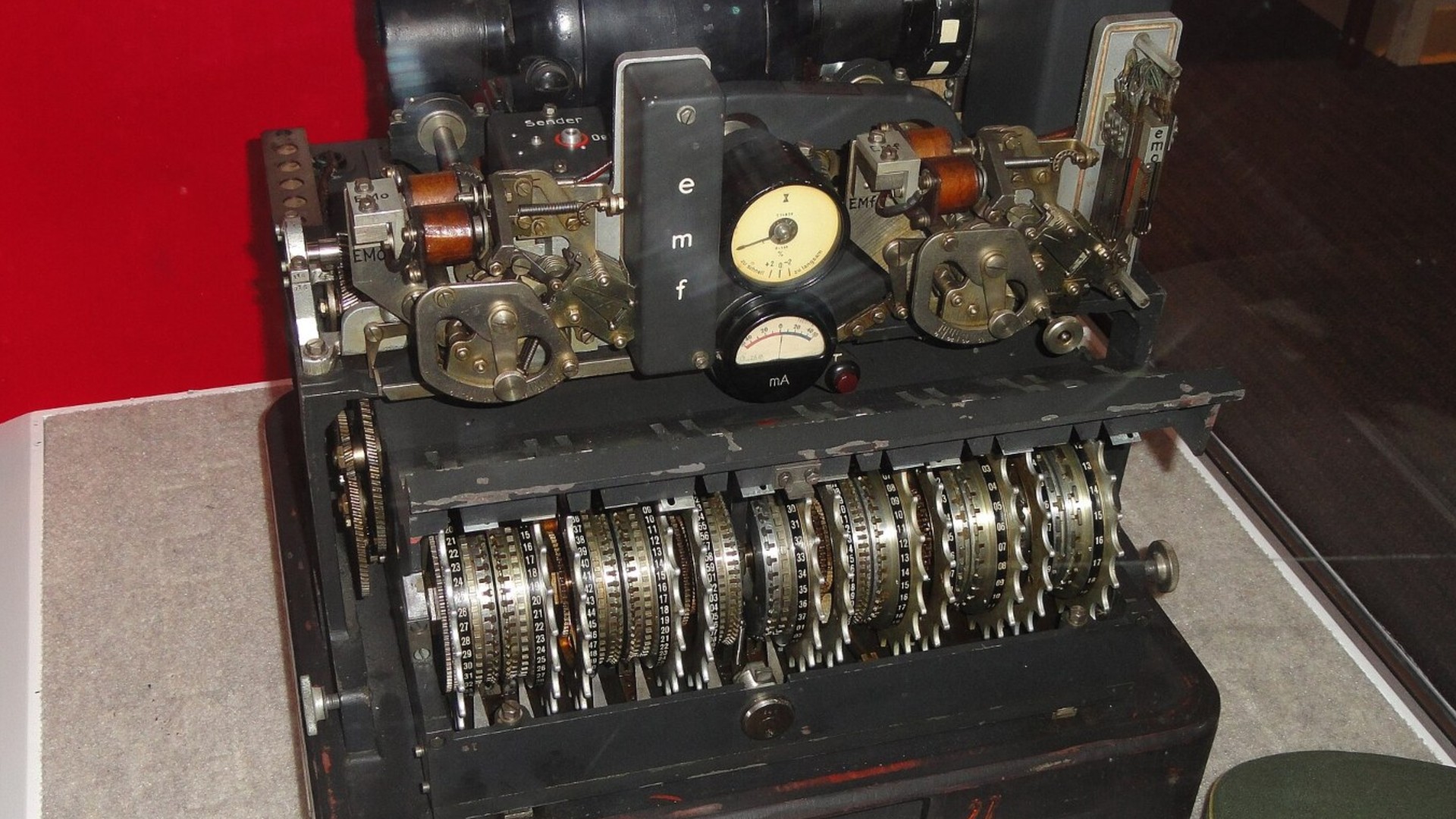
Used exclusively by general staff commands for strategic communications, the Lorenz cipher employed twelve cam-wheels to encrypt teleprinter signals. British codebreakers deciphered its logic, inspiring the Colossus computer. A fully restored Lorenz machine is exhibited at The National Museum of Computing.
12. Argus As 014 Pulsejet Engine
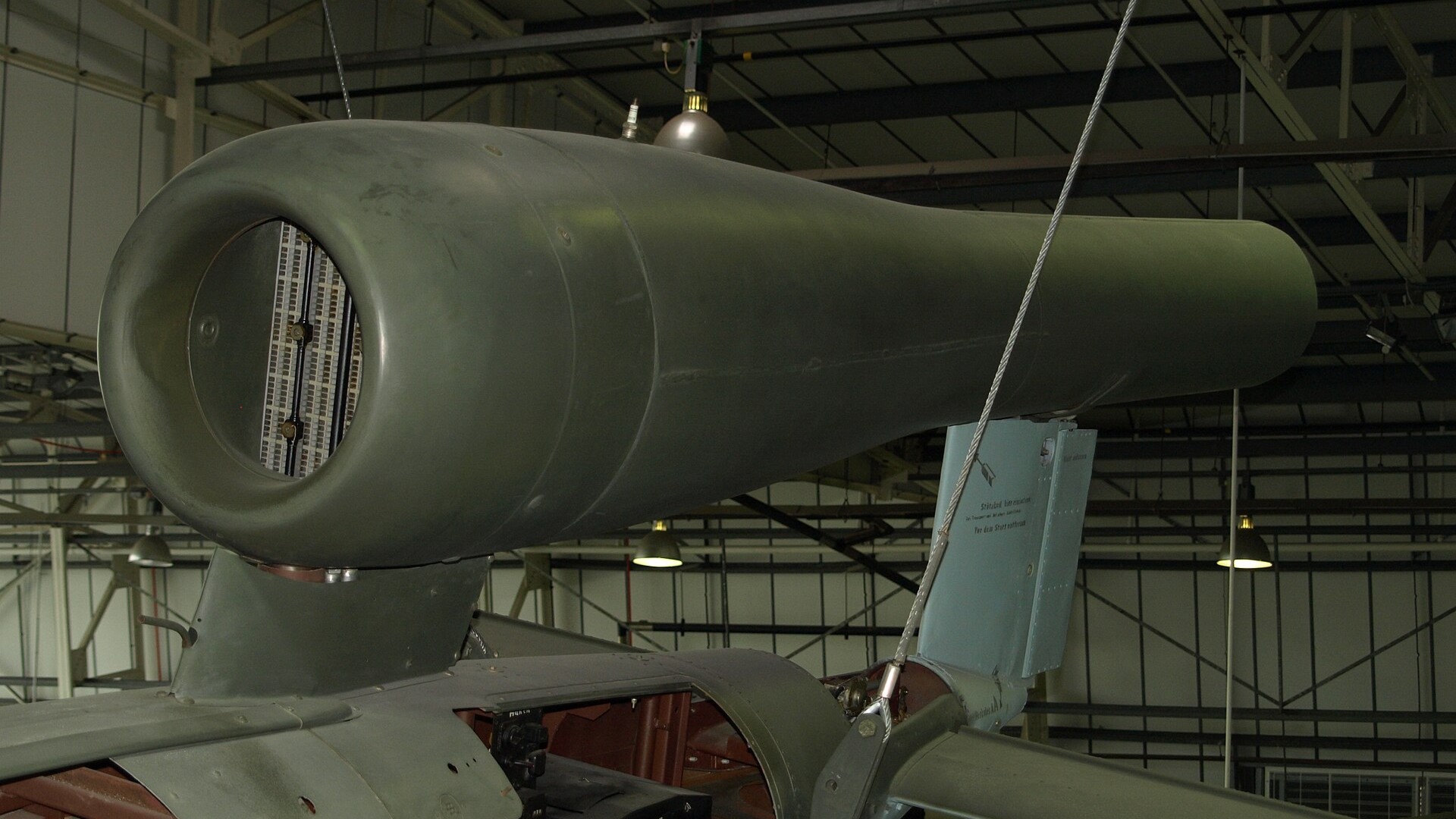
Developed by Fritz Gosslau at Argus Motoren in 1941, this pulsejet used spring-steel flapper valves to generate thrust without rotating parts, producing a terrifying buzzing sound. Fully sectioned engines showing internal fuel nozzles and spark plugs are on display at the Science Museum in South Kensington, London.
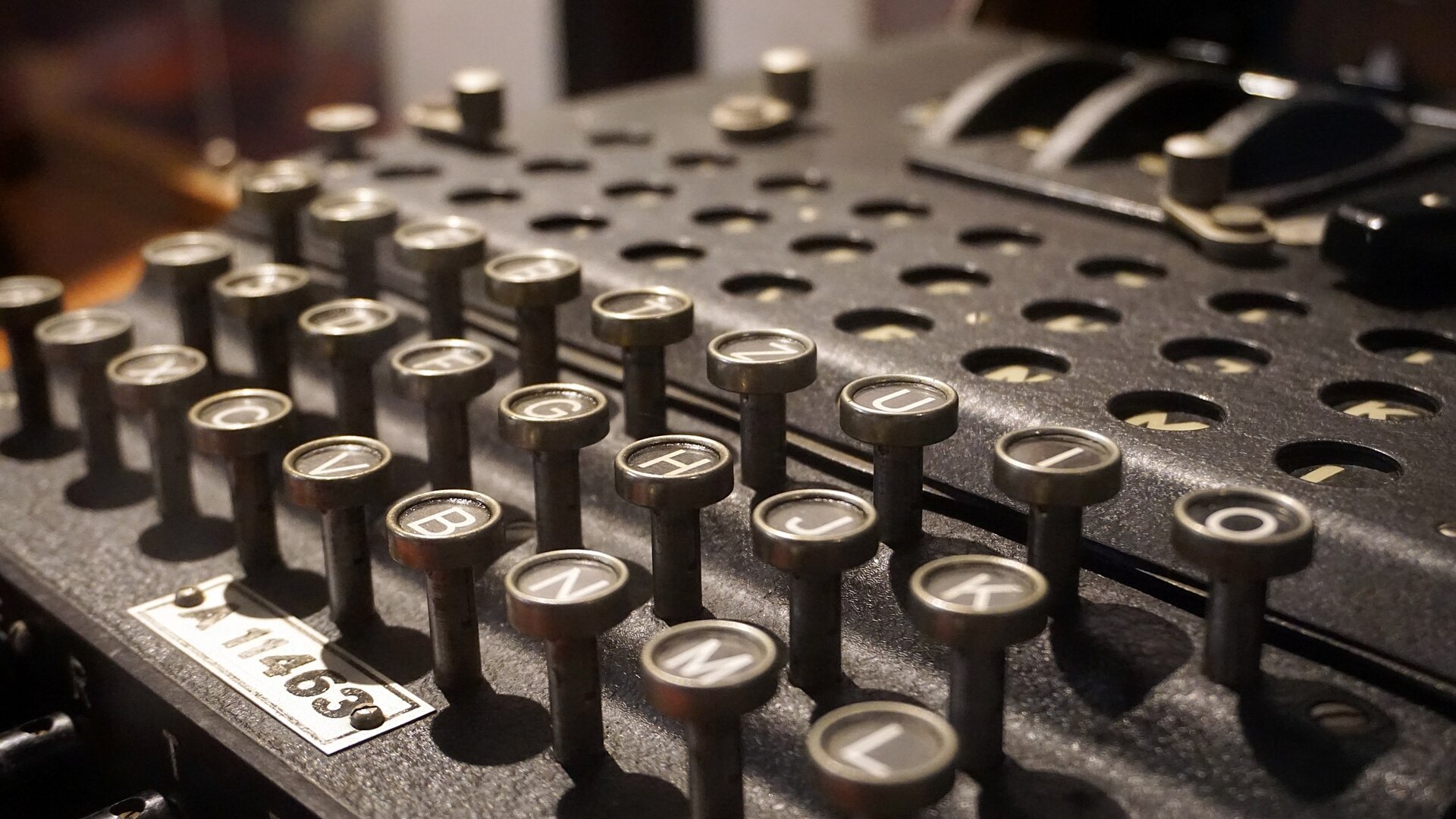
13. Enigma M4 Naval Cipher Machine
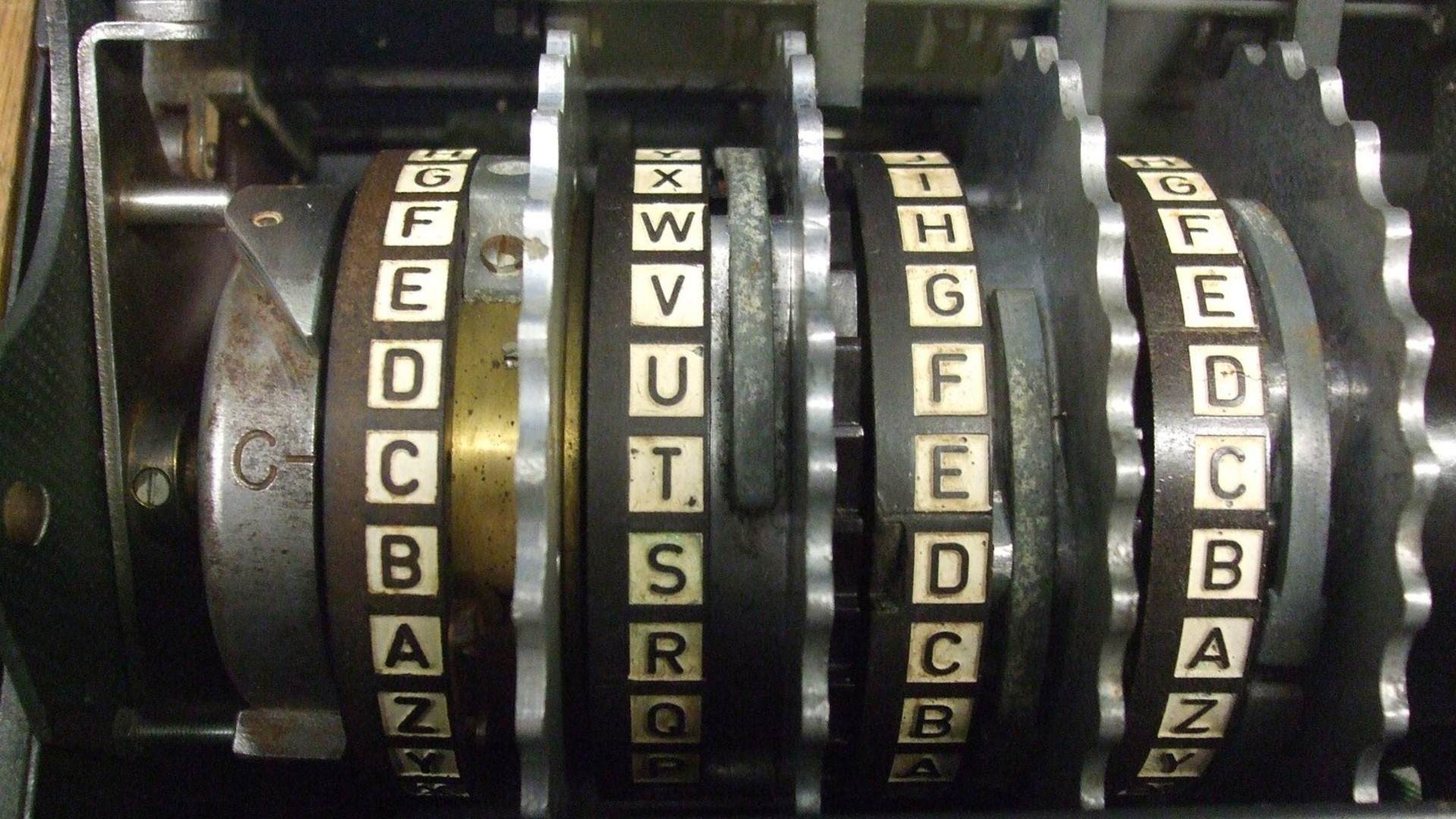
Engineered specifically for the Kriegsmarine U-boat force, the M4 added a thin fourth rotor and matching reflector that plunged Atlantic naval communications into temporary darkness for ten months. A rare pristine four-rotor unit recovered from a captured submarine is preserved in the Bletchley Park museum collection.
14. Henschel Hs 293 Guided Missile
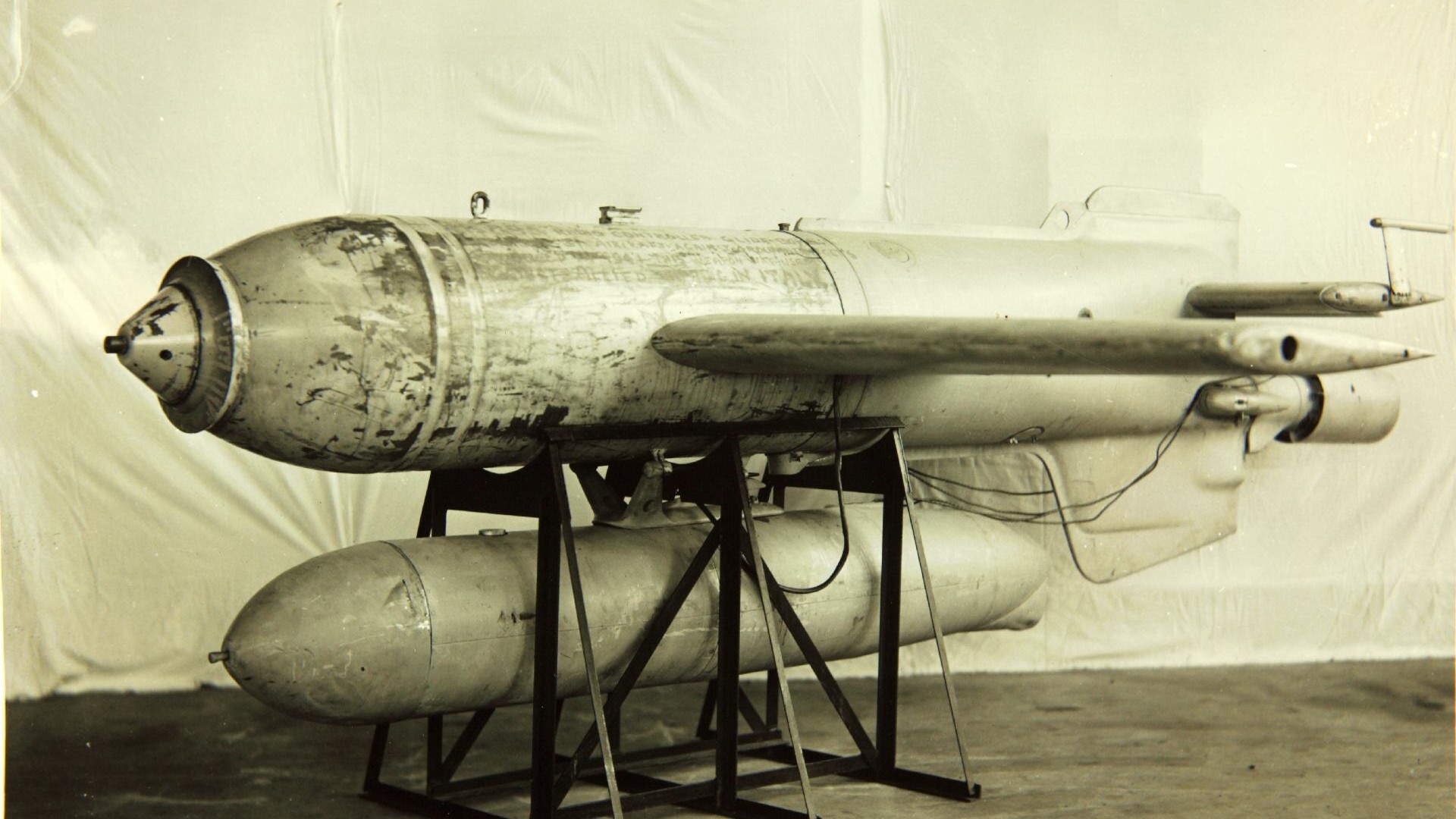
Designed by Herbert Wagner, the Hs 293 combined a standard demolition bomb with a Walter rocket motor and radio-controlled tail surfaces guided by joystick. Used to sink the British sloop HMS Egret in August 1943, an unrestored original airframe is preserved at the Deutsches Museum Flugwerft Schleissheim near Munich.
15. Fritz X Guided Glide Bomb
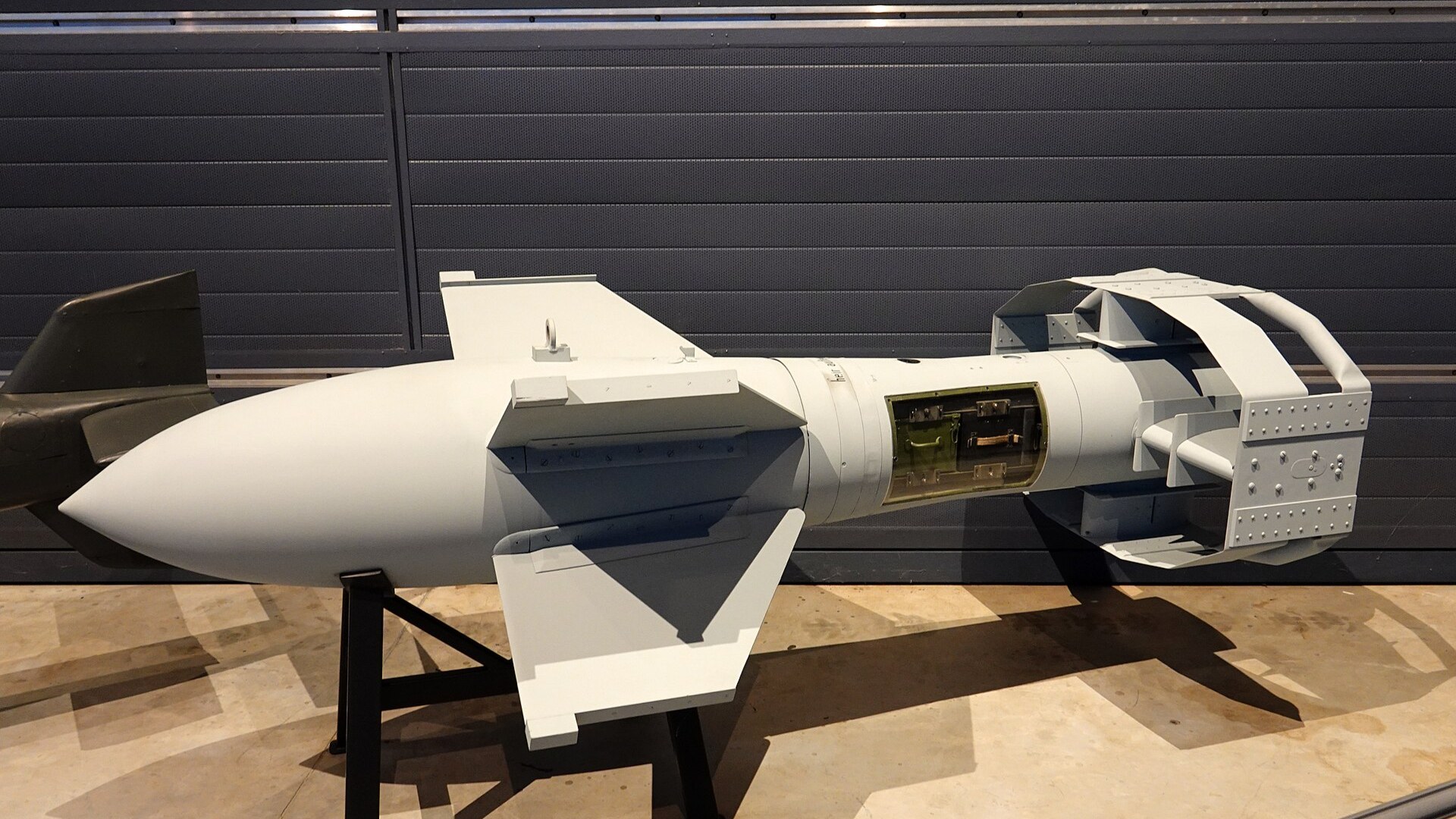
The Ruhrstahl SD 1400 X, nicknamed Fritz X, carried a heavy armor-piercing casing guided by an operator tracking a tail flare through optical sights. The weapon sank warships in the Mediterranean, and a preserved specimen is displayed at the National Museum of the United States Air Force in Ohio.
16. BMW 003 Turbojet Engine
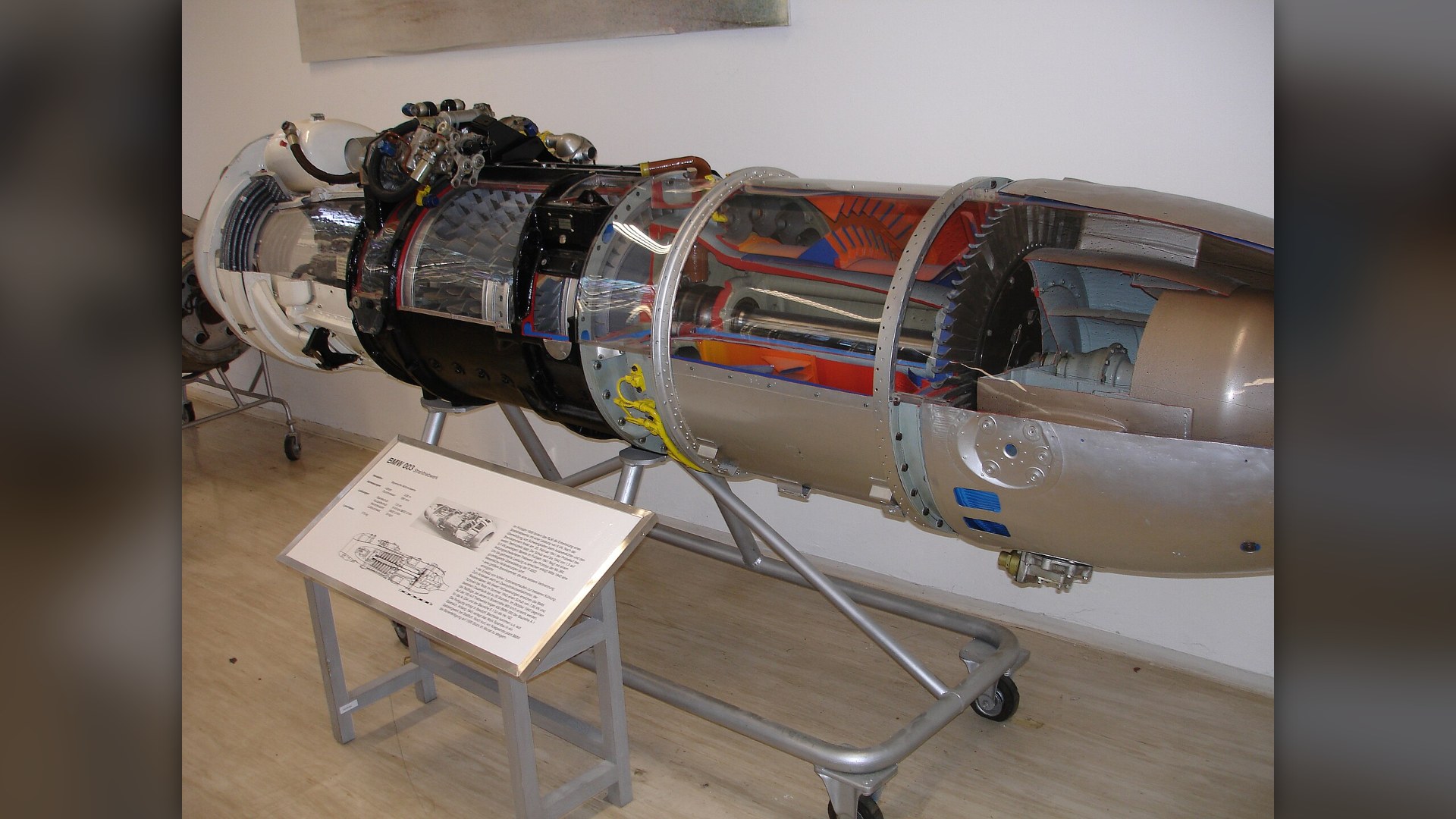
Engineered by Hermann Oestrich at Spandau, the BMW 003 utilized seven axial compressor stages and an annular combustion chamber to produce eighteen hundred pounds of thrust. The powerplant powered the Heinkel He 162 jet fighter, and an exposed cutaway unit is preserved in the New England Air Museum in Connecticut.
17. Messerschmitt Me 163 Komet
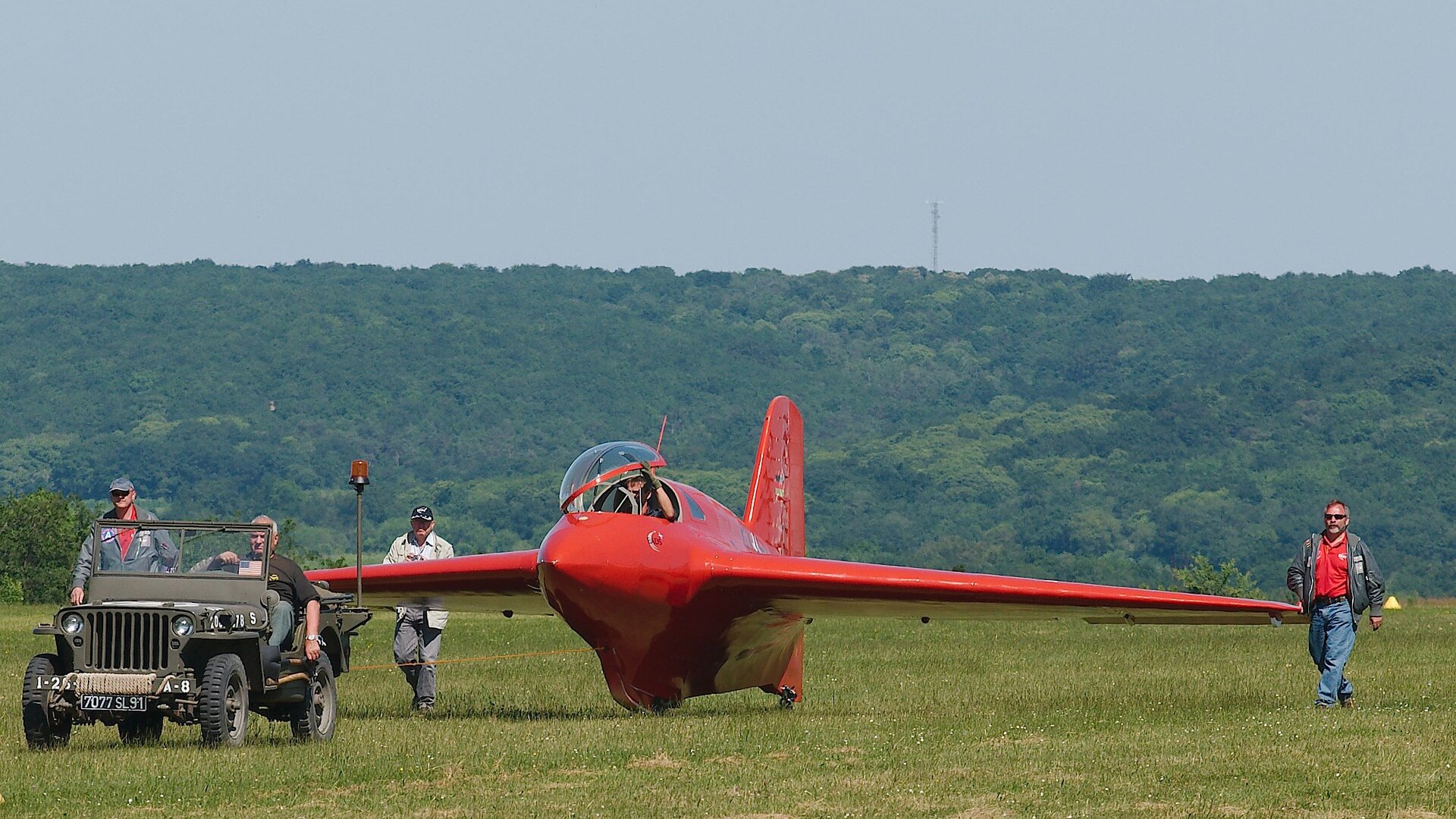
Designed by Alexander Lippisch, the Me 163 used volatile liquid propellants C-Stoff and T-Stoff to reach six hundred miles per hour before gliding back to land on a ventral skid. A pristine surviving airframe with its Walter HWK rocket motor is exhibited at the National Museum of Flight in East Fortune, Scotland.
18. V-2 Rocket Turbopump Assembly
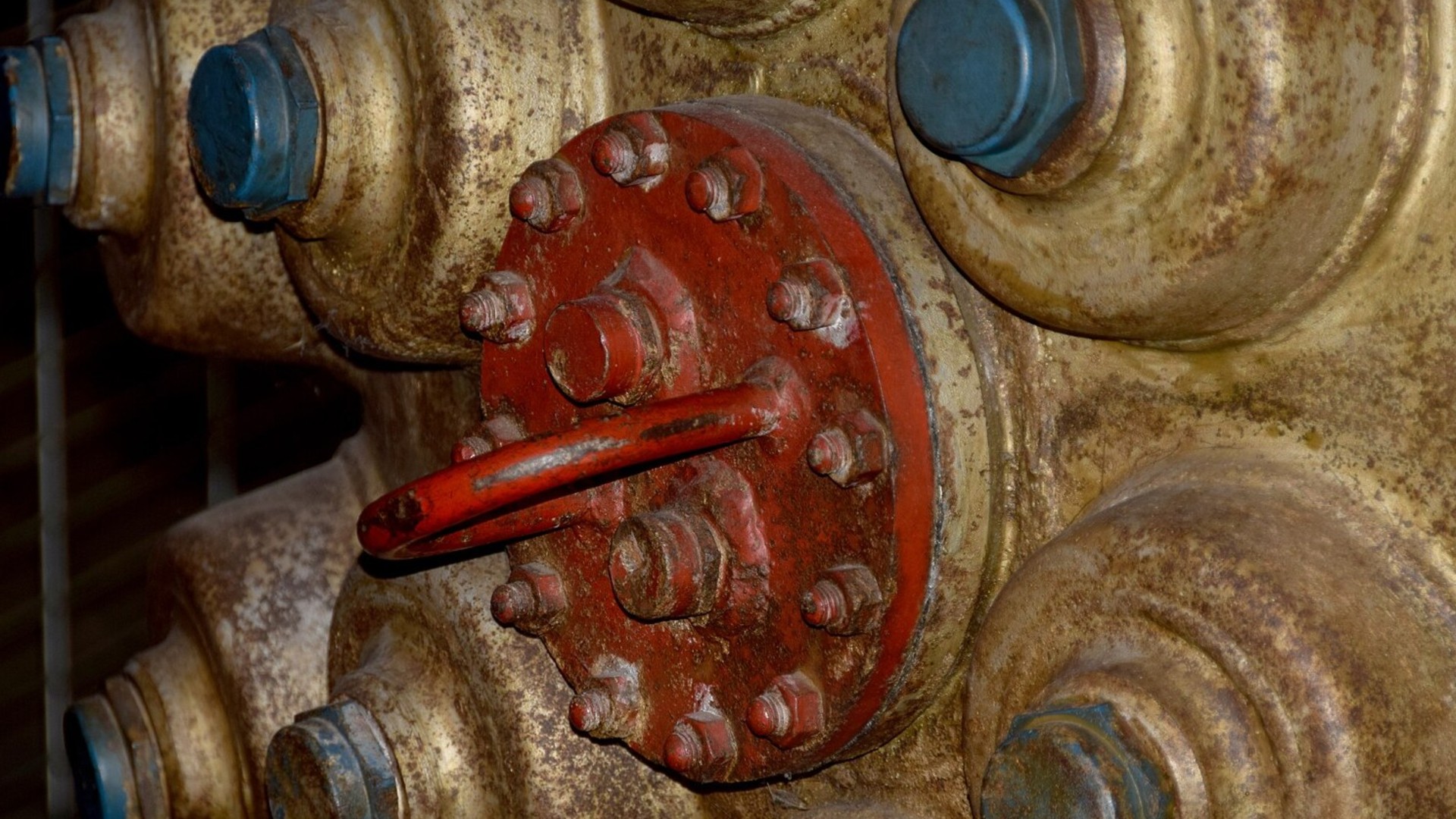
Fueled by liquid oxygen and ethanol, the V-2 rocket relied on a steam-driven turbopump designed by Wernher von Braun and Walter Thiel that moved fifty gallons of propellant every second. Recovered turbopumps and combustion chambers are displayed at the Royal Air Force Museum in Cosford and the Smithsonian.
19. Messerschmitt Me 262 Jet Fighter
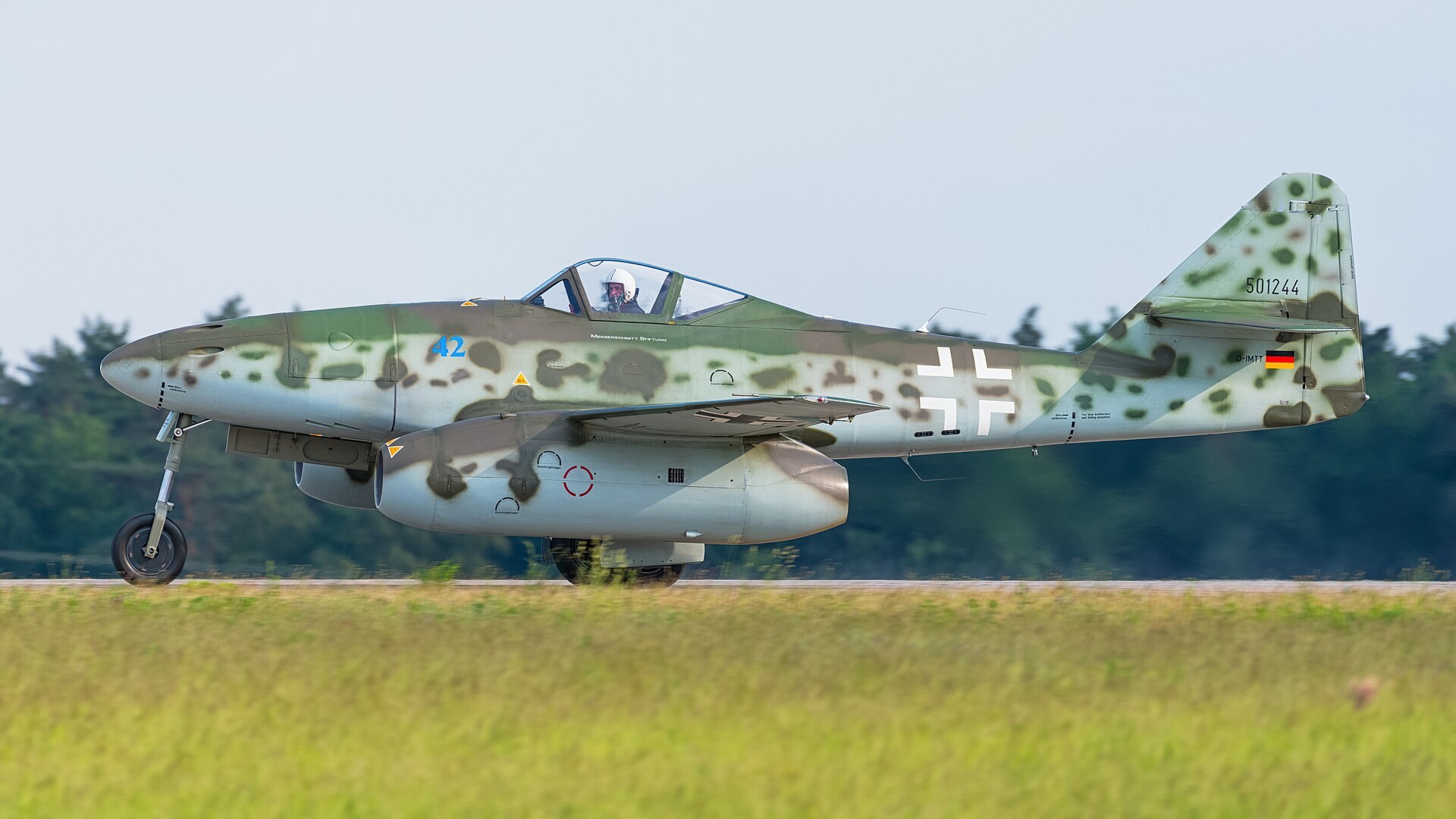
Powered by two Junkers Jumo 004 turbojet engines, the Me 262 featured swept wings and reached a top speed of five hundred and forty miles per hour. Captured by Allied forces in 1945, a completely intact Me 262 A-1a fighter is preserved and exhibited at the National Air and Space Museum in Washington DC.
20. StG 44 With Krummlauf Attachment
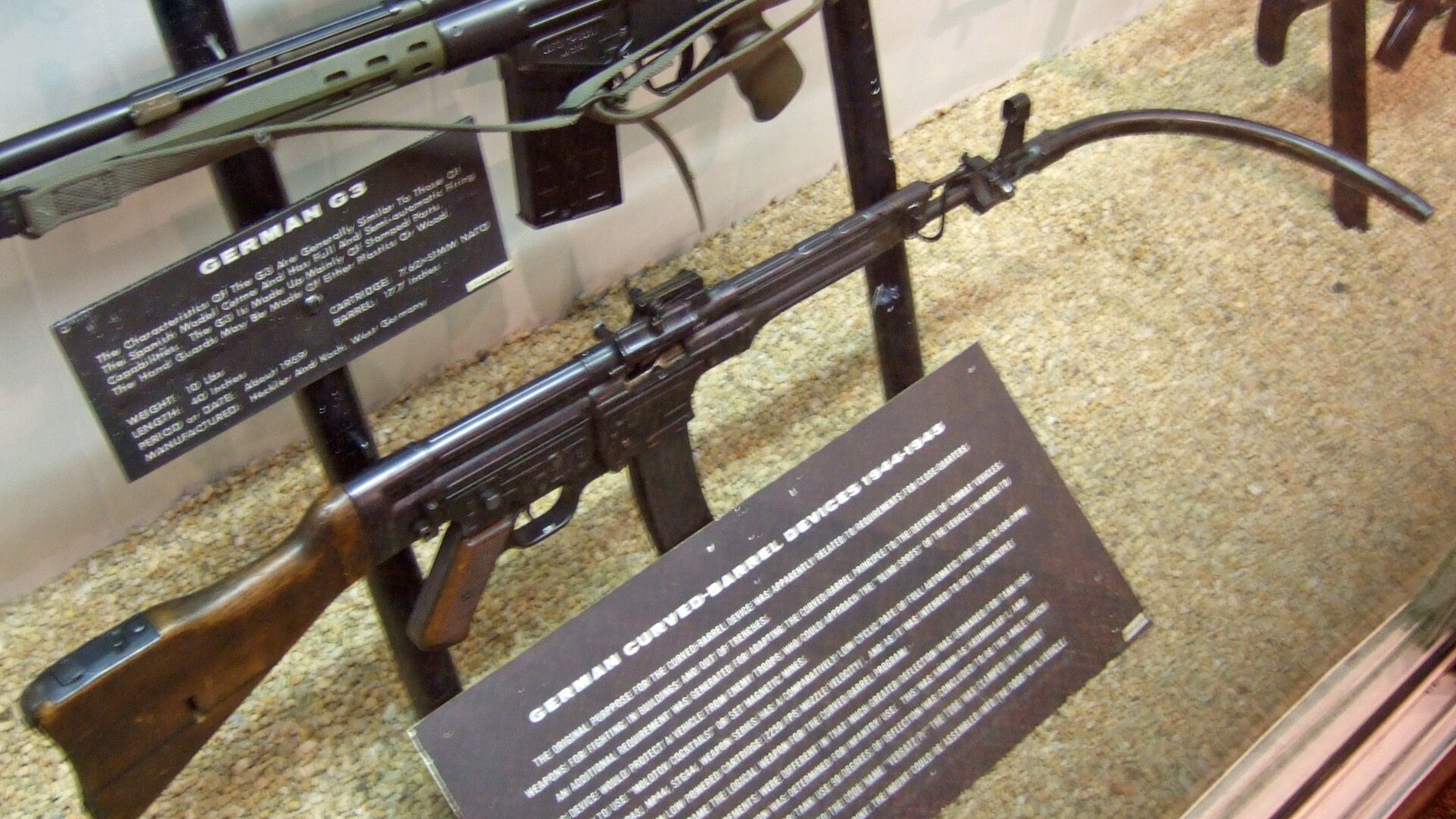
The Krummlauf was a curved barrel extension with a thirty-degree or ninety-degree bend fitted with periscope mirrors for urban street fighting and tank defense. The attachment suffered rapid bullet wear after a few hundred rounds, and rare intact surviving barrels are held in the Royal Armouries collection in Leeds.
21. Zielgeraet 1229 Vampir Night Scope
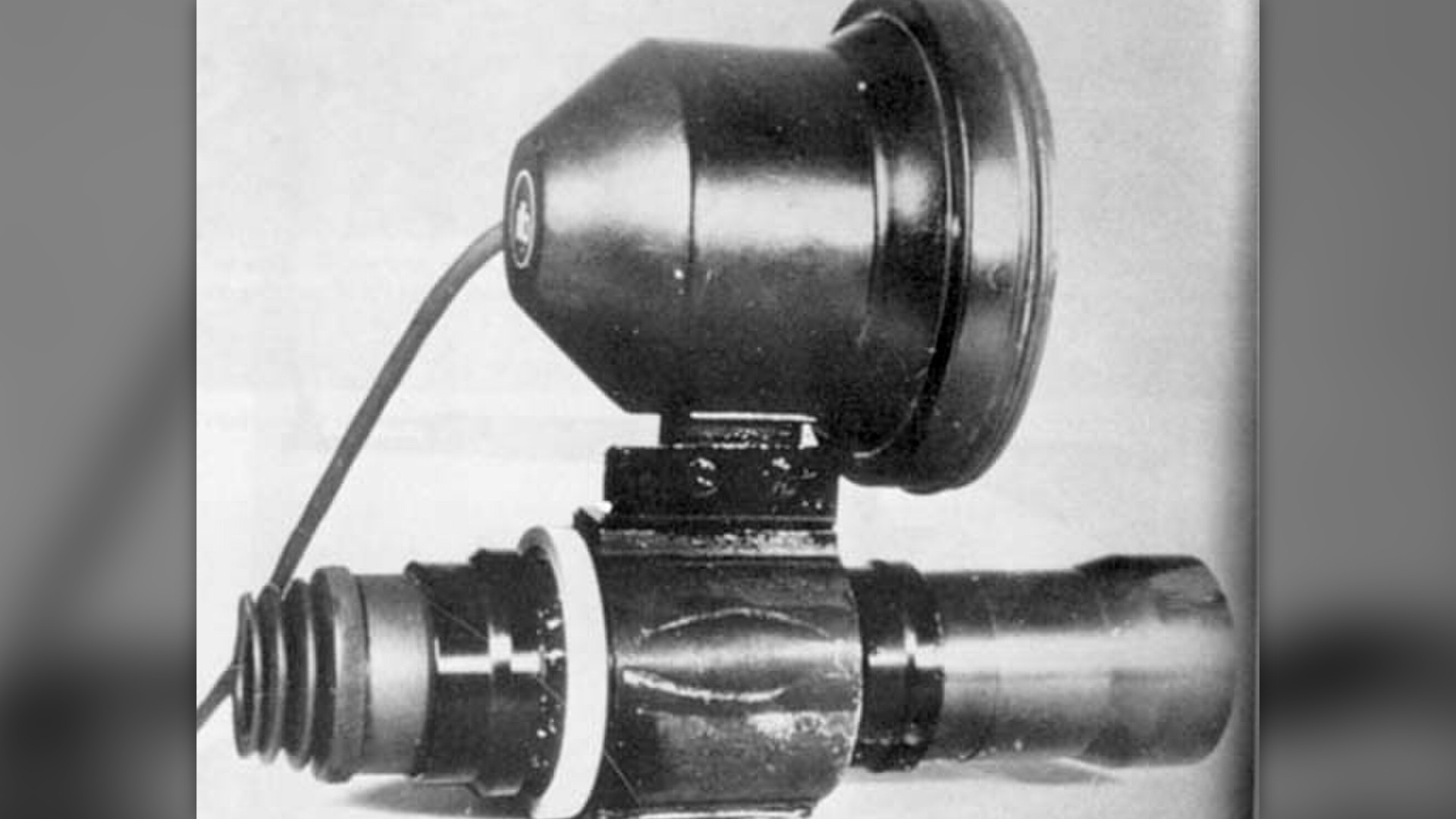
Weighing over thirty pounds including a heavy wooden battery backpack, the ZG 1229 Vampir illuminated nighttime targets using an active infrared spotlight and image converter cathode tube. Developed by Allgemeine Elektricitats-Gesellschaft, surviving scopes are curated by the Imperial War Museum in London.
22. Haigerloch B-VIII Uranium Cube
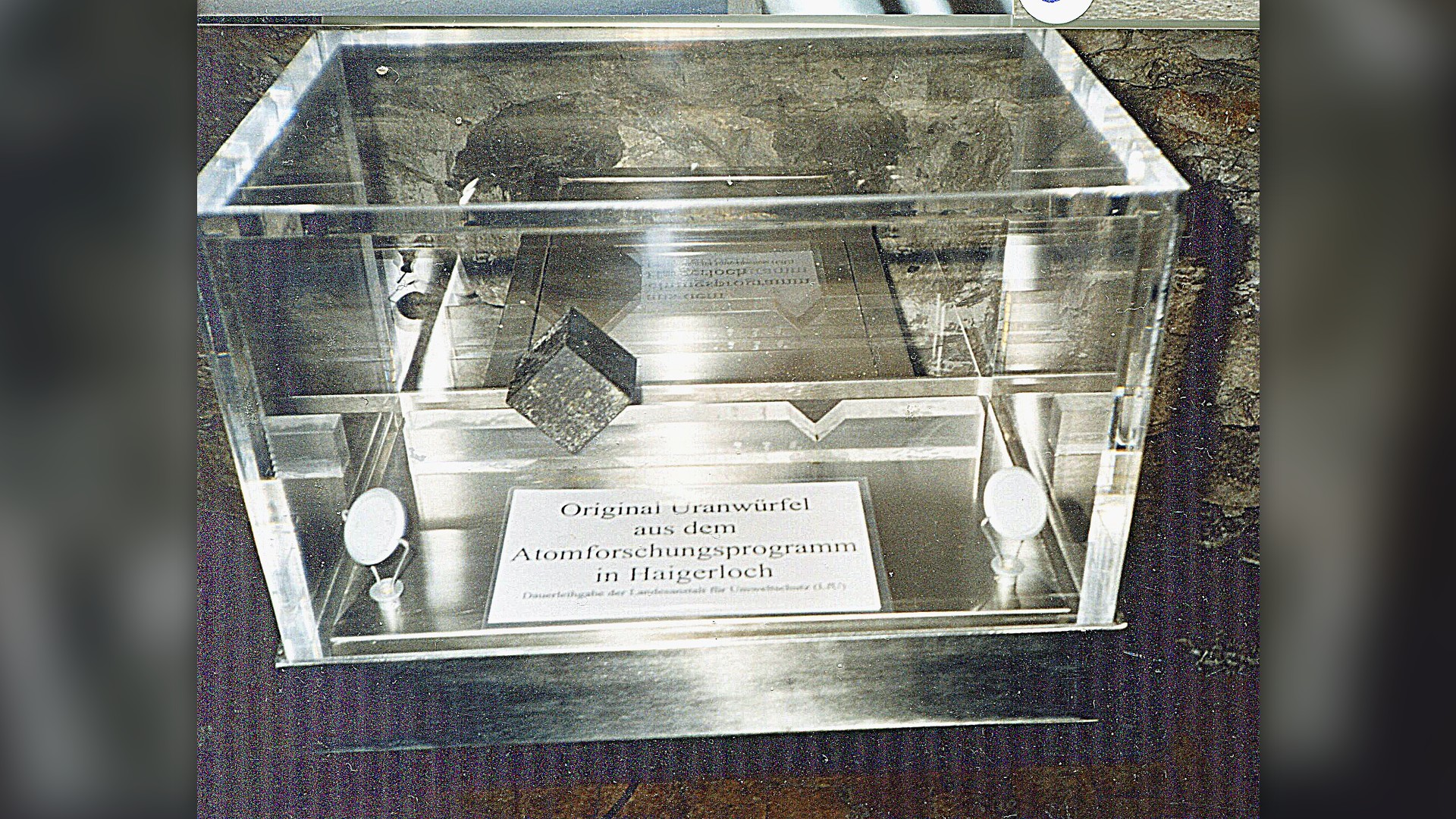
In early 1945, physicists Werner Heisenberg and Carl Friedrich von Weizsacker hung 664 uranium cubes by wires inside a heavy water tank in a cliffside cave in Haigerloch. Recovered by Allied Alsos mission teams in April 1945, surviving cubes are preserved today in the Smithsonian National Museum of American History.
23. Bachem Ba 349 Natter Interceptor
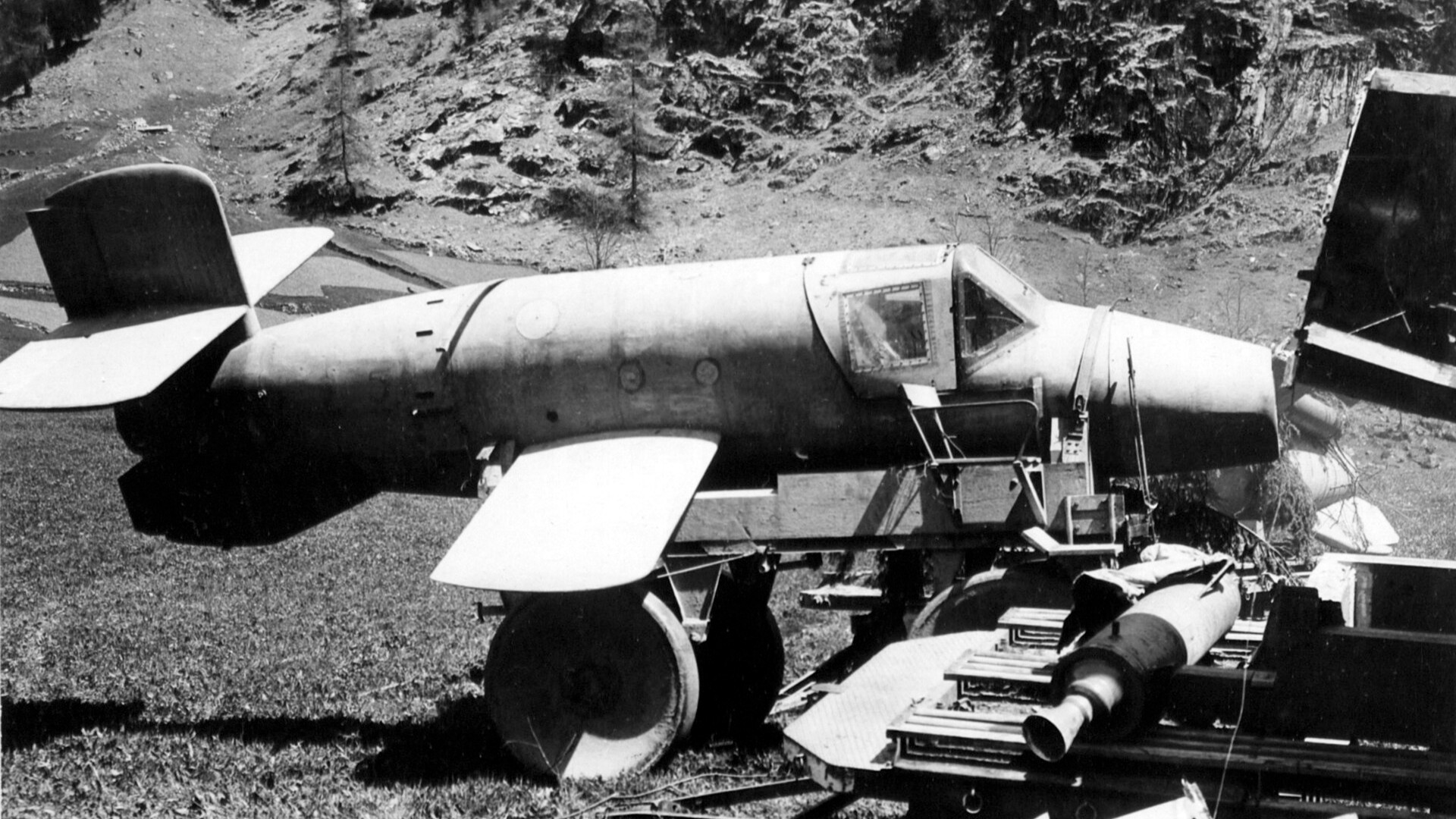
Constructed primarily of glued wood to conserve strategic metals, the Ba 349 launched vertically like a rocket from a pole tower and was intended to land pilot and engine by parachute. The sole surviving original airframe is preserved at the Smithsonian Paul E. Garber Preservation Facility in Suitland, Maryland.
24. Focke-Achgelis Fa 330 Rotor Kite
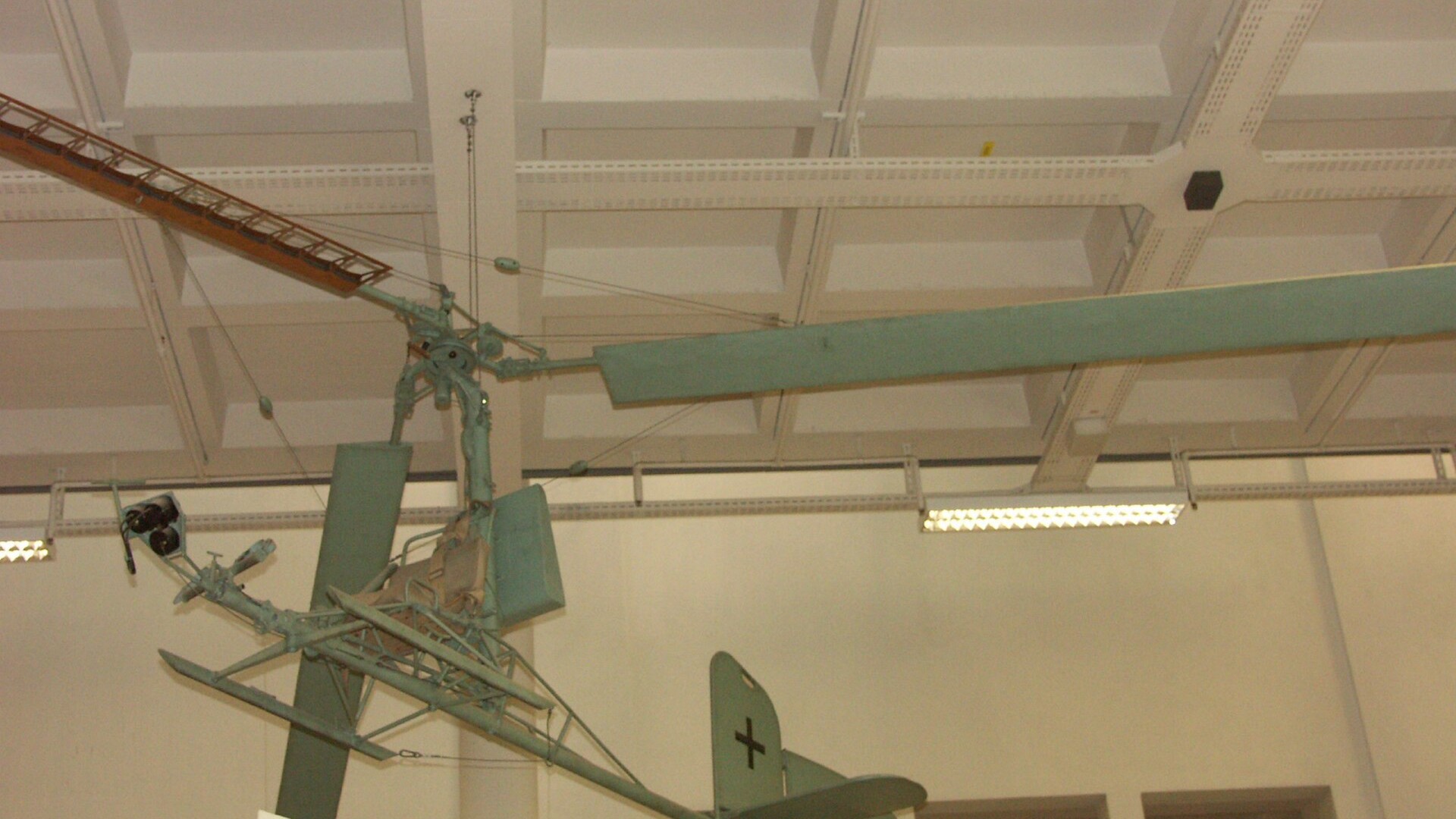
The Fa 330 Bachstelze was an unpowered three-bladed rotor kite towed on a steel cable behind surfaced U-boats to spot distant Allied merchant shipping. The observer communicated via telephone wire before reeling back in, and an authentic surviving kite is exhibited at the National Museum of the United States Air Force.