Slideshow · Viral
22 Beautiful Flowers From Around the World in Pictures
Explore twenty-two extraordinary flowering plants from across five continents. This curated selection highlights rare botanical forms, distinctive adaptations, and vivid petal geometry documented by leading herbaria. Featured plants span mountain cliffs, tropical canopies, and historic botanical collections worldwide.
By Most Viral Today
1 hour ago

The World's Most Striking Floral Wonders 
22. Juliet Rose 
21. Plumeria 
20. Himalayan Blue Poppy - AdvertisementSwipe or tap ▶ to continue countdown

19. Sacred Lotus 
18. Cherry Blossom 
17. Lady's Slipper Orchid 
16. Parrot's Beak - AdvertisementSwipe or tap ▶ to continue countdown

15. Snake's Head Fritillary 
14. Darwin's Slipper 
13. Chocolate Cosmos 
12. Queen Of The Night - AdvertisementSwipe or tap ▶ to continue countdown

11. King Protea 
10. Passion Flower 
9. Middlemist's Red Camellia 
8. Ghost Orchid - AdvertisementSwipe or tap ▶ to continue countdown

7. Flame Lily 
6. Dahlia 
5. Corpse Lily 
4. Blue Jade Vine - AdvertisementSwipe or tap ▶ to continue countdown

3. Black Bat Flower 
2. Bird Of Paradise 
1. Bleeding Heart - Advertisement🔥 UP NEXT IN THIS SERIES◫ 21 Slides

20 Famous Cars With Pop-Up Headlights That Shaped Car Design
From hand-cranked 1930s teardrops to wedge supercars of the 1980s, hidden headlights let stylists chase sleek aerodynamics until 2004 pedestrian rules closed the curtain. Here are 20 standout production cars that turned retractable lamps into an enduring automotive design feature across seven full decades.
Botanical diversity produces remarkable floral forms shaped by specialised pollinators and unique evolutionary pressures. This gallery profiles twenty-two documented flower species in ascending order. Research is drawn from records at the Royal Botanic Gardens Kew, the Missouri Botanical Garden, and Britannica.
Swipe or tap ▶ to begin the countdown
©Wikimedia / Hanna Zelenko
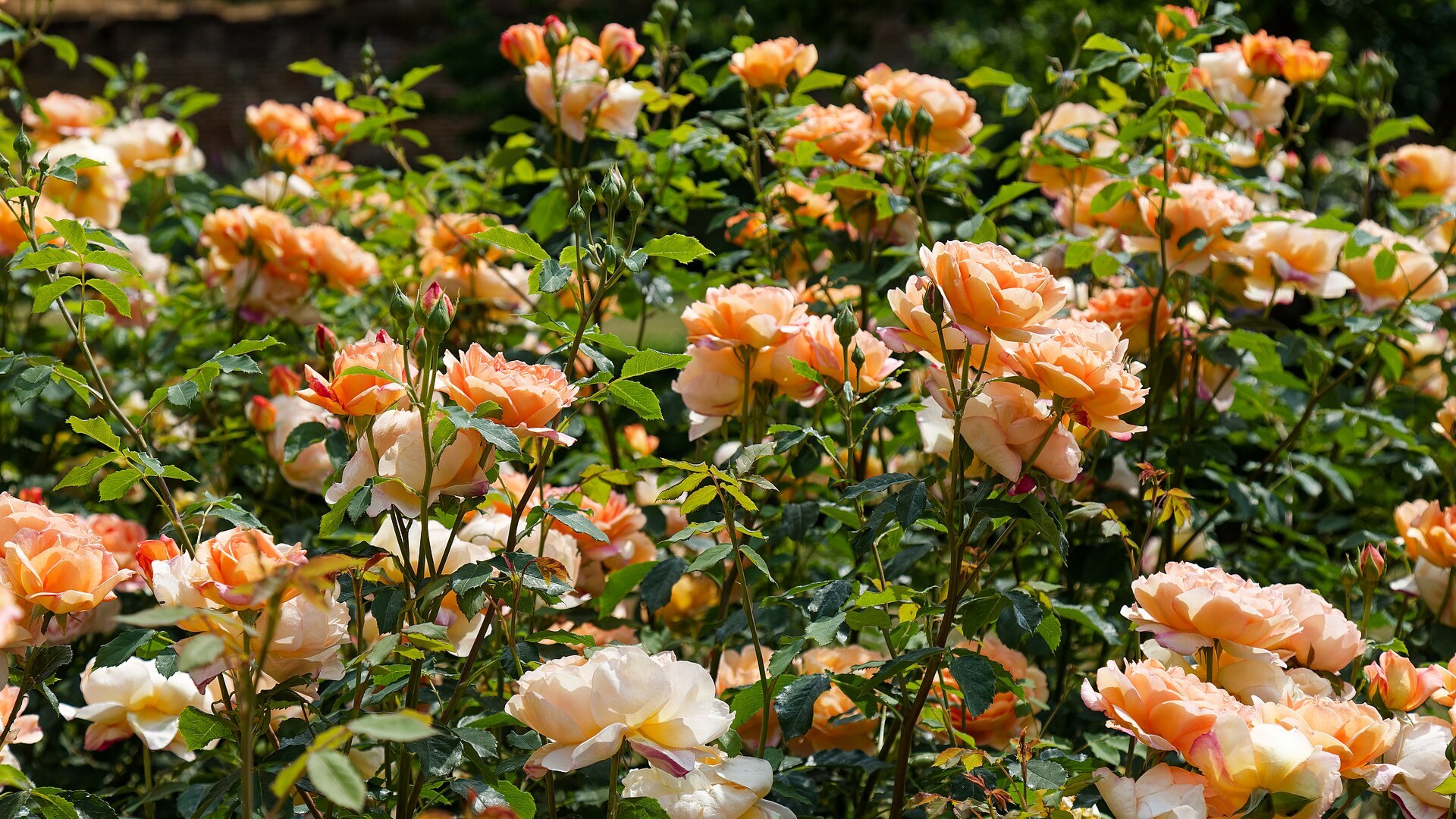
22. Juliet Rose
Rosa 'Juliet' represents one of the most celebrated modern English shrub roses developed by David Austin. Bred over fifteen years, the cupped bloom opens into a rosette of more than ninety petals blending soft peach and warm apricot. The cultivar remains a signature specimen at international floral exhibitions.
©Wikimedia / Acabashi
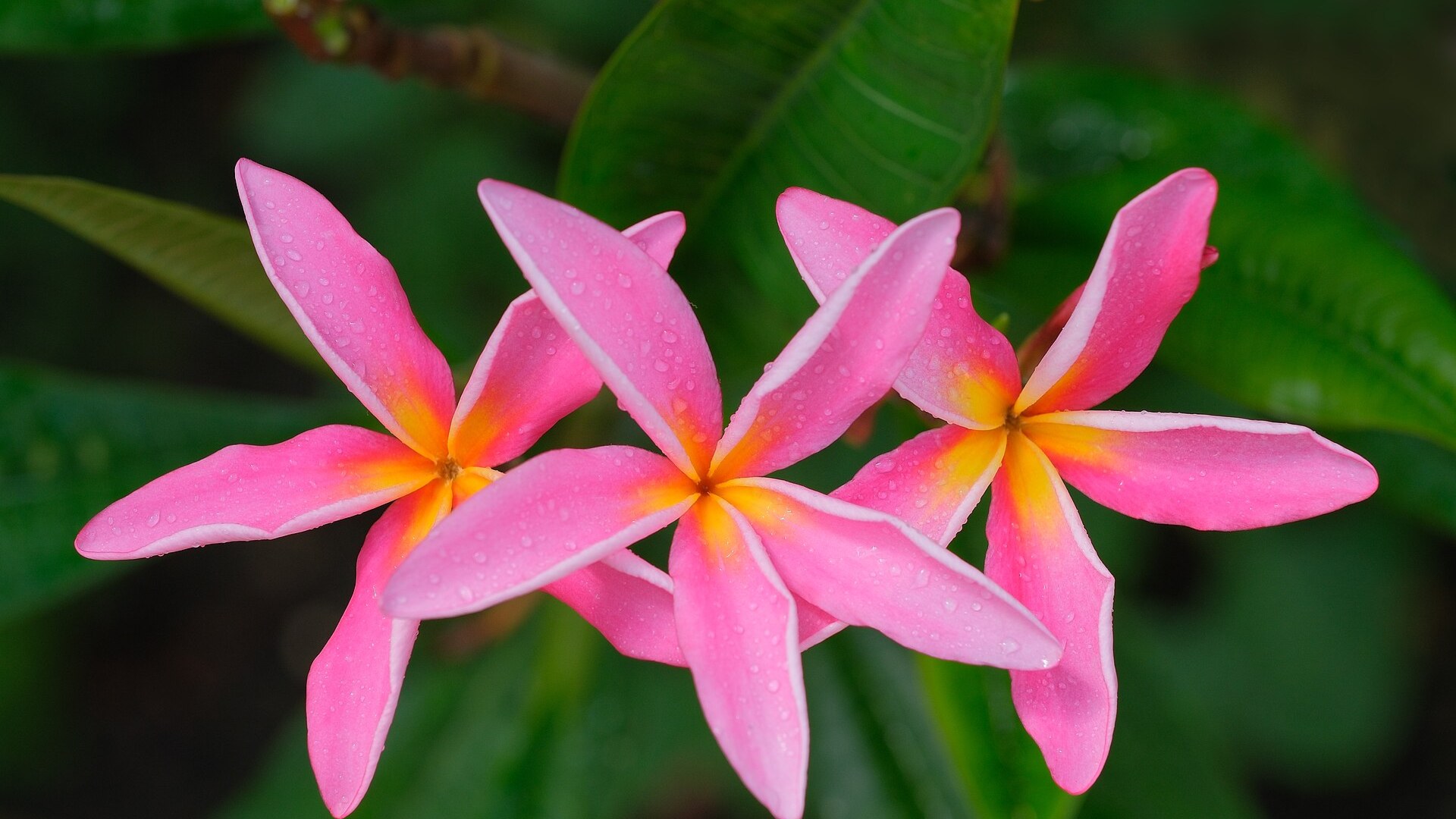
21. Plumeria
Plumeria rubra is a small deciduous tree indigenous to Mexico, Central America, and Venezuela. Its waxy five-petaled flowers bloom in spiral arrangements of white, yellow, and deep rose. The flowers emit strong evening fragrances to attract sphinx moths, though the blooms produce no true nectar reward.
©Wikimedia / Pseudopanax
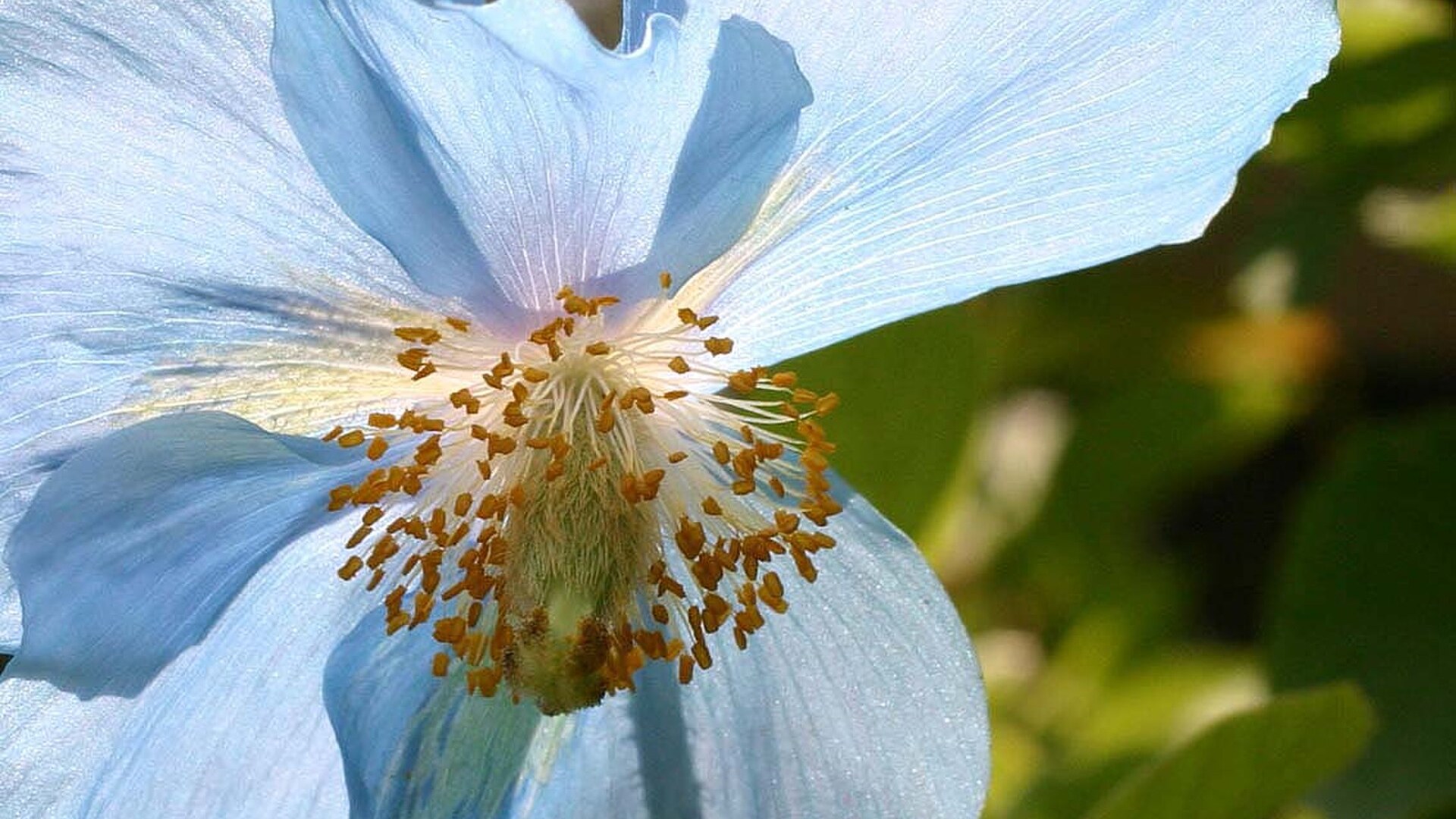
20. Himalayan Blue Poppy
Meconopsis betonicifolia thrives on damp, shady mountain slopes across southeastern Tibet and southwestern China. Unlike typical red poppies, this alpine perennial displays four to six broad petals in a pure sky-blue shade. It requires cool summer temperatures and acidic peat soils to sustain its rare floral colour.
©Wikimedia / Si Griffiths
Advertisement
Swipe or tap ▶ to resume the countdown.
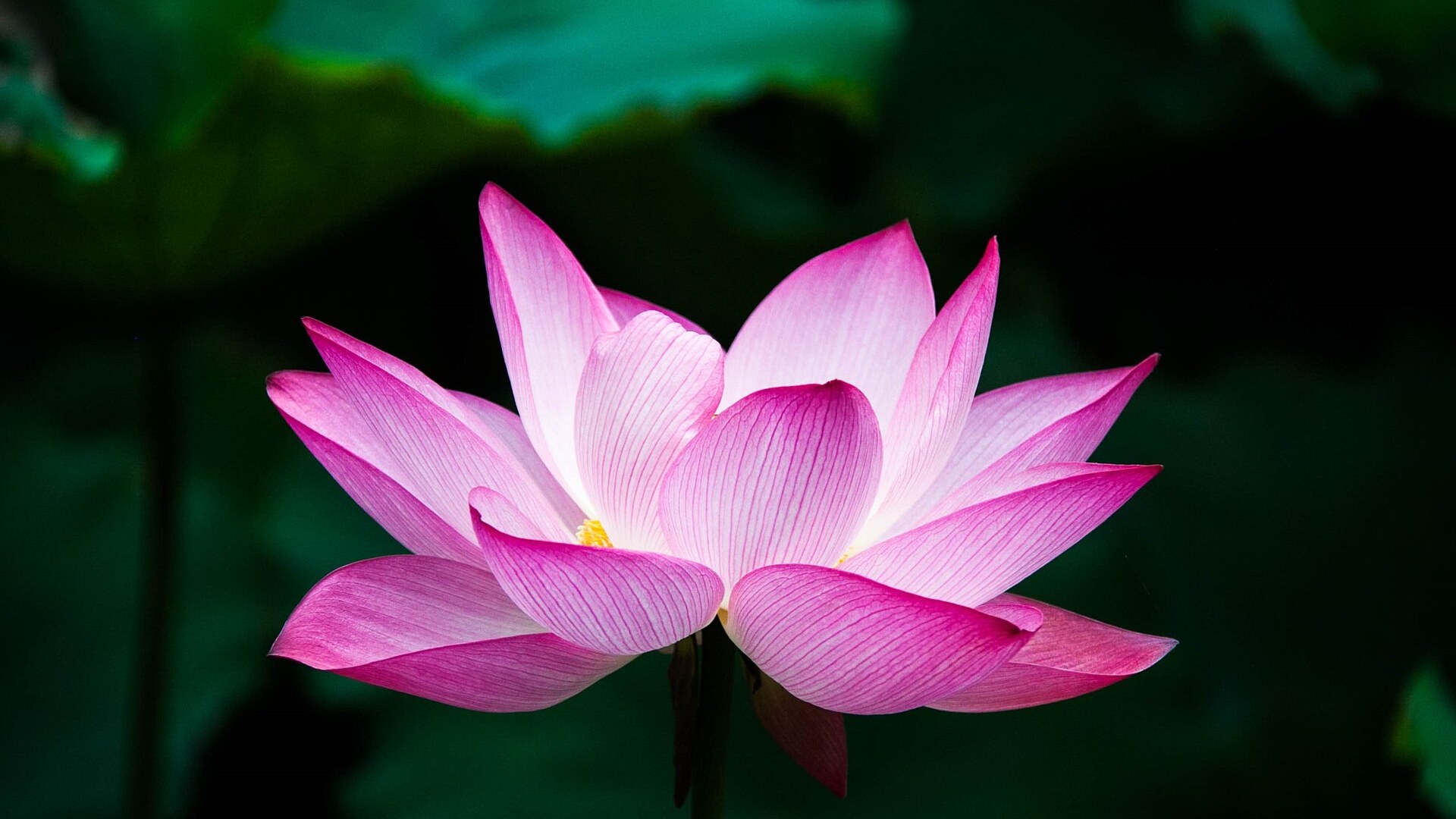
19. Sacred Lotus
Nelumbo nucifera is an aquatic perennial native across tropical Asia and northern Australia. Its buoyant pink and white petals rise on stiff stems high above deep freshwater basins. The leaves possess microscopic hydrophobic wax crystals, keeping the entire plant clean despite muddy wetland environments.
©Wikimedia / Hong Zhang ( jennyzhh2008 )
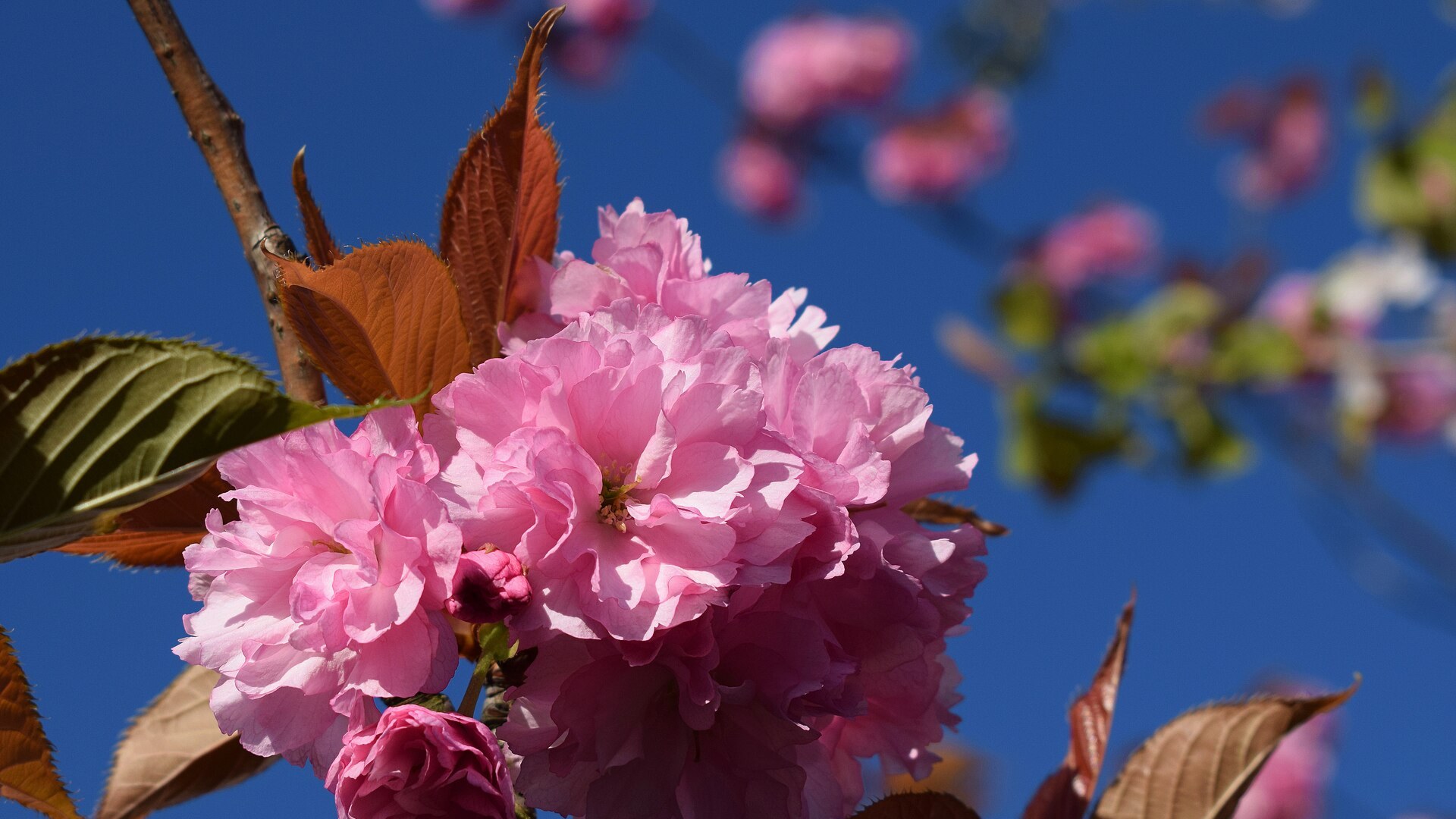
18. Cherry Blossom
Prunus serrulata produces expansive floral canopies that define traditional spring festivals across East Asia. Each five-petaled bloom emerges in dense clusters along bare branches before foliage develops. The short blooming window of one to two weeks makes the flower an enduring cultural symbol of natural renewal.
©Wikimedia / Radomianin
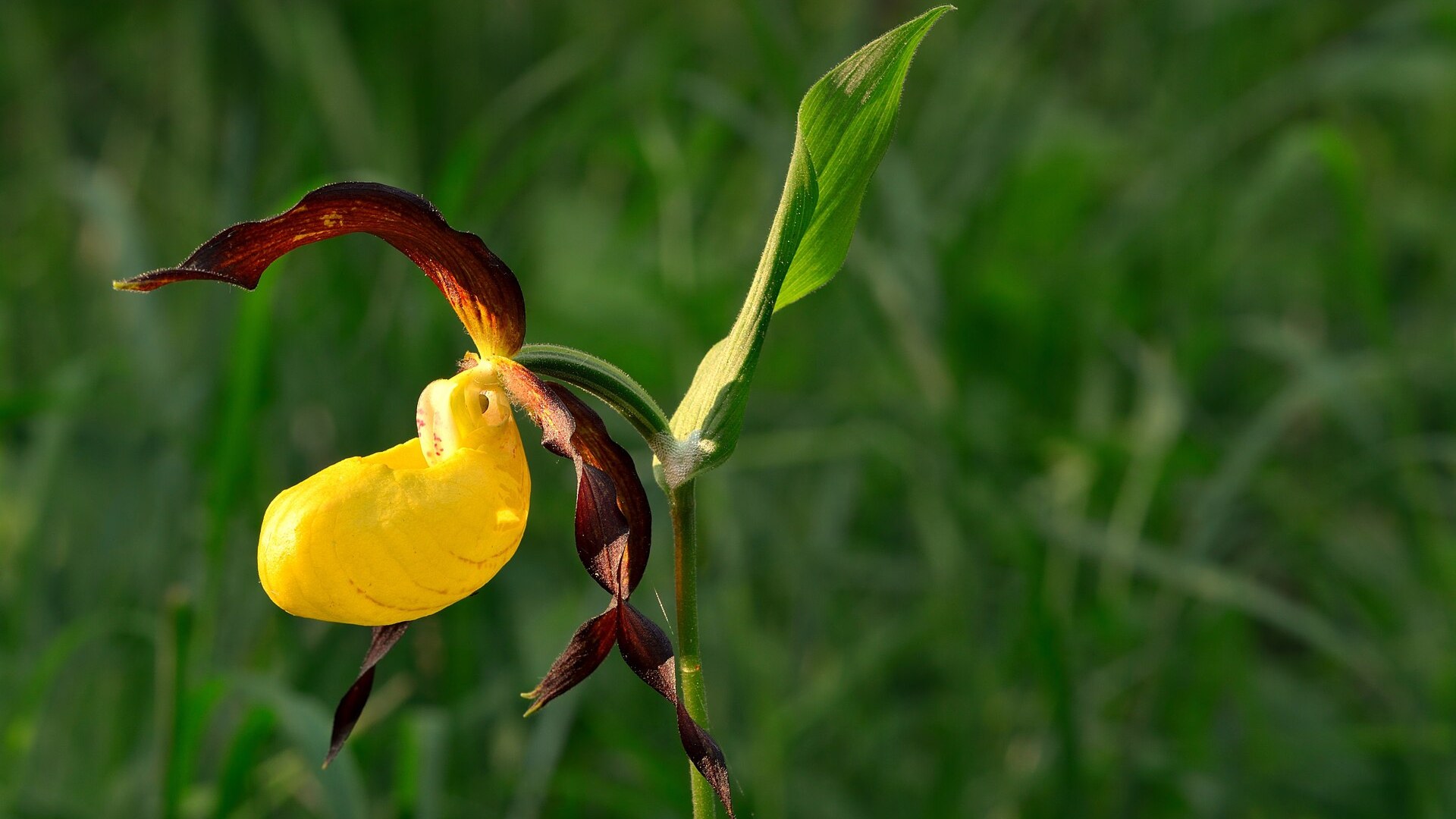
17. Lady's Slipper Orchid
Cypripedium calceolus is a terrestrial orchid found throughout European beech woods and limestone slopes. The flower features an inflated yellow pouch that functions as a temporary one-way trap for solitary bees. Insects escaping through rear openings pick up pollen packets before visiting neighbouring plants.
©Wikimedia / Ivar Leidus
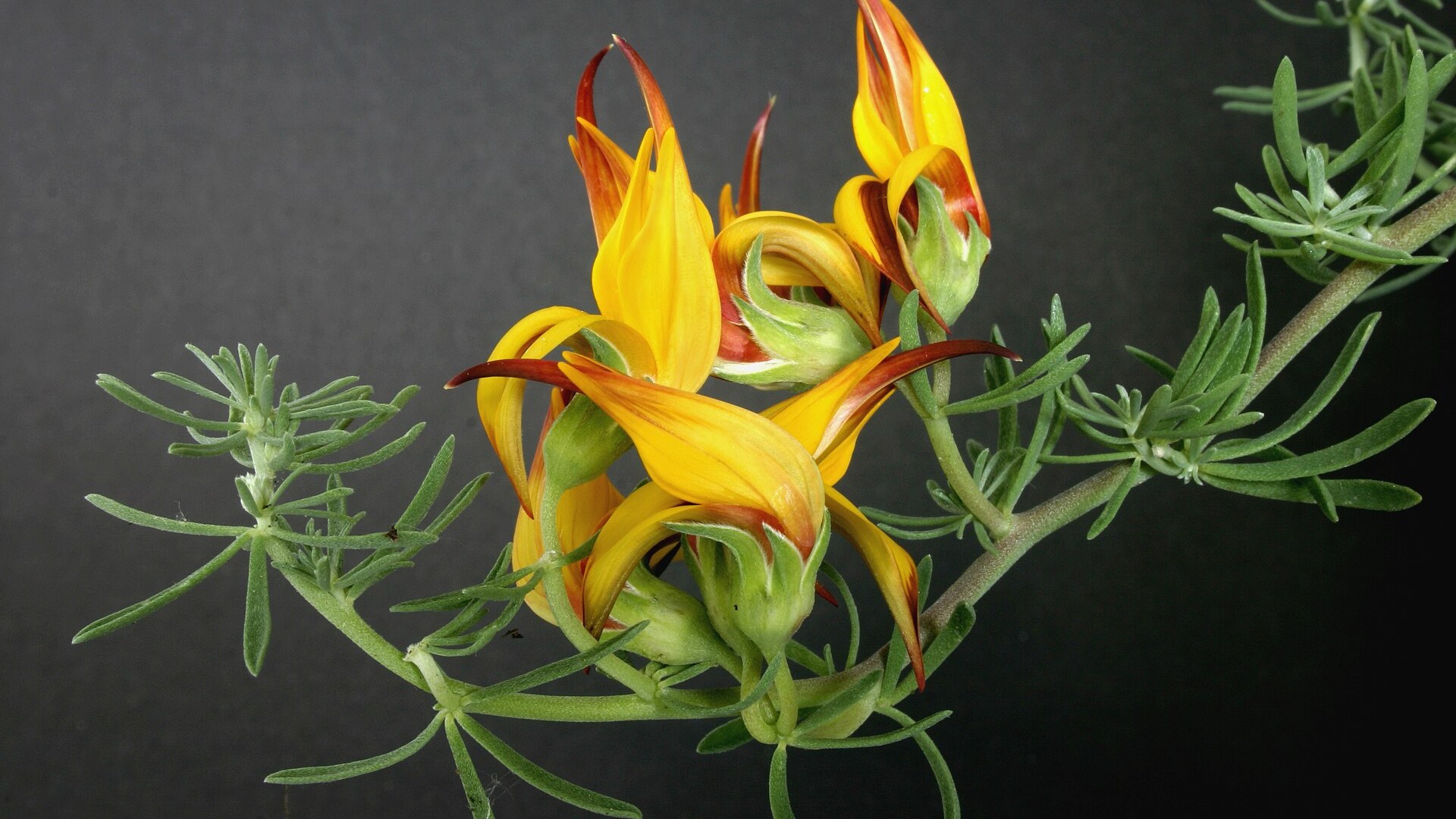
16. Parrot's Beak
Lotus berthelotii is an evergreen perennial creeping vine endemic to the Canary Islands. The scarlet and orange flowers curve upward in the shape of a parrot bill, framed by fine needle-like silvery foliage. Originally pollinated by sunbirds that vanished from the islands, the plant now depends heavily on cultivation.
©Wikimedia / User:Nino Barbieri
Advertisement
Swipe or tap ▶ to resume the countdown.
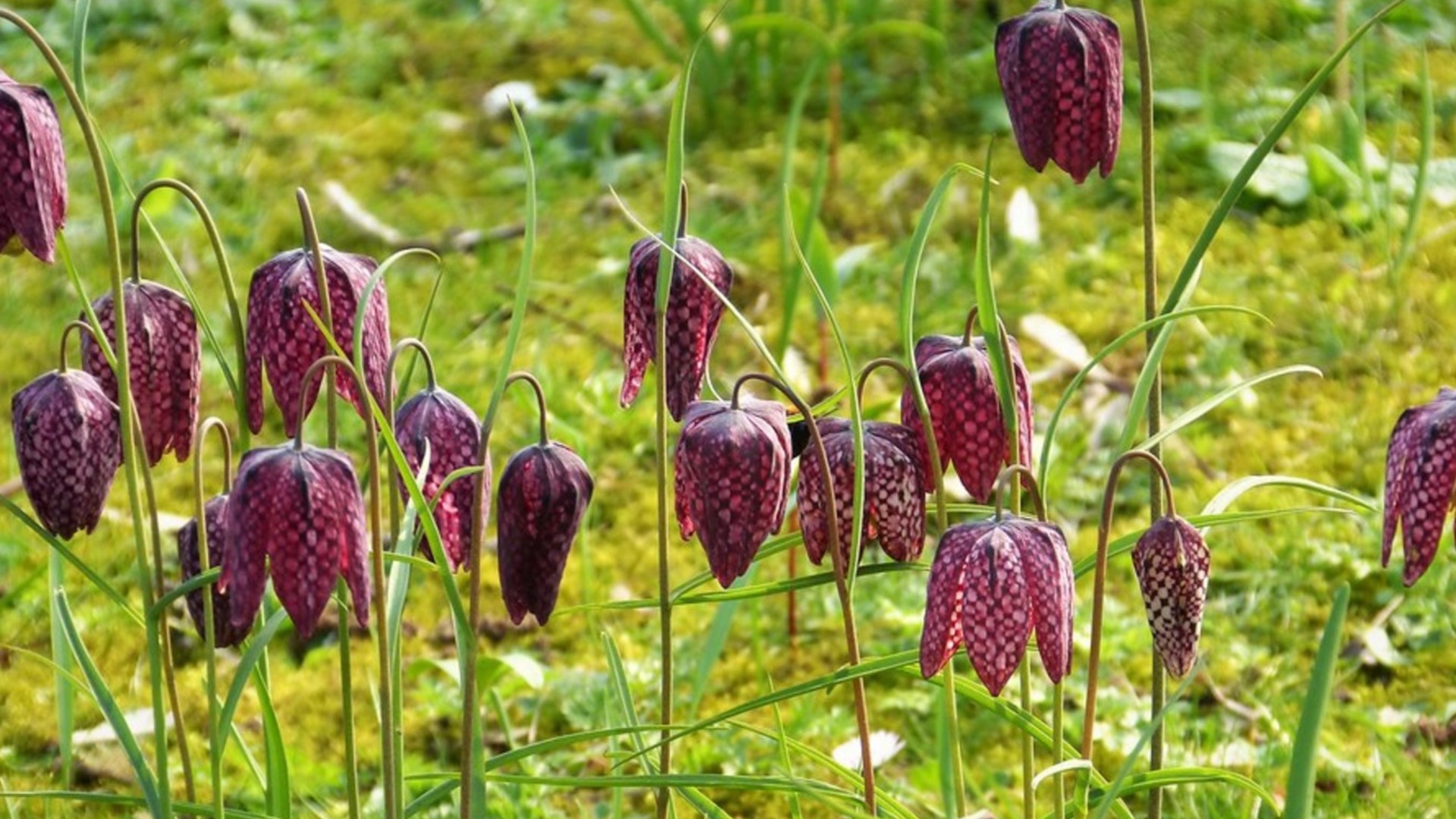
15. Snake's Head Fritillary
Fritillaria meleagris features nodular bell blooms marked with a distinctive purple and white checkerboard pattern. Native to damp alluvial meadows across Europe, the bulbous perennial blooms from April to May. Queen bumblebees serve as primary pollinators as they forage among traditional flood meadow grasslands.
©Openverse / gailhampshire
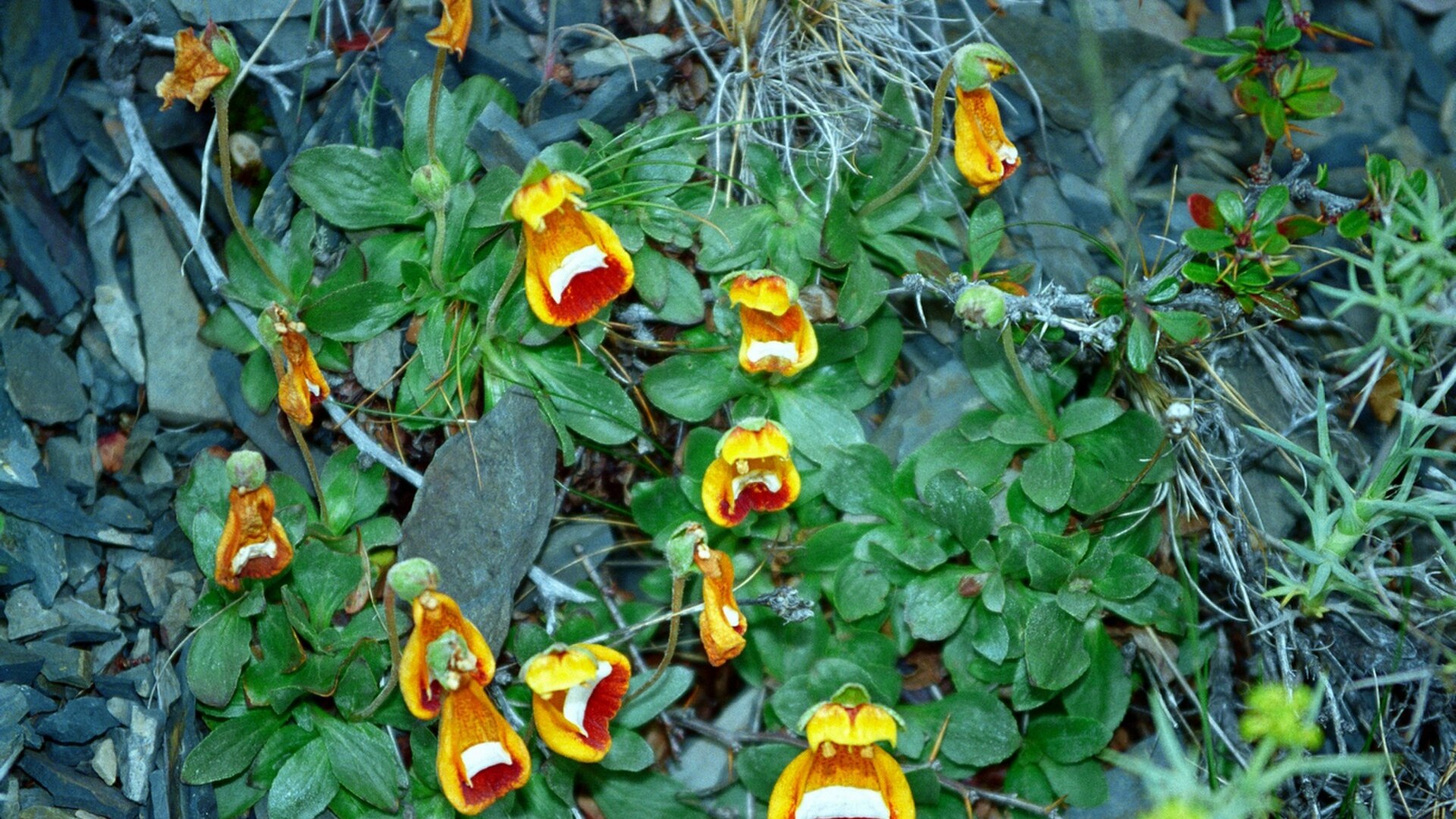
14. Darwin's Slipper
Calceolaria uniflora is a cool-climate alpine perennial native to the cold southern tip of Tierra del Fuego. Discovered by Charles Darwin during the Beagle expedition, the flower displays an inflated hollow lower lip. Local seedsnipe birds feed on the sugary white floral appendage, inadvertently pollinating the bloom.
©Wikimedia / Jan Reurink
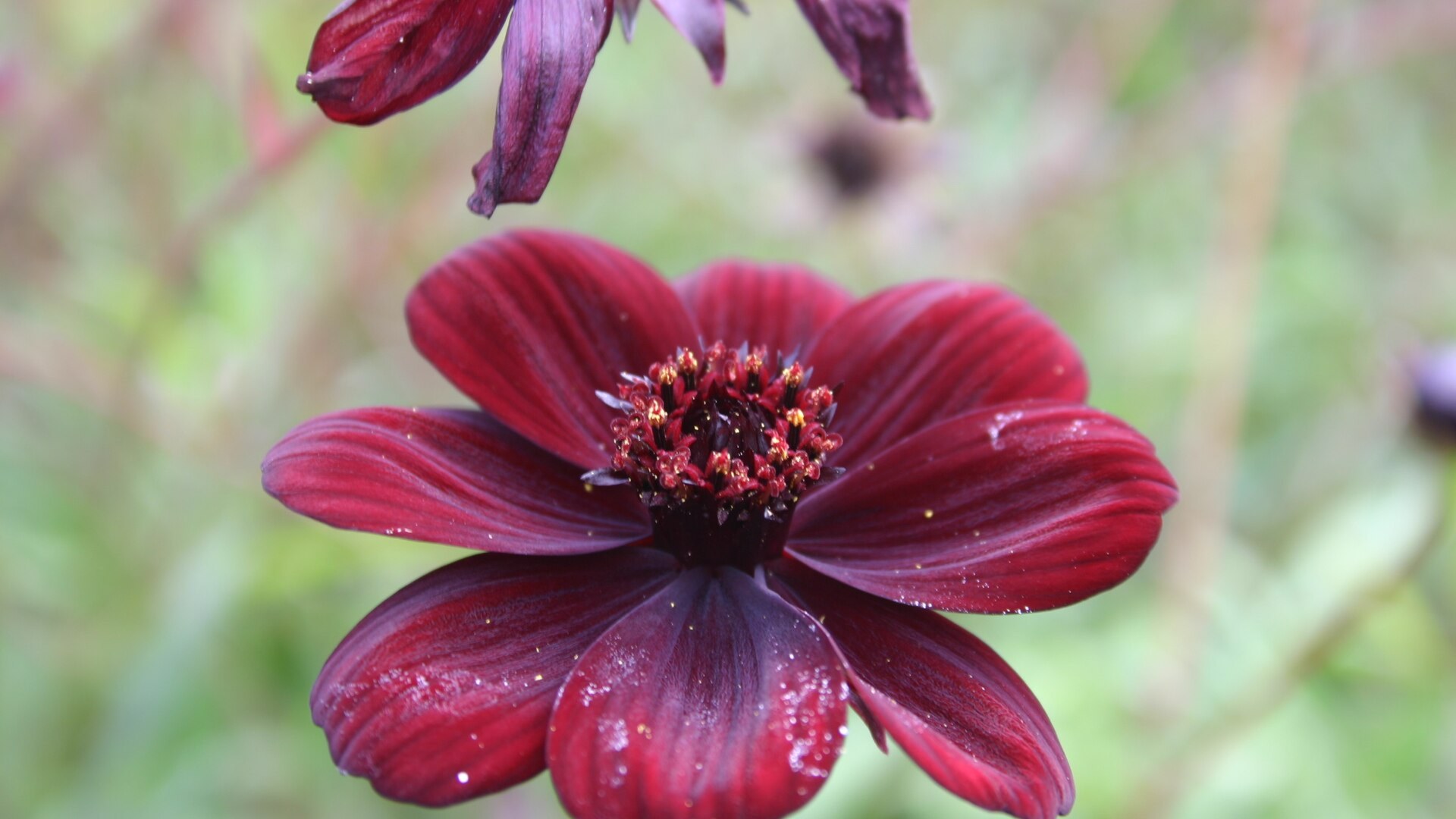
13. Chocolate Cosmos
Cosmos atrosanguineus is a perennial herb indigenous to Mexico, celebrated for its sweet chocolate scent. The blooms produce dark reddish-brown petals infused with vanillin compounds that intensify under sun. Nearly extinct in the wild, the species survives widely through botanical cultivation.
©Wikimedia / John R
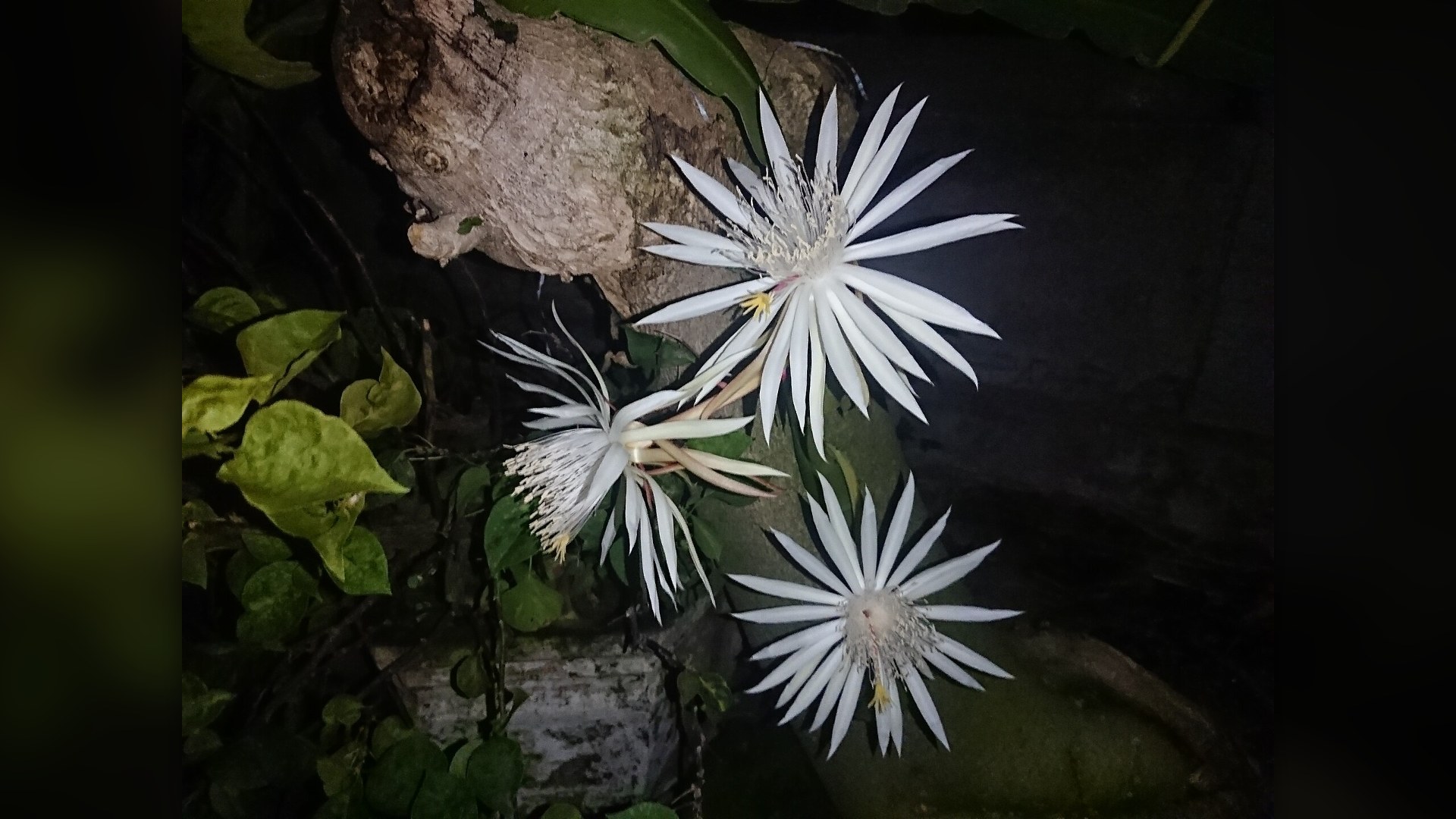
12. Queen Of The Night
Epiphyllum oxypetalum is an epiphytic cactus native to southern Mexico and South America. Large nocturnal blossoms unfurl after dusk, releasing a strong scent before withering permanently by dawn. Nocturnal hawk moths and nectar bats follow the fragrance through the canopy to pollinate each bloom.
©Wikimedia / Samudra Dirgantara
Advertisement
Swipe or tap ▶ to resume the countdown.
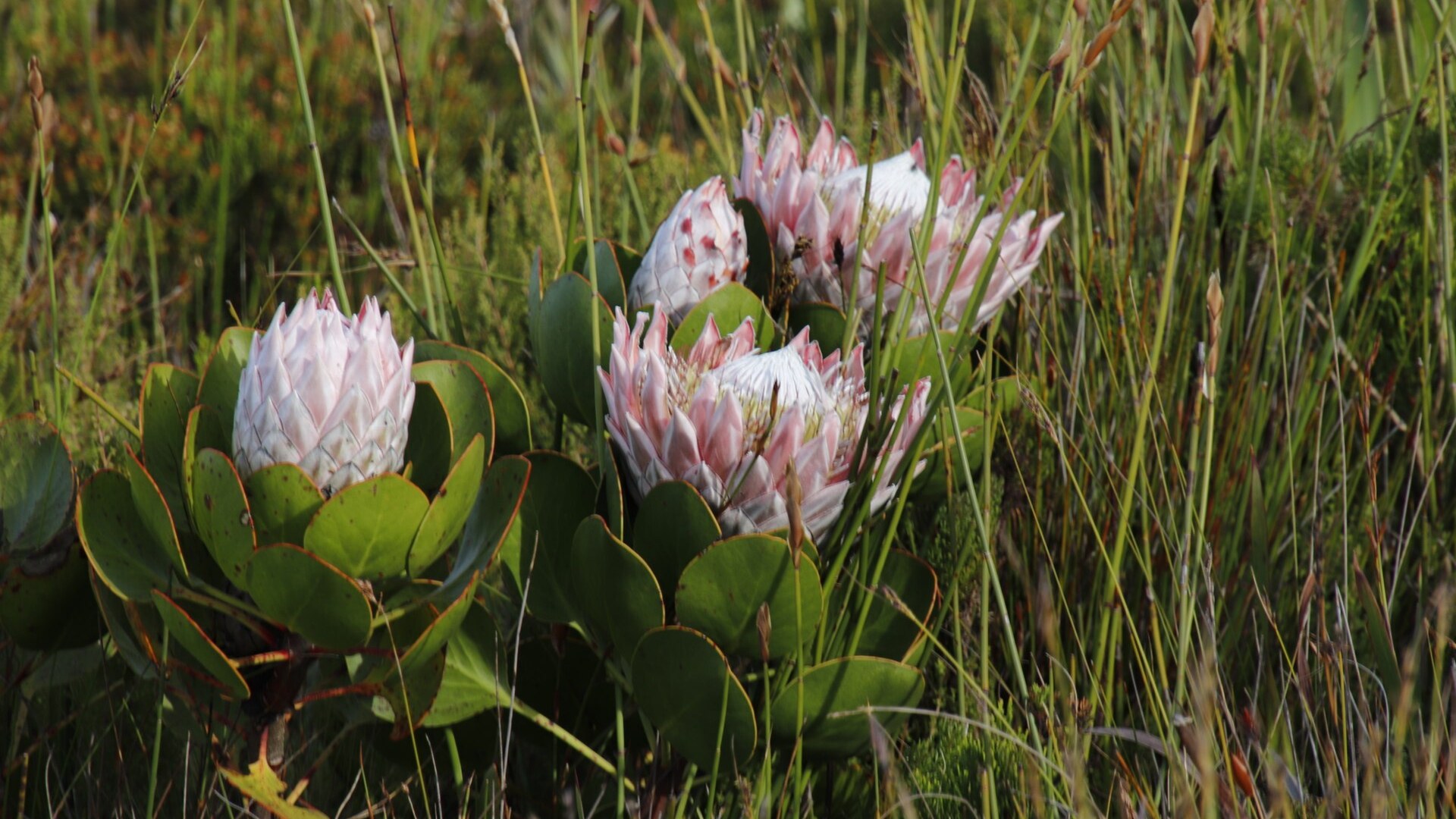
11. King Protea
Protea cynaroides serves as the official national flower of South Africa and anchors the Cape fynbos. The composite flowerhead can reach 300 millimetres across, ringed by stiff pink bracts. Sturdy subterranean stems allow the plant to regenerate rapidly after natural wildfires.
©Wikimedia / Tony Rebelo
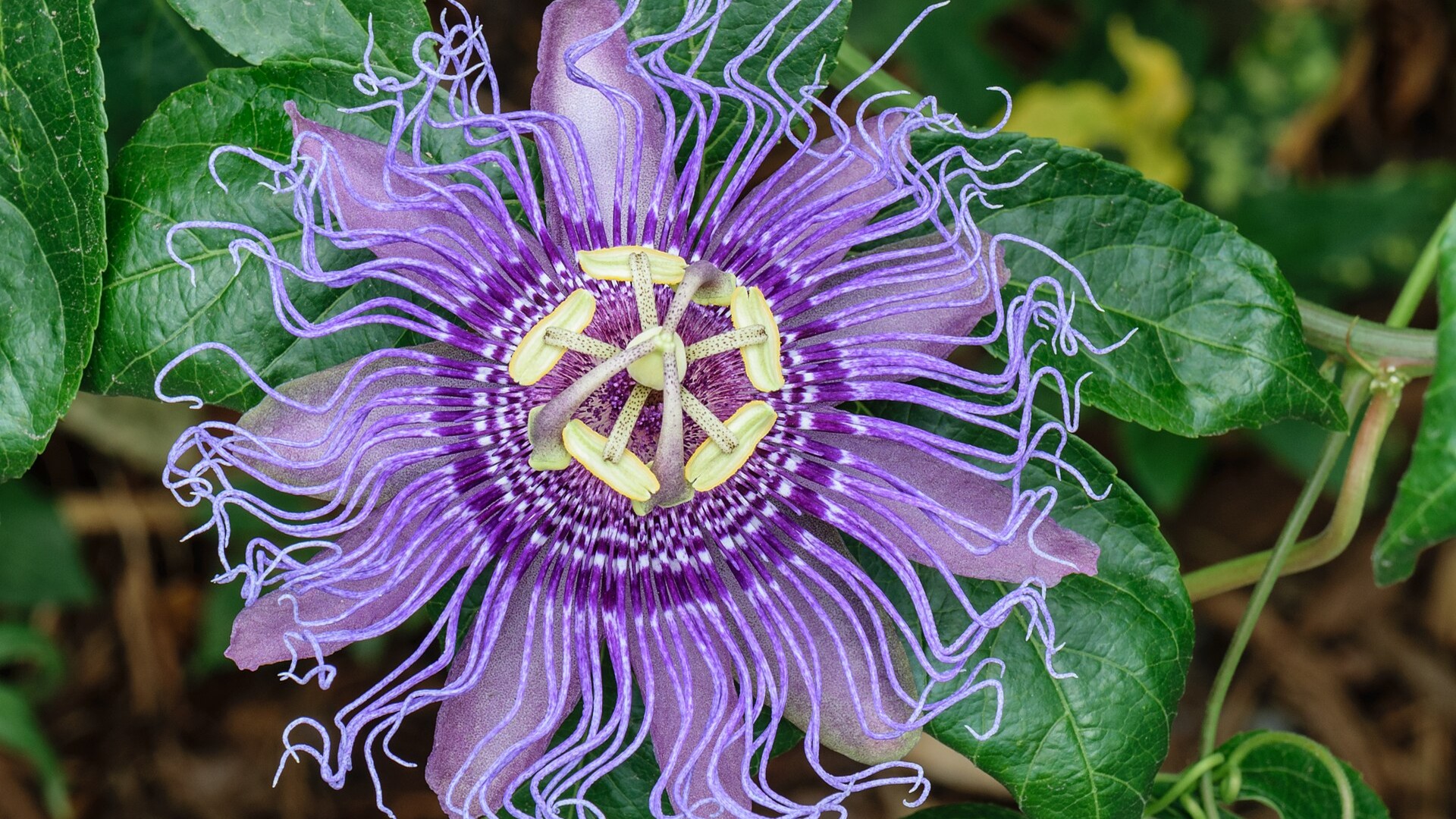
10. Passion Flower
Passiflora caerulea produces intricate blossoms featuring prominent coronal filaments, five petals, and three distinct stigmas. Native across South America, the vigorous perennial vine climbs rapidly with supportive tendrils. The floral structure deposits pollen directly on the backs of foraging bumblebees.
©Wikimedia / PumpkinSky
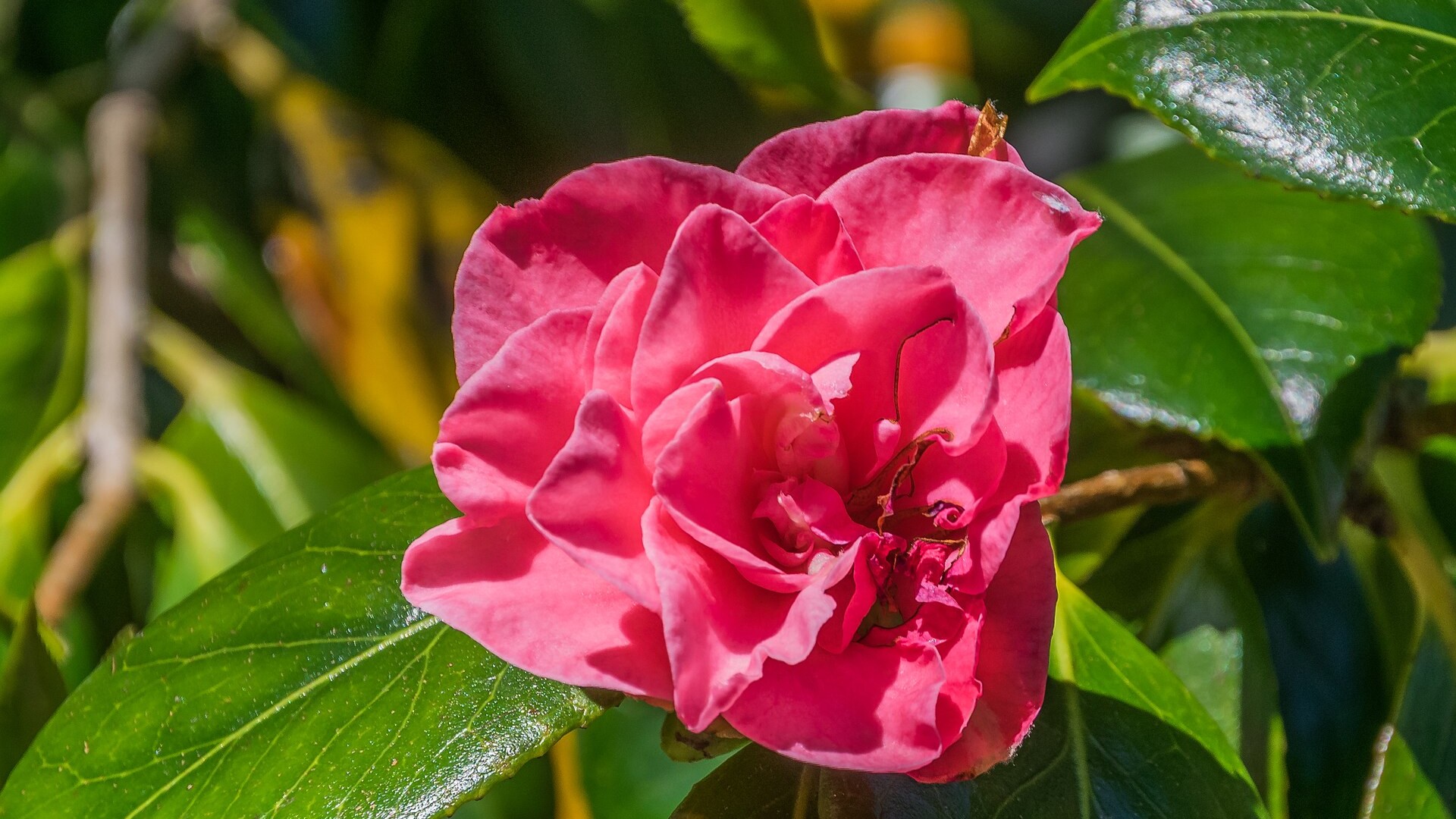
9. Middlemist's Red Camellia
Camellia japonica 'Middlemist's Red' is among the rarest cultivated camellias in history. Collected from China in 1804 by John Middlemist, only two known living specimens survive globally today. The primary historic plant blooms each spring inside the Chiswick House conservatory in London.
©Wikimedia / Krzysztof Golik
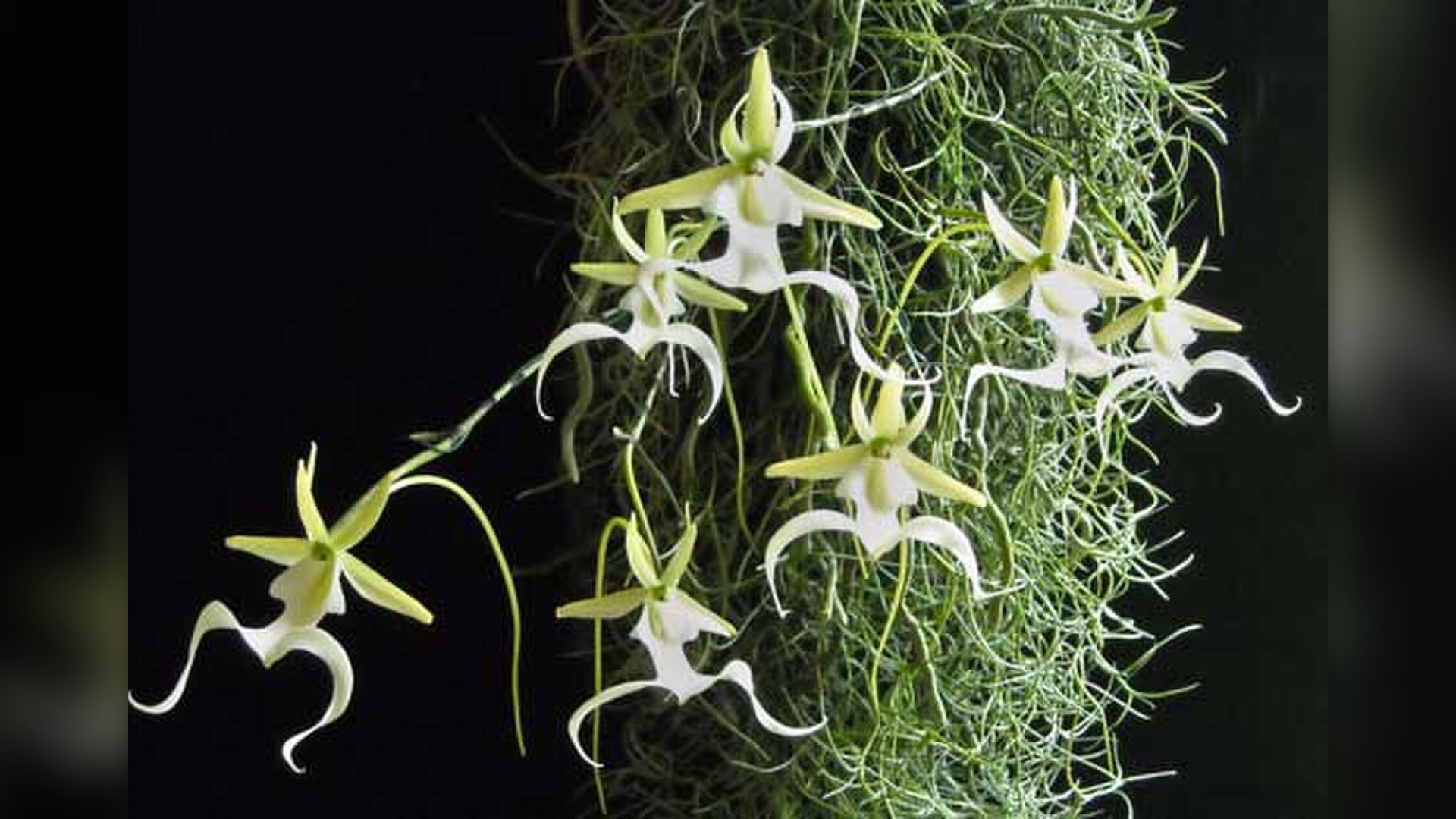
8. Ghost Orchid
Dendrophylax lindenii is a rare epiphytic orchid native to southwestern Florida and Cuba. Because the plant produces no foliage, photosynthetic green roots anchor directly onto the bark of swamp trees. Fragrant white blooms appear suspended in mid-air and rely exclusively on the giant sphinx moth for pollination.
©Wikimedia / Jeffalanhale
Advertisement
Swipe or tap ▶ to resume the countdown.
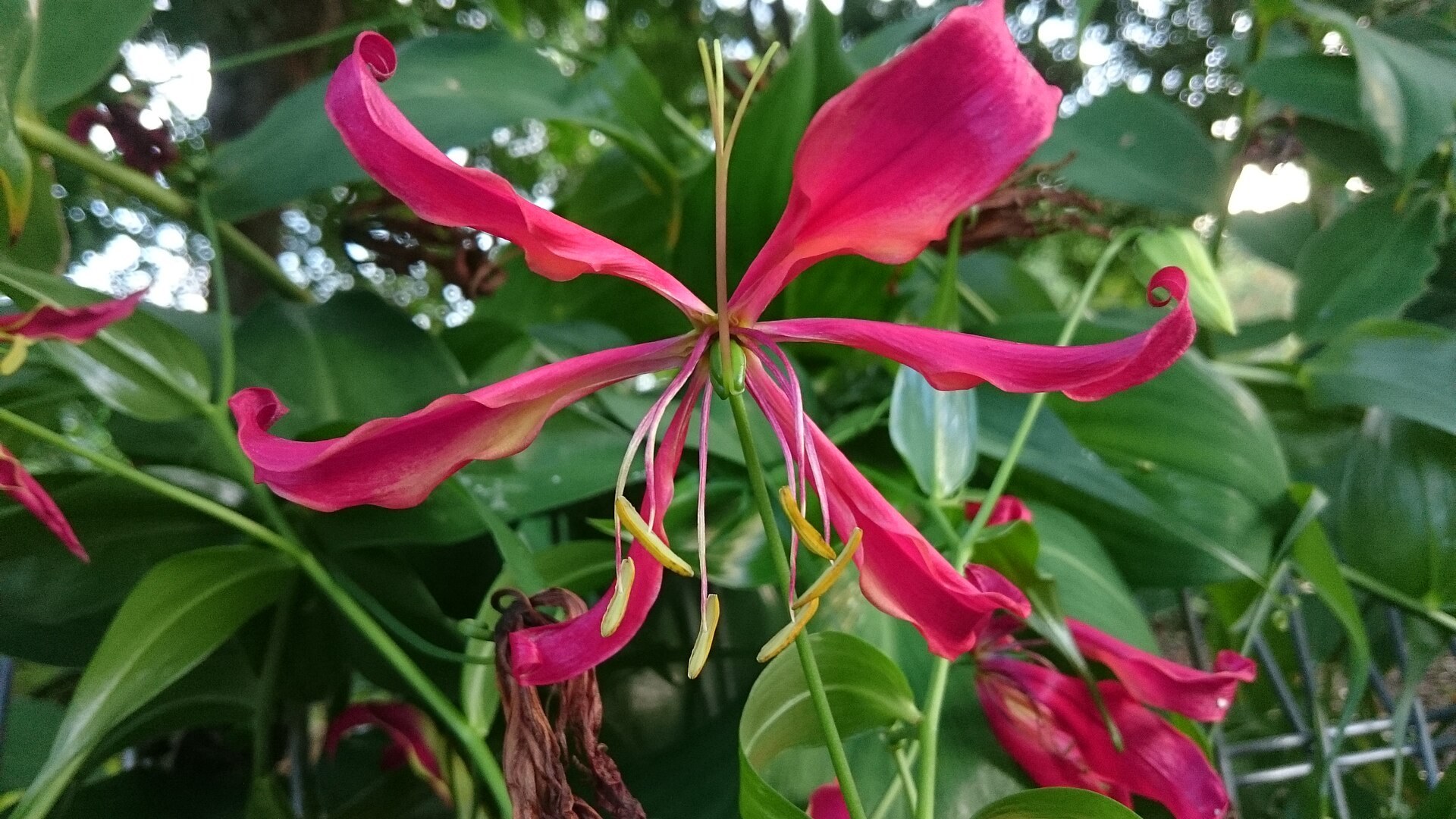
7. Flame Lily
Gloriosa superba is a climbing tuberous vine recognised as the national flower of Zimbabwe. The wavy, swept-back tepals transition from bright yellow at the base to fiery scarlet along the margins. Leaf tips feature specialised coiling tendrils that allow the vine to climb through dense woodland canopy.
©Wikimedia / Mokkie
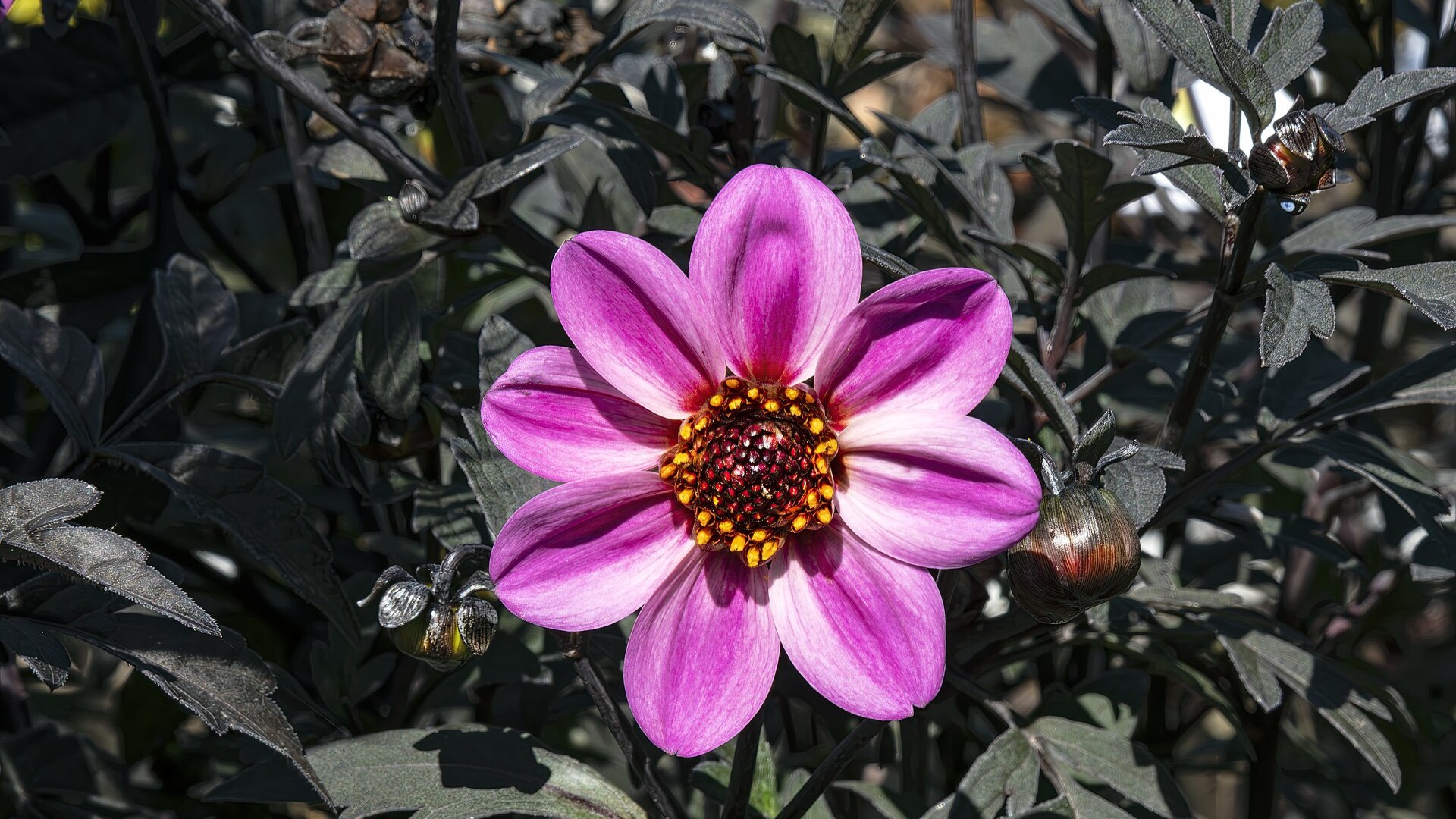
6. Dahlia
Dahlia pinnata is a tuberous perennial native to the mountainous regions of Mexico and Central America. Cultivated varieties display intricate spiral petal geometry ranging from miniature pompons to wide dinnerplate forms. The genus belongs to the Asteraceae family and served as an ancient food and ceremonial plant.
©Wikimedia / Didier Descouens
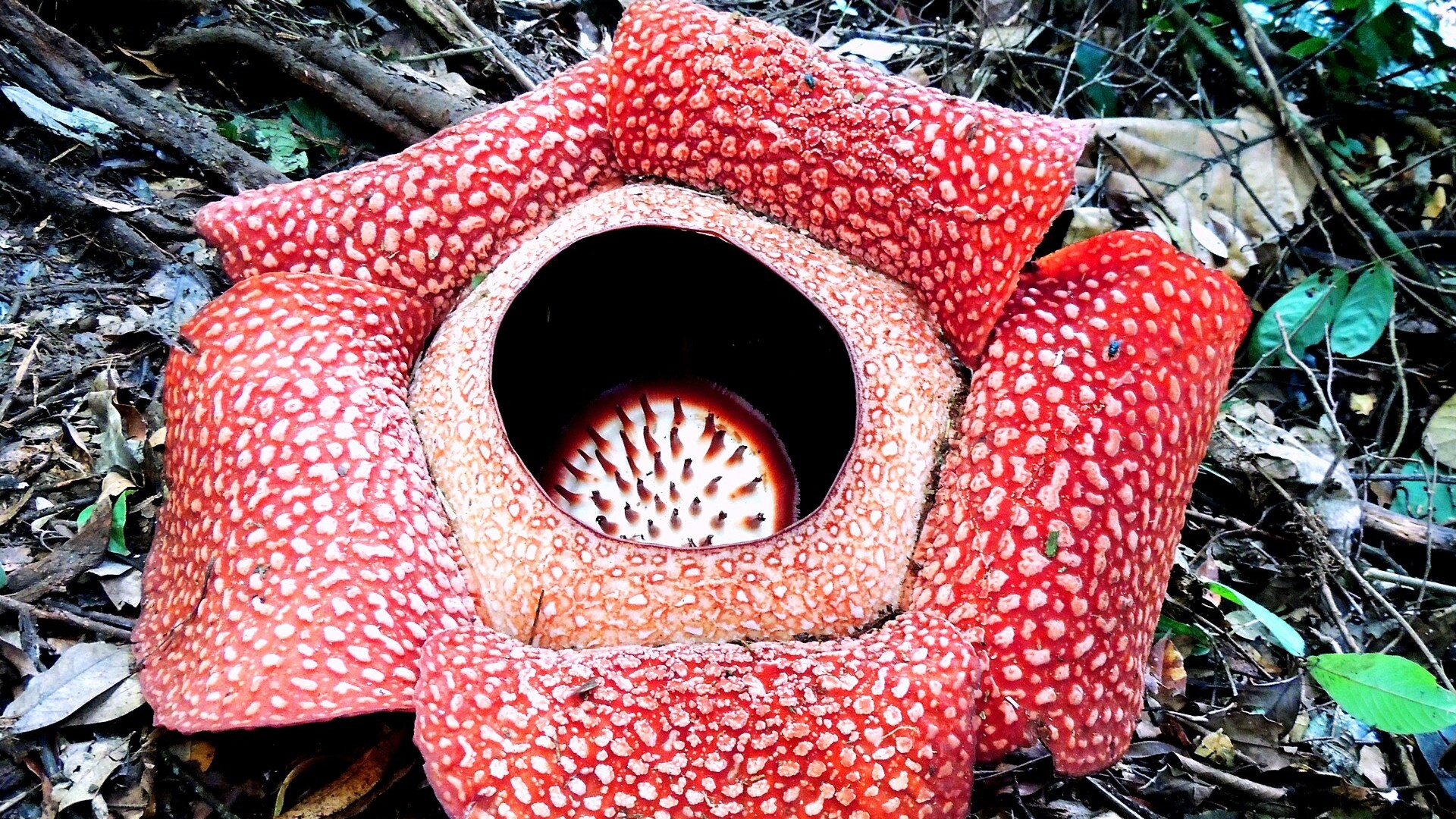
5. Corpse Lily
Rafflesia arnoldii produces the largest individual flower on Earth within the rainforests of Sumatra and Borneo. The parasitic species lacks stems, leaves, or true roots, absorbing nutrients entirely from host vines. Mature blooms open for only five to seven days, emitting an odour that attracts carrion flies.
©Wikimedia / Lentera Merah
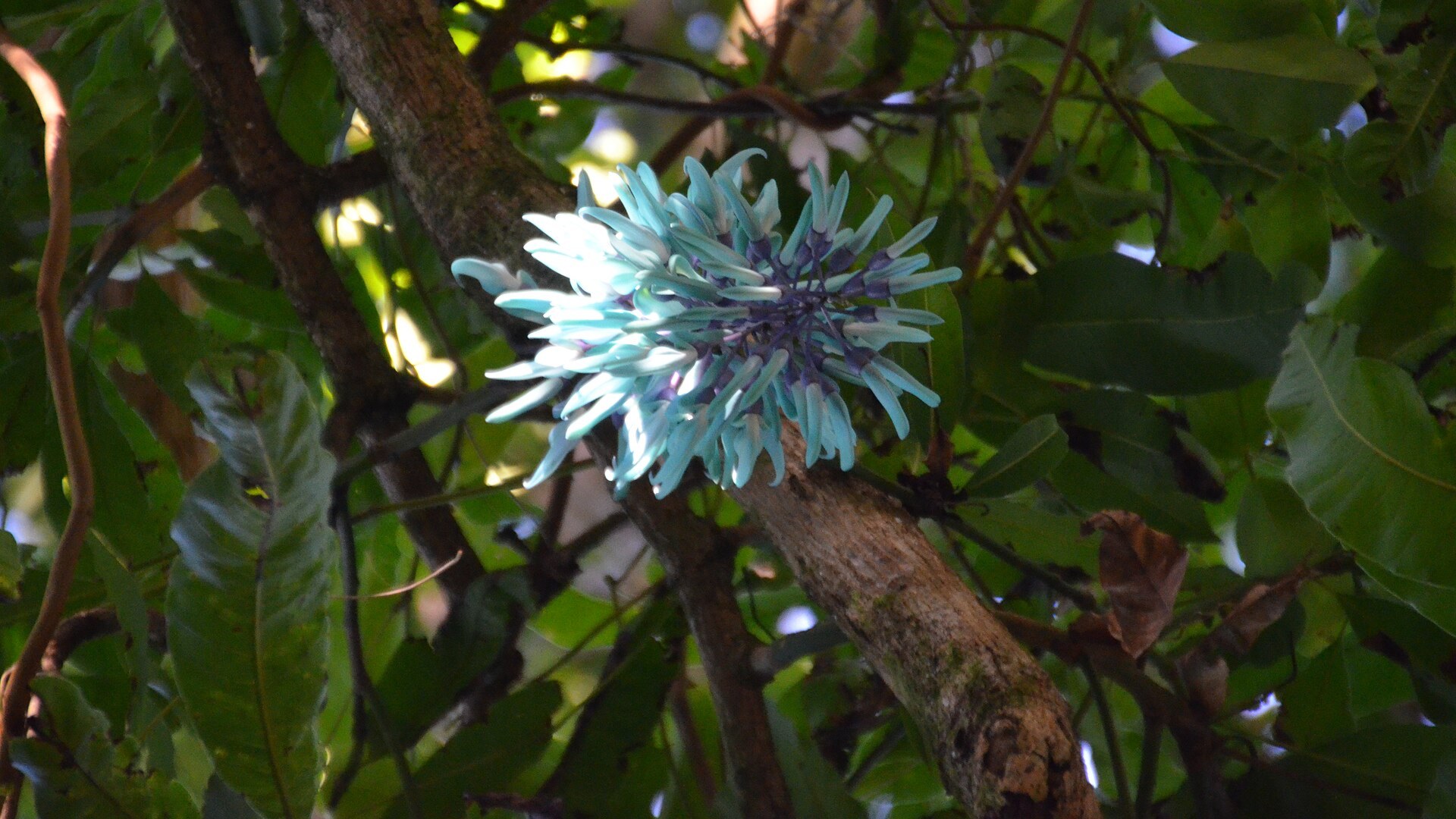
4. Blue Jade Vine
Strongylodon macrobotrys is a woody vine endemic to damp tropical forests in the Philippines. Hanging floral clusters display hundreds of claw-shaped blooms in an uncommon luminous blue-green hue. Wild fruit bats pollinate the pendulous inflorescences by hanging upside down to drink sweet nectar.
©Wikimedia / This file was created by Thomas Tunsch . It is n
Advertisement
Swipe or tap ▶ to resume the countdown.
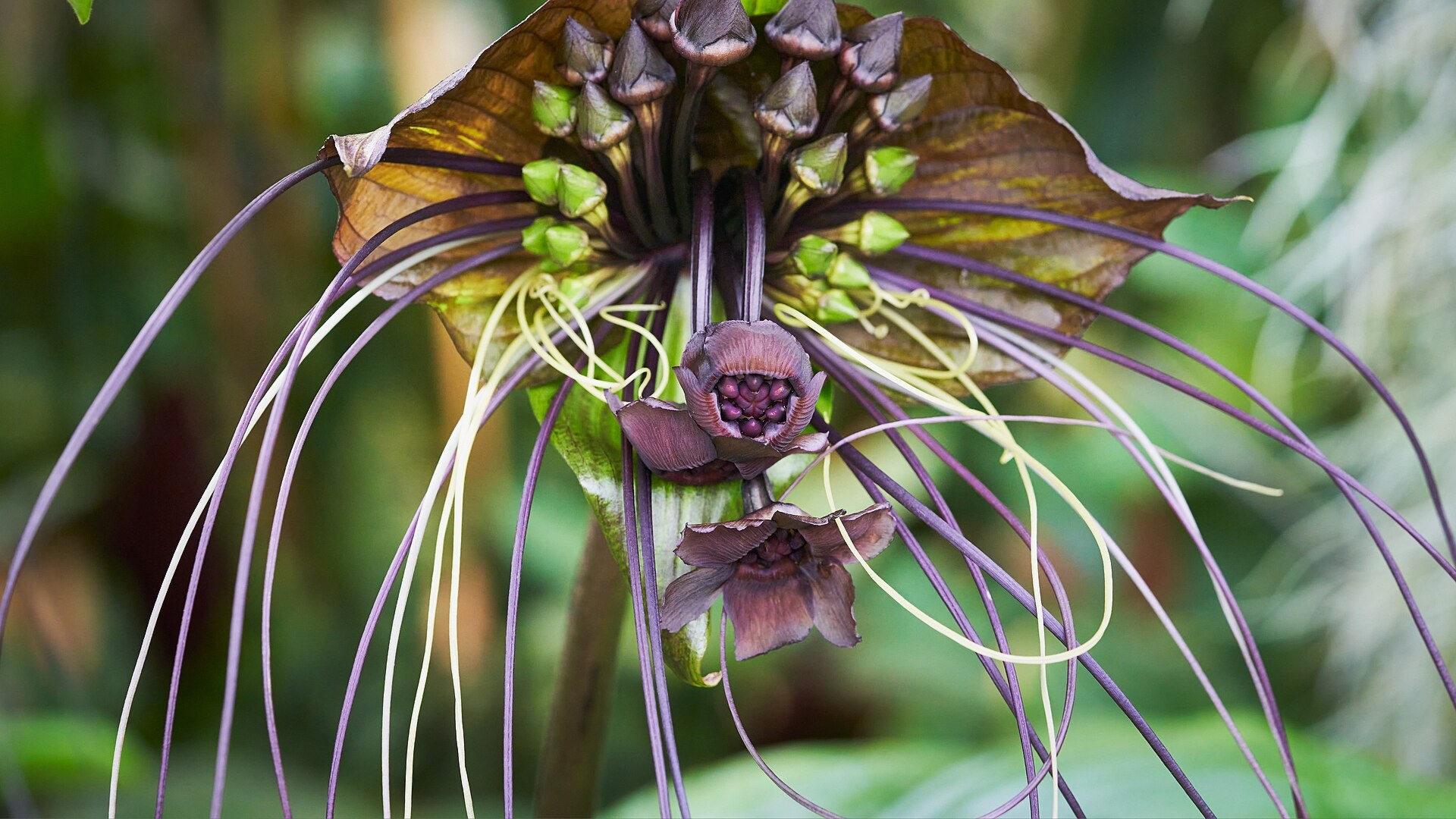
3. Black Bat Flower
Tacca chantrieri grows naturally within the tropical understory of Southeast Asia. Its unusual dark floral bracts mimic a bat in flight, complemented by trailing whisker-like bracteoles that reach 30 centimetres. The deep purple pigmentation helps camouflage the blooms in dim rainforest light.
©Wikimedia / geoff mckay from Palmerston North, New Zealand
2. Bird Of Paradise
Strelitzia reginae is an evergreen monocot indigenous to the coastal areas of South Africa. The distinctive crane-like spathe produces bright orange sepals paired with blue petals designed to hold nectar. Sunbirds act as primary pollinators when they perch upon the rigid spathe structure.
©Wikimedia / H. Zell
1. Bleeding Heart
Lamprocapnos spectabilis produces arching stems holding rows of pink, heart-shaped flowers. The perennial thrives in moist, shaded woodlands across northern China, Korea, and Japan. Each bloom opens in late spring to reveal an inner white petal structure resembling a drop of moisture.

©Wikimedia / Roozitaa
Advertisement
You've reached the end of the story. Thanks for reading!

20 Famous Cars With Pop-Up Headlights That Shaped Car Design
From hand-cranked 1930s teardrops to wedge supercars of the 1980s, hidden headlights let stylists chase sleek aerodynamics until 2004 pedestrian rules closed the curtain. Here are 20 standout production cars that turned retractable lamps into an enduring automotive design feature across seven full decades.
All 22 Entries in this Story
22. Juliet Rose
Rosa 'Juliet' represents one of the most celebrated modern English shrub roses developed by David Austin. Bred over fifteen years, the cupped bloom opens into a rosette of more than ninety petals blending soft peach and warm apricot. The cultivar remains a signature specimen at international floral exhibitions.

21. Plumeria
Plumeria rubra is a small deciduous tree indigenous to Mexico, Central America, and Venezuela. Its waxy five-petaled flowers bloom in spiral arrangements of white, yellow, and deep rose. The flowers emit strong evening fragrances to attract sphinx moths, though the blooms produce no true nectar reward.

20. Himalayan Blue Poppy
Meconopsis betonicifolia thrives on damp, shady mountain slopes across southeastern Tibet and southwestern China. Unlike typical red poppies, this alpine perennial displays four to six broad petals in a pure sky-blue shade. It requires cool summer temperatures and acidic peat soils to sustain its rare floral colour.

19. Sacred Lotus
Nelumbo nucifera is an aquatic perennial native across tropical Asia and northern Australia. Its buoyant pink and white petals rise on stiff stems high above deep freshwater basins. The leaves possess microscopic hydrophobic wax crystals, keeping the entire plant clean despite muddy wetland environments.

18. Cherry Blossom
Prunus serrulata produces expansive floral canopies that define traditional spring festivals across East Asia. Each five-petaled bloom emerges in dense clusters along bare branches before foliage develops. The short blooming window of one to two weeks makes the flower an enduring cultural symbol of natural renewal.

17. Lady's Slipper Orchid
Cypripedium calceolus is a terrestrial orchid found throughout European beech woods and limestone slopes. The flower features an inflated yellow pouch that functions as a temporary one-way trap for solitary bees. Insects escaping through rear openings pick up pollen packets before visiting neighbouring plants.

16. Parrot's Beak
Lotus berthelotii is an evergreen perennial creeping vine endemic to the Canary Islands. The scarlet and orange flowers curve upward in the shape of a parrot bill, framed by fine needle-like silvery foliage. Originally pollinated by sunbirds that vanished from the islands, the plant now depends heavily on cultivation.

15. Snake's Head Fritillary
Fritillaria meleagris features nodular bell blooms marked with a distinctive purple and white checkerboard pattern. Native to damp alluvial meadows across Europe, the bulbous perennial blooms from April to May. Queen bumblebees serve as primary pollinators as they forage among traditional flood meadow grasslands.

14. Darwin's Slipper
Calceolaria uniflora is a cool-climate alpine perennial native to the cold southern tip of Tierra del Fuego. Discovered by Charles Darwin during the Beagle expedition, the flower displays an inflated hollow lower lip. Local seedsnipe birds feed on the sugary white floral appendage, inadvertently pollinating the bloom.

13. Chocolate Cosmos
Cosmos atrosanguineus is a perennial herb indigenous to Mexico, celebrated for its sweet chocolate scent. The blooms produce dark reddish-brown petals infused with vanillin compounds that intensify under sun. Nearly extinct in the wild, the species survives widely through botanical cultivation.

12. Queen Of The Night
Epiphyllum oxypetalum is an epiphytic cactus native to southern Mexico and South America. Large nocturnal blossoms unfurl after dusk, releasing a strong scent before withering permanently by dawn. Nocturnal hawk moths and nectar bats follow the fragrance through the canopy to pollinate each bloom.

11. King Protea
Protea cynaroides serves as the official national flower of South Africa and anchors the Cape fynbos. The composite flowerhead can reach 300 millimetres across, ringed by stiff pink bracts. Sturdy subterranean stems allow the plant to regenerate rapidly after natural wildfires.

10. Passion Flower
Passiflora caerulea produces intricate blossoms featuring prominent coronal filaments, five petals, and three distinct stigmas. Native across South America, the vigorous perennial vine climbs rapidly with supportive tendrils. The floral structure deposits pollen directly on the backs of foraging bumblebees.

9. Middlemist's Red Camellia
Camellia japonica 'Middlemist's Red' is among the rarest cultivated camellias in history. Collected from China in 1804 by John Middlemist, only two known living specimens survive globally today. The primary historic plant blooms each spring inside the Chiswick House conservatory in London.

8. Ghost Orchid
Dendrophylax lindenii is a rare epiphytic orchid native to southwestern Florida and Cuba. Because the plant produces no foliage, photosynthetic green roots anchor directly onto the bark of swamp trees. Fragrant white blooms appear suspended in mid-air and rely exclusively on the giant sphinx moth for pollination.

7. Flame Lily
Gloriosa superba is a climbing tuberous vine recognised as the national flower of Zimbabwe. The wavy, swept-back tepals transition from bright yellow at the base to fiery scarlet along the margins. Leaf tips feature specialised coiling tendrils that allow the vine to climb through dense woodland canopy.

6. Dahlia
Dahlia pinnata is a tuberous perennial native to the mountainous regions of Mexico and Central America. Cultivated varieties display intricate spiral petal geometry ranging from miniature pompons to wide dinnerplate forms. The genus belongs to the Asteraceae family and served as an ancient food and ceremonial plant.

5. Corpse Lily
Rafflesia arnoldii produces the largest individual flower on Earth within the rainforests of Sumatra and Borneo. The parasitic species lacks stems, leaves, or true roots, absorbing nutrients entirely from host vines. Mature blooms open for only five to seven days, emitting an odour that attracts carrion flies.

4. Blue Jade Vine
Strongylodon macrobotrys is a woody vine endemic to damp tropical forests in the Philippines. Hanging floral clusters display hundreds of claw-shaped blooms in an uncommon luminous blue-green hue. Wild fruit bats pollinate the pendulous inflorescences by hanging upside down to drink sweet nectar.

3. Black Bat Flower
Tacca chantrieri grows naturally within the tropical understory of Southeast Asia. Its unusual dark floral bracts mimic a bat in flight, complemented by trailing whisker-like bracteoles that reach 30 centimetres. The deep purple pigmentation helps camouflage the blooms in dim rainforest light.

2. Bird Of Paradise
Strelitzia reginae is an evergreen monocot indigenous to the coastal areas of South Africa. The distinctive crane-like spathe produces bright orange sepals paired with blue petals designed to hold nectar. Sunbirds act as primary pollinators when they perch upon the rigid spathe structure.

1. Bleeding Heart
Lamprocapnos spectabilis produces arching stems holding rows of pink, heart-shaped flowers. The perennial thrives in moist, shaded woodlands across northern China, Korea, and Japan. Each bloom opens in late spring to reveal an inner white petal structure resembling a drop of moisture.