Slideshow · Science
22 Secret Warplanes Hidden From Public View Until Long After 1945
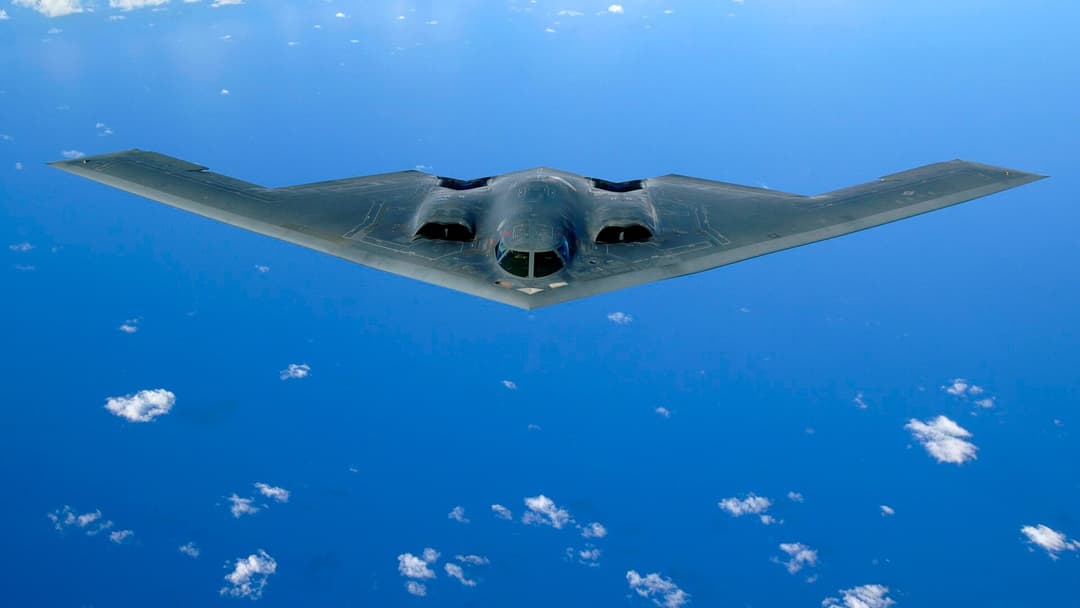
From captured 1945 prototypes shipped to American hangars to Cold War stealth demonstrators tested at Area 51, these 22 military aircraft spent years behind closed doors. Based on U.S. Air Force, CIA, NASA, and National Museum of the U.S. Air Force records, here are the warplanes that stayed out of sight.
By Most Viral Today
13 min agoradar-lead:signal:cb5404b2-0841-40fb-b58d-472ac6be0e27

Classified test flights kept these 22 warplanes secret for years 
22. McDonnell XF-85 Goblin 
21. Avro Canada VZ-9 Avrocar 
20. Republic XF-84H Thunderscreech - AdvertisementSwipe or tap ▶ to continue countdown

19. Northrop YB-49 
18. Messerschmitt Me 163 Komet 
17. Arado Ar 234 Blitz 
16. Avro Canada CF-105 Arrow - AdvertisementSwipe or tap ▶ to continue countdown

15. BAC TSR-2 
14. Sukhoi T-4 
13. North American XB-70 Valkyrie 
12. Northrop YF-23 - AdvertisementSwipe or tap ▶ to continue countdown

11. Bachem Ba 349 Natter 
10. Horten Ho 229 
9. Lockheed D-21 
8. Lockheed U-2 Dragon Lady - AdvertisementSwipe or tap ▶ to continue countdown

7. Lockheed A-12 Oxcart 
6. Lockheed SR-71 Blackbird 
5. Lockheed Have Blue 
4. Northrop Tacit Blue - AdvertisementSwipe or tap ▶ to continue countdown

3. Boeing Bird Of Prey 
2. Lockheed F-117 Nighthawk 
1. Northrop B-2 Spirit - Advertisement🔥 UP NEXT IN THIS SERIES◫ 21 Slides

20 Countries With the Most Earthquakes, Ranked
Discover the 20 countries with the most earthquakes ranked by scientific monitoring records from global geological surveys. From the volatile Pacific Ring of Fire to complex continental fault lines, explore where tectonic forces collide and exactly where the United States lands among the most shaken nations.
From captured 1945 prototypes shipped to American hangars to Cold War stealth demonstrators tested at Area 51, these 22 military aircraft spent years behind closed doors. Based on U.S. Air Force, CIA, NASA, and National Museum of the U.S. Air Force records, here are the warplanes that stayed out of sight.
Swipe or tap ▶ to begin the countdown
©Wikimedia / U.S. Air Force photo/Staff Sgt. Bennie J. Davis
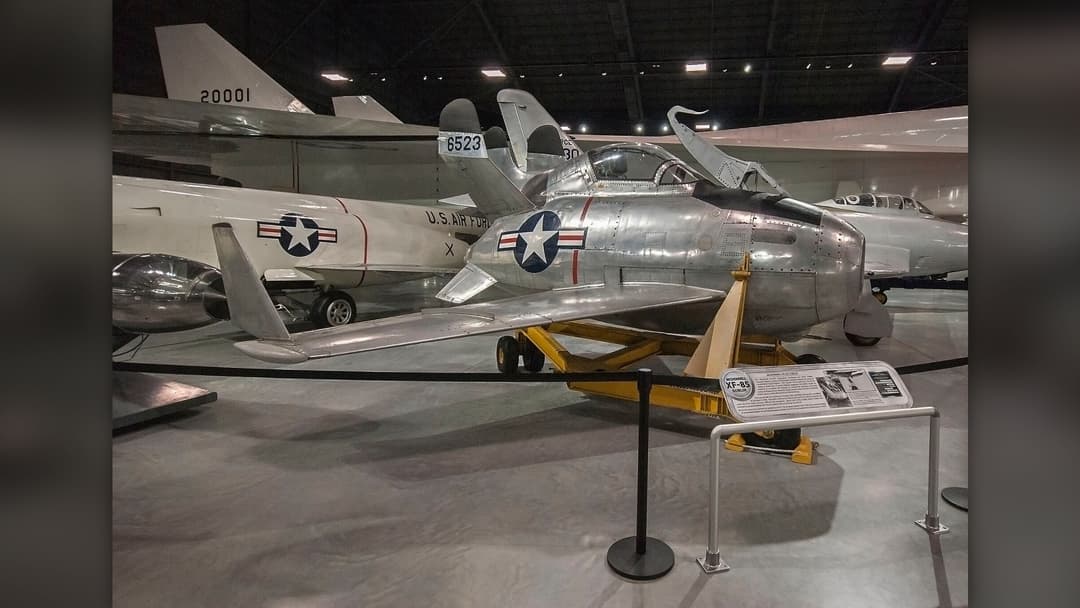
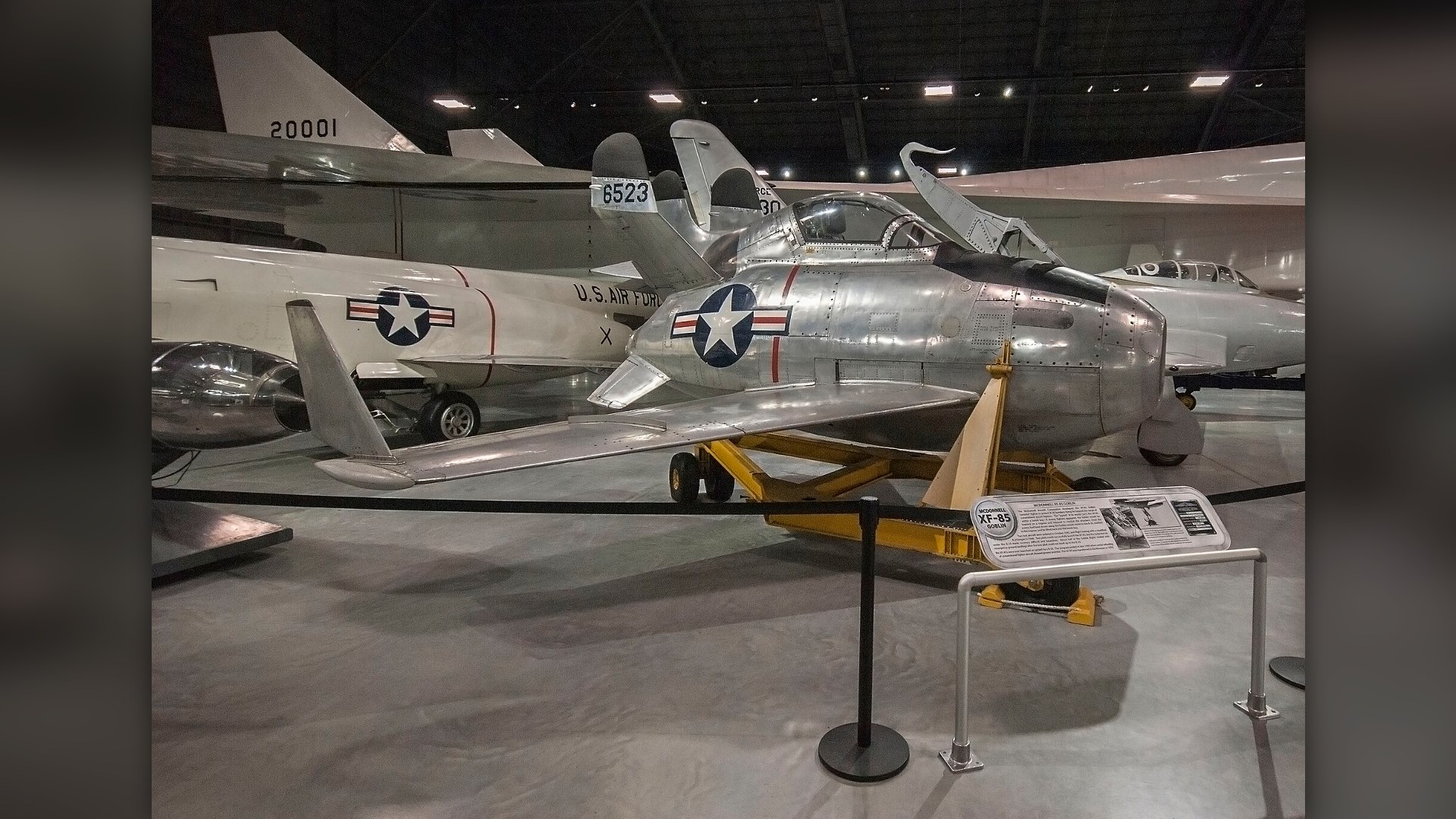
22. McDonnell XF-85 Goblin
Built in 1948 to ride inside the bomb bay of a Convair B-36 Peacemaker, the egg-shaped XF-85 measured just 15 feet long. Test pilot Edwin Schoch struggled to hook back onto the mothership's trapeze during trials, and the Air Force canceled the project in 1949. Only two were built before it went to museum storage.
©Wikimedia / Aaron Headly
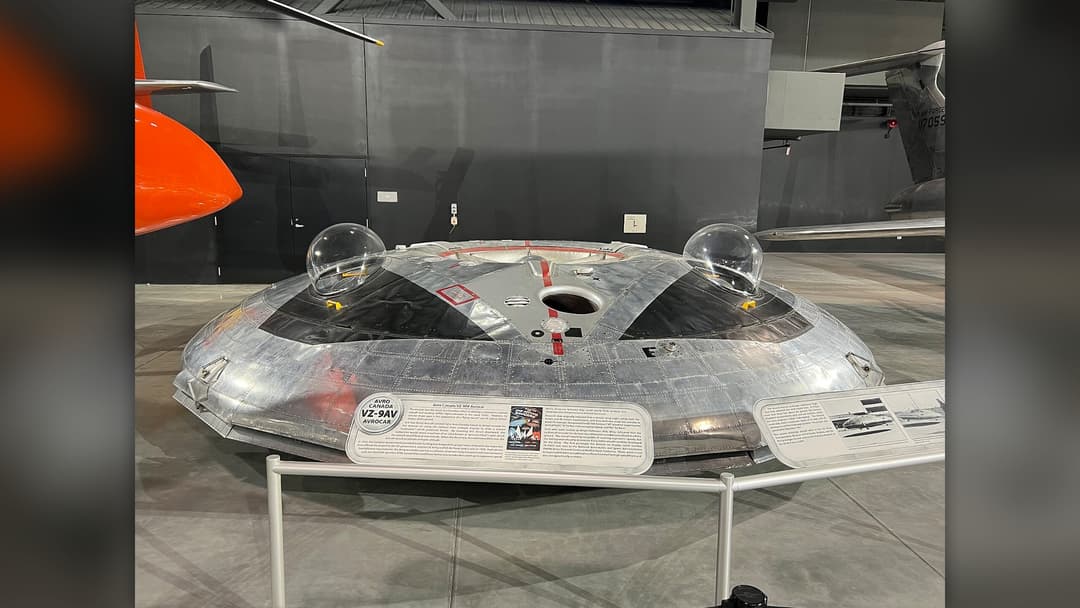
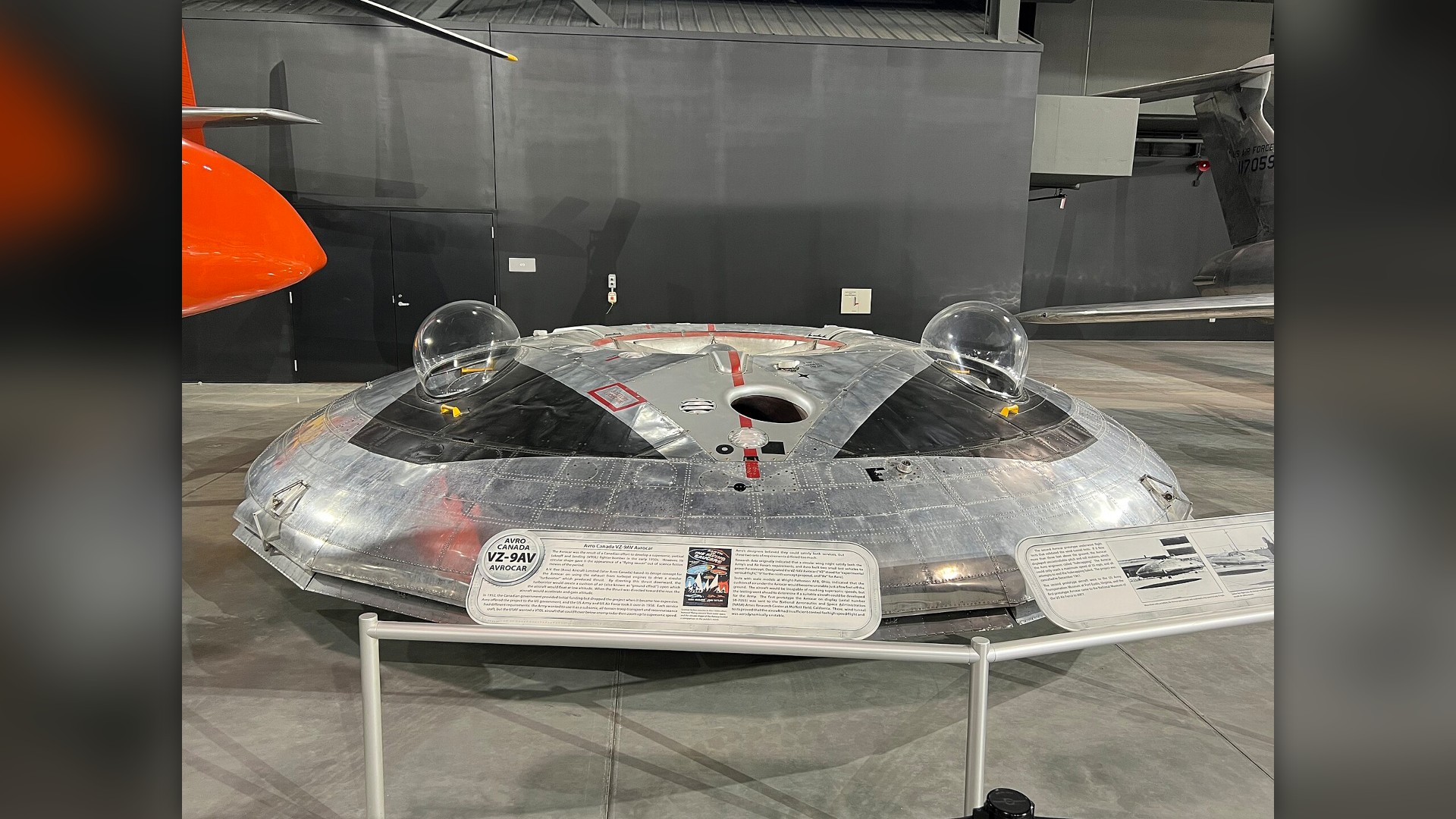
21. Avro Canada VZ-9 Avrocar
Developed in secret in the late 1950s in Ontario, the 18-foot disc used a central turborotor to blow exhaust around its rim. Tests at Ames Research Center showed the craft grew unstable above three feet off the ground. Declassified files later revealed the U.S. Army backing.
©Wikimedia / ZLEA
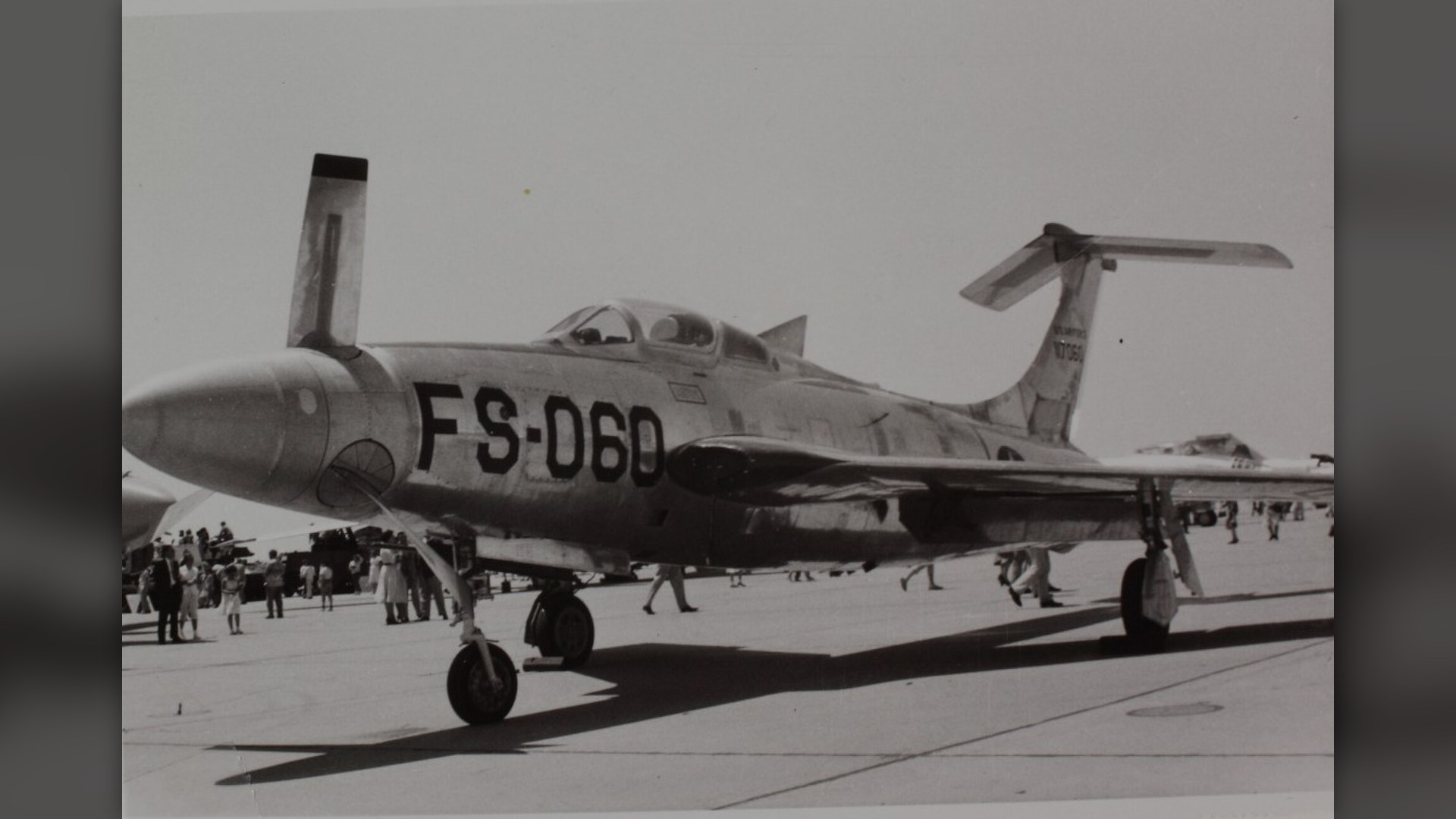
20. Republic XF-84H Thunderscreech
First flown in July 1955 at Edwards Air Force Base, the XF-84H spun its propeller tips faster than sound even at idle. Its sonic booms carried 25 miles and knocked a crewman down during one ground run. Restricted to 12 test flights, the program ended in 1956.
©Wikimedia / San Diego Air & Space Museum Archives
Advertisement
Swipe or tap ▶ to resume the countdown.
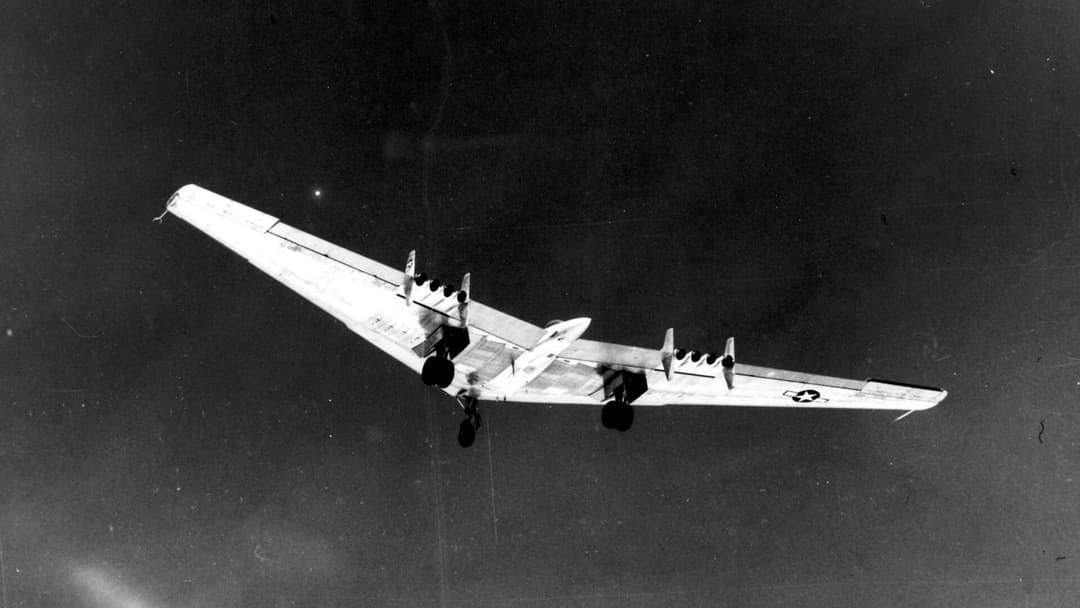
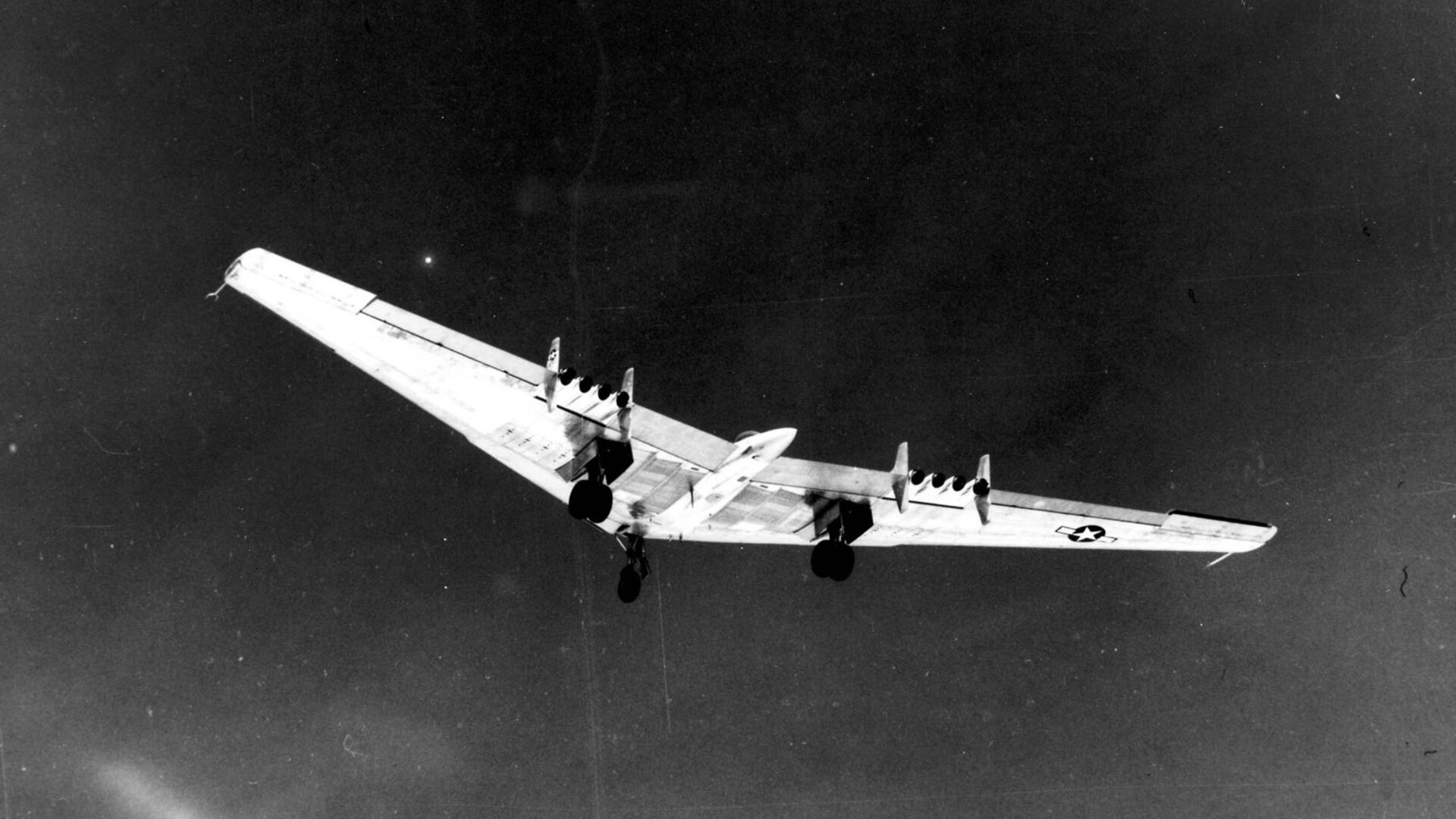
19. Northrop YB-49
Jack Northrop's sleek, tailless bomber flew in 1947 with eight turbojets buried inside a 172-foot wing. After stability troubles and a fatal 1948 crash, the Air Force canceled the program and ordered all remaining airframes cut up at Hawthorne. Decades later, its radar-evading shape guided the B-2 stealth bomber.
©Wikimedia / US Goverment
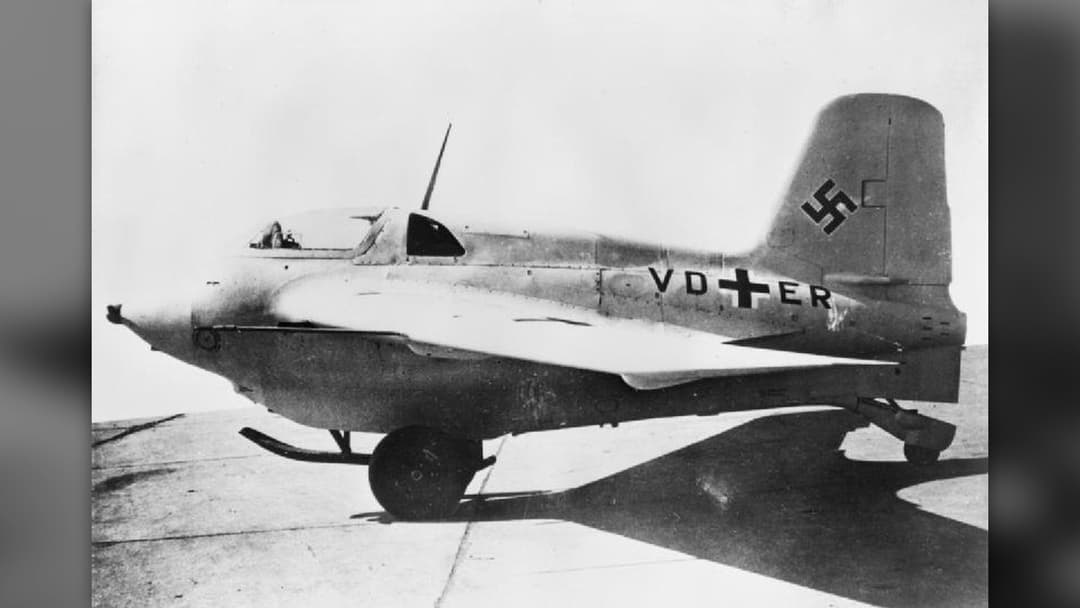
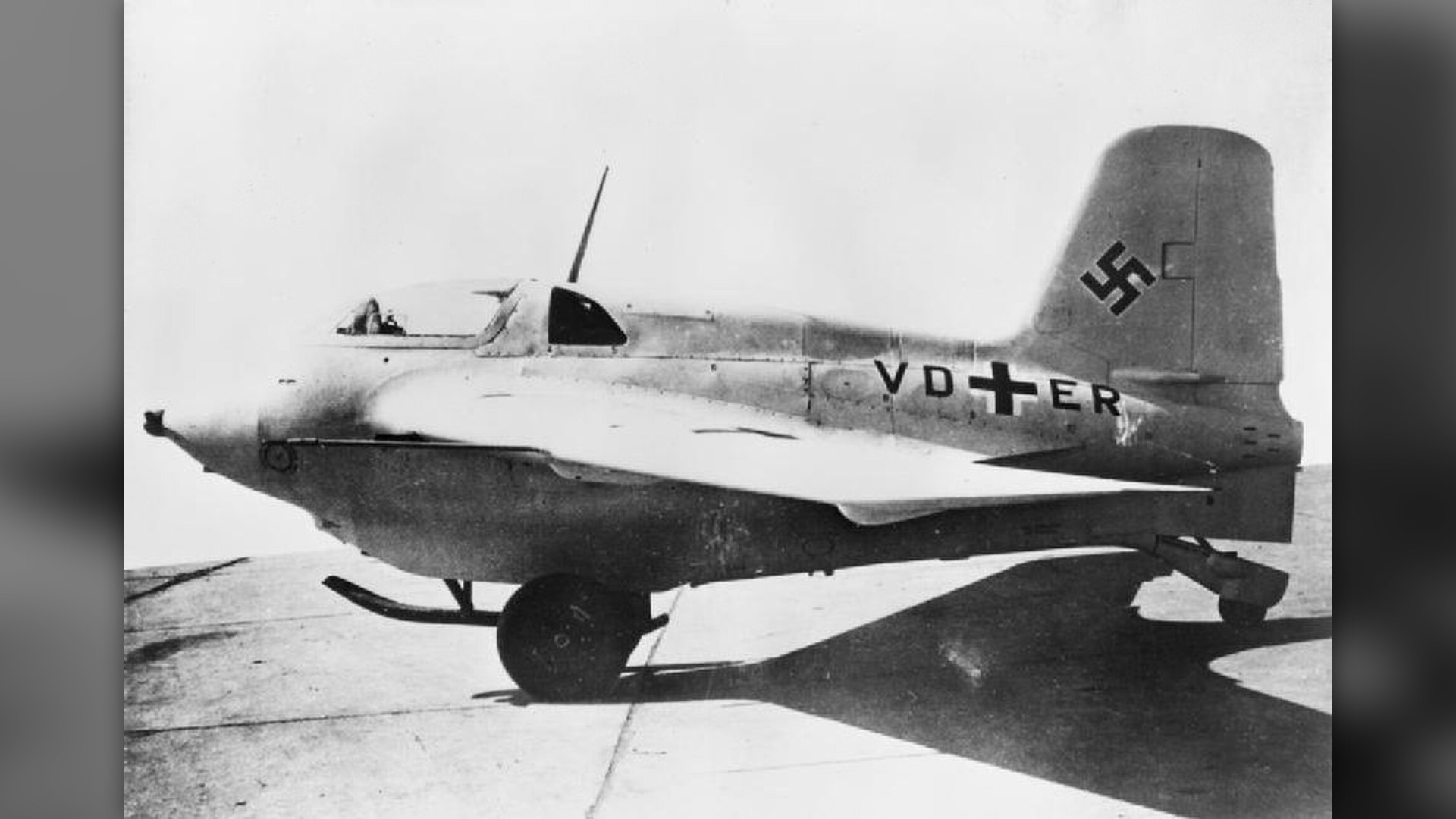
18. Messerschmitt Me 163 Komet
Capable of climbing to 30,000 feet in under three minutes, the tailless Me 163 burned volatile fuels that burned skin on contact. After Germany's 1945 surrender, Allied teams shipped captured Komets overseas for covert flight testing. Surviving airframes later entered museum collections.
©Wikimedia / Royal Air Force official photographer
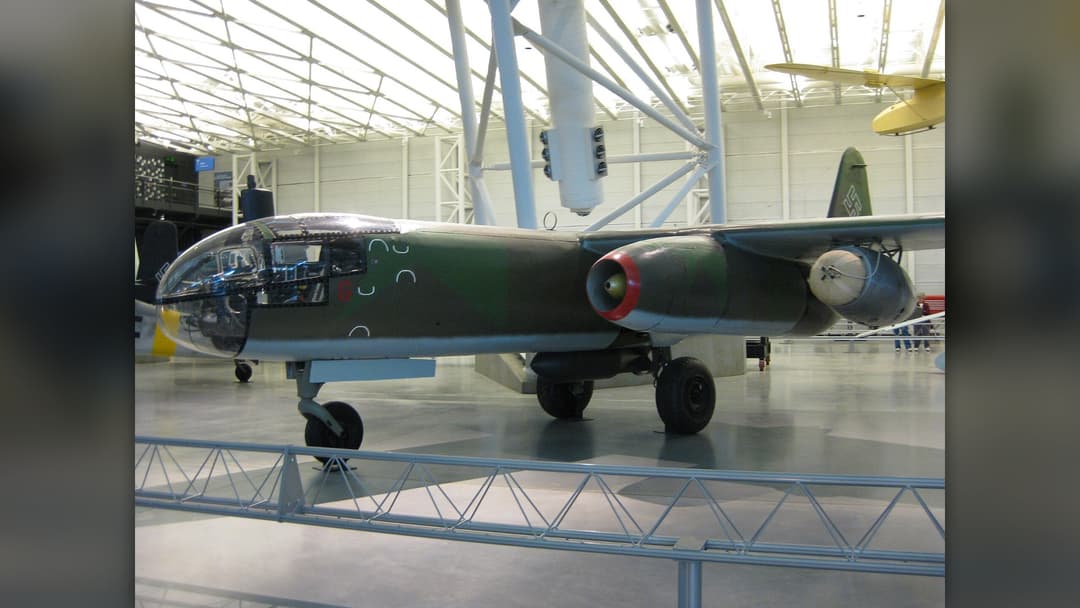
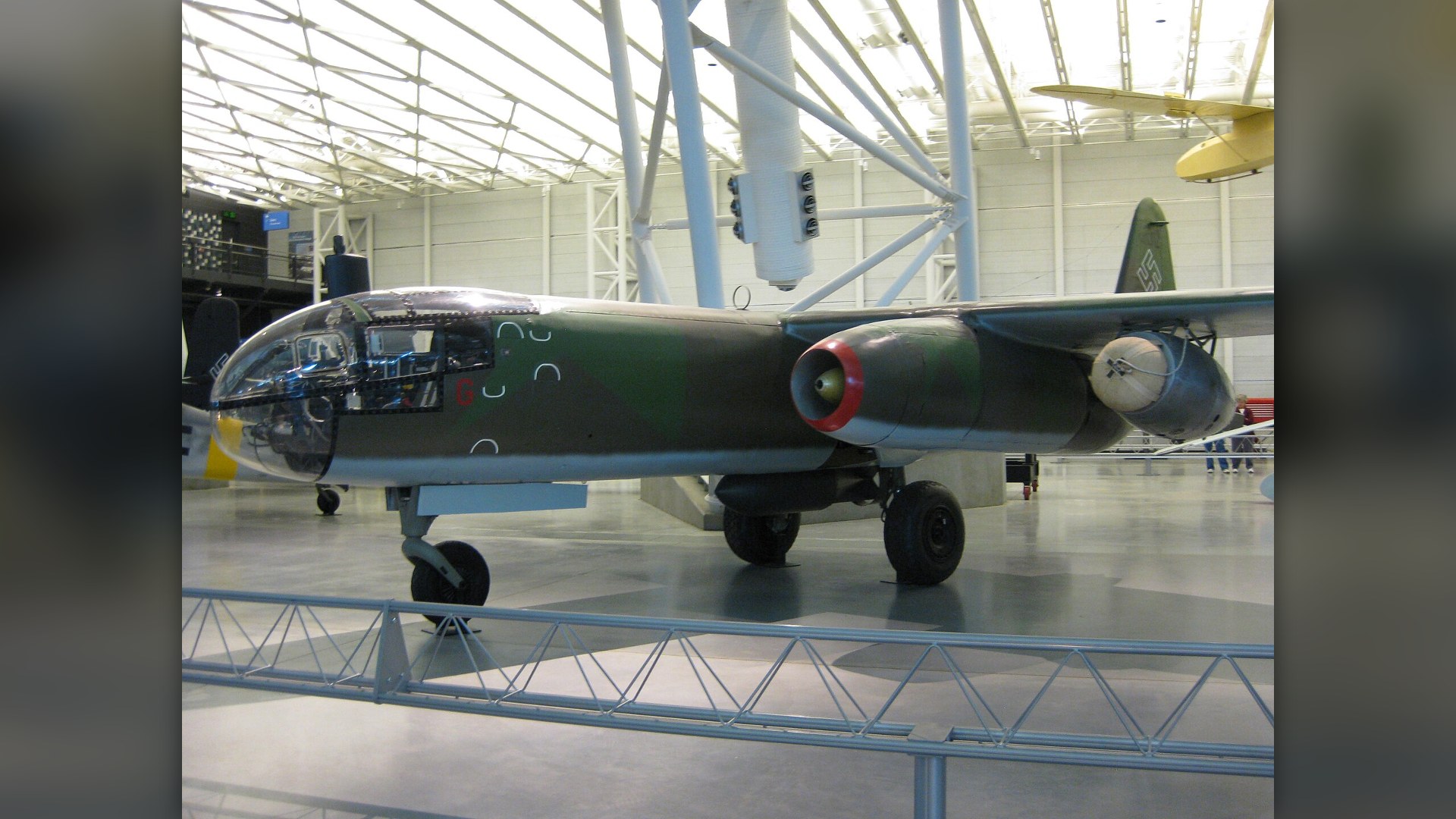
17. Arado Ar 234 Blitz
Twin Junkers Jumo turbojets pushed the Ar 234 past 460 mph in 1944, outrunning Allied piston fighters. Operation Lusty teams captured nine airframes in 1945 and flew examples to Freeman Field, Indiana, for secret testing. One surviving Blitz spent decades in Smithsonian storage.
©Wikimedia / Nick-D
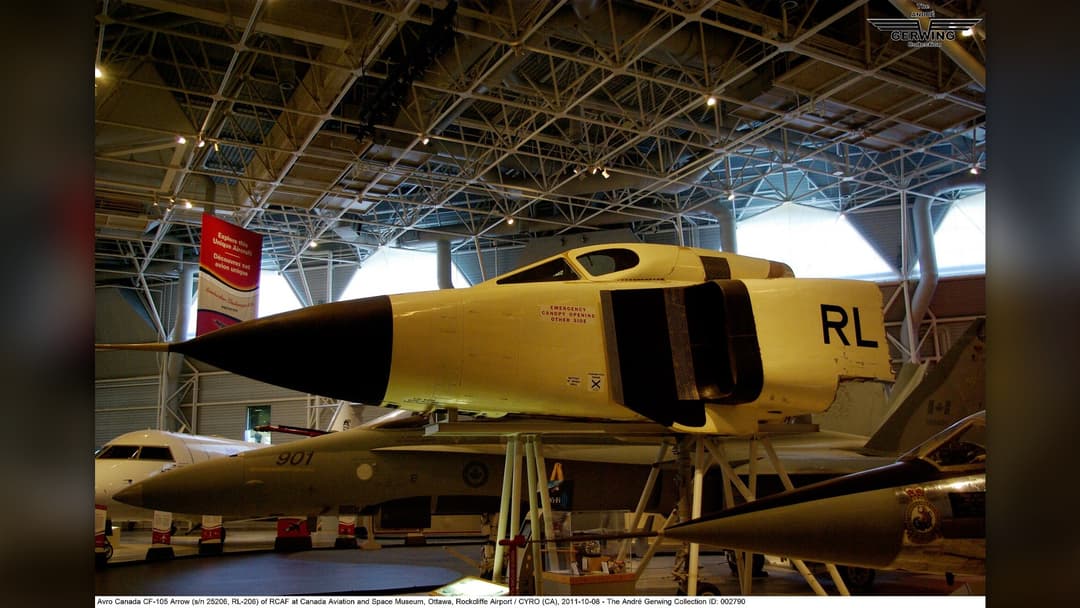
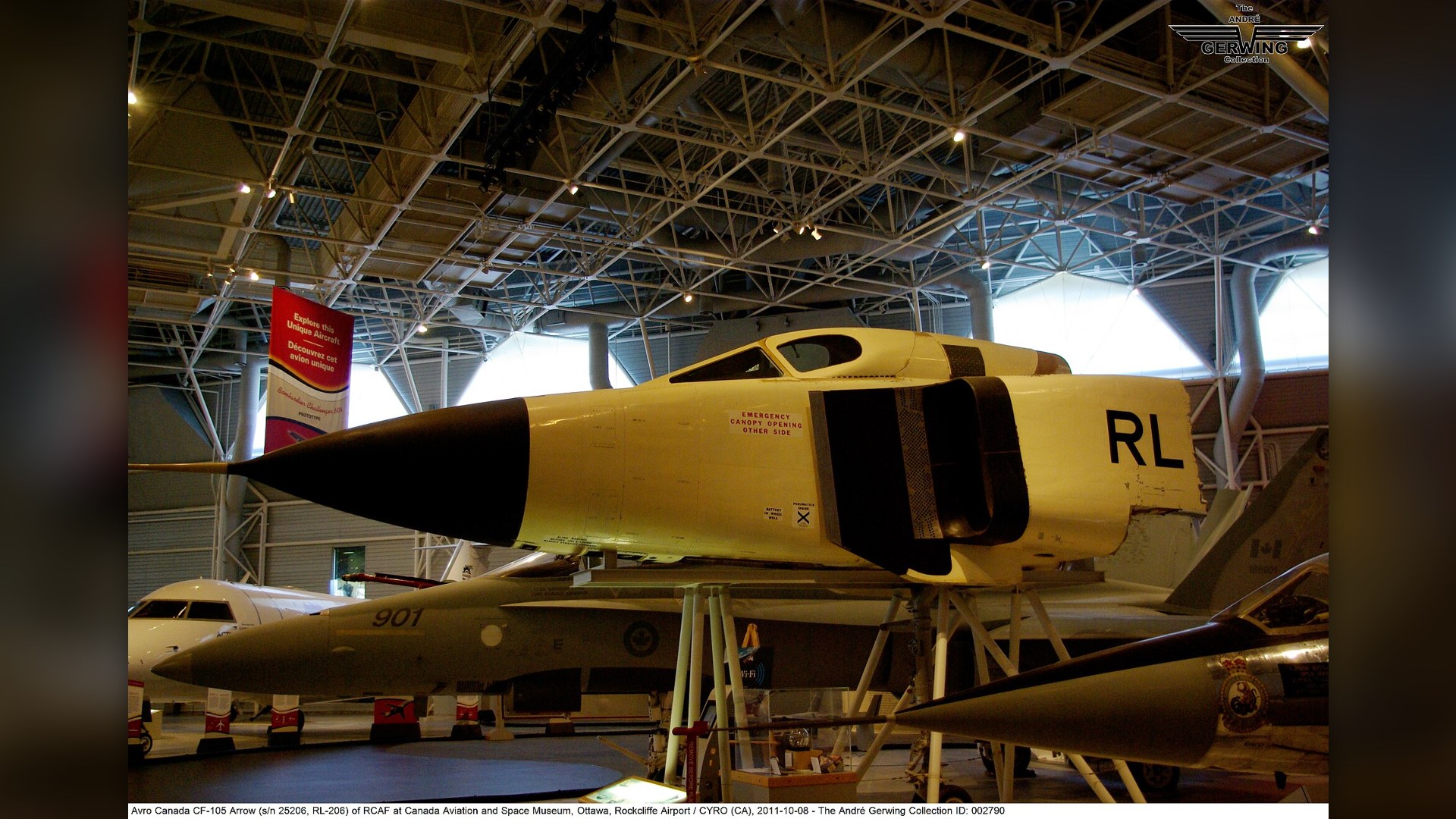
16. Avro Canada CF-105 Arrow
Rolled out in October 1957, the delta-winged Arrow was built to intercept Soviet bombers at twice the speed of sound. When Ottawa canceled the project in February 1959, all five flying airframes and assembly tooling were ordered cut up. Only a few nose sections survived.
©Wikimedia / André Gerwing
Advertisement
Swipe or tap ▶ to resume the countdown.
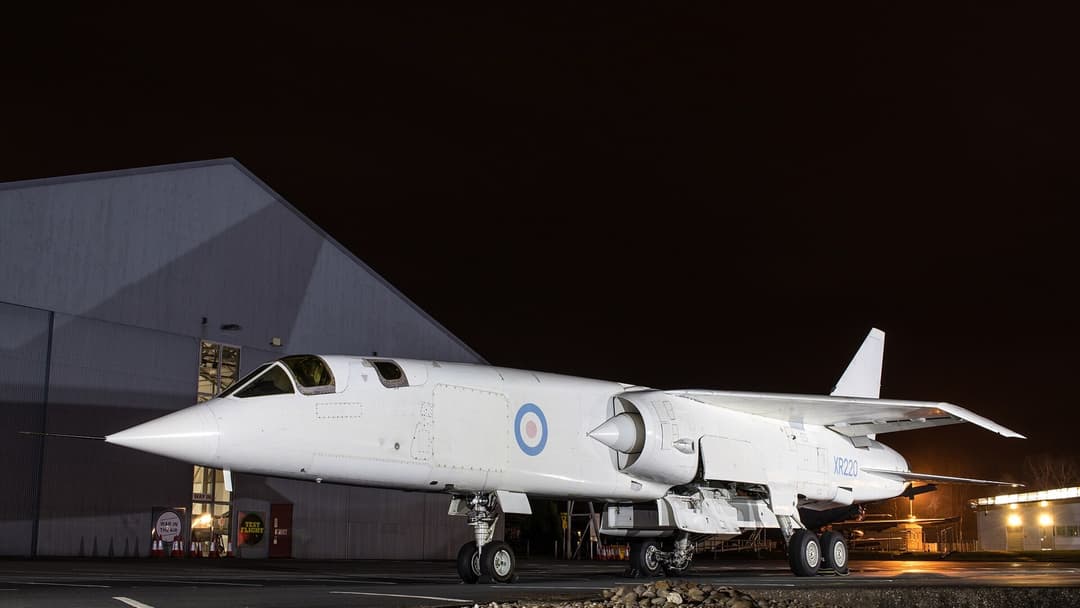
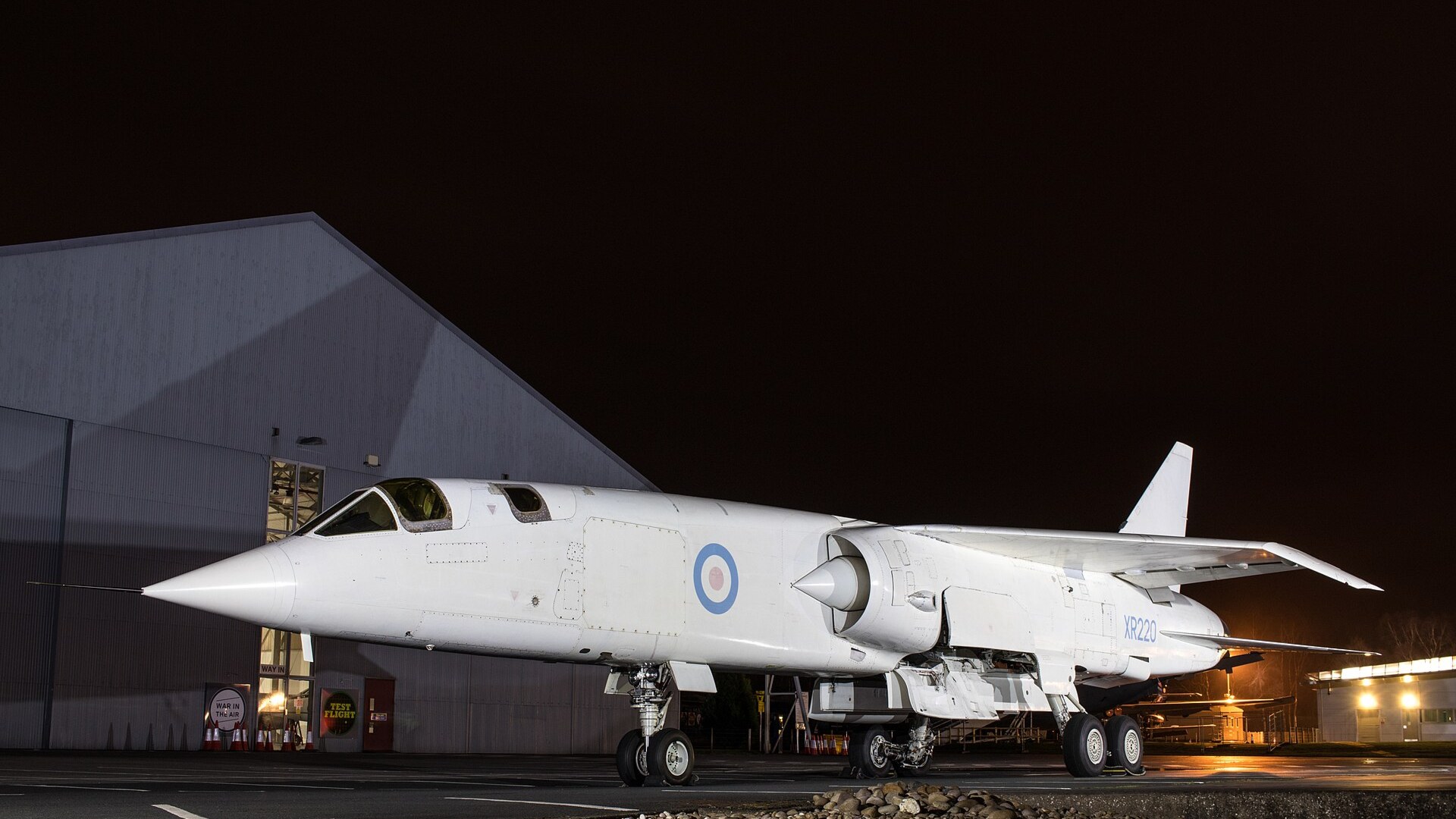
15. BAC TSR-2
Designed to skim under radar at Mach 2, the British TSR-2 first flew in September 1964 from Boscombe Down. Rising costs led the government to cancel the strike jet in April 1965 and order jigs and unfinished frames destroyed. Only two complete prototypes survived in museums.
©Wikimedia / Steve Lynes from Sandshurst, United Kingdom
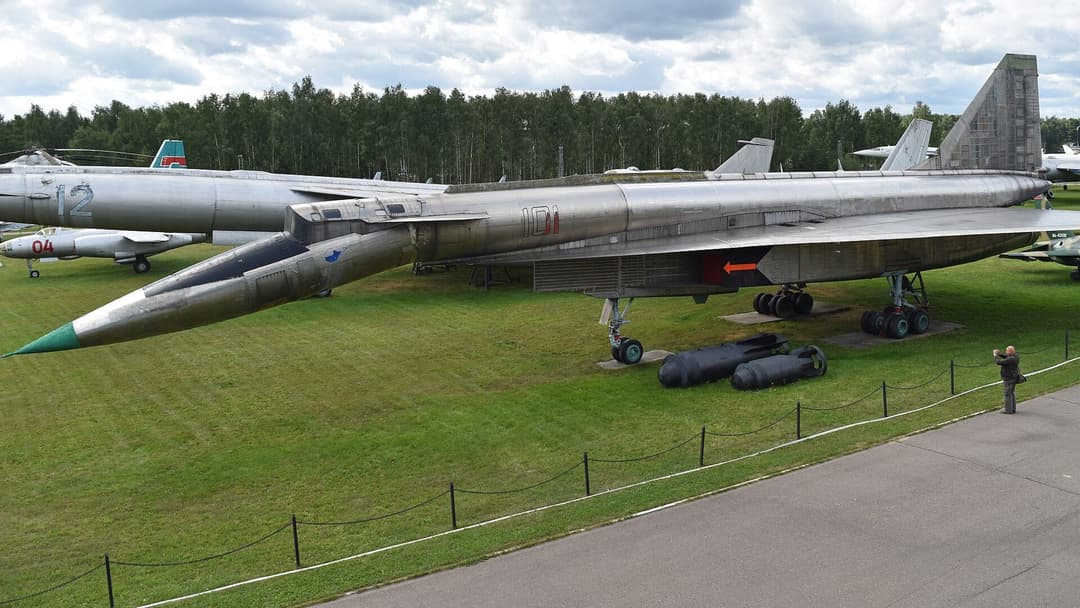
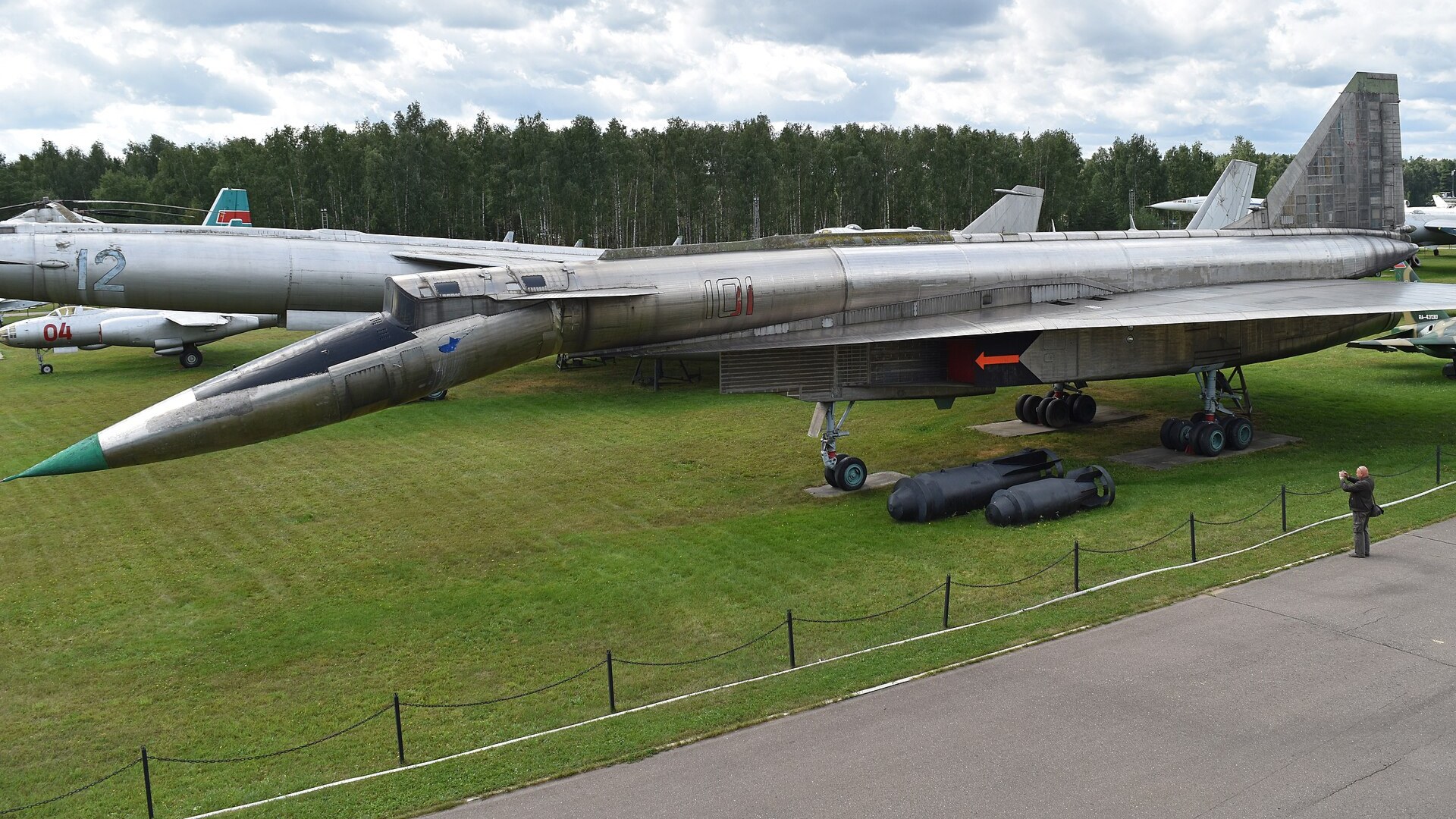
14. Sukhoi T-4
Nicknamed Sotka, the Sukhoi T-4 first flew in August 1972 with a drooping nose and early fly-by-wire controls. Built from titanium and steel to withstand Mach 3 heat, only one prototype ever flew. Soviet officials kept the canceled bomber out of sight at Monino museum.
©Wikimedia / Alan Wilson from Stilton, Peterborough, Cambs, U
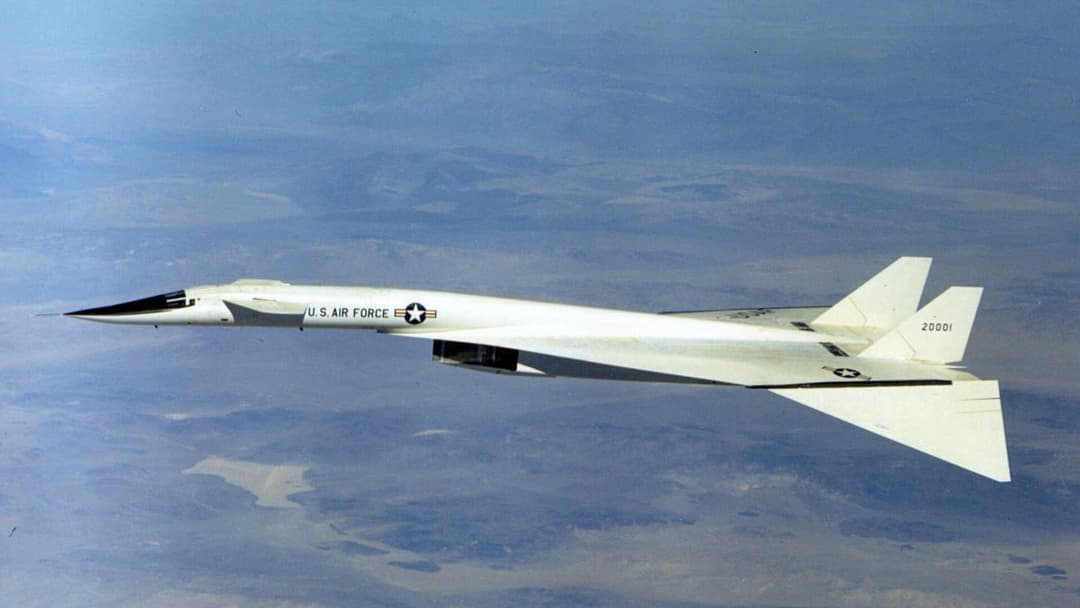
13. North American XB-70 Valkyrie
Built to outrun interceptors at 70,000 feet, the 185-foot XB-70 rode its own shockwave using folding wingtips. After missiles shifted U.S. strategy and one prototype crashed in 1966, NASA used the survivor for classified supersonic research until retiring it to Dayton in 1969.
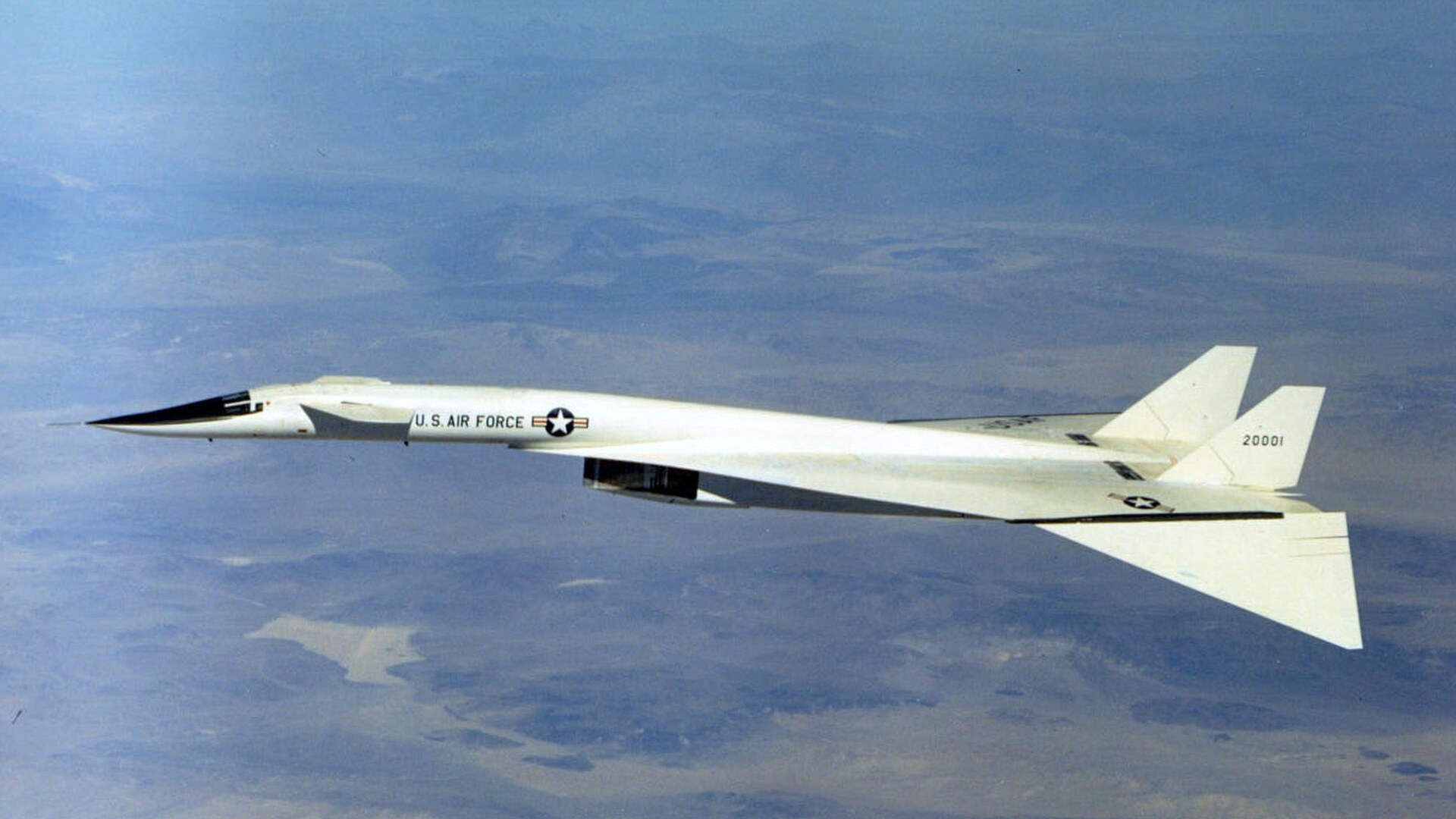
©Wikimedia / US Air Force
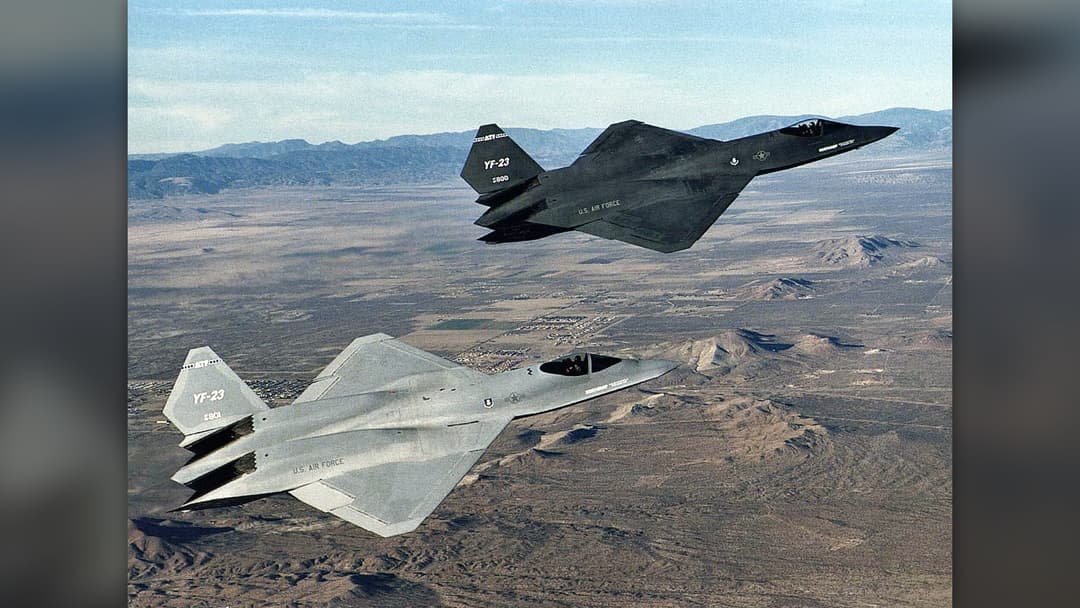
12. Northrop YF-23
Built in secrecy for the Advanced Tactical Fighter contest, the YF-23 paired V-tails with buried exhaust troughs to cut radar and heat signatures. It flew faster than Mach 1.4 without afterburners before losing to the YF-22 in 1991. Both prototypes had classified gear removed.
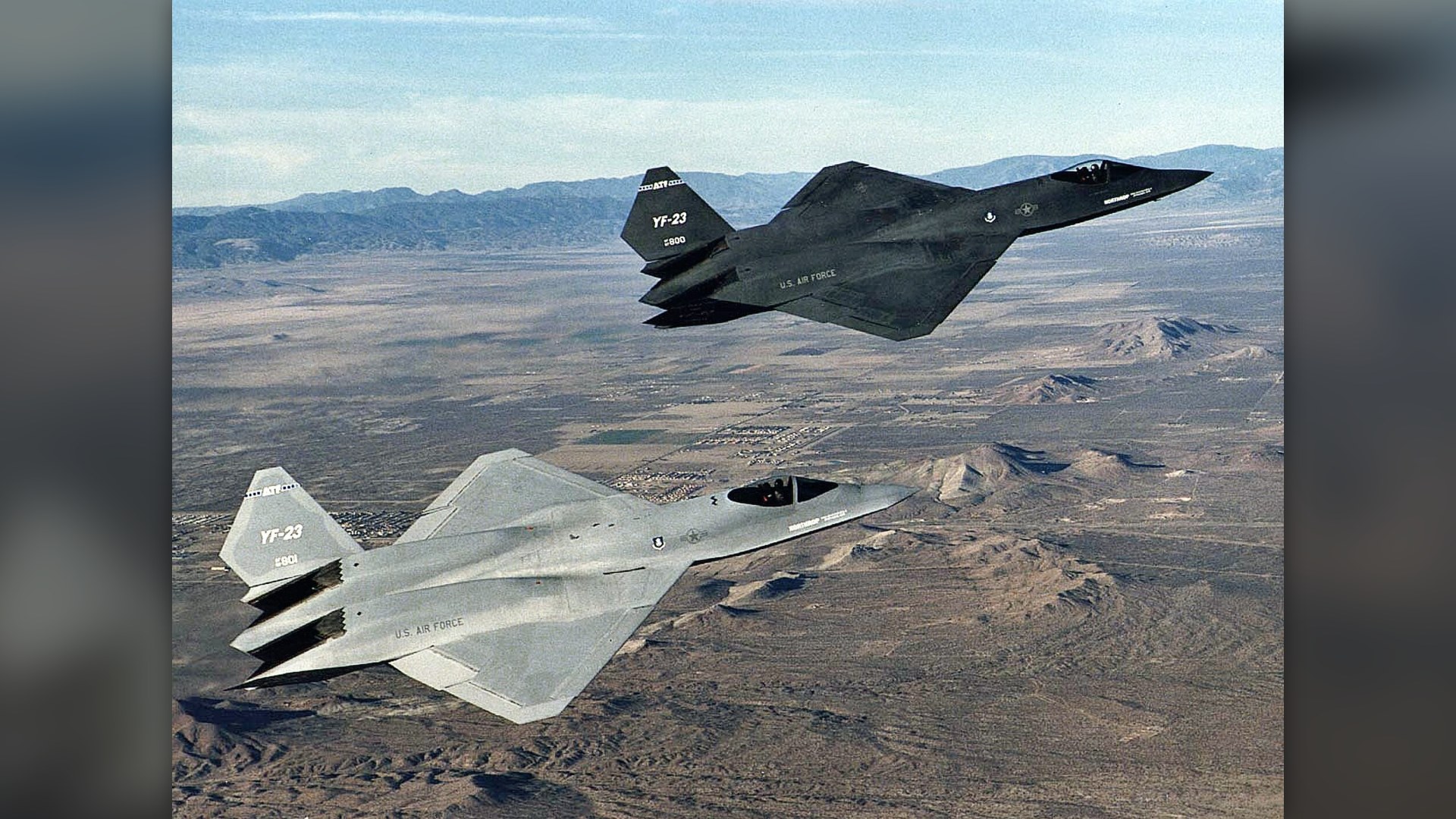
©Wikimedia / NASA/DFRC
Advertisement
Swipe or tap ▶ to resume the countdown.
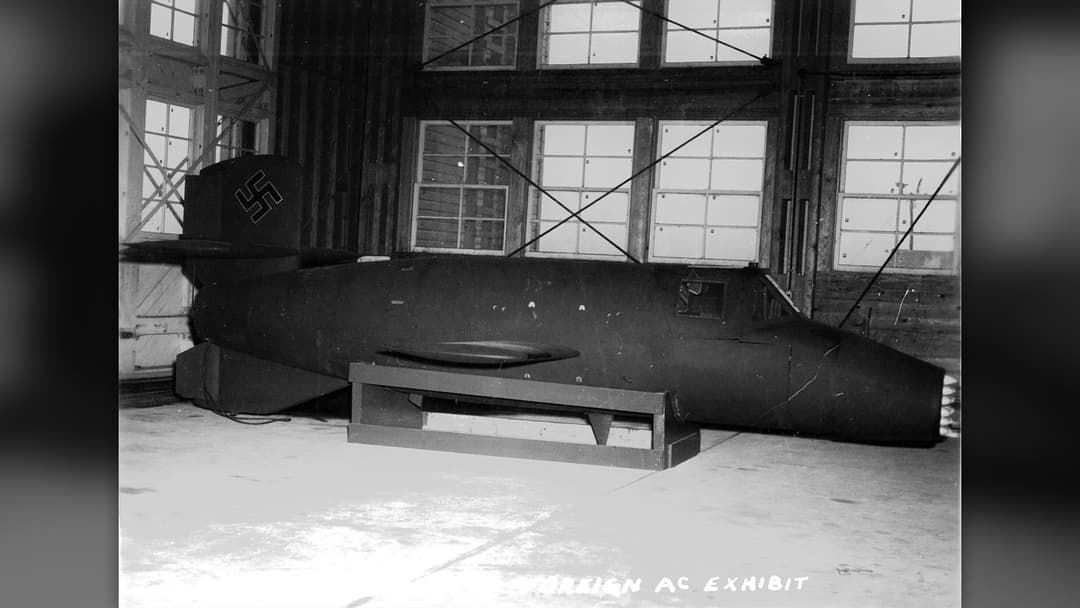
11. Bachem Ba 349 Natter
Built in late 1944 to defend German plants, the wooden Ba 349 launched vertically off a tower with 24 nose rockets. Its only manned flight in March 1945 ended fatally before combat use. U.S. teams captured surviving frames and kept one tucked in Smithsonian storage for decades.
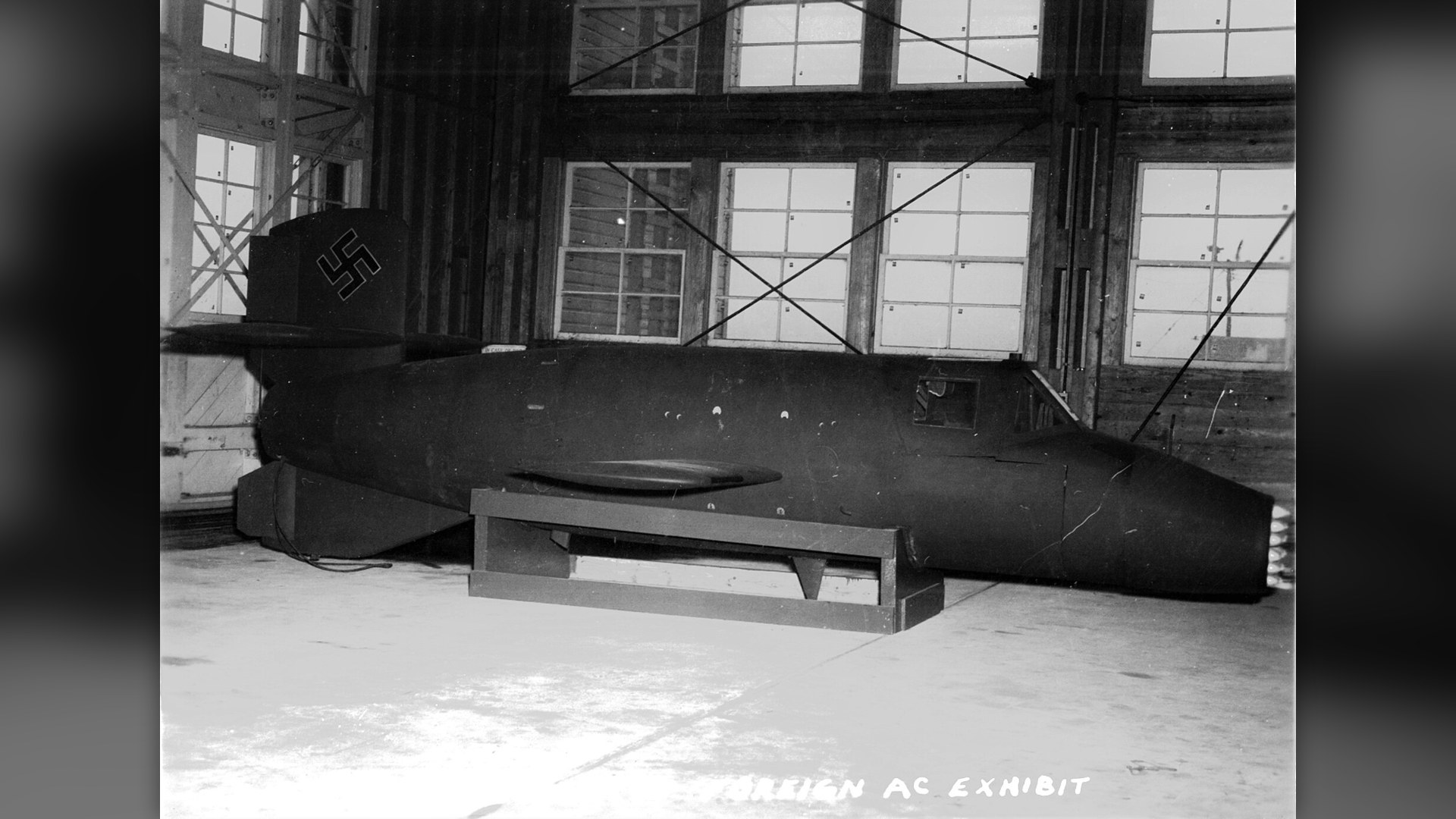
©Wikimedia / tormentor4555
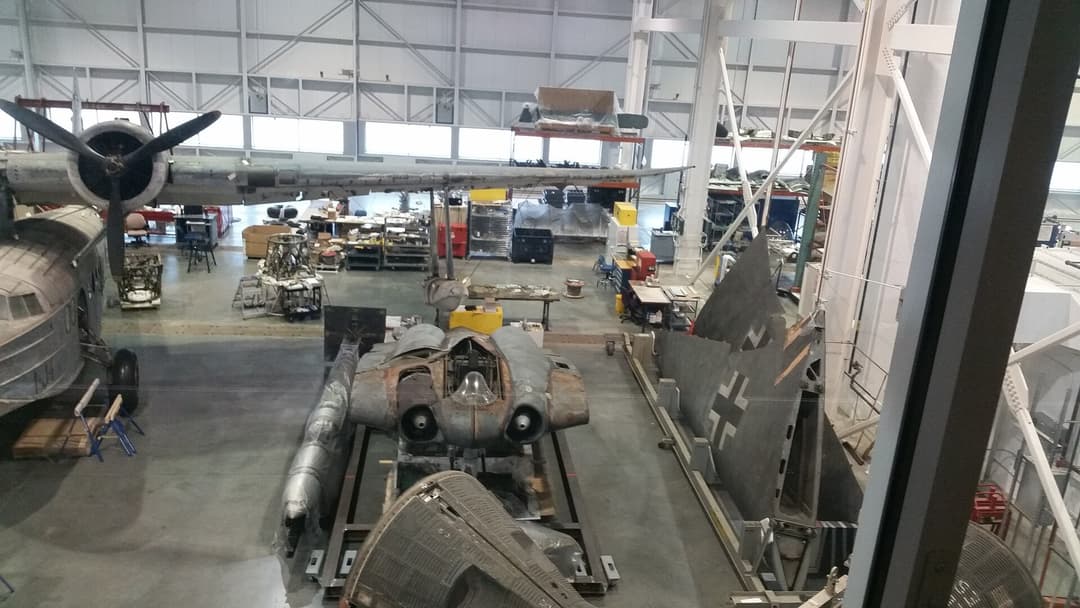
10. Horten Ho 229
Designed by Reimar and Walter Horten, the V3 prototype had two Junkers Jumo 004 turbojets and a skin of glued plywood and charcoal. American Operation Paperclip teams captured the unfinished airframe in Friedrichroda in April 1945. It sat crated in Maryland storage until Smithsonian restoration began in 2014.
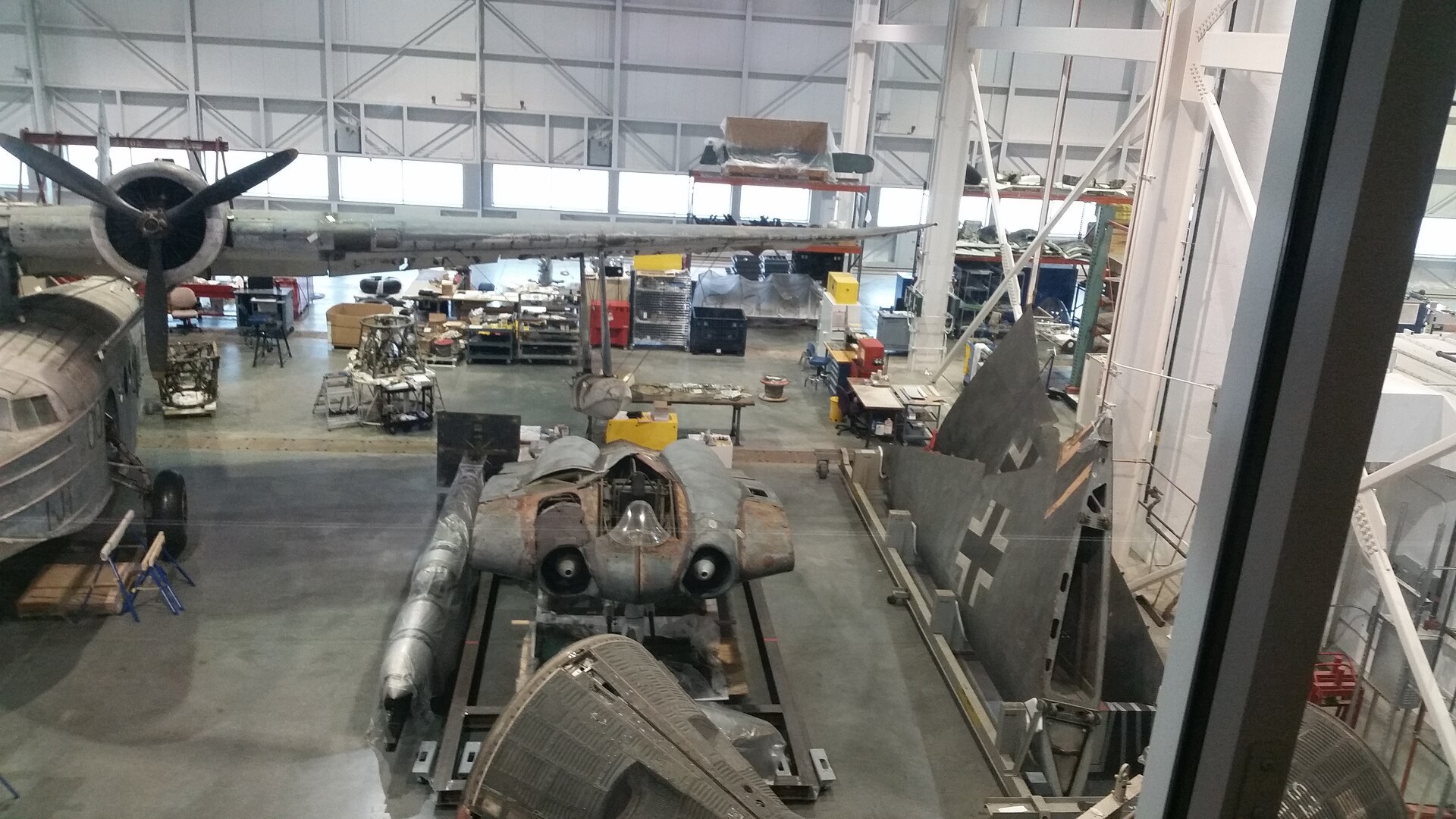
©Wikimedia / Brettc23
9. Lockheed D-21
Created by Skunk Works under Project Tagboard after Gary Powers was shot down, the ramjet D-21 launched off an M-21 Blackbird and later from B-52 bombers. Its four operational flights over China between 1969 and 1971 all failed to return film capsules. The Air Force kept the drone program hidden until 1976.
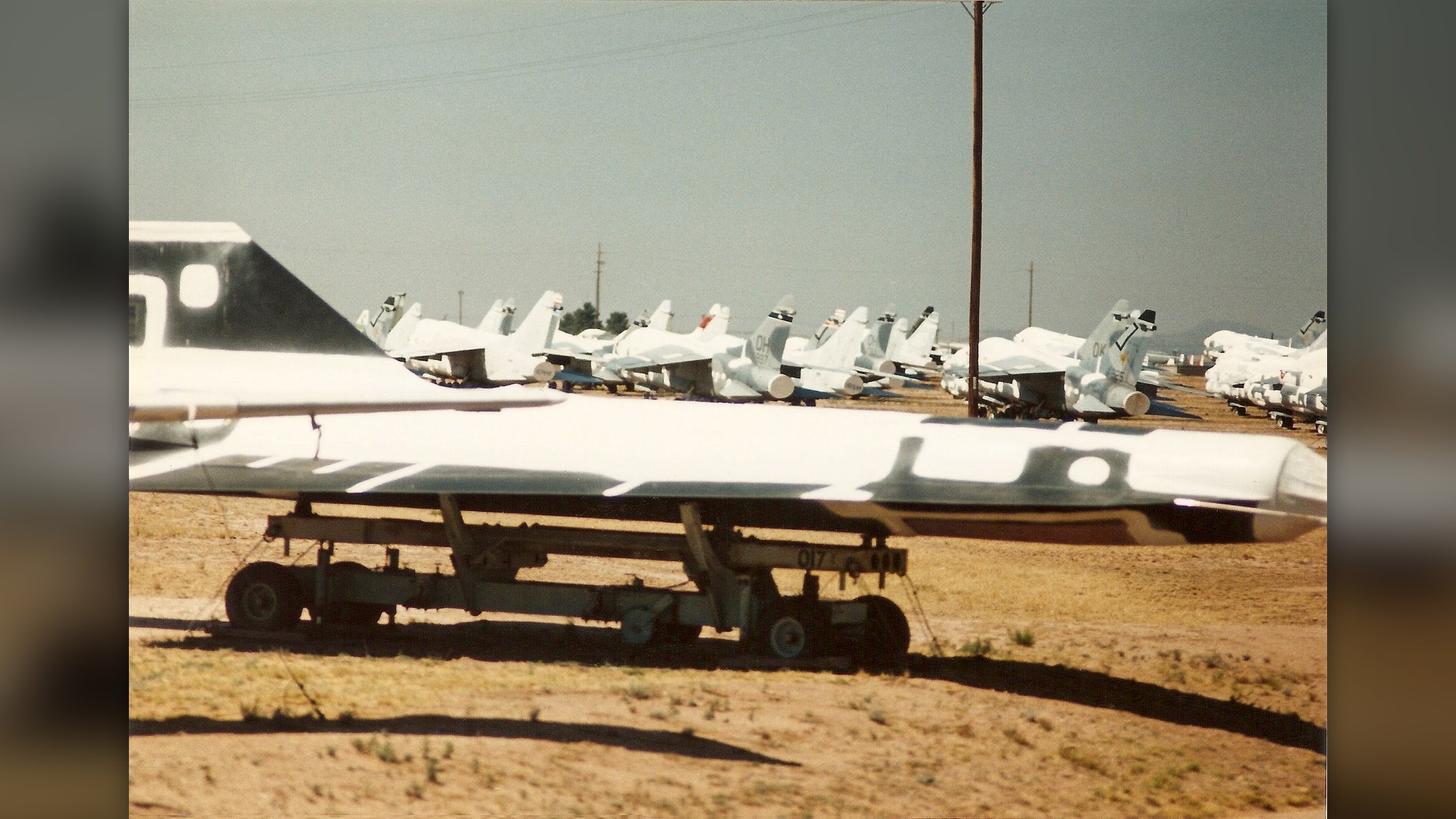
©Wikimedia / Bill Abbott
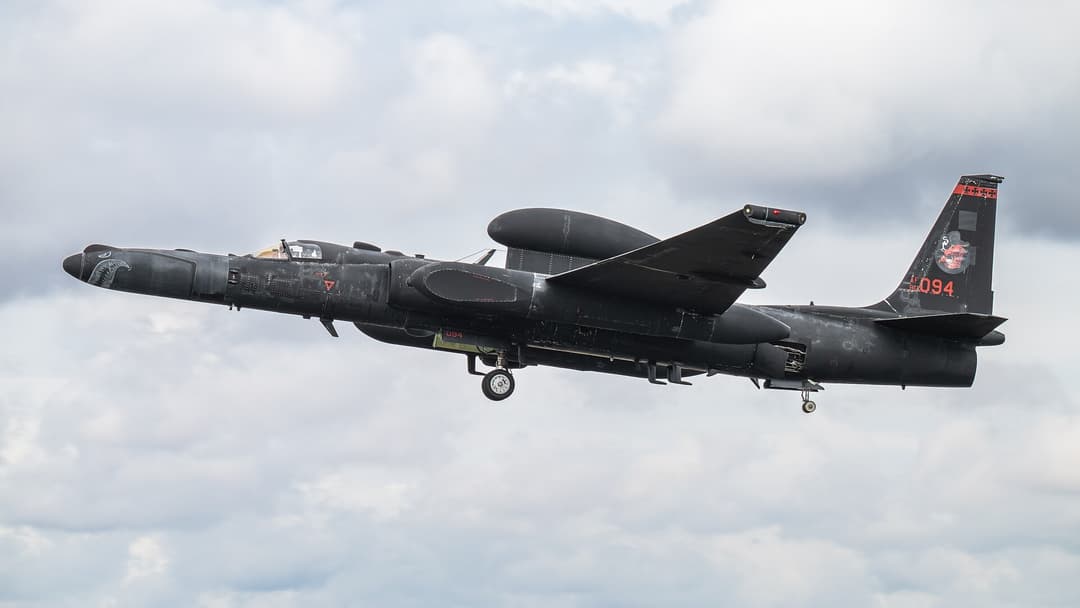
8. Lockheed U-2 Dragon Lady
Kelly Johnson's Skunk Works built and flew the glider-winged U-2 in 1955 at Groom Lake, Nevada, cruising above 70,000 feet beyond early Soviet interceptors. The CIA ran covert overflights for almost five years before a missile downed Francis Gary Powers in May 1960, exposing the secret program.
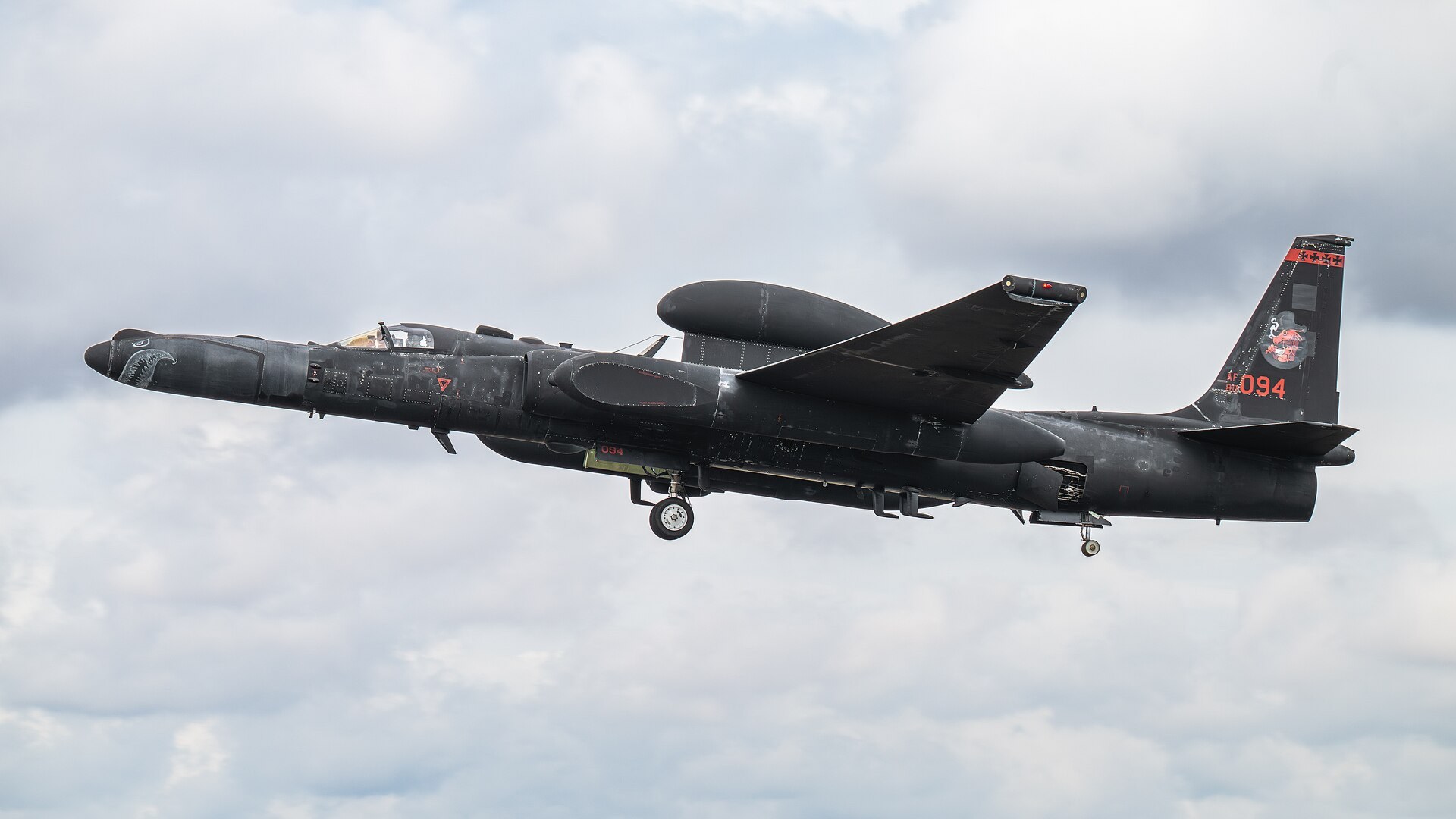
©Wikimedia / Julian Herzog ( Website )
Advertisement
Swipe or tap ▶ to resume the countdown.
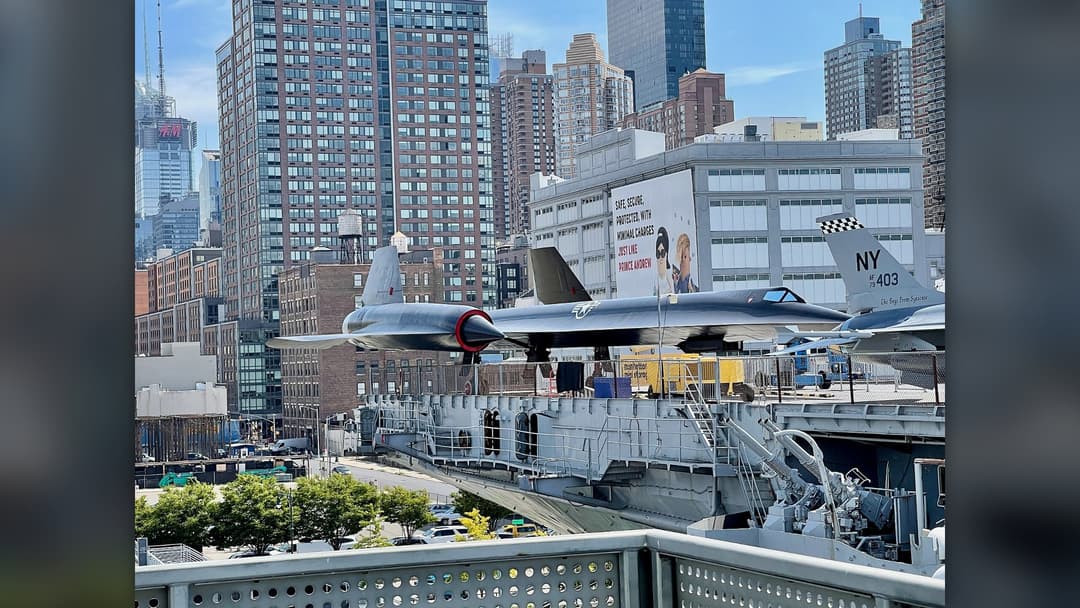
7. Lockheed A-12 Oxcart
First flown in April 1962 at Area 51, the titanium A-12 was lighter and faster than the better-known Air Force SR-71 that followed it. CIA pilots flew 29 operational missions over North Vietnam and North Korea in 1967 and 1968. Washington kept the A-12 secret for two decades.
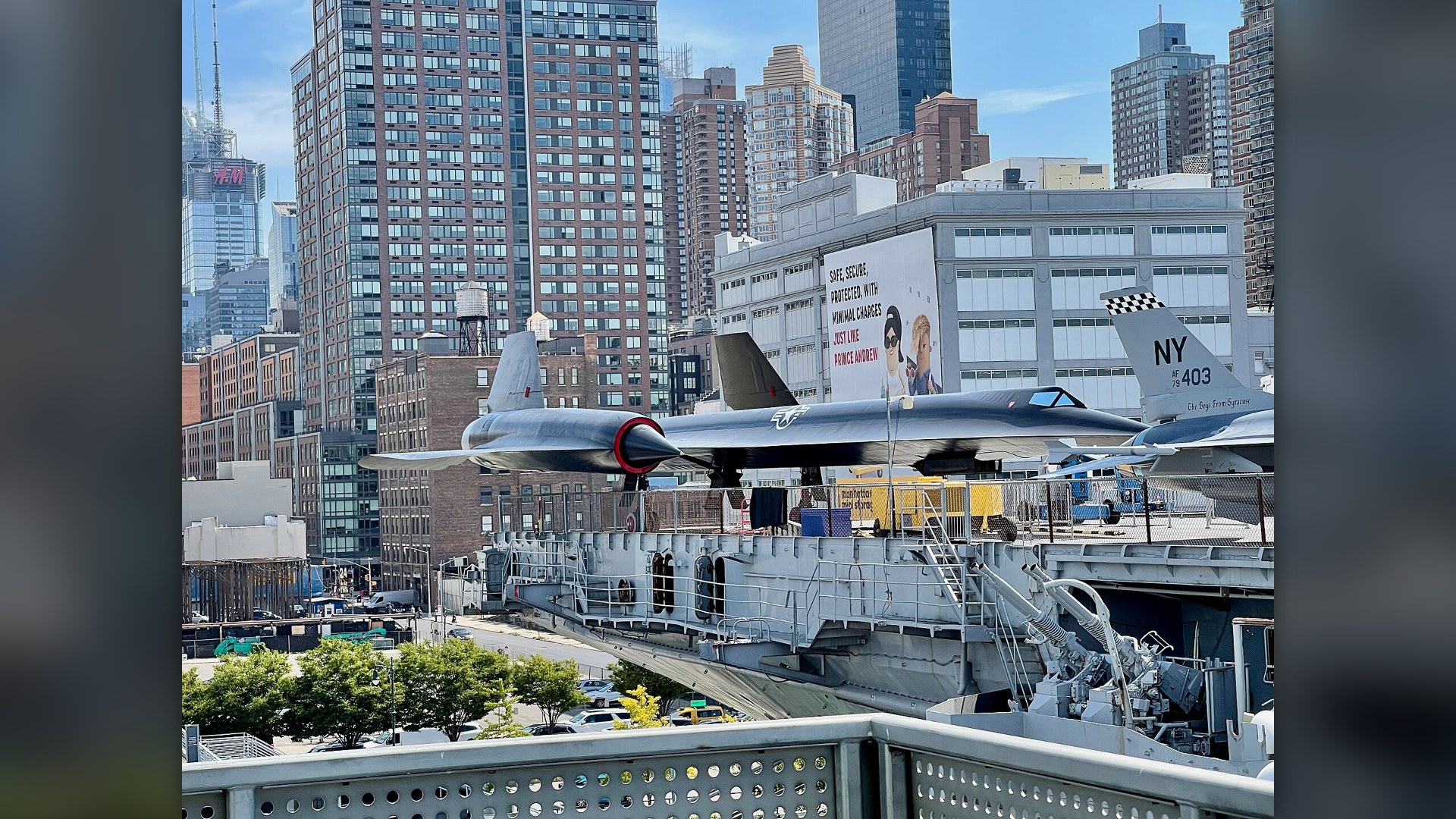
©Wikimedia / Oleg Yunakov
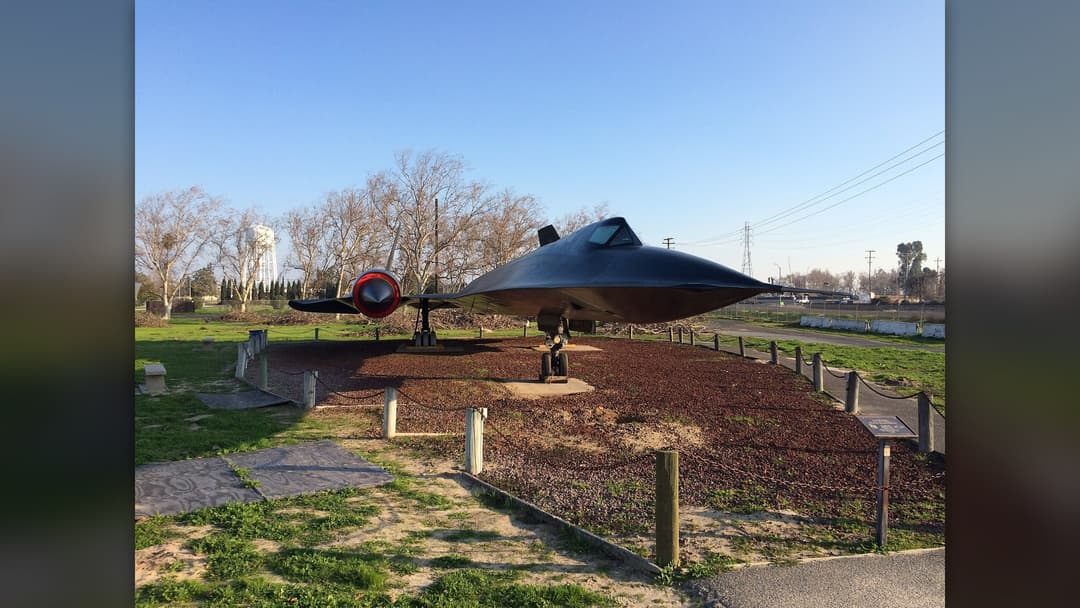
6. Lockheed SR-71 Blackbird
Developed from the CIA's A-12 in deep secrecy at Burbank and Groom Lake, the two-seat SR-71 first flew in December 1964. Its titanium skin expanded inches at Mach 3.2, so fuel tanks leaked on the ground until flight heat sealed them. It set an official 2,193 mph speed record in 1976.
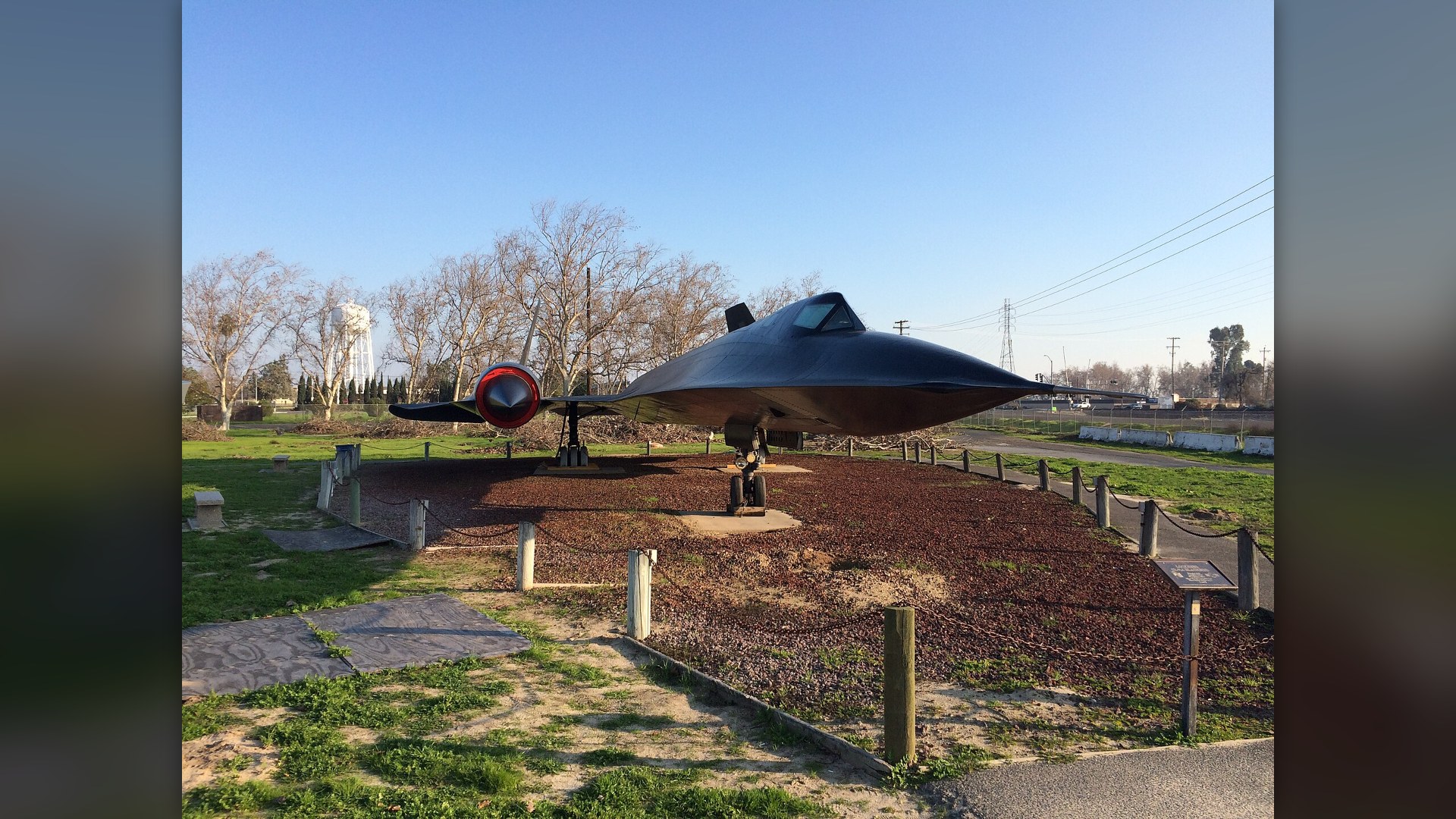
©Wikimedia / Noah_Loverbear
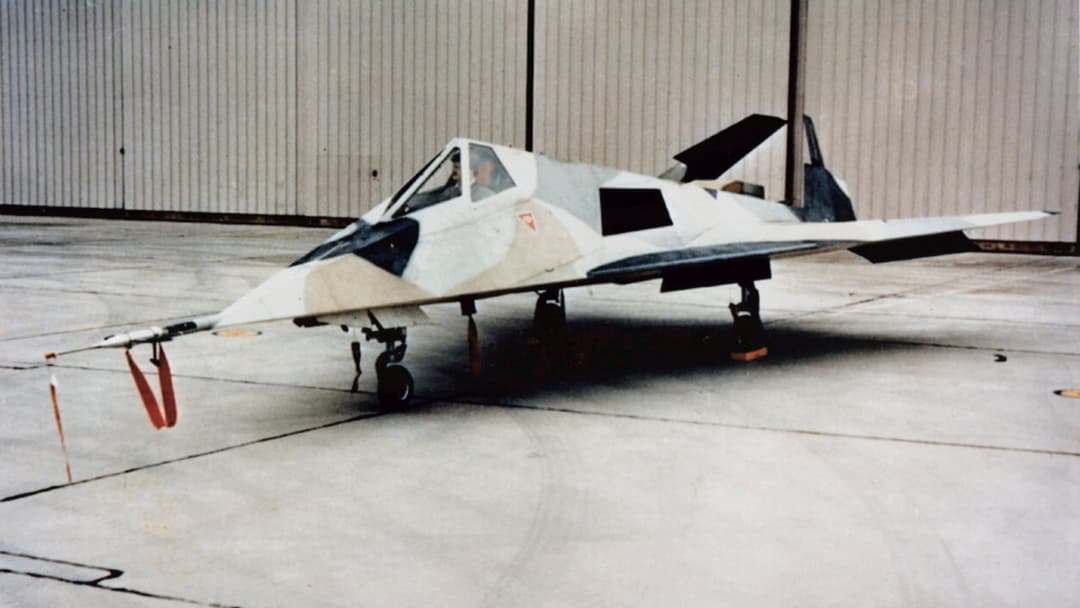
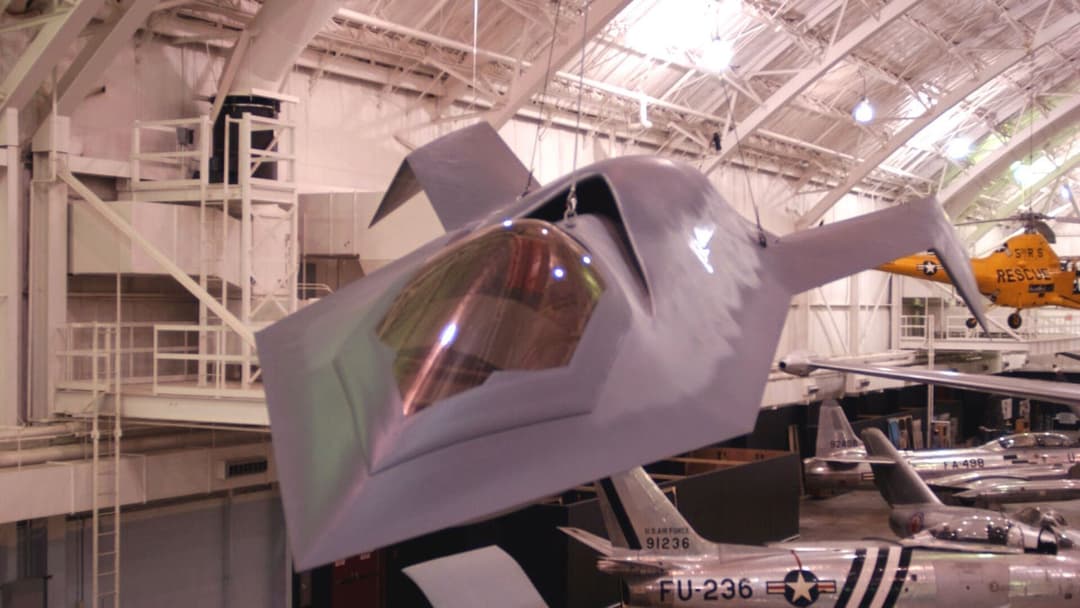
5. Lockheed Have Blue
Built by Skunk Works in 1977 with flat diamond panels to scatter radar waves away from receivers, Have Blue proved an angular jet could stay nearly invisible. Two prototypes flew 88 secret sorties at Groom Lake before both crashed by 1979. The Pentagon kept the project dark until 1988.
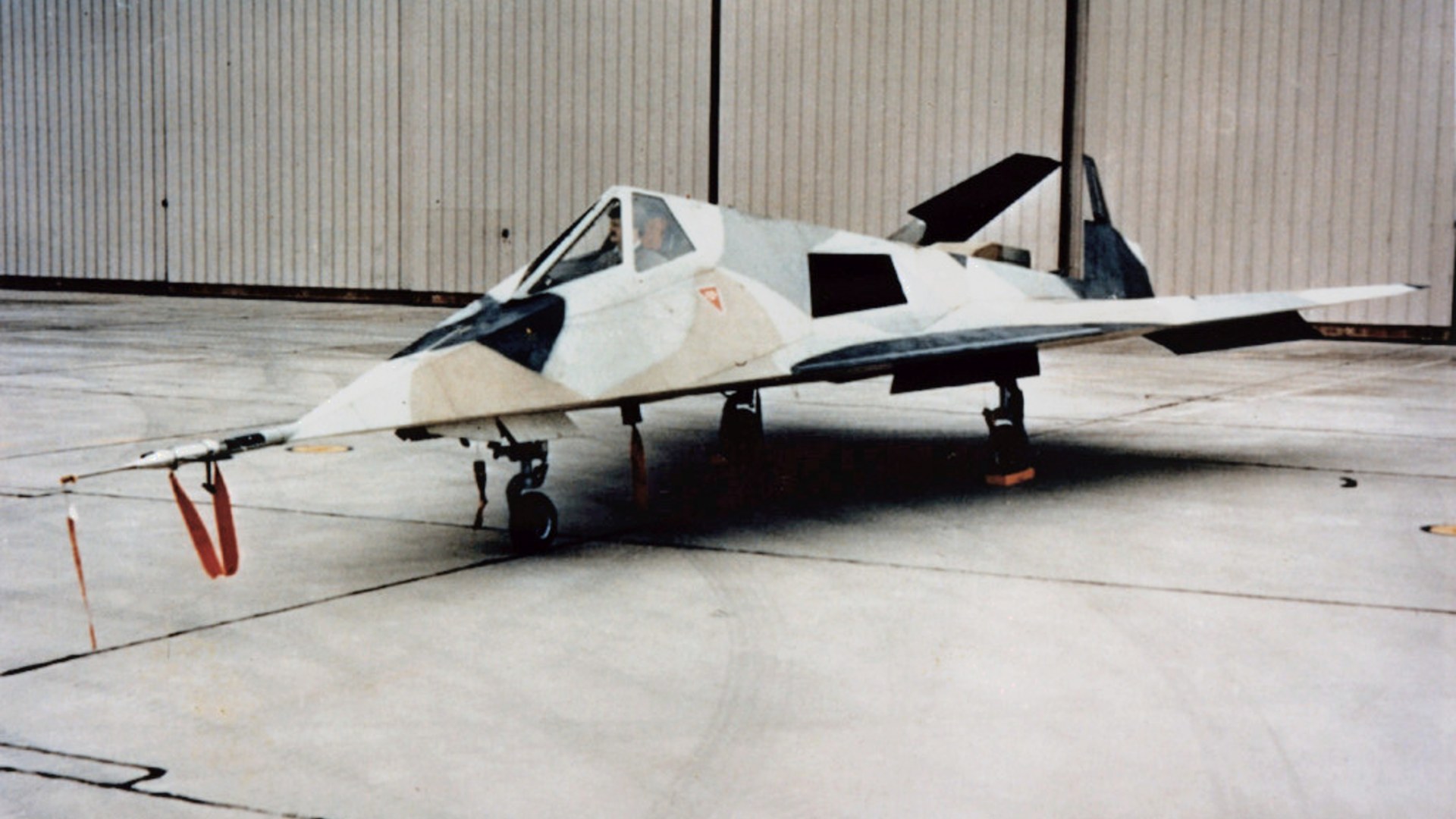
©Wikimedia / US Air Force Photo
4. Northrop Tacit Blue
Nicknamed the Whale for its bathtub fuselage and curved skin, Tacit Blue tested whether smooth shapes could hide from battlefield radar. The single prototype made 135 flights between 1982 and 1985 with a stealthy ground-mapping radar. The Air Force kept it classified until April 1996.
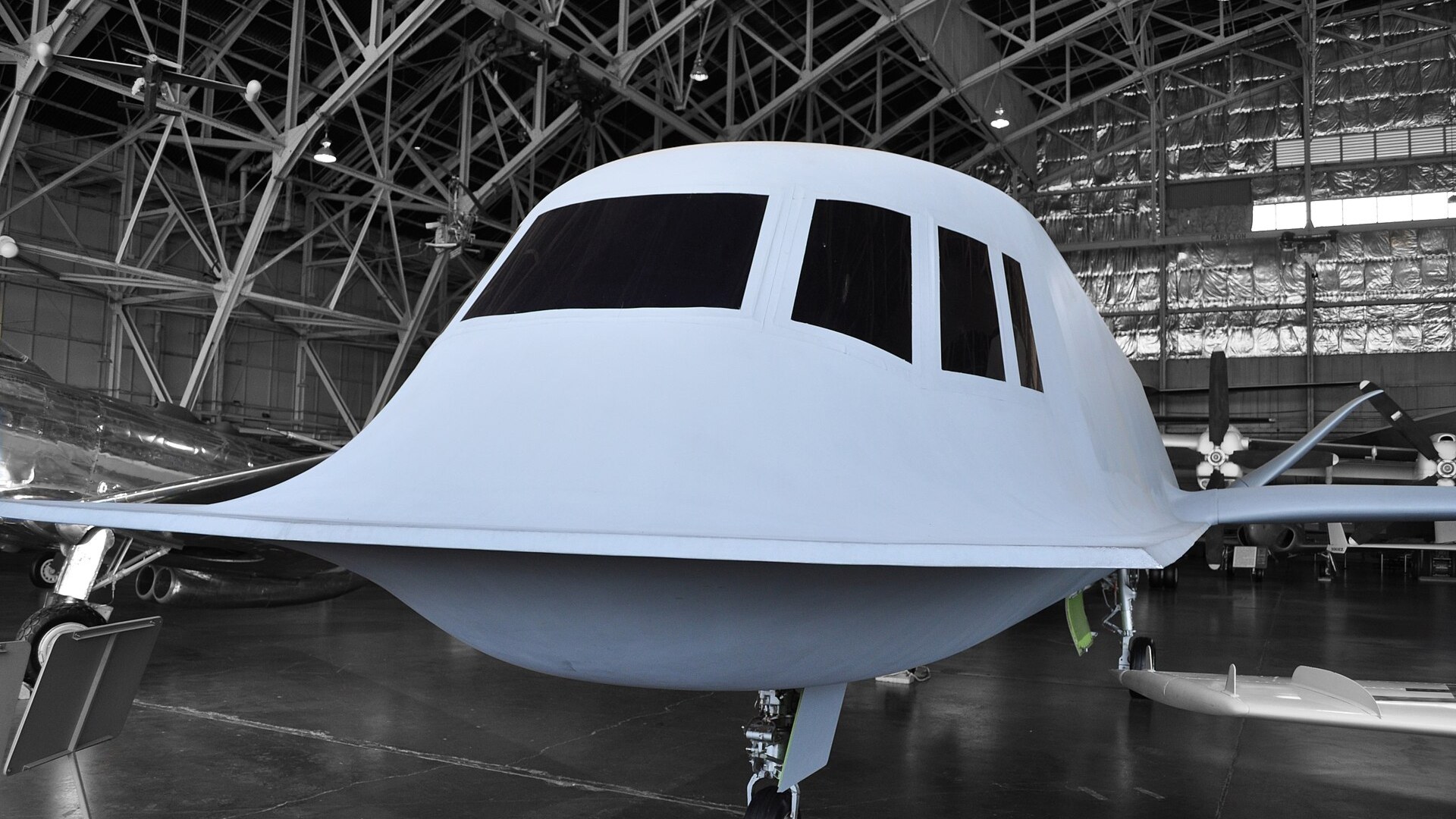
©Wikimedia / S Kaiser
Advertisement
Swipe or tap ▶ to resume the countdown.
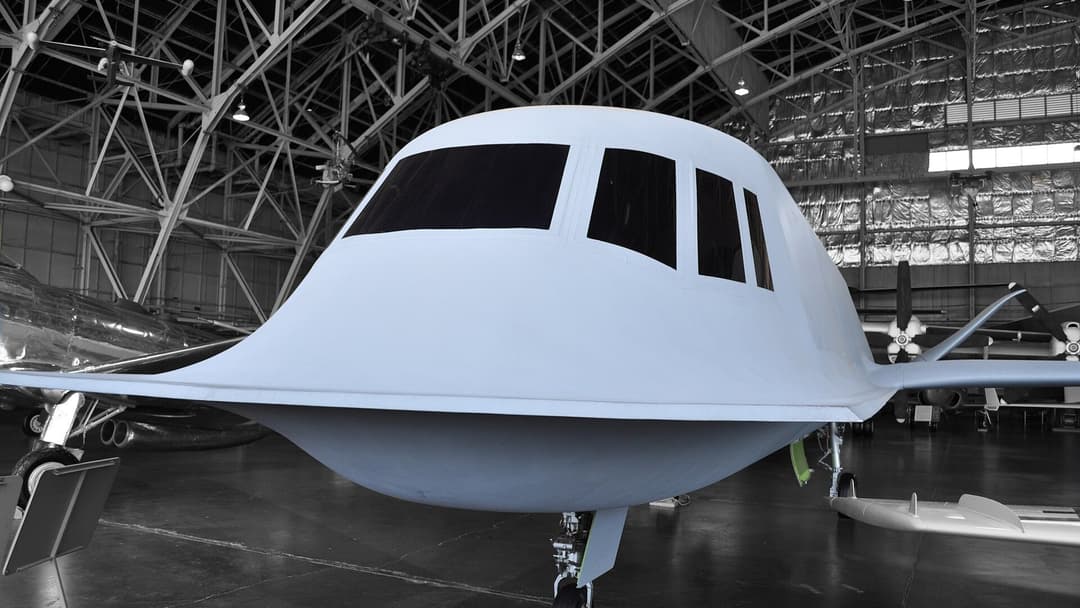
3. Boeing Bird Of Prey
Funded internally by McDonnell Douglas and Boeing, the Bird of Prey tested single-piece composite parts and visual camouflage at Groom Lake from 1996 to 1999. Its air intake sat behind the cockpit to hide engine blades from radar. Boeing finally revealed the black-project jet in October 2002.
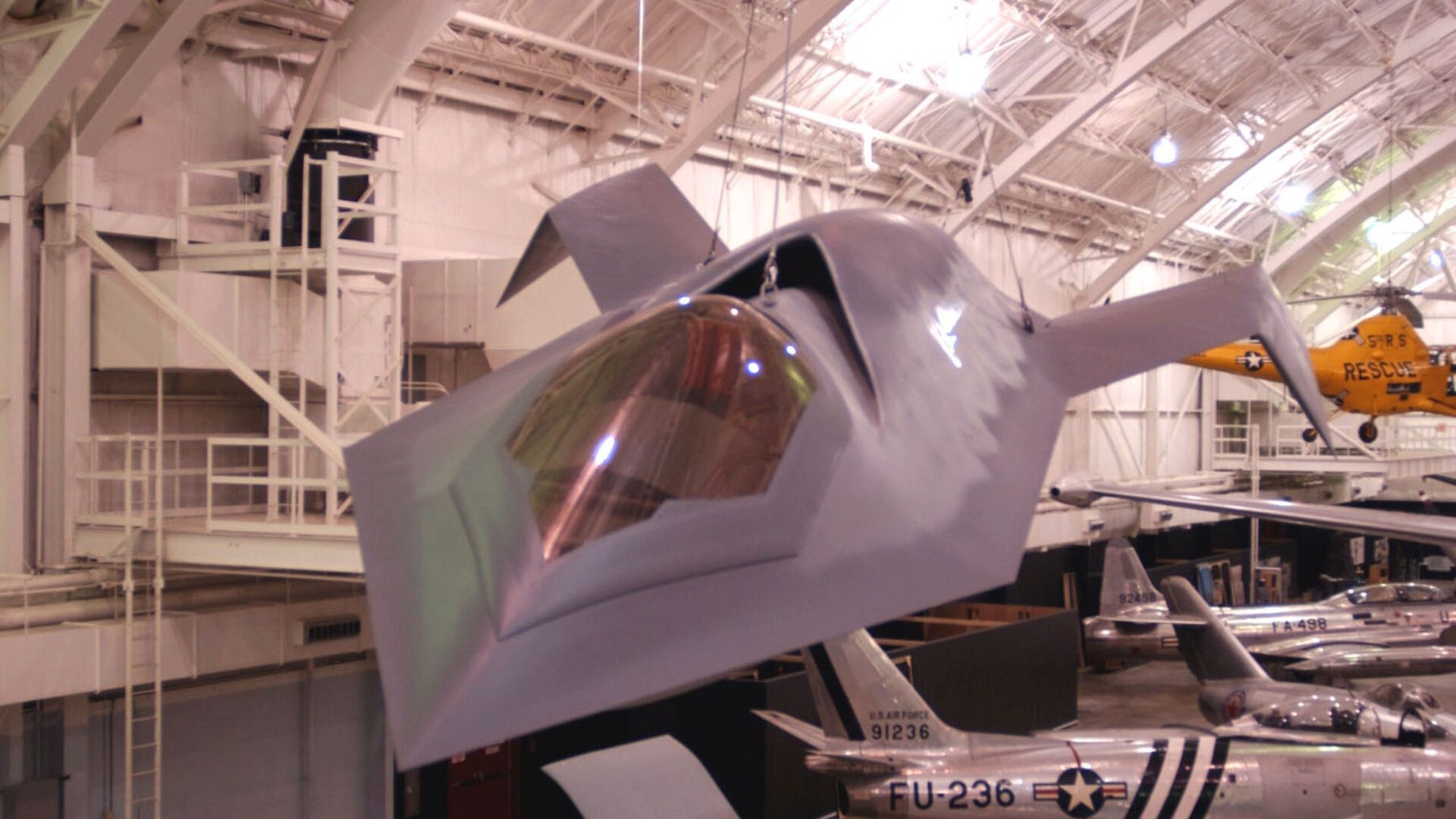
©Wikimedia / National Museum of the United States Air Force
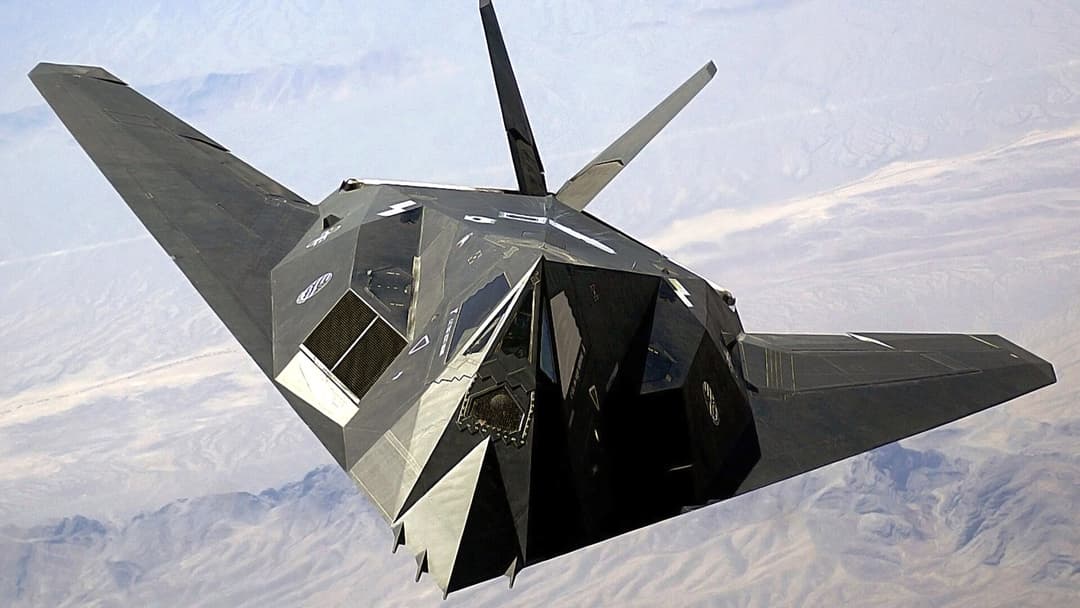
2. Lockheed F-117 Nighthawk
First flown in June 1981 at Groom Lake, the Nighthawk flew from Tonopah Test Range only at night for years. Its faceted airframe and internal bays let pilots deliver precision strikes unseen. The Pentagon denied its existence until releasing a single grainy photograph in November 1988.
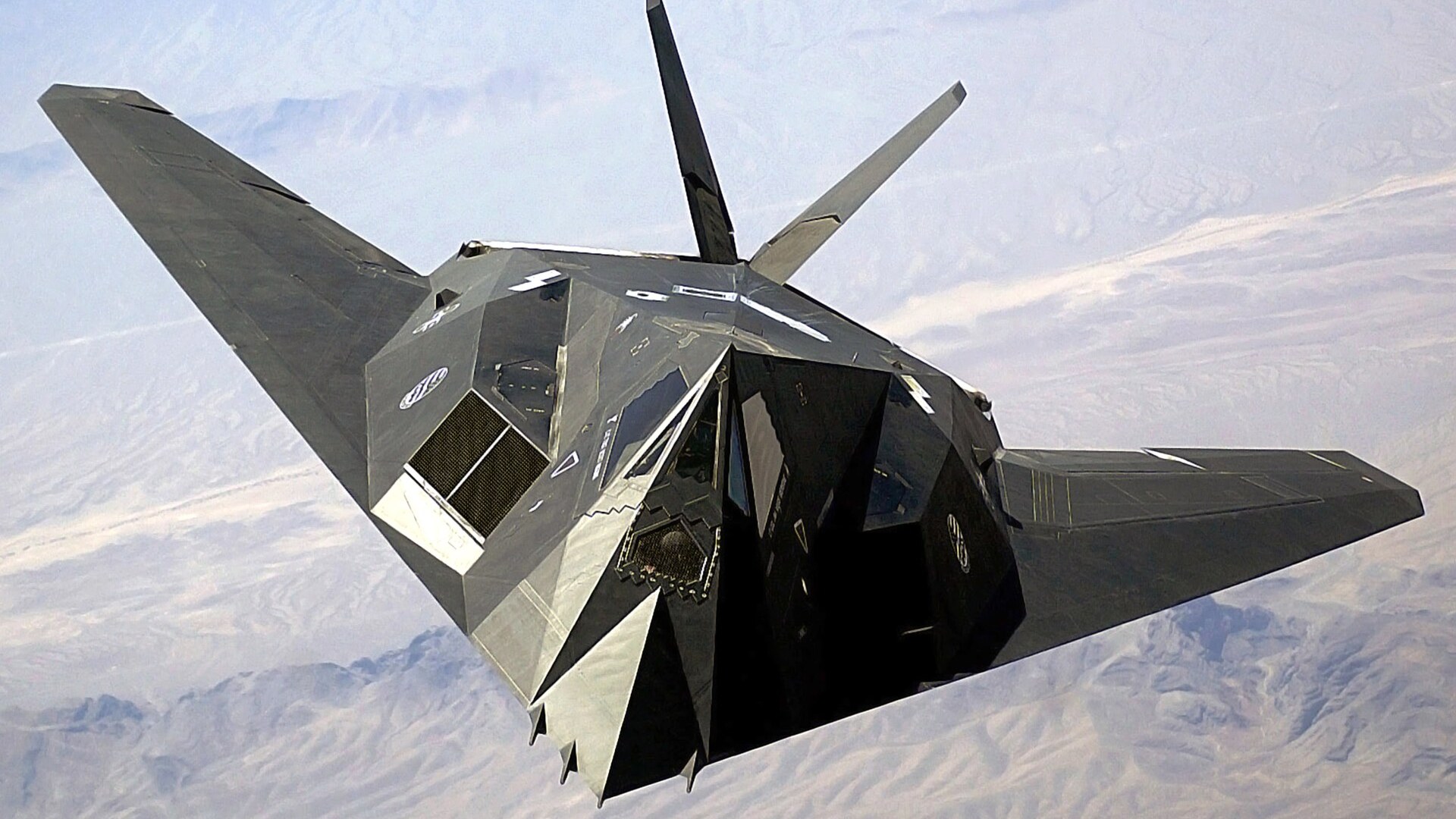
©Wikimedia / Staff Sgt. Aaron Allmon II
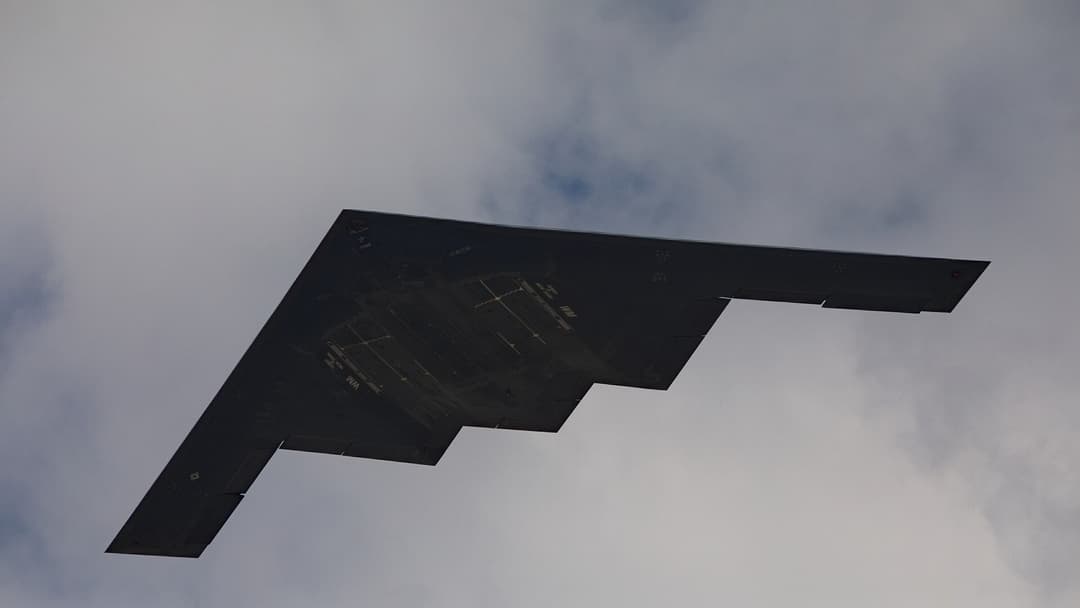
1. Northrop B-2 Spirit
Developed under the Advanced Technology Bomber program from 1979, the B-2 revived the flying-wing shape decades after 1945 prototypes. Northrop built the 172-foot bomber in Palmdale behind tight security before rolling it out in November 1988. Only 21 aircraft were built.
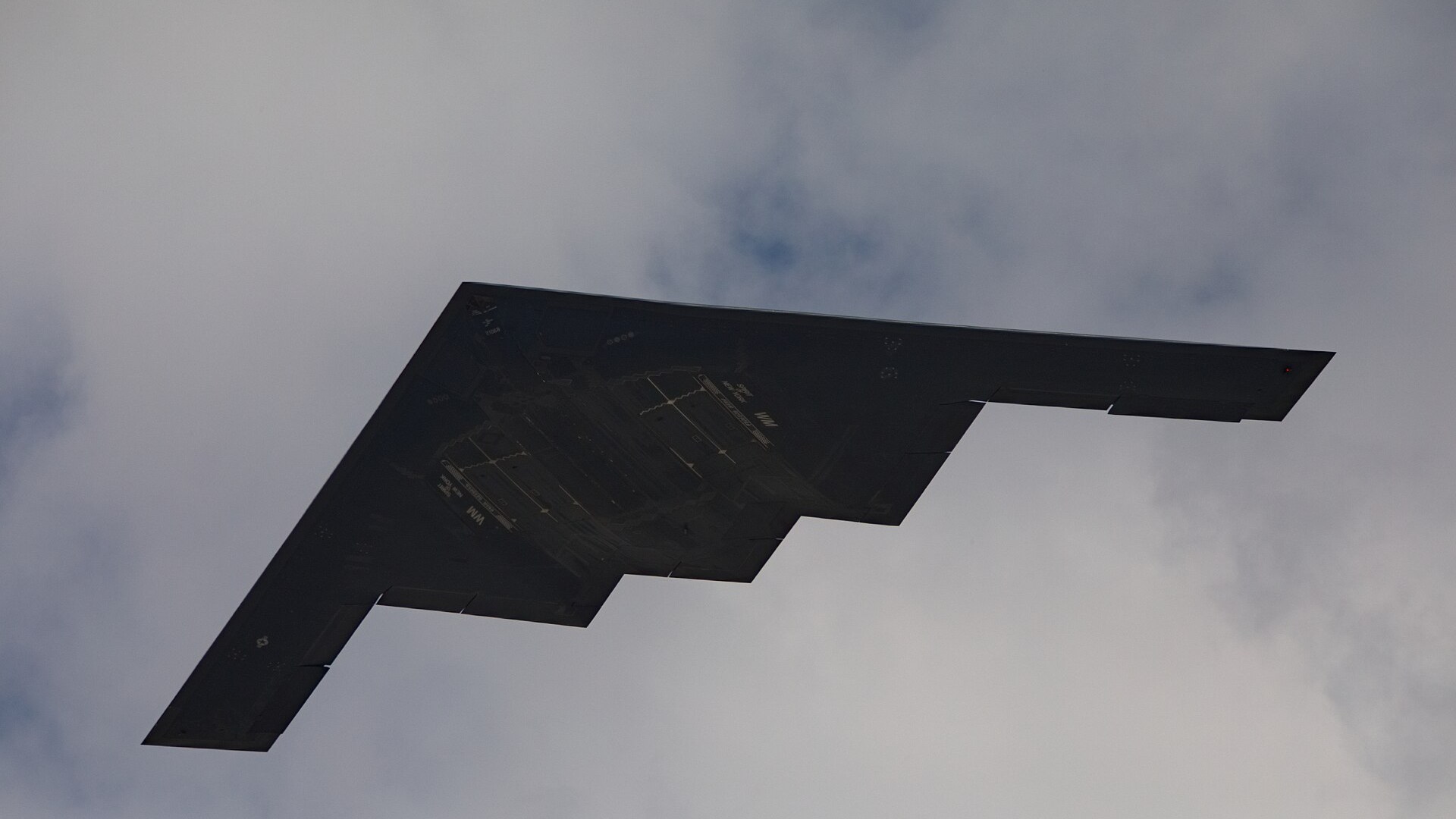
©Wikimedia / Ronnie Macdonald from Chelmsford and Largs, Unit
Advertisement
You've reached the end of the story. Thanks for reading!

20 Countries With the Most Earthquakes, Ranked
Discover the 20 countries with the most earthquakes ranked by scientific monitoring records from global geological surveys. From the volatile Pacific Ring of Fire to complex continental fault lines, explore where tectonic forces collide and exactly where the United States lands among the most shaken nations.
All 22 Entries in this Story
22. McDonnell XF-85 Goblin
Built in 1948 to ride inside the bomb bay of a Convair B-36 Peacemaker, the egg-shaped XF-85 measured just 15 feet long. Test pilot Edwin Schoch struggled to hook back onto the mothership's trapeze during trials, and the Air Force canceled the project in 1949. Only two were built before it went to museum storage.

21. Avro Canada VZ-9 Avrocar
Developed in secret in the late 1950s in Ontario, the 18-foot disc used a central turborotor to blow exhaust around its rim. Tests at Ames Research Center showed the craft grew unstable above three feet off the ground. Declassified files later revealed the U.S. Army backing.

20. Republic XF-84H Thunderscreech
First flown in July 1955 at Edwards Air Force Base, the XF-84H spun its propeller tips faster than sound even at idle. Its sonic booms carried 25 miles and knocked a crewman down during one ground run. Restricted to 12 test flights, the program ended in 1956.

19. Northrop YB-49
Jack Northrop's sleek, tailless bomber flew in 1947 with eight turbojets buried inside a 172-foot wing. After stability troubles and a fatal 1948 crash, the Air Force canceled the program and ordered all remaining airframes cut up at Hawthorne. Decades later, its radar-evading shape guided the B-2 stealth bomber.

18. Messerschmitt Me 163 Komet
Capable of climbing to 30,000 feet in under three minutes, the tailless Me 163 burned volatile fuels that burned skin on contact. After Germany's 1945 surrender, Allied teams shipped captured Komets overseas for covert flight testing. Surviving airframes later entered museum collections.

17. Arado Ar 234 Blitz
Twin Junkers Jumo turbojets pushed the Ar 234 past 460 mph in 1944, outrunning Allied piston fighters. Operation Lusty teams captured nine airframes in 1945 and flew examples to Freeman Field, Indiana, for secret testing. One surviving Blitz spent decades in Smithsonian storage.

16. Avro Canada CF-105 Arrow
Rolled out in October 1957, the delta-winged Arrow was built to intercept Soviet bombers at twice the speed of sound. When Ottawa canceled the project in February 1959, all five flying airframes and assembly tooling were ordered cut up. Only a few nose sections survived.

15. BAC TSR-2
Designed to skim under radar at Mach 2, the British TSR-2 first flew in September 1964 from Boscombe Down. Rising costs led the government to cancel the strike jet in April 1965 and order jigs and unfinished frames destroyed. Only two complete prototypes survived in museums.

14. Sukhoi T-4
Nicknamed Sotka, the Sukhoi T-4 first flew in August 1972 with a drooping nose and early fly-by-wire controls. Built from titanium and steel to withstand Mach 3 heat, only one prototype ever flew. Soviet officials kept the canceled bomber out of sight at Monino museum.

13. North American XB-70 Valkyrie
Built to outrun interceptors at 70,000 feet, the 185-foot XB-70 rode its own shockwave using folding wingtips. After missiles shifted U.S. strategy and one prototype crashed in 1966, NASA used the survivor for classified supersonic research until retiring it to Dayton in 1969.

12. Northrop YF-23
Built in secrecy for the Advanced Tactical Fighter contest, the YF-23 paired V-tails with buried exhaust troughs to cut radar and heat signatures. It flew faster than Mach 1.4 without afterburners before losing to the YF-22 in 1991. Both prototypes had classified gear removed.

11. Bachem Ba 349 Natter
Built in late 1944 to defend German plants, the wooden Ba 349 launched vertically off a tower with 24 nose rockets. Its only manned flight in March 1945 ended fatally before combat use. U.S. teams captured surviving frames and kept one tucked in Smithsonian storage for decades.

10. Horten Ho 229
Designed by Reimar and Walter Horten, the V3 prototype had two Junkers Jumo 004 turbojets and a skin of glued plywood and charcoal. American Operation Paperclip teams captured the unfinished airframe in Friedrichroda in April 1945. It sat crated in Maryland storage until Smithsonian restoration began in 2014.

9. Lockheed D-21
Created by Skunk Works under Project Tagboard after Gary Powers was shot down, the ramjet D-21 launched off an M-21 Blackbird and later from B-52 bombers. Its four operational flights over China between 1969 and 1971 all failed to return film capsules. The Air Force kept the drone program hidden until 1976.

8. Lockheed U-2 Dragon Lady
Kelly Johnson's Skunk Works built and flew the glider-winged U-2 in 1955 at Groom Lake, Nevada, cruising above 70,000 feet beyond early Soviet interceptors. The CIA ran covert overflights for almost five years before a missile downed Francis Gary Powers in May 1960, exposing the secret program.

7. Lockheed A-12 Oxcart
First flown in April 1962 at Area 51, the titanium A-12 was lighter and faster than the better-known Air Force SR-71 that followed it. CIA pilots flew 29 operational missions over North Vietnam and North Korea in 1967 and 1968. Washington kept the A-12 secret for two decades.

6. Lockheed SR-71 Blackbird
Developed from the CIA's A-12 in deep secrecy at Burbank and Groom Lake, the two-seat SR-71 first flew in December 1964. Its titanium skin expanded inches at Mach 3.2, so fuel tanks leaked on the ground until flight heat sealed them. It set an official 2,193 mph speed record in 1976.

5. Lockheed Have Blue
Built by Skunk Works in 1977 with flat diamond panels to scatter radar waves away from receivers, Have Blue proved an angular jet could stay nearly invisible. Two prototypes flew 88 secret sorties at Groom Lake before both crashed by 1979. The Pentagon kept the project dark until 1988.

4. Northrop Tacit Blue
Nicknamed the Whale for its bathtub fuselage and curved skin, Tacit Blue tested whether smooth shapes could hide from battlefield radar. The single prototype made 135 flights between 1982 and 1985 with a stealthy ground-mapping radar. The Air Force kept it classified until April 1996.

3. Boeing Bird Of Prey
Funded internally by McDonnell Douglas and Boeing, the Bird of Prey tested single-piece composite parts and visual camouflage at Groom Lake from 1996 to 1999. Its air intake sat behind the cockpit to hide engine blades from radar. Boeing finally revealed the black-project jet in October 2002.

2. Lockheed F-117 Nighthawk
First flown in June 1981 at Groom Lake, the Nighthawk flew from Tonopah Test Range only at night for years. Its faceted airframe and internal bays let pilots deliver precision strikes unseen. The Pentagon denied its existence until releasing a single grainy photograph in November 1988.

1. Northrop B-2 Spirit
Developed under the Advanced Technology Bomber program from 1979, the B-2 revived the flying-wing shape decades after 1945 prototypes. Northrop built the 172-foot bomber in Palmdale behind tight security before rolling it out in November 1988. Only 21 aircraft were built.