Slideshow · Viral
22 Things That Are Surprisingly Older Than You Think
From Roman floor heating to ancient Greek computers, history was high tech.
By Most Viral Today
2 Nov 2026

Ancient Inventions That Seem Impossible For Their Time 
22. Electric Cars 
21. Contact Lenses 
20. The Fax Machine - AdvertisementSwipe or tap ▶ to continue countdown

19. Plastic Materials 
18. Sunglasses 
17. High Heels 
16. Seismographs - AdvertisementSwipe or tap ▶ to continue countdown

15. Roman Concrete 
14. Automatic Doors 
13. Coin Vending Machines 
12. The Antikythera Computer - AdvertisementSwipe or tap ▶ to continue countdown

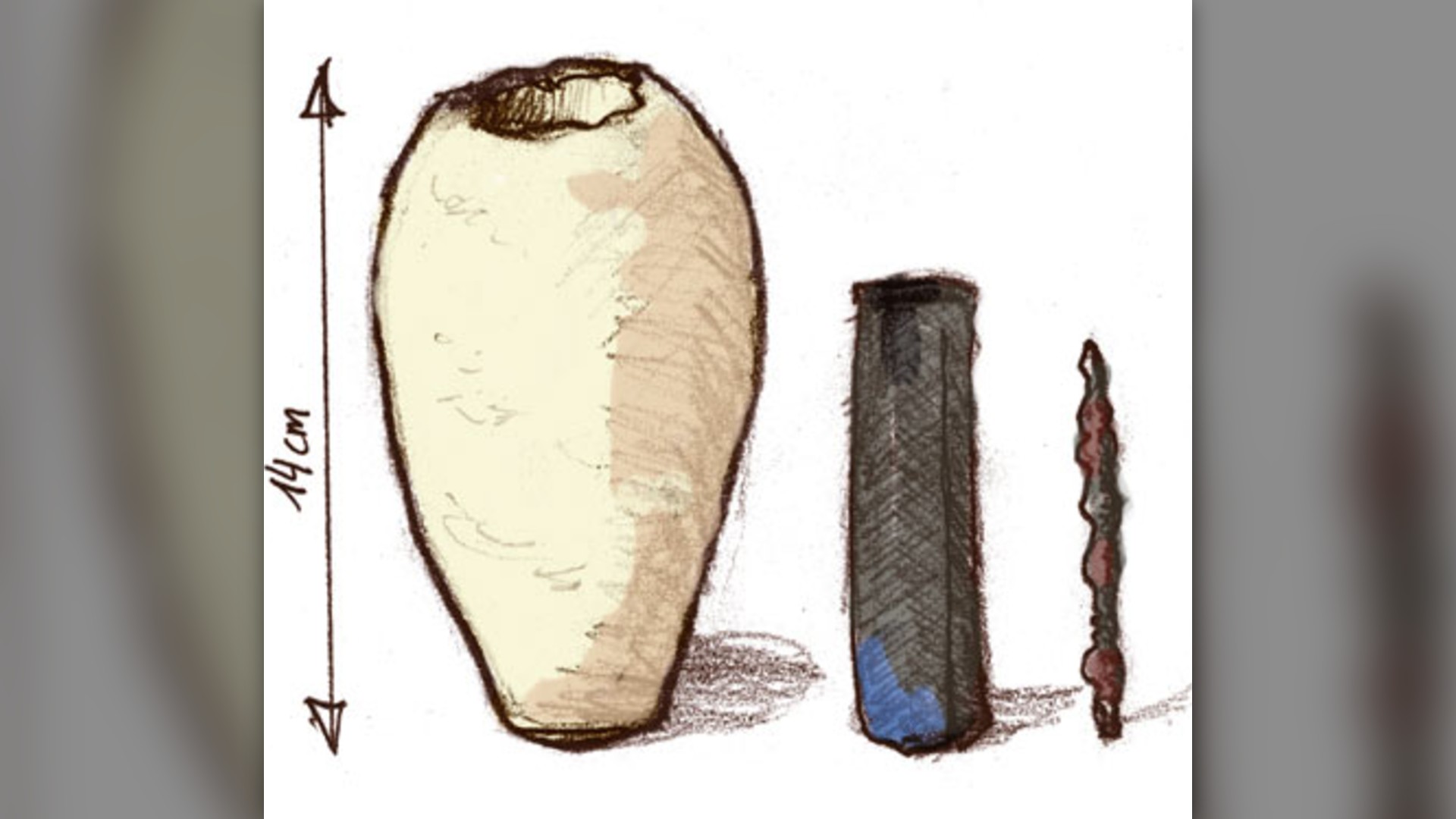
11. The Baghdad Battery 
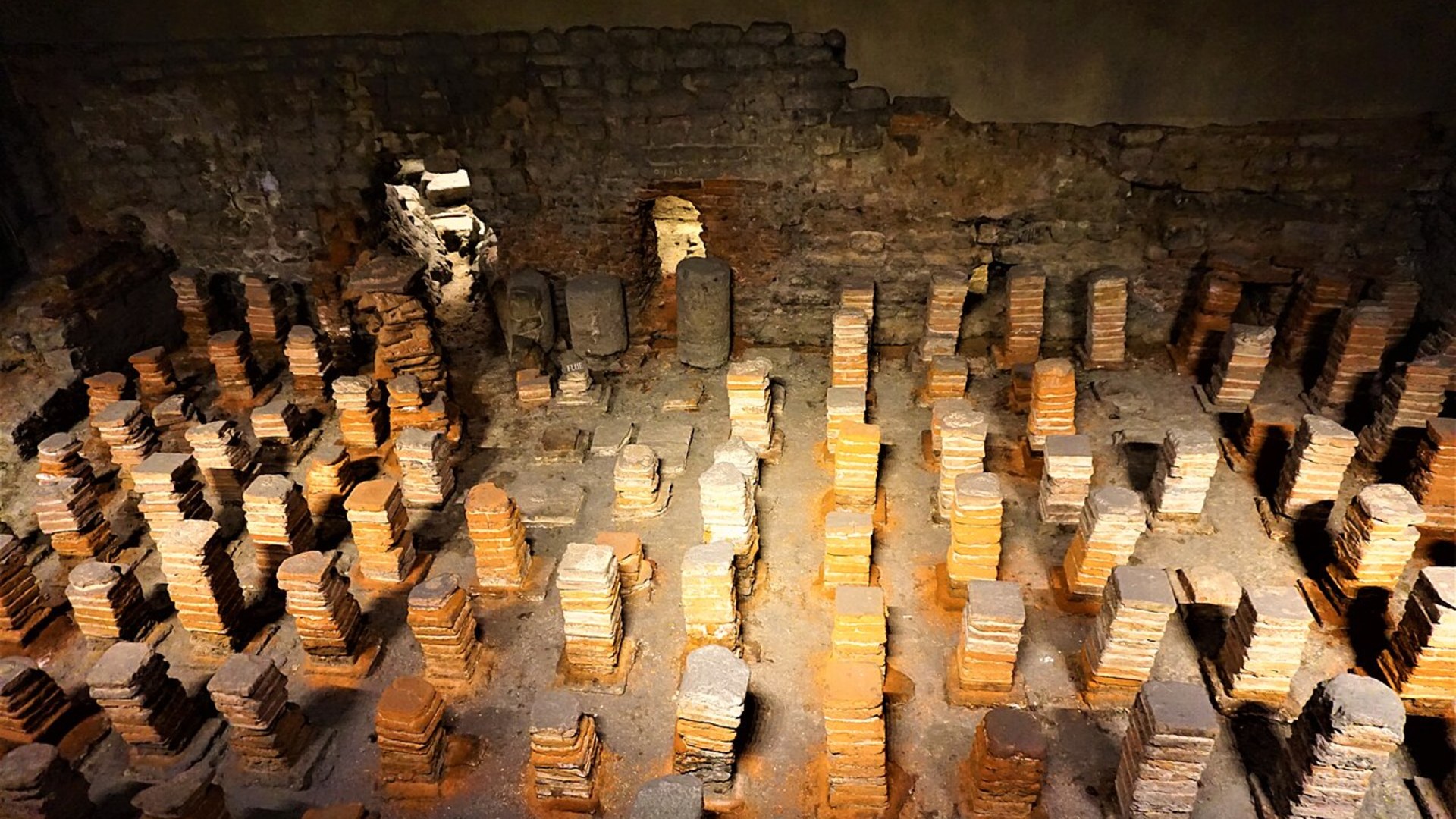
10. Central Heating Systems 
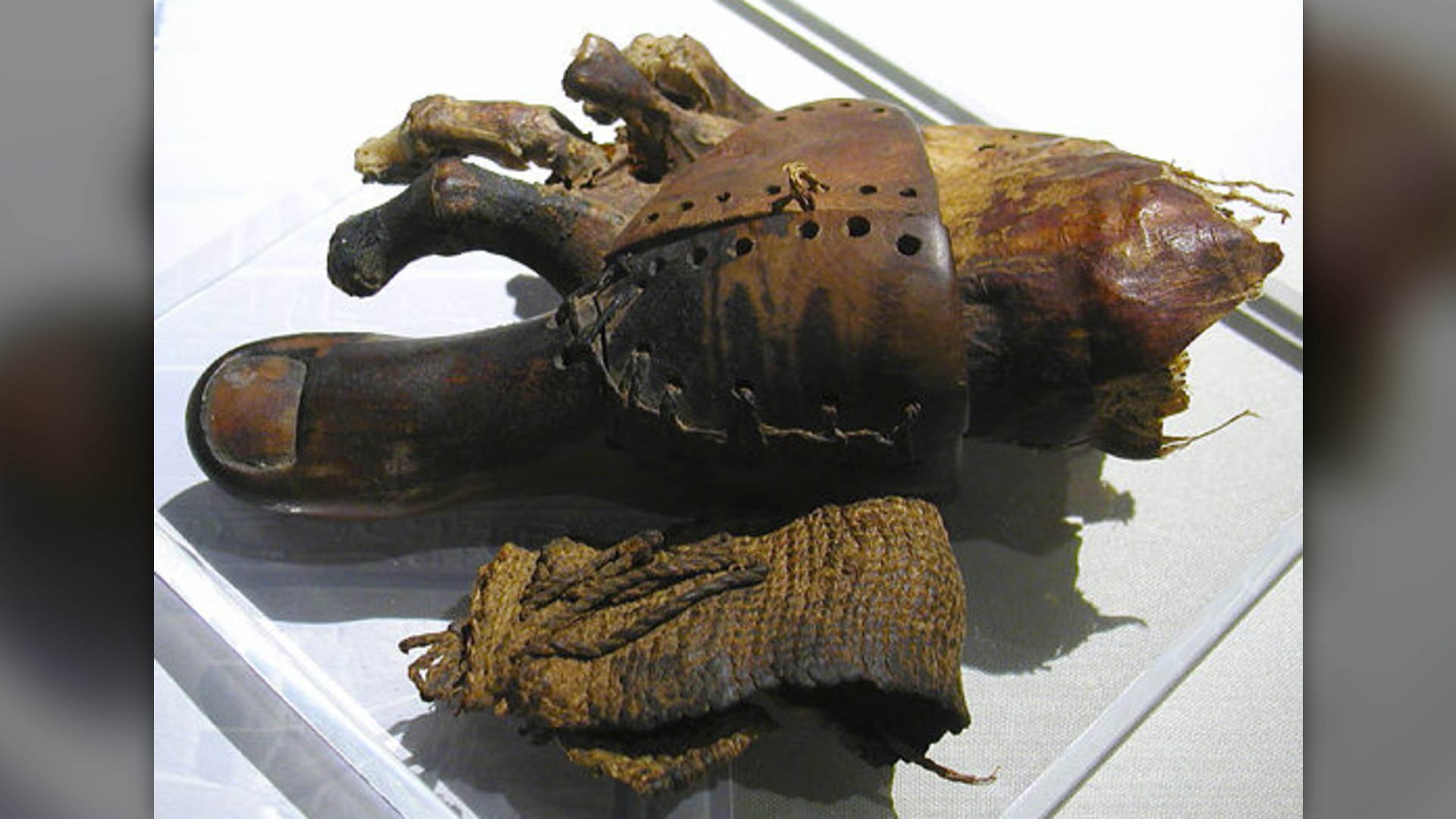
9. Prosthetic Limbs 
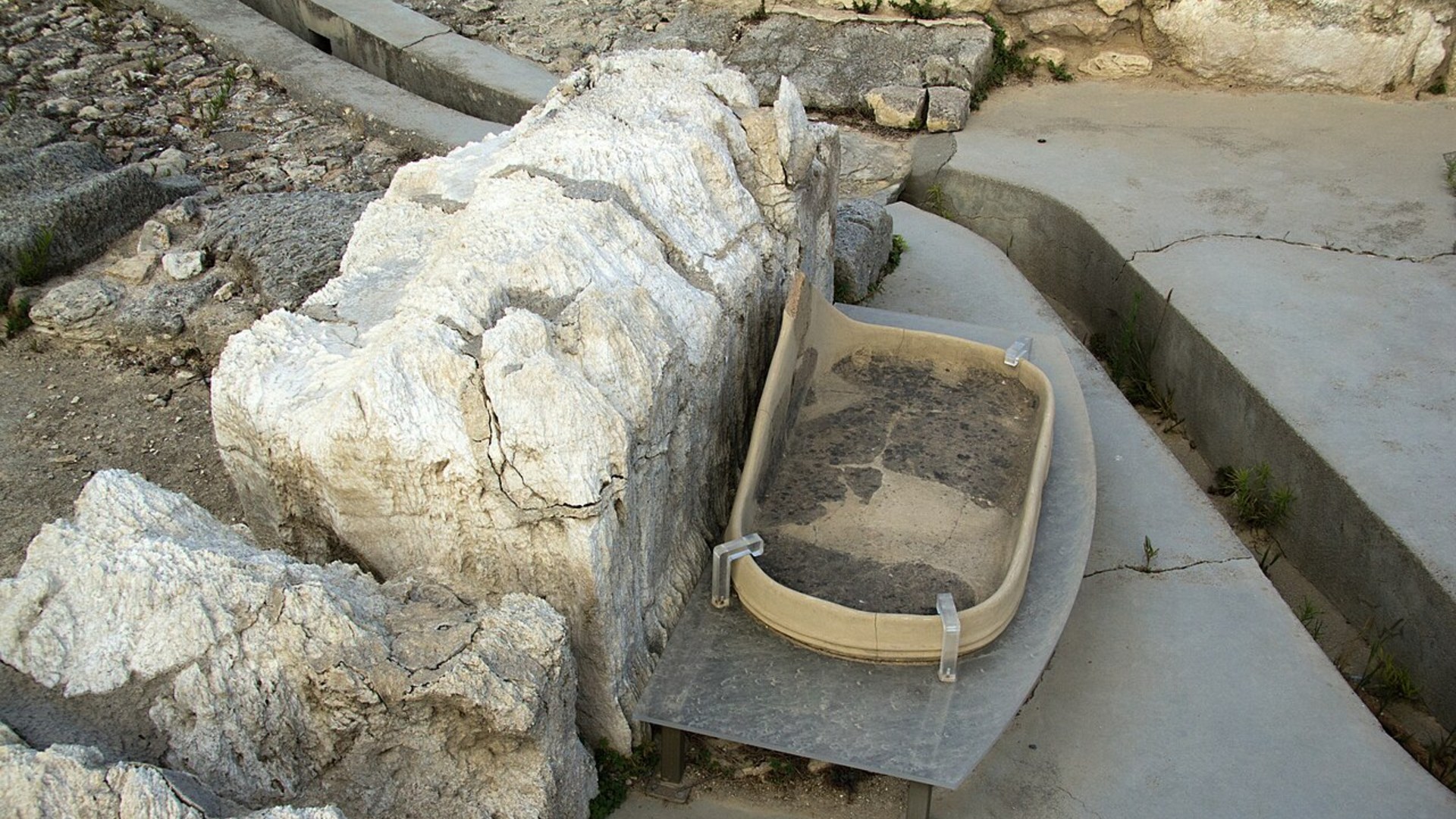
8. Flush Toilets - AdvertisementSwipe or tap ▶ to continue countdown

7. Umbrellas 
6. Board Games 
5. Eye Makeup 
4. Chewing Gum - AdvertisementSwipe or tap ▶ to continue countdown

3. Tattoos 
2. Brain Surgery 
1. Sharks Predating Trees - Advertisement🔥 UP NEXT IN THIS SERIES◫ 21 Slides

20 Famous Cars With Pop-Up Headlights That Shaped Car Design
From hand-cranked 1930s teardrops to wedge supercars of the 1980s, hidden headlights let stylists chase sleek aerodynamics until 2004 pedestrian rules closed the curtain. Here are 20 standout production cars that turned retractable lamps into an enduring automotive design feature across seven full decades.
Many everyday conveniences, technological devices, and cultural staples feel like products of the modern industrial era. Yet archaeological discoveries prove that ancient engineers and craftspeople devised sophisticated solutions to common problems thousands of years before the modern world reinvented them.
Swipe or tap ▶ to begin the countdown
©Wikimedia / Metropolitan Museum & Reinhard Mueller, CC
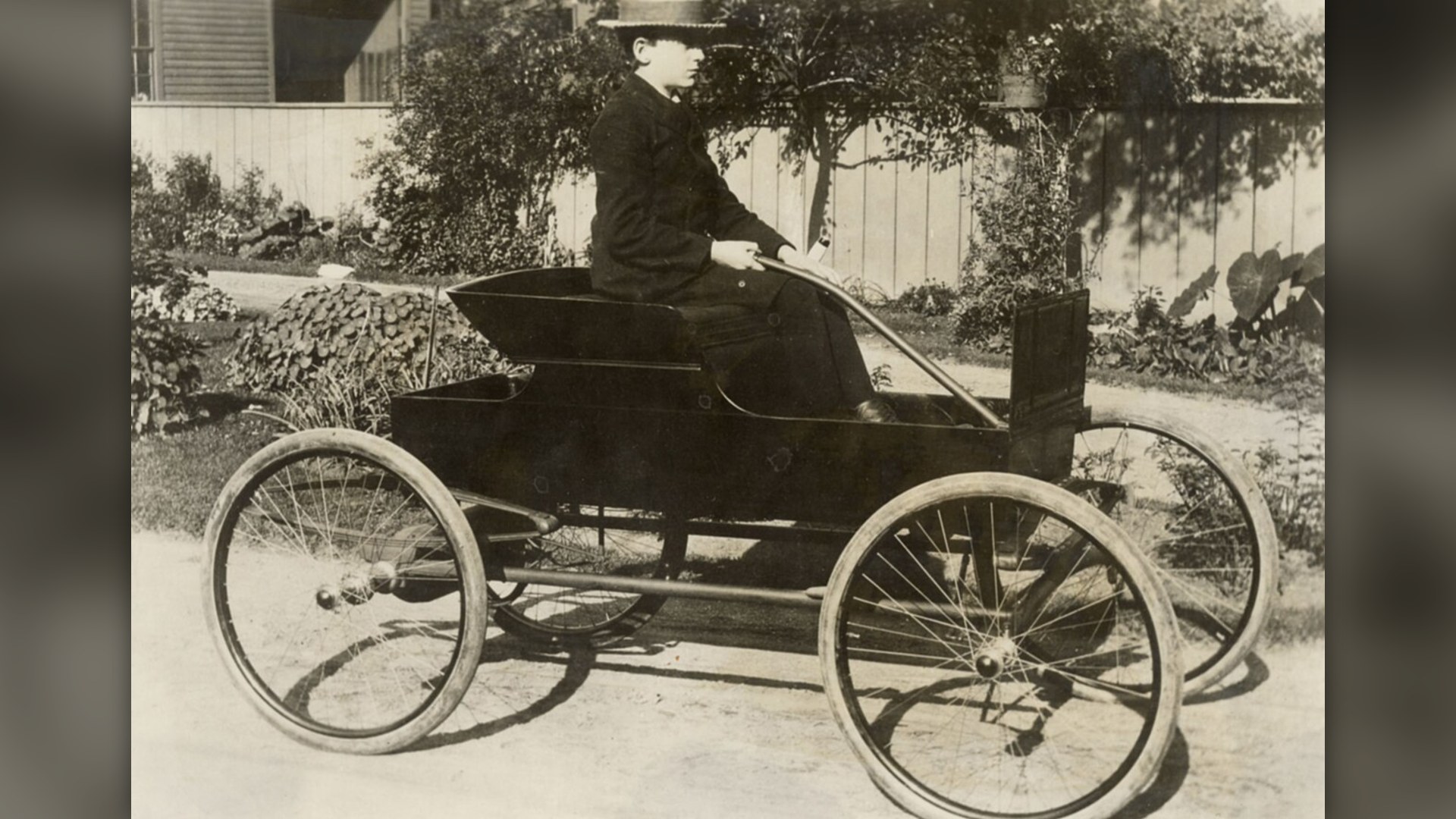
22. Electric Cars
Long before modern electric vehicles hit highways, battery-powered automobiles outsold steam and gasoline cars at the end of the nineteenth century. Inventors like William Morrison built successful six-passenger electric carriages in 1890, providing quiet urban rides before gas engines dominated.
©Wikimedia / DPLA / Cleveland Public Library
21. Contact Lenses
While Leonardo da Vinci sketched concepts of corneal neutralization in 1508, German ophthalmologist Adolf Fick crafted the first wearable contact lenses from blown glass in 1888. Patients could only tolerate the heavy scleral glass shells for a couple of hours before removing them.
©Wikimedia / Reinhard Mueller / CC BY-SA 4.0
20. The Fax Machine
Scottish clockmaker Alexander Bain patented the electric printing telegraph in 1843, three full decades before Alexander Graham Bell patented the telephone. Bain's chemical telegraph scanned flat surfaces with a stylus and synchronized pendulum clockwork to transmit printed text over wire.
© Photo by Tatsuya Moments on Unsplash
Advertisement
Swipe or tap ▶ to resume the countdown.
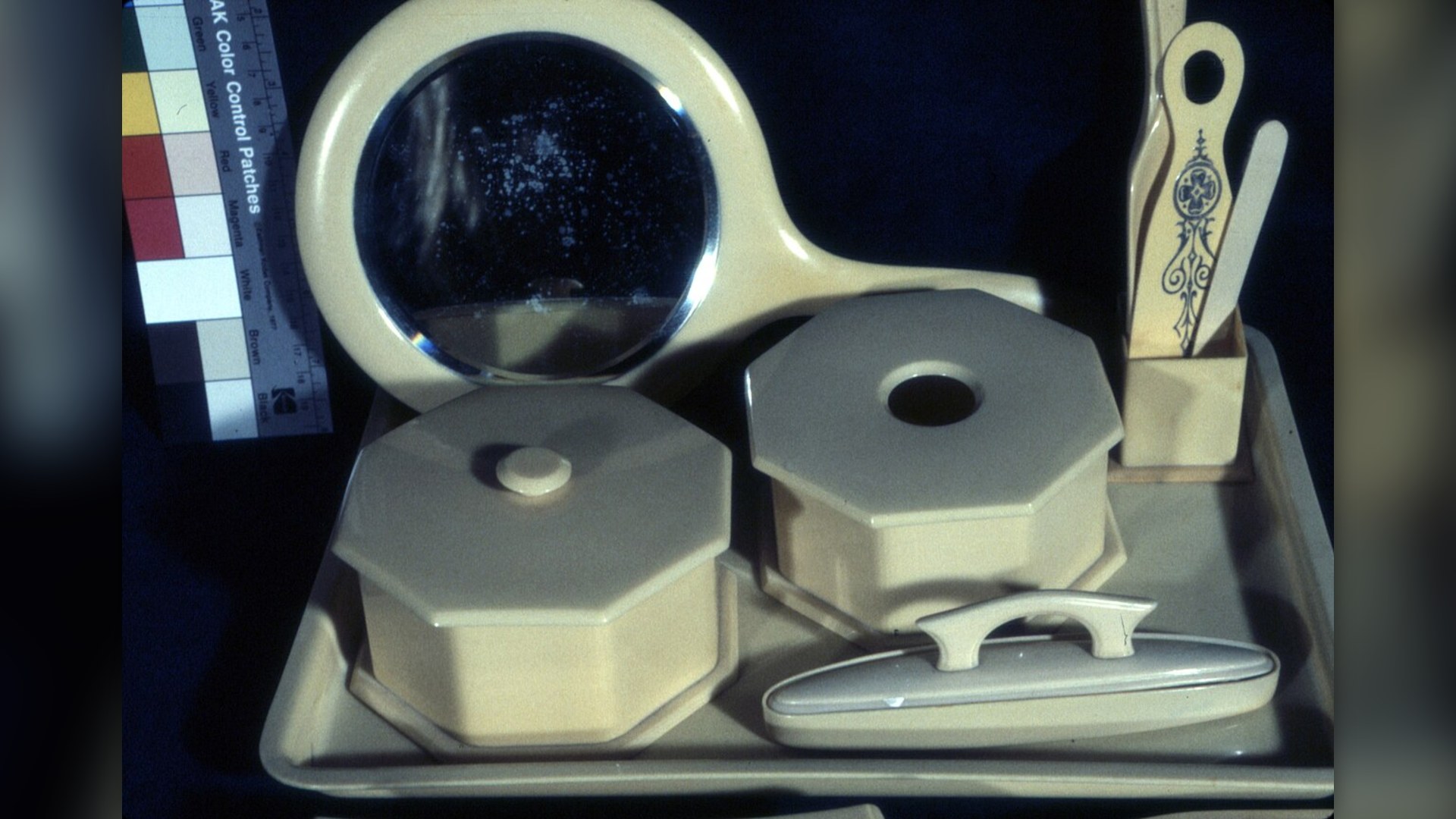
19. Plastic Materials
Alexander Parkes patented Parkesine in 1856 and unveiled it at the 1862 London Great Exhibition. Derived from cellulose treated with nitric acid and solvents, the material could be heated, molded into jewelry and buttons, and retain its solid waterproof shape upon cooling.
©Wikimedia / MNHS Collections / CC BY-SA 4.0
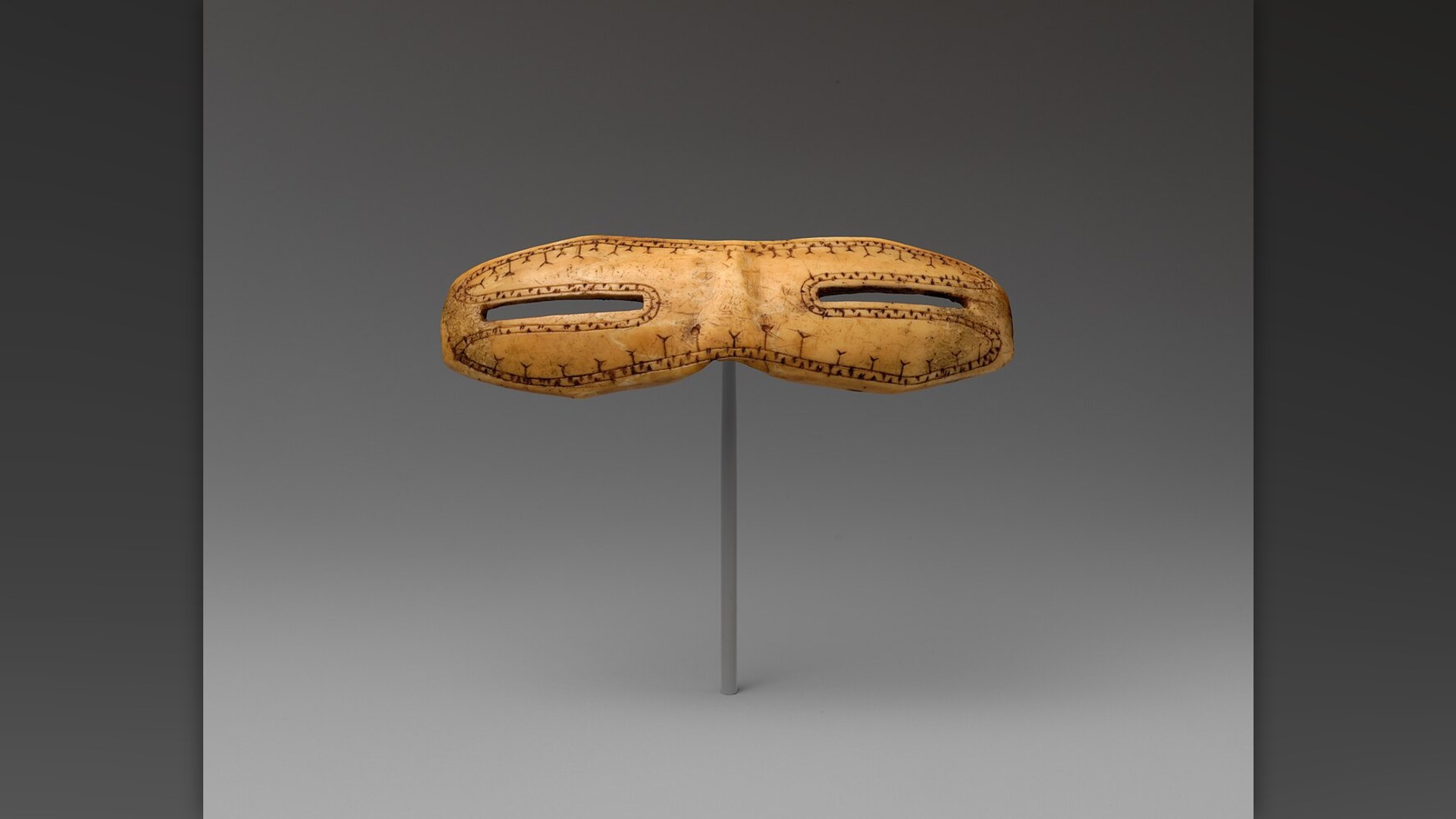
18. Sunglasses
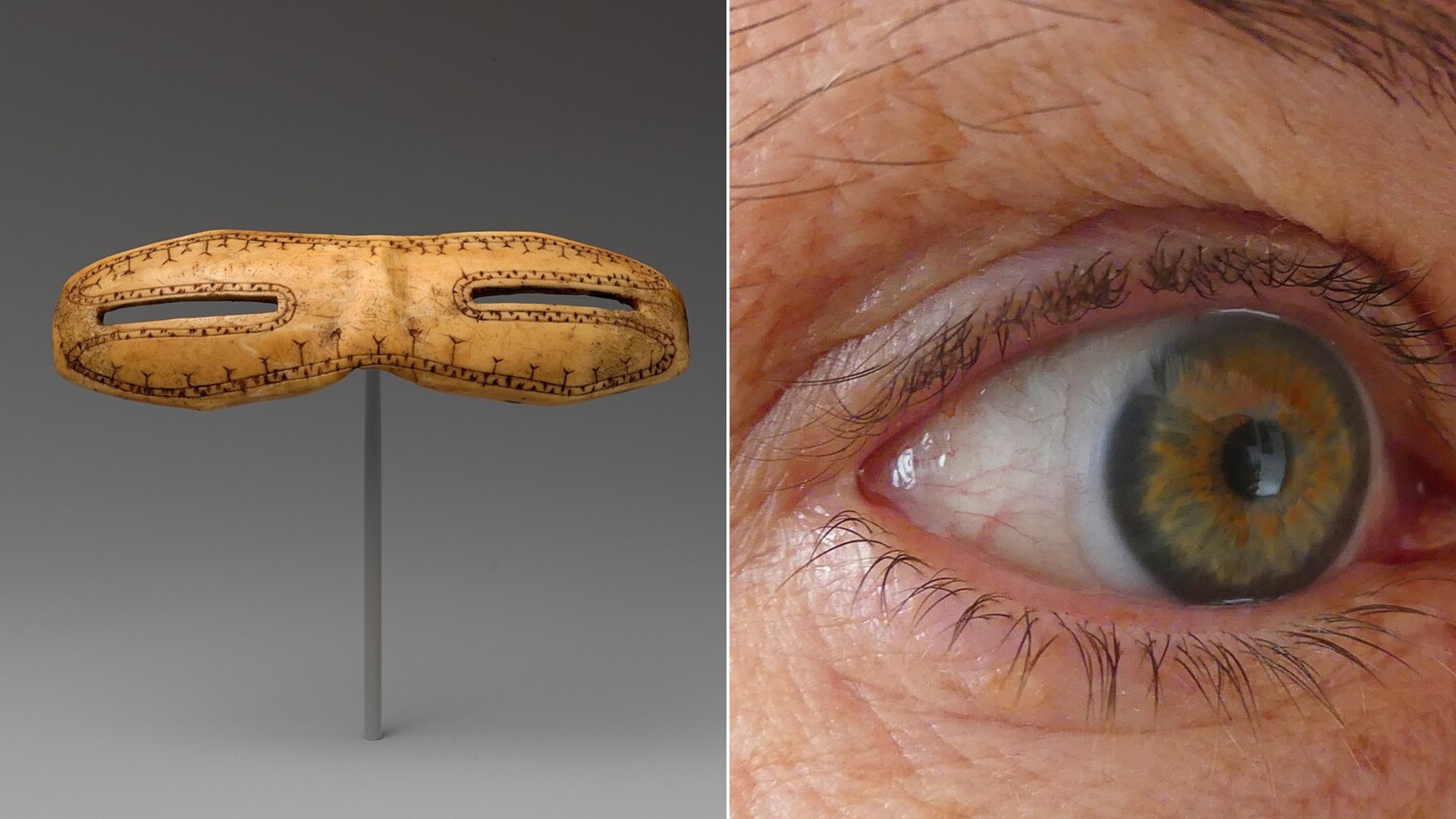
Centuries before tinted fashion sunglasses emerged, indigenous Inuit and Yupik hunters carved narrow slit goggles from walrus ivory and caribou antler. The ingenious curved eyewear shielded hunters from blinding Arctic glare and prevented snow blindness on frozen tundra expeditions.
©Wikimedia / Metropolitan Museum of Art / CC0
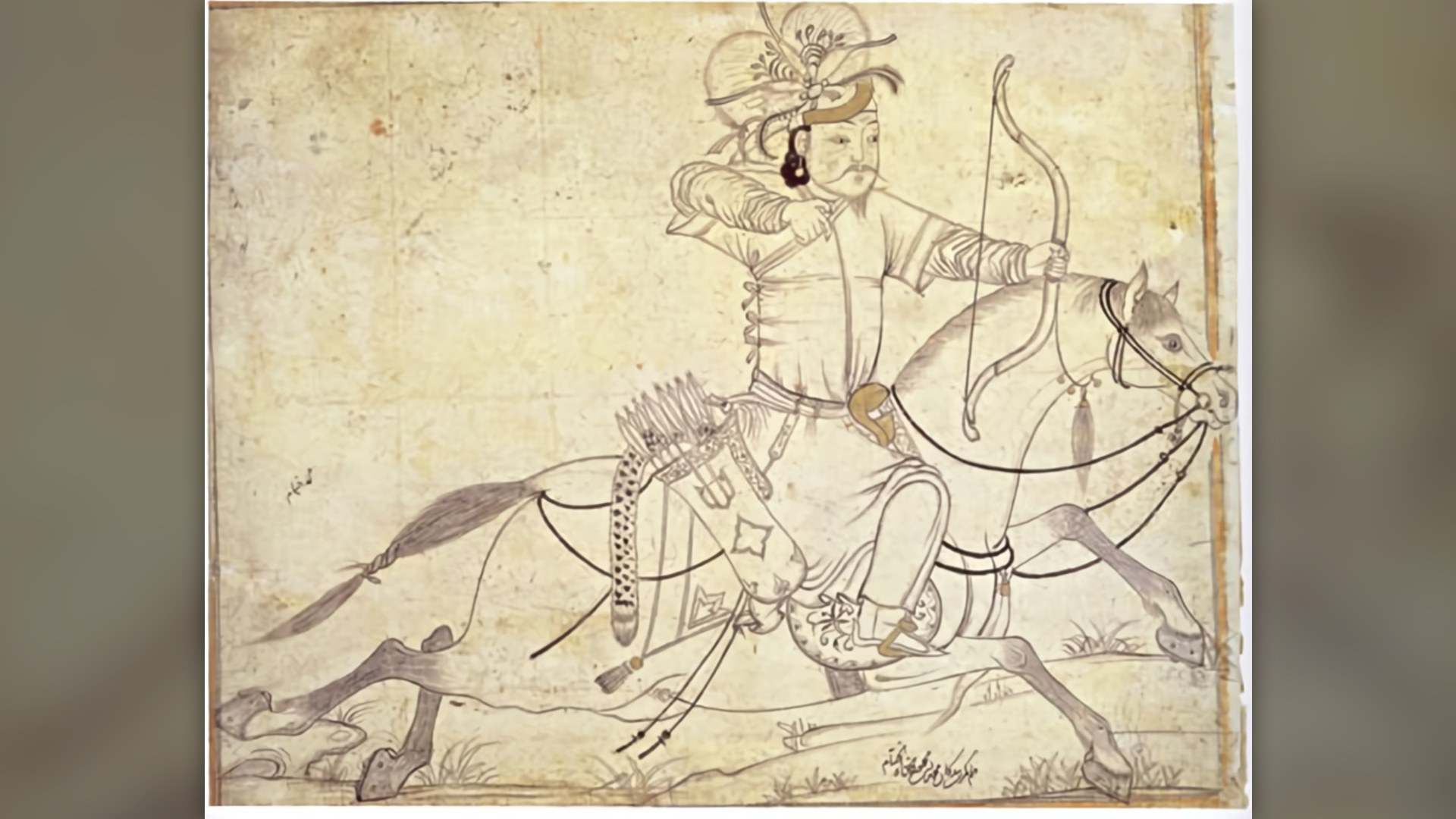
17. High Heels
High heels originated as practical equestrian gear for tenth-century Persian horse soldiers. Raised heels locked riders securely into iron stirrups, allowing archers to stand upright on galloping horses and aim arrows with precision before European aristocrats adopted the footwear.
©Wikimedia / Muhammad al-Khayyam / LOC
16. Seismographs
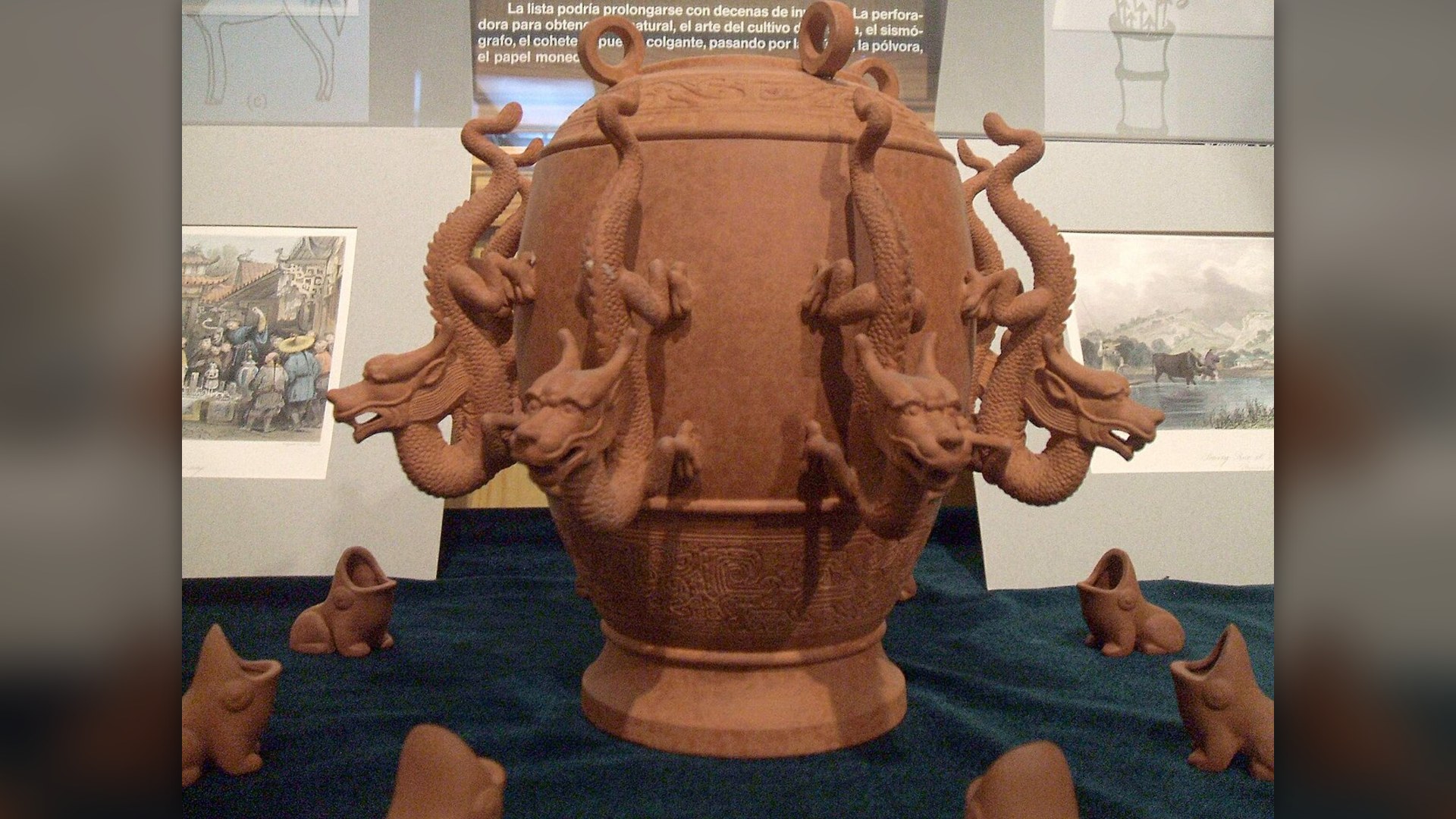
Han Dynasty astronomer Zhang Heng designed the Houfeng Didong Yi in 132 AD to detect distant ground tremors. The bronze urn housed an internal pendulum that triggered one of eight dragon heads to drop a bronze ball into a toad's mouth, indicating the directional origin of earthquakes.
©Wikimedia / Zarateman / CC0
Advertisement
Swipe or tap ▶ to resume the countdown.
15. Roman Concrete
Ancient Roman builders blended volcanic ash from Pozzuoli with quicklime and seawater to create pozzolanic concrete. The chemical reaction produced rare aluminous tobermorite crystals that strengthened over millennia underwater, leaving structures like the Pantheon dome intact after two thousand years.
©Wikimedia / Ank Kumar / CC BY-SA 4.0
14. Automatic Doors
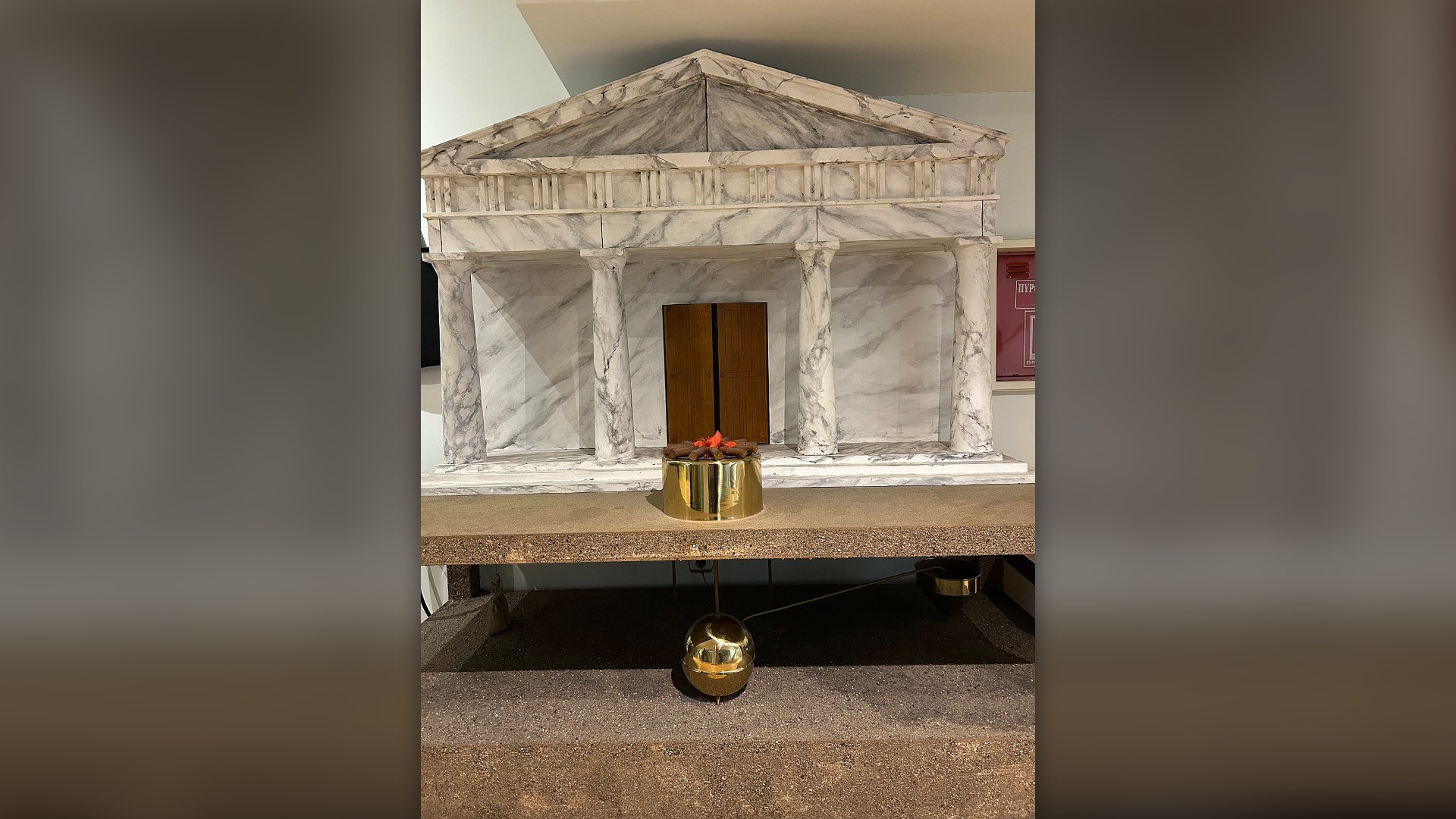
First-century Greek mathematician Hero of Alexandria designed automatic temple portals powered by heat and water displacement. Lighting a fire on the temple altar expanded air within an underground chamber, forcing water through siphons into a bucket whose weight pulled ropes that turned door spindles.
©Wikimedia / Aga39memnon / Kotsanas Museum
13. Coin Vending Machines
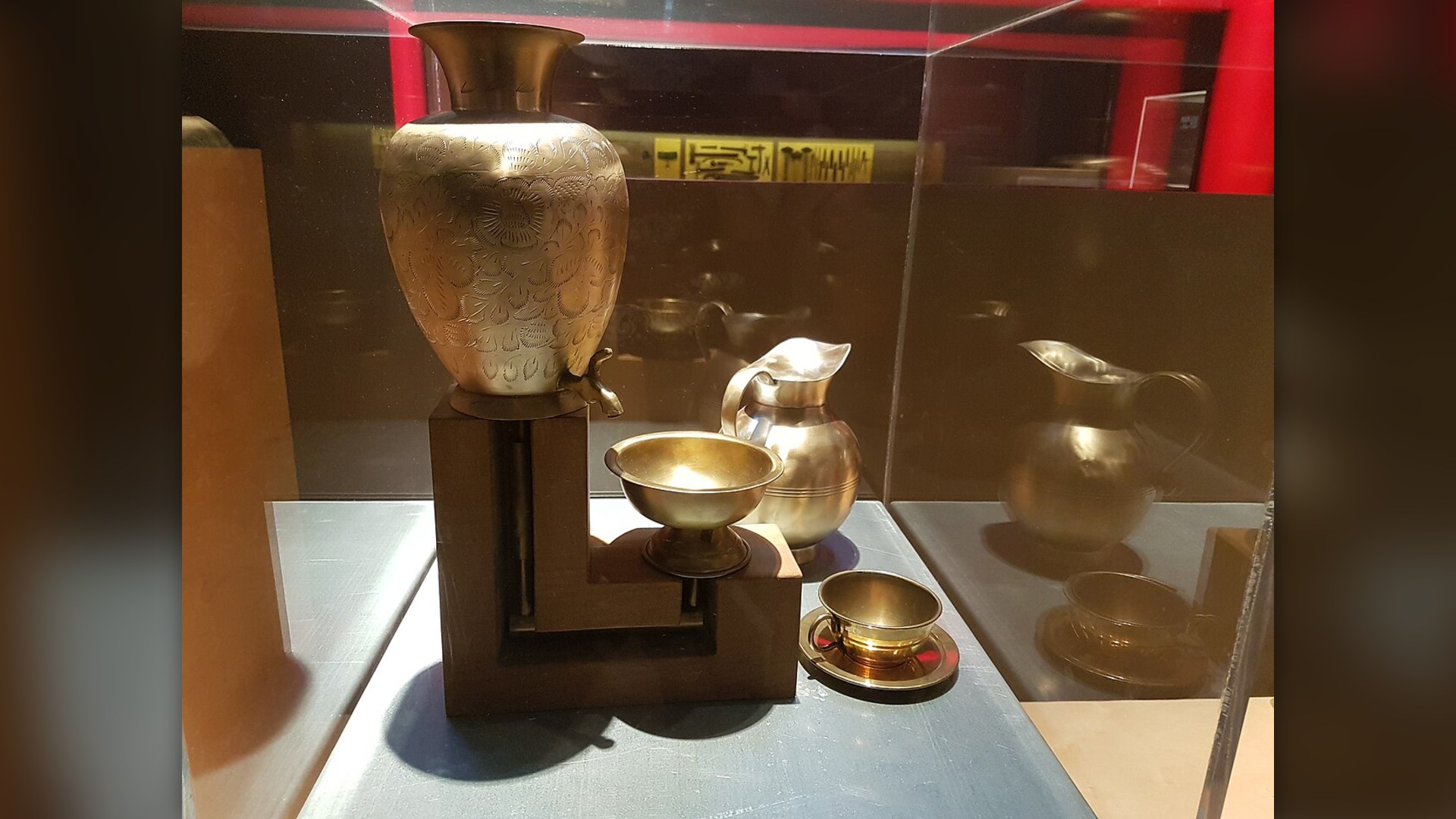
In first-century Roman Alexandria, Hero invented a coin-operated holy water dispenser. Worshipers dropped a four-drachma coin through a slot, which landed on a balanced lever arm. The weight opened a plug valve until the coin slid off, automatically cutting off the flow of consecrated liquid.
©Wikimedia / Gts-tg / CC BY-SA 4.0
12. The Antikythera Computer
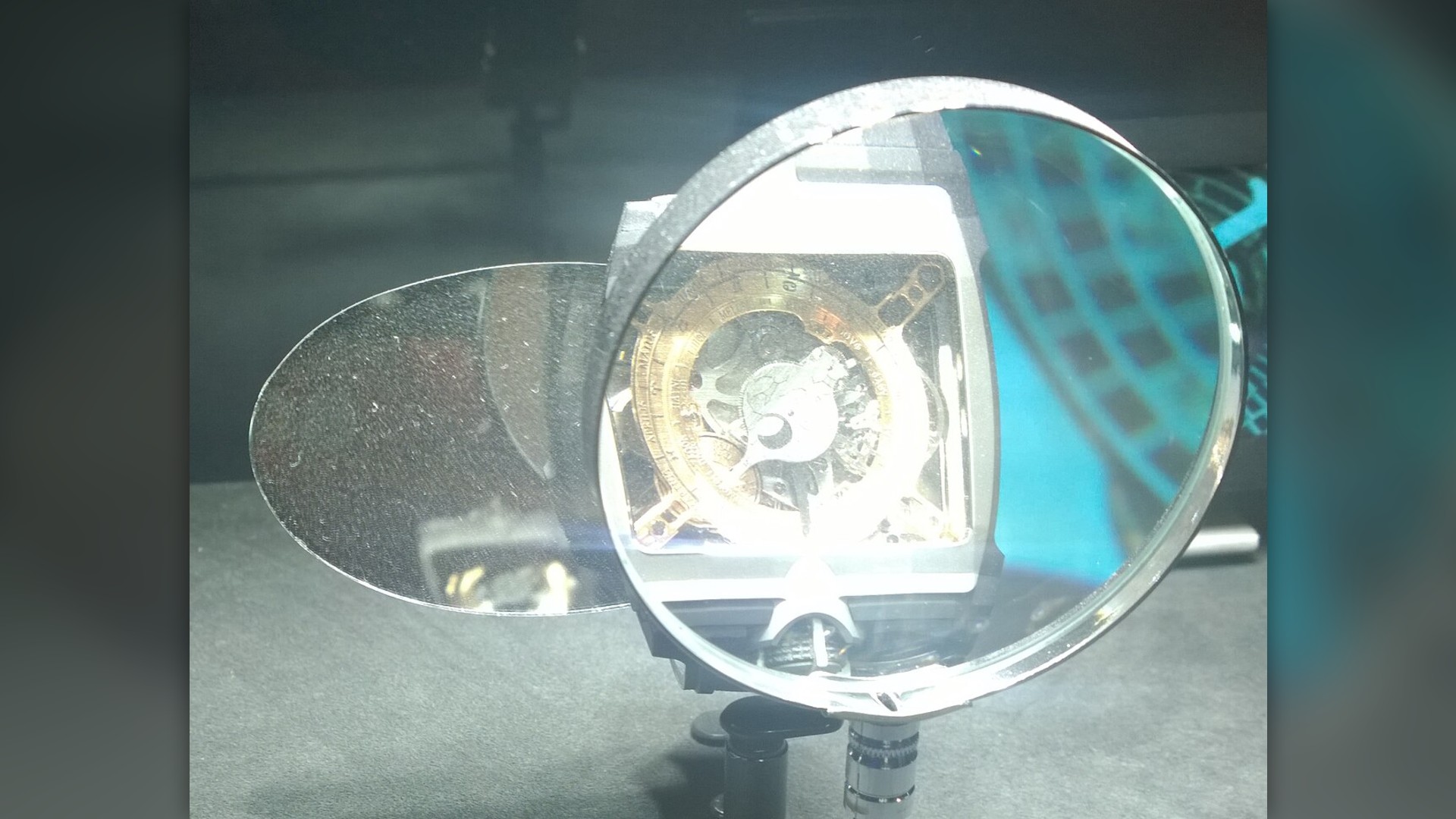
Recovered from a Greek shipwreck in 1901, the Antikythera Mechanism dates to around 150 BC. Containing over thirty intricately meshed bronze gears inside a wooden frame, the geared calculating machine computed moon phases, solar eclipses, and Olympic calendar dates with mechanical accuracy.
©Wikimedia / Moravec
Advertisement
Swipe or tap ▶ to resume the countdown.
11. The Baghdad Battery
Discovered near Baghdad, these two-thousand-year-old terracotta jars date to the Parthian or Sasanian period. Each vessel housed a rolled copper sheet containing an iron rod sealed with bitumen. Replicas filled with acidic lemon juice produce weak electric currents, suggesting electroplating uses.
©Wikimedia / Baghdad Battery
10. Central Heating Systems
Roman engineers warmed public baths and luxury villas with hypocaust underfloor heating systems starting around 100 BC. Slaves stoked outdoor charcoal furnaces that sent hot air through raised pillars of terracotta tile, radiating steady warmth through floors and hollow clay wall flues.
©Wikimedia / Joyofmuseums / CC BY-SA 4.0
9. Prosthetic Limbs
Discovered on a mummified noblewoman near Luxor, the Cairo Toe dates to roughly 950 BC. Crafted from wood and leather in three articulated sections, wear marks confirm the user walked comfortably with the prosthetic, making it the oldest known practical biomechanical implant.
©Wikimedia / Jon Bodsworth / Egyptarchive
8. Flush Toilets
At the Minoan Palace of Knossos in Crete, royal chambers featured stone latrines with wooden seats connected to terra-cotta drainage ducts around 1700 BC. Rainwater captured from rooftop cisterns flushed waste through hillside conduits into underground sewers.
©Wikimedia / Zde / CC BY-SA 4.0
Advertisement
Swipe or tap ▶ to resume the countdown.
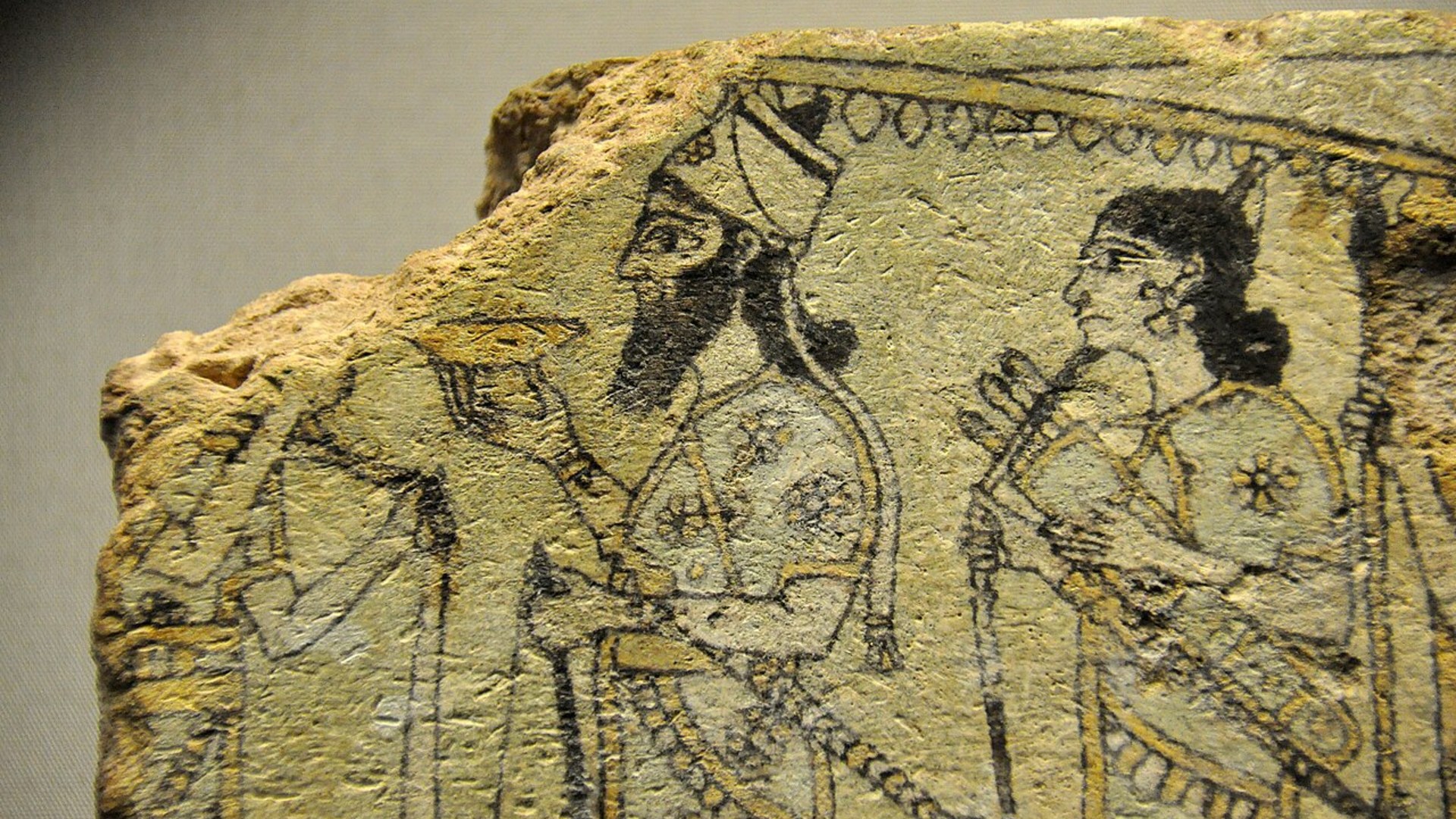
7. Umbrellas
Ancient Assyrian and Egyptian stone reliefs depict monarchs shielded by palm frond and leather parasols as early as 2400 BC. Chinese artisans later waterproofed collapsible silk and paper canopies with wax and lacquer during the Han Dynasty, creating the modern rain umbrella.
©Wikimedia / Osama S. M. Amin / CC BY-SA 4.0
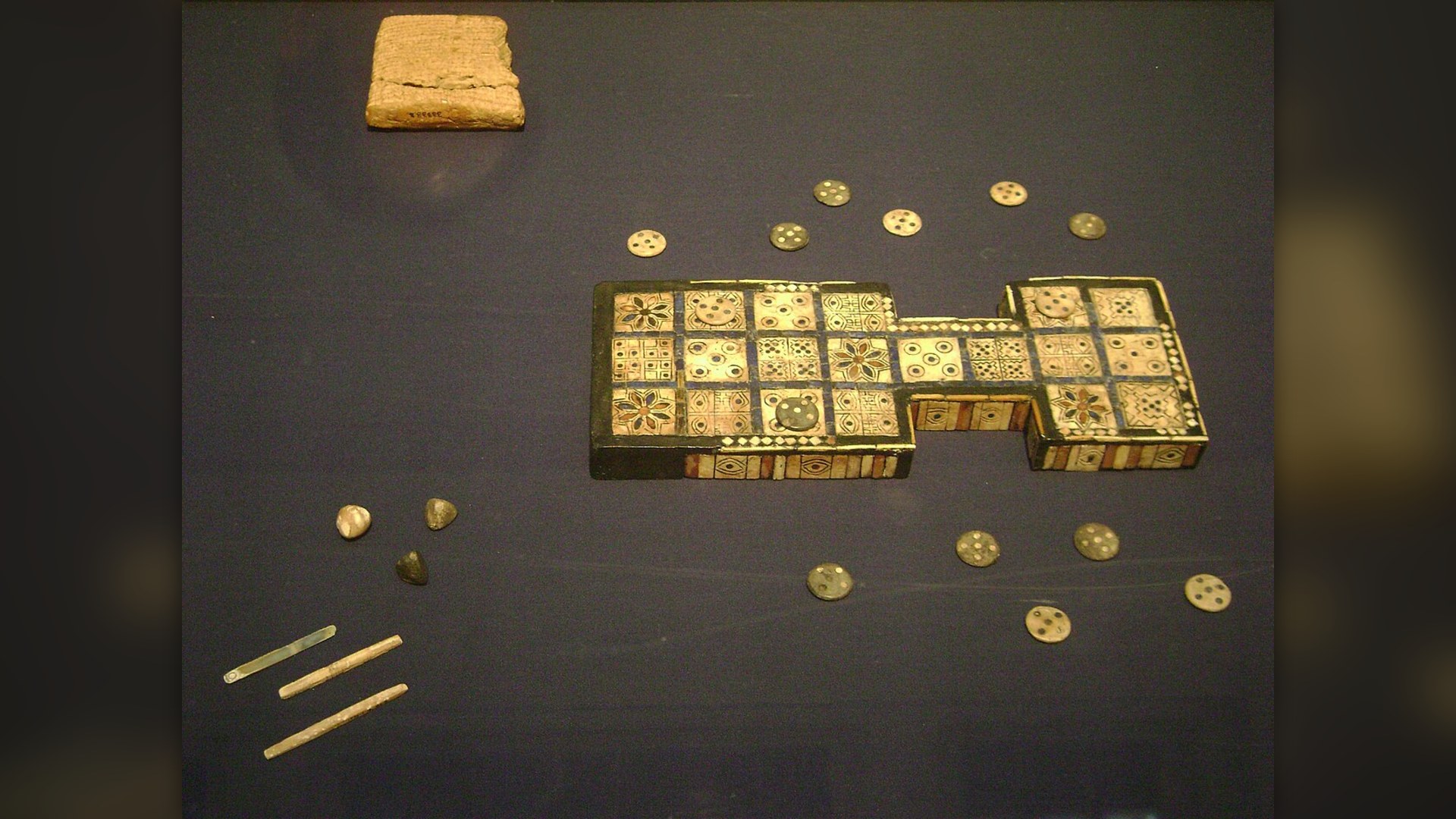
6. Board Games
Archaeologist Leonard Woolley unearthed elaborate lapis lazuli and shell game boards from the Royal Cemetery at Ur dating to 2600 BC. Cuneiform clay tablets preserved the strategic rules, showing players rolled pyramidal dice to race pawns across twenty carved wooden squares.
©Wikimedia / BabelStone / CC BY 3.0
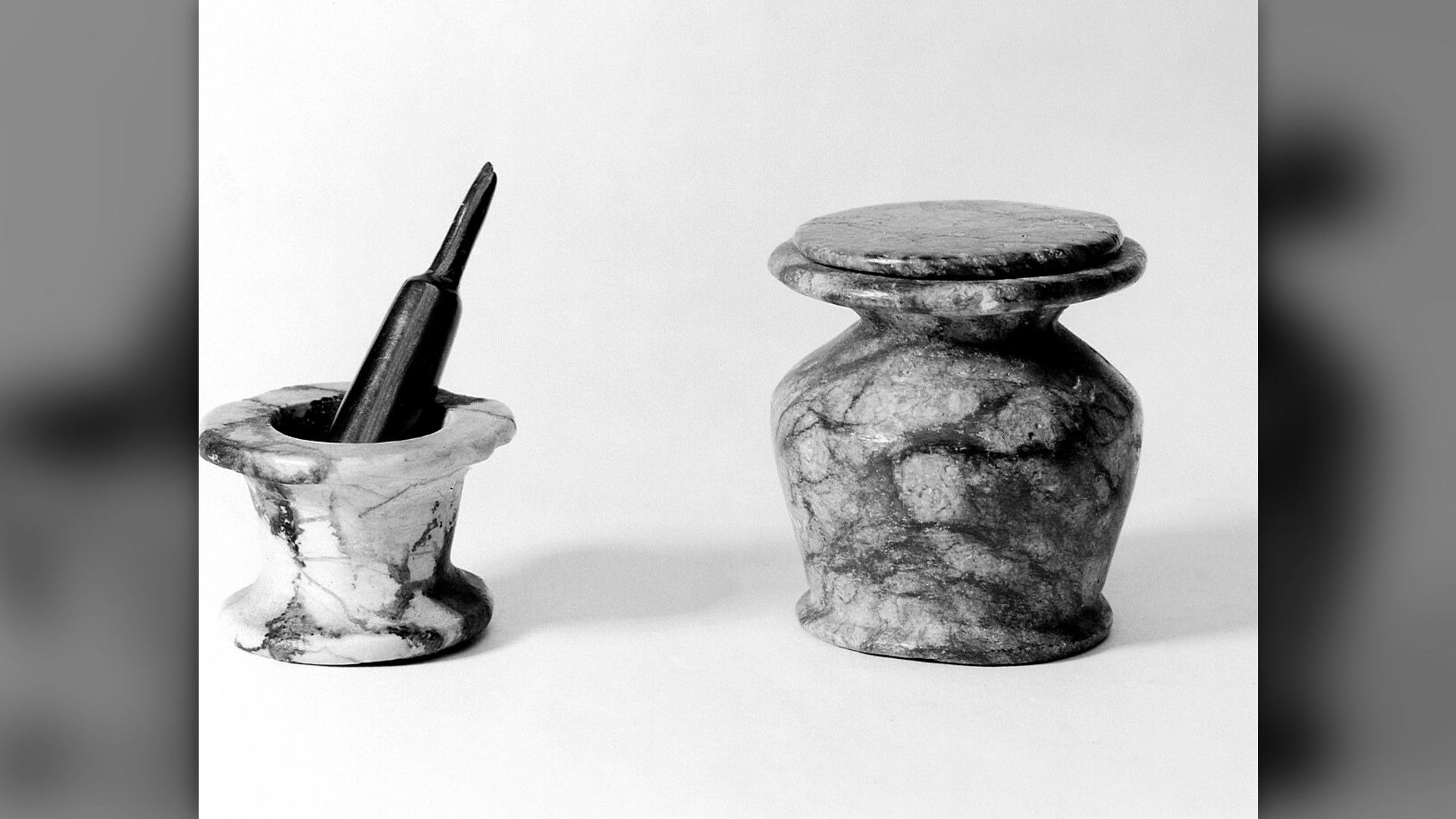
5. Eye Makeup
Dating back to 4000 BC, Egyptian men and women applied dark kohl eyeliner ground from galena, malachite, and animal fat. Beyond aesthetics, the lead-based compound shielded eyes from harsh Nile desert glare and released nitric oxide that helped prevent bacterial eye infections.
©Wikimedia / Wellcome Collection / CC BY 4.0
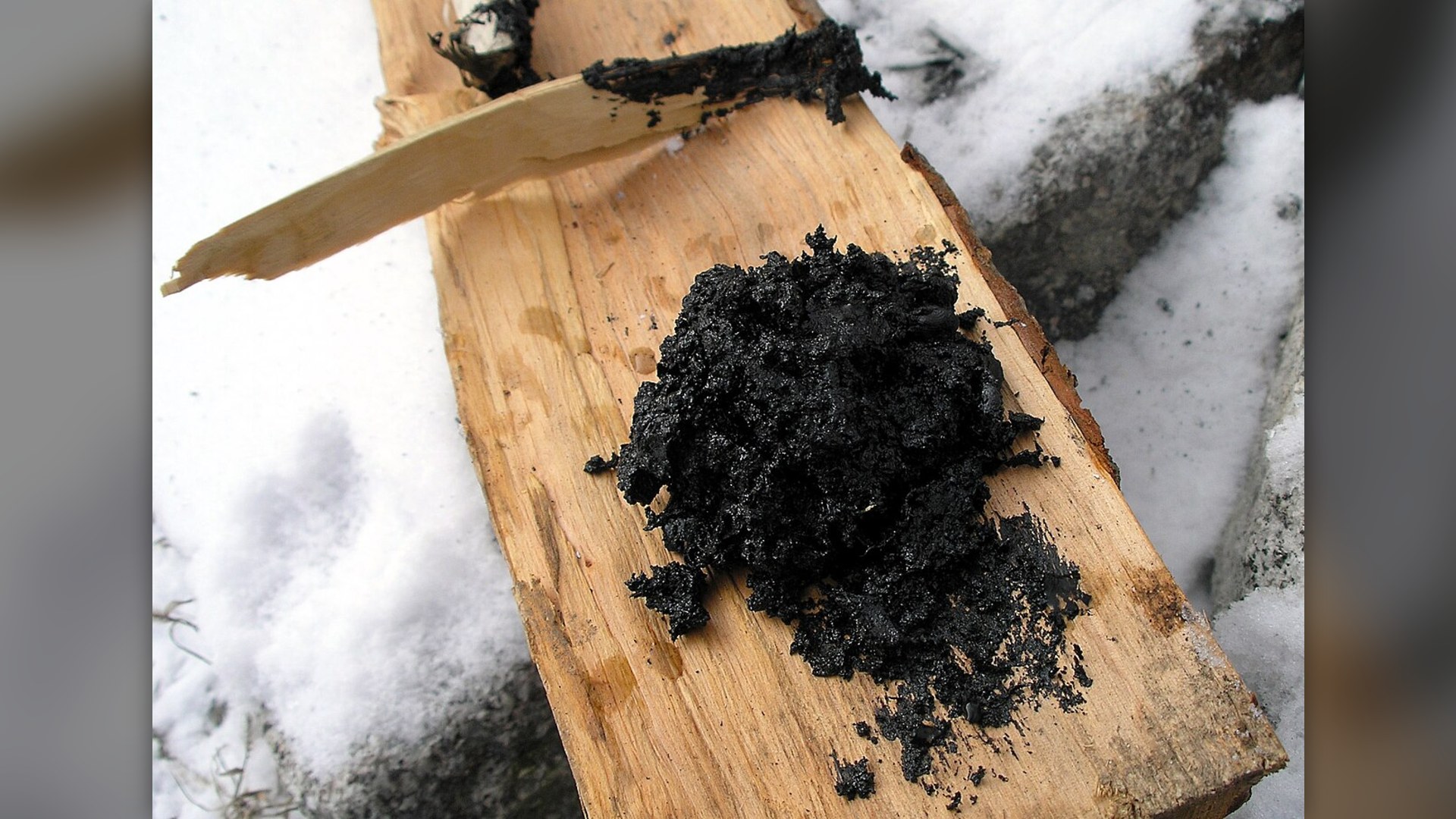
4. Chewing Gum
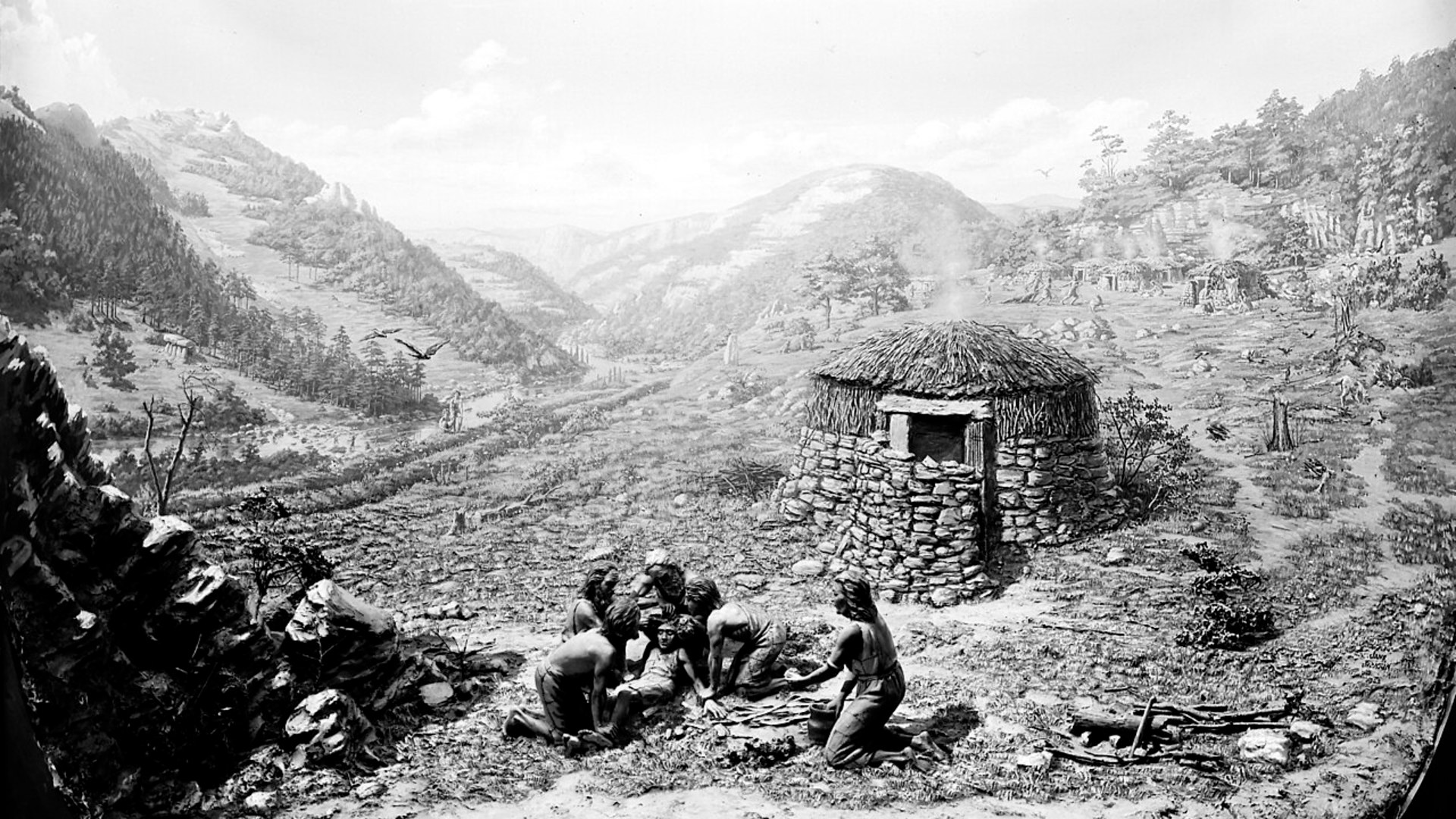
Archaeologists discovered a 5,700-year-old lump of chewed birch bark pitch on the Danish island of Lolland. Stone Age hunters chewed the heated tar to relieve toothaches, clean teeth, and soften the dark resin for gluing stone arrowheads onto wooden shafts.
©Wikimedia / Jorre / CC BY-SA 3.0
Advertisement
Swipe or tap ▶ to resume the countdown.
3. Tattoos
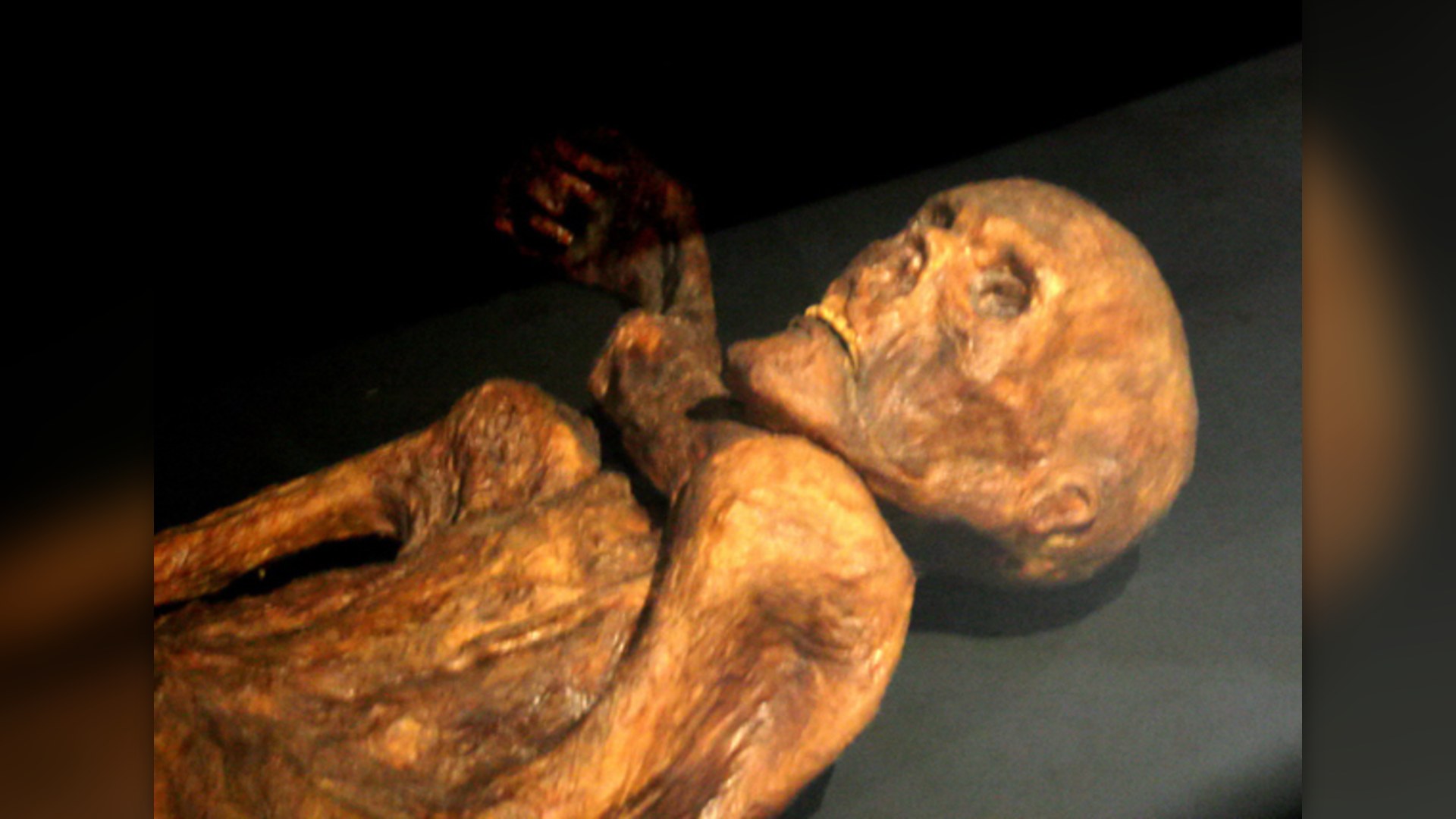
Preserved in Alpine glacial ice, the 5,300-year-old mummy known as Otzi the Iceman features sixty-one charcoal ink tattoos across his body. The geometric lines align closely with traditional acupuncture meridians, suggesting ancient European tribes used tattooing to treat chronic joint pain.
©Pixabay / Takmeomeo
2. Brain Surgery
Neolithic burial sites across Europe and Peru reveal human skulls with holes drilled using flint scrapers, a surgical procedure called trepanation. Smooth, rounded bone edges around the openings demonstrate that many patients survived the delicate skull operations and lived for years afterward.
©Wikimedia / Wellcome Collection / CC BY 4.0
1. Sharks Predating Trees
Fossilized scales show that primitive sharks emerged four hundred and fifty million years ago during the Ordovician period. The earliest land plants with wood and true leaves, like Archaeopteris, only appeared ninety million years later, making living sharks older than trees, Saturn's rings, and dinosaurs.

©Wikimedia / Sharkcrew / CC BY-SA 4.0
Advertisement
You've reached the end of the story. Thanks for reading!

20 Famous Cars With Pop-Up Headlights That Shaped Car Design
From hand-cranked 1930s teardrops to wedge supercars of the 1980s, hidden headlights let stylists chase sleek aerodynamics until 2004 pedestrian rules closed the curtain. Here are 20 standout production cars that turned retractable lamps into an enduring automotive design feature across seven full decades.
All 22 Entries in this Story
22. Electric Cars
Long before modern electric vehicles hit highways, battery-powered automobiles outsold steam and gasoline cars at the end of the nineteenth century. Inventors like William Morrison built successful six-passenger electric carriages in 1890, providing quiet urban rides before gas engines dominated.

21. Contact Lenses
While Leonardo da Vinci sketched concepts of corneal neutralization in 1508, German ophthalmologist Adolf Fick crafted the first wearable contact lenses from blown glass in 1888. Patients could only tolerate the heavy scleral glass shells for a couple of hours before removing them.

20. The Fax Machine
Scottish clockmaker Alexander Bain patented the electric printing telegraph in 1843, three full decades before Alexander Graham Bell patented the telephone. Bain's chemical telegraph scanned flat surfaces with a stylus and synchronized pendulum clockwork to transmit printed text over wire.

19. Plastic Materials
Alexander Parkes patented Parkesine in 1856 and unveiled it at the 1862 London Great Exhibition. Derived from cellulose treated with nitric acid and solvents, the material could be heated, molded into jewelry and buttons, and retain its solid waterproof shape upon cooling.

18. Sunglasses
Centuries before tinted fashion sunglasses emerged, indigenous Inuit and Yupik hunters carved narrow slit goggles from walrus ivory and caribou antler. The ingenious curved eyewear shielded hunters from blinding Arctic glare and prevented snow blindness on frozen tundra expeditions.

17. High Heels
High heels originated as practical equestrian gear for tenth-century Persian horse soldiers. Raised heels locked riders securely into iron stirrups, allowing archers to stand upright on galloping horses and aim arrows with precision before European aristocrats adopted the footwear.

16. Seismographs
Han Dynasty astronomer Zhang Heng designed the Houfeng Didong Yi in 132 AD to detect distant ground tremors. The bronze urn housed an internal pendulum that triggered one of eight dragon heads to drop a bronze ball into a toad's mouth, indicating the directional origin of earthquakes.

15. Roman Concrete
Ancient Roman builders blended volcanic ash from Pozzuoli with quicklime and seawater to create pozzolanic concrete. The chemical reaction produced rare aluminous tobermorite crystals that strengthened over millennia underwater, leaving structures like the Pantheon dome intact after two thousand years.

14. Automatic Doors
First-century Greek mathematician Hero of Alexandria designed automatic temple portals powered by heat and water displacement. Lighting a fire on the temple altar expanded air within an underground chamber, forcing water through siphons into a bucket whose weight pulled ropes that turned door spindles.

13. Coin Vending Machines
In first-century Roman Alexandria, Hero invented a coin-operated holy water dispenser. Worshipers dropped a four-drachma coin through a slot, which landed on a balanced lever arm. The weight opened a plug valve until the coin slid off, automatically cutting off the flow of consecrated liquid.

12. The Antikythera Computer
Recovered from a Greek shipwreck in 1901, the Antikythera Mechanism dates to around 150 BC. Containing over thirty intricately meshed bronze gears inside a wooden frame, the geared calculating machine computed moon phases, solar eclipses, and Olympic calendar dates with mechanical accuracy.

11. The Baghdad Battery
Discovered near Baghdad, these two-thousand-year-old terracotta jars date to the Parthian or Sasanian period. Each vessel housed a rolled copper sheet containing an iron rod sealed with bitumen. Replicas filled with acidic lemon juice produce weak electric currents, suggesting electroplating uses.

10. Central Heating Systems
Roman engineers warmed public baths and luxury villas with hypocaust underfloor heating systems starting around 100 BC. Slaves stoked outdoor charcoal furnaces that sent hot air through raised pillars of terracotta tile, radiating steady warmth through floors and hollow clay wall flues.

9. Prosthetic Limbs
Discovered on a mummified noblewoman near Luxor, the Cairo Toe dates to roughly 950 BC. Crafted from wood and leather in three articulated sections, wear marks confirm the user walked comfortably with the prosthetic, making it the oldest known practical biomechanical implant.

8. Flush Toilets
At the Minoan Palace of Knossos in Crete, royal chambers featured stone latrines with wooden seats connected to terra-cotta drainage ducts around 1700 BC. Rainwater captured from rooftop cisterns flushed waste through hillside conduits into underground sewers.

7. Umbrellas
Ancient Assyrian and Egyptian stone reliefs depict monarchs shielded by palm frond and leather parasols as early as 2400 BC. Chinese artisans later waterproofed collapsible silk and paper canopies with wax and lacquer during the Han Dynasty, creating the modern rain umbrella.

6. Board Games
Archaeologist Leonard Woolley unearthed elaborate lapis lazuli and shell game boards from the Royal Cemetery at Ur dating to 2600 BC. Cuneiform clay tablets preserved the strategic rules, showing players rolled pyramidal dice to race pawns across twenty carved wooden squares.

5. Eye Makeup
Dating back to 4000 BC, Egyptian men and women applied dark kohl eyeliner ground from galena, malachite, and animal fat. Beyond aesthetics, the lead-based compound shielded eyes from harsh Nile desert glare and released nitric oxide that helped prevent bacterial eye infections.

4. Chewing Gum
Archaeologists discovered a 5,700-year-old lump of chewed birch bark pitch on the Danish island of Lolland. Stone Age hunters chewed the heated tar to relieve toothaches, clean teeth, and soften the dark resin for gluing stone arrowheads onto wooden shafts.

3. Tattoos
Preserved in Alpine glacial ice, the 5,300-year-old mummy known as Otzi the Iceman features sixty-one charcoal ink tattoos across his body. The geometric lines align closely with traditional acupuncture meridians, suggesting ancient European tribes used tattooing to treat chronic joint pain.

2. Brain Surgery
Neolithic burial sites across Europe and Peru reveal human skulls with holes drilled using flint scrapers, a surgical procedure called trepanation. Smooth, rounded bone edges around the openings demonstrate that many patients survived the delicate skull operations and lived for years afterward.

1. Sharks Predating Trees
Fossilized scales show that primitive sharks emerged four hundred and fifty million years ago during the Ordovician period. The earliest land plants with wood and true leaves, like Archaeopteris, only appeared ninety million years later, making living sharks older than trees, Saturn's rings, and dinosaurs.