Slideshow · Lifestyle
22 Gen Z Workplace Habits and How Older Colleagues View Them
A 2024 ResumeBuilder survey revealed that 74 percent of managers consider Gen Z the most difficult cohort to work with in modern offices. From phone phobia and casual messaging to radical pay transparency and strict 5 PM logoffs, younger workers are upending corporate rituals and driving older peers crazy.

By Most Viral Today
1 hour ago

22 Gen Z habits at work that create friction with older colleagues 
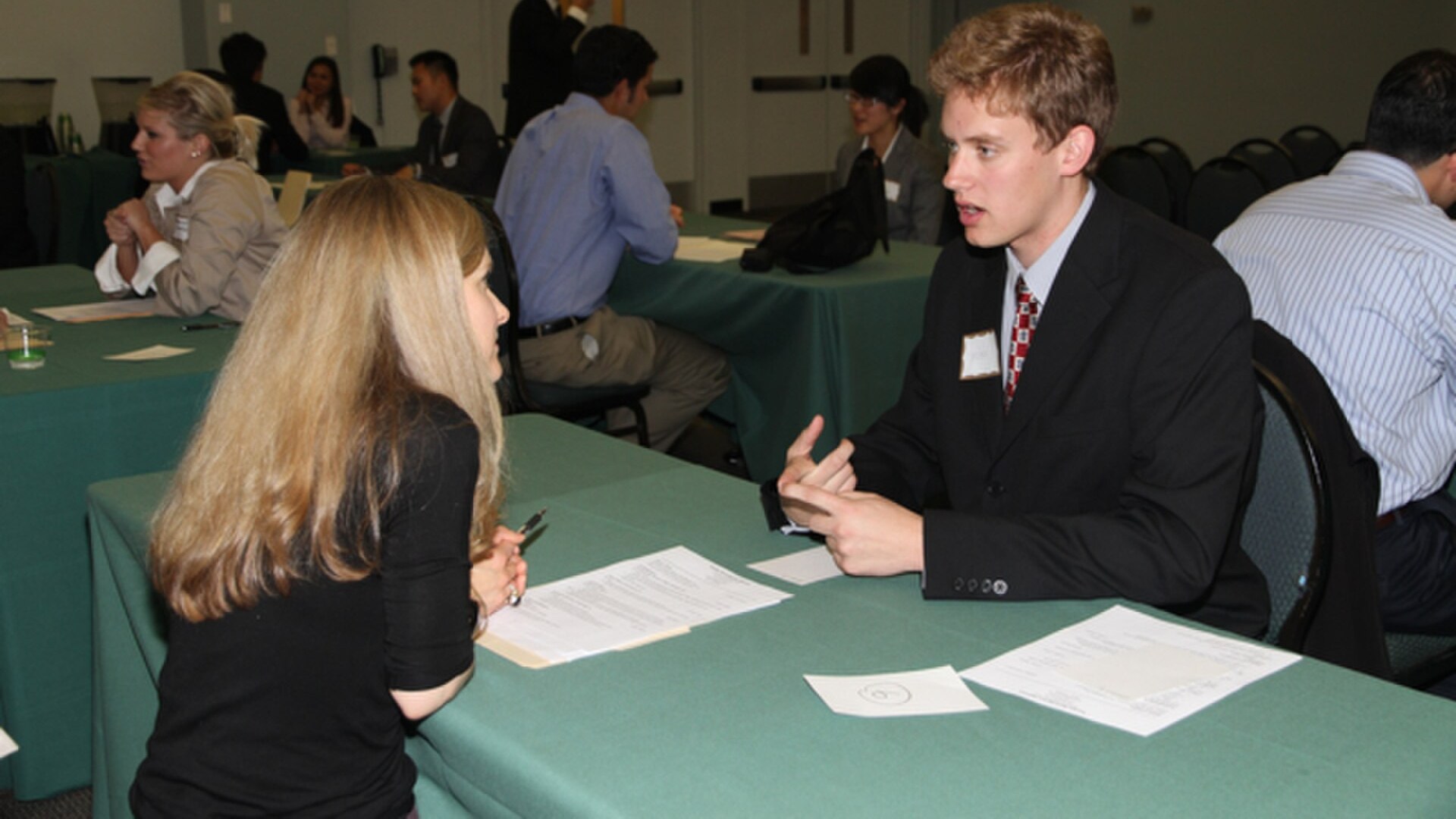
22. Involving Parents In Job Interviews 
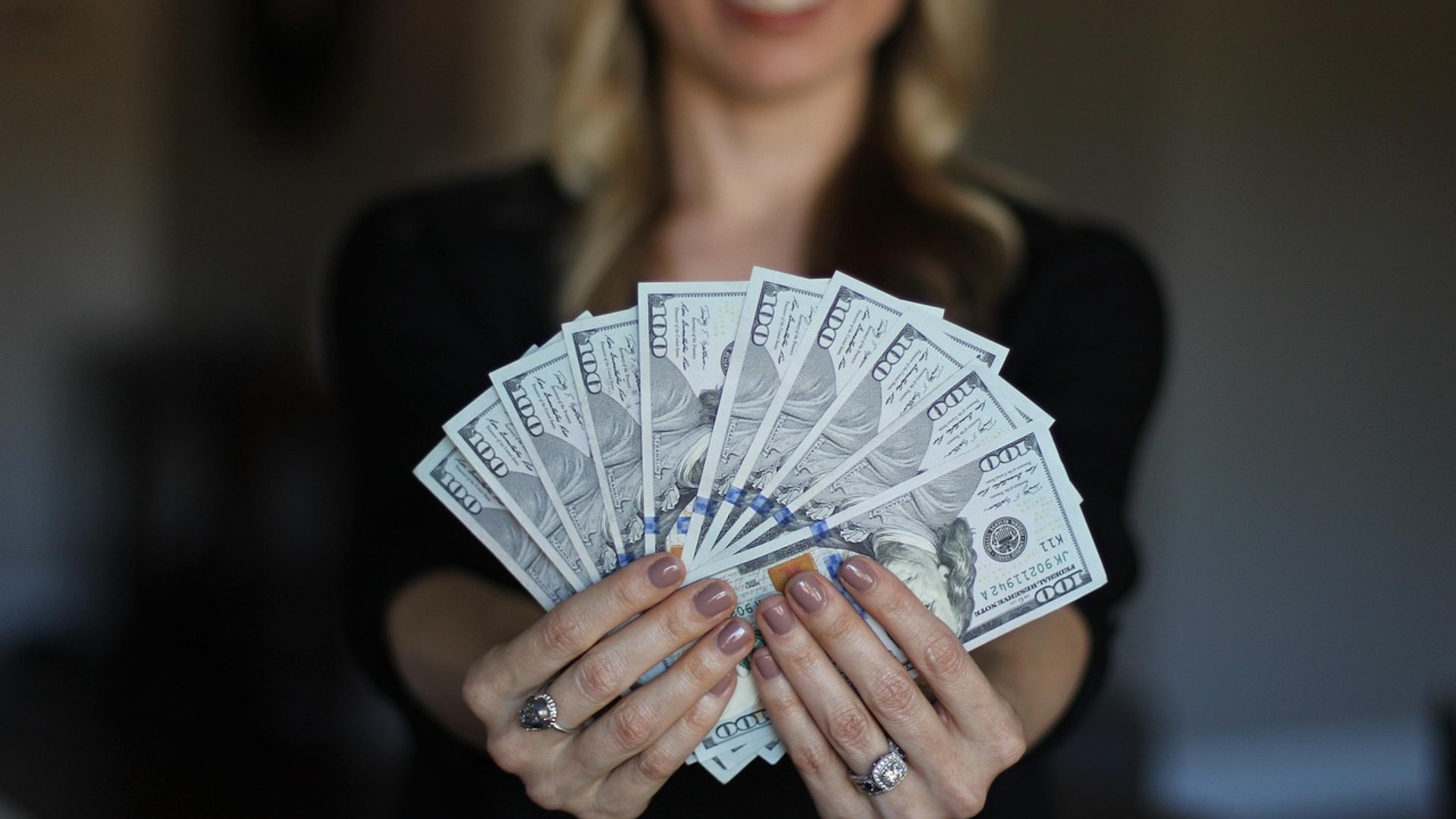
21. Ghosting Unscheduled Phone Calls 
20. Quitting Jobs Publicly On Social Media - AdvertisementSwipe or tap ▶ to continue countdown

19. Misreading The Thumbs-Up Emoji As Hostile 
18. Discussing Salaries Openly With Teammates 
17. Asking For Promotions Within Four Months 
16. Typing In All Lowercase With No Punctuation - AdvertisementSwipe or tap ▶ to continue countdown

15. Wearing Gym Clothes And Crop Tops To The Office 
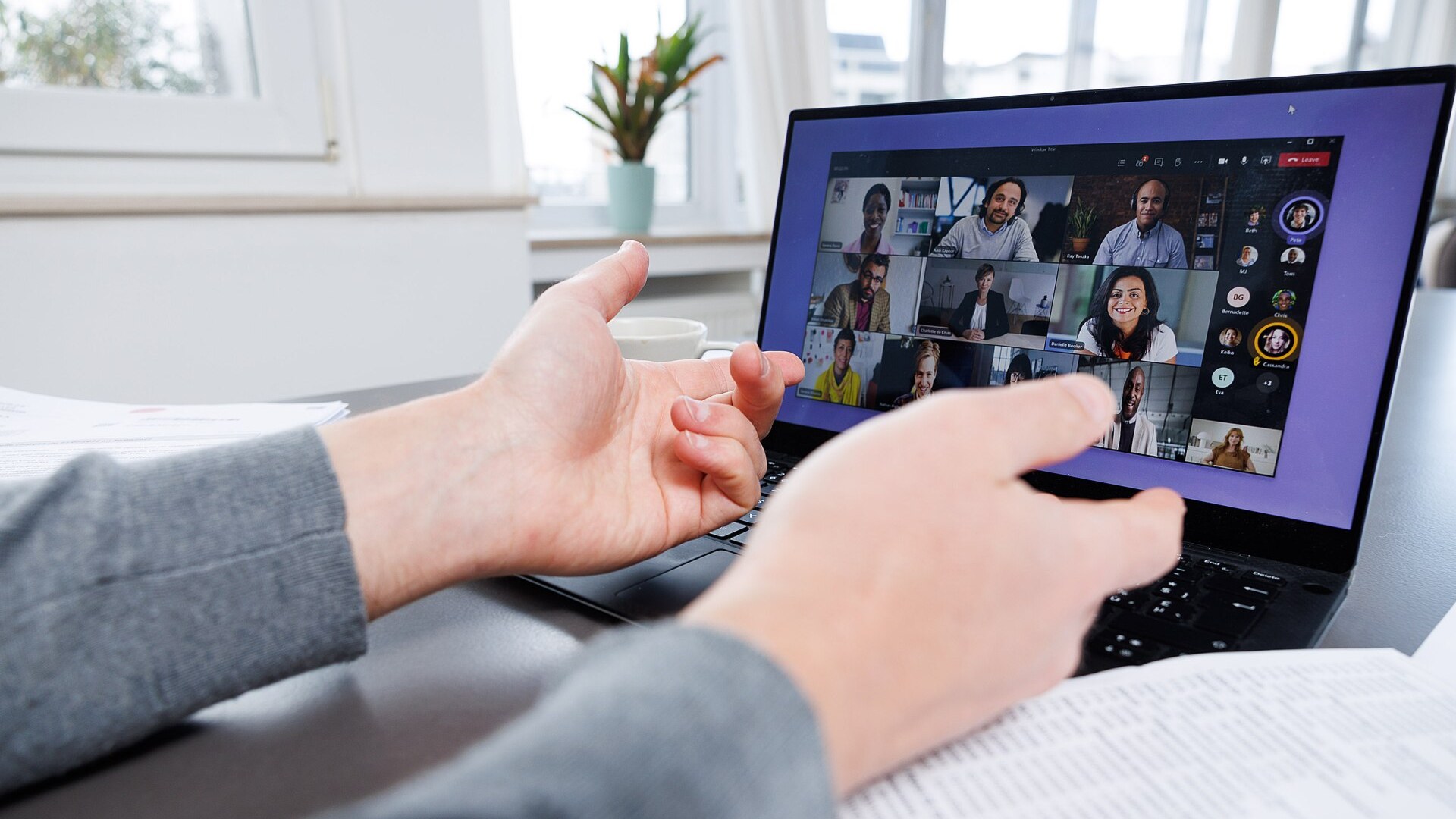
14. Keeping Webcams Off In Video Meetings 
13. Pushing Back With Job Description Boundaries 
12. Writing Corporate Emails With Artificial Intelligence - AdvertisementSwipe or tap ▶ to continue countdown

11. Challenging Company Politics And Values 
10. Demanding Asynchronous Standups 
9. Calling In For Last-Minute Mental Health Days 
8. Bringing Emotional Support Pets To The Office - AdvertisementSwipe or tap ▶ to continue countdown

7. Job-Hopping After Just Ten Months 
6. Eating Full Meals During Video Meetings 
5. Giving Blunt Upward Feedback To Bosses 
4. Bypassing The Corporate Chain Of Command - AdvertisementSwipe or tap ▶ to continue countdown

3. Skipping After-Work Happy Hours 
2. Wearing Headphones All Day At Desks 
1. Practicing Bare Minimum Mondays - Advertisement🔥 UP NEXT IN THIS SERIES◫ 23 Slides

22 Dishes from Other Countries That Americans Love
American dining has long been enriched by iconic recipes carried across oceans by generations of immigrants. From wood-fired Neapolitan pies and crispy tacos to simmering bowls of Vietnamese pho and rich Indian curries, international culinary traditions have become everyday comfort staples across the United States.
Young staff are redefining professional norms across global offices. Based on reporting by Fortune, CNBC, and surveys from ResumeBuilder, Deloitte, and Pew Research, this gallery ranks 22 daily habits fueling generational friction. From boundary setting to digital slang, here is what tests office patience.
Swipe or tap ▶ to begin the countdown
©Pixabay / StartupStockPhotos
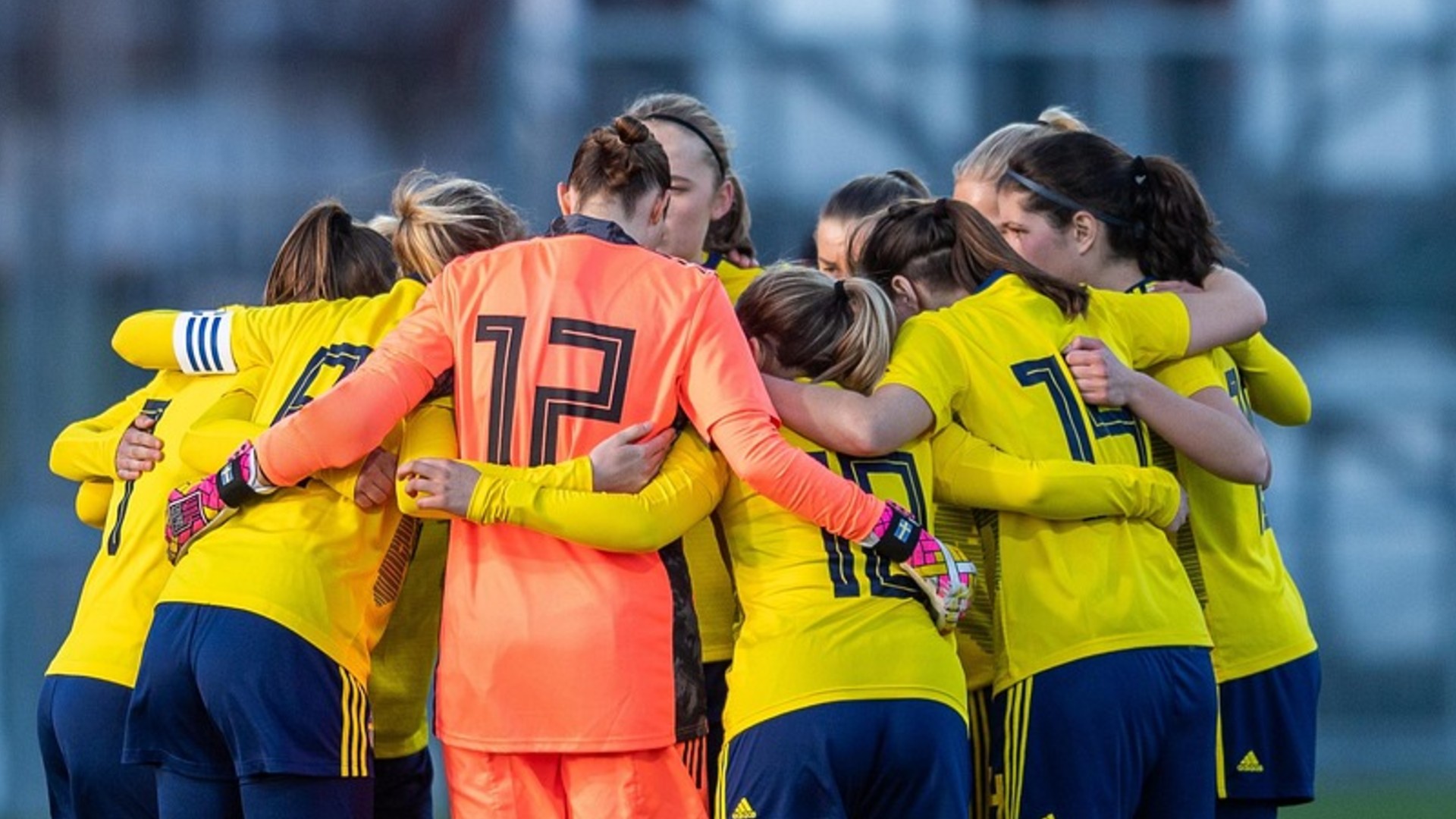
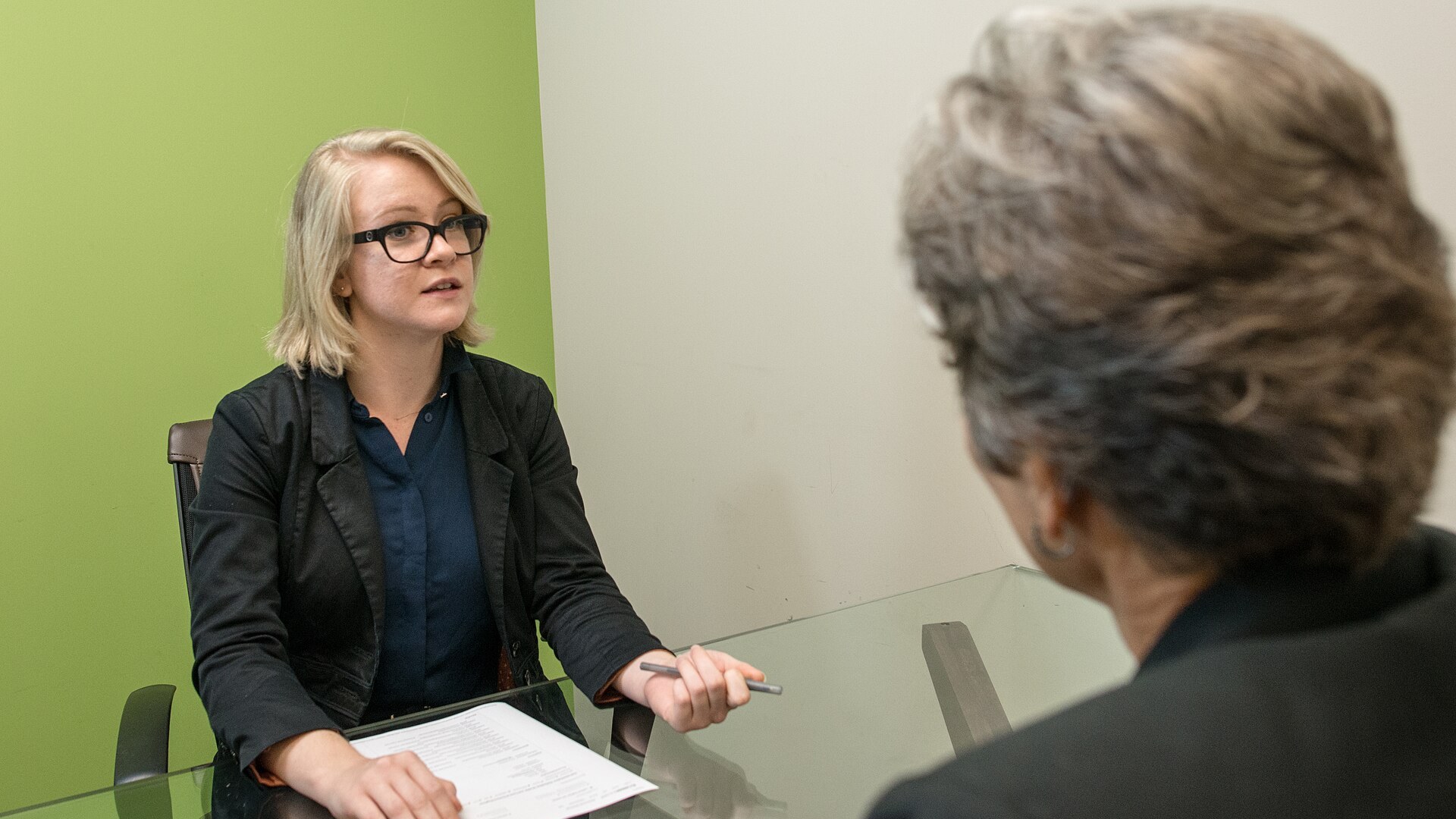
22. Involving Parents In Job Interviews
A 2024 ResumeTemplates survey revealed that 26 percent of Gen Z applicants brought a parent to a job interview, while others had parents write cover letters. Hiring managers and executives surveyed by Fortune call it the ultimate red flag, arguing it signals an inability to work independently.
©Wikimedia / amtec_photos
21. Ghosting Unscheduled Phone Calls
A 2024 survey by Uswitch found that 70 percent of Gen Z prefer text to phone calls, with many ignoring unscheduled calls completely. They view surprise calls as intrusive and demanding immediate performance. Older supervisors who prioritize fast phone chats find the reluctance deeply frustrating.
©Pixabay / VinzentWeinbeer
20. Quitting Jobs Publicly On Social Media
The viral Quit-tok movement involves employees recording termination meetings and posting them online. A 2024 report by Fortune tracked millions of views on videos critiquing executive leadership. Bosses fear the severe brand and legal fallout when private HR conversations become public spectacles.
©Wikimedia / Shixart1985
Advertisement
Swipe or tap ▶ to resume the countdown.
19. Misreading The Thumbs-Up Emoji As Hostile
A Wall Street Journal investigation found that Gen Z perceives a bare thumbs-up emoji as cold, dismissing it as sarcasm. While Gen X and Boomer managers send it as a quick confirmation, younger employees read hostility. The clash has caused companies to draft formal emoji communication guides.
©Pixabay / leopoldboettcher
18. Discussing Salaries Openly With Teammates
A 2024 Pew Research survey revealed that 63 percent of Gen Z professionals share their exact salary numbers with peers. While younger staff see pay transparency as a tool for fairness, traditional managers and HR teams dislike the friction it creates when salary disparities are laid bare.
©Pixabay / sallyjermain
17. Asking For Promotions Within Four Months
Accustomed to rapid digital feedback loops, many junior hires expect title bumps and wage reviews within their first semester. A 2024 survey by ResumeBuilder indicated that 34 percent of managers faced early promotion demands. Executives accustomed to multi-year ladders find the timeline audacious.
©Wikimedia / bpsusf
16. Typing In All Lowercase With No Punctuation
In digital chats, full stops can appear harsh or passive-aggressive to younger eyes, so many drop punctuation and caps entirely. A 2024 report in BBC Worklife observed that older colleagues view unpunctuated text as careless, leading to misunderstandings over email tone and professionalism.
©Wikimedia / Shixart1985
Advertisement
Swipe or tap ▶ to resume the countdown.
15. Wearing Gym Clothes And Crop Tops To The Office
A 2024 IWG workplace study showed that 94 percent of Gen Z hybrid workers feel confused by corporate dress standards. Many turn up in oversized hoodies, sneakers, or athletic crop tops. Seasoned professionals who spent decades in business formal wear find the ultra-casual look disrespectful.
©Pixabay / TesT_PB
14. Keeping Webcams Off In Video Meetings
Virtual fatigue has led many young employees to permanently disable their webcams. A 2024 survey by Vyopta revealed that 43 percent of supervisors suspect off-camera staff of disengaging or multi-tasking. For managers raised on eye contact, speaking to a blank box feels distant and unprofessional.
©Wikimedia / Shixart1985
13. Pushing Back With Job Description Boundaries
A 2023 ResumeBuilder report found that 37 percent of managers struggled with younger workers refusing assignments outside their direct job description. Gen Z rejects traditional hustle culture that demands unpaid overtime. Bosses view this pushback as a lack of drive and poor team cooperation.
©Pixabay / erwinbosman
12. Writing Corporate Emails With Artificial Intelligence
A 2024 Salesforce survey found that 70 percent of Gen Z workers use generative AI tools like ChatGPT for daily communication. While tech adoption is prized, managers lament the influx of generic phrasing and hollow executive summaries that show little individual effort or critical thought.
©Pixabay / StartupStockPhotos
Advertisement
Swipe or tap ▶ to resume the countdown.
11. Challenging Company Politics And Values
According to the 2024 Edelman Trust Barometer, 68 percent of Gen Z employees want their employer to take a public stand on human rights and climate. When leaders neutral, junior workers express vocal dissent. Baby Boomer executives often feel corporate missions should stay non-political.
©Wikimedia / Grendelkhan
10. Demanding Asynchronous Standups
Younger workers frequently push back against daily 9:00 AM video calls, requesting written Slack summaries instead. A 2024 Slack Workforce Lab study showed 60 percent of Gen Z prefer asynchronous updates. Veteran team leaders argue that text updates fail to foster accountability and team cohesion.
©Wikimedia / European Commission (Christophe Licoppe)
9. Calling In For Last-Minute Mental Health Days
A 2024 Deloitte study indicated that 46 percent of Gen Z feel stressed at work daily, leading to frequent wellness day requests. While younger staff treat mental health on par with physical illness, older colleagues often feel blindsided when shift coverage must be arranged on sudden notice.
©Wikimedia / JangPlus889
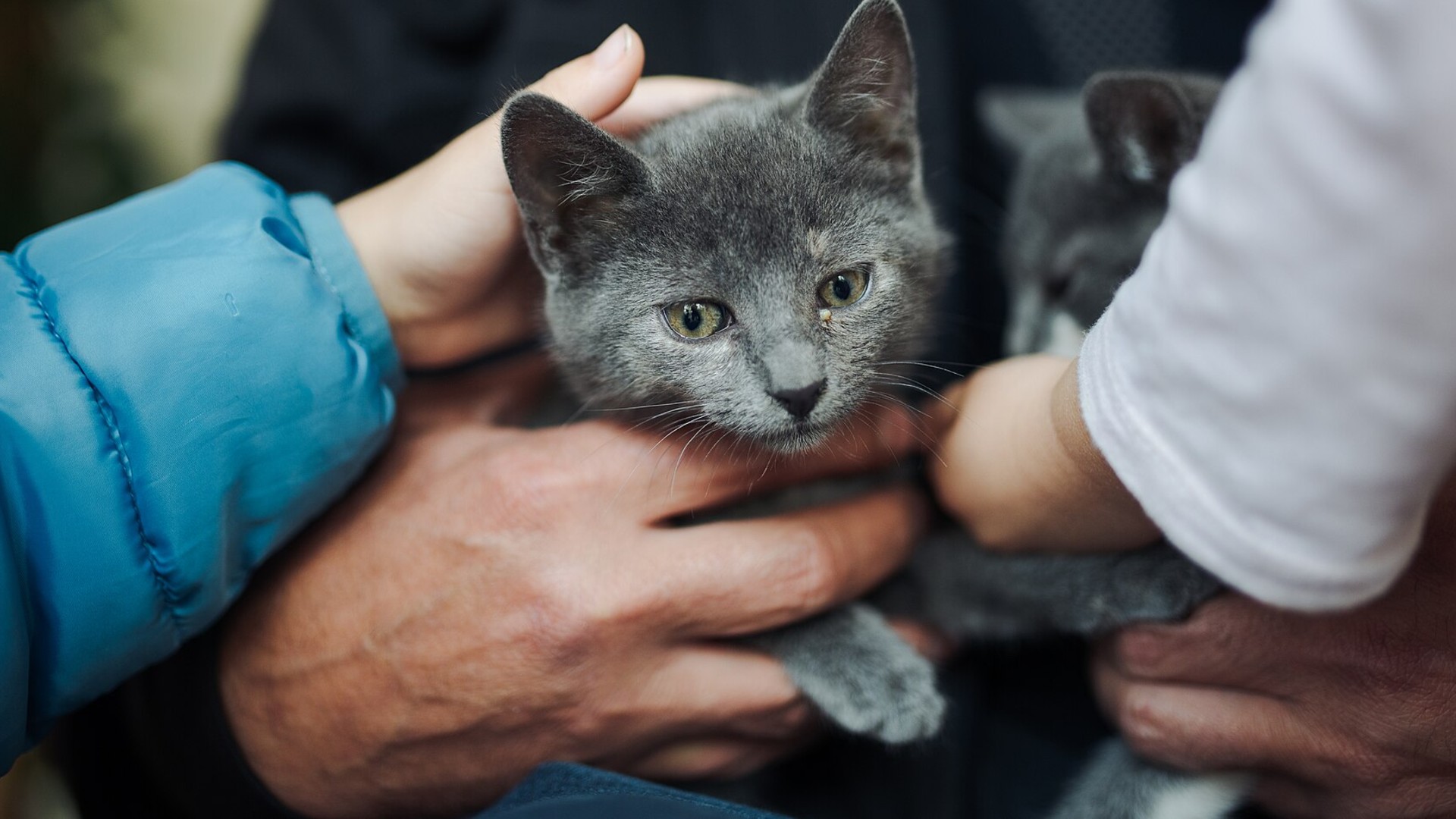
8. Bringing Emotional Support Pets To The Office
Following pandemic pet adoptions, younger employees increasingly lobby for animal-friendly workplaces. A 2024 survey by Mars Petcare revealed that 50 percent of Gen Z consider pet access a deciding factor. Older peers frequently complain about pet allergies, barking, and workspace hygiene.
©Wikimedia / Nenad Stojkovic
Advertisement
Swipe or tap ▶ to resume the countdown.
7. Job-Hopping After Just Ten Months
Data from LinkedIn economic graphs in 2024 showed that Gen Z changes employers at a rate 134 percent higher than in 2019. Rather than staying for traditional two-year windows, they jump for ten percent raises. Managers find the rapid turnover costly, with replacement onboarding draining team resources.
©Pixabay / FotografieLink
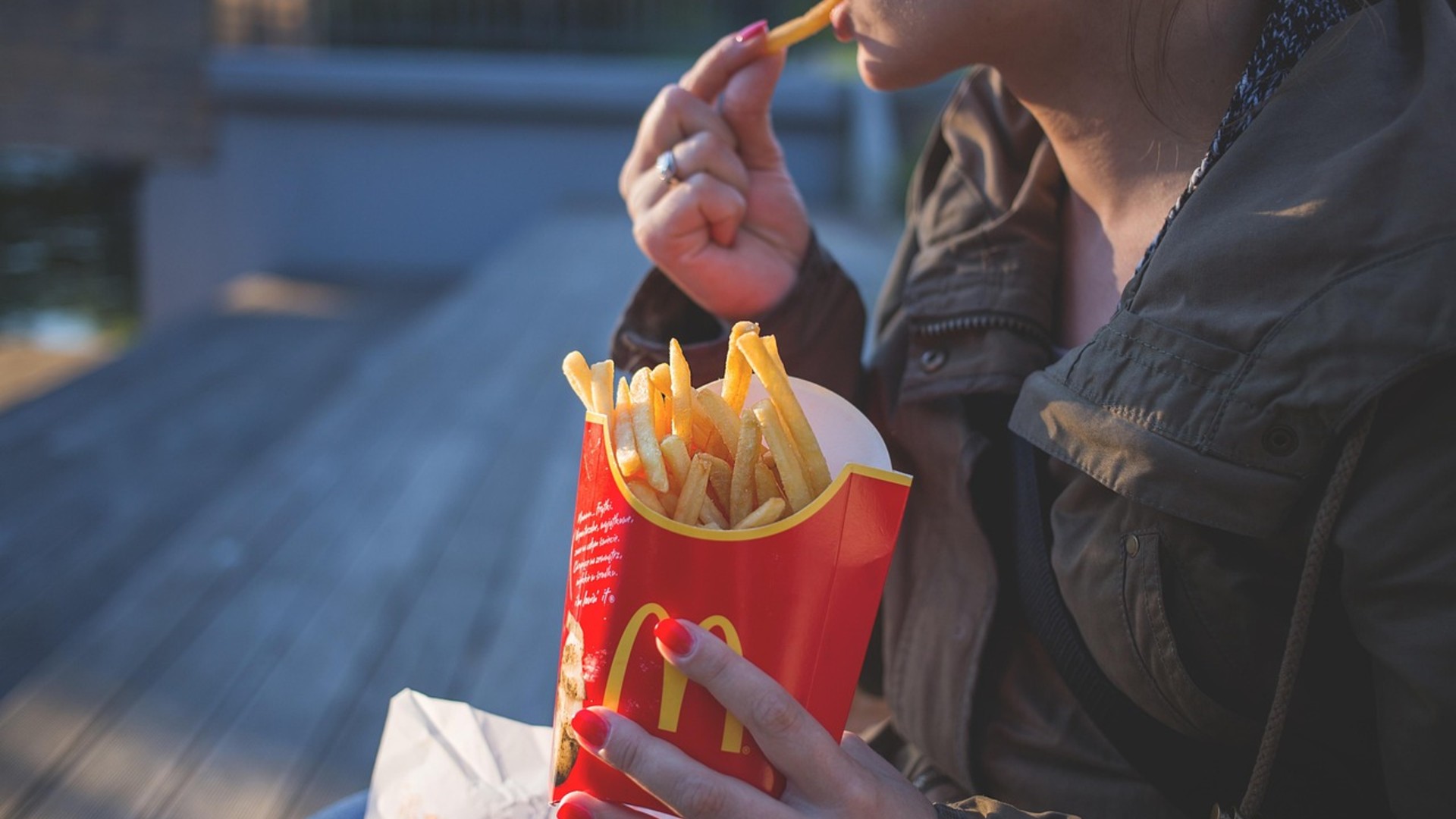
6. Eating Full Meals During Video Meetings
Remote habits have carried over into virtual meetings, with younger staff casually eating noodles or salads on camera. A 2024 report by Owl Labs found that 41 percent of remote workers find background eating distracting. Older peers see dining during formal presentations as disrespectful.
©Pixabay / Pixabay Contributor
5. Giving Blunt Upward Feedback To Bosses
Trained in continuous school evaluations, Gen Z employees frequently critique managerial styles during weekly one-on-one sessions. A 2024 Harvard Business Review report noted that older leaders struggle with junior staff challenging their leadership methods after only weeks on the payroll.
©Pixabay / This_is_Engineering
4. Bypassing The Corporate Chain Of Command
Flat digital workspaces lead younger workers to message corporate vice presidents directly without informing middle managers. While junior staff see this as direct efficiency, veteran managers view it as a breach of protocol. A 2023 survey in Fortune noted widespread leadership friction over the practice.
©Pixabay / AymaneJed
Advertisement
Swipe or tap ▶ to resume the countdown.
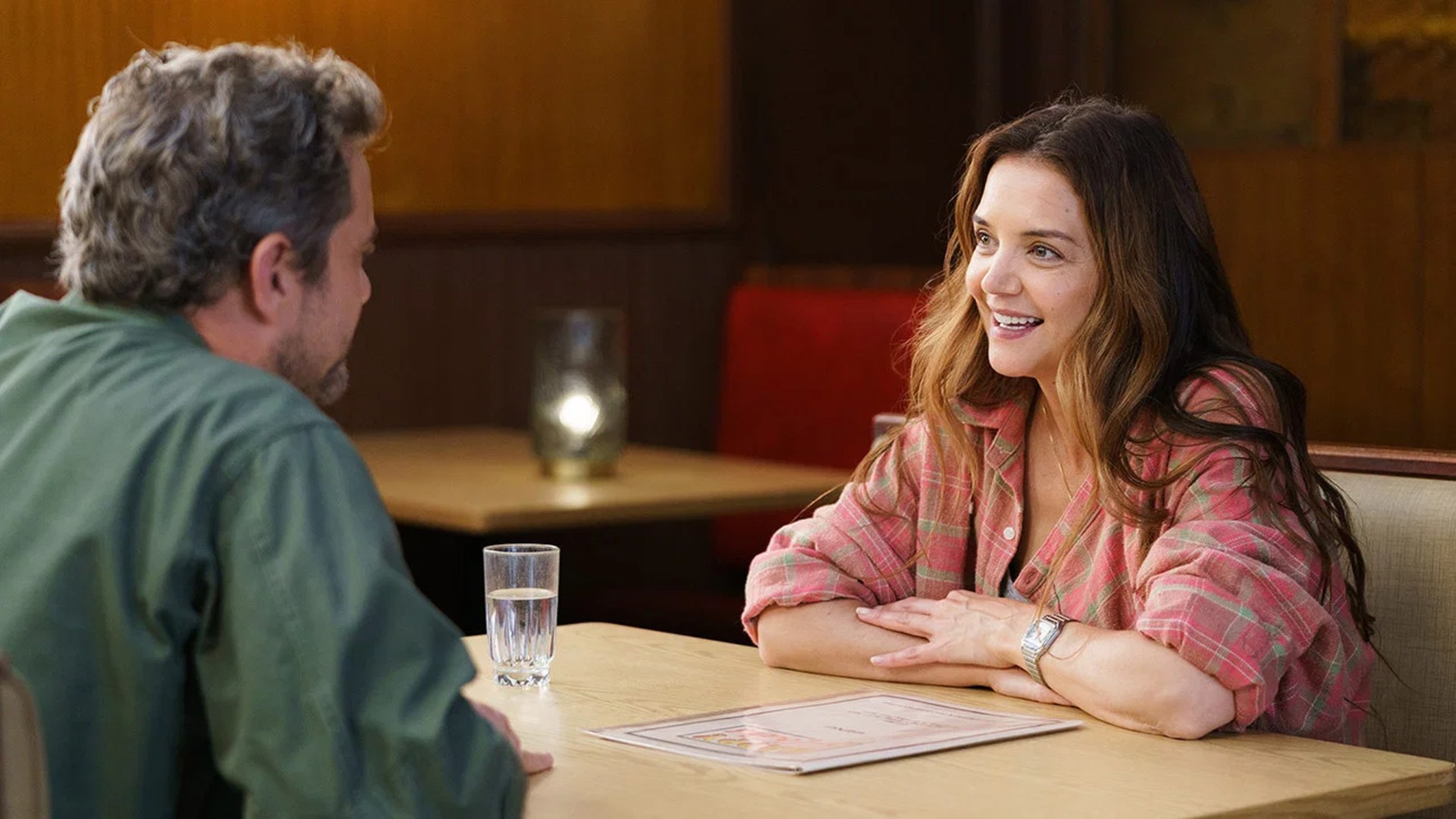
3. Skipping After-Work Happy Hours
A 2024 study by corporate caterer ezCater found that over 65 percent of Gen Z workers decline work social events outside paid hours. They treat professional duties strictly as business transactions. Older supervisors often interpret the refusal as poor company spirit or a lack of team loyalty.
©TMDb / Happy Hours
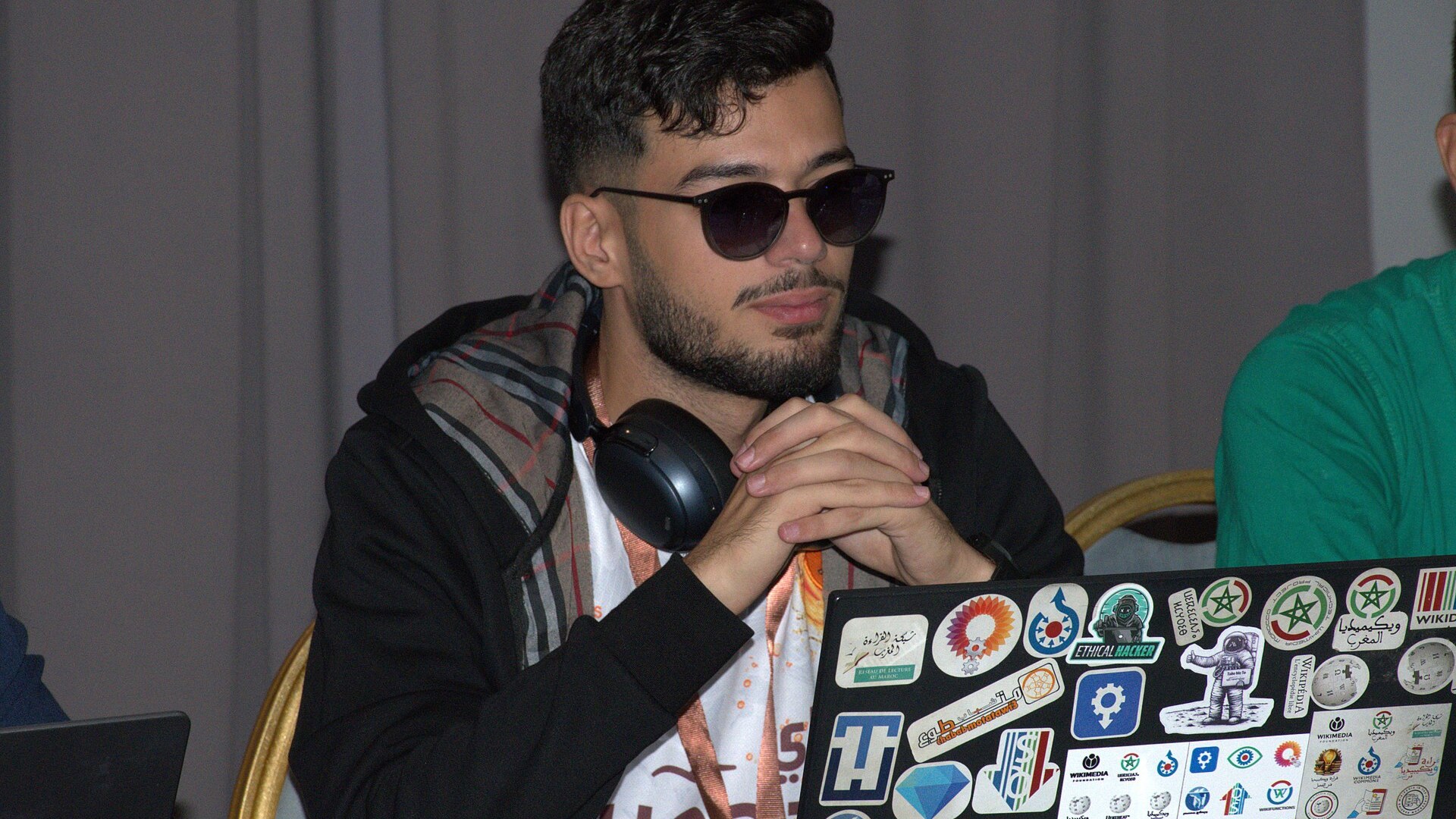
2. Wearing Headphones All Day At Desks
Open office layouts push many younger professionals to wear over-ear headphones throughout their shift. A 2024 survey by Jabra found that 62 percent of workers use headsets to signal focus. Older managers report that constant audio blocking kills spontaneous collaboration and team bonding.
©Wikimedia / DERDAKI ILIAS
1. Practicing Bare Minimum Mondays
Viral workplace creator Marisa Jo Mayhem popularized the concept in 2023 to combat Sunday anxiety. Instead of jumping into major projects on Monday morning, employees tackle light administrative duties. Managers surveyed by Fortune argue that it delays critical deadlines and slows team momentum.

©Wikimedia / Shixart1985
Advertisement
You've reached the end of the story. Thanks for reading!

22 Dishes from Other Countries That Americans Love
American dining has long been enriched by iconic recipes carried across oceans by generations of immigrants. From wood-fired Neapolitan pies and crispy tacos to simmering bowls of Vietnamese pho and rich Indian curries, international culinary traditions have become everyday comfort staples across the United States.
All 22 Entries in this Story
#22 Involving Parents In Job Interviews
A 2024 ResumeTemplates survey revealed that 26 percent of Gen Z applicants brought a parent to a job interview, while others had parents write cover letters. Hiring managers and executives surveyed by Fortune call it the ultimate red flag, arguing it signals an inability to work independently.

#21 Ghosting Unscheduled Phone Calls
A 2024 survey by Uswitch found that 70 percent of Gen Z prefer text to phone calls, with many ignoring unscheduled calls completely. They view surprise calls as intrusive and demanding immediate performance. Older supervisors who prioritize fast phone chats find the reluctance deeply frustrating.

#20 Quitting Jobs Publicly On Social Media
The viral Quit-tok movement involves employees recording termination meetings and posting them online. A 2024 report by Fortune tracked millions of views on videos critiquing executive leadership. Bosses fear the severe brand and legal fallout when private HR conversations become public spectacles.

#19 Misreading The Thumbs-Up Emoji As Hostile
A Wall Street Journal investigation found that Gen Z perceives a bare thumbs-up emoji as cold, dismissing it as sarcasm. While Gen X and Boomer managers send it as a quick confirmation, younger employees read hostility. The clash has caused companies to draft formal emoji communication guides.

#18 Discussing Salaries Openly With Teammates
A 2024 Pew Research survey revealed that 63 percent of Gen Z professionals share their exact salary numbers with peers. While younger staff see pay transparency as a tool for fairness, traditional managers and HR teams dislike the friction it creates when salary disparities are laid bare.

#17 Asking For Promotions Within Four Months
Accustomed to rapid digital feedback loops, many junior hires expect title bumps and wage reviews within their first semester. A 2024 survey by ResumeBuilder indicated that 34 percent of managers faced early promotion demands. Executives accustomed to multi-year ladders find the timeline audacious.

#16 Typing In All Lowercase With No Punctuation
In digital chats, full stops can appear harsh or passive-aggressive to younger eyes, so many drop punctuation and caps entirely. A 2024 report in BBC Worklife observed that older colleagues view unpunctuated text as careless, leading to misunderstandings over email tone and professionalism.

#15 Wearing Gym Clothes And Crop Tops To The Office
A 2024 IWG workplace study showed that 94 percent of Gen Z hybrid workers feel confused by corporate dress standards. Many turn up in oversized hoodies, sneakers, or athletic crop tops. Seasoned professionals who spent decades in business formal wear find the ultra-casual look disrespectful.

#14 Keeping Webcams Off In Video Meetings
Virtual fatigue has led many young employees to permanently disable their webcams. A 2024 survey by Vyopta revealed that 43 percent of supervisors suspect off-camera staff of disengaging or multi-tasking. For managers raised on eye contact, speaking to a blank box feels distant and unprofessional.

#13 Pushing Back With Job Description Boundaries
A 2023 ResumeBuilder report found that 37 percent of managers struggled with younger workers refusing assignments outside their direct job description. Gen Z rejects traditional hustle culture that demands unpaid overtime. Bosses view this pushback as a lack of drive and poor team cooperation.

#12 Writing Corporate Emails With Artificial Intelligence
A 2024 Salesforce survey found that 70 percent of Gen Z workers use generative AI tools like ChatGPT for daily communication. While tech adoption is prized, managers lament the influx of generic phrasing and hollow executive summaries that show little individual effort or critical thought.

#11 Challenging Company Politics And Values
According to the 2024 Edelman Trust Barometer, 68 percent of Gen Z employees want their employer to take a public stand on human rights and climate. When leaders neutral, junior workers express vocal dissent. Baby Boomer executives often feel corporate missions should stay non-political.

#10 Demanding Asynchronous Standups
Younger workers frequently push back against daily 9:00 AM video calls, requesting written Slack summaries instead. A 2024 Slack Workforce Lab study showed 60 percent of Gen Z prefer asynchronous updates. Veteran team leaders argue that text updates fail to foster accountability and team cohesion.

#9 Calling In For Last-Minute Mental Health Days
A 2024 Deloitte study indicated that 46 percent of Gen Z feel stressed at work daily, leading to frequent wellness day requests. While younger staff treat mental health on par with physical illness, older colleagues often feel blindsided when shift coverage must be arranged on sudden notice.

#8 Bringing Emotional Support Pets To The Office
Following pandemic pet adoptions, younger employees increasingly lobby for animal-friendly workplaces. A 2024 survey by Mars Petcare revealed that 50 percent of Gen Z consider pet access a deciding factor. Older peers frequently complain about pet allergies, barking, and workspace hygiene.

#7 Job-Hopping After Just Ten Months
Data from LinkedIn economic graphs in 2024 showed that Gen Z changes employers at a rate 134 percent higher than in 2019. Rather than staying for traditional two-year windows, they jump for ten percent raises. Managers find the rapid turnover costly, with replacement onboarding draining team resources.

#6 Eating Full Meals During Video Meetings
Remote habits have carried over into virtual meetings, with younger staff casually eating noodles or salads on camera. A 2024 report by Owl Labs found that 41 percent of remote workers find background eating distracting. Older peers see dining during formal presentations as disrespectful.

#5 Giving Blunt Upward Feedback To Bosses
Trained in continuous school evaluations, Gen Z employees frequently critique managerial styles during weekly one-on-one sessions. A 2024 Harvard Business Review report noted that older leaders struggle with junior staff challenging their leadership methods after only weeks on the payroll.

#4 Bypassing The Corporate Chain Of Command
Flat digital workspaces lead younger workers to message corporate vice presidents directly without informing middle managers. While junior staff see this as direct efficiency, veteran managers view it as a breach of protocol. A 2023 survey in Fortune noted widespread leadership friction over the practice.

#3 Skipping After-Work Happy Hours
A 2024 study by corporate caterer ezCater found that over 65 percent of Gen Z workers decline work social events outside paid hours. They treat professional duties strictly as business transactions. Older supervisors often interpret the refusal as poor company spirit or a lack of team loyalty.

#2 Wearing Headphones All Day At Desks
Open office layouts push many younger professionals to wear over-ear headphones throughout their shift. A 2024 survey by Jabra found that 62 percent of workers use headsets to signal focus. Older managers report that constant audio blocking kills spontaneous collaboration and team bonding.

#1 Practicing Bare Minimum Mondays
Viral workplace creator Marisa Jo Mayhem popularized the concept in 2023 to combat Sunday anxiety. Instead of jumping into major projects on Monday morning, employees tackle light administrative duties. Managers surveyed by Fortune argue that it delays critical deadlines and slows team momentum.