Slideshow · Viral
23 Major Developments in America's 2026 Midterm Elections
From razor-thin congressional majorities to landmark state ballot measures, here are the pivotal shifts defining the 2026 midterms.
By Most Viral Today
4 Nov 2026

23 Major Developments in America's 2026 Midterm Elections 
23. Historic Early Voting And Mail In Turnout 
22. Election Security And AI Countermeasures 
21. Independent And Third-Party Surge - AdvertisementSwipe or tap ▶ to continue countdown

20. State Supreme Courts Reshaping Electoral Law 
19. Mid-Decade Redistricting Clashes 
18. High-Profile Florida Gubernatorial Clash 
17. The Critical Georgia Governor Showdown - AdvertisementSwipe or tap ▶ to continue countdown

16. Texas Executive Power Battle 
15. Minimum Wage And Labor Measures On Ballots 
14. Reproductive Healthcare Amendments 
13. The Suburban Realignment In The Rust Belt - AdvertisementSwipe or tap ▶ to continue countdown

12. Shifting Coalitions Across The Sun Belt 
11. Record Spending On Digital And Broadcast Media 
10. Youth And Campus Voter Mobilization 
9. Marquee North Carolina Senate Battle - AdvertisementSwipe or tap ▶ to continue countdown

8. The Keystone Michigan Senate Contest 
7. Maine's Crucial Senate Race 
6. The Dramatic Georgia Senate Showdown 
5. Nevada Desert Senate Showdown - AdvertisementSwipe or tap ▶ to continue countdown

4. The Epic Pennsylvania Senate Clash 
3. The Fight For The U.S. House Majority 
2. The Senate Majority Decider Races 
1. The National Balance Of Power And Divided Government - Advertisement🔥 UP NEXT IN THIS SERIES◫ 21 Slides

20 Famous Cars With Pop-Up Headlights That Shaped Car Design
From hand-cranked 1930s teardrops to wedge supercars of the 1980s, hidden headlights let stylists chase sleek aerodynamics until 2004 pedestrian rules closed the curtain. Here are 20 standout production cars that turned retractable lamps into an enduring automotive design feature across seven full decades.
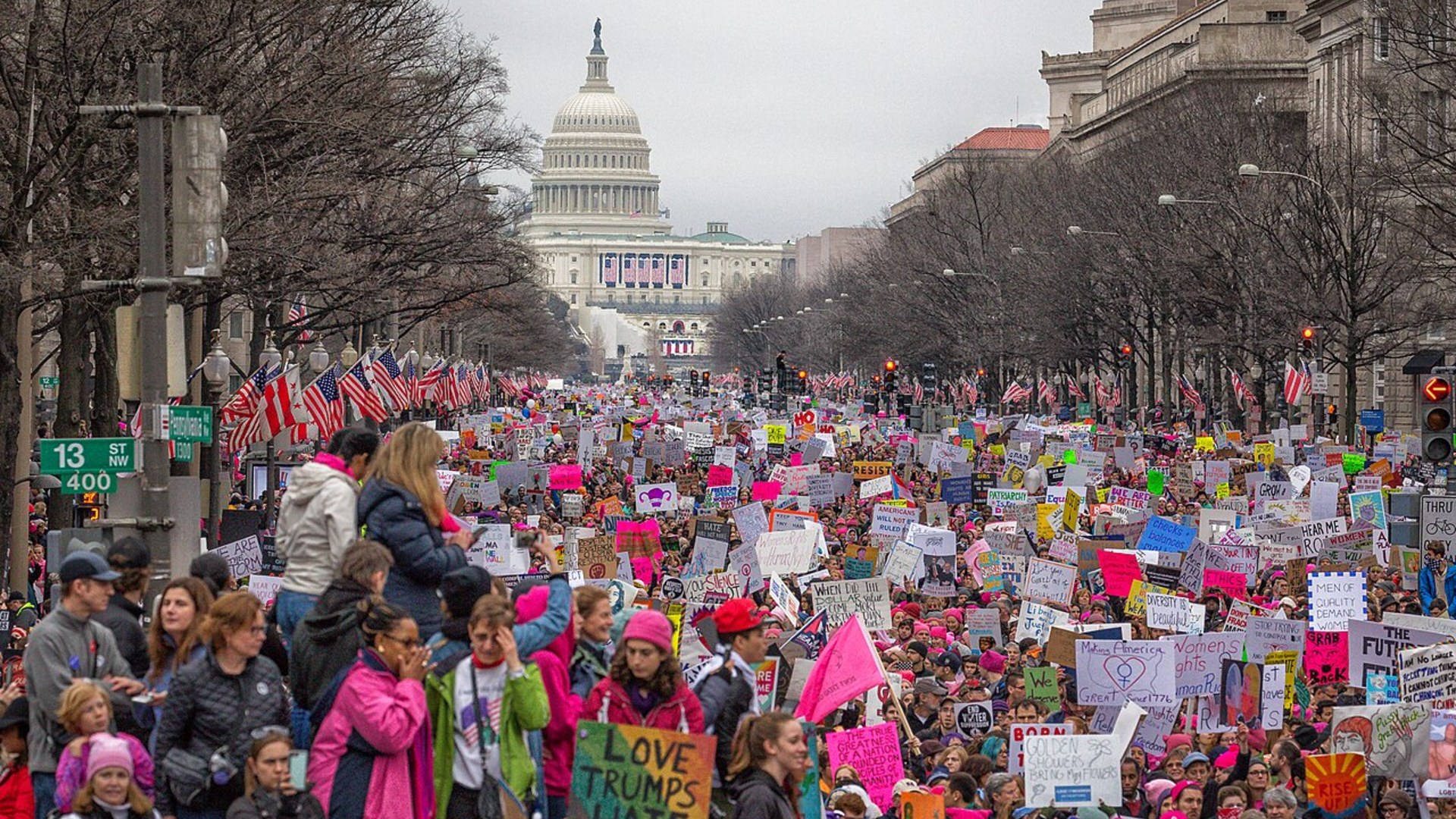
The 2026 midterm elections mark a decisive national referendum on legislative power, judicial authority, and state governance. From razor-thin House majorities to crucial Senate defenses, here are the twenty-three major developments defining this historic electoral cycle.
Swipe or tap ▶ to begin the countdown
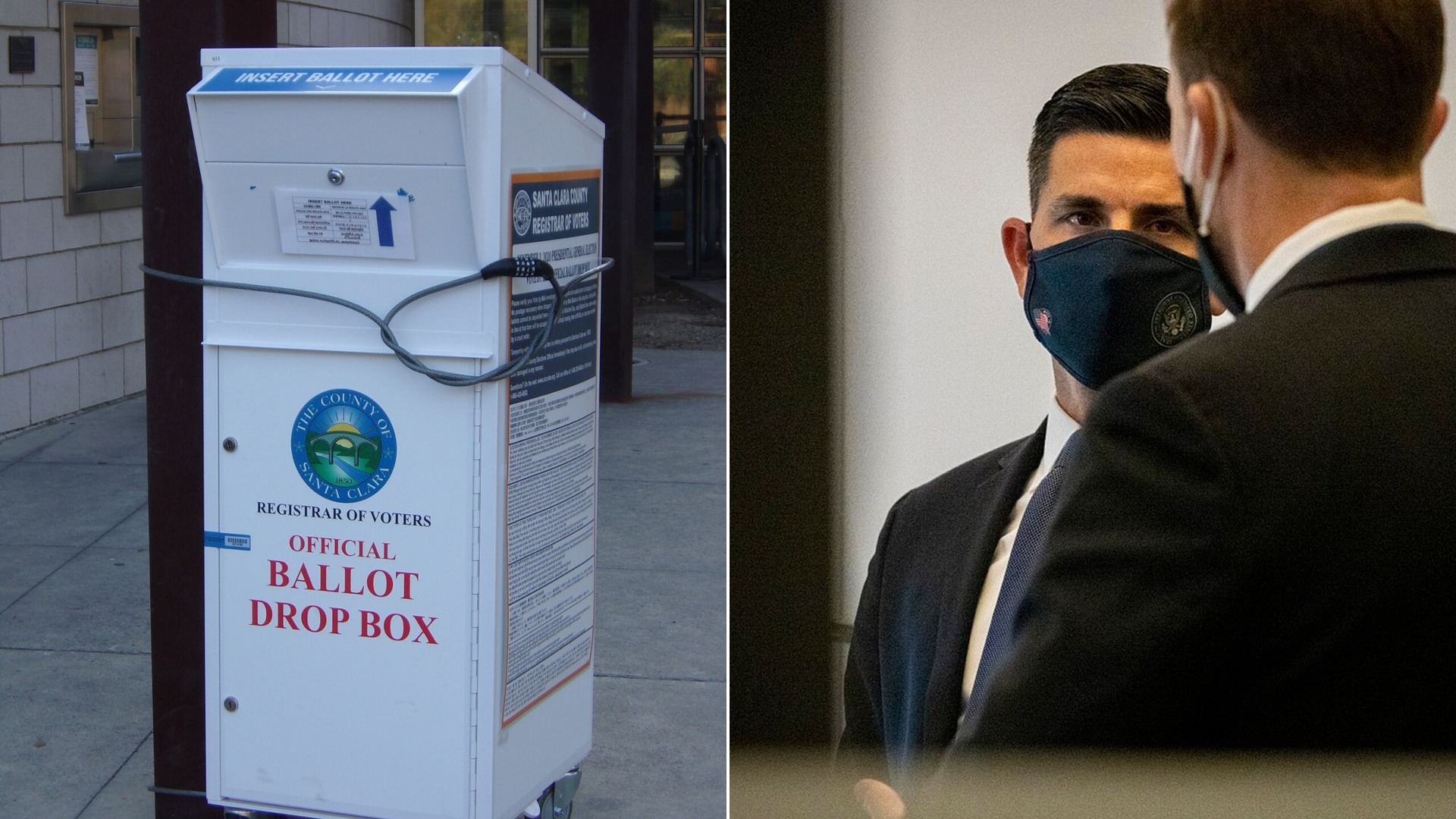
©Wikimedia / Sarah Stierch & wikimedia / DHSgov
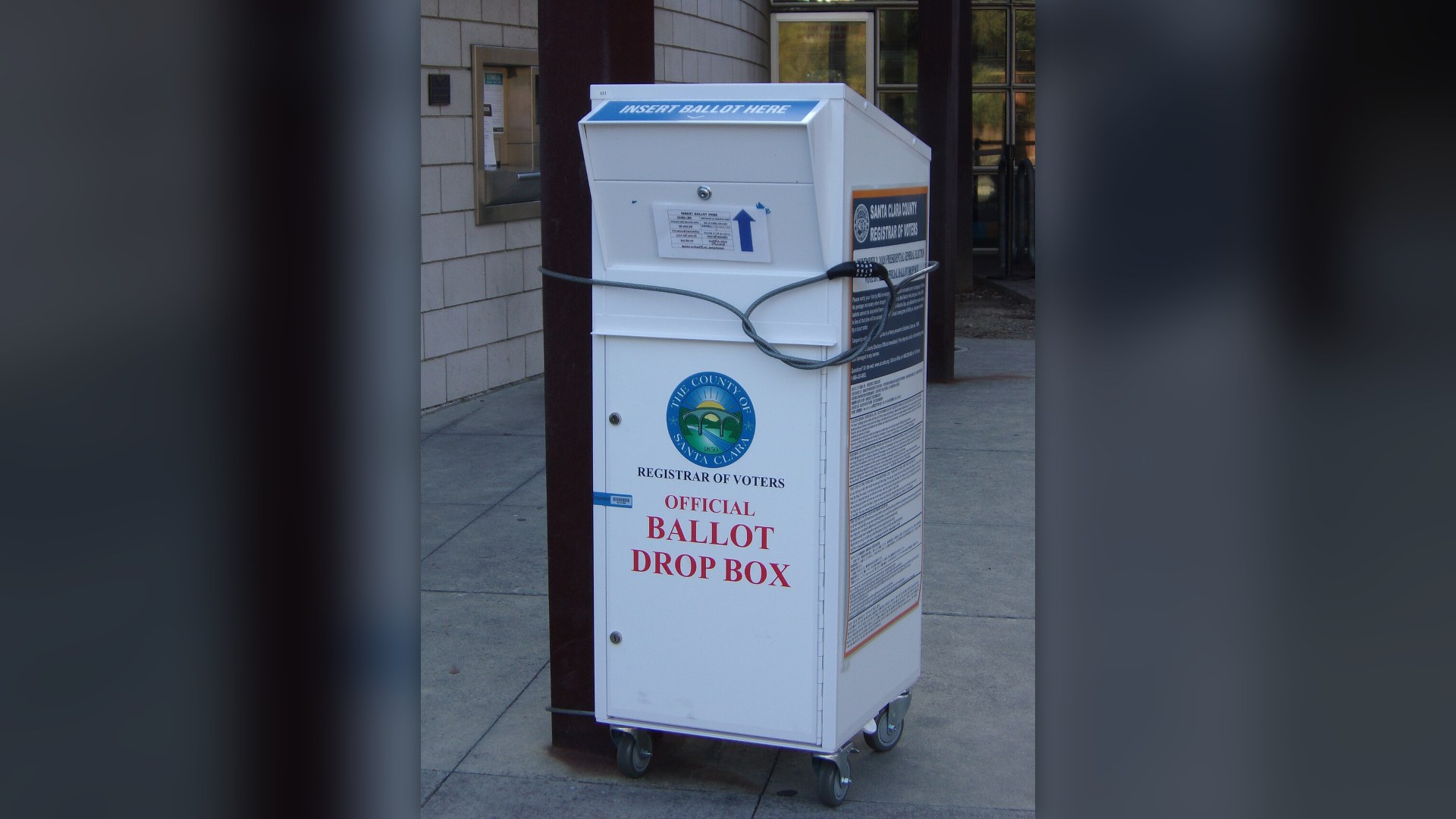
23. Historic Early Voting And Mail In Turnout
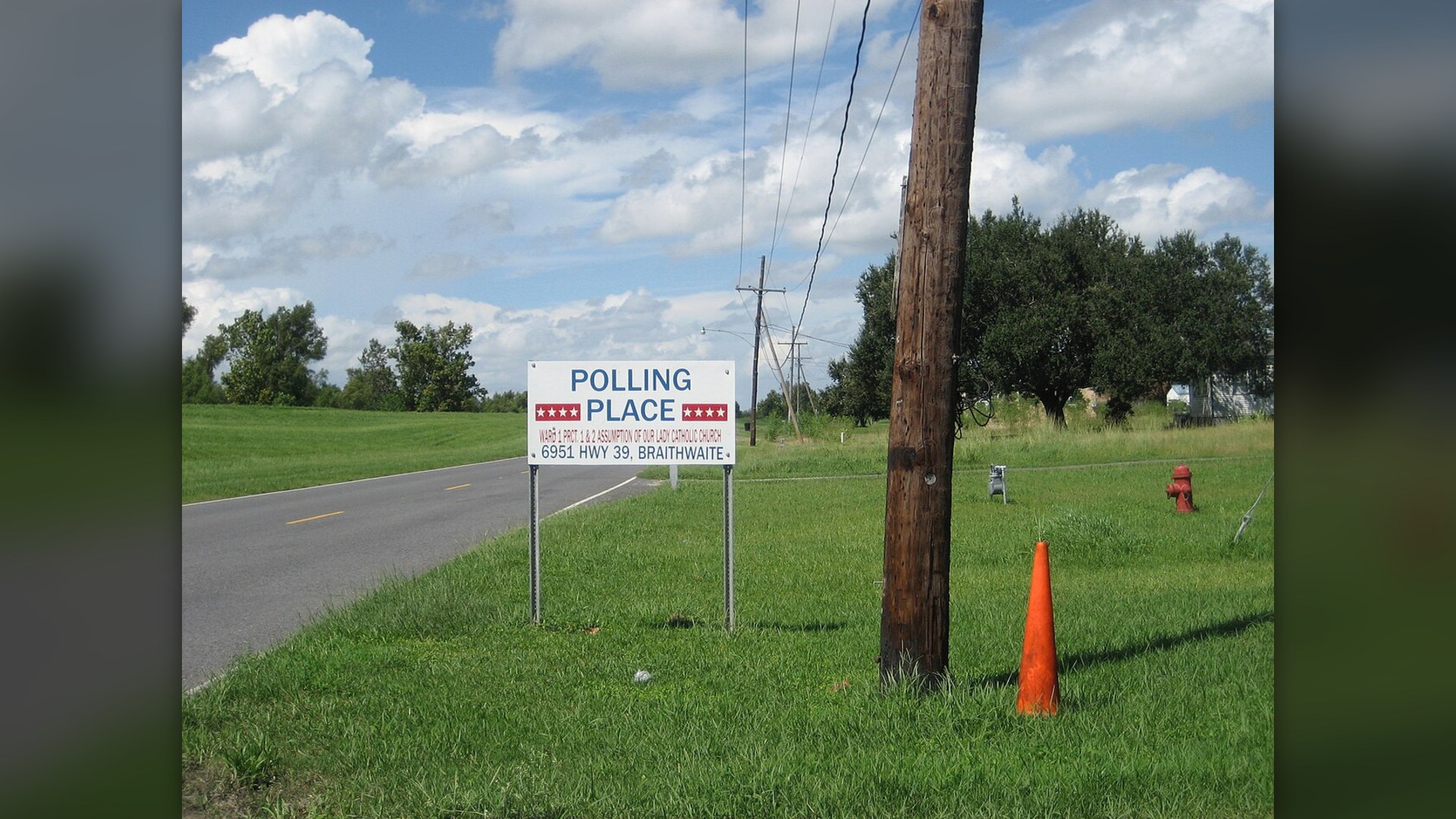
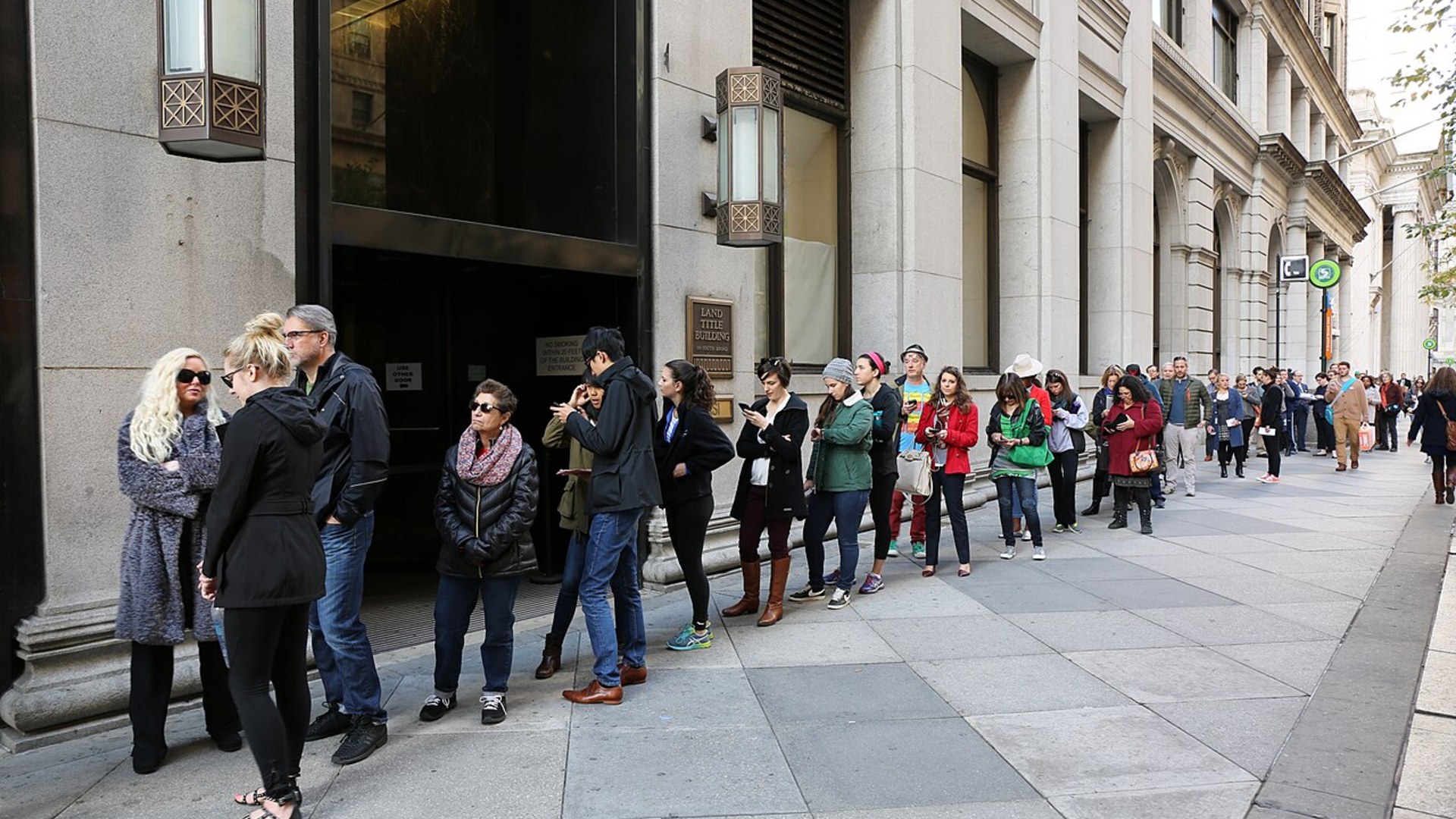
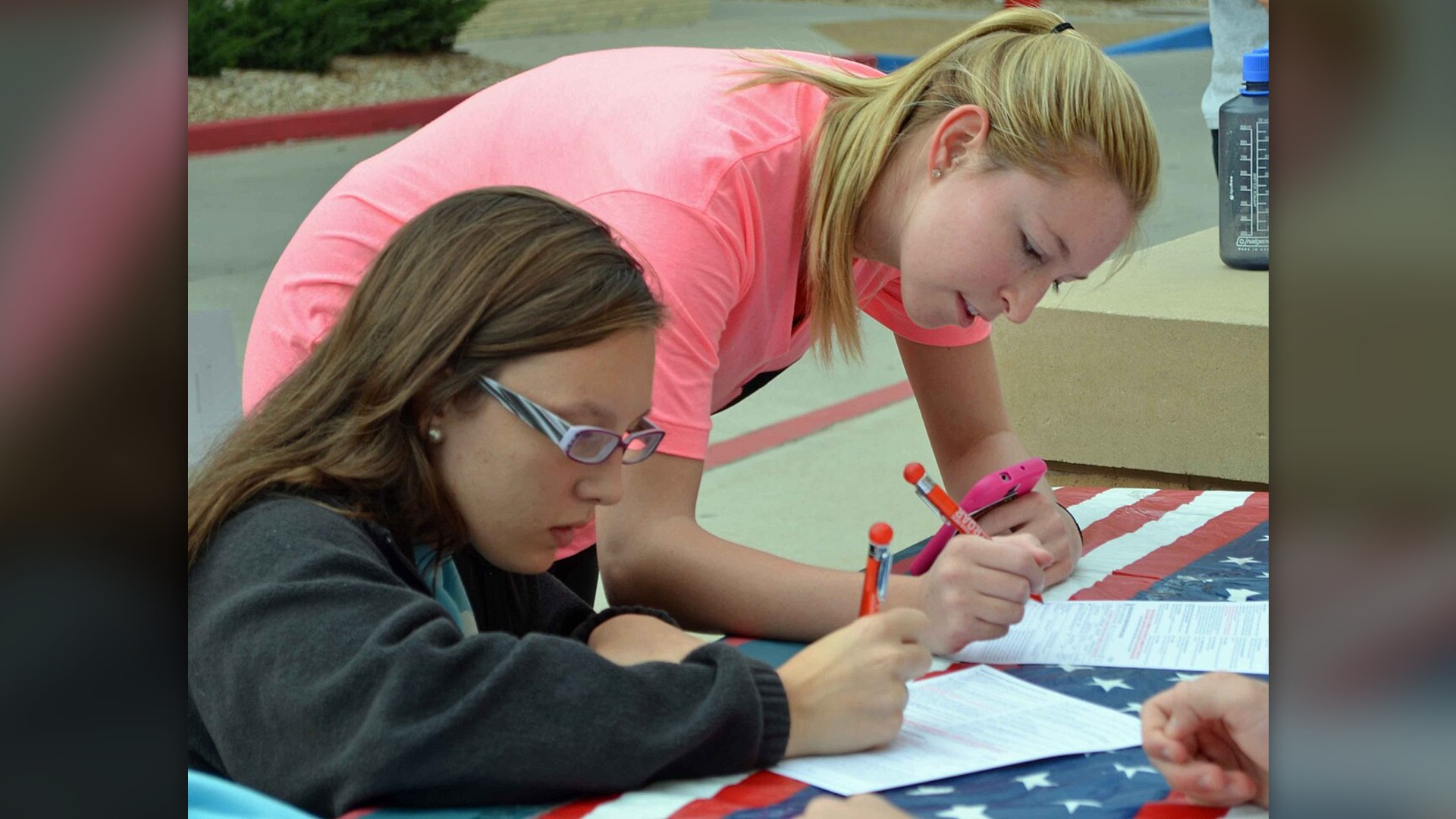
More Americans than ever are casting ballots well before Election Day through secure drop boxes and expanded early voting windows. Campaigns have adapted by launching aggressive continuous turnout operations, effectively transforming single-day elections into month-long balloting windows.
©Wikimedia Commons / Sarah Stierch
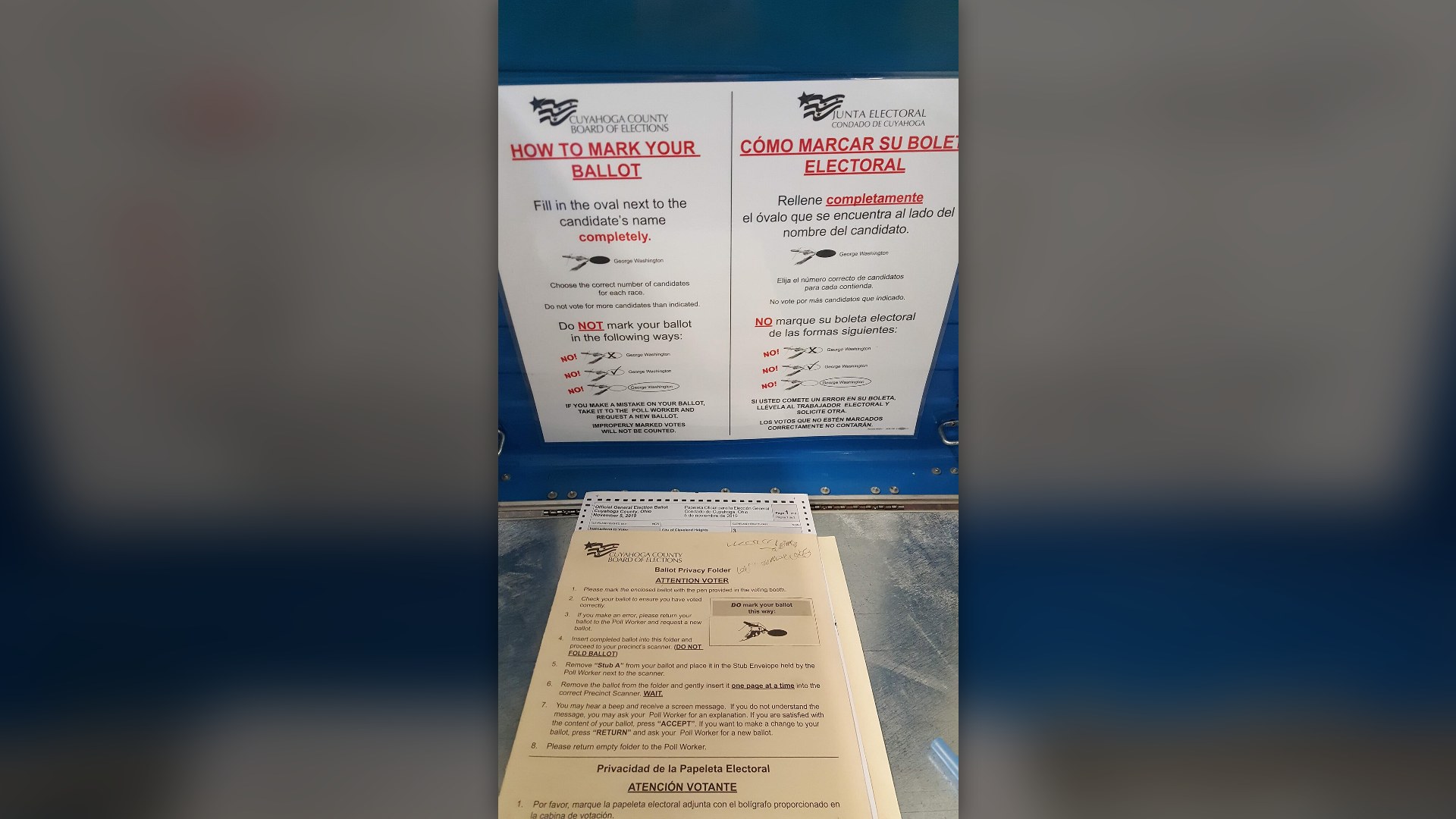
22. Election Security And AI Countermeasures
Rapid advances in generative artificial intelligence prompted unprecedented coordination between federal security agencies and local election administrators. Strict watermarking rules, rapid-response monitoring units, and paper ballot backups were reinforced to protect voting integrity.
©Wikimedia Commons / DHSgov
21. Independent And Third-Party Surge
Frustration with traditional two-party polarization drove historic grassroots signature collections for independent and minor party contenders. In tightly contested swing districts, these alternative options created complex three-way dynamics capable of tipping decisive outcomes.
©Wikimedia Commons / Becker1999
Advertisement
Swipe or tap ▶ to resume the countdown.
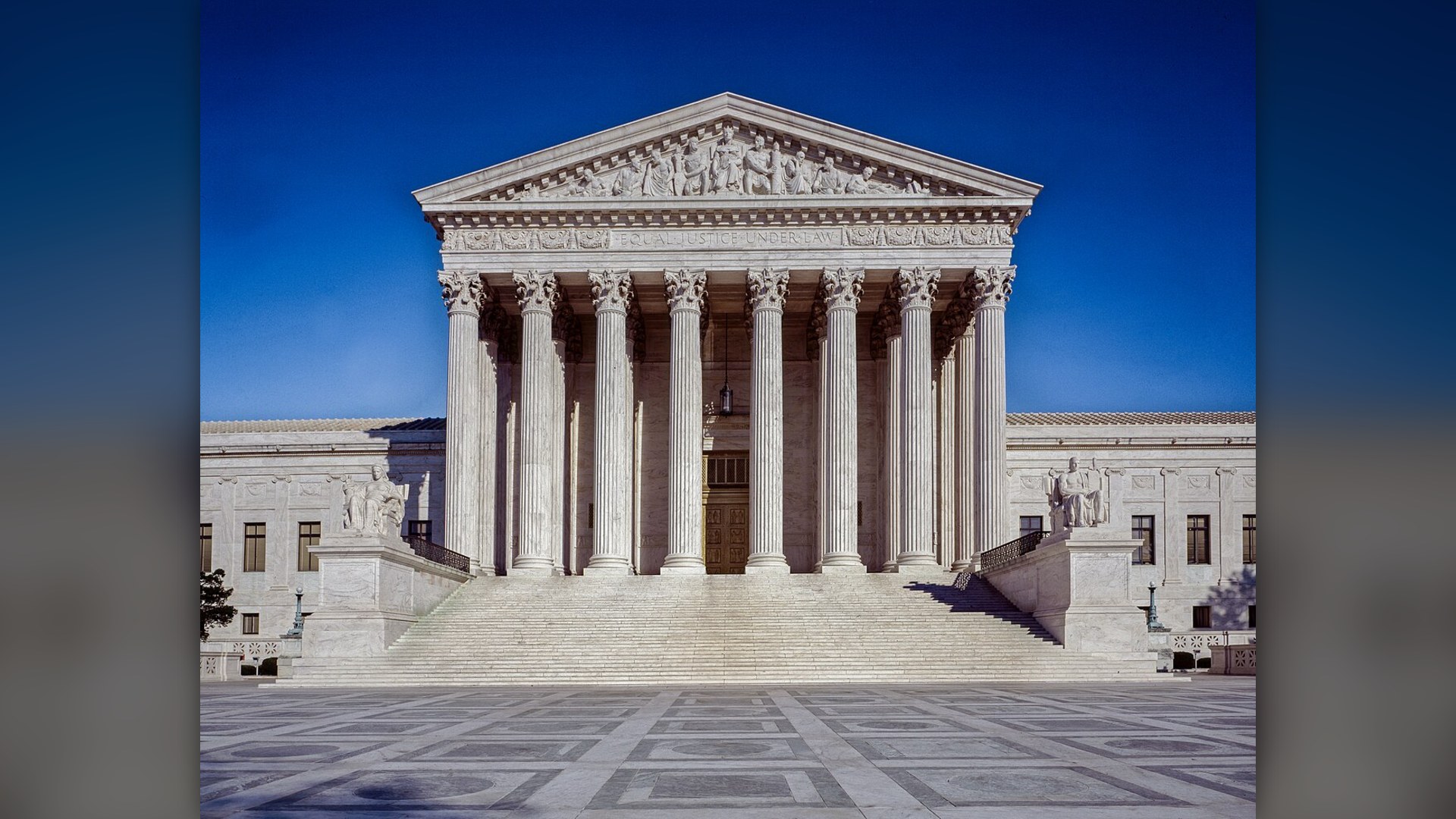
20. State Supreme Courts Reshaping Electoral Law
High-stakes races for state supreme court seats emerged as critical battlegrounds across multiple key states. The resulting judicial majorities hold immense power to interpret state constitutions, review disputed legislative maps, and determine the legality of local voting procedures.
©Wikimedia Commons / US Supreme Court
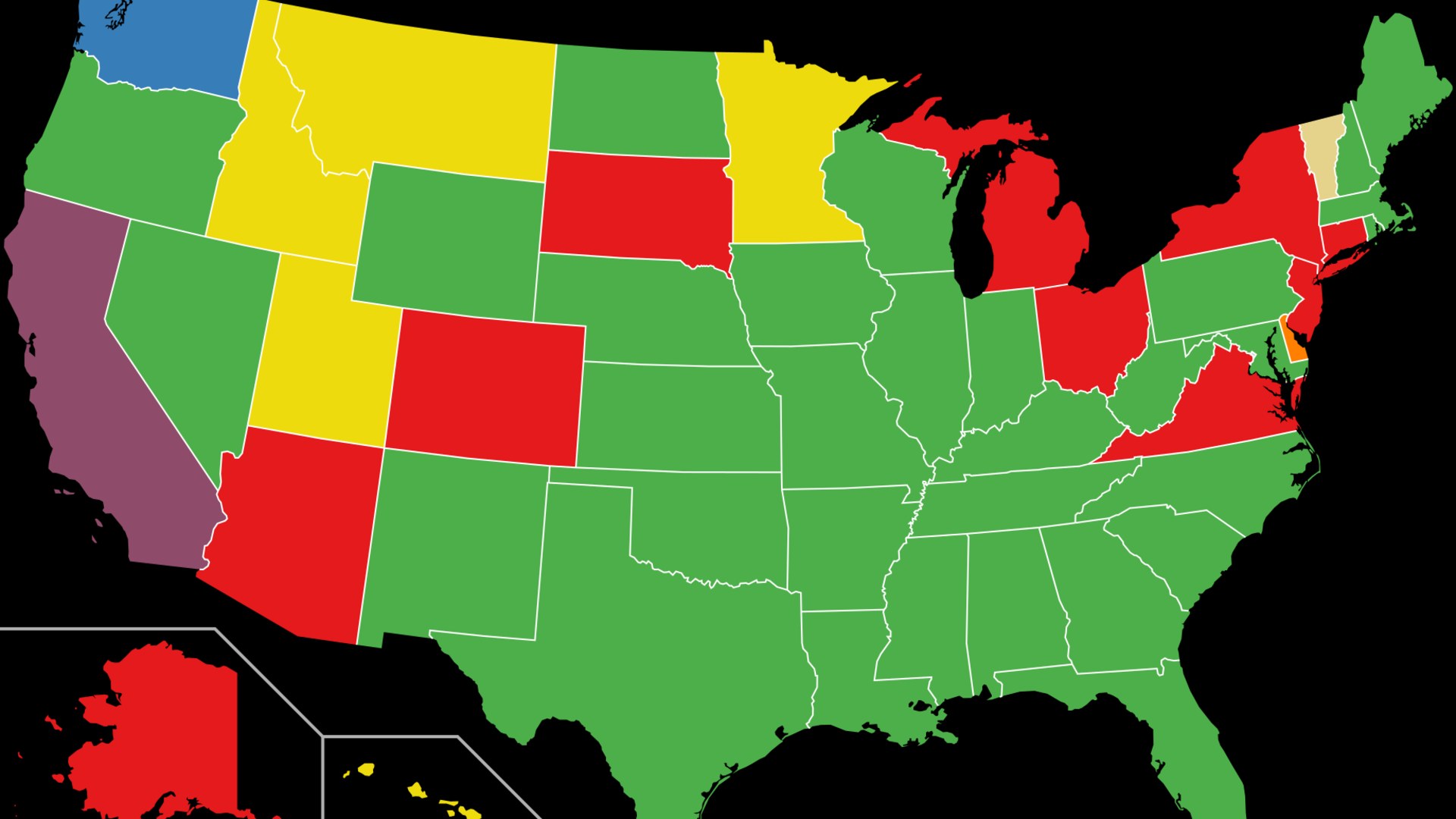
19. Mid-Decade Redistricting Clashes
Litigation challenging existing congressional districts led several key state courts to order redrawn maps before the midterm cycle. These mid-decade boundary revisions flipped several previously safe seats into competitive territory, altering the baseline path to a House majority.
©Wikimedia Commons / US House Maps
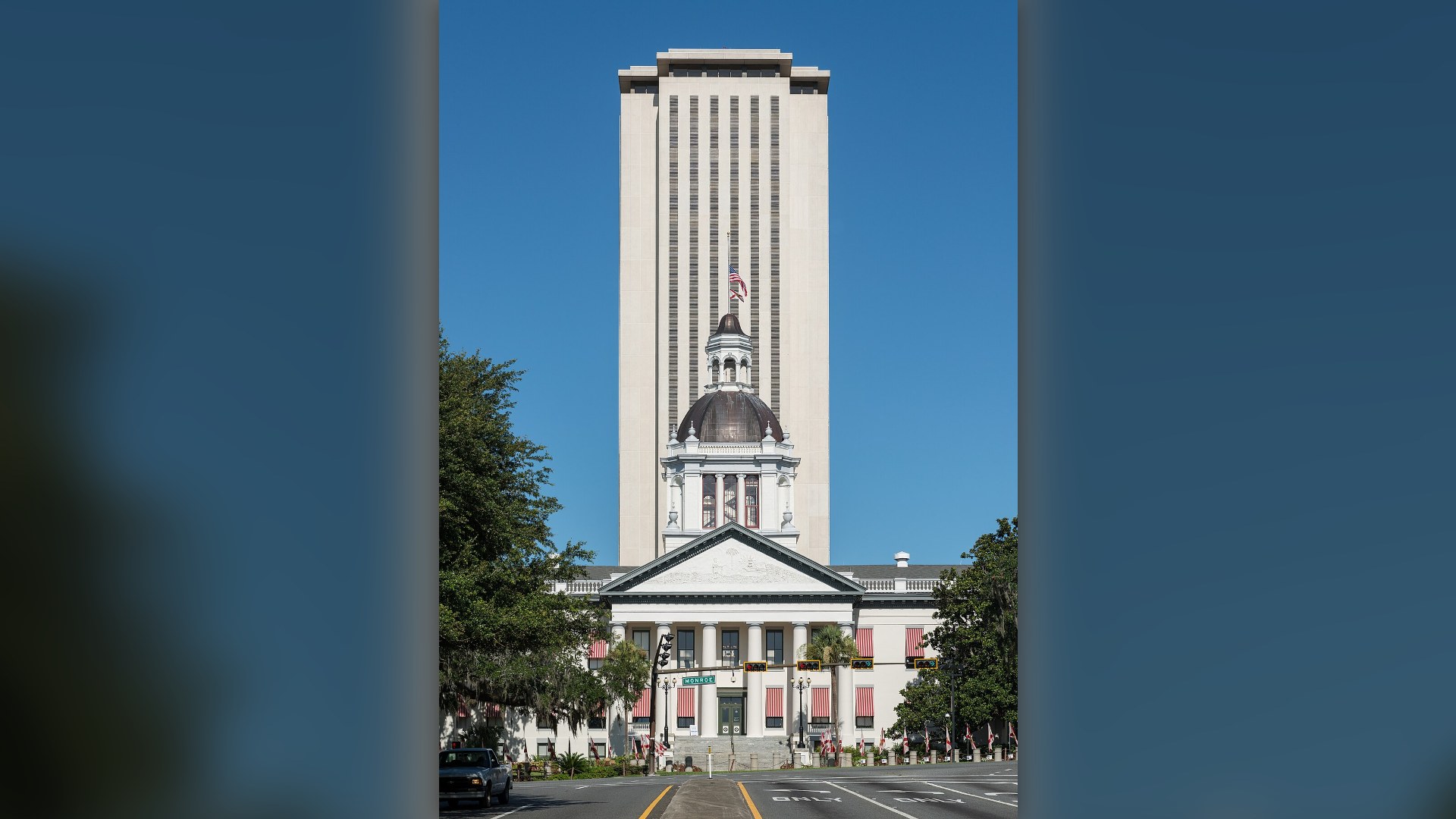
18. High-Profile Florida Gubernatorial Clash
With executive term limits forcing an open contest in the Sunshine State, both major parties poured massive resources into the gubernatorial race. The election tests whether recent conservative policy shifts remain firmly entrenched or if shifting suburban voters reopen state politics.
©Wikimedia Commons / Michael Rivera
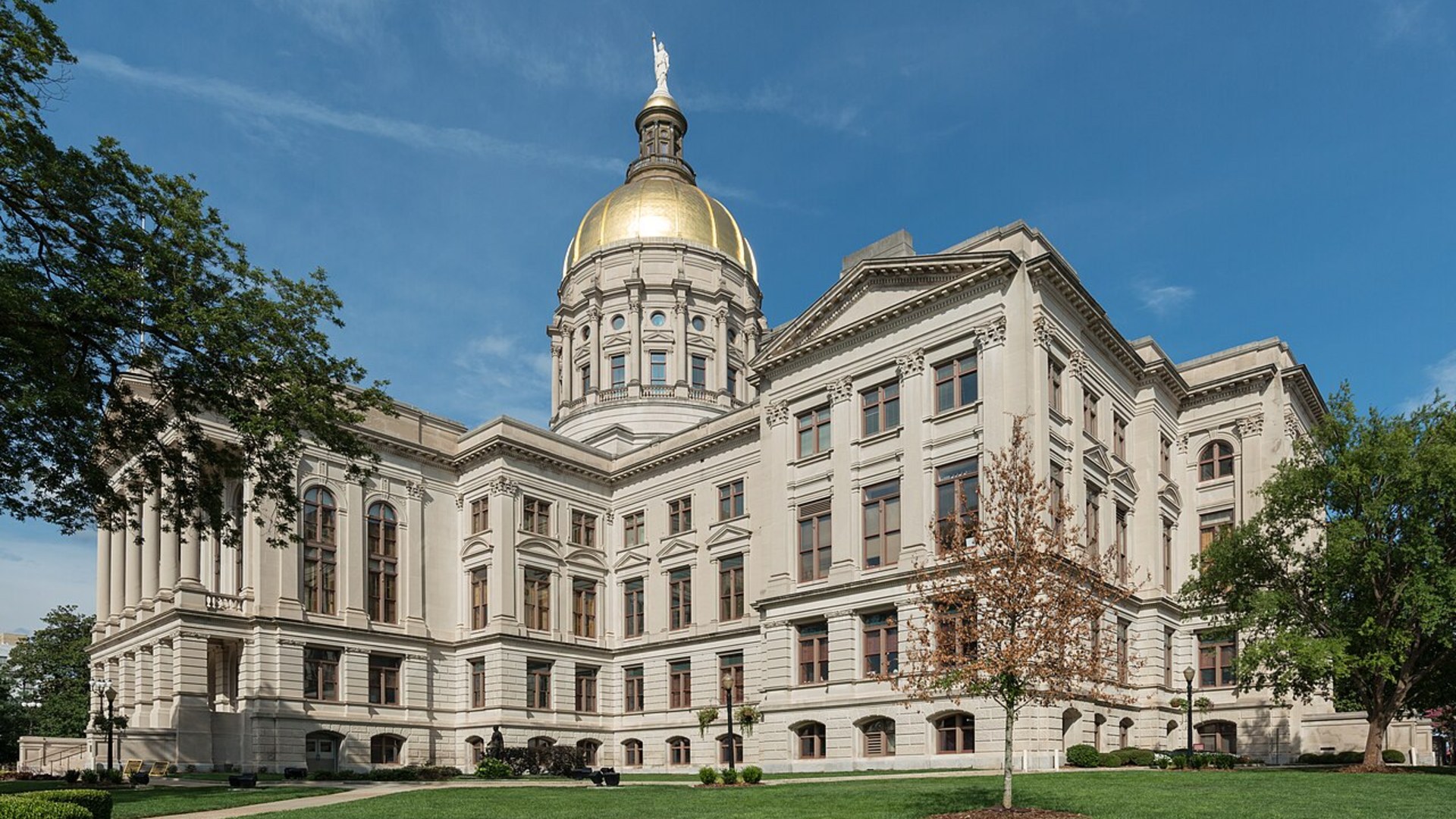
17. The Critical Georgia Governor Showdown
Georgia stands at the absolute center of national political attention. Following a term-limited administration, an open race for governor became one of the most fiercely fought executive contests in the nation, testing coalition strength across rapidly growing Atlanta suburbs.
©Wikimedia Commons / Michael Rivera
Advertisement
Swipe or tap ▶ to resume the countdown.
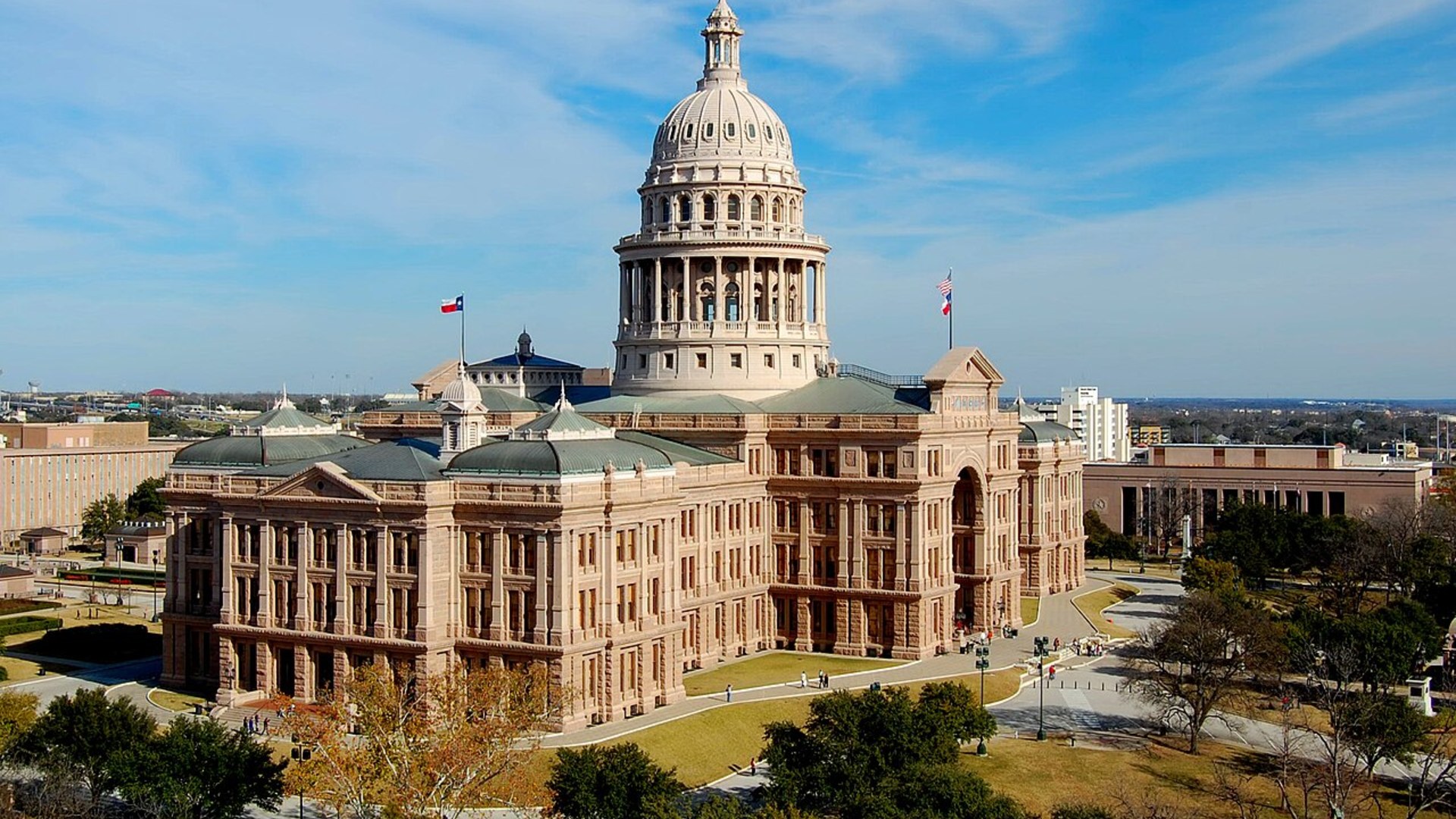
16. Texas Executive Power Battle
The race for the Texas governorship mobilized immense national fundraising networks. Contenders debated border policy, economic growth, and public school funding, turning the Lone Star State executive election into a crucial barometer for demographic change across the American South.
©Wikimedia Commons / Larry D. Moore
15. Minimum Wage And Labor Measures On Ballots
Citizen-initiated ballot referendums allowed voters to bypass divided legislatures and vote directly on economic standards. Multiple state ballots featured binding measures to gradually increase hourly minimum wages and mandate paid medical leave for hourly and service workers.
©Wikimedia Commons / Fibonacci Blue
14. Reproductive Healthcare Amendments
State-level referendums on reproductive rights continued to serve as powerful turnout drivers in the 2026 cycle. Voters weighed constitutional amendments defining reproductive autonomy, consistently demonstrating high civic engagement across traditionally nonpartisan voting blocs.
©Wikimedia Commons / Mobilus In Mobili
13. The Suburban Realignment In The Rust Belt
Suburban communities surrounding Philadelphia, Detroit, and Milwaukee continued their pivotal evolution as kingmakers of American elections. Candidates prioritized kitchen-table economic proposals and local education platforms to capture undecided moderate voters in these suburbs.
©Wikimedia Commons / Infrogmation of New Orleans
Advertisement
Swipe or tap ▶ to resume the countdown.
12. Shifting Coalitions Across The Sun Belt
The rapidly expanding electorates of Arizona, Nevada, and Texas displayed nuanced ideological shifts. Rather than voting as a monolithic bloc, Hispanic voters split across differing economic priorities and community values, forcing both parties to rethink conventional messaging.
©Wikimedia Commons / VOA News
11. Record Spending On Digital And Broadcast Media
Campaign fundraising reached unprecedented heights as political action committees and small-dollar donors poured billions into key media markets. Advertisers leaned heavily into hyper-targeted streaming platforms alongside traditional broadcast blitzes during live televised events.
©Wikimedia Commons / Thomas J. O'Halloran
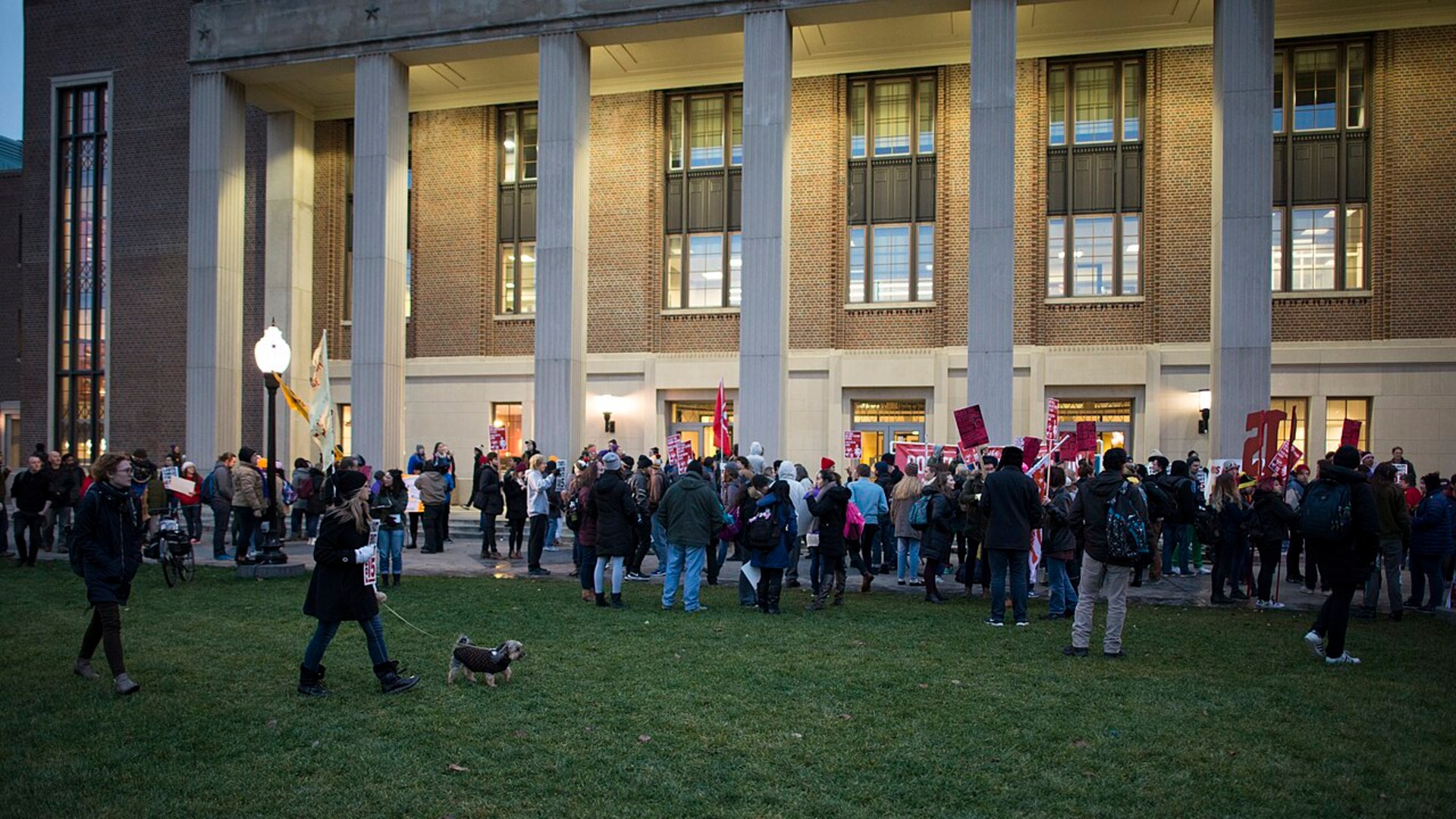
10. Youth And Campus Voter Mobilization
Colleges and student organizations transformed campuses into dynamic hubs of civic participation. Focused on climate initiatives, student debt relief, and civil liberties, young organizers utilized social networks to convert digital engagement into actual ballots cast at campus precincts.
©Wikimedia Commons / KOMUnews
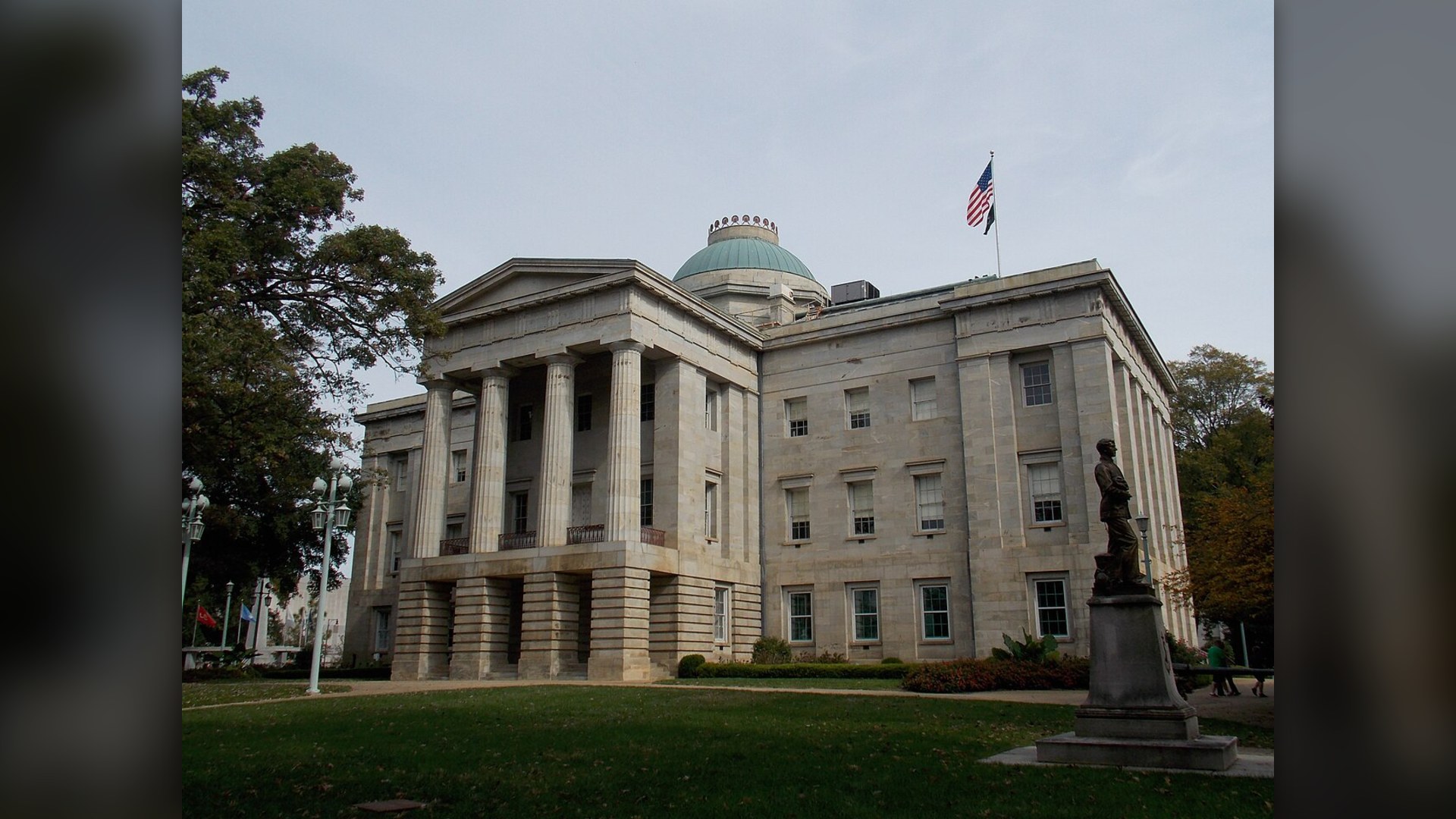
9. Marquee North Carolina Senate Battle
With North Carolina remaining one of the premier swing states in federal politics, its Class 2 Senate seat represented a vital target for party strategists. Tens of millions of dollars flooded the Research Triangle and rural counties in a contest that tested shifting state coalitions.
©Wikimedia Commons / Mike Gonzalez
Advertisement
Swipe or tap ▶ to resume the countdown.
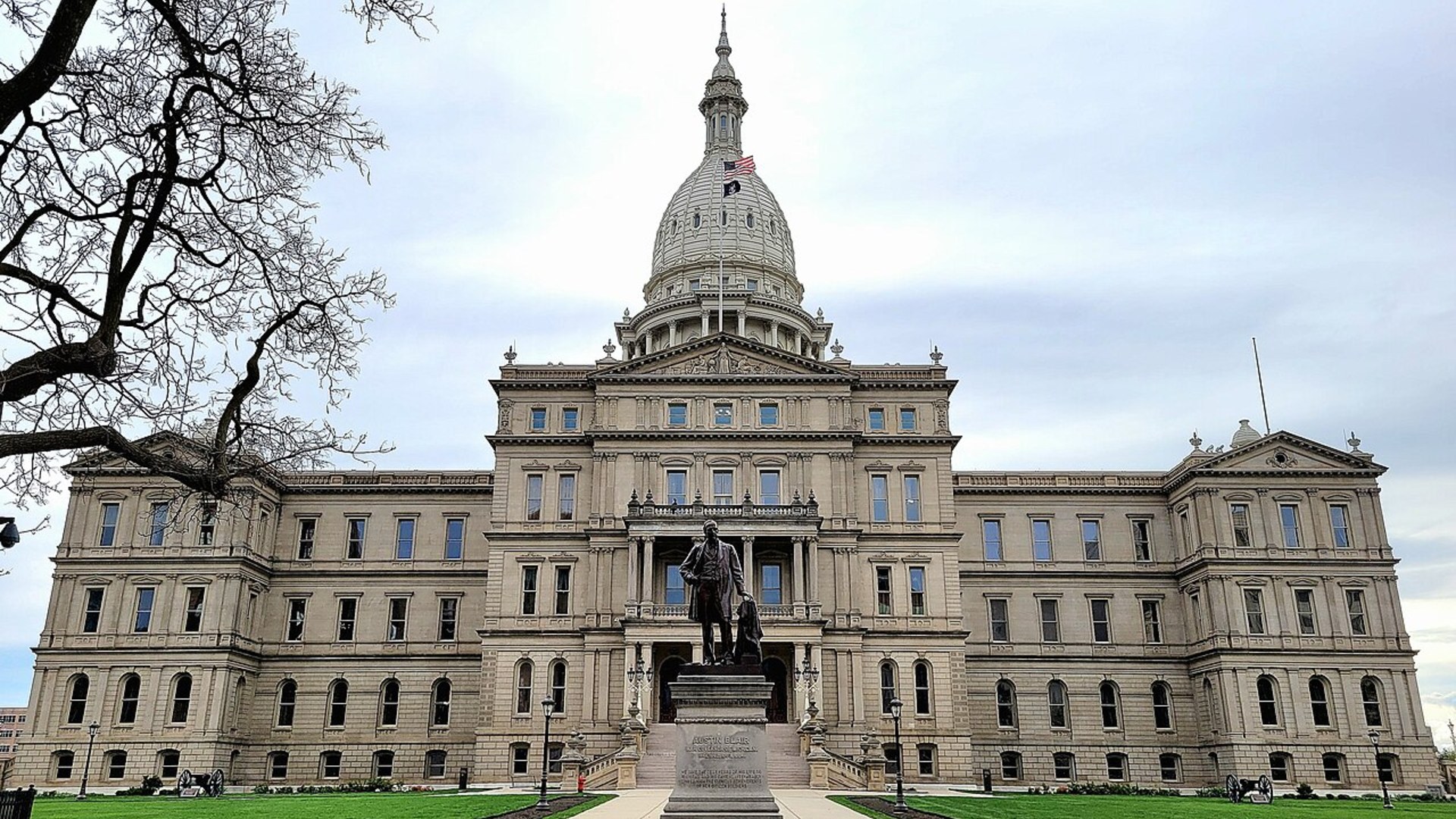
8. The Keystone Michigan Senate Contest
Michigan's industrial heritage and energetic suburban corridors made its Senate election a premier national bellwether. The race hinged on manufacturing revitalization, clean energy investments, and union household support across working-class towns from Wayne County to Grand Rapids.
©Wikimedia Commons / Carol M. Highsmith
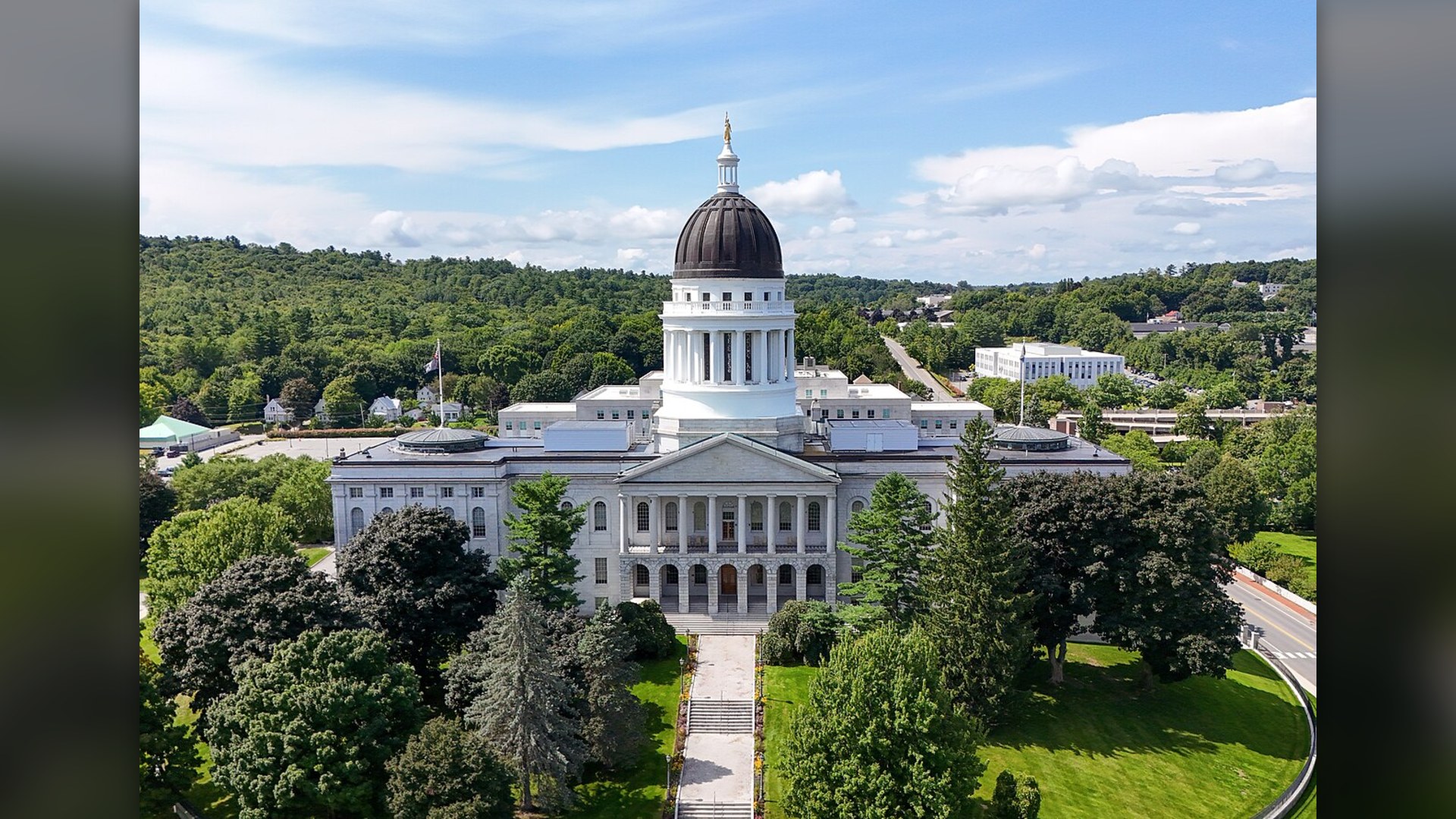
7. Maine's Crucial Senate Race
Maine's statewide ranked-choice voting system introduced a distinct strategic dimension to a high-stakes Senate contest. Candidates had to appeal broadly to second-choice voters among independent-minded Mainers, creating a nuanced campaign that defied simple partisan divisions.
©Wikimedia Commons / Carol M. Highsmith
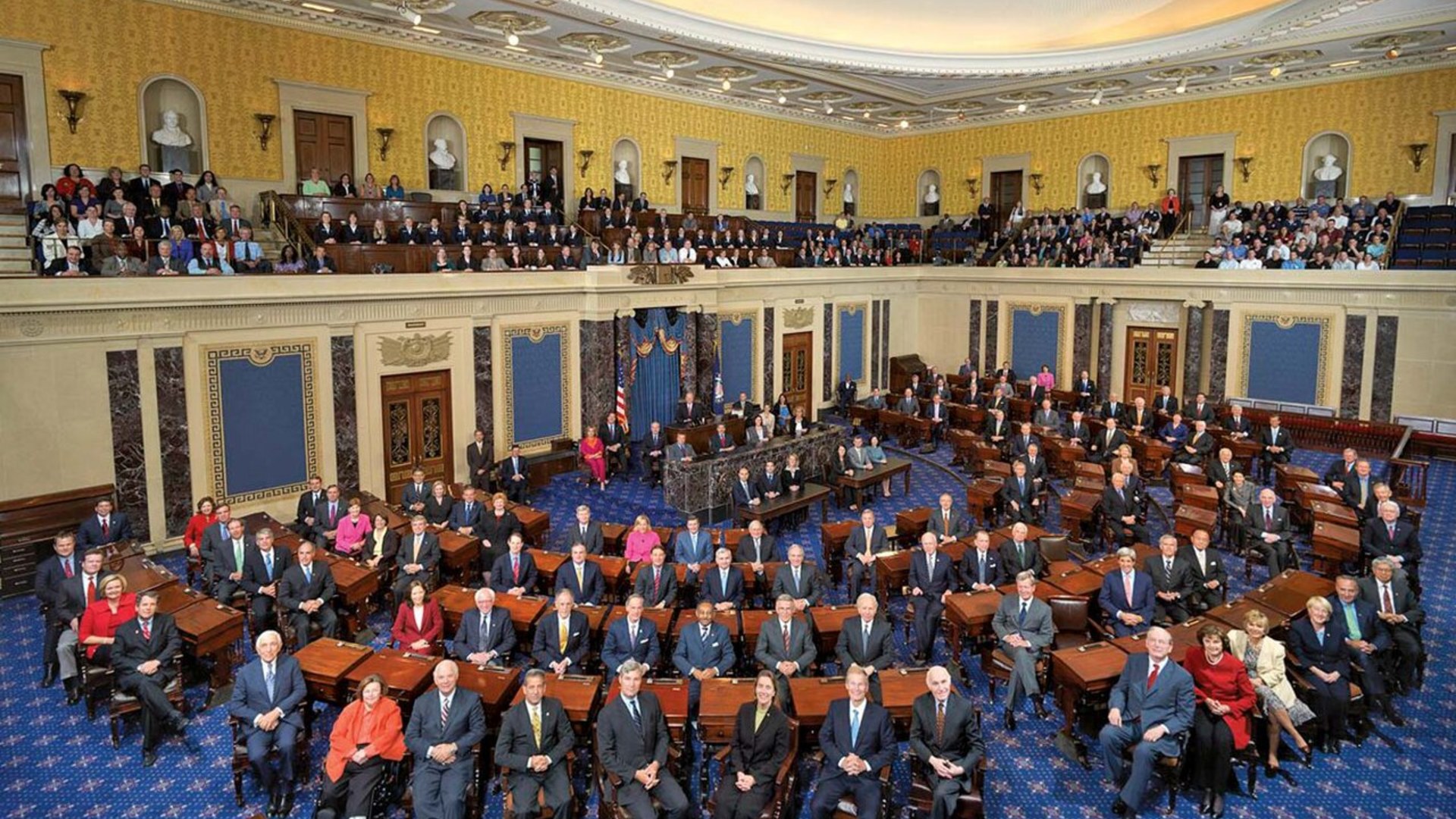
6. The Dramatic Georgia Senate Showdown
Building on years of razor-thin election finishes, Georgia delivered yet another climactic Senate clash. Intense turnout in metropolitan Atlanta combined with high participation across rural southern counties, underscoring the state status as a vital national battleground.
©Wikimedia Commons / US Senate
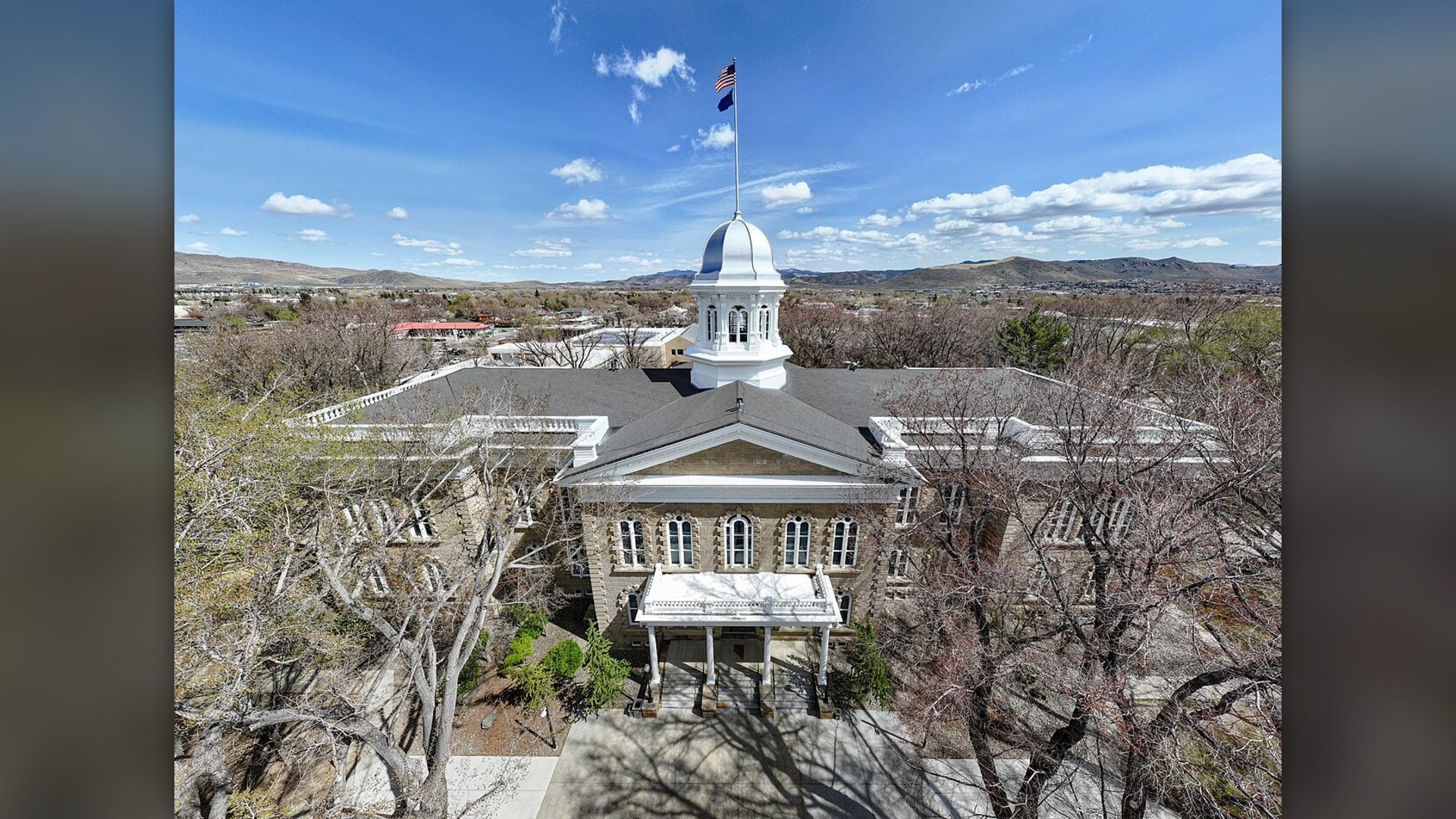
5. Nevada Desert Senate Showdown
Nevada's hospitality workforce and culinary unions played a commanding role in driving voter participation across Clark County. With economic inflation and housing affordability at the forefront, the contest tested how working families responded to competing federal visions.
©Wikimedia Commons / Ken Lund
Advertisement
Swipe or tap ▶ to resume the countdown.
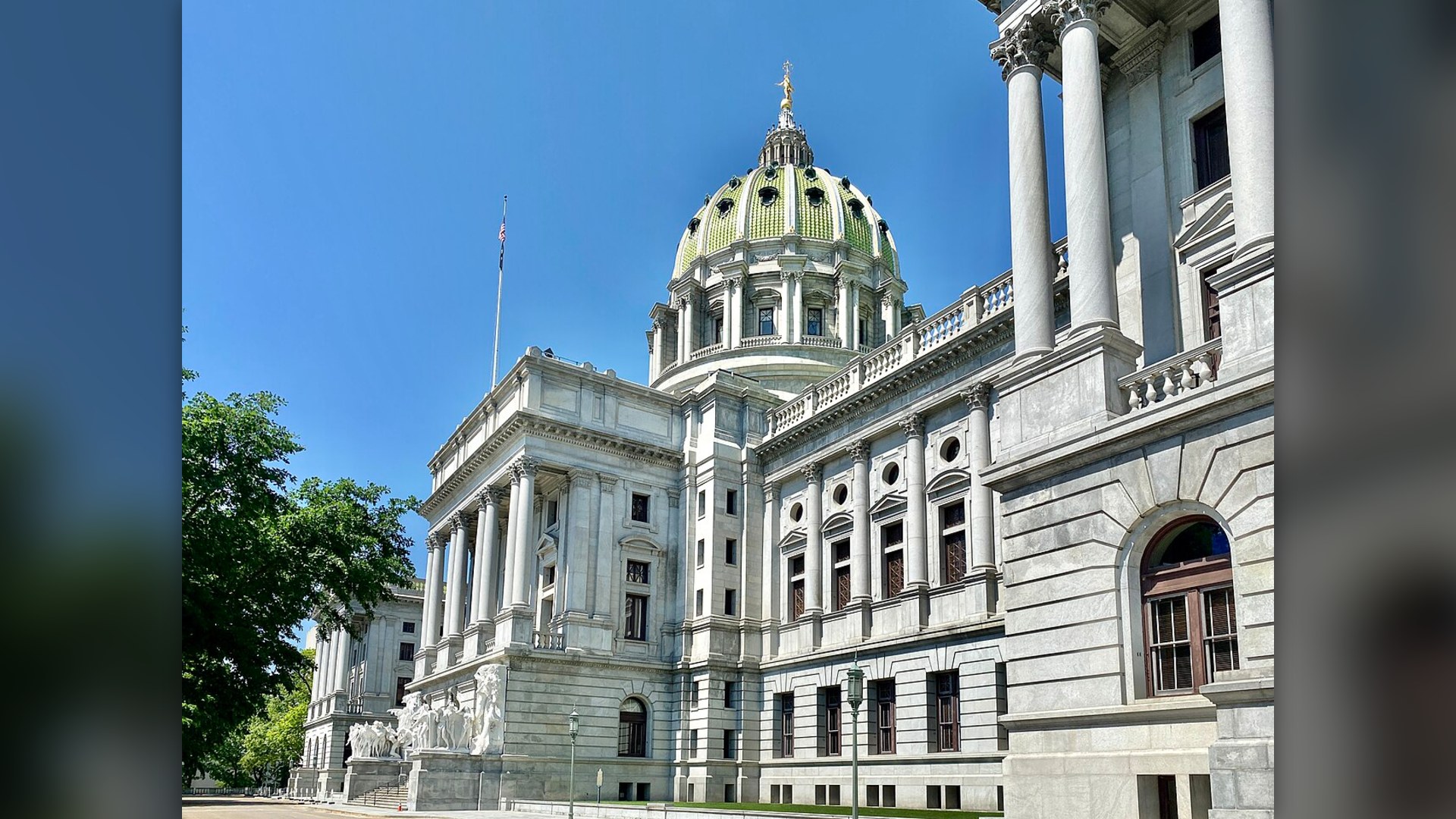
4. The Epic Pennsylvania Senate Clash
Pennsylvania remains the ultimate battleground where national elections are decided. From the industrial valleys of western Pennsylvania to the sprawling collar counties of Philadelphia, candidates campaigned relentlessly to secure a seat that could tilt the entire upper chamber.
©Wikimedia Commons / Carol M. Highsmith
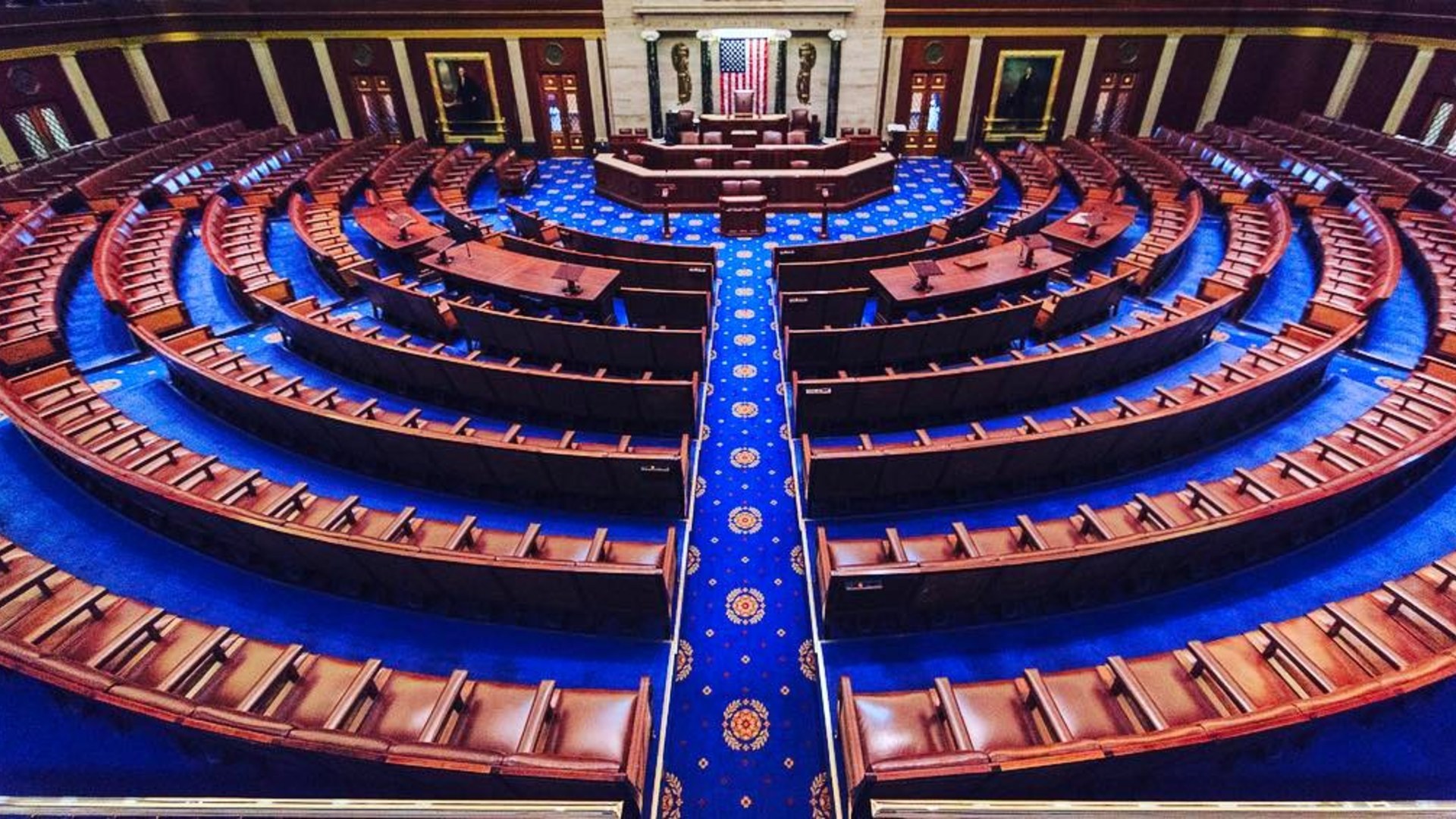
3. The Fight For The U.S. House Majority
Governing majorities in the House of Representatives have grown increasingly narrow over the last decade. In 2026, control of the speaker's podium came down to roughly thirty ultra-competitive districts spread across California, New York, and the Midwest, where tiny margins proved decisive.
©Wikimedia Commons / US House of Representatives
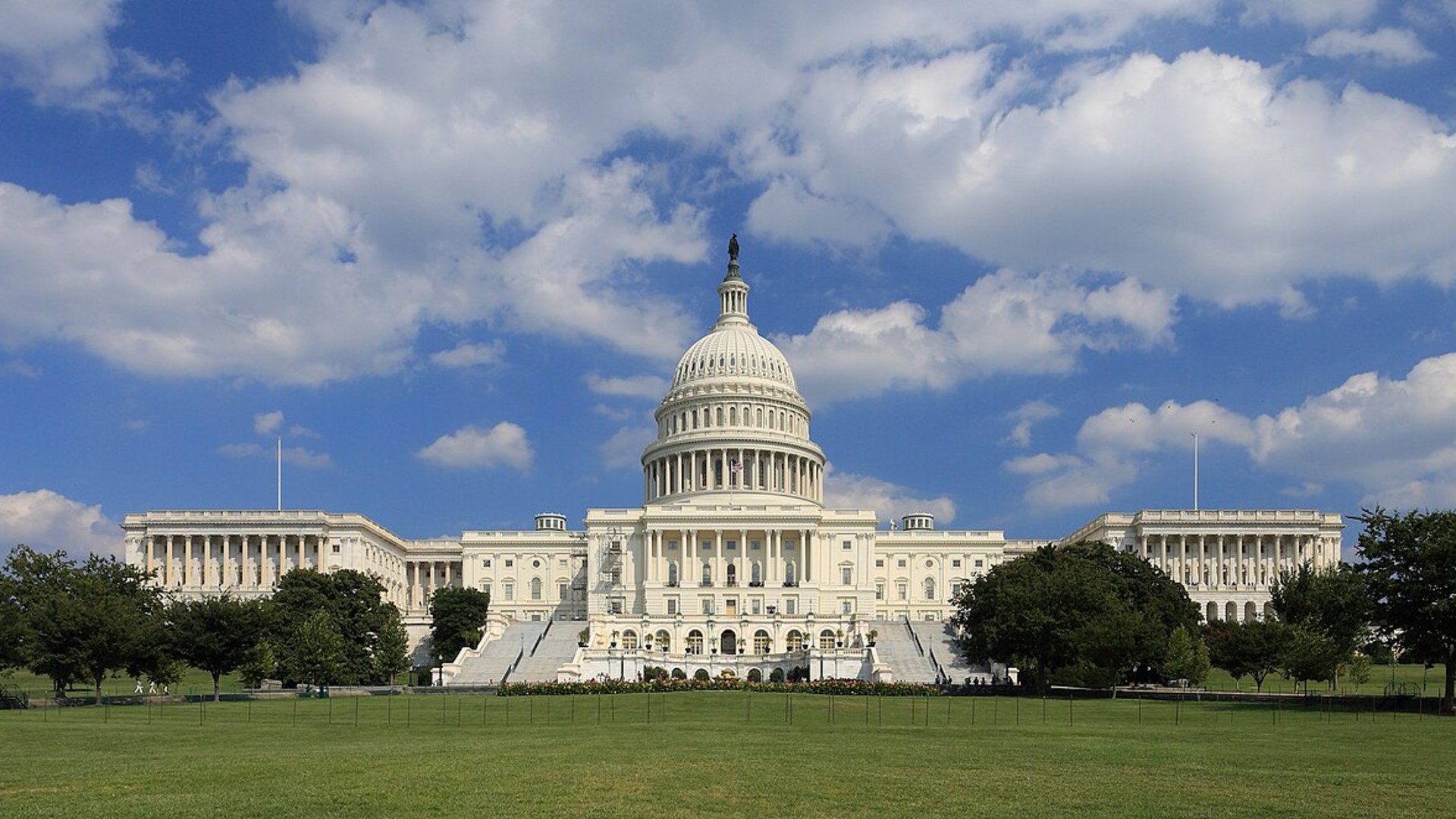
2. The Senate Majority Decider Races
The constitutional balance of the United States Senate hung on the outcome of a select cluster of competitive Class 2 seats. With confirming federal judges, cabinet officials, and vital committee gavels at stake, the Senate results set the parameters for executive branch governance.
©Wikimedia Commons / Martin Falbisoner
1. The National Balance Of Power And Divided Government
Midterm elections in American history consistently function as the defining verdict on the sitting presidential administration. The collective outcome of the 2026 midterms determines whether federal policy will proceed with unified momentum or navigate intense divided government.

©Wikimedia Commons / acaben
Advertisement
You've reached the end of the story. Thanks for reading!

20 Famous Cars With Pop-Up Headlights That Shaped Car Design
From hand-cranked 1930s teardrops to wedge supercars of the 1980s, hidden headlights let stylists chase sleek aerodynamics until 2004 pedestrian rules closed the curtain. Here are 20 standout production cars that turned retractable lamps into an enduring automotive design feature across seven full decades.
All 23 Entries in this Story
23. Historic Early Voting And Mail In Turnout
More Americans than ever are casting ballots well before Election Day through secure drop boxes and expanded early voting windows. Campaigns have adapted by launching aggressive continuous turnout operations, effectively transforming single-day elections into month-long balloting windows.

22. Election Security And AI Countermeasures
Rapid advances in generative artificial intelligence prompted unprecedented coordination between federal security agencies and local election administrators. Strict watermarking rules, rapid-response monitoring units, and paper ballot backups were reinforced to protect voting integrity.

21. Independent And Third-Party Surge
Frustration with traditional two-party polarization drove historic grassroots signature collections for independent and minor party contenders. In tightly contested swing districts, these alternative options created complex three-way dynamics capable of tipping decisive outcomes.

20. State Supreme Courts Reshaping Electoral Law
High-stakes races for state supreme court seats emerged as critical battlegrounds across multiple key states. The resulting judicial majorities hold immense power to interpret state constitutions, review disputed legislative maps, and determine the legality of local voting procedures.

19. Mid-Decade Redistricting Clashes
Litigation challenging existing congressional districts led several key state courts to order redrawn maps before the midterm cycle. These mid-decade boundary revisions flipped several previously safe seats into competitive territory, altering the baseline path to a House majority.

18. High-Profile Florida Gubernatorial Clash
With executive term limits forcing an open contest in the Sunshine State, both major parties poured massive resources into the gubernatorial race. The election tests whether recent conservative policy shifts remain firmly entrenched or if shifting suburban voters reopen state politics.

17. The Critical Georgia Governor Showdown
Georgia stands at the absolute center of national political attention. Following a term-limited administration, an open race for governor became one of the most fiercely fought executive contests in the nation, testing coalition strength across rapidly growing Atlanta suburbs.

16. Texas Executive Power Battle
The race for the Texas governorship mobilized immense national fundraising networks. Contenders debated border policy, economic growth, and public school funding, turning the Lone Star State executive election into a crucial barometer for demographic change across the American South.

15. Minimum Wage And Labor Measures On Ballots
Citizen-initiated ballot referendums allowed voters to bypass divided legislatures and vote directly on economic standards. Multiple state ballots featured binding measures to gradually increase hourly minimum wages and mandate paid medical leave for hourly and service workers.

14. Reproductive Healthcare Amendments
State-level referendums on reproductive rights continued to serve as powerful turnout drivers in the 2026 cycle. Voters weighed constitutional amendments defining reproductive autonomy, consistently demonstrating high civic engagement across traditionally nonpartisan voting blocs.

13. The Suburban Realignment In The Rust Belt
Suburban communities surrounding Philadelphia, Detroit, and Milwaukee continued their pivotal evolution as kingmakers of American elections. Candidates prioritized kitchen-table economic proposals and local education platforms to capture undecided moderate voters in these suburbs.

12. Shifting Coalitions Across The Sun Belt
The rapidly expanding electorates of Arizona, Nevada, and Texas displayed nuanced ideological shifts. Rather than voting as a monolithic bloc, Hispanic voters split across differing economic priorities and community values, forcing both parties to rethink conventional messaging.

11. Record Spending On Digital And Broadcast Media
Campaign fundraising reached unprecedented heights as political action committees and small-dollar donors poured billions into key media markets. Advertisers leaned heavily into hyper-targeted streaming platforms alongside traditional broadcast blitzes during live televised events.

10. Youth And Campus Voter Mobilization
Colleges and student organizations transformed campuses into dynamic hubs of civic participation. Focused on climate initiatives, student debt relief, and civil liberties, young organizers utilized social networks to convert digital engagement into actual ballots cast at campus precincts.

9. Marquee North Carolina Senate Battle
With North Carolina remaining one of the premier swing states in federal politics, its Class 2 Senate seat represented a vital target for party strategists. Tens of millions of dollars flooded the Research Triangle and rural counties in a contest that tested shifting state coalitions.

8. The Keystone Michigan Senate Contest
Michigan's industrial heritage and energetic suburban corridors made its Senate election a premier national bellwether. The race hinged on manufacturing revitalization, clean energy investments, and union household support across working-class towns from Wayne County to Grand Rapids.

7. Maine's Crucial Senate Race
Maine's statewide ranked-choice voting system introduced a distinct strategic dimension to a high-stakes Senate contest. Candidates had to appeal broadly to second-choice voters among independent-minded Mainers, creating a nuanced campaign that defied simple partisan divisions.

6. The Dramatic Georgia Senate Showdown
Building on years of razor-thin election finishes, Georgia delivered yet another climactic Senate clash. Intense turnout in metropolitan Atlanta combined with high participation across rural southern counties, underscoring the state status as a vital national battleground.

5. Nevada Desert Senate Showdown
Nevada's hospitality workforce and culinary unions played a commanding role in driving voter participation across Clark County. With economic inflation and housing affordability at the forefront, the contest tested how working families responded to competing federal visions.

4. The Epic Pennsylvania Senate Clash
Pennsylvania remains the ultimate battleground where national elections are decided. From the industrial valleys of western Pennsylvania to the sprawling collar counties of Philadelphia, candidates campaigned relentlessly to secure a seat that could tilt the entire upper chamber.

3. The Fight For The U.S. House Majority
Governing majorities in the House of Representatives have grown increasingly narrow over the last decade. In 2026, control of the speaker's podium came down to roughly thirty ultra-competitive districts spread across California, New York, and the Midwest, where tiny margins proved decisive.

2. The Senate Majority Decider Races
The constitutional balance of the United States Senate hung on the outcome of a select cluster of competitive Class 2 seats. With confirming federal judges, cabinet officials, and vital committee gavels at stake, the Senate results set the parameters for executive branch governance.

1. The National Balance Of Power And Divided Government
Midterm elections in American history consistently function as the defining verdict on the sitting presidential administration. The collective outcome of the 2026 midterms determines whether federal policy will proceed with unified momentum or navigate intense divided government.