Slideshow · Viral
23 Times US Governors Challenged Decisions Made by the Federal Government
From early nullification crises and civil rights showdowns to modern environmental battles and immigration disputes, state executives have repeatedly clashed with Washington. Here are twenty-three moments when American governors stood their ground against federal mandates.
By Most Viral Today
59 min ago

23 Times US Governors Challenged Decisions Made by the Federal Government 
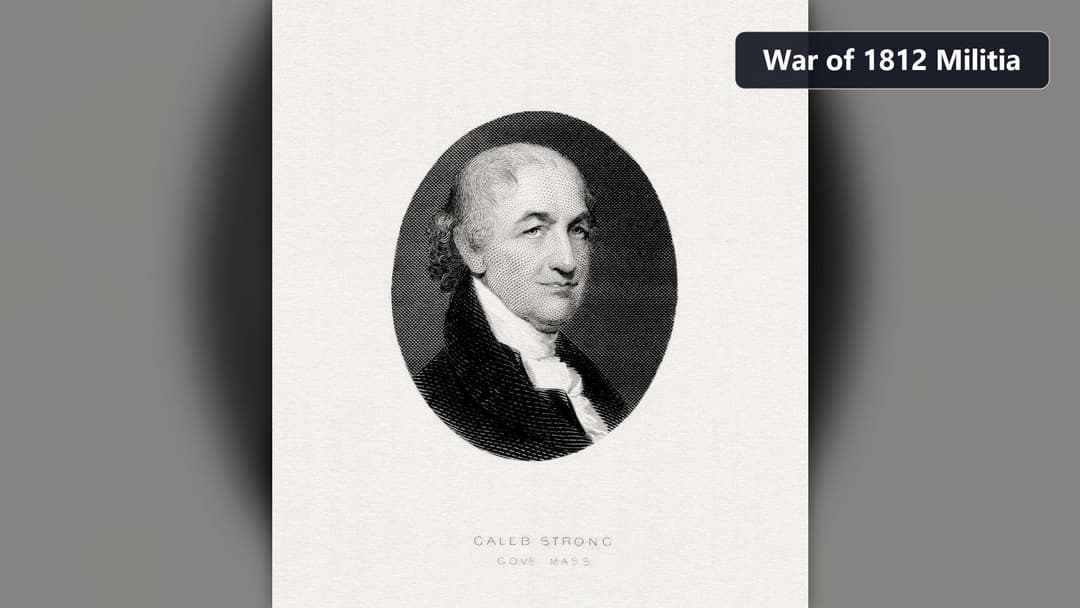
23. Caleb Strong: Defying War Of 1812 Federal Command 
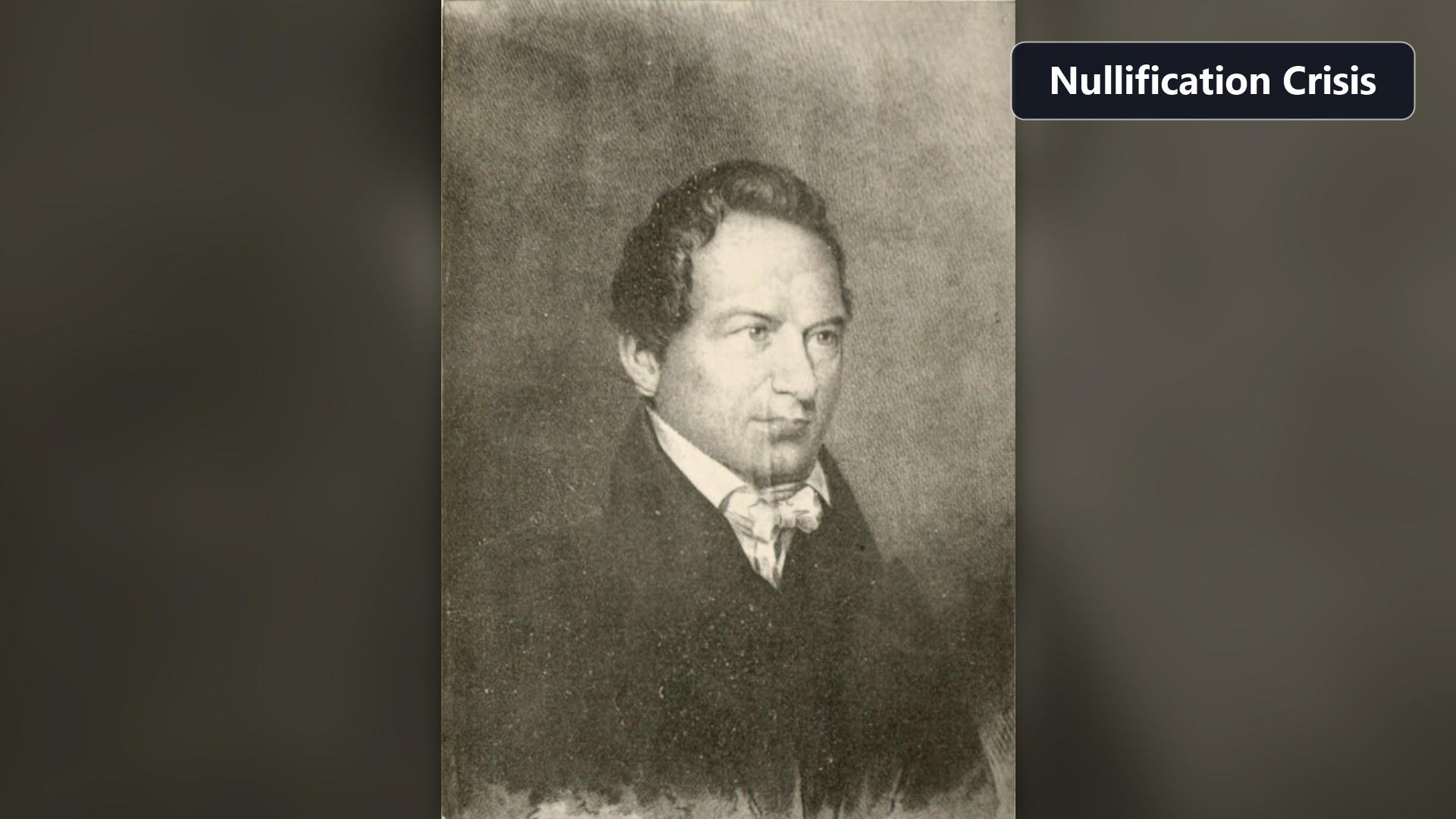
22. Robert Y. Hayne: Backing South Carolina Nullification 
21. Joseph E. Brown: Resisting Central Conscription Orders - AdvertisementSwipe or tap ▶ to continue countdown

20. John Peter Altgeld: Protesting Pullman Federal Troops 
19. Albert Ritchie: Refusing Federal Prohibition Enforcement 
18. Eugene Talmadge: Battling New Deal Relief Administrators 
17. Orval Faubus: Blocking Little Rock School Integration - AdvertisementSwipe or tap ▶ to continue countdown

16. Ross Barnett: Defying University Integration Orders 
15. George Wallace: The Stand In The Schoolhouse Door 
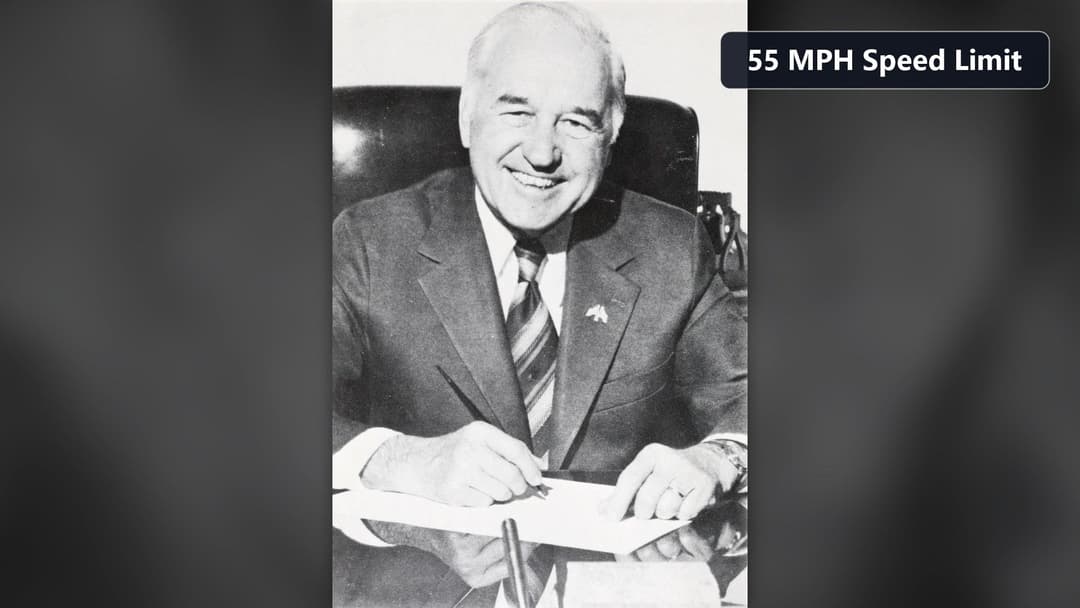
14. Meldrim Thomson Jr.: Fighting The 55 MPH Speed Limit 
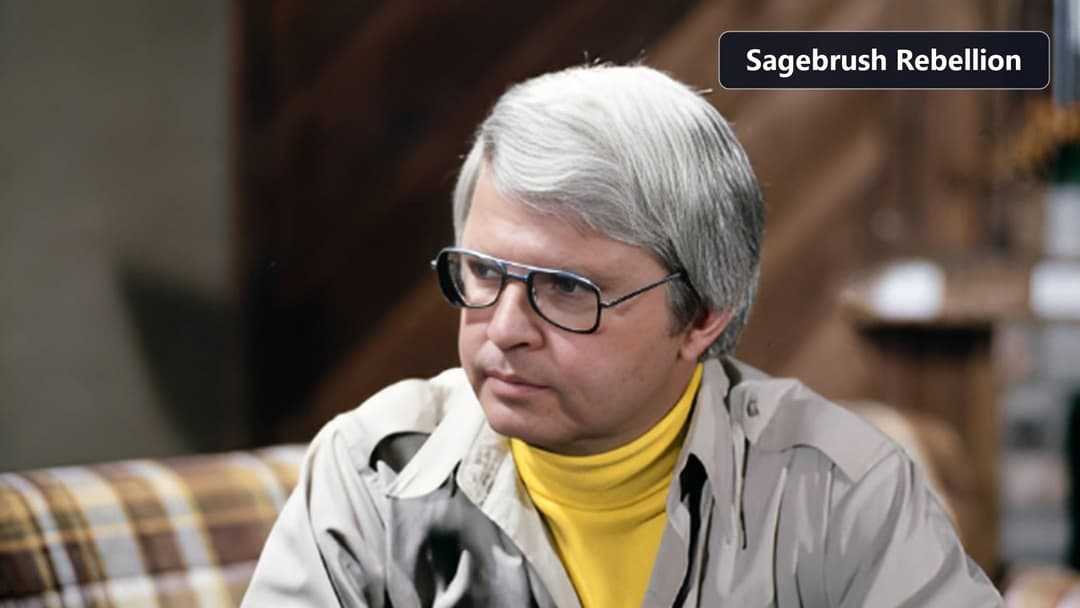
13. Richard Lamm: Leading The Sagebrush Rebellion - AdvertisementSwipe or tap ▶ to continue countdown

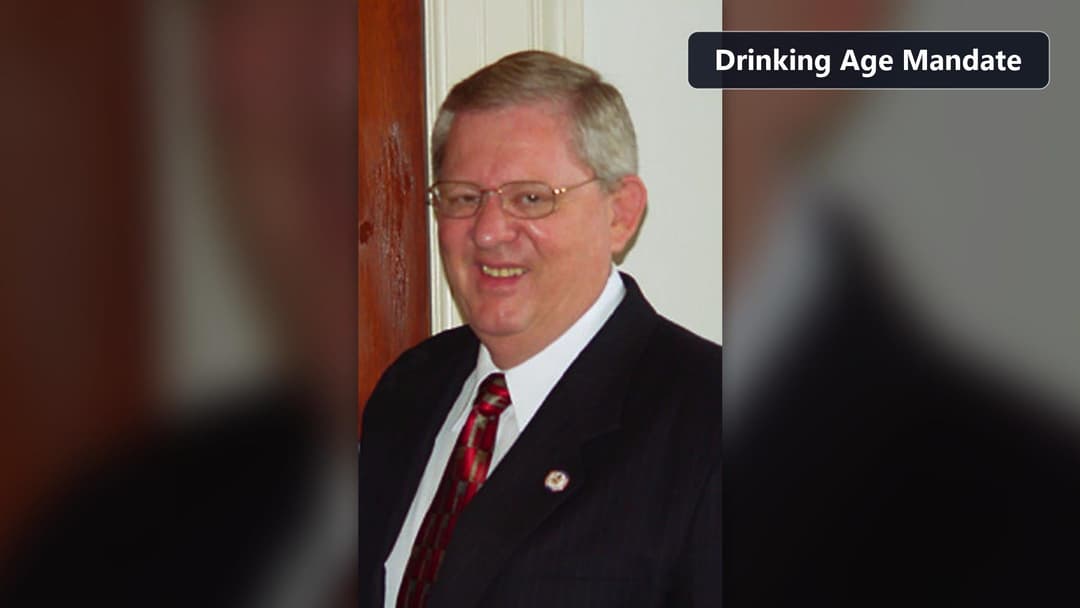
12. Bill Janklow: Fighting Federal Drinking Age Mandates 
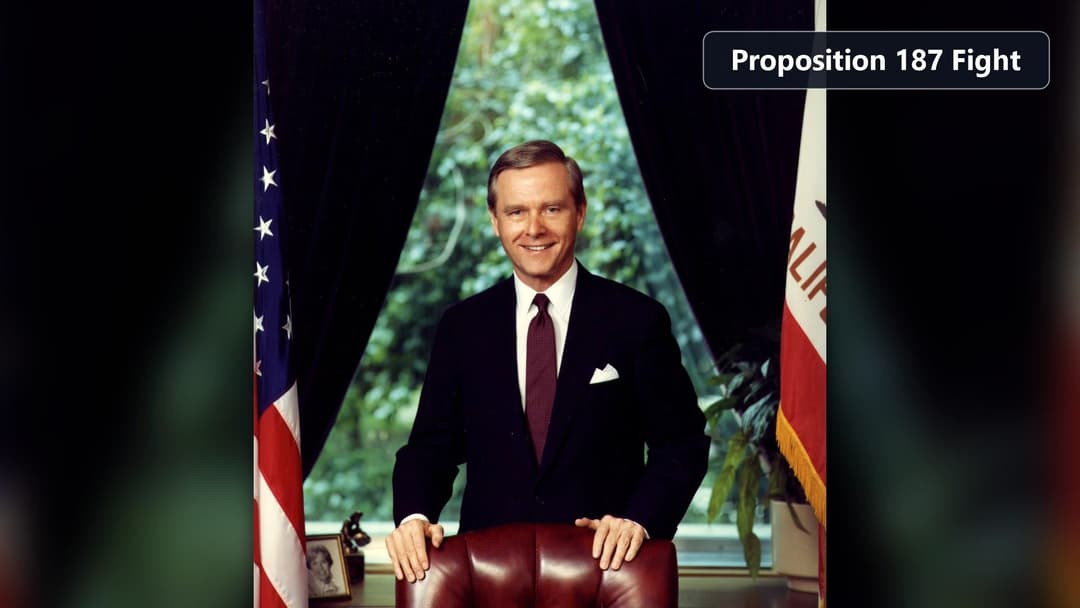
11. Pete Wilson: Defending California Proposition 187 
10. Fife Symington: Reopening The Grand Canyon By Force 
9. Gray Davis: Enacting Strict Vehicle Tailpipe Standards - AdvertisementSwipe or tap ▶ to continue countdown

8. Rick Perry: Resisting Federal EPA Rules And Medicaid 
7. Jan Brewer: Enacting State Border Enforcement SB 1070 
6. Jerry Brown: Signing The Sanctuary State Law 
5. Jay Inslee: Securing Injunction Against Travel Ban - AdvertisementSwipe or tap ▶ to continue countdown

4. Ron DeSantis: Blocking Federal Vaccine Mandates 
3. Gavin Newsom: Fighting Emissions Waivers And Border Troops 
2. Greg Abbott: The Eagle Pass Border Wire Showdown 
1. George Clinton: Championing The Federal Bill Of Rights - Advertisement🔥 UP NEXT IN THIS SERIES◫ 22 Slides

21 Former US Governors Who Became Influential National Leaders
Which former state governors rose to shape modern American history?
From early nullification crises and civil rights showdowns to modern environmental battles and immigration disputes, state executives have repeatedly clashed with Washington. Here are twenty-three moments when American governors stood their ground against federal mandates.
Swipe or tap ▶ to begin the countdown
©Wikimedia / Library of Congress
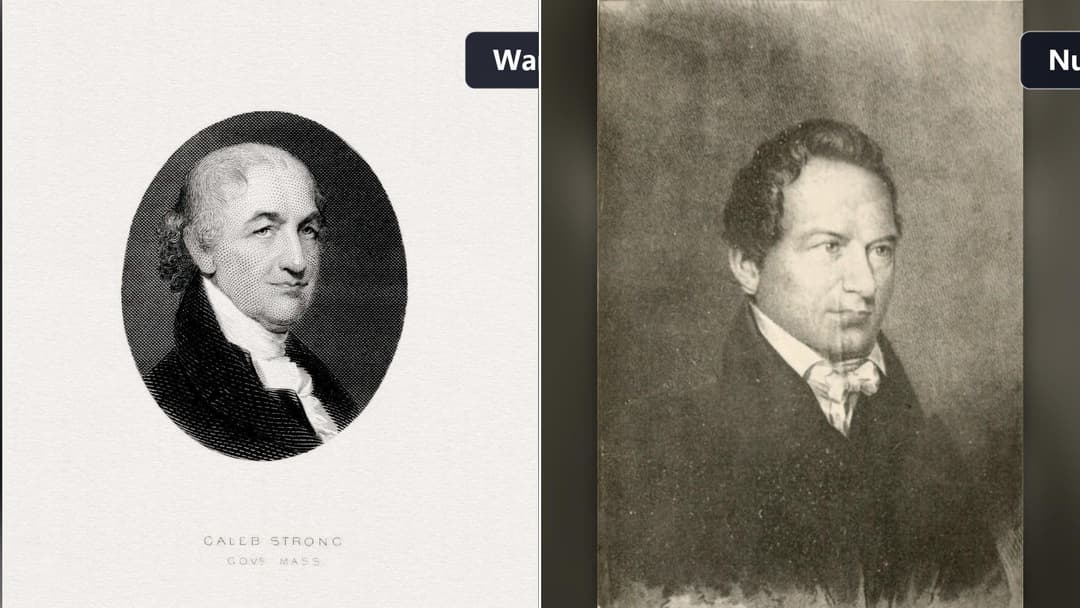
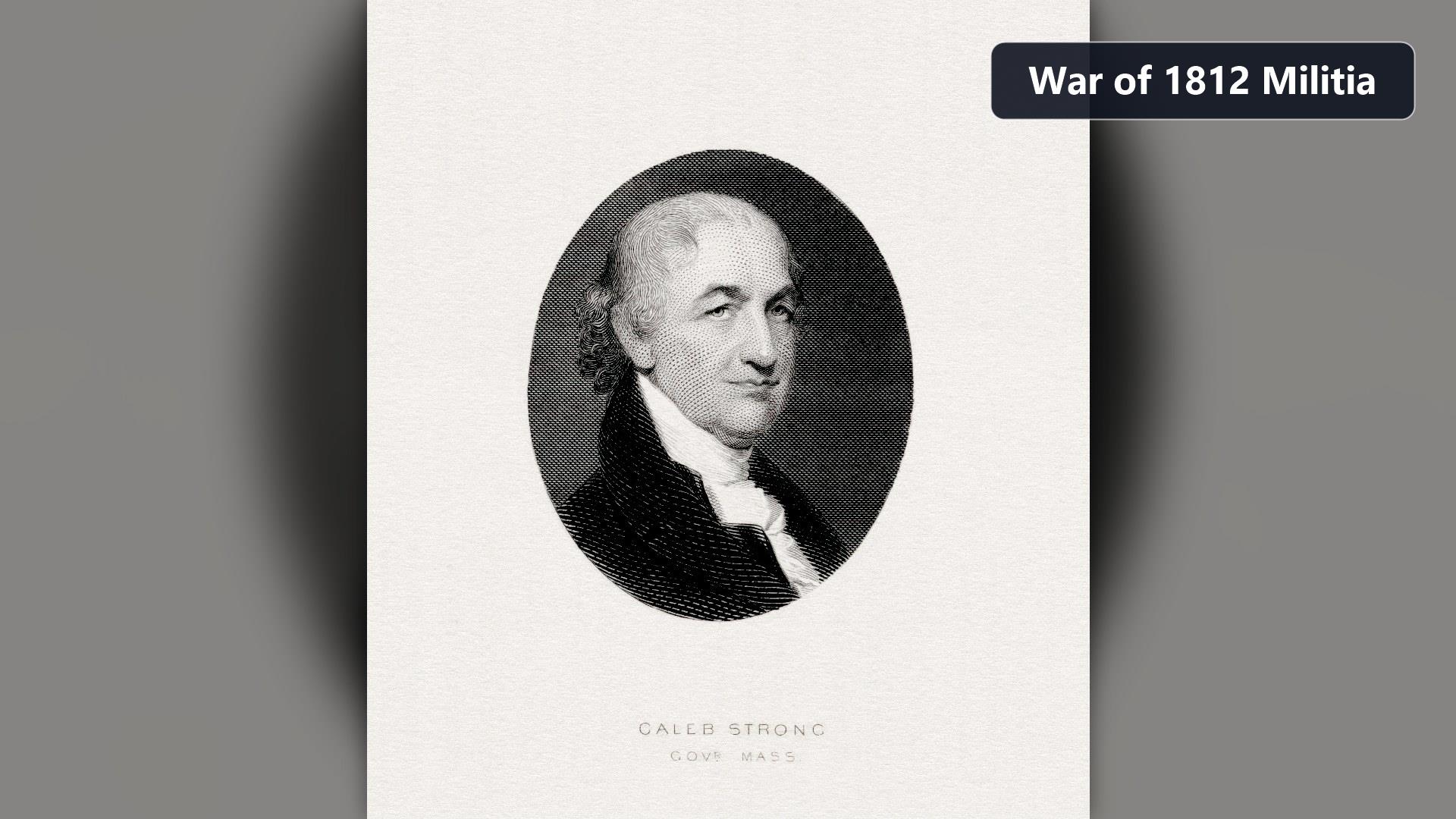
23. Caleb Strong: Defying War Of 1812 Federal Command
During the War of 1812, Massachusetts Governor Caleb Strong opposed the conflict and refused orders from the War Department to place state militia units under federal military officers. Strong asserted that the United States Constitution only permitted federal militia calls during actual invasion.
©Wikimedia / Library of Congress
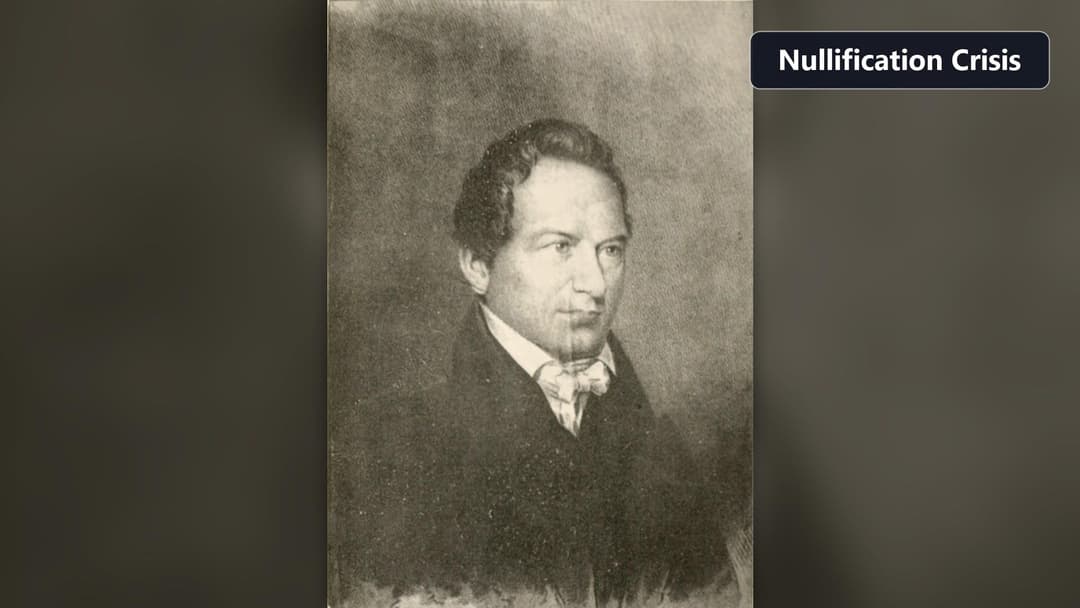
22. Robert Y. Hayne: Backing South Carolina Nullification
Elected South Carolina governor in 1832, Robert Y. Hayne stood at the center of the Nullification Crisis. Hayne signed the state ordinance declaring federal protective tariffs unconstitutional and prepared state troops for conflict before a compromise tariff defused the standoff.
©Wikimedia / Library of Congress
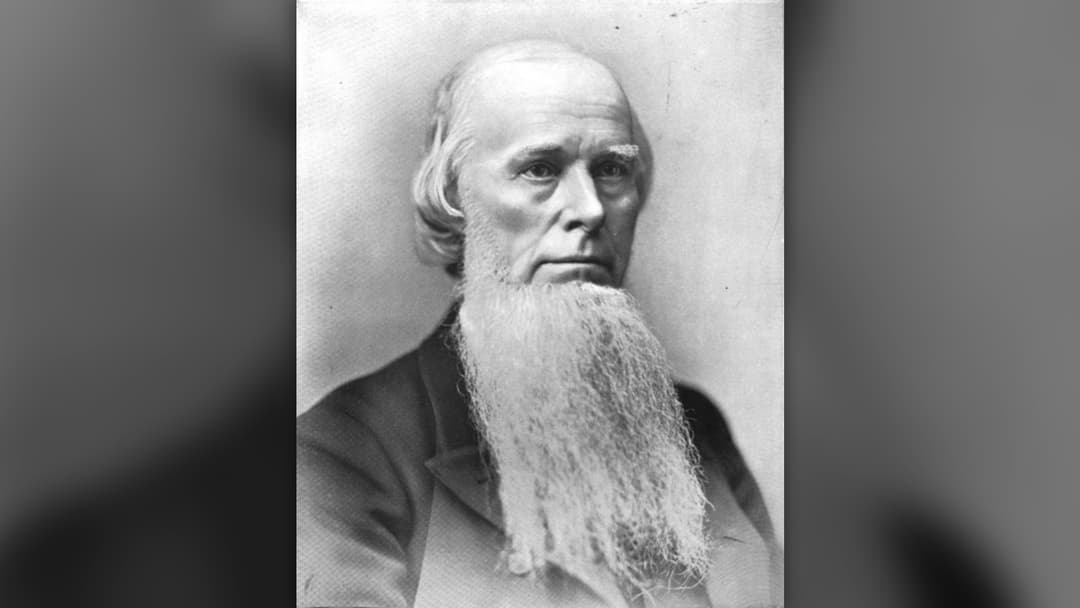
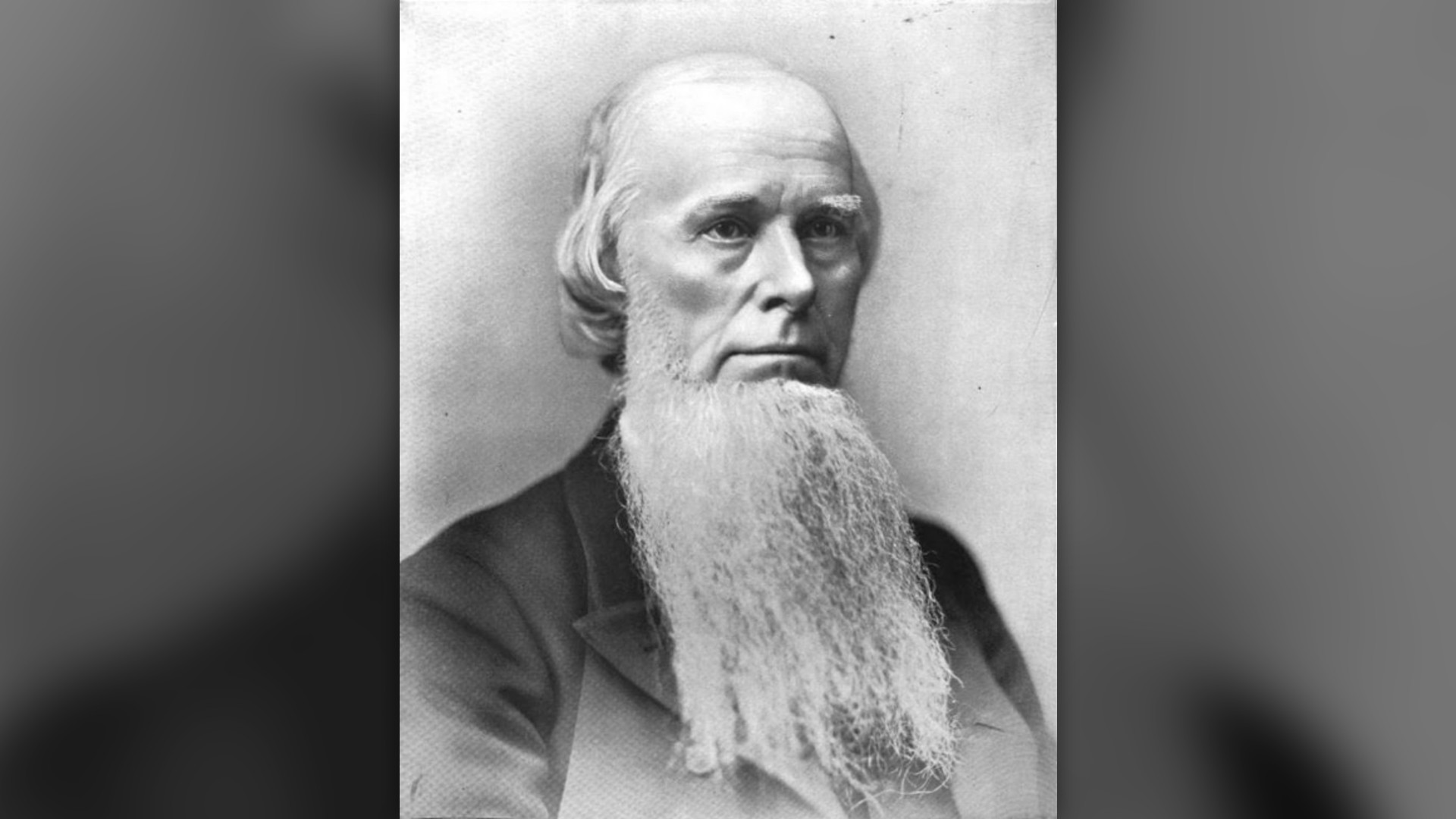
21. Joseph E. Brown: Resisting Central Conscription Orders
Even within the Confederacy, Georgia Governor Joseph E. Brown fiercely defended state rights against the Richmond government. Brown resisted central military conscription laws, declared exemptions for state officers, and hoarded weapons to protect local Georgia borders.
©Wikimedia / Joseph E. Brown
Advertisement
Swipe or tap ▶ to resume the countdown.
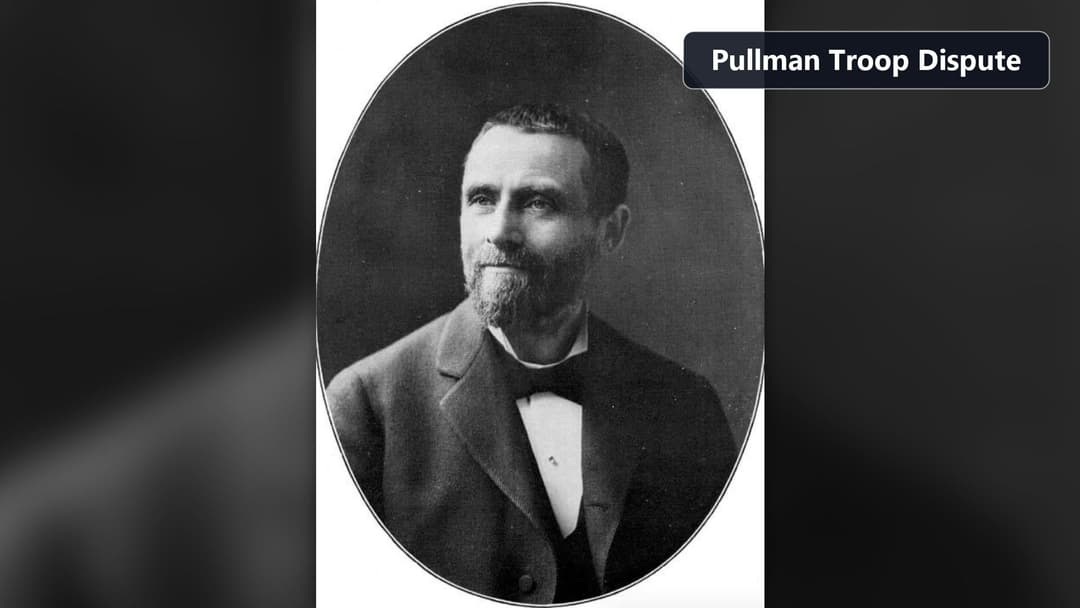
20. John Peter Altgeld: Protesting Pullman Federal Troops
During the 1894 Pullman railroad strike, Illinois Governor John Peter Altgeld sent furious telegraphs to President Grover Cleveland. Altgeld argued that the state had situation control and that deploying federal soldiers without gubernatorial consent violated constitutional sovereignty.
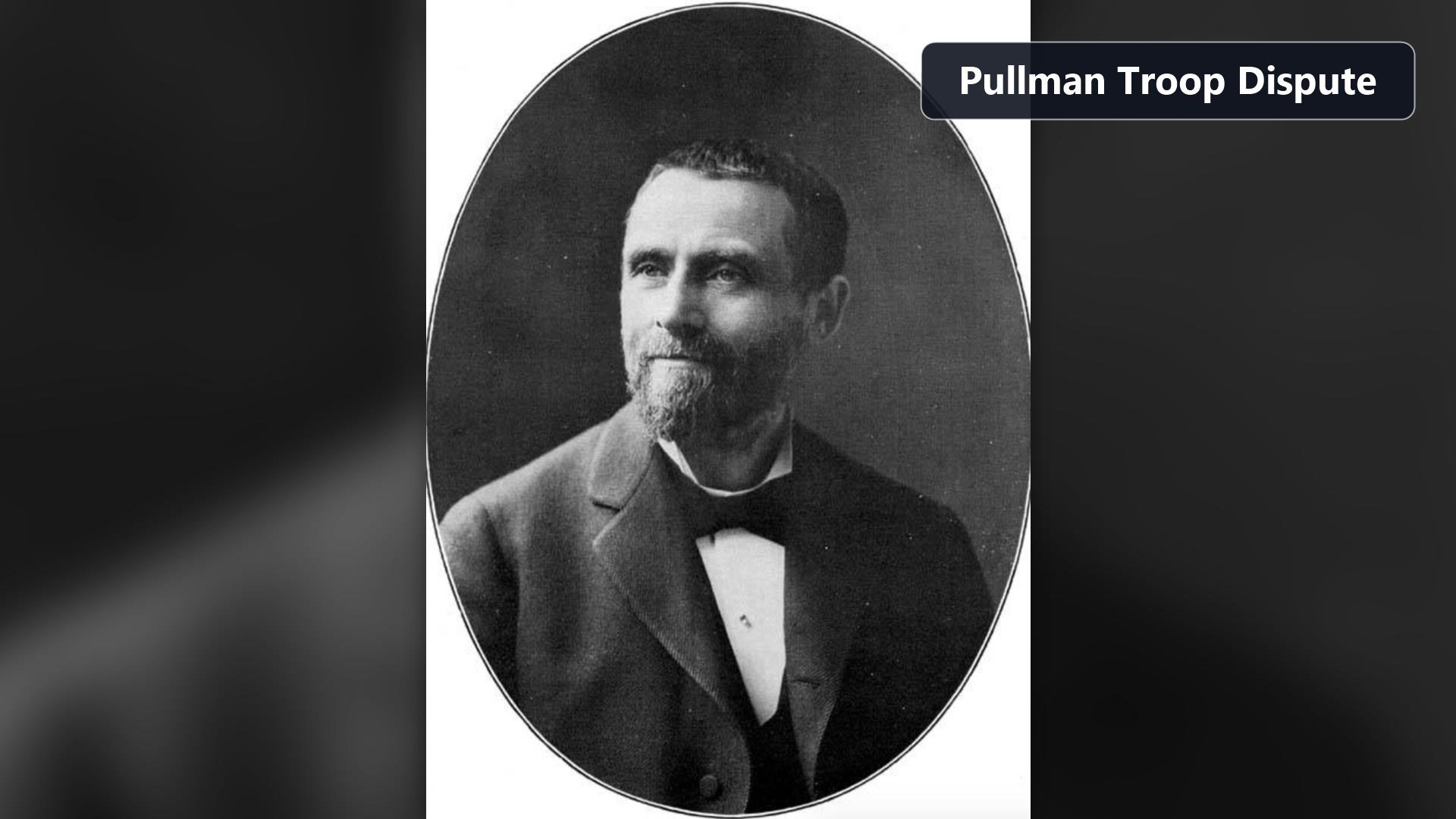
©Wikimedia / State of Illinois
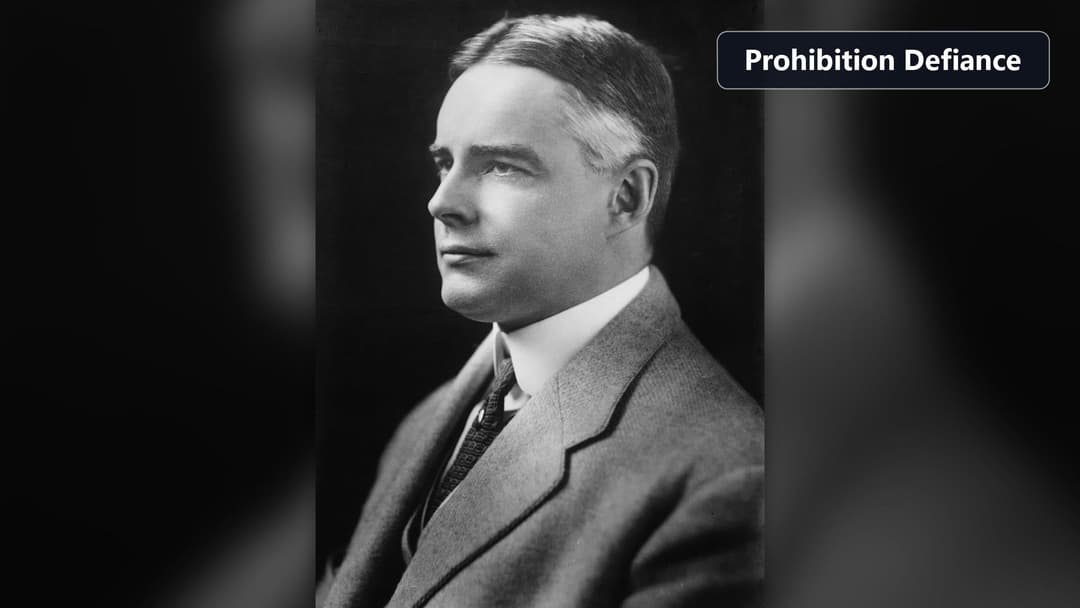
19. Albert Ritchie: Refusing Federal Prohibition Enforcement
Four-term Maryland Governor Albert Ritchie was the nation's leading champion of state autonomy against federal Prohibition. Ritchie declared that policing private habits was a state prerogative, refusing to spend state tax revenue or direct state police to enforce federal alcohol bans.
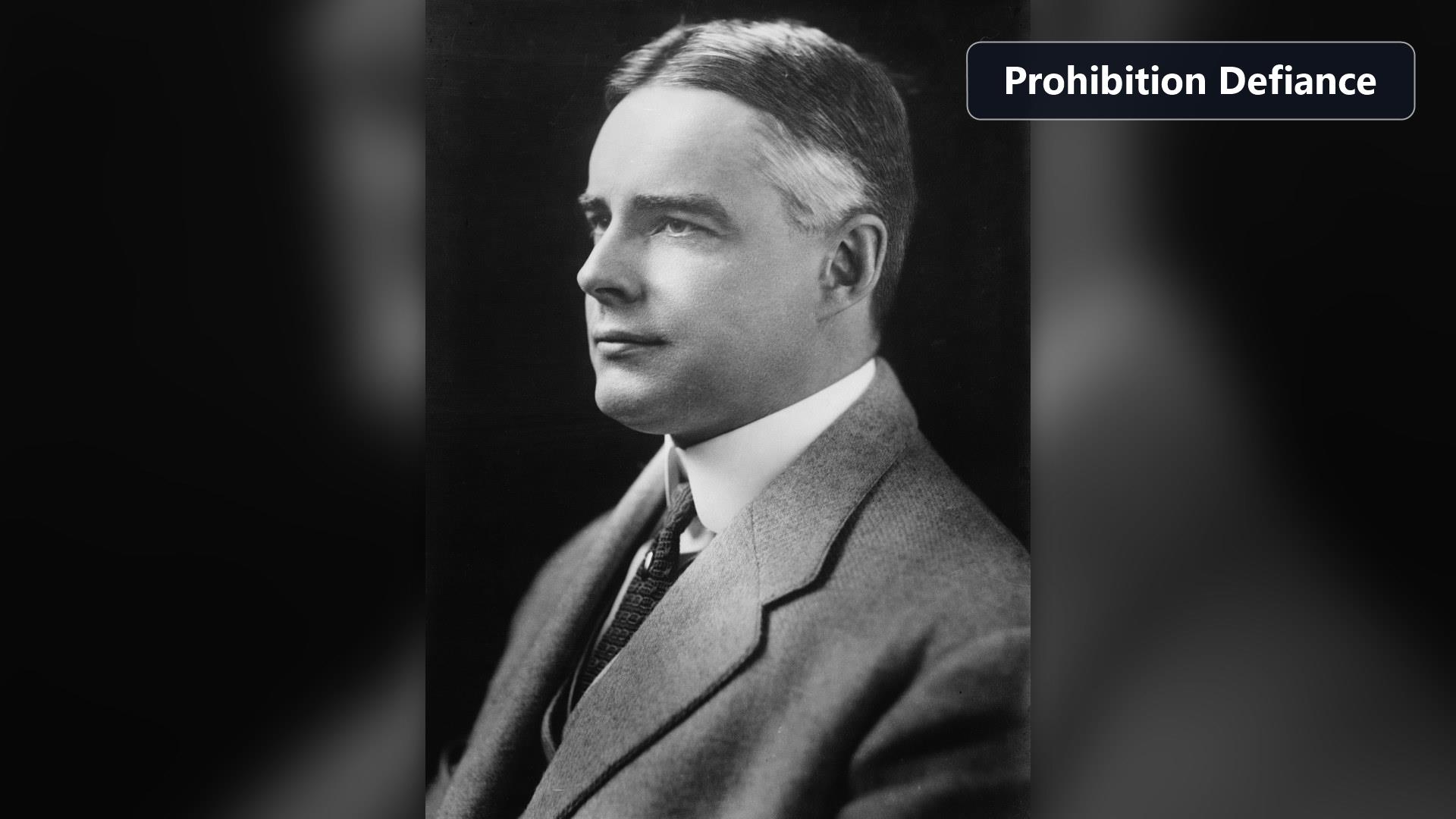
©Wikimedia / Bain News Service
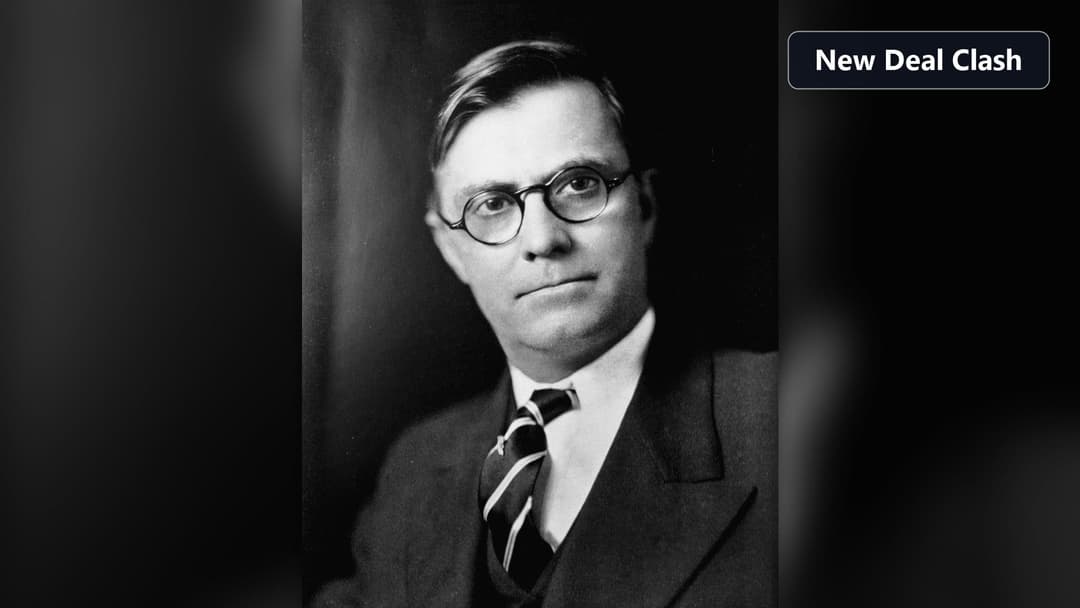
18. Eugene Talmadge: Battling New Deal Relief Administrators
Georgia Governor Eugene Talmadge bitterly opposed President Franklin D. Roosevelt's New Deal programs. Calling federal relief unconstitutional, Talmadge clashed with federal relief administrators until Washington took direct control of Georgia federal relief distribution in 1934.
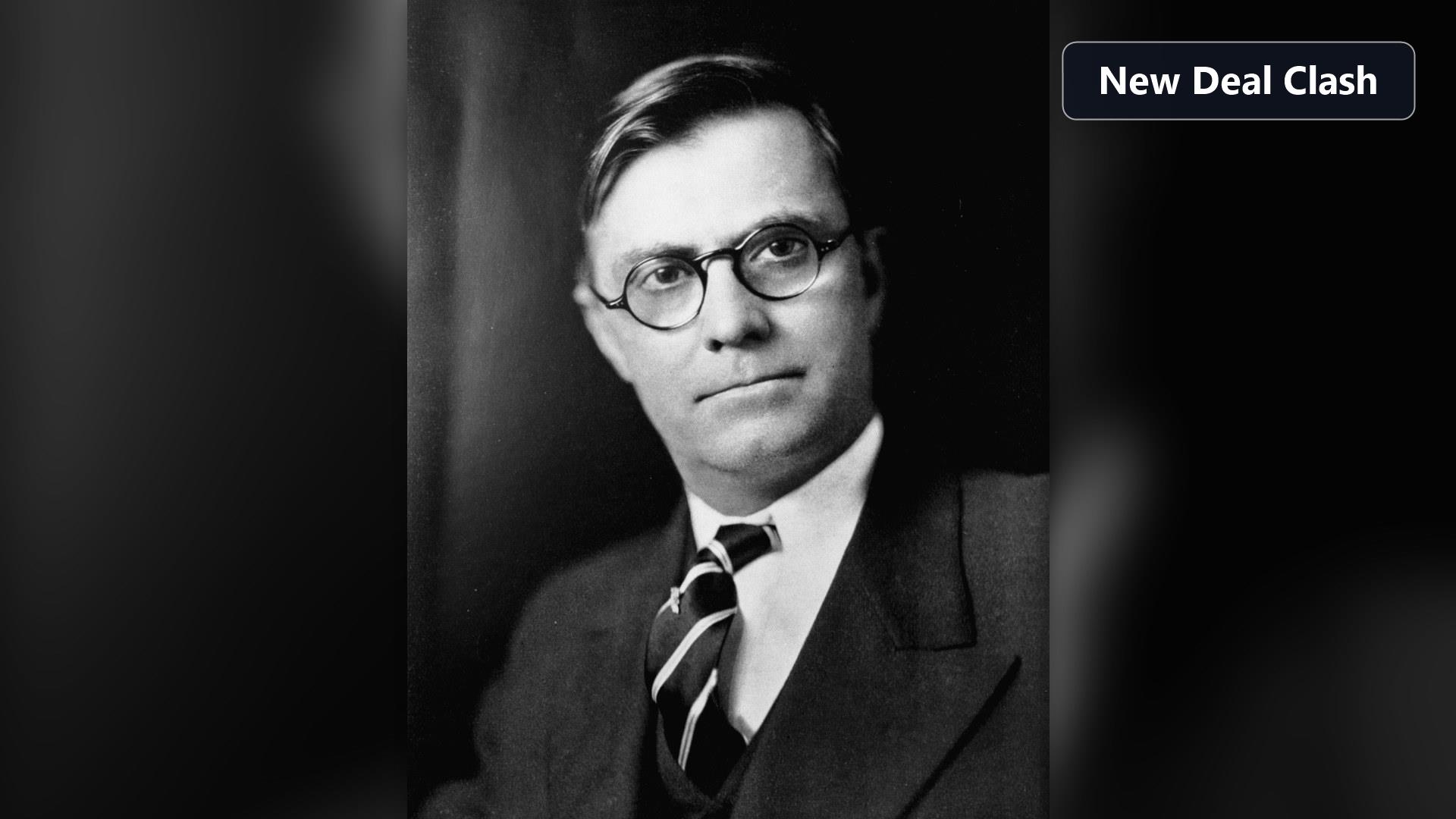
©Wikimedia / Library of Congress
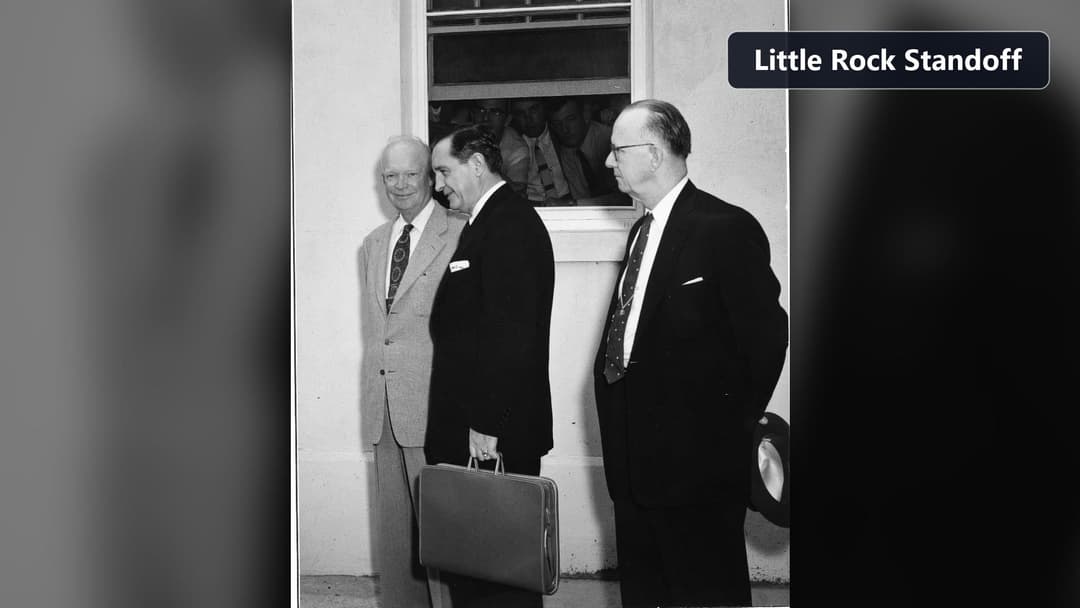
17. Orval Faubus: Blocking Little Rock School Integration
In September 1957, Arkansas Governor Orval Faubus ordered the state National Guard to block nine African American students from entering Little Rock Central High School. President Dwight D. Eisenhower responded by federalizing the guard and deploying the 101st Airborne to enforce the court order.
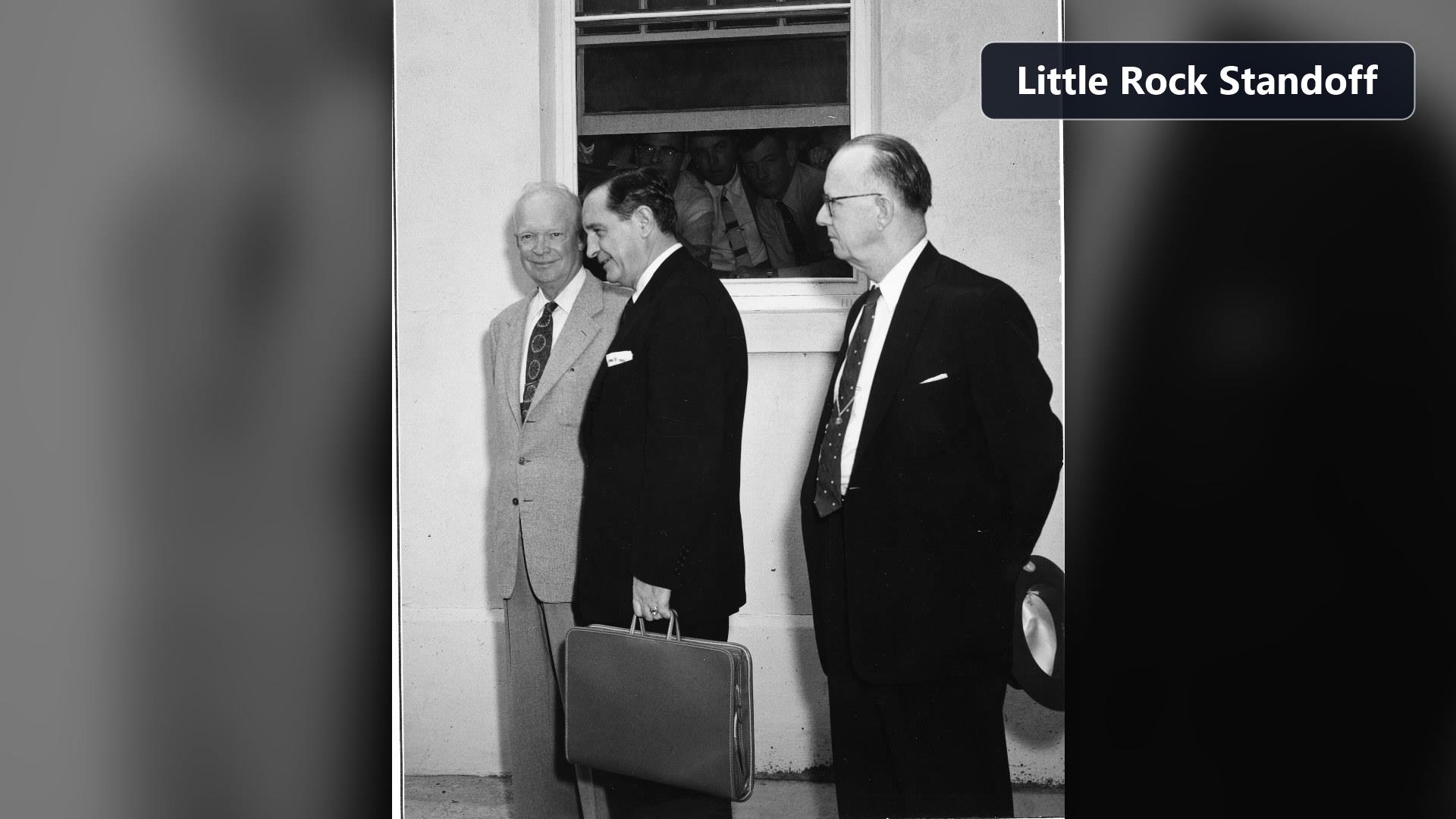
©Wikimedia / U.S. National Archives
Advertisement
Swipe or tap ▶ to resume the countdown.
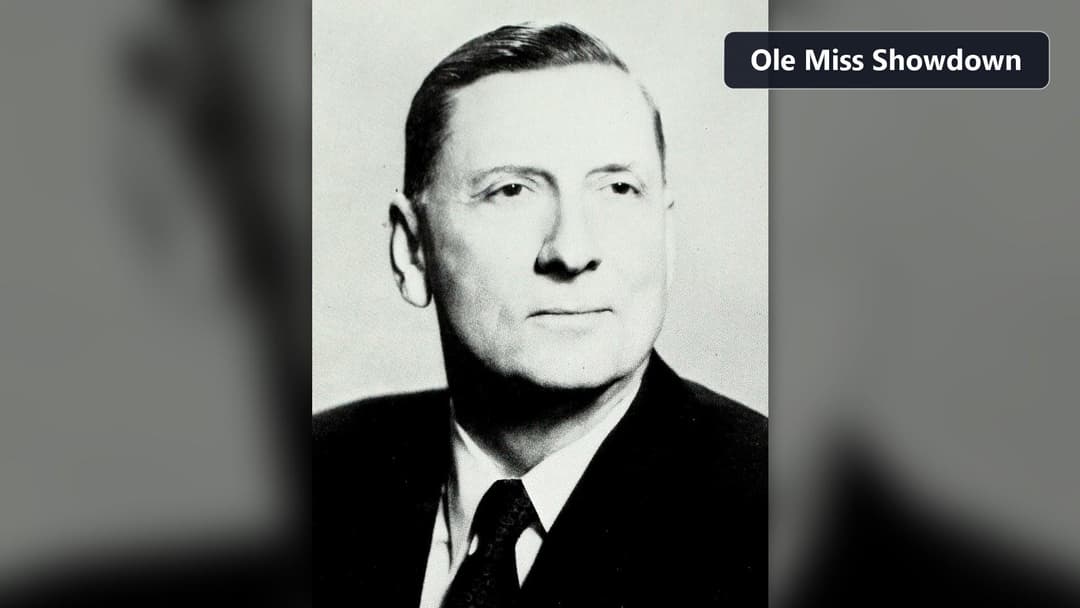
16. Ross Barnett: Defying University Integration Orders
Mississippi Governor Ross Barnett made national headlines in 1962 by invoking interposition to block James Meredith from registering at Ole Miss. Barnett personally turned Meredith away until Attorney General Robert F. Kennedy dispatched federal marshals and federal troops to secure admission.
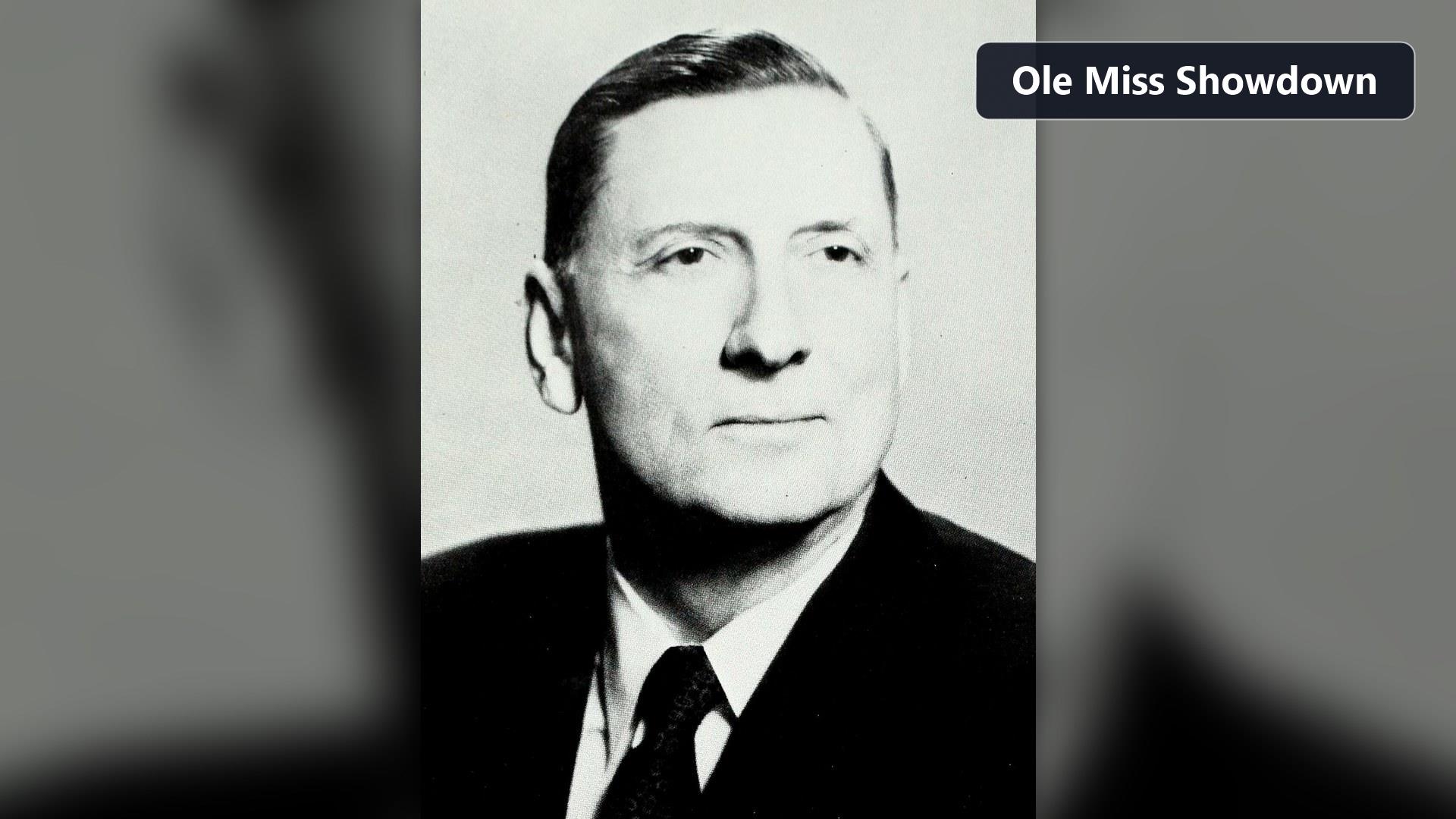
©Wikimedia / State of Mississippi
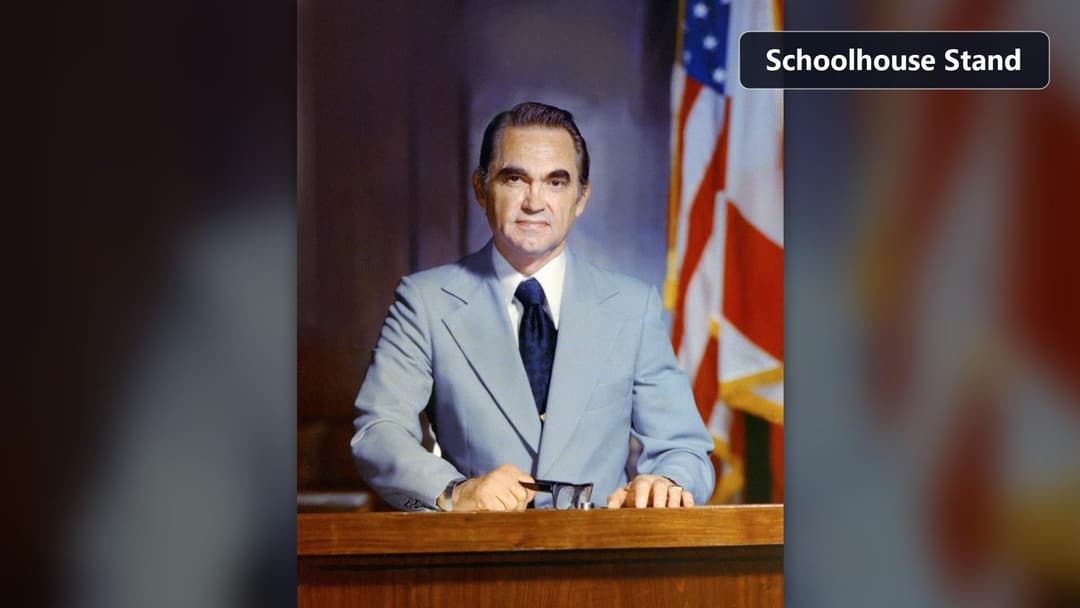
15. George Wallace: The Stand In The Schoolhouse Door
On June 11, 1963, Alabama Governor George Wallace stood in the doorway of Foster Auditorium at the University of Alabama to block two Black students. President John F. Kennedy federalized the Alabama National Guard, forcing Wallace to step aside when General Henry Graham ordered him to yield.
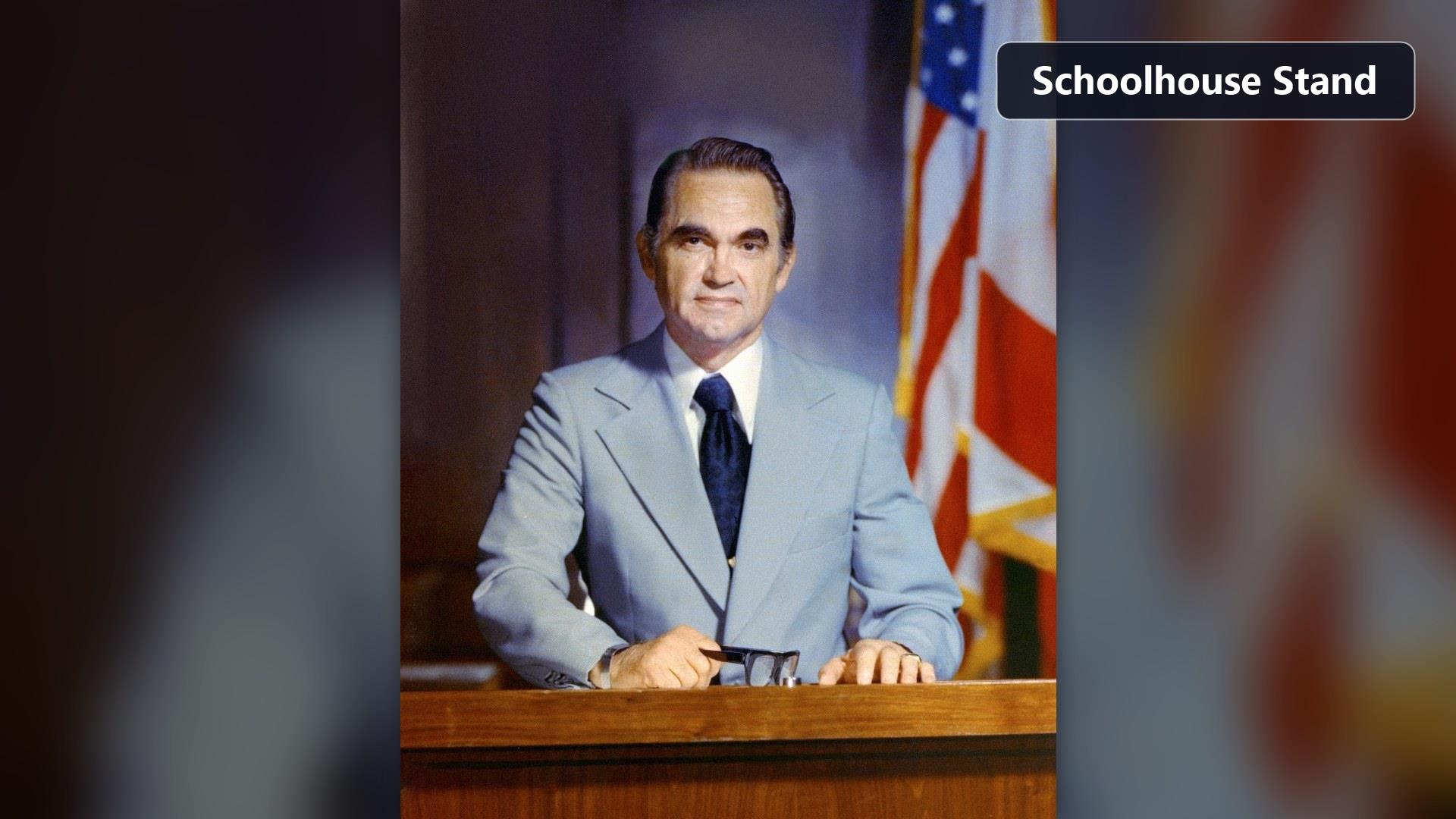
©Wikimedia / Louis Fabian Bachrach Jr.
14. Meldrim Thomson Jr.: Fighting The 55 MPH Speed Limit
Following the 1974 Emergency Highway Energy Conservation Act, New Hampshire Governor Meldrim Thomson Jr. resisted federal mandates capping state highway speed limits at 55 mph. Thomson threatened open defiance against Washington, fighting federal threats to revoke federal road funding.
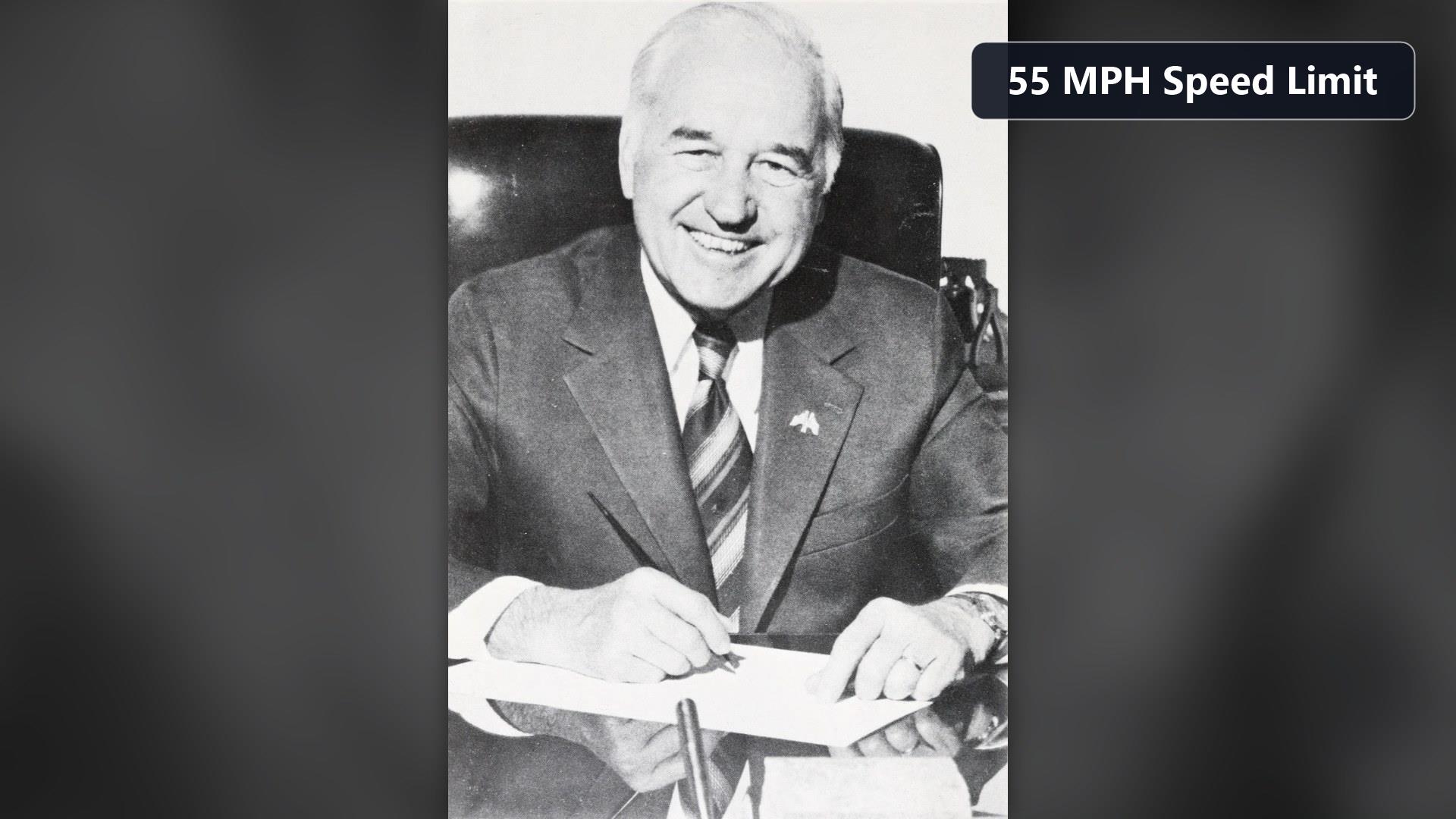
©Wikimedia / State of New Hampshire
13. Richard Lamm: Leading The Sagebrush Rebellion
During the late 1970s and 1980s, Colorado Governor Richard Lamm championed Western state authority over federal public lands. Lamm protested federal resource leasing and environmental mandates, warning Washington that Western states refused to be treated as economic colonies.
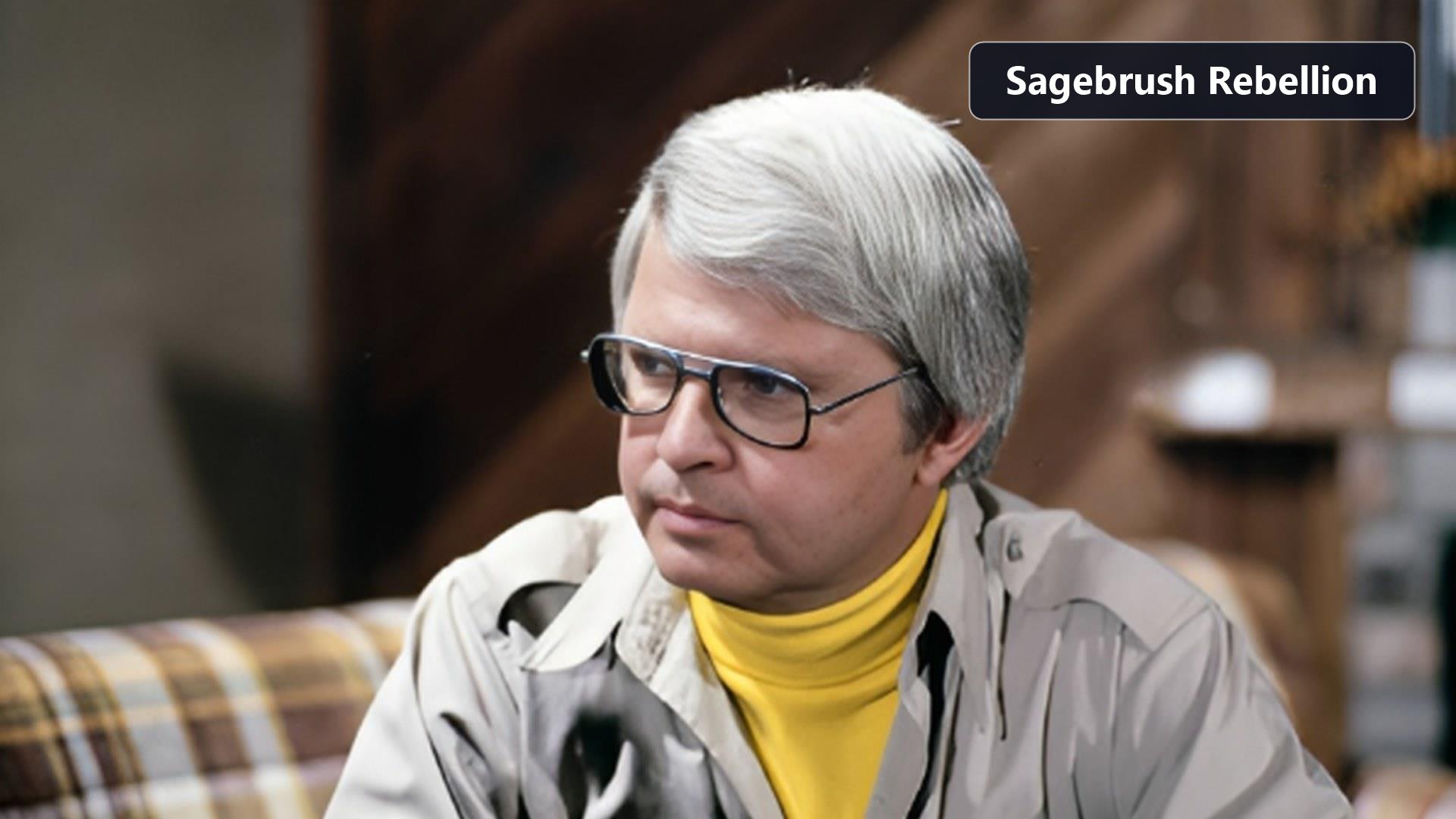
©Wikimedia / State of Colorado
Advertisement
Swipe or tap ▶ to resume the countdown.
12. Bill Janklow: Fighting Federal Drinking Age Mandates
When Congress passed the National Minimum Drinking Age Act of 1984, South Dakota Governor Bill Janklow spearheaded a constitutional fight against federal coercion. The resulting Supreme Court battle, South Dakota v. Dole, established crucial limits on federal spending power conditions.
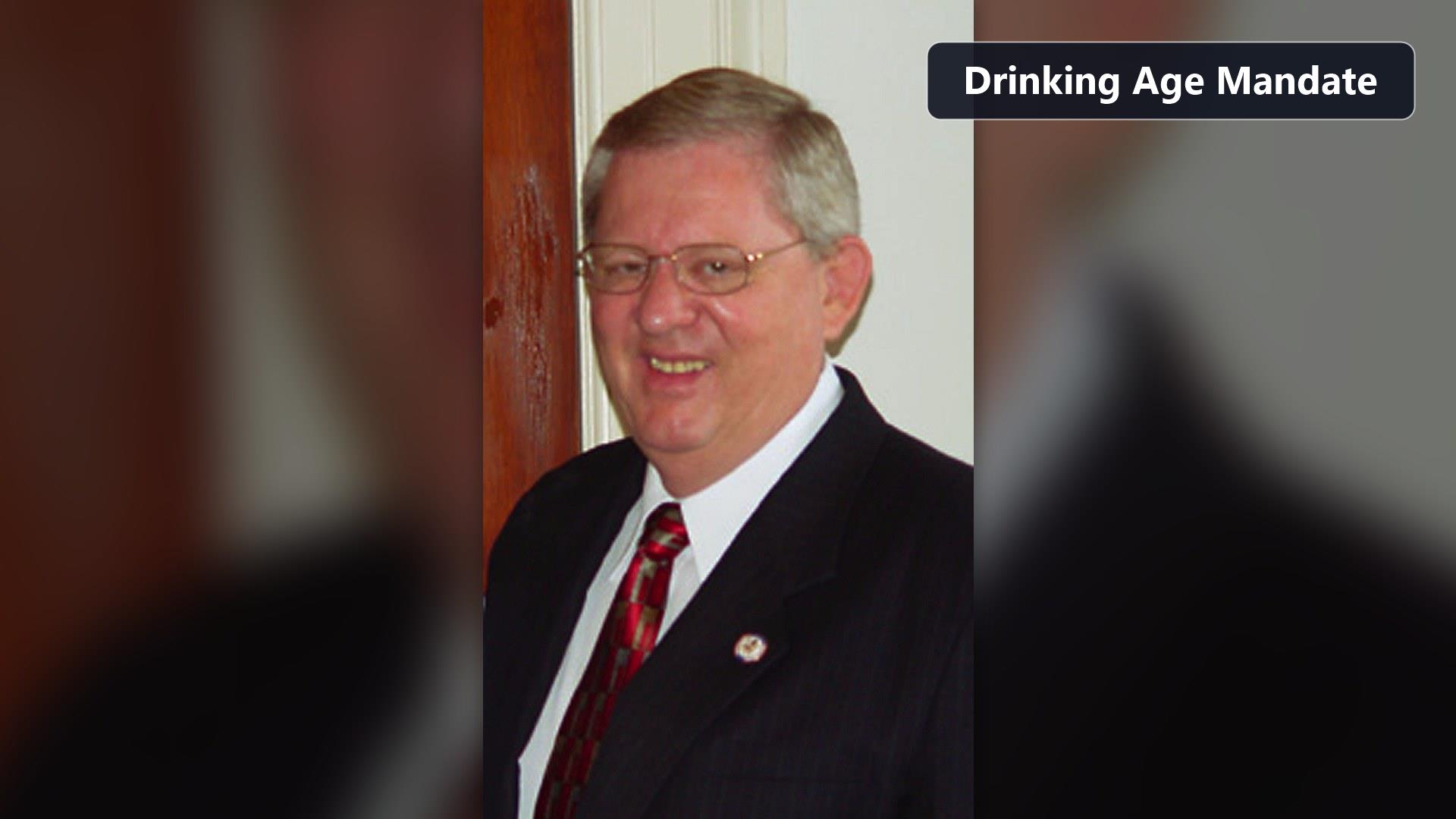
©Wikimedia / South Dakota State Archives
11. Pete Wilson: Defending California Proposition 187
California Governor Pete Wilson championed Proposition 187 in 1994, seeking to deny non-emergency healthcare and public education to undocumented immigrants. Wilson defended the measure against federal constitutional challenges, arguing that federal border enforcement failures forced state action.
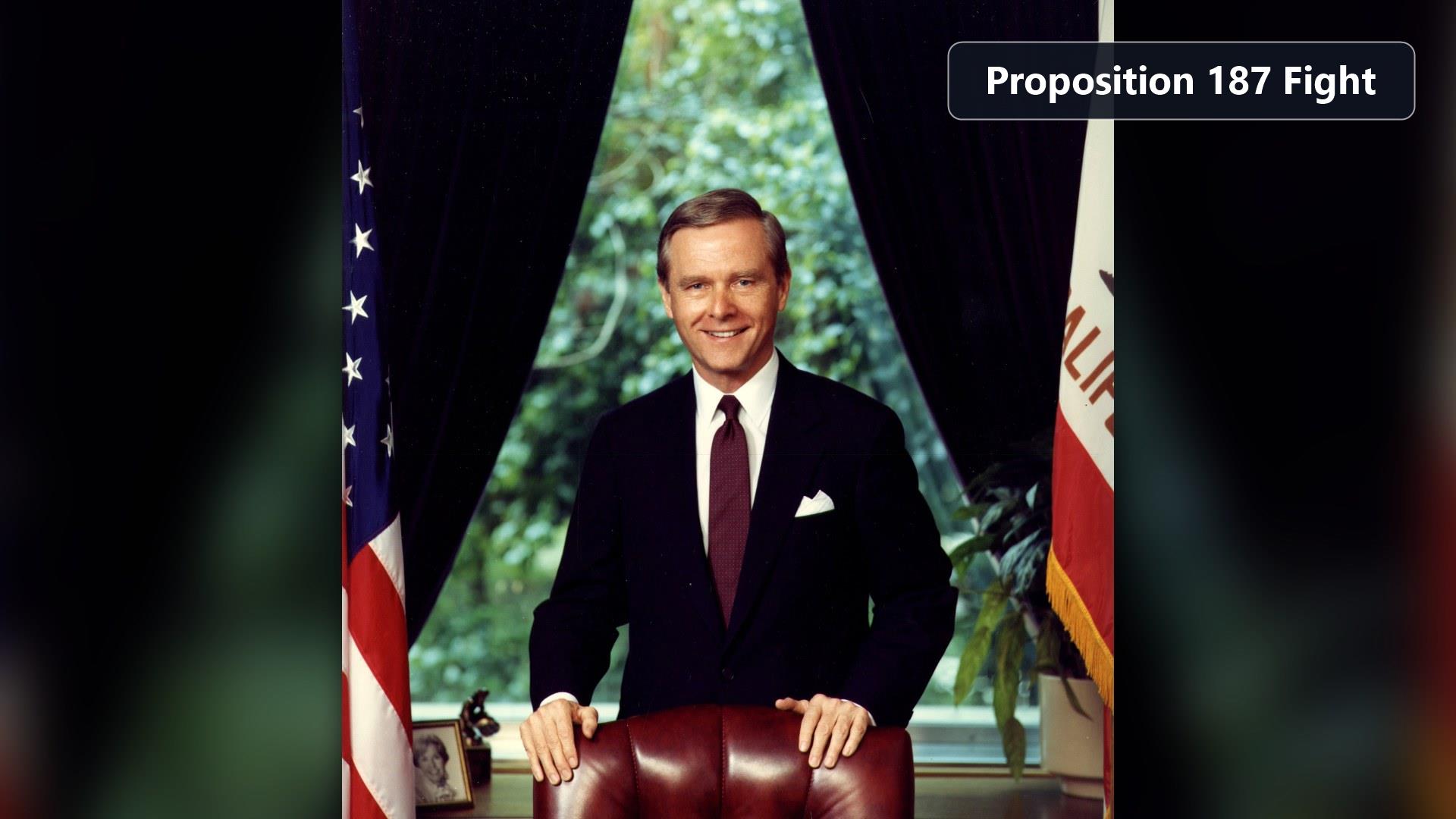
©Wikimedia / California State Archives
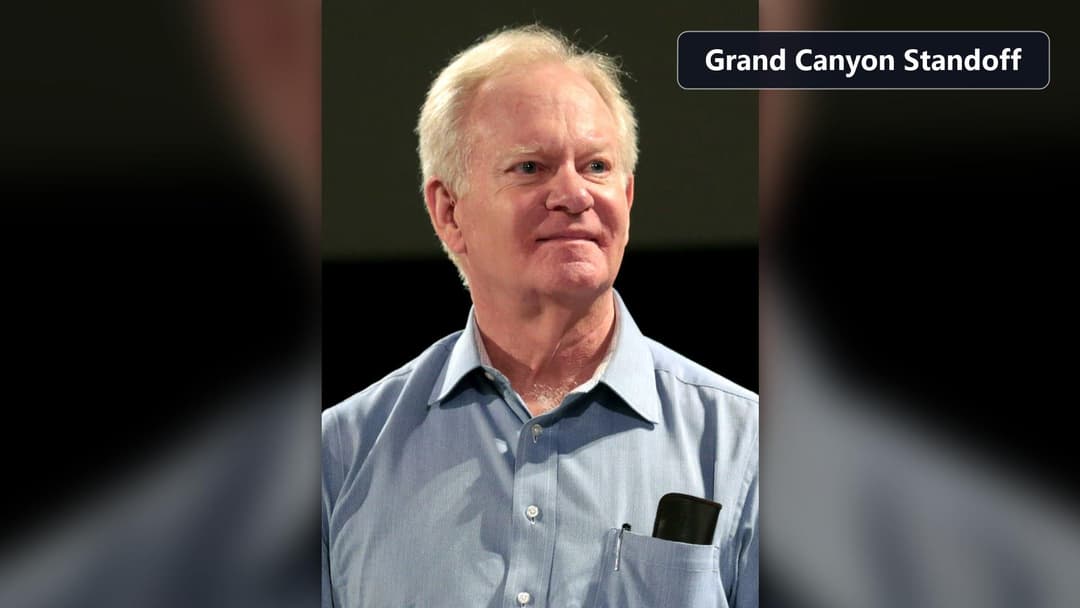
10. Fife Symington: Reopening The Grand Canyon By Force
During the 1995 federal government shutdown, Arizona Governor Fife Symington marched state National Guard and park rangers to the closed Grand Canyon gates. Determined to keep tourism alive, Symington negotiated state funding to reopen park operations despite federal closures.
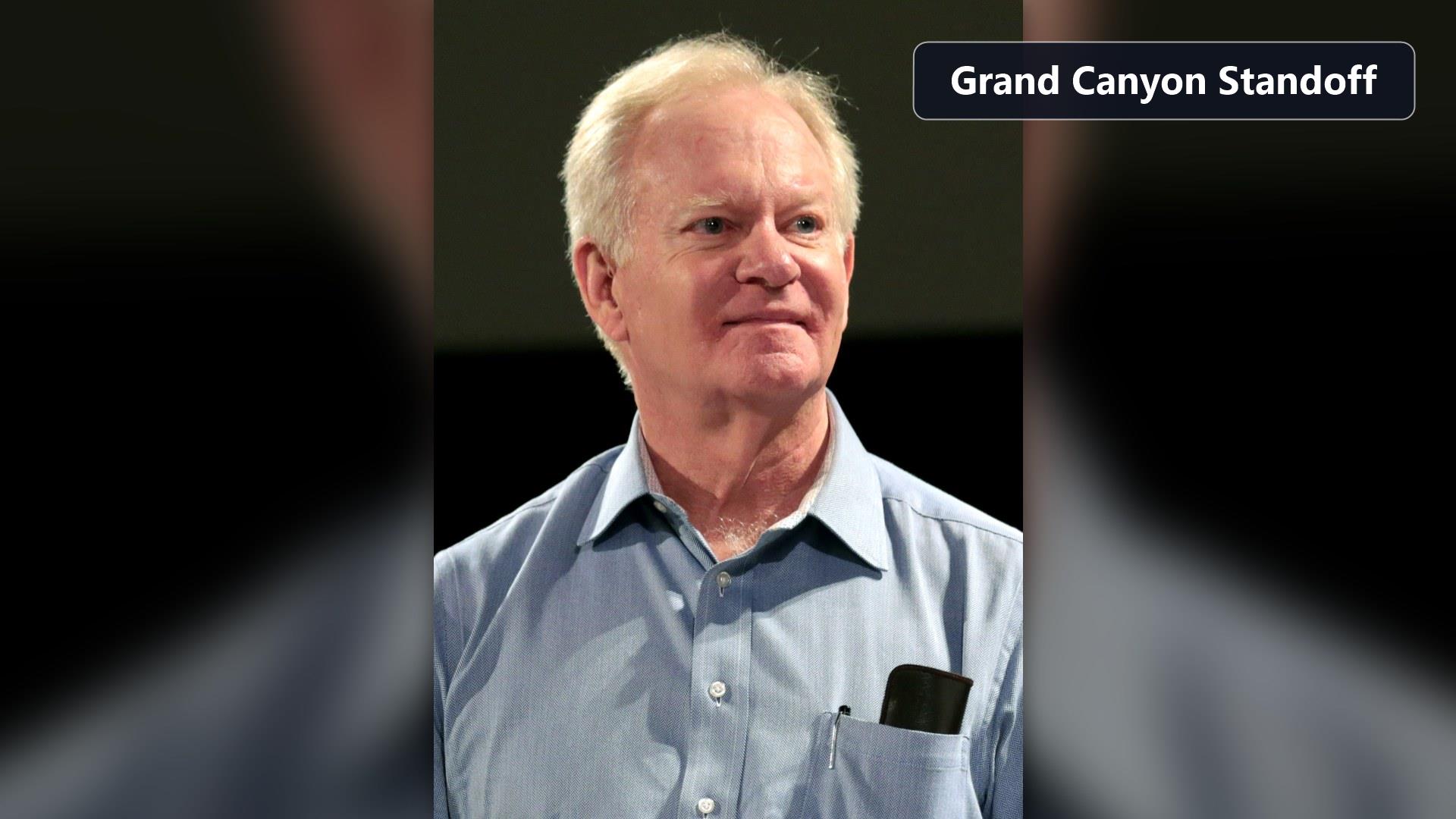
©Wikimedia / Gage Skidmore
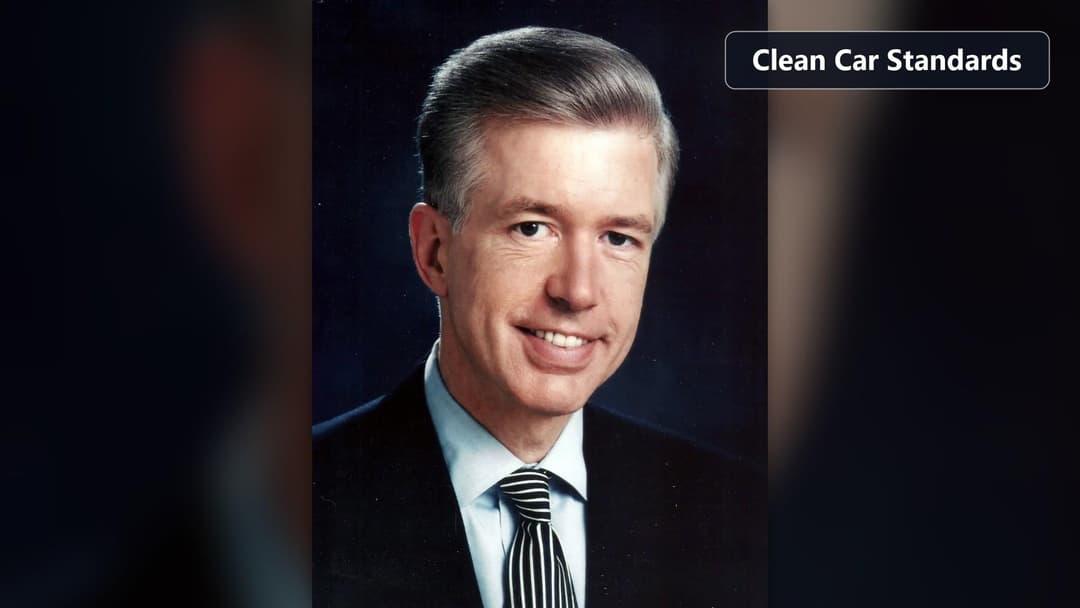
9. Gray Davis: Enacting Strict Vehicle Tailpipe Standards
In 2002, California Governor Gray Davis signed AB 1493, the nation's first law regulating greenhouse gas tailpipe emissions from passenger cars. The move triggered a decade-long federal battle over California's Clean Air Act waiver, eventually forcing nationwide vehicle efficiency improvements.
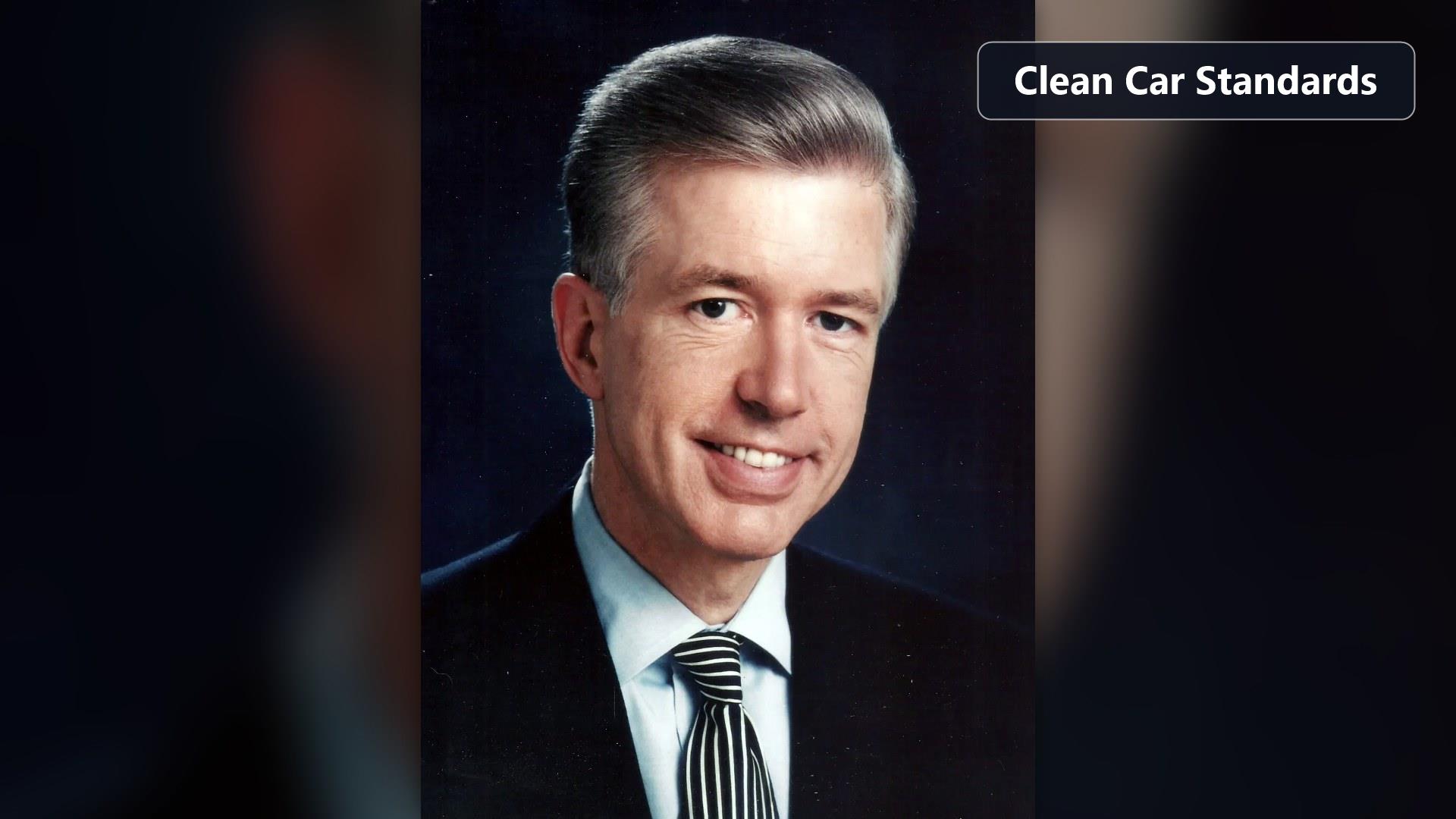
©Wikimedia / Office of the Governor
Advertisement
Swipe or tap ▶ to resume the countdown.
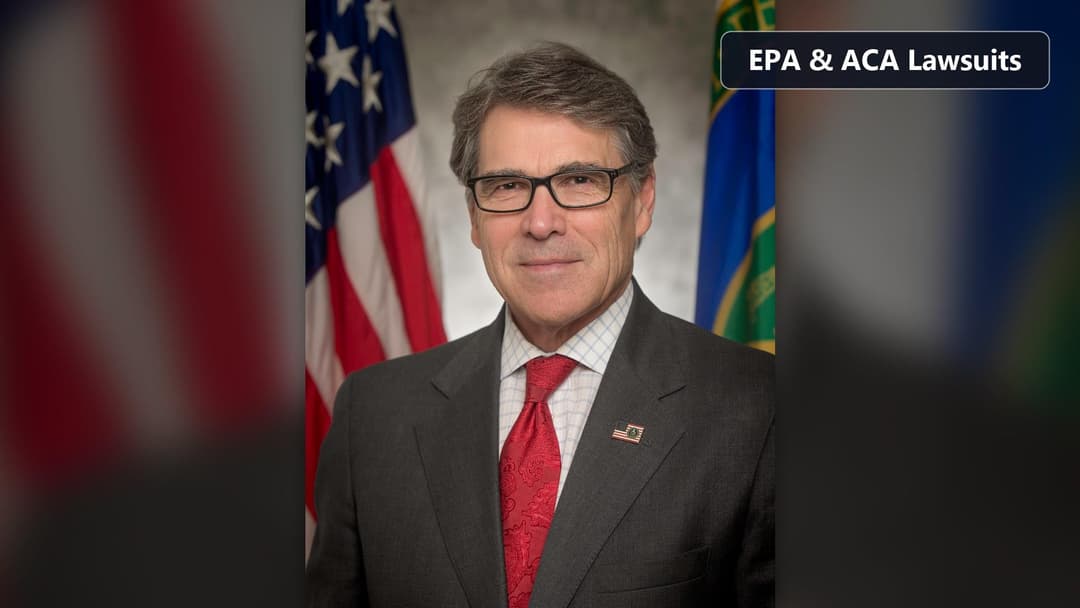
8. Rick Perry: Resisting Federal EPA Rules And Medicaid
Serving fourteen years as Texas governor, Rick Perry repeatedly sued federal agencies. Perry challenged EPA carbon regulations, contested cross-state air pollution rules, and was among the first governors to reject federal Medicaid expansion under the Affordable Care Act.
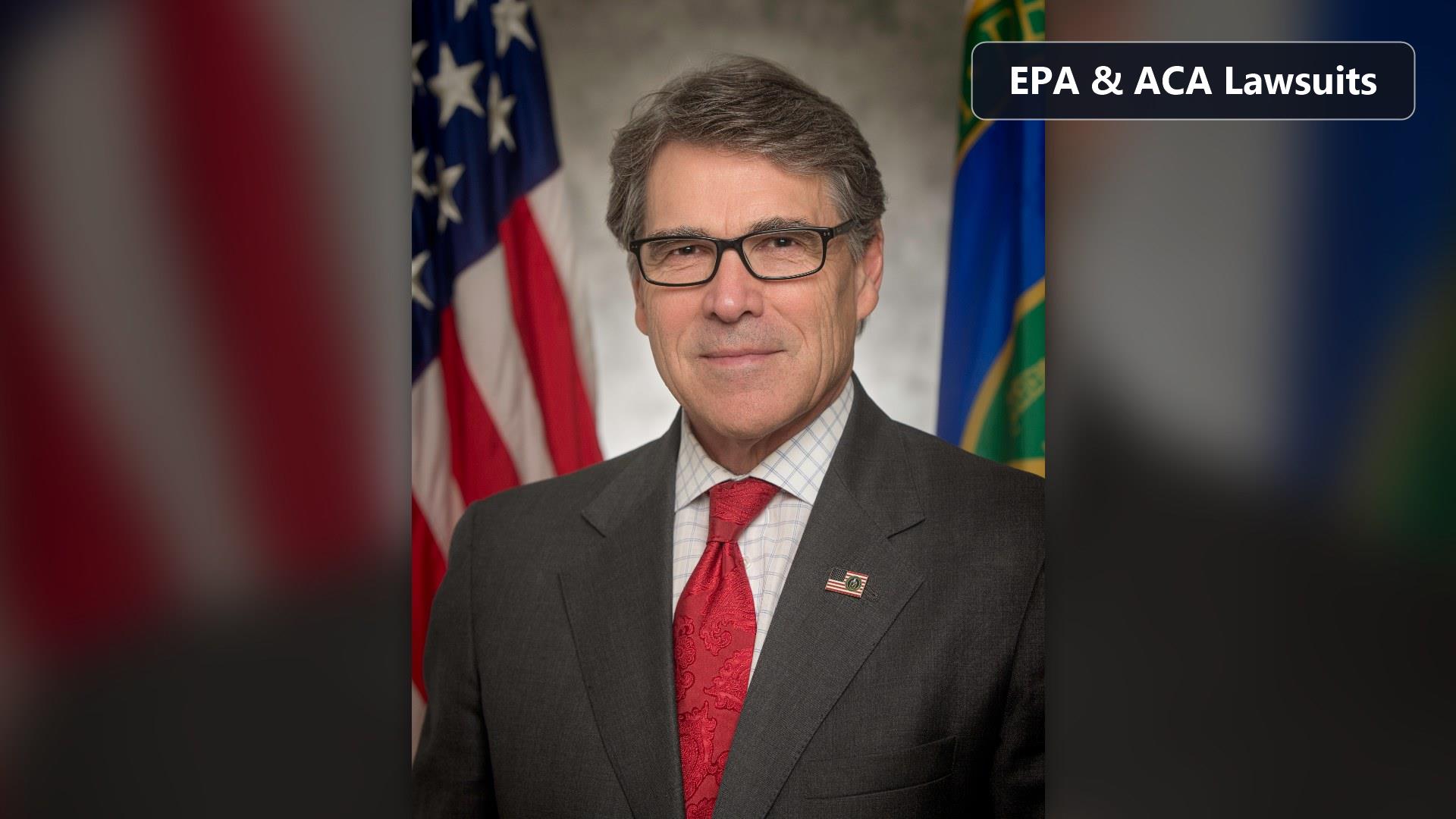
©Wikimedia / Ken Shipp
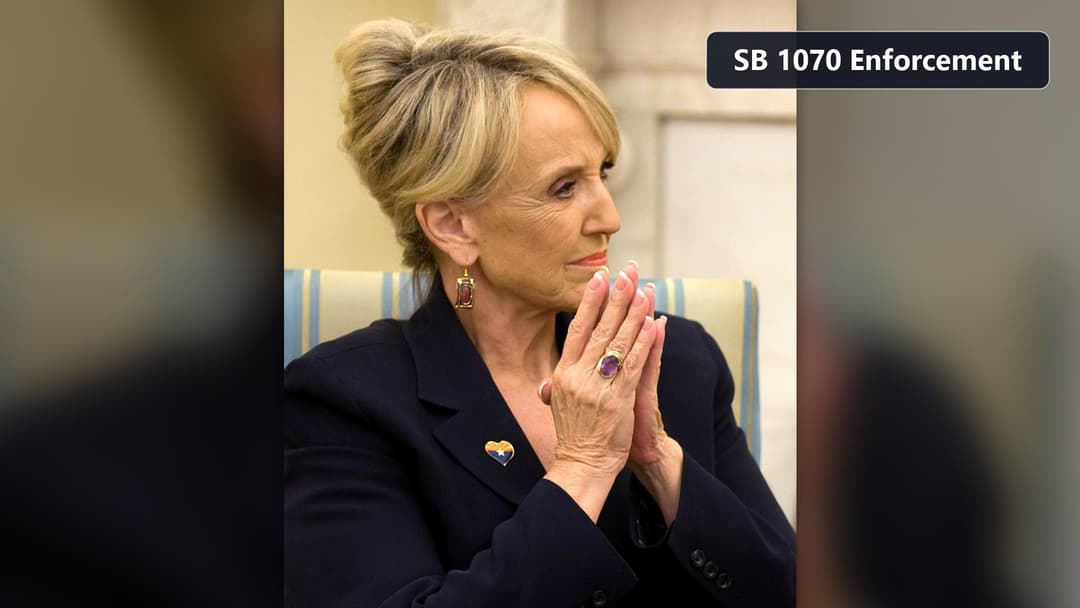
7. Jan Brewer: Enacting State Border Enforcement SB 1070
In 2010, Arizona Governor Jan Brewer signed Senate Bill 1070, making immigration status checks mandatory during lawful police stops. The Obama administration sued, culminating in the 2012 Supreme Court ruling Arizona v. United States, which affirmed federal supremacy over immigration.
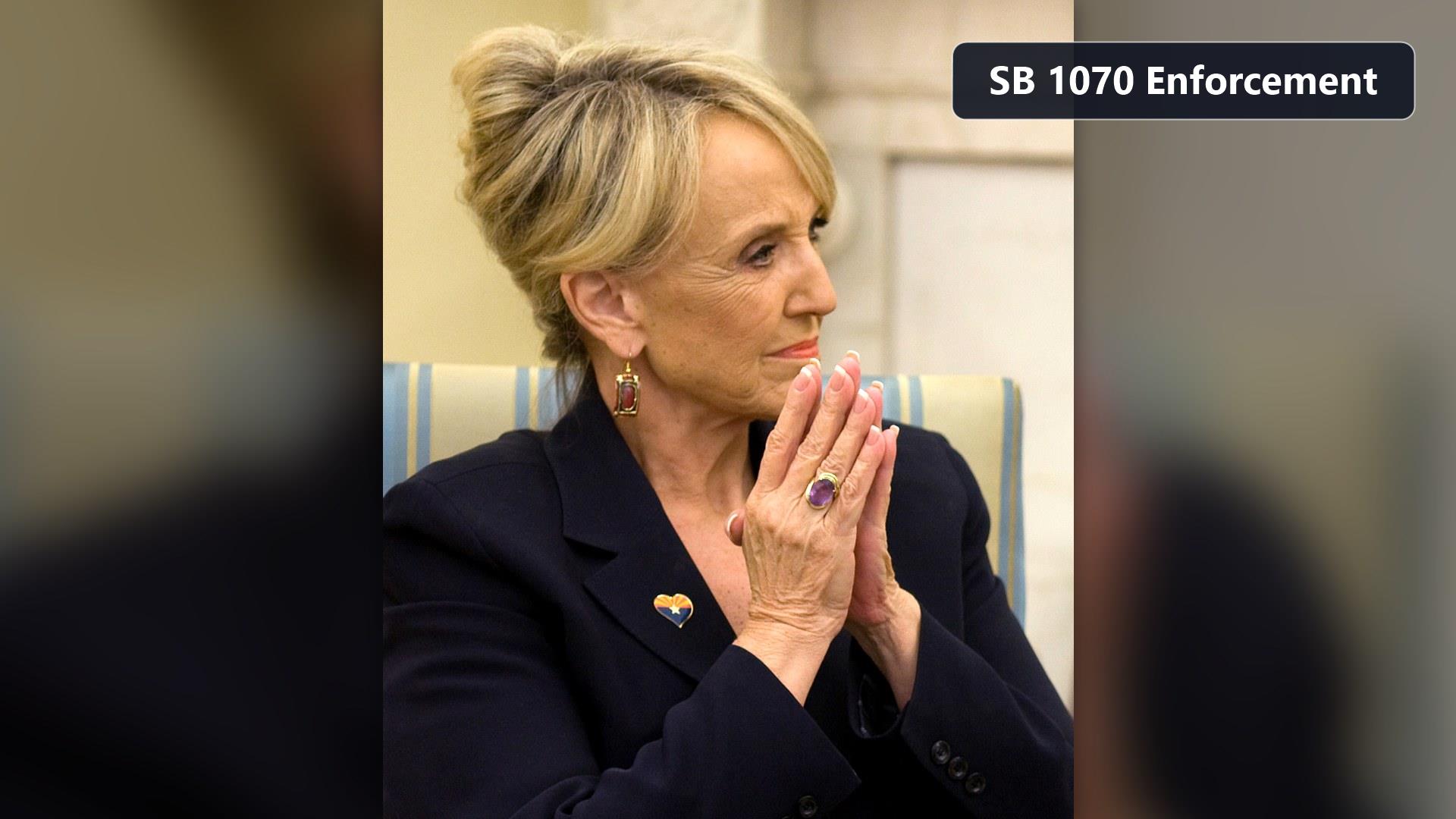
©Wikimedia / Pete Souza
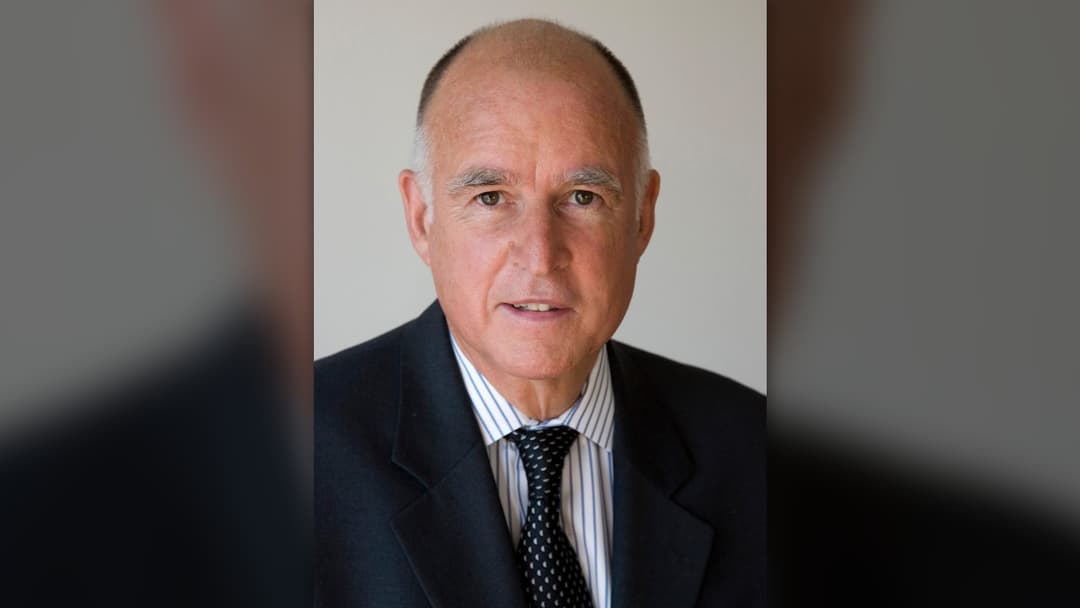
6. Jerry Brown: Signing The Sanctuary State Law
In 2017, California Governor Jerry Brown signed Senate Bill 54, known as the California Values Act. The statute restricted state and local law enforcement from using public funds to assist federal immigration enforcement, prompting the federal Department of Justice to file a major lawsuit.
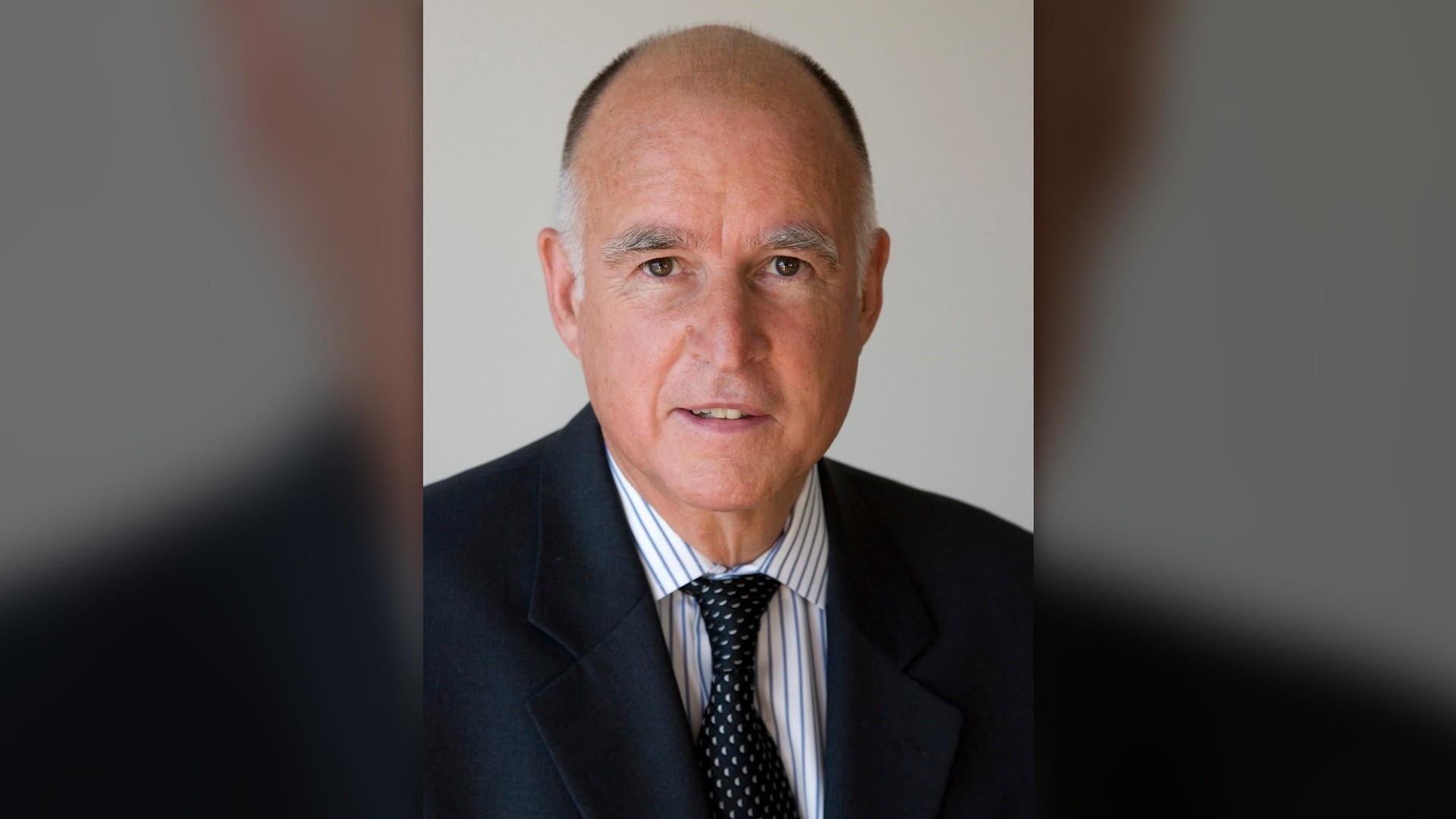
©Wikimedia / Jerry Brown
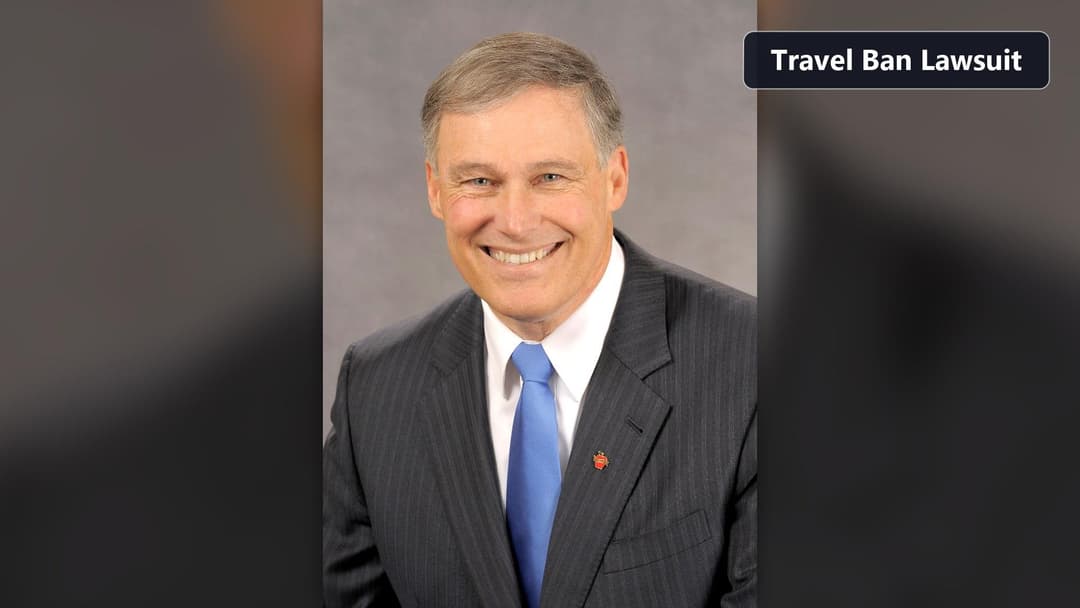
5. Jay Inslee: Securing Injunction Against Travel Ban
Days after the White House issued Executive Order 13769 in January 2017, Washington Governor Jay Inslee directed the state attorney general to file suit. Washington became the first state to challenge the policy, winning a nationwide temporary restraining order from a federal judge.
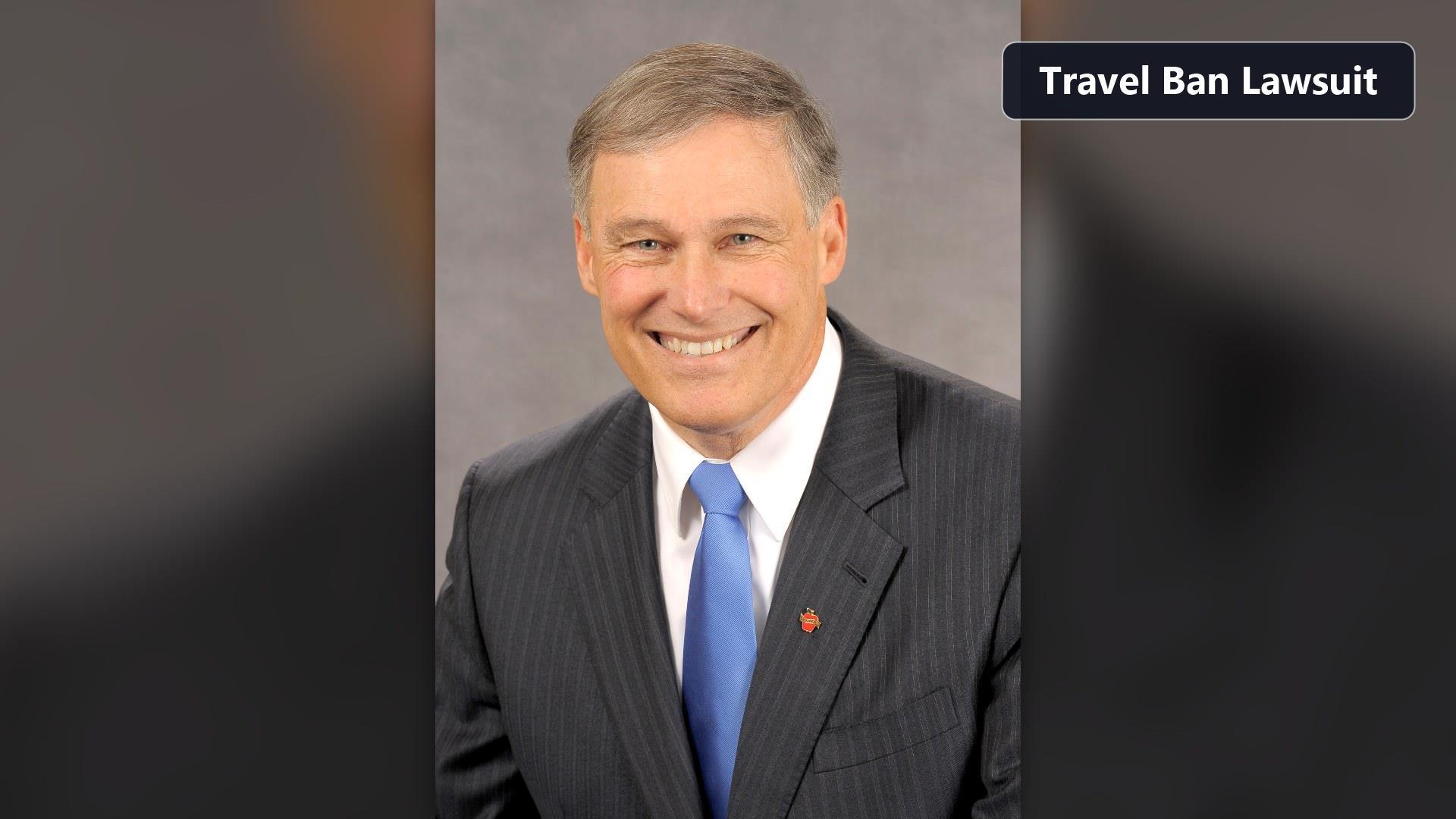
©Wikimedia / State of Washington
Advertisement
Swipe or tap ▶ to resume the countdown.
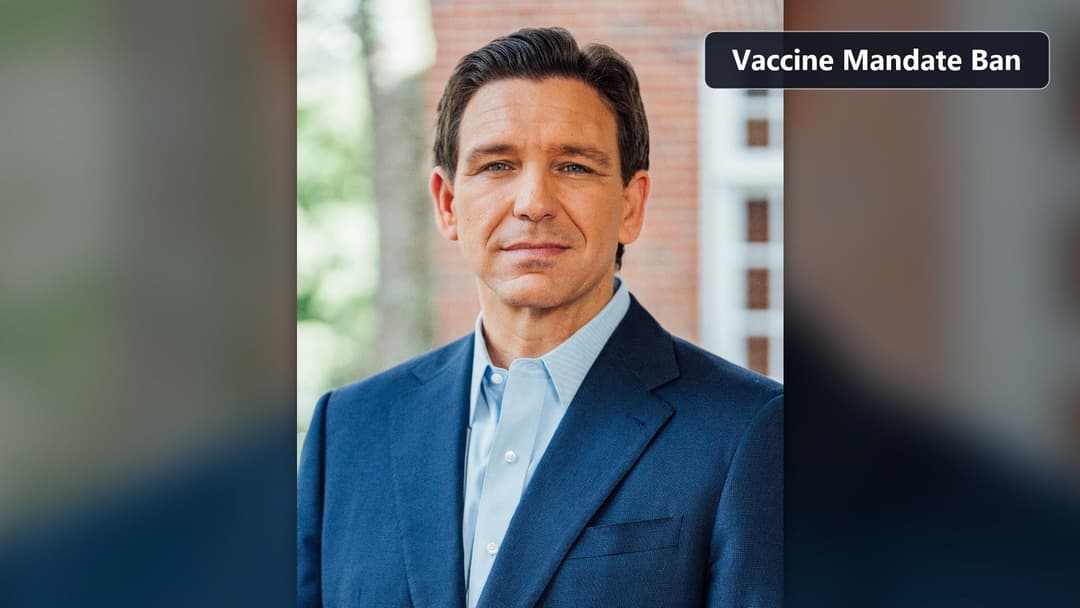
4. Ron DeSantis: Blocking Federal Vaccine Mandates
Florida Governor Ron DeSantis took aggressive legal and legislative action in 2021 against federal COVID-19 rules. DeSantis signed legislation barring businesses and schools from requiring proof of vaccination and sued the federal government over contractor and healthcare worker mandates.
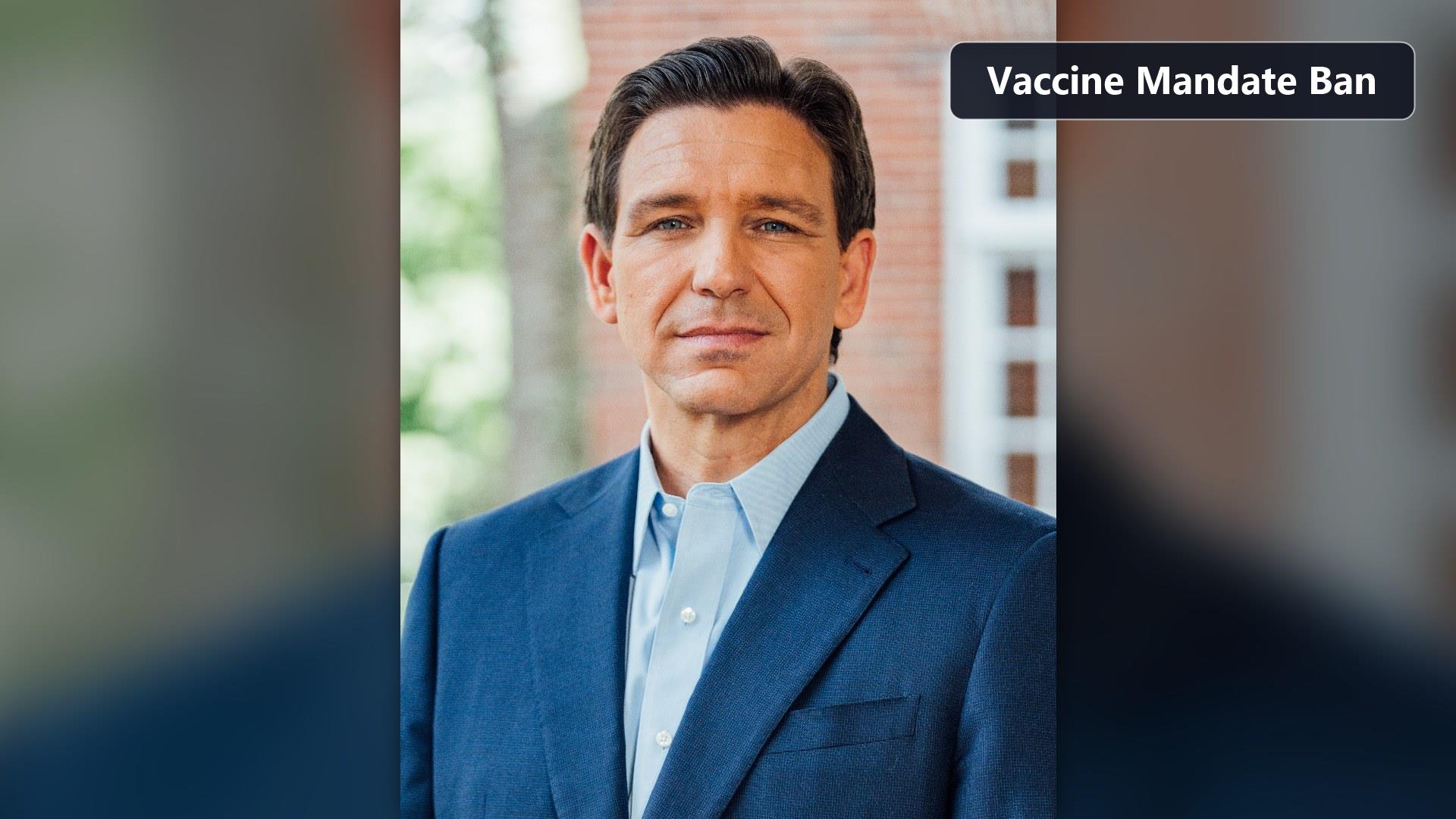
©Wikimedia / State of Florida
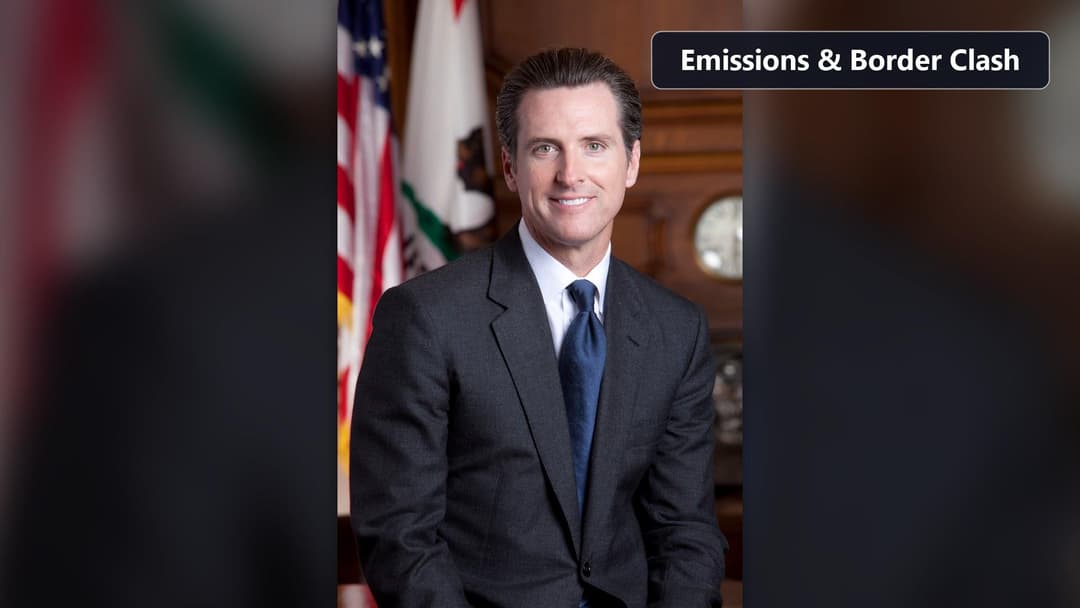
3. Gavin Newsom: Fighting Emissions Waivers And Border Troops
Taking office in 2019, California Governor Gavin Newsom sued the federal administration over its attempt to revoke California's Clean Air Act waiver. Newsom also recalled hundreds of California National Guard troops from the Mexico border, redirecting them to state wildfire prevention duties.
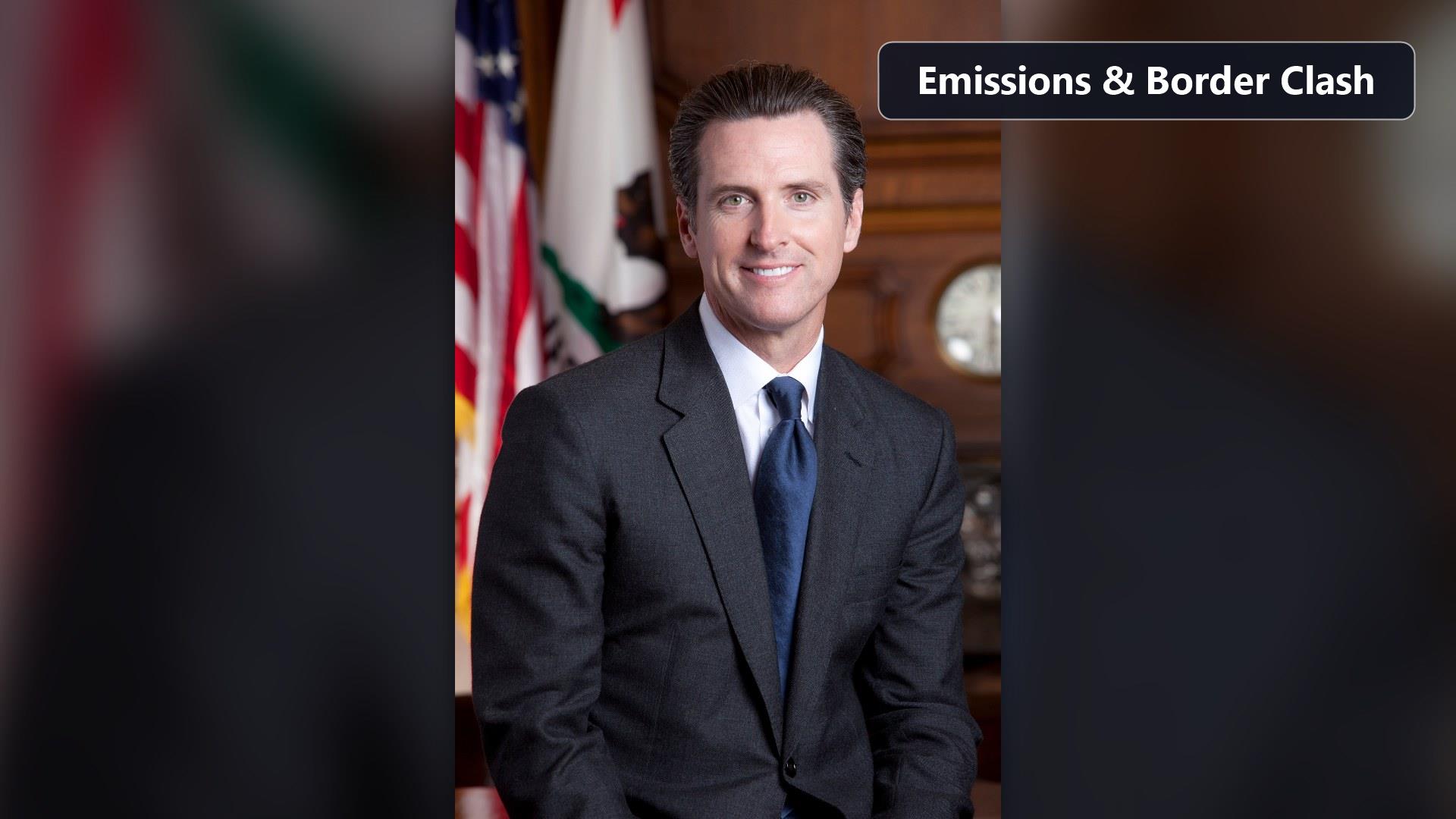
©Wikimedia / State of California
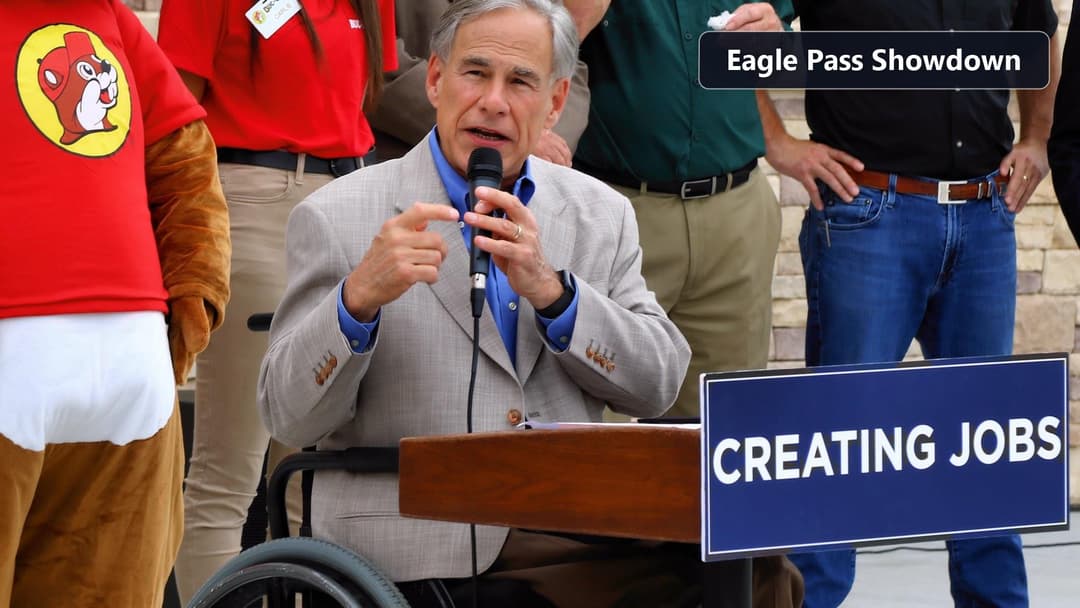
2. Greg Abbott: The Eagle Pass Border Wire Showdown
In 2024, Texas Governor Greg Abbott ordered the Texas National Guard to seize Shelby Park in Eagle Pass and install razor wire along the Rio Grande. Invoking the state constitutional right of self-defense, Abbott defied federal orders to grant Border Patrol agents unfettered river access.
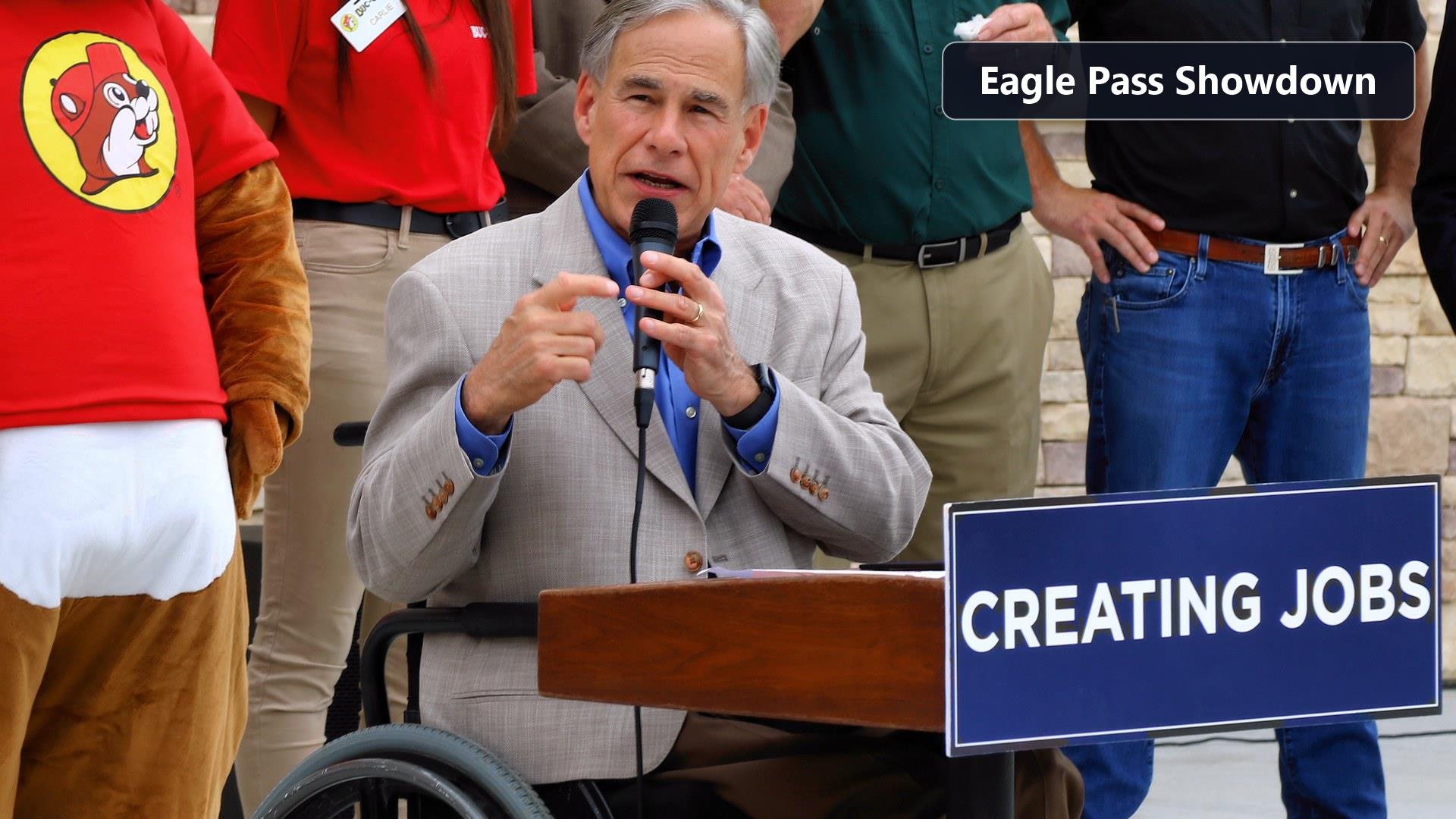
©Wikimedia / Larry D. Moore
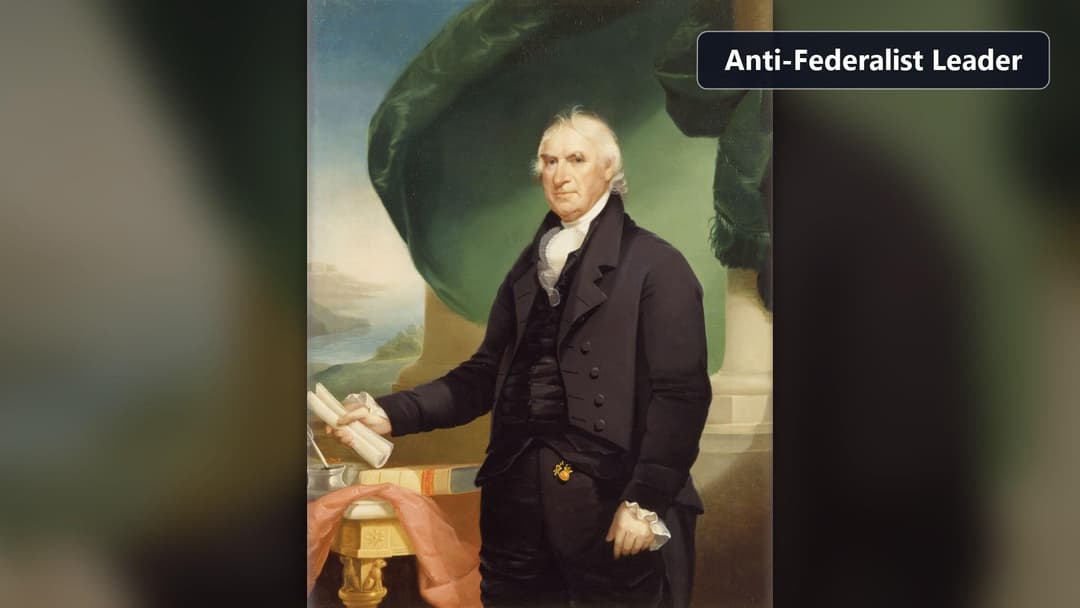
1. George Clinton: Championing The Federal Bill Of Rights
New York's first governor, George Clinton, led the anti-federalist movement in the 1780s. Clinton resisted federal attempts to seize New York harbor customs duties and fought against unamended ratification of the United States Constitution, helping ensure the adoption of the Bill of Rights.
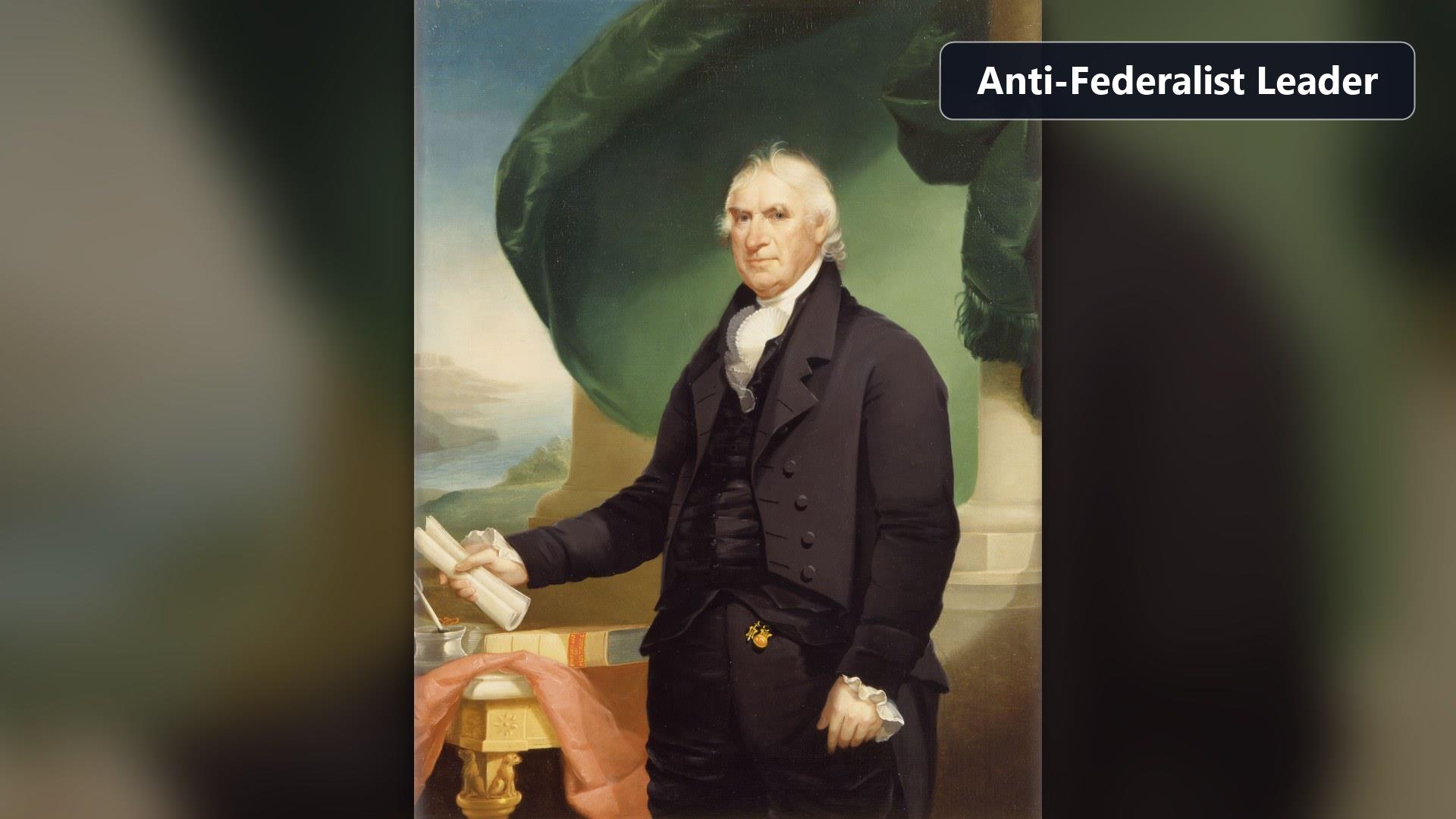
©Wikimedia / Ezra Ames
Advertisement
You've reached the end of the story. Thanks for reading!

21 Former US Governors Who Became Influential National Leaders
Which former state governors rose to shape modern American history?
All 23 Entries in this Story
23. Caleb Strong: Defying War Of 1812 Federal Command
During the War of 1812, Massachusetts Governor Caleb Strong opposed the conflict and refused orders from the War Department to place state militia units under federal military officers. Strong asserted that the United States Constitution only permitted federal militia calls during actual invasion.

22. Robert Y. Hayne: Backing South Carolina Nullification
Elected South Carolina governor in 1832, Robert Y. Hayne stood at the center of the Nullification Crisis. Hayne signed the state ordinance declaring federal protective tariffs unconstitutional and prepared state troops for conflict before a compromise tariff defused the standoff.

21. Joseph E. Brown: Resisting Central Conscription Orders
Even within the Confederacy, Georgia Governor Joseph E. Brown fiercely defended state rights against the Richmond government. Brown resisted central military conscription laws, declared exemptions for state officers, and hoarded weapons to protect local Georgia borders.

20. John Peter Altgeld: Protesting Pullman Federal Troops
During the 1894 Pullman railroad strike, Illinois Governor John Peter Altgeld sent furious telegraphs to President Grover Cleveland. Altgeld argued that the state had situation control and that deploying federal soldiers without gubernatorial consent violated constitutional sovereignty.

19. Albert Ritchie: Refusing Federal Prohibition Enforcement
Four-term Maryland Governor Albert Ritchie was the nation's leading champion of state autonomy against federal Prohibition. Ritchie declared that policing private habits was a state prerogative, refusing to spend state tax revenue or direct state police to enforce federal alcohol bans.

18. Eugene Talmadge: Battling New Deal Relief Administrators
Georgia Governor Eugene Talmadge bitterly opposed President Franklin D. Roosevelt's New Deal programs. Calling federal relief unconstitutional, Talmadge clashed with federal relief administrators until Washington took direct control of Georgia federal relief distribution in 1934.

17. Orval Faubus: Blocking Little Rock School Integration
In September 1957, Arkansas Governor Orval Faubus ordered the state National Guard to block nine African American students from entering Little Rock Central High School. President Dwight D. Eisenhower responded by federalizing the guard and deploying the 101st Airborne to enforce the court order.

16. Ross Barnett: Defying University Integration Orders
Mississippi Governor Ross Barnett made national headlines in 1962 by invoking interposition to block James Meredith from registering at Ole Miss. Barnett personally turned Meredith away until Attorney General Robert F. Kennedy dispatched federal marshals and federal troops to secure admission.

15. George Wallace: The Stand In The Schoolhouse Door
On June 11, 1963, Alabama Governor George Wallace stood in the doorway of Foster Auditorium at the University of Alabama to block two Black students. President John F. Kennedy federalized the Alabama National Guard, forcing Wallace to step aside when General Henry Graham ordered him to yield.

14. Meldrim Thomson Jr.: Fighting The 55 MPH Speed Limit
Following the 1974 Emergency Highway Energy Conservation Act, New Hampshire Governor Meldrim Thomson Jr. resisted federal mandates capping state highway speed limits at 55 mph. Thomson threatened open defiance against Washington, fighting federal threats to revoke federal road funding.

13. Richard Lamm: Leading The Sagebrush Rebellion
During the late 1970s and 1980s, Colorado Governor Richard Lamm championed Western state authority over federal public lands. Lamm protested federal resource leasing and environmental mandates, warning Washington that Western states refused to be treated as economic colonies.

12. Bill Janklow: Fighting Federal Drinking Age Mandates
When Congress passed the National Minimum Drinking Age Act of 1984, South Dakota Governor Bill Janklow spearheaded a constitutional fight against federal coercion. The resulting Supreme Court battle, South Dakota v. Dole, established crucial limits on federal spending power conditions.

11. Pete Wilson: Defending California Proposition 187
California Governor Pete Wilson championed Proposition 187 in 1994, seeking to deny non-emergency healthcare and public education to undocumented immigrants. Wilson defended the measure against federal constitutional challenges, arguing that federal border enforcement failures forced state action.

10. Fife Symington: Reopening The Grand Canyon By Force
During the 1995 federal government shutdown, Arizona Governor Fife Symington marched state National Guard and park rangers to the closed Grand Canyon gates. Determined to keep tourism alive, Symington negotiated state funding to reopen park operations despite federal closures.

9. Gray Davis: Enacting Strict Vehicle Tailpipe Standards
In 2002, California Governor Gray Davis signed AB 1493, the nation's first law regulating greenhouse gas tailpipe emissions from passenger cars. The move triggered a decade-long federal battle over California's Clean Air Act waiver, eventually forcing nationwide vehicle efficiency improvements.

8. Rick Perry: Resisting Federal EPA Rules And Medicaid
Serving fourteen years as Texas governor, Rick Perry repeatedly sued federal agencies. Perry challenged EPA carbon regulations, contested cross-state air pollution rules, and was among the first governors to reject federal Medicaid expansion under the Affordable Care Act.

7. Jan Brewer: Enacting State Border Enforcement SB 1070
In 2010, Arizona Governor Jan Brewer signed Senate Bill 1070, making immigration status checks mandatory during lawful police stops. The Obama administration sued, culminating in the 2012 Supreme Court ruling Arizona v. United States, which affirmed federal supremacy over immigration.

6. Jerry Brown: Signing The Sanctuary State Law
In 2017, California Governor Jerry Brown signed Senate Bill 54, known as the California Values Act. The statute restricted state and local law enforcement from using public funds to assist federal immigration enforcement, prompting the federal Department of Justice to file a major lawsuit.

5. Jay Inslee: Securing Injunction Against Travel Ban
Days after the White House issued Executive Order 13769 in January 2017, Washington Governor Jay Inslee directed the state attorney general to file suit. Washington became the first state to challenge the policy, winning a nationwide temporary restraining order from a federal judge.

4. Ron DeSantis: Blocking Federal Vaccine Mandates
Florida Governor Ron DeSantis took aggressive legal and legislative action in 2021 against federal COVID-19 rules. DeSantis signed legislation barring businesses and schools from requiring proof of vaccination and sued the federal government over contractor and healthcare worker mandates.

3. Gavin Newsom: Fighting Emissions Waivers And Border Troops
Taking office in 2019, California Governor Gavin Newsom sued the federal administration over its attempt to revoke California's Clean Air Act waiver. Newsom also recalled hundreds of California National Guard troops from the Mexico border, redirecting them to state wildfire prevention duties.

2. Greg Abbott: The Eagle Pass Border Wire Showdown
In 2024, Texas Governor Greg Abbott ordered the Texas National Guard to seize Shelby Park in Eagle Pass and install razor wire along the Rio Grande. Invoking the state constitutional right of self-defense, Abbott defied federal orders to grant Border Patrol agents unfettered river access.

1. George Clinton: Championing The Federal Bill Of Rights
New York's first governor, George Clinton, led the anti-federalist movement in the 1780s. Clinton resisted federal attempts to seize New York harbor customs duties and fought against unamended ratification of the United States Constitution, helping ensure the adoption of the Bill of Rights.