
Slideshow · Viral
23 US States Ranked by Their Most Unusual Geographic Features
From singing sands to massive sinkholes and volcanic calderas across America.


All 23 Entries in this Story
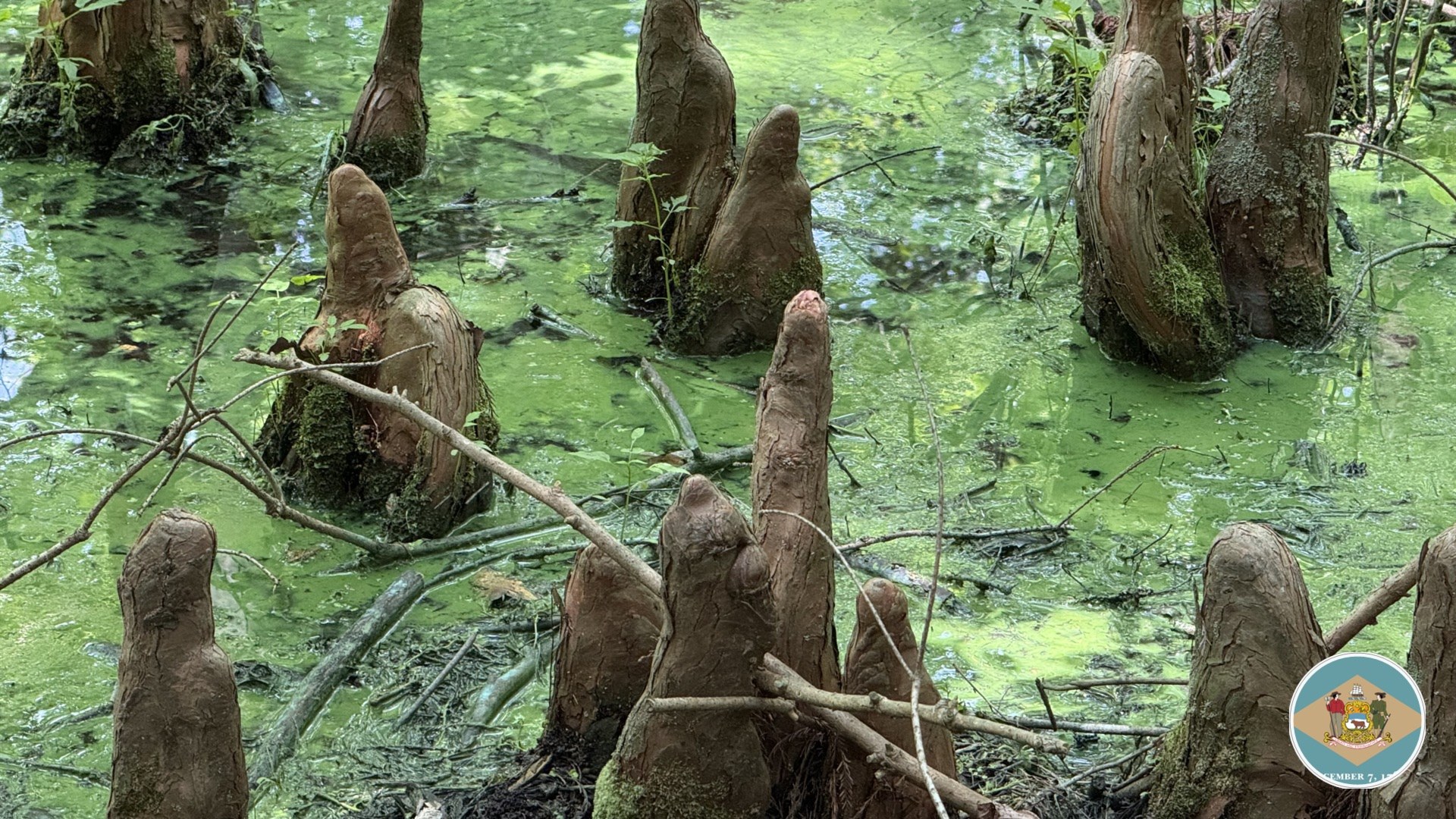
23. Delaware Great Cypress Swamp
Tucked into southern Delaware, the Great Cypress Swamp encompasses the northernmost natural stand of bald cypress in North America. Its tangled root knees and tea-colored waterways evoke the deep American South, creating a surprising subtropical pocket in the Mid-Atlantic.
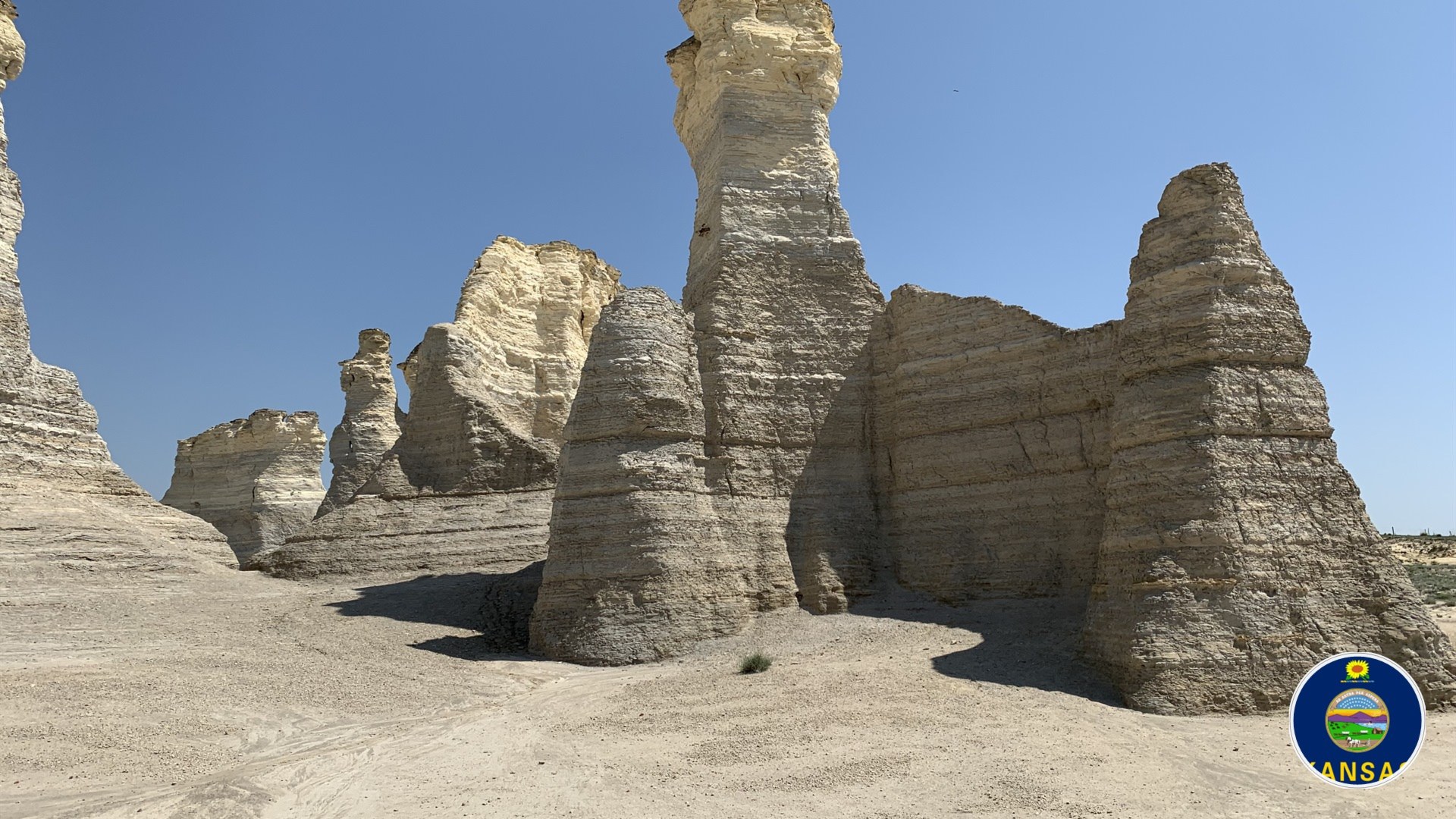
22. Kansas Monument Rocks Chalk Pyramids
Rising dramatically from the flat prairie of Gove County, Monument Rocks are towering chalk pyramids formed eighty million years ago during the Cretaceous period. The soft limestone buttes preserve fossilized shark teeth and marine reptiles left by the Western Interior Seaway.
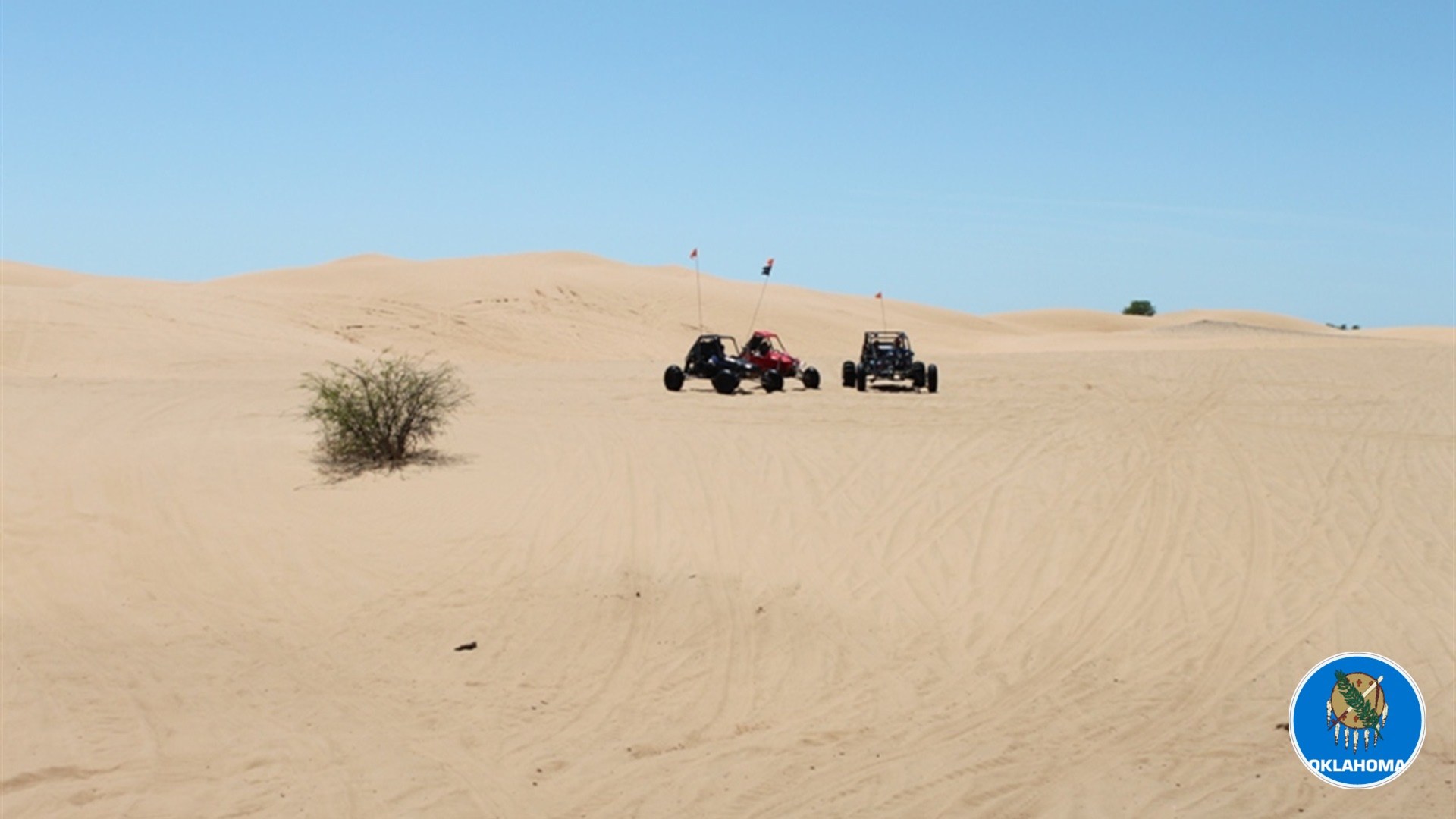
21. Oklahoma Little Sahara Sand Dunes
South of Waynoka, over sixteen hundred acres of dynamic sand dunes rise up to seventy-five feet above the plains. Formed by ancient winds blowing deposits from the prehistoric Cimarron River, this miniature desert looks entirely out of place in the southern Great Plains.
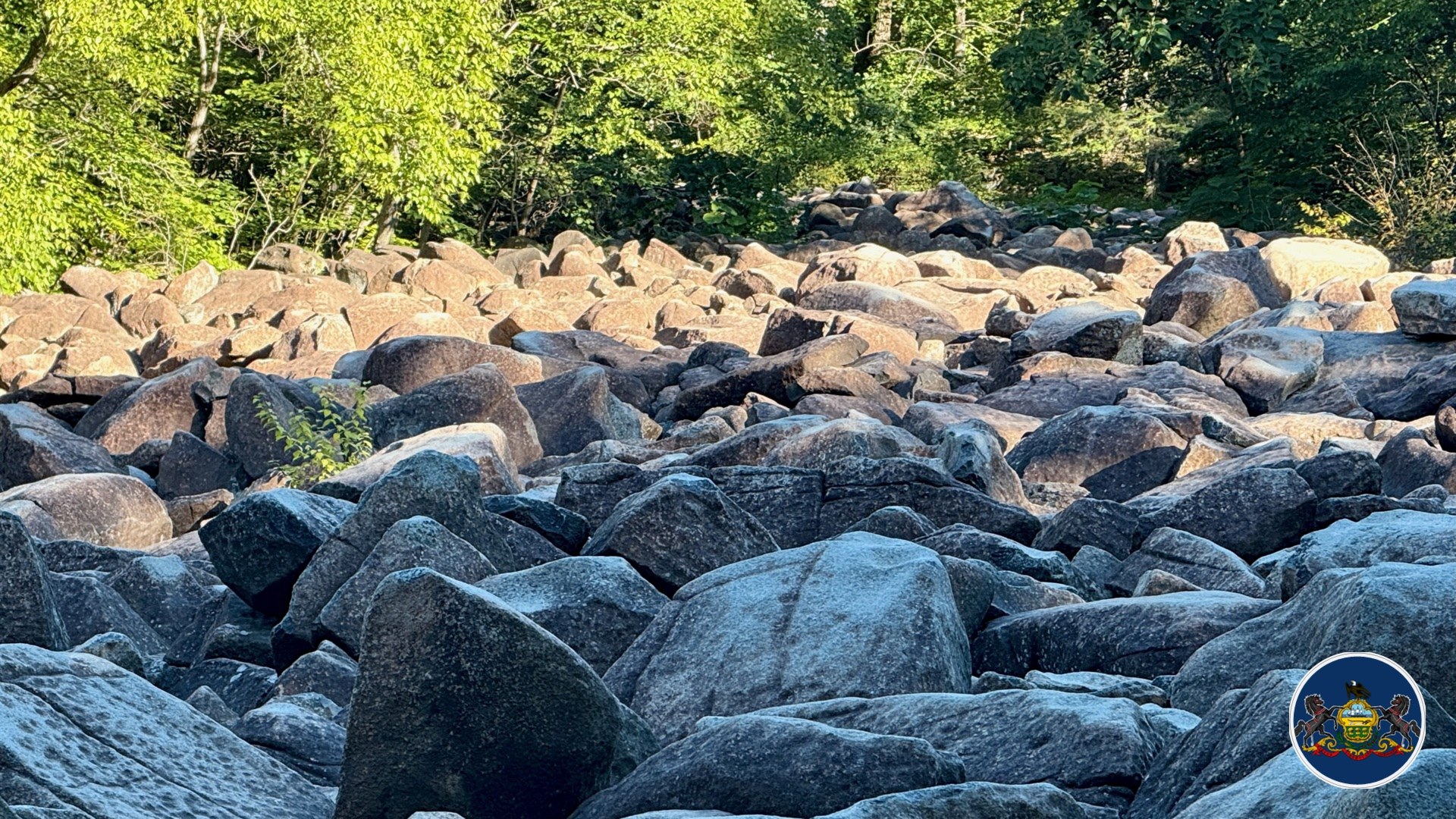
20. Pennsylvania Ringing Rocks Boulder Field
Spanning eight acres in Bucks County, this barren boulder field consists of ancient volcanic diabase rock. When struck lightly with a hammer, roughly one-third of the boulders ring with clear bell-like metallic tones due to internal crystalline stress and low sound dampening.
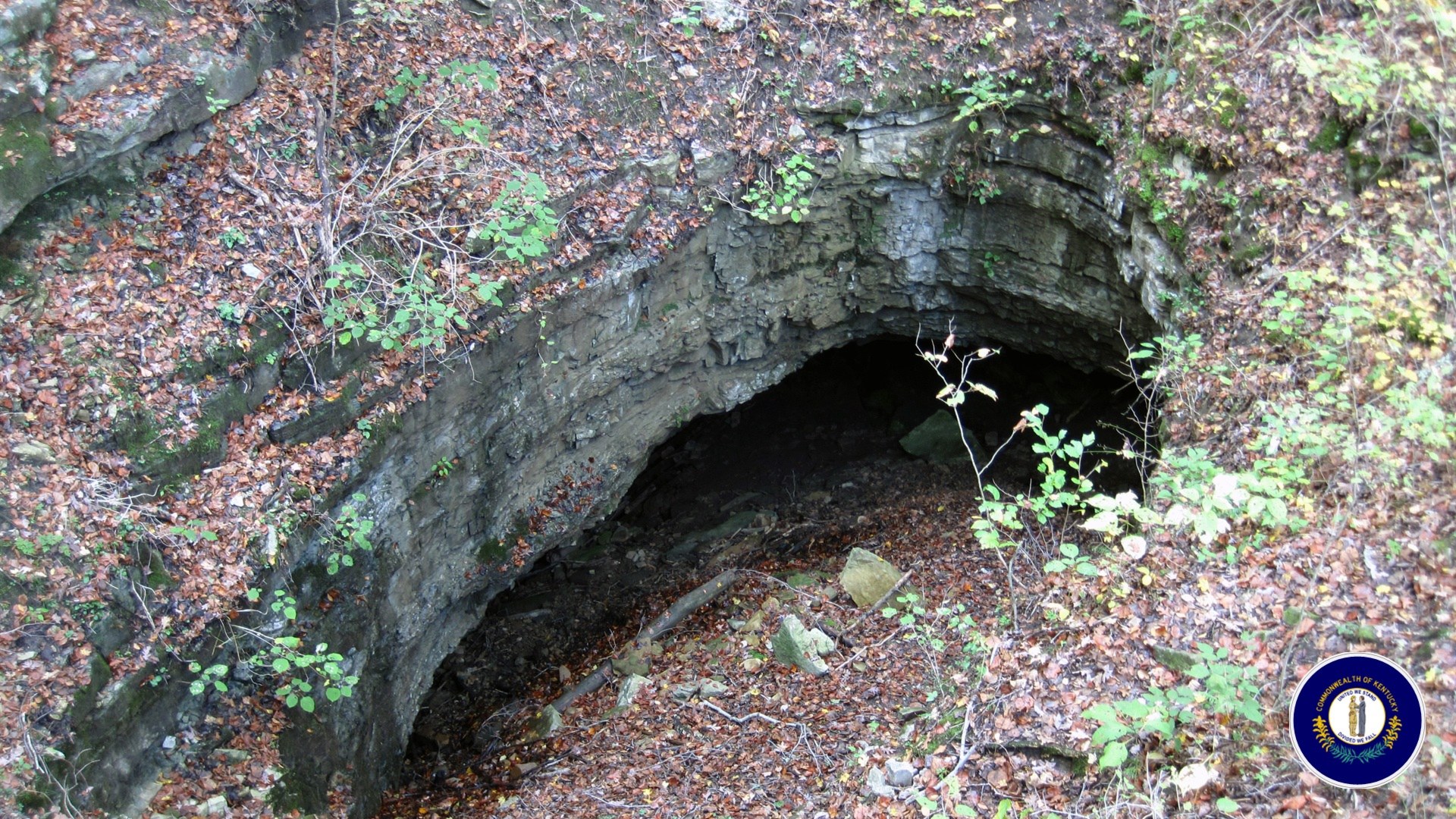
19. Kentucky Mammoth Cave Karst Labyrinth
With more than four hundred and twenty miles of surveyed passages, Mammoth Cave is the longest known cave network on Earth. Rainwater filtering through thick sandstone caps into soluble limestone hollowed out colossal multi-level chambers, subterranean rivers, and delicate crystal draperies.
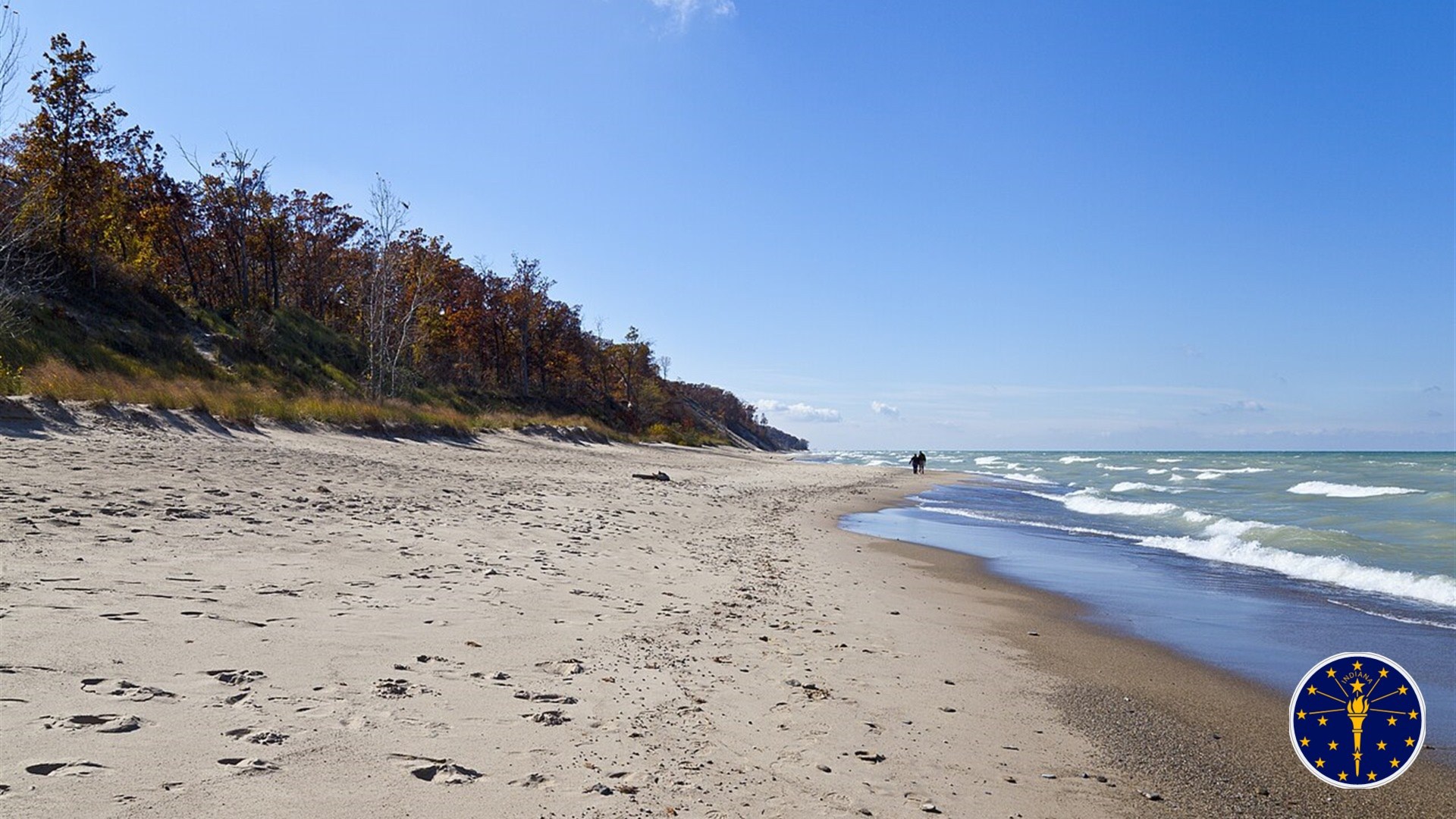
18. Indiana Dunes Singing Sands
Along the southern shore of Lake Michigan, quartz sand grains worn down by wave action produce unexpected acoustic squeaks and musical hums when walked upon. The rare phenomenon requires rounded uniform grains and specific humidity to generate friction that vibrates the air.
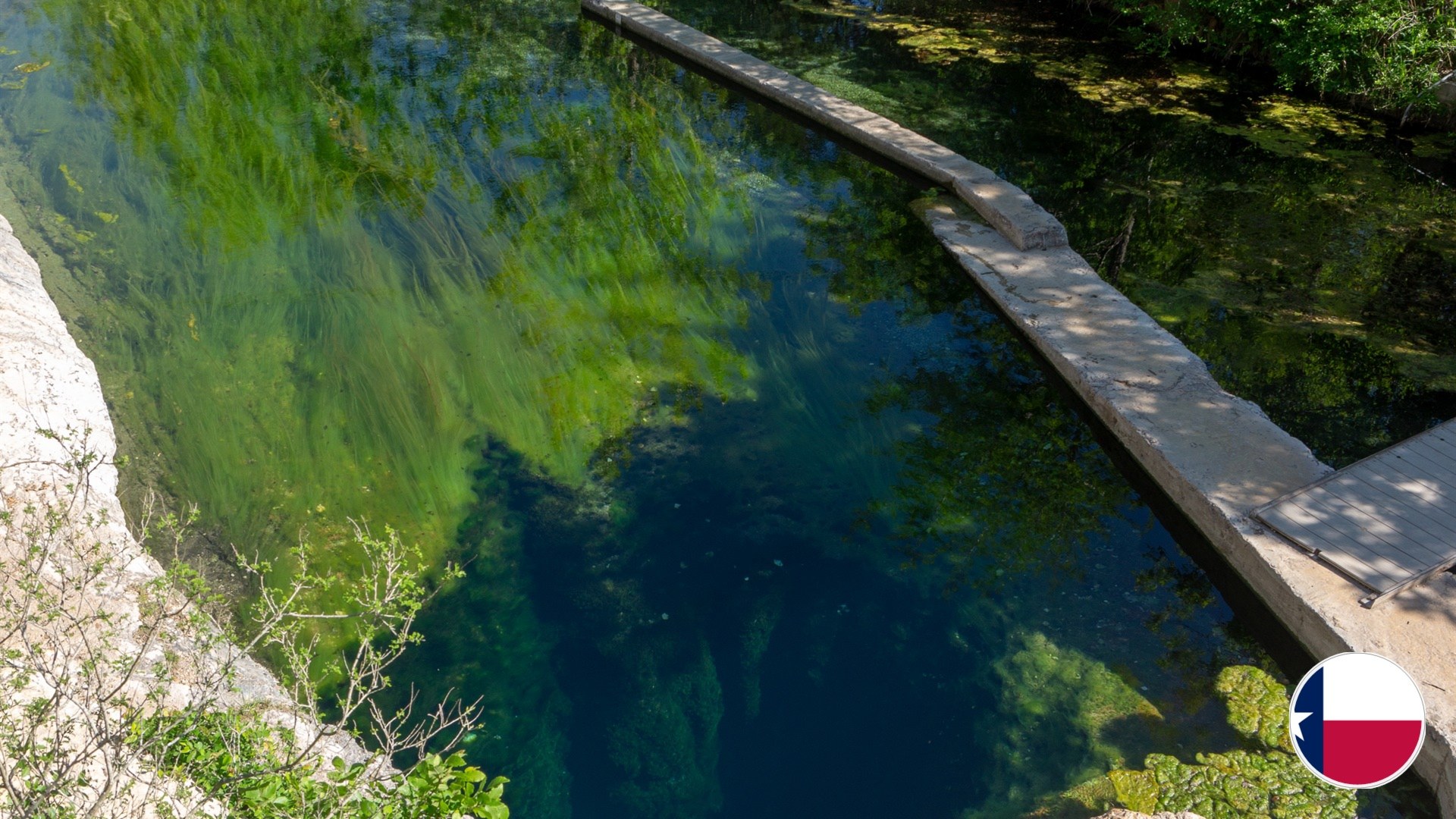
17. Texas Jacobs Well Artesian Spring
Plunging straight down into the Trinity Aquifer near Wimberley, Jacob's Well is an artesian spring with a twelve-foot opening. The underwater karst chimney descends vertically for thirty feet before branching into an intricate submerged cave system that reaches depths of one hundred and forty feet.
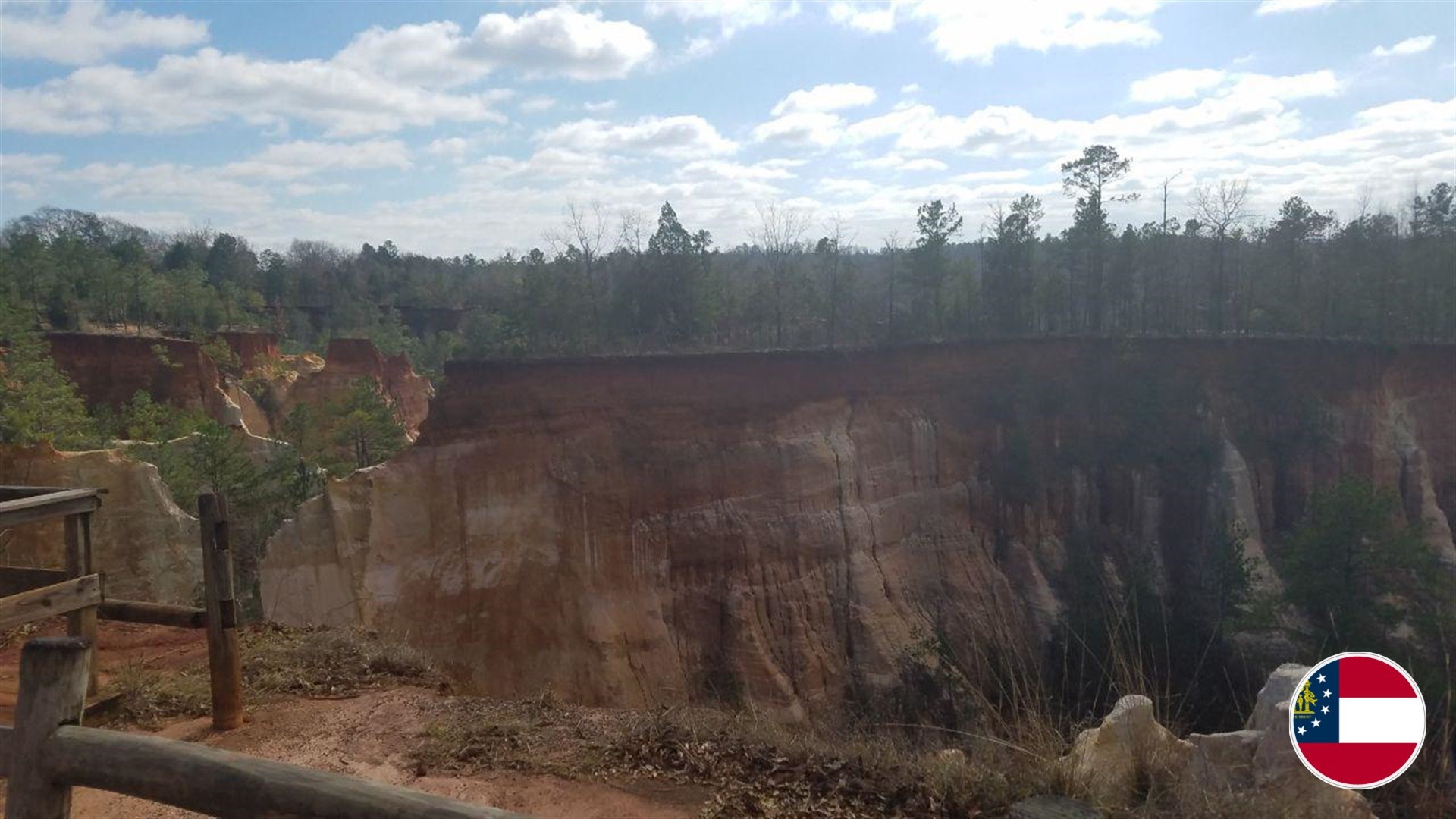
16. Georgia Providence Canyon
Nicknamed Georgia's Little Grand Canyon, this spectacular network of gullies plunges up to one hundred and fifty feet into vibrant red, pink, purple, and orange sedimentary layers. Triggered by poor farming practices in the 1800s, natural erosion sculpted an accidental geological masterpiece.
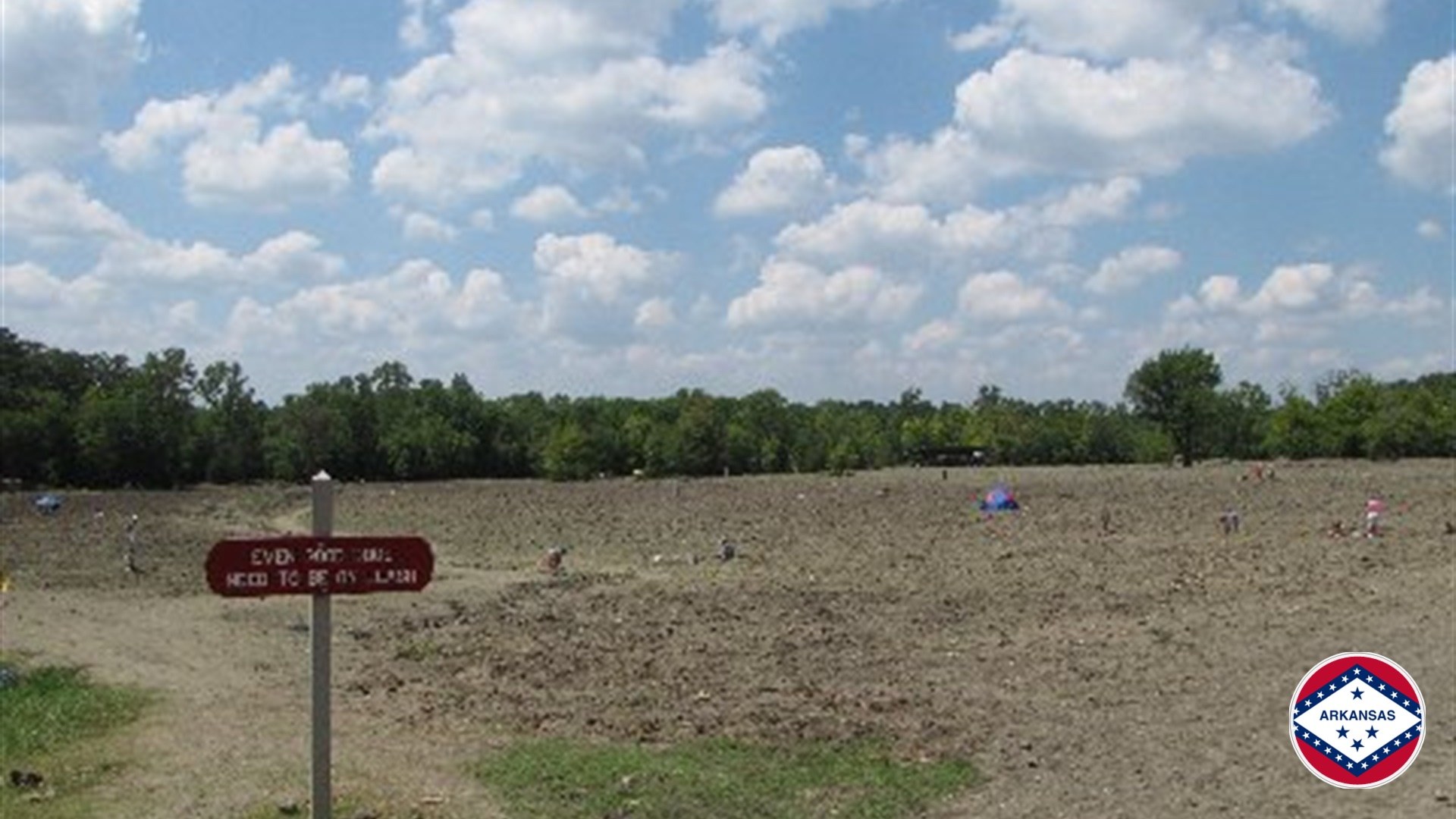
15. Arkansas Crater Of Diamonds Lamproite Pipe
Near Murfreesboro, visitors can walk directly across thirty-seven acres of an eroded volcanic lamproite pipe. Formed billions of years ago by deep explosive eruptions, it is the only diamond-bearing site in the world where members of the public can hunt for authentic diamonds and keep what they find.
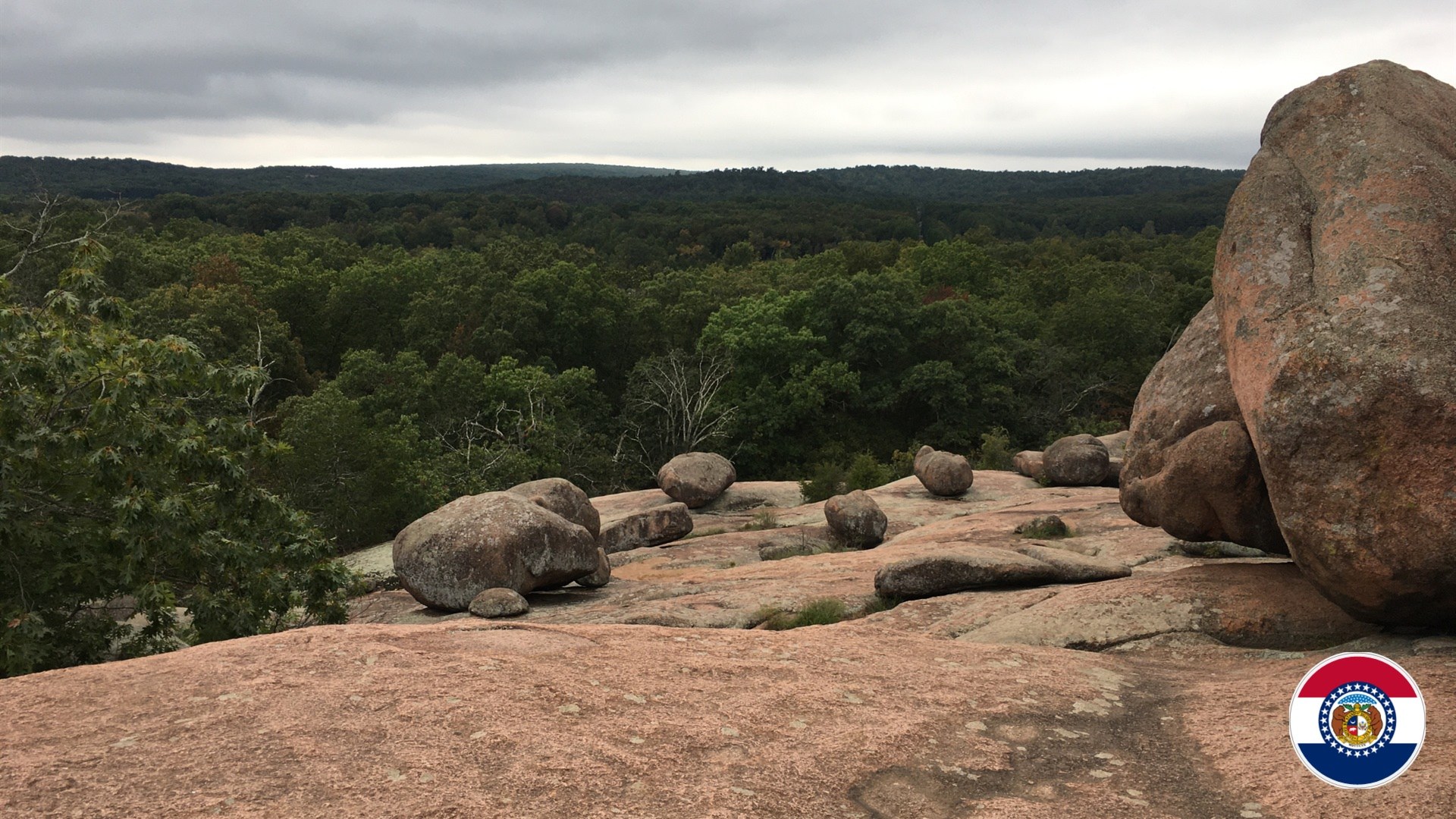
14. Missouri Elephant Rocks Pink Granite
Deep in the Ozarks, gigantic weathered pink granite boulders sit atop a granite plateau like a line of circus elephants. Formed 1.5 billion years ago from cooling magma, these tor formations have endured deep subsurface chemical weathering followed by millions of years of surface exposure.
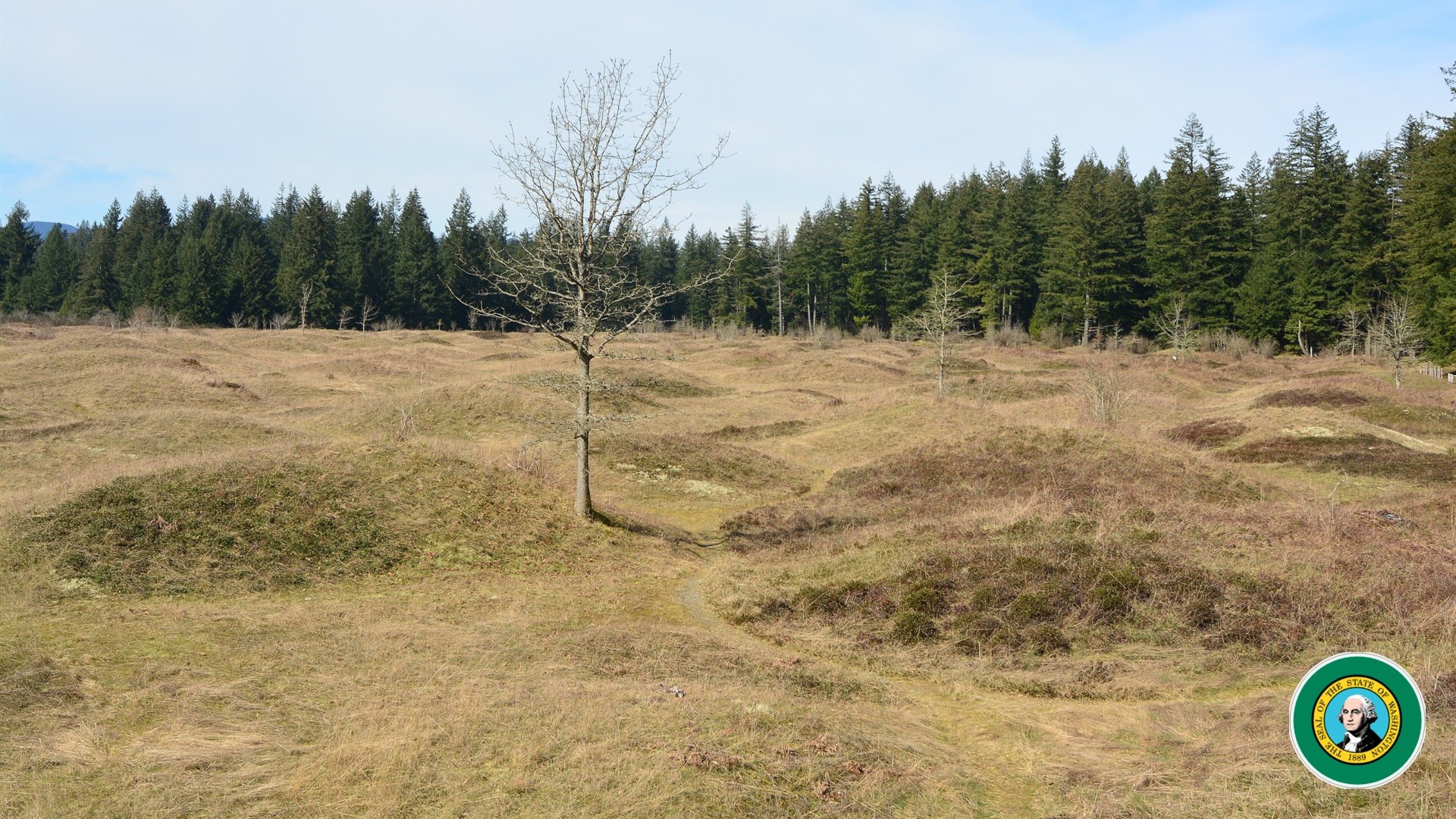
13. Washington Mima Mounds Natural Enigma
Scattered across the grasslands of Thurston County, the Mima Mounds consist of tens of thousands of circular earthen hummocks rising up to eight feet high. Geologists have debated their origins for centuries, proposing theories ranging from pocket gopher excavations to seismic soil vibrations.
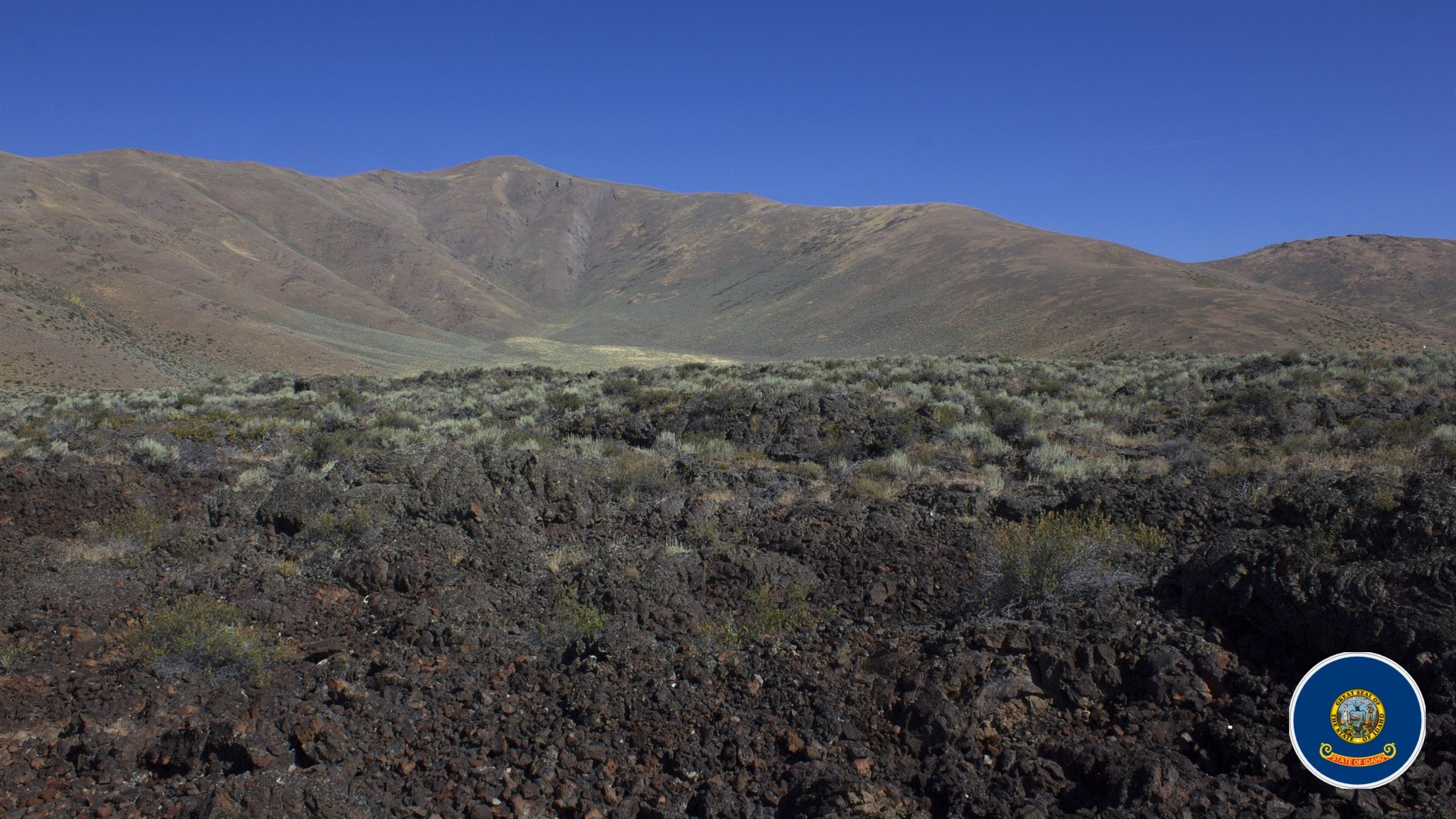
12. Idaho Craters Of The Moon Lava Ocean
Stretching across the Snake River Plain, this enormous volcanic flood basalt landscape preserves fissures, lava tubes, and spatter cones formed along the Great Rift. Astronauts used its lunar terrain in 1969 to train for lunar surface geology before walking on the moon.
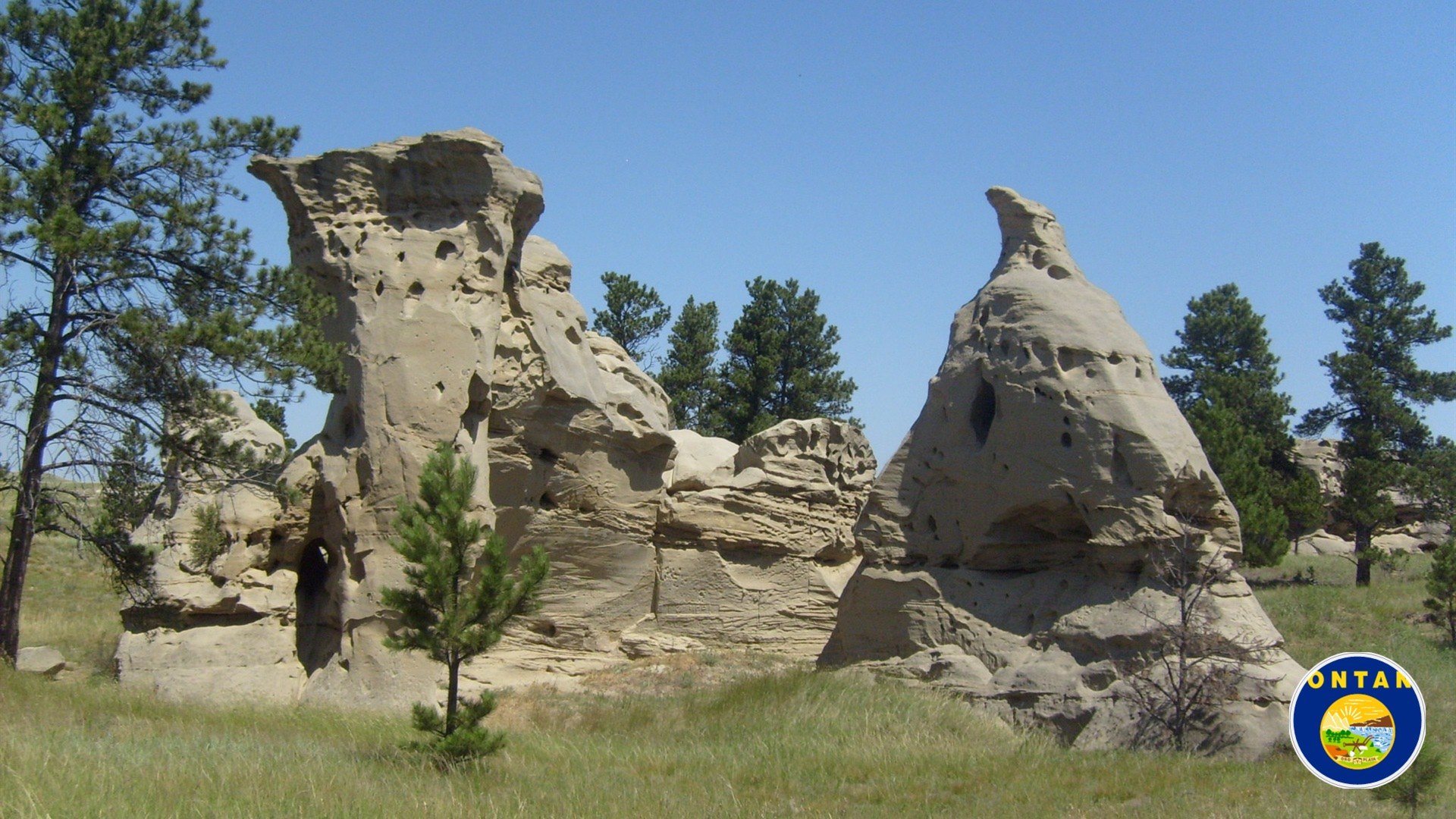
11. Montana Medicine Rocks Windblown Hoodoos
Rising abruptly from rolling grasslands, Medicine Rocks features perforated sandstone pillars riddled with caves, hollows, and wind-carved arches. Revered by Plains tribes for spiritual gatherings, early visitors left centuries of petroglyphs and pioneer inscriptions carved into the soft stone.
10. New Mexico White Sands Gypsum Dunes
Covering two hundred and seventy-five square miles in the Tularosa Basin, White Sands is the largest gypsum dunefield on Earth. Unlike typical quartz sand, white gypsum crystals do not convert sunlight into heat, remaining cool to the touch even during scorching summer afternoons.
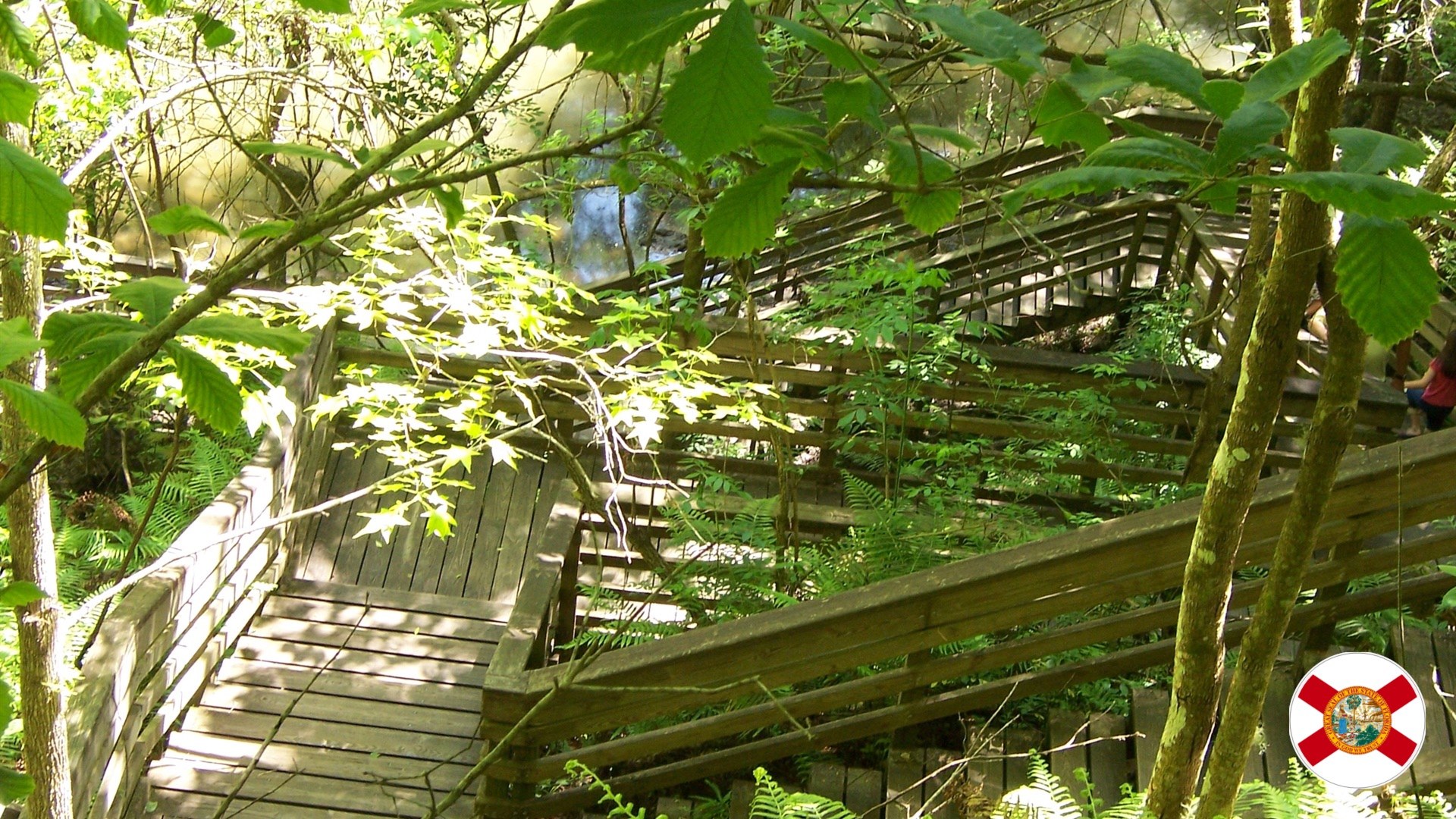
9. Florida Devils Millhopper Limestone Sinkhole
Near Gainesville, a colossal limestone collapse sinkhole drops one hundred and twenty feet down into the earth. Fed by twelve natural springs trickling over steep ledges, the sheltered microclimate nurtures lush ferns and mosses that normally thrive hundreds of miles further north.
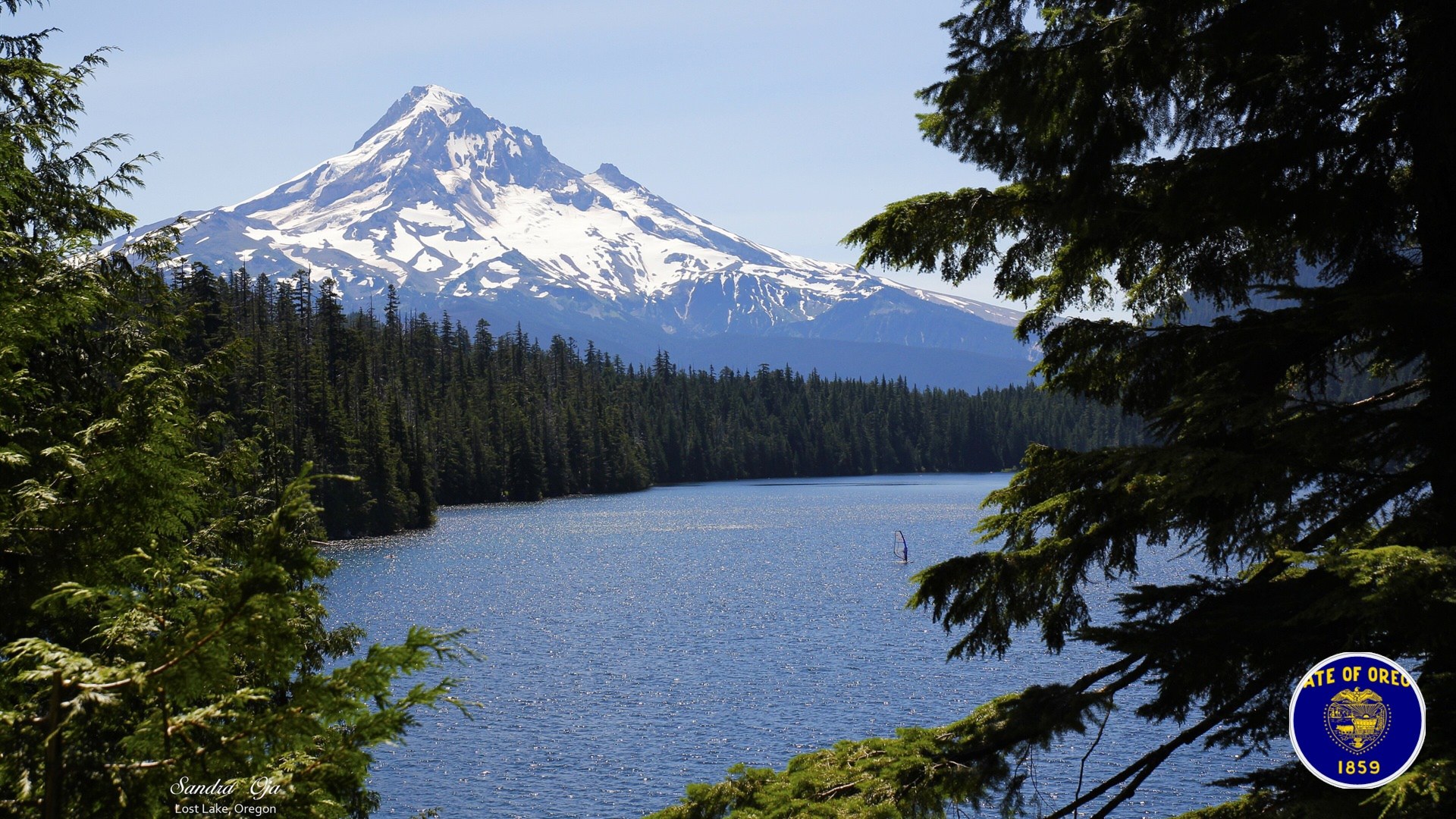
8. Oregon Lost Lake Disappearing Lava Hole
Every summer along Highway 20, Lost Lake completely drains down an eight-foot volcanic hole, transforming into a meadow. The opening is a collapsed lava tube that acts like an open bathtub drain, funneling water into porous basalt beds to recharge subterranean springs downstream.
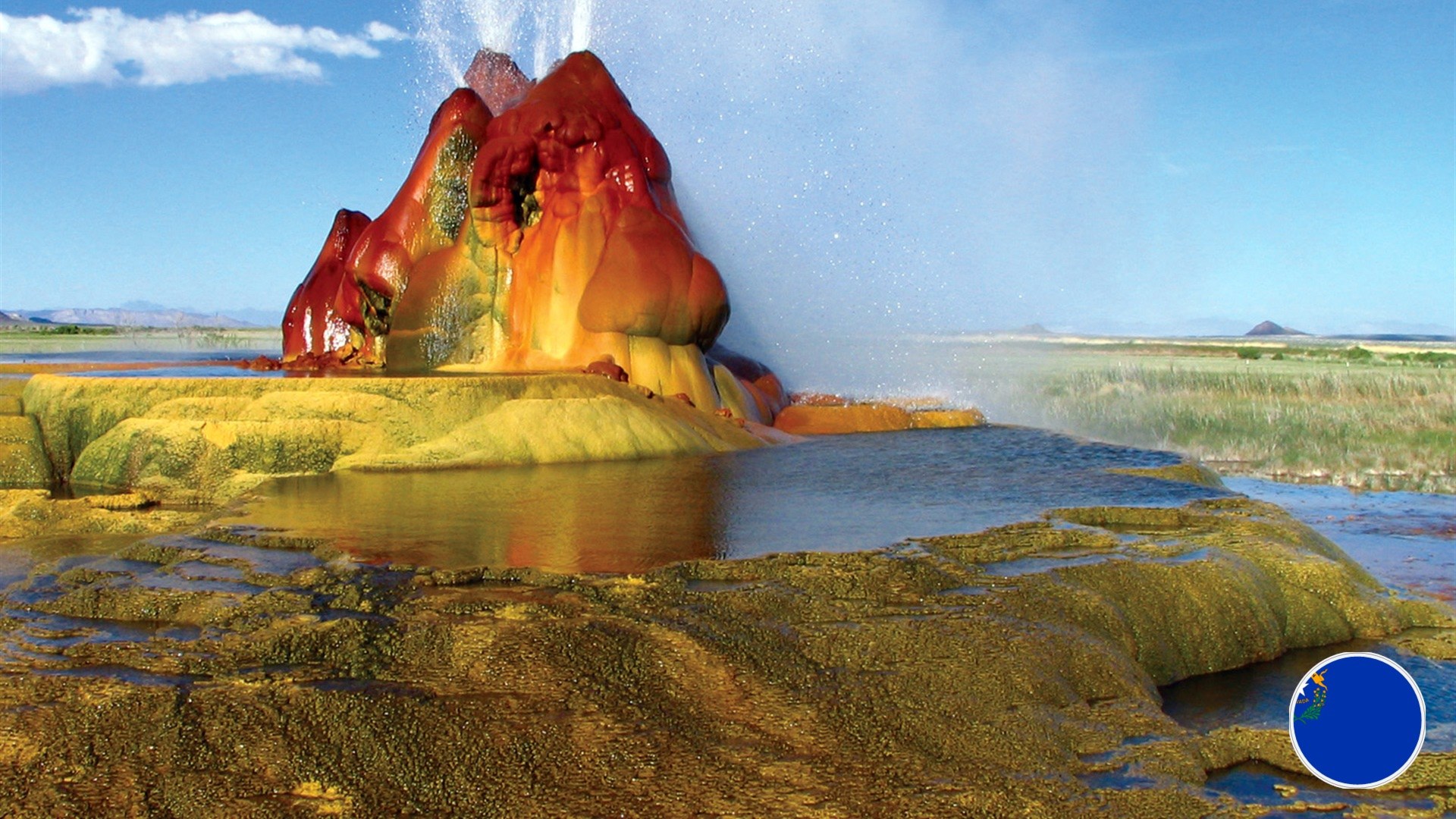
7. Nevada Fly Geyser Geothermal Terraces
Accidentally created by test well drilling in 1964, Fly Geyser constantly ejects boiling water and dissolved calcium carbonate in the Black Rock Desert. Over decades, mineral deposits built up five-foot cones coated with vivid thermophilic algae, producing brilliant red and green terraces.
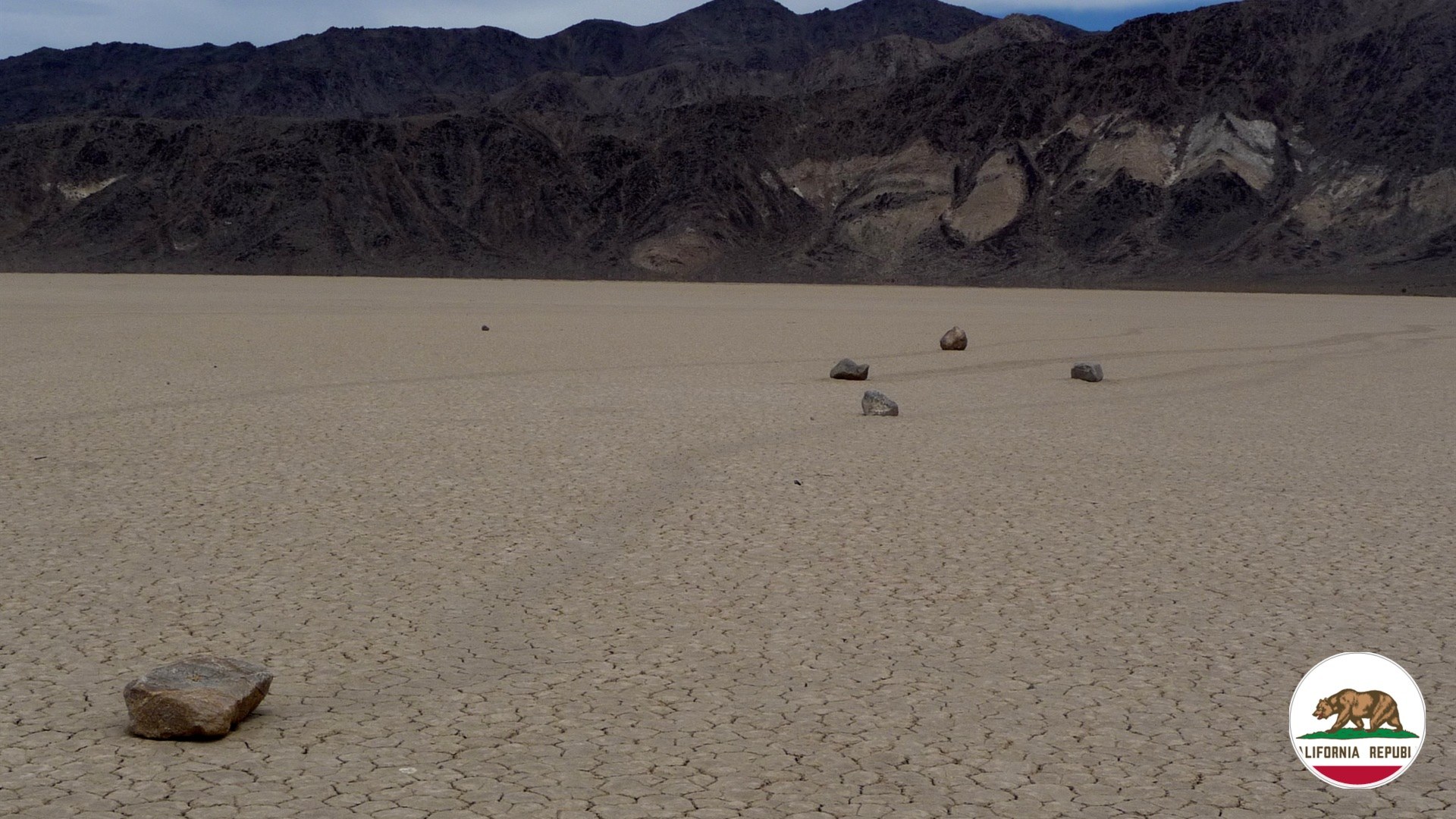
6. California Racetrack Playa Sailing Stones
Set three miles wide in Death Valley National Park, Racetrack Playa is famous for heavy stones that leave long linear tracks across the dried mud. Rare winter conditions create thin windowpane ice sheets that catch light breezes, gently propelling the boulders across frictionless muddy surfaces.
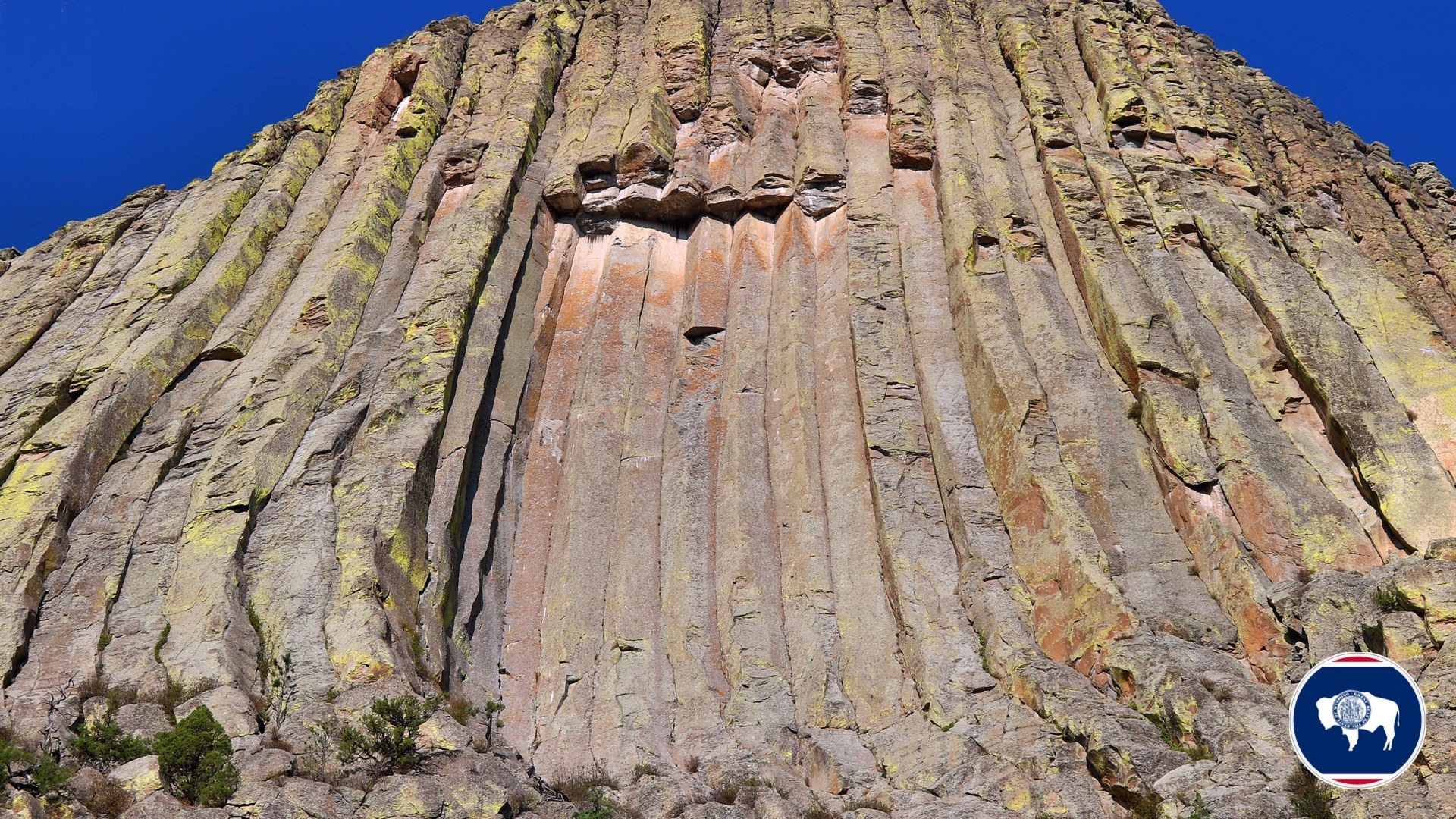
5. Wyoming Devils Tower Monolithic Neck
Devils Tower is a massive phonolite porphyry igneous intrusion formed forty million years ago. As molten magma cooled slowly underground, it fractured into distinct hexagonal columns. Soaring 1,267 feet high, it became America's first declared national monument in 1906.
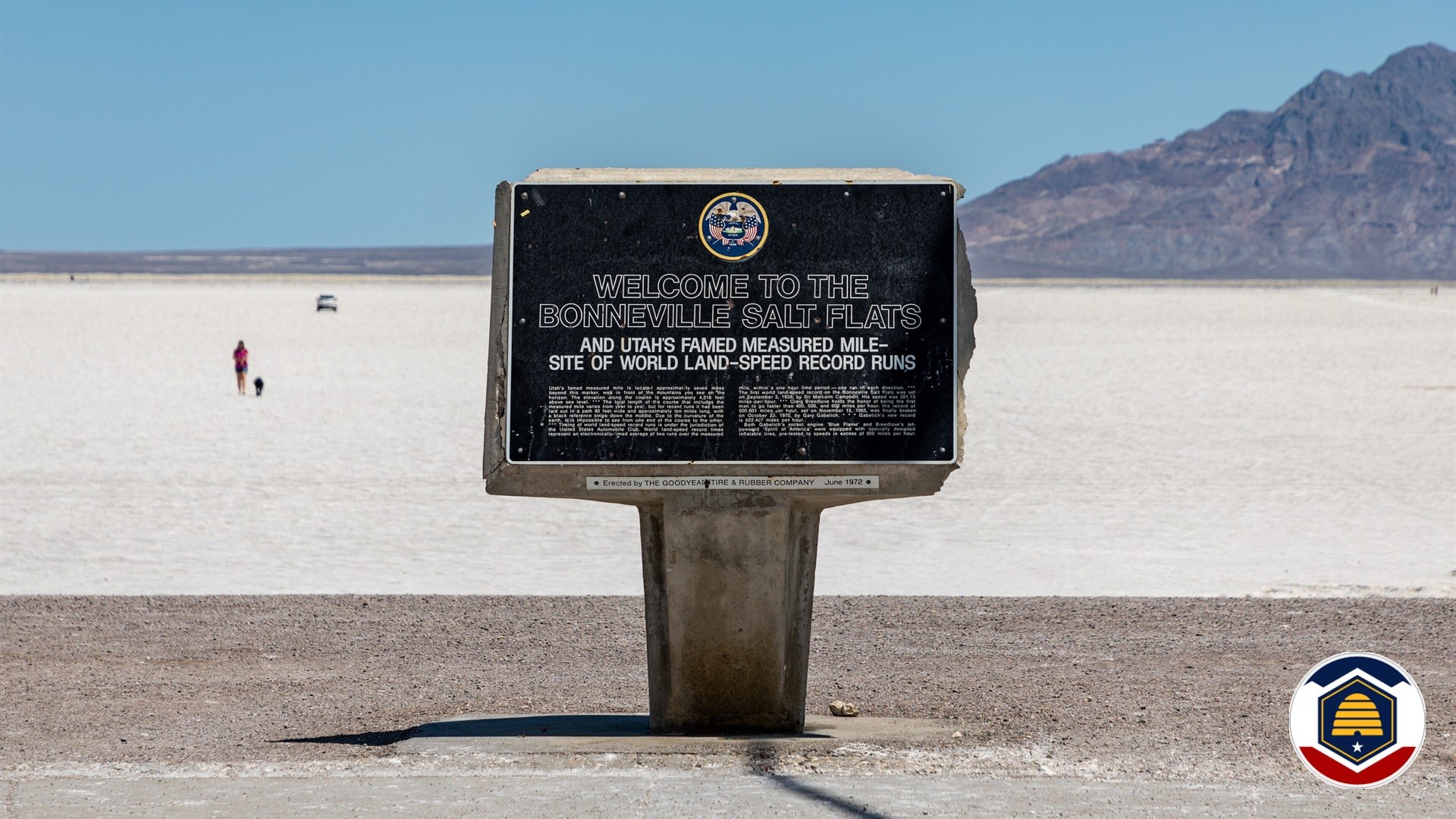
4. Utah Bonneville Salt Flats Evaporation Crust
Spanning thirty thousand acres near Wendover, the Bonneville Salt Flats are the evaporated remnant of prehistoric Lake Bonneville. The blinding white sodium chloride crust is so flat and vast that visitors can visibly perceive the curvature of the Earth along the distant mountain horizon.
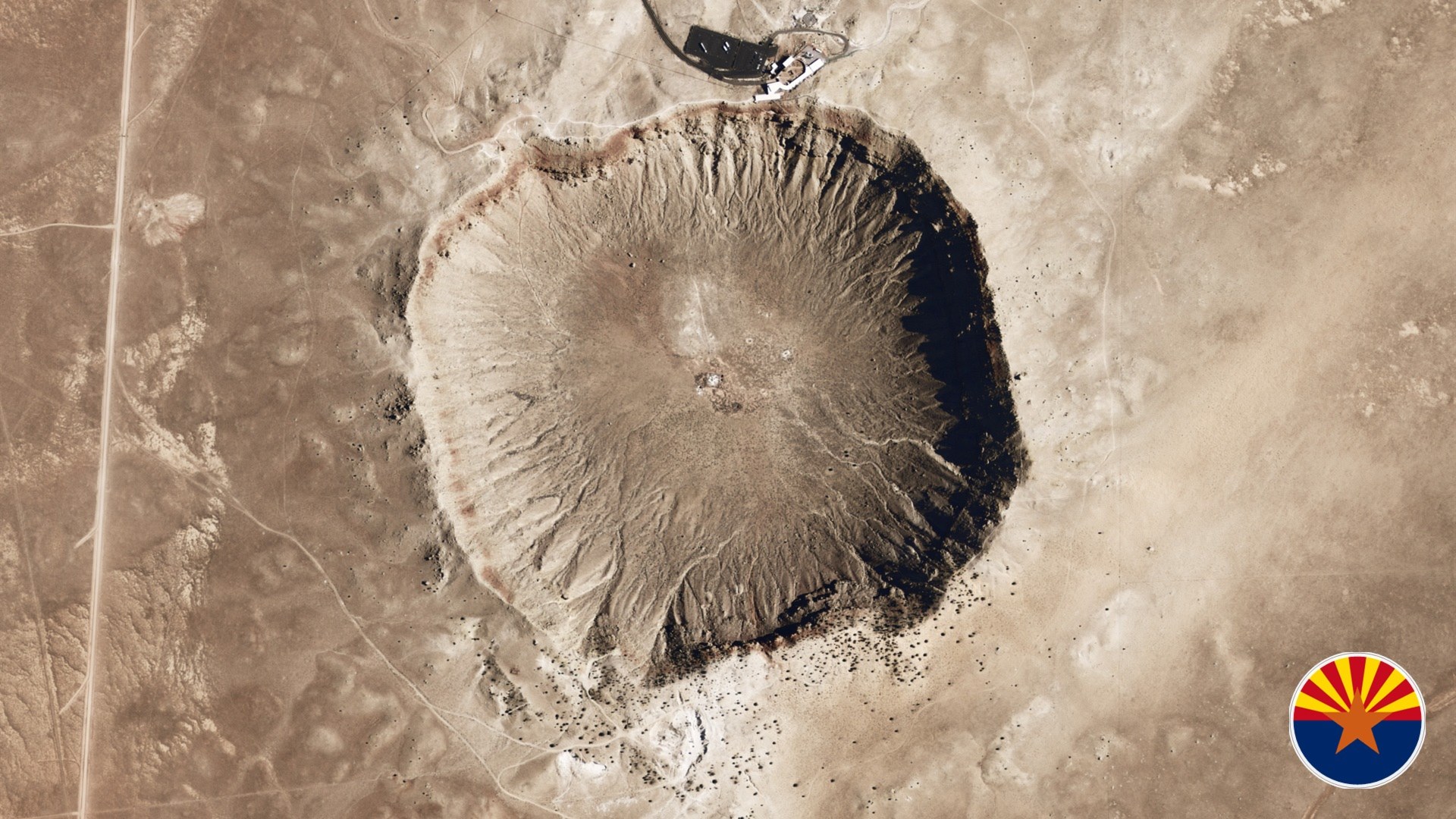
3. Arizona Barringer Meteor Impact Crater
Blasted into the northern Arizona desert fifty thousand years ago, Barringer Meteor Crater is nearly a mile wide and 560 feet deep. The impact of a 150-foot nickel-iron asteroid released the energy of ten megatons of dynamite, leaving an extraterrestrial scar preserved by arid desert winds.
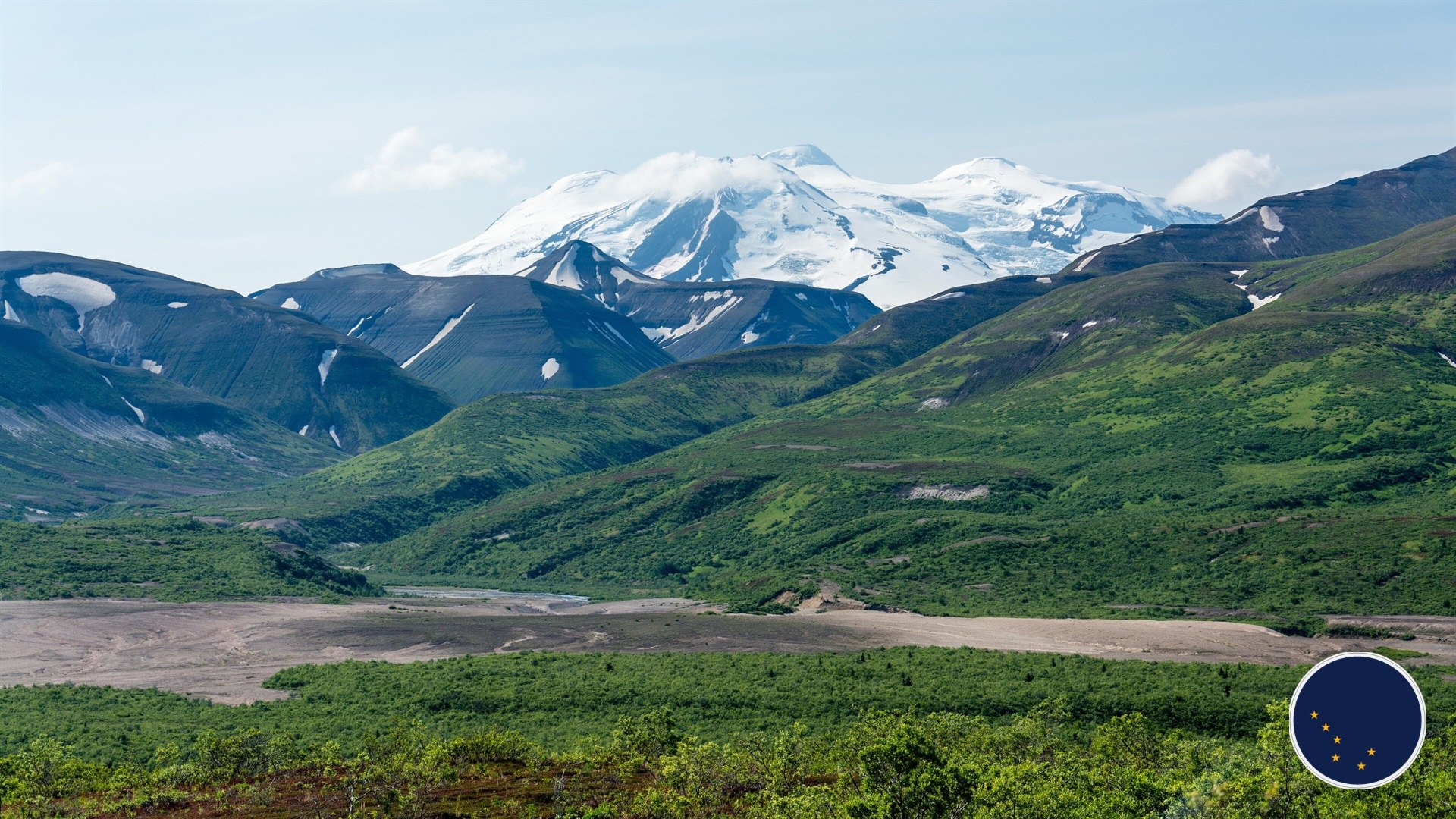
2. Alaska Valley Of Ten Thousand Smokes
Formed during the 1912 eruption of Novarupta, the largest volcanic eruption of the twentieth century, this valley was blanketed in up to seven hundred feet of hot pumice and ash. Thousands of steaming fumaroles once hissed across the barren ash field, creating a surreal wasteland.
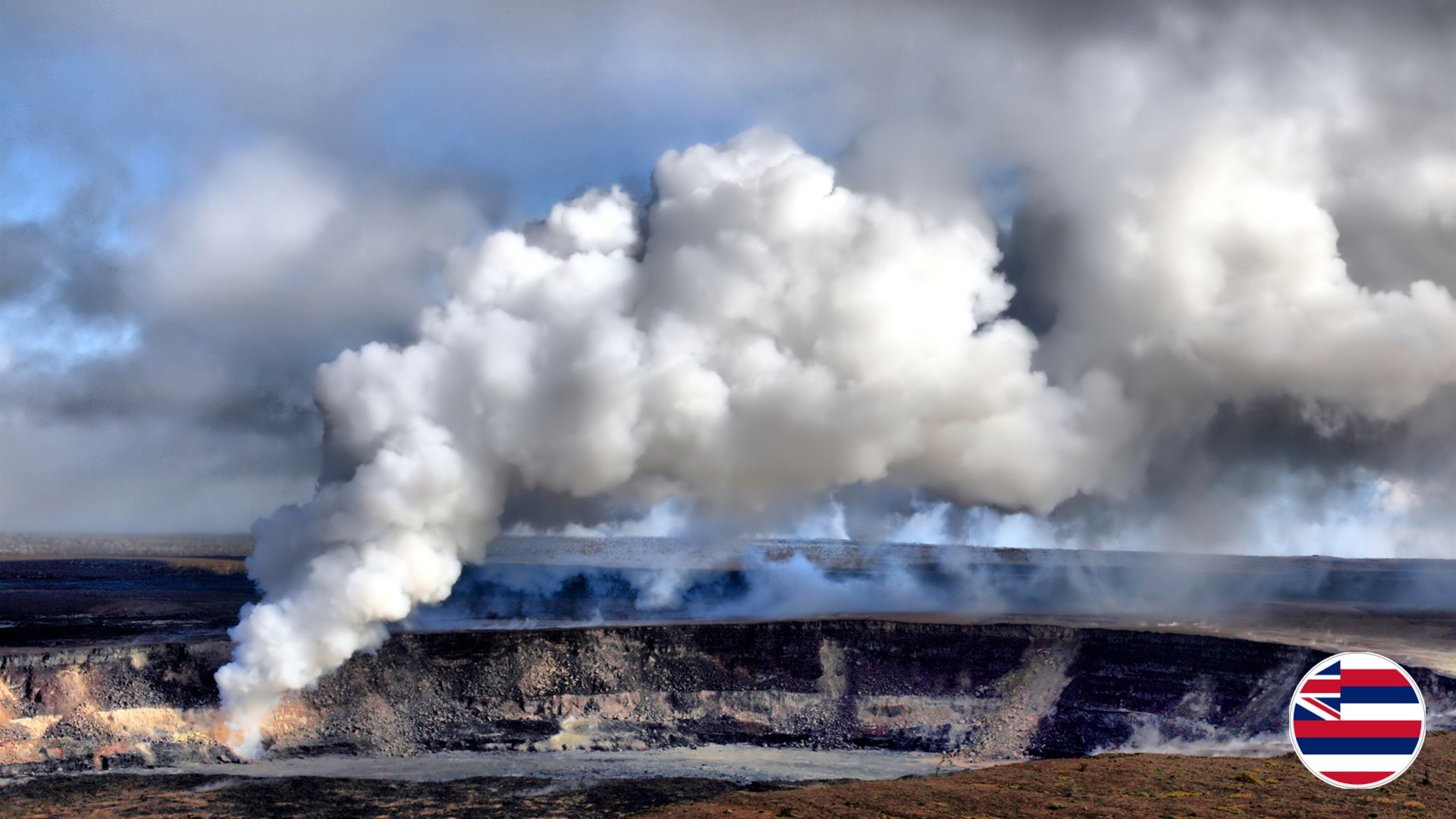
1. Hawaii Kilauea Halemaumau Lava Caldera
Perched atop the summit of Kilauea shield volcano, Halemaumau crater hosts dynamic molten basalt lakes, bubbling fountains, and billowing sulfur plumes. Deep volcanic conduits tap directly into the Hawaiian mantle plume, continuously reshaping the caldera floor in mesmerizing displays of raw planetary creation.









