Slideshow · Viral
25 Ancient Roman Aqueducts and Bridges Still Standing Across Europe
Built with precision mortar and volcanic ash, these 25 ancient Roman bridges and aqueducts still carry water and traffic across European rivers two millennia later.
By Most Viral Today
4 Nov 2026

Roman Engineering Masterpieces That Survived Two Thousand Years 
25. Roman Bridge Of Trier (Germany) 
24. Ponte Di Nona (Rome, Italy) 
23. Pena Cortada Aqueduct (Chelva, Spain) - AdvertisementSwipe or tap ▶ to continue countdown

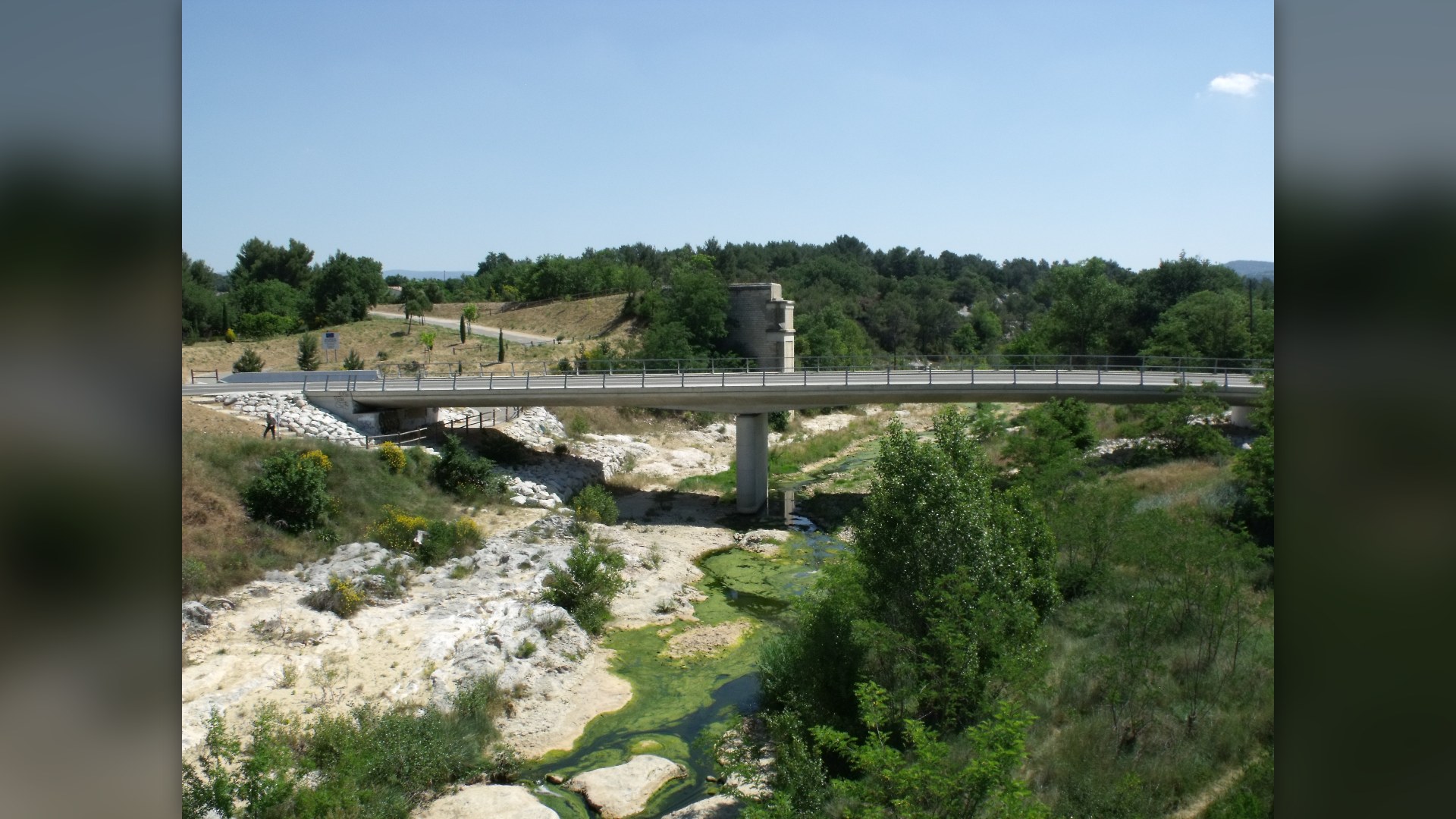
22. Pont d'Ambrussum (Villetelle, France) 
21. Ponte Romano Di Solesta (Ascoli Piceno, Italy) 
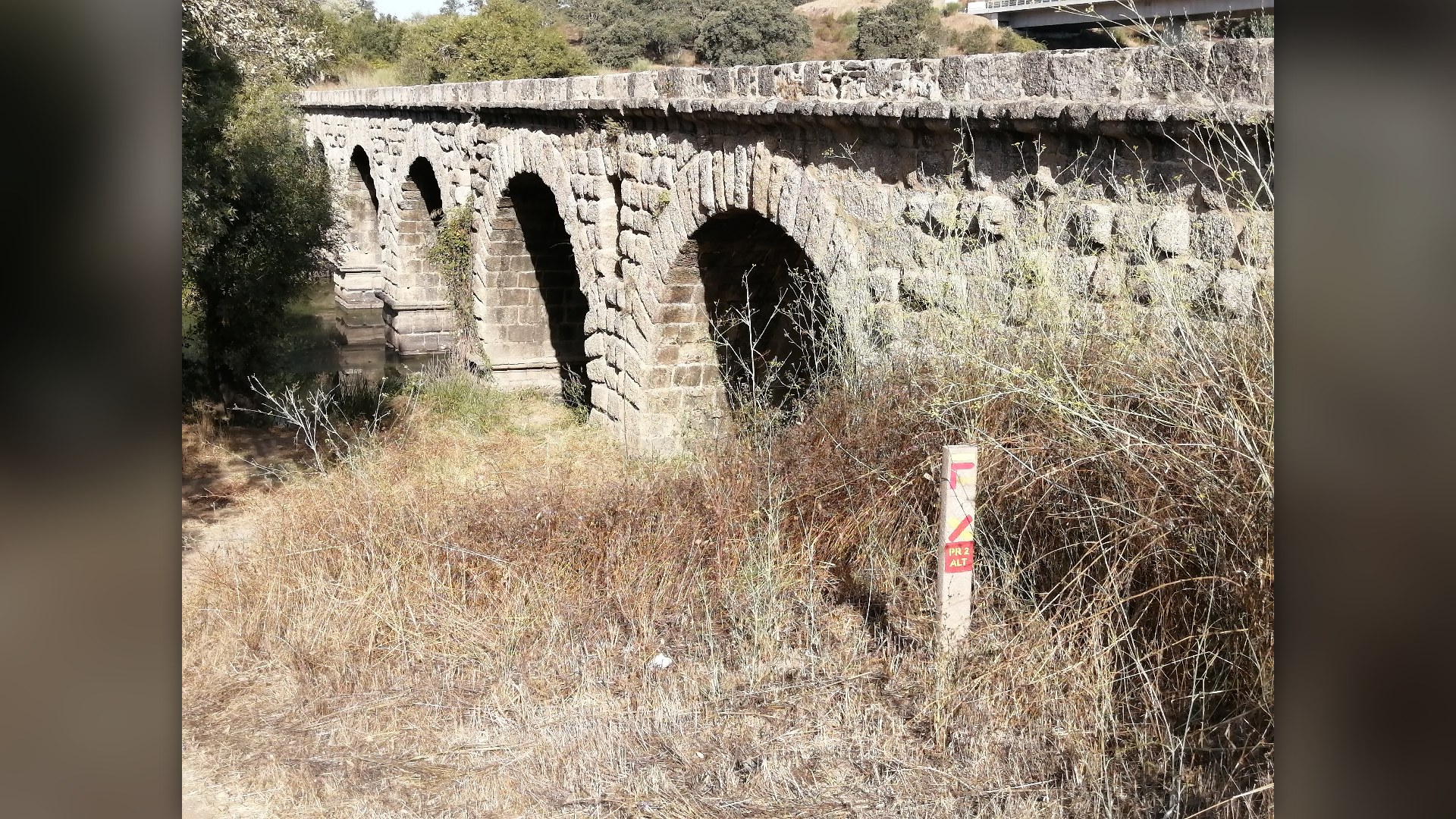
20. Ponte De Vila Formosa (Alter Do Chao, Portugal) 
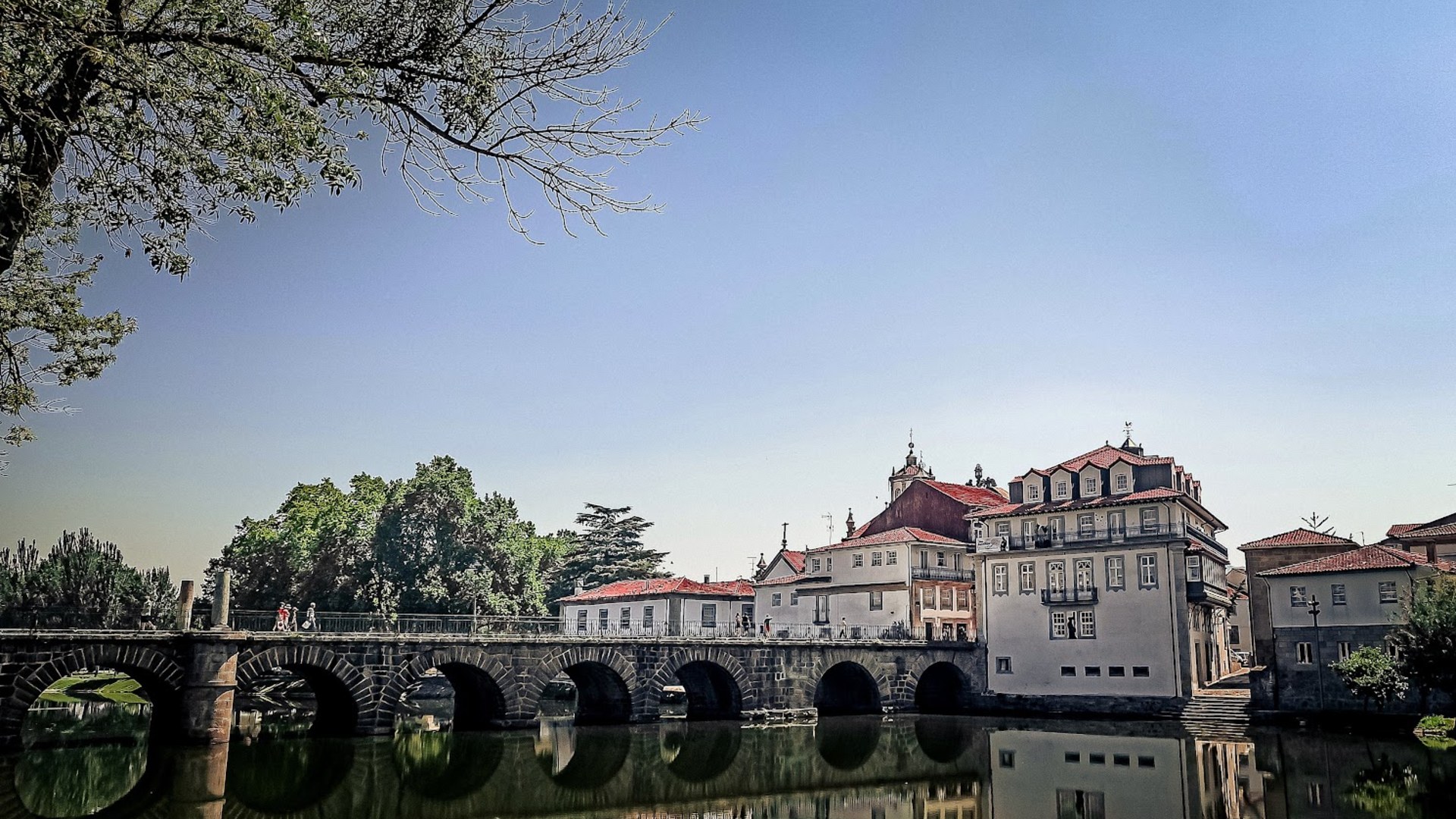
19. Trajan Bridge Of Chaves (Chaves, Portugal) - AdvertisementSwipe or tap ▶ to continue countdown

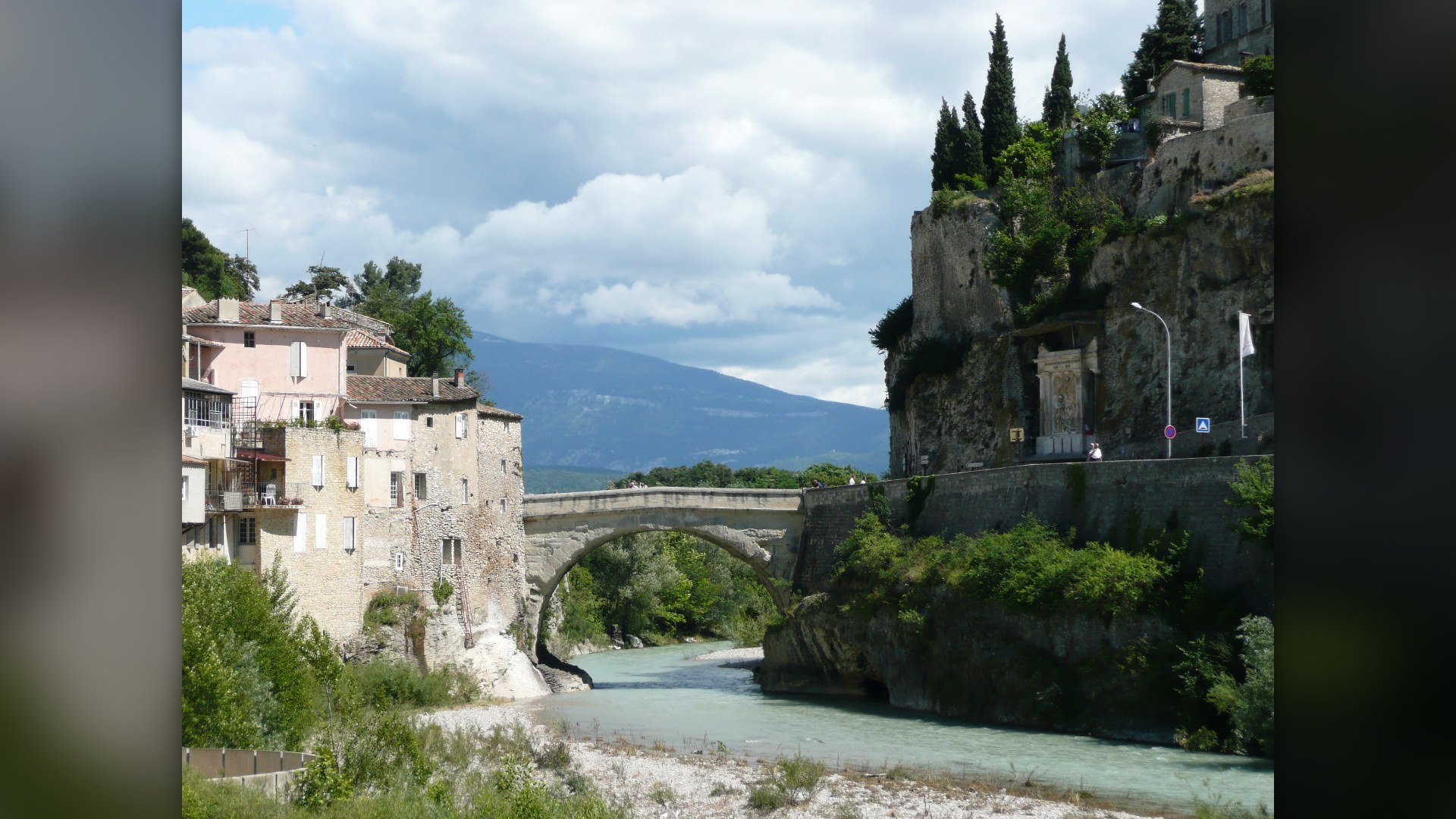
18. Roman Bridge Of Vaison La-Romaine (France) 
17. Pont Julien (Bonnieux, France) 
16. Valens Aqueduct (Istanbul, Turkey) 
15. Pont Flavien (Saint-Chamas, France) - AdvertisementSwipe or tap ▶ to continue countdown

14. Pont d'Ael (Aosta Valley, Italy) 
13. Ponte Milvio (Rome, Italy) 
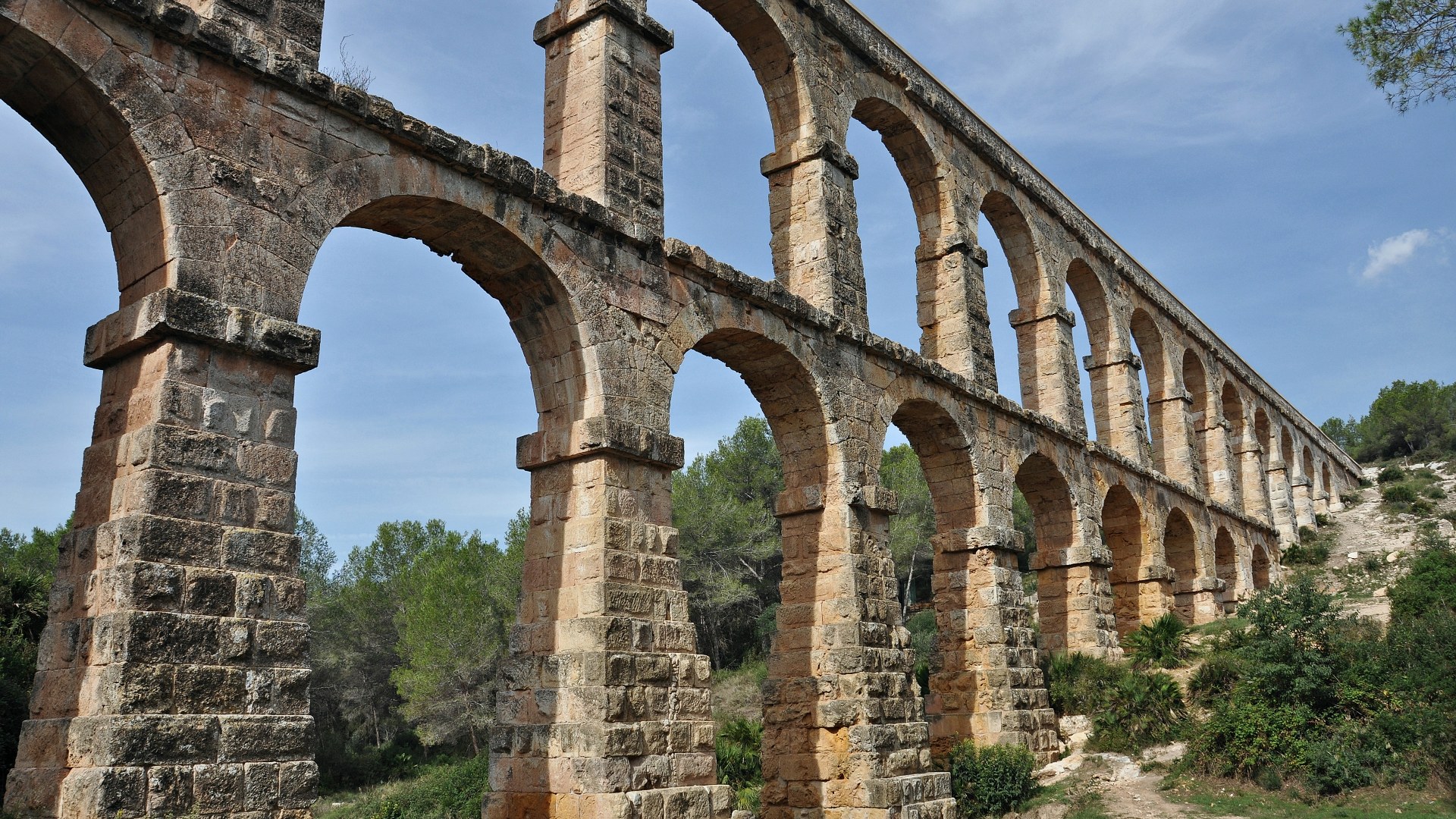
12. Les Ferreres Aqueduct (Tarragona, Spain) 
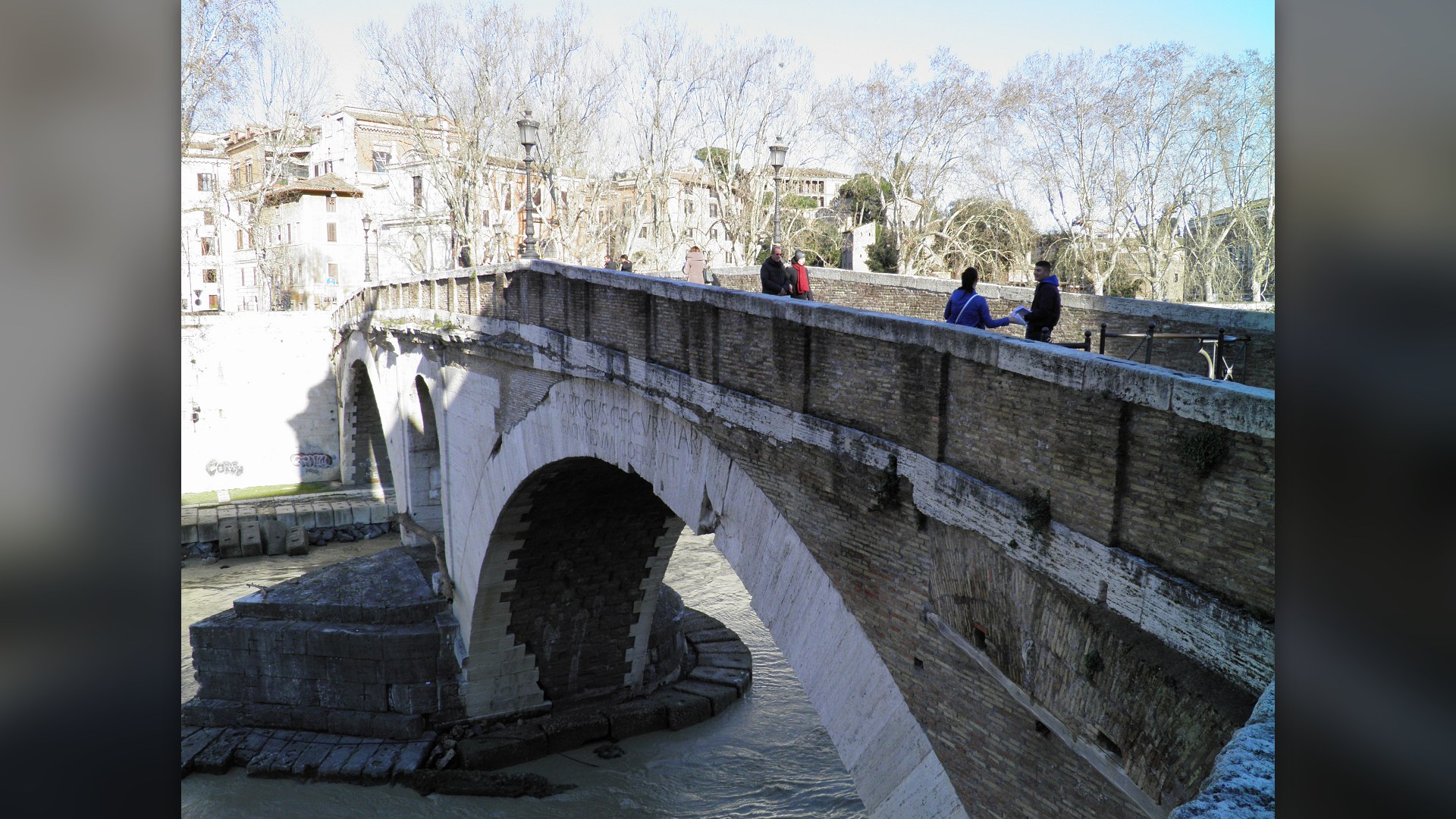
11. Ponte Fabricio (Rome, Italy) - AdvertisementSwipe or tap ▶ to continue countdown

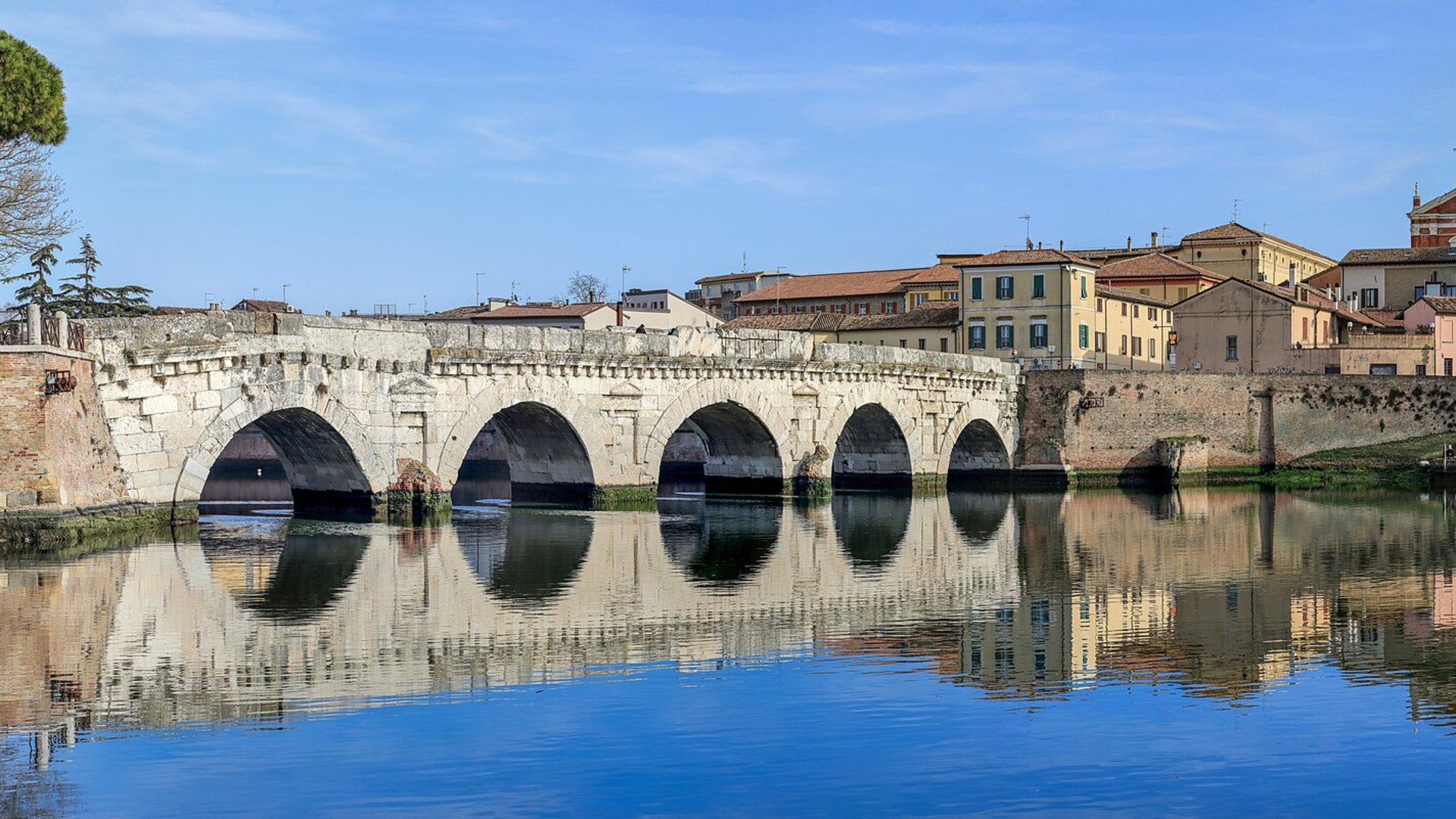
10. Ponte Di Tiberio (Rimini, Italy) 
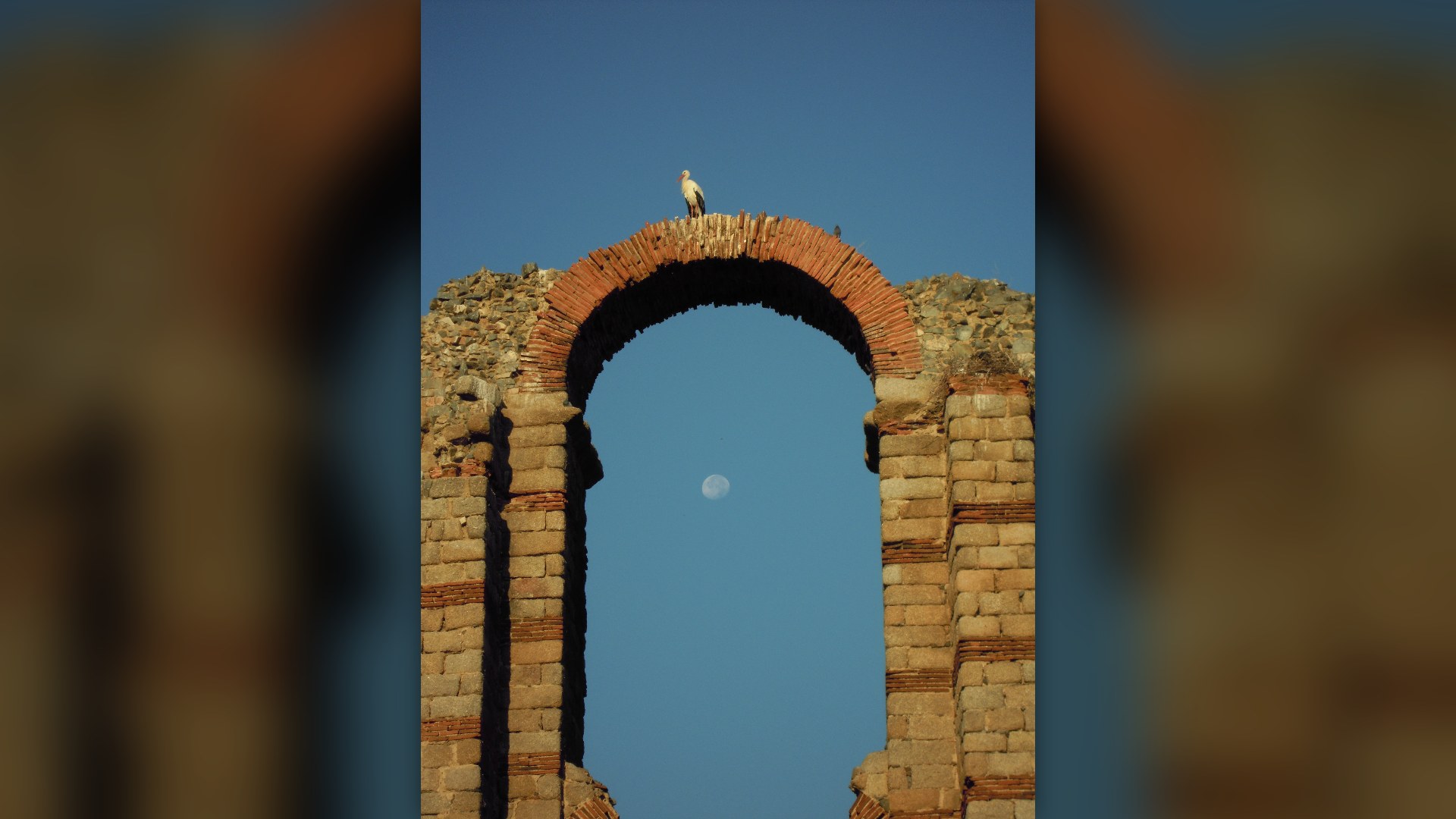
9. Acueducto De Los Milagros (Merida, Spain) 
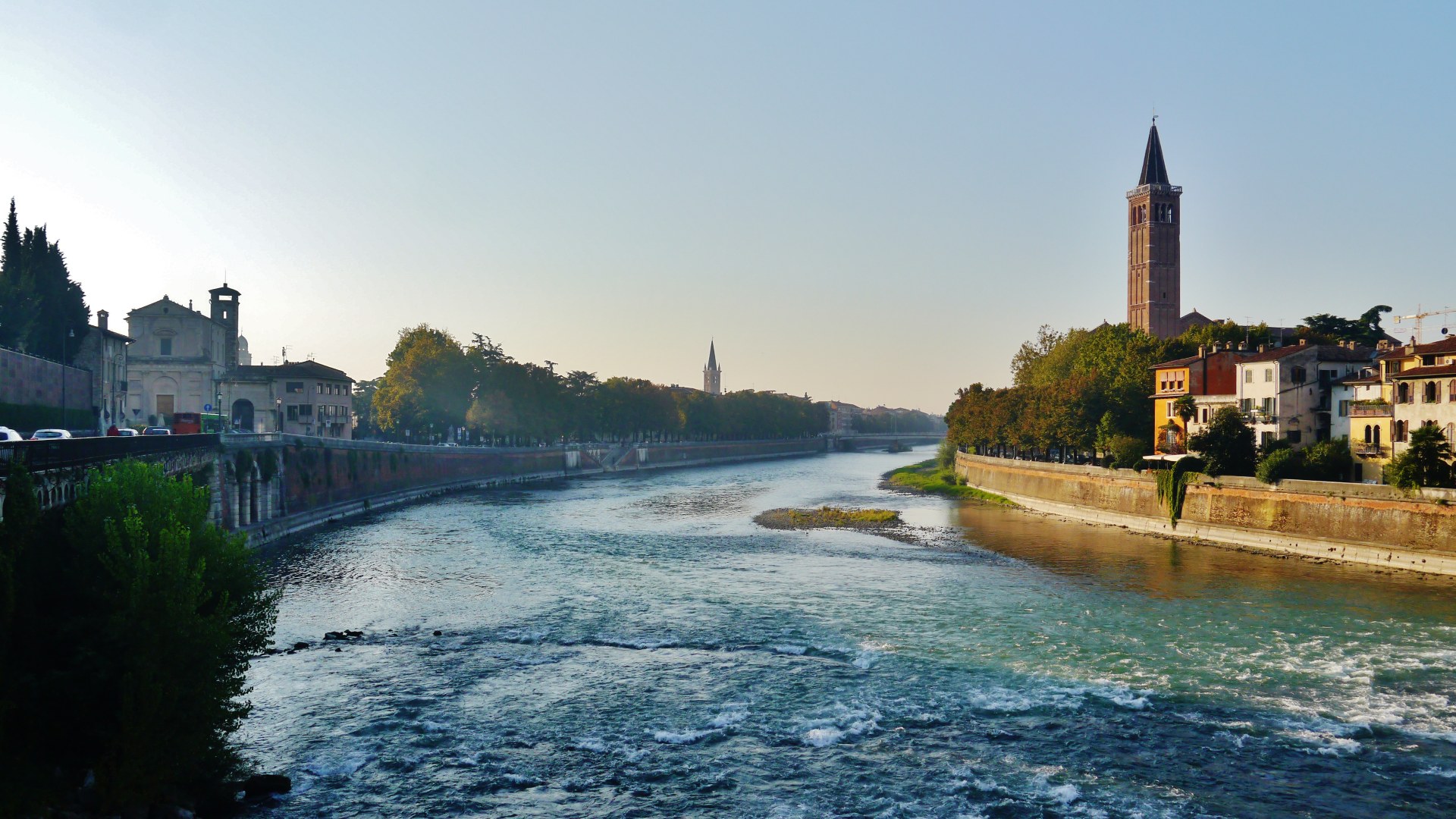
8. Ponte Pietra (Verona, Italy) 
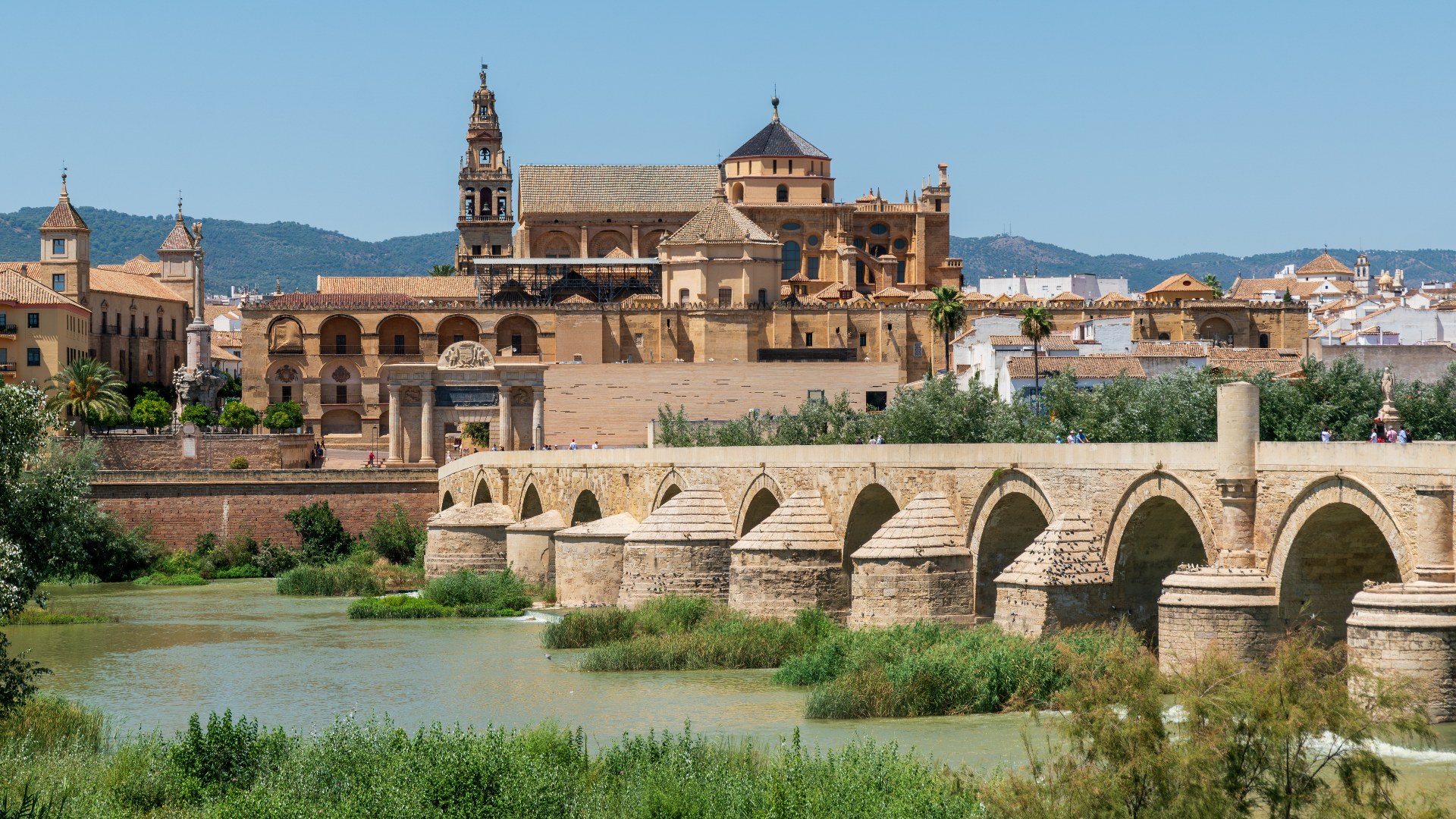
7. Puente Romano De Cordoba (Spain) - AdvertisementSwipe or tap ▶ to continue countdown

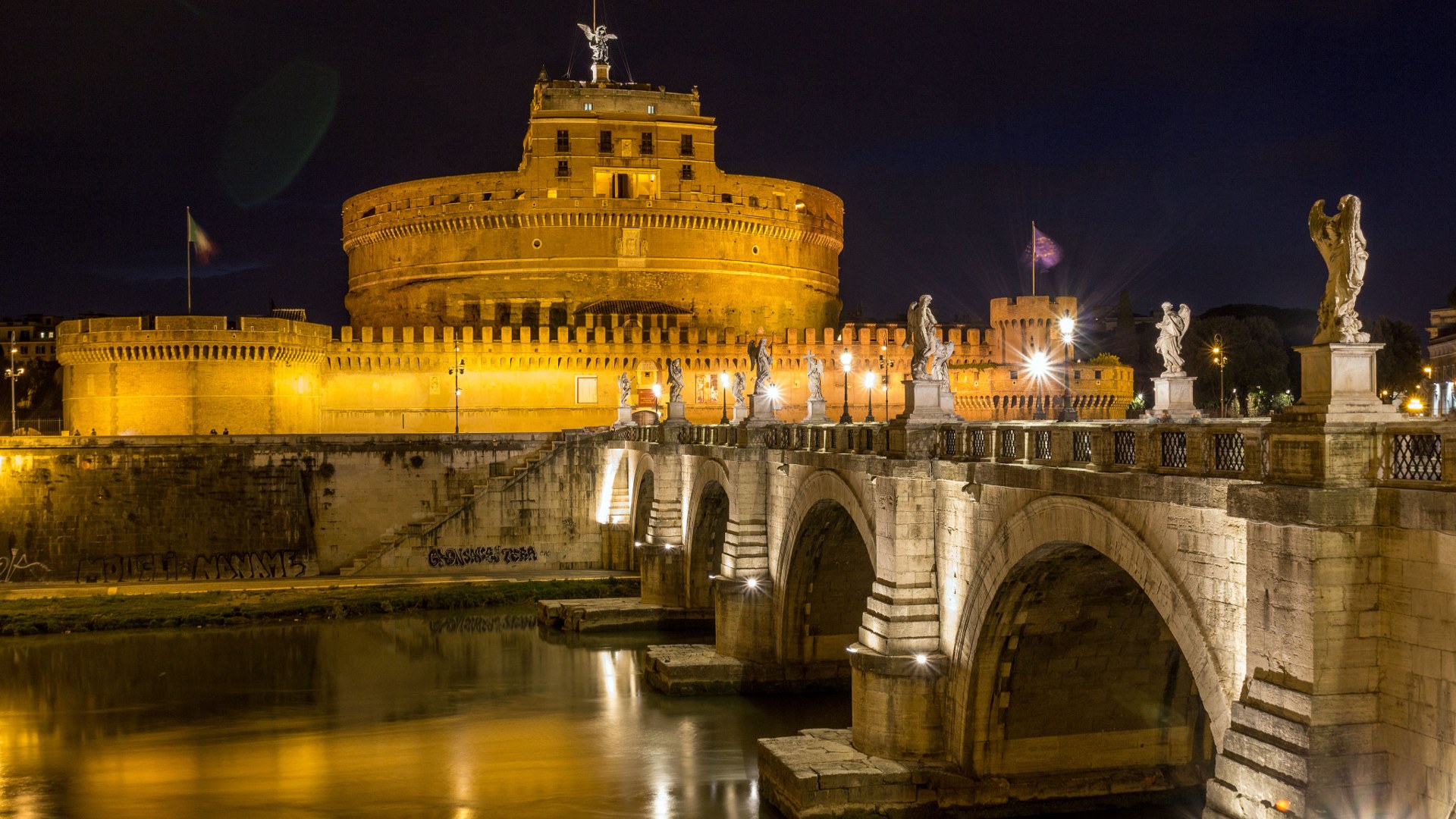
6. Ponte Sant'Angelo (Rome, Italy) 
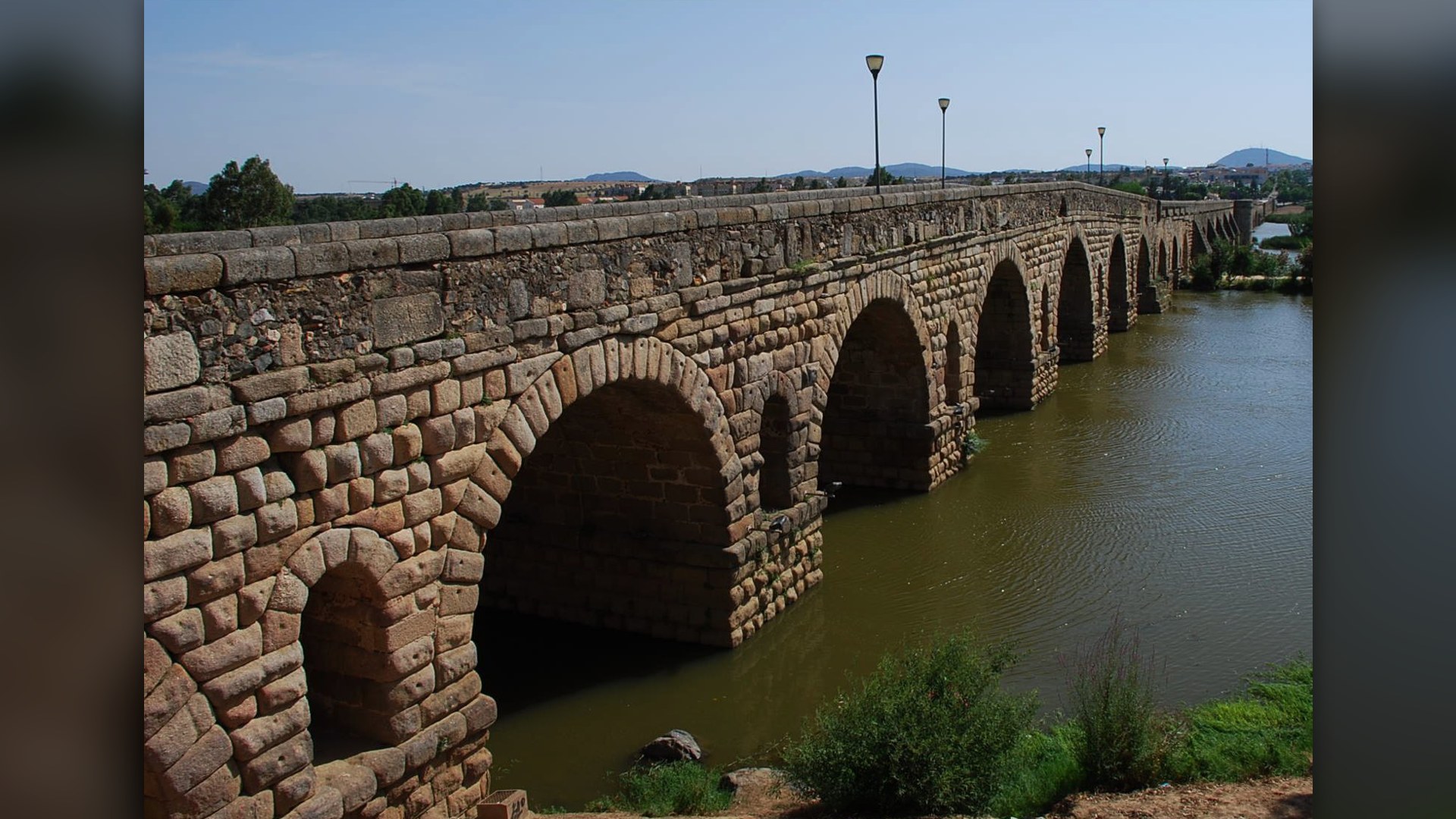
5. Puente Romano De Merida (Spain) 
4. Puente De Alconetar (Spain) 
3. Puente De Alcantara (Alcantara, Spain) - AdvertisementSwipe or tap ▶ to continue countdown

2. Aqueduct Of Segovia (Segovia, Spain) 
1. Pont Du Gard (Vers-Pont Du-Gard, France) - Advertisement🔥 UP NEXT IN THIS SERIES◫ 21 Slides

20 Famous Cars With Pop-Up Headlights That Shaped Car Design
From hand-cranked 1930s teardrops to wedge supercars of the 1980s, hidden headlights let stylists chase sleek aerodynamics until 2004 pedestrian rules closed the curtain. Here are 20 standout production cars that turned retractable lamps into an enduring automotive design feature across seven full decades.
Built with precision mortar and volcanic ash, these 25 ancient Roman bridges and aqueducts still carry water and traffic across European rivers two millennia later.
Swipe or tap ▶ to begin the countdown
©Wikimedia / Pont du Gard
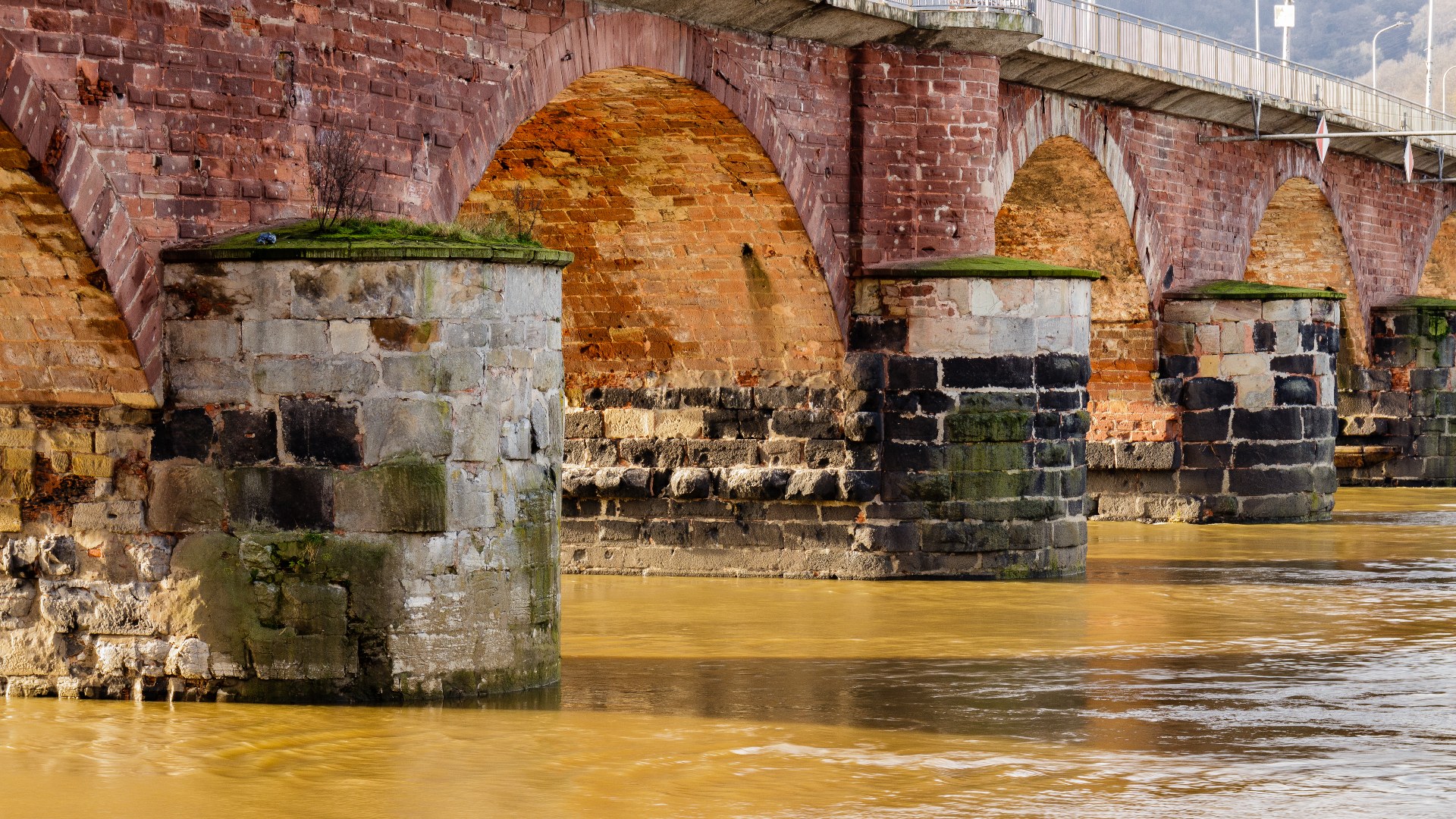
25. Roman Bridge Of Trier (Germany)
The Roman Bridge of Trier is the oldest standing bridge in Germany. Its massive basalt piers were sunk into the Moselle Riverbed in the second century AD and continue to support daily vehicle traffic today.
©Wikimedia / Agnes Monkelbaan
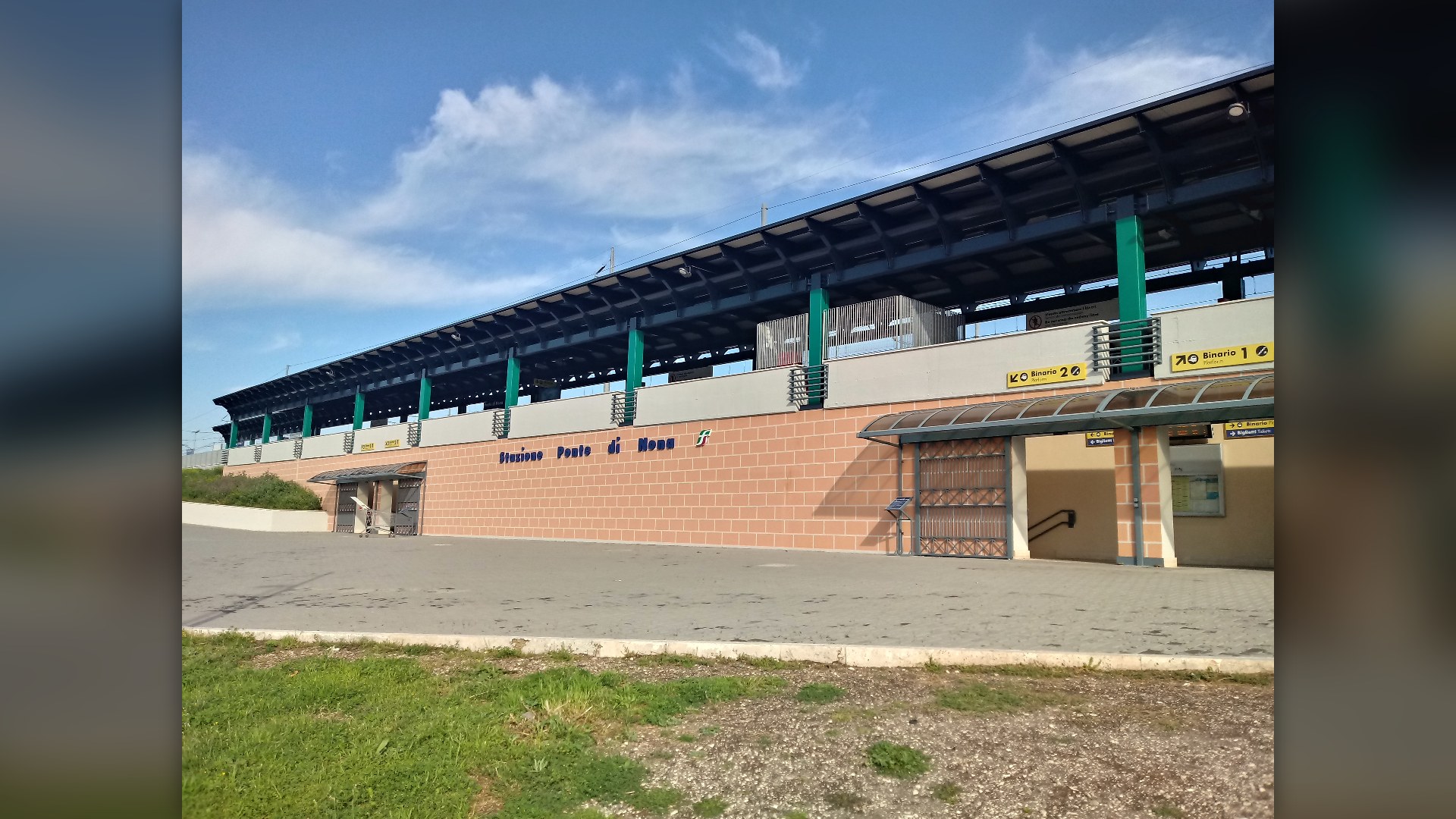
24. Ponte Di Nona (Rome, Italy)
Located east of Rome, Ponte di Nona is an extraordinary Republican-era viaduct spanning 130 meters across a valley. Its seven large arches of red tuff and lapis gabinus have stood firm for over 2,100 years.
©Wikimedia / Nicholas Gemini
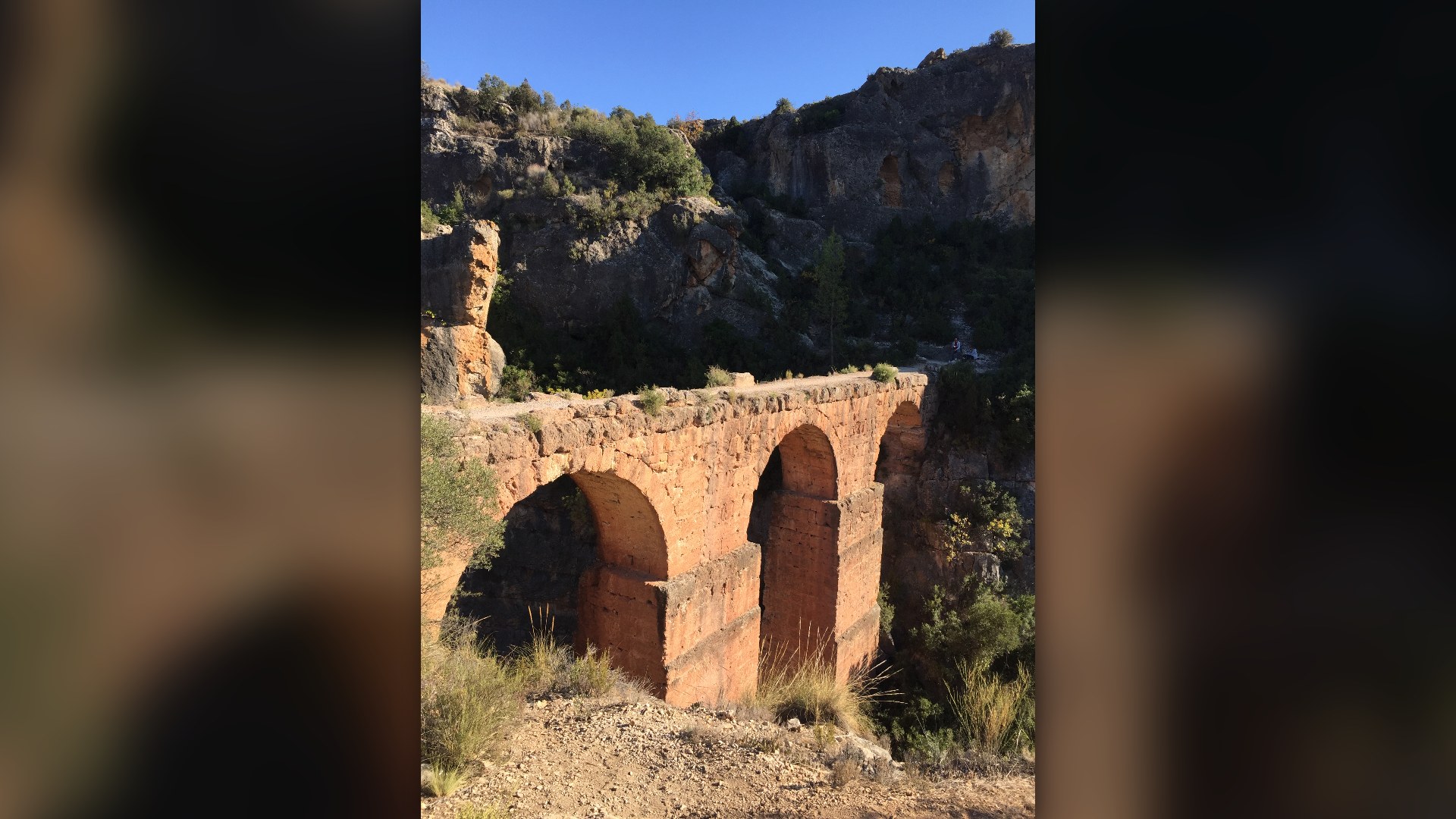
23. Pena Cortada Aqueduct (Chelva, Spain)
The Pena Cortada aqueduct near Valencia includes a three-tiered stone viaduct and an open trench cut directly into limestone rock. It stands as one of the most adventurous Roman hydraulic projects in the Iberian Peninsula.
©Wikimedia / Punteador
Advertisement
Swipe or tap ▶ to resume the countdown.
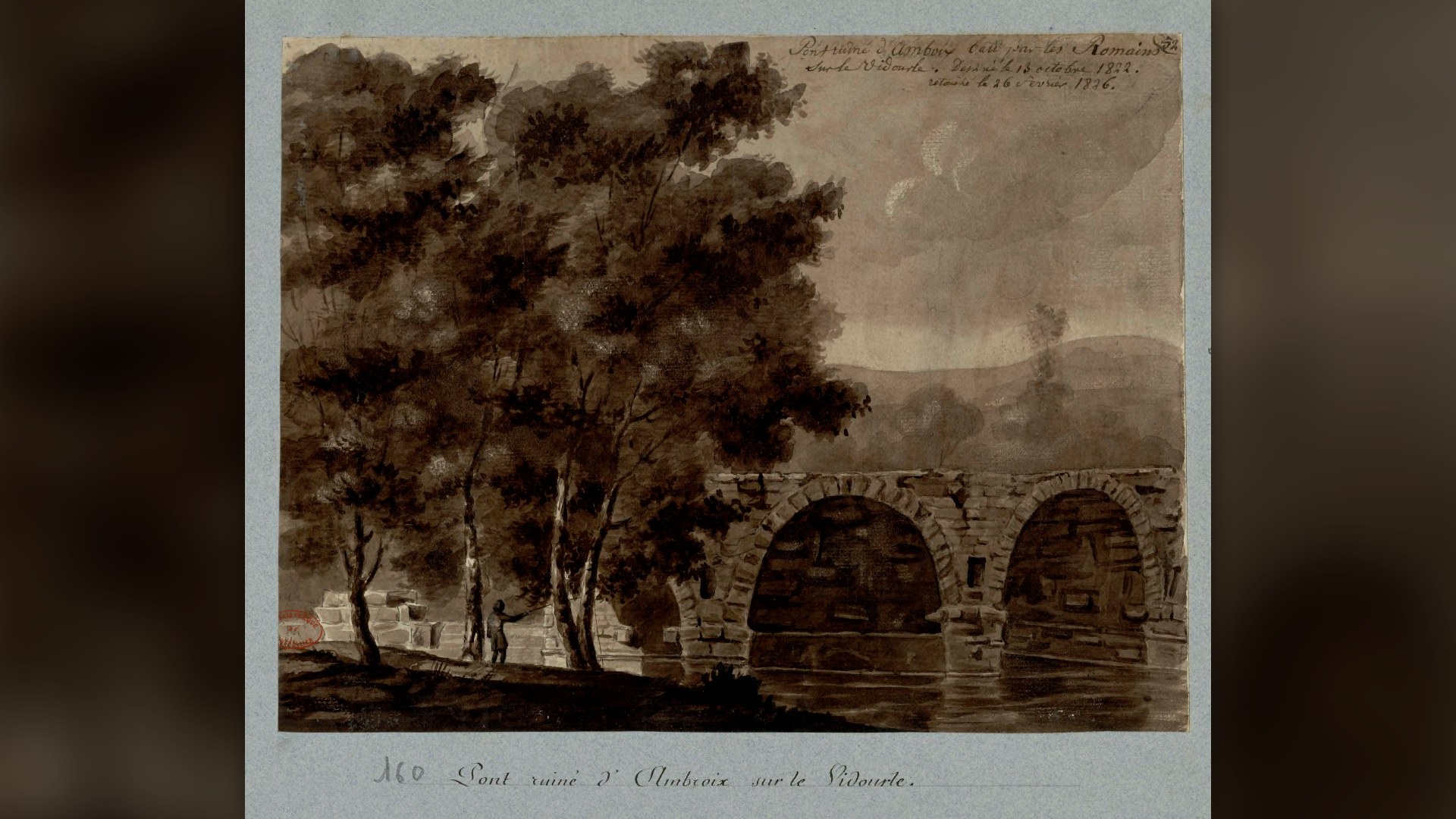
22. Pont d'Ambrussum (Villetelle, France)
Originally an eleven-arch bridge constructed in the first century BC, Pont d'Ambrussum lost most spans to violent river torrents over the centuries. A single soaring central arch remains standing defiantly today.
©Wikimedia / Amelin, Jean-Marie (1785-1858). Auteur du texte
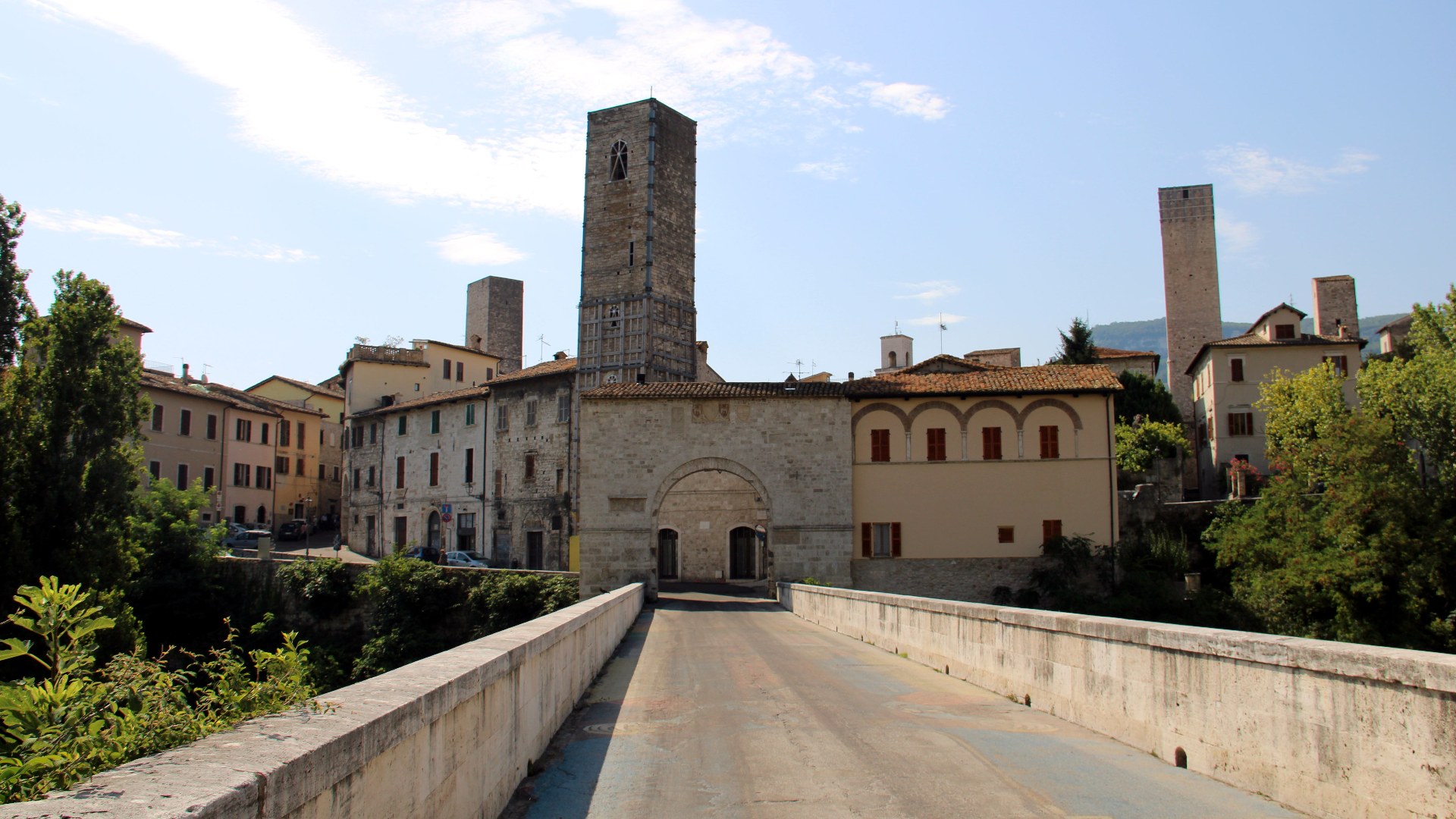
21. Ponte Romano Di Solesta (Ascoli Piceno, Italy)
Built during the reign of Augustus, the Ponte di Solesta in Ascoli Piceno features a rare accessible hollow internal barrel vault. The colossal single arch rises 25 meters above the rushing Tronto River.
©Wikimedia / Mongolo1984
20. Ponte De Vila Formosa (Alter Do Chao, Portugal)
Constructed in the first or second century AD along the Roman military road from Olisipo to Augusta Emerita, Ponte de Vila Formosa spans 116 meters. It retains its original ashlar masonry and ancient relief openings.
©Wikimedia / FenandoLBMaria
19. Trajan Bridge Of Chaves (Chaves, Portugal)
Erected under Emperor Trajan around 100 AD, this granite bridge spans 140 meters in northern Portugal. Two original Latin milestone columns honoring the emperor and local civic tribes remain anchored upon the span.
©Wikimedia / Tânia Sousa
Advertisement
Swipe or tap ▶ to resume the countdown.
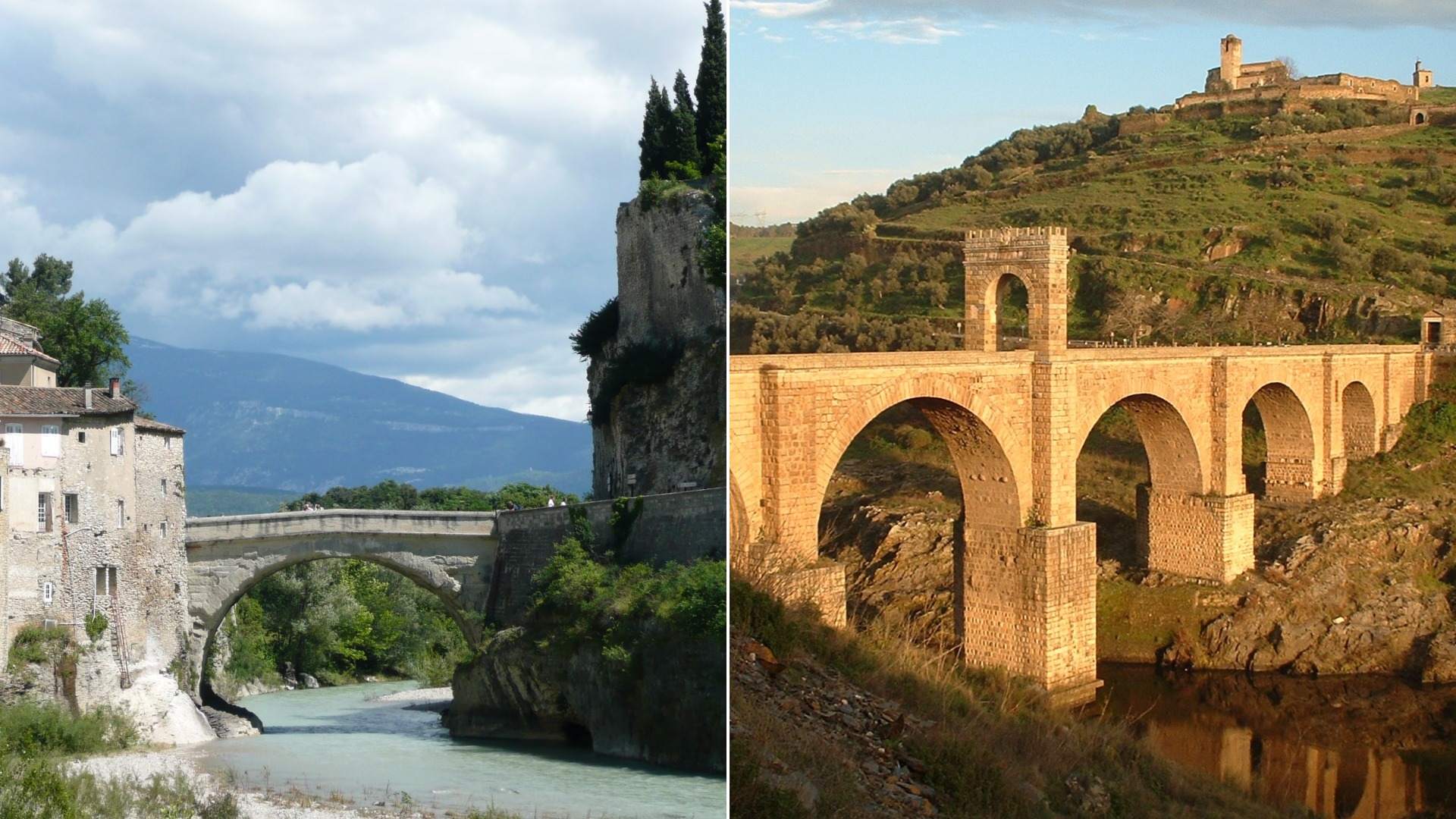
18. Roman Bridge Of Vaison La-Romaine (France)
Dating to the first century AD, this robust single-arch bridge spans 17 meters across the Ouveze River. When devastating floods swept through the valley in 1992 destroying modern infrastructure, the Roman bridge stood undamaged.
©Pixabay / ELG21
17. Pont Julien (Bonnieux, France)
Completed around 3 BC in southern Gaul, Pont Julien carried active vehicular traffic until 2005 when a bypass bridge was completed. Its two stone piers incorporate arched vertical cutouts to relieve pressure during flash floods.
©Wikimedia / Elliott Brown
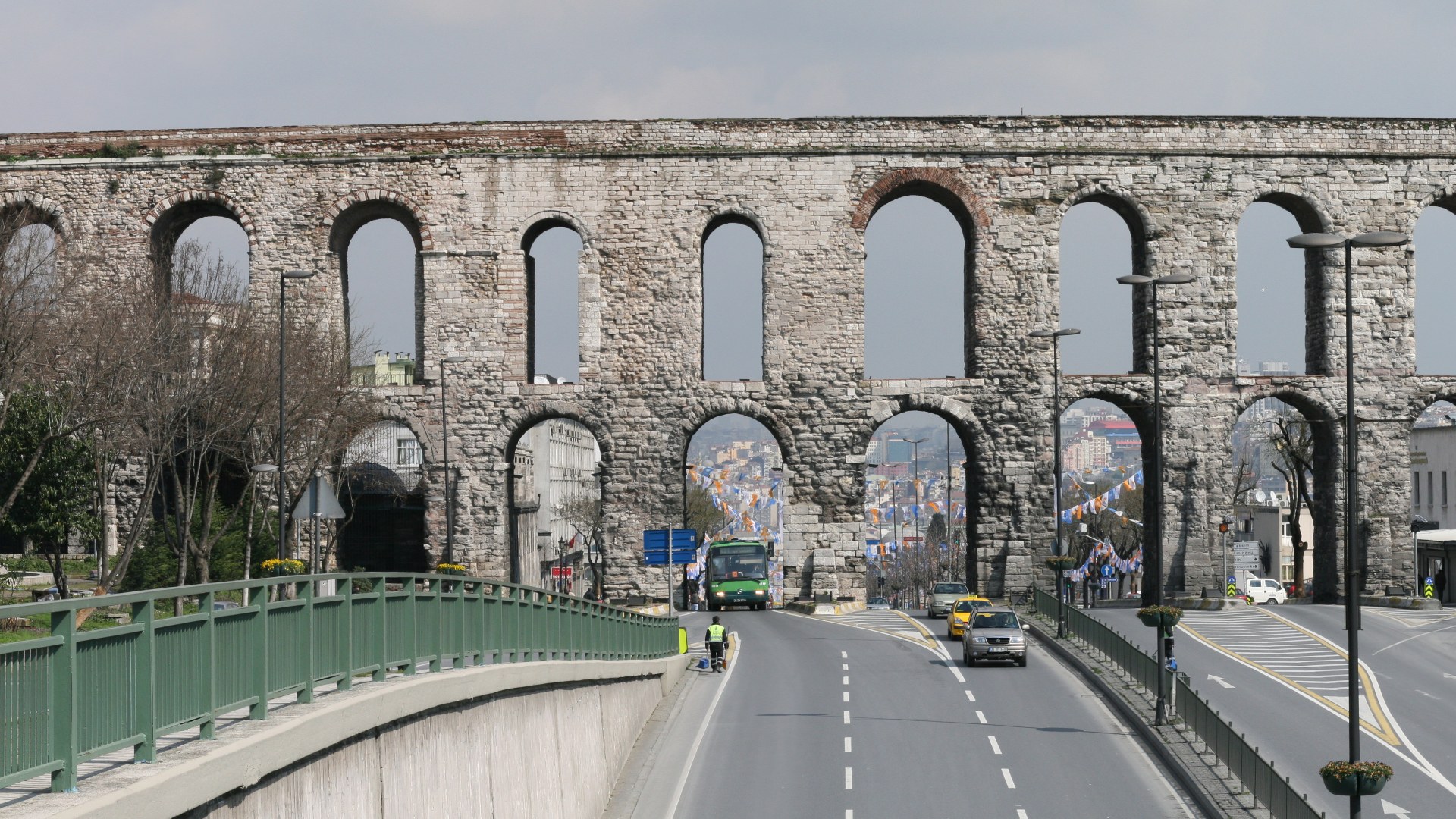
16. Valens Aqueduct (Istanbul, Turkey)
Commissioned by Emperor Valens to supply water to Constantinople, this monumental aqueduct originally extended over several kilometers. Surviving for over sixteen centuries, nearly one kilometer of towering double arches spans Ataturk Boulevard today.
©Wikimedia / Maris Teteris
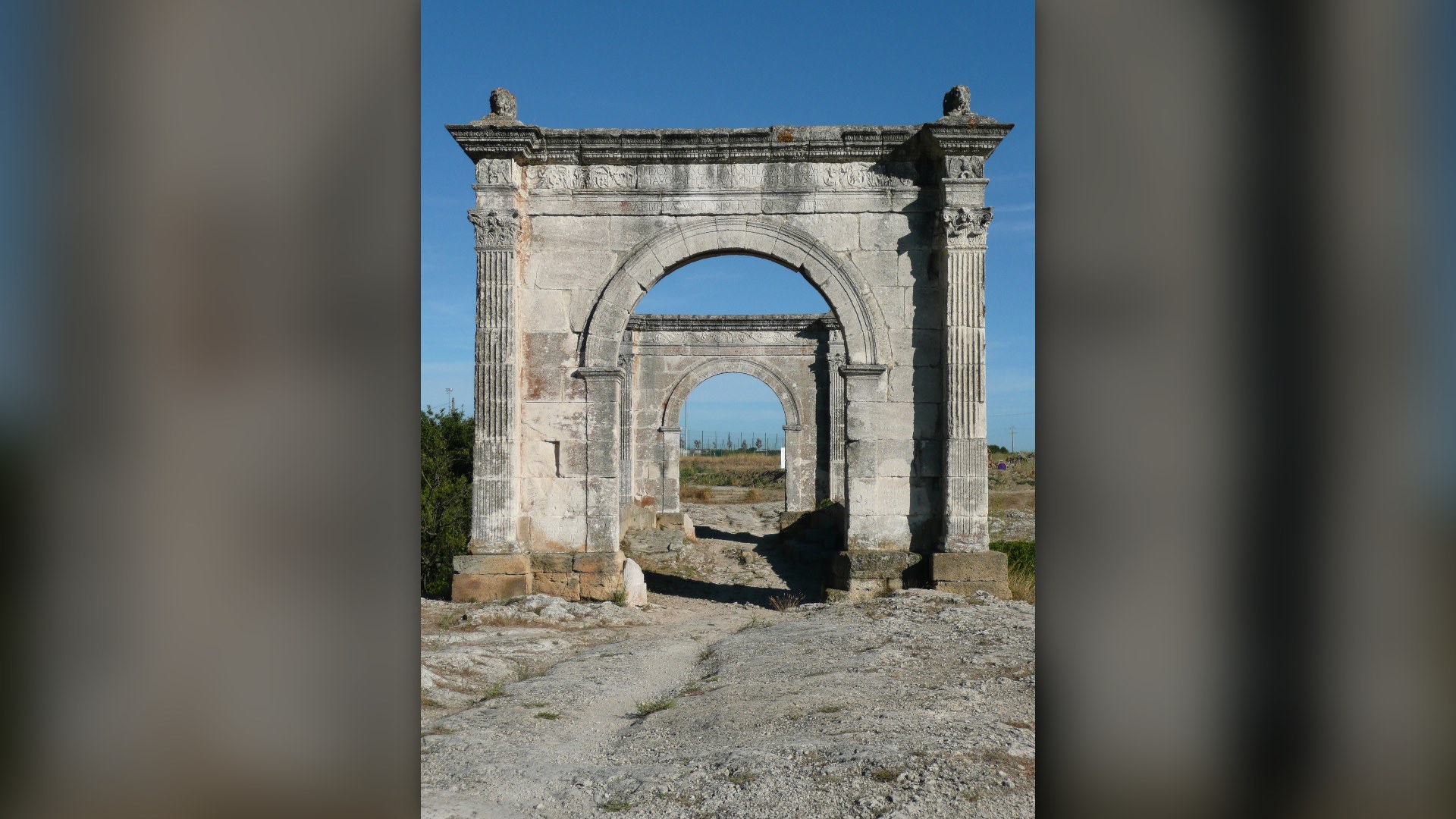
15. Pont Flavien (Saint-Chamas, France)
Spanning the Touloubre River in Provence, this single-arch limestone bridge was constructed in the first century BC. Each entrance is framed by a Corinthian triumphal arch carved with decorative friezes and guardian lions.
©Wikimedia / maarjaara
Advertisement
Swipe or tap ▶ to resume the countdown.
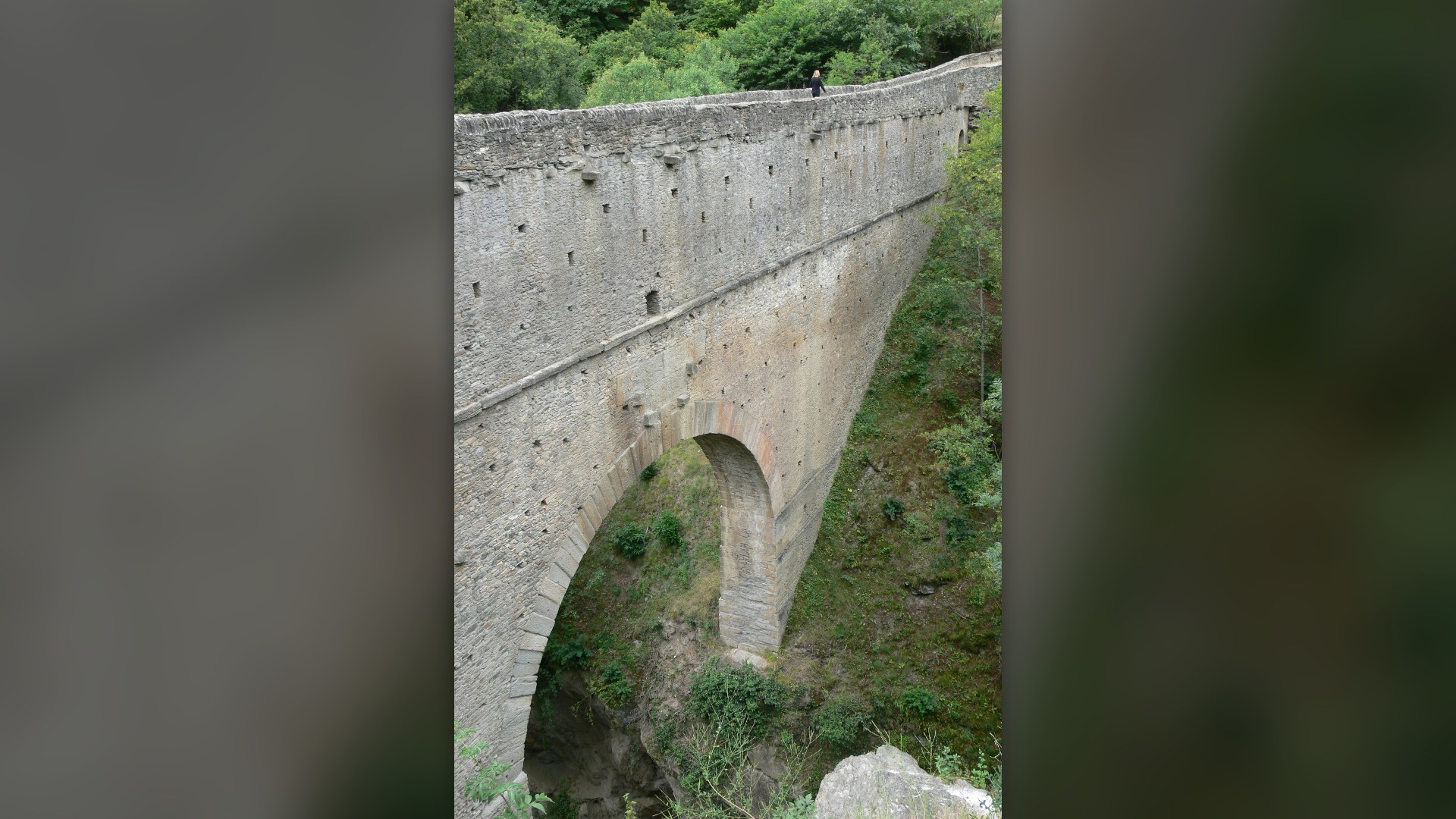
14. Pont d'Ael (Aosta Valley, Italy)
Built in 3 BC by a wealthy Roman patron named Aimus Patavinus, Pont d'Ael spans the Grand Eyvia stream. The structure featured a covered pedestrian passageway on its lower level directly beneath the upper open-air water conduit.
©Wikimedia / Wolfgang Sauber
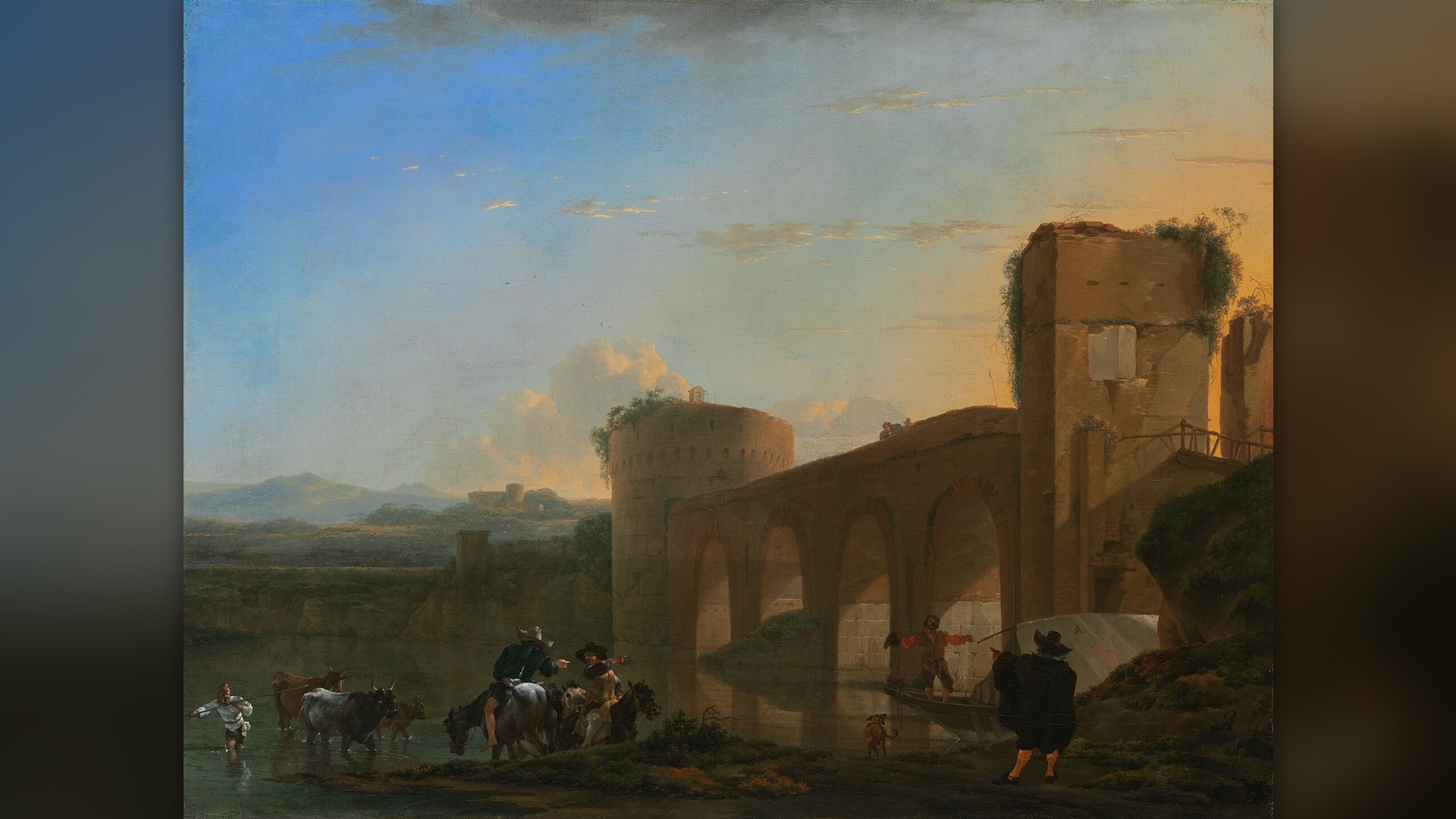
13. Ponte Milvio (Rome, Italy)
Originally erected in 109 BC along the Via Flaminia, Ponte Milvio is best remembered for Constantine's decisive victory over Maxentius in 312 AD. The central stone arches date back to antiquity, though the neoclassical tower was added in 1805.
©Wikimedia / Jan Asselijn
12. Les Ferreres Aqueduct (Tarragona, Spain)
Built during the reign of Augustus, Les Ferreres Aqueduct stands 27 meters tall and stretches 217 meters across a wooded valley. Its dry-stone construction relies on precisely cut sandstone blocks assembled without mortar.
©Wikimedia / Alberto-g-rovi
11. Ponte Fabricio (Rome, Italy)
Ponte Fabricio connects the Campo Marzio to Tiber Island across the Tiber River. Intact with its original travertine facing and imperial inscriptions carved by curator Lucius Fabricius, Romans have walked across it continuously for 2,088 years.
©Wikimedia / Carole Raddato from FRANKFURT, Germany
Advertisement
Swipe or tap ▶ to resume the countdown.
10. Ponte Di Tiberio (Rimini, Italy)
Begun under Emperor Augustus and completed under Tiberius in 21 AD, this bridge marks the starting point of the Via Emilia. Built from white Istrian stone, the bridge survived retreat demolitions in World War II intact.
©Wikimedia / Terragio67
9. Acueducto De Los Milagros (Merida, Spain)
Standing 25 meters high over the Albarregas River, the Aqueduct of Miracles gets its name from locals who thought its survival across millennia was miraculous. Its hybrid construction of dressed granite blocks and clay brick bands inspired Moorish architecture.
©Wikimedia / stavros1
8. Ponte Pietra (Verona, Italy)
Ponte Pietra, meaning Stone Bridge, is the oldest Roman monument in Verona. Carrying the Via Postumia across the Adige River, its original Roman white stone arches on the right bank have survived over two millennia of Alpine flood crests.
©Wikimedia / Zairon
7. Puente Romano De Cordoba (Spain)
Built following the Battle of Munda in 45 BC along the Via Augusta, the Roman Bridge of Cordoba connects the historic city center to the Calahorra Tower. Restored during Islamic rule, its foundations and central arch spans remain Roman.
©Wikimedia / Jose María Ligero Loarte
Advertisement
Swipe or tap ▶ to resume the countdown.
6. Ponte Sant'Angelo (Rome, Italy)
Originally called Pons Aelius, this grand bridge was built by Hadrian to connect central Rome to his riverside mausoleum, now Castel Sant'Angelo. Clad in travertine, its primary structural arches are original second-century imperial Roman stonework.
©Wikimedia / Ulrich Peters
5. Puente Romano De Merida (Spain)
Erected under Augustus in 25 BC to cross the wide Guadiana River, the Roman Bridge of Merida is an engineering marvel. It features 60 granite arches and reinforced cutwaters designed to split raging flood currents without destabilizing the piers.
©Wikimedia / Juanje 2712
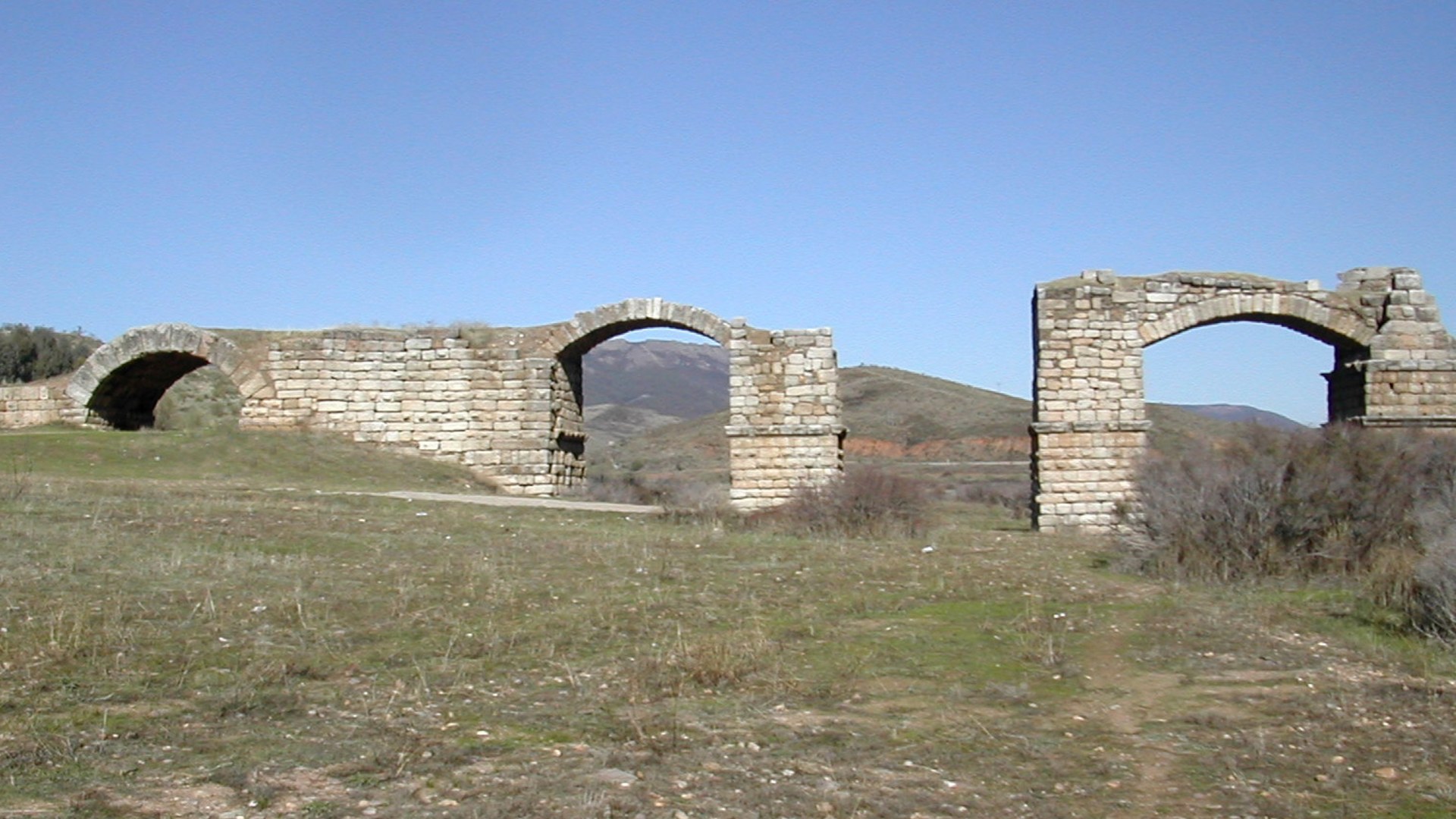
4. Puente De Alconetar (Spain)
Carrying the Via de la Plata across the Tagus River, the Puente de Alconetar utilized shallow segmental arches rather than traditional semi-circles. When a modern reservoir threatened the ruins in 1969, its original Roman piers were carefully relocated piece by piece.
©Wikimedia / José Miguel Corbí Echevarrieta
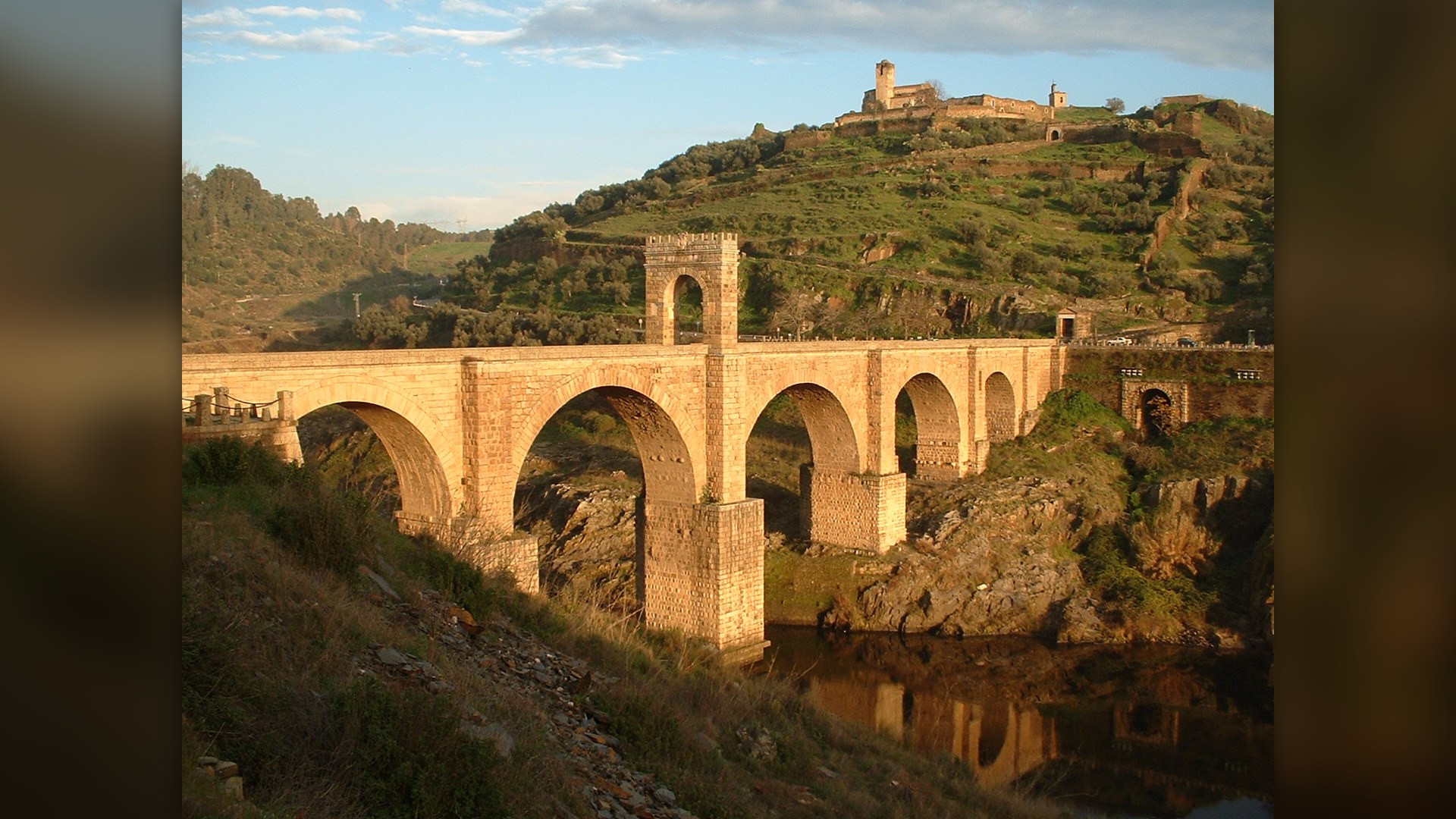
3. Puente De Alcantara (Alcantara, Spain)
Engineered by Caius Julius Lacer between 104 and 106 AD, Puente de Alcantara features six colossal granite arches spanning a deep rocky canyon. An inscription on its central triumphal arch reads: 'I have built a bridge that will stand forever.'
©Wikimedia / Dantla from de.wikipedia
Advertisement
Swipe or tap ▶ to resume the countdown.
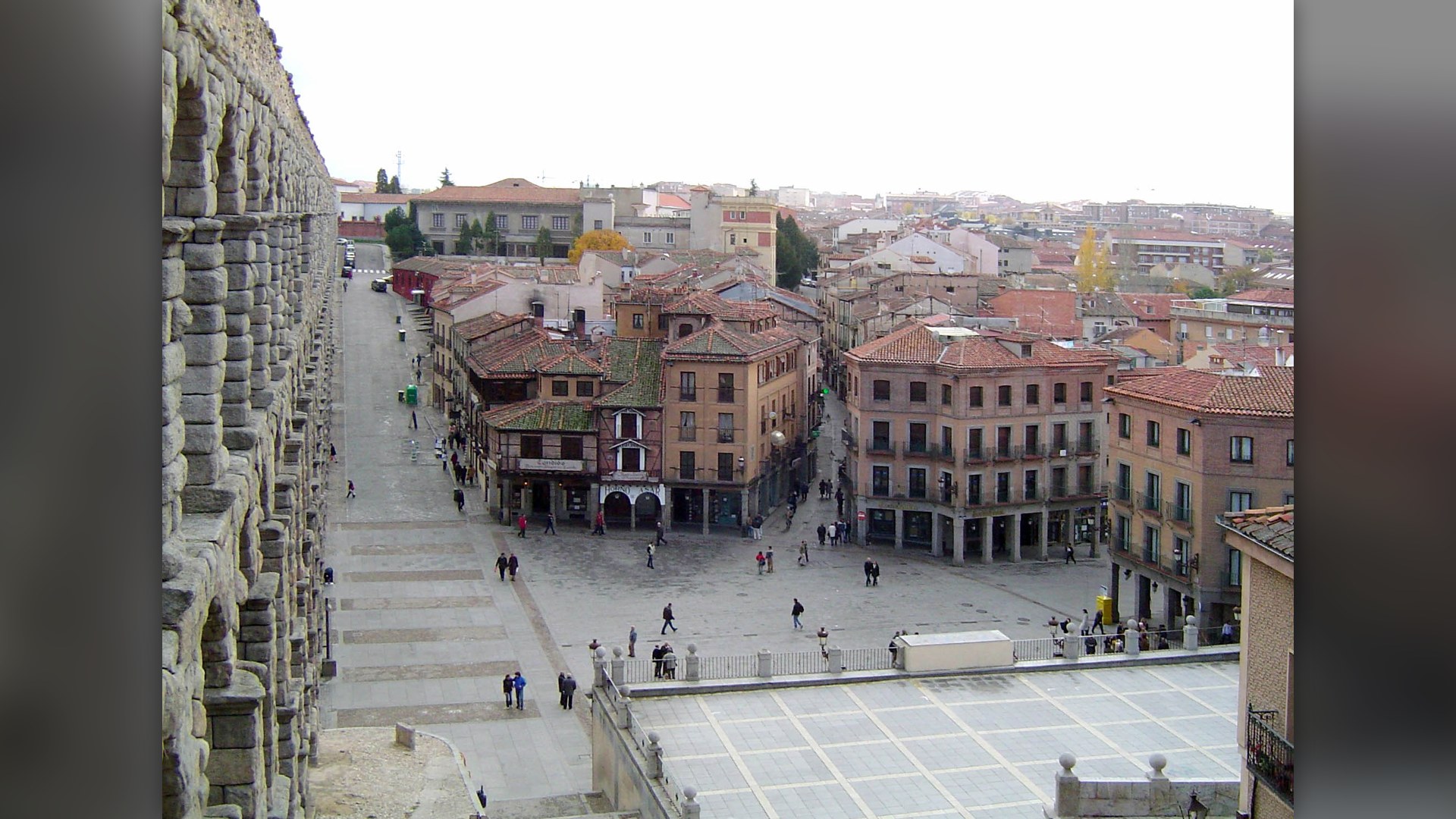
2. Aqueduct Of Segovia (Segovia, Spain)
Built around 112 AD under Trajan, the Aqueduct of Segovia stands 28.5 meters tall across the Plaza del Azoguejo. Its 24,000 blocks of Guadarrama granite stay in place purely through equilibrium and gravity, carrying mountain water until the mid-twentieth century.
©Wikimedia / Komencanto
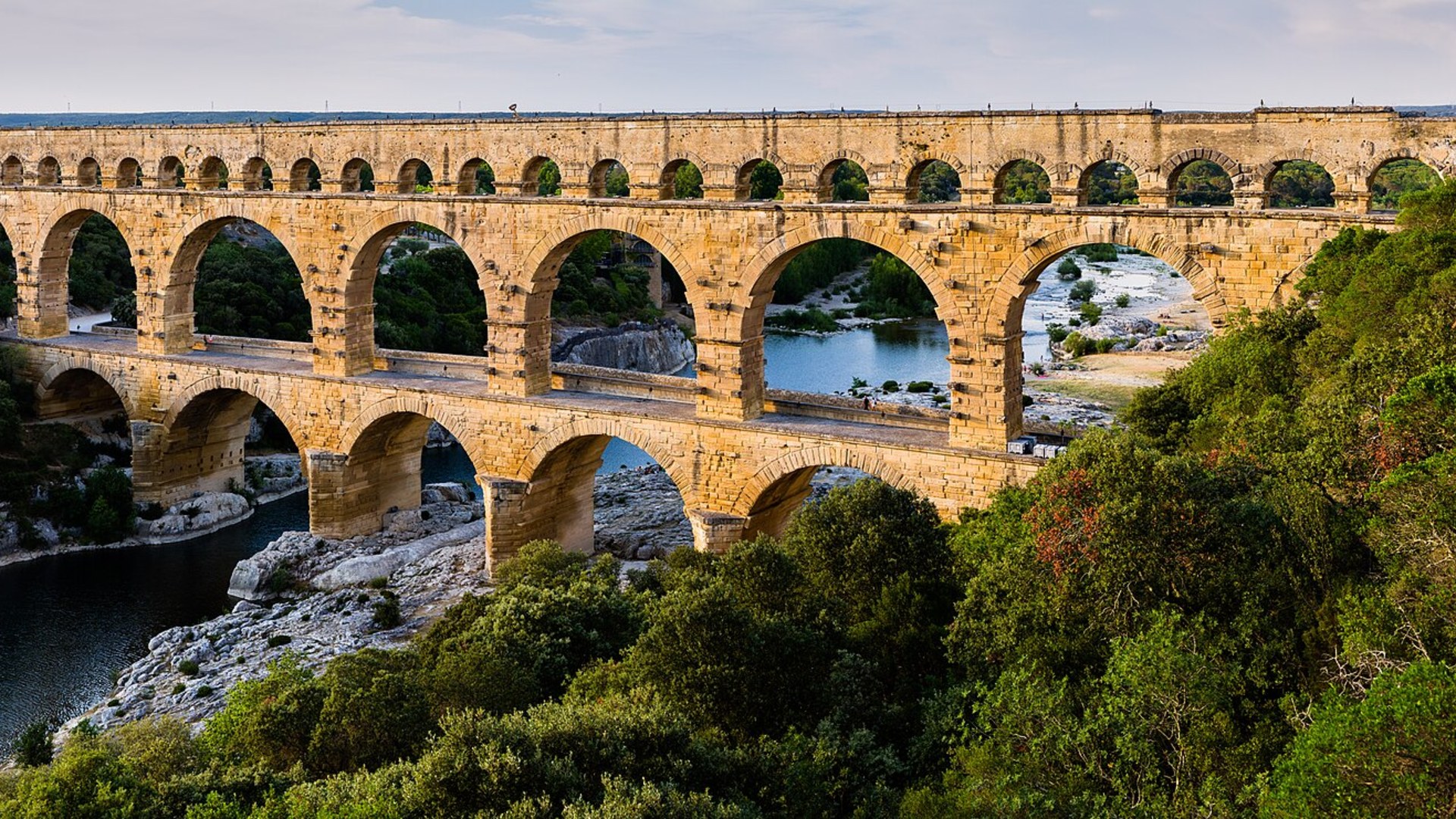
1. Pont Du Gard (Vers-Pont Du-Gard, France)
Constructed in the mid-first century AD across the Gardon River, Pont du Gard is the highest elevated Roman aqueduct bridge in existence. Built from precise Shelly limestone without mortar, it drops only 17 meters over 50 kilometers, demonstrating unmatched Roman surveying.

©Wikimedia / Benh LIEU SONG (Flickr)
Advertisement
You've reached the end of the story. Thanks for reading!

20 Famous Cars With Pop-Up Headlights That Shaped Car Design
From hand-cranked 1930s teardrops to wedge supercars of the 1980s, hidden headlights let stylists chase sleek aerodynamics until 2004 pedestrian rules closed the curtain. Here are 20 standout production cars that turned retractable lamps into an enduring automotive design feature across seven full decades.
All 25 Entries in this Story
25. Roman Bridge Of Trier (Germany)
The Roman Bridge of Trier is the oldest standing bridge in Germany. Its massive basalt piers were sunk into the Moselle Riverbed in the second century AD and continue to support daily vehicle traffic today.

24. Ponte Di Nona (Rome, Italy)
Located east of Rome, Ponte di Nona is an extraordinary Republican-era viaduct spanning 130 meters across a valley. Its seven large arches of red tuff and lapis gabinus have stood firm for over 2,100 years.

23. Pena Cortada Aqueduct (Chelva, Spain)
The Pena Cortada aqueduct near Valencia includes a three-tiered stone viaduct and an open trench cut directly into limestone rock. It stands as one of the most adventurous Roman hydraulic projects in the Iberian Peninsula.

22. Pont d'Ambrussum (Villetelle, France)
Originally an eleven-arch bridge constructed in the first century BC, Pont d'Ambrussum lost most spans to violent river torrents over the centuries. A single soaring central arch remains standing defiantly today.

21. Ponte Romano Di Solesta (Ascoli Piceno, Italy)
Built during the reign of Augustus, the Ponte di Solesta in Ascoli Piceno features a rare accessible hollow internal barrel vault. The colossal single arch rises 25 meters above the rushing Tronto River.

20. Ponte De Vila Formosa (Alter Do Chao, Portugal)
Constructed in the first or second century AD along the Roman military road from Olisipo to Augusta Emerita, Ponte de Vila Formosa spans 116 meters. It retains its original ashlar masonry and ancient relief openings.

19. Trajan Bridge Of Chaves (Chaves, Portugal)
Erected under Emperor Trajan around 100 AD, this granite bridge spans 140 meters in northern Portugal. Two original Latin milestone columns honoring the emperor and local civic tribes remain anchored upon the span.

18. Roman Bridge Of Vaison La-Romaine (France)
Dating to the first century AD, this robust single-arch bridge spans 17 meters across the Ouveze River. When devastating floods swept through the valley in 1992 destroying modern infrastructure, the Roman bridge stood undamaged.

17. Pont Julien (Bonnieux, France)
Completed around 3 BC in southern Gaul, Pont Julien carried active vehicular traffic until 2005 when a bypass bridge was completed. Its two stone piers incorporate arched vertical cutouts to relieve pressure during flash floods.

16. Valens Aqueduct (Istanbul, Turkey)
Commissioned by Emperor Valens to supply water to Constantinople, this monumental aqueduct originally extended over several kilometers. Surviving for over sixteen centuries, nearly one kilometer of towering double arches spans Ataturk Boulevard today.

15. Pont Flavien (Saint-Chamas, France)
Spanning the Touloubre River in Provence, this single-arch limestone bridge was constructed in the first century BC. Each entrance is framed by a Corinthian triumphal arch carved with decorative friezes and guardian lions.

14. Pont d'Ael (Aosta Valley, Italy)
Built in 3 BC by a wealthy Roman patron named Aimus Patavinus, Pont d'Ael spans the Grand Eyvia stream. The structure featured a covered pedestrian passageway on its lower level directly beneath the upper open-air water conduit.

13. Ponte Milvio (Rome, Italy)
Originally erected in 109 BC along the Via Flaminia, Ponte Milvio is best remembered for Constantine's decisive victory over Maxentius in 312 AD. The central stone arches date back to antiquity, though the neoclassical tower was added in 1805.

12. Les Ferreres Aqueduct (Tarragona, Spain)
Built during the reign of Augustus, Les Ferreres Aqueduct stands 27 meters tall and stretches 217 meters across a wooded valley. Its dry-stone construction relies on precisely cut sandstone blocks assembled without mortar.

11. Ponte Fabricio (Rome, Italy)
Ponte Fabricio connects the Campo Marzio to Tiber Island across the Tiber River. Intact with its original travertine facing and imperial inscriptions carved by curator Lucius Fabricius, Romans have walked across it continuously for 2,088 years.

10. Ponte Di Tiberio (Rimini, Italy)
Begun under Emperor Augustus and completed under Tiberius in 21 AD, this bridge marks the starting point of the Via Emilia. Built from white Istrian stone, the bridge survived retreat demolitions in World War II intact.

9. Acueducto De Los Milagros (Merida, Spain)
Standing 25 meters high over the Albarregas River, the Aqueduct of Miracles gets its name from locals who thought its survival across millennia was miraculous. Its hybrid construction of dressed granite blocks and clay brick bands inspired Moorish architecture.

8. Ponte Pietra (Verona, Italy)
Ponte Pietra, meaning Stone Bridge, is the oldest Roman monument in Verona. Carrying the Via Postumia across the Adige River, its original Roman white stone arches on the right bank have survived over two millennia of Alpine flood crests.

7. Puente Romano De Cordoba (Spain)
Built following the Battle of Munda in 45 BC along the Via Augusta, the Roman Bridge of Cordoba connects the historic city center to the Calahorra Tower. Restored during Islamic rule, its foundations and central arch spans remain Roman.

6. Ponte Sant'Angelo (Rome, Italy)
Originally called Pons Aelius, this grand bridge was built by Hadrian to connect central Rome to his riverside mausoleum, now Castel Sant'Angelo. Clad in travertine, its primary structural arches are original second-century imperial Roman stonework.

5. Puente Romano De Merida (Spain)
Erected under Augustus in 25 BC to cross the wide Guadiana River, the Roman Bridge of Merida is an engineering marvel. It features 60 granite arches and reinforced cutwaters designed to split raging flood currents without destabilizing the piers.

4. Puente De Alconetar (Spain)
Carrying the Via de la Plata across the Tagus River, the Puente de Alconetar utilized shallow segmental arches rather than traditional semi-circles. When a modern reservoir threatened the ruins in 1969, its original Roman piers were carefully relocated piece by piece.

3. Puente De Alcantara (Alcantara, Spain)
Engineered by Caius Julius Lacer between 104 and 106 AD, Puente de Alcantara features six colossal granite arches spanning a deep rocky canyon. An inscription on its central triumphal arch reads: 'I have built a bridge that will stand forever.'

2. Aqueduct Of Segovia (Segovia, Spain)
Built around 112 AD under Trajan, the Aqueduct of Segovia stands 28.5 meters tall across the Plaza del Azoguejo. Its 24,000 blocks of Guadarrama granite stay in place purely through equilibrium and gravity, carrying mountain water until the mid-twentieth century.

1. Pont Du Gard (Vers-Pont Du-Gard, France)
Constructed in the mid-first century AD across the Gardon River, Pont du Gard is the highest elevated Roman aqueduct bridge in existence. Built from precise Shelly limestone without mortar, it drops only 17 meters over 50 kilometers, demonstrating unmatched Roman surveying.