Slideshow · Animals
25 Charming Animal Behaviors and Nature Scenes
Biologists keep finding joyful quirks across the animal kingdom, from elephants using name-like calls to sea otters holding paws in their sleep. Based on studies in Nature Ecology and Evolution, Mammalia, university research, and Edinburgh Zoo records, these 25 true nature facts show wild behavior at its best.

By Most Viral Today
23 min agopitch:c6badb95-2a6e-41da-a3f7-c6ca2fdd86bf

These 25 Real Animal Habits Sound Made Up Until You See the Science 
25. Three-Toed Sloth 
24. Cheetah 
23. Seahorse - AdvertisementSwipe or tap ▶ to continue countdown

22. Axolotl 
21. Polar Bear 
20. Koala 
19. Greater Flamingo - AdvertisementSwipe or tap ▶ to continue countdown

18. African Savanna Elephant 
17. Hippopotamus 
16. Platypus 
15. Ruby-Throated Hummingbird - AdvertisementSwipe or tap ▶ to continue countdown

14. American Crow 
13. Red Panda 
12. Atlantic Puffin 
11. Domestic Cow - AdvertisementSwipe or tap ▶ to continue countdown

10. Domestic Goat 
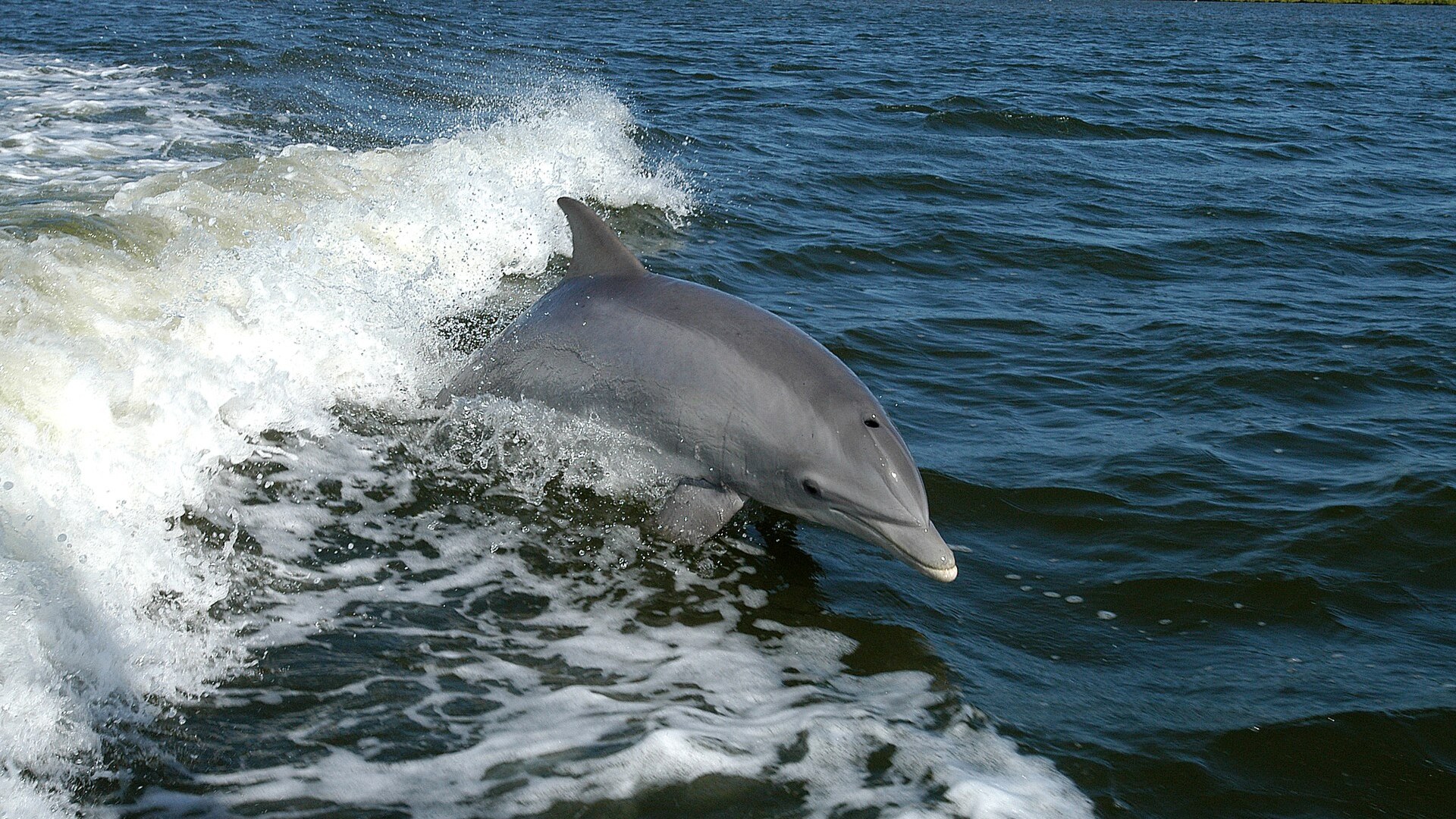
9. Bottlenose Dolphin 
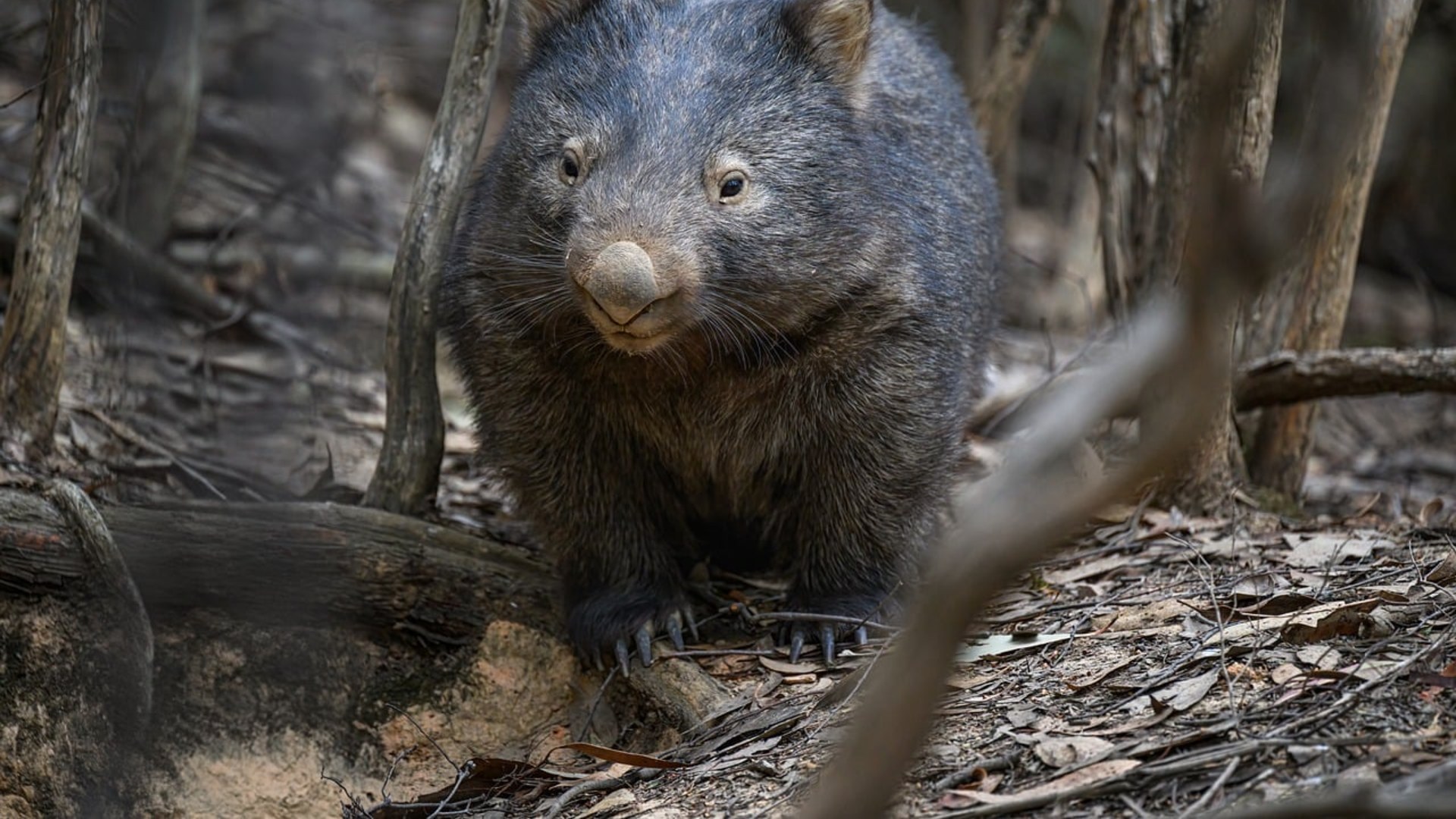
8. Common Wombat 
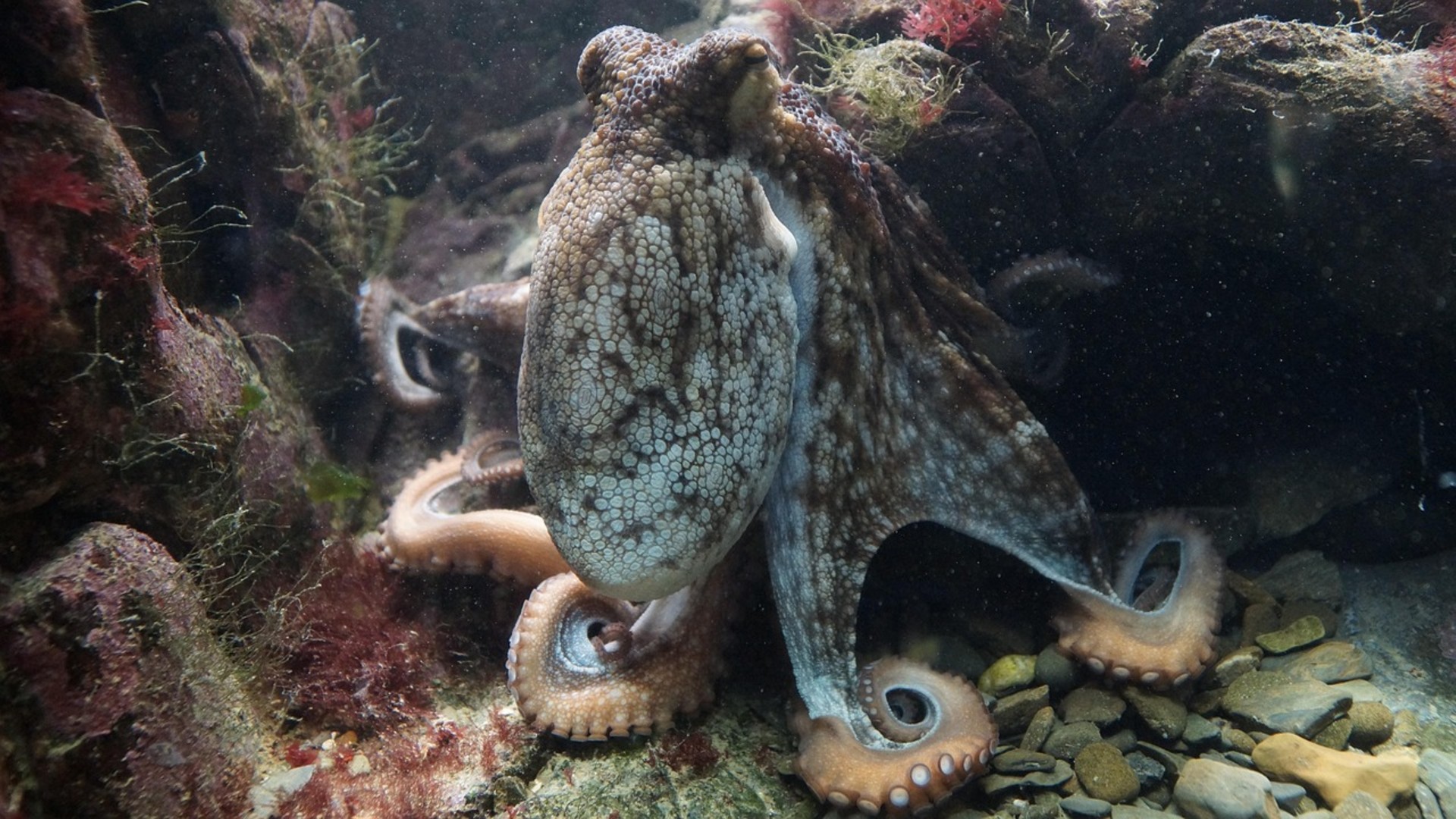
7. Giant Pacific Octopus - AdvertisementSwipe or tap ▶ to continue countdown

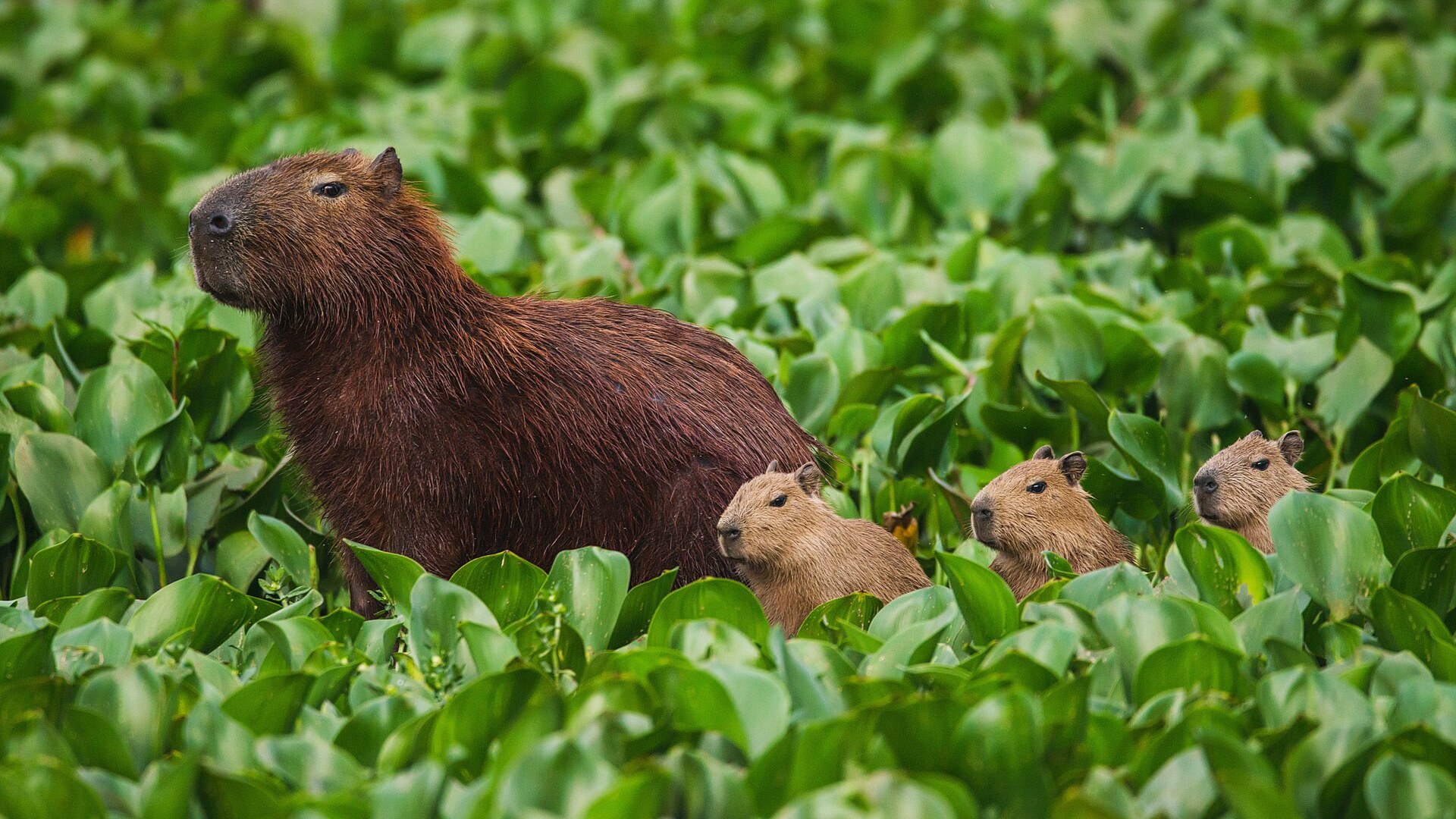
6. Capybara 
5. Honeybee 
4. Sir Nils Olav III 
3. Gentoo Penguin - AdvertisementSwipe or tap ▶ to continue countdown

2. Sea Otter 
1. Quokka - Advertisement🔥 UP NEXT IN THIS SERIES◫ 26 Slides

25 Animals That May Detect Fear Through Scent and Body Language
From specialized olfactory receptors to airborne alarm pheromones, numerous species possess the extraordinary ability to detect chemical distress signals. Based on research from Live Science, National Geographic, and peer-reviewed biology journals, here are twenty-five animals that can smell and sense fear.
Biologists keep finding joyful quirks across the animal kingdom, from elephants using name-like calls to sea otters holding paws in their sleep. Based on studies in Nature Ecology and Evolution, Mammalia, university research, and Edinburgh Zoo records, these 25 true nature facts show wild behavior at its best.
Swipe or tap ▶ to begin the countdown
©Pixabay / xiSerge
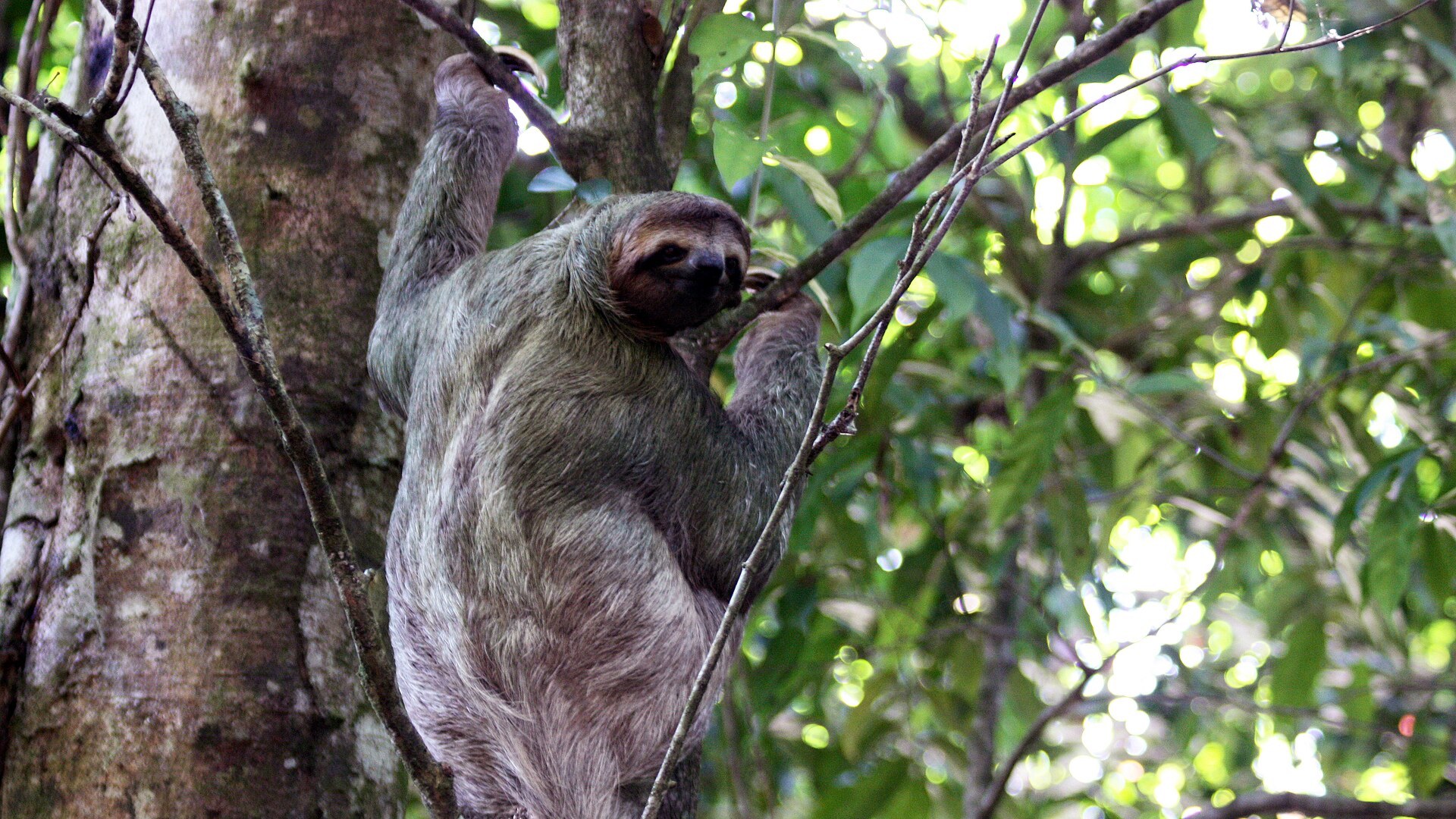
25. Three-Toed Sloth
Brown-throated three-toed sloths live in Central and South American rainforests and climb down to swim across rivers between feeding sites. By dropping their heart rate to under a third of normal, they can hold their breath underwater for up to 40 minutes while paddling steadily.
©Wikimedia / Charles J. Sharp
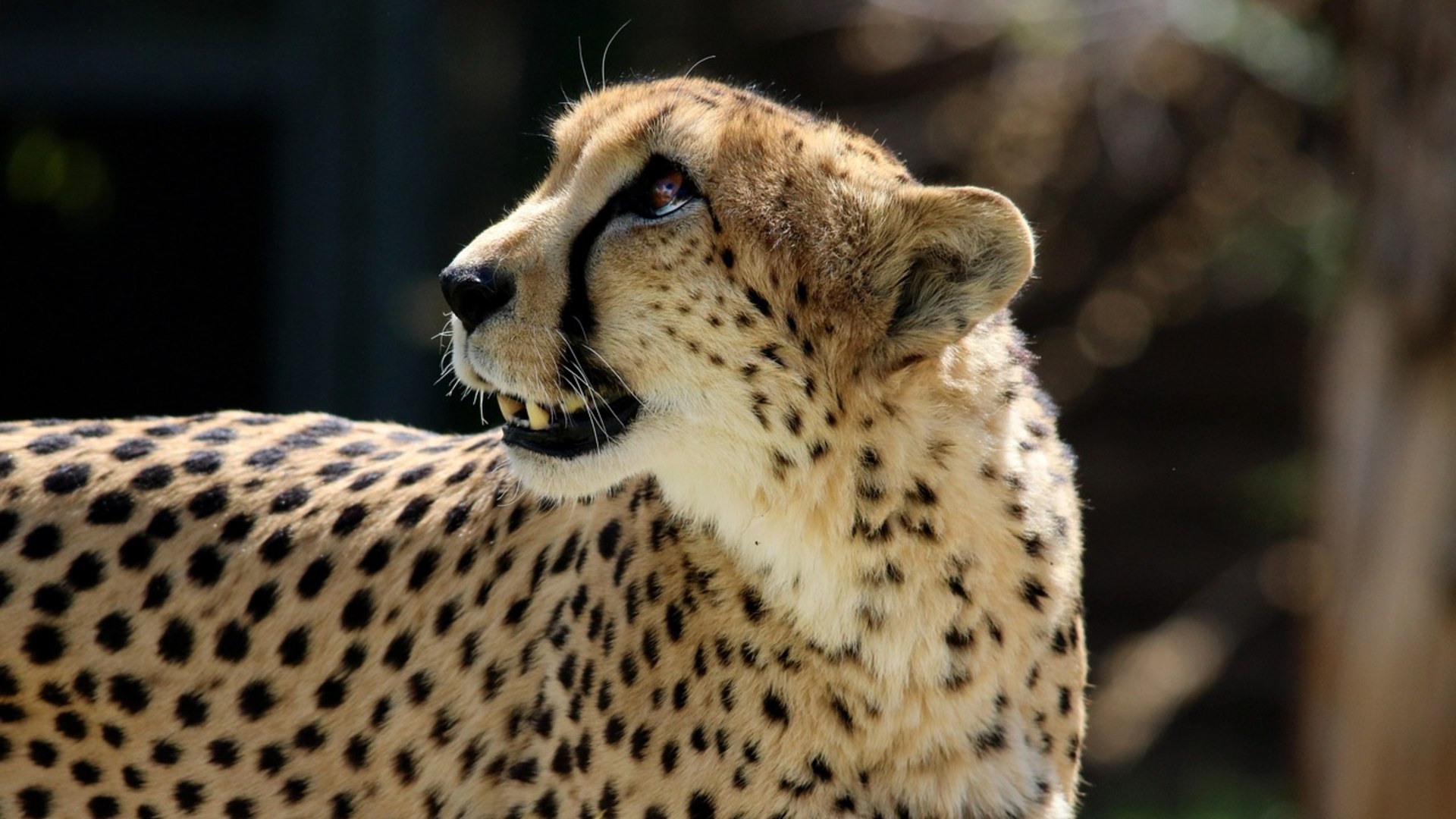
24. Cheetah
Unlike lions, tigers, and jaguars, cheetahs lack a flexible two-piece hyoid bone and soft vocal folds needed for a deep roar. Instead, wild mothers in savannas from Namibia to Kenya emit sharp bird-like chirps audible from over a mile away to reunite with hidden cubs.
©Pixabay / jmrockeman
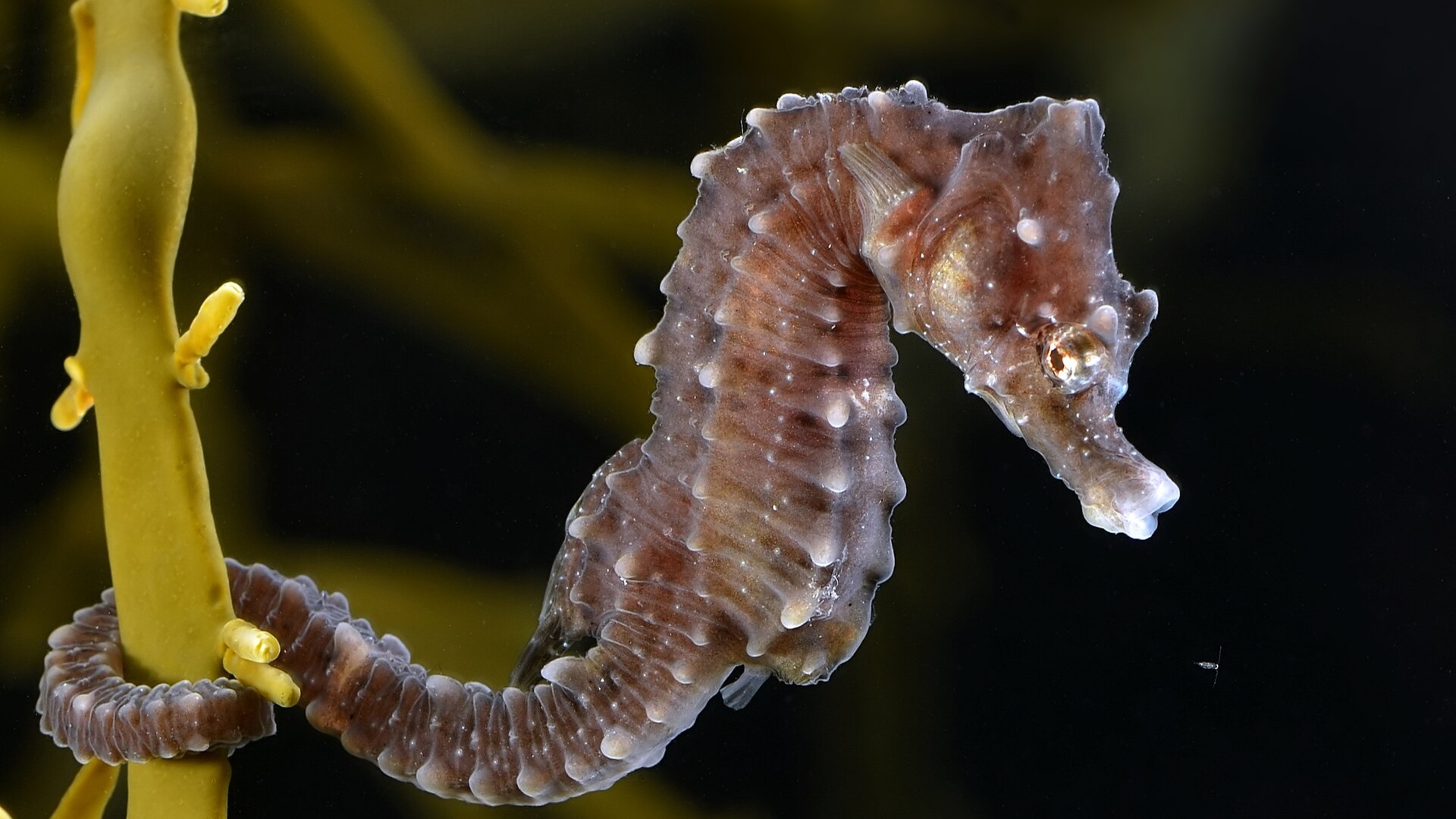
23. Seahorse
During courtship dances that can last several days, a female seahorse deposits hundreds of eggs into a specialized pouch on the male's front belly. He fertilizes them internally, regulates the pouch's salt balance to match seawater, and delivers fully formed miniatures two to four weeks later.
©Wikimedia / Seahorse
Advertisement
Swipe or tap ▶ to resume the countdown.
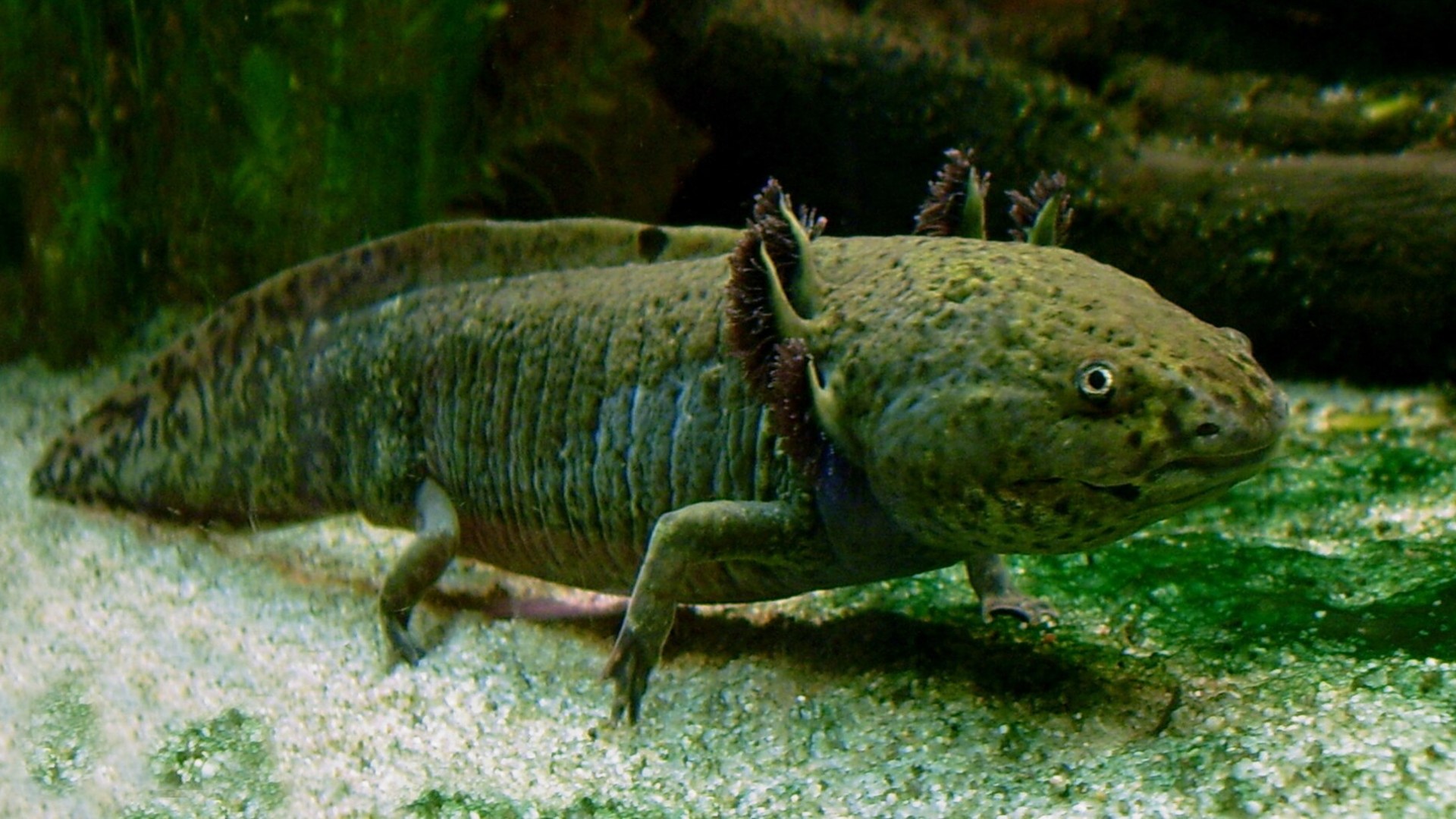
22. Axolotl
Endemic to the freshwater canals of Xochimilco near Mexico City, axolotls retain their feathery external gills into adulthood. Biologists study their genome because they heal wounds without scarring and regenerate complex bone, nerve, and heart tissue within months.
©Wikimedia / Axolotl
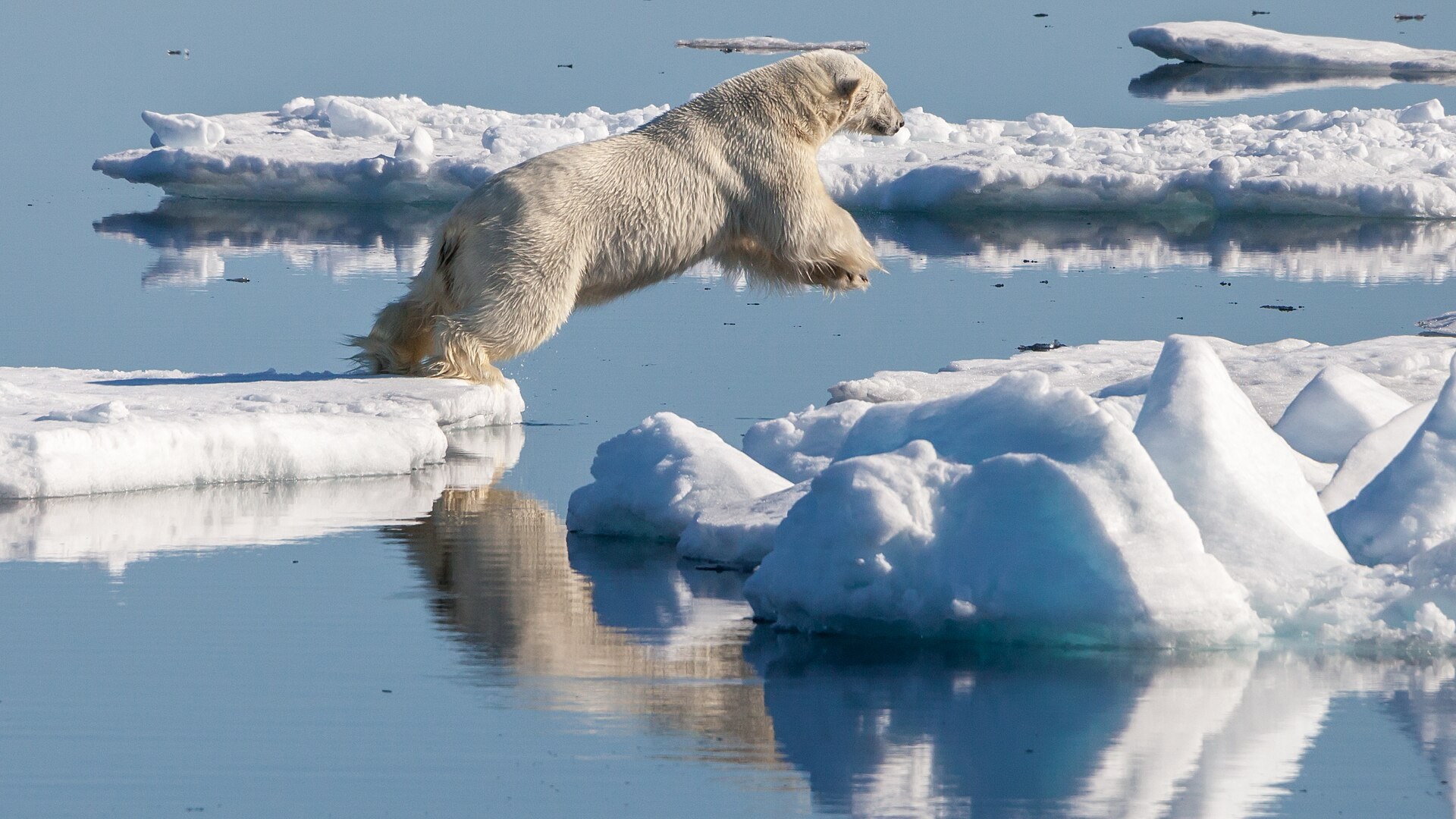
21. Polar Bear
Each long guard hair on a polar bear is hollow and completely free of white pigment. Sunlight bounces around the air-filled cores and scatters evenly, making the coat appear bright white against Arctic pack ice while dark skin beneath absorbs warmth when sunlight reaches it.
©Wikimedia / Andreas Weith
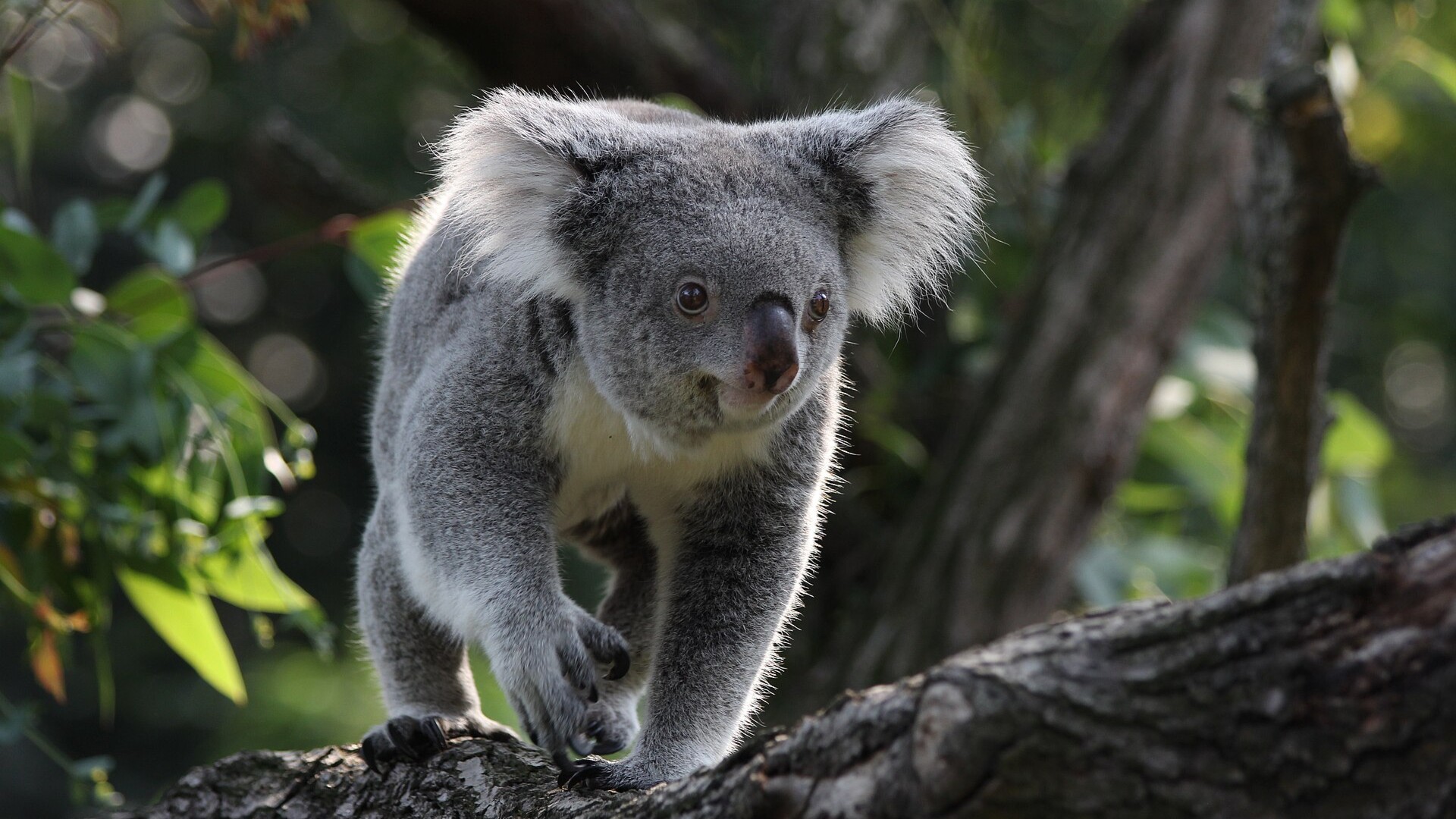
20. Koala
In 1996, Australian anatomical researcher Maciej Henneberg showed that koala fingertips carry the exact loops, arches, and whorls seen on human hands. Although primates and marsupials split over 70 million years ago, both evolved ridged skin independently for grasping slender branches.
©Wikimedia / Till Niermann
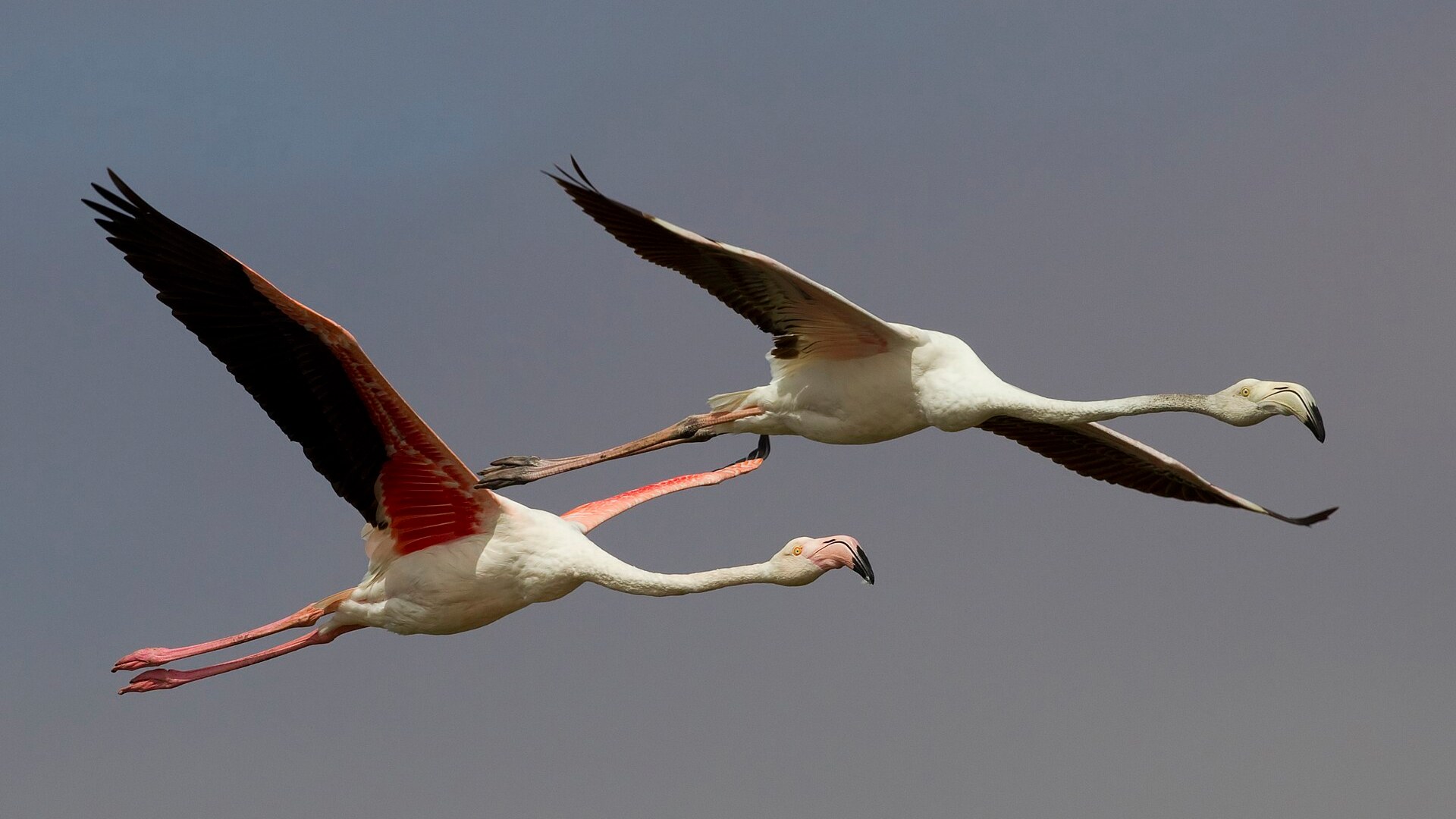
19. Greater Flamingo
Wild chicks leave the mud nest covered in pale down and stay dull gray for their first year or two. As they filter-feed on cyanobacteria and tiny brine shrimp in salty lagoons, digestive enzymes break down natural carotenoid pigments and deposit pink tints directly into growing feathers.
©Wikimedia / Yathin S Krishnappa
Advertisement
Swipe or tap ▶ to resume the countdown.
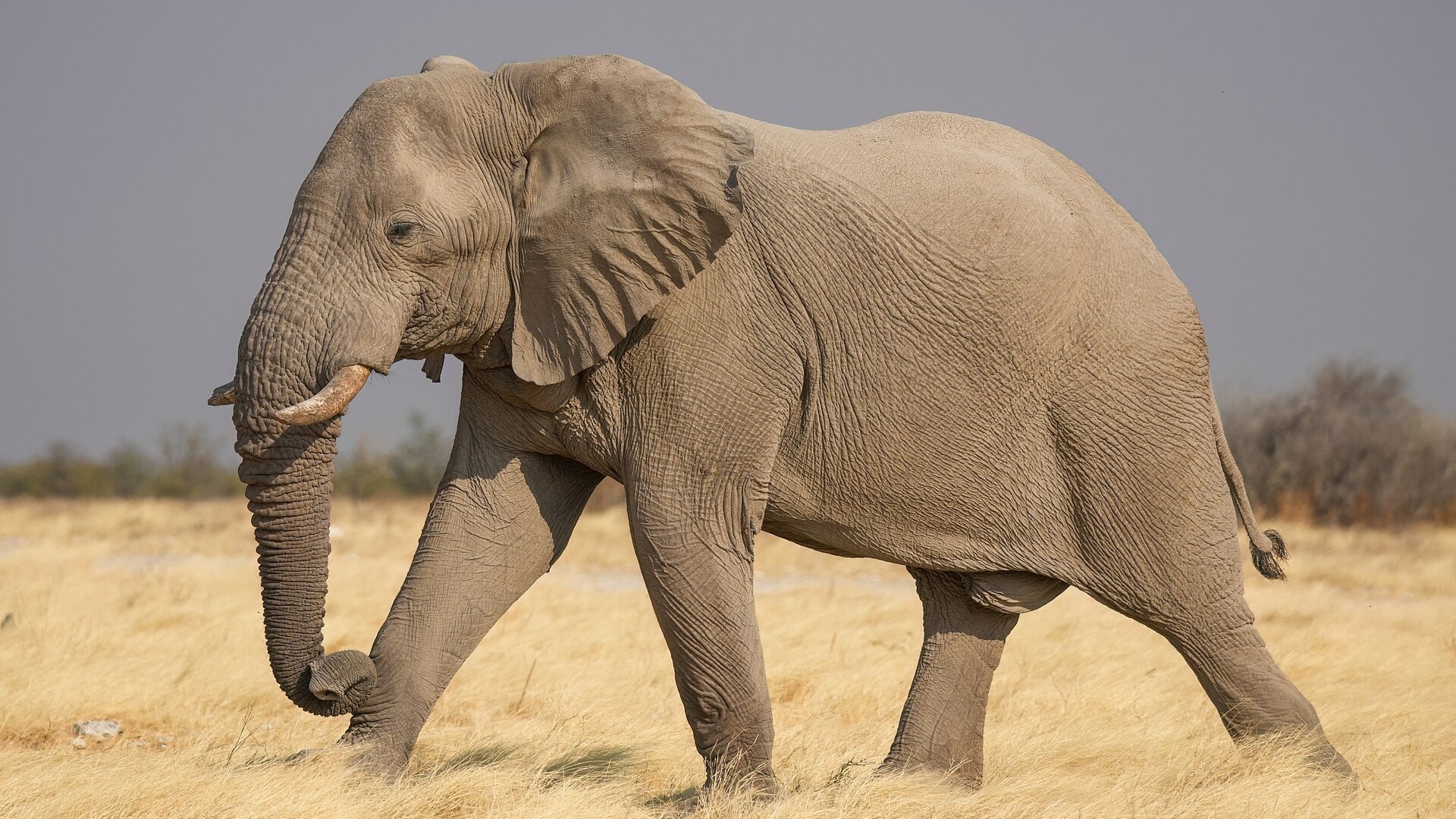
18. African Savanna Elephant
A 2024 study in Nature Ecology and Evolution analyzed 469 low-frequency rumbles recorded in Kenya across Amboseli and Samburu reserves. Researchers from Colorado State University and Save the Elephants showed that individual elephants responded specifically when their own vocal label was played back.
©Wikimedia / African bush elephant
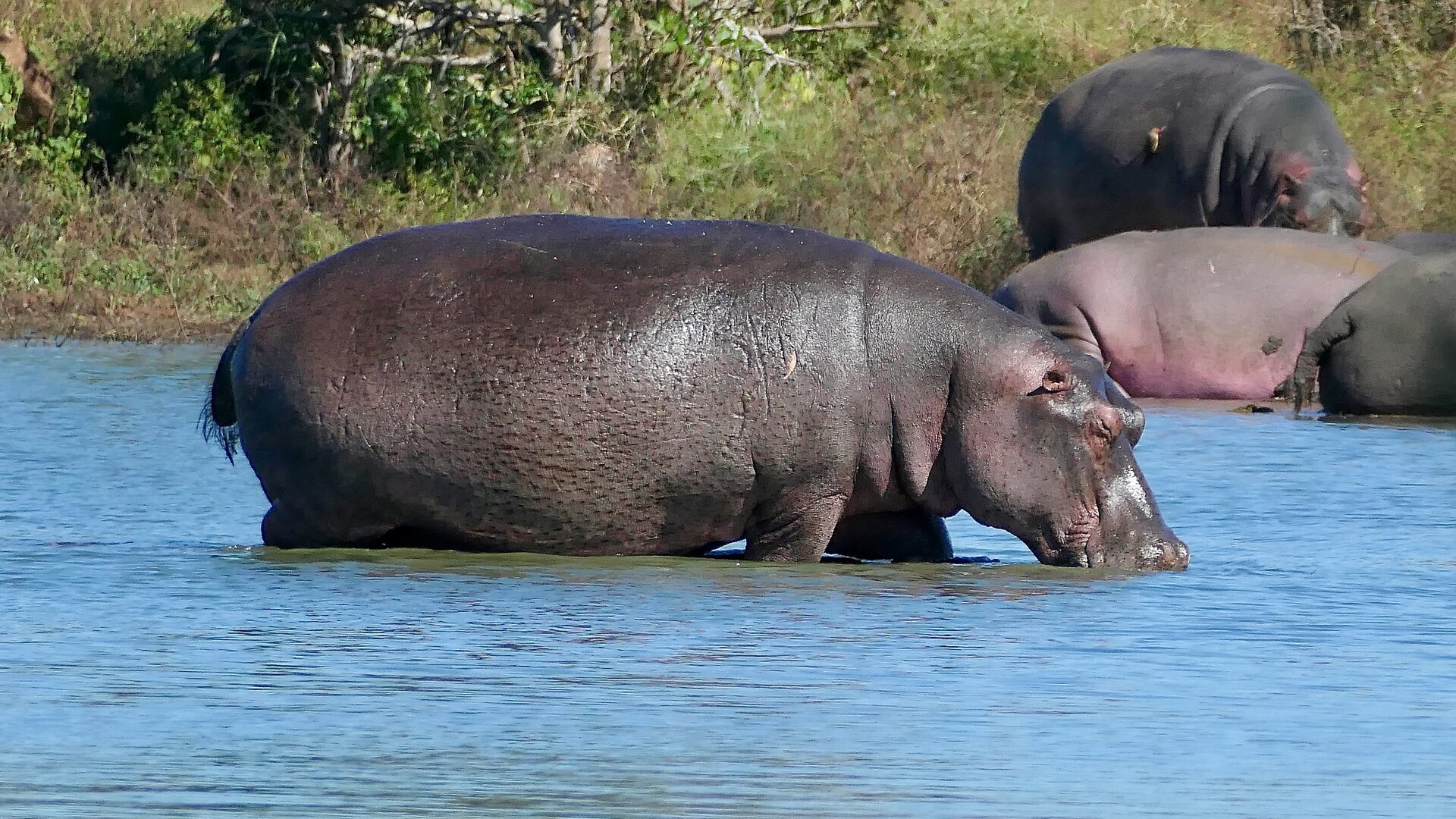
17. Hippopotamus
Because hippos lack true sweat glands, skin pores ooze a clear liquid that turns bright red-orange within minutes in African sunlight. Japanese biochemists isolated two pigments, hipposudoric and norhipposudoric acids, that absorb damaging UV rays and curb bacterial growth on battle scars.
©Wikimedia / Bernard DUPONT
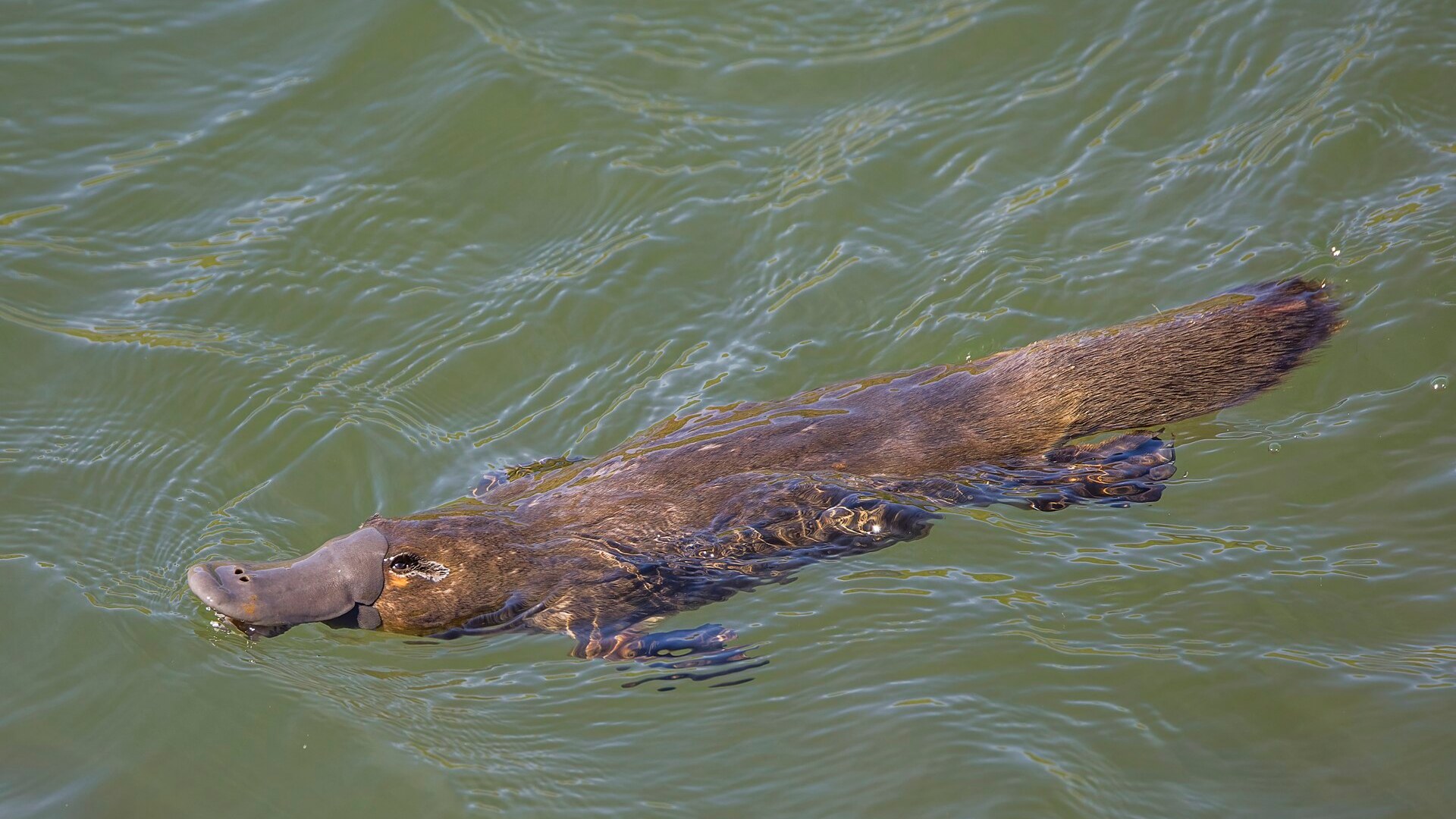
16. Platypus
Already famous for laying eggs and hunting underwater with electrical sensors in its bill, the duck-billed platypus added another surprise in 2020. Museum tests published in Mammalia revealed its dense fur absorbs ultraviolet light and re-emits a steady cyan-green glow.
©Wikimedia / Charles J. Sharp
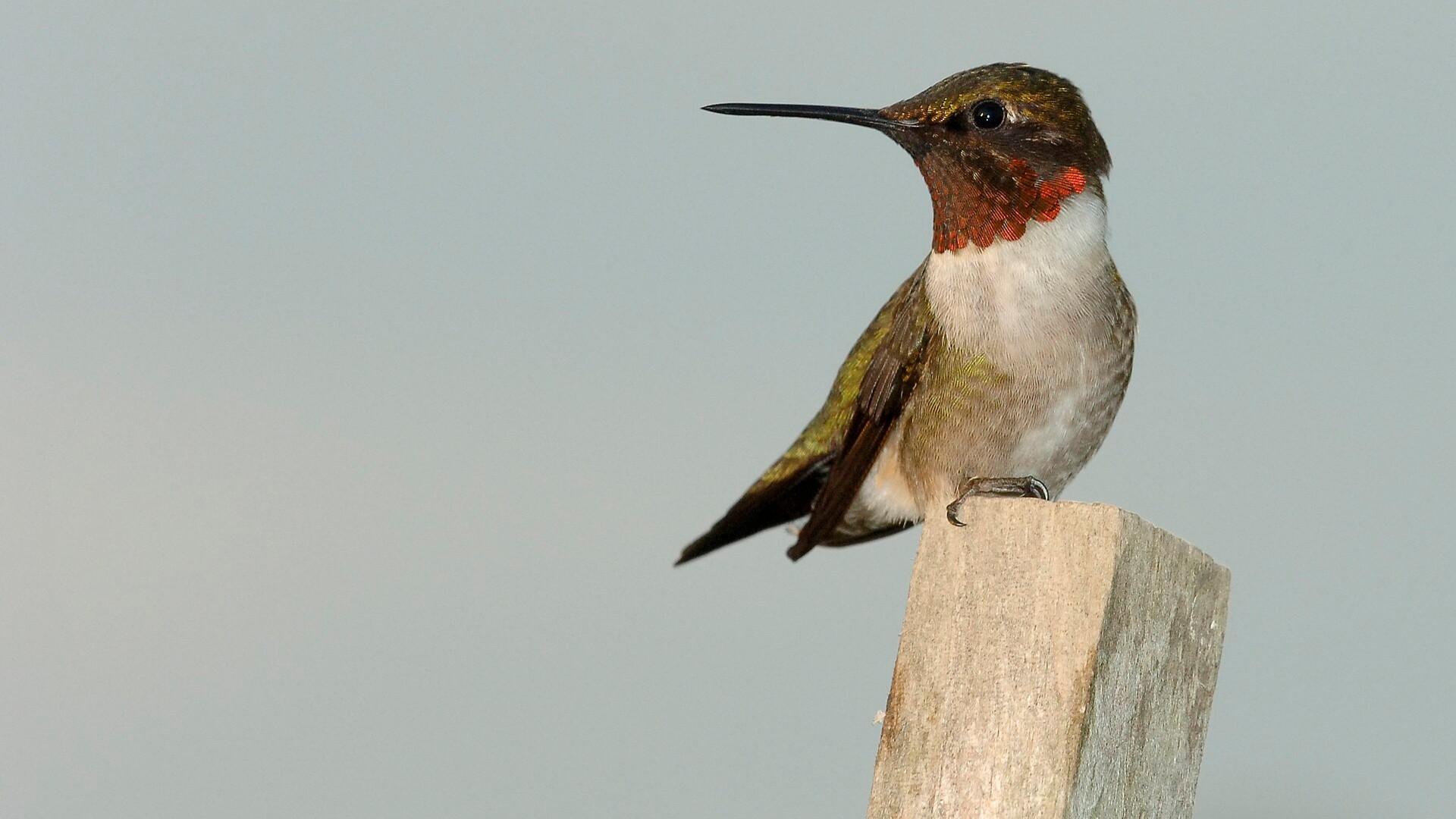
15. Ruby-Throated Hummingbird
Unlike other birds that generate lift mostly on the downstroke, ruby-throated hummingbirds rotate their wings in a horizontal figure eight around 53 times per second. That flexible shoulder joint supplies lift on both strokes, letting them hover at flowers and zip straight backward.
©Wikimedia / Joe Schneid , Louisville, Kentucky
Advertisement
Swipe or tap ▶ to resume the countdown.
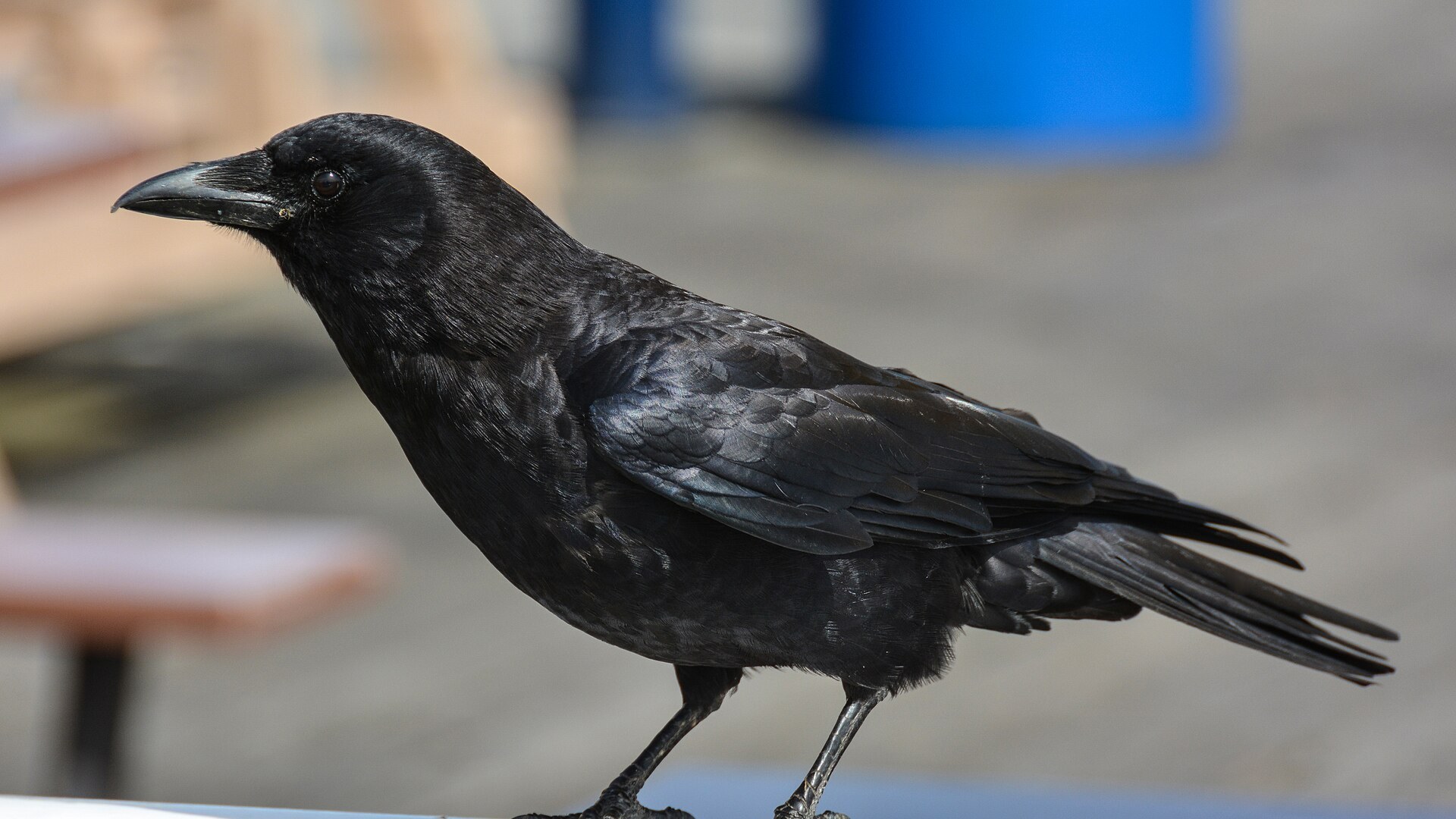
14. American Crow
In a well-known University of Washington field experiment starting in 2006, researchers wore distinct rubber masks while briefly trapping and banding wild American crows. Years later, even unbanded birds across campus still scolded anyone wearing the same mask on sight.
©Wikimedia / Gordon Leggett
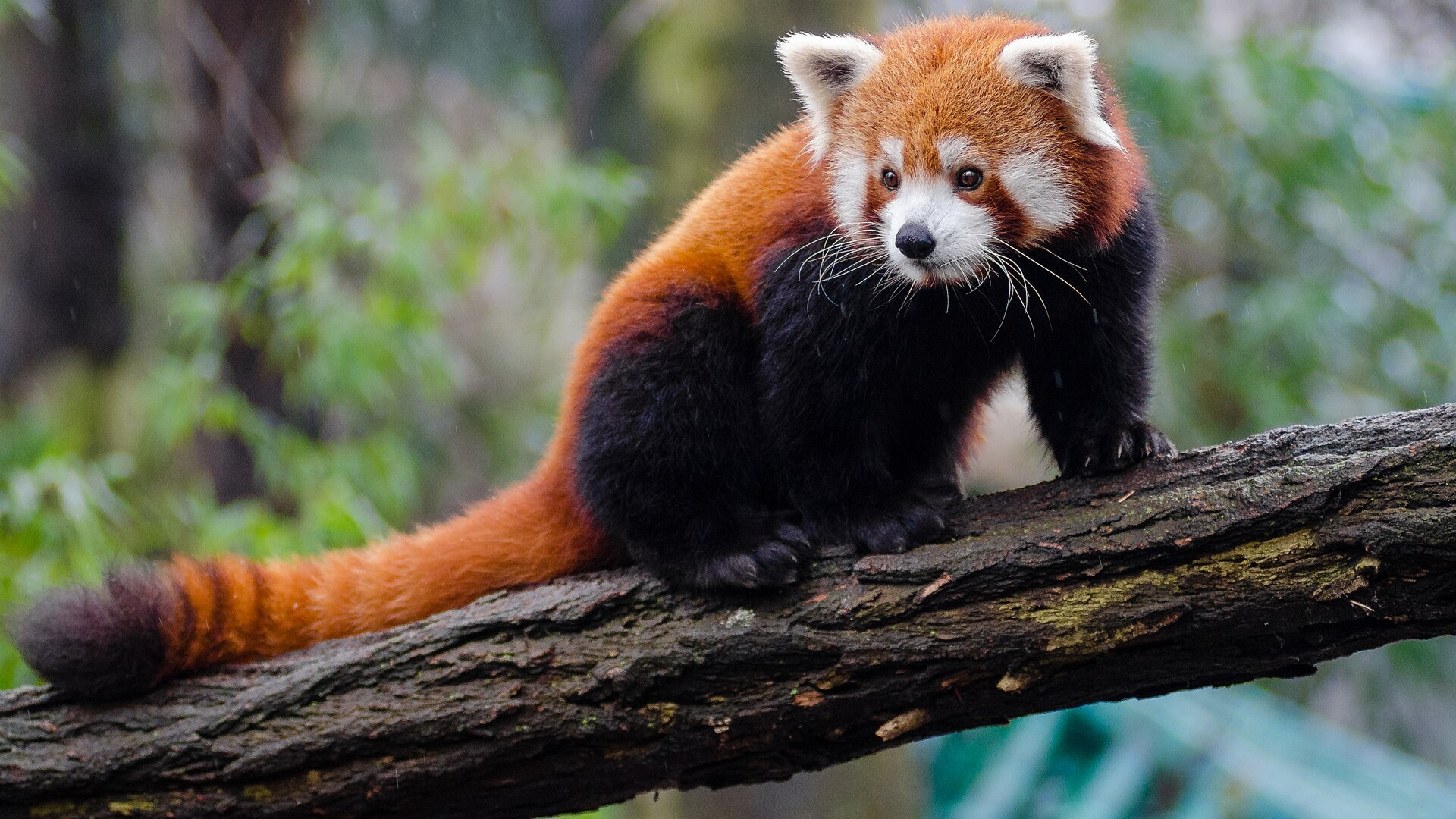
13. Red Panda
Living high in bamboo forests of the eastern Himalayas, red pandas face winter temperatures well below freezing. Thick fur covers even the soles of their feet for traction on snowy limbs, and they curl tightly with their 18-inch tails tucked over their faces to conserve body heat.
©Wikimedia / Mathias Appel
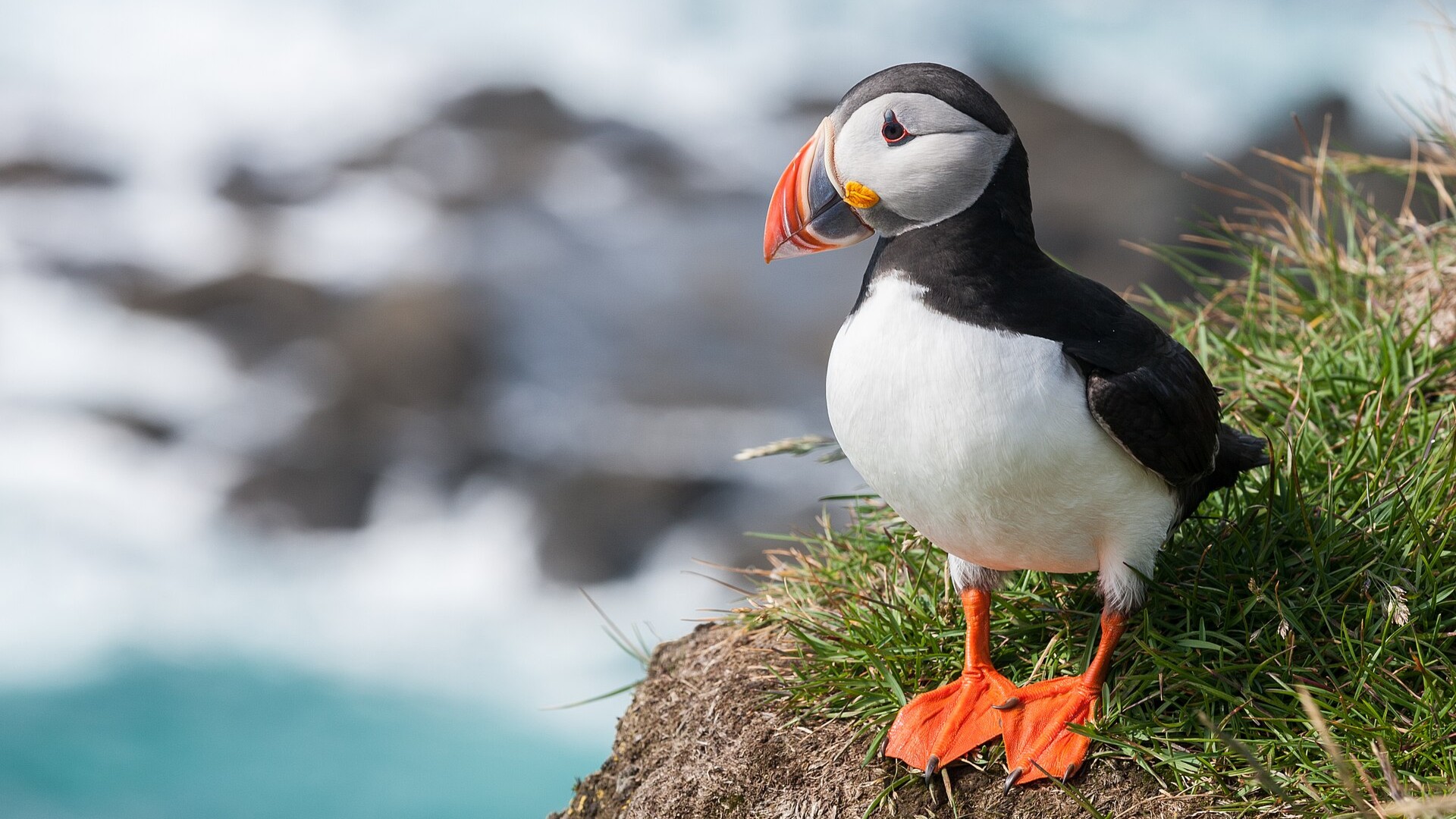
12. Atlantic Puffin
After spending stormy North Atlantic winters far apart at sea, adult puffins return to coastal colonies in Iceland, Scotland, and Maine with remarkable accuracy. Longtime mates often reclaim the exact grass-lined burrow together and rattle their bright beaks in a greeting called billing.
©Wikimedia / Richard Bartz
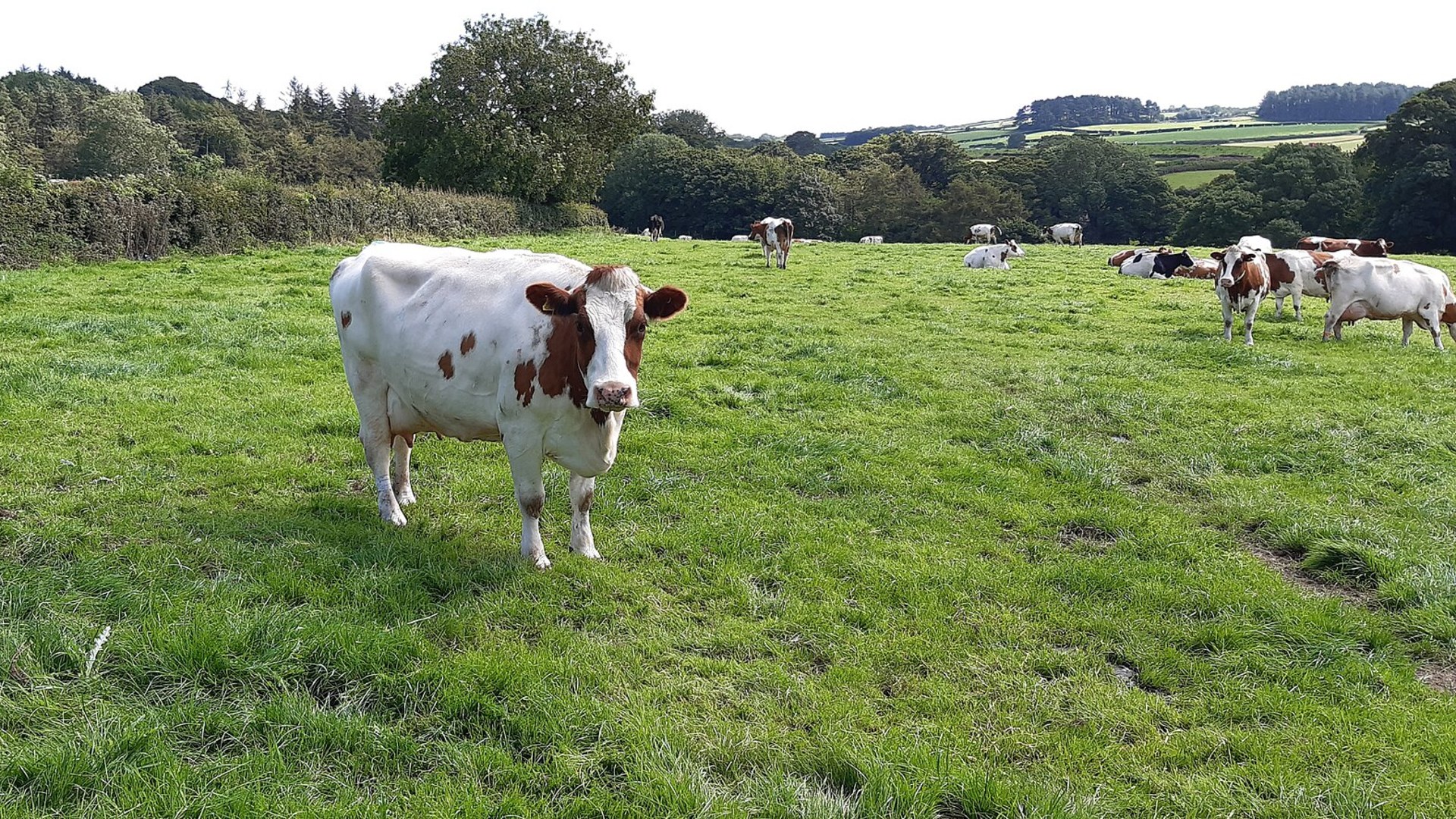
11. Domestic Cow
In a 2011 study at the University of Northampton, researcher Krista McLennan tracked heifers paired either with a preferred herd friend or an unfamiliar cow. Animals standing next to their chosen companions maintained lower heart rates and showed far fewer signs of anxiety.
©Wikimedia / Seraaron
Advertisement
Swipe or tap ▶ to resume the countdown.
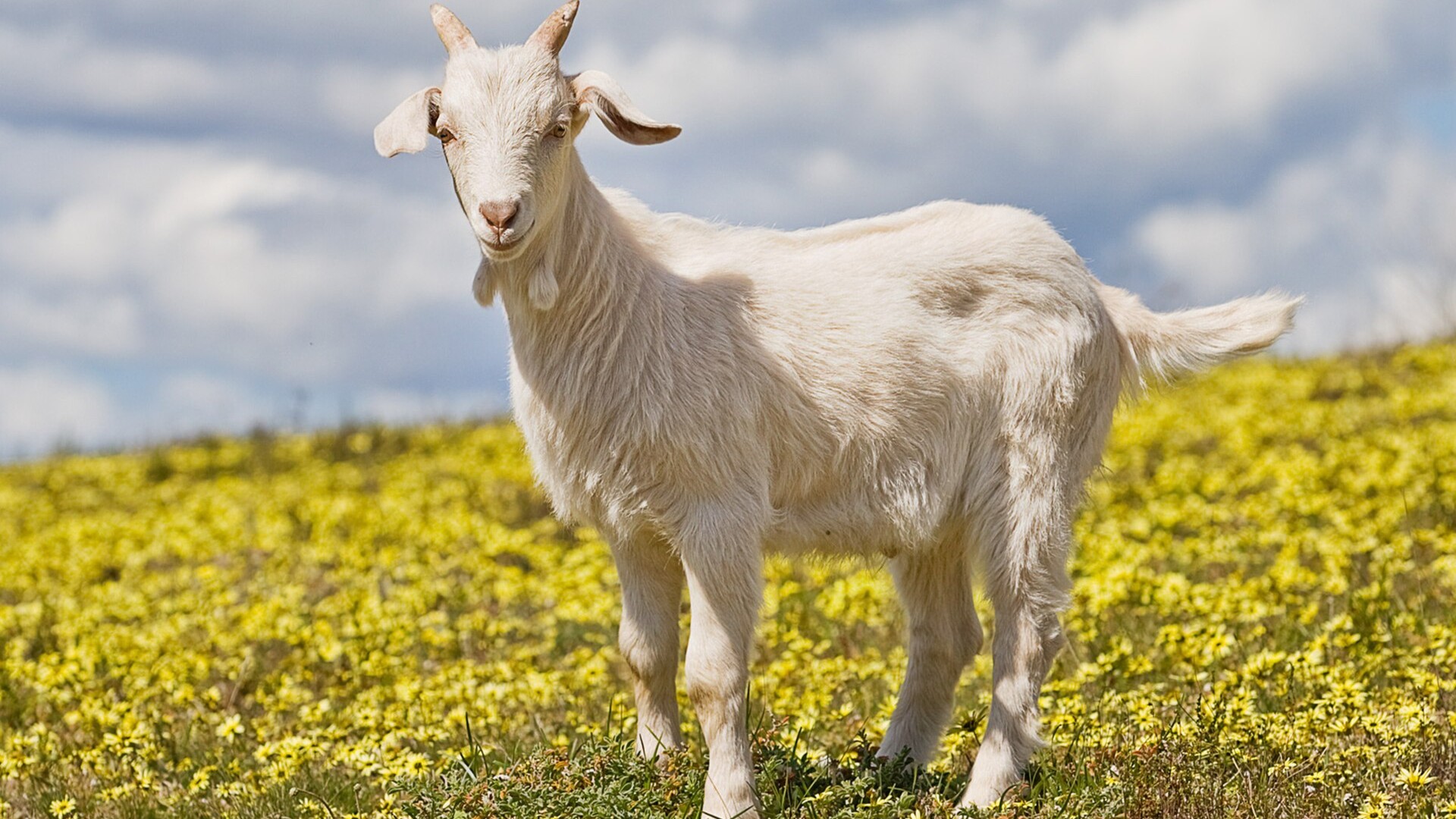
10. Domestic Goat
A 2012 study led by Elodie Briefer and Alan McElligott at Queen Mary University of London recorded pygmy goat kids at one week and five weeks old. As the kids socialized with siblings and half-siblings in new pens, their vocalizations converged toward shared group accents.
©Wikimedia / fir0002 flagstaffotos [at] gmail.com Canon
9. Bottlenose Dolphin
Marine bioacoustics studies off Florida and Scotland confirmed that each wild bottlenose dolphin crafts an individualized signature whistle within its first year. Podmates mimic another dolphin's whistle when calling for it, and individuals remember old associates' whistles for over 20 years.
©Wikimedia / NASA
8. Common Wombat
Anatomical research published by Patricia Yang and colleagues in 2018 and 2021 solved the mystery of square wombat scat. Two stiff and two stretchy bands along the marsupial's lower intestine contract unevenly to press dry dung into flat-sided cubes that won't roll off territorial rocks.
©Pixabay / pen_ash
7. Giant Pacific Octopus
Two branchial hearts push blood through this octopus's gills, while a central heart pumps it around the body and pauses briefly while swimming. Instead of iron-based hemoglobin, its blood uses copper-based hemocyanin, which carries oxygen efficiently in frigid North Pacific waters.
©Pixabay / Taken
Advertisement
Swipe or tap ▶ to resume the countdown.
6. Capybara
Native to South American wetlands from Colombia to Argentina, adult capybaras weigh up to 140 pounds and live in relaxed riverside herds. Because they spend hours soaking motionless in shallow water, egrets and flycatchers perch safely on their backs to spot stirred-up insects.
©Wikimedia / Clodomiro Esteves Junior
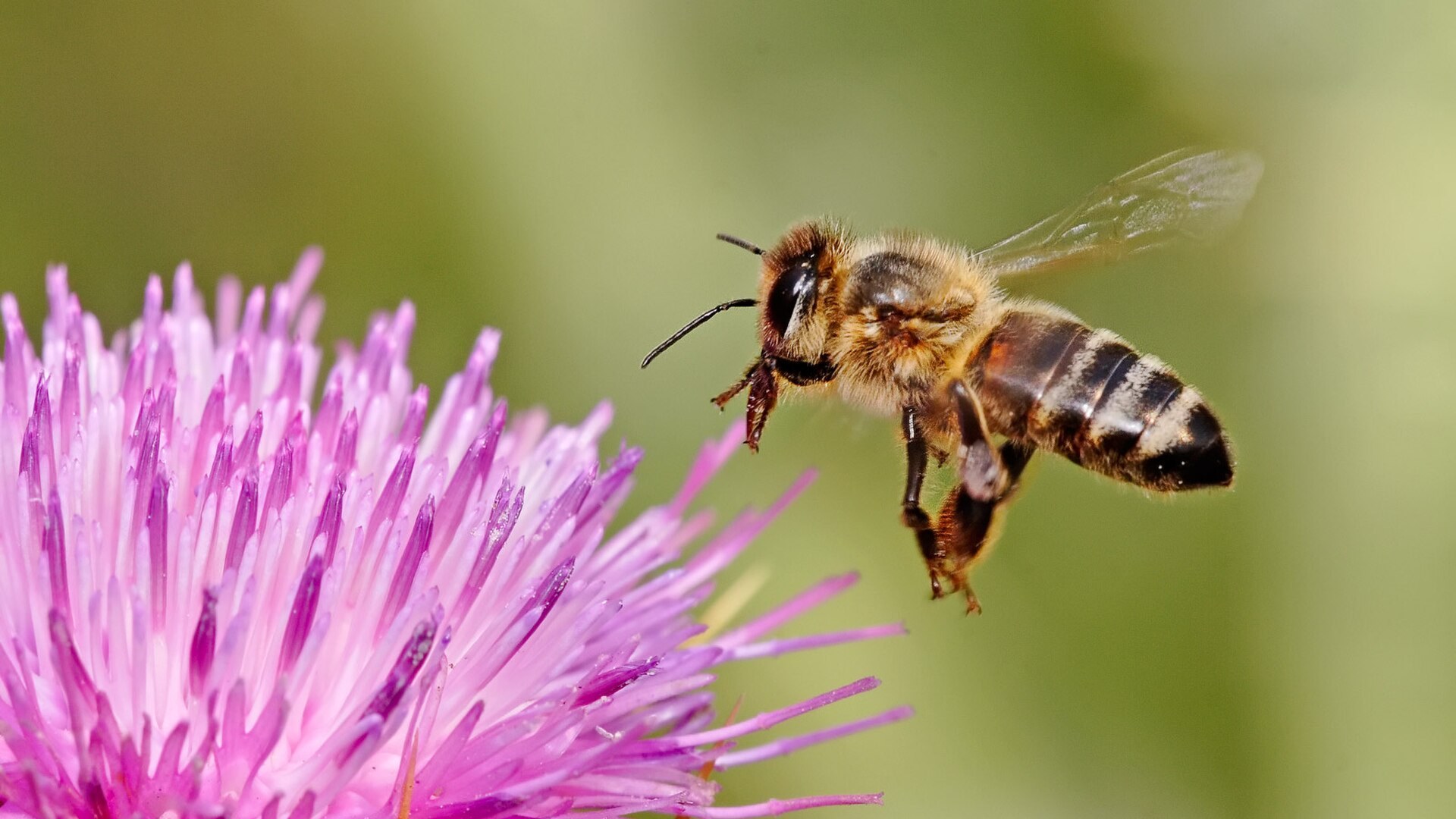
5. Honeybee
Austrian ethologist Karl von Frisch won a 1973 Nobel Prize for decoding the honeybee waggle dance inside dark hives. By angling its central waggle run relative to gravity and buzzing for a set duration, a scout bee tells sisters the sun-relative bearing and flight distance to rich nectar.
©Wikimedia / Fir0002
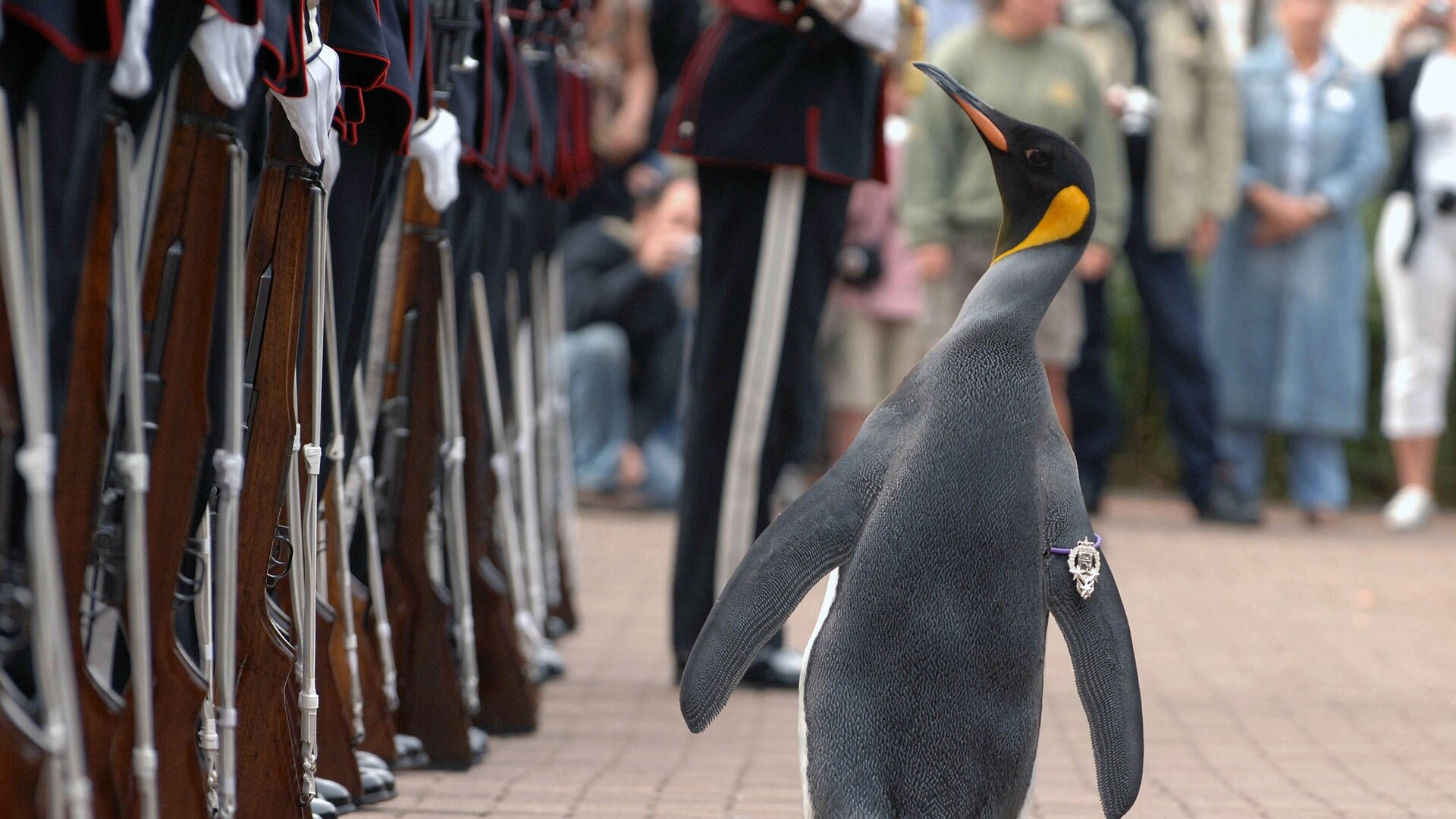
4. Sir Nils Olav III
Sir Nils Olav III serves as mascot and colonel-in-chief of Norway's King's Guard, continuing a tradition started in 1972 when Norwegian soldiers visited Scotland. Knighted by royal approval in 2008, the third penguin to hold the title was promoted to Major General in August 2023.
©Wikimedia / Mark Owens
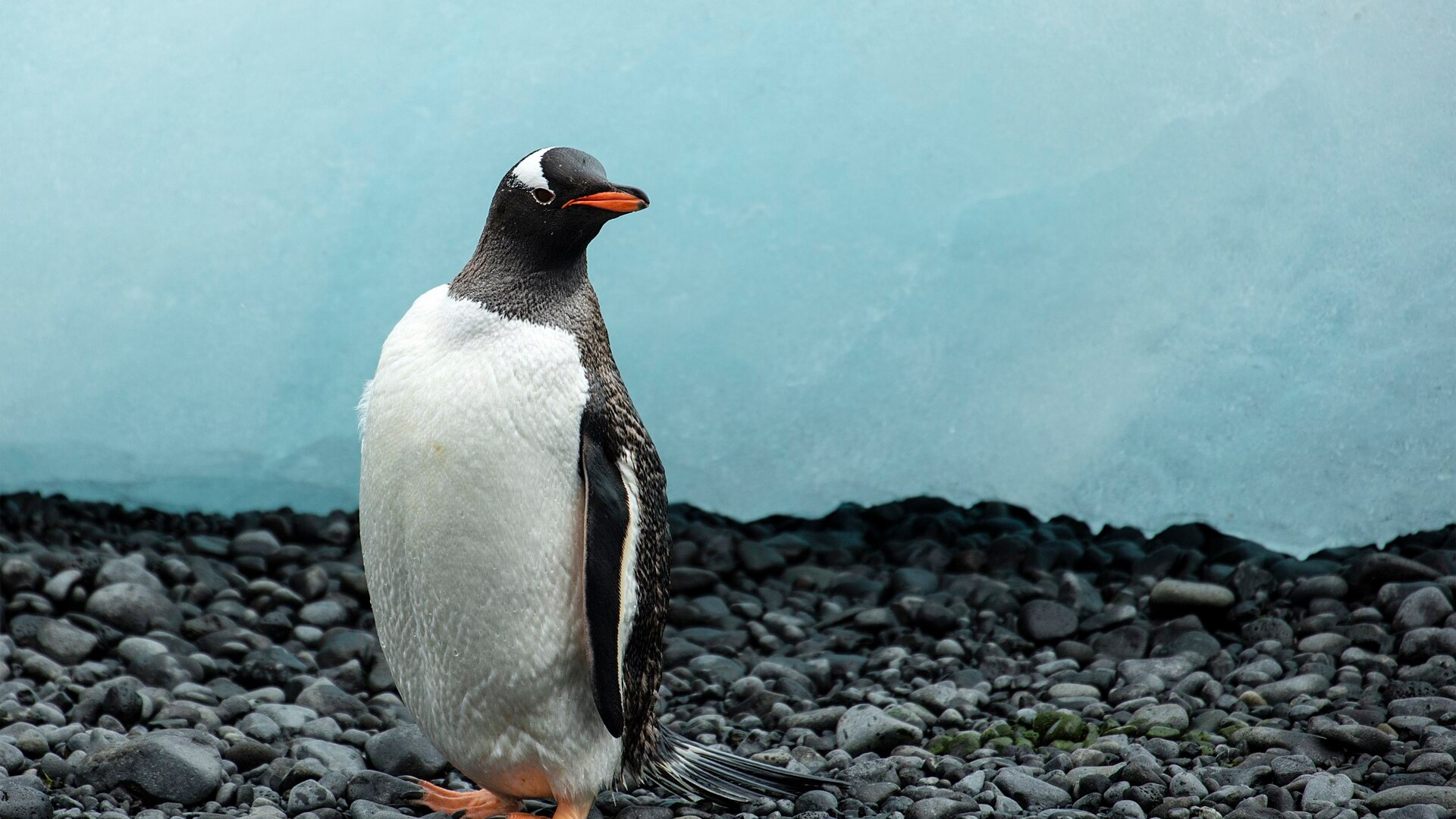
3. Gentoo Penguin
During Antarctic breeding season, a male gentoo penguin searches rocky shorelines for clean, rounded stones and drops them at a female's feet. If she accepts the gift, the pair stacks the pebbles into a raised ring nest that keeps their two eggs dry above melting snow.
©Wikimedia / Godot13
Advertisement
Swipe or tap ▶ to resume the countdown.
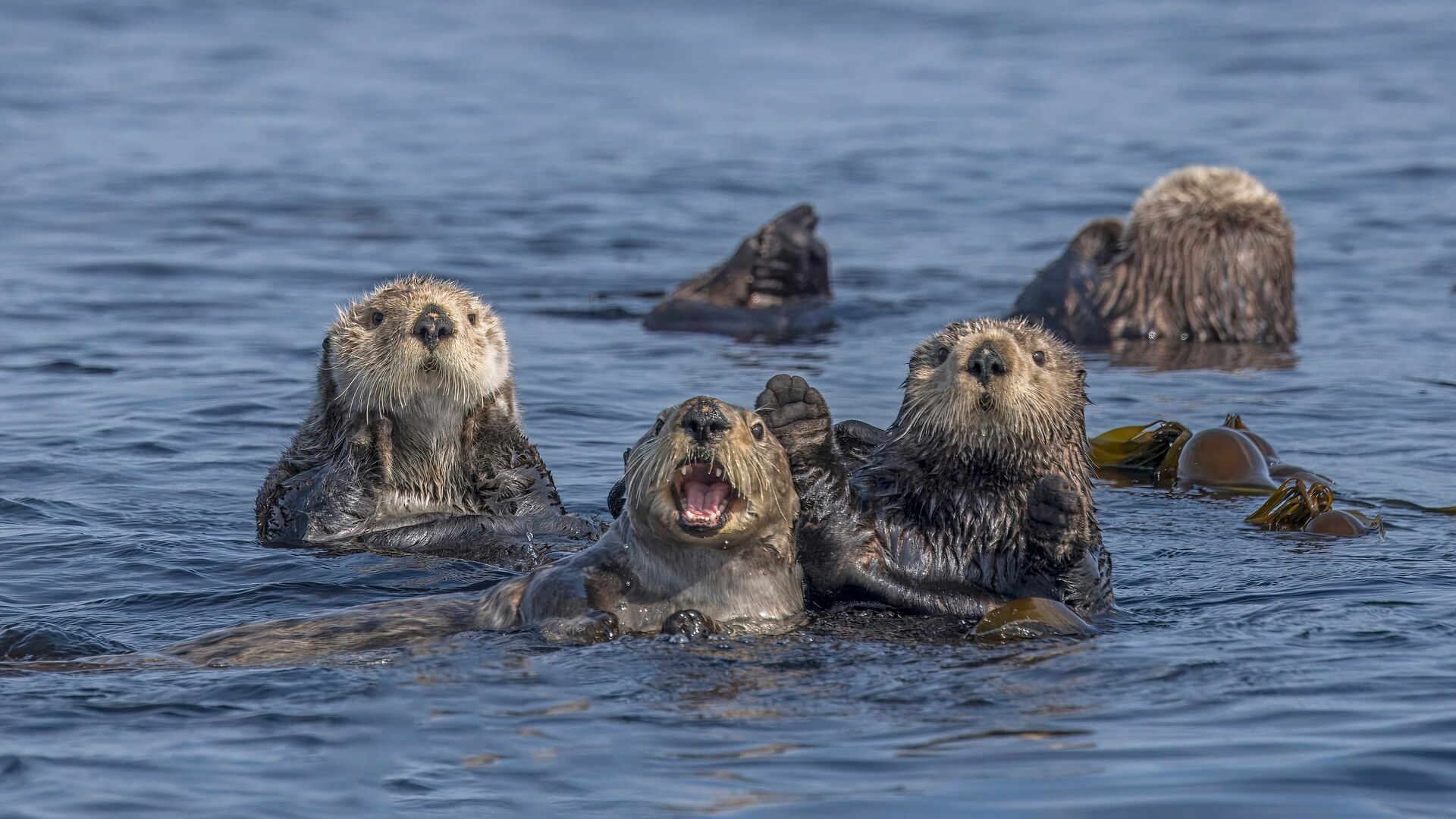
2. Sea Otter
Because sea otters spend almost their entire lives in cold Pacific waters, resting pairs and mothers with pups anchor themselves in kelp fronds or clasp paws together. That simple habit keeps sleeping otters from drifting apart into open currents before they wake up to dive for urchins.
©Wikimedia / Charles J. Sharp
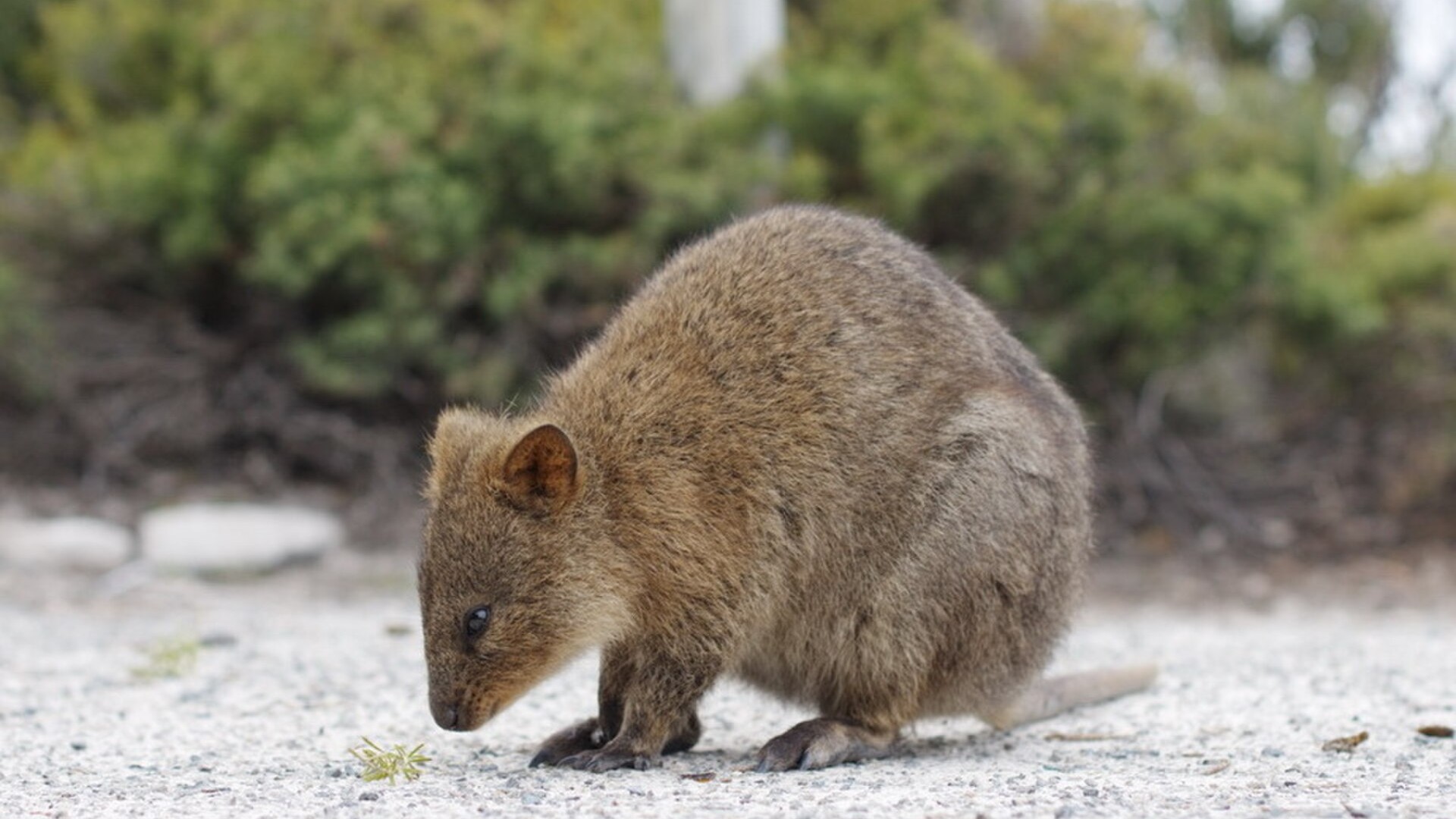
1. Quokka
Living mainly on predator-free Rottnest Island off Western Australia, the cat-sized quokka owes its cheerful expression to relaxed jaw anatomy shaped for chewing tough scrub. Because island populations have few natural predators, quokkas stay famously curious around quiet visitors.

©Wikimedia / Pikuan
Advertisement
You've reached the end of the story. Thanks for reading!

25 Animals That May Detect Fear Through Scent and Body Language
From specialized olfactory receptors to airborne alarm pheromones, numerous species possess the extraordinary ability to detect chemical distress signals. Based on research from Live Science, National Geographic, and peer-reviewed biology journals, here are twenty-five animals that can smell and sense fear.
All 25 Entries in this Story
25. Three-Toed Sloth
Brown-throated three-toed sloths live in Central and South American rainforests and climb down to swim across rivers between feeding sites. By dropping their heart rate to under a third of normal, they can hold their breath underwater for up to 40 minutes while paddling steadily.

24. Cheetah
Unlike lions, tigers, and jaguars, cheetahs lack a flexible two-piece hyoid bone and soft vocal folds needed for a deep roar. Instead, wild mothers in savannas from Namibia to Kenya emit sharp bird-like chirps audible from over a mile away to reunite with hidden cubs.

23. Seahorse
During courtship dances that can last several days, a female seahorse deposits hundreds of eggs into a specialized pouch on the male's front belly. He fertilizes them internally, regulates the pouch's salt balance to match seawater, and delivers fully formed miniatures two to four weeks later.

22. Axolotl
Endemic to the freshwater canals of Xochimilco near Mexico City, axolotls retain their feathery external gills into adulthood. Biologists study their genome because they heal wounds without scarring and regenerate complex bone, nerve, and heart tissue within months.

21. Polar Bear
Each long guard hair on a polar bear is hollow and completely free of white pigment. Sunlight bounces around the air-filled cores and scatters evenly, making the coat appear bright white against Arctic pack ice while dark skin beneath absorbs warmth when sunlight reaches it.

20. Koala
In 1996, Australian anatomical researcher Maciej Henneberg showed that koala fingertips carry the exact loops, arches, and whorls seen on human hands. Although primates and marsupials split over 70 million years ago, both evolved ridged skin independently for grasping slender branches.

19. Greater Flamingo
Wild chicks leave the mud nest covered in pale down and stay dull gray for their first year or two. As they filter-feed on cyanobacteria and tiny brine shrimp in salty lagoons, digestive enzymes break down natural carotenoid pigments and deposit pink tints directly into growing feathers.

18. African Savanna Elephant
A 2024 study in Nature Ecology and Evolution analyzed 469 low-frequency rumbles recorded in Kenya across Amboseli and Samburu reserves. Researchers from Colorado State University and Save the Elephants showed that individual elephants responded specifically when their own vocal label was played back.

17. Hippopotamus
Because hippos lack true sweat glands, skin pores ooze a clear liquid that turns bright red-orange within minutes in African sunlight. Japanese biochemists isolated two pigments, hipposudoric and norhipposudoric acids, that absorb damaging UV rays and curb bacterial growth on battle scars.

16. Platypus
Already famous for laying eggs and hunting underwater with electrical sensors in its bill, the duck-billed platypus added another surprise in 2020. Museum tests published in Mammalia revealed its dense fur absorbs ultraviolet light and re-emits a steady cyan-green glow.

15. Ruby-Throated Hummingbird
Unlike other birds that generate lift mostly on the downstroke, ruby-throated hummingbirds rotate their wings in a horizontal figure eight around 53 times per second. That flexible shoulder joint supplies lift on both strokes, letting them hover at flowers and zip straight backward.

14. American Crow
In a well-known University of Washington field experiment starting in 2006, researchers wore distinct rubber masks while briefly trapping and banding wild American crows. Years later, even unbanded birds across campus still scolded anyone wearing the same mask on sight.

13. Red Panda
Living high in bamboo forests of the eastern Himalayas, red pandas face winter temperatures well below freezing. Thick fur covers even the soles of their feet for traction on snowy limbs, and they curl tightly with their 18-inch tails tucked over their faces to conserve body heat.

12. Atlantic Puffin
After spending stormy North Atlantic winters far apart at sea, adult puffins return to coastal colonies in Iceland, Scotland, and Maine with remarkable accuracy. Longtime mates often reclaim the exact grass-lined burrow together and rattle their bright beaks in a greeting called billing.

11. Domestic Cow
In a 2011 study at the University of Northampton, researcher Krista McLennan tracked heifers paired either with a preferred herd friend or an unfamiliar cow. Animals standing next to their chosen companions maintained lower heart rates and showed far fewer signs of anxiety.

10. Domestic Goat
A 2012 study led by Elodie Briefer and Alan McElligott at Queen Mary University of London recorded pygmy goat kids at one week and five weeks old. As the kids socialized with siblings and half-siblings in new pens, their vocalizations converged toward shared group accents.

9. Bottlenose Dolphin
Marine bioacoustics studies off Florida and Scotland confirmed that each wild bottlenose dolphin crafts an individualized signature whistle within its first year. Podmates mimic another dolphin's whistle when calling for it, and individuals remember old associates' whistles for over 20 years.

8. Common Wombat
Anatomical research published by Patricia Yang and colleagues in 2018 and 2021 solved the mystery of square wombat scat. Two stiff and two stretchy bands along the marsupial's lower intestine contract unevenly to press dry dung into flat-sided cubes that won't roll off territorial rocks.

7. Giant Pacific Octopus
Two branchial hearts push blood through this octopus's gills, while a central heart pumps it around the body and pauses briefly while swimming. Instead of iron-based hemoglobin, its blood uses copper-based hemocyanin, which carries oxygen efficiently in frigid North Pacific waters.

6. Capybara
Native to South American wetlands from Colombia to Argentina, adult capybaras weigh up to 140 pounds and live in relaxed riverside herds. Because they spend hours soaking motionless in shallow water, egrets and flycatchers perch safely on their backs to spot stirred-up insects.

5. Honeybee
Austrian ethologist Karl von Frisch won a 1973 Nobel Prize for decoding the honeybee waggle dance inside dark hives. By angling its central waggle run relative to gravity and buzzing for a set duration, a scout bee tells sisters the sun-relative bearing and flight distance to rich nectar.

4. Sir Nils Olav III
Sir Nils Olav III serves as mascot and colonel-in-chief of Norway's King's Guard, continuing a tradition started in 1972 when Norwegian soldiers visited Scotland. Knighted by royal approval in 2008, the third penguin to hold the title was promoted to Major General in August 2023.

3. Gentoo Penguin
During Antarctic breeding season, a male gentoo penguin searches rocky shorelines for clean, rounded stones and drops them at a female's feet. If she accepts the gift, the pair stacks the pebbles into a raised ring nest that keeps their two eggs dry above melting snow.

2. Sea Otter
Because sea otters spend almost their entire lives in cold Pacific waters, resting pairs and mothers with pups anchor themselves in kelp fronds or clasp paws together. That simple habit keeps sleeping otters from drifting apart into open currents before they wake up to dive for urchins.

1. Quokka
Living mainly on predator-free Rottnest Island off Western Australia, the cat-sized quokka owes its cheerful expression to relaxed jaw anatomy shaped for chewing tough scrub. Because island populations have few natural predators, quokkas stay famously curious around quiet visitors.