
Slideshow · Viral
25 Aviation Milestones That Changed How the World Travels
Historic aviation breakthroughs that opened global skies and shrank our world.



All 25 Entries in this Story
1. Wright Brothers First Powered Flight In 1903
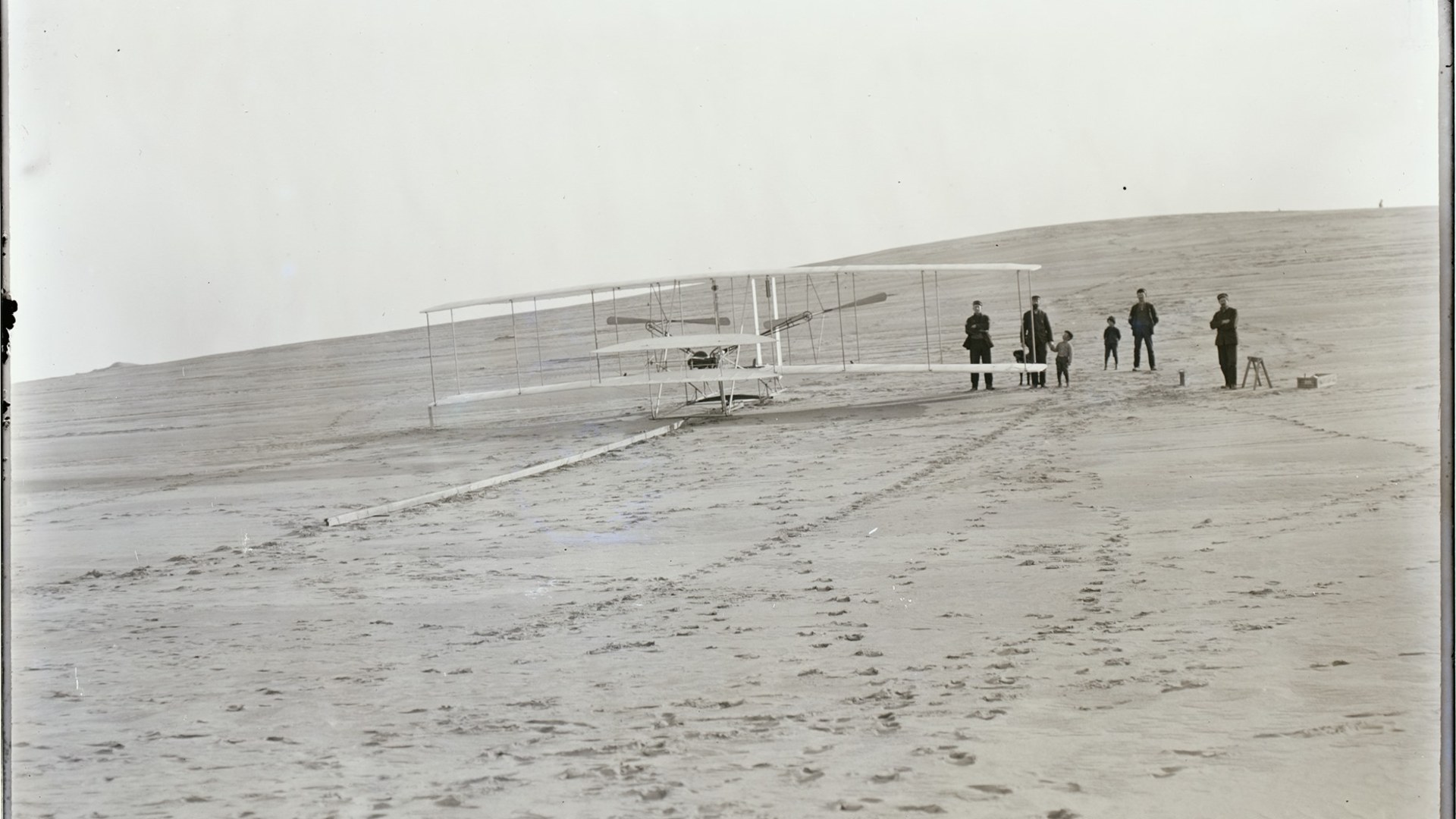
On December 17, 1903, at Kill Devil Hills near Kitty Hawk, North Carolina, Orville Wright piloted the Wright Flyer for twelve seconds across one hundred and twenty feet. That brief airborne hop proved that powered, controlled mechanical flight was possible, laying the foundation for modern global aviation.
2. Louis Bleriot First Flight Across The English Channel
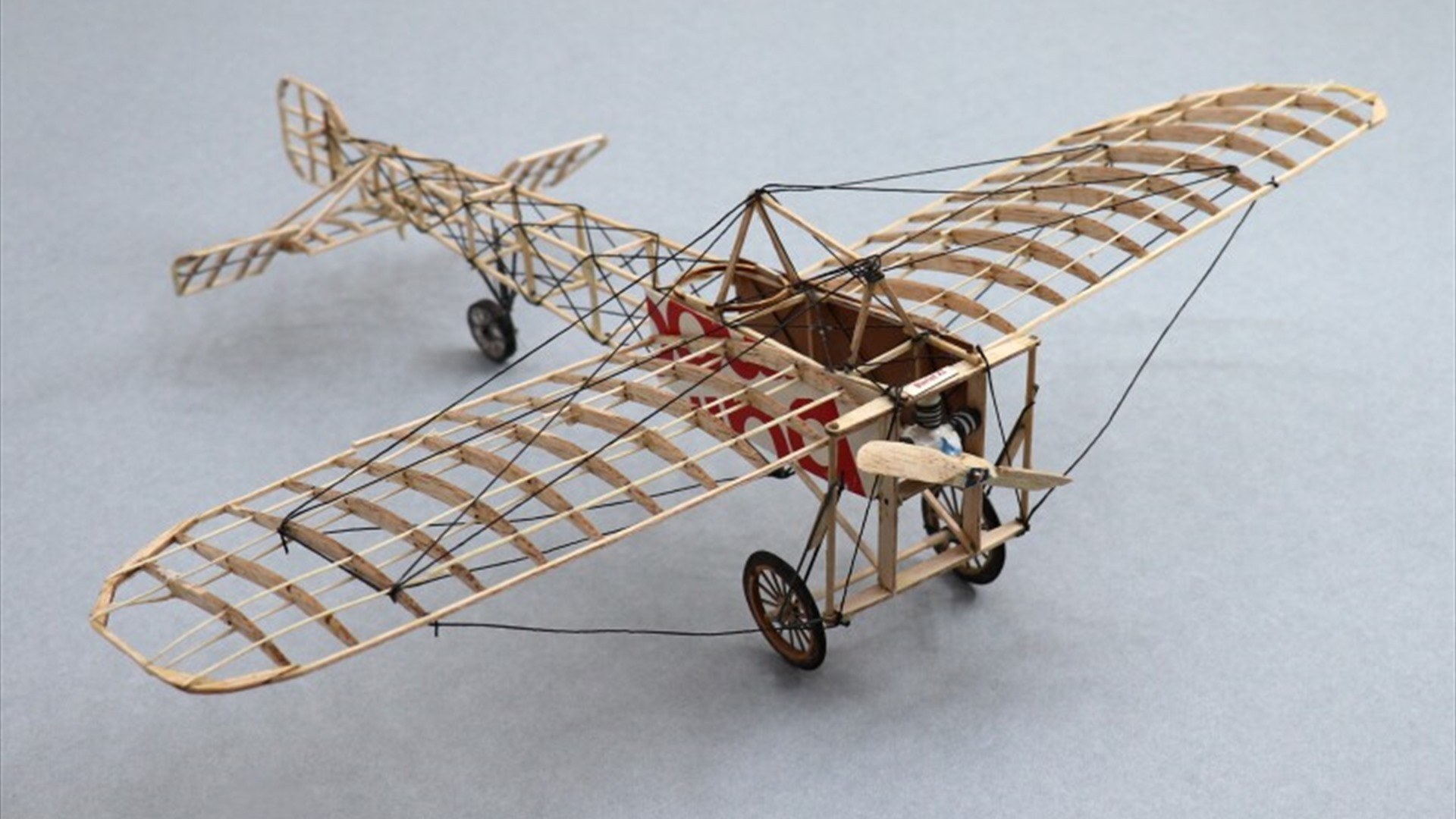
Flying his frail Bleriot XI monoplane on July 25, 1909, Louis Bleriot took off from Calais, France, and touched down in Dover, England, after thirty-six minutes. His daring sea crossing stunned European military leaders and revealed that national borders could no longer halt airborne travel.
3. First Scheduled Commercial Airline Flight In 1914
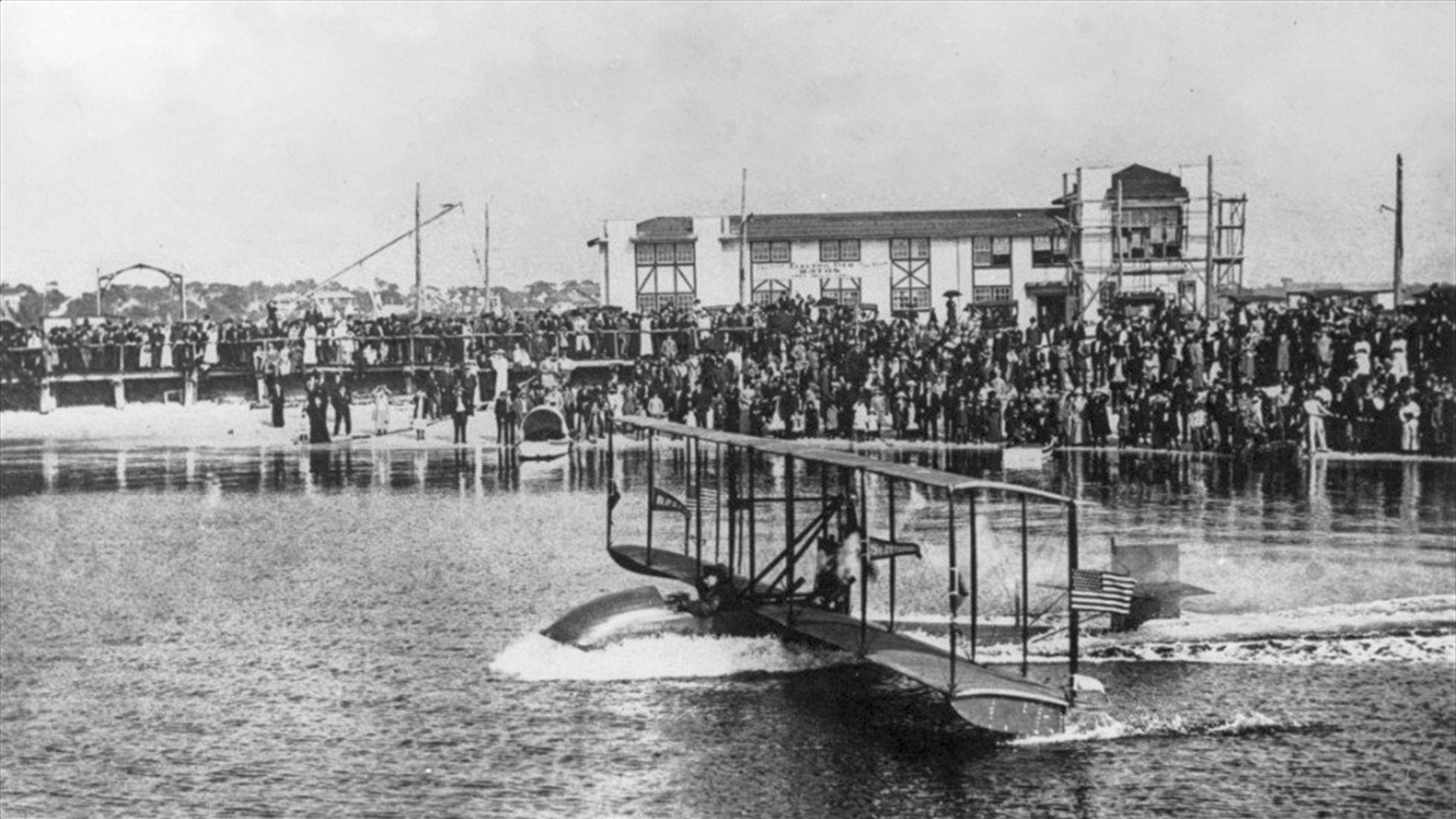
On New Year Day 1914, pilot Tony Jannus flew former St. Petersburg mayor Abram Pheil across Tampa Bay in a Benoist flying boat. The twenty-three-minute flight turned a grueling two-hour boat journey into a breeze, sparking the worldwide commercial airline passenger industry.
4. Alcock And Brown First Nonstop Transatlantic Flight
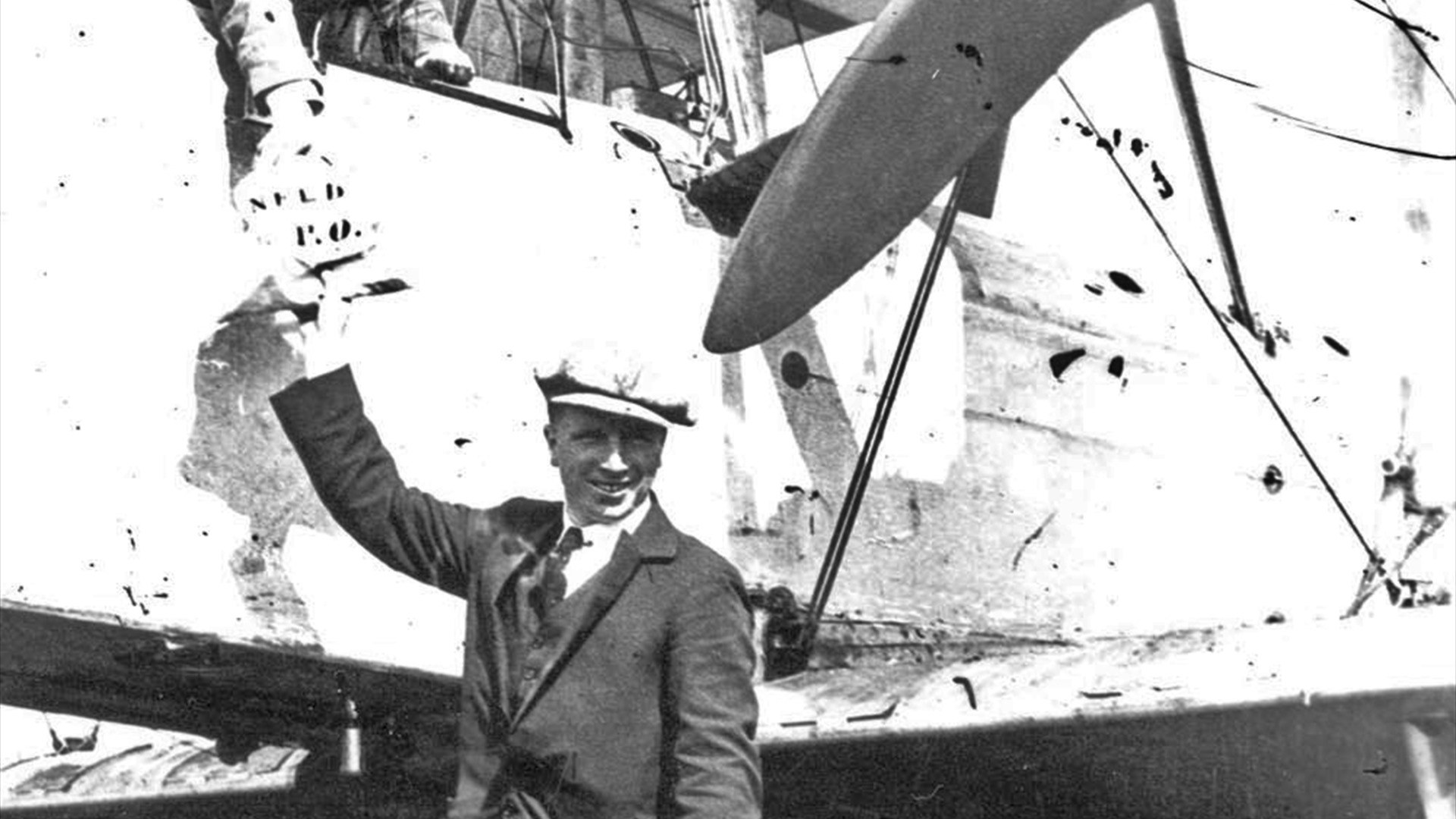
Piloting a twin-engine Vickers Vimy biplane on June 14, 1919, Alcock and Brown took off from Newfoundland and battled fog, snow, and failed instruments before landing in an Irish bog sixteen hours later. Their heroic flight proved that vast ocean expanses could be traversed without stopping.
5. Lighted Airways And Ground Beacons Built In The 1920s
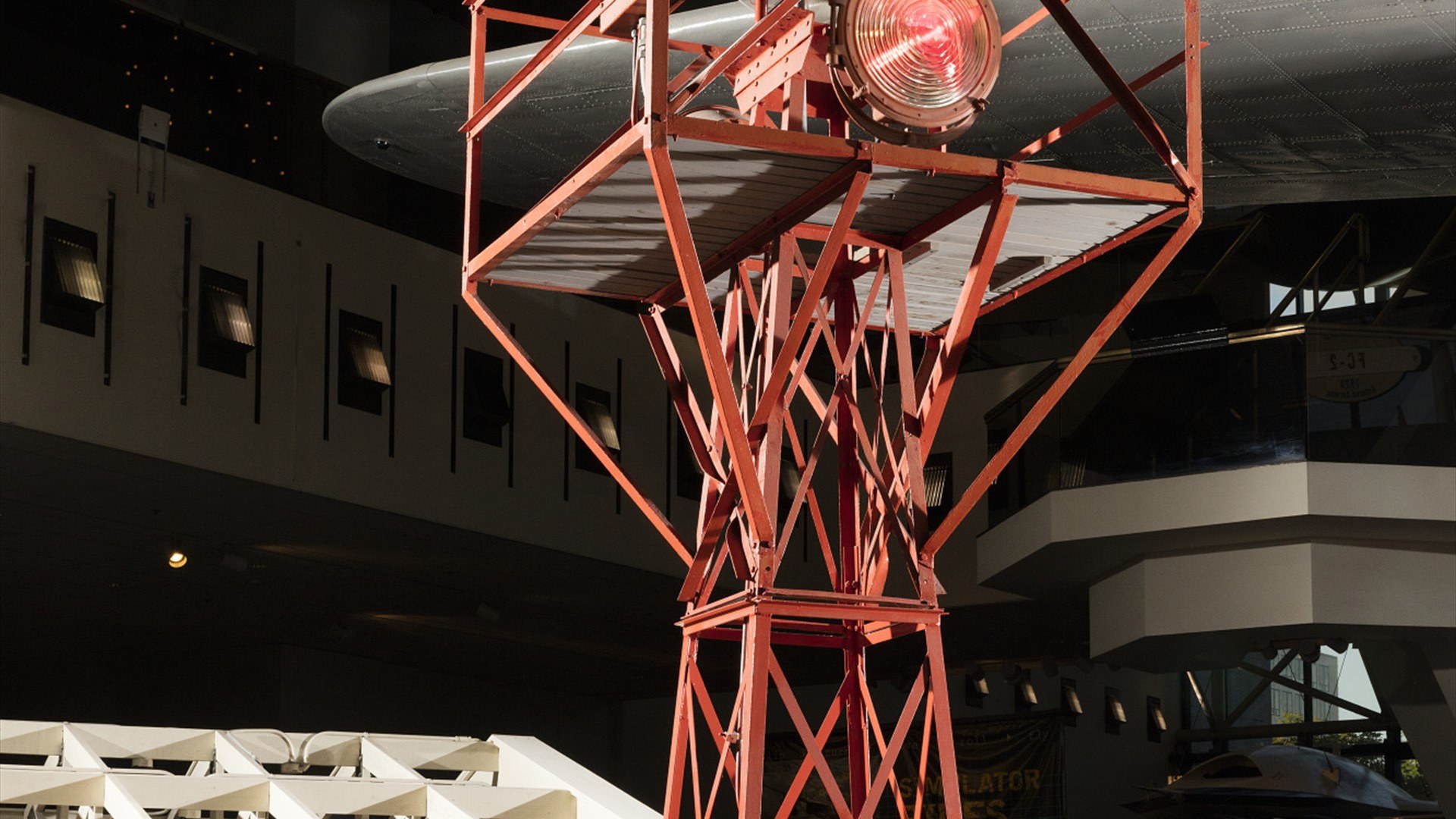
During the 1920s, the United States Postal Service erected hundreds of revolving gas and electric beacons spaced ten miles apart between New York and San Francisco. This lighted transcontinental highway allowed pilots to navigate in complete darkness, accelerating mail delivery and routine night travel.
6. Charles Lindbergh Solo Transatlantic Crossing In 1927
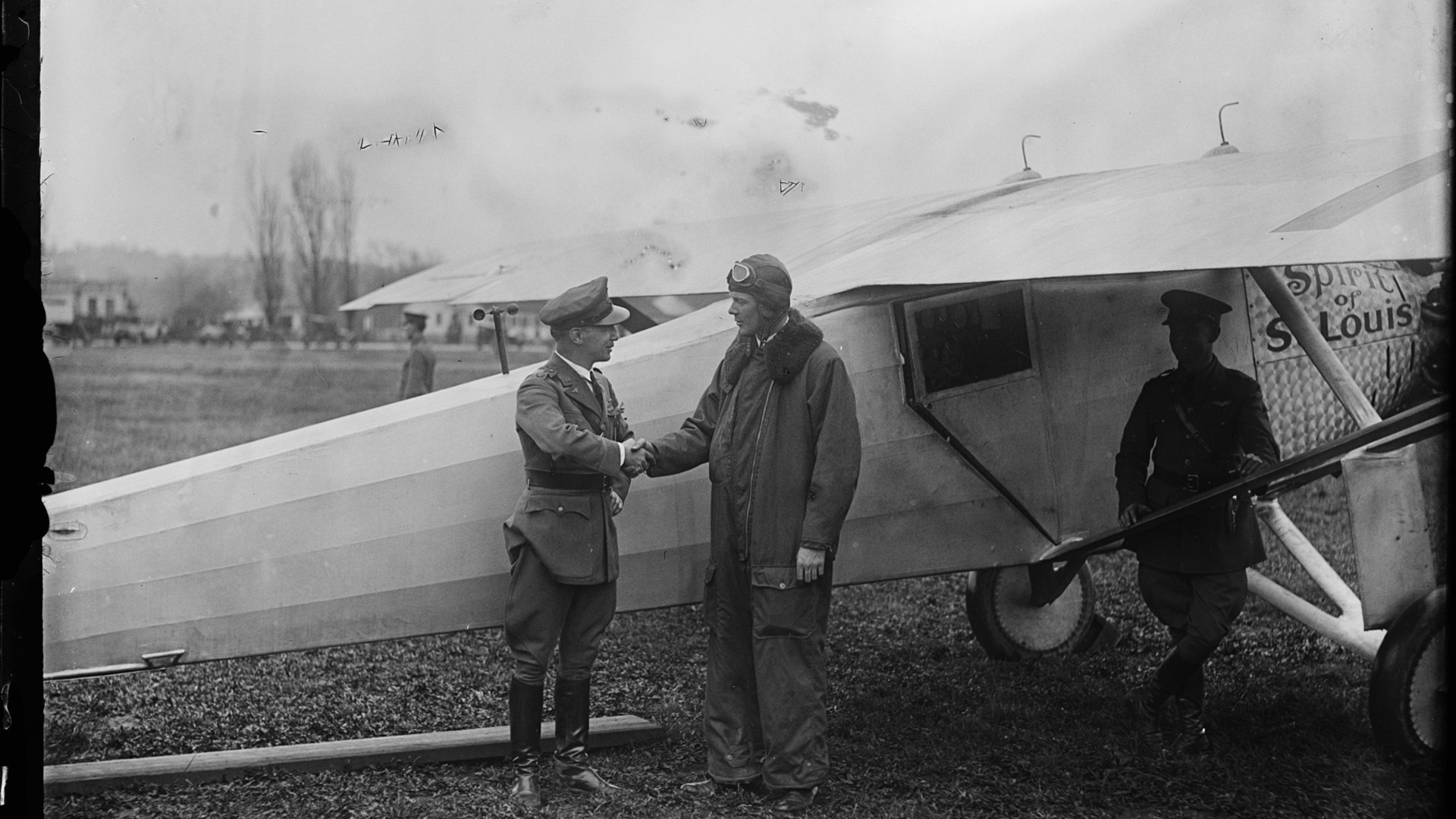
Aboard the single-engine Spirit of St. Louis, twenty-five-year-old Charles Lindbergh flew thirty-three and a half hours across the Atlantic on May 20, 1927. Touching down in Paris before tens of thousands of cheering fans, Lindbergh became an international hero and catalyzed massive investment in air travel.
7. Amelia Earhart Historic Solo Atlantic Flight In 1932
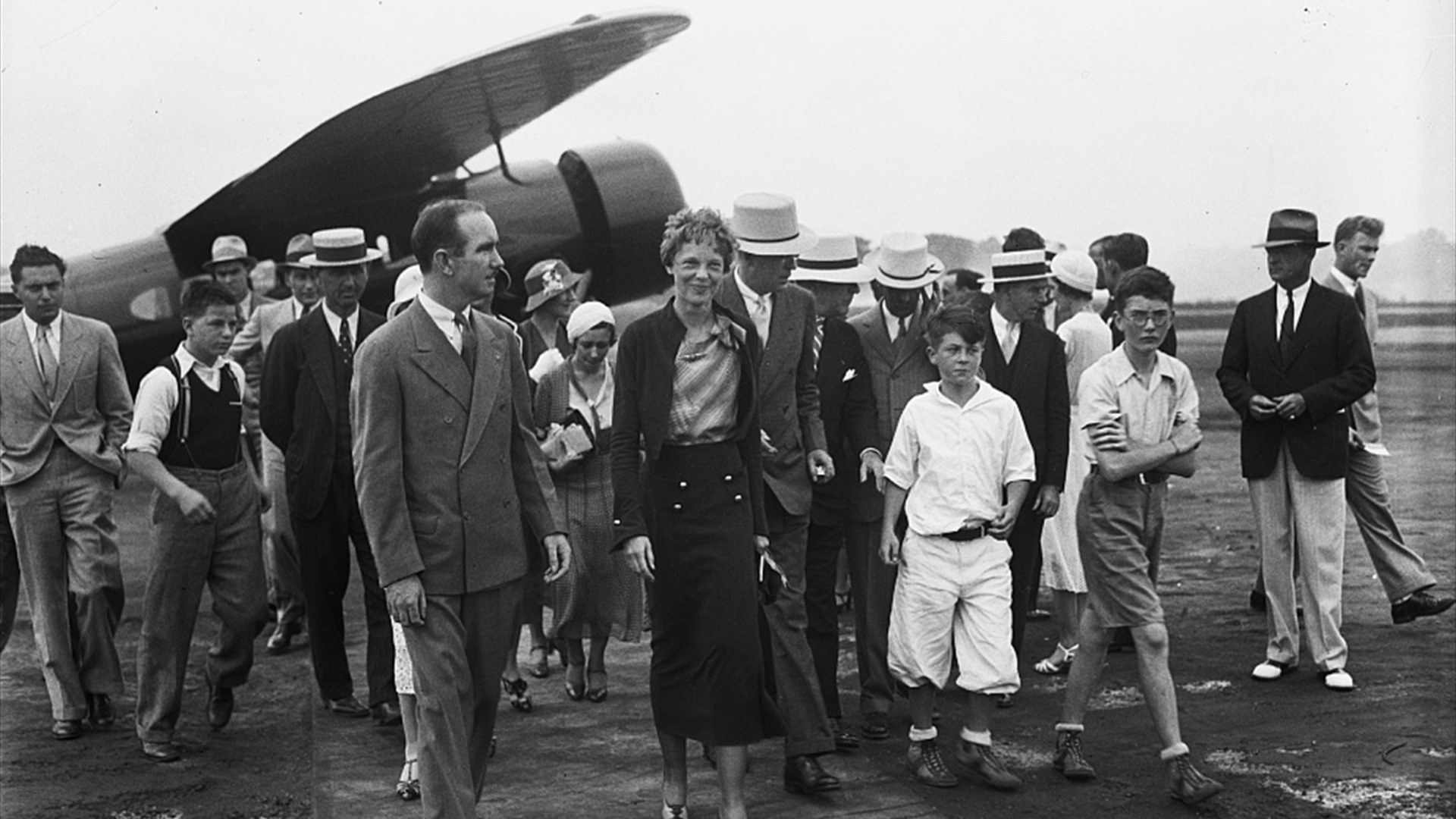
Five years to the day after Lindbergh, Amelia Earhart climbed into her bright red Lockheed Vega 5B and soared from Newfoundland to Northern Ireland in under fifteen hours. Her historic feat shattered aviation gender barriers and established her as one of history most courageous figures.
8. Boeing 247 The First Modern All-Metal Passenger Airliner
With twin engines, variable-pitch propellers, and pneumatic de-icing boots, the Boeing 247 made fabric biplanes obsolete overnight. Carrying ten passengers at a cruising speed of one hundred and eighty miles per hour, it established the structural blueprint for modern commercial transport aircraft.
9. Douglas DC-3 Makes Commercial Passenger Airlines Profitable
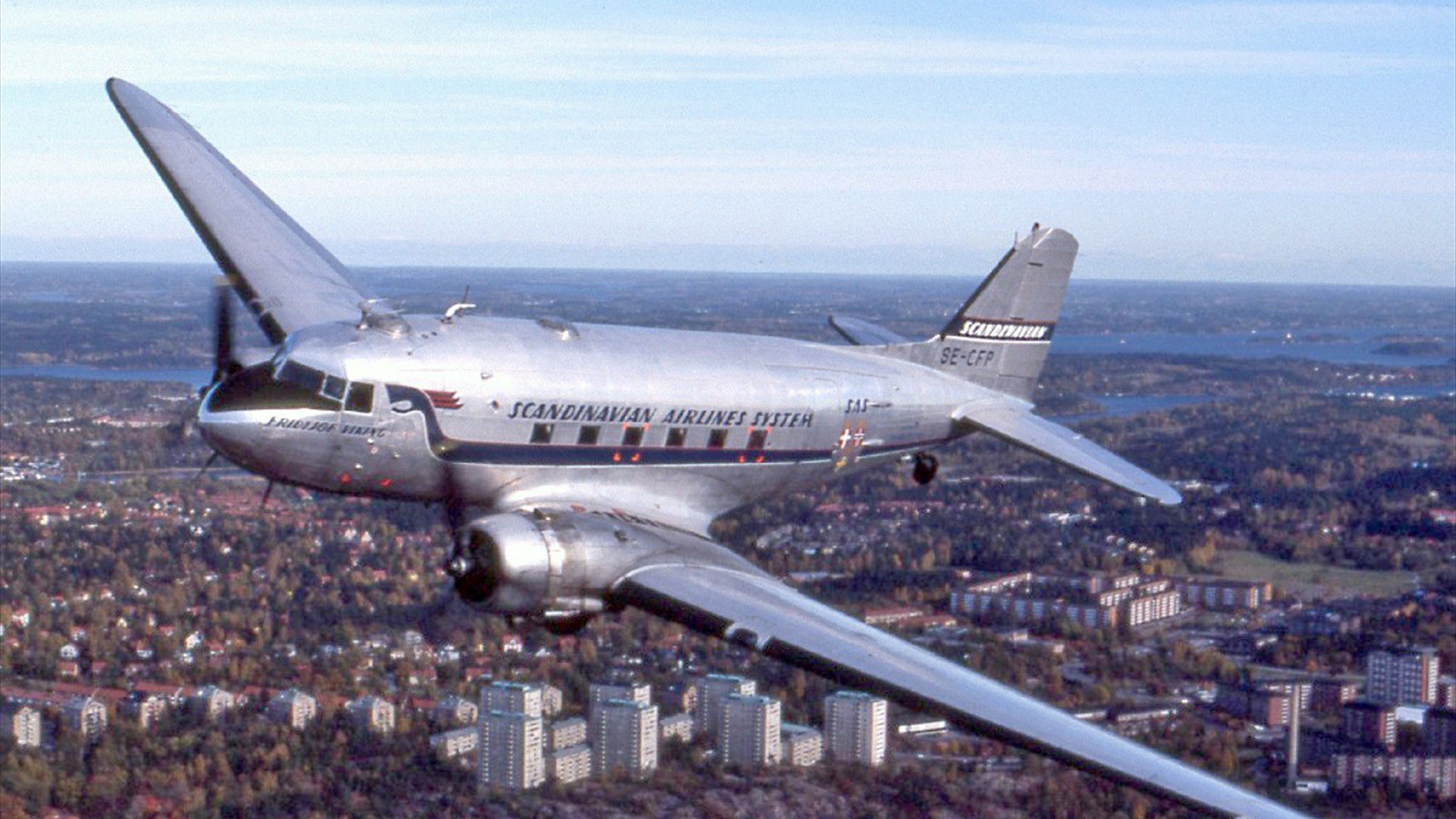
Comfortably seating twenty-one passengers with reliable Pratt and Whitney engines, the Douglas DC-3 transformed flying from an adventure into a dependable business. Airlines no longer relied solely on government mail subsidies, ushering in the golden age of luxury pre-war passenger air travel.
10. Pan American Airways Inaugurates Transpacific Flying Boats
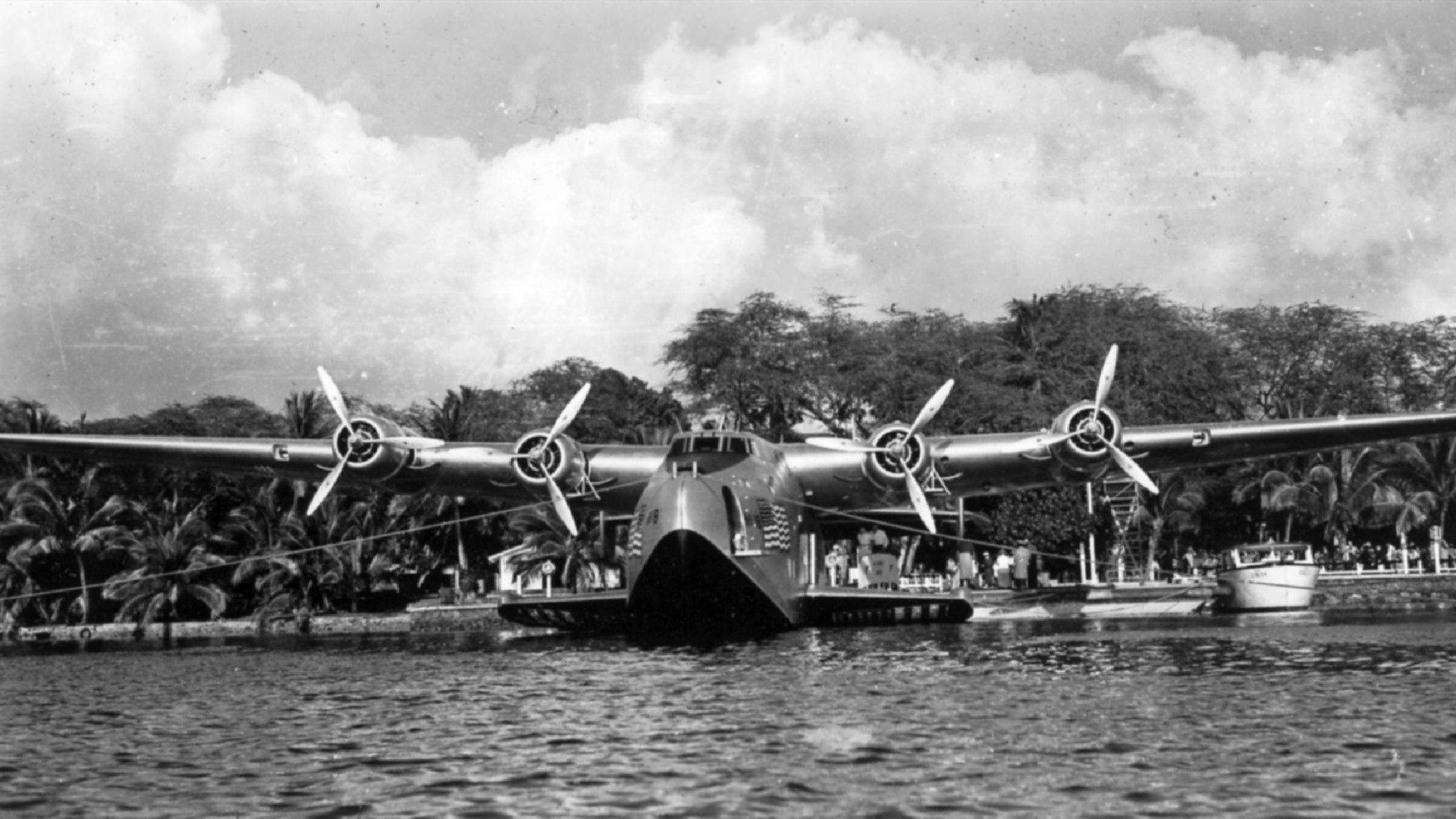
In November 1935, Pan American Airways began regular mail and passenger operations across the Pacific Ocean using legendary flying boats. Touching down at Hawaii, Midway, Wake Island, and Guam, the romantic Clippers offered sleeping berths and five-star meals, connecting opposite sides of the globe.
11. Heinkel He 178 Completes The First Turbojet Flight
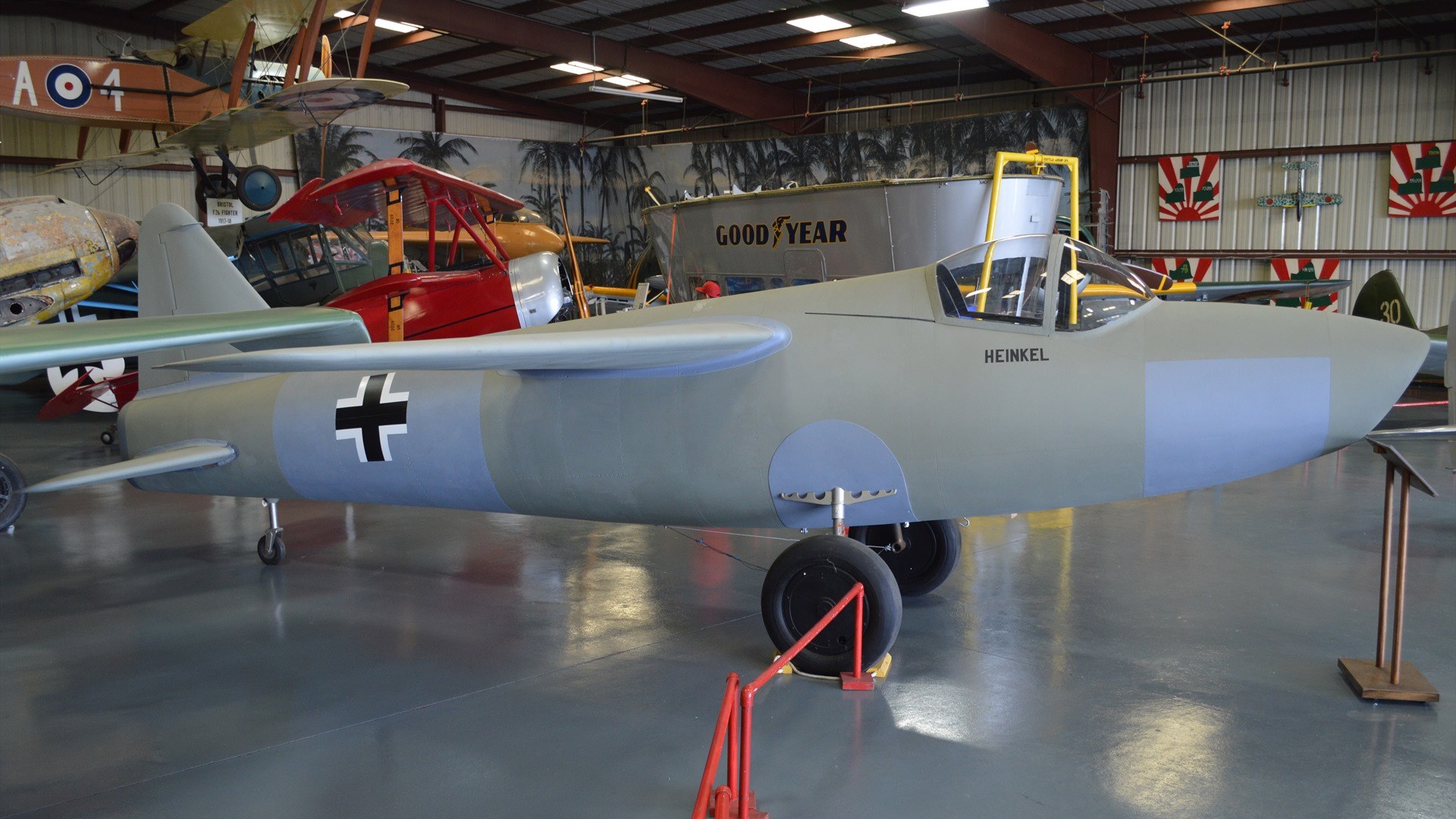
On August 27, 1939, test pilot Erich Warsitz flew the experimental Heinkel He 178 at Marienehe airfield. Driven by a revolutionary turbine engine burning liquid fuel rather than spinning a propeller, the flight ushered in the turbojet era that would ultimately propel commercial aviation into the jet age.
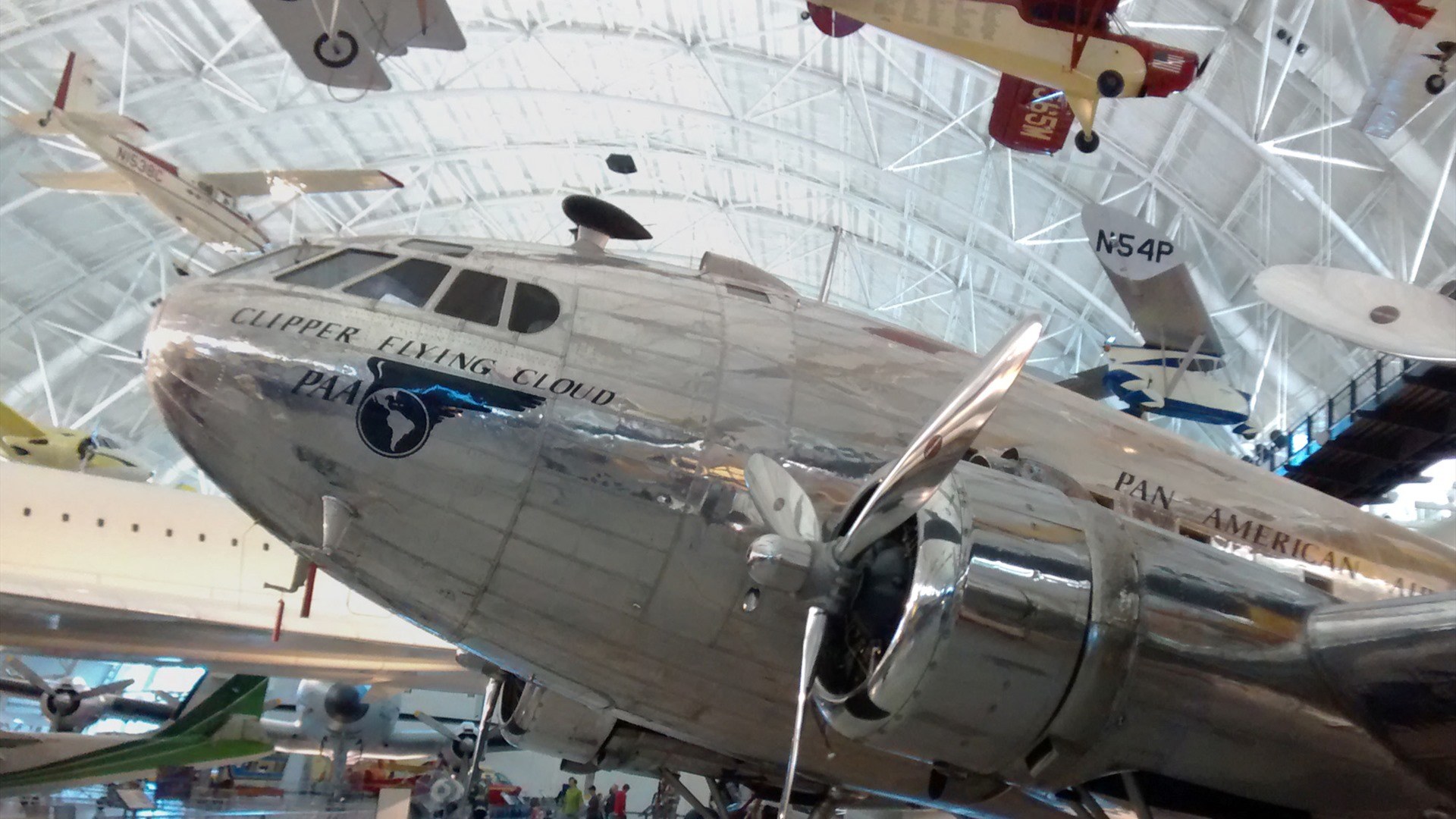
12. Pressurized Cabins Debut On The Boeing 307 Stratoliner
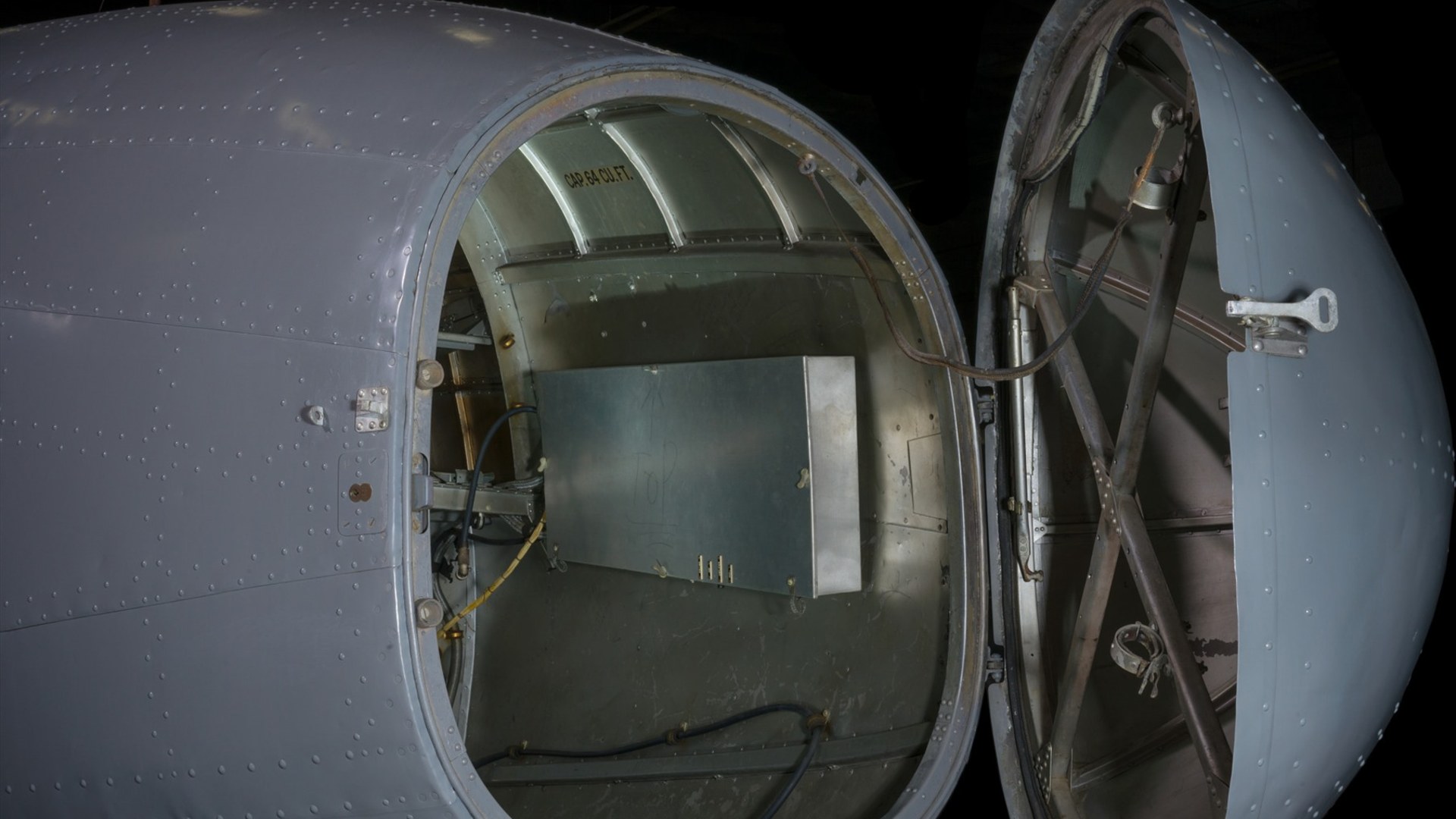
Entering commercial service in 1940 with TWA and Pan Am, the Boeing 307 Stratoliner featured a circular fuselage designed to hold internal air pressure. Flying smoothly above rough lower atmosphere weather without passenger oxygen masks, it set the standard for high-altitude passenger comfort.
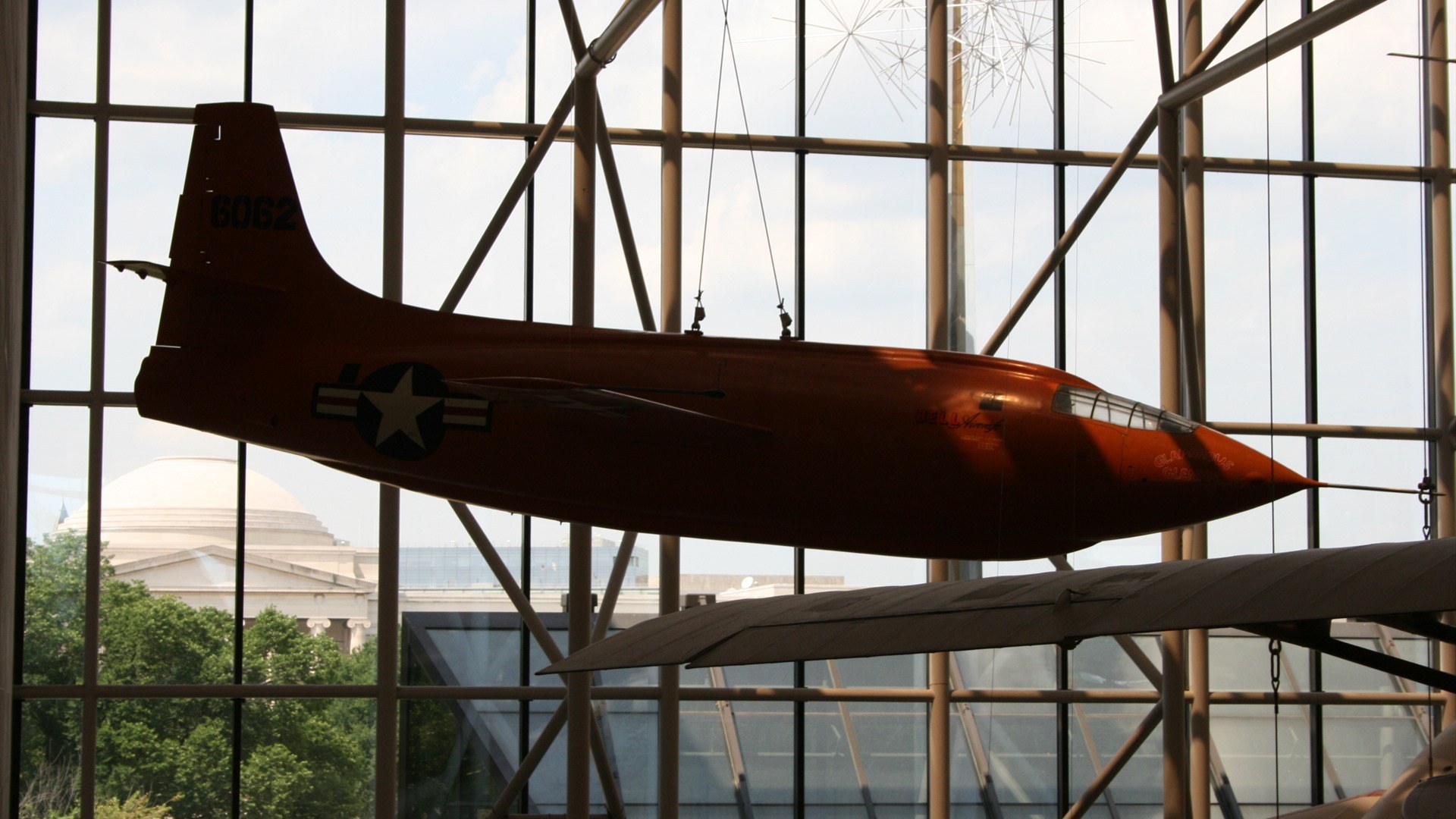
13. Chuck Yeager Breaks The Sound Barrier In The Bell X-1
Dropped from the belly of a B-29 bomber over the Mojave Desert on October 14, 1947, Captain Chuck Yeager pushed the orange Bell X-1 to Mach 1.06. Shattering the long-feared sound barrier without breaking apart, the flight unlocked high-speed aerodynamics and paved the way for supersonic transport.
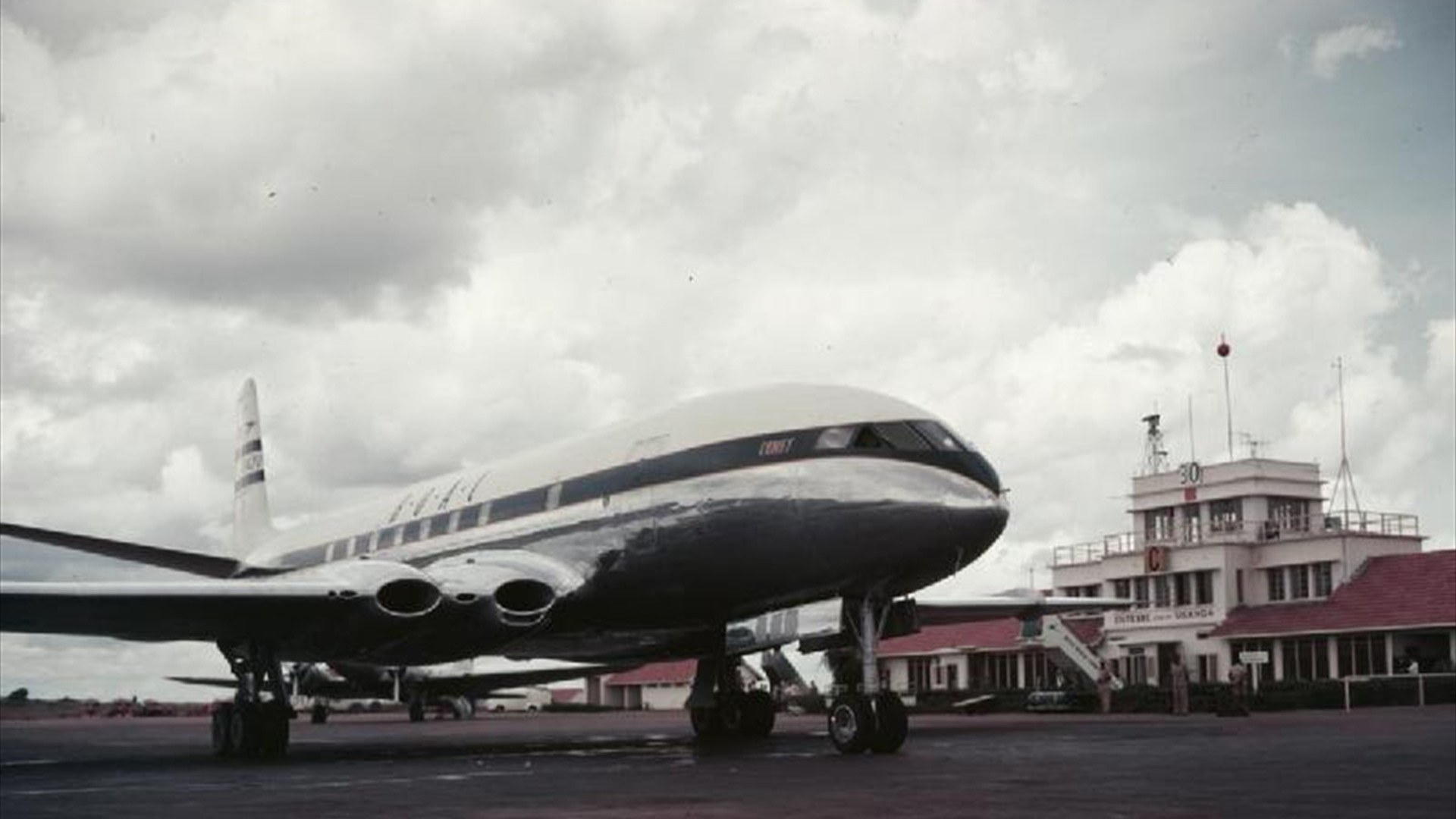
14. De Havilland Comet Launches The Commercial Jet Age In 1952
Entering service with BOAC in May 1952, the sleek four-engine De Havilland Comet cruised at nearly five hundred miles per hour in unprecedented quiet comfort. Although early structural fatigue tragedies caused setbacks, the Comet proved that passenger jet travel was the undeniable future of global transit.
15. Boeing 707 Ushers In Global Mass Commercial Jet Travel
Carrying up to one hundred and eighty-one passengers at six hundred miles per hour, the Boeing 707 shrank ocean crossings from sixteen hours down to just seven. Its swept-wing design, immense range, and profitability made ocean liners obsolete and ignited the modern era of widespread global tourism.
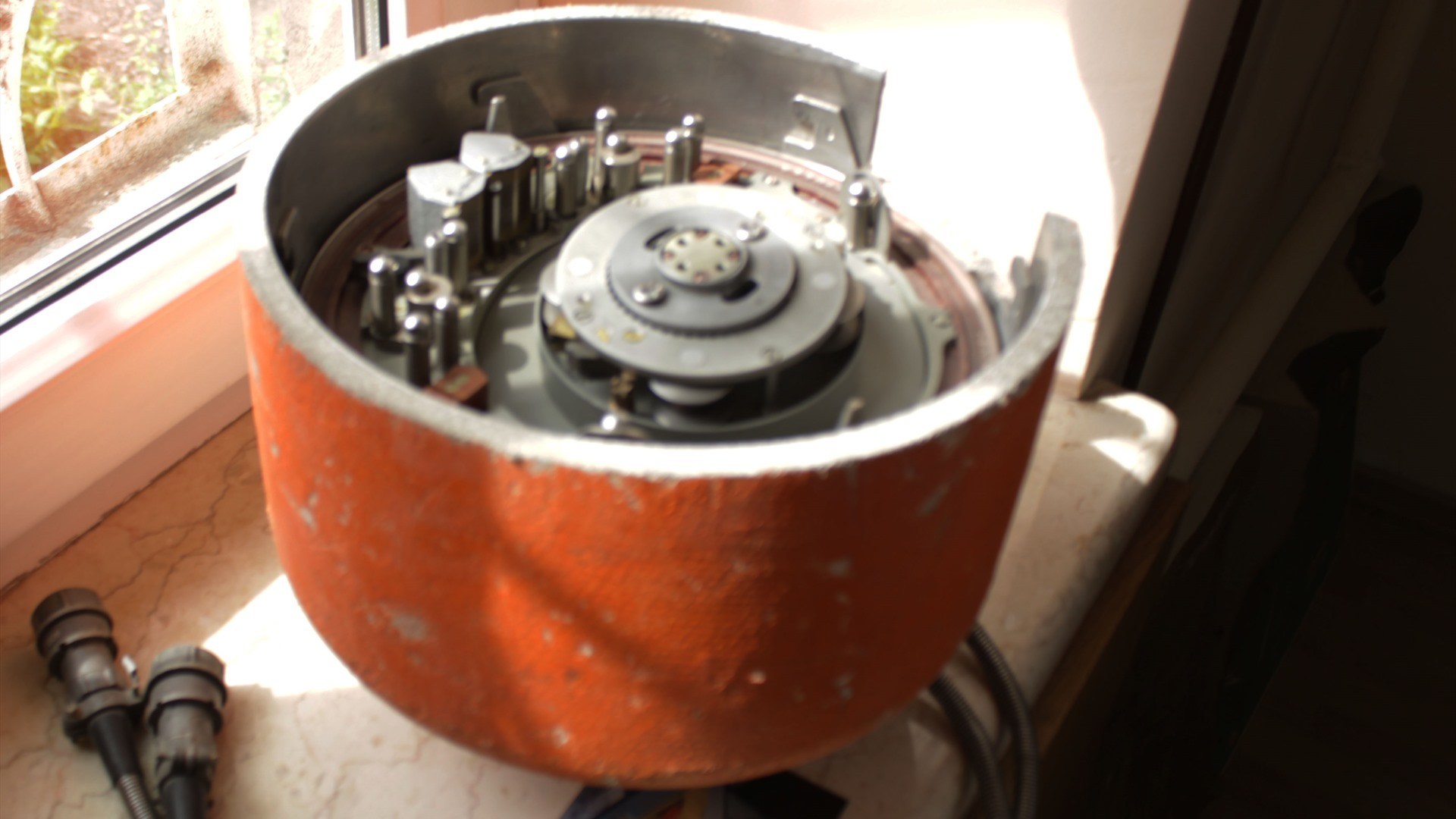
16. Black Box Flight Recorders Transform Aviation Safety
Following mysterious jetliner crashes, David Warren developed an armored magnetic recorder capable of capturing cockpit conversations and instrument data. Mandated worldwide, black boxes provided crash investigators with crucial clues, leading to systematic safety improvements that saved millions of lives.
17. Instrument Landing Systems Enable Safe All-Weather Landings
Developed extensively during the post-war era, Instrument Landing Systems use precise horizontal localizer and vertical glide slope radio beams to guide airplanes onto runway centerlines. By allowing routine landings in zero-visibility conditions, ILS transformed air travel into a dependable scheduled service.
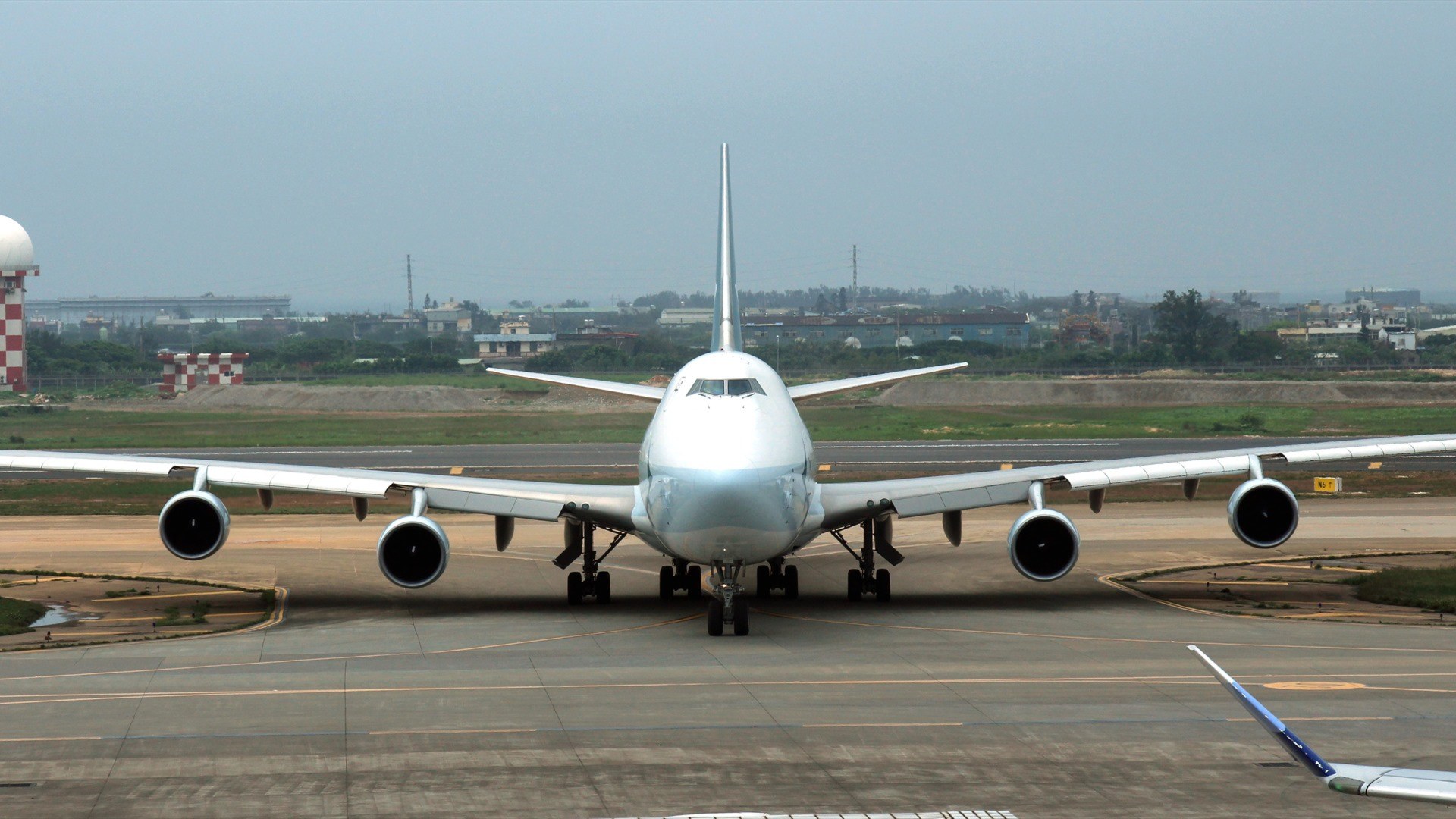
18. Boeing 747 Jumbo Jet Democratizes Long-Haul Flight
With its recognizable upper deck hump and twin-aisle widebody layout, the colossal Boeing 747 carried over three hundred and sixty passengers on non-stop intercontinental voyages. Its sheer scale dramatically lowered per-seat operating costs, allowing everyday families to vacation across oceans for the first time.
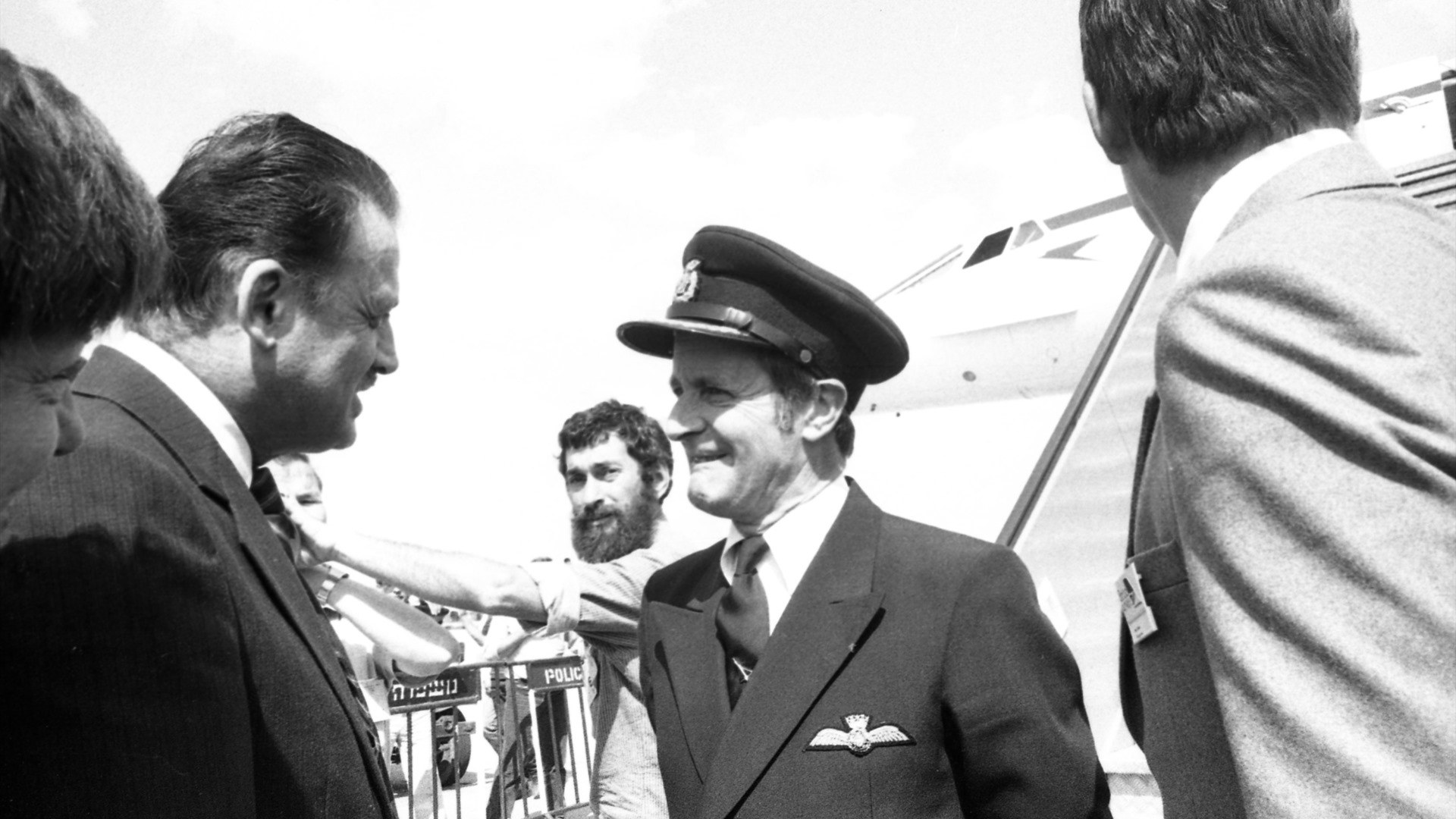
19. Concorde Inaugurates Commercial Supersonic Passenger Travel
Developed jointly by Britain and France, the delta-winged Concorde entered passenger service in 1976. Flying eleven miles above the Earth at twice the speed of sound, Concorde passengers watched the curvature of the planet while sipping champagne, representing the pinnacle of twentieth-century aeronautical glamour.
20. Airline Deregulation Act Of 1978 Unleashes Cheap Fares
Signed by President Jimmy Carter, the landmark act removed federal price controls and route approvals from American commercial aviation. Aggressive new low-cost airlines entered the market, sparking competitive fare wars that permanently transformed flying from an elite luxury into an affordable mass commodity.
21. Fly By-Wire Avionics Debut On The Airbus A320 In 1987
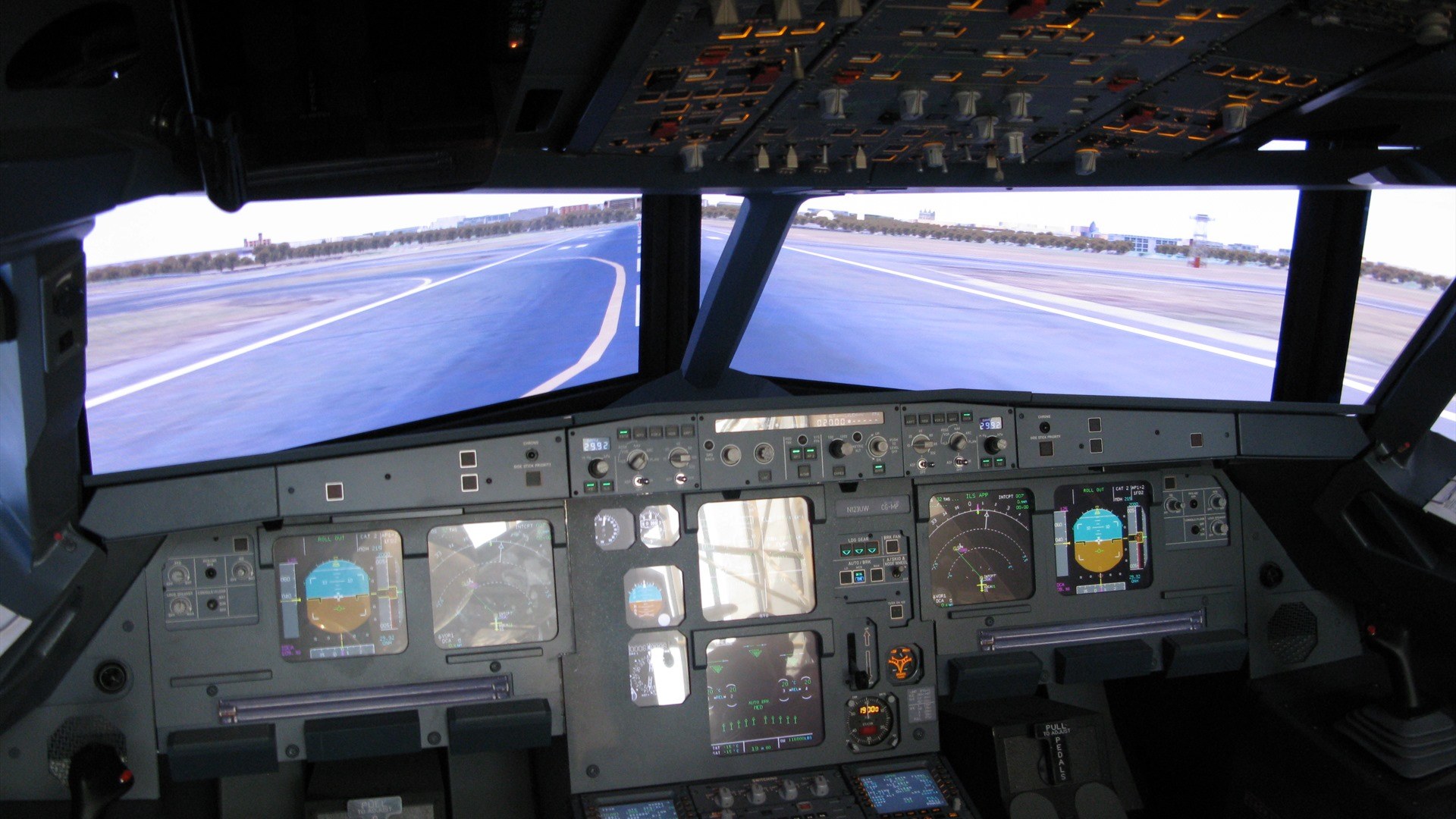
The Airbus A320 was the first commercial airliner to feature full digital fly-by-wire controls guided by side-stick controllers rather than heavy control yokes and cables. Computer flight envelope protection prevented pilots from stalling or over-stressing airframes, establishing the digital baseline for modern jets.
22. Global Positioning System Revolutionizes Flight Routing
Opening military satellite navigation signals for civilian aviation in the 1990s revolutionized air traffic management worldwide. Instead of zig-zagging between ground-based radio beacons, airliners could navigate curved Great Circle routes directly across oceans and polar regions, saving massive amounts of fuel.
23. Extended-Range Twin-Engine Operations Enable Direct Routes
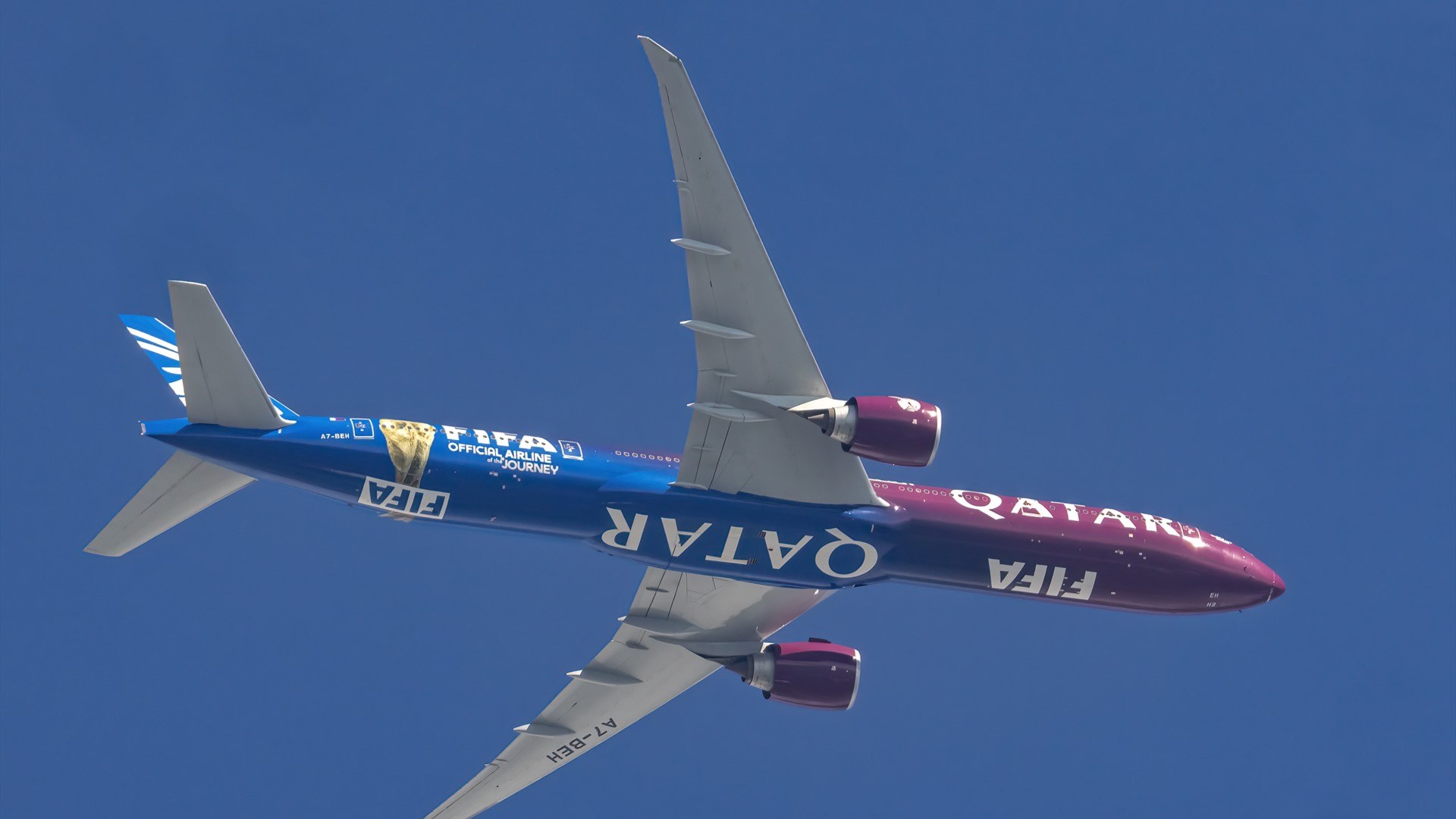
Historically, transoceanic flights required three or four engines in case of mechanical failure. Advances in turbofan reliability led regulators to grant ETOPS ratings to twin-engine widebodies like the Boeing 777, allowing carriers to open profitable direct point-to-point flights bypassing congested hub airports.
24. Airbus A380 Superjumbo Redefines High-Density Flying
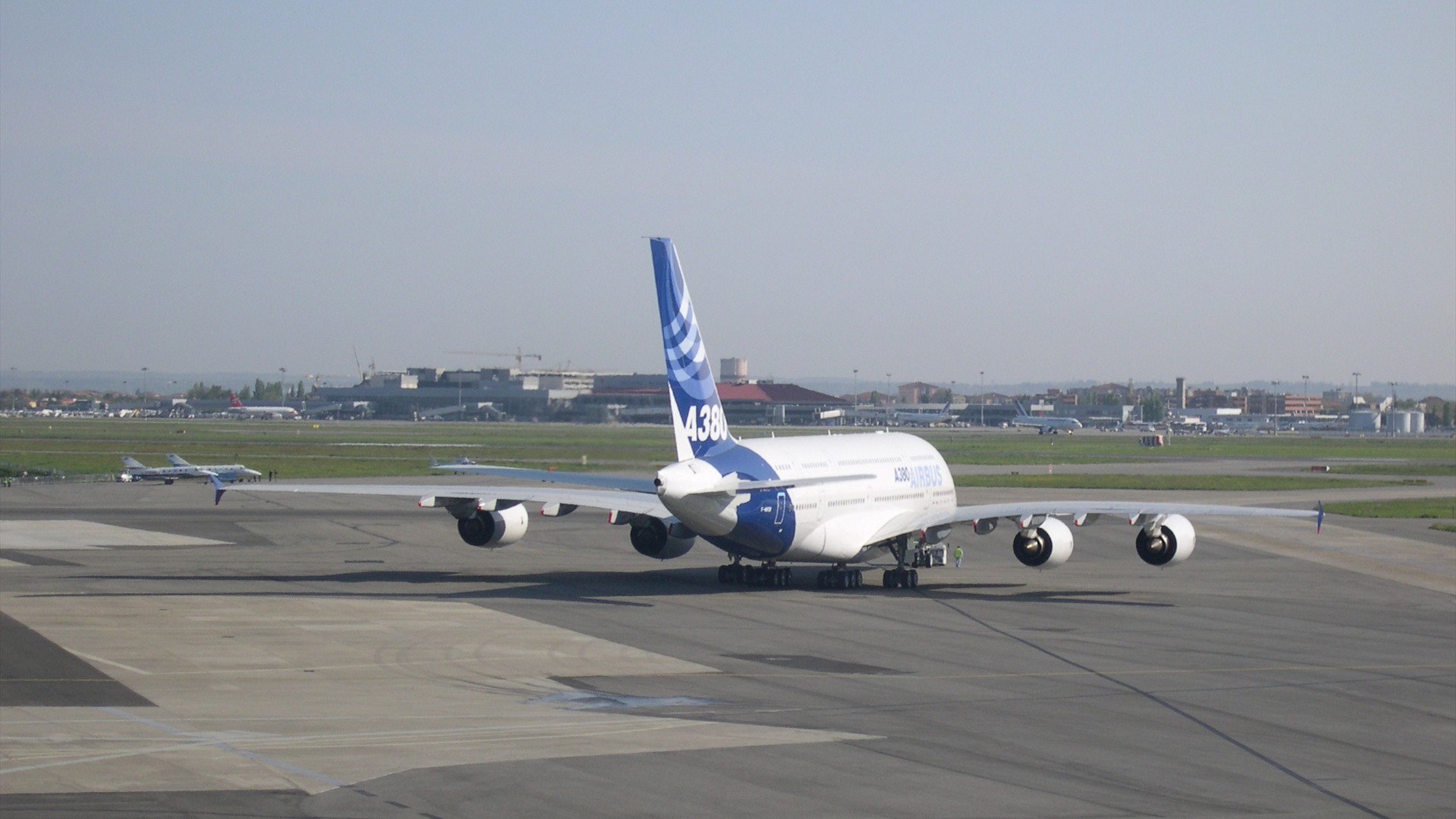
Spanning a full-length double deck capable of carrying over five hundred passengers, the Airbus A380 showcased unmatched engineering ambition. Built to relieve slot congestion at mega-hub airports worldwide, the quiet superjumbo offered onboard shower spas, duty-free shops, and spacious lounges for world travelers.
25. Boeing 787 Dreamliner Reshapes Travel With Carbon Composites
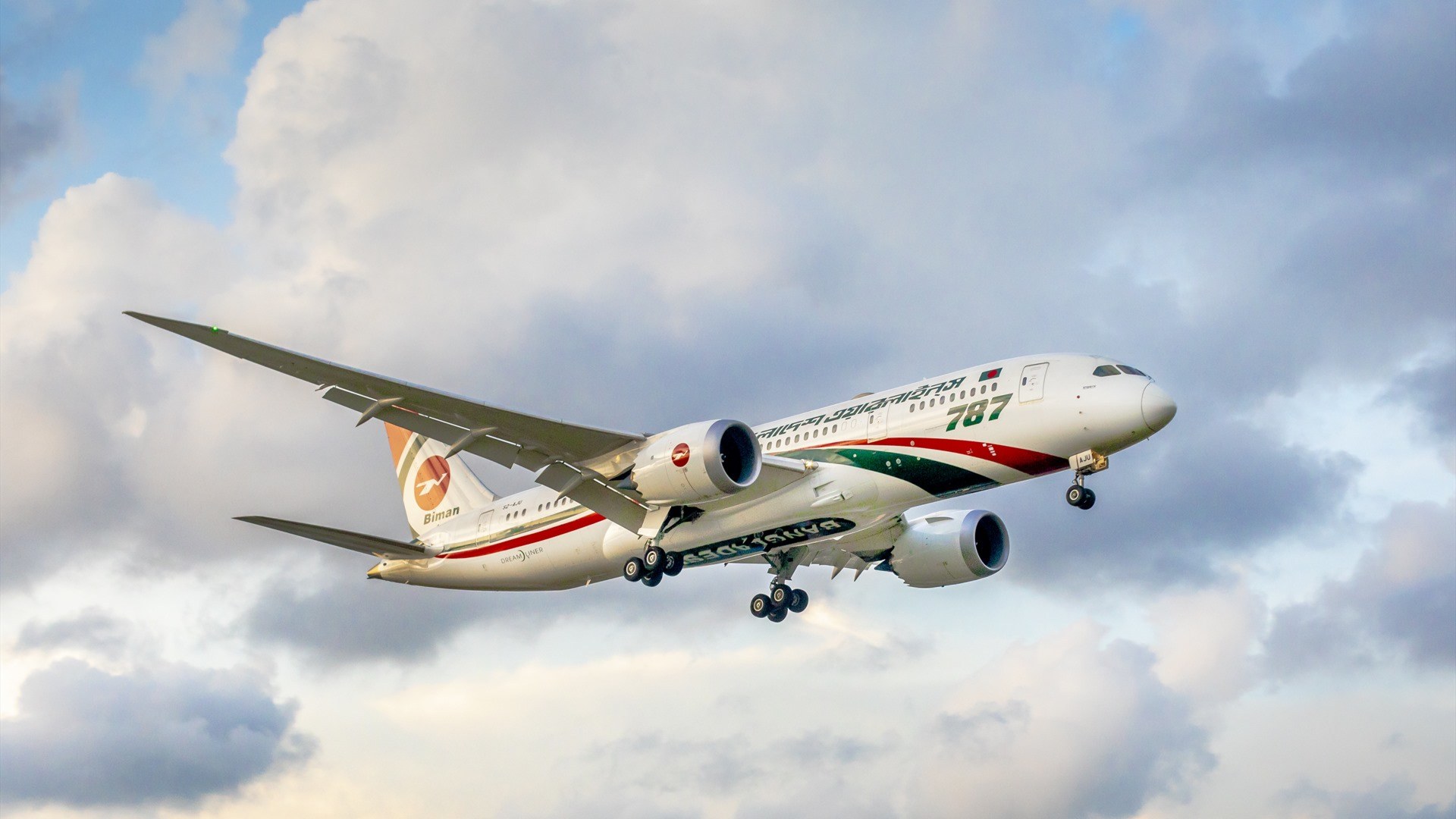
Entering commercial service in 2011, the Boeing 787 Dreamliner was the first airliner constructed primarily from composite materials. With higher cabin humidity, larger dimming windows, and lower cabin altitude pressure, it fundamentally reshaped long-distance passenger comfort.









