Slideshow · Viral
25 Best US States for Bird Watching Ranked
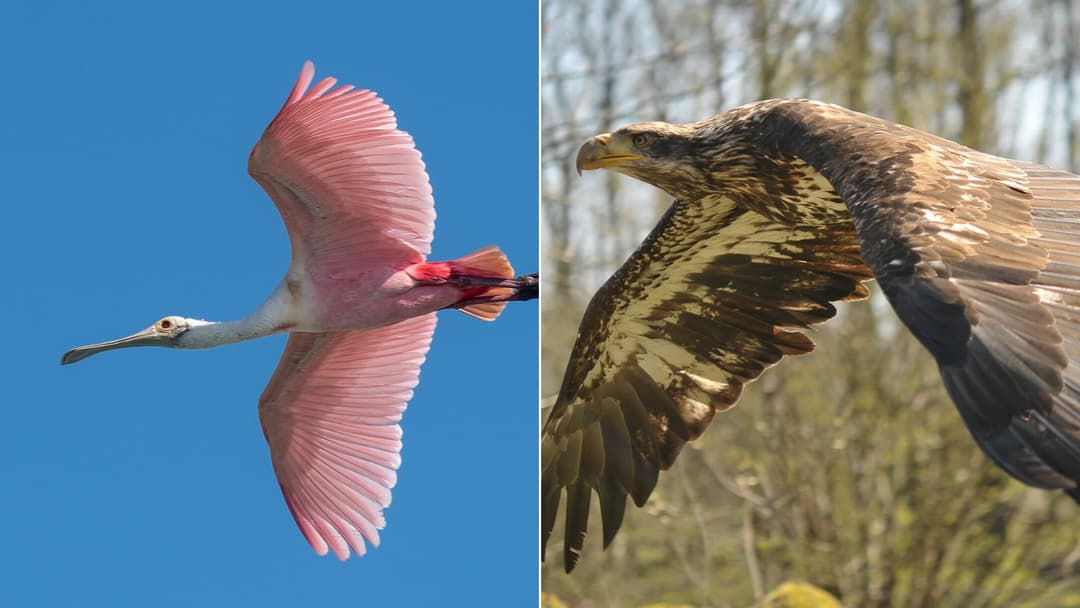
From coastal wetlands and sweeping prairie flyways to sun-drenched canyonlands and alpine tundra, America is home to extraordinary avian diversity. Based on official state checklists and eBird biodiversity records, here are the top 25 US states for bird watching, arranged in strictly ascending order of documented wild bird species.
By Most Viral Today
16 min ago

25 Best US States for Bird Watching Ranked 
25. Wisconsin (443 Species) 
24. Ohio (446 Species) 
23. Minnesota (448 Species) - AdvertisementSwipe or tap ▶ to continue countdown

22. Missouri (450 Species) 
21. Pennsylvania (452 Species) 
20. Michigan (458 Species) 
19. Illinois (462 Species) - AdvertisementSwipe or tap ▶ to continue countdown

18. Georgia (465 Species) 
17. Utah (471 Species) 
16. Virginia (476 Species) 
15. North Carolina (486 Species) - AdvertisementSwipe or tap ▶ to continue countdown

14. New Jersey (489 Species) 
13. Louisiana (494 Species) 
12. Nevada (498 Species) 
11. New York (502 Species) - AdvertisementSwipe or tap ▶ to continue countdown

10. Massachusetts (508 Species) 
9. Colorado (518 Species) 
8. Washington (528 Species) 
7. Alaska (535 Species) - AdvertisementSwipe or tap ▶ to continue countdown

6. New Mexico (552 Species) 
5. Oregon (554 Species) 
4. Florida (562 Species) 
3. Arizona (572 Species) - AdvertisementSwipe or tap ▶ to continue countdown

2. Texas (662 Species) 
1. California (682 Species) - Advertisement🔥 UP NEXT IN THIS SERIES◫ 21 Slides

20 International Spectacles And Championships Arriving In 2027
From wetlands sweeping prairie flyways to sun-drenched canyonland and alpine tundra, America is home to extraordinary avian diversity. Based on official state checklists and eBird biodiversity records, here are the top 25 US states for bird watching, arranged in strictly ascending order of documented wild bird species.
Swipe or tap ▶ to begin the countdown
©Wikimedia / Gordon Leggett / Michael Gabler
25. Wisconsin (443 Species)
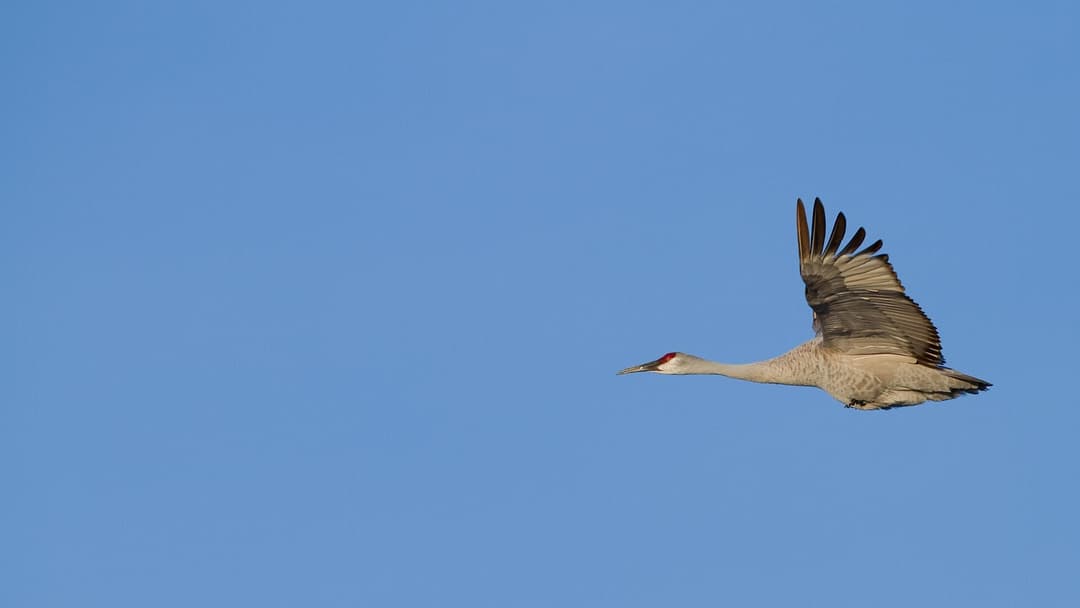
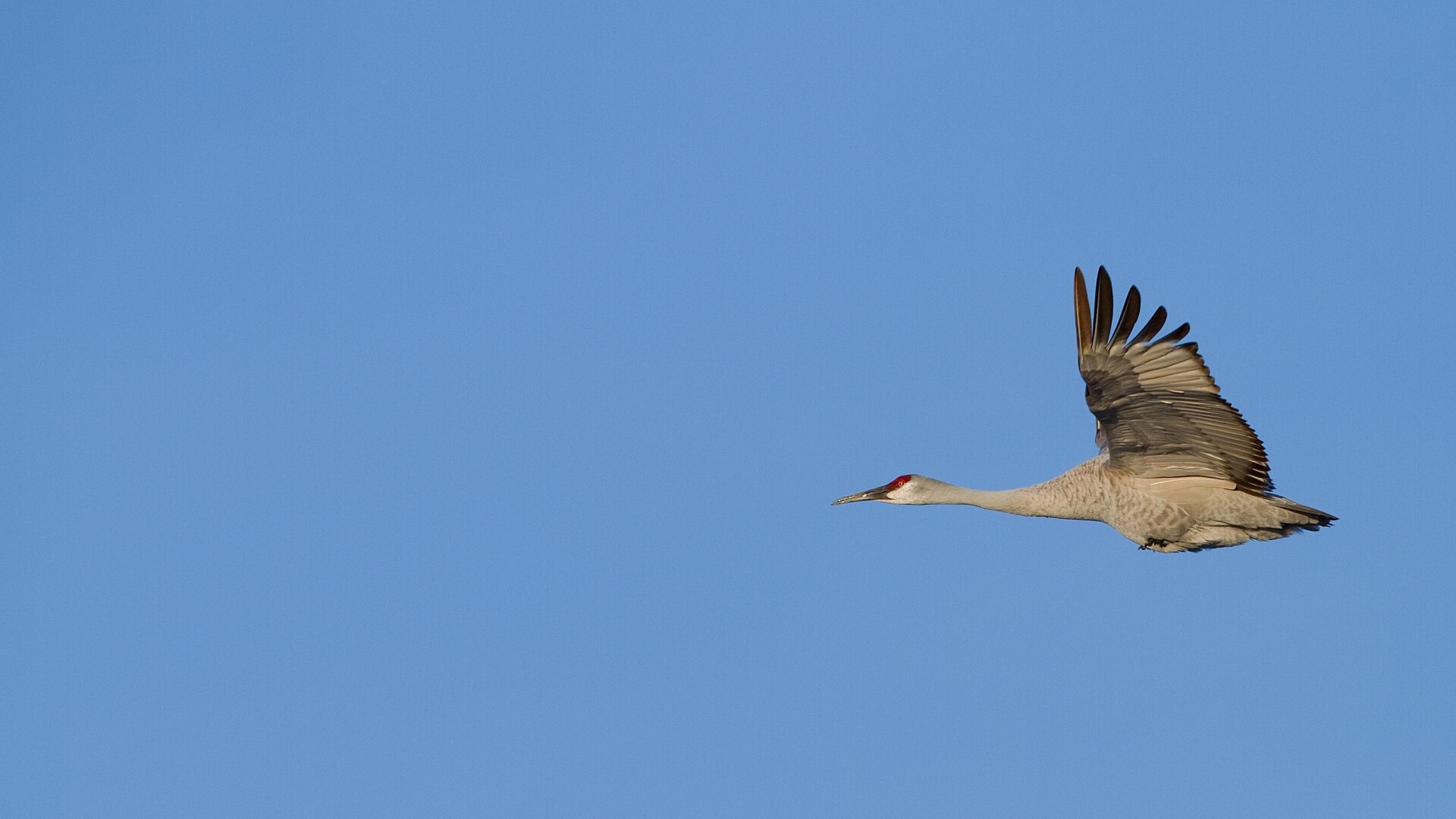
Positioned along the Mississippi Flyway, Wisconsin provides crucial wetland stopovers for migratory birds. Horicon Marsh and Necedah National Wildlife Refuge draw birders seeking breeding sandhill cranes, whooping cranes, and vibrant summer warblers nesting in the northern boreal forests.
©Wikimedia / Stepan Mazurov
24. Ohio (446 Species)
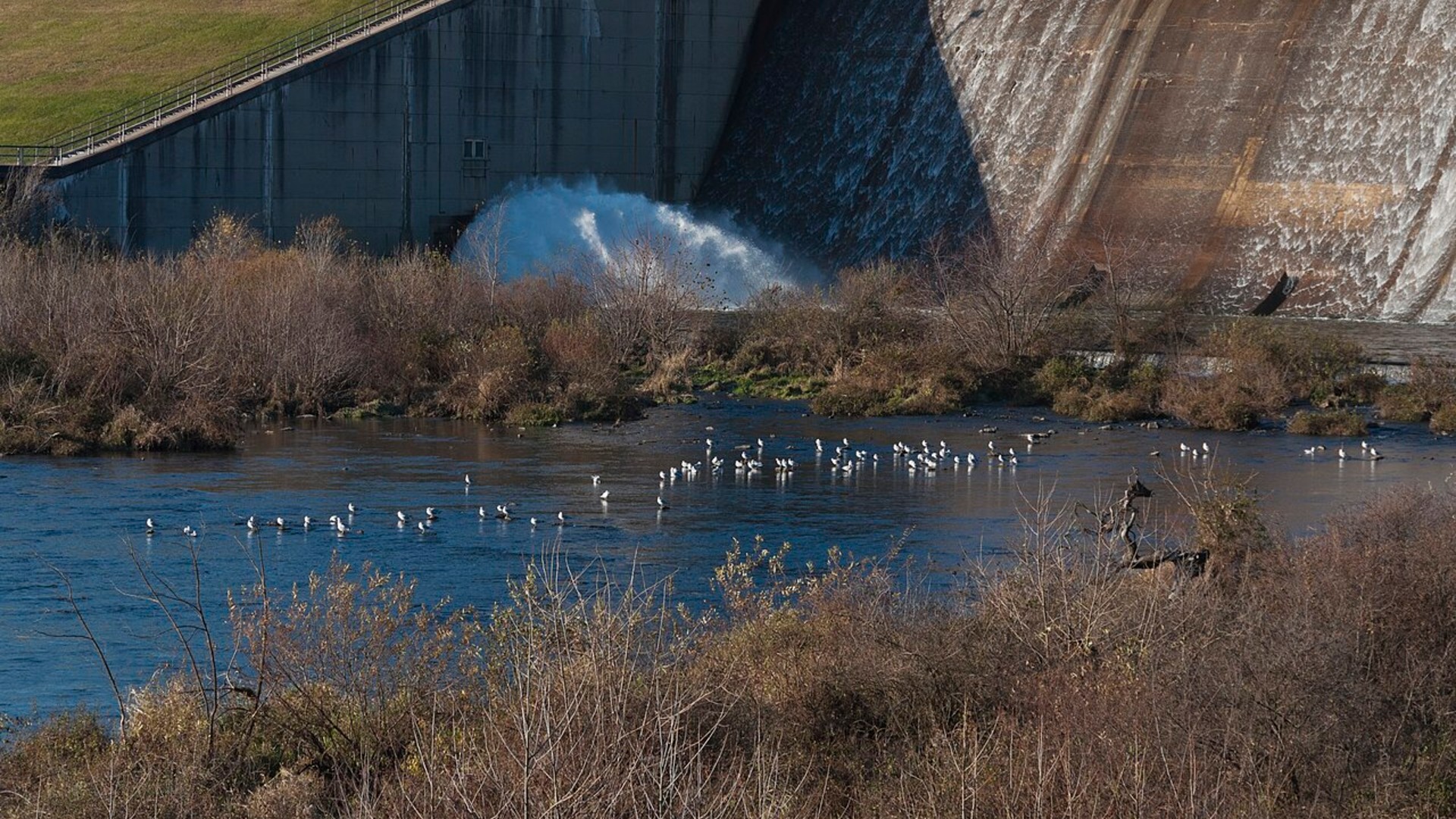
The southern shore of Lake Erie acts as a massive natural funnel for songbirds resting before crossing open water into Canada. Magee Marsh Wildlife Area and Ottawa National Wildlife Refuge attract global birders every May to witness dazzling fallouts of thirty-plus warbler species and resident cardinals.
©Wikimedia / Sixflashphoto
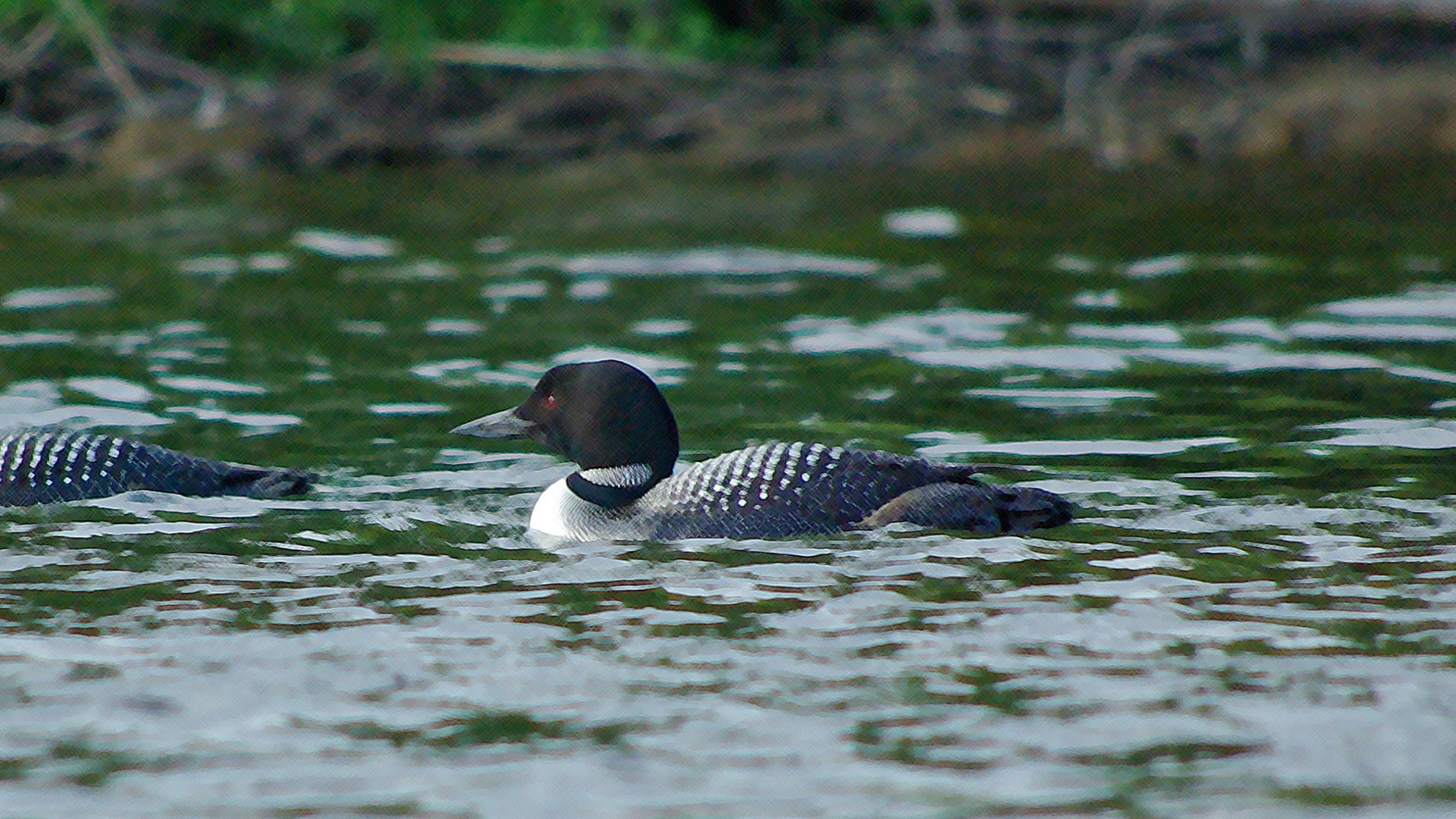
23. Minnesota (448 Species)
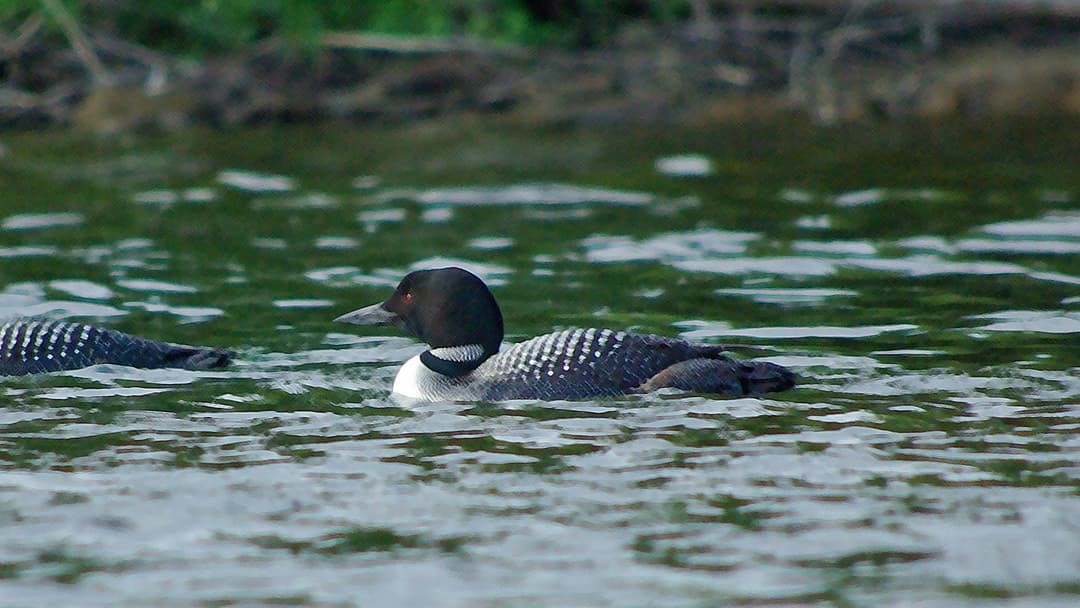
With ten thousand freshwater lakes and expansive peatlands, Minnesota is a sanctuary for northern breeding birds. The iconic common loon echoes across the Boundary Waters Canoe Area, while Sax-Zim Bog offers world-renowned winter birding for great gray owls, northern hawk owls, and boreal chickadees.
©Wikimedia / Ano Lobb
Advertisement
Swipe or tap ▶ to resume the countdown.
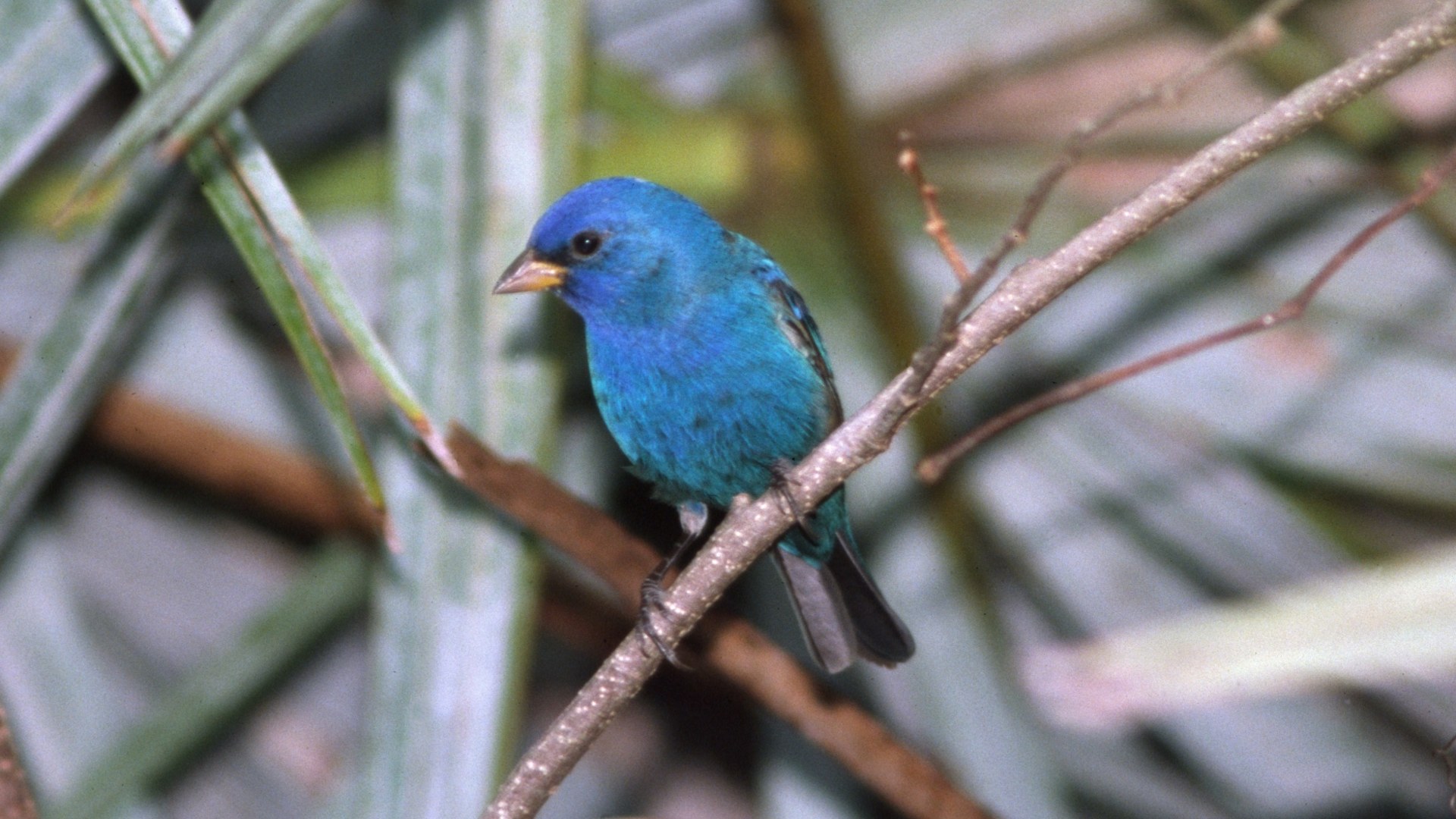
22. Missouri (450 Species)
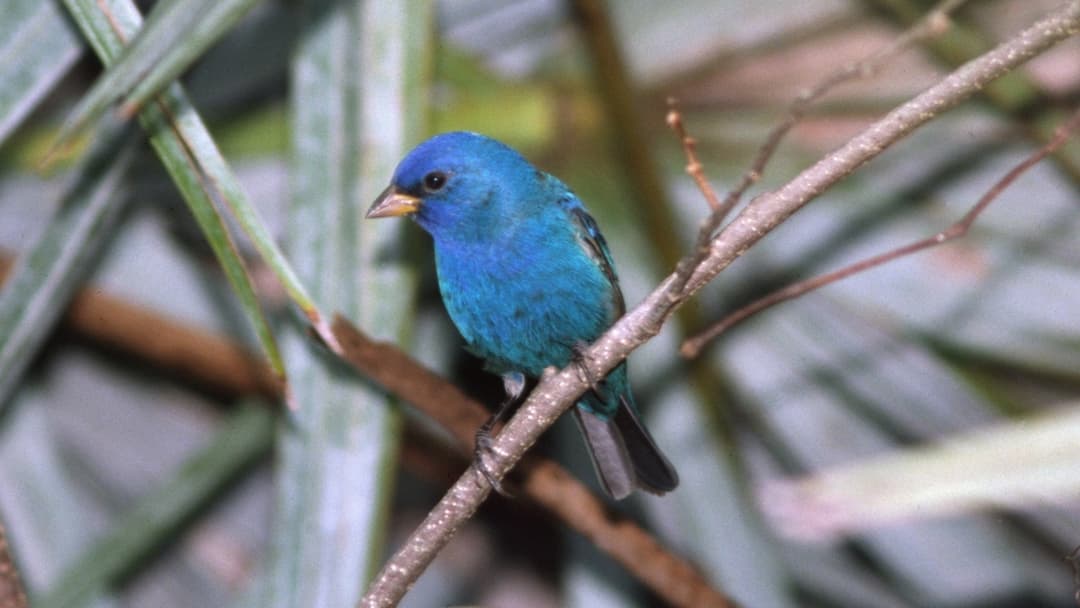
Where the Missouri and Mississippi rivers meet, Missouri creates a diverse crossroads of tallgrass prairies, bottomland hardwood forests, and Ozark highlands. Birders flock to Squaw Creek and river bluffs to spot indigo buntings, cerulean warblers, and massive wintering bald eagle concentrations.
©Wikimedia / Dominic Sherony
21. Pennsylvania (452 Species)
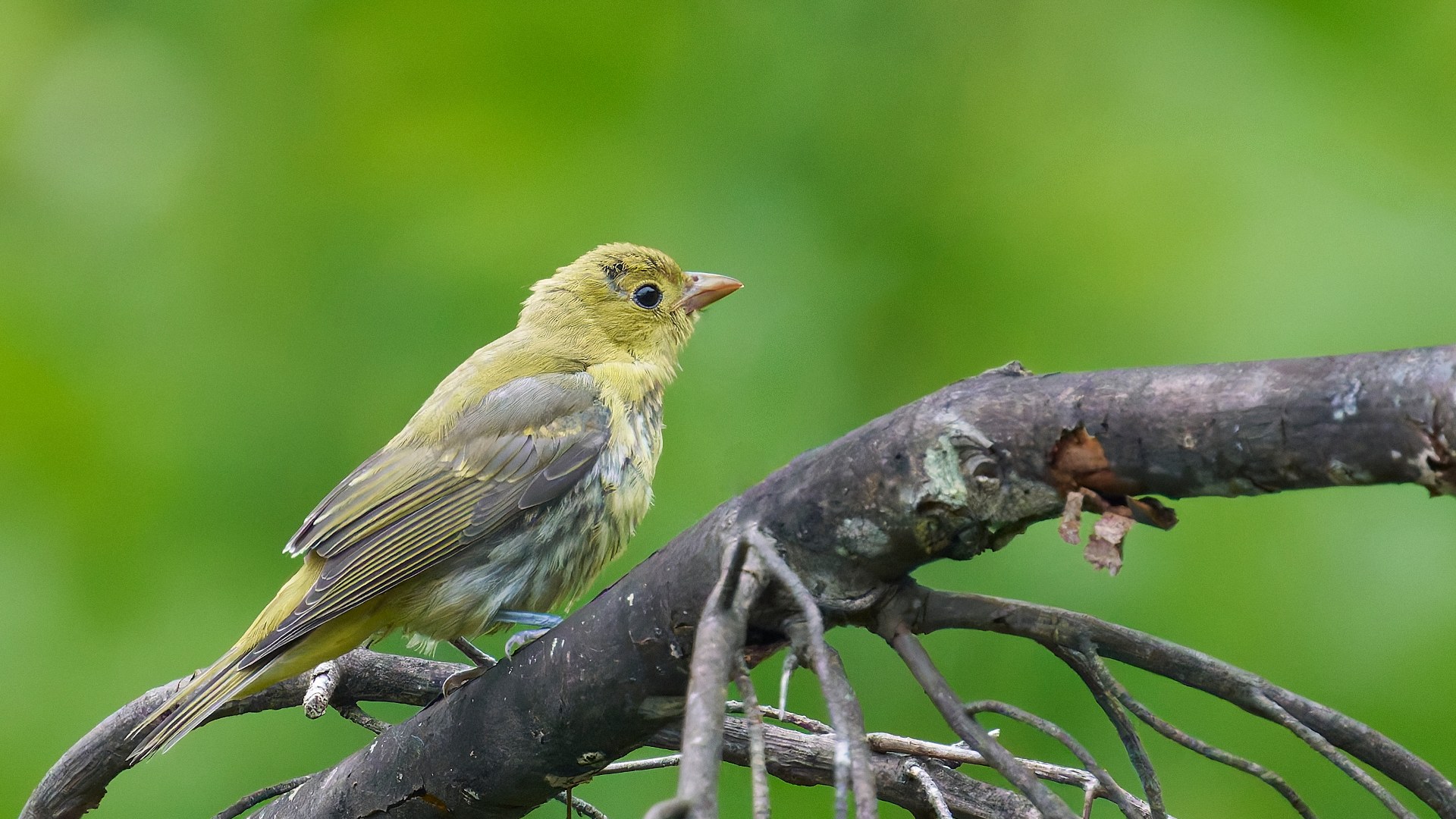
Pennsylvanias Appalachian ridges create thermals that channel thousands of migrating hawks, eagles, and falcons every autumn. Hawk Mountain Sanctuary stands as the worlds first raptor refuge, while Presque Isle on Lake Erie delivers exceptional shorebird and songbird viewing during peak migration.
©Wikimedia / Paul Danese
20. Michigan (458 Species)
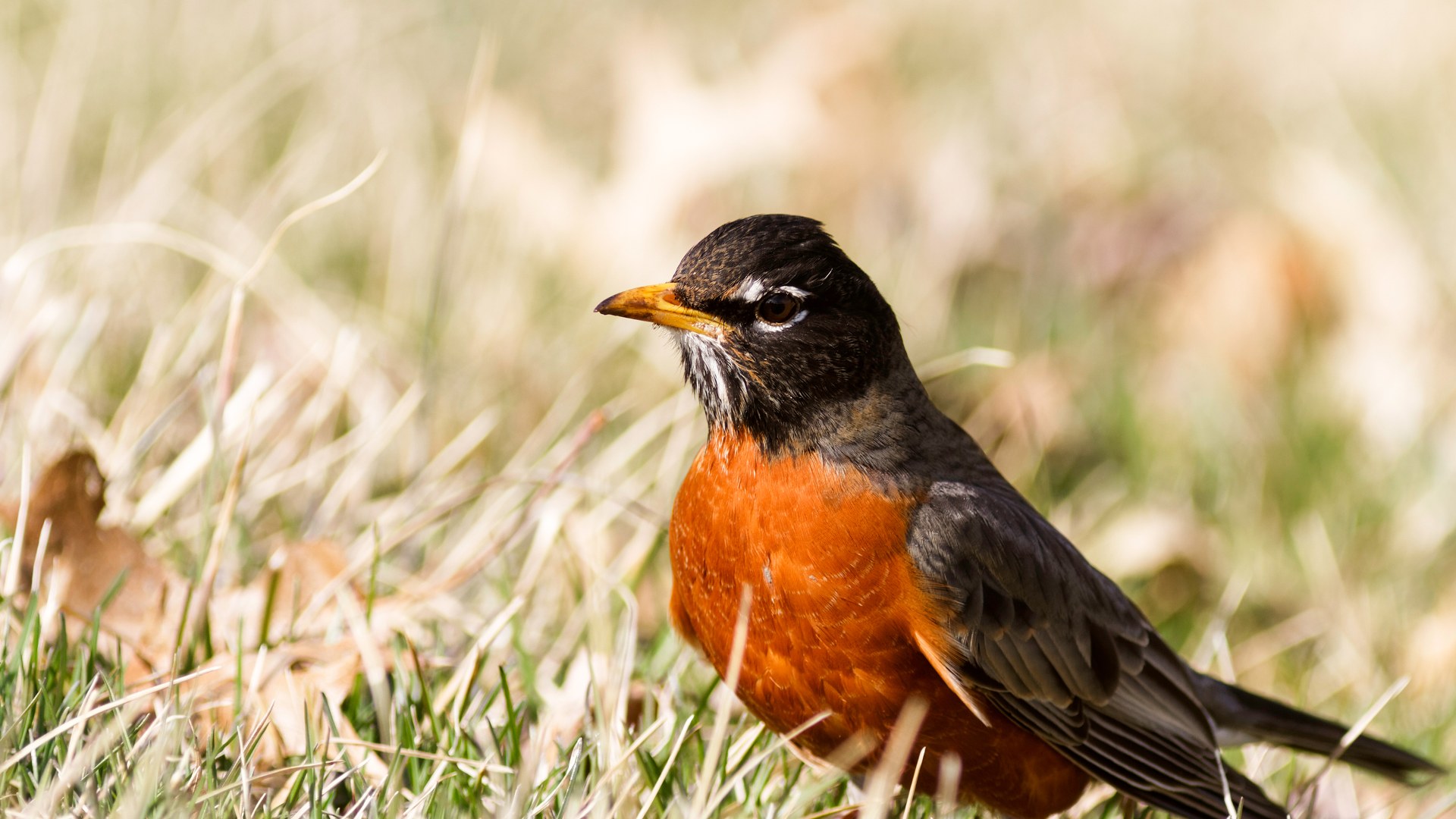
Bounded by four of the five Great Lakes, Michigan serves as a critical maritime crossing for migrating wildlife. Whitefish Point Bird Observatory in the Upper Peninsula is legendary for waterbird counts and spring owl banding, while young jack pine barrens harbor the endangered breeding Kirtlands warbler.
©Wikimedia / Varik Valefor
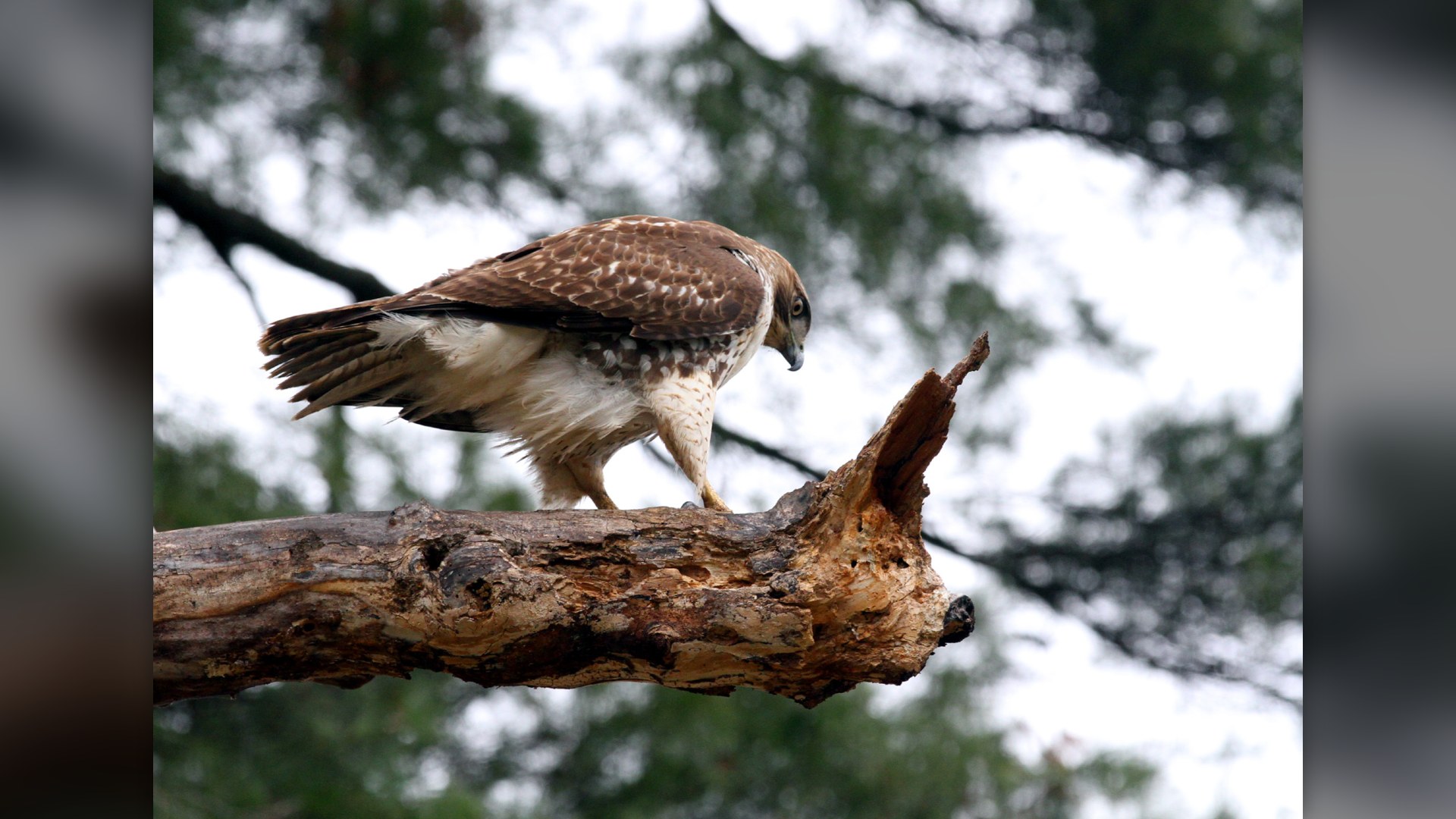
19. Illinois (462 Species)
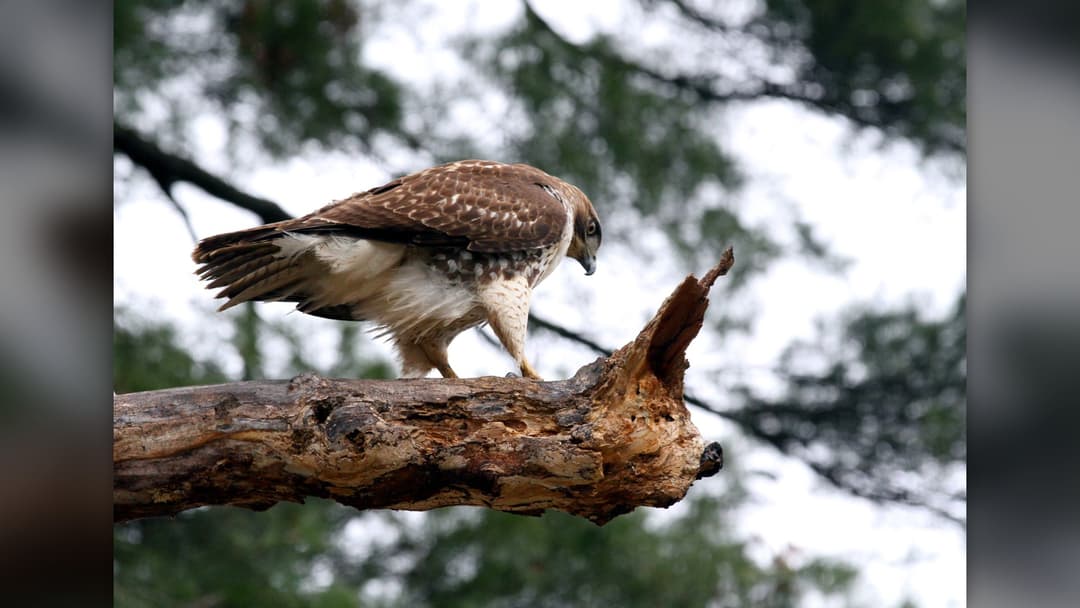
Illinois sits at the heart of the Mississippi Flyway, offering birders a mix of agricultural prairies, riparian bottomlands, and Lake Michigan shoreline. Montrose Point in Chicago is renowned for rare vagrant fallouts, while southern floodplains shelter red-headed woodpeckers and circling red-tailed hawks.
©Wikimedia / anoldent
Advertisement
Swipe or tap ▶ to resume the countdown.
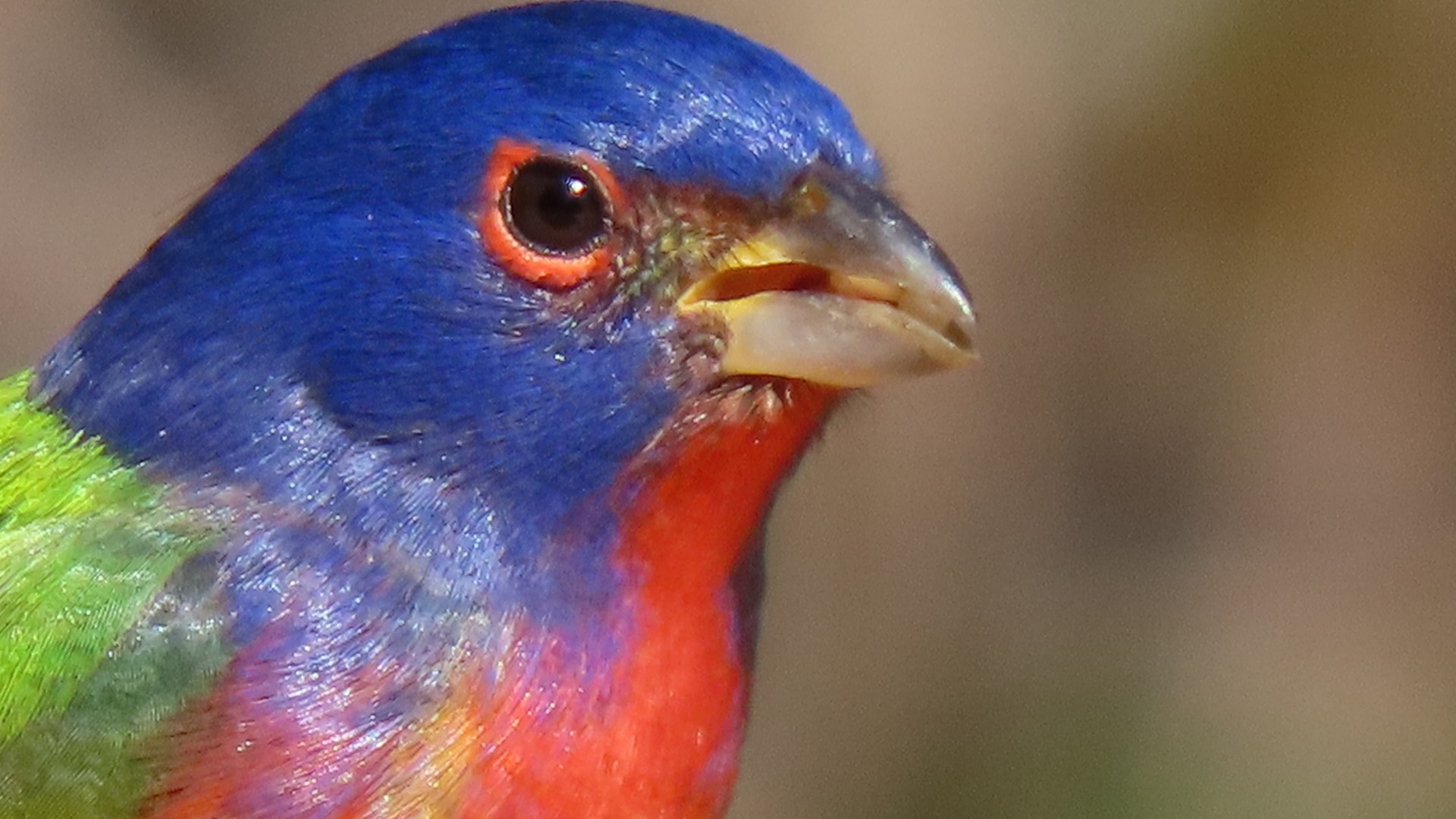
18. Georgia (465 Species)
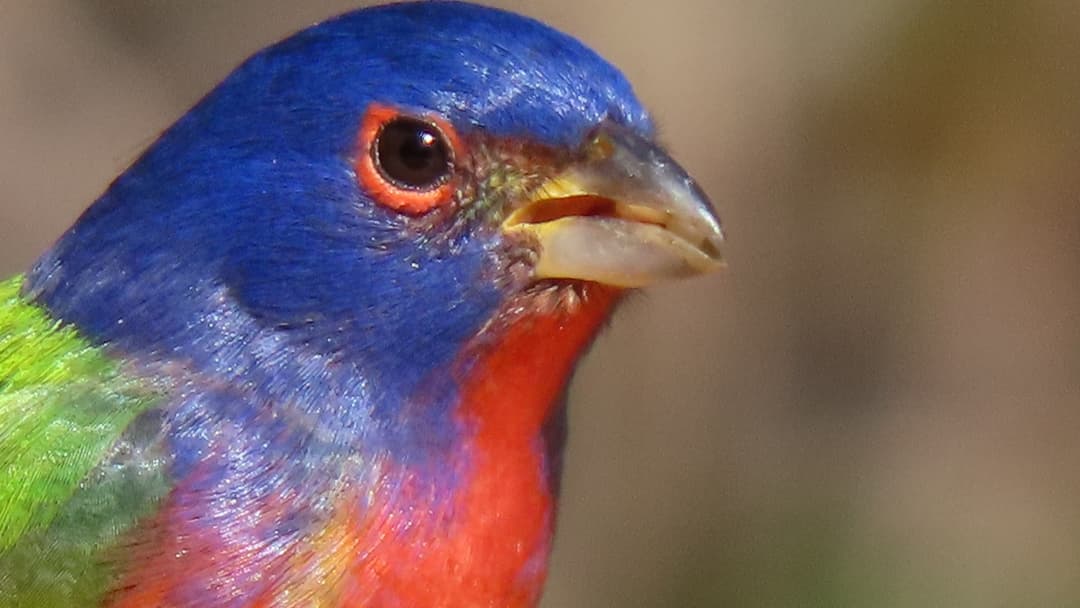
From the Okefenokee Swamp to Cumberland Island National Seashore, Georgias maritime forests and salt marshes harbor outstanding bird life. Birders target maritime hammocks for rainbow-hued painted buntings, wood storks wading in tidal shallows, and endangered red-cockaded woodpeckers in mature longleaf pine savannas.
©Wikimedia / kcthetc1
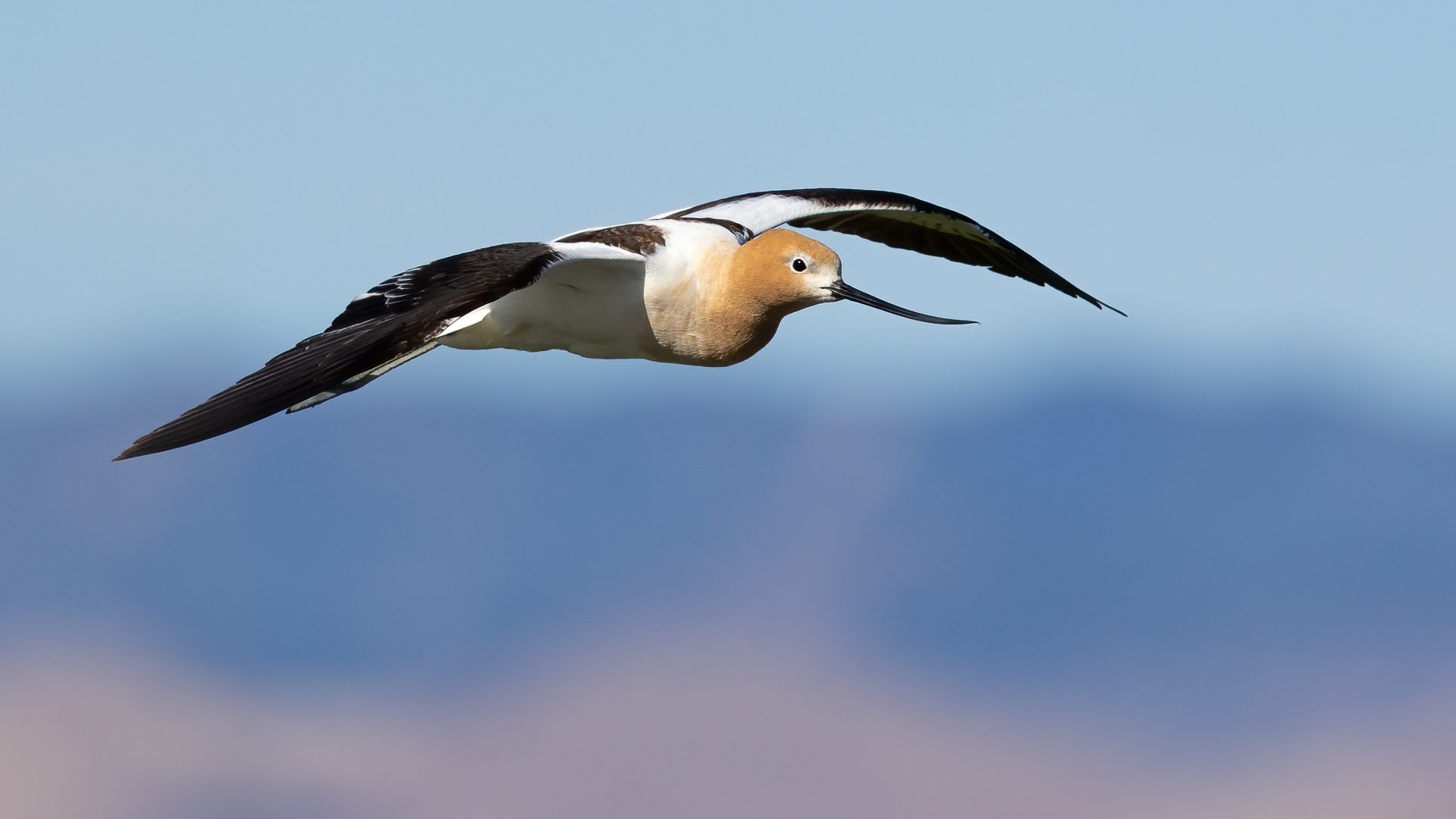
17. Utah (471 Species)
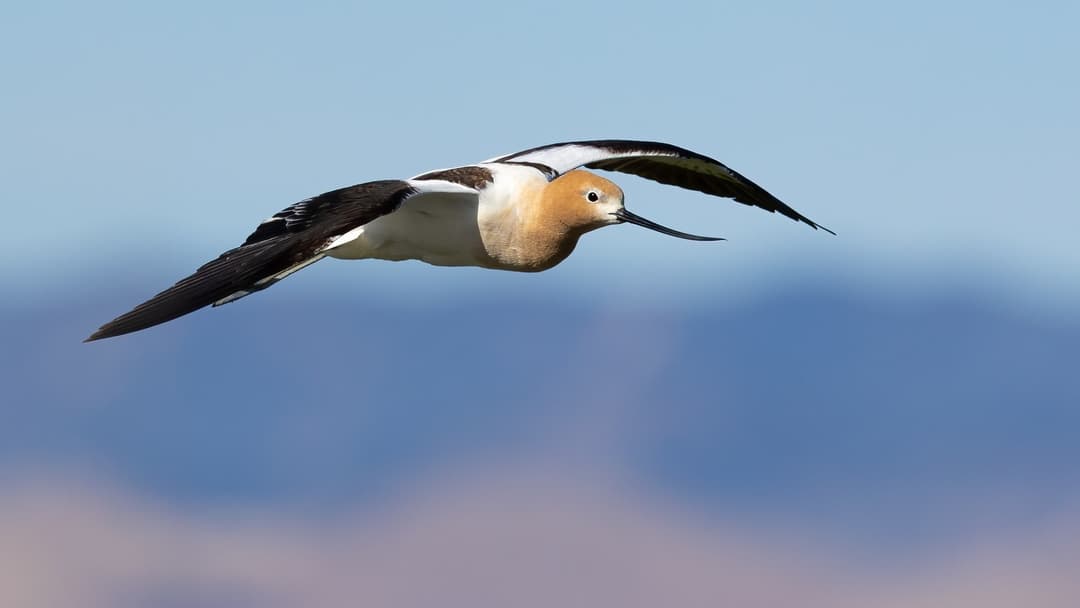
Utah features dramatic habitat transitions from alpine aspen groves in the Wasatch Range down to desert red rock canyons. The Great Salt Lake ecosystem represents a hemispheric shorebird haven, providing feeding grounds for over half a million American avocets, Wilson phalaropes, and white-faced ibises.
©Wikimedia / Frank Schulenburg
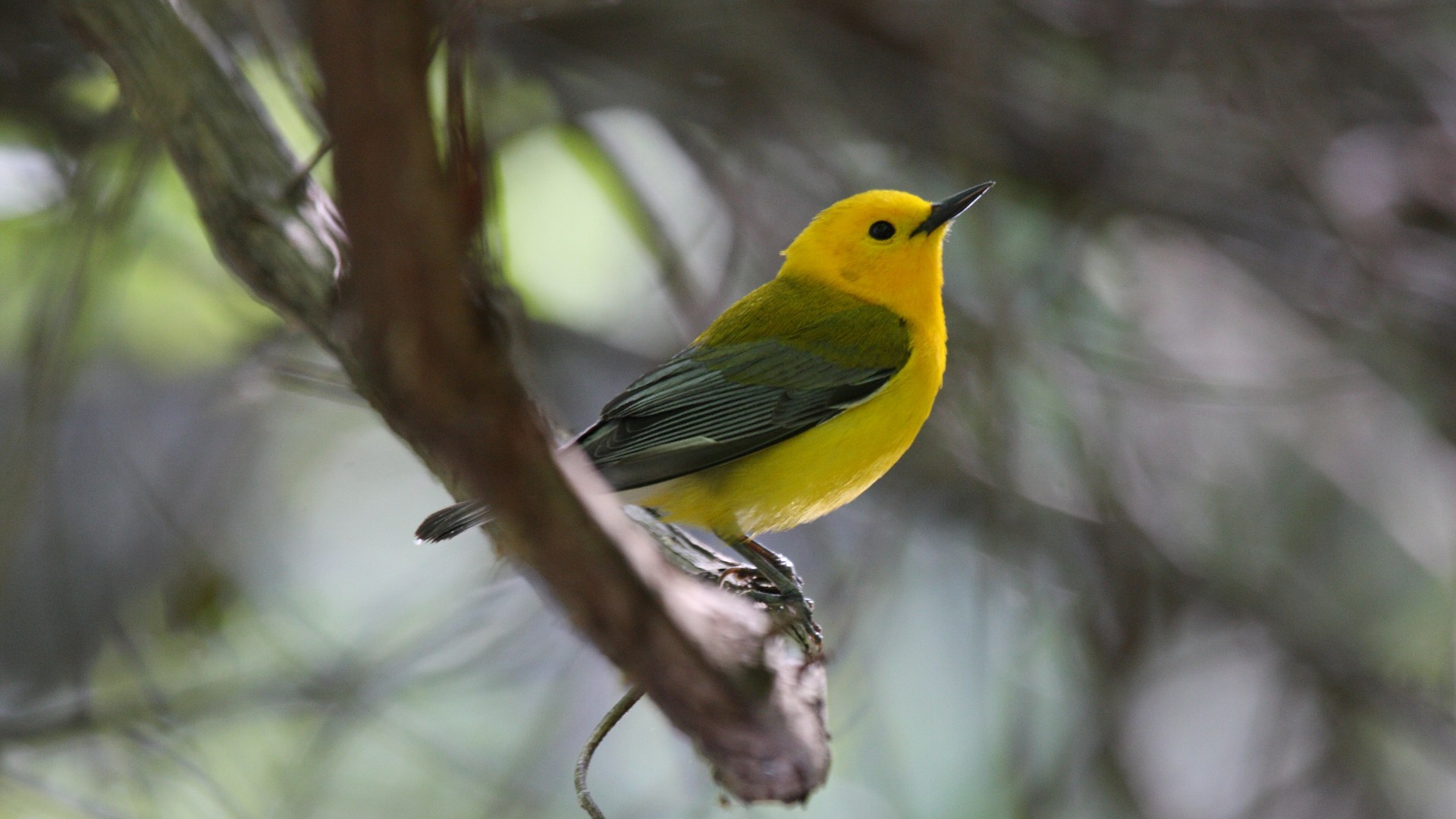
16. Virginia (476 Species)
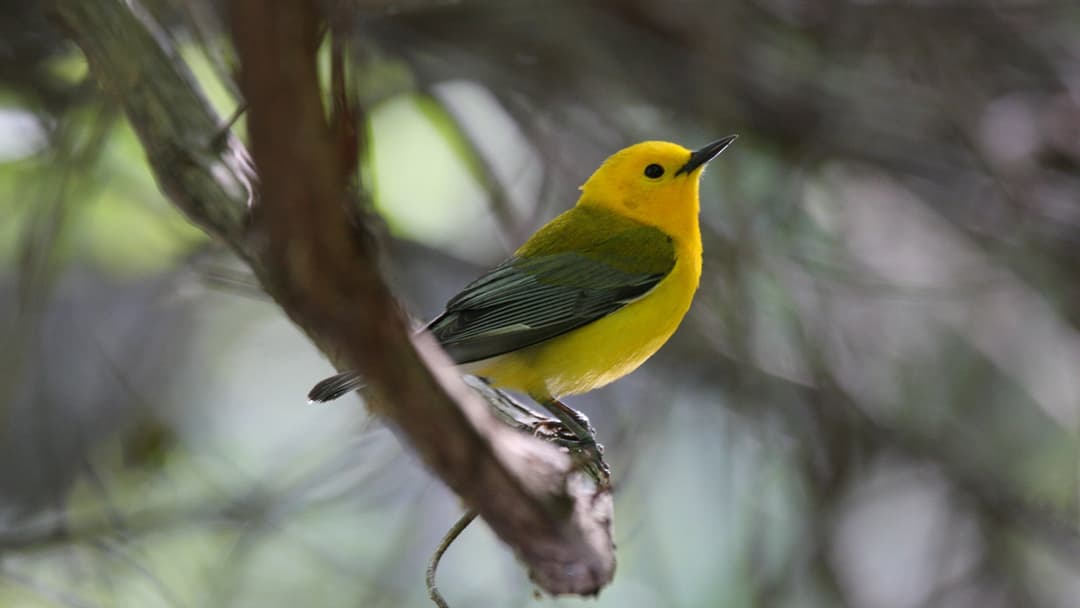
Virginia bridges northern and southern avian ranges across coastal wetlands, the Chesapeake Bay, and the Blue Ridge Mountains. Chincoteague National Wildlife Refuge hosts dazzling shorebird congregations, while shaded blackwater swamps in the Great Dismal Swamp shelter golden prothonotary warblers.`
©Wikimedia / Dominic Sherony
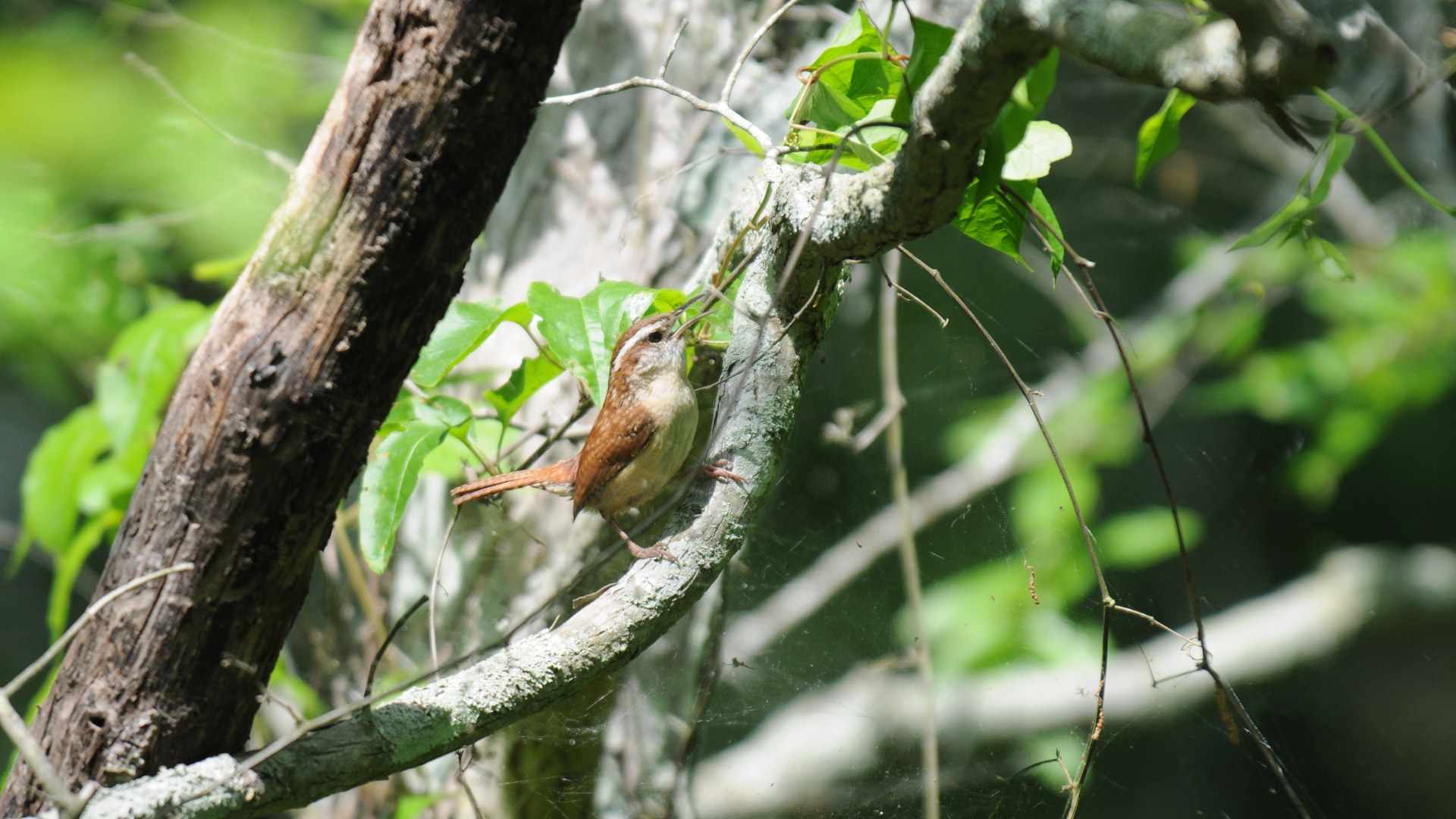
15. North Carolina (486 Species)
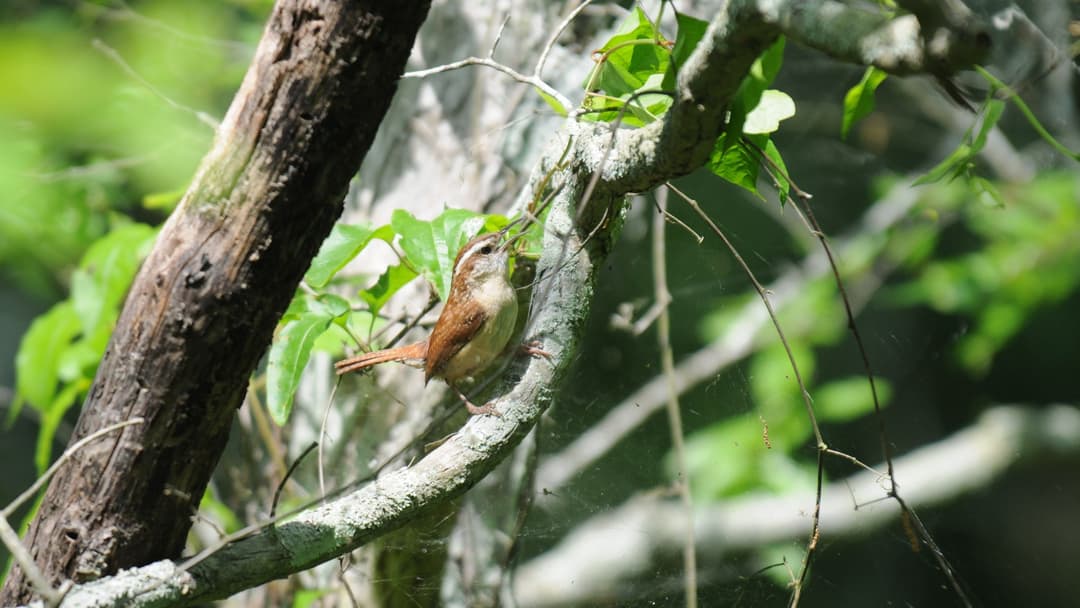
Stretching from milehigh Appalachian summits down to barrier island sand dunes, North Carolina spans tremendous ecological elevation. Pea Island National Wildlife Refuge is renowned for wintering waterfowl and wandering pelagic seabirds, while sprucefir mountain forests echo with Carolina wrens, northern saw-whet owls.
©Wikimedia / U.S. Fish and Wildlife Service
Advertisement
Swipe or tap ▶ to resume the countdown.
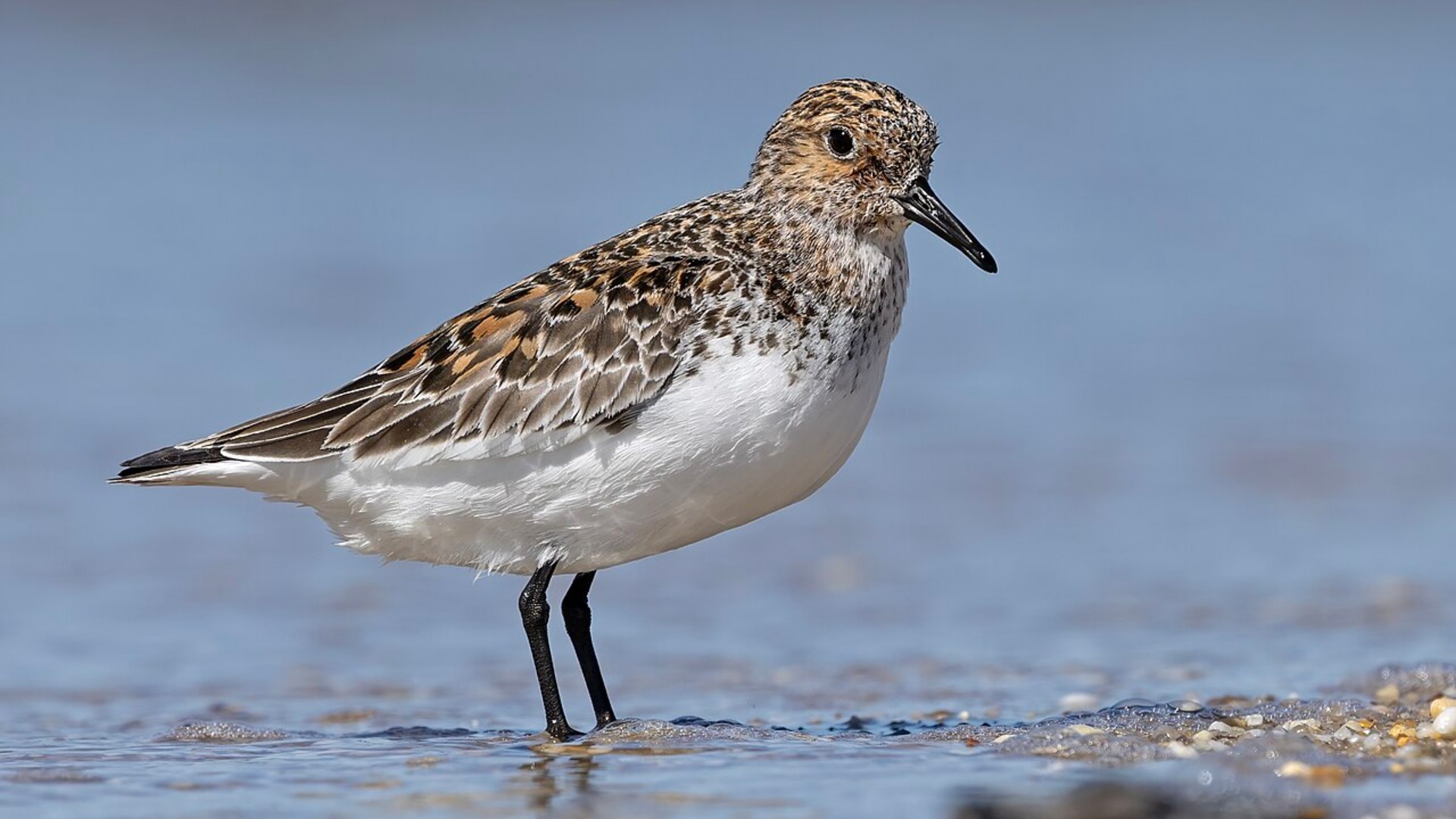
14. New Jersey (489 Species)
Despite being the most densely populated state, New Jersey is a world-class birding powerhouse. The Cape May peninsula concentrates millions of southbound migrants every autumn, while Delaware Bay beaches host hemisphere-spanning flocks of threatened red knots gorging on horseshoe crab eggs during spring staging.
©Wikimedia / Chuck Homler, Focus On Wildlife
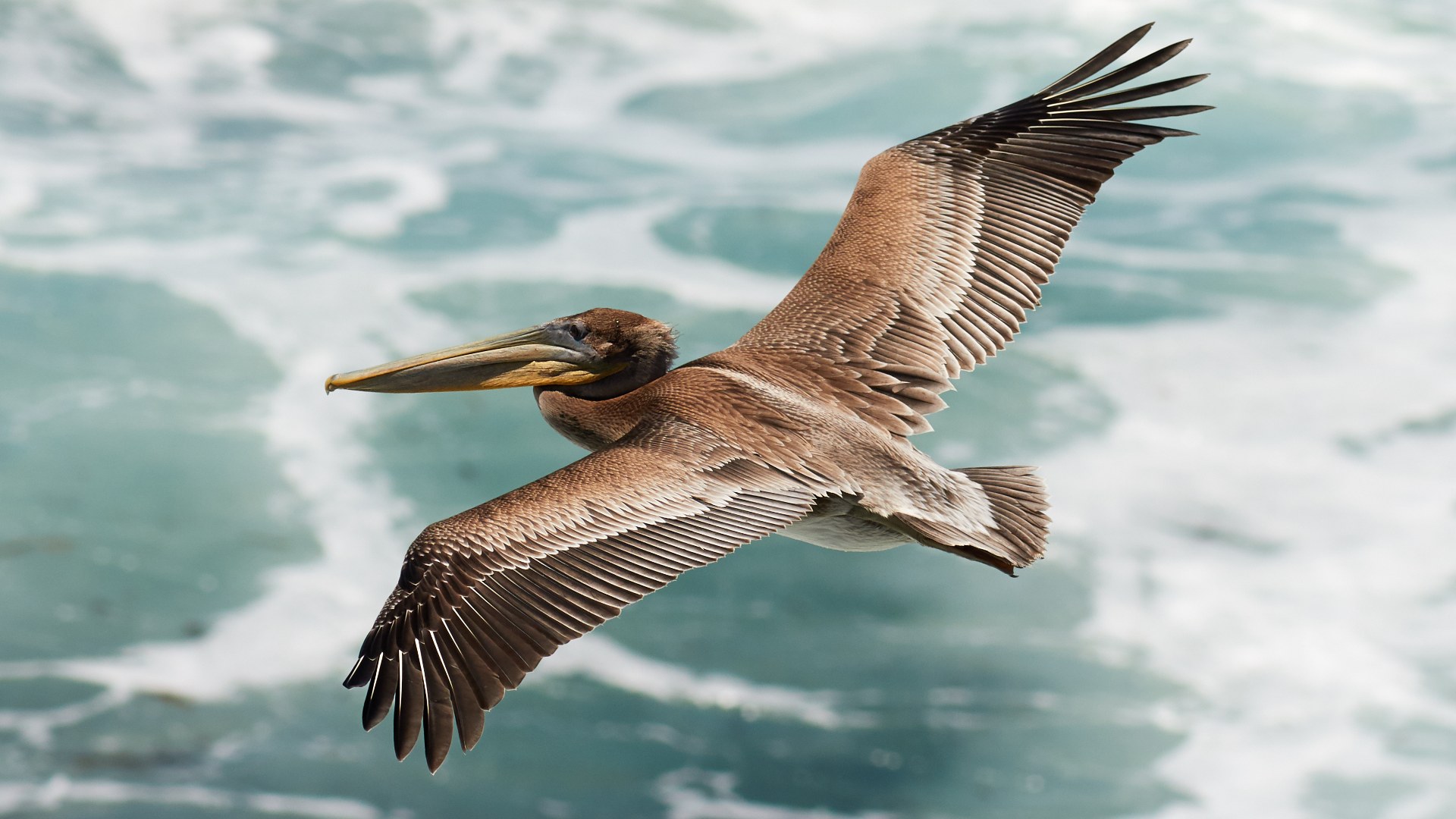
13. Louisiana (494 Species)
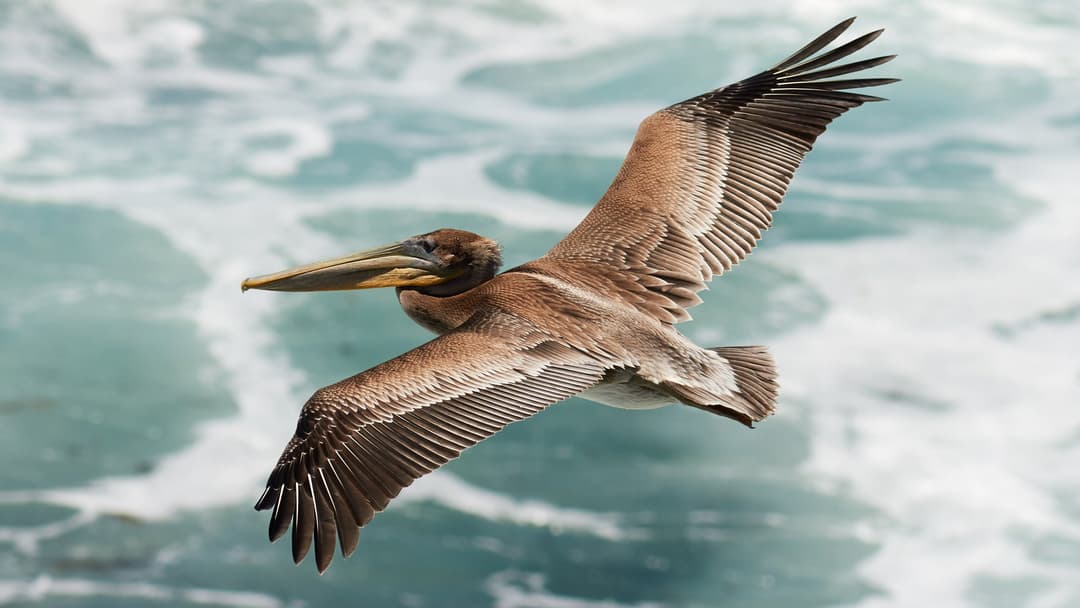
Louisiana combines the sprawling wetlands of the Mississippi River Delta with the Atchafalaya Basin, Americas largest river swamp. In Cameron Parish and coastal cheniers, exhausted trans-Gulf migratory songbirds land in huge numbers every spring alongside resident brown pelicans and roseate spoonbills.
©Wikimedia / Frank Schulenburg
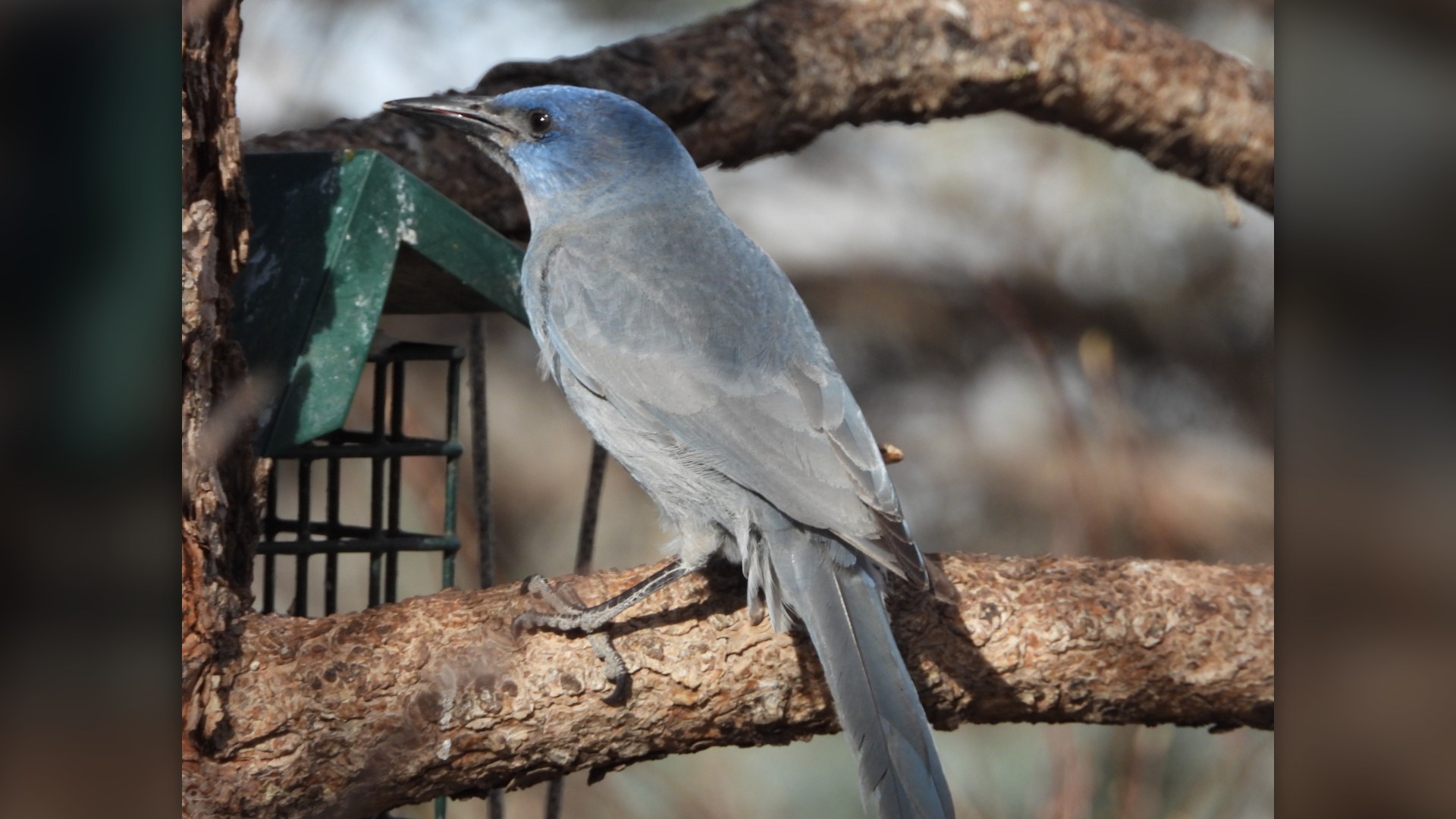
12. Nevada (498 Species)
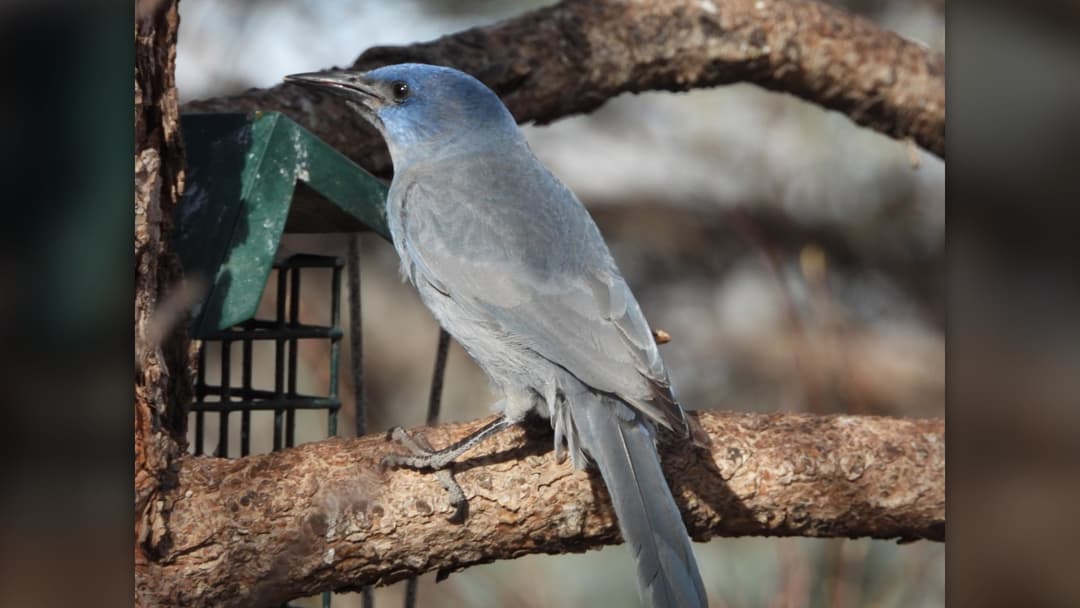
Beyond its neon cities, Nevada contains over three hundred mountain ranges separated by dramatic desert basins. Isolated wetlands like Ruby Lake National Wildlife Refuge and Lahontan Valley provide life-saving oases for migrating waterfowl, while pinyon-juniper woodlands host flocks of noisy pinyon jays.
©Wikimedia / Jared Shorma
11. New York (502 Species)
New York combines sprawling Atlantic coastlines, Great Lakes beaches, and high Adirondack alpine peaks. Jamaica Bay Wildlife Refuge hosts tremendous shorebird flights, while Central Park in Manhattan offers legendary urban birding. In winter, open barrier islands regularly welcome hunting snowy owls from the Arctic.

©Wikimedia / Tyler A. McNeil
Advertisement
Swipe or tap ▶ to resume the countdown.
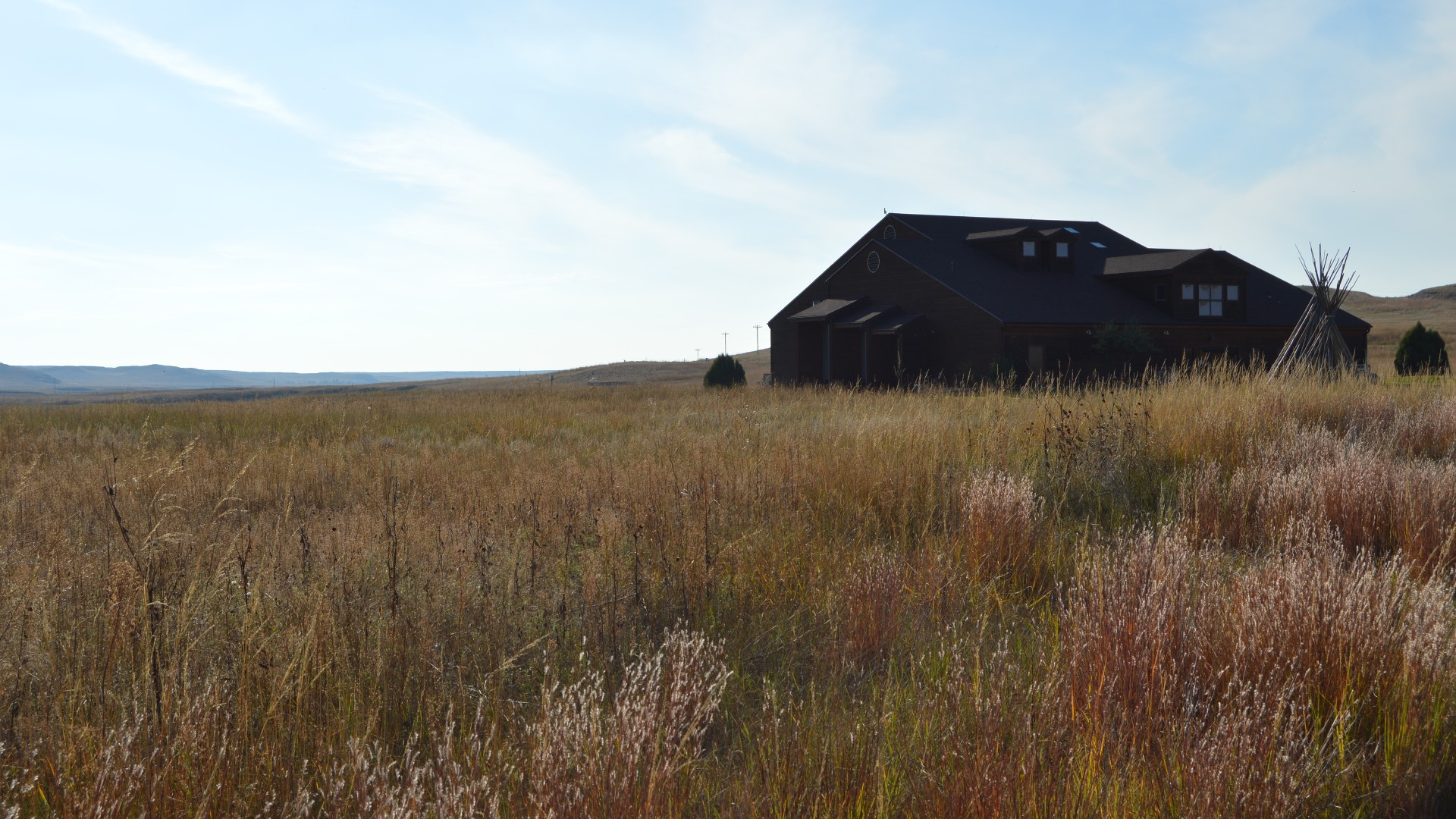
10. Massachusetts (508 Species)
Massachusetts combines dynamic coastal barrier beaches, saltwater marshes, and western hardwood forests. Coastal hot spots like Plum Island and Monomoy National Wildlife Refuge host thousands of migrating shorebirds, while sandy beaches support vulnerable nesting populations of delicate piping plovers.
©NPS / NPS Photo
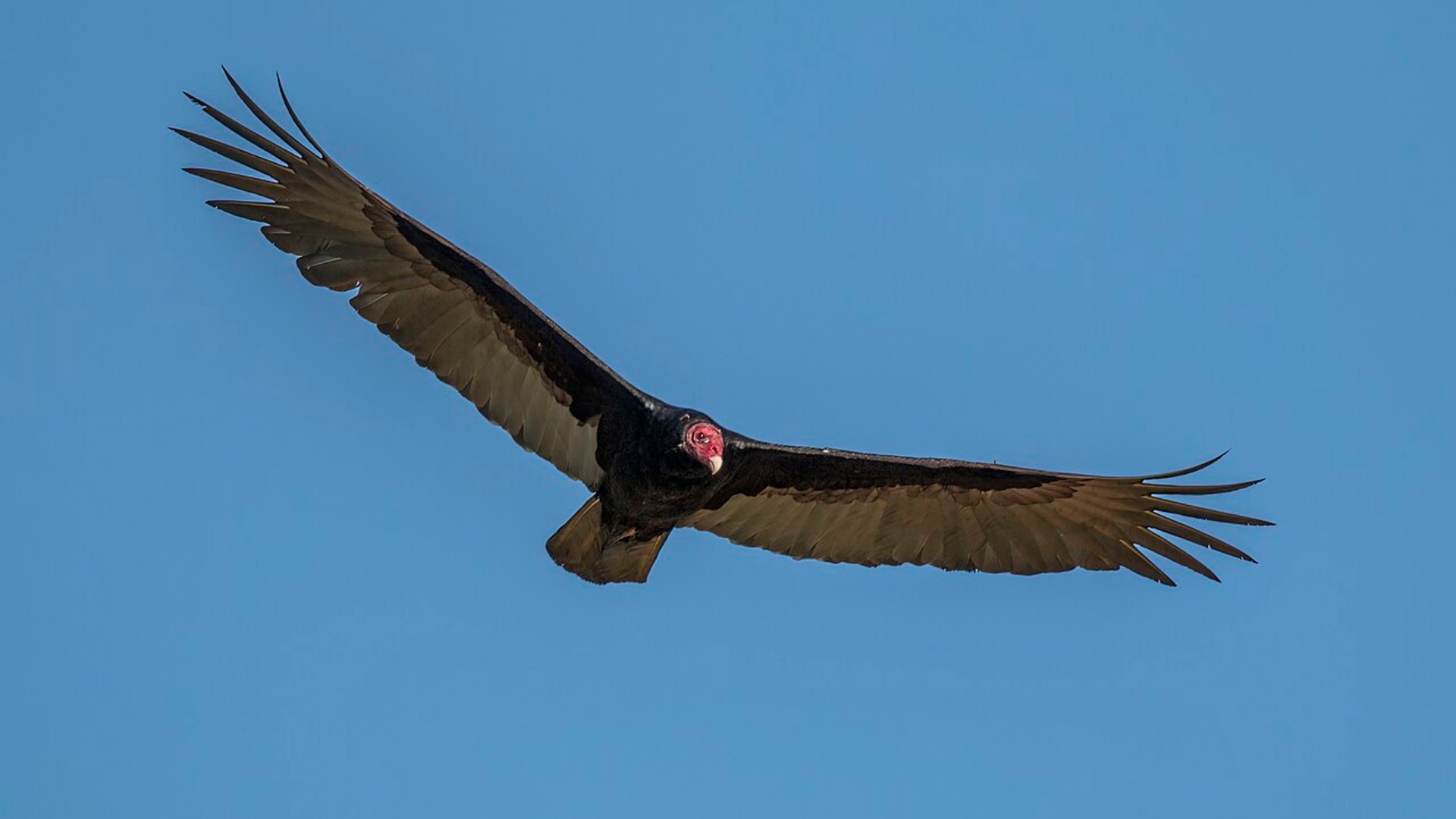
9. Colorado (518 Species)
Spanning the Continental Divide, Colorado features extraordinary elevation diversity ranging from eastern shortgrass prairies to fourteen-thousand-foot peaks. High alpine tundra in Rocky Mountain National Park provides year-round habitat for white-tailed ptarmigans, Pawnee National Grassland shelters mountain plovers.
©Wikimedia / Charles J. Sharp
8. Washington (528 Species)
From coastal rainforests on the Olympic Peninsula to the arid shrub-steppe of the Columbia Plateau, Washington supports tremendous bird diversity. Rocky sea stacks in the Olympic Coast National Marine Sanctuary shelter breeding tufted puffins, while Grays Harbor welcomes millions of migrating shorebirds each spring.

©Wikimedia / Wilderness trespasser
7. Alaska (535 Species)
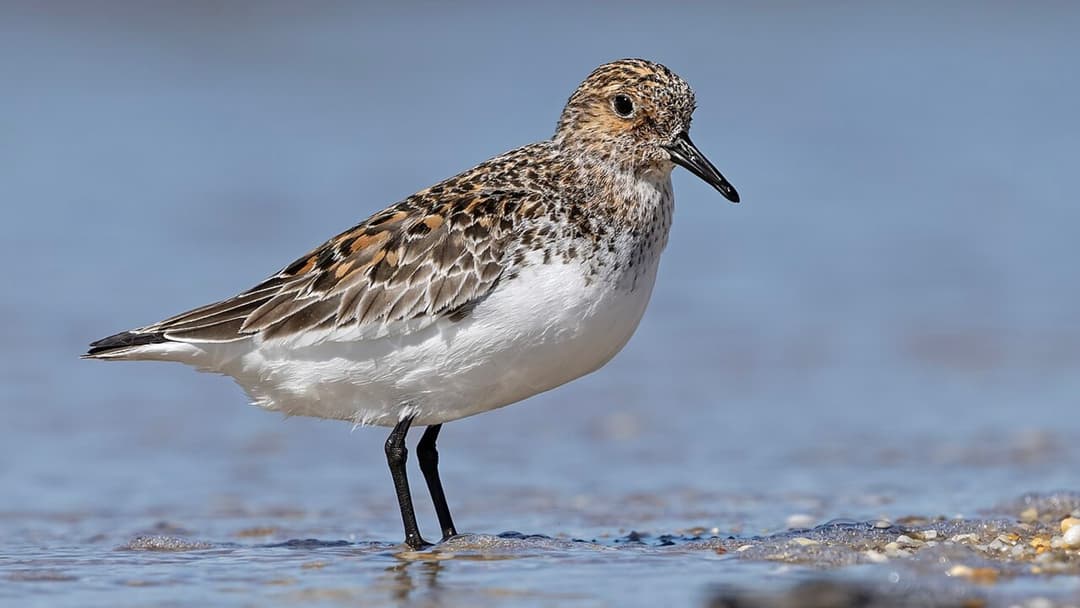
Alaska boasts millions of acres of intact wilderness, remote island seabird colonies, and expansive river deltas. The Chilkat Bald Eagle Preserve hosts over three thousand eagles feasting on late salmon runs, while the Copper River Delta welcomes virtually the entire global population of western sandpipers.

©Wikimedia / Diego Delso
Advertisement
Swipe or tap ▶ to resume the countdown.
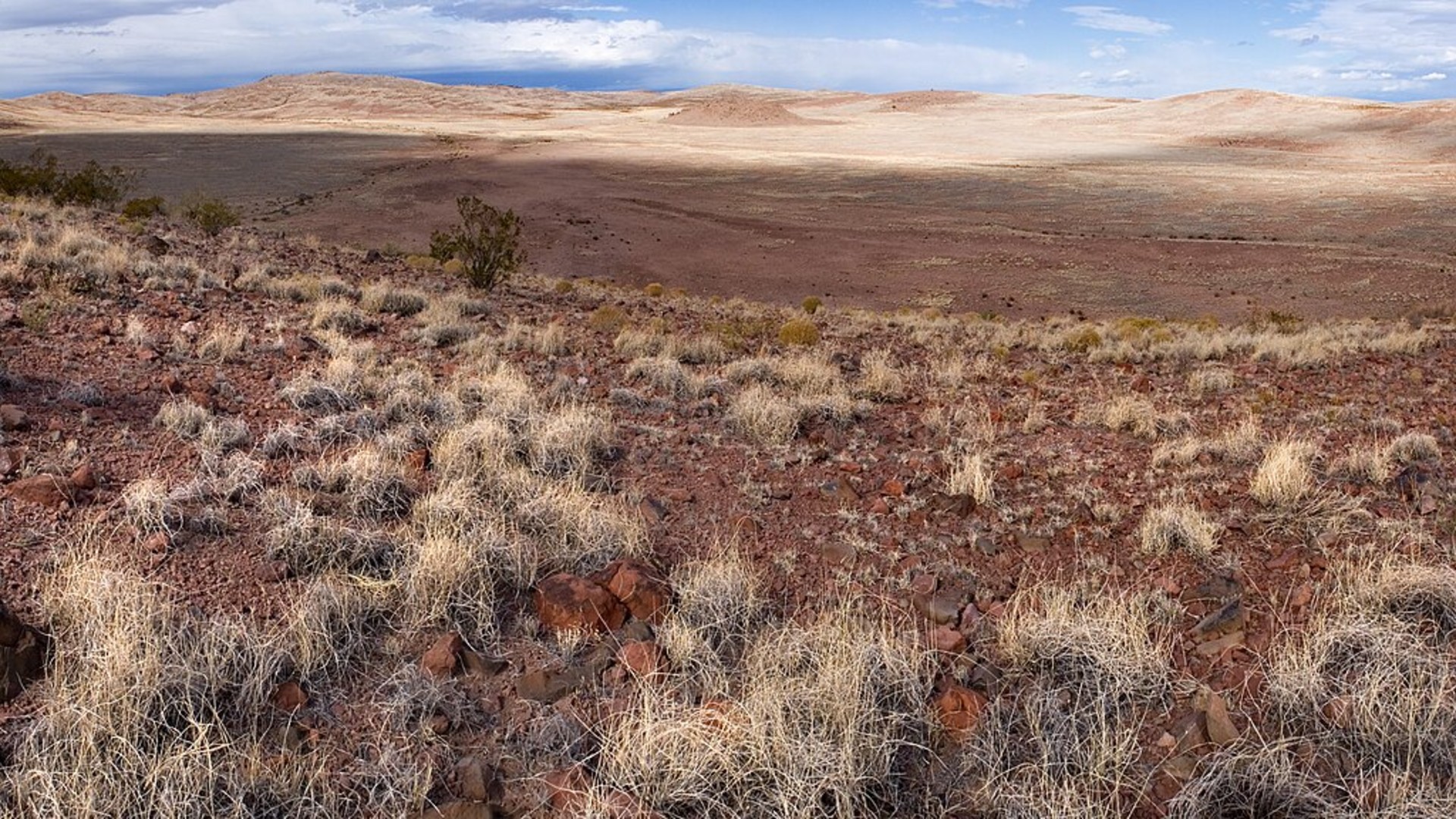
6. New Mexico (552 Species)
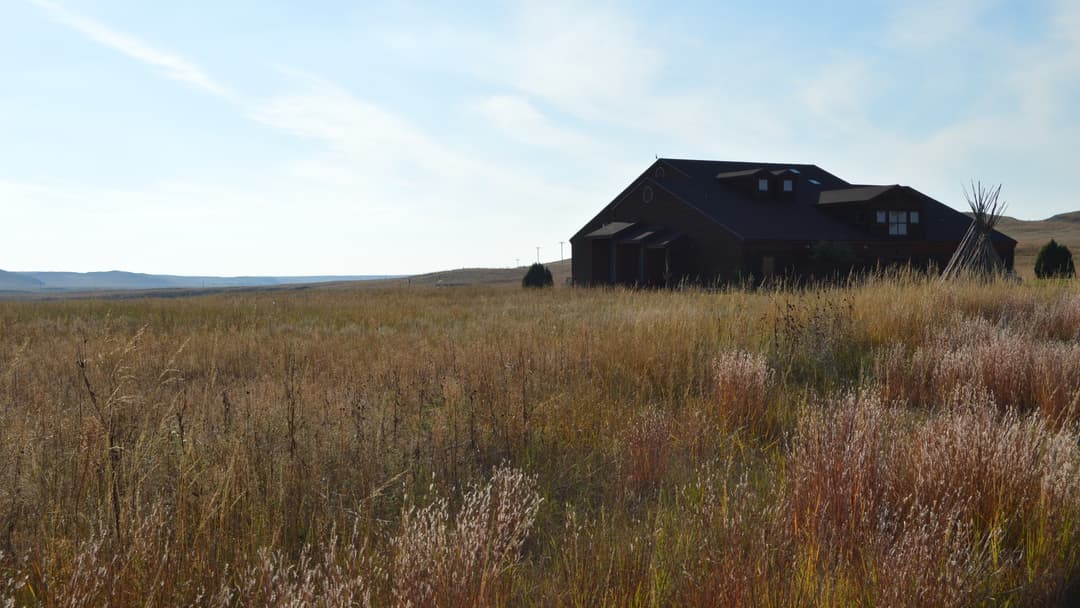
New Mexico combines Chihuahuan Desert basins, rugged canyonlands, and the southern Rocky Mountains. Bosque del Apache National Wildlife Refuge along the Rio Grande is world-famous for deafening winter flyouts of sandhill cranes, while desert scrublands are home to agile, swift-footed greater roadrunners.
©Wikimedia / Patrick Alexander from Las Cruces, NM
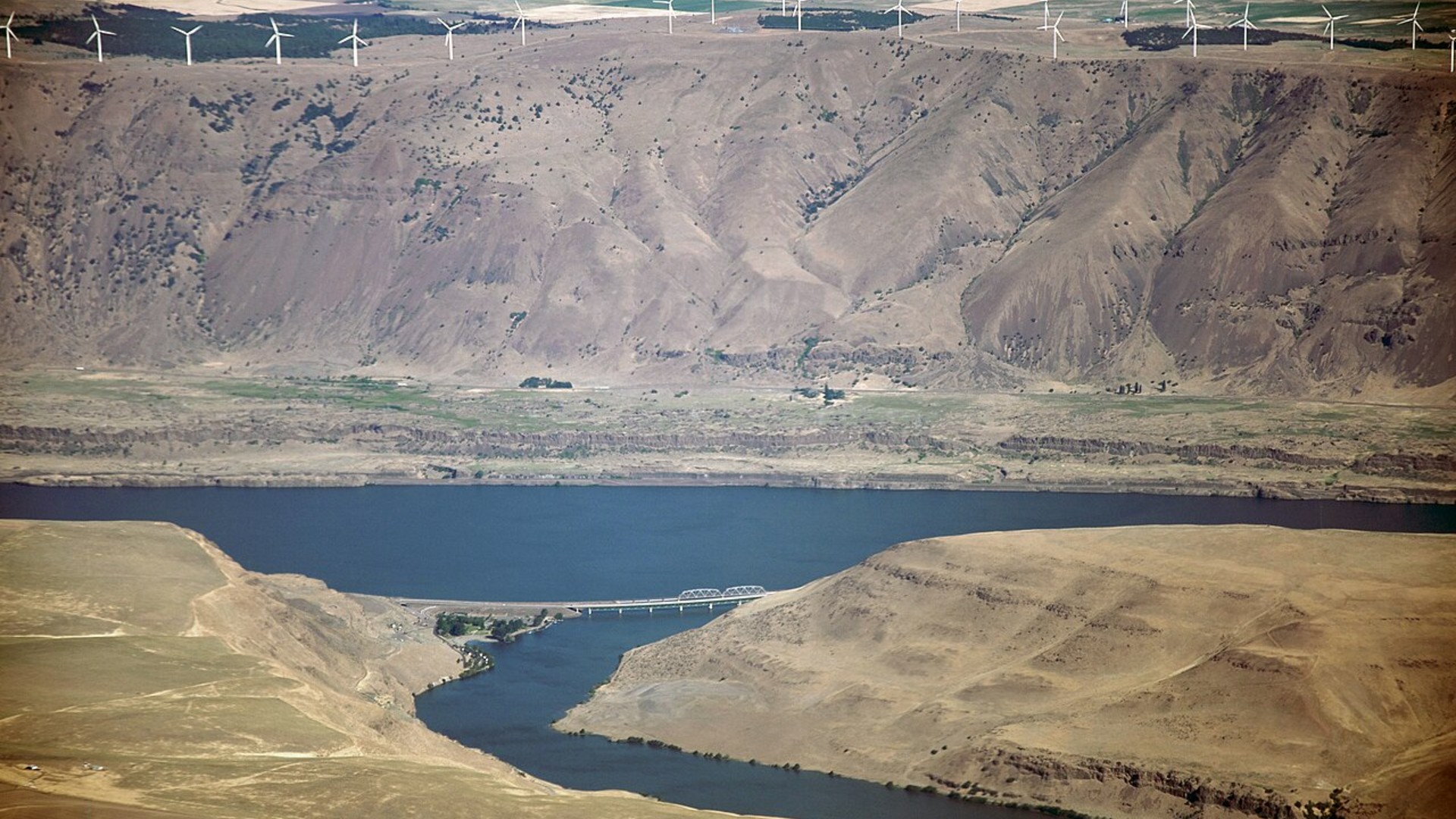
5. Oregon (554 Species)
With moist temperate rain forests west of the Cascades and high desert sagebrush to the east, Oregon boasts remarkable avian variety. Malheur National Wildlife Refuge is an essential Great Basin wetland oasis for migrating waterbirds, while old-growth conifer canopies shelter energetic chestnut-backed chickadees.
©Wikimedia / Sam Beebe
4. Florida (562 Species)
Floridas subtropical climate, extensive coastline, and vast Everglades river of grass make it an unrivaled wading bird destination. Birders along the Great Florida Birding Trail regularly encounter vivid roseate spoonbills, endangered snail kites, and endemic Florida scrub-jays found nowhere else on earth.
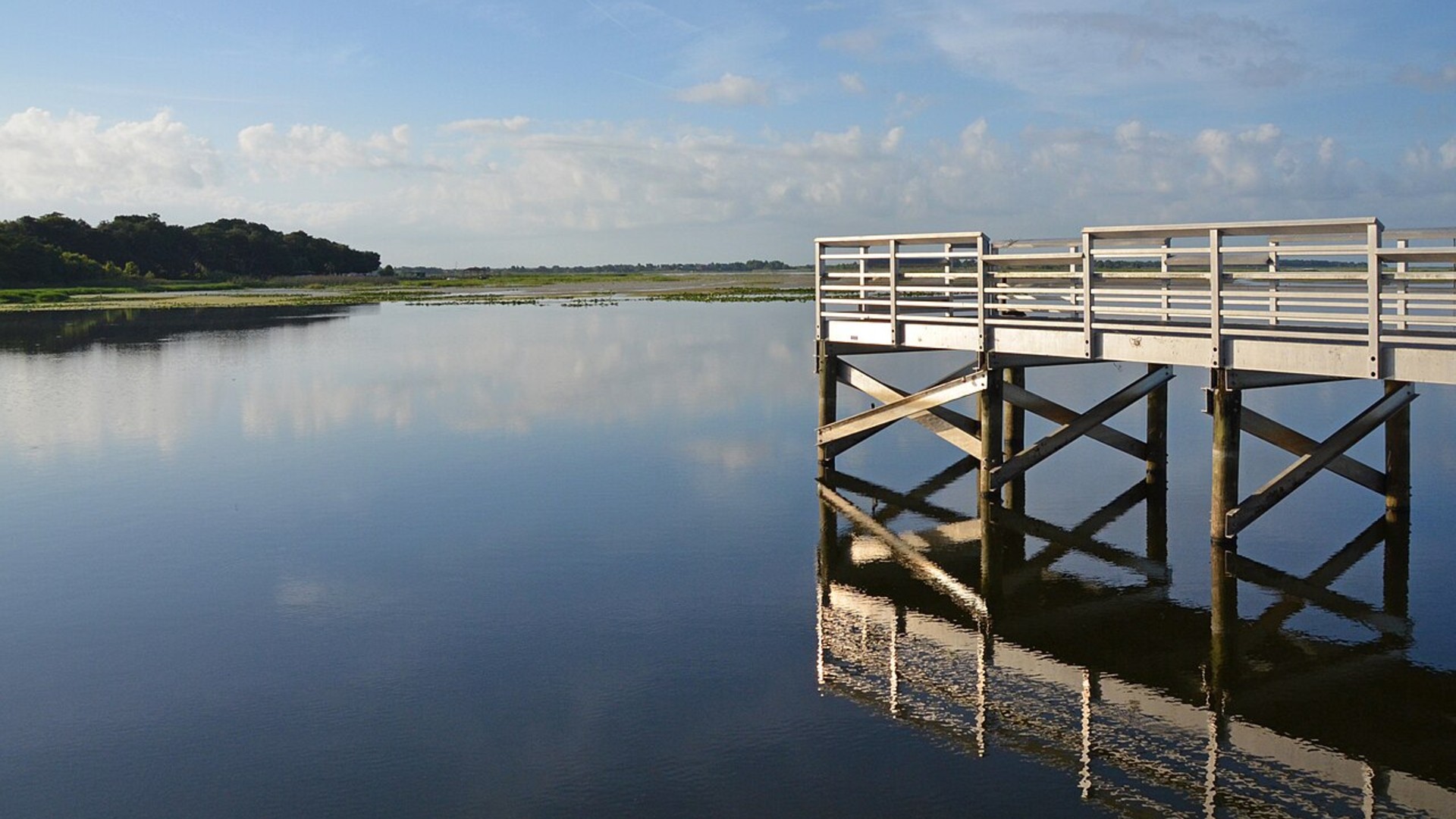
©Wikimedia / Clément Bardot
3. Arizona (572 Species)
The Madrean Sky Islands of southeastern Arizona rise out of desert lowlands, creating isolated temperate woodland pockets. Birders travel from around the world to Cave Creek Canyon and Madera Canyon to spot iridescent elegant trogons, a dozen hummingbird species, and rare Mexican canyon specialties.
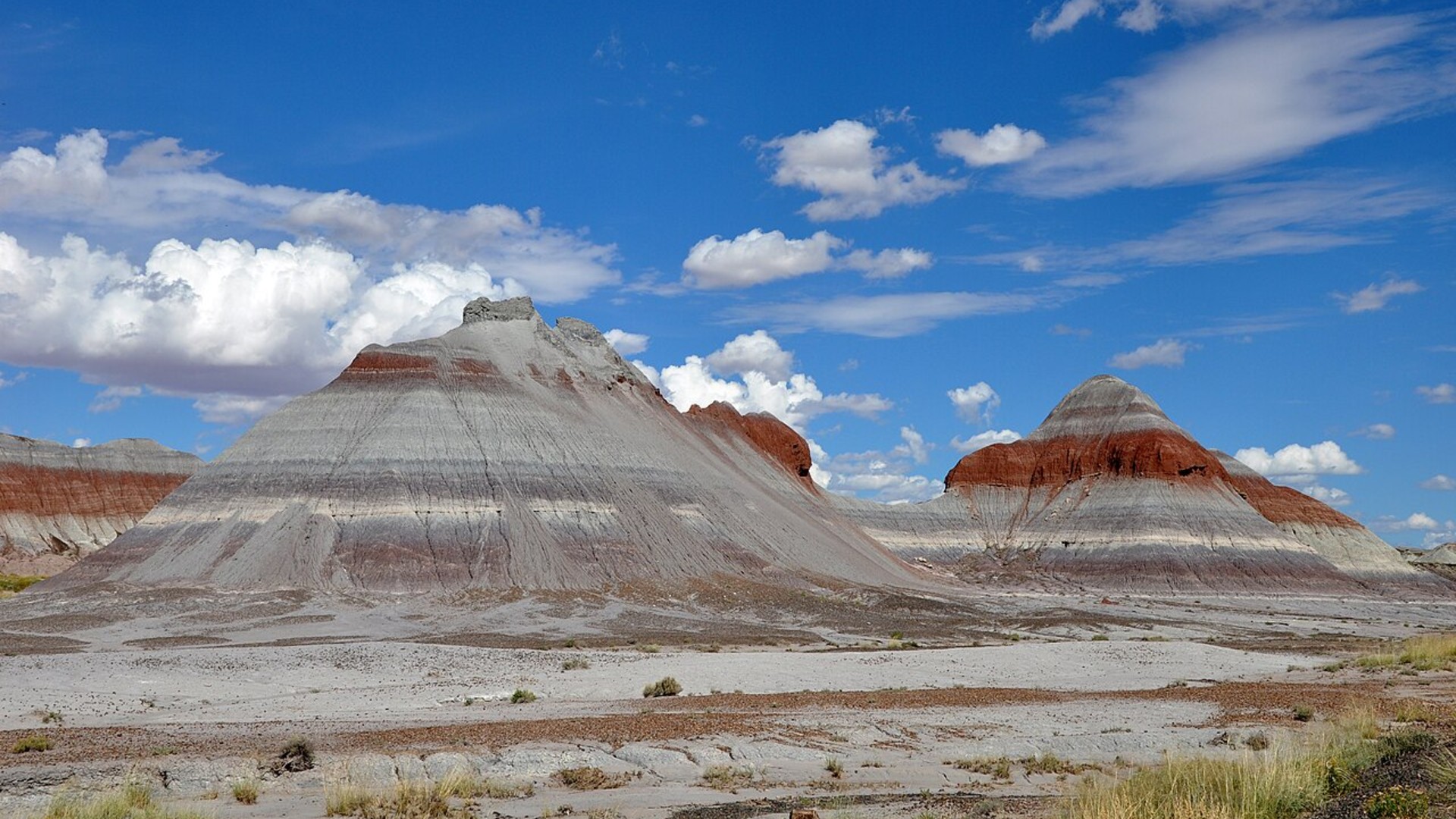
©Wikimedia / Finetooth
Advertisement
Swipe or tap ▶ to resume the countdown.
2. Texas (662 Species)
Texas sits at the convergence of the Central and Mississippi flyways, generating extraordinary species richness. Coastal sanctuaries like High Island experience massive spring migratory fallouts, while the subtropical thornscrub of the Rio Grande Valley shelters tropical rarities like the colorful green jay.

©Wikimedia / Daniel Schwen
1. California (682 Species)
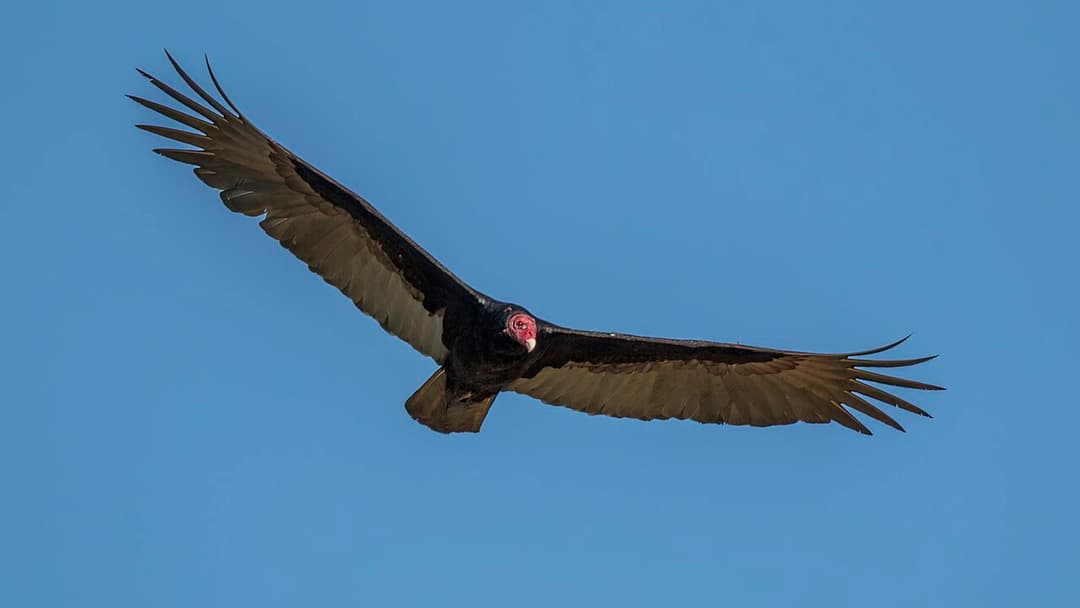
Boasting the longest coastline, towering mountain ranges, and inland desert basins, California ranks as Americas undisputed birding champion. Birders explore Point Reyes for pelagic migrants, the Salton Sea for wintering waterfowl, and Big Sur coastal cliffs where magnificent California condors soar on nine-foot wings.

©Wikimedia / King of Hearts
Advertisement
You've reached the end of the story. Thanks for reading!

20 International Spectacles And Championships Arriving In 2027
All 25 Entries in this Story
1. Wisconsin (443 Species)
Positioned along the Mississippi Flyway, Wisconsin provides crucial wetland stopovers for migratory birds. Horicon Marsh and Necedah National Wildlife Refuge draw birders seeking breeding sandhill cranes, whooping cranes, and vibrant summer warblers nesting in the northern boreal forests.

2. Ohio (446 Species)
The southern shore of Lake Erie acts as a massive natural funnel for songbirds resting before crossing open water into Canada. Magee Marsh Wildlife Area and Ottawa National Wildlife Refuge attract global birders every May to witness dazzling fallouts of thirty-plus warbler species and resident cardinals.

3. Minnesota (448 Species)
With ten thousand freshwater lakes and expansive peatlands, Minnesota is a sanctuary for northern breeding birds. The iconic common loon echoes across the Boundary Waters Canoe Area, while Sax-Zim Bog offers world-renowned winter birding for great gray owls, northern hawk owls, and boreal chickadees.

4. Missouri (450 Species)
Where the Missouri and Mississippi rivers meet, Missouri creates a diverse crossroads of tallgrass prairies, bottomland hardwood forests, and Ozark highlands. Birders flock to Squaw Creek and river bluffs to spot indigo buntings, cerulean warblers, and massive wintering bald eagle concentrations.

5. Pennsylvania (452 Species)
Pennsylvanias Appalachian ridges create thermals that channel thousands of migrating hawks, eagles, and falcons every autumn. Hawk Mountain Sanctuary stands as the worlds first raptor refuge, while Presque Isle on Lake Erie delivers exceptional shorebird and songbird viewing during peak migration.

6. Michigan (458 Species)
Bounded by four of the five Great Lakes, Michigan serves as a critical maritime crossing for migrating wildlife. Whitefish Point Bird Observatory in the Upper Peninsula is legendary for waterbird counts and spring owl banding, while young jack pine barrens harbor the endangered breeding Kirtlands warbler.

7. Illinois (462 Species)
Illinois sits at the heart of the Mississippi Flyway, offering birders a mix of agricultural prairies, riparian bottomlands, and Lake Michigan shoreline. Montrose Point in Chicago is renowned for rare vagrant fallouts, while southern floodplains shelter red-headed woodpeckers and circling red-tailed hawks.

8. Georgia (465 Species)
From the Okefenokee Swamp to Cumberland Island National Seashore, Georgias maritime forests and salt marshes harbor outstanding bird life. Birders target maritime hammocks for rainbow-hued painted buntings, wood storks wading in tidal shallows, and endangered red-cockaded woodpeckers in mature longleaf pine savannas.

9. Utah (471 Species)
Utah features dramatic habitat transitions from alpine aspen groves in the Wasatch Range down to desert red rock canyons. The Great Salt Lake ecosystem represents a hemispheric shorebird haven, providing feeding grounds for over half a million American avocets, Wilson phalaropes, and white-faced ibises.

10. Virginia (476 Species)
Virginia bridges northern and southern avian ranges across coastal wetlands, the Chesapeake Bay, and the Blue Ridge Mountains. Chincoteague National Wildlife Refuge hosts dazzling shorebird congregations, while shaded blackwater swamps in the Great Dismal Swamp shelter golden prothonotary warblers.`

11. North Carolina (486 Species)
Stretching from milehigh Appalachian summits down to barrier island sand dunes, North Carolina spans tremendous ecological elevation. Pea Island National Wildlife Refuge is renowned for wintering waterfowl and wandering pelagic seabirds, while sprucefir mountain forests echo with Carolina wrens, northern saw-whet owls.

12. New Jersey (489 Species)
Despite being the most densely populated state, New Jersey is a world-class birding powerhouse. The Cape May peninsula concentrates millions of southbound migrants every autumn, while Delaware Bay beaches host hemisphere-spanning flocks of threatened red knots gorging on horseshoe crab eggs during spring staging.

13. Louisiana (494 Species)
Louisiana combines the sprawling wetlands of the Mississippi River Delta with the Atchafalaya Basin, Americas largest river swamp. In Cameron Parish and coastal cheniers, exhausted trans-Gulf migratory songbirds land in huge numbers every spring alongside resident brown pelicans and roseate spoonbills.

14. Nevada (498 Species)
Beyond its neon cities, Nevada contains over three hundred mountain ranges separated by dramatic desert basins. Isolated wetlands like Ruby Lake National Wildlife Refuge and Lahontan Valley provide life-saving oases for migrating waterfowl, while pinyon-juniper woodlands host flocks of noisy pinyon jays.

15. New York (502 Species)
New York combines sprawling Atlantic coastlines, Great Lakes beaches, and high Adirondack alpine peaks. Jamaica Bay Wildlife Refuge hosts tremendous shorebird flights, while Central Park in Manhattan offers legendary urban birding. In winter, open barrier islands regularly welcome hunting snowy owls from the Arctic.

16. Massachusetts (508 Species)
Massachusetts combines dynamic coastal barrier beaches, saltwater marshes, and western hardwood forests. Coastal hot spots like Plum Island and Monomoy National Wildlife Refuge host thousands of migrating shorebirds, while sandy beaches support vulnerable nesting populations of delicate piping plovers.

17. Colorado (518 Species)
Spanning the Continental Divide, Colorado features extraordinary elevation diversity ranging from eastern shortgrass prairies to fourteen-thousand-foot peaks. High alpine tundra in Rocky Mountain National Park provides year-round habitat for white-tailed ptarmigans, Pawnee National Grassland shelters mountain plovers.

18. Washington (528 Species)
From coastal rainforests on the Olympic Peninsula to the arid shrub-steppe of the Columbia Plateau, Washington supports tremendous bird diversity. Rocky sea stacks in the Olympic Coast National Marine Sanctuary shelter breeding tufted puffins, while Grays Harbor welcomes millions of migrating shorebirds each spring.

19. Alaska (535 Species)
Alaska boasts millions of acres of intact wilderness, remote island seabird colonies, and expansive river deltas. The Chilkat Bald Eagle Preserve hosts over three thousand eagles feasting on late salmon runs, while the Copper River Delta welcomes virtually the entire global population of western sandpipers.

20. New Mexico (552 Species)
New Mexico combines Chihuahuan Desert basins, rugged canyonlands, and the southern Rocky Mountains. Bosque del Apache National Wildlife Refuge along the Rio Grande is world-famous for deafening winter flyouts of sandhill cranes, while desert scrublands are home to agile, swift-footed greater roadrunners.

21. Oregon (554 Species)
With moist temperate rain forests west of the Cascades and high desert sagebrush to the east, Oregon boasts remarkable avian variety. Malheur National Wildlife Refuge is an essential Great Basin wetland oasis for migrating waterbirds, while old-growth conifer canopies shelter energetic chestnut-backed chickadees.

22. Florida (562 Species)
Floridas subtropical climate, extensive coastline, and vast Everglades river of grass make it an unrivaled wading bird destination. Birders along the Great Florida Birding Trail regularly encounter vivid roseate spoonbills, endangered snail kites, and endemic Florida scrub-jays found nowhere else on earth.

23. Arizona (572 Species)
The Madrean Sky Islands of southeastern Arizona rise out of desert lowlands, creating isolated temperate woodland pockets. Birders travel from around the world to Cave Creek Canyon and Madera Canyon to spot iridescent elegant trogons, a dozen hummingbird species, and rare Mexican canyon specialties.

24. Texas (662 Species)
Texas sits at the convergence of the Central and Mississippi flyways, generating extraordinary species richness. Coastal sanctuaries like High Island experience massive spring migratory fallouts, while the subtropical thornscrub of the Rio Grande Valley shelters tropical rarities like the colorful green jay.

25. California (682 Species)
Boasting the longest coastline, towering mountain ranges, and inland desert basins, California ranks as Americas undisputed birding champion. Birders explore Point Reyes for pelagic migrants, the Salton Sea for wintering waterfowl, and Big Sur coastal cliffs where magnificent California condors soar on nine-foot wings.