Slideshow · Animals
25 Animals Considered Sacred in Different Cultures
By Most Viral Today
15 min ago

Discover the sacred animals worshipped by world religions. 
25. Sacred Scarab Beetle 
24. Sacred African Ibis 
23. Nile Crocodile - AdvertisementSwipe or tap ▶ to continue countdown

22. Ram Of Amun 
21. Domestic Cat Of Bastet 
20. Resplendent Quetzal 
19. Black-Spotted Jaguar - AdvertisementSwipe or tap ▶ to continue countdown

18. Common Raven 
17. Gray Wolf 
16. Brown Bear 
15. Golden Eagle - AdvertisementSwipe or tap ▶ to continue countdown

14. White Buffalo 
13. Dromedary Camel 
12. Sacred White Horse 
11. Red-Crowned Crane - AdvertisementSwipe or tap ▶ to continue countdown

10. Sacred Koi Carp 
9. White Dove 
8. Asiatic Lion 
7. Bengal Tiger - AdvertisementSwipe or tap ▶ to continue countdown

6. King Cobra 
5. Hanuman Langur 
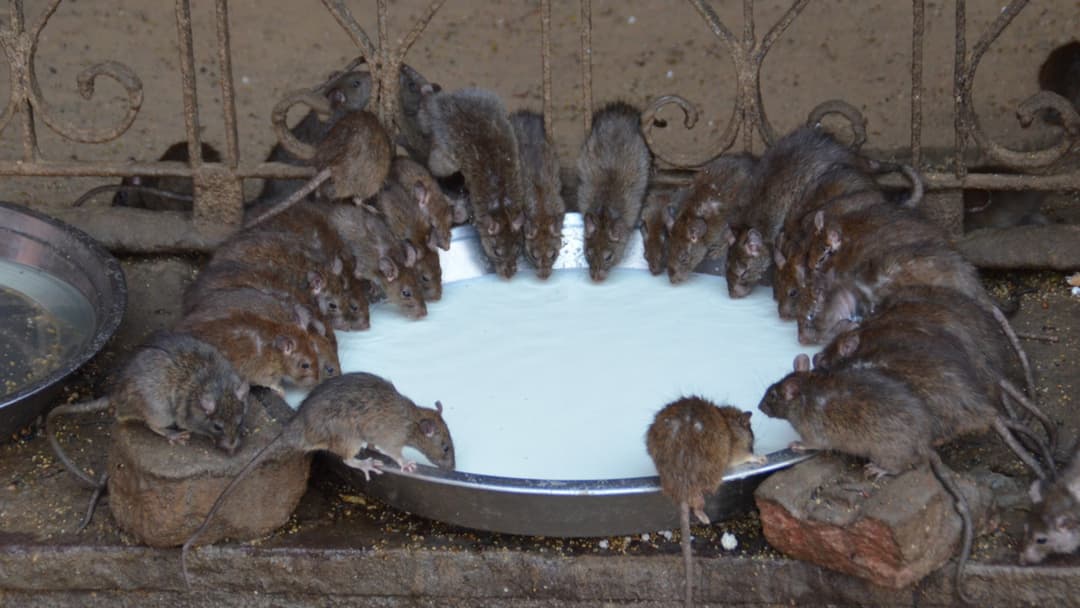
4. Temple Rats Of Deshnoke 
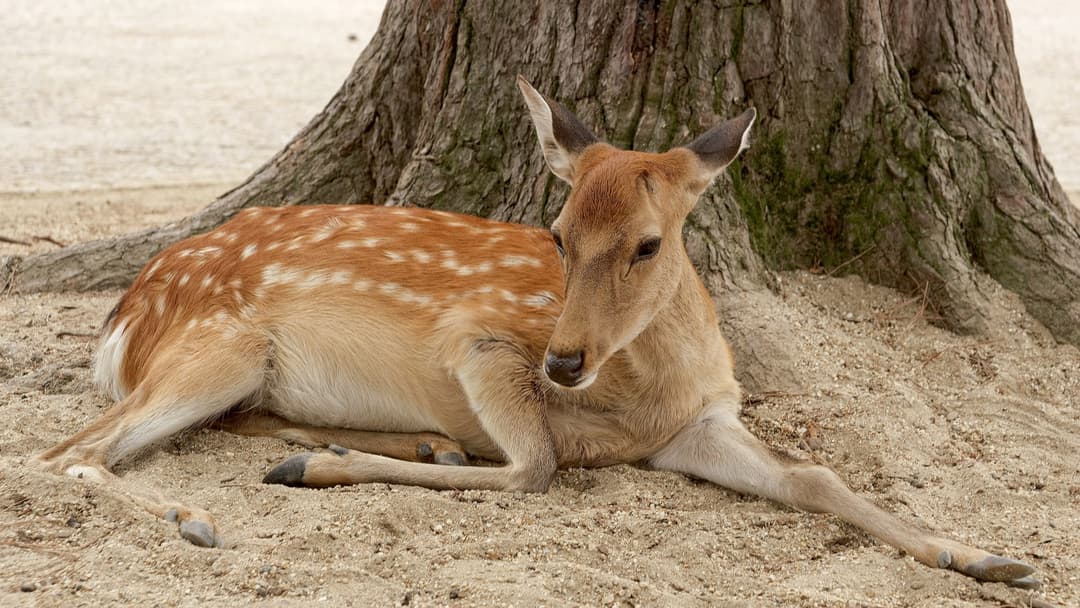
3. Sacred Sika Deer Of Nara - AdvertisementSwipe or tap ▶ to continue countdown

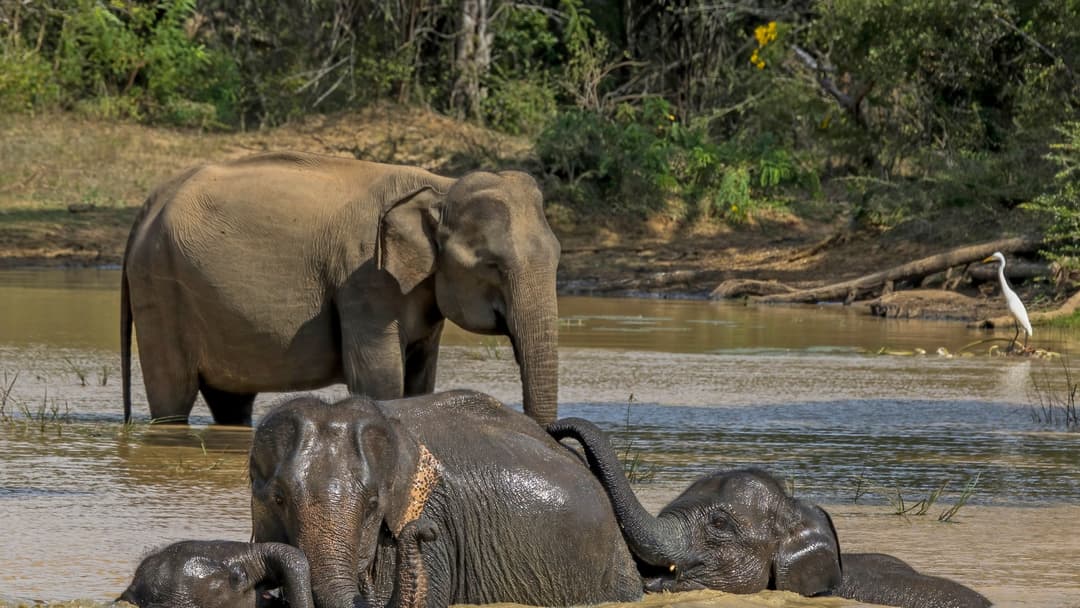
2. Asian Elephant 
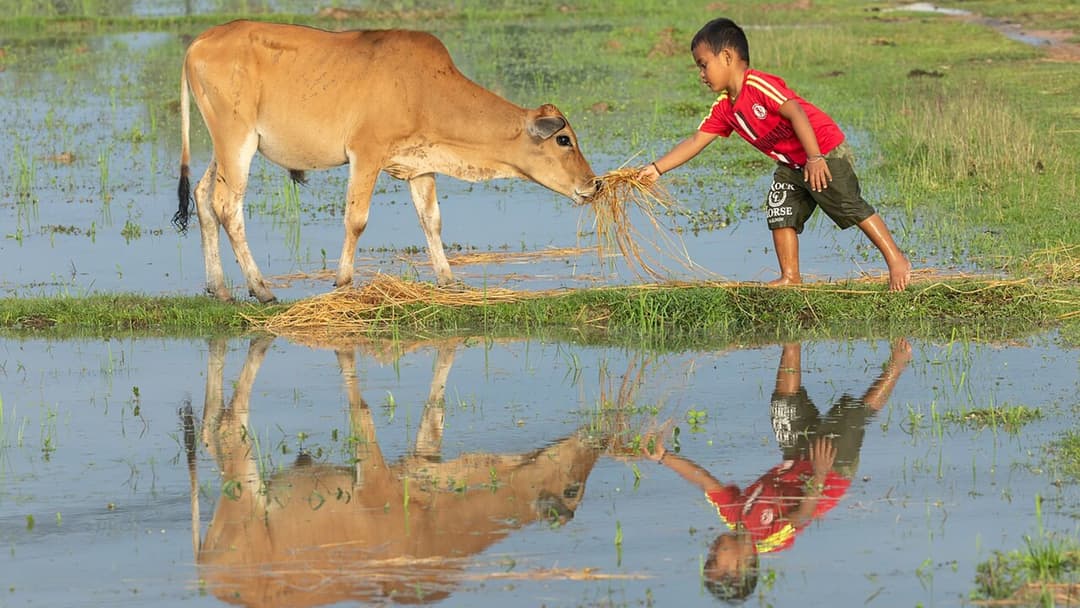
1. Sacred Cow - Advertisement🔥 UP NEXT IN THIS SERIES◫ 21 Slides

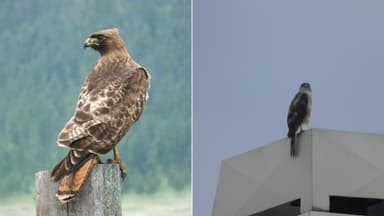
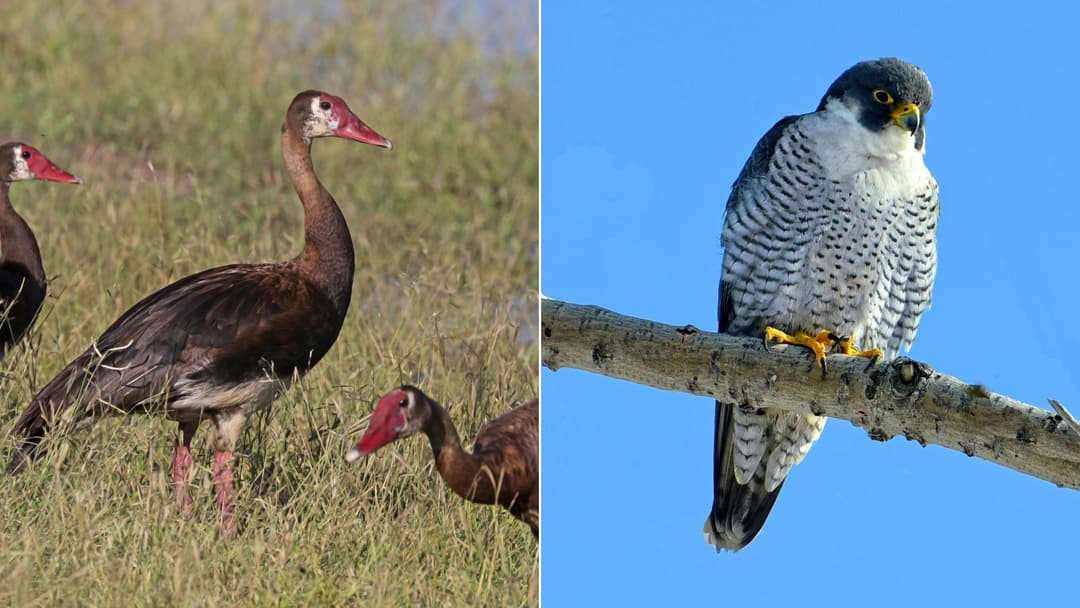
20 Meanings of a Hawk Landing in Your Yard
From ancient Nile temples and Mesoamerican jungles to Shinto shrines and Himalayan monasteries, human civilizations have long venerated living animals as gods, spirit guides, and symbols of divine cosmic order. Explore twenty-five revered creatures that shaped human worship across millennia.
Swipe or tap ▶ to begin the countdown
©Wikimedia / Charles J. Sharp & Wikimedia / Jakub Hałun
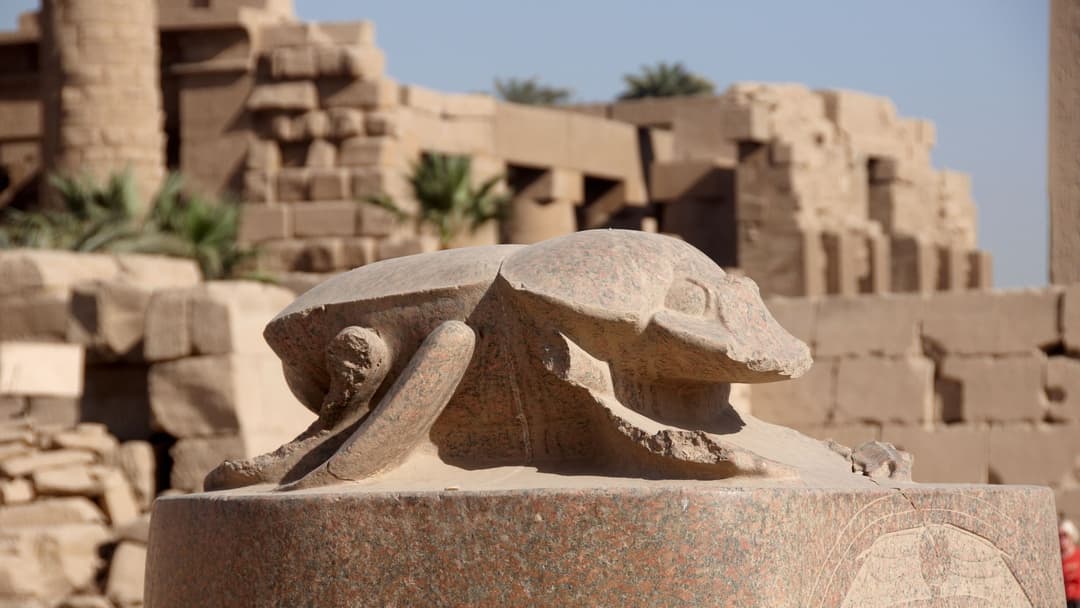
25. Sacred Scarab Beetle
To the priests of ancient Egypt, the scarab represented Khepri, the divine morning aspect of the sun god Ra. Because young beetles appeared to emerge spontaneously from dung balls, the insect became a universal talisman of creation, spiritual transformation, and eternal renewal.
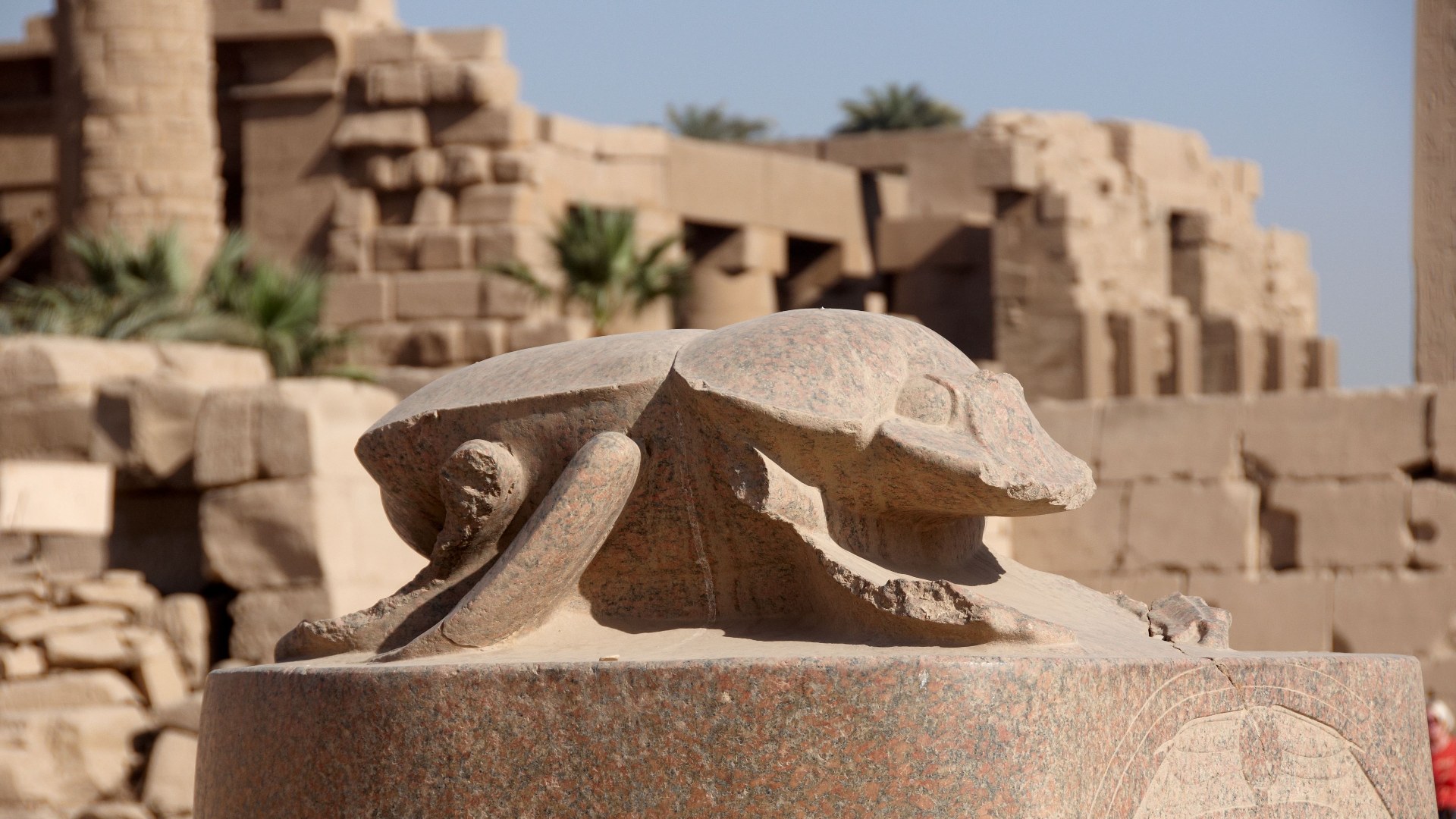
©Wikimedia / Wouter Hagens
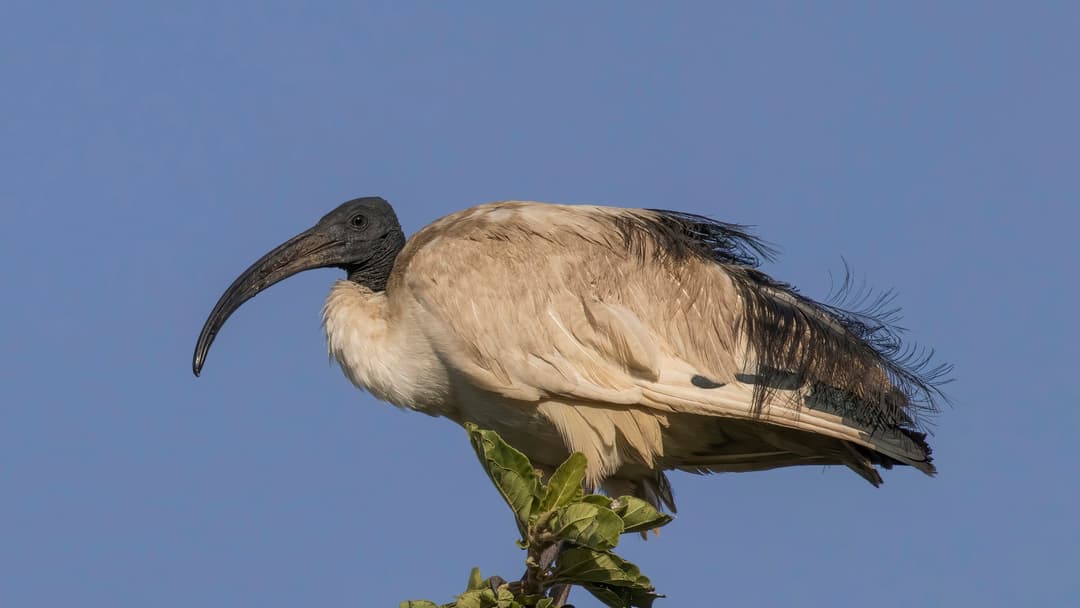
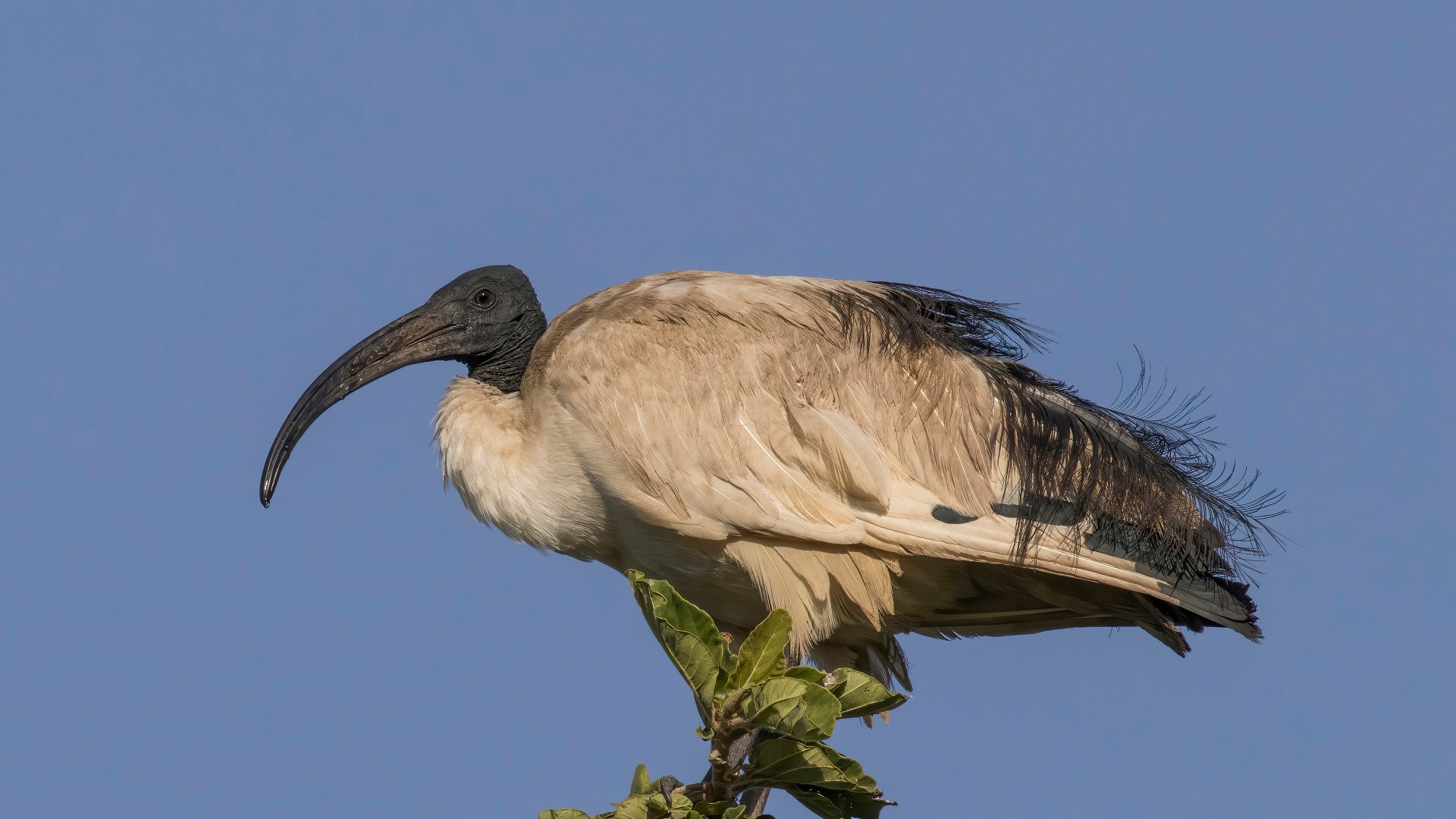
24. Sacred African Ibis
In ancient Egyptian theology, Thoth presided over mathematics, astronomy, the scribal arts, and the recording of human souls. Temple complexes housed millions of sacred ibises, which priests mummified with ceremonial resins and placed in subterranean catacombs as votive offerings.
©Wikimedia / Charles J. Sharp
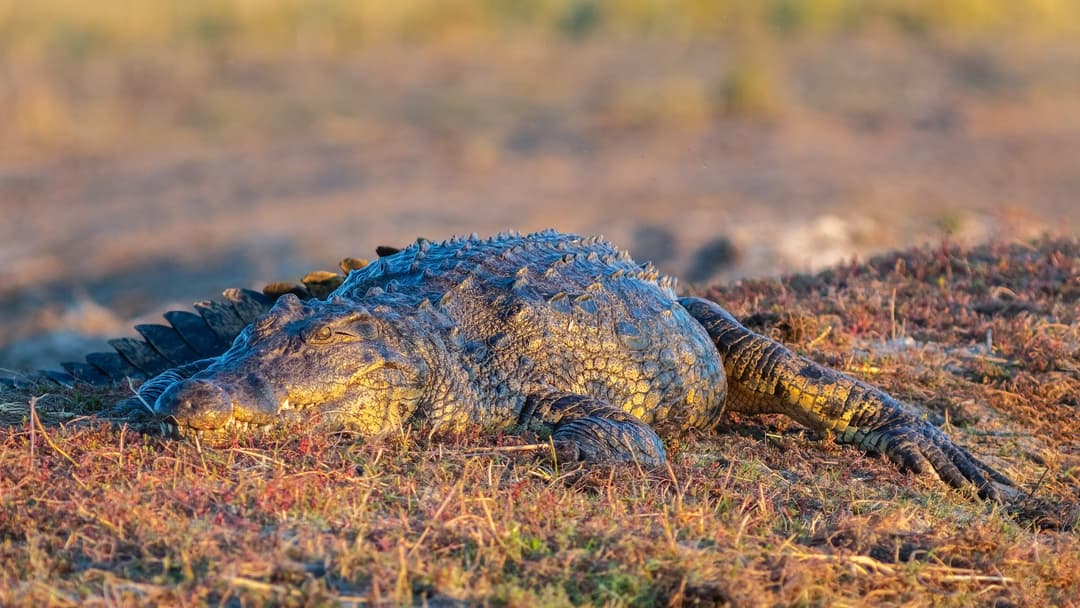
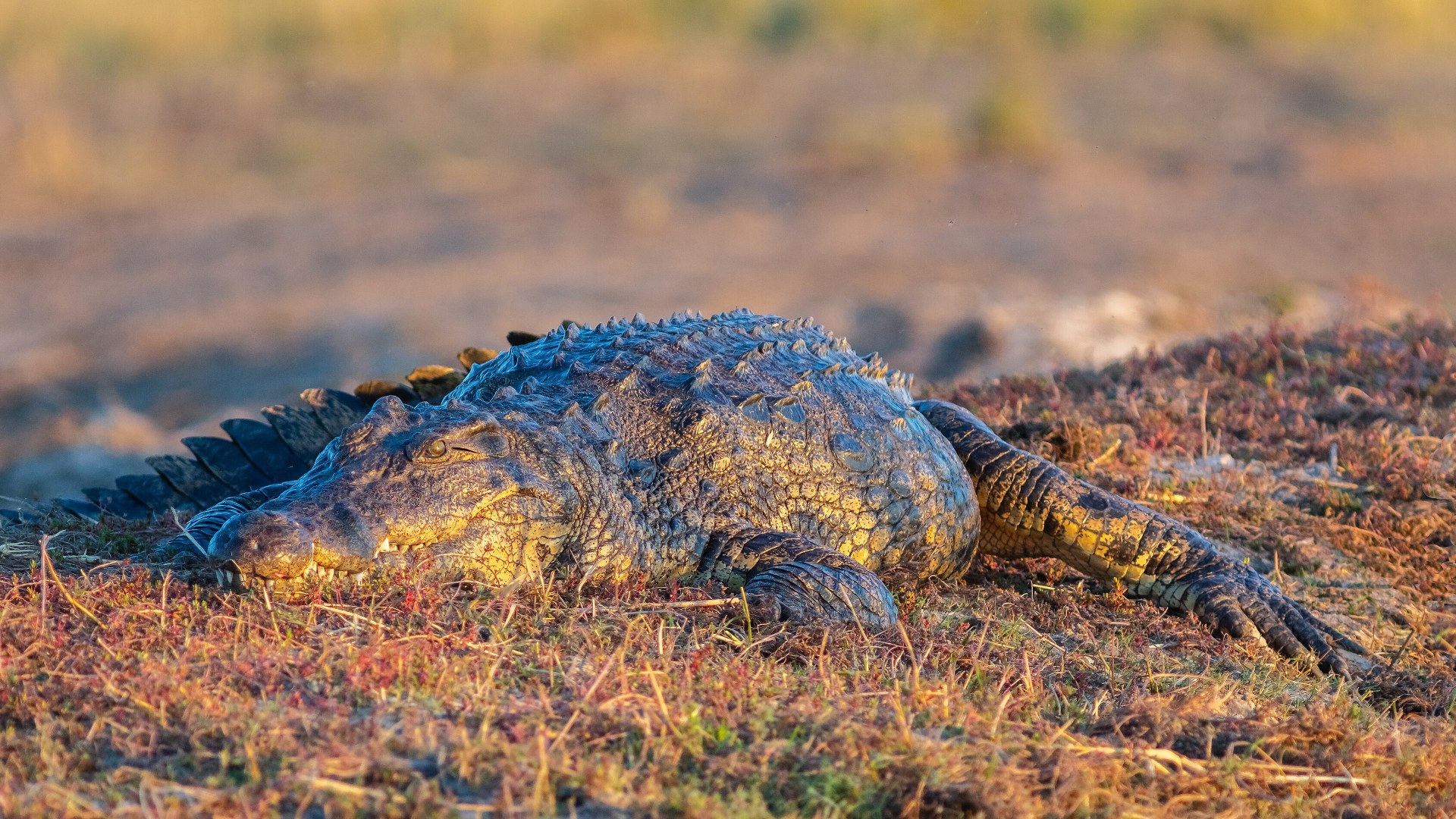
23. Nile Crocodile
In cities like Crocodilopolis and Kom Ombo, live reptiles were treated as divine embodiments, adorned with gold earrings and fed choice meats. Sobek was believed to control the annual flooding of the Nile, making crocodile appeasement essential for agricultural prosperity.
©Wikimedia / Diego Delso
Advertisement
Swipe or tap ▶ to resume the countdown.
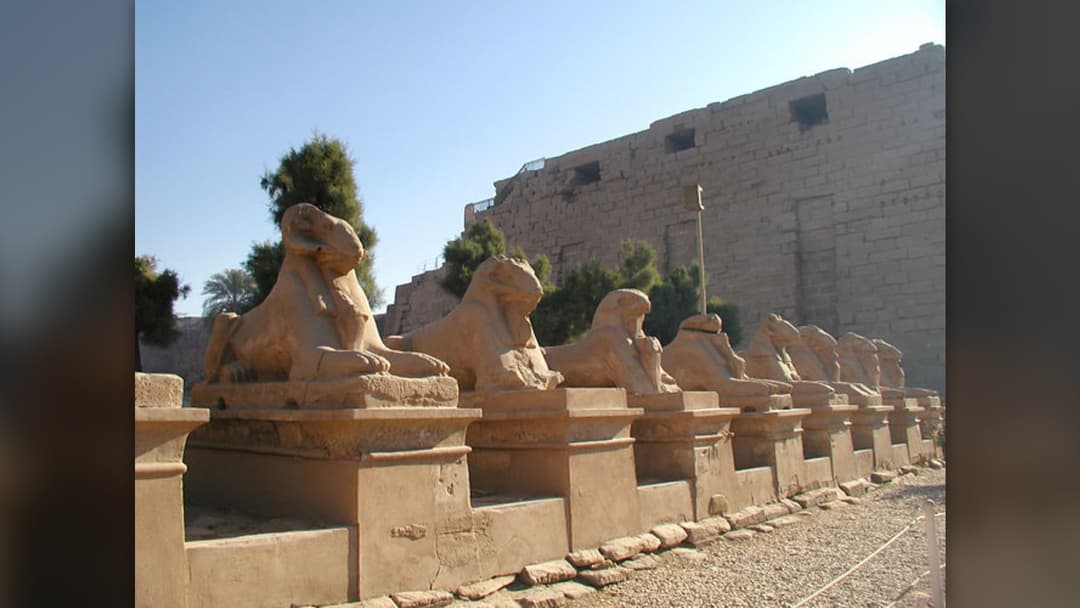
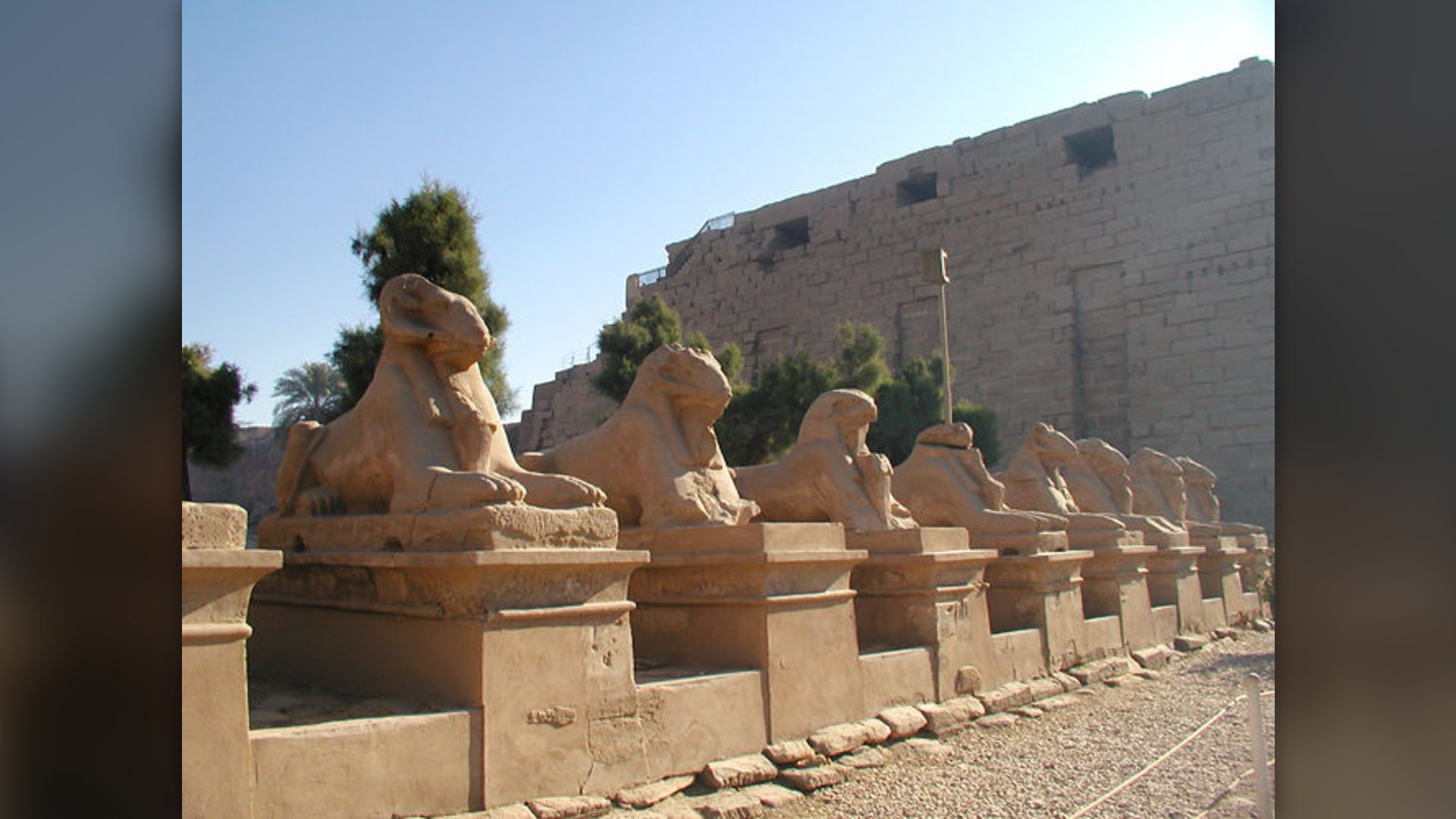
22. Ram Of Amun
In the temple capital of Thebes, monumental avenues of ram-headed criosphinxes flanked the entrance to Karnak, sheltering pharaonic statues beneath their curved horns. Priests maintained sacred rams within inner sanctuaries as living reservoirs of solar energy and divine breath.
©Wikimedia / Jon Bodsworth
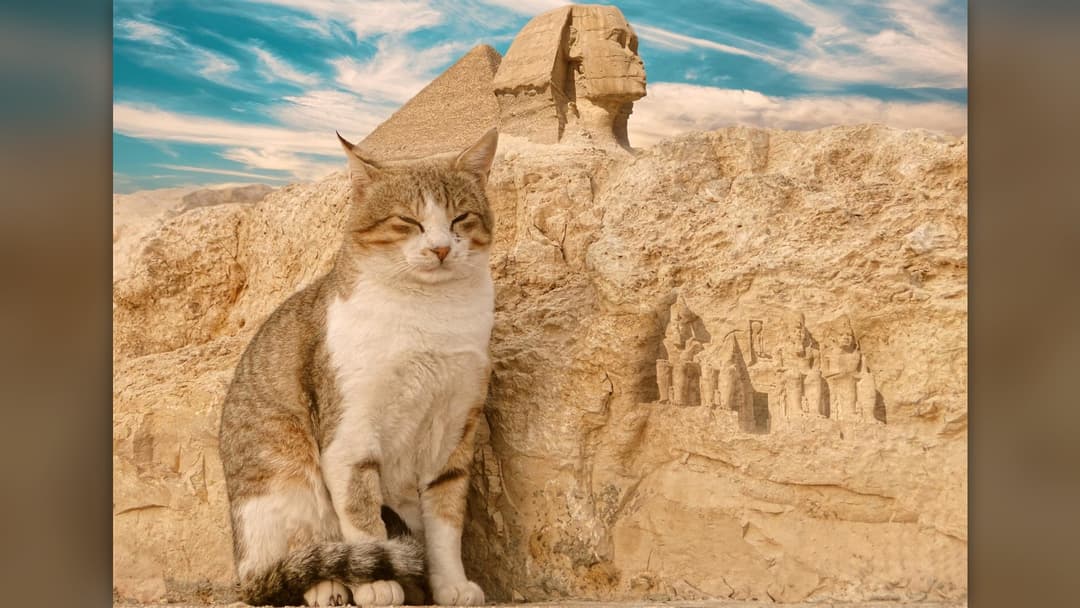
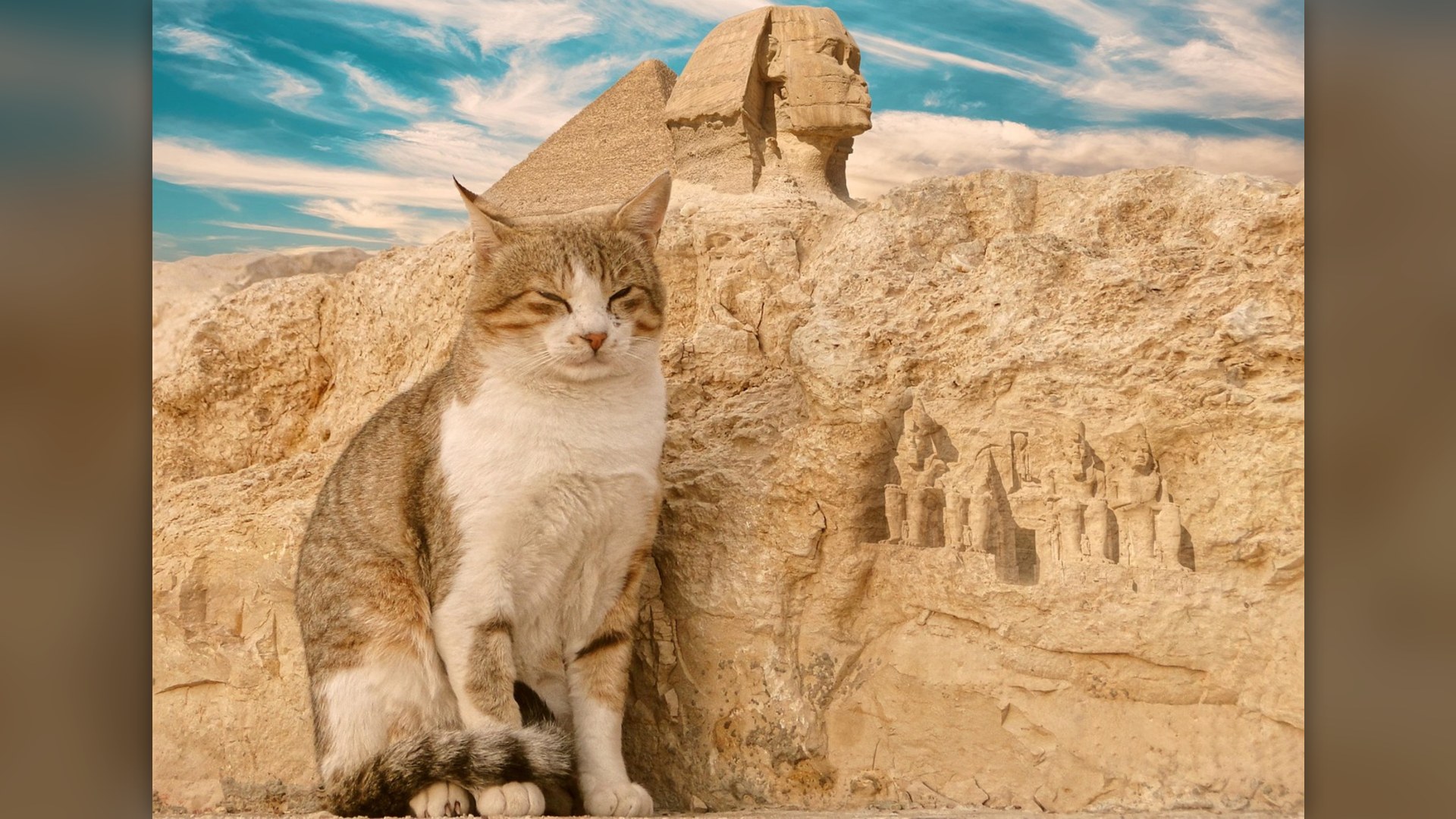
21. Domestic Cat Of Bastet
Bastet embodied domestic harmony, fertility, maternal devotion, and fierce protection against venomous serpents. Egyptian households mourned deceased felines by shaving their eyebrows in ritual sorrow, and vast necropolises at Bubastis received hundreds of thousands of mummified cats.
©Pixabay / ThomasWolter
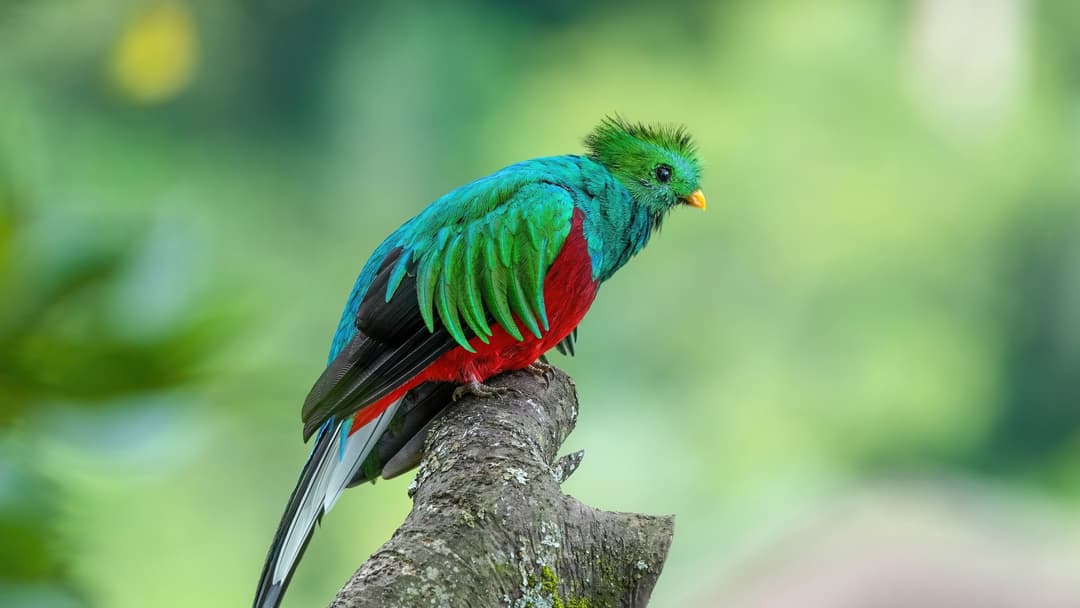
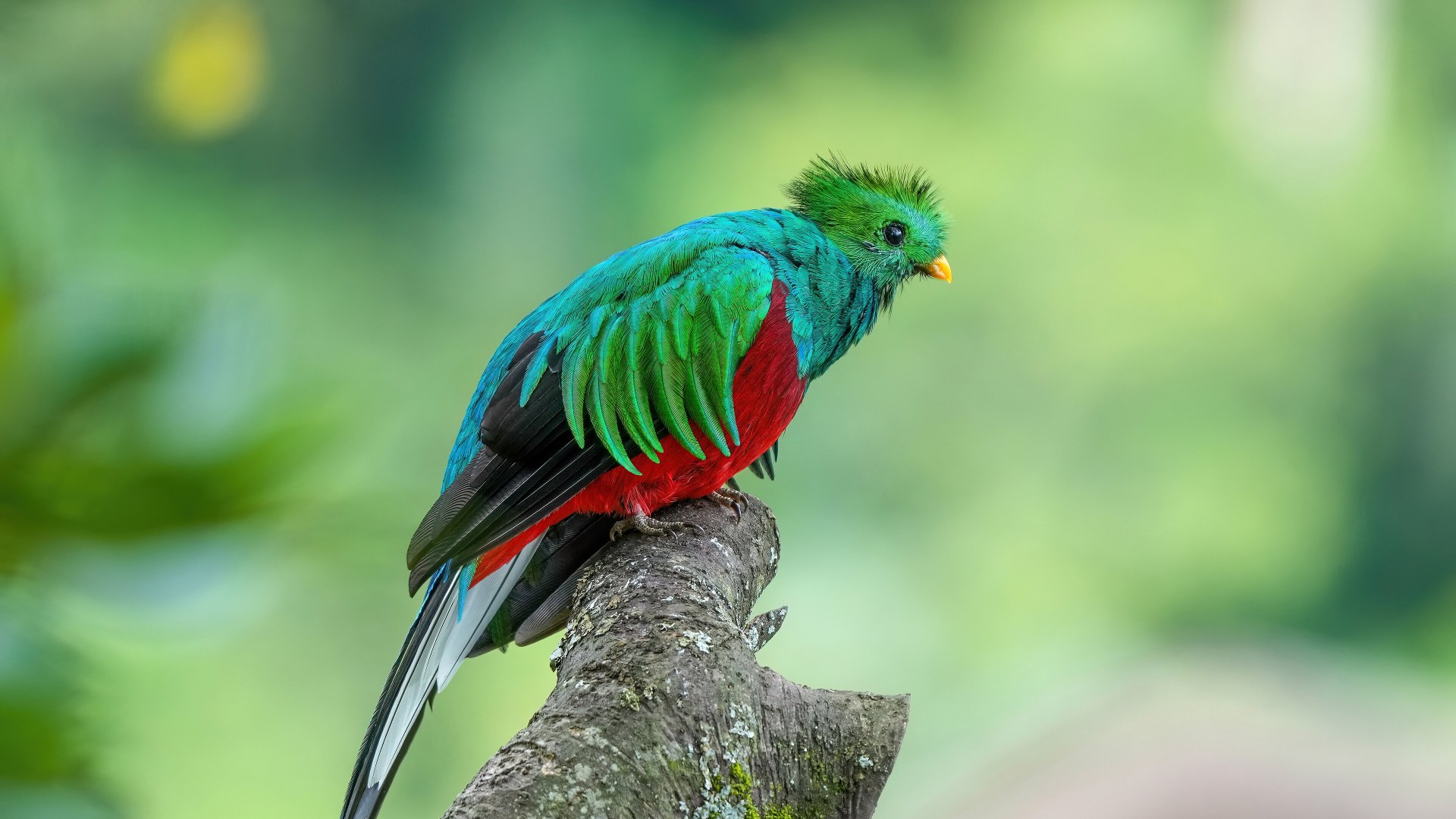
20. Resplendent Quetzal
Prized for its iridescent emerald tail plumes, the quetzal was considered so sacred that killing one carried the death penalty. Priests and royals gently plucked the long feathers during religious ceremonies before releasing the living bird back into misty cloud forests.
©Wikimedia / Giles Laurent
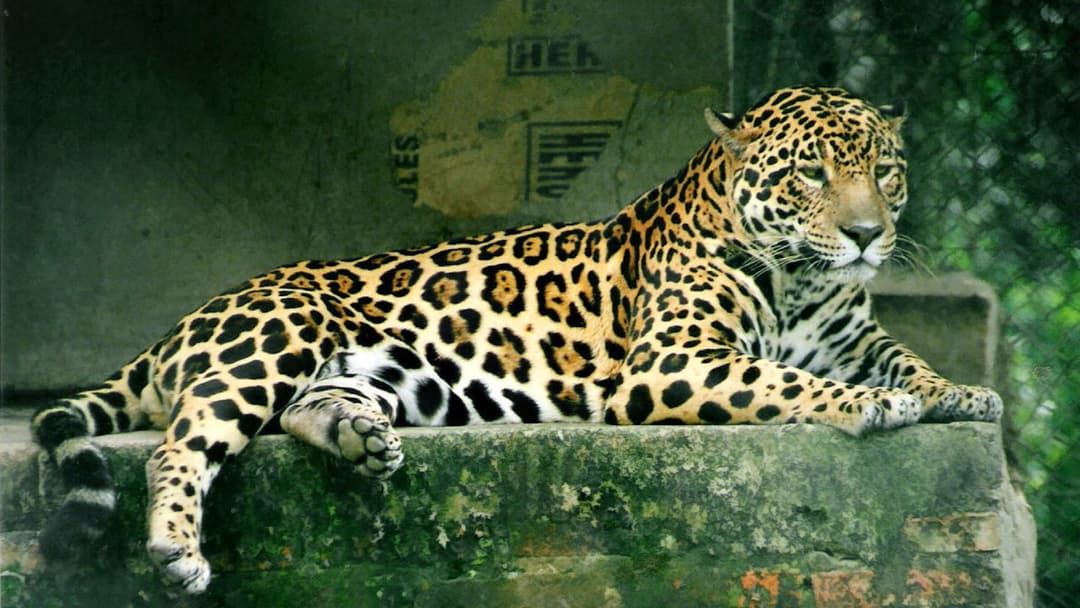
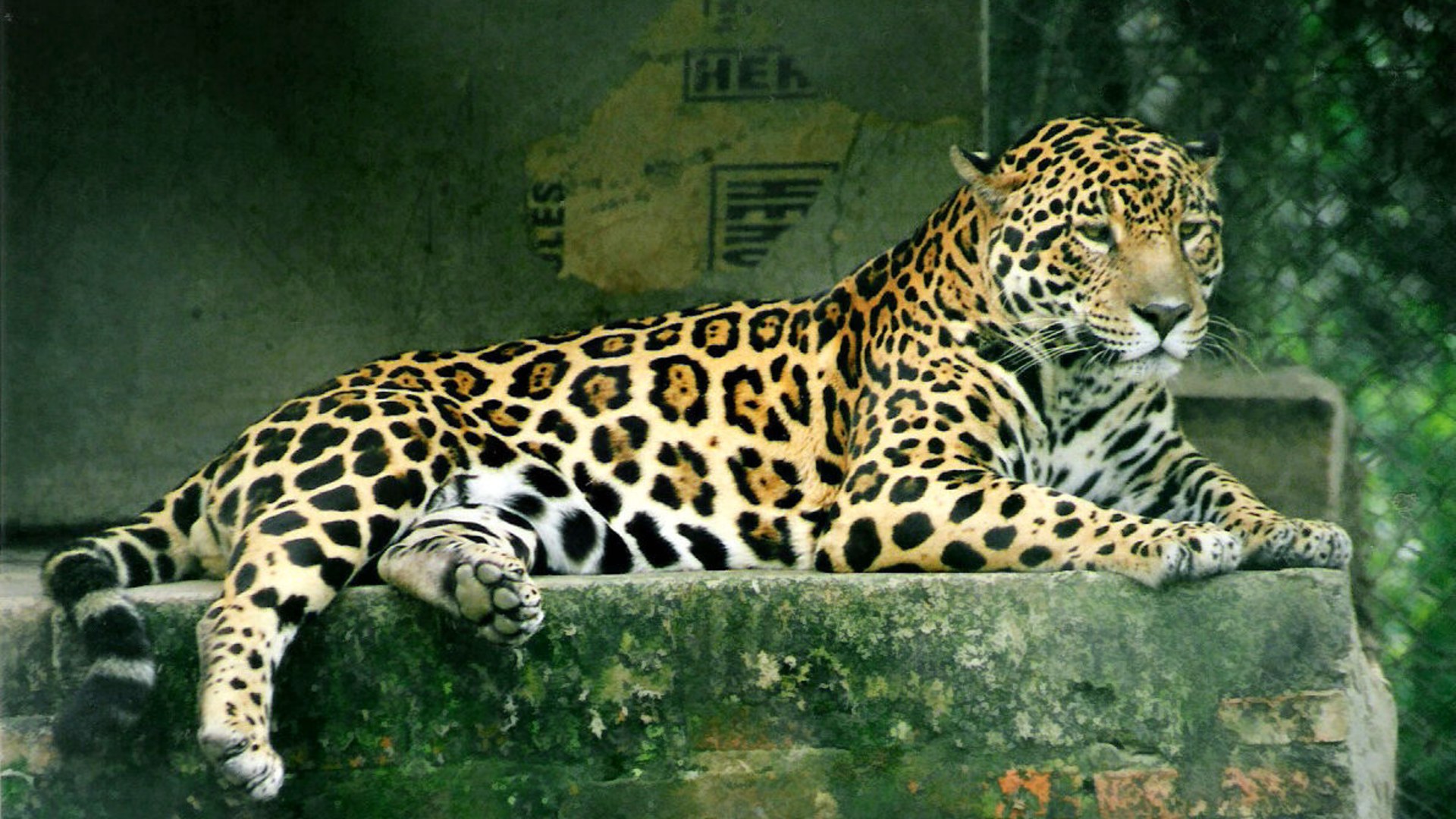
19. Black-Spotted Jaguar
In Olmec, Maya, and Aztec cosmology, the spotted pelt of the jaguar reflected the starry night sky. Rulers sat upon carved jaguar thrones and draped pelts over their shoulders, invoking the stealth, raw physical power, and occult sight needed to lead their nations through spiritual trials.
©Wikimedia / Lea Maimone
Advertisement
Swipe or tap ▶ to resume the countdown.
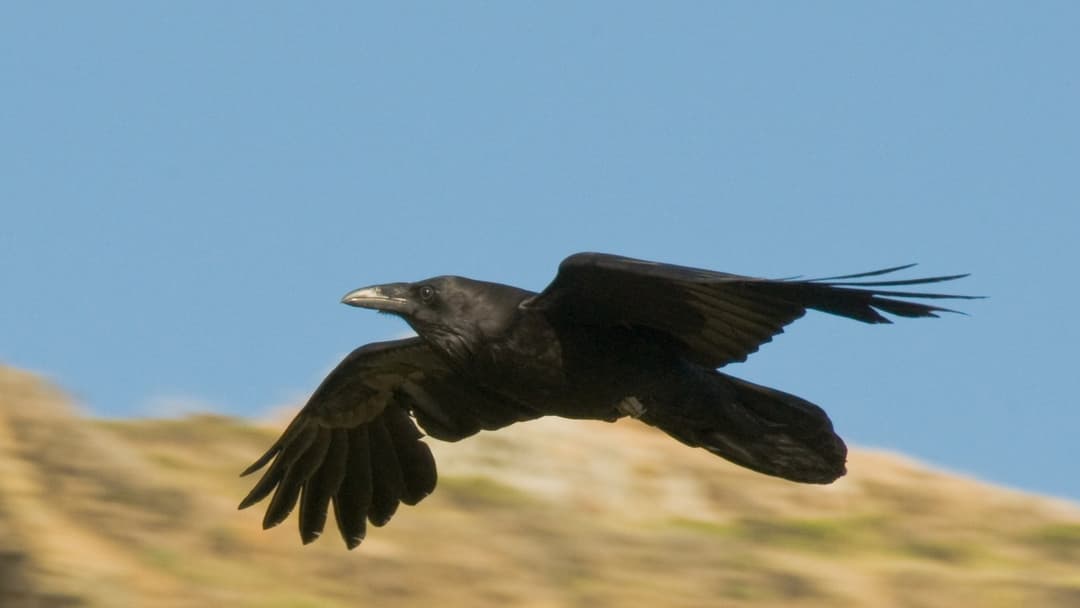
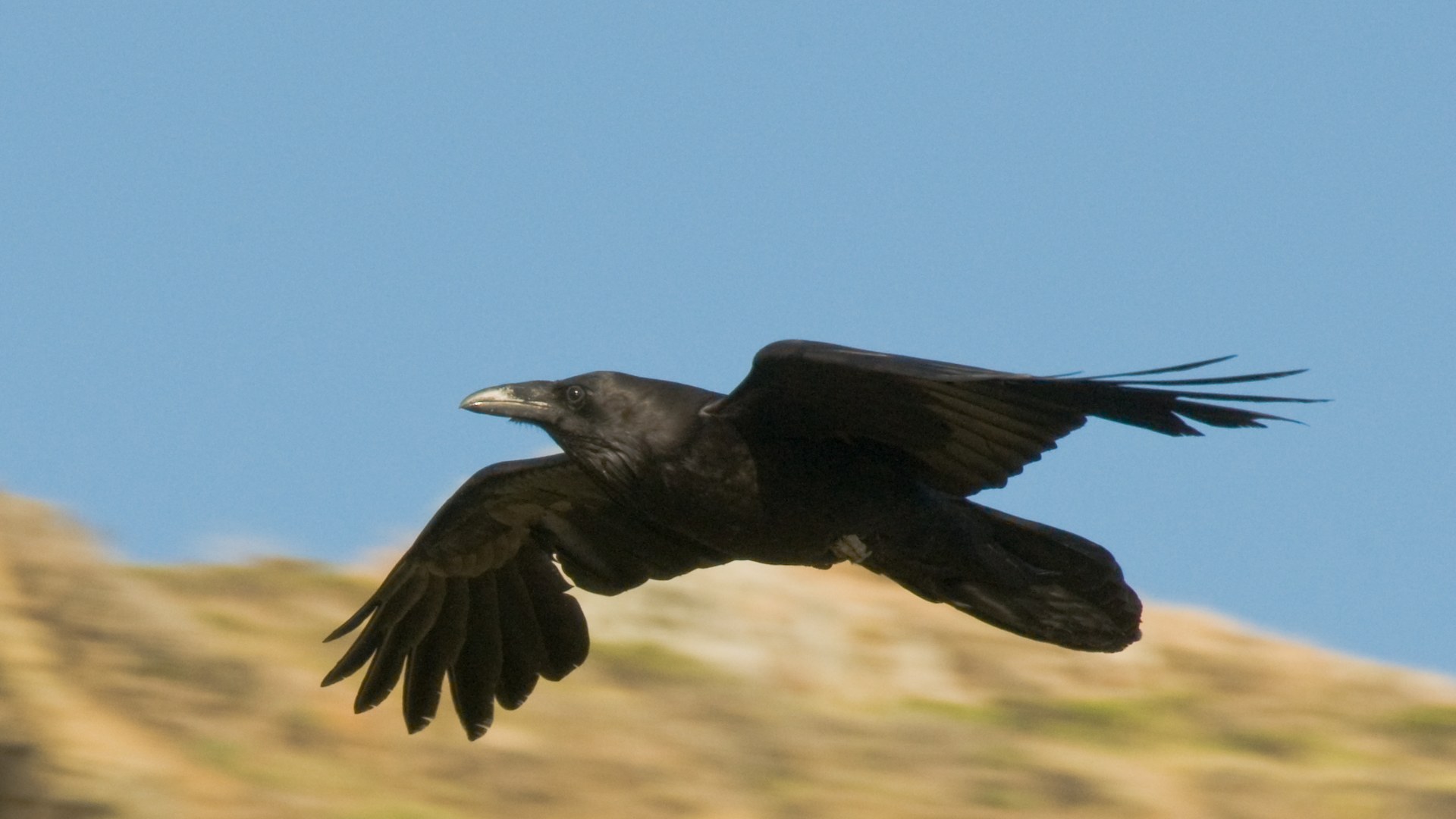
18. Common Raven
Pacific Northwest Indigenous nations revere Raven as a shape-shifting creator who stole the sun from darkness and placed it in the sky. In Scandinavian traditions, Odin dispatched his twin ravens Huginn and Muninn daily to gather intelligence from across the nine mythological realms.
©Wikimedia / Copetersen www.copetersen.com
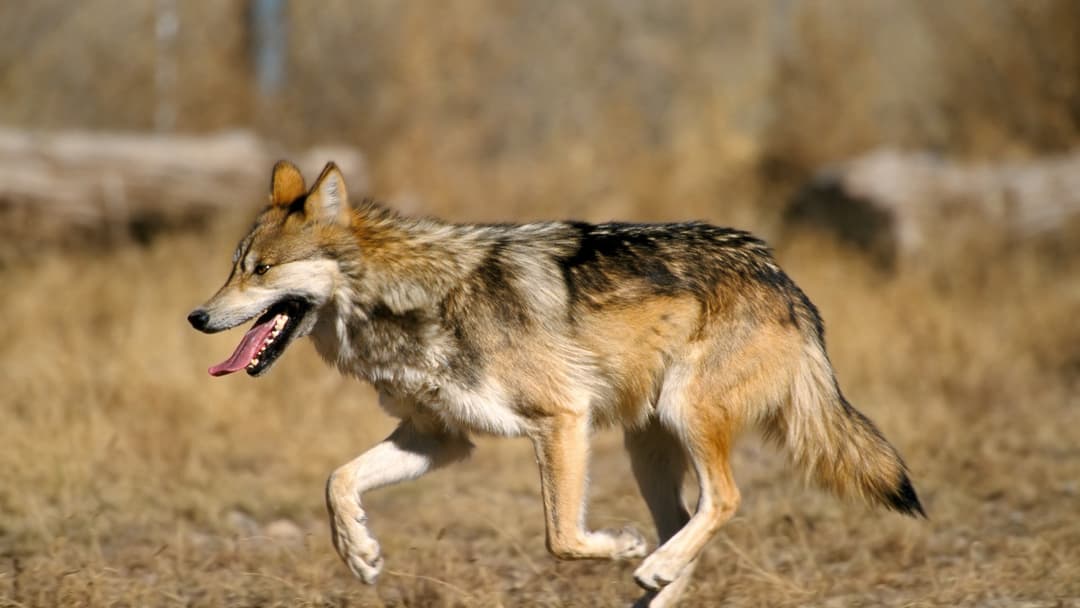
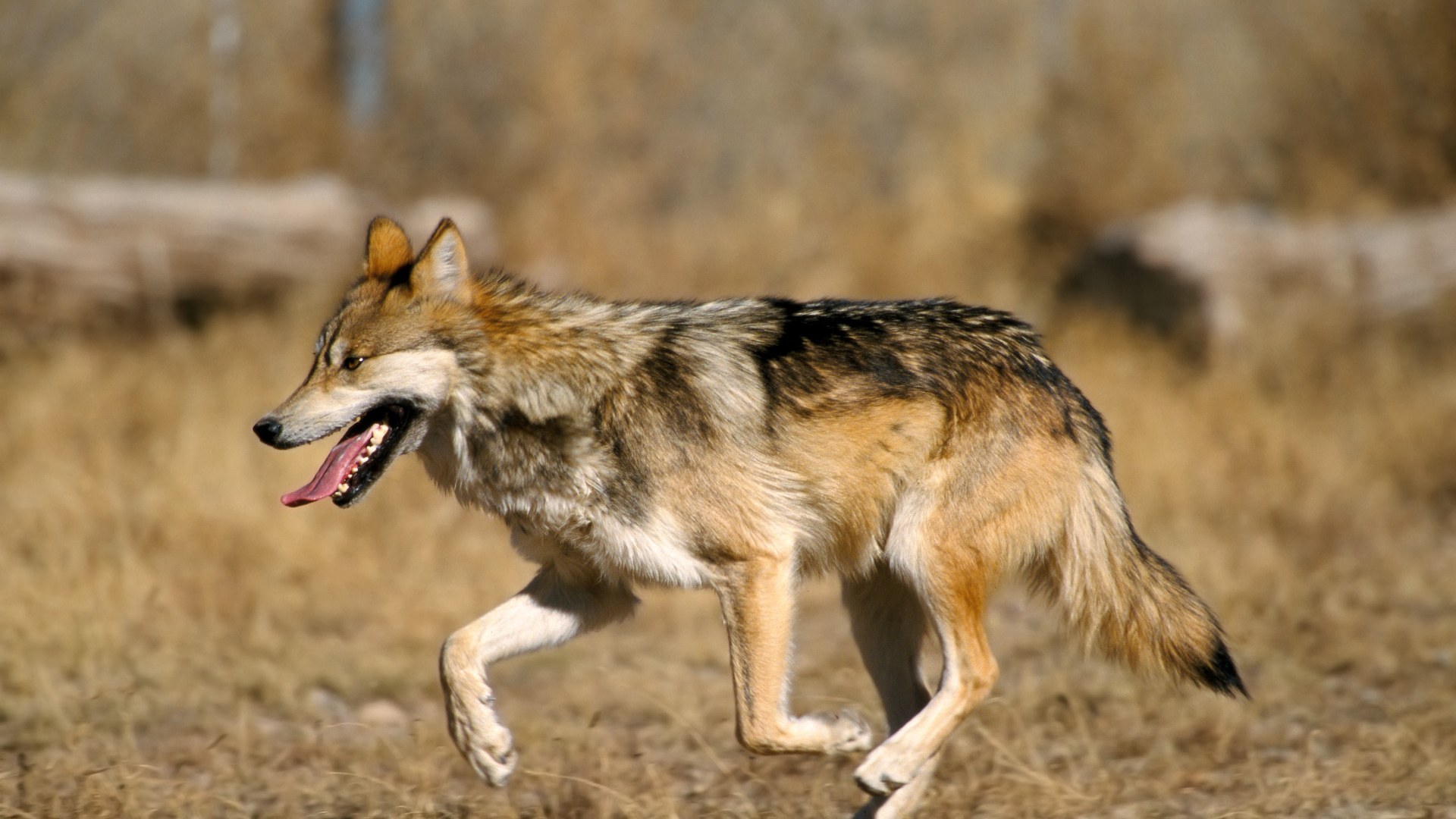
17. Gray Wolf
Roman civic pride immortalized the bronze Capitoline Wolf as a symbol of maternal devotion and fierce martial resilience. Across the Eurasian steppe, Turkic and Mongolic clans traced ancestral lineage to a divine blue she-wolf, while Norse skalds sung of wolves chasing the sun and moon.
©Wikimedia / Clark, Jim (USFWS)
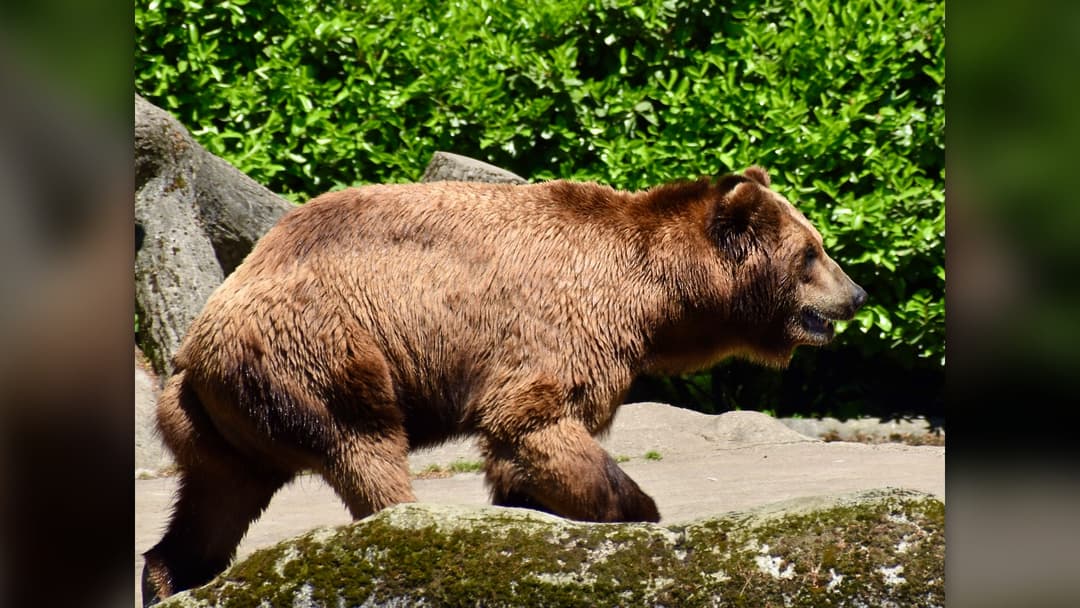
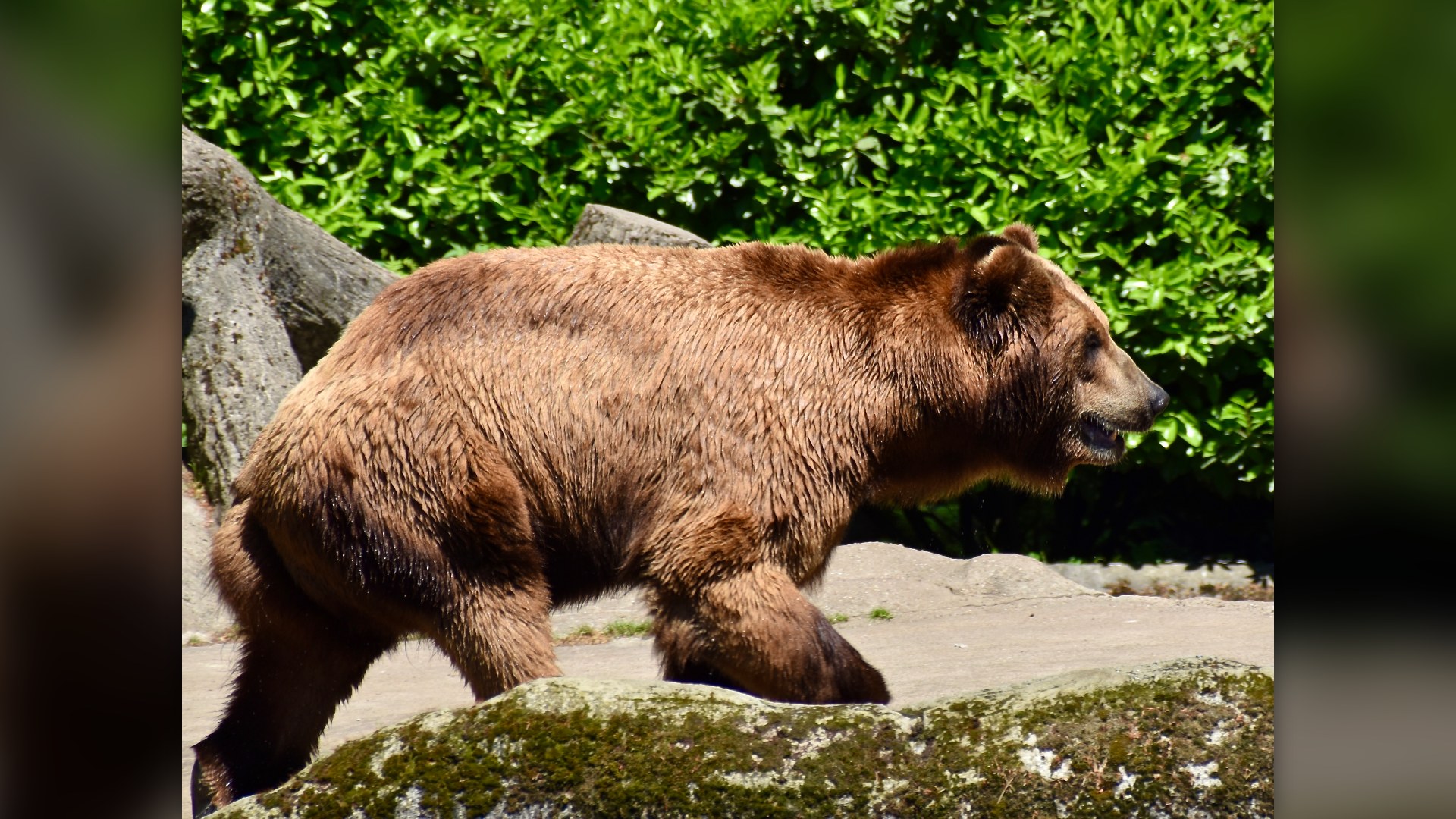
16. Brown Bear
In traditional Ainu cosmology, gods visit the mortal realm disguised as animals to deliver meat and warm fur to humans. Through the solemn Iomante ceremony, villagers honoured a raised bear cub with songs and offerings before ceremonially sending its divine spirit back to the gods.
©Wikimedia / NasserHalaweh
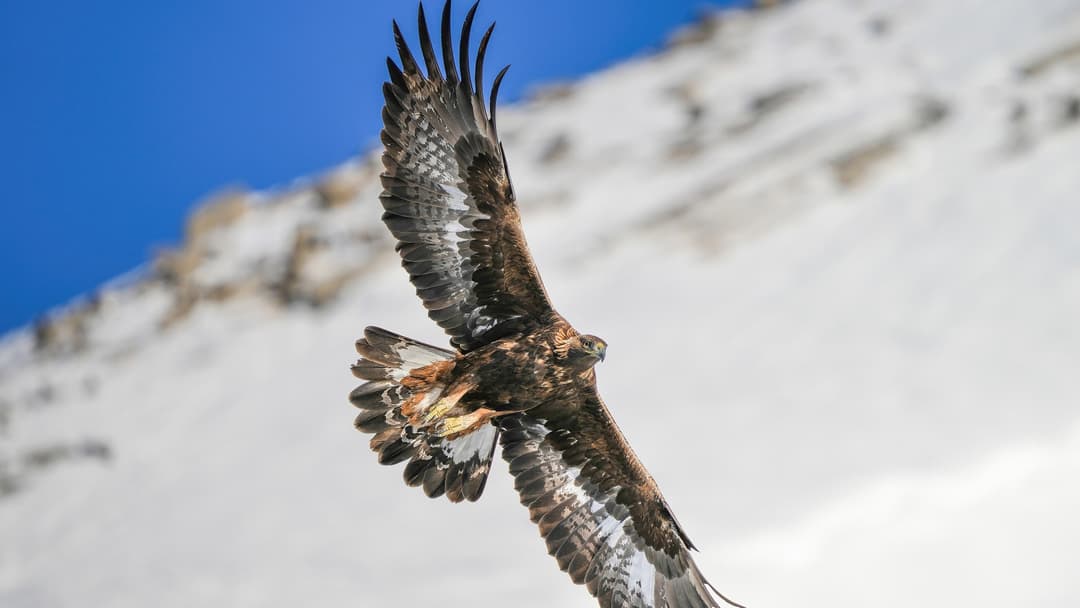
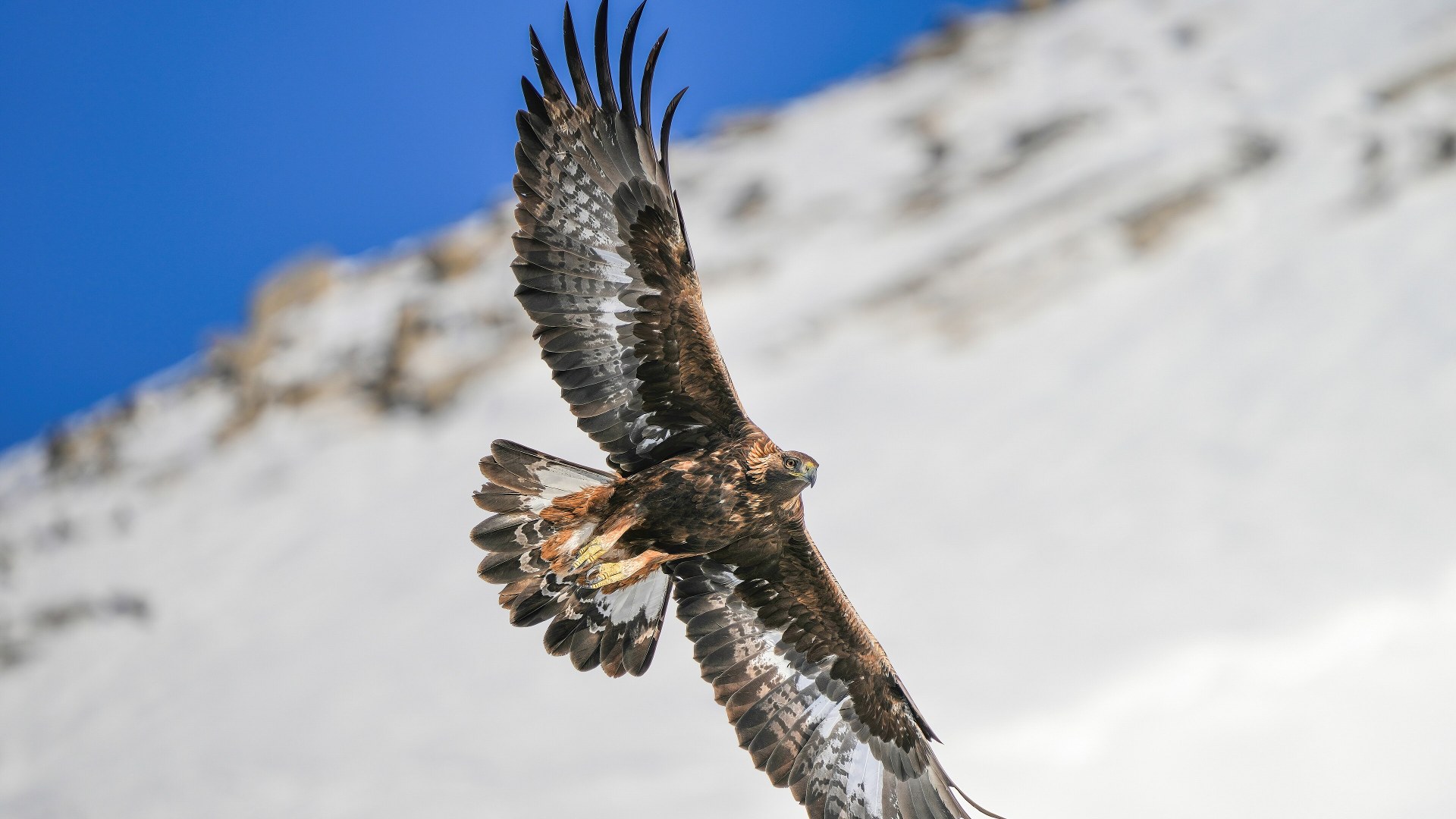
15. Golden Eagle
To Native American nations, eagle feathers represent the highest honor, serving as sacred conduits carrying heartfelt prayers to Wakan Tanka, the Great Spirit. In classical Rome, the eagle served as the imperial standard of Jupiter, conveying royal decrees across heaven and earth.
©Wikimedia / Giles Laurent
Advertisement
Swipe or tap ▶ to resume the countdown.
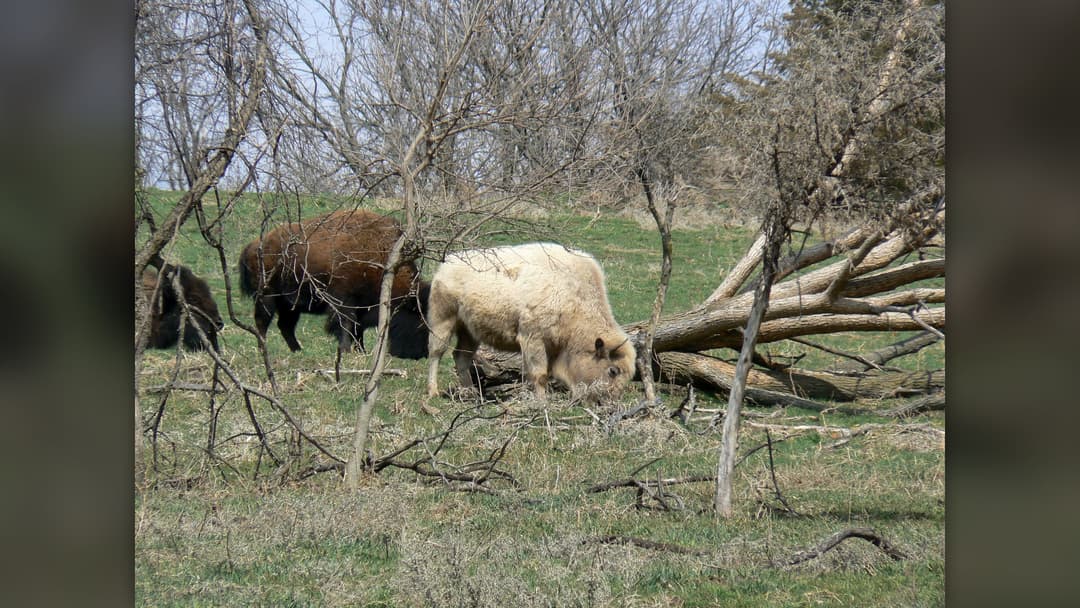
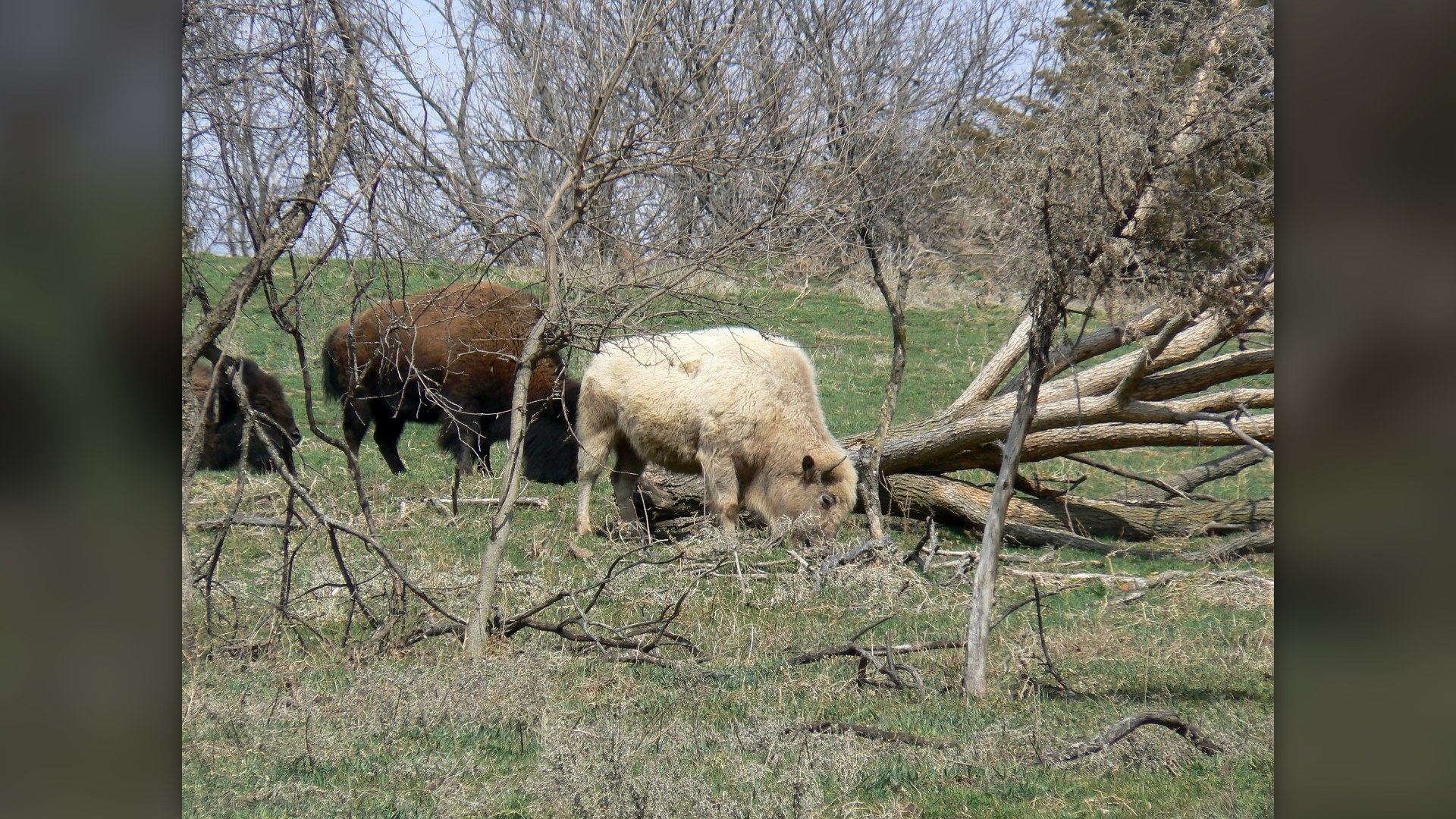
14. White Buffalo
According to Lakota tradition, the prophetess White Buffalo Calf Woman appeared during a period of famine, bestowing the sacred Seven Rituals and the sacred pipe. A white calf heralds unity, peace, and the renewal of all creation, prompting gatherings and ceremonial blessings.
©Wikimedia / White buffalo
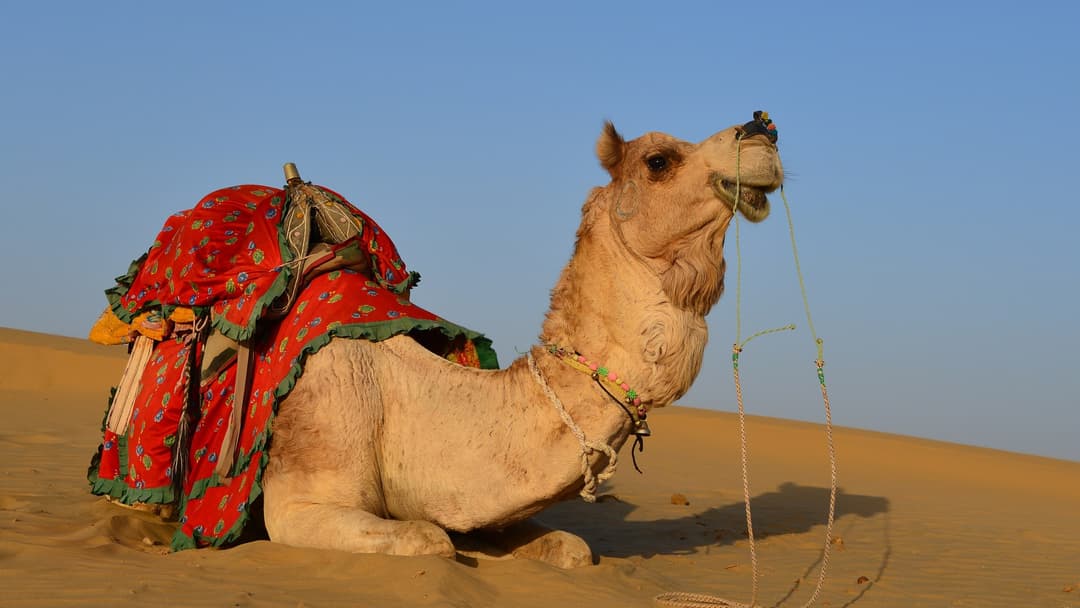
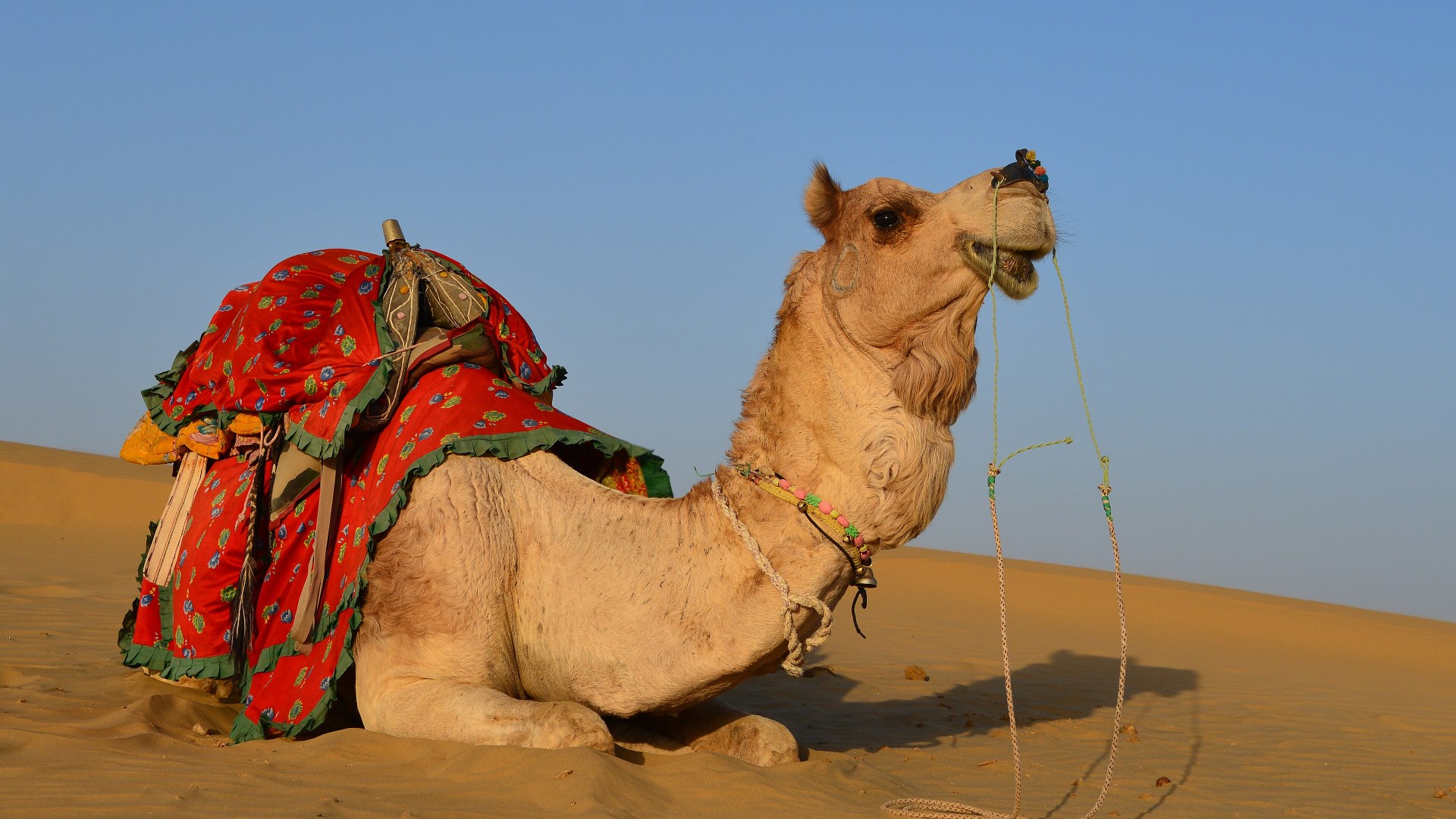
13. Dromedary Camel
In early Islamic history, the female camel Al-Qaswa held a revered place as the favorite riding mount of Prophet Muhammad. During the migration to Medina, the Prophet allowed Al-Qaswa to walk unrestrained, decreeing that his house and the city first mosque would stand where she knelt.
©Wikimedia / Clément Bardot
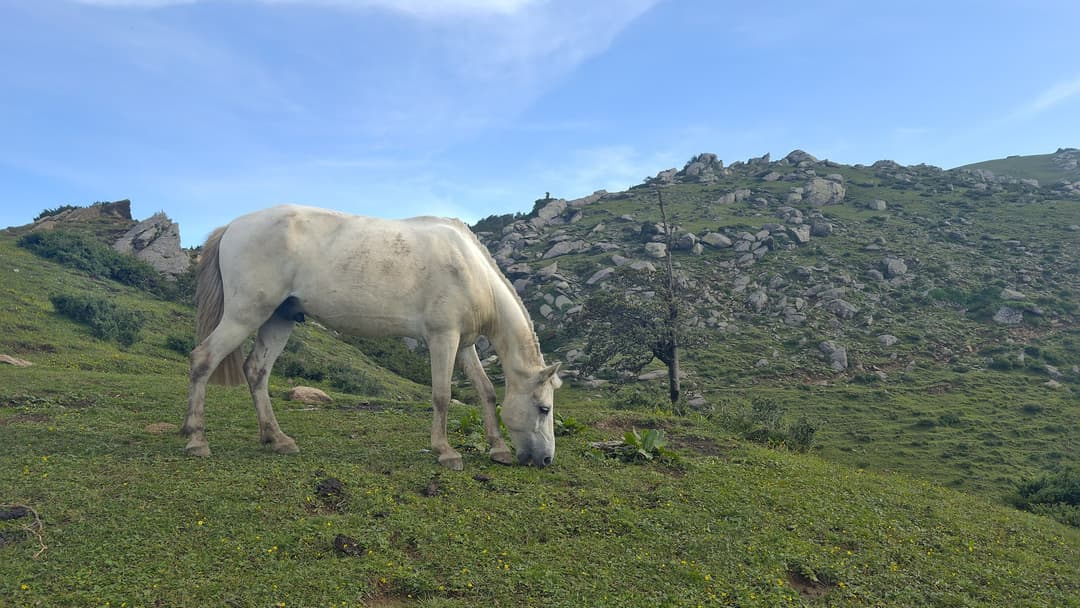
12. Sacred White Horse
In Vedic literature, Uchchaihshravas is a seven-headed flying white horse that arose during the churning of the cosmic ocean, ridden by god Indra. Across Celtic lands, white horses were dedicated to the equine protector goddess Epona, and releasing white stallions sealed royal treaties.
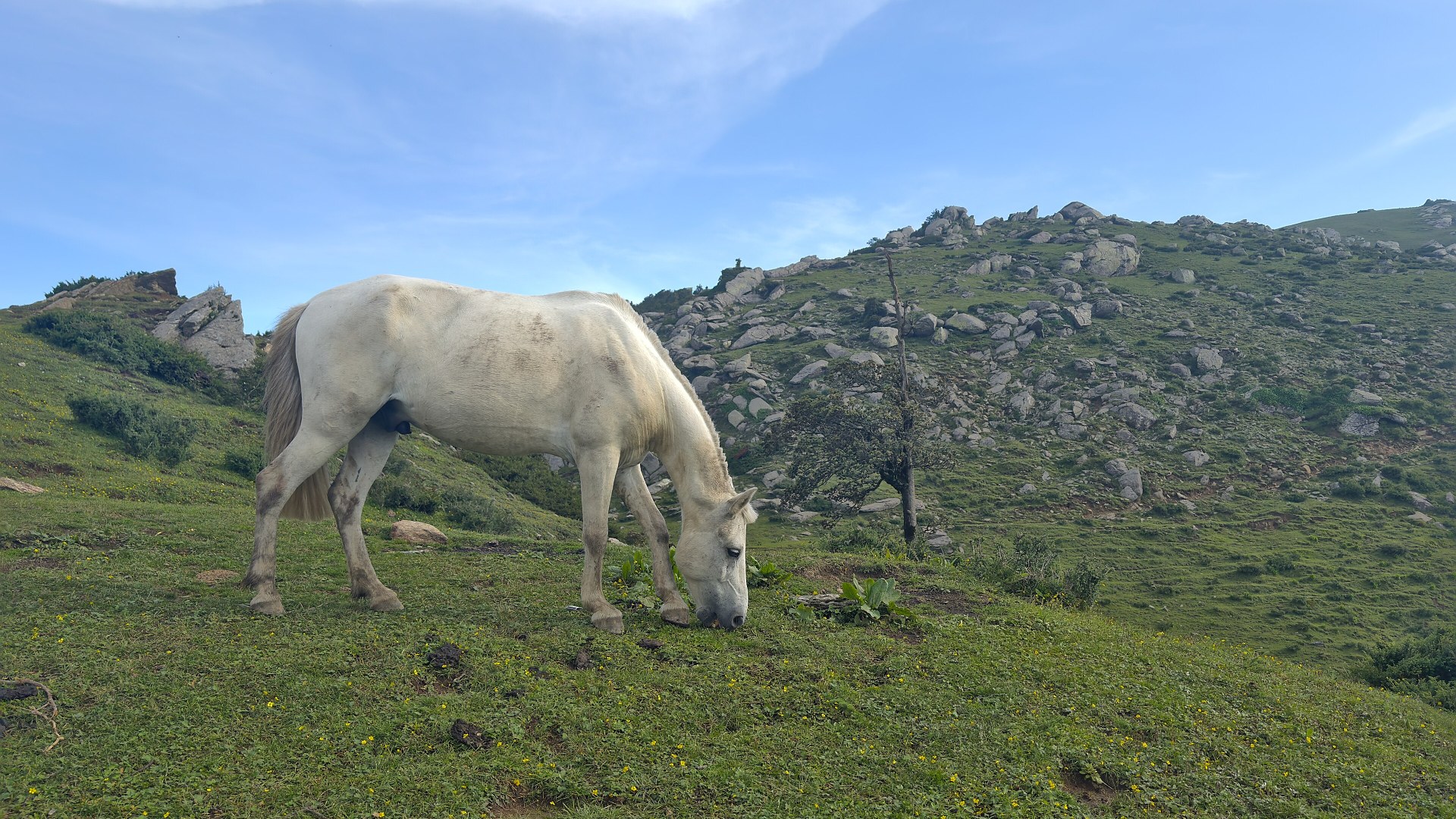
©Wikimedia / UnpetitproleX
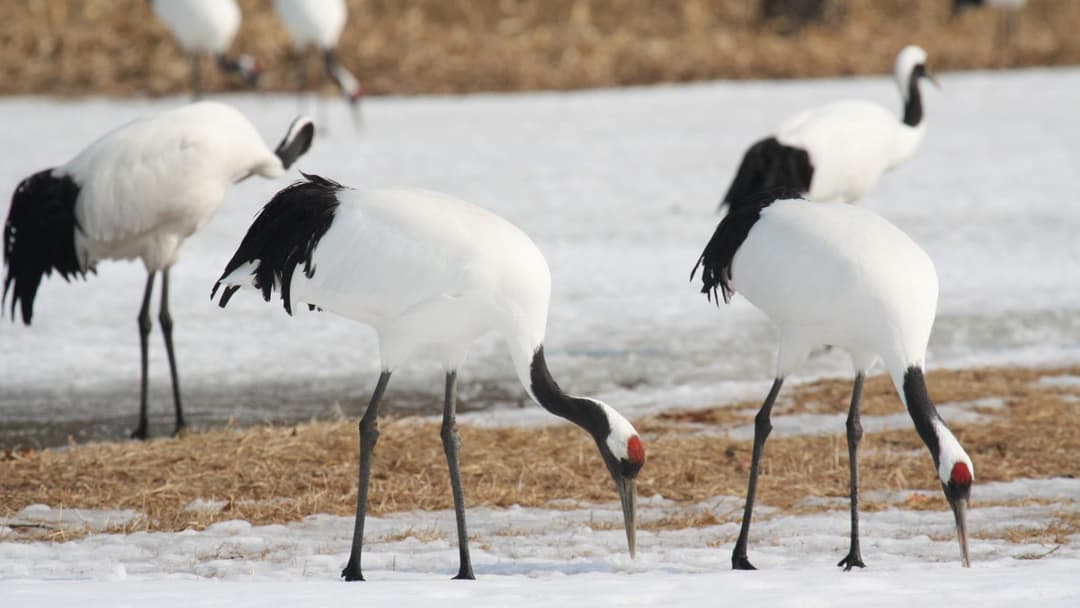
11. Red-Crowned Crane
Known as the crane of the immortals in China and Japan, these graceful birds are believed to live for a thousand years. Taoist paintings depict sages riding cranes to heavenly paradises, and folded origami cranes represent wishes for healing, peace, and eternal good fortune.
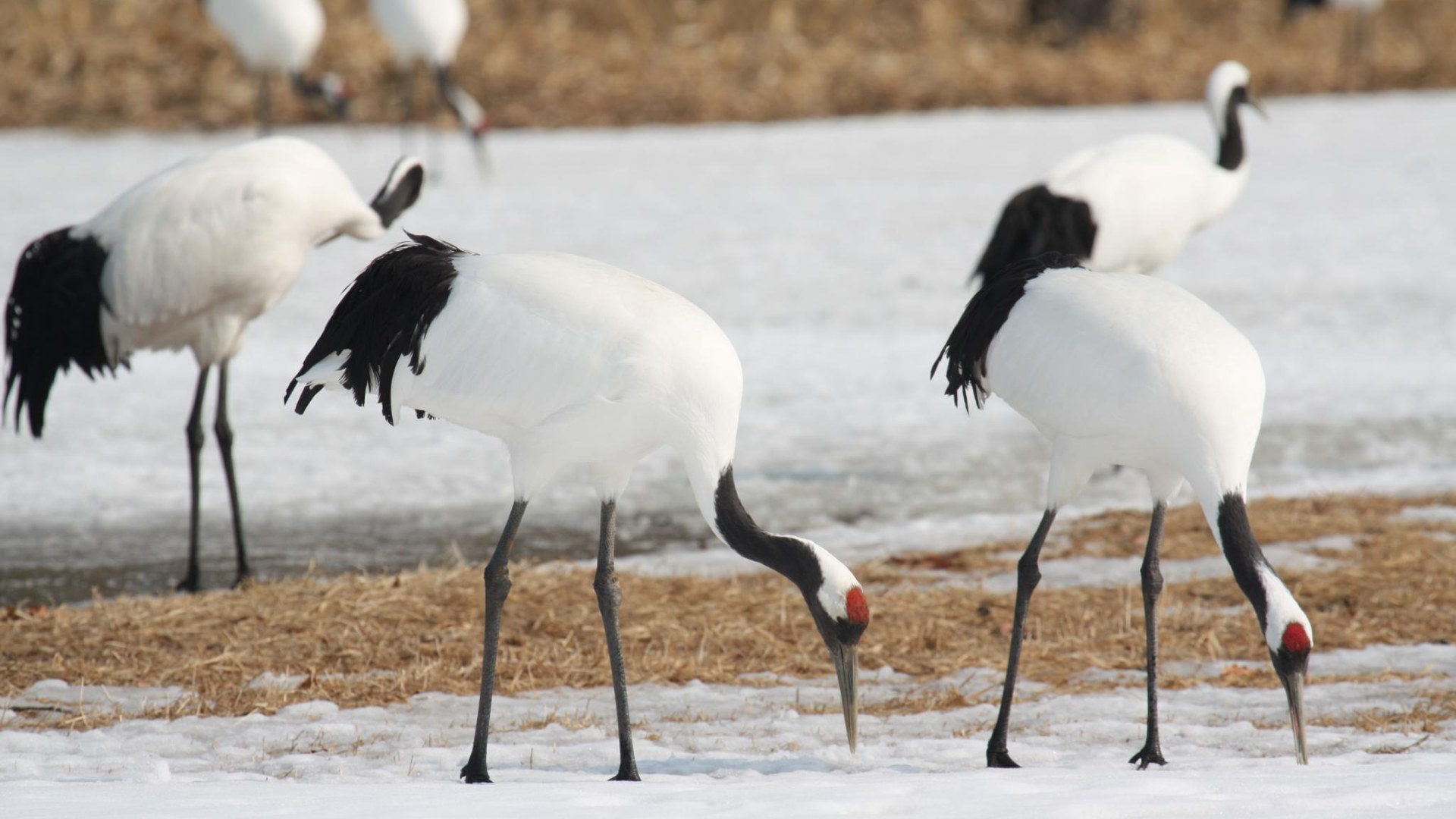
©Wikimedia / Alastair Rae
Advertisement
Swipe or tap ▶ to resume the countdown.
10. Sacred Koi Carp
According to ancient legend, determined koi that successfully leapt up the raging Dragon Gate waterfall were transformed into celestial dragons. In Zen Buddhist temple ponds, keeping koi serves as a living meditation on endurance, serene discipline, and prosperity.

©Wikimedia / Robert Lamb
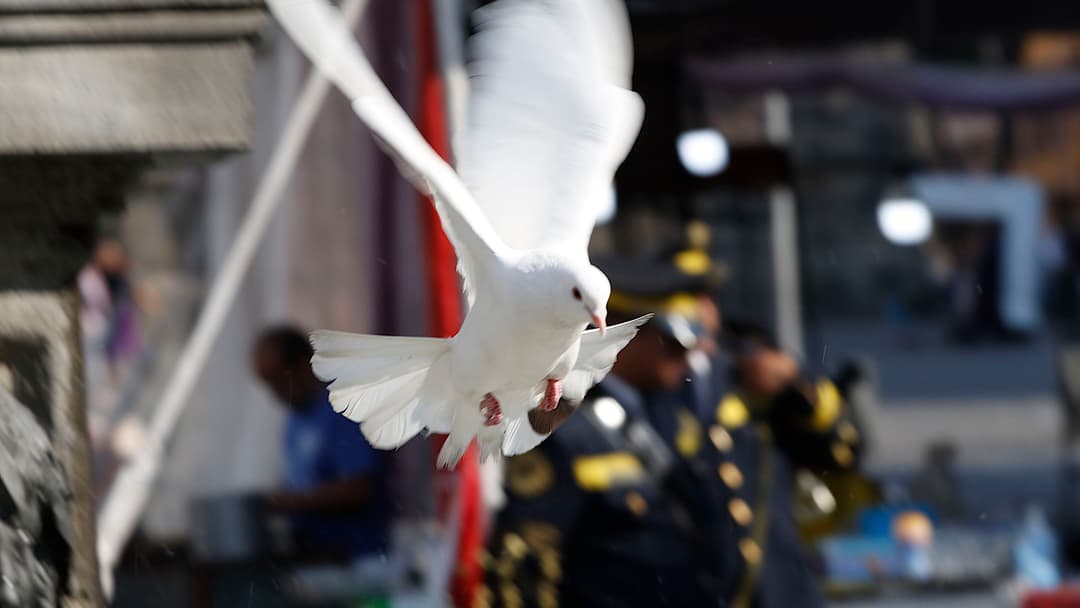
9. White Dove
Originally consecrated to Inanna and Aphrodite as an emblem of sacred love, the dove gained universal biblical reverence when Noah released one to find dry land after the deluge. In the Gospels, the Holy Spirit descended in the bodily shape of a dove during the baptism of Jesus.
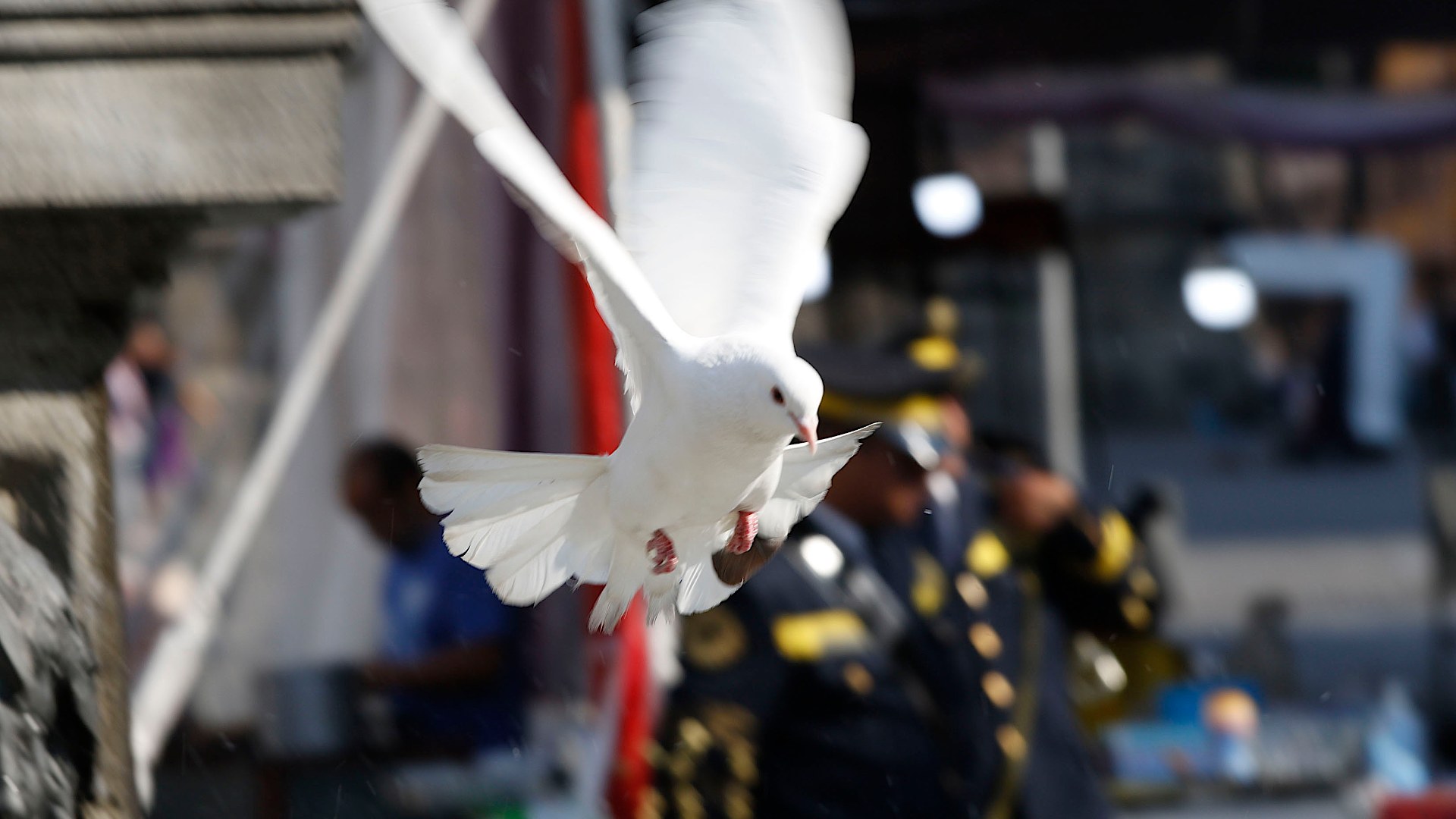
©Wikimedia / Secretaría de Cultura Ciudad de México
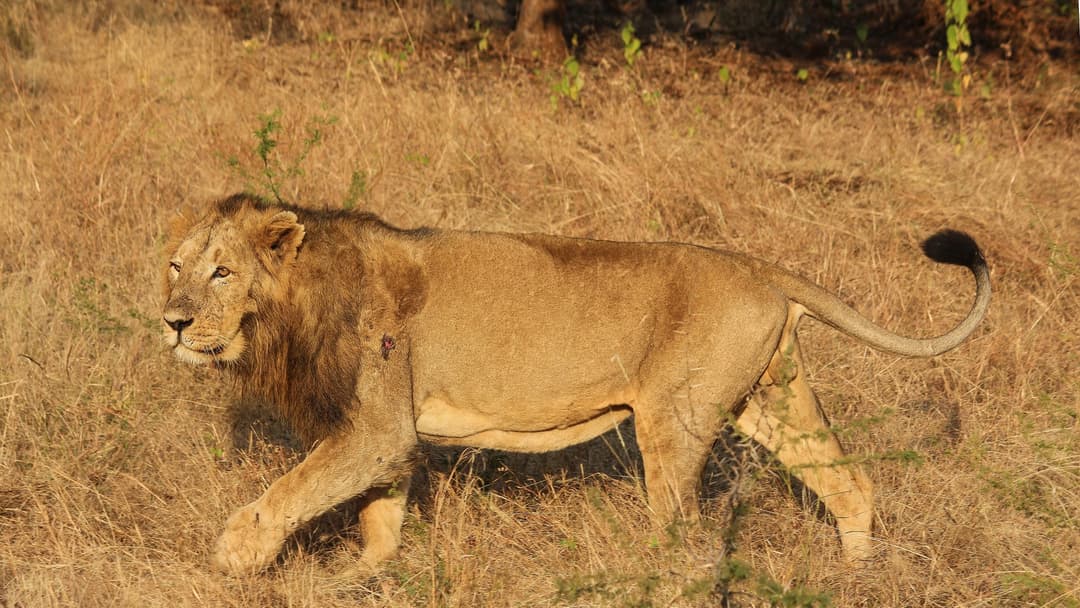
8. Asiatic Lion
In Judaism, the Lion of Judah symbolizes the royal tribe of David and the promised Messiah. In Buddhism, Emperor Ashoka placed four roaring lions atop monumental sandstone pillars to proclaim the supreme moral law of Dharma in all four cardinal directions throughout his empire.
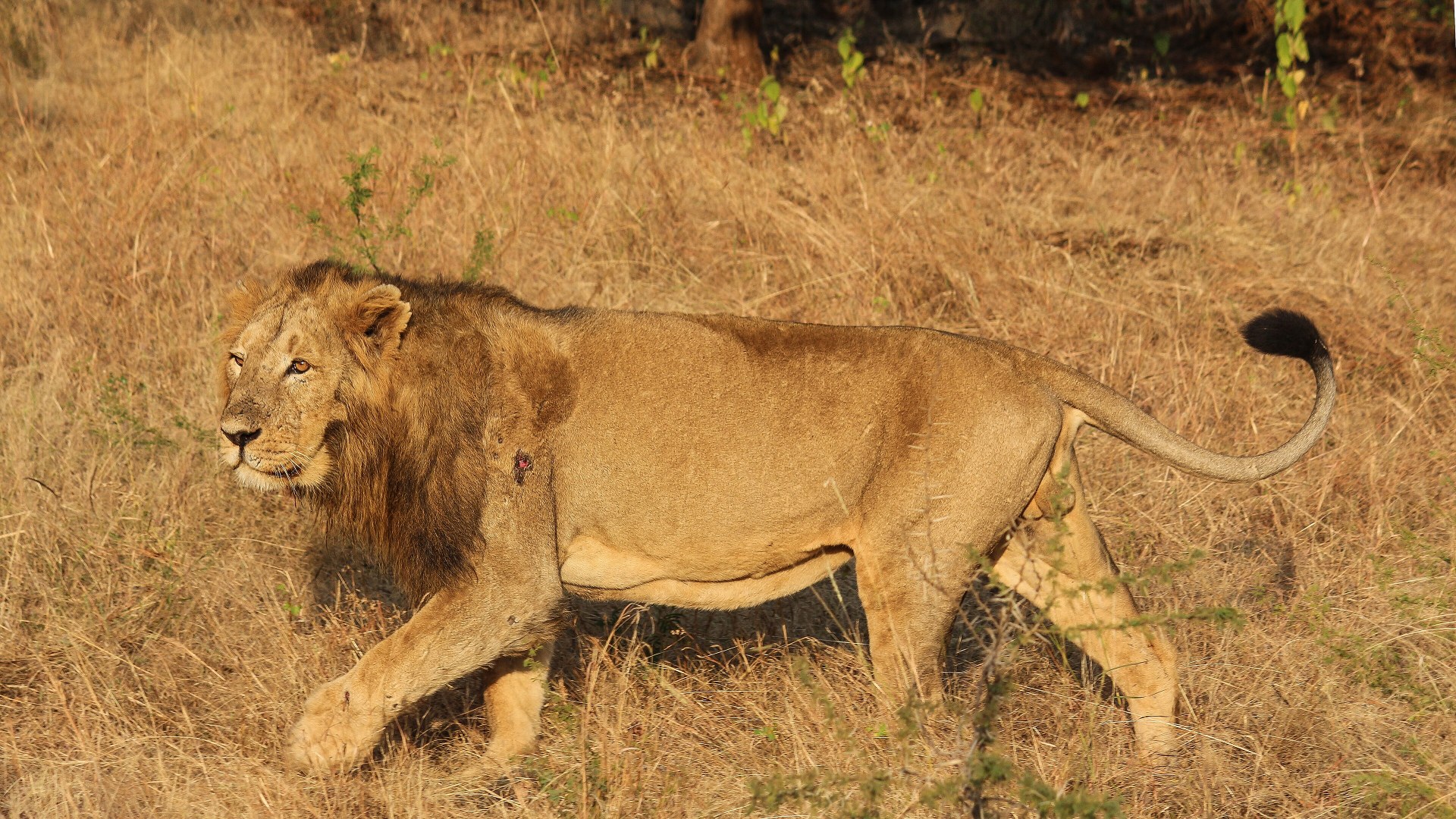
©Wikimedia / Bernard Gagnon
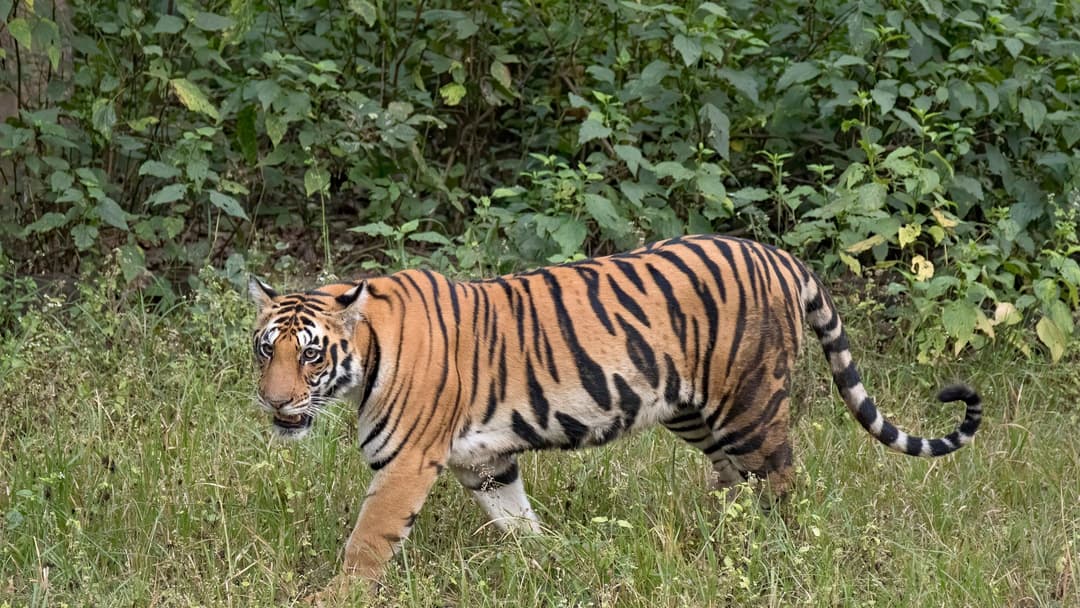
7. Bengal Tiger
Goddess Durga rides into cosmic battle mounted atop a roaring tiger, wielding celestial weapons in her ten hands to defeat the demon Mahishasura. The tiger embodies limitless divine energy, royal valor, and the mastery of human anger, greed, and primal instinct through righteous discipline.
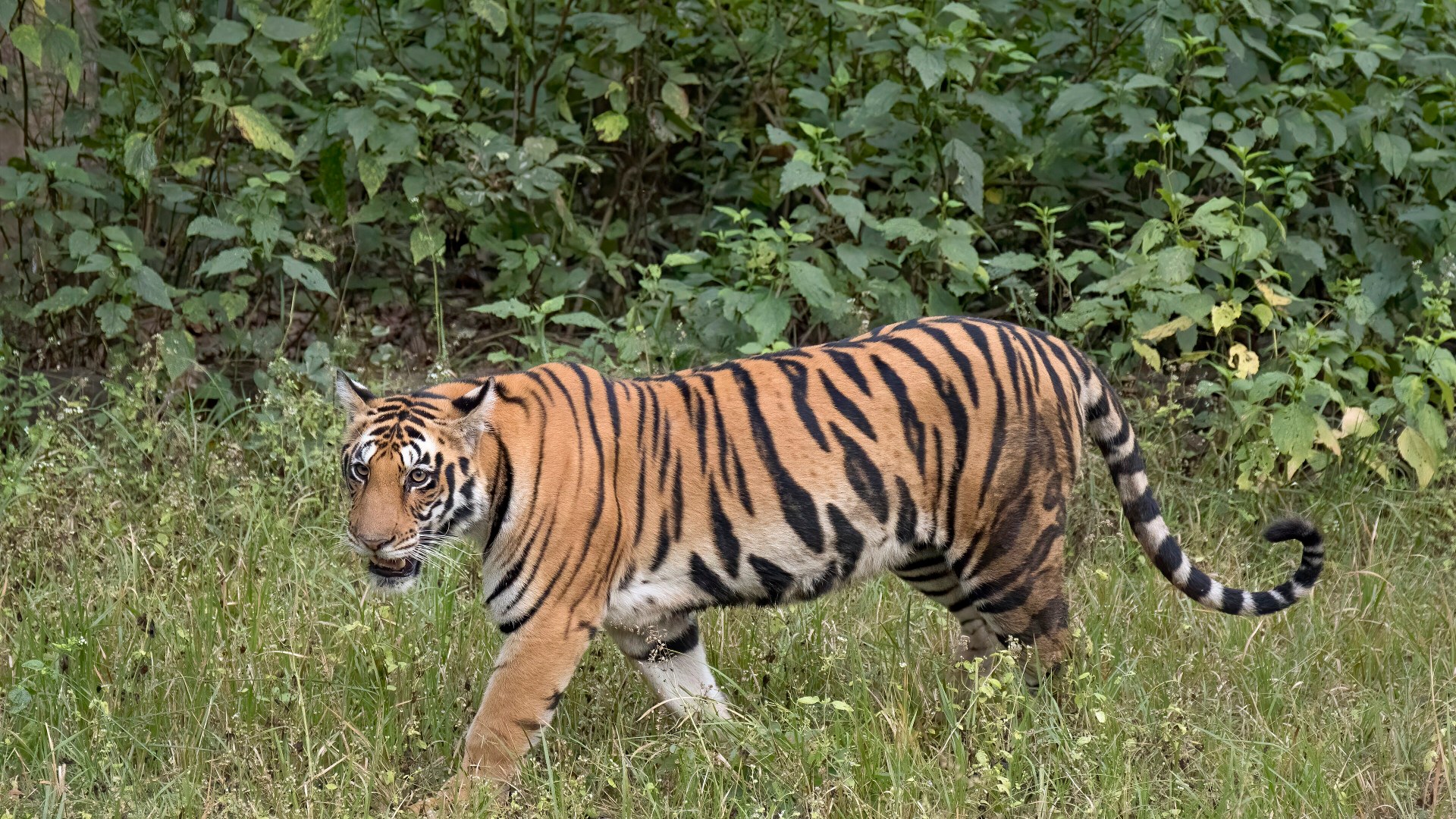
©Wikimedia / Charles J. Sharp
Advertisement
Swipe or tap ▶ to resume the countdown.
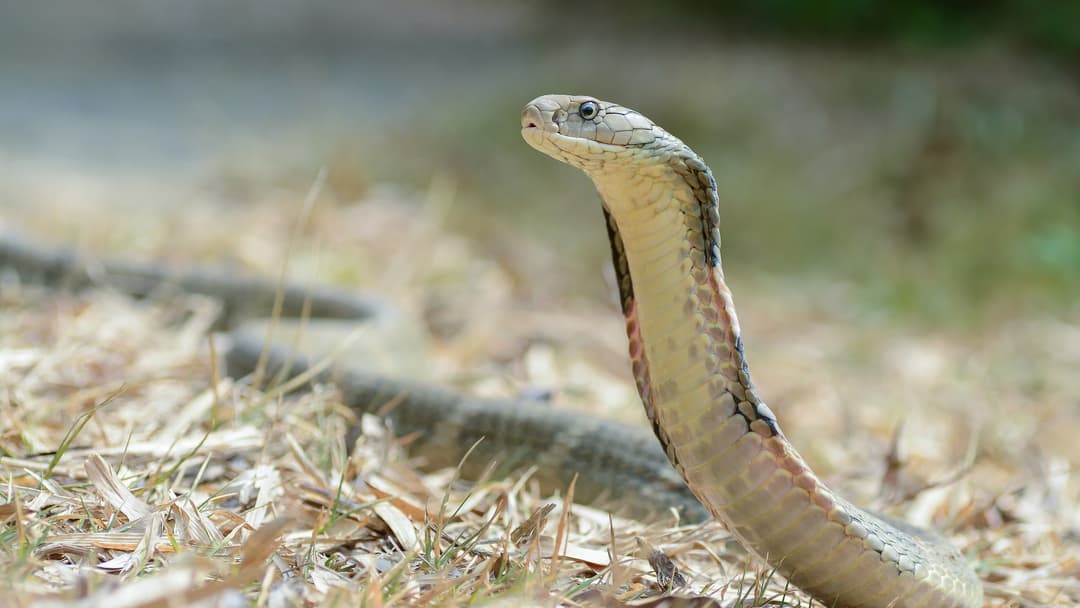
6. King Cobra
In Hindu scripture, Lord Shiva wears the cobra Vasuki coiled gracefully around his neck, symbolizing mastery over time and mortality. Lord Vishnu reclines upon Shesha, the multi-headed serpent that floats upon the cosmic ocean of milk, supporting all universal dimensions on its hoods.
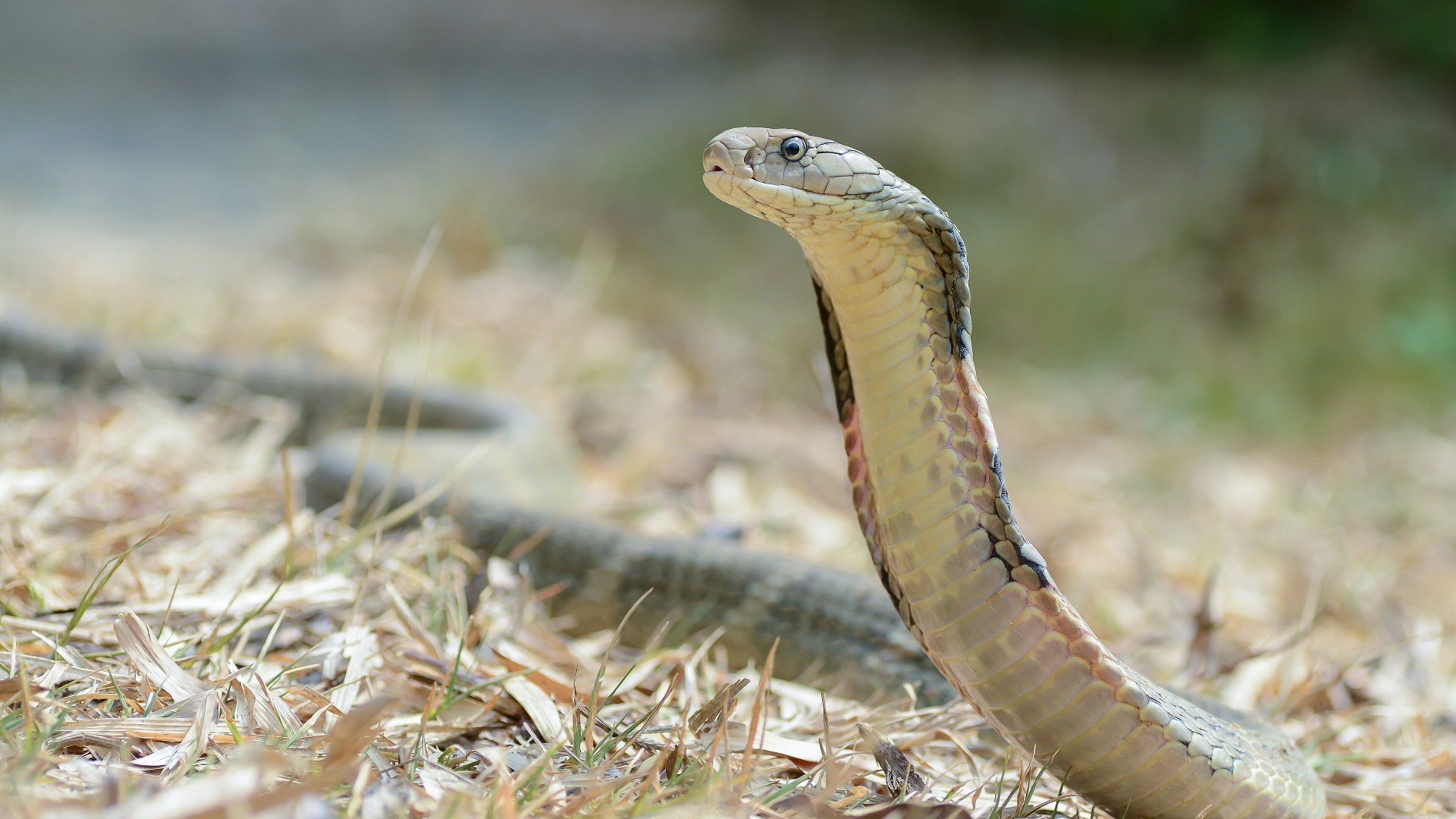
©Wikimedia / Rushenb
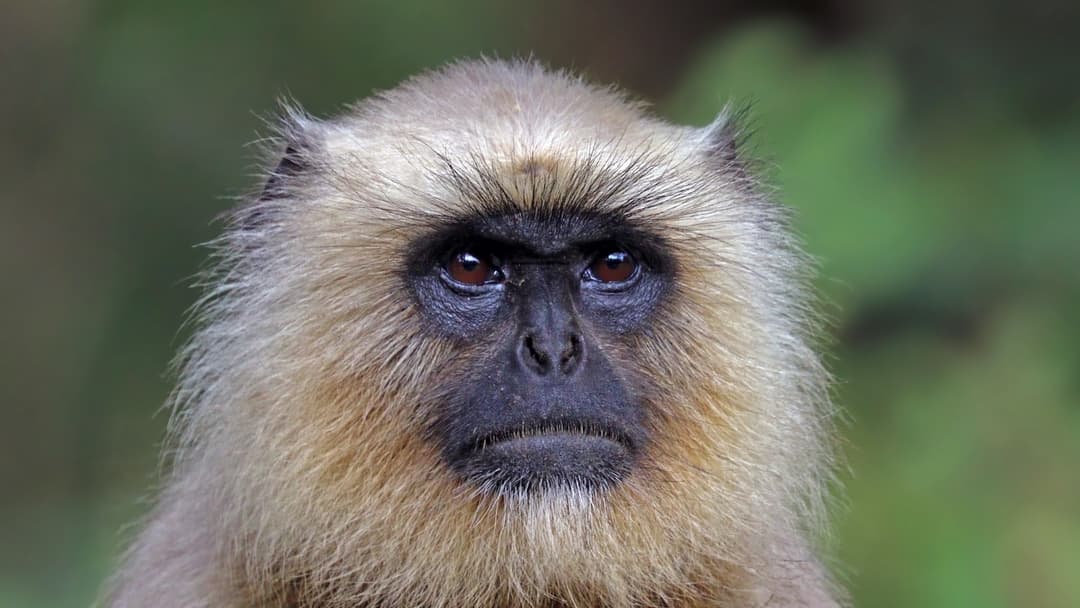
5. Hanuman Langur
In the ancient epic Ramayana, Hanuman and his monkey army aided Lord Rama in rescuing Sita from the demon king Ravana. Today, temple priests and visiting devotees provide fresh fruits and grain to wild langurs, treating their presence in courtyards as an auspicious spiritual blessing.
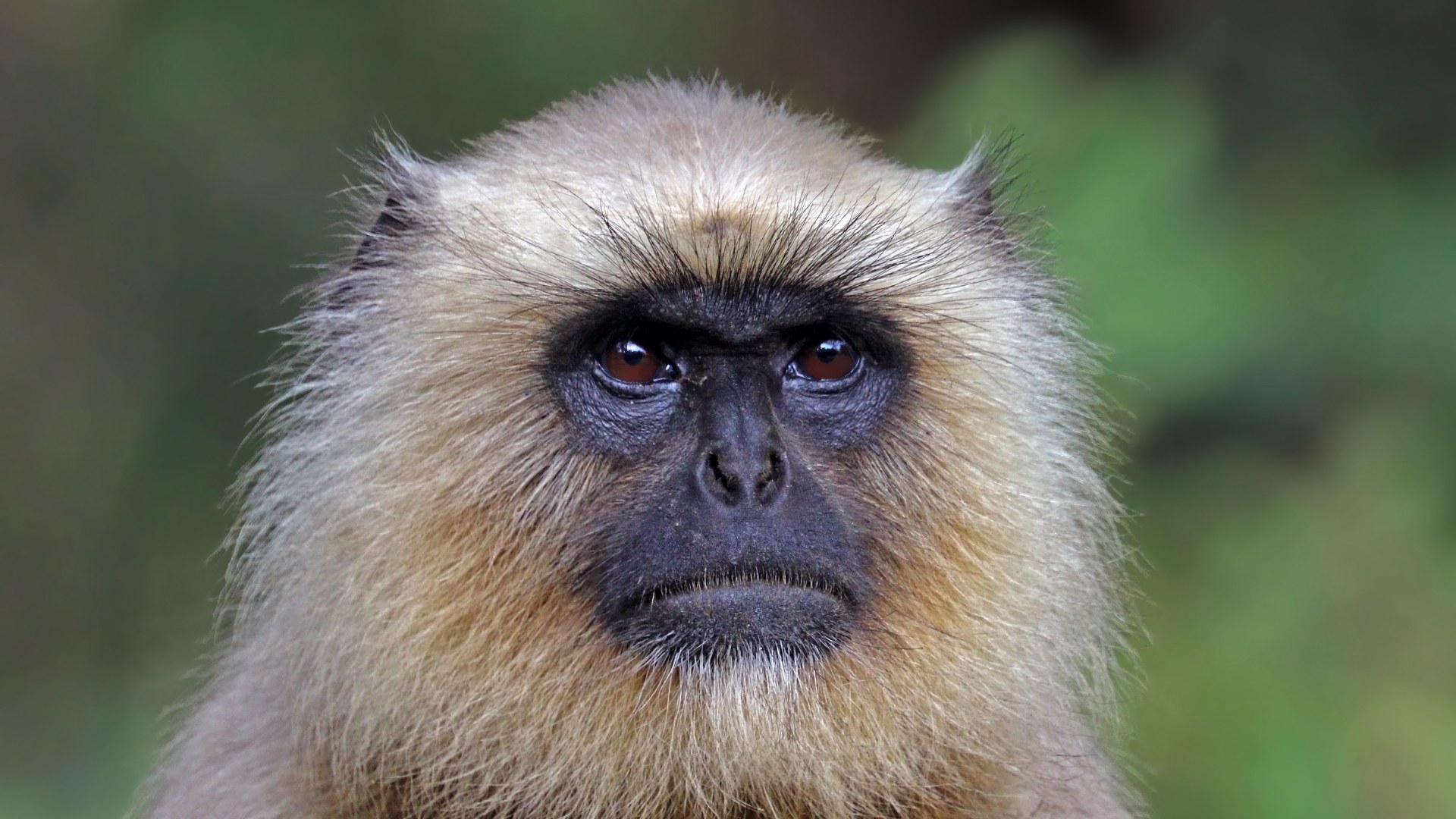
©Wikimedia / Charles J. Sharp
4. Temple Rats Of Deshnoke
Known affectionately as kabas, these rodents drink from large silver bowls of sweetened milk alongside temple priests. Sighting one of the extremely rare white rats among thousands of black ones is believed to grant immediate remission of sins and bring profound spiritual luck to pilgrims.
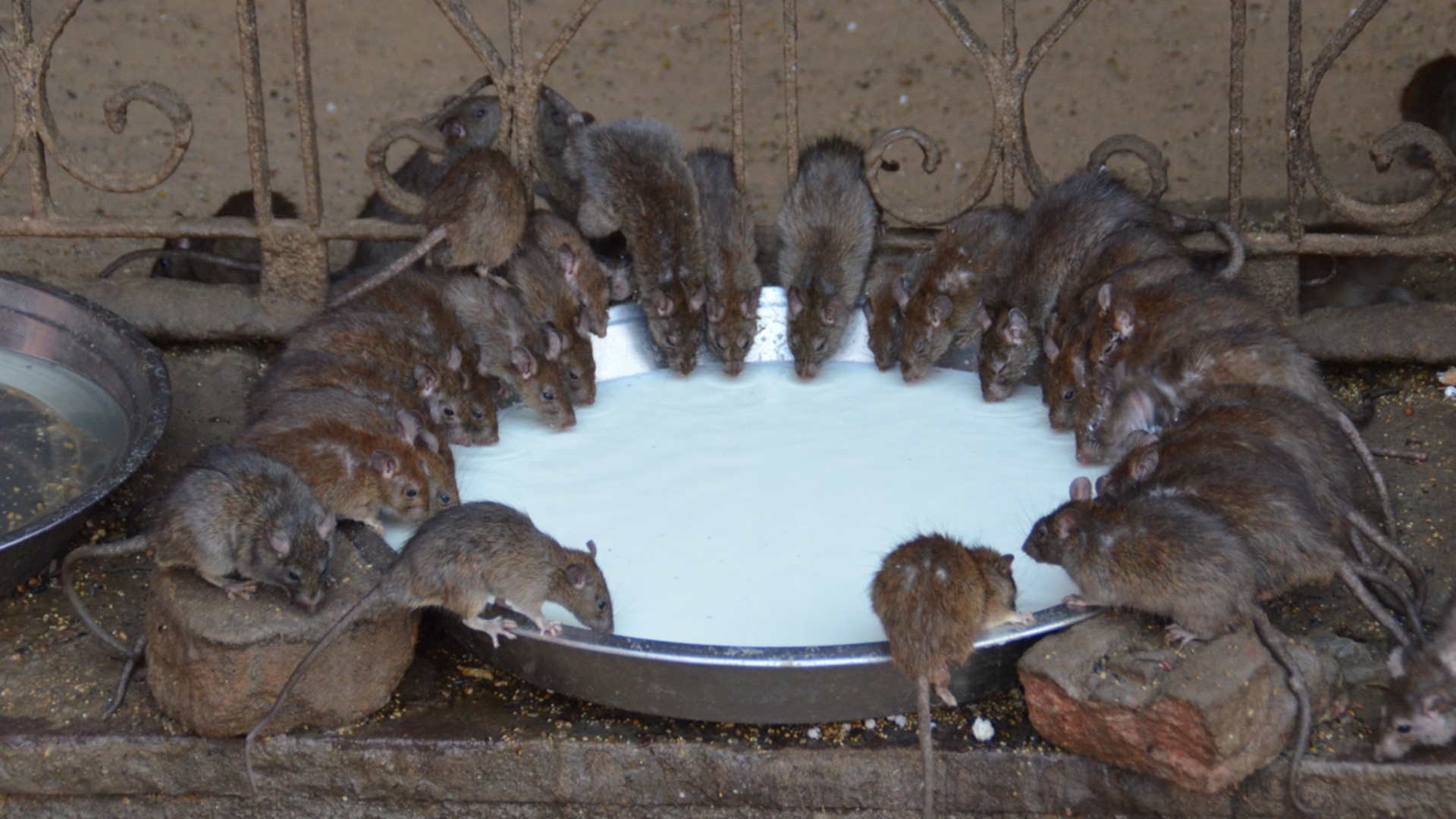
©Wikimedia / Günther Jontes
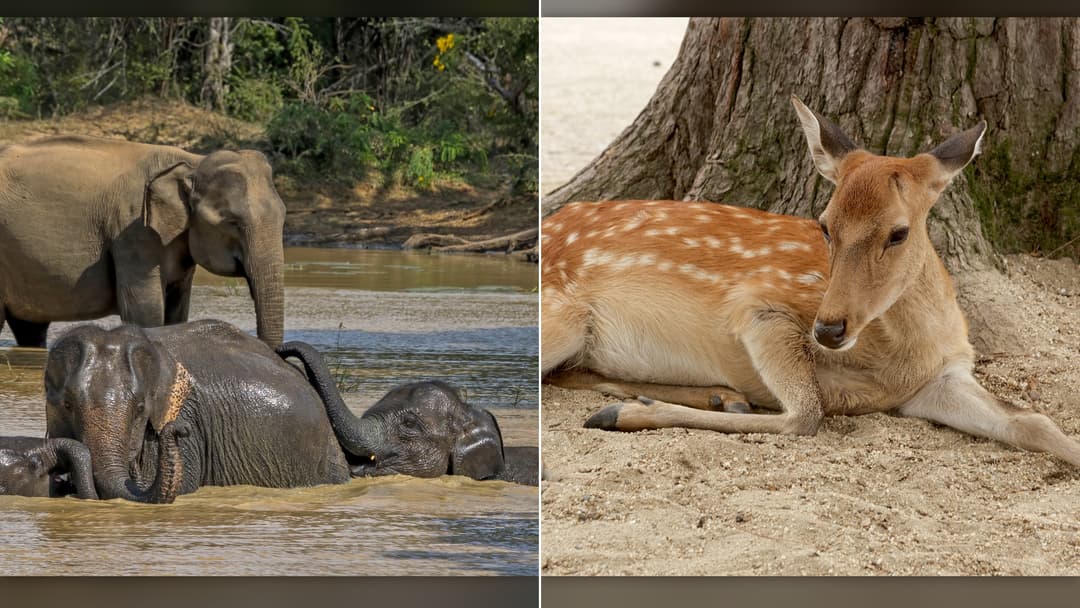
3. Sacred Sika Deer Of Nara
According to legend, the god Takemikazuchi arrived at Nara riding atop a celestial white deer to guard the imperial capital. Today, more than a thousand sika deer roam freely through Nara Park, designated as living national treasures and bowing politely to visitors who offer them rice crackers.
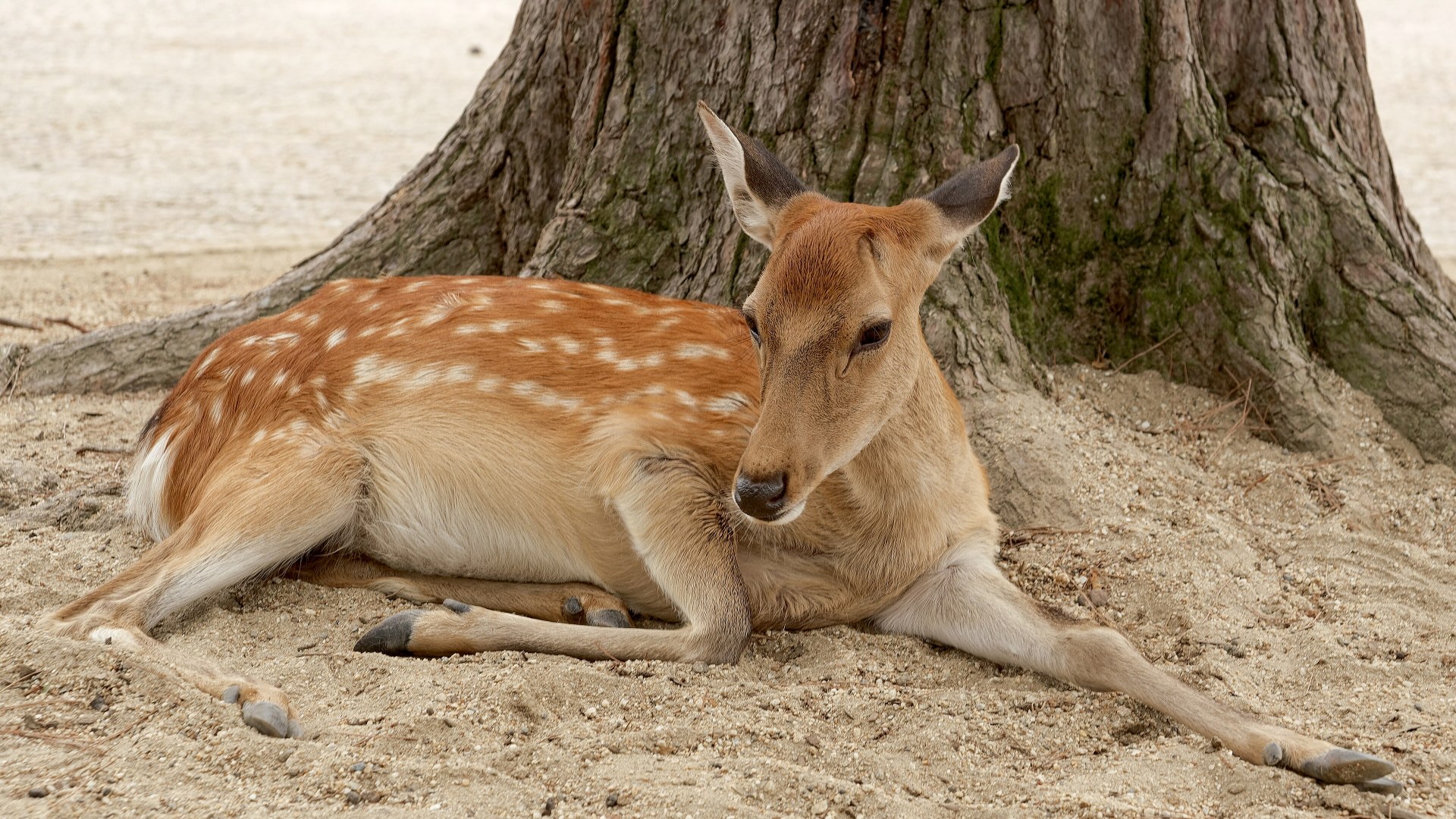
©Wikimedia / Jakub Hałun
Advertisement
Swipe or tap ▶ to resume the countdown.
2. Asian Elephant
Hindu households invoke Ganesha, the elephant-headed deity, before starting any new venture or marriage to remove spiritual obstacles. In Buddhist lore, Queen Maya dreamed of a white elephant bearing a lotus blossom entering her side prior to giving birth to Siddhartha Gautama.
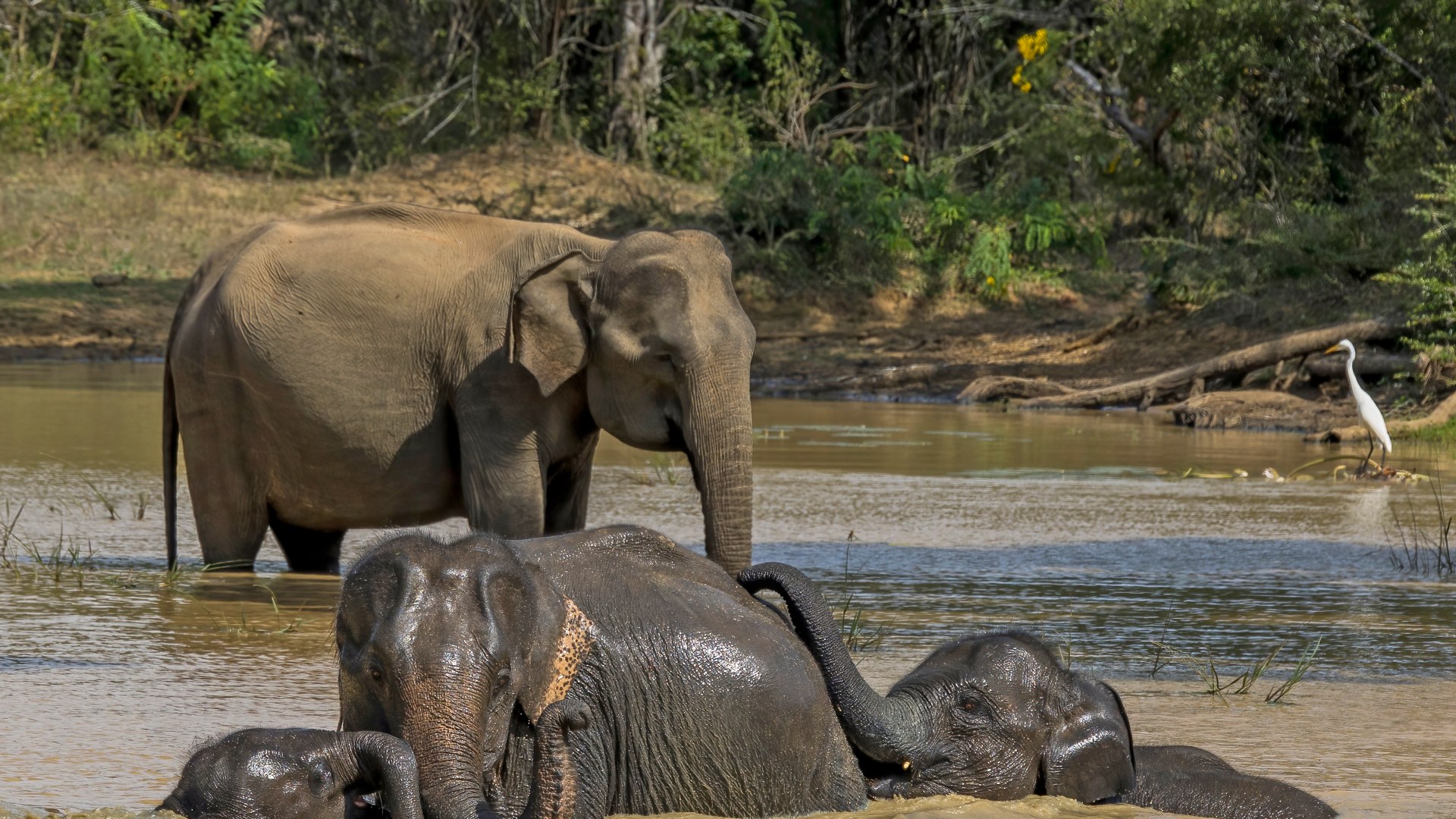
©Wikimedia / Charles J. Sharp
1. Sacred Cow
To millions of Hindu devotees, the humped zebu cow is protected under the sacred doctrine of ahimsa, non-violence. Revered as a universal foster mother because its milk sustains infants and families without taking animal life, cattle roam freely across town streets and receive ritual flower garlands.
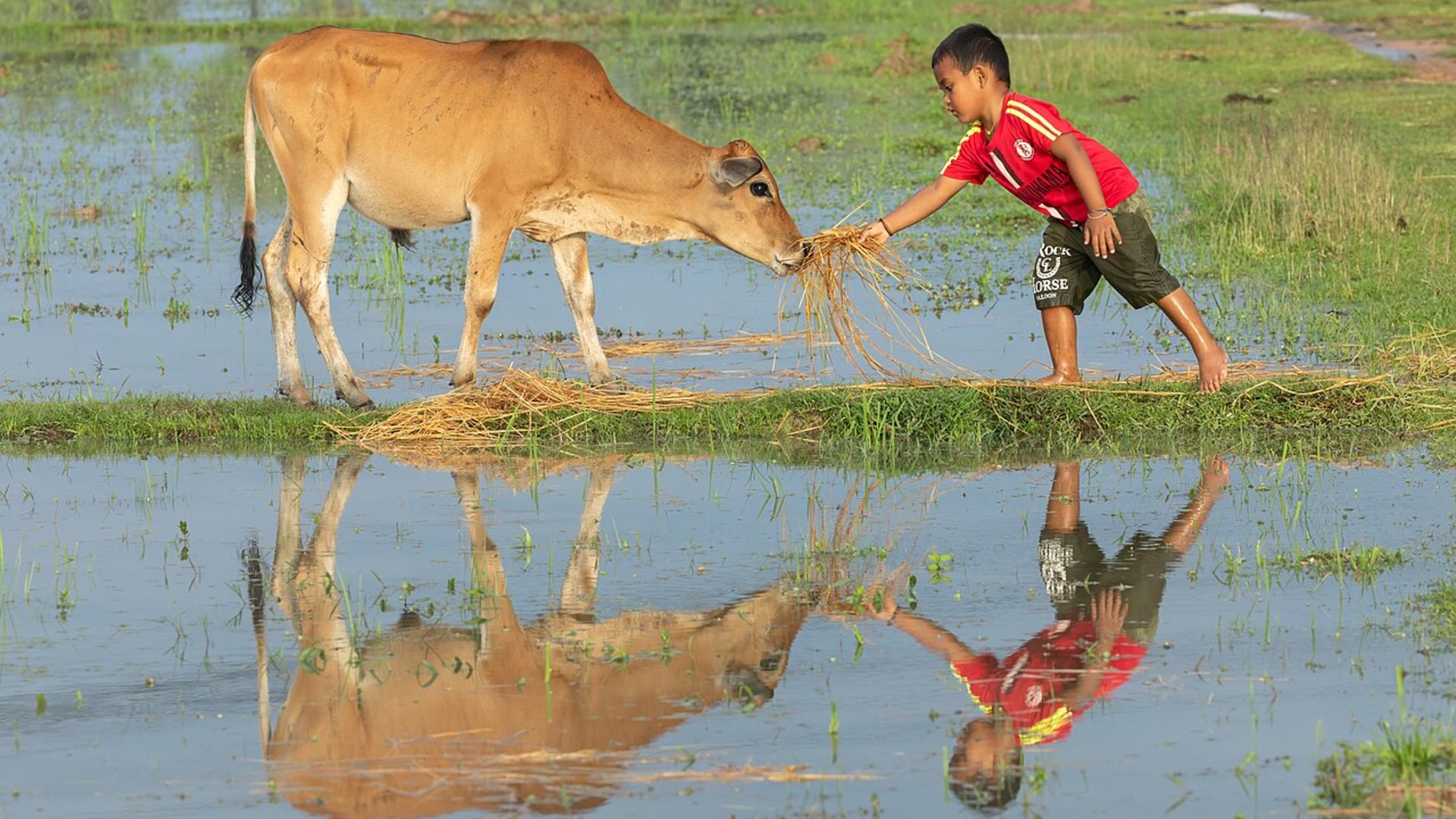
©Wikimedia / Basile Morin
Advertisement
You've reached the end of the story. Thanks for reading!

20 Meanings of a Hawk Landing in Your Yard
All 25 Entries in this Story
25. Sacred Scarab Beetle
To the priests of ancient Egypt, the scarab represented Khepri, the divine morning aspect of the sun god Ra. Because young beetles appeared to emerge spontaneously from dung balls, the insect became a universal talisman of creation, spiritual transformation, and eternal renewal.

24. Sacred African Ibis
In ancient Egyptian theology, Thoth presided over mathematics, astronomy, the scribal arts, and the recording of human souls. Temple complexes housed millions of sacred ibises, which priests mummified with ceremonial resins and placed in subterranean catacombs as votive offerings.

23. Nile Crocodile
In cities like Crocodilopolis and Kom Ombo, live reptiles were treated as divine embodiments, adorned with gold earrings and fed choice meats. Sobek was believed to control the annual flooding of the Nile, making crocodile appeasement essential for agricultural prosperity.

22. Ram Of Amun
In the temple capital of Thebes, monumental avenues of ram-headed criosphinxes flanked the entrance to Karnak, sheltering pharaonic statues beneath their curved horns. Priests maintained sacred rams within inner sanctuaries as living reservoirs of solar energy and divine breath.

21. Domestic Cat Of Bastet
Bastet embodied domestic harmony, fertility, maternal devotion, and fierce protection against venomous serpents. Egyptian households mourned deceased felines by shaving their eyebrows in ritual sorrow, and vast necropolises at Bubastis received hundreds of thousands of mummified cats.

20. Resplendent Quetzal
Prized for its iridescent emerald tail plumes, the quetzal was considered so sacred that killing one carried the death penalty. Priests and royals gently plucked the long feathers during religious ceremonies before releasing the living bird back into misty cloud forests.

19. Black-Spotted Jaguar
In Olmec, Maya, and Aztec cosmology, the spotted pelt of the jaguar reflected the starry night sky. Rulers sat upon carved jaguar thrones and draped pelts over their shoulders, invoking the stealth, raw physical power, and occult sight needed to lead their nations through spiritual trials.

18. Common Raven
Pacific Northwest Indigenous nations revere Raven as a shape-shifting creator who stole the sun from darkness and placed it in the sky. In Scandinavian traditions, Odin dispatched his twin ravens Huginn and Muninn daily to gather intelligence from across the nine mythological realms.

17. Gray Wolf
Roman civic pride immortalized the bronze Capitoline Wolf as a symbol of maternal devotion and fierce martial resilience. Across the Eurasian steppe, Turkic and Mongolic clans traced ancestral lineage to a divine blue she-wolf, while Norse skalds sung of wolves chasing the sun and moon.

16. Brown Bear
In traditional Ainu cosmology, gods visit the mortal realm disguised as animals to deliver meat and warm fur to humans. Through the solemn Iomante ceremony, villagers honoured a raised bear cub with songs and offerings before ceremonially sending its divine spirit back to the gods.

15. Golden Eagle
To Native American nations, eagle feathers represent the highest honor, serving as sacred conduits carrying heartfelt prayers to Wakan Tanka, the Great Spirit. In classical Rome, the eagle served as the imperial standard of Jupiter, conveying royal decrees across heaven and earth.

14. White Buffalo
According to Lakota tradition, the prophetess White Buffalo Calf Woman appeared during a period of famine, bestowing the sacred Seven Rituals and the sacred pipe. A white calf heralds unity, peace, and the renewal of all creation, prompting gatherings and ceremonial blessings.

13. Dromedary Camel
In early Islamic history, the female camel Al-Qaswa held a revered place as the favorite riding mount of Prophet Muhammad. During the migration to Medina, the Prophet allowed Al-Qaswa to walk unrestrained, decreeing that his house and the city first mosque would stand where she knelt.

12. Sacred White Horse
In Vedic literature, Uchchaihshravas is a seven-headed flying white horse that arose during the churning of the cosmic ocean, ridden by god Indra. Across Celtic lands, white horses were dedicated to the equine protector goddess Epona, and releasing white stallions sealed royal treaties.

11. Red-Crowned Crane
Known as the crane of the immortals in China and Japan, these graceful birds are believed to live for a thousand years. Taoist paintings depict sages riding cranes to heavenly paradises, and folded origami cranes represent wishes for healing, peace, and eternal good fortune.

10. Sacred Koi Carp
According to ancient legend, determined koi that successfully leapt up the raging Dragon Gate waterfall were transformed into celestial dragons. In Zen Buddhist temple ponds, keeping koi serves as a living meditation on endurance, serene discipline, and prosperity.

9. White Dove
Originally consecrated to Inanna and Aphrodite as an emblem of sacred love, the dove gained universal biblical reverence when Noah released one to find dry land after the deluge. In the Gospels, the Holy Spirit descended in the bodily shape of a dove during the baptism of Jesus.

8. Asiatic Lion
In Judaism, the Lion of Judah symbolizes the royal tribe of David and the promised Messiah. In Buddhism, Emperor Ashoka placed four roaring lions atop monumental sandstone pillars to proclaim the supreme moral law of Dharma in all four cardinal directions throughout his empire.

7. Bengal Tiger
Goddess Durga rides into cosmic battle mounted atop a roaring tiger, wielding celestial weapons in her ten hands to defeat the demon Mahishasura. The tiger embodies limitless divine energy, royal valor, and the mastery of human anger, greed, and primal instinct through righteous discipline.

6. King Cobra
In Hindu scripture, Lord Shiva wears the cobra Vasuki coiled gracefully around his neck, symbolizing mastery over time and mortality. Lord Vishnu reclines upon Shesha, the multi-headed serpent that floats upon the cosmic ocean of milk, supporting all universal dimensions on its hoods.

5. Hanuman Langur
In the ancient epic Ramayana, Hanuman and his monkey army aided Lord Rama in rescuing Sita from the demon king Ravana. Today, temple priests and visiting devotees provide fresh fruits and grain to wild langurs, treating their presence in courtyards as an auspicious spiritual blessing.

4. Temple Rats Of Deshnoke
Known affectionately as kabas, these rodents drink from large silver bowls of sweetened milk alongside temple priests. Sighting one of the extremely rare white rats among thousands of black ones is believed to grant immediate remission of sins and bring profound spiritual luck to pilgrims.

3. Sacred Sika Deer Of Nara
According to legend, the god Takemikazuchi arrived at Nara riding atop a celestial white deer to guard the imperial capital. Today, more than a thousand sika deer roam freely through Nara Park, designated as living national treasures and bowing politely to visitors who offer them rice crackers.

2. Asian Elephant
Hindu households invoke Ganesha, the elephant-headed deity, before starting any new venture or marriage to remove spiritual obstacles. In Buddhist lore, Queen Maya dreamed of a white elephant bearing a lotus blossom entering her side prior to giving birth to Siddhartha Gautama.

1. Sacred Cow
To millions of Hindu devotees, the humped zebu cow is protected under the sacred doctrine of ahimsa, non-violence. Revered as a universal foster mother because its milk sustains infants and families without taking animal life, cattle roam freely across town streets and receive ritual flower garlands.