Slideshow · Viral
25 Cities with the Worst Air Pollution on Earth, Ranked
Ranked by annual PM2.5 data from the IQAir World Air Quality Report and WHO records, these twenty-five cities face fine-particle pollution up to twenty times the safe limit. Ranked by annual PM2.5 data from the IQAir World Air Quality Report and WHO records, these twenty-five cities face fine-particle pollution up to twenty times the safe limit.
By Most Viral Today
22 min ago

Global Air Quality Crisis in 25 Most Polluted Cities 
25. Wuhan, China 
24. Beijing, China 
23. Sarajevo, Bosnia And Herzegovina - AdvertisementSwipe or tap ▶ to continue countdown

22. Ulaanbaatar, Mongolia 
21. Kathmandu, Nepal 
20. Hanoi, Vietnam 
19. N'Djamena, Chad - AdvertisementSwipe or tap ▶ to continue countdown

18. Baghdad, Iraq 
17. Manama, Bahrain 
16. Kuwait City, Kuwait 
15. Dhaka, Bangladesh - AdvertisementSwipe or tap ▶ to continue countdown

14. Cairo, Egypt 
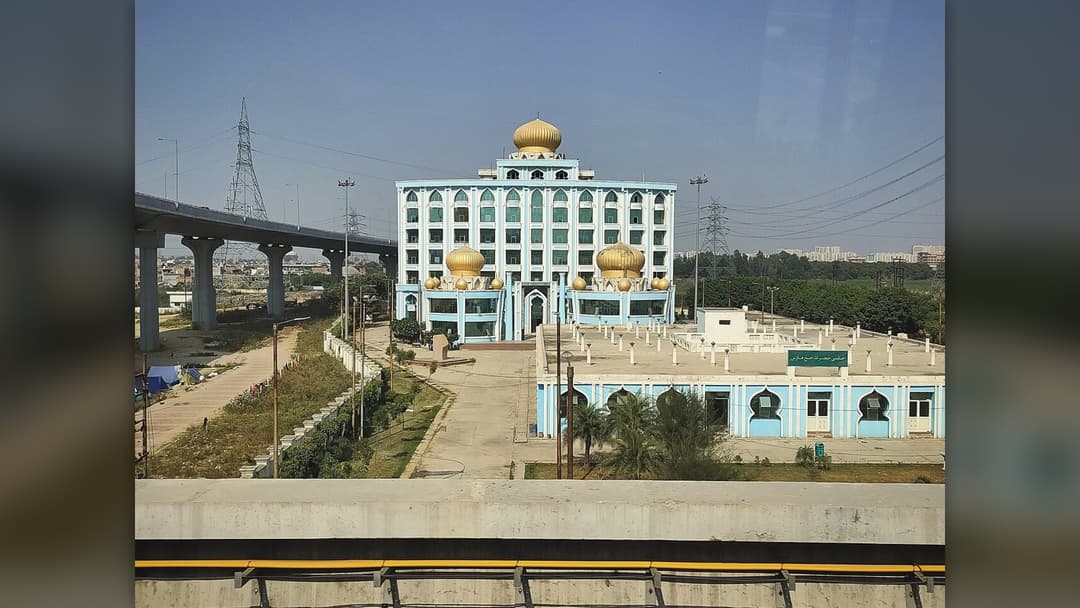
13. Meerut, India 
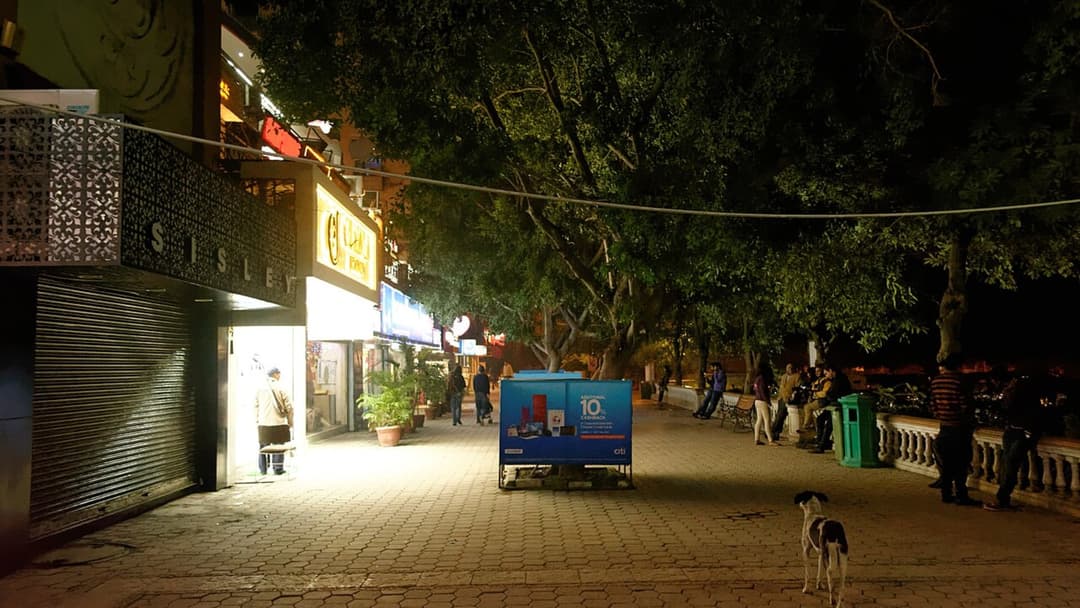
12. Noida, India 
11. Faridabad, India - AdvertisementSwipe or tap ▶ to continue countdown

10. Gurugram, India 
9. Ghaziabad, India 
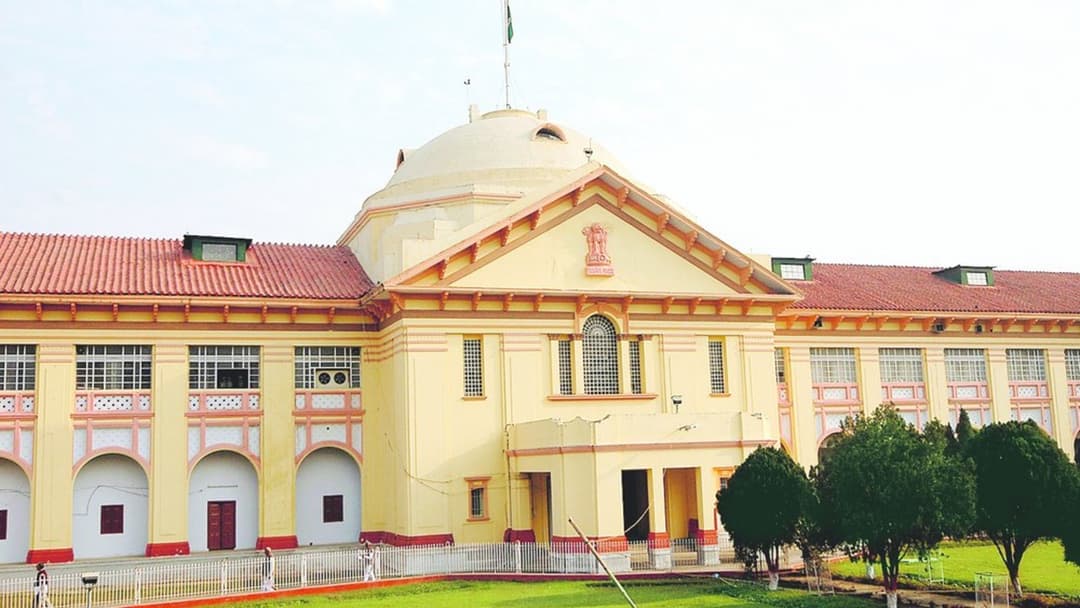
8. Patna, India 
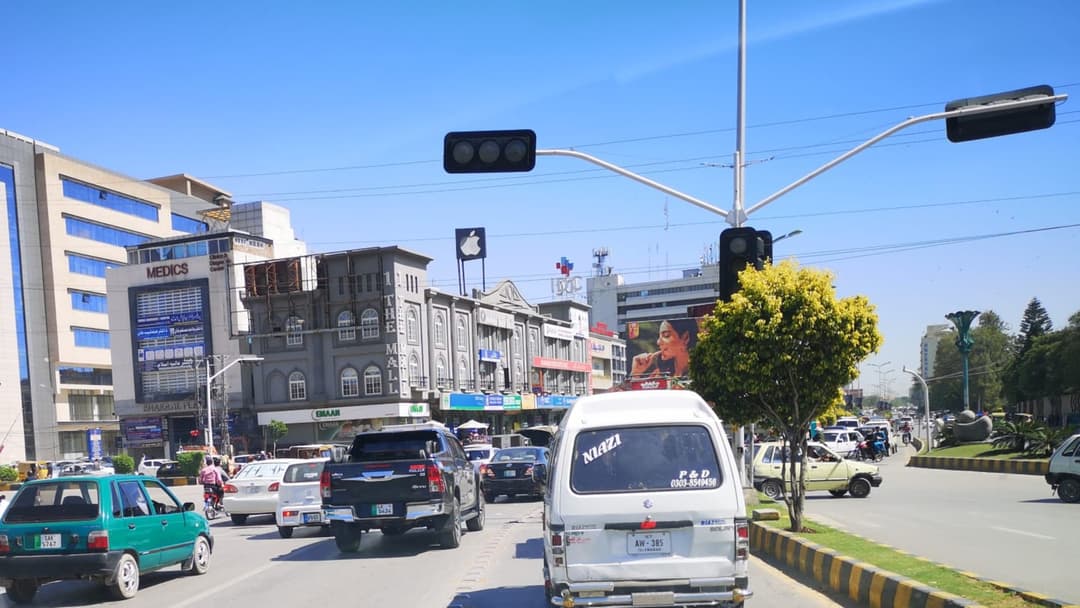
7. Rawalpindi, Pakistan - AdvertisementSwipe or tap ▶ to continue countdown

6. Faisalabad, Pakistan 
5. Peshawar, Pakistan 
4. Hotan, China 
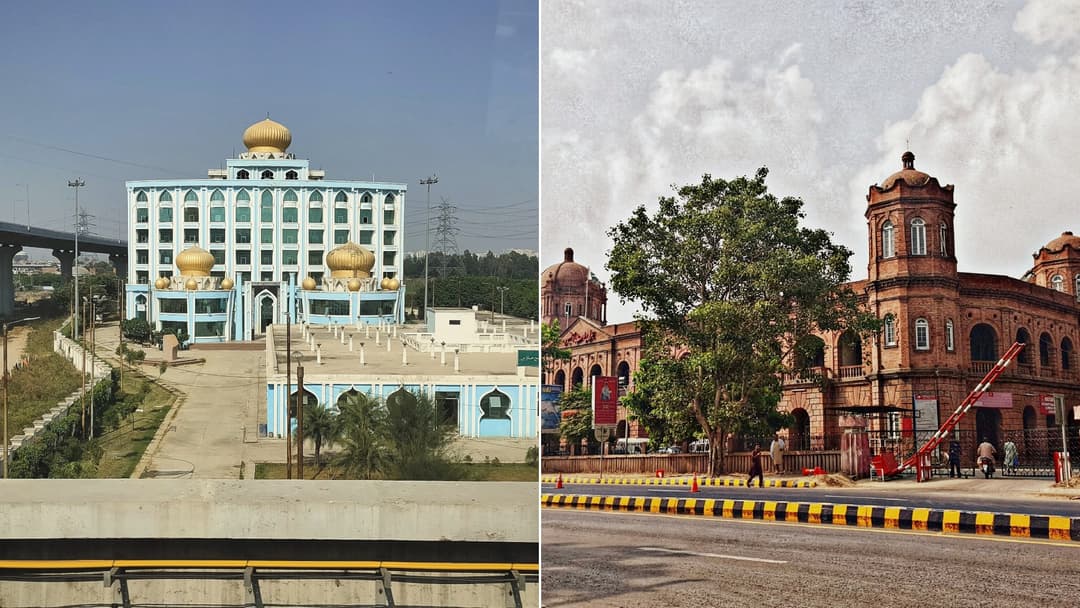
3. Lahore, Pakistan - AdvertisementSwipe or tap ▶ to continue countdown

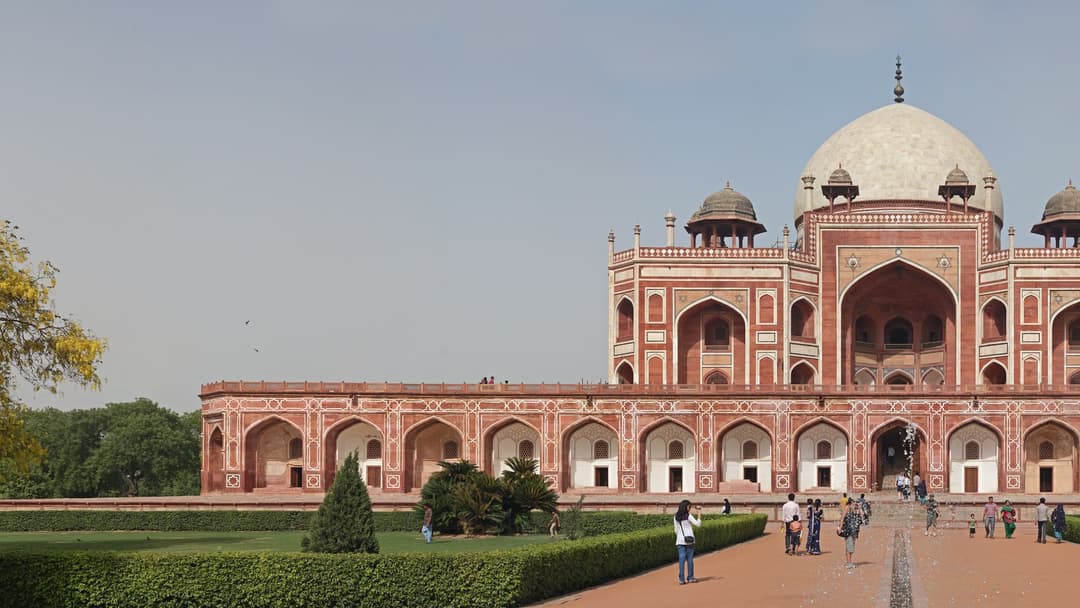
2. Delhi, India 
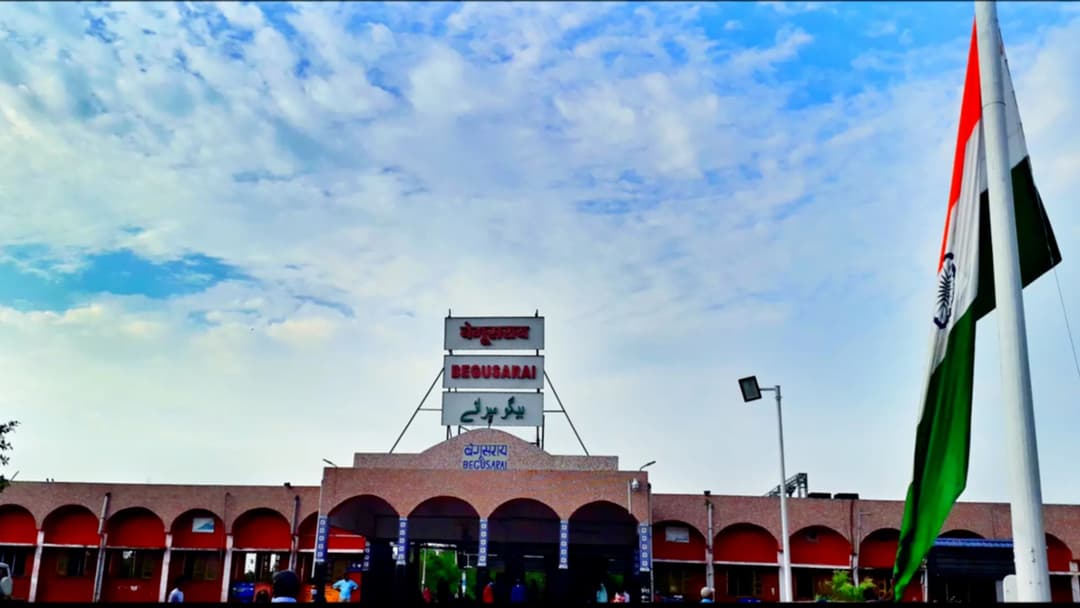
1. Begusarai, India - Advertisement🔥 UP NEXT IN THIS SERIES◫ 26 Slides

25 Strange Ways the Medieval Church Ruled Everyday Existence
The medieval Church did far more than provide spiritual guidance; it was the supreme legal, economic, and social regulator of every citizen's life. Here are 25 ways it exerted authority.
Ranked by annual PM2.5 data from the IQAir World Air Quality Report and WHO records, these twenty-five cities face fine-particle pollution up to twenty times the safe limit. Dangerous smog blankets millions. The microscopic toxins penetrate deep into human lungs and bloodstreams. Ranked by annual PM2.
Swipe or tap ▶ to begin the countdown
©Wikimedia / Apurba Biswas & Wikimedia / Shahzaib Damn Cruze
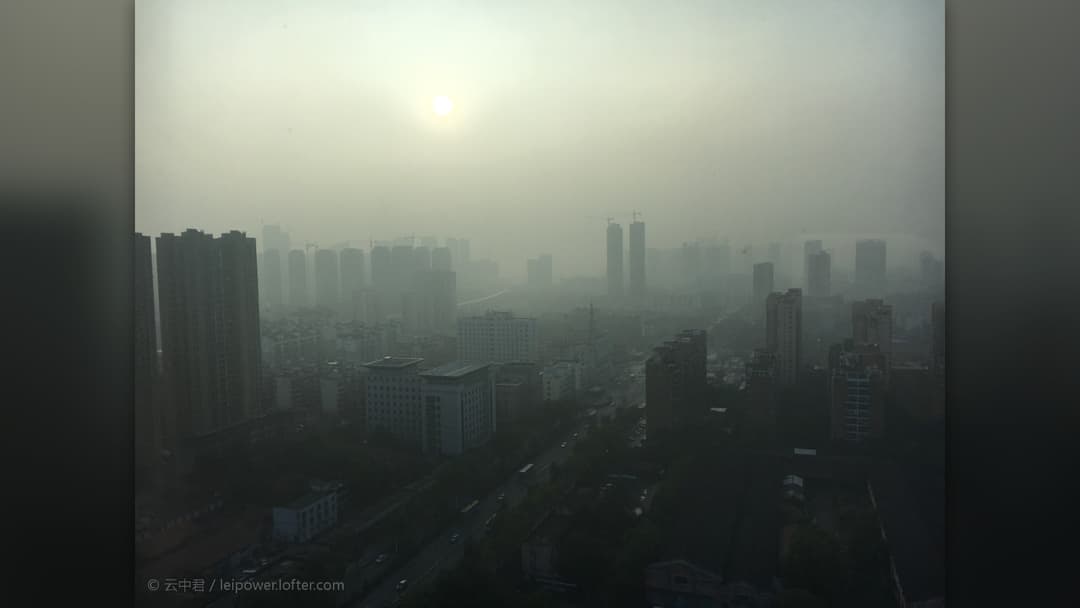
25. Wuhan, China
Wuhan experiences recurring winter pollution episodes when industrial emissions mix with coal heating smoke. Smog lingers stubbornly. Annual particulate concentrations frequently exceed sixty micrograms per cubic meter, far above international health benchmarks.
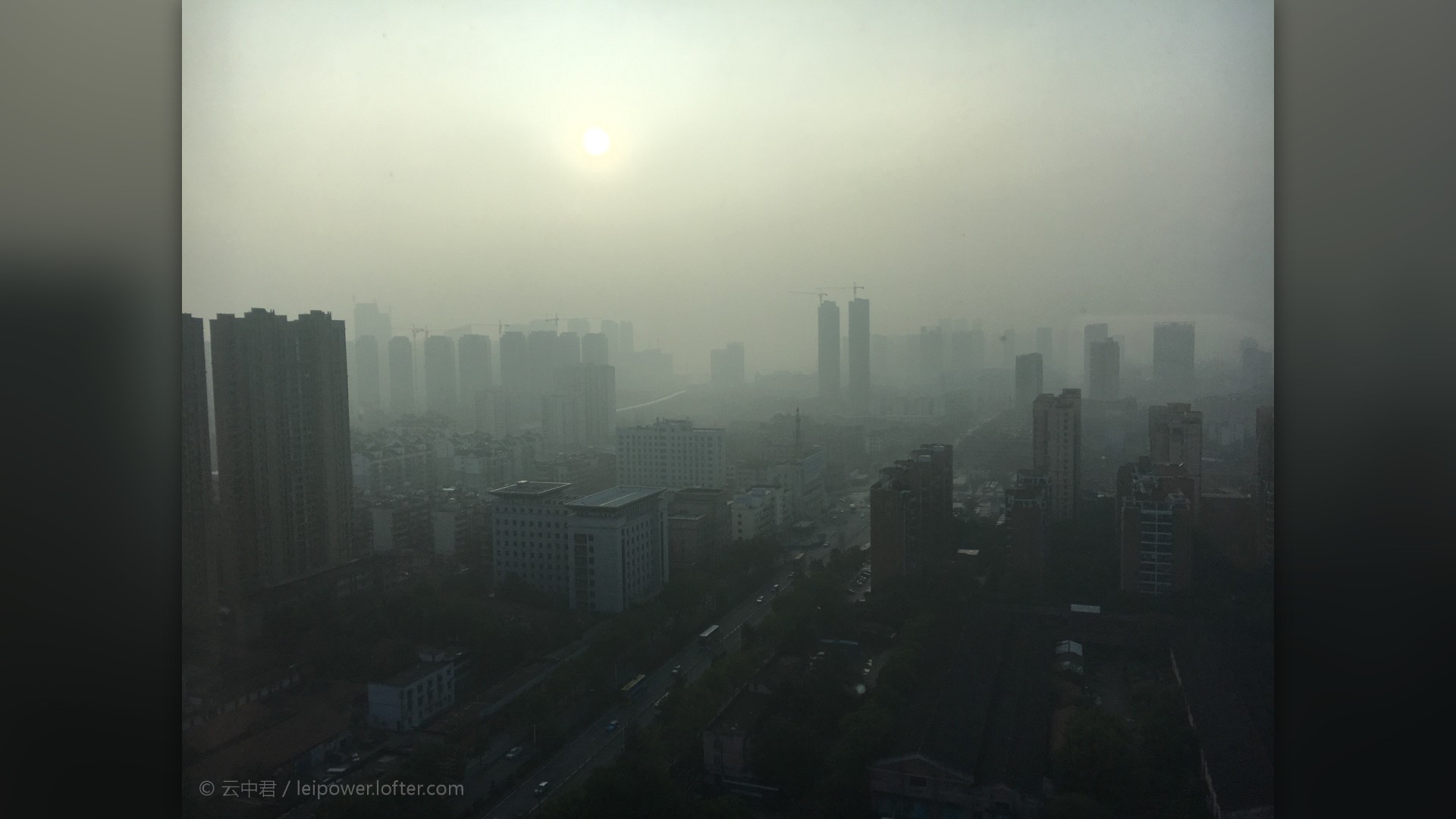
©Wikimedia / 云中君
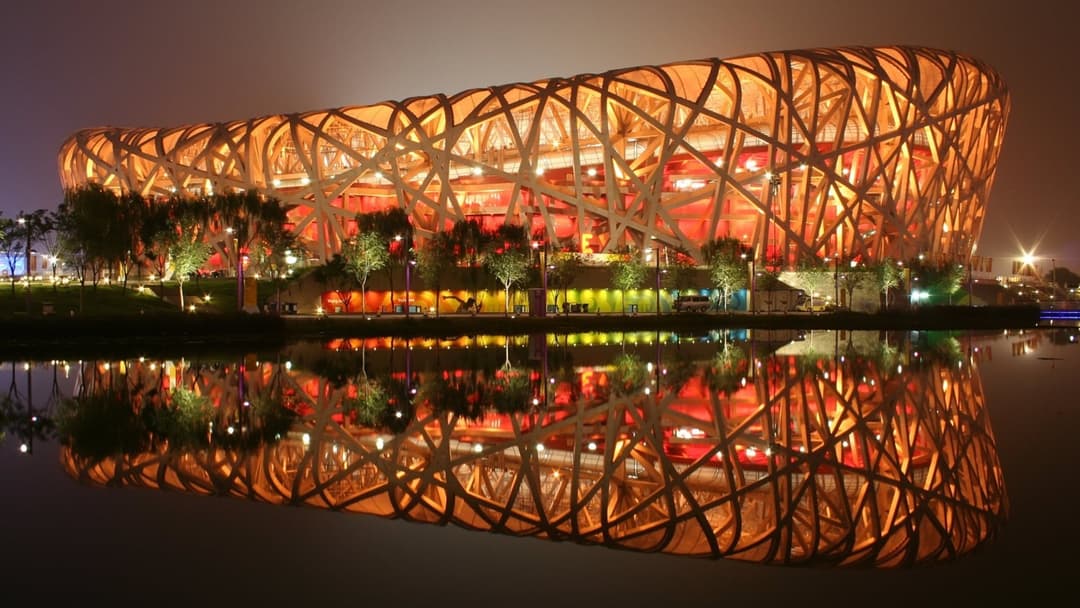
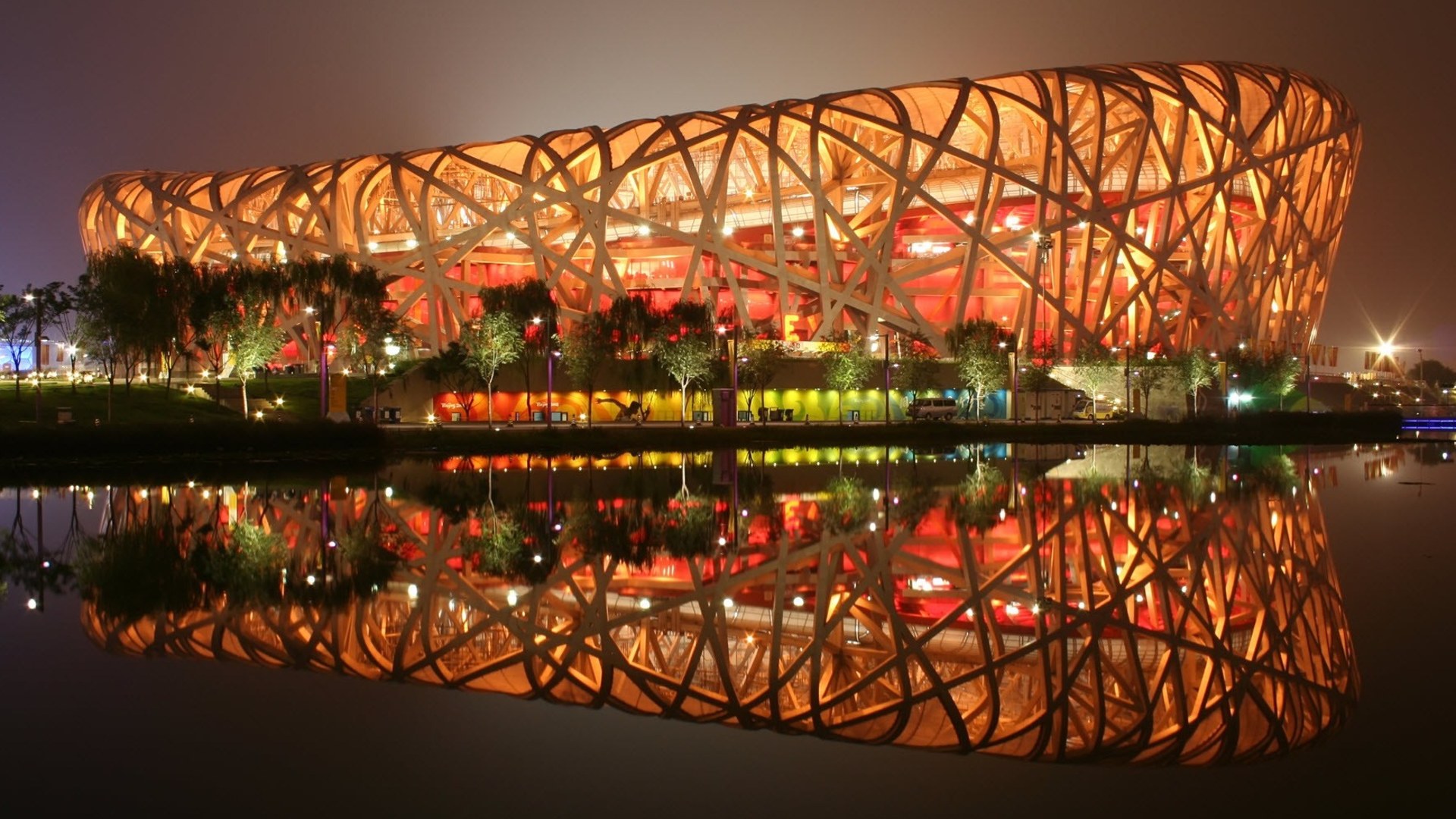
24. Beijing, China
Beijing has made aggressive progress closing coal-fired boilers, but geography still traps seasonal inversion layers. Haze rolls in fast. The capital frequently issues orange health alerts when stagnant atmospheric pressure holds toxic particles over city avenues.
©Wikimedia / Peter23
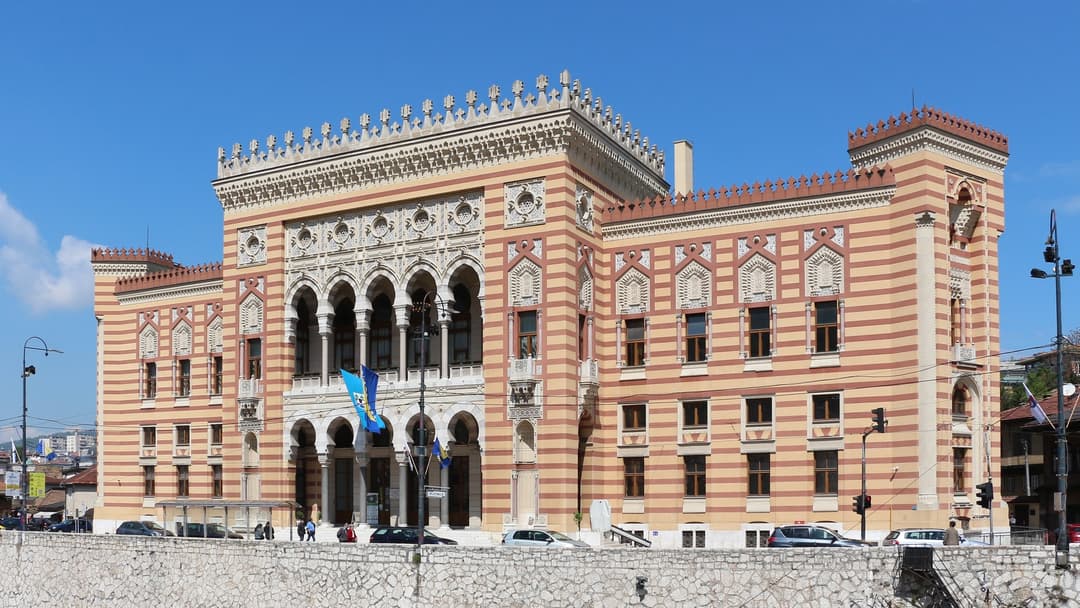
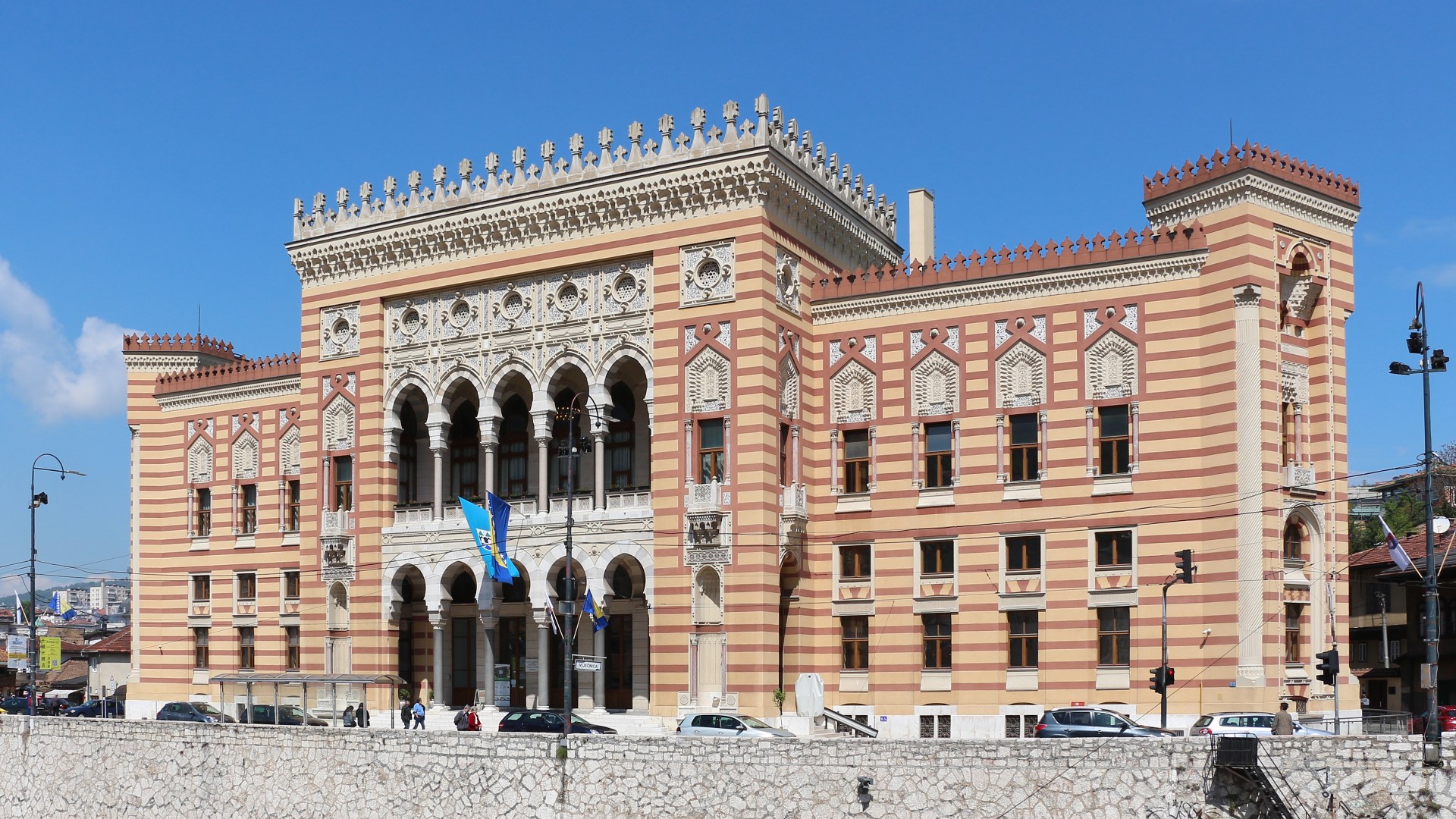
23. Sarajevo, Bosnia And Herzegovina
Sarajevo sits trapped inside a steep mountain bowl where cold air holds wood smoke close to city pavements. Breathing becomes painful. Winter temperature inversions push fine particle readings into hazardous zones, outpacing most Western European metropolitan centers.
©Wikimedia / Bernard Gagnon
Advertisement
Swipe or tap ▶ to resume the countdown.
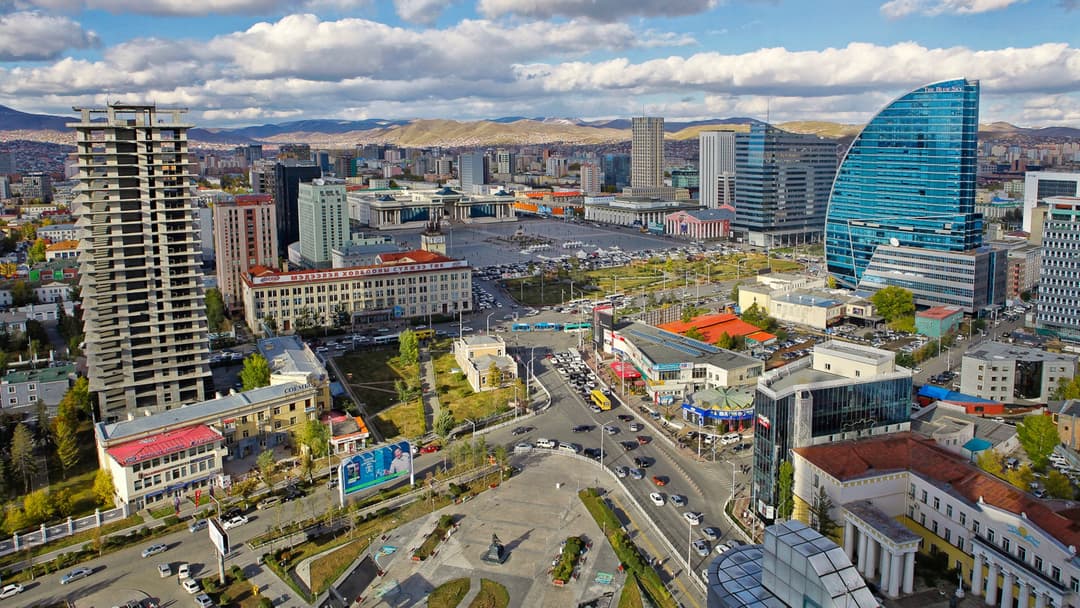
22. Ulaanbaatar, Mongolia
Ulaanbaatar ranks among the coldest national capitals on Earth, where winter temperatures plunge below minus thirty degrees. Dense smoke spreads. Hundreds of thousands of households burn raw coal for heating, pushing seasonal pollution spikes above safe guidelines.
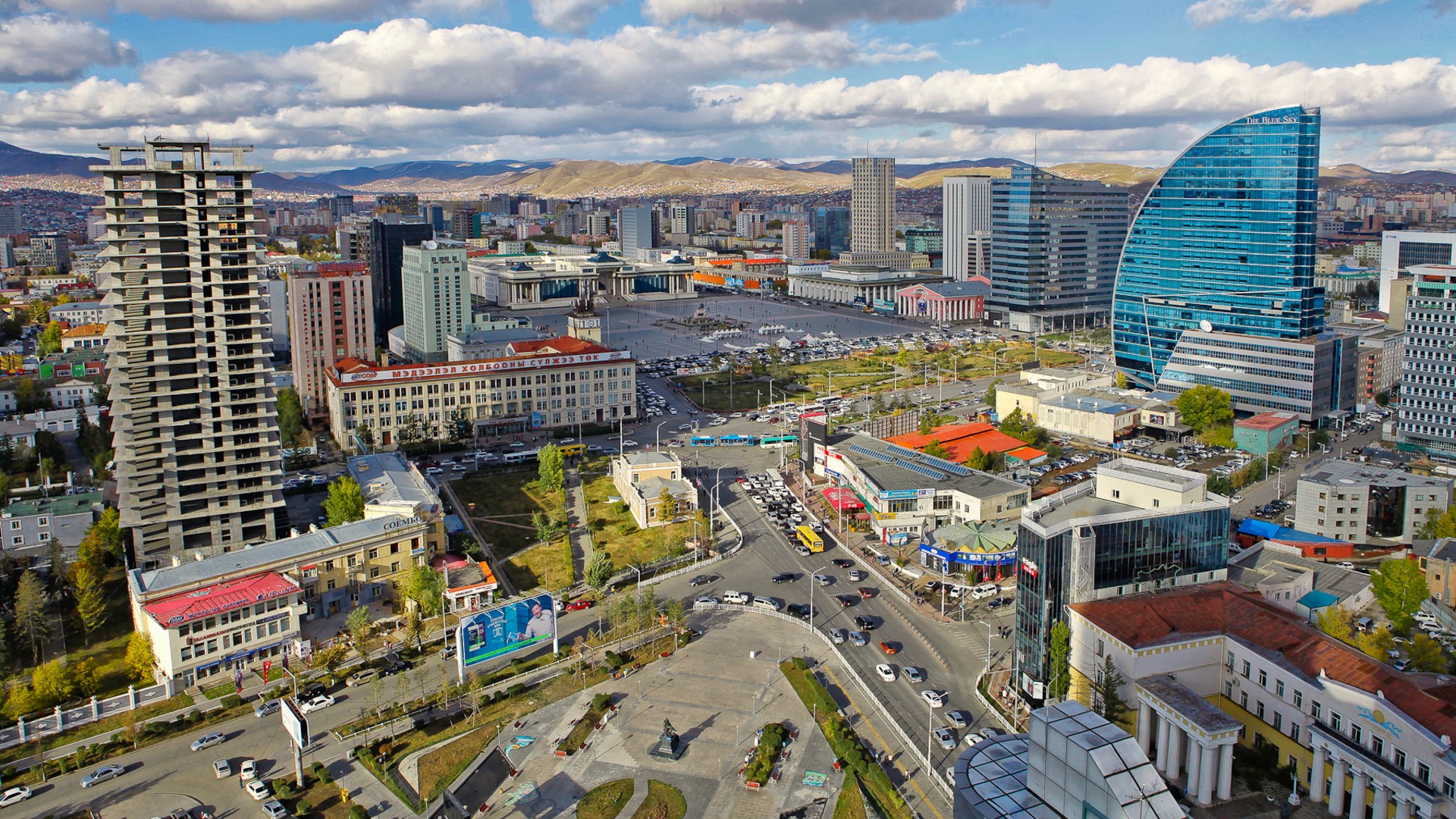
©Wikimedia / Ulaanbaatar
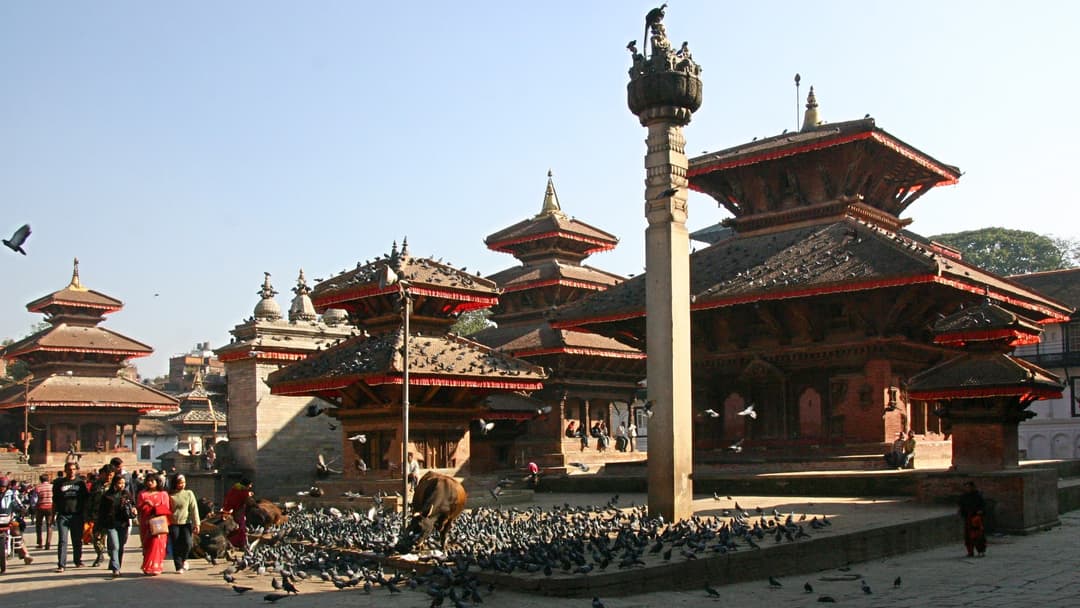
21. Kathmandu, Nepal
Kathmandu Valley functions like a natural bowl, trapping vehicular exhaust and industrial dust beneath cool mountain air. Haze obscures distant peaks. Rapid urban growth without adequate public transit expansion keeps fine particle levels elevated throughout dry winter months.
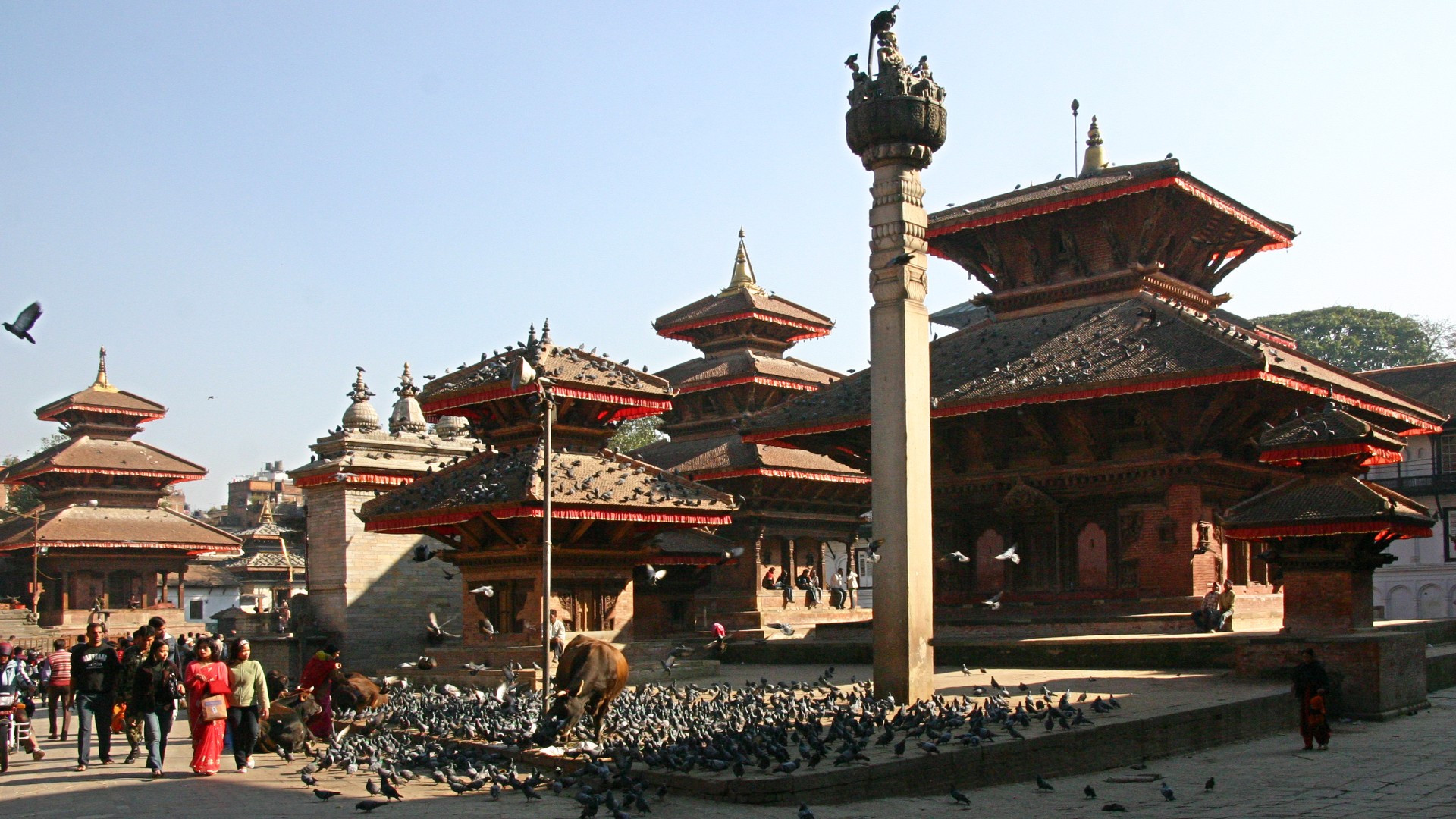
©Wikimedia / Kathmandu
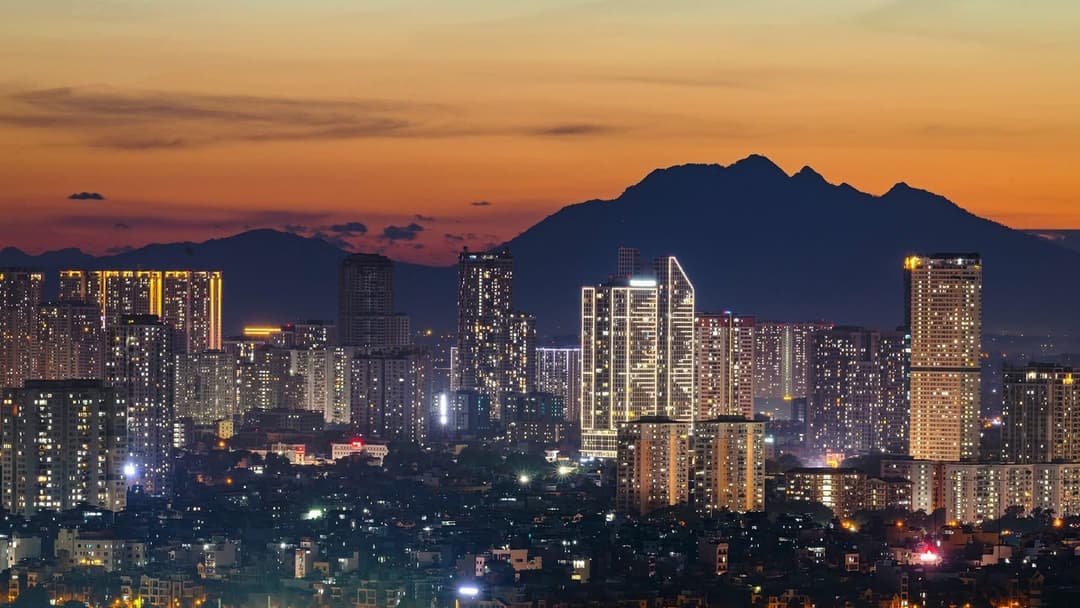
20. Hanoi, Vietnam
Over five million motorbikes jam Hanoi roads every day, releasing heavy exhaust alongside seasonal rice straw burning. Visibility drops sharply. Health authorities regularly advise vulnerable residents to wear filtration masks during persistent winter smog spikes.
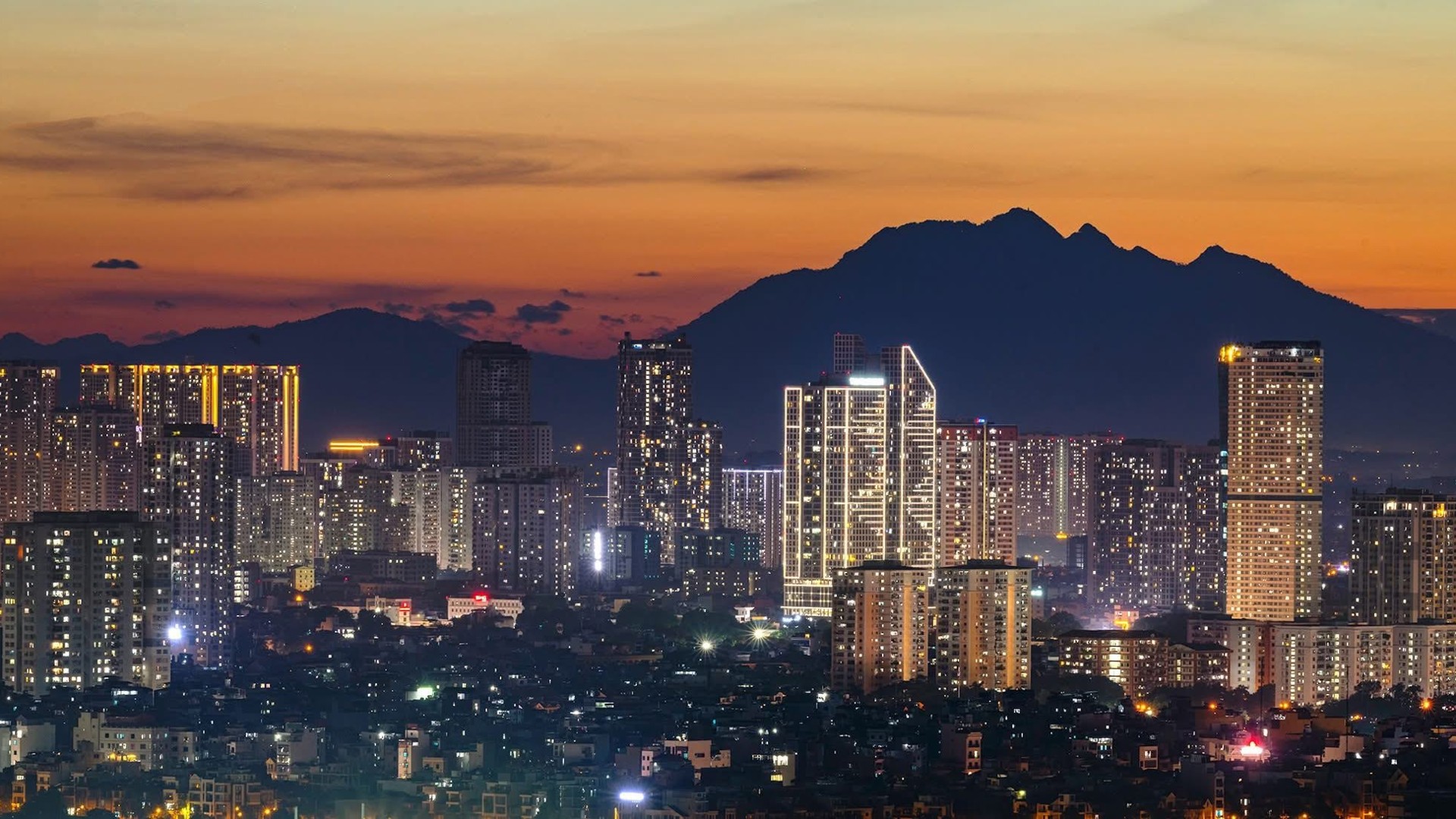
©Wikimedia / Hanoi
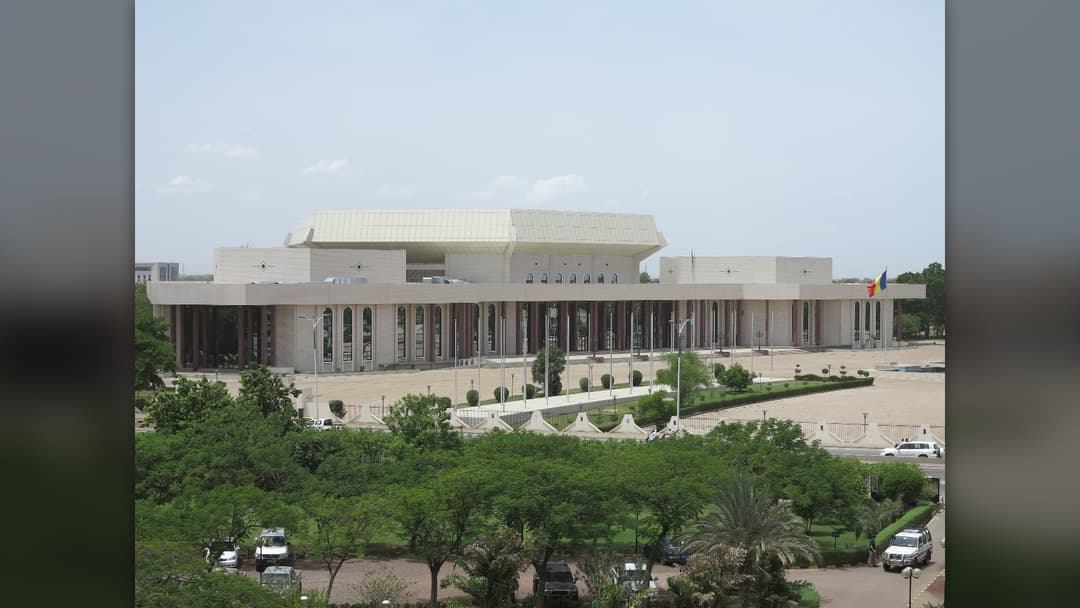
19. N'Djamena, Chad
N'Djamena battles severe natural mineral dust blown directly across the Sahara Desert by fierce seasonal winds. Dust blinds travelers. The airborne sand combines with unpaved road dust and diesel traffic to drive annual particulate averages to perilous levels.
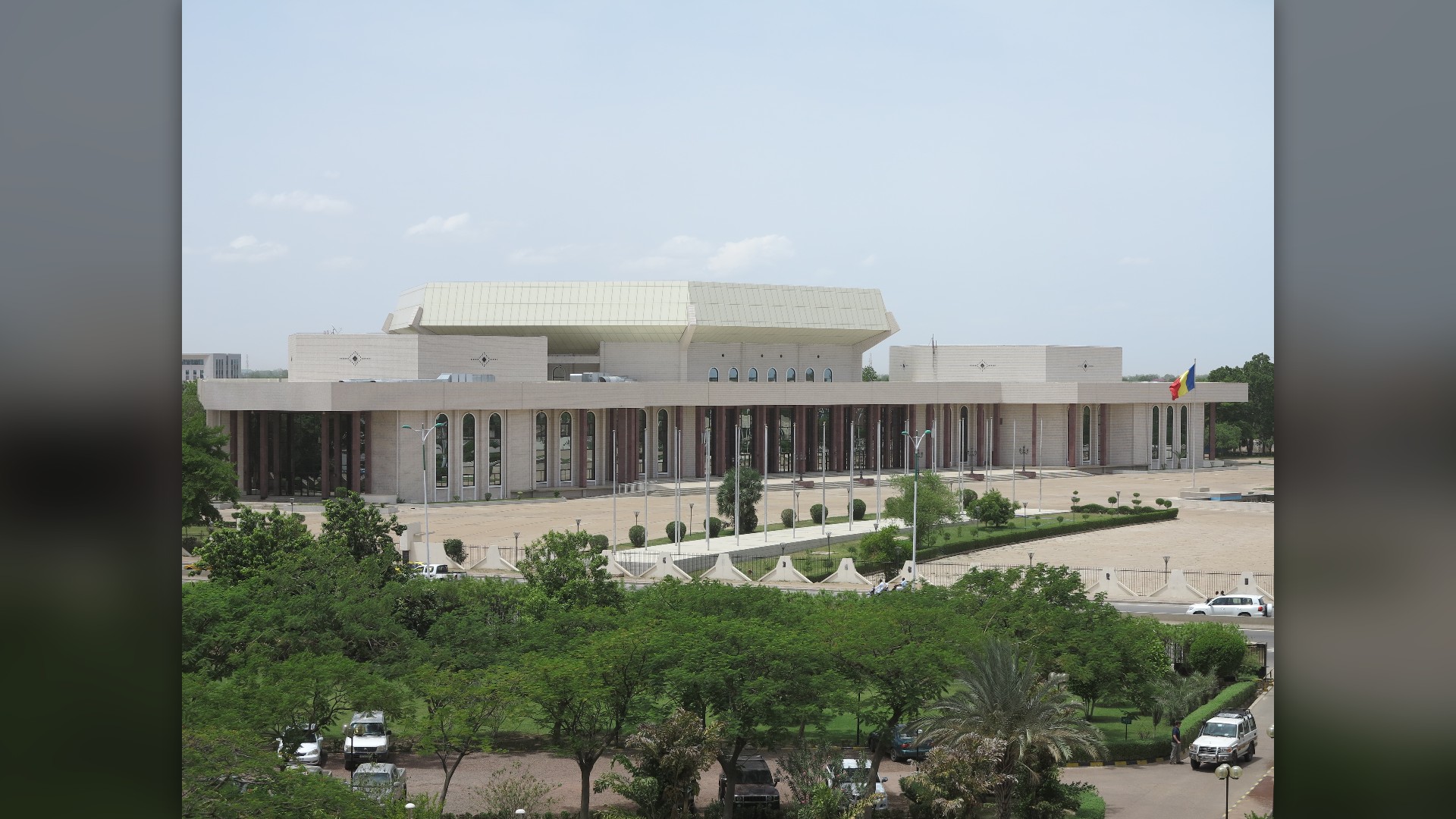
©Wikimedia / N'Djamena
Advertisement
Swipe or tap ▶ to resume the countdown.
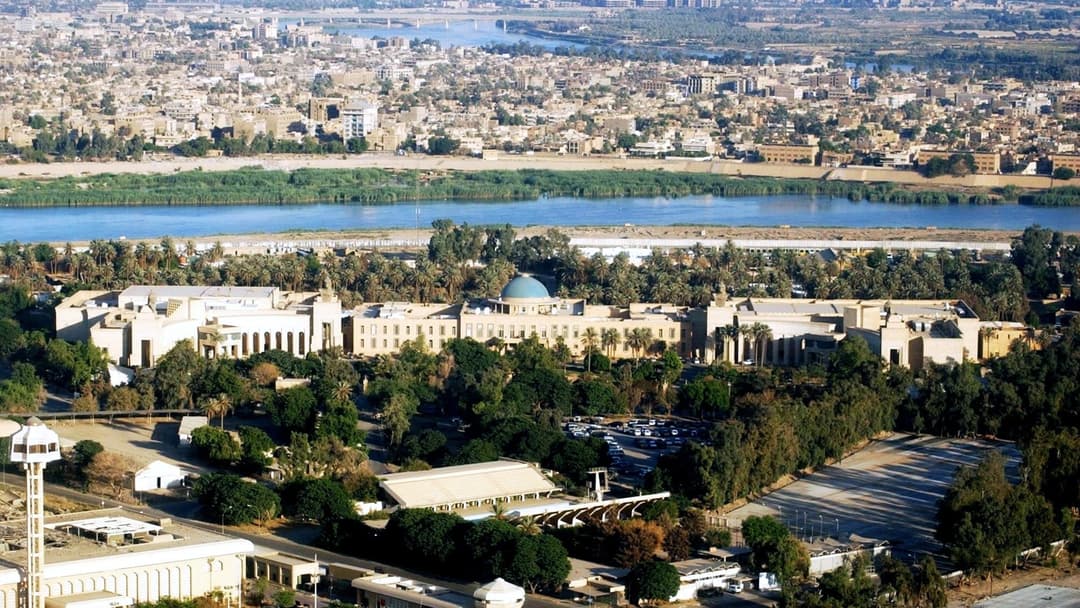
18. Baghdad, Iraq
Baghdad suffers from chronic electricity shortages, forcing neighborhoods to rely on thousands of smoky diesel generators. Toxic fumes billow continuously. Severe summer dust storms sweep across parched Mesopotamian plains, driving emergency hospital admissions skyward.
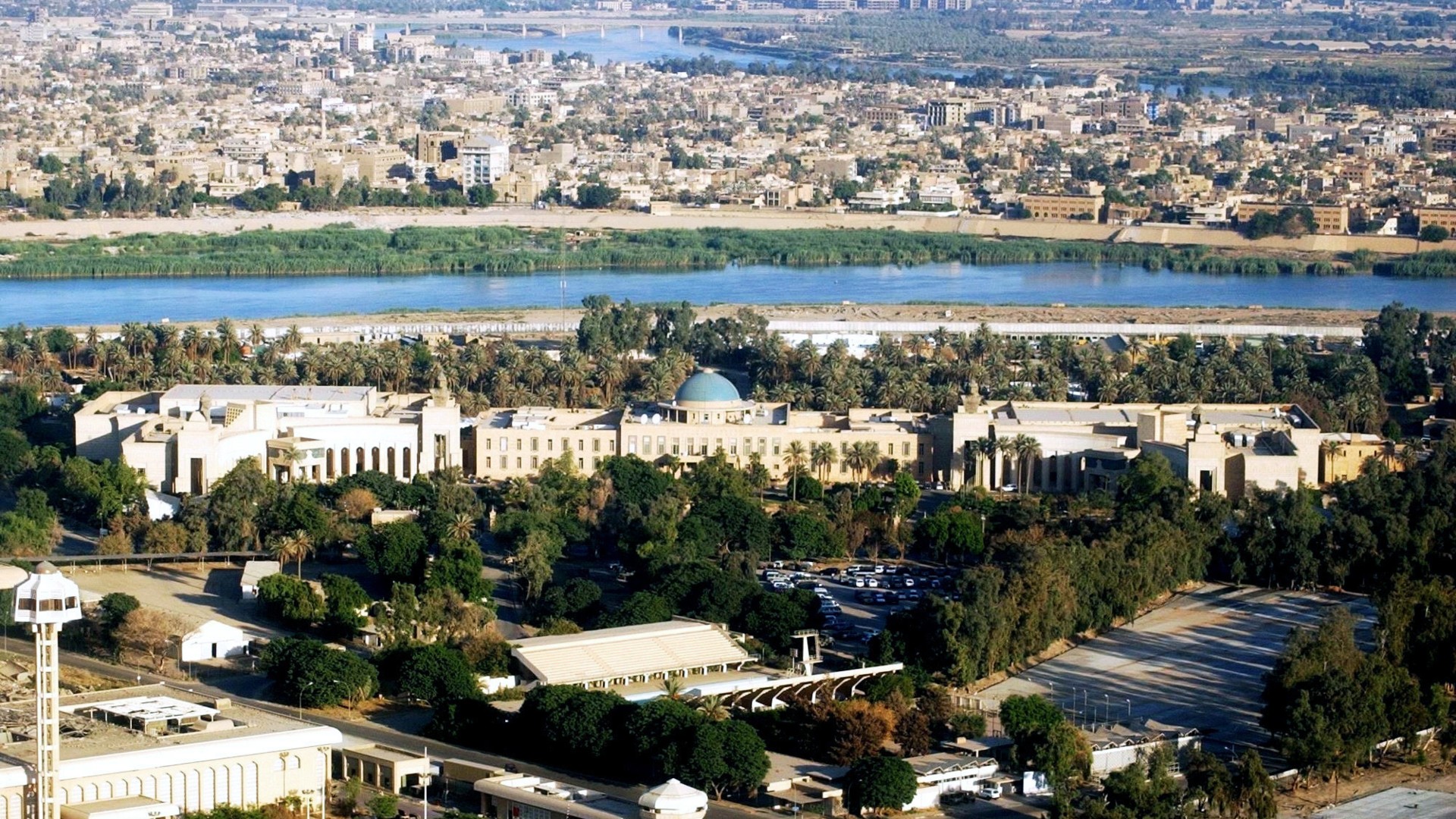
©Wikimedia / Baghdad
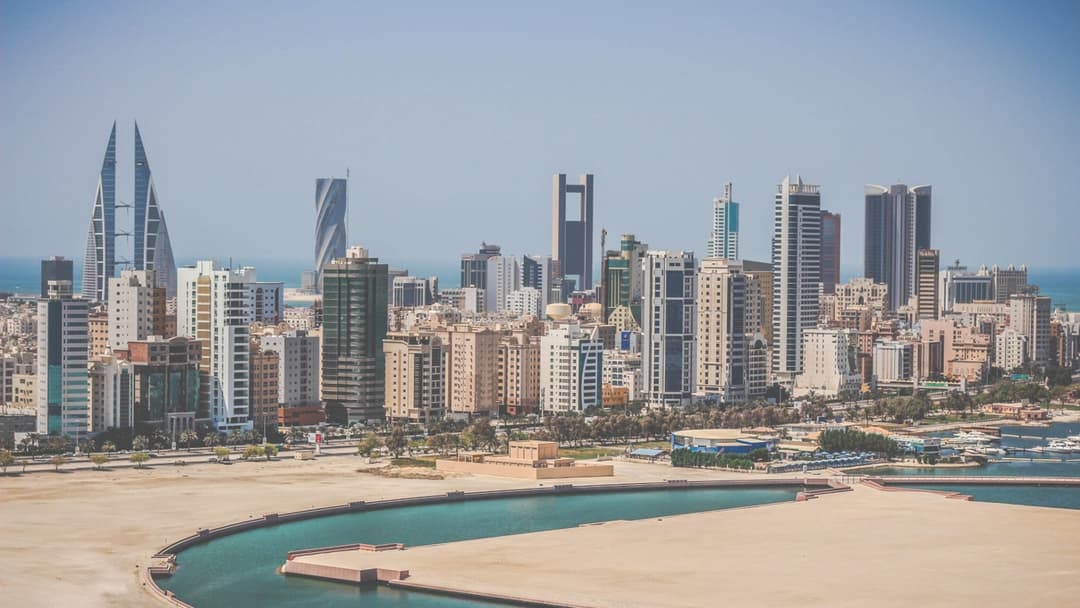
17. Manama, Bahrain
Manama faces harsh environmental pressures from regional sandstorms, heavy coastal shipping, and major oil refining operations. Heat intensifies conditions. High humidity traps microscopic particulate matter near ground level, challenging outdoor workers across summer months.
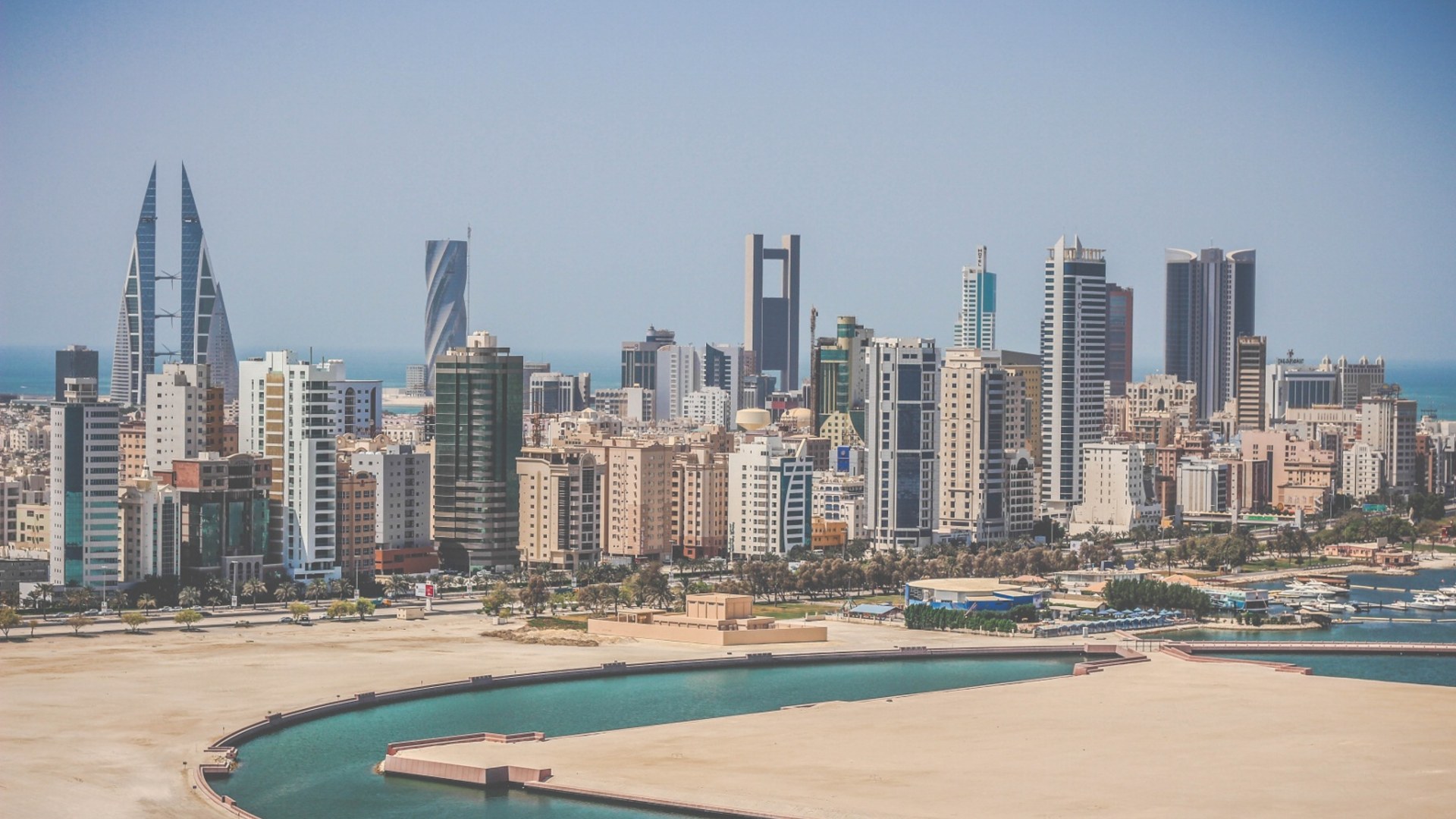
©Wikimedia / Wadiia
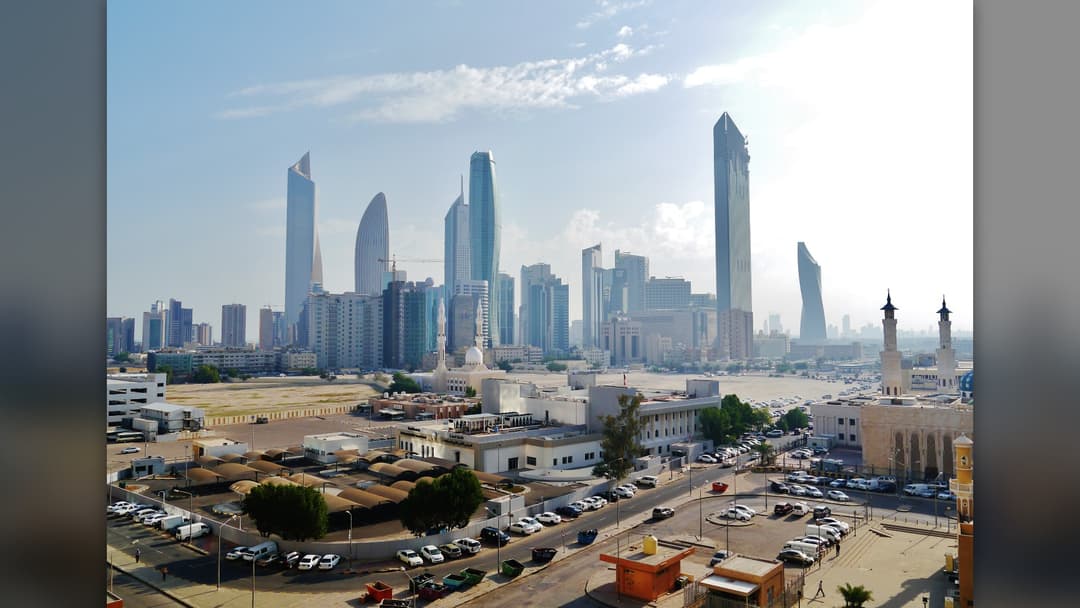
16. Kuwait City, Kuwait
Kuwait City endures fierce summer shamal winds that carry tons of fine desert sand directly into urban neighborhoods. Dust chokes daylight. Intense reliance on air conditioning and gas-powered private vehicles compounds the metropolitan air quality burden.
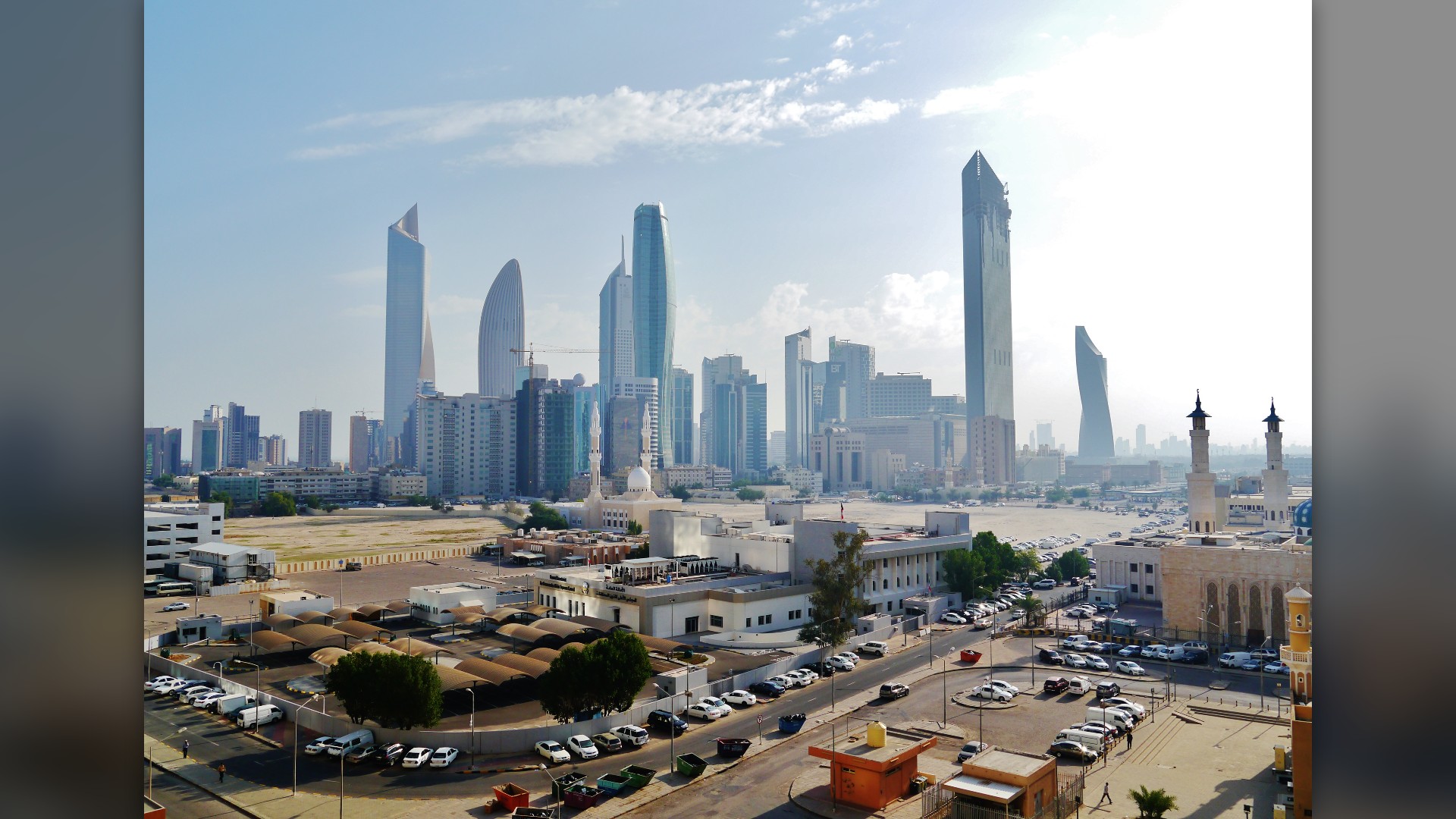
©Wikimedia / Kuwait City
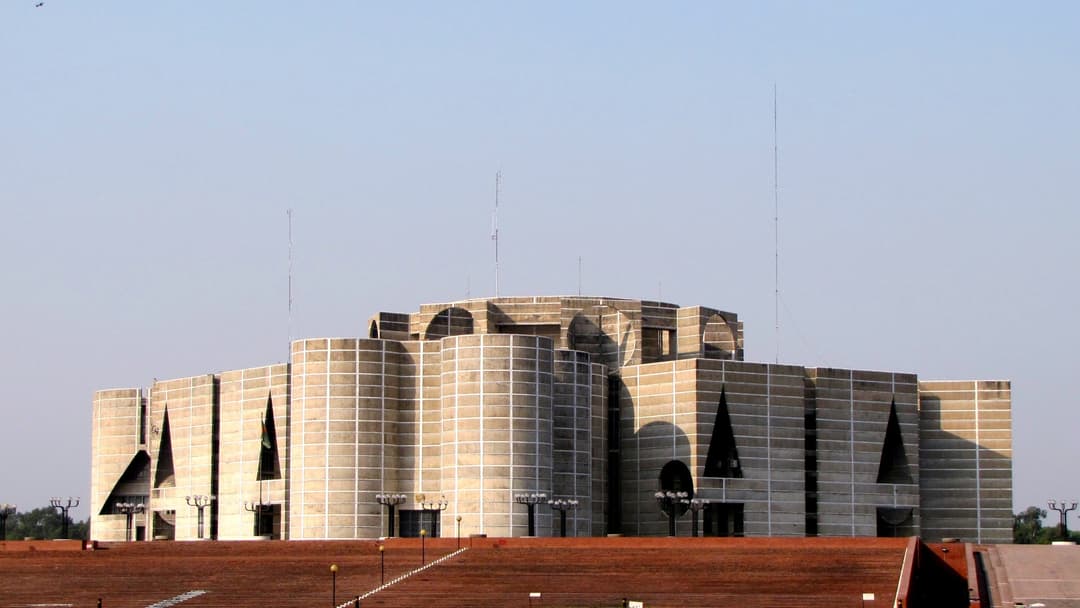
15. Dhaka, Bangladesh
Dhaka contains more than twenty million people and thousands of coal-fired brick kilns that operate throughout dry winter months. Black smoke drifts endlessly. Massive construction projects and unpaved roads generate continuous dust clouds that poison urban air.
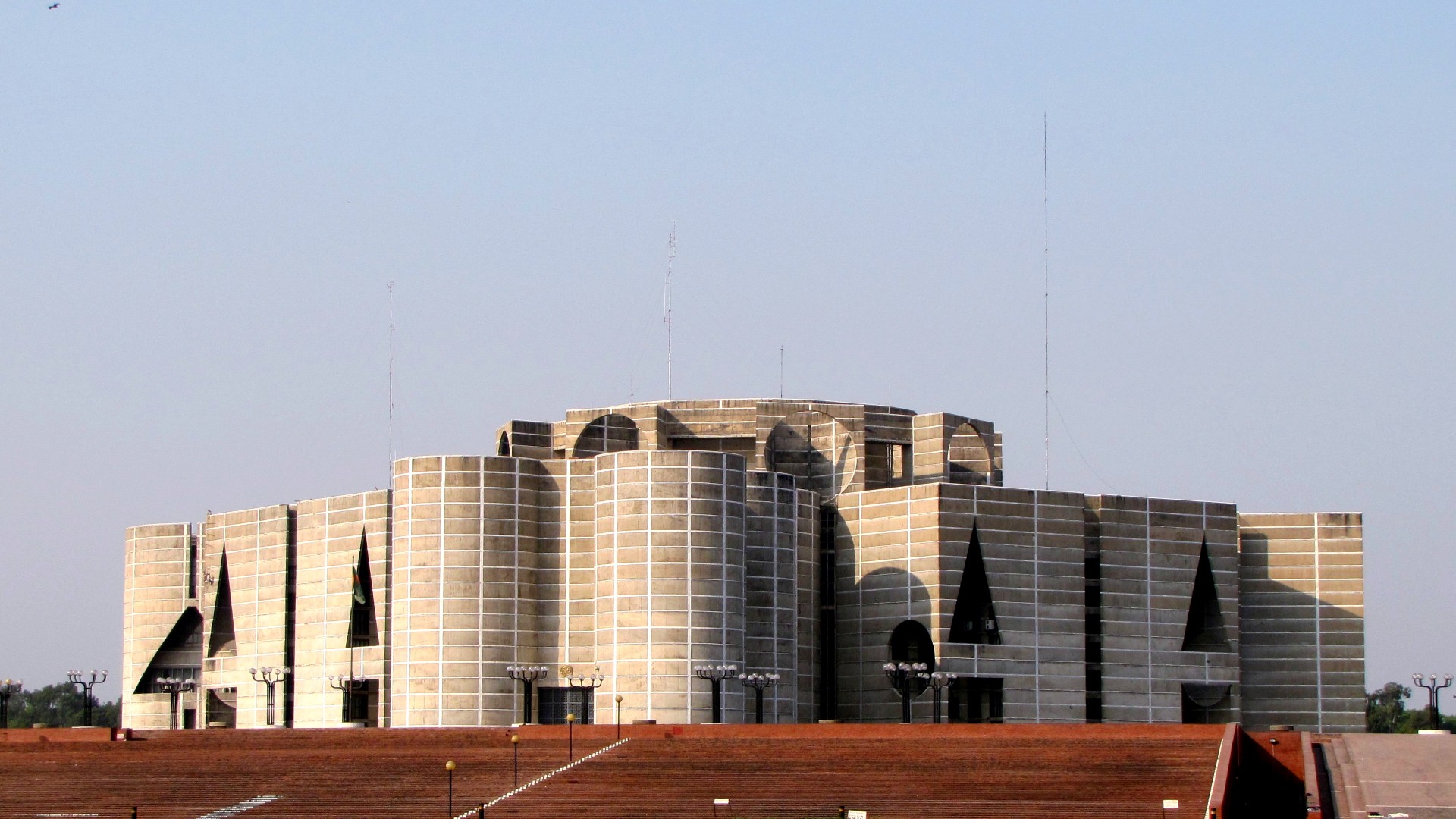
©Wikimedia / Dhaka
Advertisement
Swipe or tap ▶ to resume the countdown.
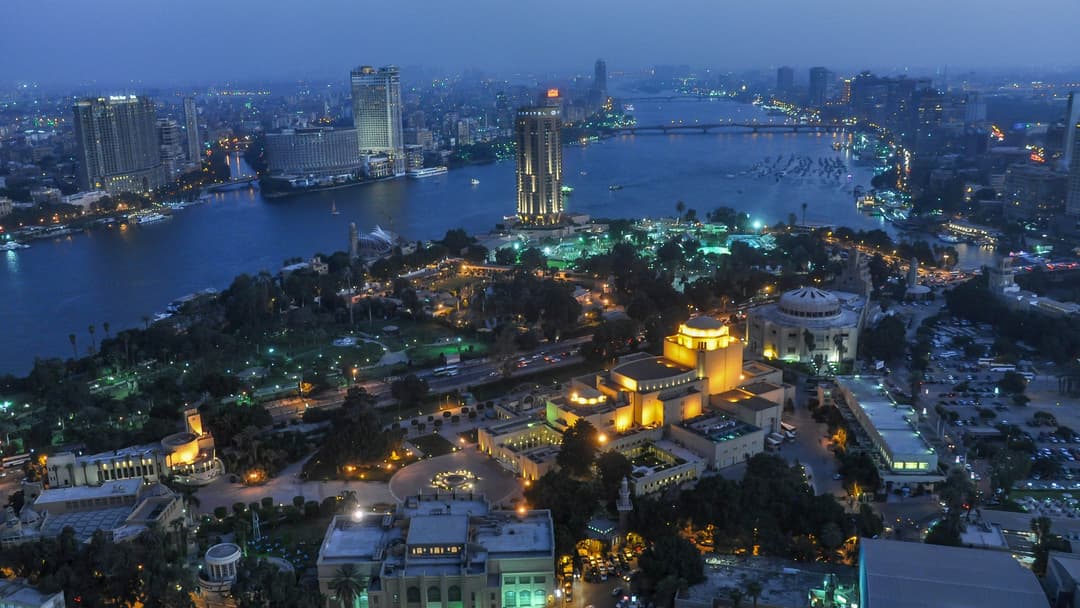
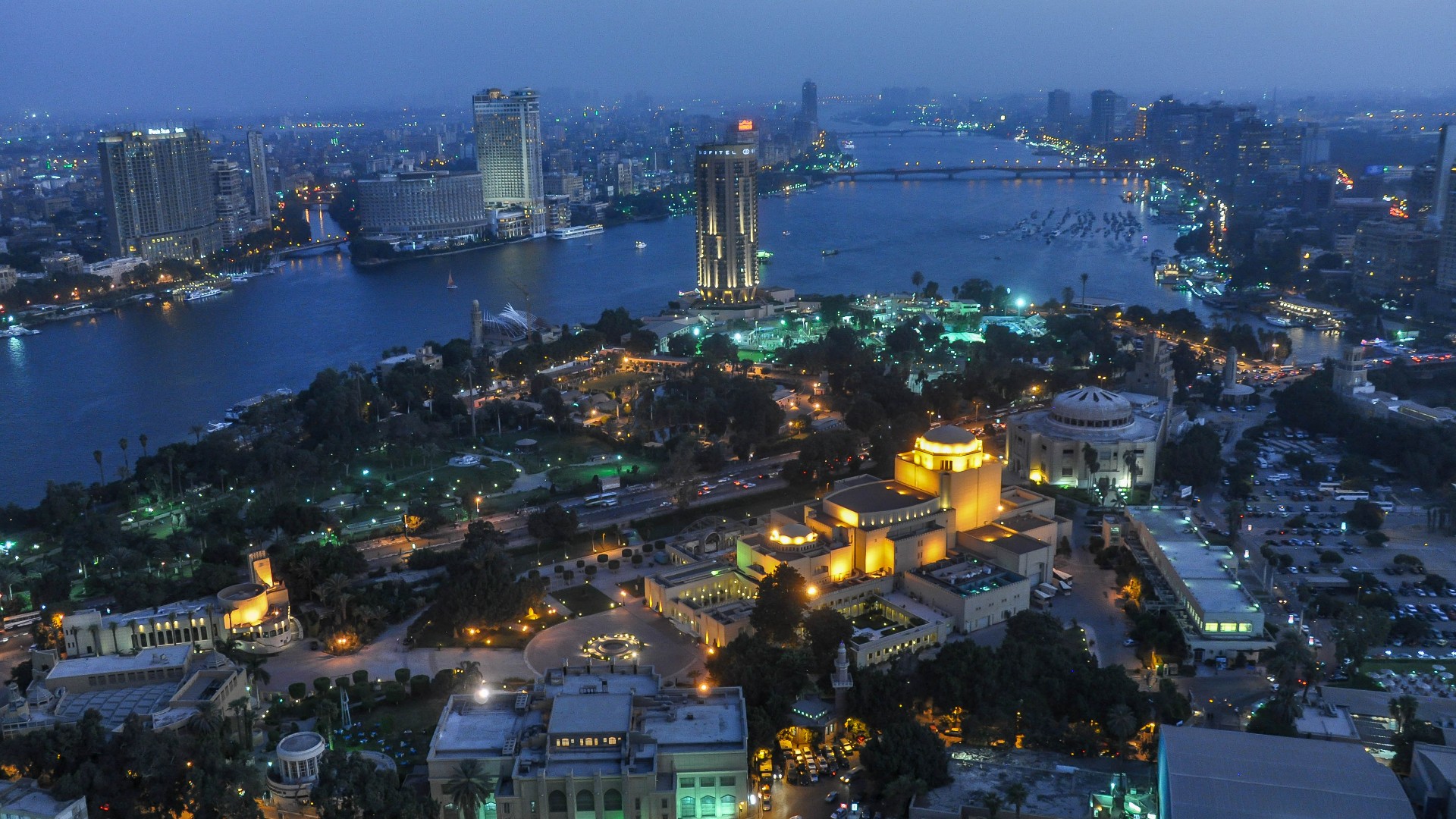
14. Cairo, Egypt
Cairo generates an infamous seasonal phenomenon known locally as the black cloud, caused by burning rice straw in the Nile Delta. Air turns acrid. Millions of aging passenger vehicles release unfiltered exhaust across congested downtown highways every single afternoon.
©Wikimedia / Cairo
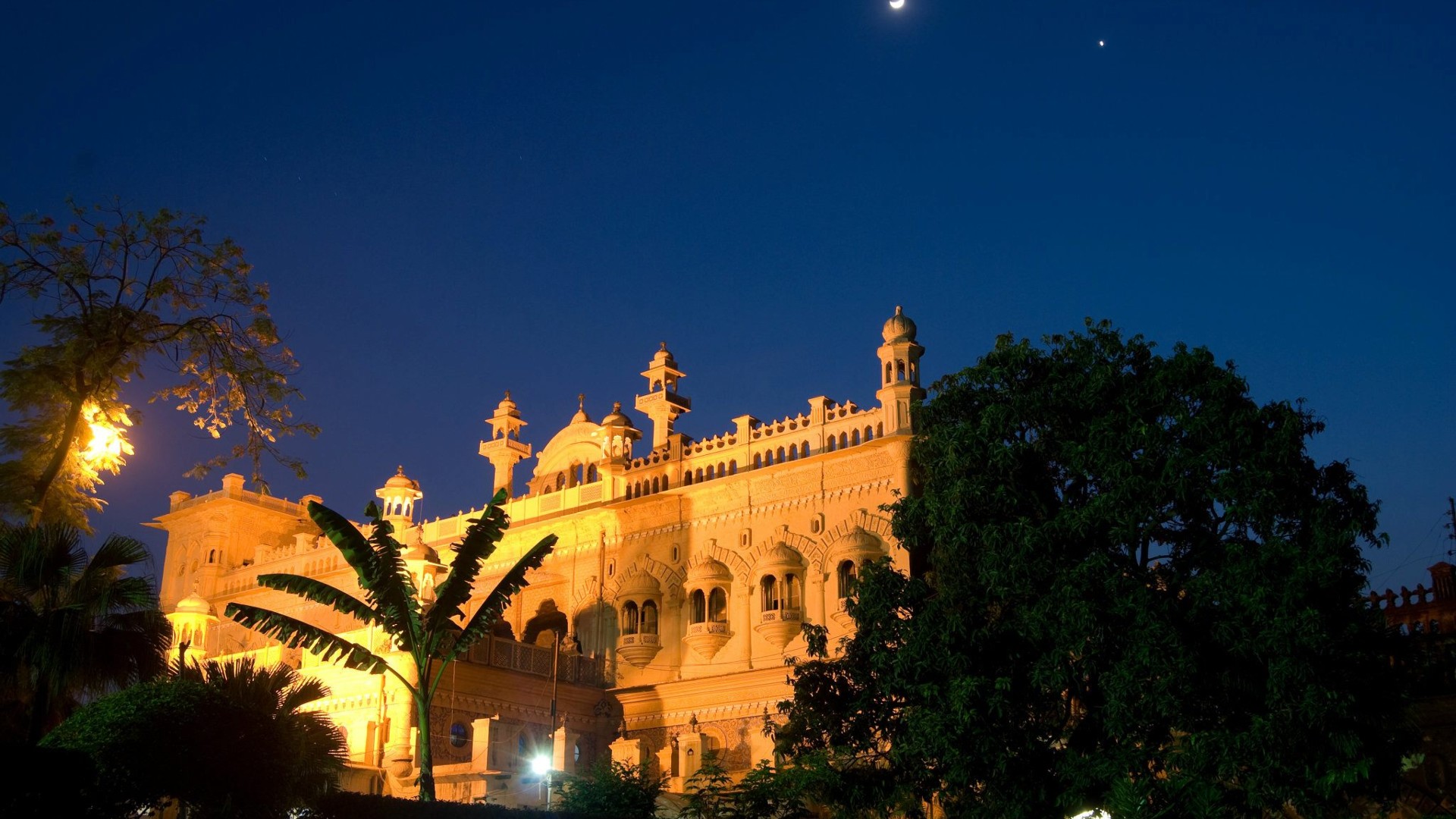
13. Meerut, India
Meerut sits inside India's northern industrial corridor, where diesel trucks and manufacturing boilers produce heavy particulate emissions. Smog thickens rapidly. Agricultural burning in nearby agricultural fields regularly drives air quality monitors past maximum measurable limits.
©Wikimedia / Meerut
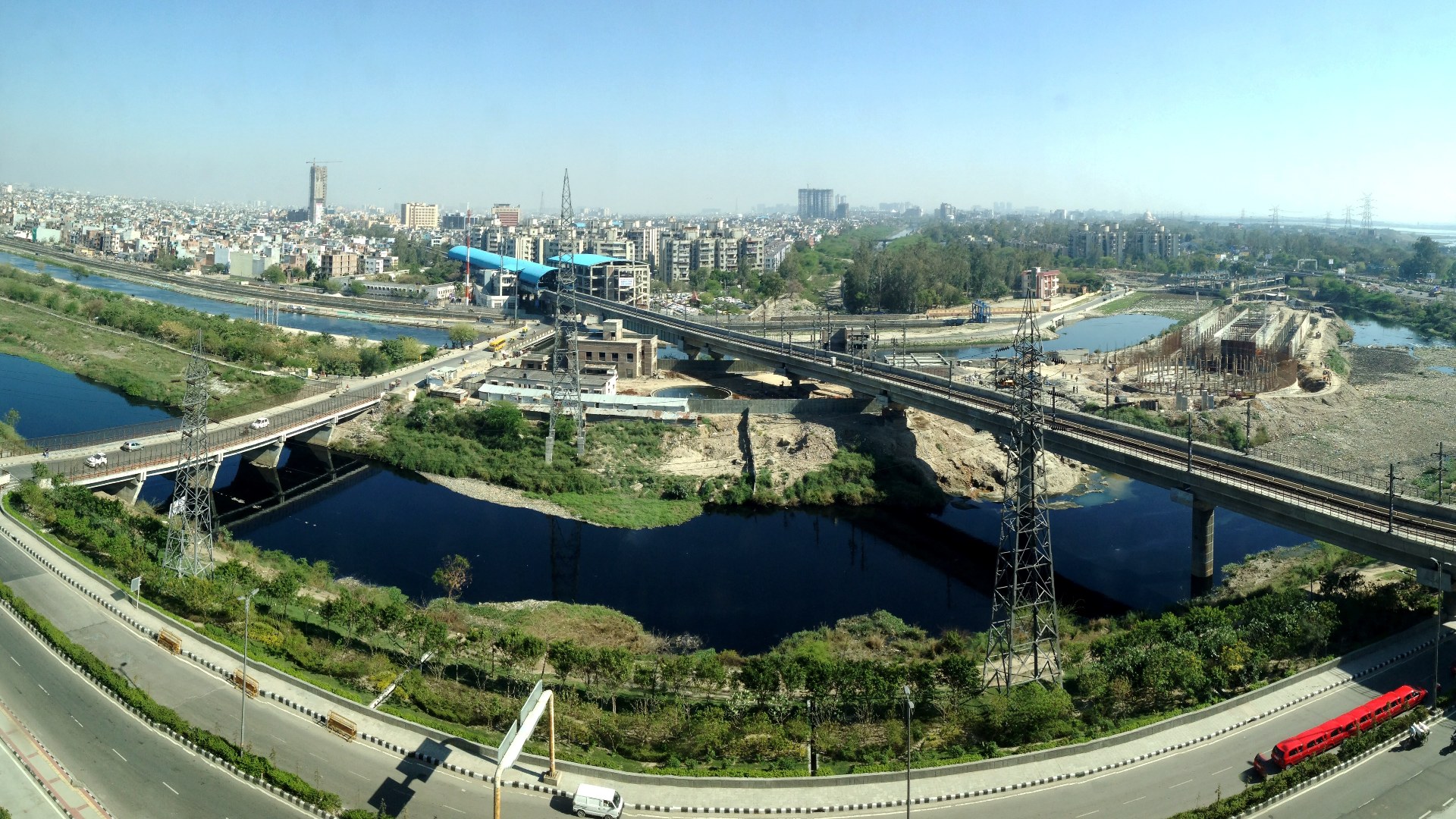
12. Noida, India
Noida features sprawling commercial construction projects that release tons of concrete dust into ambient air every week. Haze blankets skyscrapers. The satellite city shares the northern Indian plains inversion layer, holding vehicle soot at pedestrian eye level.
©Wikimedia / Edmund Gall
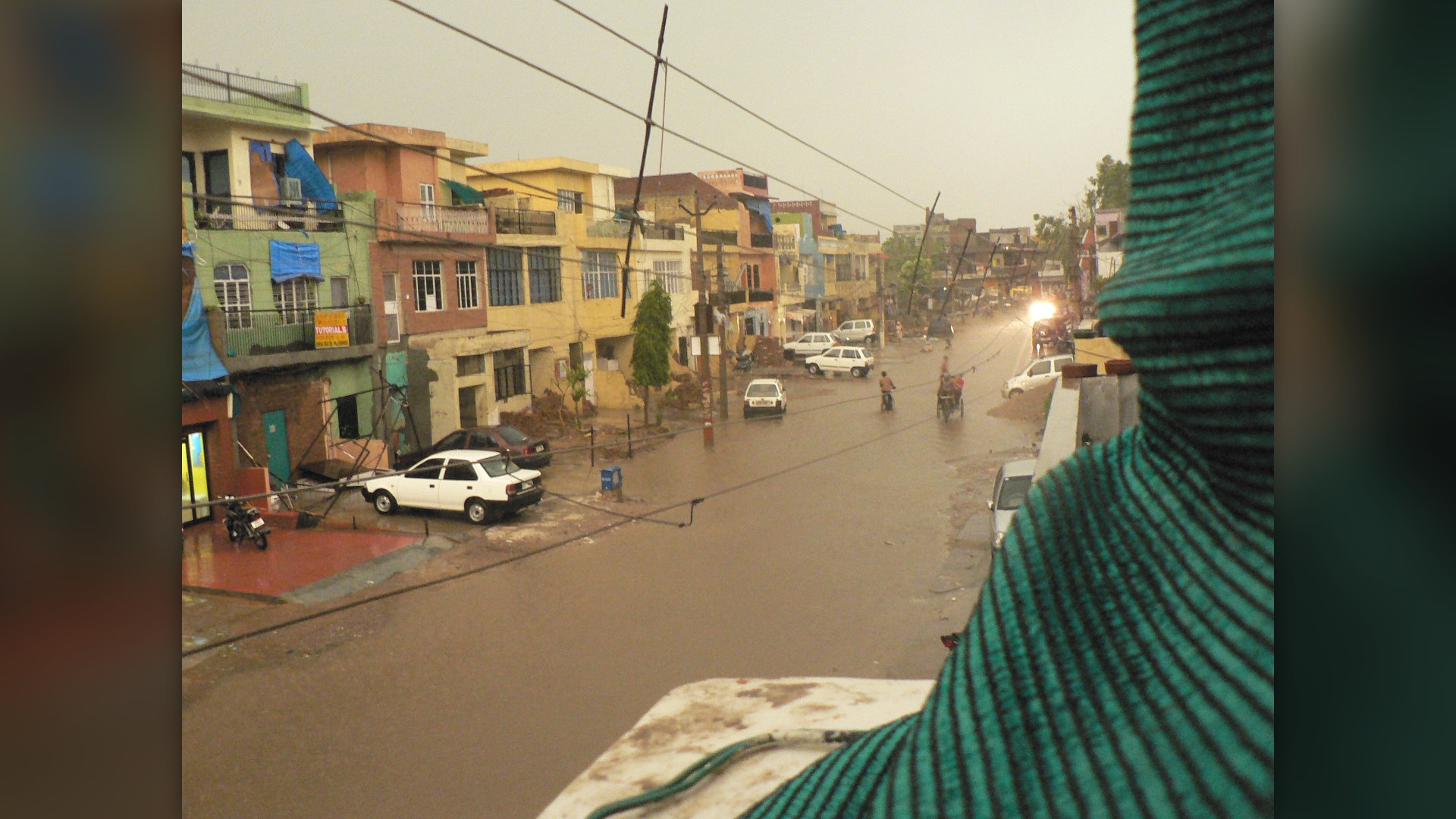
11. Faridabad, India
Faridabad represents one of Haryana's largest industrial clusters, hosting thousands of auto parts manufacturers and chemical facilities. Grey haze never clears. Unchecked industrial effluents and diesel commercial fleets keep annual PM2.5 readings well into hazardous territory.
©Wikimedia / JJ Harrison (
Advertisement
Swipe or tap ▶ to resume the countdown.
10. Gurugram, India
Gurugram transformed into India's corporate technology hub, but explosive growth brought thousands of diesel commercial generators. Dust swirls continuously. Unpaved shoulder roads and heavy regional transit make the city's winter air among the most toxic on Earth.
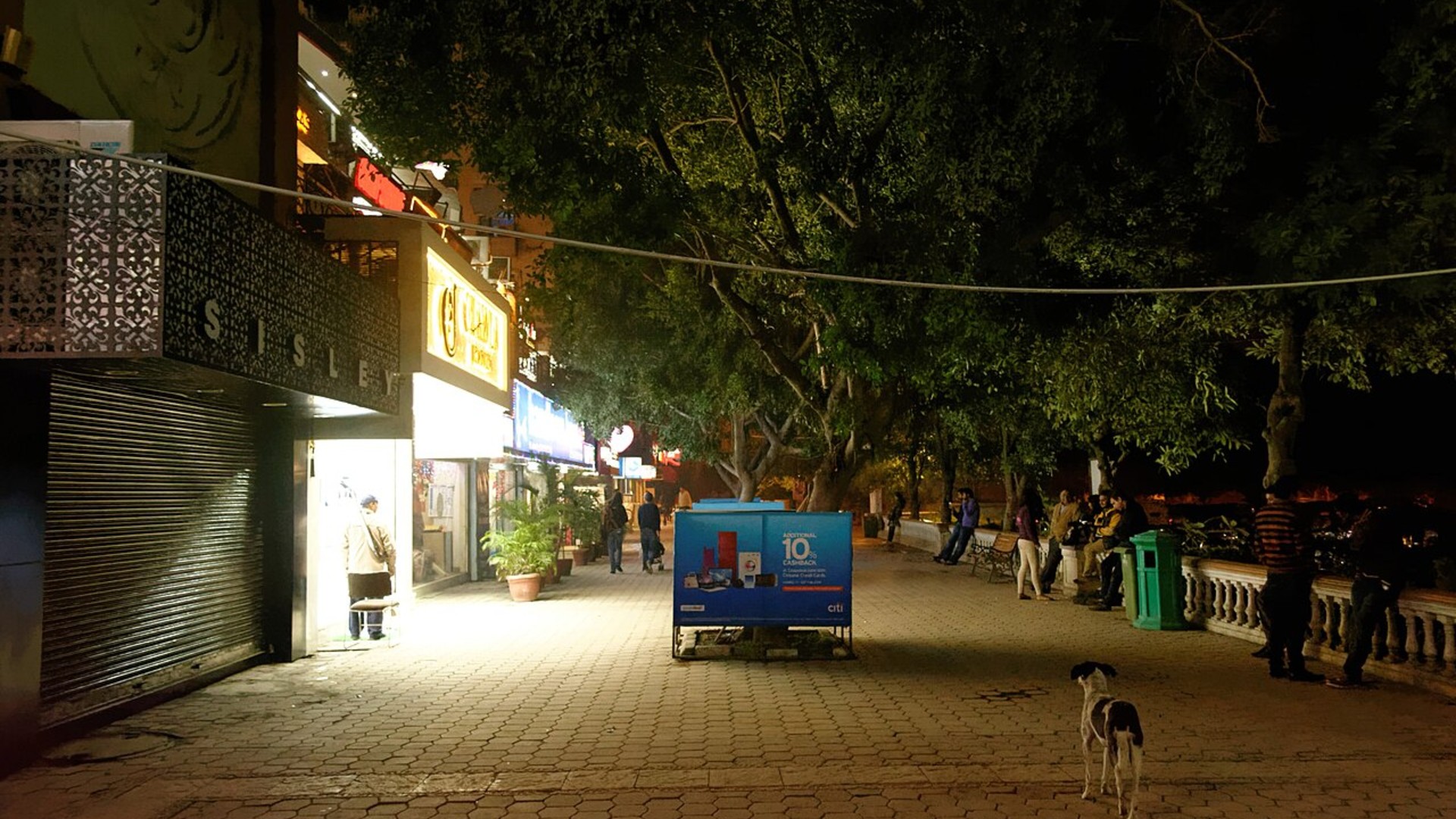
©Wikimedia / Slyronit
9. Ghaziabad, India
Ghaziabad frequently claims the title of Uttar Pradesh's most polluted municipality due to intensive industrial boiler combustion. Air burns throats. High volumes of diesel transport trucks crawl through congested local highways, compounding seasonal farm fire smoke.
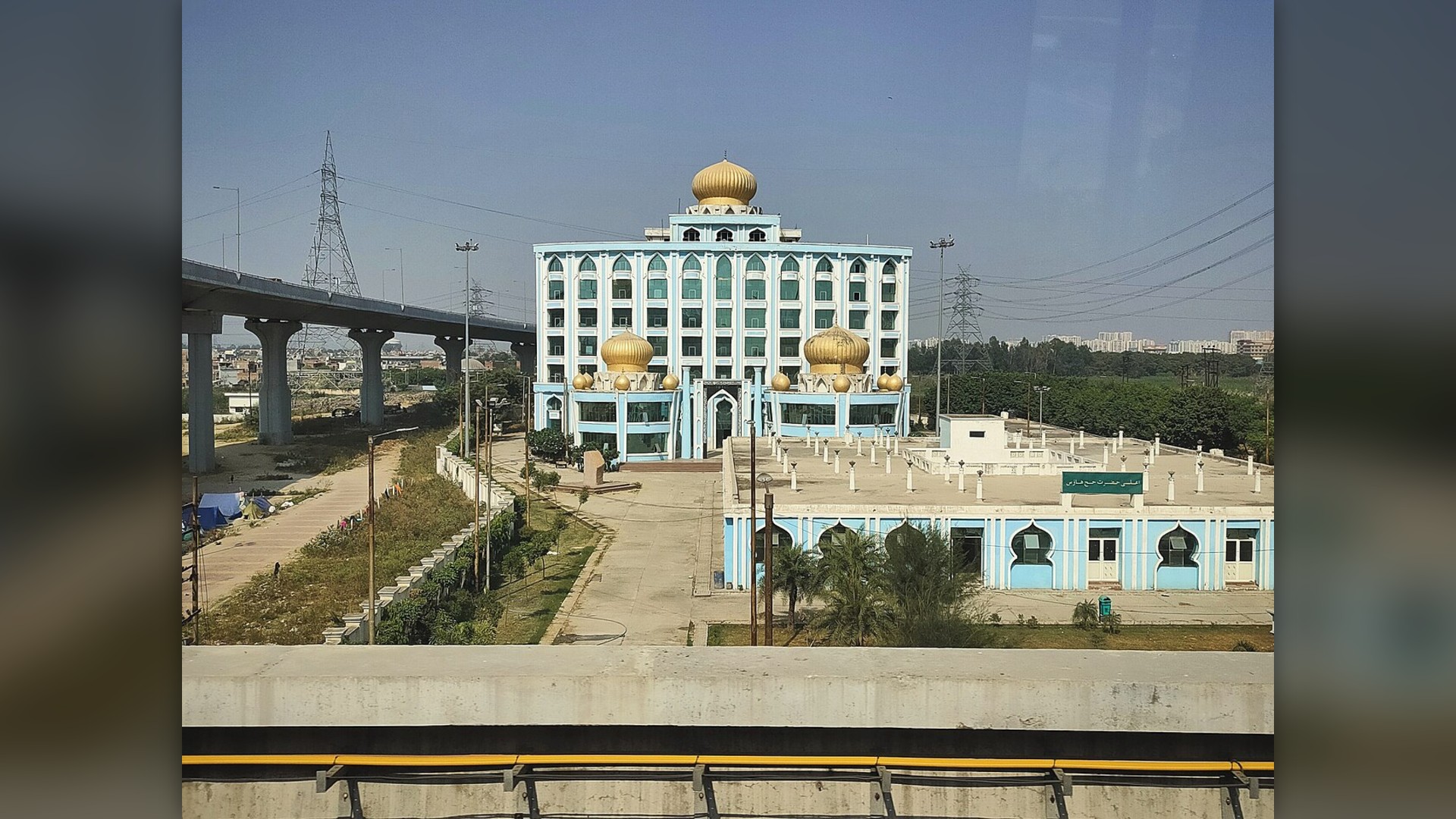
©Wikimedia / Apurba Biswas
8. Patna, India
Patna experiences heavy silt dust blown off seasonal Ganges sandbars alongside smoke from hundreds of regional brick kilns. Lungs strain daily. The densely populated state capital lacks comprehensive dust mitigation infrastructure, keeping fine particle readings extremely high.
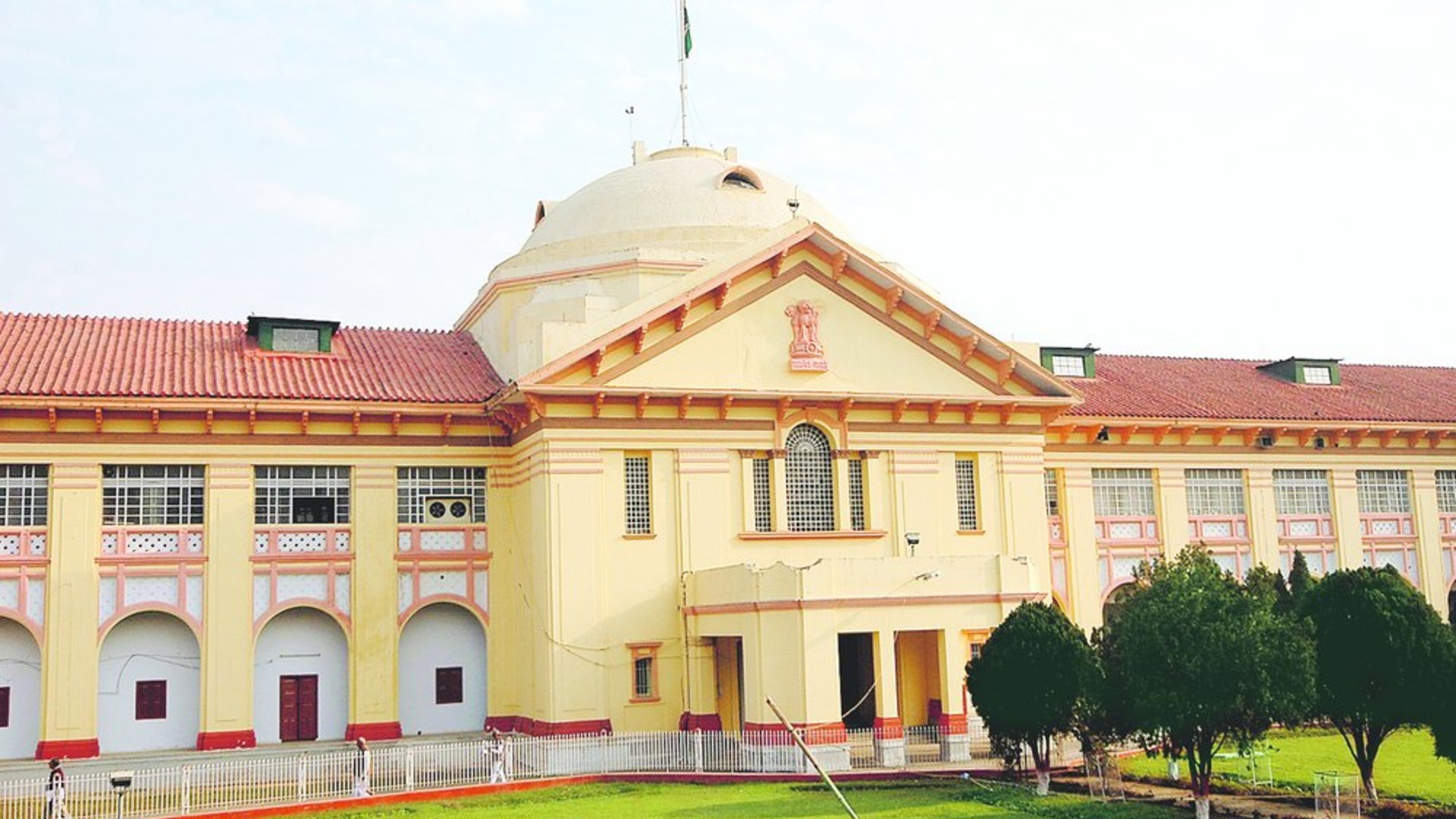
©Wikimedia / Patna
7. Rawalpindi, Pakistan
Rawalpindi serves as a vital logistics gateway where thousands of overloaded freight trucks idle along aging transit arteries. Exhaust chokes neighborhoods. Proximity to the Potohar Plateau creates weather inversions that trap industrial soot for weeks each autumn.
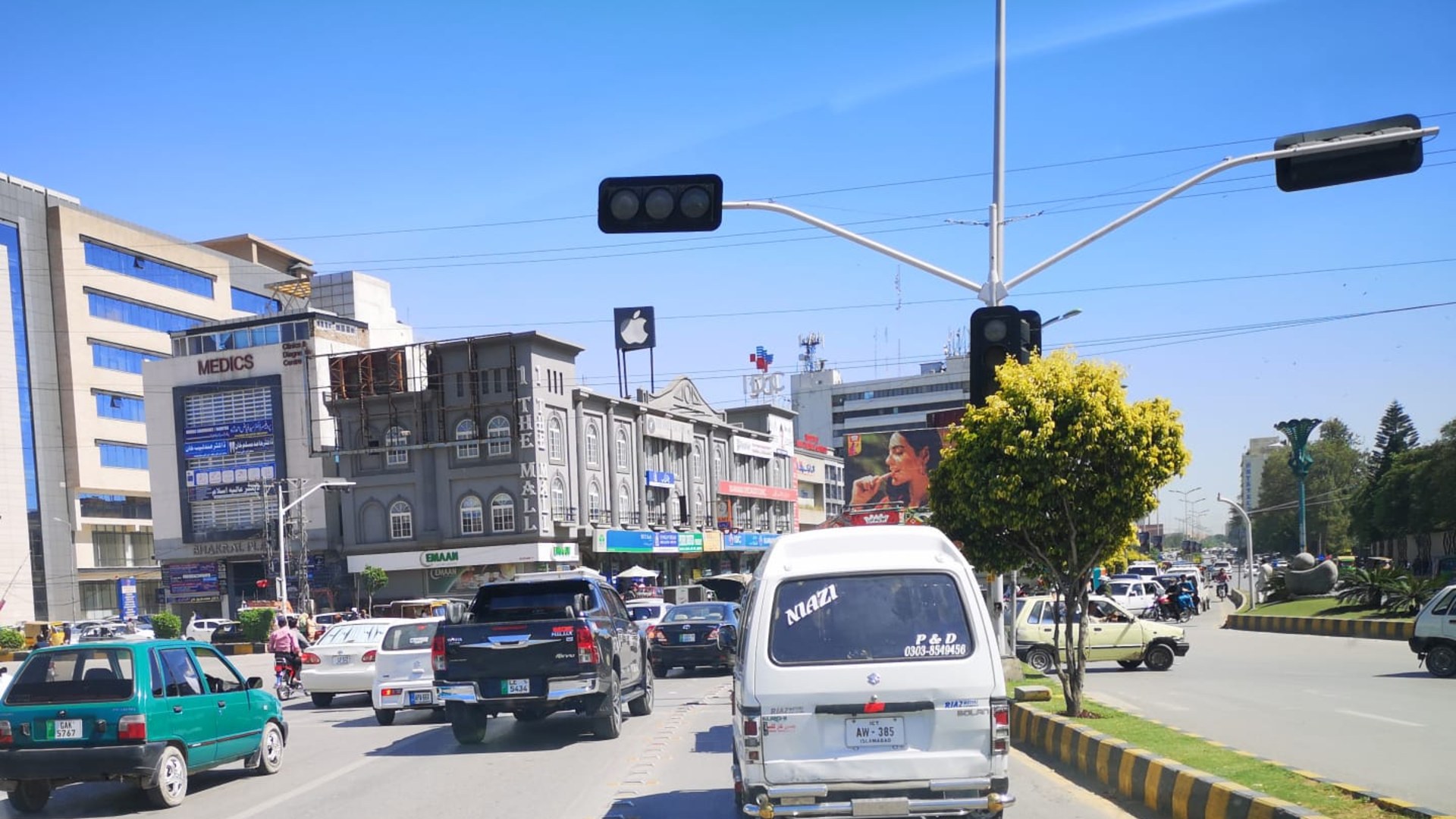
©Wikimedia / Idontknow1213
Advertisement
Swipe or tap ▶ to resume the countdown.
6. Faisalabad, Pakistan
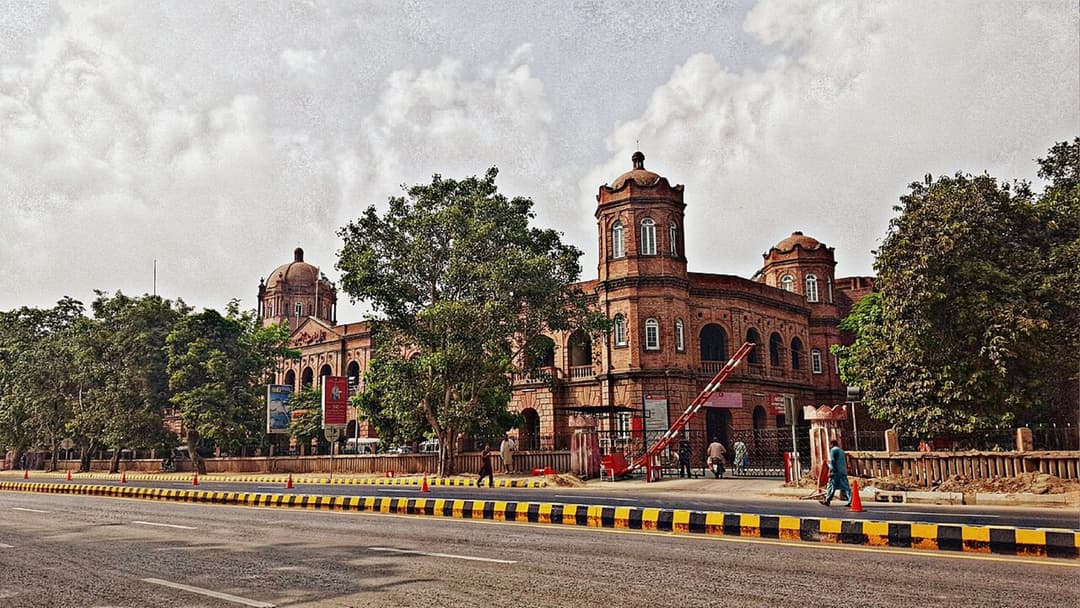
Faisalabad powers Pakistan's massive textile trade, but hundreds of factories burn low-grade coal to generate steam and electricity. Acrid smoke billows. The resulting chemical haze mixes with winter fog, causing persistent respiratory distress across working-class districts.
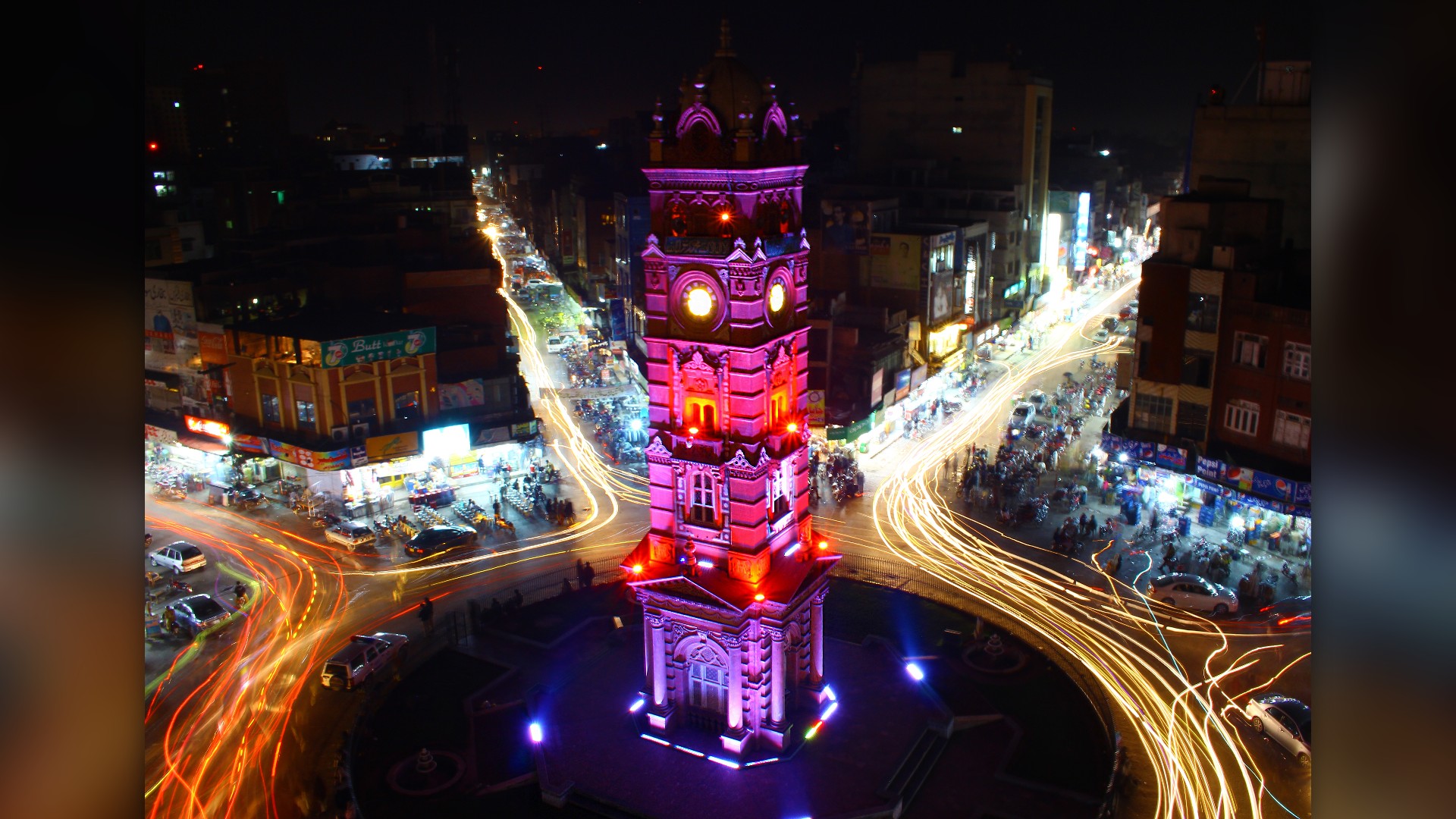
©Wikimedia / Faisalabad
5. Peshawar, Pakistan
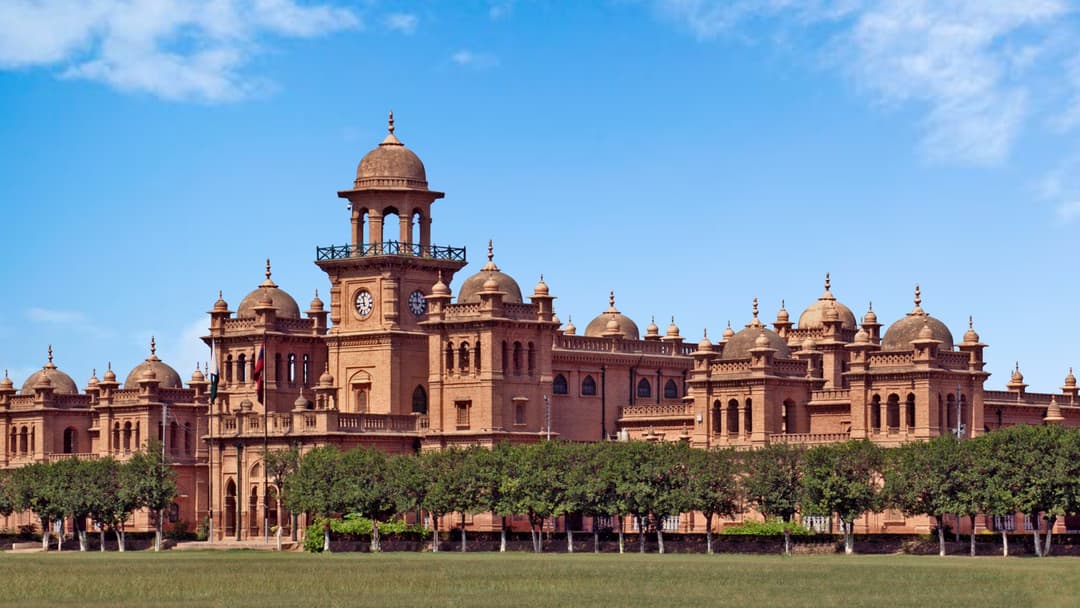
Peshawar sits at the eastern entrance to the historic Khyber Pass, where valley geography traps exhaust from millions of vehicles. Visibility plummets. Ancient clay brick manufacturing facilities continue burning scrap rubber and coal, sending toxic black plumes into morning skies.
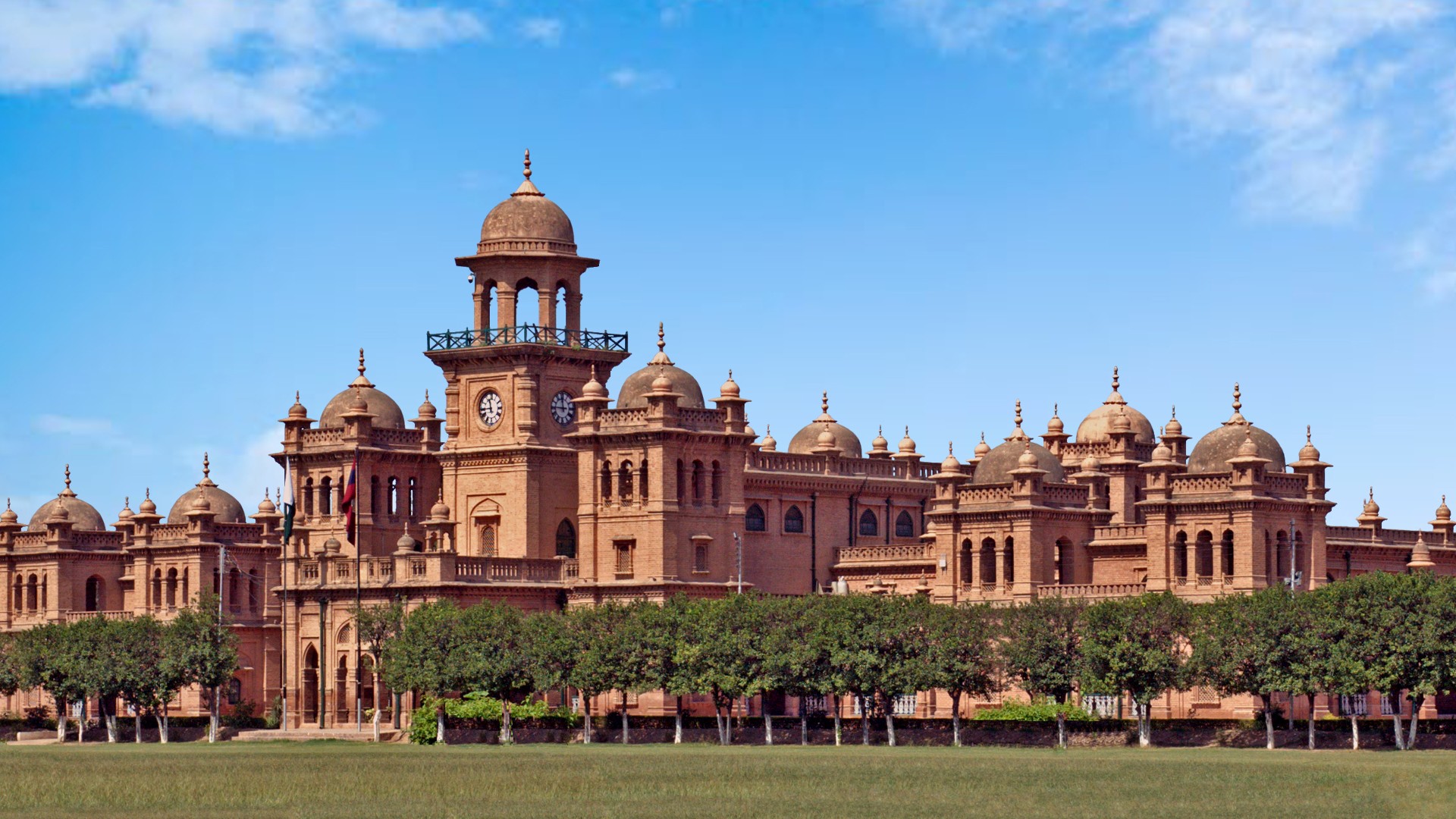
©Wikimedia / Peshawar
4. Hotan, China
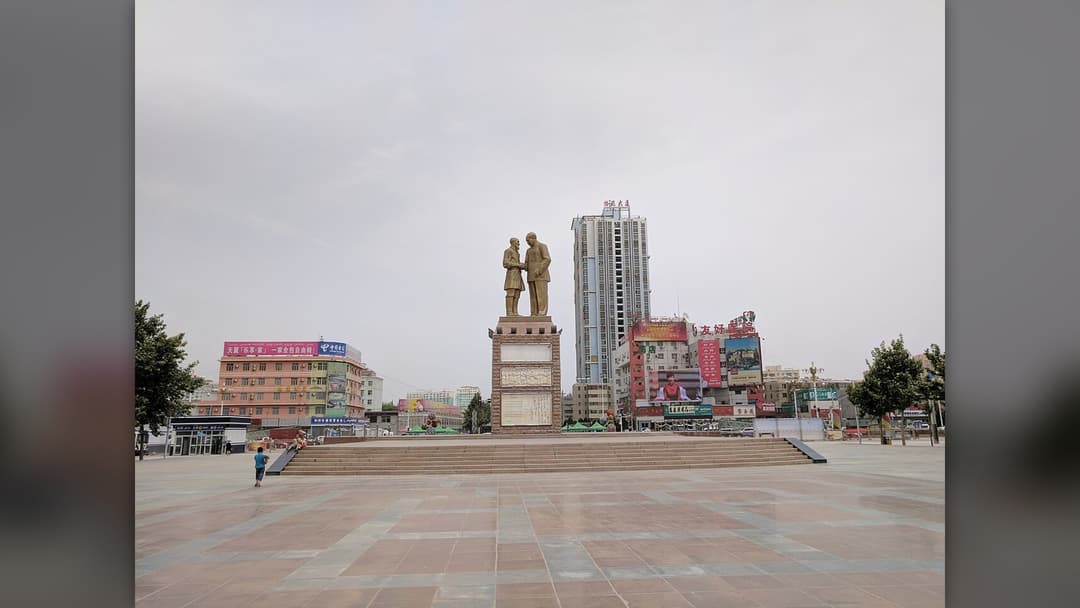
Hotan sits on the southern edge of the Taklamakan Desert, enduring over two hundred dusty days every single year. Sand storms rage. Natural mineral particulates dwarf industrial emissions, driving annual PM2.5 readings beyond one hundred micrograms per cubic meter.
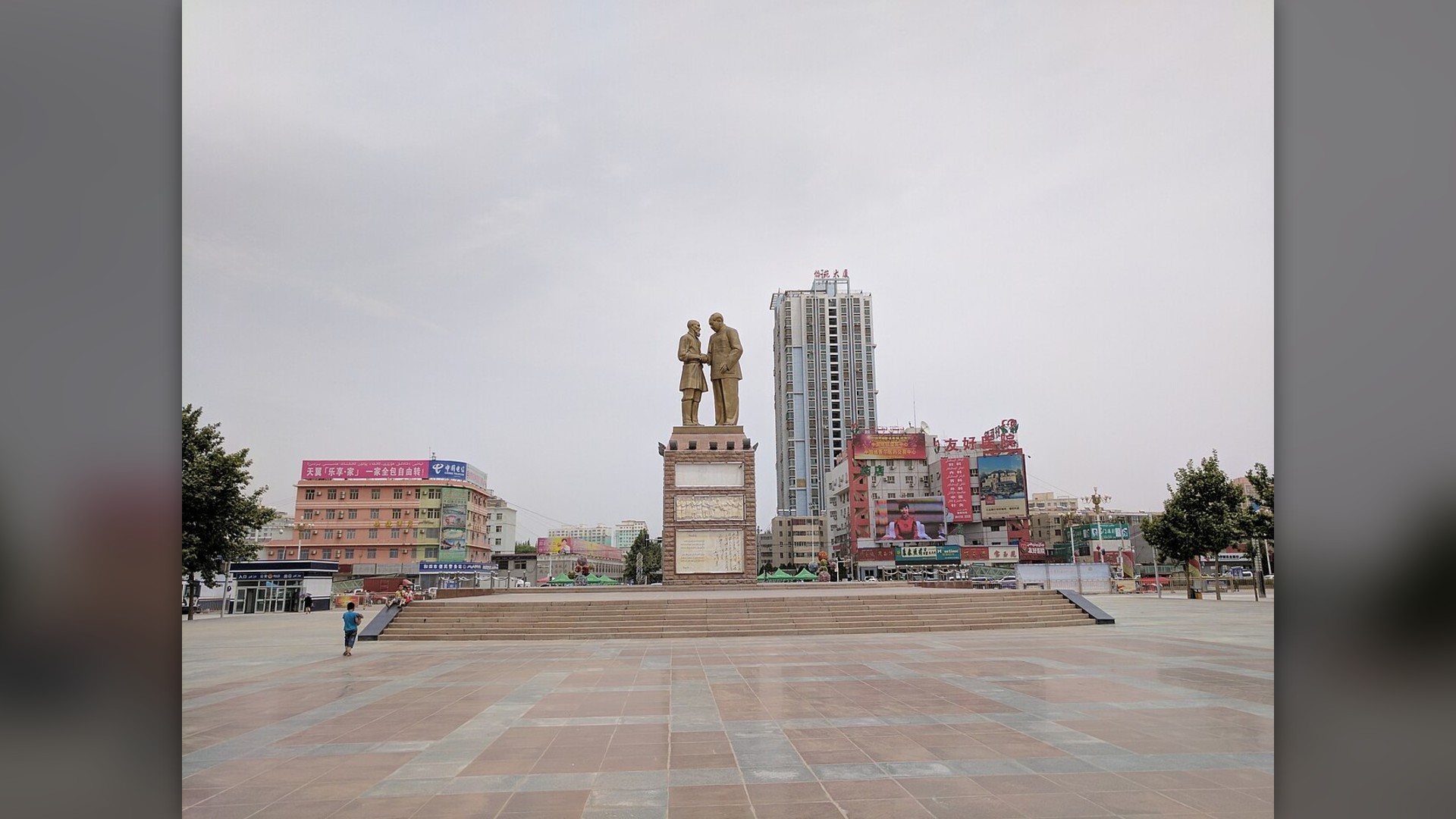
©Wikimedia / Voidvector
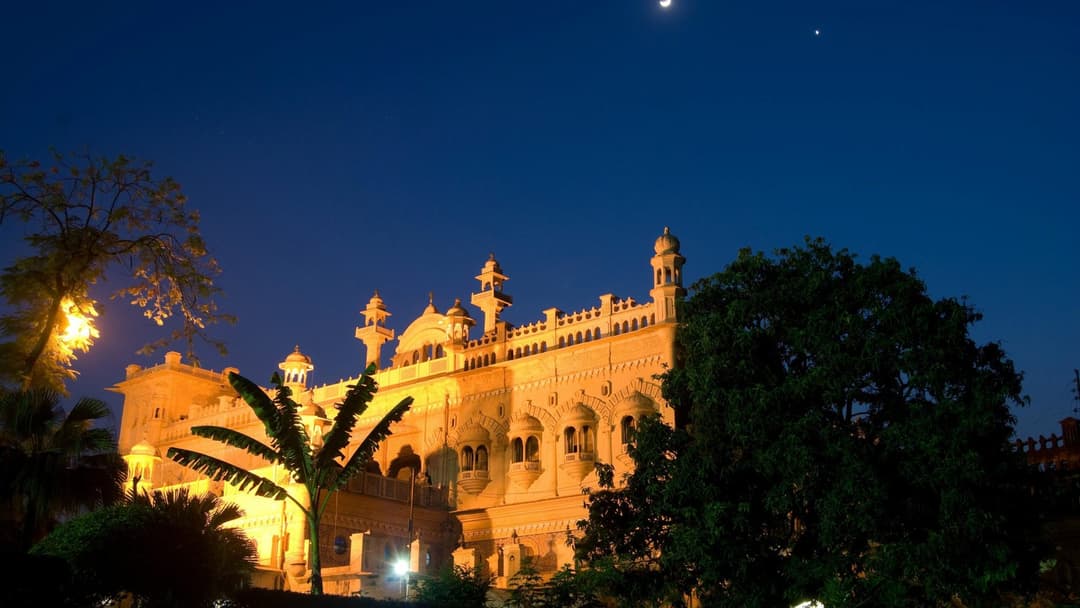
3. Lahore, Pakistan
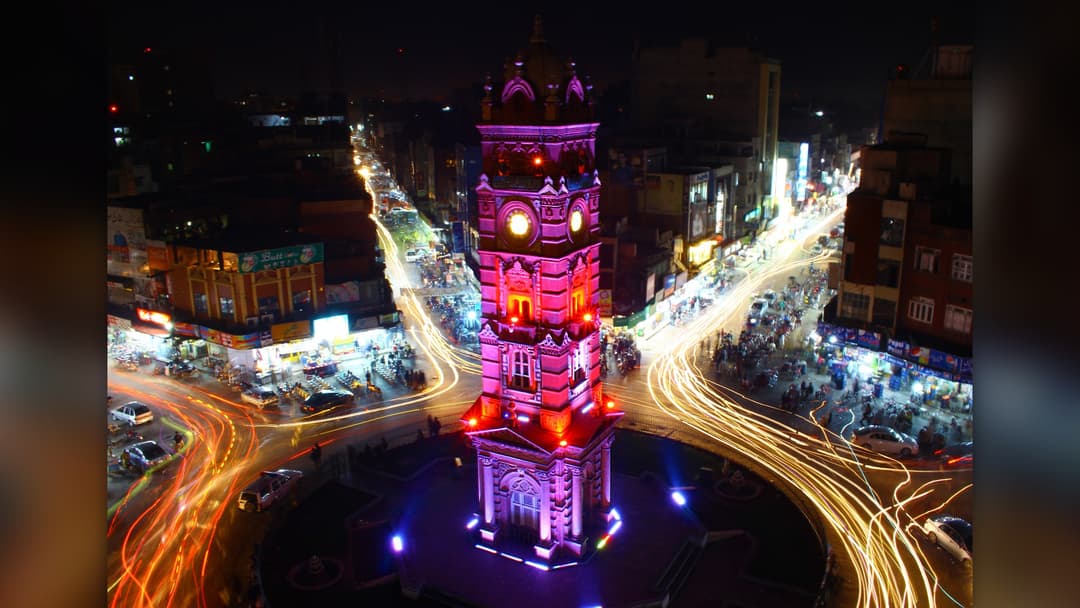
Lahore suffers from an annual public health catastrophe dubbed the fifth season, when agricultural burning mixes with factory soot. Poisonous smog thickens. The government regularly declares environmental emergencies and closes primary schools to protect children from respiratory harm.
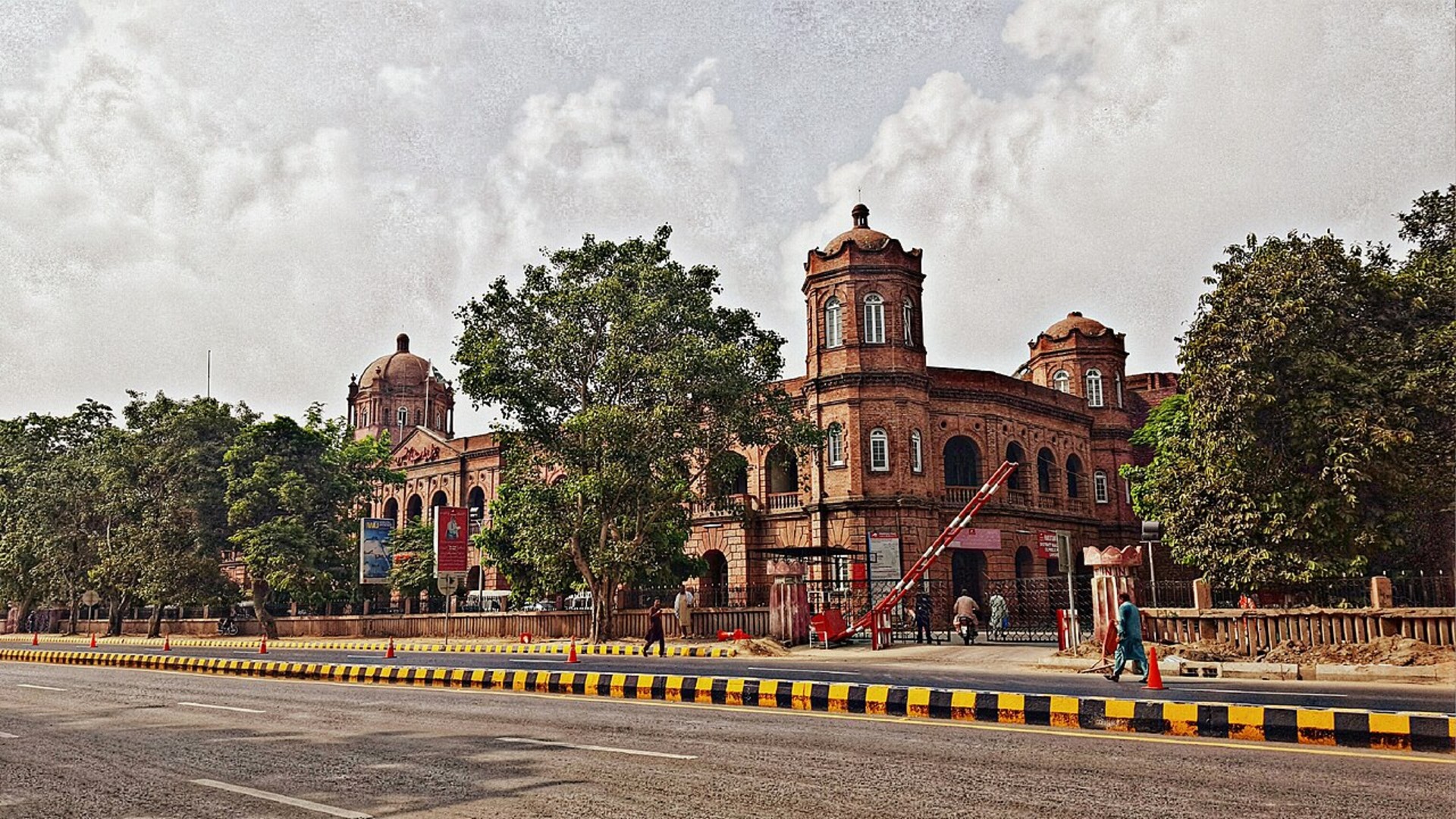
©Wikimedia / Shahzaib Damn Cruze
Advertisement
Swipe or tap ▶ to resume the countdown.
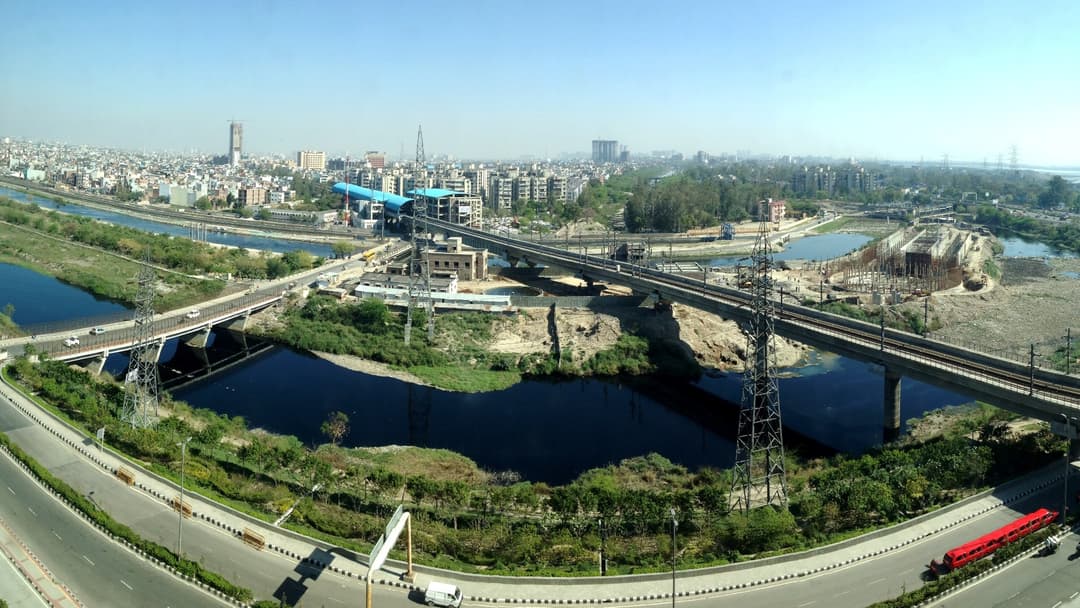
2. Delhi, India
Delhi endures catastrophic winter air quality when post-monsoon farm fires merge with urban vehicle emissions and cracker smoke. Darkness descends midday. Public health clinics report massive surges in acute respiratory infections as particulate readings surpass hazard thresholds.
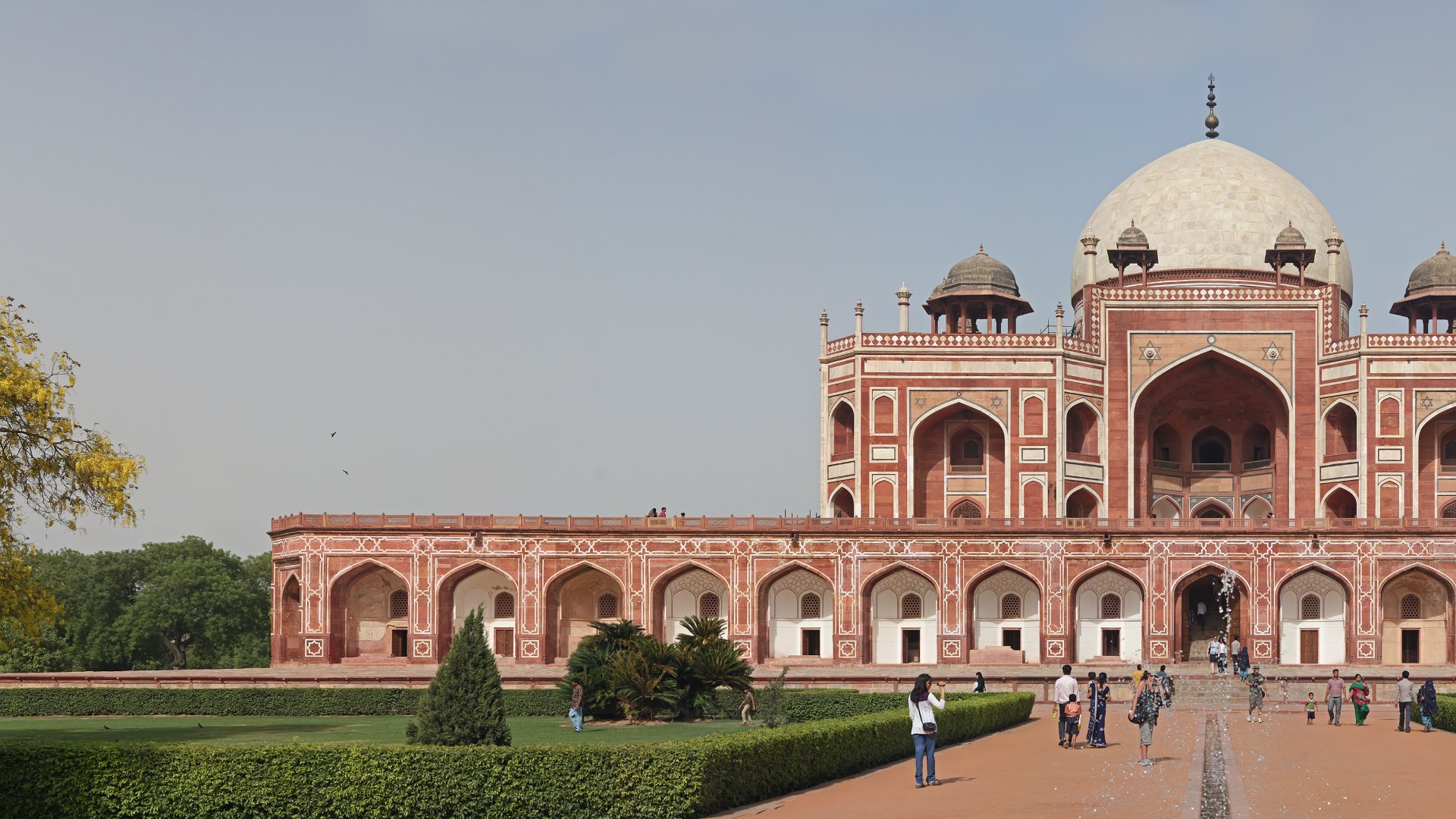
©Wikimedia / Muhammad Mahdi Karim
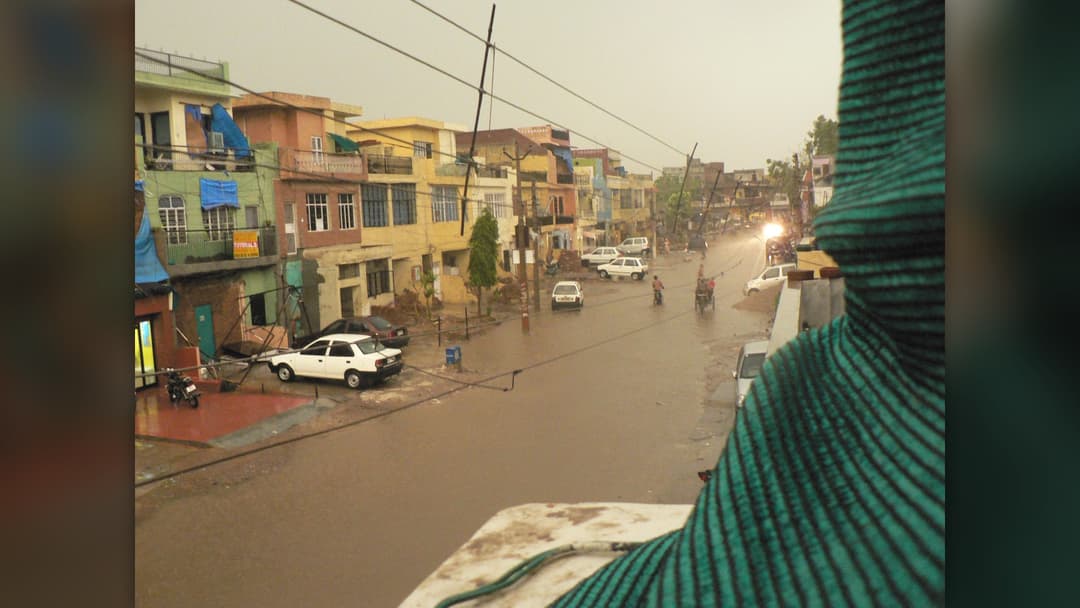
1. Begusarai, India
Begusarai claimed the grim title of the most polluted metropolitan area on the planet according to the IQAir World Air Quality Report. Air poisons residents. Particulate levels averaged nearly twenty-four times the World Health Organization annual safety standard throughout the entire calendar year.
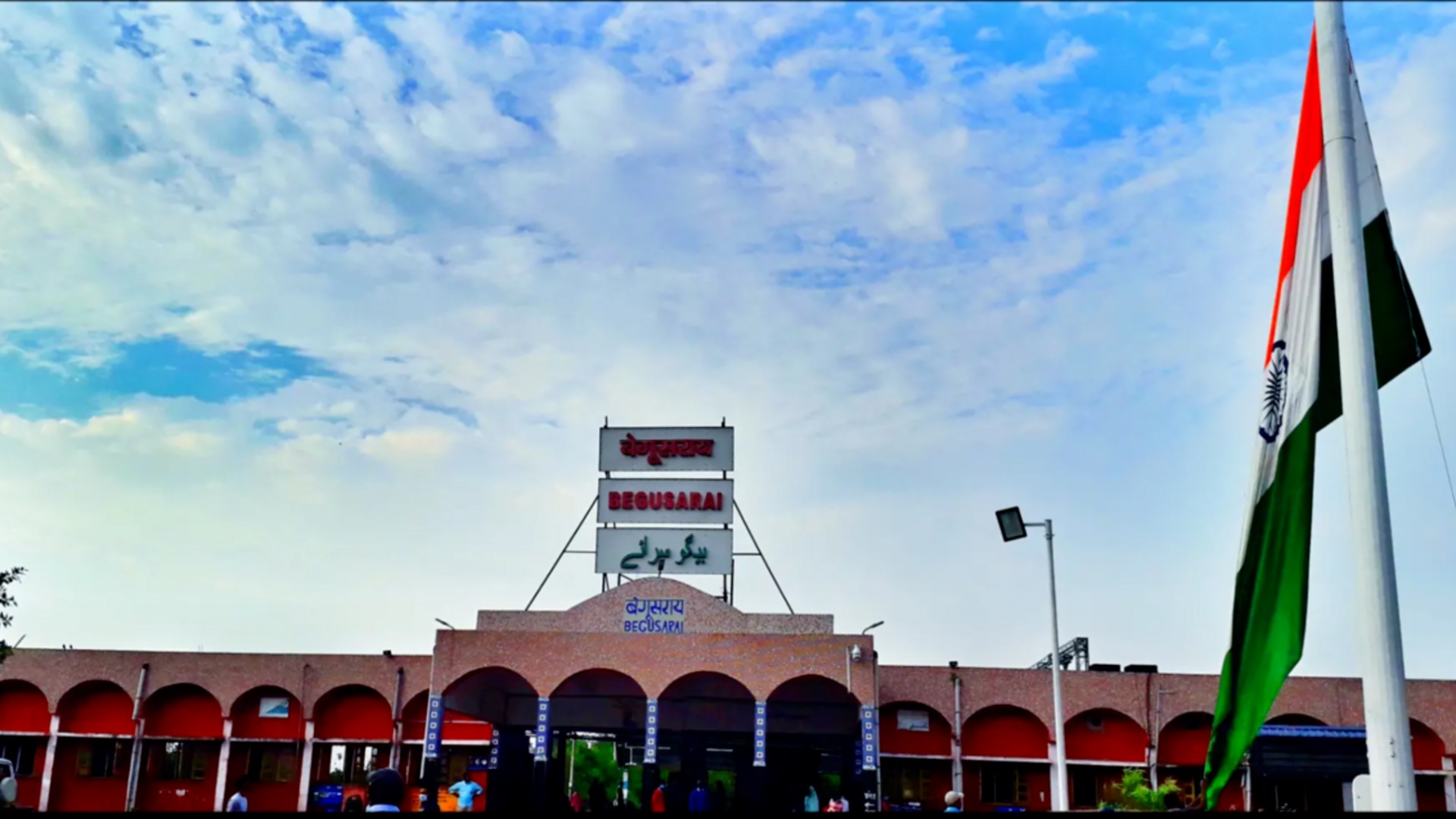
©Wikimedia / Rishi Raj 19 june 2007
Advertisement
You've reached the end of the story. Thanks for reading!

25 Strange Ways the Medieval Church Ruled Everyday Existence
The medieval Church did far more than provide spiritual guidance; it was the supreme legal, economic, and social regulator of every citizen's life. Here are 25 ways it exerted authority.
All 25 Entries in this Story
25. Wuhan, China
Wuhan experiences recurring winter pollution episodes when industrial emissions mix with coal heating smoke. Smog lingers stubbornly. Annual particulate concentrations frequently exceed sixty micrograms per cubic meter, far above international health benchmarks.

24. Beijing, China
Beijing has made aggressive progress closing coal-fired boilers, but geography still traps seasonal inversion layers. Haze rolls in fast. The capital frequently issues orange health alerts when stagnant atmospheric pressure holds toxic particles over city avenues.

23. Sarajevo, Bosnia And Herzegovina
Sarajevo sits trapped inside a steep mountain bowl where cold air holds wood smoke close to city pavements. Breathing becomes painful. Winter temperature inversions push fine particle readings into hazardous zones, outpacing most Western European metropolitan centers.

22. Ulaanbaatar, Mongolia
Ulaanbaatar ranks among the coldest national capitals on Earth, where winter temperatures plunge below minus thirty degrees. Dense smoke spreads. Hundreds of thousands of households burn raw coal for heating, pushing seasonal pollution spikes above safe guidelines.

21. Kathmandu, Nepal
Kathmandu Valley functions like a natural bowl, trapping vehicular exhaust and industrial dust beneath cool mountain air. Haze obscures distant peaks. Rapid urban growth without adequate public transit expansion keeps fine particle levels elevated throughout dry winter months.

20. Hanoi, Vietnam
Over five million motorbikes jam Hanoi roads every day, releasing heavy exhaust alongside seasonal rice straw burning. Visibility drops sharply. Health authorities regularly advise vulnerable residents to wear filtration masks during persistent winter smog spikes.

19. N'Djamena, Chad
N'Djamena battles severe natural mineral dust blown directly across the Sahara Desert by fierce seasonal winds. Dust blinds travelers. The airborne sand combines with unpaved road dust and diesel traffic to drive annual particulate averages to perilous levels.

18. Baghdad, Iraq
Baghdad suffers from chronic electricity shortages, forcing neighborhoods to rely on thousands of smoky diesel generators. Toxic fumes billow continuously. Severe summer dust storms sweep across parched Mesopotamian plains, driving emergency hospital admissions skyward.

17. Manama, Bahrain
Manama faces harsh environmental pressures from regional sandstorms, heavy coastal shipping, and major oil refining operations. Heat intensifies conditions. High humidity traps microscopic particulate matter near ground level, challenging outdoor workers across summer months.

16. Kuwait City, Kuwait
Kuwait City endures fierce summer shamal winds that carry tons of fine desert sand directly into urban neighborhoods. Dust chokes daylight. Intense reliance on air conditioning and gas-powered private vehicles compounds the metropolitan air quality burden.

15. Dhaka, Bangladesh
Dhaka contains more than twenty million people and thousands of coal-fired brick kilns that operate throughout dry winter months. Black smoke drifts endlessly. Massive construction projects and unpaved roads generate continuous dust clouds that poison urban air.

14. Cairo, Egypt
Cairo generates an infamous seasonal phenomenon known locally as the black cloud, caused by burning rice straw in the Nile Delta. Air turns acrid. Millions of aging passenger vehicles release unfiltered exhaust across congested downtown highways every single afternoon.

13. Meerut, India
Meerut sits inside India's northern industrial corridor, where diesel trucks and manufacturing boilers produce heavy particulate emissions. Smog thickens rapidly. Agricultural burning in nearby agricultural fields regularly drives air quality monitors past maximum measurable limits.

12. Noida, India
Noida features sprawling commercial construction projects that release tons of concrete dust into ambient air every week. Haze blankets skyscrapers. The satellite city shares the northern Indian plains inversion layer, holding vehicle soot at pedestrian eye level.

11. Faridabad, India
Faridabad represents one of Haryana's largest industrial clusters, hosting thousands of auto parts manufacturers and chemical facilities. Grey haze never clears. Unchecked industrial effluents and diesel commercial fleets keep annual PM2.5 readings well into hazardous territory.

10. Gurugram, India
Gurugram transformed into India's corporate technology hub, but explosive growth brought thousands of diesel commercial generators. Dust swirls continuously. Unpaved shoulder roads and heavy regional transit make the city's winter air among the most toxic on Earth.

9. Ghaziabad, India
Ghaziabad frequently claims the title of Uttar Pradesh's most polluted municipality due to intensive industrial boiler combustion. Air burns throats. High volumes of diesel transport trucks crawl through congested local highways, compounding seasonal farm fire smoke.

8. Patna, India
Patna experiences heavy silt dust blown off seasonal Ganges sandbars alongside smoke from hundreds of regional brick kilns. Lungs strain daily. The densely populated state capital lacks comprehensive dust mitigation infrastructure, keeping fine particle readings extremely high.

7. Rawalpindi, Pakistan
Rawalpindi serves as a vital logistics gateway where thousands of overloaded freight trucks idle along aging transit arteries. Exhaust chokes neighborhoods. Proximity to the Potohar Plateau creates weather inversions that trap industrial soot for weeks each autumn.

6. Faisalabad, Pakistan
Faisalabad powers Pakistan's massive textile trade, but hundreds of factories burn low-grade coal to generate steam and electricity. Acrid smoke billows. The resulting chemical haze mixes with winter fog, causing persistent respiratory distress across working-class districts.

5. Peshawar, Pakistan
Peshawar sits at the eastern entrance to the historic Khyber Pass, where valley geography traps exhaust from millions of vehicles. Visibility plummets. Ancient clay brick manufacturing facilities continue burning scrap rubber and coal, sending toxic black plumes into morning skies.

4. Hotan, China
Hotan sits on the southern edge of the Taklamakan Desert, enduring over two hundred dusty days every single year. Sand storms rage. Natural mineral particulates dwarf industrial emissions, driving annual PM2.5 readings beyond one hundred micrograms per cubic meter.

3. Lahore, Pakistan
Lahore suffers from an annual public health catastrophe dubbed the fifth season, when agricultural burning mixes with factory soot. Poisonous smog thickens. The government regularly declares environmental emergencies and closes primary schools to protect children from respiratory harm.

2. Delhi, India
Delhi endures catastrophic winter air quality when post-monsoon farm fires merge with urban vehicle emissions and cracker smoke. Darkness descends midday. Public health clinics report massive surges in acute respiratory infections as particulate readings surpass hazard thresholds.

1. Begusarai, India
Begusarai claimed the grim title of the most polluted metropolitan area on the planet according to the IQAir World Air Quality Report. Air poisons residents. Particulate levels averaged nearly twenty-four times the World Health Organization annual safety standard throughout the entire calendar year.