Slideshow · Viral
25 Critical Steps to Take When the Power Grid Shuts Down
The Immediate Survival Playbook When the Entire Power Grid Fails
By Most Viral Today
13 min ago

The Immediate Survival Playbook When the Entire Power Grid Fails 
25. Check On Elderly And Vulnerable Neighbors 
24. Limit Toilet Flushes To Save Water Pressure 
23. Designate One Warm Room For The Entire Family - AdvertisementSwipe or tap ▶ to continue countdown

22. Keep Household Cash And Important Documents Handy 
21. Move Sensitive Medication To An Insulated Cold Pack 
20. Turn Off Main Water Lines If Deep Freezes Threaten 
19. Establish An Emergency Family Communication Plan - AdvertisementSwipe or tap ▶ to continue countdown

18. Close Curtains And Insulate Drafty Windows 
17. Avoid Using Vehicle Inverters Indoors 
16. Disengage The Manual Garage Door Release 
15. Set Up Outdoor Generators Far From Windows - AdvertisementSwipe or tap ▶ to continue countdown

14. Switch All Smartphones To Ultra Battery Saver Mode 
13. Replace Open Candles With Battery Lanterns 
12. Fill Sinks And Bathtubs With Reserve Water 
11. Conserve Refrigerator Cold By Sealing The Doors - AdvertisementSwipe or tap ▶ to continue countdown

10. Tune An Emergency Crank Radio To NOAA Broadcasts 
9. Unplug Air Conditioners And Major Appliances 
8. Turn Off Electric Stove Burners And Irons 
7. Leave Exactly One Light Switch In The On Position - AdvertisementSwipe or tap ▶ to continue countdown

6. Verify The Outage Extent Beyond Your Neighborhood 
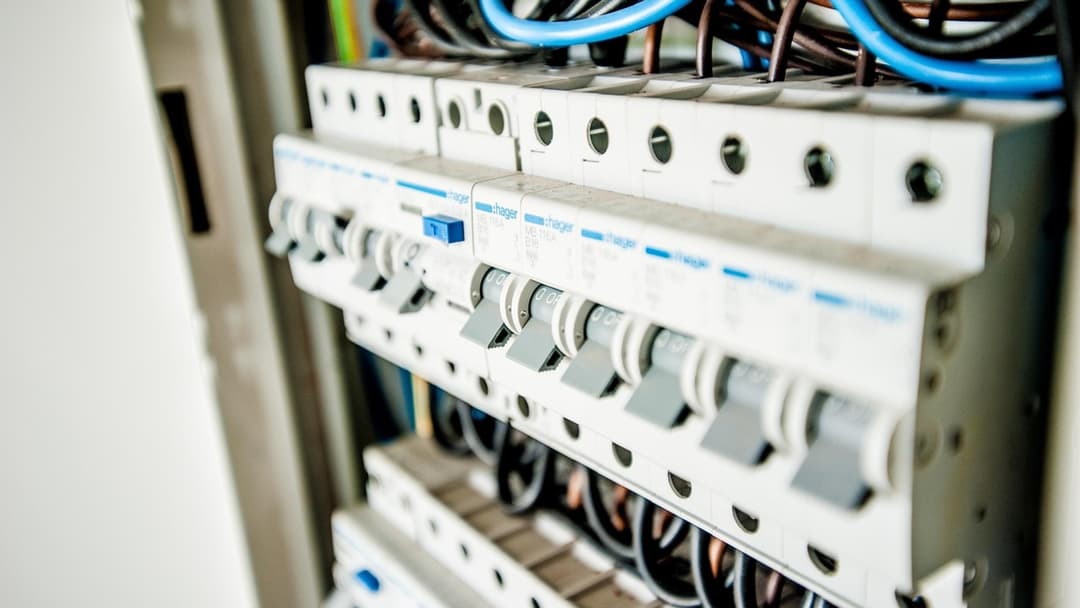
5. Inspect The Circuit Breaker To Rule Out Local Trips 
4. Extinguish Open Pilot Flames If Gas Pressures Drop 
3. Disconnect Sensitive Computers And Electronics - AdvertisementSwipe or tap ▶ to continue countdown

2. Switch On Handheld Flashlights Instead Of Open Flames 
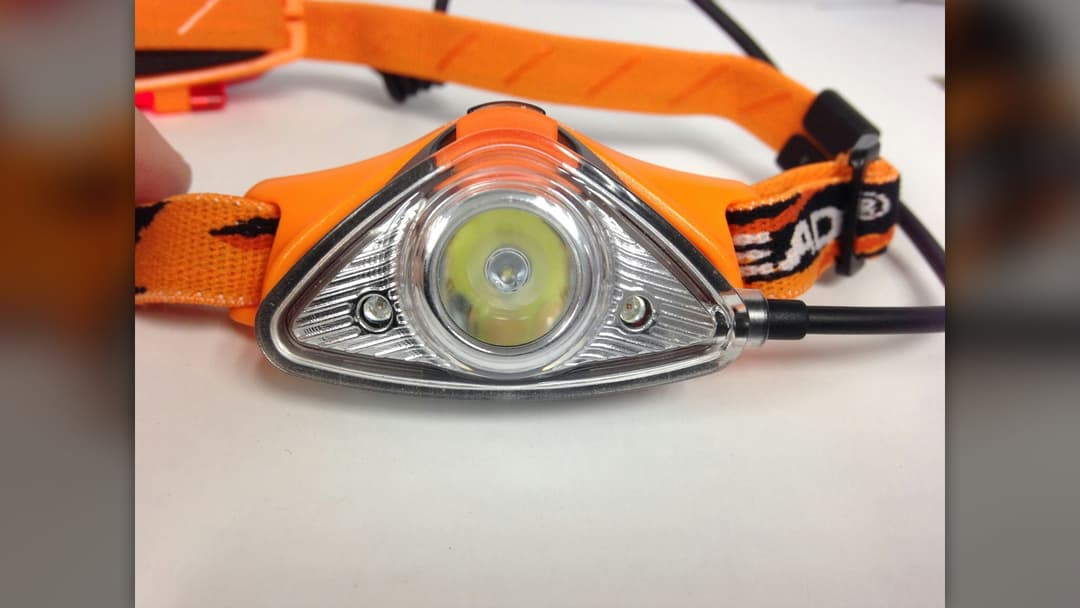
1. Stay Calm And Secure Immediate Hands-Free Lighting - Advertisement🔥 UP NEXT IN THIS SERIES◫ 23 Slides

22 Record-Breaking Details From GTA 6's Launch
GTA 6 is here. Explore the records it broke.
When an electrical grid abruptly goes dark, the first two hours determine household safety. Rushing blindly into the dark causes preventable injuries and damaged appliances. This countdown outlines twenty-five vital steps to take the moment the power cuts out.
Swipe or tap ▶ to begin the countdown
©Unsplash / Annabel Podevyn & Wikimedia / Olgierd Rudak
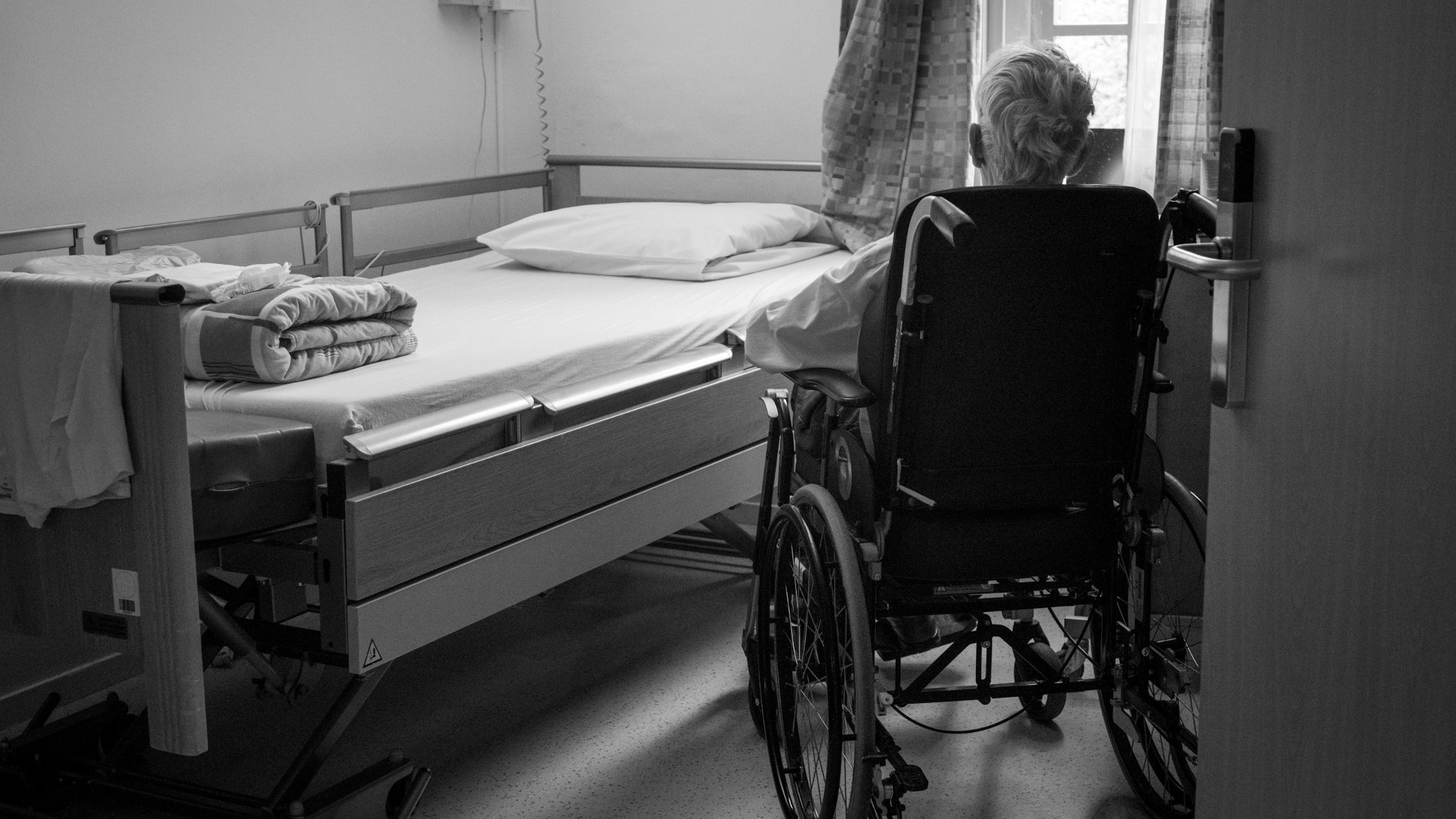
25. Check On Elderly And Vulnerable Neighbors
Once your immediate home is safe, check next door. Elderly neighbors and residents who rely on electric medical equipment or motorized chairlifts often need immediate assistance when backup batteries expire.
© Photo by Annabel Podevyn on Unsplash
24. Limit Toilet Flushes To Save Water Pressure
City wastewater facilities and community lift stations rely on grid pumps. Practice strict conservation with toilet flushing to keep household plumbing lines clear and prevent backups when municipal pressure declines.

©Pixabay / chriskeller
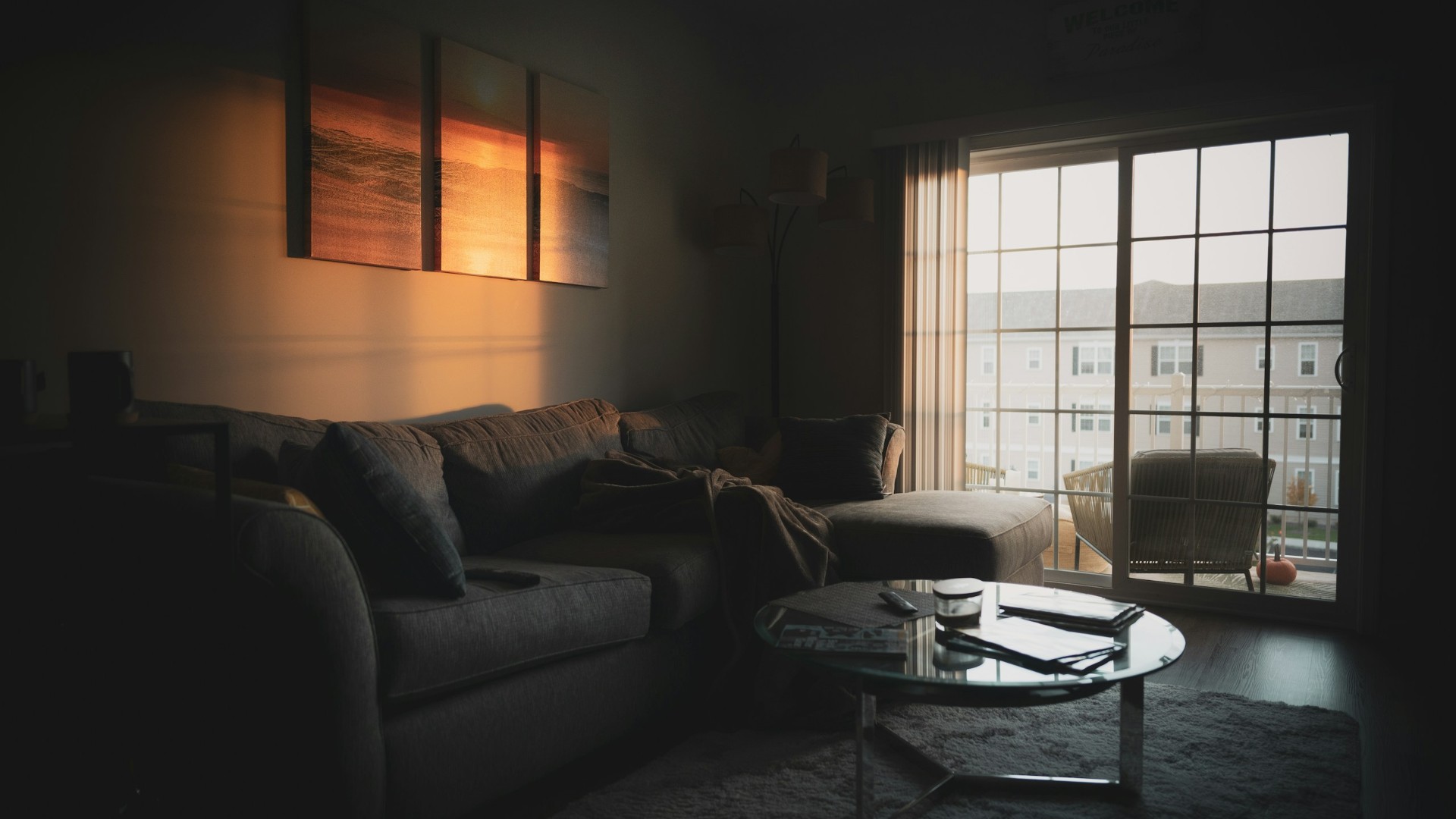
23. Designate One Warm Room For The Entire Family
During winter outages, heating an entire house is impossible without active furnaces. Select an interior room with few exterior windows, lay blankets across the floor, and keep family members gathered to pool natural body heat.
© Photo by Christian Lambert on Unsplash
Advertisement
Swipe or tap ▶ to resume the countdown.
22. Keep Household Cash And Important Documents Handy
Credit card processing machines and cash dispensing machines go offline immediately without grid power. Keep emergency cash in small denominations along with identification documents in an easily accessible fireproof pouch.

© Photo by Alexander Mils on Unsplash
21. Move Sensitive Medication To An Insulated Cold Pack
Temperature-sensitive medications spoil rapidly once refrigerators warm above forty degrees Fahrenheit. Transfer insulin vials, asthma treatments, and liquid antibiotics into a small insulated cooler packed with frozen gel packs.

© Photo by Roberto Sorin on Unsplash
20. Turn Off Main Water Lines If Deep Freezes Threaten
If subzero temperatures coincide with a prolonged power failure, indoor pipes will eventually freeze and crack. Shut off the home primary water supply valve and open lowest-level faucets to drain standing lines safely.
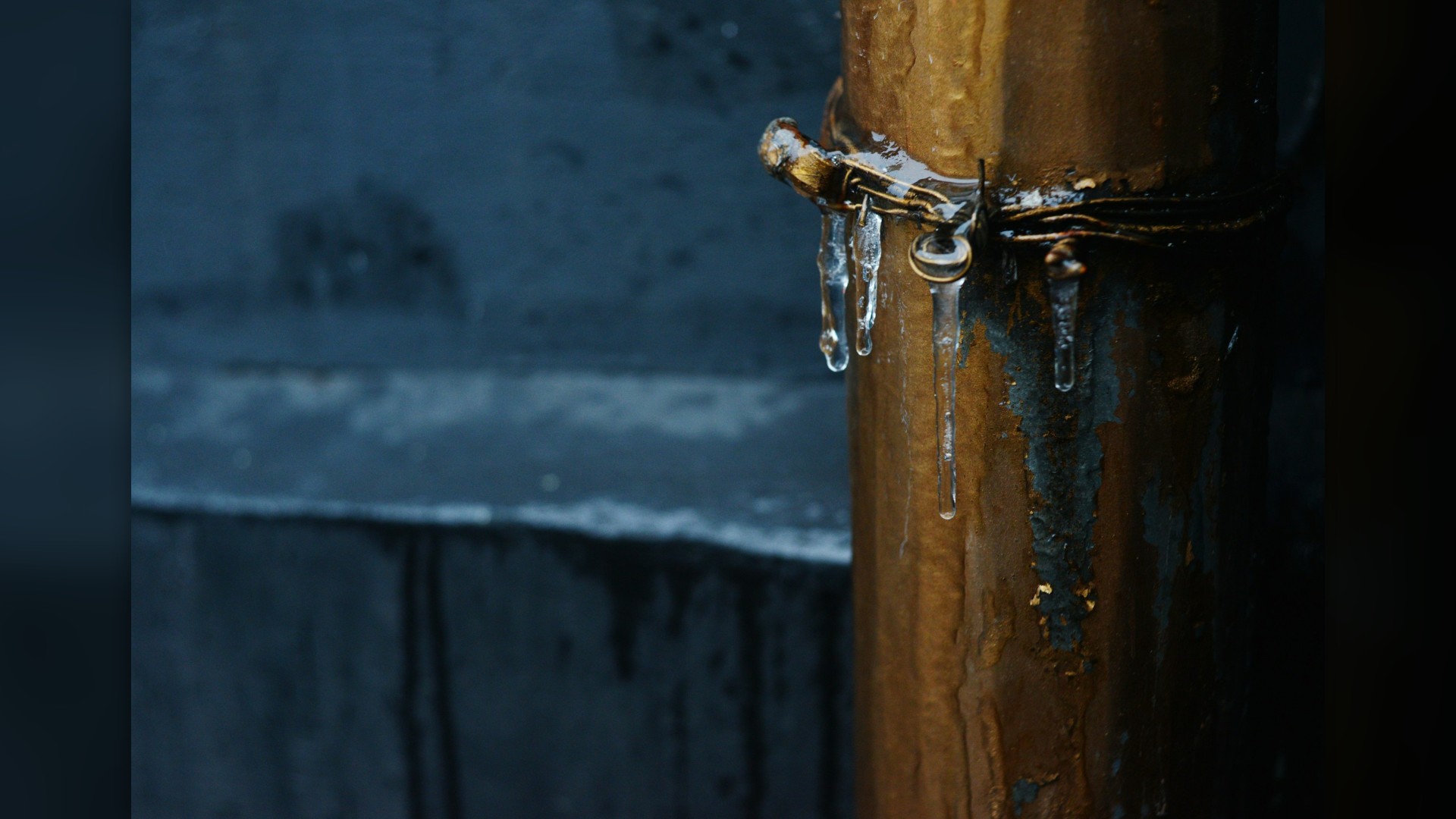
19. Establish An Emergency Family Communication Plan
Voice calling networks jam within minutes of a regional blackout. Instruct household members to communicate via short text messages, which require minimal network bandwidth, and agree on a predetermined physical meeting location.

©Wikimedia / Smartphone Use
Advertisement
Swipe or tap ▶ to resume the countdown.
18. Close Curtains And Insulate Drafty Windows
Windows account for thirty percent of a home thermal loss during cold weather. Close all blinds, draw heavy insulated curtains, and tape blankets or bubble wrap over glass panes to seal in interior warmth.

©Pixabay / Albertfotofilms
17. Avoid Using Vehicle Inverters Indoors
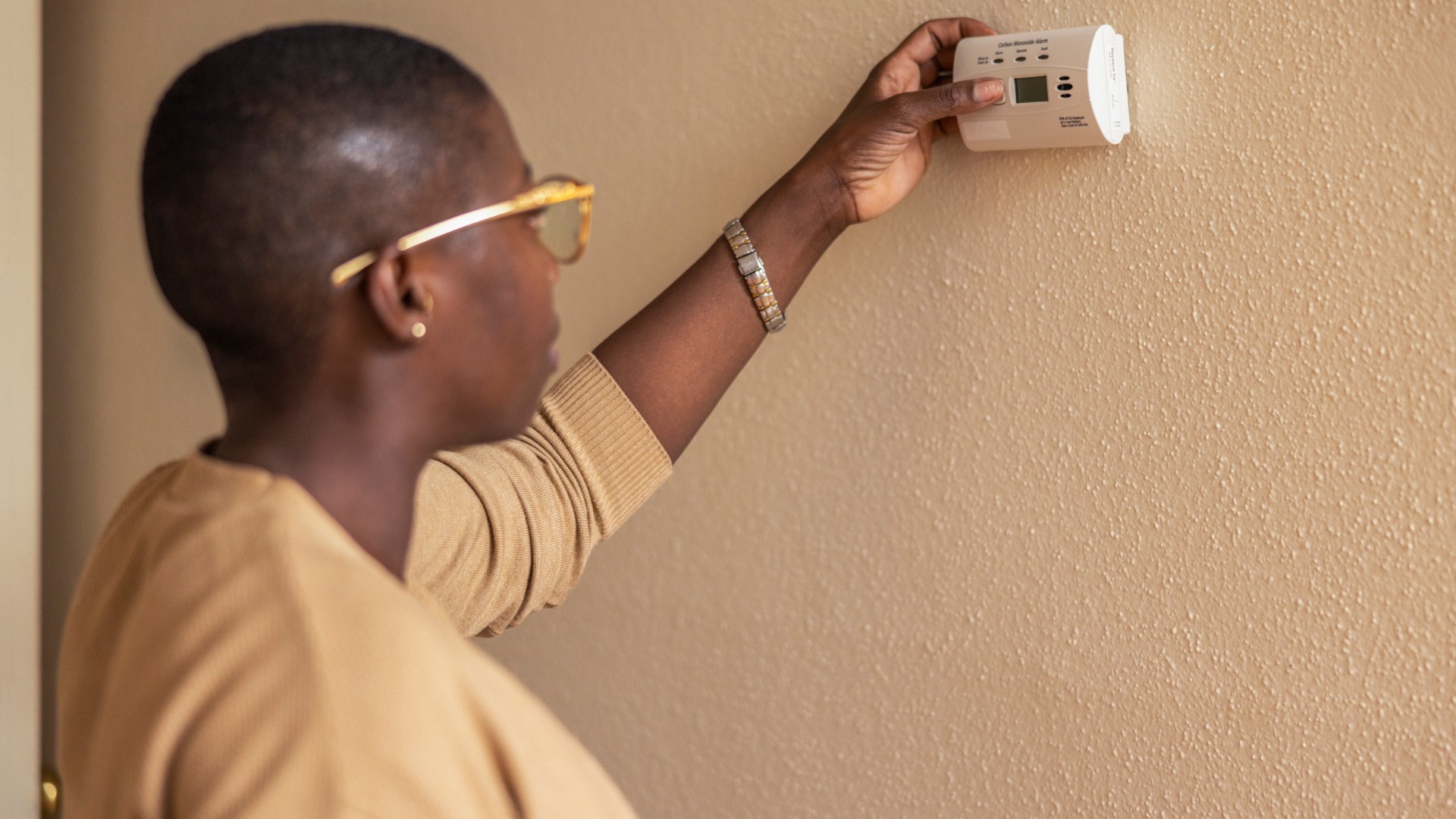
Using a car battery inverter to power living room electronics poses severe carbon monoxide hazards if the vehicle runs in an attached garage. Never run vehicle engines indoors, even with the main overhead garage door cracked open.
©Wikimedia / U.S. Consumer Product Safety Commission
16. Disengage The Manual Garage Door Release
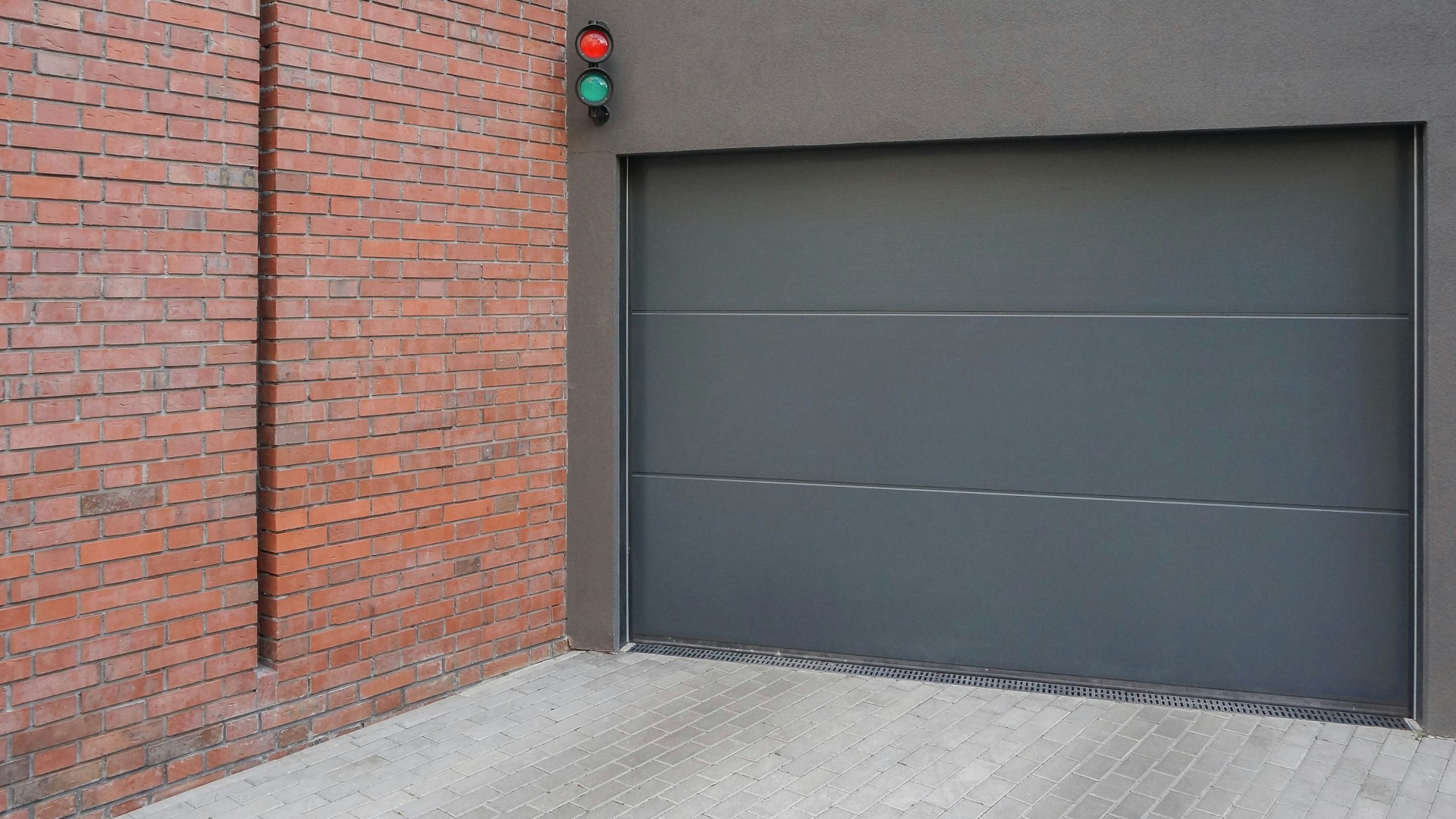
Automatic garage door openers are inoperable without electricity. Locate the overhead emergency disconnect lever and pull the red cord downward to release the carriage trolley, allowing you to lift the door by hand.
© Photo by Simeon Galabov on Unsplash
15. Set Up Outdoor Generators Far From Windows
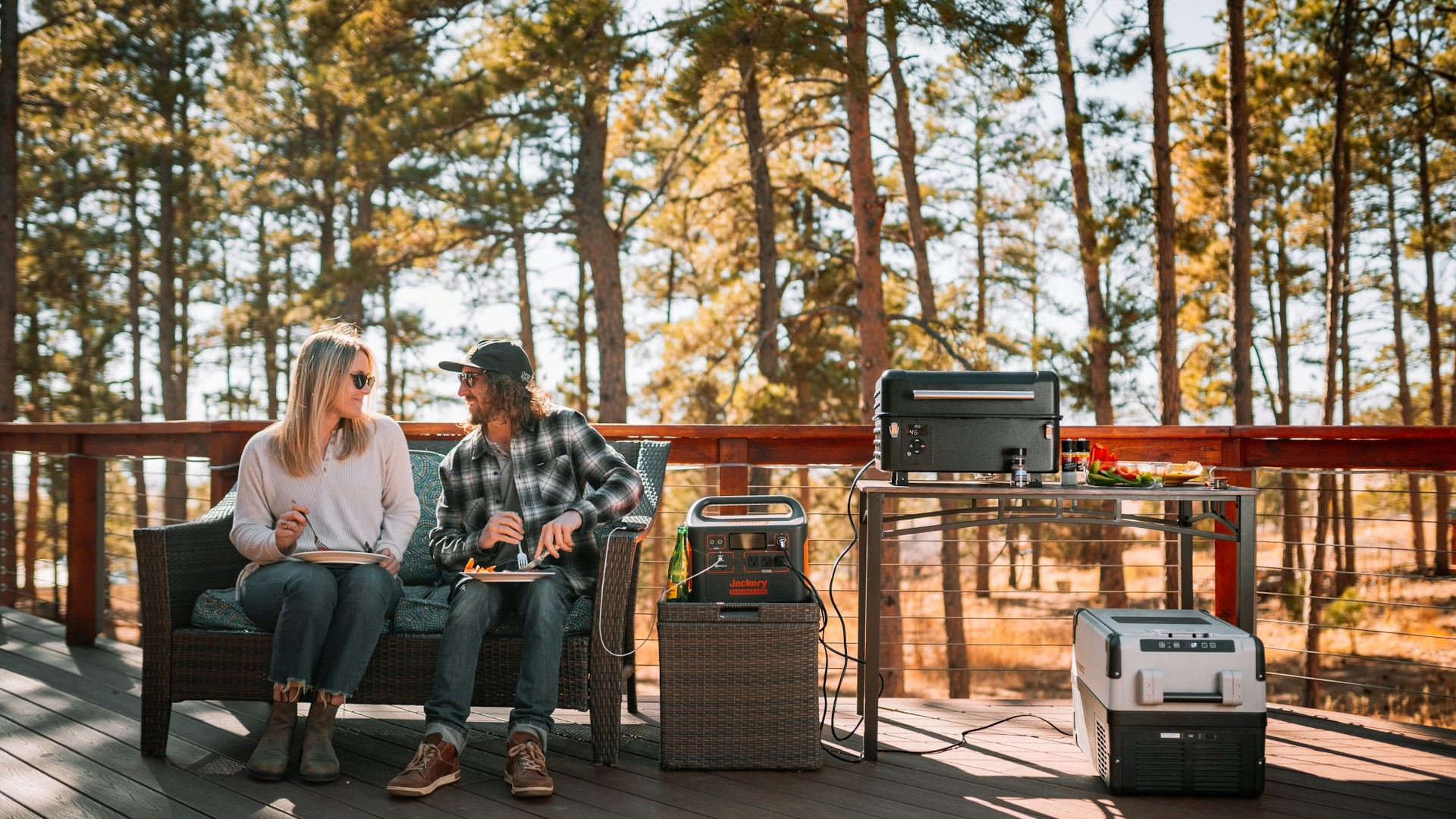
Portable generators emit odorless carbon monoxide that enters bedrooms through eaves and open window seals. Always position operating generators at least twenty feet away from exterior walls and point exhaust manifolds away.
© Photo by Jackery Power Station on Unsplash
Advertisement
Swipe or tap ▶ to resume the countdown.
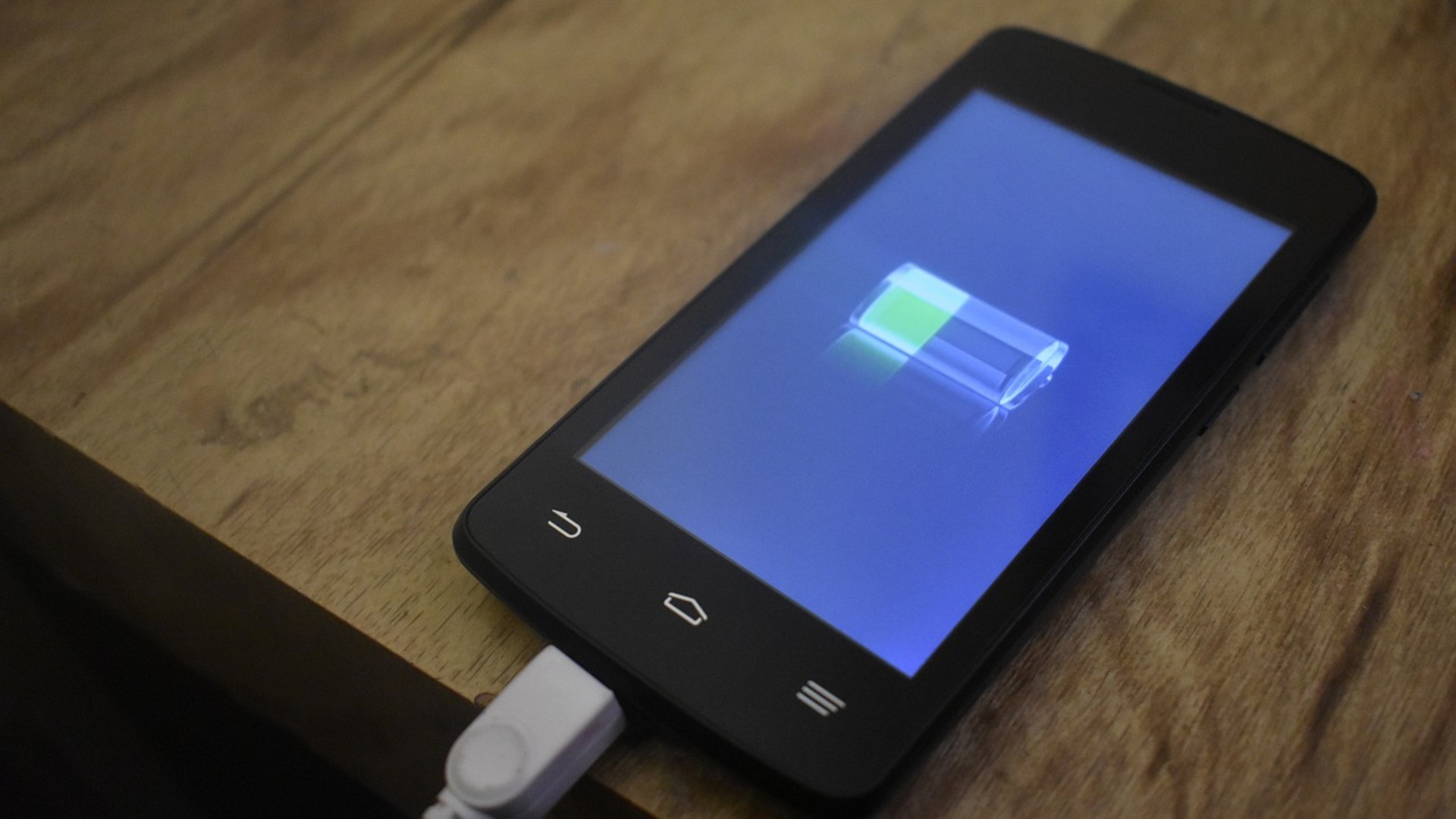
14. Switch All Smartphones To Ultra Battery Saver Mode
Turn on aggressive battery-saver profiles on all family devices immediately. Dim display backlights, disable automatic background app refreshes, and turn off Bluetooth and Wi-Fi searching to conserve vital device power.
©Pixabay / VeConsultaHoy
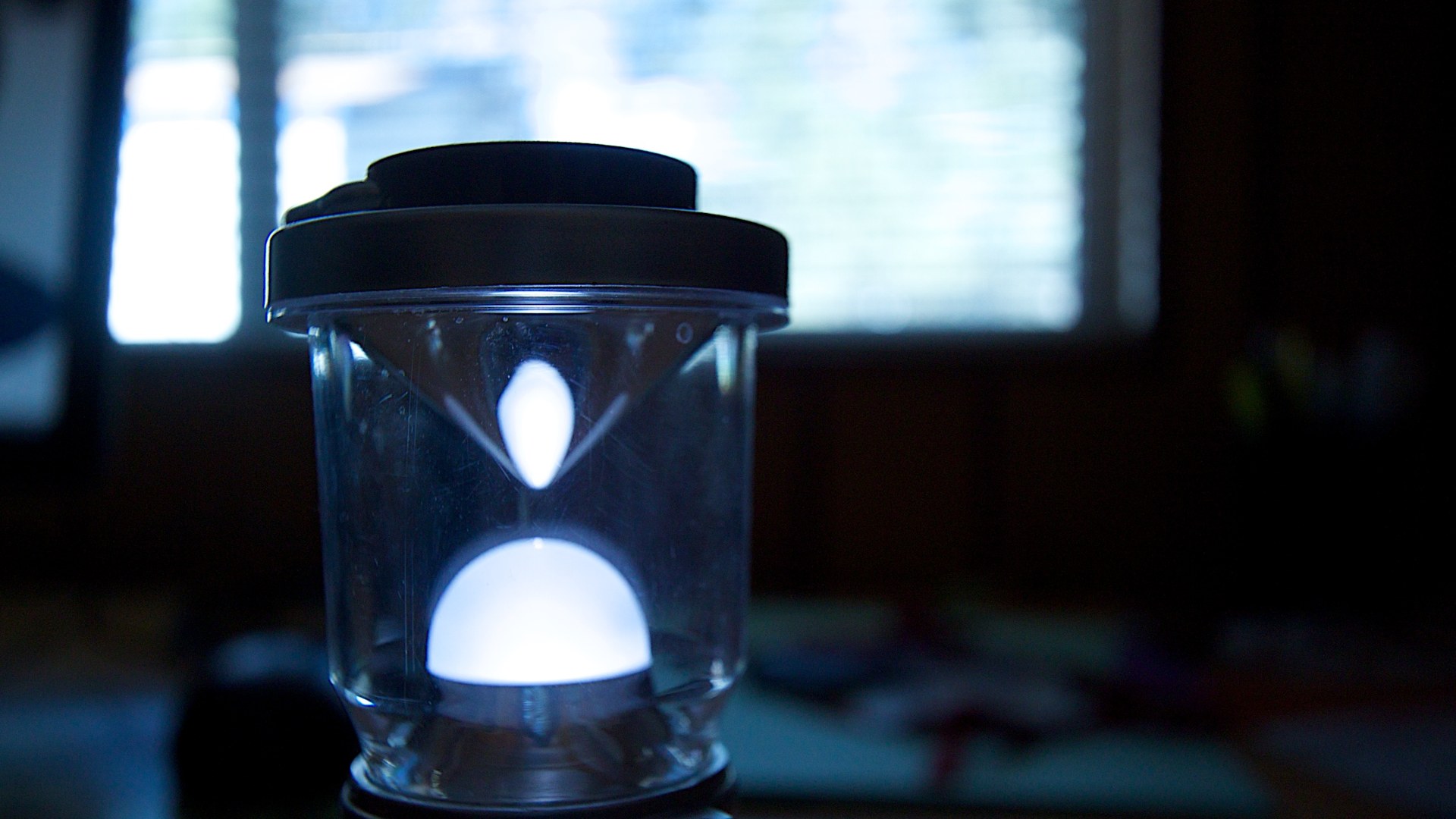
13. Replace Open Candles With Battery Lanterns
Open flame candles represent a leading cause of fatal residential fires during widespread blackouts. Reserve candles as a last resort and prioritize enclosed LED lanterns, headlamps, and battery flashlights for household illumination.
©Wikimedia / Emergency Light
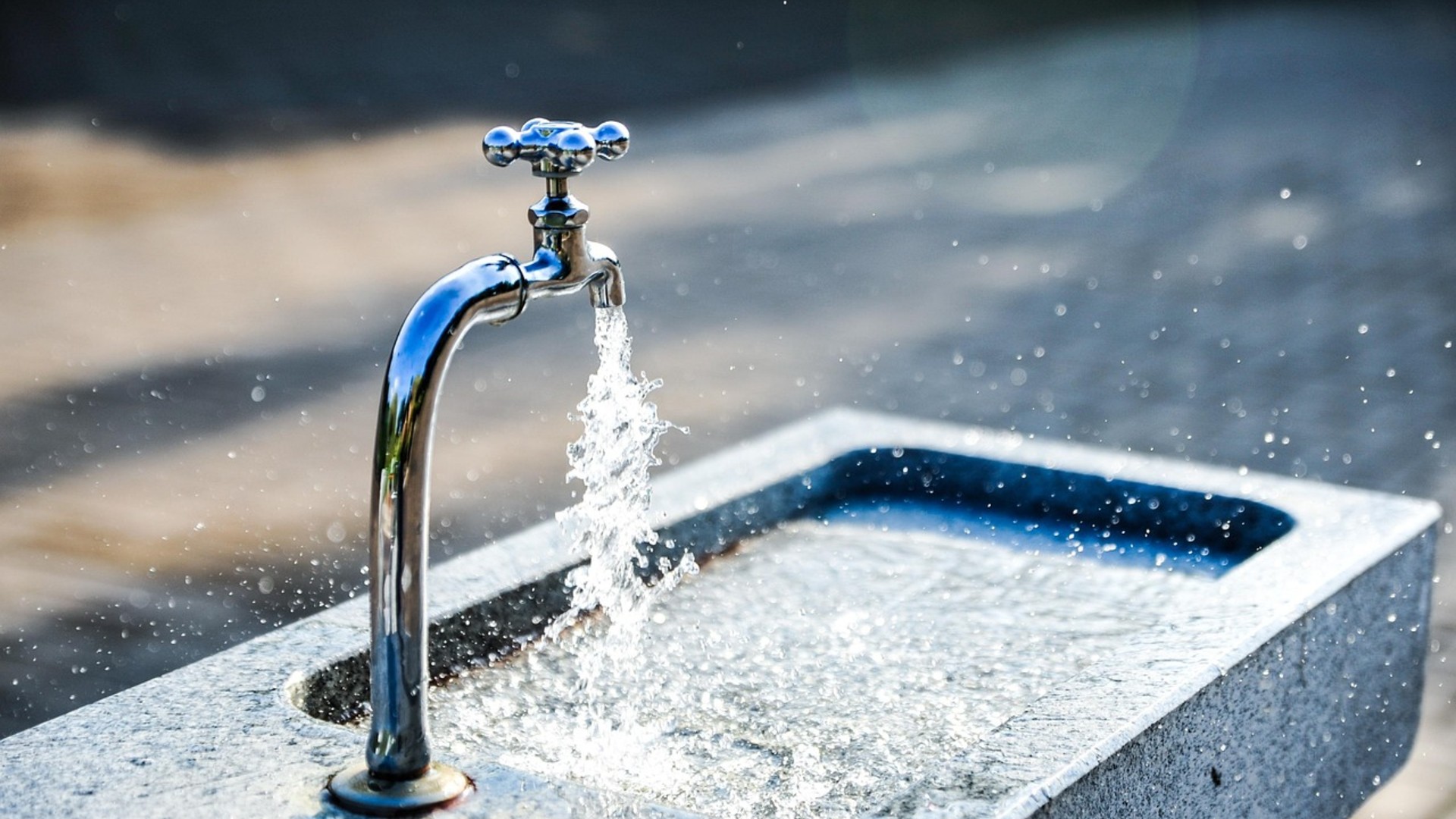
12. Fill Sinks And Bathtubs With Reserve Water
Water continues flowing from taps for a short window after power cuts due to existing tower gravity. Thoroughly clean and plug bathtubs, washing basins, and kitchen sinks to collect gallons of utility water for flushing and washing.
©Pixabay / JonasKIM
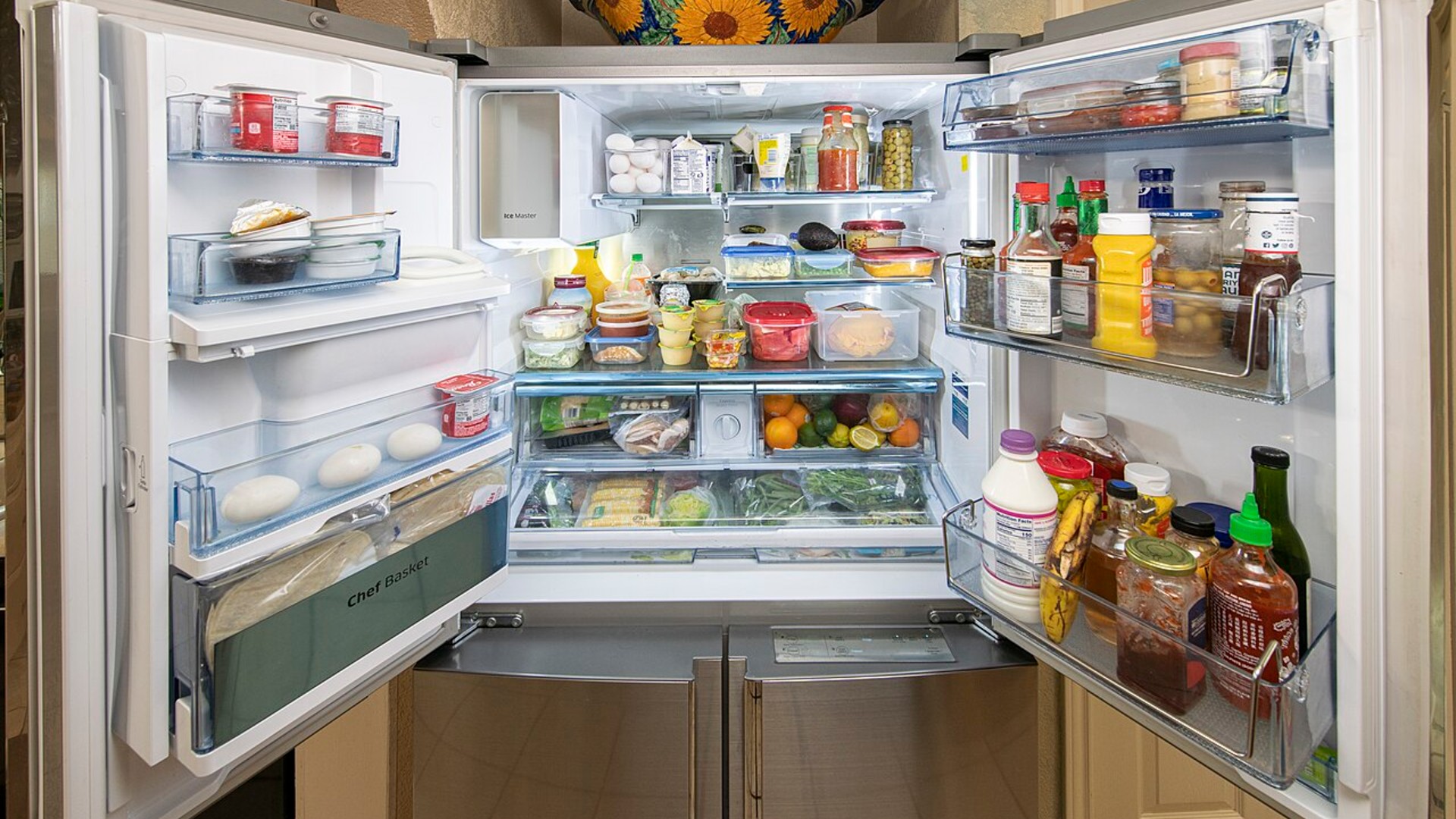
11. Conserve Refrigerator Cold By Sealing The Doors
An unopened refrigerator keeps food cold for up to four hours, while a full freezer maintains safe freezing temperatures for forty-eight hours. Instruct all family members to never open refrigerator doors unnecessarily.
©Wikimedia / USDAgov
Advertisement
Swipe or tap ▶ to resume the countdown.
10. Tune An Emergency Crank Radio To NOAA Broadcasts
When television stations and internet routers shut down, regional emergency management relies on emergency broadcast networks. Extend the antenna on a hand-crank radio to listen to hourly civil defense updates and grid advisories.
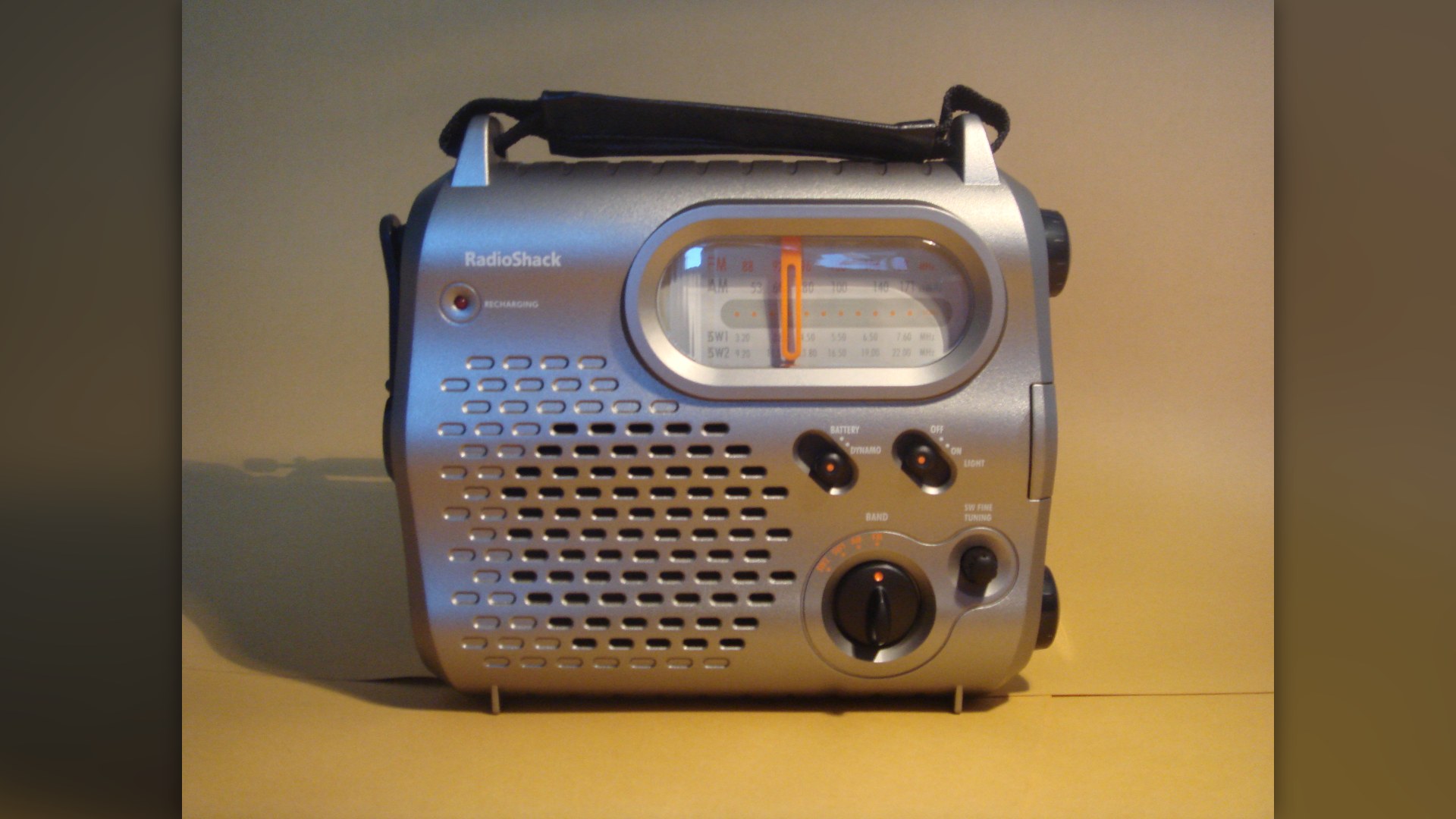
©Wikimedia / Emergency Crank Radio
9. Unplug Air Conditioners And Major Appliances
Compressors in air conditioning units and clothes dryers suffer heavy motor burnout when grid electricity surges back on. Switch off dedicated high-amp wall switches or unplug units to isolate heavy inductive loads.
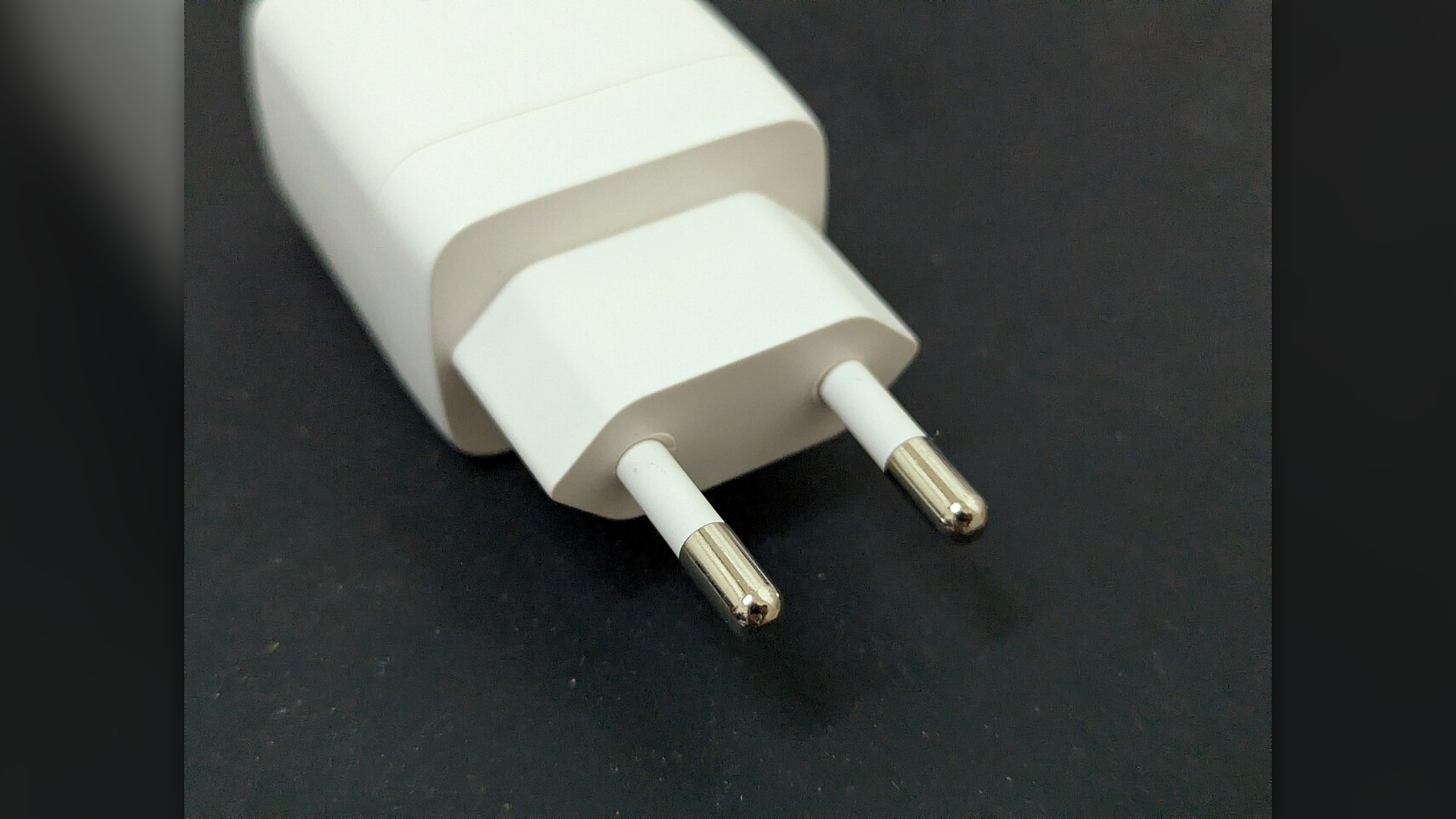
©Wikimedia / Angkun-ane
8. Turn Off Electric Stove Burners And Irons
If a stove burner or clothes iron was hot when power failed, it will reignite unexpectedly once power returns. Manually verify that every stove knob, space heater, and curling iron switch is firmly clicked to the off setting.
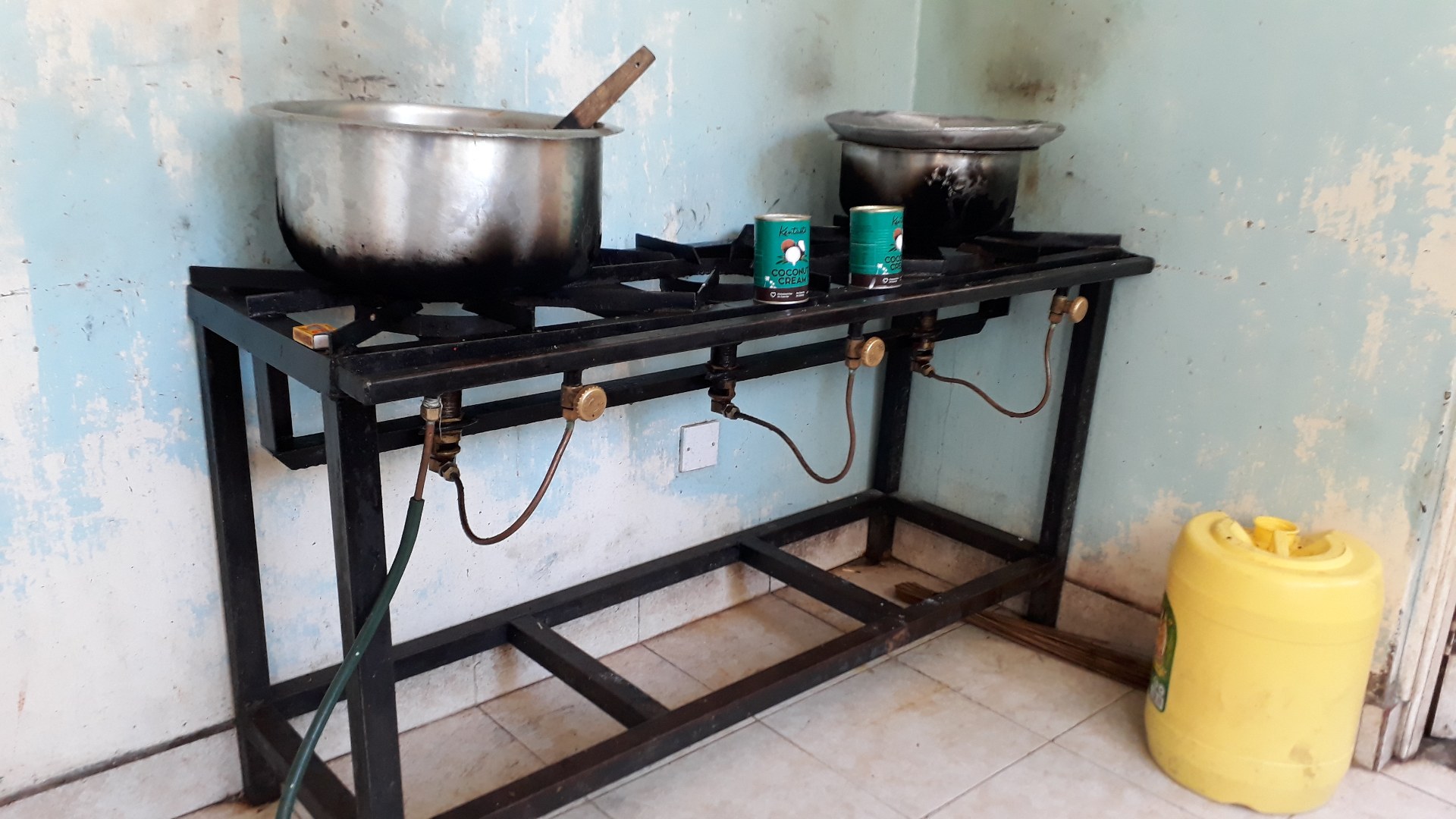
©Wikimedia / Gas kitchen stove
7. Leave Exactly One Light Switch In The On Position
Turn off every overhead light fixture in your home except for one visible lamp. This single light acts as an instant beacon when service is restored without causing dangerous grid-level current draws across your house.
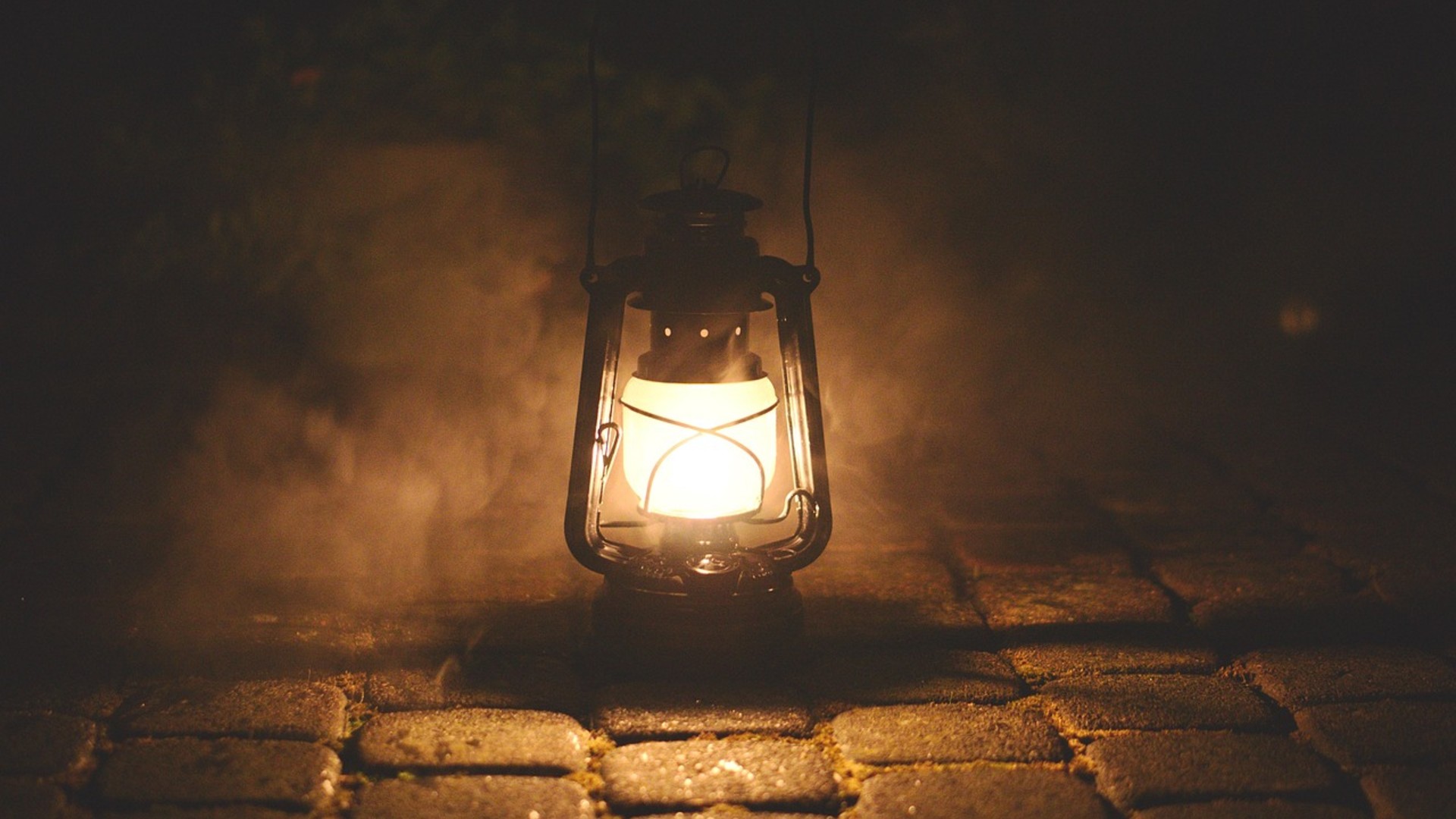
©Pixabay / Quark-Dose
Advertisement
Swipe or tap ▶ to resume the countdown.
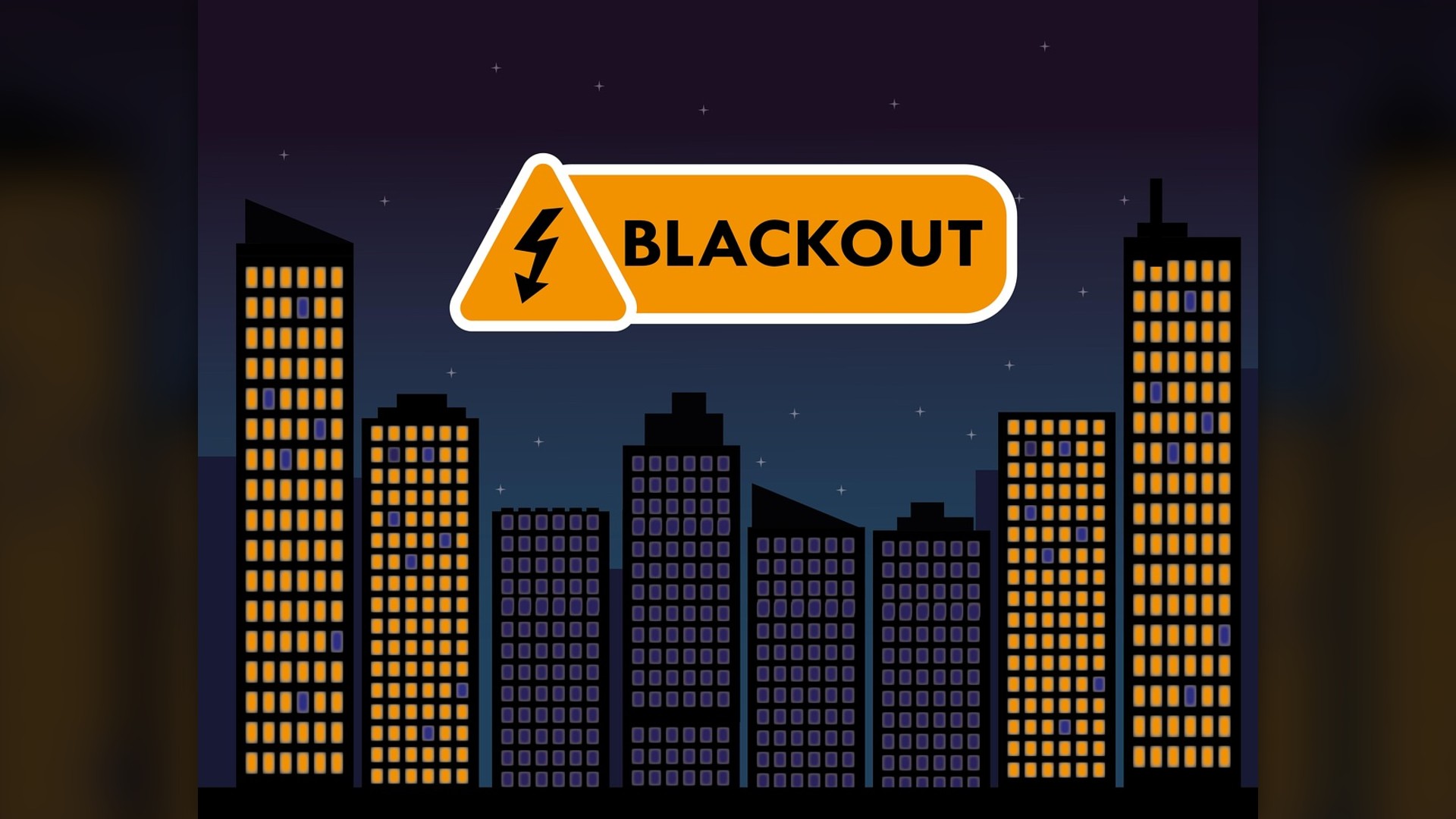
6. Verify The Outage Extent Beyond Your Neighborhood
Look through windows to observe surrounding streetlights, traffic signals, and neighborhood skylines. Seeing a complete horizon of pitch darkness confirms a high-voltage grid failure rather than an isolated street transformer fault.
©Pixabay / Alexandra_Koch
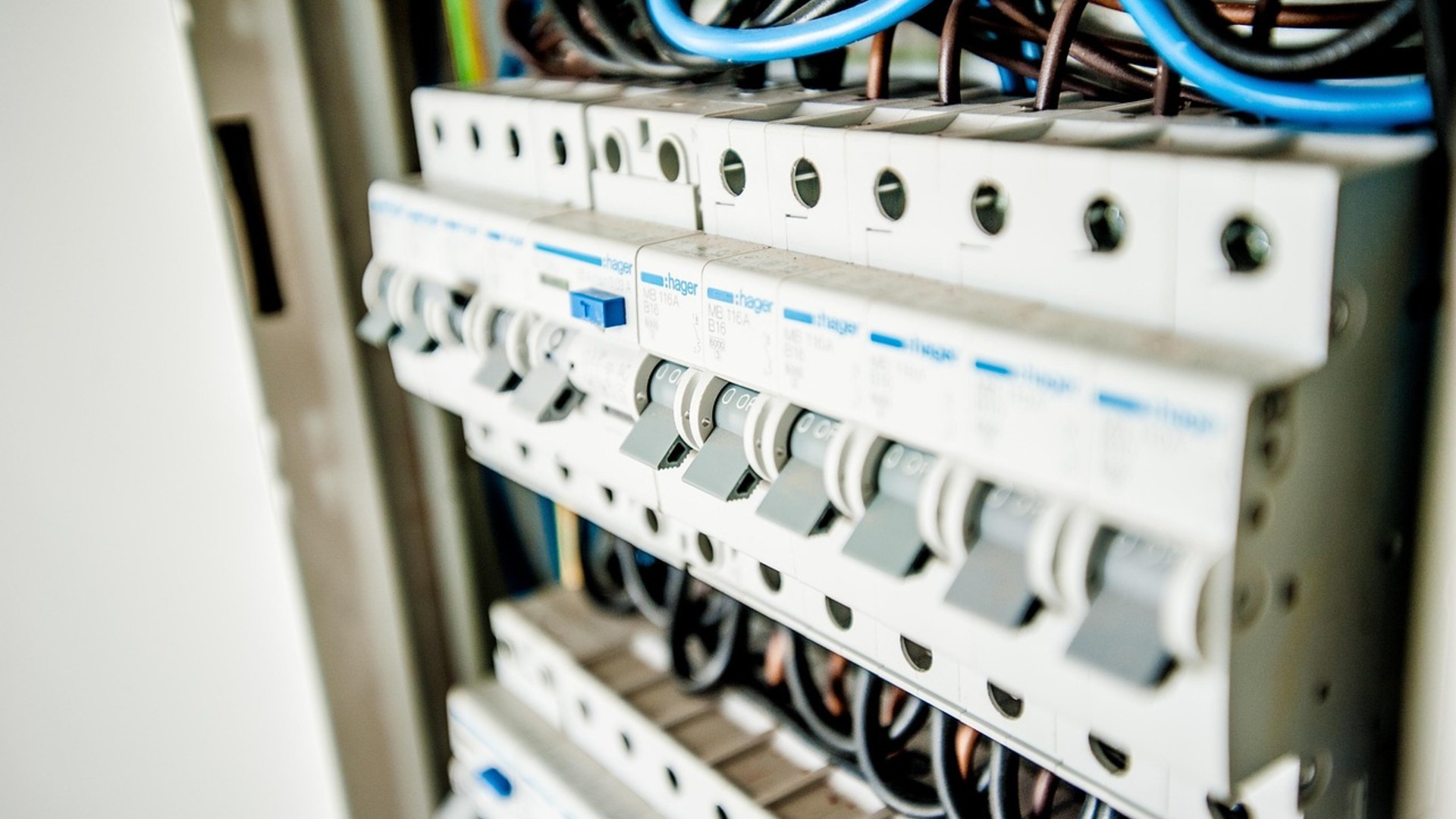
5. Inspect The Circuit Breaker To Rule Out Local Trips
Before assuming the entire utility grid is offline, examine your home main breaker box. If the master switch has flipped to the center tripped position, reset it carefully to verify that internal wiring was not the culprit.
©Pixabay / jarmoluk
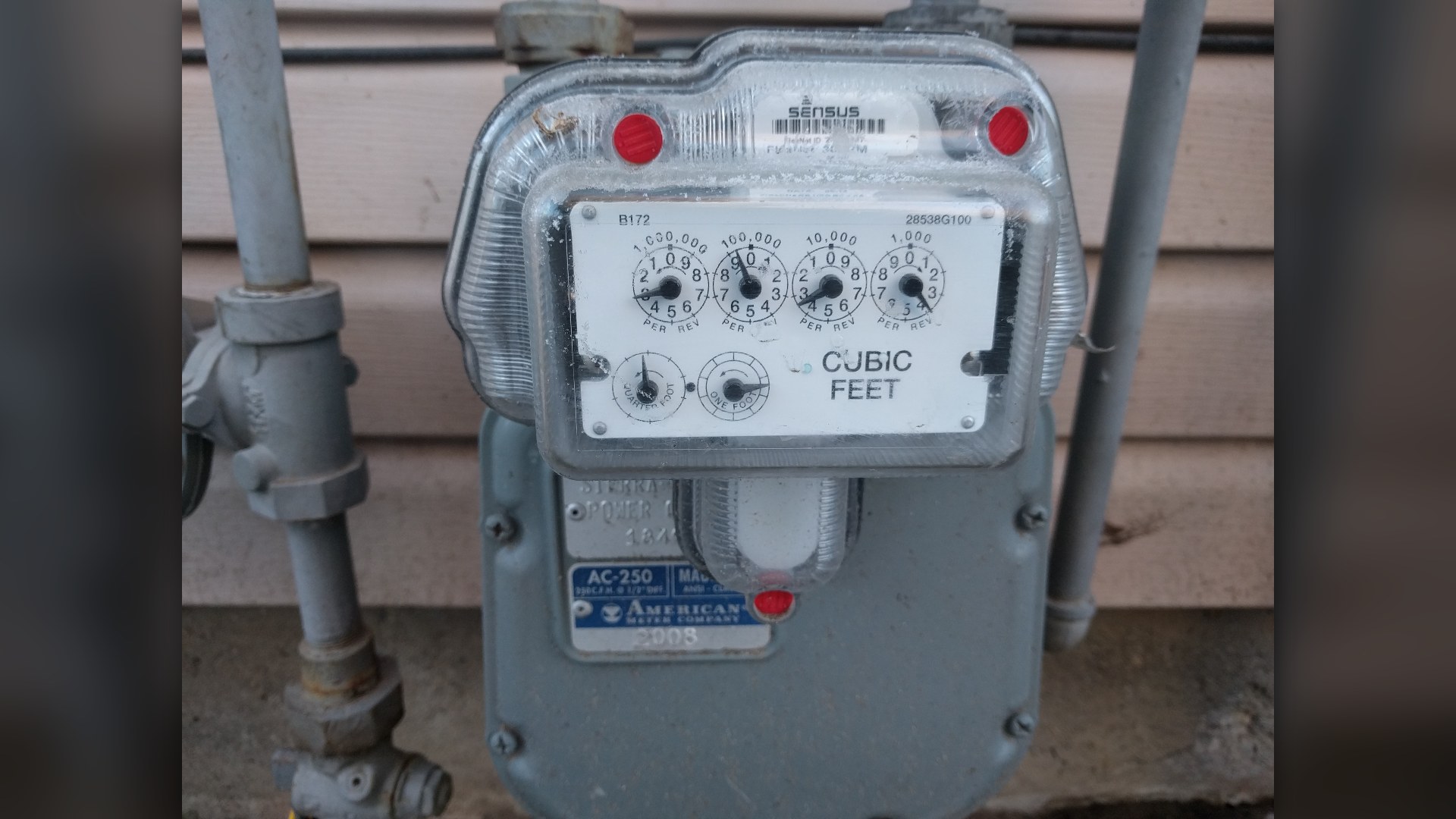
4. Extinguish Open Pilot Flames If Gas Pressures Drop
Grid collapses can occasionally disrupt automated natural gas pumping stations. If you smell sulphur or notice flickering pilot flames on older water heaters, turn off the manual supply petcock to prevent unburned gas accumulation.
©Wikimedia / Gas meter
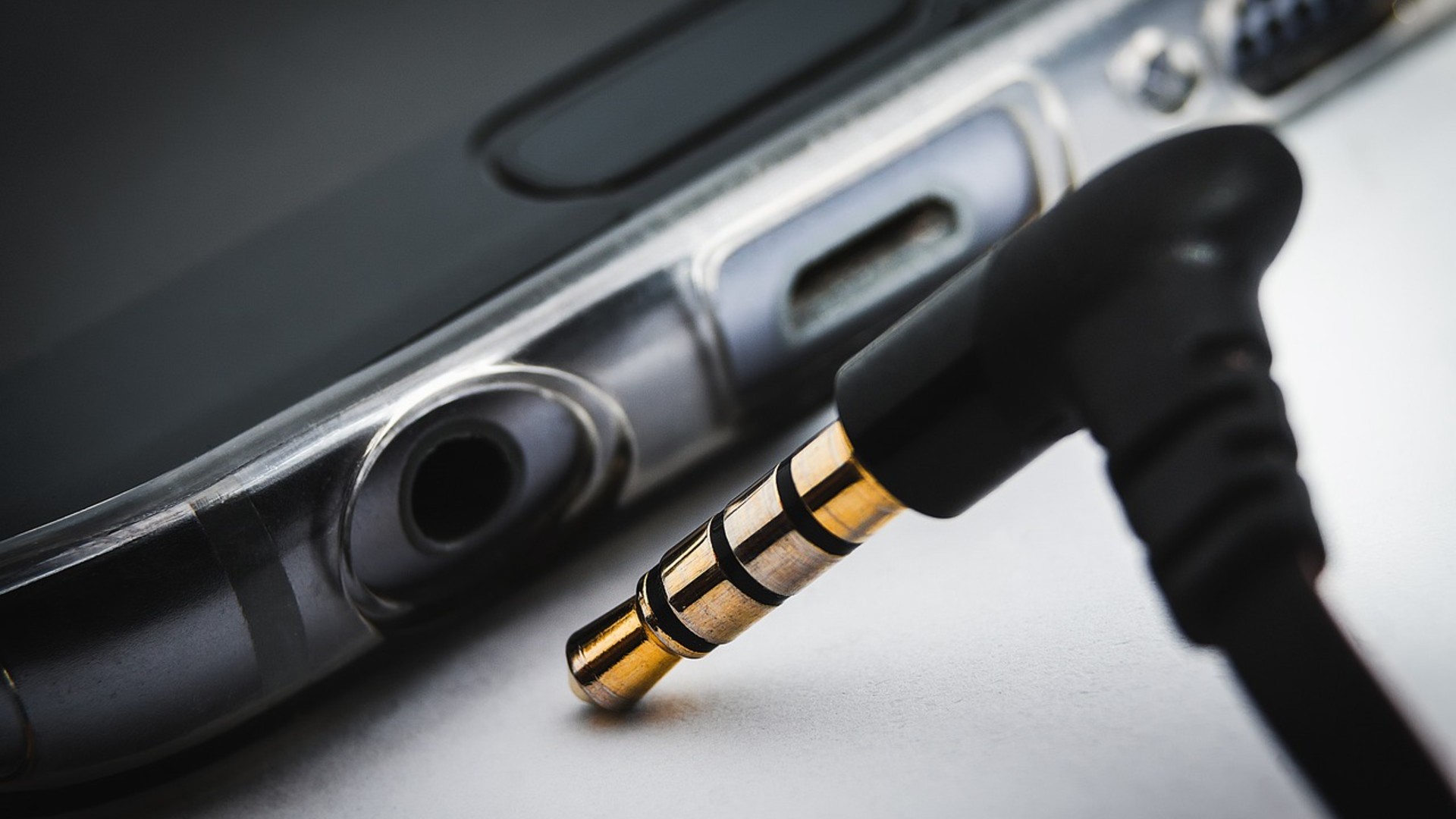
3. Disconnect Sensitive Computers And Electronics
Power does not return in a clean sine wave when utility lines are re-energized. Massive voltage spikes can fry microprocessors inside desktop computers, televisions, and gaming consoles. Unplug sensitive power strips at the wall.
©Pixabay / qimono
Advertisement
Swipe or tap ▶ to resume the countdown.
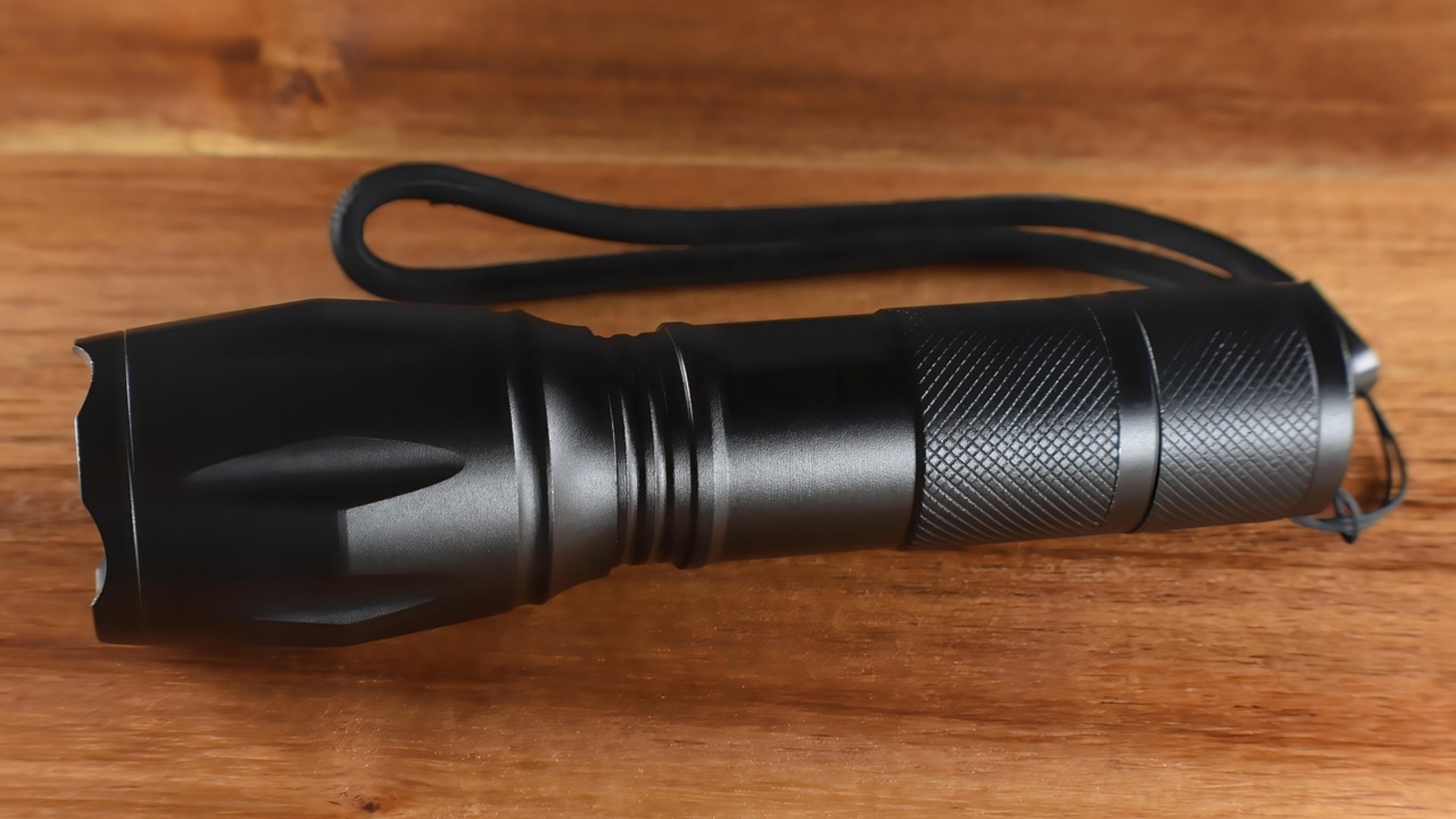
2. Switch On Handheld Flashlights Instead Of Open Flames
Never strike a match or lighter immediately after an unexpected blackout. Earthquake tremors or traffic accidents that trigger outages can also fracture local gas mains. Rely on an LED flashlight for initial navigation.
©Pixabay / Ray_Shrewsberry
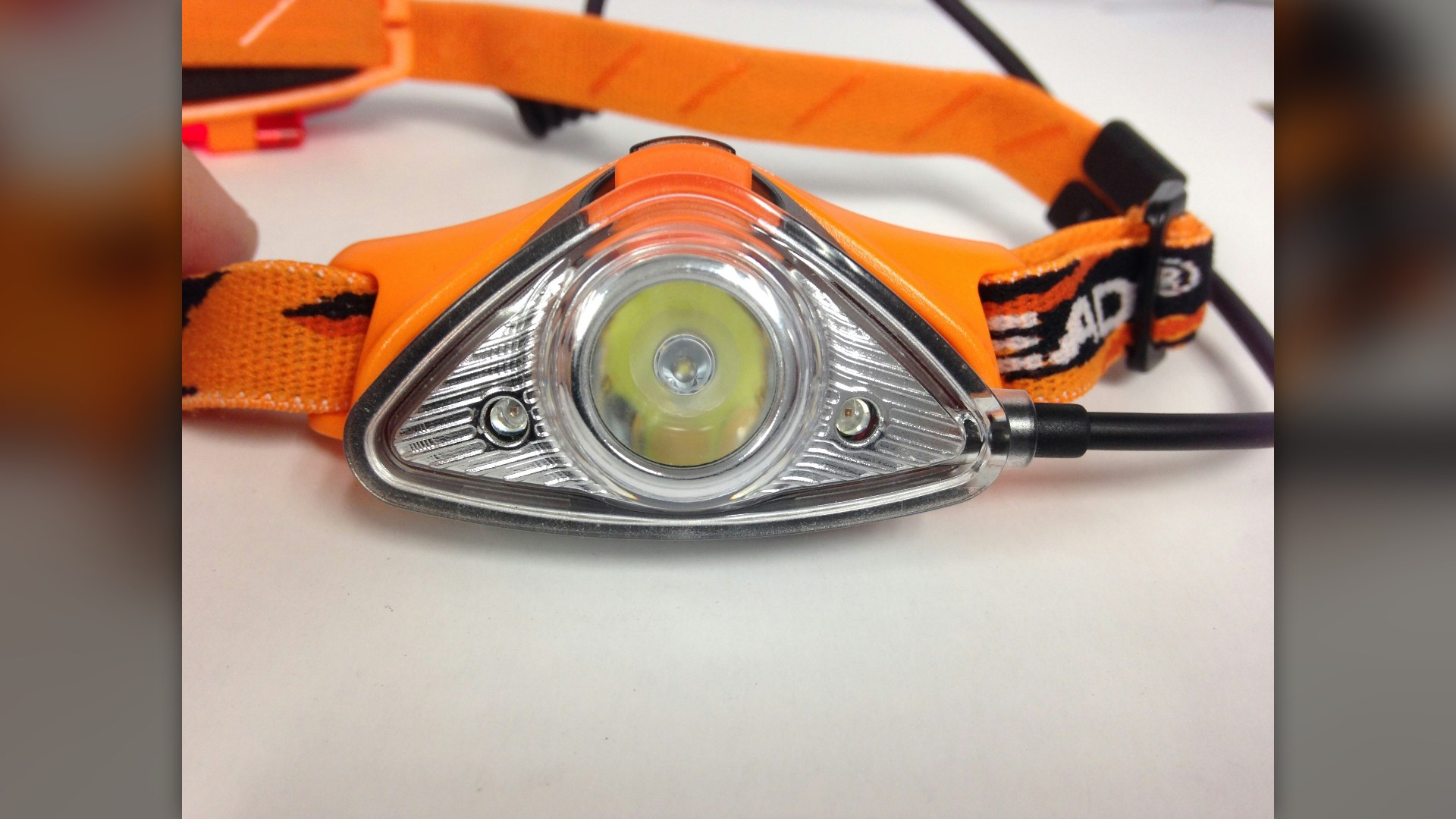
1. Stay Calm And Secure Immediate Hands-Free Lighting
Panic and rushing through unlit rooms causes the majority of emergency room admissions during sudden blackouts. Freeze where you are, reach for your phone or pocket keychain light, and attach a hands-free headlamp before moving.
© Photo by HEAD Accessories on Unsplash
Advertisement
You've reached the end of the story. Thanks for reading!

22 Record-Breaking Details From GTA 6's Launch
GTA 6 is here. Explore the records it broke.
All 25 Entries in this Story
25. Check On Elderly And Vulnerable Neighbors
Once your immediate home is safe, check next door. Elderly neighbors and residents who rely on electric medical equipment or motorized chairlifts often need immediate assistance when backup batteries expire.

24. Limit Toilet Flushes To Save Water Pressure
City wastewater facilities and community lift stations rely on grid pumps. Practice strict conservation with toilet flushing to keep household plumbing lines clear and prevent backups when municipal pressure declines.

23. Designate One Warm Room For The Entire Family
During winter outages, heating an entire house is impossible without active furnaces. Select an interior room with few exterior windows, lay blankets across the floor, and keep family members gathered to pool natural body heat.

22. Keep Household Cash And Important Documents Handy
Credit card processing machines and cash dispensing machines go offline immediately without grid power. Keep emergency cash in small denominations along with identification documents in an easily accessible fireproof pouch.

21. Move Sensitive Medication To An Insulated Cold Pack
Temperature-sensitive medications spoil rapidly once refrigerators warm above forty degrees Fahrenheit. Transfer insulin vials, asthma treatments, and liquid antibiotics into a small insulated cooler packed with frozen gel packs.

20. Turn Off Main Water Lines If Deep Freezes Threaten
If subzero temperatures coincide with a prolonged power failure, indoor pipes will eventually freeze and crack. Shut off the home primary water supply valve and open lowest-level faucets to drain standing lines safely.

19. Establish An Emergency Family Communication Plan
Voice calling networks jam within minutes of a regional blackout. Instruct household members to communicate via short text messages, which require minimal network bandwidth, and agree on a predetermined physical meeting location.

18. Close Curtains And Insulate Drafty Windows
Windows account for thirty percent of a home thermal loss during cold weather. Close all blinds, draw heavy insulated curtains, and tape blankets or bubble wrap over glass panes to seal in interior warmth.

17. Avoid Using Vehicle Inverters Indoors
Using a car battery inverter to power living room electronics poses severe carbon monoxide hazards if the vehicle runs in an attached garage. Never run vehicle engines indoors, even with the main overhead garage door cracked open.

16. Disengage The Manual Garage Door Release
Automatic garage door openers are inoperable without electricity. Locate the overhead emergency disconnect lever and pull the red cord downward to release the carriage trolley, allowing you to lift the door by hand.

15. Set Up Outdoor Generators Far From Windows
Portable generators emit odorless carbon monoxide that enters bedrooms through eaves and open window seals. Always position operating generators at least twenty feet away from exterior walls and point exhaust manifolds away.

14. Switch All Smartphones To Ultra Battery Saver Mode
Turn on aggressive battery-saver profiles on all family devices immediately. Dim display backlights, disable automatic background app refreshes, and turn off Bluetooth and Wi-Fi searching to conserve vital device power.

13. Replace Open Candles With Battery Lanterns
Open flame candles represent a leading cause of fatal residential fires during widespread blackouts. Reserve candles as a last resort and prioritize enclosed LED lanterns, headlamps, and battery flashlights for household illumination.

12. Fill Sinks And Bathtubs With Reserve Water
Water continues flowing from taps for a short window after power cuts due to existing tower gravity. Thoroughly clean and plug bathtubs, washing basins, and kitchen sinks to collect gallons of utility water for flushing and washing.

11. Conserve Refrigerator Cold By Sealing The Doors
An unopened refrigerator keeps food cold for up to four hours, while a full freezer maintains safe freezing temperatures for forty-eight hours. Instruct all family members to never open refrigerator doors unnecessarily.

10. Tune An Emergency Crank Radio To NOAA Broadcasts
When television stations and internet routers shut down, regional emergency management relies on emergency broadcast networks. Extend the antenna on a hand-crank radio to listen to hourly civil defense updates and grid advisories.

9. Unplug Air Conditioners And Major Appliances
Compressors in air conditioning units and clothes dryers suffer heavy motor burnout when grid electricity surges back on. Switch off dedicated high-amp wall switches or unplug units to isolate heavy inductive loads.

8. Turn Off Electric Stove Burners And Irons
If a stove burner or clothes iron was hot when power failed, it will reignite unexpectedly once power returns. Manually verify that every stove knob, space heater, and curling iron switch is firmly clicked to the off setting.

7. Leave Exactly One Light Switch In The On Position
Turn off every overhead light fixture in your home except for one visible lamp. This single light acts as an instant beacon when service is restored without causing dangerous grid-level current draws across your house.

6. Verify The Outage Extent Beyond Your Neighborhood
Look through windows to observe surrounding streetlights, traffic signals, and neighborhood skylines. Seeing a complete horizon of pitch darkness confirms a high-voltage grid failure rather than an isolated street transformer fault.

5. Inspect The Circuit Breaker To Rule Out Local Trips
Before assuming the entire utility grid is offline, examine your home main breaker box. If the master switch has flipped to the center tripped position, reset it carefully to verify that internal wiring was not the culprit.

4. Extinguish Open Pilot Flames If Gas Pressures Drop
Grid collapses can occasionally disrupt automated natural gas pumping stations. If you smell sulphur or notice flickering pilot flames on older water heaters, turn off the manual supply petcock to prevent unburned gas accumulation.

3. Disconnect Sensitive Computers And Electronics
Power does not return in a clean sine wave when utility lines are re-energized. Massive voltage spikes can fry microprocessors inside desktop computers, televisions, and gaming consoles. Unplug sensitive power strips at the wall.

2. Switch On Handheld Flashlights Instead Of Open Flames
Never strike a match or lighter immediately after an unexpected blackout. Earthquake tremors or traffic accidents that trigger outages can also fracture local gas mains. Rely on an LED flashlight for initial navigation.

1. Stay Calm And Secure Immediate Hands-Free Lighting
Panic and rushing through unlit rooms causes the majority of emergency room admissions during sudden blackouts. Freeze where you are, reach for your phone or pocket keychain light, and attach a hands-free headlamp before moving.