Slideshow · Animals
20 Dog Breeds Built for Cold Weather
Arctic winds and subzero blizzards require specialized evolutionary traits for working canines. Breeds developed in northern latitudes possess water-resistant guard hairs, dense woolly undercoats, and compact paws that prevent heat loss. Breed records from international kennel clubs show how they handle deep snow.
By Most Viral Today
11 min ago

Thick double coats and cold adaptations help these hardy breeds brave snow. 
20. Keeshond 
19. Swedish Vallhund 
18. Alaskan Klee Kai - AdvertisementSwipe or tap ▶ to continue countdown

17. Norwegian Buhund 
16. Swedish Lapphund 
15. Icelandic Sheepdog 
14. Finnish Lapphund - AdvertisementSwipe or tap ▶ to continue countdown

13. Karelian Bear Dog 
12. Norwegian Elkhound 
11. Chinook 
10. Yakutian Laika - AdvertisementSwipe or tap ▶ to continue countdown

9. Canadian Eskimo Dog 
8. Greenland Dog 
7. Akita 
6. Leonberger - AdvertisementSwipe or tap ▶ to continue countdown

5. Kuvasz 
4. Tibetan Mastiff 
3. Samoyed 
2. Alaskan Malamute - AdvertisementSwipe or tap ▶ to continue countdown

1. Siberian Husky - Advertisement🔥 UP NEXT IN THIS SERIES◫ 21 Slides

20 pets some people like to keep but others found them creepy
From eight-legged tarantulas to armored skinks and hissing cockroaches, unconventional companions inspire fierce devotion in their keepers and shuddering avoidance in others. Explore twenty unusual pets that completely divide animal lovers, based on veterinary data and exotic pet care registries.
Polar explorers and indigenous hunters depended on cold-hardy dogs for transport across frozen terrain. Insulated double coats shed ice while protective facial fur prevents frostbite in subzero winds. Sourced from American Kennel Club standards and Federation Cynologique Internationale breed classifications.
Swipe or tap ▶ to begin the countdown
©Wikimedia / Markus Trienke & Hyrel at en.wikipedia
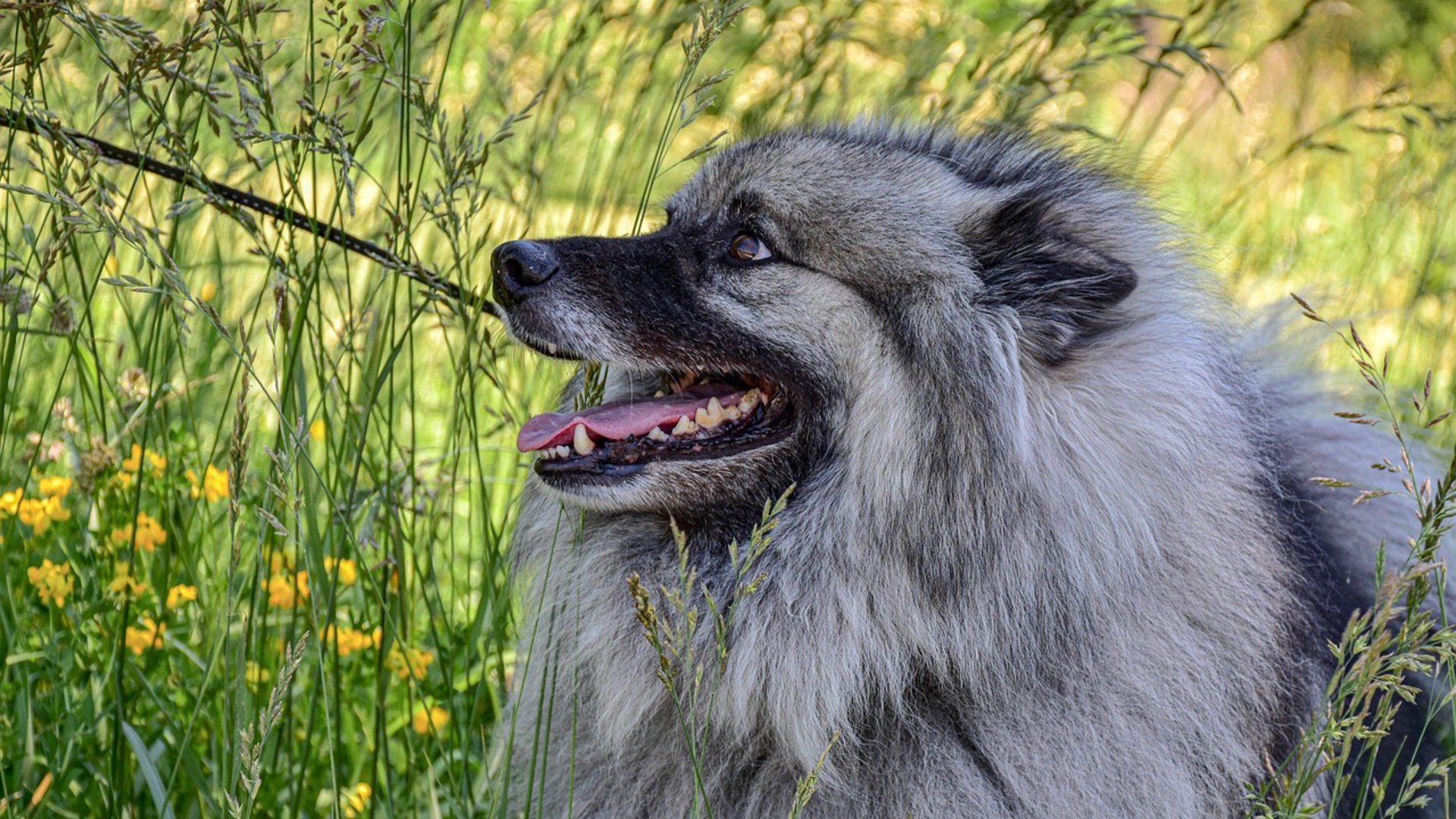
20. Keeshond
Originating in the Arctic spitz lineage, the Keeshond developed an abundant double coat to endure frigid canal winters in eighteenth-century Holland. American Kennel Club breed standards highlight its thick woolly undercoat and plumed tail that protects exposed paws when curled in snow.
©Pixabay / RitaE
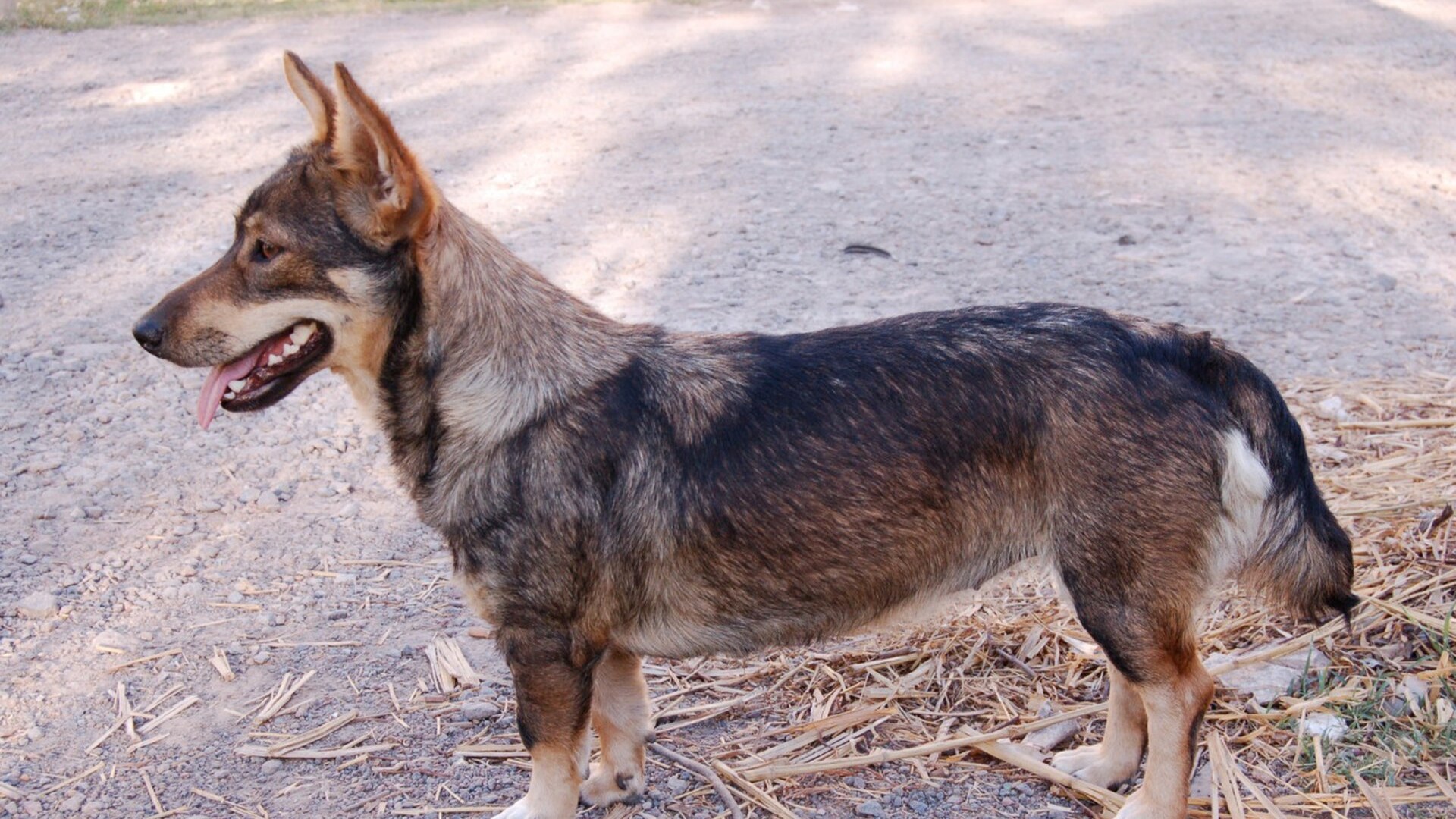
19. Swedish Vallhund
Viking settlers in southern Sweden bred this agile herder over a thousand years ago to manage cattle in freezing winter weather. The Swedish Vallhund carries a tight weather-resistant topcoat and a dense soft undercoat that repels slush and cold rain across Scandinavian pastures.
©Wikimedia / Matt Lemmon
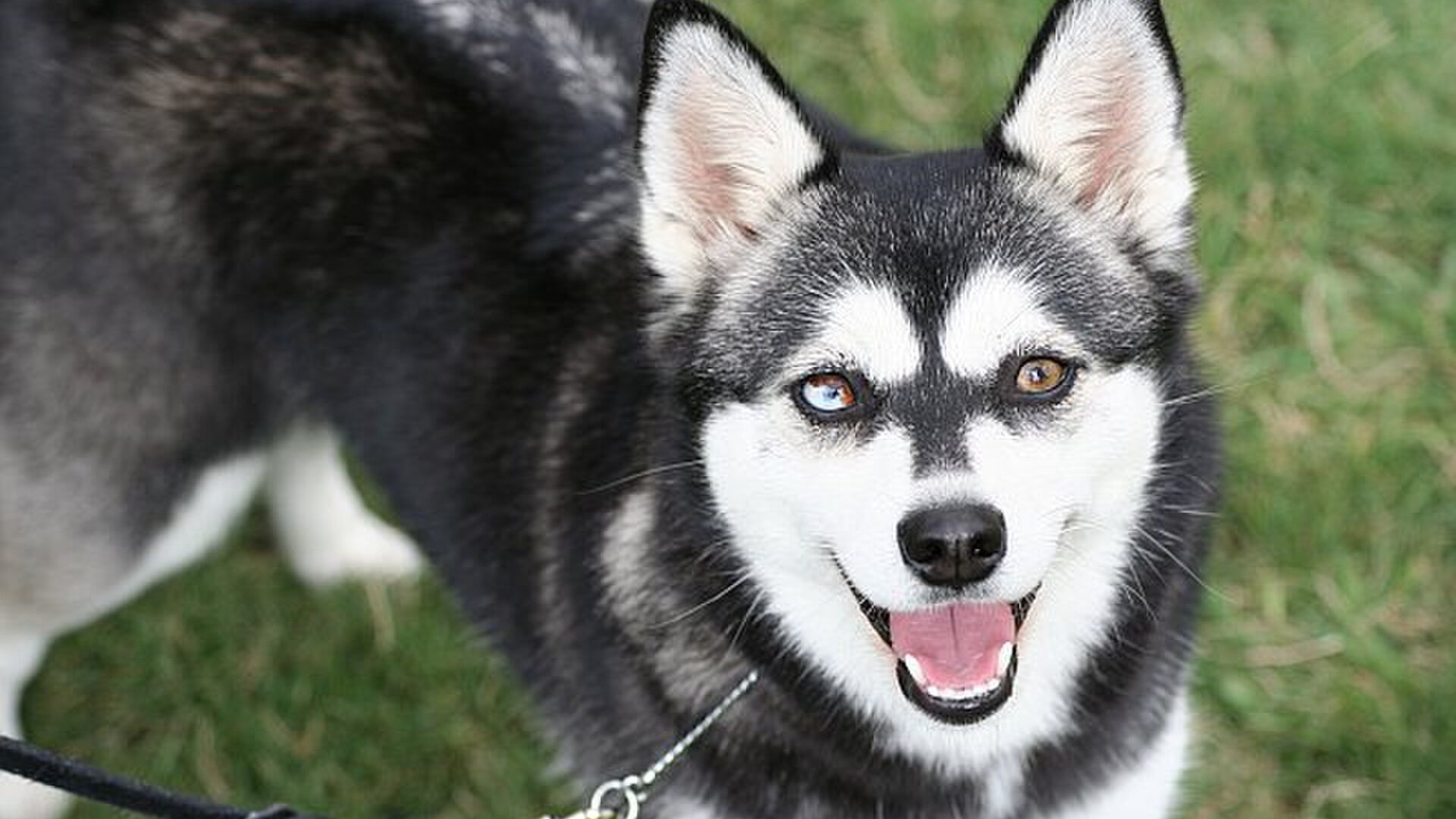
18. Alaskan Klee Kai
Developed in Wasilla, Alaska during the 1970s, the Alaskan Klee Kai was bred down from northern sled stock into a companion size. Despite its smaller frame, the breed maintains a thick insulating undercoat and alert prick ears with internal fur that resists subzero northern winds.
©Wikimedia / Hyrel at en.wikipedia
Advertisement
Swipe or tap ▶ to resume the countdown.
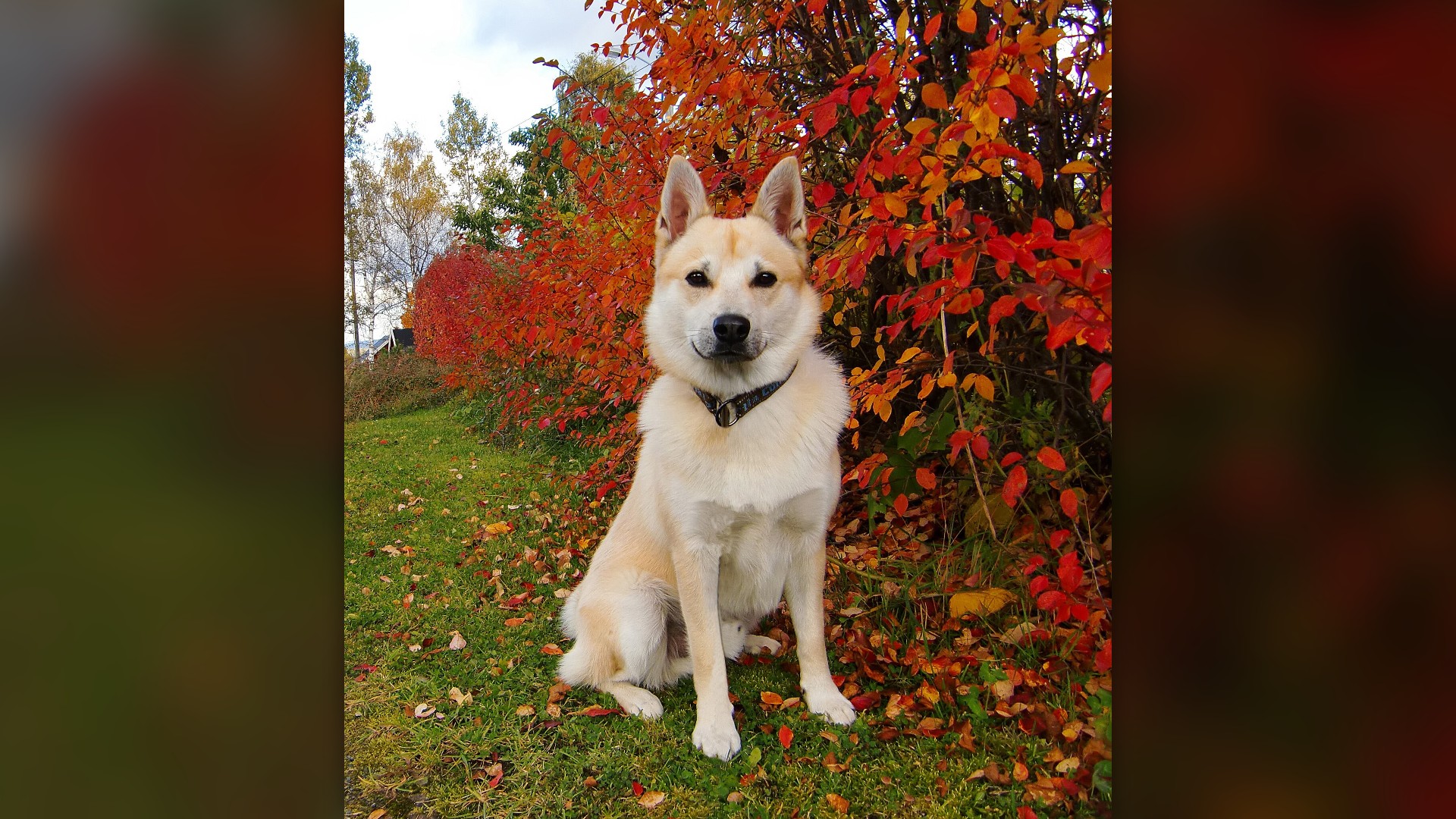
17. Norwegian Buhund
Dating back to archaeological Viking grave sites in Rogaland from around 900 AD, the Norwegian Buhund served as an all-around mountain farm dog. Its thick outer guard coat and dense underfur shed moisture easily, keeping the working dog warm during blustery Scandinavian snowstorms.
©Wikimedia / Canossa
16. Swedish Lapphund
Recognized as one of Sweden's oldest native breeds, the Swedish Lapphund helped Sami hunters herd reindeer above the Arctic Circle. A jet-black double coat stands straight out from the body, creating an insulating air buffer that resists intense frost and subzero Nordic blizzards.
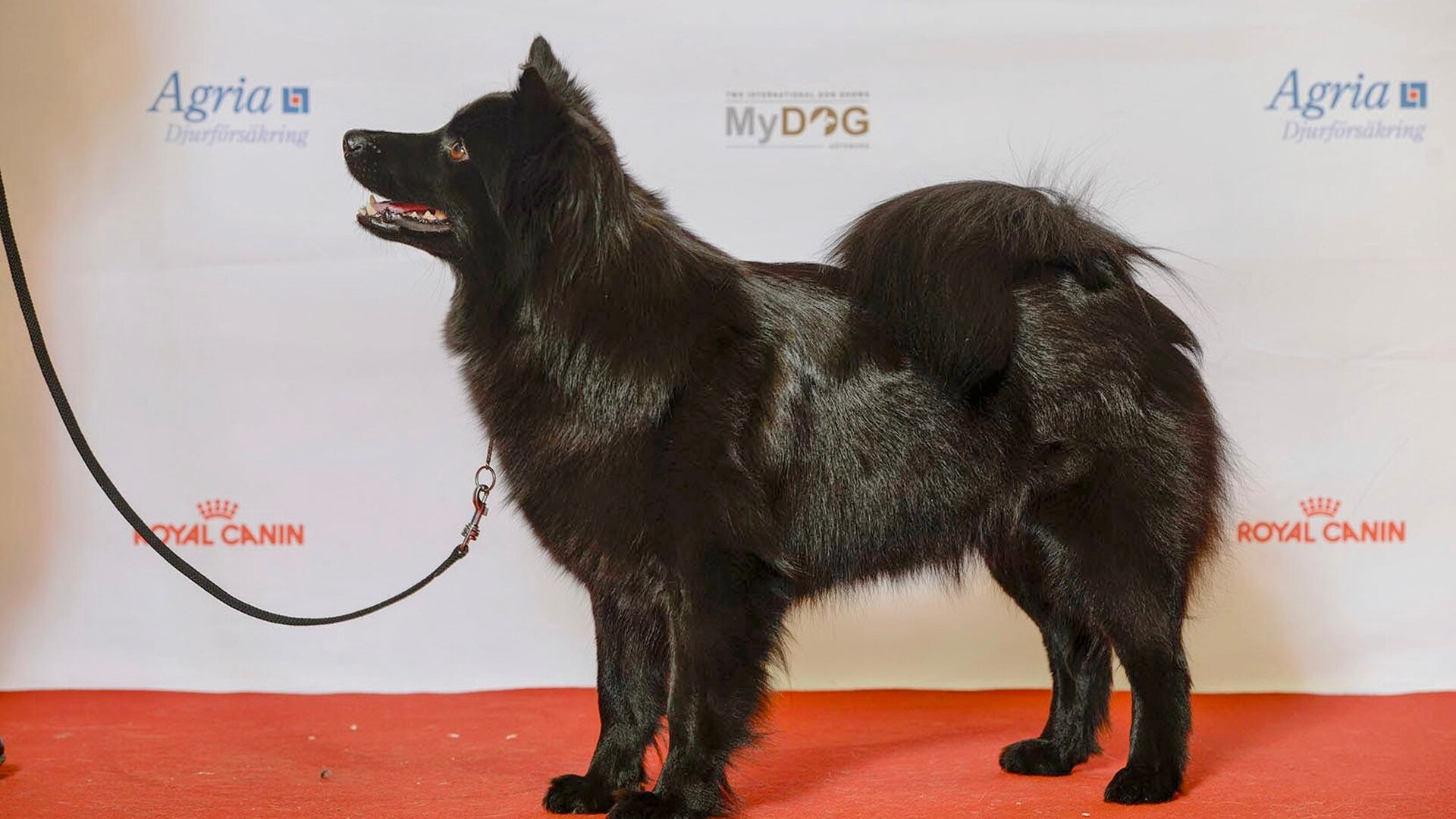
©Wikimedia / Johan Frick-Meijer, 2016
15. Icelandic Sheepdog
Brought to Iceland around 874 AD, this tough Nordic spitz became indispensable for driving livestock across windswept subarctic lava fields. Official Federation Cynologique Internationale standards specify a thick water-repellent double coat that dries quickly after heavy winter snowfalls.
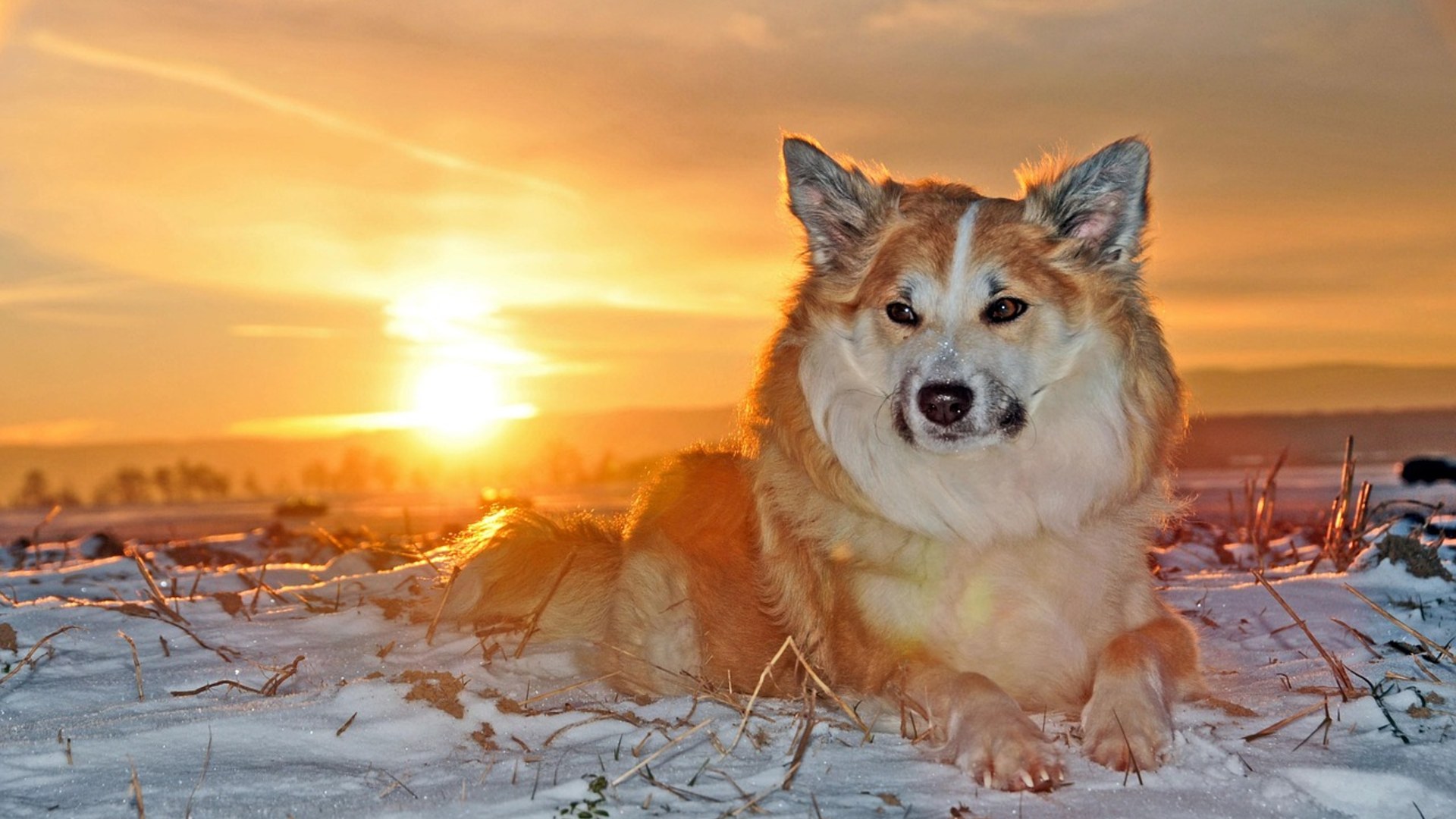
©Pixabay / Thomas-Ritter
14. Finnish Lapphund
Centuries of working in northern Finnish Lapland produced a breed capable of sleeping outdoors in freezing conditions. The Finnish Lapphund features a profuse weather-shedding outer coat and an exceptionally thick underwool that retains body heat down to temperatures far below zero.
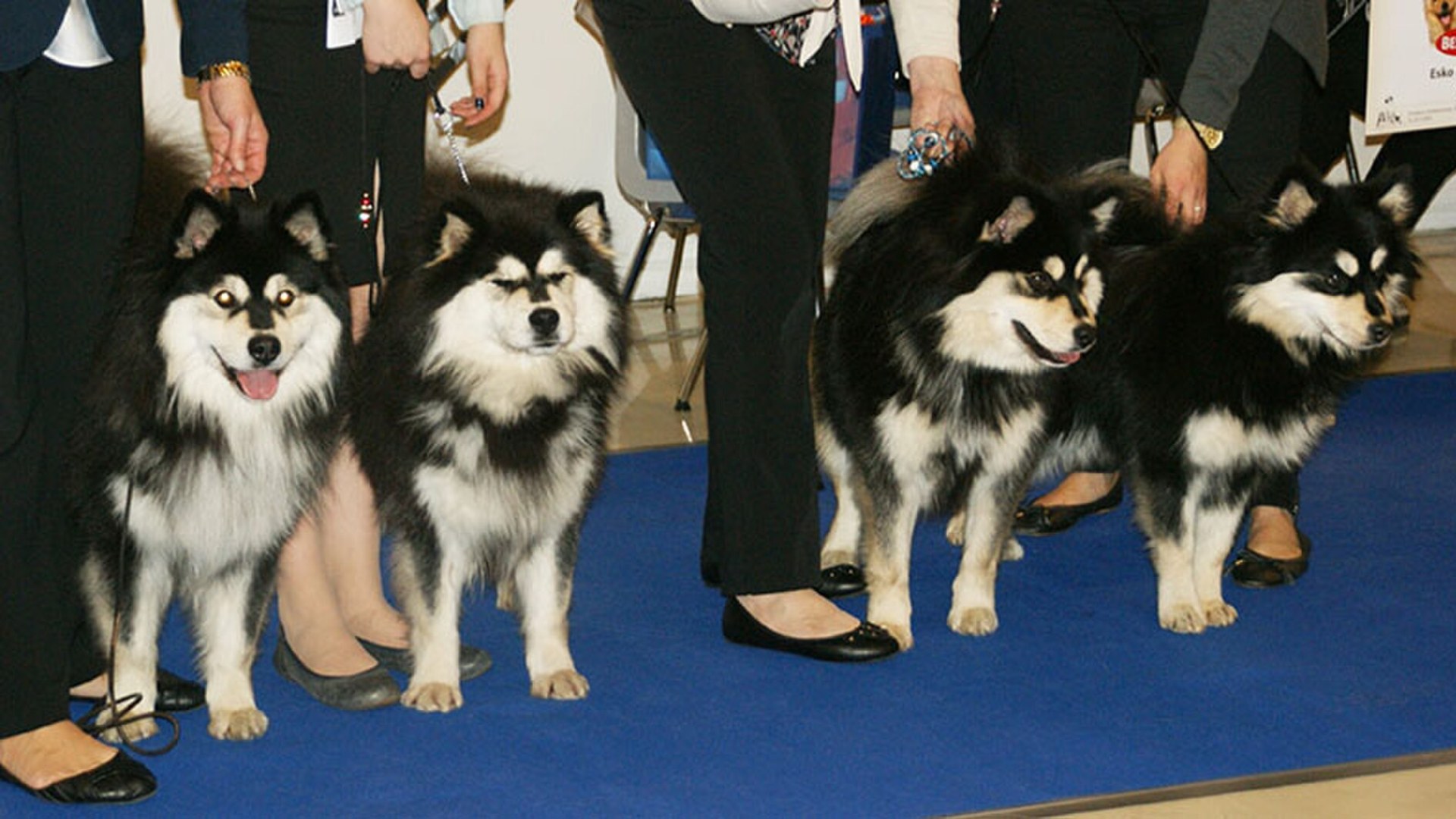
©Wikimedia / Canarian
Advertisement
Swipe or tap ▶ to resume the countdown.
13. Karelian Bear Dog
Developed in the rugged Karelia borderlands between Finland and Russia, this fearless hunter tracks large game through waist-deep snow drifts. Its coarse straight topcoat sheds heavy snow encrustations while dense underfur shields vital organs during prolonged winter hunts.
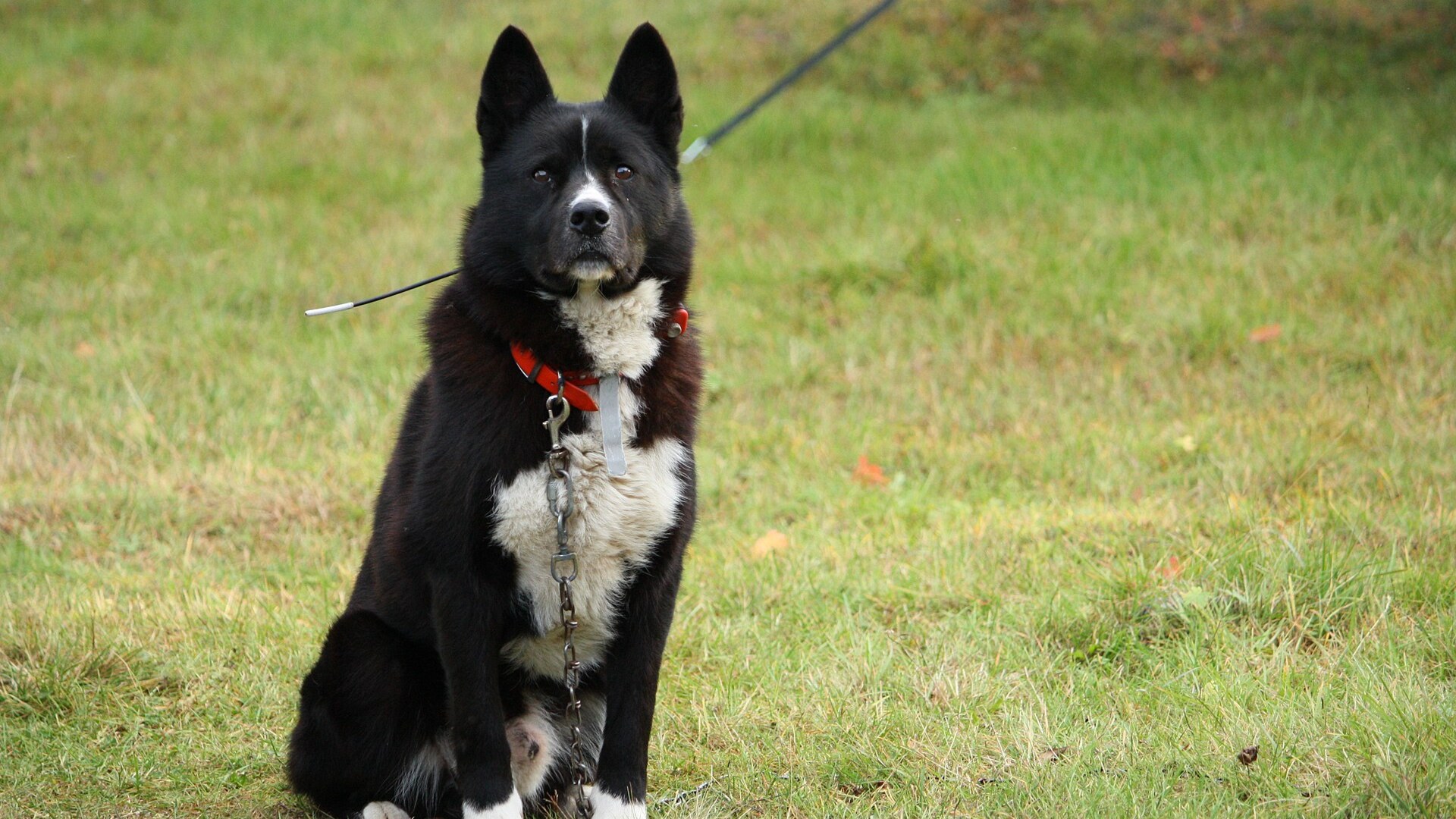
©Wikimedia / Uusijani
12. Norwegian Elkhound
Sailing alongside Norse seafarers for over a millennium, the Norwegian Elkhound hunted moose across freezing Scandinavian highlands. American Kennel Club records emphasize its dense weather-resistant double coat, tightly curled tail, and compact feet designed for traction on icy crags.
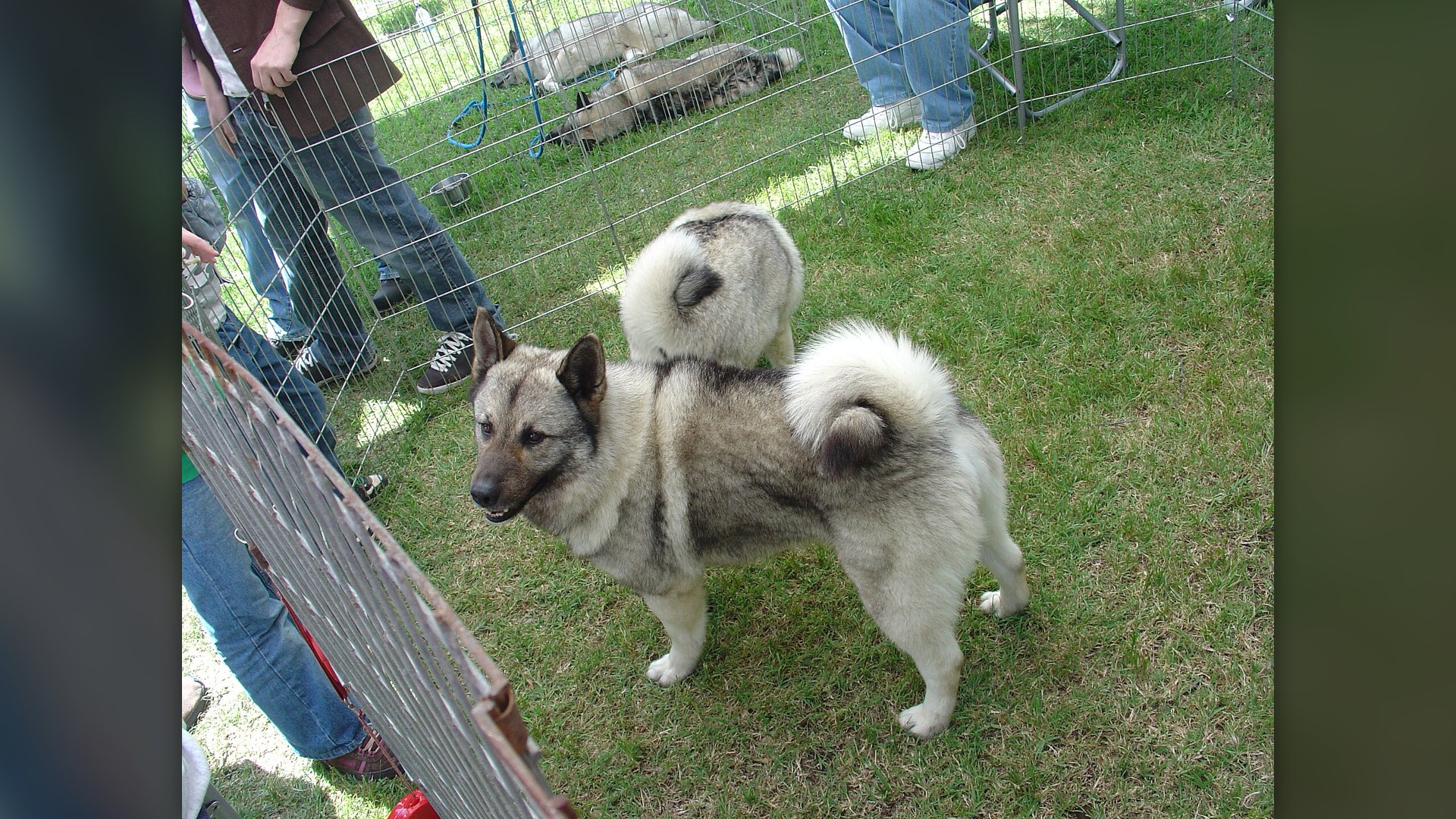
©Wikimedia / ChildofMidnight
11. Chinook
Arthur Treadwell Walden developed the Chinook in New Hampshire in 1917 to combine sled pulling power with cold endurance. The breed served on Admiral Richard Byrd's 1928 Antarctic expedition, using a dense tawny double coat to endure fierce polar headwinds and frigid camp nights.
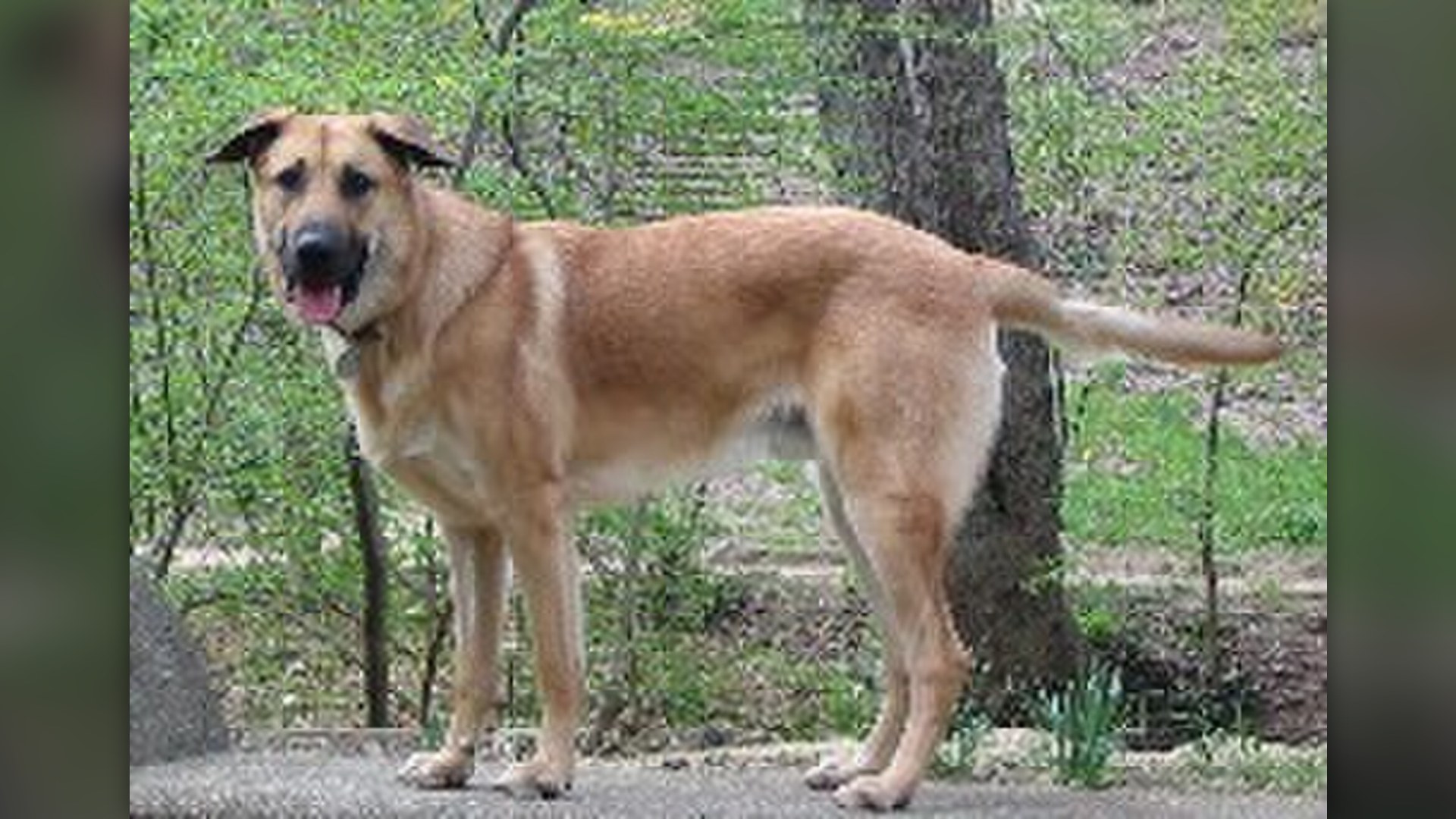
©Wikimedia / Uploader Muu-karhu
10. Yakutian Laika
Originating in the Sakha Republic along the Kolyma and Indigirka rivers, the Yakutian Laika works in one of the coldest inhabited regions on Earth. Its thick shiny coat and heavily furred foot pads protect paws from ice lacerations in temperatures dipping below minus fifty degrees.
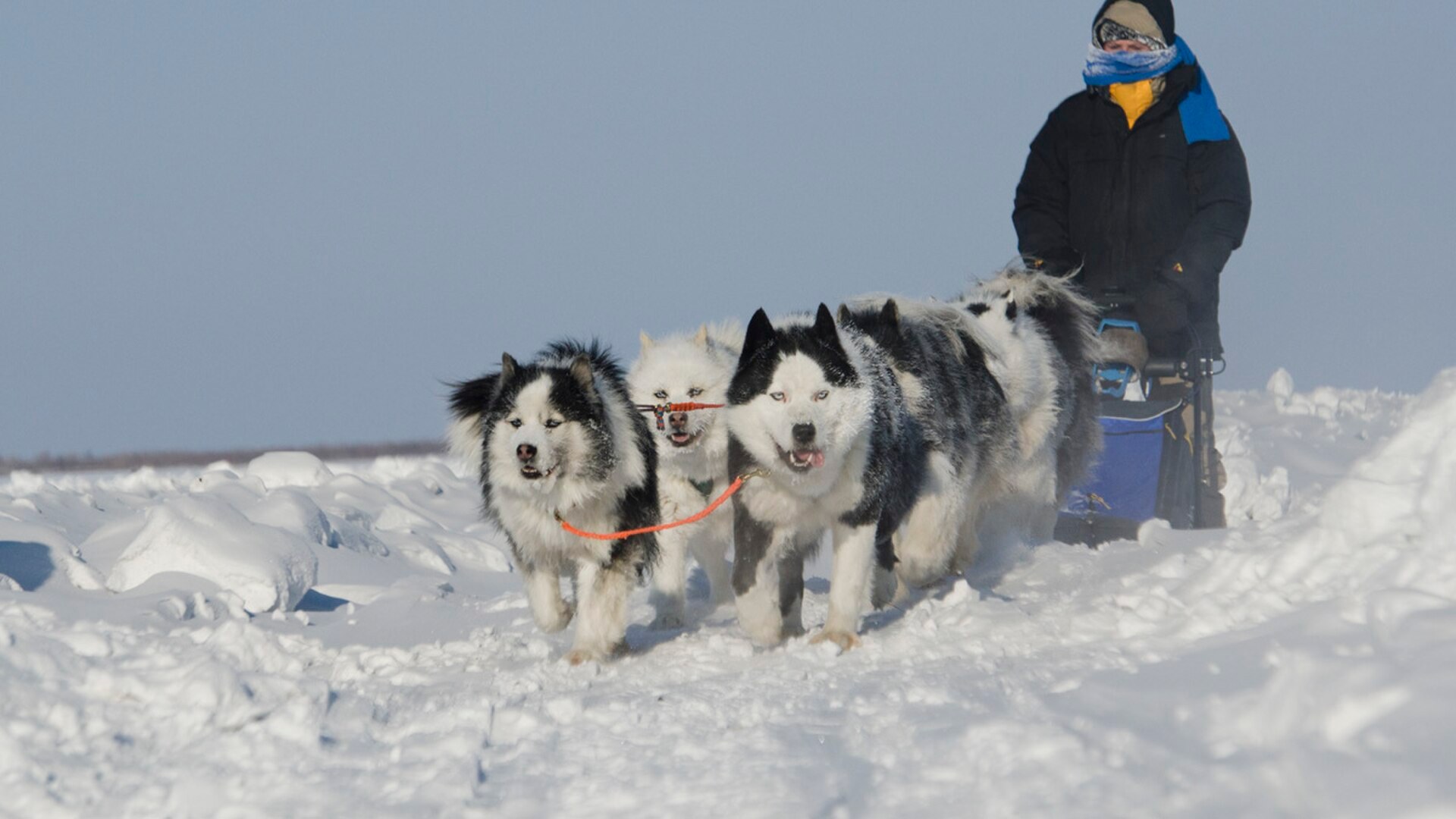
©Wikimedia / Ajarvarlamov
Advertisement
Swipe or tap ▶ to resume the countdown.
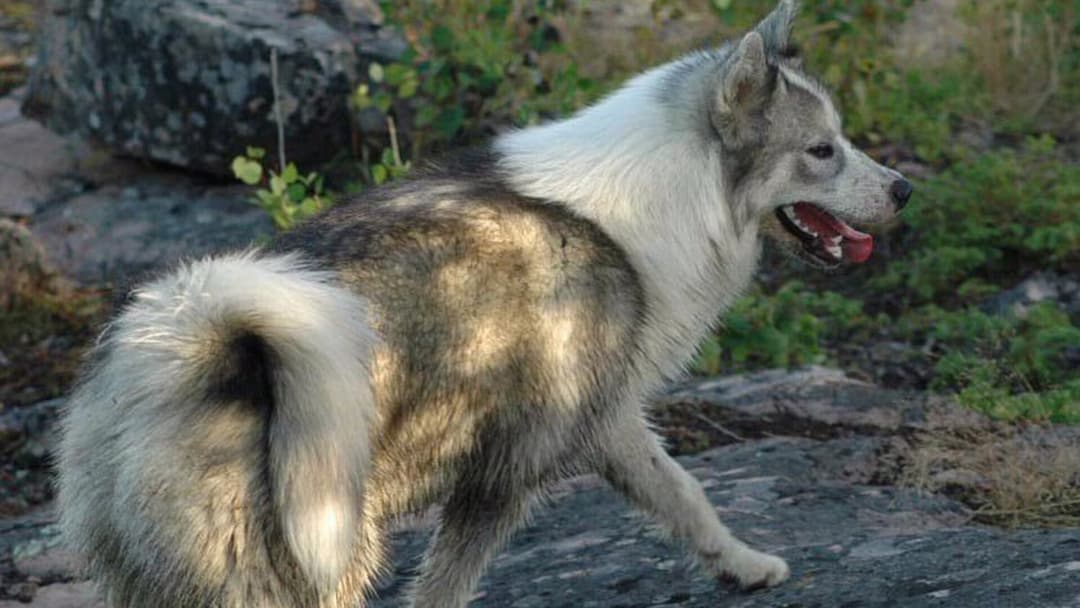
9. Canadian Eskimo Dog
Known in Inuktitut as the Qimmiq, this ancient draft breed has served Arctic hunters for four thousand years. The Canadian Kennel Club standard notes an oily coarse guard coat and dense woolly underlayer that prevents snow from melting against the skin and forming deadly ice buildup.
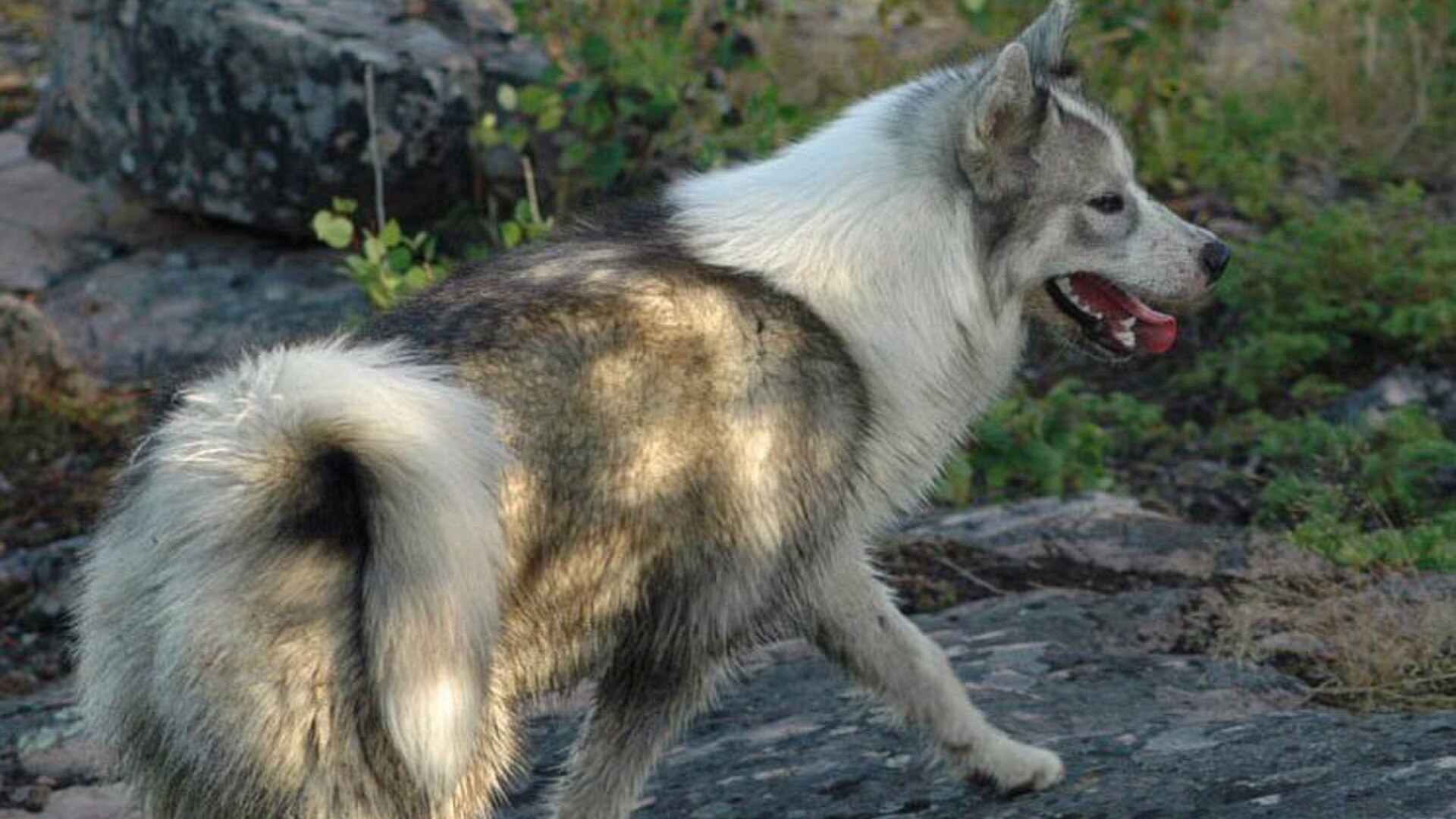
©Wikimedia / Exhaustfumes
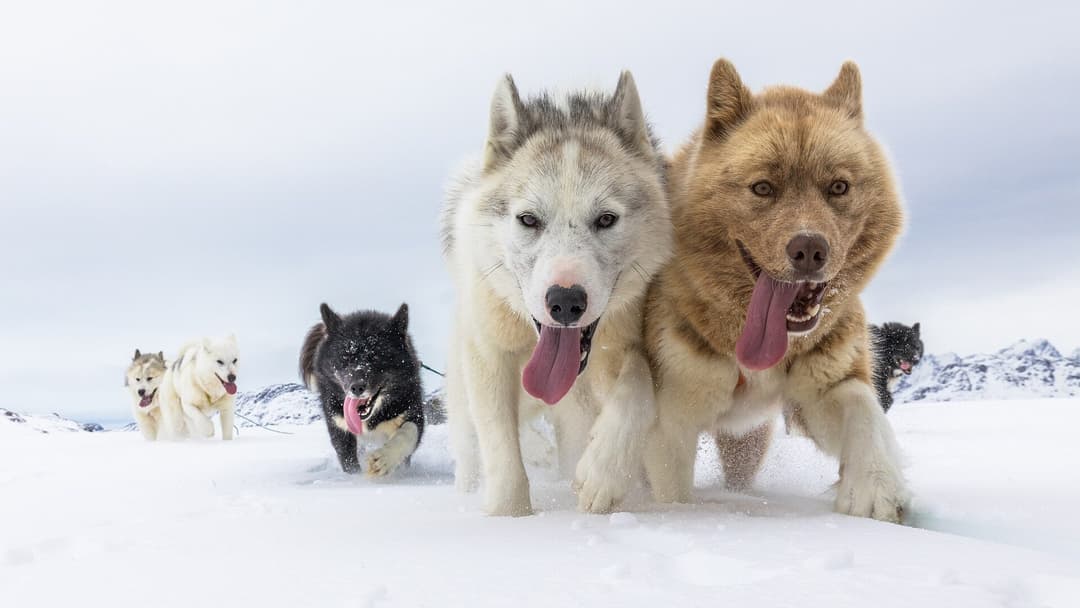
8. Greenland Dog
Roald Amundsen relied on the Greenland Dog to reach the South Pole in 1911 due to its unrivaled stamina in severe subzero conditions. Preserved under strict indigenous breeding rules, this heavy spitz carries a coarse waterproof topcoat and thick underfur built for polar sea ice.
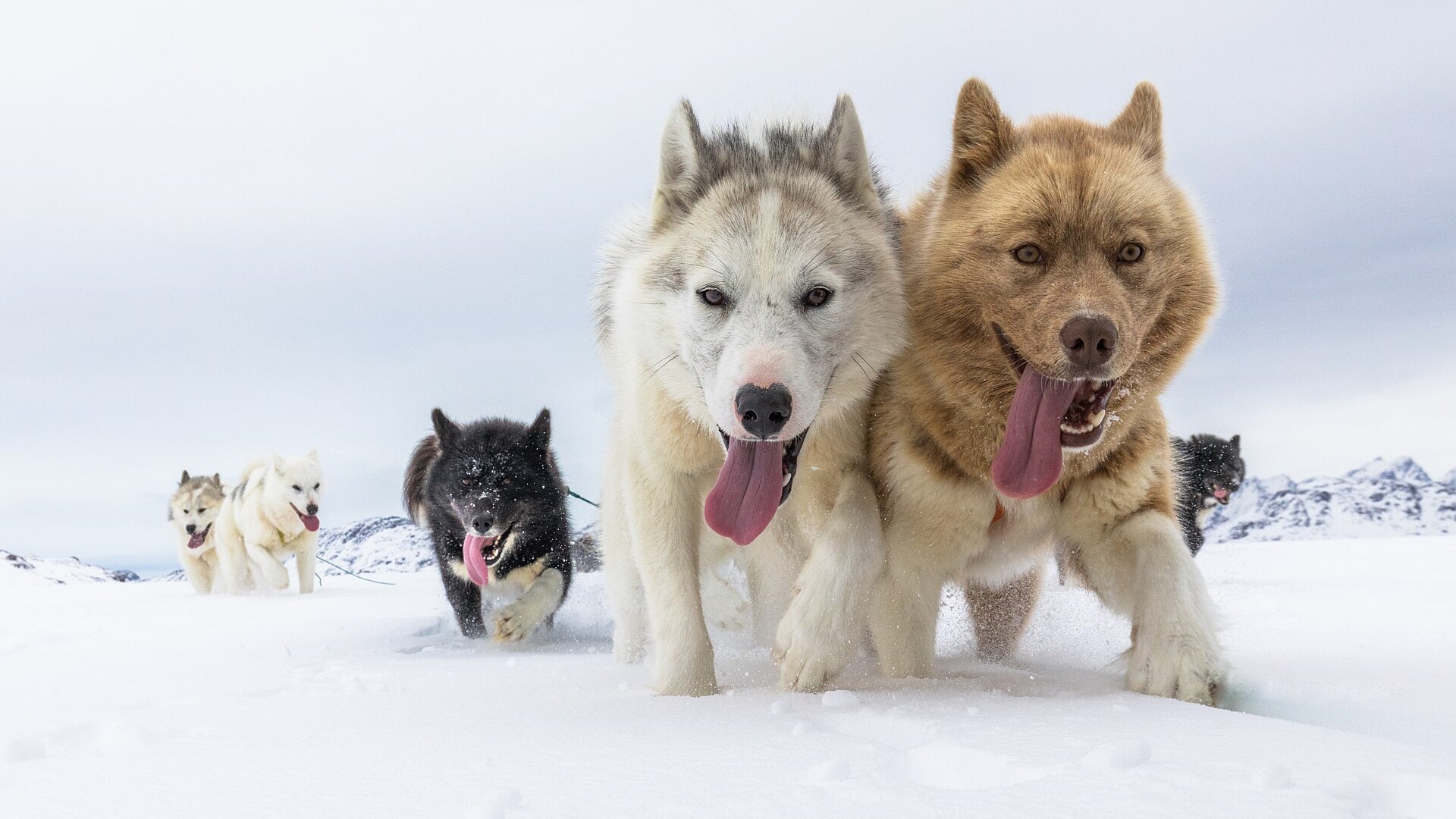
©Wikimedia / Markus Trienke
7. Akita
Bred in the snow-covered mountains of northern Japan's Akita prefecture, these historic dogs hunted bear and boar in deep winter drifts. Its plush double coat features harsh straight guard hairs and soft underwool that traps air, providing natural insulation against heavy mountain snow.
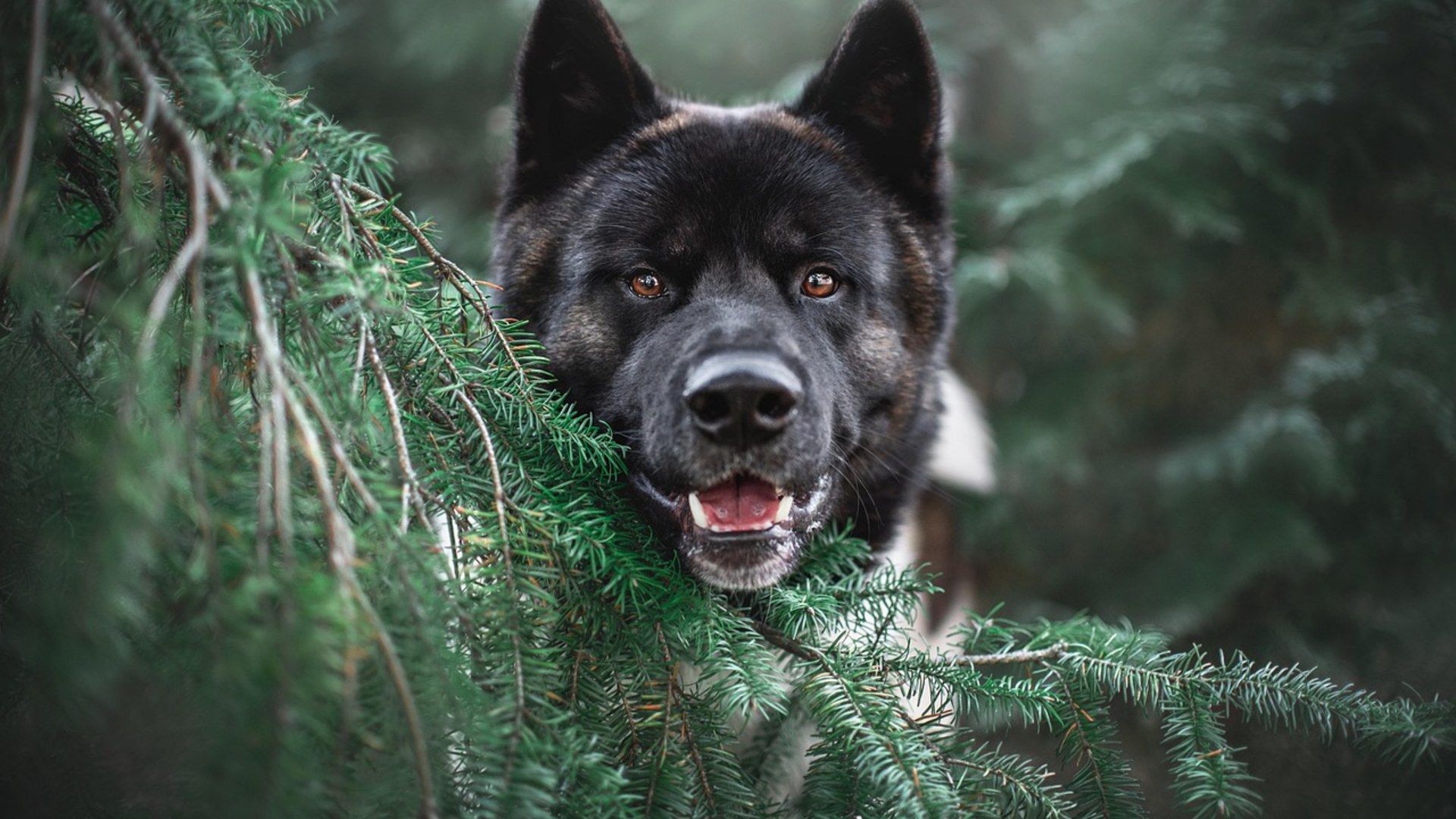
©Pixabay / christina0chiz
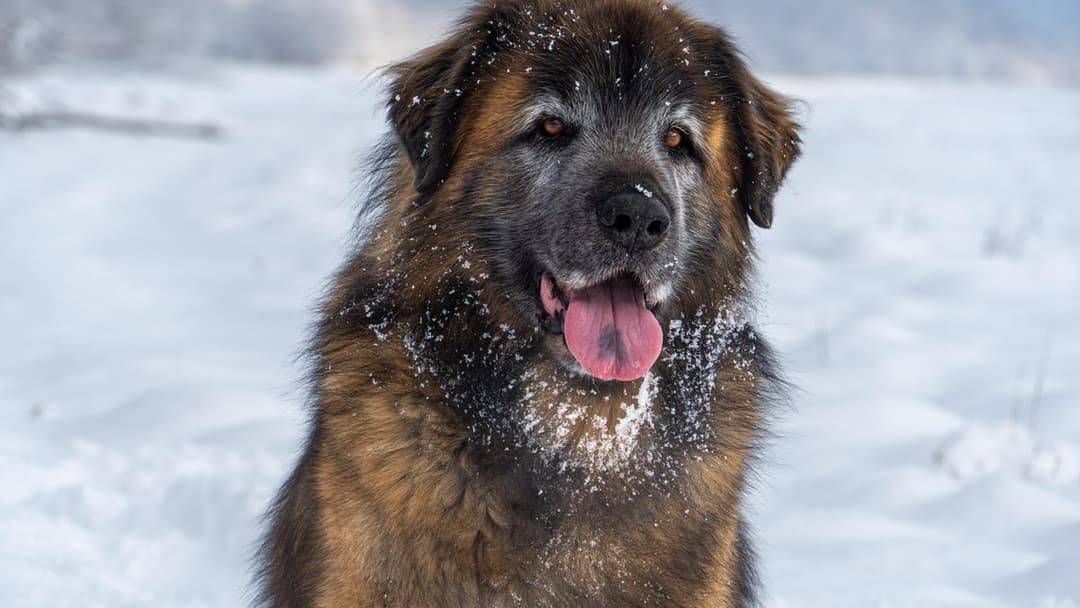
6. Leonberger
Created in the 1840s in Leonberg, Germany, this massive working breed combines Newfoundland and Saint Bernard genetics. The Leonberger possesses a lavish water-resistant double coat and webbed paws that allow it to navigate slush, icy lakes, and deep alpine snowpacks without freezing.
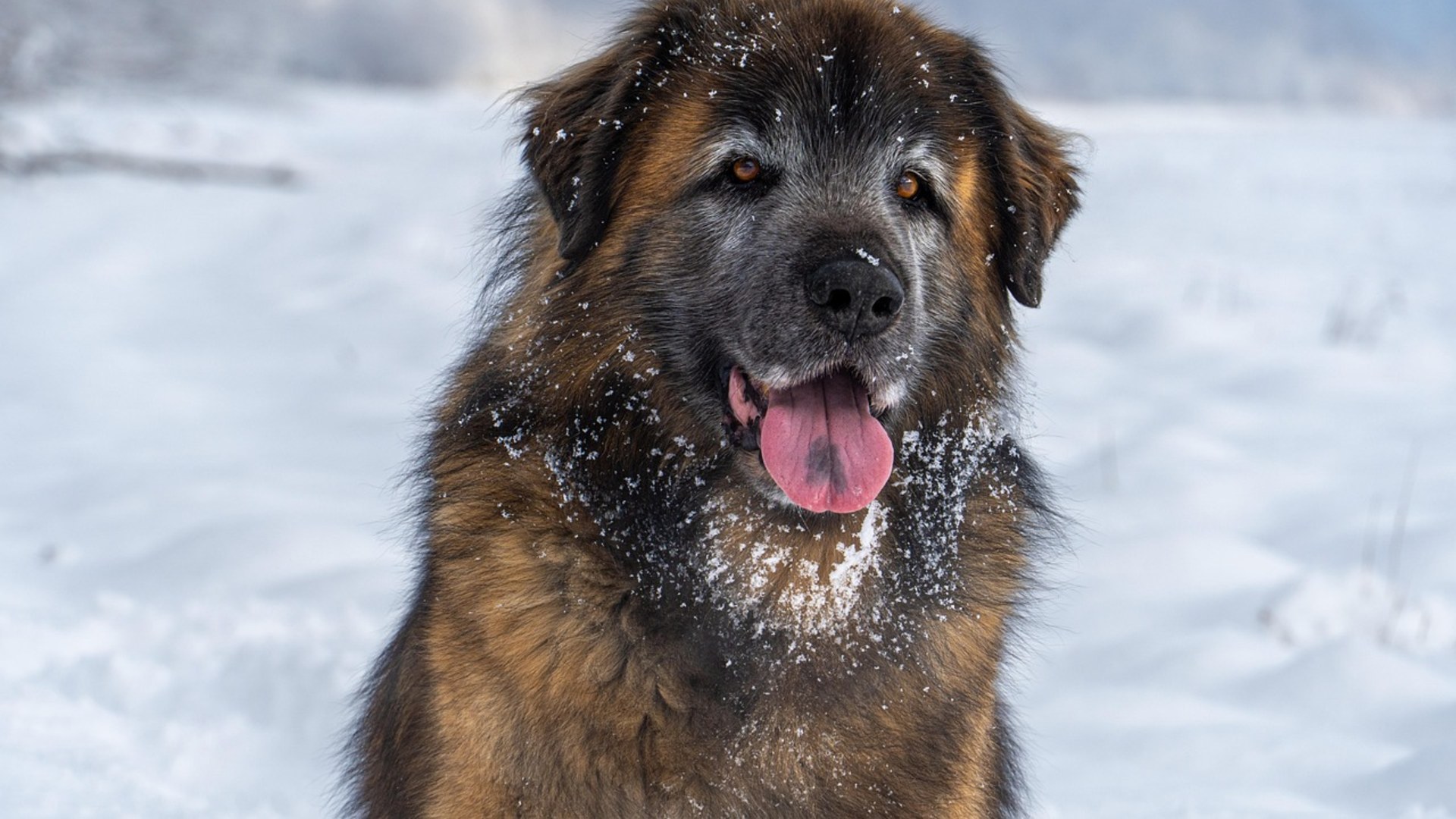
©Pixabay / joses
Advertisement
Swipe or tap ▶ to resume the countdown.
5. Kuvasz
Guarding royal estates and high mountain sheep flocks in the Carpathian basin since the fifteenth century, the Kuvasz faces brutal winter blizzards. Its coarse white double coat repels freezing moisture while dark skin pigmentation underneath guards against intense snow glare.
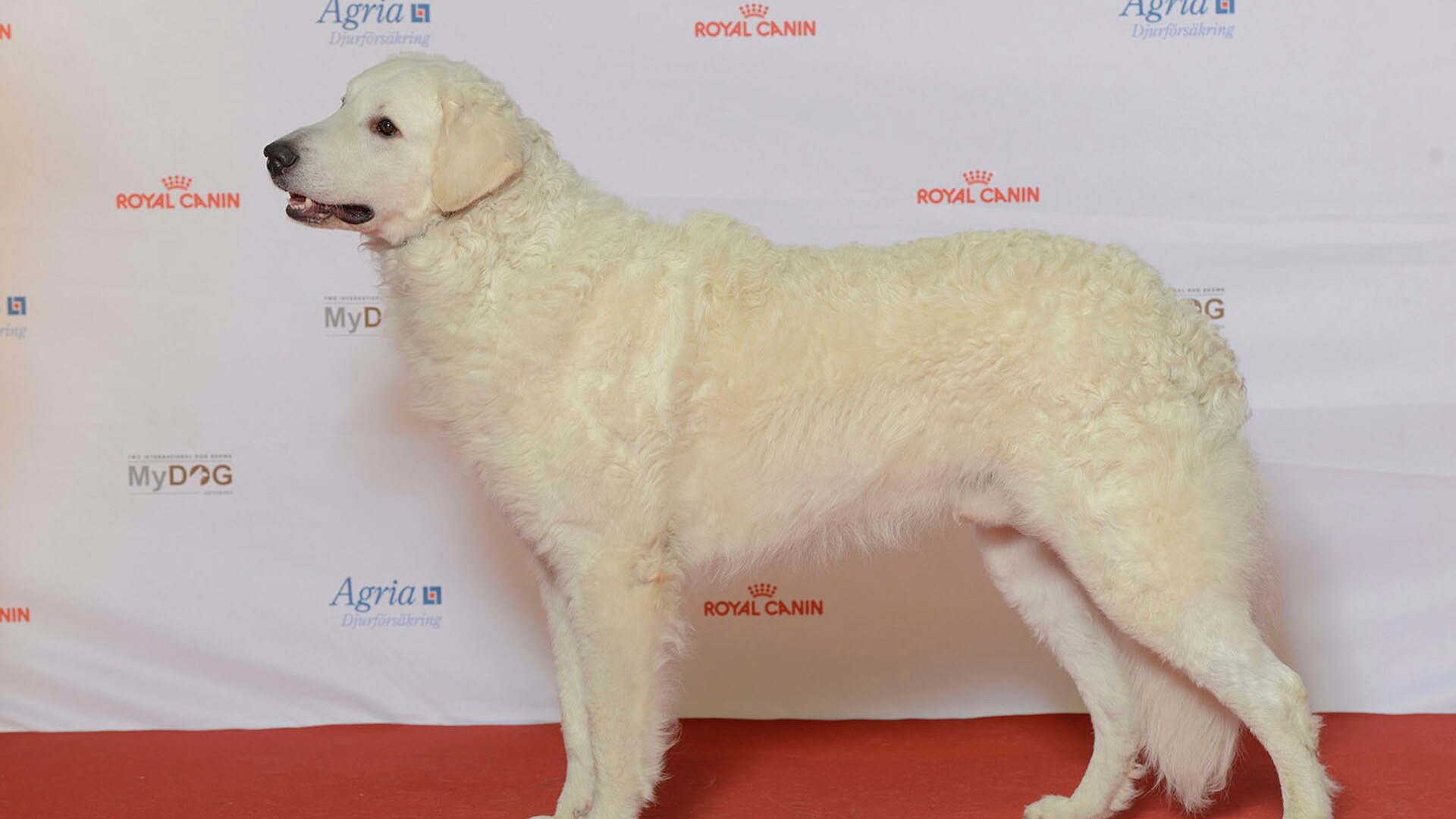
©Wikimedia / Svenska Mässan from Sweden
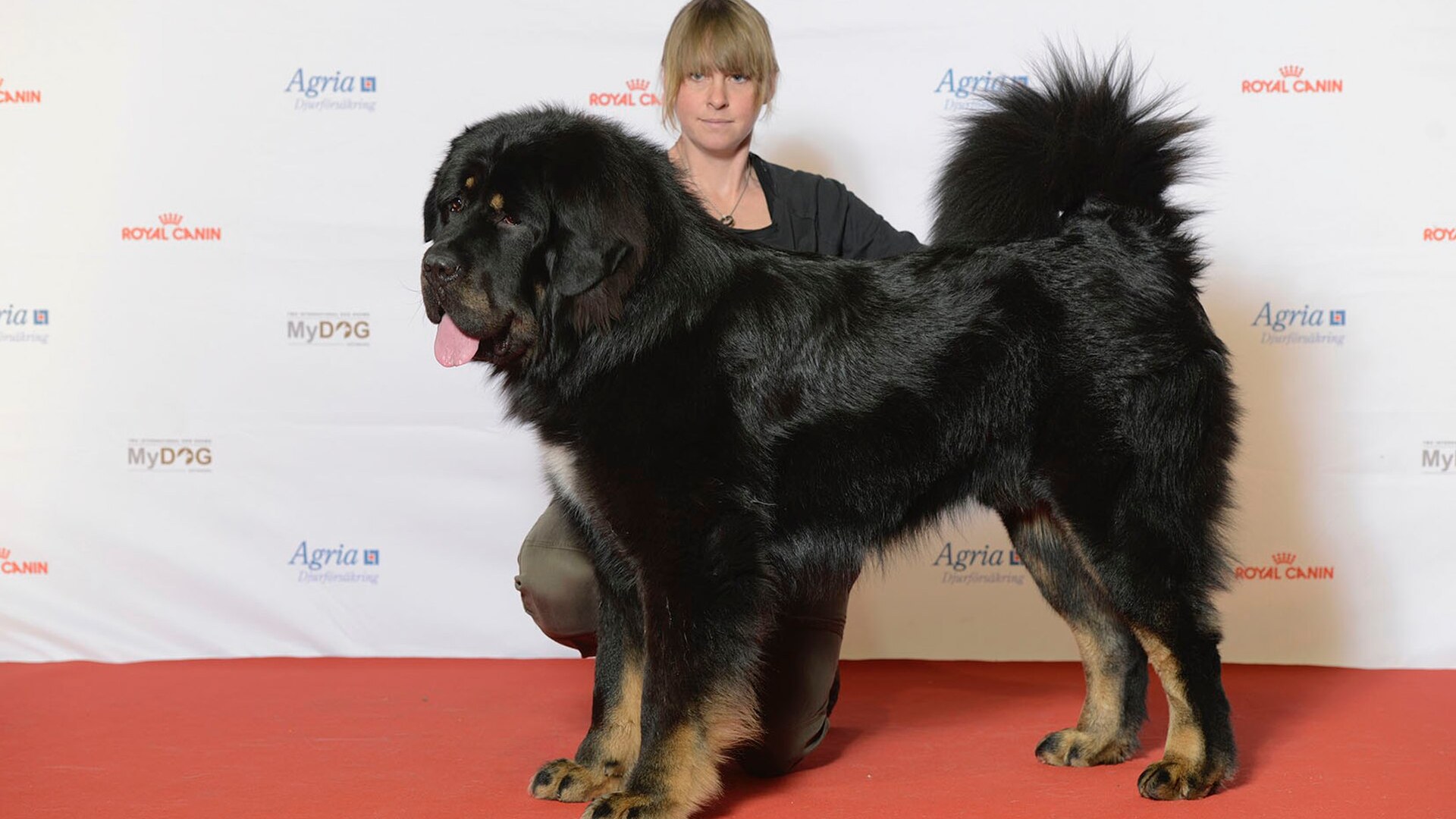
4. Tibetan Mastiff
Native to the high Himalayan plateau, the Tibetan Mastiff spent millennia guarding remote monasteries above twelve thousand feet. Its immense mane and double woolly undercoat provide heavy thermal protection against subzero mountain air and gale-force winter winds.
©Wikimedia / Svenska Mässan from Sweden
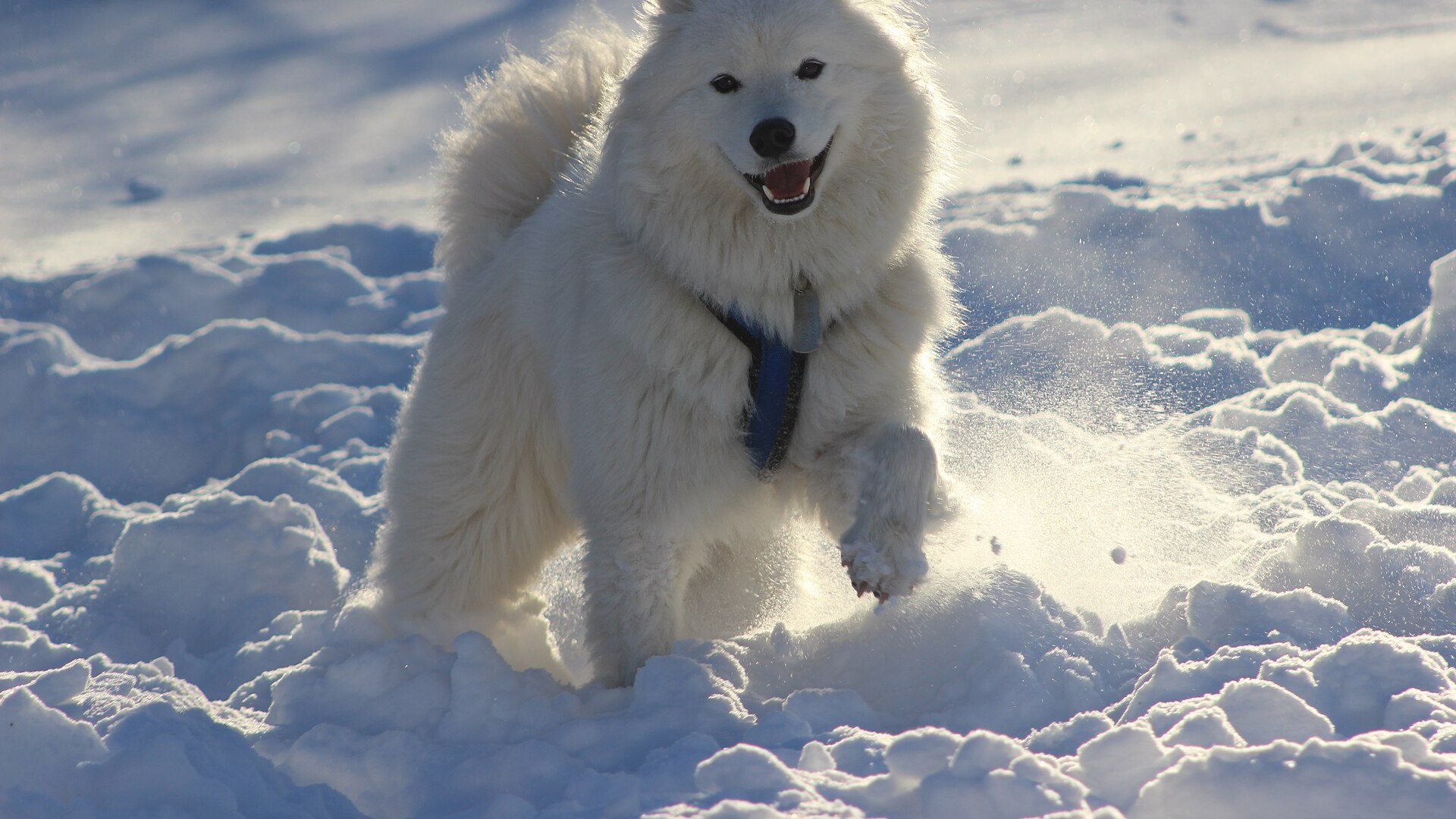
3. Samoyed
Nomadic Samoyedic tribes in northern Siberia slept beside these dogs to survive temperatures reaching minus sixty degrees. American Kennel Club breed standards emphasize its glistening silver-tipped double coat, which repels snow completely and prevents ice crystals from forming on fur.
©Wikimedia / Johnjptraynor
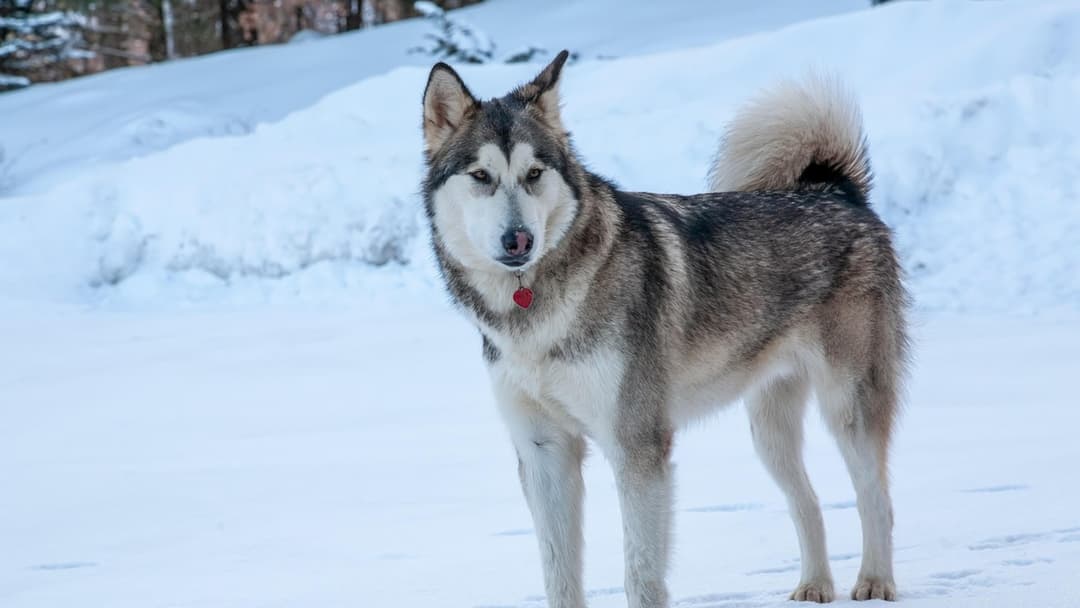
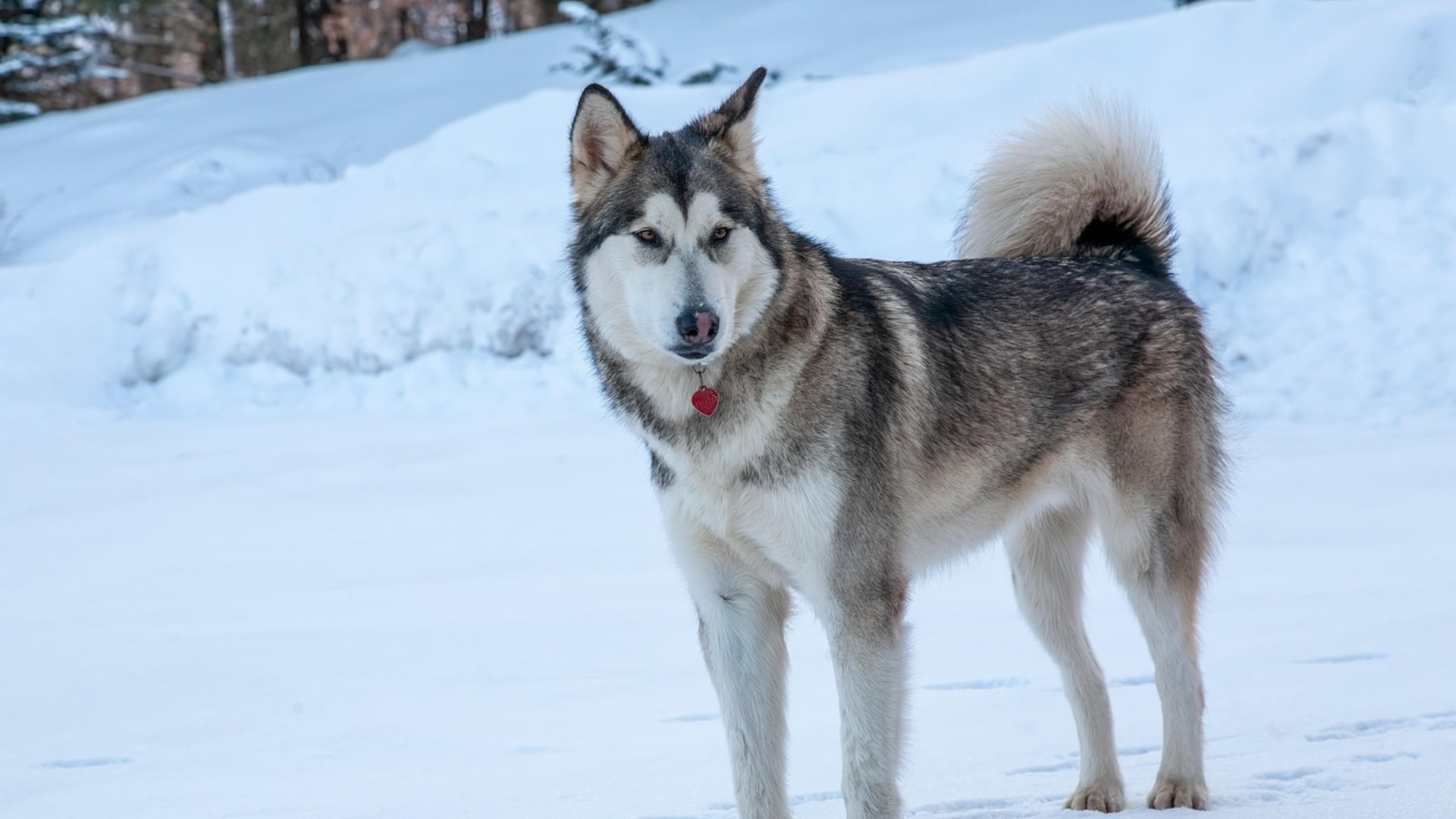
2. Alaskan Malamute
Bred in northwestern Alaska to haul heavy freight across frozen tundra, the Alaskan Malamute possesses immense bone and arctic endurance. A coarse oily guard coat reaching two inches in depth covers a dense oily underwool, creating an impenetrable barrier against arctic blizzards.
©Pixabay / MOHANN
Advertisement
Swipe or tap ▶ to resume the countdown.
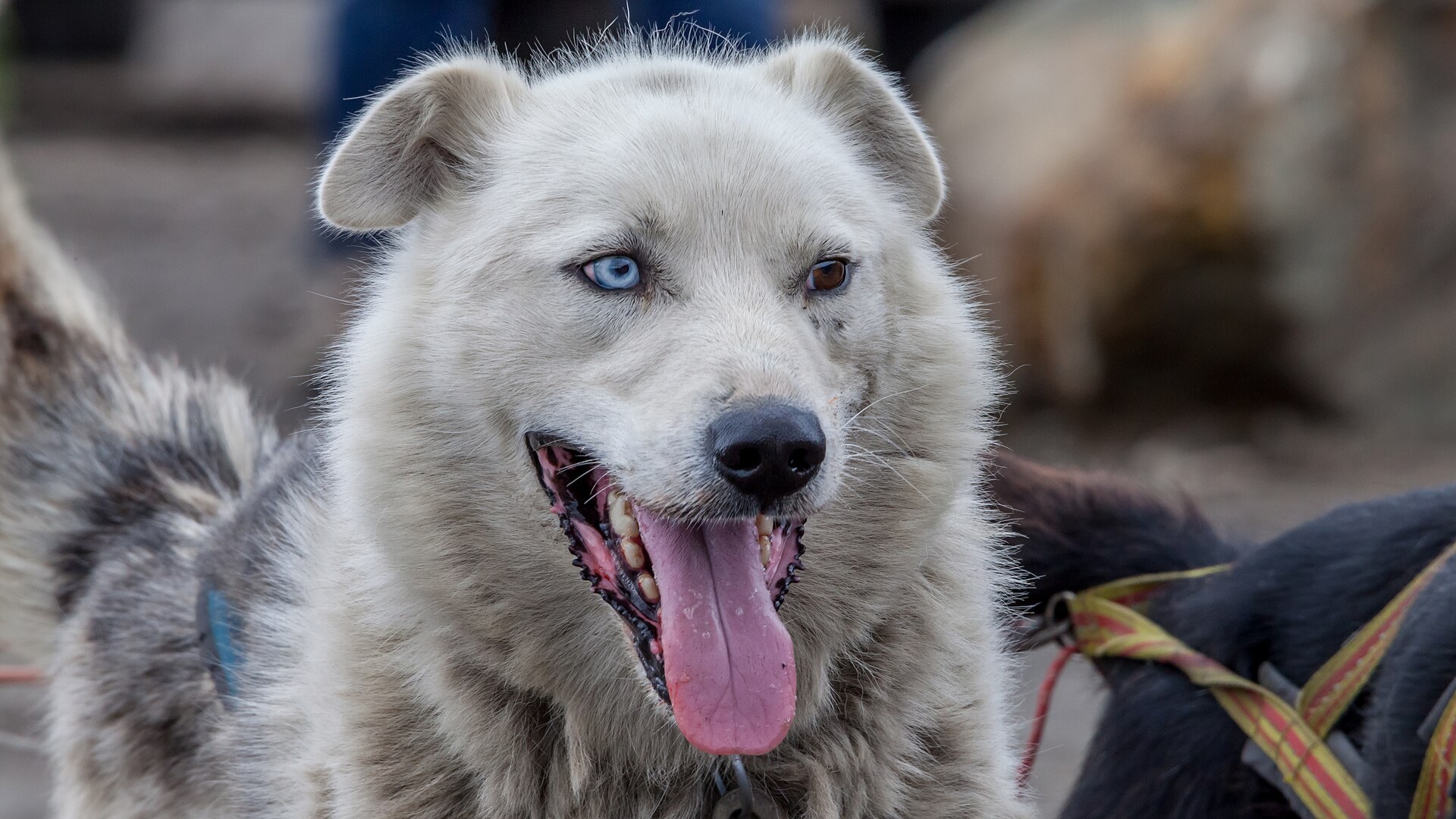
1. Siberian Husky
Engineered by the Chukchi people of eastern Siberia for fast long-distance winter travel, the Siberian Husky represents the peak of cold endurance. Compact paws with protective fur between the toes, almond eyes that squint against blowing snow, and a dual-layer coat keep it warm below minus fifty.
©Wikimedia / AWeith
Advertisement
You've reached the end of the story. Thanks for reading!

20 pets some people like to keep but others found them creepy
From eight-legged tarantulas to armored skinks and hissing cockroaches, unconventional companions inspire fierce devotion in their keepers and shuddering avoidance in others. Explore twenty unusual pets that completely divide animal lovers, based on veterinary data and exotic pet care registries.
All 20 Entries in this Story
#20 Keeshond
Originating in the Arctic spitz lineage, the Keeshond developed an abundant double coat to endure frigid canal winters in eighteenth-century Holland. American Kennel Club breed standards highlight its thick woolly undercoat and plumed tail that protects exposed paws when curled in snow.

#19 Swedish Vallhund
Viking settlers in southern Sweden bred this agile herder over a thousand years ago to manage cattle in freezing winter weather. The Swedish Vallhund carries a tight weather-resistant topcoat and a dense soft undercoat that repels slush and cold rain across Scandinavian pastures.

#18 Alaskan Klee Kai
Developed in Wasilla, Alaska during the 1970s, the Alaskan Klee Kai was bred down from northern sled stock into a companion size. Despite its smaller frame, the breed maintains a thick insulating undercoat and alert prick ears with internal fur that resists subzero northern winds.

#17 Norwegian Buhund
Dating back to archaeological Viking grave sites in Rogaland from around 900 AD, the Norwegian Buhund served as an all-around mountain farm dog. Its thick outer guard coat and dense underfur shed moisture easily, keeping the working dog warm during blustery Scandinavian snowstorms.

#16 Swedish Lapphund
Recognized as one of Sweden's oldest native breeds, the Swedish Lapphund helped Sami hunters herd reindeer above the Arctic Circle. A jet-black double coat stands straight out from the body, creating an insulating air buffer that resists intense frost and subzero Nordic blizzards.

#15 Icelandic Sheepdog
Brought to Iceland around 874 AD, this tough Nordic spitz became indispensable for driving livestock across windswept subarctic lava fields. Official Federation Cynologique Internationale standards specify a thick water-repellent double coat that dries quickly after heavy winter snowfalls.

#14 Finnish Lapphund
Centuries of working in northern Finnish Lapland produced a breed capable of sleeping outdoors in freezing conditions. The Finnish Lapphund features a profuse weather-shedding outer coat and an exceptionally thick underwool that retains body heat down to temperatures far below zero.

#13 Karelian Bear Dog
Developed in the rugged Karelia borderlands between Finland and Russia, this fearless hunter tracks large game through waist-deep snow drifts. Its coarse straight topcoat sheds heavy snow encrustations while dense underfur shields vital organs during prolonged winter hunts.

#12 Norwegian Elkhound
Sailing alongside Norse seafarers for over a millennium, the Norwegian Elkhound hunted moose across freezing Scandinavian highlands. American Kennel Club records emphasize its dense weather-resistant double coat, tightly curled tail, and compact feet designed for traction on icy crags.

#11 Chinook
Arthur Treadwell Walden developed the Chinook in New Hampshire in 1917 to combine sled pulling power with cold endurance. The breed served on Admiral Richard Byrd's 1928 Antarctic expedition, using a dense tawny double coat to endure fierce polar headwinds and frigid camp nights.

#10 Yakutian Laika
Originating in the Sakha Republic along the Kolyma and Indigirka rivers, the Yakutian Laika works in one of the coldest inhabited regions on Earth. Its thick shiny coat and heavily furred foot pads protect paws from ice lacerations in temperatures dipping below minus fifty degrees.

#9 Canadian Eskimo Dog
Known in Inuktitut as the Qimmiq, this ancient draft breed has served Arctic hunters for four thousand years. The Canadian Kennel Club standard notes an oily coarse guard coat and dense woolly underlayer that prevents snow from melting against the skin and forming deadly ice buildup.

#8 Greenland Dog
Roald Amundsen relied on the Greenland Dog to reach the South Pole in 1911 due to its unrivaled stamina in severe subzero conditions. Preserved under strict indigenous breeding rules, this heavy spitz carries a coarse waterproof topcoat and thick underfur built for polar sea ice.

#7 Akita
Bred in the snow-covered mountains of northern Japan's Akita prefecture, these historic dogs hunted bear and boar in deep winter drifts. Its plush double coat features harsh straight guard hairs and soft underwool that traps air, providing natural insulation against heavy mountain snow.

#6 Leonberger
Created in the 1840s in Leonberg, Germany, this massive working breed combines Newfoundland and Saint Bernard genetics. The Leonberger possesses a lavish water-resistant double coat and webbed paws that allow it to navigate slush, icy lakes, and deep alpine snowpacks without freezing.

#5 Kuvasz
Guarding royal estates and high mountain sheep flocks in the Carpathian basin since the fifteenth century, the Kuvasz faces brutal winter blizzards. Its coarse white double coat repels freezing moisture while dark skin pigmentation underneath guards against intense snow glare.

#4 Tibetan Mastiff
Native to the high Himalayan plateau, the Tibetan Mastiff spent millennia guarding remote monasteries above twelve thousand feet. Its immense mane and double woolly undercoat provide heavy thermal protection against subzero mountain air and gale-force winter winds.

#3 Samoyed
Nomadic Samoyedic tribes in northern Siberia slept beside these dogs to survive temperatures reaching minus sixty degrees. American Kennel Club breed standards emphasize its glistening silver-tipped double coat, which repels snow completely and prevents ice crystals from forming on fur.

#2 Alaskan Malamute
Bred in northwestern Alaska to haul heavy freight across frozen tundra, the Alaskan Malamute possesses immense bone and arctic endurance. A coarse oily guard coat reaching two inches in depth covers a dense oily underwool, creating an impenetrable barrier against arctic blizzards.

#1 Siberian Husky
Engineered by the Chukchi people of eastern Siberia for fast long-distance winter travel, the Siberian Husky represents the peak of cold endurance. Compact paws with protective fur between the toes, almond eyes that squint against blowing snow, and a dual-layer coat keep it warm below minus fifty.