Slideshow · Animals
25 Forest Animals That Blend Into Their Surroundings, Ranked
Evolving deceptive patterns across millions of years, discover twenty-five extraordinary woodland creatures that vanish seamlessly against forest tree trunks, leaves, and moss.
By Most Viral Today
1 hour ago

The Most Deceptive Masters of Camouflage in the Global Wilderness 
25. Eastern Copperhead 
24. Common Baron Caterpillar 
23. European Nightjar - AdvertisementSwipe or tap ▶ to continue countdown

22. Peppered Moth 
21. Dead Leaf Butterfly 
20. Great Grey Owl 
19. Grey Tree Frog - AdvertisementSwipe or tap ▶ to continue countdown

18. Walking Stick Insect 
17. Leopard 
16. Lichen Huntsman Spider 
15. Buff-Tip Moth - AdvertisementSwipe or tap ▶ to continue countdown

14. Leaf-Mimic Katydid 
13. Orchid Mantis 
12. Gaboon Viper 
11. Tawny Frogmouth - AdvertisementSwipe or tap ▶ to continue countdown

10. Dead Leaf Mantis 
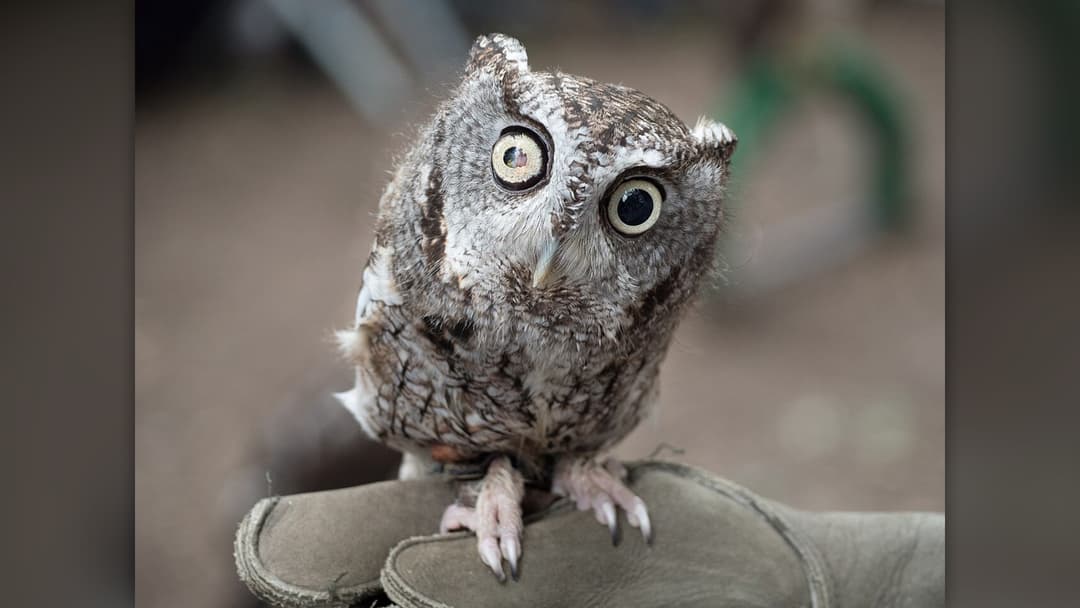
9. Eastern Screech Owl 
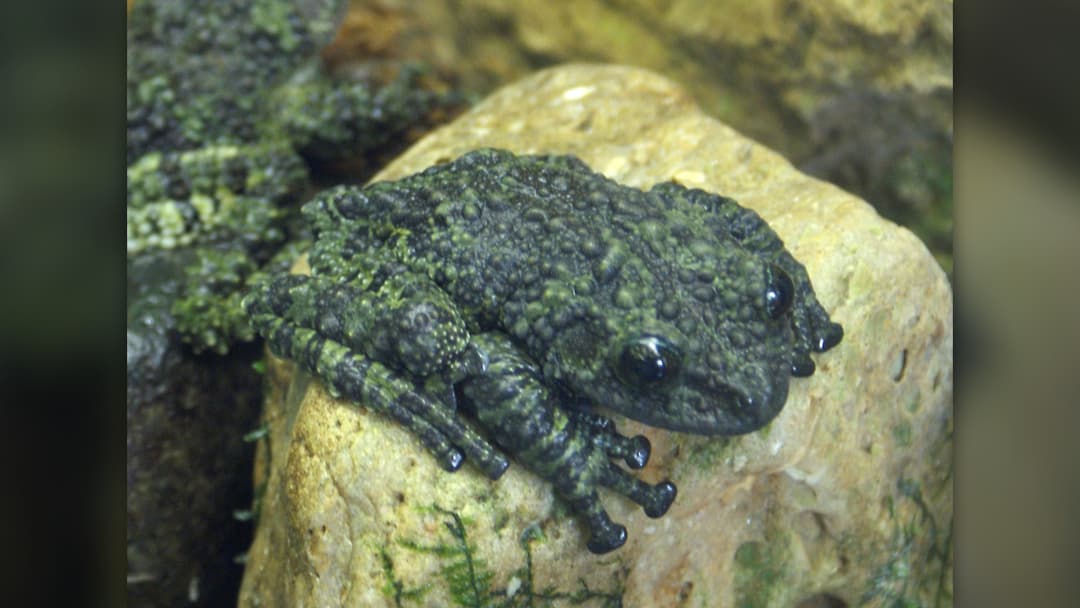
8. Vietnamese Mossy Frog 
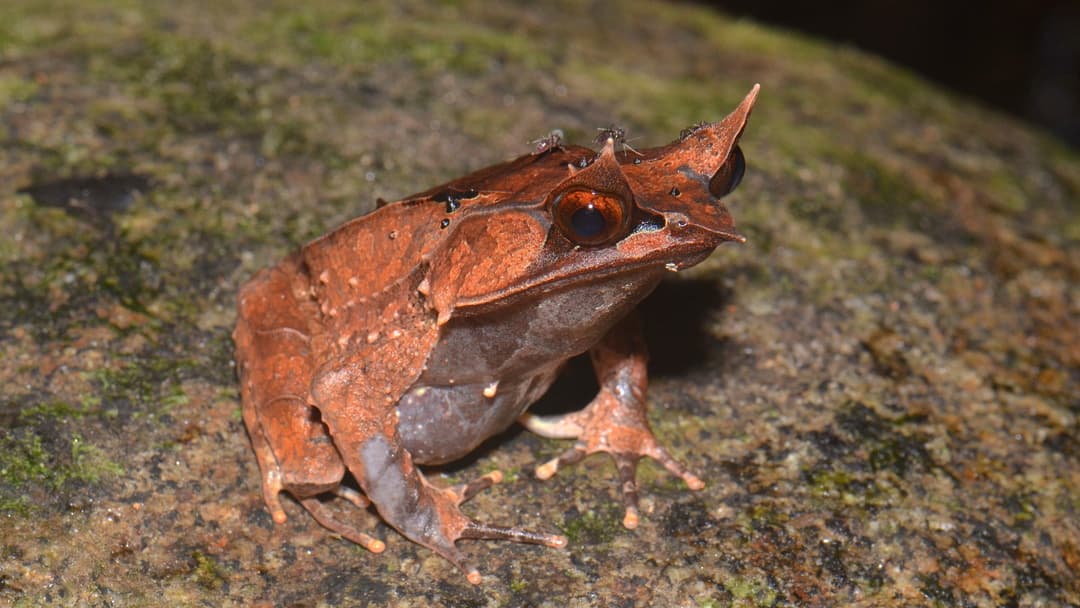
7. Malayan Horned Frog - AdvertisementSwipe or tap ▶ to continue countdown

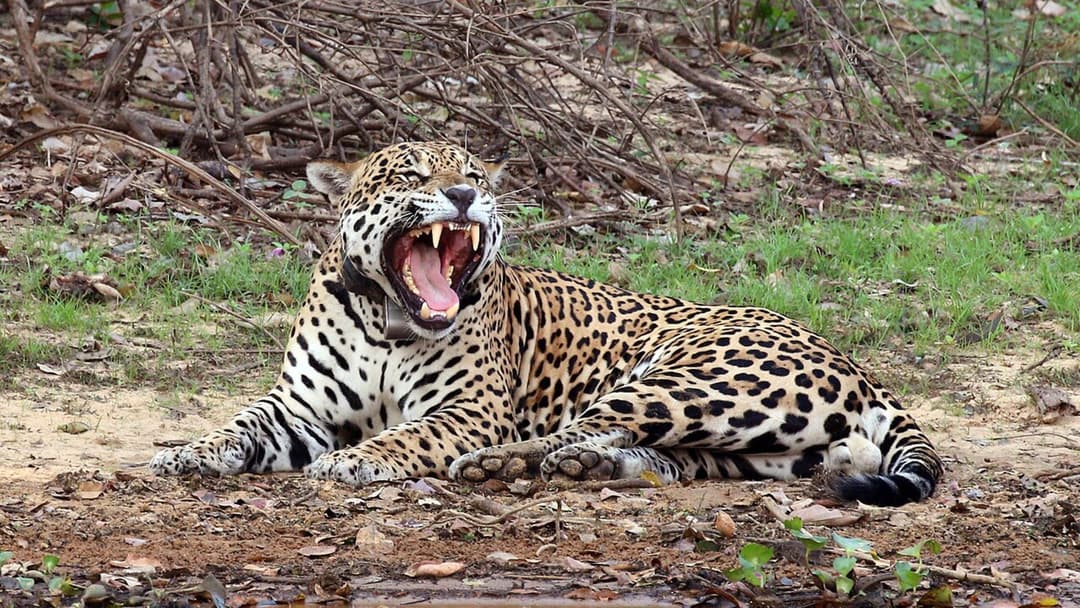
6. Jaguar 
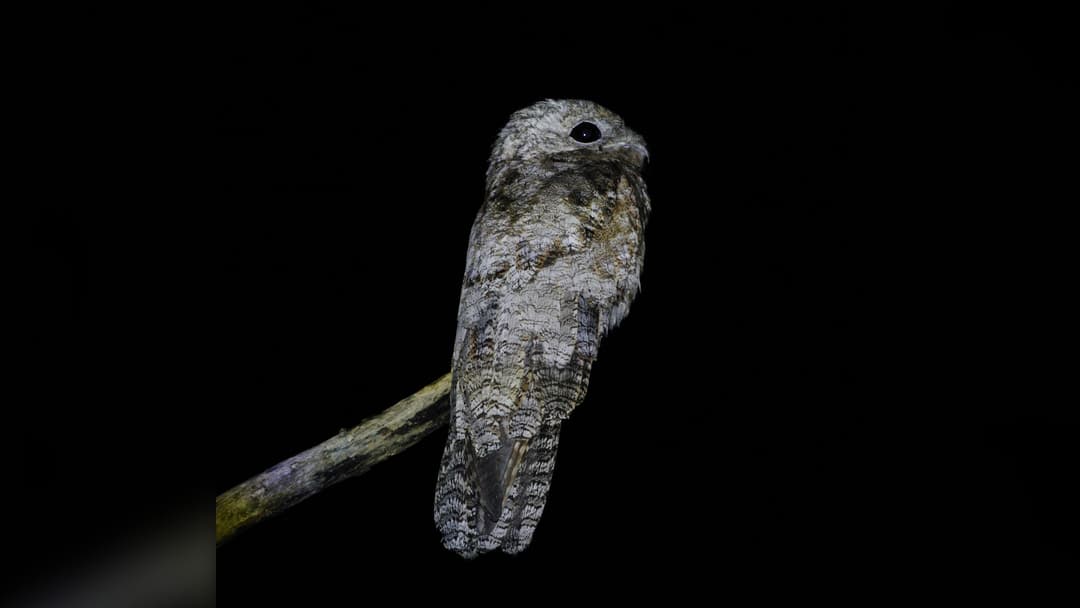
5. Great Potoo 
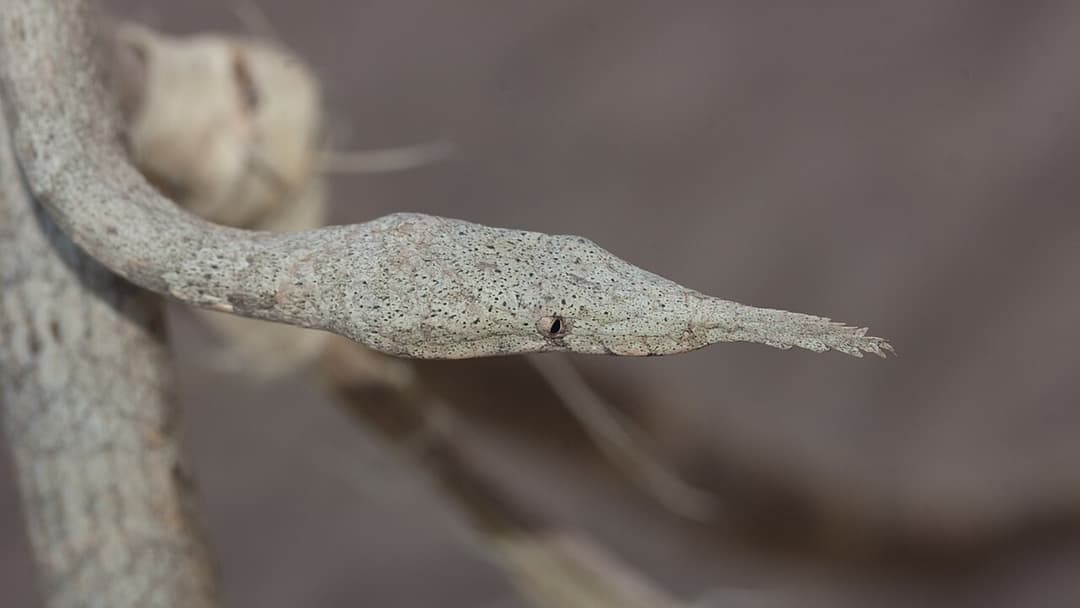
4. Madagascar Leaf-Nosed Snake 
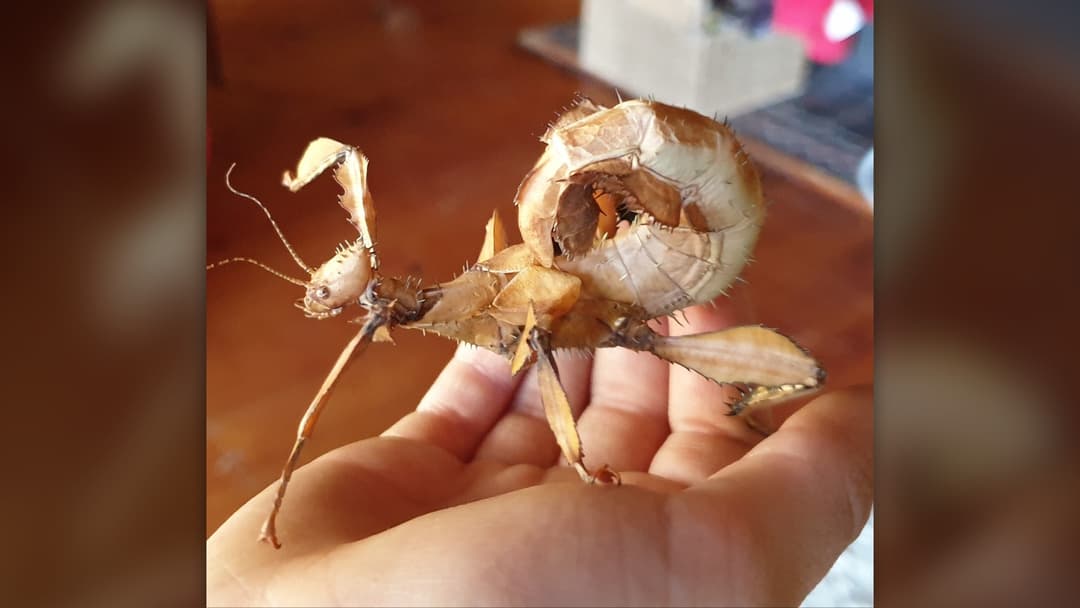
3. Spiny Leaf Insect - AdvertisementSwipe or tap ▶ to continue countdown

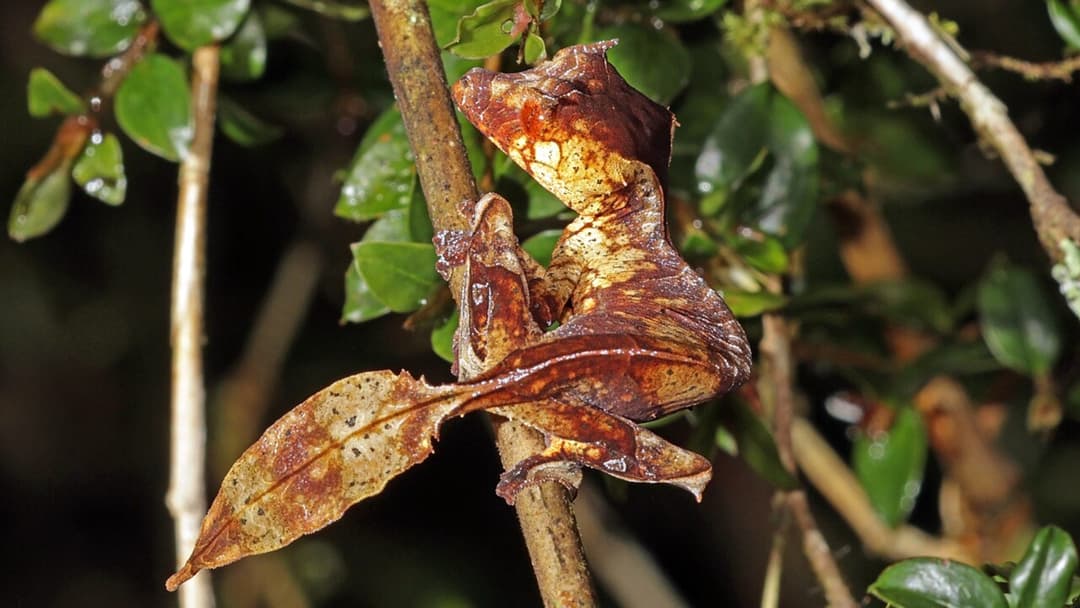
2. Satanic Leaf-Tailed Gecko 
1. Mossy Leaf-Tailed Gecko - Advertisement🔥 UP NEXT IN THIS SERIES◫ 21 Slides

20 Ancient Cliff Dwellings and Rock-Cut Cities Carved Into Mountains
Based on architectural surveys from UNESCO World Heritage records, here are 20 remarkable ancient cliff dwellings and rock-hewn monuments carved directly into sheer mountains.
In the predator-dense canopy of the world's ancient forests, survival depends on an astonishing biological art form: the ability to become completely invisible in plain sight.
Swipe or tap ▶ to begin the countdown
©Wikimedia / Charles J. Sharp & Frank Vassen from Brussels
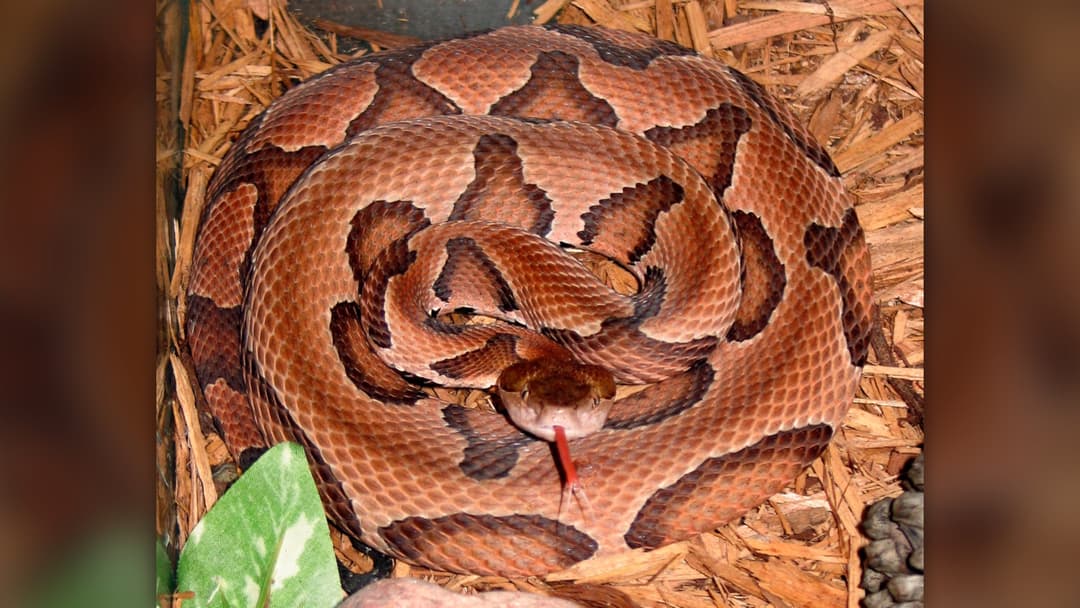
25. Eastern Copperhead
The eastern copperhead is an ambush predator that relies on cryptic coloration rather than flight. Its brown and copper markings break up its bodily outline, making it virtually undetectable to hikers until stepped on directly.
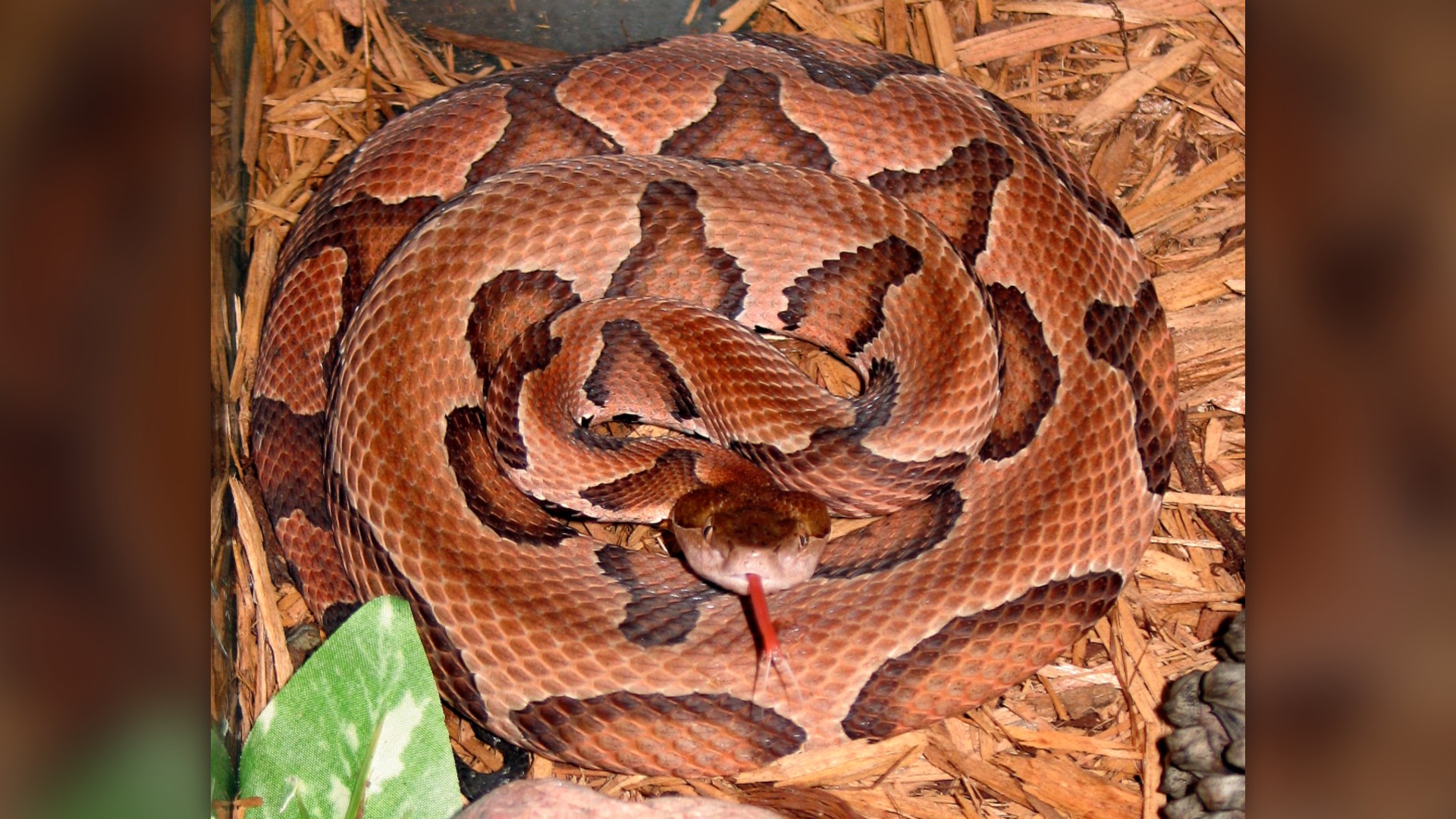
©Wikimedia / Eastern copperhead
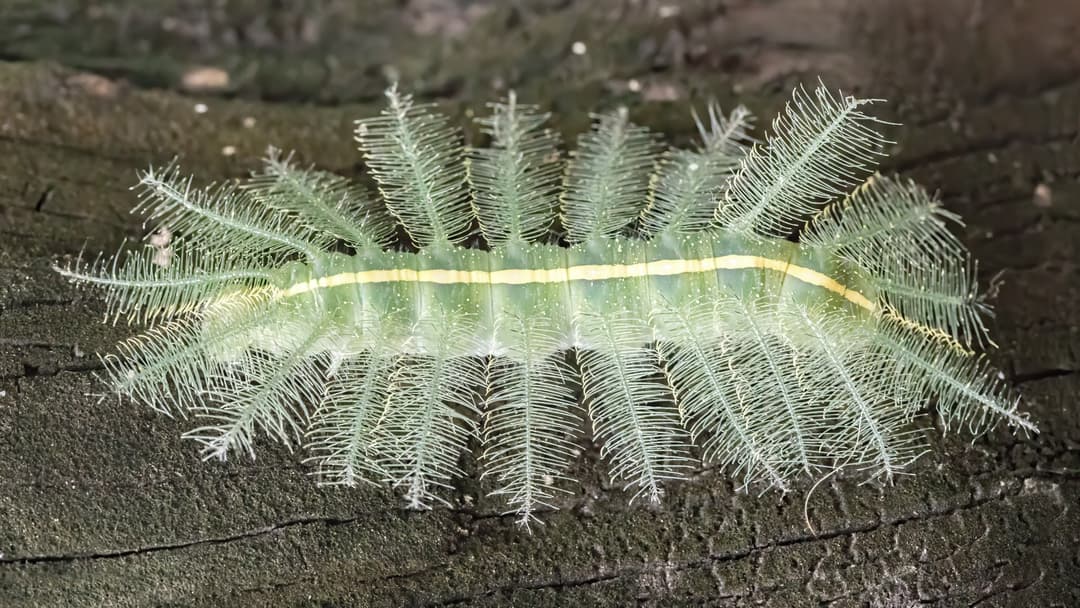
24. Common Baron Caterpillar
Found throughout Southeast Asian forests, the larva of the common baron butterfly flattens its body along the central vein of leaves. Feathered lateral spines pin against the leaf surface to eliminate telltale shadows, hiding it from birds.
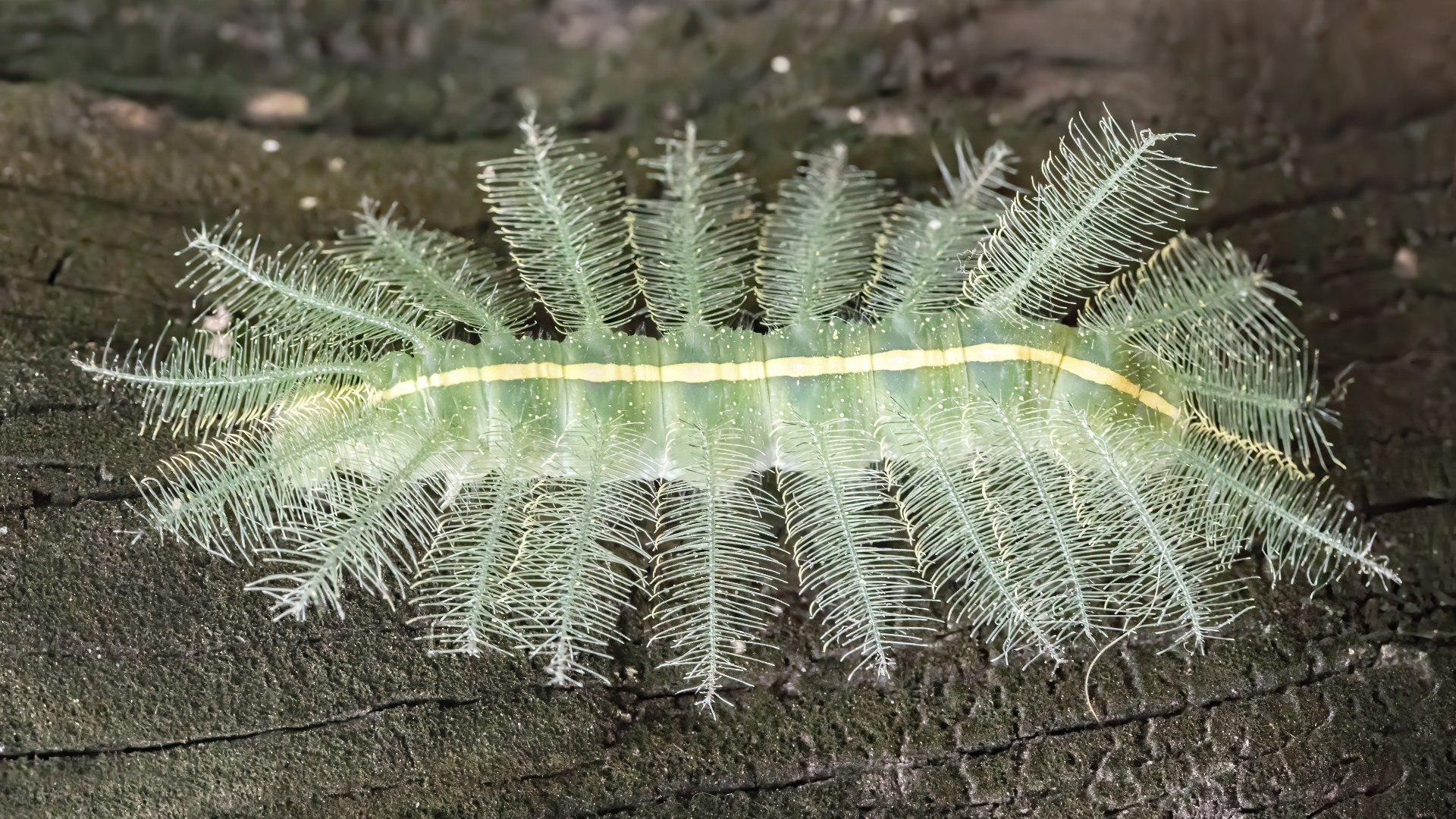
©Wikimedia / Basile Morin
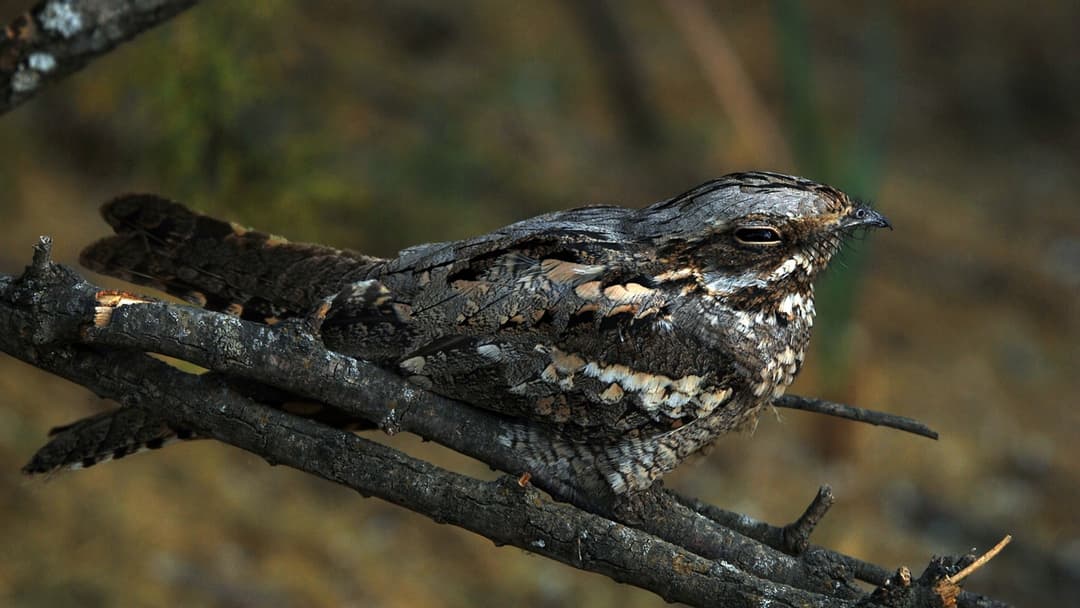
23. European Nightjar
Nesting on bare woodland ground without building a conventional nest, the European nightjar relies exclusively on plumage camouflage. Its feathers mimic decaying bark and pine needles, allowing brooding adults to blend directly into the forest duff.
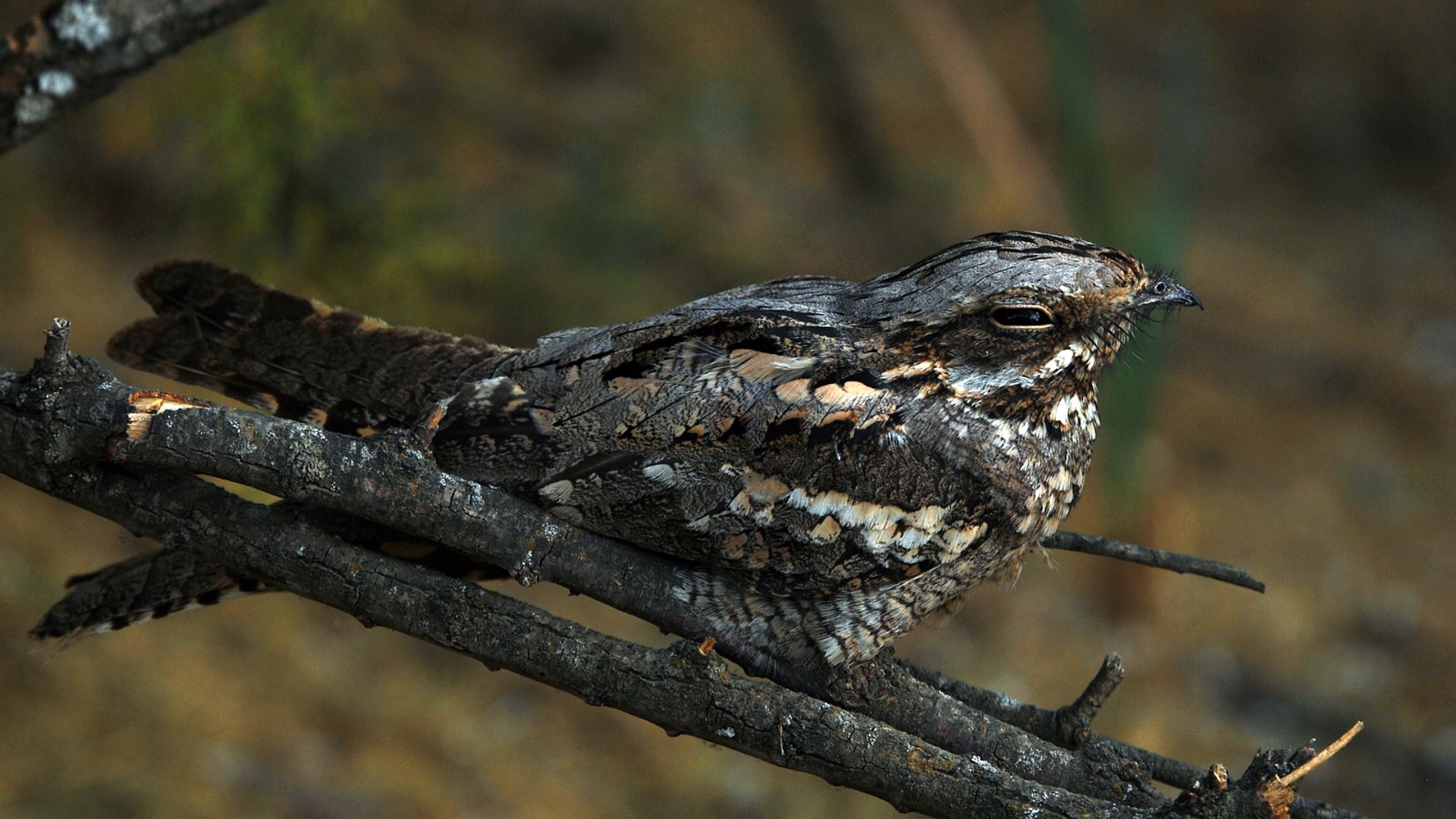
©Wikimedia / European nightjar
Advertisement
Swipe or tap ▶ to resume the countdown.
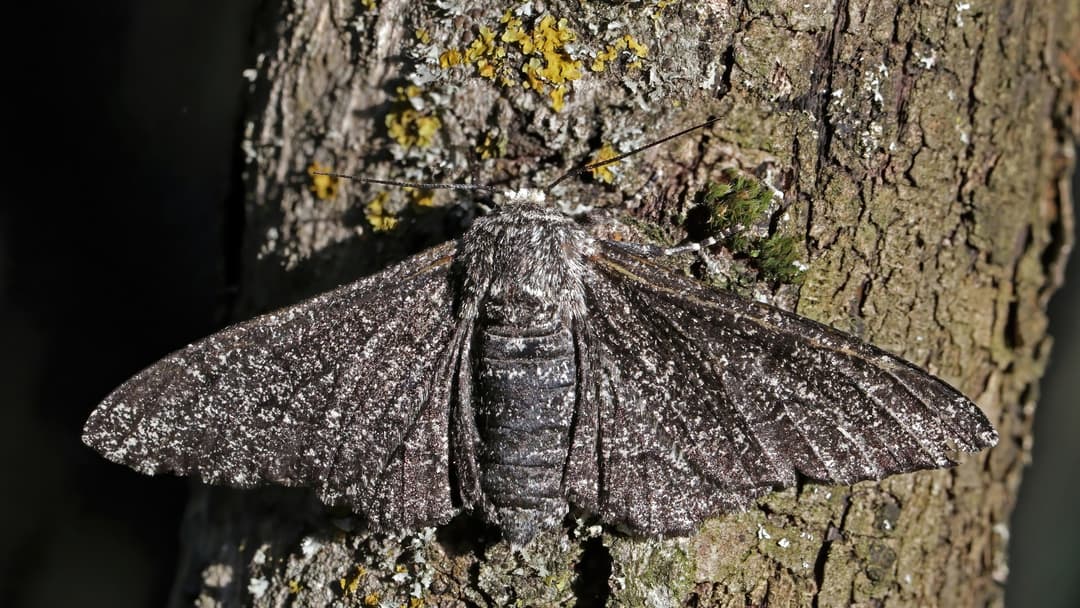
22. Peppered Moth
The peppered moth became a landmark example of natural selection during Britain's industrial era. When coal soot blackened city trees, darker melanic moths survived better, while speckled light morphs remain masterfully concealed in unpolluted lichen forests.
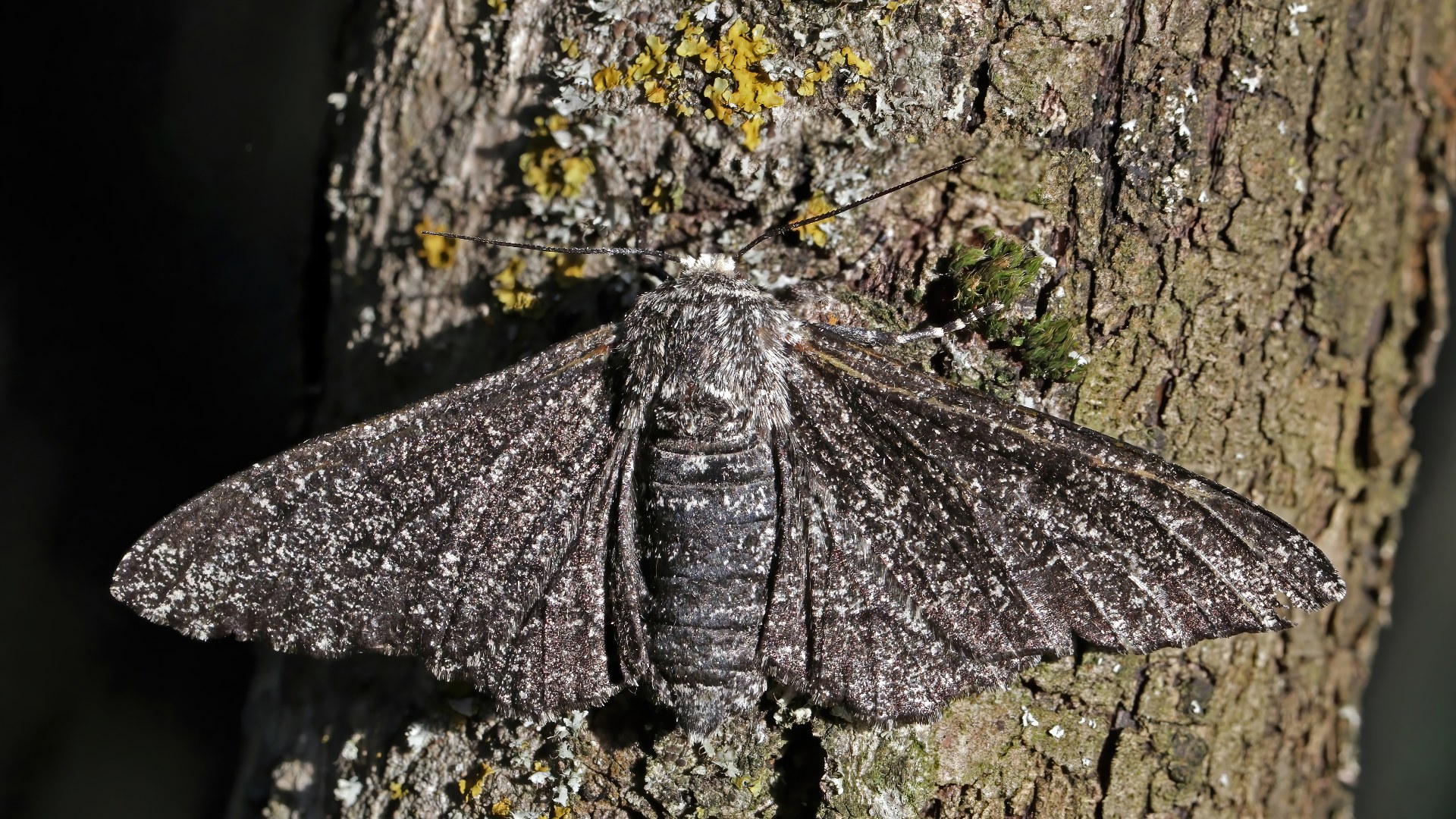
©Wikimedia / Charles J. Sharp
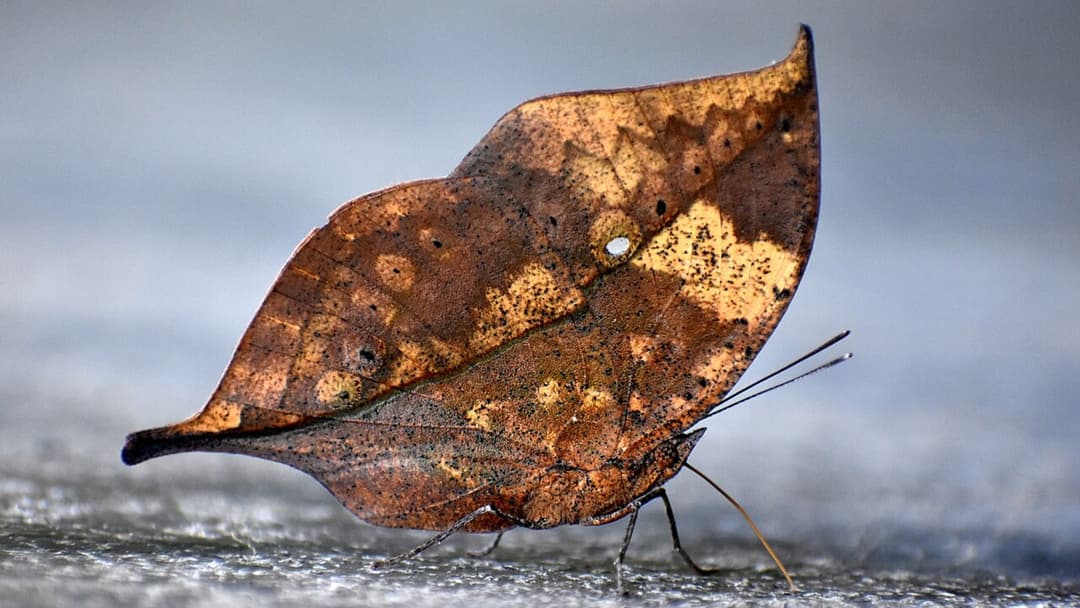
21. Dead Leaf Butterfly
While its upper wings flash brilliant blue and orange in flight, the Asian dead leaf butterfly transforms instantly when perching. With wings closed, it mimics a dried, withered leaf with a pointed stalk, central midrib vein, and realistic mold blemishes.
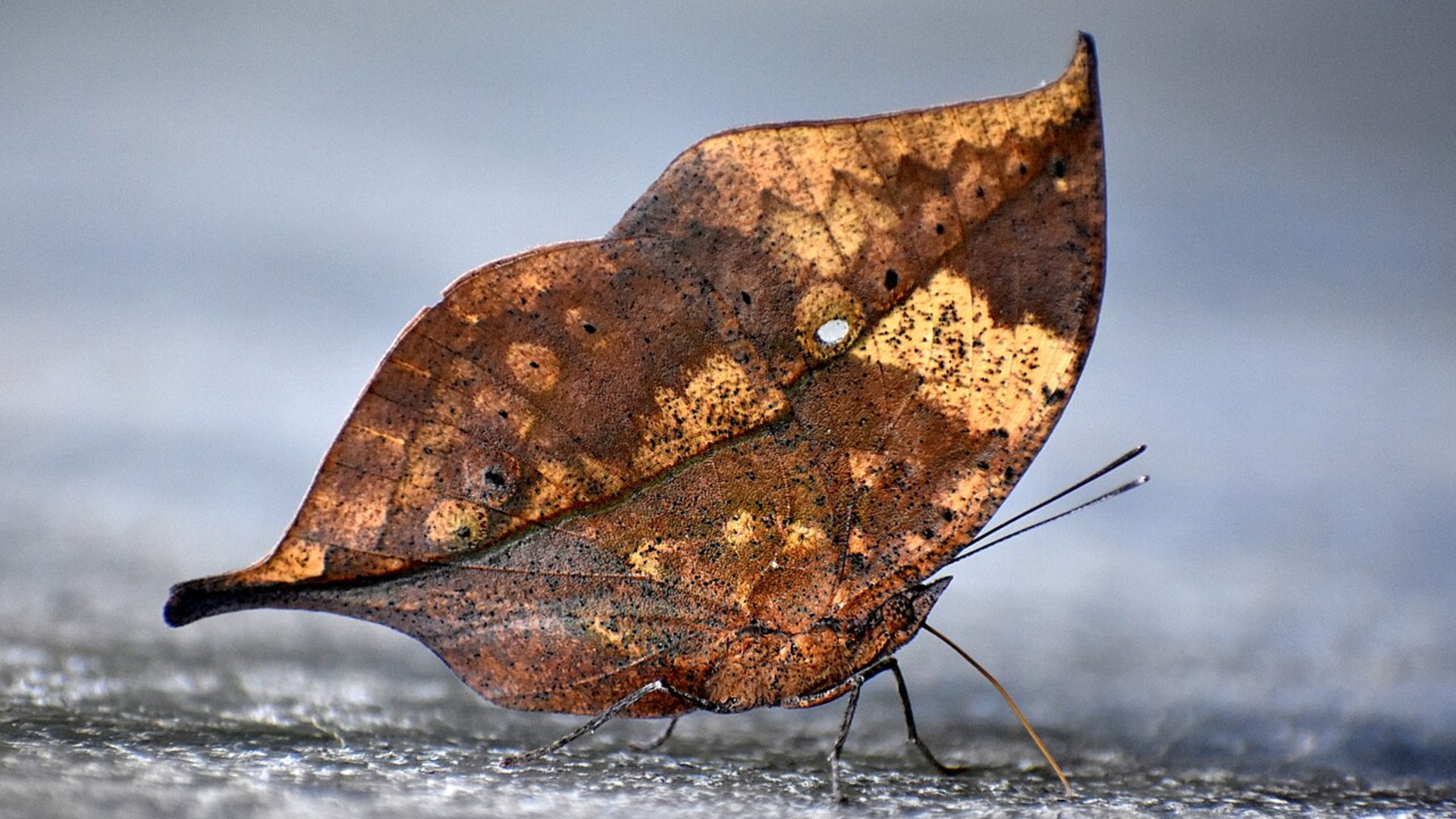
©Wikimedia / Niraj Mani Chourasia
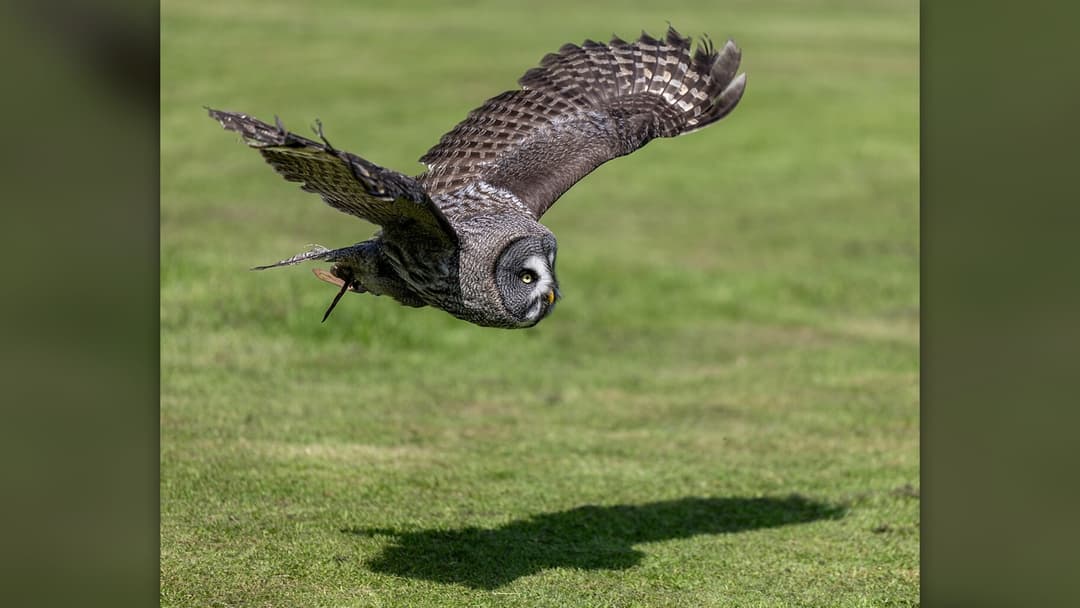
20. Great Grey Owl
Known as the Phantom of the North, the great grey owl perches motionless beside boreal forest tree trunks. Its dense, layered plumage matches weathered spruce bark so closely that daylight predators often fly right past without noticing.
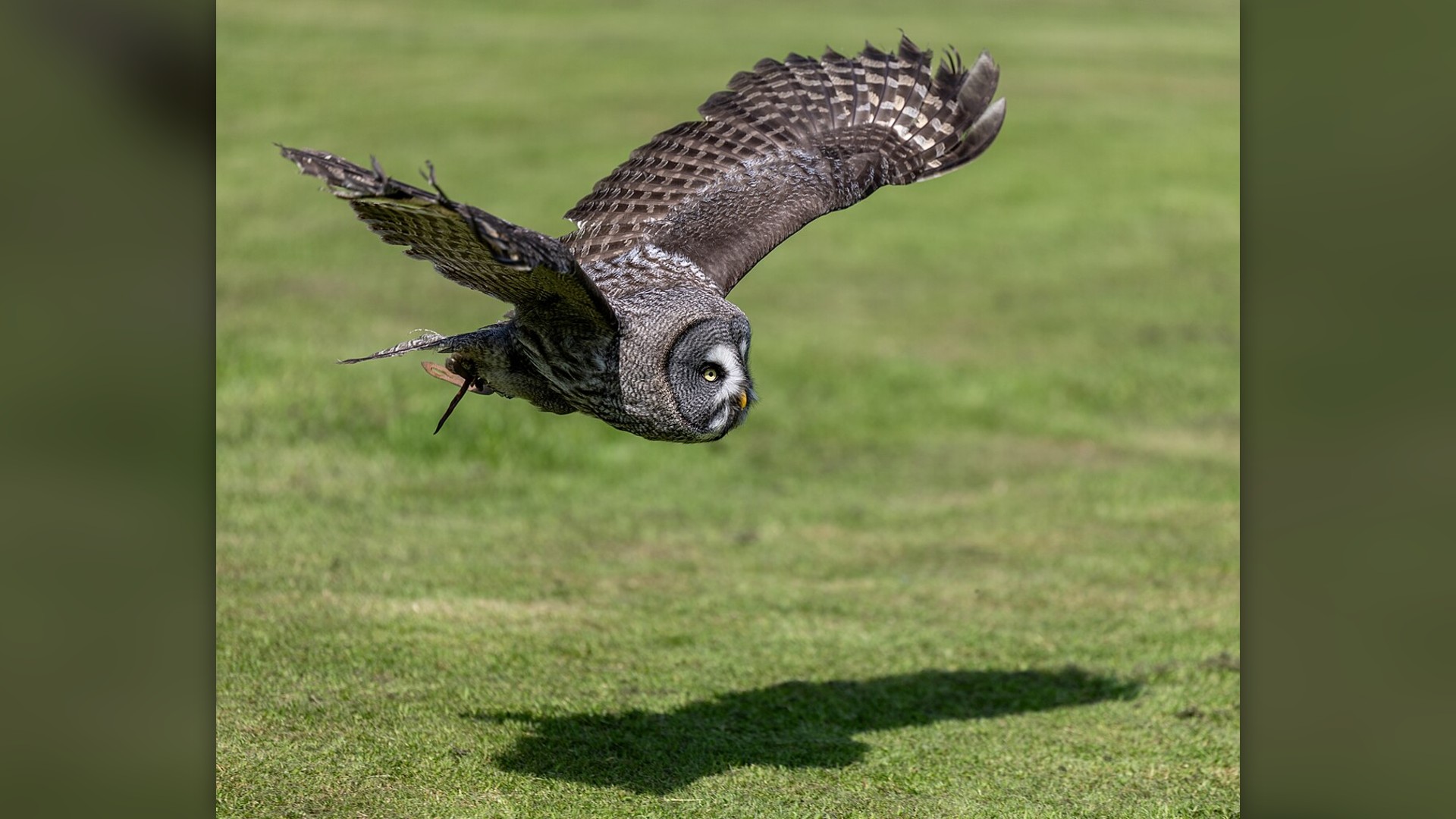
©Wikimedia / Quejaytee
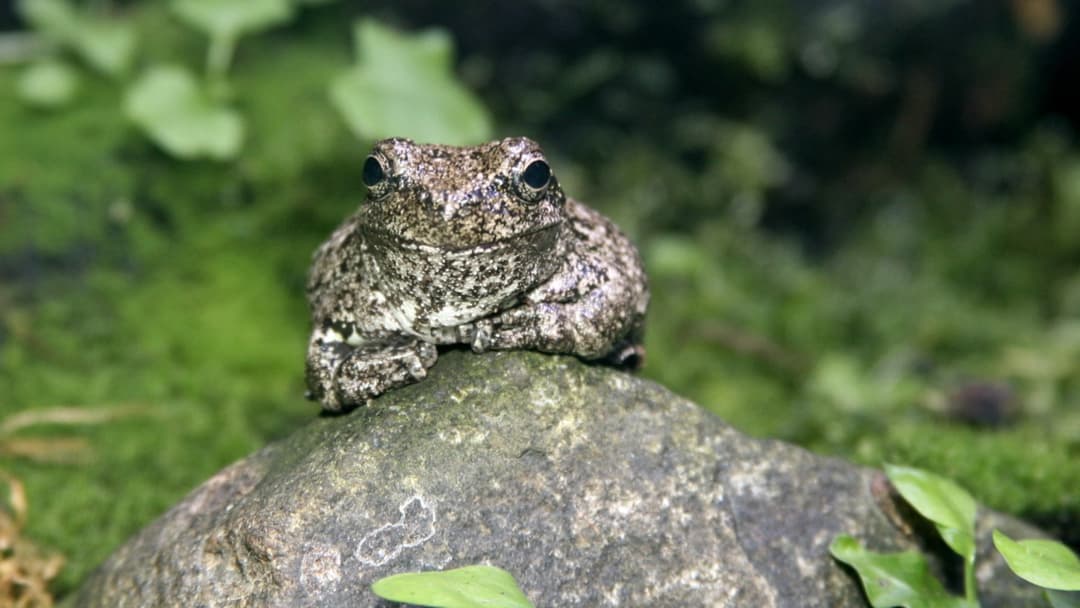
19. Grey Tree Frog
Native to eastern North American woodlands, the grey tree frog can actively adjust its coloration based on ambient temperature and background surface. Its rough, warty skin perfectly imitates the lichen patterns found on oak and maple branches.
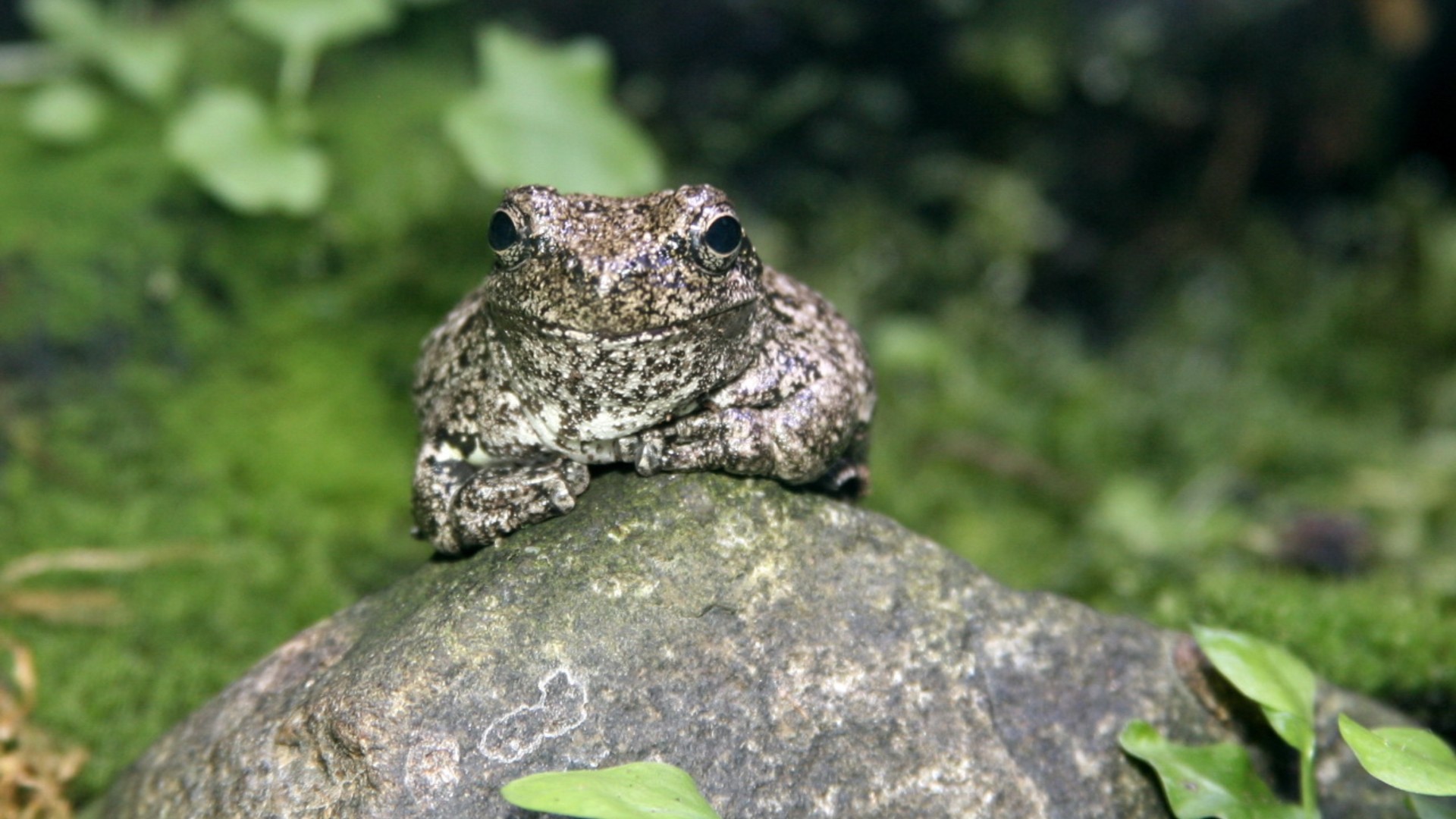
©Wikimedia / Cliff from Arlington, Virginia, USA
Advertisement
Swipe or tap ▶ to resume the countdown.
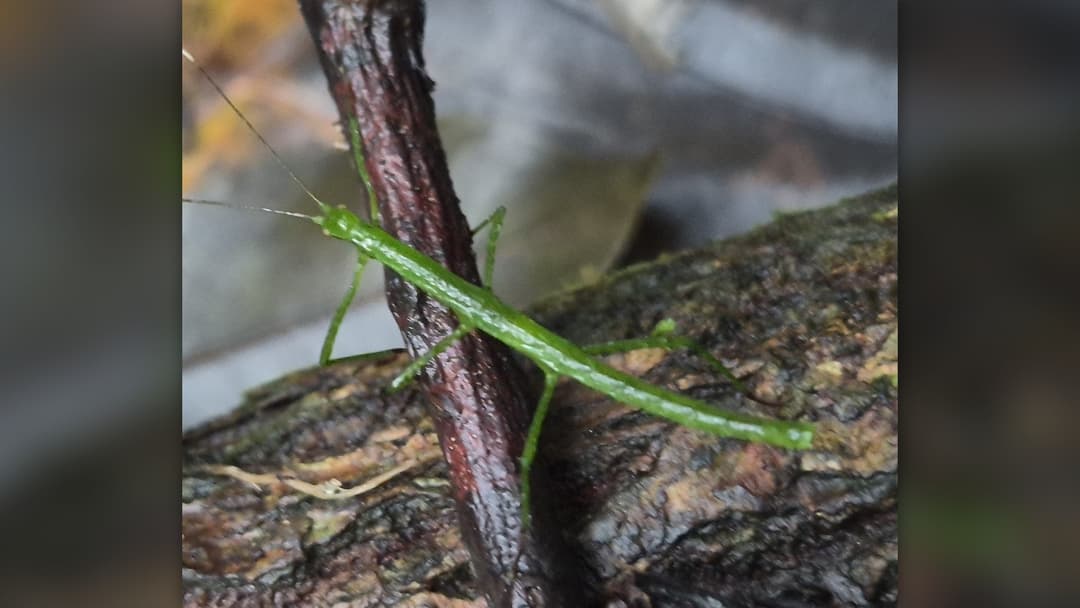
18. Walking Stick Insect
Stick insects possess specialized adaptations including knobby joints, bark-like ridges, and behavioral swaying that mimics twigs rustling in the breeze. When threatened, they enter cataleptic fits, freezing rigidly for hours to evade sharp-eyed predators.
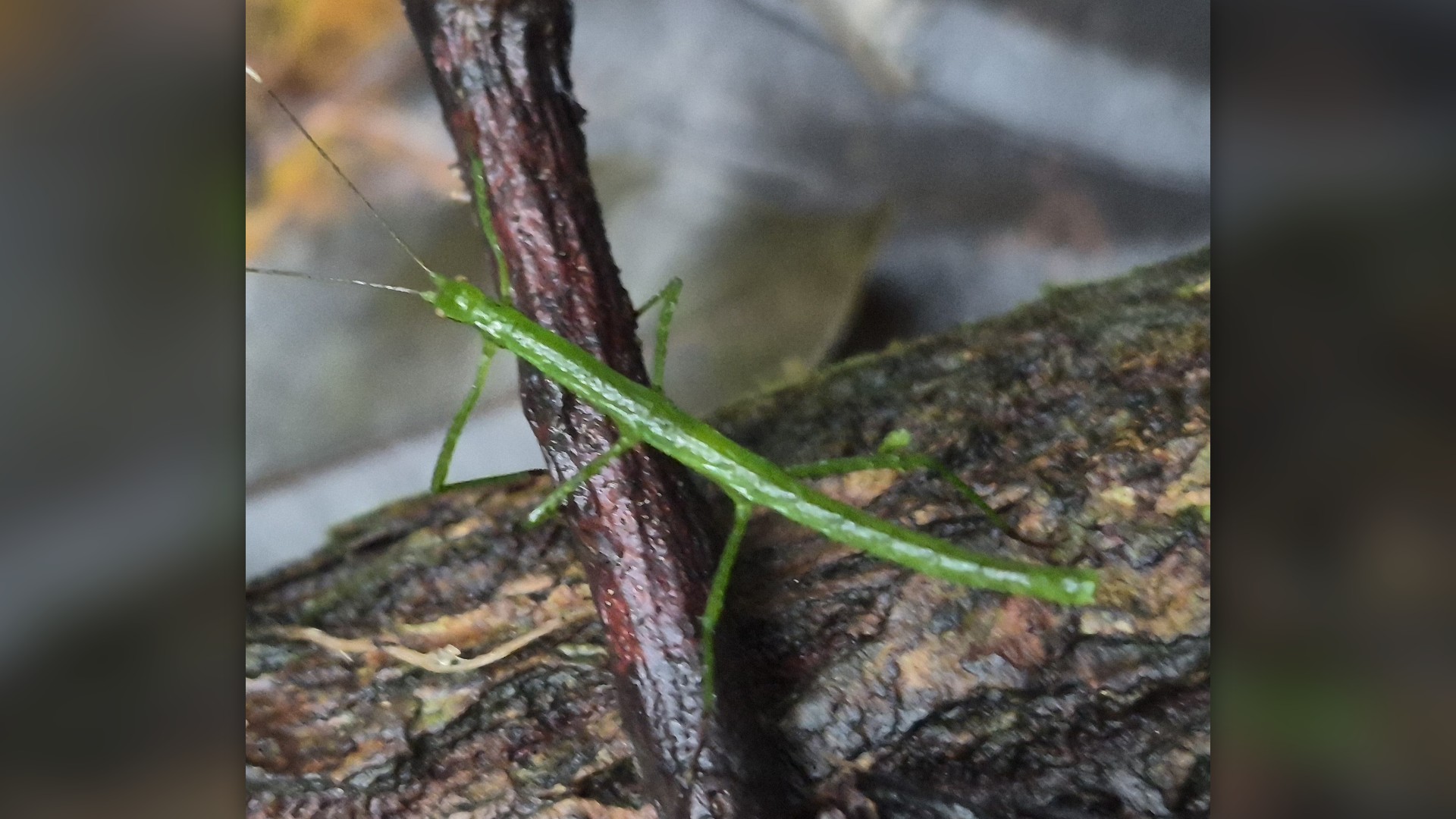
©Wikimedia / Gilmar R. Ferreira
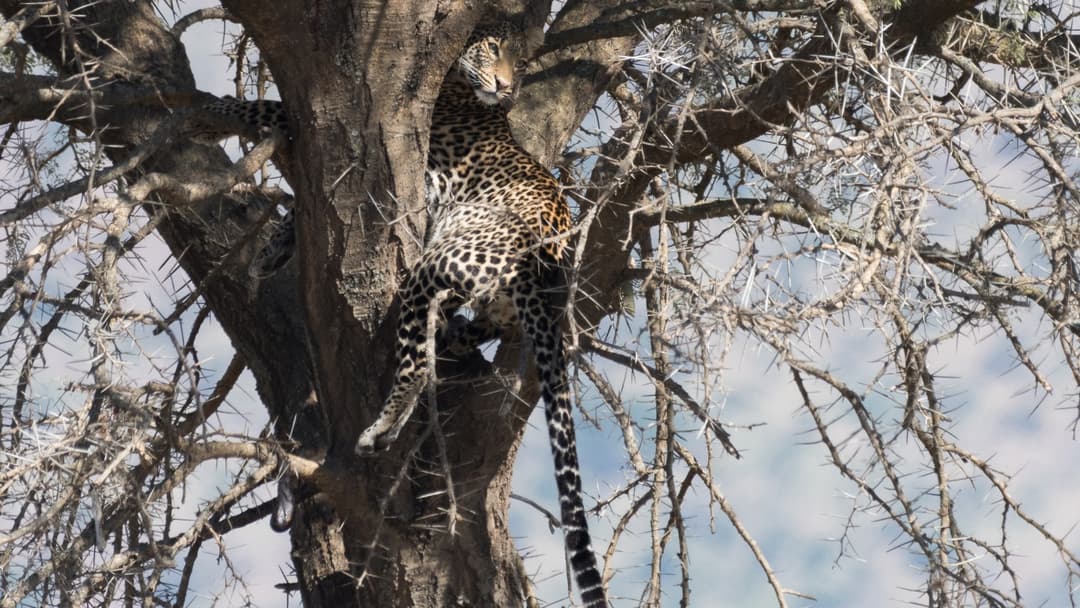
17. Leopard
Forest leopards hunt silently from leafy tree branches where their spotted fur acts as disruptive camouflage. The rosette patterns mimic shifting light and shadow through the jungle canopy, allowing the apex predator to stalk within striking distance unseen.
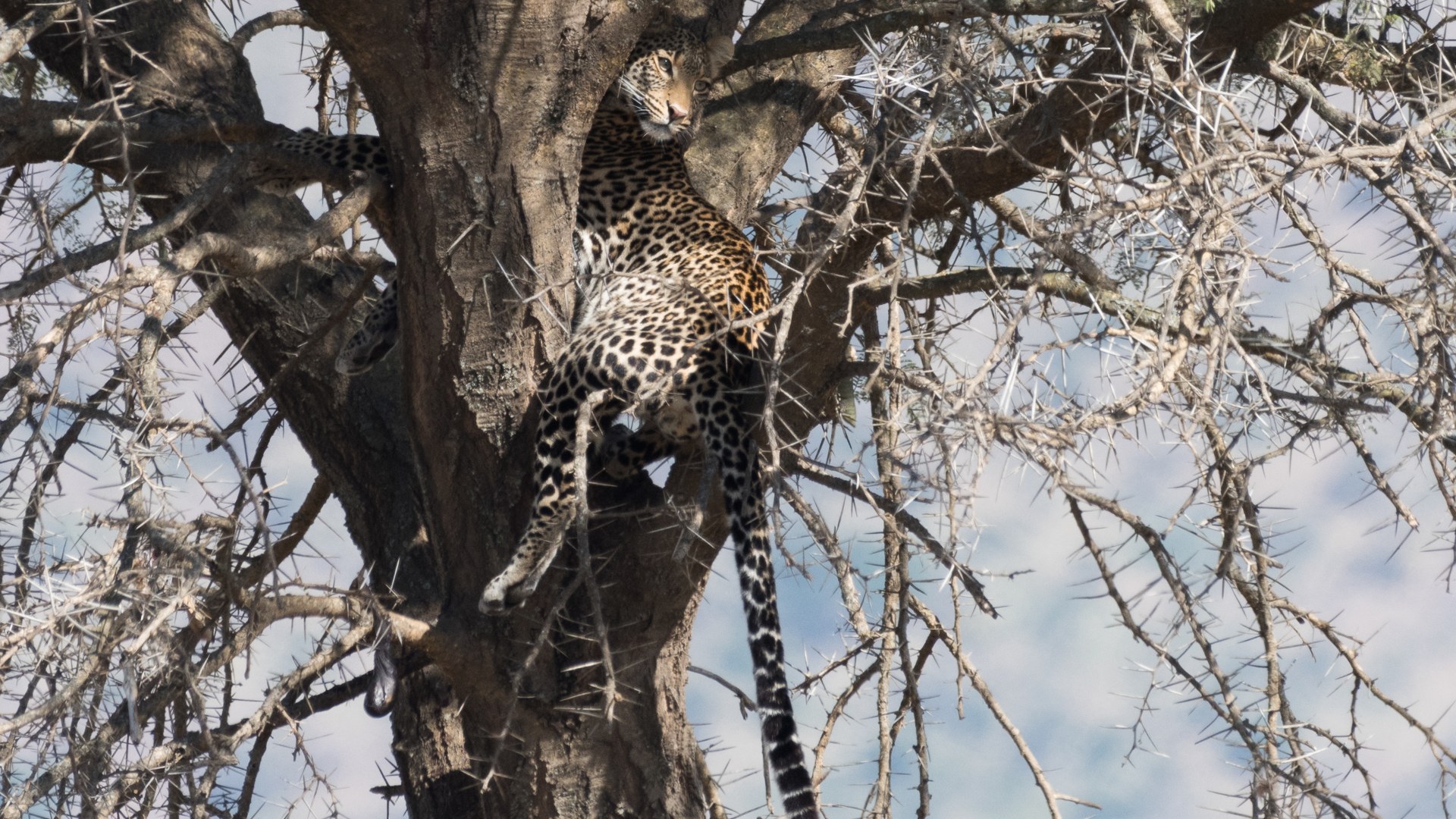
©Wikimedia / Becky Matsubara from El Sobrante, California
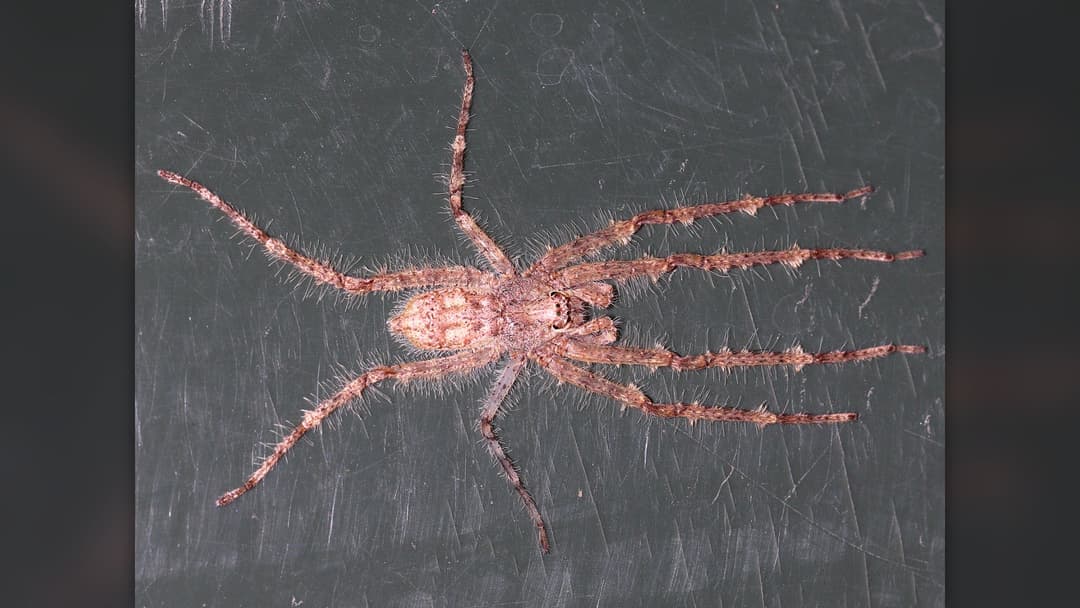
16. Lichen Huntsman Spider
The lichen huntsman spider lives on rainforest tree trunks in Queensland. Its extraordinarily flat profile and bristly green markings eliminate edge shadows, allowing it to remain completely invisible while waiting for passing insect prey.
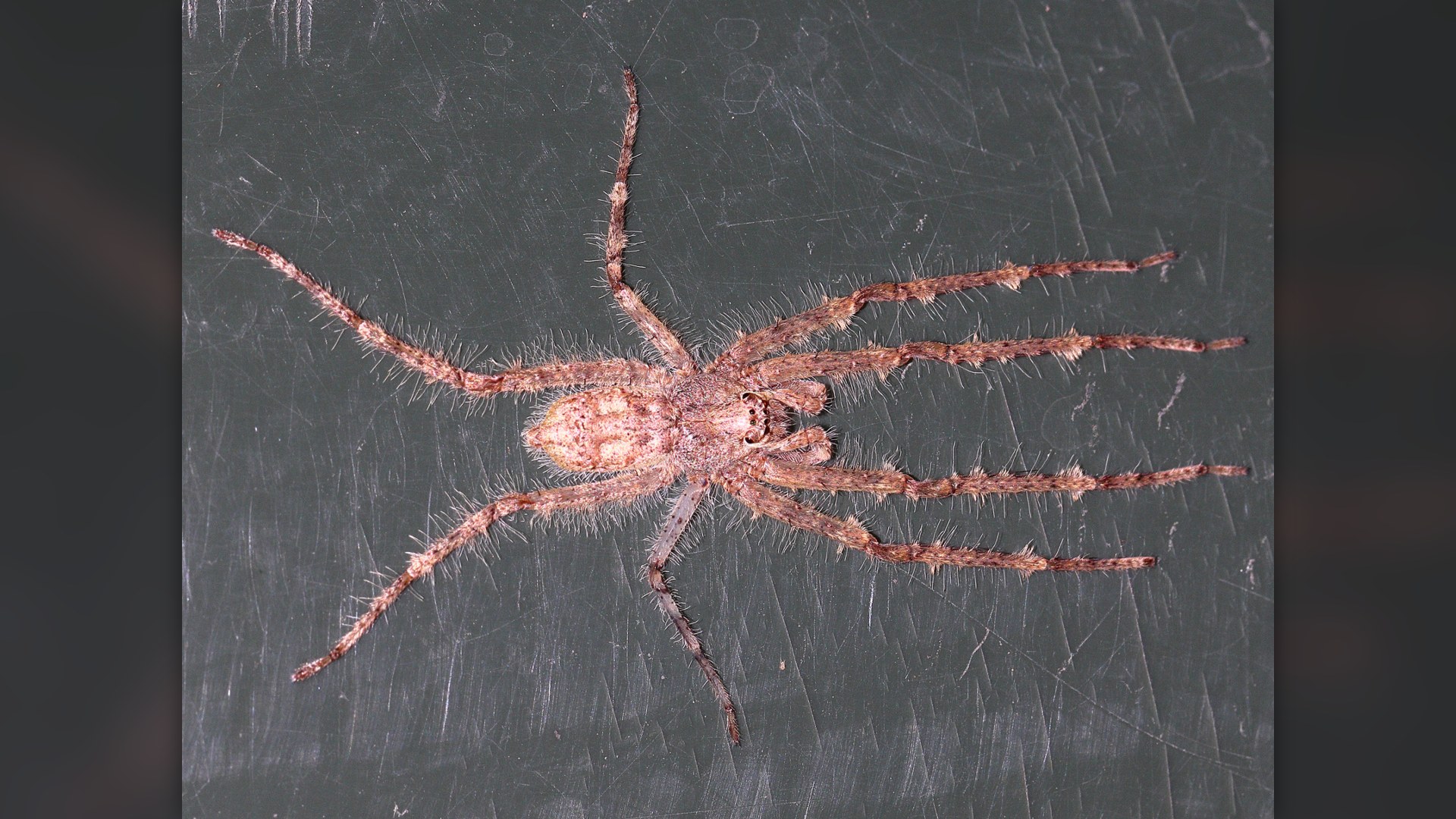
©Wikimedia / Summerdrought
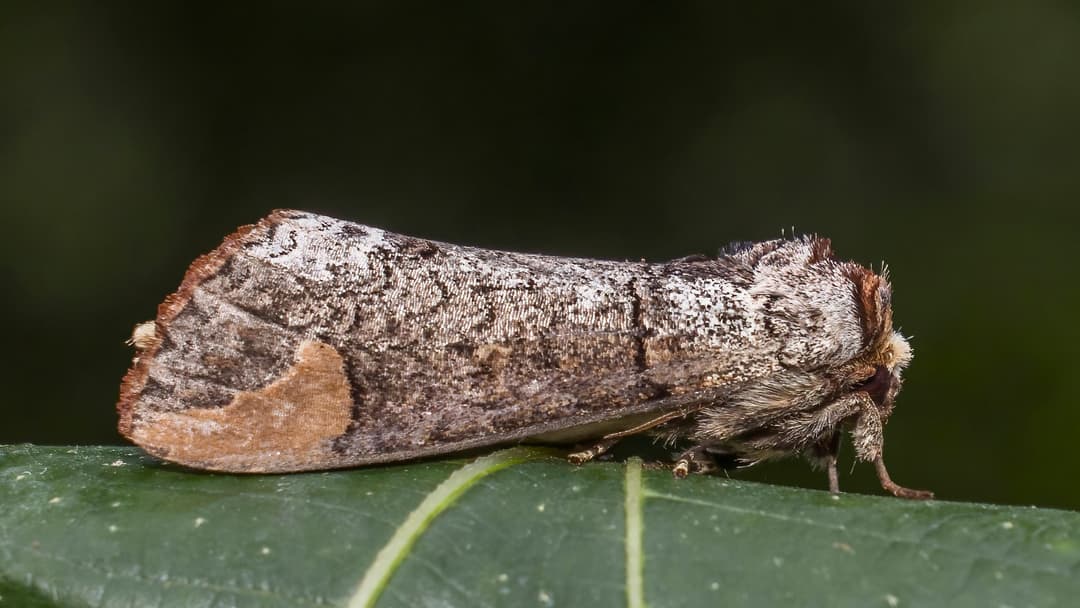
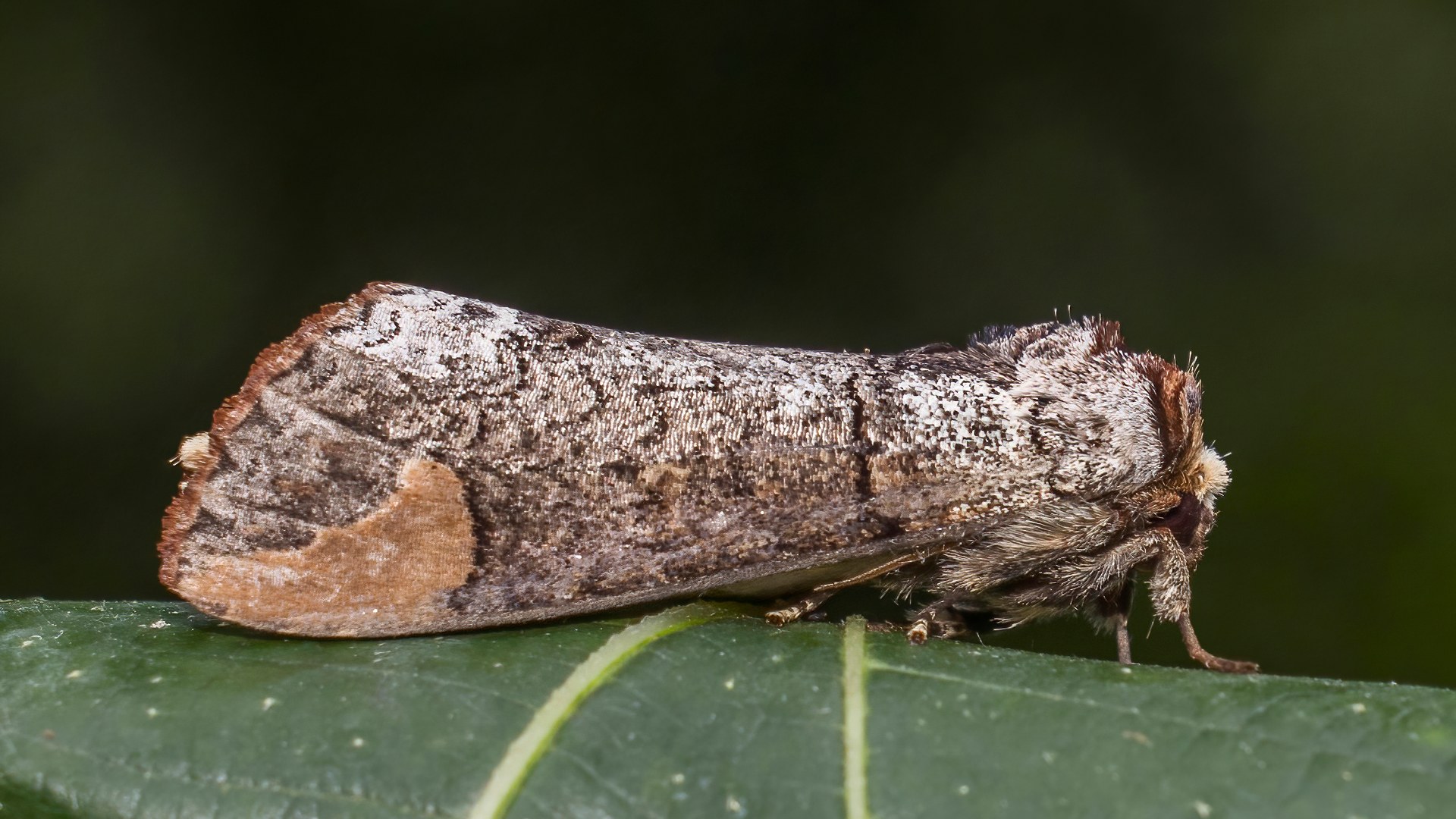
15. Buff-Tip Moth
When resting with wings folded, the European buff-tip moth displays silvery-grey bark patterns and a circular buff-colored patch at its head and tail. The optical illusion mimics a snapped twig with exposed inner wood, fooling foraging songbirds.
©Wikimedia / Charles J. Sharp
Advertisement
Swipe or tap ▶ to resume the countdown.
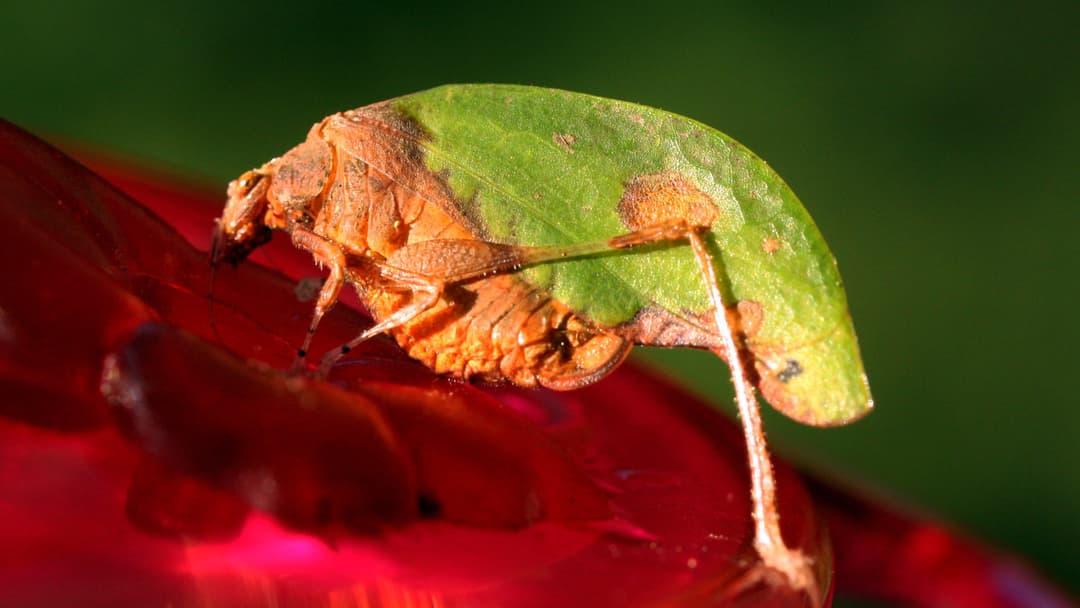
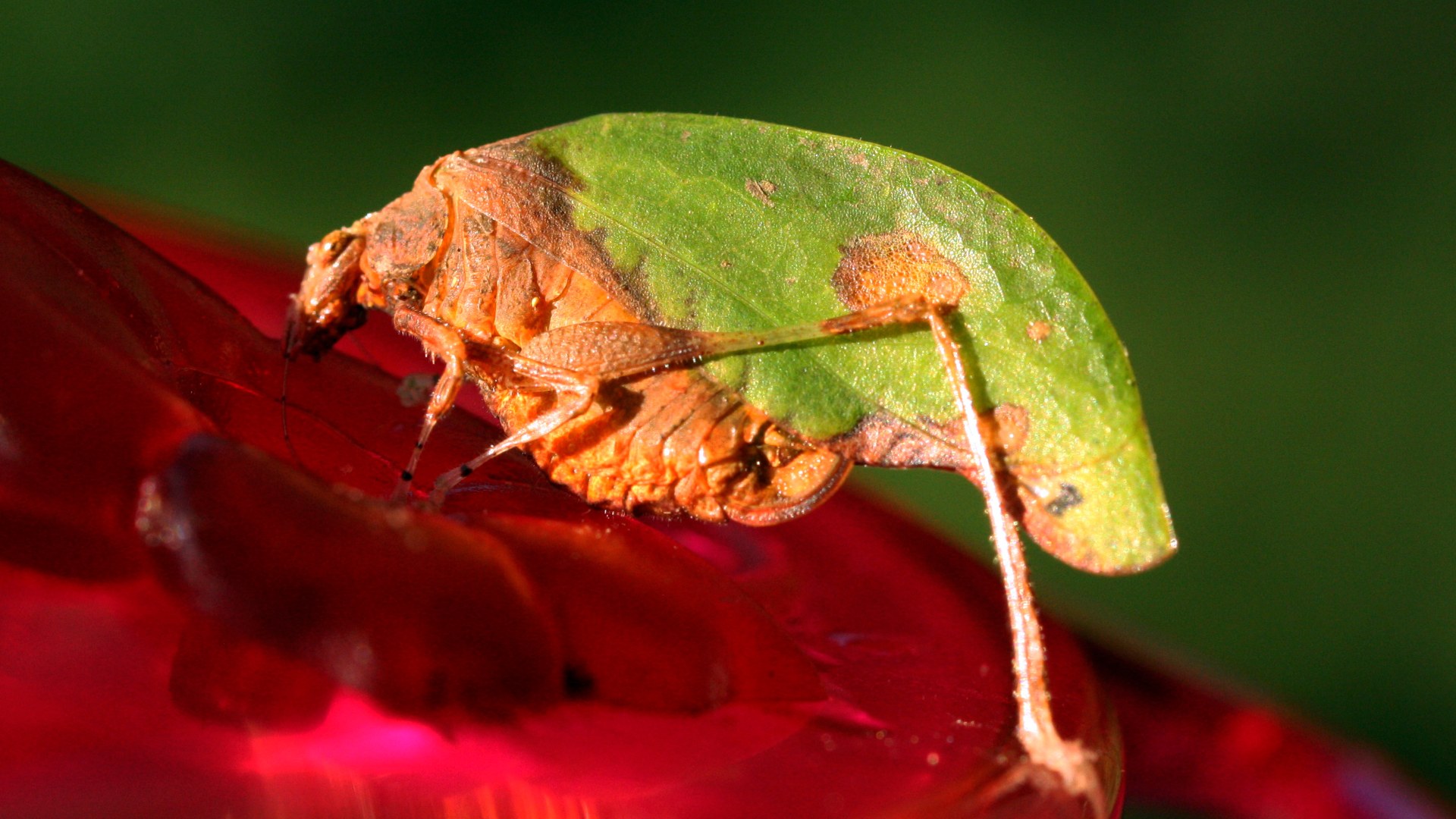
14. Leaf-Mimic Katydid
Found in Central and South American rainforests, leaf katydids take mimicry to extreme artistic levels. Their wings not only duplicate leaf veins, but incorporate simulated fungal damage, chewed holes, and brown decay spots that convince predators the insect is inedible plant debris.
©Wikimedia / Charles J. Sharp
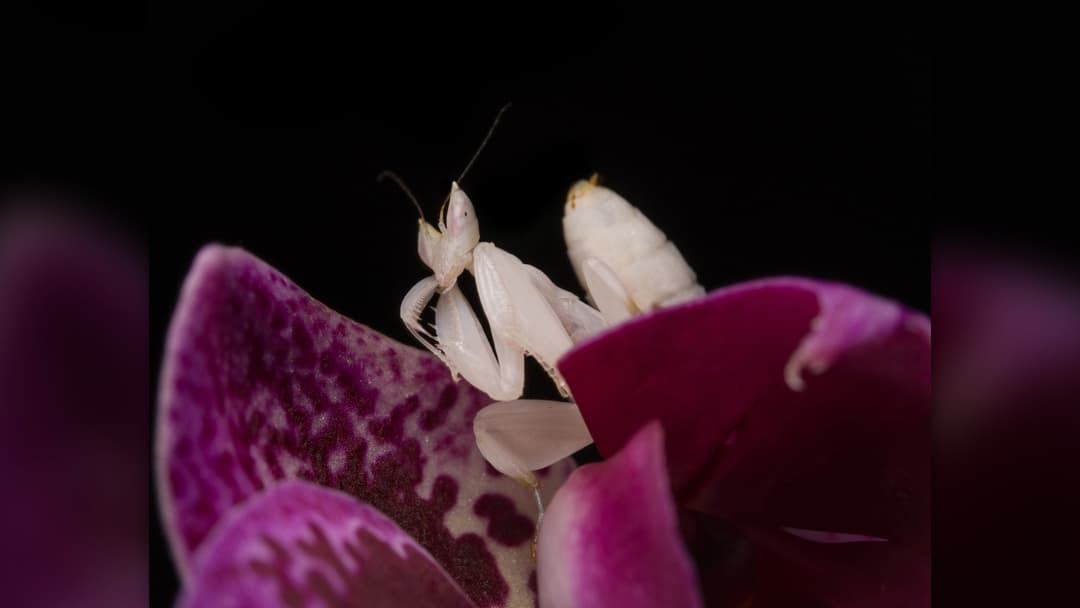
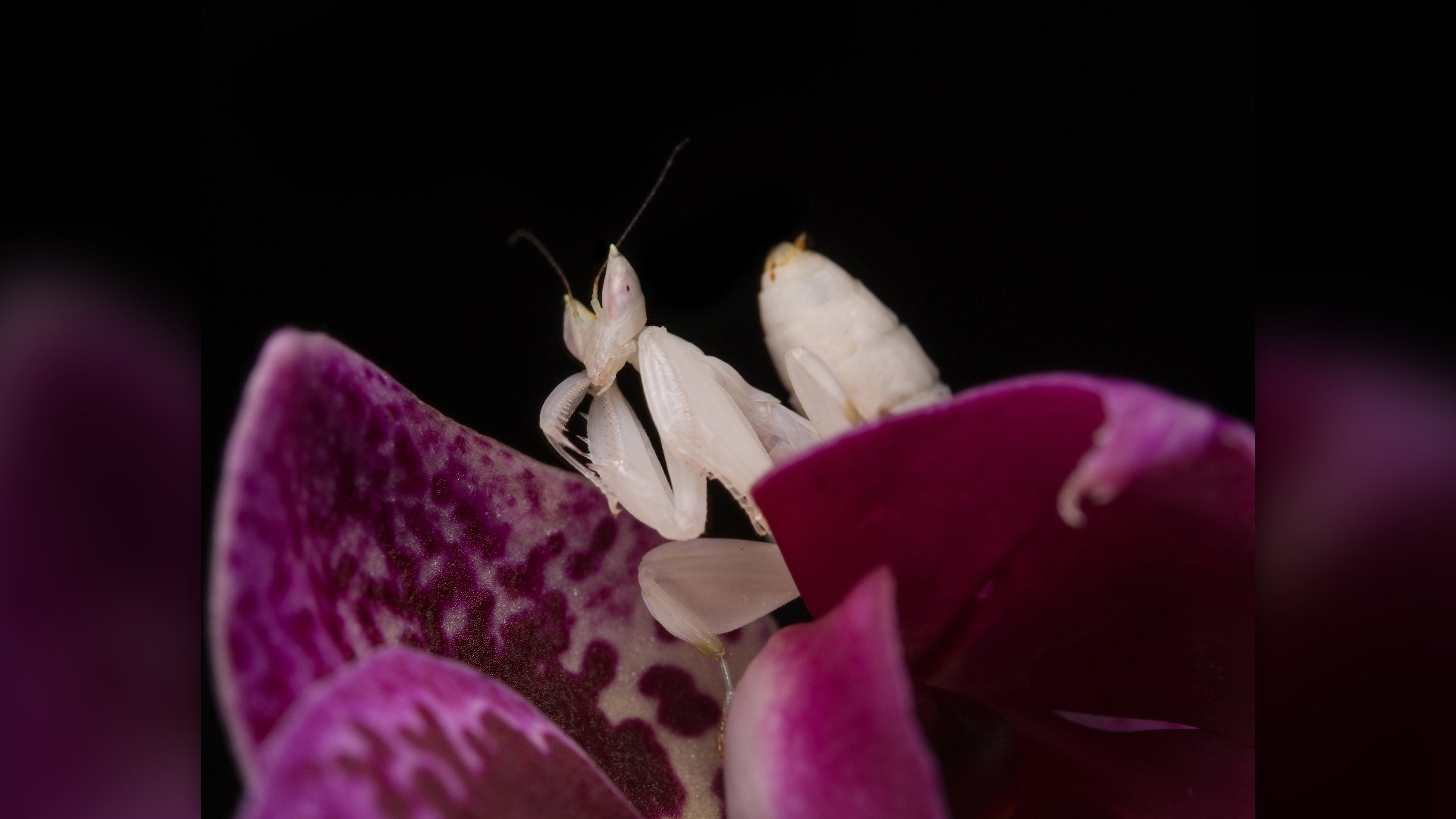
13. Orchid Mantis
Native to Southeast Asian rainforests, the orchid mantis possesses heart-shaped walking lobes on its legs that resemble flower petals. Unsuspecting pollinating bees and butterflies are lured straight into its grasp, believing they are landing on nectar-rich blooms.
©Wikimedia / MicrocosmicWorld
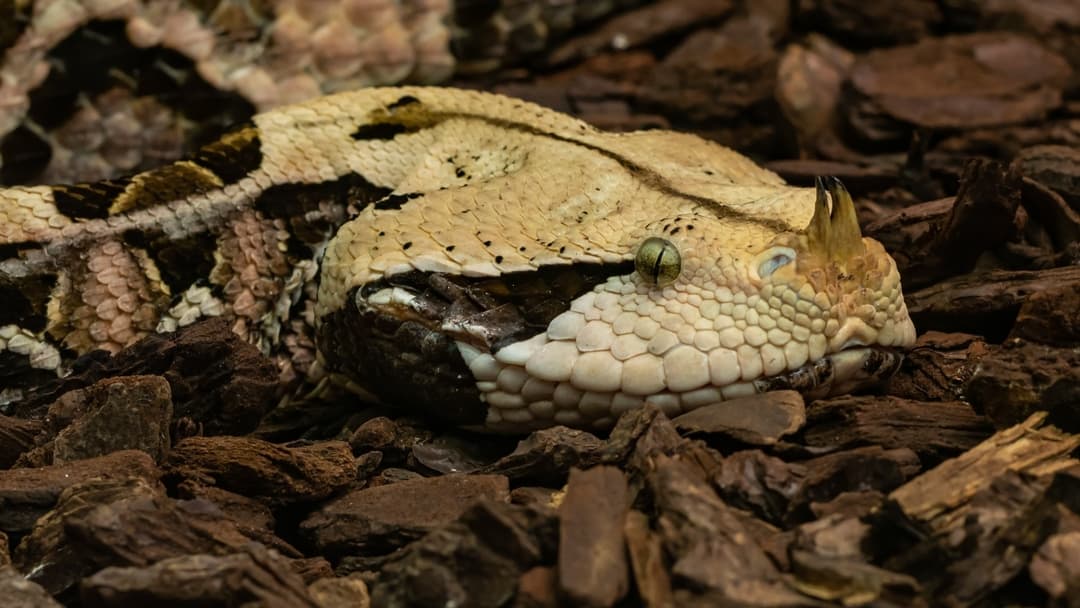
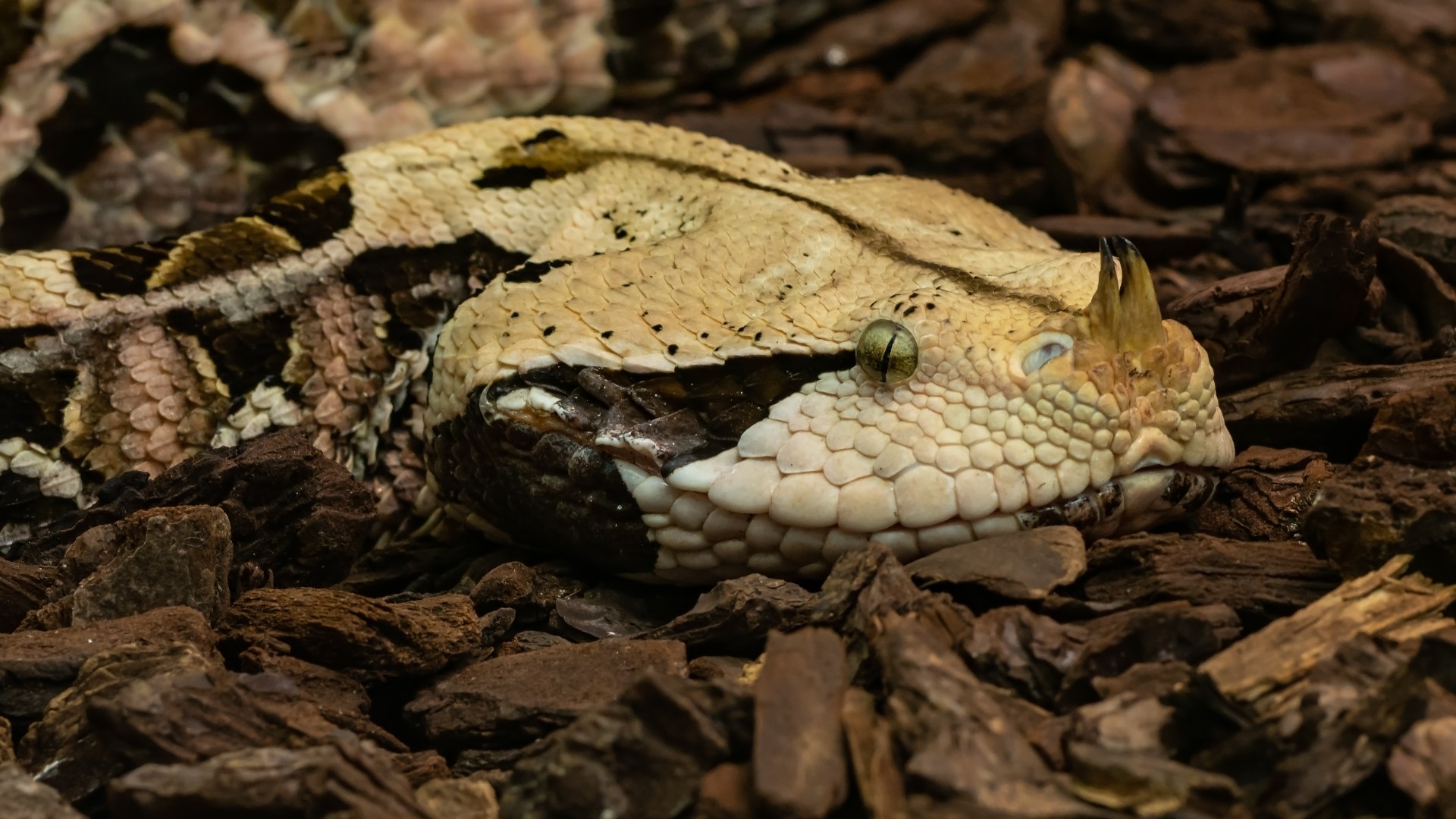
12. Gaboon Viper
Possessing the longest venom fangs and highest venom yield of any snake, the Gaboon viper relies on stunning disruptive camouflage. Its pastel yellow, purple, and brown geometric scales match rotting jungle leaves, concealing a forty-pound snake from inches away.
©Wikimedia / Isiwal
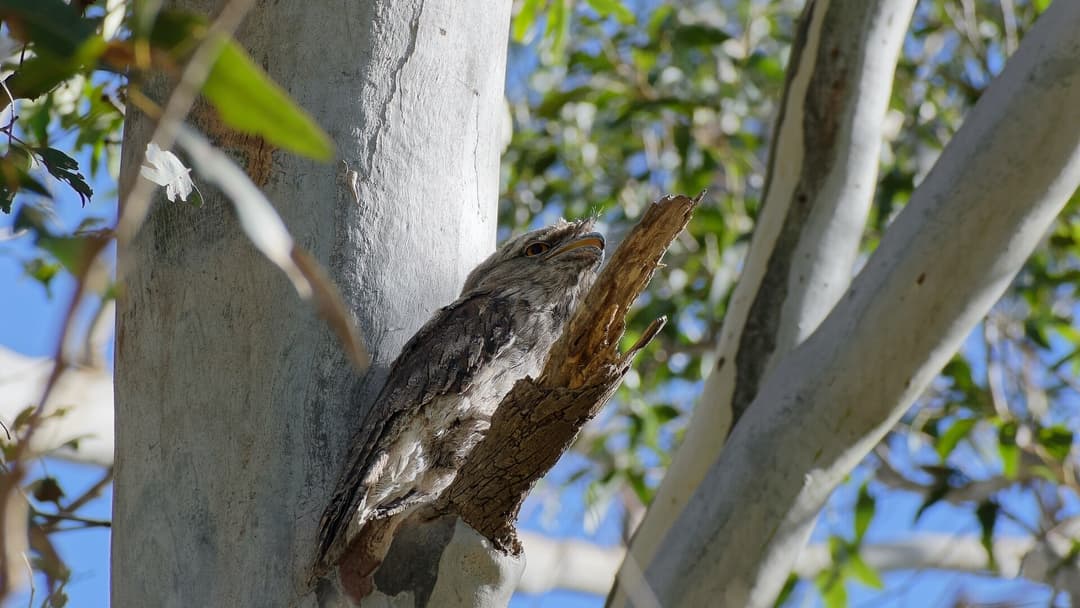
11. Tawny Frogmouth
Often mistaken for an owl, the tawny frogmouth uses cryptic silver-grey plumage and behavioral stillness to escape detection. When alerted, it stiffens its body and stretches its head into the air, becoming indistinguishable from a dead eucalyptus stump.
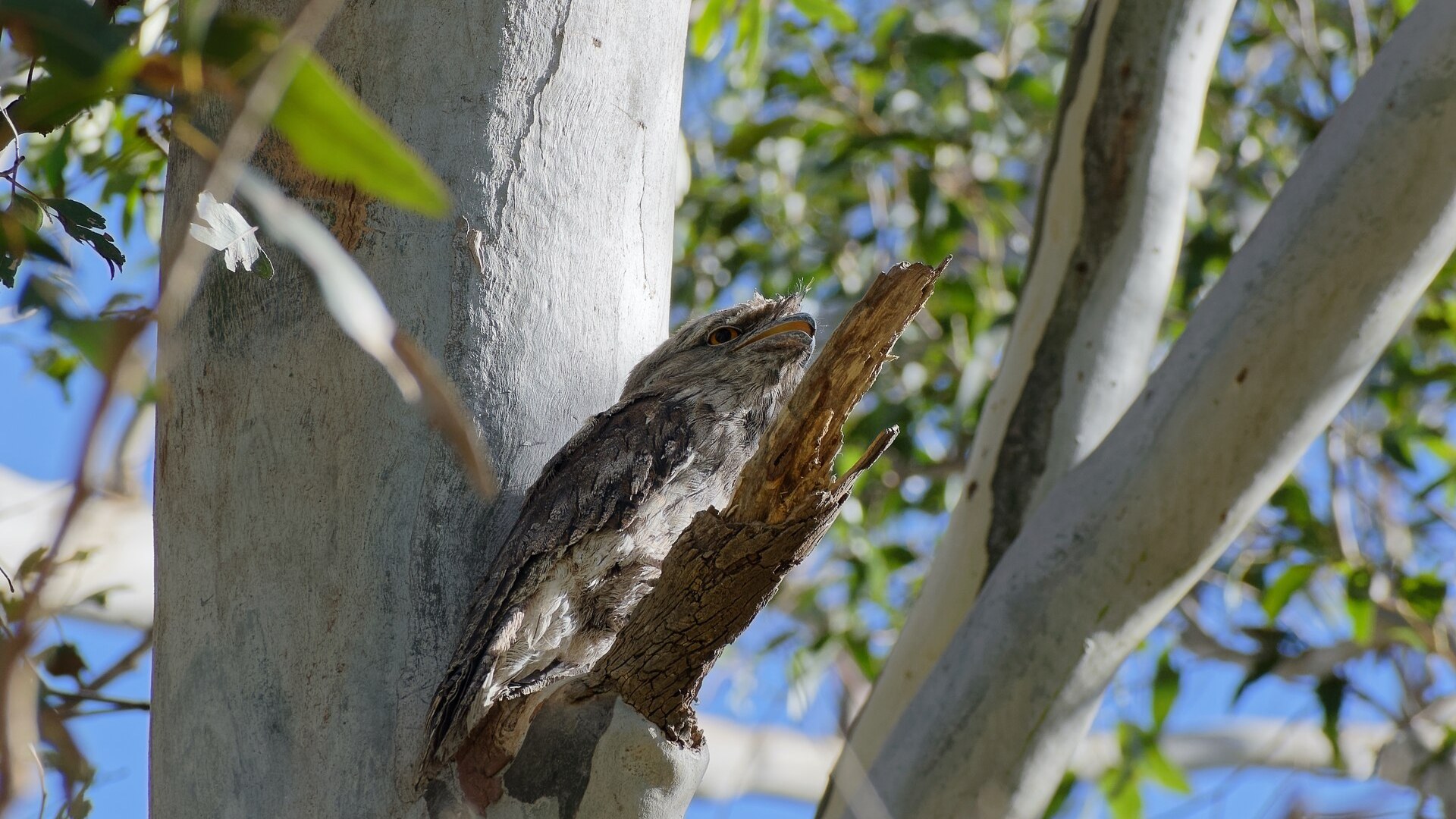
©Wikimedia / KrakenPhotography
Advertisement
Swipe or tap ▶ to resume the countdown.
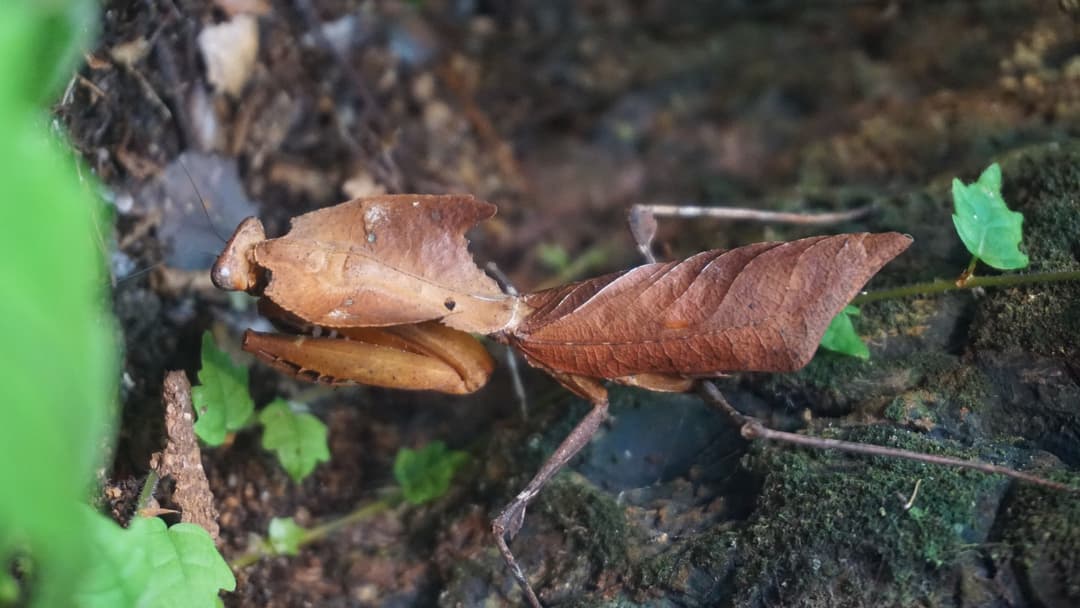
10. Dead Leaf Mantis
The dead leaf mantis native to Malaysia features an expansive leaf-shaped neck plate and mottled brown coloration. When disturbed, it sways gently on its feet like a dried leaf caught in the wind, or collapses to the forest floor to evade discovery.
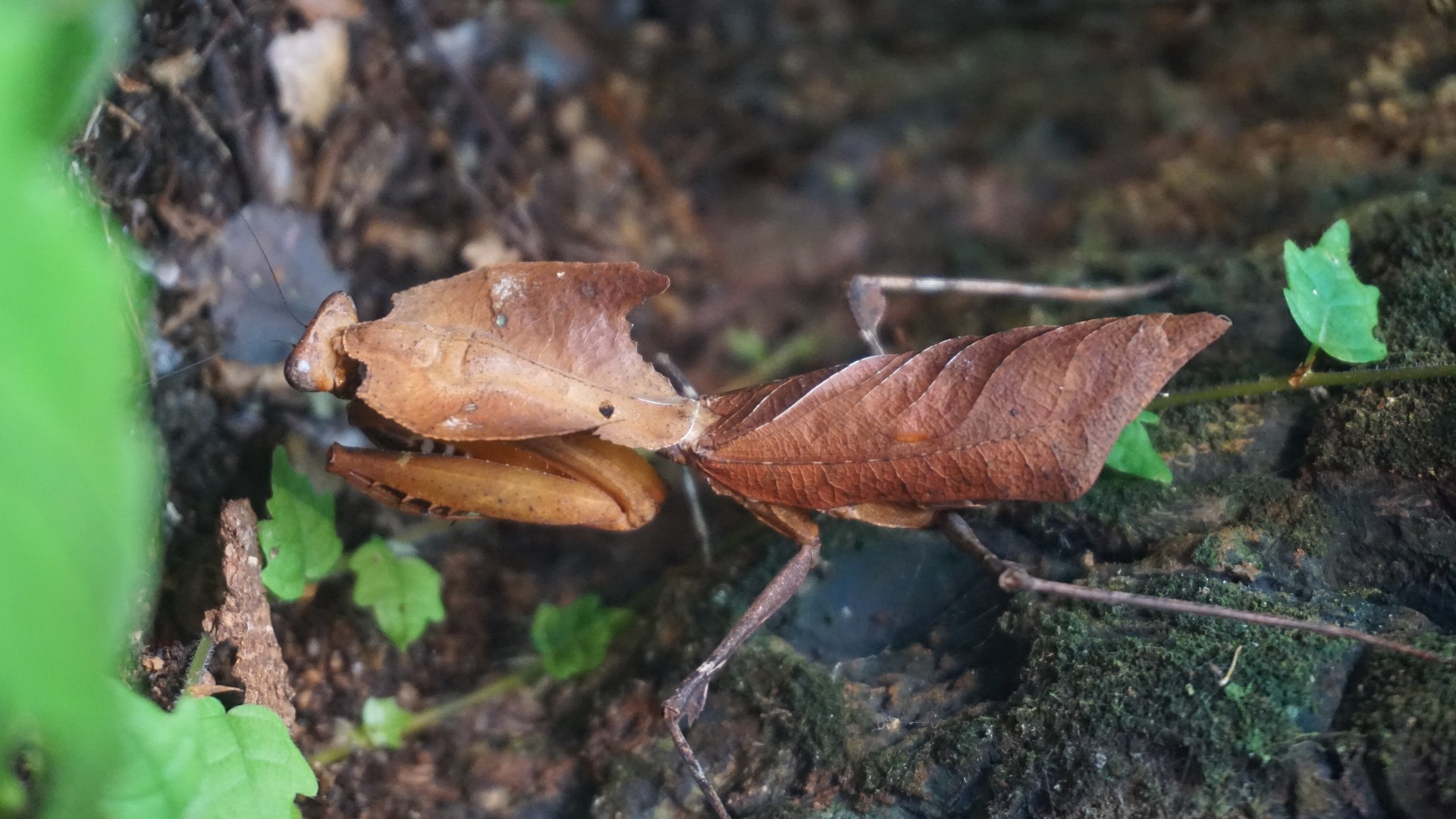
©Wikimedia / Dead leaf mantis
9. Eastern Screech Owl
Roosting inside natural tree hollows in North American deciduous forests, the screech owl matches oak and pine bark patterns down to the finest detail. By closing its eyes to thin slits and tucking its wings, it becomes an invisible extension of the tree.
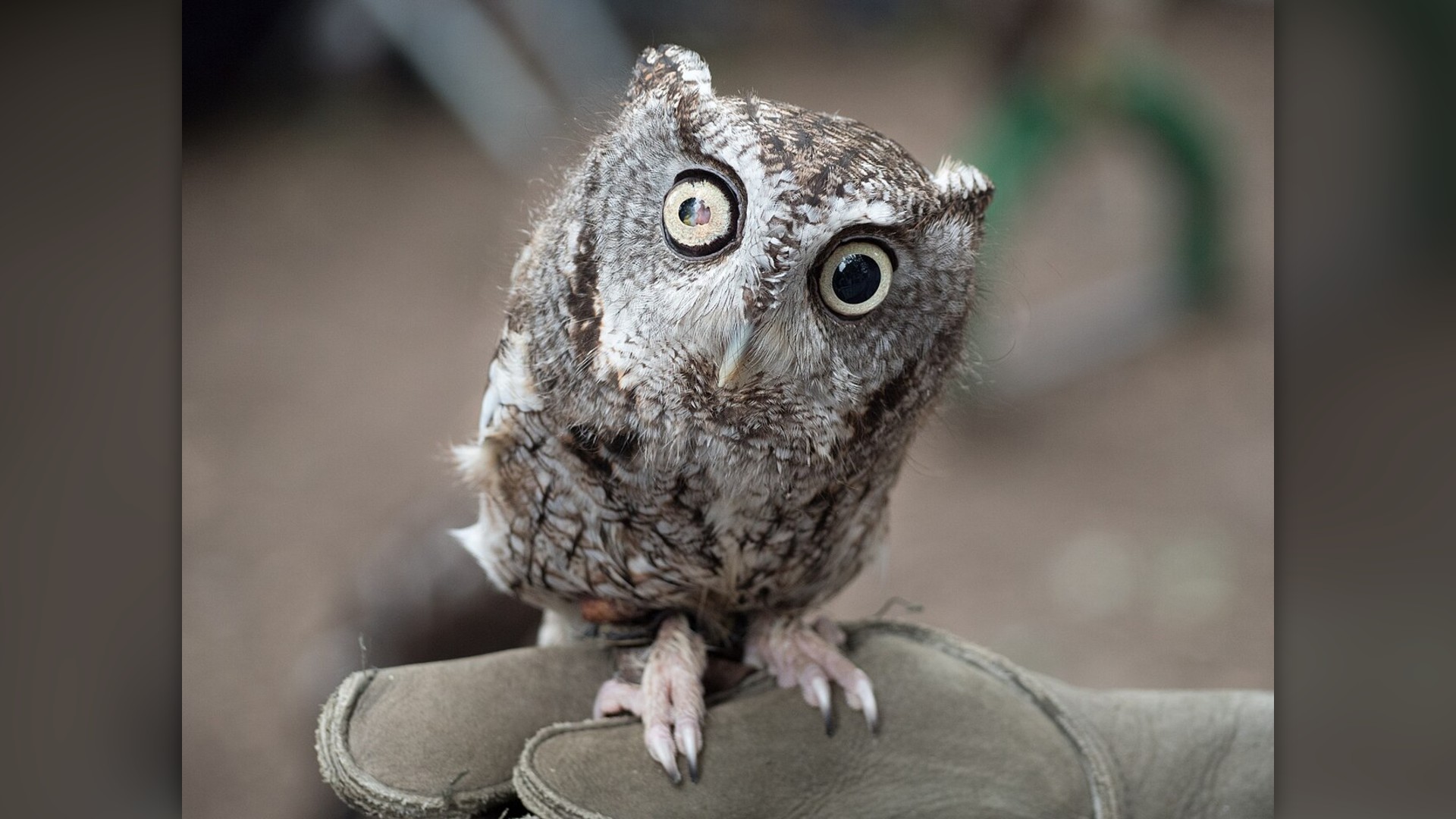
©Wikimedia / Rhododendrites
8. Vietnamese Mossy Frog
Inhabiting steep rocky caves and forested mountain streams in northern Vietnam, this frog features bumpy dermal projections that resemble wild bryophyte moss. When resting on damp granite boulders, it disappears completely from predators and casual observers.
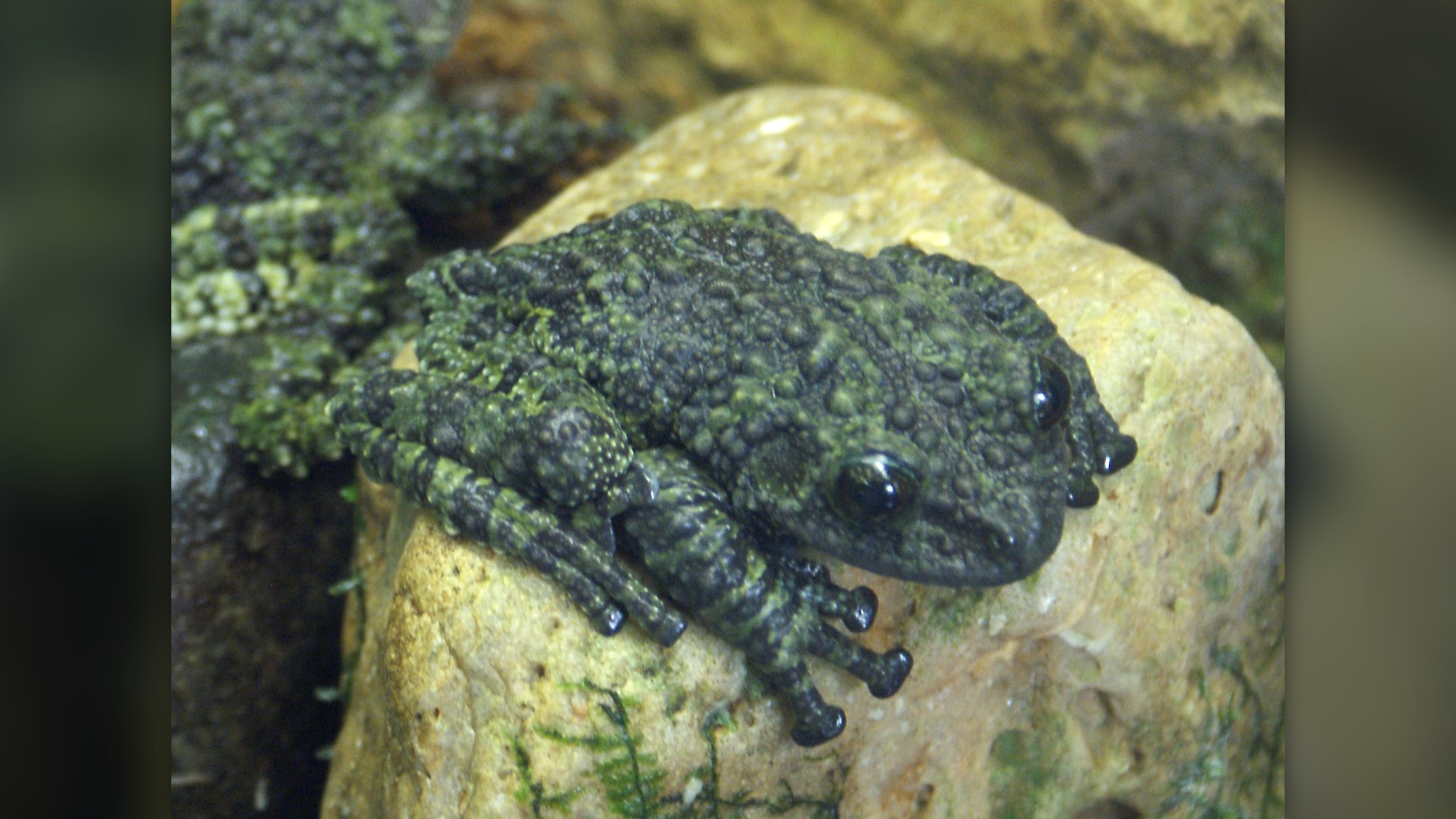
©Wikimedia / TimVickers
7. Malayan Horned Frog
Camouflaged on the rainforest floor of Borneo and Sumatra, the Malayan horned frog sits motionless under rotting vegetation. Its angular facial horns break up typical amphibian contours, allowing it to ambush passing crabs, rodents, and lizards.
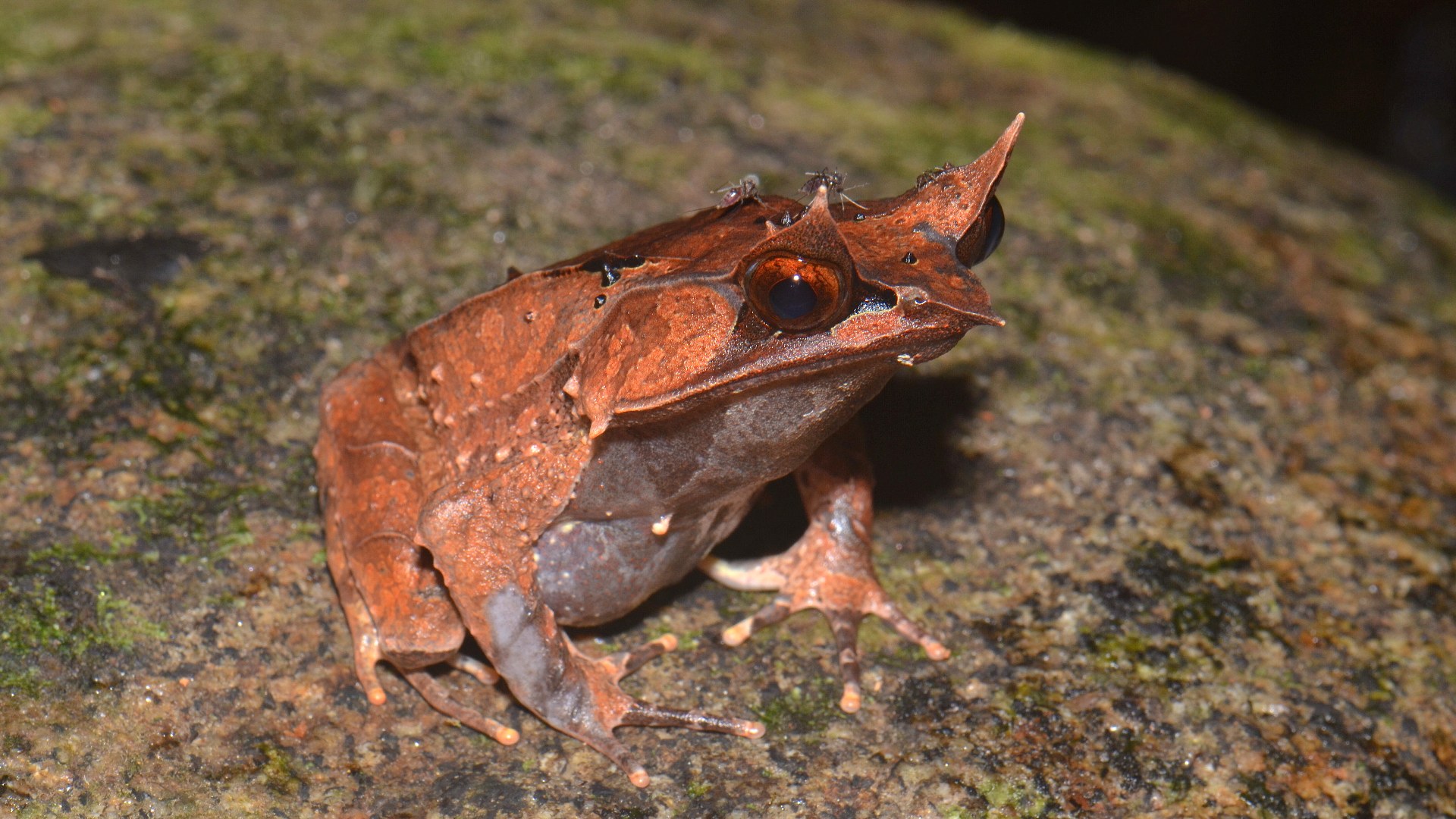
©Wikimedia / Pavel Kirillov from St.Petersburg, Russia
Advertisement
Swipe or tap ▶ to resume the countdown.
6. Jaguar
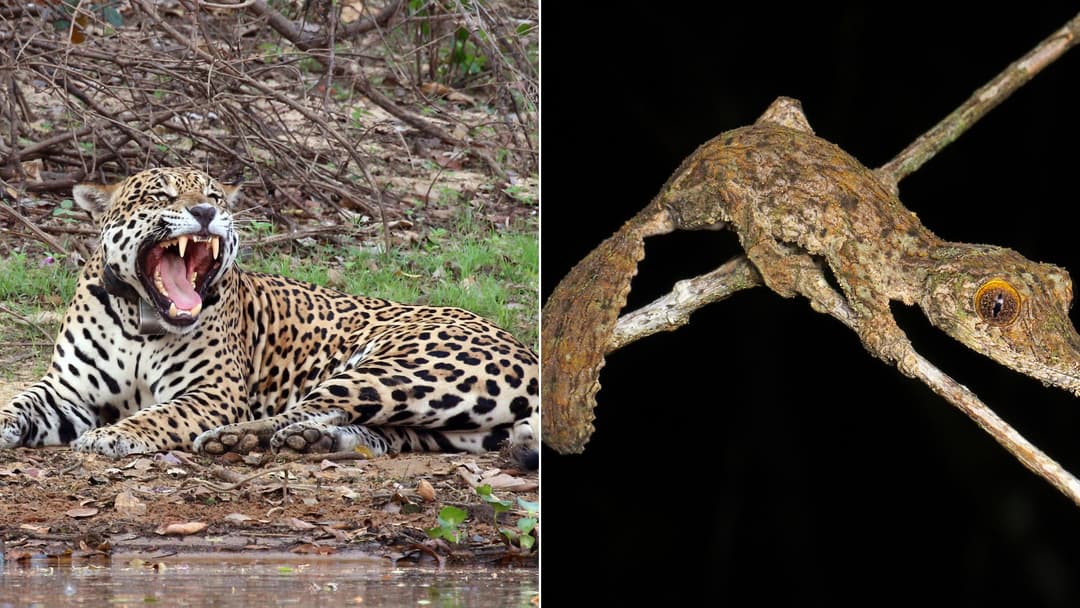
As the apex hunter of the Amazon Basin, the jaguar's coat pattern provides vital disruptive concealment. The intricate black rosettes mimic sunlight filtering through tropical leaves, allowing the massive predator to creep silently through dense undergrowth.
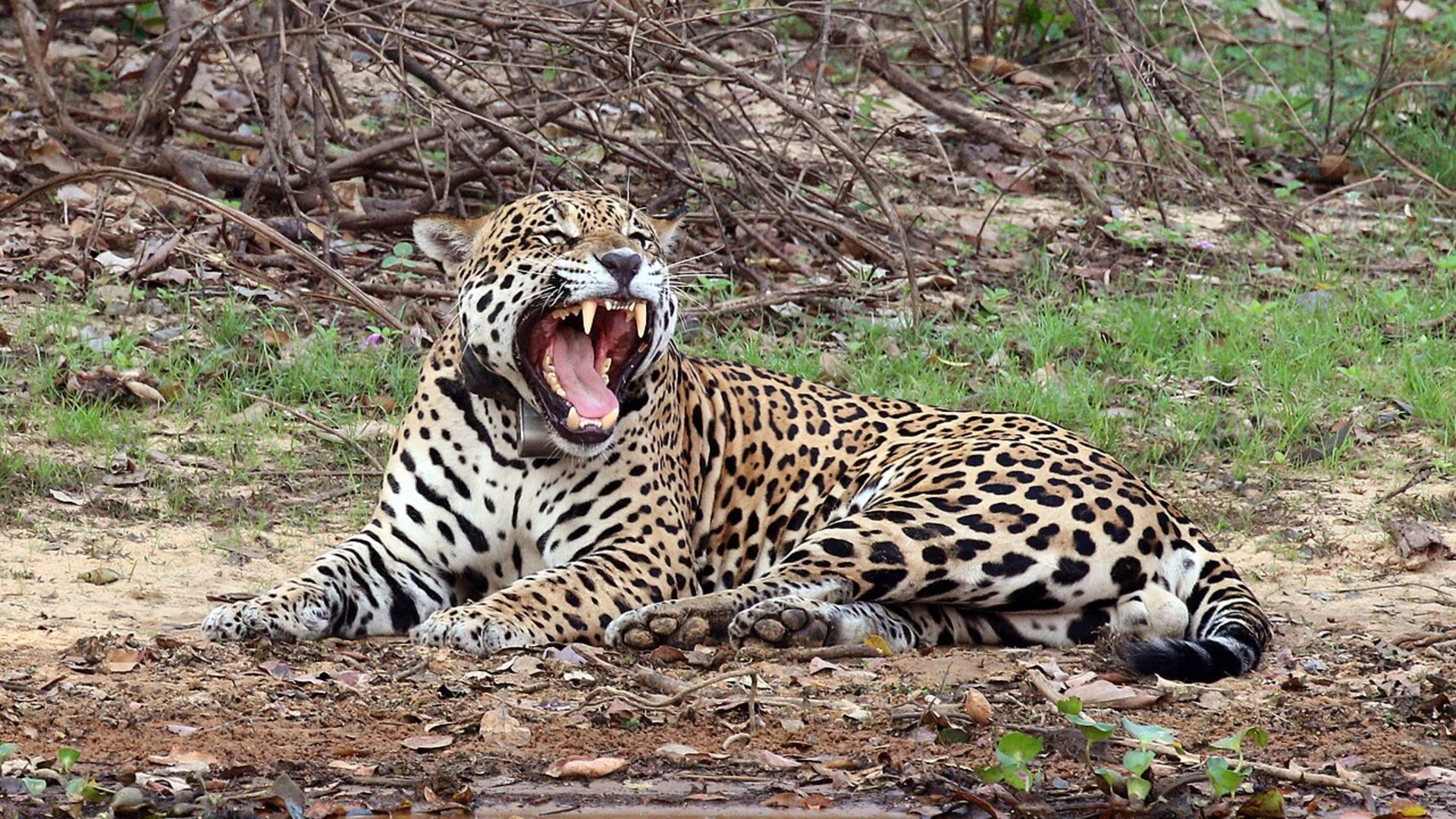
©Wikimedia / Charles J. Sharp
5. Great Potoo
Found throughout the Amazon rainforest, the great potoo perches vertically atop dead snags during the day. Its grey and brown plumage matches weathered deadwood so convincingly that even close inspections mistake the bird for a broken wooden post.
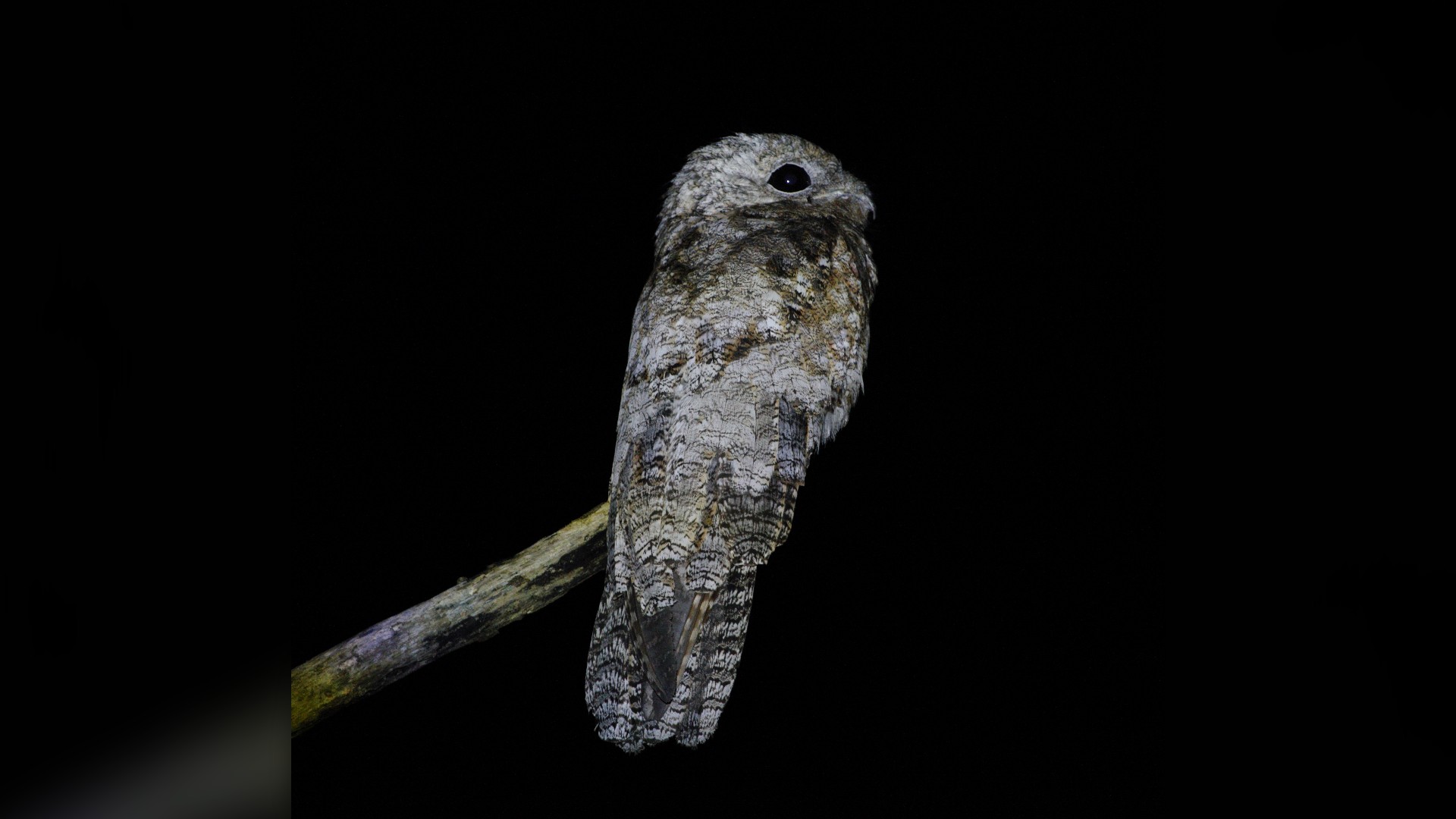
©Wikimedia / Great potoo
4. Madagascar Leaf-Nosed Snake
This arboreal snake displays distinct sexual dimorphism, with males possessing sharp spear-like snouts and females bearing complex leaf-shaped appendages. Dangling motionless from tree branches, it resembles a harmless hanging vine while waiting for lizards.
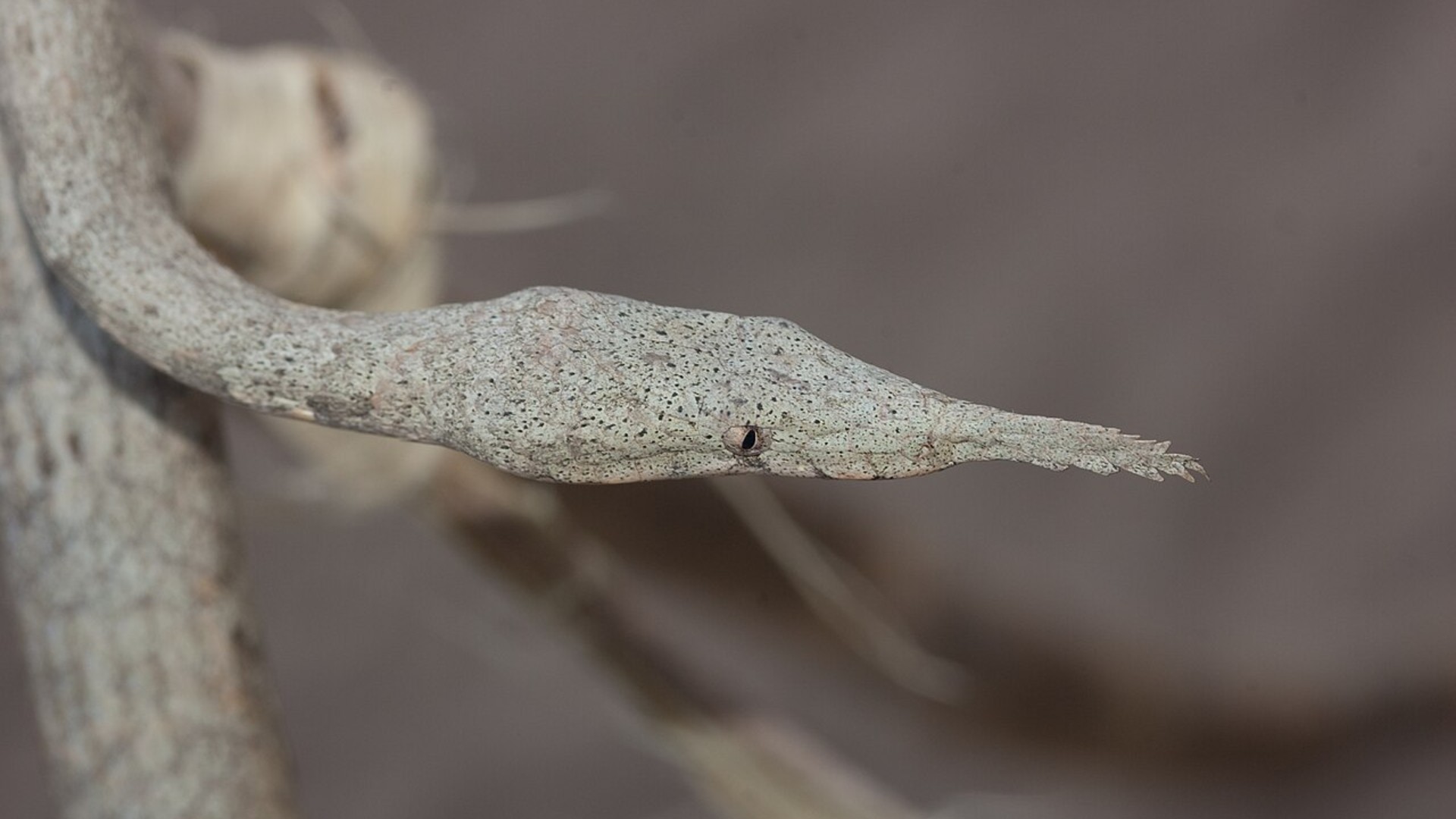
©Wikimedia / Alextelford at English Wikipedia
3. Spiny Leaf Insect
Native to Australia's coastal rainforests, spiny leaf insects curl their tails over their backs like scorpions or hang upside down to mimic dried leaves. They sway rhythmically in wind currents, convincing predators that they are inanimate foliage.
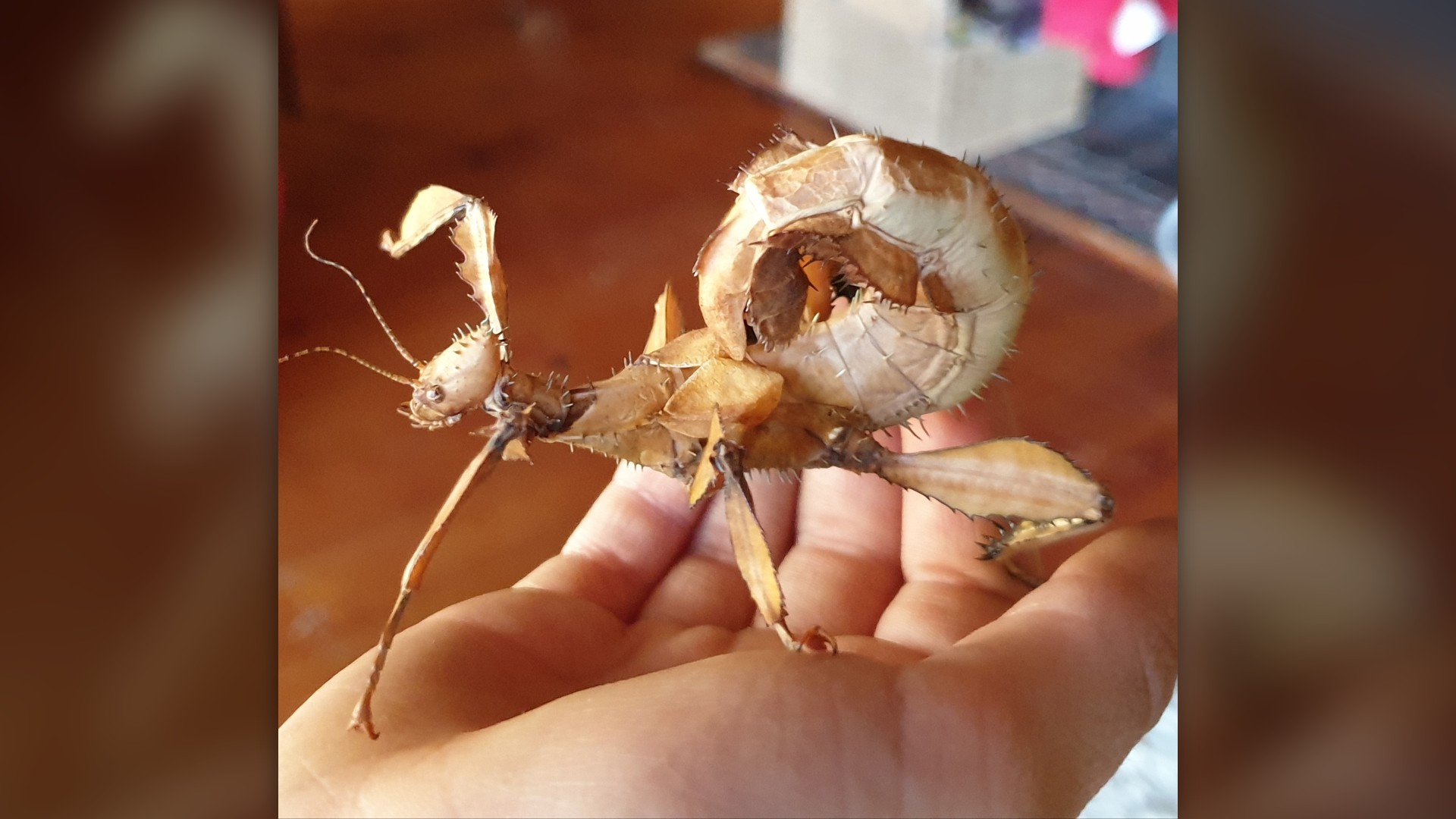
©Wikimedia / Photwik Photographer for Kiddle.co
Advertisement
Swipe or tap ▶ to resume the countdown.
2. Satanic Leaf-Tailed Gecko
Endemic to Madagascar's rainforests, this bizarre nocturnal gecko possesses a tail with simulated rot notches and leaf veins. Horns over its eyes and mottled brown-and-orange skin make it indistinguishable from a decomposing leaf resting on a mossy twig.
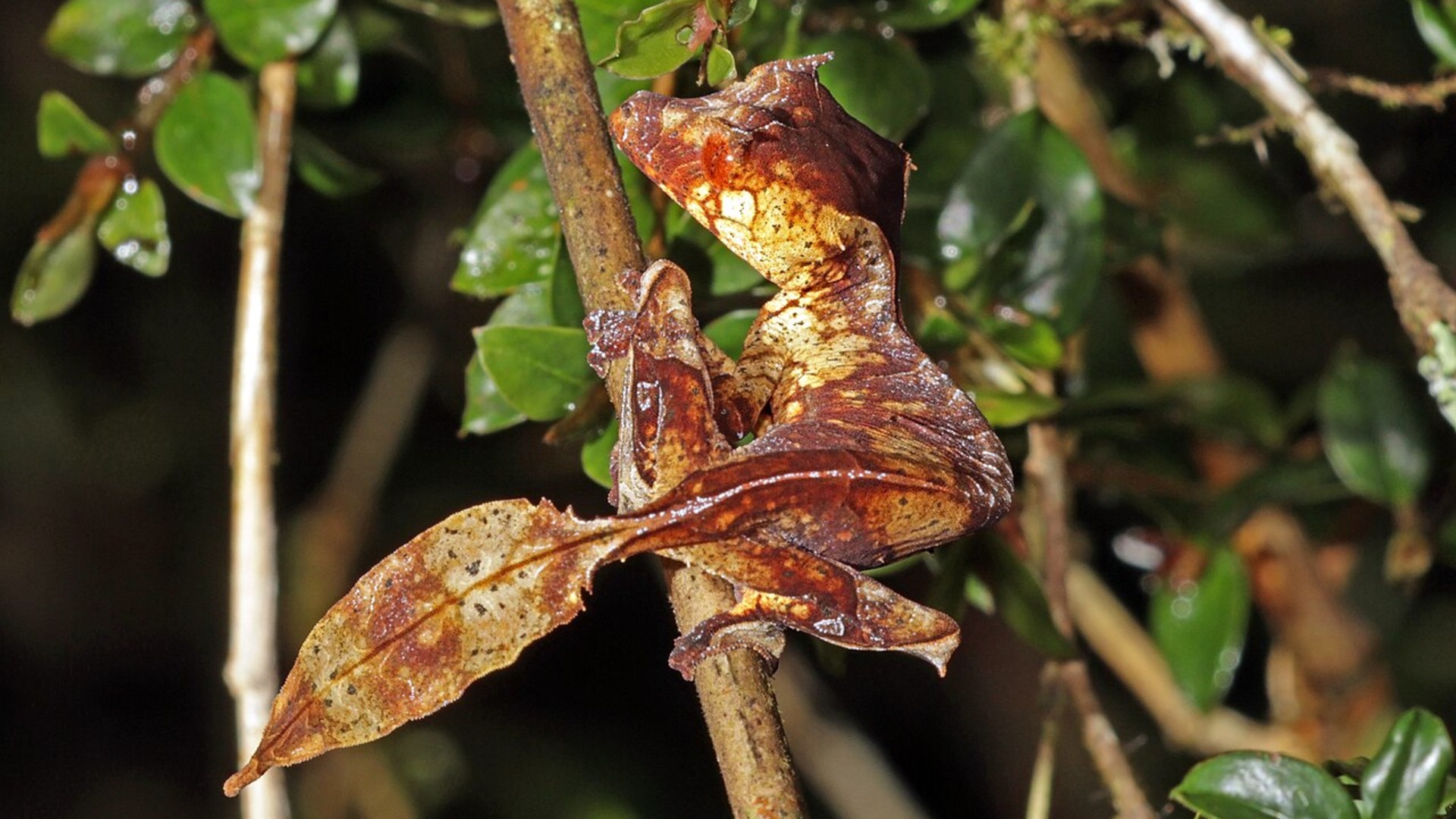
©Wikimedia / Charles J. Sharp
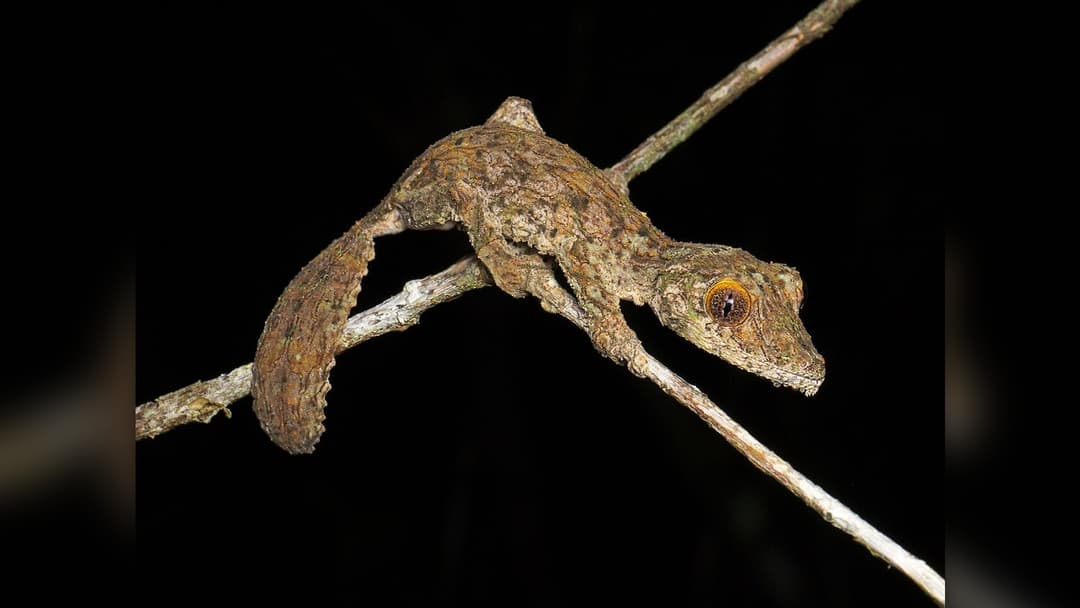
1. Mossy Leaf-Tailed Gecko
The mossy leaf-tailed gecko represents the pinnacle of natural camouflage. Specialized skin flaps along its sides flatten against tree bark to eliminate cast shadows, while its mottled green, brown, and grey skin matches lichen so flawlessly that it is virtually invisible to the naked eye.
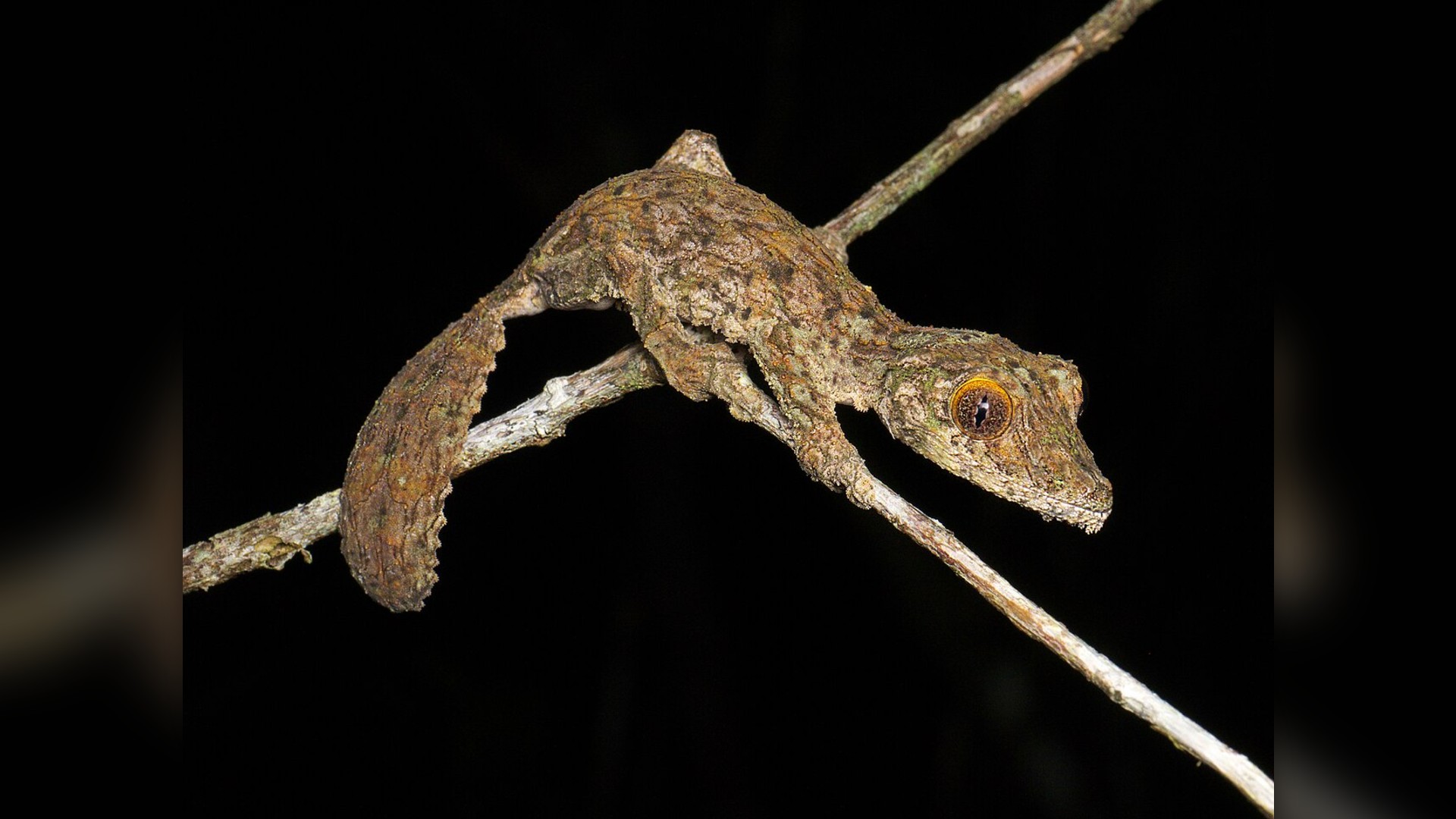
©Wikimedia / Frank Vassen from Brussels, Belgium
Advertisement
You've reached the end of the story. Thanks for reading!

20 Ancient Cliff Dwellings and Rock-Cut Cities Carved Into Mountains
Based on architectural surveys from UNESCO World Heritage records, here are 20 remarkable ancient cliff dwellings and rock-hewn monuments carved directly into sheer mountains.
All 25 Entries in this Story
25. Eastern Copperhead
The eastern copperhead is an ambush predator that relies on cryptic coloration rather than flight. Its brown and copper markings break up its bodily outline, making it virtually undetectable to hikers until stepped on directly.

24. Common Baron Caterpillar
Found throughout Southeast Asian forests, the larva of the common baron butterfly flattens its body along the central vein of leaves. Feathered lateral spines pin against the leaf surface to eliminate telltale shadows, hiding it from birds.

23. European Nightjar
Nesting on bare woodland ground without building a conventional nest, the European nightjar relies exclusively on plumage camouflage. Its feathers mimic decaying bark and pine needles, allowing brooding adults to blend directly into the forest duff.

22. Peppered Moth
The peppered moth became a landmark example of natural selection during Britain's industrial era. When coal soot blackened city trees, darker melanic moths survived better, while speckled light morphs remain masterfully concealed in unpolluted lichen forests.

21. Dead Leaf Butterfly
While its upper wings flash brilliant blue and orange in flight, the Asian dead leaf butterfly transforms instantly when perching. With wings closed, it mimics a dried, withered leaf with a pointed stalk, central midrib vein, and realistic mold blemishes.

20. Great Grey Owl
Known as the Phantom of the North, the great grey owl perches motionless beside boreal forest tree trunks. Its dense, layered plumage matches weathered spruce bark so closely that daylight predators often fly right past without noticing.

19. Grey Tree Frog
Native to eastern North American woodlands, the grey tree frog can actively adjust its coloration based on ambient temperature and background surface. Its rough, warty skin perfectly imitates the lichen patterns found on oak and maple branches.

18. Walking Stick Insect
Stick insects possess specialized adaptations including knobby joints, bark-like ridges, and behavioral swaying that mimics twigs rustling in the breeze. When threatened, they enter cataleptic fits, freezing rigidly for hours to evade sharp-eyed predators.

17. Leopard
Forest leopards hunt silently from leafy tree branches where their spotted fur acts as disruptive camouflage. The rosette patterns mimic shifting light and shadow through the jungle canopy, allowing the apex predator to stalk within striking distance unseen.

16. Lichen Huntsman Spider
The lichen huntsman spider lives on rainforest tree trunks in Queensland. Its extraordinarily flat profile and bristly green markings eliminate edge shadows, allowing it to remain completely invisible while waiting for passing insect prey.

15. Buff-Tip Moth
When resting with wings folded, the European buff-tip moth displays silvery-grey bark patterns and a circular buff-colored patch at its head and tail. The optical illusion mimics a snapped twig with exposed inner wood, fooling foraging songbirds.

14. Leaf-Mimic Katydid
Found in Central and South American rainforests, leaf katydids take mimicry to extreme artistic levels. Their wings not only duplicate leaf veins, but incorporate simulated fungal damage, chewed holes, and brown decay spots that convince predators the insect is inedible plant debris.

13. Orchid Mantis
Native to Southeast Asian rainforests, the orchid mantis possesses heart-shaped walking lobes on its legs that resemble flower petals. Unsuspecting pollinating bees and butterflies are lured straight into its grasp, believing they are landing on nectar-rich blooms.

12. Gaboon Viper
Possessing the longest venom fangs and highest venom yield of any snake, the Gaboon viper relies on stunning disruptive camouflage. Its pastel yellow, purple, and brown geometric scales match rotting jungle leaves, concealing a forty-pound snake from inches away.

11. Tawny Frogmouth
Often mistaken for an owl, the tawny frogmouth uses cryptic silver-grey plumage and behavioral stillness to escape detection. When alerted, it stiffens its body and stretches its head into the air, becoming indistinguishable from a dead eucalyptus stump.

10. Dead Leaf Mantis
The dead leaf mantis native to Malaysia features an expansive leaf-shaped neck plate and mottled brown coloration. When disturbed, it sways gently on its feet like a dried leaf caught in the wind, or collapses to the forest floor to evade discovery.

9. Eastern Screech Owl
Roosting inside natural tree hollows in North American deciduous forests, the screech owl matches oak and pine bark patterns down to the finest detail. By closing its eyes to thin slits and tucking its wings, it becomes an invisible extension of the tree.

8. Vietnamese Mossy Frog
Inhabiting steep rocky caves and forested mountain streams in northern Vietnam, this frog features bumpy dermal projections that resemble wild bryophyte moss. When resting on damp granite boulders, it disappears completely from predators and casual observers.

7. Malayan Horned Frog
Camouflaged on the rainforest floor of Borneo and Sumatra, the Malayan horned frog sits motionless under rotting vegetation. Its angular facial horns break up typical amphibian contours, allowing it to ambush passing crabs, rodents, and lizards.

6. Jaguar
As the apex hunter of the Amazon Basin, the jaguar's coat pattern provides vital disruptive concealment. The intricate black rosettes mimic sunlight filtering through tropical leaves, allowing the massive predator to creep silently through dense undergrowth.

5. Great Potoo
Found throughout the Amazon rainforest, the great potoo perches vertically atop dead snags during the day. Its grey and brown plumage matches weathered deadwood so convincingly that even close inspections mistake the bird for a broken wooden post.

4. Madagascar Leaf-Nosed Snake
This arboreal snake displays distinct sexual dimorphism, with males possessing sharp spear-like snouts and females bearing complex leaf-shaped appendages. Dangling motionless from tree branches, it resembles a harmless hanging vine while waiting for lizards.

3. Spiny Leaf Insect
Native to Australia's coastal rainforests, spiny leaf insects curl their tails over their backs like scorpions or hang upside down to mimic dried leaves. They sway rhythmically in wind currents, convincing predators that they are inanimate foliage.

2. Satanic Leaf-Tailed Gecko
Endemic to Madagascar's rainforests, this bizarre nocturnal gecko possesses a tail with simulated rot notches and leaf veins. Horns over its eyes and mottled brown-and-orange skin make it indistinguishable from a decomposing leaf resting on a mossy twig.

1. Mossy Leaf-Tailed Gecko
The mossy leaf-tailed gecko represents the pinnacle of natural camouflage. Specialized skin flaps along its sides flatten against tree bark to eliminate cast shadows, while its mottled green, brown, and grey skin matches lichen so flawlessly that it is virtually invisible to the naked eye.