Slideshow · Viral
25 Essential Skilled Trades Facing Critical Labor Shortages, Ranked
As seasoned technicians retire faster than trade schools can replace them, industries face unprecedented hiring crunches. Discover twenty-five skilled trades urgently seeking talent.
By Most Viral Today
1 hour ago

Why Critical Infrastructure Trades Face Severe Labor Deficits 
25. Architectural Glaziers 
24. Heavy Equipment Mechanics 
23. Commercial Pipefitters - AdvertisementSwipe or tap ▶ to continue countdown

22. Industrial Boilermakers 
21. Restoration Stonemasons 
20. Instrumentation Technicians 
19. Structural Ironworkers - AdvertisementSwipe or tap ▶ to continue countdown

18. Precision CNC Machinists 
17. Commercial Refrigeration Mechanics 
16. Factory Millwrights 
15. Wastewater Plant Operators - AdvertisementSwipe or tap ▶ to continue countdown

14. Fleet Diesel Technicians 
13. Power Substation Electricians 
12. Aviation Maintenance Technicians 
11. Elevator And Escalator Installers - AdvertisementSwipe or tap ▶ to continue countdown

10. Industrial Electricians 
9. Commercial Roofing Installers 
8. Locomotive Diesel Technicians 
7. Tower Crane Operators - AdvertisementSwipe or tap ▶ to continue countdown

6. Wind Turbine Technicians 
5. Underwater Commercial Divers 
4. Petroleum Refinery Operators 
3. Nuclear Power Plant Technicians - AdvertisementSwipe or tap ▶ to continue countdown

2. High-Voltage Electrical Lineworkers 
1. Industrial Pipe Welders - Advertisement🔥 UP NEXT IN THIS SERIES◫ 26 Slides

25 Beloved Stars Celebrated for Pure Heart and Goodwill
From municipal power grids and water plants to heavy industrial fabrication, modern society relies on skilled manual trades. With seasoned craftsmen retiring in droves, shortages threaten essential services.
Swipe or tap ▶ to begin the countdown
©Wikimedia / Graham Robson & Wikimedia / Christopher.S.rcbc
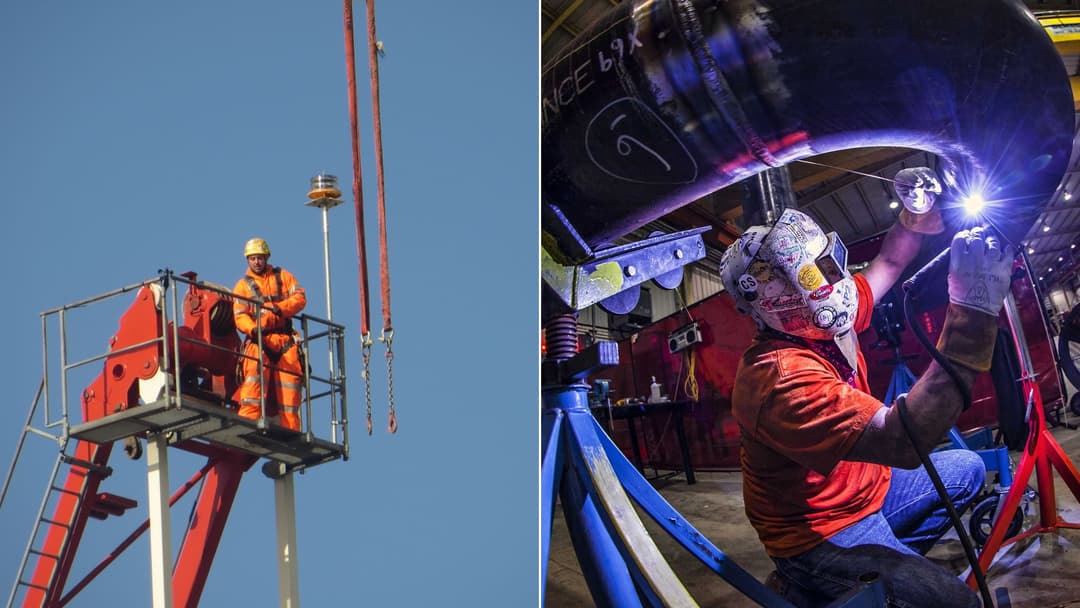
25. Architectural Glaziers
Installing multi-pane insulated glass units dozens of stories above city streets requires advanced rigging skills and strict safety discipline. Commercial construction booms have created strong demand, yet vocational programs train relatively few apprentice glaziers each year.

©Wikimedia / Petar Milošević
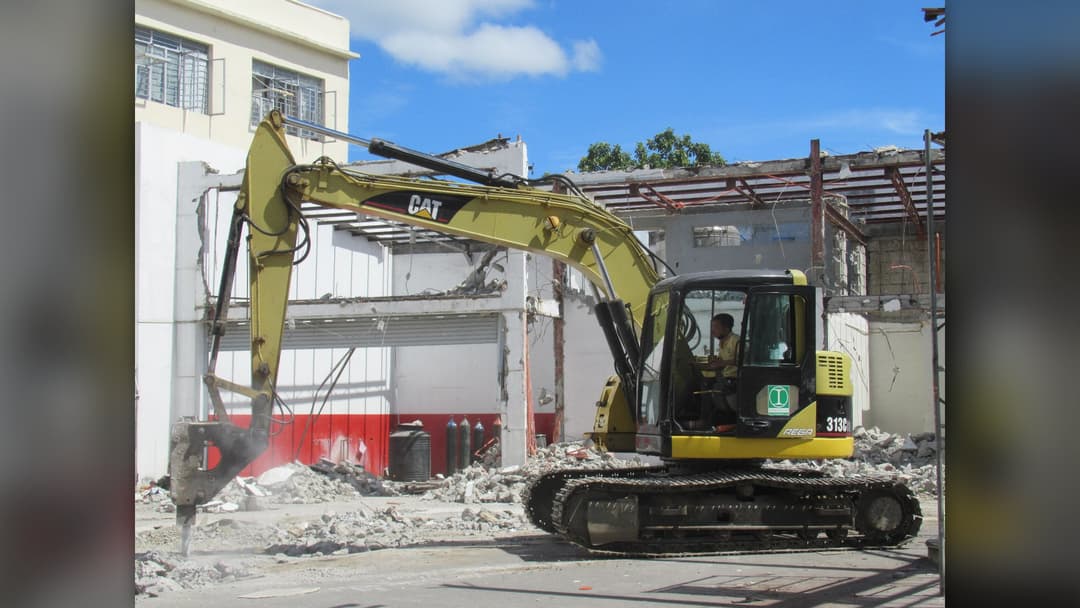
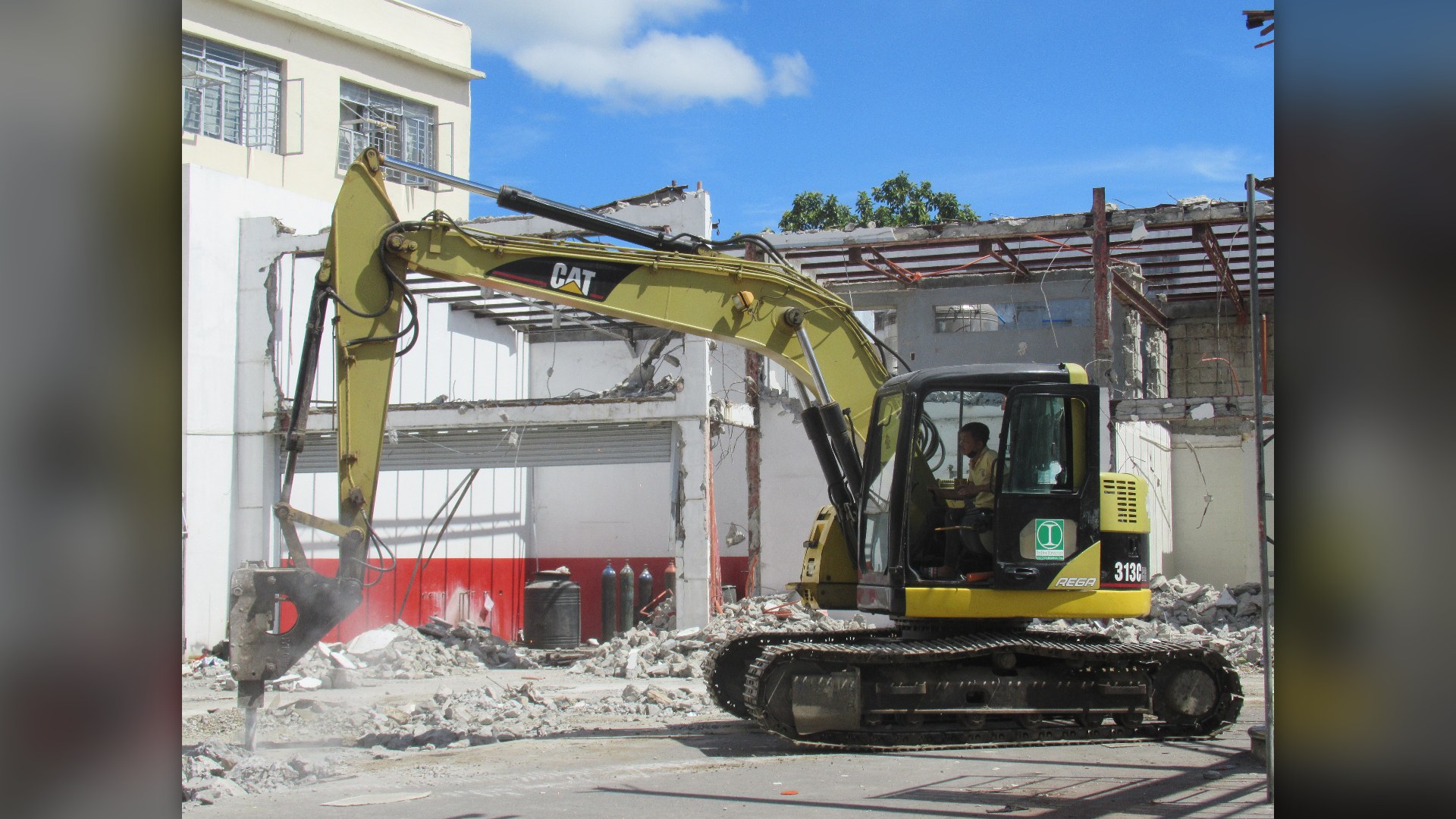
24. Heavy Equipment Mechanics
Modern earthmoving machinery features complex electronic controls alongside high-pressure hydraulic pumps and massive diesel engines. Dealerships and mining operations struggle to find certified technicians capable of troubleshooting computerized field machinery.
©Wikimedia / FBenjr123
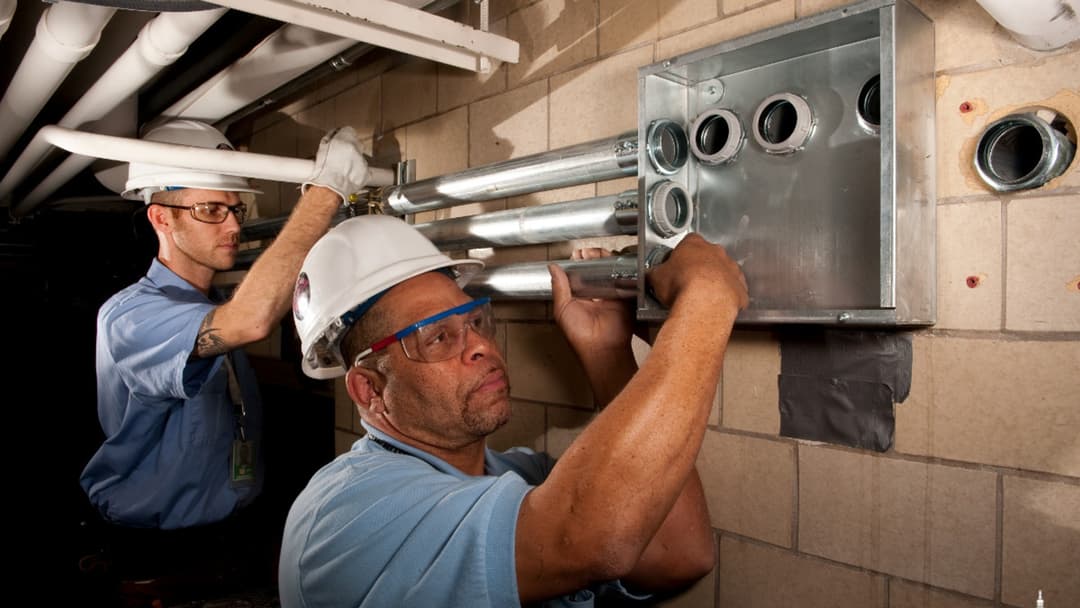
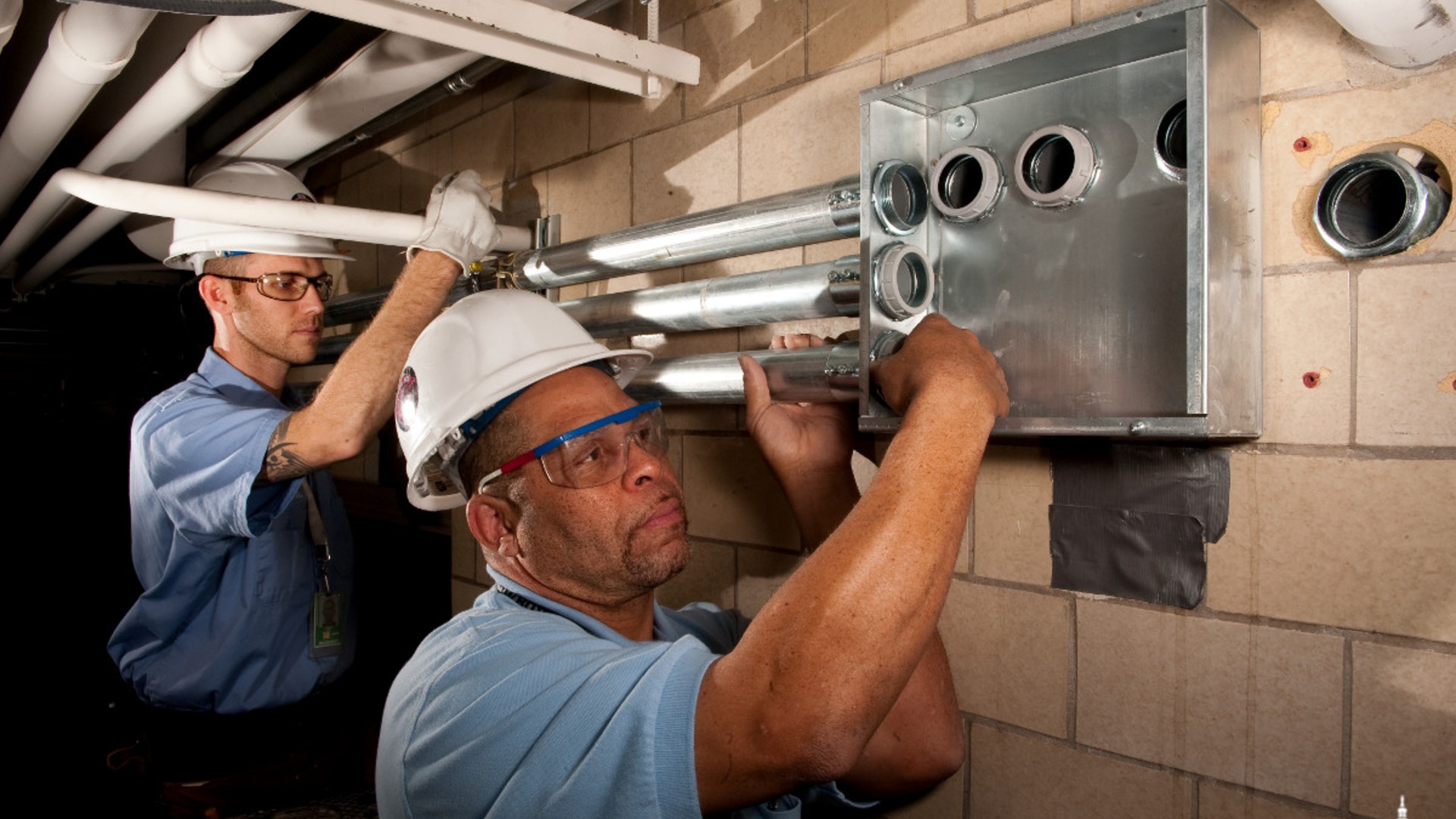
23. Commercial Pipefitters
Manufacturing plants, breweries, and pharmaceutical factories depend on specialized piping networks carrying high-pressure steam and chemicals. Pipefitters must master complex isometric blueprints and precision cutting, leading to unfilled openings across industrial corridors.
©Wikimedia / USCapitol
Advertisement
Swipe or tap ▶ to resume the countdown.
22. Industrial Boilermakers
Boilermakers work inside cramped, high-heat environments to weld heavy steel plates together according to rigorous safety codes. Because older workers dominate this demanding occupation, utility power stations and refineries face acute shortages during annual maintenance turnarounds.
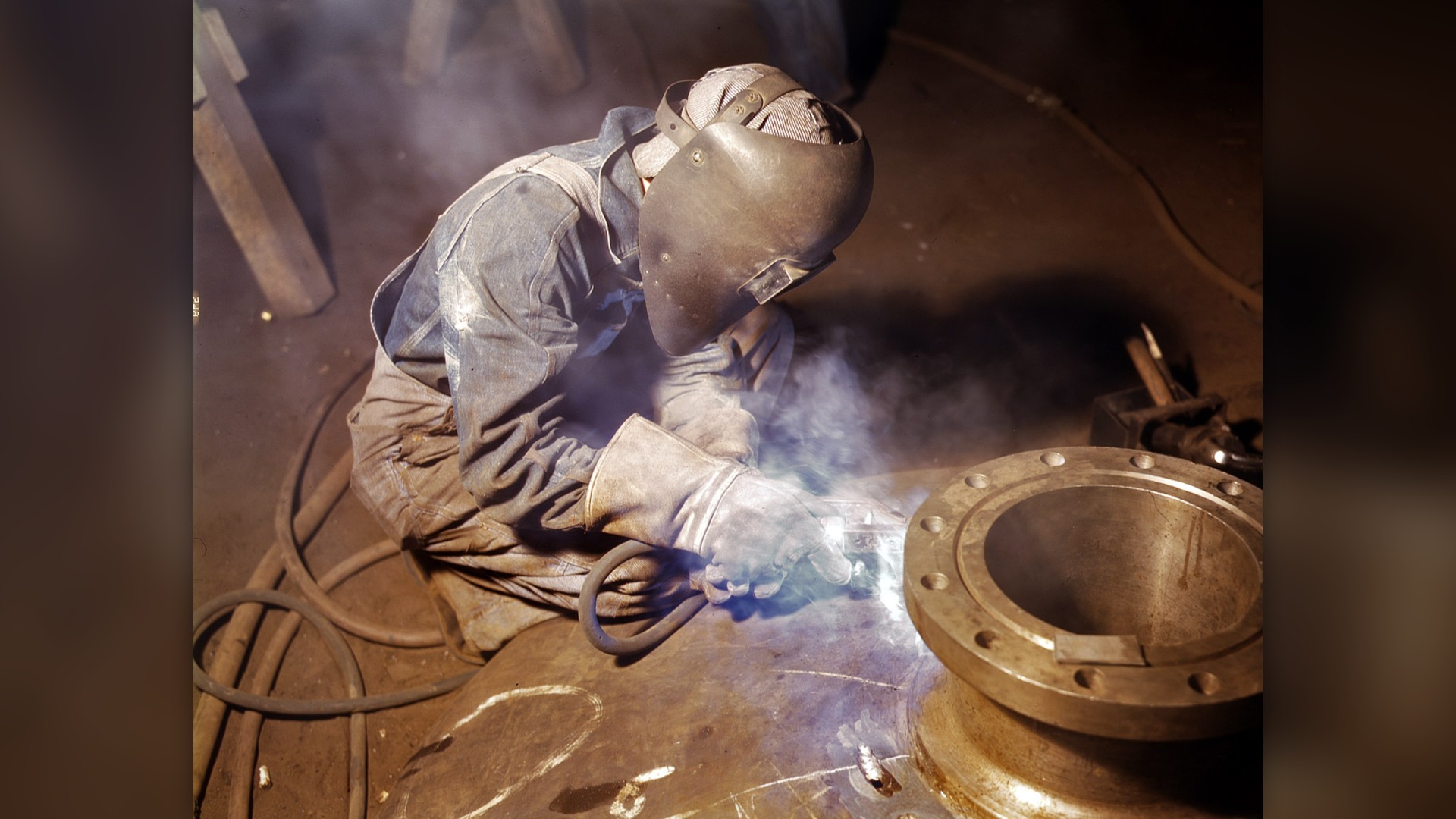
©Wikimedia / Boilermaker
21. Restoration Stonemasons
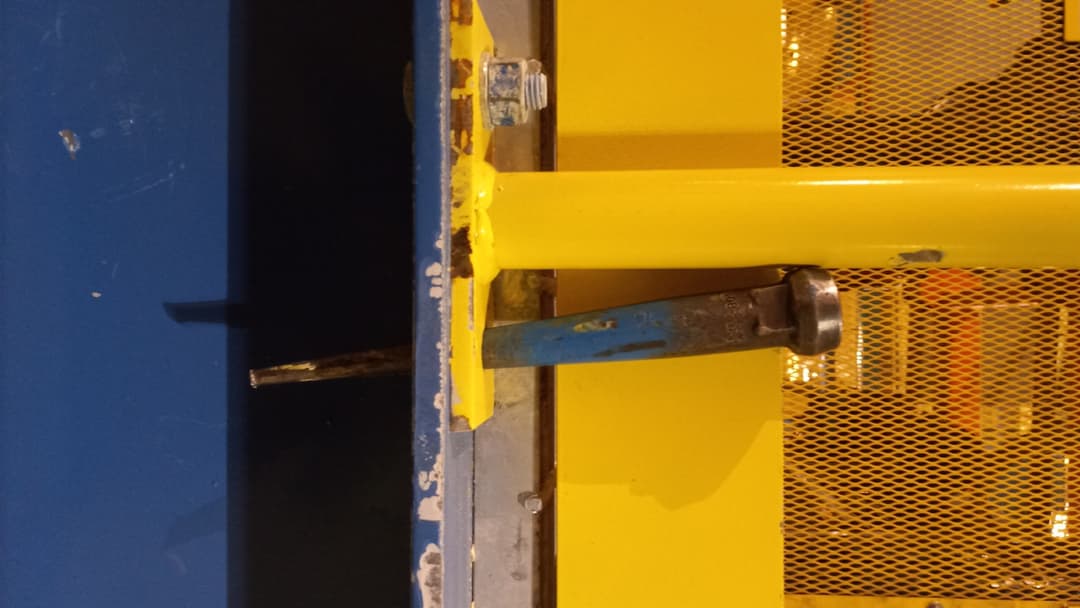
Restoring historic stone courthouses, university halls, and bridges requires traditional chisel skills combined with modern mortar chemistry. As elder stonecutters step down, municipal preservation agencies face month-long delays securing experienced masons for restoration contracts.

©Wikimedia / Robert Cutts
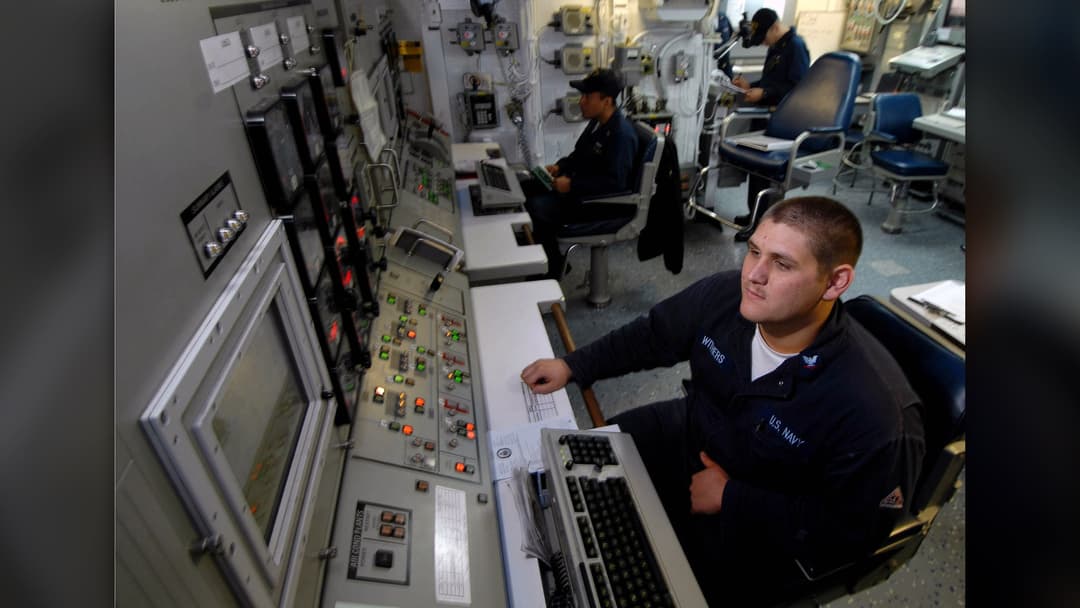
20. Instrumentation Technicians
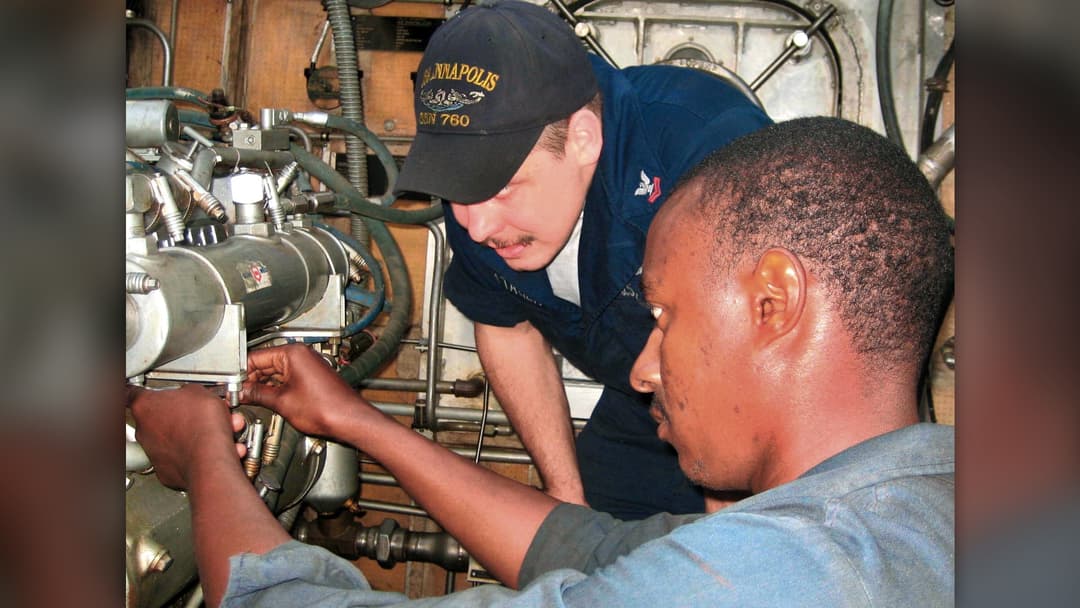
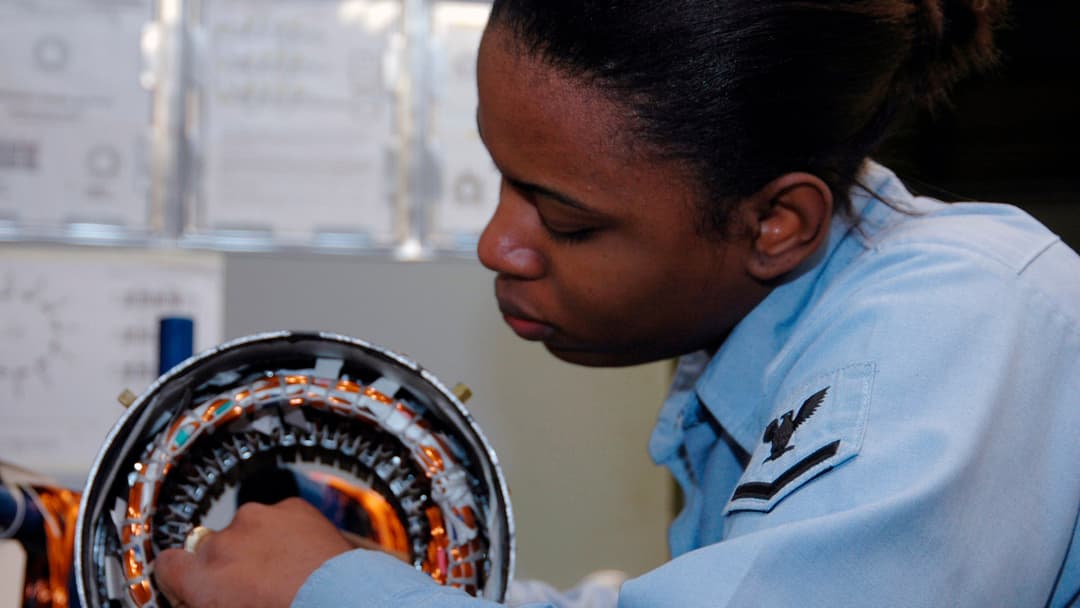
Automated production lines and chemical refineries depend on thousands of electronic sensors monitoring pressure, flow, and heat. When sensors drift out of calibration, entire assembly lines stall, driving high wages for technicians skilled in digital control loops.
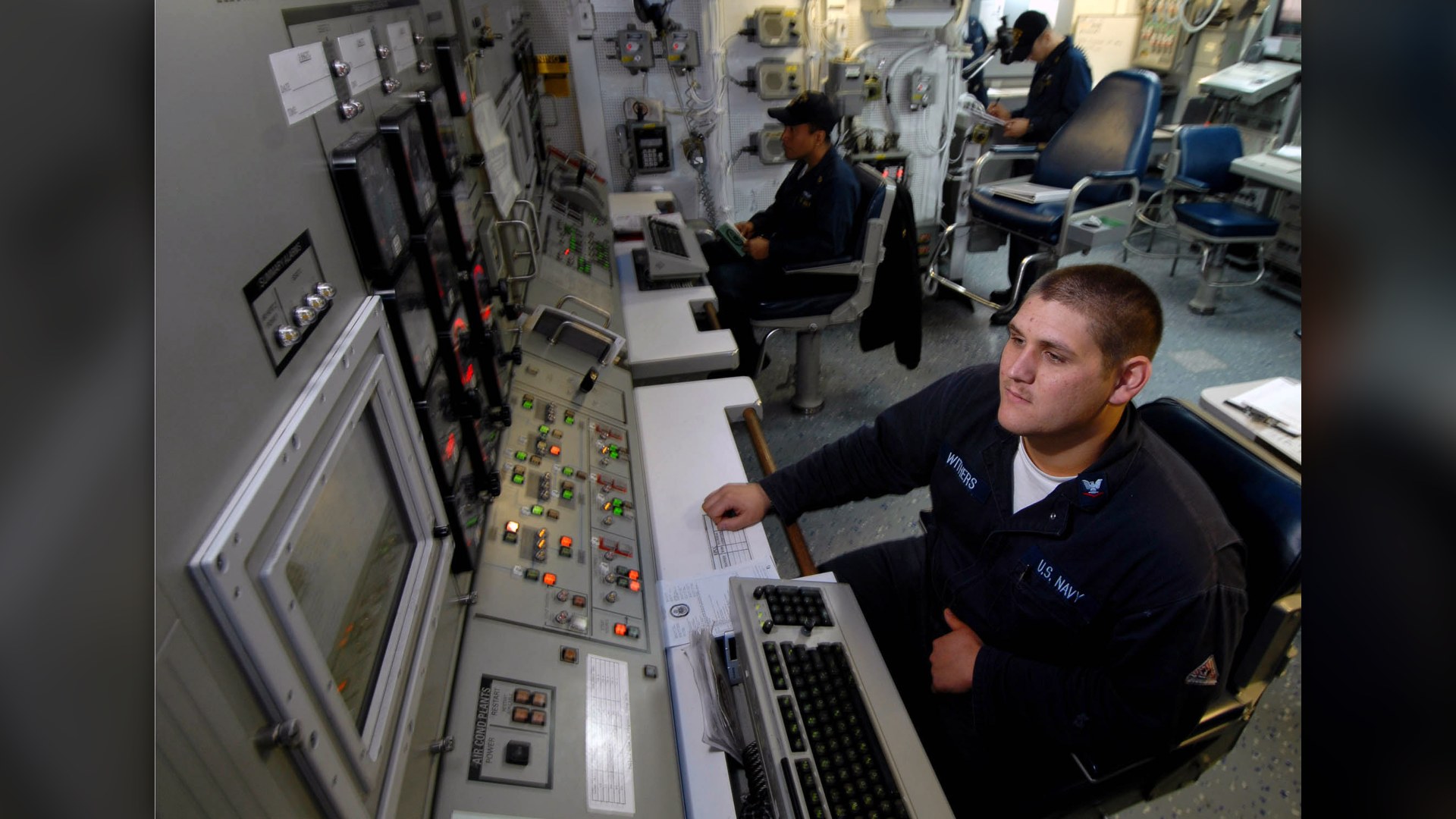
©Wikimedia / U.S. Navy photo by Mass Communication Specialist
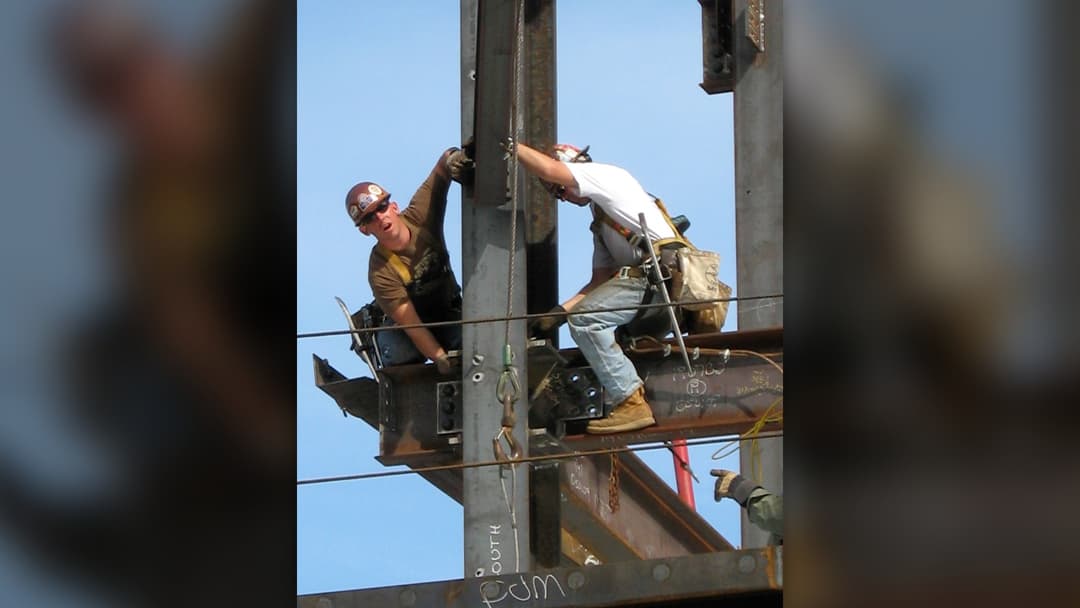
19. Structural Ironworkers
Operating hundreds of feet in the air, ironworkers must walk narrow girders while bolting and welding colossal steel frameworks together. The intense physical demands and strict physical requirements result in chronic recruitment shortages across metropolitan construction markets.
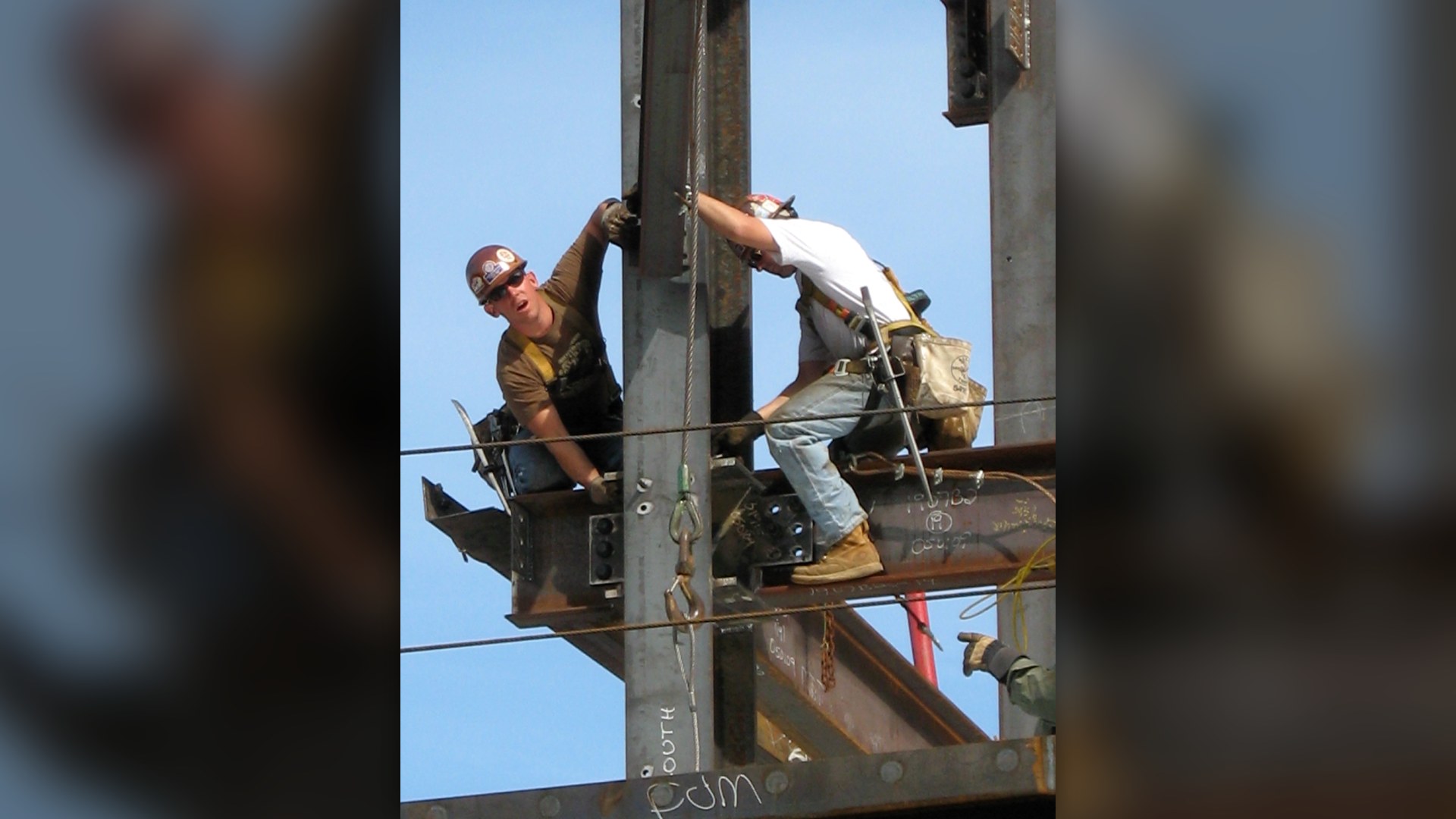
©Wikimedia / photo taken by flickr Paul Keheler
Advertisement
Swipe or tap ▶ to resume the countdown.
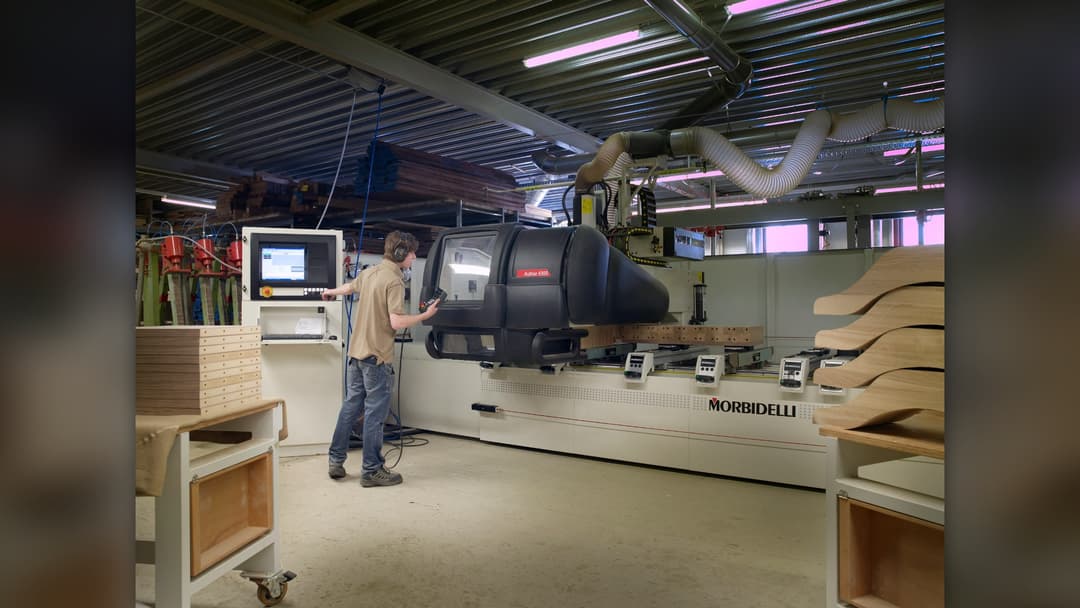
18. Precision CNC Machinists
From aerospace turbine blades to medical implants, advanced manufacturing requires parts machined to microscopic tolerances. While modern machines run automated code, setting up complex tooling and interpreting blueprints requires years of training that trade schools struggle to supply.
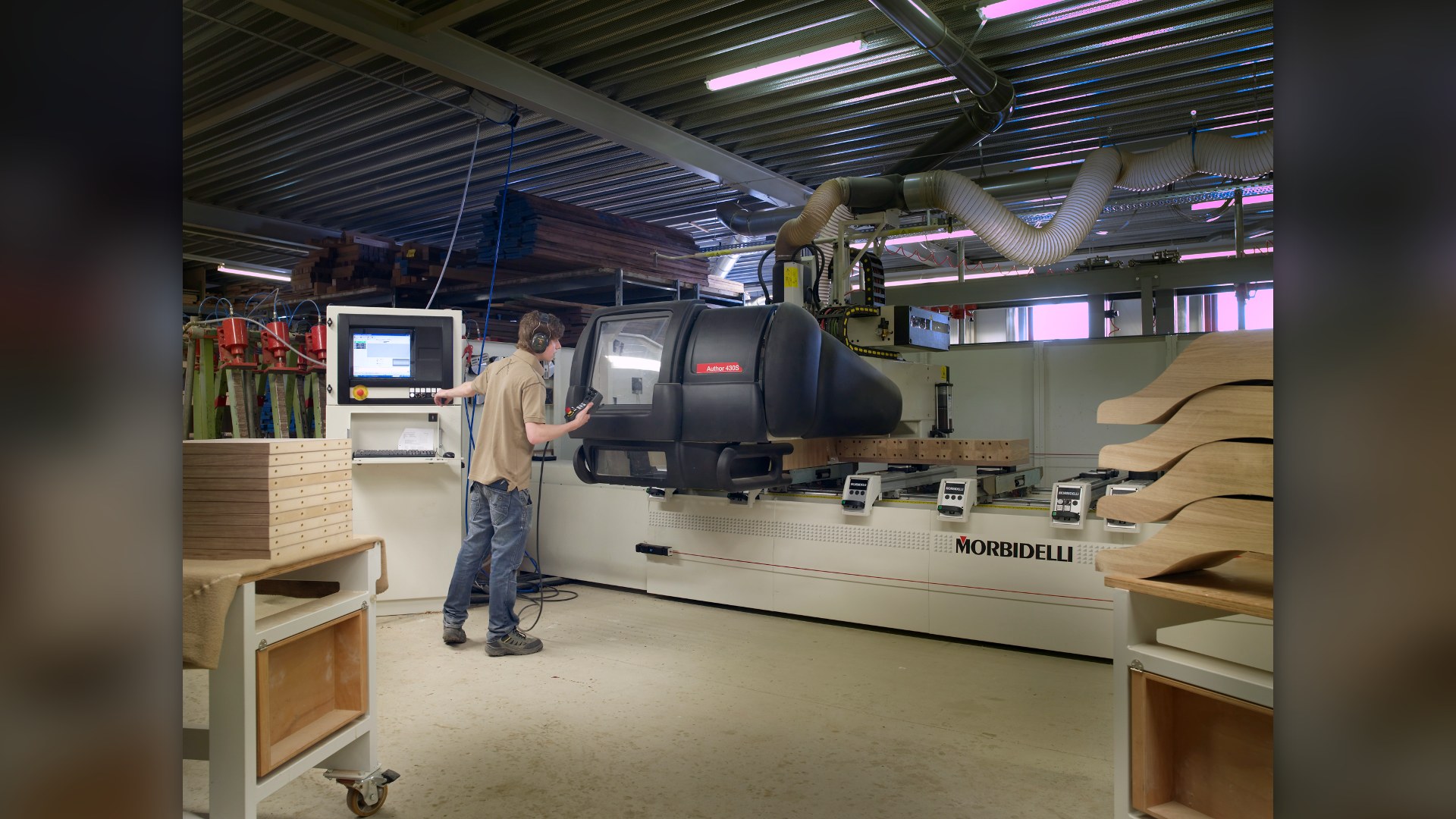
©Wikimedia / Elma Verhouden
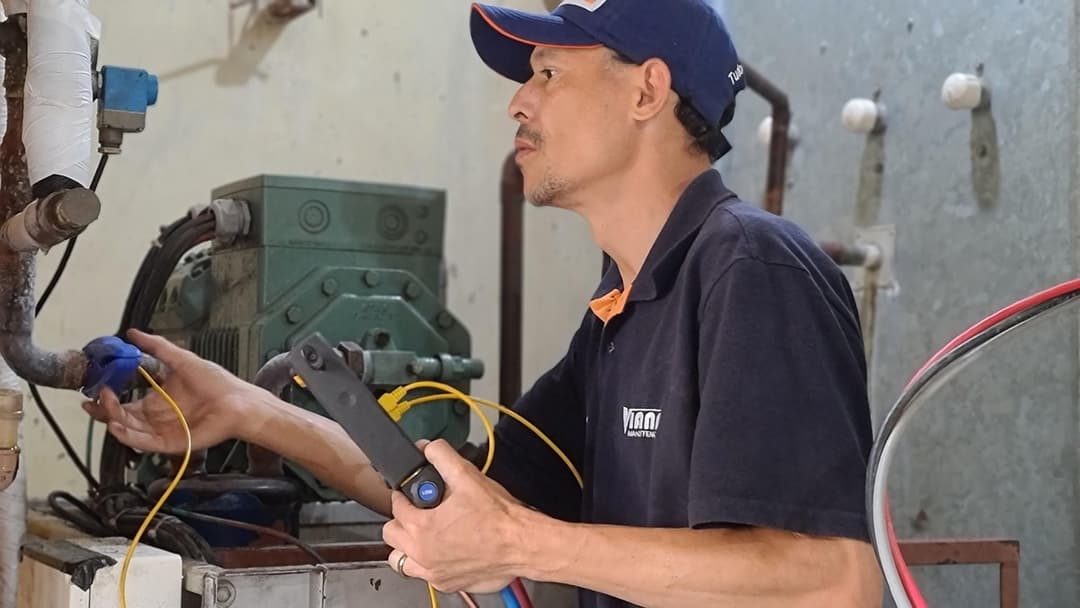
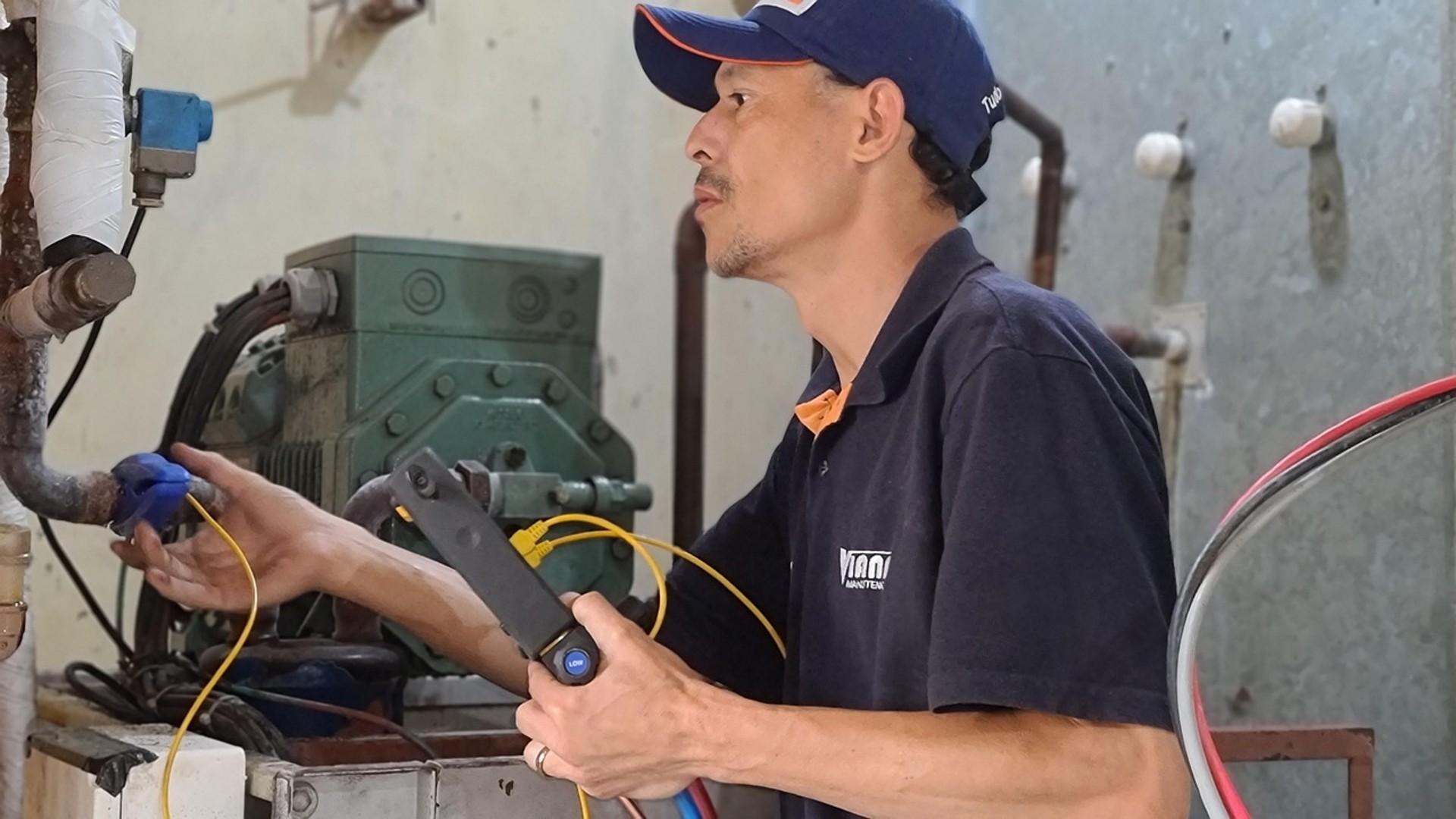
17. Commercial Refrigeration Mechanics
Unlike residential air conditioning, commercial refrigeration operates continuously to keep food distribution centers cold. Ammonia coolant systems involve complex thermodynamic cycles and hazardous materials protocols, making qualified mechanics highly prized across supply chains.
©Pixabay / vianamanutencao
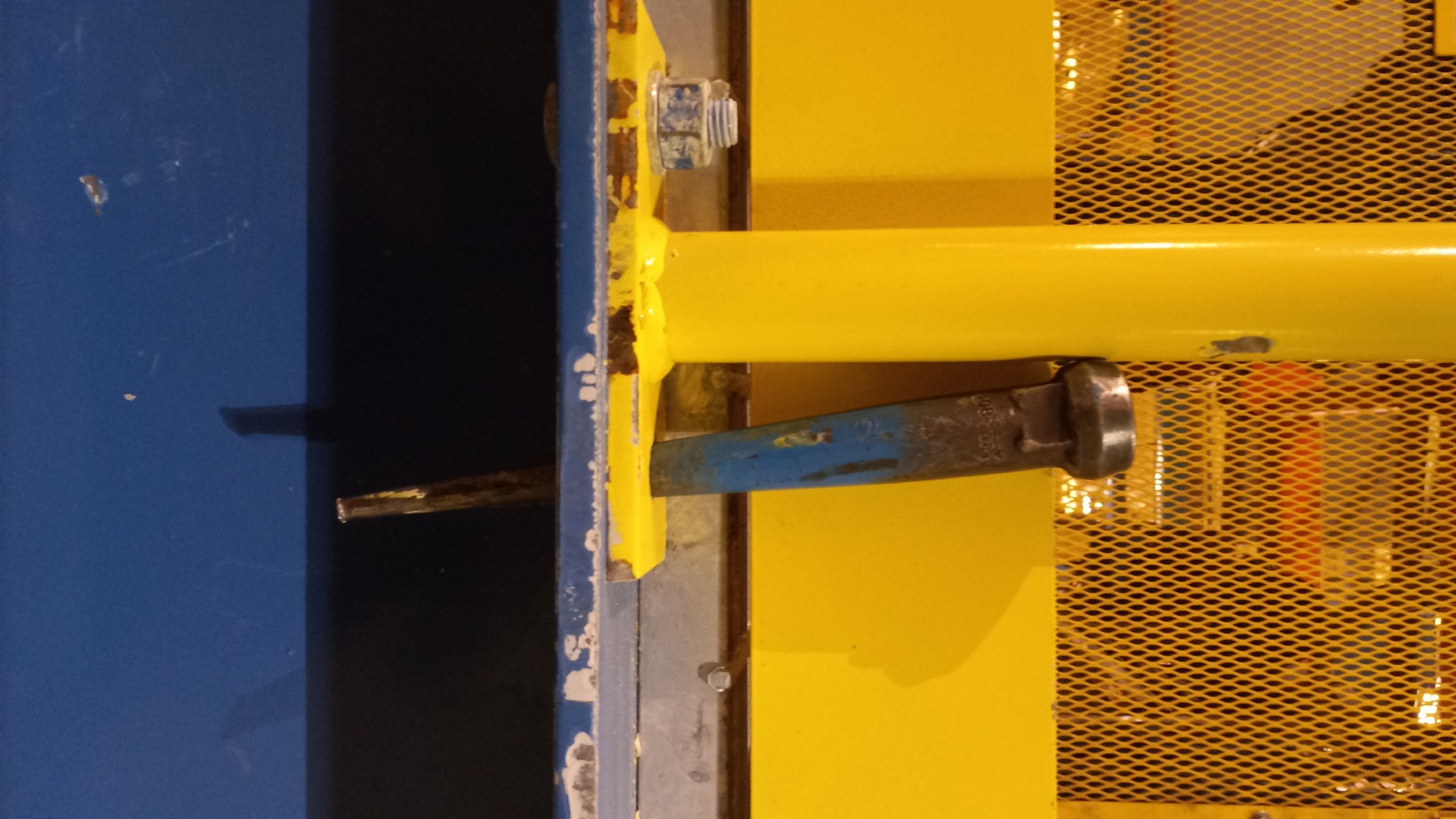
16. Factory Millwrights
When automotive plants or paper mills install new multi-ton printing presses, millwrights use laser alignment tools to position shafts with pinpoint accuracy. Their unique blend of rigging, machining, and mechanical diagnostics makes them irreplaceable during plant modernizations.
©Wikimedia / Ironmaiden129
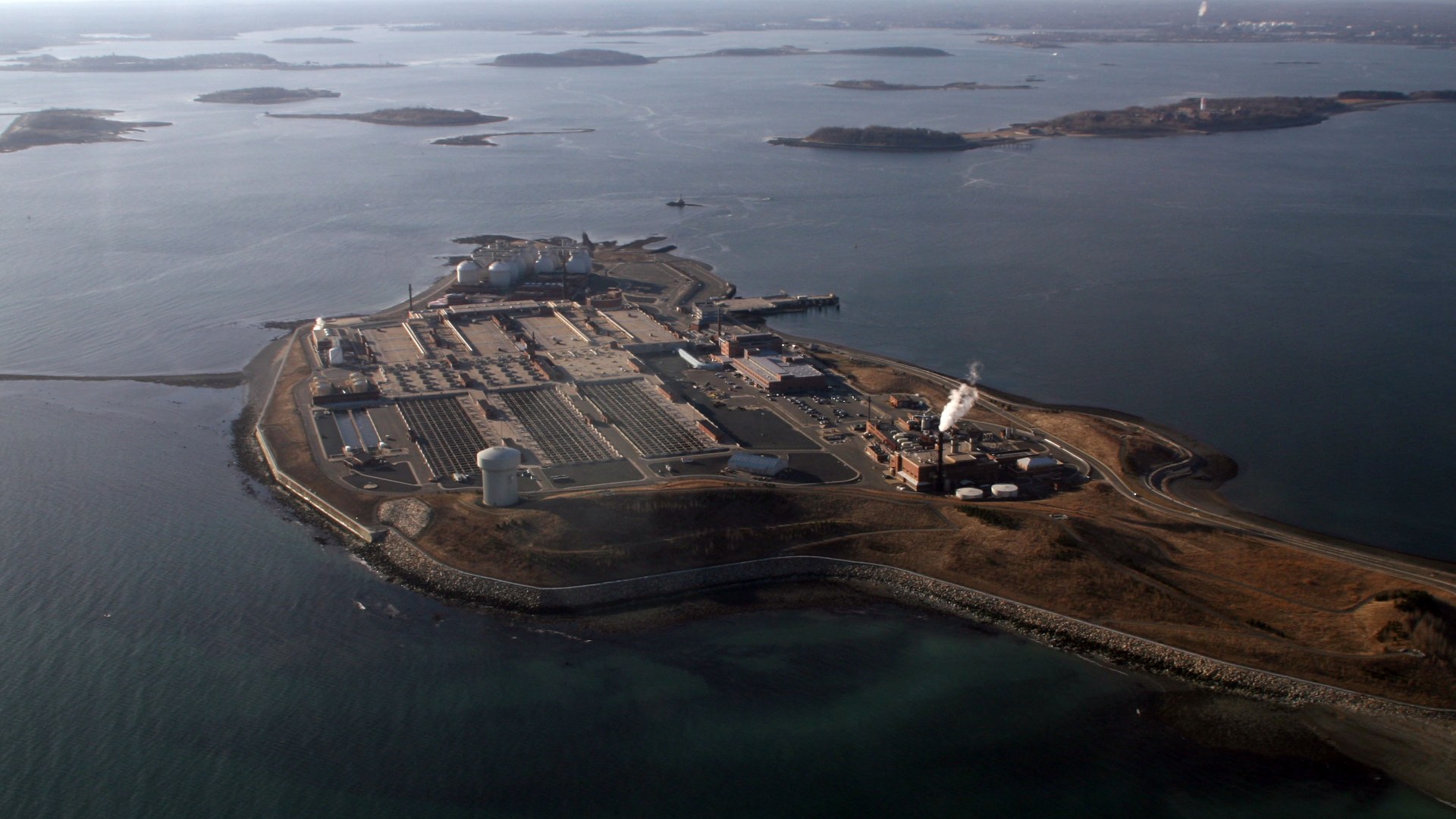
15. Wastewater Plant Operators
Ensuring clean tap water and environmentally safe municipal outflow requires round-the-clock monitoring of chemical balances and microbiology. Over thirty percent of current water plant operators are eligible for retirement, prompting municipal utility districts to offer rich hiring packages.
©Wikimedia / Doc Searls
Advertisement
Swipe or tap ▶ to resume the countdown.
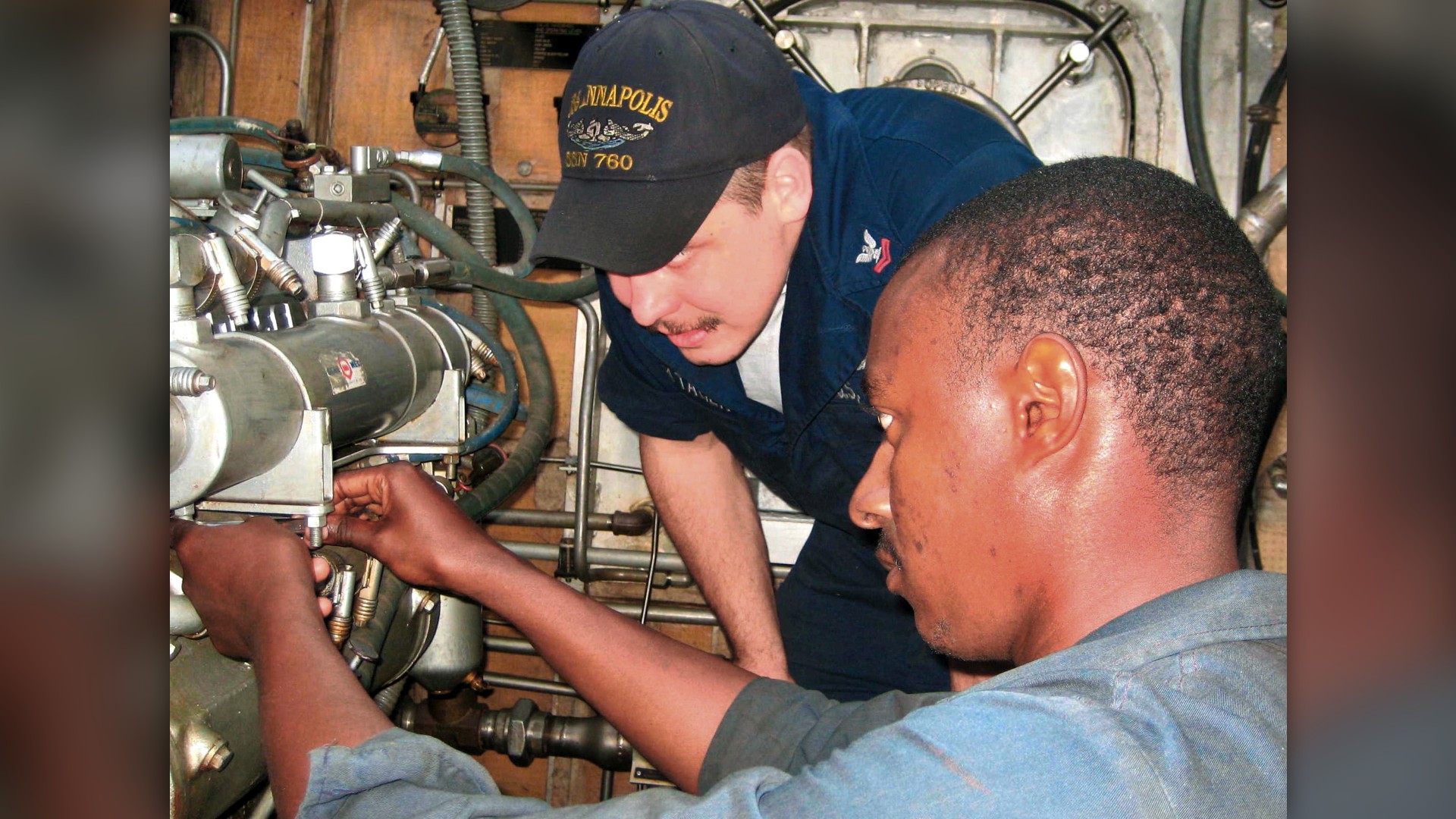
14. Fleet Diesel Technicians
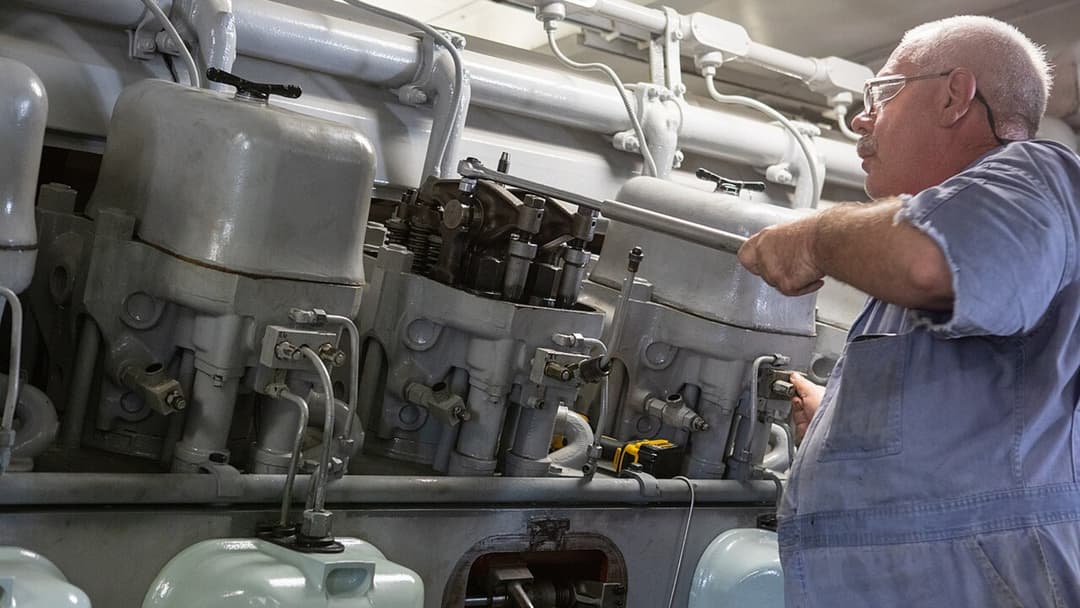
Virtually all consumer freight moves by diesel truck at some point in the supply chain, requiring constant engine maintenance and emissions testing. Supply chain logistics companies actively compete for certified mechanics who can diagnose computerized common rail injection systems.
©Wikimedia / U.S. Navy photo
13. Power Substation Electricians
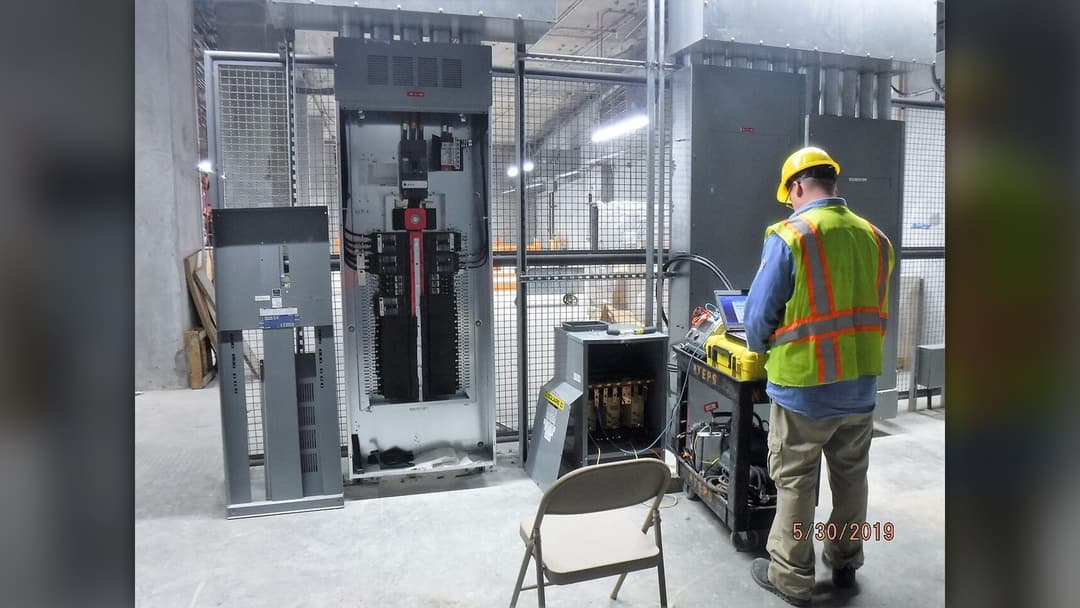
Substations sit at the junction between high-voltage power transmission lines and city distribution grids. Working around live transformers carrying hundreds of thousands of volts requires intense concentration, leaving utilities competing for seasoned high-voltage technicians.
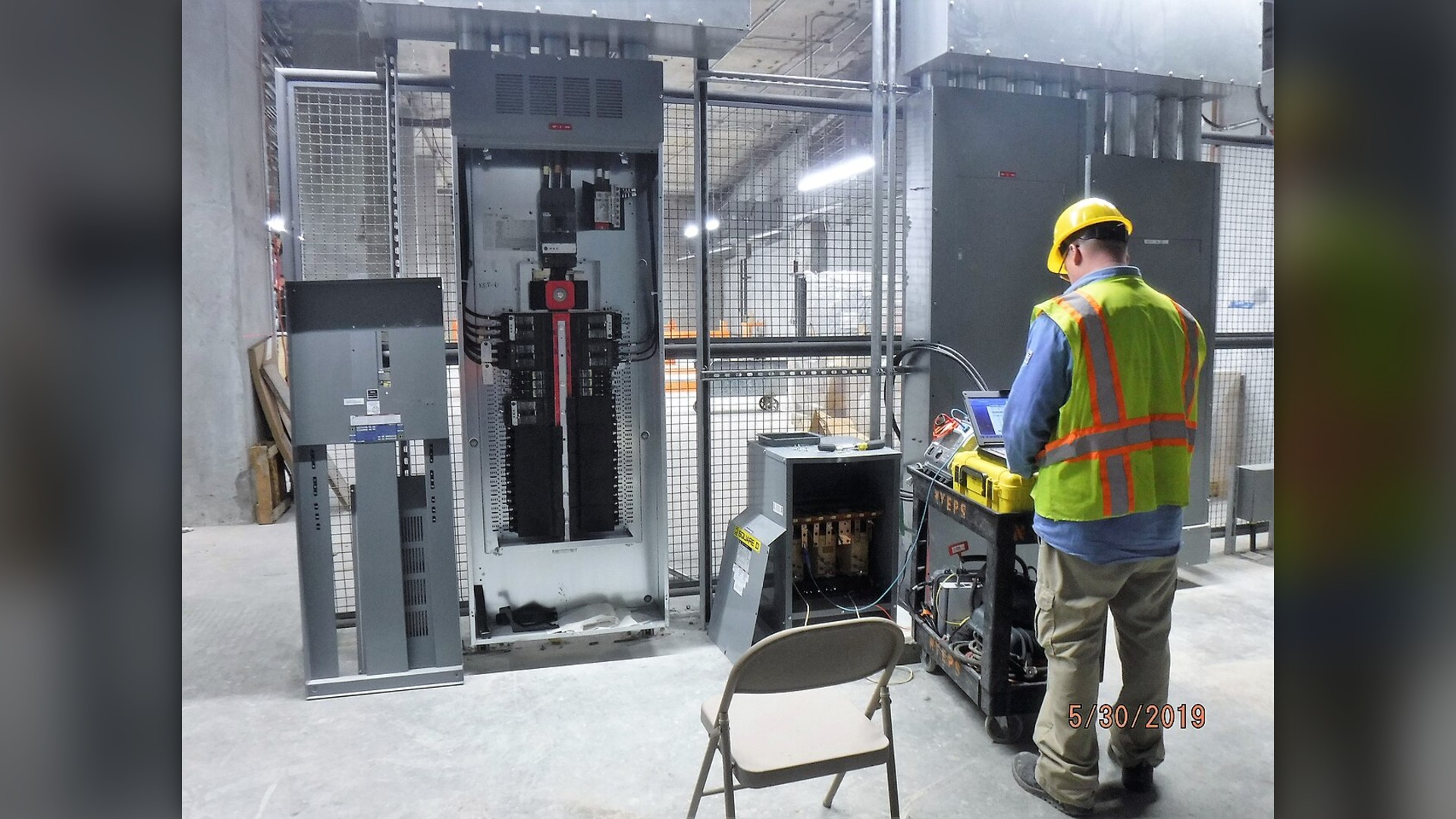
©Wikimedia / MTA Capital Construction Mega Projects
12. Aviation Maintenance Technicians
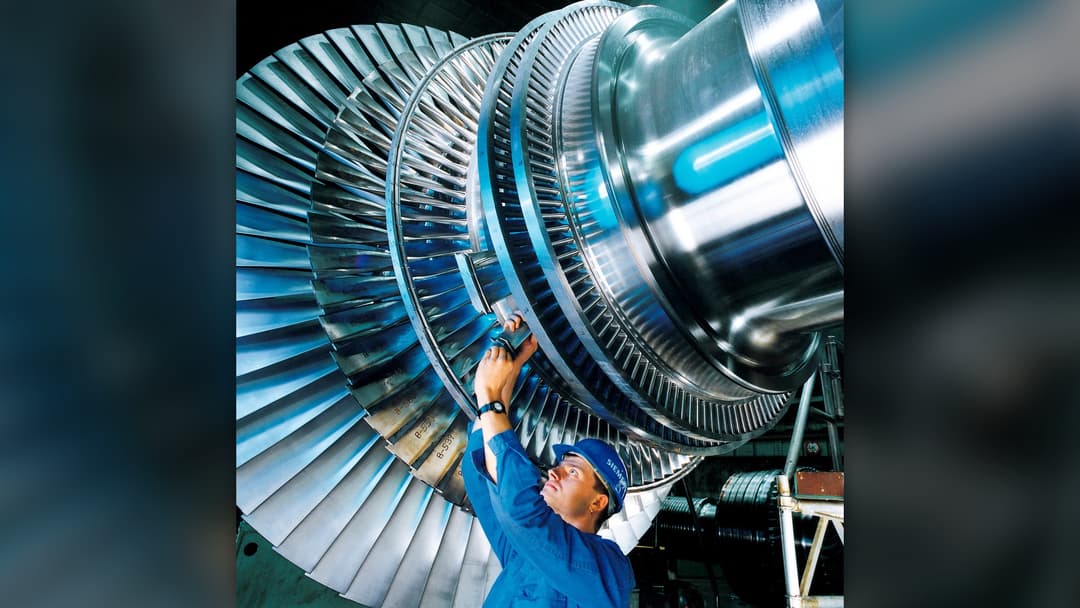
Air safety depends on licensed mechanics performing scheduled tear-downs and avionics checks in airport hangars. As global commercial airline travel expands, major airlines face an impending wave of mandatory retirements that threatens to ground flight schedules.
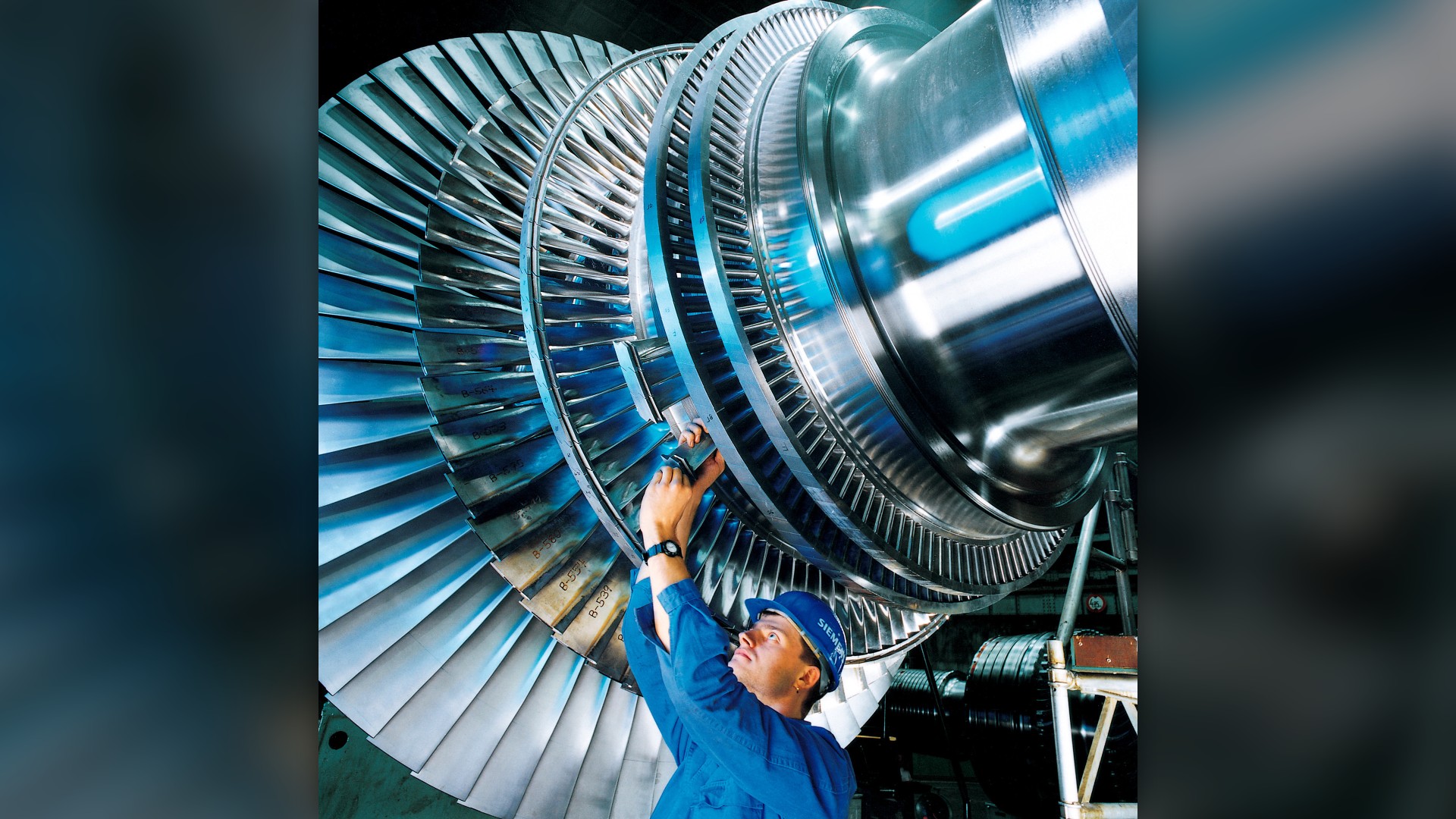
©Wikimedia / Siemens Pressebild,
11. Elevator And Escalator Installers
Modern urban high-rises cannot function without reliable elevator systems running continuously. Elevator mechanics command among the highest union wages in the building trades, yet multi-year apprenticeship requirements keep the total supply of certified mechanics strictly limited.

©Wikimedia / Gerard Dukker / Paul van Galen
Advertisement
Swipe or tap ▶ to resume the countdown.
10. Industrial Electricians
Modern manufacturing plants run on high-amperage electrical feeds that power robotics, arc furnaces, and assembly conveyors. Industrial electricians must troubleshoot complex wiring faults under tight production deadlines, making them indispensable to industrial output.
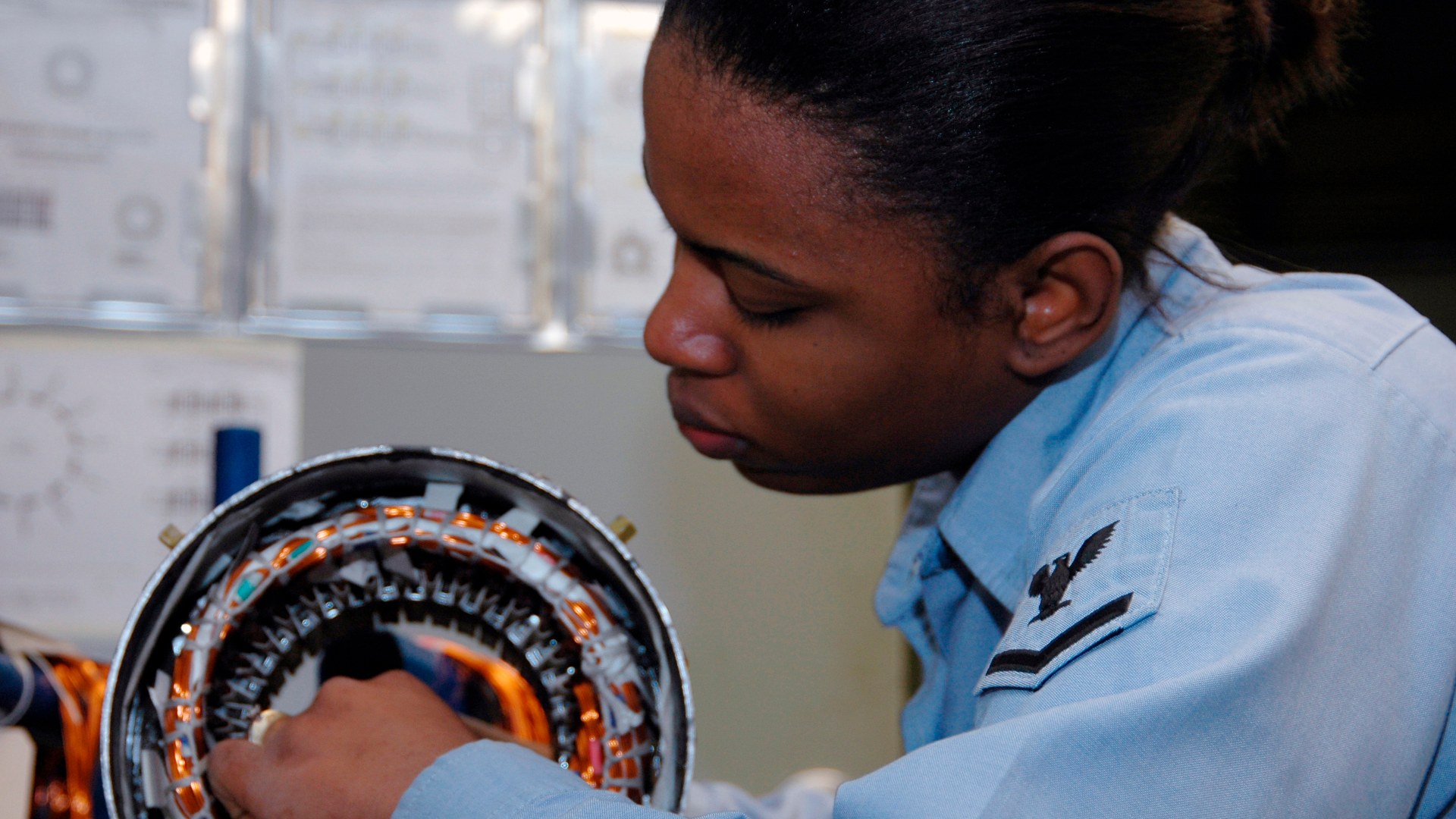
©Wikimedia / U.S. Navy photo by Mass Communication Specialist
9. Commercial Roofing Installers
Large logistics centers and corporate campuses require flat roof systems built to endure severe hail and standing pond water. Working on expansive exposed rooftops in extreme summer heat and winter freezes creates high employee turnover and persistent labor shortfalls.

©Wikimedia / Leif Skoogfors
8. Locomotive Diesel Technicians
Freight railways move millions of tons of agricultural grain, coal, and consumer cargo across continental rail corridors every day. Technicians overhaul massive prime-mover engines and dynamic braking grids in specialized yards, facing constant recruitment shortages.
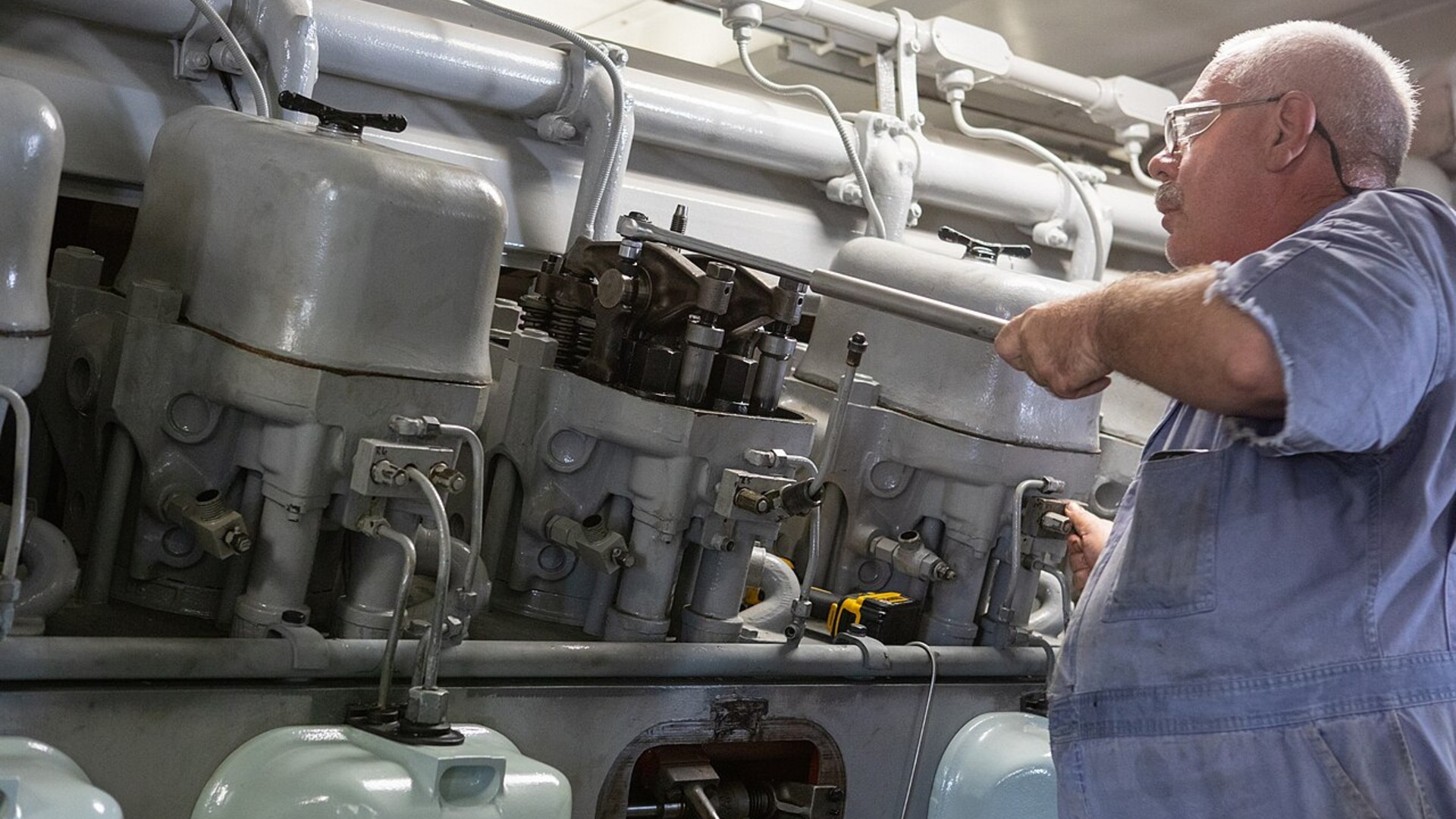
©Wikimedia / Kim Shiflett
7. Tower Crane Operators
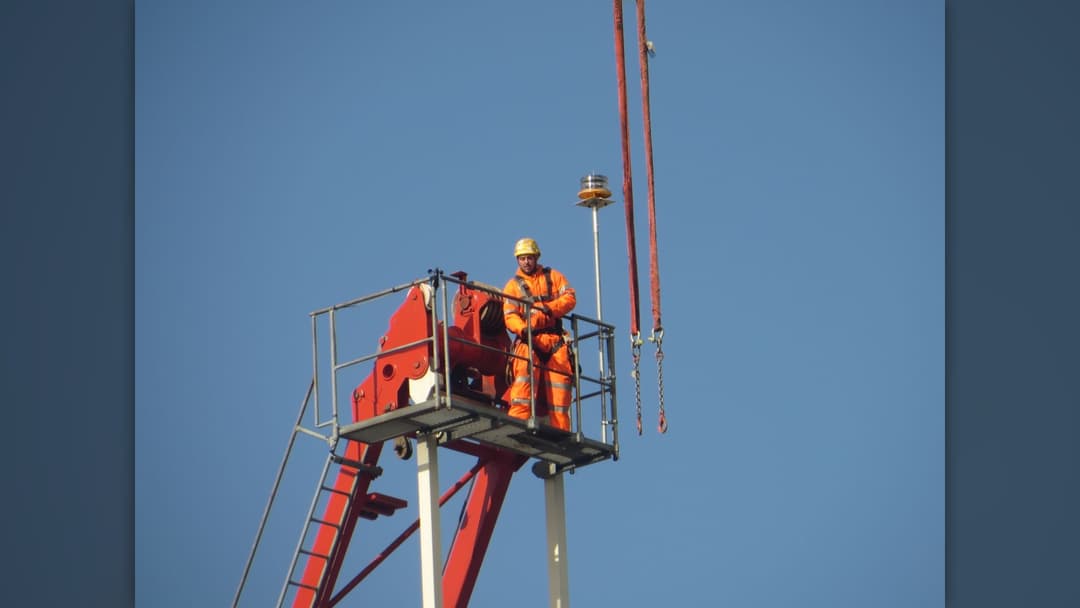
Perched hundreds of feet in the air inside a tiny control cab, crane operators move heavy building materials across active jobsites with millimeter precision. The high level of responsibility and intense mental focus makes certified tower crane operators exceptionally rare.
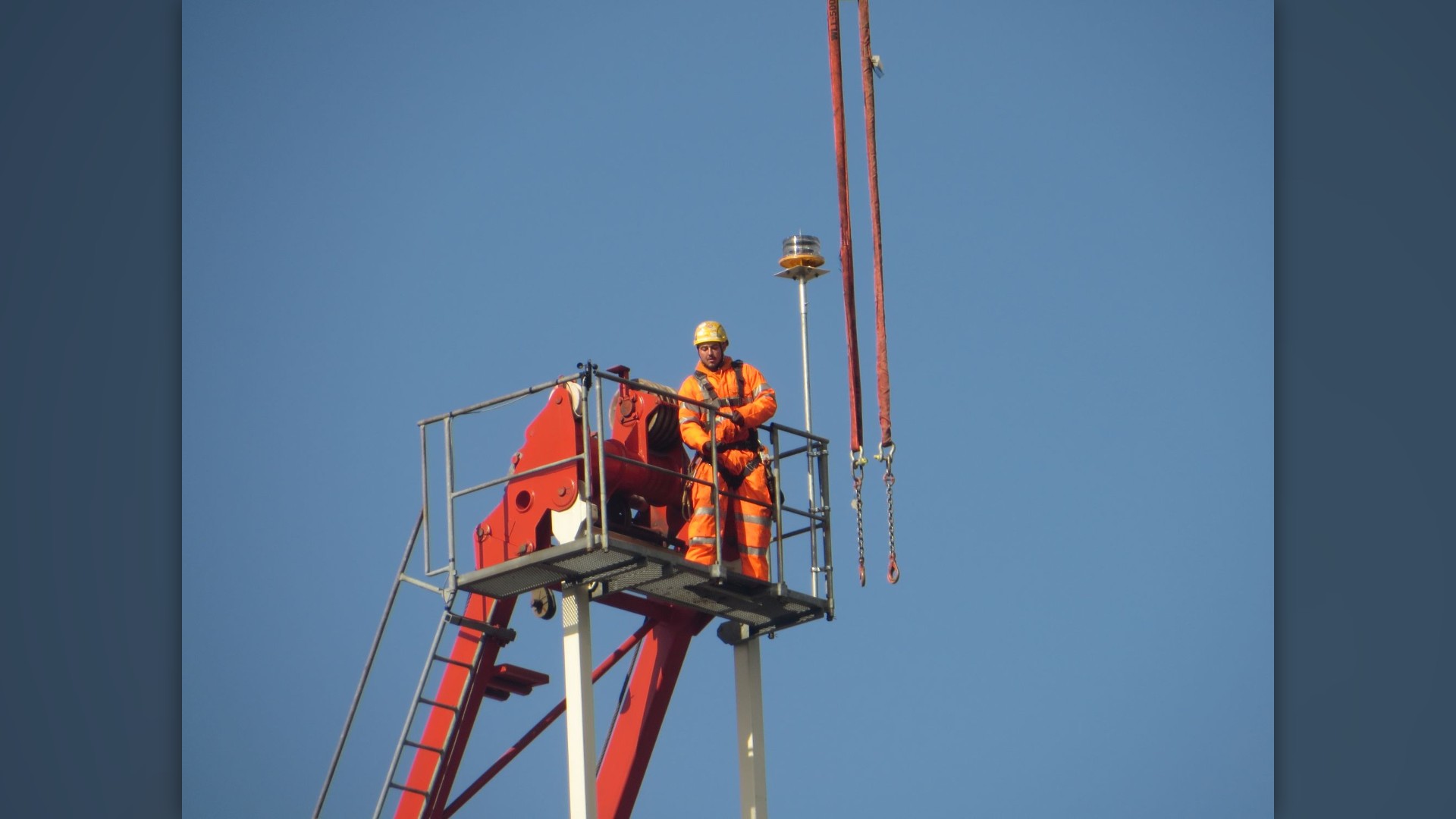
©Wikimedia / Graham Robson
Advertisement
Swipe or tap ▶ to resume the countdown.
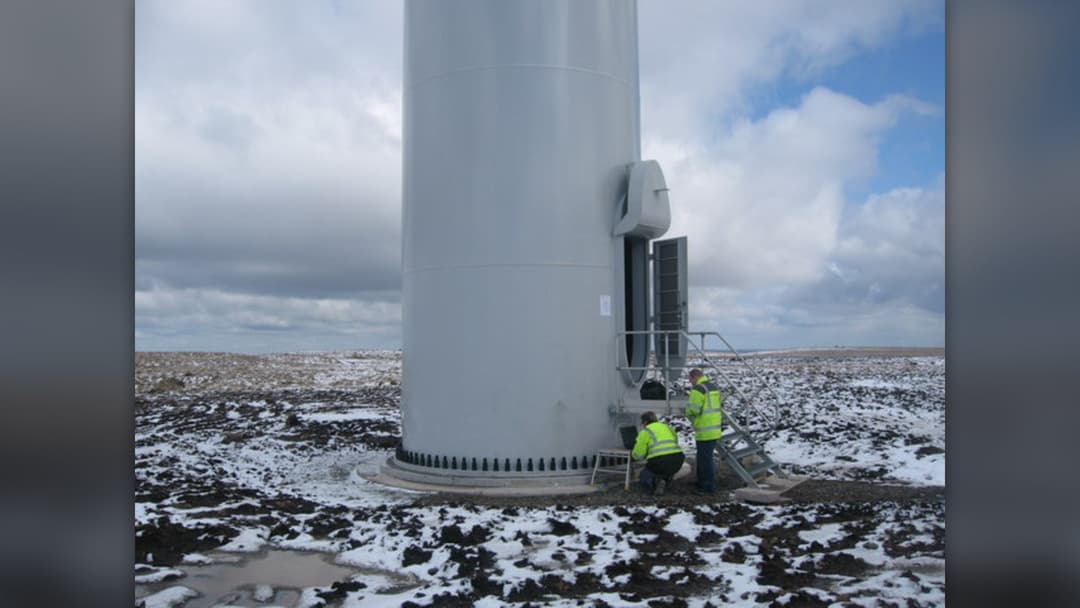
6. Wind Turbine Technicians
Working hundreds of feet above wind-swept plains, turbine technicians must perform repairs in cramped generator compartments while tied off with safety harnesses. As utility companies construct thousands of new wind farms across rural regions, demand for technicians outpaces school graduates.
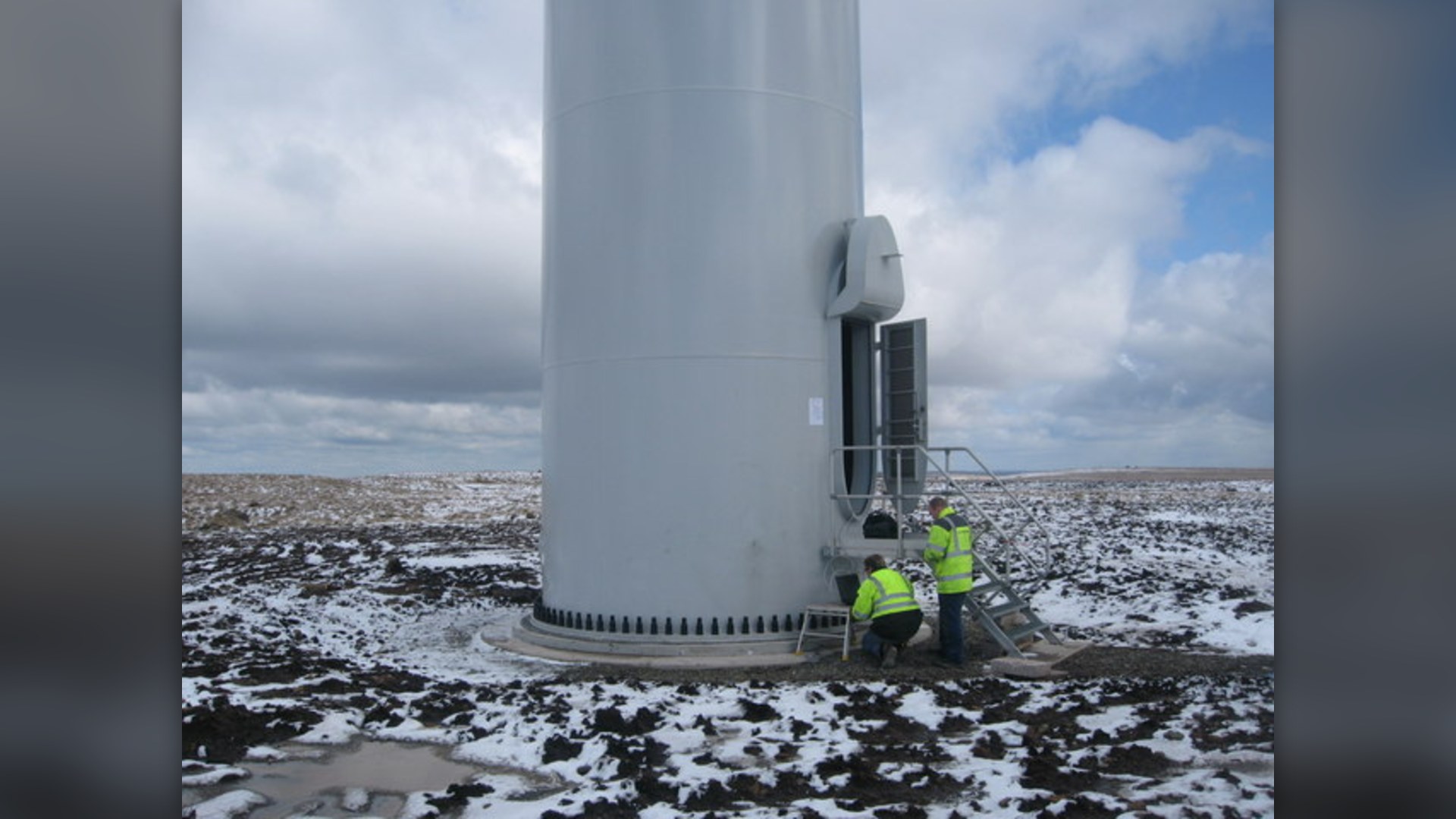
©Wikimedia / Paul Anderson
5. Underwater Commercial Divers
Equipped with specialized dive helmets and hot-water diving suits, commercial divers work in zero-visibility waters repairing offshore platforms and intake canals. The physical danger and technical certification hurdles keep this specialized workforce small and well-compensated.

©Wikimedia / Peter Southwood
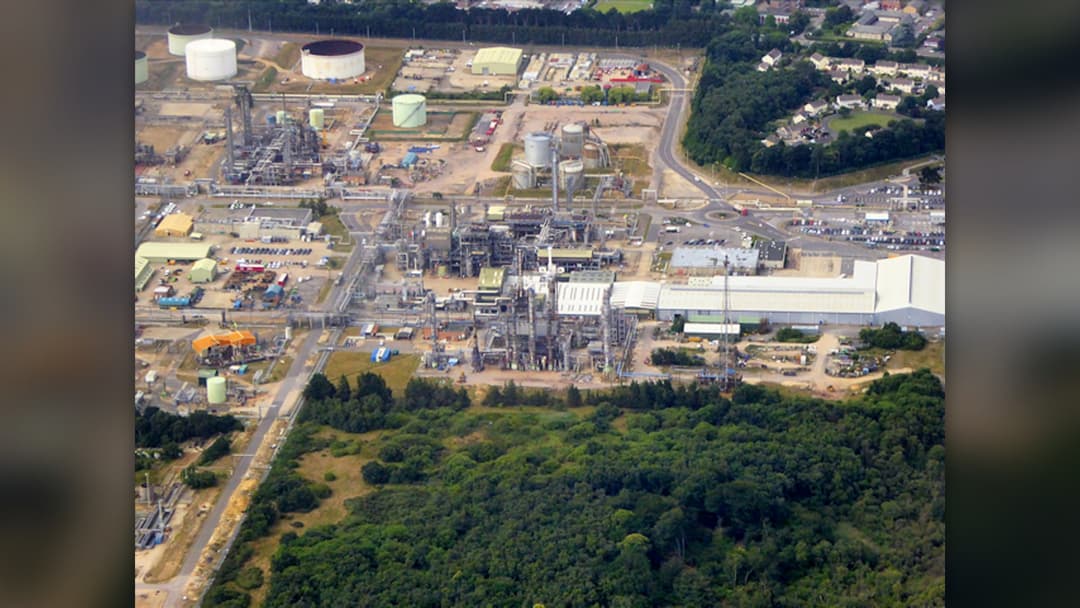
4. Petroleum Refinery Operators
Refineries convert crude oil into aviation kerosene, diesel, and chemical feedstocks through high-temperature catalytic reactions. Operators must monitor control boards and walk massive pipe racks to prevent dangerous pressure surges, earning strong salaries with full union benefits.
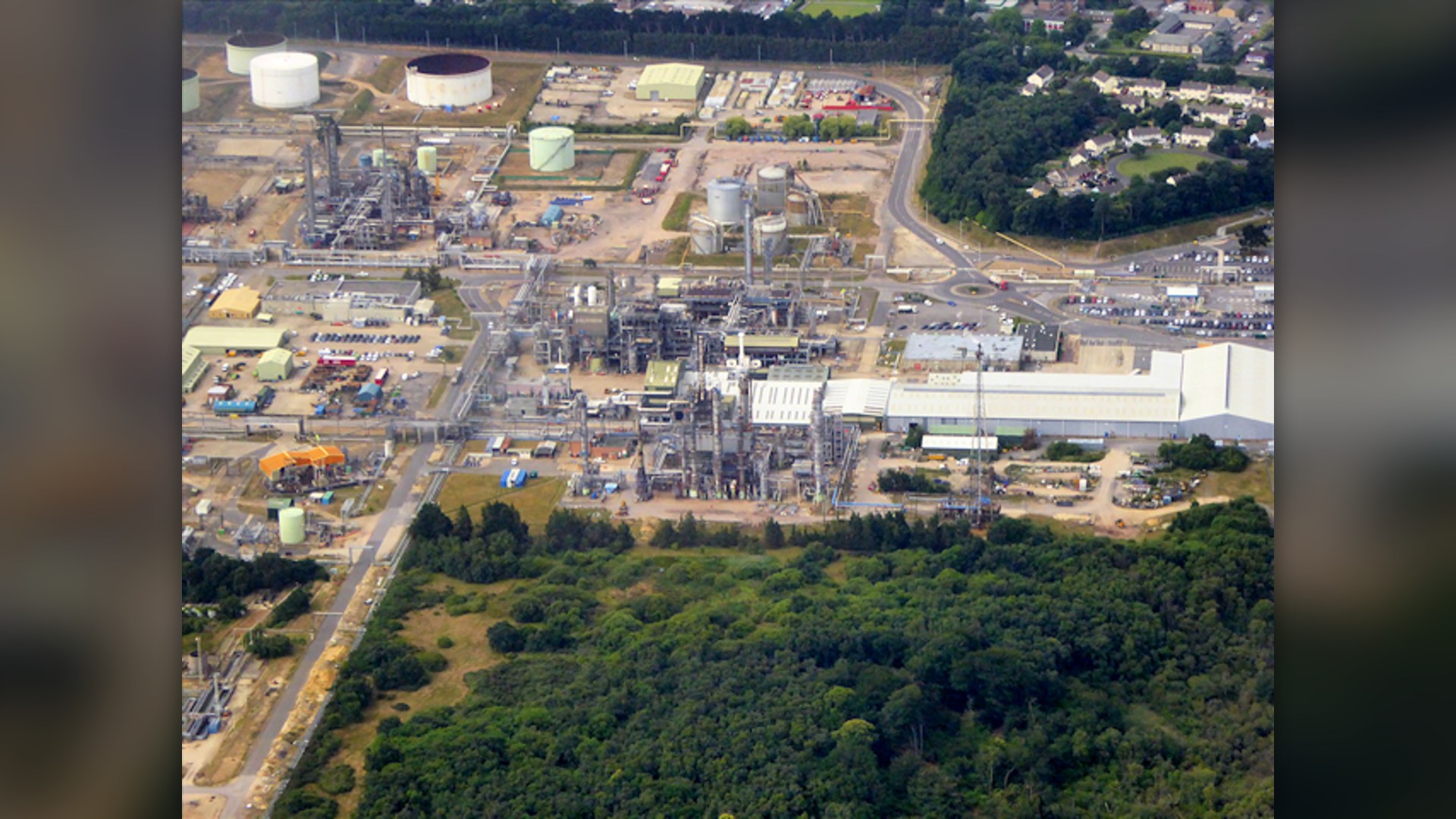
©Wikimedia / David Dixon
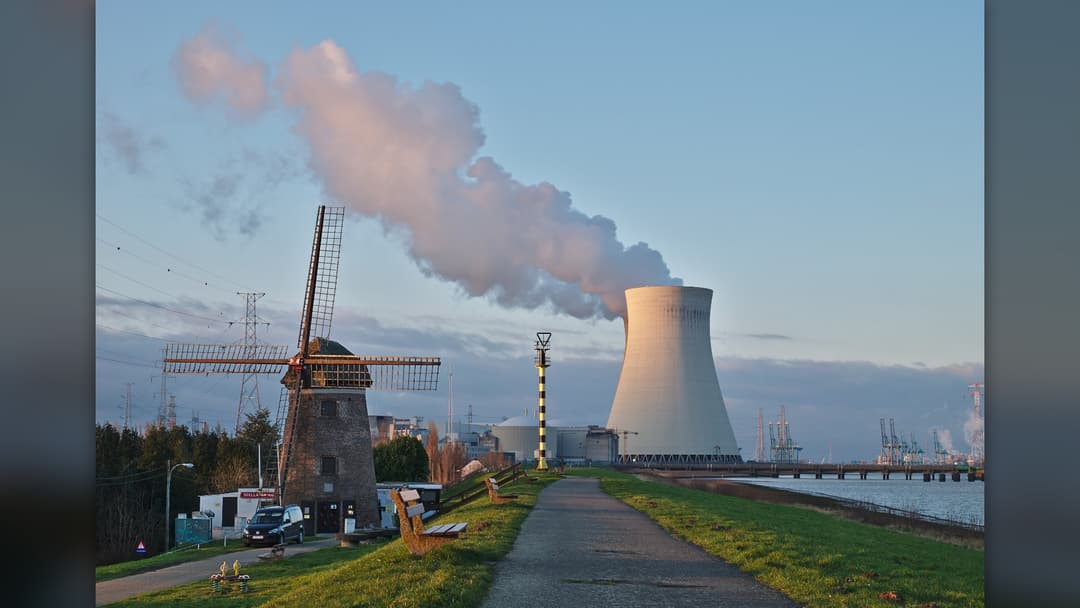
3. Nuclear Power Plant Technicians
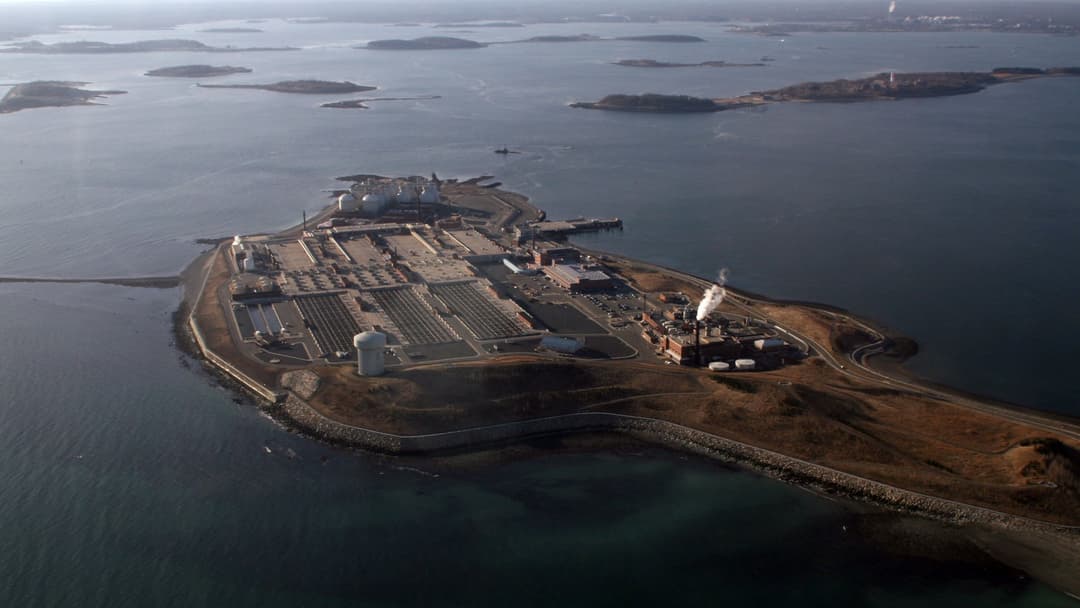
Working in commercial nuclear power facilities requires federal background security clearances and extensive training in thermodynamics. With clean baseload electricity expanding to power modern data centers, nuclear utilities face an urgent search for certified operators.
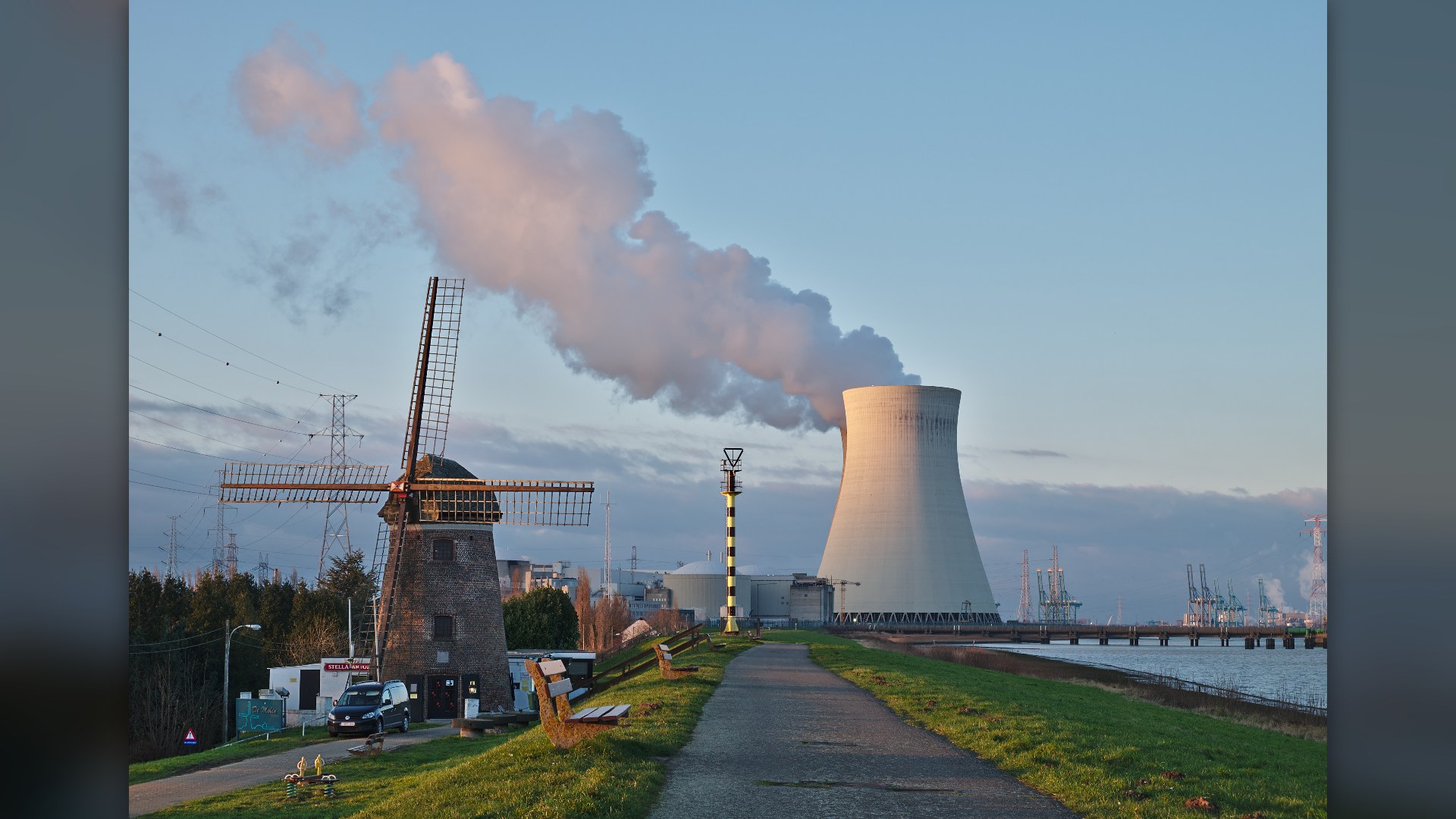
©Wikimedia / Trougnouf
Advertisement
Swipe or tap ▶ to resume the countdown.
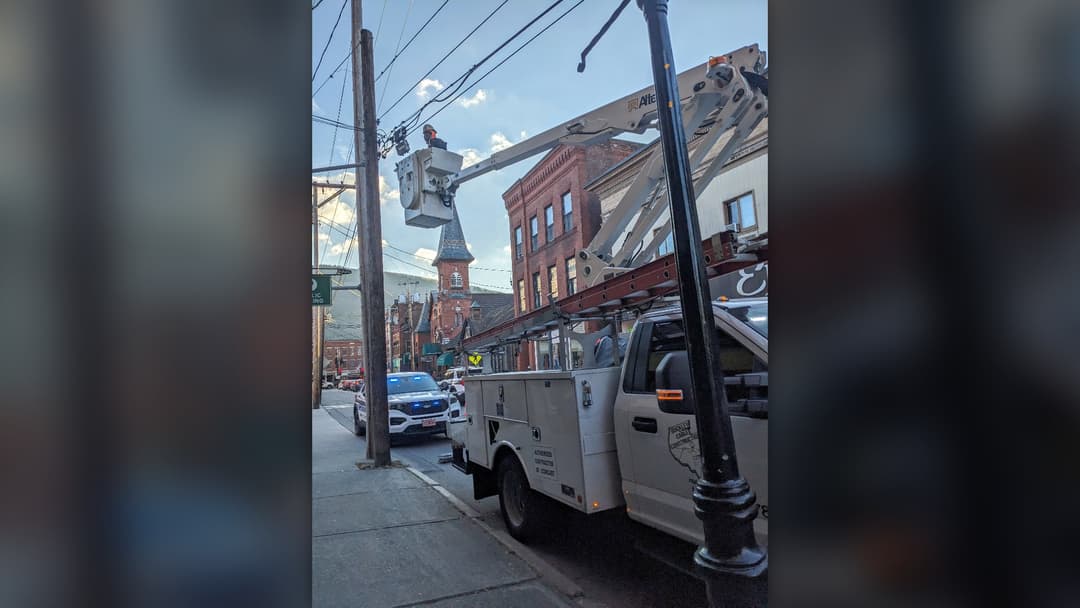
2. High-Voltage Electrical Lineworkers
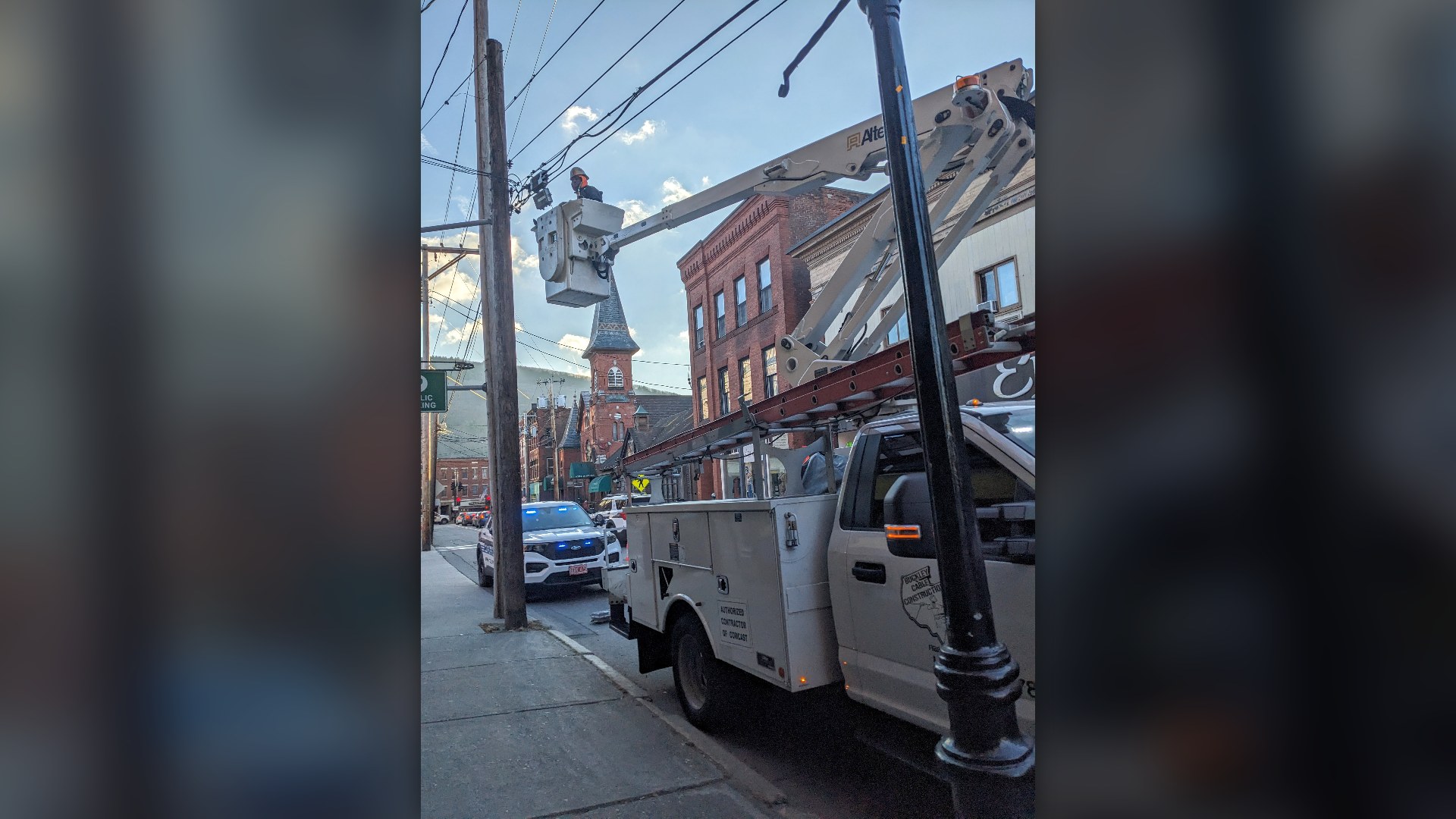
When winter ice storms or hurricanes knock down electric grids, lineworkers travel across country lines to restore power in brutal weather conditions. Handling transmission lines carrying hundreds of thousands of volts requires nerves of steel, creating chronic recruitment deficits.
©Pixabay / analogicus
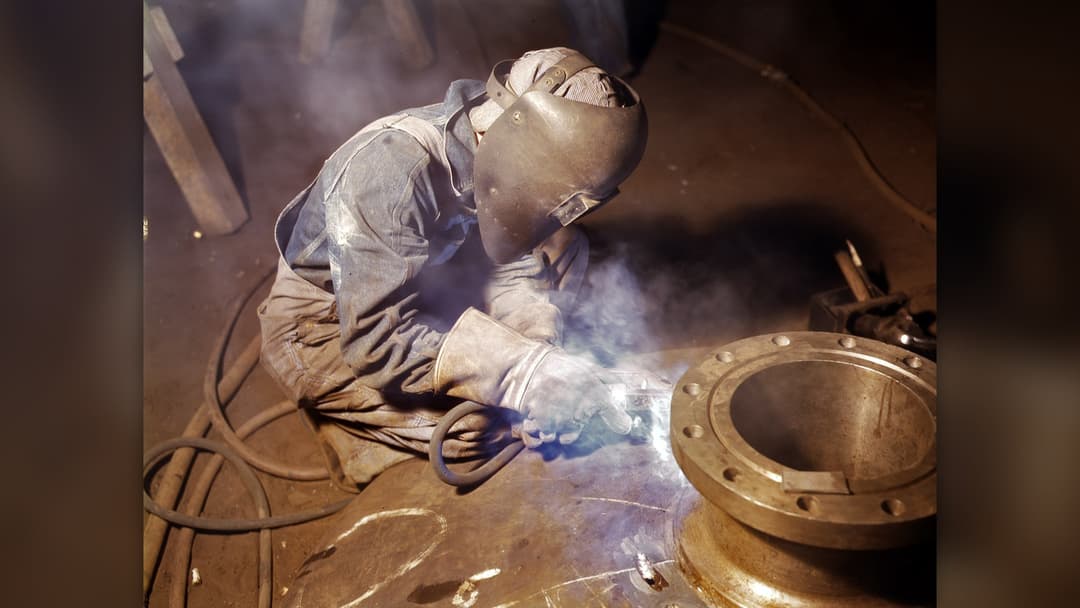
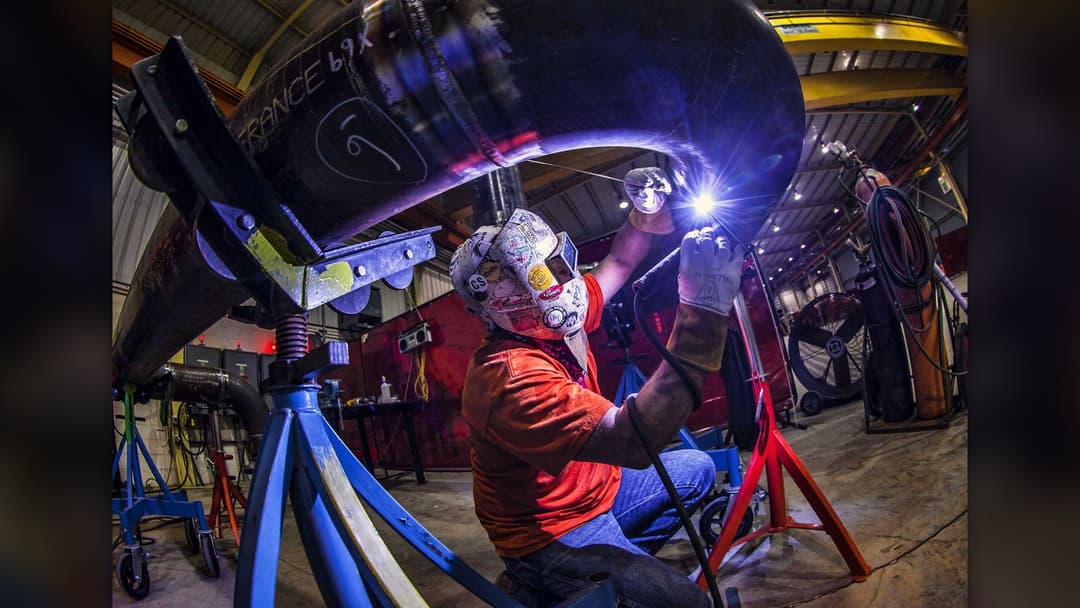
1. Industrial Pipe Welders
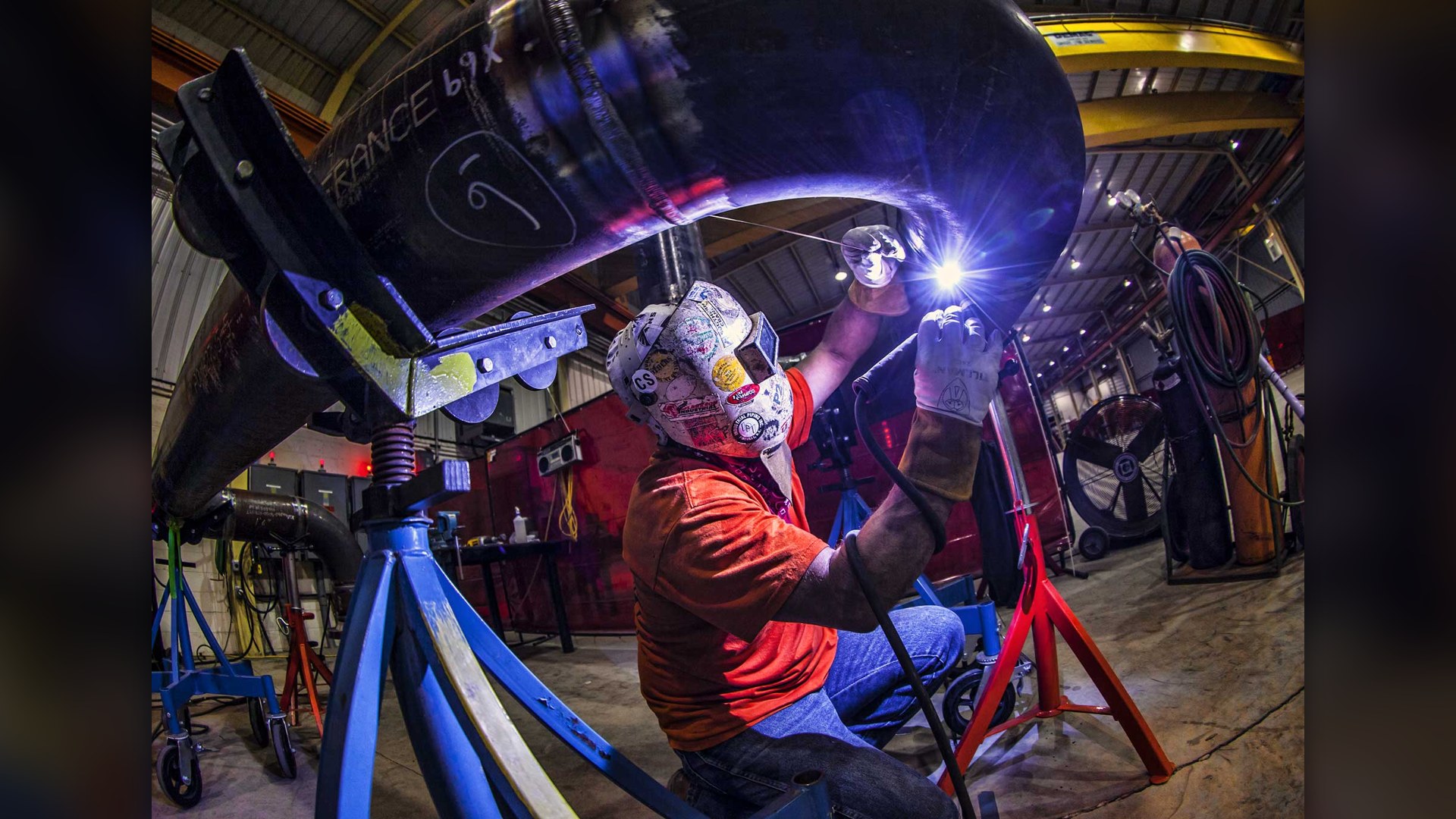
High-pressure oil pipelines, chemical plants, and nuclear cooling loops require welds verified by industrial X-ray imaging for zero microscopic flaws. Because a single crack can cause cataclysmic leaks, master rig welders command premium day rates and travel allowances worldwide.
©Wikimedia / Christopher.S.rcbc
Advertisement
You've reached the end of the story. Thanks for reading!

25 Beloved Stars Celebrated for Pure Heart and Goodwill
All 25 Entries in this Story
25. Architectural Glaziers
Installing multi-pane insulated glass units dozens of stories above city streets requires advanced rigging skills and strict safety discipline. Commercial construction booms have created strong demand, yet vocational programs train relatively few apprentice glaziers each year.

24. Heavy Equipment Mechanics
Modern earthmoving machinery features complex electronic controls alongside high-pressure hydraulic pumps and massive diesel engines. Dealerships and mining operations struggle to find certified technicians capable of troubleshooting computerized field machinery.

23. Commercial Pipefitters
Manufacturing plants, breweries, and pharmaceutical factories depend on specialized piping networks carrying high-pressure steam and chemicals. Pipefitters must master complex isometric blueprints and precision cutting, leading to unfilled openings across industrial corridors.

22. Industrial Boilermakers
Boilermakers work inside cramped, high-heat environments to weld heavy steel plates together according to rigorous safety codes. Because older workers dominate this demanding occupation, utility power stations and refineries face acute shortages during annual maintenance turnarounds.

21. Restoration Stonemasons
Restoring historic stone courthouses, university halls, and bridges requires traditional chisel skills combined with modern mortar chemistry. As elder stonecutters step down, municipal preservation agencies face month-long delays securing experienced masons for restoration contracts.

20. Instrumentation Technicians
Automated production lines and chemical refineries depend on thousands of electronic sensors monitoring pressure, flow, and heat. When sensors drift out of calibration, entire assembly lines stall, driving high wages for technicians skilled in digital control loops.

19. Structural Ironworkers
Operating hundreds of feet in the air, ironworkers must walk narrow girders while bolting and welding colossal steel frameworks together. The intense physical demands and strict physical requirements result in chronic recruitment shortages across metropolitan construction markets.

18. Precision CNC Machinists
From aerospace turbine blades to medical implants, advanced manufacturing requires parts machined to microscopic tolerances. While modern machines run automated code, setting up complex tooling and interpreting blueprints requires years of training that trade schools struggle to supply.

17. Commercial Refrigeration Mechanics
Unlike residential air conditioning, commercial refrigeration operates continuously to keep food distribution centers cold. Ammonia coolant systems involve complex thermodynamic cycles and hazardous materials protocols, making qualified mechanics highly prized across supply chains.

16. Factory Millwrights
When automotive plants or paper mills install new multi-ton printing presses, millwrights use laser alignment tools to position shafts with pinpoint accuracy. Their unique blend of rigging, machining, and mechanical diagnostics makes them irreplaceable during plant modernizations.

15. Wastewater Plant Operators
Ensuring clean tap water and environmentally safe municipal outflow requires round-the-clock monitoring of chemical balances and microbiology. Over thirty percent of current water plant operators are eligible for retirement, prompting municipal utility districts to offer rich hiring packages.

14. Fleet Diesel Technicians
Virtually all consumer freight moves by diesel truck at some point in the supply chain, requiring constant engine maintenance and emissions testing. Supply chain logistics companies actively compete for certified mechanics who can diagnose computerized common rail injection systems.

13. Power Substation Electricians
Substations sit at the junction between high-voltage power transmission lines and city distribution grids. Working around live transformers carrying hundreds of thousands of volts requires intense concentration, leaving utilities competing for seasoned high-voltage technicians.

12. Aviation Maintenance Technicians
Air safety depends on licensed mechanics performing scheduled tear-downs and avionics checks in airport hangars. As global commercial airline travel expands, major airlines face an impending wave of mandatory retirements that threatens to ground flight schedules.

11. Elevator And Escalator Installers
Modern urban high-rises cannot function without reliable elevator systems running continuously. Elevator mechanics command among the highest union wages in the building trades, yet multi-year apprenticeship requirements keep the total supply of certified mechanics strictly limited.

10. Industrial Electricians
Modern manufacturing plants run on high-amperage electrical feeds that power robotics, arc furnaces, and assembly conveyors. Industrial electricians must troubleshoot complex wiring faults under tight production deadlines, making them indispensable to industrial output.

9. Commercial Roofing Installers
Large logistics centers and corporate campuses require flat roof systems built to endure severe hail and standing pond water. Working on expansive exposed rooftops in extreme summer heat and winter freezes creates high employee turnover and persistent labor shortfalls.

8. Locomotive Diesel Technicians
Freight railways move millions of tons of agricultural grain, coal, and consumer cargo across continental rail corridors every day. Technicians overhaul massive prime-mover engines and dynamic braking grids in specialized yards, facing constant recruitment shortages.

7. Tower Crane Operators
Perched hundreds of feet in the air inside a tiny control cab, crane operators move heavy building materials across active jobsites with millimeter precision. The high level of responsibility and intense mental focus makes certified tower crane operators exceptionally rare.

6. Wind Turbine Technicians
Working hundreds of feet above wind-swept plains, turbine technicians must perform repairs in cramped generator compartments while tied off with safety harnesses. As utility companies construct thousands of new wind farms across rural regions, demand for technicians outpaces school graduates.

5. Underwater Commercial Divers
Equipped with specialized dive helmets and hot-water diving suits, commercial divers work in zero-visibility waters repairing offshore platforms and intake canals. The physical danger and technical certification hurdles keep this specialized workforce small and well-compensated.

4. Petroleum Refinery Operators
Refineries convert crude oil into aviation kerosene, diesel, and chemical feedstocks through high-temperature catalytic reactions. Operators must monitor control boards and walk massive pipe racks to prevent dangerous pressure surges, earning strong salaries with full union benefits.

3. Nuclear Power Plant Technicians
Working in commercial nuclear power facilities requires federal background security clearances and extensive training in thermodynamics. With clean baseload electricity expanding to power modern data centers, nuclear utilities face an urgent search for certified operators.

2. High-Voltage Electrical Lineworkers
When winter ice storms or hurricanes knock down electric grids, lineworkers travel across country lines to restore power in brutal weather conditions. Handling transmission lines carrying hundreds of thousands of volts requires nerves of steel, creating chronic recruitment deficits.

1. Industrial Pipe Welders
High-pressure oil pipelines, chemical plants, and nuclear cooling loops require welds verified by industrial X-ray imaging for zero microscopic flaws. Because a single crack can cause cataclysmic leaks, master rig welders command premium day rates and travel allowances worldwide.