Slideshow · Viral
25 Everyday Foods and Drinks Invented by the US Military, Ranked
Many of the packaged snacks, beverages, and pantry staples in modern kitchens began as battlefield rations. Discover twenty-five everyday foods created for military field operations.
By Most Viral Today
6 Nov 2026

Everyday Pantry Staples and Snacks Developed for Battlefield Survival 
25. Chewing Gum Rations 
24. Powdered Whole Eggs 
23. Condensed Canned Milk - AdvertisementSwipe or tap ▶ to continue countdown

22. Dehydrated Mashed Potatoes 
21. Canned Ration Bread 
20. Commercial Beef Jerky 
19. Retort Pouch Packaging - AdvertisementSwipe or tap ▶ to continue countdown

18. Modified Atmosphere Greens 
17. Frozen Concentrated Orange Juice 
16. Shelf-Stable Pocket Sandwiches 
15. Military Energy Bars - AdvertisementSwipe or tap ▶ to continue countdown

14. Electrolyte Drink Powder 
13. Dehydrated Cheese Powder 
12. Flameless Ration Heaters 
11. Condensed Soups - AdvertisementSwipe or tap ▶ to continue countdown

10. Canned C-Rations 
9. Restructured Meat Technology 
8. Freeze-Dried Fruit 
7. Hormel SPAM - AdvertisementSwipe or tap ▶ to continue countdown

6. Soluble Instant Coffee 
5. Hershey's Tropical Bar 
4. Powdered Beverage Bases 
3. M&M's Chocolate Candies - AdvertisementSwipe or tap ▶ to continue countdown

2. Freeze-Dried Combat Meals 
1. MRE Meals Ready To Eat - Advertisement🔥 UP NEXT IN THIS SERIES◫ 21 Slides

20 Famous Cars With Pop-Up Headlights That Shaped Car Design
From hand-cranked 1930s teardrops to wedge supercars of the 1980s, hidden headlights let stylists chase sleek aerodynamics until 2004 pedestrian rules closed the curtain. Here are 20 standout production cars that turned retractable lamps into an enduring automotive design feature across seven full decades.
Long before lining supermarket shelves, dozens of modern processed foods were engineered by military laboratories to resist heat, spoilage, and rough combat transport across global battlefields.
Swipe or tap ▶ to begin the countdown
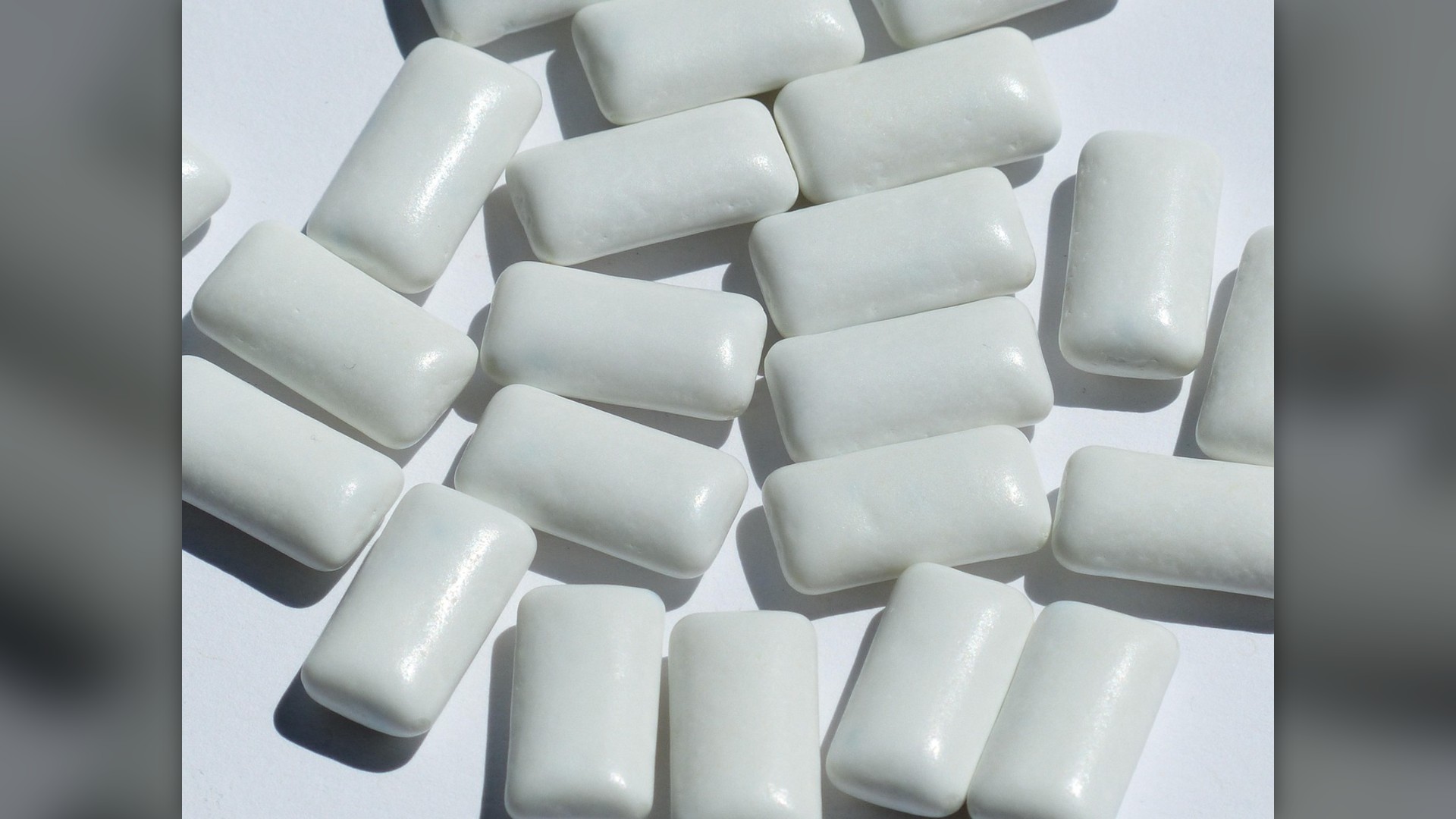
25. Chewing Gum Rations
During World War II, the US military bought the entire production run of Wrigley's Spearmint and Juicy Fruit gum. Quartermasters recognized that chewing gum kept soldiers alert on long watch shifts, improved dental hygiene, and helped conserve drinking water.
©Pixabay / Hans
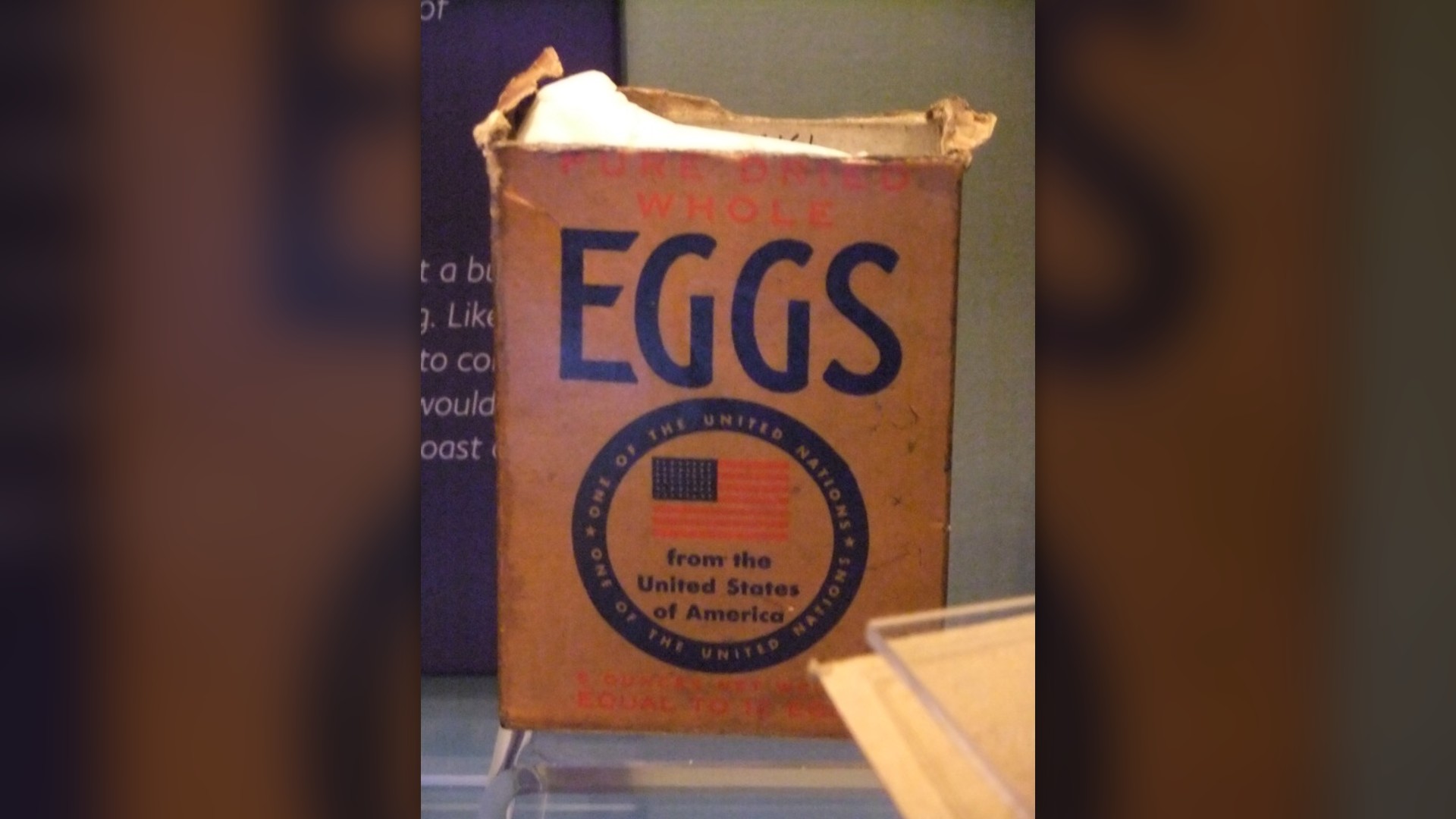
24. Powdered Whole Eggs
Shipping fresh eggs across ocean war zones caused rampant spoilage and breakage. Army food chemists perfected spray-drying techniques, turning liquid eggs into dehydrated yellow powder that cooks quickly whipped into morning field scrambles.
©Wikimedia / Reptonix
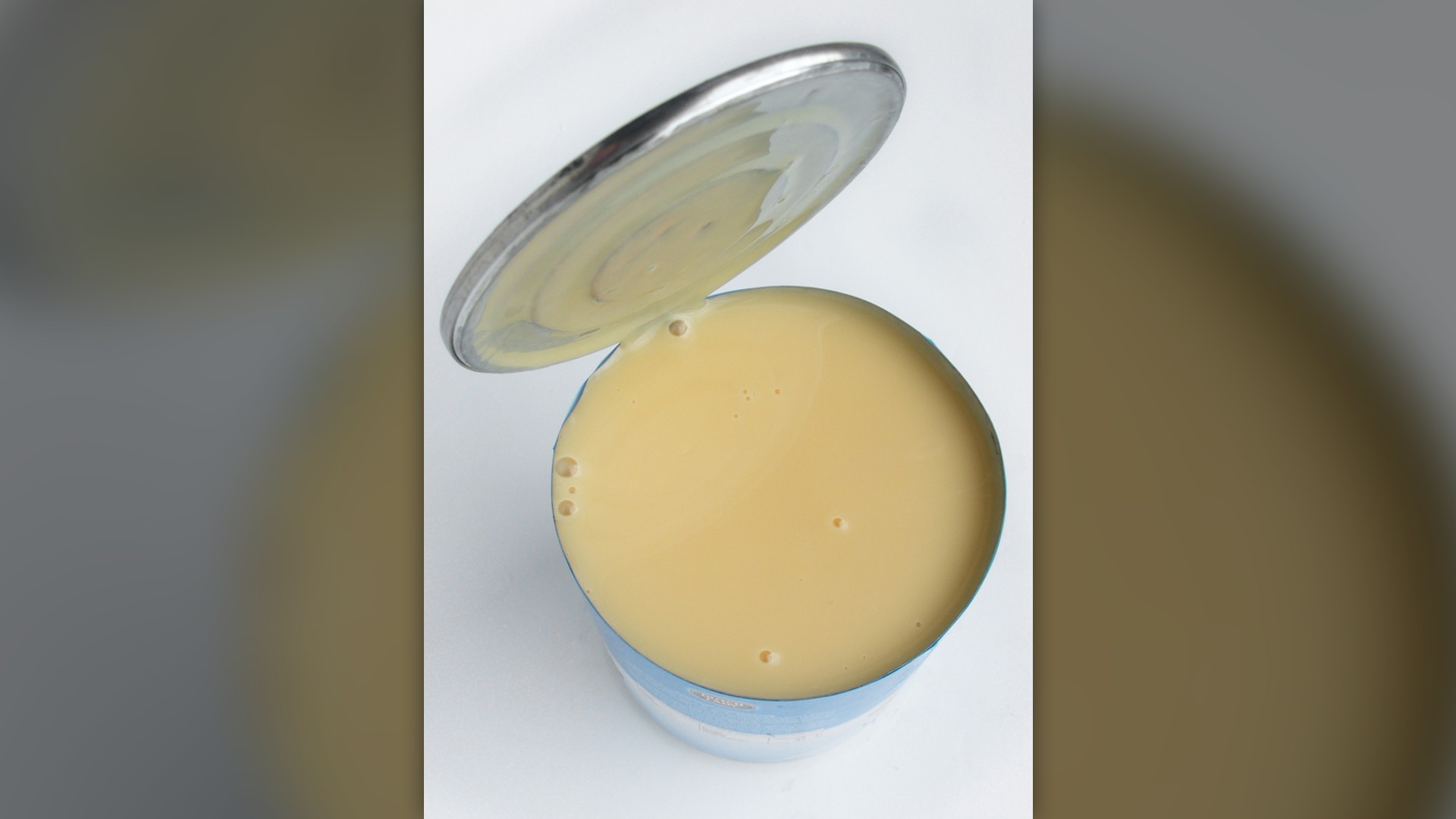
23. Condensed Canned Milk
Before modern refrigeration, milk spoiled within hours and spread dangerous waterborne diseases. Gail Borden patented vacuum-condensed milk in 1856, and massive Union Army contracts during the Civil War popularized sweet canned milk across American homes.
©Wikimedia / Robin from Rotterdam, Netherlands
Advertisement
Swipe or tap ▶ to resume the countdown.
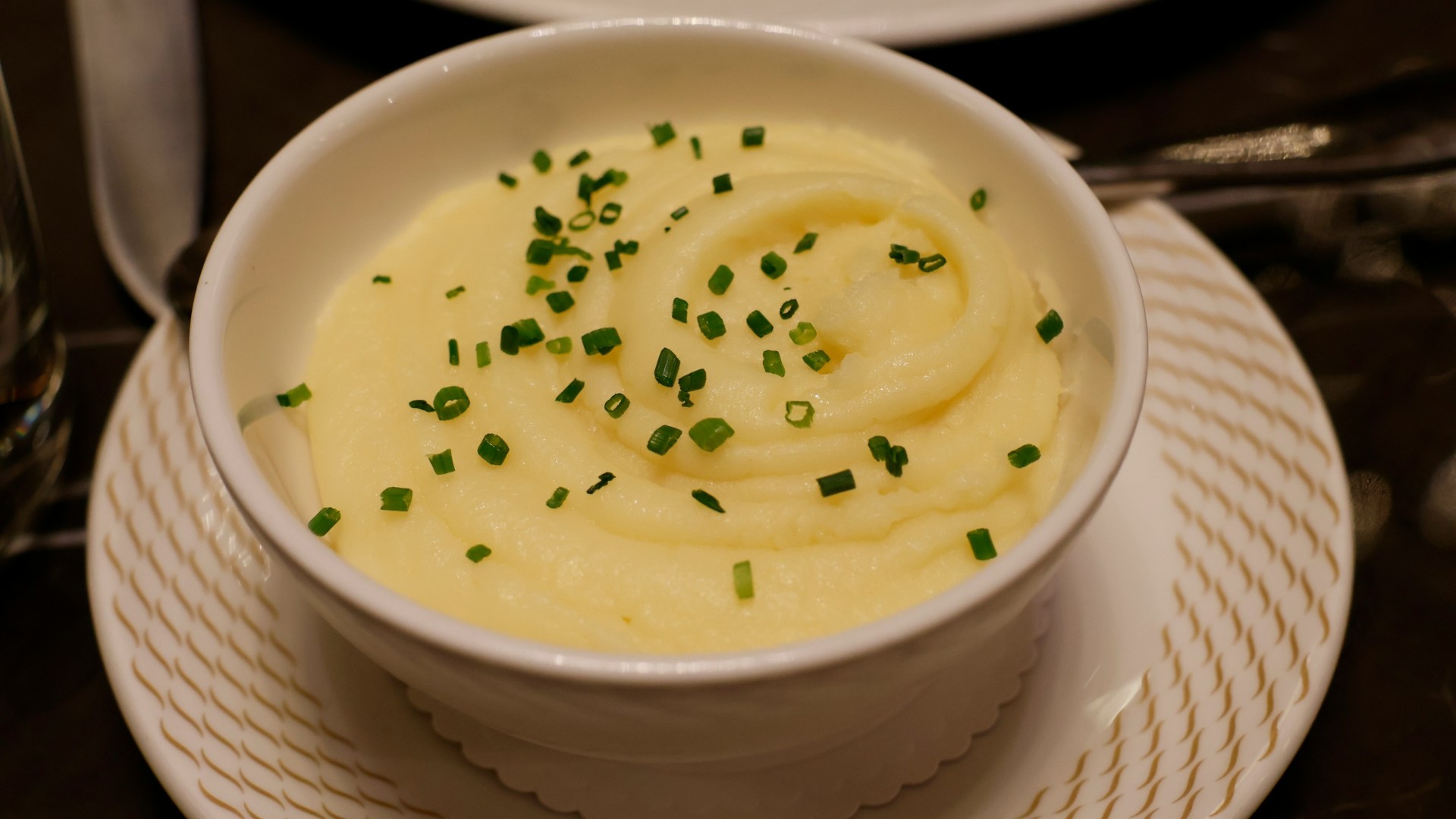
22. Dehydrated Mashed Potatoes
Transporting heavy raw potatoes across overseas theaters proved inefficient during wartime logistics. Army researchers developed drum-drying methods to produce potato flakes that transformed into fluffy mashed potatoes simply by stirring in hot water.
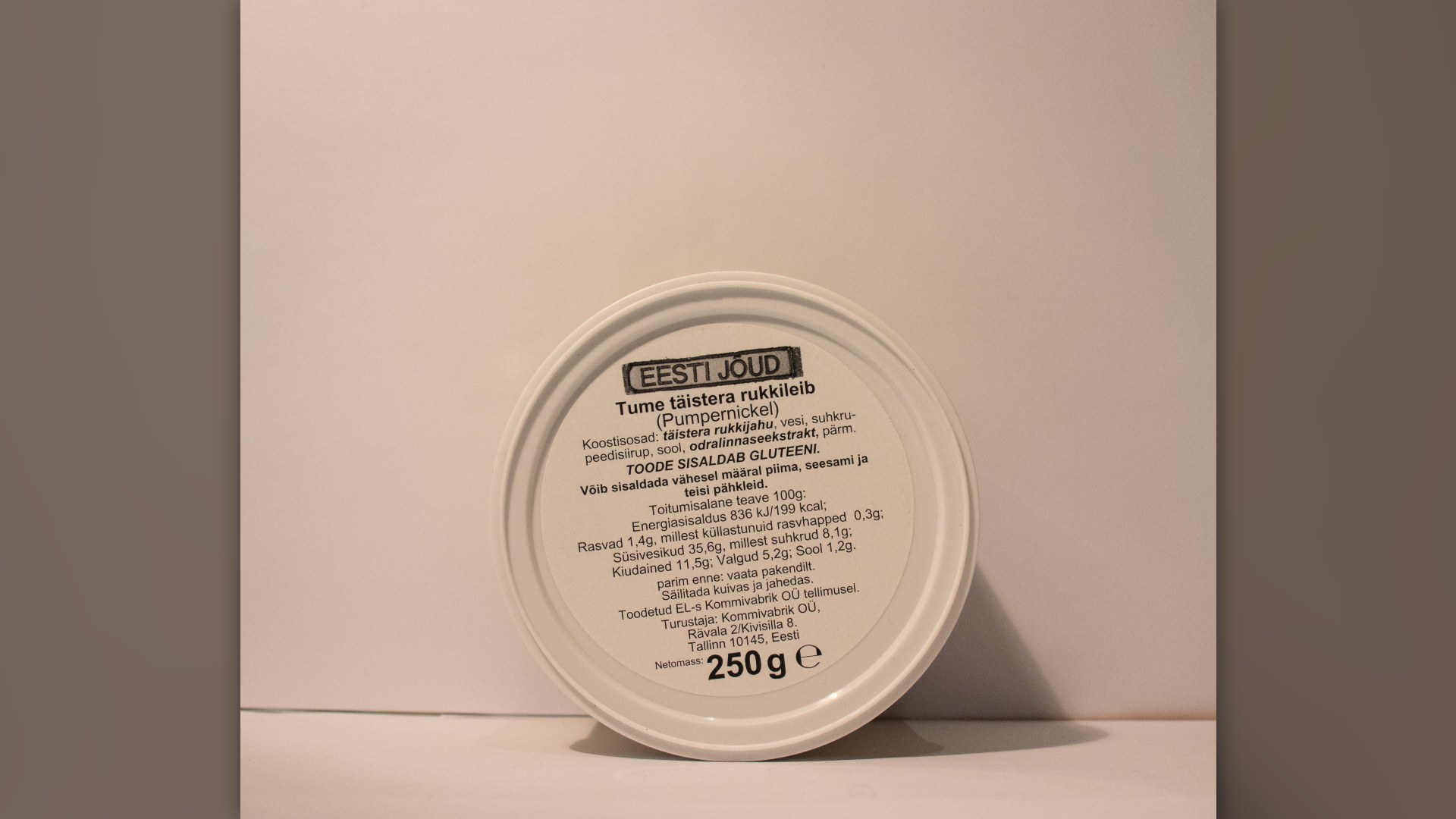
21. Canned Ration Bread
Soldiers craved familiar baked goods, but standard bread molded within days inside humid combat trenches. Military bakers formulated moisture-controlled batters baked directly inside sterilized cans, creating shelf-stable cakes that lasted for years.
©Wikimedia / WanderingTrad
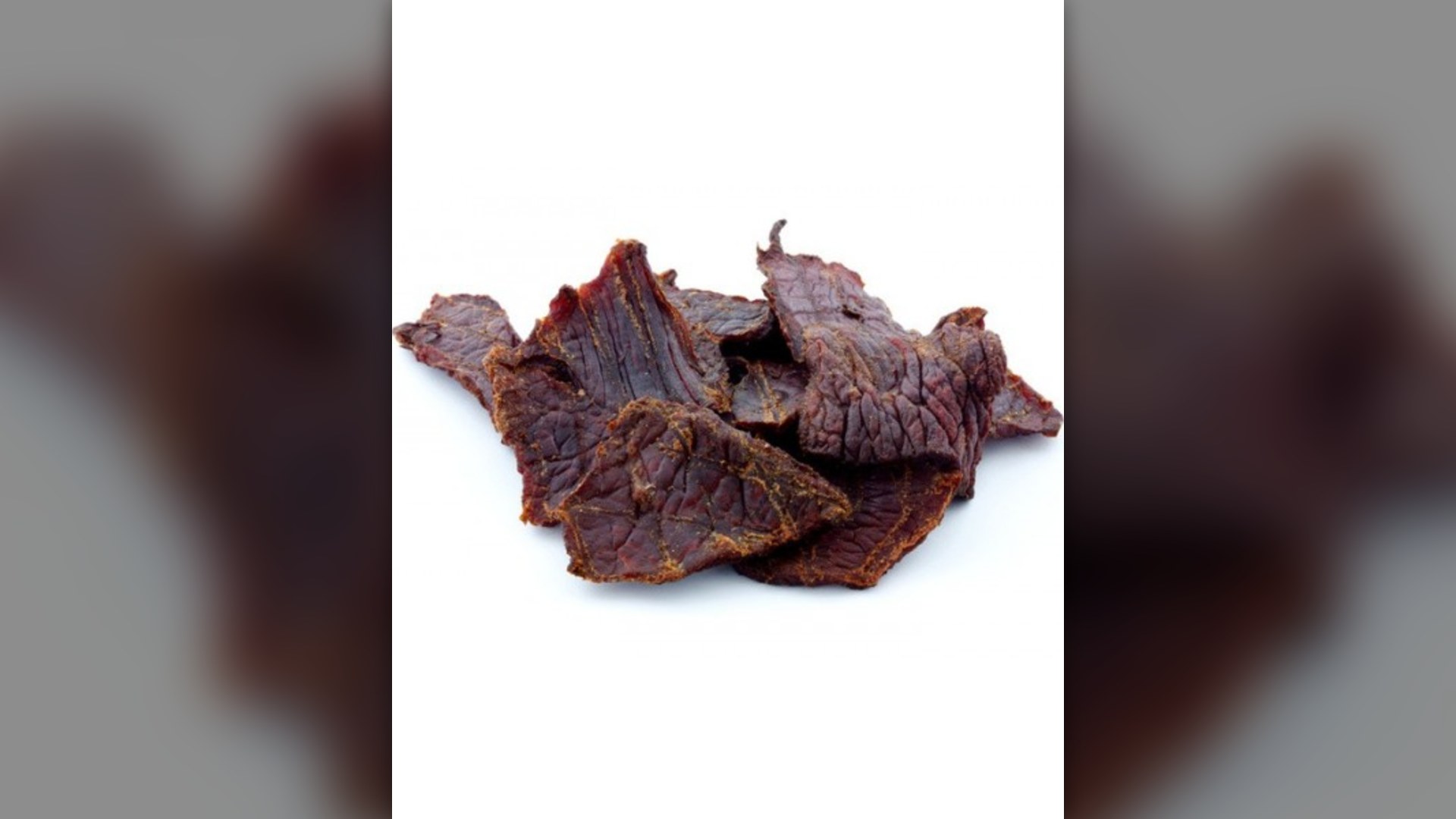
20. Commercial Beef Jerky
The US military standardized cured beef strips during western frontier campaigns to keep cavalry units nourished without heavy cooking gear. Industrial meatpackers later adopted these curing standards to create the modern packaged jerky industry.
©Wikimedia / Severein
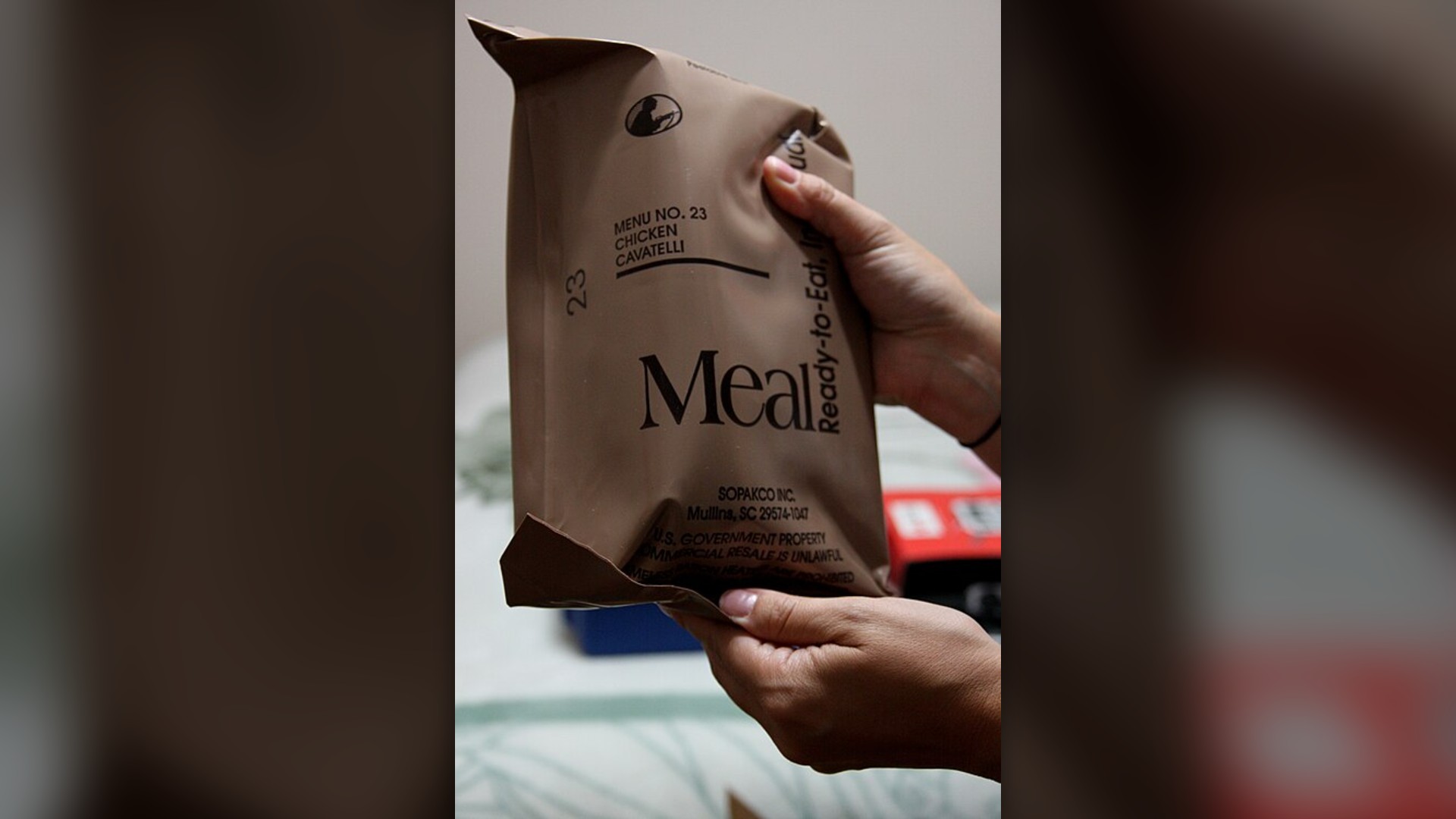
19. Retort Pouch Packaging
Traditional tin cans were heavy, bulky, and caused physical bruising when soldiers dropped to the ground. Army engineers at Natick Labs created flexible retort pouches that withstand boiling water and preserve cooked food without heavy metal cans.
©wikipedia / Jacinta Quesada
Advertisement
Swipe or tap ▶ to resume the countdown.
18. Modified Atmosphere Greens
Military supply specialists sought ways to preserve perishable produce on deployed warships without freezing. By balancing nitrogen and carbon dioxide inside sealed plastic bags, researchers slowed plant respiration, inventing bagged supermarket salad greens.
©Wikimedia / Dudygr
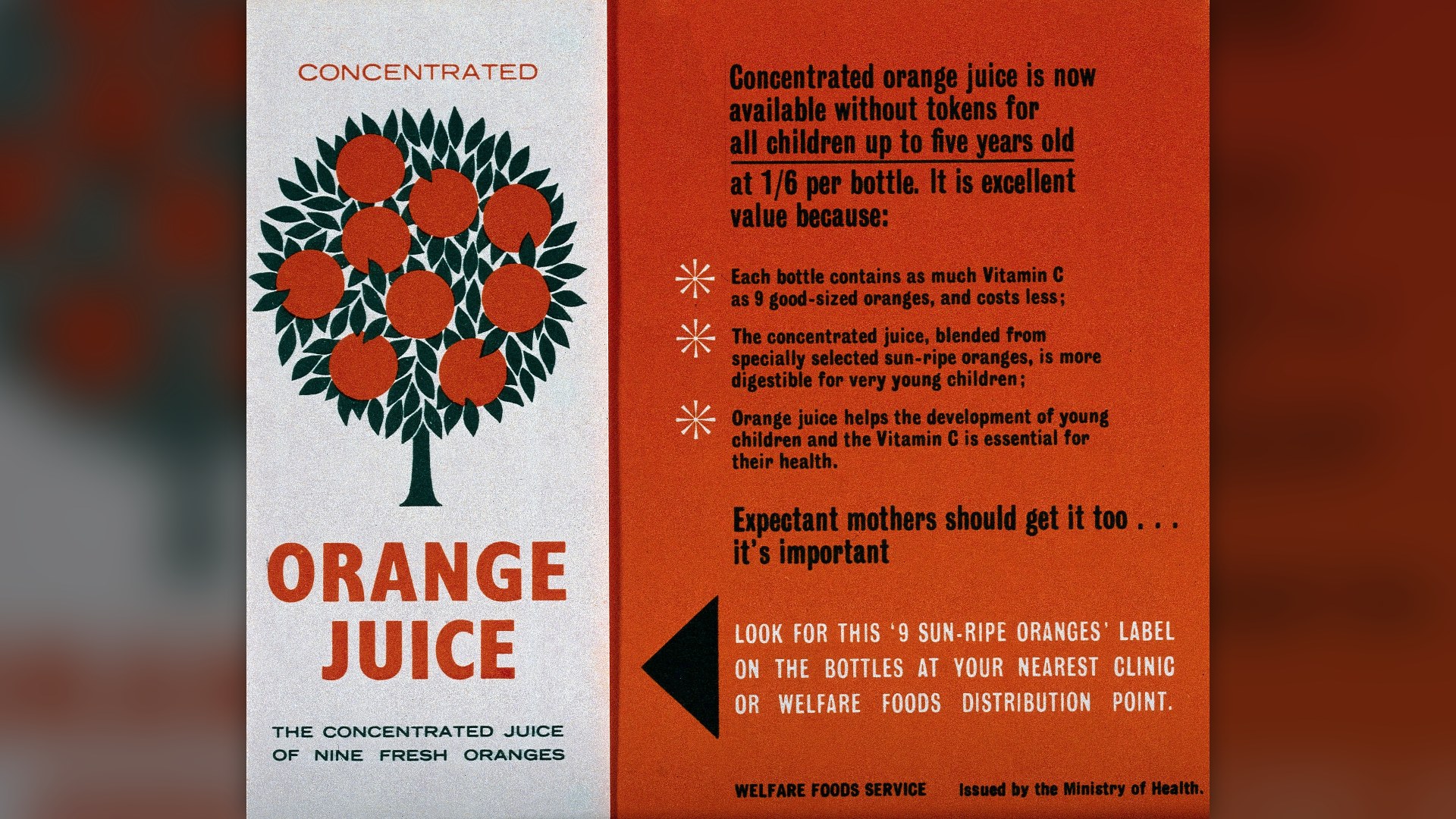
17. Frozen Concentrated Orange Juice
To keep overseas troops healthy, the Army Quartermaster Corps funded research into shelf-stable fruit juice. Scientists developed vacuum-evaporation methods that concentrated fresh citrus juice into frozen slush, launching the commercial morning beverage industry.
©Wikimedia / Gallery: Wellcome Collection gallery
16. Shelf-Stable Pocket Sandwiches
Troops in combat vehicles needed handheld meals that required zero heating or refrigeration. Natick food technologists used natural humectants and specialized dough to control moisture migration between meat and bread, keeping pocket sandwiches fresh for thirty-six months.
©Wikimedia / US Army Natick Soldier Research
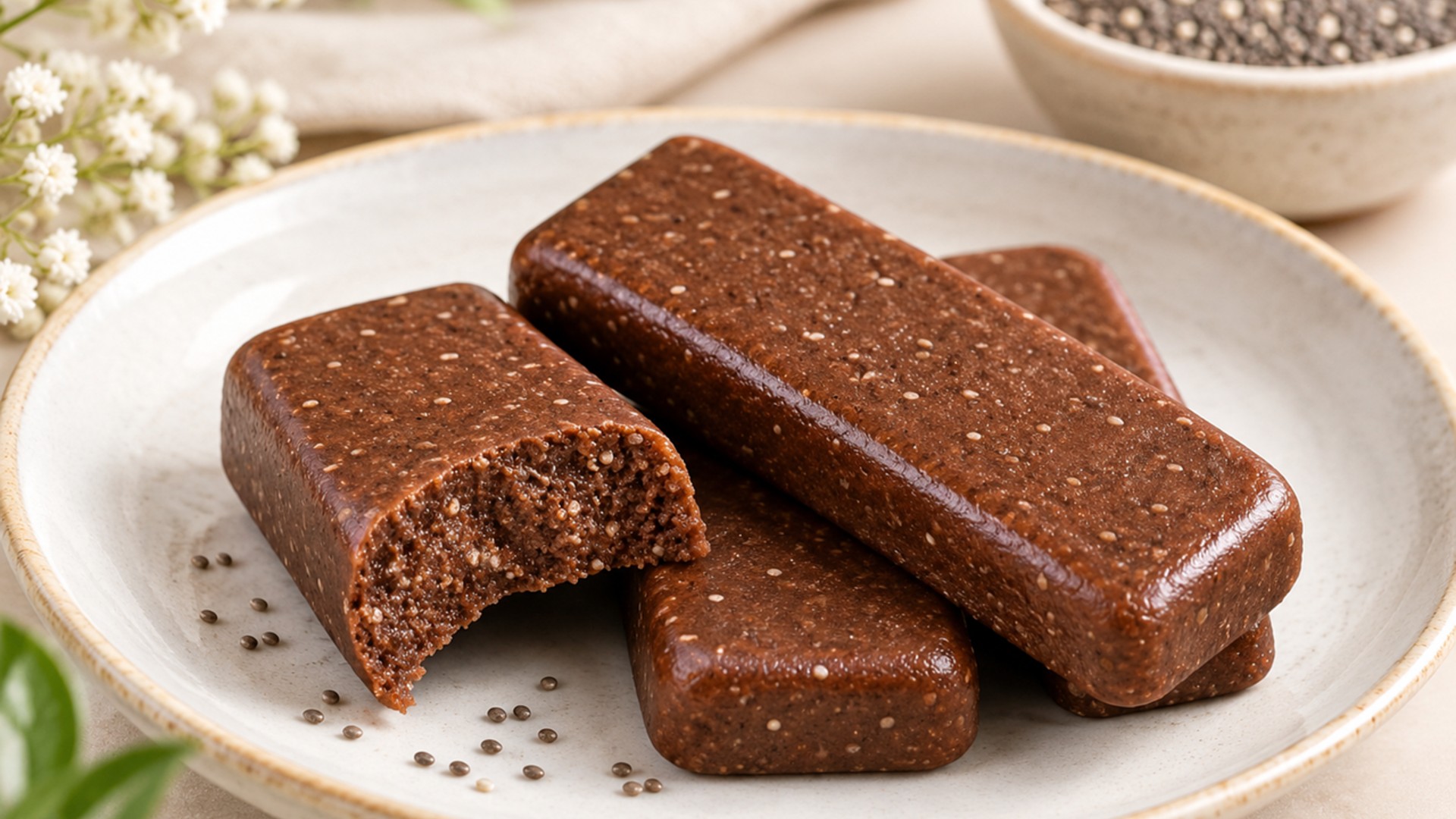
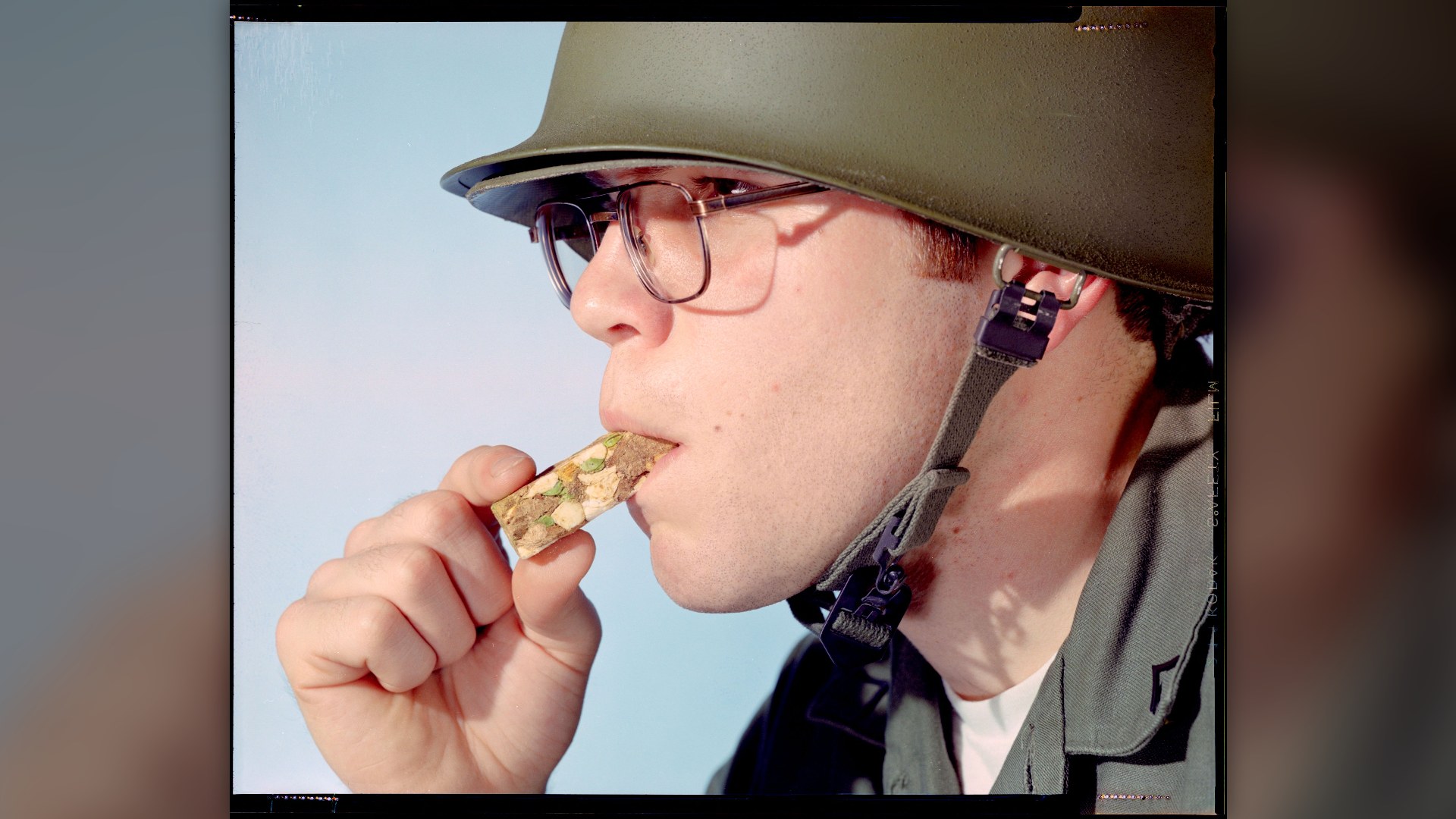
15. Military Energy Bars
Infantrymen burning thousands of calories daily required compact energy that would not melt or crumble in backpacks. The Combat Feeding Directorate created nutrient-dense carbohydrate bars that became the blueprint for modern athletic endurance snacks.
©Pixabay / MutiaraAryani
Advertisement
Swipe or tap ▶ to resume the countdown.
14. Electrolyte Drink Powder
Severe dehydration and heat stroke were constant threats for soldiers marching through tropical environments. Military nutritionists developed balanced sodium and glucose powdered drink packets that restored blood electrolyte levels faster than plain water.
©Wikimedia / Tim Hoggarth from Huddersfield, England
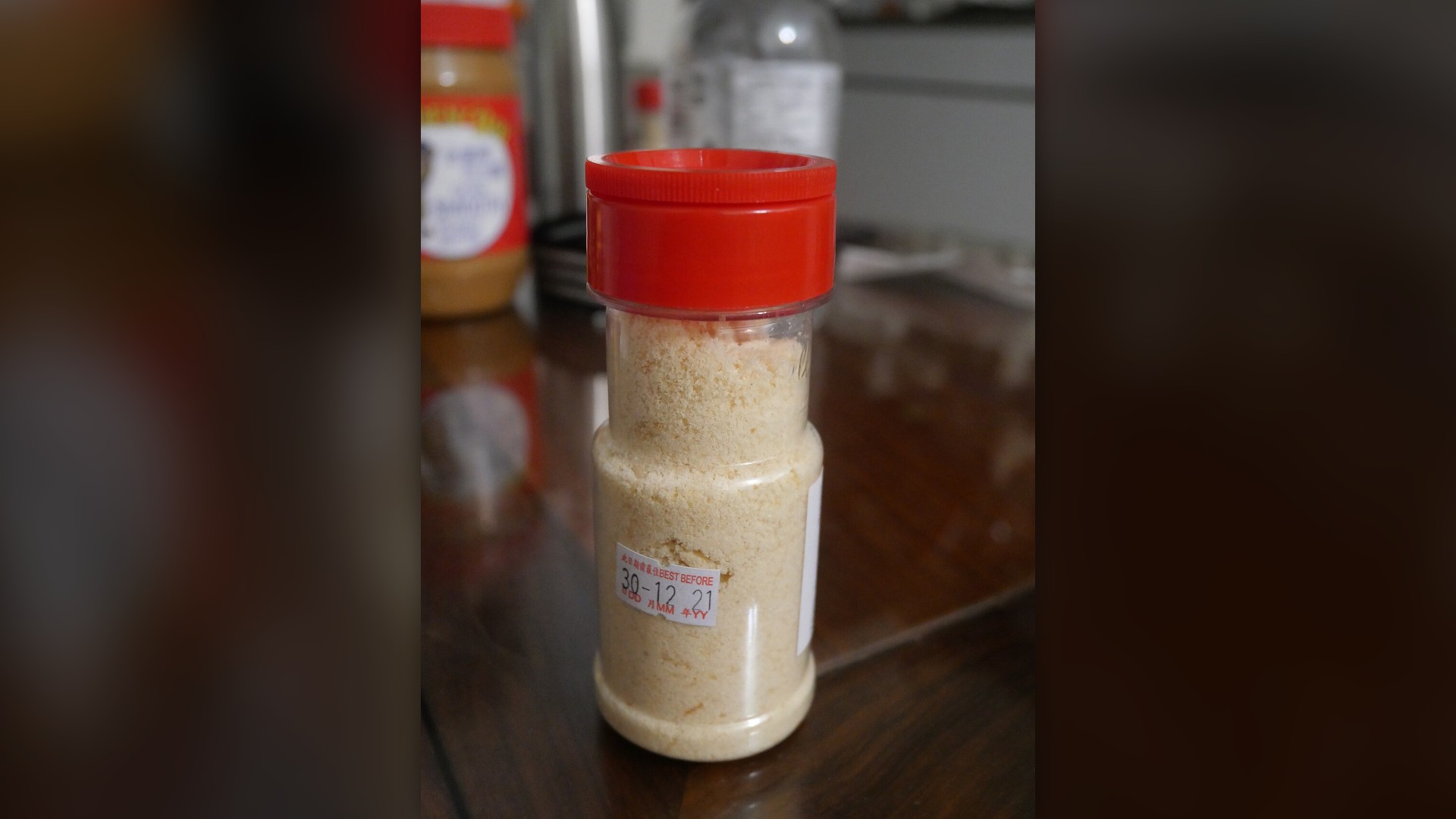
13. Dehydrated Cheese Powder
During World War II, the military needed a way to ship cheese overseas without refrigeration or spoilage. USDA and Army scientists removed moisture from cheddar cheese, inventing the vibrant cheese powder that snack manufacturers later sprinkled over puffed corn.
©Wikimedia / Peachyeung316
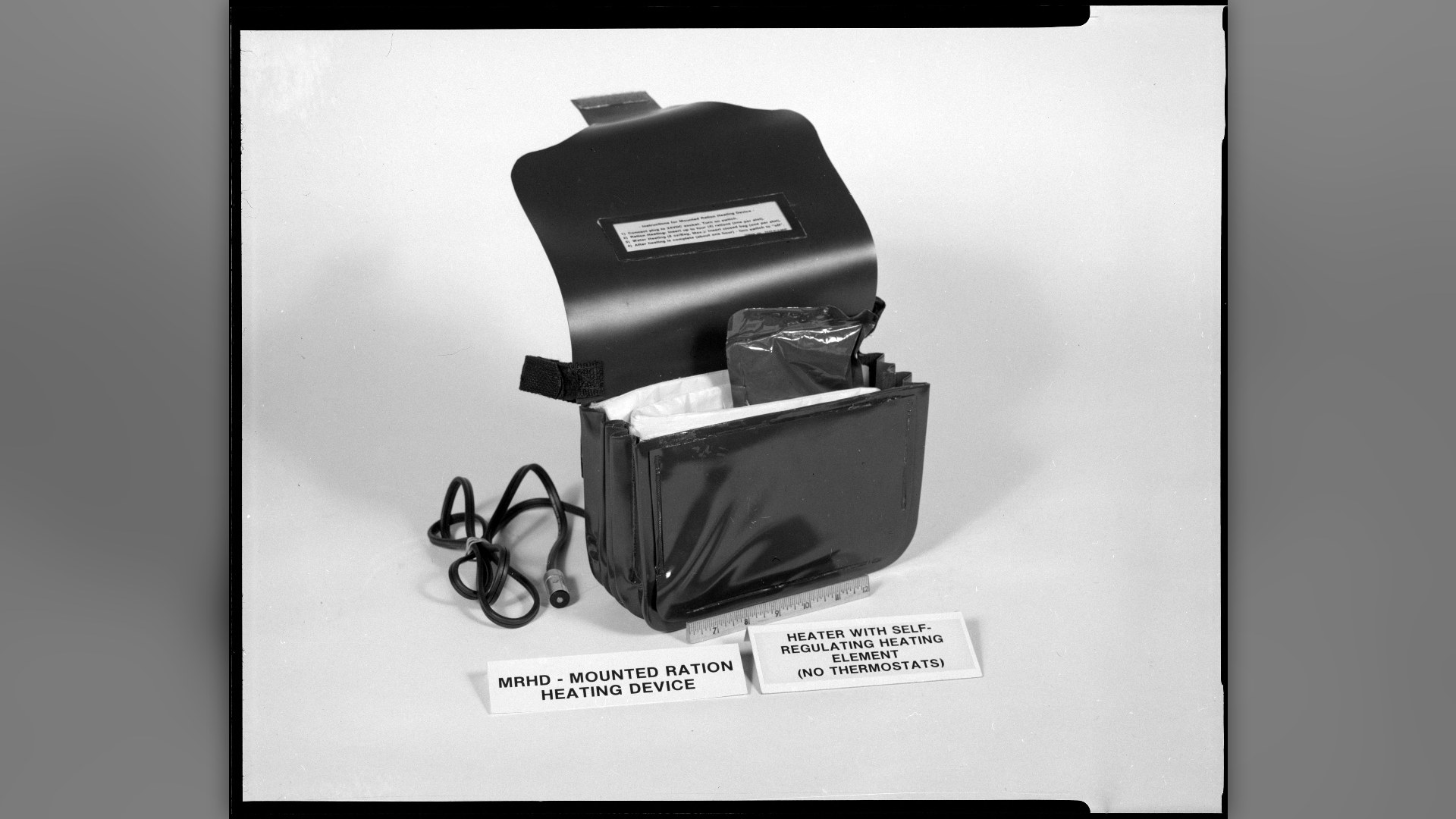
12. Flameless Ration Heaters
Lighting cooking fires in combat betray a unit's position through smoke and thermal signatures. Army engineers designed a water-activated magnesium-iron alloy pad that generates boiling steam inside a plastic sleeve, allowing soldiers to eat hot meals silently.
©Wikimedia / United States Army
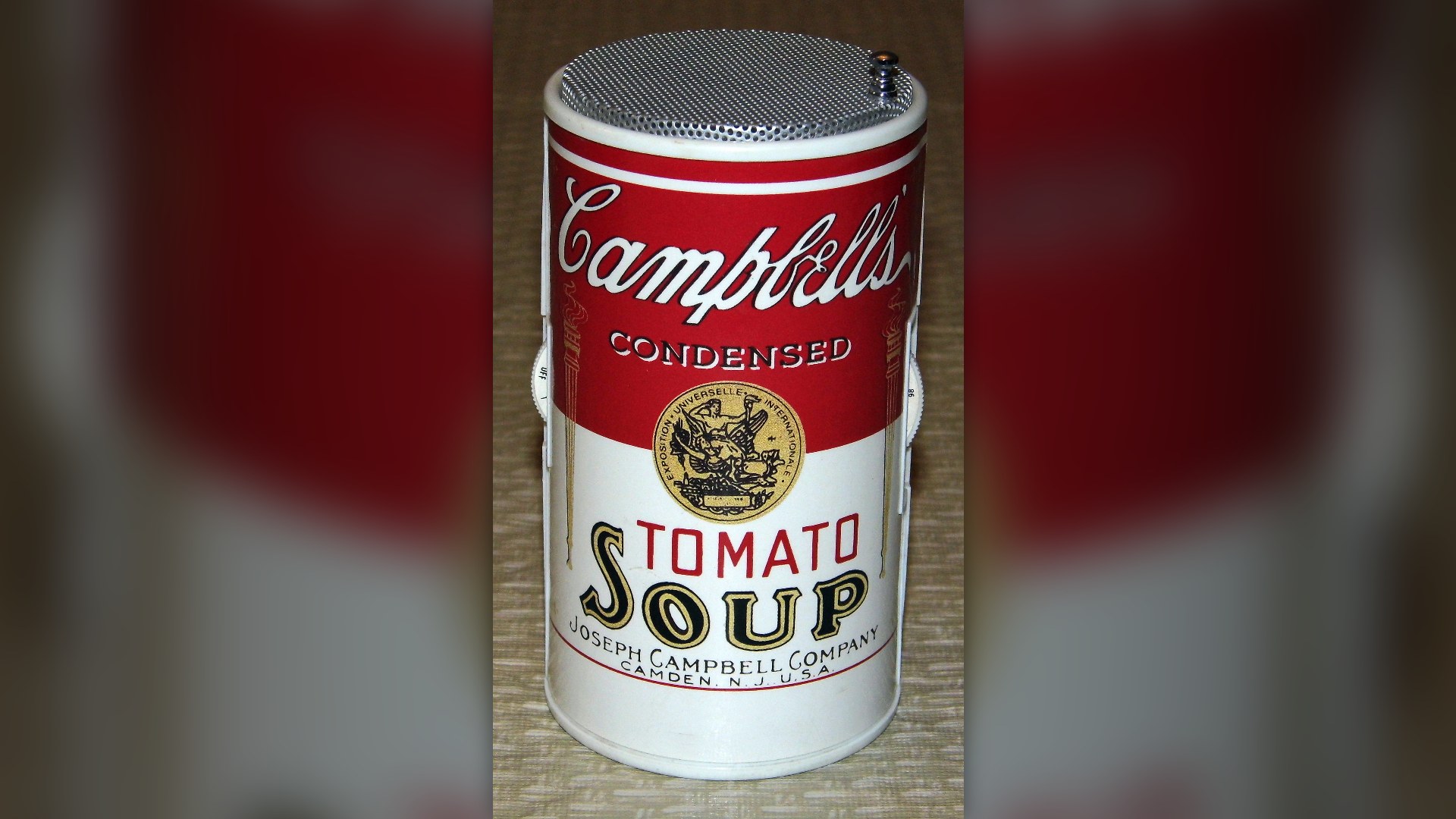
11. Condensed Soups
Campbell's chemist John Dorrance invented condensed soup in 1897 by eliminating half the water volume. The US military immediately placed massive orders to feed soldiers, establishing canned condensed soup as an affordable staple in home pantries nationwide.
©Wikimedia / Joe Haupt from USA
Advertisement
Swipe or tap ▶ to resume the countdown.
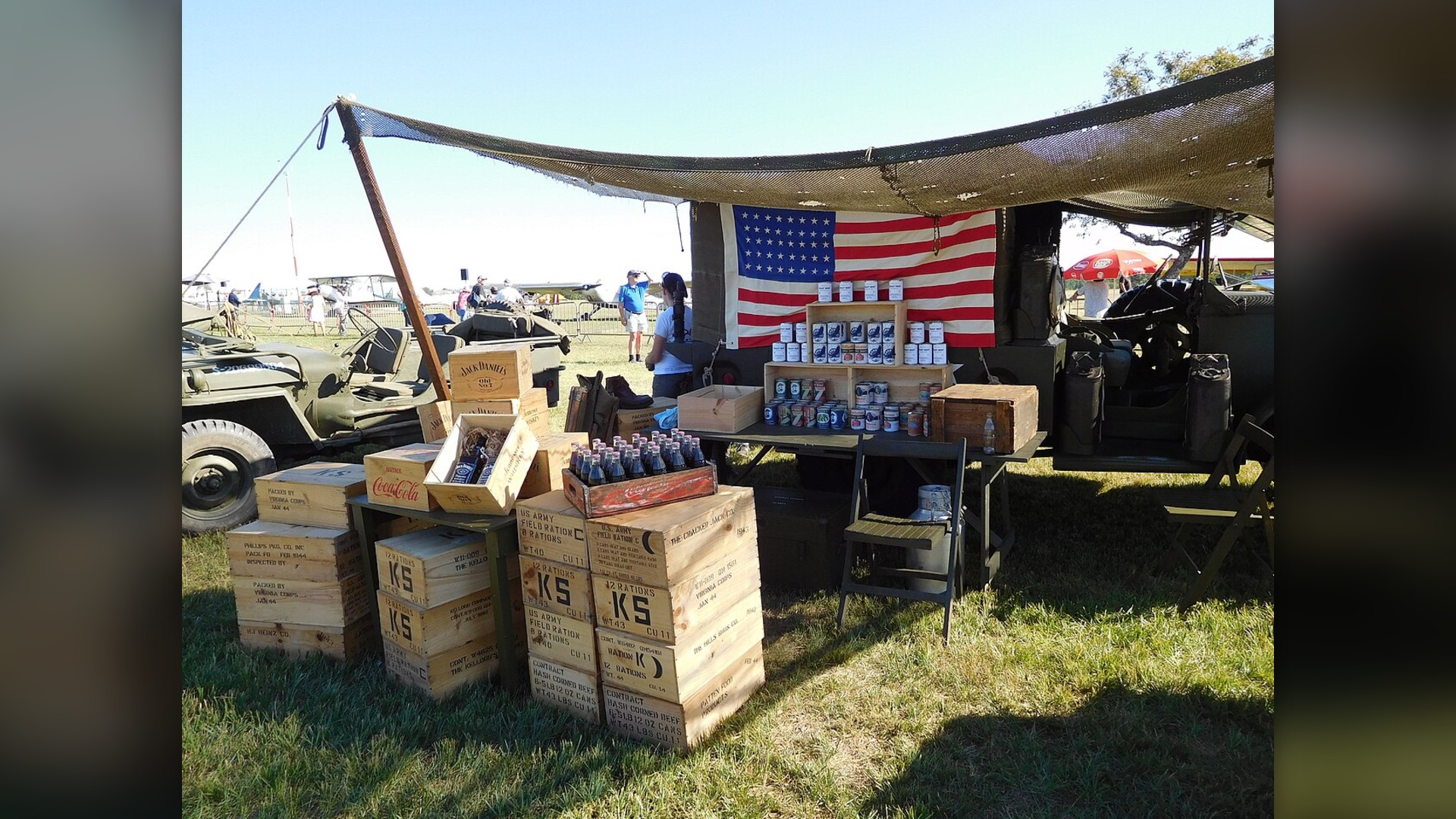
10. Canned C-Rations
The C-Ration introduced standardized six-can daily meal units consisting of meat stews, biscuits, and hard candies. Built to survive dropping from aircraft and weeks in flooded trenches, these rations established modern canned ready-meal packaging.
©Wikimedia / Cjp24
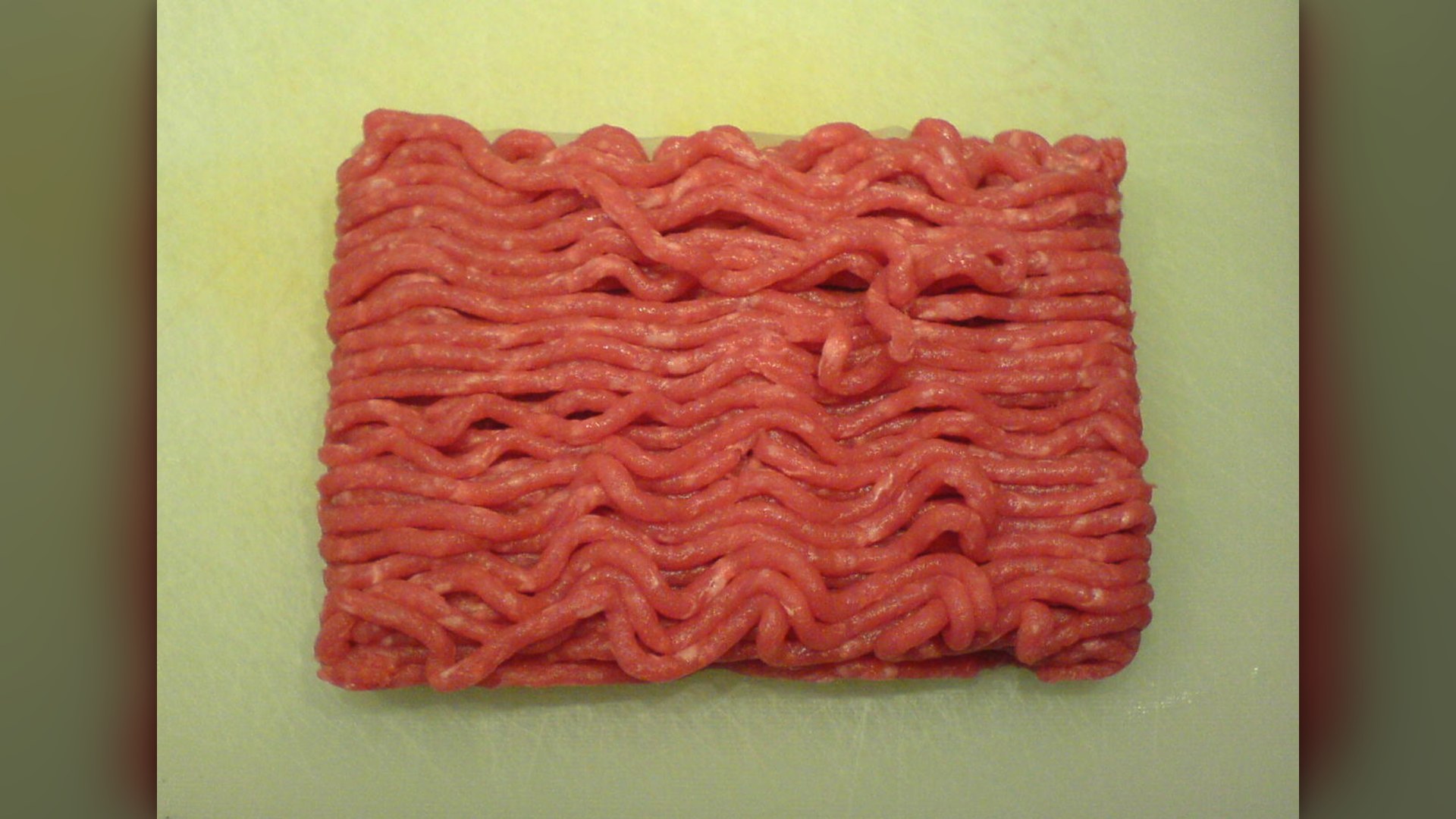
9. Restructured Meat Technology
Looking for ways to turn inexpensive meat cuts into uniform boneless steaks for troop mess halls, Natick scientists developed restructuring techniques using salt and pressure. Fast-food chains later licensed the technology to create popular shaped patties.
©Wikimedia / Gajda-13 at Danish Wikipedia
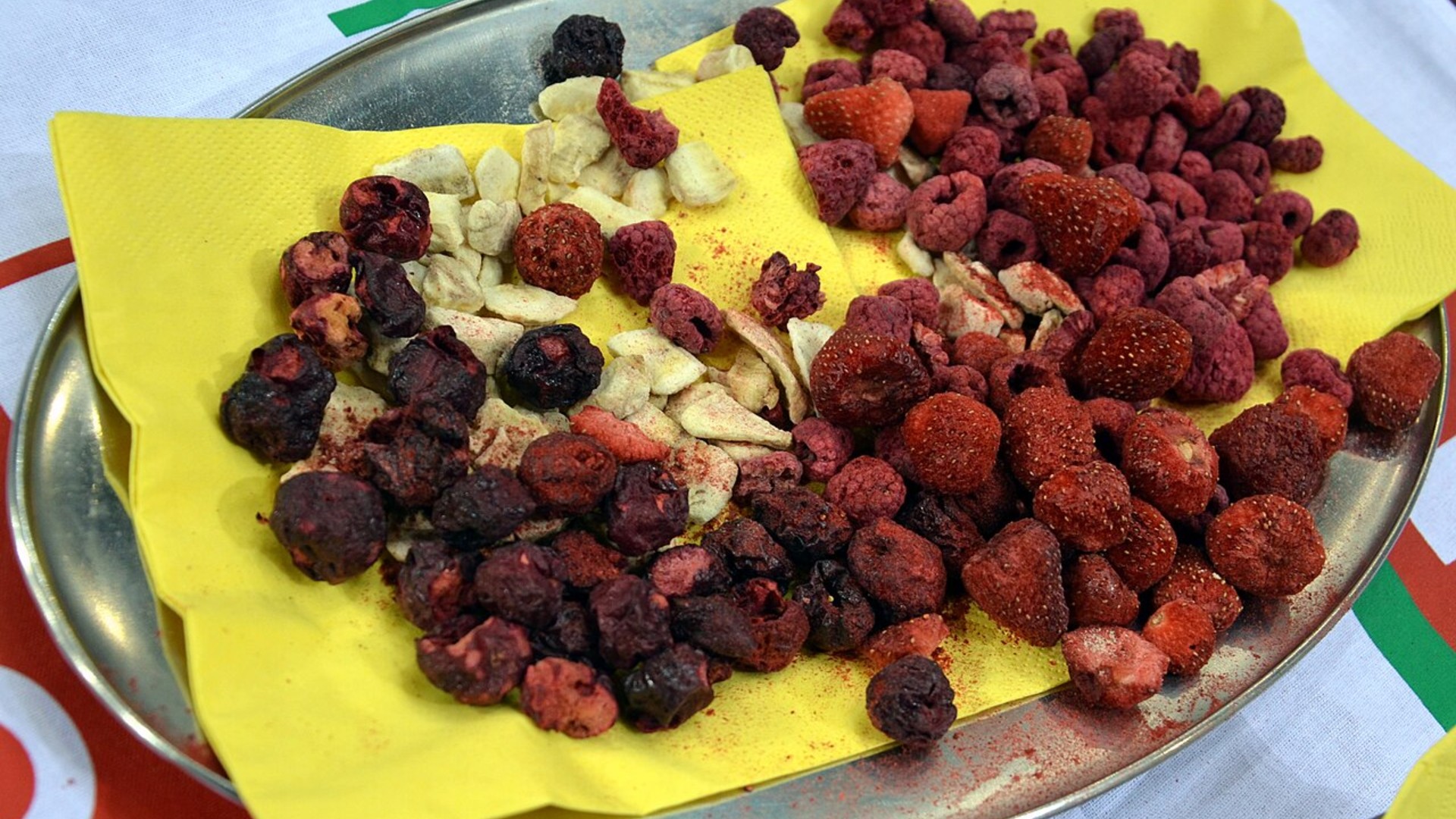
8. Freeze-Dried Fruit
Vacuum freeze-drying removed moisture while locking in structural cellular integrity and vital nutrients. Developed jointly for combat field kits and Apollo space missions, freeze-dried fruit is now widely found in breakfast cereals and hiking meals.
©NPS-NOAA-USGS / Silar
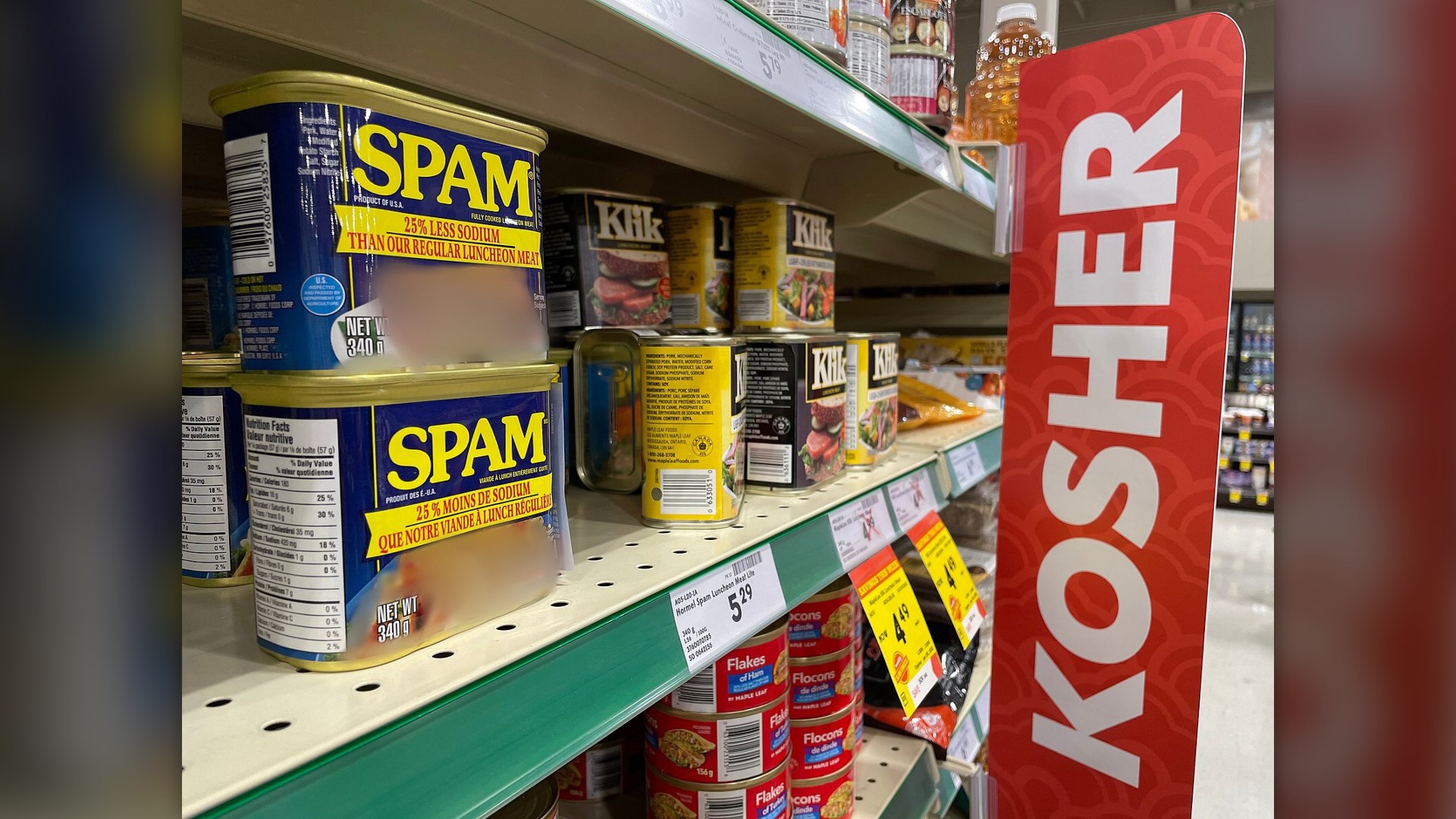
7. Hormel SPAM
Hormel introduced Spam in 1937, but World War II made it a worldwide dietary staple. Requiring no refrigeration and fortified with sodium and fat, canned spiced ham sustained troops under combat conditions and became deeply integrated into island cuisines.
©Wikimedia / Angry Red Hammer Guy
Advertisement
Swipe or tap ▶ to resume the countdown.
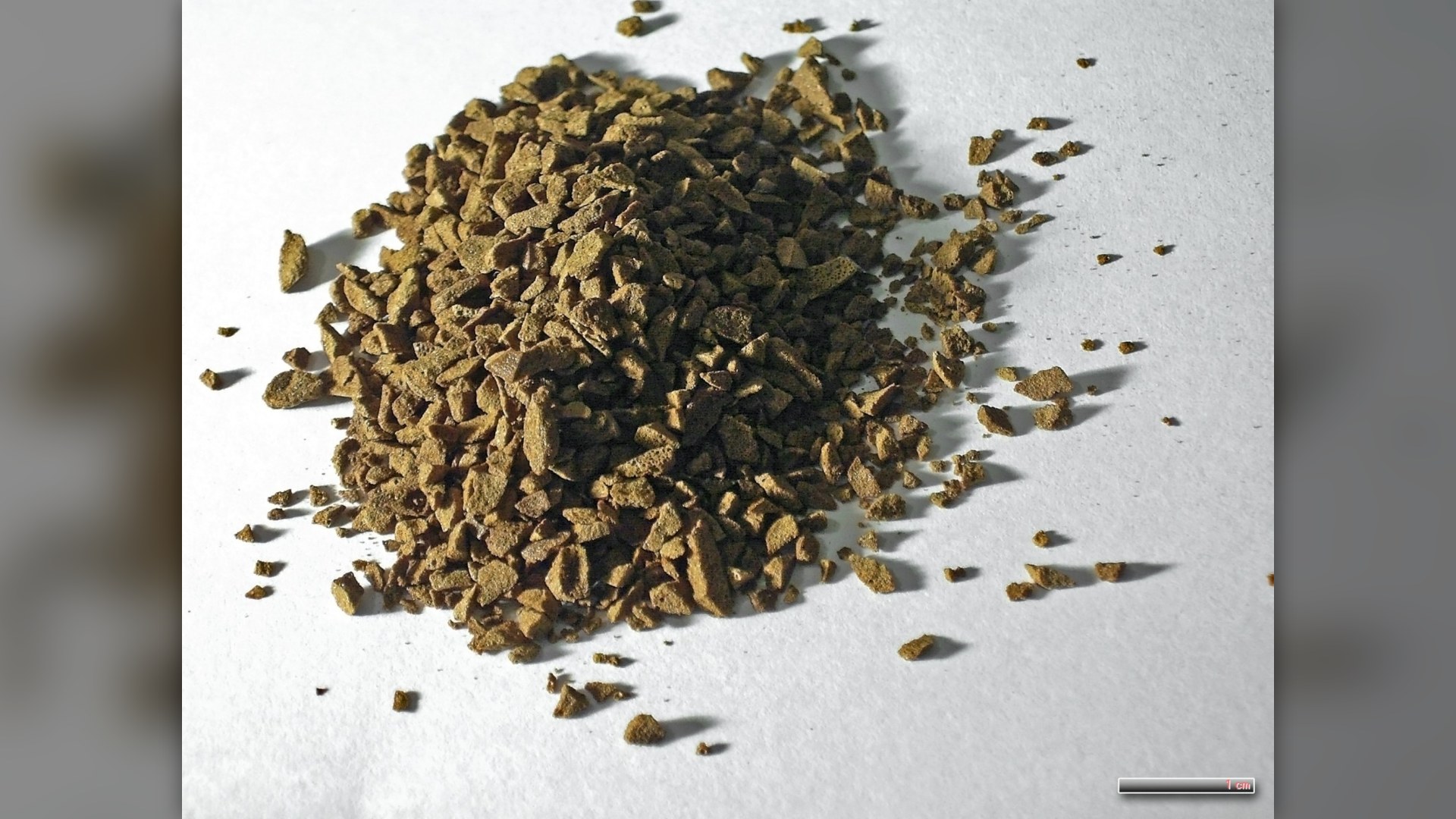
6. Soluble Instant Coffee
Soldiers in World War I relied on George Washington instant coffee crystals dissolved directly in canteen cups. During World War II, the entire production of Nescafe was reserved for military rations, establishing instant coffee as a global morning ritual.
©Wikimedia / Rillke
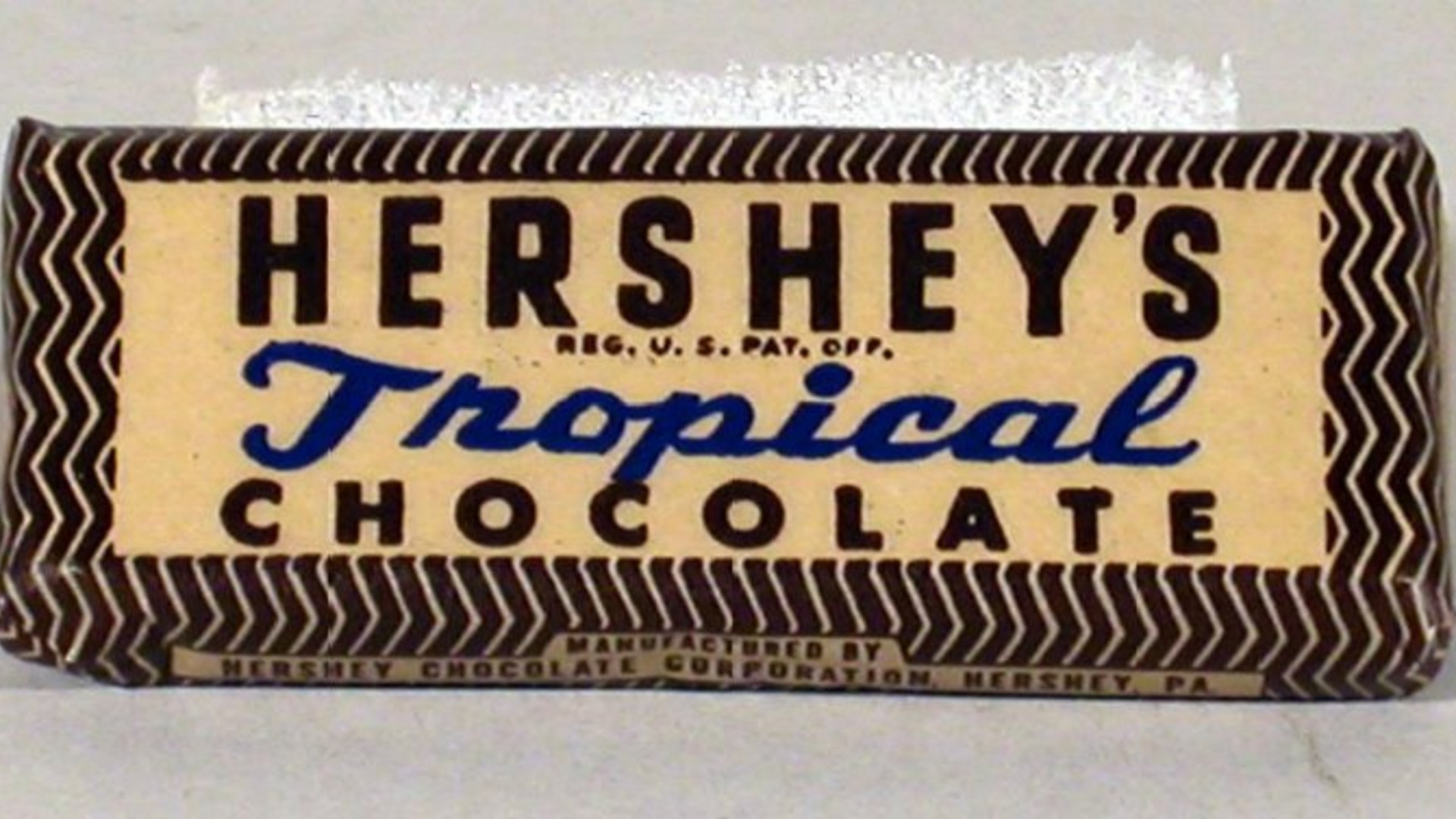
5. Hershey's Tropical Bar
Standard chocolate turned into unmanageable sludge in Pacific island heat. Hershey partnered with the Army Quartermaster to formulate the D-Ration bar, blending chocolate with oat flour so it retained solid shape in temperatures exceeding one hundred degrees.
©Wikimedia / Unknown authorUnknown author
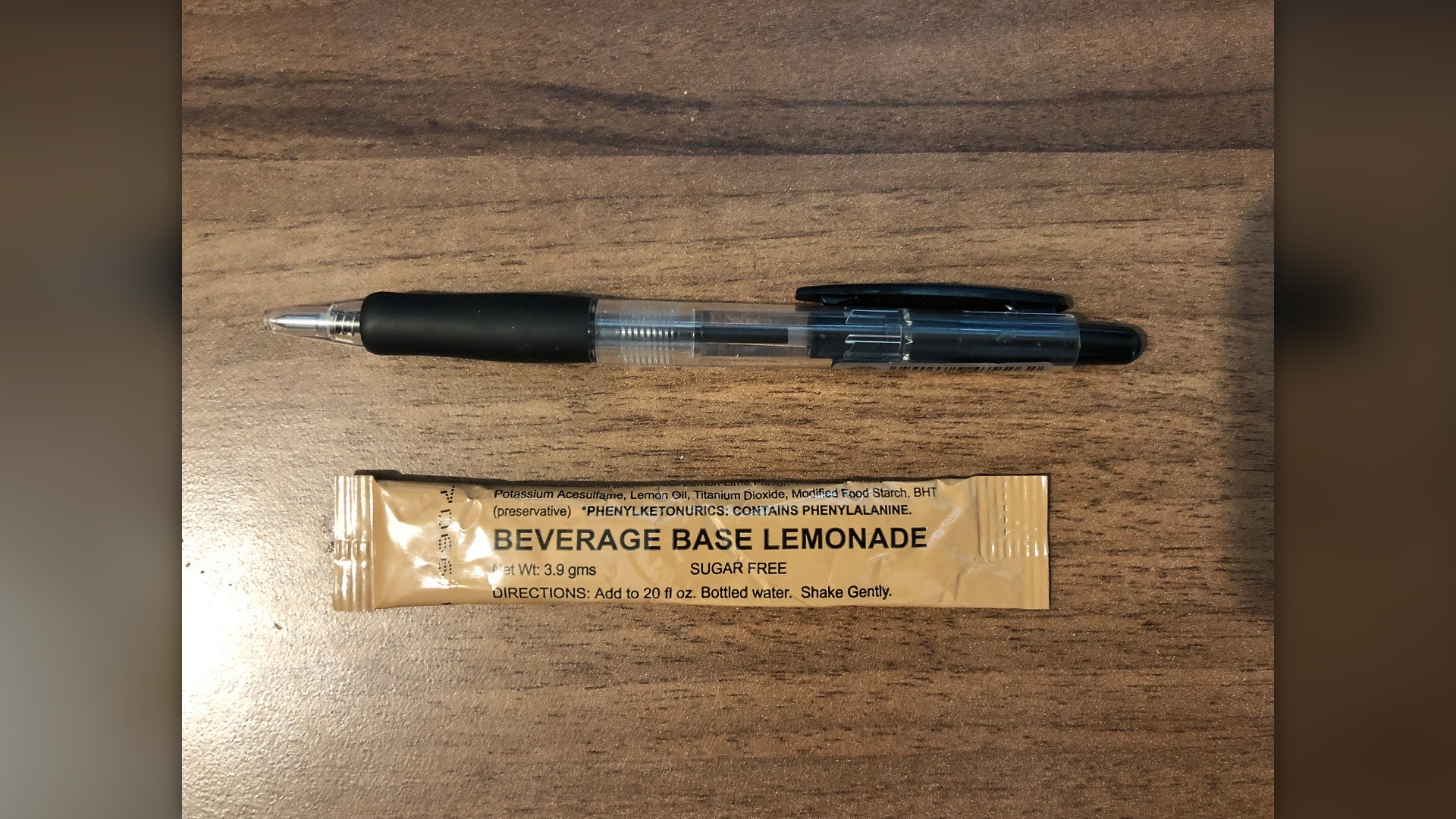
4. Powdered Beverage Bases
Purifying field water with iodine left an unpleasant medicinal taste that discouraged soldiers from drinking enough fluid. The military developed flavored, pre-sweetened powdered bases that masked water-purification tablets and delivered daily vitamin C.
©Wikimedia / Lettuce in the Lattice
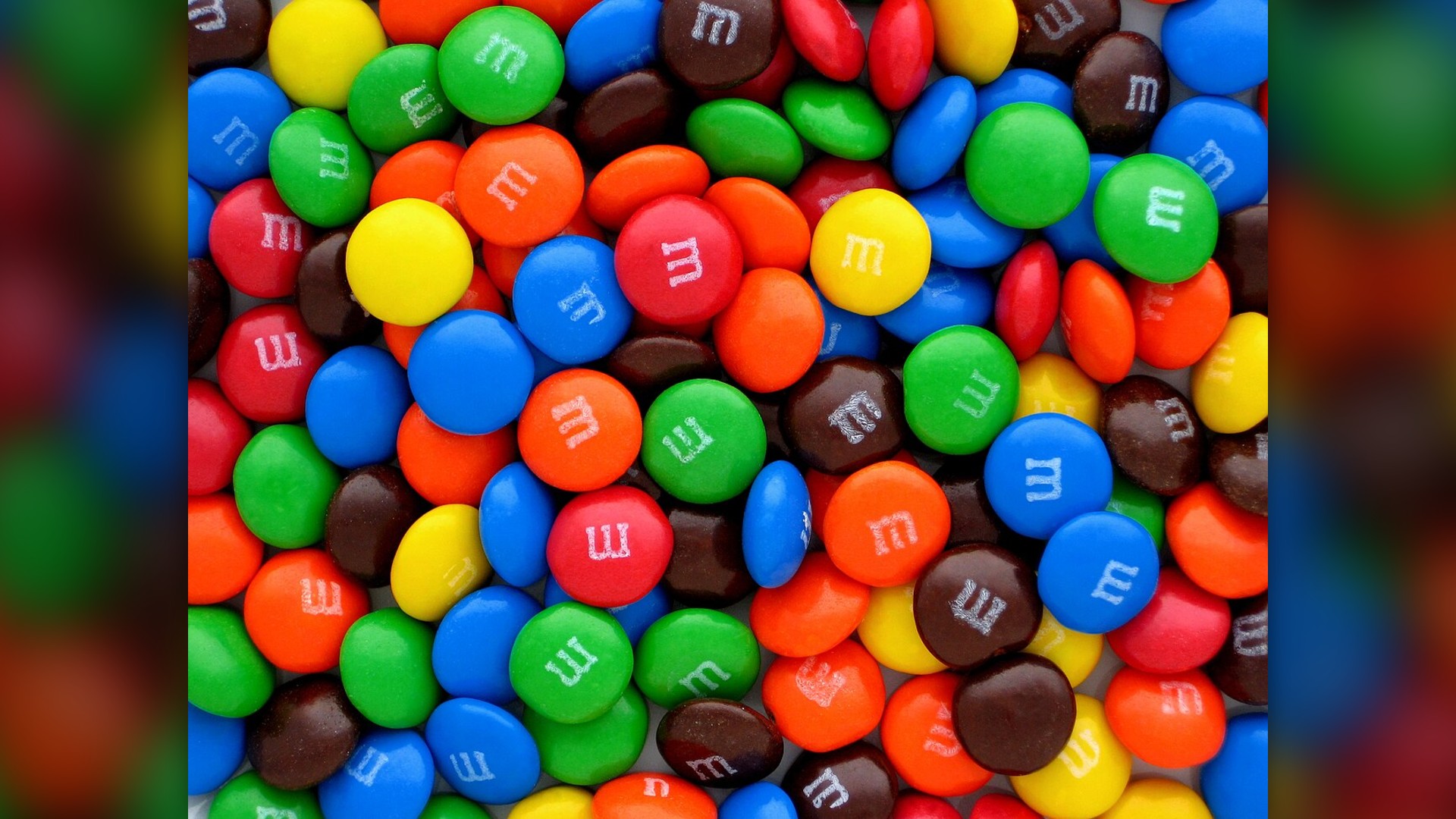
3. M&M's Chocolate Candies
Forest Mars observed Spanish Civil War soldiers eating chocolate pellets coated in hardened sugar shells. In 1941, he partnered with Hershey to manufacture M&M's exclusively for US military rations, creating the world's most famous melt-resistant candy.
©Wikimedia / Evan-Amos
Advertisement
Swipe or tap ▶ to resume the countdown.
2. Freeze-Dried Combat Meals
Long-range reconnaissance patrols could not carry heavy canned rations through mountainous terrain. The Army developed freeze-dried Long Range Patrol rations, producing lightweight meal packets that backcountry backpackers and disaster agencies rely on today.
©Wikimedia / U.S. Army Natick Soldier Systems Center
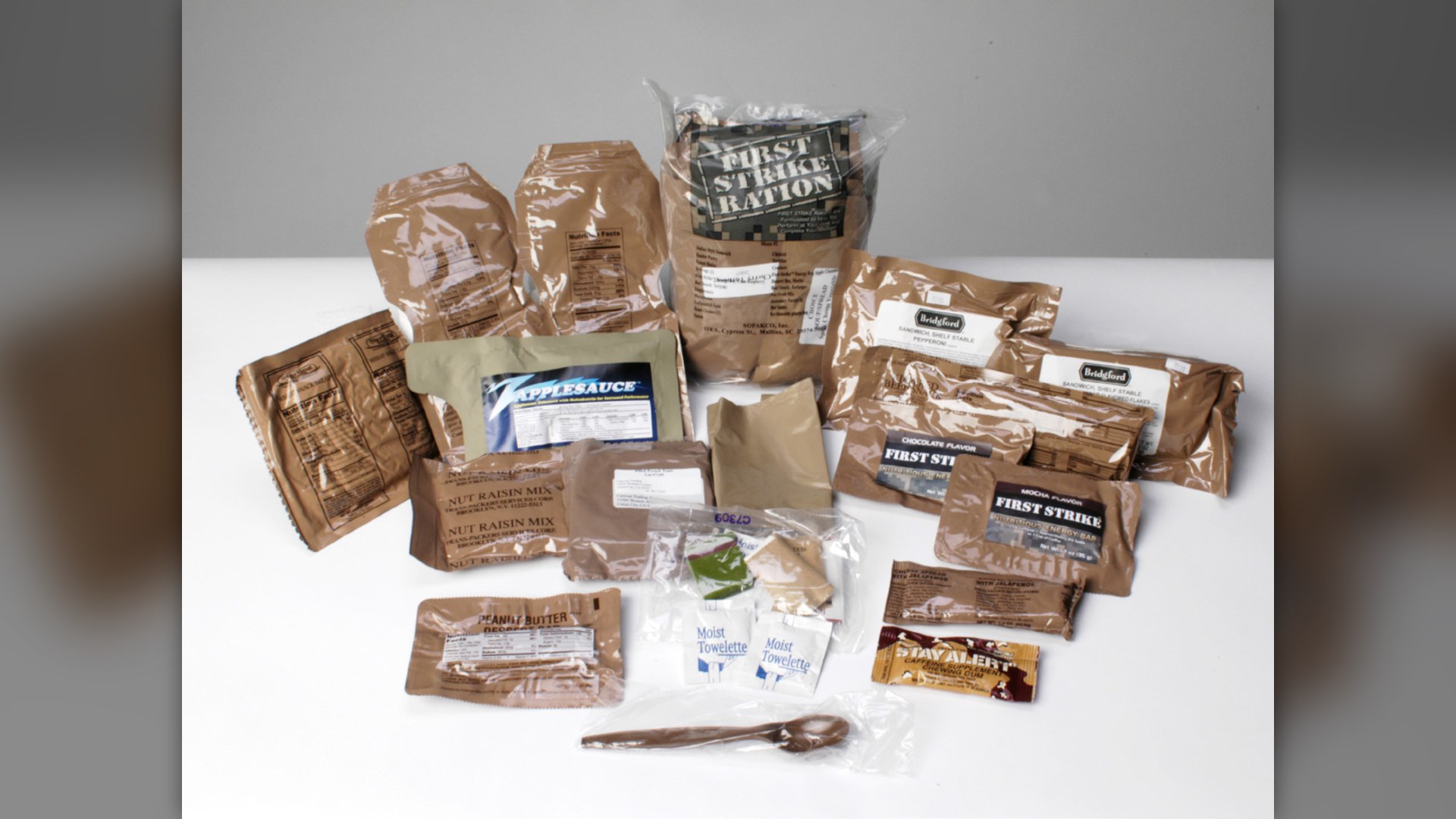
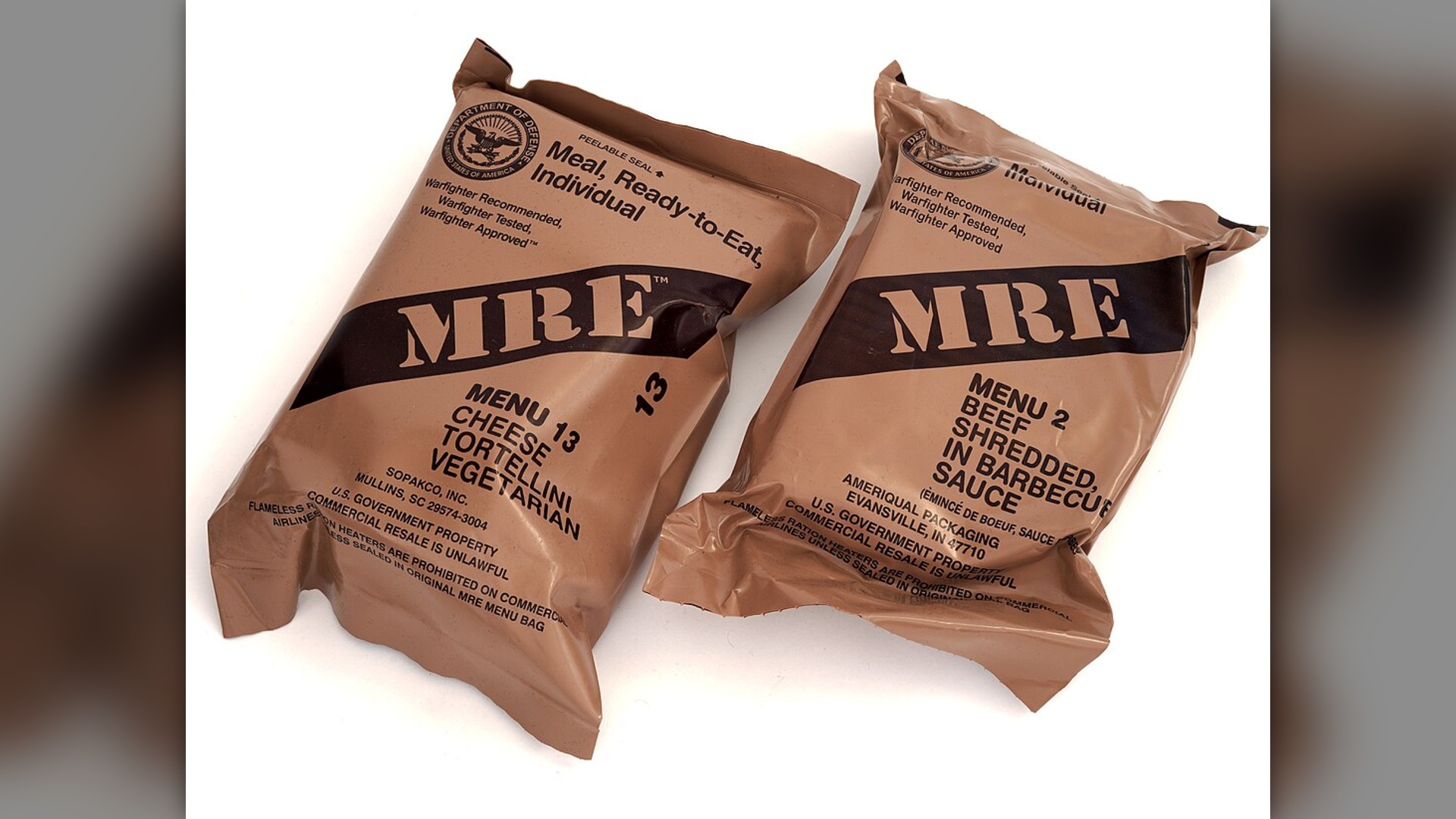
1. MRE Meals Ready To Eat
Introduced in 1981 to replace canned C-rations, the MRE represents the apex of combat food science. Each durable brown package contains entrees, sides, desserts, instant coffee, and a flameless heater, sustaining service members anywhere on the planet.

©Wikimedia / Ashley Pomeroy
Advertisement
You've reached the end of the story. Thanks for reading!

20 Famous Cars With Pop-Up Headlights That Shaped Car Design
From hand-cranked 1930s teardrops to wedge supercars of the 1980s, hidden headlights let stylists chase sleek aerodynamics until 2004 pedestrian rules closed the curtain. Here are 20 standout production cars that turned retractable lamps into an enduring automotive design feature across seven full decades.
All 25 Entries in this Story
25. Chewing Gum Rations
During World War II, the US military bought the entire production run of Wrigley's Spearmint and Juicy Fruit gum. Quartermasters recognized that chewing gum kept soldiers alert on long watch shifts, improved dental hygiene, and helped conserve drinking water.

24. Powdered Whole Eggs
Shipping fresh eggs across ocean war zones caused rampant spoilage and breakage. Army food chemists perfected spray-drying techniques, turning liquid eggs into dehydrated yellow powder that cooks quickly whipped into morning field scrambles.

23. Condensed Canned Milk
Before modern refrigeration, milk spoiled within hours and spread dangerous waterborne diseases. Gail Borden patented vacuum-condensed milk in 1856, and massive Union Army contracts during the Civil War popularized sweet canned milk across American homes.

22. Dehydrated Mashed Potatoes
Transporting heavy raw potatoes across overseas theaters proved inefficient during wartime logistics. Army researchers developed drum-drying methods to produce potato flakes that transformed into fluffy mashed potatoes simply by stirring in hot water.

21. Canned Ration Bread
Soldiers craved familiar baked goods, but standard bread molded within days inside humid combat trenches. Military bakers formulated moisture-controlled batters baked directly inside sterilized cans, creating shelf-stable cakes that lasted for years.

20. Commercial Beef Jerky
The US military standardized cured beef strips during western frontier campaigns to keep cavalry units nourished without heavy cooking gear. Industrial meatpackers later adopted these curing standards to create the modern packaged jerky industry.

19. Retort Pouch Packaging
Traditional tin cans were heavy, bulky, and caused physical bruising when soldiers dropped to the ground. Army engineers at Natick Labs created flexible retort pouches that withstand boiling water and preserve cooked food without heavy metal cans.

18. Modified Atmosphere Greens
Military supply specialists sought ways to preserve perishable produce on deployed warships without freezing. By balancing nitrogen and carbon dioxide inside sealed plastic bags, researchers slowed plant respiration, inventing bagged supermarket salad greens.

17. Frozen Concentrated Orange Juice
To keep overseas troops healthy, the Army Quartermaster Corps funded research into shelf-stable fruit juice. Scientists developed vacuum-evaporation methods that concentrated fresh citrus juice into frozen slush, launching the commercial morning beverage industry.

16. Shelf-Stable Pocket Sandwiches
Troops in combat vehicles needed handheld meals that required zero heating or refrigeration. Natick food technologists used natural humectants and specialized dough to control moisture migration between meat and bread, keeping pocket sandwiches fresh for thirty-six months.

15. Military Energy Bars
Infantrymen burning thousands of calories daily required compact energy that would not melt or crumble in backpacks. The Combat Feeding Directorate created nutrient-dense carbohydrate bars that became the blueprint for modern athletic endurance snacks.

14. Electrolyte Drink Powder
Severe dehydration and heat stroke were constant threats for soldiers marching through tropical environments. Military nutritionists developed balanced sodium and glucose powdered drink packets that restored blood electrolyte levels faster than plain water.

13. Dehydrated Cheese Powder
During World War II, the military needed a way to ship cheese overseas without refrigeration or spoilage. USDA and Army scientists removed moisture from cheddar cheese, inventing the vibrant cheese powder that snack manufacturers later sprinkled over puffed corn.

12. Flameless Ration Heaters
Lighting cooking fires in combat betray a unit's position through smoke and thermal signatures. Army engineers designed a water-activated magnesium-iron alloy pad that generates boiling steam inside a plastic sleeve, allowing soldiers to eat hot meals silently.

11. Condensed Soups
Campbell's chemist John Dorrance invented condensed soup in 1897 by eliminating half the water volume. The US military immediately placed massive orders to feed soldiers, establishing canned condensed soup as an affordable staple in home pantries nationwide.

10. Canned C-Rations
The C-Ration introduced standardized six-can daily meal units consisting of meat stews, biscuits, and hard candies. Built to survive dropping from aircraft and weeks in flooded trenches, these rations established modern canned ready-meal packaging.

9. Restructured Meat Technology
Looking for ways to turn inexpensive meat cuts into uniform boneless steaks for troop mess halls, Natick scientists developed restructuring techniques using salt and pressure. Fast-food chains later licensed the technology to create popular shaped patties.

8. Freeze-Dried Fruit
Vacuum freeze-drying removed moisture while locking in structural cellular integrity and vital nutrients. Developed jointly for combat field kits and Apollo space missions, freeze-dried fruit is now widely found in breakfast cereals and hiking meals.

7. Hormel SPAM
Hormel introduced Spam in 1937, but World War II made it a worldwide dietary staple. Requiring no refrigeration and fortified with sodium and fat, canned spiced ham sustained troops under combat conditions and became deeply integrated into island cuisines.

6. Soluble Instant Coffee
Soldiers in World War I relied on George Washington instant coffee crystals dissolved directly in canteen cups. During World War II, the entire production of Nescafe was reserved for military rations, establishing instant coffee as a global morning ritual.

5. Hershey's Tropical Bar
Standard chocolate turned into unmanageable sludge in Pacific island heat. Hershey partnered with the Army Quartermaster to formulate the D-Ration bar, blending chocolate with oat flour so it retained solid shape in temperatures exceeding one hundred degrees.

4. Powdered Beverage Bases
Purifying field water with iodine left an unpleasant medicinal taste that discouraged soldiers from drinking enough fluid. The military developed flavored, pre-sweetened powdered bases that masked water-purification tablets and delivered daily vitamin C.

3. M&M's Chocolate Candies
Forest Mars observed Spanish Civil War soldiers eating chocolate pellets coated in hardened sugar shells. In 1941, he partnered with Hershey to manufacture M&M's exclusively for US military rations, creating the world's most famous melt-resistant candy.

2. Freeze-Dried Combat Meals
Long-range reconnaissance patrols could not carry heavy canned rations through mountainous terrain. The Army developed freeze-dried Long Range Patrol rations, producing lightweight meal packets that backcountry backpackers and disaster agencies rely on today.

1. MRE Meals Ready To Eat
Introduced in 1981 to replace canned C-rations, the MRE represents the apex of combat food science. Each durable brown package contains entrees, sides, desserts, instant coffee, and a flameless heater, sustaining service members anywhere on the planet.