Slideshow · Viral
25 Everyday Sleep Habits Linked to Long-Term Brain Health, Ranked
During deep slumber, the brain activates microscopic glymphatic plumbing to clear metabolic waste. These twenty-five evidence-backed sleep habits help protect cognitive longevity.

By Most Viral Today
6 Nov 2026

Essential Nighttime Routines That Protect Long-Term Memory 
25. Sleeping On A Breathable Mattress 
24. Eliminating Standby Electronics Lights 
23. Keeping A Bedside Brain Dump Journal - AdvertisementSwipe or tap ▶ to continue countdown

22. Taking An Evening Warm Shower 
21. Using Pure Cotton Or Linen Bedding 
20. Avoiding Heavy Late-Night Dinners 
19. Maintaining Fifty Percent Humidity - AdvertisementSwipe or tap ▶ to continue countdown

18. Limiting Evening Alcohol 
17. Capping Afternoon Naps At Twenty Minutes 
16. Daily Morning Or Afternoon Exercise 
15. Keeping Pets In Their Own Beds - AdvertisementSwipe or tap ▶ to continue countdown

14. Switching To Low-Kelvin Amber Lighting 
13. A Sixty-Minute Screen-Free Wind-Down 
12. Cutting Caffeine Eight Hours Before Bed 
11. Practicing Slow Parasympathetic Breathing - AdvertisementSwipe or tap ▶ to continue countdown

10. Sleeping In Total Darkness 
9. Keeping The Room At Sixty-Five Degrees 
8. Treating Chronic Snoring And Sleep Apnea 
7. Practicing Strict Bed-Only Stimulus Control - AdvertisementSwipe or tap ▶ to continue countdown

6. Getting Fifteen Minutes Of Morning Sunlight 
5. Maintaining A Rigid Wake-Up Time 
4. Prioritizing Seven To Nine Hours Nightly 
3. Sleeping In The Side Lateral Posture - AdvertisementSwipe or tap ▶ to continue countdown

2. Maximizing Slow-Wave Delta Sleep 
1. Activating The Glymphatic Waste Clearance - Advertisement🔥 UP NEXT IN THIS SERIES◫ 21 Slides

20 Famous Cars With Pop-Up Headlights That Shaped Car Design
From hand-cranked 1930s teardrops to wedge supercars of the 1980s, hidden headlights let stylists chase sleek aerodynamics until 2004 pedestrian rules closed the curtain. Here are 20 standout production cars that turned retractable lamps into an enduring automotive design feature across seven full decades.
Deep sleep is not passive downtime. While you rest, specialized neurological systems sweep away harmful metabolic byproducts and consolidate vital memories for lifelong mental sharpness.
Swipe or tap ▶ to begin the countdown
©Wikimedia / PattayaPatrol & Pixabay / Claudio_Scott
25. Sleeping On A Breathable Mattress
Synthetic foam mattresses frequently trap radiant body heat, causing subtle temperature spikes that trigger micro-arousals without full waking. Natural latex and breathable organic cotton cores allow continuous airflow, maintaining steady skin temperature required for uninterrupted deep sleep stages.
©Pixabay / xiangying_xu
24. Eliminating Standby Electronics Lights
Even when eyelids are closed, intrinsically photosensitive retinal ganglion cells detect tiny pinpricks of artificial light from power strips and monitors. Covering or unplugging standby electronics keeps the bedroom pitch dark, preventing subconscious suppression of nocturnal melatonin synthesis.
©Wikimedia / Federal Bureau of Investigation
23. Keeping A Bedside Brain Dump Journal
Ruminating over unfinished responsibilities keeps the prefrontal cortex in high-alert mode. Clinical trials show that spending five minutes writing a concrete task list before turning out the lights transfers cognitive burden to paper, cutting the time required to fall asleep in half.
©Wikimedia / Courtesy of NIAID Ryan Kissinger
Advertisement
Swipe or tap ▶ to resume the countdown.
22. Taking An Evening Warm Shower
Immersing in warm water dilates blood vessels in the hands and feet, drawing heat away from the body core. When stepping out, rapid evaporative cooling drops internal core temperature by two degrees, which serves as a potent biological signal triggering natural sleepiness.
©Wikimedia / Shixart1985
21. Using Pure Cotton Or Linen Bedding
Synthetic polyester sheets trap humidity against the skin, causing sudden temperature spikes and restless tossing. Crisp linen and long-staple cotton fibers breathe naturally, wicking away perspiration and keeping skin surface temperatures stable through every 90-minute sleep cycle.
©Wikimedia / Federal Bureau of Investigation
20. Avoiding Heavy Late-Night Dinners
Eating heavy carbohydrate meals within three hours of bedtime triggers insulin spikes that blunt the nocturnal release of human growth hormone. Digesting complex foods also elevates core body temperature and heart rate, preventing the cardiovascular system from entering its restful restorative state.
©Wikimedia / Biswarup Ganguly
19. Maintaining Fifty Percent Humidity
Dry winter heating dries out delicate nasal mucosa, forcing sleepers to breathe through their mouths. Mouth breathing reduces nitric oxide uptake and increases snoring. Running an ultrasonic cool-mist humidifier keeps airway passages lubricated, promoting deep, silent nasal respiration.
©Wikimedia / Roecrew
Advertisement
Swipe or tap ▶ to resume the countdown.
18. Limiting Evening Alcohol
A bedtime nightcap acts as a central nervous system depressant that induces quick sedation. However, as the liver metabolizes alcohol during the second half of the night, rebound autonomic excitation fragments rapid eye movement sleep, impairing memory consolidation and emotional regulation.
©Wikimedia / PattayaPatrol
17. Capping Afternoon Naps At Twenty Minutes
Adenosine gradually accumulates in the brain throughout waking hours, creating natural sleep pressure. Long afternoon naps clear out this chemical pressure prematurely, making it difficult to fall asleep at night. Limiting daytime rest to twenty minutes prevents entering deep sleep stages.
©TMDb / 90 Minutes Power Nap
16. Daily Morning Or Afternoon Exercise
Engaging in thirty minutes of brisk walking or cycling significantly deepens slow-wave sleep phases. Exercise stimulates brain-derived neurotrophic factor, which strengthens synapses. Workouts should finish at least three hours before bedtime to allow body temperature and adrenaline to settle.
©Pixabay / 5132824
15. Keeping Pets In Their Own Beds
While cuddling pets feels comforting, motion sensors show that pets shift positions dozens of times each night. Each movement causes micro-arousals that pull human brains out of restorative delta sleep. Providing pets with comfortable beds nearby preserves uninterrupted sleep architecture.
©Wikimedia / Takashi Hososhima from Tokyo, Japan
Advertisement
Swipe or tap ▶ to resume the countdown.
14. Switching To Low-Kelvin Amber Lighting
Standard household LED bulbs emit high-energy blue-green spectrums that trick the brain into thinking it is midday. Switching to warm 2200K amber lighting or soft candlelight after sunset removes melanopic stimulation, allowing the pineal gland to initiate its natural melatonin cascade.
©Pixabay / sakulich
13. A Sixty-Minute Screen-Free Wind-Down
Backlit smartphones held close to the face flood retina receptors with short-wavelength photons that halt melatonin production. Engaging in relaxing analog activities like reading printed books or listening to acoustic music prepares neural pathways for smooth, effortless transitions into sleep.
©Pixabay / Ralf1403
12. Cutting Caffeine Eight Hours Before Bed
Even when people fall asleep easily after an afternoon espresso, circulating caffeine molecules continue blocking adenosine receptors in the brain. This pharmacological blockade prevents the brain from descending into deep delta slow-wave sleep, leaving neurons fatigued the following morning.
©Wikimedia / Coffee
11. Practicing Slow Parasympathetic Breathing
Slowing breathing to six breaths per minute stimulates the vagus nerve, releasing acetylcholine that calms the cardiovascular system. Heart rate slows, blood pressure drops, and sympathetic fight-or-flight tension dissolves, shifting the autonomic nervous system into restorative sleep mode.
©Pixabay / lograstudio
Advertisement
Swipe or tap ▶ to resume the countdown.
10. Sleeping In Total Darkness
Streetlights filtering through window blinds elevate nighttime cortisol and degrade sleep quality. Installing high-density blackout curtains or wearing a contoured eye mask creates pitch-black conditions that allow the pineal gland to achieve peak hormone secretion throughout the night.
© Photo by Greg Pappas on Unsplash
9. Keeping The Room At Sixty-Five Degrees
To initiate and sustain deep sleep, human core temperature must decline by approximately one to two degrees Fahrenheit. A cool bedroom between 65 and 68 degrees facilitates this heat shedding, preventing restless awakenings and supporting optimal slow-wave delta cycles.
© Photo by Bianca Ackermann on Unsplash
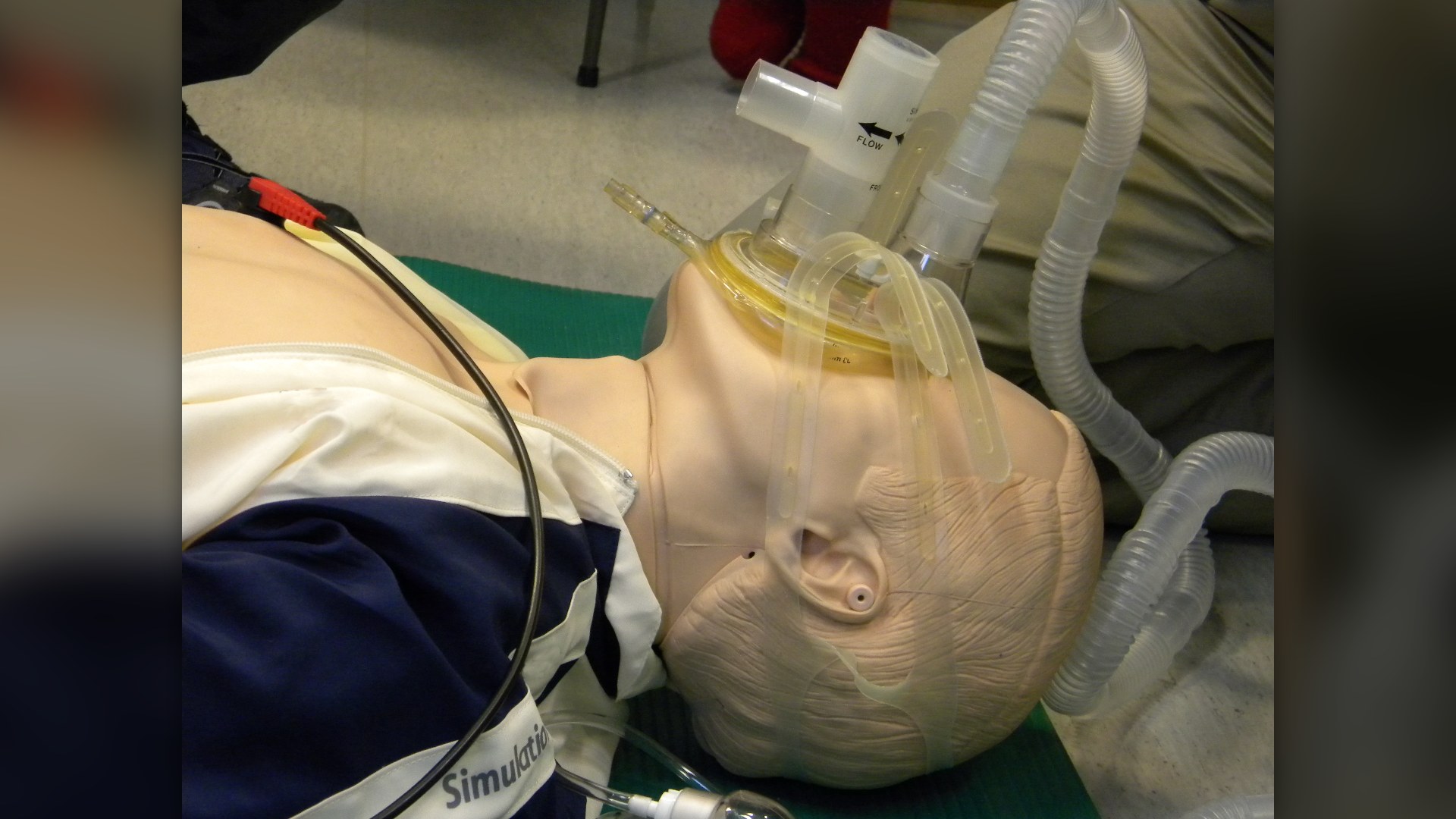
8. Treating Chronic Snoring And Sleep Apnea
Obstructive sleep apnea repeatedly suffocates the brain of vital oxygen, triggering surges of adrenaline and spikes in blood pressure. Over time, untreated apnea starves brain tissue and doubles dementia risk. Using continuous positive airway pressure therapy restores oxygenation and protects memory.
©Wikimedia / Pöllö
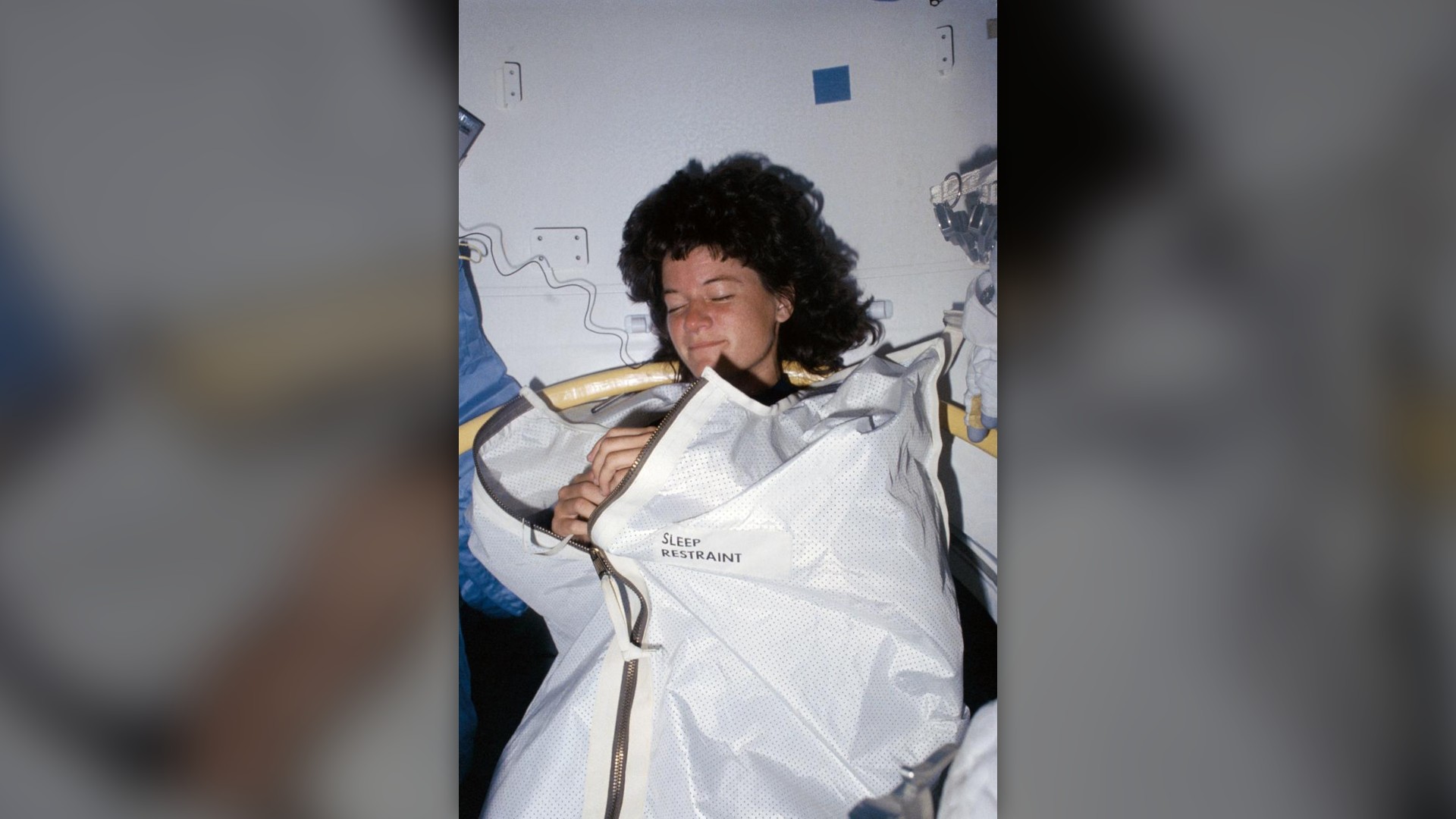
7. Practicing Strict Bed-Only Stimulus Control
Working on laptops or scrolling through phones in bed conditions the brain to associate the mattress with cognitive arousal. Stimulus control therapy trains neural circuitry that lying down means immediate rest. If awake after twenty minutes, getting up to read in dim light breaks the anxiety loop.
©NASA / JSC
Advertisement
Swipe or tap ▶ to resume the countdown.
6. Getting Fifteen Minutes Of Morning Sunlight
Stepping outdoors into direct morning sunlight within an hour of waking resets the master circadian clock located in the brain. Sunlight exposure triggers an immediate healthy cortisol awakening response and sets an internal twenty-four-hour biological timer for melatonin release that evening.
5. Maintaining A Rigid Wake-Up Time
Sleeping in on weekends creates social jet lag that confuses metabolic and hormonal rhythms throughout the body. Waking at the same time seven days a week synchronizes cellular clocks across the brain, ensuring predictable sleepiness at night and consistent morning energy.
©Pixabay / JESHOOTS-com
4. Prioritizing Seven To Nine Hours Nightly
Chronic sleep restriction under seven hours cuts short the final morning REM cycles when emotional regulation and creative problem-solving take place. Maintaining seven to nine hours of sleep provides the full architectural progression needed for comprehensive cellular and synaptic repair.
©Pixabay / Claudio_Scott
3. Sleeping In The Side Lateral Posture
Dynamic MRI imaging reveals that sleeping on one's side significantly increases glymphatic transport compared to back or stomach positions. Lateral posture optimizes the flow of cerebrospinal fluid through interstitial spaces, facilitating the rapid expulsion of metabolic debris.
©Wikimedia / Frederic Leighton
Advertisement
Swipe or tap ▶ to resume the countdown.
2. Maximizing Slow-Wave Delta Sleep
During deep slow-wave sleep, high-amplitude delta waves synchronize neural firing across the cerebral cortex. This electrical state facilitates synaptic pruning, reinforcing essential memory pathways while shedding redundant neural connections to maintain cognitive efficiency.
©Pixabay / cuncon
1. Activating The Glymphatic Waste Clearance
Discovered by neuroscientists in 2012, the glymphatic system acts as the brain's specialized lymphatic plumbing. During deep sleep, glial cells shrink by sixty percent, allowing cerebrospinal fluid to rush through brain tissue and flush away toxic beta-amyloid and tau proteins linked to Alzheimer's.

©Wikimedia / Marlen077
Advertisement
You've reached the end of the story. Thanks for reading!

20 Famous Cars With Pop-Up Headlights That Shaped Car Design
From hand-cranked 1930s teardrops to wedge supercars of the 1980s, hidden headlights let stylists chase sleek aerodynamics until 2004 pedestrian rules closed the curtain. Here are 20 standout production cars that turned retractable lamps into an enduring automotive design feature across seven full decades.
All 25 Entries in this Story
25. Sleeping On A Breathable Mattress
Synthetic foam mattresses frequently trap radiant body heat, causing subtle temperature spikes that trigger micro-arousals without full waking. Natural latex and breathable organic cotton cores allow continuous airflow, maintaining steady skin temperature required for uninterrupted deep sleep stages.

24. Eliminating Standby Electronics Lights
Even when eyelids are closed, intrinsically photosensitive retinal ganglion cells detect tiny pinpricks of artificial light from power strips and monitors. Covering or unplugging standby electronics keeps the bedroom pitch dark, preventing subconscious suppression of nocturnal melatonin synthesis.

23. Keeping A Bedside Brain Dump Journal
Ruminating over unfinished responsibilities keeps the prefrontal cortex in high-alert mode. Clinical trials show that spending five minutes writing a concrete task list before turning out the lights transfers cognitive burden to paper, cutting the time required to fall asleep in half.

22. Taking An Evening Warm Shower
Immersing in warm water dilates blood vessels in the hands and feet, drawing heat away from the body core. When stepping out, rapid evaporative cooling drops internal core temperature by two degrees, which serves as a potent biological signal triggering natural sleepiness.

21. Using Pure Cotton Or Linen Bedding
Synthetic polyester sheets trap humidity against the skin, causing sudden temperature spikes and restless tossing. Crisp linen and long-staple cotton fibers breathe naturally, wicking away perspiration and keeping skin surface temperatures stable through every 90-minute sleep cycle.

20. Avoiding Heavy Late-Night Dinners
Eating heavy carbohydrate meals within three hours of bedtime triggers insulin spikes that blunt the nocturnal release of human growth hormone. Digesting complex foods also elevates core body temperature and heart rate, preventing the cardiovascular system from entering its restful restorative state.

19. Maintaining Fifty Percent Humidity
Dry winter heating dries out delicate nasal mucosa, forcing sleepers to breathe through their mouths. Mouth breathing reduces nitric oxide uptake and increases snoring. Running an ultrasonic cool-mist humidifier keeps airway passages lubricated, promoting deep, silent nasal respiration.

18. Limiting Evening Alcohol
A bedtime nightcap acts as a central nervous system depressant that induces quick sedation. However, as the liver metabolizes alcohol during the second half of the night, rebound autonomic excitation fragments rapid eye movement sleep, impairing memory consolidation and emotional regulation.

17. Capping Afternoon Naps At Twenty Minutes
Adenosine gradually accumulates in the brain throughout waking hours, creating natural sleep pressure. Long afternoon naps clear out this chemical pressure prematurely, making it difficult to fall asleep at night. Limiting daytime rest to twenty minutes prevents entering deep sleep stages.

16. Daily Morning Or Afternoon Exercise
Engaging in thirty minutes of brisk walking or cycling significantly deepens slow-wave sleep phases. Exercise stimulates brain-derived neurotrophic factor, which strengthens synapses. Workouts should finish at least three hours before bedtime to allow body temperature and adrenaline to settle.

15. Keeping Pets In Their Own Beds
While cuddling pets feels comforting, motion sensors show that pets shift positions dozens of times each night. Each movement causes micro-arousals that pull human brains out of restorative delta sleep. Providing pets with comfortable beds nearby preserves uninterrupted sleep architecture.

14. Switching To Low-Kelvin Amber Lighting
Standard household LED bulbs emit high-energy blue-green spectrums that trick the brain into thinking it is midday. Switching to warm 2200K amber lighting or soft candlelight after sunset removes melanopic stimulation, allowing the pineal gland to initiate its natural melatonin cascade.

13. A Sixty-Minute Screen-Free Wind-Down
Backlit smartphones held close to the face flood retina receptors with short-wavelength photons that halt melatonin production. Engaging in relaxing analog activities like reading printed books or listening to acoustic music prepares neural pathways for smooth, effortless transitions into sleep.

12. Cutting Caffeine Eight Hours Before Bed
Even when people fall asleep easily after an afternoon espresso, circulating caffeine molecules continue blocking adenosine receptors in the brain. This pharmacological blockade prevents the brain from descending into deep delta slow-wave sleep, leaving neurons fatigued the following morning.

11. Practicing Slow Parasympathetic Breathing
Slowing breathing to six breaths per minute stimulates the vagus nerve, releasing acetylcholine that calms the cardiovascular system. Heart rate slows, blood pressure drops, and sympathetic fight-or-flight tension dissolves, shifting the autonomic nervous system into restorative sleep mode.

10. Sleeping In Total Darkness
Streetlights filtering through window blinds elevate nighttime cortisol and degrade sleep quality. Installing high-density blackout curtains or wearing a contoured eye mask creates pitch-black conditions that allow the pineal gland to achieve peak hormone secretion throughout the night.

9. Keeping The Room At Sixty-Five Degrees
To initiate and sustain deep sleep, human core temperature must decline by approximately one to two degrees Fahrenheit. A cool bedroom between 65 and 68 degrees facilitates this heat shedding, preventing restless awakenings and supporting optimal slow-wave delta cycles.

8. Treating Chronic Snoring And Sleep Apnea
Obstructive sleep apnea repeatedly suffocates the brain of vital oxygen, triggering surges of adrenaline and spikes in blood pressure. Over time, untreated apnea starves brain tissue and doubles dementia risk. Using continuous positive airway pressure therapy restores oxygenation and protects memory.

7. Practicing Strict Bed-Only Stimulus Control
Working on laptops or scrolling through phones in bed conditions the brain to associate the mattress with cognitive arousal. Stimulus control therapy trains neural circuitry that lying down means immediate rest. If awake after twenty minutes, getting up to read in dim light breaks the anxiety loop.

6. Getting Fifteen Minutes Of Morning Sunlight
Stepping outdoors into direct morning sunlight within an hour of waking resets the master circadian clock located in the brain. Sunlight exposure triggers an immediate healthy cortisol awakening response and sets an internal twenty-four-hour biological timer for melatonin release that evening.

5. Maintaining A Rigid Wake-Up Time
Sleeping in on weekends creates social jet lag that confuses metabolic and hormonal rhythms throughout the body. Waking at the same time seven days a week synchronizes cellular clocks across the brain, ensuring predictable sleepiness at night and consistent morning energy.

4. Prioritizing Seven To Nine Hours Nightly
Chronic sleep restriction under seven hours cuts short the final morning REM cycles when emotional regulation and creative problem-solving take place. Maintaining seven to nine hours of sleep provides the full architectural progression needed for comprehensive cellular and synaptic repair.

3. Sleeping In The Side Lateral Posture
Dynamic MRI imaging reveals that sleeping on one's side significantly increases glymphatic transport compared to back or stomach positions. Lateral posture optimizes the flow of cerebrospinal fluid through interstitial spaces, facilitating the rapid expulsion of metabolic debris.

2. Maximizing Slow-Wave Delta Sleep
During deep slow-wave sleep, high-amplitude delta waves synchronize neural firing across the cerebral cortex. This electrical state facilitates synaptic pruning, reinforcing essential memory pathways while shedding redundant neural connections to maintain cognitive efficiency.

1. Activating The Glymphatic Waste Clearance
Discovered by neuroscientists in 2012, the glymphatic system acts as the brain's specialized lymphatic plumbing. During deep sleep, glial cells shrink by sixty percent, allowing cerebrospinal fluid to rush through brain tissue and flush away toxic beta-amyloid and tau proteins linked to Alzheimer's.