Slideshow · Viral
25 Historic Summit Handshakes Between World Leaders
From Cold War nuclear standoffs to landmark peace treaties, these high-stakes diplomatic encounters altered the trajectory of nations and redefined modern diplomacy.
By Most Viral Today
59 min ago

The Tense Diplomatic Encounters That Redefined Modern History 
25. The Portsmouth Peace Treaty (1905) 
24. The Helsinki Accords (1975) 
23. The Dayton Accords (1995) - AdvertisementSwipe or tap ▶ to continue countdown

22. The Vienna Summit (1961) 
21. The Sino-British Joint Declaration (1984) 
20. The Good Friday Agreement Plenary (1998) 
19. The Geneva Summit (1955) - AdvertisementSwipe or tap ▶ to continue countdown

18. The Strategic Arms Limitation Talks / SALT I (1972) 
17. The Munich Agreement (1938) 
16. The Tehran Conference (1943) 
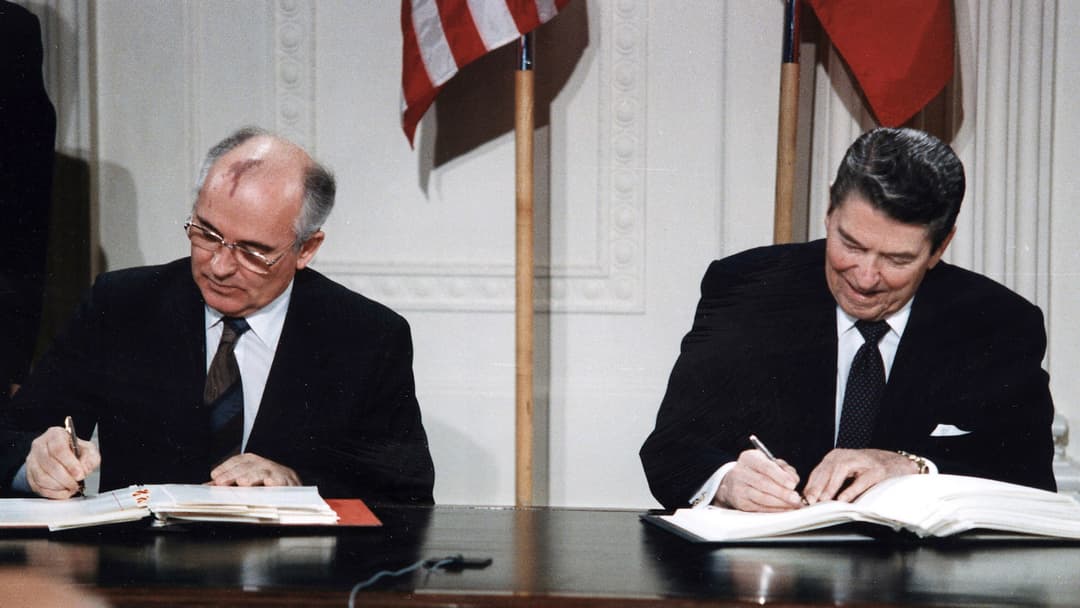
15. The Washington INF Treaty Summit (1987) - AdvertisementSwipe or tap ▶ to continue countdown

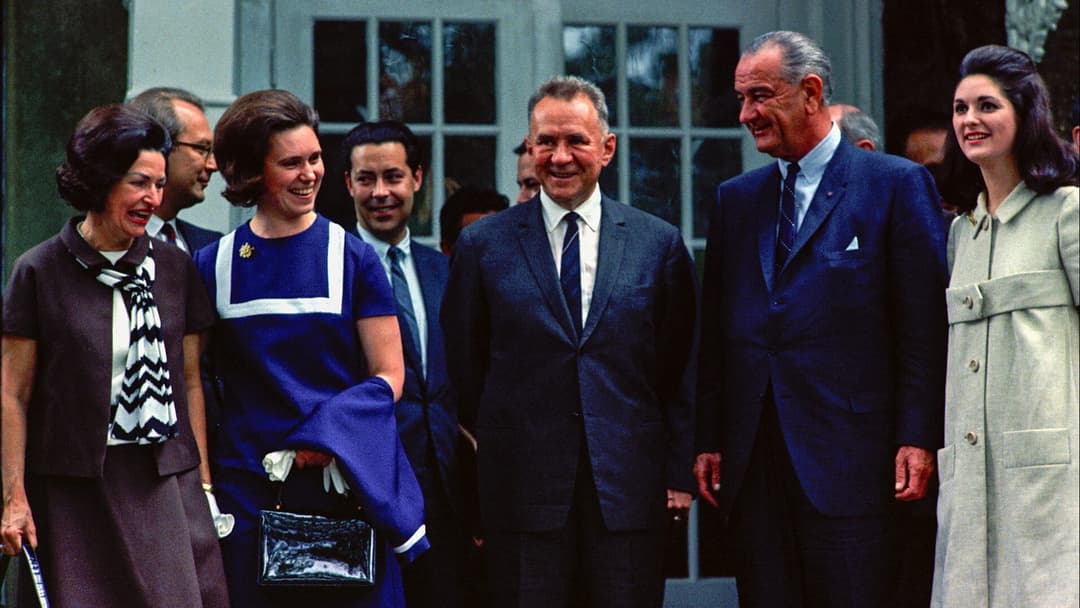
14. The Glassboro Summit (1967) 
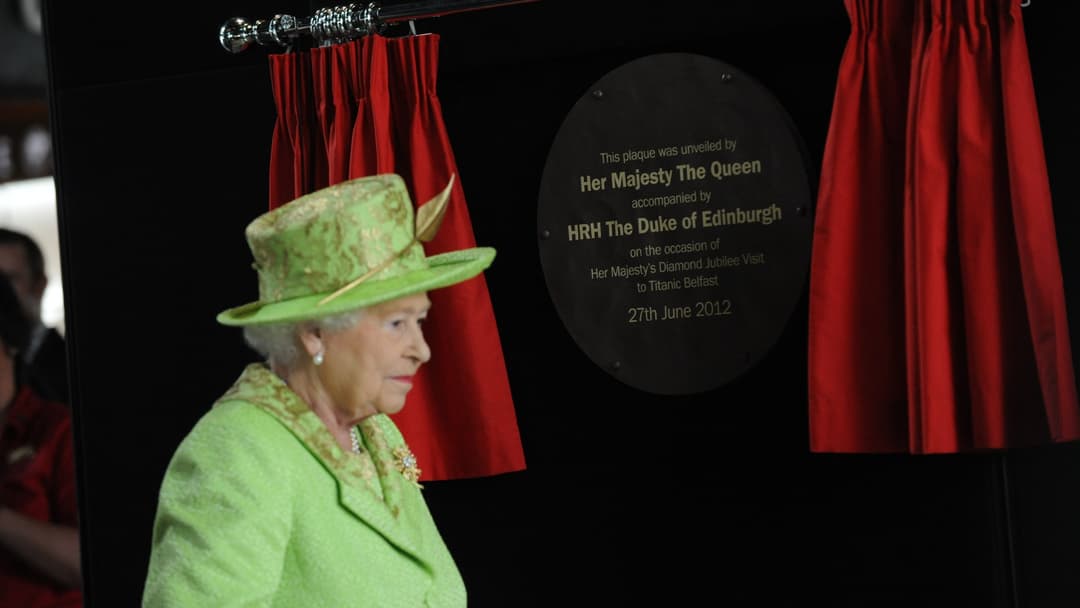
13. Queen Elizabeth II And Martin McGuinness (2012) 
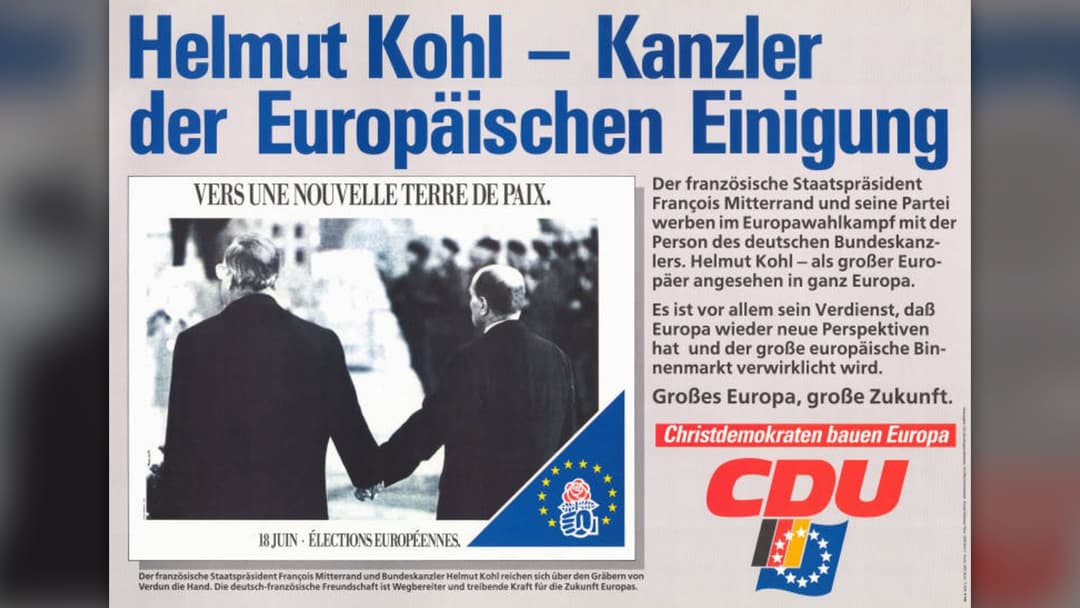
12. The Franco-German Reconciliation (1984) 
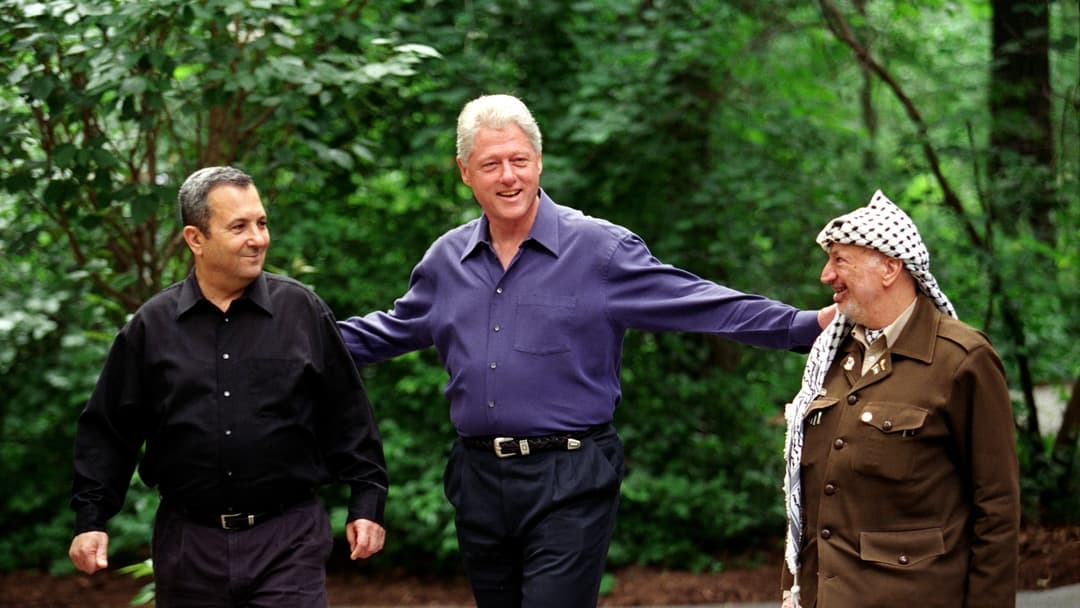
11. The Camp David Summit With Clinton, Barak, And Arafat (2000) - AdvertisementSwipe or tap ▶ to continue countdown

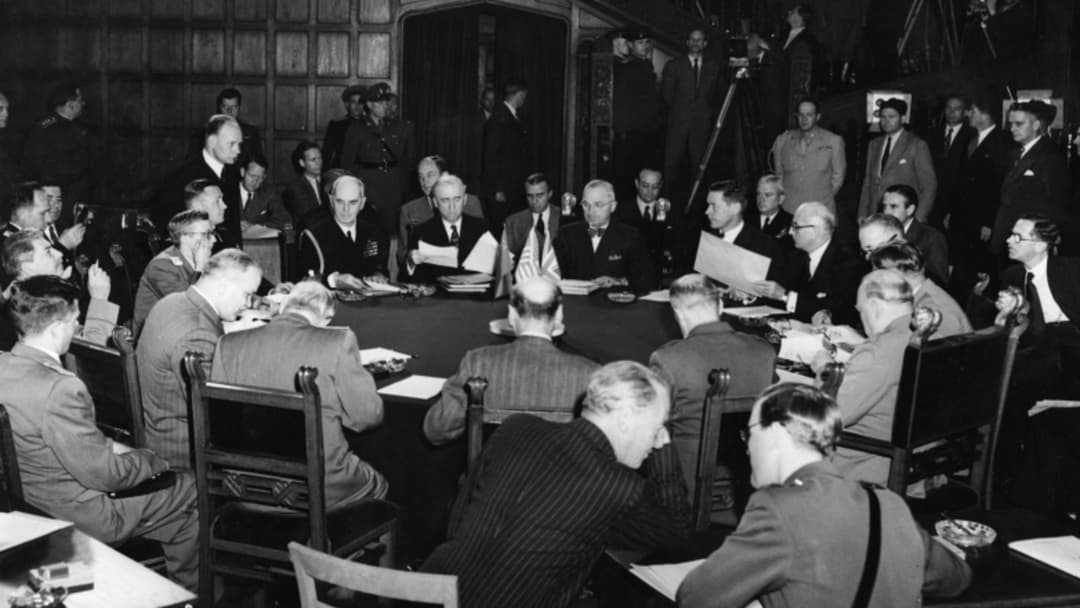
10. The Potsdam Conference (1945) 
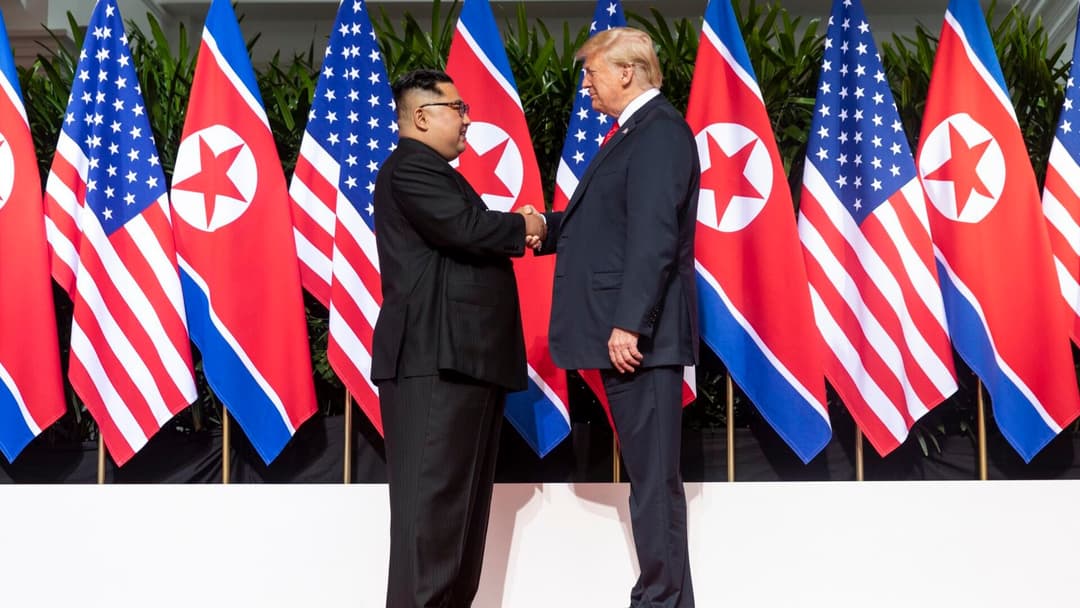
9. The Singapore Summit (2018) 
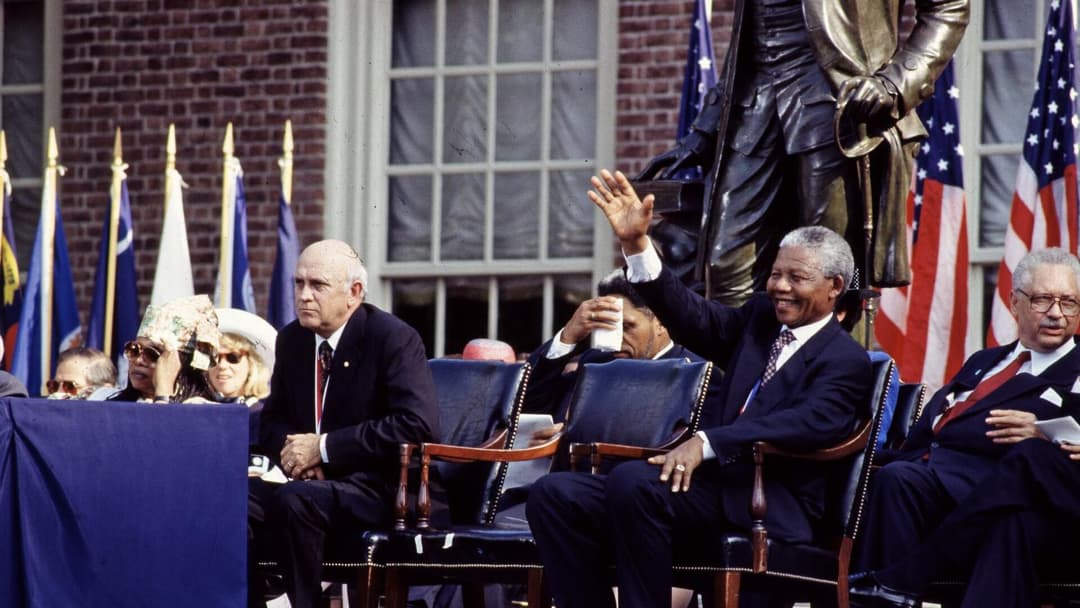
8. Nelson Mandela And F.W. De Klerk (1993) 
7. The Reykjavik Summit (1986) - AdvertisementSwipe or tap ▶ to continue countdown

6. The Geneva Fireside Summit (1985) 
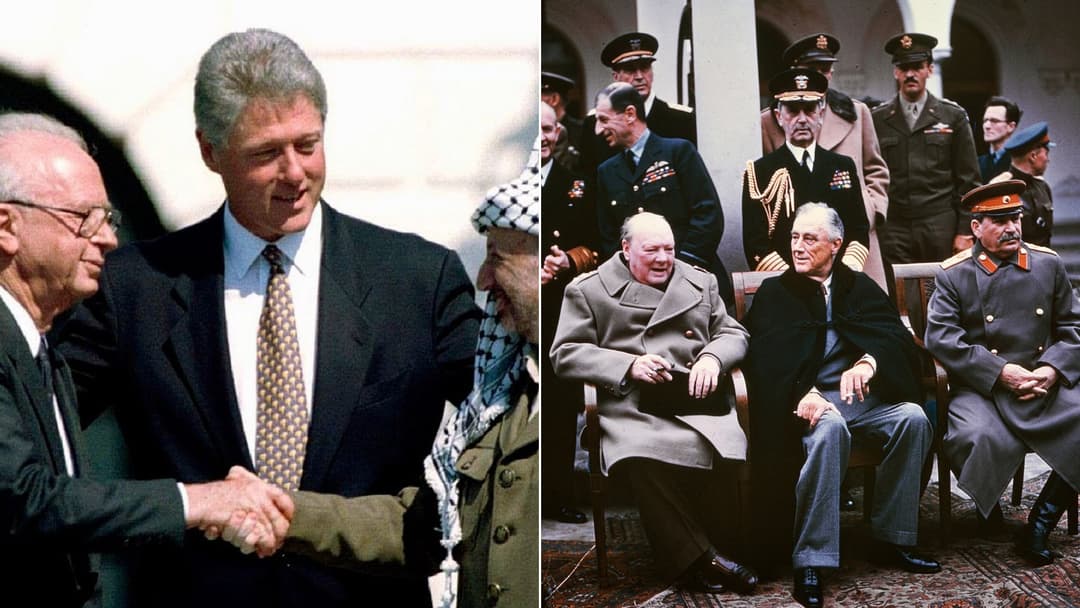
5. The Oslo Accords South Lawn Handshake (1993) 
4. The Yalta Conference (1945) 
3. Richard Nixon And Mao Zedong In Beijing (1972) - AdvertisementSwipe or tap ▶ to continue countdown

2. The Camp David Accords (1978) 
1. The Elbe River Handshake (1945) - Advertisement🔥 UP NEXT IN THIS SERIES◫ 21 Slides

20 Traditions and Rules of Religious Life for Nuns and Priests
American Catholic priests and consecrated sisters navigate a dual existence shaped by ancient canon law and strict American civil standards. Across twenty distinct statutes, clergy manage lifelong vows of poverty and celibacy alongside mandatory background checks, digital boundaries, and complete financial audits.
When world leaders gathered under extreme global tension, a single handshake could avert war or redraw continents. Here are 25 summit moments that shaped our world.
Swipe or tap ▶ to begin the countdown
©Wikimedia / Vince Musi & from the Army Signal Corps
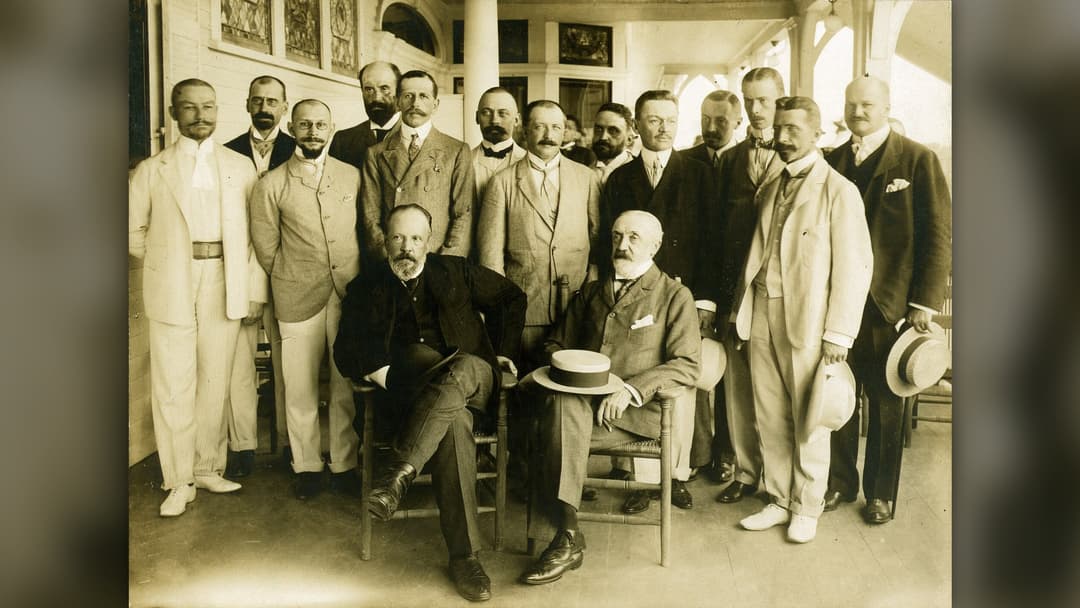
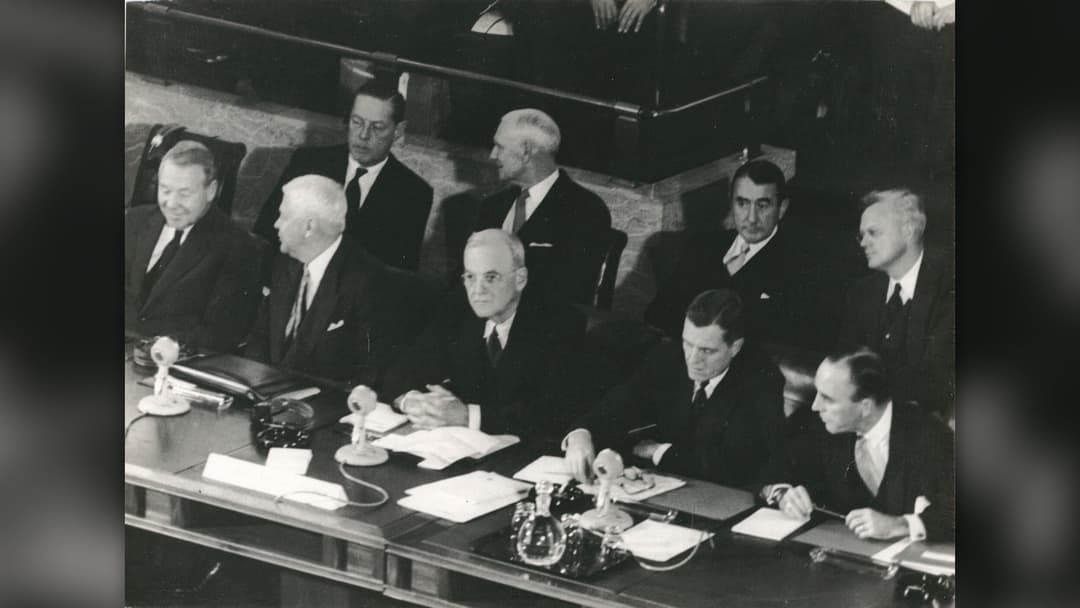
25. The Portsmouth Peace Treaty (1905)
Meeting at the Portsmouth Naval Shipyard, Russian envoy Sergei Witte and Japanese diplomat Jutaro Komura ended the Russo-Japanese War. President Theodore Roosevelt hosted the talks, marking America's emergence as a premier global diplomatic mediator.
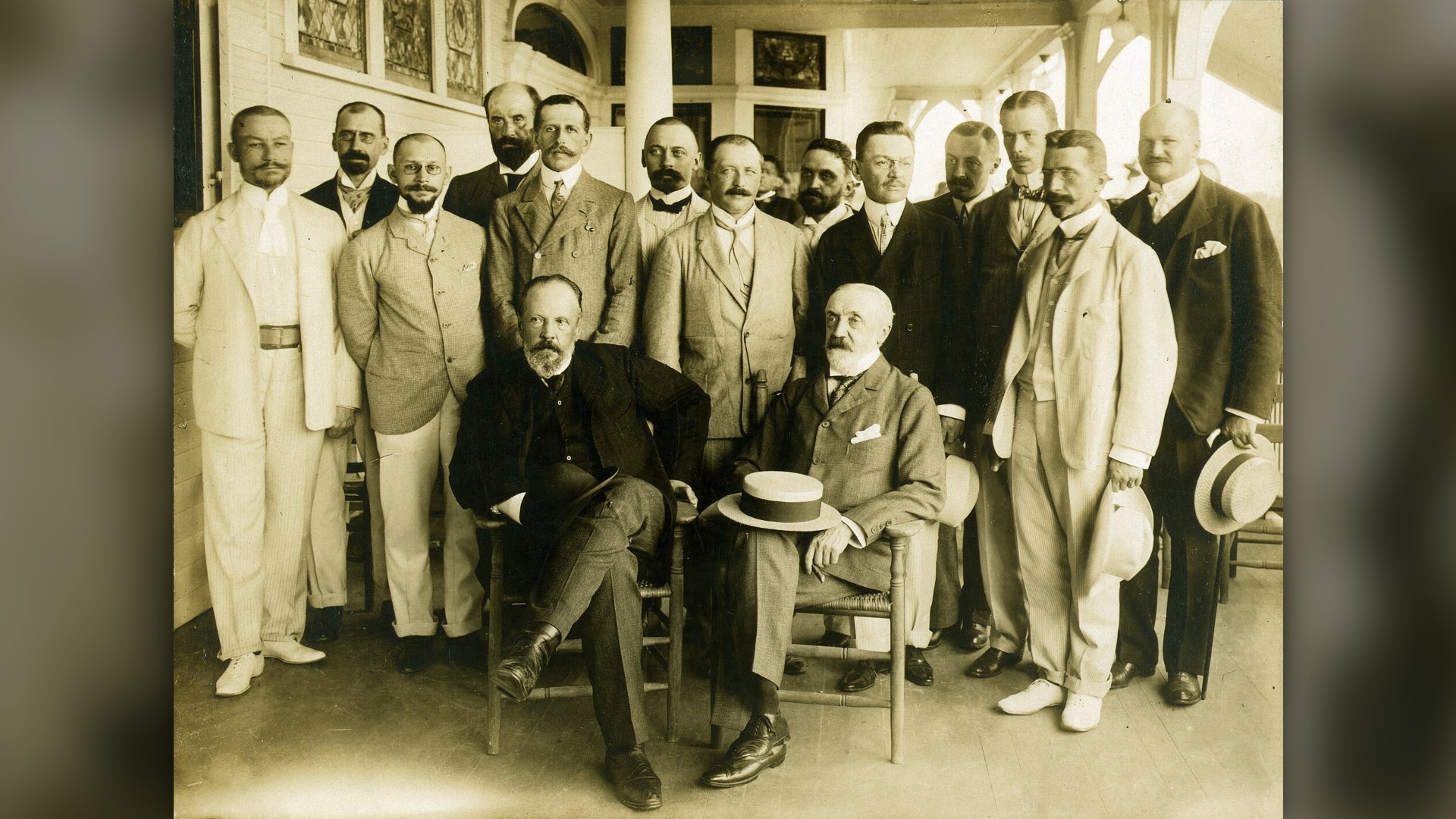
©Wikimedia / Unknown author Unknown author
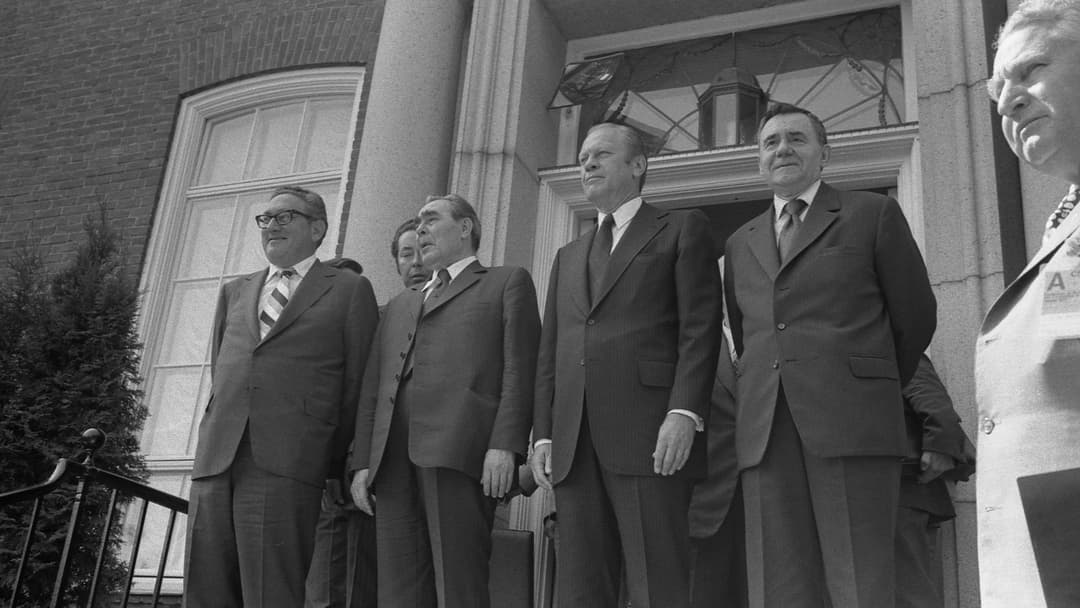
24. The Helsinki Accords (1975)
The 35-nation conference in Finland produced a breakthrough in Cold War detente. While Moscow secured recognition of Soviet bloc frontiers, the agreement's human rights clauses energized dissident groups across Eastern Europe for the next two decades.
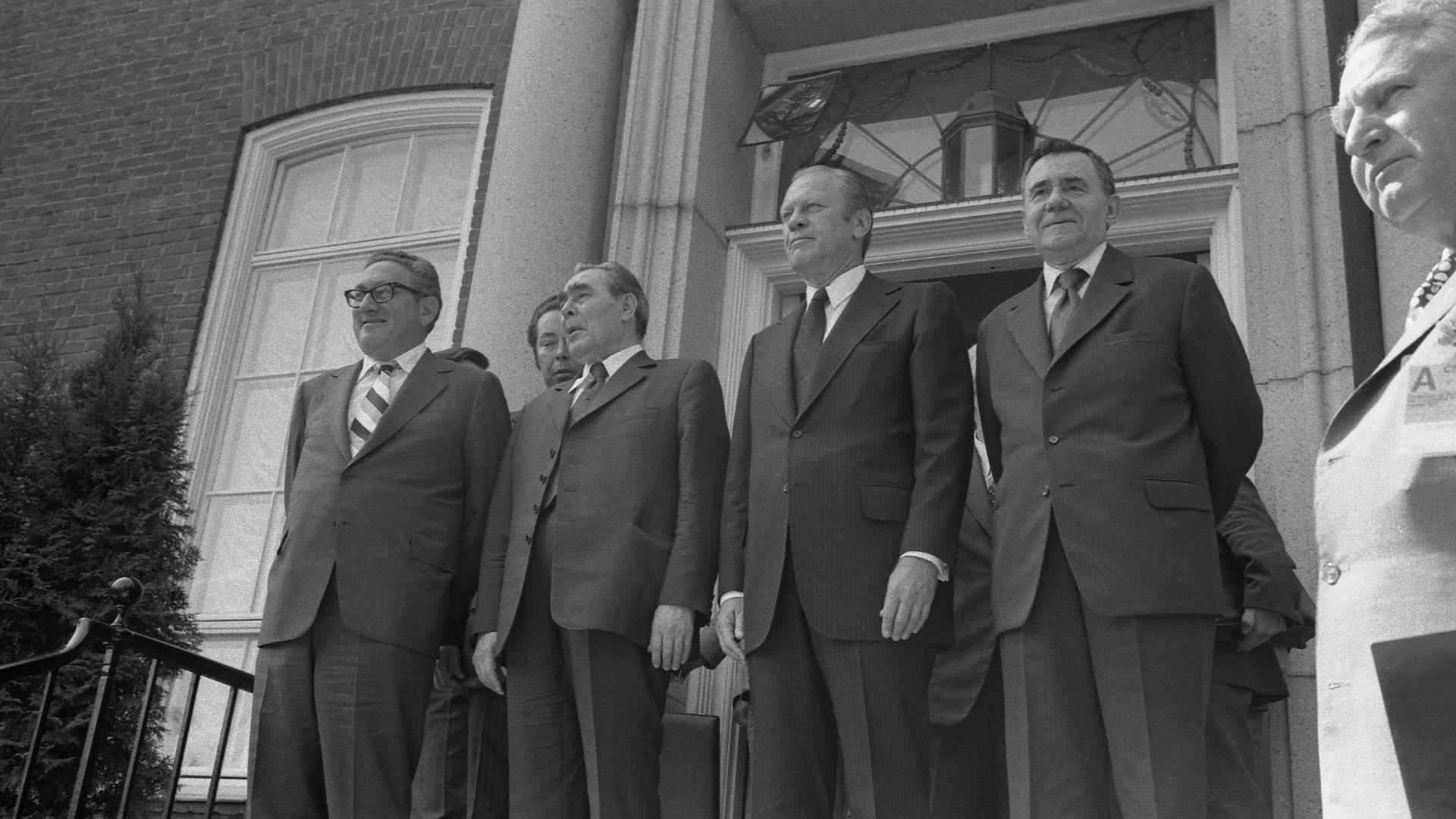
©Wikimedia / David Hume Kennerly
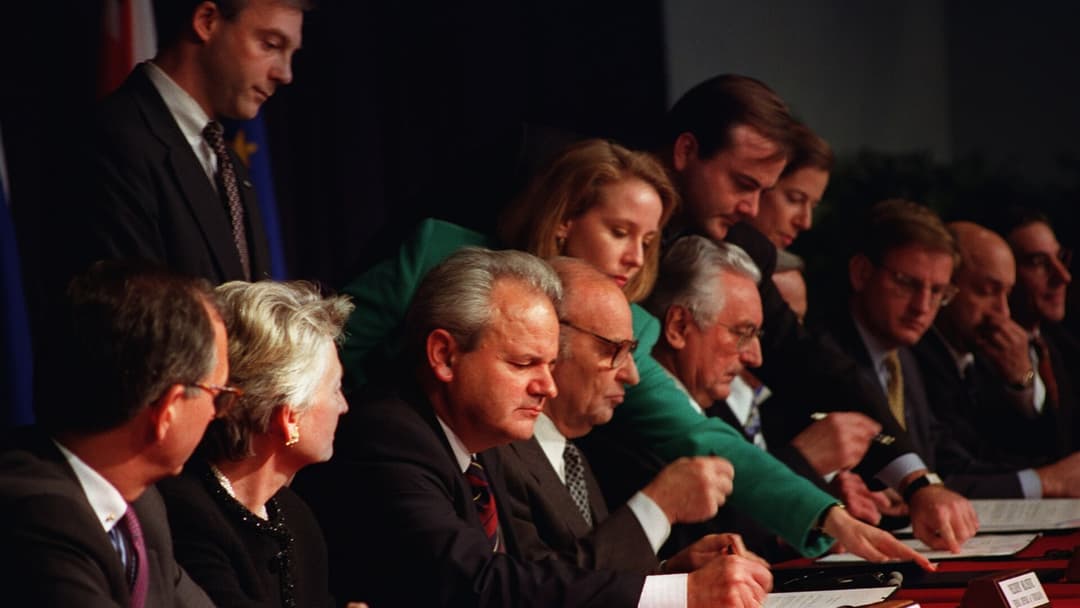
23. The Dayton Accords (1995)
Brokered by American diplomat Richard Holbrooke at Wright-Patterson Air Force Base, the leaders of Bosnia, Croatia, and Serbia agreed to halt fighting. The resulting compromise established a unified Bosnian state governed by a rotating multi-ethnic presidency.
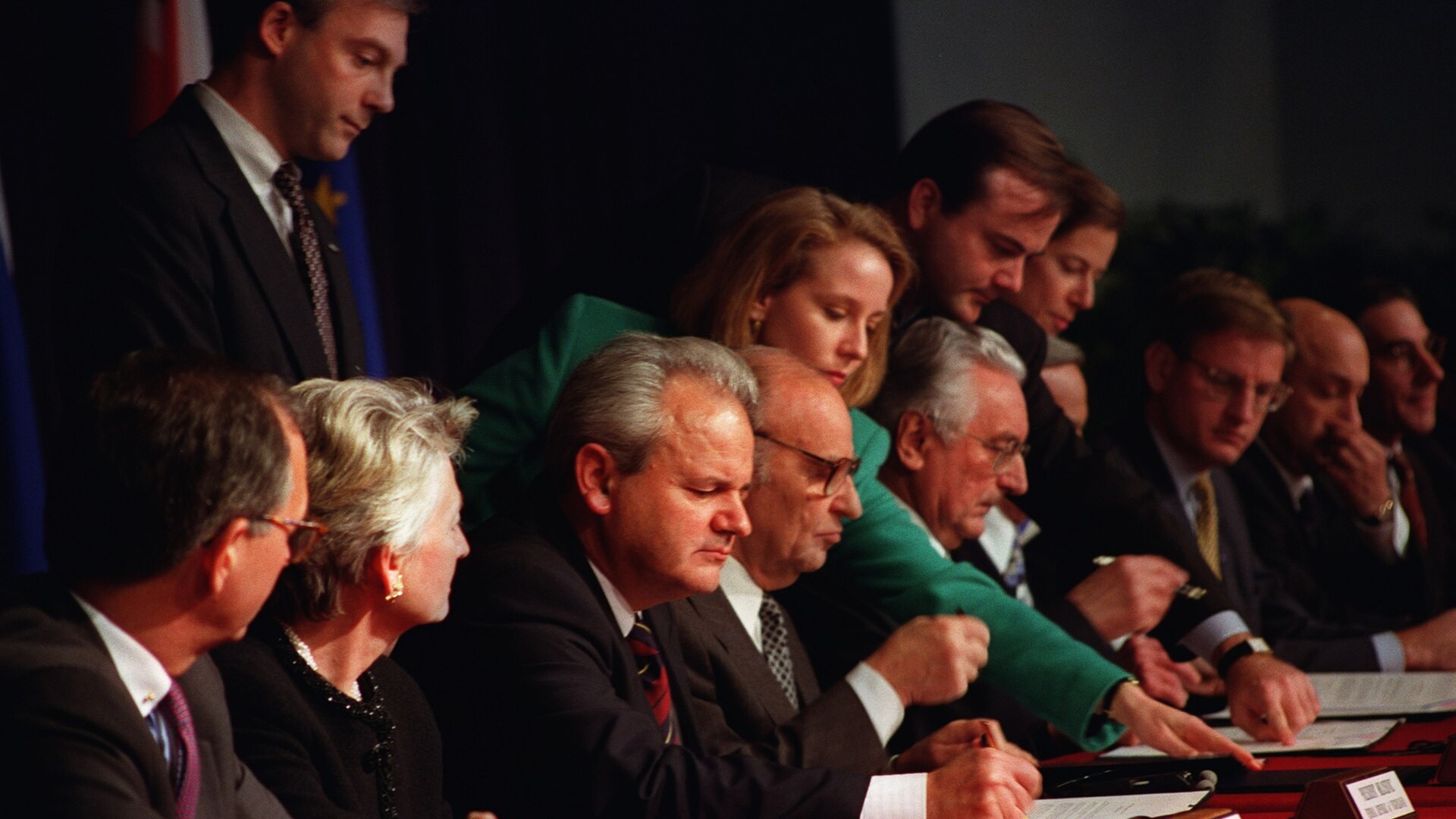
©Wikimedia / U.S. Air Force, Staff Sgt. Brian Schlumbohm
Advertisement
Swipe or tap ▶ to resume the countdown.
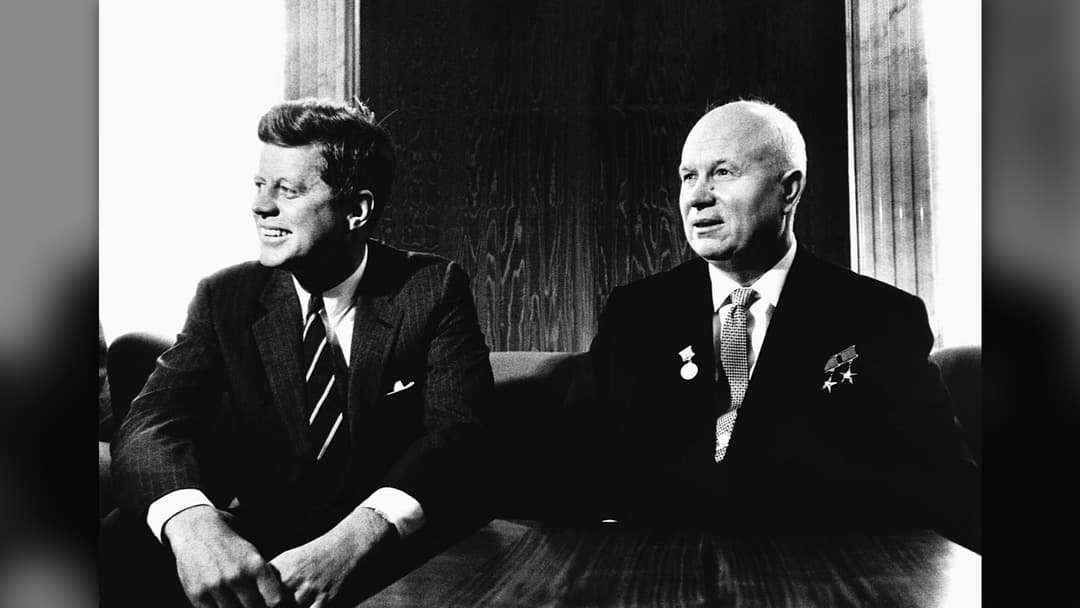
22. The Vienna Summit (1961)
The young American president faced an unyielding Soviet premier who threatened a separate peace treaty with East Germany. The tense standoff shook Kennedy, who warned the nation of potential conflict weeks before the construction of the Berlin Wall.
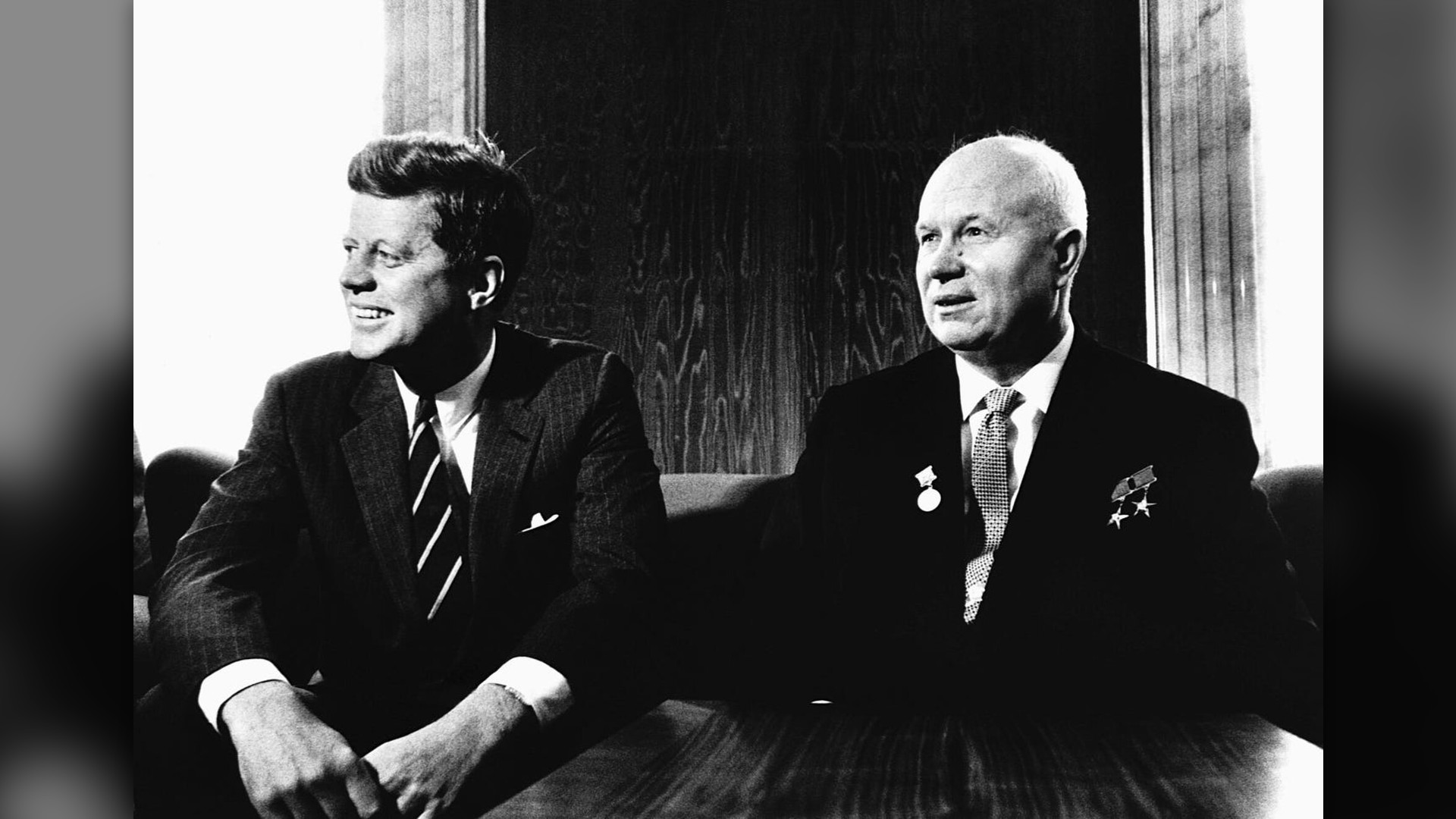
©Wikimedia / Stanley Tretick
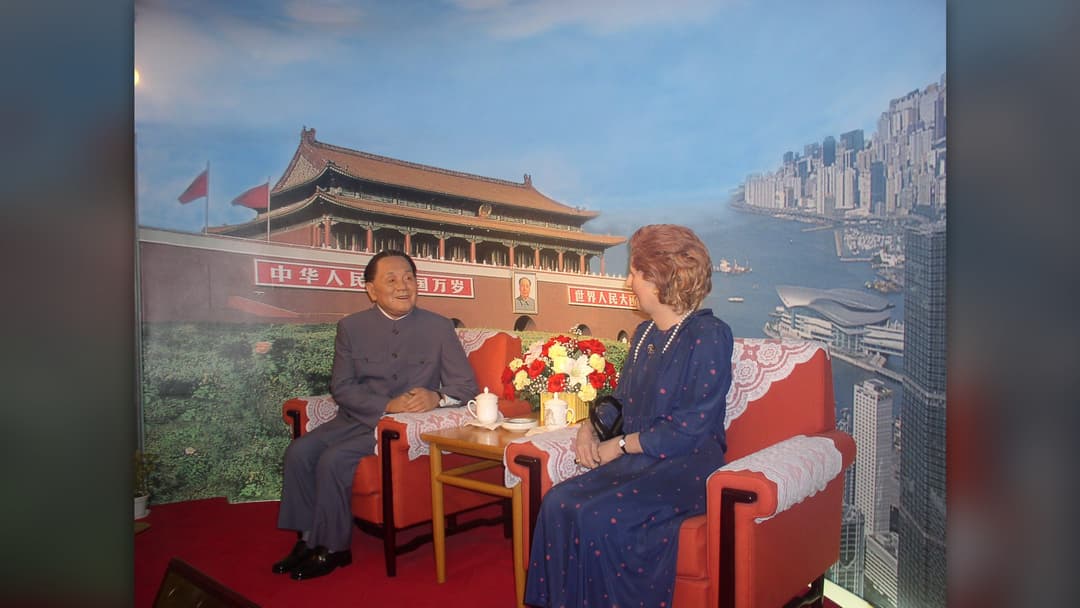
21. The Sino-British Joint Declaration (1984)
Following negotiations in Beijing, Britain agreed to restore Hong Kong to Chinese sovereignty under the One Country, Two Systems framework. The agreement guaranteed Hong Kong's economic and legal autonomy for 50 years after the 1997 transfer.
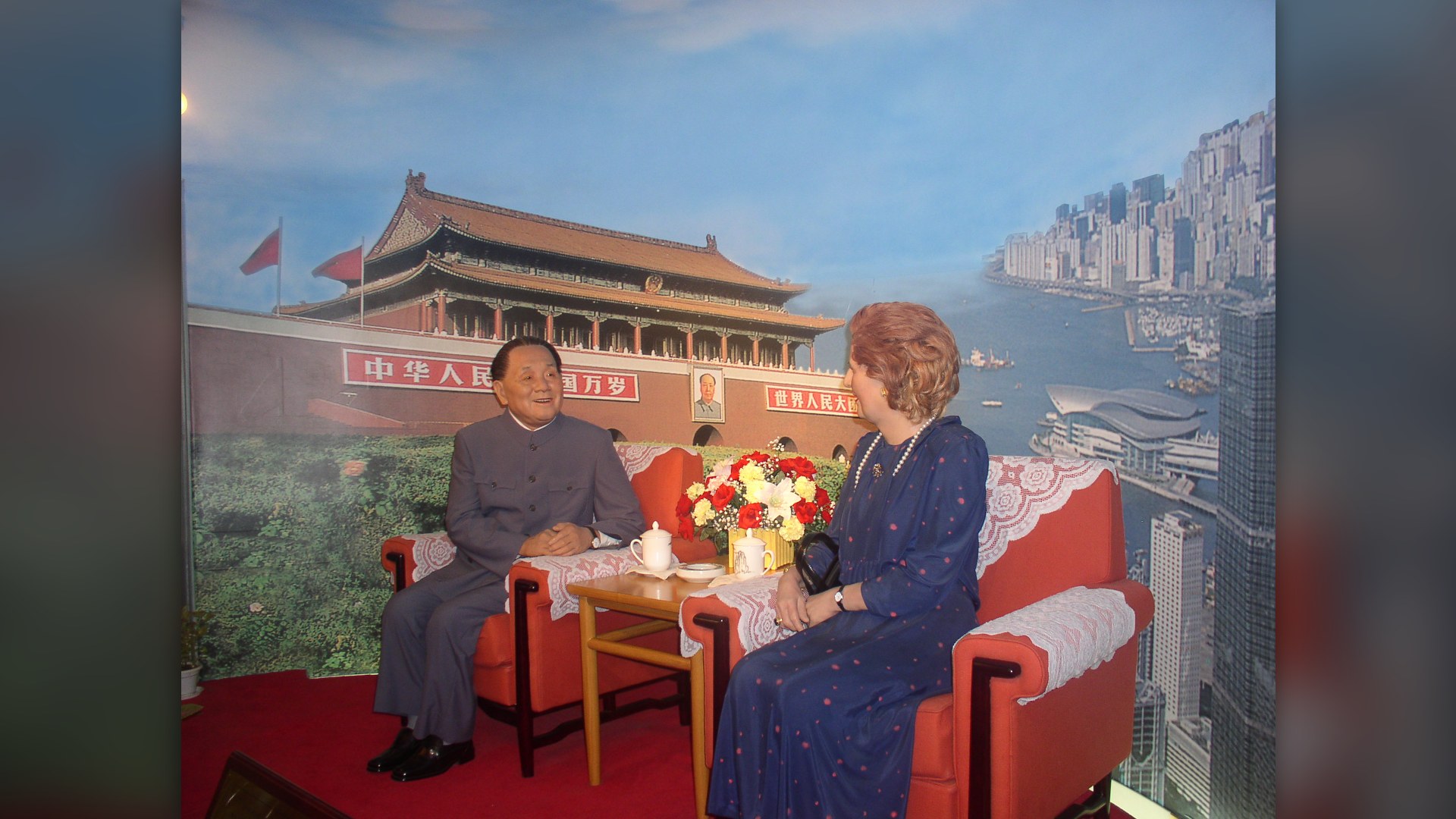
©Wikimedia / Brücke-Osteuropa
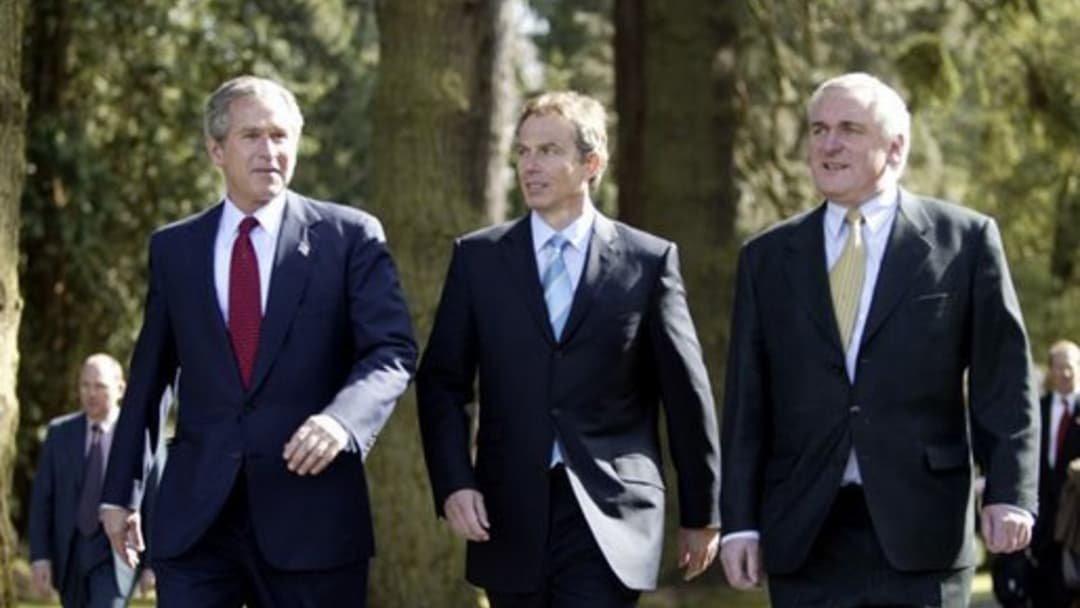
20. The Good Friday Agreement Plenary (1998)
Negotiated over intense marathon sessions in Belfast, the agreement created a power-sharing Northern Ireland Assembly and demilitarized paramilitary groups. It brought an end to thirty years of conflict known as The Troubles.
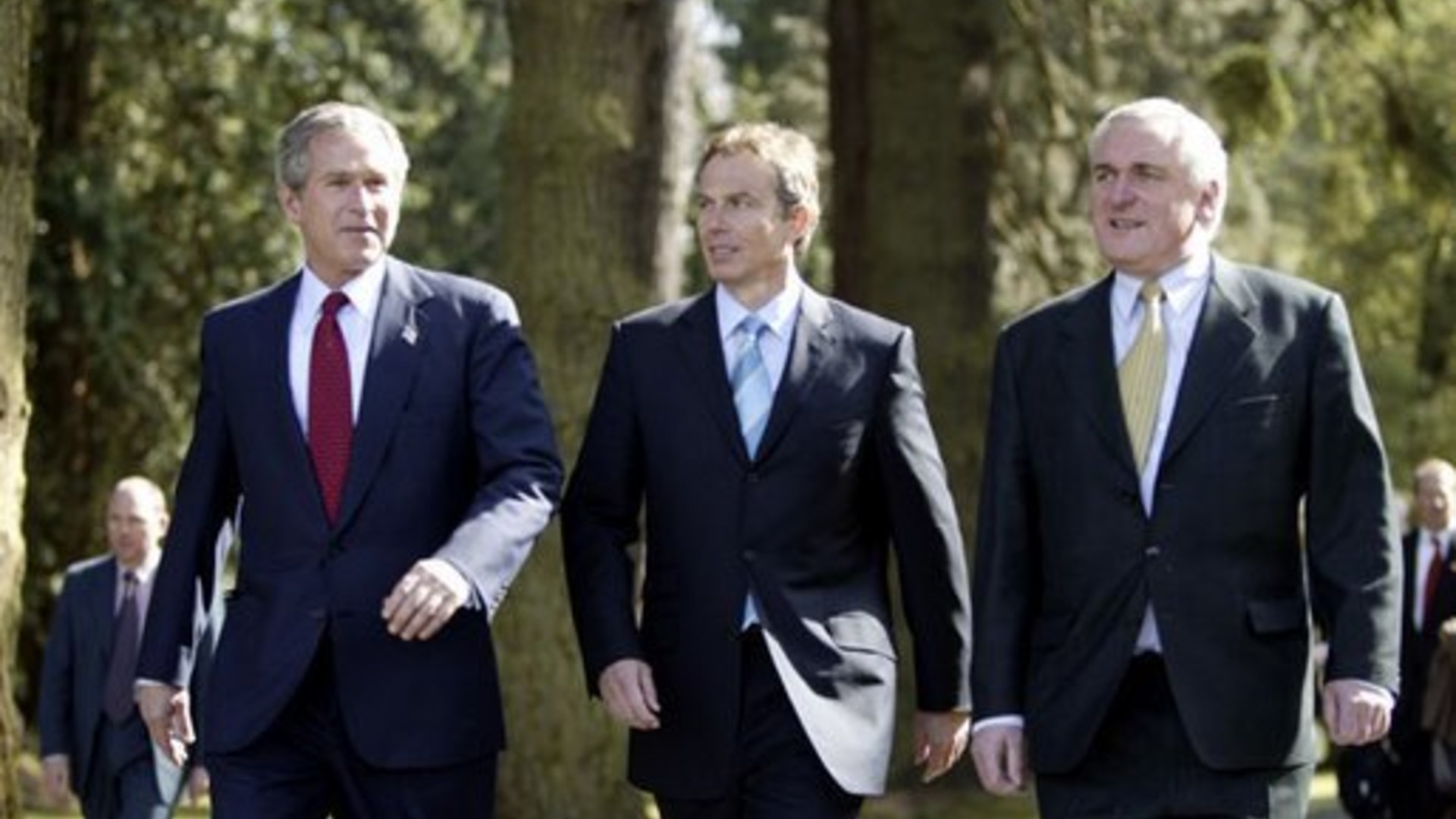
©Wikimedia / Paul Morse
19. The Geneva Summit (1955)
Leaders of the United States, Britain, France, and the Soviet Union gathered for their first postwar summit since 1945. Although Moscow rejected Eisenhower's mutual aerial inspection concept, the dialogue inaugurated a new era of diplomatic communication.
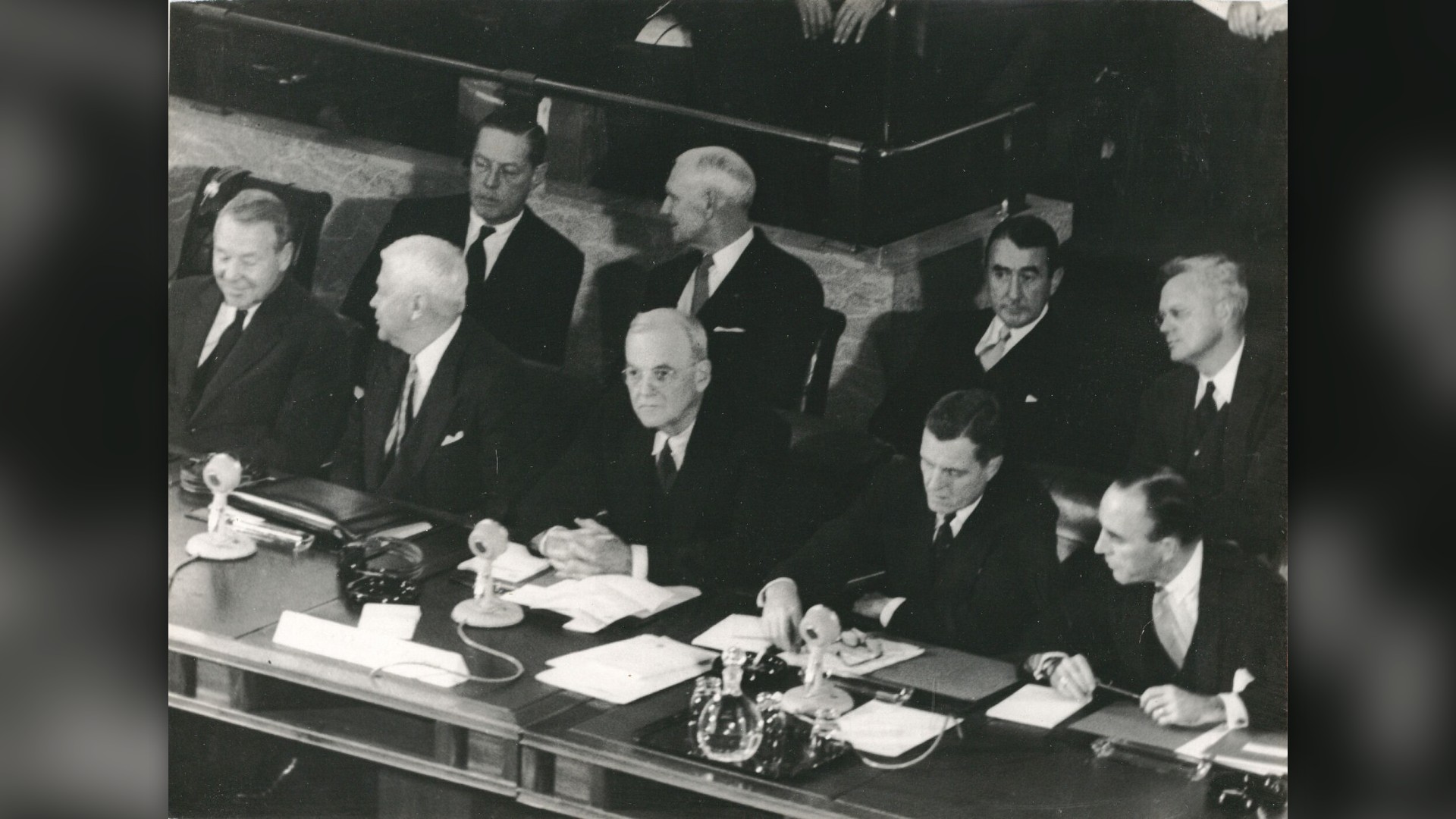
©Wikimedia / Photo (circa July 18-20, 1955; Geneva
Advertisement
Swipe or tap ▶ to resume the countdown.
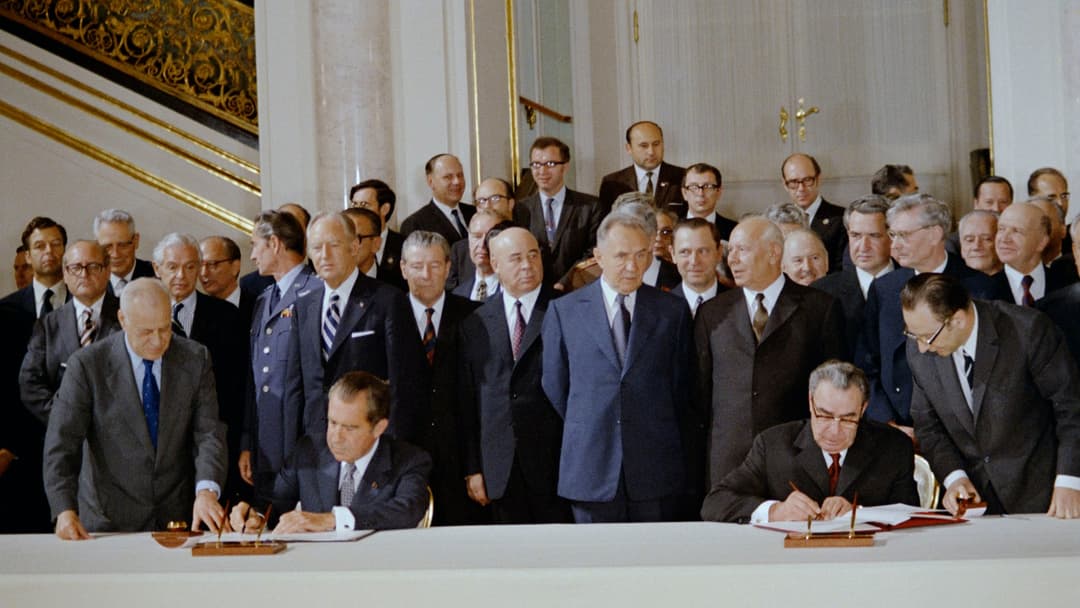
18. The Strategic Arms Limitation Talks / SALT I (1972)
Marking the high point of Cold War detente, Nixon became the first US president to visit Moscow. The resulting treaties capped strategic missile arsenals and limited missile defense sites, establishing nuclear parity between both superpowers.
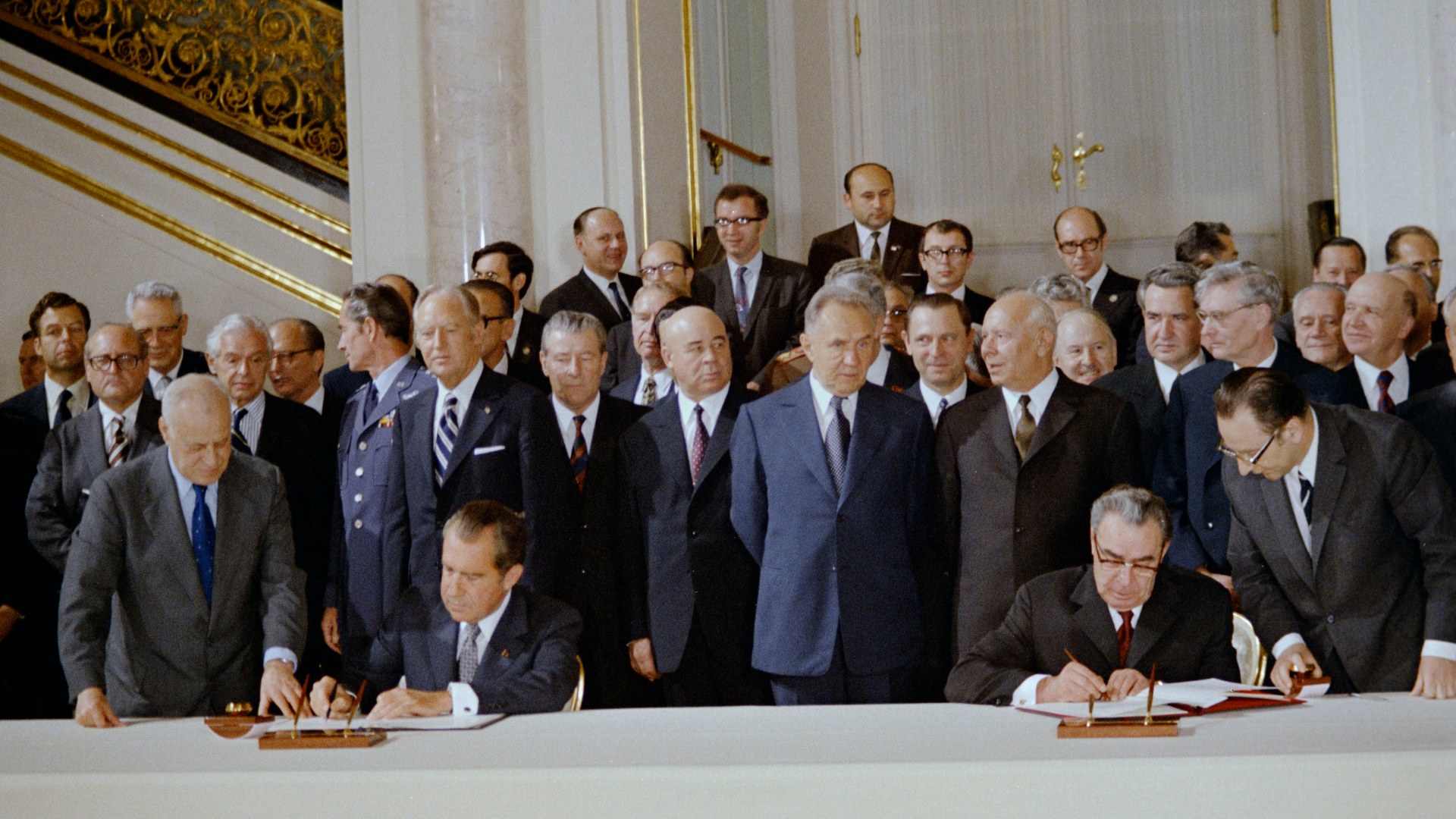
©Wikimedia / President (1969-1974 : Nixon).
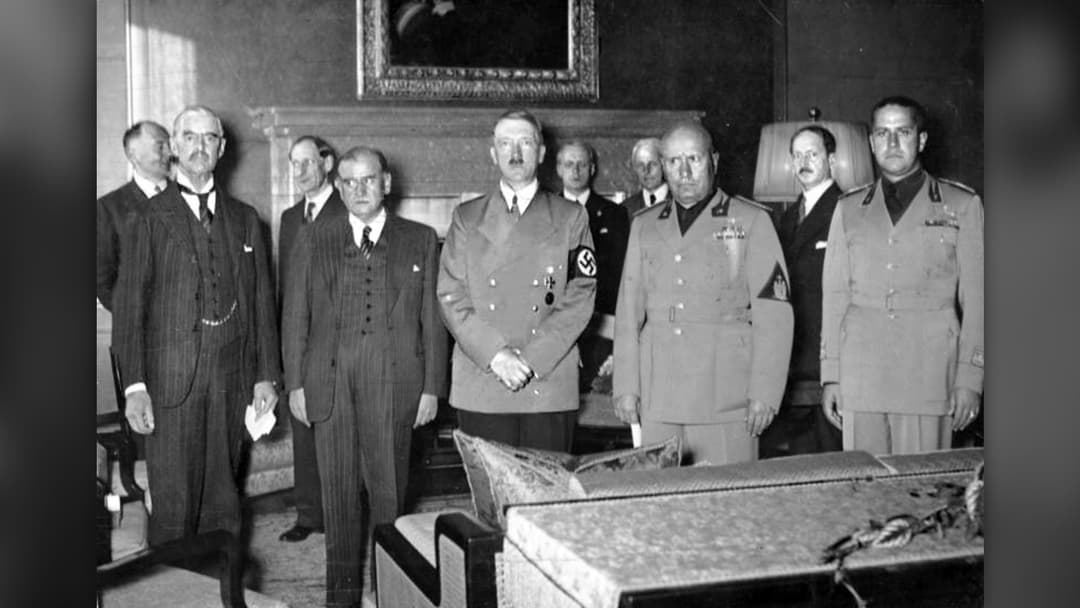
17. The Munich Agreement (1938)
Leaders of Britain, France, Germany, and Italy ceded Czechoslovakia's Sudetenland to Nazi Germany in an effort to avert continental war. Within a year, Hitler violated the agreement by occupying the remainder of the country, triggering World War II.
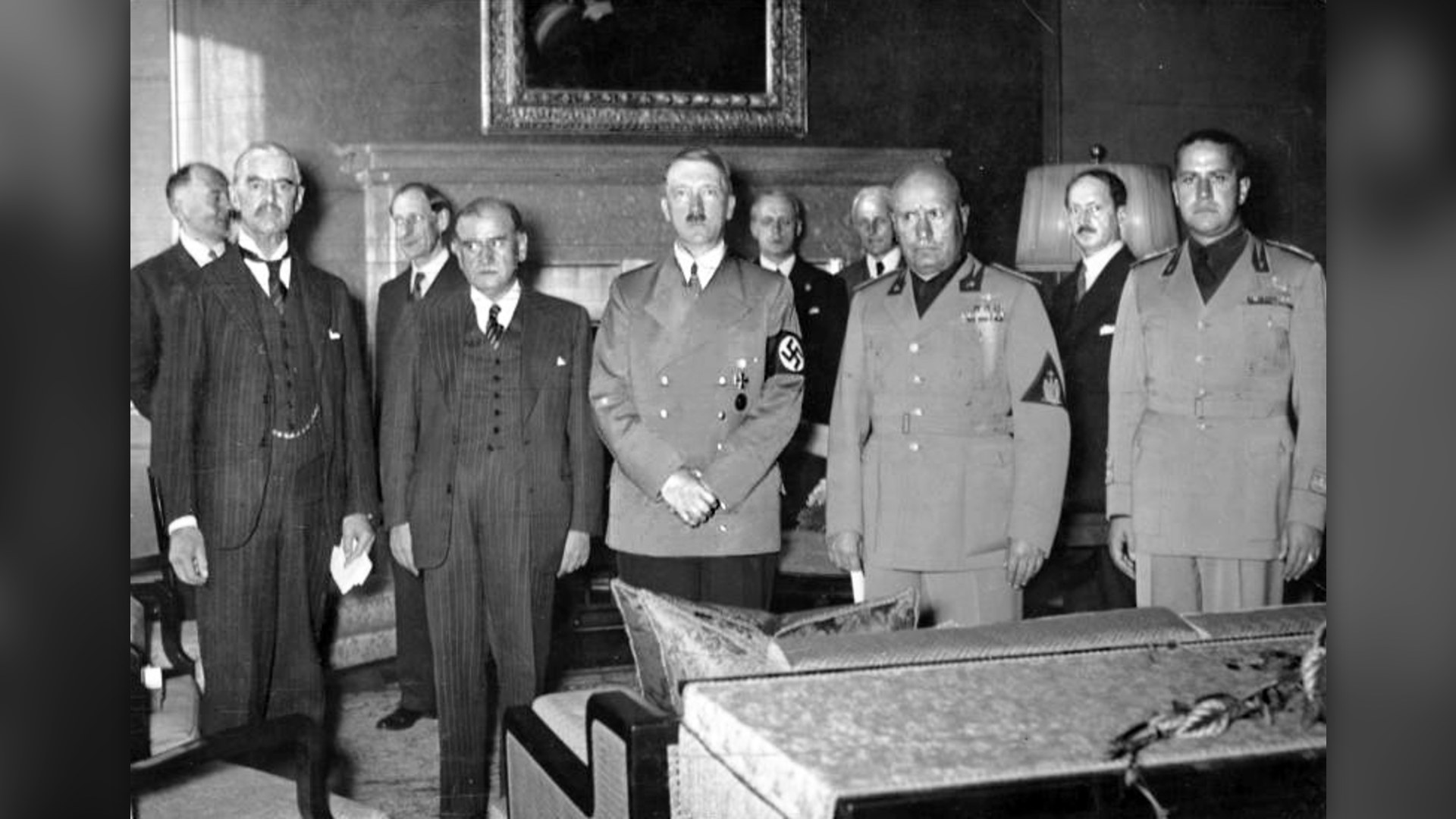
©Wikimedia / Unknown authorUnknown author
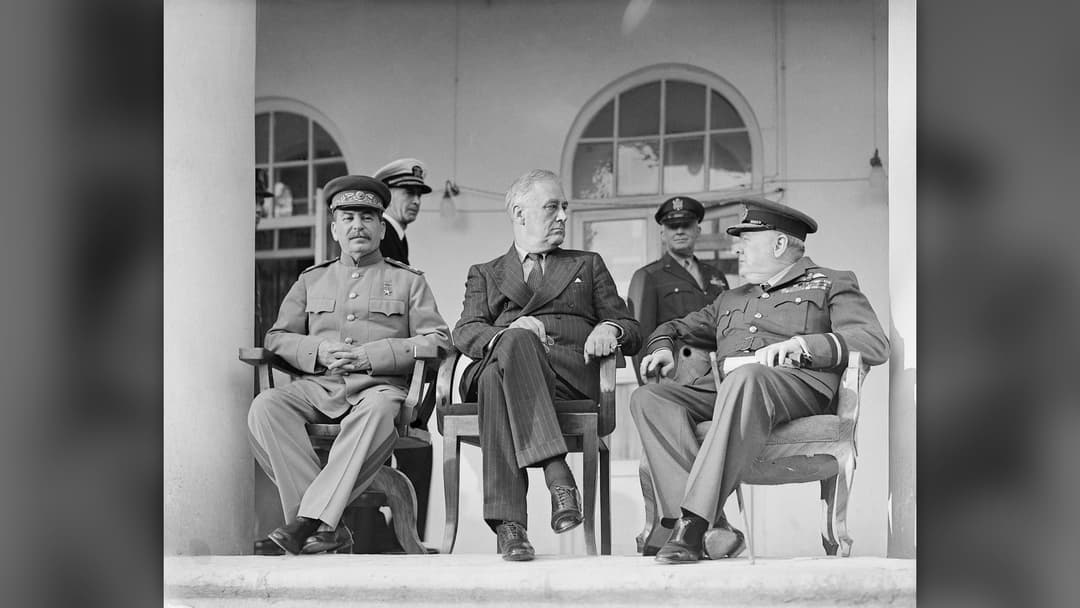
16. The Tehran Conference (1943)
The first meeting of the Big Three allied leaders took place inside the Soviet Embassy in Tehran. Stalin pressed the Western Allies for a cross-channel invasion of France, while securing Allied commitments regarding postwar European boundaries.
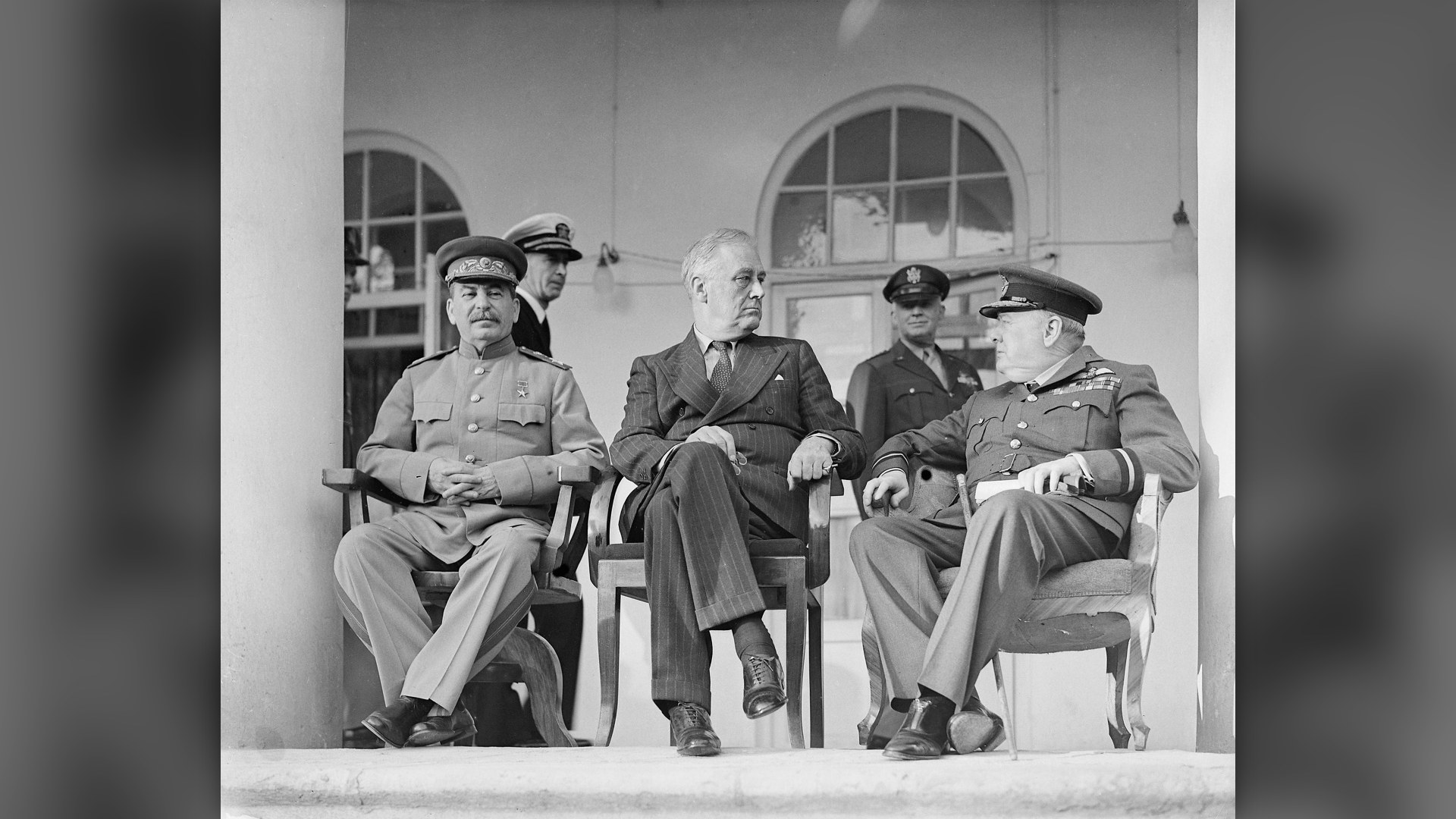
©Wikimedia / Dennis Charles Oulds
15. The Washington INF Treaty Summit (1987)
The Washington Summit produced the Intermediate-Range Nuclear Forces Treaty, requiring both nations to destroy nearly 2,700 ground-launched missiles. It featured unprecedented mutual on-site inspections, cementing personal rapport between the two leaders.
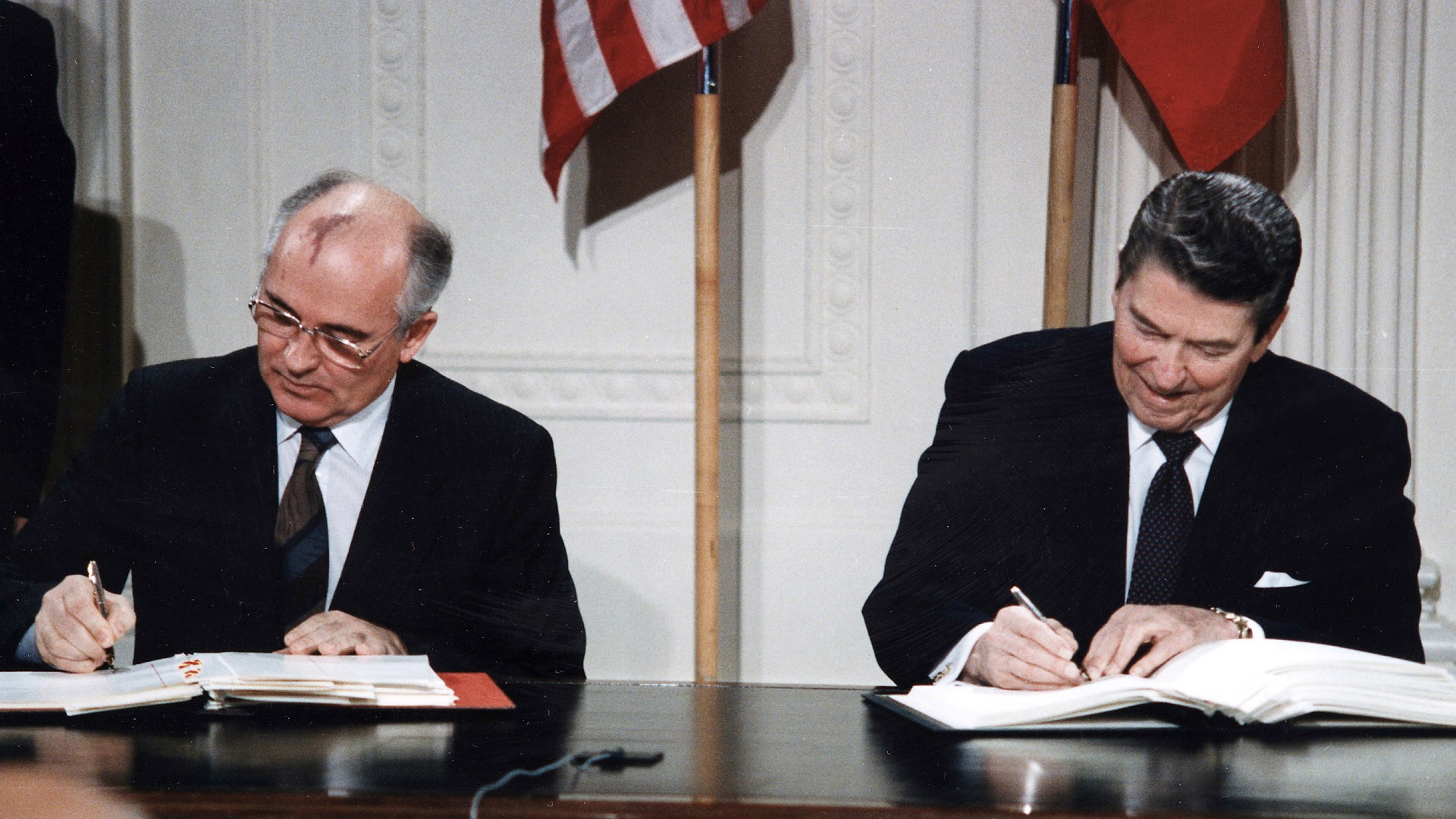
©Wikimedia / White House Photographic Office
Advertisement
Swipe or tap ▶ to resume the countdown.
14. The Glassboro Summit (1967)
Following the Six-Day War, Soviet Premier Kosygin attended the UN and agreed to meet President Johnson midway between New York and Washington at Glassboro State College. The cordial dialogue helped prevent escalation and laid ground for future arms talks.
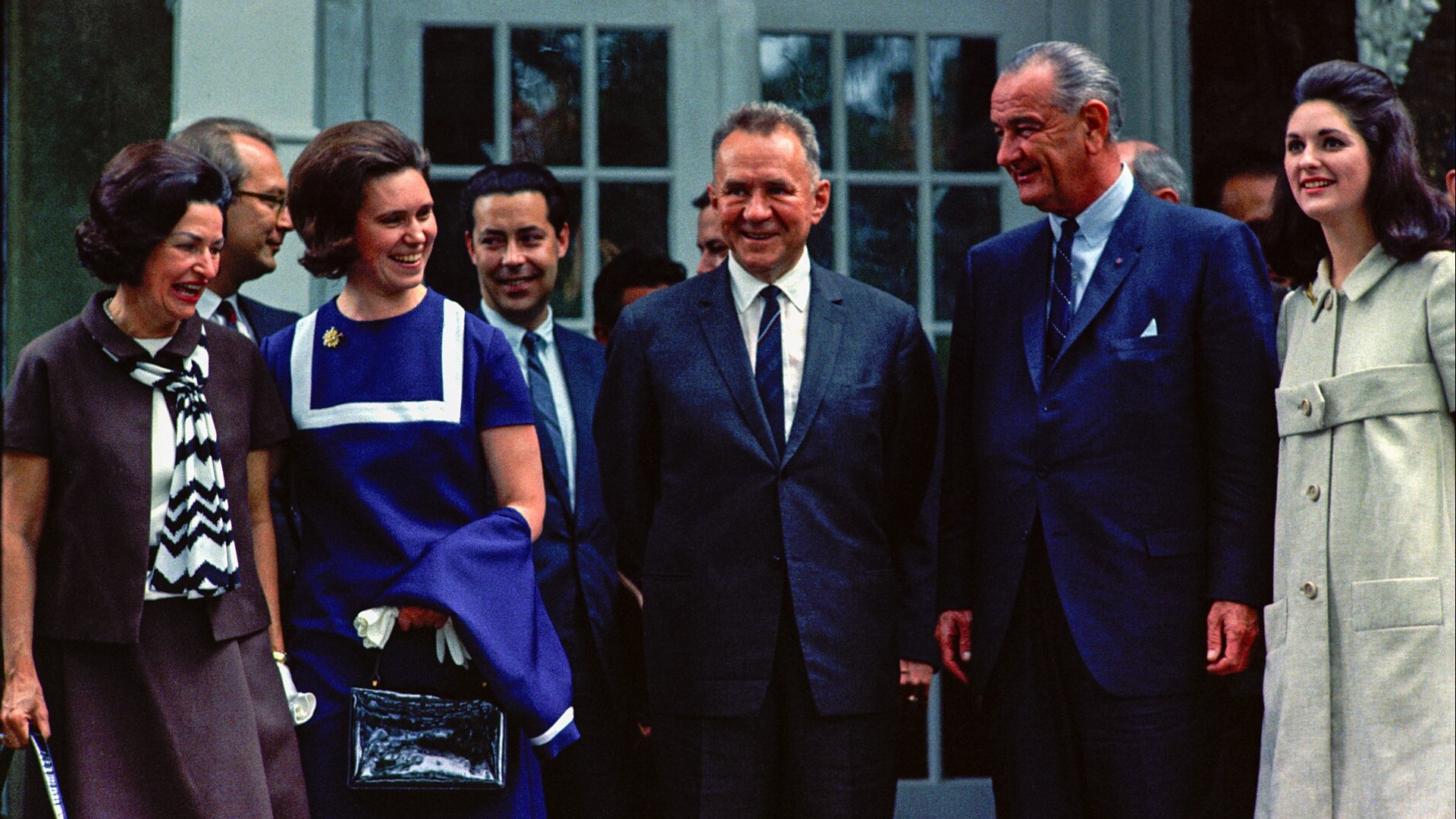
©Wikimedia / Kevin Smith
13. Queen Elizabeth II And Martin McGuinness (2012)
During her Diamond Jubilee tour of Northern Ireland, Queen Elizabeth II met and shook hands with Martin McGuinness, Northern Ireland's Deputy First Minister and former IRA commander. The public gesture was hailed globally as an extraordinary act of reconciliation.
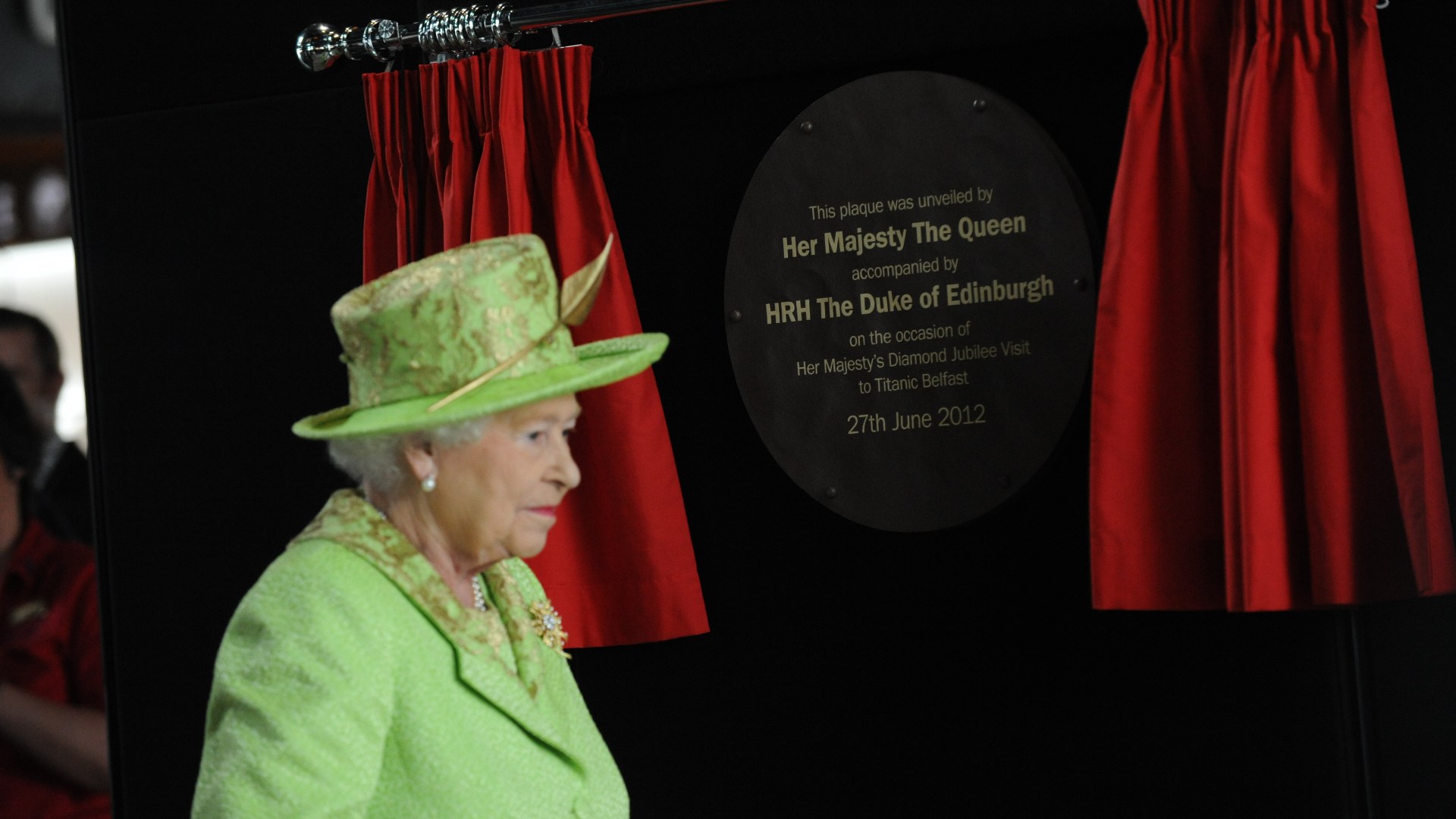
©Wikimedia / Titanic Belfast
12. The Franco-German Reconciliation (1984)
Standing before the Douaumont ossuary where hundreds of thousands died during World War I, French President Mitterrand and West German Chancellor Kohl spontaneously grasped hands. The silent moment symbolized lasting postwar friendship and European integration.
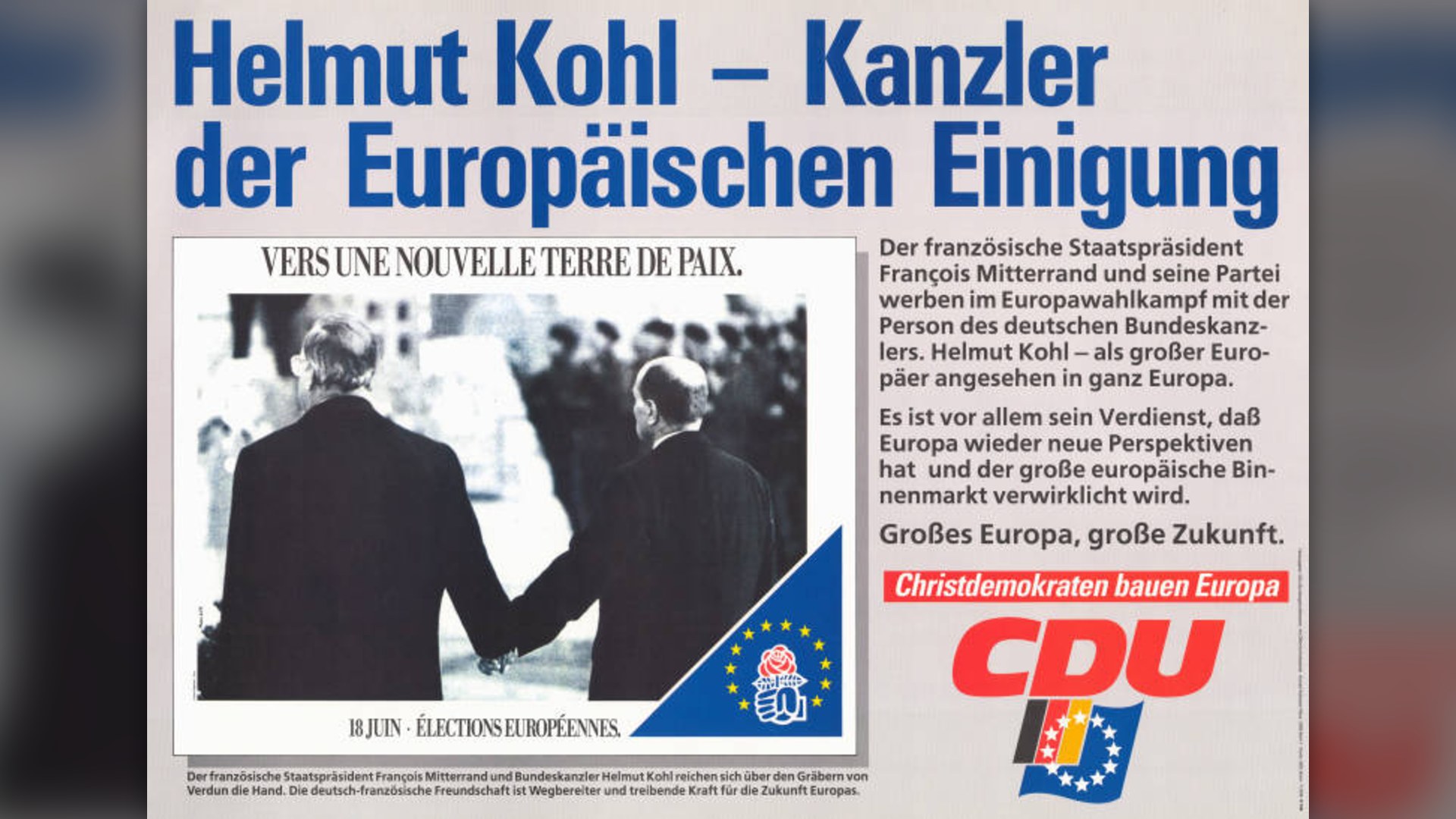
©Wikimedia / CDU
11. The Camp David Summit With Clinton, Barak, And Arafat (2000)
At the presidential retreat in Maryland, Israeli Prime Minister Ehud Barak and PLO Chairman Yasser Arafat tackled core status issues including Jerusalem borders and refugees. Although the summit concluded without an accord, it defined the boundaries of modern negotiations.
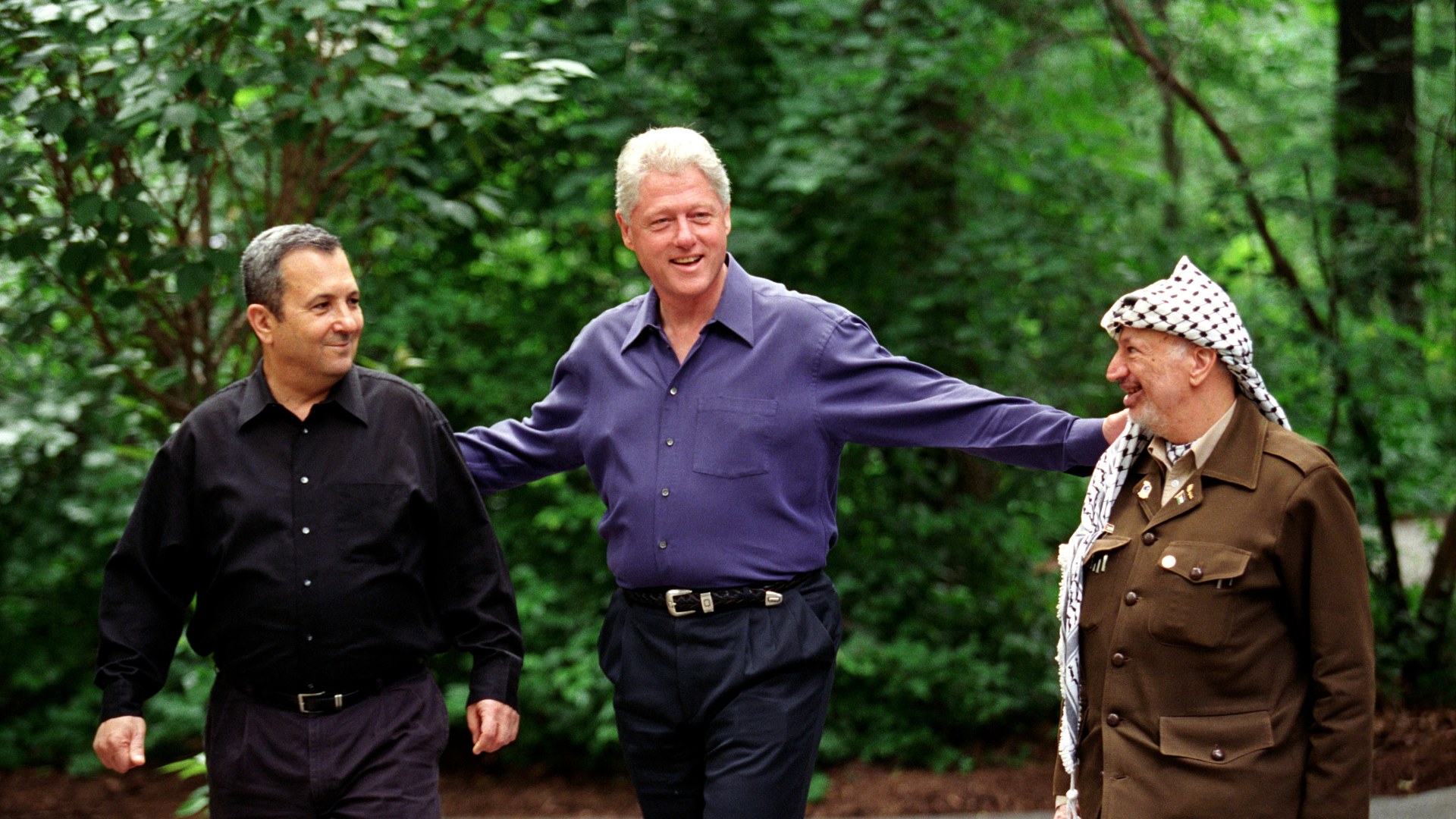
©Wikimedia / President (1993-2001 : Clinton).
Advertisement
Swipe or tap ▶ to resume the countdown.
10. The Potsdam Conference (1945)
Gathering at Cecilienhof Palace outside Berlin, the victorious Allies issued the Potsdam Declaration demanding Japan's unconditional surrender. During the conference, Truman subtly informed Stalin of America's successful atomic weapon test.
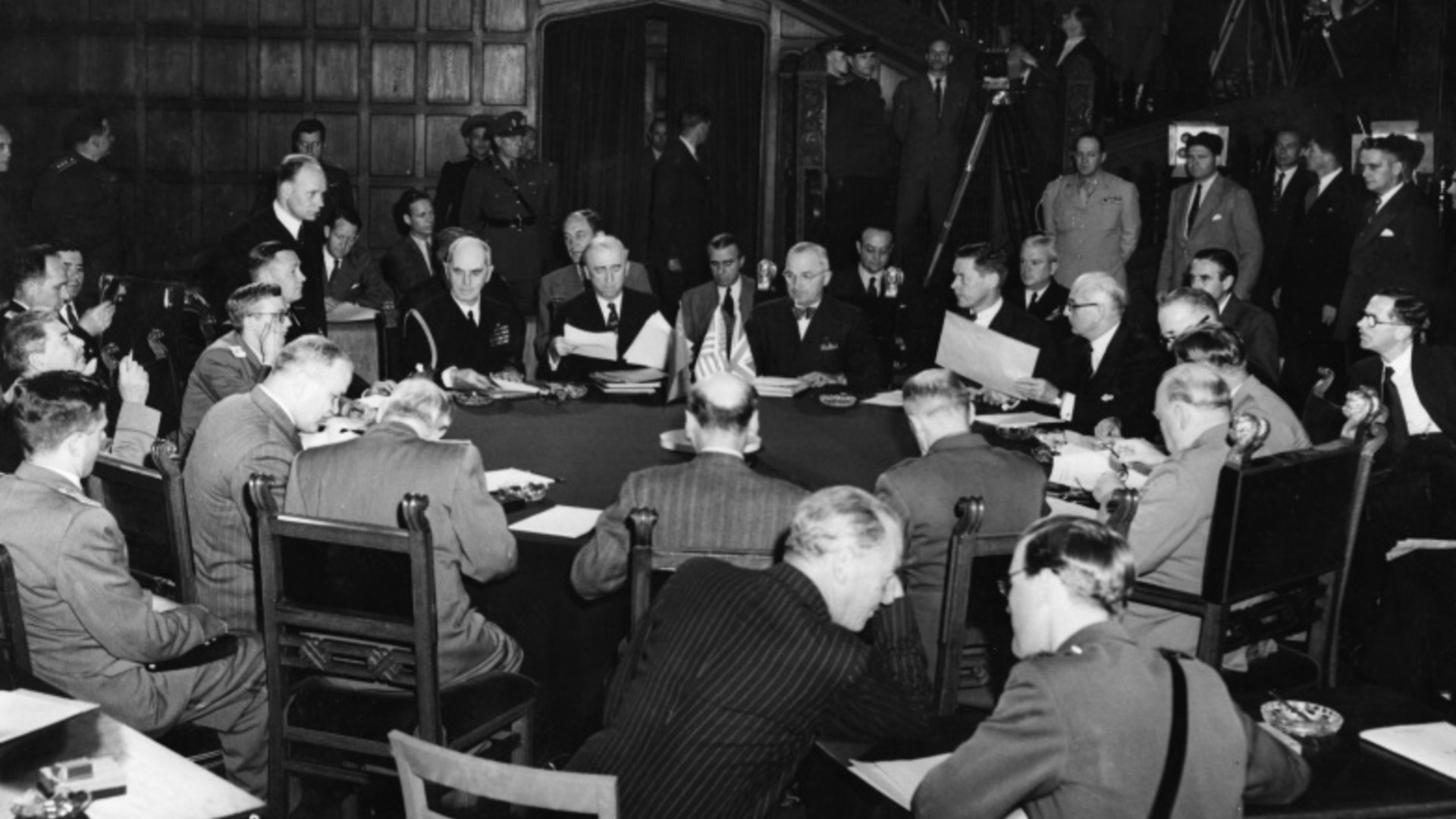
©Wikimedia / Unknown authorUnknown author
9. The Singapore Summit (2018)
Meeting at the Capella Hotel in Singapore, the two leaders exchanged a historic handshake before cameras. They signed a joint statement committing to new bilateral relations and the complete denuclearization of the Korean Peninsula, breaking decades of diplomatic isolation.
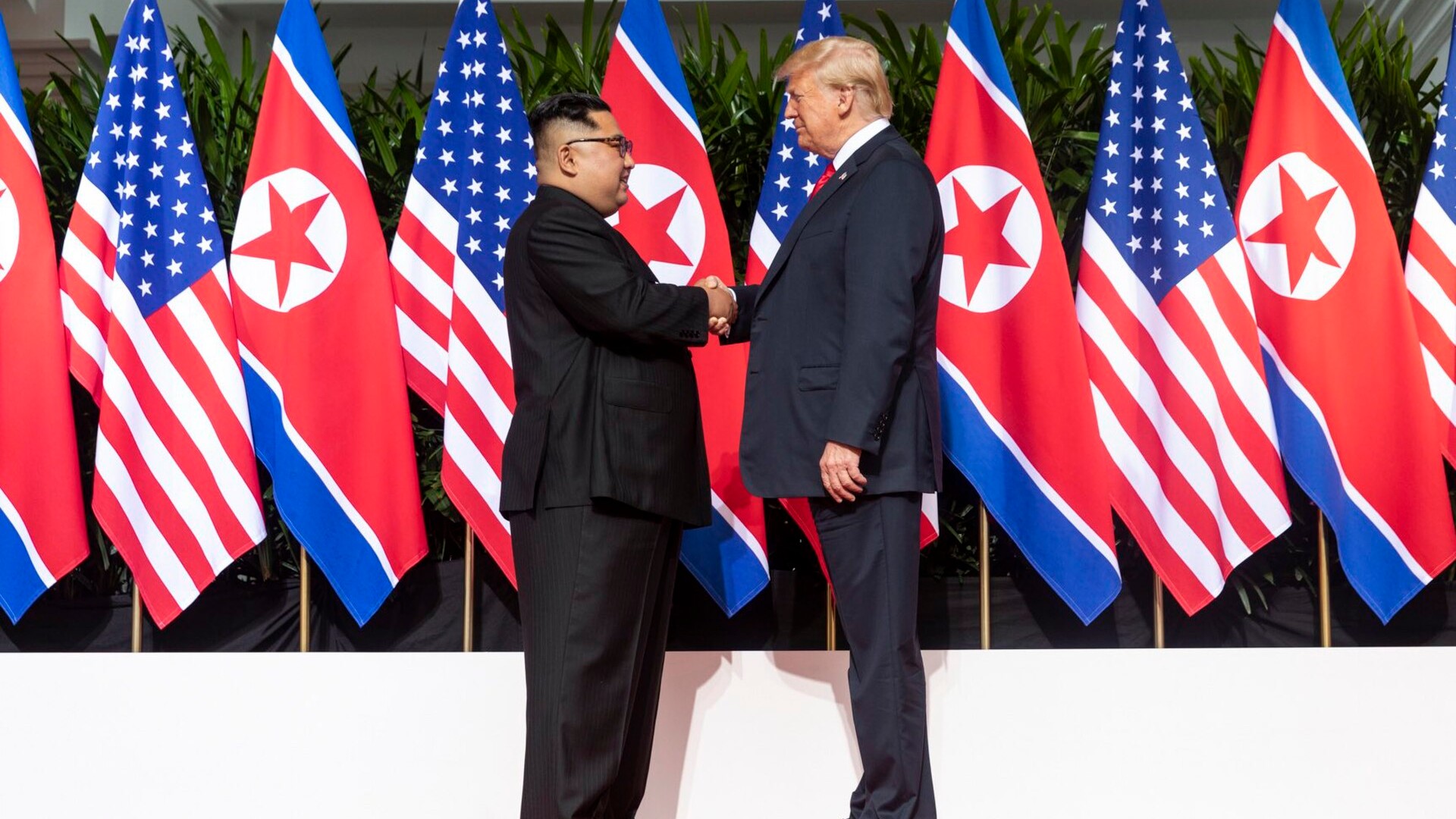
©Wikimedia / Shealeah Craighead
8. Nelson Mandela And F.W. De Klerk (1993)
President F.W. de Klerk and ANC leader Nelson Mandela navigated intense violence and skepticism to draft an interim constitution guaranteeing universal voting rights. Their partnership earned them the 1993 Nobel Peace Prize and led to peaceful democratic elections in 1994.
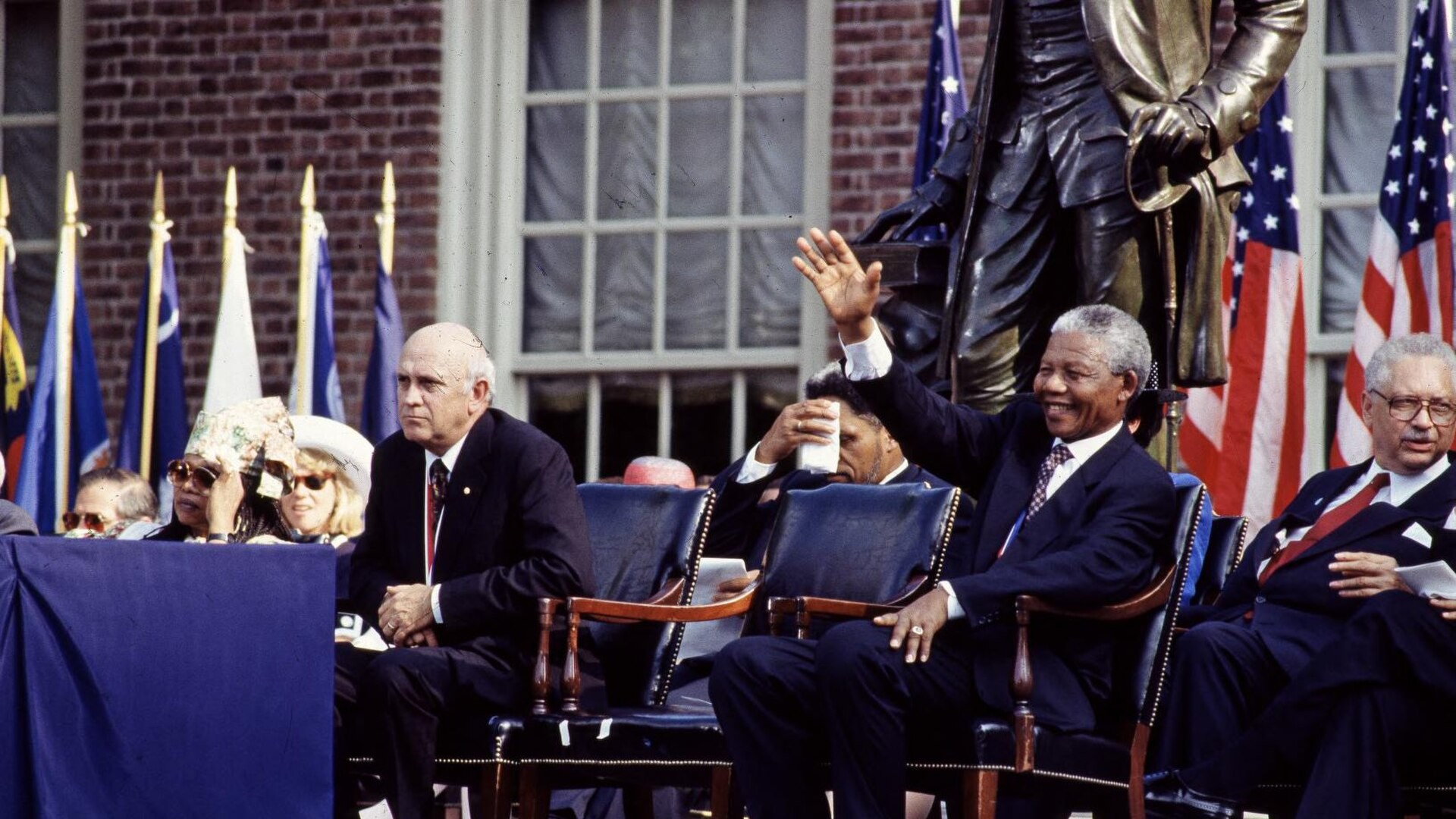
©Wikimedia / Carol M. Highsmith
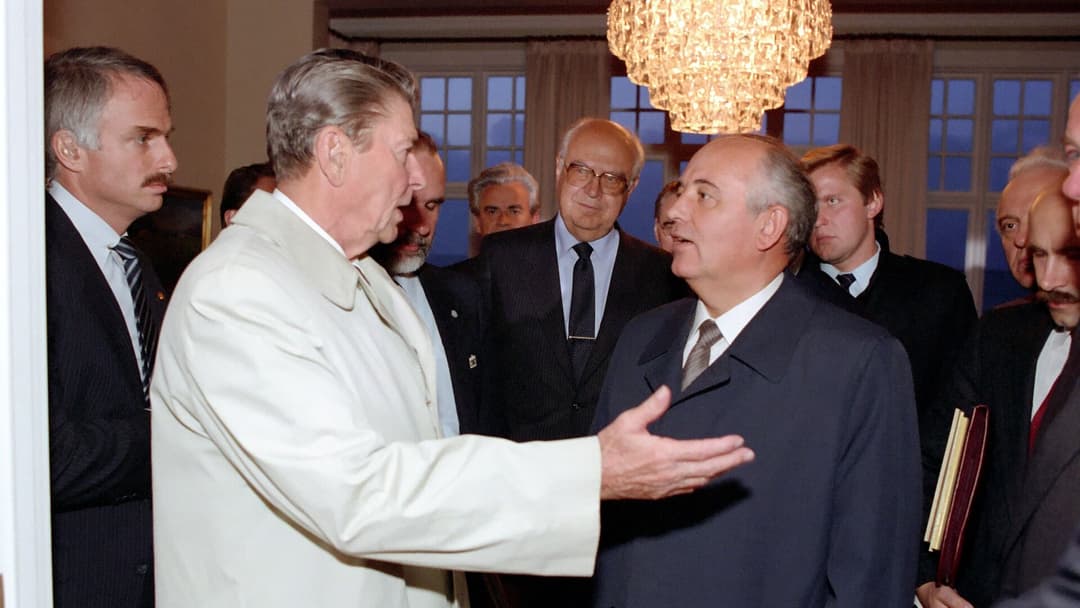
7. The Reykjavik Summit (1986)
Meeting in the coastal Icelandic villa of Hofdi House, discussions moved so fast that both leaders contemplated abolishing all offensive ballistic missiles. The summit collapsed over Reagan's Strategic Defense Initiative, yet it laid the foundation for the INF Treaty.
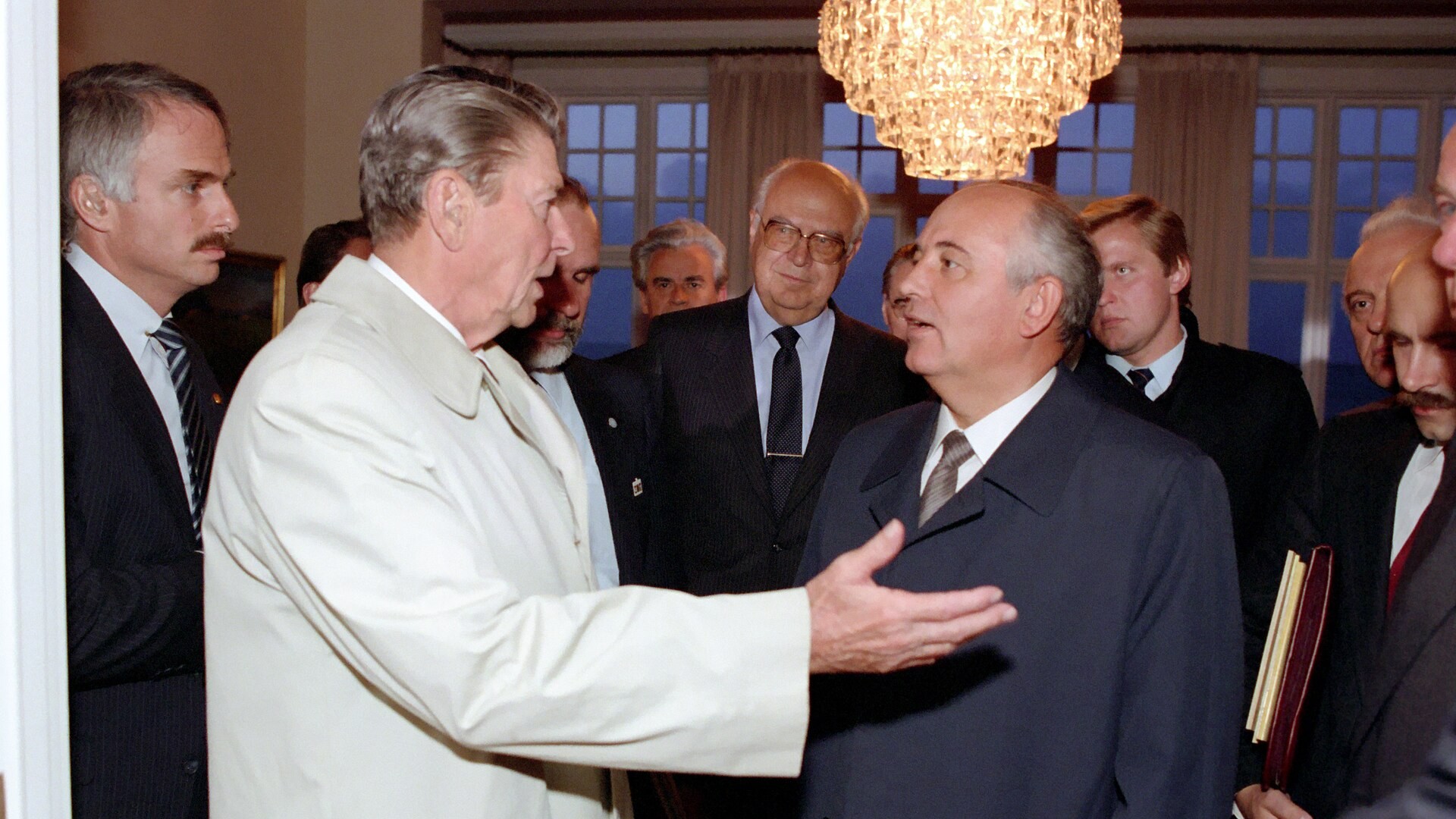
©Wikimedia / President (1981-1989 : Reagan). White House
Advertisement
Swipe or tap ▶ to resume the countdown.
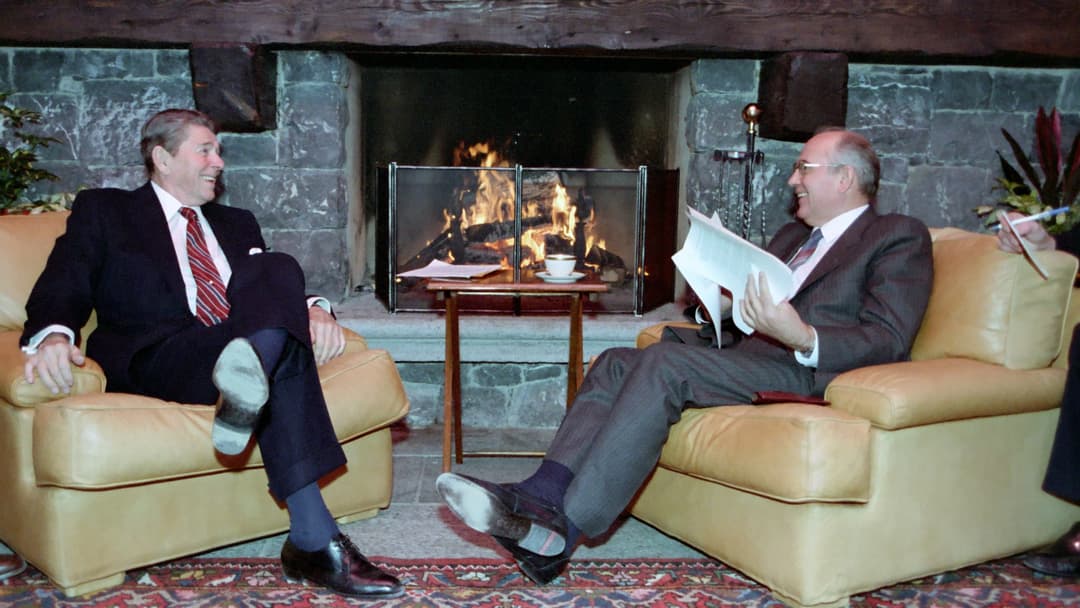
6. The Geneva Fireside Summit (1985)
At the Chateau de Fleur d'Eau, Ronald Reagan and newly appointed Soviet leader Mikhail Gorbachev stepped away from formal delegations. Their fireside chat led to the historic joint declaration that a nuclear war cannot be won and must never be fought.
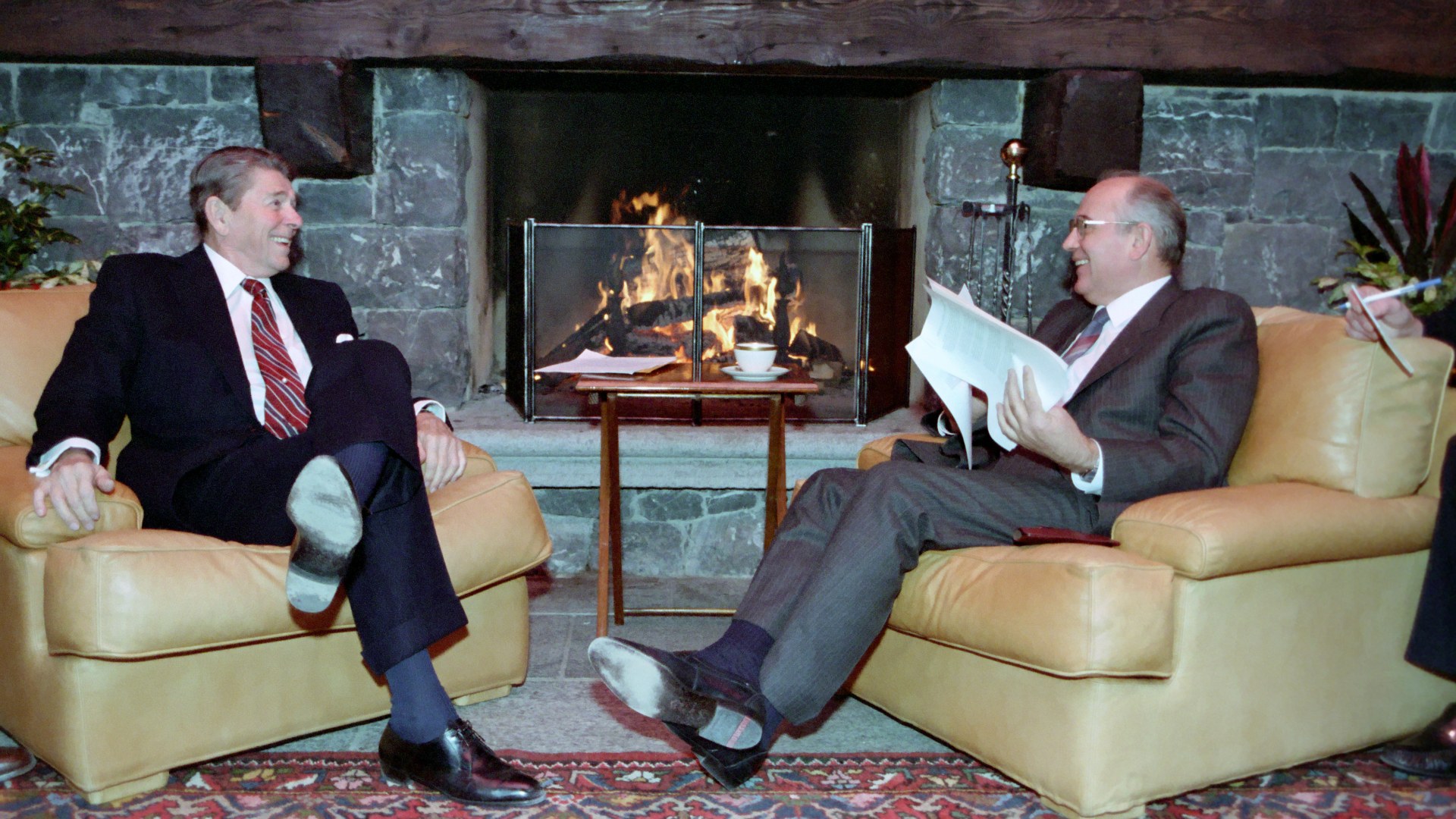
©Wikimedia / President (1981-1989 : Reagan).
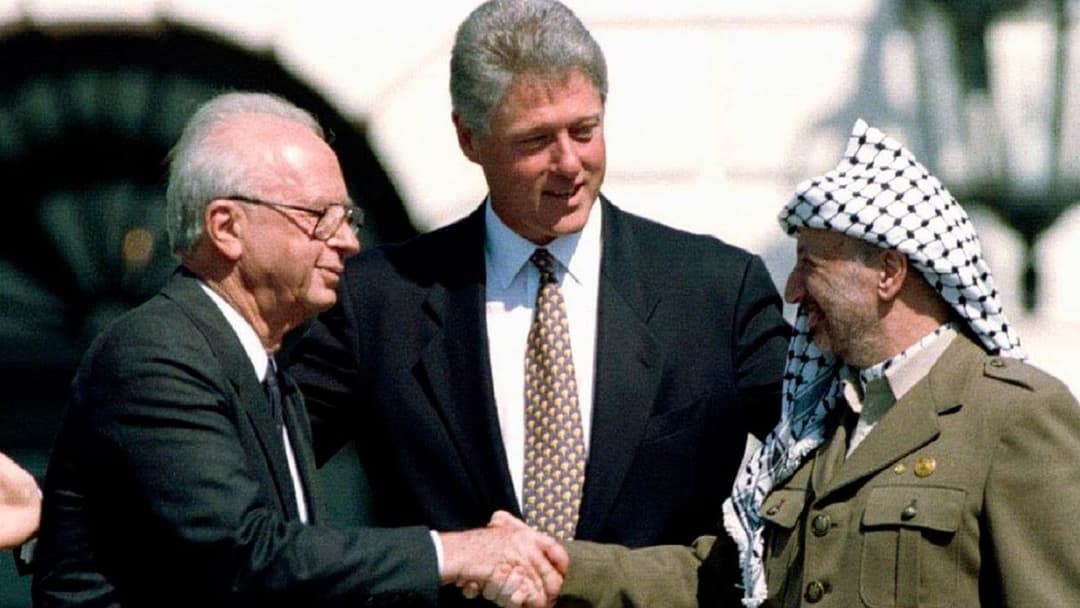
5. The Oslo Accords South Lawn Handshake (1993)
After months of secret back-channel negotiations in Norway, Israel and the PLO recognized each other's legitimacy. On the South Lawn, Prime Minister Rabin and Chairman Arafat shook hands, establishing the framework for Palestinian self-government.
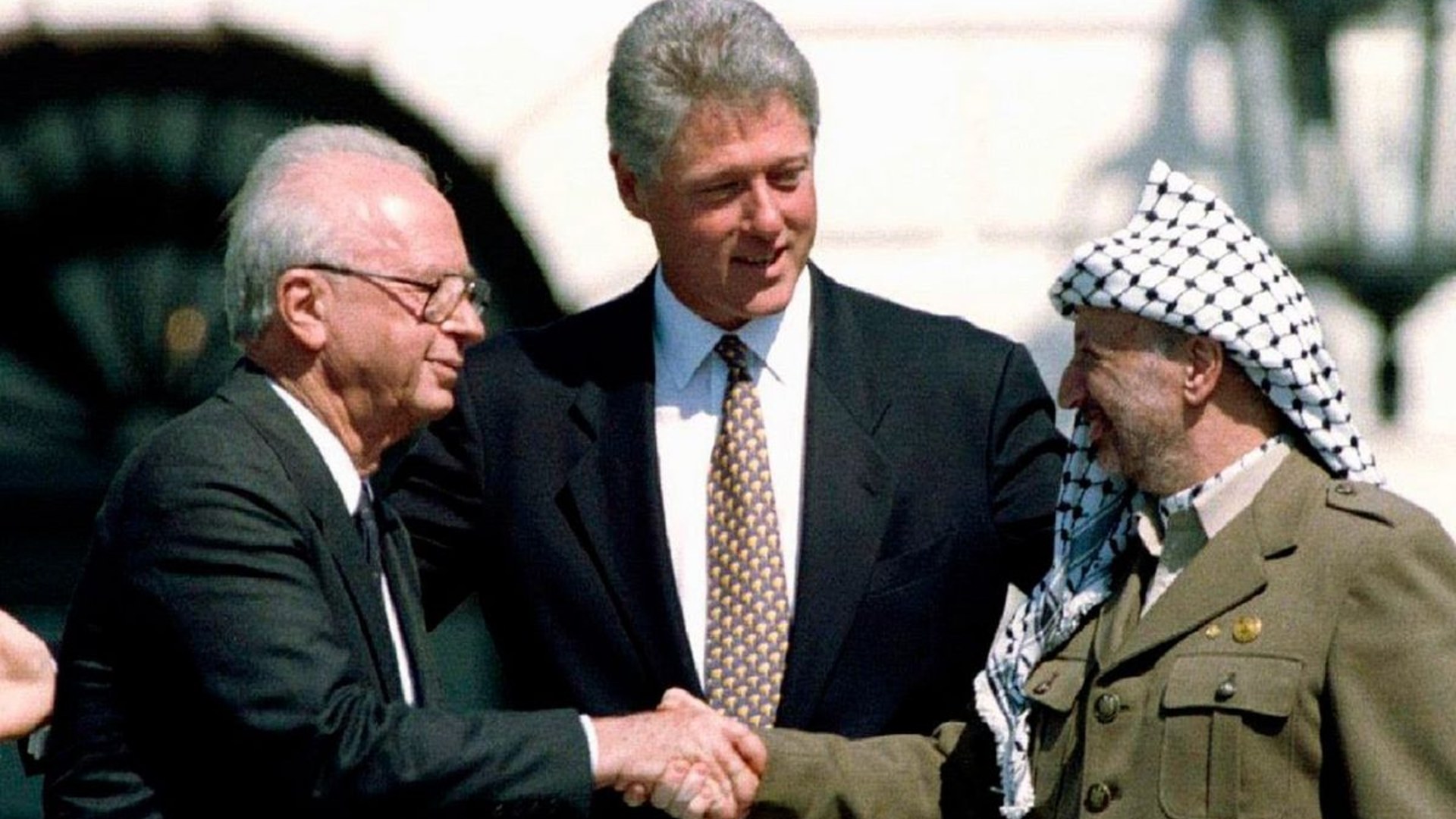
©Wikimedia / Vince Musi
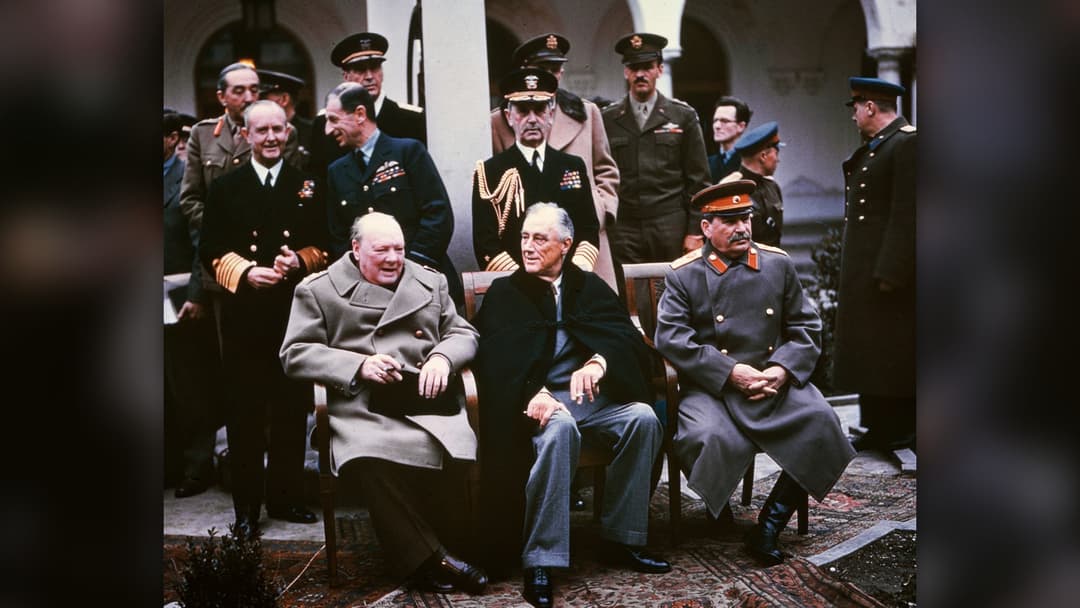
4. The Yalta Conference (1945)
Franklin Roosevelt, Winston Churchill, and Joseph Stalin met at Livadia Palace to plan the final defeat of Nazi Germany. They agreed to divide Germany into occupation zones, established voting procedures for the new United Nations, and secured Soviet entry into the Pacific War.
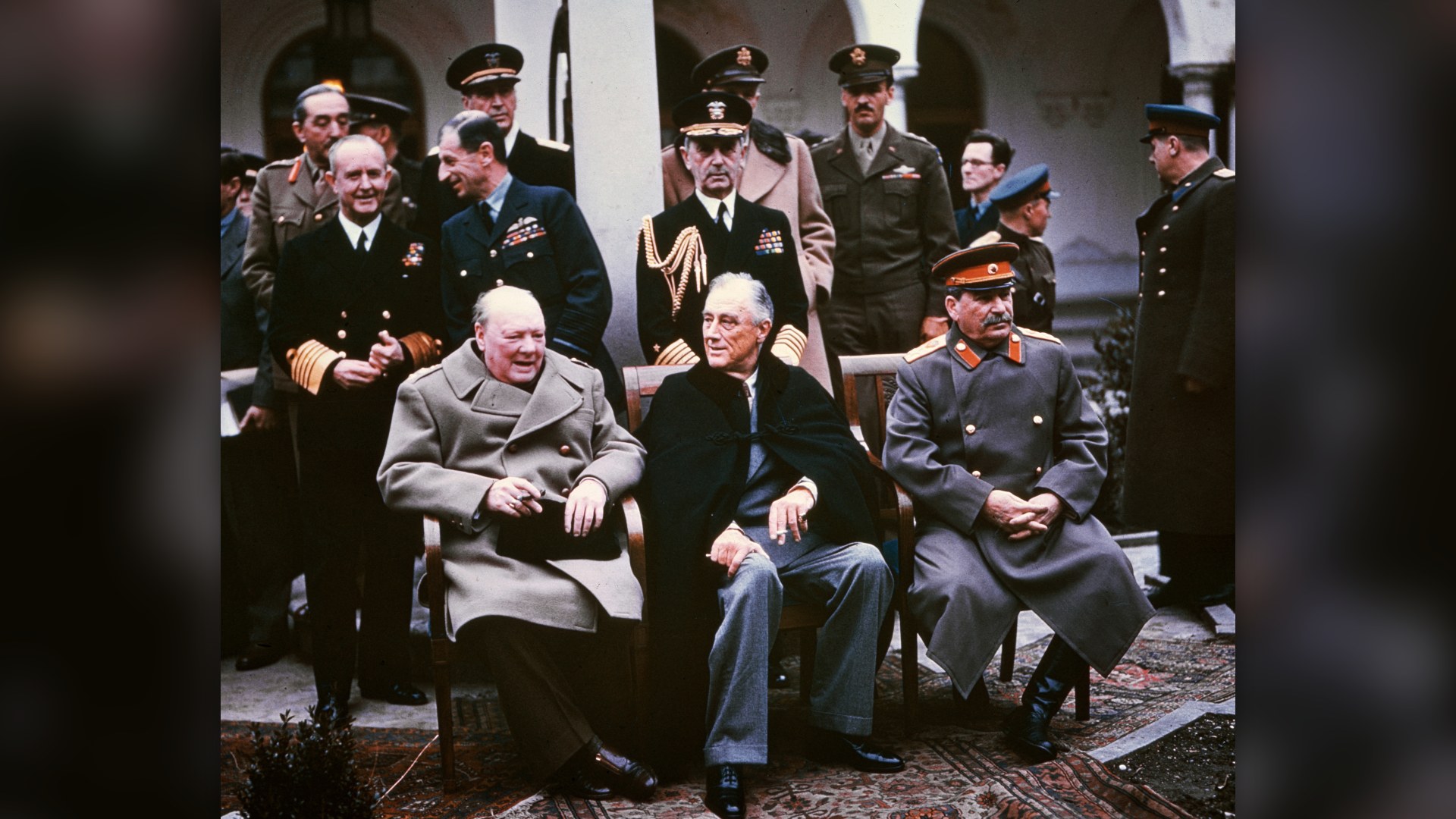
©Wikimedia / from the Army Signal Corps Collection
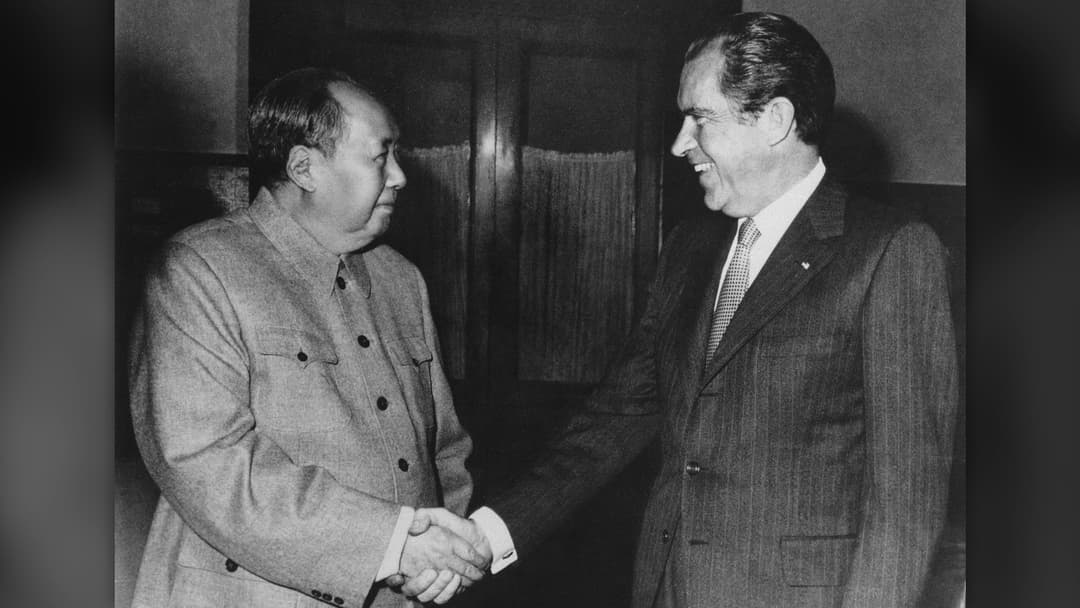
3. Richard Nixon And Mao Zedong In Beijing (1972)
Arriving in Beijing, Richard Nixon extended his hand to Premier Zhou Enlai and met Chairman Mao Zedong in his study. The resulting Shanghai Communique established normalized relations, fundamentally altering Cold War balance of power between Moscow and Beijing.
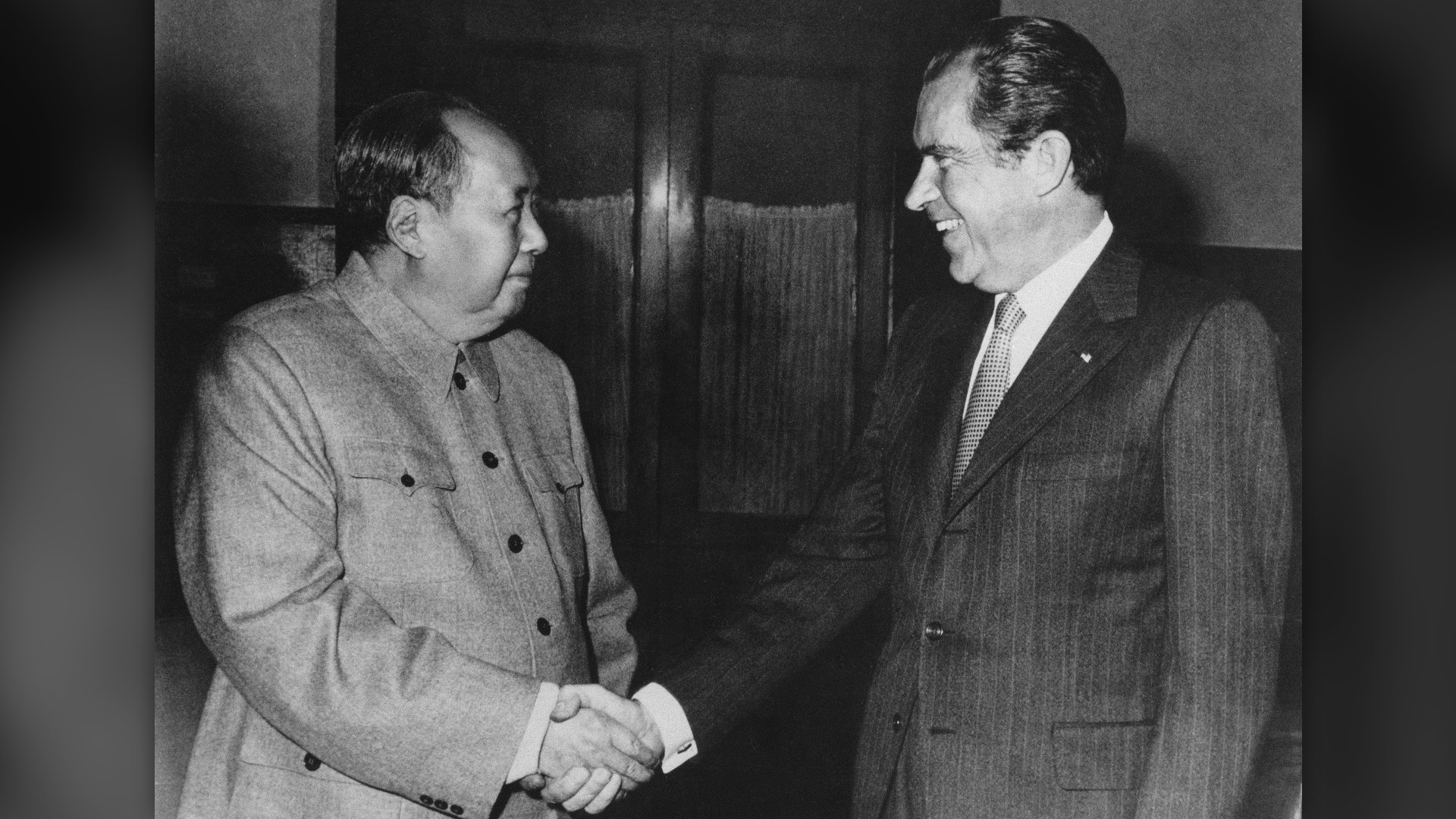
©Wikimedia / Series: Nixon White House Photographs,
Advertisement
Swipe or tap ▶ to resume the countdown.
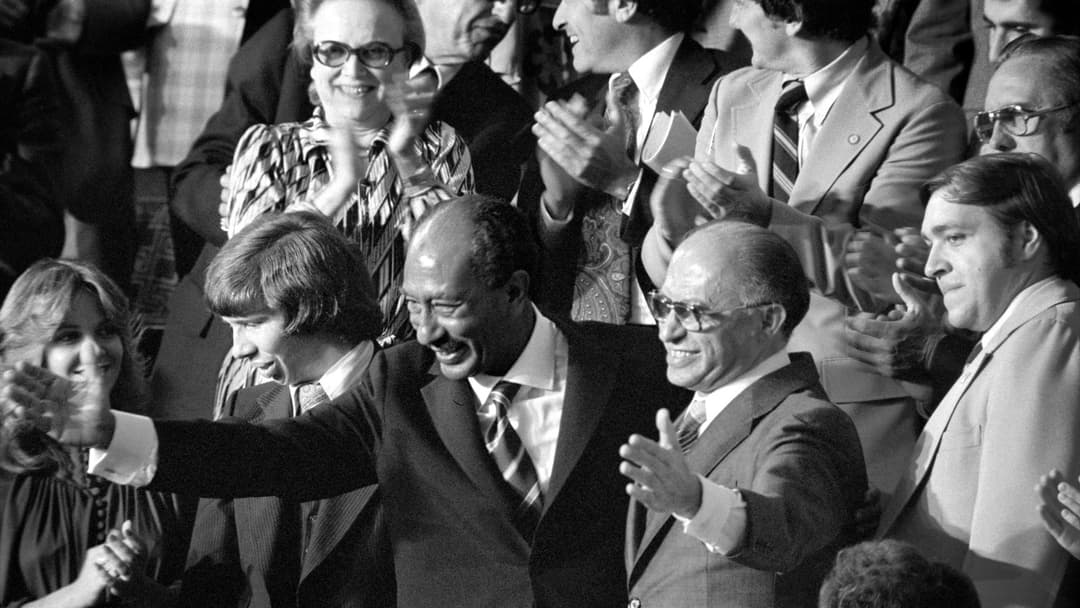
2. The Camp David Accords (1978)
Thirteen days of sequestered diplomacy at Camp David yielded the first peace treaty between Israel and an Arab nation. Egypt recognized Israeli sovereignty in exchange for the return of the Sinai Peninsula, establishing decades of regional stability.
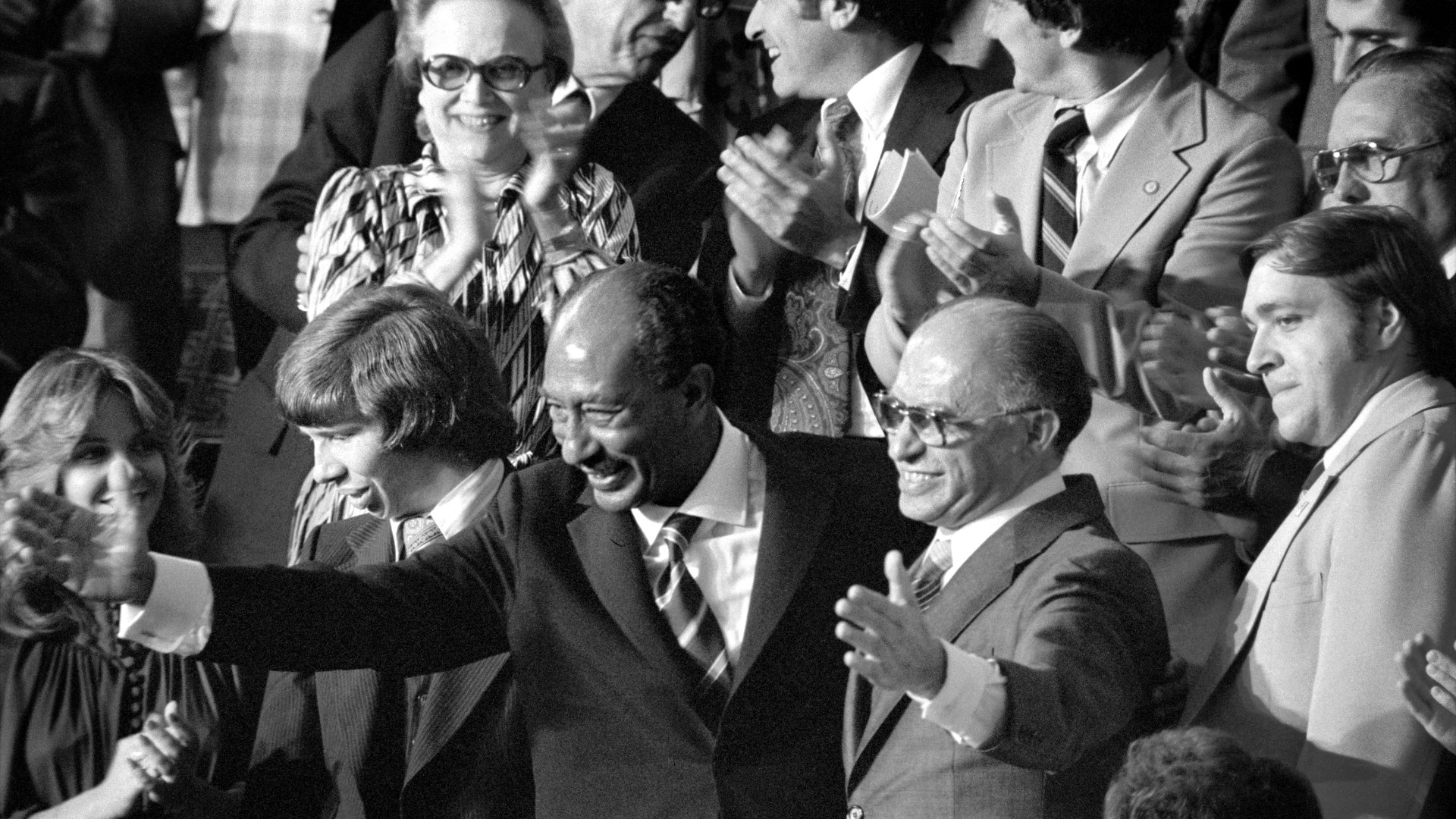
©Wikimedia / Leffler, Warren K., photographer.
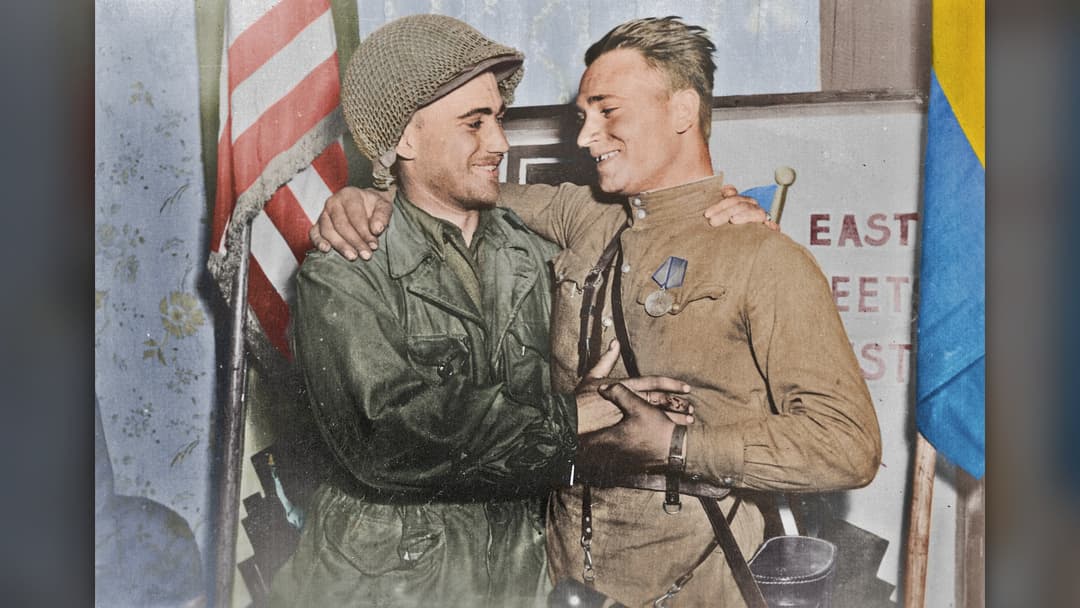
1. The Elbe River Handshake (1945)
On April 25, 1945, patrol units led by US Lieutenant William Robertson and Soviet Lieutenant Alexander Silvashko met on a destroyed bridge over the Elbe River in Germany. Their celebrated handshake confirmed Allied armies had cleaved Germany in two, signaling the end of World War II in Europe.
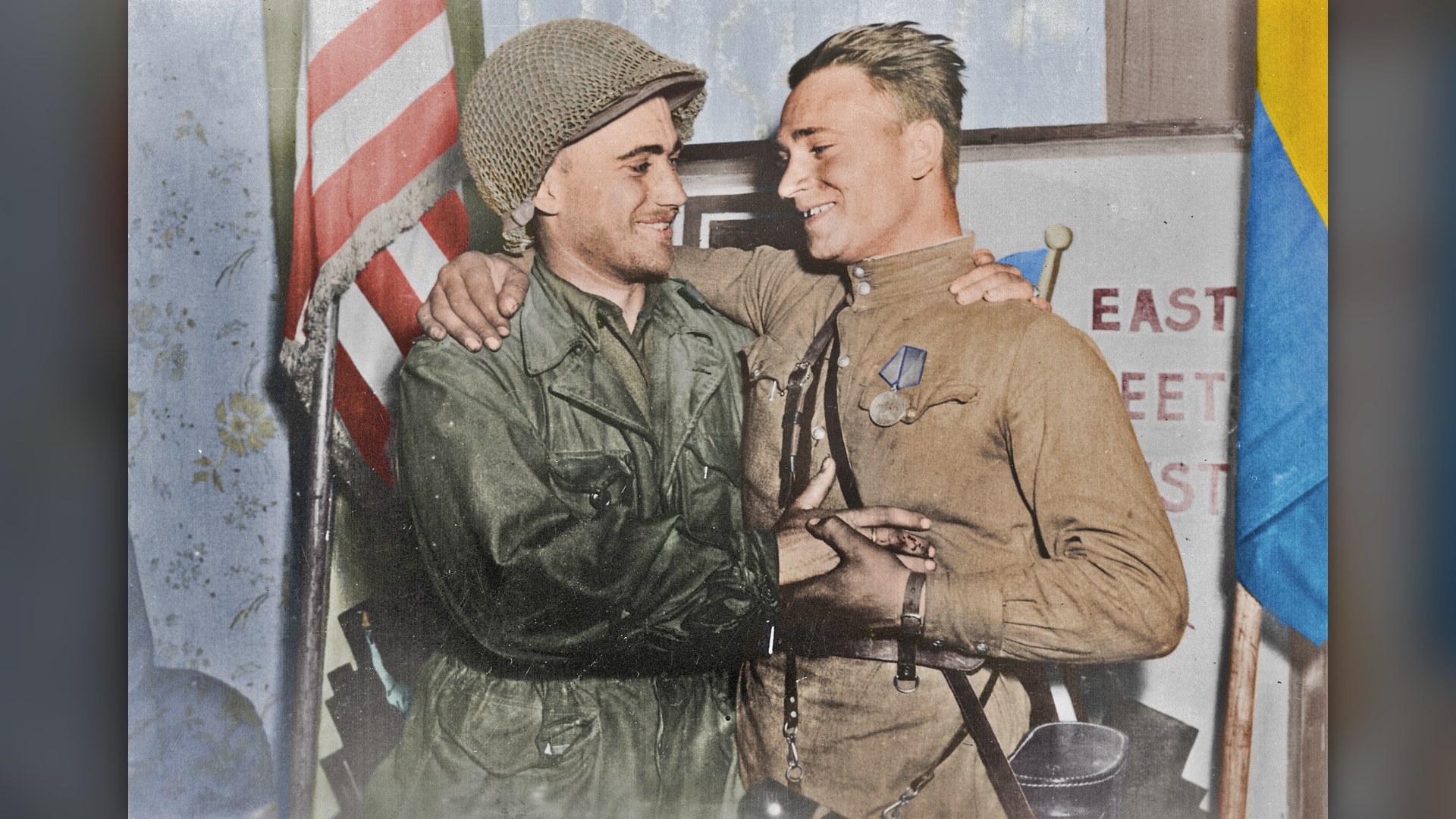
©Wikimedia / Cassowary Colorizations
Advertisement
You've reached the end of the story. Thanks for reading!

20 Traditions and Rules of Religious Life for Nuns and Priests
American Catholic priests and consecrated sisters navigate a dual existence shaped by ancient canon law and strict American civil standards. Across twenty distinct statutes, clergy manage lifelong vows of poverty and celibacy alongside mandatory background checks, digital boundaries, and complete financial audits.
All 25 Entries in this Story
25. The Portsmouth Peace Treaty (1905)
Meeting at the Portsmouth Naval Shipyard, Russian envoy Sergei Witte and Japanese diplomat Jutaro Komura ended the Russo-Japanese War. President Theodore Roosevelt hosted the talks, marking America's emergence as a premier global diplomatic mediator.

24. The Helsinki Accords (1975)
The 35-nation conference in Finland produced a breakthrough in Cold War detente. While Moscow secured recognition of Soviet bloc frontiers, the agreement's human rights clauses energized dissident groups across Eastern Europe for the next two decades.

23. The Dayton Accords (1995)
Brokered by American diplomat Richard Holbrooke at Wright-Patterson Air Force Base, the leaders of Bosnia, Croatia, and Serbia agreed to halt fighting. The resulting compromise established a unified Bosnian state governed by a rotating multi-ethnic presidency.

22. The Vienna Summit (1961)
The young American president faced an unyielding Soviet premier who threatened a separate peace treaty with East Germany. The tense standoff shook Kennedy, who warned the nation of potential conflict weeks before the construction of the Berlin Wall.

21. The Sino-British Joint Declaration (1984)
Following negotiations in Beijing, Britain agreed to restore Hong Kong to Chinese sovereignty under the One Country, Two Systems framework. The agreement guaranteed Hong Kong's economic and legal autonomy for 50 years after the 1997 transfer.

20. The Good Friday Agreement Plenary (1998)
Negotiated over intense marathon sessions in Belfast, the agreement created a power-sharing Northern Ireland Assembly and demilitarized paramilitary groups. It brought an end to thirty years of conflict known as The Troubles.

19. The Geneva Summit (1955)
Leaders of the United States, Britain, France, and the Soviet Union gathered for their first postwar summit since 1945. Although Moscow rejected Eisenhower's mutual aerial inspection concept, the dialogue inaugurated a new era of diplomatic communication.

18. The Strategic Arms Limitation Talks / SALT I (1972)
Marking the high point of Cold War detente, Nixon became the first US president to visit Moscow. The resulting treaties capped strategic missile arsenals and limited missile defense sites, establishing nuclear parity between both superpowers.

17. The Munich Agreement (1938)
Leaders of Britain, France, Germany, and Italy ceded Czechoslovakia's Sudetenland to Nazi Germany in an effort to avert continental war. Within a year, Hitler violated the agreement by occupying the remainder of the country, triggering World War II.

16. The Tehran Conference (1943)
The first meeting of the Big Three allied leaders took place inside the Soviet Embassy in Tehran. Stalin pressed the Western Allies for a cross-channel invasion of France, while securing Allied commitments regarding postwar European boundaries.

15. The Washington INF Treaty Summit (1987)
The Washington Summit produced the Intermediate-Range Nuclear Forces Treaty, requiring both nations to destroy nearly 2,700 ground-launched missiles. It featured unprecedented mutual on-site inspections, cementing personal rapport between the two leaders.

14. The Glassboro Summit (1967)
Following the Six-Day War, Soviet Premier Kosygin attended the UN and agreed to meet President Johnson midway between New York and Washington at Glassboro State College. The cordial dialogue helped prevent escalation and laid ground for future arms talks.

13. Queen Elizabeth II And Martin McGuinness (2012)
During her Diamond Jubilee tour of Northern Ireland, Queen Elizabeth II met and shook hands with Martin McGuinness, Northern Ireland's Deputy First Minister and former IRA commander. The public gesture was hailed globally as an extraordinary act of reconciliation.

12. The Franco-German Reconciliation (1984)
Standing before the Douaumont ossuary where hundreds of thousands died during World War I, French President Mitterrand and West German Chancellor Kohl spontaneously grasped hands. The silent moment symbolized lasting postwar friendship and European integration.

11. The Camp David Summit With Clinton, Barak, And Arafat (2000)
At the presidential retreat in Maryland, Israeli Prime Minister Ehud Barak and PLO Chairman Yasser Arafat tackled core status issues including Jerusalem borders and refugees. Although the summit concluded without an accord, it defined the boundaries of modern negotiations.

10. The Potsdam Conference (1945)
Gathering at Cecilienhof Palace outside Berlin, the victorious Allies issued the Potsdam Declaration demanding Japan's unconditional surrender. During the conference, Truman subtly informed Stalin of America's successful atomic weapon test.

9. The Singapore Summit (2018)
Meeting at the Capella Hotel in Singapore, the two leaders exchanged a historic handshake before cameras. They signed a joint statement committing to new bilateral relations and the complete denuclearization of the Korean Peninsula, breaking decades of diplomatic isolation.

8. Nelson Mandela And F.W. De Klerk (1993)
President F.W. de Klerk and ANC leader Nelson Mandela navigated intense violence and skepticism to draft an interim constitution guaranteeing universal voting rights. Their partnership earned them the 1993 Nobel Peace Prize and led to peaceful democratic elections in 1994.

7. The Reykjavik Summit (1986)
Meeting in the coastal Icelandic villa of Hofdi House, discussions moved so fast that both leaders contemplated abolishing all offensive ballistic missiles. The summit collapsed over Reagan's Strategic Defense Initiative, yet it laid the foundation for the INF Treaty.

6. The Geneva Fireside Summit (1985)
At the Chateau de Fleur d'Eau, Ronald Reagan and newly appointed Soviet leader Mikhail Gorbachev stepped away from formal delegations. Their fireside chat led to the historic joint declaration that a nuclear war cannot be won and must never be fought.

5. The Oslo Accords South Lawn Handshake (1993)
After months of secret back-channel negotiations in Norway, Israel and the PLO recognized each other's legitimacy. On the South Lawn, Prime Minister Rabin and Chairman Arafat shook hands, establishing the framework for Palestinian self-government.

4. The Yalta Conference (1945)
Franklin Roosevelt, Winston Churchill, and Joseph Stalin met at Livadia Palace to plan the final defeat of Nazi Germany. They agreed to divide Germany into occupation zones, established voting procedures for the new United Nations, and secured Soviet entry into the Pacific War.

3. Richard Nixon And Mao Zedong In Beijing (1972)
Arriving in Beijing, Richard Nixon extended his hand to Premier Zhou Enlai and met Chairman Mao Zedong in his study. The resulting Shanghai Communique established normalized relations, fundamentally altering Cold War balance of power between Moscow and Beijing.

2. The Camp David Accords (1978)
Thirteen days of sequestered diplomacy at Camp David yielded the first peace treaty between Israel and an Arab nation. Egypt recognized Israeli sovereignty in exchange for the return of the Sinai Peninsula, establishing decades of regional stability.

1. The Elbe River Handshake (1945)
On April 25, 1945, patrol units led by US Lieutenant William Robertson and Soviet Lieutenant Alexander Silvashko met on a destroyed bridge over the Elbe River in Germany. Their celebrated handshake confirmed Allied armies had cleaved Germany in two, signaling the end of World War II in Europe.