Slideshow · Travel
25 Historic Passenger Aircraft That Revolutionized Modern Flight, Ranked
From radial piston prop airliners to supersonic jet cruisers, aviation ingenuity reshaped world geography. Explore twenty-five legendary commercial planes that shrank the planet. Commercial aviation transformed transatlantic travel from weeklong steamship voyages into effortless daytime flights.
By Most Viral Today
27 min ago

Pioneering airliners that conquered vast oceans and opened global tourism 
25. Ford Trimotor (1926) 
24. Junkers Ju 52 (1931) 
23. Boeing 247 (1933) - AdvertisementSwipe or tap ▶ to continue countdown

22. Douglas DC-3 (1935) 
21. Boeing 314 Clipper (1938) 
20. Lockheed Constellation (1943) 
19. Douglas DC-6 (1946) - AdvertisementSwipe or tap ▶ to continue countdown

18. Vickers Viscount (1948) 
17. De Havilland Comet (1949) 
16. Sud Aviation Caravelle (1955) 
15. Lockheed L-188 Electra (1957) - AdvertisementSwipe or tap ▶ to continue countdown

14. Douglas DC-8 (1958) 
13. Convair 880 (1959) 
12. Boeing 727 (1963) 
11. McDonnell Douglas DC-9 (1965) - AdvertisementSwipe or tap ▶ to continue countdown

10. Boeing 737 (1967) 
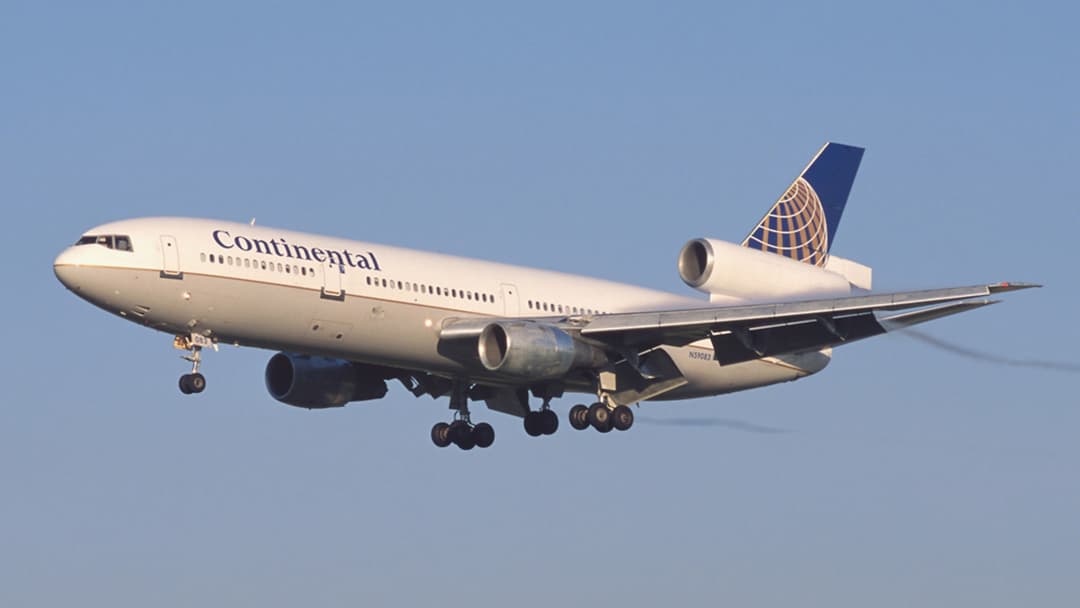
9. McDonnell Douglas DC-10 (1970) 
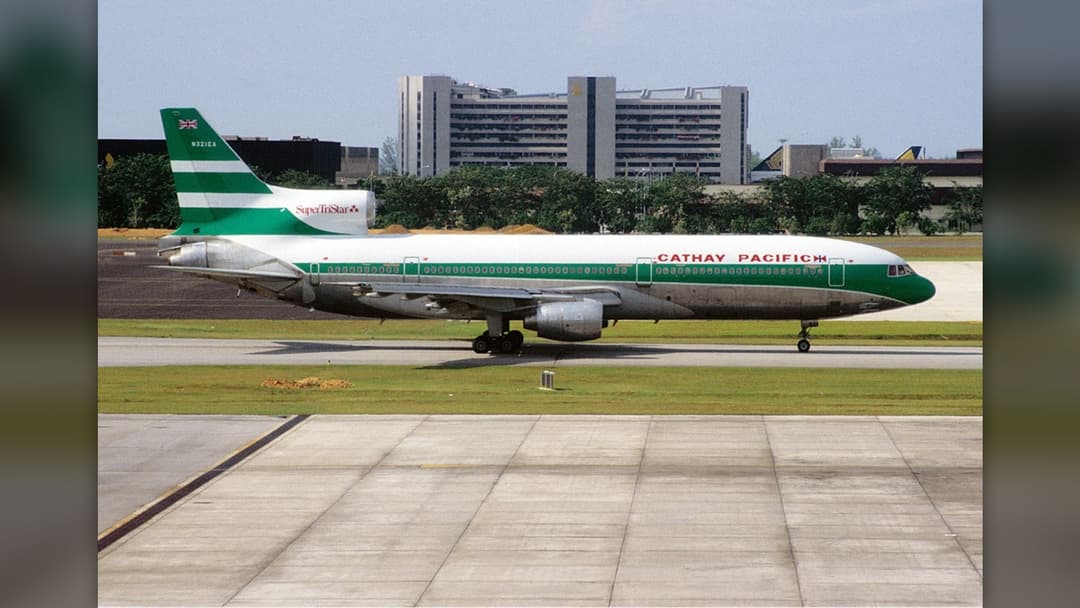
8. Lockheed L-1011 TriStar (1970) 
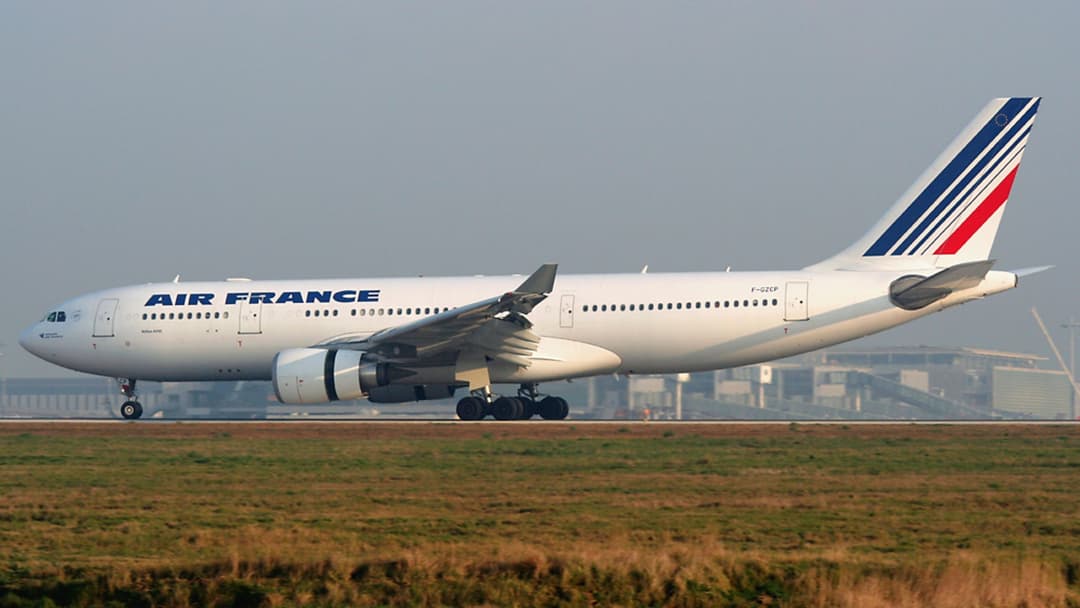
7. Airbus A300 (1972) - AdvertisementSwipe or tap ▶ to continue countdown

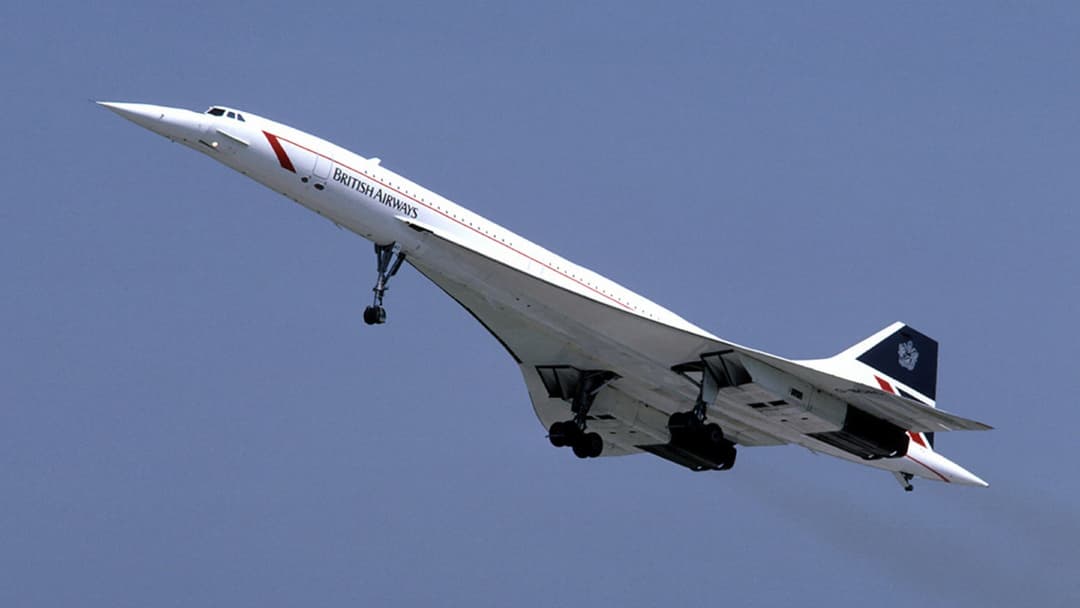
6. Concorde (1969) 
5. Boeing 767 (1981) 
4. Airbus A320 (1987) 
3. Boeing 777 (1994) - AdvertisementSwipe or tap ▶ to continue countdown

2. Airbus A380 (2005) 
1. Boeing 747 (1969) - Advertisement🔥 UP NEXT IN THIS SERIES◫ 26 Slides

25 Political Leaders Who Changed the Course of Modern History
25 World Leaders Whose Decisions Defined the Modern Era
Commercial aviation transformed transatlantic travel from weeklong steamship voyages into effortless daytime flights. Here are twenty-five iconic passenger aircraft that shaped modern travel and conquered the skies.
Swipe or tap ▶ to begin the countdown
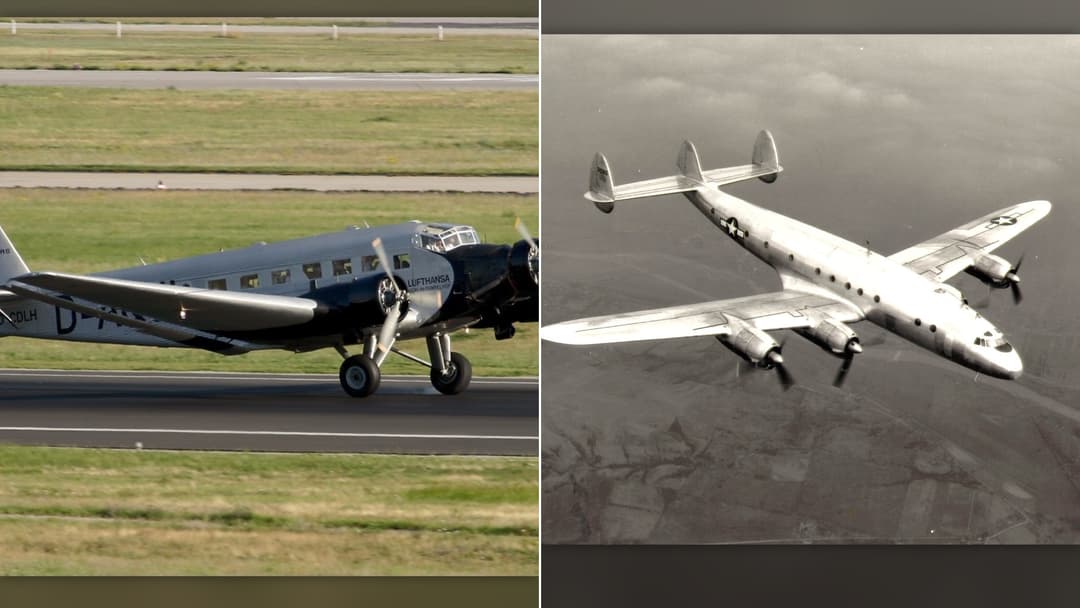
©Wikimedia / Konstantin von & Lockheed Constellation
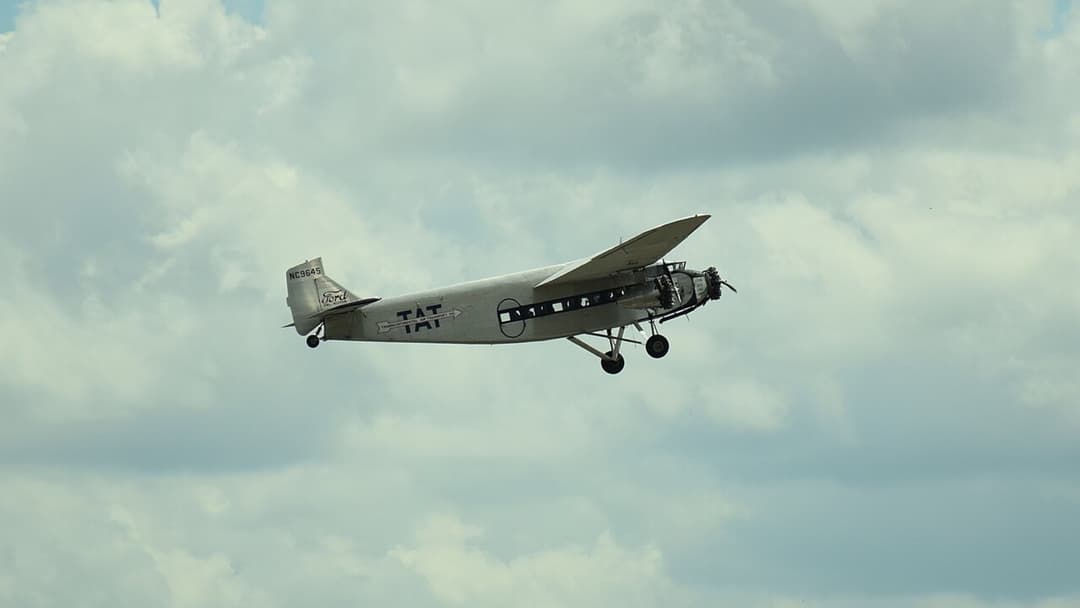
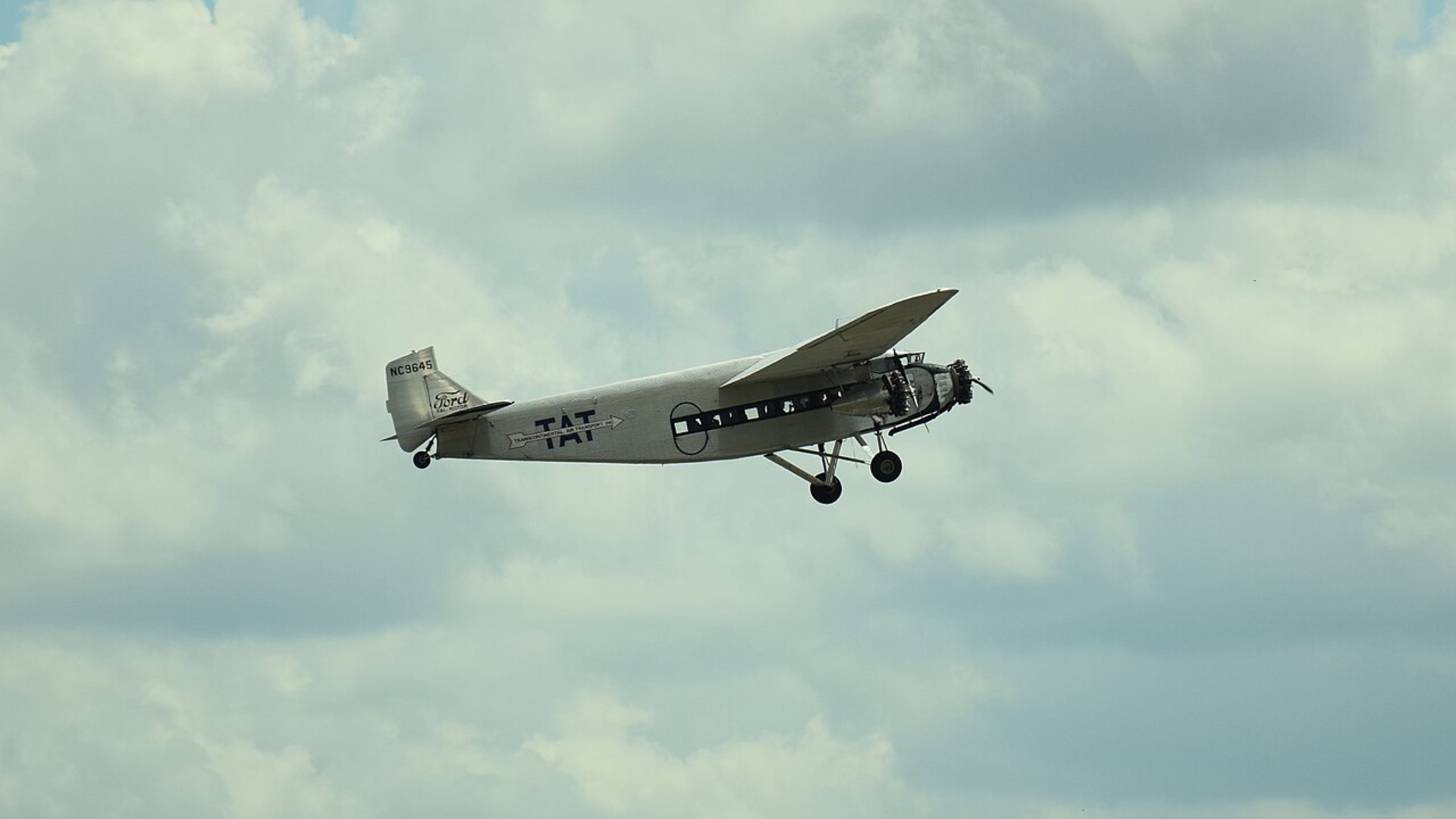
25. Ford Trimotor (1926)
Built from structural duralumin with three reliable radial engines, the Ford Trimotor launched transcontinental passenger service across America. Early transcontinental routes combined Ford flights by day with luxury sleeper trains by night.
©Wikimedia / clembore
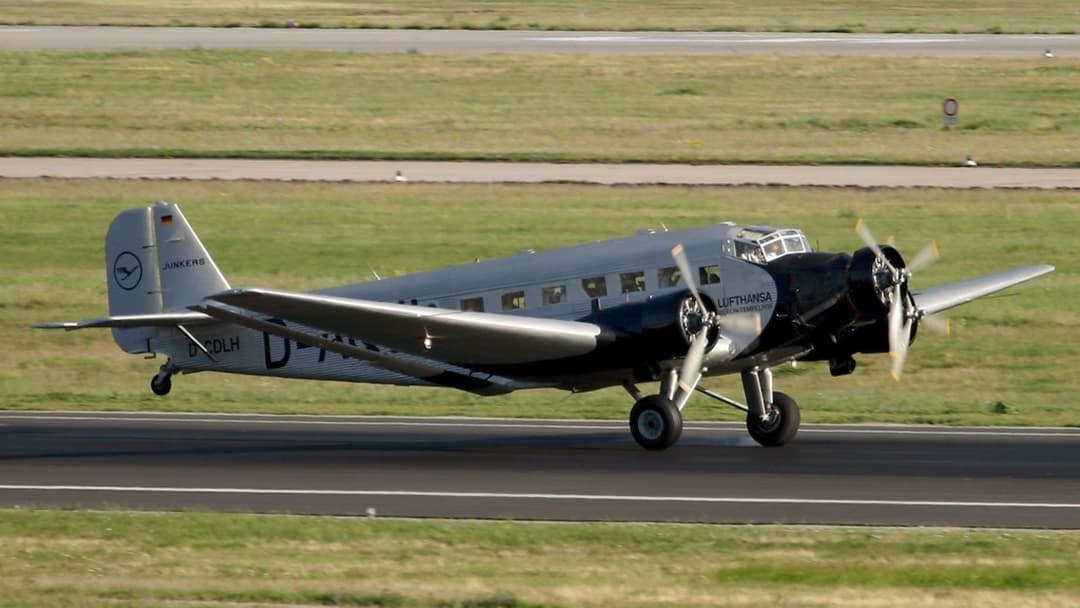
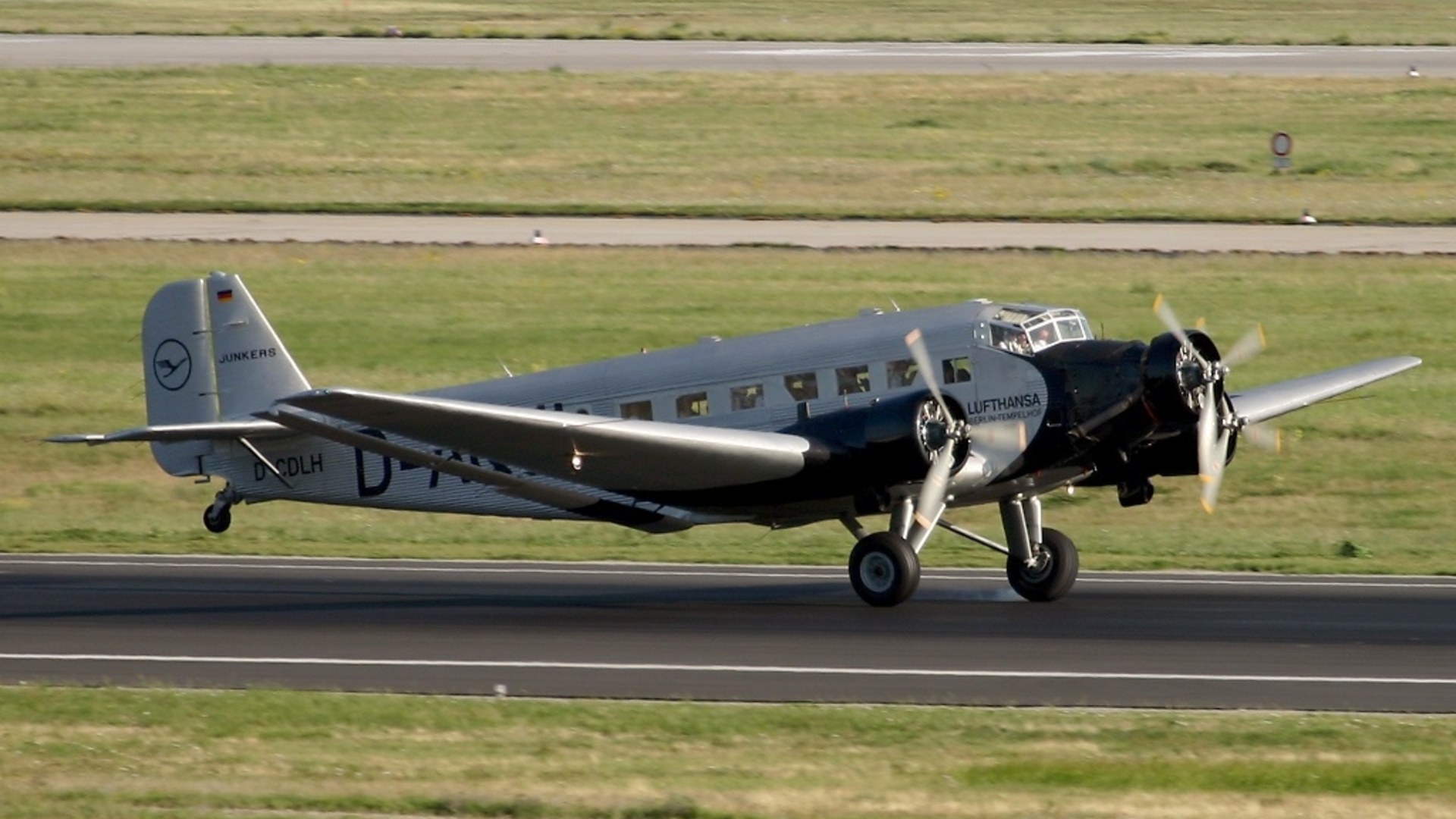
24. Junkers Ju 52 (1931)
Instantly recognizable by its ribbed corrugated skin, the German trimotor connected remote European capitals across the nineteen thirties. Lufthansa established reliable scheduled alpine passenger routes using its remarkable short-field landing capabilities.
©Wikimedia / Konstantin von Wedelstaedt
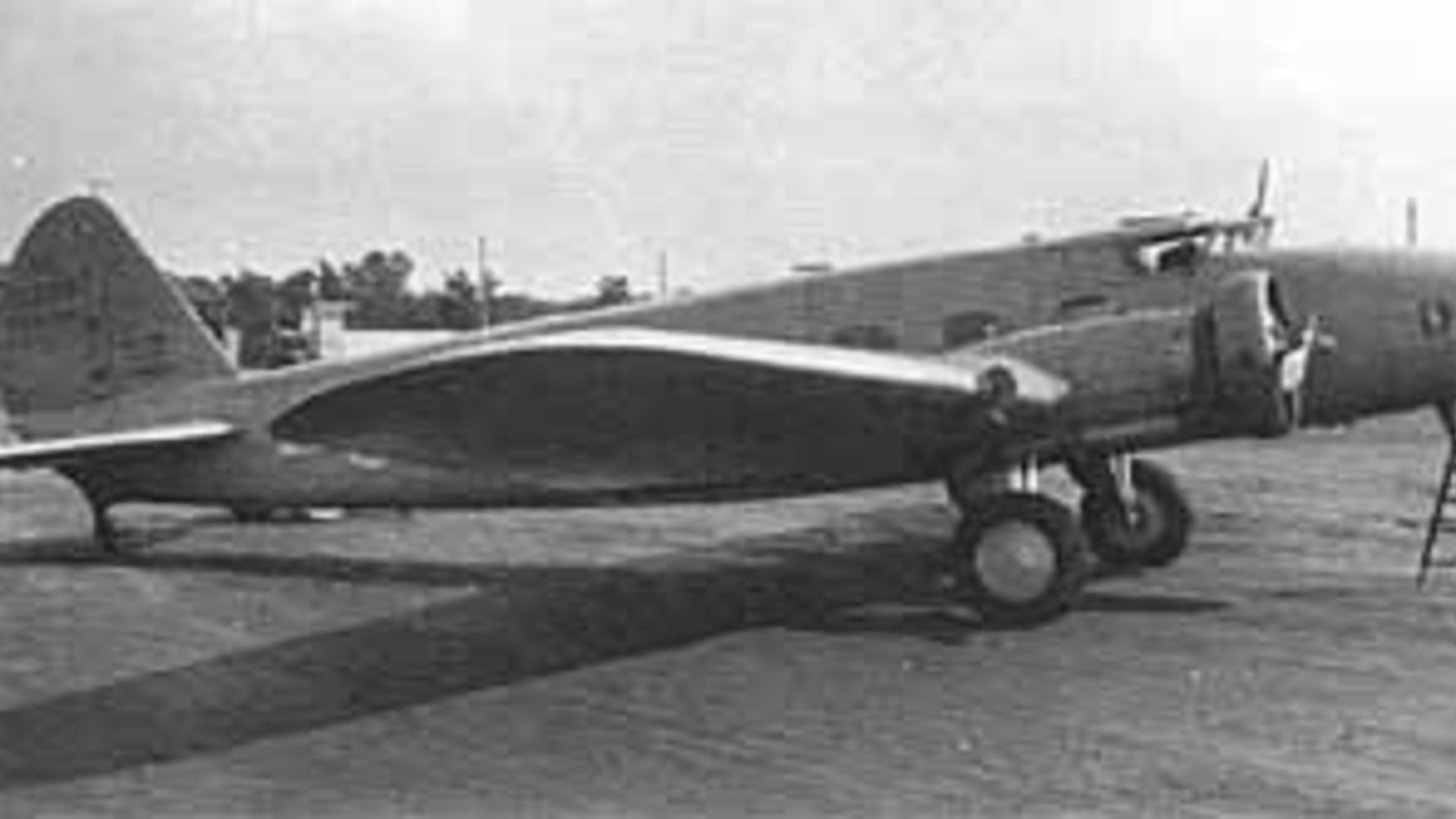
23. Boeing 247 (1933)
The Boeing 247 stunned aviation engineers by flying faster than contemporary military biplane fighters. With pneumatic de-icing boots and variable-pitch propellers, it cut coast-to-coast flight times down to nineteen hours.
©Wikimedia / Peter C. Boisseau
Advertisement
Swipe or tap ▶ to resume the countdown.
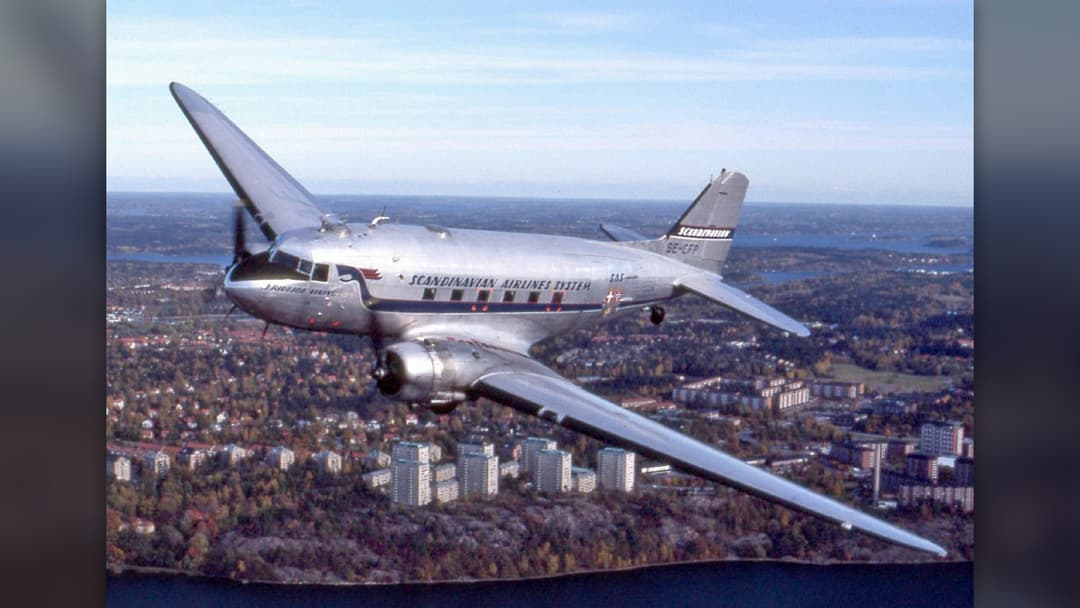
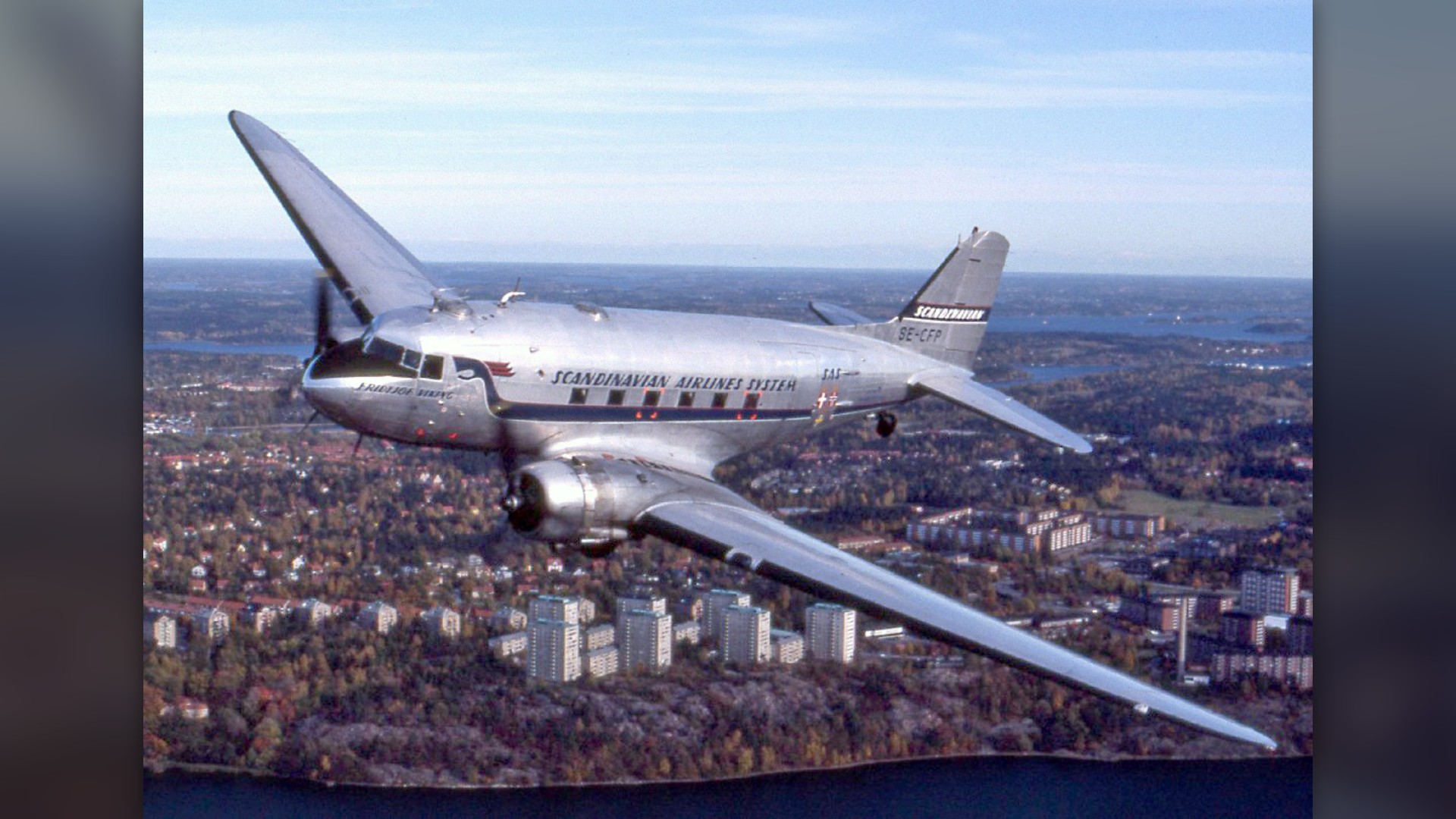
22. Douglas DC-3 (1935)
With comfortable sleeping berths and twin Pratt and Whitney engines, the DC-3 made commercial passenger transport self-sustaining. Over ten thousand military and civilian variants were produced, and dozens still operate cargo routes today.
©Wikimedia / Douglas DC-3
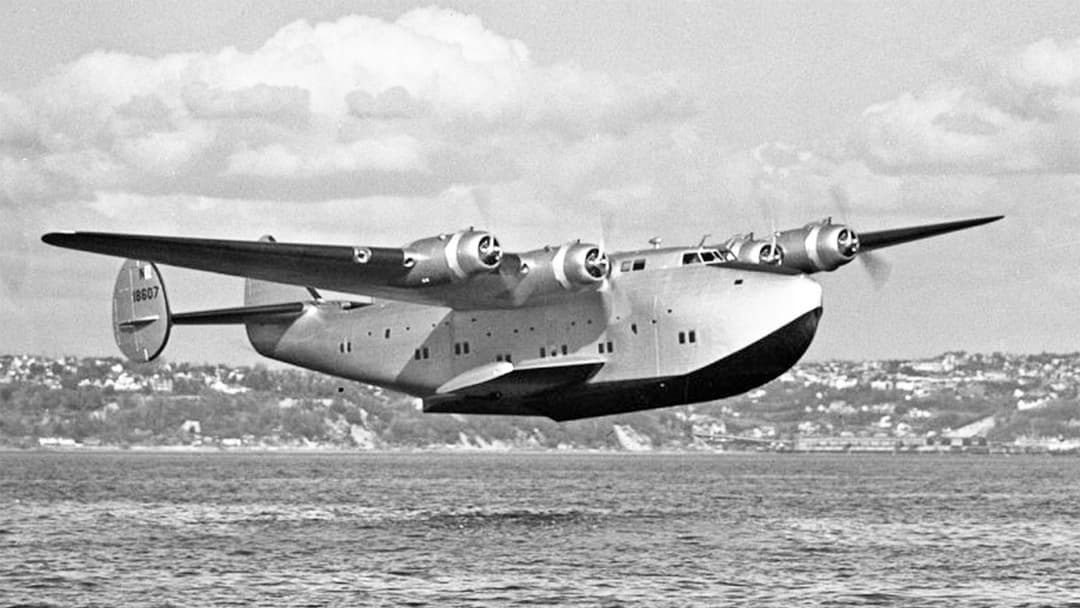
21. Boeing 314 Clipper (1938)
The gigantic Boeing 314 Clipper brought golden-age luxury to transoceanic travel before long concrete runways existed. Wealthy passengers enjoyed five-course meals served on china while flying between San Francisco, Hawaii, and Hong Kong.
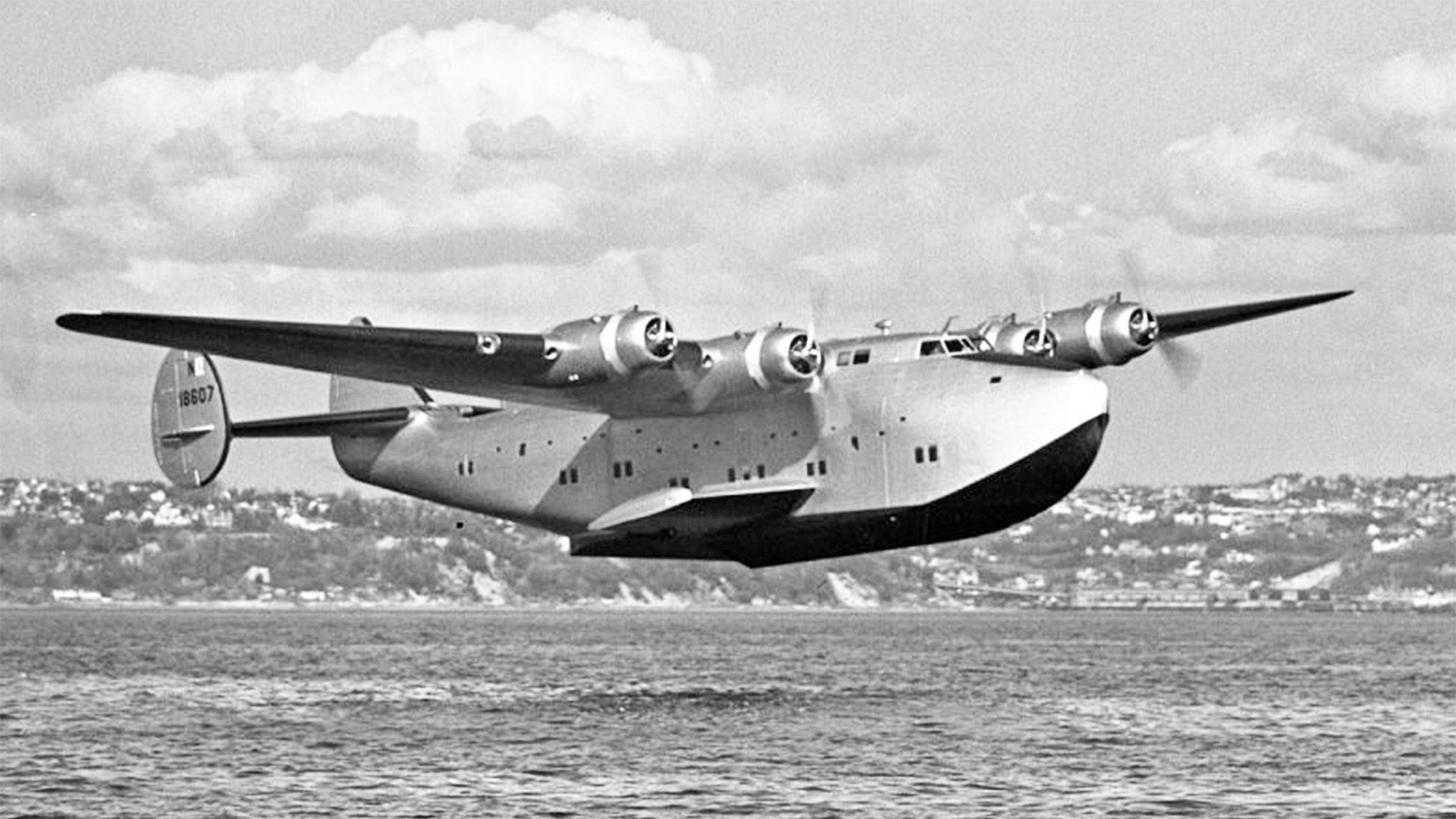
©Wikimedia / Boeing 314 Clipper
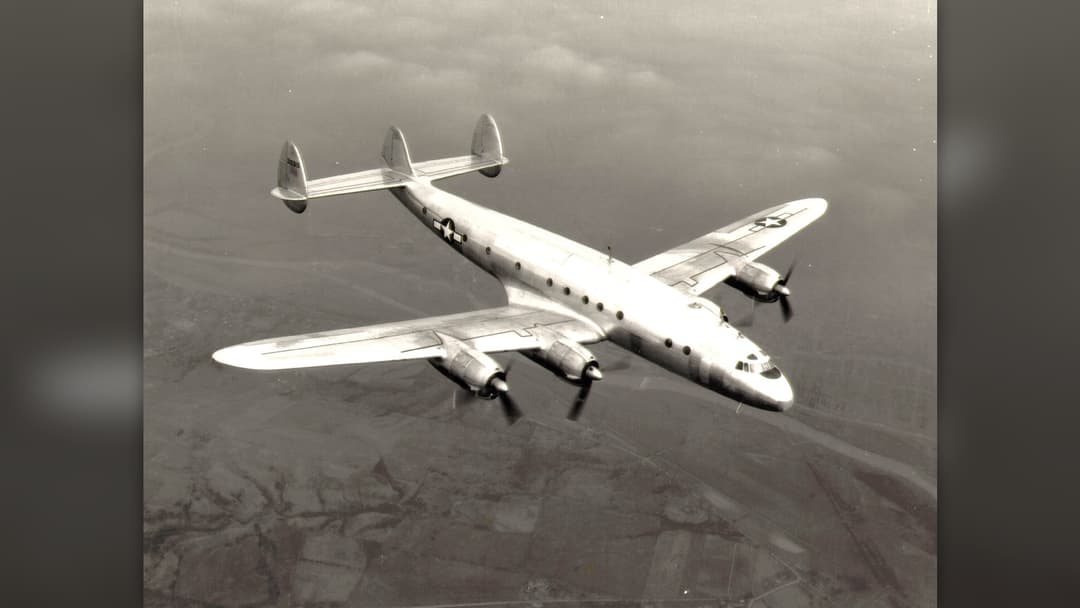
20. Lockheed Constellation (1943)
Commissioned at the behest of Howard Hughes for TWA, the Constellation offered full cabin pressurization and coast-to-coast non-stop range. Passengers flew comfortably above mountain turbulence at twenty thousand feet in air-conditioned cabins.
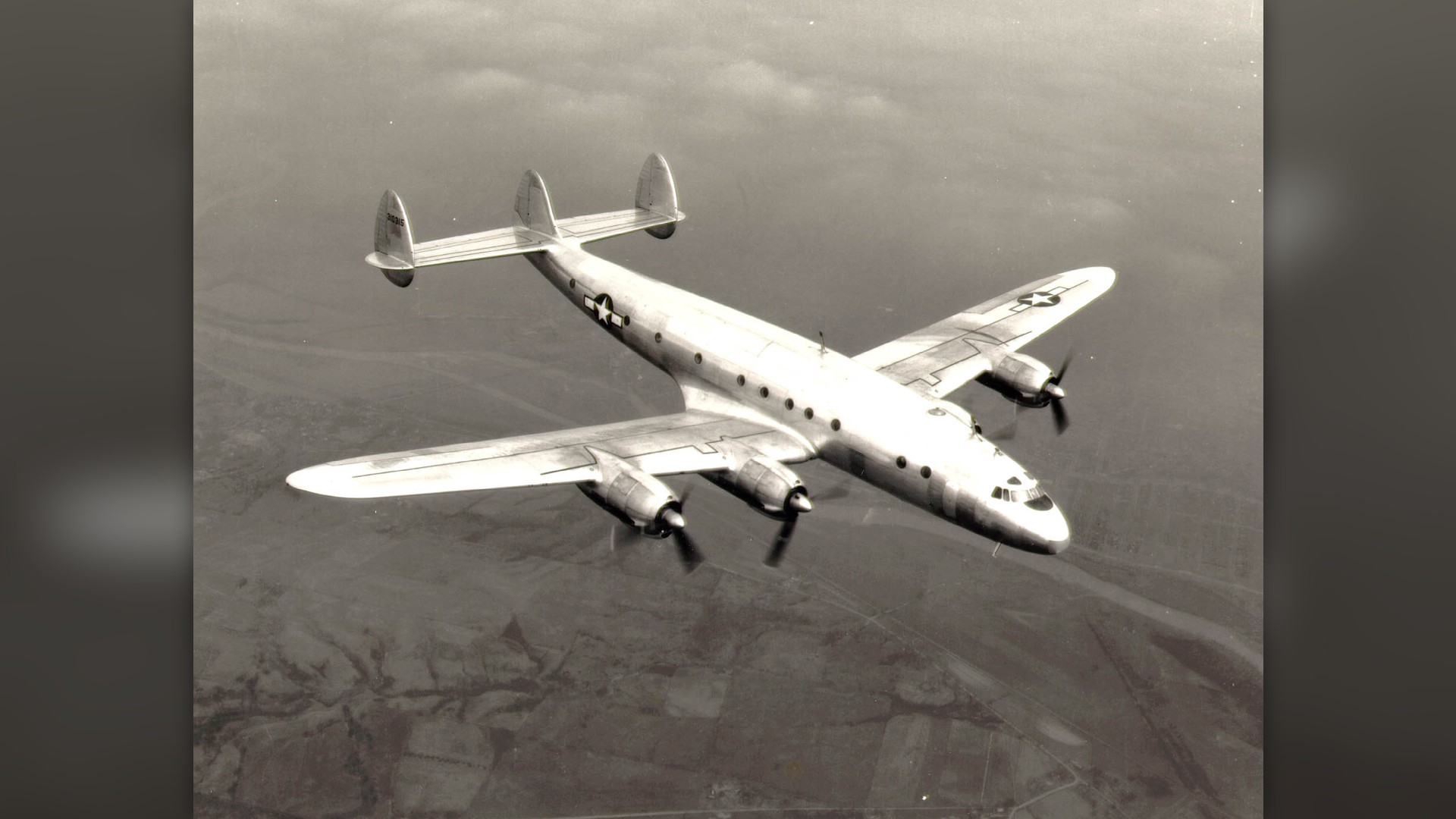
©Wikimedia / Lockheed Constellation
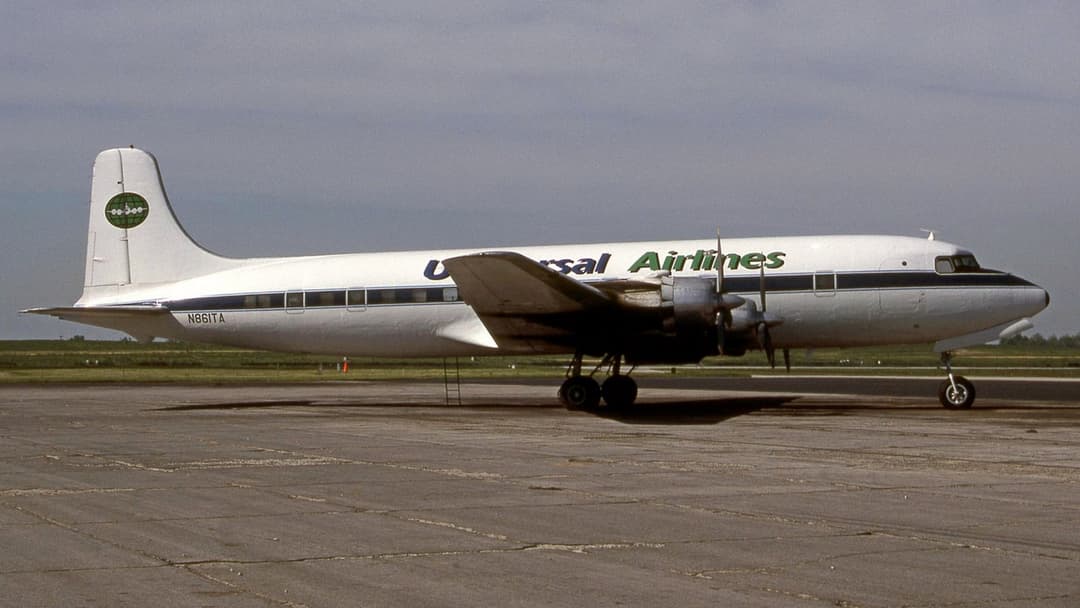
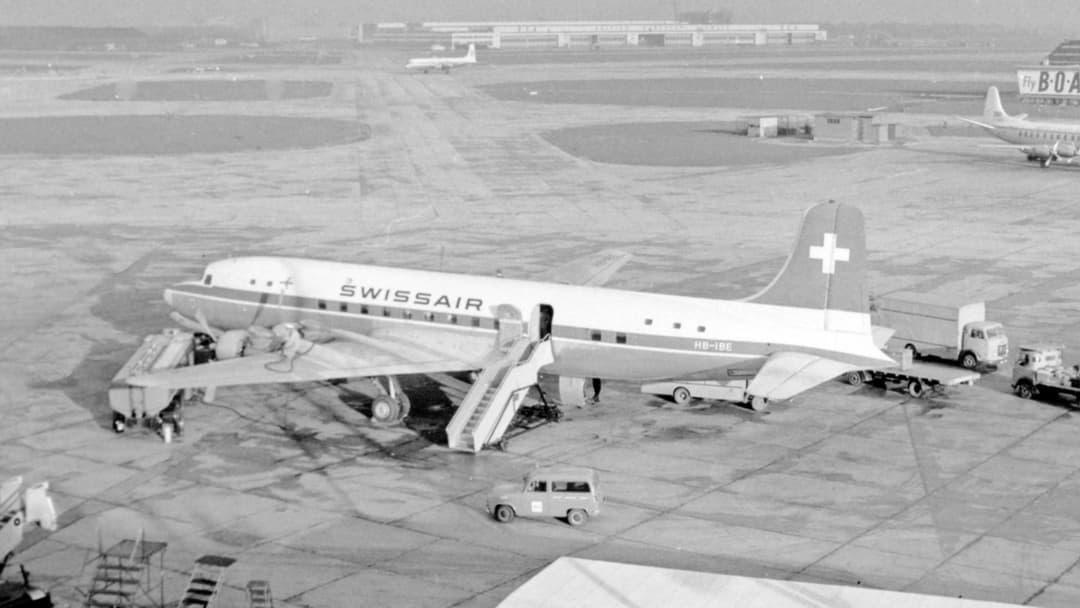
19. Douglas DC-6 (1946)
Designed with four Double Wasp radial engines, the DC-6 offered reliable transpacific and transatlantic range. Airlines praised its outstanding operational reliability and generous payload capacity through the nineteen fifties.
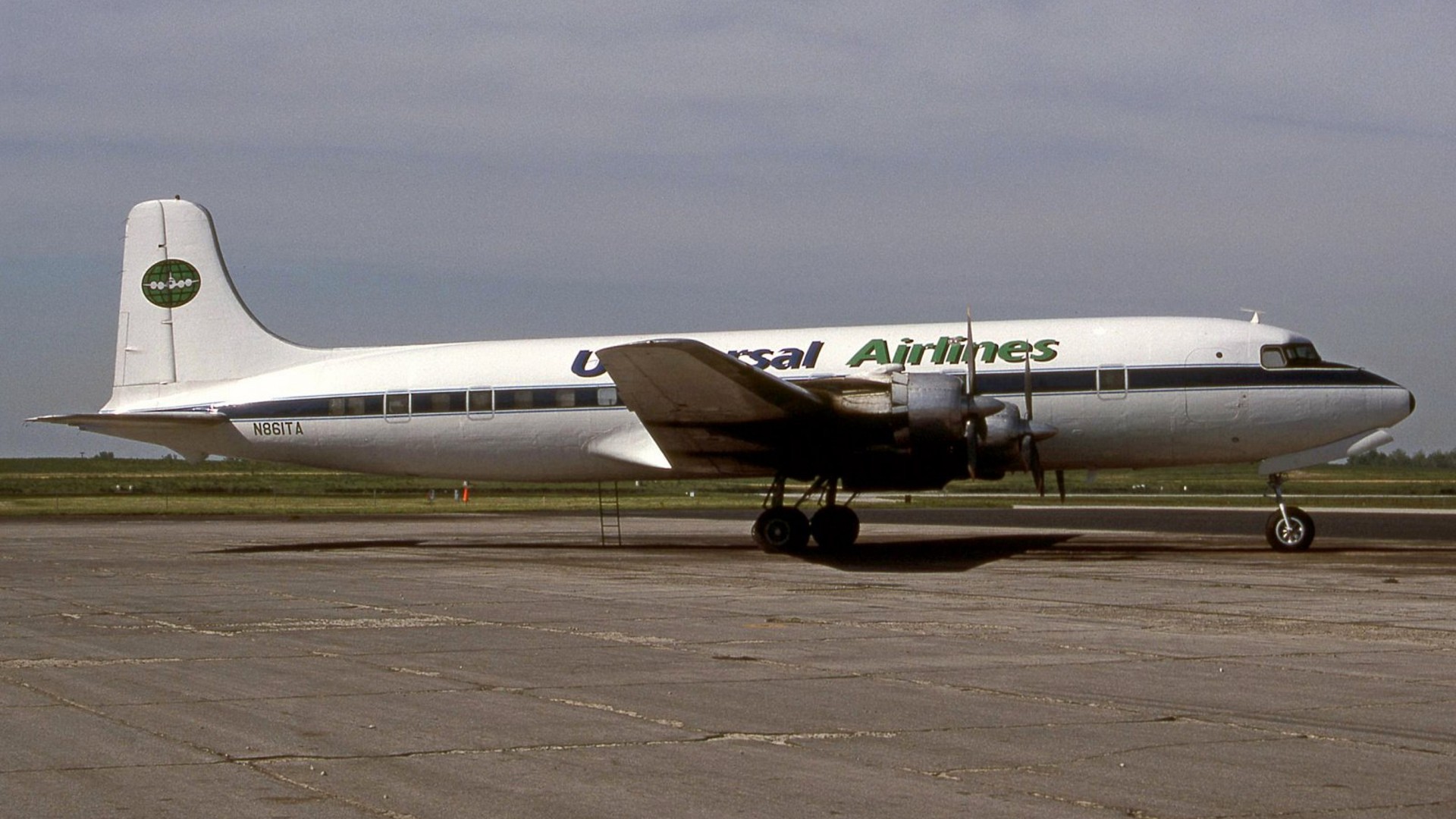
©Wikimedia / Peter Garwood
Advertisement
Swipe or tap ▶ to resume the countdown.
18. Vickers Viscount (1948)
Powered by four Rolls-Royce Dart turboprop engines, the Viscount replaced noisy piston vibrations with a smooth, whisper-quiet cruise. Its panoramic oval passenger windows set a new luxury standard across regional airline networks.
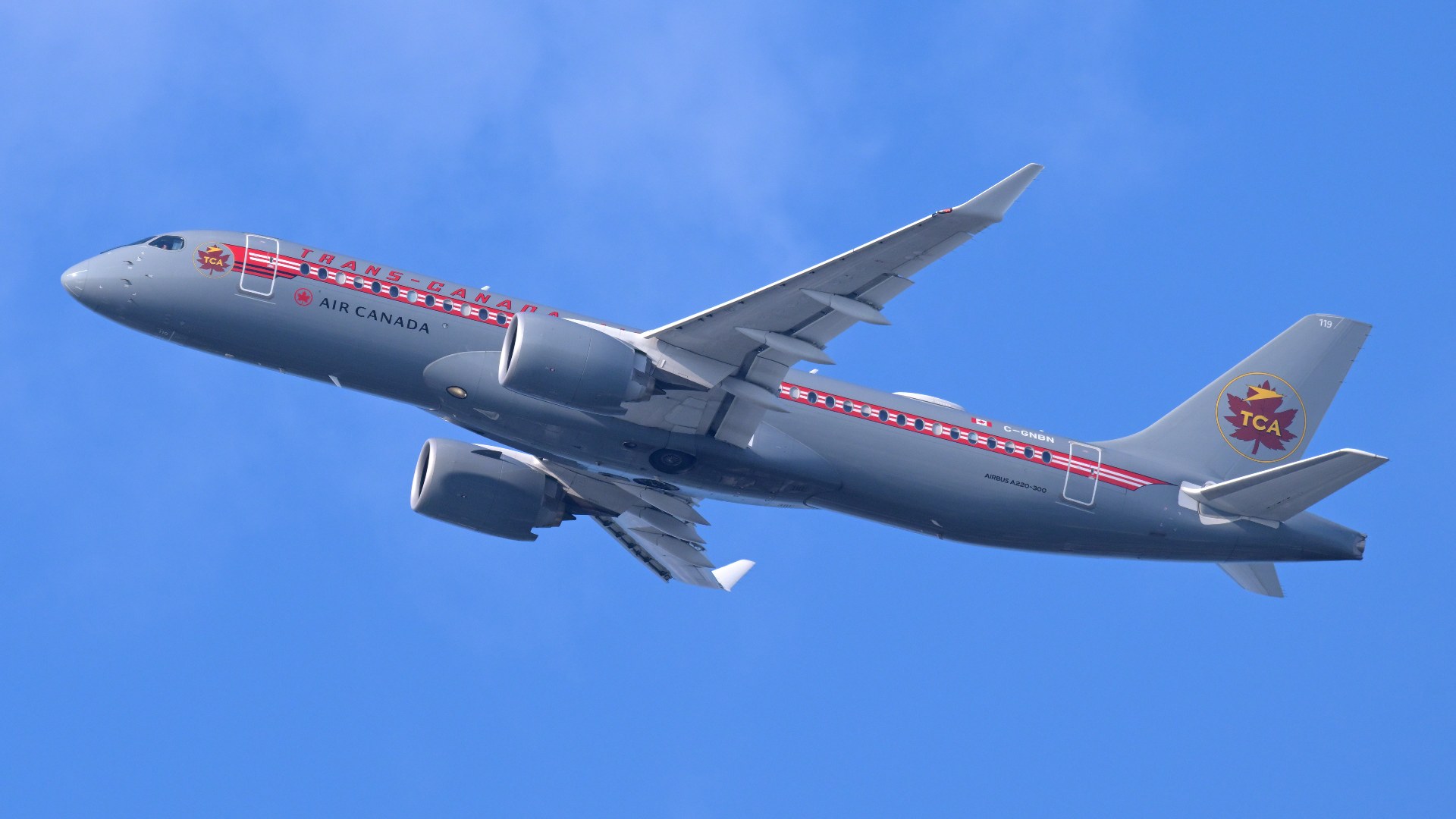
©Wikimedia / 4300streetcar
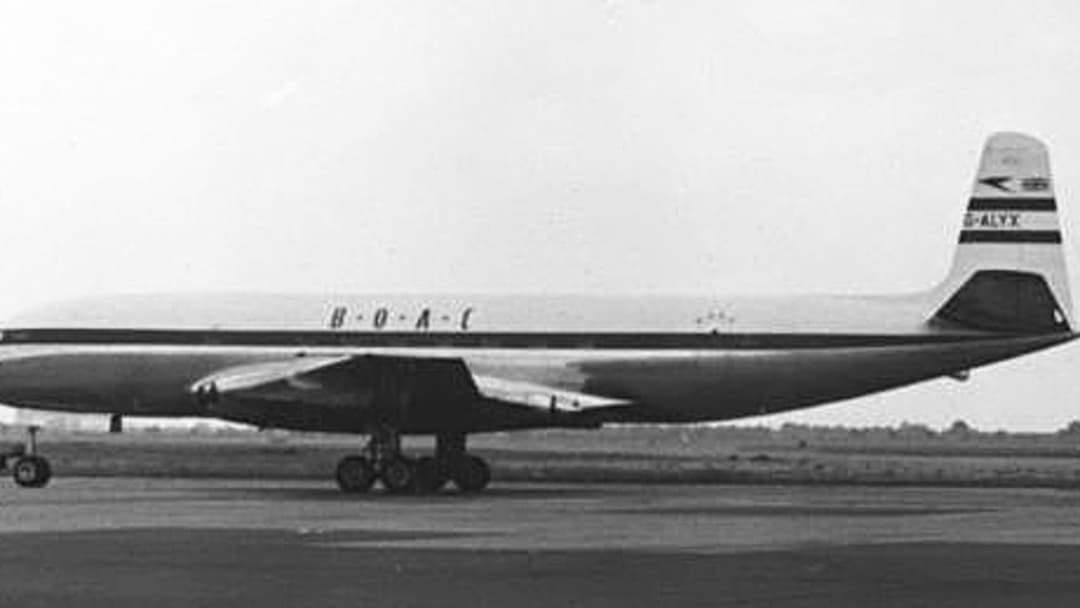
17. De Havilland Comet (1949)
Cruising at four hundred eighty miles per hour, the Comet halved flight times between London and Johannesburg. While early square window metal fatigue issues required major redesigns, the Comet opened the jet age for global travelers.
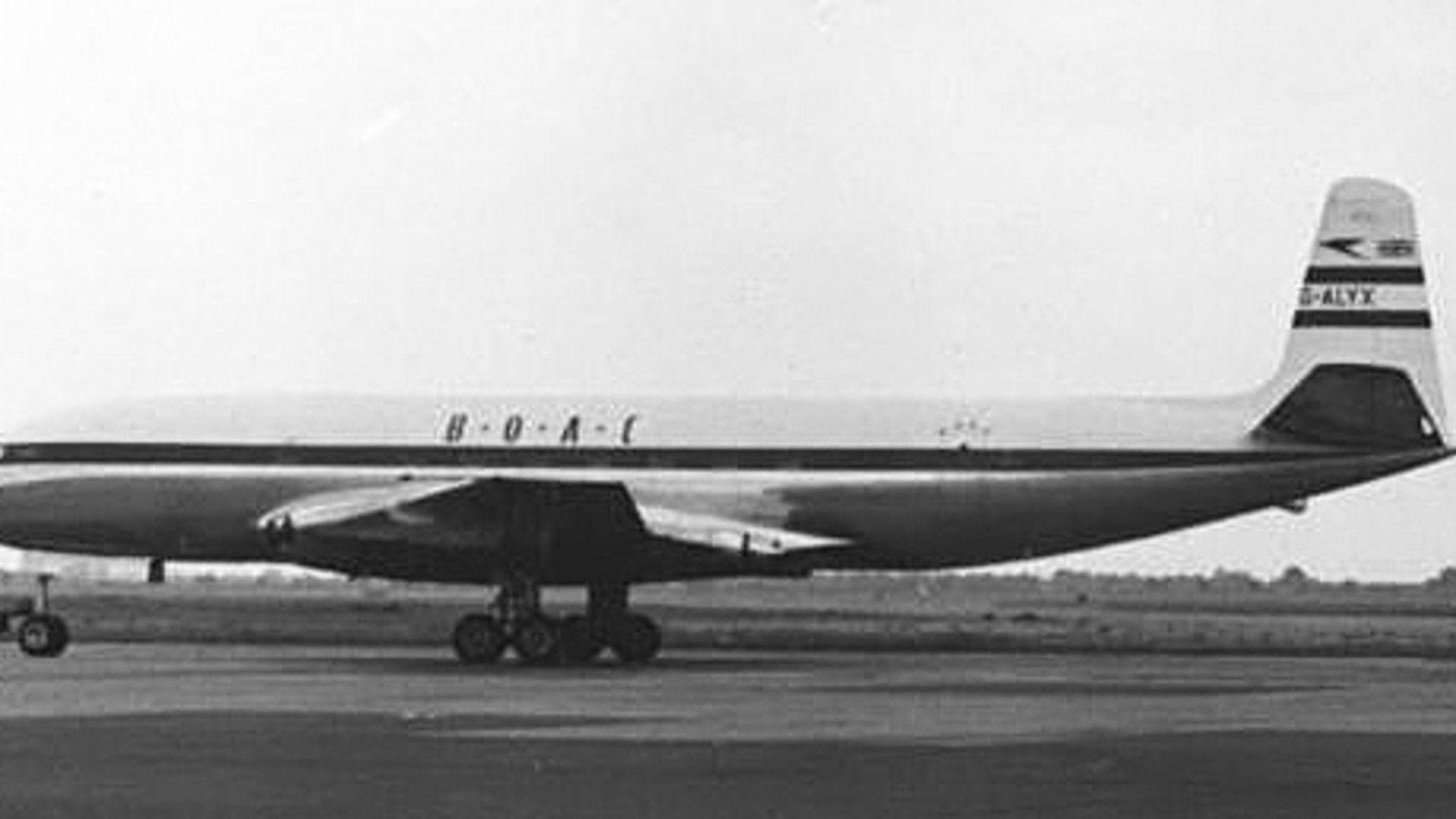
©Wikimedia / RuthAS
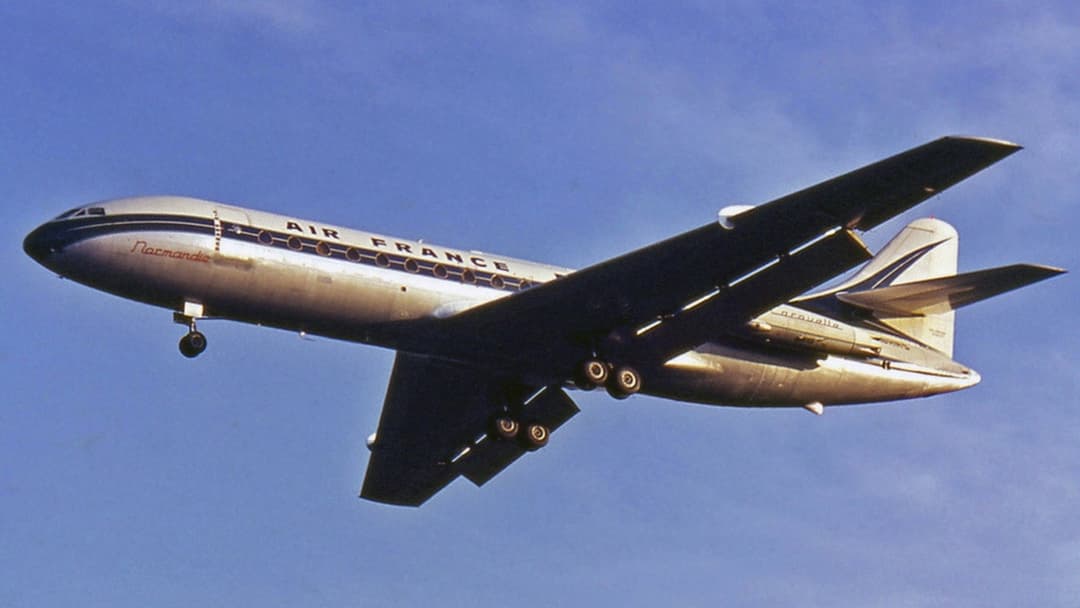
16. Sud Aviation Caravelle (1955)
The Caravelle clean aerodynamic wing and rear engine arrangement inspired future jetliners like the DC-9 and Boeing 727. Its triangular cockpit windows and gentle handling made it a favorite among European carriers.
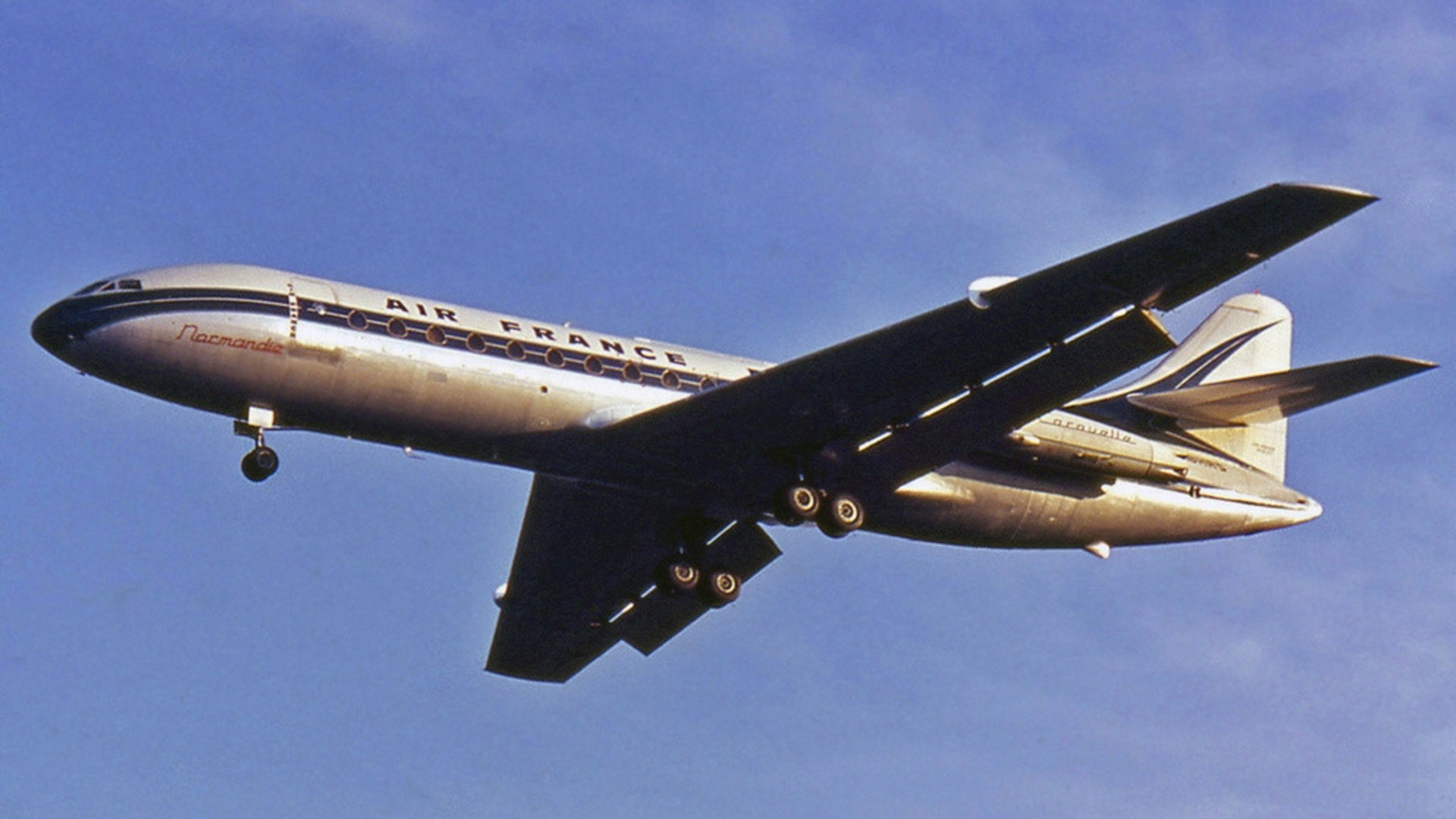
©Wikimedia / Sud Aviation Caravelle
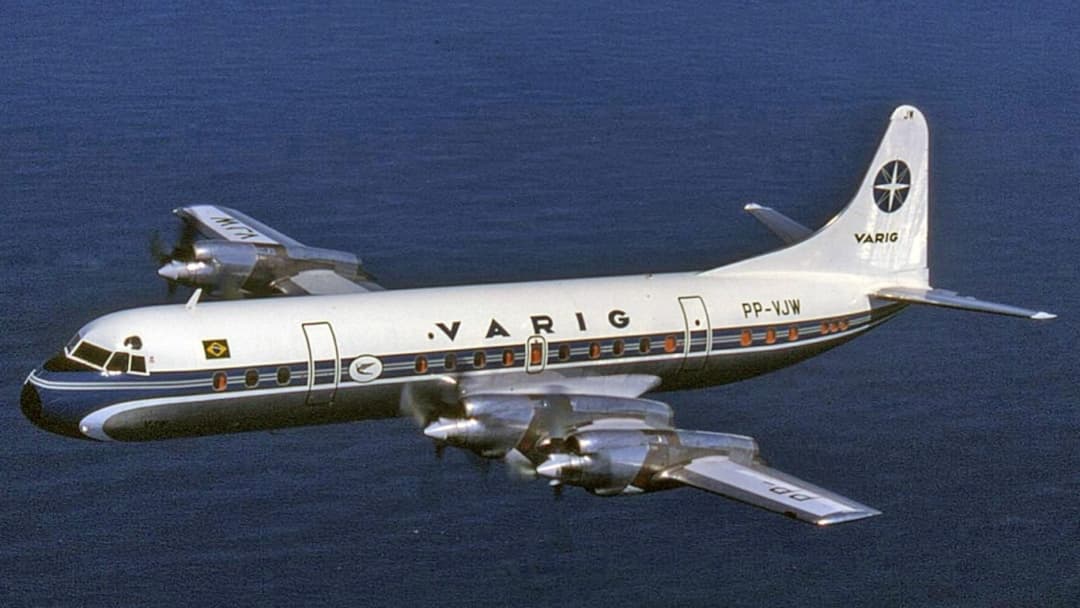
15. Lockheed L-188 Electra (1957)
Cruising at nearly four hundred miles per hour, the Electra served medium-range domestic routes efficiently. Its rugged four-engine airframe later formed the foundation for the famous Navy P-3 Orion maritime patrol aircraft.
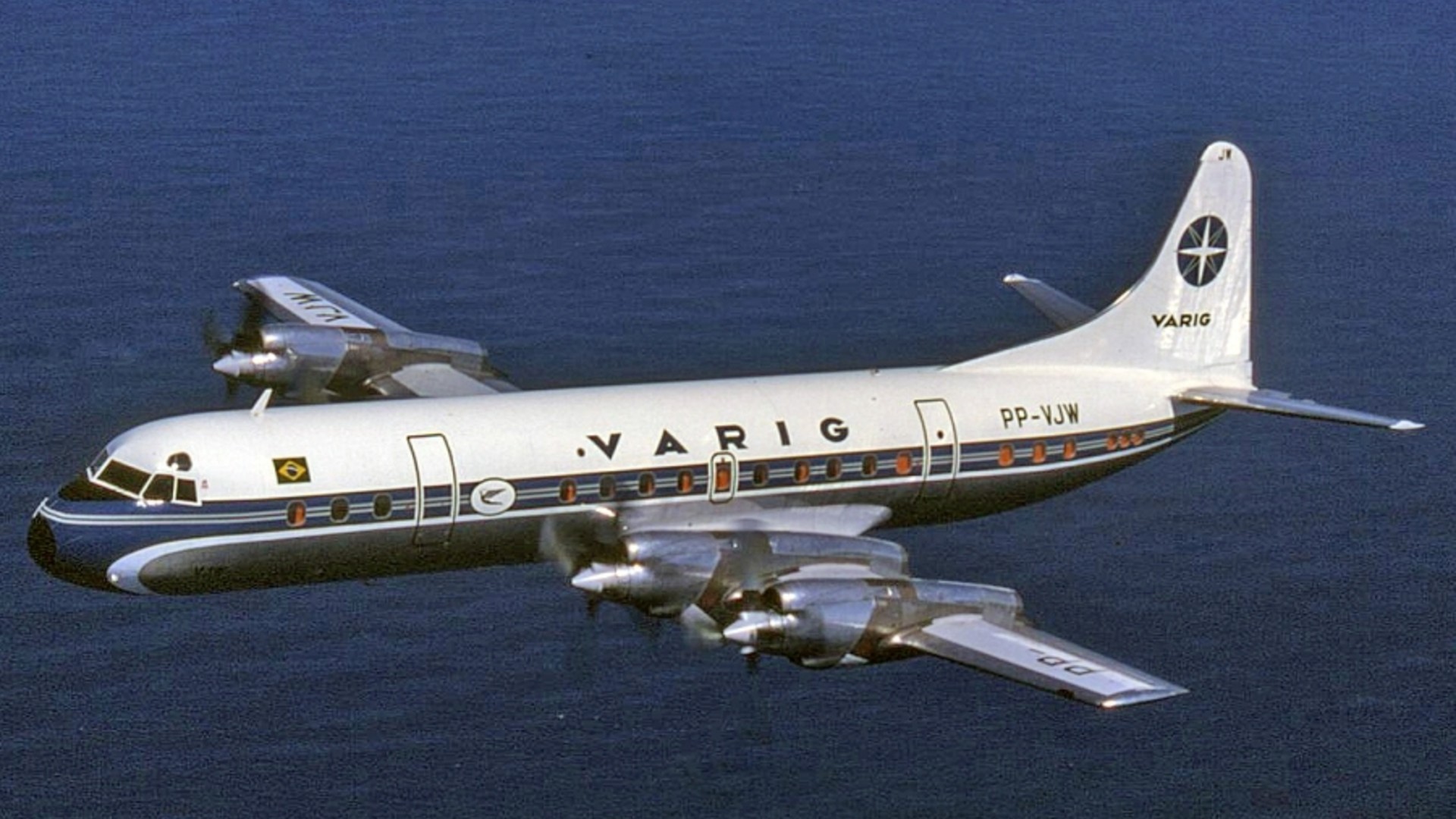
©Wikimedia / Lockheed L-188 Electra
Advertisement
Swipe or tap ▶ to resume the countdown.
14. Douglas DC-8 (1958)
With robust structural engineering and a cavernous passenger fuselage, the DC-8 became a transpacific flagship for airlines worldwide. Stretched Super Sixty variants set commercial endurance records and carried heavy loads for decades.
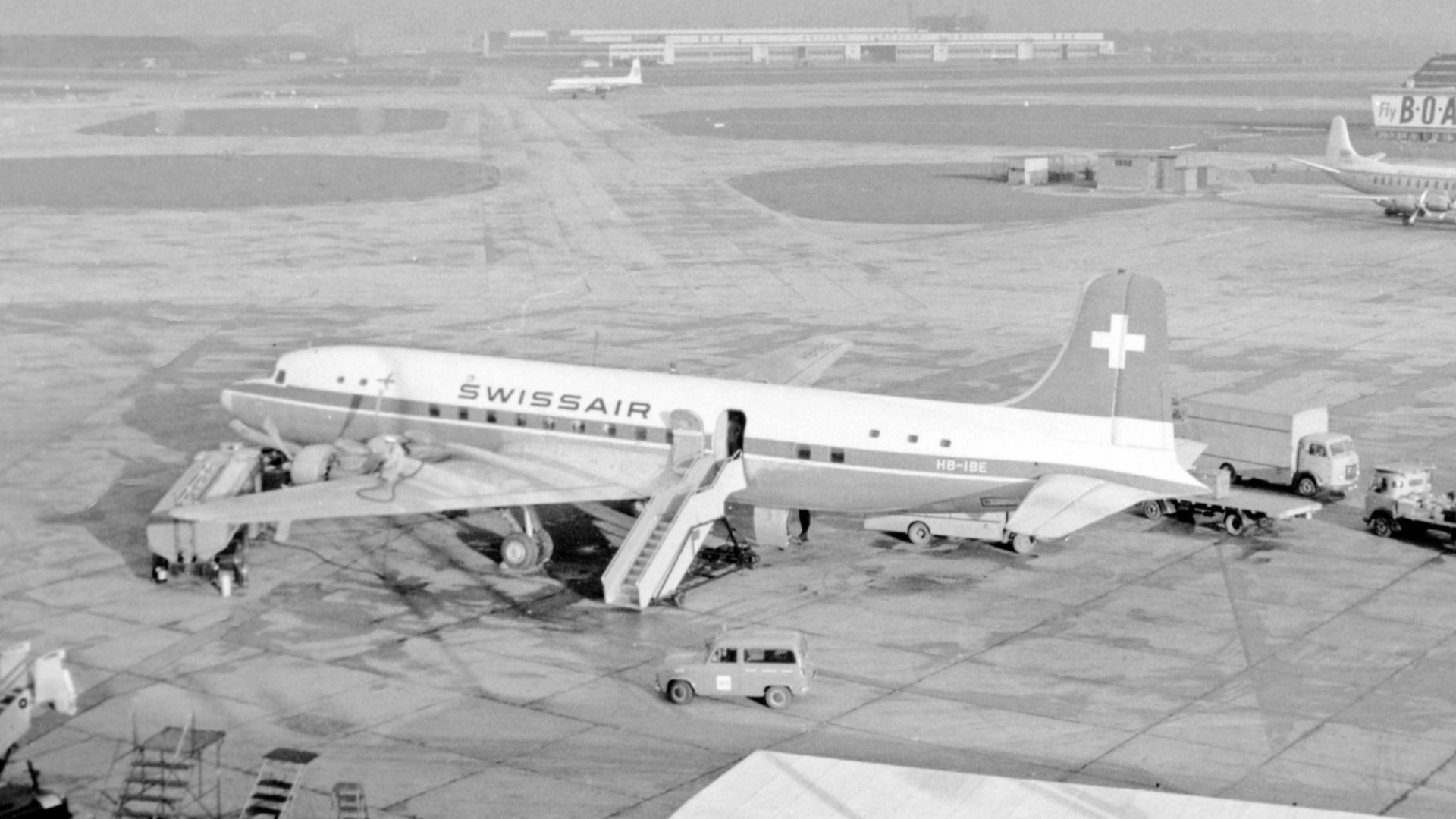
©Wikimedia / Ben Brooksbank
13. Convair 880 (1959)
Designed with General Electric turbojets, the Convair 880 cruised at six hundred fifteen miles per hour to outpace rivals. While fuel consumption cut its commercial longevity, Elvis Presley famously owned one as his private flagship.
©Wikimedia / Kjell Nilsson
12. Boeing 727 (1963)
Featuring sophisticated triple-slotted trailing edge flaps and three rear-mounted engines, the 727 operated out of compact airports with ease. Over eighteen hundred aircraft were built, serving as the domestic backbone of major US airlines.
©Wikimedia / Renato Spilimbergo Carvalho
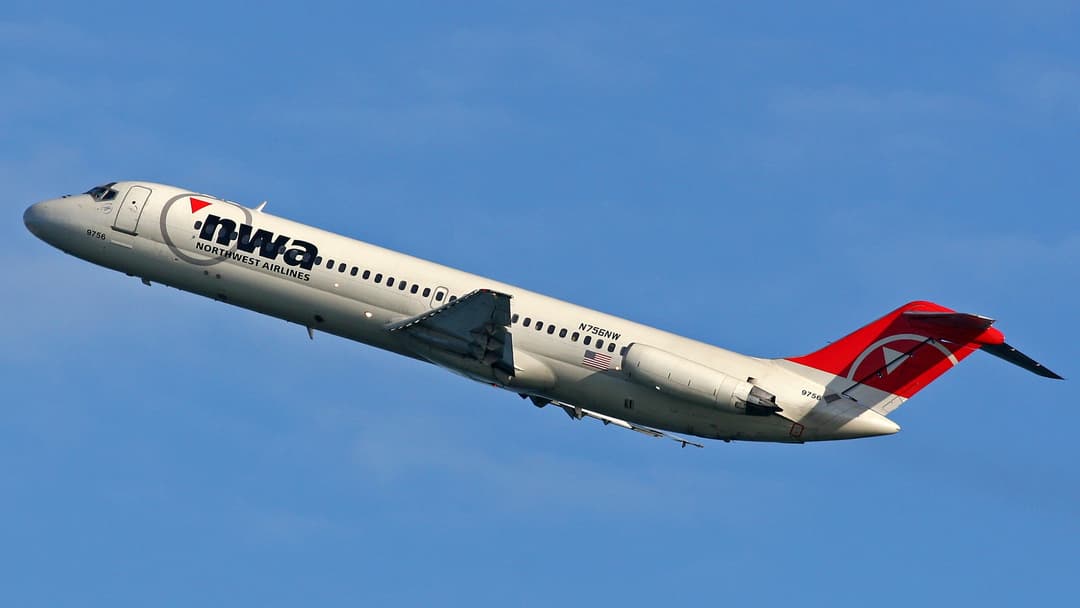
11. McDonnell Douglas DC-9 (1965)
Built with durable landing gear and self-contained boarding stairs, the DC-9 mastered multi-stop regional hops without terminal jetways. Its underlying airframe architecture survived through five decades of airline production evolutions.
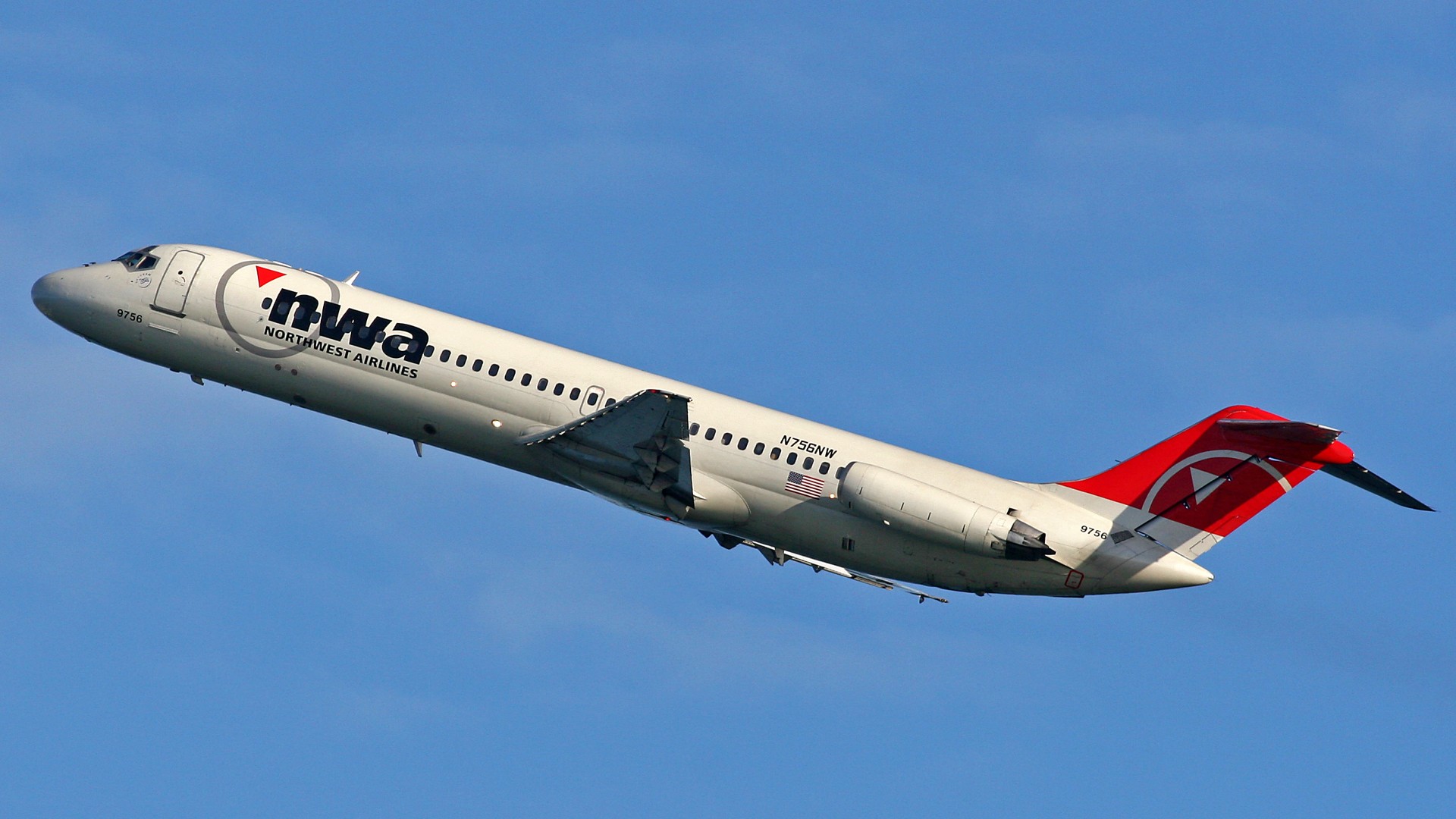
©Wikimedia / McDonnell Douglas DC-9
Advertisement
Swipe or tap ▶ to resume the countdown.
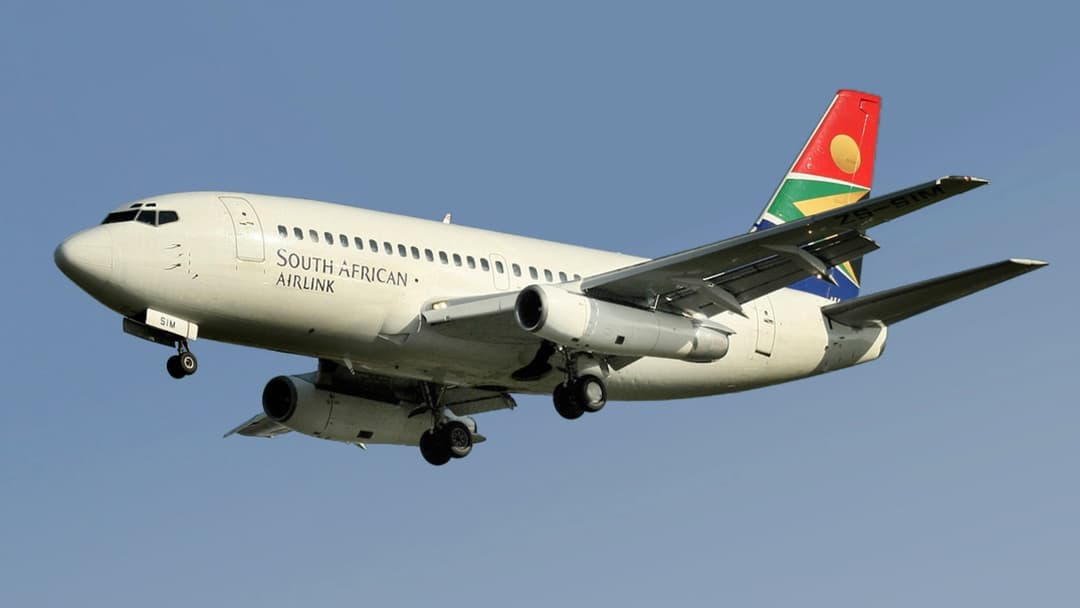
10. Boeing 737 (1967)
From the original 737-100 to modern MAX variants, Boeing has delivered over eleven thousand of these dependable twinjets. On any given afternoon, thousands of 737s are airborne simultaneously handling short and medium haul routes.
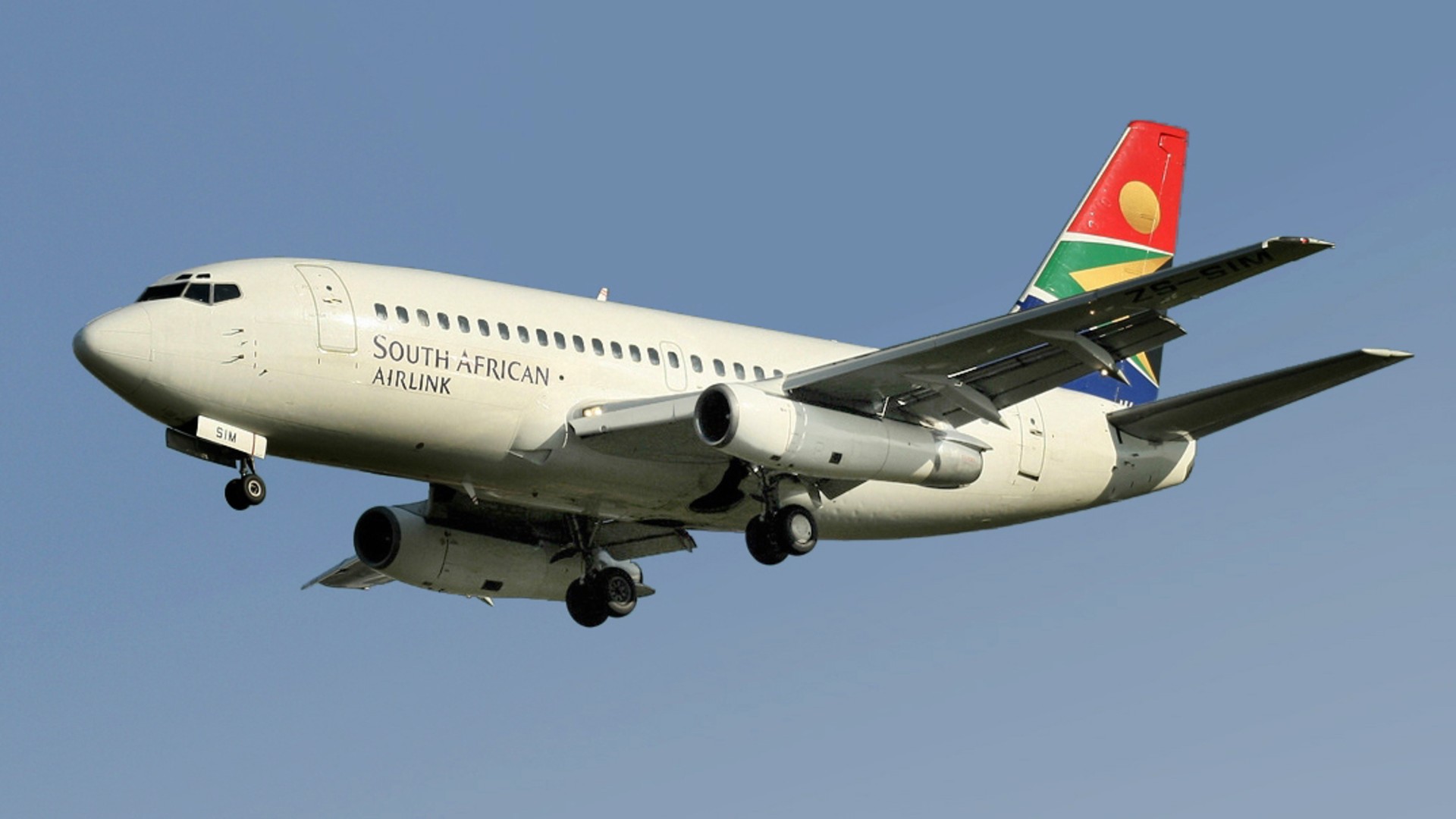
©Wikimedia / Boeing 737
9. McDonnell Douglas DC-10 (1970)
Carrying three hundred passengers in wide twin-aisle comfort, the DC-10 connected intercontinental hubs efficiently. Its immense underfloor cargo holds and long range made it a legendary freighter across global package networks.
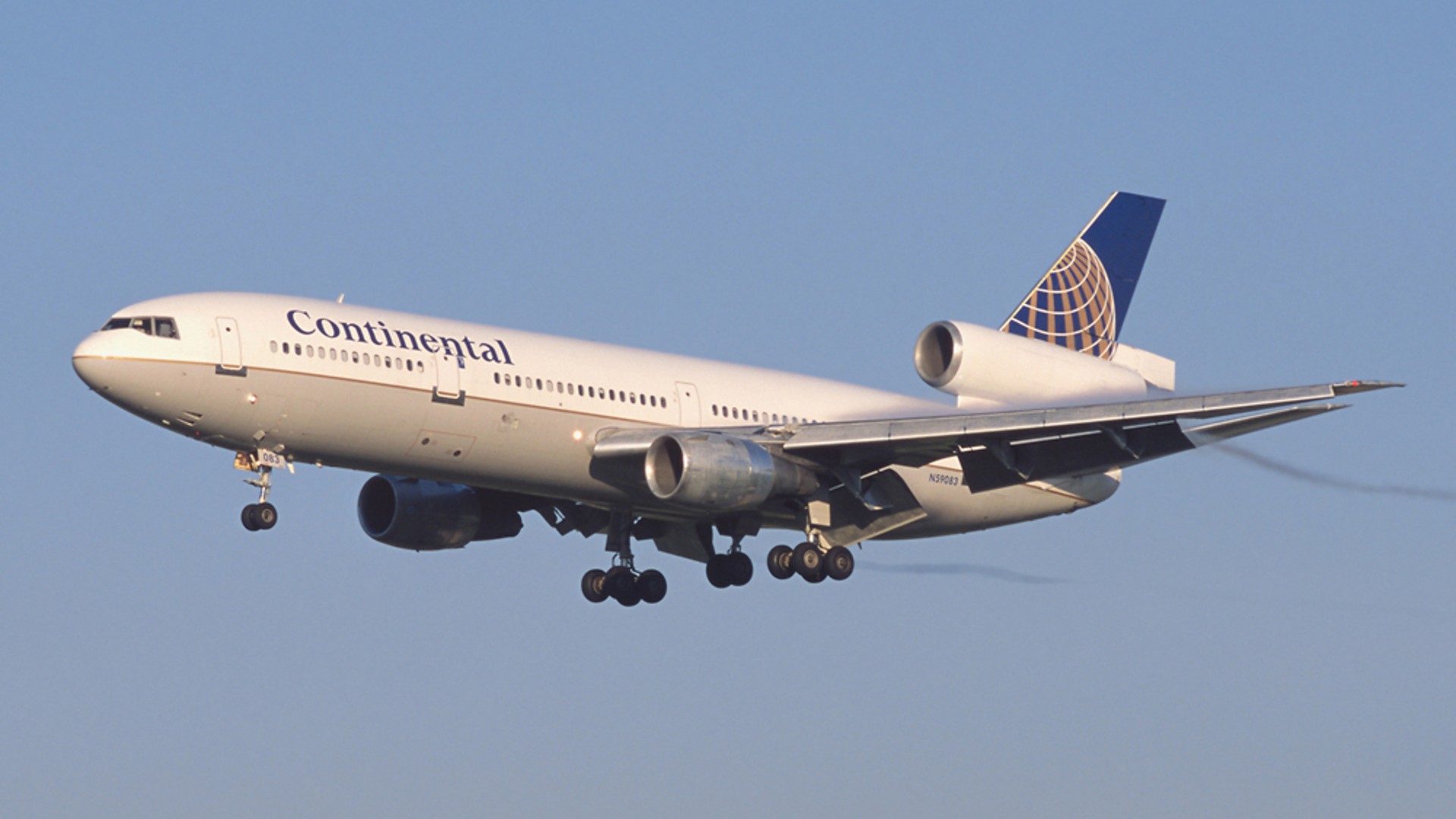
©Wikimedia / McDonnell Douglas DC-10
8. Lockheed L-1011 TriStar (1970)
Engineered with RB211 turbofans and direct lift flight controls, the TriStar offered whisper-quiet flights and automated low-visibility landings. Pilots praised its buttery flight characteristics and innovative S-duct intake design.
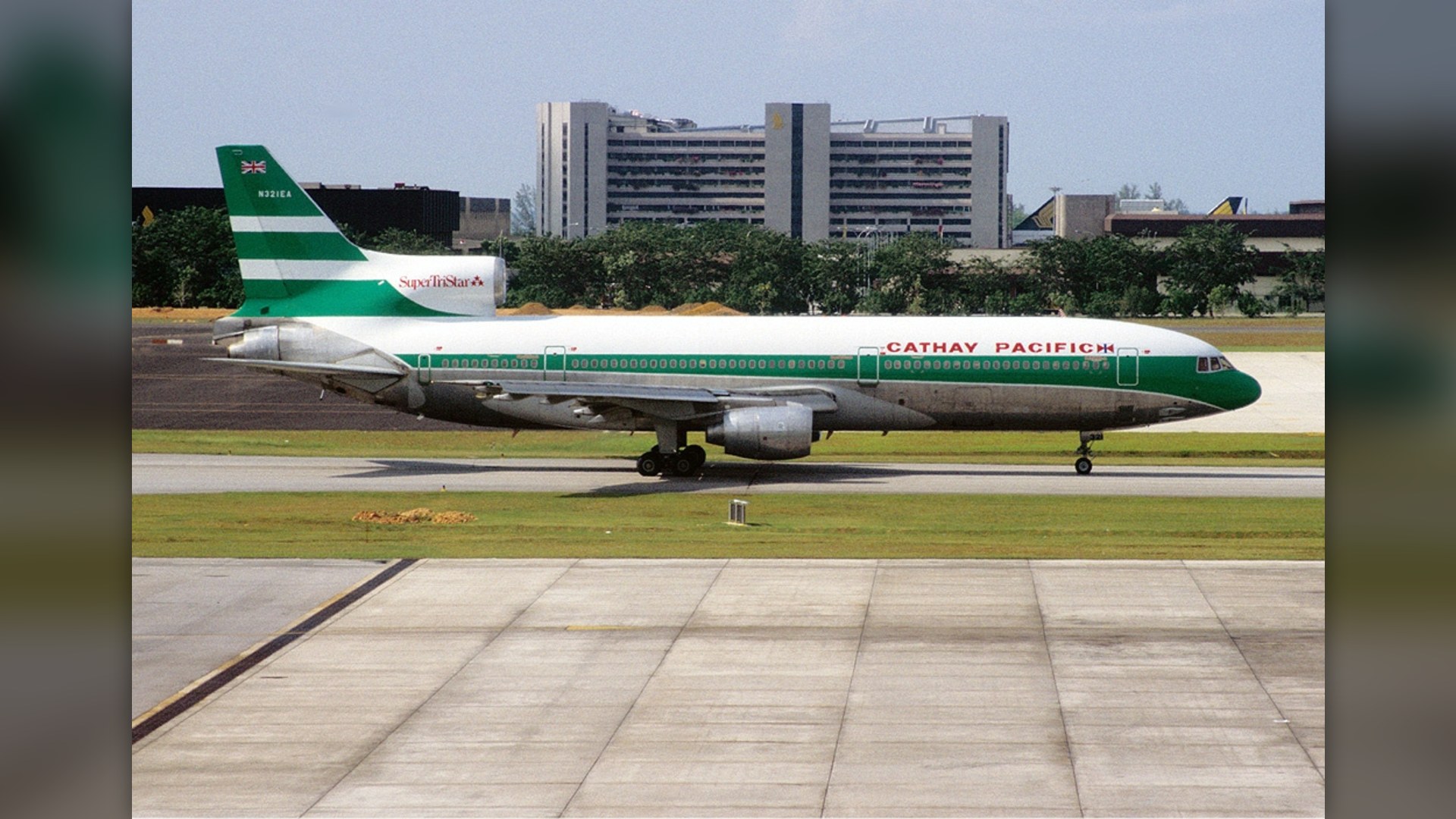
©Wikimedia / Tim Rees
7. Airbus A300 (1972)
European aerospace partners joined forces to prove a twin-engine widebody could operate transcontinental flights reliably and economically. Its market success broke the American monopoly on widebody passenger aircraft.
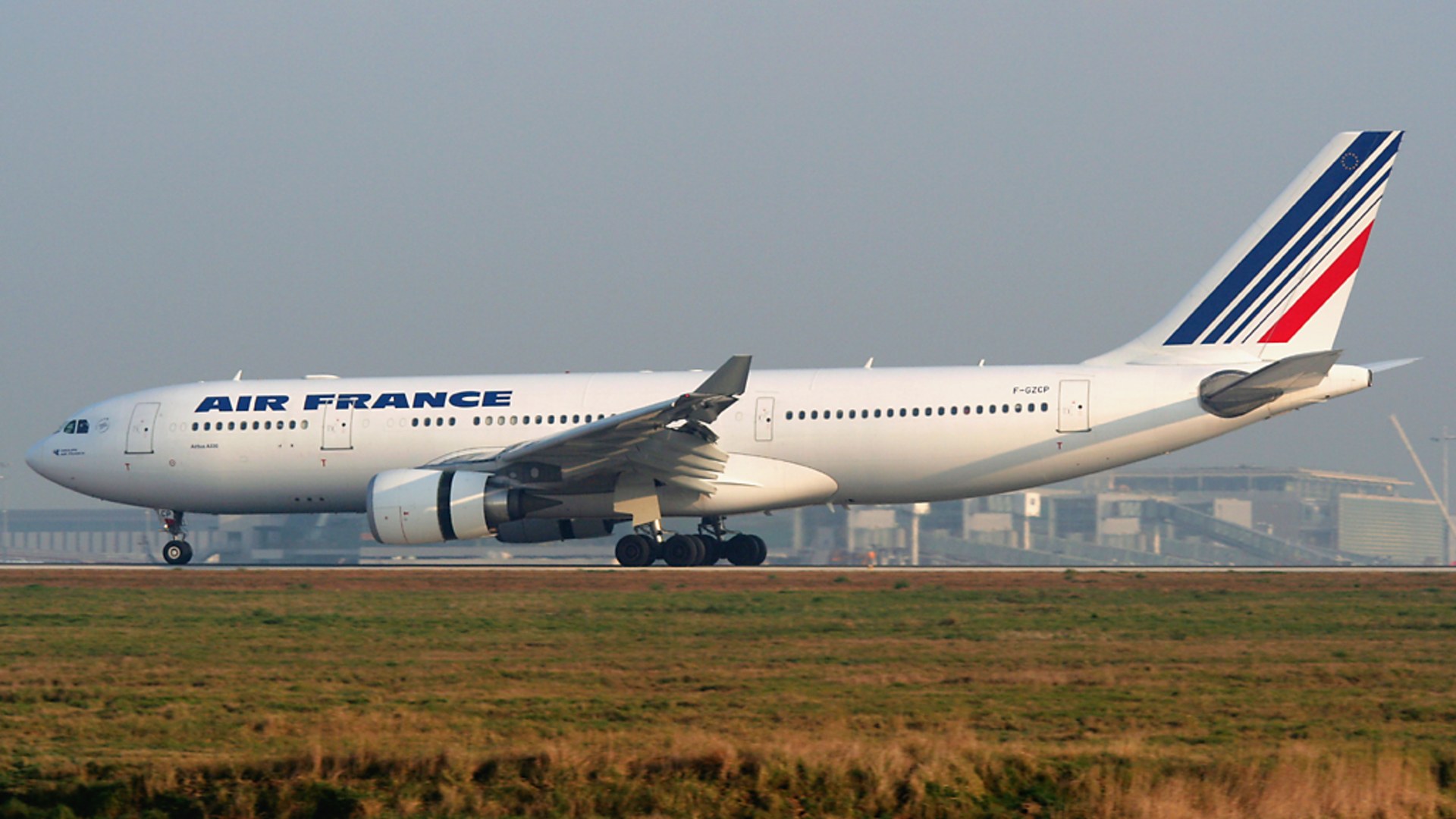
©Wikimedia / Pawel Kierzkowski
Advertisement
Swipe or tap ▶ to resume the countdown.
6. Concorde (1969)
Cruising at sixty thousand feet at Mach 2, Concorde transported elite travelers between London, Paris, and New York in under three and a half hours. Passengers watched the curvature of the Earth while sipping vintage champagne.
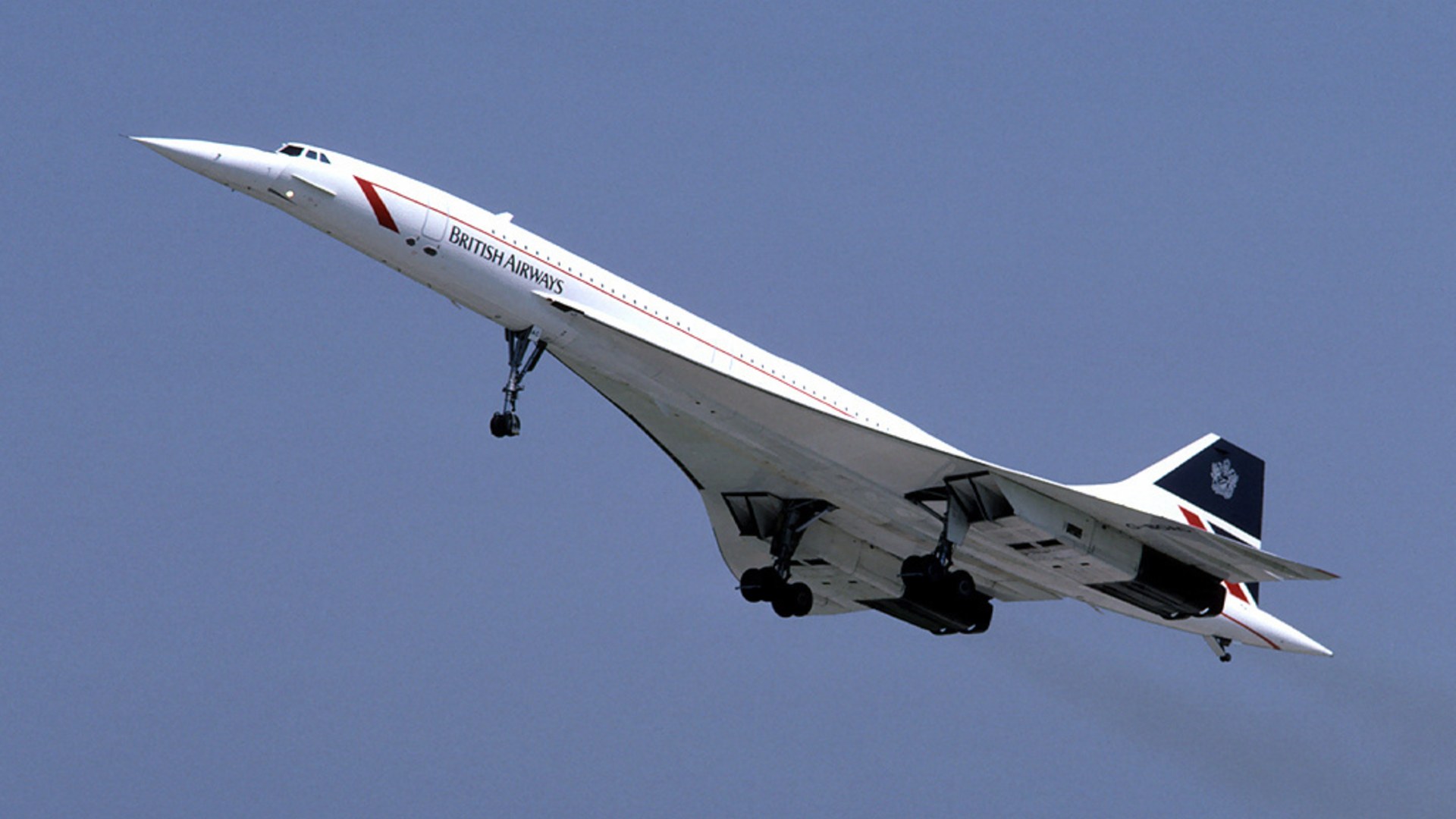
©Wikimedia / Eduard Marmet
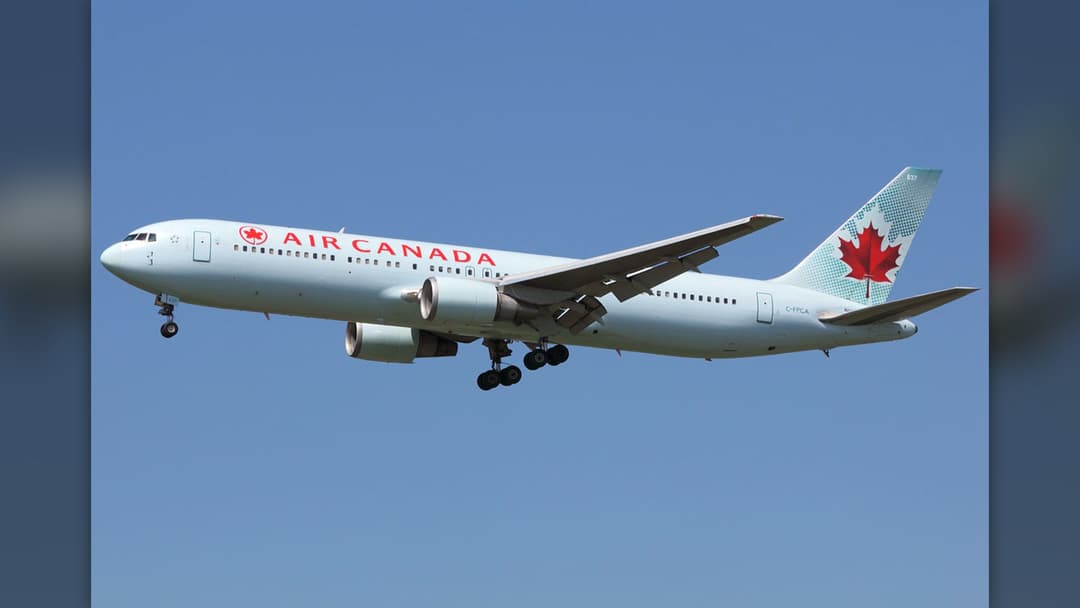
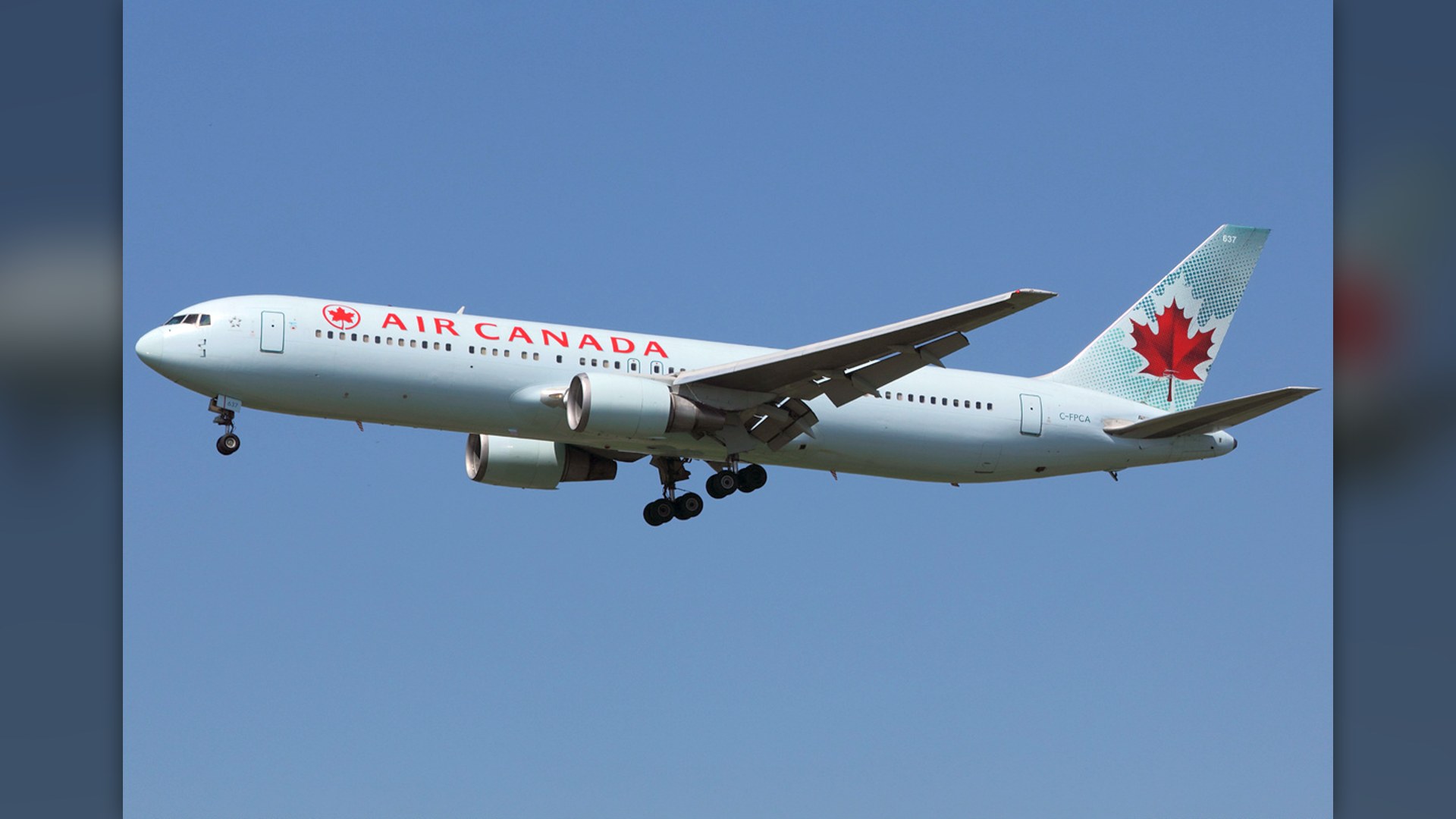
5. Boeing 767 (1981)
The 767 proved that modern high-bypass turbofans were safe enough to cross open oceans with only two engines. It allowed airlines to bypass crowded coastal hubs and inaugurate non-stop point-to-point international flights.
©Internet Archive / Egypt Air
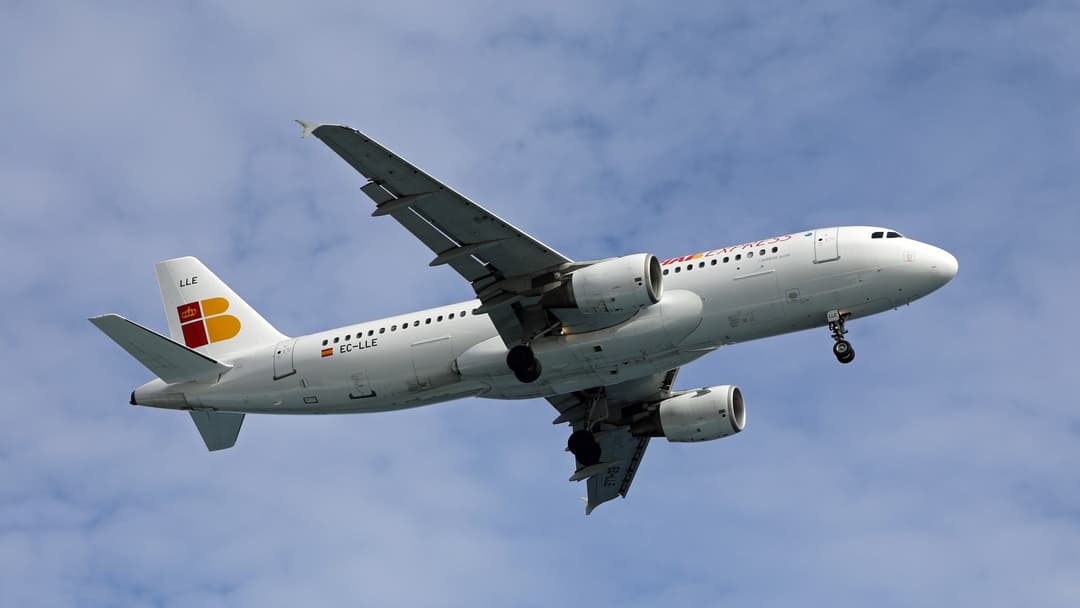
4. Airbus A320 (1987)
By replacing mechanical flight control cables with electronic computer signals, the A320 revolutionized cockpit operations and flight envelope safety. Today, it stands shoulder to shoulder with the 737 as the world most popular airliner.
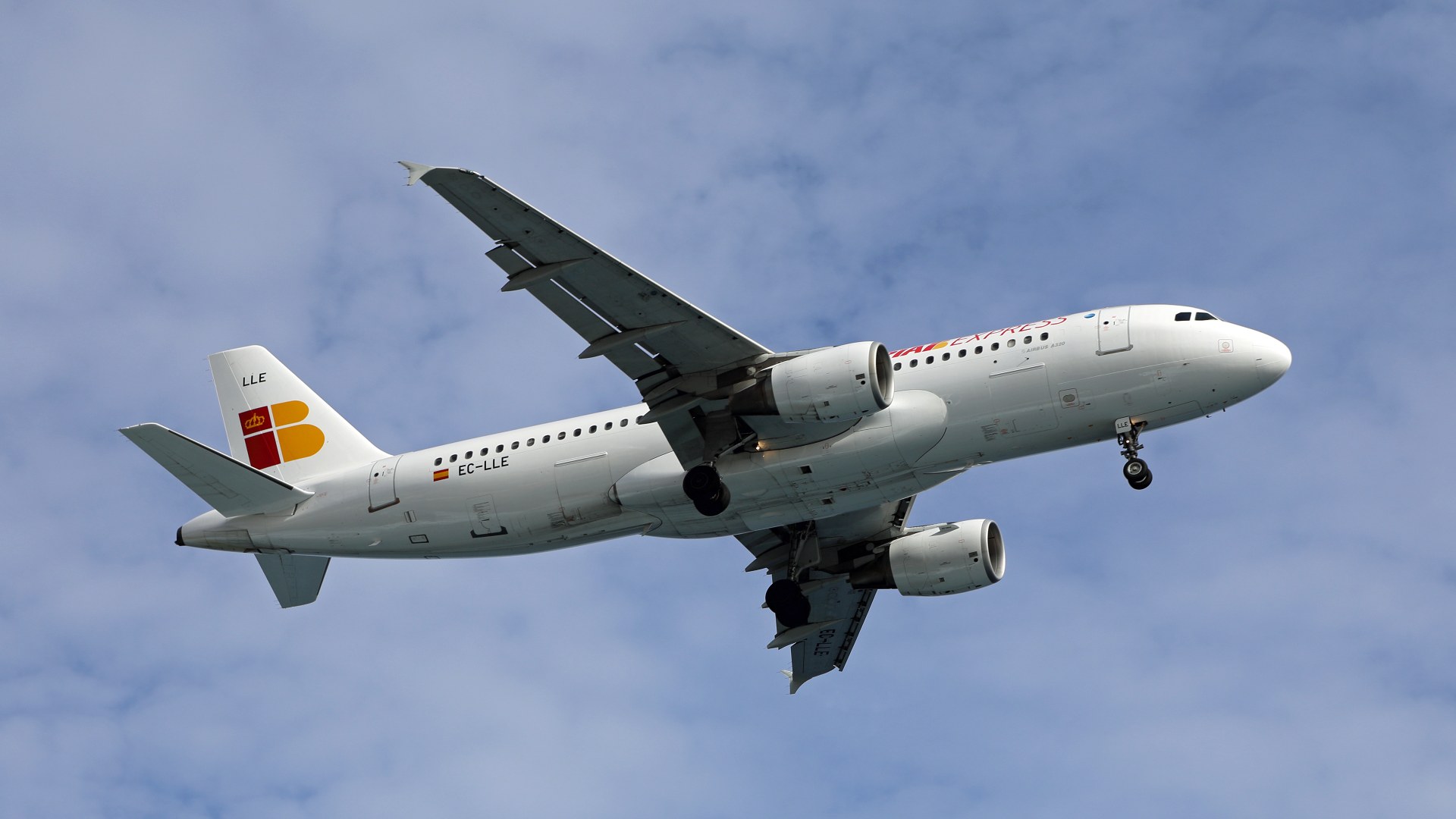
©Wikimedia / Marc Ryckaert
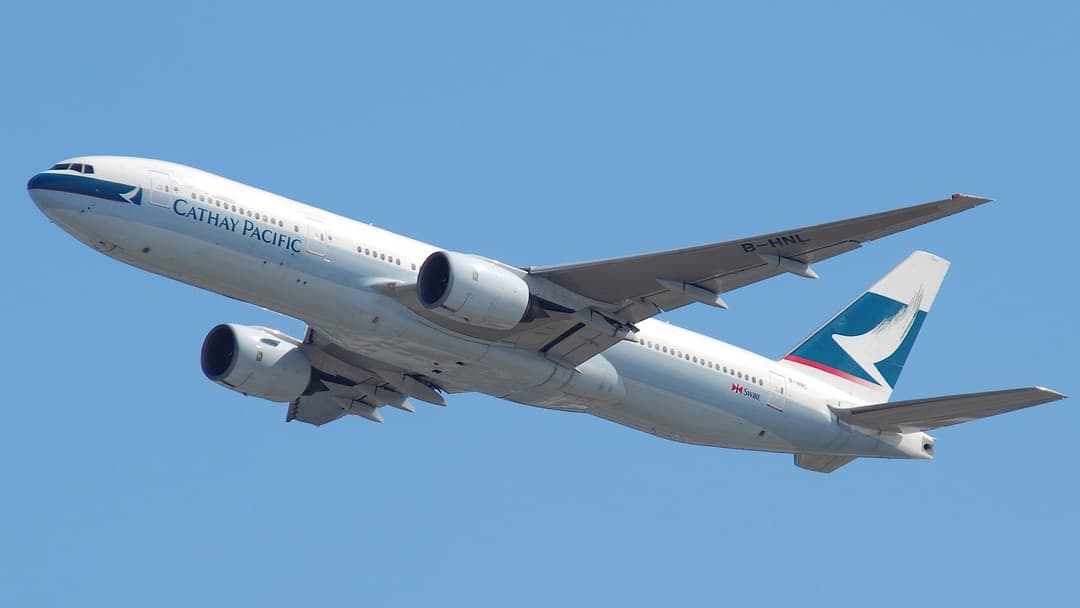
3. Boeing 777 (1994)
Engineered completely on three-dimensional digital computers, the 777 paired massive GE90 engines with remarkable passenger comfort. Its fifteen-hour nonstop range made it the premier flagship for long-range transoceanic flying.
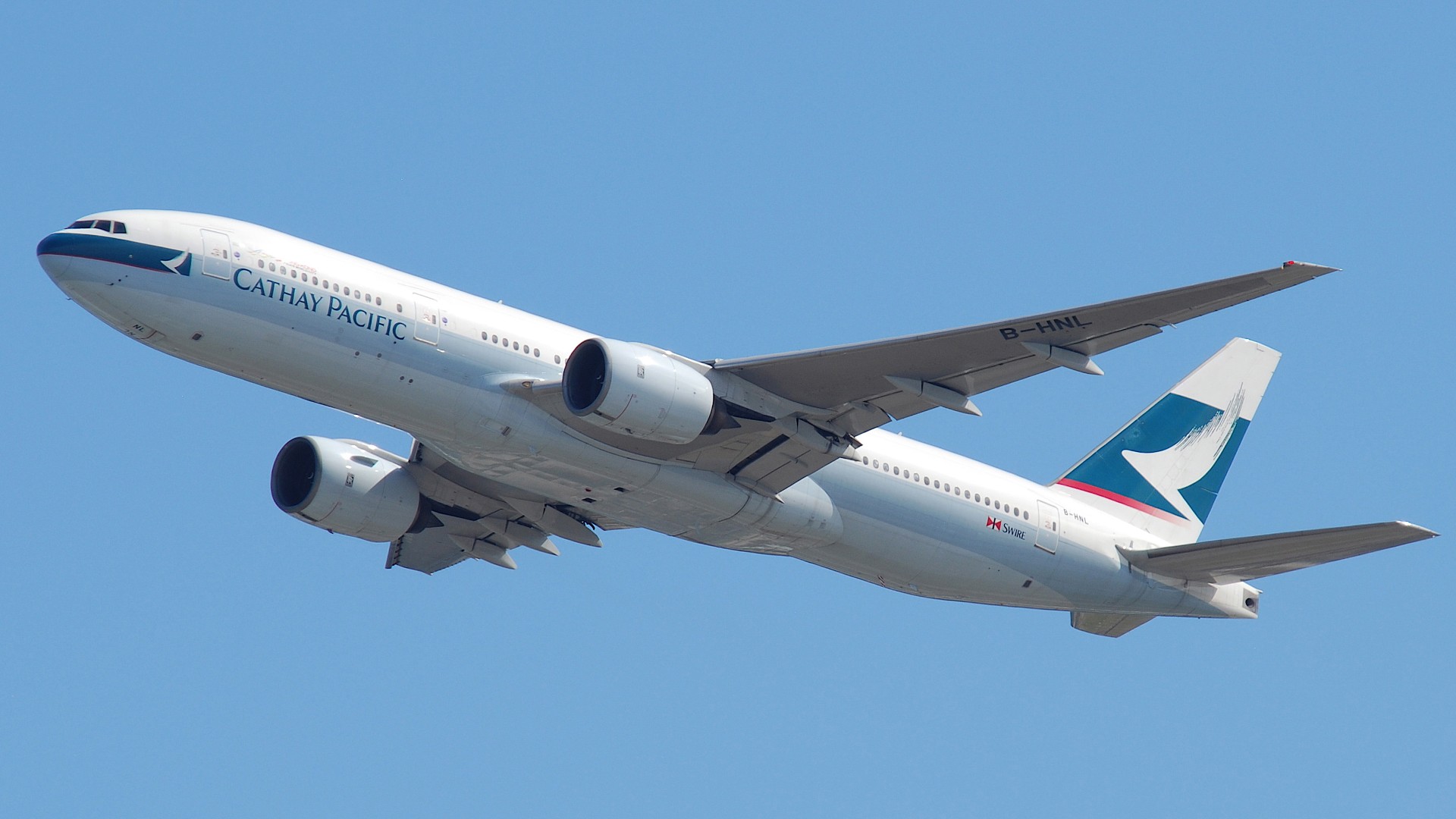
©Wikimedia / Boeing 777
Advertisement
Swipe or tap ▶ to resume the countdown.
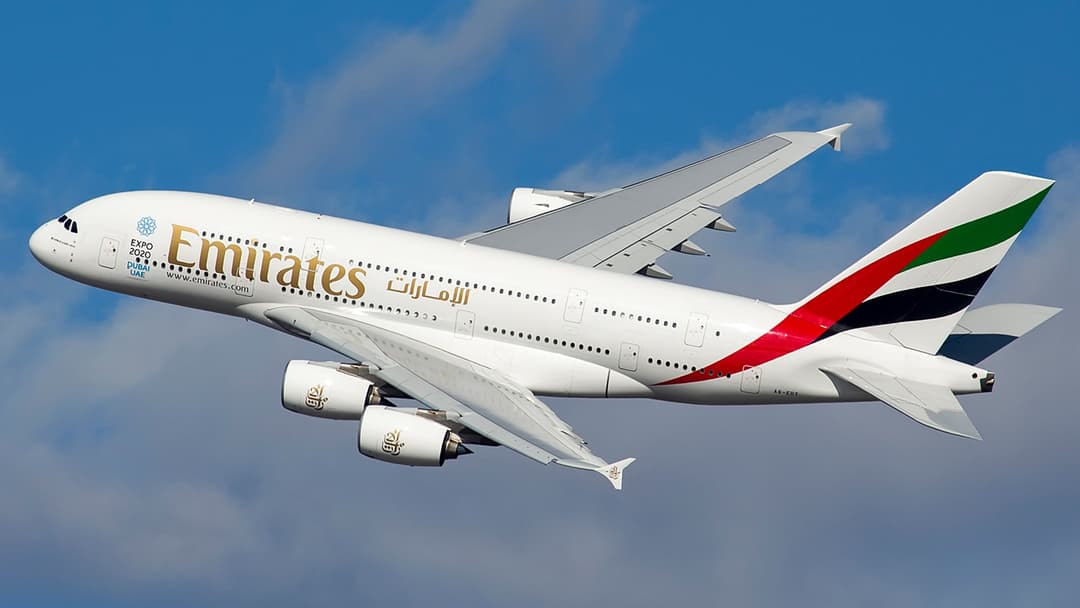
2. Airbus A380 (2005)
Capable of seating more than five hundred passengers across two full-length passenger decks, the A380 offered unmatched cabin quietness and onboard lounge bars. It provided immense capacity between mega-hub airports across Asia, Europe, and the Middle East.
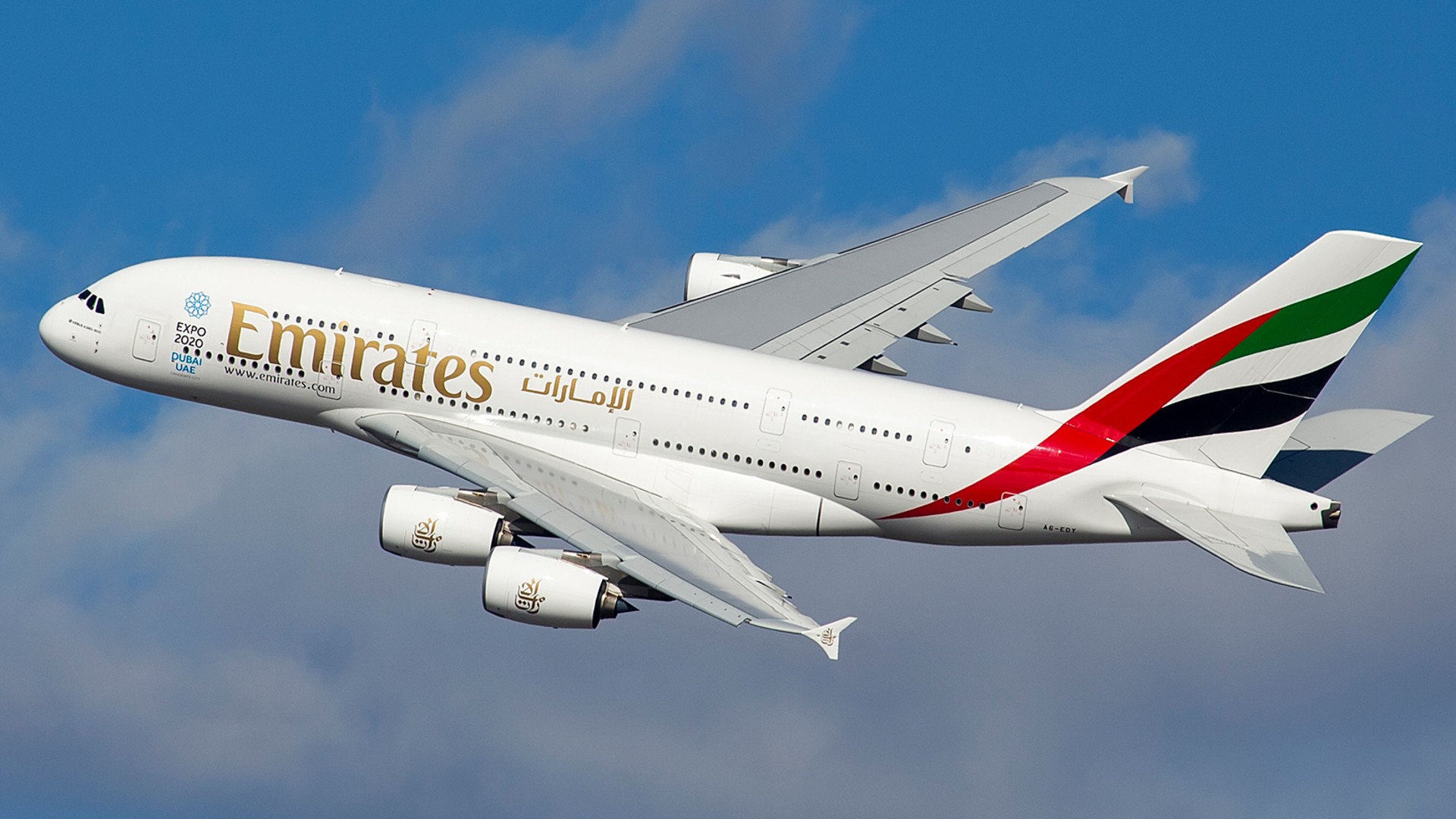
©Wikimedia / Airbus A380
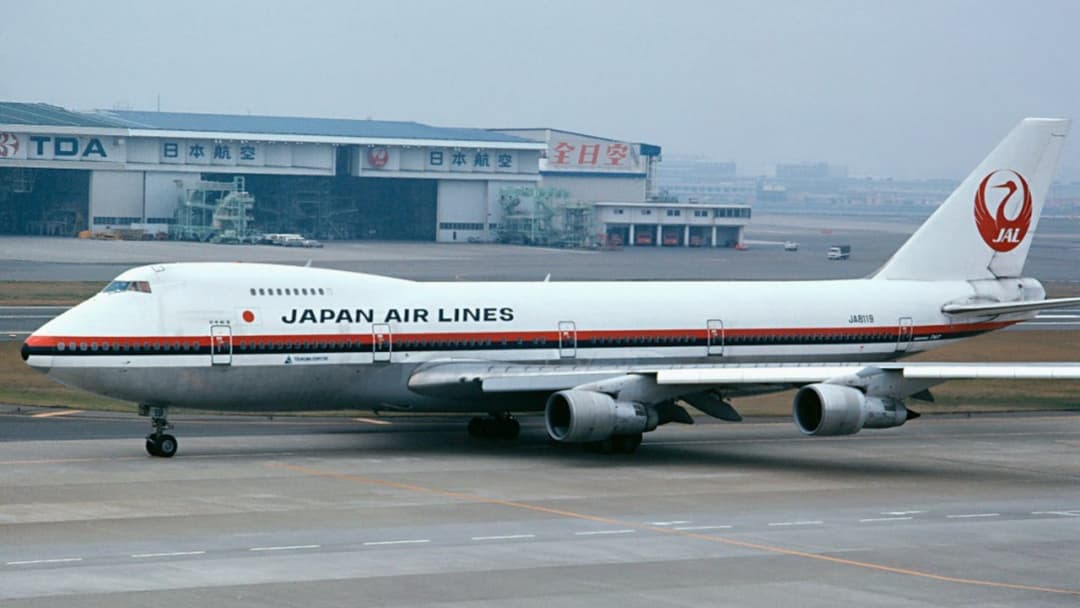
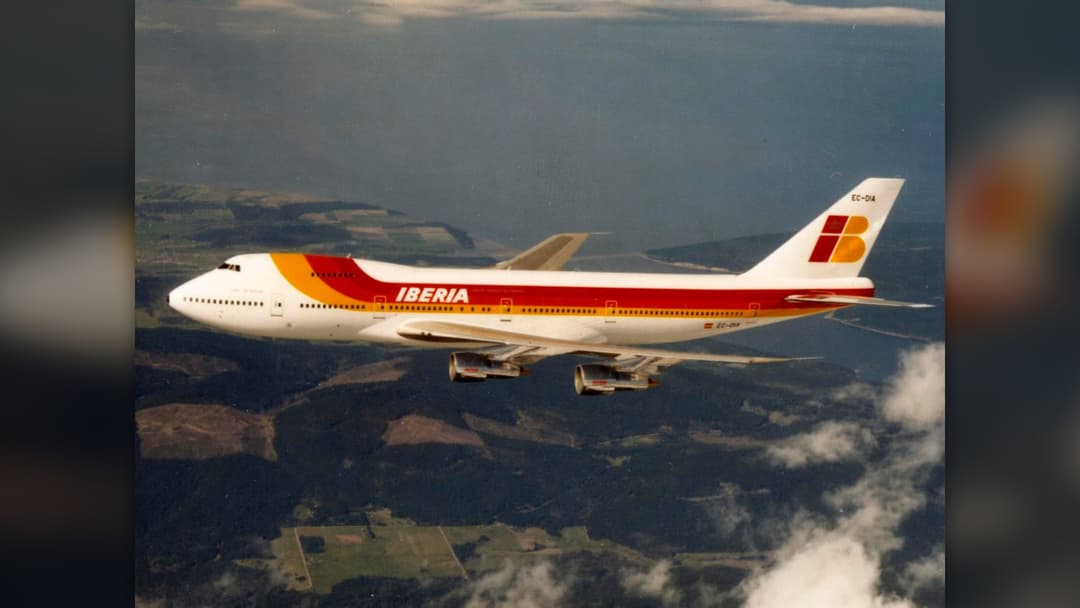
1. Boeing 747 (1969)
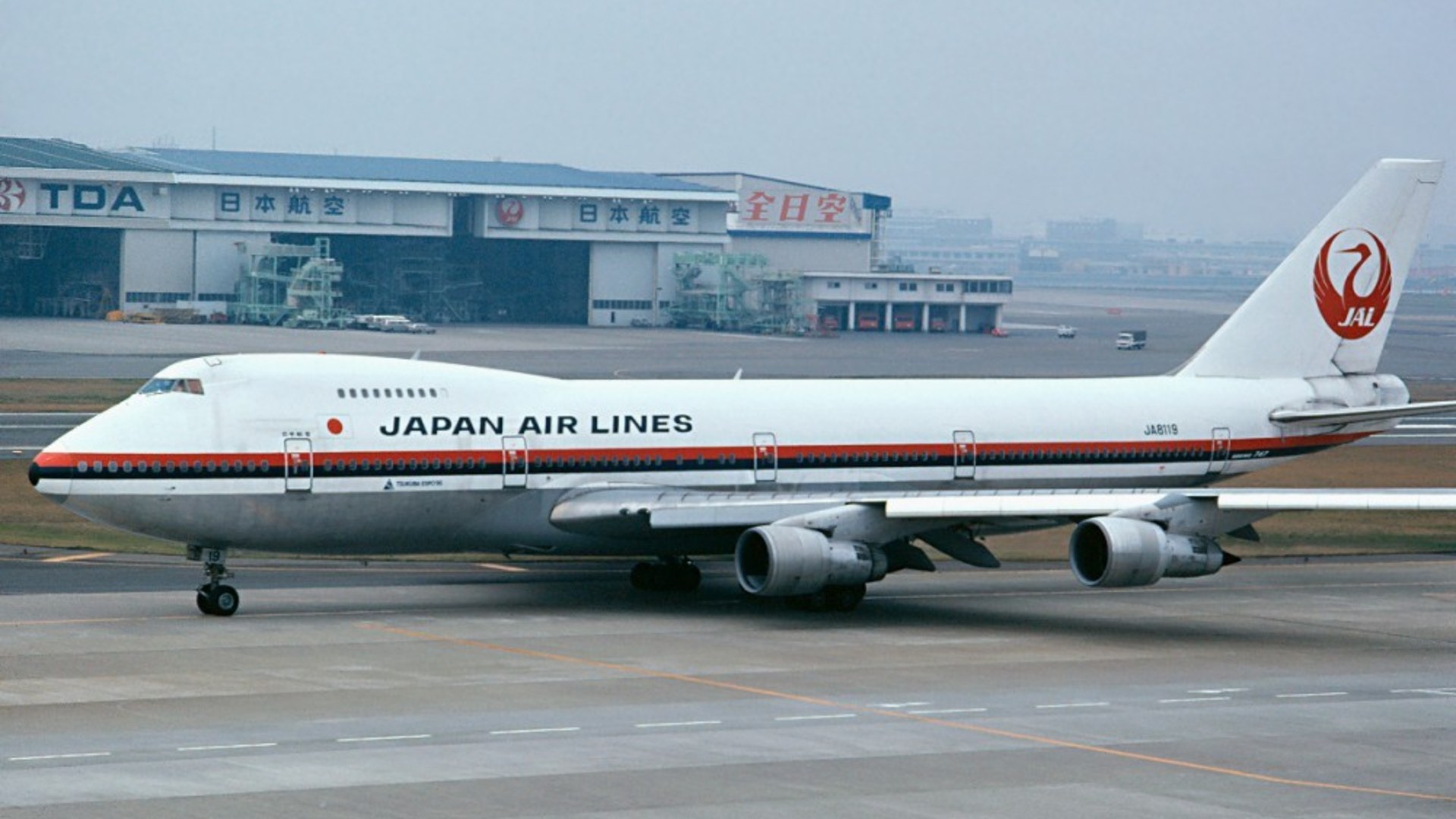
With its iconic forward hump and four engines, the 747 cut the cost of transoceanic flying and made global travel accessible to everyday families. Flying for over fifty years, the jumbo jet stands as the undisputed sovereign of commercial aviation history.
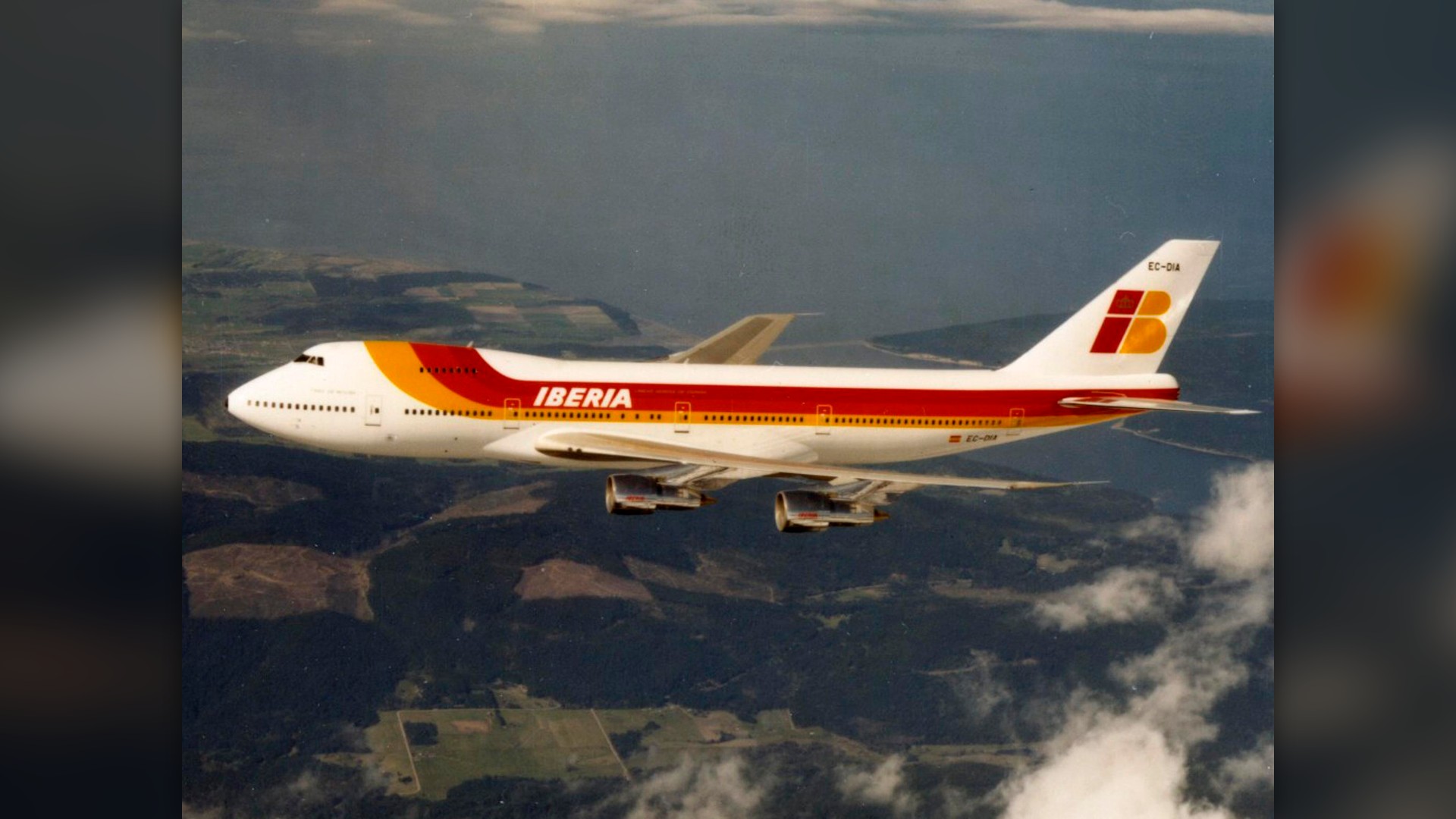
©Wikimedia / Boeing 747
Advertisement
You've reached the end of the story. Thanks for reading!

25 Political Leaders Who Changed the Course of Modern History
25 World Leaders Whose Decisions Defined the Modern Era
All 25 Entries in this Story
25. Ford Trimotor (1926)
Built from structural duralumin with three reliable radial engines, the Ford Trimotor launched transcontinental passenger service across America. Early transcontinental routes combined Ford flights by day with luxury sleeper trains by night.

24. Junkers Ju 52 (1931)
Instantly recognizable by its ribbed corrugated skin, the German trimotor connected remote European capitals across the nineteen thirties. Lufthansa established reliable scheduled alpine passenger routes using its remarkable short-field landing capabilities.

23. Boeing 247 (1933)
The Boeing 247 stunned aviation engineers by flying faster than contemporary military biplane fighters. With pneumatic de-icing boots and variable-pitch propellers, it cut coast-to-coast flight times down to nineteen hours.

22. Douglas DC-3 (1935)
With comfortable sleeping berths and twin Pratt and Whitney engines, the DC-3 made commercial passenger transport self-sustaining. Over ten thousand military and civilian variants were produced, and dozens still operate cargo routes today.

21. Boeing 314 Clipper (1938)
The gigantic Boeing 314 Clipper brought golden-age luxury to transoceanic travel before long concrete runways existed. Wealthy passengers enjoyed five-course meals served on china while flying between San Francisco, Hawaii, and Hong Kong.

20. Lockheed Constellation (1943)
Commissioned at the behest of Howard Hughes for TWA, the Constellation offered full cabin pressurization and coast-to-coast non-stop range. Passengers flew comfortably above mountain turbulence at twenty thousand feet in air-conditioned cabins.

19. Douglas DC-6 (1946)
Designed with four Double Wasp radial engines, the DC-6 offered reliable transpacific and transatlantic range. Airlines praised its outstanding operational reliability and generous payload capacity through the nineteen fifties.

18. Vickers Viscount (1948)
Powered by four Rolls-Royce Dart turboprop engines, the Viscount replaced noisy piston vibrations with a smooth, whisper-quiet cruise. Its panoramic oval passenger windows set a new luxury standard across regional airline networks.

17. De Havilland Comet (1949)
Cruising at four hundred eighty miles per hour, the Comet halved flight times between London and Johannesburg. While early square window metal fatigue issues required major redesigns, the Comet opened the jet age for global travelers.

16. Sud Aviation Caravelle (1955)
The Caravelle clean aerodynamic wing and rear engine arrangement inspired future jetliners like the DC-9 and Boeing 727. Its triangular cockpit windows and gentle handling made it a favorite among European carriers.

15. Lockheed L-188 Electra (1957)
Cruising at nearly four hundred miles per hour, the Electra served medium-range domestic routes efficiently. Its rugged four-engine airframe later formed the foundation for the famous Navy P-3 Orion maritime patrol aircraft.

14. Douglas DC-8 (1958)
With robust structural engineering and a cavernous passenger fuselage, the DC-8 became a transpacific flagship for airlines worldwide. Stretched Super Sixty variants set commercial endurance records and carried heavy loads for decades.

13. Convair 880 (1959)
Designed with General Electric turbojets, the Convair 880 cruised at six hundred fifteen miles per hour to outpace rivals. While fuel consumption cut its commercial longevity, Elvis Presley famously owned one as his private flagship.

12. Boeing 727 (1963)
Featuring sophisticated triple-slotted trailing edge flaps and three rear-mounted engines, the 727 operated out of compact airports with ease. Over eighteen hundred aircraft were built, serving as the domestic backbone of major US airlines.

11. McDonnell Douglas DC-9 (1965)
Built with durable landing gear and self-contained boarding stairs, the DC-9 mastered multi-stop regional hops without terminal jetways. Its underlying airframe architecture survived through five decades of airline production evolutions.

10. Boeing 737 (1967)
From the original 737-100 to modern MAX variants, Boeing has delivered over eleven thousand of these dependable twinjets. On any given afternoon, thousands of 737s are airborne simultaneously handling short and medium haul routes.

9. McDonnell Douglas DC-10 (1970)
Carrying three hundred passengers in wide twin-aisle comfort, the DC-10 connected intercontinental hubs efficiently. Its immense underfloor cargo holds and long range made it a legendary freighter across global package networks.

8. Lockheed L-1011 TriStar (1970)
Engineered with RB211 turbofans and direct lift flight controls, the TriStar offered whisper-quiet flights and automated low-visibility landings. Pilots praised its buttery flight characteristics and innovative S-duct intake design.

7. Airbus A300 (1972)
European aerospace partners joined forces to prove a twin-engine widebody could operate transcontinental flights reliably and economically. Its market success broke the American monopoly on widebody passenger aircraft.

6. Concorde (1969)
Cruising at sixty thousand feet at Mach 2, Concorde transported elite travelers between London, Paris, and New York in under three and a half hours. Passengers watched the curvature of the Earth while sipping vintage champagne.

5. Boeing 767 (1981)
The 767 proved that modern high-bypass turbofans were safe enough to cross open oceans with only two engines. It allowed airlines to bypass crowded coastal hubs and inaugurate non-stop point-to-point international flights.

4. Airbus A320 (1987)
By replacing mechanical flight control cables with electronic computer signals, the A320 revolutionized cockpit operations and flight envelope safety. Today, it stands shoulder to shoulder with the 737 as the world most popular airliner.

3. Boeing 777 (1994)
Engineered completely on three-dimensional digital computers, the 777 paired massive GE90 engines with remarkable passenger comfort. Its fifteen-hour nonstop range made it the premier flagship for long-range transoceanic flying.

2. Airbus A380 (2005)
Capable of seating more than five hundred passengers across two full-length passenger decks, the A380 offered unmatched cabin quietness and onboard lounge bars. It provided immense capacity between mega-hub airports across Asia, Europe, and the Middle East.

1. Boeing 747 (1969)
With its iconic forward hump and four engines, the 747 cut the cost of transoceanic flying and made global travel accessible to everyday families. Flying for over fifty years, the jumbo jet stands as the undisputed sovereign of commercial aviation history.