Slideshow · Viral
25 Political Leaders Who Changed the Course of Modern History
25 World Leaders Whose Decisions Defined the Modern Era
By Most Viral Today
12 min ago

25 World Leaders Whose Decisions Defined the Modern Era 
25. Lech Walesa 
24. Clement Attlee 
23. Harry S. Truman - AdvertisementSwipe or tap ▶ to continue countdown

22. Angela Merkel 
21. Dwight D. Eisenhower 
20. Vaclav Havel 
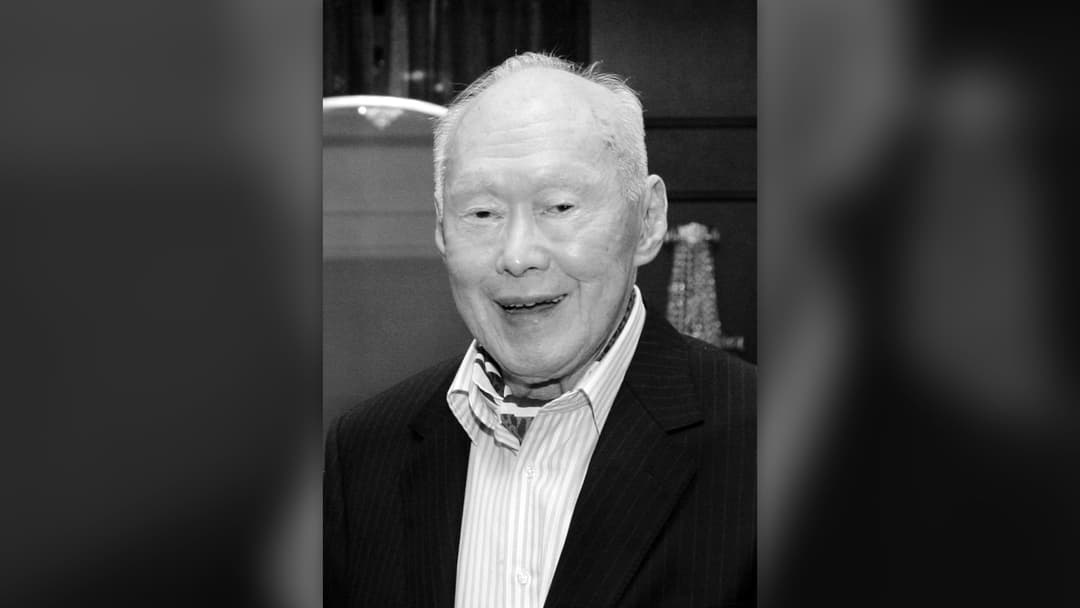
19. Lee Kuan Yew - AdvertisementSwipe or tap ▶ to continue countdown

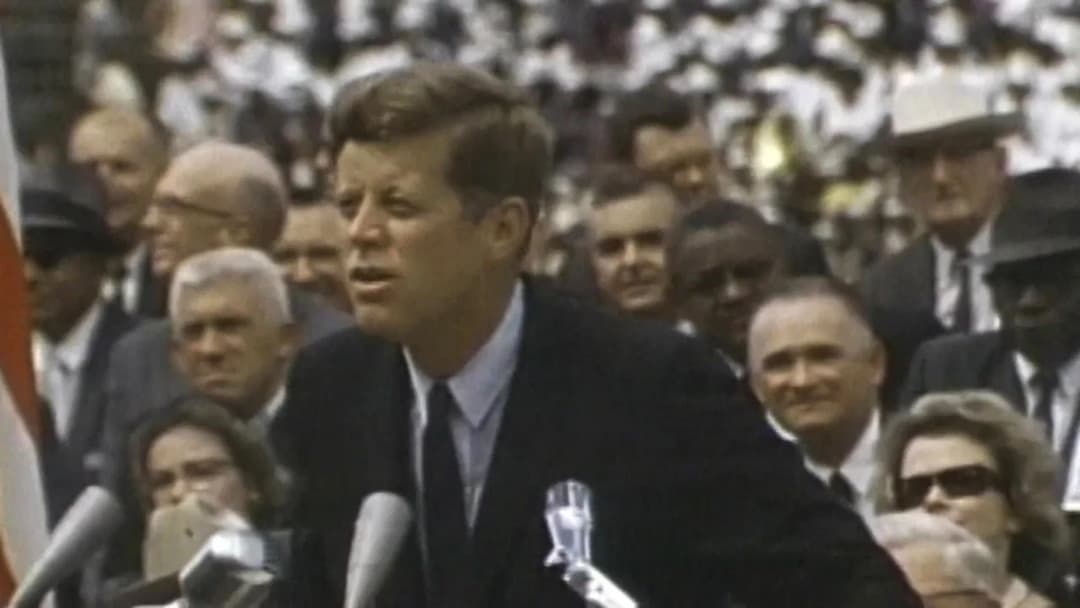
18. John F. Kennedy 
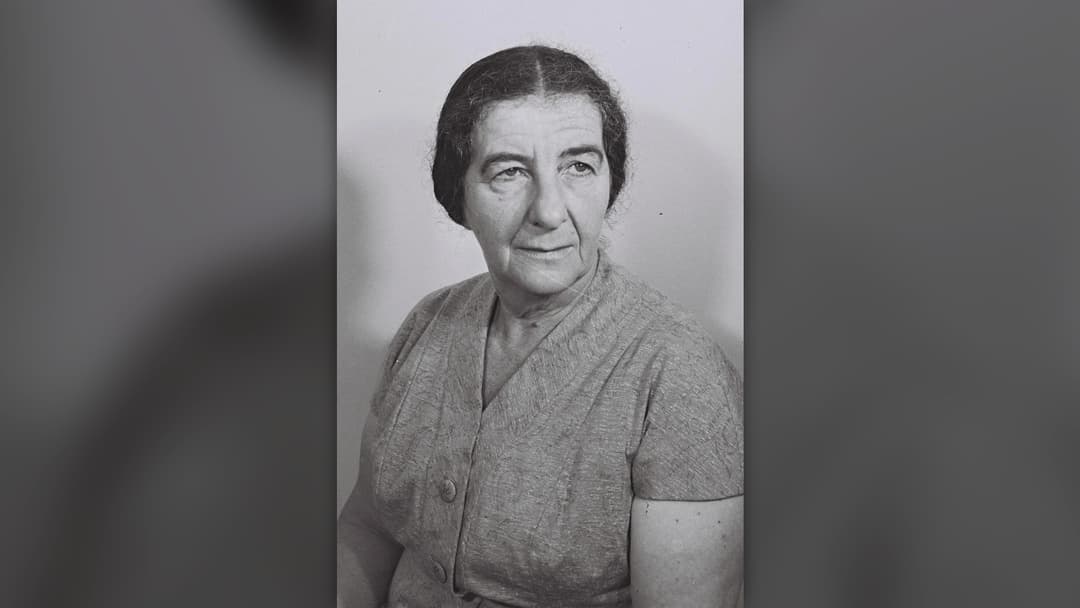
17. Golda Meir 
16. Konrad Adenauer 
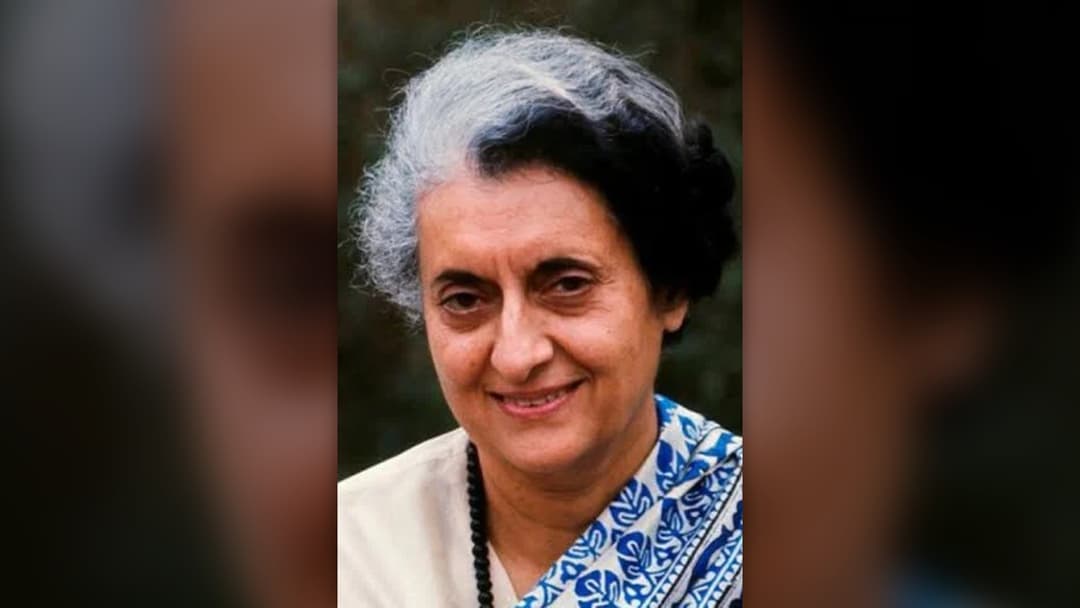
15. Indira Gandhi - AdvertisementSwipe or tap ▶ to continue countdown

14. Theodore Roosevelt 
13. Otto Von Bismarck 
12. Deng Xiaoping 
11. Mustafa Kemal Ataturk - AdvertisementSwipe or tap ▶ to continue countdown

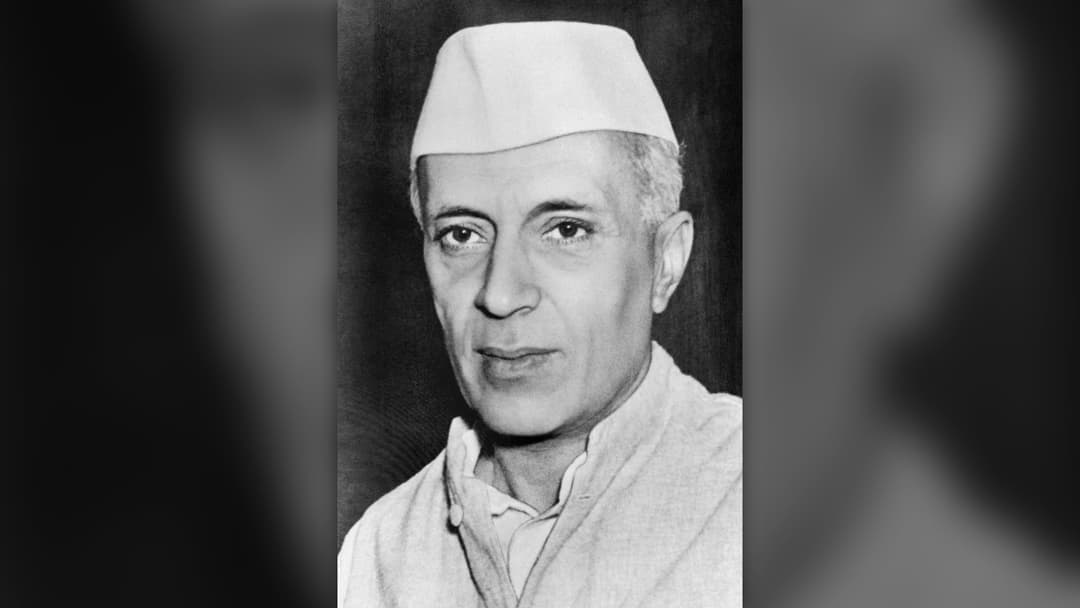
10. Jawaharlal Nehru 
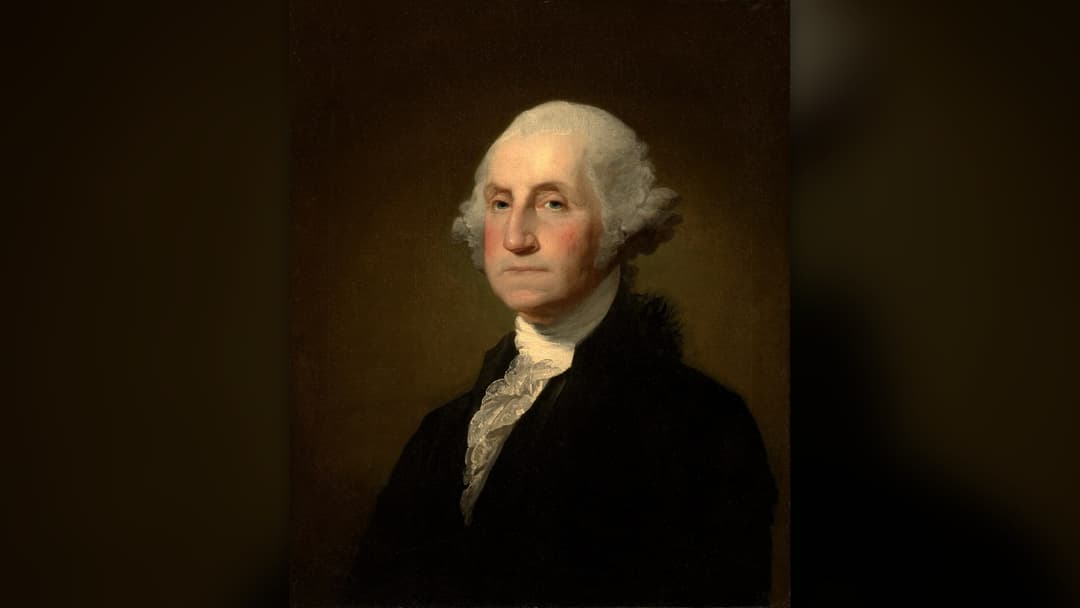
9. George Washington 
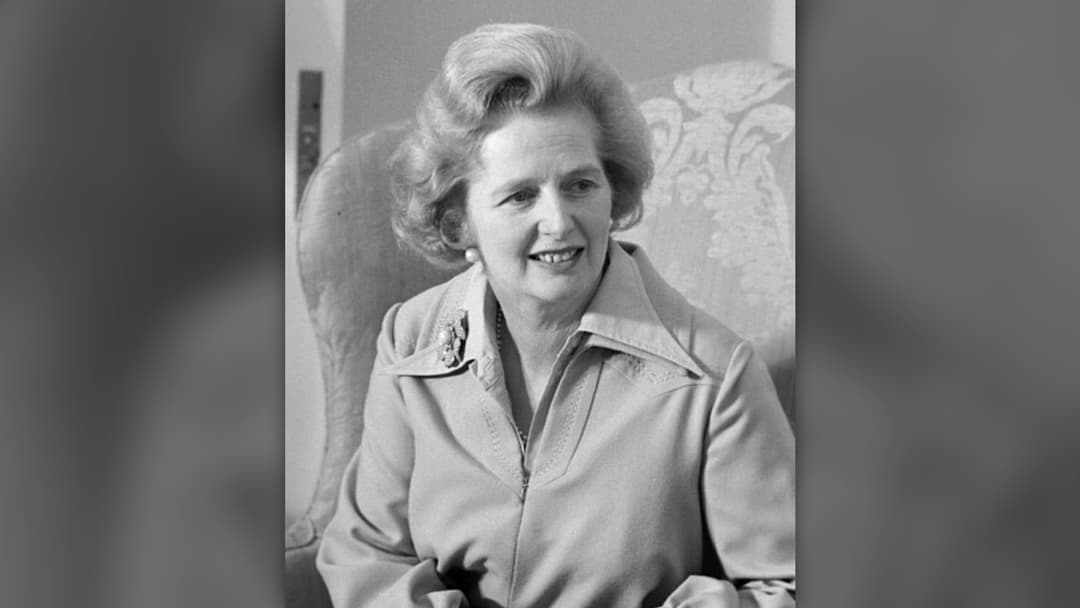
8. Margaret Thatcher 
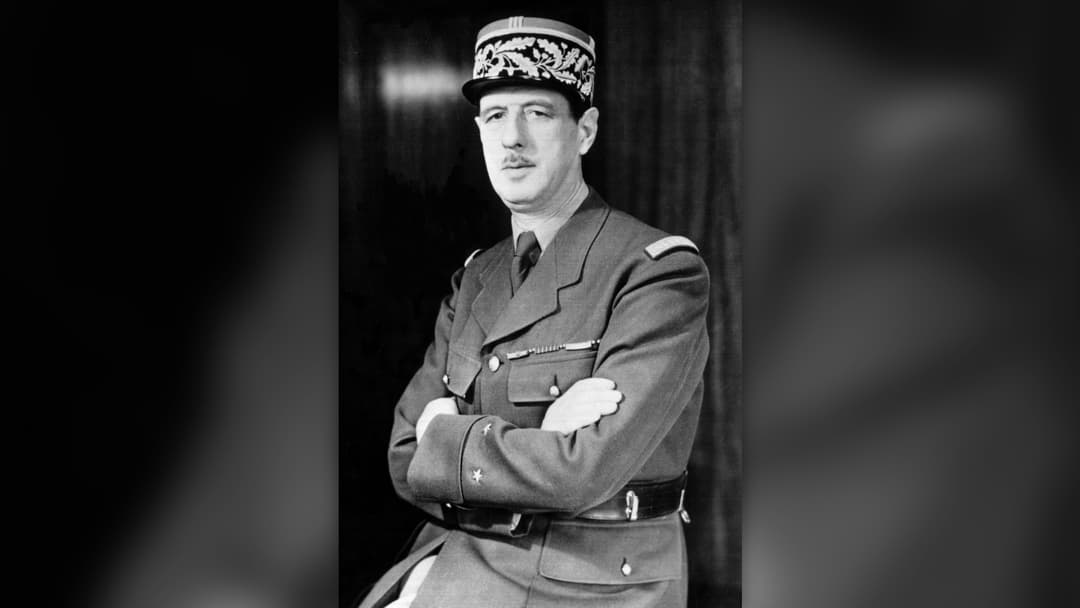
7. Charles De Gaulle - AdvertisementSwipe or tap ▶ to continue countdown

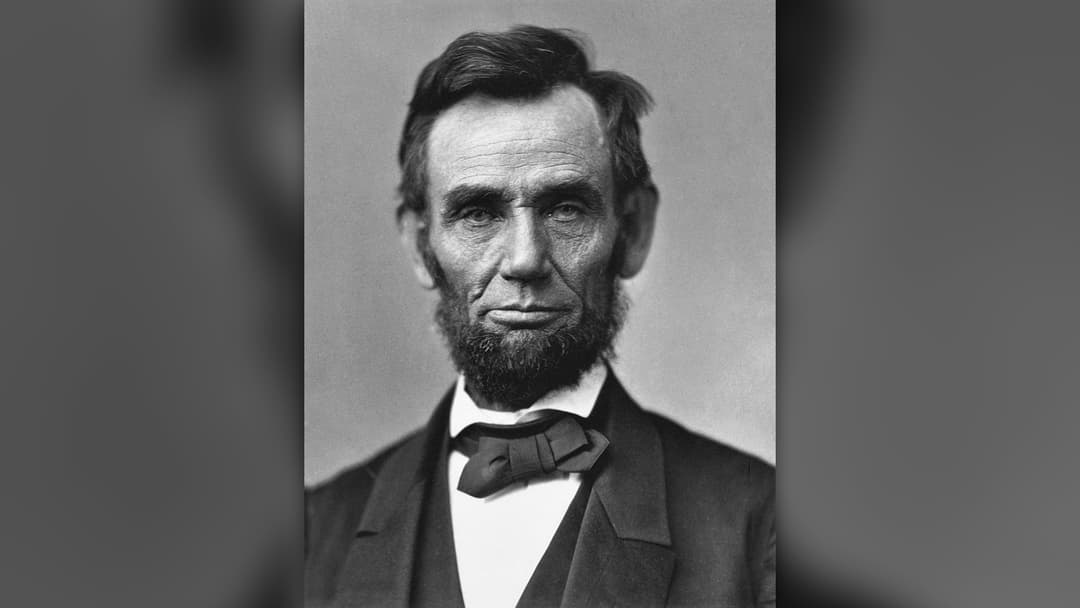
6. Abraham Lincoln 
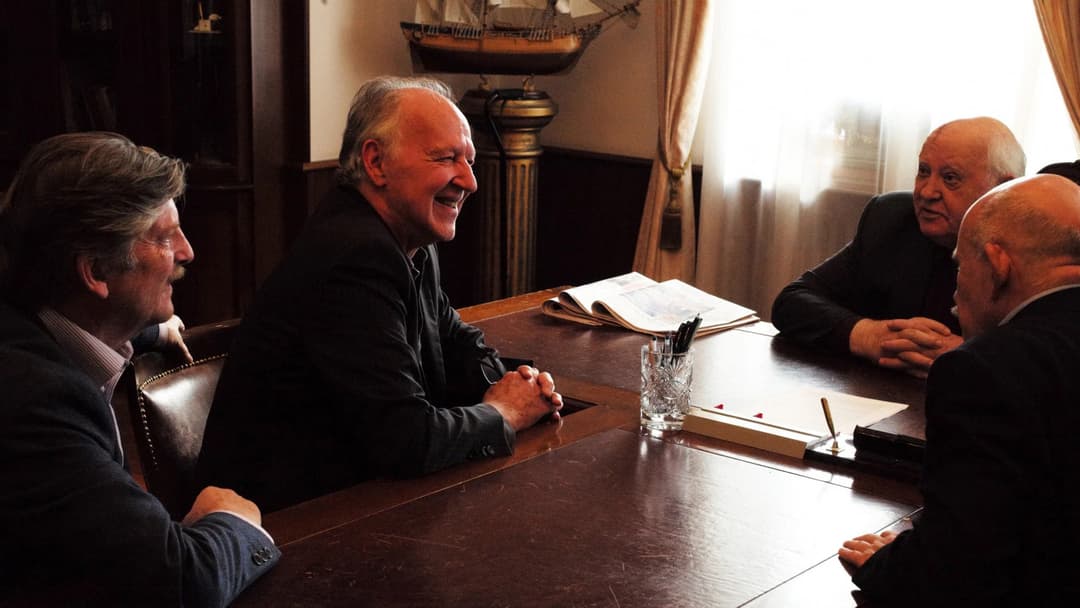
5. Mikhail Gorbachev 
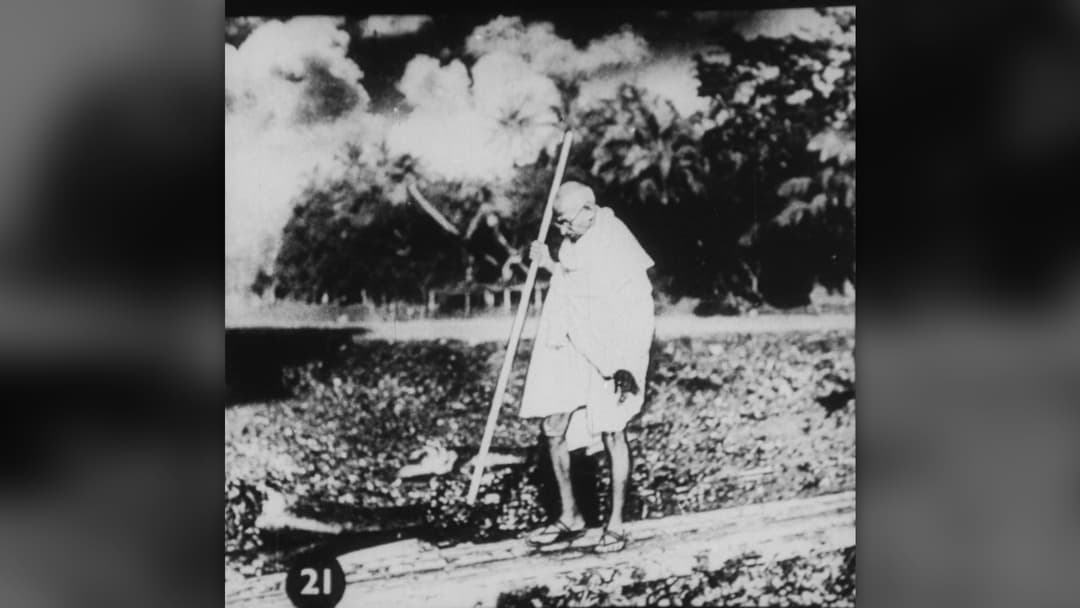
4. Mahatma Gandhi 
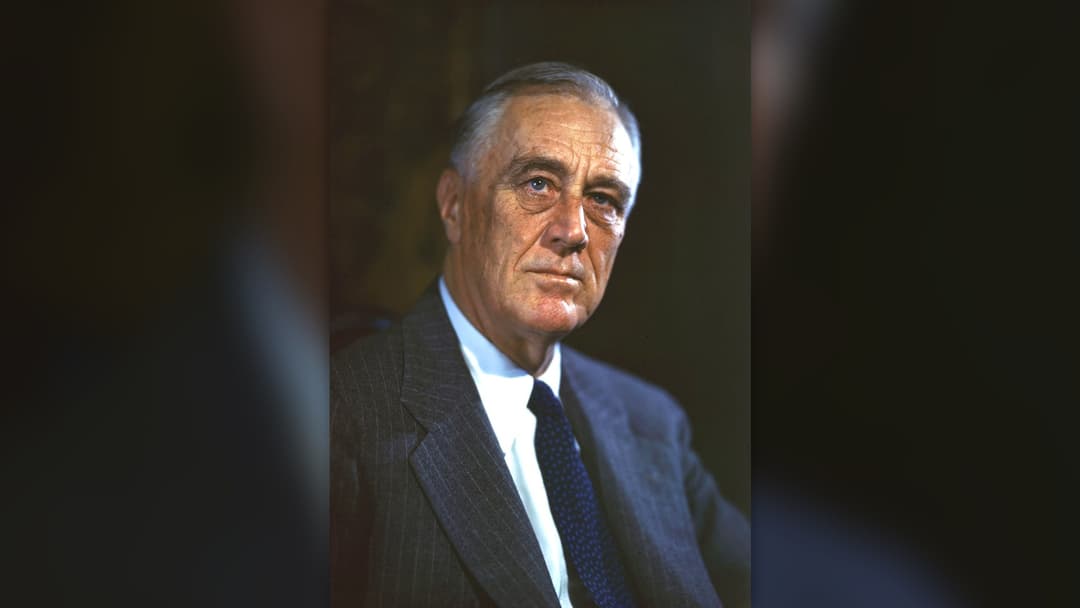
3. Franklin D. Roosevelt - AdvertisementSwipe or tap ▶ to continue countdown

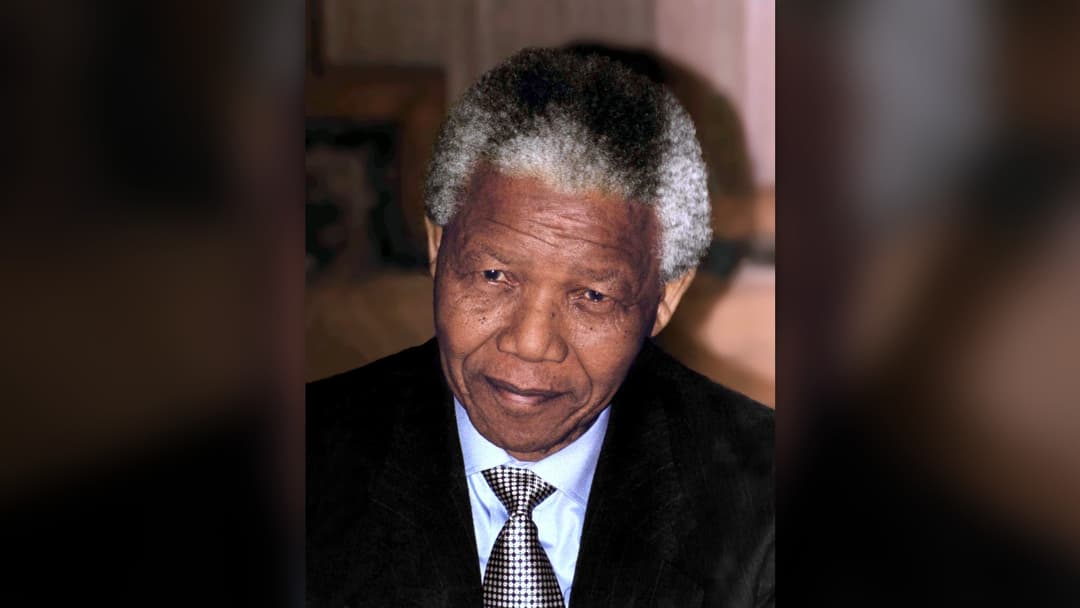
2. Nelson Mandela 
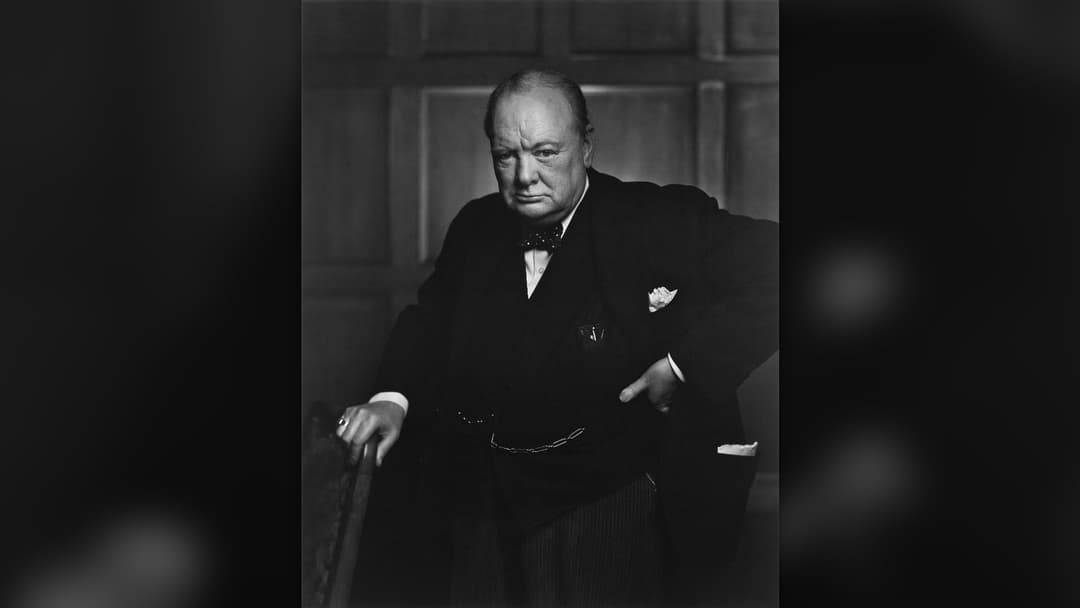
1. Winston Churchill - Advertisement🔥 UP NEXT IN THIS SERIES◫ 21 Slides

20 Strict Rules Some Christians Still Follow Today
Ancient Ordinances That Shape Modern Faith
From wartime leaders to independence architects and democracy advocates, influential political figures shaped modern history. Their decisions helped end conflicts, dismantle colonial empires, and forge international alliances that continue to influence global politics and human rights today.
Swipe or tap ▶ to begin the countdown
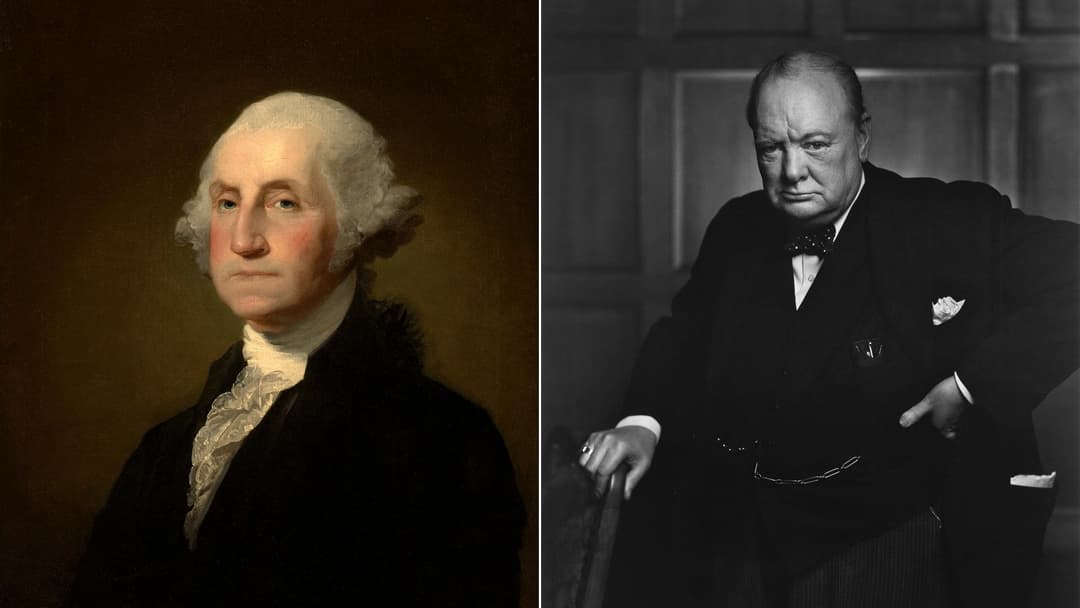
©Wikimedia / Gilbert Stuart & Wikimedia / Yousuf Karsh
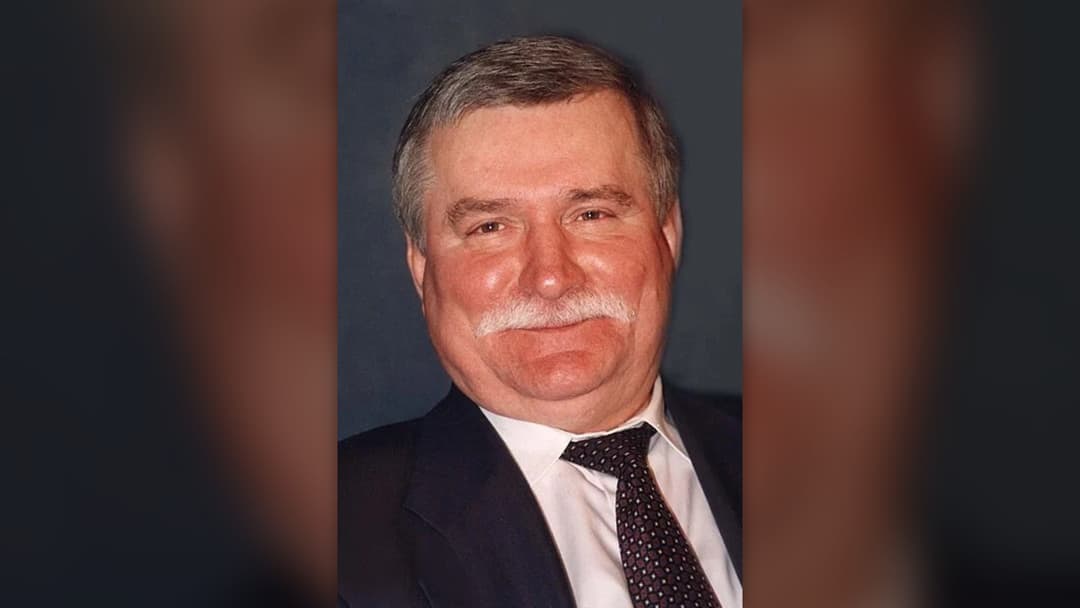
25. Lech Walesa
Leading the independent Polish trade union movement from Gdańsk shipyards, Walesa won the 1983 Nobel Peace Prize and became Poland's first democratically elected president in 1990.
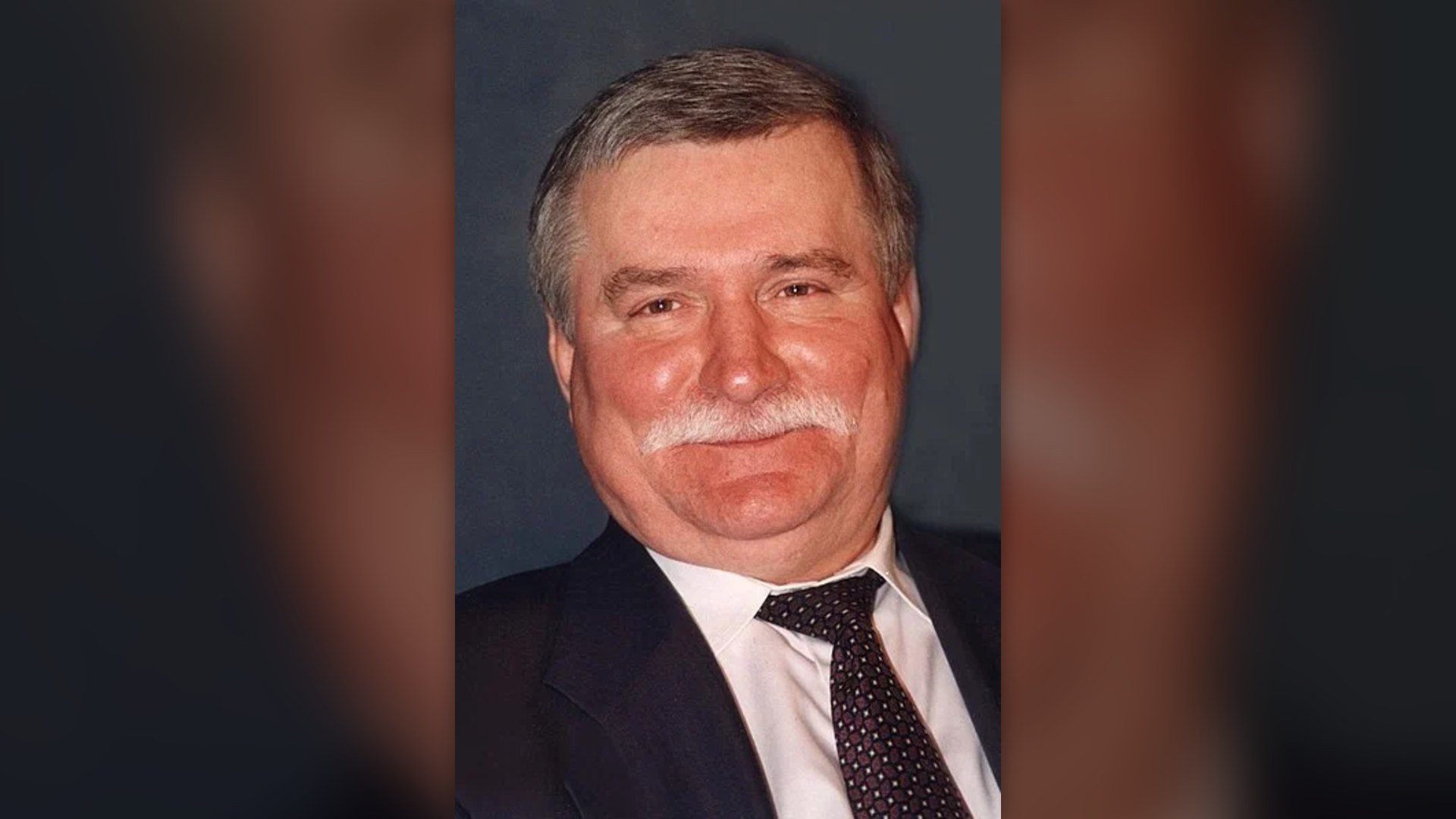
©Wikimedia / Chancellery of Poland
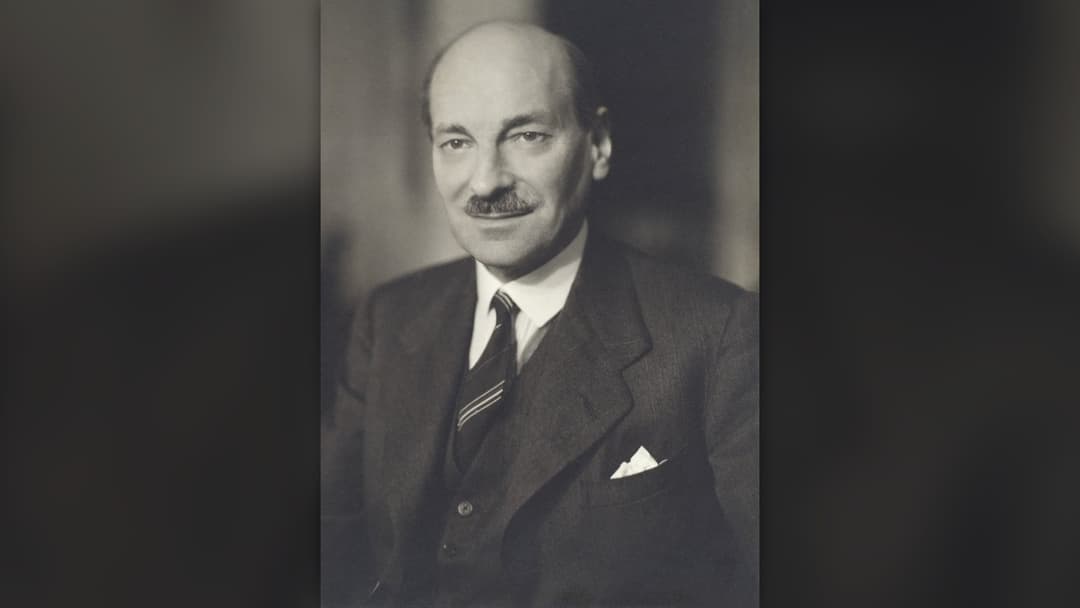
24. Clement Attlee
Defeating Winston Churchill in the historic 1945 general election, Attlee founded Britain's modern welfare state, built the NHS, and granted independence to India, Pakistan, and Burma.
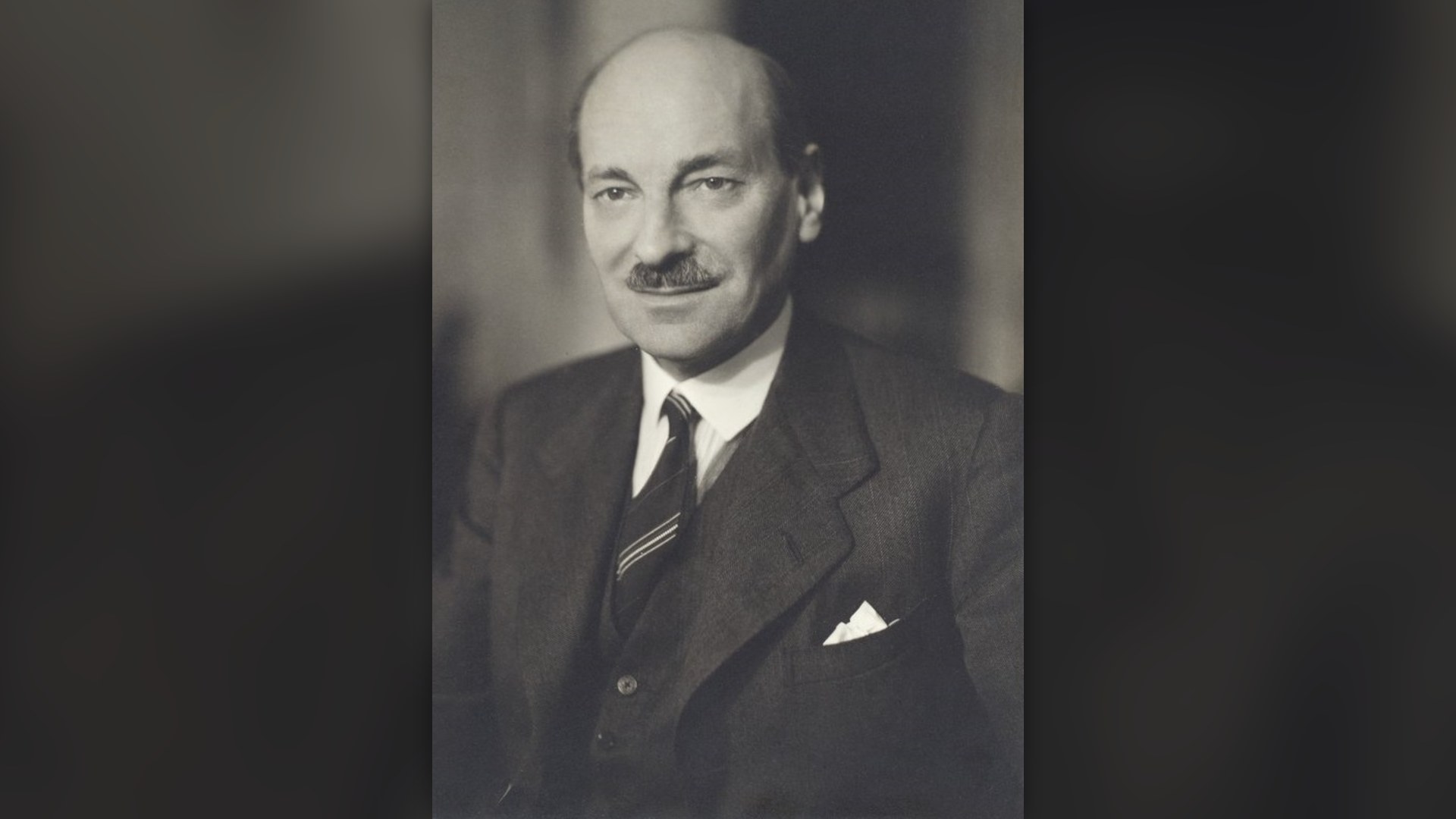
©Wikimedia / Unknown photographer
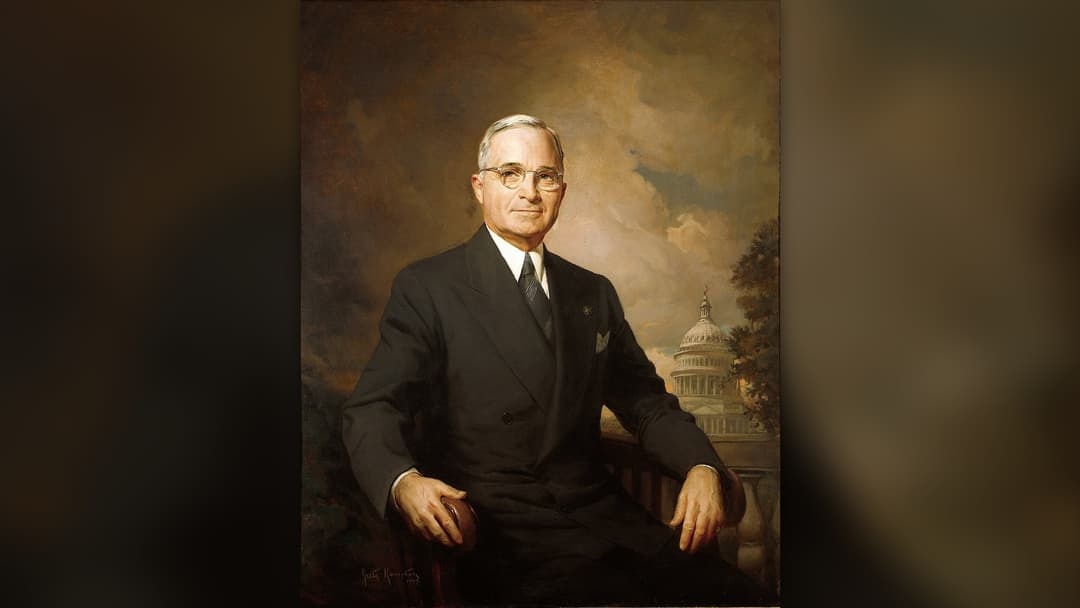
23. Harry S. Truman
Taking office during the final months of World War II, Truman authorized the Marshall Plan to rebuild post-war Europe and established NATO to secure Western democratic alliances.
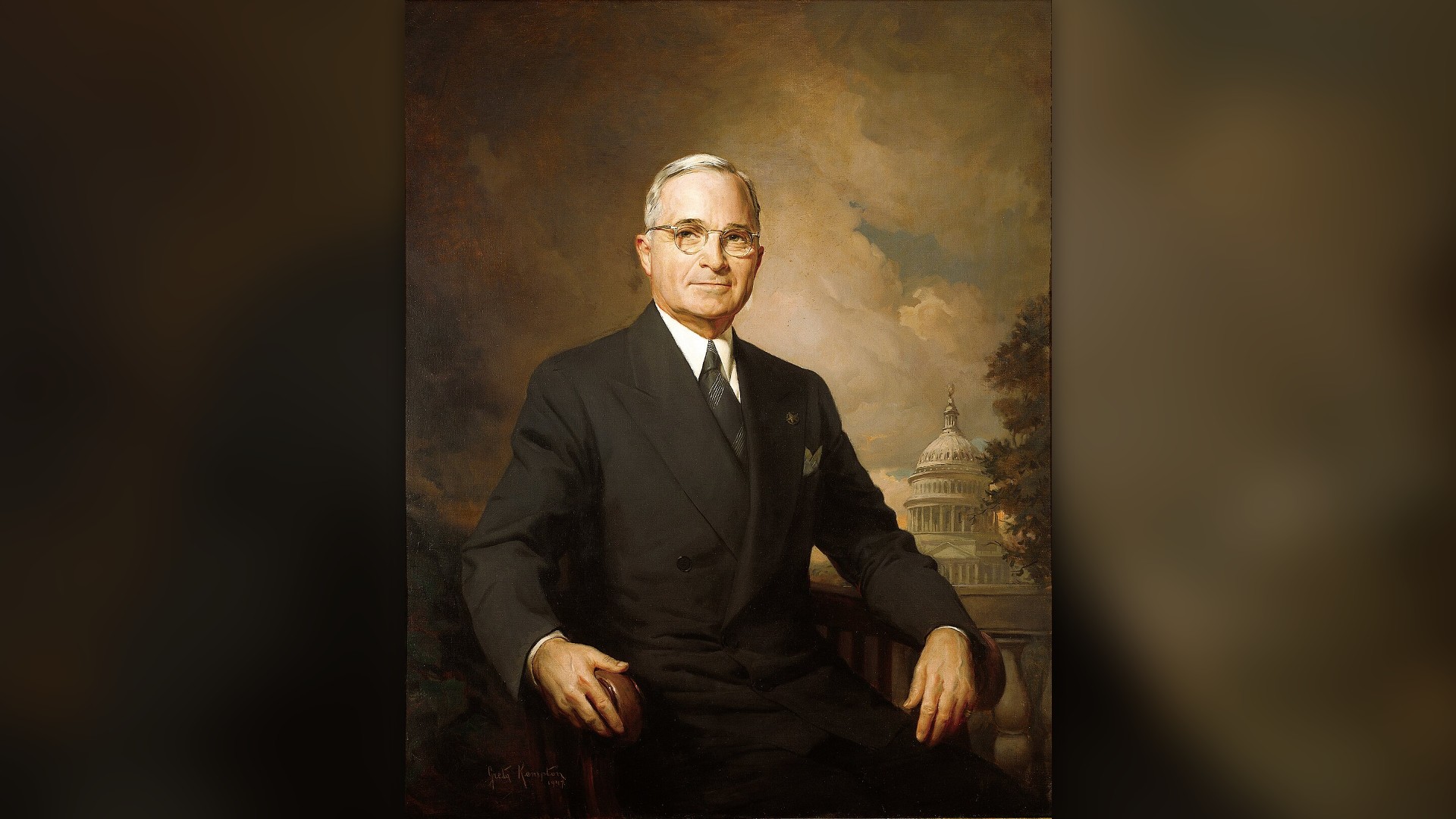
©Wikimedia / Greta Kempton
Advertisement
Swipe or tap ▶ to resume the countdown.
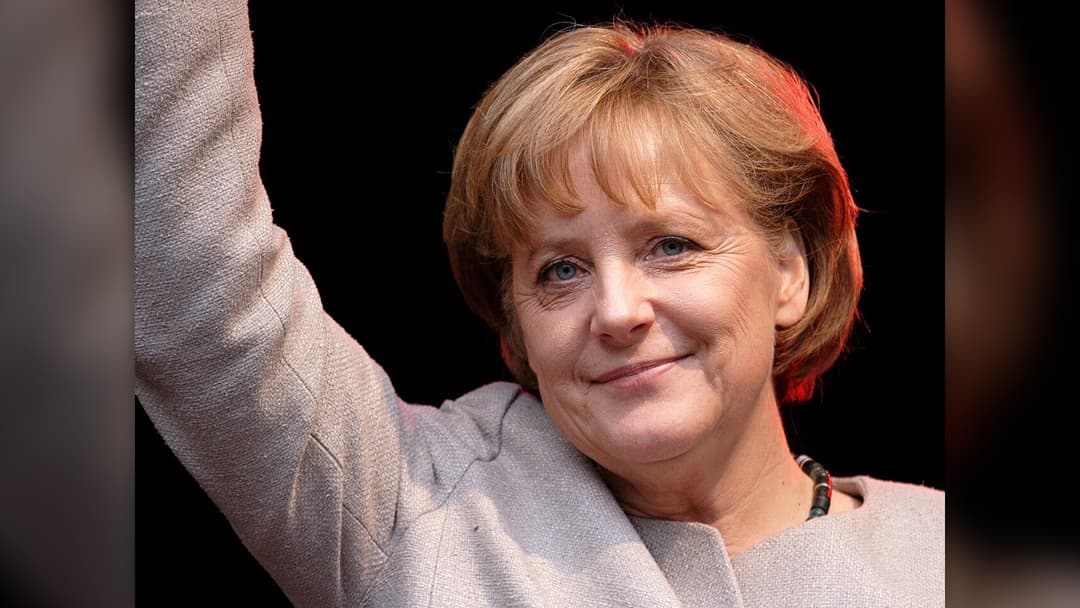
22. Angela Merkel
Serving from 2005 to 2021, Merkel became the de facto leader of the European Union, steering member states through the eurozone sovereign debt crisis and major geopolitical transitions.
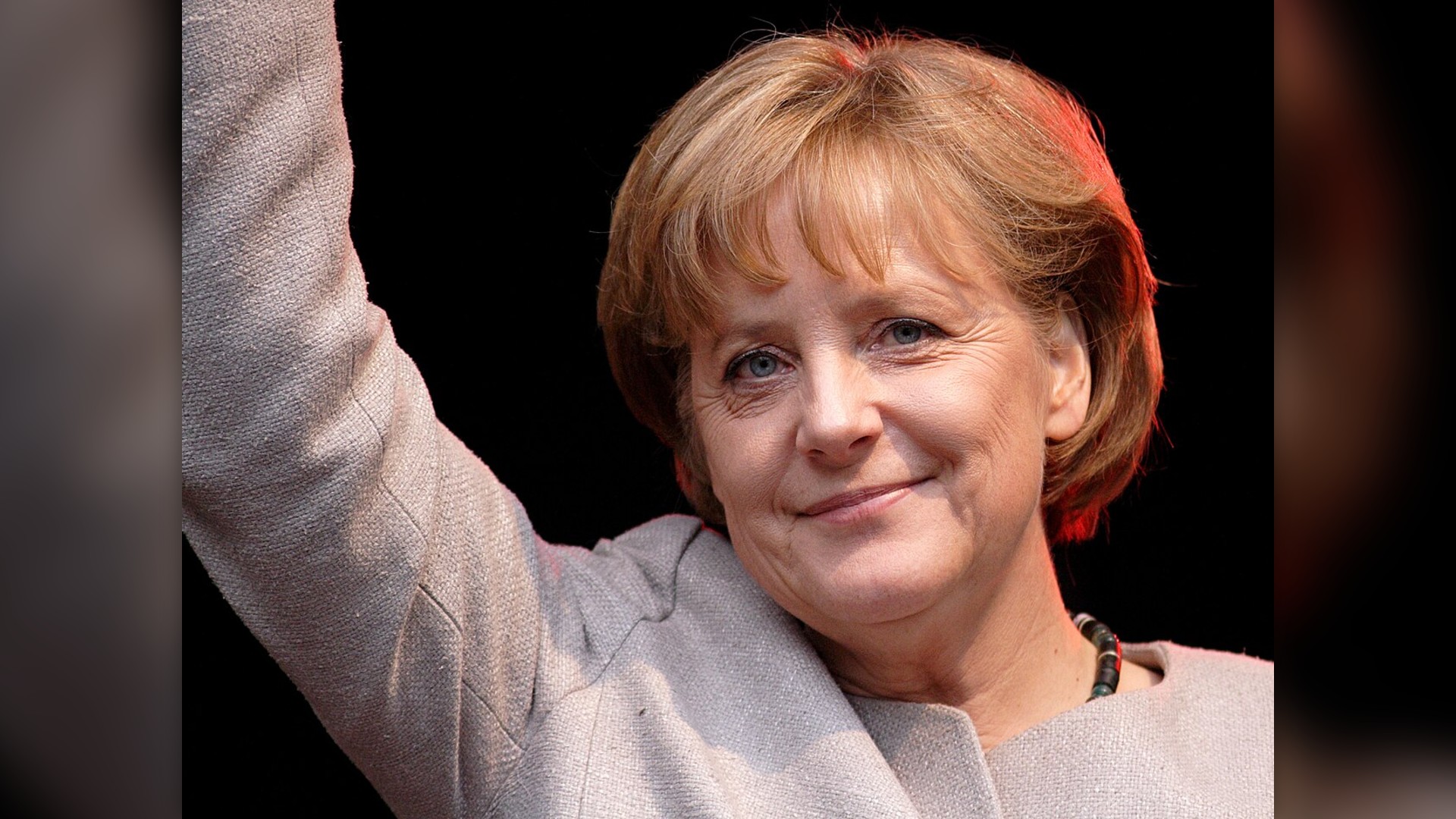
©Wikimedia / א (Aleph)
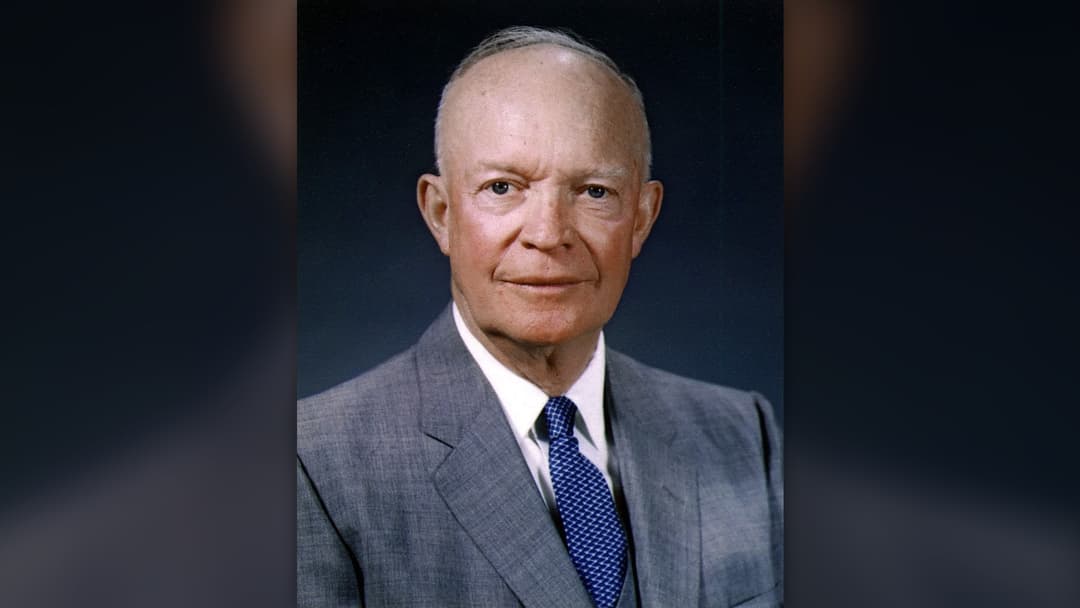
21. Dwight D. Eisenhower
After orchestrating the D-Day landings in Normandy, Eisenhower served two presidential terms, establishing the Interstate Highway System, creating NASA, and signing the Civil Rights Act of 1957.
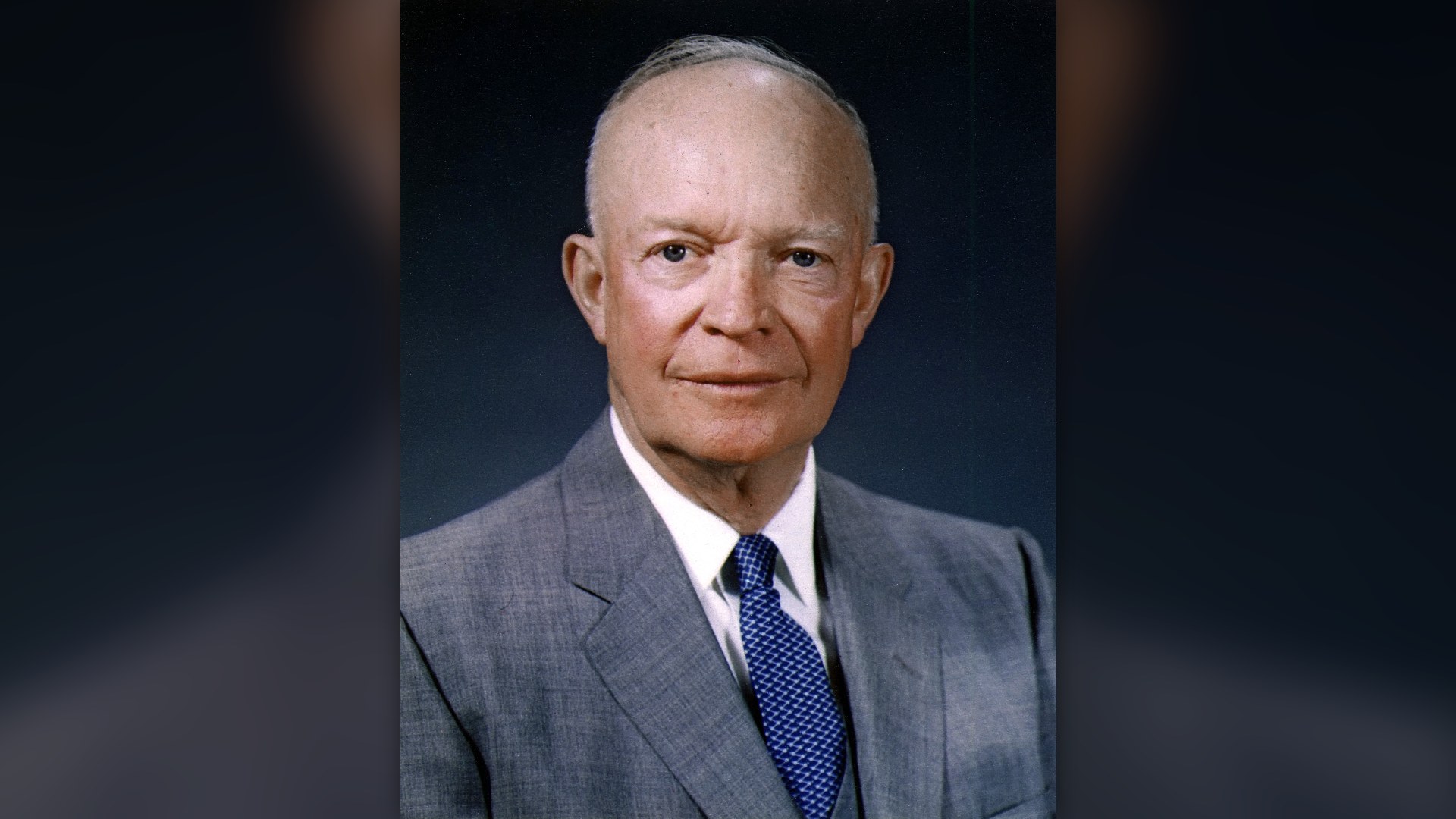
©Wikimedia / White House
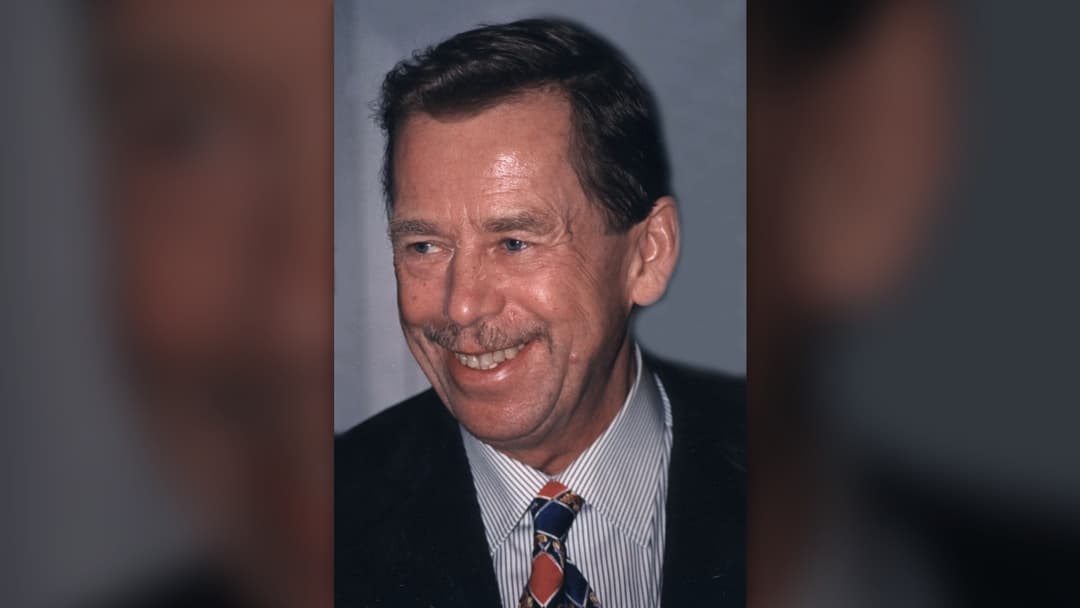
20. Vaclav Havel
Imprisoned multiple times for his human rights activism, Havel led the peaceful 1989 Velvet Revolution that brought an end to Communist rule, serving as the first president of the Czech Republic.
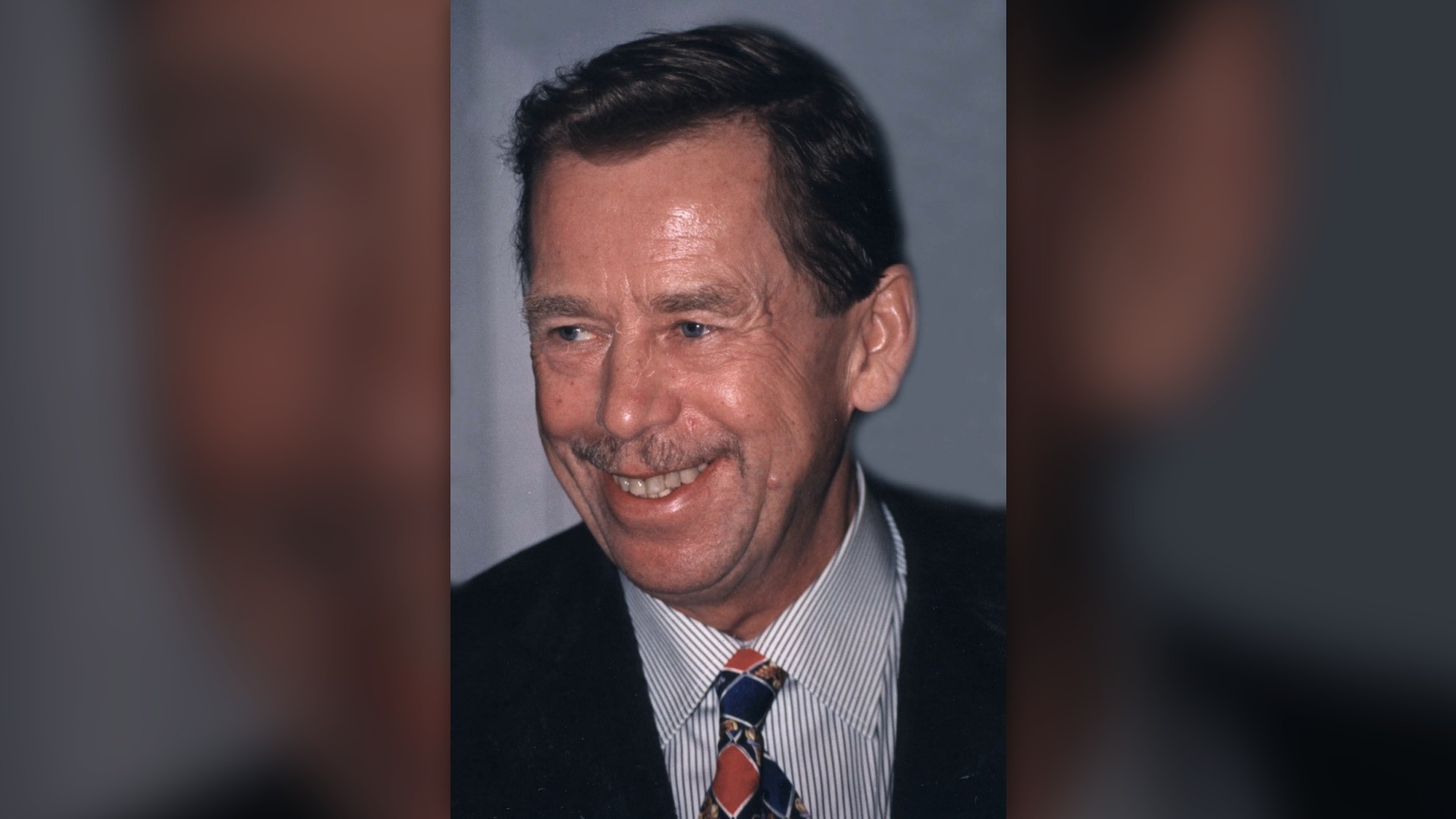
©Wikimedia / Václav Havel
19. Lee Kuan Yew
Serving as Prime Minister from 1959 to 1990, Lee transformed Singapore into a premier global financial hub through strict anti-corruption policies, meritocracy, and long-term state planning.
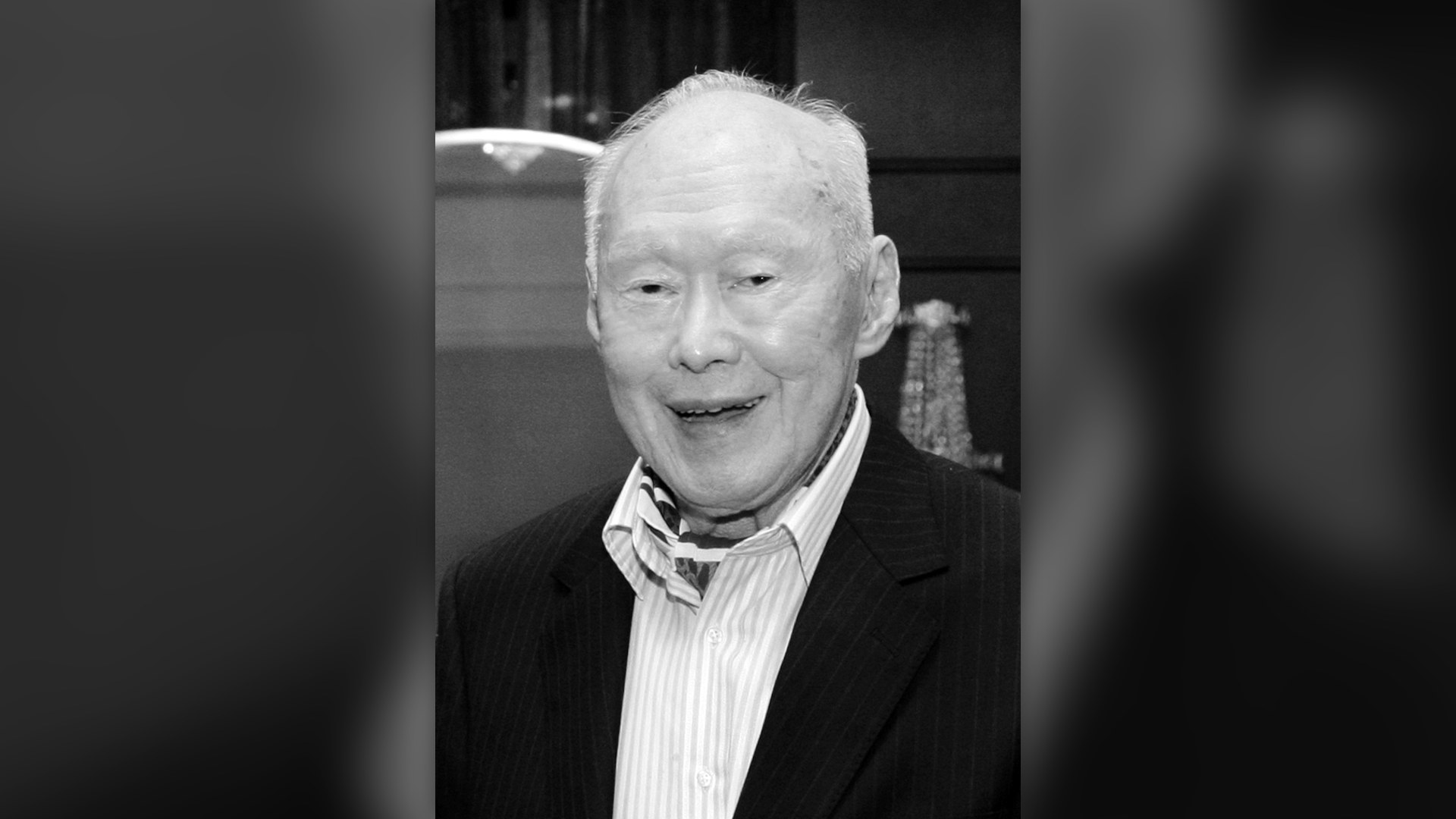
©Wikimedia / Taiwan Presidential Office
Advertisement
Swipe or tap ▶ to resume the countdown.
18. John F. Kennedy
Kennedy averted global nuclear war through tense diplomacy during October 1962, established the Peace Corps, and committed the United States to landing a person on the Moon before 1970.
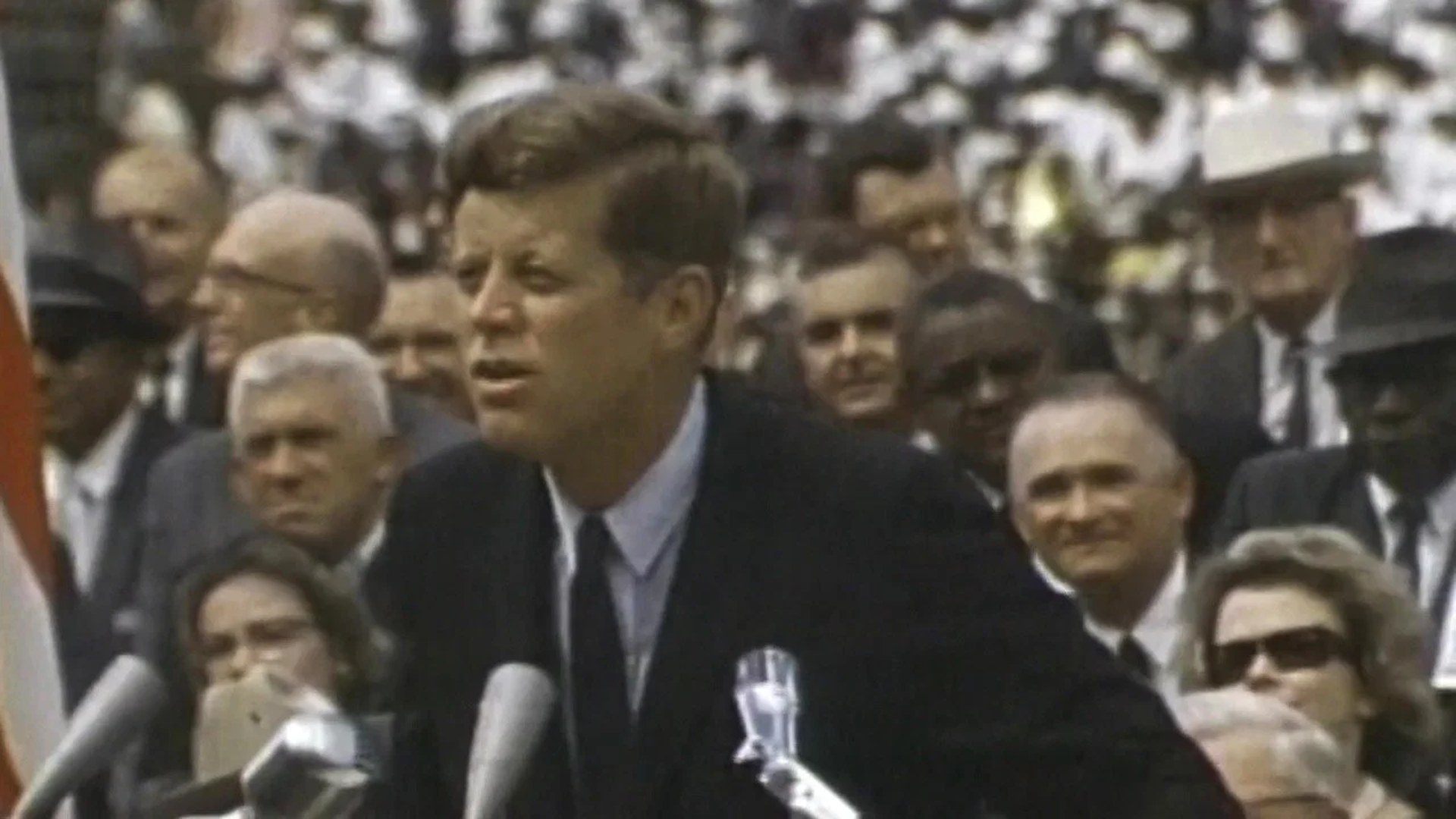
©Wikimedia / US Navy
17. Golda Meir
One of the world's earliest female heads of state, Meir was a signatory of Israel's Declaration of Independence and directed national defense through the crisis of the October 1973 conflict.
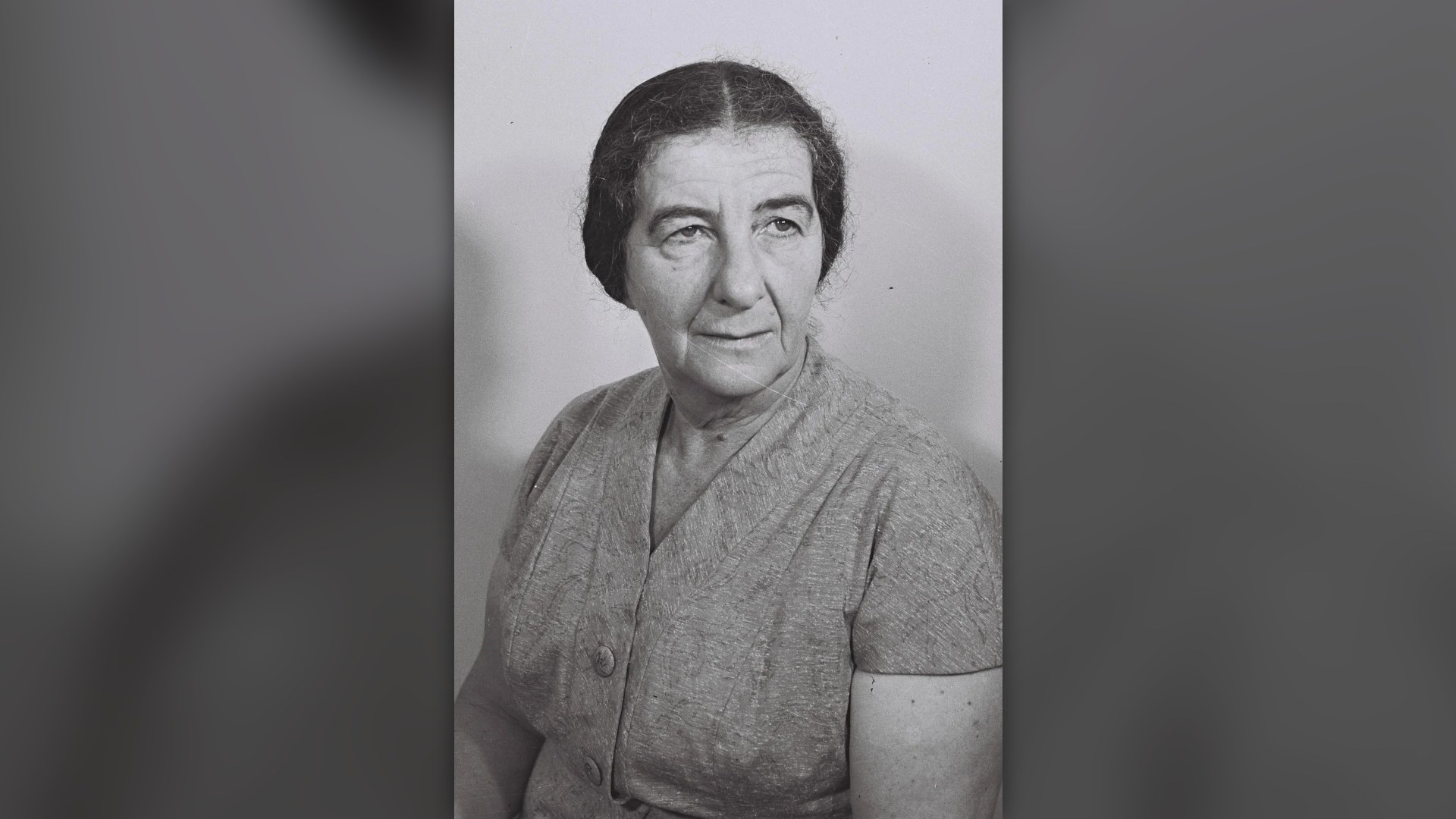
©Wikimedia / Marion S. Trikosko
16. Konrad Adenauer
Taking office in 1949 at age seventy-three, Adenauer restored German democracy, allied West Germany with NATO, and partnered with France to lay the foundations of modern European unity.

©Wikimedia / Public Domain
15. Indira Gandhi
Serving as Prime Minister for four terms, Gandhi led India during the 1971 Indo-Pakistani War that established Bangladesh and spearheaded national agricultural modernisation.
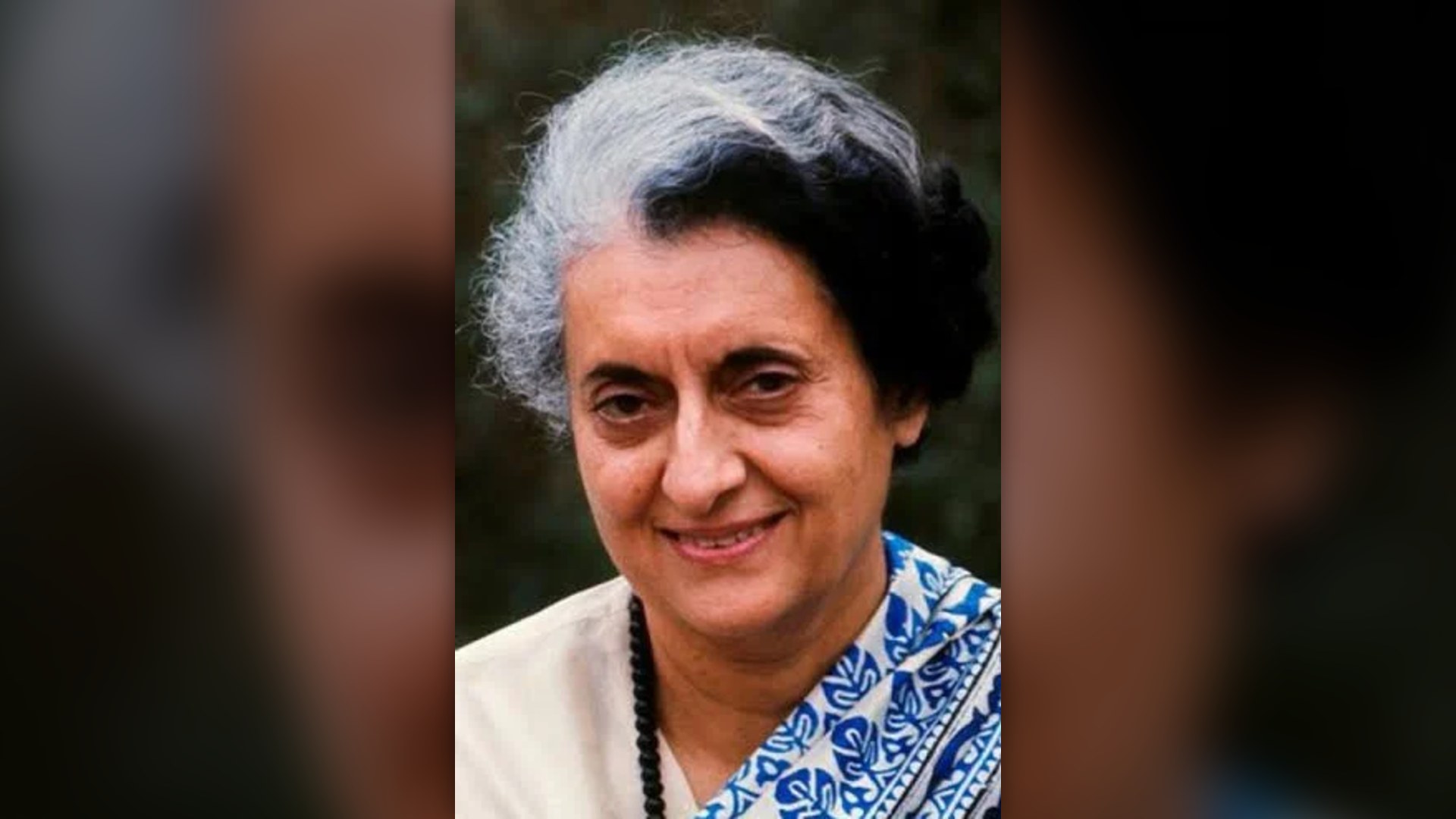
©Wikimedia / Prime Minister Office
Advertisement
Swipe or tap ▶ to resume the countdown.
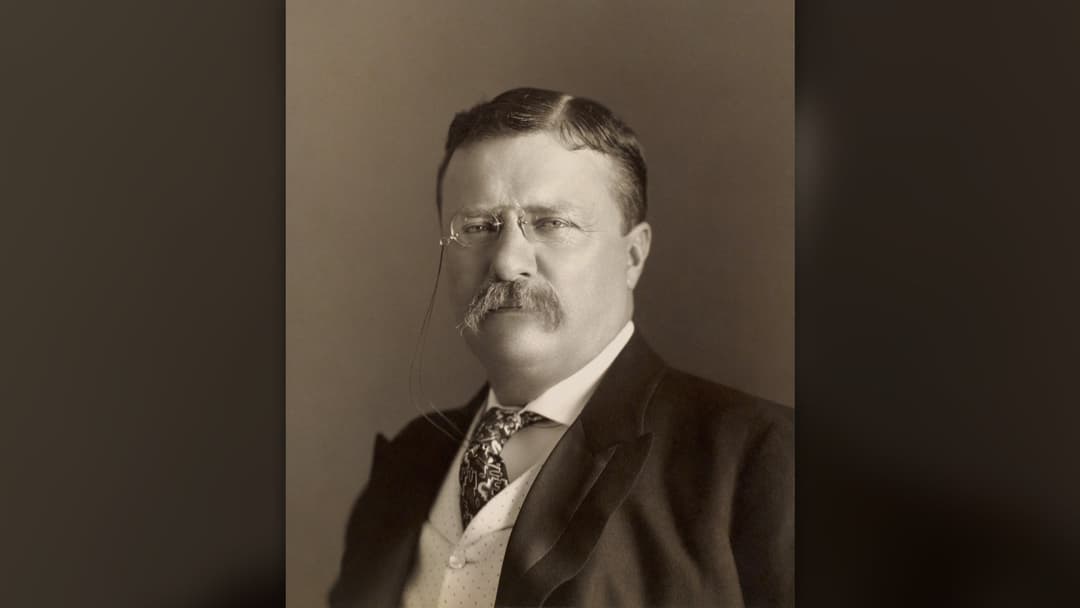
14. Theodore Roosevelt
Taking office in 1901, Roosevelt championed corporate trust-busting, expanded public conservation lands by 230 million acres, and oversaw the construction of the Panama Canal.
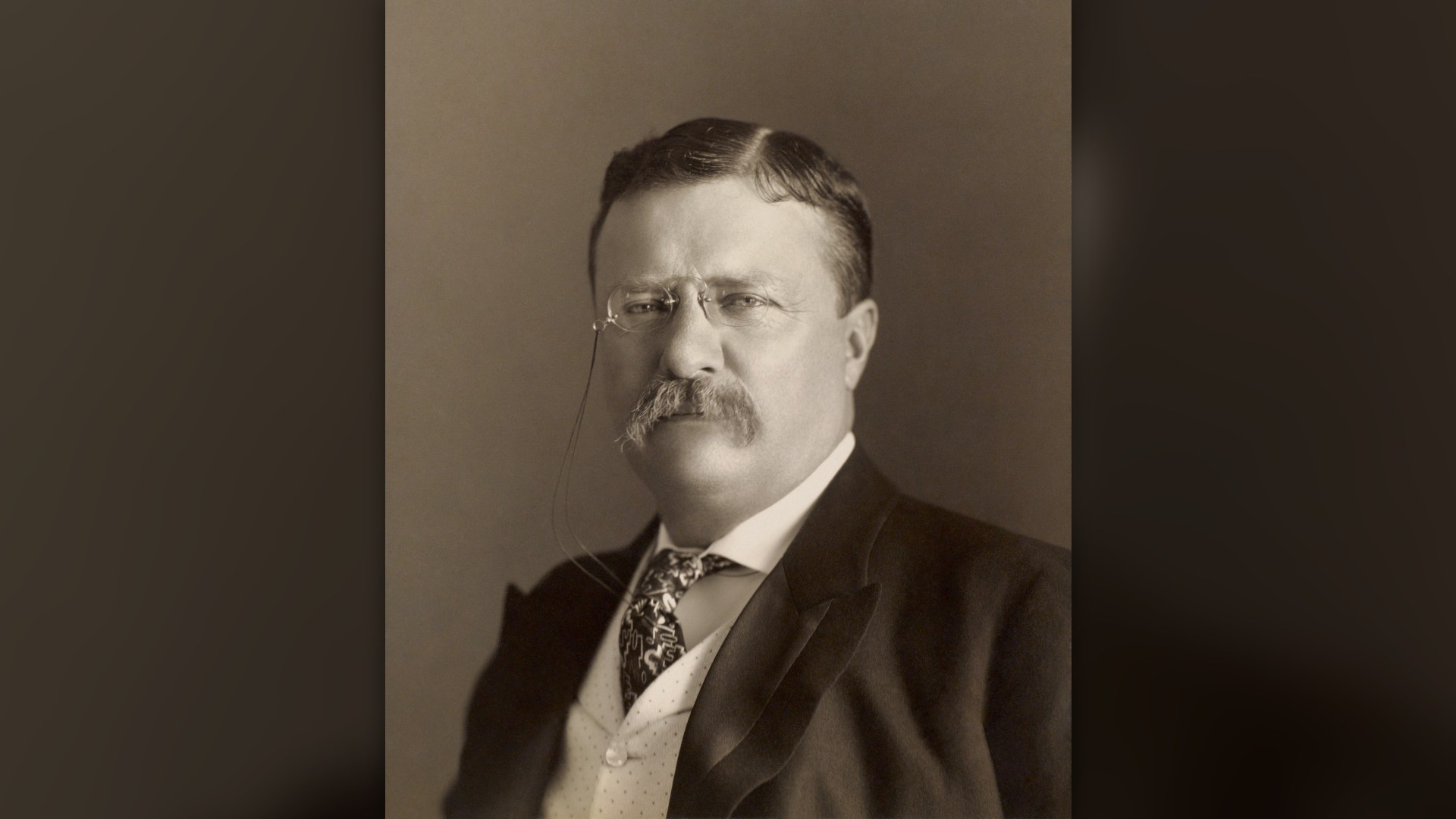
©Wikimedia / Pach Bros
13. Otto Von Bismarck
Bismarck forged the German Empire in 1871 through diplomatic maneuvering and created the world's first modern welfare state, introducing statutory accident insurance and old-age pensions.
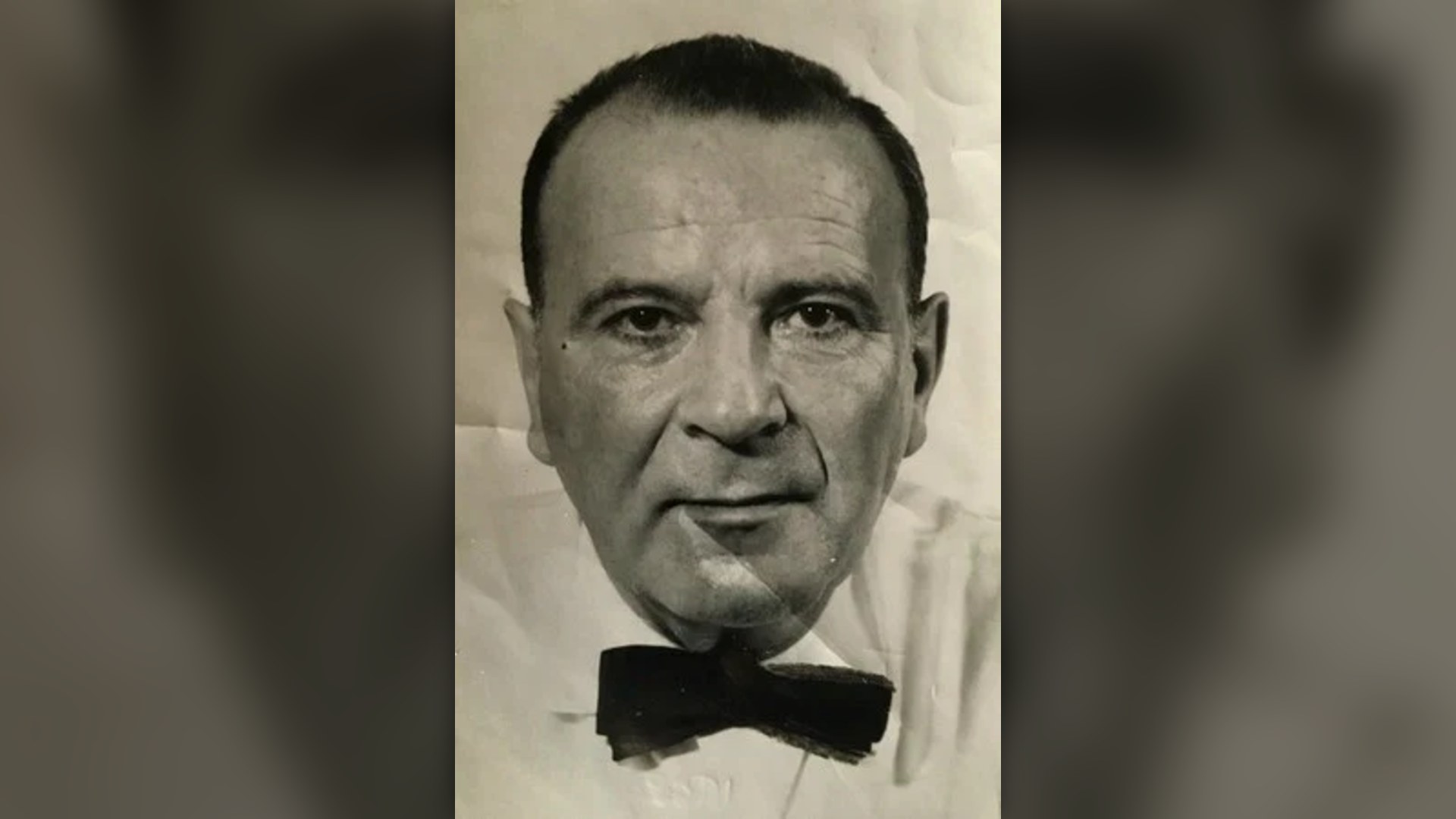
©Wikimedia / Franz von Lenbach
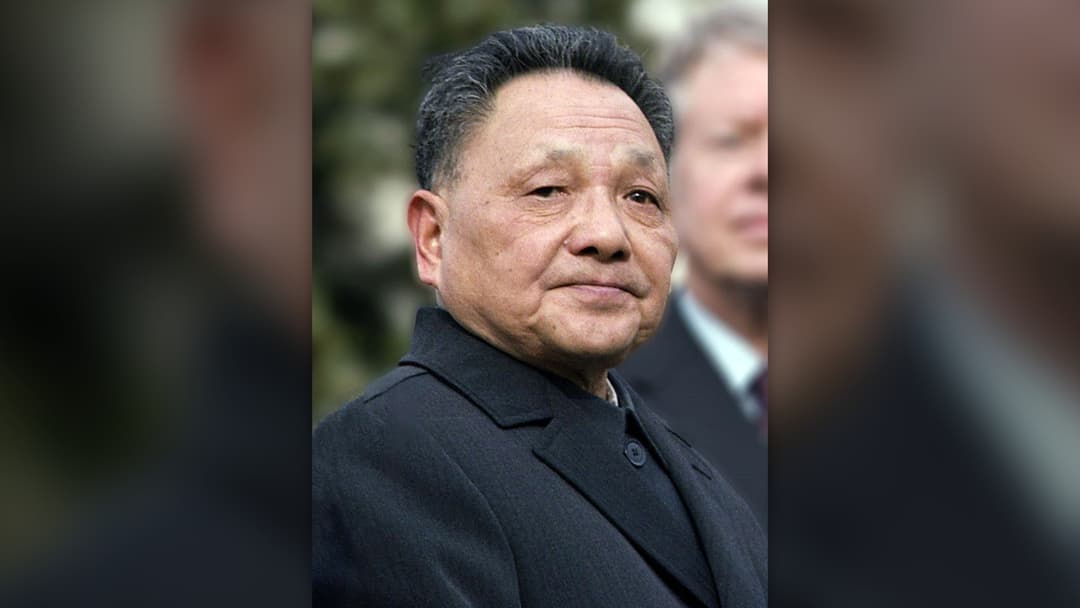
12. Deng Xiaoping
After 1978, Deng replaced rigid central planning with market economy reforms and special economic zones, lifting hundreds of millions of people out of poverty over several decades.
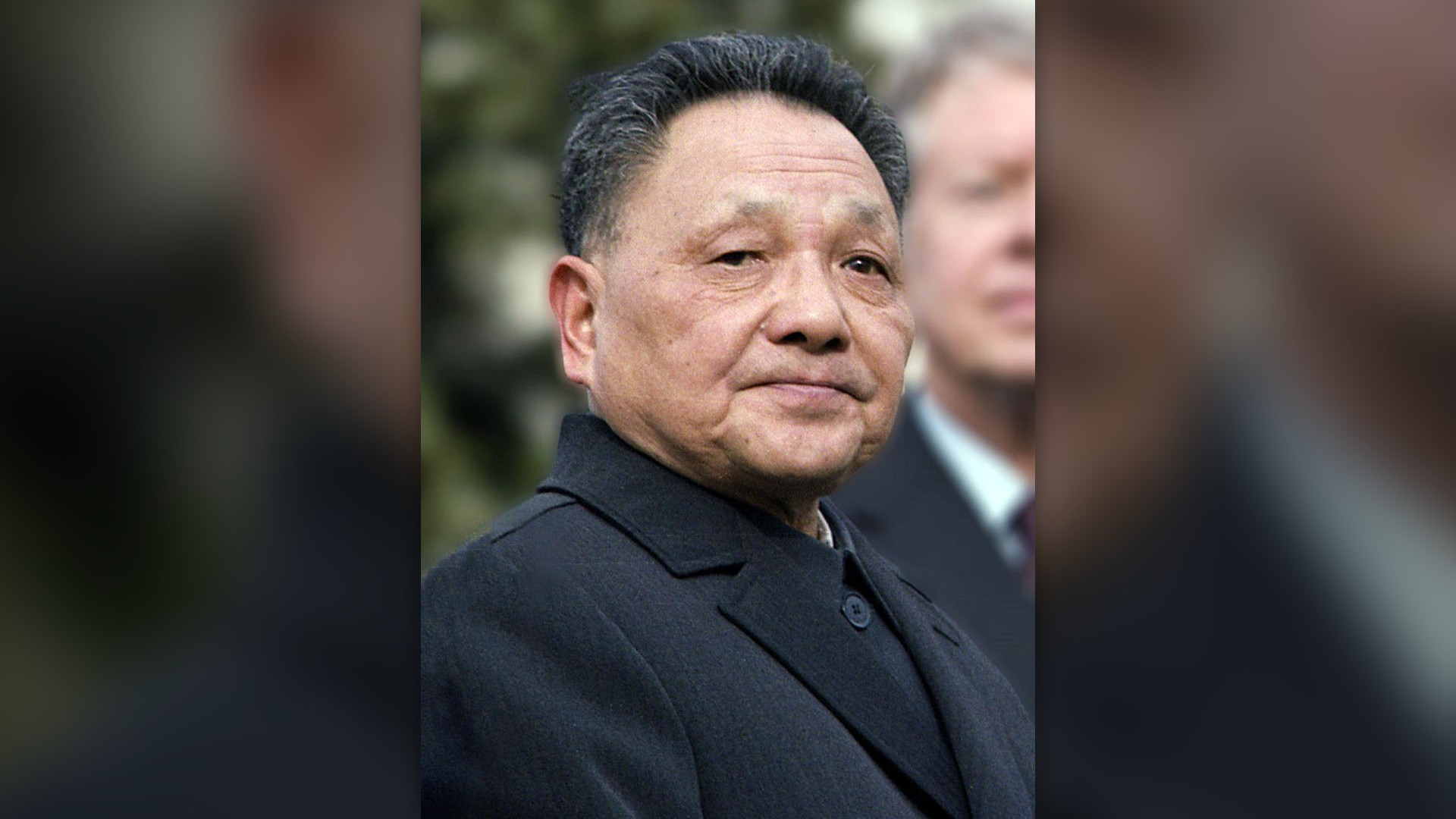
©Wikimedia / Deng Xiaoping
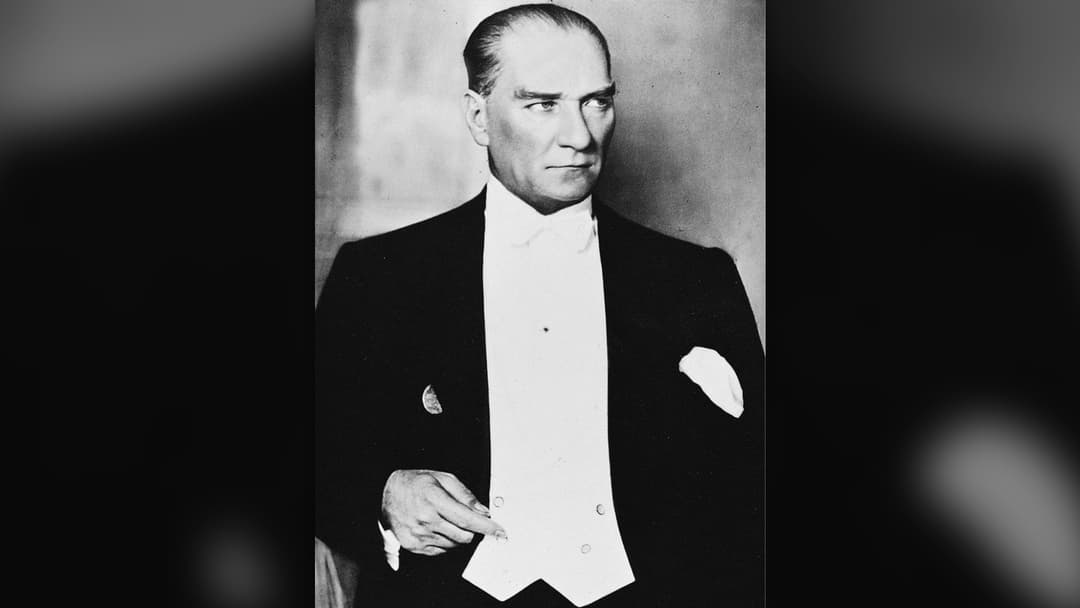
11. Mustafa Kemal Ataturk
Following the collapse of the Ottoman Empire, Ataturk established a secular, democratic republic, adopting a modern legal code, the Latin alphabet, and full voting rights for women.
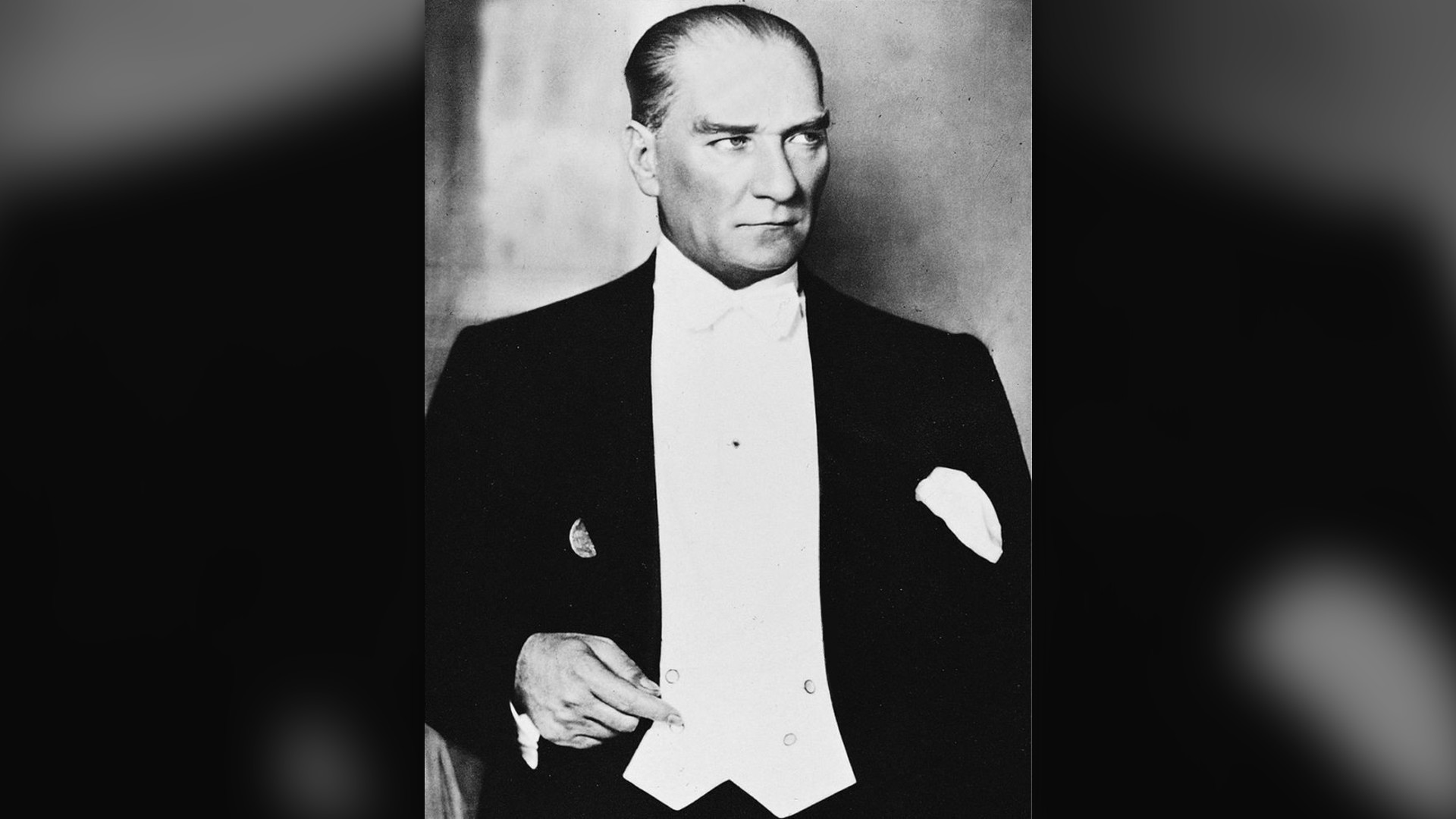
©Wikimedia / Mustafa Kemal Atatürk
Advertisement
Swipe or tap ▶ to resume the countdown.
10. Jawaharlal Nehru
Governing from 1947 until 1964, Nehru established secular parliamentary democracy in India, built universities and scientific institutes, and championed third-world non-alignment during the Cold War.
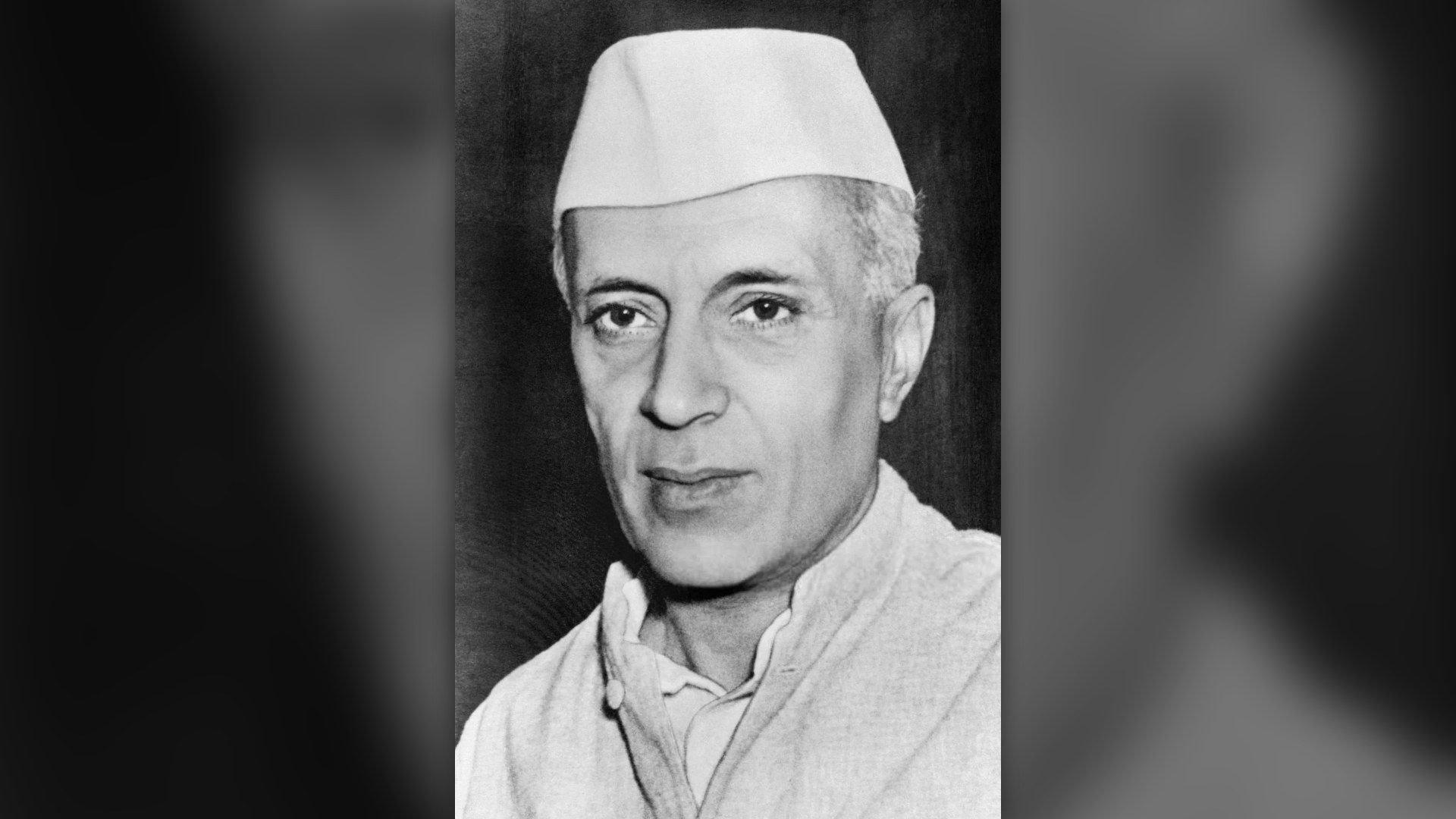
©Wikimedia / Keystone View Company
9. George Washington
Leading the Continental Army to victory in the American Revolutionary War, Washington presided over the Constitutional Convention and voluntarily stepped down after two terms as president.
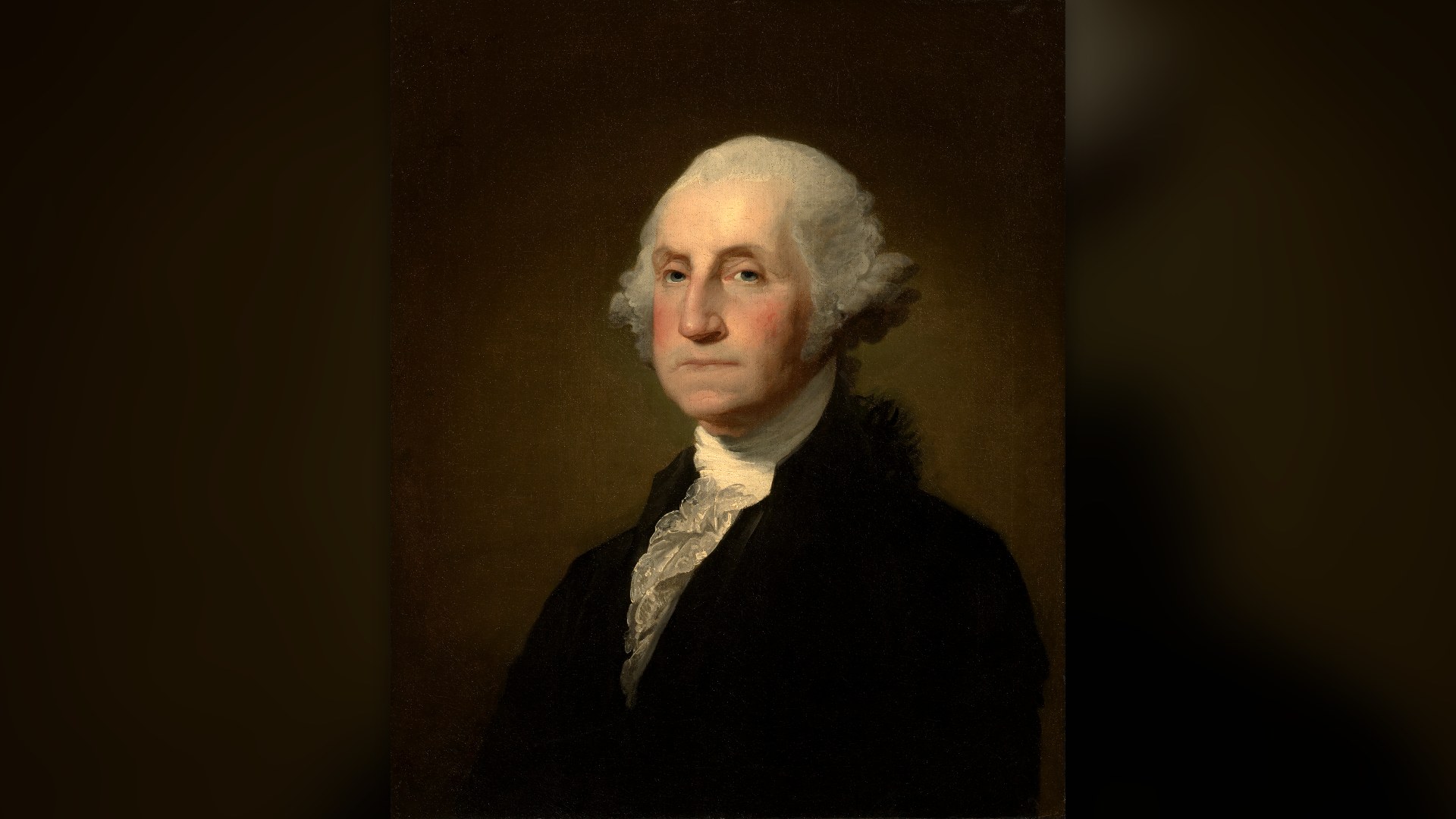
©Wikimedia / Gilbert Stuart
8. Margaret Thatcher
Serving as Britain's first female Prime Minister from 1979 to 1990, Thatcher deregulated financial markets, privatized nationalized industries, and worked alongside Ronald Reagan during the late Cold War.
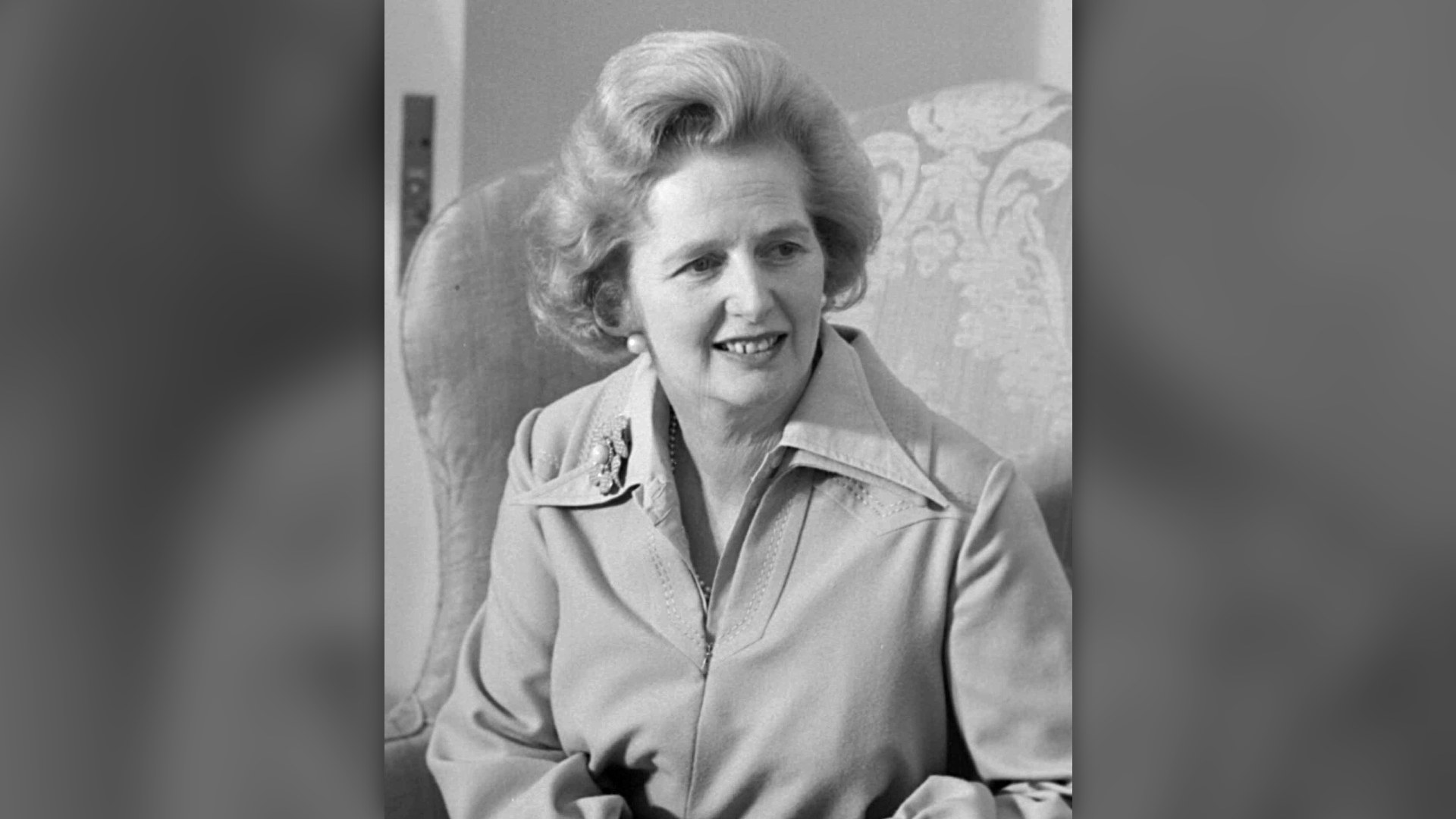
©Wikimedia / Marion S. Trikosko
7. Charles De Gaulle
After leading French resistance to Nazi occupation from London exile, de Gaulle returned to power in 1958 to draft a new constitution and establish independent French geopolitical deterrence.
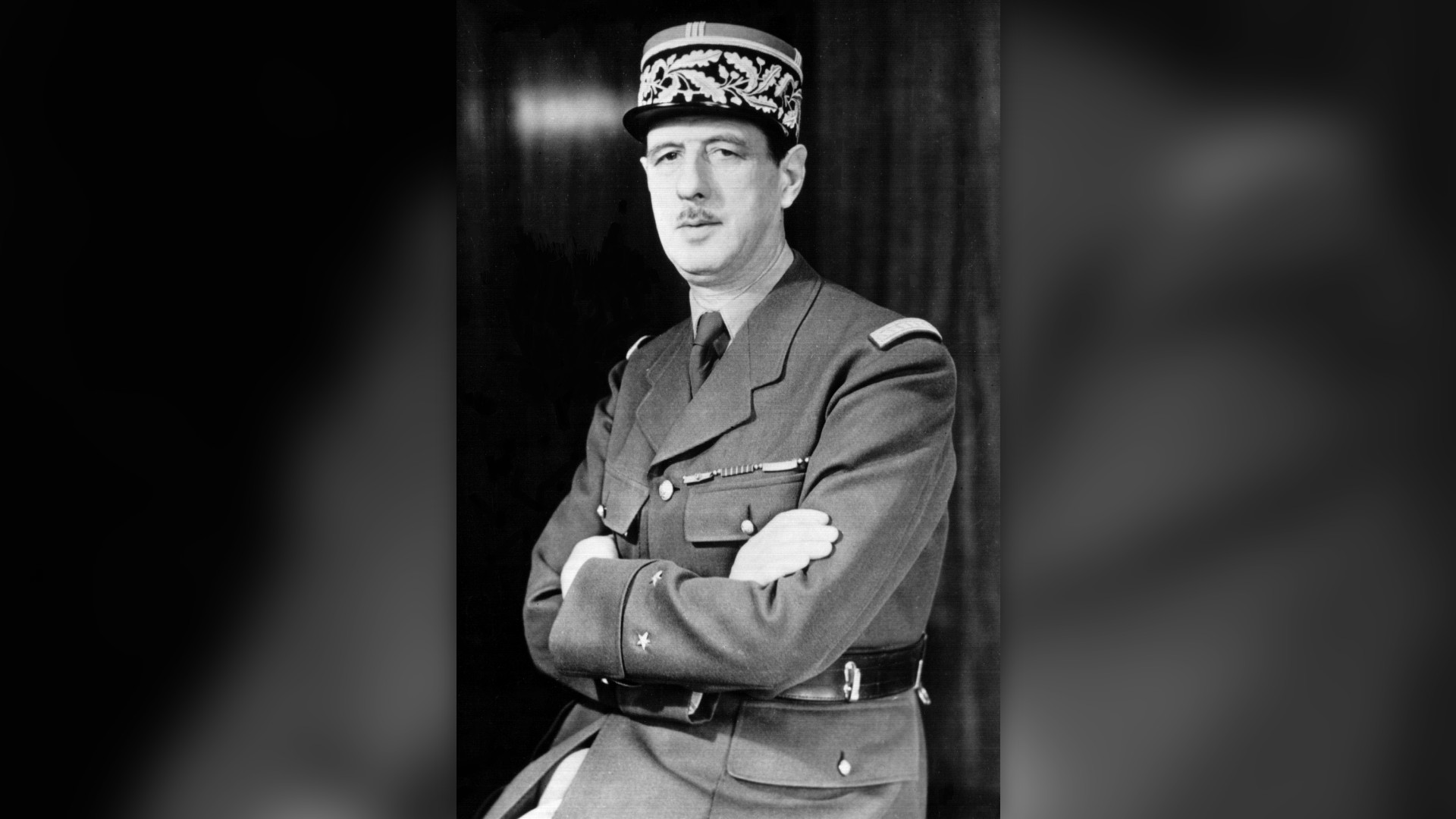
©Wikimedia / Charles de Gaulle
Advertisement
Swipe or tap ▶ to resume the countdown.
6. Abraham Lincoln
Navigating the American Civil War, Lincoln issued the Emancipation Proclamation in 1863 and championed the 13th Amendment, guaranteeing the permanent abolition of slavery across the United States.
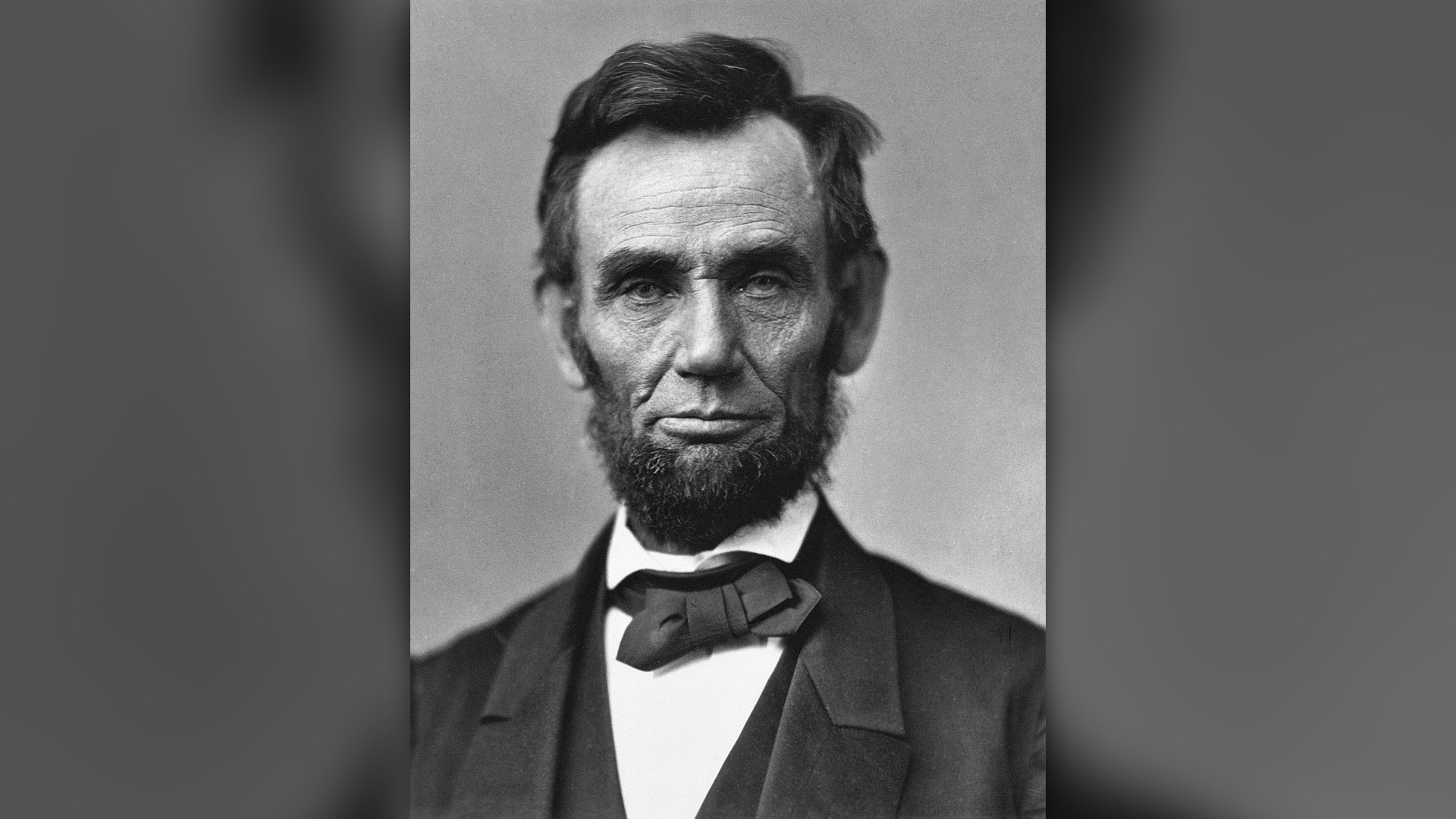
©Wikimedia / Abraham Lincoln
5. Mikhail Gorbachev
Introducing policies of Glasnost (openness) and Perestroika (restructuring), Gorbachev negotiated nuclear arms reductions with the West, opening the path for the peaceful reunification of Europe.
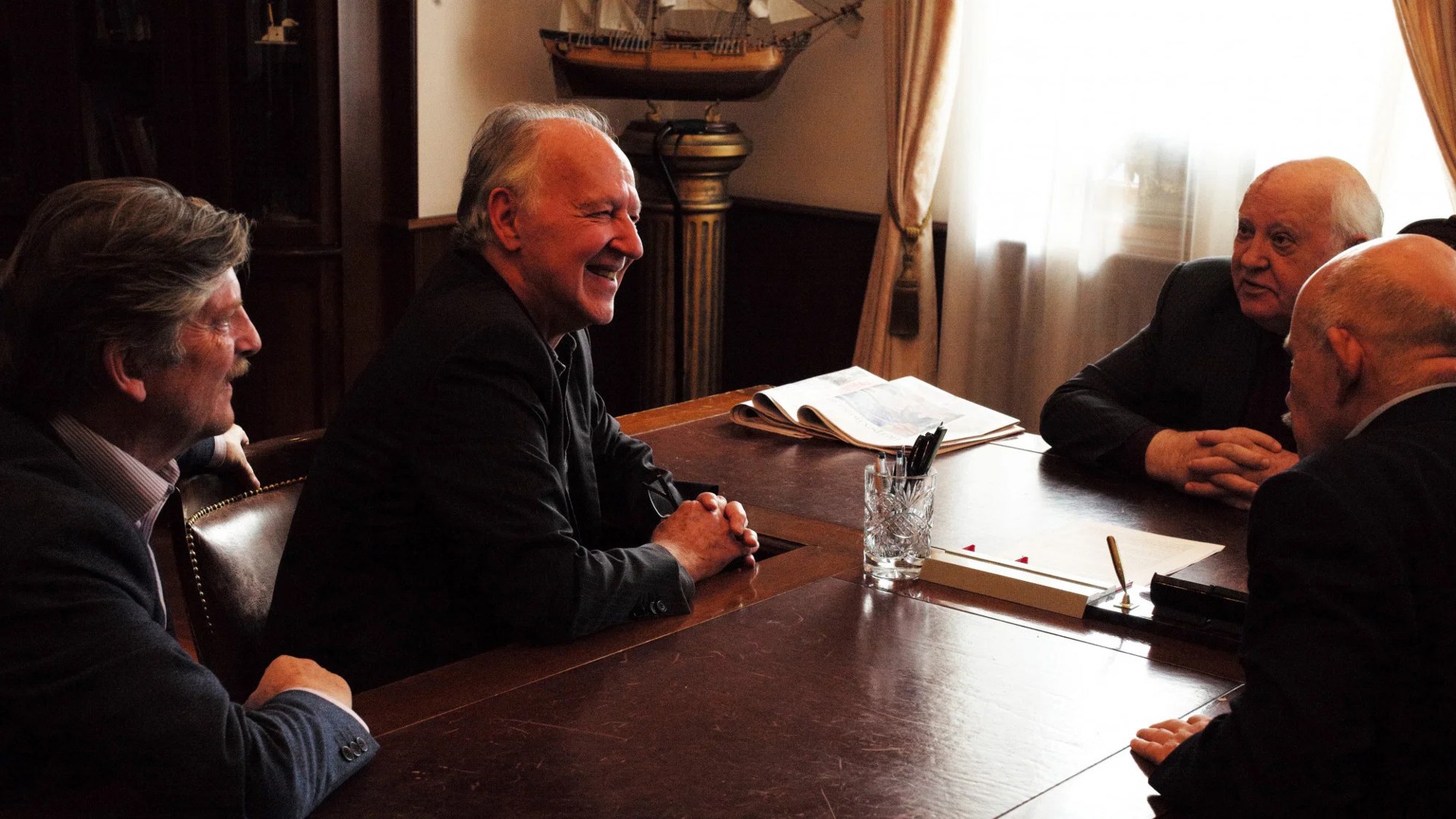
©Wikimedia / Public Domain
4. Mahatma Gandhi
Employing nonviolent civil disobedience, Gandhi led millions of Indians in boycotts and peaceful marches against British colonial rule, inspiring Martin Luther King Jr and Nelson Mandela.
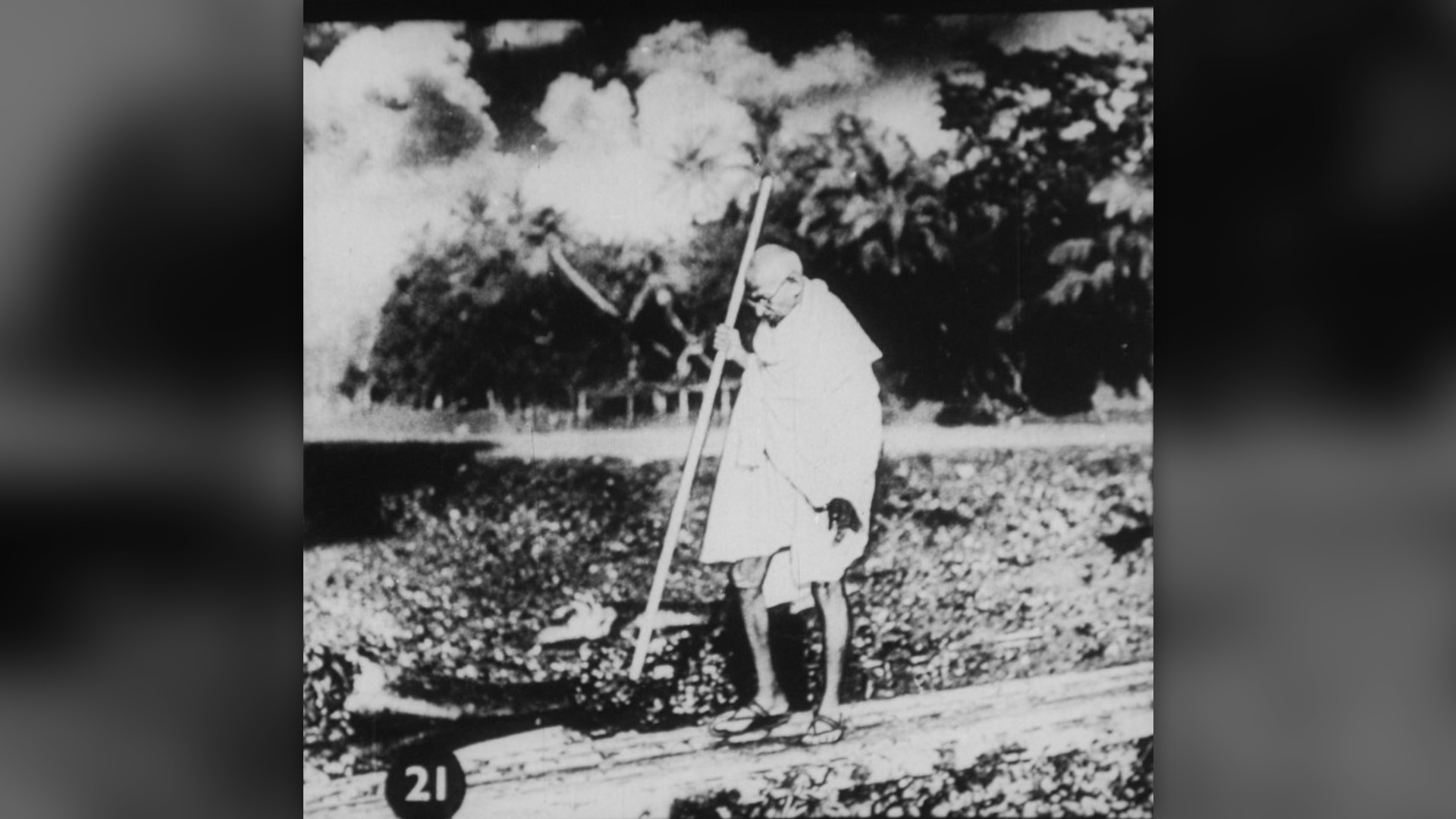
©Wikimedia / Unknown author Unknown author
3. Franklin D. Roosevelt
Roosevelt instituted the New Deal to rescue the American economy, led Allied strategy during World War WWII, and laid the diplomatic foundation for the creation of the United Nations.
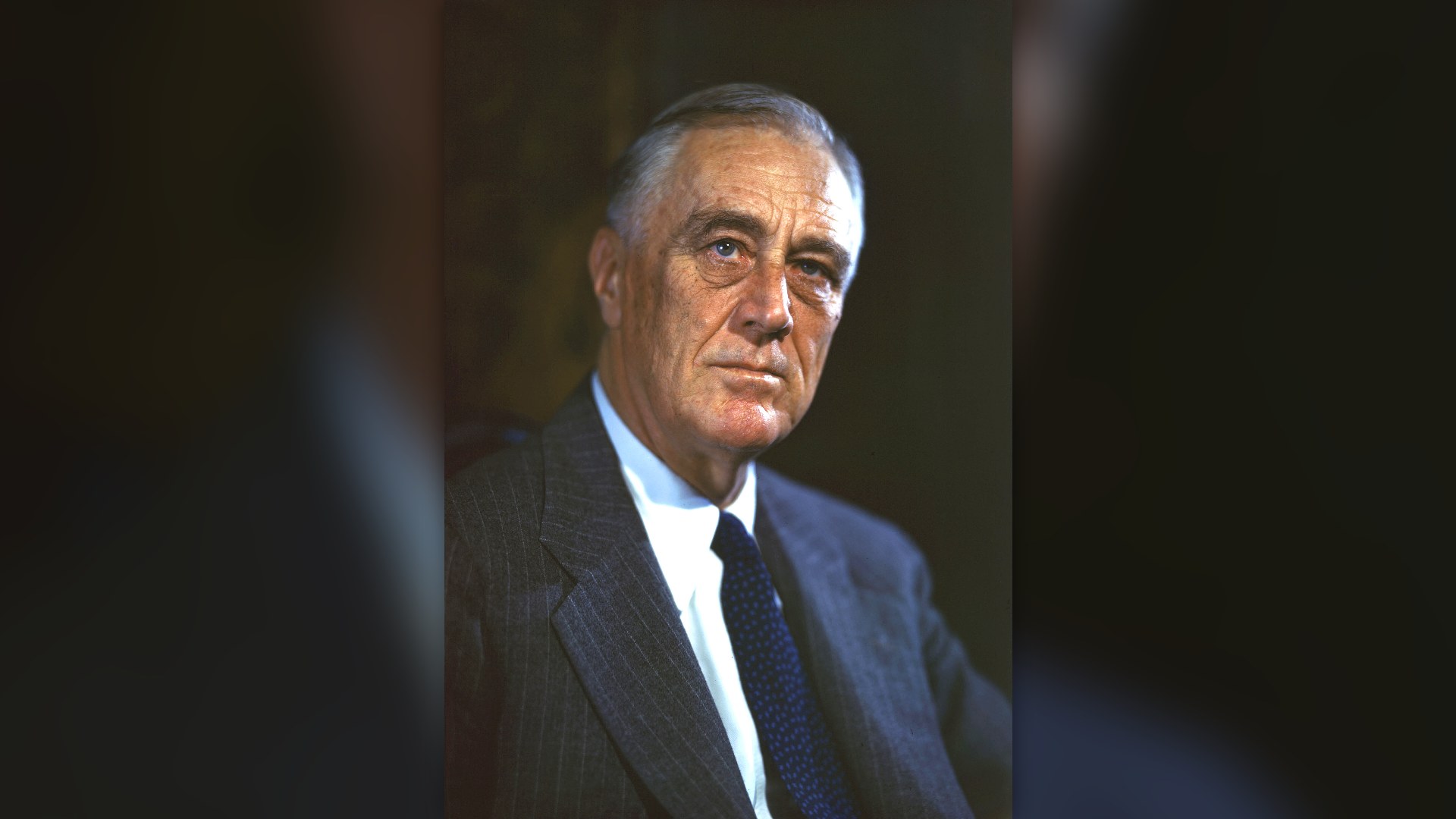
©Wikimedia / Leon Perskie
Advertisement
Swipe or tap ▶ to resume the countdown.
2. Nelson Mandela
Imprisoned for twenty-seven years on Robben Island, Mandela emerged to negotiate the end of apartheid, won the 1993 Nobel Peace Prize, and led a peaceful transition to non-racial democracy.
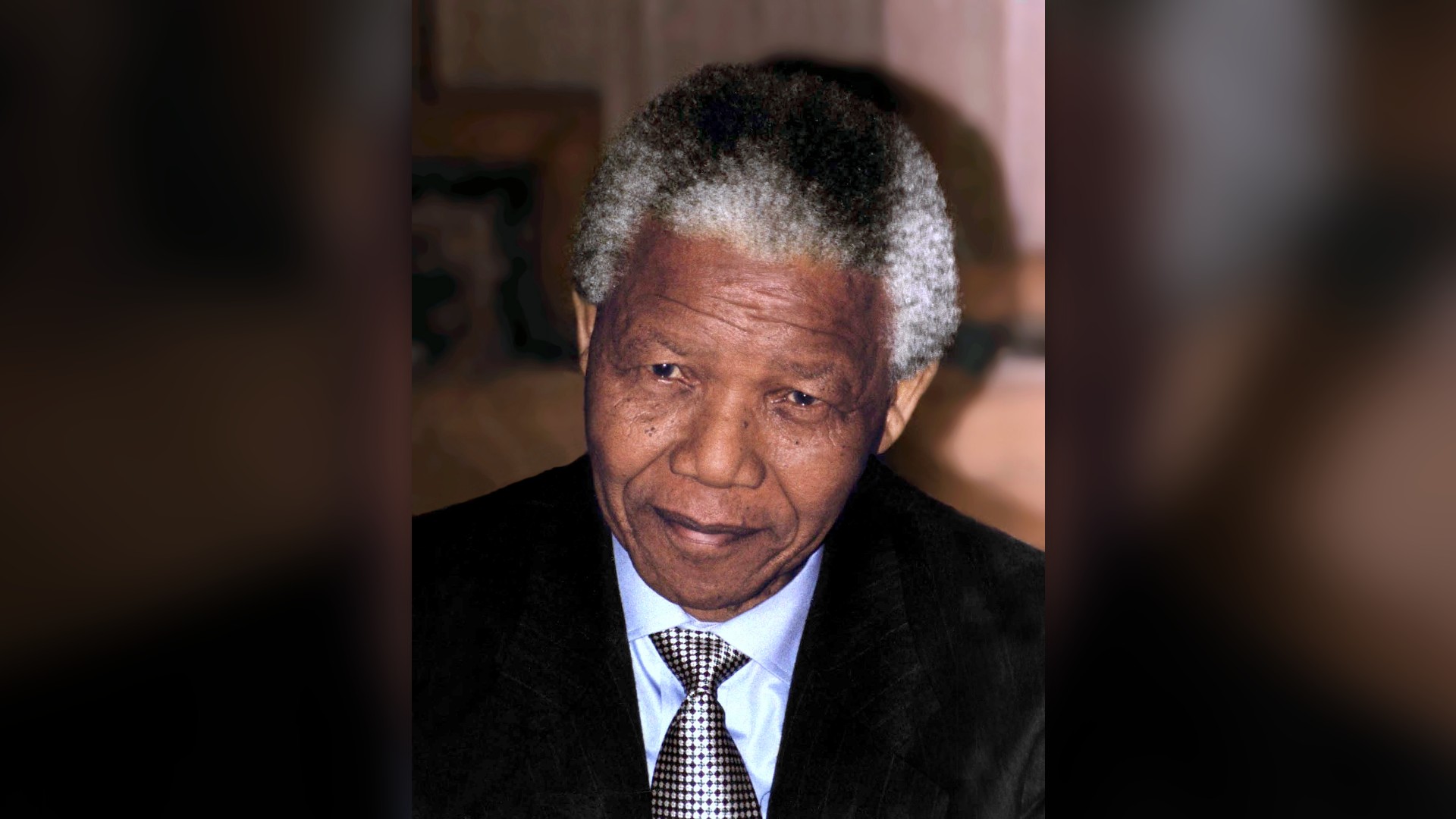
©Wikimedia / Nelson Mandela
1. Winston Churchill
Taking leadership during Britain's darkest hour in 1940, Churchill galvanized Allied resolve against Nazi aggression with iconic speeches and strategic wartime alliances that shaped the post-war world.
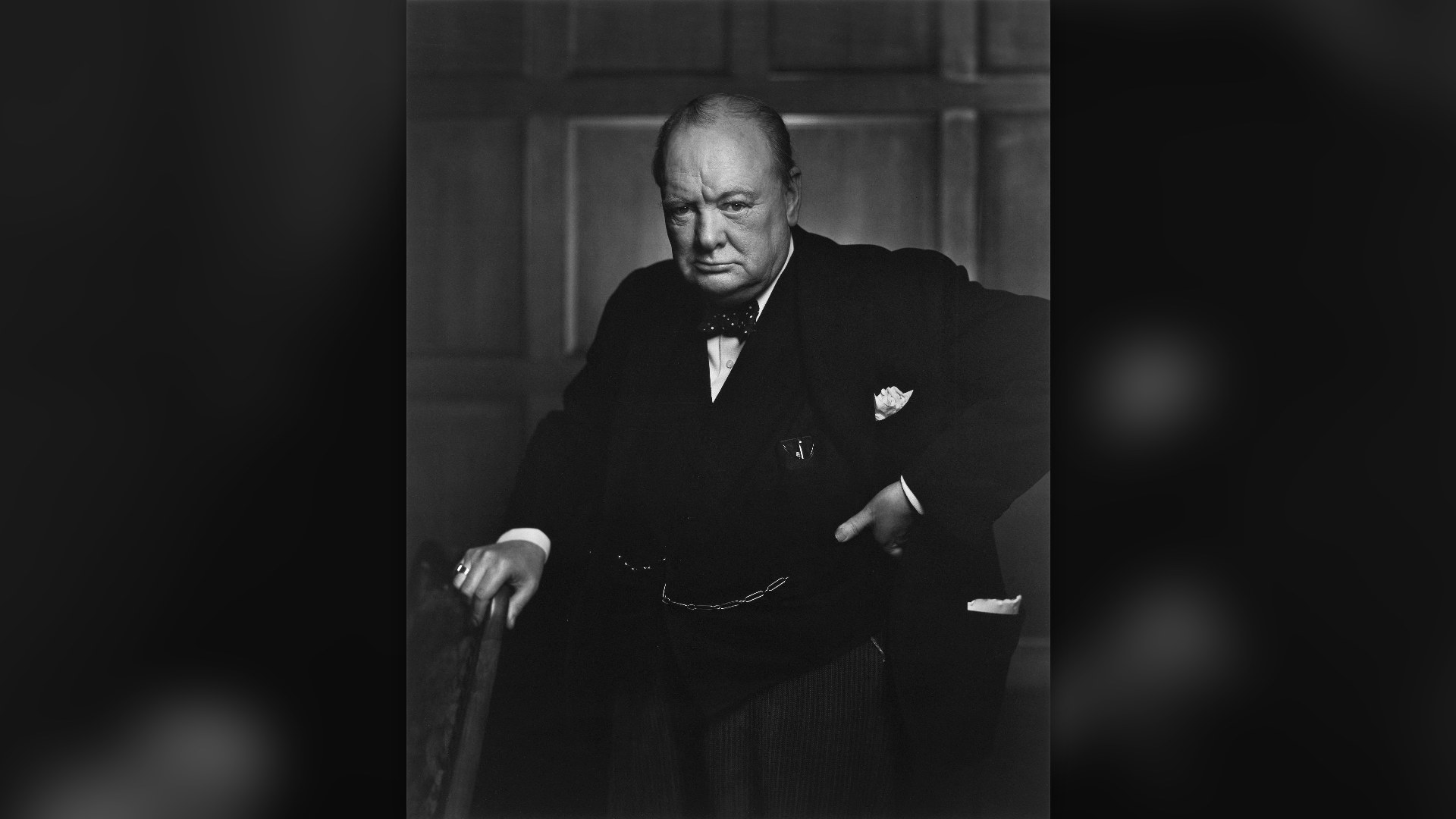
©Wikimedia / Yousuf Karsh
Advertisement
You've reached the end of the story. Thanks for reading!

20 Strict Rules Some Christians Still Follow Today
Ancient Ordinances That Shape Modern Faith
All 25 Entries in this Story
25. Lech Walesa
Leading the independent Polish trade union movement from Gdańsk shipyards, Walesa won the 1983 Nobel Peace Prize and became Poland's first democratically elected president in 1990.

24. Clement Attlee
Defeating Winston Churchill in the historic 1945 general election, Attlee founded Britain's modern welfare state, built the NHS, and granted independence to India, Pakistan, and Burma.

23. Harry S. Truman
Taking office during the final months of World War II, Truman authorized the Marshall Plan to rebuild post-war Europe and established NATO to secure Western democratic alliances.

22. Angela Merkel
Serving from 2005 to 2021, Merkel became the de facto leader of the European Union, steering member states through the eurozone sovereign debt crisis and major geopolitical transitions.

21. Dwight D. Eisenhower
After orchestrating the D-Day landings in Normandy, Eisenhower served two presidential terms, establishing the Interstate Highway System, creating NASA, and signing the Civil Rights Act of 1957.

20. Vaclav Havel
Imprisoned multiple times for his human rights activism, Havel led the peaceful 1989 Velvet Revolution that brought an end to Communist rule, serving as the first president of the Czech Republic.

19. Lee Kuan Yew
Serving as Prime Minister from 1959 to 1990, Lee transformed Singapore into a premier global financial hub through strict anti-corruption policies, meritocracy, and long-term state planning.

18. John F. Kennedy
Kennedy averted global nuclear war through tense diplomacy during October 1962, established the Peace Corps, and committed the United States to landing a person on the Moon before 1970.

17. Golda Meir
One of the world's earliest female heads of state, Meir was a signatory of Israel's Declaration of Independence and directed national defense through the crisis of the October 1973 conflict.

16. Konrad Adenauer
Taking office in 1949 at age seventy-three, Adenauer restored German democracy, allied West Germany with NATO, and partnered with France to lay the foundations of modern European unity.

15. Indira Gandhi
Serving as Prime Minister for four terms, Gandhi led India during the 1971 Indo-Pakistani War that established Bangladesh and spearheaded national agricultural modernisation.

14. Theodore Roosevelt
Taking office in 1901, Roosevelt championed corporate trust-busting, expanded public conservation lands by 230 million acres, and oversaw the construction of the Panama Canal.

13. Otto Von Bismarck
Bismarck forged the German Empire in 1871 through diplomatic maneuvering and created the world's first modern welfare state, introducing statutory accident insurance and old-age pensions.

12. Deng Xiaoping
After 1978, Deng replaced rigid central planning with market economy reforms and special economic zones, lifting hundreds of millions of people out of poverty over several decades.

11. Mustafa Kemal Ataturk
Following the collapse of the Ottoman Empire, Ataturk established a secular, democratic republic, adopting a modern legal code, the Latin alphabet, and full voting rights for women.

10. Jawaharlal Nehru
Governing from 1947 until 1964, Nehru established secular parliamentary democracy in India, built universities and scientific institutes, and championed third-world non-alignment during the Cold War.

9. George Washington
Leading the Continental Army to victory in the American Revolutionary War, Washington presided over the Constitutional Convention and voluntarily stepped down after two terms as president.

8. Margaret Thatcher
Serving as Britain's first female Prime Minister from 1979 to 1990, Thatcher deregulated financial markets, privatized nationalized industries, and worked alongside Ronald Reagan during the late Cold War.

7. Charles De Gaulle
After leading French resistance to Nazi occupation from London exile, de Gaulle returned to power in 1958 to draft a new constitution and establish independent French geopolitical deterrence.

6. Abraham Lincoln
Navigating the American Civil War, Lincoln issued the Emancipation Proclamation in 1863 and championed the 13th Amendment, guaranteeing the permanent abolition of slavery across the United States.

5. Mikhail Gorbachev
Introducing policies of Glasnost (openness) and Perestroika (restructuring), Gorbachev negotiated nuclear arms reductions with the West, opening the path for the peaceful reunification of Europe.

4. Mahatma Gandhi
Employing nonviolent civil disobedience, Gandhi led millions of Indians in boycotts and peaceful marches against British colonial rule, inspiring Martin Luther King Jr and Nelson Mandela.

3. Franklin D. Roosevelt
Roosevelt instituted the New Deal to rescue the American economy, led Allied strategy during World War WWII, and laid the diplomatic foundation for the creation of the United Nations.

2. Nelson Mandela
Imprisoned for twenty-seven years on Robben Island, Mandela emerged to negotiate the end of apartheid, won the 1993 Nobel Peace Prize, and led a peaceful transition to non-racial democracy.

1. Winston Churchill
Taking leadership during Britain's darkest hour in 1940, Churchill galvanized Allied resolve against Nazi aggression with iconic speeches and strategic wartime alliances that shaped the post-war world.