Slideshow · Viral
25 Historic Treaties That Secretly Redrew World Maps Overnight, Ranked
From palace chambers to armored train cars, these twenty-five landmark treaties dismantled reigning empires, created new nations, and transformed world geography overnight.
By Most Viral Today
4 Nov 2026

How Secret Treaties Carved Up Continents and Redrew the World 
25. Adams-Onis Treaty (1819) 
24. Treaty Of San Stefano (1878) 
23. Treaty Of Portsmouth (1905) - AdvertisementSwipe or tap ▶ to continue countdown

22. Treaty Of Utrecht (1713) 
21. Treaty Of Nanking (1842) 
20. Treaty Of Brest-Litovsk (1918) 
19. Treaty Of Aix La-Chapelle (1748) - AdvertisementSwipe or tap ▶ to continue countdown

18. Treaty Of Paris (1763) 
17. Treaty Of Saint-Germain (1919) 
16. Treaty Of Trianon (1920) 
15. Treaty Of Guadalupe Hidalgo (1848) - AdvertisementSwipe or tap ▶ to continue countdown

14. Treaty Of Berlin (1878) 
13. Treaty Of Lausanne (1923) 
12. Sykes-Picot Agreement (1916) 
11. Treaty Of Paris (1783) - AdvertisementSwipe or tap ▶ to continue countdown

10. Berlin Conference Act (1885) 
9. Louisiana Purchase Treaty (1803) 
8. Molotov-Ribbentrop Pact (1939) 
7. Treaty Of Campo Formio (1797) - AdvertisementSwipe or tap ▶ to continue countdown

6. Congress Of Vienna (1815) 
5. Yalta Conference Agreement (1945) 
4. Potsdam Agreement (1945) 
3. Treaty Of Versailles (1919) - AdvertisementSwipe or tap ▶ to continue countdown

2. Peace Of Westphalia (1648) 
1. Treaty Of Tordesillas (1494) - Advertisement🔥 UP NEXT IN THIS SERIES◫ 21 Slides

20 Famous Cars With Pop-Up Headlights That Shaped Car Design
From hand-cranked 1930s teardrops to wedge supercars of the 1980s, hidden headlights let stylists chase sleek aerodynamics until 2004 pedestrian rules closed the curtain. Here are 20 standout production cars that turned retractable lamps into an enduring automotive design feature across seven full decades.
Across centuries of conflict and statecraft, landmark accords reshaped the globe in an instant. Here are 25 historic treaties that redrew the world map, ranked.
Swipe or tap ▶ to begin the countdown
©Wikimedia / William Orpen
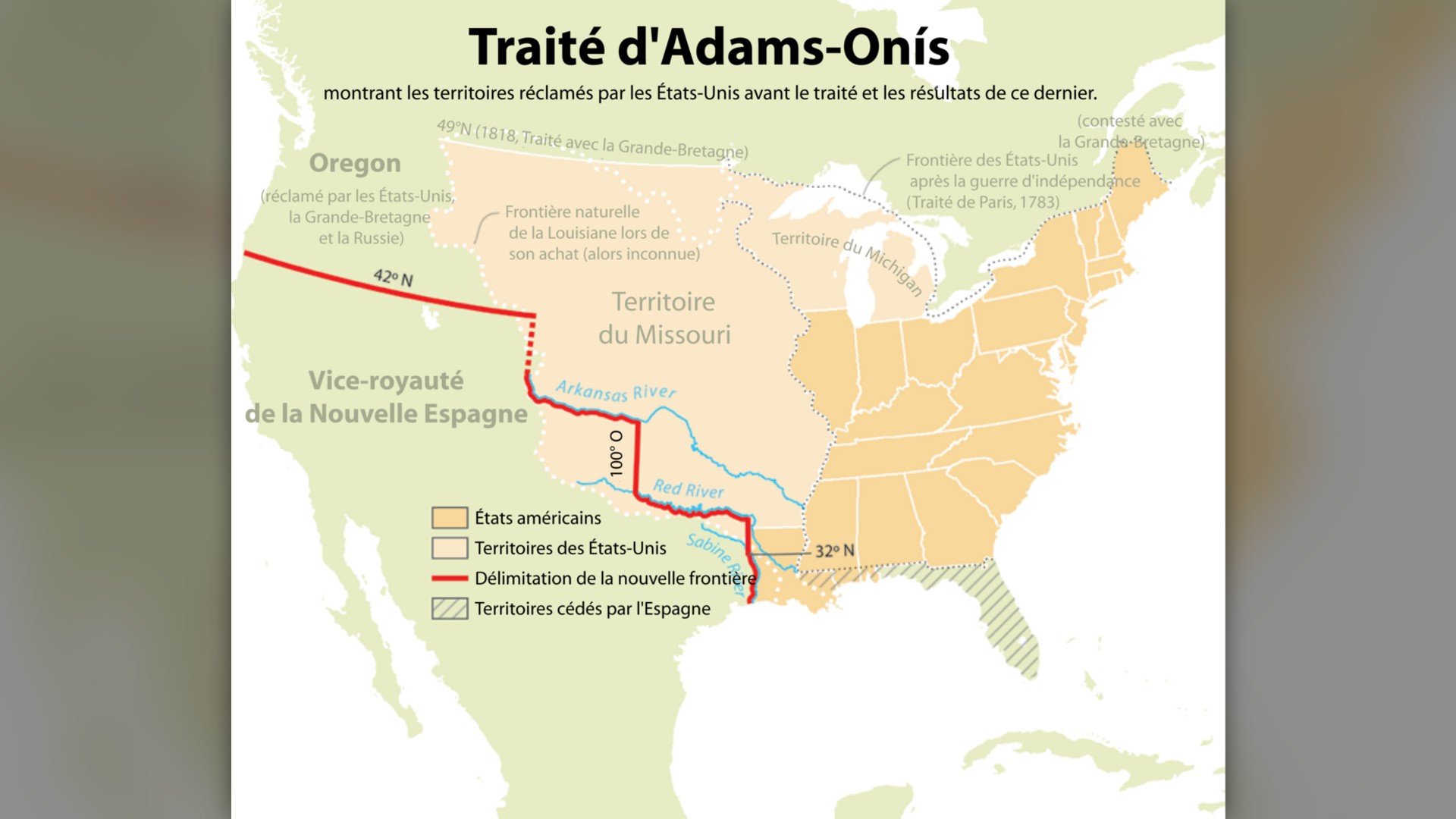
25. Adams-Onis Treaty (1819)
Negotiated between John Quincy Adams and Luis de Onis, the accord settled contentious border disputes in North America. Spain transferred Florida to the American republic and relinquished claims to the Oregon Country, establishing a clear transcontinental border.
©Wikimedia / Wikimedia Contributor
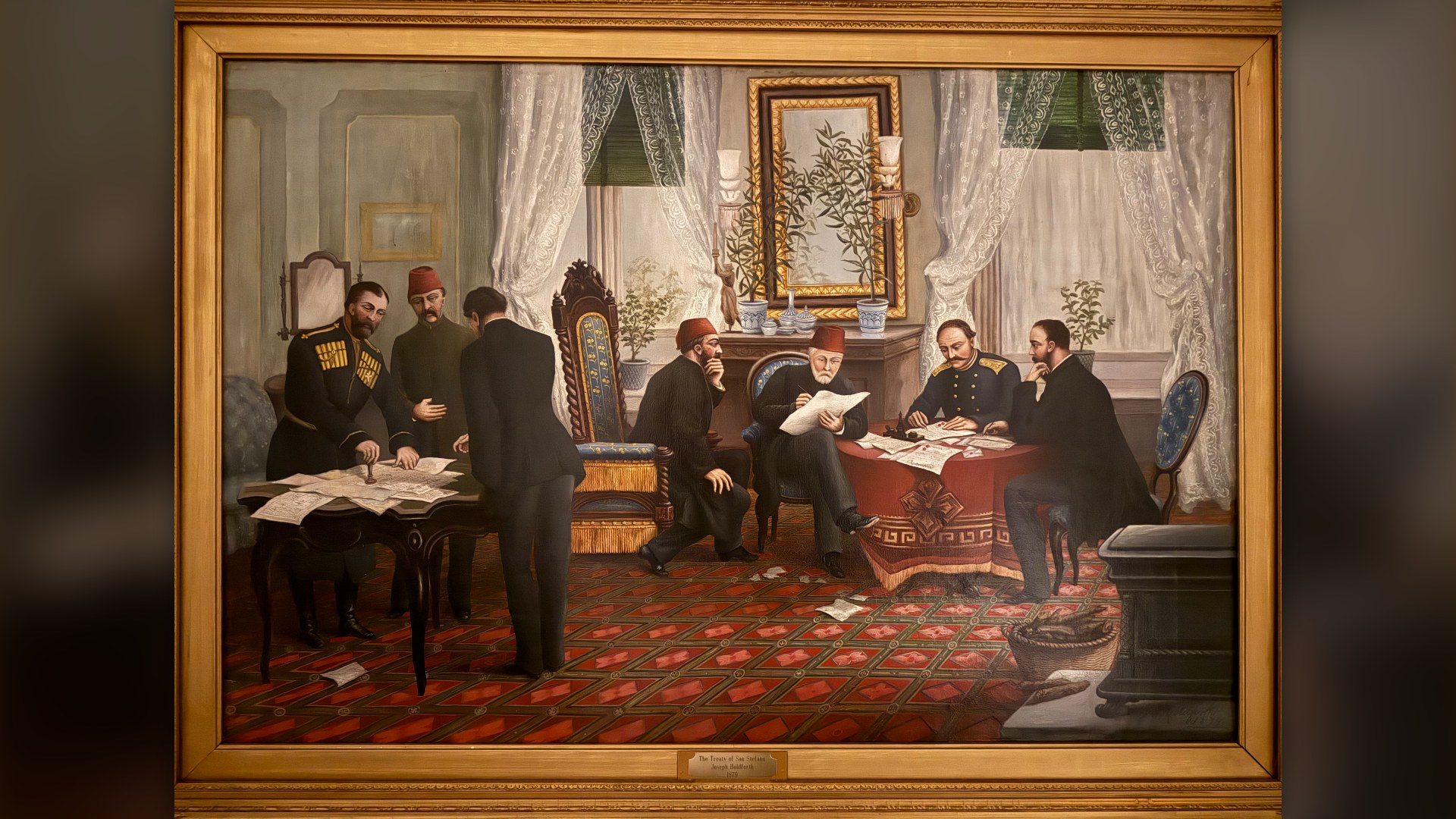
24. Treaty Of San Stefano (1878)
Signed near Istanbul following the Russo-Turkish War, this preliminary agreement created an autonomous Greater Bulgaria spanning from the Danube to the Aegean Sea. The sudden expansion alarmed Western powers, triggering the Congress of Berlin to rewrite the boundaries months later.
©Wikimedia / Joseph Holdforth
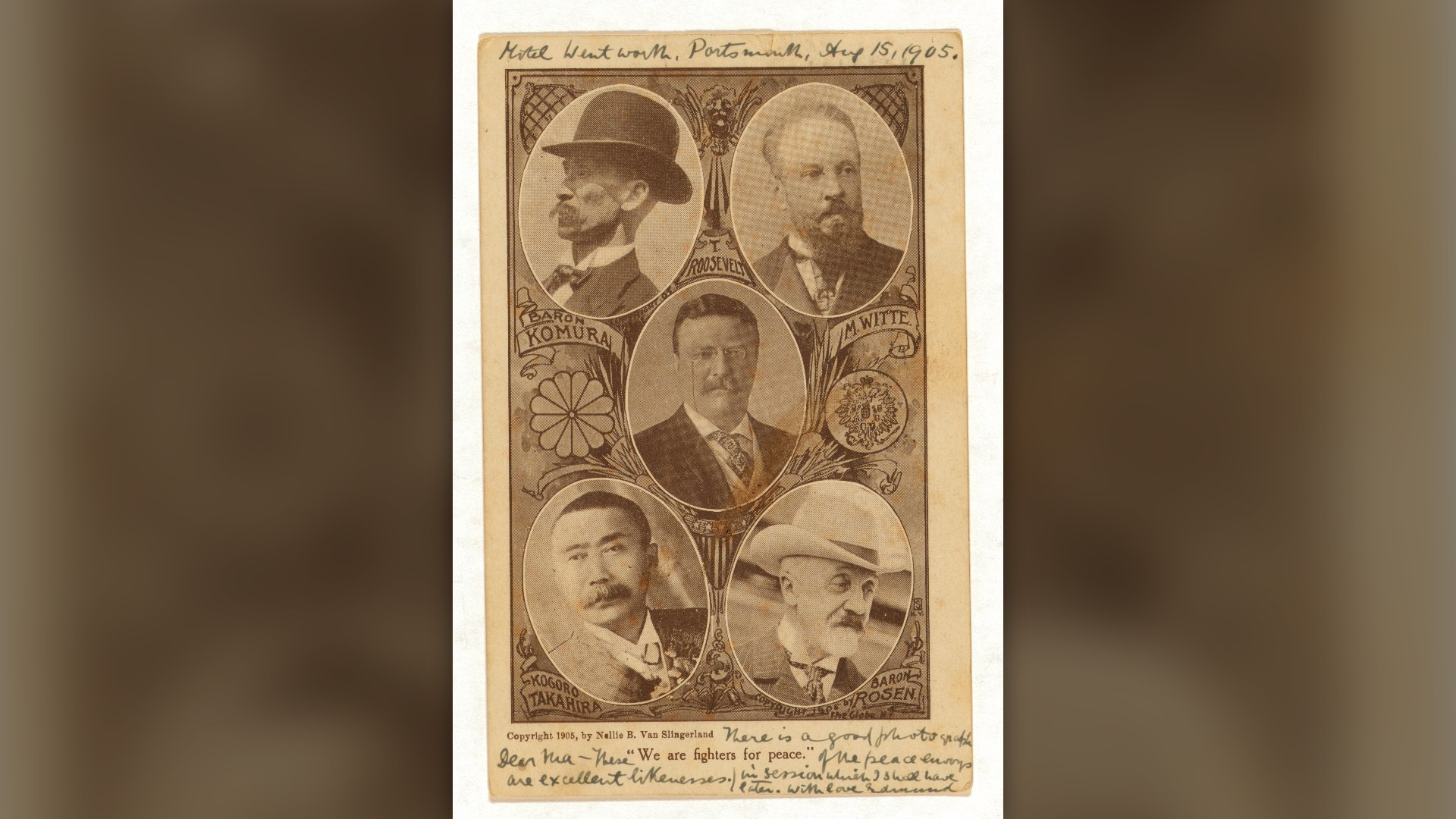
23. Treaty Of Portsmouth (1905)
Convened in New Hampshire, the negotiations recognized Japan's dominance over Korea and awarded it control of southern Sakhalin Island and Port Arthur. The treaty marked the emergence of Japan as a recognized global imperial power, earning Roosevelt the Nobel Peace Prize.
©Wikimedia / Noble, Edmund, 1853-1937, correspondent
Advertisement
Swipe or tap ▶ to resume the countdown.
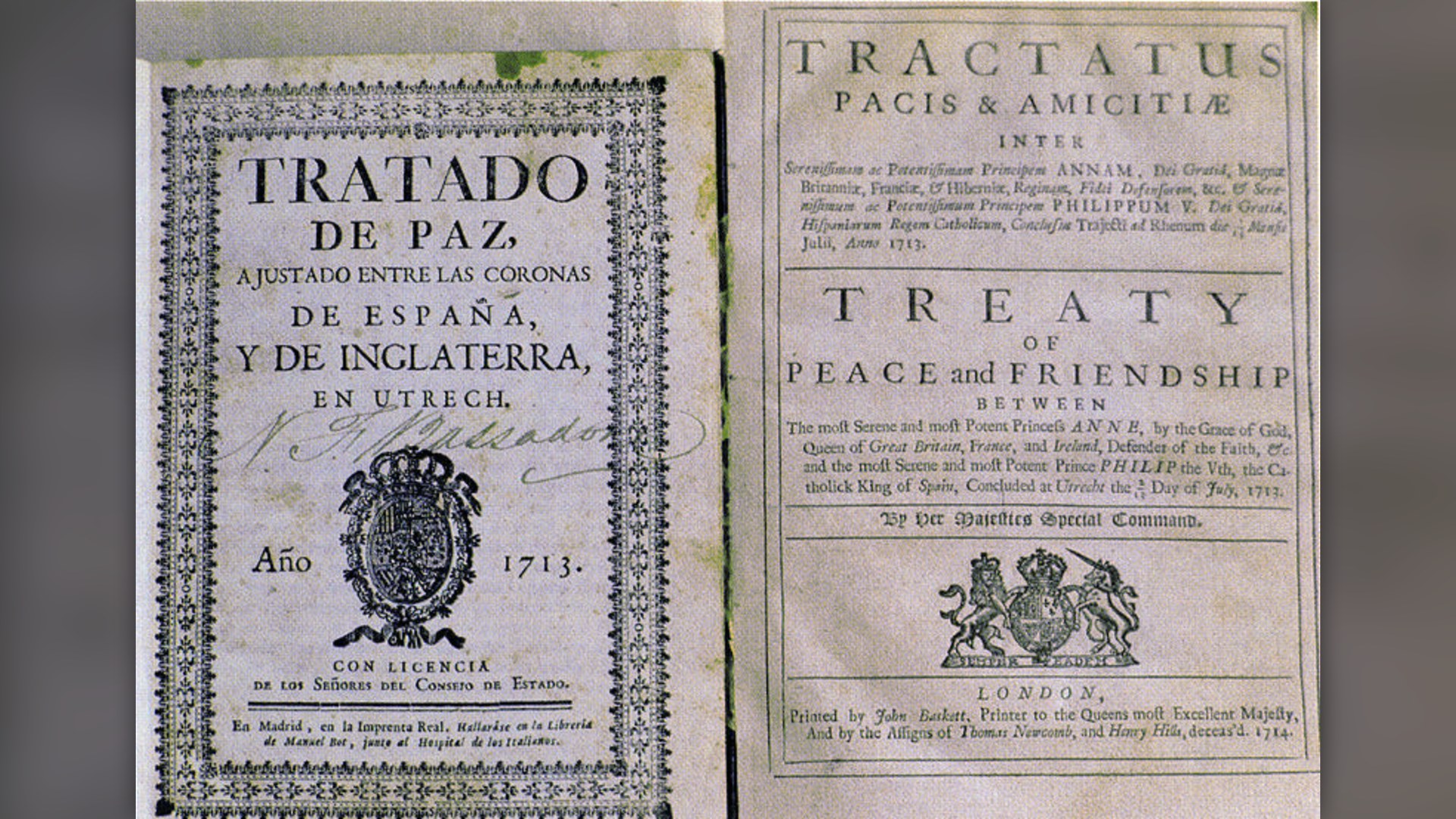
22. Treaty Of Utrecht (1713)
A series of peace accords signed by European powers prevented the unification of the Spanish and French crowns. Spain ceded its Italian territories and Spanish Netherlands to Austria, while Britain secured strategic Mediterranean gateways and crucial North American colonial territories.
©Wikimedia / RedCoat10
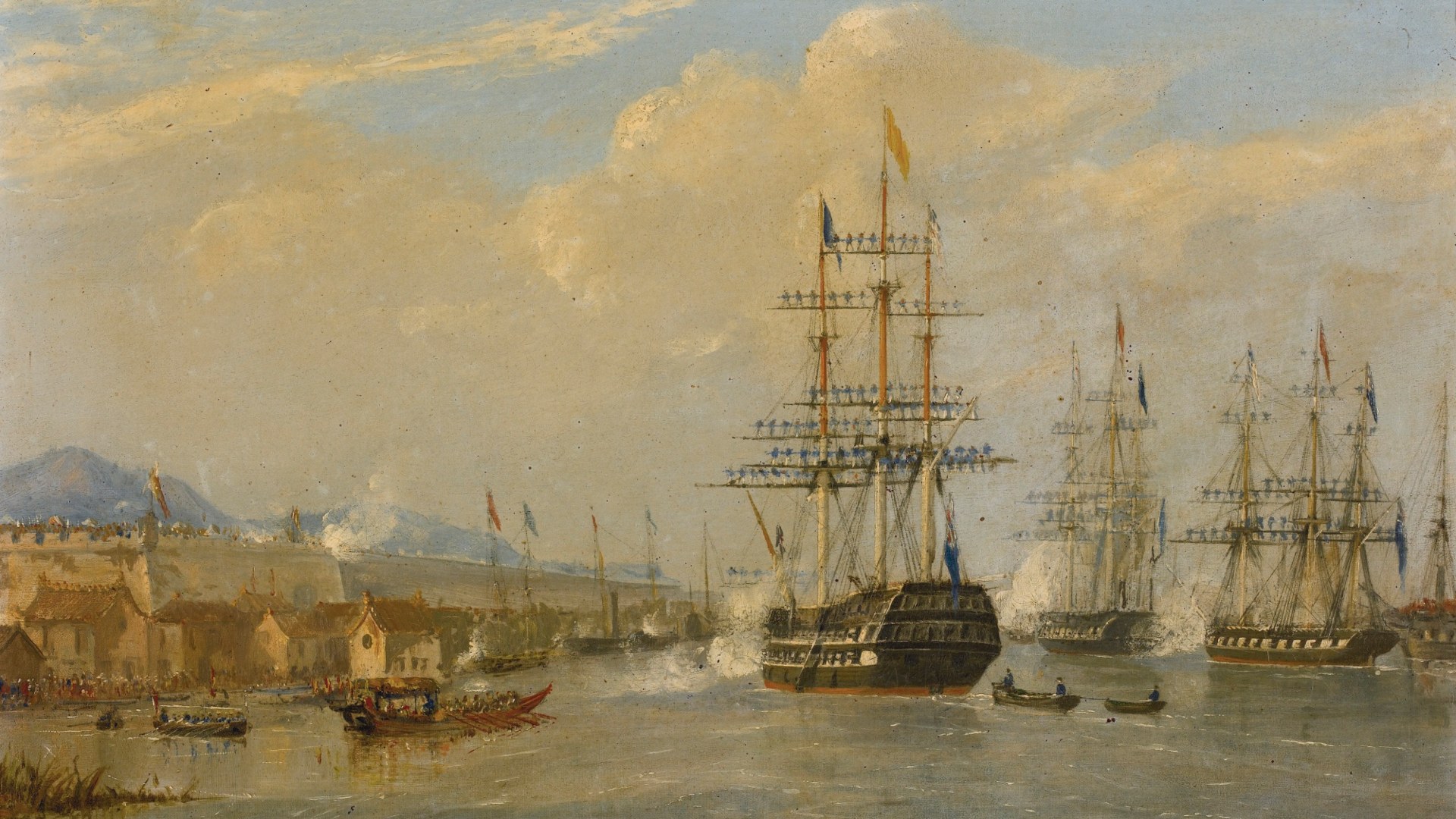
21. Treaty Of Nanking (1842)
Signed aboard HMS Cornwallis, this agreement forced Qing dynasty China to cede Hong Kong Island in perpetuity and open five major maritime ports to foreign commerce. It established British commercial dominance in East Asia and fundamentally altered Chinese sovereignty for over a century.
©Wikimedia / Rundle Burges Watson
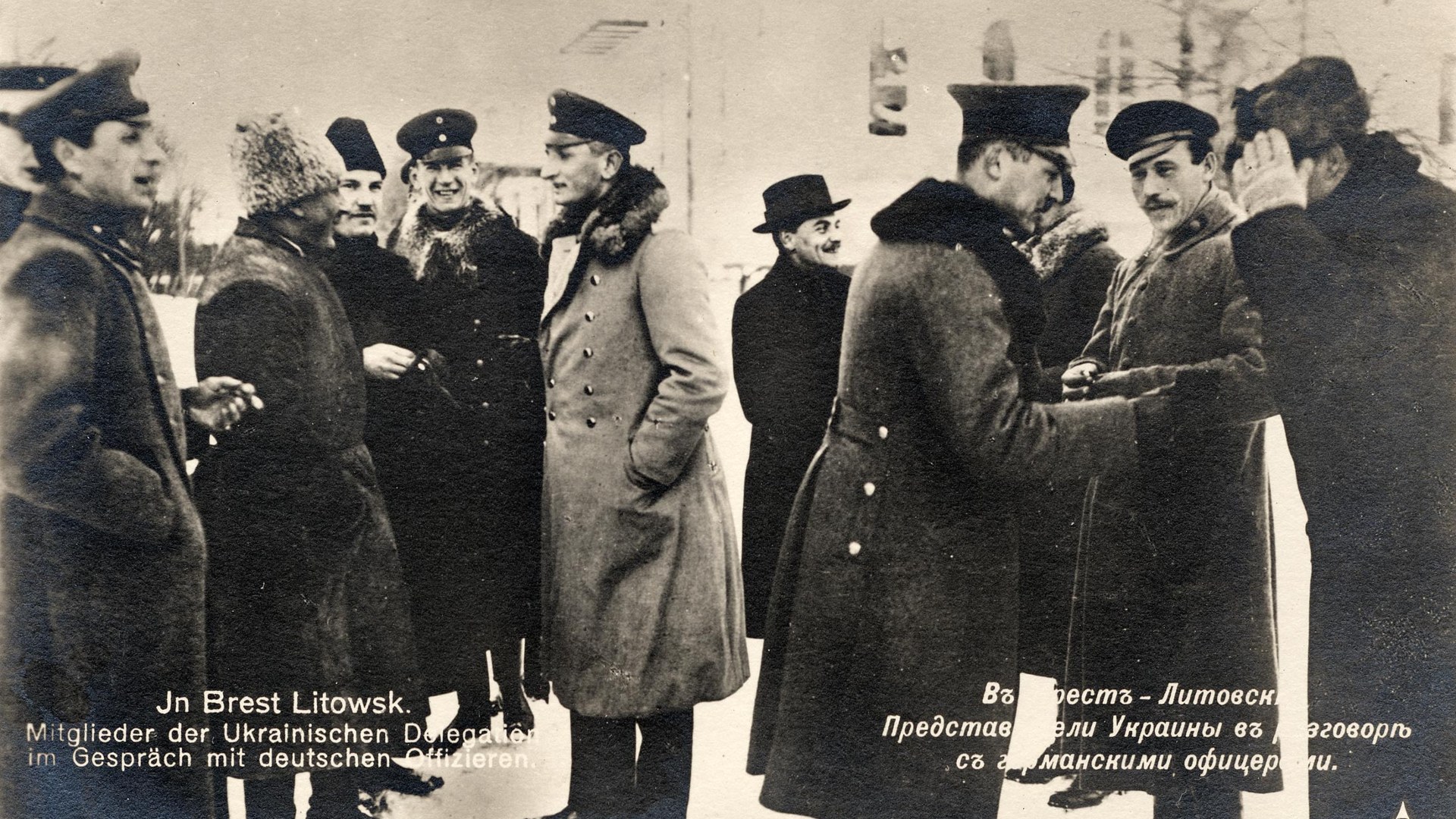
20. Treaty Of Brest-Litovsk (1918)
Faced with advancing German armies, Soviet delegates conceded nearly one million square miles of land containing a third of the former empire's population. Although nullified by the Allied victory months later, it temporarily established an expansive German sphere across Eastern Europe.
©Wikimedia / Unknown authorUnknown author
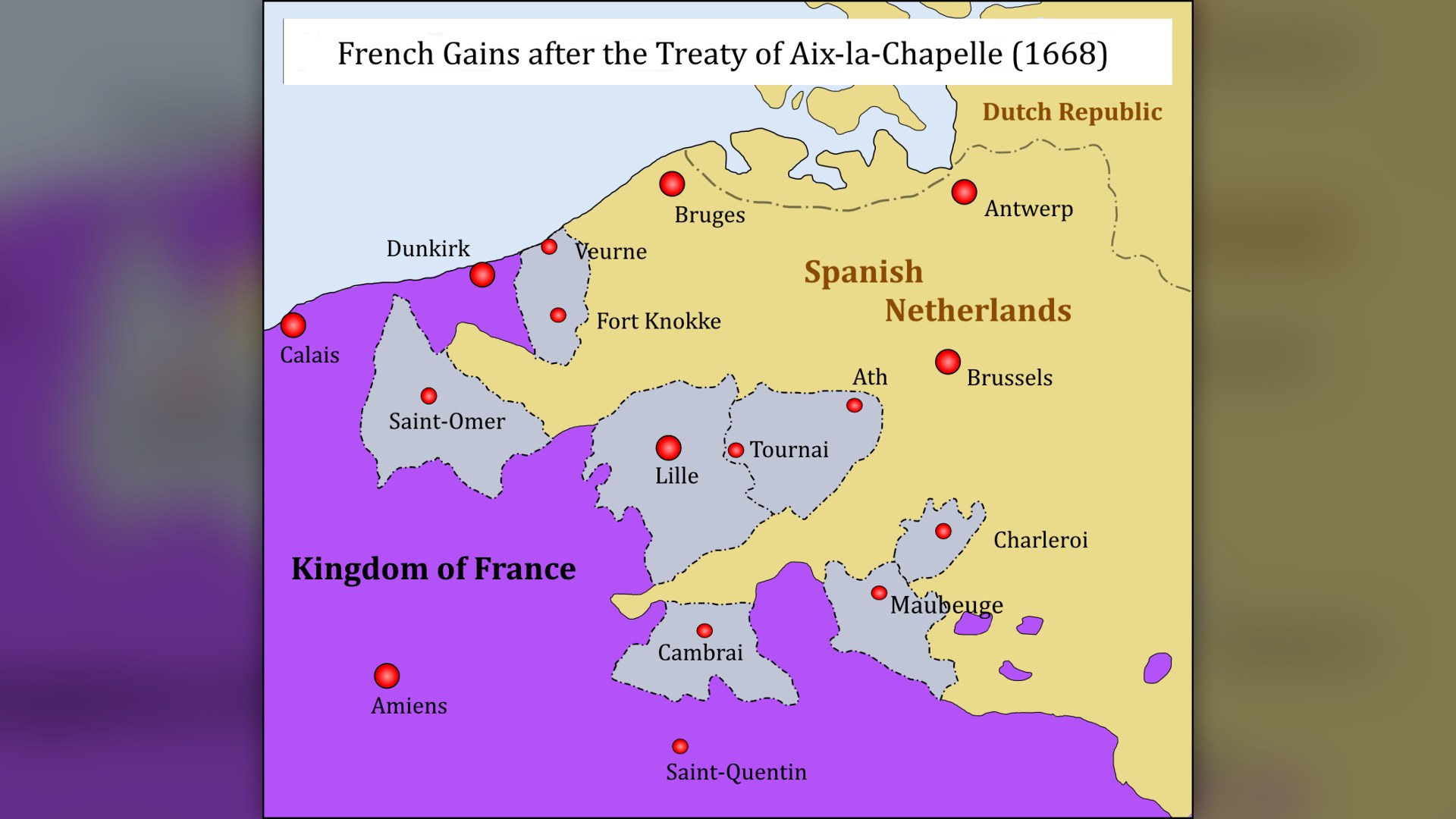
19. Treaty Of Aix La-Chapelle (1748)
Signed in Aachen, the treaty recognized Maria Theresa's succession to the Habsburg throne while solidifying Prussia's rise as a premier military power. European frontiers were largely restored, yet the territorial shifts set the stage for renewed global conflict in the Seven Years' War.
©Wikimedia / Qui1che based on image by Memnon335bc
Advertisement
Swipe or tap ▶ to resume the countdown.
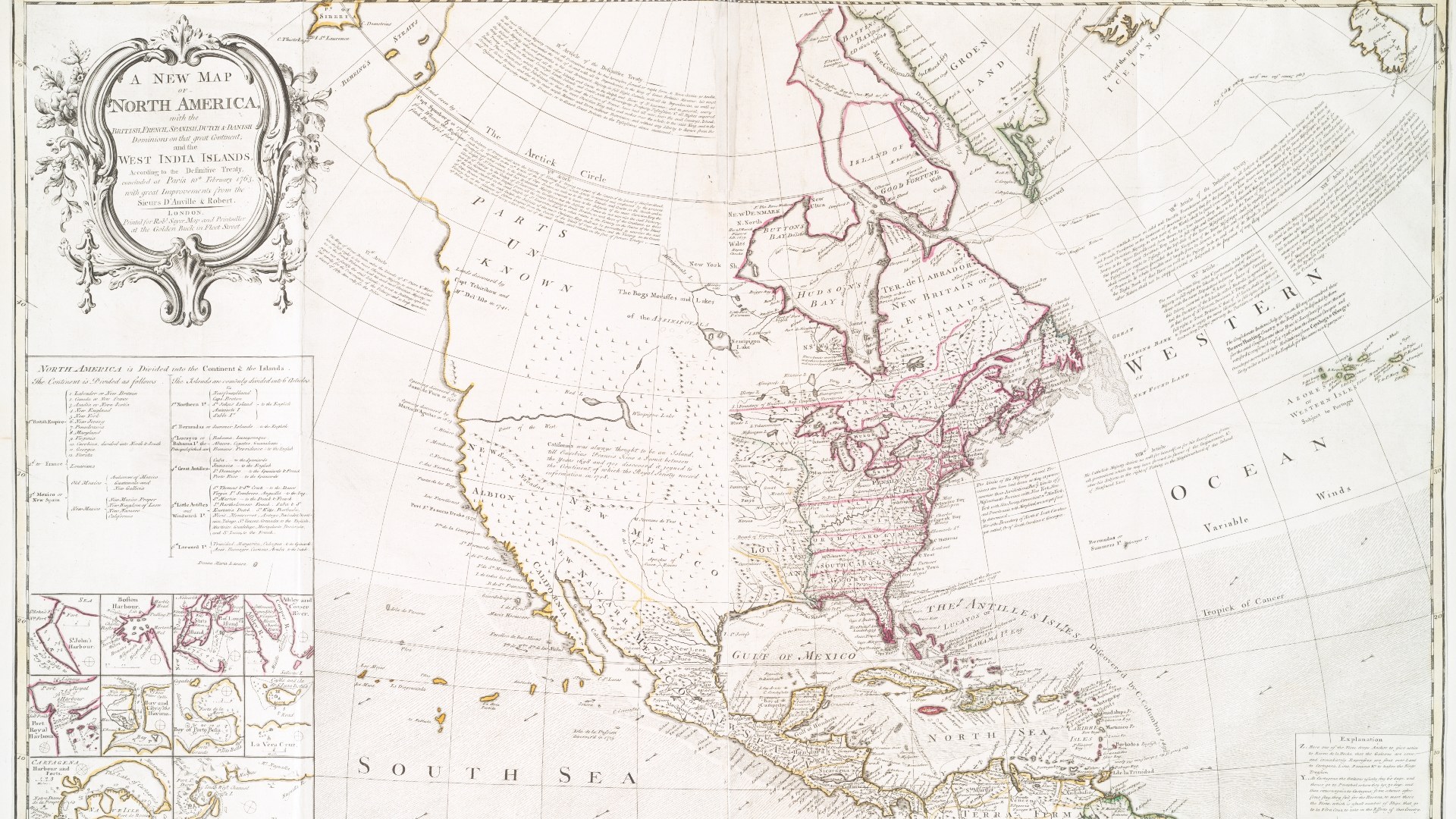
18. Treaty Of Paris (1763)
France ceded New France (Canada) and all claims east of the Mississippi River to Britain, while transferring Louisiana to Spain. The sweeping redistribution transformed Great Britain into the dominant global colonial power and permanently altered indigenous territorial dynamics across the Americas.
©Wikimedia / Sayer, Robert, 1725-1794
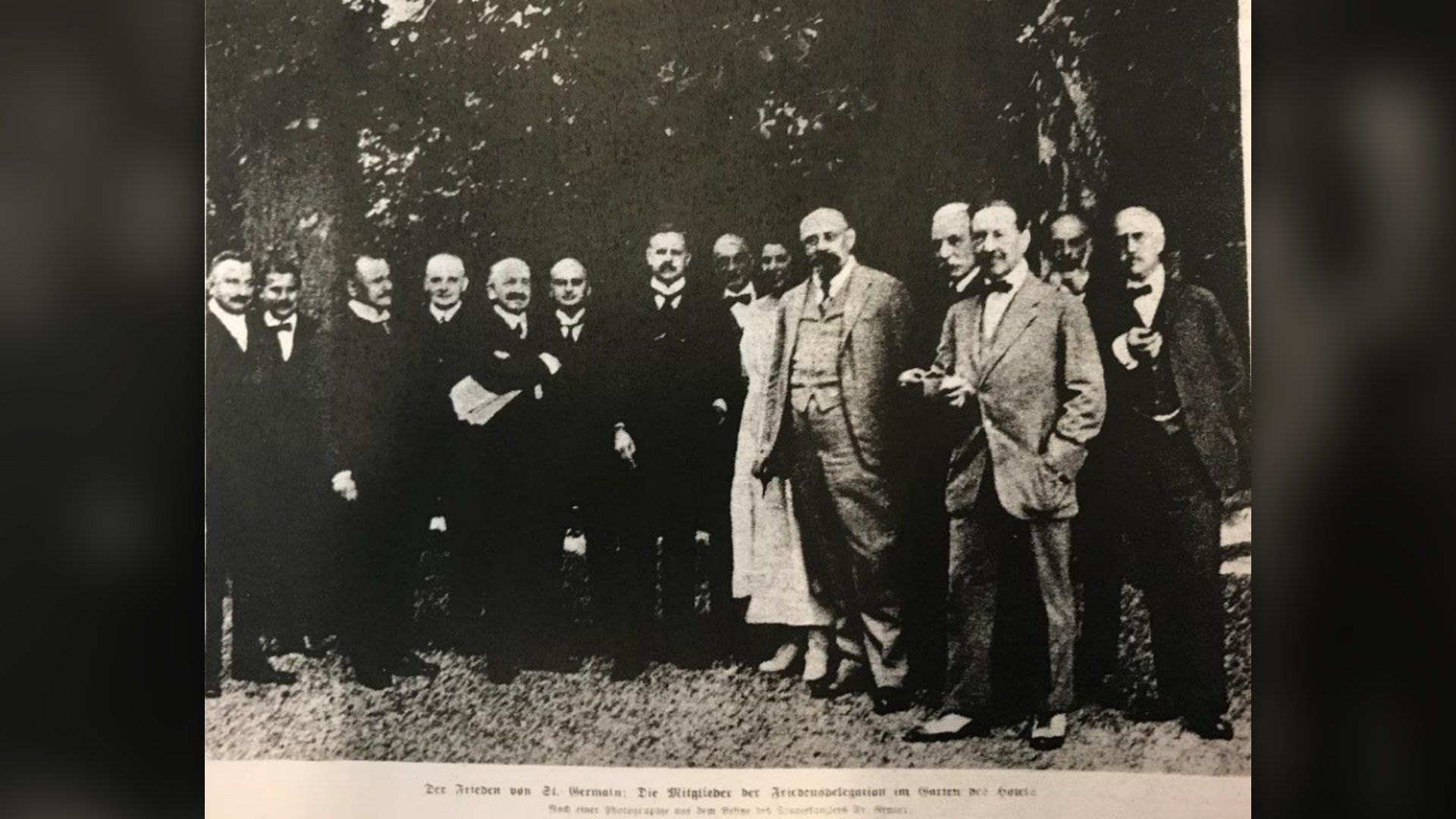
17. Treaty Of Saint-Germain (1919)
Concluded between the Allied powers and the newly formed Republic of Austria, the pact dismantled the historic Habsburg realm. It recognized the independence of Czechoslovakia, Poland, and Yugoslavia, while ceding South Tyrol and Istria to Italy, fundamentally redrawing the map of Central Europe.
©Wikimedia / Unknown authorUnknown author
16. Treaty Of Trianon (1920)
Signed at the Grand Trianon Palace in Versailles, the accord partitioned the Kingdom of Hungary following World War I. Significant provinces were ceded to Romania, Czechoslovakia, and Yugoslavia, creating enduring demographic shifts and geopolitical tensions throughout the Danube basin.
©Wikimedia / Digitalized by User:Cserlajos
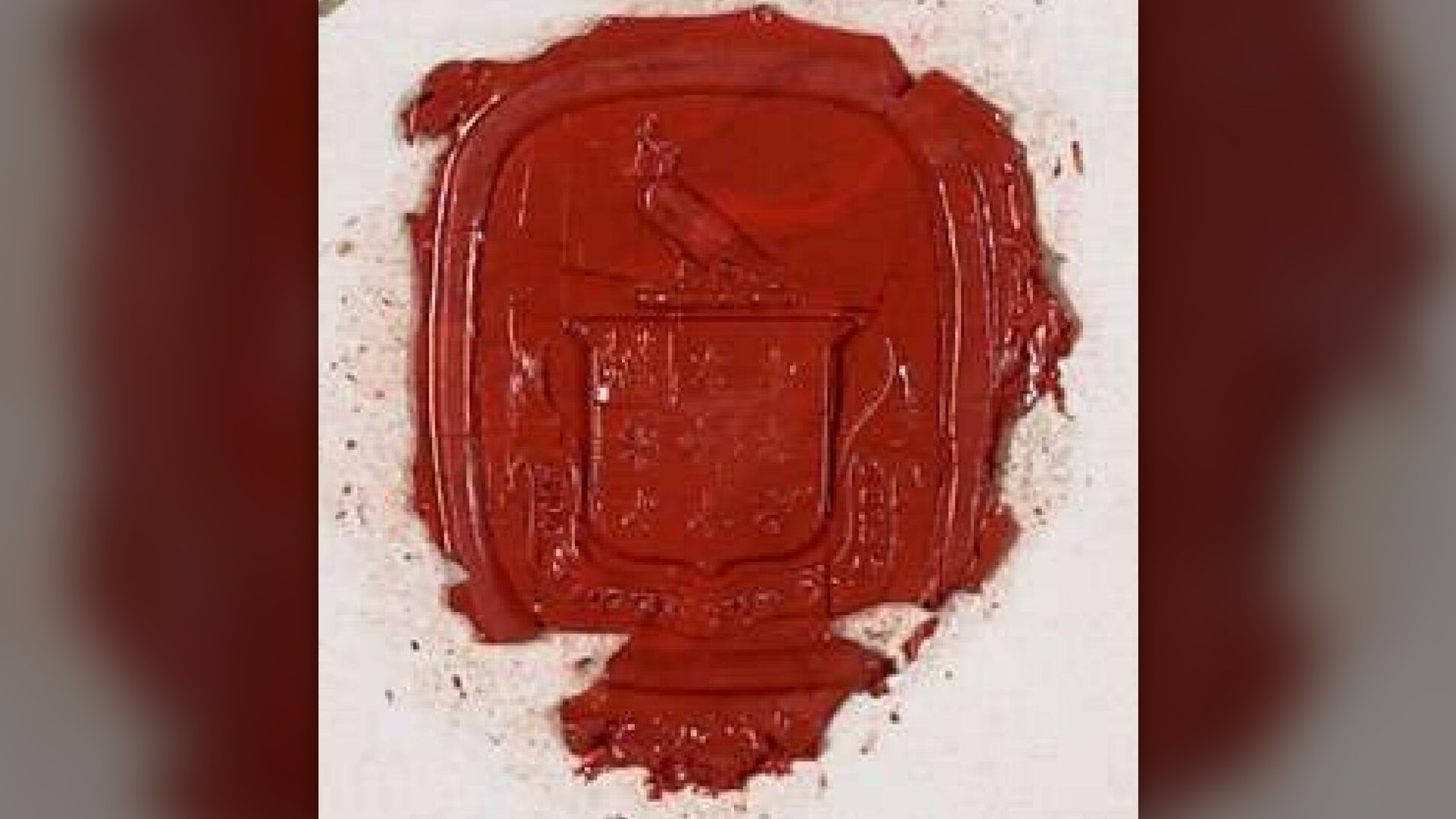
15. Treaty Of Guadalupe Hidalgo (1848)
In exchange for fifteen million dollars, Mexico ceded modern-day California, Nevada, Utah, and parts of Arizona, New Mexico, Colorado, and Wyoming. The accord established the Rio Grande as the southern border of Texas and completed the transcontinental expansion of the United States.
©Wikimedia / General Records of the United States Government
Advertisement
Swipe or tap ▶ to resume the countdown.
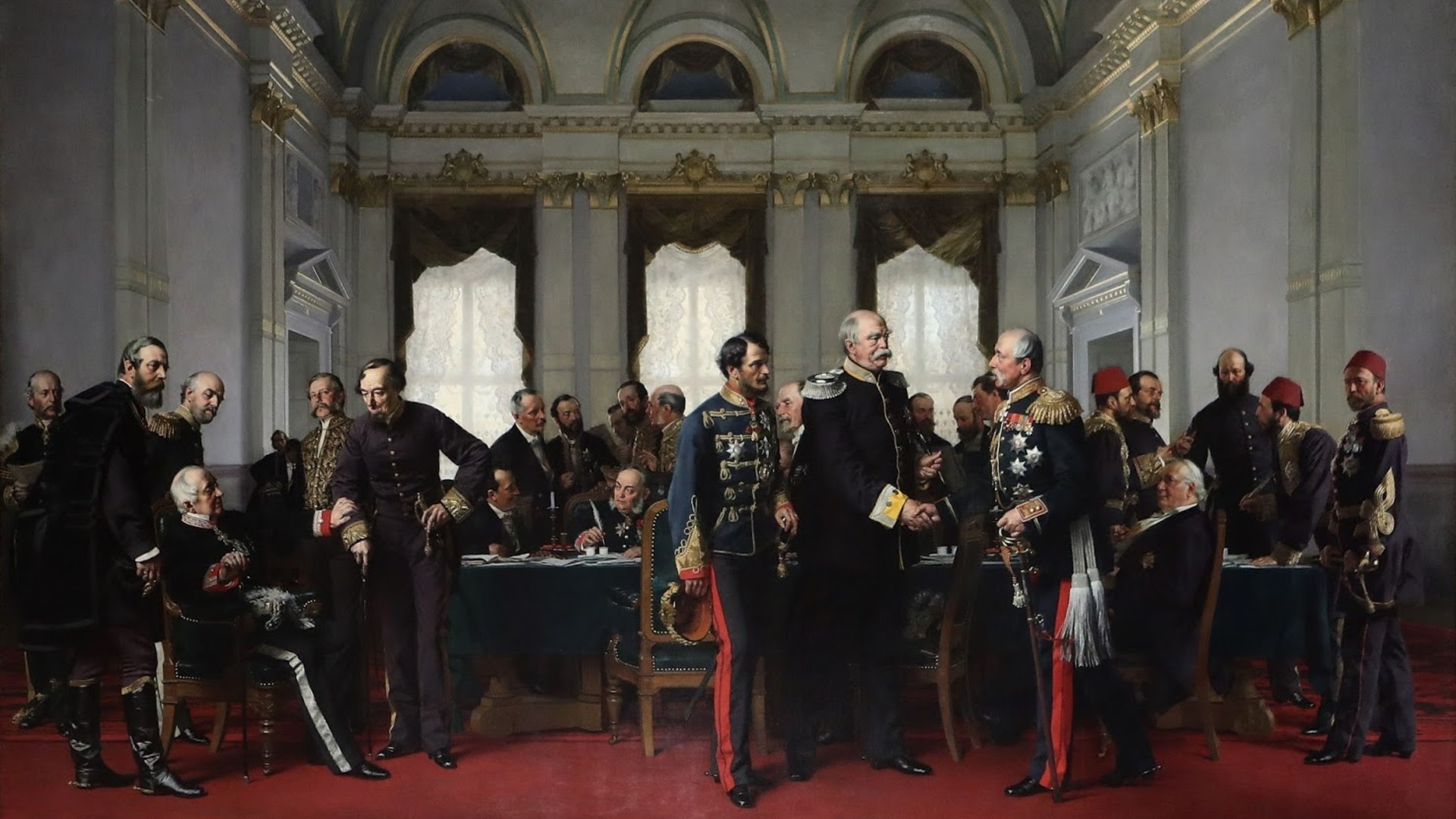
14. Treaty Of Berlin (1878)
Chaired by Otto von Bismarck, the Congress of Berlin revised the earlier San Stefano agreement to preserve European equilibrium. It recognized the independence of Romania, Serbia, and Montenegro, while placing Bosnia and Herzegovina under Austro-Hungarian administrative control.
©Wikimedia / Anton von Werner
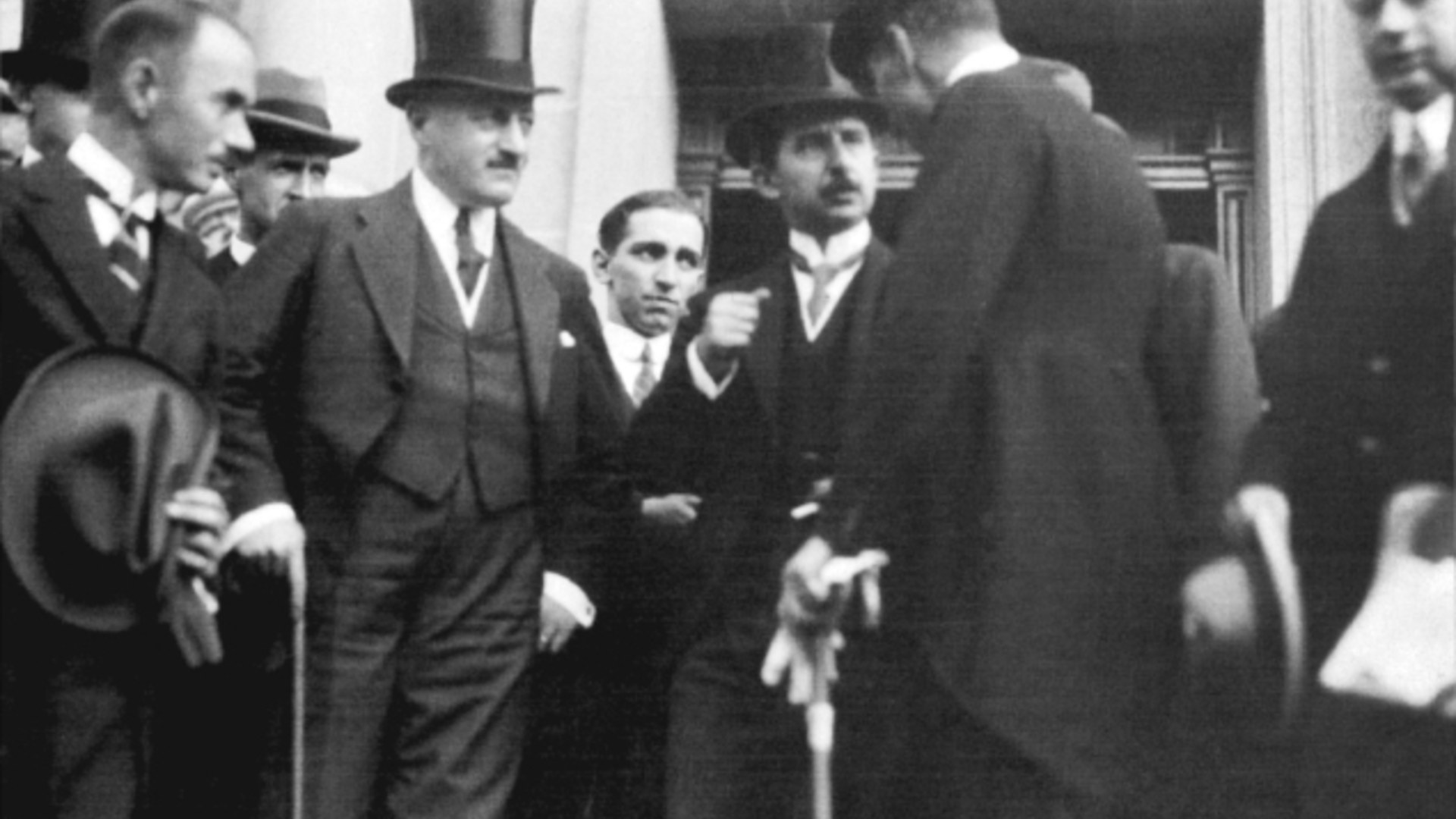
13. Treaty Of Lausanne (1923)
Negotiated by Mustafa Kemal's nationalist government following the Turkish War of Independence, the treaty nullified Allied partition plans. It established Turkey's contemporary borders in Thrace and Anatolia and mandated an extensive population exchange between Greece and Turkey.
©Wikimedia / Unknown authorUnknown author
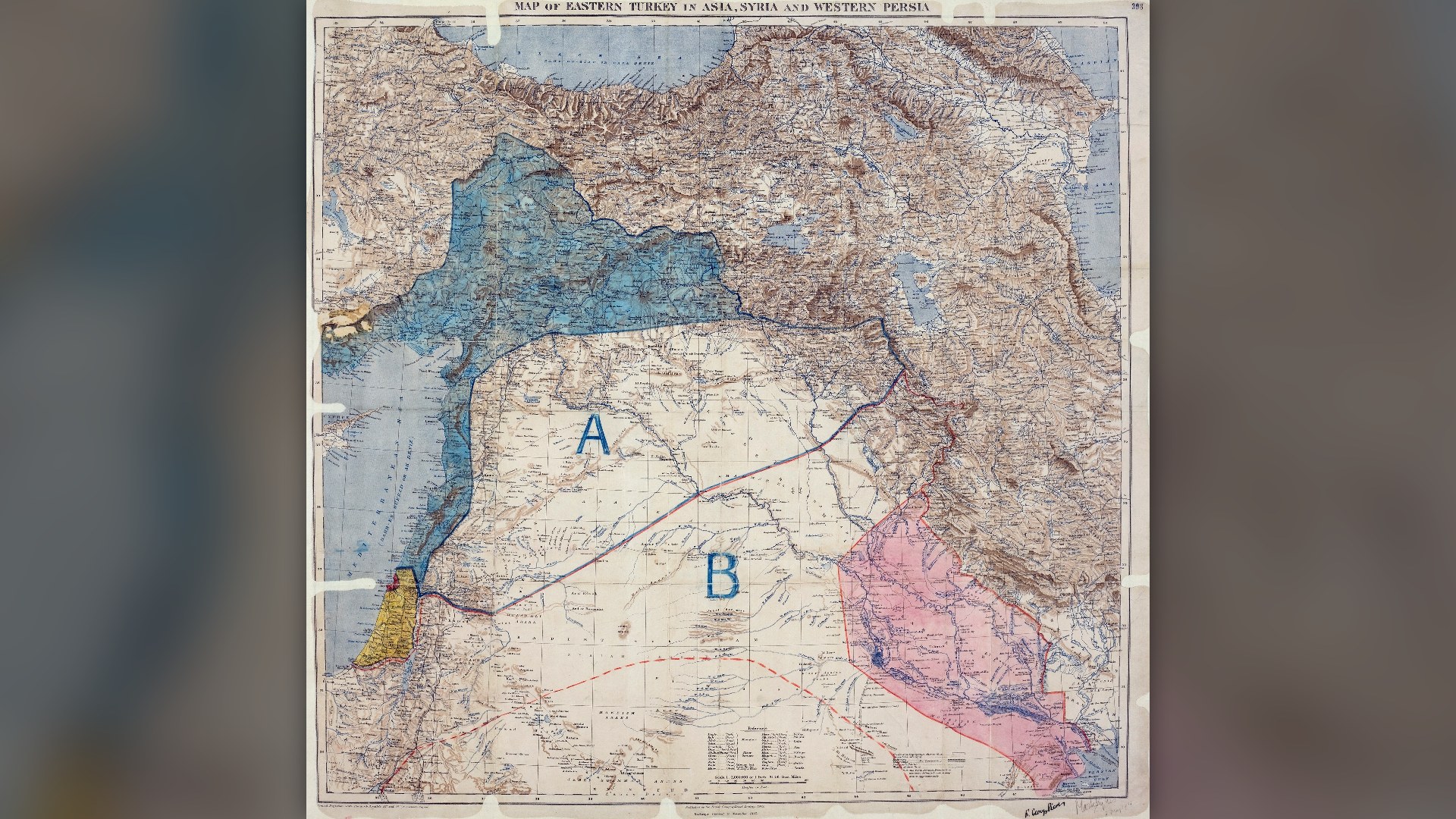
12. Sykes-Picot Agreement (1916)
Drafted by diplomats Mark Sykes and François Georges-Picot, the agreement carved the Middle East into British and French spheres of influence. The geometric frontiers disregarded local tribal and religious affiliations, creating borders that define the Levant and Iraq to this day.
©Wikimedia / Royal Geographical Society (Map)
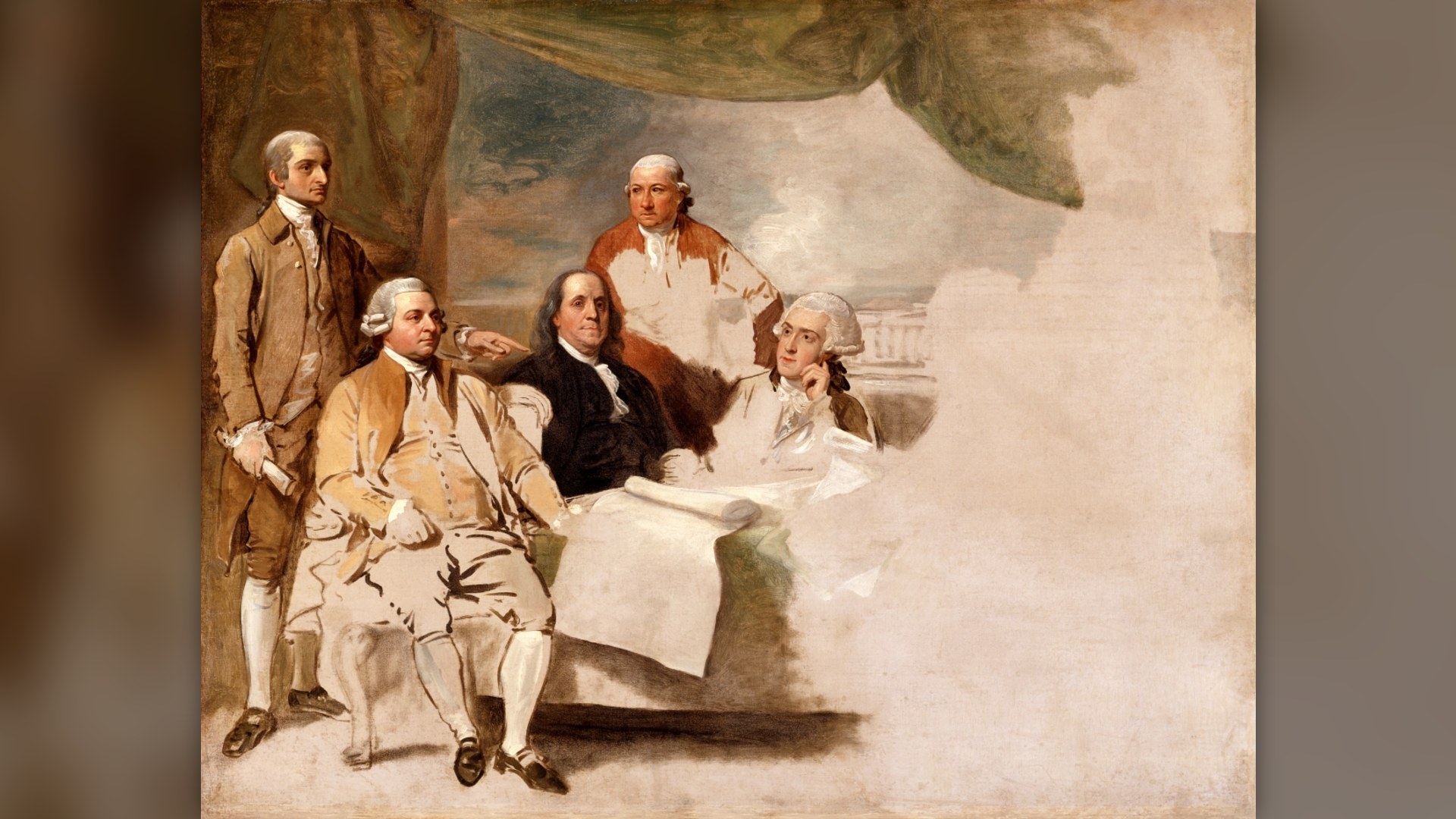
11. Treaty Of Paris (1783)
Negotiated by Benjamin Franklin, John Adams, and John Jay, the treaty ended the Revolutionary War. Britain acknowledged the sovereignty of the United States and granted generous territorial boundaries stretching from the Atlantic coast to the Mississippi, doubling the fledgling nation's domain.
©Wikimedia / Benjamin West
Advertisement
Swipe or tap ▶ to resume the countdown.
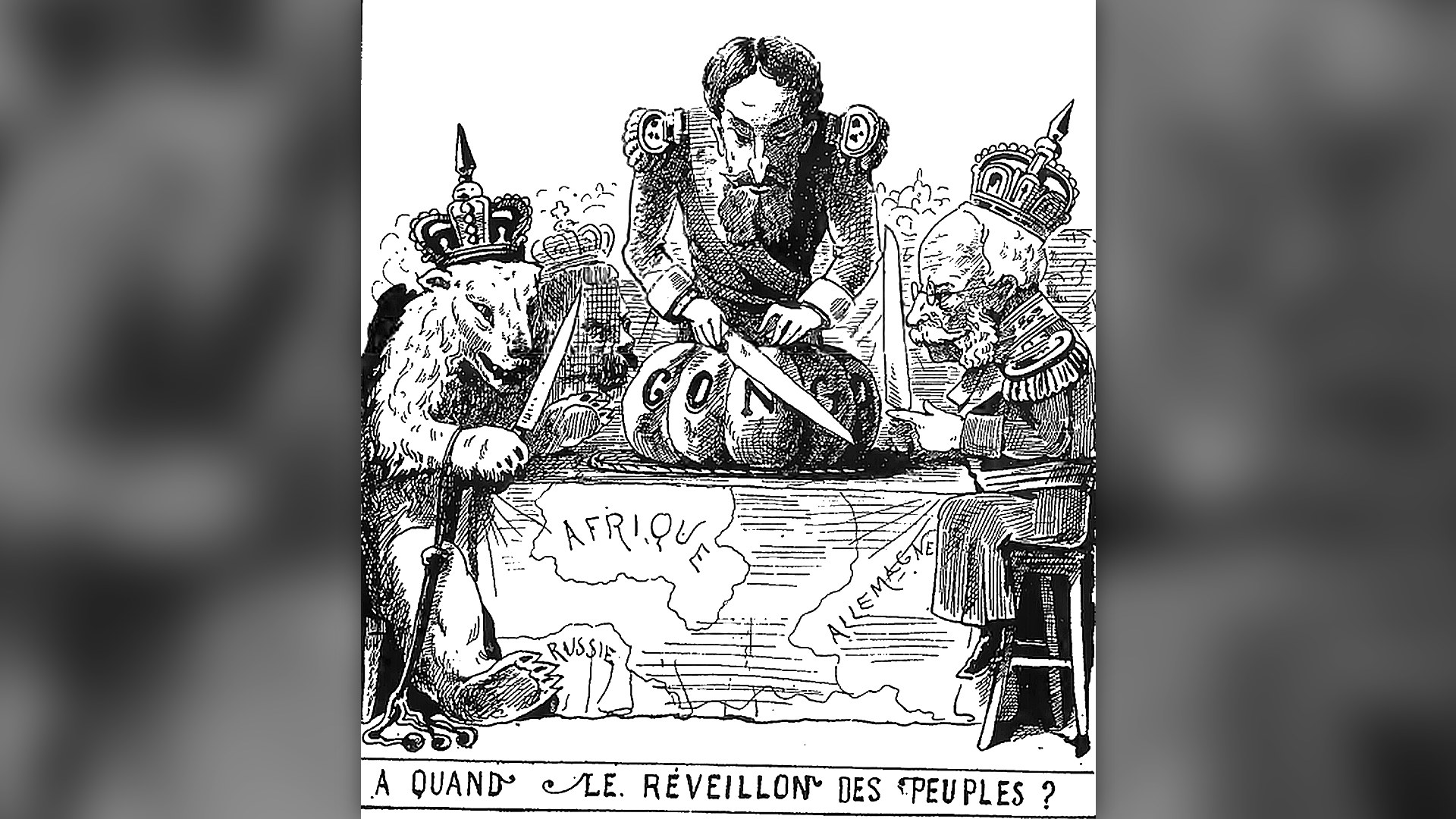
10. Berlin Conference Act (1885)
Organized by Bismarck, European powers established rules for claiming African territory based on effective occupation. Without African representation, diplomats drew geometric boundaries across ethnic homelands, transforming over ninety percent of the continent into colonial domains.
©Wikimedia / François Maréchal
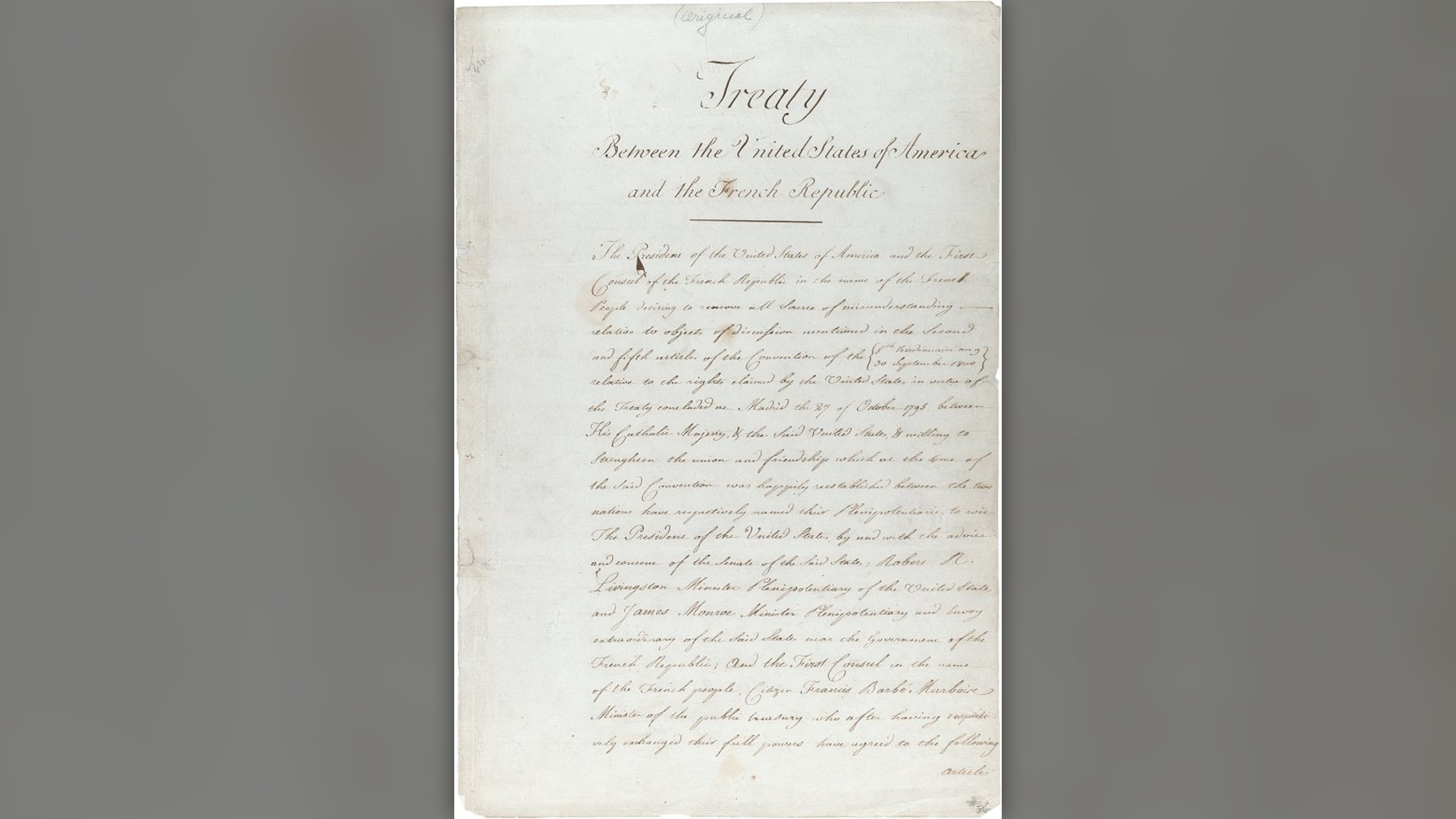
9. Louisiana Purchase Treaty (1803)
Concluded in Paris between American envoys and Napoleon Bonaparte, the accord transferred the vast Mississippi River basin for fifteen million dollars. The acquisition secured the vital port of New Orleans and fueled the westward expansion across the Great Plains to the Rocky Mountains.
©Wikimedia / Public Contributor
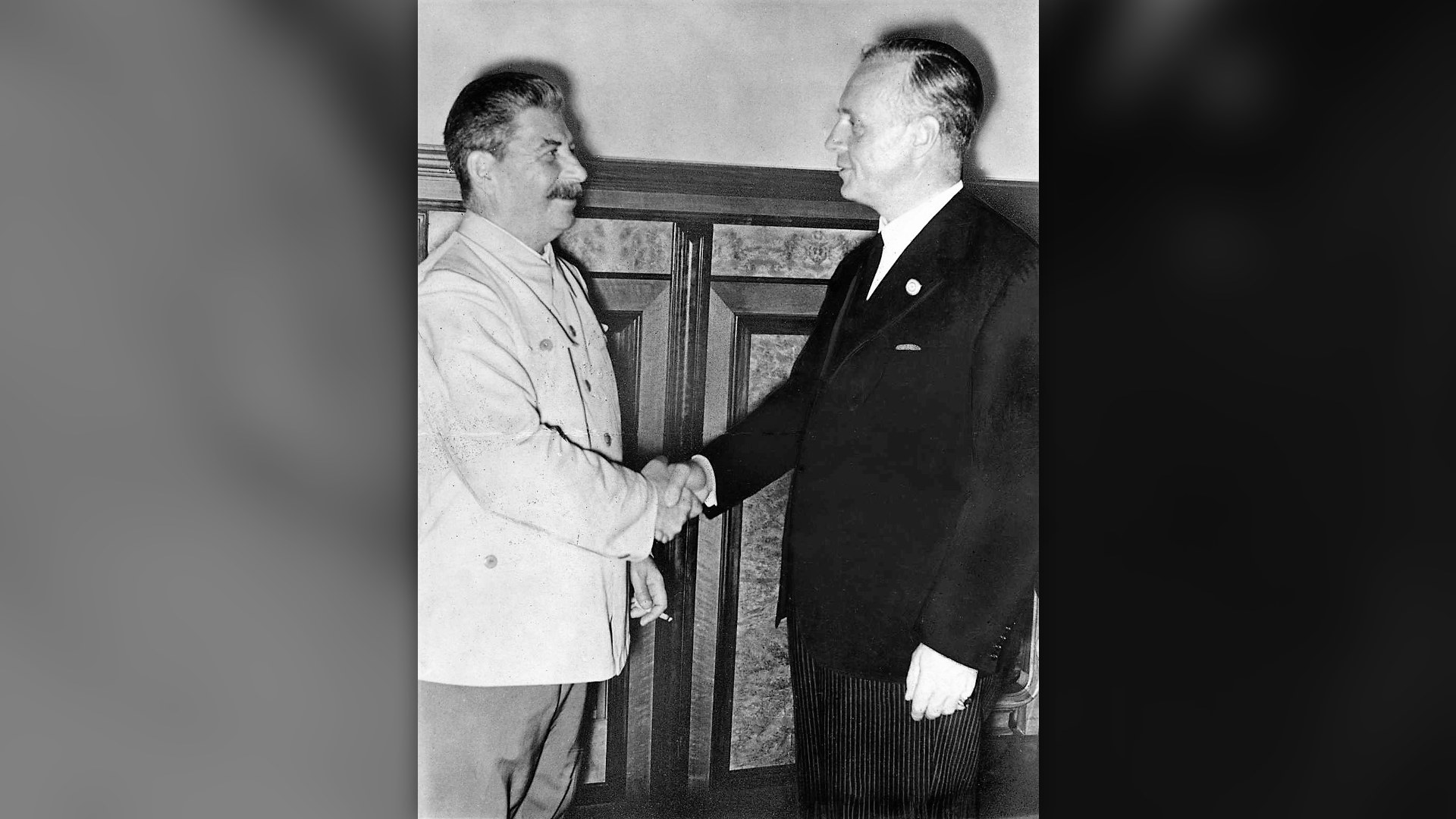
8. Molotov-Ribbentrop Pact (1939)
Signed in Moscow by Joachim von Ribbentrop and Vyacheslav Molotov, the pact cleared the path for the invasion of Poland and the outbreak of World War II. Its secret annex carved Eastern Europe into German and Soviet spheres, extinguishing independent Baltic states for half a century.
©Wikimedia / Template:Helmut Laux
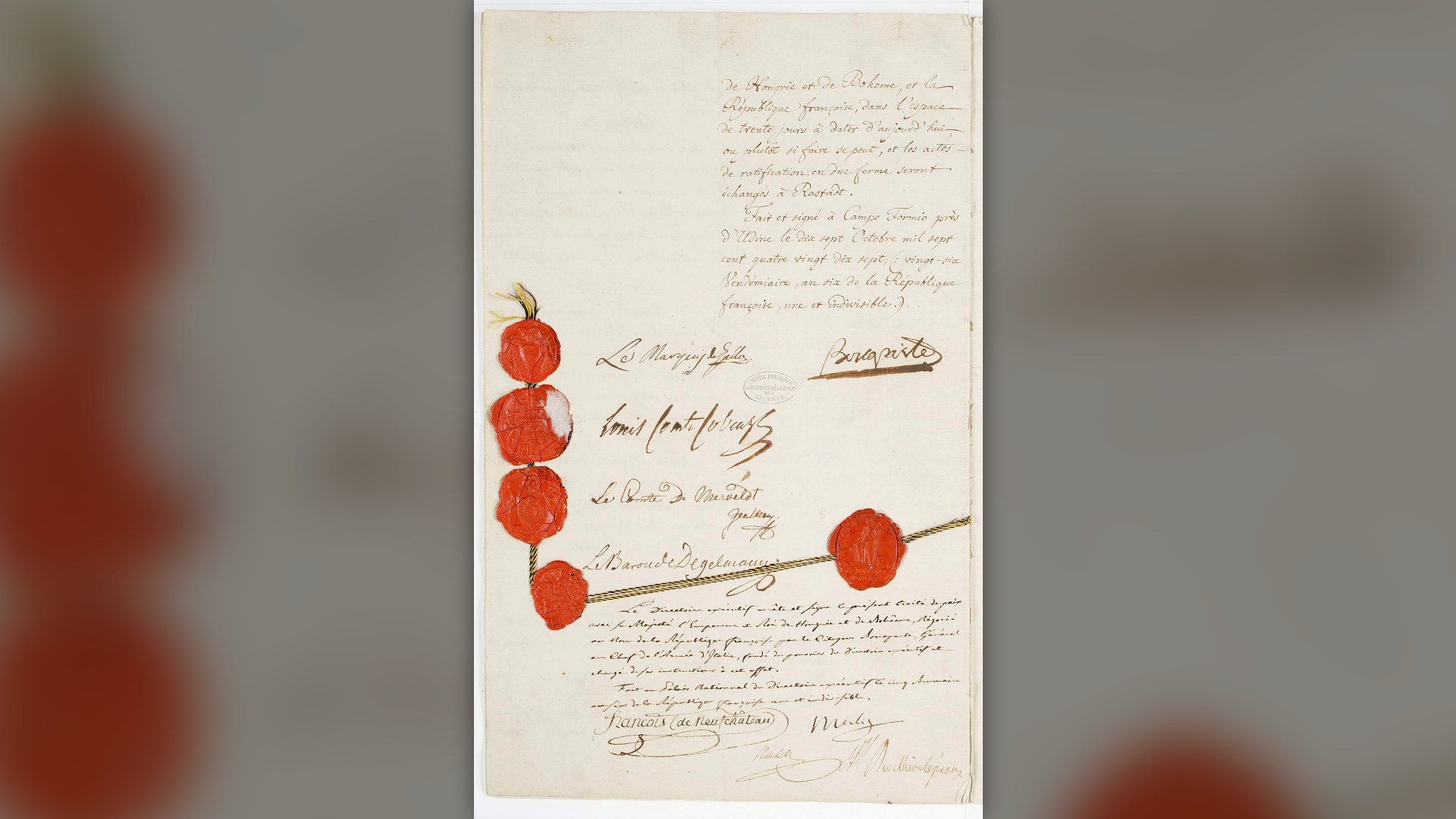
7. Treaty Of Campo Formio (1797)
Imposed on Austria following Bonaparte's victorious Italian campaign, the treaty brought an end to eleven centuries of Venetian independence. Austria received Venice and its Adriatic possessions, while France gained the Austrian Netherlands and recognized new client republics in Northern Italy.
©Wikimedia / Archives
Advertisement
Swipe or tap ▶ to resume the countdown.
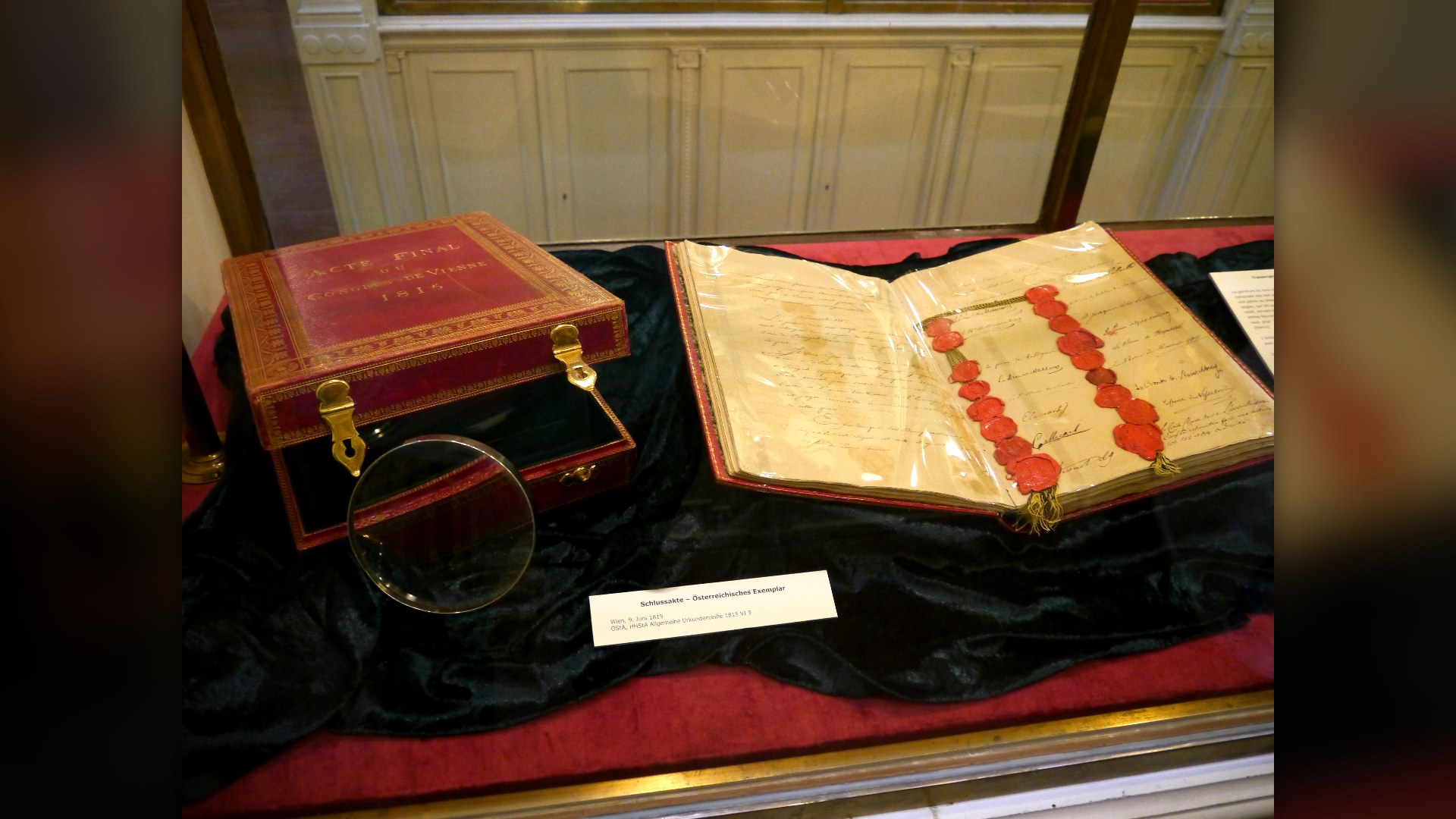
6. Congress Of Vienna (1815)
Headed by Klemens von Metternich, the assembly reconstructed European boundaries to encircle France and suppress revolution. It established the German Confederation, united Belgium with the Netherlands, and partitioned Poland, maintaining systemic continental stability until the Crimean War.
©Wikimedia / Thomas Ledl
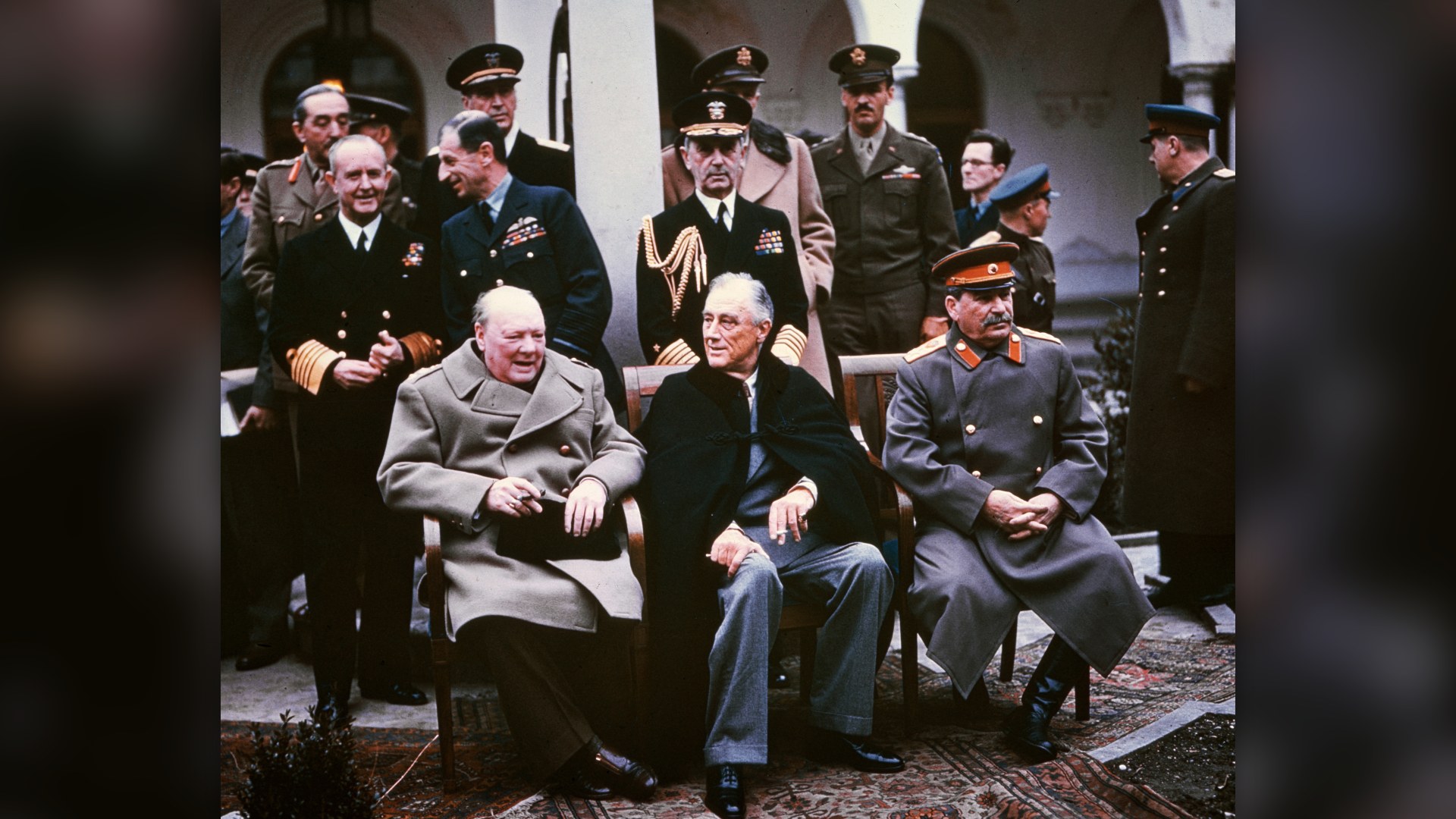
5. Yalta Conference Agreement (1945)
Meeting in the Crimean resort city of Yalta, the Allied Big Three agreed on the partition of Germany into four occupation zones. The accord shifted Poland's borders westward, ceded Eastern European influence to the Soviet Union, and established the geopolitical divide known as the Iron Curtain.
©Wikimedia / Army Signal Corps Collection in the U.S.
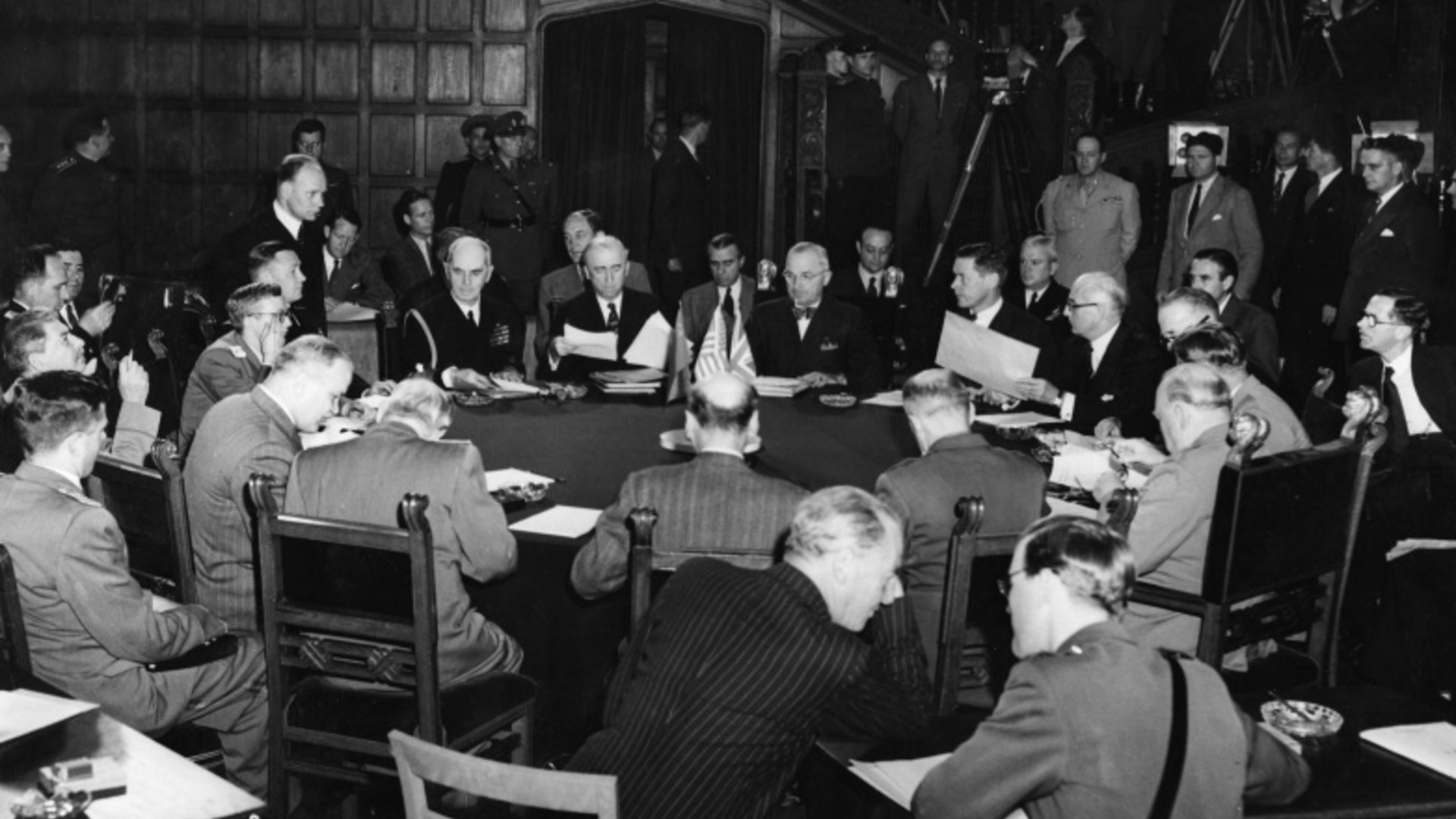
4. Potsdam Agreement (1945)
Concluded near Berlin by Truman, Attlee, and Stalin, the protocol implemented the demilitarization and administrative division of Germany. It formally sanctioned the expulsion of millions of ethnic Germans from Eastern Europe and established the Oder-Neisse line as Poland's western boundary.
©Wikimedia / Unknown authorUnknown author
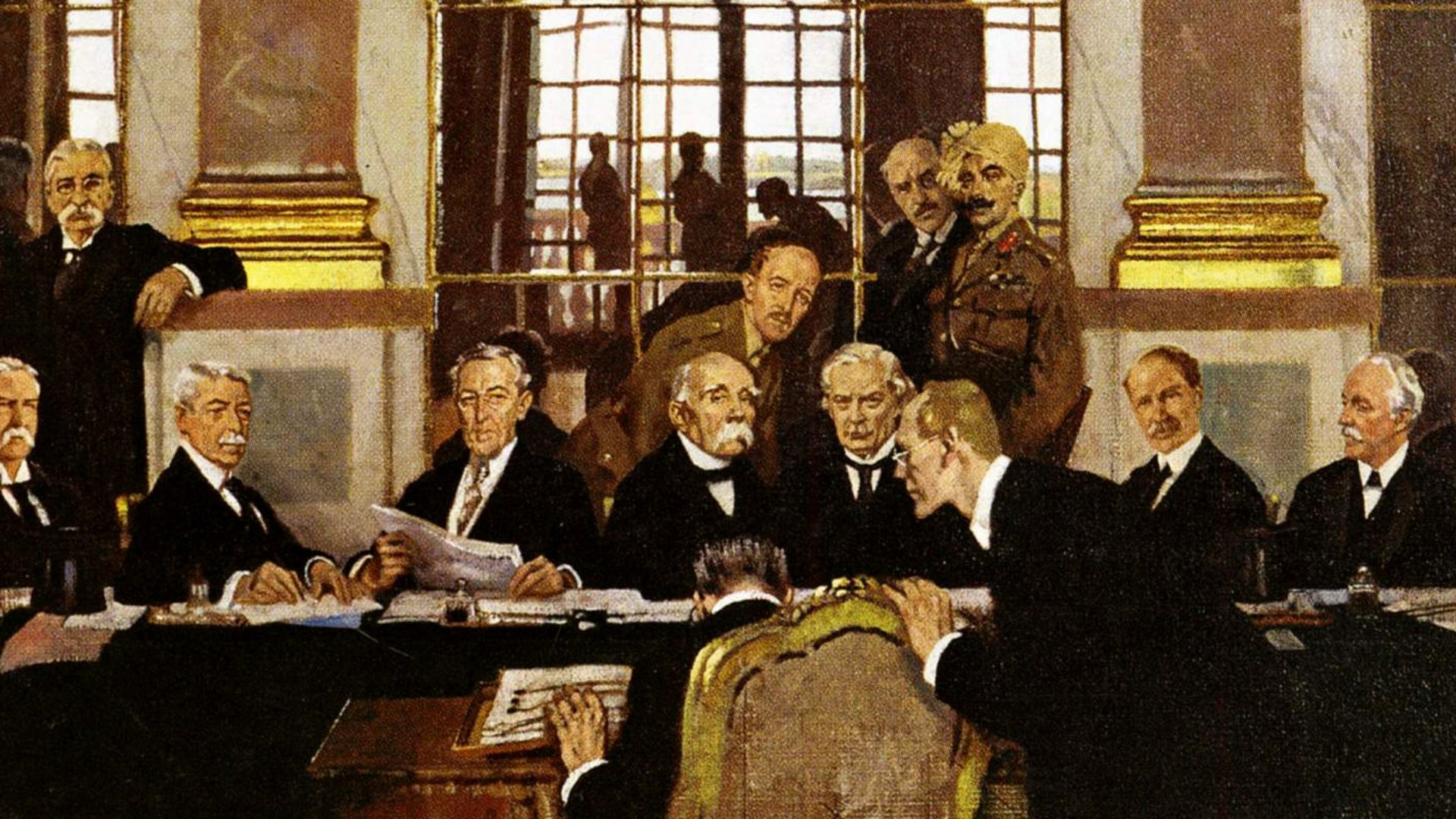
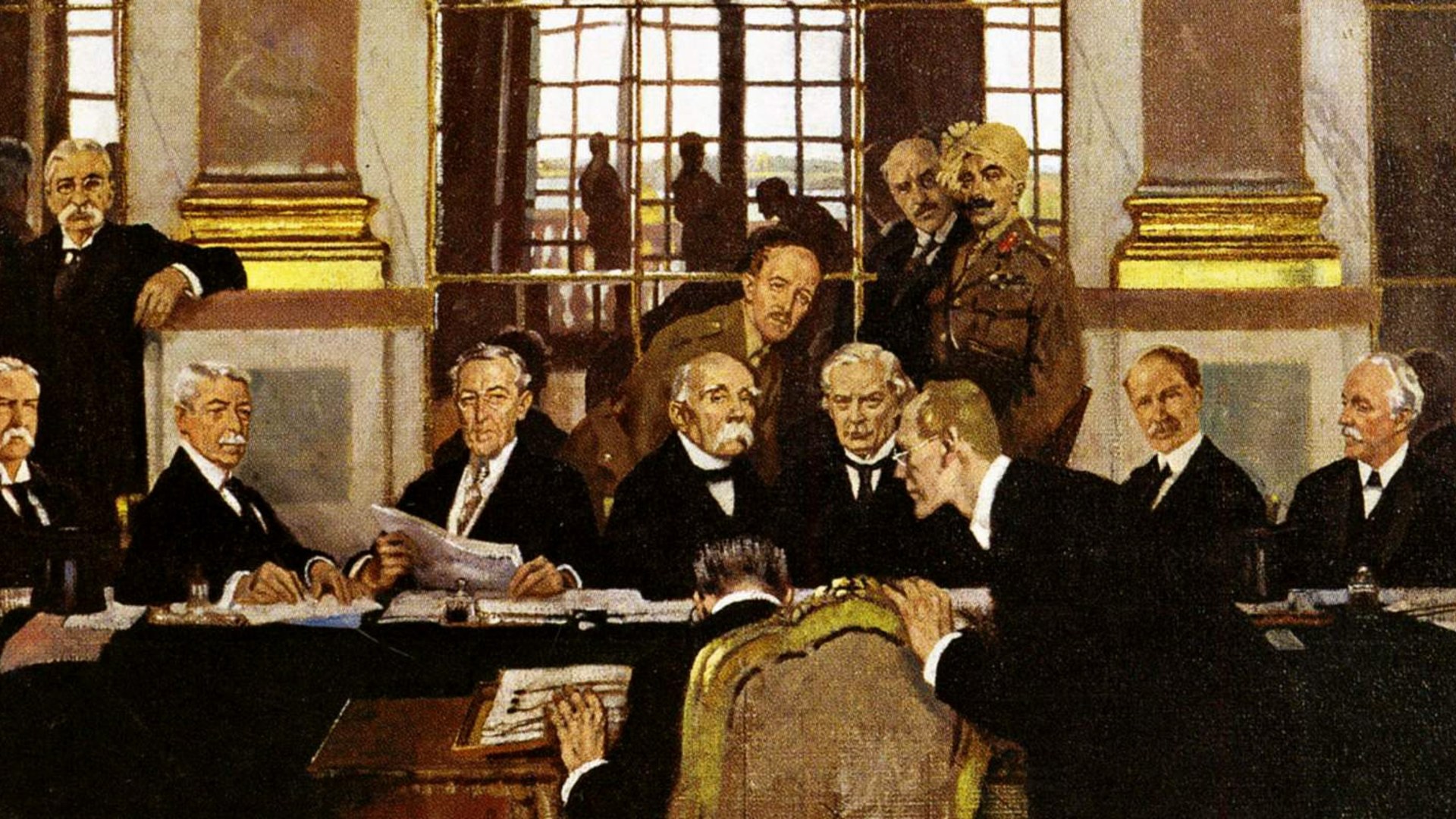
3. Treaty Of Versailles (1919)
Signed in the iconic Hall of Mirrors, the treaty forced Germany to surrender Alsace-Lorraine, overseas colonies, and border territories to Poland. The restructuring created independent nations across Central Europe, yet the severe reparations and territorial penalties fueled subsequent conflict.
©Wikimedia / William Orpen
Advertisement
Swipe or tap ▶ to resume the countdown.
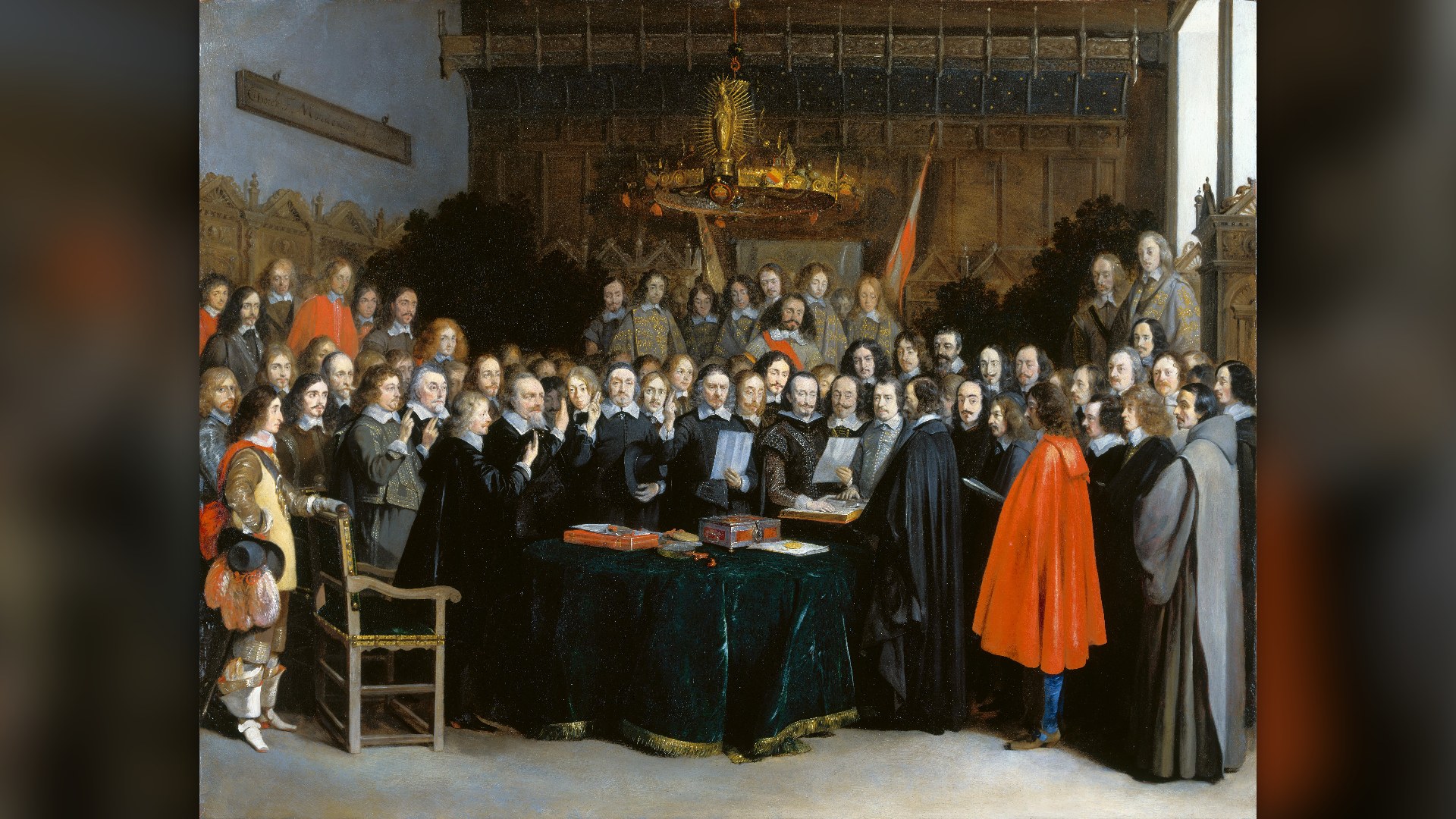
2. Peace Of Westphalia (1648)
Comprising treaties signed in Munster and Osnabruck, the settlement reorganized the Holy Roman Empire and recognized Swiss and Dutch independence. By enshrining the principle of state sovereignty over religion and domestic affairs, it created the foundational framework of modern international law.
©Wikimedia / Gerard ter Borch
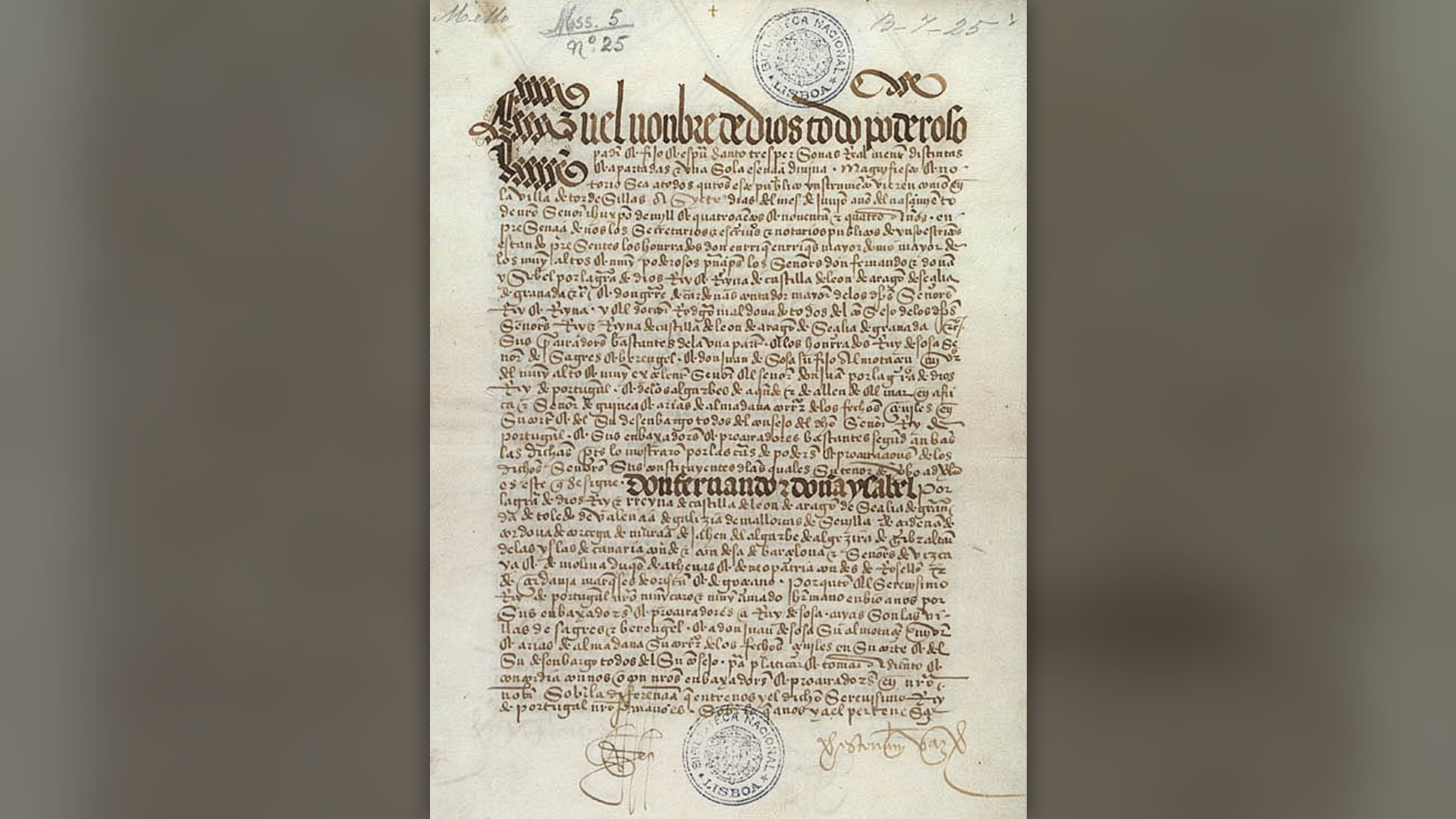
1. Treaty Of Tordesillas (1494)
Sanctioned by Pope Alexander VI, the treaty established a boundary 370 leagues west of the Cape Verde islands. Lands discovered west of the meridian belonged to Spain, while eastern territory fell to Portugal, explaining why Brazil became Portuguese while the remainder of South America spoke Spanish.

©Wikimedia / Joserebe
Advertisement
You've reached the end of the story. Thanks for reading!

20 Famous Cars With Pop-Up Headlights That Shaped Car Design
From hand-cranked 1930s teardrops to wedge supercars of the 1980s, hidden headlights let stylists chase sleek aerodynamics until 2004 pedestrian rules closed the curtain. Here are 20 standout production cars that turned retractable lamps into an enduring automotive design feature across seven full decades.
All 25 Entries in this Story
25. Adams-Onis Treaty (1819)
Negotiated between John Quincy Adams and Luis de Onis, the accord settled contentious border disputes in North America. Spain transferred Florida to the American republic and relinquished claims to the Oregon Country, establishing a clear transcontinental border.

24. Treaty Of San Stefano (1878)
Signed near Istanbul following the Russo-Turkish War, this preliminary agreement created an autonomous Greater Bulgaria spanning from the Danube to the Aegean Sea. The sudden expansion alarmed Western powers, triggering the Congress of Berlin to rewrite the boundaries months later.

23. Treaty Of Portsmouth (1905)
Convened in New Hampshire, the negotiations recognized Japan's dominance over Korea and awarded it control of southern Sakhalin Island and Port Arthur. The treaty marked the emergence of Japan as a recognized global imperial power, earning Roosevelt the Nobel Peace Prize.

22. Treaty Of Utrecht (1713)
A series of peace accords signed by European powers prevented the unification of the Spanish and French crowns. Spain ceded its Italian territories and Spanish Netherlands to Austria, while Britain secured strategic Mediterranean gateways and crucial North American colonial territories.

21. Treaty Of Nanking (1842)
Signed aboard HMS Cornwallis, this agreement forced Qing dynasty China to cede Hong Kong Island in perpetuity and open five major maritime ports to foreign commerce. It established British commercial dominance in East Asia and fundamentally altered Chinese sovereignty for over a century.

20. Treaty Of Brest-Litovsk (1918)
Faced with advancing German armies, Soviet delegates conceded nearly one million square miles of land containing a third of the former empire's population. Although nullified by the Allied victory months later, it temporarily established an expansive German sphere across Eastern Europe.

19. Treaty Of Aix La-Chapelle (1748)
Signed in Aachen, the treaty recognized Maria Theresa's succession to the Habsburg throne while solidifying Prussia's rise as a premier military power. European frontiers were largely restored, yet the territorial shifts set the stage for renewed global conflict in the Seven Years' War.

18. Treaty Of Paris (1763)
France ceded New France (Canada) and all claims east of the Mississippi River to Britain, while transferring Louisiana to Spain. The sweeping redistribution transformed Great Britain into the dominant global colonial power and permanently altered indigenous territorial dynamics across the Americas.

17. Treaty Of Saint-Germain (1919)
Concluded between the Allied powers and the newly formed Republic of Austria, the pact dismantled the historic Habsburg realm. It recognized the independence of Czechoslovakia, Poland, and Yugoslavia, while ceding South Tyrol and Istria to Italy, fundamentally redrawing the map of Central Europe.

16. Treaty Of Trianon (1920)
Signed at the Grand Trianon Palace in Versailles, the accord partitioned the Kingdom of Hungary following World War I. Significant provinces were ceded to Romania, Czechoslovakia, and Yugoslavia, creating enduring demographic shifts and geopolitical tensions throughout the Danube basin.

15. Treaty Of Guadalupe Hidalgo (1848)
In exchange for fifteen million dollars, Mexico ceded modern-day California, Nevada, Utah, and parts of Arizona, New Mexico, Colorado, and Wyoming. The accord established the Rio Grande as the southern border of Texas and completed the transcontinental expansion of the United States.

14. Treaty Of Berlin (1878)
Chaired by Otto von Bismarck, the Congress of Berlin revised the earlier San Stefano agreement to preserve European equilibrium. It recognized the independence of Romania, Serbia, and Montenegro, while placing Bosnia and Herzegovina under Austro-Hungarian administrative control.

13. Treaty Of Lausanne (1923)
Negotiated by Mustafa Kemal's nationalist government following the Turkish War of Independence, the treaty nullified Allied partition plans. It established Turkey's contemporary borders in Thrace and Anatolia and mandated an extensive population exchange between Greece and Turkey.

12. Sykes-Picot Agreement (1916)
Drafted by diplomats Mark Sykes and François Georges-Picot, the agreement carved the Middle East into British and French spheres of influence. The geometric frontiers disregarded local tribal and religious affiliations, creating borders that define the Levant and Iraq to this day.

11. Treaty Of Paris (1783)
Negotiated by Benjamin Franklin, John Adams, and John Jay, the treaty ended the Revolutionary War. Britain acknowledged the sovereignty of the United States and granted generous territorial boundaries stretching from the Atlantic coast to the Mississippi, doubling the fledgling nation's domain.

10. Berlin Conference Act (1885)
Organized by Bismarck, European powers established rules for claiming African territory based on effective occupation. Without African representation, diplomats drew geometric boundaries across ethnic homelands, transforming over ninety percent of the continent into colonial domains.

9. Louisiana Purchase Treaty (1803)
Concluded in Paris between American envoys and Napoleon Bonaparte, the accord transferred the vast Mississippi River basin for fifteen million dollars. The acquisition secured the vital port of New Orleans and fueled the westward expansion across the Great Plains to the Rocky Mountains.

8. Molotov-Ribbentrop Pact (1939)
Signed in Moscow by Joachim von Ribbentrop and Vyacheslav Molotov, the pact cleared the path for the invasion of Poland and the outbreak of World War II. Its secret annex carved Eastern Europe into German and Soviet spheres, extinguishing independent Baltic states for half a century.

7. Treaty Of Campo Formio (1797)
Imposed on Austria following Bonaparte's victorious Italian campaign, the treaty brought an end to eleven centuries of Venetian independence. Austria received Venice and its Adriatic possessions, while France gained the Austrian Netherlands and recognized new client republics in Northern Italy.

6. Congress Of Vienna (1815)
Headed by Klemens von Metternich, the assembly reconstructed European boundaries to encircle France and suppress revolution. It established the German Confederation, united Belgium with the Netherlands, and partitioned Poland, maintaining systemic continental stability until the Crimean War.

5. Yalta Conference Agreement (1945)
Meeting in the Crimean resort city of Yalta, the Allied Big Three agreed on the partition of Germany into four occupation zones. The accord shifted Poland's borders westward, ceded Eastern European influence to the Soviet Union, and established the geopolitical divide known as the Iron Curtain.

4. Potsdam Agreement (1945)
Concluded near Berlin by Truman, Attlee, and Stalin, the protocol implemented the demilitarization and administrative division of Germany. It formally sanctioned the expulsion of millions of ethnic Germans from Eastern Europe and established the Oder-Neisse line as Poland's western boundary.

3. Treaty Of Versailles (1919)
Signed in the iconic Hall of Mirrors, the treaty forced Germany to surrender Alsace-Lorraine, overseas colonies, and border territories to Poland. The restructuring created independent nations across Central Europe, yet the severe reparations and territorial penalties fueled subsequent conflict.

2. Peace Of Westphalia (1648)
Comprising treaties signed in Munster and Osnabruck, the settlement reorganized the Holy Roman Empire and recognized Swiss and Dutch independence. By enshrining the principle of state sovereignty over religion and domestic affairs, it created the foundational framework of modern international law.

1. Treaty Of Tordesillas (1494)
Sanctioned by Pope Alexander VI, the treaty established a boundary 370 leagues west of the Cape Verde islands. Lands discovered west of the meridian belonged to Spain, while eastern territory fell to Portugal, explaining why Brazil became Portuguese while the remainder of South America spoke Spanish.