Slideshow · Viral
25 Household Insurance Clauses That Leave Homeowners Uncovered
Standard policies often conceal strict coverage gaps for water backup, tree falls, and foundation shifts. Here are 25 fine print traps to check today.

By Most Viral Today
4 Nov 2026

25 Policy Traps That Catch Homeowners by Surprise 
25. Water Backup And Sump Pump Failure 
24. Foundation Settling And Soil Movement 
23. Roof Depreciation And Cash Value Schedules - AdvertisementSwipe or tap ▶ to continue countdown

22. Mold Remediation Limits And Sublimit Caps 
21. Gradual Plumbing Leaks Behind Drywall 
20. Termite And Pest Infestation Damage 
19. Surface Water Flooding And Flash Rains - AdvertisementSwipe or tap ▶ to continue countdown

18. Earthquake And Earth Movement Exclusions 
17. Tree Root Infiltration In Sewer Laterals 
16. Pool And Trampoline Nuisance Exclusions 
15. Dog Breed Restrictions And Liability Drops - AdvertisementSwipe or tap ▶ to continue countdown

14. Vacancy And Unoccupied Home Clauses 
13. Power Grid Failure And Off-Premises Outages 
12. Wear, Tear, And Deferred Maintenance 
11. Ordinance And Law Upgrade Costs - AdvertisementSwipe or tap ▶ to continue countdown

10. Sewer And Utility Line Wear Out 
9. Named Storm Deductibles And Percentage Triggers 
8. High-Value Jewelry And Collectible Sublimits 
7. Home-Based Business Inventory And Liability - AdvertisementSwipe or tap ▶ to continue countdown

6. Identity Theft And Cyber Fraud Limits 
5. Falling Tree Removal Without Structural Damage 
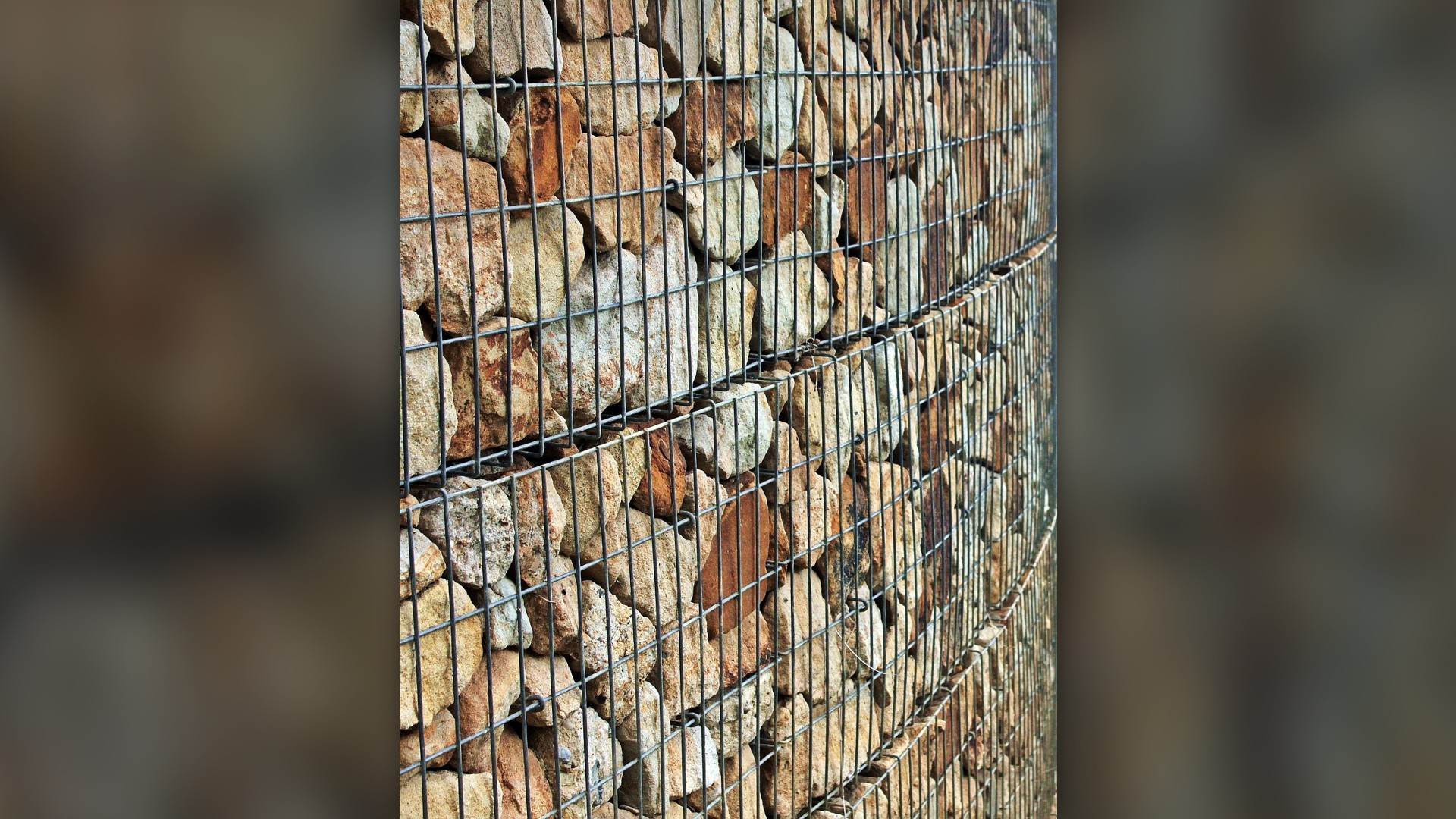
4. Retaining Wall And Seawall Collapses 
3. Cosmetic Roof Damage Exclusions - AdvertisementSwipe or tap ▶ to continue countdown

2. Short-Term Rental And Guest Hosting Gaps 
1. Coverage Limits Versus True Replacement Cost - Advertisement🔥 UP NEXT IN THIS SERIES◫ 21 Slides

20 Famous Cars With Pop-Up Headlights That Shaped Car Design
From hand-cranked 1930s teardrops to wedge supercars of the 1980s, hidden headlights let stylists chase sleek aerodynamics until 2004 pedestrian rules closed the curtain. Here are 20 standout production cars that turned retractable lamps into an enduring automotive design feature across seven full decades.
Standard policies often conceal strict coverage gaps for water backup, tree falls, and foundation shifts. Here are 25 fine print traps to check today.
Swipe or tap ▶ to begin the countdown
©Pixabay / stevepb & Wikimedia / Dillan Payne
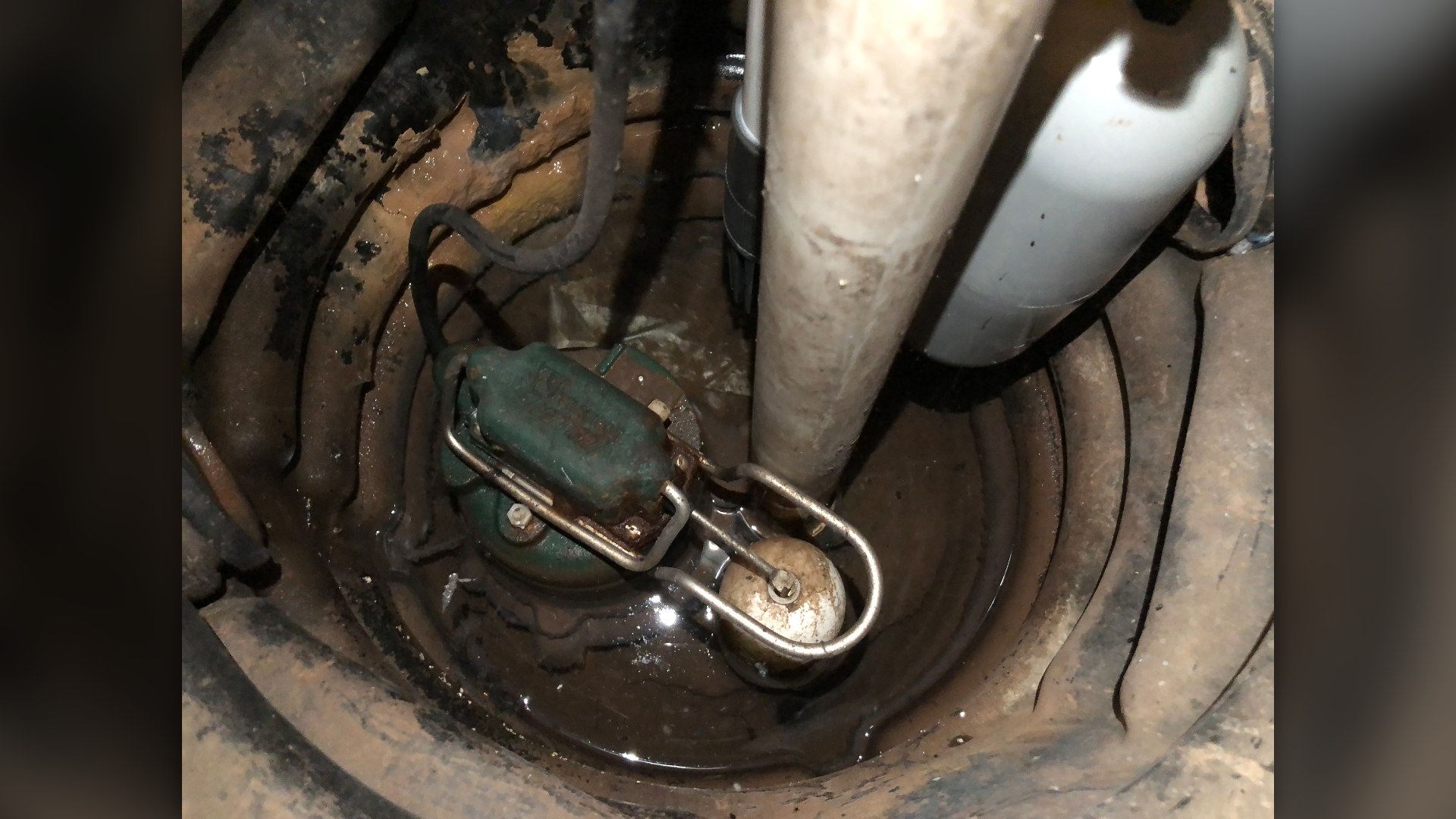
25. Water Backup And Sump Pump Failure
Water that backs up through neighborhood sewers or overflows from a stalled sump pump is almost never covered by standard policies. Adding a dedicated sewer backup rider is required to protect finished basements from costly blackwater floods.
©Wikimedia / Famartin
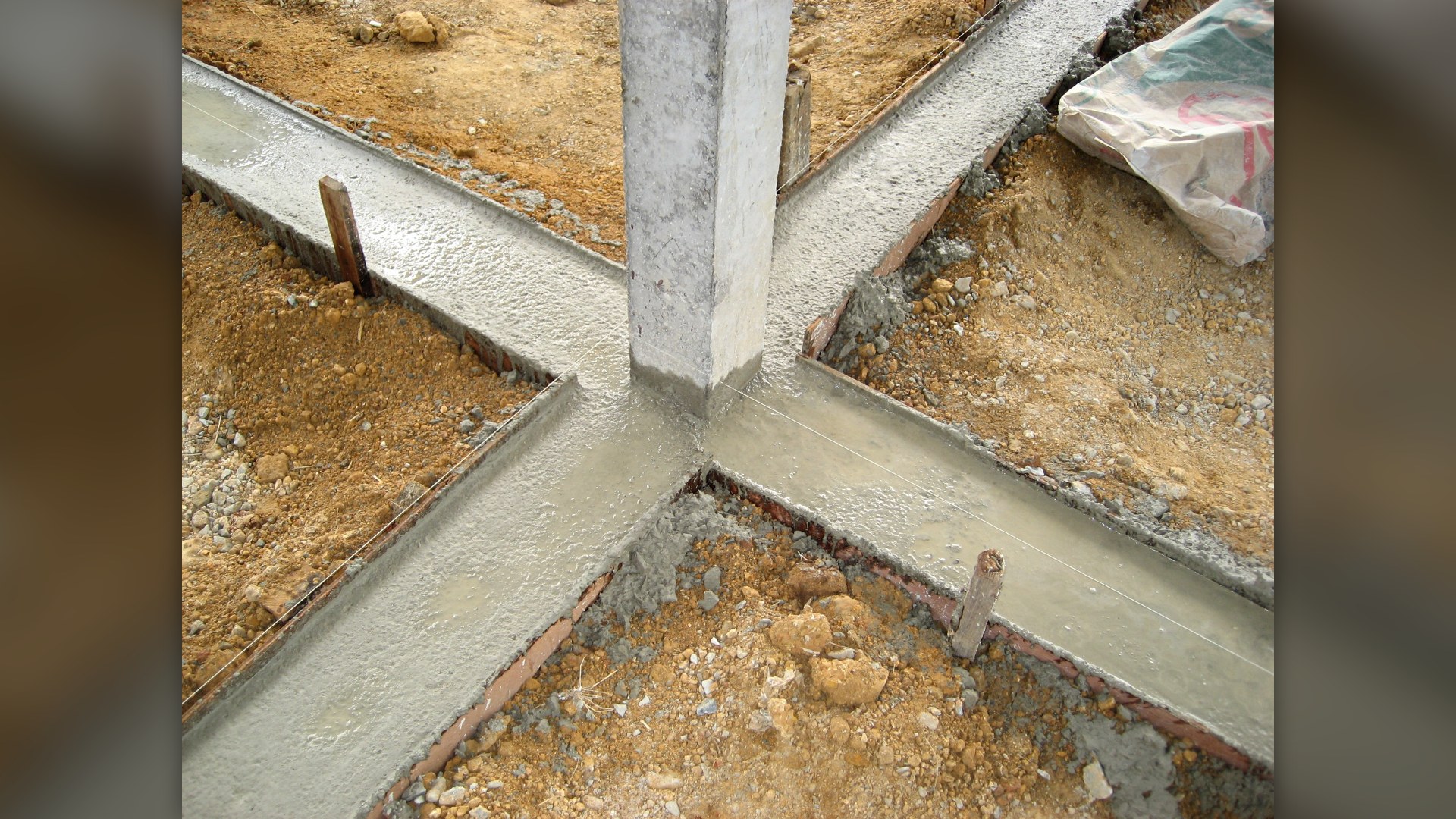
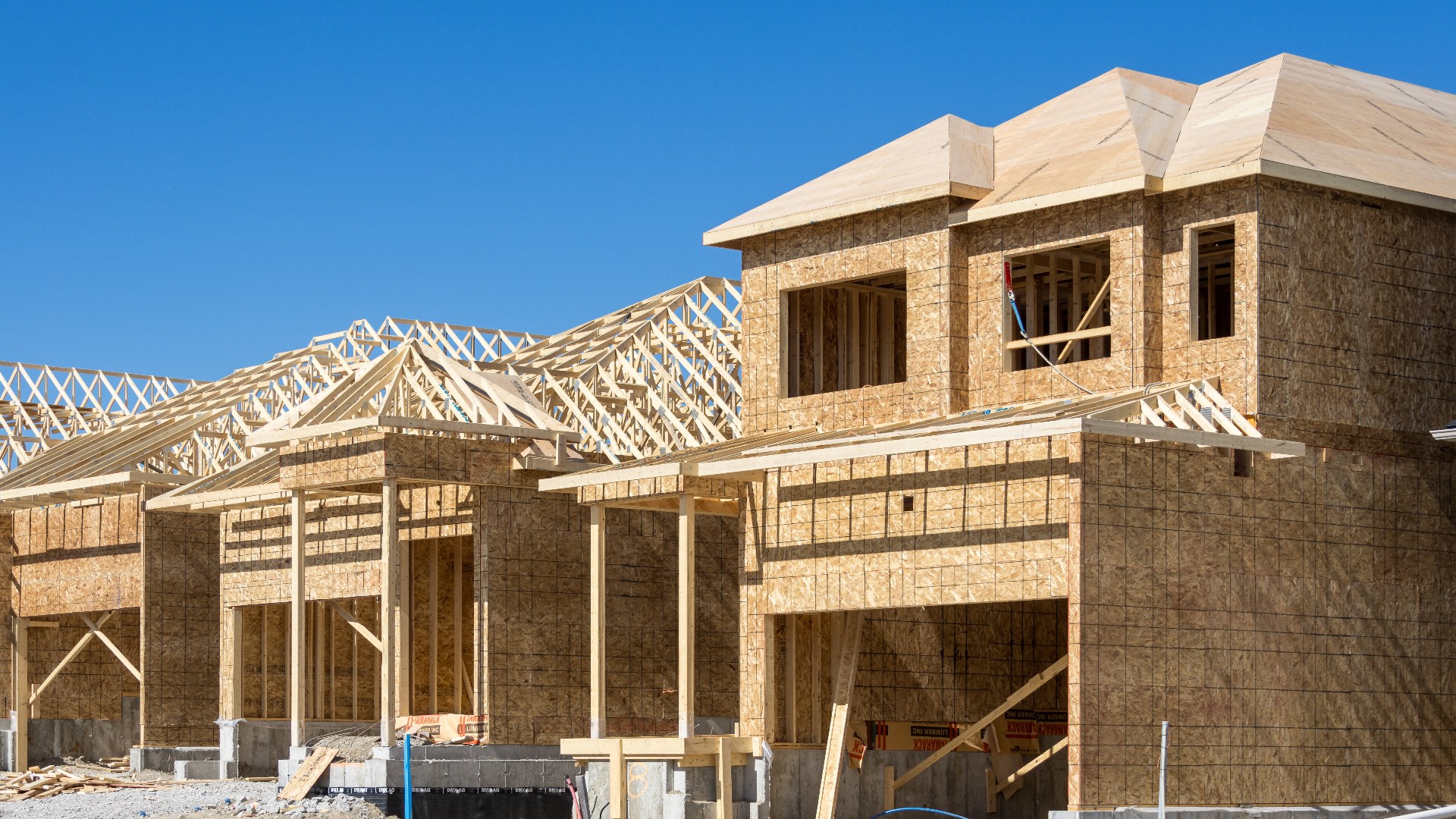
24. Foundation Settling And Soil Movement
Insurers view foundation cracks, shifting footers, and sinking soil as natural wear or poor maintenance rather than sudden accidents. Homeowners must foot the bill for structural piers, drainage corrections, and costly underpinning work.
©Wikimedia / Khaosaming
23. Roof Depreciation And Cash Value Schedules
Many insurers quietly switch older roofs from full replacement cost coverage to actual cash value schedules. When hail or wind strikes, payouts are drastically reduced by decades of calculated depreciation, leaving thousands in unpaid repairs.
©Wikimedia / SharonPapierdreams
Advertisement
Swipe or tap ▶ to resume the countdown.
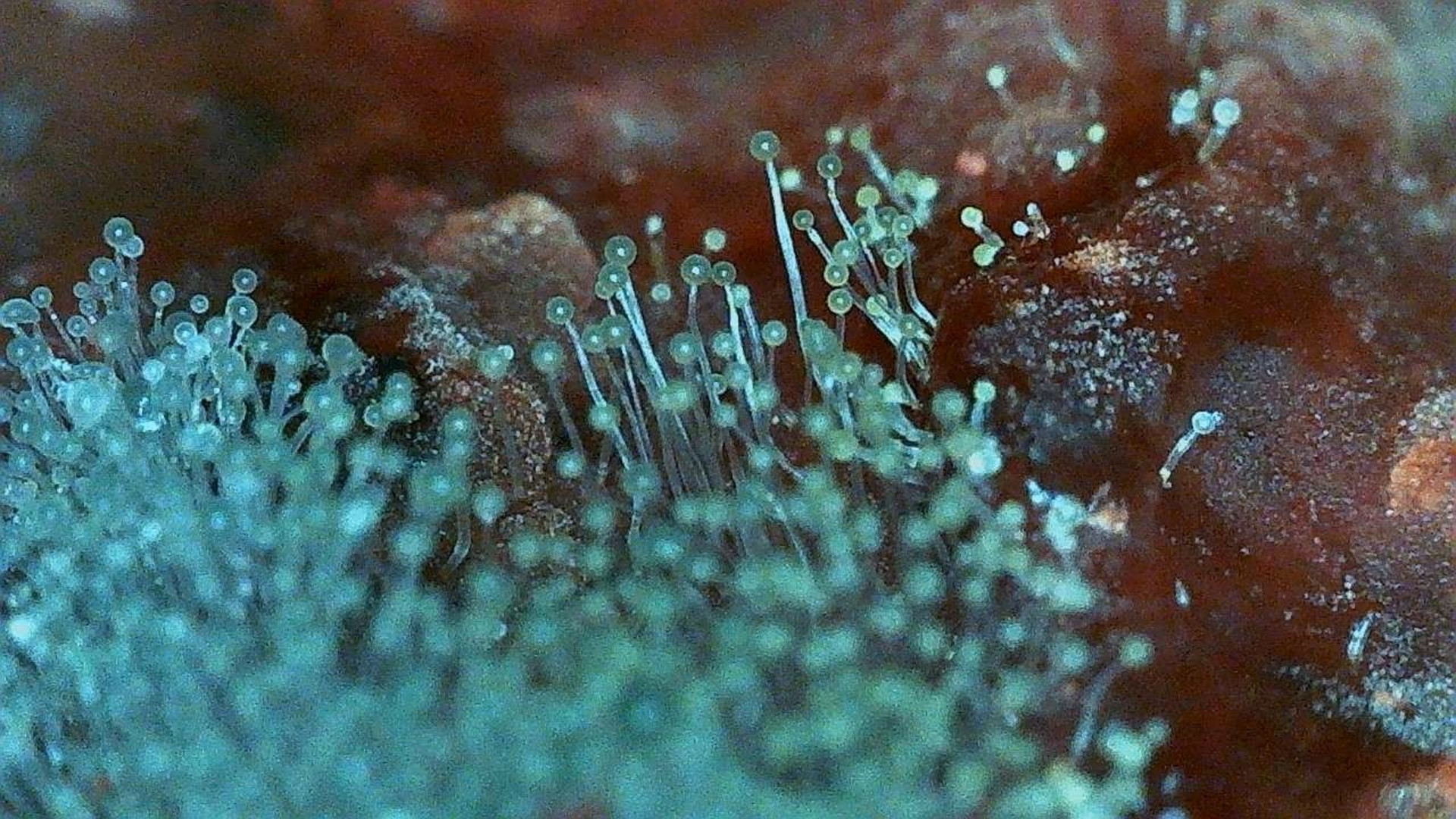
22. Mold Remediation Limits And Sublimit Caps
Even when mold develops directly after a covered pipe burst, most home policies impose strict caps between one thousand and five thousand dollars. Complete remediation, drywall teardown, and sanitization quickly surpass these restrictive caps.
©Wikimedia / Mold
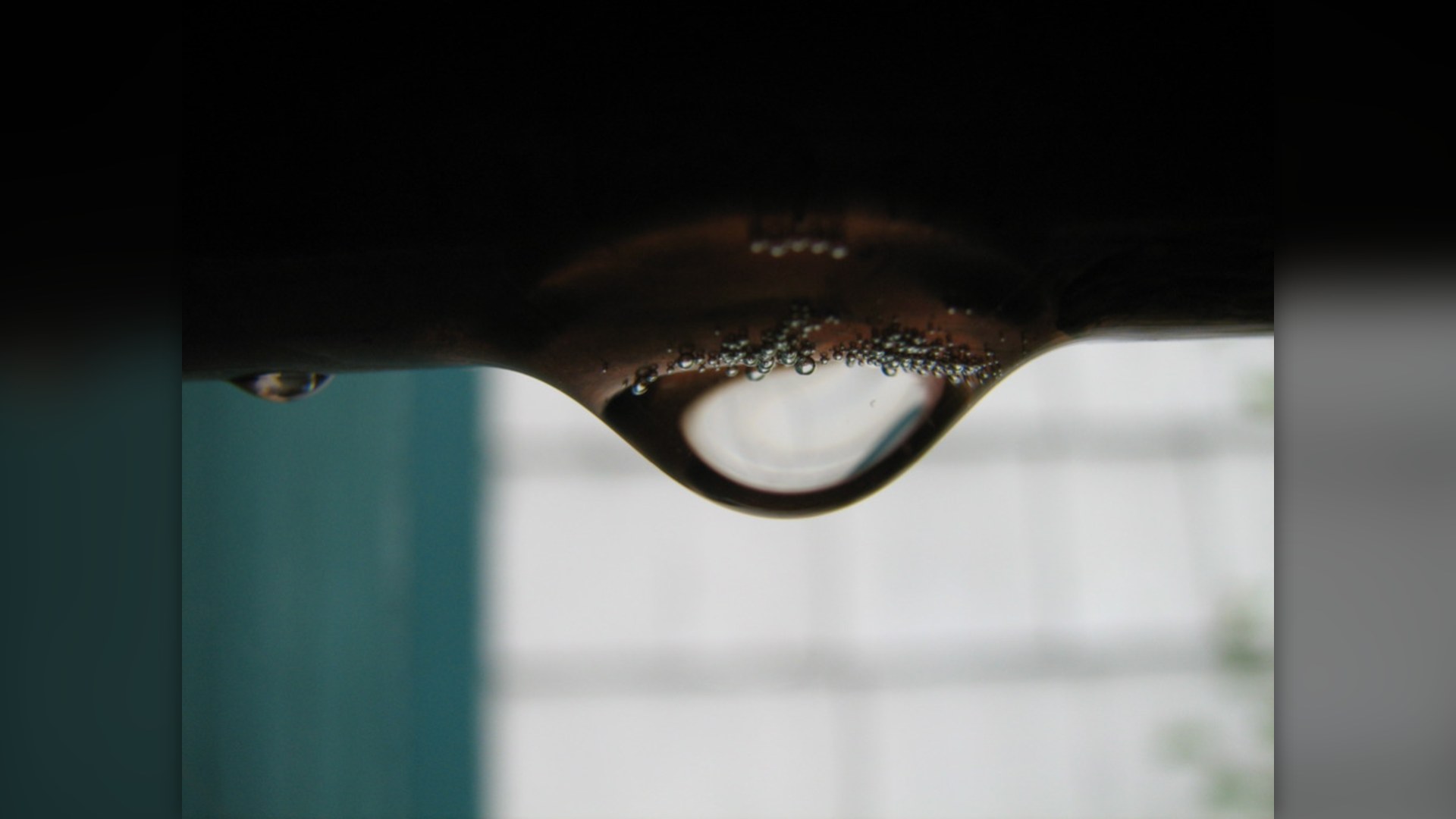
21. Gradual Plumbing Leaks Behind Drywall
While sudden pipe ruptures are typically covered, slow pinhole leaks inside walls or ceilings are routinely denied if adjusters determine the leak existed for weeks. Routine moisture checks and smart water shutoff valves help prevent denials.
©Wikimedia / Audrey from Central Pennsylvania, USA
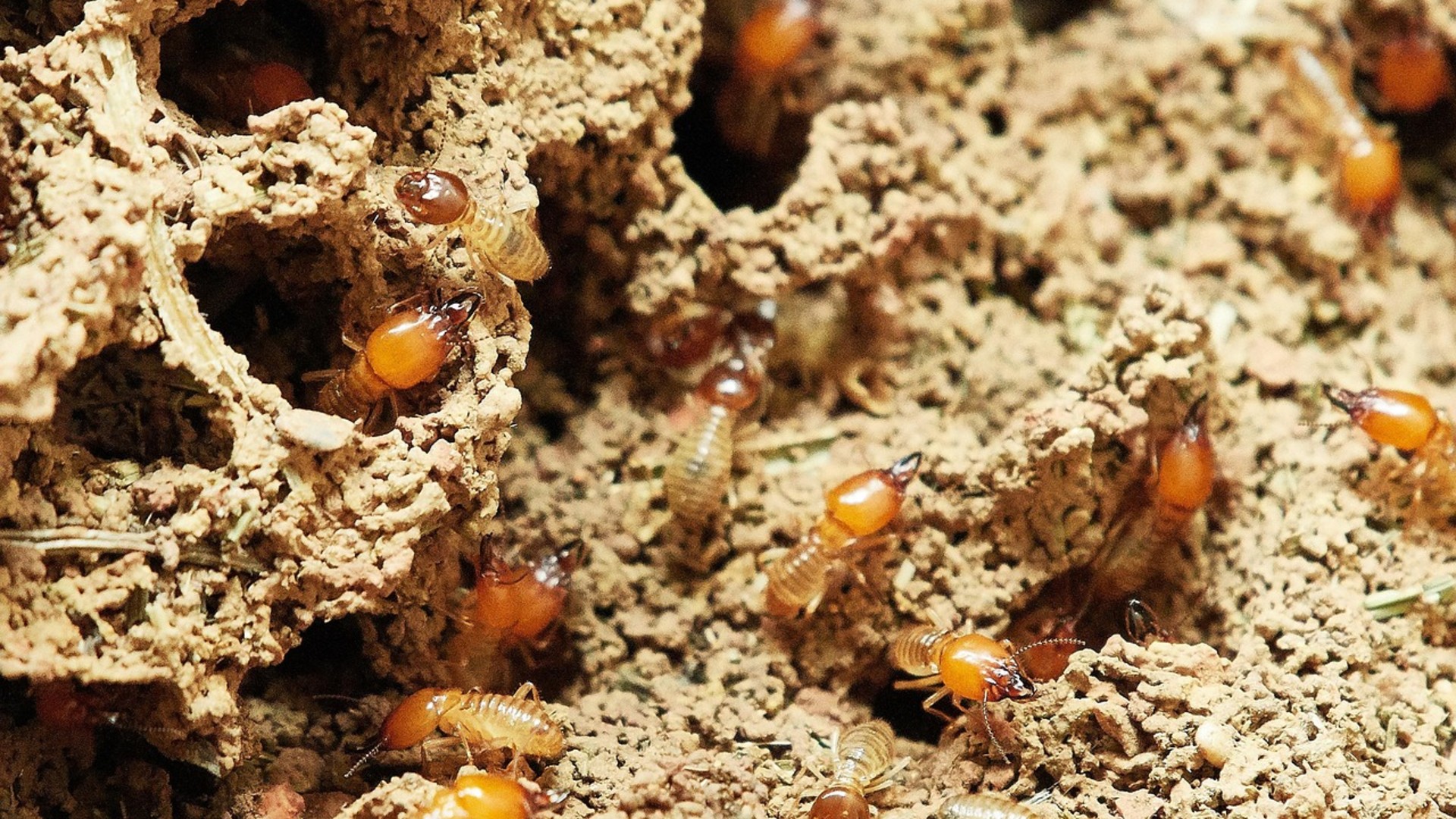
20. Termite And Pest Infestation Damage
Insurance carriers consider pest infestations entirely preventable through ongoing homeowner vigilance and pest control. Any framing rot, hollowed joists, or chewed electrical wiring caused by pests must be paid for completely out of pocket.
©Pixabay / RoyBuri
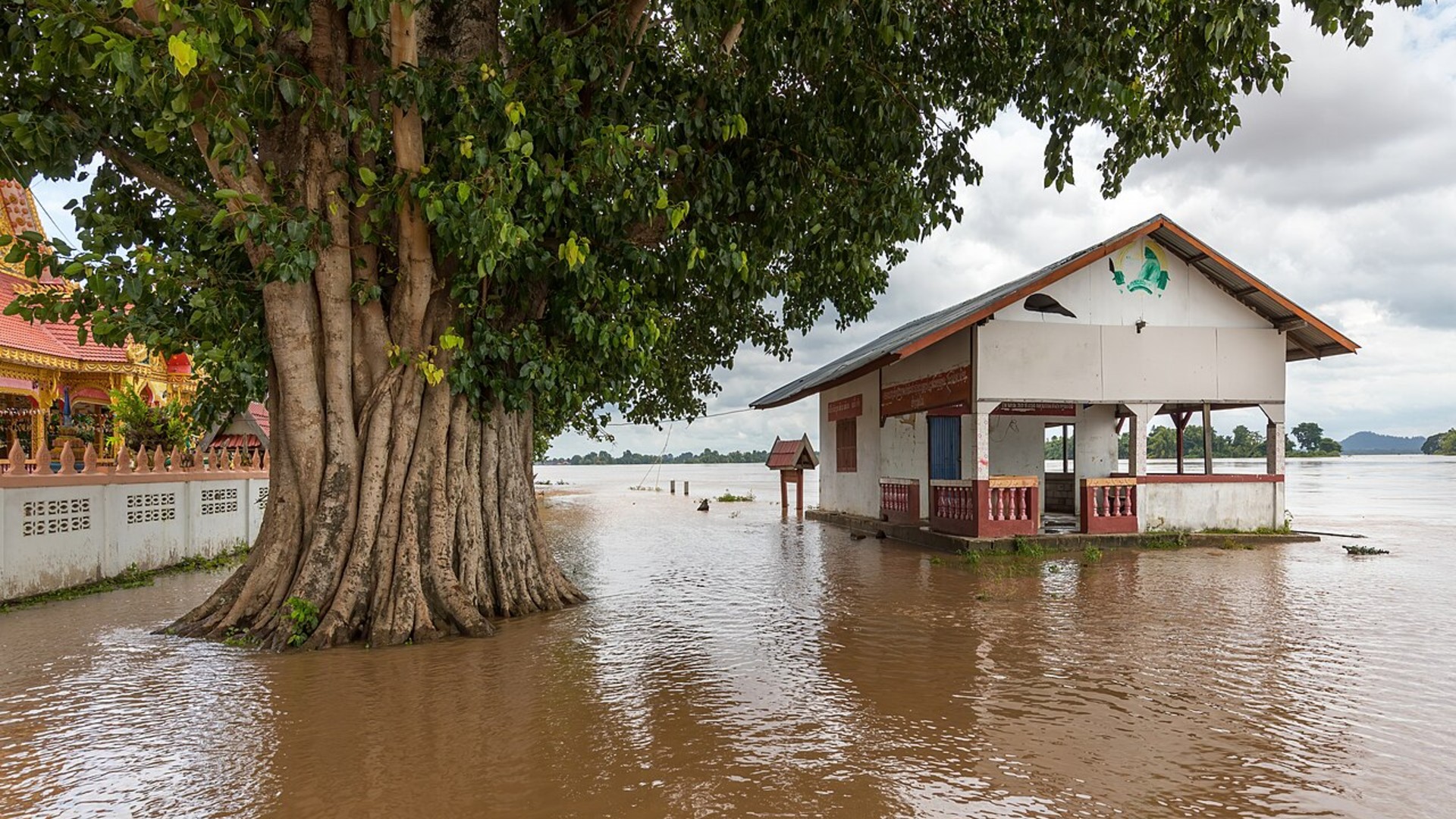
19. Surface Water Flooding And Flash Rains
Any surface water that pools outdoors and enters through ground level doors or garage thresholds is legally classified as a flood. Standard homeowners insurance denies these claims entirely, requiring a standalone policy from the NFIP or private carriers.
©Wikimedia / Basile Morin
Advertisement
Swipe or tap ▶ to resume the countdown.
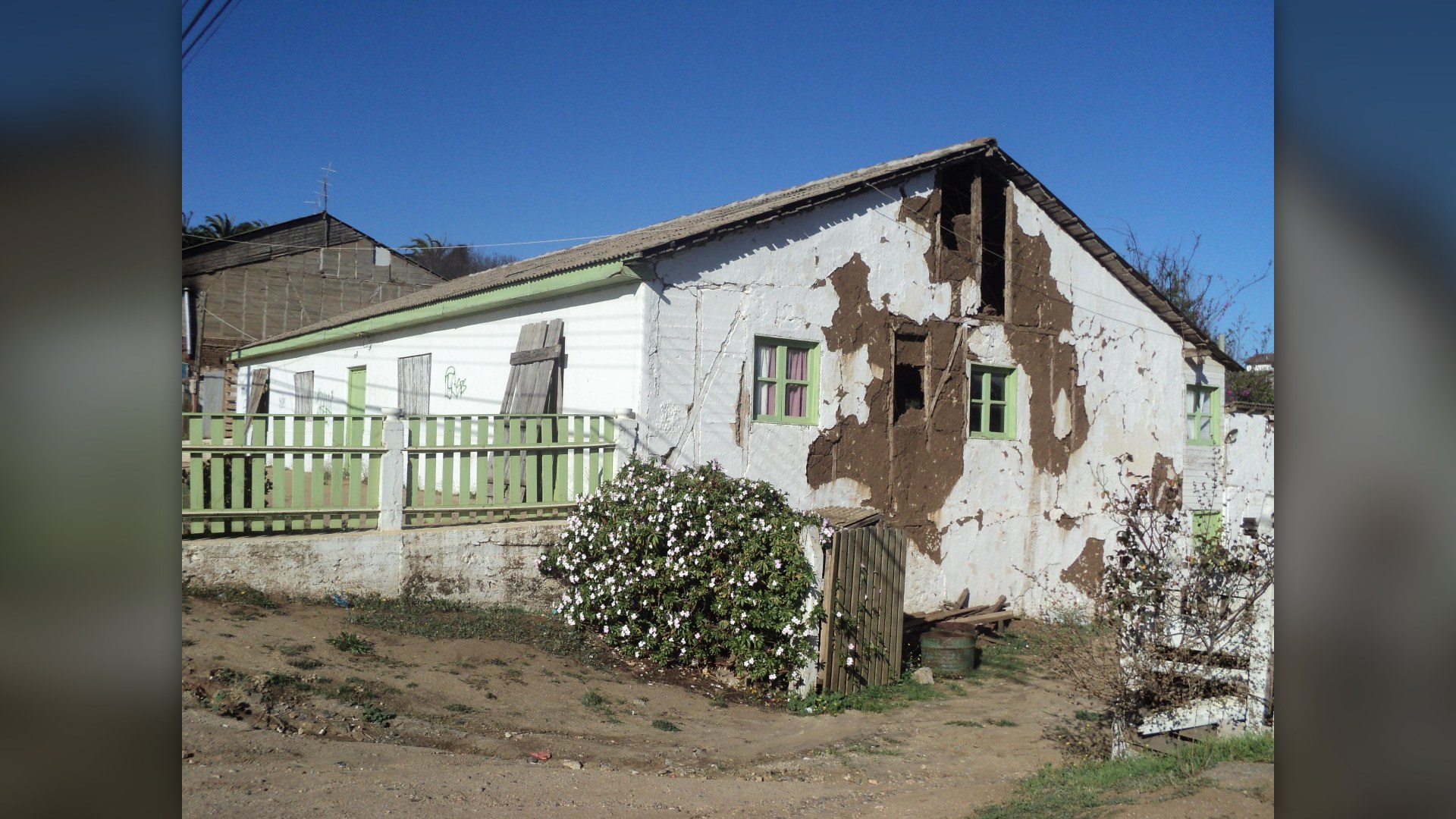
18. Earthquake And Earth Movement Exclusions
Damage from seismic tremors, hillside mudslides, and sinkholes is explicitly barred under standard policy wording. In vulnerable regions, homeowners must purchase specialized earth movement coverage or high-deductible earthquake endorsements.
©Wikimedia / Diego Grez
17. Tree Root Infiltration In Sewer Laterals
The underground pipe connecting your house to municipal sewer lines is your responsibility, not the citys. Standard policies exclude tree root intrusion and lateral collapses unless you add a specific buried utility line protection endorsement.
©Pixabay / jplenio
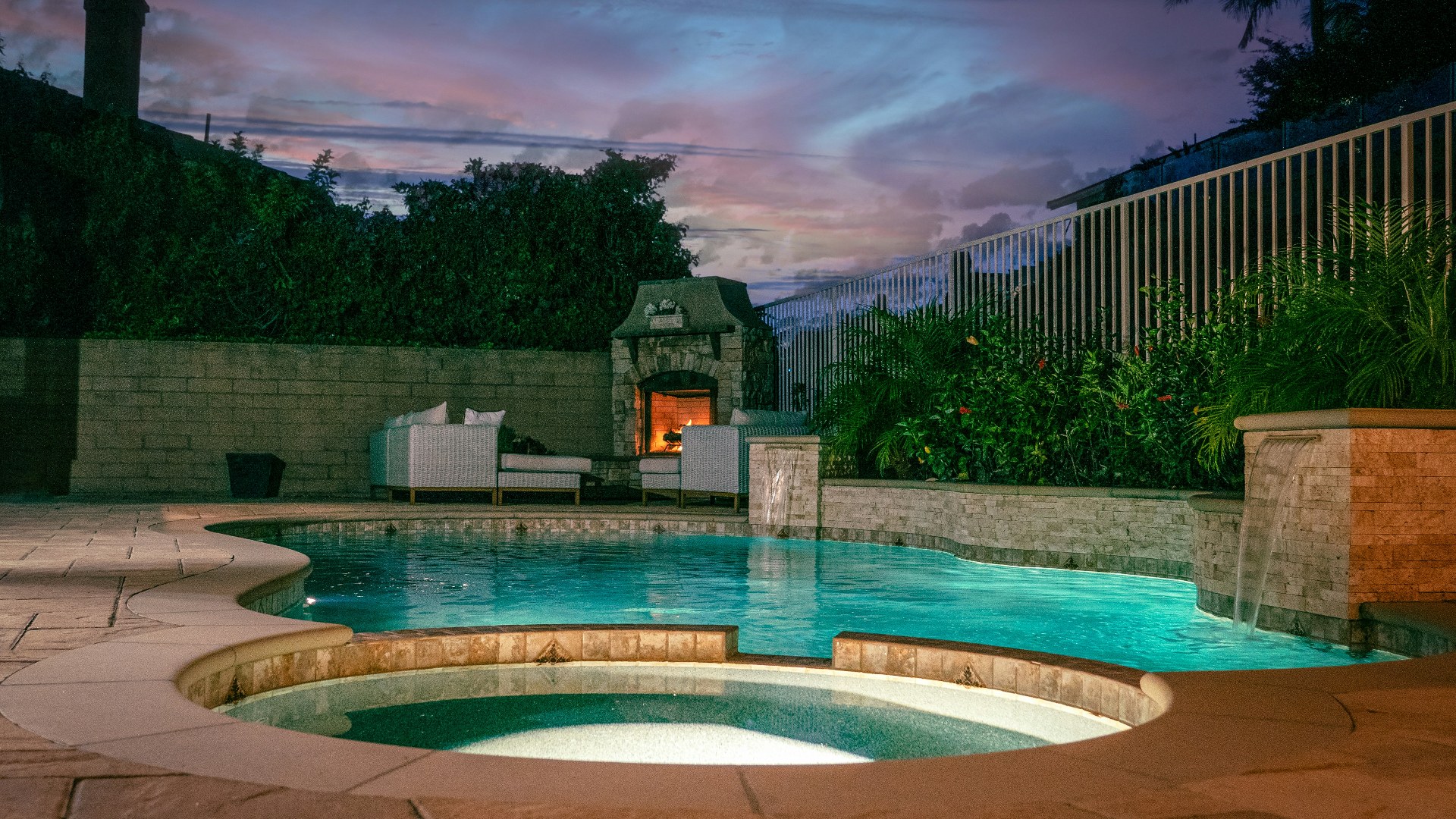
16. Pool And Trampoline Nuisance Exclusions
Underwriters classify swimming pools, trampolines, and zip lines as attractive nuisances that dramatically heighten risk. Without self-closing perimeter gates, locked pool covers, and explicit insurer disclosure, liability claims can be dismissed.
© Photo by Marty O’Neill on Unsplash
15. Dog Breed Restrictions And Liability Drops
Certain dog breeds are excluded from liability coverage on standard policies due to statistical risk tables. Failing to report an adopted dog or harboring a restricted breed can lead to canceled coverage or total personal liability for bites.
©Pixabay / cp17
Advertisement
Swipe or tap ▶ to resume the countdown.
14. Vacancy And Unoccupied Home Clauses
If a home sits vacant for more than thirty to sixty days during renovations or sales, coverage for vandalism, glass breakage, and frozen pipes terminates automatically. Extended absences require a vacant home endorsement or trusted house sitting.
©Wikimedia / Retired electrician
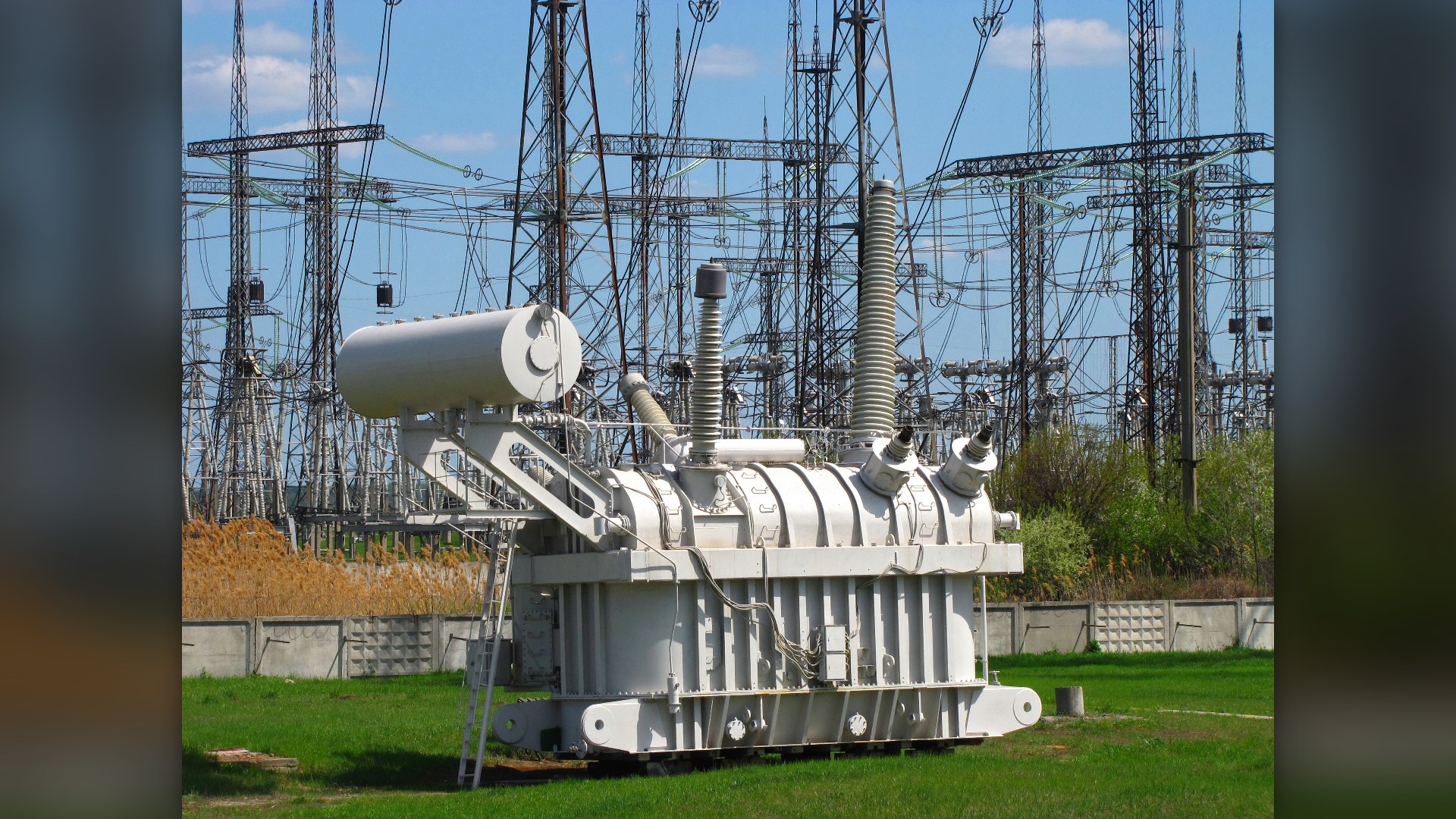
13. Power Grid Failure And Off-Premises Outages
When regional grid failures knock out power for days, spoiling freezer inventories and disabling sump pumps, basic policies refuse coverage. Unless the outage is caused by on-property lightning or downed private lines, losses are excluded.
©Wikimedia / Novoklimov
12. Wear, Tear, And Deferred Maintenance
Policies are drafted to protect against sudden and accidental perils, not inevitable aging. If an adjuster determines that rotted fascia boards, rusted water heaters, or cracked roof flashings caused water intrusion, the entire claim will be voided.
©Wikimedia / Theonlysilentbob
11. Ordinance And Law Upgrade Costs
When disaster strikes an older home, municipal building codes often require updated electrical wiring, plumbing, and structural framing. Basic dwelling policies only rebuild to prior conditions, leaving code-compliance upgrades unpaid.
©Wikimedia / Golden
Advertisement
Swipe or tap ▶ to resume the countdown.
10. Sewer And Utility Line Wear Out
Water service lines, electrical conduit, and sewer laterals naturally degrade beneath residential yards over decades. Standard policies do not cover excavation or replacement costs when buried pipes collapse unless utility line riders are added.
©Wikimedia / NPS Photo
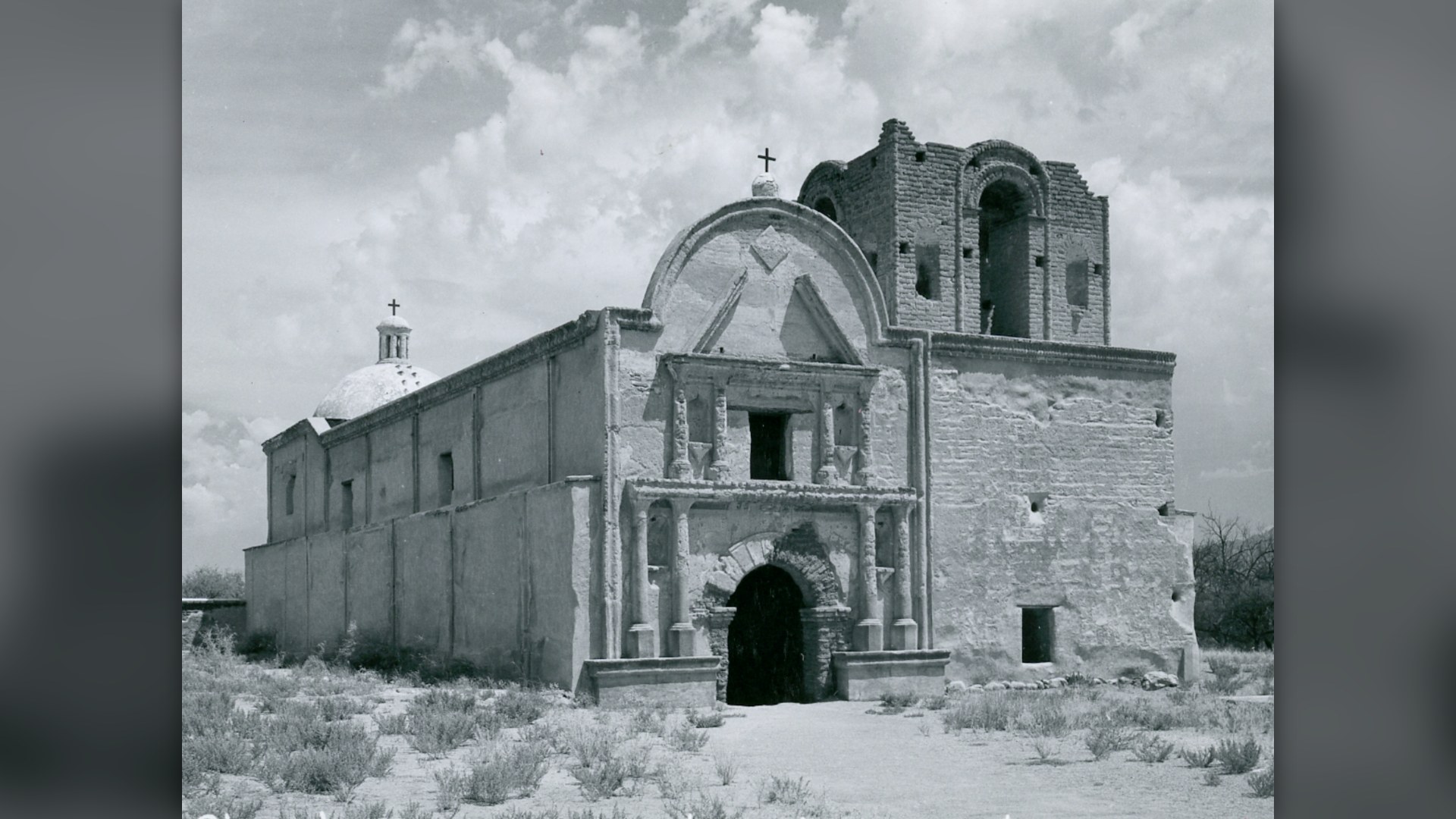
9. Named Storm Deductibles And Percentage Triggers
In coastal states, insurers replace standard flat deductibles with percentage-based hurricane deductibles ranging from two to five percent. On a five hundred thousand dollar home, a five percent deductible forces owners to pay twenty-five thousand first.
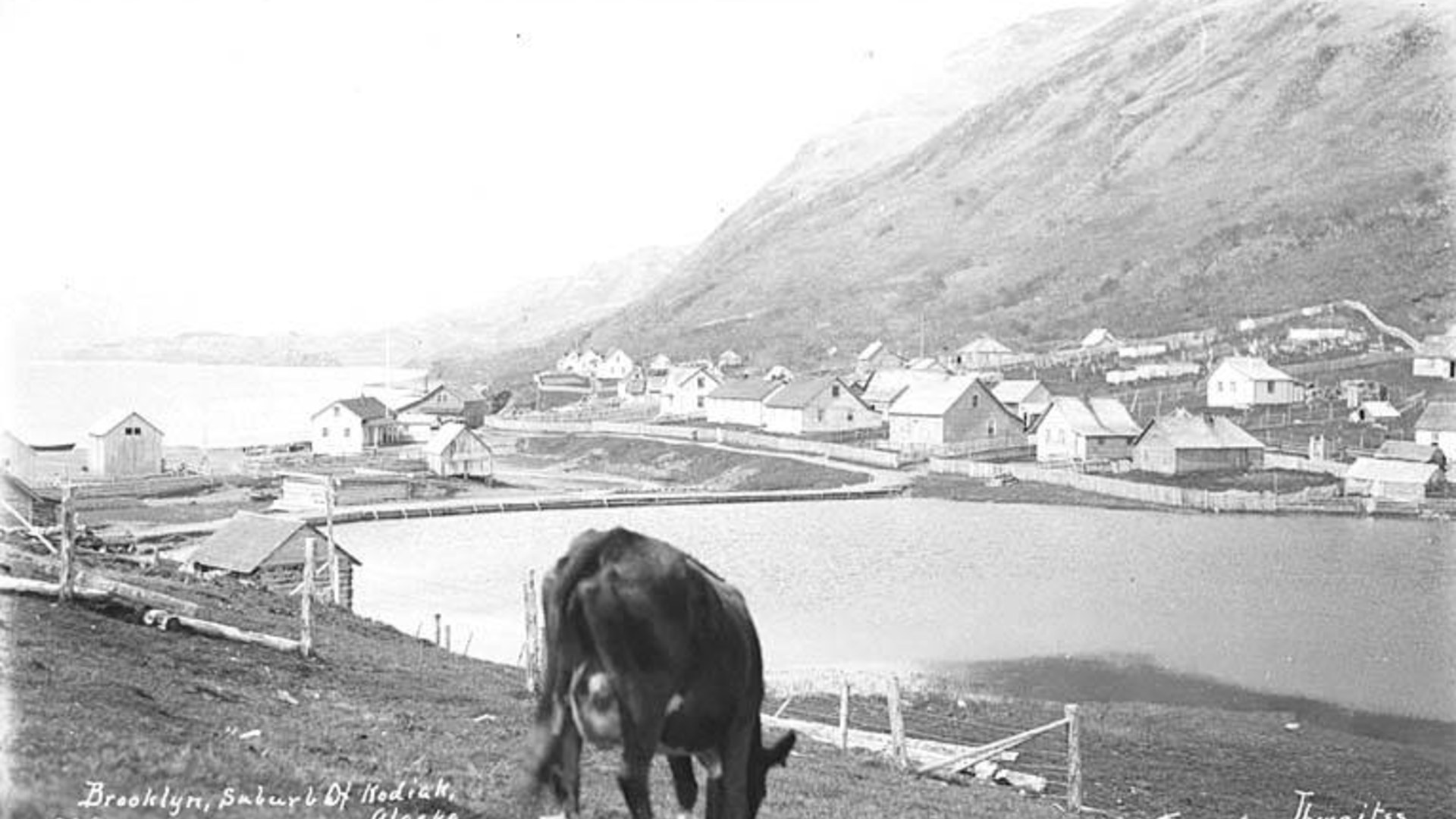
©Wikimedia / John E. Thwaites
8. High-Value Jewelry And Collectible Sublimits
While personal property coverage looks generous on your declaration page, internal sublimits restrict theft payouts for jewelry, watches, and silverware to around fifteen hundred dollars total. High-value pieces require scheduled appraisals.
©Wikimedia / Jewellery
7. Home-Based Business Inventory And Liability
Standard policies exclude liability and property claims tied to commercial activities run from home, such as client visits or product storage. Solopreneurs, tutors, and online sellers need dedicated commercial endorsements to stay protected.
©Wikimedia / Stubacca
Advertisement
Swipe or tap ▶ to resume the countdown.
6. Identity Theft And Cyber Fraud Limits
While identity theft and digital scams affect millions of families, homeowner policies rarely include cyber protections out of the box. Adding an inexpensive identity theft and digital scam endorsement covers legal fees and recovery services.
©Pixabay / FotoArt-Treu
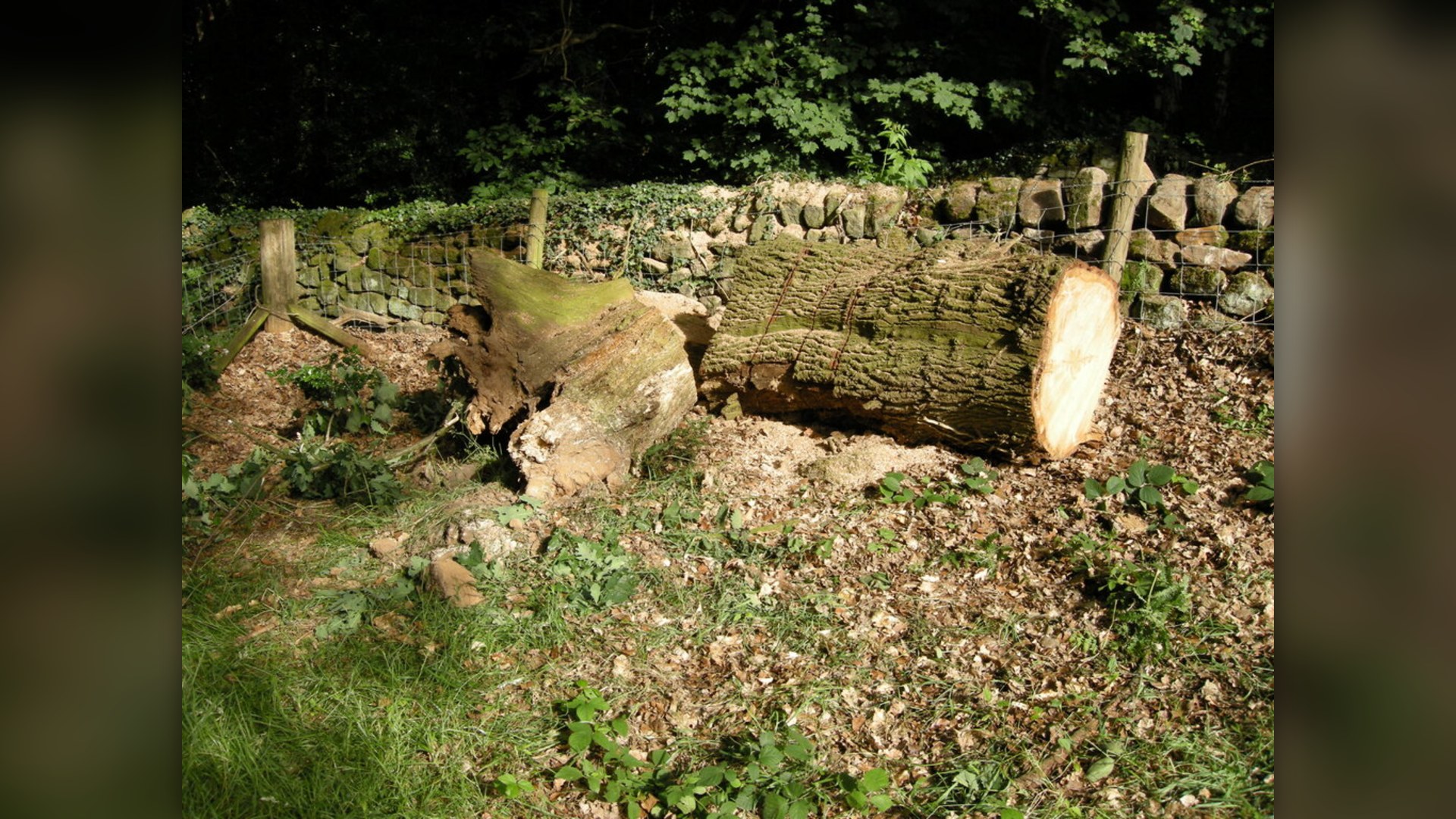
5. Falling Tree Removal Without Structural Damage
If a windstorm topples a massive oak tree onto your lawn, clearing the heavy trunk can cost thousands of dollars out of pocket. Unless the fallen tree directly crushes a fence, garage, or roof, insurance policies do not pay for debris removal.
©Wikimedia / Jay Pea
4. Retaining Wall And Seawall Collapses
Retaining walls, bulkheads, and decorative sea walls are routinely excluded from coverage when damage results from freezing water pressure or soil weight. Repairing collapsed yard terraces often falls entirely on the property owners shoulders.
©Pixabay / pixel2013
3. Cosmetic Roof Damage Exclusions
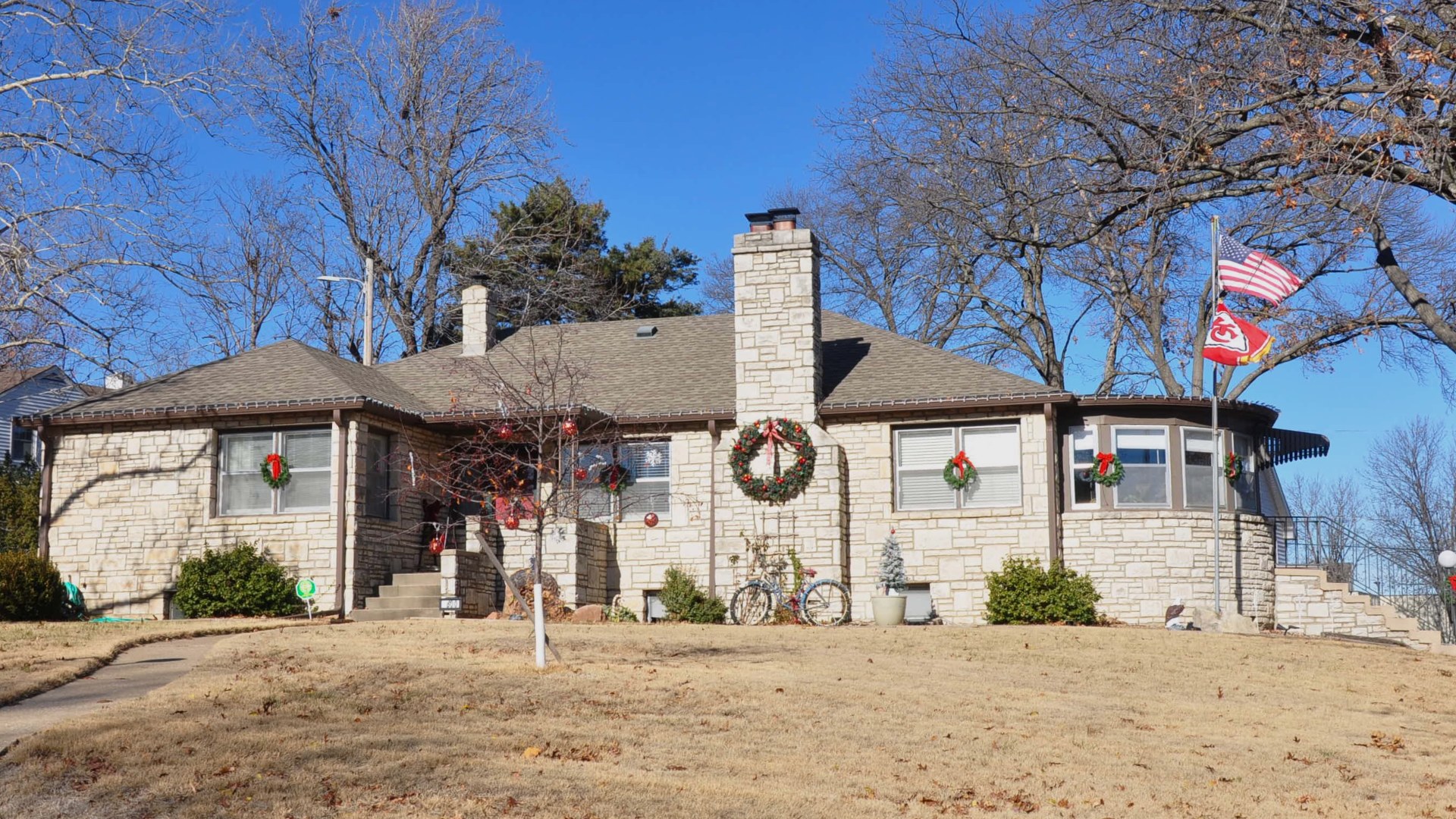
Many insurers include cosmetic damage endorsements that exclude payouts for dented metal roofs, scuffed siding, or dimpled shingles after hailstorms. As long as the material retains waterproof integrity, aesthetic damage is left uncompensated.
©Pixabay / wal_172619
Advertisement
Swipe or tap ▶ to resume the countdown.
2. Short-Term Rental And Guest Hosting Gaps
Underwriters view peer-to-peer vacation rentals as commercial hospitality operations. Hosting paying guests without an explicit short-term rental endorsement can lead to immediate claim denials for guest injuries or interior property damage.
©Wikimedia / Raysonho @ Open Grid Scheduler, Scalable
1. Coverage Limits Versus True Replacement Cost
The single most dangerous gap is an outdated dwelling coverage limit that fails to match current local construction costs. Adding an extended or guaranteed replacement cost endorsement ensures your home can be rebuilt completely if catastrophe strikes.

©Wikimedia / Dillan Payne
Advertisement
You've reached the end of the story. Thanks for reading!

20 Famous Cars With Pop-Up Headlights That Shaped Car Design
From hand-cranked 1930s teardrops to wedge supercars of the 1980s, hidden headlights let stylists chase sleek aerodynamics until 2004 pedestrian rules closed the curtain. Here are 20 standout production cars that turned retractable lamps into an enduring automotive design feature across seven full decades.
All 25 Entries in this Story
25. Water Backup And Sump Pump Failure
Water that backs up through neighborhood sewers or overflows from a stalled sump pump is almost never covered by standard policies. Adding a dedicated sewer backup rider is required to protect finished basements from costly blackwater floods.

24. Foundation Settling And Soil Movement
Insurers view foundation cracks, shifting footers, and sinking soil as natural wear or poor maintenance rather than sudden accidents. Homeowners must foot the bill for structural piers, drainage corrections, and costly underpinning work.

23. Roof Depreciation And Cash Value Schedules
Many insurers quietly switch older roofs from full replacement cost coverage to actual cash value schedules. When hail or wind strikes, payouts are drastically reduced by decades of calculated depreciation, leaving thousands in unpaid repairs.

22. Mold Remediation Limits And Sublimit Caps
Even when mold develops directly after a covered pipe burst, most home policies impose strict caps between one thousand and five thousand dollars. Complete remediation, drywall teardown, and sanitization quickly surpass these restrictive caps.

21. Gradual Plumbing Leaks Behind Drywall
While sudden pipe ruptures are typically covered, slow pinhole leaks inside walls or ceilings are routinely denied if adjusters determine the leak existed for weeks. Routine moisture checks and smart water shutoff valves help prevent denials.

20. Termite And Pest Infestation Damage
Insurance carriers consider pest infestations entirely preventable through ongoing homeowner vigilance and pest control. Any framing rot, hollowed joists, or chewed electrical wiring caused by pests must be paid for completely out of pocket.

19. Surface Water Flooding And Flash Rains
Any surface water that pools outdoors and enters through ground level doors or garage thresholds is legally classified as a flood. Standard homeowners insurance denies these claims entirely, requiring a standalone policy from the NFIP or private carriers.

18. Earthquake And Earth Movement Exclusions
Damage from seismic tremors, hillside mudslides, and sinkholes is explicitly barred under standard policy wording. In vulnerable regions, homeowners must purchase specialized earth movement coverage or high-deductible earthquake endorsements.

17. Tree Root Infiltration In Sewer Laterals
The underground pipe connecting your house to municipal sewer lines is your responsibility, not the citys. Standard policies exclude tree root intrusion and lateral collapses unless you add a specific buried utility line protection endorsement.

16. Pool And Trampoline Nuisance Exclusions
Underwriters classify swimming pools, trampolines, and zip lines as attractive nuisances that dramatically heighten risk. Without self-closing perimeter gates, locked pool covers, and explicit insurer disclosure, liability claims can be dismissed.

15. Dog Breed Restrictions And Liability Drops
Certain dog breeds are excluded from liability coverage on standard policies due to statistical risk tables. Failing to report an adopted dog or harboring a restricted breed can lead to canceled coverage or total personal liability for bites.

14. Vacancy And Unoccupied Home Clauses
If a home sits vacant for more than thirty to sixty days during renovations or sales, coverage for vandalism, glass breakage, and frozen pipes terminates automatically. Extended absences require a vacant home endorsement or trusted house sitting.

13. Power Grid Failure And Off-Premises Outages
When regional grid failures knock out power for days, spoiling freezer inventories and disabling sump pumps, basic policies refuse coverage. Unless the outage is caused by on-property lightning or downed private lines, losses are excluded.

12. Wear, Tear, And Deferred Maintenance
Policies are drafted to protect against sudden and accidental perils, not inevitable aging. If an adjuster determines that rotted fascia boards, rusted water heaters, or cracked roof flashings caused water intrusion, the entire claim will be voided.

11. Ordinance And Law Upgrade Costs
When disaster strikes an older home, municipal building codes often require updated electrical wiring, plumbing, and structural framing. Basic dwelling policies only rebuild to prior conditions, leaving code-compliance upgrades unpaid.

10. Sewer And Utility Line Wear Out
Water service lines, electrical conduit, and sewer laterals naturally degrade beneath residential yards over decades. Standard policies do not cover excavation or replacement costs when buried pipes collapse unless utility line riders are added.

9. Named Storm Deductibles And Percentage Triggers
In coastal states, insurers replace standard flat deductibles with percentage-based hurricane deductibles ranging from two to five percent. On a five hundred thousand dollar home, a five percent deductible forces owners to pay twenty-five thousand first.

8. High-Value Jewelry And Collectible Sublimits
While personal property coverage looks generous on your declaration page, internal sublimits restrict theft payouts for jewelry, watches, and silverware to around fifteen hundred dollars total. High-value pieces require scheduled appraisals.

7. Home-Based Business Inventory And Liability
Standard policies exclude liability and property claims tied to commercial activities run from home, such as client visits or product storage. Solopreneurs, tutors, and online sellers need dedicated commercial endorsements to stay protected.

6. Identity Theft And Cyber Fraud Limits
While identity theft and digital scams affect millions of families, homeowner policies rarely include cyber protections out of the box. Adding an inexpensive identity theft and digital scam endorsement covers legal fees and recovery services.

5. Falling Tree Removal Without Structural Damage
If a windstorm topples a massive oak tree onto your lawn, clearing the heavy trunk can cost thousands of dollars out of pocket. Unless the fallen tree directly crushes a fence, garage, or roof, insurance policies do not pay for debris removal.

4. Retaining Wall And Seawall Collapses
Retaining walls, bulkheads, and decorative sea walls are routinely excluded from coverage when damage results from freezing water pressure or soil weight. Repairing collapsed yard terraces often falls entirely on the property owners shoulders.

3. Cosmetic Roof Damage Exclusions
Many insurers include cosmetic damage endorsements that exclude payouts for dented metal roofs, scuffed siding, or dimpled shingles after hailstorms. As long as the material retains waterproof integrity, aesthetic damage is left uncompensated.

2. Short-Term Rental And Guest Hosting Gaps
Underwriters view peer-to-peer vacation rentals as commercial hospitality operations. Hosting paying guests without an explicit short-term rental endorsement can lead to immediate claim denials for guest injuries or interior property damage.

1. Coverage Limits Versus True Replacement Cost
The single most dangerous gap is an outdated dwelling coverage limit that fails to match current local construction costs. Adding an extended or guaranteed replacement cost endorsement ensures your home can be rebuilt completely if catastrophe strikes.