Slideshow · Science
25 Incredible Artemis Moon Images Taken from Space
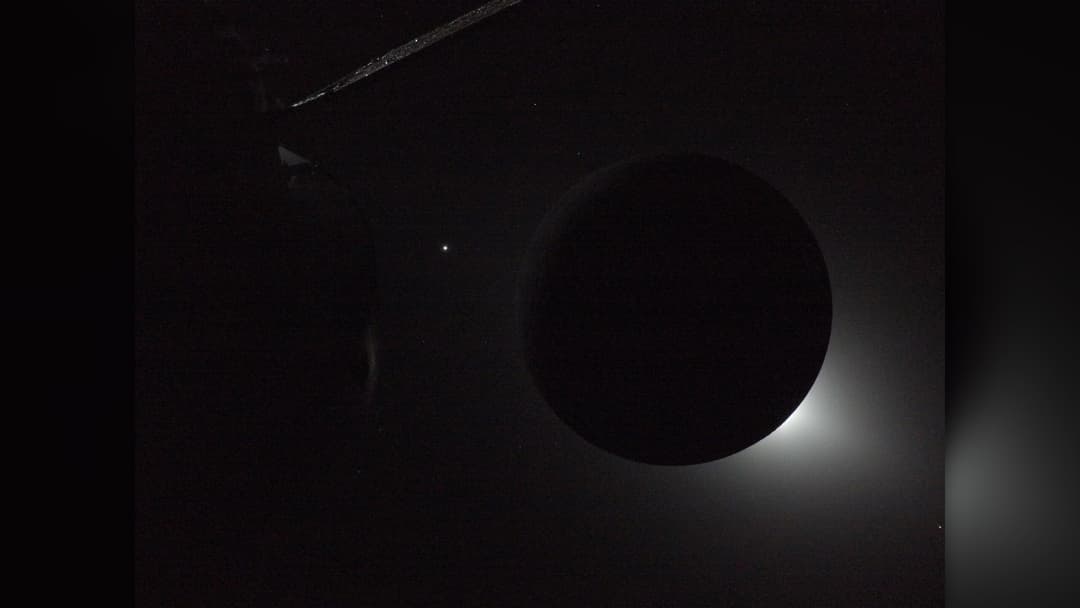
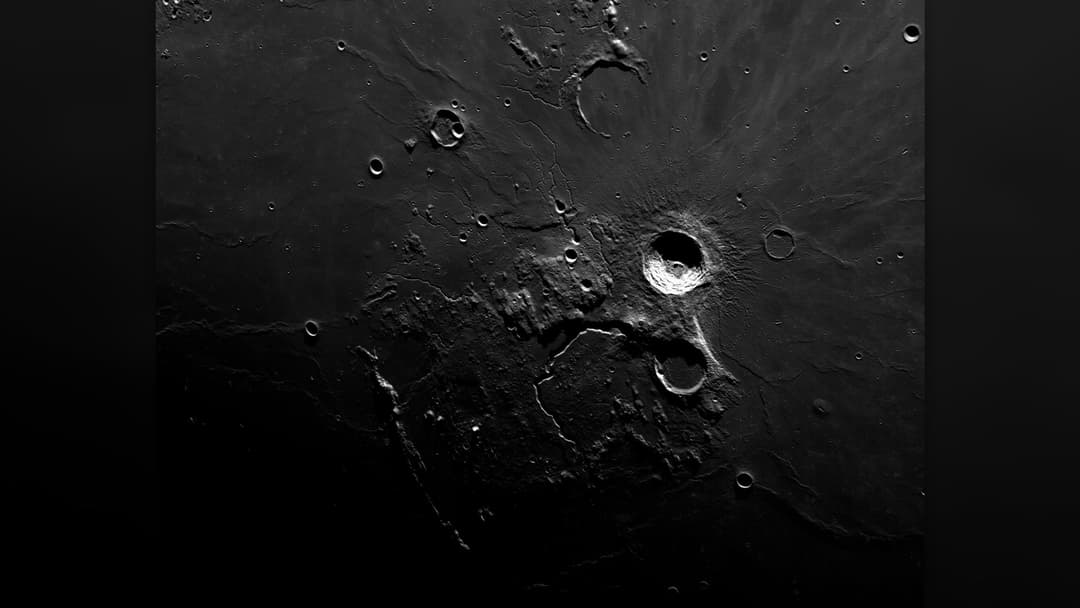
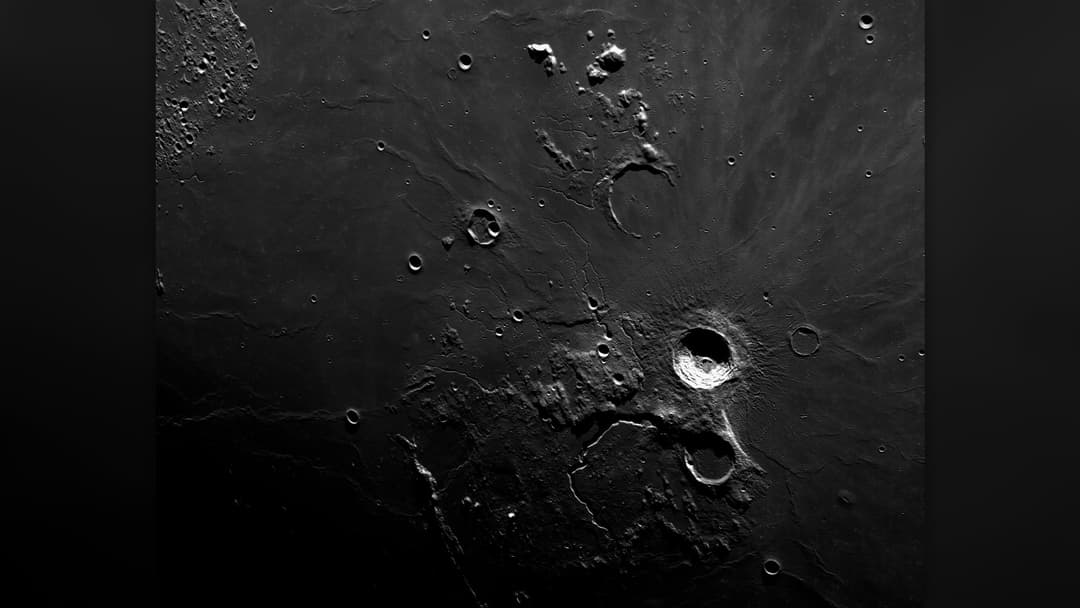
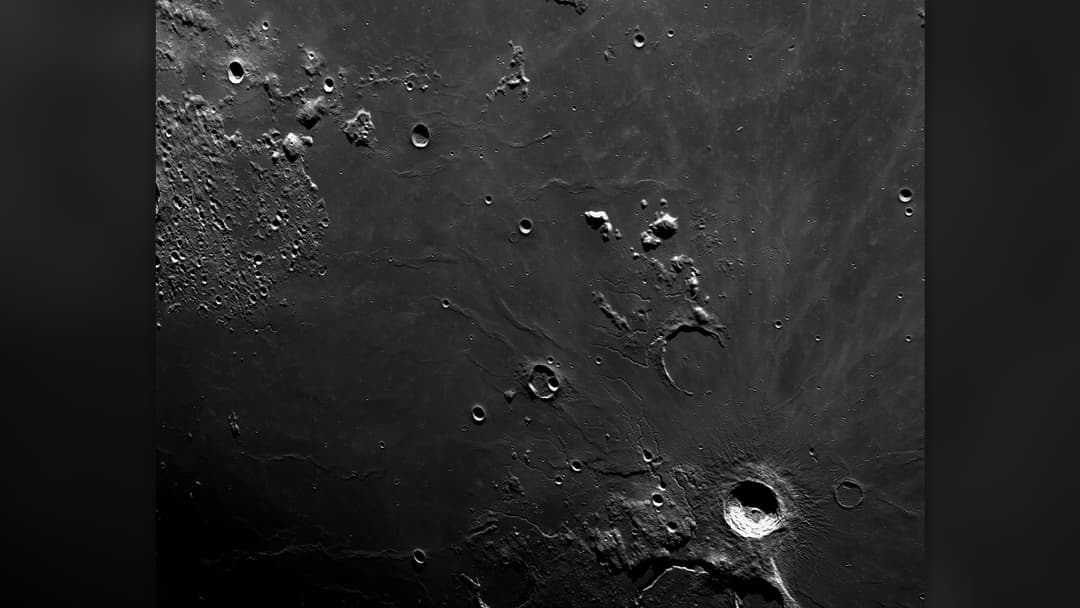
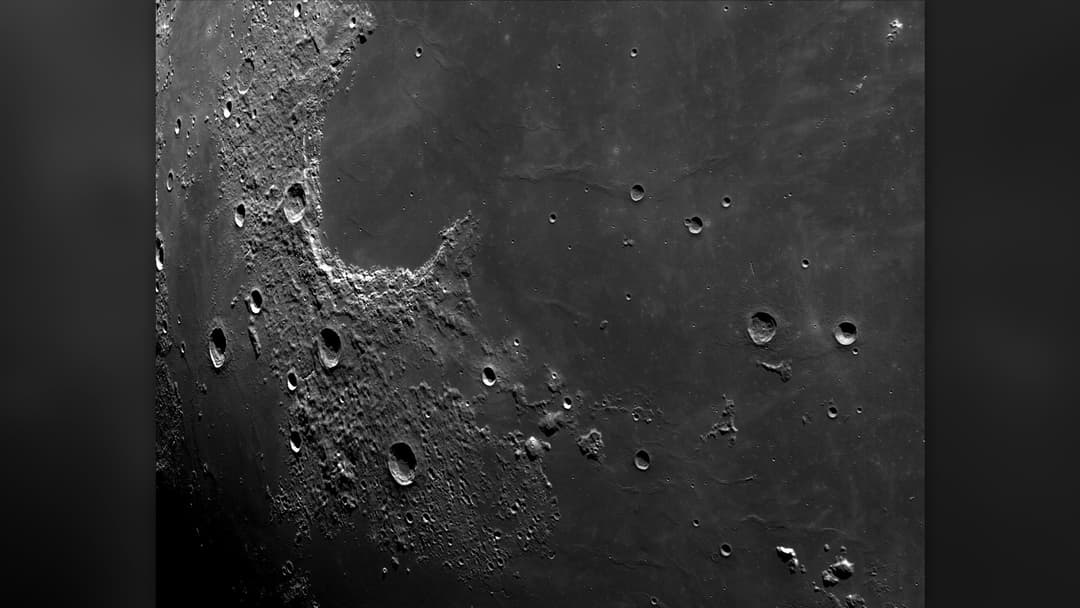
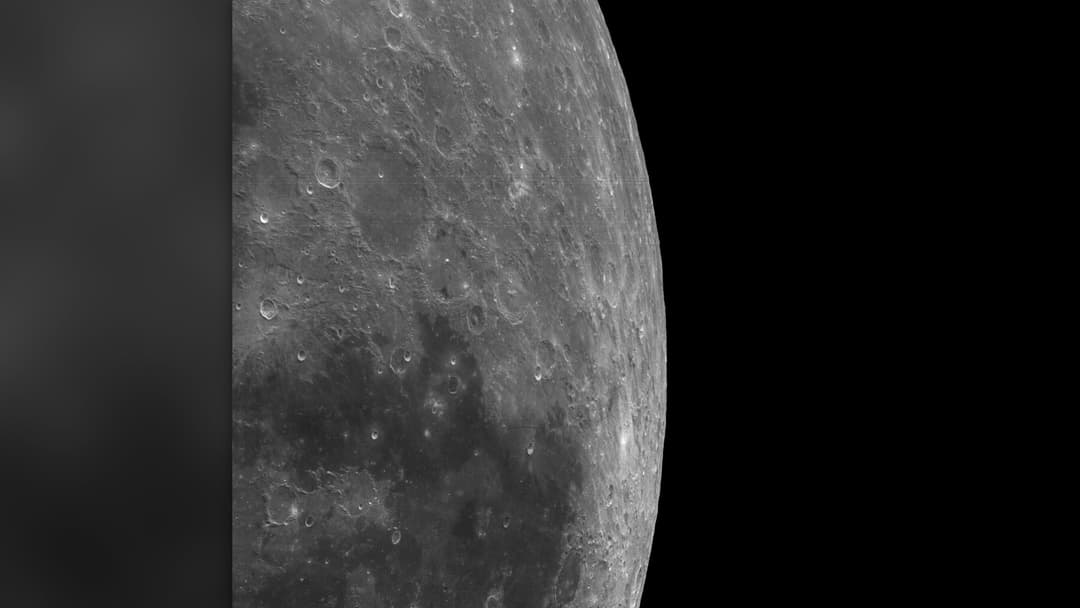
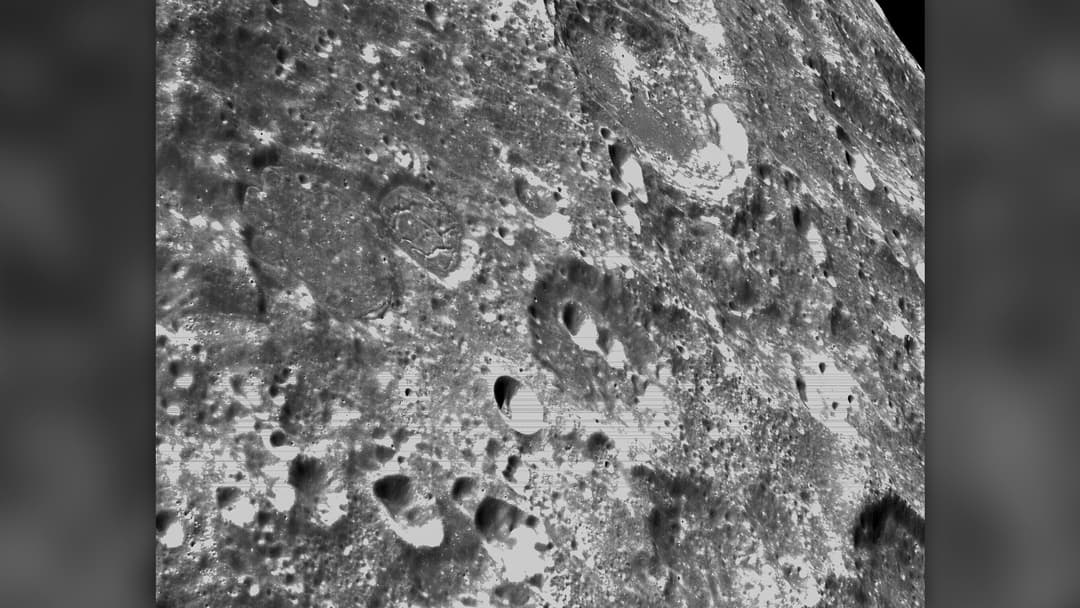
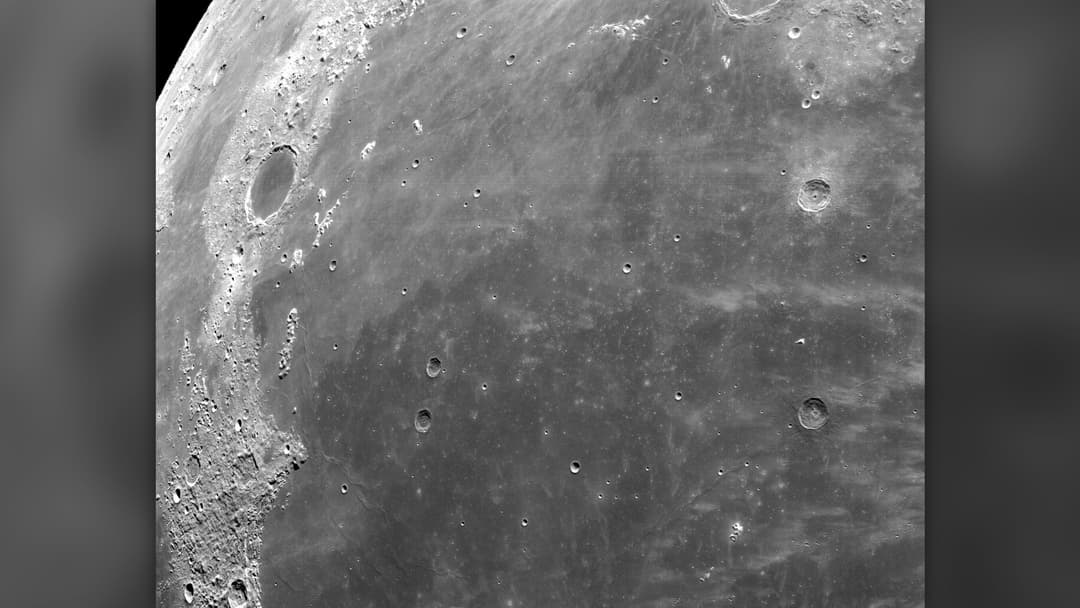
NASA's Artemis program has returned humanity to the lunar frontier. Captured by the Orion spacecraft from deep space, explore twenty-five of the most extraordinary high-definition views of the Moon, showcasing rugged impact craters, mysterious far-side terrain, and breathtaking Earthrises.
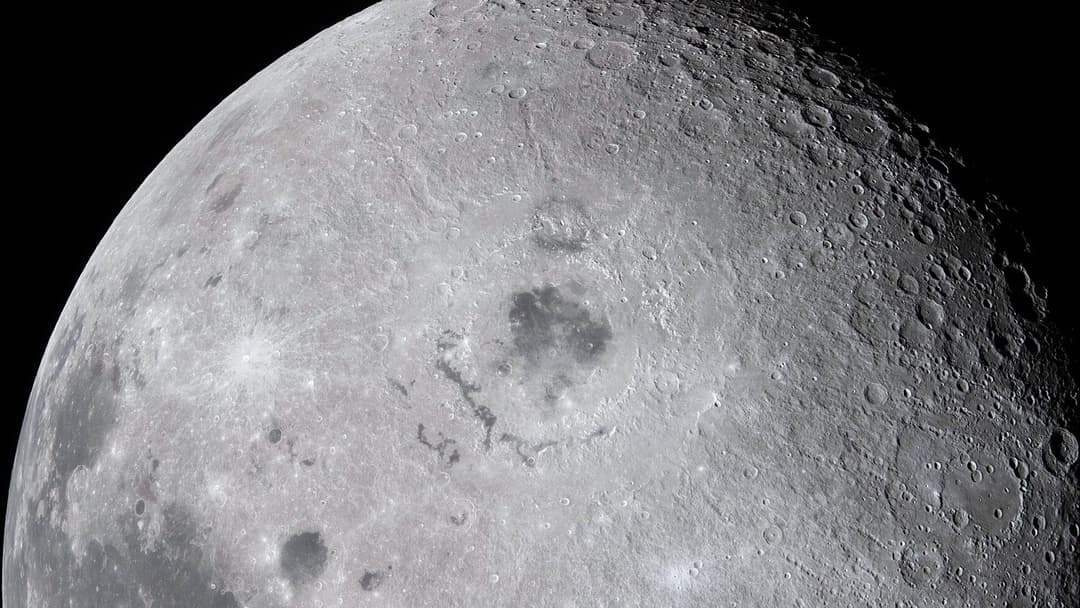
By Most Viral Today
25 Oct 2026

25 Incredible Artemis Moon Images Taken from Space 
25. Orion And The Moon On Flight Day 2 
24. Drawn By The Moon 
23. Goodnight Moon - AdvertisementSwipe or tap ▶ to continue countdown

22. Approaching Lunar Flyby 
21. Lunar Surface Detail From Orbit 
20. Capturing The Lunar Flyby 
19. Orion Glides Above The Moon - AdvertisementSwipe or tap ▶ to continue countdown

18. Ready For A Close-Up 
17. Shadows Across Vavilov Crater 
16. Lunar Mare And Ancient Craters 
15. Close-Up Of The Lunar Surface - AdvertisementSwipe or tap ▶ to continue countdown

14. Low-Altitude Crater Terraces 
13. Rugged Peaks Of The Far Side 
12. High-Contrast Craters At Sunrise 
11. Battered Lunar Highlands - AdvertisementSwipe or tap ▶ to continue countdown

10. Impact Ejecta Across The Regolith 
9. Lunar Flyby Observation 
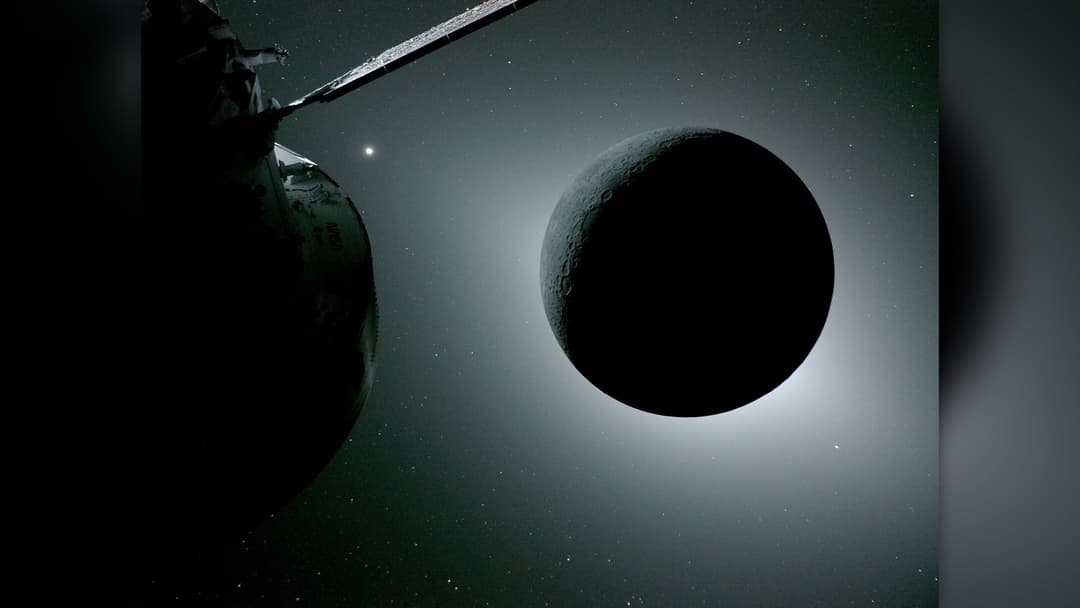
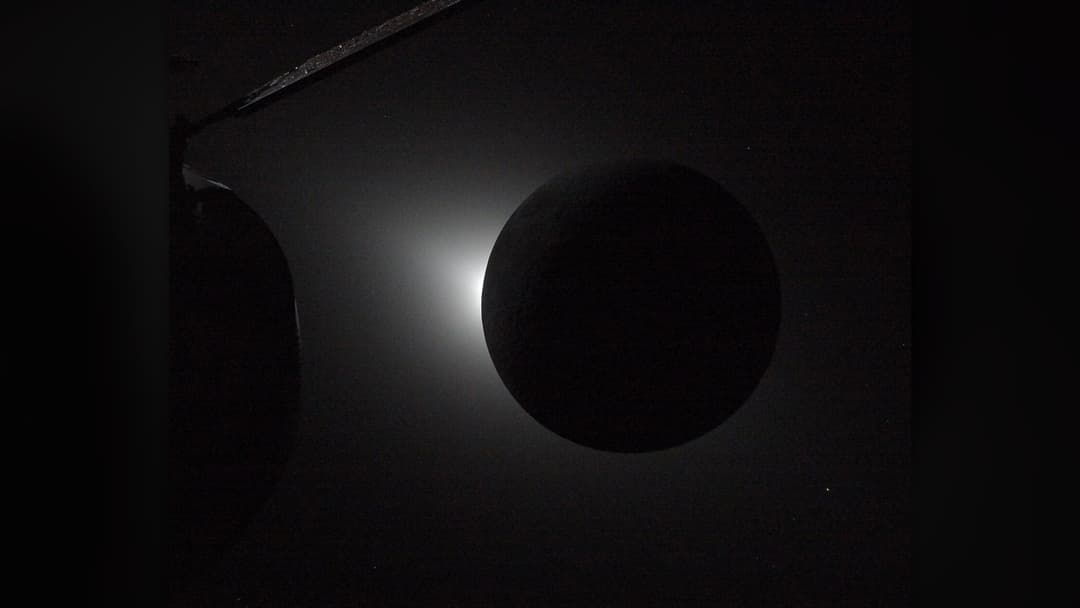
8. Lunar Flyby Eclipse 
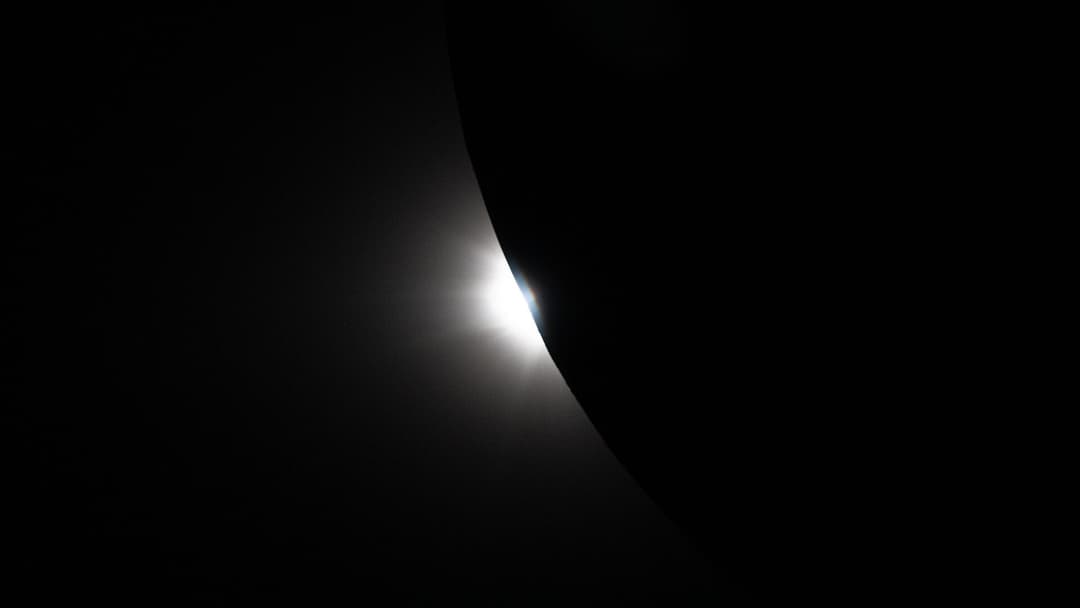
7. Solar Eclipse From Lunar Orbit - AdvertisementSwipe or tap ▶ to continue countdown

6. Sun Emerges From Behind The Moon 
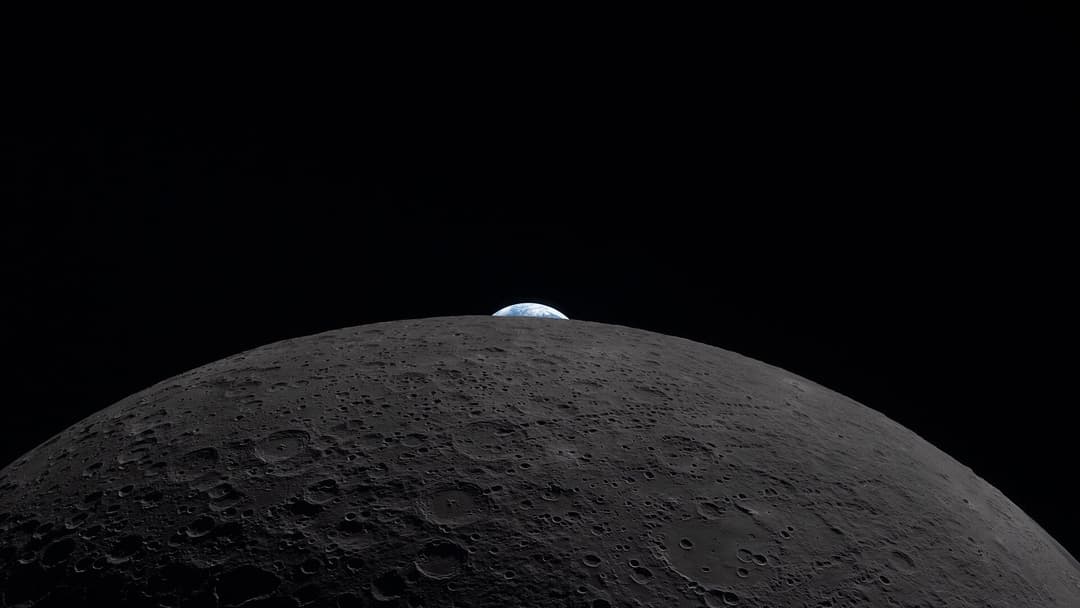
5. Earth Peeks Behind The Far Side 
4. Earthset On The Far Side 
3. Breathtaking Earthset From Orion - AdvertisementSwipe or tap ▶ to continue countdown

2. Artemis Approaches The Moon 
1. The Historic Artemis Earthrise - Advertisement🔥 UP NEXT IN THIS SERIES◫ 23 Slides

22 High-Calorie Burning Exercises Ranked by Harvard Medical Data
Ranked according to Harvard Medical School caloric expenditure data, these 22 physical exercises burn the highest number of calories per hour for optimal cardiovascular health. Medical data reveals true effort.
NASA's Artemis program has returned humanity to the lunar frontier. Captured by the Orion spacecraft from deep space, explore twenty-five of the most extraordinary high-definition views of the Moon, showcasing rugged impact craters, mysterious far-side terrain, and breathtaking Earthrises.
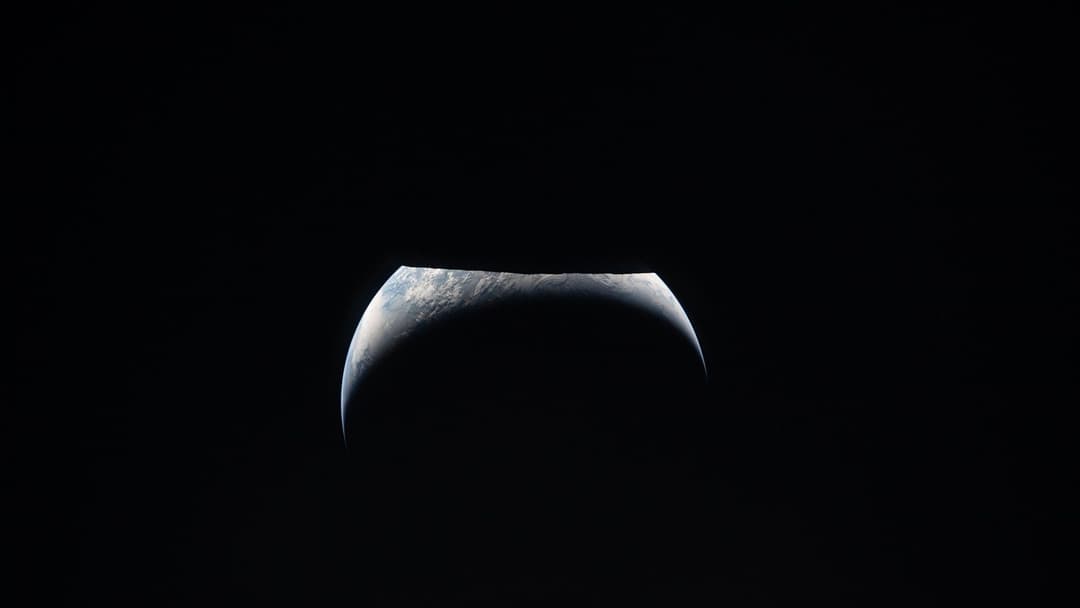
Swipe or tap ▶ to begin the countdown
©NASA / Johnson Space Center
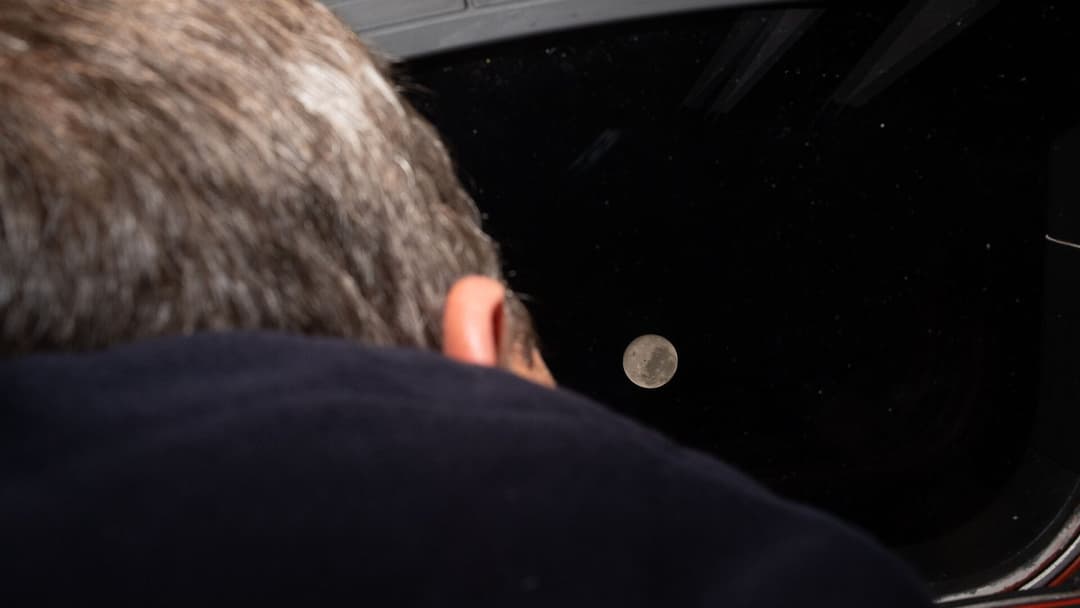
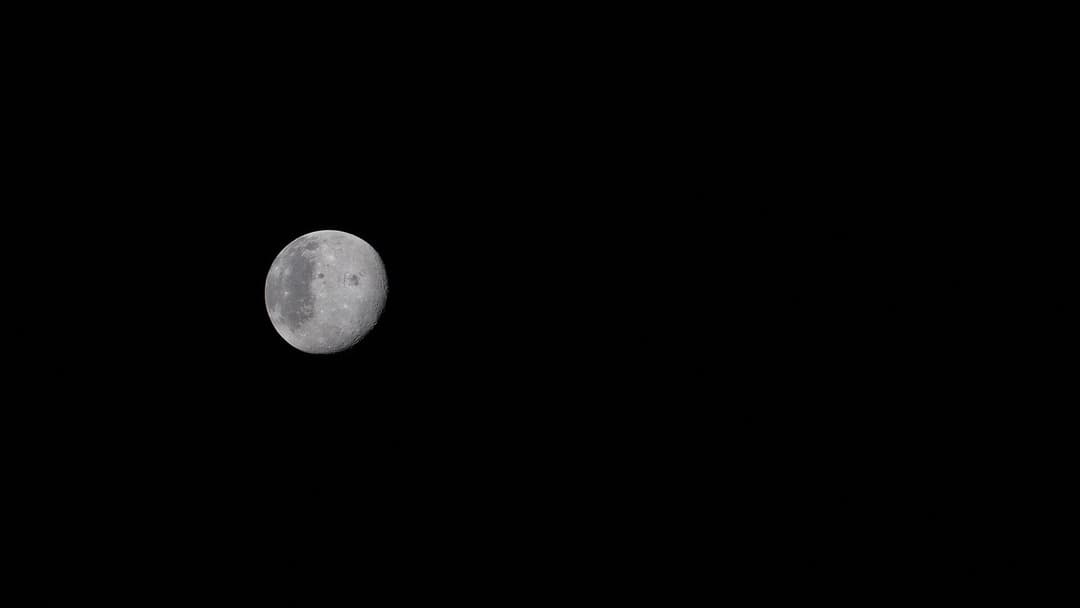
25. Orion And The Moon On Flight Day 2
Mounted at the tip of Orion's solar array wings, an external inspection camera snapped this view of the Moon on flight day two. Gliding toward lunar capture, the quarter-million-mile void between Earth and its celestial companion began to vanish.
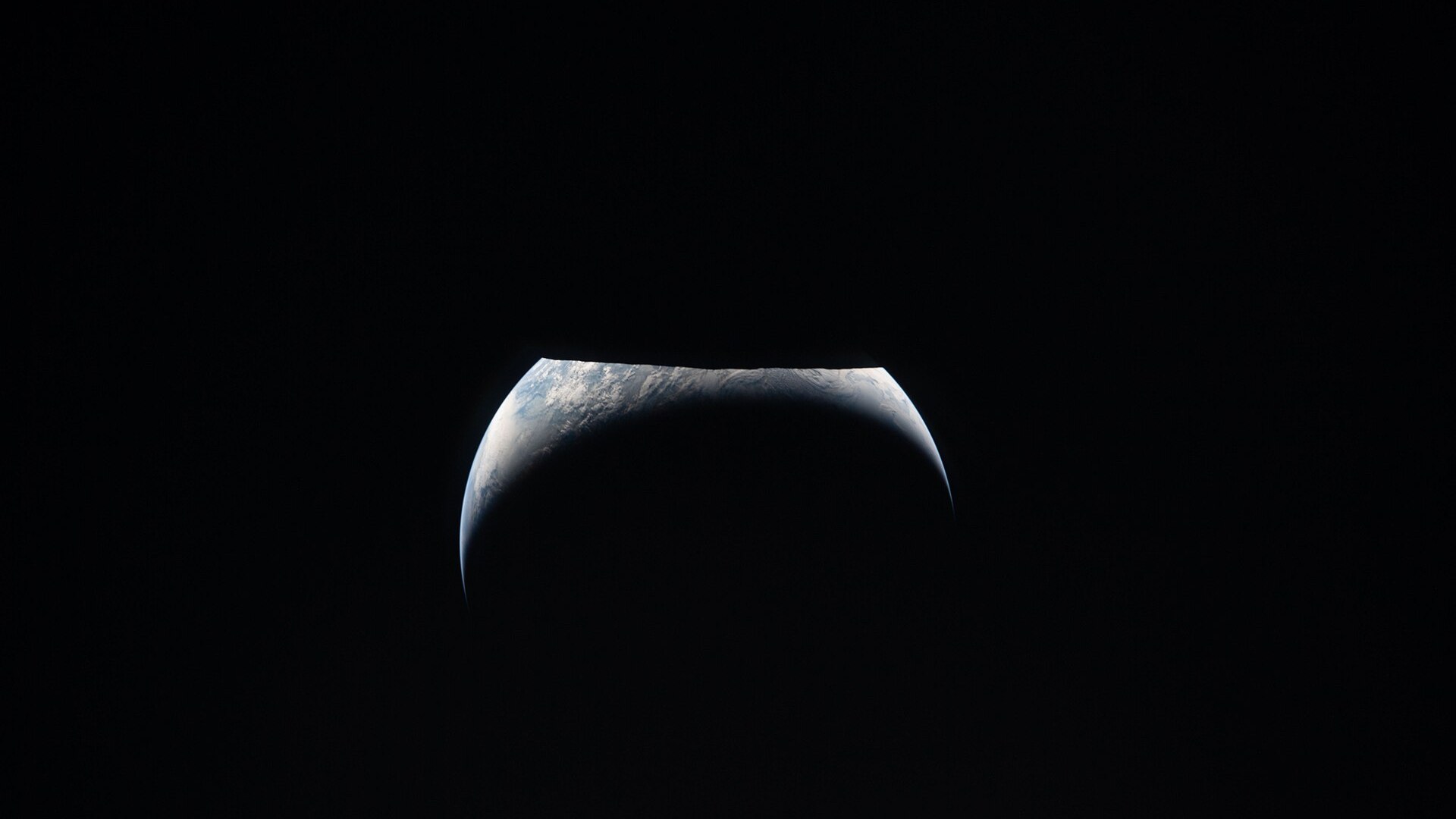
©NASA / Johnson Space Center
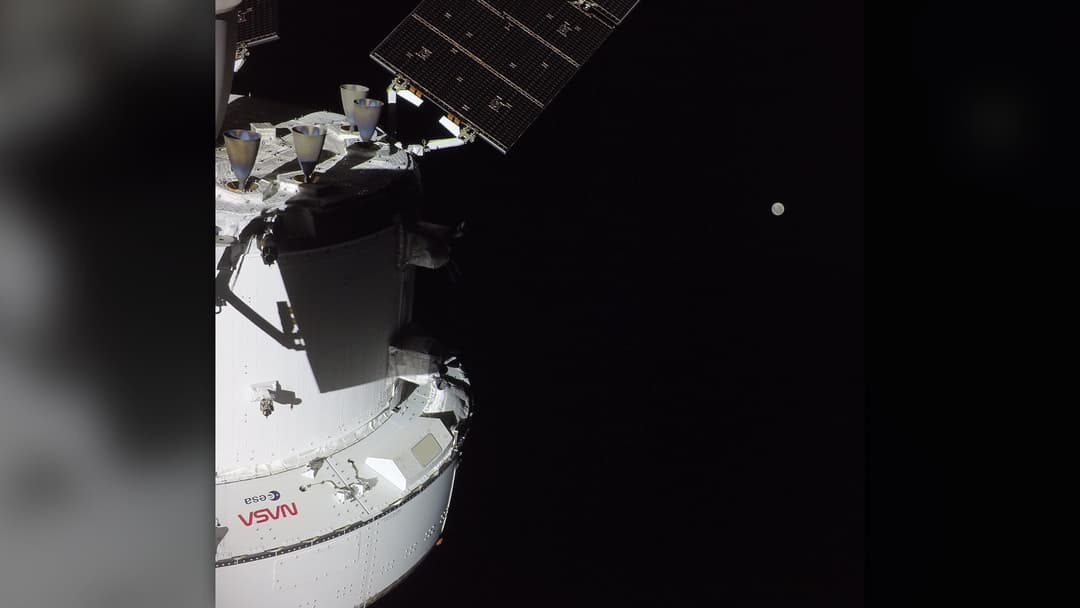
24. Drawn By The Moon
As Orion neared the Moon, the lunar sphere swelled across external camera sensors. Gravitational forces accelerated the spacecraft toward its critical outbound powered flyby, providing vital slingshot propulsion.
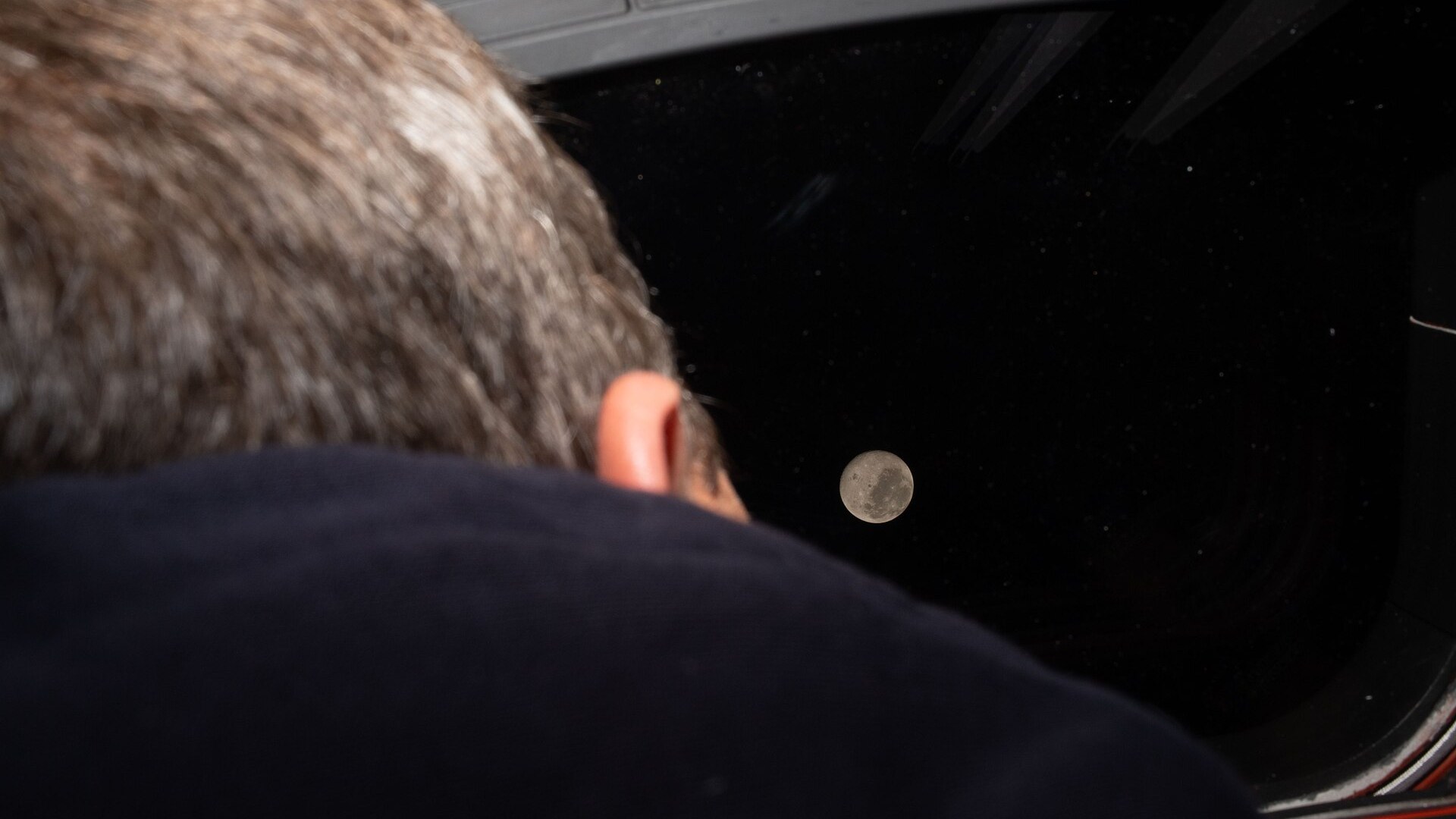
©NASA / Johnson Space Center
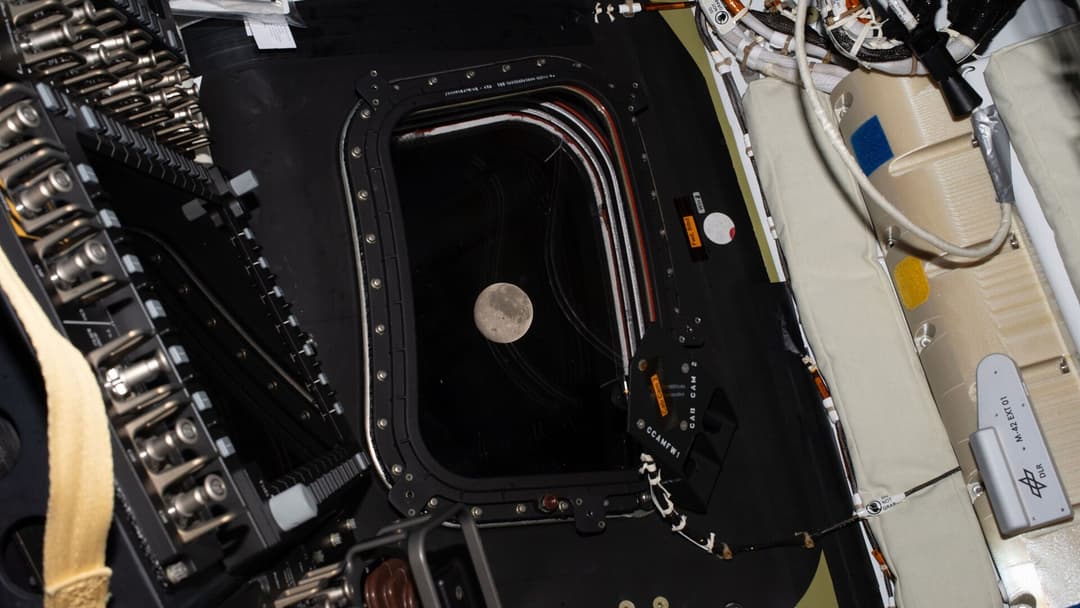
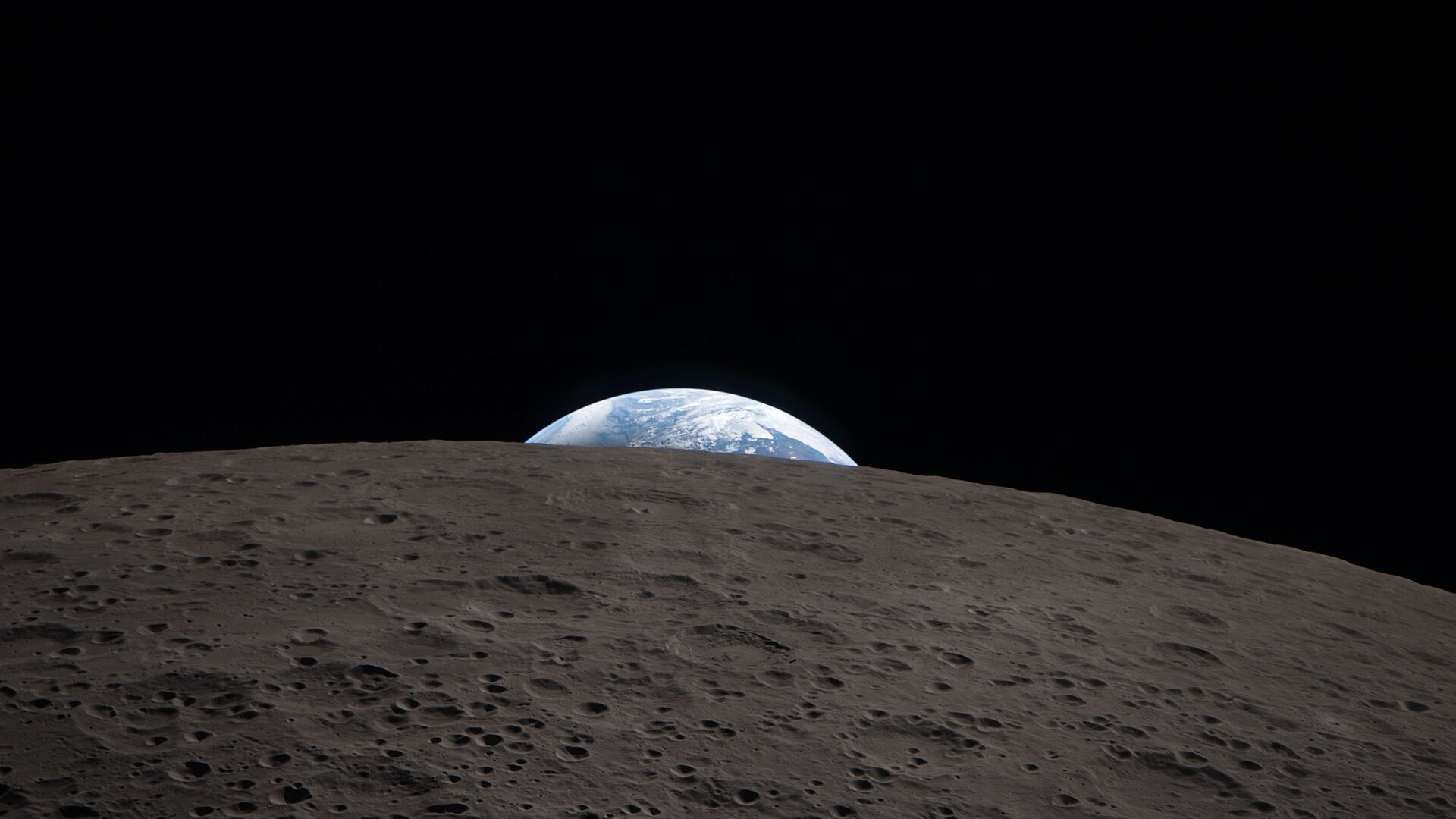
23. Goodnight Moon
Captured from Orion's cockpit windows, this high-resolution photograph reveals the soft curvature of the lunar nearside before the vehicle plunged behind the Moon. Unfiltered solar rays illuminate subtle elevation changes across ancient impact basins.
©NASA / Johnson Space Center
Advertisement
Swipe or tap ▶ to resume the countdown.
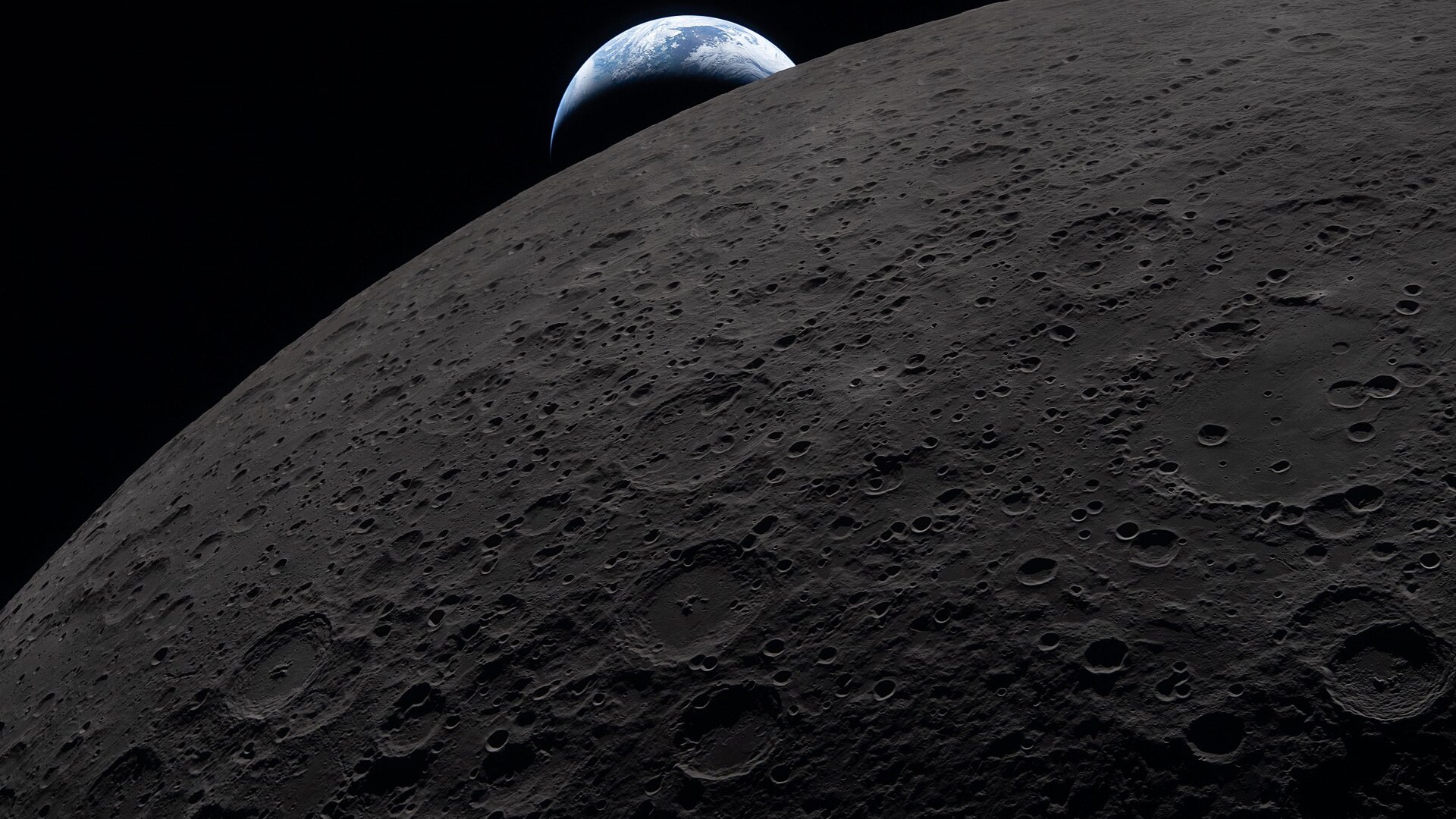
22. Approaching Lunar Flyby
Closing within thousands of miles, Orion photographed the Moon's rugged topography in remarkable detail. Deep impact craters and ancient basaltic plains create a dramatic mosaic of billions of years of cosmic history.
©NASA / Johnson Space Center
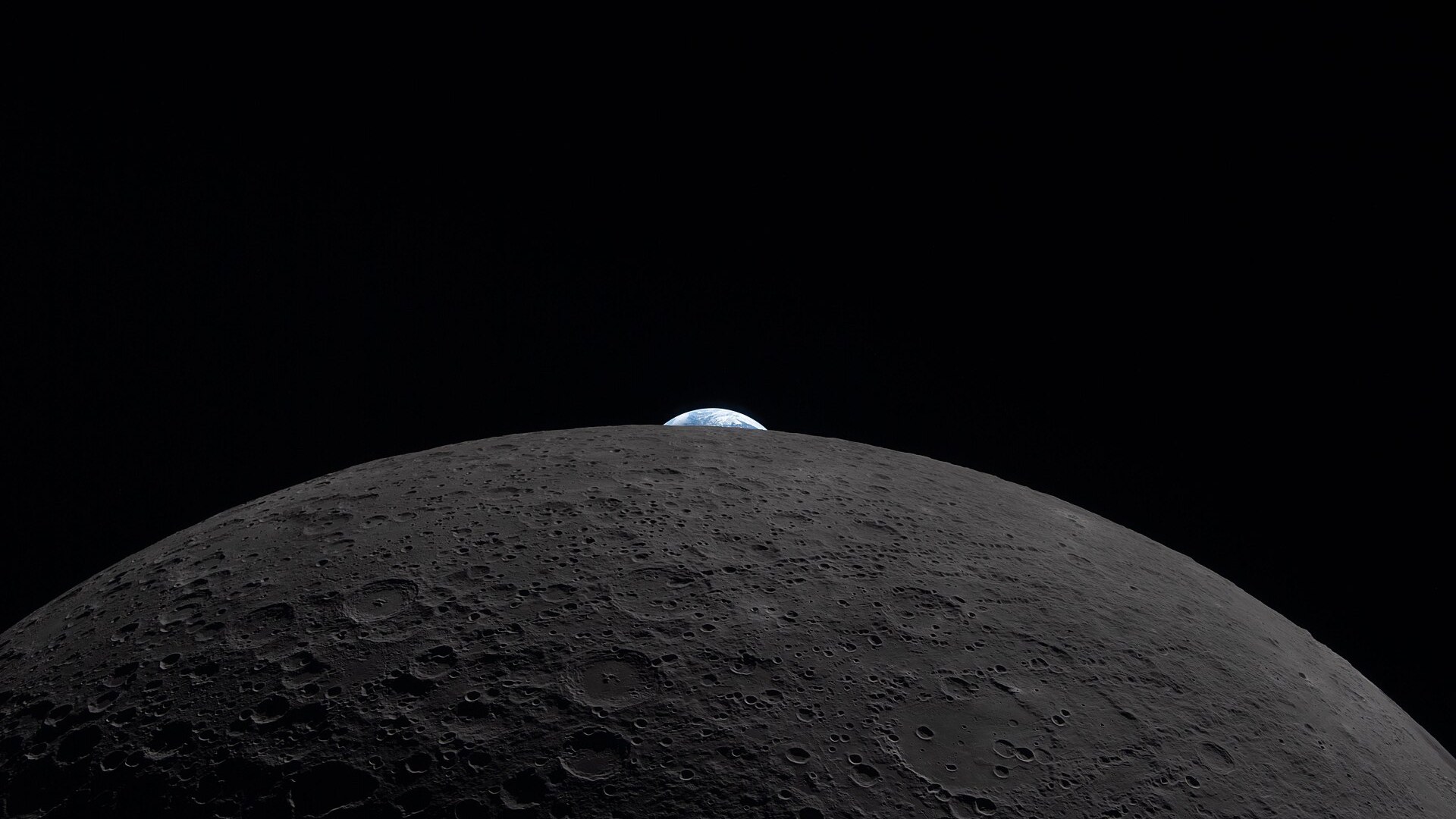
21. Lunar Surface Detail From Orbit
Orion's scientific camera suite documented steep crater walls and central peaks during its outbound trajectory. These high-contrast frames aid researchers in analyzing volatile distribution and regolith composition.
©NASA / Johnson Space Center
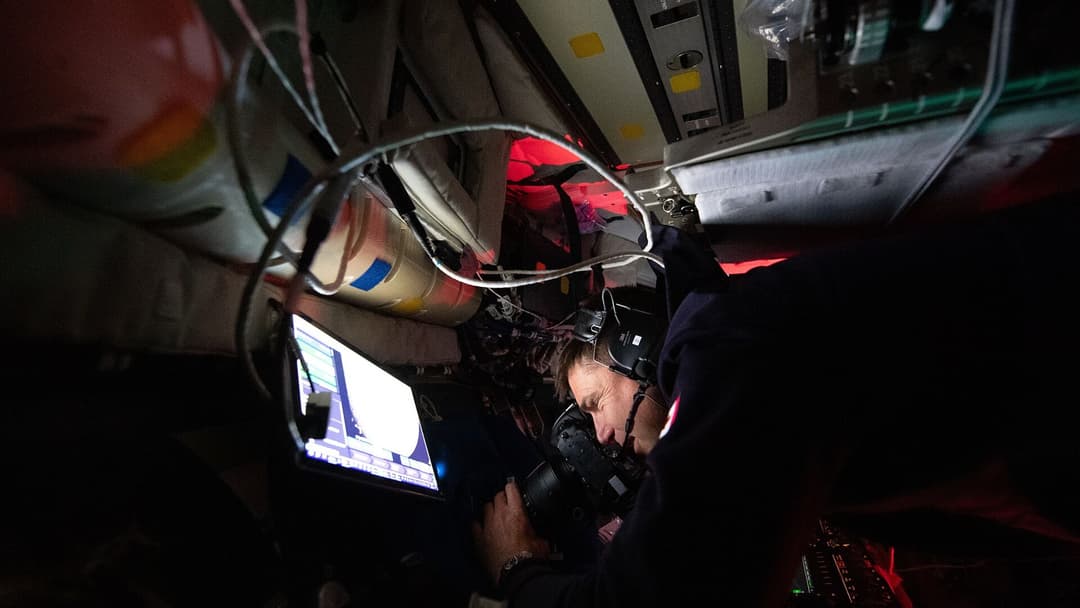
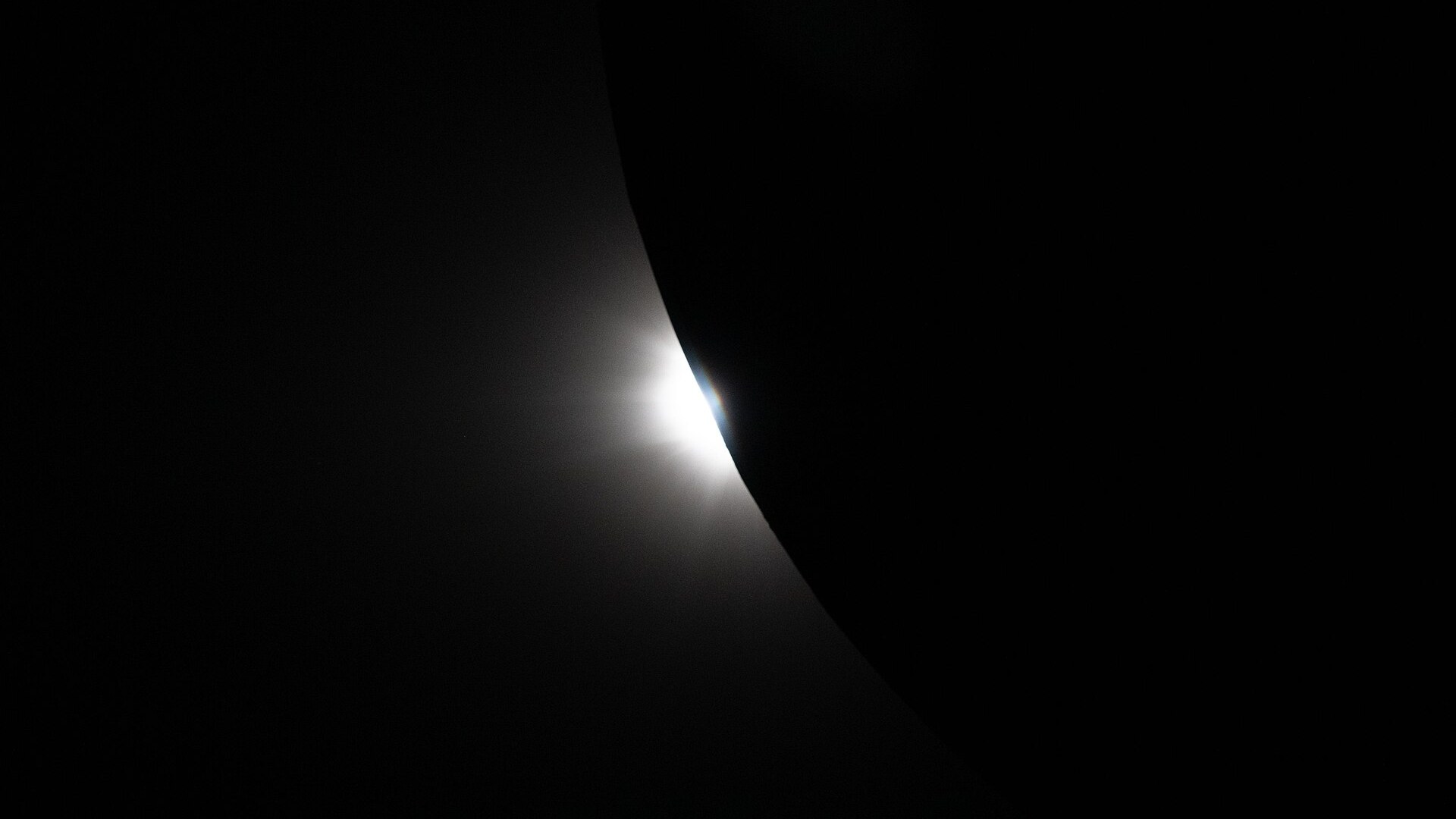
20. Capturing The Lunar Flyby
High-altitude exploration cameras documented the horizon of the Moon curving gracefully against the cosmic blackness. The vacuum of space leaves every geological ridge razor-sharp without atmospheric haze.
©NASA / Johnson Space Center
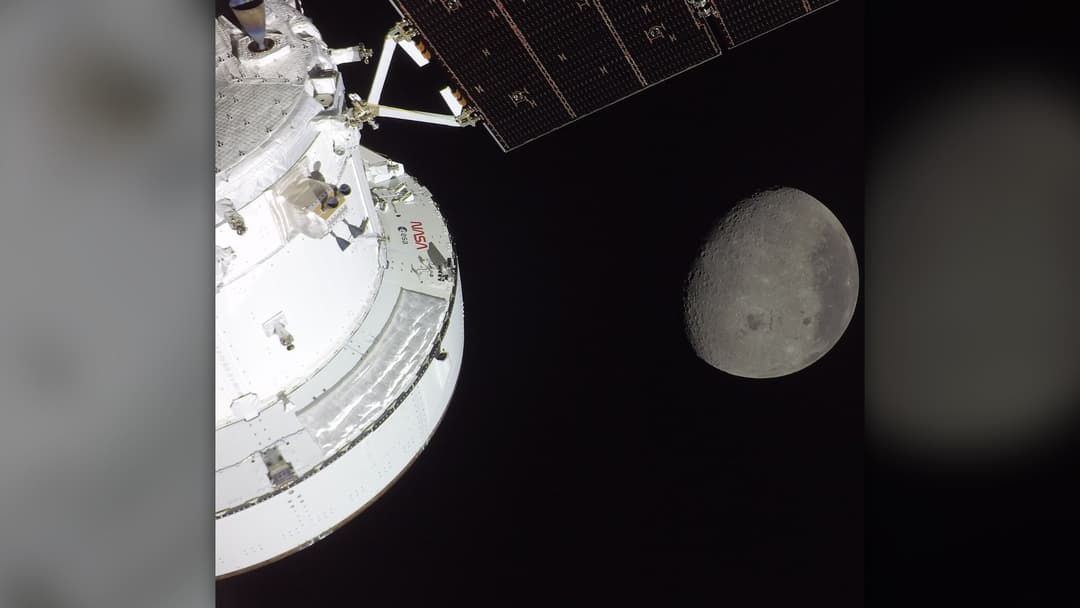
19. Orion Glides Above The Moon
Swooping above the moonscape, Orion's wing-tip cameras framed spacecraft components against the lunar backdrop. The juxtaposition of modern aerospace carbon-fiber against primeval regolith highlights humanity's cosmic reach.
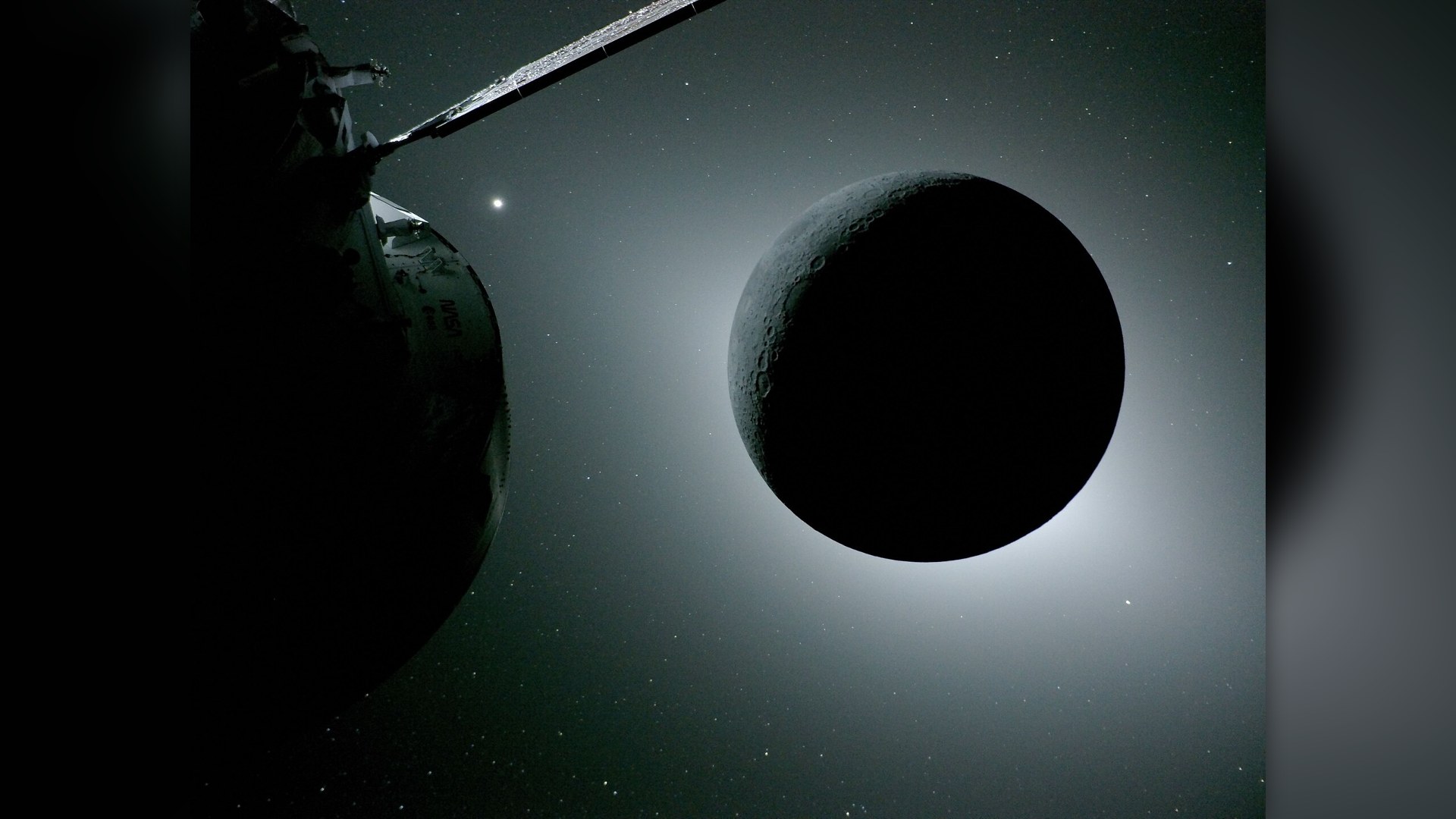
©NASA / Johnson Space Center
Advertisement
Swipe or tap ▶ to resume the countdown.
18. Ready For A Close-Up
Orion's optical navigation system locked onto designated crater landmarks to cross-reference orbital coordinates. Autonomous onboard navigation algorithms processed these images to guarantee trajectory precision.
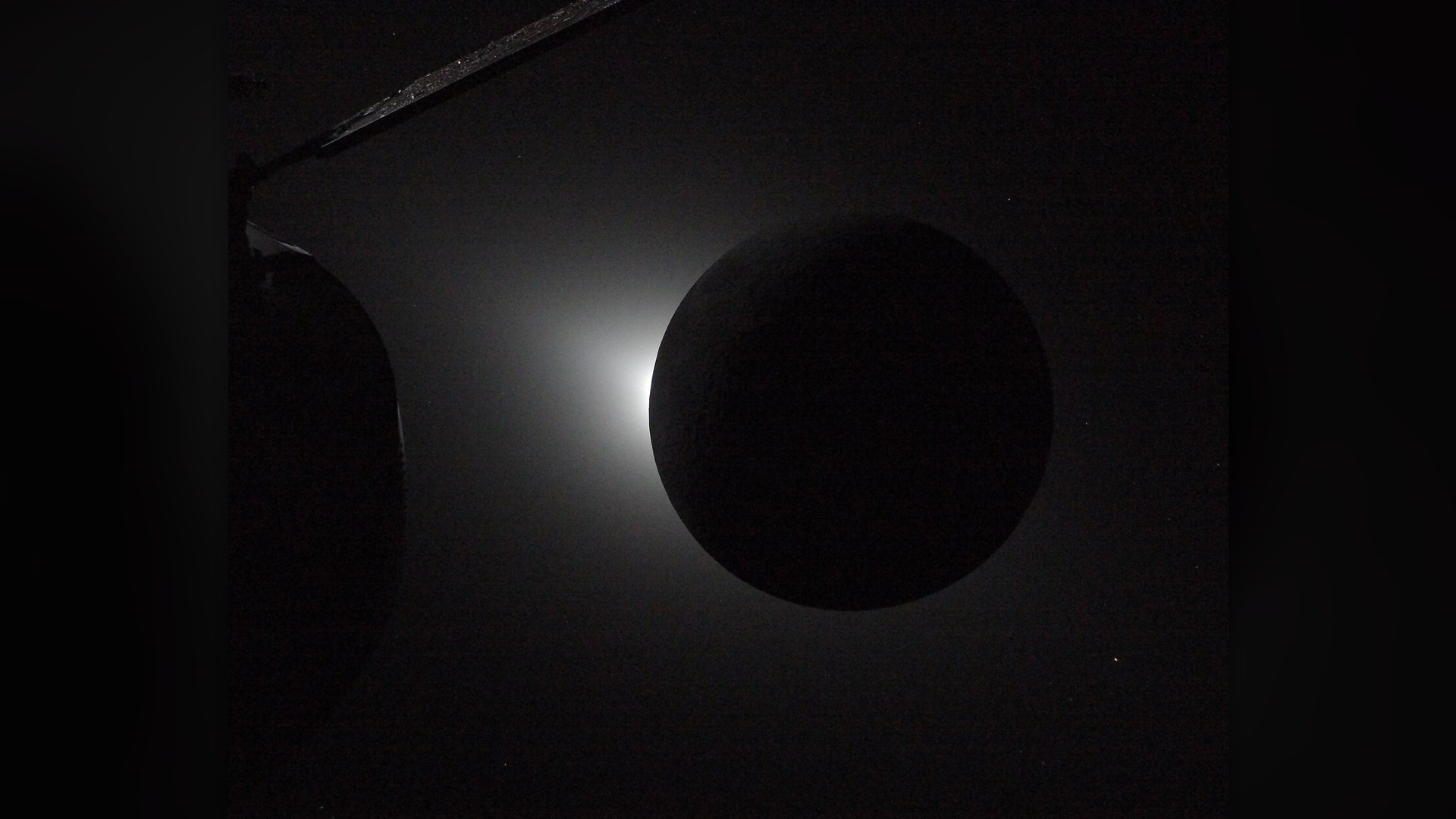
©NASA / Johnson Space Center
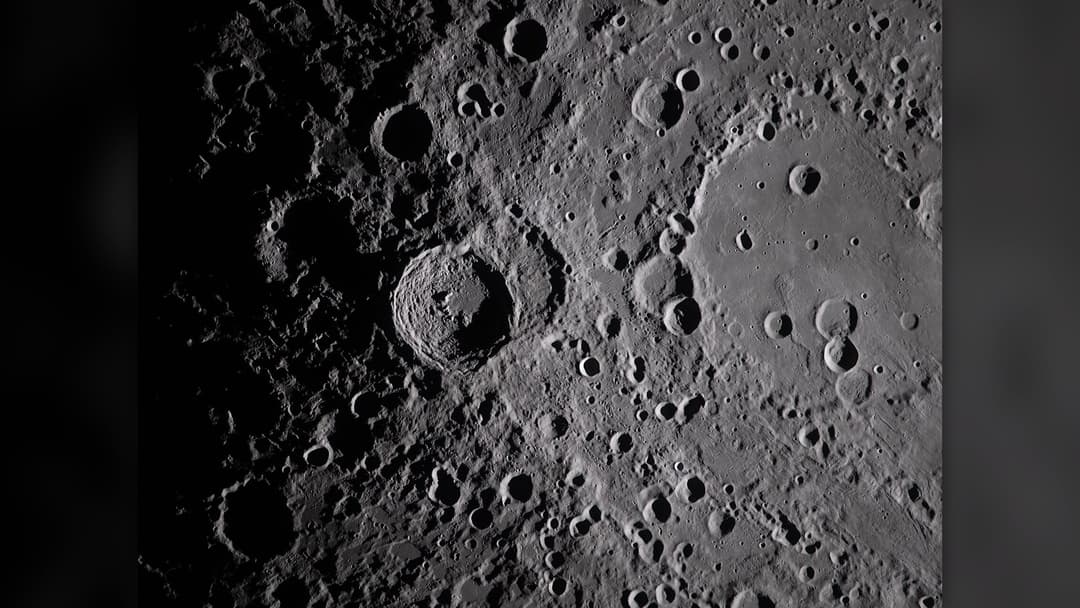
17. Shadows Across Vavilov Crater
Peering down into the farside's Vavilov Crater, low-angle sunlight cast long black shadows across its 60-mile-wide interior. The central mountain peak rises dramatically from the crater floor, preserved in pristine vacuum.
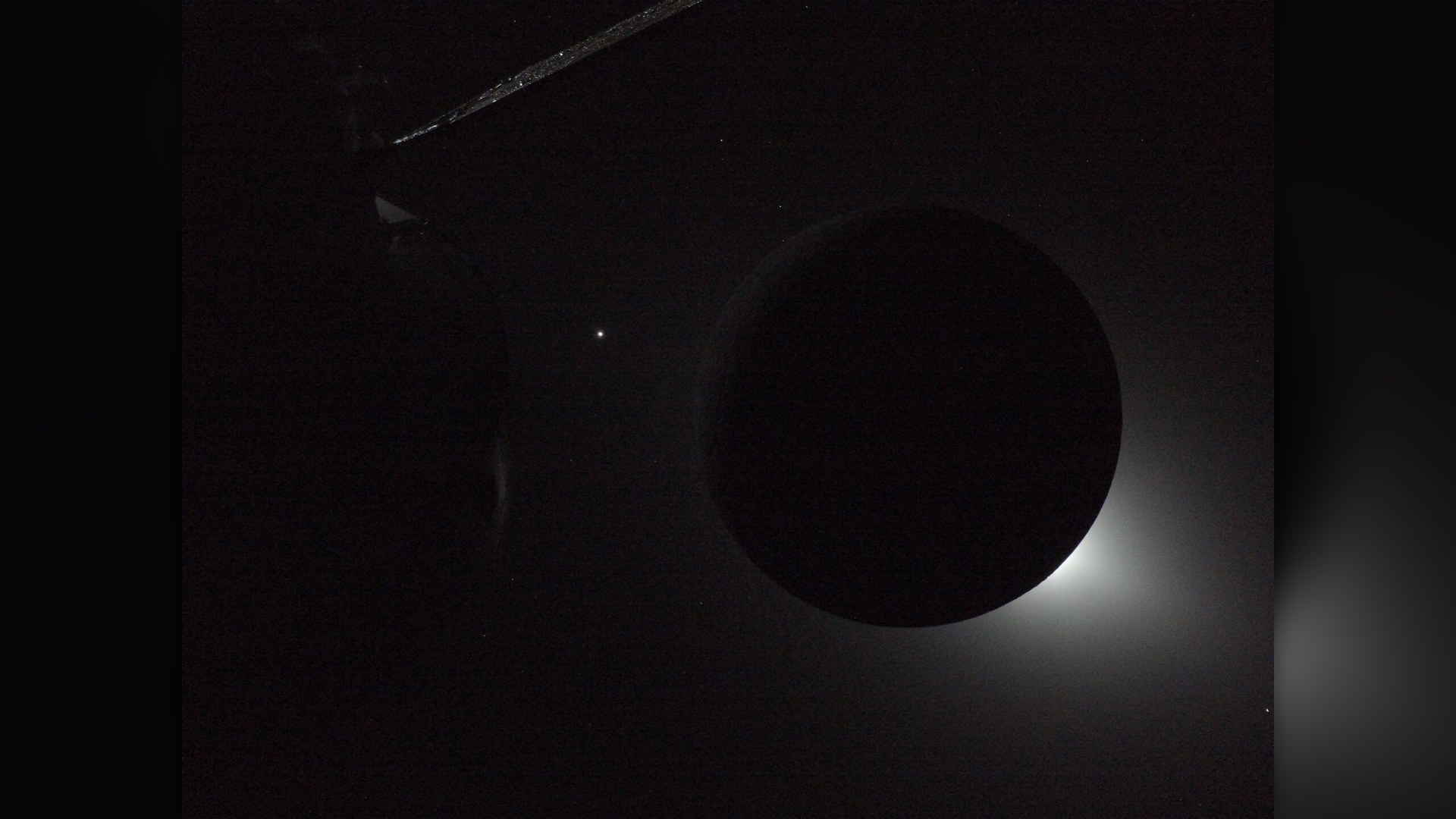
©NASA / Johnson Space Center
16. Lunar Mare And Ancient Craters
This sweeping shot highlights the transition between darker lunar maria—vast plains formed by prehistoric volcanic eruptions—and the heavily cratered anorthosite highlands that represent the Moon's original crust.
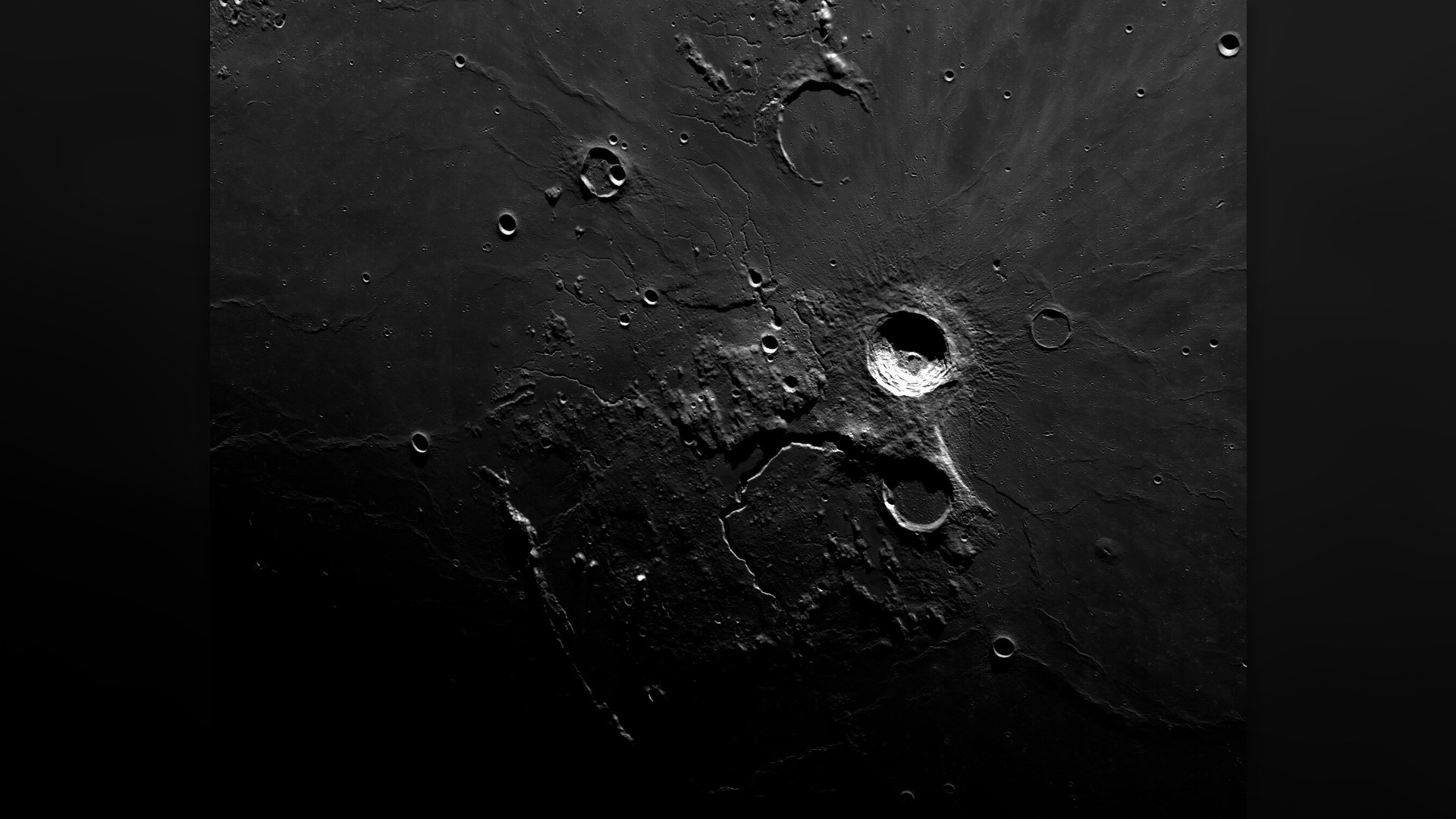
©NASA / Johnson Space Center
15. Close-Up Of The Lunar Surface
At closest approach, Orion skimmed just dozens of miles over the surface, snapping crisp close-ups of micro-craters and dust blankets. This fine gray dust will be explored in person by Artemis astronauts.
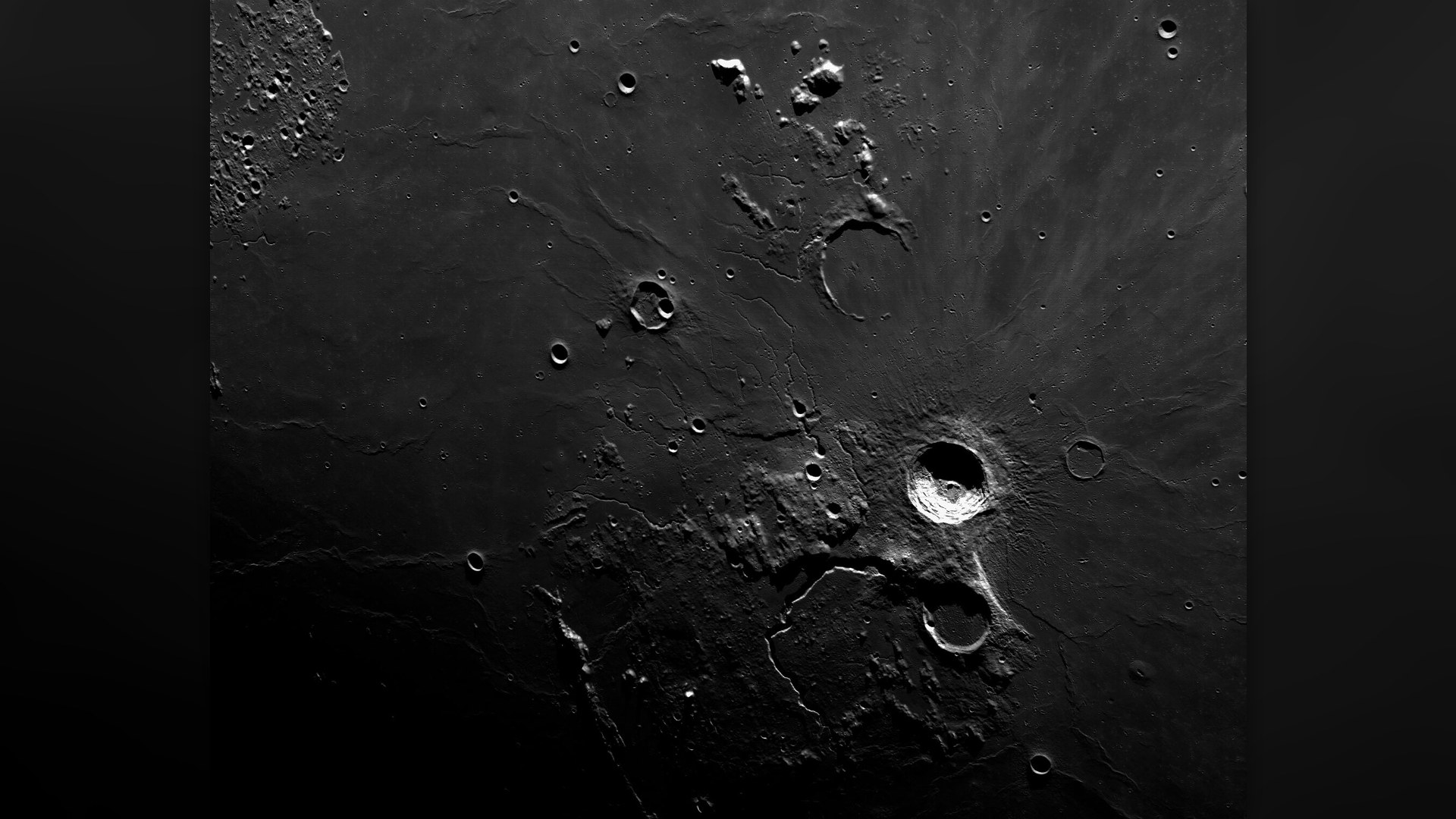
©NASA / Johnson Space Center
Advertisement
Swipe or tap ▶ to resume the countdown.
14. Low-Altitude Crater Terraces
High-velocity impacts instantly melt and shatter rock, followed by gravitational collapse that forms stepped terraces. Orion's optical sensors captured these stepped walls in unparalleled scientific resolution.
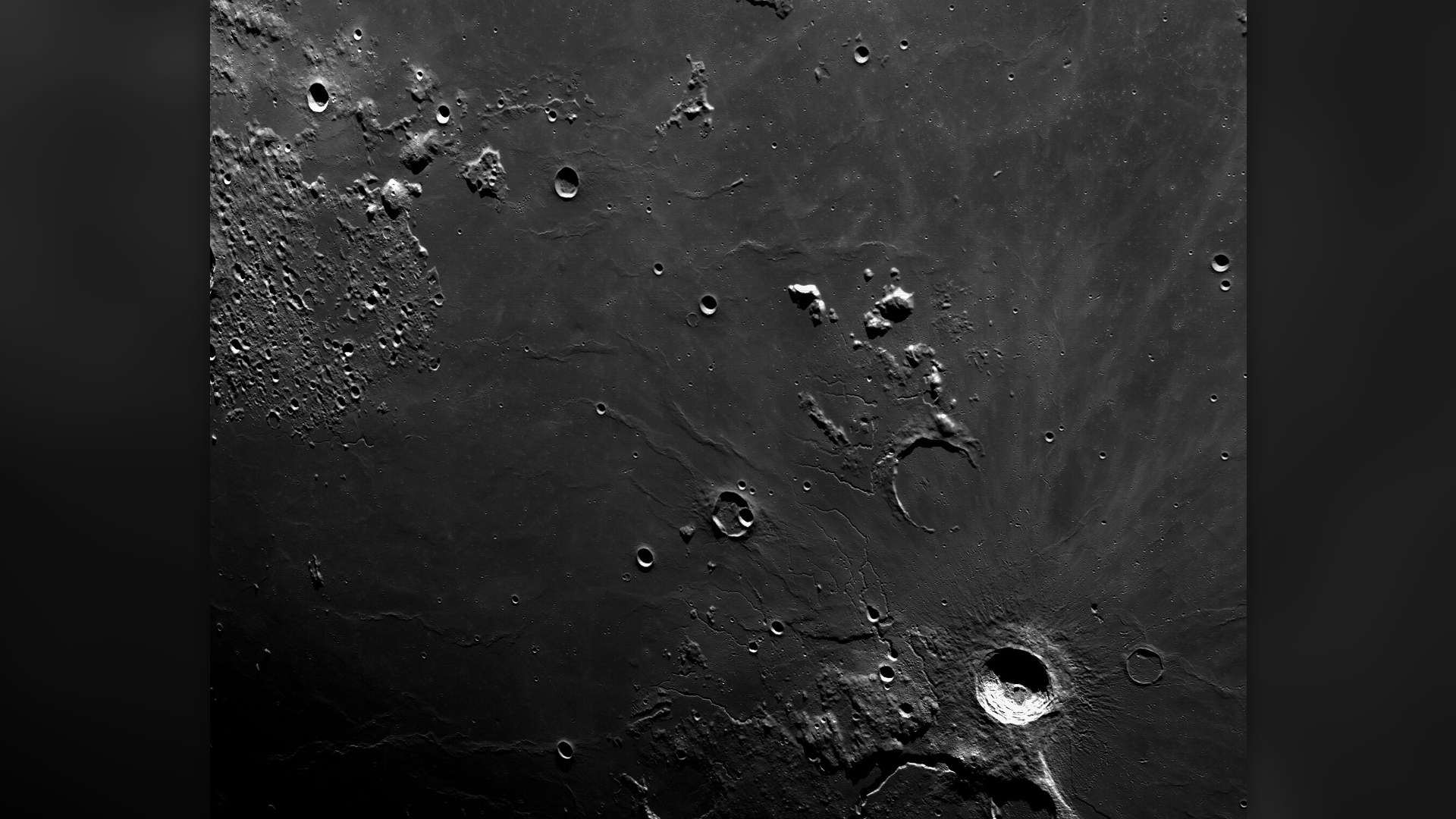
©NASA / Johnson Space Center
13. Rugged Peaks Of The Far Side
Shielded forever from human eyes on Earth, the lunar farside possesses a much thicker crust and dramatically higher crater density. Orion provided humanity with some of the clearest direct space photographs ever obtained.
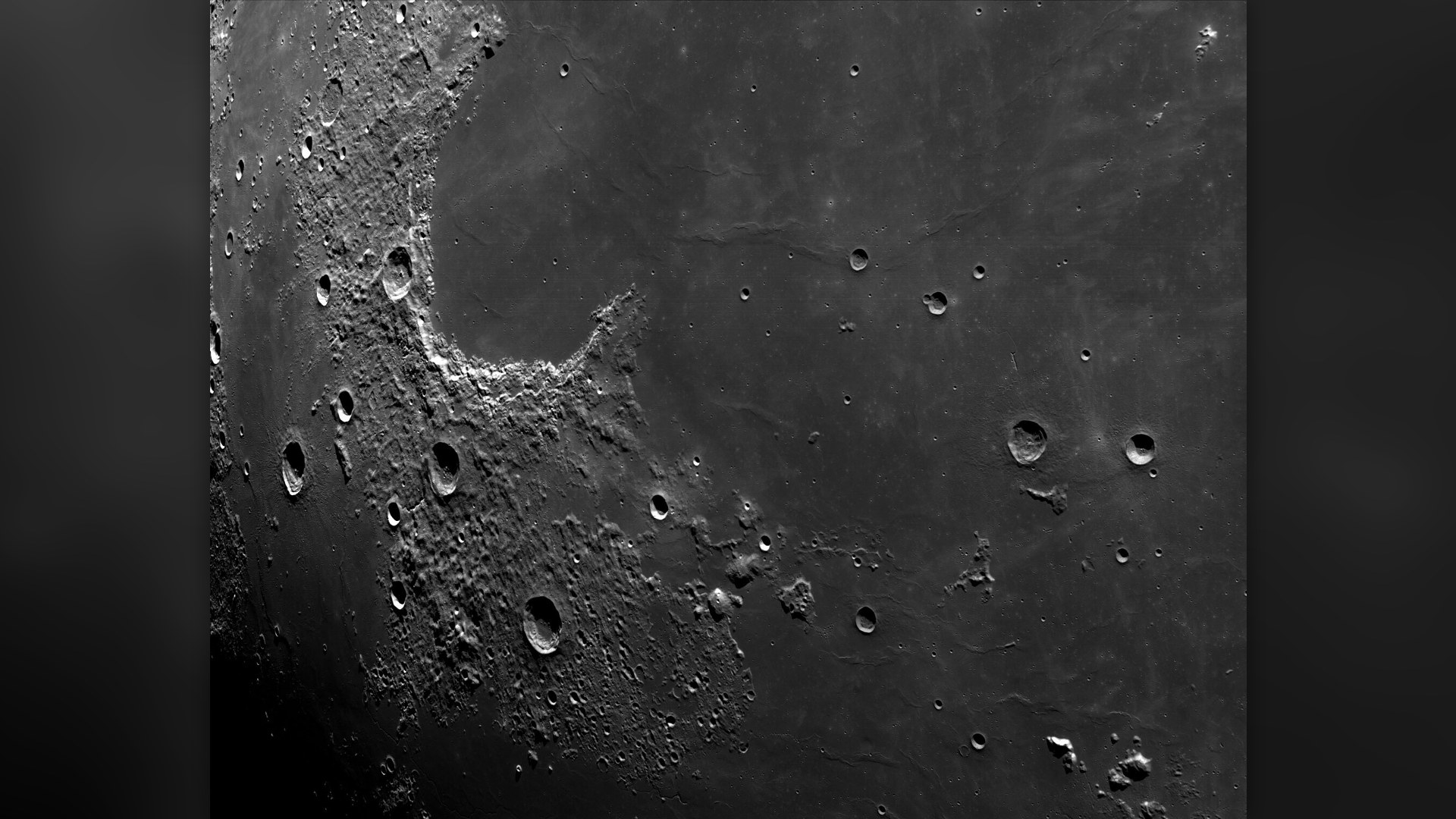
©NASA / Johnson Space Center
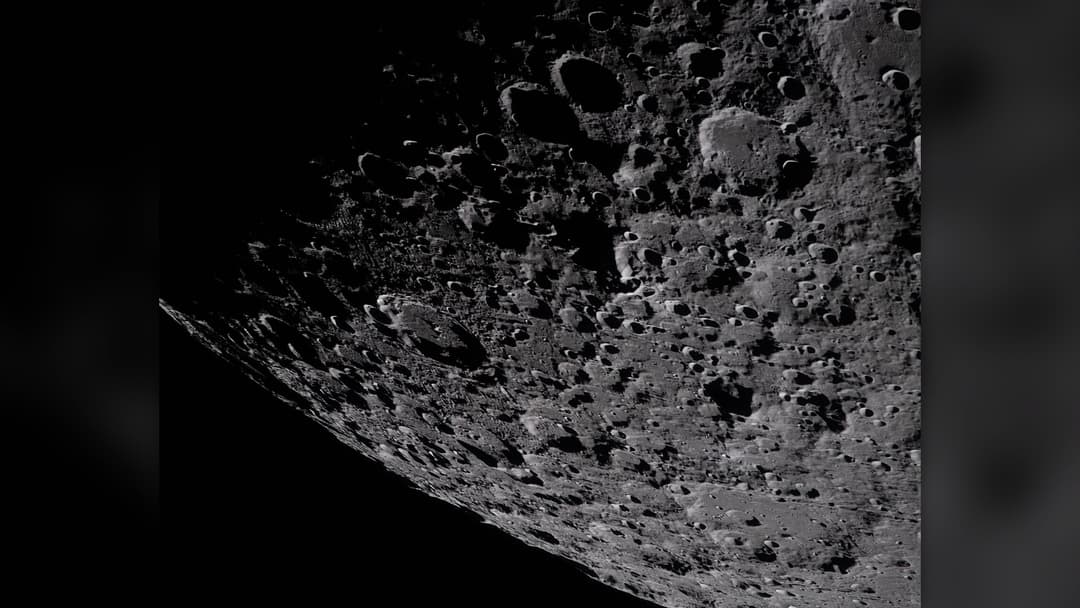
12. High-Contrast Craters At Sunrise
Along the terminator line where lunar dawn breaks, sunlight skims horizontally across crater peaks while leaving valleys plunged in pitch-black shadow. This intense contrast reveals subtle changes in surface slope.
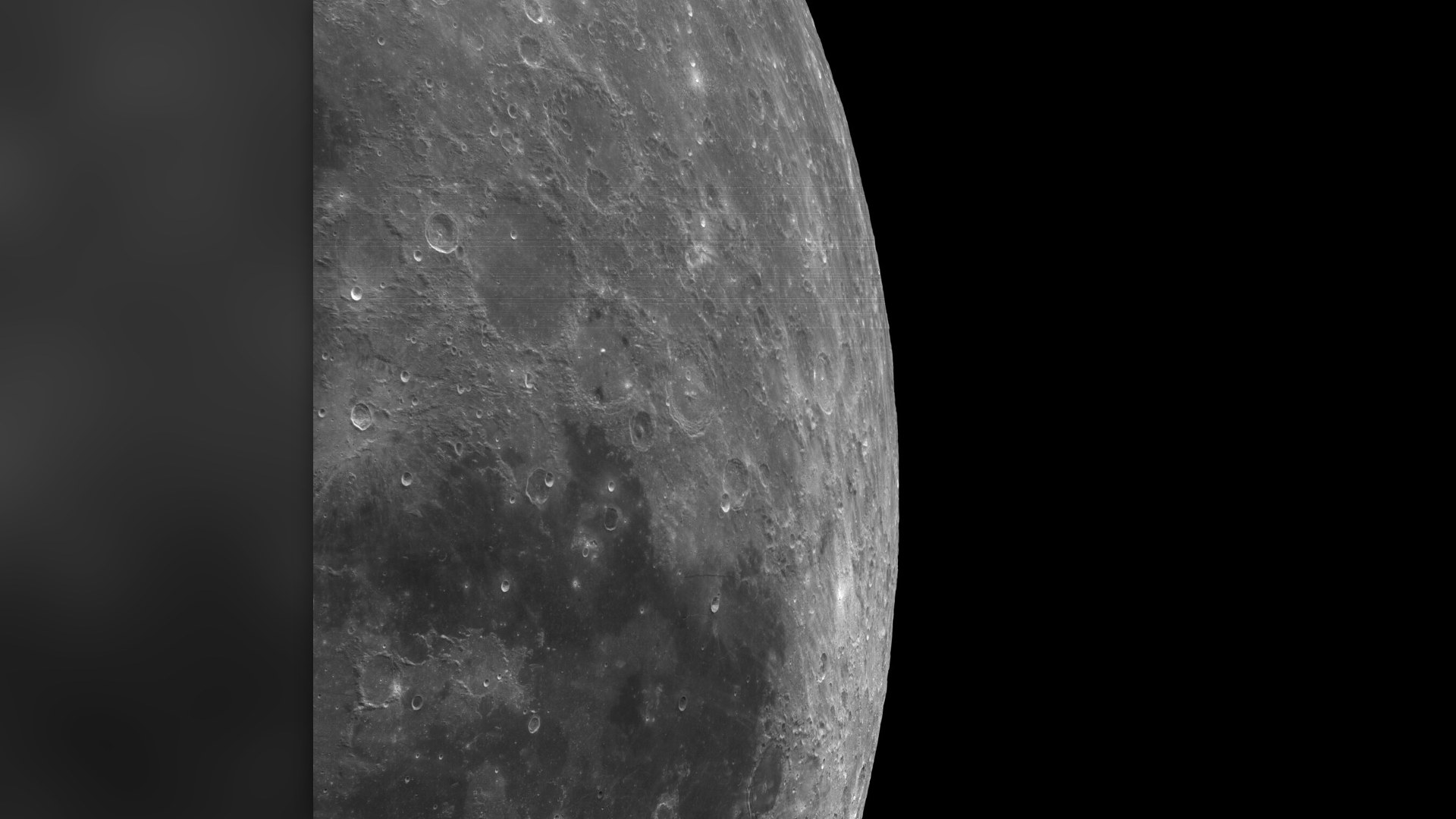
©NASA / Johnson Space Center
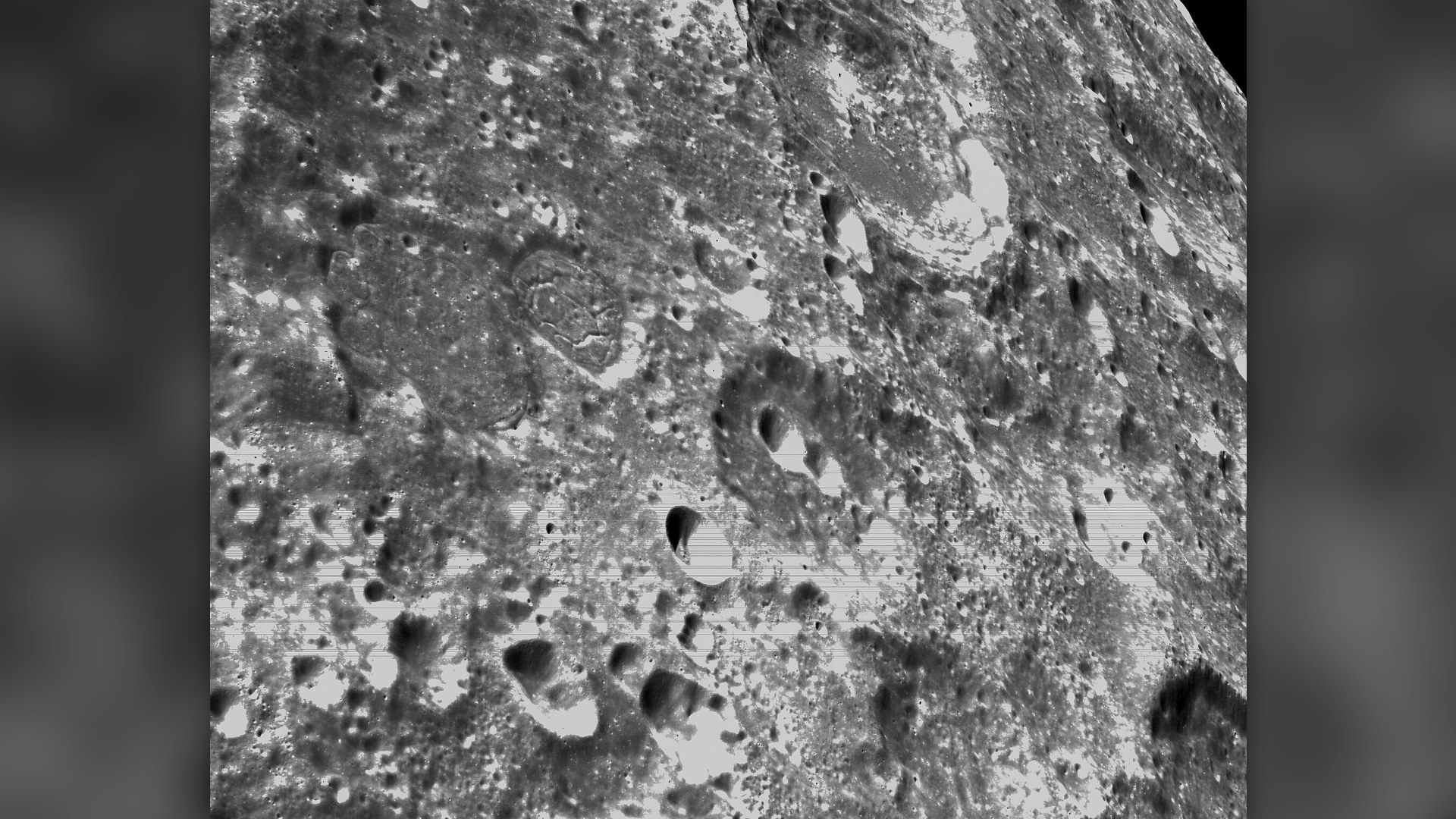
11. Battered Lunar Highlands
Dating back over four billion years to the formation of the lunar crust, these rugged highlands have survived countless asteroid collisions. The resulting debris forms an interconnected network of crater rings.
©NASA / Johnson Space Center
Advertisement
Swipe or tap ▶ to resume the countdown.
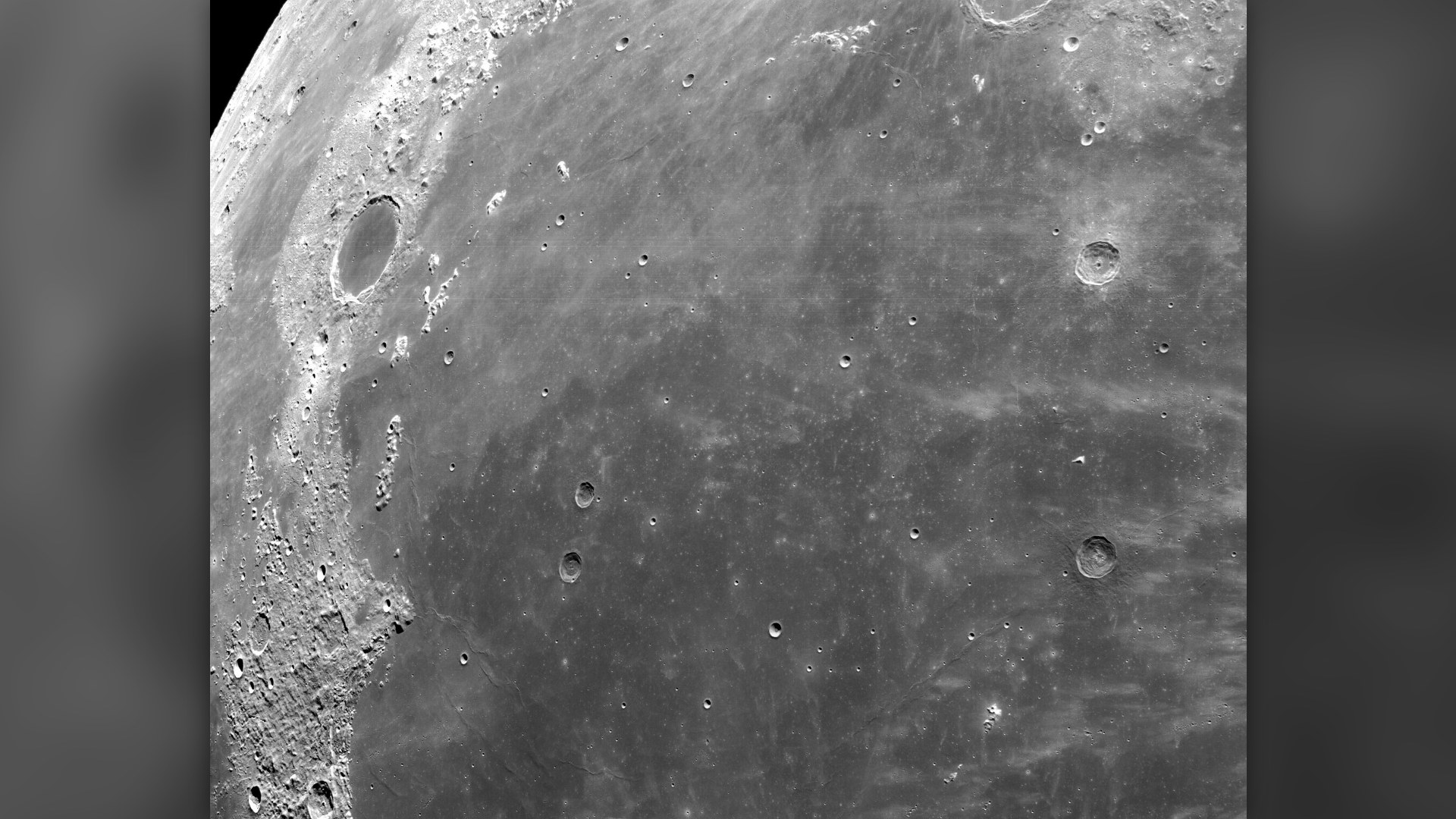
10. Impact Ejecta Across The Regolith
When meteorites slam into the Moon, pulverized bedrock splashes outward in bright reflective rays spanning hundreds of miles. Orion's overhead perspective captures these starburst patterns in exquisite detail.
©NASA / Johnson Space Center
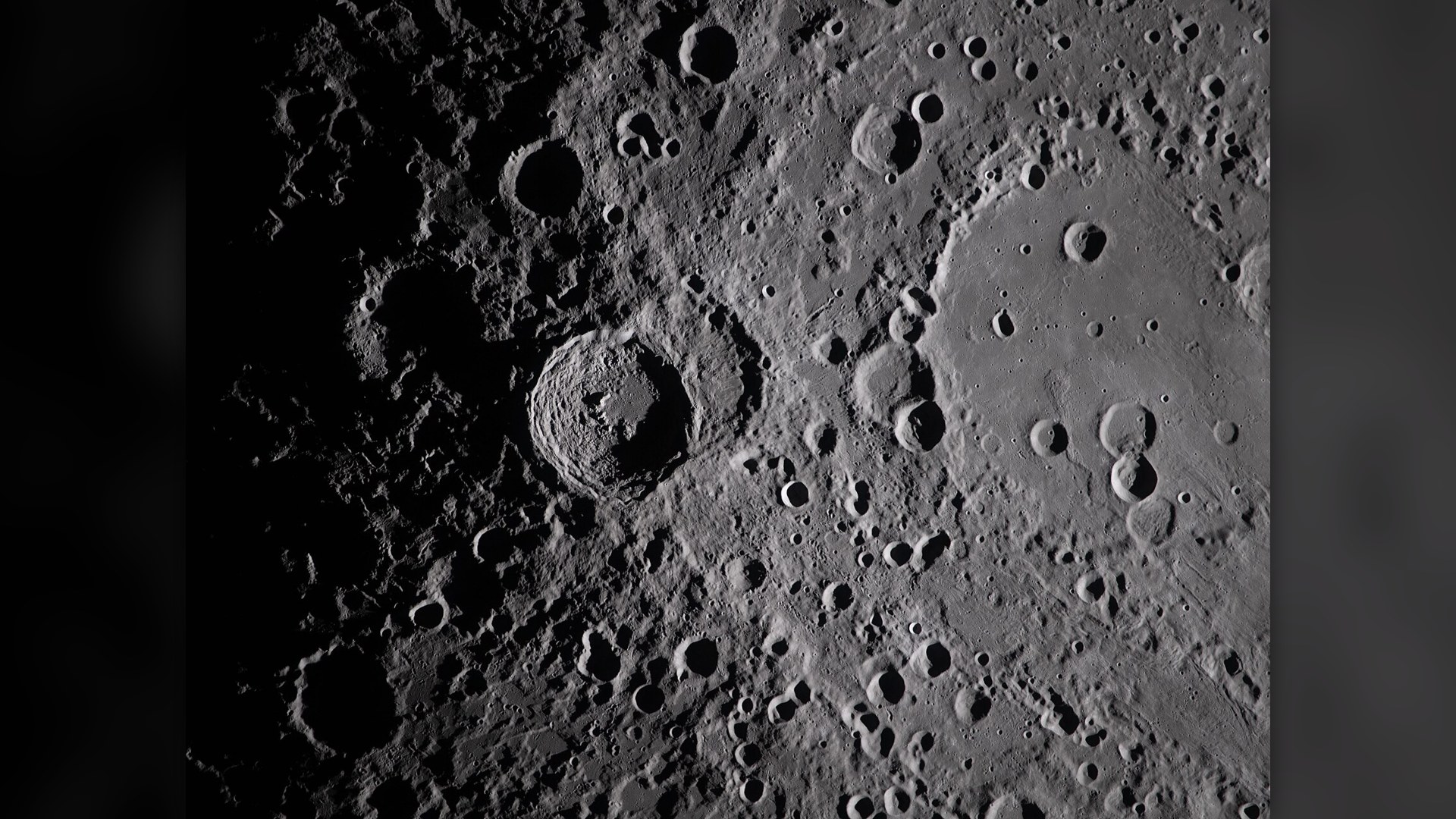
9. Lunar Flyby Observation
Orion's European Service Module guided the spacecraft along a free-return trajectory. Cruising at thousands of miles per hour relative to the Moon, the spacecraft documented the entire orbital passage.
©NASA / European Space Agency
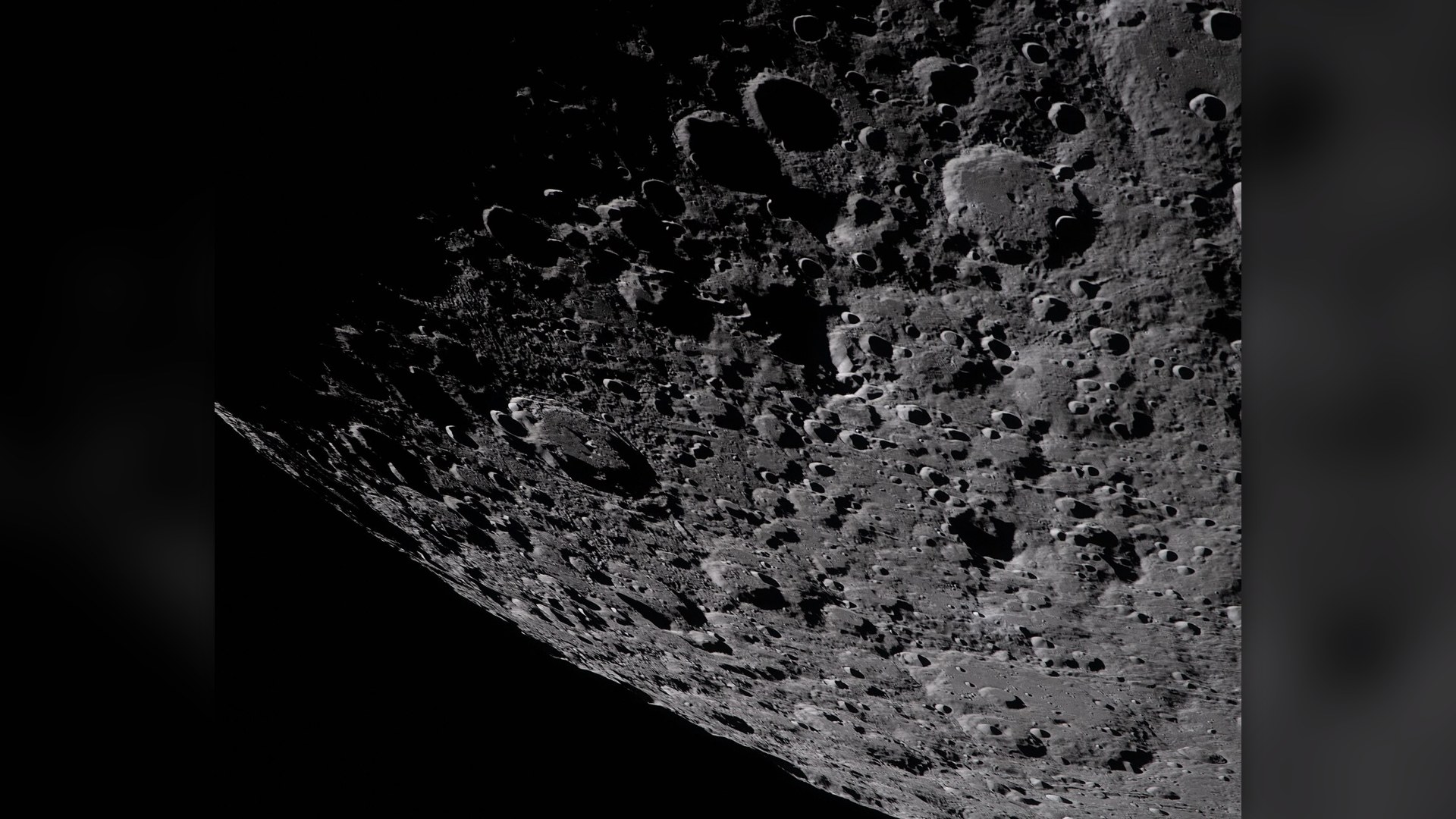
8. Lunar Flyby Eclipse
As Orion slipped into the Moon's shadow, the Sun was temporarily blocked by the lunar disk. From deep space, the solar corona flared around the blackened sphere of the Moon in an otherworldly cosmic alignment.
©NASA / Johnson Space Center
7. Solar Eclipse From Lunar Orbit
This rare space photograph captures the moment of maximum eclipse behind the Moon. Without atmosphere to scatter light, the brilliant diamond-ring effect illuminates the rim of the lunar crust.

©NASA / Johnson Space Center
Advertisement
Swipe or tap ▶ to resume the countdown.
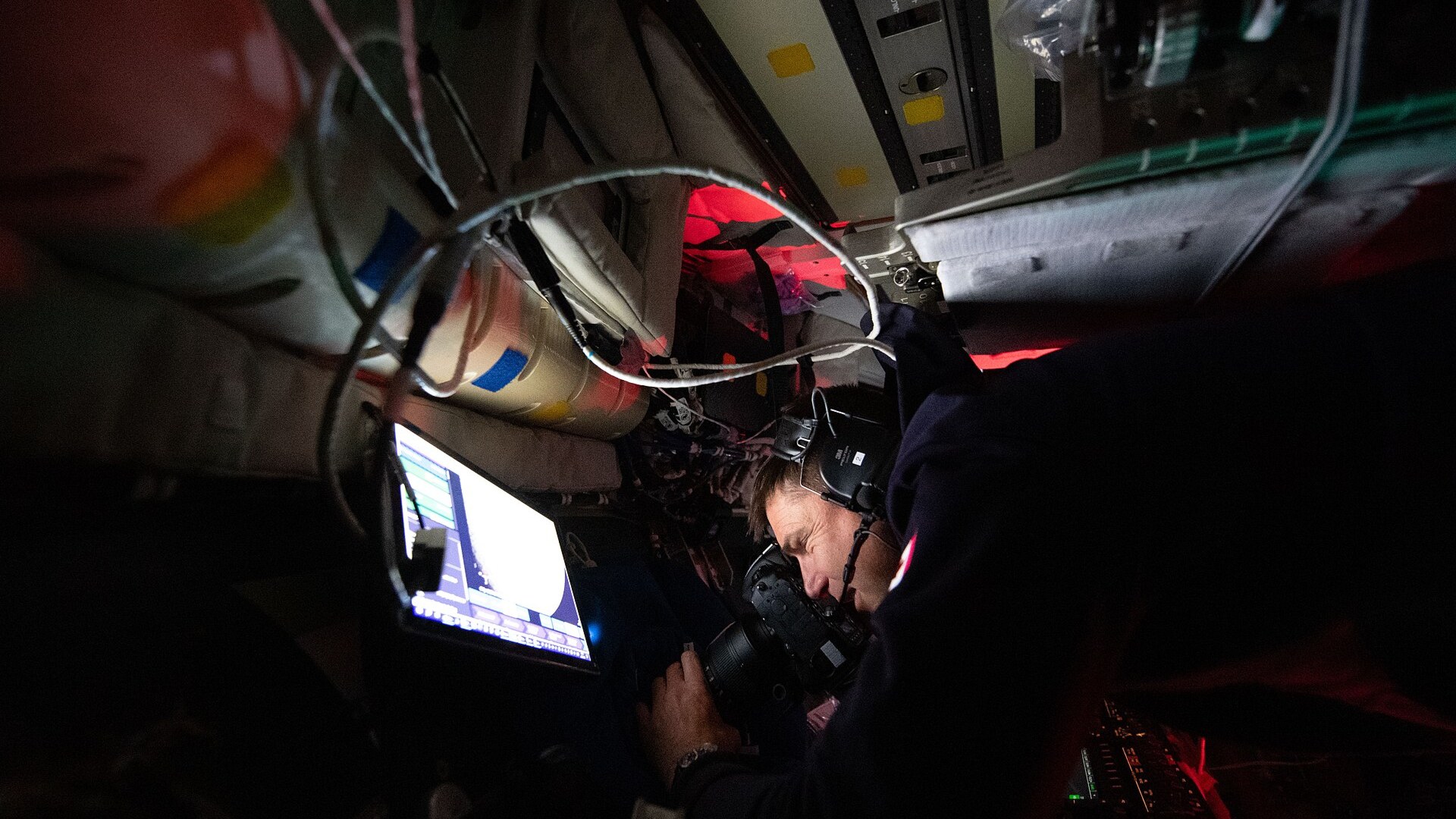
6. Sun Emerges From Behind The Moon
Emerging from the lunar shadow, intense raw sunlight struck Orion's solar panels and heat shield. The sudden surge in solar power recharged spacecraft batteries for the journey back to Earth.
©NASA / Johnson Space Center
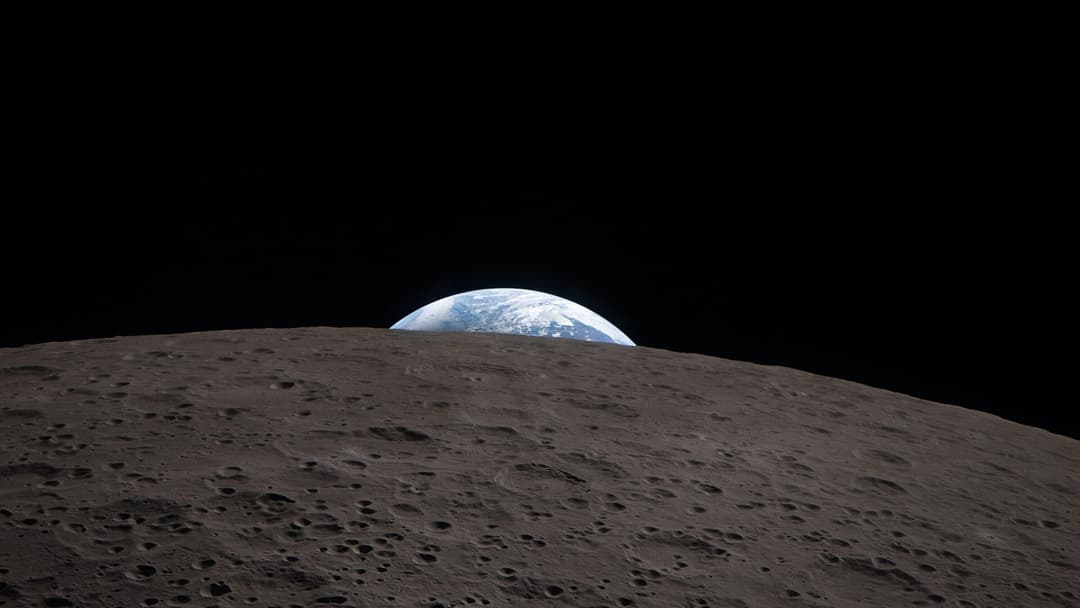
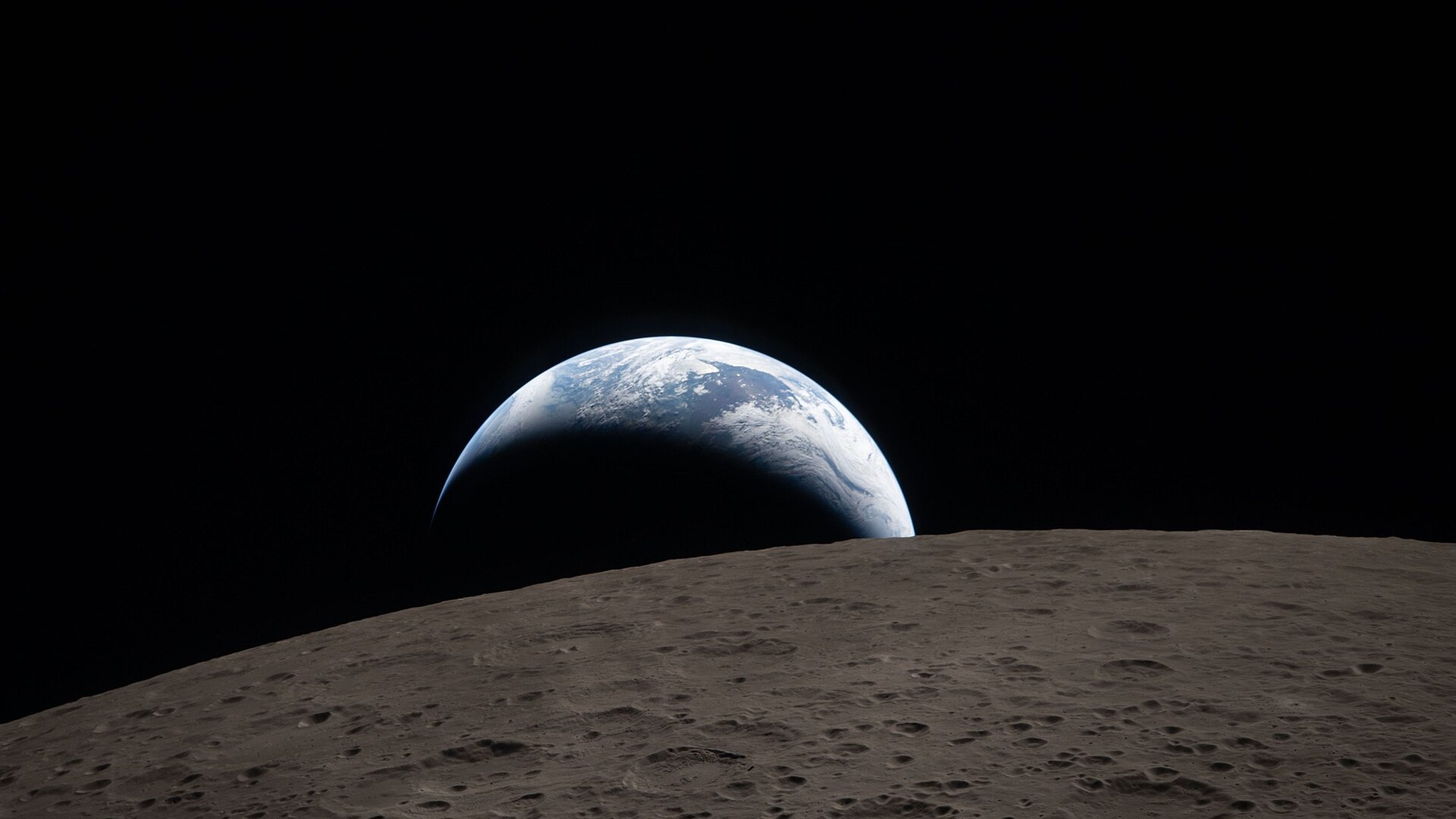
5. Earth Peeks Behind The Far Side
Traveling behind the Moon means total communications blackout with Earth. As Orion rounded the farside limb, radio signals reconnected just as Earth emerged from behind the craggy horizon in this stunning high-definition view.
©NASA / Johnson Space Center
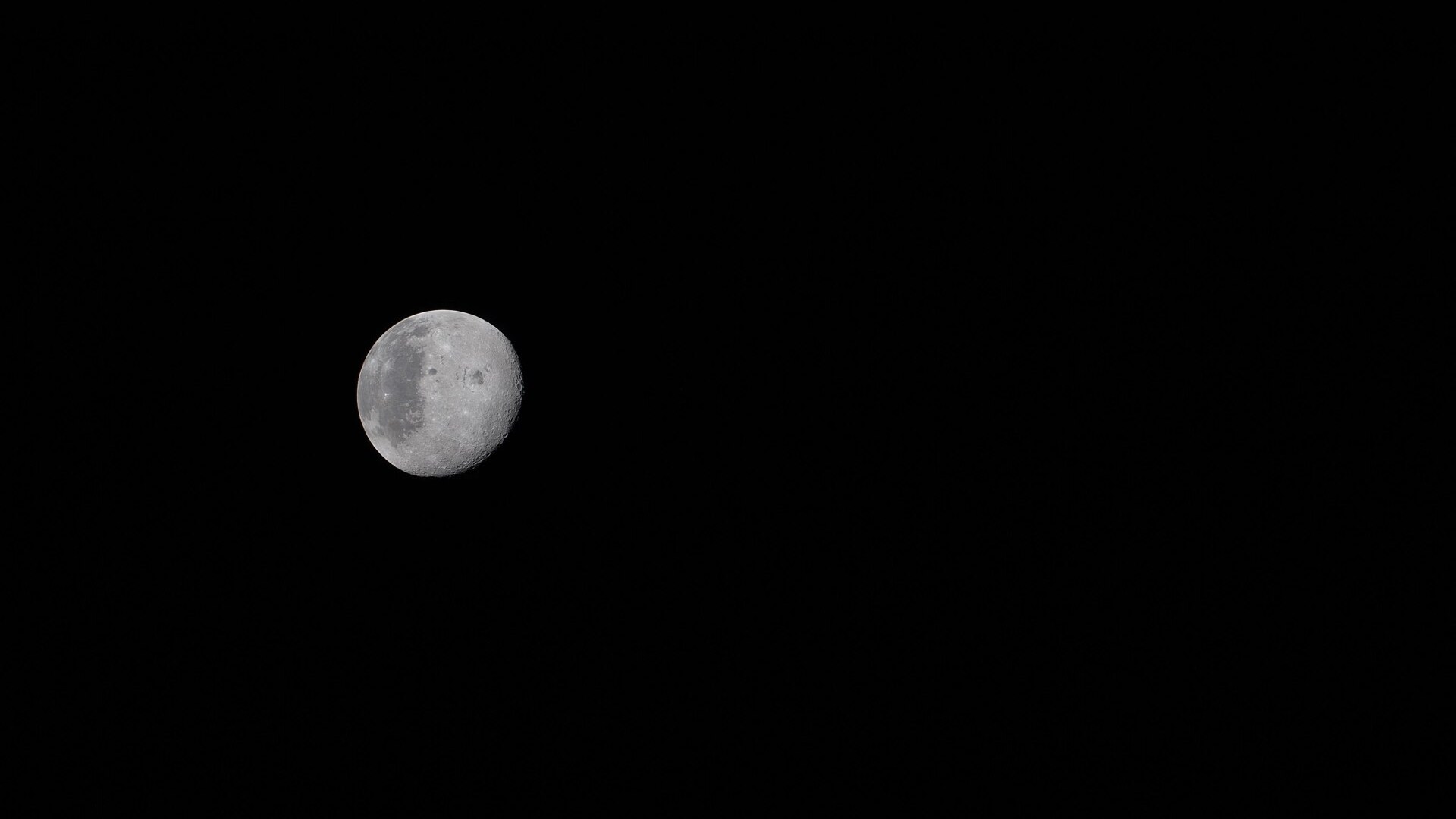
4. Earthset On The Far Side
In reverse of the famed Earthrise, Orion captured Earth dipping below the horizon as the spacecraft entered the farside orbital arc. The sight emphasizes the profound isolation experienced by lunar travelers.
©NASA / Johnson Space Center
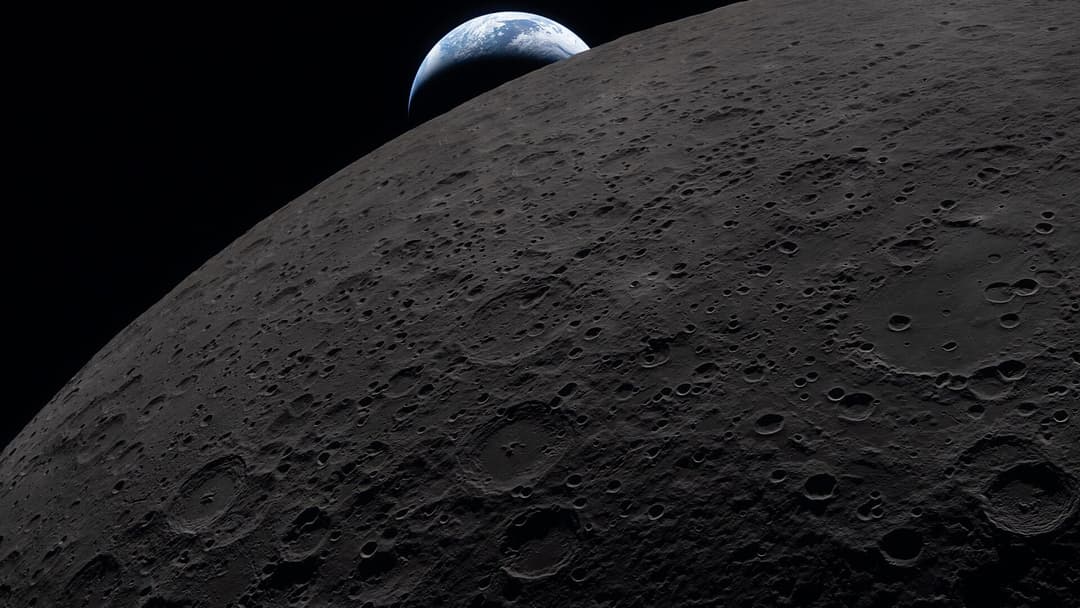
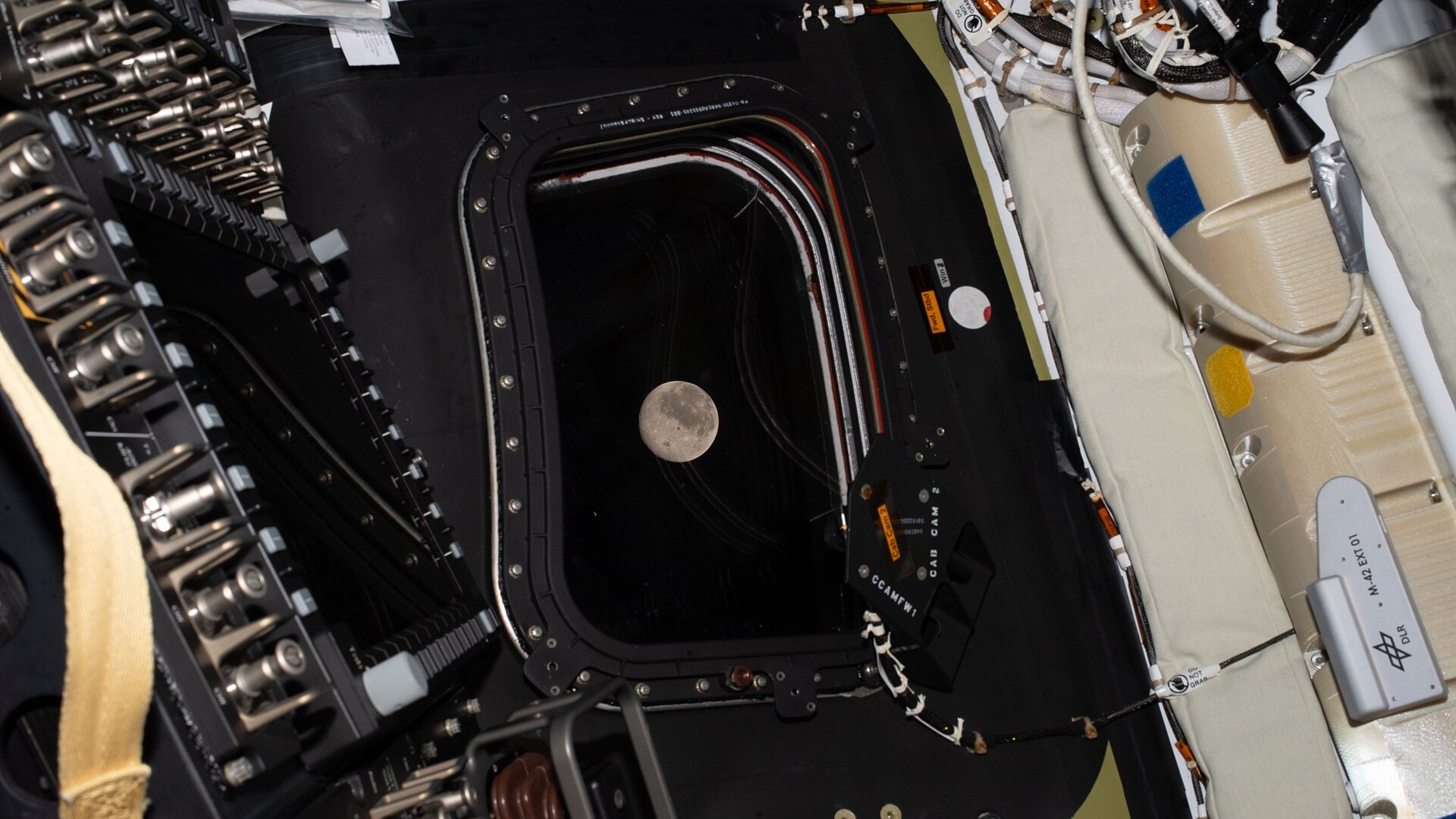
3. Breathtaking Earthset From Orion
This stunning wide-angle shot shows Earth descending past the Moon's cratered horizon. With every human being living on that distant blue sphere, the view provides an indelible reminder of planetary unity.
©NASA / Johnson Space Center
Advertisement
Swipe or tap ▶ to resume the countdown.
2. Artemis Approaches The Moon
Snapped by Orion's primary optical exploration camera, this ultra-high-resolution panorama reveals the vastness of the Moon stretching into the cosmic void. Sunlight glints off razor-sharp crater rims across thousands of miles.
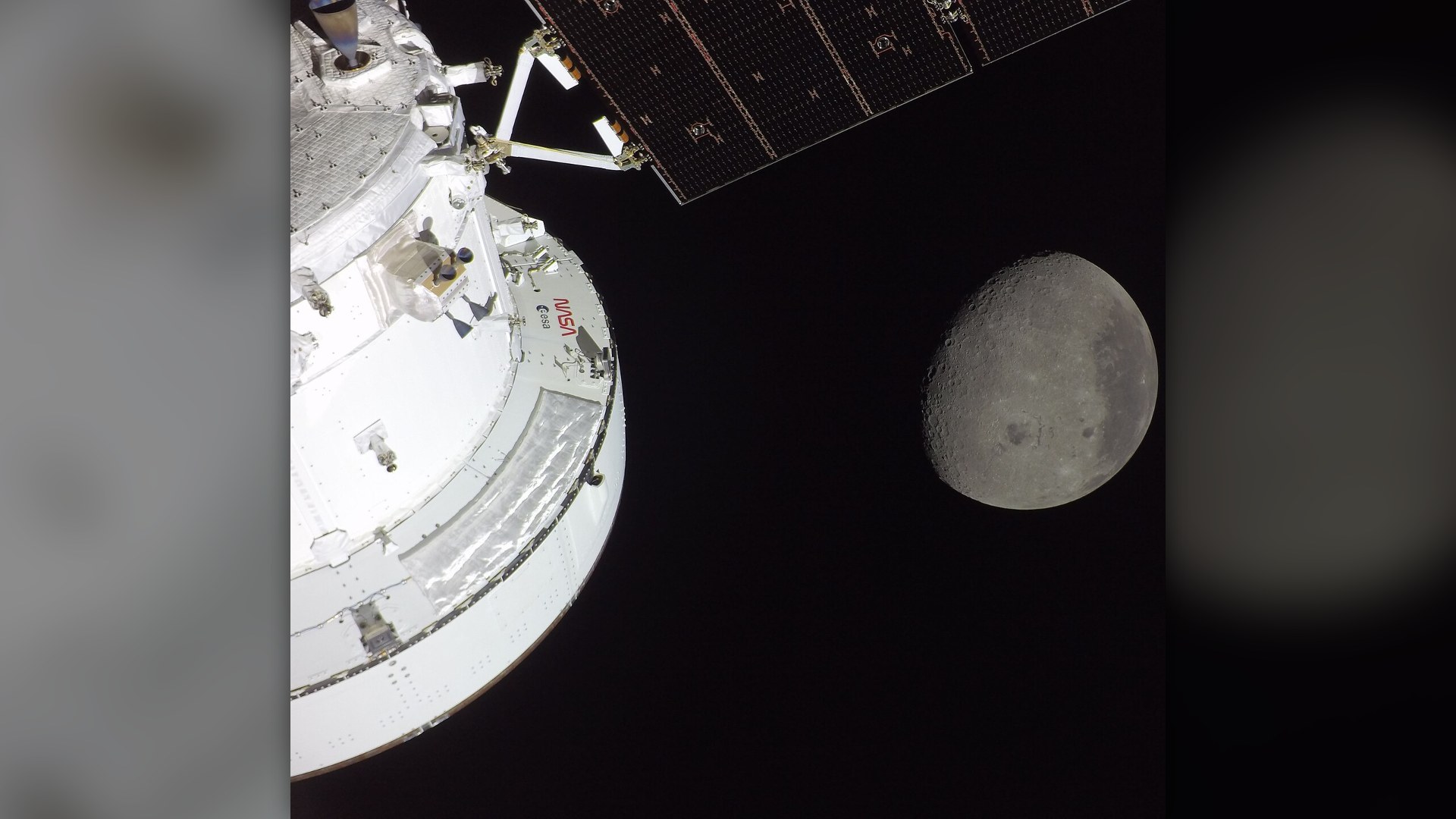
©NASA / Johnson Space Center
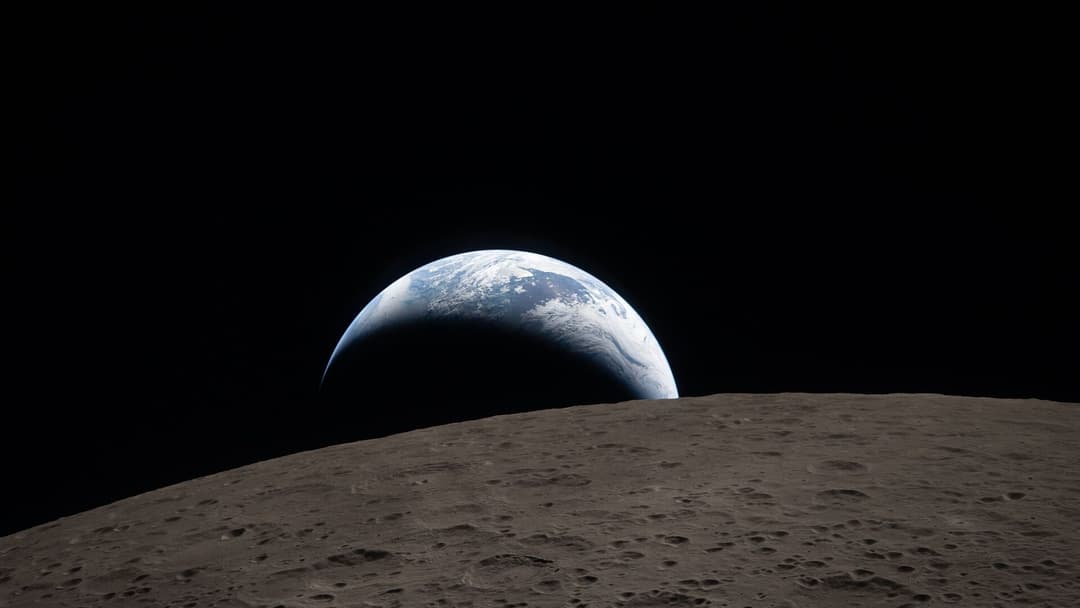
1. The Historic Artemis Earthrise
In one of the most iconic space photographs ever taken, Orion captured Earth rising above the desolate lunar limb. The vibrant blue oceans and swirling white clouds of our home world shine like a jewel against the infinite cosmic void.
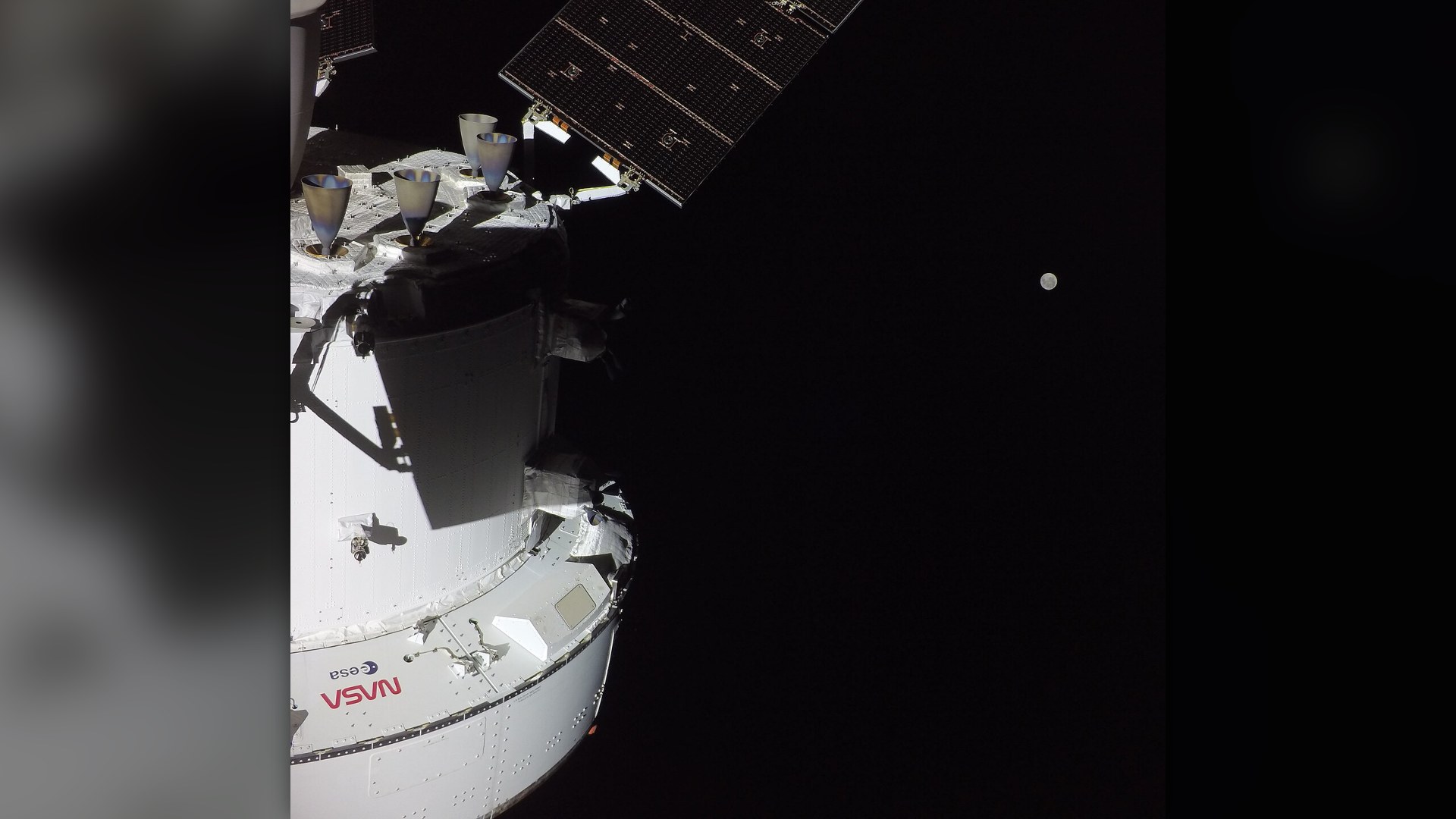
©NASA / Johnson Space Center
Advertisement
You've reached the end of the story. Thanks for reading!

22 High-Calorie Burning Exercises Ranked by Harvard Medical Data
Ranked according to Harvard Medical School caloric expenditure data, these 22 physical exercises burn the highest number of calories per hour for optimal cardiovascular health. Medical data reveals true effort.
All 25 Entries in this Story
25. Orion And The Moon On Flight Day 2
Mounted at the tip of Orion's solar array wings, an external inspection camera snapped this view of the Moon on flight day two. Gliding toward lunar capture, the quarter-million-mile void between Earth and its celestial companion began to vanish.

24. Drawn By The Moon
As Orion neared the Moon, the lunar sphere swelled across external camera sensors. Gravitational forces accelerated the spacecraft toward its critical outbound powered flyby, providing vital slingshot propulsion.

23. Goodnight Moon
Captured from Orion's cockpit windows, this high-resolution photograph reveals the soft curvature of the lunar nearside before the vehicle plunged behind the Moon. Unfiltered solar rays illuminate subtle elevation changes across ancient impact basins.

22. Approaching Lunar Flyby
Closing within thousands of miles, Orion photographed the Moon's rugged topography in remarkable detail. Deep impact craters and ancient basaltic plains create a dramatic mosaic of billions of years of cosmic history.

21. Lunar Surface Detail From Orbit
Orion's scientific camera suite documented steep crater walls and central peaks during its outbound trajectory. These high-contrast frames aid researchers in analyzing volatile distribution and regolith composition.

20. Capturing The Lunar Flyby
High-altitude exploration cameras documented the horizon of the Moon curving gracefully against the cosmic blackness. The vacuum of space leaves every geological ridge razor-sharp without atmospheric haze.

19. Orion Glides Above The Moon
Swooping above the moonscape, Orion's wing-tip cameras framed spacecraft components against the lunar backdrop. The juxtaposition of modern aerospace carbon-fiber against primeval regolith highlights humanity's cosmic reach.

18. Ready For A Close-Up
Orion's optical navigation system locked onto designated crater landmarks to cross-reference orbital coordinates. Autonomous onboard navigation algorithms processed these images to guarantee trajectory precision.

17. Shadows Across Vavilov Crater
Peering down into the farside's Vavilov Crater, low-angle sunlight cast long black shadows across its 60-mile-wide interior. The central mountain peak rises dramatically from the crater floor, preserved in pristine vacuum.

16. Lunar Mare And Ancient Craters
This sweeping shot highlights the transition between darker lunar maria—vast plains formed by prehistoric volcanic eruptions—and the heavily cratered anorthosite highlands that represent the Moon's original crust.

15. Close-Up Of The Lunar Surface
At closest approach, Orion skimmed just dozens of miles over the surface, snapping crisp close-ups of micro-craters and dust blankets. This fine gray dust will be explored in person by Artemis astronauts.

14. Low-Altitude Crater Terraces
High-velocity impacts instantly melt and shatter rock, followed by gravitational collapse that forms stepped terraces. Orion's optical sensors captured these stepped walls in unparalleled scientific resolution.

13. Rugged Peaks Of The Far Side
Shielded forever from human eyes on Earth, the lunar farside possesses a much thicker crust and dramatically higher crater density. Orion provided humanity with some of the clearest direct space photographs ever obtained.

12. High-Contrast Craters At Sunrise
Along the terminator line where lunar dawn breaks, sunlight skims horizontally across crater peaks while leaving valleys plunged in pitch-black shadow. This intense contrast reveals subtle changes in surface slope.

11. Battered Lunar Highlands
Dating back over four billion years to the formation of the lunar crust, these rugged highlands have survived countless asteroid collisions. The resulting debris forms an interconnected network of crater rings.

10. Impact Ejecta Across The Regolith
When meteorites slam into the Moon, pulverized bedrock splashes outward in bright reflective rays spanning hundreds of miles. Orion's overhead perspective captures these starburst patterns in exquisite detail.

9. Lunar Flyby Observation
Orion's European Service Module guided the spacecraft along a free-return trajectory. Cruising at thousands of miles per hour relative to the Moon, the spacecraft documented the entire orbital passage.

8. Lunar Flyby Eclipse
As Orion slipped into the Moon's shadow, the Sun was temporarily blocked by the lunar disk. From deep space, the solar corona flared around the blackened sphere of the Moon in an otherworldly cosmic alignment.

7. Solar Eclipse From Lunar Orbit
This rare space photograph captures the moment of maximum eclipse behind the Moon. Without atmosphere to scatter light, the brilliant diamond-ring effect illuminates the rim of the lunar crust.

6. Sun Emerges From Behind The Moon
Emerging from the lunar shadow, intense raw sunlight struck Orion's solar panels and heat shield. The sudden surge in solar power recharged spacecraft batteries for the journey back to Earth.

5. Earth Peeks Behind The Far Side
Traveling behind the Moon means total communications blackout with Earth. As Orion rounded the farside limb, radio signals reconnected just as Earth emerged from behind the craggy horizon in this stunning high-definition view.

4. Earthset On The Far Side
In reverse of the famed Earthrise, Orion captured Earth dipping below the horizon as the spacecraft entered the farside orbital arc. The sight emphasizes the profound isolation experienced by lunar travelers.

3. Breathtaking Earthset From Orion
This stunning wide-angle shot shows Earth descending past the Moon's cratered horizon. With every human being living on that distant blue sphere, the view provides an indelible reminder of planetary unity.

2. Artemis Approaches The Moon
Snapped by Orion's primary optical exploration camera, this ultra-high-resolution panorama reveals the vastness of the Moon stretching into the cosmic void. Sunlight glints off razor-sharp crater rims across thousands of miles.

1. The Historic Artemis Earthrise
In one of the most iconic space photographs ever taken, Orion captured Earth rising above the desolate lunar limb. The vibrant blue oceans and swirling white clouds of our home world shine like a jewel against the infinite cosmic void.