Slideshow · Viral
25 Legendary Steam Locomotives That Powered the Industrial Revolution
Forged in iron and driven by coal fireboxes, these colossal steam engines conquered rugged frontiers, sparked global rail networks and powered the Industrial Revolution.
By Most Viral Today
58 min ago

Iron Giants That Carved Trade Corridors Across Continents 
25. Trevithick Coalbrookdale Engine 
24. Puffing Billy 
23. Locomotion No. 1 - AdvertisementSwipe or tap ▶ to continue countdown

22. The Stourbridge Lion 
21. Stephenson Rocket 
20. Best Friend Of Charleston 
19. John Bull - AdvertisementSwipe or tap ▶ to continue countdown

18. Planet Class Locomotive 
17. The Adler 
16. The General 
15. Jupiter - AdvertisementSwipe or tap ▶ to continue countdown

14. Union Pacific No. 119 
13. Fairy Queen 
12. City Of Truro 
11. Iron Duke Class - AdvertisementSwipe or tap ▶ to continue countdown

10. GWR Castle Class 
9. SNCF 241P Mountain 
8. Pennsylvania Railroad K4s 
7. Norfolk And Western Class J - AdvertisementSwipe or tap ▶ to continue countdown

6. LMS Duchess Of Hamilton 
5. Santa Fe 3751 
4. Southern Pacific 4449 
3. LNER Class A4 Mallard - AdvertisementSwipe or tap ▶ to continue countdown

2. Union Pacific Big Boy 4014 
1. LNER Class A3 Flying Scotsman - Advertisement🔥 UP NEXT IN THIS SERIES◫ 21 Slides

20 Things that Russia and the US have in common
Exploring the deep ties and shared paths of global powers.
Forged in iron and driven by coal fireboxes, these colossal steam engines conquered rugged frontiers, sparked global rail networks and powered the Industrial Revolution.
Swipe or tap ▶ to begin the countdown
©Wikimedia / Drew Jacksich from & siamesepuppy from Southern
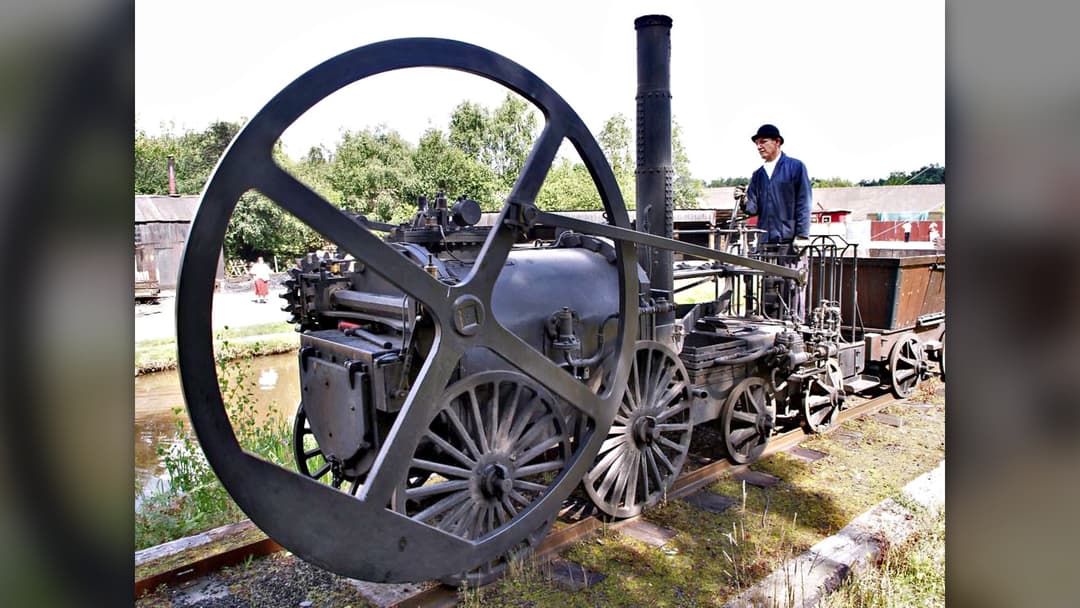
25. Trevithick Coalbrookdale Engine
In 1802 Cornish inventor Richard Trevithick built the first high pressure steam engine capable of moving on rails. His experimental Coalbrookdale locomotive proved that steam power could replace horse teams for hauling heavy ore.
©Wikimedia / Birmingham Museums Trust
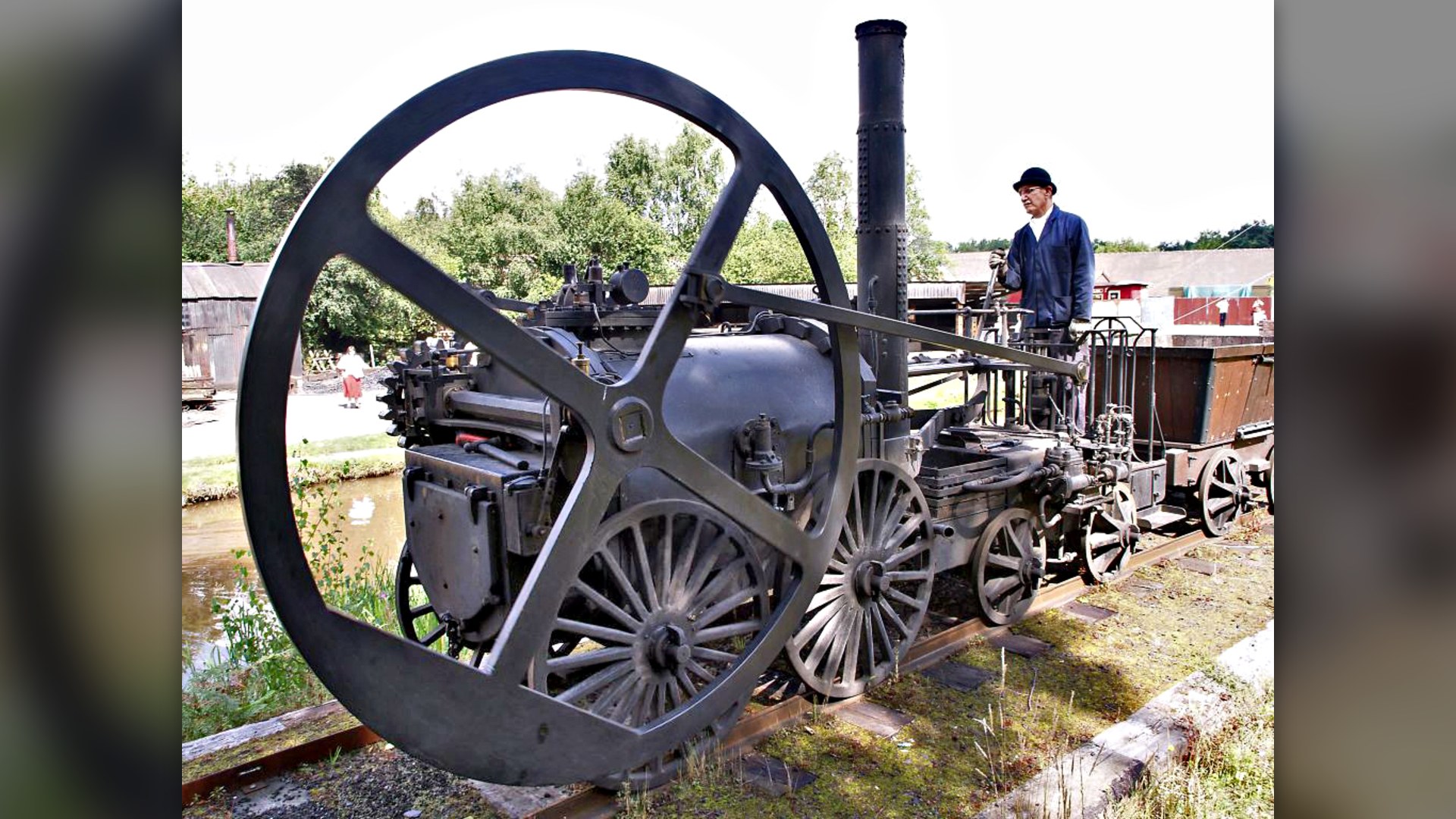
24. Puffing Billy
Built in 1813 by William Hedley and Timothy Hackworth for the Wylam Colliery, Puffing Billy carried coal cars along iron tracks in northeast England. It remains on display in London after decades of hard industrial service.
©Wikimedia / TarnishedPath
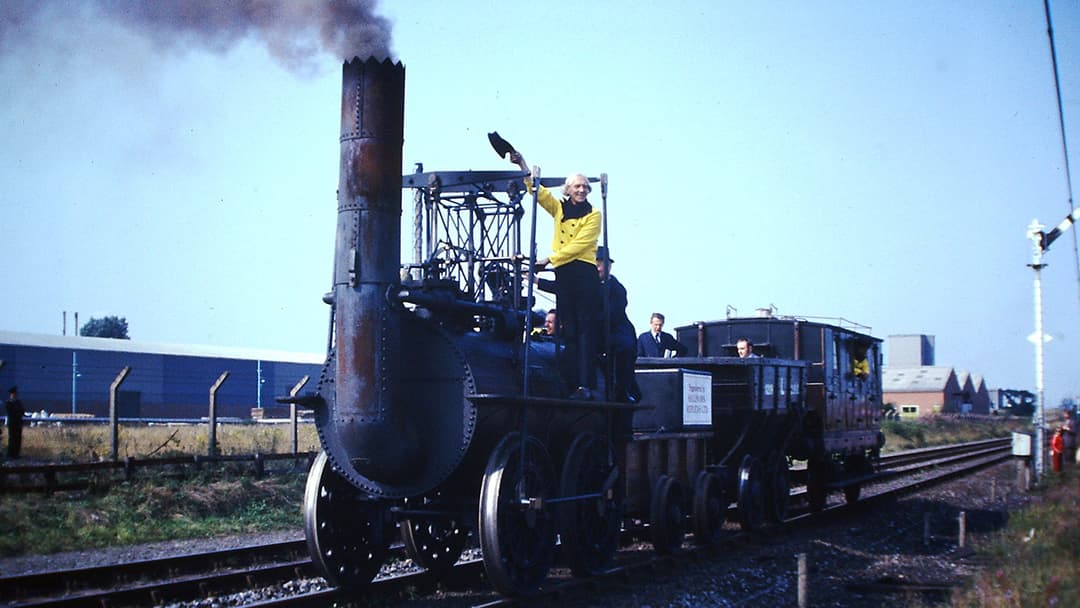
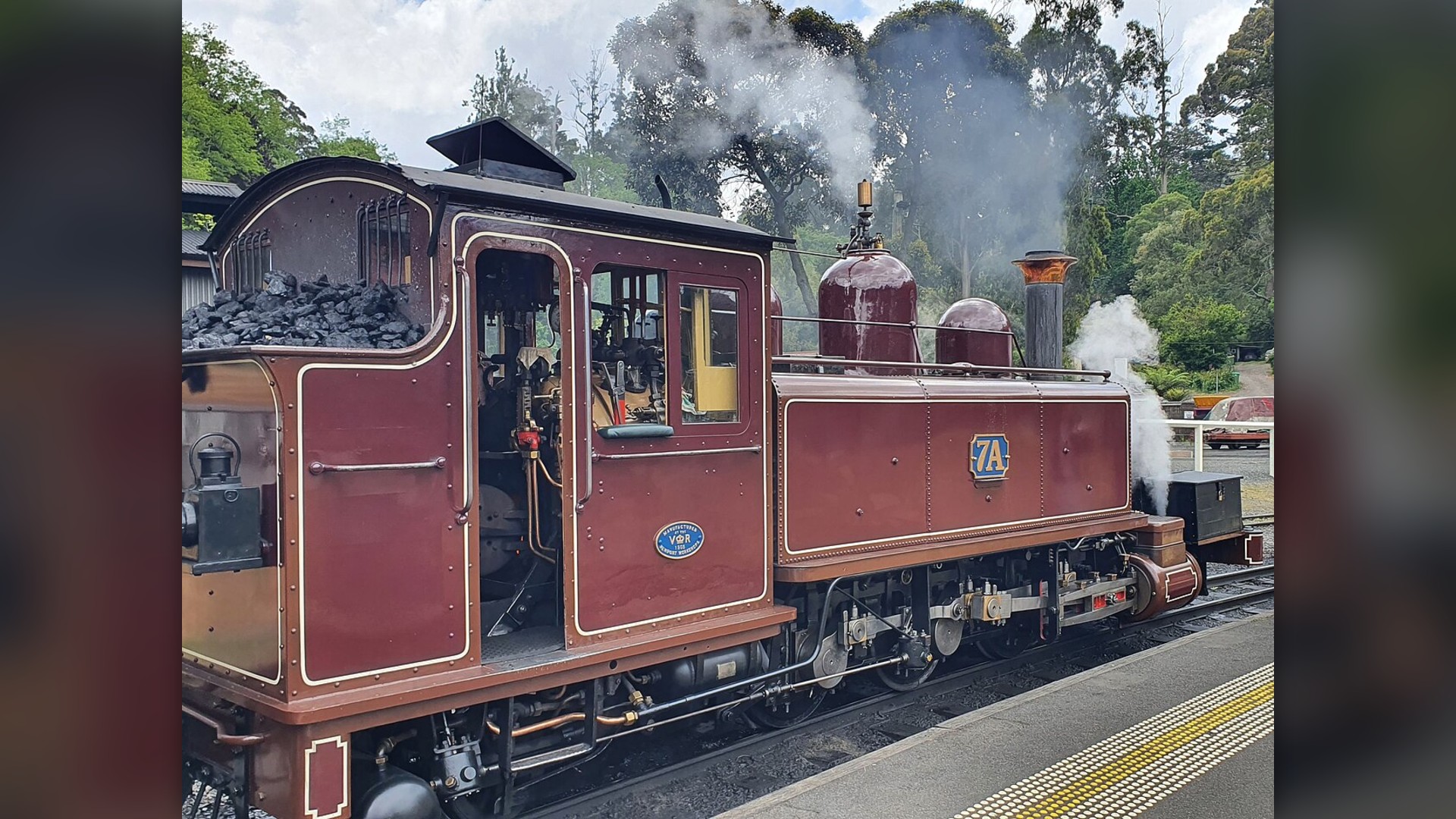
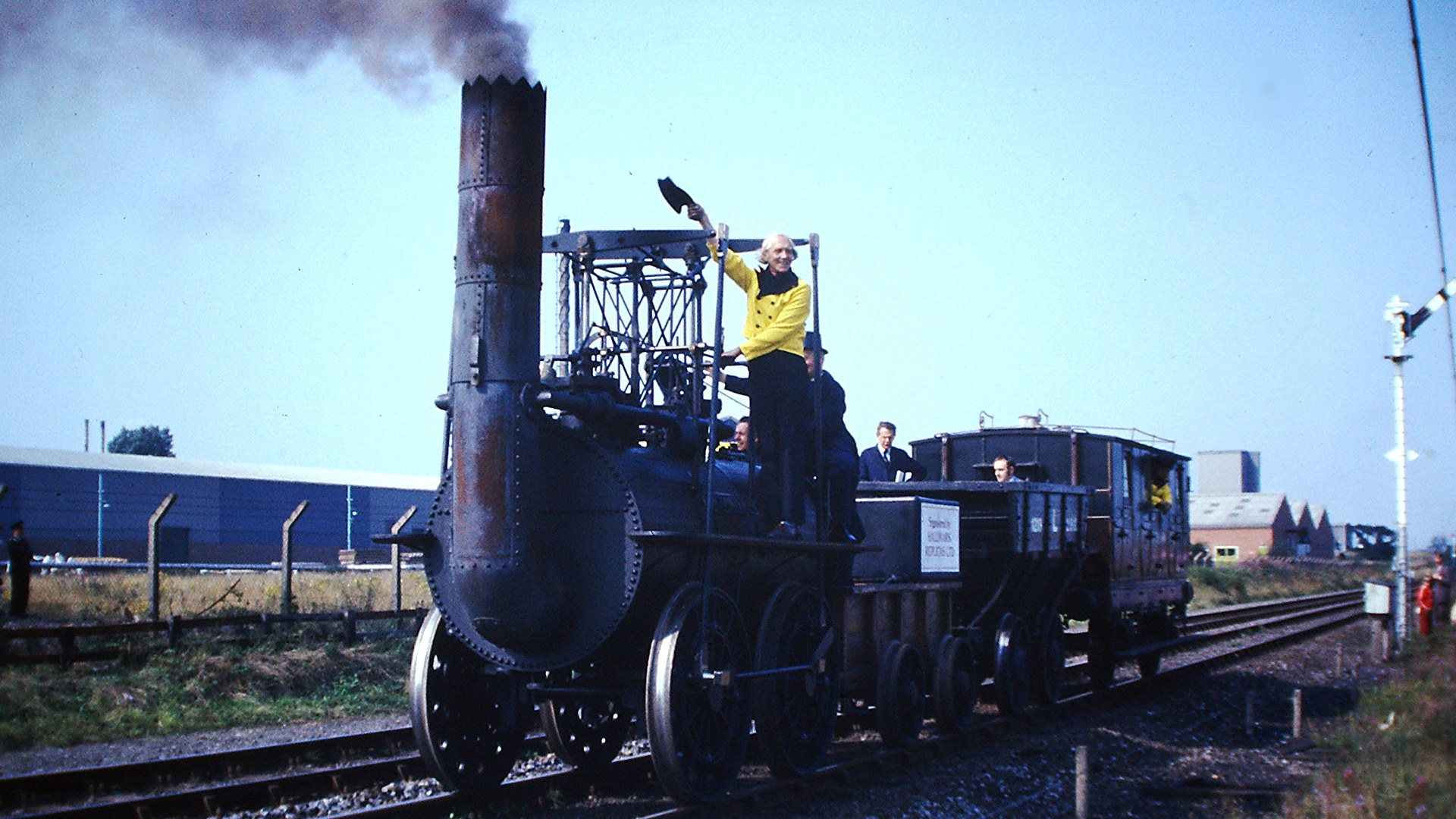
23. Locomotion No. 1
George Stephenson engineered Locomotion No. 1 for the Stockton and Darlington Railway in 1825. On opening day it pulled hundreds of passengers, proving that steam transport could reliably serve the general public.
©Wikimedia / Hugh Llewelyn from Keynsham, UK
Advertisement
Swipe or tap ▶ to resume the countdown.
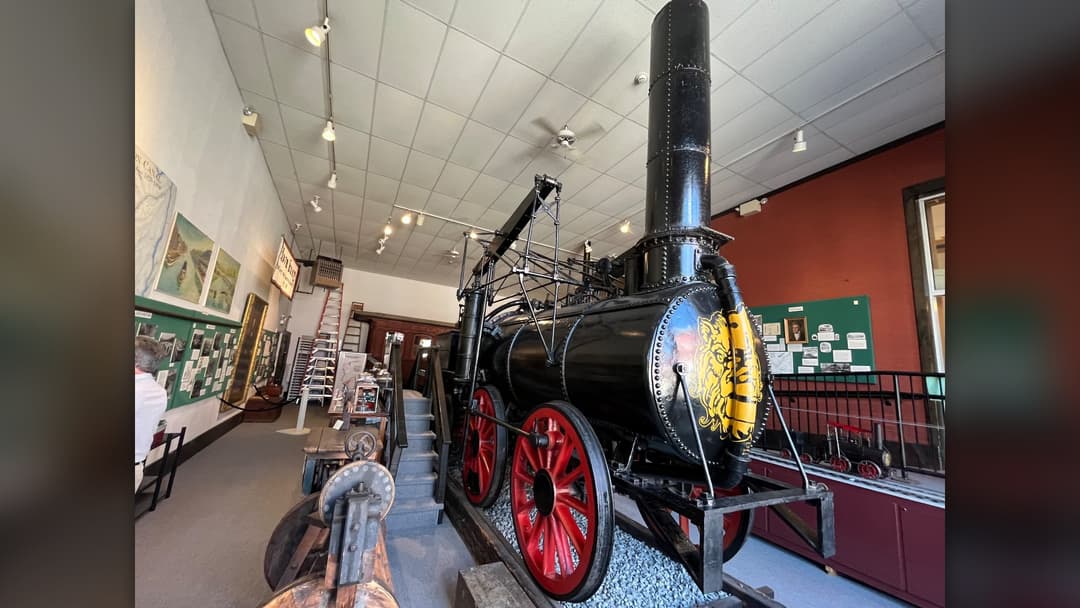
22. The Stourbridge Lion
Manufactured in England and shipped to Pennsylvania in 1829, the Stourbridge Lion made history on the Delaware and Hudson Canal railroad. Its bold first test run marked the dawn of commercial American railroading.
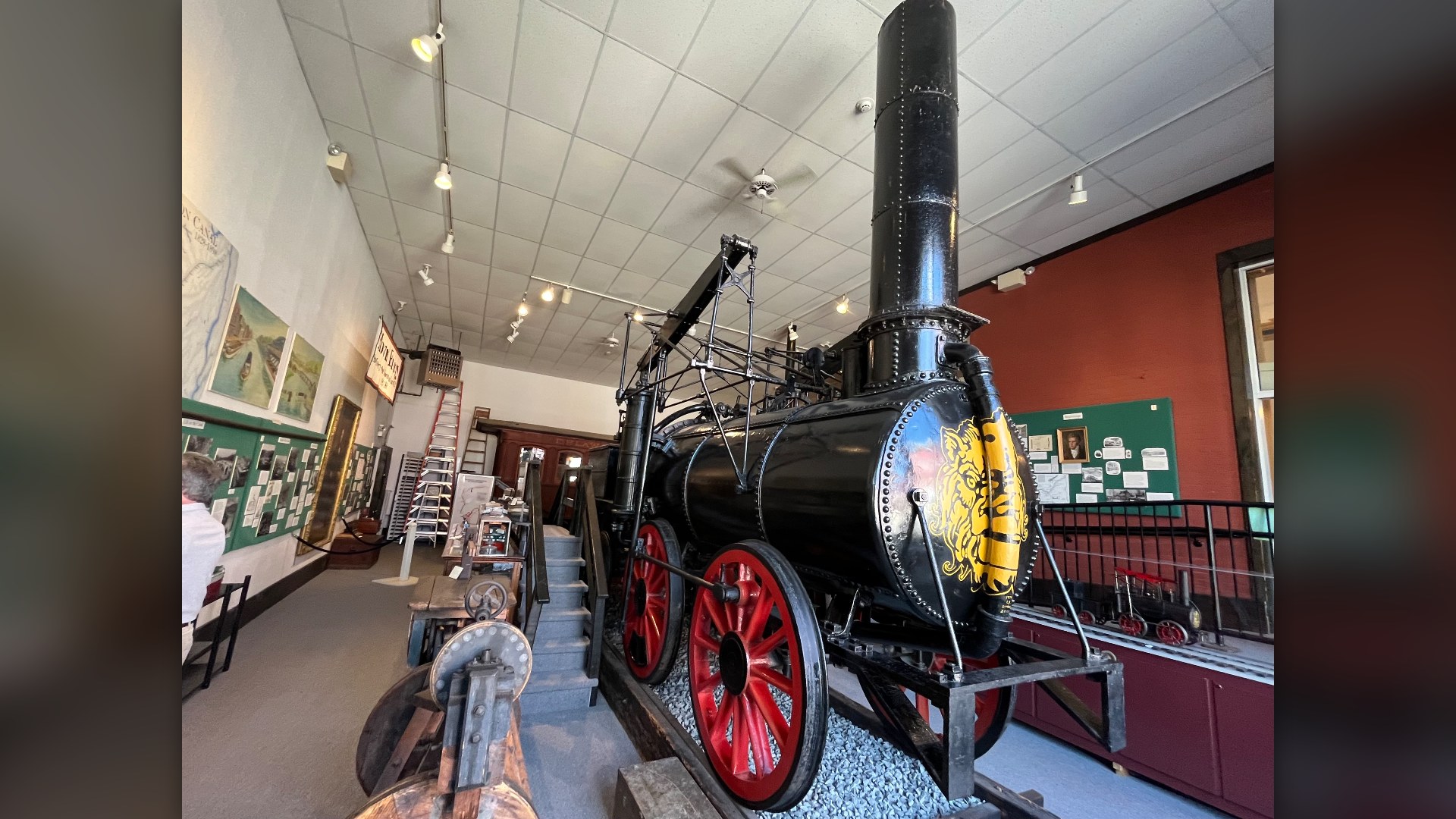
©Wikimedia / Kether83
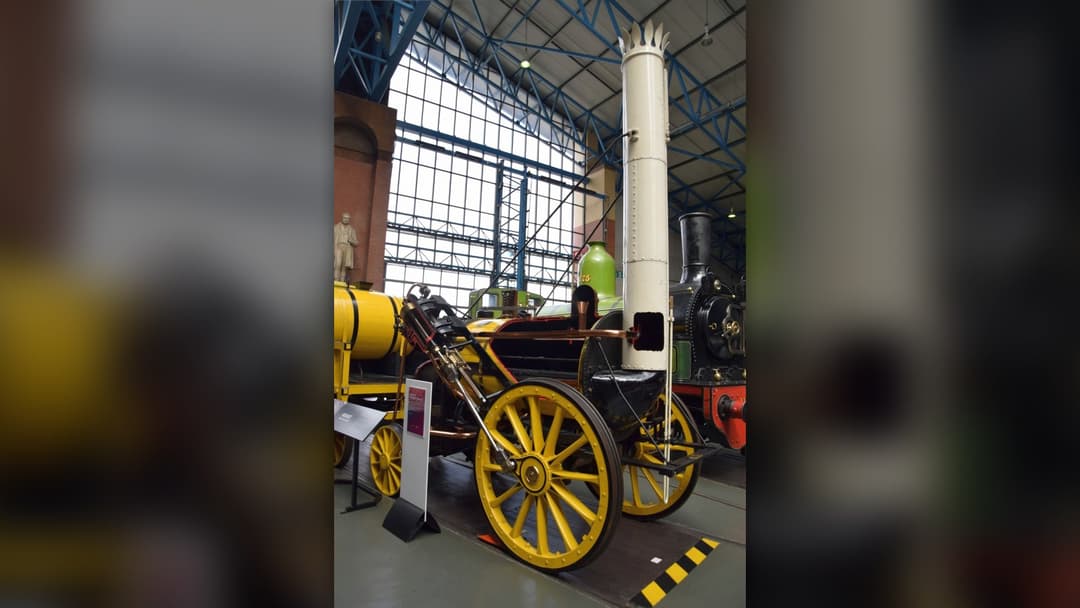
21. Stephenson Rocket
Built by Robert Stephenson in 1829, Rocket won the famous Rainhill Trials by achieving 29 miles per hour. Its multi-tubular boiler and direct piston drive established the standard architecture for steam locomotives.
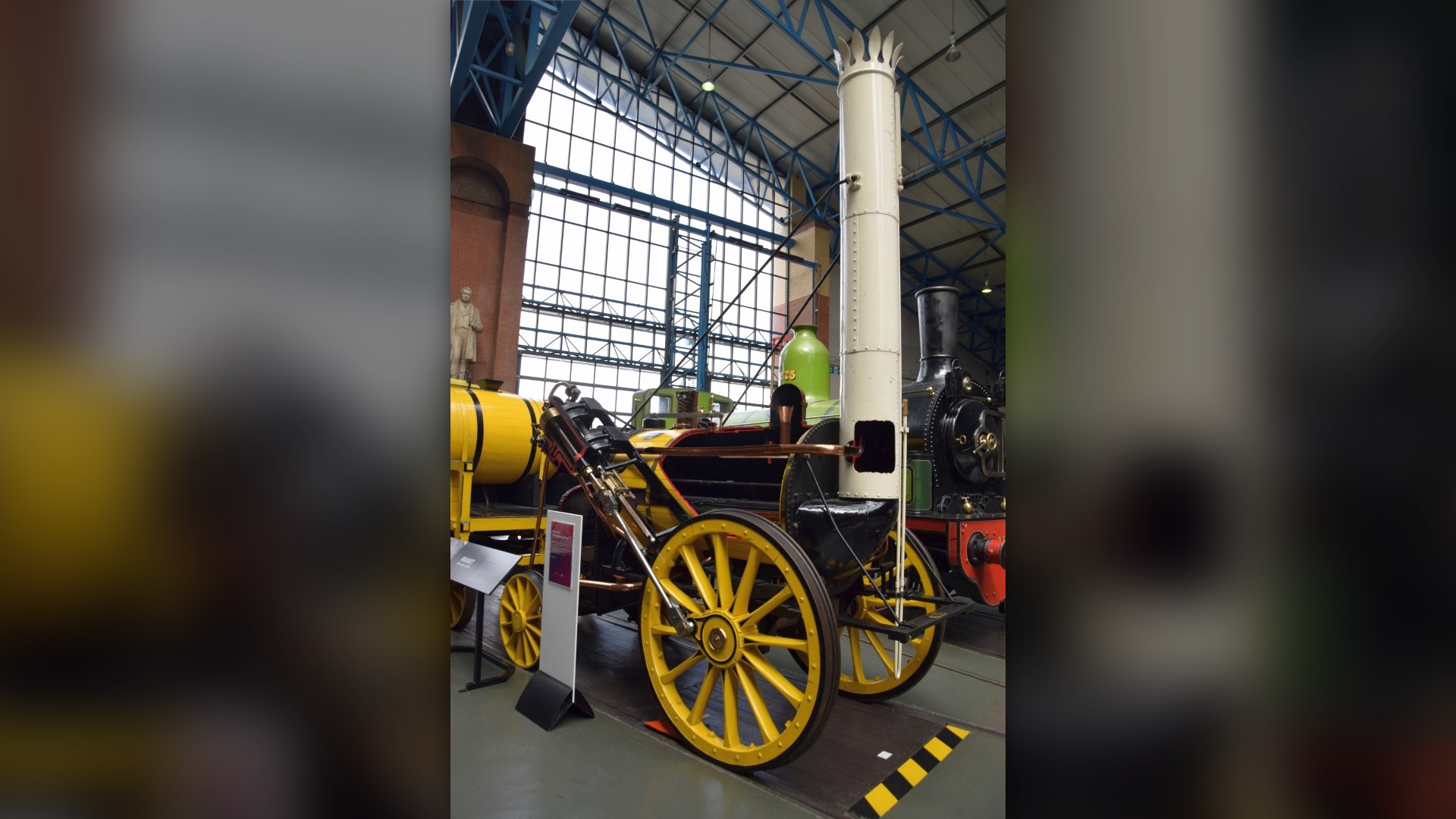
©Wikimedia / nzsteam
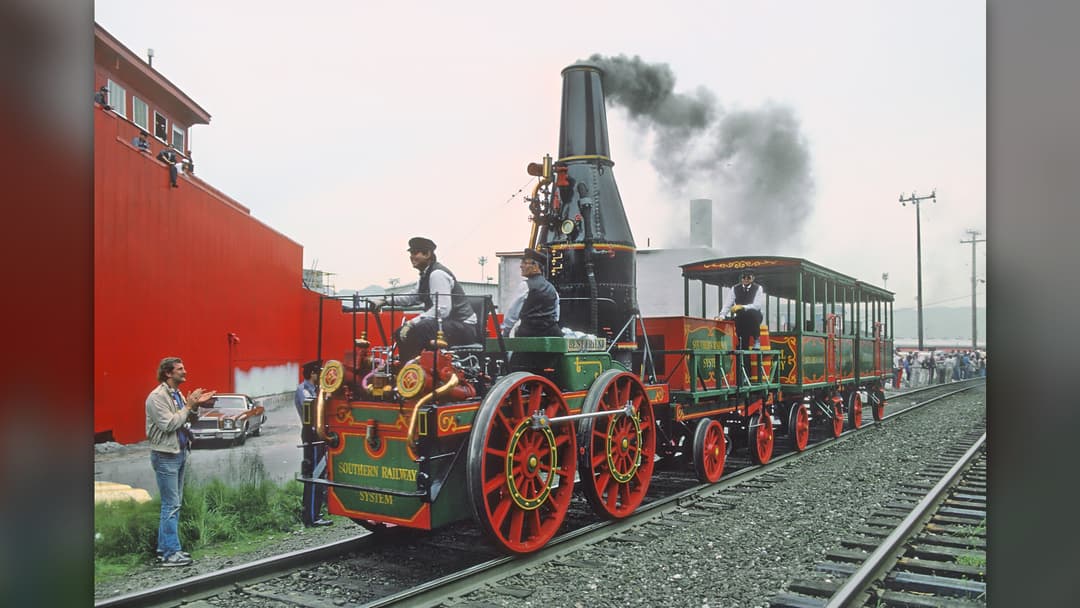
20. Best Friend Of Charleston
Constructed in New York in 1830 for the South Carolina Canal and Railroad Company, this pioneering engine ushered in regular passenger runs before an accidental boiler explosion ended its brief career.
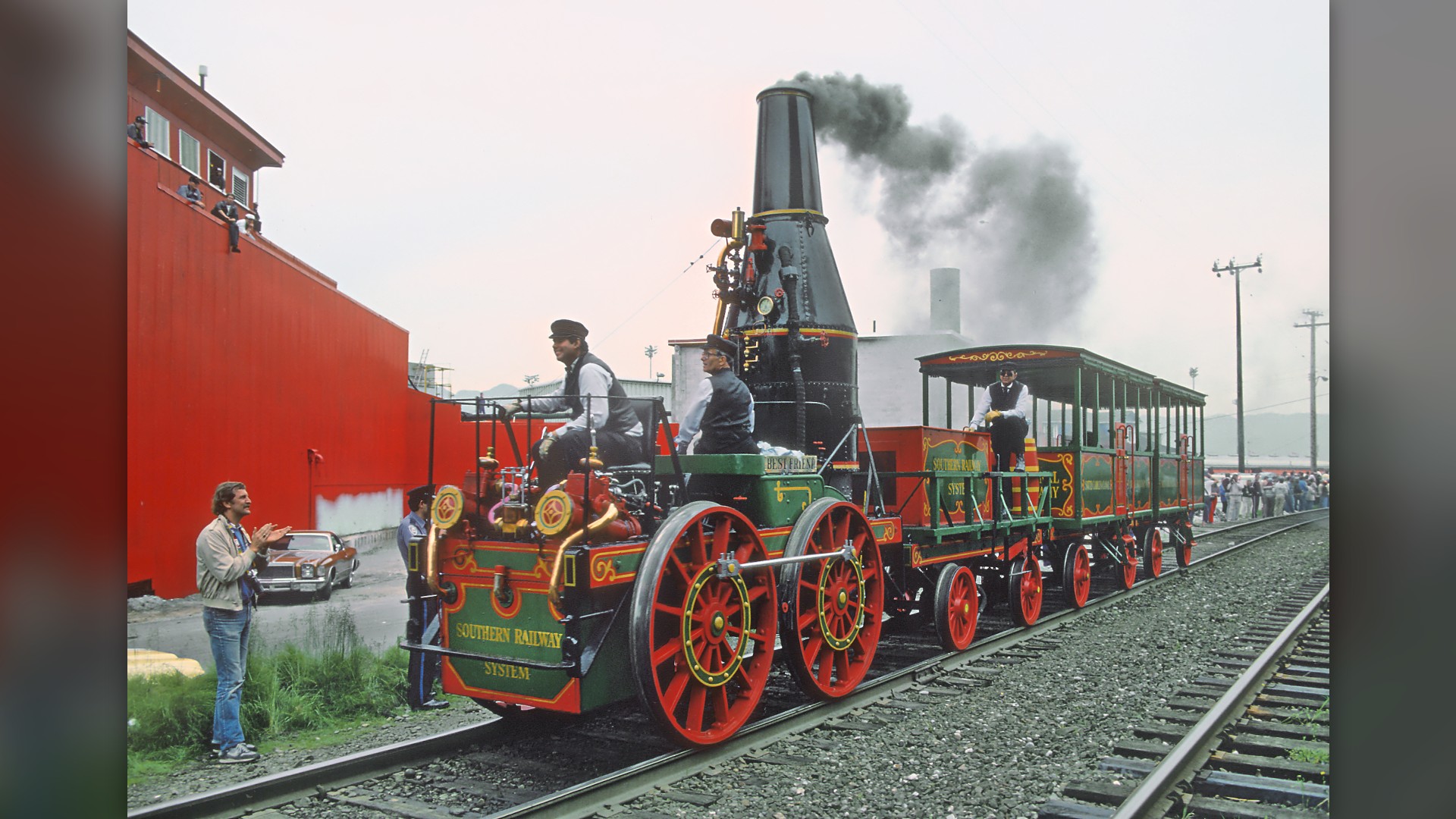
©Wikimedia / Marty Bernard from U.S.A.
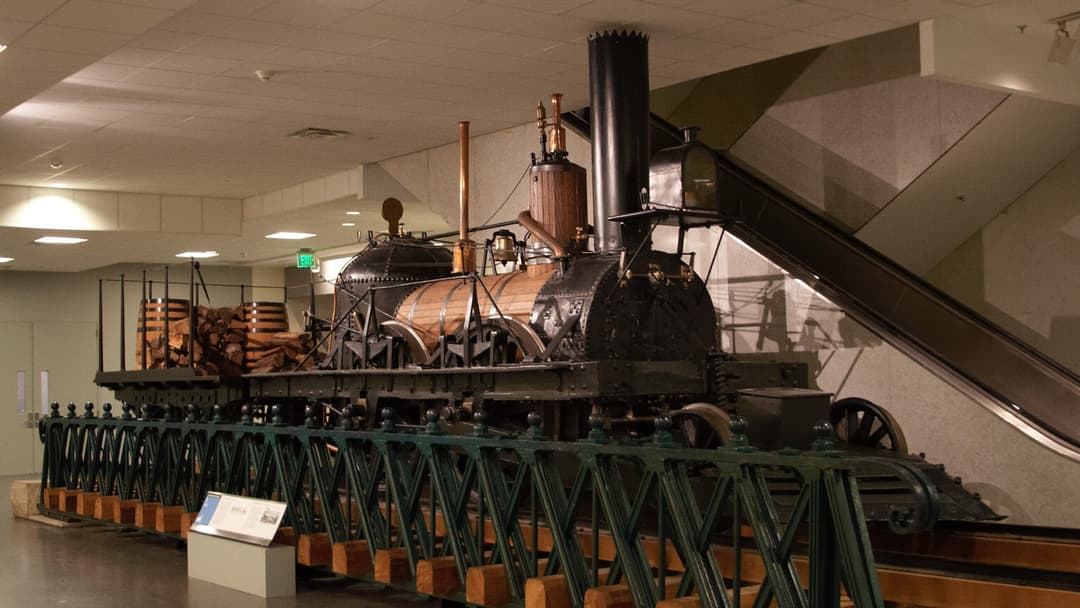
19. John Bull
Built by Stephenson and Company in 1831 for New Jersey, John Bull operated for three decades. Preserved by the Smithsonian Institution, it is one of the oldest operable steam engines on Earth.
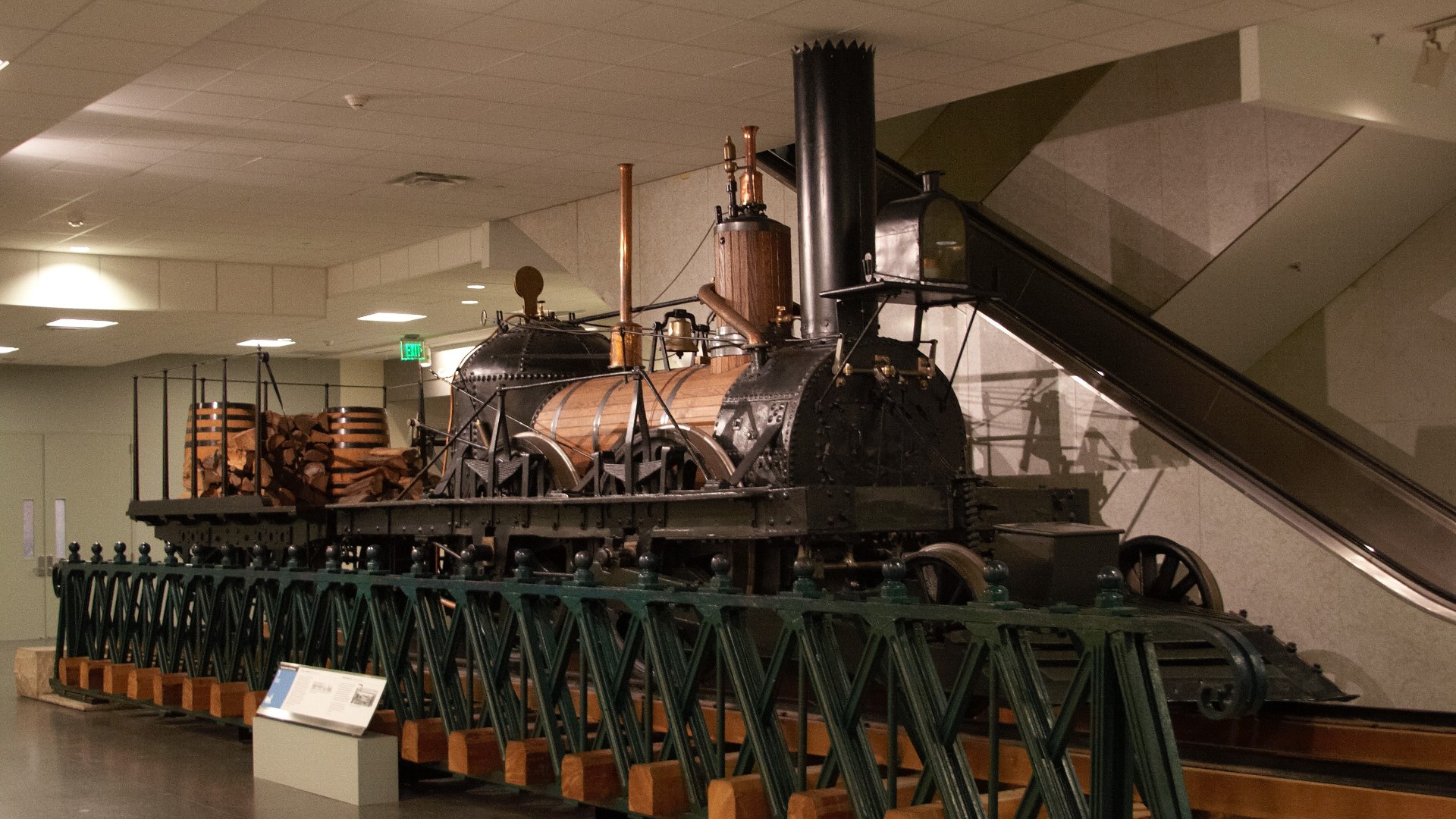
©Wikimedia / Kurt Raschke
Advertisement
Swipe or tap ▶ to resume the countdown.
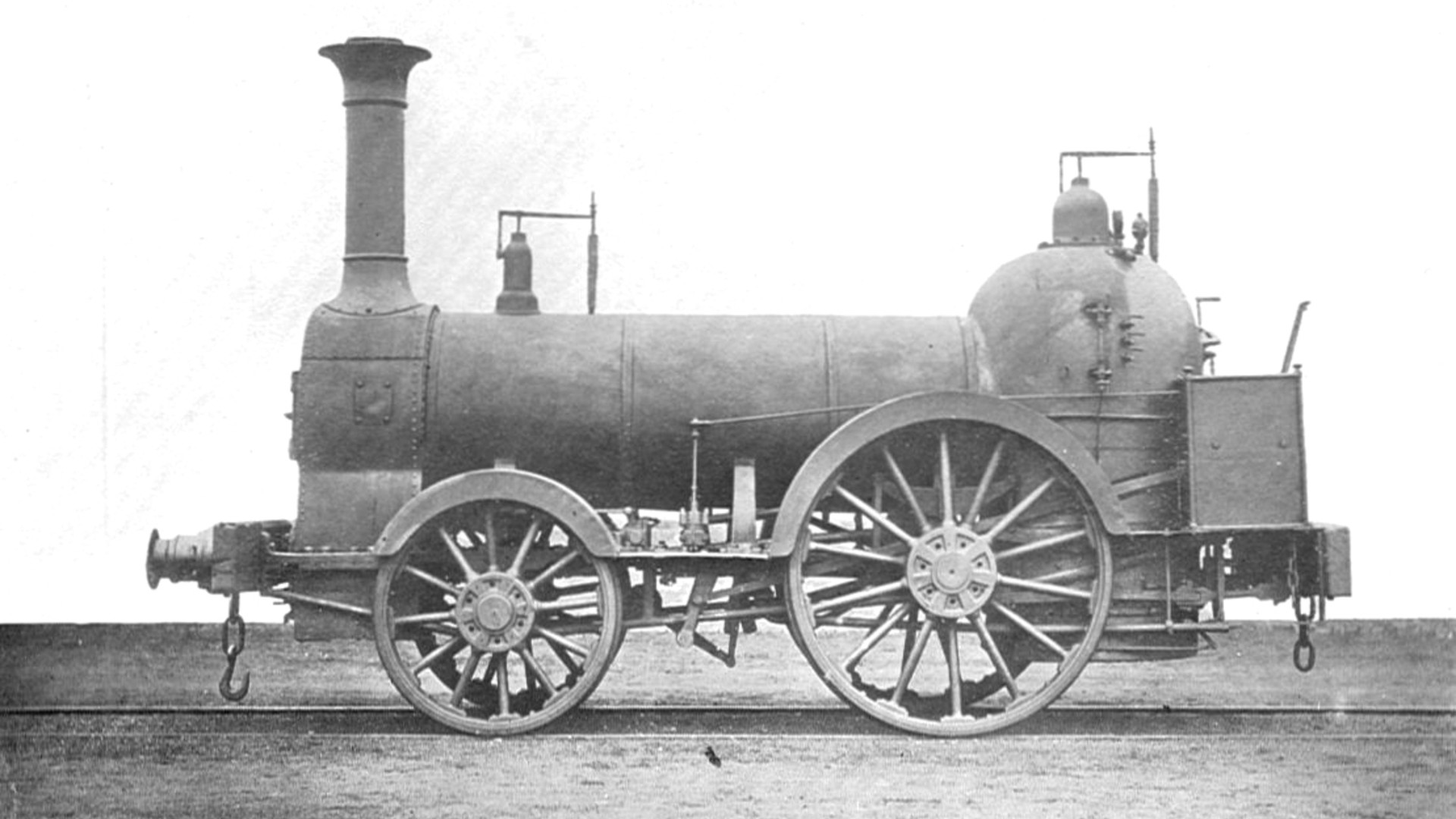
18. Planet Class Locomotive
Robert Stephenson introduced the Planet class in 1830 for the Liverpool and Manchester Railway. By mounting cylinders inside the frames beneath the smokebox, it eliminated wobbling and improved high speed stability.
©Wikimedia / Andy Dingley (scanner)
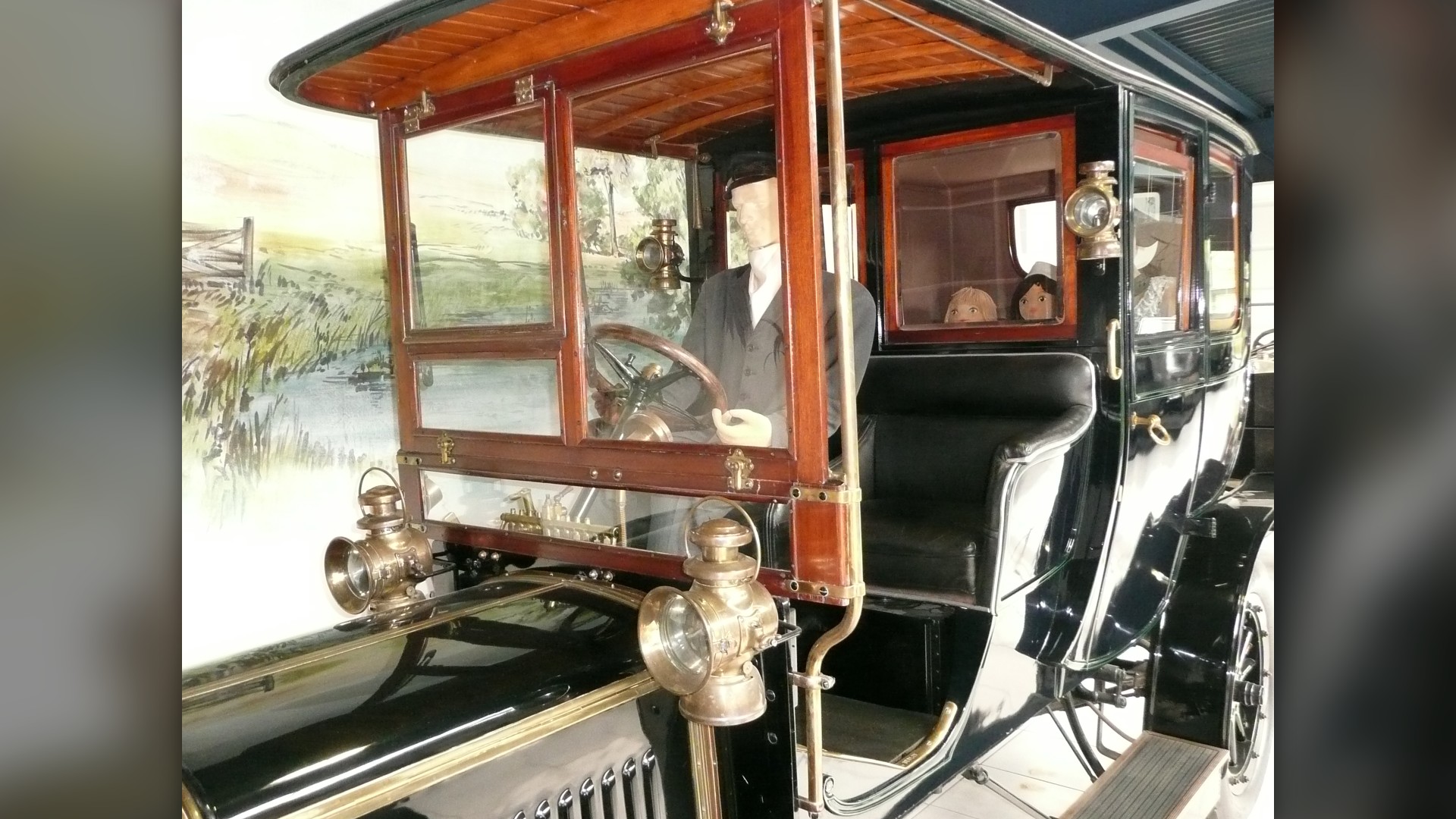
17. The Adler
Constructed by Stephenson and shipped to Bavaria in 1835, Der Adler ran between Nuremberg and Furth. Its inaugural trip carried passengers and barrels of beer, igniting the German industrial boom.
©Wikimedia / Norbert Pietsch Enpi48
16. The General
Built in New Jersey in 1855, this Western and Atlantic 4-4-0 locomotive became the target of Andrews Raiders in 1862. The thrilling 87-mile chase cemented its place in American railroad lore.
©Internet Archive / VPS
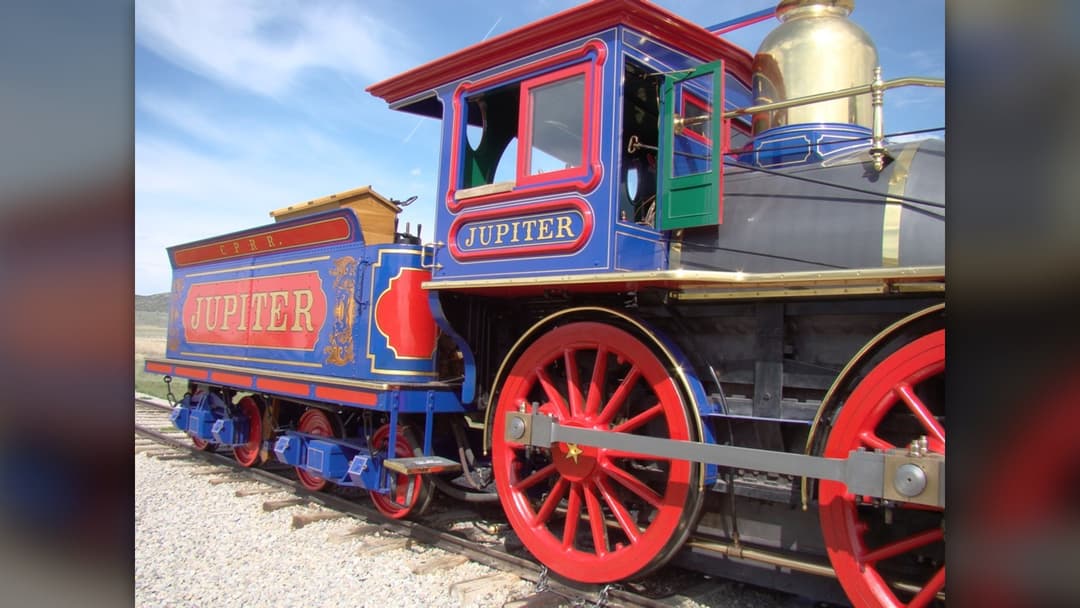
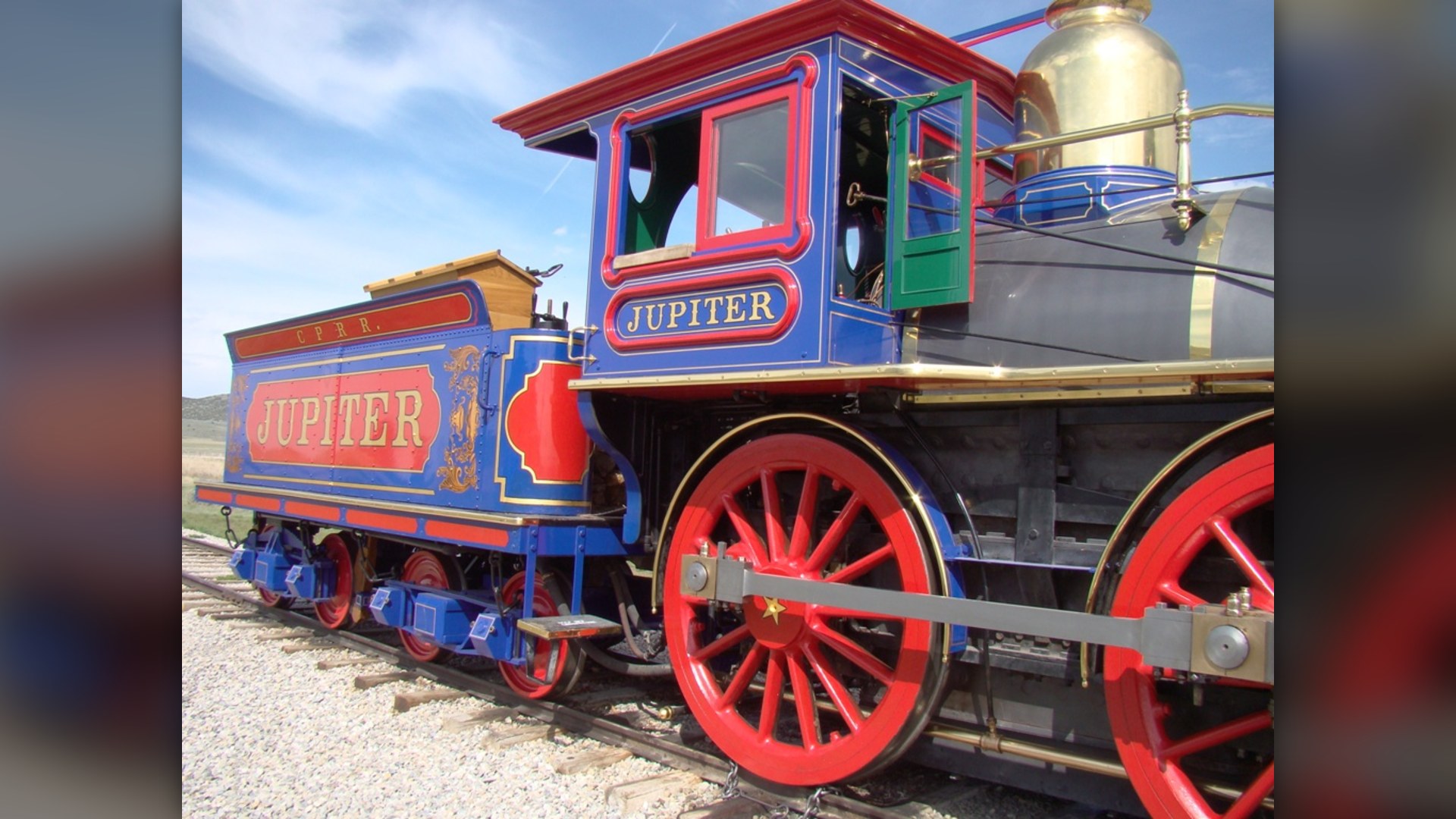
15. Jupiter
Central Pacific No. 60 Jupiter carried railroad president Leland Stanford to Promontory Summit in 1869. Its polished brass fittings and crimson paint shone as the rails linked across North America.
©Wikimedia / Road Travel America
Advertisement
Swipe or tap ▶ to resume the countdown.
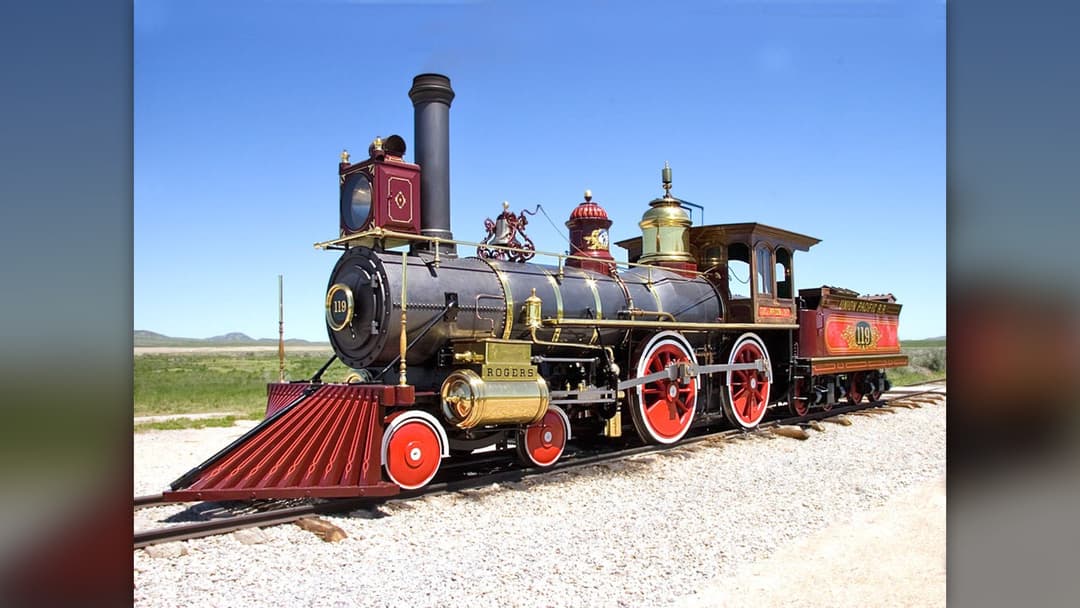
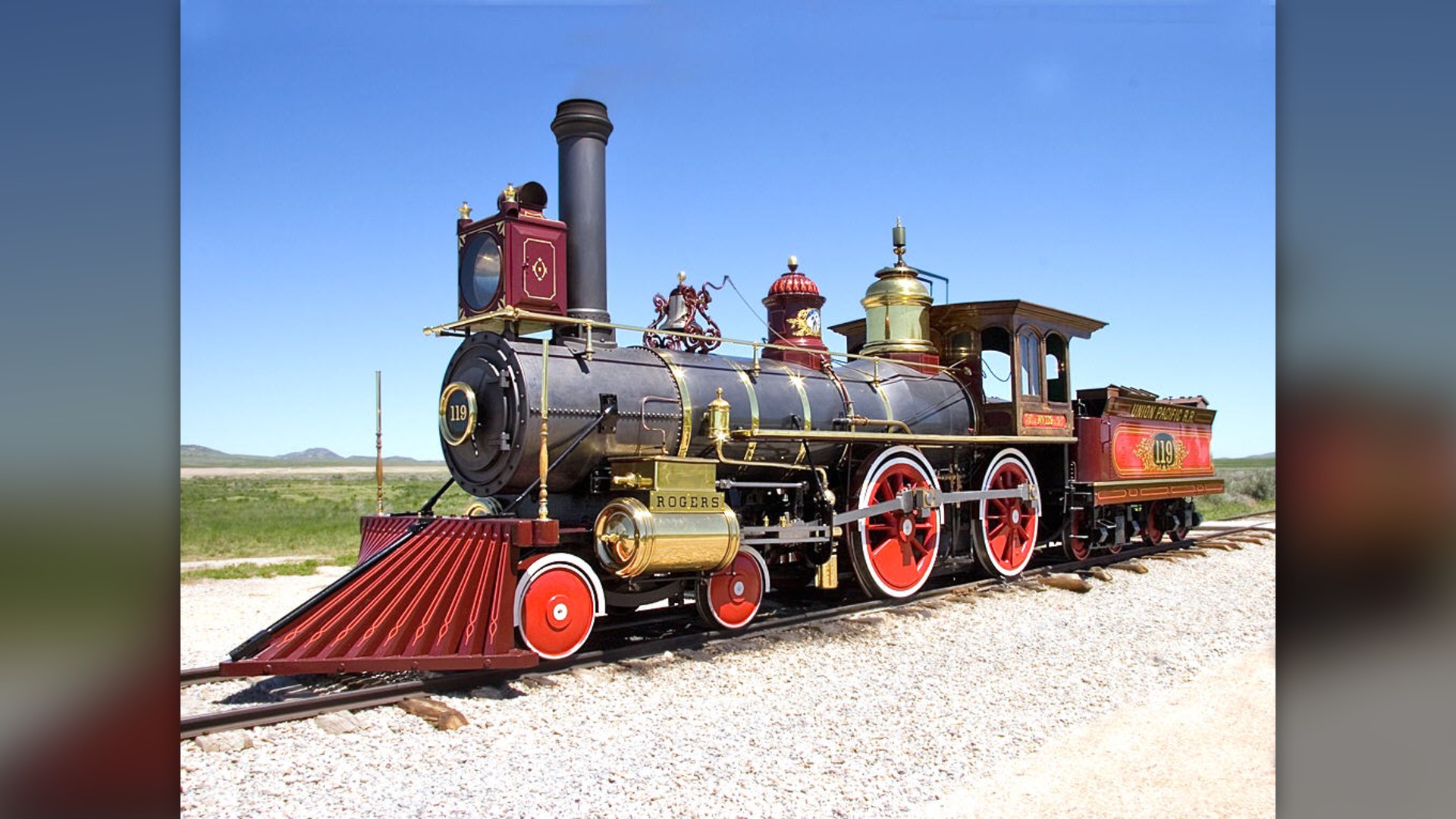
14. Union Pacific No. 119
Union Pacific No. 119 met Jupiter cowcatcher to cowcatcher in Utah on May 10, 1869. The telegraph flashes from that historic meeting sparked celebrations across the United States.
©Wikimedia / Union Pacific 119
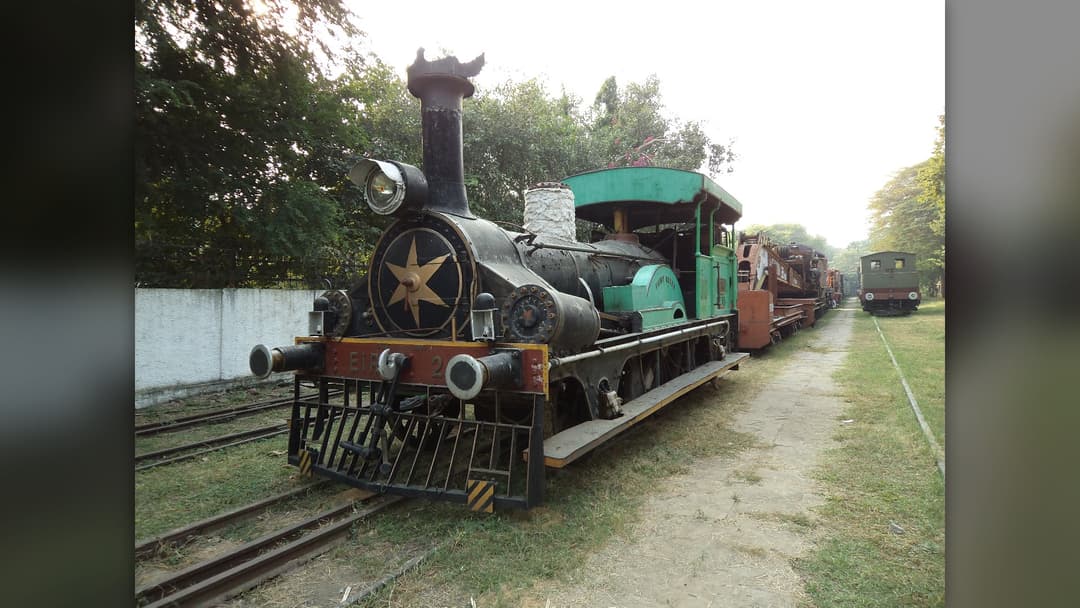
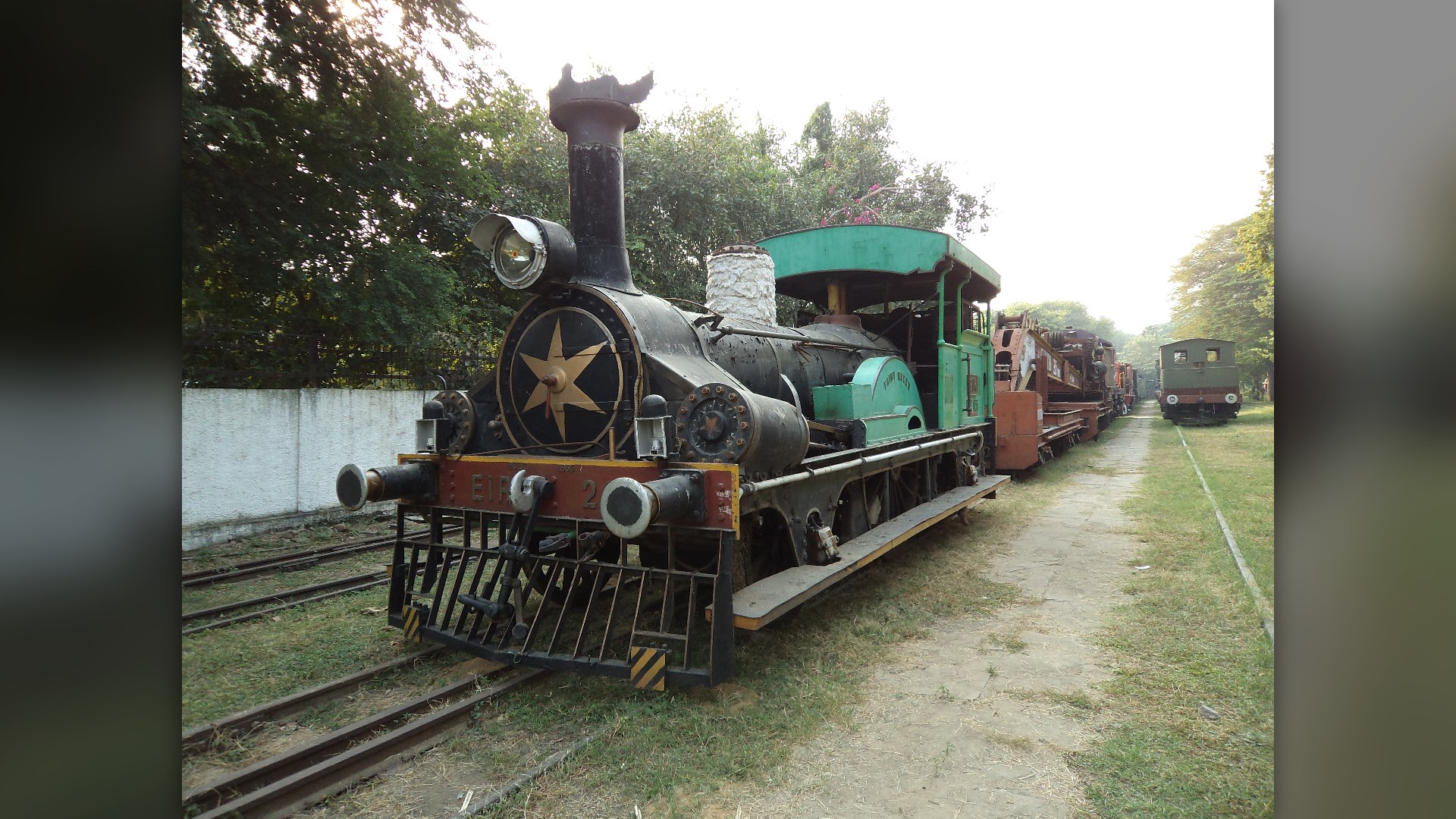
13. Fairy Queen
Built in Leeds in 1855, the Fairy Queen hauled passenger and troop trains for the East Indian Railway. Restored in the 1990s, it earned a Guinness World Record by running tourist trips in India.
©Wikimedia / Santulan Mahanta
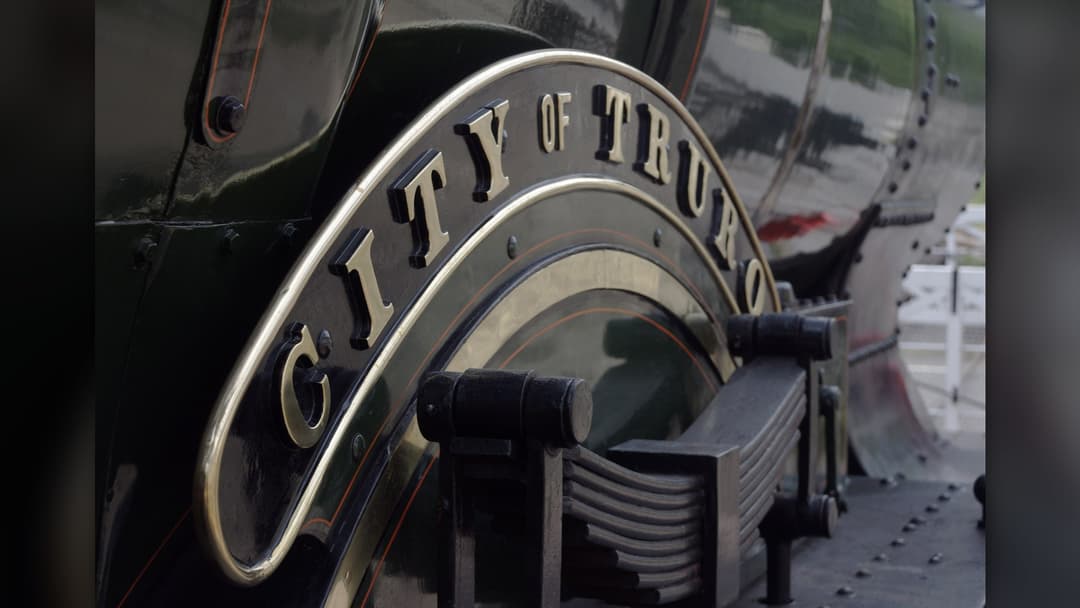
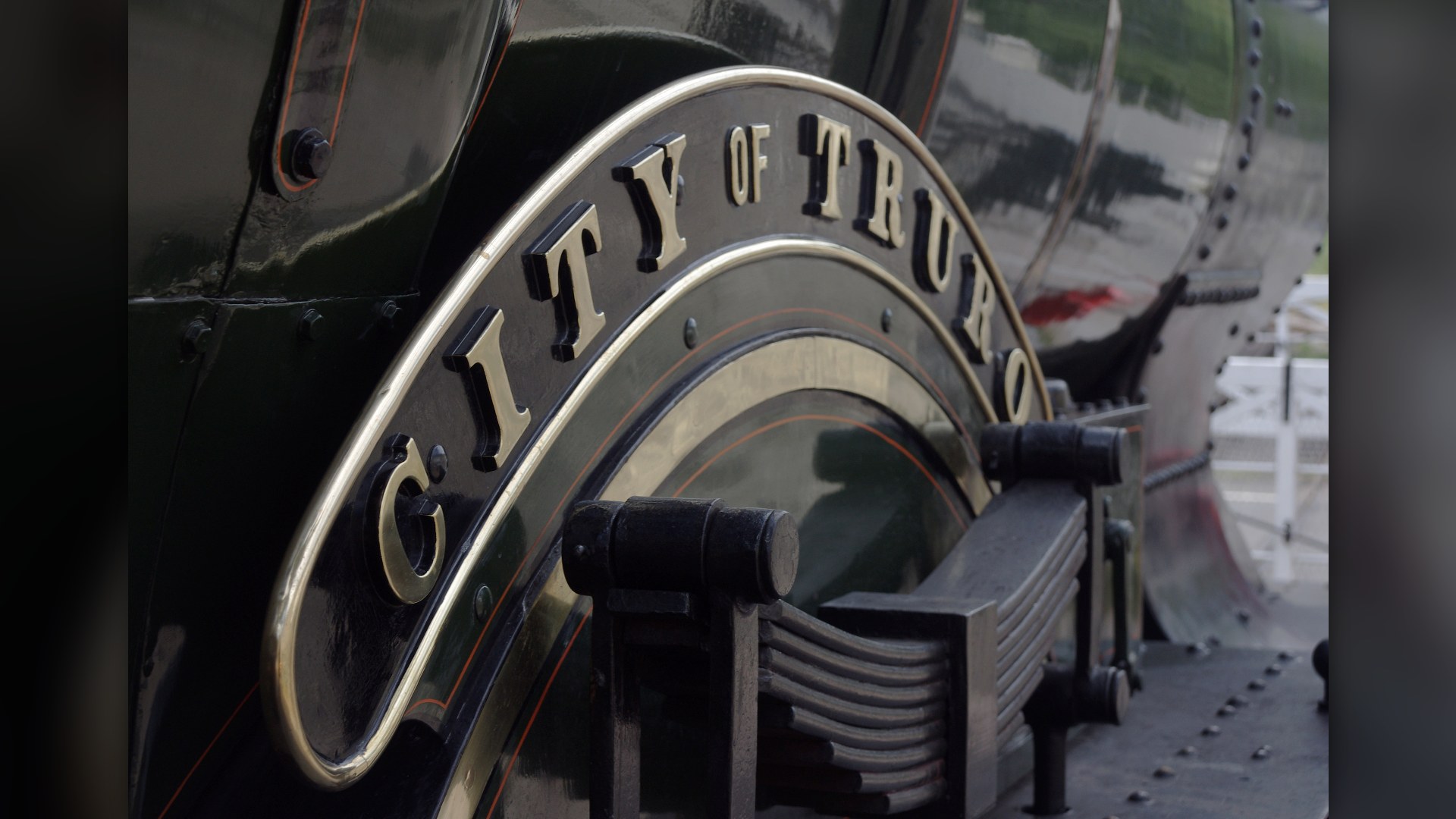
12. City Of Truro
In May 1904, Great Western Railway No. 3440 City of Truro was timed at an estimated 102 miles per hour down Wellington Bank. It became an enduring symbol of British Edwardian speed.
©Wikimedia / mattbuck (category)
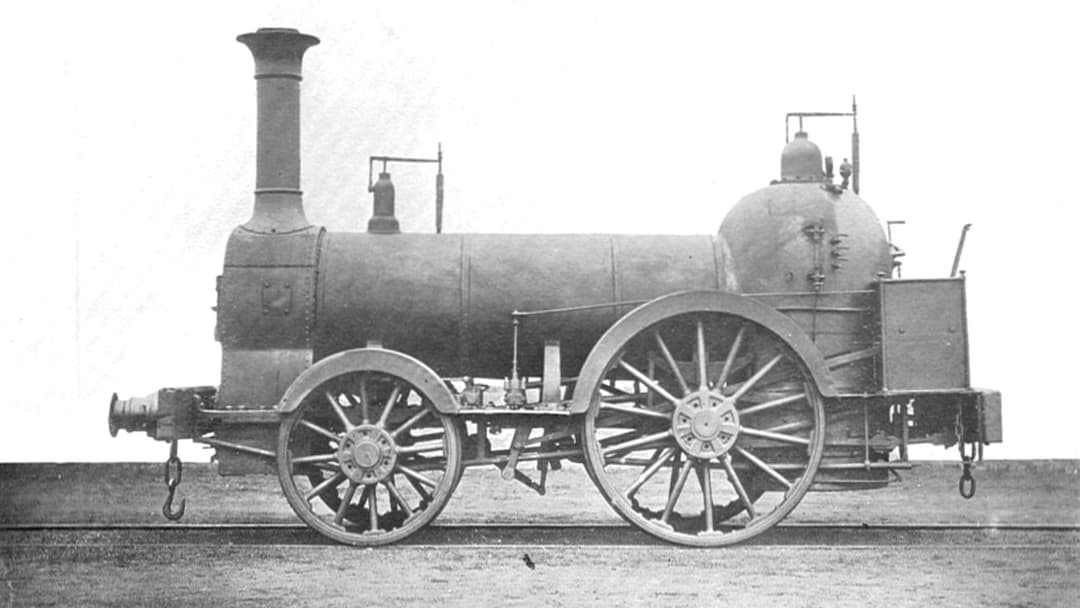
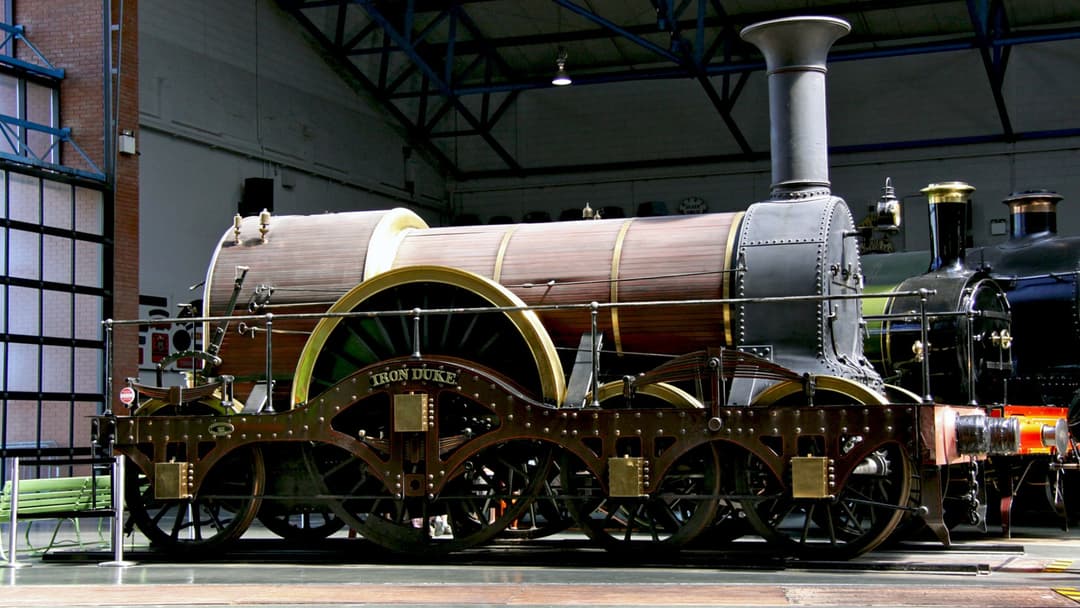
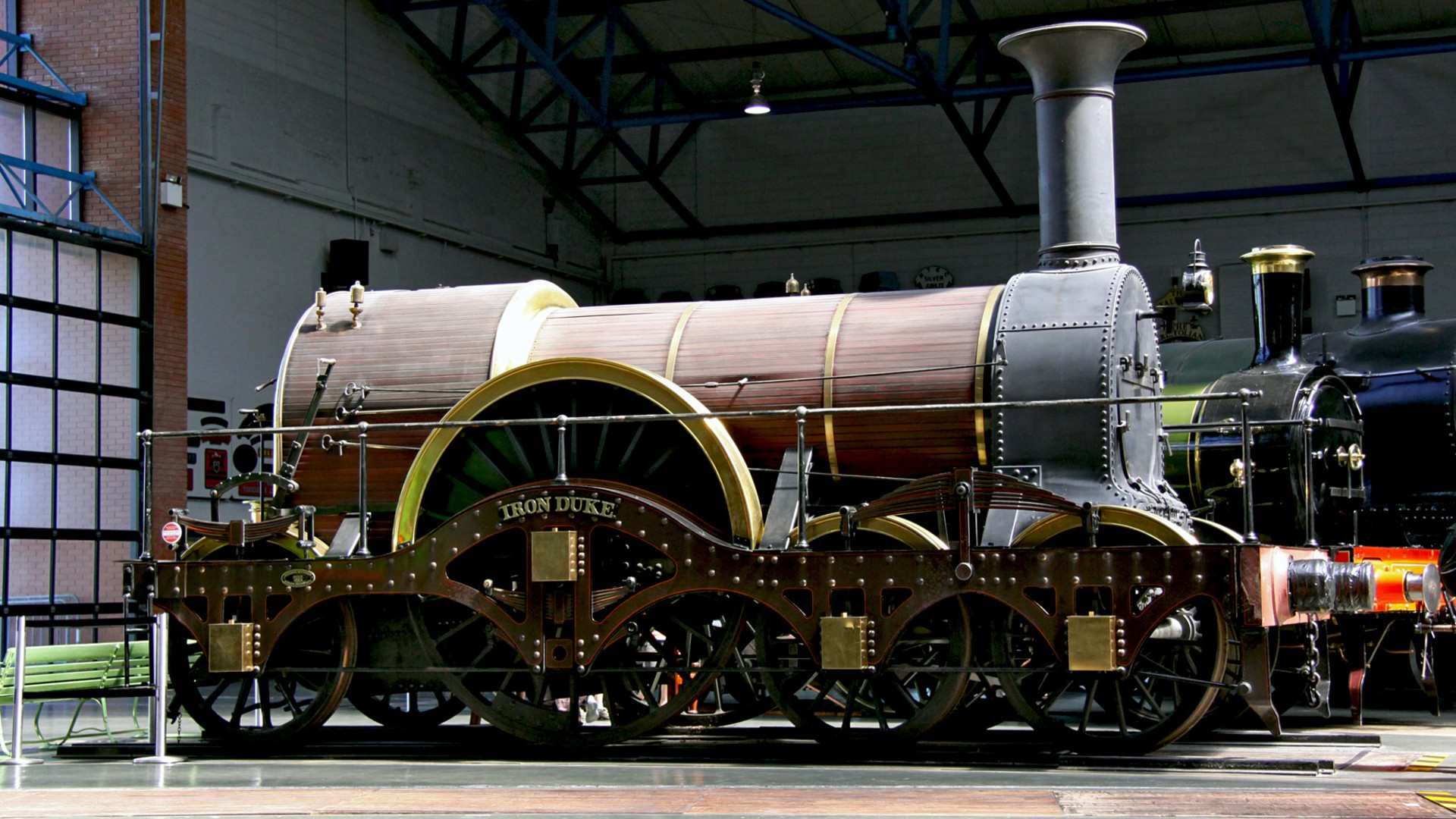
11. Iron Duke Class
Sir Daniel Gooch designed the Iron Duke class in 1847 to run on Isambard Kingdom Brunel seven-foot broad gauge tracks. With eight-foot driving wheels, these giants routinely exceeded 70 miles per hour.
©Wikimedia / David Ingham from Bury, Lancashire, England
Advertisement
Swipe or tap ▶ to resume the countdown.
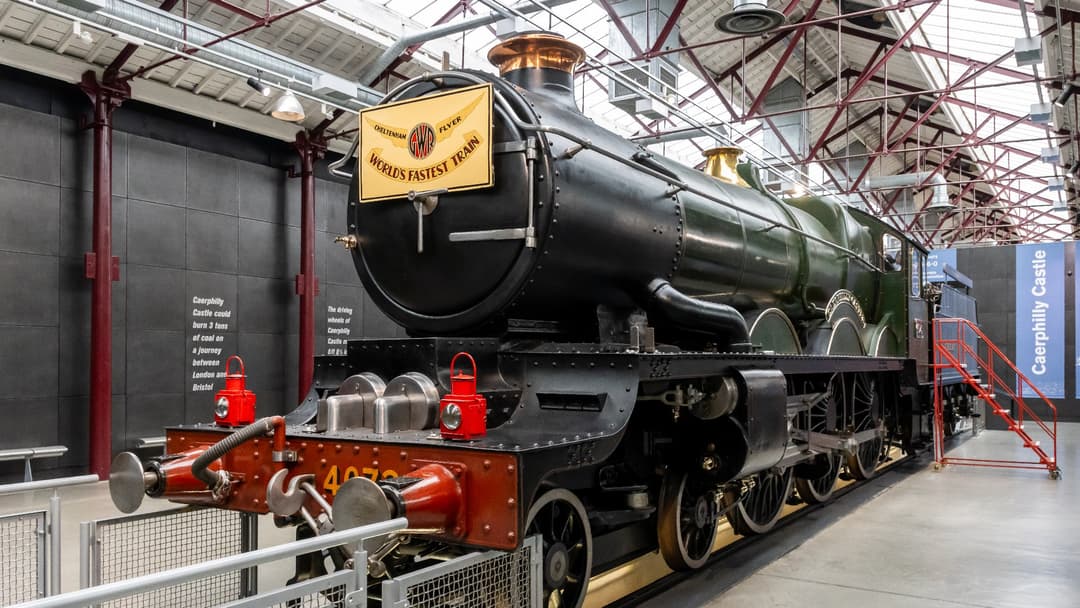
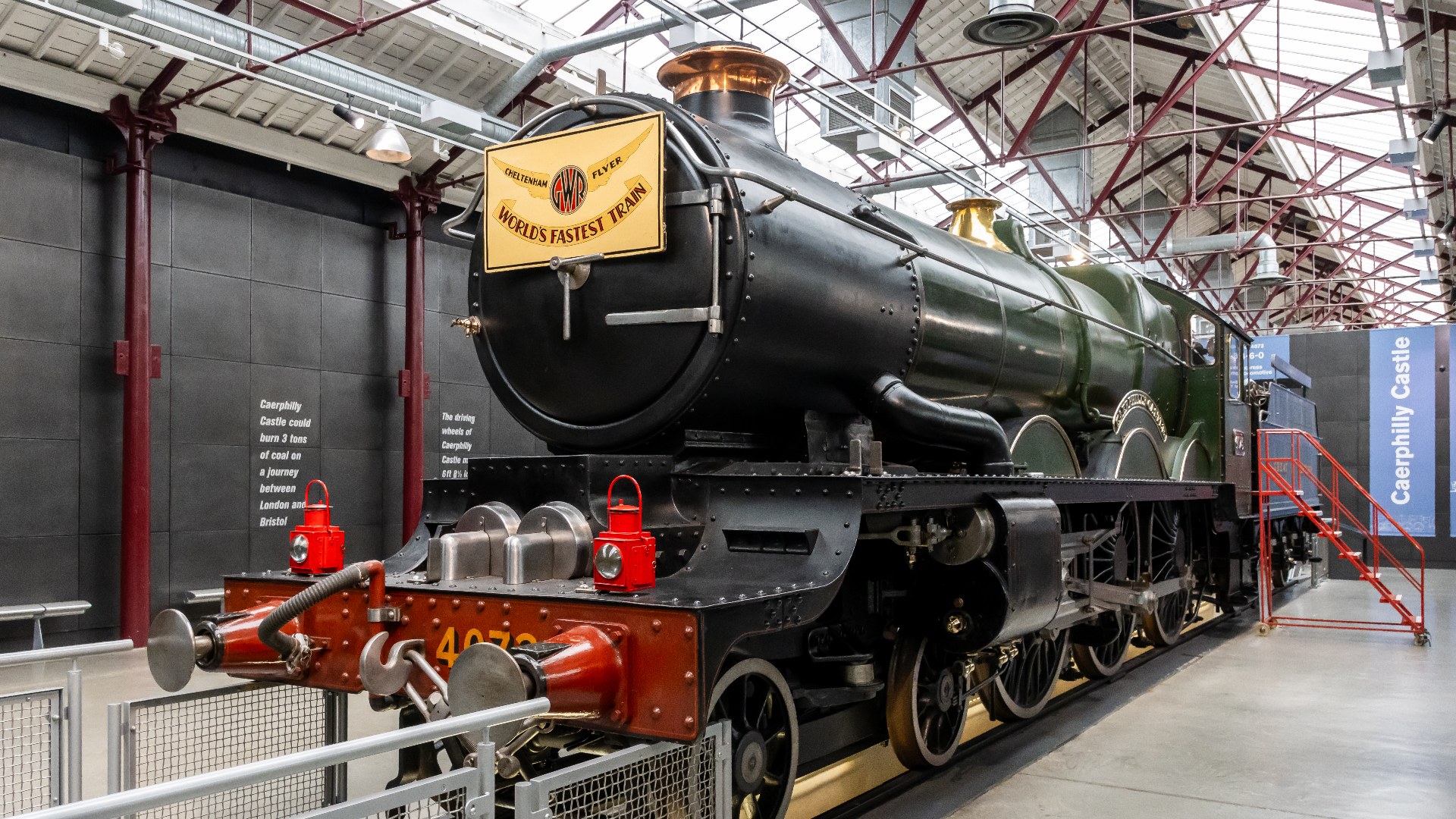
10. GWR Castle Class
Charles Collett introduced the Castle class in 1923, creating one of Britain most efficient express steam locomotives. Caerphilly Castle set standards for coal economy and smooth running for forty years.
©Wikimedia / Photograph by Mike Peel (www.mikepeel.net).
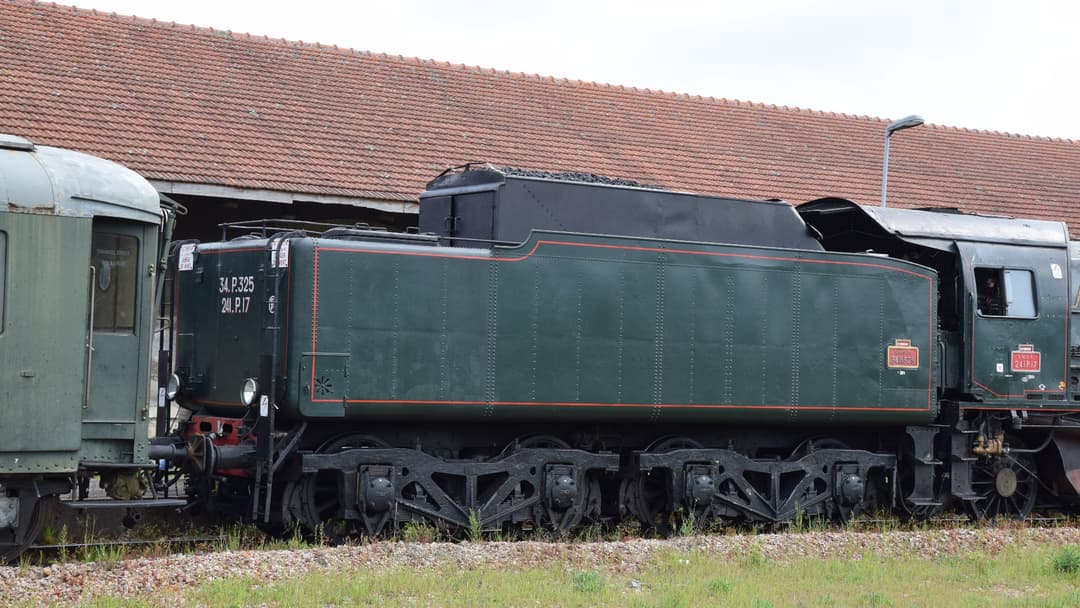
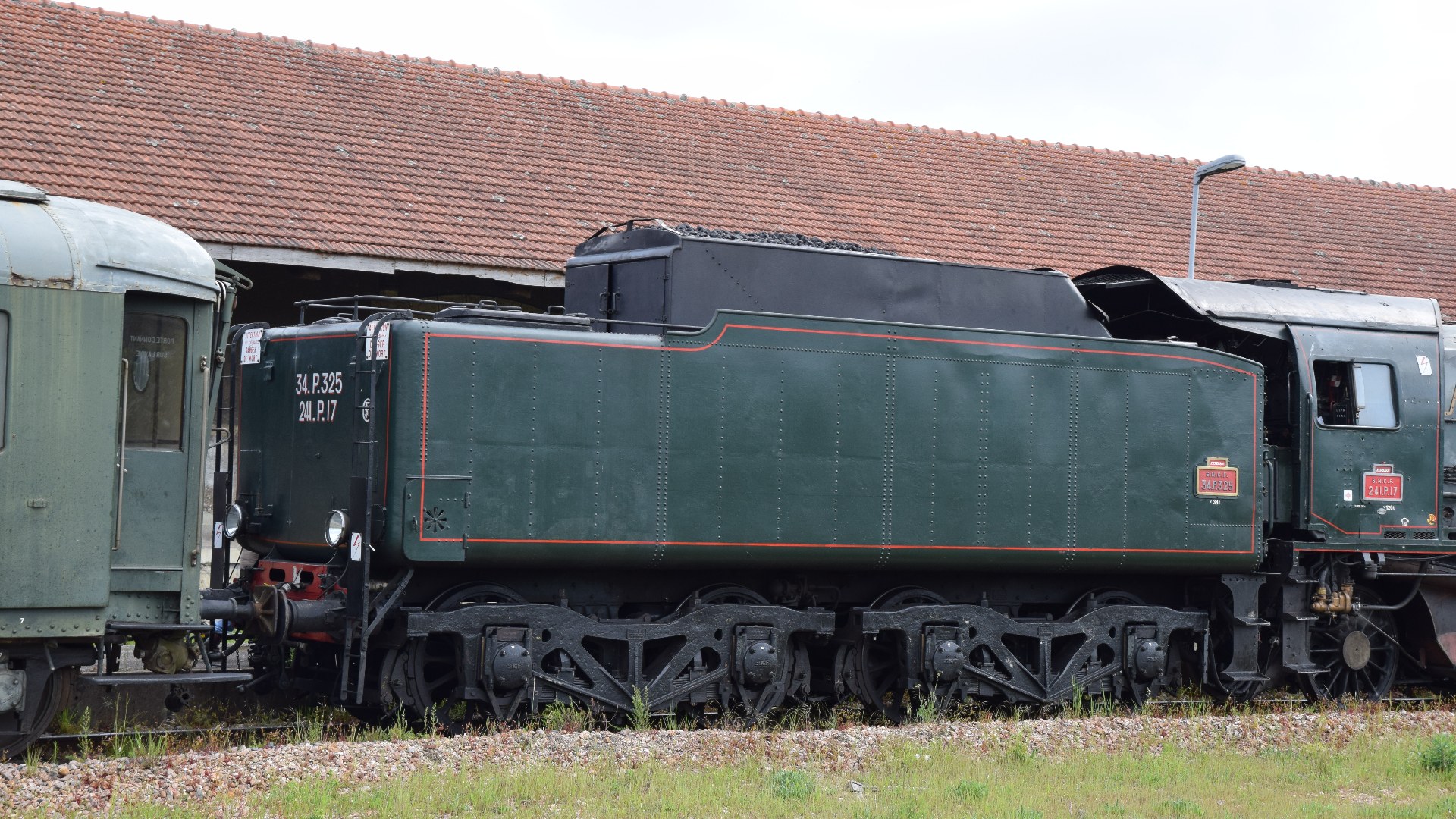
9. SNCF 241P Mountain
Built between 1948 and 1952, the 241P class hauled heavy international express trains across France. Their complex four-cylinder compound drive produced 4,000 horsepower, marking peak European steam development.
©Wikimedia / hugh llewelyn
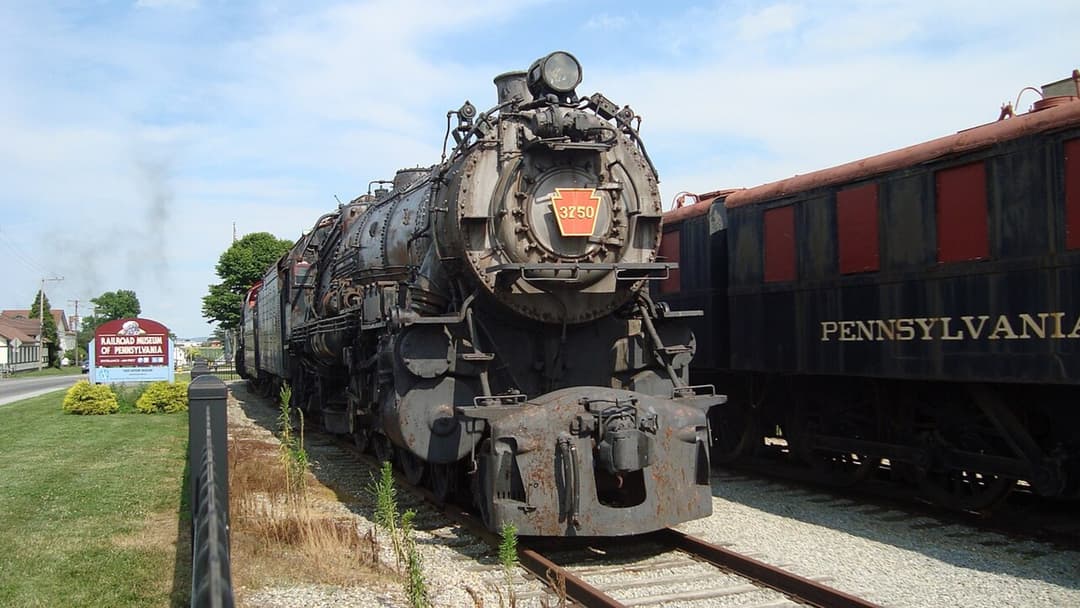
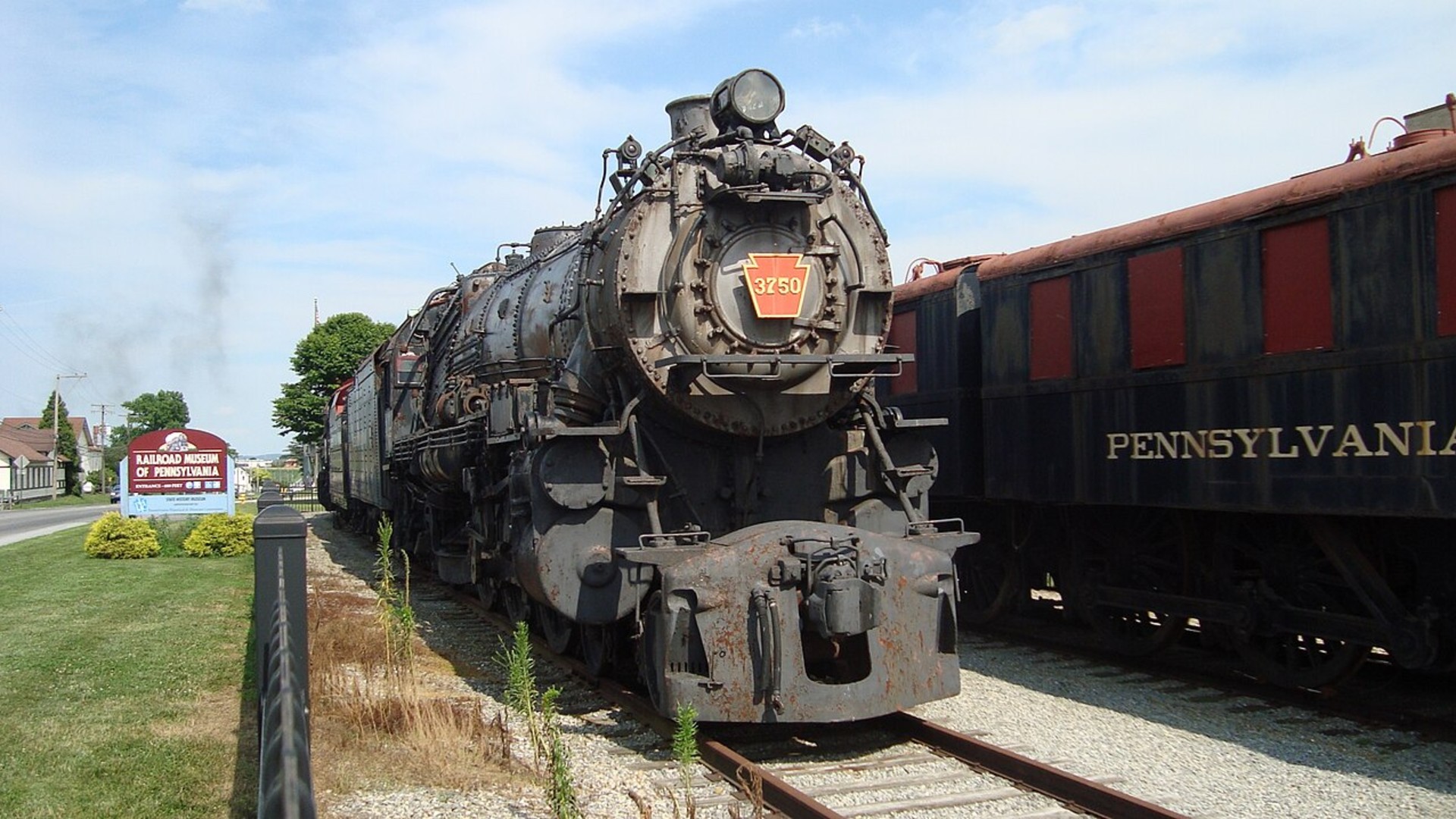
8. Pennsylvania Railroad K4s
The Pennsylvania Railroad constructed 425 K4s Pacific locomotives between 1914 and 1928. Famous for hauling the Broadway Limited, these classic machines became synonymous with mainline American steam.
©Wikimedia / O484
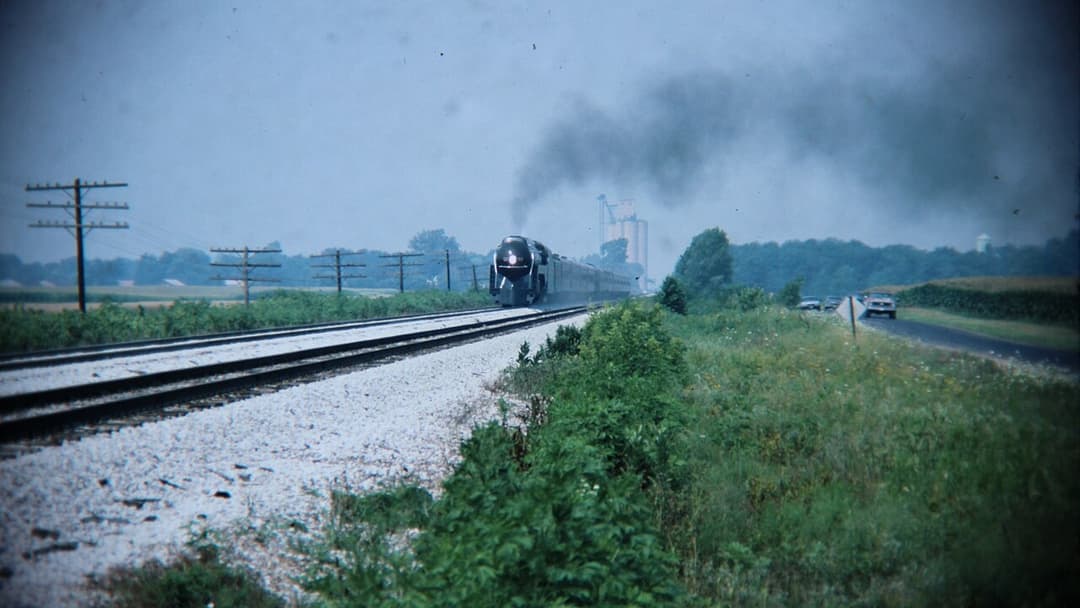
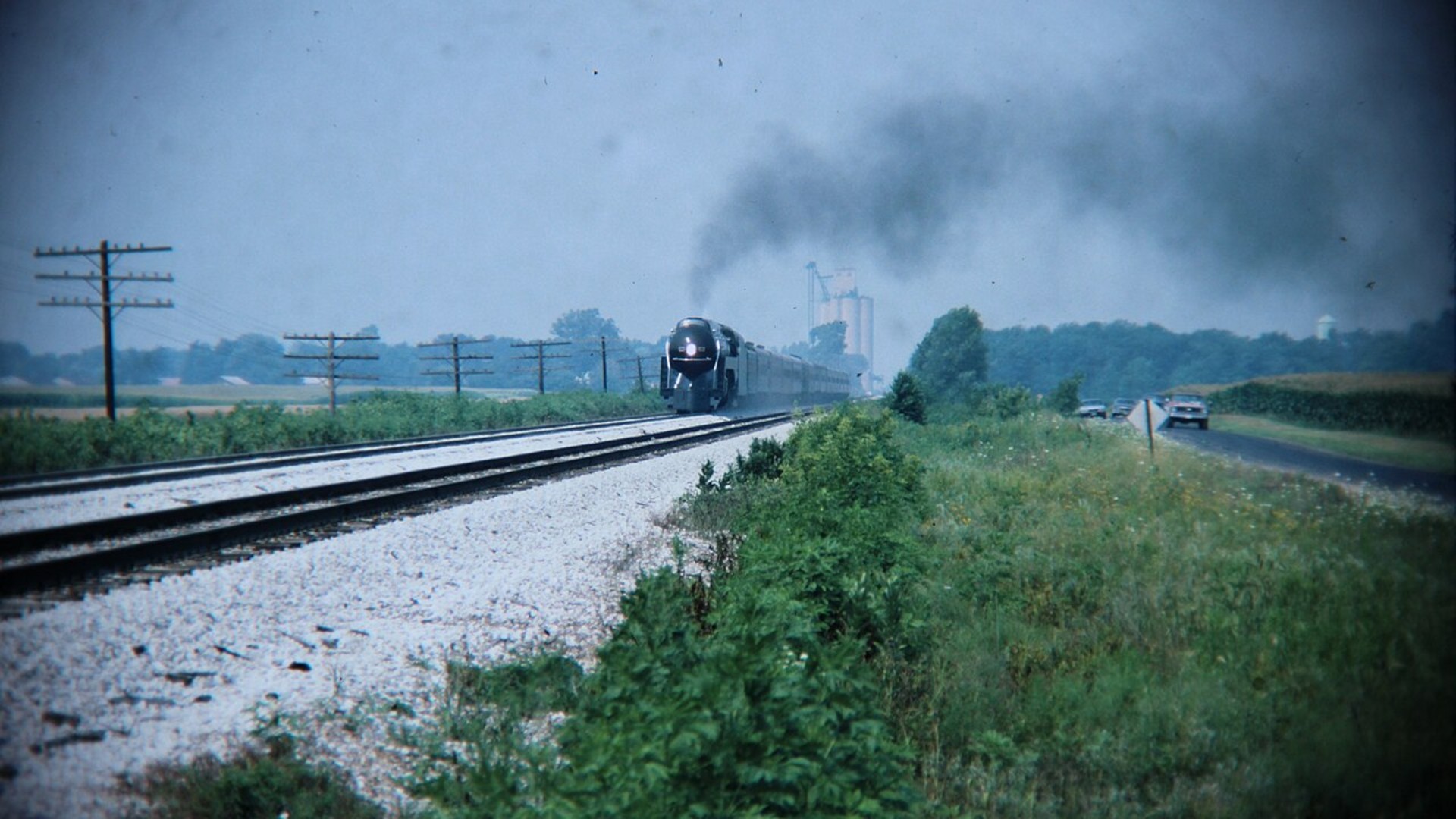
7. Norfolk And Western Class J
Designed and built in Roanoke between 1941 and 1950, the Class J engines were masterpieces of steam engineering. Equipped with roller bearings and lightweight rods, they reached over 100 miles per hour.
©Wikimedia / Gary Lee Todd, Ph.D.
Advertisement
Swipe or tap ▶ to resume the countdown.
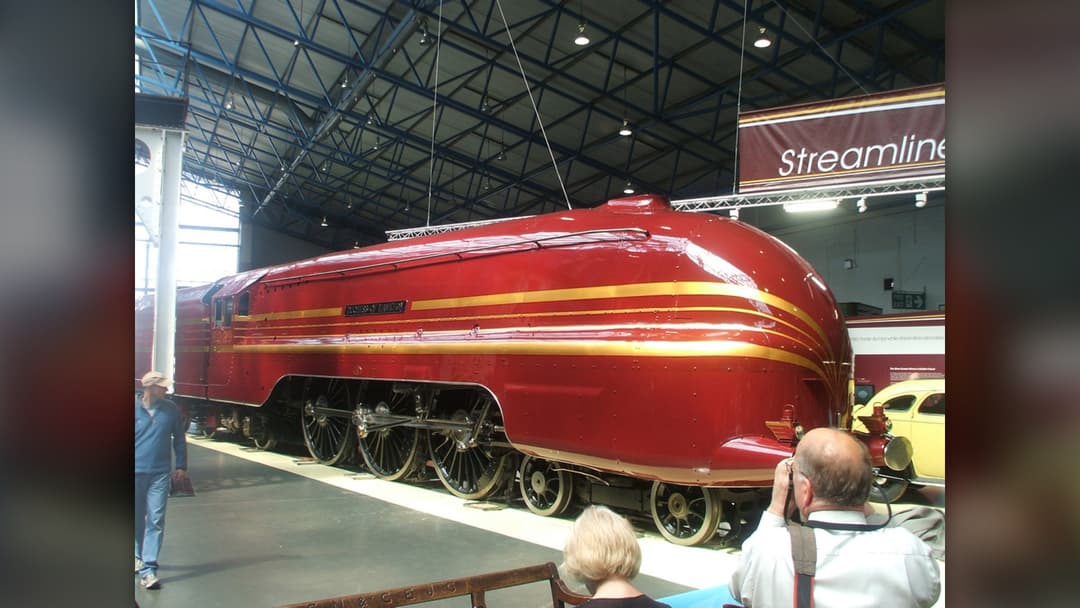
6. LMS Duchess Of Hamilton
Built in Crewe in 1938, this Princess Coronation class engine featured dramatic red and gold streamliner casing. It toured thousands of miles across the United States before returning to frontline British service.
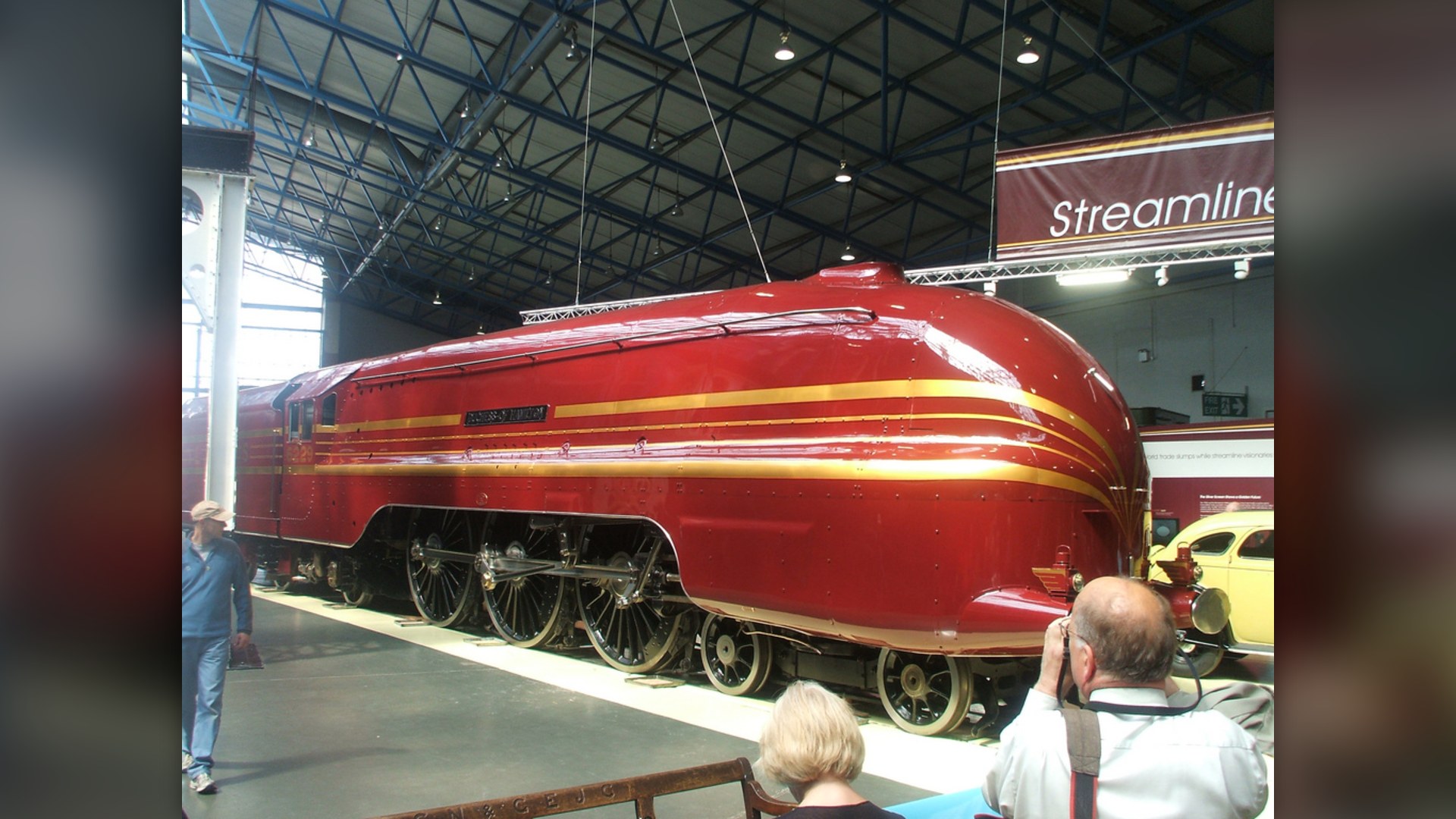
©Wikimedia / Simon Jerram from Keighley, UK
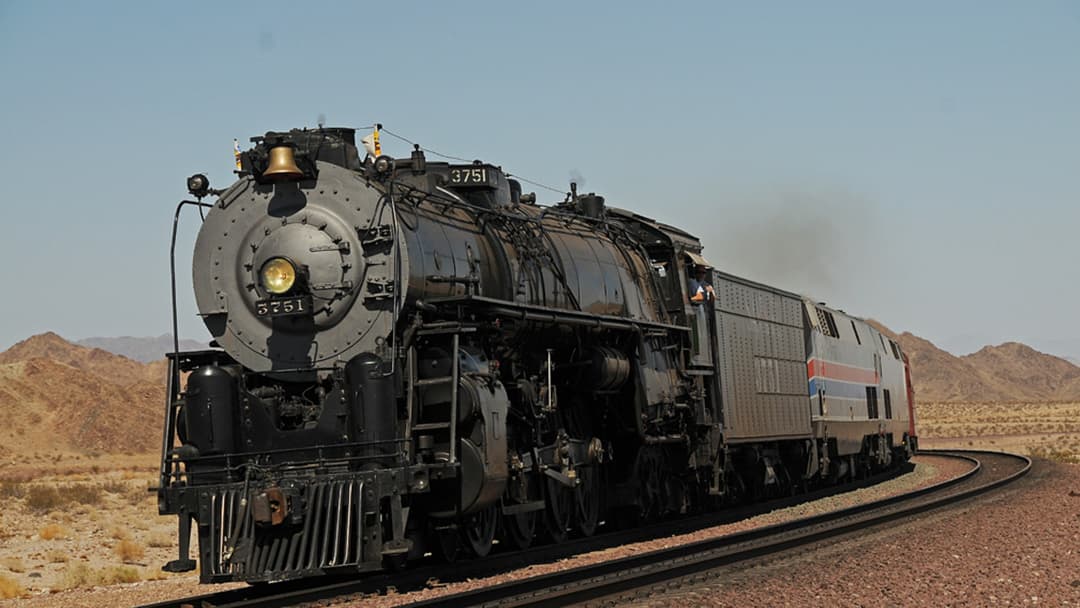
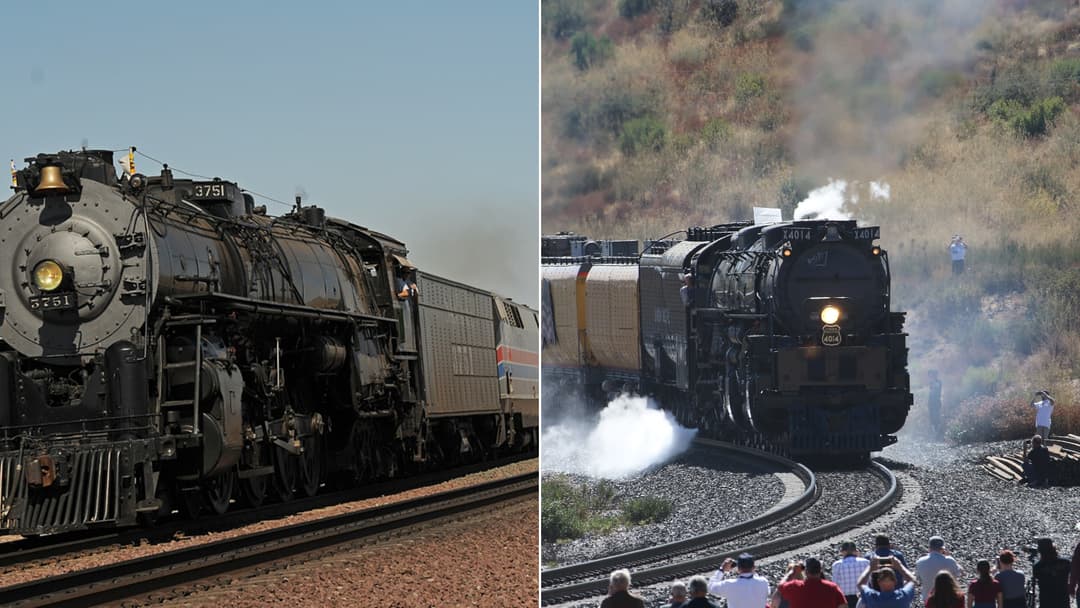
5. Santa Fe 3751
Delivered by Baldwin in 1927, ATSF 3751 was the first 4-8-4 locomotive ever built for the Santa Fe. It pulled transcontinental passenger trains across steep grades in California, Arizona, and New Mexico.
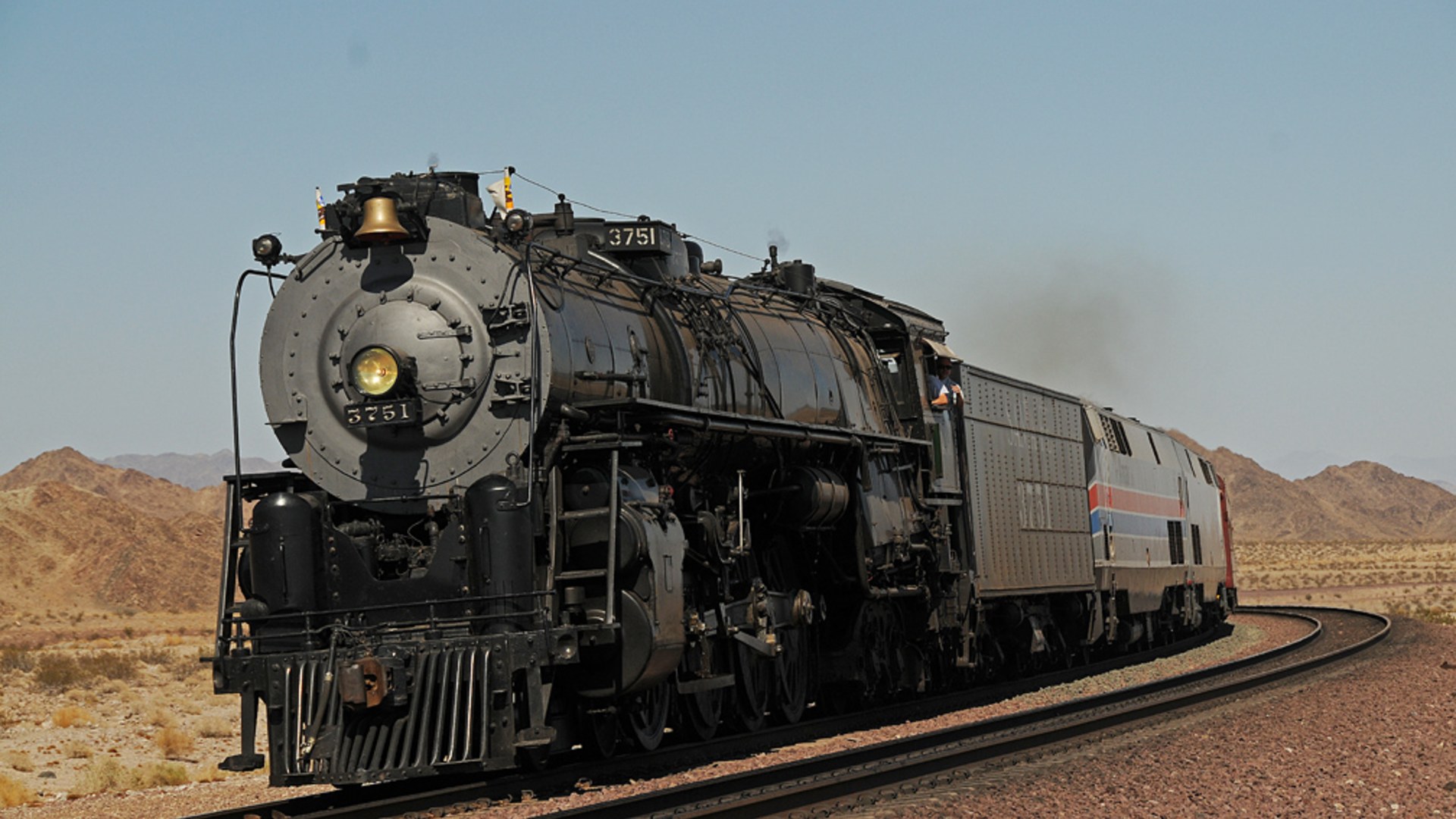
©Wikimedia / Drew Jacksich from San Jose, California Republic
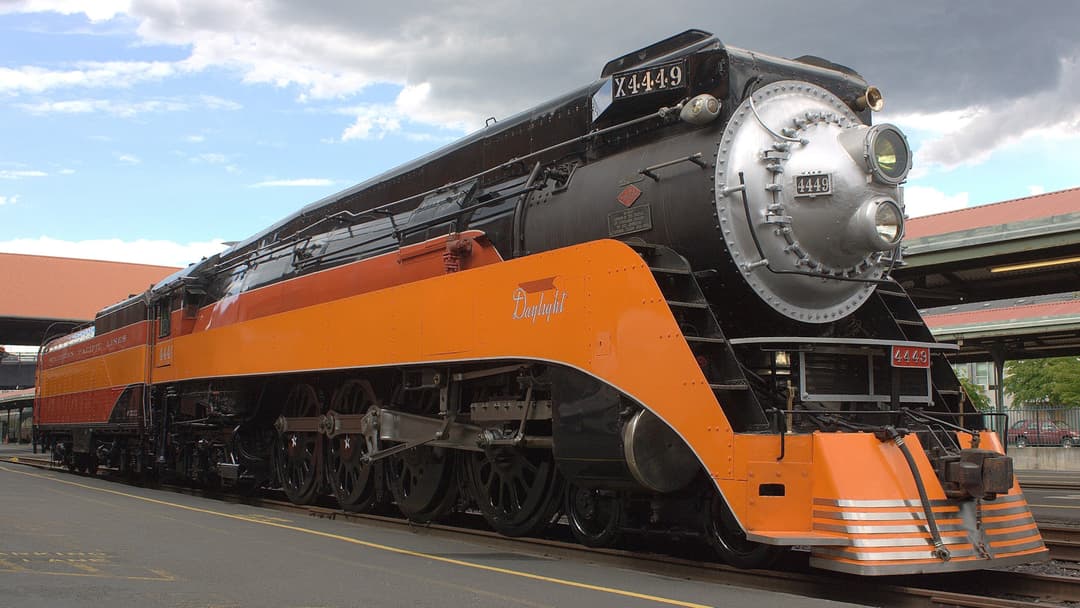
4. Southern Pacific 4449
Built in 1941 by Lima Locomotive Works, SP 4449 pulled the Coast Daylight along the scenic Pacific shoreline. In 1976 it pulled the American Freedom Train across all 48 contiguous states.
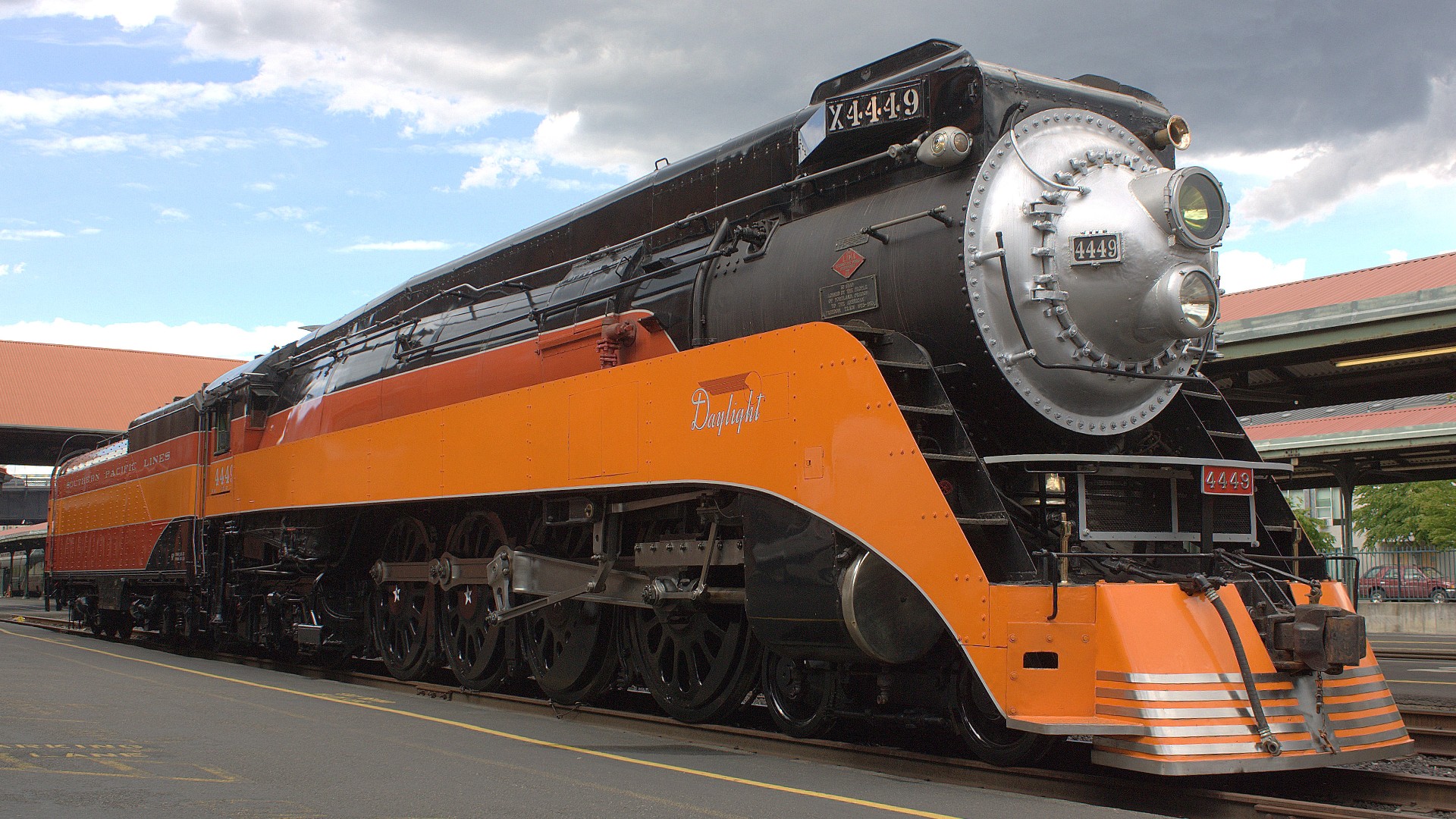
©Wikimedia / Southern Pacific 4449
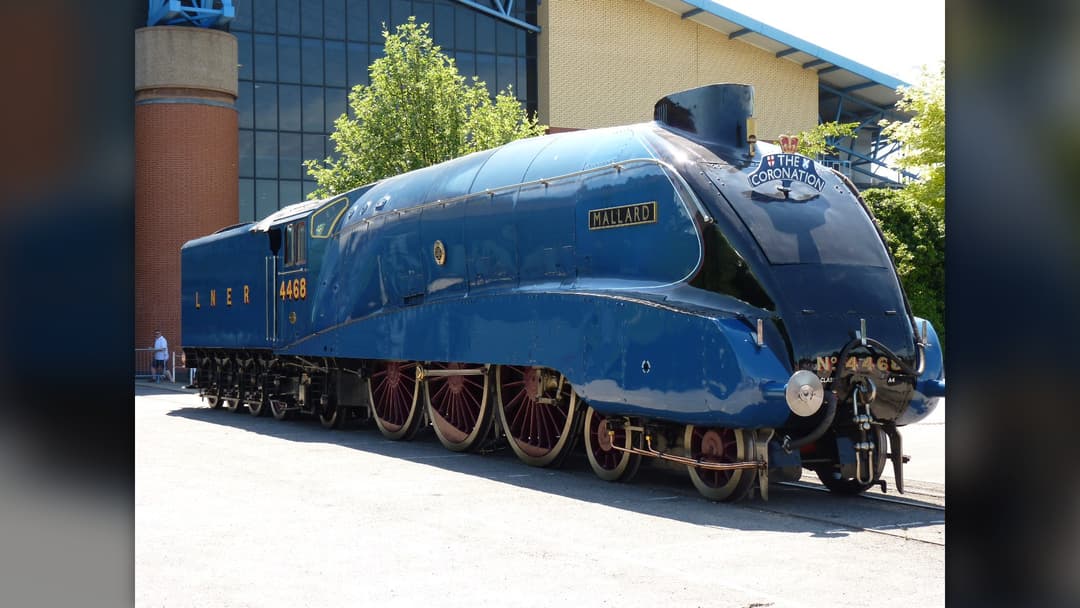
3. LNER Class A4 Mallard
On July 3, 1938, Sir Nigel Gresley streamlined locomotive Mallard touched 126 miles per hour on Stoke Bank in England. Nearly nine decades later, its official world speed record for steam traction remains unbroken.
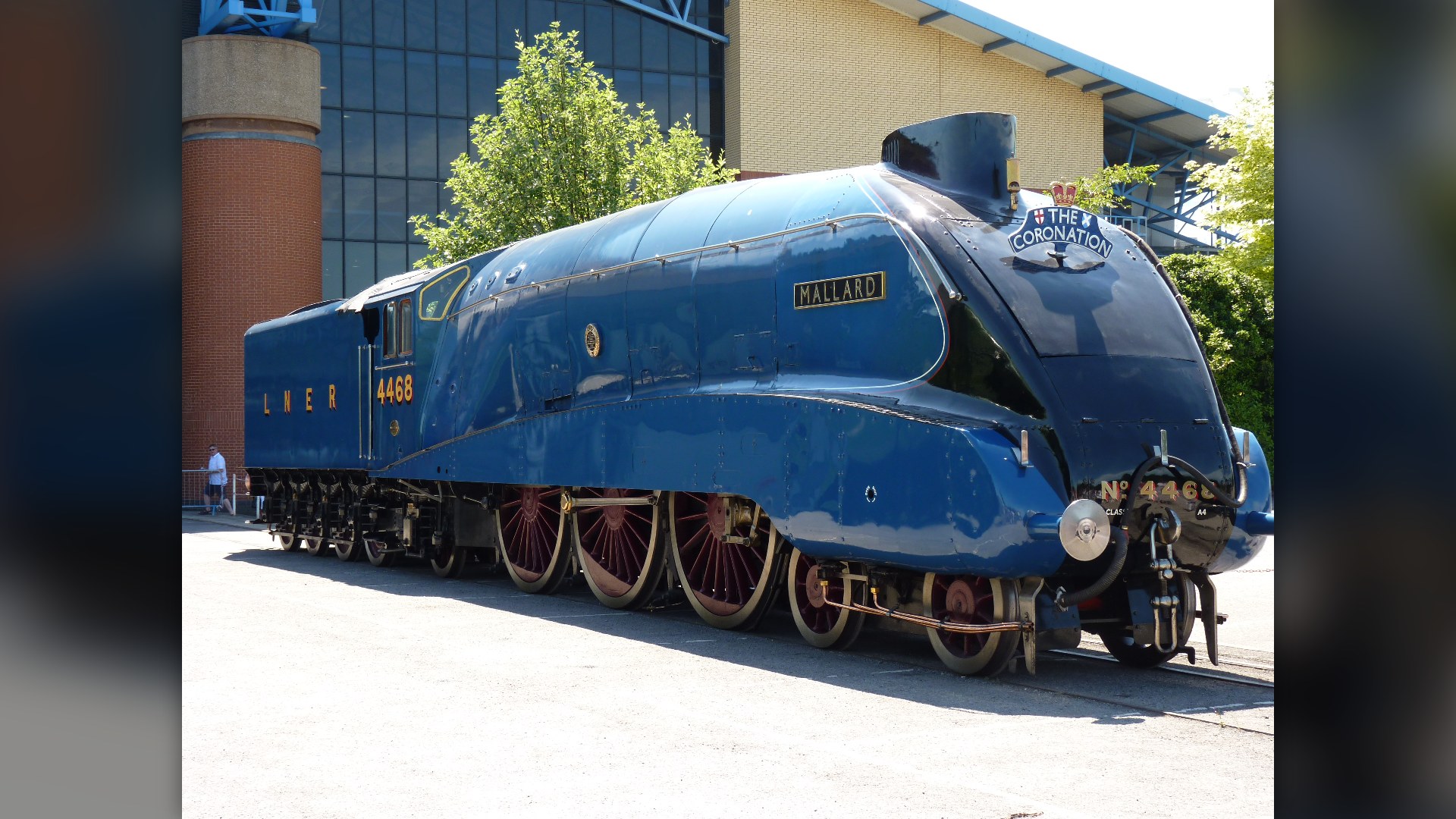
©Wikimedia / PTG Dudva
Advertisement
Swipe or tap ▶ to resume the countdown.
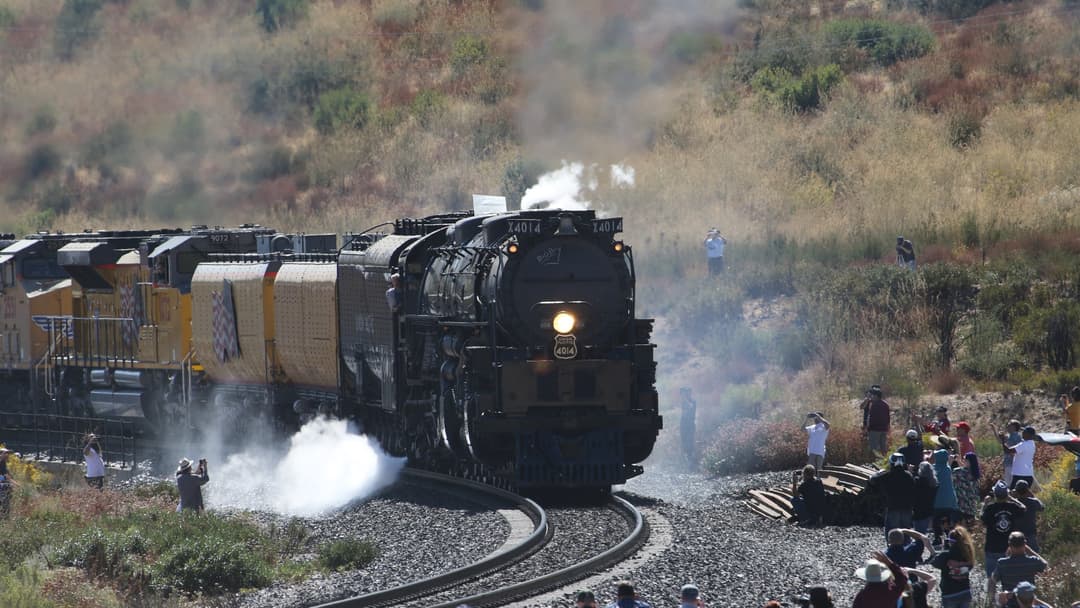
2. Union Pacific Big Boy 4014
Weighing 1.2 million pounds, Union Pacific built twenty-five Big Boy engines to conquer the Wasatch Mountains without helper locomotives. Engine 4014 was restored to operation in 2019 to thunder across the American West.
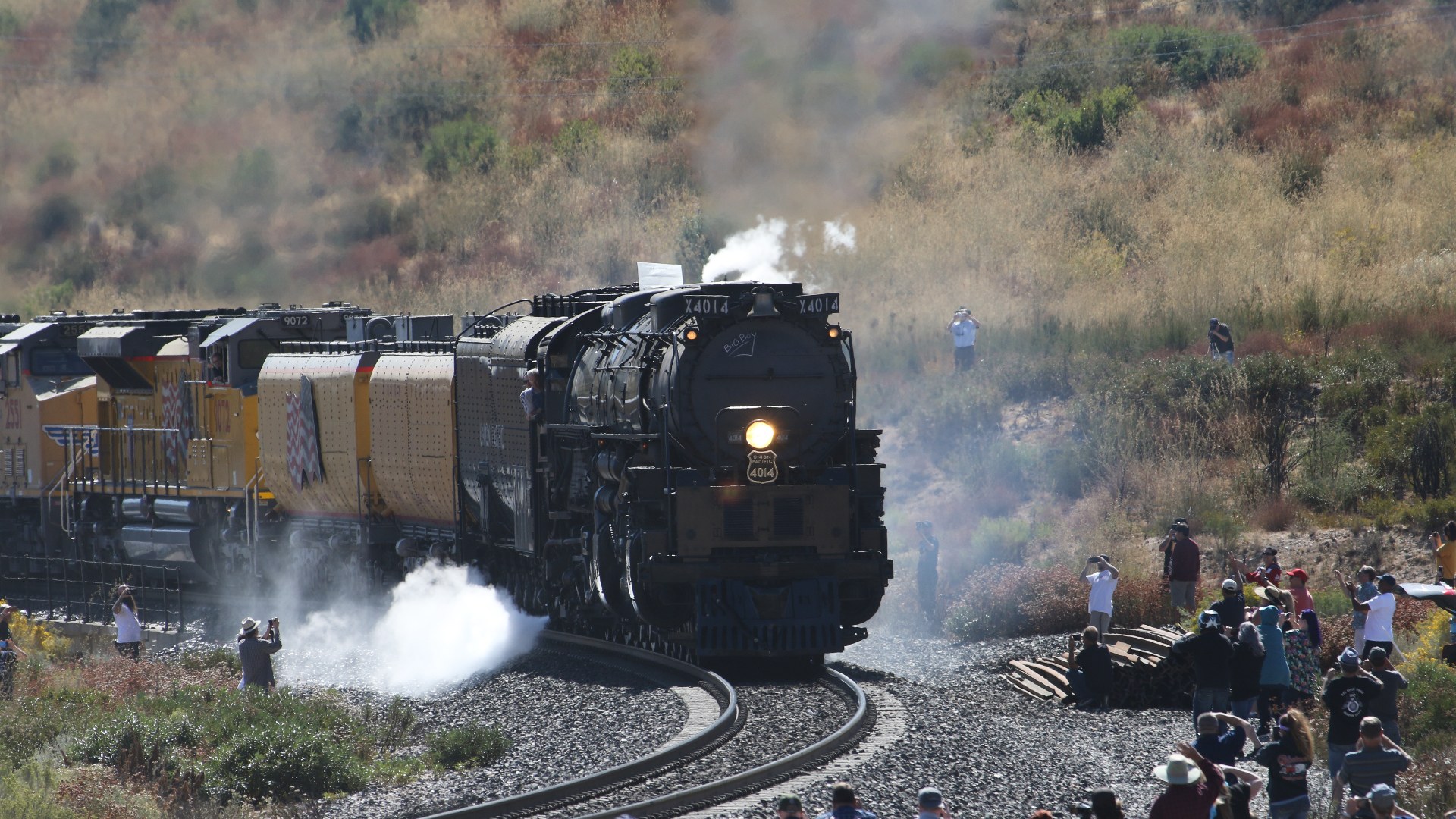
©Wikimedia / siamesepuppy from Southern California, USA
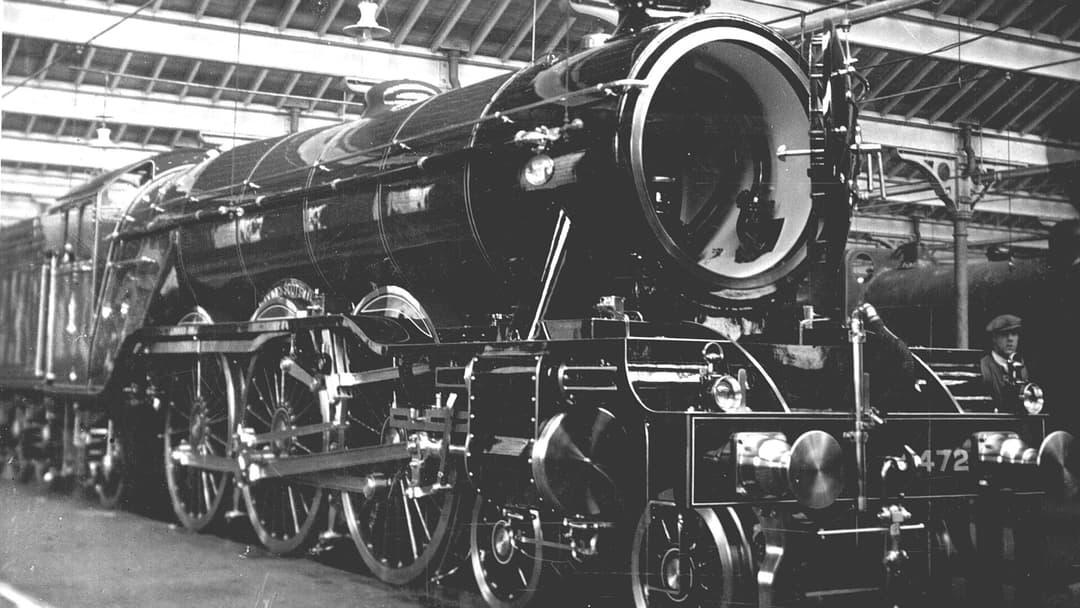
1. LNER Class A3 Flying Scotsman
Built in Doncaster in 1923, Flying Scotsman became a global icon by running non-stop between London and Edinburgh. In 1934 it became the first steam locomotive in the world officially authenticated at 100 miles per hour.
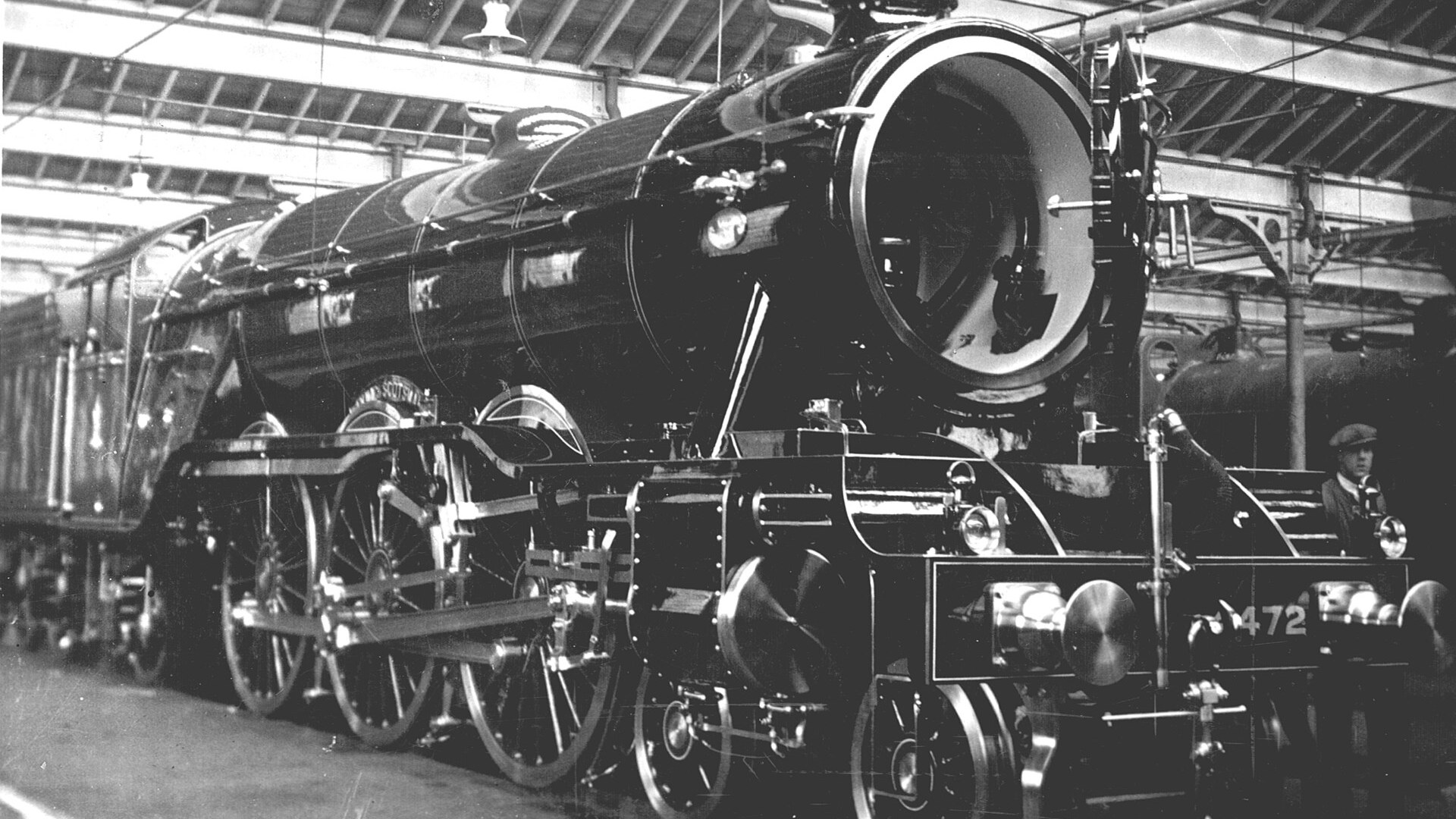
©Wikimedia / Frances Lyon
Advertisement
You've reached the end of the story. Thanks for reading!

20 Things that Russia and the US have in common
Exploring the deep ties and shared paths of global powers.
All 25 Entries in this Story
25. Trevithick Coalbrookdale Engine
In 1802 Cornish inventor Richard Trevithick built the first high pressure steam engine capable of moving on rails. His experimental Coalbrookdale locomotive proved that steam power could replace horse teams for hauling heavy ore.

24. Puffing Billy
Built in 1813 by William Hedley and Timothy Hackworth for the Wylam Colliery, Puffing Billy carried coal cars along iron tracks in northeast England. It remains on display in London after decades of hard industrial service.

23. Locomotion No. 1
George Stephenson engineered Locomotion No. 1 for the Stockton and Darlington Railway in 1825. On opening day it pulled hundreds of passengers, proving that steam transport could reliably serve the general public.

22. The Stourbridge Lion
Manufactured in England and shipped to Pennsylvania in 1829, the Stourbridge Lion made history on the Delaware and Hudson Canal railroad. Its bold first test run marked the dawn of commercial American railroading.

21. Stephenson Rocket
Built by Robert Stephenson in 1829, Rocket won the famous Rainhill Trials by achieving 29 miles per hour. Its multi-tubular boiler and direct piston drive established the standard architecture for steam locomotives.

20. Best Friend Of Charleston
Constructed in New York in 1830 for the South Carolina Canal and Railroad Company, this pioneering engine ushered in regular passenger runs before an accidental boiler explosion ended its brief career.

19. John Bull
Built by Stephenson and Company in 1831 for New Jersey, John Bull operated for three decades. Preserved by the Smithsonian Institution, it is one of the oldest operable steam engines on Earth.

18. Planet Class Locomotive
Robert Stephenson introduced the Planet class in 1830 for the Liverpool and Manchester Railway. By mounting cylinders inside the frames beneath the smokebox, it eliminated wobbling and improved high speed stability.

17. The Adler
Constructed by Stephenson and shipped to Bavaria in 1835, Der Adler ran between Nuremberg and Furth. Its inaugural trip carried passengers and barrels of beer, igniting the German industrial boom.

16. The General
Built in New Jersey in 1855, this Western and Atlantic 4-4-0 locomotive became the target of Andrews Raiders in 1862. The thrilling 87-mile chase cemented its place in American railroad lore.

15. Jupiter
Central Pacific No. 60 Jupiter carried railroad president Leland Stanford to Promontory Summit in 1869. Its polished brass fittings and crimson paint shone as the rails linked across North America.

14. Union Pacific No. 119
Union Pacific No. 119 met Jupiter cowcatcher to cowcatcher in Utah on May 10, 1869. The telegraph flashes from that historic meeting sparked celebrations across the United States.

13. Fairy Queen
Built in Leeds in 1855, the Fairy Queen hauled passenger and troop trains for the East Indian Railway. Restored in the 1990s, it earned a Guinness World Record by running tourist trips in India.

12. City Of Truro
In May 1904, Great Western Railway No. 3440 City of Truro was timed at an estimated 102 miles per hour down Wellington Bank. It became an enduring symbol of British Edwardian speed.

11. Iron Duke Class
Sir Daniel Gooch designed the Iron Duke class in 1847 to run on Isambard Kingdom Brunel seven-foot broad gauge tracks. With eight-foot driving wheels, these giants routinely exceeded 70 miles per hour.

10. GWR Castle Class
Charles Collett introduced the Castle class in 1923, creating one of Britain most efficient express steam locomotives. Caerphilly Castle set standards for coal economy and smooth running for forty years.

9. SNCF 241P Mountain
Built between 1948 and 1952, the 241P class hauled heavy international express trains across France. Their complex four-cylinder compound drive produced 4,000 horsepower, marking peak European steam development.

8. Pennsylvania Railroad K4s
The Pennsylvania Railroad constructed 425 K4s Pacific locomotives between 1914 and 1928. Famous for hauling the Broadway Limited, these classic machines became synonymous with mainline American steam.

7. Norfolk And Western Class J
Designed and built in Roanoke between 1941 and 1950, the Class J engines were masterpieces of steam engineering. Equipped with roller bearings and lightweight rods, they reached over 100 miles per hour.

6. LMS Duchess Of Hamilton
Built in Crewe in 1938, this Princess Coronation class engine featured dramatic red and gold streamliner casing. It toured thousands of miles across the United States before returning to frontline British service.

5. Santa Fe 3751
Delivered by Baldwin in 1927, ATSF 3751 was the first 4-8-4 locomotive ever built for the Santa Fe. It pulled transcontinental passenger trains across steep grades in California, Arizona, and New Mexico.

4. Southern Pacific 4449
Built in 1941 by Lima Locomotive Works, SP 4449 pulled the Coast Daylight along the scenic Pacific shoreline. In 1976 it pulled the American Freedom Train across all 48 contiguous states.

3. LNER Class A4 Mallard
On July 3, 1938, Sir Nigel Gresley streamlined locomotive Mallard touched 126 miles per hour on Stoke Bank in England. Nearly nine decades later, its official world speed record for steam traction remains unbroken.

2. Union Pacific Big Boy 4014
Weighing 1.2 million pounds, Union Pacific built twenty-five Big Boy engines to conquer the Wasatch Mountains without helper locomotives. Engine 4014 was restored to operation in 2019 to thunder across the American West.

1. LNER Class A3 Flying Scotsman
Built in Doncaster in 1923, Flying Scotsman became a global icon by running non-stop between London and Edinburgh. In 1934 it became the first steam locomotive in the world officially authenticated at 100 miles per hour.