Slideshow · Viral
25 Medieval Castles Still Inhabited by Families Today, Ranked
From Scottish tower houses to French chateaux, these 25 remarkable medieval fortresses are still private family homes, preserving centuries of heritage behind their stone walls.
By Most Viral Today
5 Nov 2026

Ancient Stone Fortresses That Families Still Inhabit Today 
25. Rockingham Castle, England 
24. Broughton Castle, England 
23. Penshurst Place, England - AdvertisementSwipe or tap ▶ to continue countdown

22. Traquair House, Scotland 
21. Duart Castle, Scotland 
20. Cawdor Castle, Scotland 
19. Belvoir Castle, England - AdvertisementSwipe or tap ▶ to continue countdown

18. Inveraray Castle, Scotland 
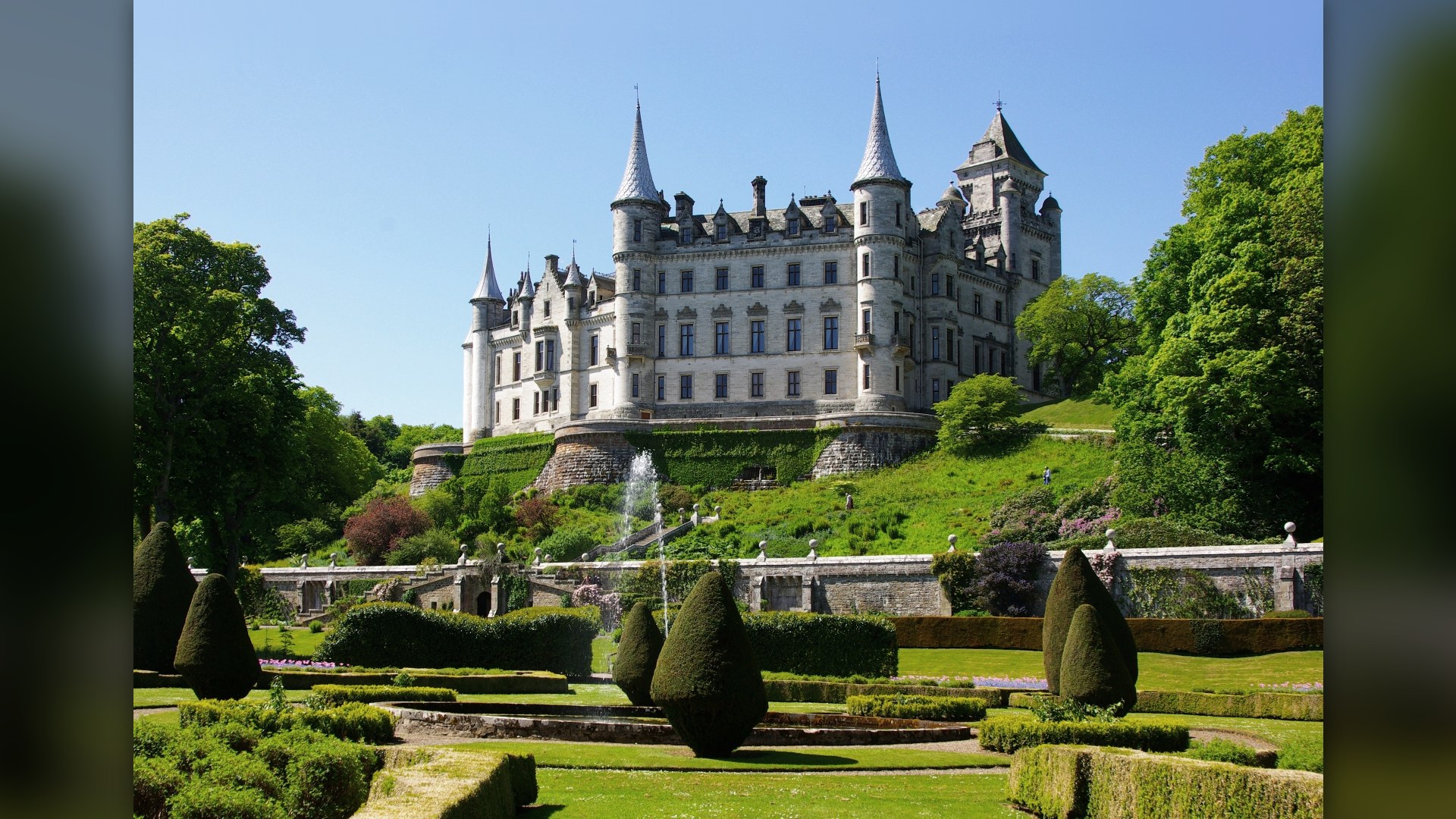
17. Dunrobin Castle, Scotland 
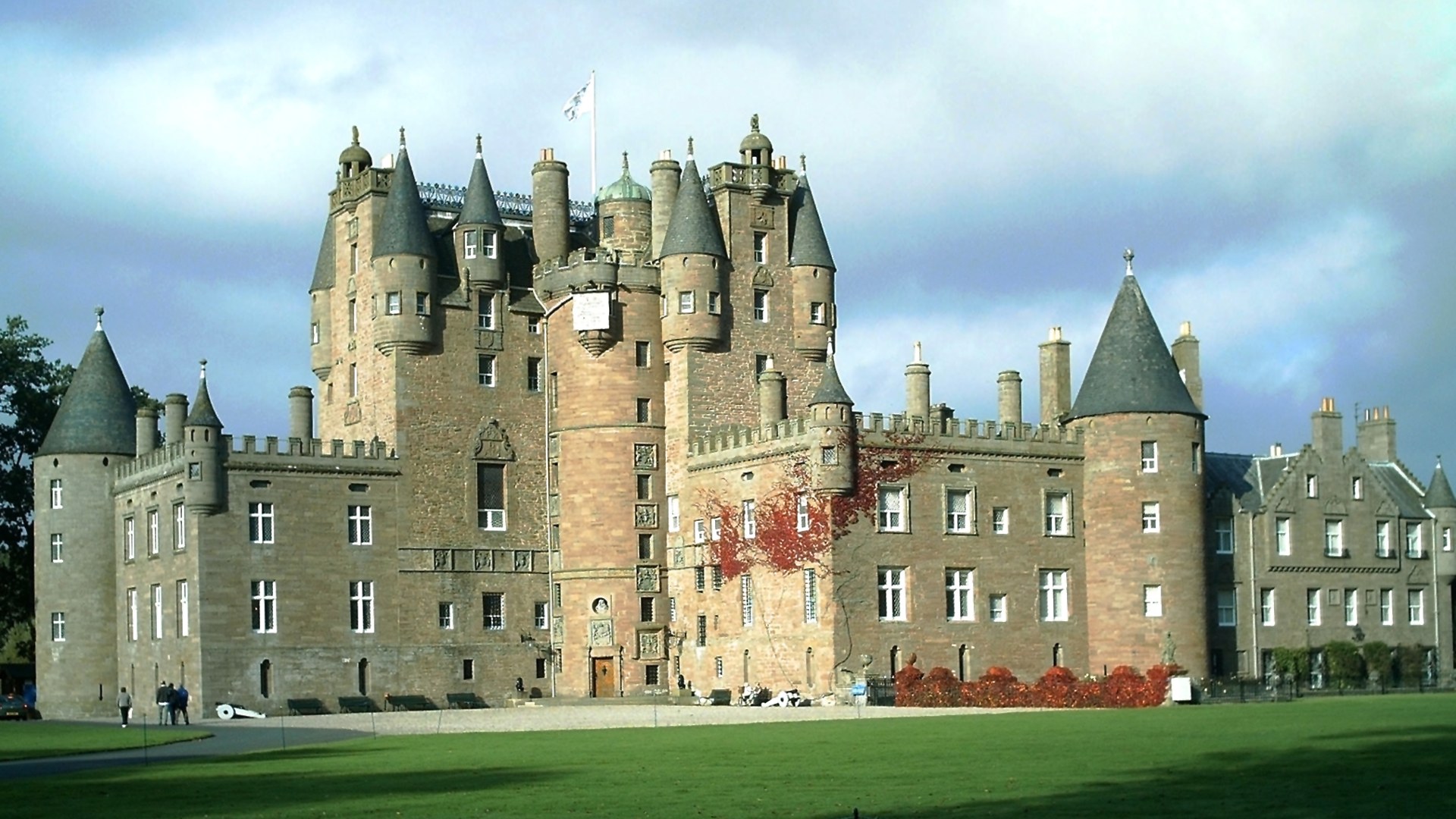
16. Glamis Castle, Scotland 
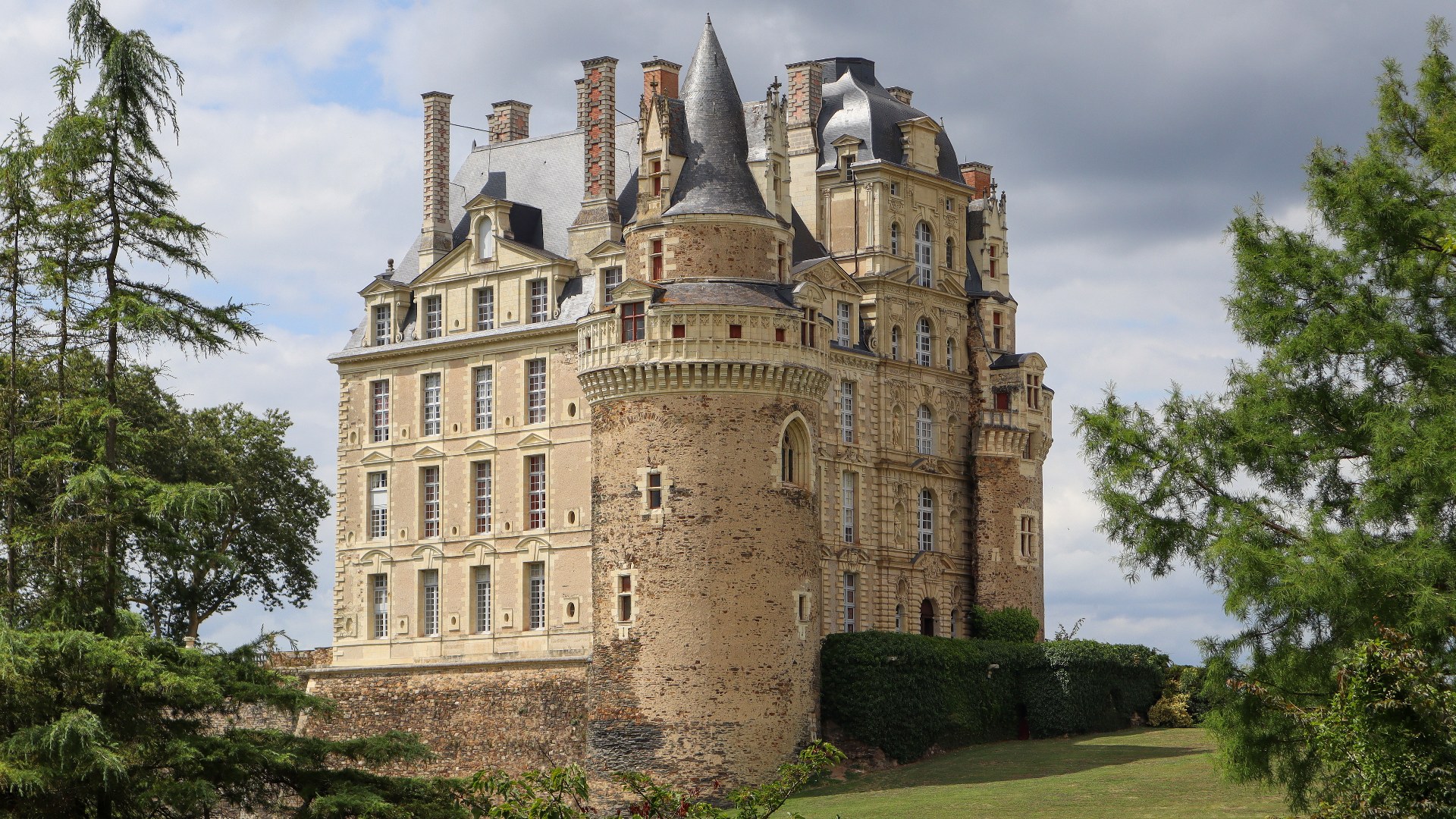
15. Chateau De Brissac, France - AdvertisementSwipe or tap ▶ to continue countdown

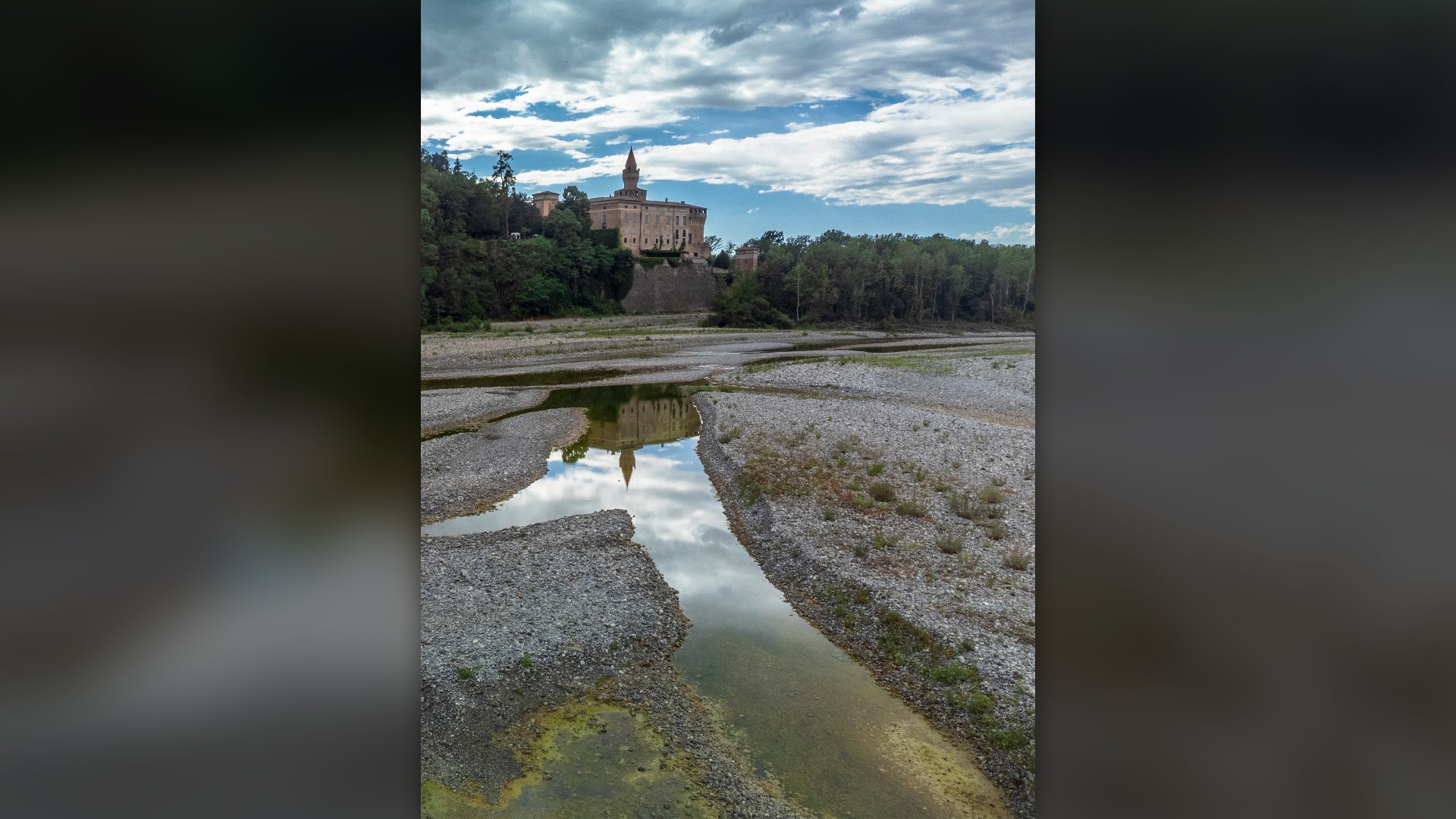
14. Castello Di Rivalta, Italy 
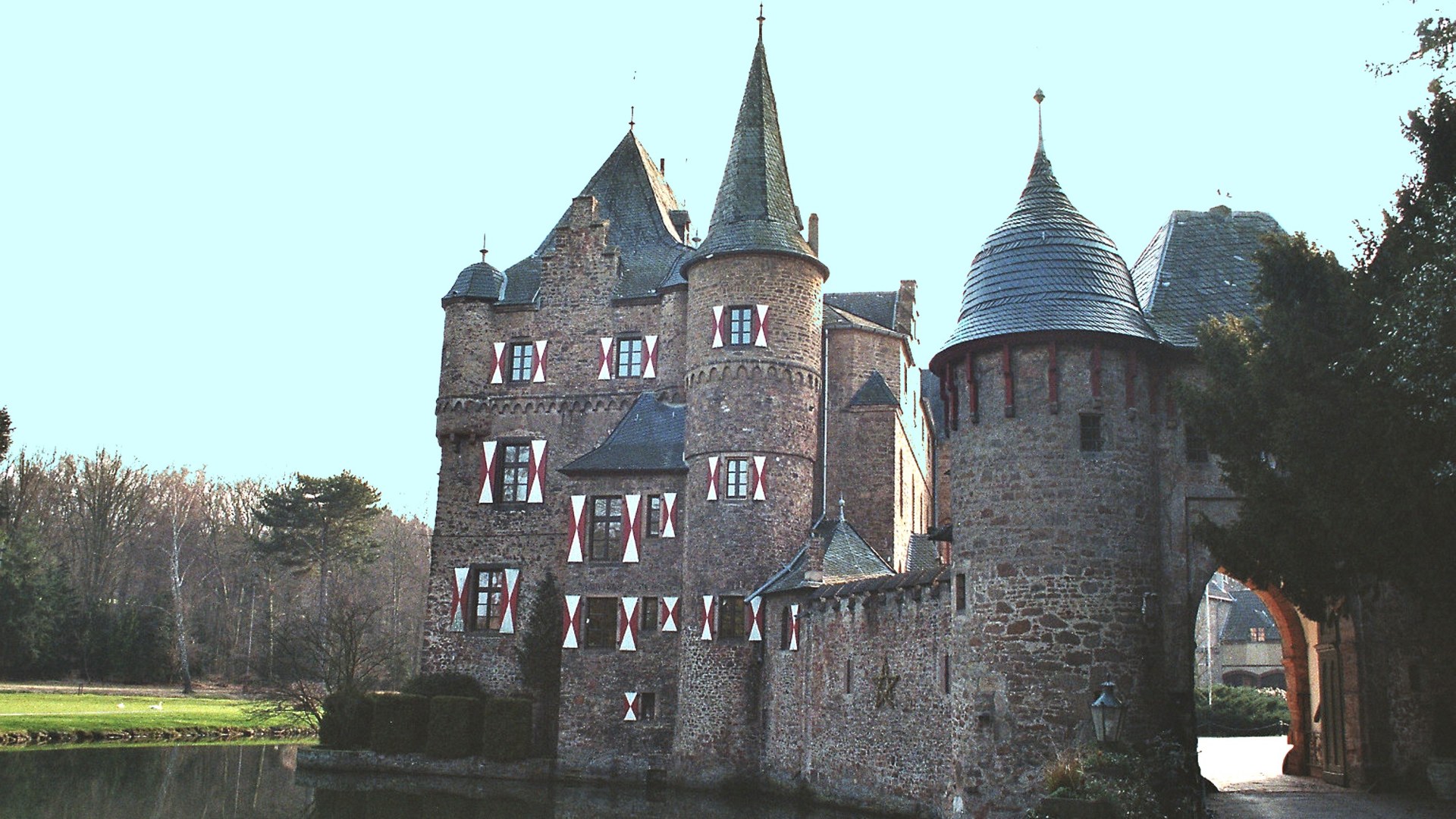
13. Burg Satzvey, Germany 
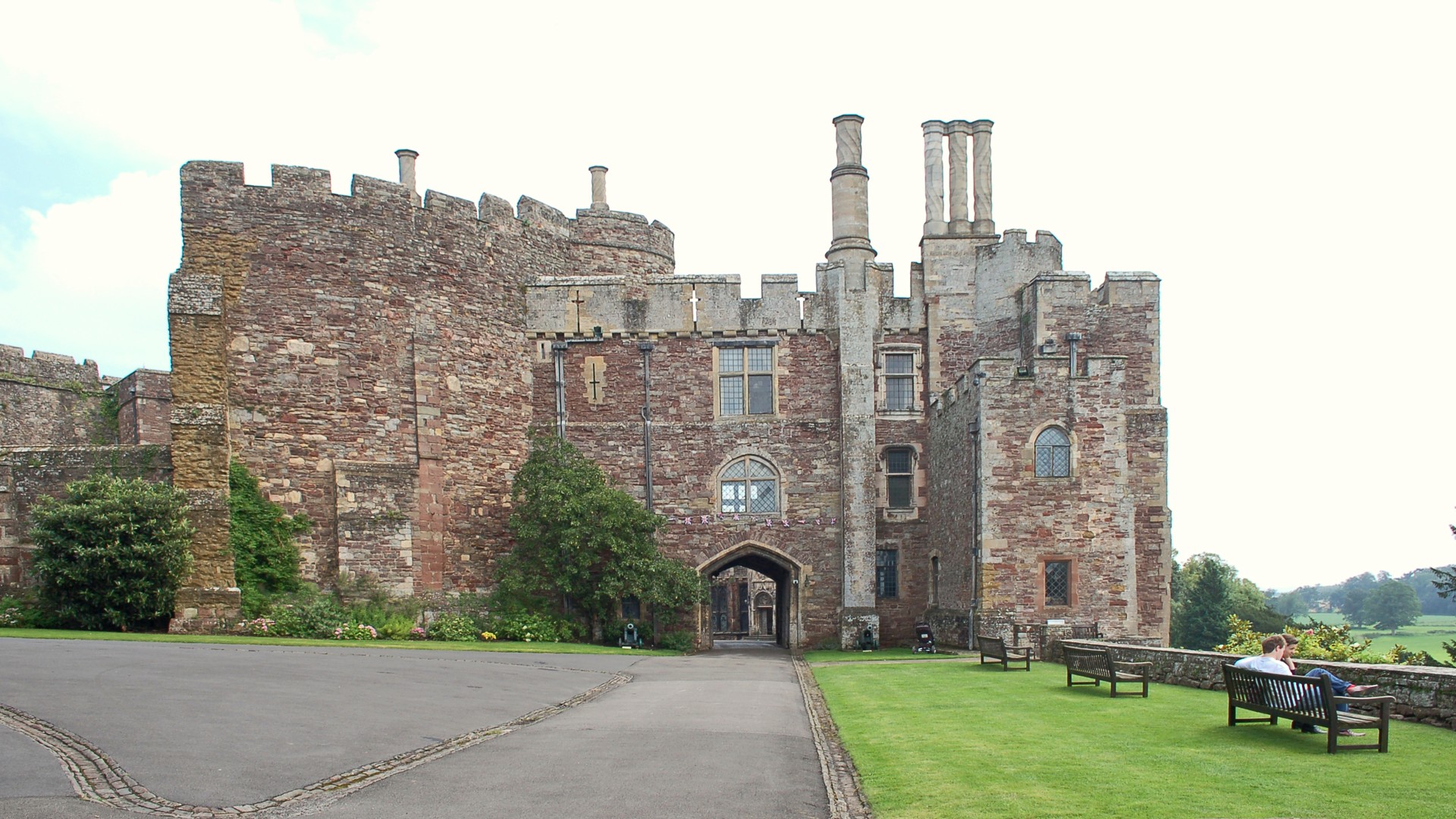
12. Berkeley Castle, England 
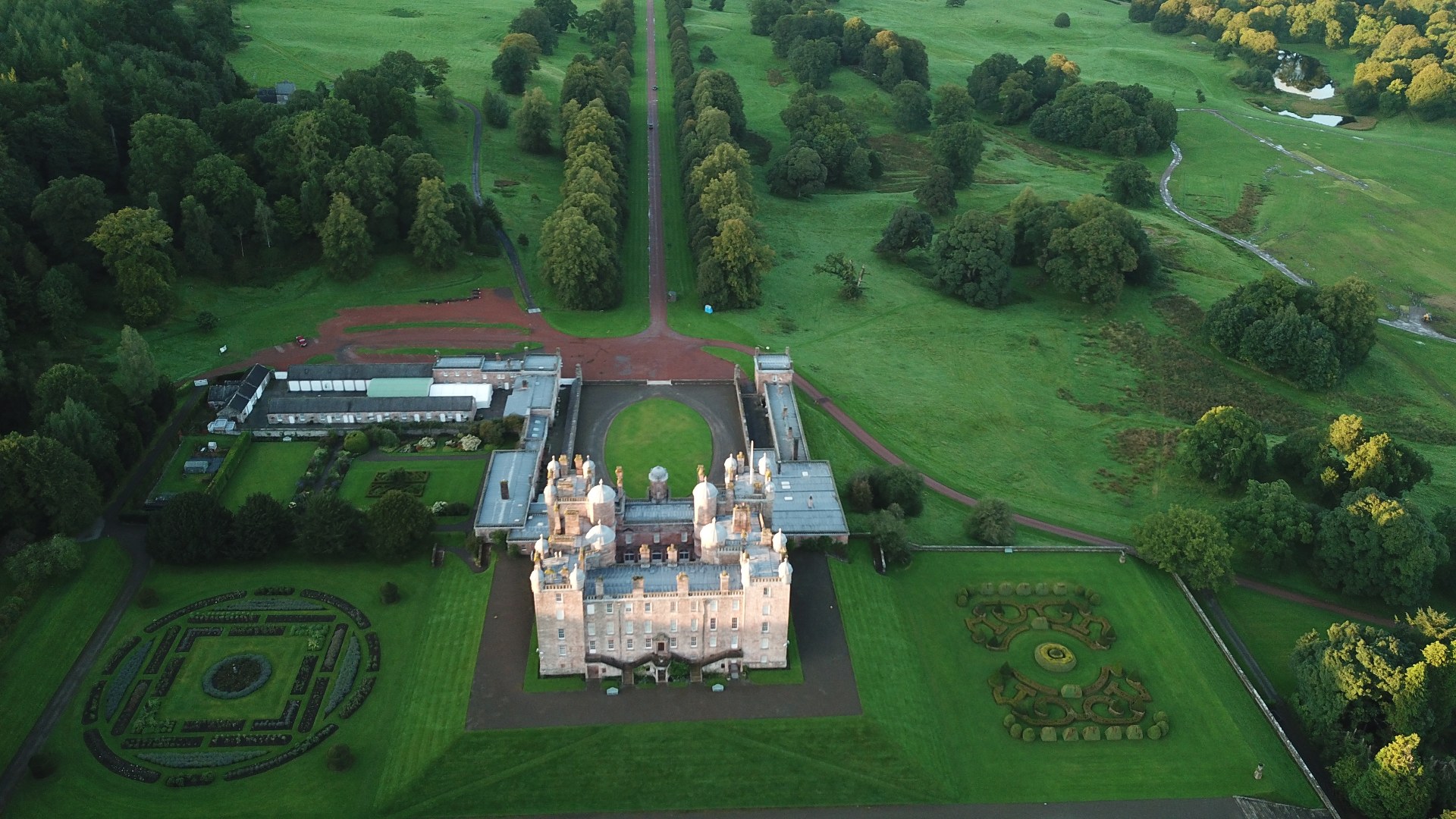
11. Drumlanrig Castle, Scotland - AdvertisementSwipe or tap ▶ to continue countdown

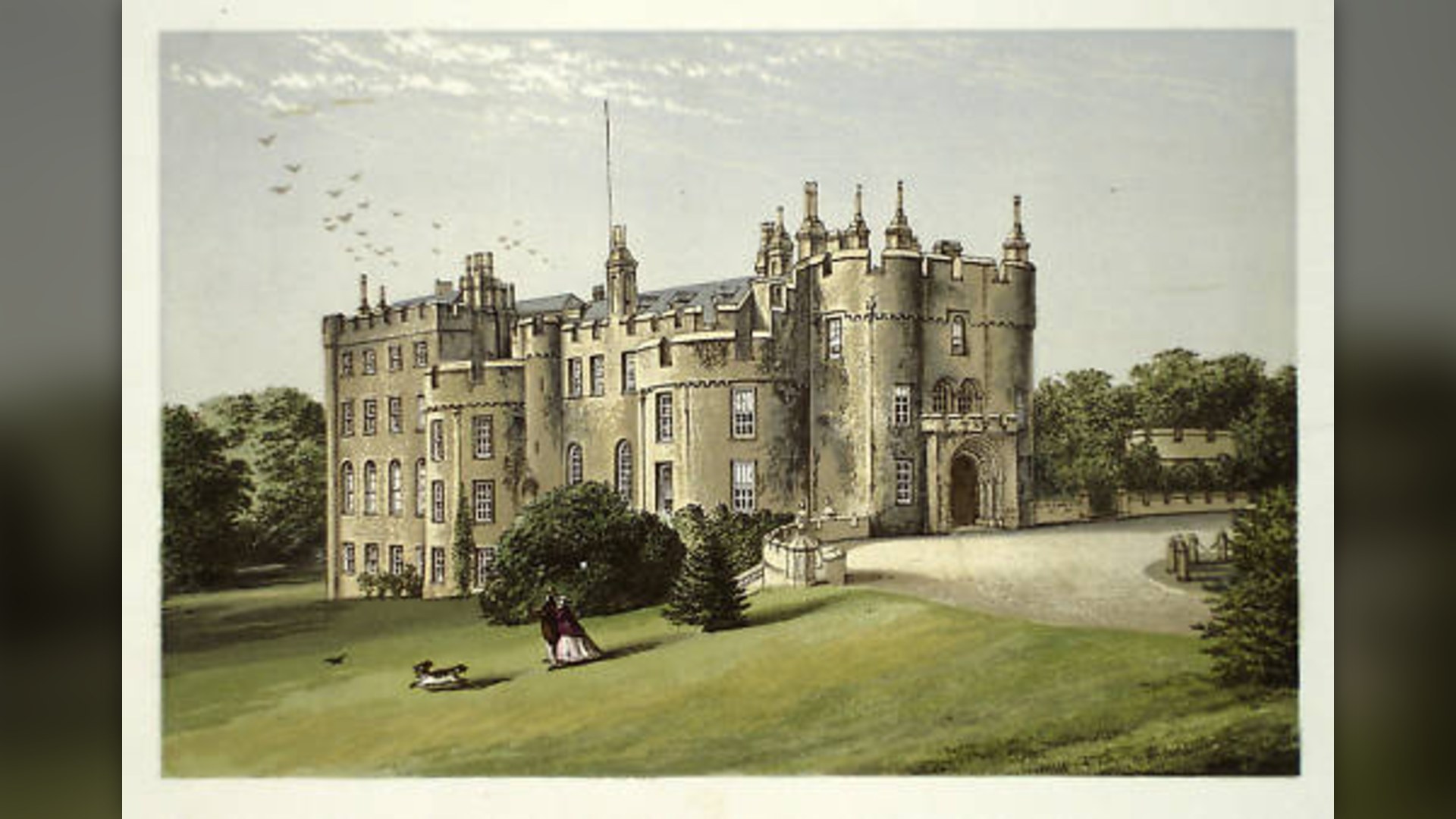
10. Picton Castle, Wales 
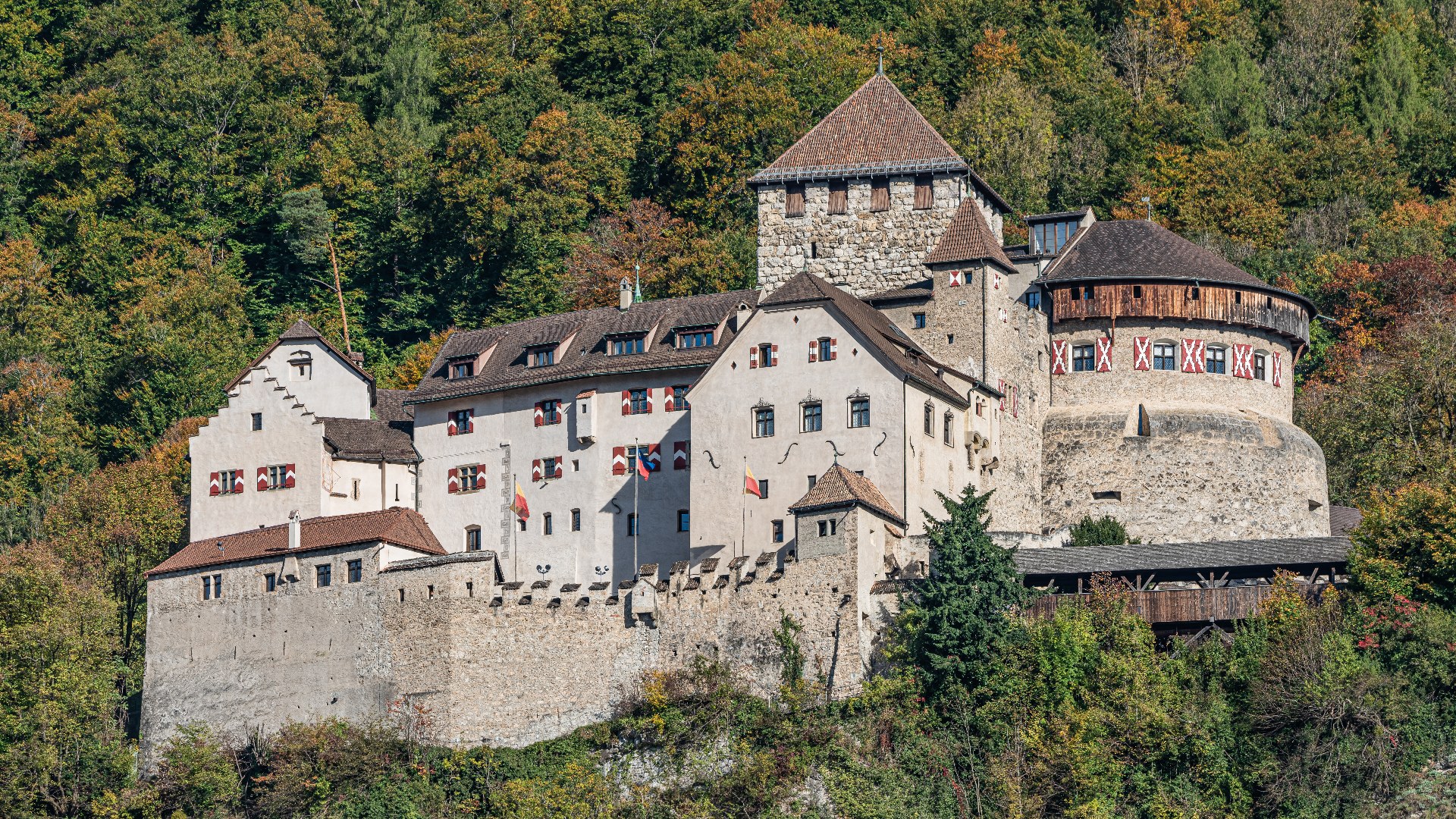
9. Vaduz Castle, Liechtenstein 
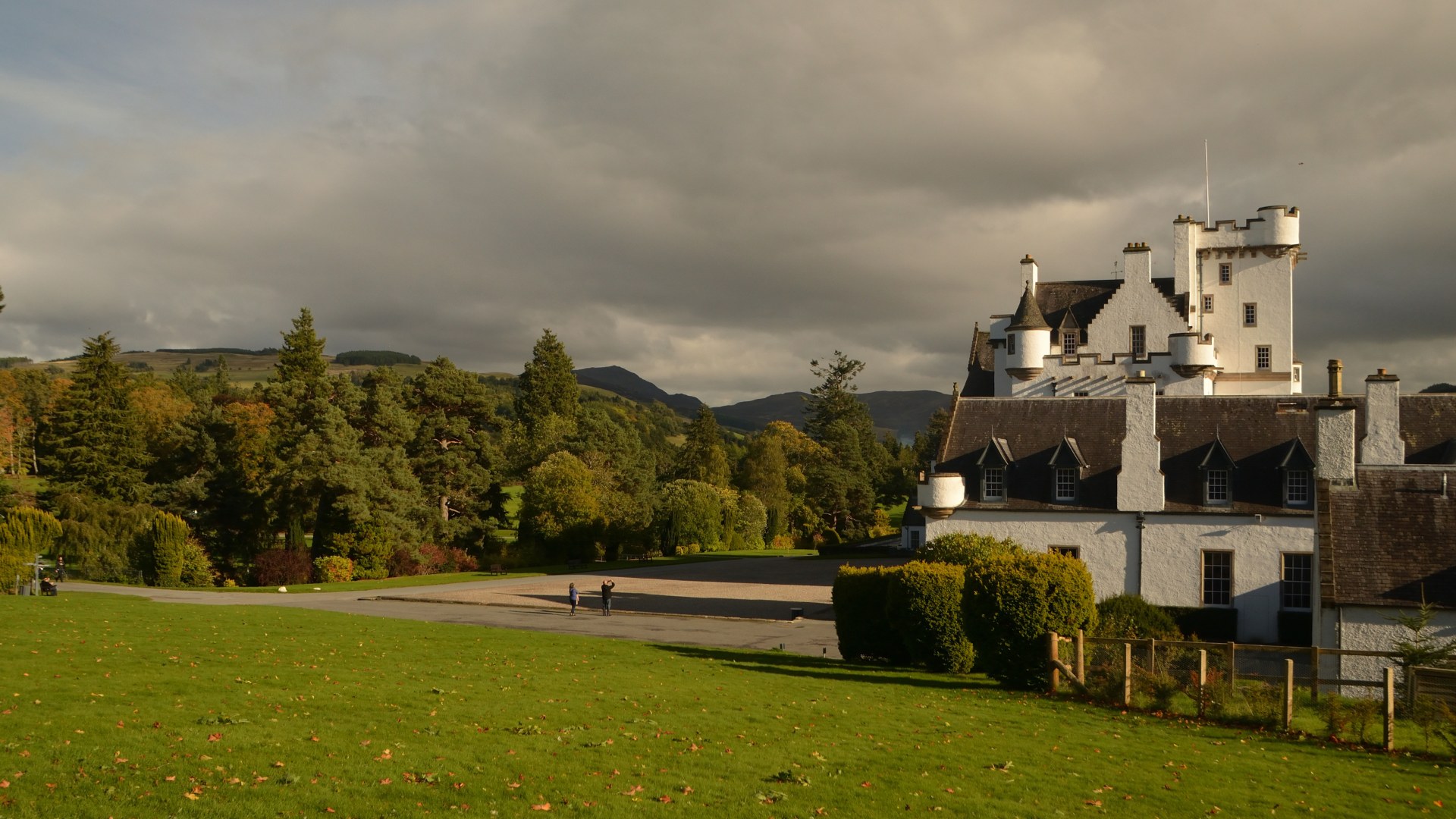
8. Blair Castle, Scotland 
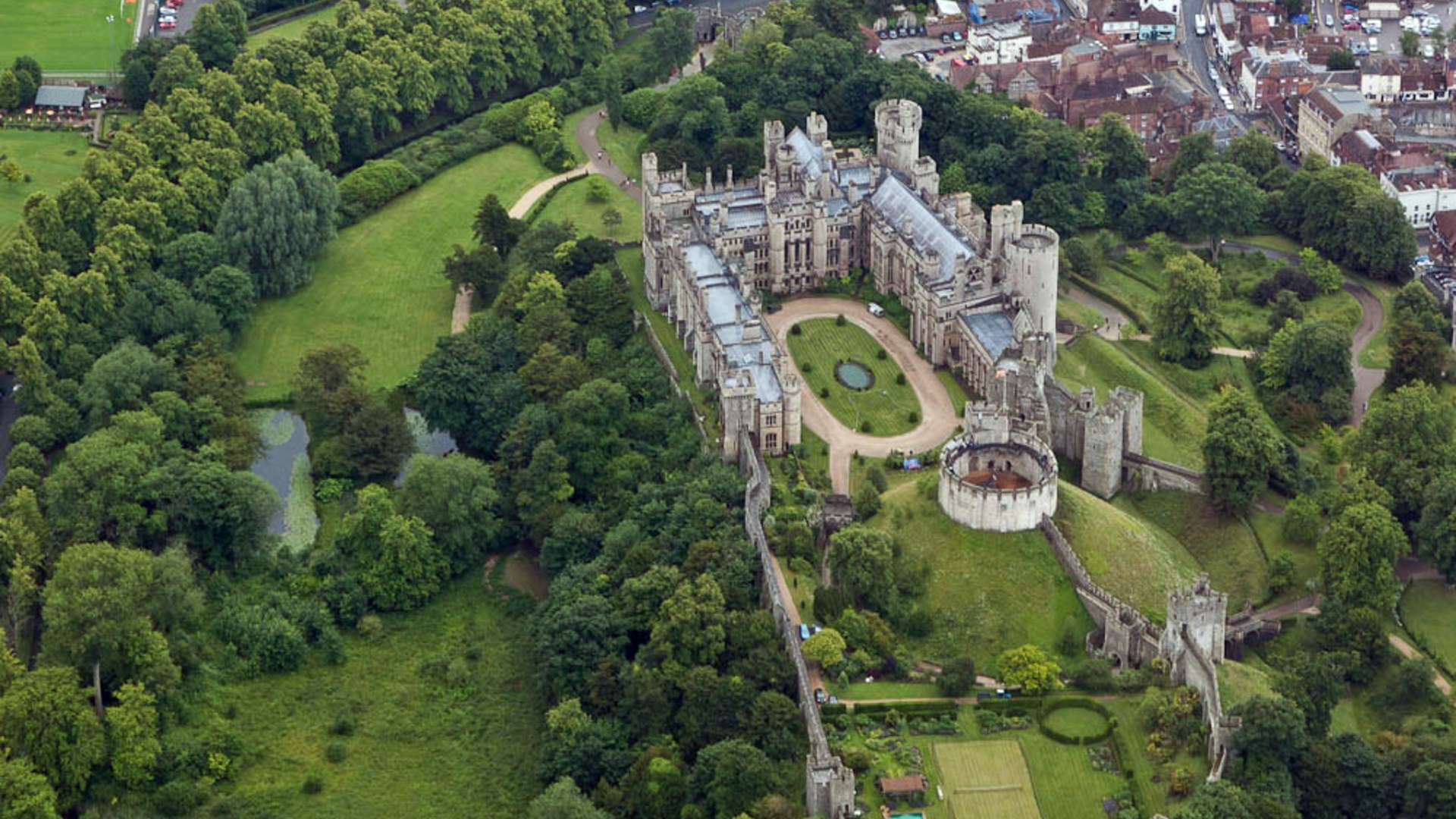
7. Arundel Castle, England - AdvertisementSwipe or tap ▶ to continue countdown

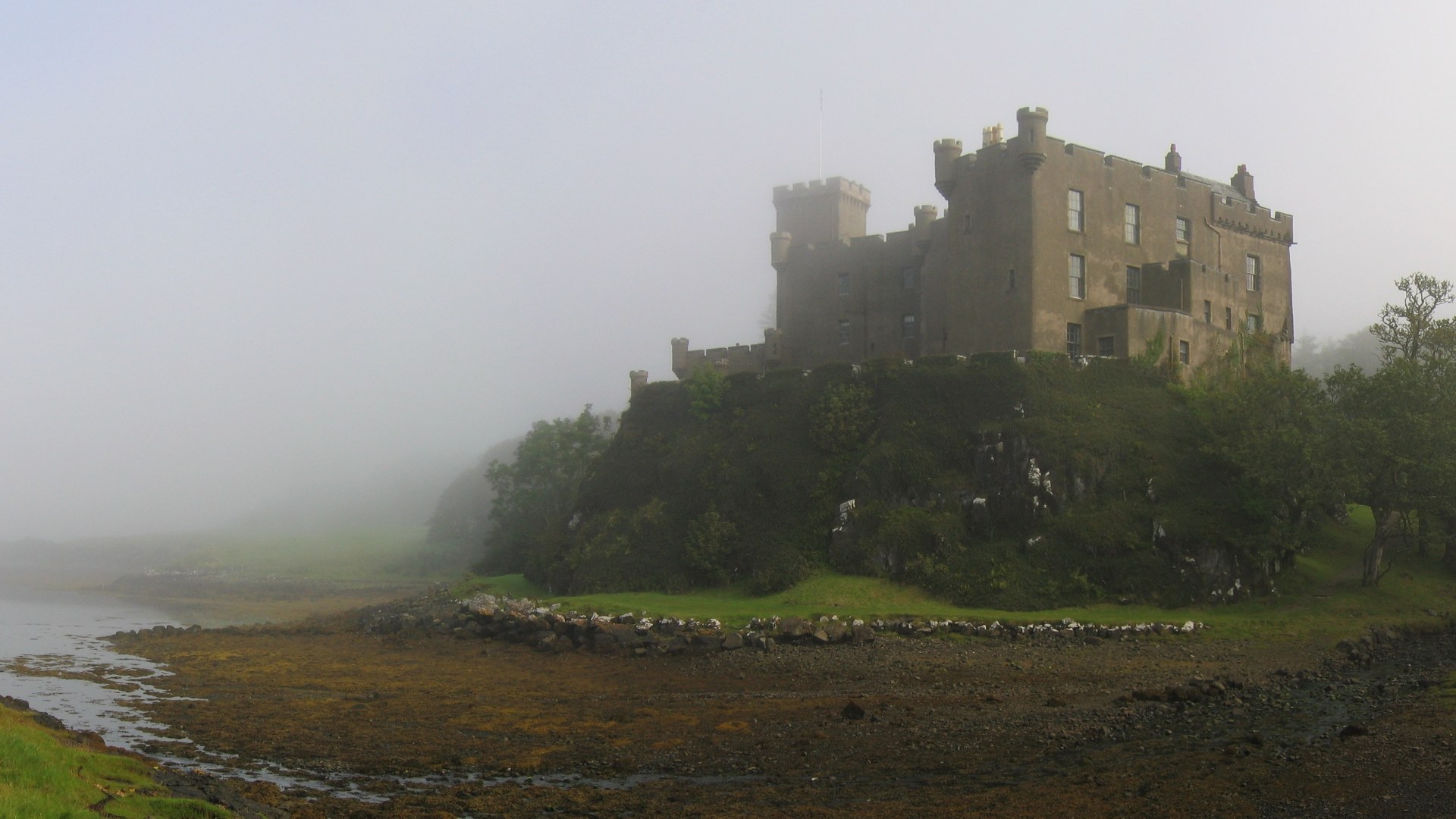
6. Dunvegan Castle, Scotland 
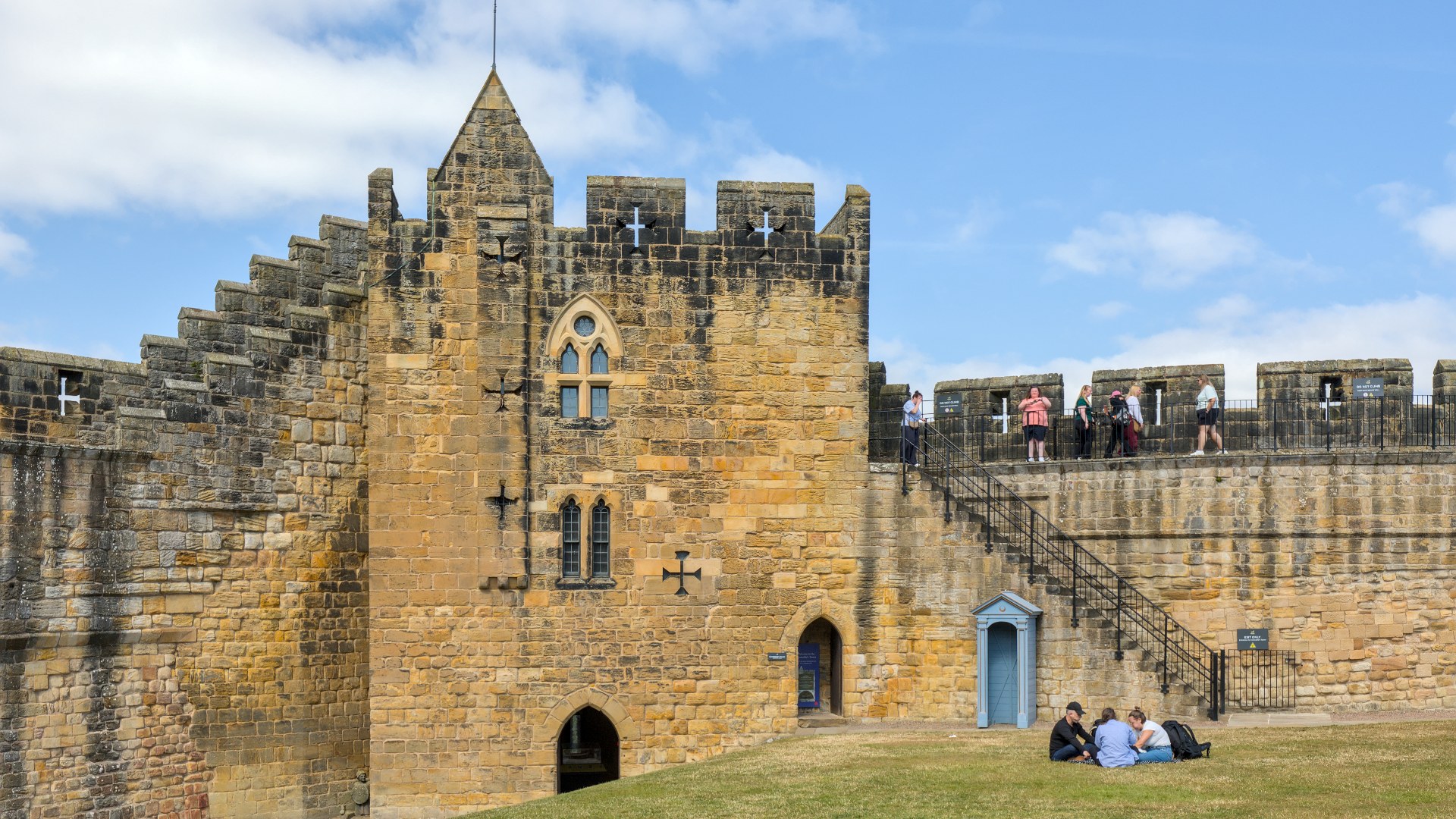
5. Alnwick Castle, England 
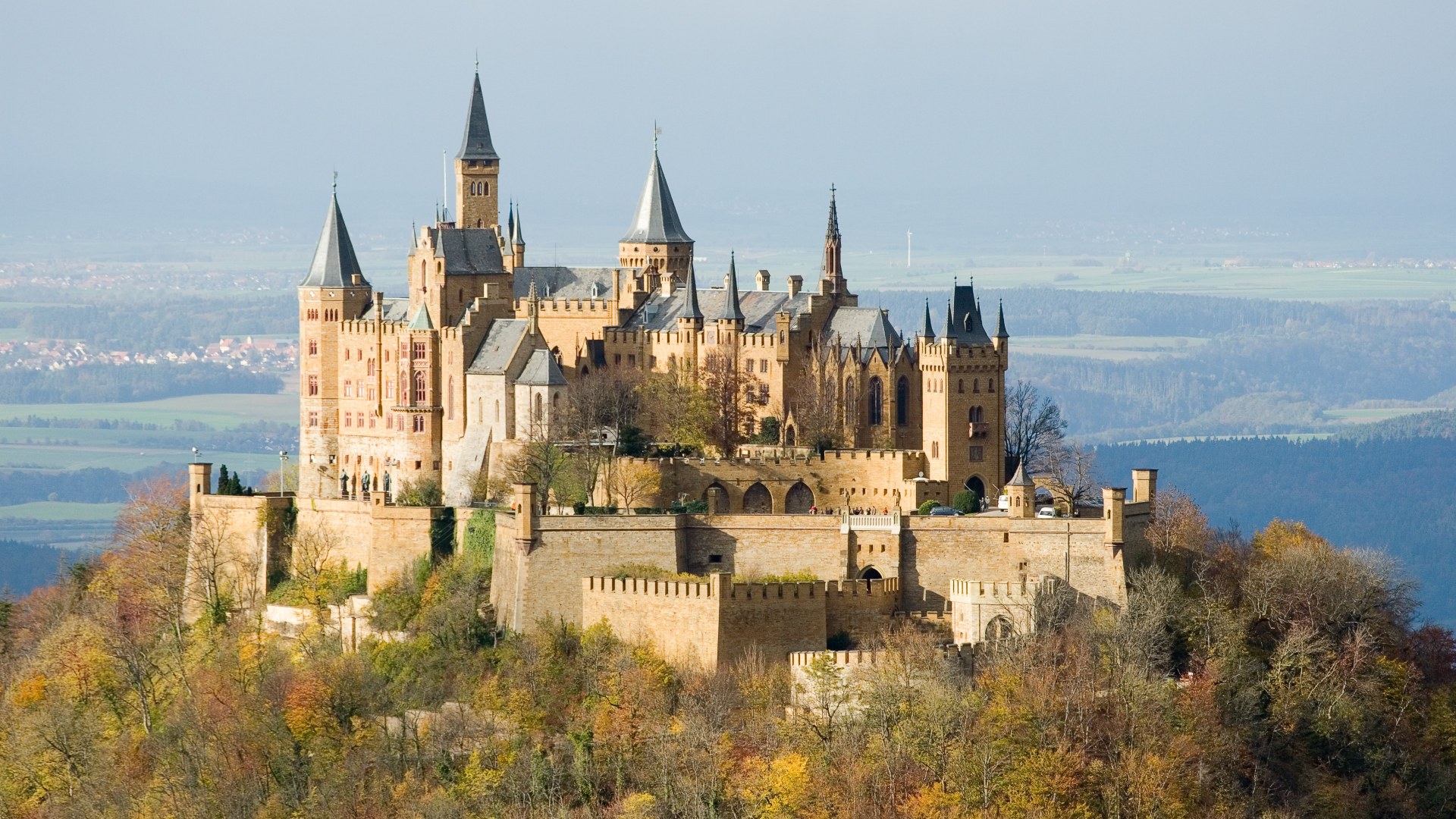
4. Burg Hohenzollern, Germany 
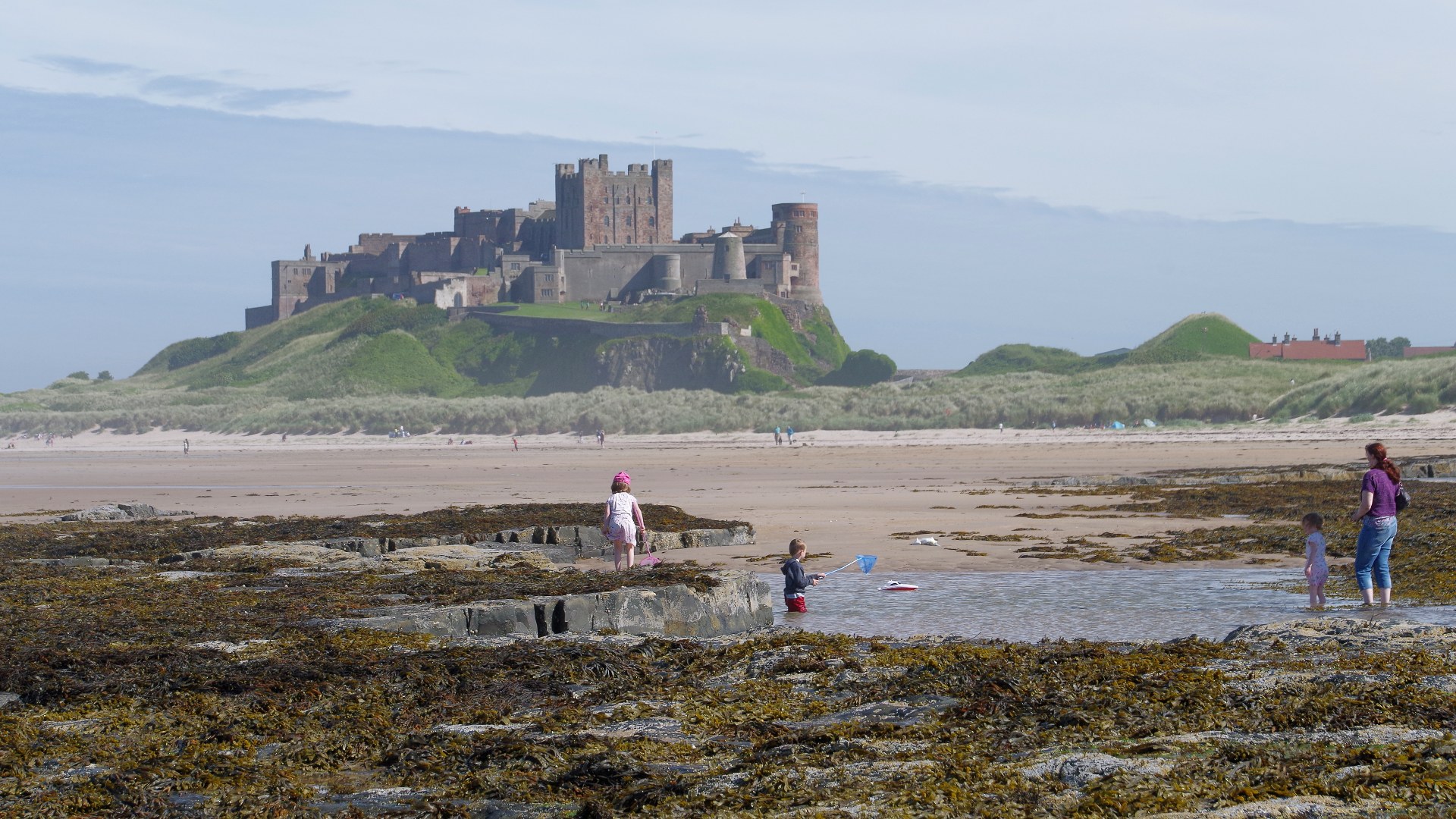
3. Bamburgh Castle, England - AdvertisementSwipe or tap ▶ to continue countdown

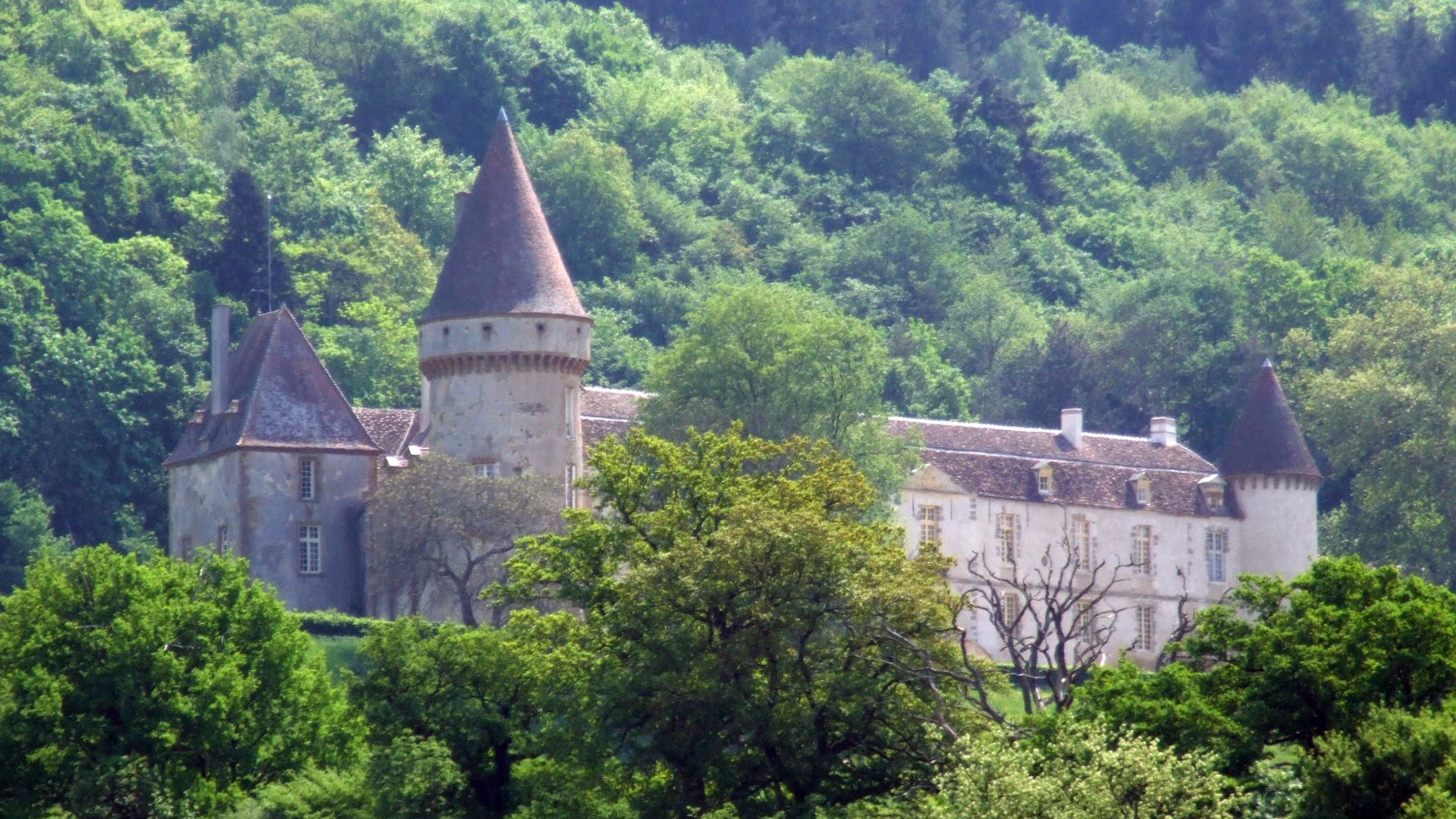
2. Chateau De Bazoches, France 
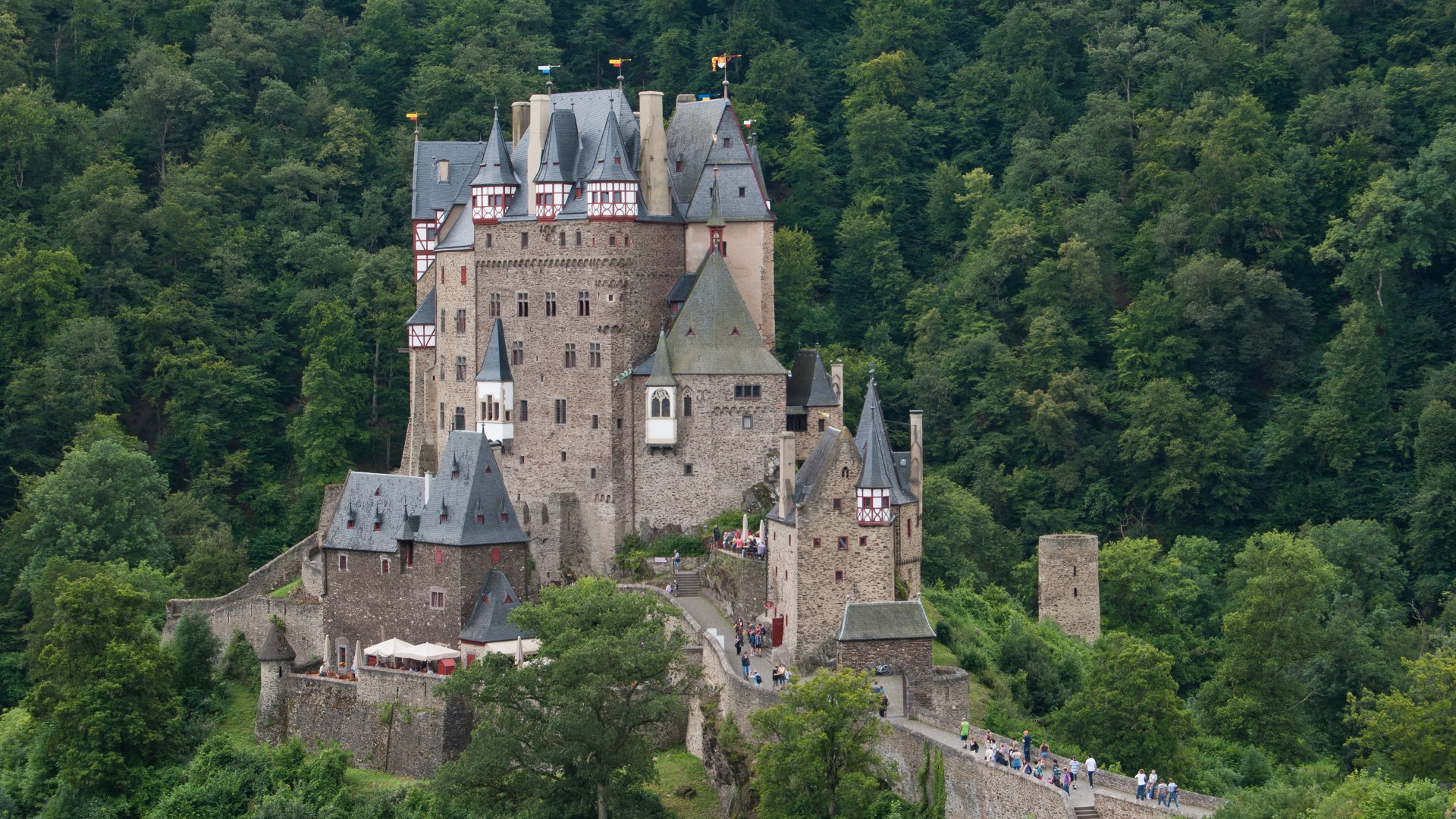
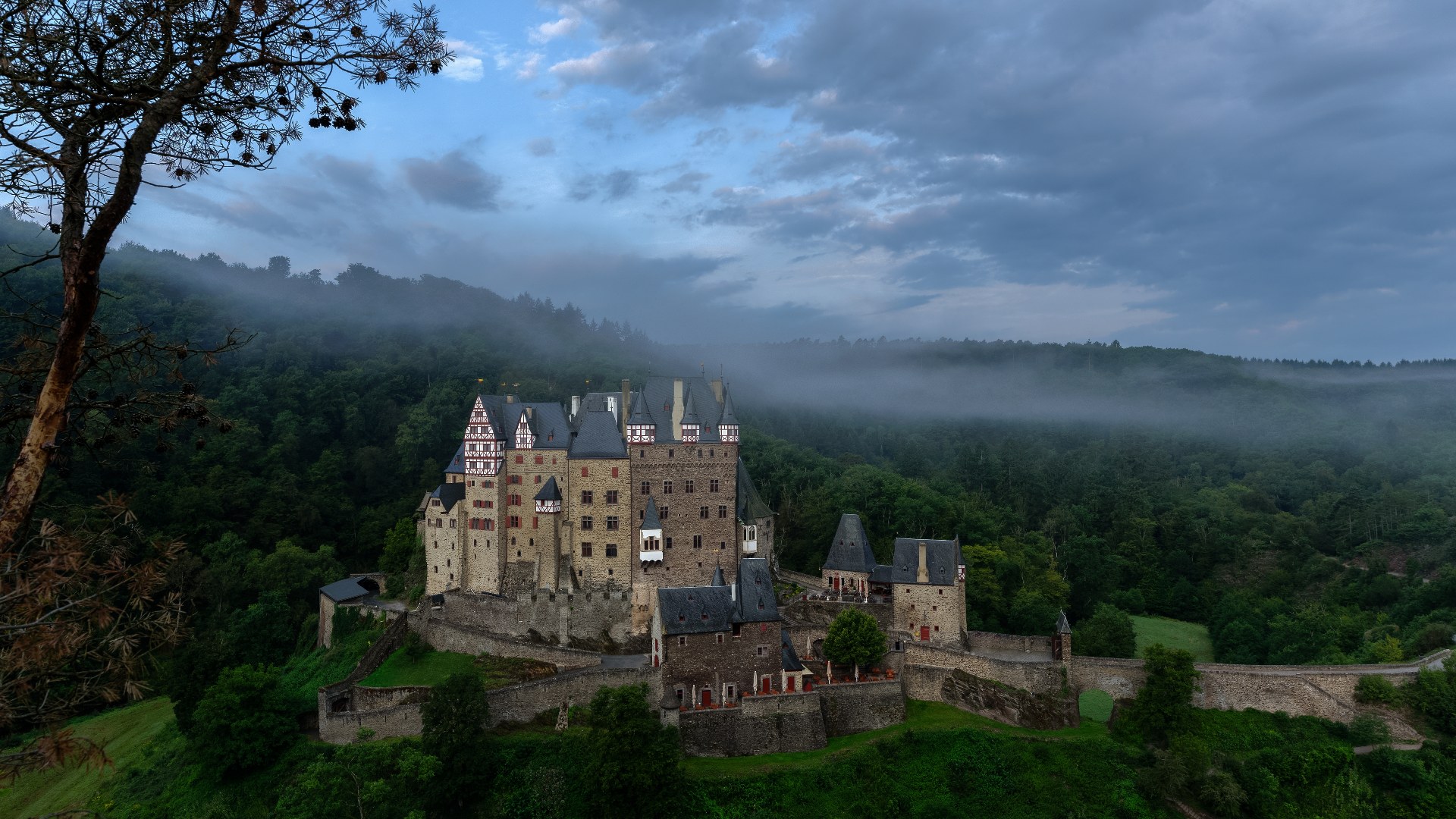
1. Burg Eltz, Germany - Advertisement🔥 UP NEXT IN THIS SERIES◫ 21 Slides

20 Famous Cars With Pop-Up Headlights That Shaped Car Design
From hand-cranked 1930s teardrops to wedge supercars of the 1980s, hidden headlights let stylists chase sleek aerodynamics until 2004 pedestrian rules closed the curtain. Here are 20 standout production cars that turned retractable lamps into an enduring automotive design feature across seven full decades.
These remarkable medieval fortresses have survived sieges, dynastic revolutions, and centuries of war. Rather than serving as silent museum relics, they remain active private residences, preserving living heritage across centuries.
Swipe or tap ▶ to begin the countdown
©Wikimedia / Johannes Dörrstock
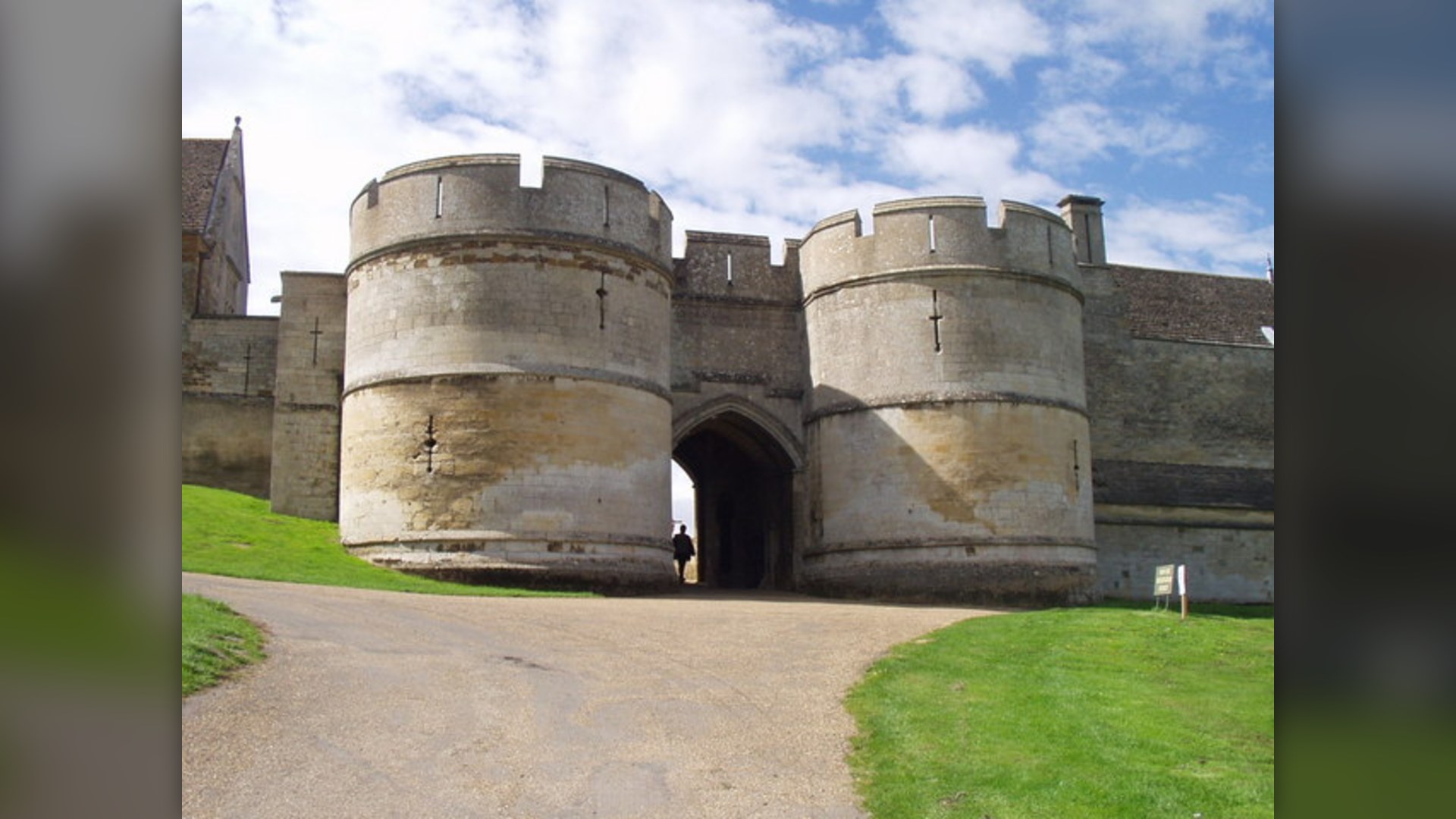
25. Rockingham Castle, England
William the Conqueror ordered the construction of Rockingham Castle after the Norman Conquest. Henry VIII later leased the estate to Edward Watson, whose direct descendants have maintained the historic stronghold as their private residence for over 450 years.
©Wikimedia / Brian Coleman
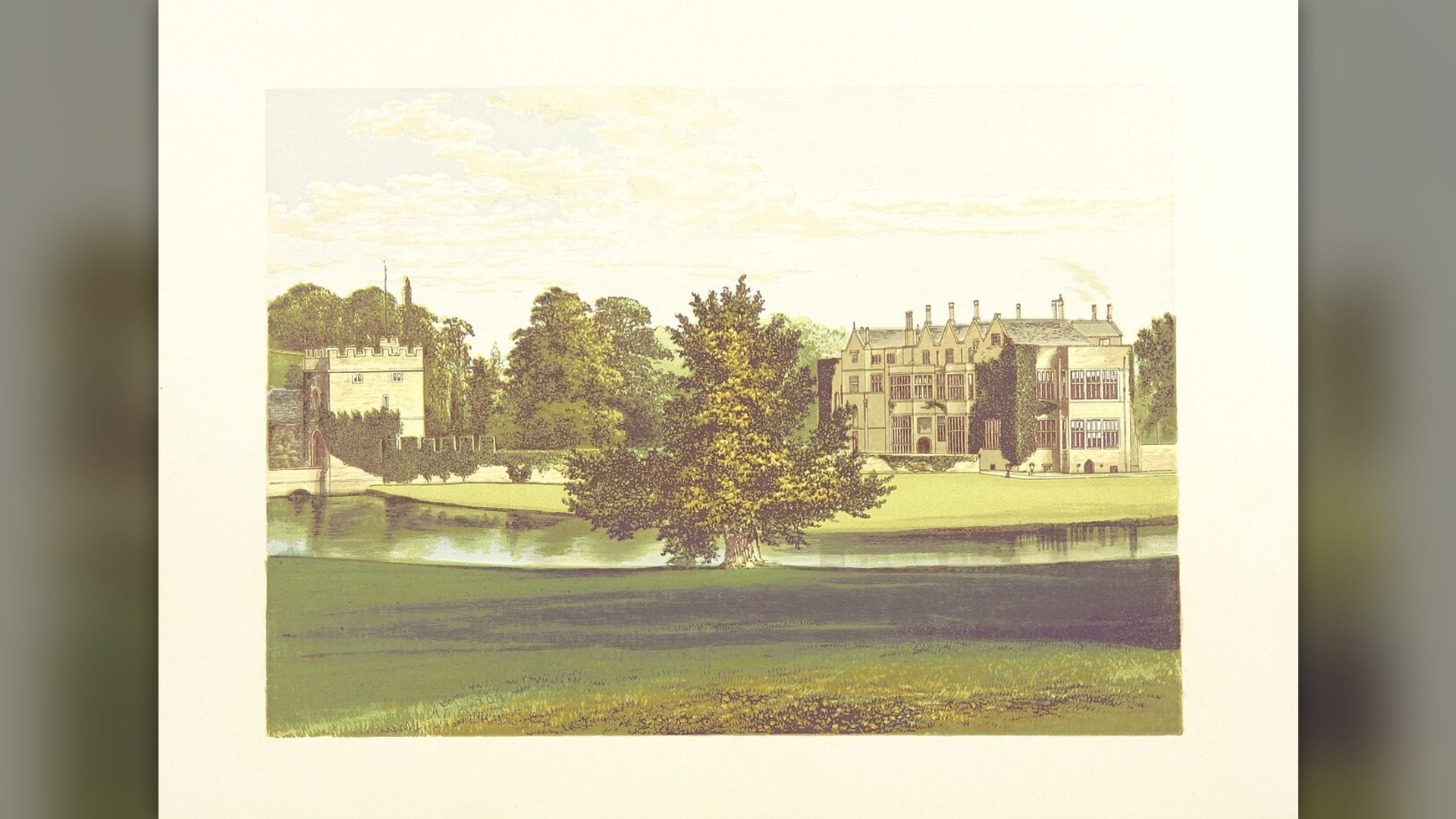
24. Broughton Castle, England
Begun in 1306 and fortified in 1406, Broughton Castle became a prominent gathering place for opponents of King Charles I during the English Civil War. The Fiennes family has stewarded the moated medieval complex through more than six centuries of English history.
©Wikimedia / This file is from the Mechanical Curator
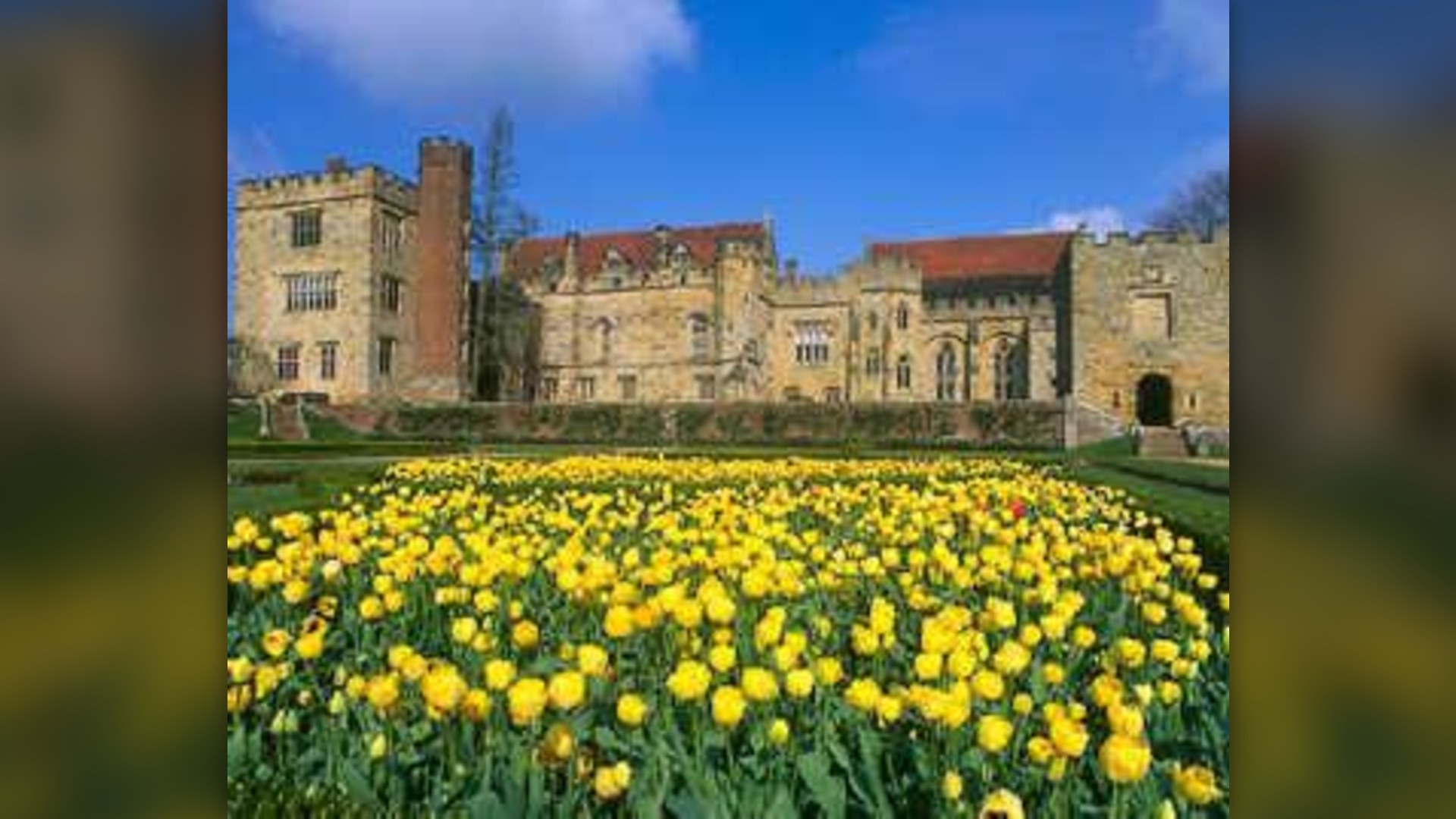
23. Penshurst Place, England
Penshurst Place was originally built in 1341 with its soaring medieval Baron's Hall and chestnut timber roof. For nearly five centuries, the Sidney family has preserved its Tudor architecture and Elizabethan state rooms as a cherished family residence.
©Wikimedia / Penshurst Place
Advertisement
Swipe or tap ▶ to resume the countdown.
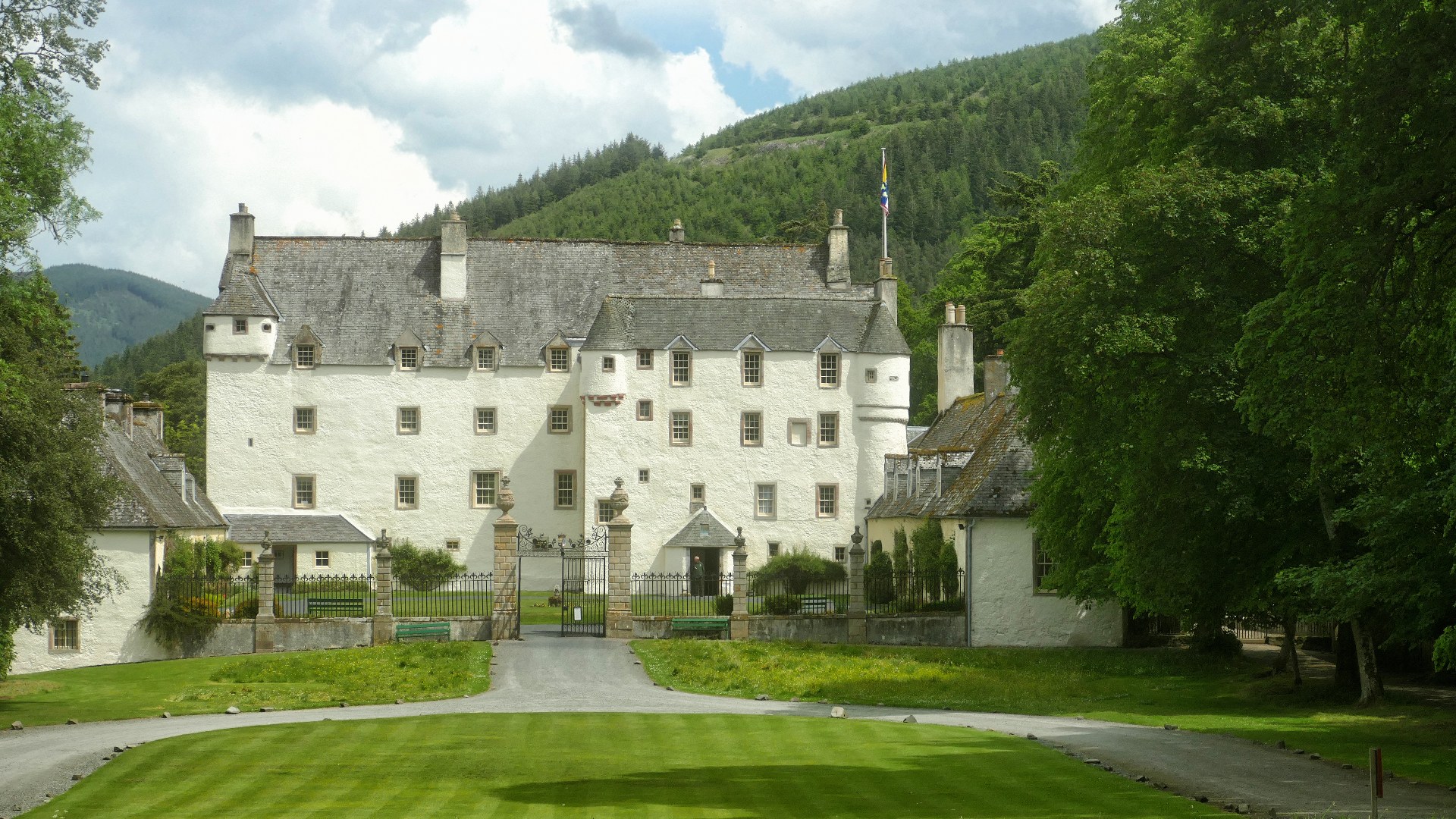
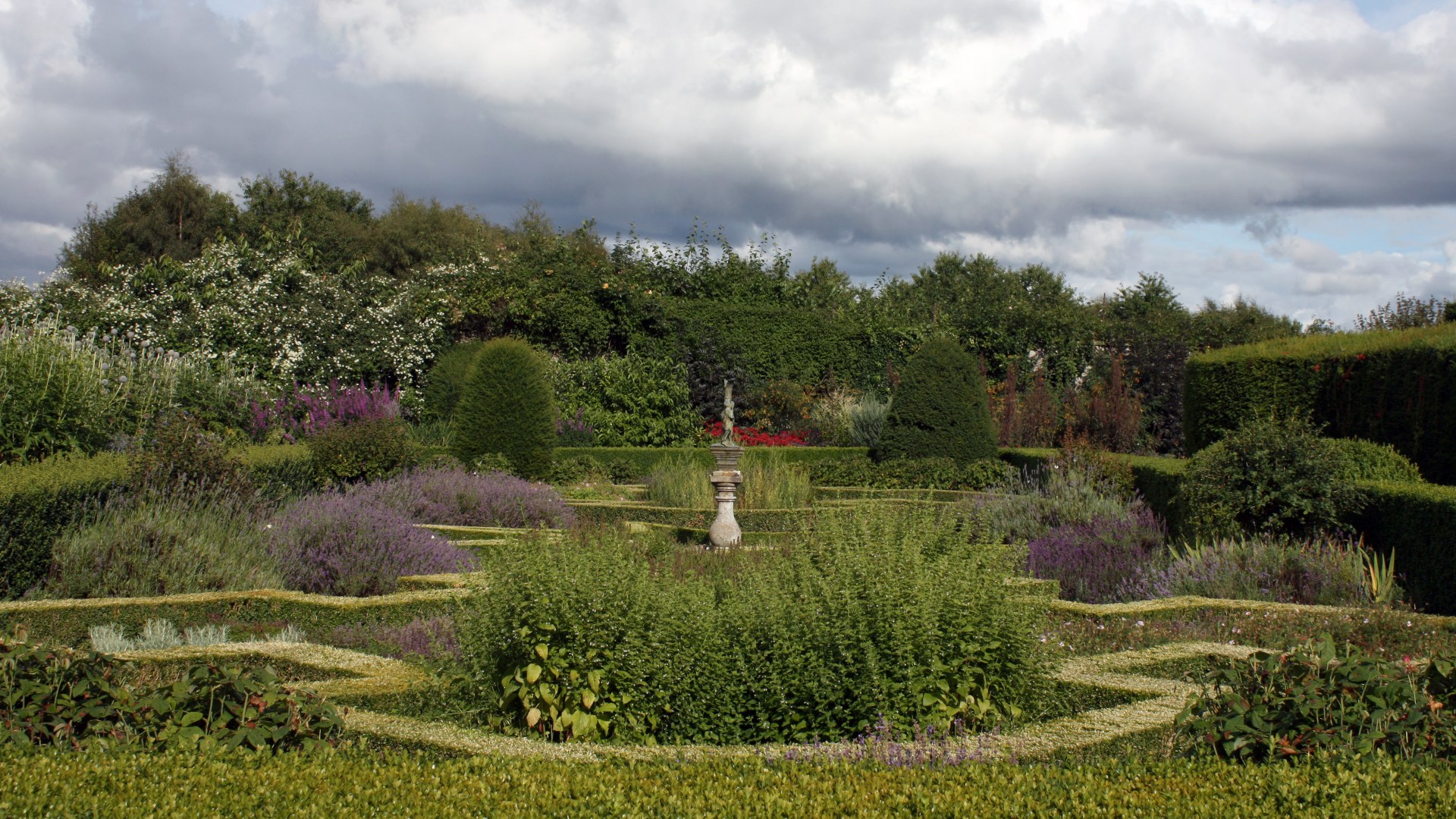
22. Traquair House, Scotland
Dating back to 1107 as a royal hunting lodge, Traquair was granted to the Earl of Buchan in 1491 and remains with the Maxwell Stuart family today. Its famous Bear Gates were locked in 1745 after Bonnie Prince Charlie departed, vowed never to reopen until a Stuart reigns.
©Wikimedia / Worldfootage
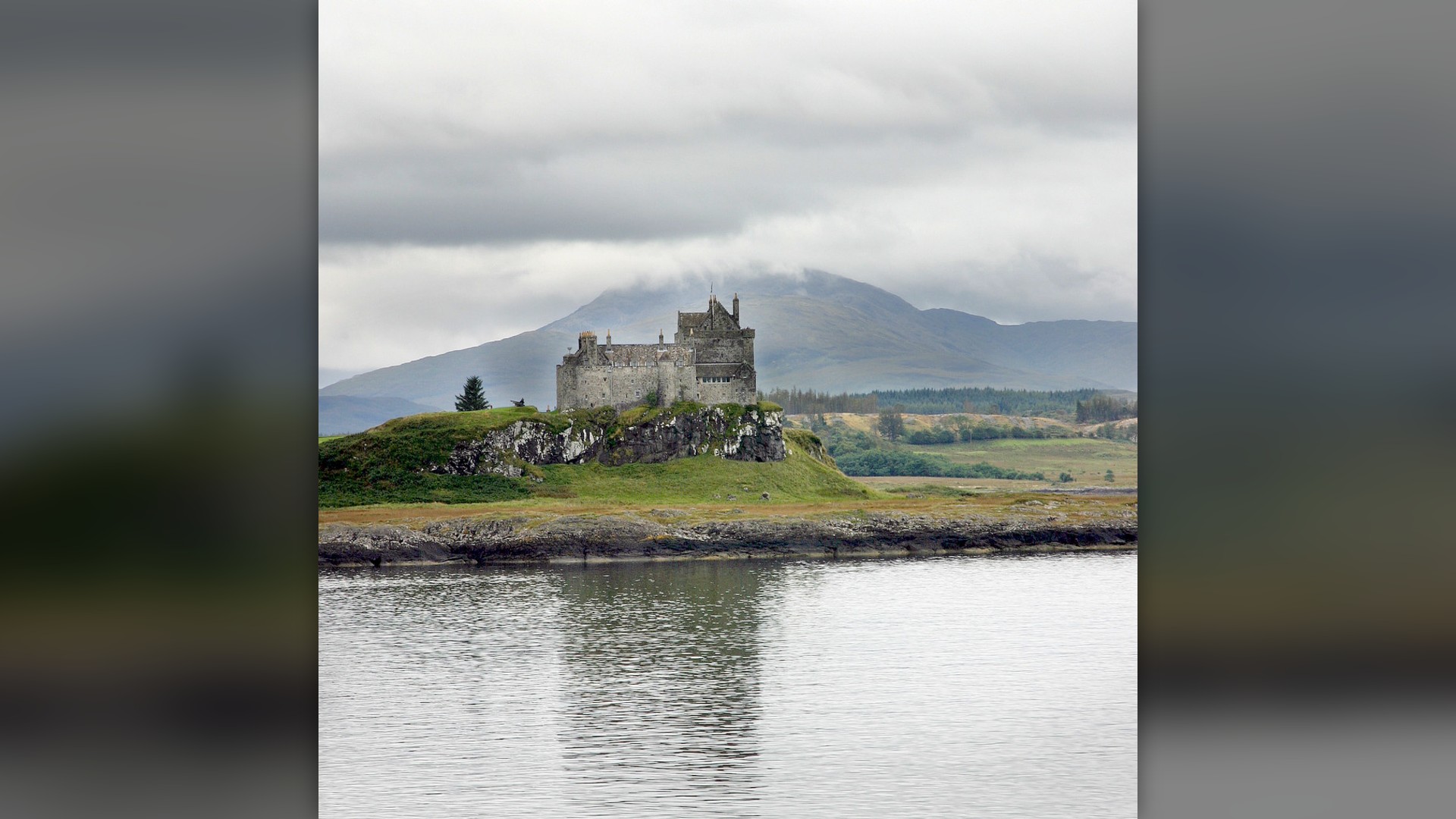
21. Duart Castle, Scotland
Strategically positioned to guard the Sound of Mull, Duart Castle served as the naval citadel of the MacLeans. After falling into ruin in the 18th century, Sir Fitzroy Maclean purchased and restored the ancestral keep in 1911, and the current 28th clan chief still resides here.
©Openverse / Martin Burns
20. Cawdor Castle, Scotland
Legend links Cawdor to Shakespeare's Macbeth, though the stone fortress was constructed centuries later around a central tower house. The Thane of Cawdor chose the building site by letting a donkey lead the way, and the original petrified tree trunk remains standing inside the vault.
©Wikimedia / Eusebius
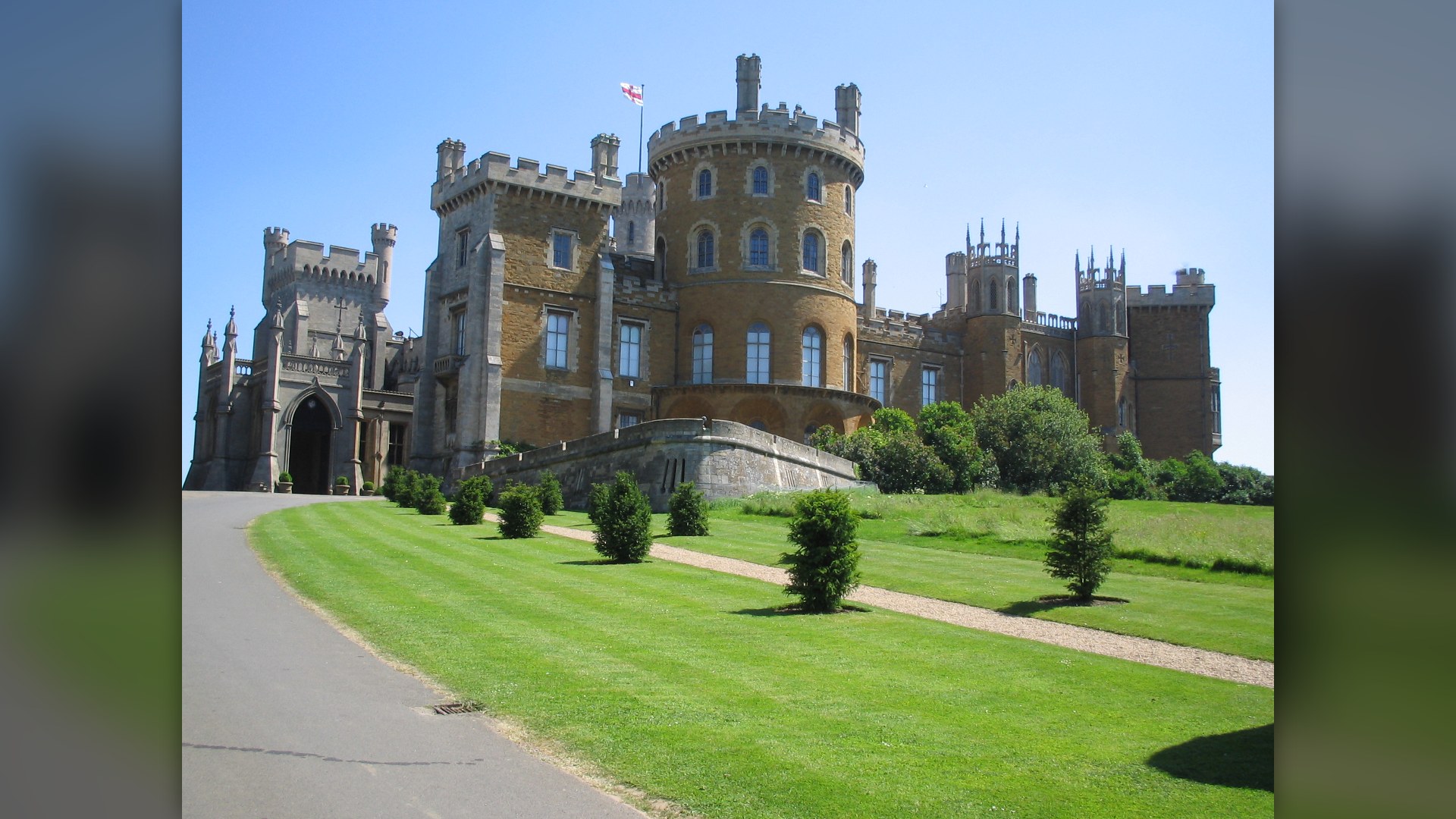
19. Belvoir Castle, England
Belvoir Castle stands on the site of an 11th-century Norman stronghold overlooking the Vale of Belvoir. Though rebuilt after fire and civil war, the fortress has remained in the possession of the Manners family for over 500 years, serving today as the home of the 11th Duke of Rutland.
©Wikimedia / Nancy
Advertisement
Swipe or tap ▶ to resume the countdown.
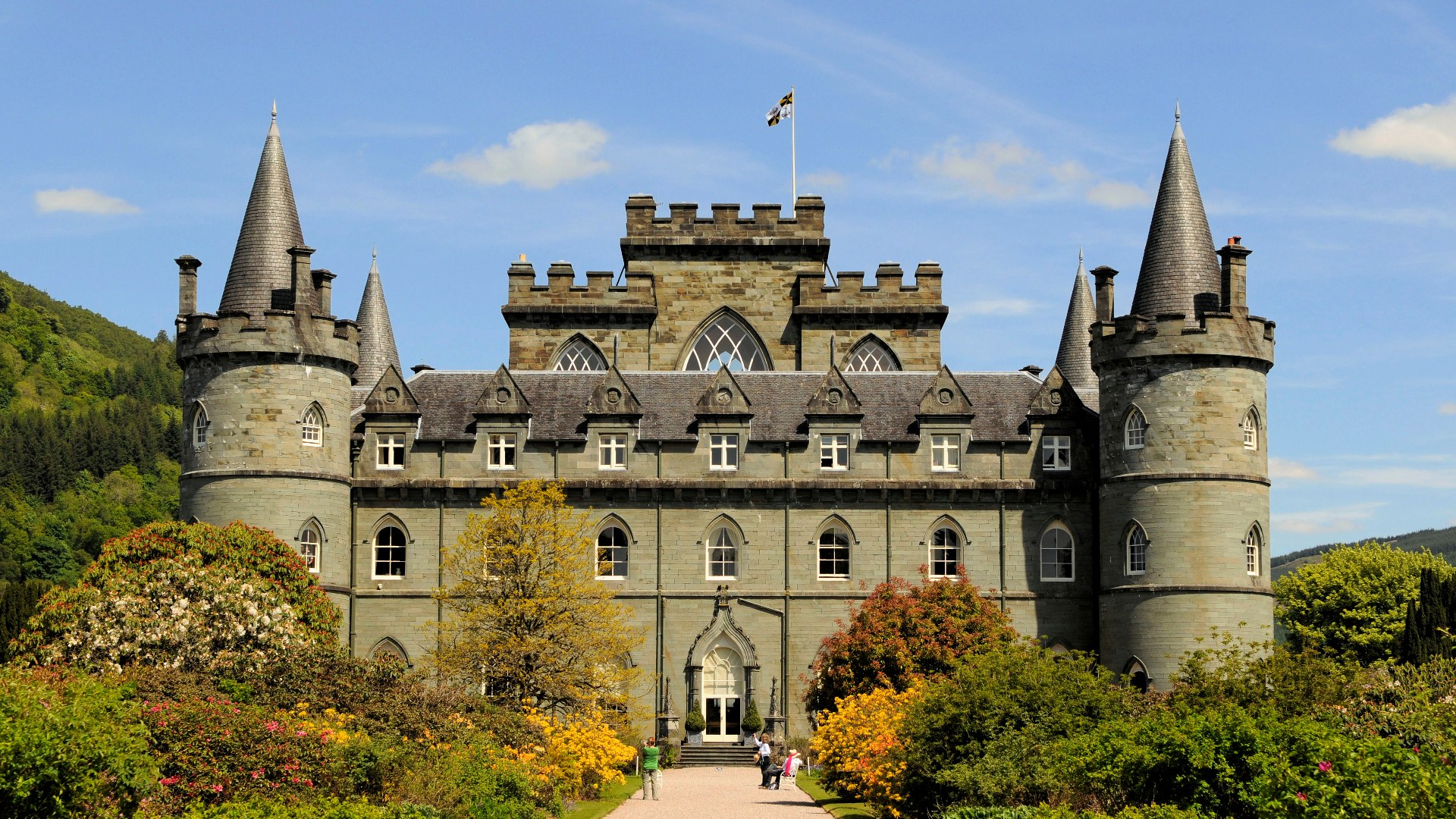
18. Inveraray Castle, Scotland
The Campbells established their fortified base at Inveraray in the 15th century before constructing the present Gothic Revival castle on the medieval foundations. Today, the 13th Duke of Argyll and his family reside in the private wings of this dramatic Highland estate.
©Wikimedia / Son of Groucho from Scotland
17. Dunrobin Castle, Scotland
With origins dating to medieval keep towers around 1300, Dunrobin resembles a French chateau perched above the sea. As the seat of the Clan Sutherland, it has survived clan rivalries and Jacobite skirmishes while continuing to house the Sutherland family for over seven centuries.
©Wikimedia / Dunrobin_Castle
16. Glamis Castle, Scotland
Granted to Sir John Lyon in 1372 by King Robert II of Scotland, Glamis Castle features turrets, battlements, and centuries of royal connections. It was the birthplace of Princess Margaret and continues to serve as the private residence of the Bowes-Lyon family today.
©Wikimedia / Maciej Lewandowski
15. Chateau De Brissac, France
Originally built as a 11th-century castle by the Counts of Anjou, Brissac was purchased by Rene de Cosse in 1502. Known as the tallest castle in France with its seven floors and 204 rooms, the current 14th Duke of Brissac and his family live in the historic fortress today.
©Wikimedia / JackyM59
Advertisement
Swipe or tap ▶ to resume the countdown.
14. Castello Di Rivalta, Italy
Castello di Rivalta was first recorded in 1025 and acquired by the Zanardi Landi dynasty around 1288. Surrounded by an intact fortified village, the castle features round medieval towers and defensive ramparts where Count Orazio Zanardi Landi and his family still live today.
©Wikimedia / Caba2011
13. Burg Satzvey, Germany
Constructed as a fortified moated redoubt in the 14th century, Burg Satzvey was built to withstand regional feudal conflicts. The Counts Beissel von Gymnich have maintained and occupied the castle for more than three centuries, balancing private family life with living history events.
©Wikimedia / Dguendel
12. Berkeley Castle, England
Berkeley Castle is one of only three English royal houses to be continuously lived in by the same family since Norman times. Henry II granted the fortress to Robert Fitzharding in 1153, and Fitzharding's descendants have walked its stone keep and great hall for almost nine centuries.
©Wikimedia / Berkeley Castle
11. Drumlanrig Castle, Scotland
Known as the Pink Palace due to its Dumfriesshire red sandstone, Drumlanrig was built by the 1st Duke of Queensberry on the site of an earlier Douglas stronghold. The Montagu Douglas Scott family still occupies the grand estate, maintaining its world-renowned art collection.
©Wikimedia / Username: cazgear
Advertisement
Swipe or tap ▶ to resume the countdown.
10. Picton Castle, Wales
Picton Castle is an unusual cross between a Norman military motte and an un-moated fortified manor. Acquired by marriage into the Philipps family in the 15th century, it remained continuously inhabited by their direct descendants until recent partnership with a preservation trust.
©Wikimedia / Morris
9. Vaduz Castle, Liechtenstein
Perched 400 feet above the capital on a steep Alpine cliff, Vaduz Castle was built around a 12th-century stone keep and expanded over centuries. Acquired by the Princely House of Liechtenstein in 1712, it was meticulously restored as the ruling family's permanent residence in 1939.
©Wikimedia / A.Savin
8. Blair Castle, Scotland
Strategically located at the gateway to the Scottish Highlands, Blair Castle has stood since John I Comyn began building the tower in 1269. It has hosted Mary Queen of Scots, endured Jacobite sieges, and remains the ceremonial and private family home of the Dukes of Atholl.
©Wikimedia / Andrew Tryon
7. Arundel Castle, England
Roger de Montgomery established Arundel Castle to protect the Sussex coastline following the Norman Conquest. Passed down through marriage to the Duke of Norfolk, Earl Marshal of England, the medieval keep and stately Victorian apartments remain the active residence of the Howard family.
©Wikimedia / Miles Sabin from Brighton, UK
Advertisement
Swipe or tap ▶ to resume the countdown.
6. Dunvegan Castle, Scotland
Unlike many castles that changed hands through conflict or bankruptcy, Dunvegan has been owned and lived in exclusively by the Chiefs of Clan MacLeod for eight continuous centuries. It houses clan heirlooms including the legendary Fairy Flag, said to have miraculous battlefield powers.
©Wikimedia / Klaus with K
5. Alnwick Castle, England
Constructed to guard the northern English frontier against Scottish invasion, Alnwick Castle spans expansive courtyards and stone ramparts. The Percy family purchased the fortress in 1309, and the 12th Duke of Northumberland and his family continue to reside in its private residential wing.
©Wikimedia / Benjamin Smith
4. Burg Hohenzollern, Germany
First constructed in the 11th century, this mountain crown was rebuilt in romantic neo-Gothic style by King Frederick William IV of Prussia. Still owned two-thirds by the Prussian royal branch and one-third by the Swabian Catholic branch, it remains the private hereditary property of the family.
©Wikimedia / A. Kniesel (= User:-donald-), Lauffen
3. Bamburgh Castle, England
Bamburgh served as the royal seat of the ancient Kings of Northumbria before Norman builders raised its towering stone keep. Victorian industrialist Lord Armstrong bought and restored the fortress in 1894, and his direct descendants continue to live within its historic coastal walls today.
©Wikimedia / mattbuck (category)
Advertisement
Swipe or tap ▶ to resume the countdown.
2. Chateau De Bazoches, France
Originally built around 1180 by the lords of Bazoches, the castle was acquired in 1675 by Sebastien Le Prestre de Vauban, Louis XIV's master military engineer. Vauban transformed it into a military design studio, and his descendants, the Sigalas family, continue to preserve and inhabit the estate.
©Wikimedia / Christophe.Finot
1. Burg Eltz, Germany
Nestled atop a 230-foot rock in the Eltz Forest, Burg Eltz is one of the rare European medieval castles never destroyed by war. The Kempenich branch of the Eltz family has stewarded the eight-towered fairytale fortress since the 12th century, maintaining 33 unbroken generations of continuous family care.

©Wikimedia / kaʁstn Disk/Cat
Advertisement
You've reached the end of the story. Thanks for reading!

20 Famous Cars With Pop-Up Headlights That Shaped Car Design
From hand-cranked 1930s teardrops to wedge supercars of the 1980s, hidden headlights let stylists chase sleek aerodynamics until 2004 pedestrian rules closed the curtain. Here are 20 standout production cars that turned retractable lamps into an enduring automotive design feature across seven full decades.
All 25 Entries in this Story
25. Rockingham Castle, England
William the Conqueror ordered the construction of Rockingham Castle after the Norman Conquest. Henry VIII later leased the estate to Edward Watson, whose direct descendants have maintained the historic stronghold as their private residence for over 450 years.

24. Broughton Castle, England
Begun in 1306 and fortified in 1406, Broughton Castle became a prominent gathering place for opponents of King Charles I during the English Civil War. The Fiennes family has stewarded the moated medieval complex through more than six centuries of English history.

23. Penshurst Place, England
Penshurst Place was originally built in 1341 with its soaring medieval Baron's Hall and chestnut timber roof. For nearly five centuries, the Sidney family has preserved its Tudor architecture and Elizabethan state rooms as a cherished family residence.

22. Traquair House, Scotland
Dating back to 1107 as a royal hunting lodge, Traquair was granted to the Earl of Buchan in 1491 and remains with the Maxwell Stuart family today. Its famous Bear Gates were locked in 1745 after Bonnie Prince Charlie departed, vowed never to reopen until a Stuart reigns.

21. Duart Castle, Scotland
Strategically positioned to guard the Sound of Mull, Duart Castle served as the naval citadel of the MacLeans. After falling into ruin in the 18th century, Sir Fitzroy Maclean purchased and restored the ancestral keep in 1911, and the current 28th clan chief still resides here.

20. Cawdor Castle, Scotland
Legend links Cawdor to Shakespeare's Macbeth, though the stone fortress was constructed centuries later around a central tower house. The Thane of Cawdor chose the building site by letting a donkey lead the way, and the original petrified tree trunk remains standing inside the vault.

19. Belvoir Castle, England
Belvoir Castle stands on the site of an 11th-century Norman stronghold overlooking the Vale of Belvoir. Though rebuilt after fire and civil war, the fortress has remained in the possession of the Manners family for over 500 years, serving today as the home of the 11th Duke of Rutland.

18. Inveraray Castle, Scotland
The Campbells established their fortified base at Inveraray in the 15th century before constructing the present Gothic Revival castle on the medieval foundations. Today, the 13th Duke of Argyll and his family reside in the private wings of this dramatic Highland estate.

17. Dunrobin Castle, Scotland
With origins dating to medieval keep towers around 1300, Dunrobin resembles a French chateau perched above the sea. As the seat of the Clan Sutherland, it has survived clan rivalries and Jacobite skirmishes while continuing to house the Sutherland family for over seven centuries.

16. Glamis Castle, Scotland
Granted to Sir John Lyon in 1372 by King Robert II of Scotland, Glamis Castle features turrets, battlements, and centuries of royal connections. It was the birthplace of Princess Margaret and continues to serve as the private residence of the Bowes-Lyon family today.

15. Chateau De Brissac, France
Originally built as a 11th-century castle by the Counts of Anjou, Brissac was purchased by Rene de Cosse in 1502. Known as the tallest castle in France with its seven floors and 204 rooms, the current 14th Duke of Brissac and his family live in the historic fortress today.

14. Castello Di Rivalta, Italy
Castello di Rivalta was first recorded in 1025 and acquired by the Zanardi Landi dynasty around 1288. Surrounded by an intact fortified village, the castle features round medieval towers and defensive ramparts where Count Orazio Zanardi Landi and his family still live today.

13. Burg Satzvey, Germany
Constructed as a fortified moated redoubt in the 14th century, Burg Satzvey was built to withstand regional feudal conflicts. The Counts Beissel von Gymnich have maintained and occupied the castle for more than three centuries, balancing private family life with living history events.

12. Berkeley Castle, England
Berkeley Castle is one of only three English royal houses to be continuously lived in by the same family since Norman times. Henry II granted the fortress to Robert Fitzharding in 1153, and Fitzharding's descendants have walked its stone keep and great hall for almost nine centuries.

11. Drumlanrig Castle, Scotland
Known as the Pink Palace due to its Dumfriesshire red sandstone, Drumlanrig was built by the 1st Duke of Queensberry on the site of an earlier Douglas stronghold. The Montagu Douglas Scott family still occupies the grand estate, maintaining its world-renowned art collection.

10. Picton Castle, Wales
Picton Castle is an unusual cross between a Norman military motte and an un-moated fortified manor. Acquired by marriage into the Philipps family in the 15th century, it remained continuously inhabited by their direct descendants until recent partnership with a preservation trust.

9. Vaduz Castle, Liechtenstein
Perched 400 feet above the capital on a steep Alpine cliff, Vaduz Castle was built around a 12th-century stone keep and expanded over centuries. Acquired by the Princely House of Liechtenstein in 1712, it was meticulously restored as the ruling family's permanent residence in 1939.

8. Blair Castle, Scotland
Strategically located at the gateway to the Scottish Highlands, Blair Castle has stood since John I Comyn began building the tower in 1269. It has hosted Mary Queen of Scots, endured Jacobite sieges, and remains the ceremonial and private family home of the Dukes of Atholl.

7. Arundel Castle, England
Roger de Montgomery established Arundel Castle to protect the Sussex coastline following the Norman Conquest. Passed down through marriage to the Duke of Norfolk, Earl Marshal of England, the medieval keep and stately Victorian apartments remain the active residence of the Howard family.

6. Dunvegan Castle, Scotland
Unlike many castles that changed hands through conflict or bankruptcy, Dunvegan has been owned and lived in exclusively by the Chiefs of Clan MacLeod for eight continuous centuries. It houses clan heirlooms including the legendary Fairy Flag, said to have miraculous battlefield powers.

5. Alnwick Castle, England
Constructed to guard the northern English frontier against Scottish invasion, Alnwick Castle spans expansive courtyards and stone ramparts. The Percy family purchased the fortress in 1309, and the 12th Duke of Northumberland and his family continue to reside in its private residential wing.

4. Burg Hohenzollern, Germany
First constructed in the 11th century, this mountain crown was rebuilt in romantic neo-Gothic style by King Frederick William IV of Prussia. Still owned two-thirds by the Prussian royal branch and one-third by the Swabian Catholic branch, it remains the private hereditary property of the family.

3. Bamburgh Castle, England
Bamburgh served as the royal seat of the ancient Kings of Northumbria before Norman builders raised its towering stone keep. Victorian industrialist Lord Armstrong bought and restored the fortress in 1894, and his direct descendants continue to live within its historic coastal walls today.

2. Chateau De Bazoches, France
Originally built around 1180 by the lords of Bazoches, the castle was acquired in 1675 by Sebastien Le Prestre de Vauban, Louis XIV's master military engineer. Vauban transformed it into a military design studio, and his descendants, the Sigalas family, continue to preserve and inhabit the estate.

1. Burg Eltz, Germany
Nestled atop a 230-foot rock in the Eltz Forest, Burg Eltz is one of the rare European medieval castles never destroyed by war. The Kempenich branch of the Eltz family has stewarded the eight-towered fairytale fortress since the 12th century, maintaining 33 unbroken generations of continuous family care.