Slideshow · Viral
20 Most Challenging Major Cities in the World to Raise a Family, Ranked
Based on global livability indexes, explore twenty-five major cities where steep housing costs, air pollution, and limited childcare create major hurdles for families.
By Most Viral Today
6 Nov 2026

The World's Most Challenging Metropolitan Areas for Raising Children 
20. San Francisco, United States 
19. London, United Kingdom 
18. New York City, United States - AdvertisementSwipe or tap ▶ to continue countdown

17. Kuwait City, Kuwait 
16. São Paulo, Brazil 
15. Moscow, Russia 
14. Johannesburg, South Africa - AdvertisementSwipe or tap ▶ to continue countdown

13. Bangkok, Thailand 
12. Manila, Philippines 
11. Istanbul, Turkey 
10. Jakarta, Indonesia - AdvertisementSwipe or tap ▶ to continue countdown

9. Cairo, Egypt 
8. Mumbai, India 
7. Lagos, Nigeria 
6. Hong Kong - AdvertisementSwipe or tap ▶ to continue countdown

5. Dhaka, Bangladesh 
4. Port Moresby, Papua New Guinea 
3. Karachi, Pakistan 
2. New Delhi, India - AdvertisementSwipe or tap ▶ to continue countdown

1. Damascus, Syria - Advertisement🔥 UP NEXT IN THIS SERIES◫ 21 Slides

20 Famous Cars With Pop-Up Headlights That Shaped Car Design
From hand-cranked 1930s teardrops to wedge supercars of the 1980s, hidden headlights let stylists chase sleek aerodynamics until 2004 pedestrian rules closed the curtain. Here are 20 standout production cars that turned retractable lamps into an enduring automotive design feature across seven full decades.
From severe air quality alerts to staggering private education costs, international urban studies reveal why several prominent global capitals prove exceptionally demanding for parents.
Swipe or tap ▶ to begin the countdown
©Wikimedia / Wilfredor
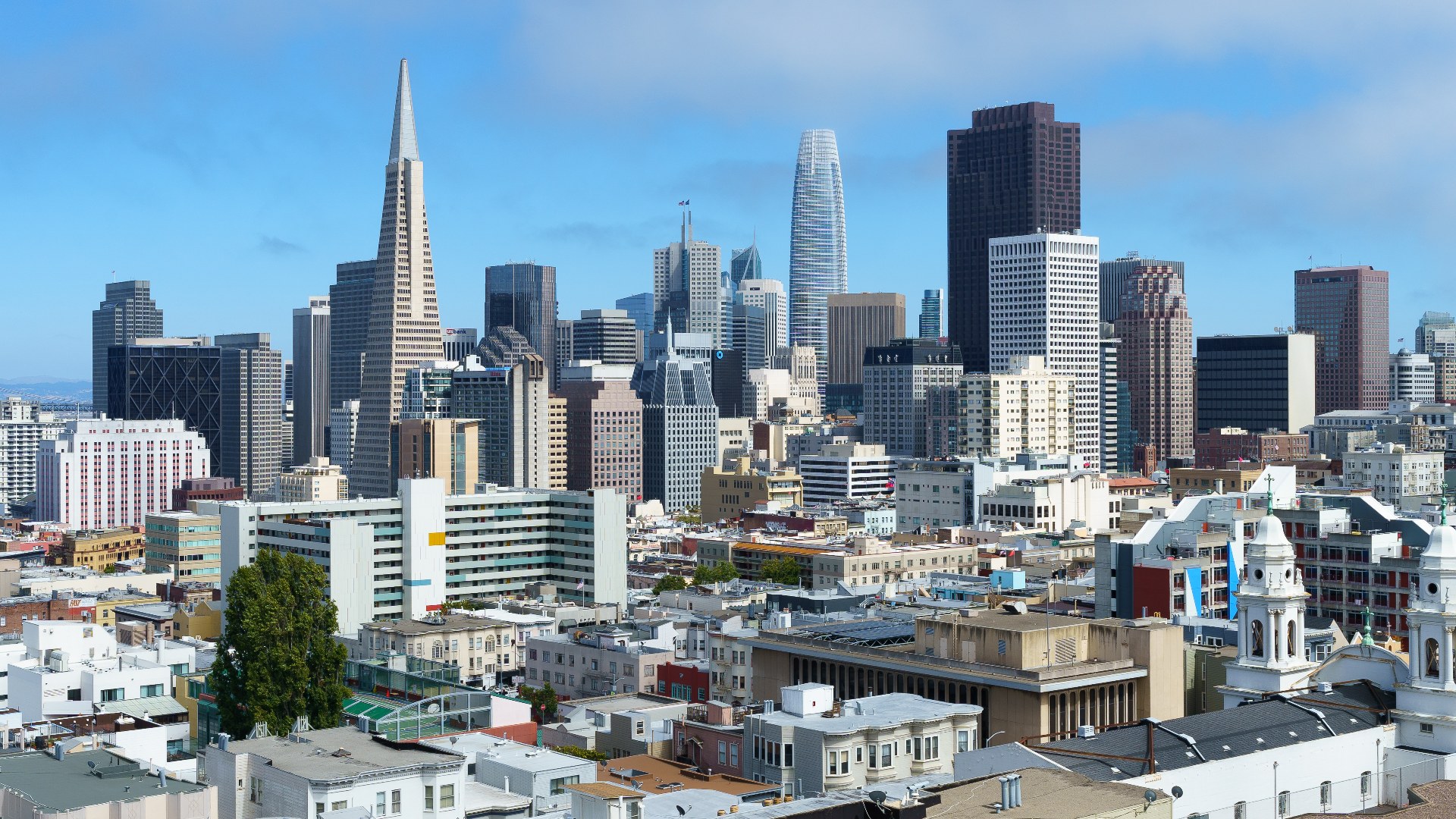
20. San Francisco, United States
Driven by Silicon Valley capital, San Francisco real estate values and private school tuition have reached stratospheric heights. The cost barrier has caused a pronounced demographic shift, leaving the city with far fewer children per capita than other American metropolitan centers.
©Wikimedia / Frank Schulenburg
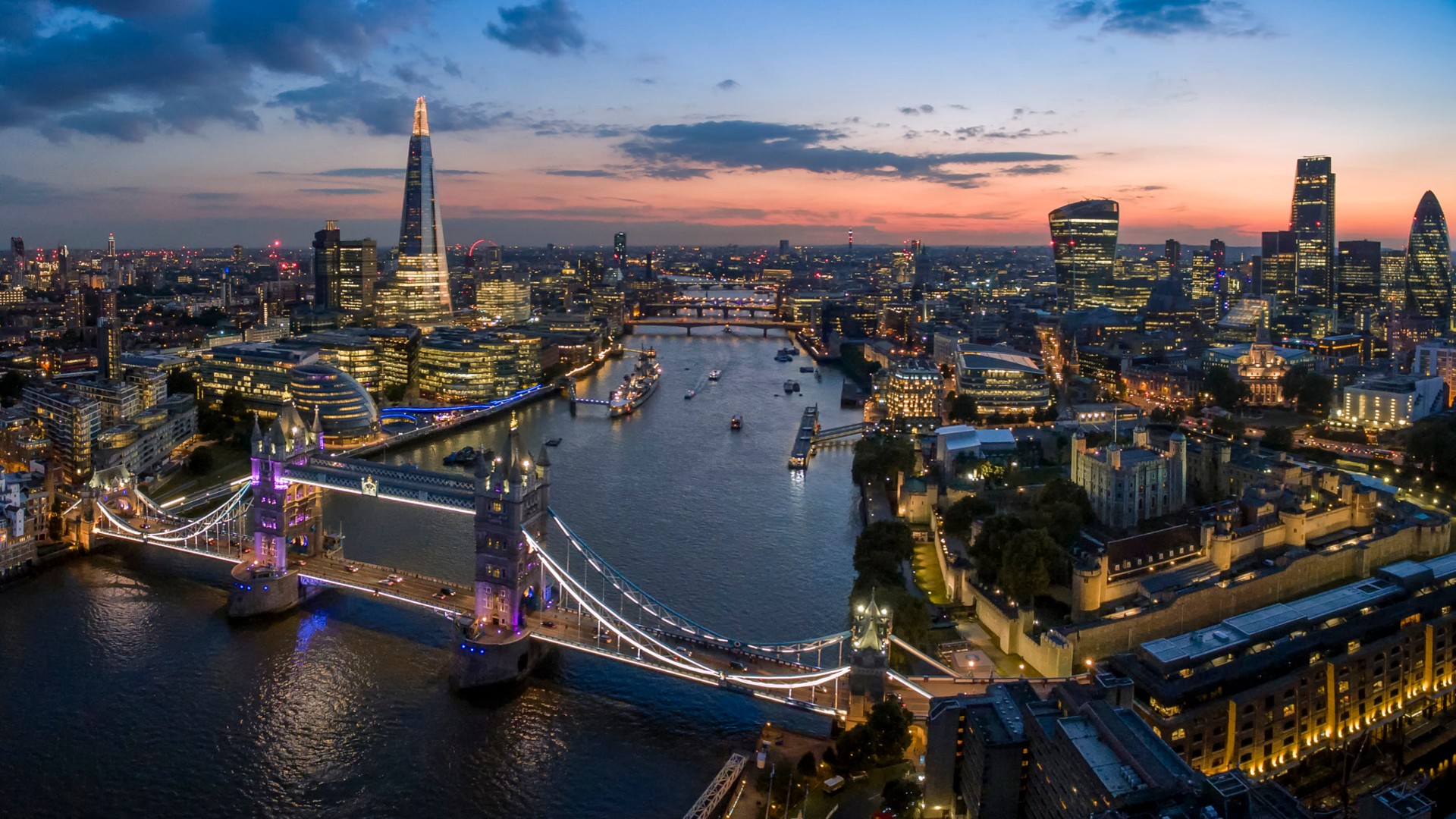
19. London, United Kingdom
London parents pay some of the highest private nursery fees in the developed world, often spending over two thousand dollars per month per infant. Coupled with peak-rate commuter fares and steep property prices, many couples relocate outside the M25 ring road.
©Wikimedia / London
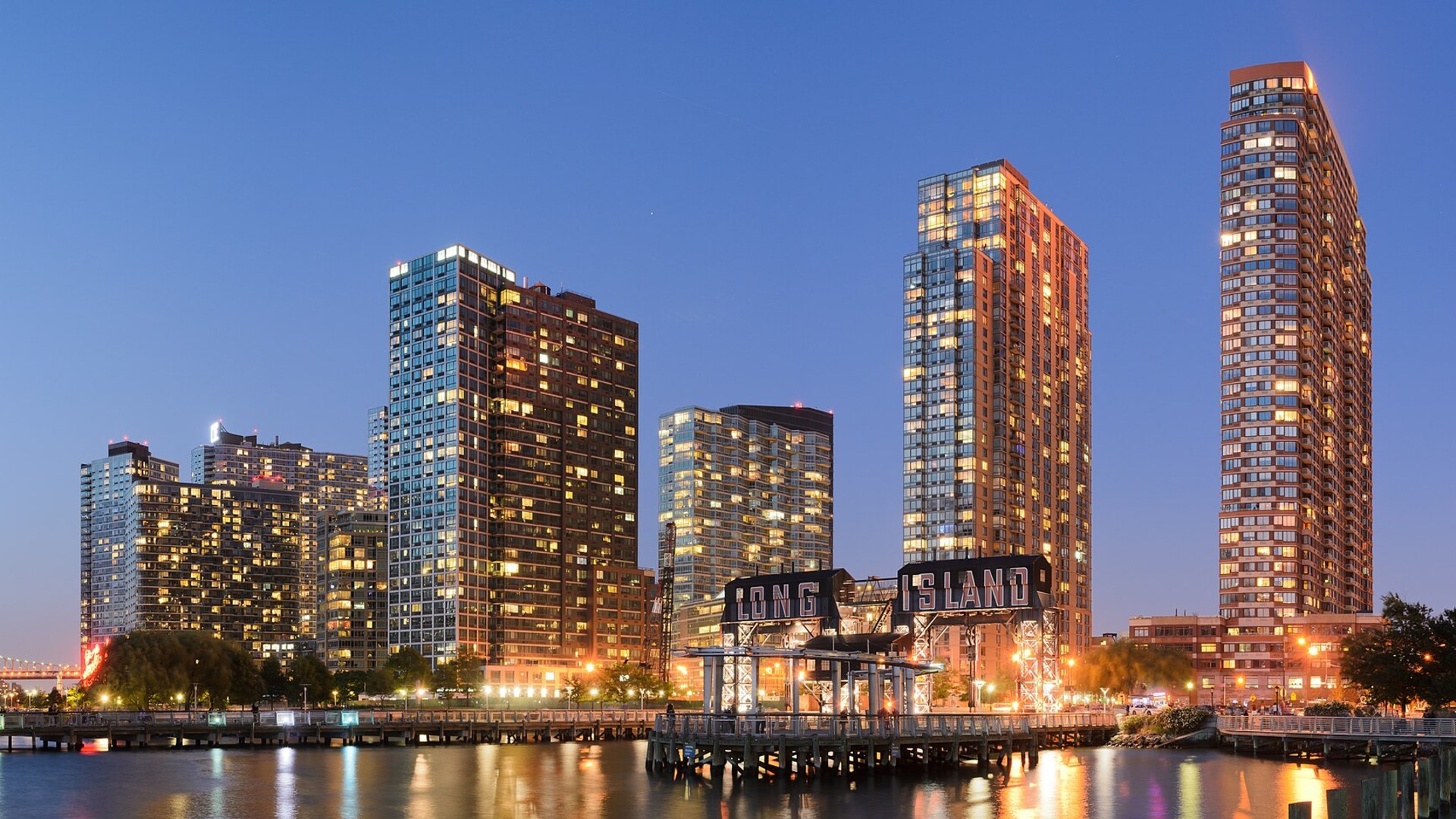
18. New York City, United States
New York City offers unmatched cultural institutions, but raising kids in the five boroughs requires immense financial resources. Between four-thousand-dollar infant daycare rates, walk-up apartment logistics, and scarce pediatric appointments, parents face constant friction.
©Wikimedia / King of Hearts
Advertisement
Swipe or tap ▶ to resume the countdown.
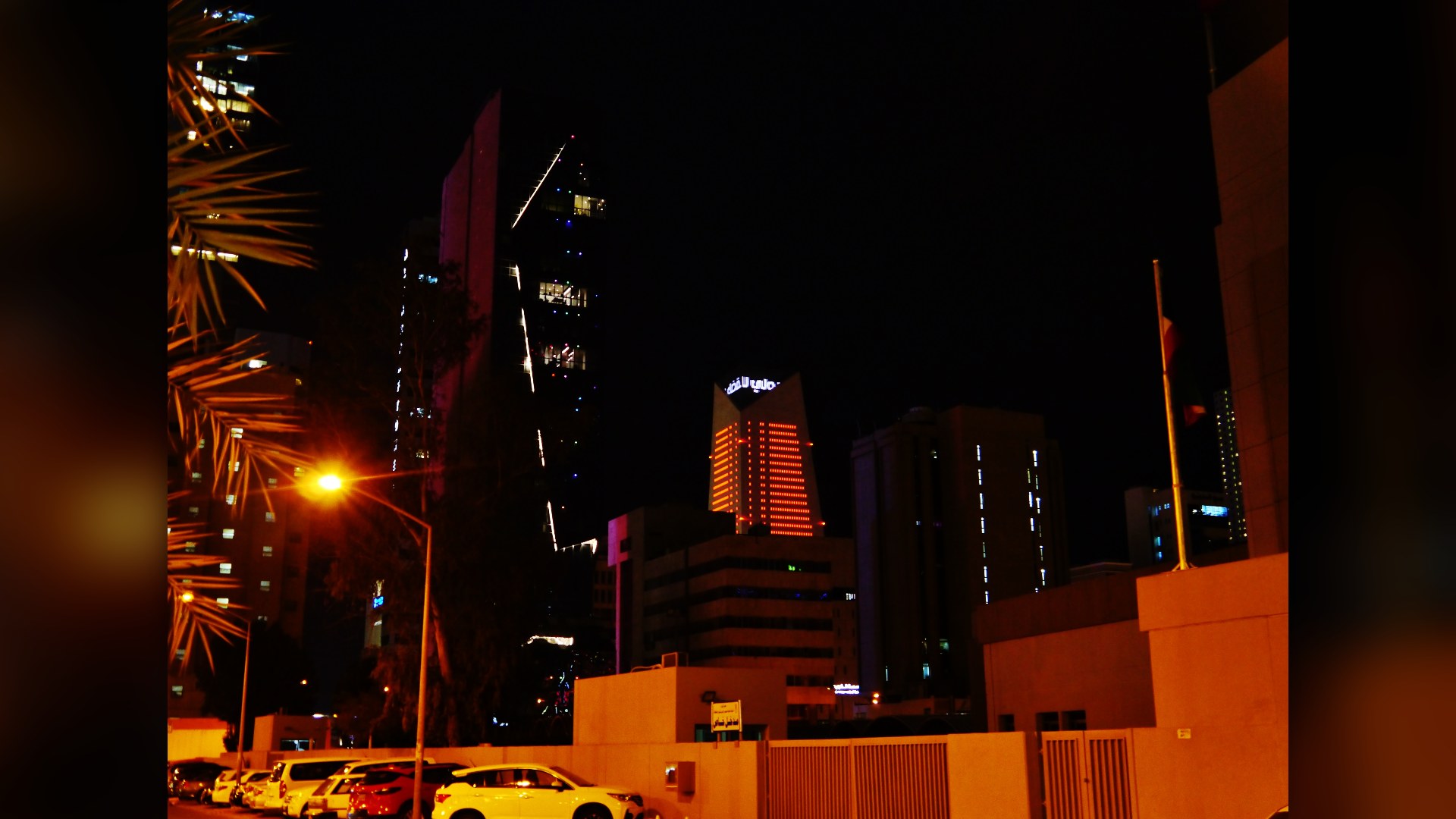
17. Kuwait City, Kuwait
Kuwait City provides high household wealth and modern hospitals, but its desert climate creates severe lifestyle constraints. Summer heatwaves force families into climate-controlled indoor shopping malls for extended periods, reducing spontaneous outdoor play.
©Wikimedia / Zairon
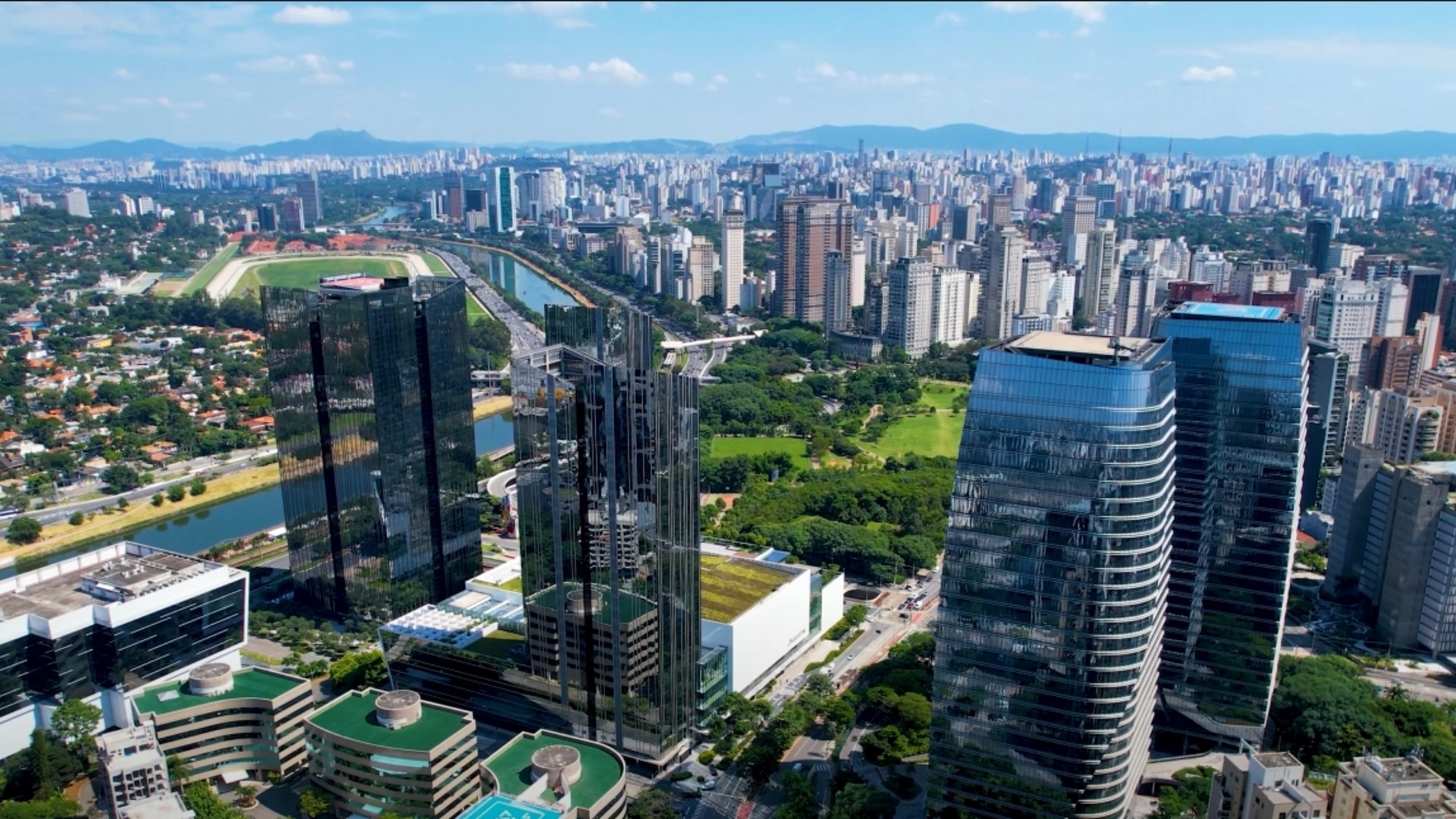
16. São Paulo, Brazil
Brazil's financial engine spans dozens of miles of dense high-rises where daily car commutes can consume three hours. Safety concerns mean middle-class families rely heavily on private security, armored transport, and private school tuition, inflating monthly living expenses.
©Wikimedia / São Paulo
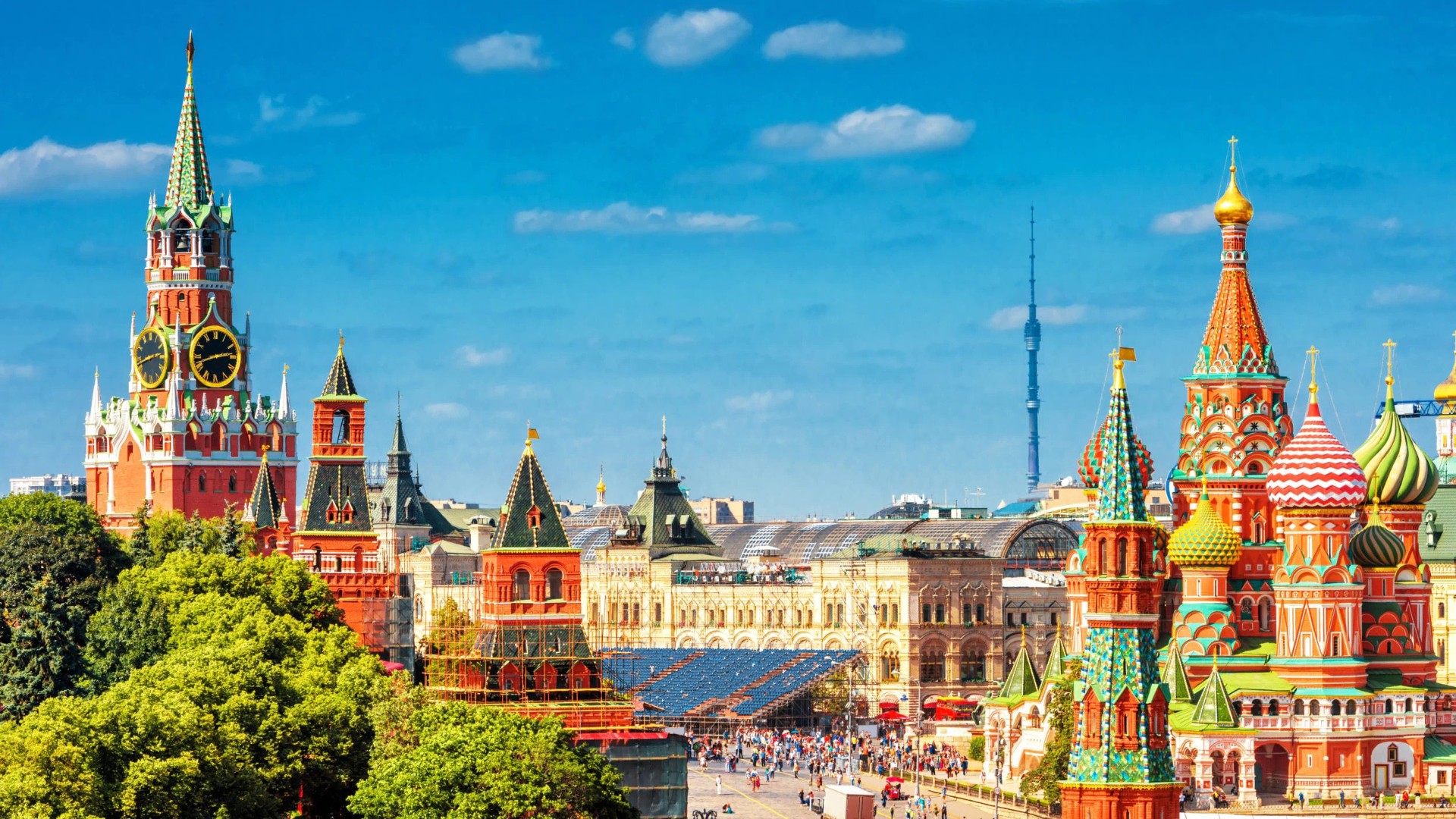
15. Moscow, Russia
Moscow features magnificent historic parks and state performing arts, but long sub-zero winters restrict outdoor activities for nearly half the year. Dense traffic along the Ring Road and rising consumer import prices add pressure to urban family budgets.
©Wikimedia / Moscow
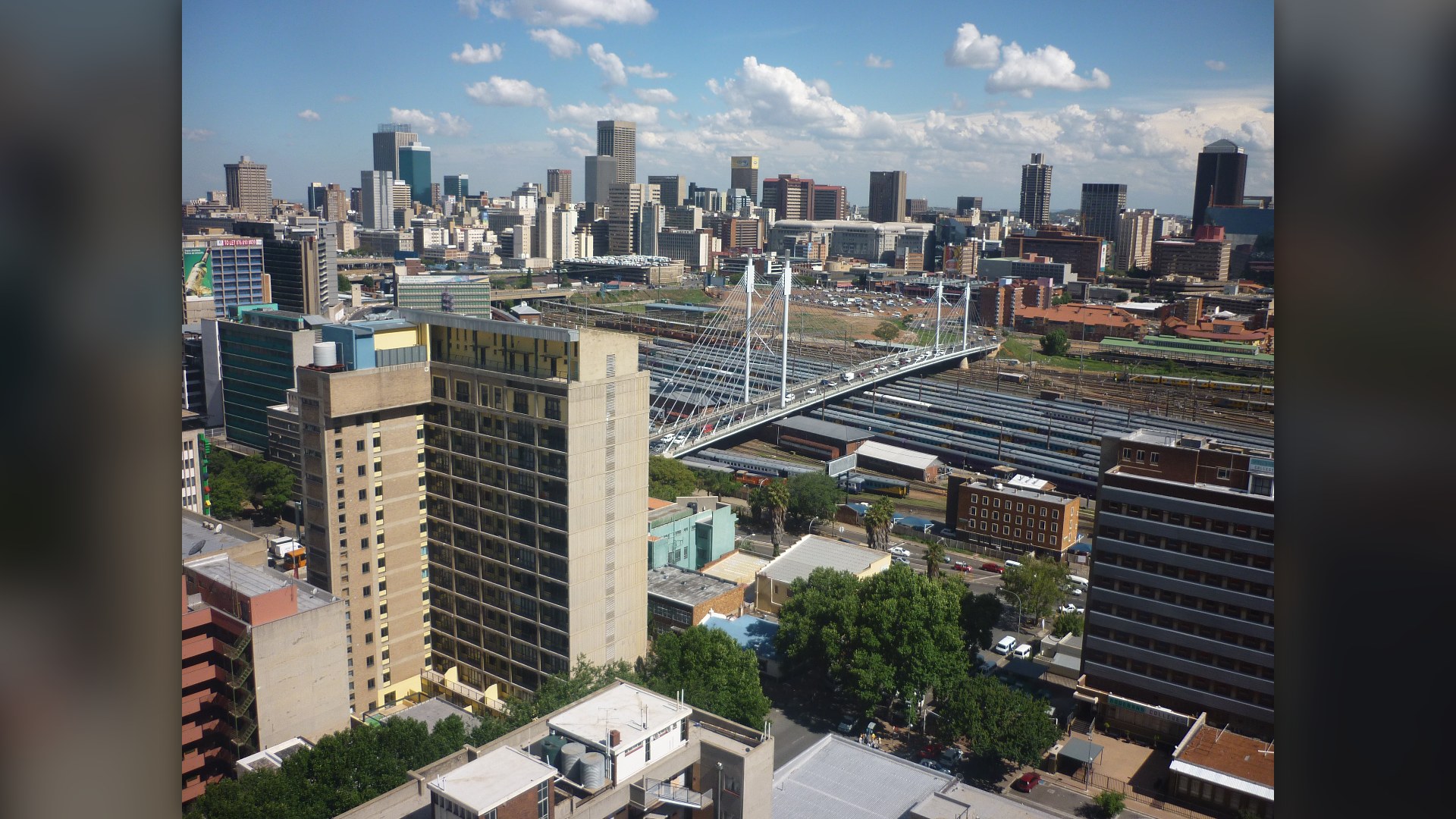
14. Johannesburg, South Africa
Public infrastructure strains and security considerations lead most Johannesburg families to live in gated residential developments. Ongoing municipal electrical loadshedding, private borehole water needs, and private health insurance make comfortable child-rearing expensive.
©Wikimedia / Evan Bench
Advertisement
Swipe or tap ▶ to resume the countdown.
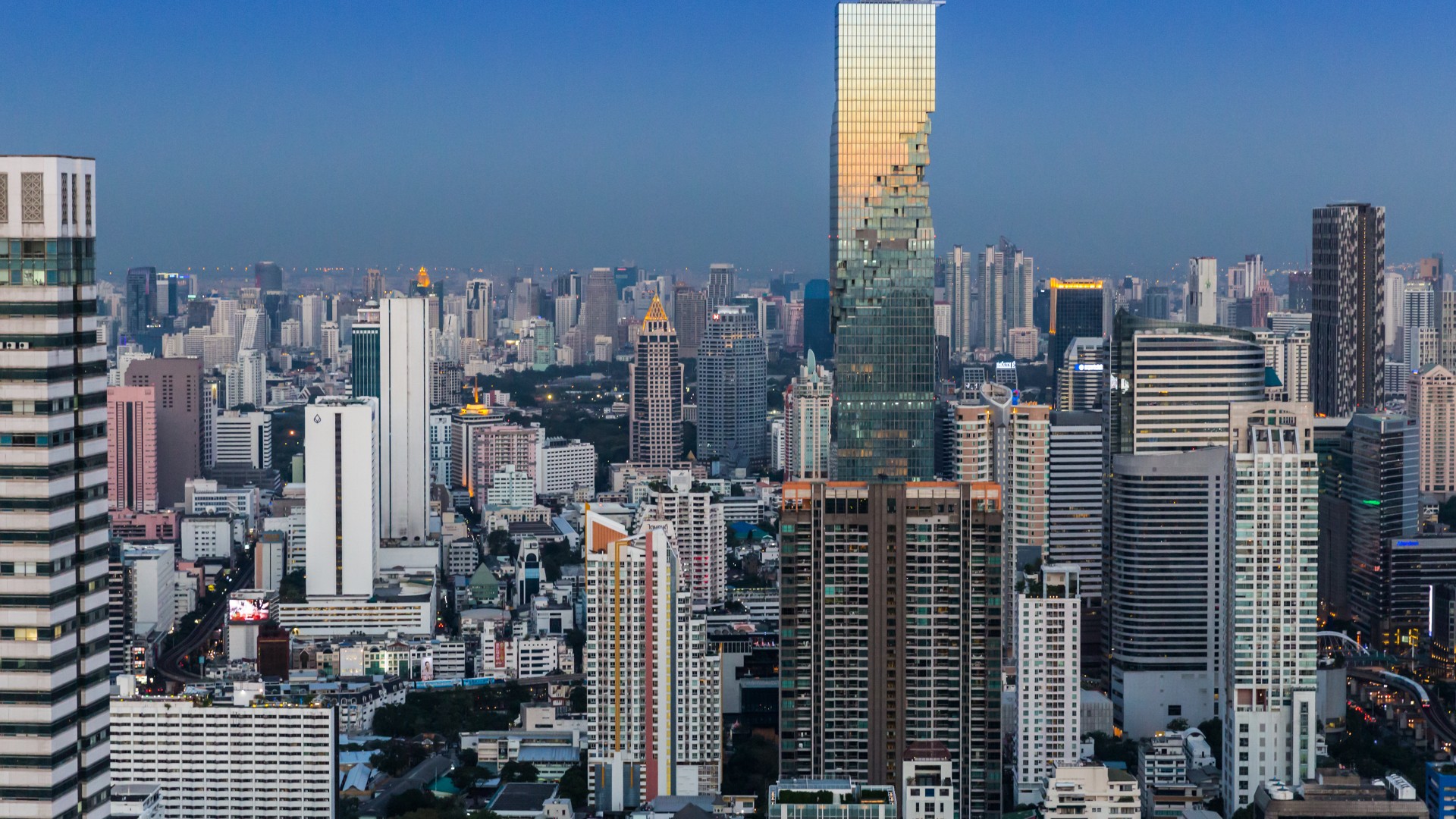
13. Bangkok, Thailand
Bangkok is a vibrant regional hub, but children endure some of the longest school commutes in Asia due to chronic highway gridlock. Seasonal agricultural burning across the region also causes winter particulate matter to spike, requiring air purifiers in homes and classrooms.
©Wikimedia / Bangkok
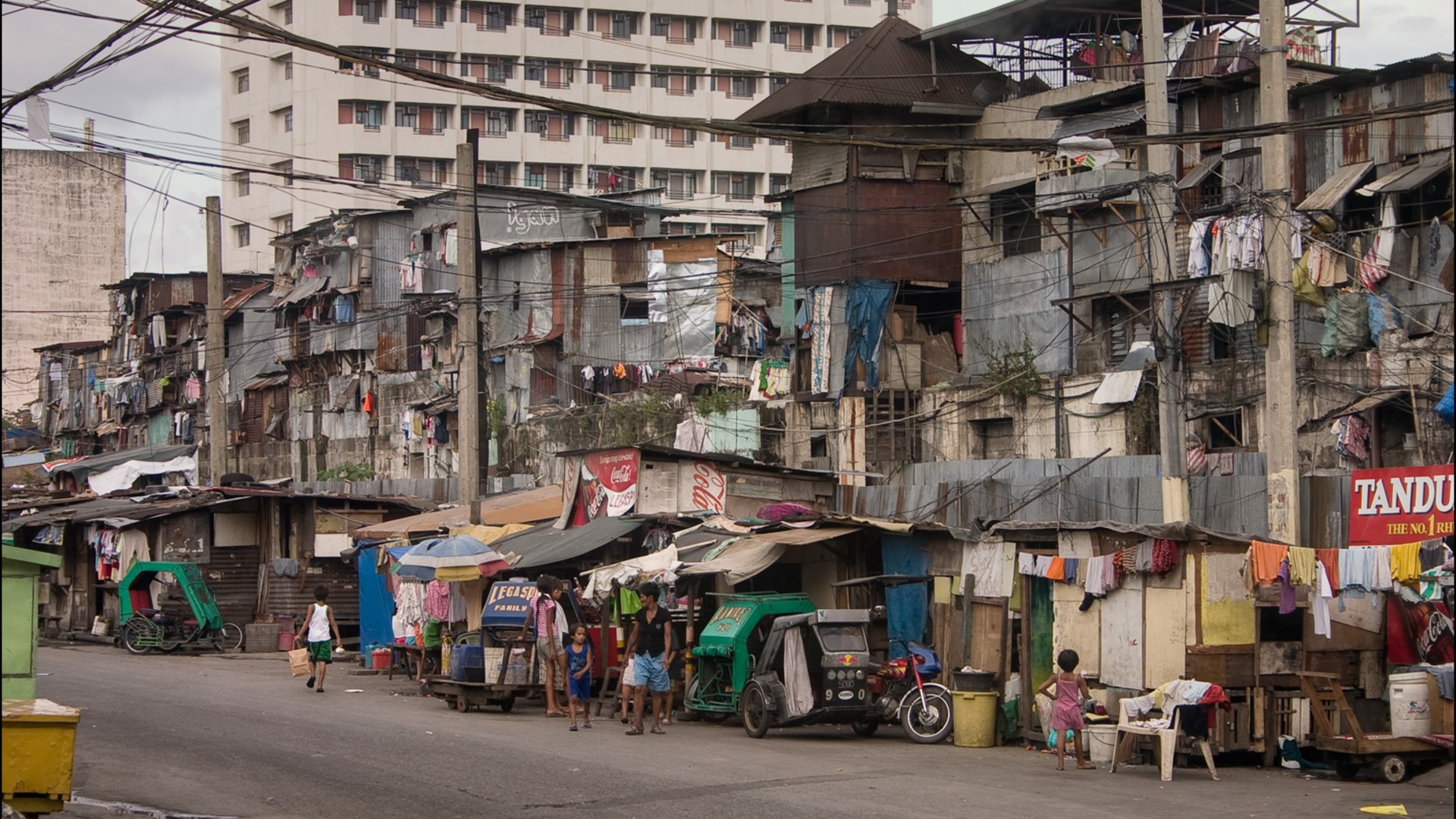
12. Manila, Philippines
Metro Manila ranks among the most densely populated urban centers on the planet. Tropical typhoons regularly overwhelm drainage channels, disrupting school calendars, while limited public green recreation spaces force children to congregate inside shopping centers.
©Wikimedia / Anton Zelenov.
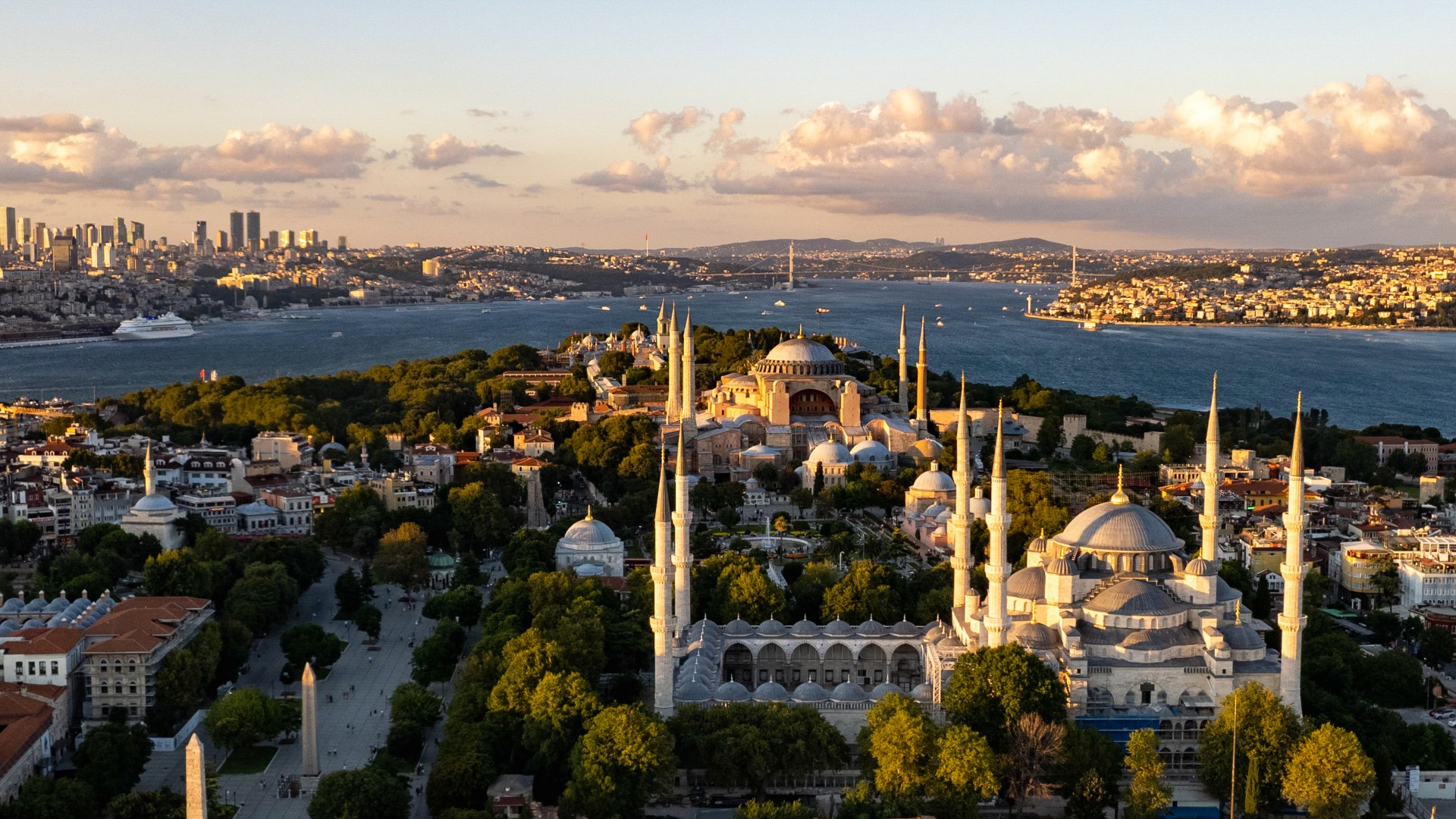
11. Istanbul, Turkey
Spanning two continents, Istanbul presents intense daily commuting challenges across the Bosphorus strait. Rapid currency devaluation has sharply increased imported baby formula, diapers, and private school tuition, while earthquake preparedness remains an urgent civic concern.
©Wikimedia / Istanbul
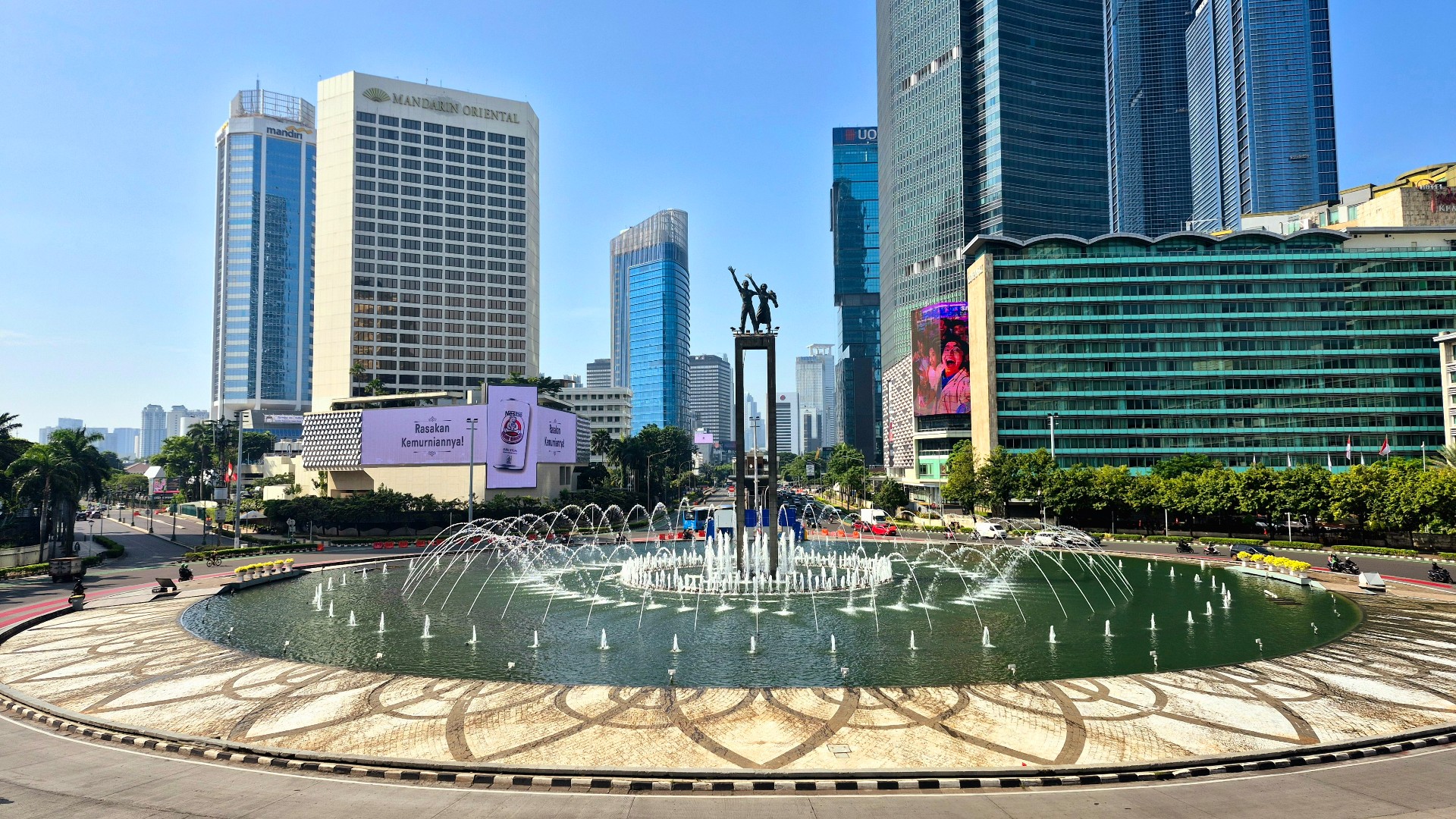
10. Jakarta, Indonesia
Parts of Jakarta are sinking due to groundwater extraction, leading to recurring flood emergencies during monsoon season. The city's intense traffic pollution and long transit times led Indonesian authorities to begin constructing an entirely new national capital in East Kalimantan.
©Wikimedia / Jakarta
Advertisement
Swipe or tap ▶ to resume the countdown.
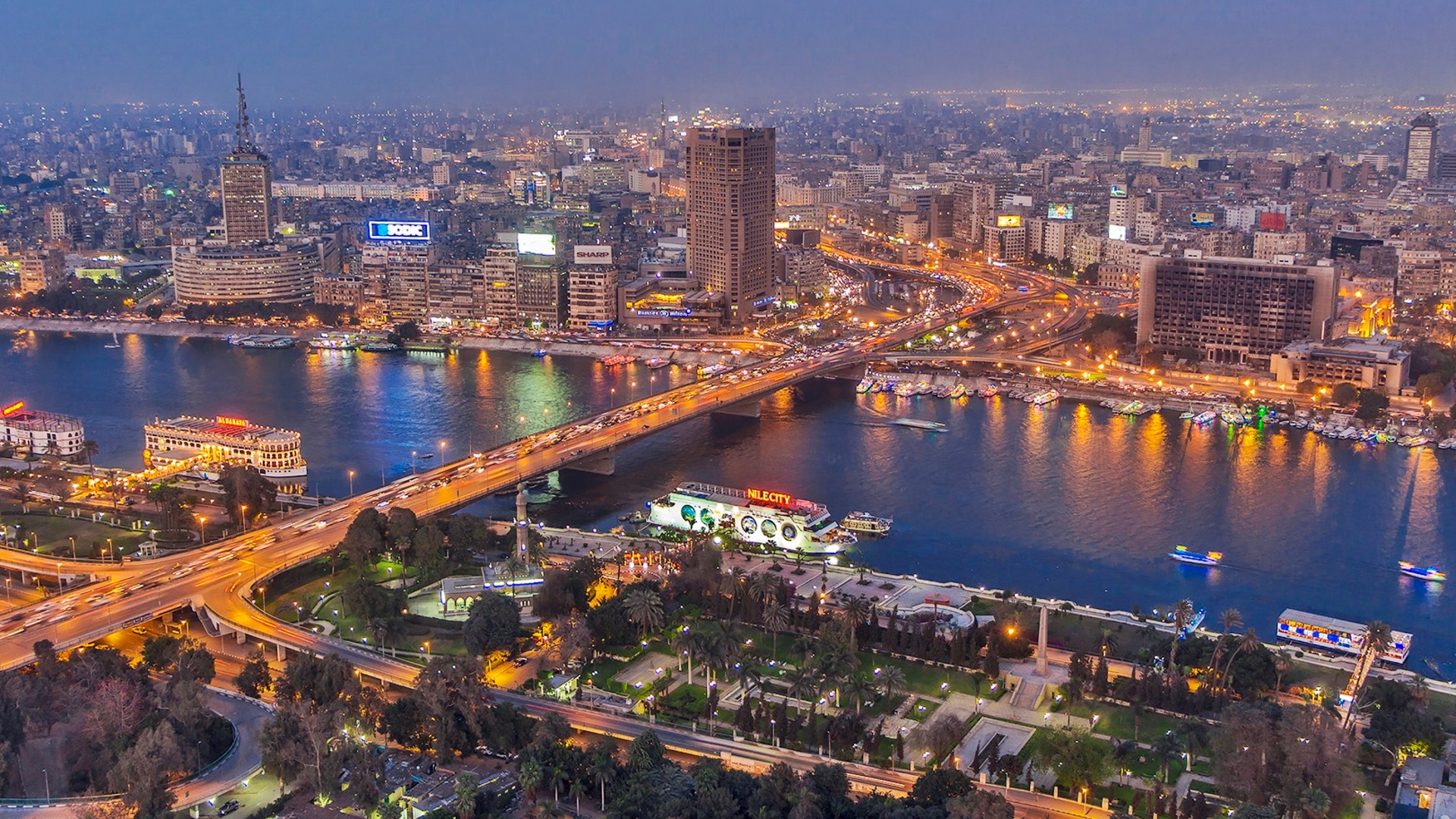
9. Cairo, Egypt
Home to over twenty million residents, Greater Cairo possesses very low green park space per capita. Heavy desert dust and vehicle exhaust affect childhood respiratory health, prompting many families who can afford it to relocate to satellite developments in New Cairo.
©Wikimedia / Cairo
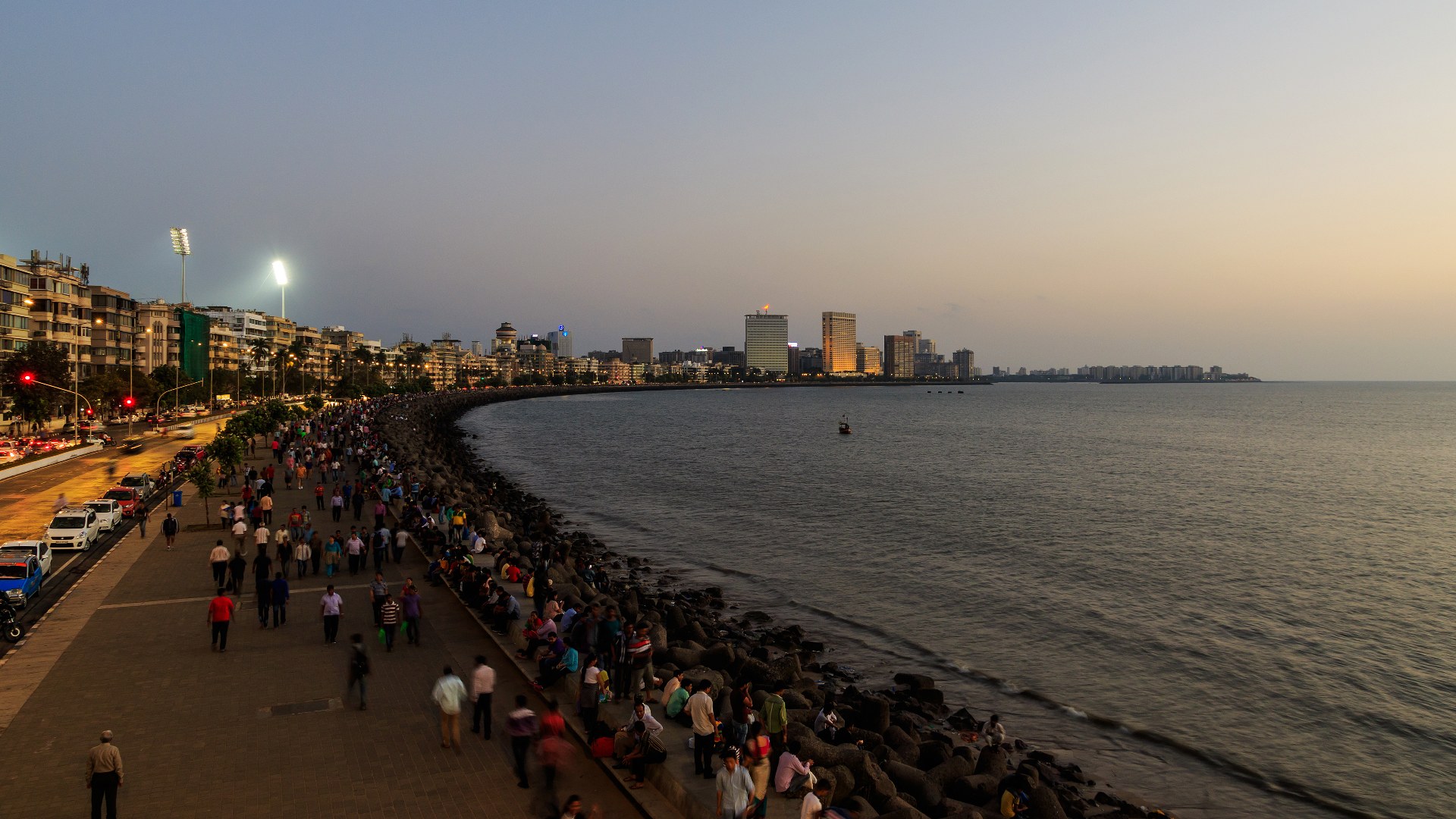
8. Mumbai, India
Mumbai is India's financial powerhouse, but its peninsula geography makes real estate among the costliest in the world per square foot. Families often live in cramped quarters, while annual monsoon downpours flood rail lines and force prolonged school closures.
©Wikimedia / A.Savin
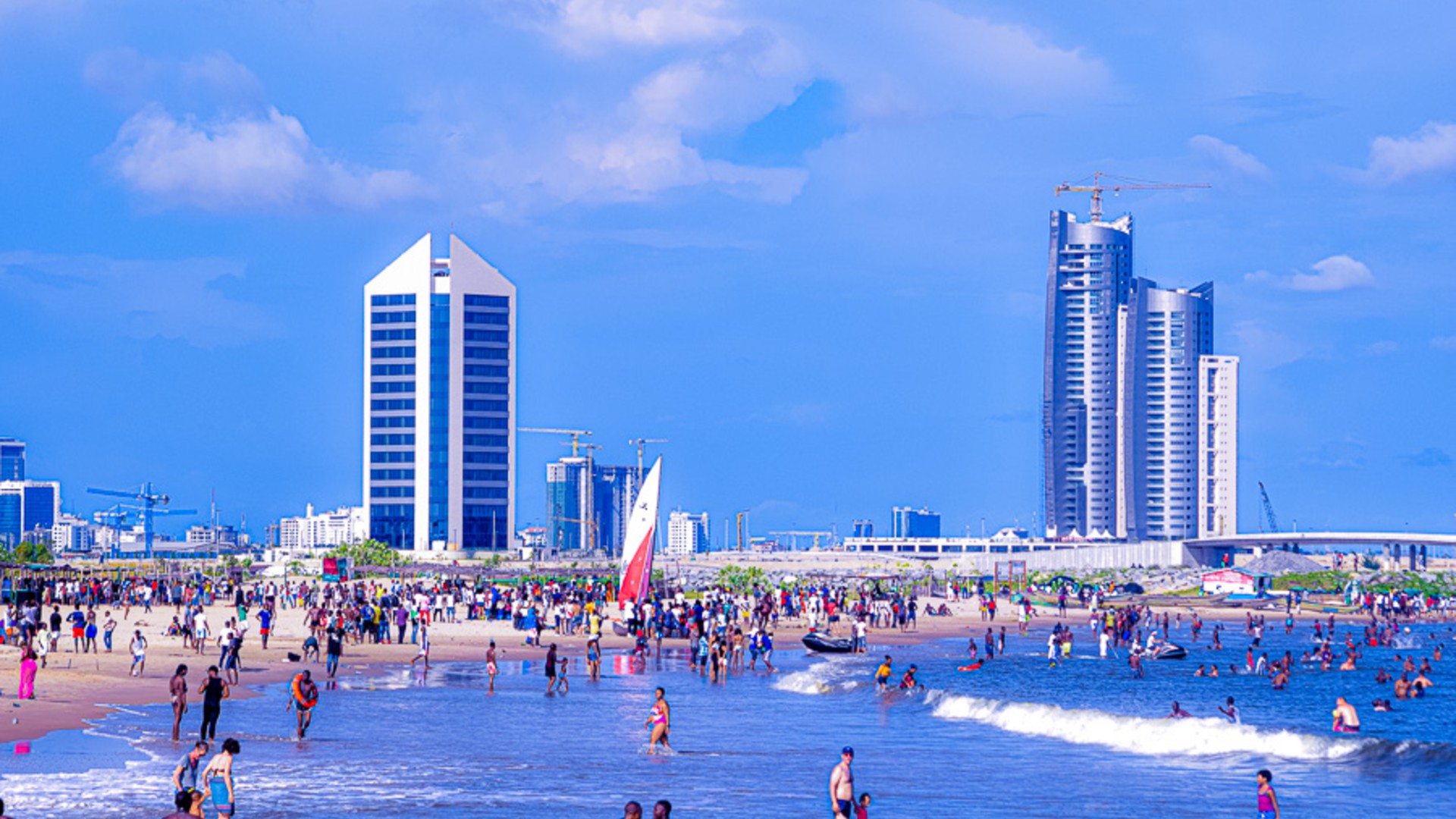
7. Lagos, Nigeria
Lagos is Africa's largest megacity, but public utility shortfalls require households to fund private power generators, water boreholes, and private schooling. The city's notorious traffic jams can turn a simple morning school commute into a multi-hour ordeal.
©Wikimedia / Lagos
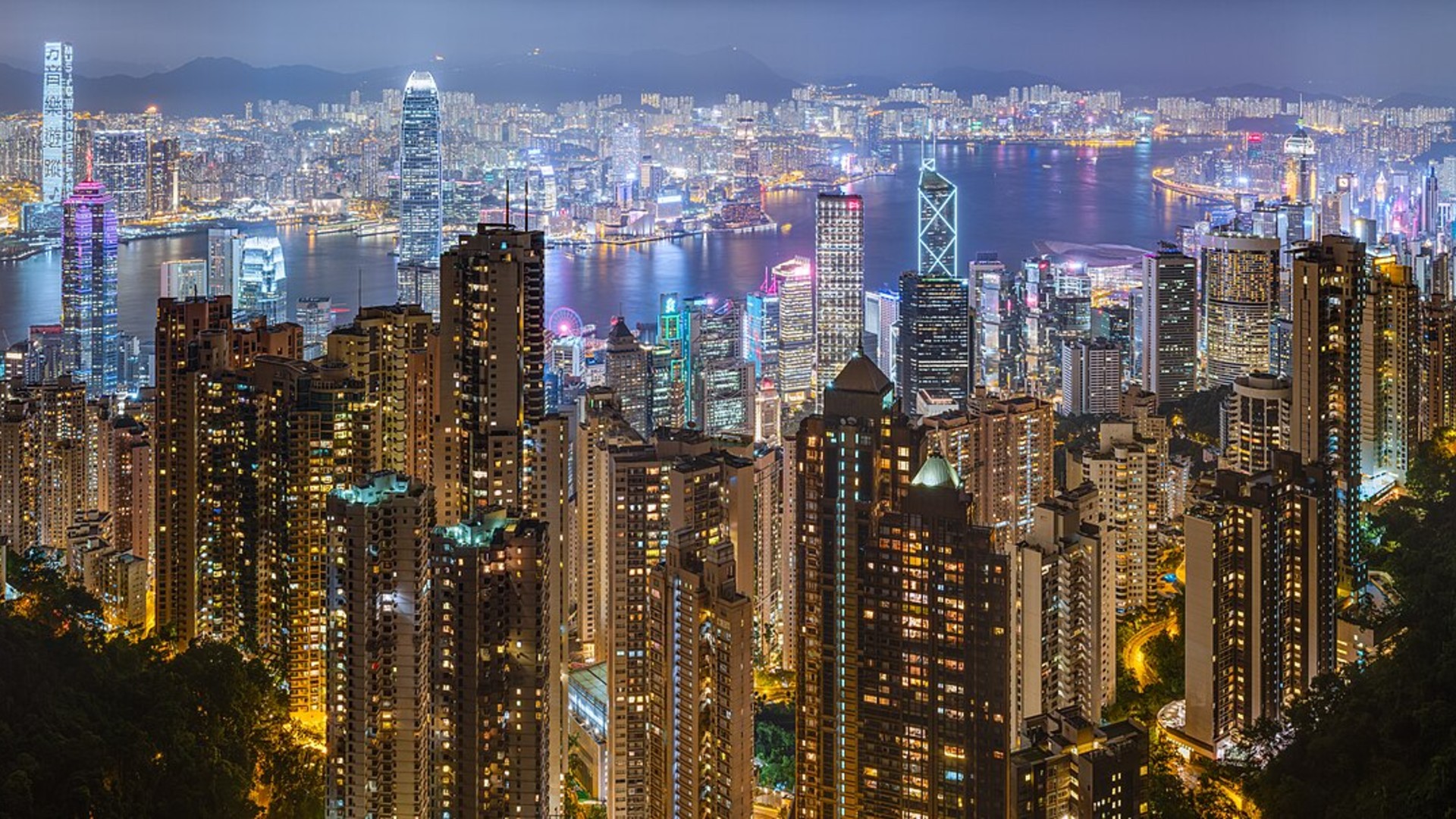
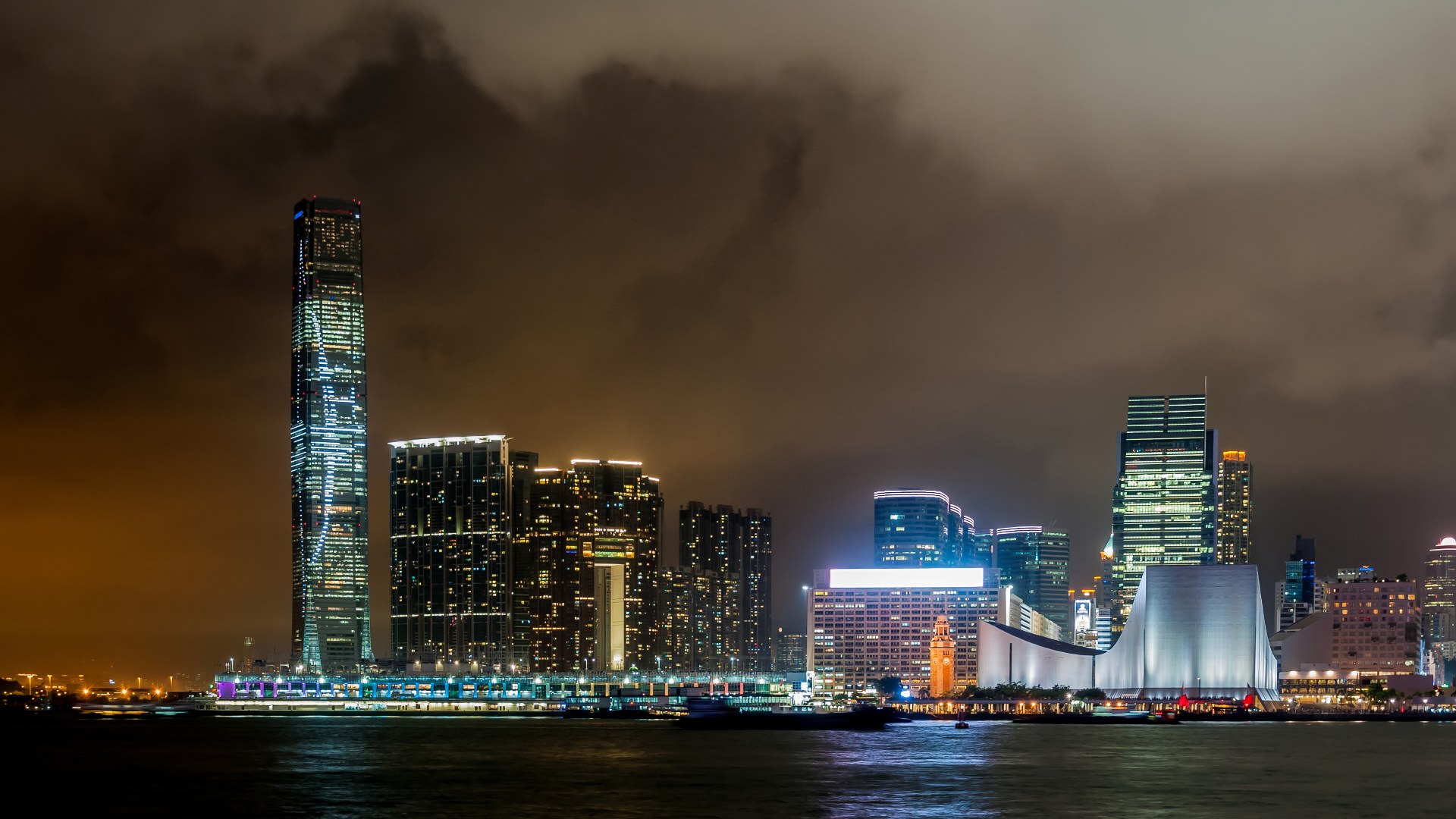
6. Hong Kong
Hong Kong consistently posts the highest property price-to-income ratio in global surveys. Typical family flats average under five hundred square feet, prompting intense competition for localized play spaces and hyper-competitive primary school entrance exams.
©Wikimedia / Benh LIEU SONG ( Flickr )
Advertisement
Swipe or tap ▶ to resume the countdown.
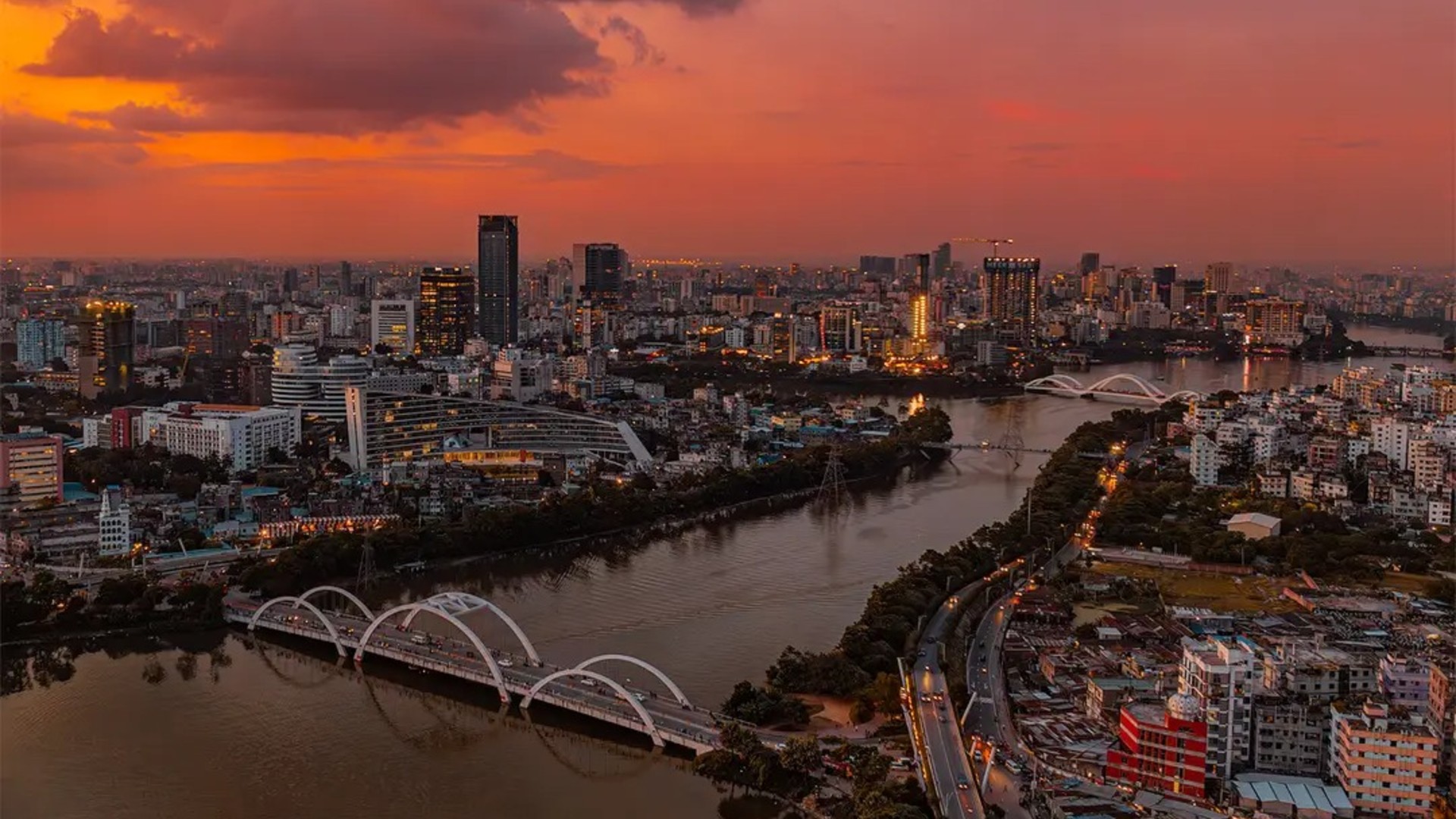
5. Dhaka, Bangladesh
With over twenty-three million residents crowded into the Buriganga River basin, Dhaka faces severe public infrastructure shortages. Limited parks, heavy brick-kiln smog, and monsoon canal flooding make healthy outdoor childhood activities difficult to access.
©Wikimedia / Dhaka
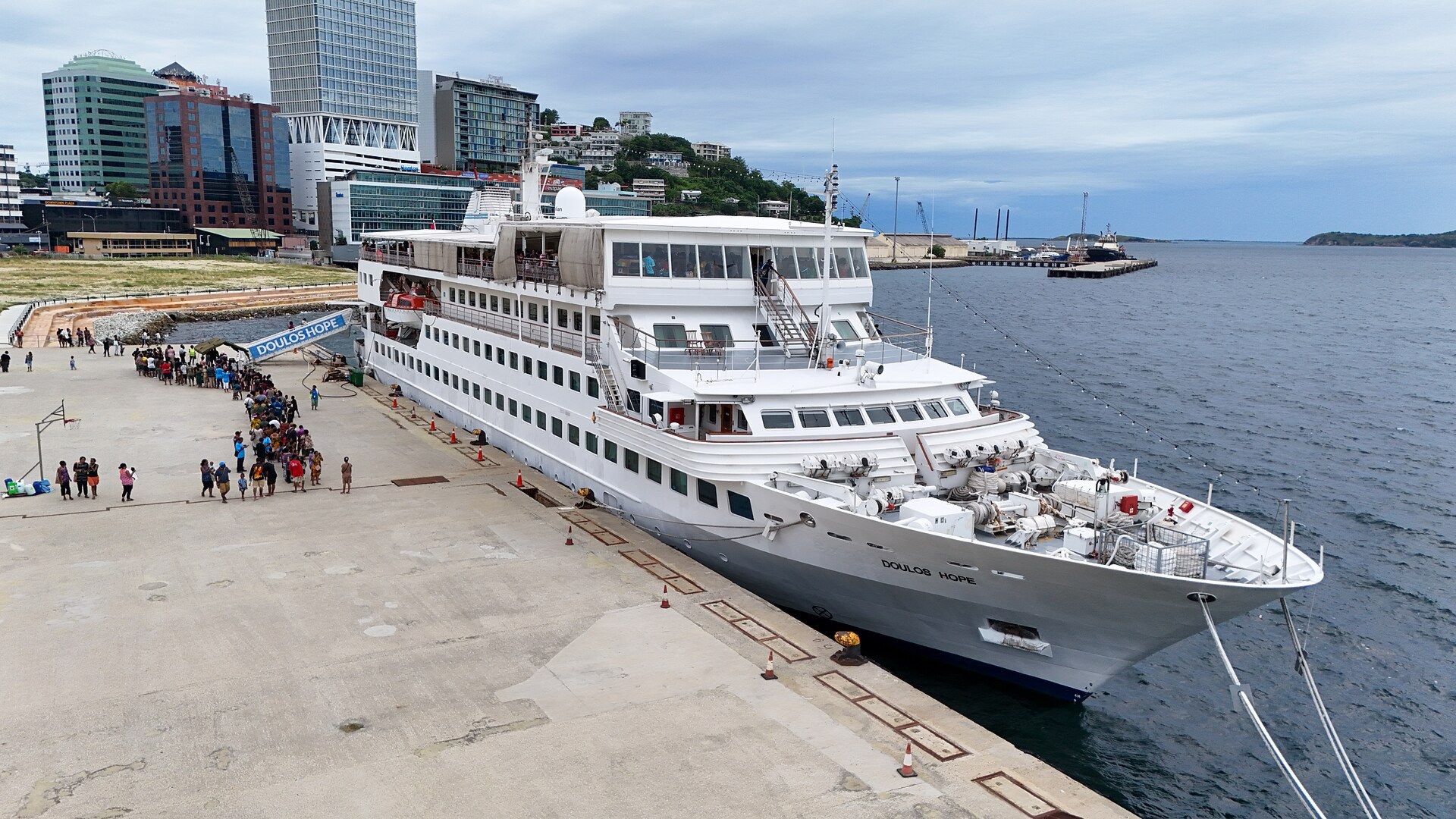
4. Port Moresby, Papua New Guinea
The Economist Intelligence Unit frequently ranks Port Moresby among the most challenging capitals due to high urban unemployment and security risks. Expatriate and local families rely on enclosed compounds, while healthcare infrastructure requires travel abroad for complex treatments.
©Wikimedia / Wai0004
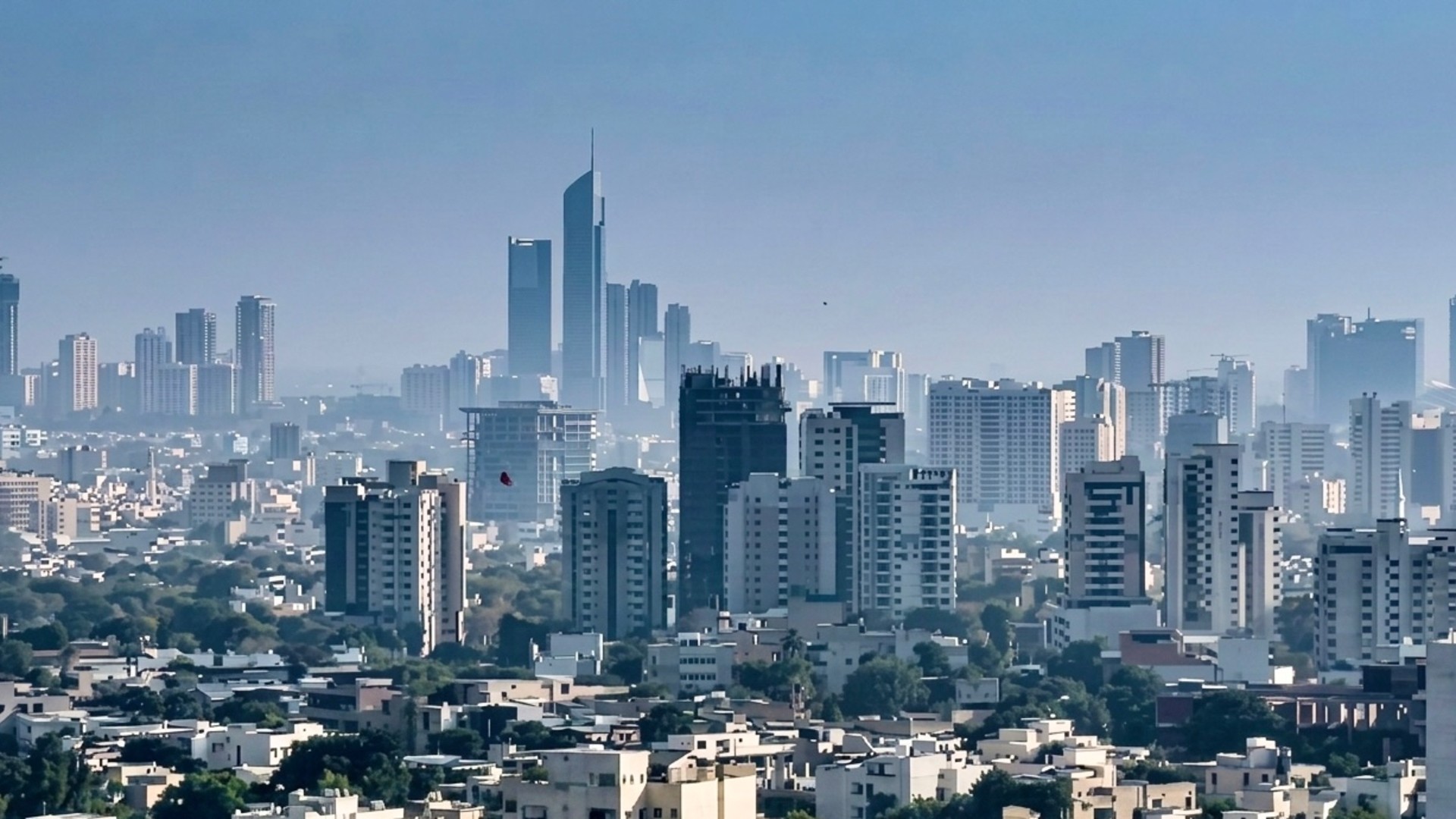
3. Karachi, Pakistan
Karachi has experienced massive population influxes without corresponding water, electricity, or waste management expansion. Families frequently depend on private water tanker deliveries, while public parks and recreational facilities remain scarce across sprawling residential zones.
©Wikimedia / Karachi
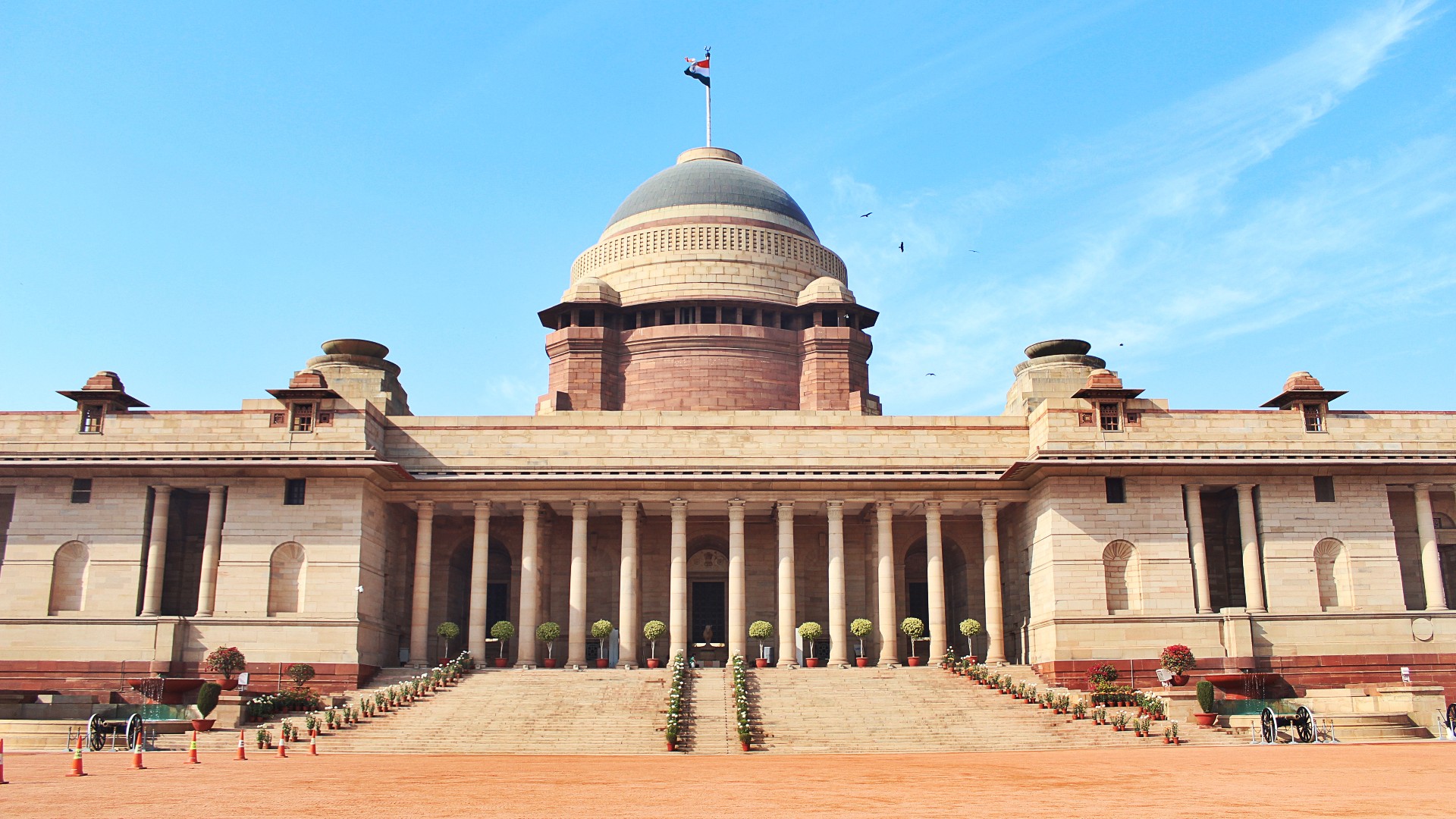
2. New Delhi, India
Every winter, thermal inversions trap agricultural smoke, firework residue, and vehicle exhaust over New Delhi, pushing air quality indexes into hazardous territory. Parents must run industrial-grade purifiers at home and navigate intense competition for accredited primary school seats.
©Wikimedia / New Delhi
Advertisement
Swipe or tap ▶ to resume the countdown.
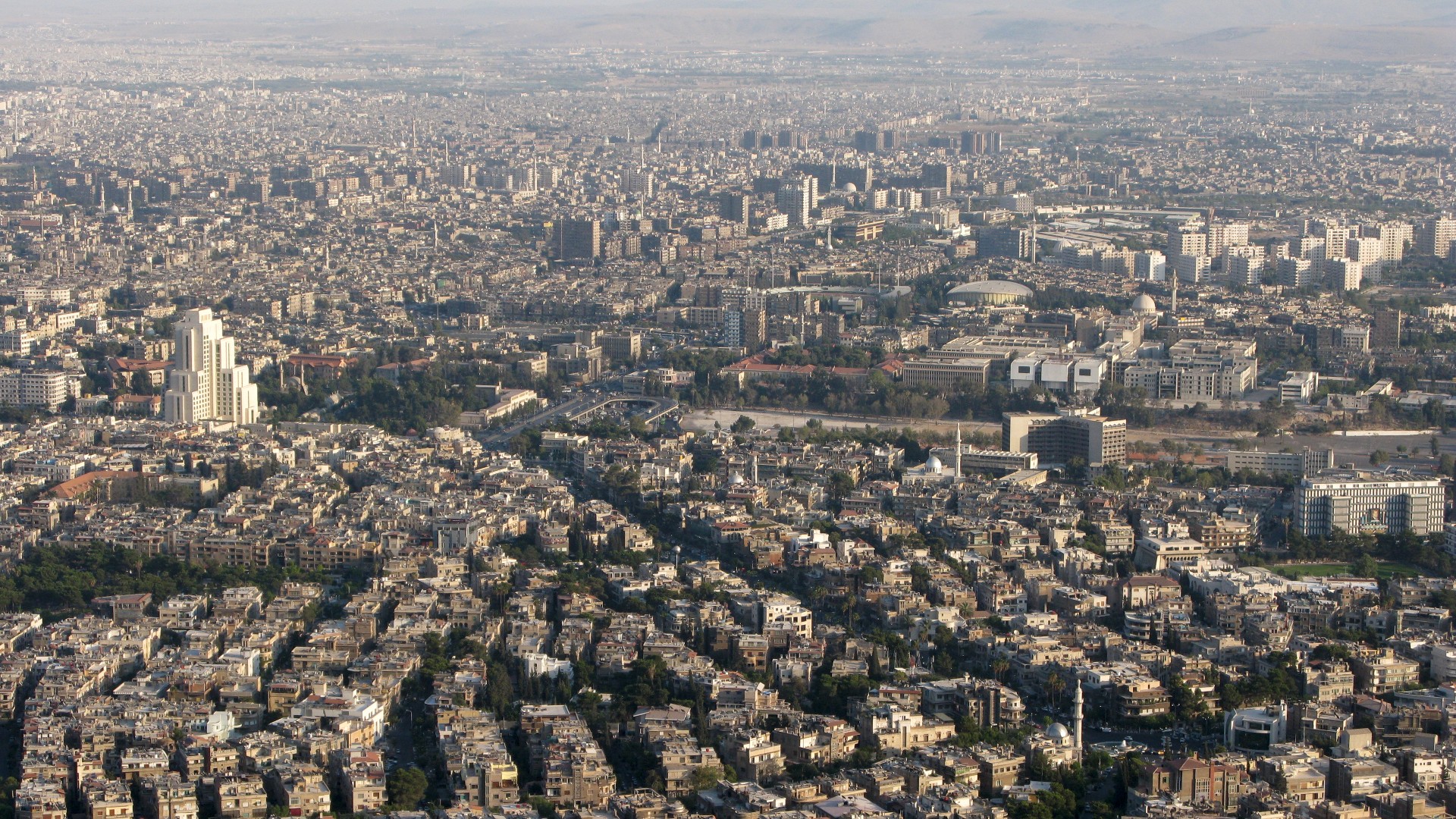
1. Damascus, Syria
The Economist Intelligence Unit regularly ranks Damascus as the lowest-scoring global city on livability indexes. Severe municipal power rationing, damaged water mains, and hyperinflation place extraordinary strain on parents striving to secure basic necessities for their children.

©Wikimedia / Damascus
Advertisement
You've reached the end of the story. Thanks for reading!

20 Famous Cars With Pop-Up Headlights That Shaped Car Design
From hand-cranked 1930s teardrops to wedge supercars of the 1980s, hidden headlights let stylists chase sleek aerodynamics until 2004 pedestrian rules closed the curtain. Here are 20 standout production cars that turned retractable lamps into an enduring automotive design feature across seven full decades.
All 20 Entries in this Story
20. San Francisco, United States
Driven by Silicon Valley capital, San Francisco real estate values and private school tuition have reached stratospheric heights. The cost barrier has caused a pronounced demographic shift, leaving the city with far fewer children per capita than other American metropolitan centers.

19. London, United Kingdom
London parents pay some of the highest private nursery fees in the developed world, often spending over two thousand dollars per month per infant. Coupled with peak-rate commuter fares and steep property prices, many couples relocate outside the M25 ring road.

18. New York City, United States
New York City offers unmatched cultural institutions, but raising kids in the five boroughs requires immense financial resources. Between four-thousand-dollar infant daycare rates, walk-up apartment logistics, and scarce pediatric appointments, parents face constant friction.

17. Kuwait City, Kuwait
Kuwait City provides high household wealth and modern hospitals, but its desert climate creates severe lifestyle constraints. Summer heatwaves force families into climate-controlled indoor shopping malls for extended periods, reducing spontaneous outdoor play.

16. São Paulo, Brazil
Brazil's financial engine spans dozens of miles of dense high-rises where daily car commutes can consume three hours. Safety concerns mean middle-class families rely heavily on private security, armored transport, and private school tuition, inflating monthly living expenses.

15. Moscow, Russia
Moscow features magnificent historic parks and state performing arts, but long sub-zero winters restrict outdoor activities for nearly half the year. Dense traffic along the Ring Road and rising consumer import prices add pressure to urban family budgets.

14. Johannesburg, South Africa
Public infrastructure strains and security considerations lead most Johannesburg families to live in gated residential developments. Ongoing municipal electrical loadshedding, private borehole water needs, and private health insurance make comfortable child-rearing expensive.

13. Bangkok, Thailand
Bangkok is a vibrant regional hub, but children endure some of the longest school commutes in Asia due to chronic highway gridlock. Seasonal agricultural burning across the region also causes winter particulate matter to spike, requiring air purifiers in homes and classrooms.

12. Manila, Philippines
Metro Manila ranks among the most densely populated urban centers on the planet. Tropical typhoons regularly overwhelm drainage channels, disrupting school calendars, while limited public green recreation spaces force children to congregate inside shopping centers.

11. Istanbul, Turkey
Spanning two continents, Istanbul presents intense daily commuting challenges across the Bosphorus strait. Rapid currency devaluation has sharply increased imported baby formula, diapers, and private school tuition, while earthquake preparedness remains an urgent civic concern.

10. Jakarta, Indonesia
Parts of Jakarta are sinking due to groundwater extraction, leading to recurring flood emergencies during monsoon season. The city's intense traffic pollution and long transit times led Indonesian authorities to begin constructing an entirely new national capital in East Kalimantan.

9. Cairo, Egypt
Home to over twenty million residents, Greater Cairo possesses very low green park space per capita. Heavy desert dust and vehicle exhaust affect childhood respiratory health, prompting many families who can afford it to relocate to satellite developments in New Cairo.

8. Mumbai, India
Mumbai is India's financial powerhouse, but its peninsula geography makes real estate among the costliest in the world per square foot. Families often live in cramped quarters, while annual monsoon downpours flood rail lines and force prolonged school closures.

7. Lagos, Nigeria
Lagos is Africa's largest megacity, but public utility shortfalls require households to fund private power generators, water boreholes, and private schooling. The city's notorious traffic jams can turn a simple morning school commute into a multi-hour ordeal.

6. Hong Kong
Hong Kong consistently posts the highest property price-to-income ratio in global surveys. Typical family flats average under five hundred square feet, prompting intense competition for localized play spaces and hyper-competitive primary school entrance exams.

5. Dhaka, Bangladesh
With over twenty-three million residents crowded into the Buriganga River basin, Dhaka faces severe public infrastructure shortages. Limited parks, heavy brick-kiln smog, and monsoon canal flooding make healthy outdoor childhood activities difficult to access.

4. Port Moresby, Papua New Guinea
The Economist Intelligence Unit frequently ranks Port Moresby among the most challenging capitals due to high urban unemployment and security risks. Expatriate and local families rely on enclosed compounds, while healthcare infrastructure requires travel abroad for complex treatments.

3. Karachi, Pakistan
Karachi has experienced massive population influxes without corresponding water, electricity, or waste management expansion. Families frequently depend on private water tanker deliveries, while public parks and recreational facilities remain scarce across sprawling residential zones.

2. New Delhi, India
Every winter, thermal inversions trap agricultural smoke, firework residue, and vehicle exhaust over New Delhi, pushing air quality indexes into hazardous territory. Parents must run industrial-grade purifiers at home and navigate intense competition for accredited primary school seats.

1. Damascus, Syria
The Economist Intelligence Unit regularly ranks Damascus as the lowest-scoring global city on livability indexes. Severe municipal power rationing, damaged water mains, and hyperinflation place extraordinary strain on parents striving to secure basic necessities for their children.