Slideshow · Viral
25 Most Remote Inhabited Islands on Earth Cut Off From Modern Life, Ranked
Thousands of miles from major continents, resilient islanders thrive in complete geographic isolation. Discover twenty-five remote inhabited islands scattered across the globe.
By Most Viral Today
6 Nov 2026

The Most Distant and Isolated Inhabited Outposts in the World's Oceans 
25. Utirik Atoll 
24. Ta'u Island 
23. Tokelau - AdvertisementSwipe or tap ▶ to continue countdown

22. Palmerston Island 
21. Foula 
20. Fair Isle 
19. Grimsey Island - AdvertisementSwipe or tap ▶ to continue countdown

18. Rapa Iti 
17. Saint Paul Island 
16. Niue 
15. Cocos Keeling Islands - AdvertisementSwipe or tap ▶ to continue countdown

14. Christmas Island 
13. Nauru 
12. Funafuti Atoll 
11. Chatham Islands - AdvertisementSwipe or tap ▶ to continue countdown

10. Ascension Island 
9. Saint Helena 
8. Macquarie Island 
7. Socotra Island - AdvertisementSwipe or tap ▶ to continue countdown

6. Kerguelen Islands 
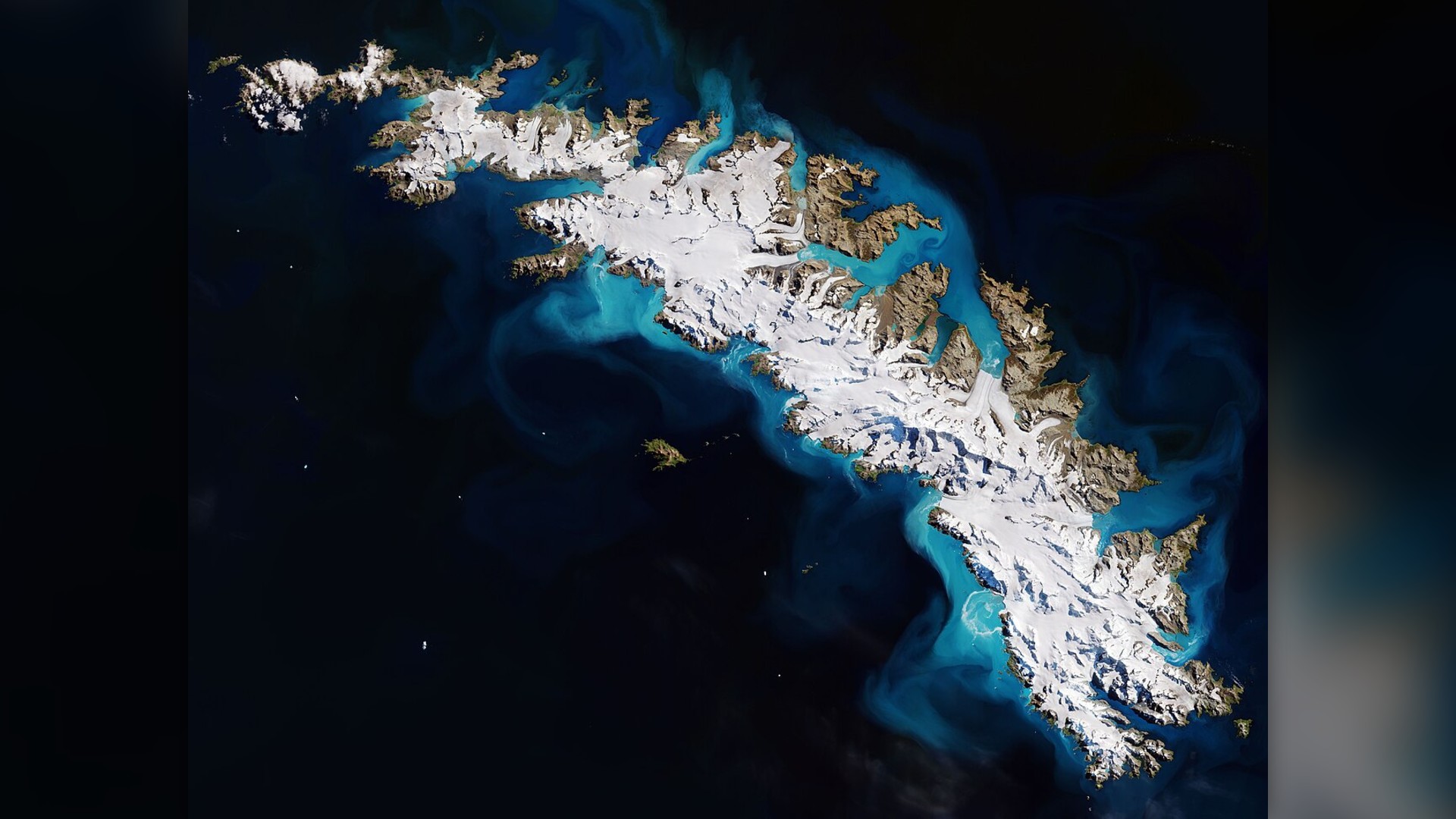
5. South Georgia 
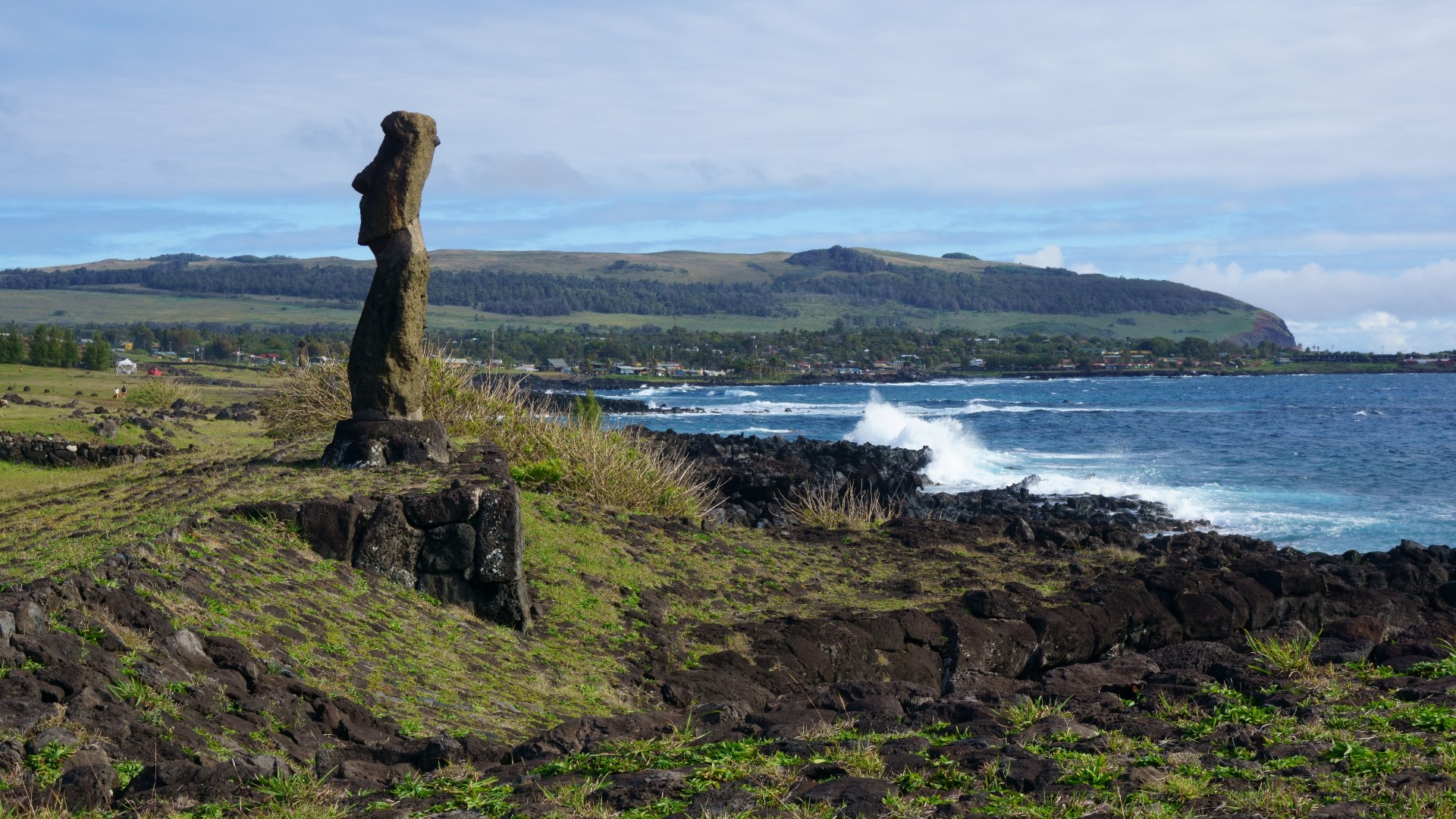
4. Easter Island 
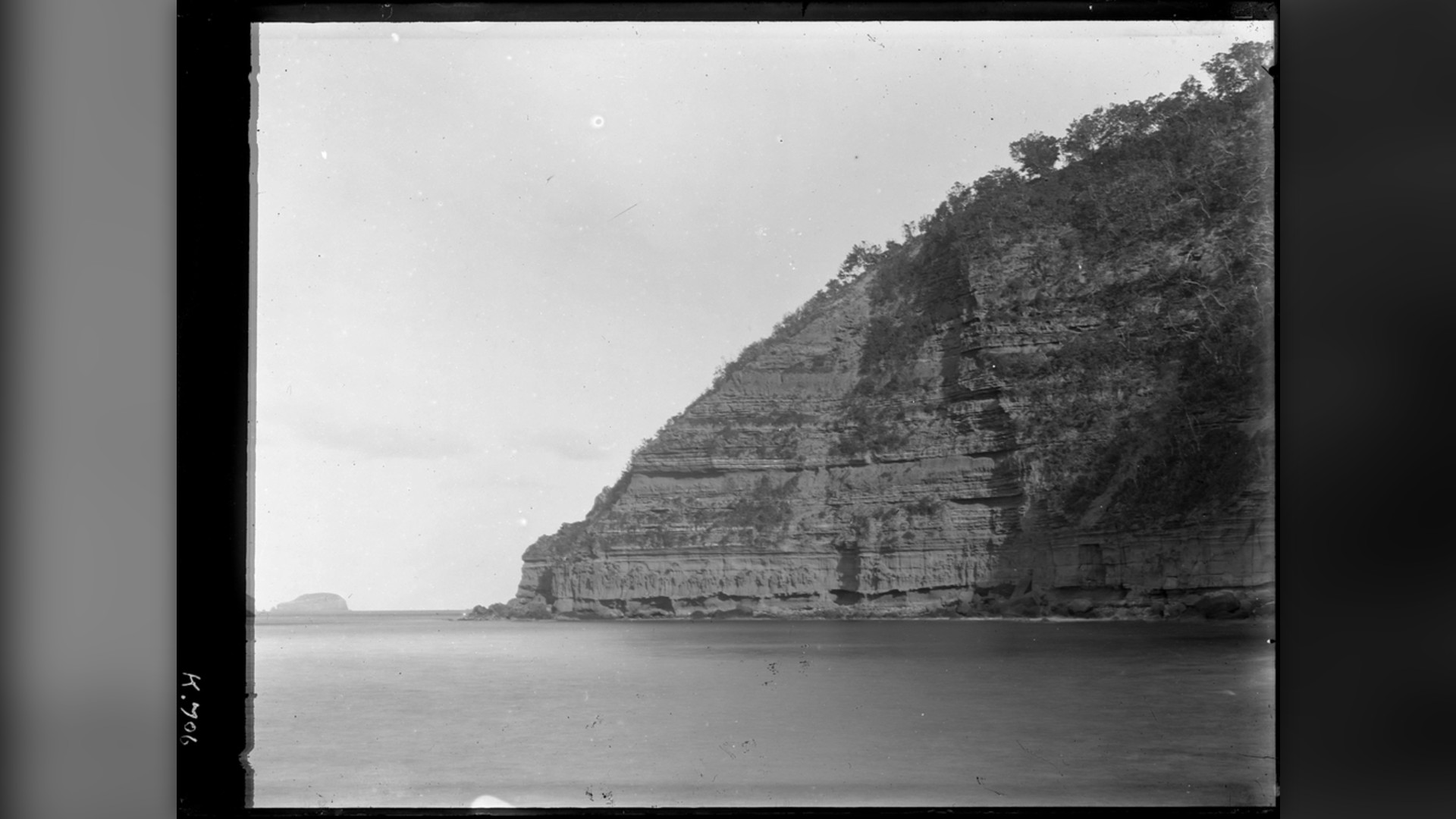
3. Raoul Island - AdvertisementSwipe or tap ▶ to continue countdown

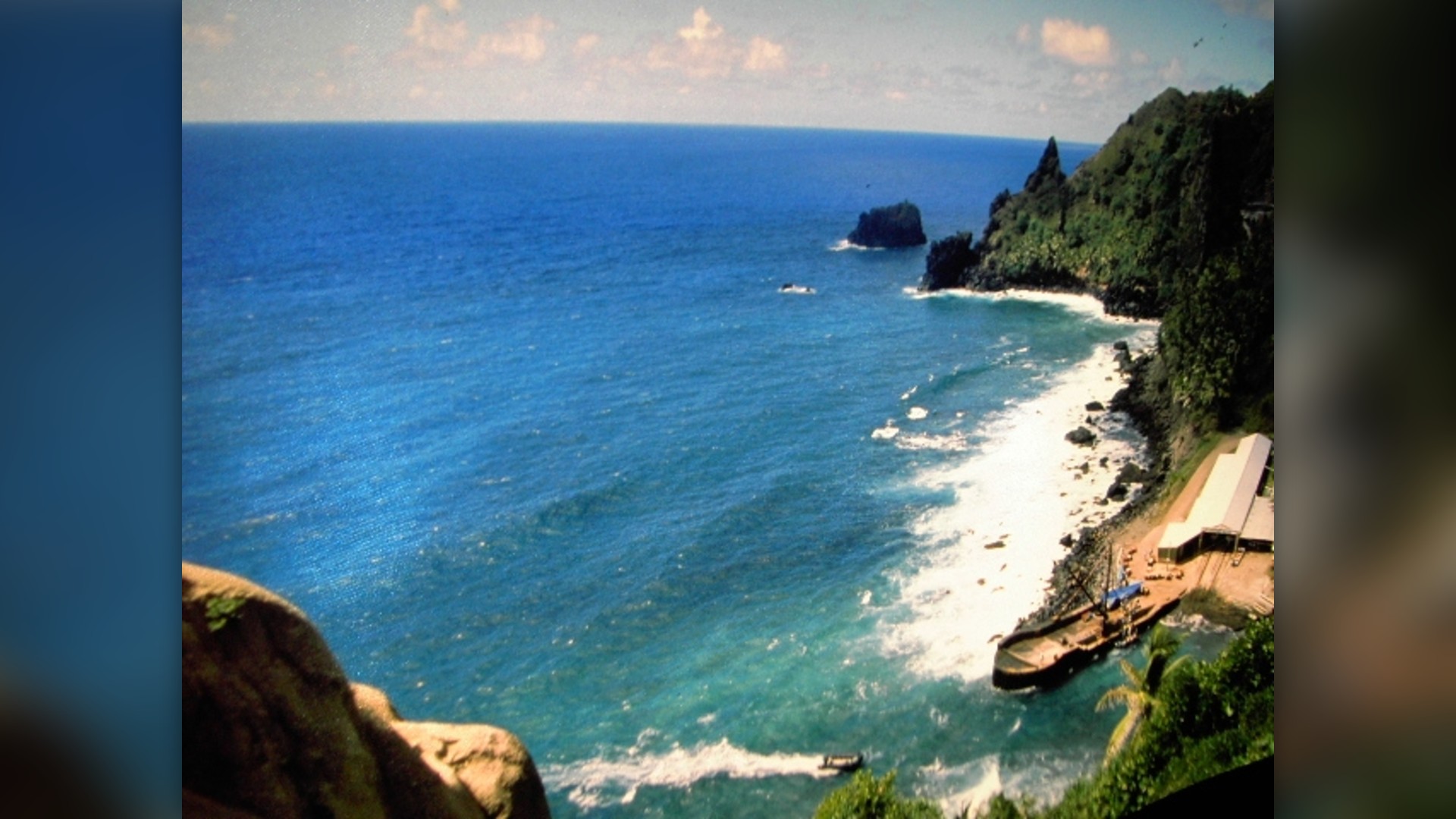
2. Pitcairn Island 
1. Tristan Da Cunha - Advertisement🔥 UP NEXT IN THIS SERIES◫ 21 Slides

20 Famous Cars With Pop-Up Headlights That Shaped Car Design
From hand-cranked 1930s teardrops to wedge supercars of the 1980s, hidden headlights let stylists chase sleek aerodynamics until 2004 pedestrian rules closed the curtain. Here are 20 standout production cars that turned retractable lamps into an enduring automotive design feature across seven full decades.
Scattered across thousands of leagues of open sea, the world's most remote inhabited islands exist beyond the reach of commercial airliners and fiber-optic cables, demanding profound human resilience.
Swipe or tap ▶ to begin the countdown
©Wikimedia / NASA ASTER volcano archive jpl
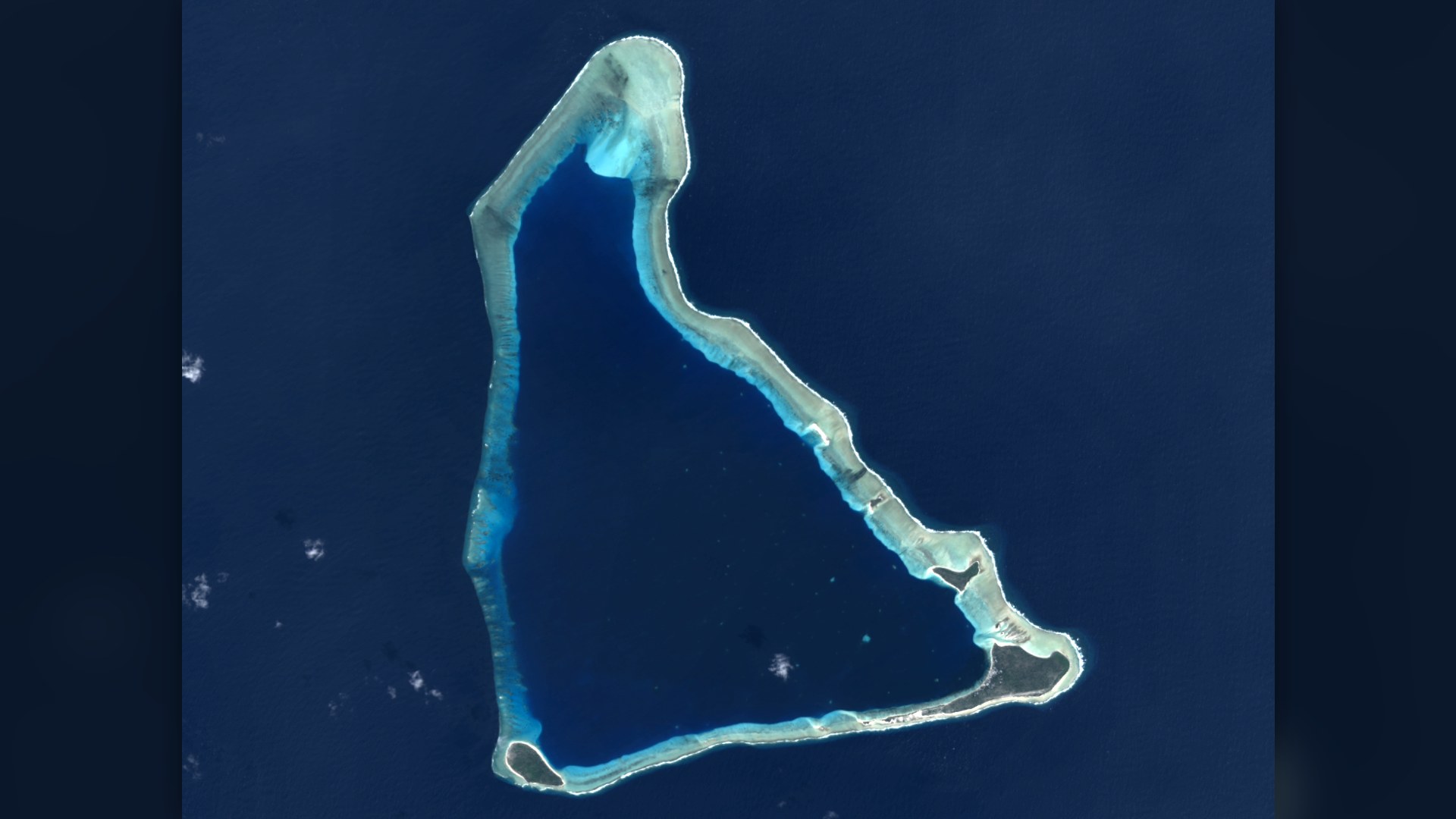
25. Utirik Atoll
Utirik Atoll comprises ten tiny coral islets encircling a pristine blue lagoon in the northern Pacific. Home to approximately four hundred Marshallese residents, the remote community relies on traditional outrigger sailing canoes and infrequent government cargo freighters.
©Wikimedia / Public Contributor
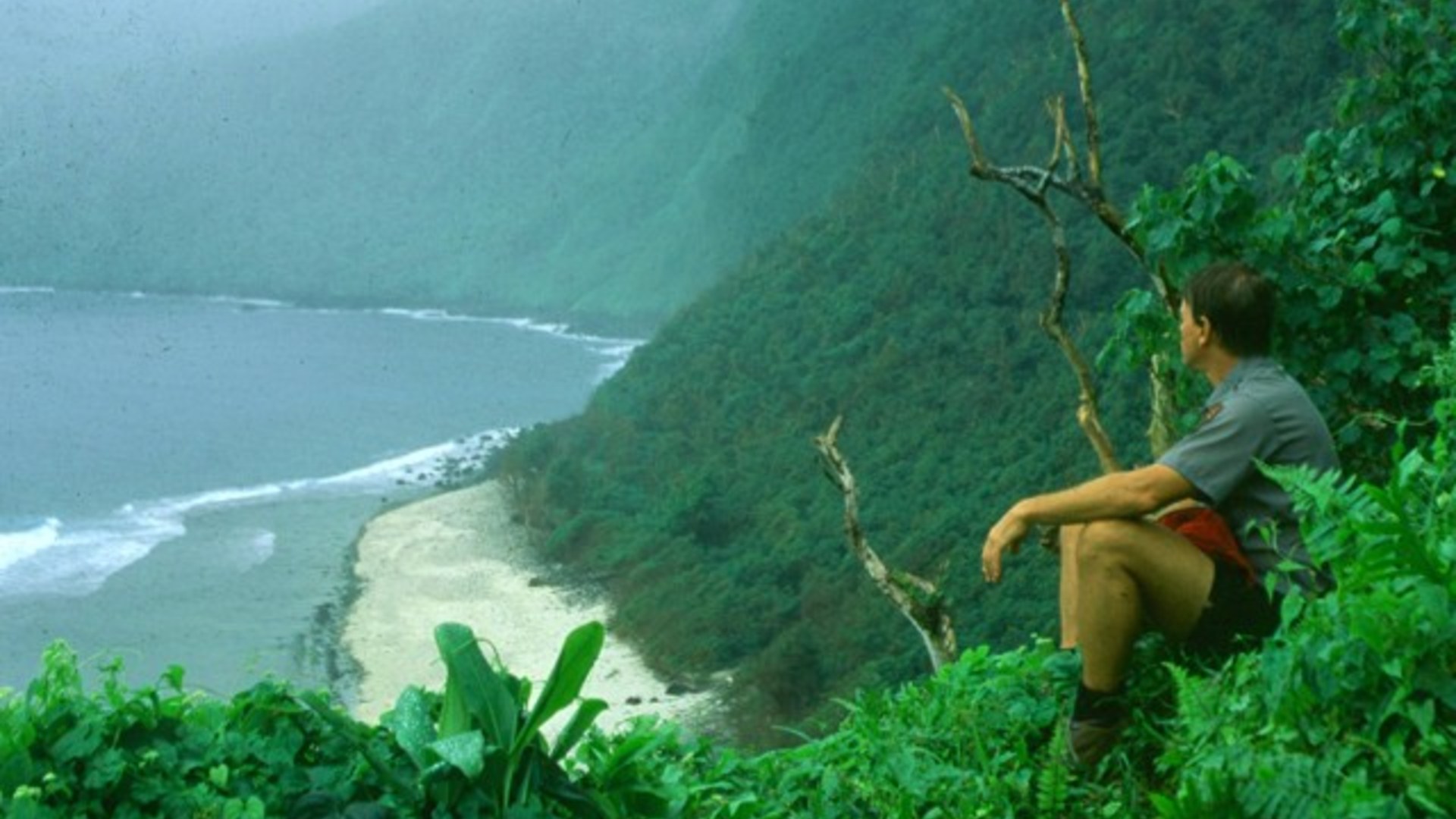
24. Ta'u Island
Located sixty miles east of Tutuila, Ta'u is an ancient volcanic caldera bordered by dramatic coastal cliffs. The island features small Polynesian villages where residents preserve customary Samoan communal governance and generate power through a microgrid solar array.
©Wikimedia / John Brooks, National Park Service
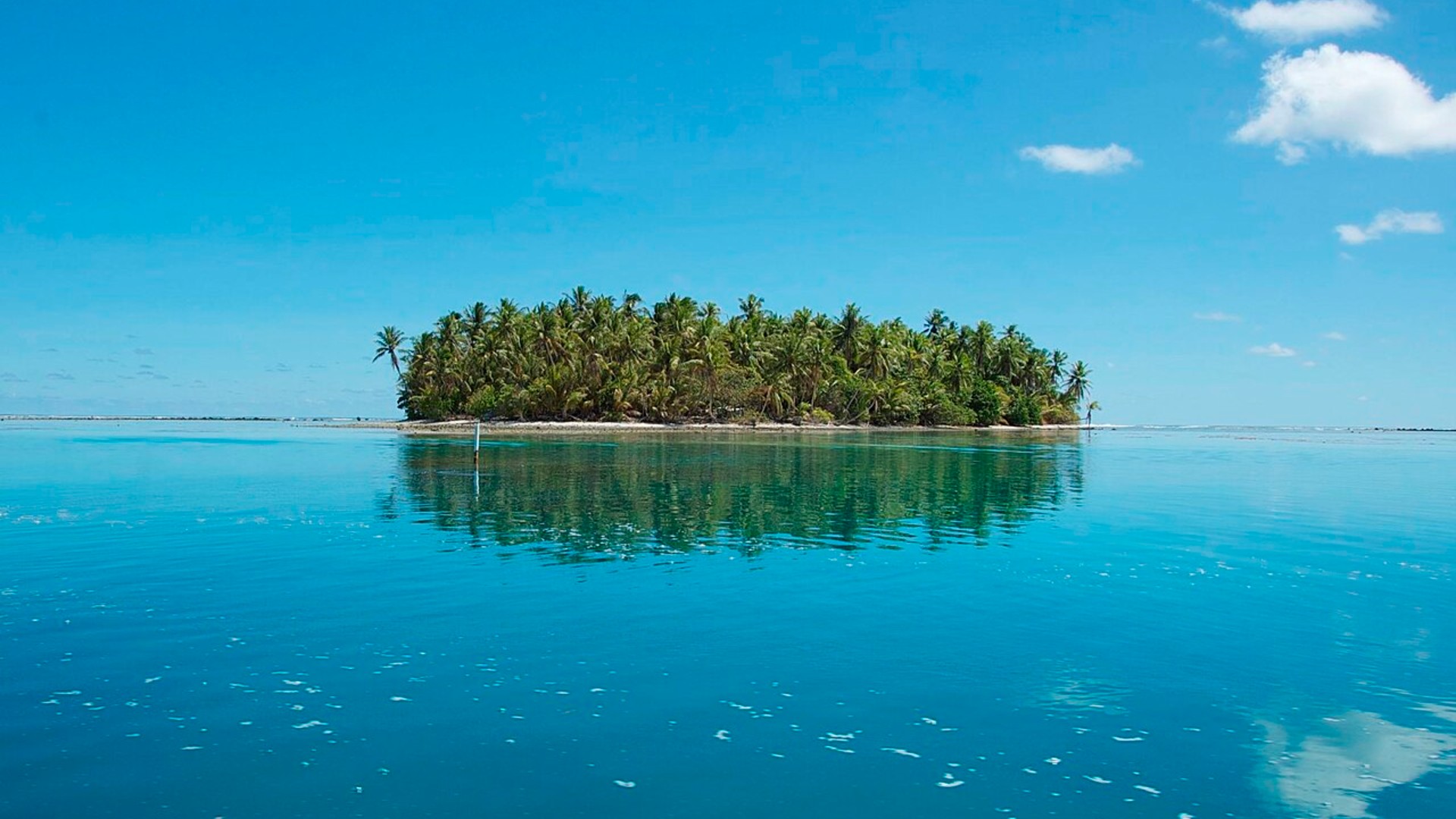
23. Tokelau
Tokelau sits midway between Hawaii and New Zealand with an aggregate land area of just four square miles. The territory's fifteen hundred residents live across three coral atolls, importing supplies exclusively via passenger and cargo ferries from Samoa.
©Wikimedia / New Zealand Ministry of Foreign Affairs
Advertisement
Swipe or tap ▶ to resume the countdown.
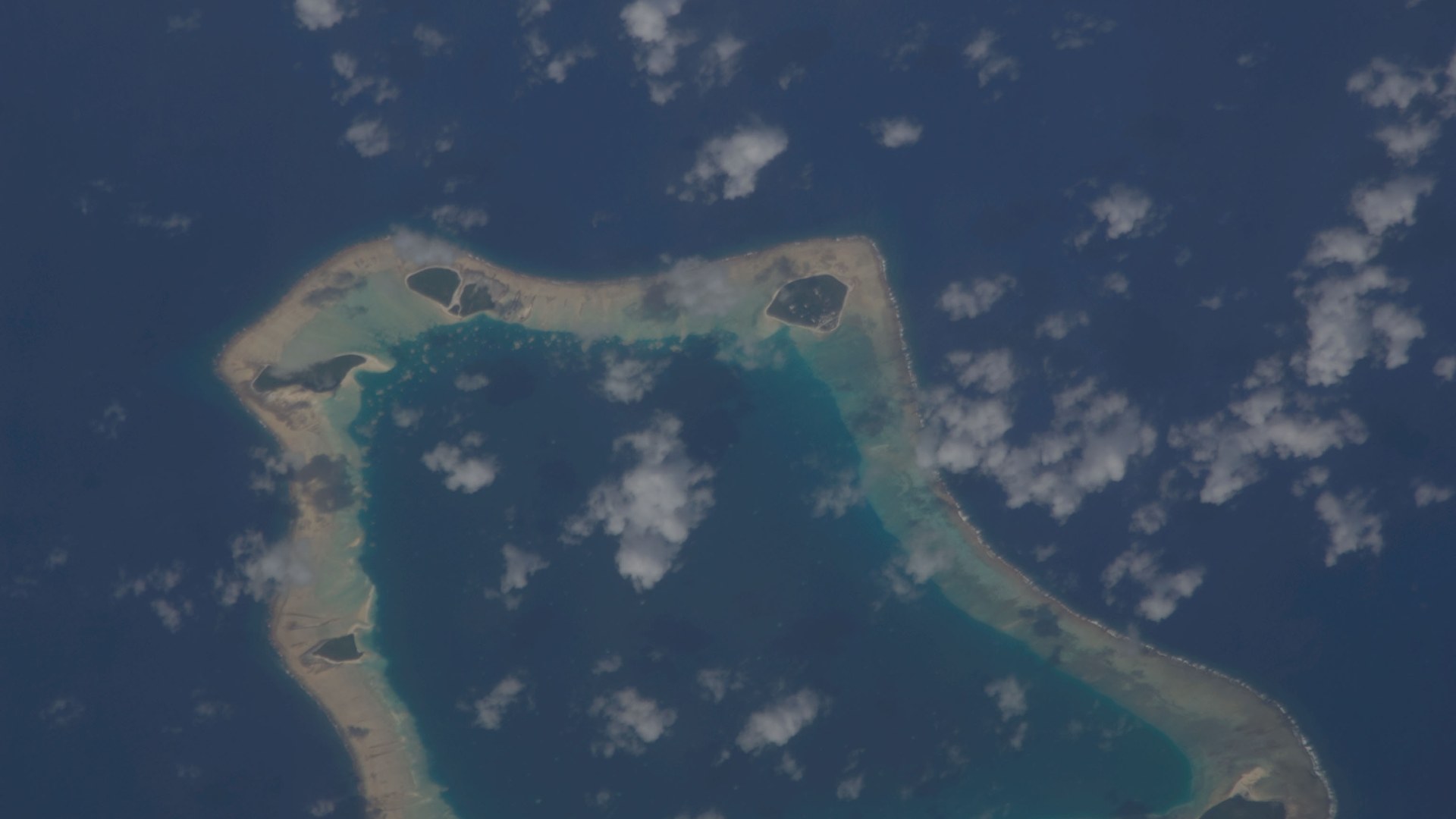
22. Palmerston Island
English carpenter William Marsters settled Palmerston Island in 1863 with three Polynesian wives, establishing a unique clan settlement. Today, roughly sixty descendants inhabit the atoll, welcoming visiting yachts and fishing for parrotfish across the reef.
©Wikimedia / Earth Science and Remote Sensing Unit
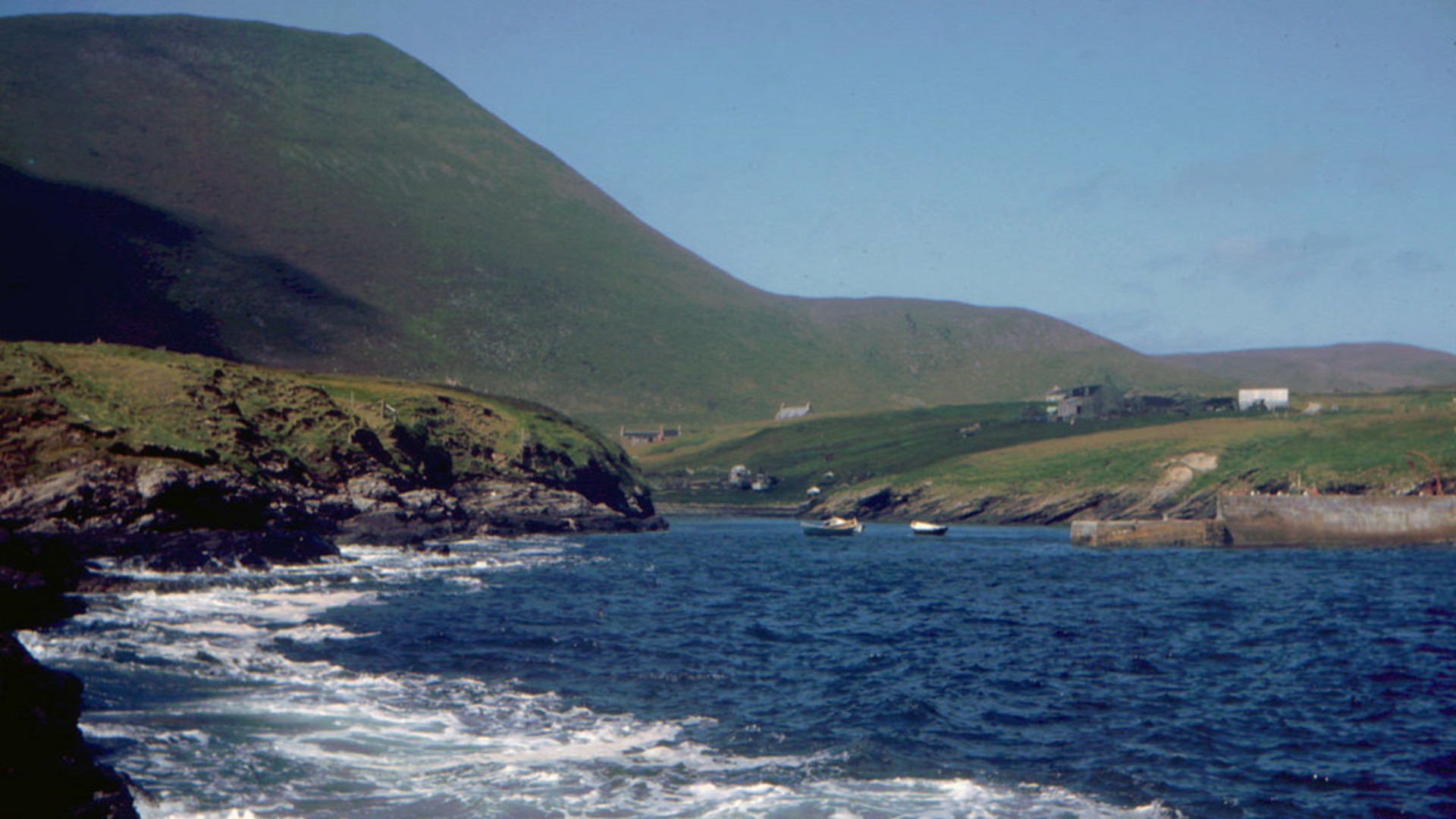
21. Foula
Located twenty miles west of the main Shetland archipelago, Foula rises steeply from the turbulent Atlantic. Around thirty hardy residents maintain crofting livelihoods beneath five hundred-foot sea cliffs that host millions of nesting seabirds.
©Wikimedia / Foula
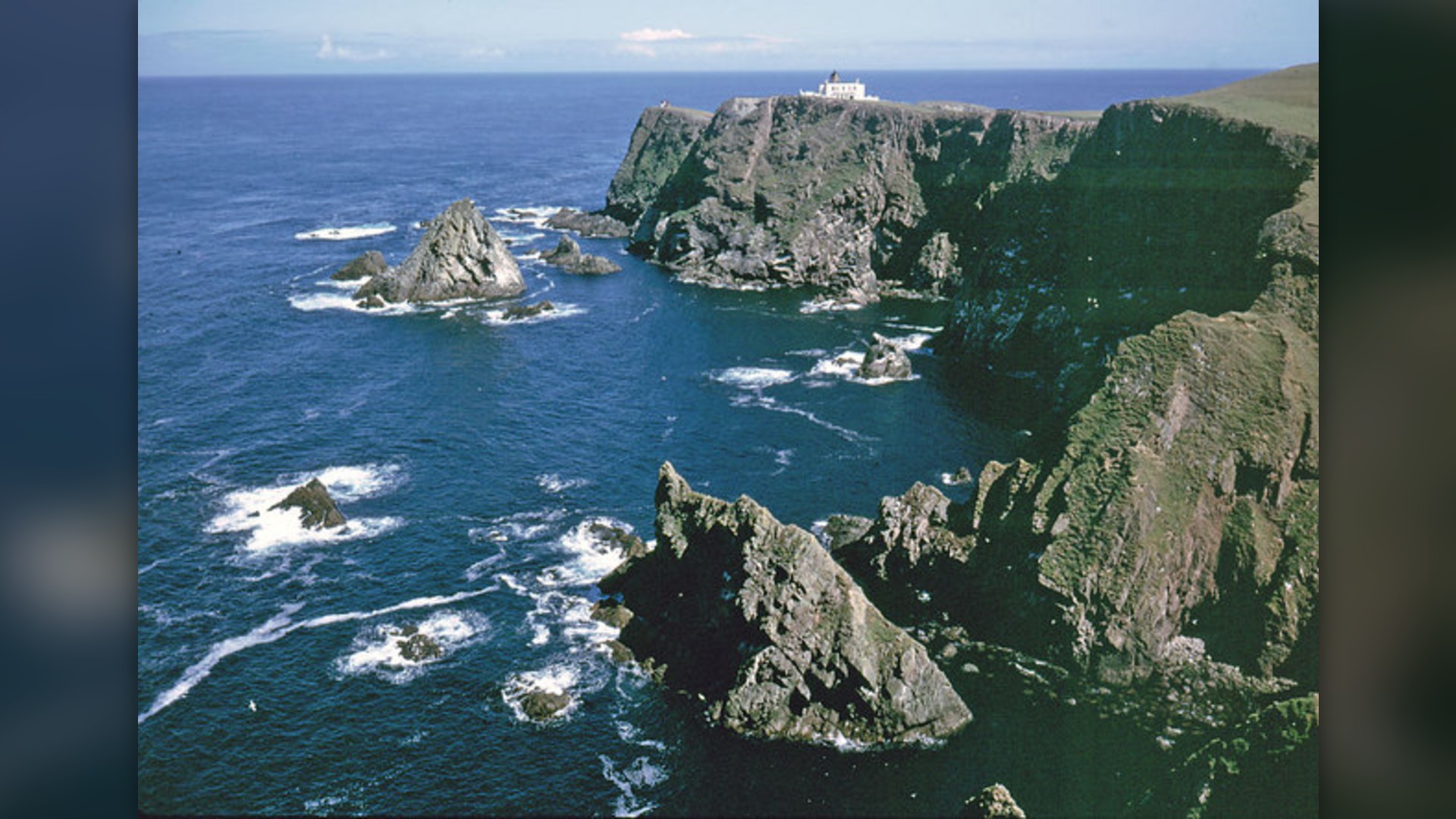
20. Fair Isle
Halfway between Orkney and Shetland, Fair Isle is home to approximately sixty residents who operate family crofts and a bird observatory. The islanders maintain an internationally celebrated knitting heritage passed down through generations.
©Wikimedia / Fair Isle
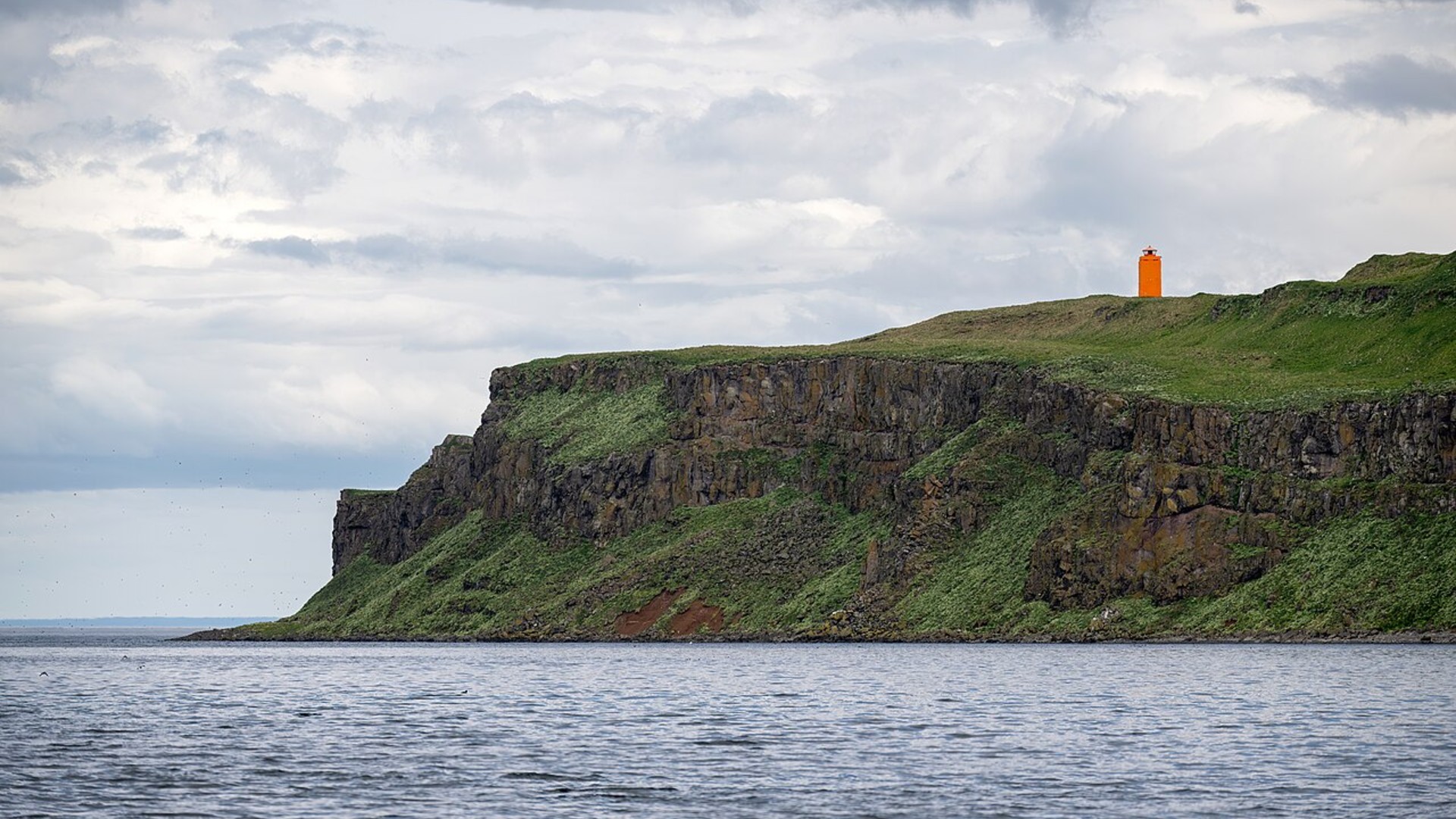
19. Grimsey Island
Grimsey is a windswept five-square-kilometer basalt outcrop inhabited by roughly sixty fishermen and their families. Despite frigid polar gales, islanders maintain a bustling harbor supported by abundant Arctic cod fishing grounds.
©Wikimedia / Eric Kilby
Advertisement
Swipe or tap ▶ to resume the countdown.
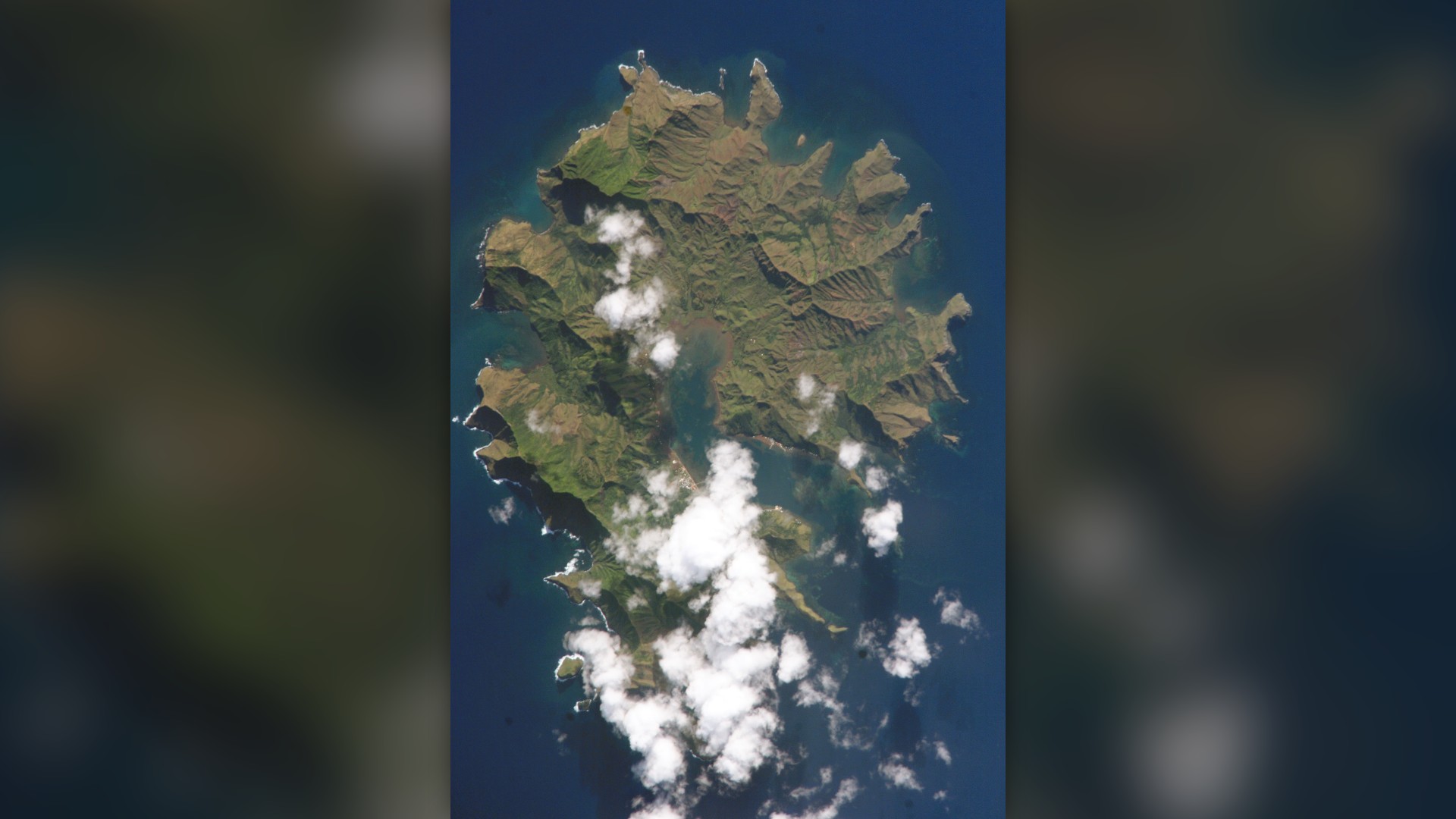
18. Rapa Iti
Rapa Iti is a drowned volcanic crater in the remote Bass Islands, reachable only via monthly supply ships from Tahiti. Its five hundred Polynesian residents reside in fortified coastal villages, preserving traditional singing and farming.
©Wikimedia / Rapa Iti
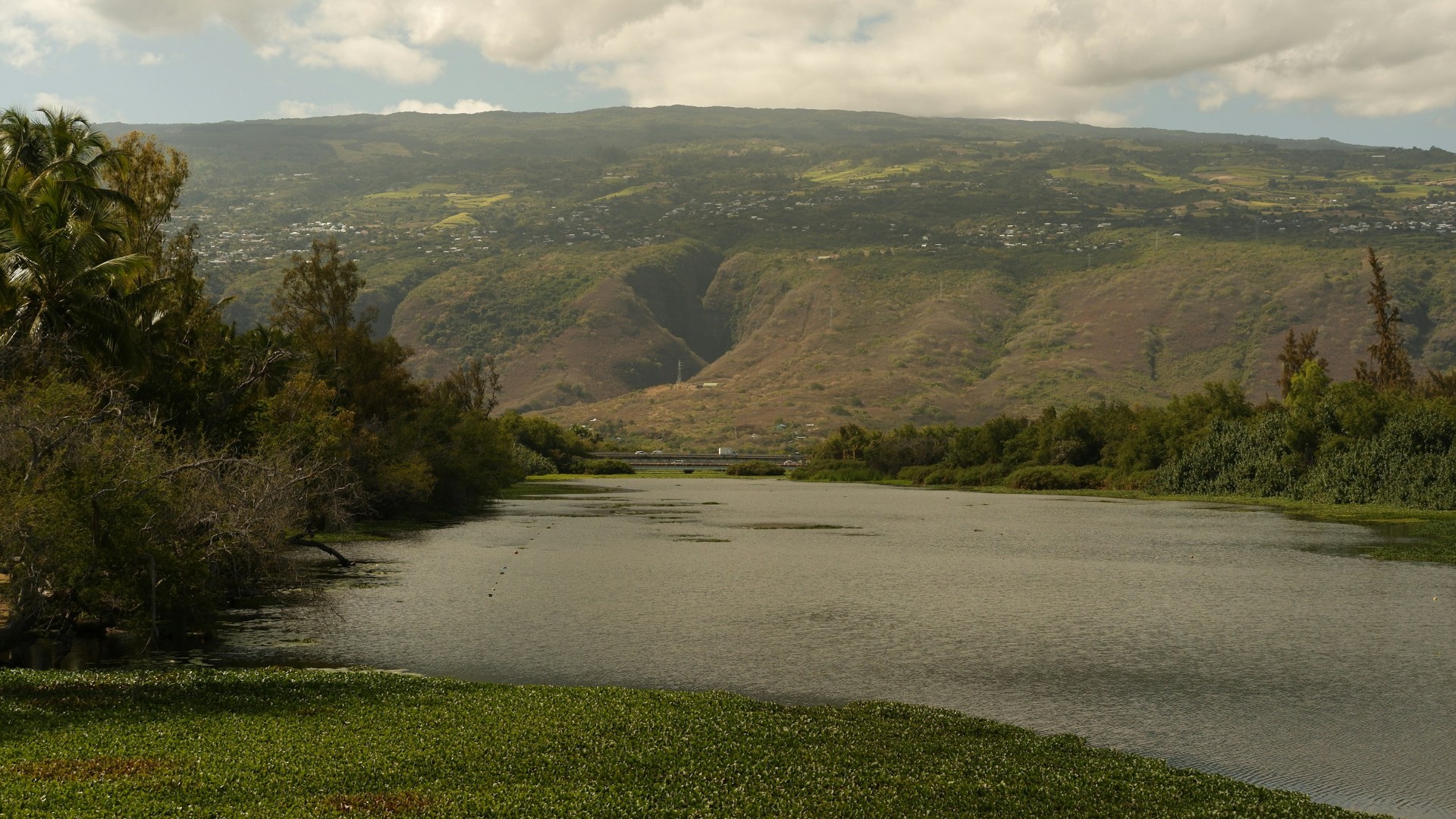
17. Saint Paul Island
Located three hundred miles off the Alaskan coast, Saint Paul Island experiences persistent fog and subarctic gales. The community of four hundred Aleut residents sustains a vibrant maritime heritage alongside hundreds of thousands of northern fur seals.
© Photo by Laury Ricquebourg on Unsplash
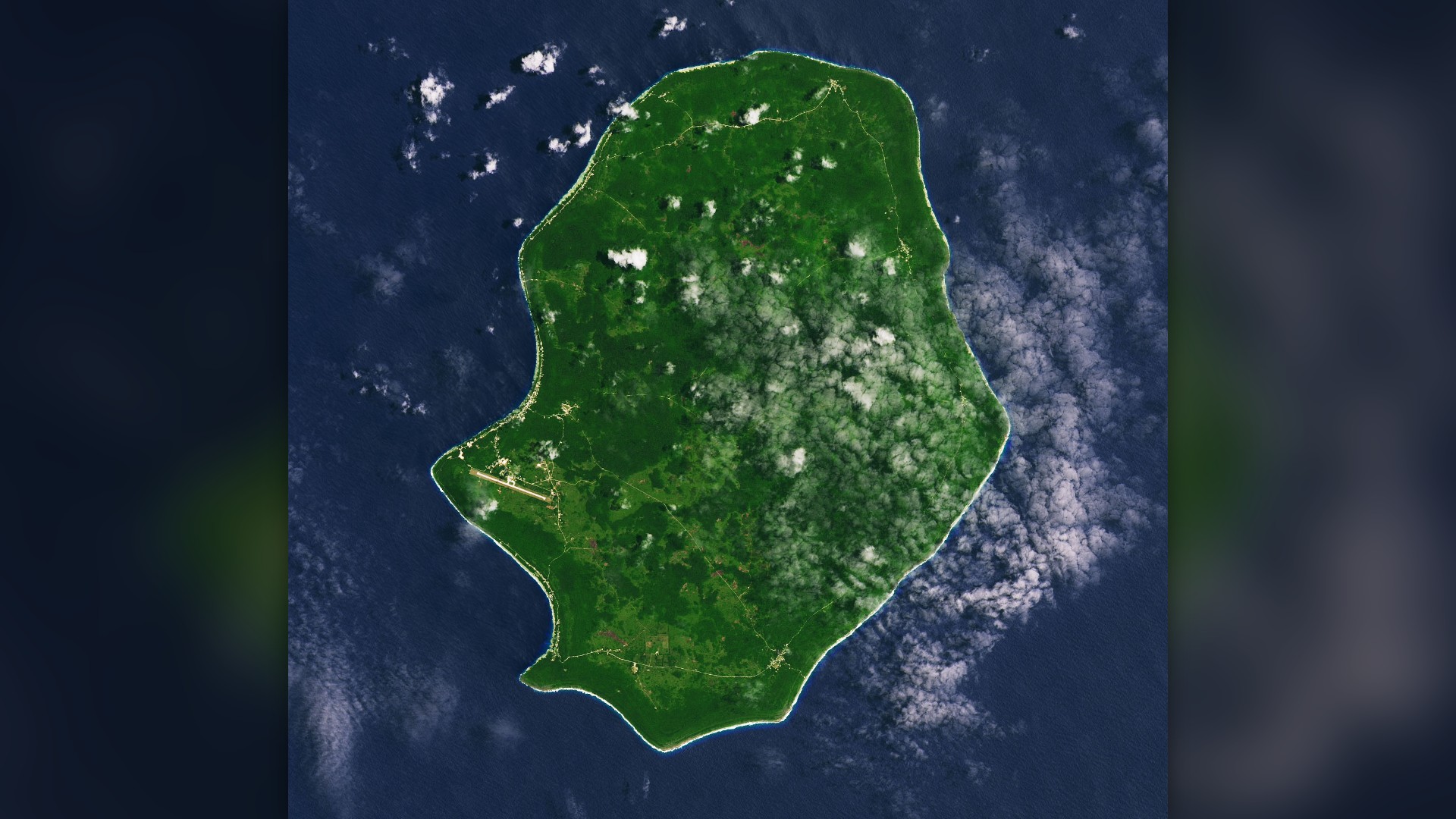
16. Niue
Niue is one of the world's largest raised coral atolls, featuring towering limestone cliffs instead of sandy beaches. Roughly sixteen hundred residents enjoy crystalline ocean visibility, solar-powered infrastructure, and dark-sky sanctuary designations.
©Wikimedia / NASA Earth Observatory image by Joshua
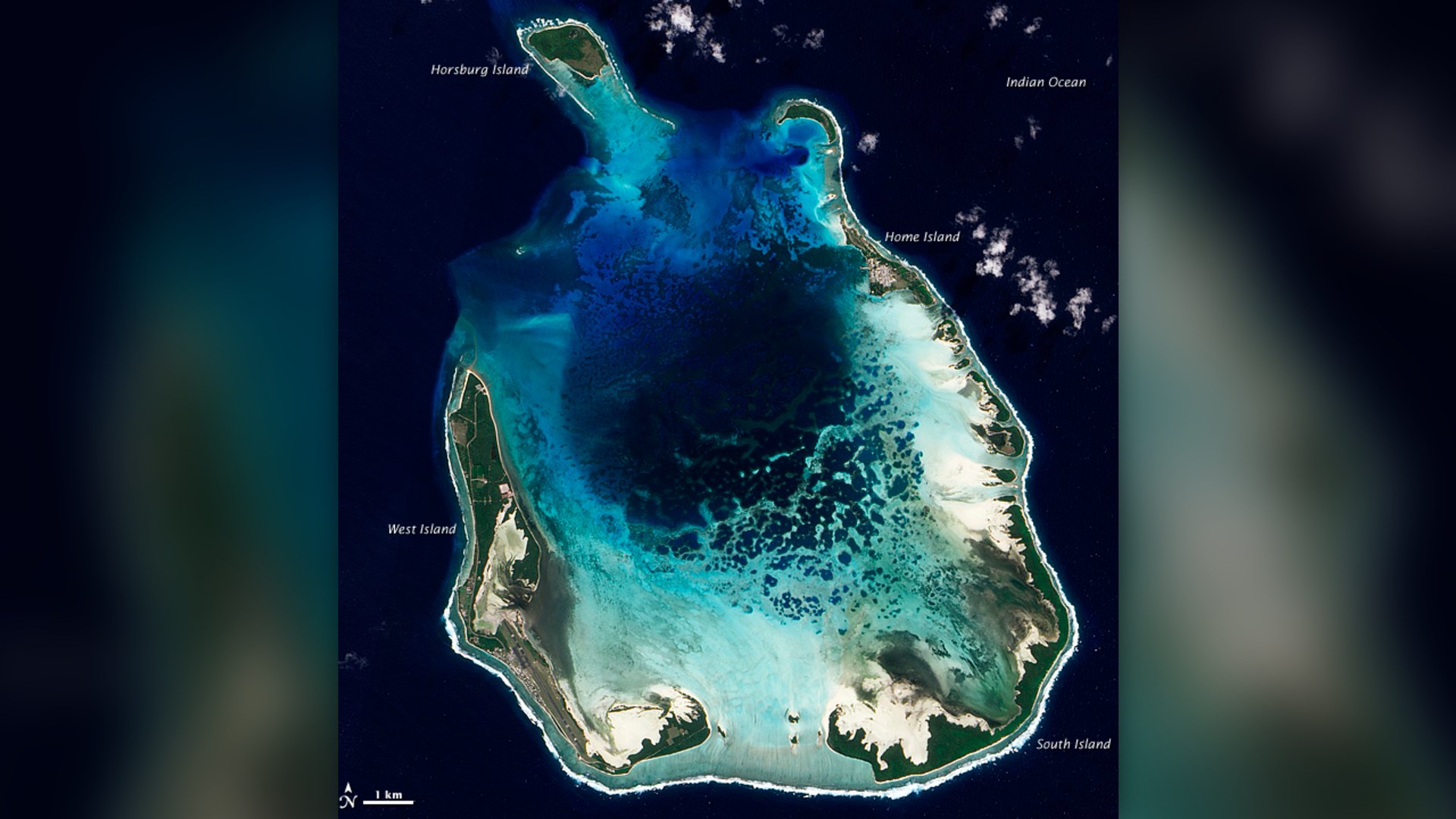
15. Cocos Keeling Islands
Situated halfway between Australia and Sri Lanka, this remote Australian territory consists of twenty-seven coral islets. Around six hundred residents live across two inhabited islands, blending Malay cultural traditions with Australian governance.
©Wikimedia / NASA's Earth Observatory
Advertisement
Swipe or tap ▶ to resume the countdown.
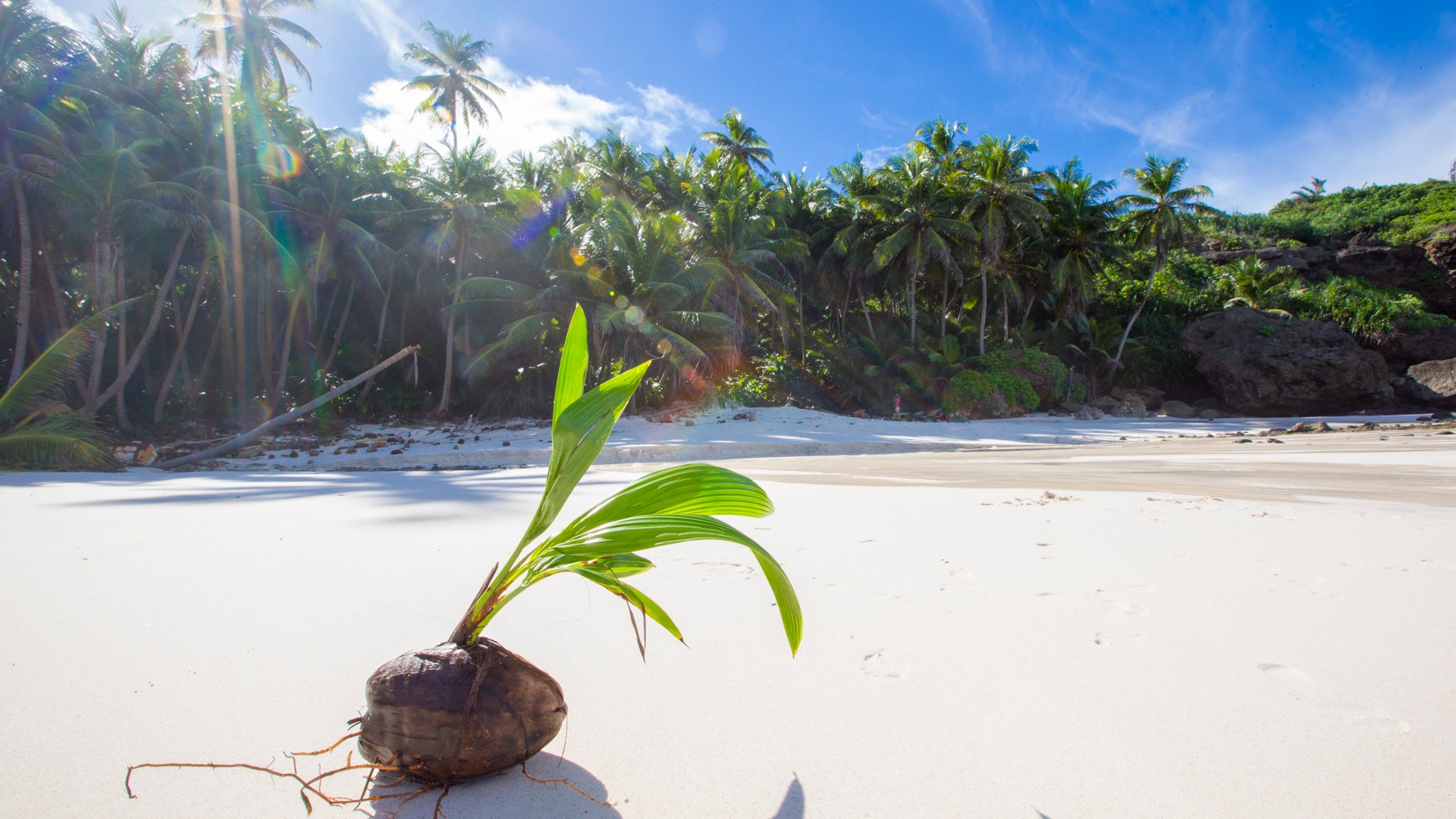
14. Christmas Island
Rising steeply from the Java Trench, Christmas Island lies nine hundred miles northwest of the Australian mainland. Its seventeen hundred residents inhabit a tropical biodiversity haven characterized by monsoonal rainforests and rugged sea cliffs.
©Wikimedia / ChrisBrayPhotography
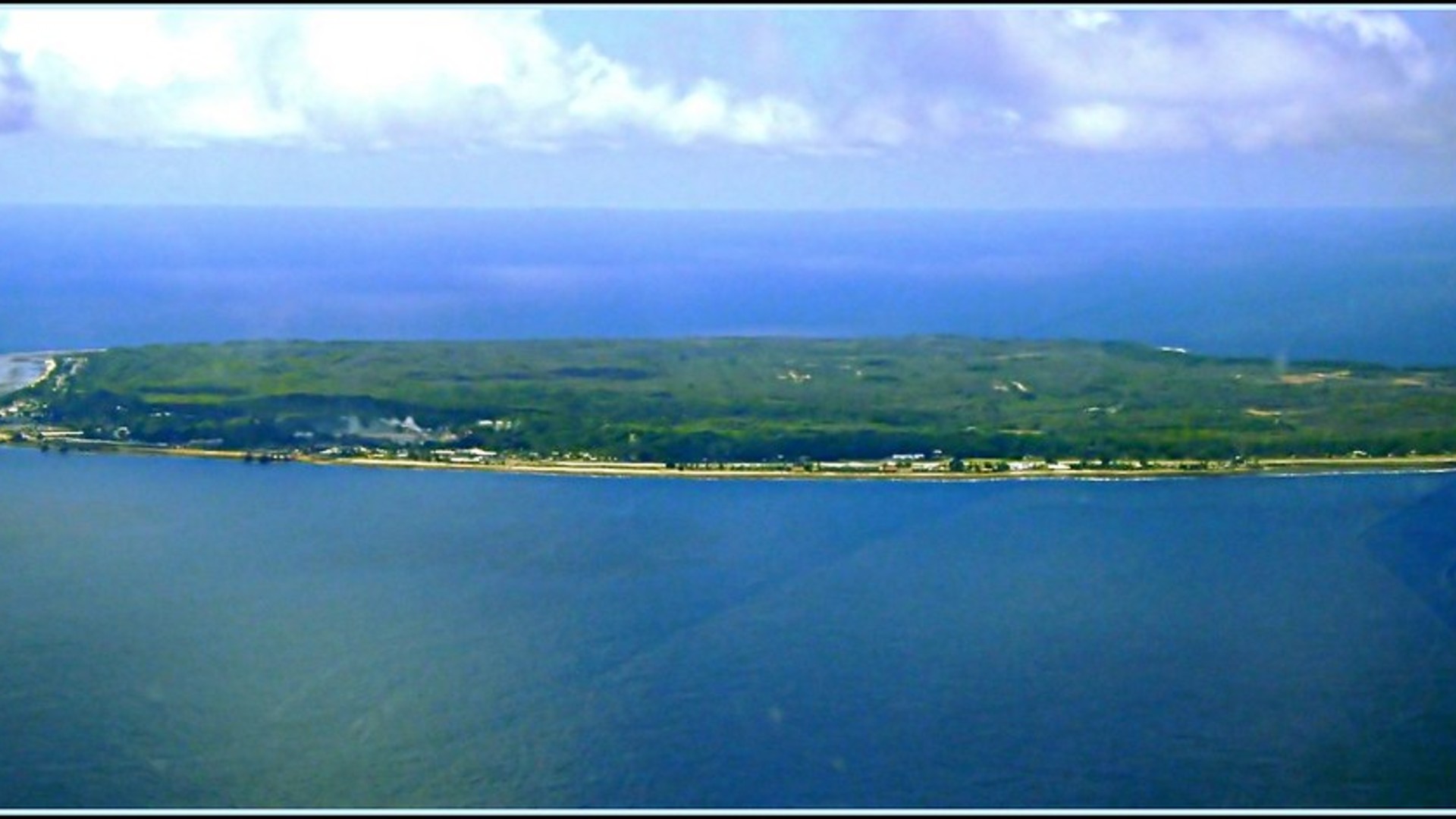
13. Nauru
Nauru is the world's smallest independent republic, occupying just eight square miles of land in the southwestern Pacific. Completely devoid of immediate neighbors, its ten thousand citizens rely entirely on marine shipping for essential supplies.
©Openverse / Tatters ✾
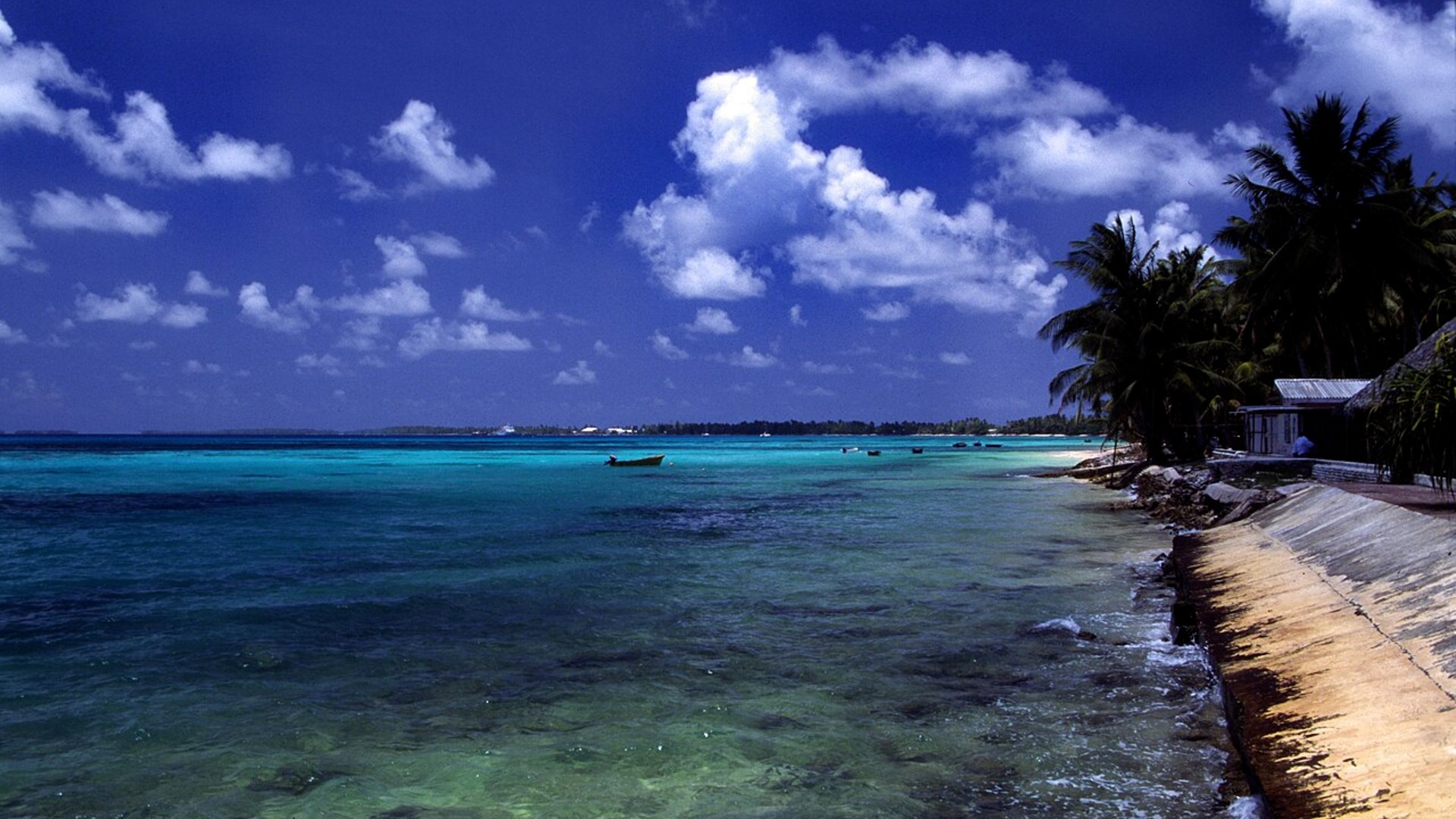
12. Funafuti Atoll
Funafuti is a fragile ring of twenty-nine coral islets encompassing a massive central lagoon. Home to six thousand Tuvaluans, the low-lying settlement stands merely meters above sea level, pioneering international climate resilience initiatives.
©Wikimedia / Stefan Lins
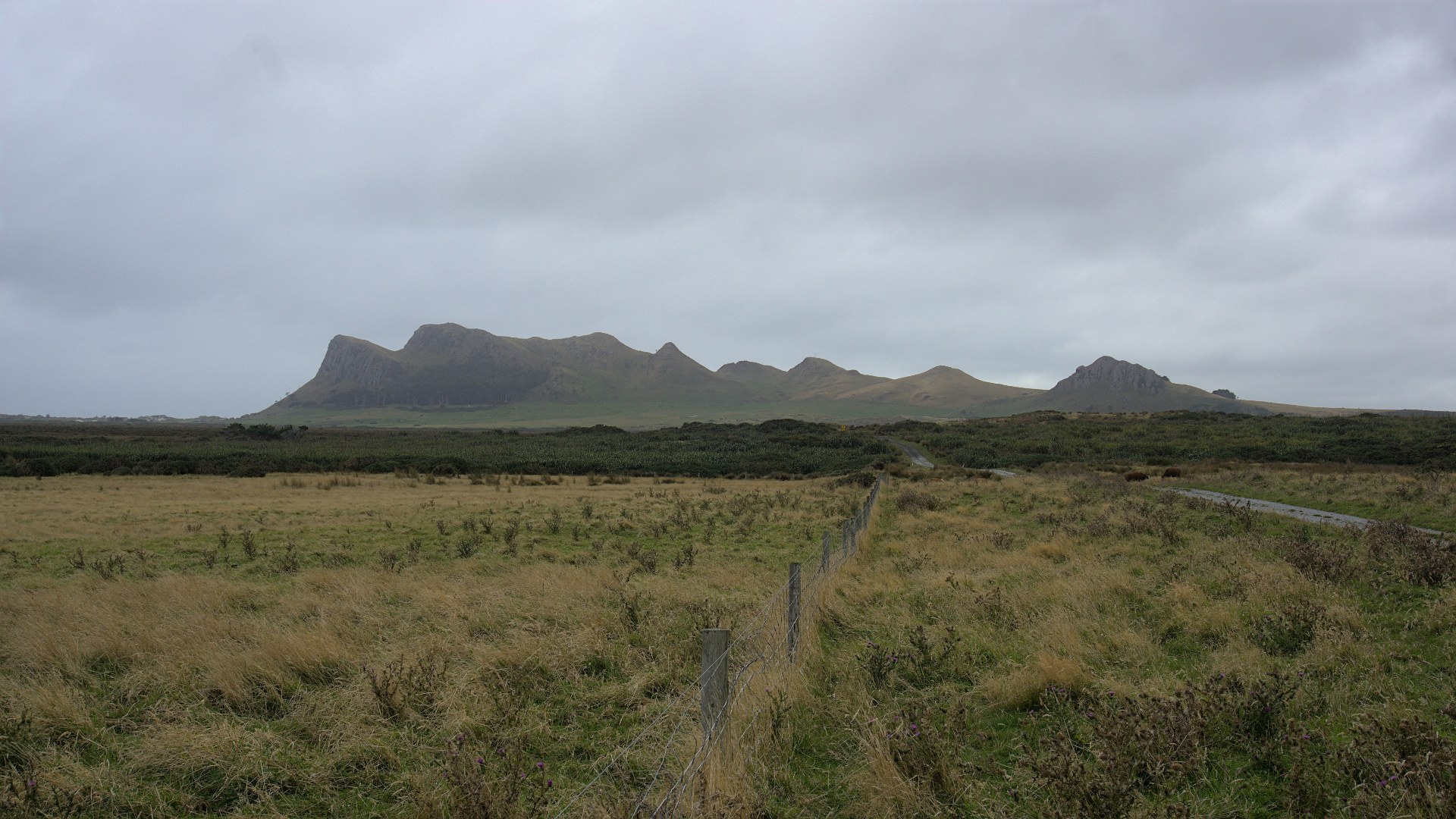
11. Chatham Islands
Positioned near the International Date Line, the Chatham Islands greet each new calendar day before almost anywhere else. Its six hundred residents engage in commercial fishing, sheep farming, and conservation of rare endemic bird species.
©Wikimedia / Kristina D.C. Hoeppner from Wellington
Advertisement
Swipe or tap ▶ to resume the countdown.
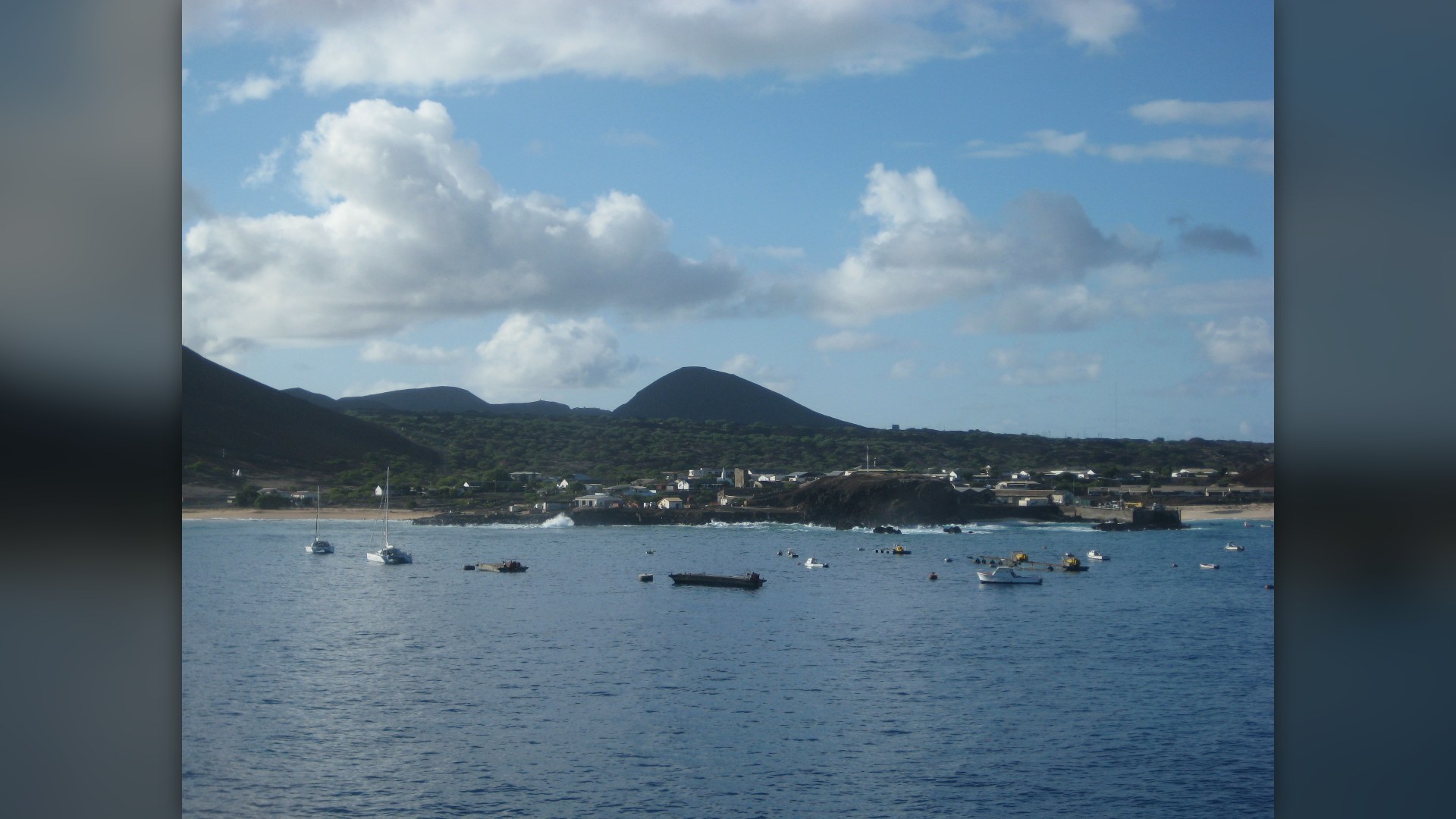
10. Ascension Island
Ascension Island emerged from the Mid-Atlantic Ridge as a jagged expanse of volcanic cinder cones. Around eight hundred military personnel and technical specialists support global communications and sea turtle nesting sanctuaries.
©Wikimedia / LordHarris
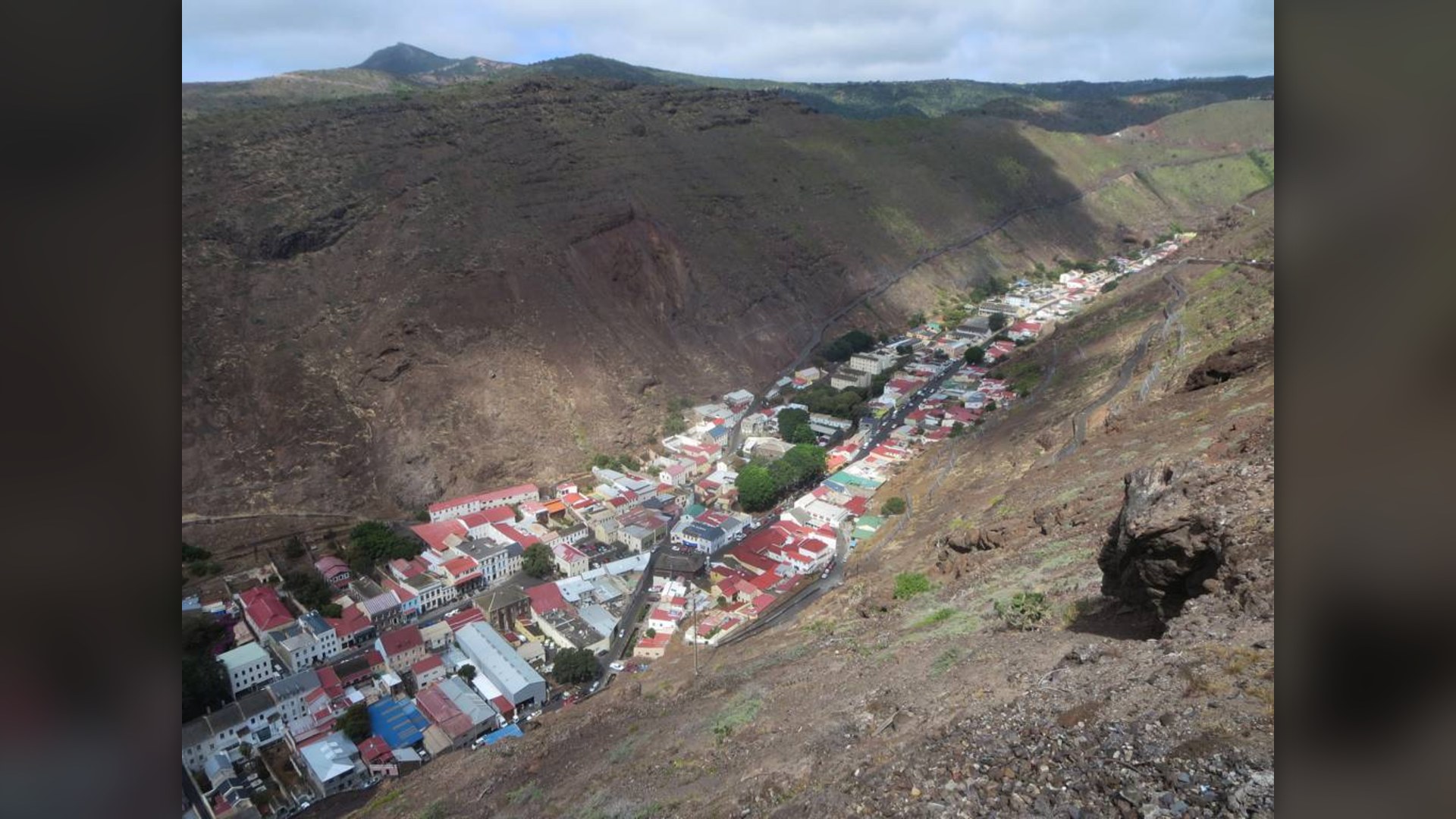
9. Saint Helena
Located twelve hundred miles from southwestern Africa, Saint Helena was among the world's most inaccessible islands before its cliffside airport opened in 2017. Four thousand Saint Helenians maintain historic colonial settlements.
©Wikimedia / David Stanley from Nanaimo, Canada
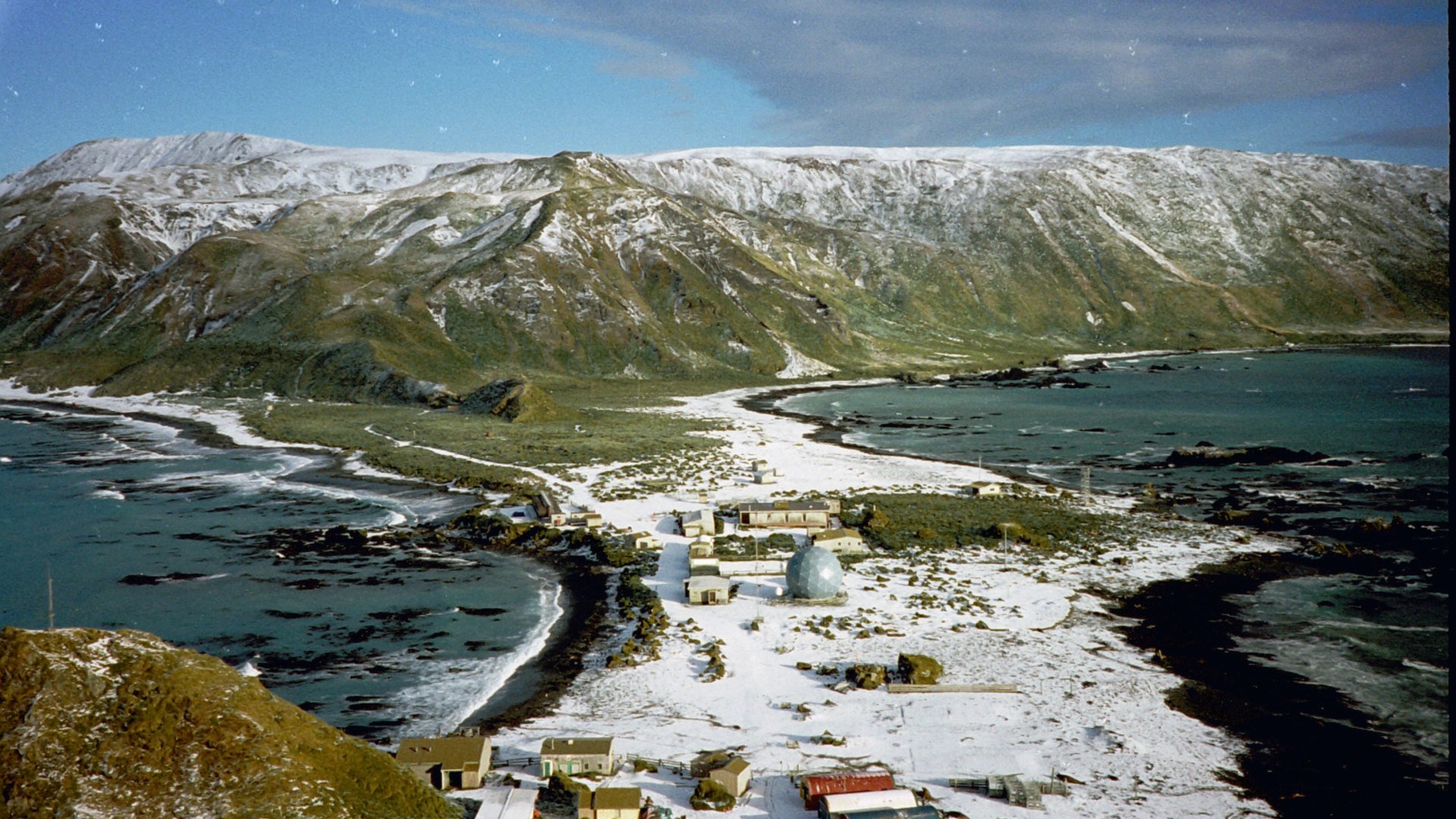
8. Macquarie Island
Macquarie Island lies halfway between Tasmania and Antarctica in the roaring forties. Maintained by the Australian Antarctic Division, this storm-battered strip of rock hosts up to forty scientists alongside enormous colonies of royal penguins.
©Wikimedia / Hullwarren
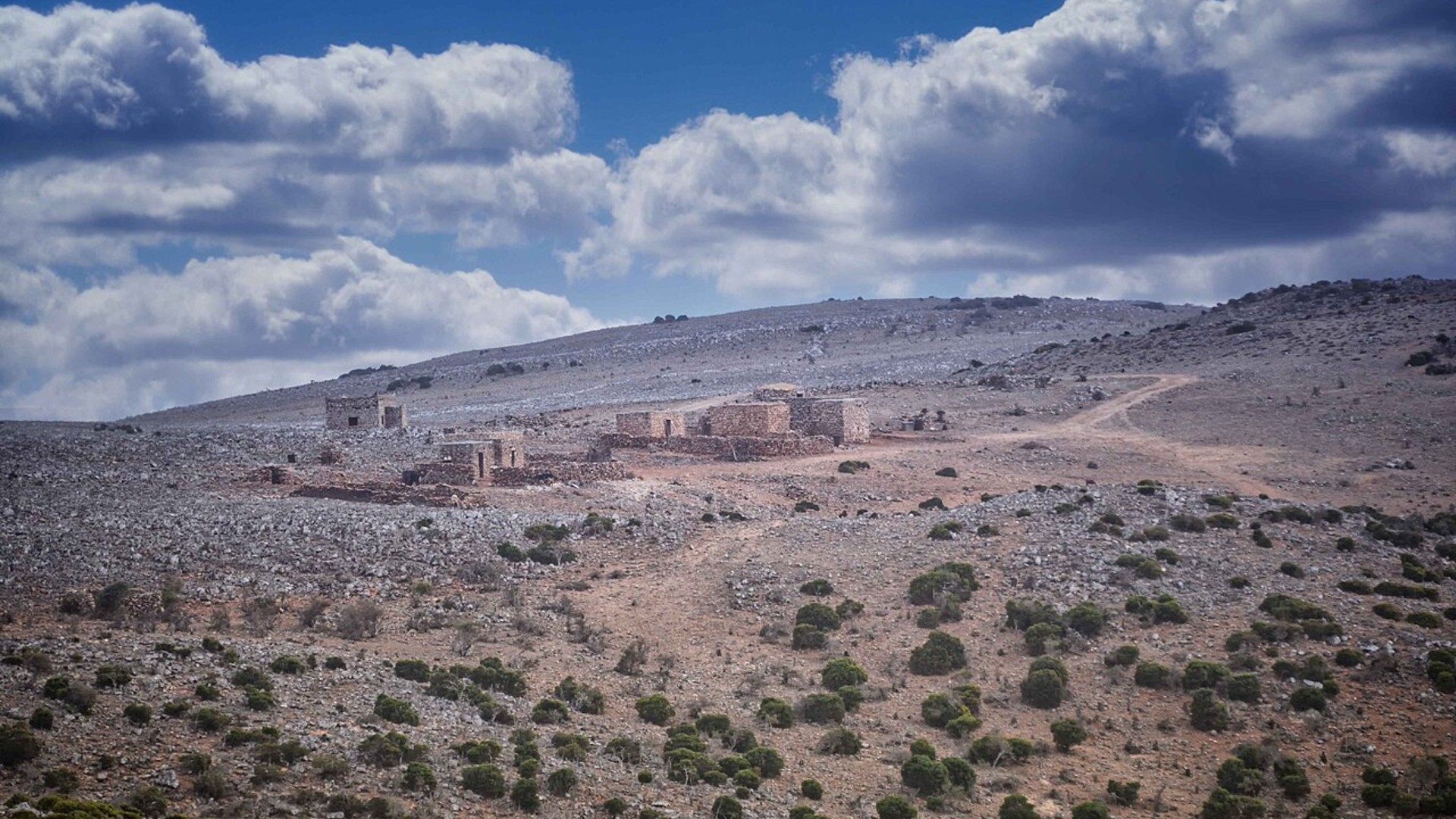
7. Socotra Island
Separated from mainland Arabia for millions of years, Socotra is home to sixty thousand indigenous inhabitants. A third of its plant life exists nowhere else on Earth, including the iconic umbrella-shaped Dragon's Blood tree.
©Wikimedia / Rod Waddington from Kergunyah, Australia
Advertisement
Swipe or tap ▶ to resume the countdown.
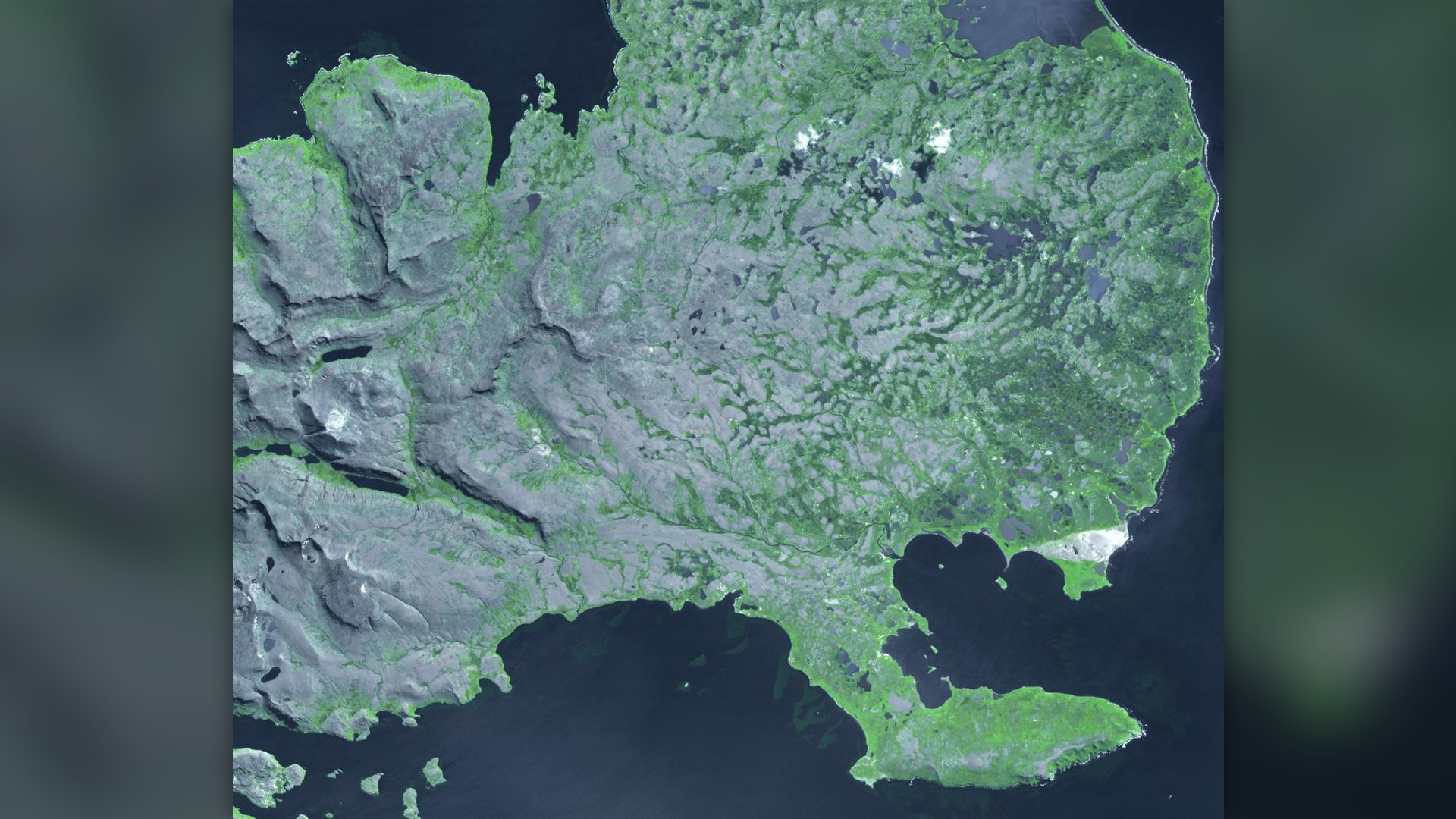
6. Kerguelen Islands
Positioned in the southern Indian Ocean thousands of miles from any continent, Kerguelen is governed by France. A seasonal rotation of fifty to one hundred scientists lives at Port-aux-Francais, enduring fierce westerly gales to conduct climate studies.
©NASA / JPL
5. South Georgia
Lying east of the Falklands in the Southern Ocean, South Georgia has no permanent civilian population. A small wintering team of researchers, government officers, and museum curators operates at Grytviken surrounded by millions of seals.
©Wikimedia / European Space Agency
4. Easter Island
Formed by three extinct volcanoes, Easter Island is one of the most secluded inhabited places in the Pacific. Nearly eight thousand residents celebrate their Polynesian ancestry and protect nine hundred monumental volcanic monoliths.
©Wikimedia / Easter Island
3. Raoul Island
Sitting six hundred miles northeast of Auckland in the Kermadec Ridge, Raoul Island is subject to frequent seismic rumblings. A dedicated team of New Zealand conservation rangers lives on the island, safeguarding endangered marine reserves.
©Openverse / museumofnewzealand
Advertisement
Swipe or tap ▶ to resume the countdown.
2. Pitcairn Island
Pitcairn Island lies thirteen hundred miles from the nearest commercial airstrip, accessible exclusively by chartered supply vessel. Its tiny community of forty-seven residents inhabits Adamstown, sustaining life through honey production and fishing.
©NPS-NOAA-USGS / Makemake at German Wikipedia
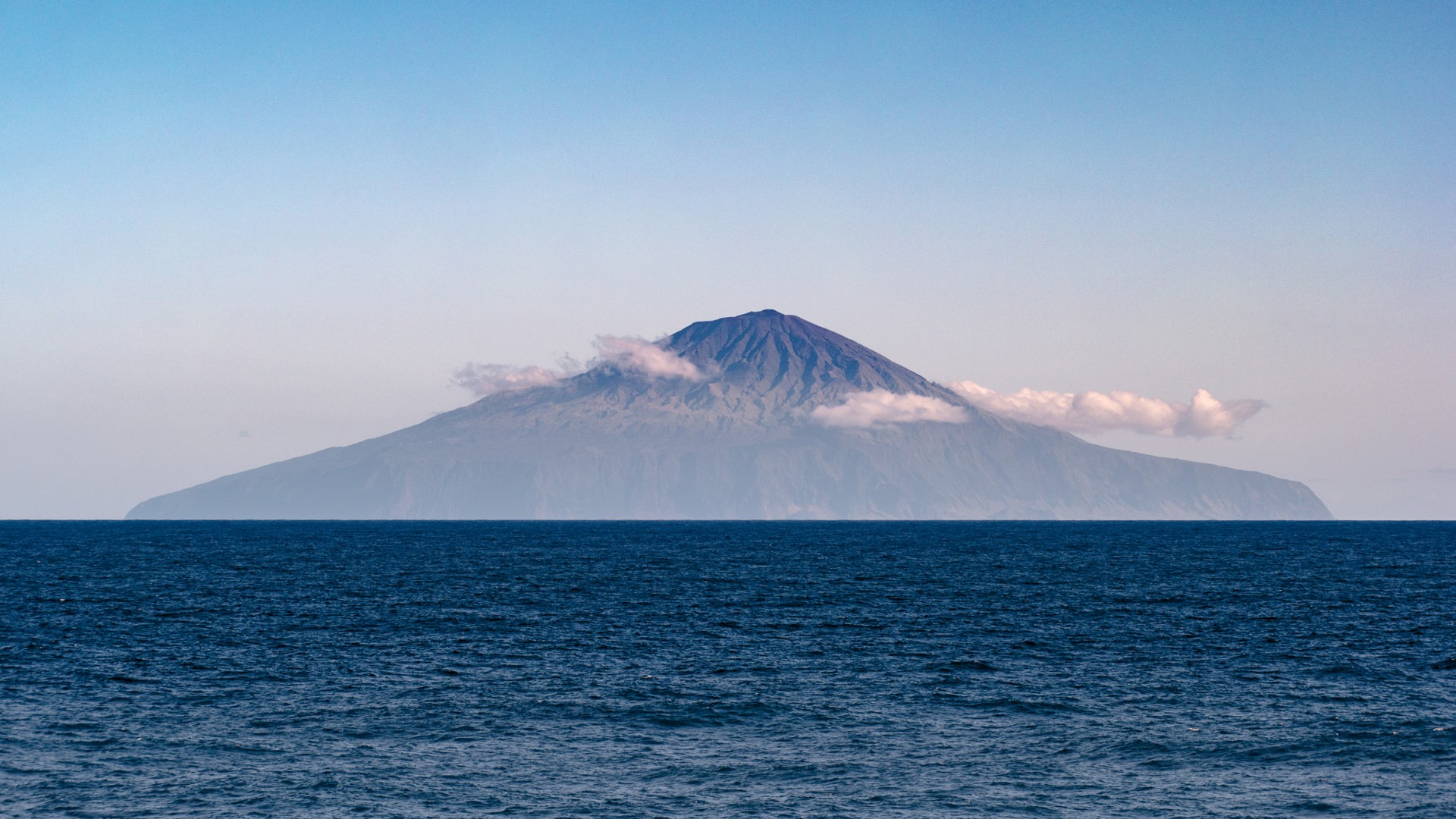
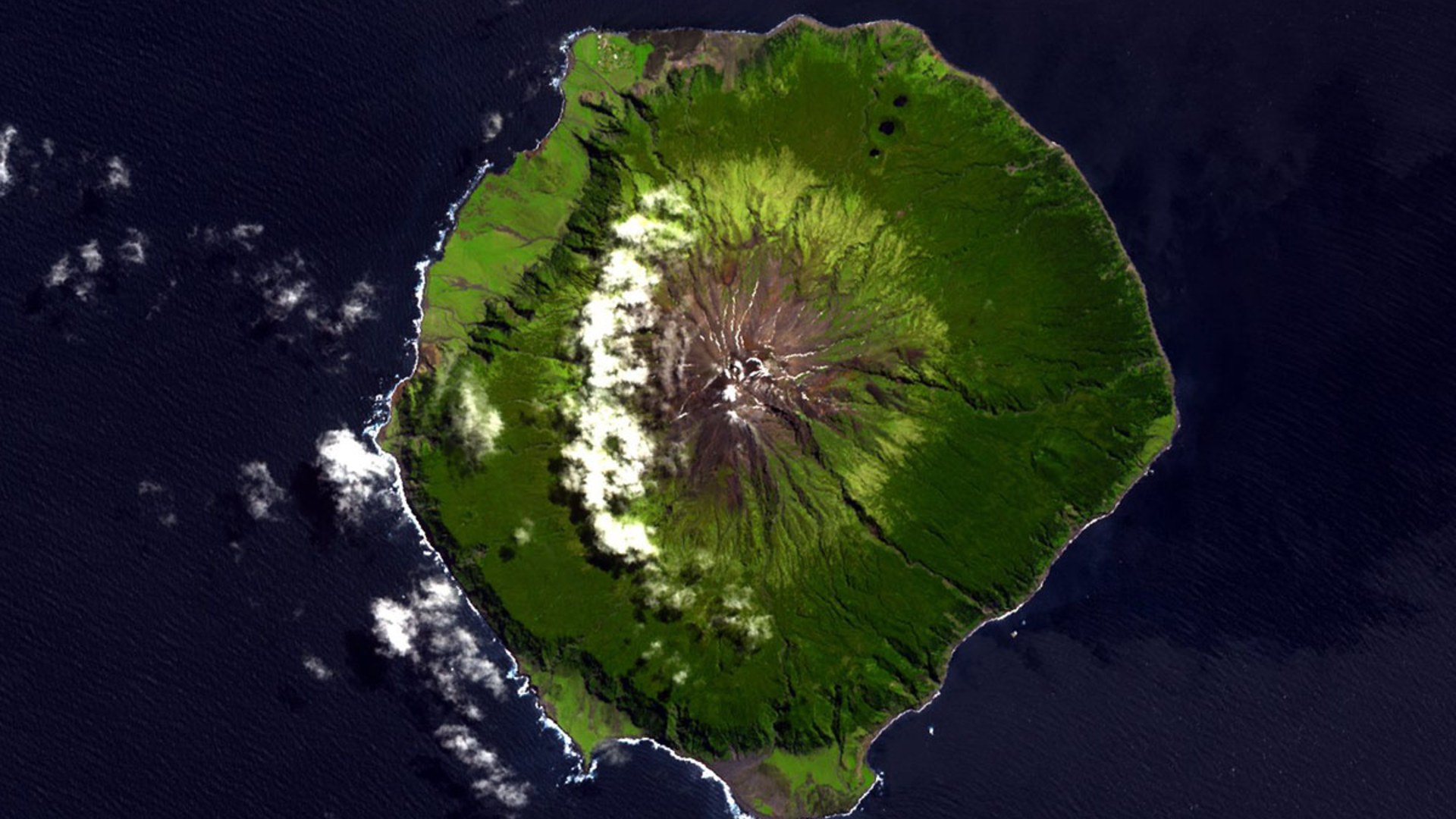
1. Tristan Da Cunha
Resting in the South Atlantic Ocean, Tristan da Cunha is located over seventeen hundred miles from South Africa. Approximately two hundred and fifty British citizens live in Edinburgh of the Seven Seas, relying on annual supply ships and local lobster harvests.

©Wikimedia / Yagerq
Advertisement
You've reached the end of the story. Thanks for reading!

20 Famous Cars With Pop-Up Headlights That Shaped Car Design
From hand-cranked 1930s teardrops to wedge supercars of the 1980s, hidden headlights let stylists chase sleek aerodynamics until 2004 pedestrian rules closed the curtain. Here are 20 standout production cars that turned retractable lamps into an enduring automotive design feature across seven full decades.
All 25 Entries in this Story
25. Utirik Atoll
Utirik Atoll comprises ten tiny coral islets encircling a pristine blue lagoon in the northern Pacific. Home to approximately four hundred Marshallese residents, the remote community relies on traditional outrigger sailing canoes and infrequent government cargo freighters.

24. Ta'u Island
Located sixty miles east of Tutuila, Ta'u is an ancient volcanic caldera bordered by dramatic coastal cliffs. The island features small Polynesian villages where residents preserve customary Samoan communal governance and generate power through a microgrid solar array.

23. Tokelau
Tokelau sits midway between Hawaii and New Zealand with an aggregate land area of just four square miles. The territory's fifteen hundred residents live across three coral atolls, importing supplies exclusively via passenger and cargo ferries from Samoa.

22. Palmerston Island
English carpenter William Marsters settled Palmerston Island in 1863 with three Polynesian wives, establishing a unique clan settlement. Today, roughly sixty descendants inhabit the atoll, welcoming visiting yachts and fishing for parrotfish across the reef.

21. Foula
Located twenty miles west of the main Shetland archipelago, Foula rises steeply from the turbulent Atlantic. Around thirty hardy residents maintain crofting livelihoods beneath five hundred-foot sea cliffs that host millions of nesting seabirds.

20. Fair Isle
Halfway between Orkney and Shetland, Fair Isle is home to approximately sixty residents who operate family crofts and a bird observatory. The islanders maintain an internationally celebrated knitting heritage passed down through generations.

19. Grimsey Island
Grimsey is a windswept five-square-kilometer basalt outcrop inhabited by roughly sixty fishermen and their families. Despite frigid polar gales, islanders maintain a bustling harbor supported by abundant Arctic cod fishing grounds.

18. Rapa Iti
Rapa Iti is a drowned volcanic crater in the remote Bass Islands, reachable only via monthly supply ships from Tahiti. Its five hundred Polynesian residents reside in fortified coastal villages, preserving traditional singing and farming.

17. Saint Paul Island
Located three hundred miles off the Alaskan coast, Saint Paul Island experiences persistent fog and subarctic gales. The community of four hundred Aleut residents sustains a vibrant maritime heritage alongside hundreds of thousands of northern fur seals.

16. Niue
Niue is one of the world's largest raised coral atolls, featuring towering limestone cliffs instead of sandy beaches. Roughly sixteen hundred residents enjoy crystalline ocean visibility, solar-powered infrastructure, and dark-sky sanctuary designations.

15. Cocos Keeling Islands
Situated halfway between Australia and Sri Lanka, this remote Australian territory consists of twenty-seven coral islets. Around six hundred residents live across two inhabited islands, blending Malay cultural traditions with Australian governance.

14. Christmas Island
Rising steeply from the Java Trench, Christmas Island lies nine hundred miles northwest of the Australian mainland. Its seventeen hundred residents inhabit a tropical biodiversity haven characterized by monsoonal rainforests and rugged sea cliffs.

13. Nauru
Nauru is the world's smallest independent republic, occupying just eight square miles of land in the southwestern Pacific. Completely devoid of immediate neighbors, its ten thousand citizens rely entirely on marine shipping for essential supplies.

12. Funafuti Atoll
Funafuti is a fragile ring of twenty-nine coral islets encompassing a massive central lagoon. Home to six thousand Tuvaluans, the low-lying settlement stands merely meters above sea level, pioneering international climate resilience initiatives.

11. Chatham Islands
Positioned near the International Date Line, the Chatham Islands greet each new calendar day before almost anywhere else. Its six hundred residents engage in commercial fishing, sheep farming, and conservation of rare endemic bird species.

10. Ascension Island
Ascension Island emerged from the Mid-Atlantic Ridge as a jagged expanse of volcanic cinder cones. Around eight hundred military personnel and technical specialists support global communications and sea turtle nesting sanctuaries.

9. Saint Helena
Located twelve hundred miles from southwestern Africa, Saint Helena was among the world's most inaccessible islands before its cliffside airport opened in 2017. Four thousand Saint Helenians maintain historic colonial settlements.

8. Macquarie Island
Macquarie Island lies halfway between Tasmania and Antarctica in the roaring forties. Maintained by the Australian Antarctic Division, this storm-battered strip of rock hosts up to forty scientists alongside enormous colonies of royal penguins.

7. Socotra Island
Separated from mainland Arabia for millions of years, Socotra is home to sixty thousand indigenous inhabitants. A third of its plant life exists nowhere else on Earth, including the iconic umbrella-shaped Dragon's Blood tree.

6. Kerguelen Islands
Positioned in the southern Indian Ocean thousands of miles from any continent, Kerguelen is governed by France. A seasonal rotation of fifty to one hundred scientists lives at Port-aux-Francais, enduring fierce westerly gales to conduct climate studies.

5. South Georgia
Lying east of the Falklands in the Southern Ocean, South Georgia has no permanent civilian population. A small wintering team of researchers, government officers, and museum curators operates at Grytviken surrounded by millions of seals.

4. Easter Island
Formed by three extinct volcanoes, Easter Island is one of the most secluded inhabited places in the Pacific. Nearly eight thousand residents celebrate their Polynesian ancestry and protect nine hundred monumental volcanic monoliths.

3. Raoul Island
Sitting six hundred miles northeast of Auckland in the Kermadec Ridge, Raoul Island is subject to frequent seismic rumblings. A dedicated team of New Zealand conservation rangers lives on the island, safeguarding endangered marine reserves.

2. Pitcairn Island
Pitcairn Island lies thirteen hundred miles from the nearest commercial airstrip, accessible exclusively by chartered supply vessel. Its tiny community of forty-seven residents inhabits Adamstown, sustaining life through honey production and fishing.

1. Tristan Da Cunha
Resting in the South Atlantic Ocean, Tristan da Cunha is located over seventeen hundred miles from South Africa. Approximately two hundred and fifty British citizens live in Edinburgh of the Seven Seas, relying on annual supply ships and local lobster harvests.