Slideshow · Animals
25 Rare Animals Americans May Never See in the Wild
By Most Viral Today
12 min ago

From Himalayan ghost cats to African giants, explore Earth's rarest fauna. 
25. Snow Leopard 
24. Duck-Billed Platypus 
23. Red Panda - AdvertisementSwipe or tap ▶ to continue countdown

22. Okapi 
21. Fossa 
20. Aye-Aye 
19. Pallas's Cat - AdvertisementSwipe or tap ▶ to continue countdown

18. Clouded Leopard 
17. Dhole 
16. Dugong 
15. Sunda Pangolin - AdvertisementSwipe or tap ▶ to continue countdown

14. Tasmanian Devil 
13. Giant Pangolin 
12. Saiga Antelope 
11. South Island Takahe - AdvertisementSwipe or tap ▶ to continue countdown

10. Kakapo 
9. Philippine Eagle 
8. Golden Snub-Nosed Monkey 
7. Sumatran Tiger - AdvertisementSwipe or tap ▶ to continue countdown

6. Mountain Gorilla 
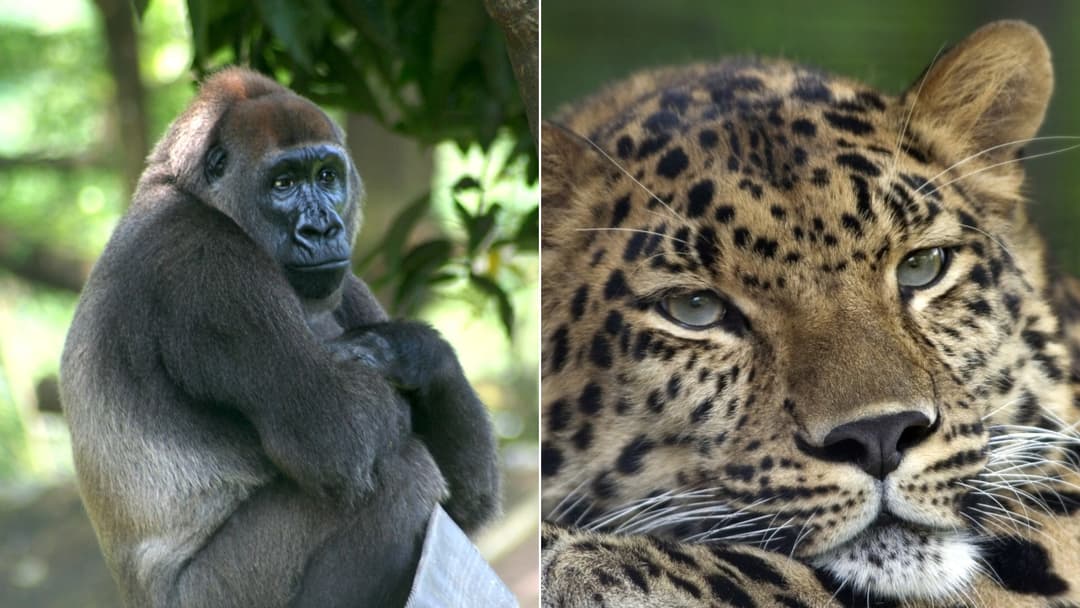
5. Amur Leopard 
4. Cross River Gorilla 
3. Yangtze Finless Porpoise - AdvertisementSwipe or tap ▶ to continue countdown

2. Philippine Tarsier 
1. Northern White Rhino - Advertisement🔥 UP NEXT IN THIS SERIES◫ 26 Slides

25 Unusual Animal Friendships From Around the World
25 Unusual Animal Friendships That Defy Nature
From elusive snow leopards patrolling high Himalayan crags to solitary rhinos guarded around the clock in Kenya, discover twenty-five extraordinary animal species Americans may never encounter in the wild.
Swipe or tap ▶ to begin the countdown
©Wikimedia / Julielangford & Wikimedia / Colin Hines
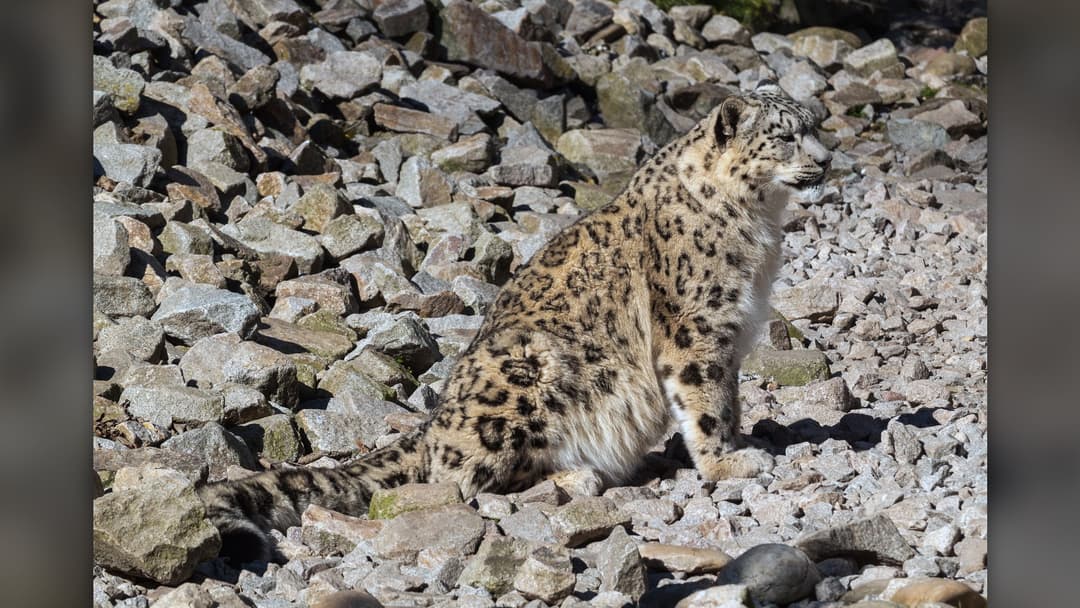
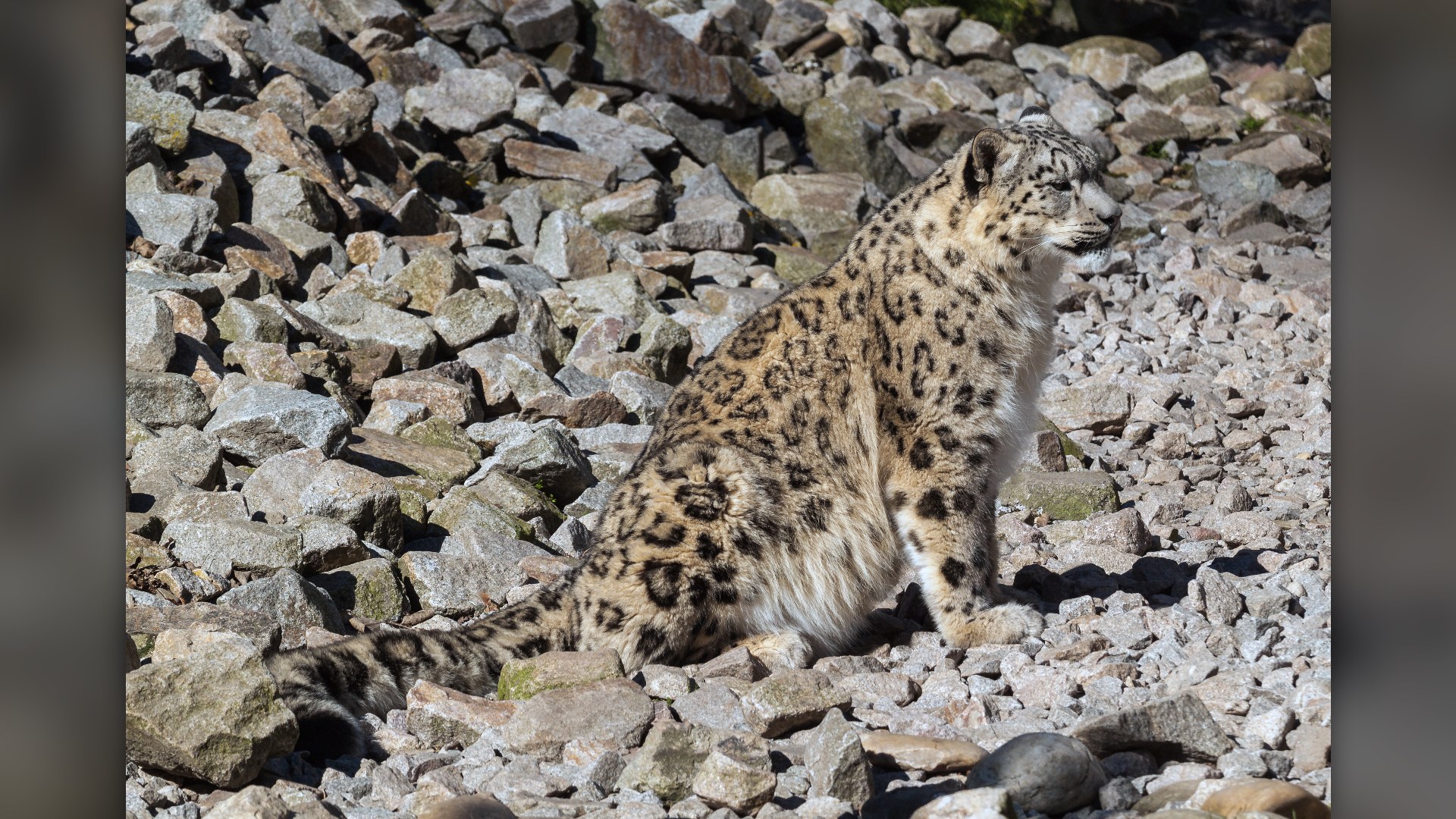
25. Snow Leopard
Known as the ghost of the mountains, the snow leopard inhabits rugged high-altitude terrain across Central and South Asia. Perfectly camouflaged against rocky slopes, fewer than sixty-five hundred individuals survive in the wild.
©Wikimedia / H. Zell
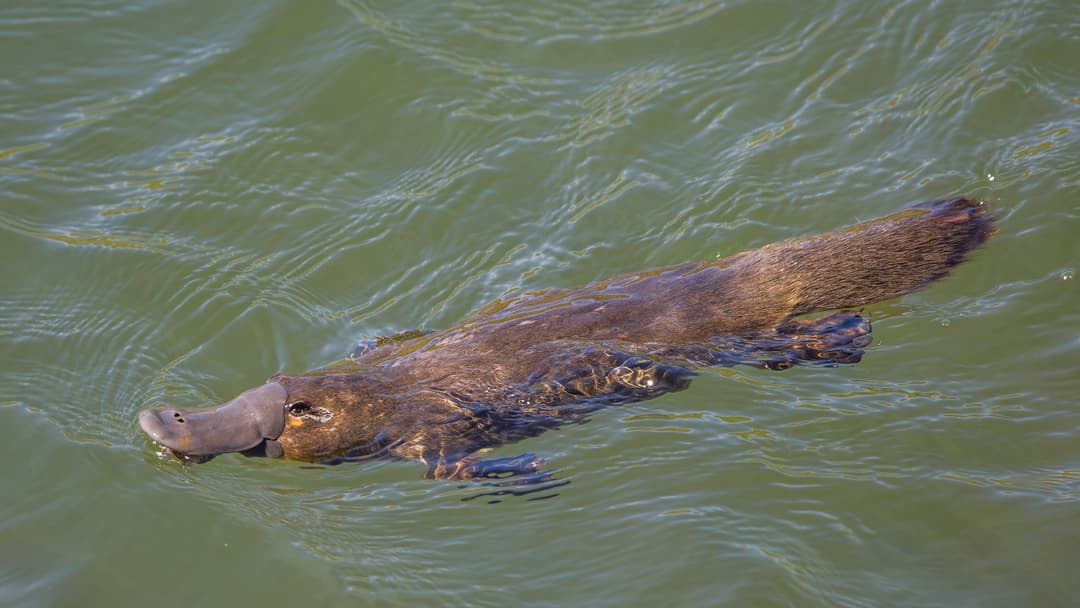
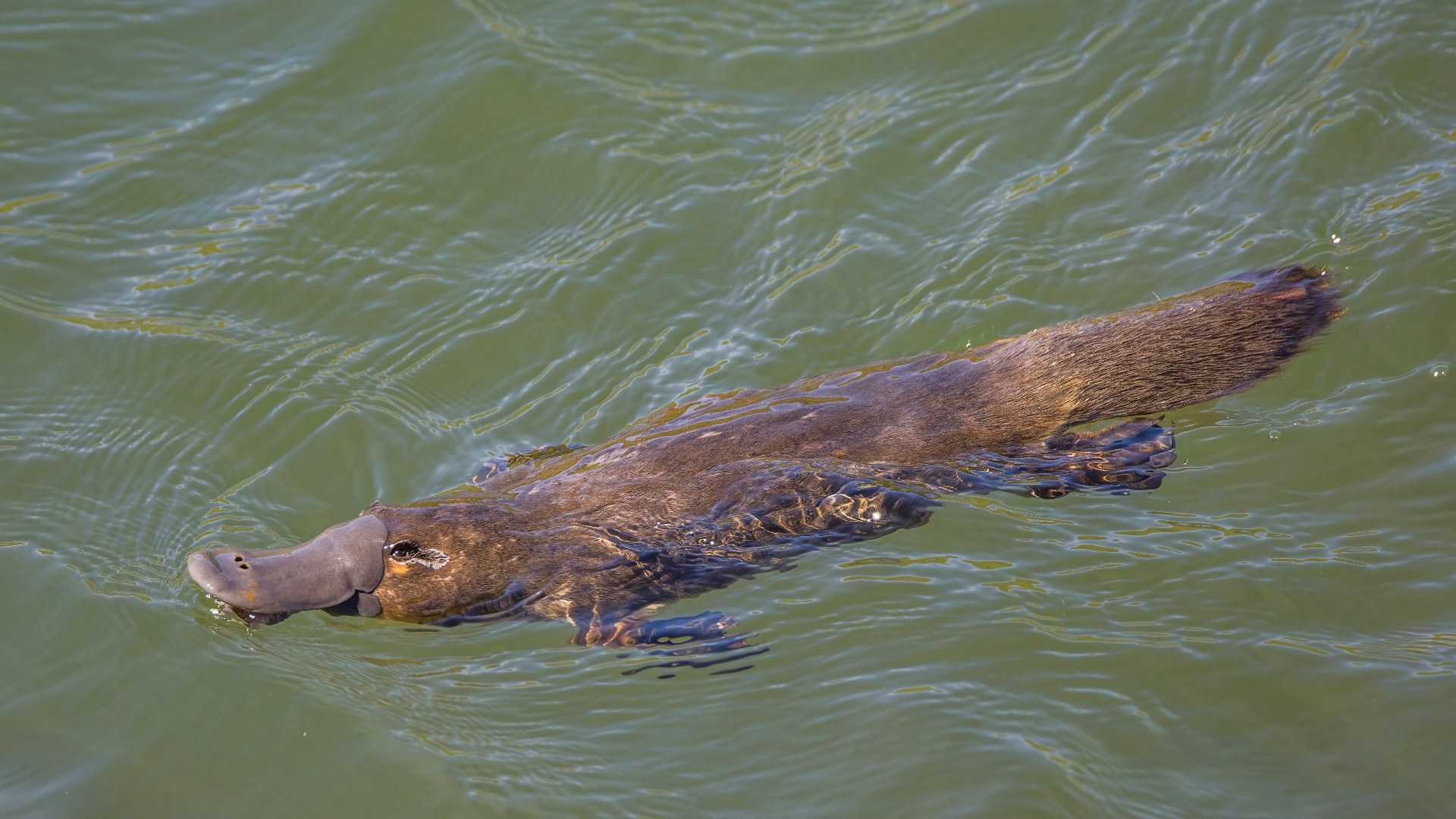
24. Duck-Billed Platypus
Found only in the freshwater creeks of eastern Australia and Tasmania, the platypus is one of only two living monotremes on Earth. Shy and predominantly nocturnal, wild sightings are exceptionally rare even for local naturalists.
©Wikimedia / Charles J. Sharp
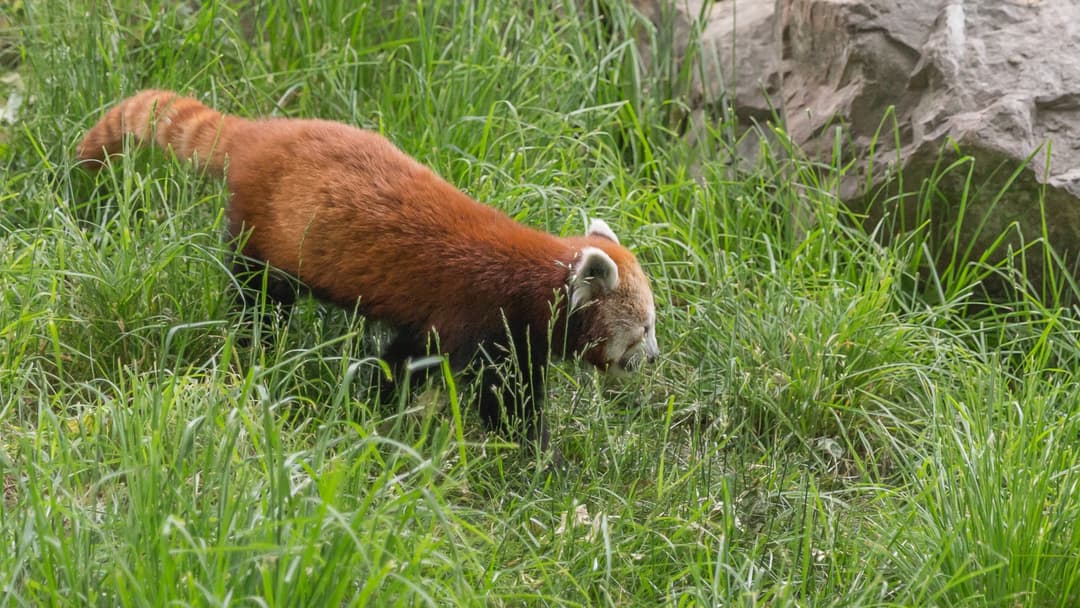
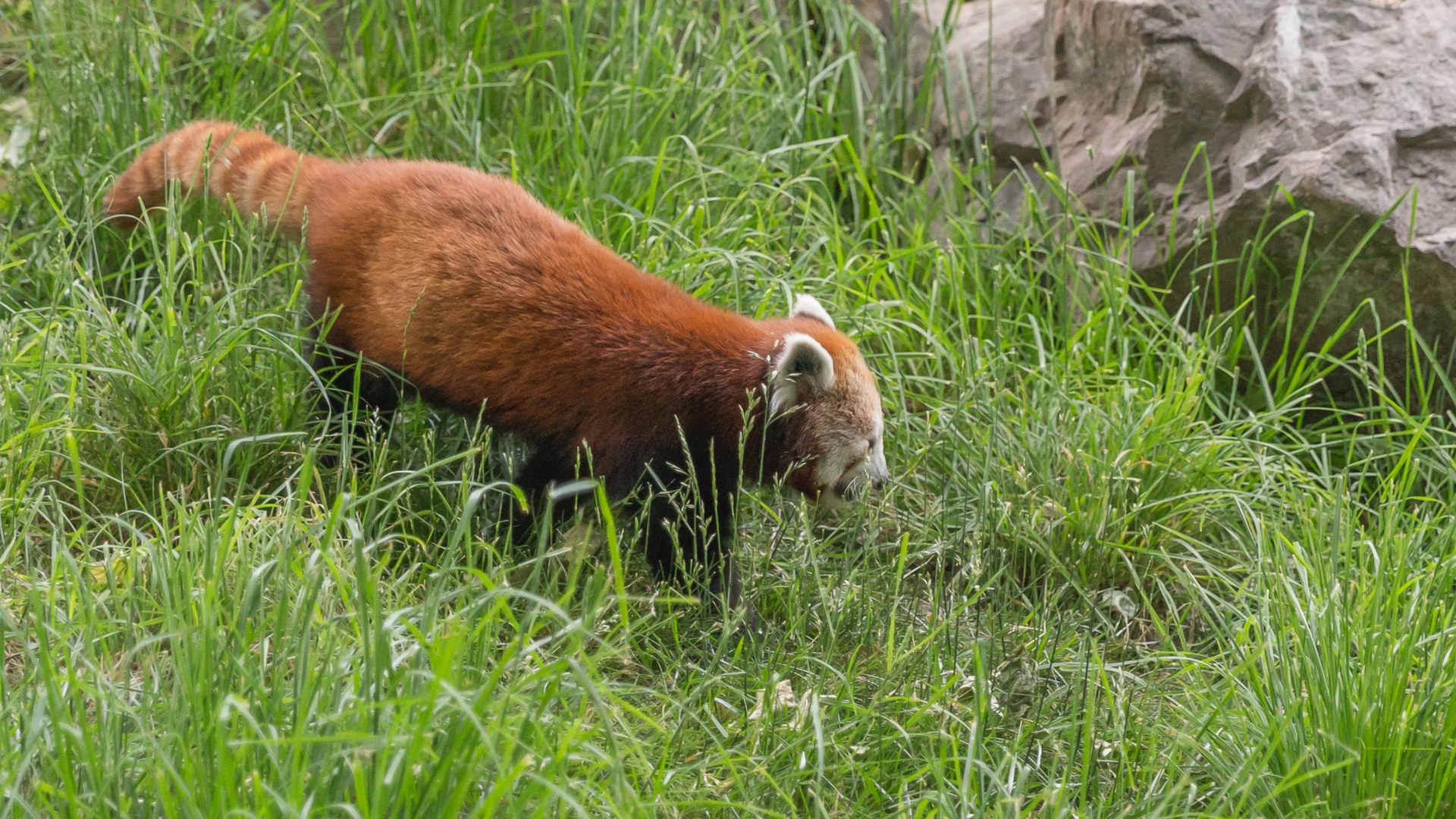
23. Red Panda
Inhabiting the temperate cloud forests of the eastern Himalayas, the red panda spends daylight hours sleeping high in tree hollows. Deforestation and habitat fragmentation leave approximately ten thousand individuals surviving across isolated mountain ridges.
©Wikimedia / William Crochot
Advertisement
Swipe or tap ▶ to resume the countdown.
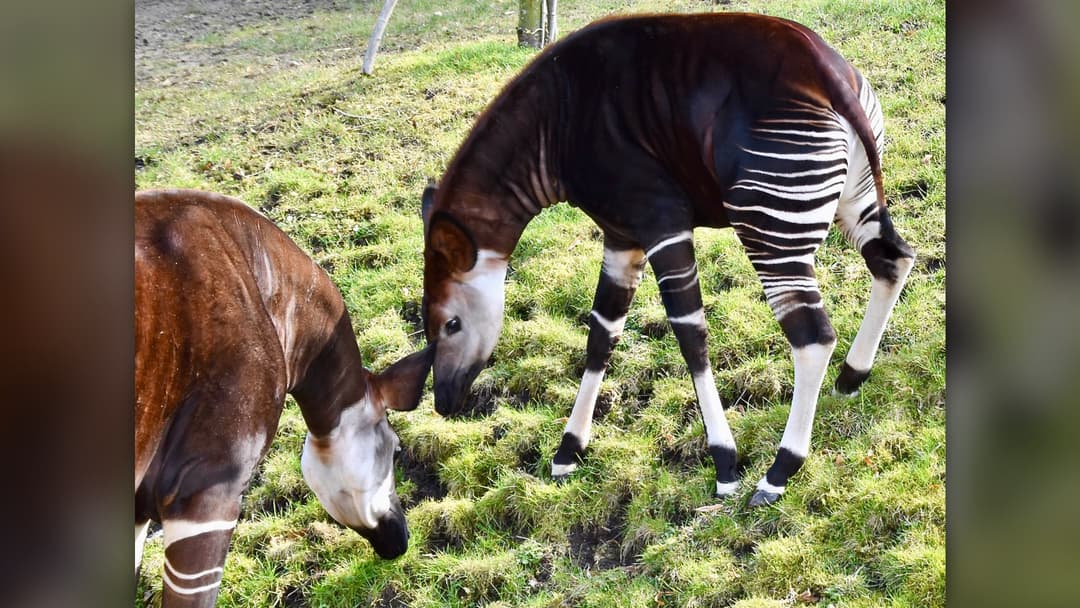
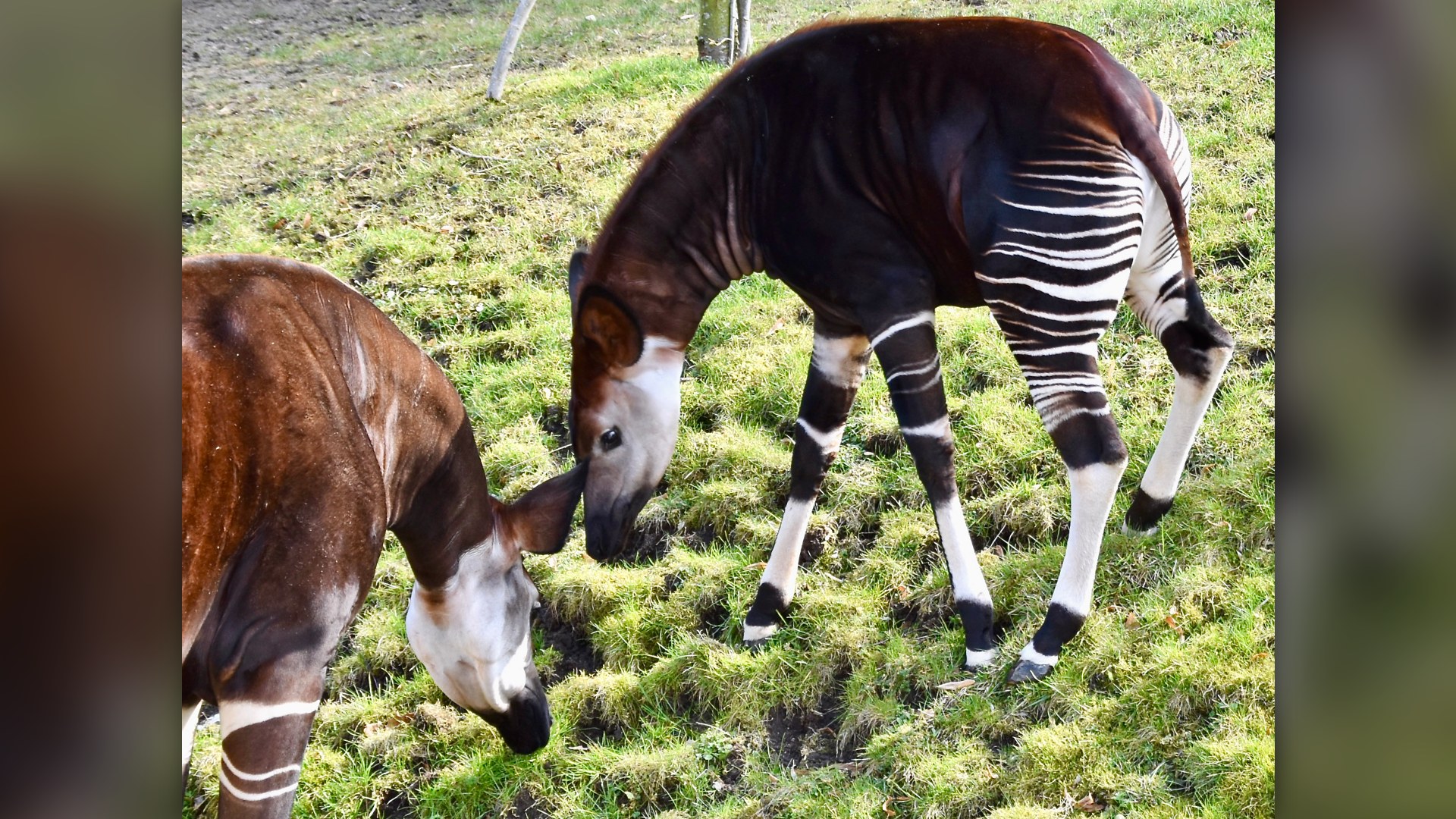
22. Okapi
The okapi lives exclusively in the dense rainforests of the Democratic Republic of the Congo. Despite its zebra-like leg stripes, it is the only living relative of the giraffe, using its prehensile blue tongue to strip tender leaves in absolute silence.
©Wikimedia / NasserHalaweh
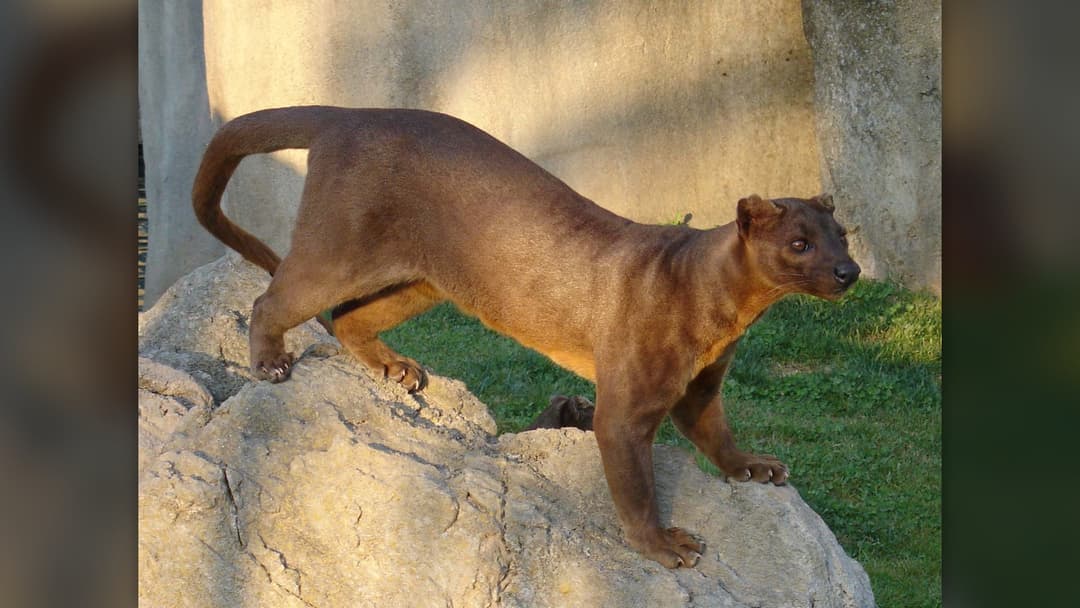
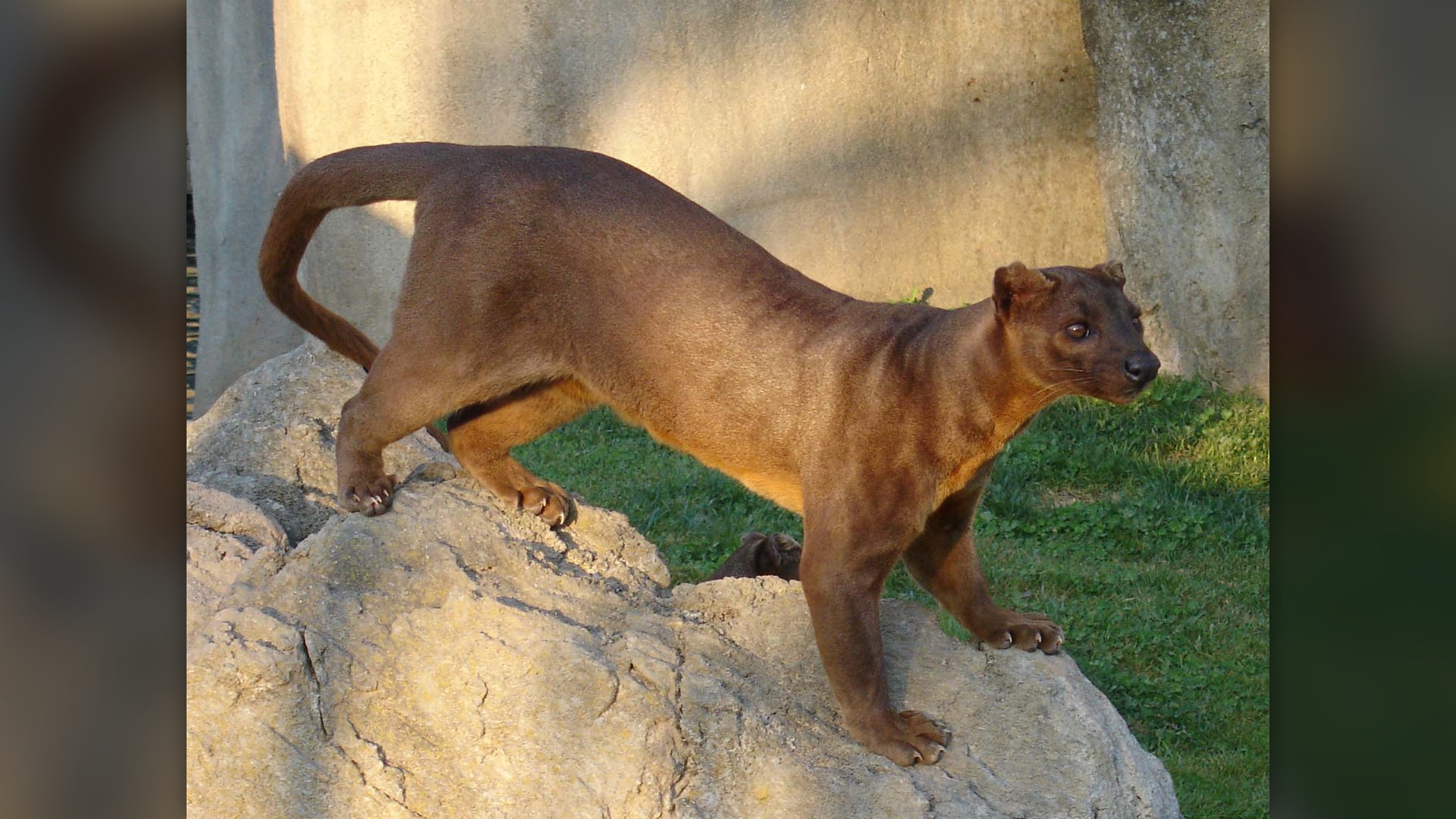
21. Fossa
Resembling a small cougar but closely related to the mongoose family, the fossa rules Madagascar as its top mammalian predator. With semi-retractable claws and flexible ankles, it maneuvers through tree canopies to hunt lemurs with acrobatic precision.
©Wikimedia / Ran Kirlian
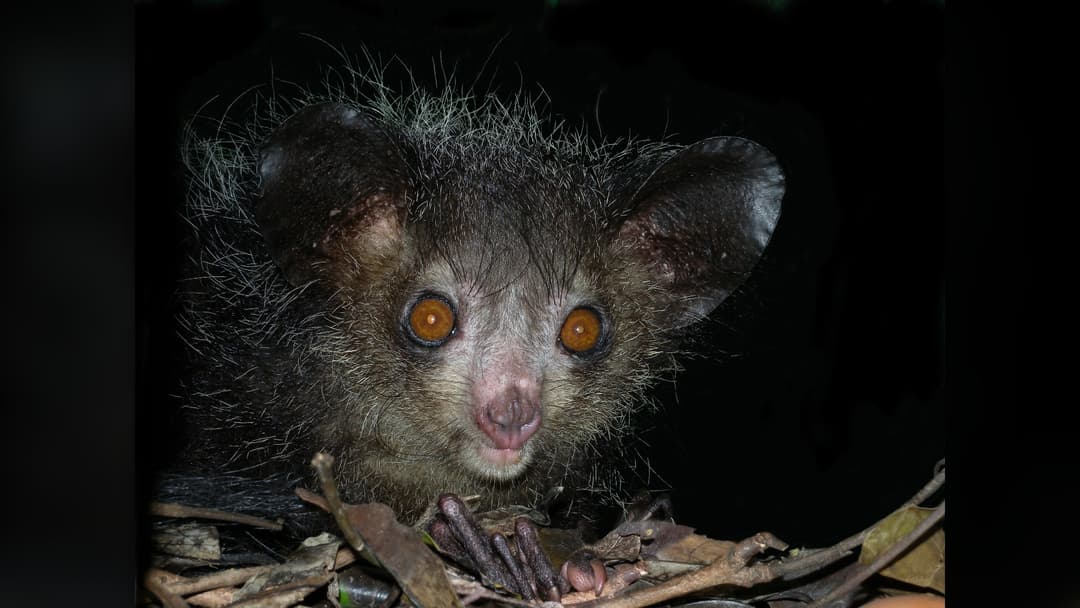
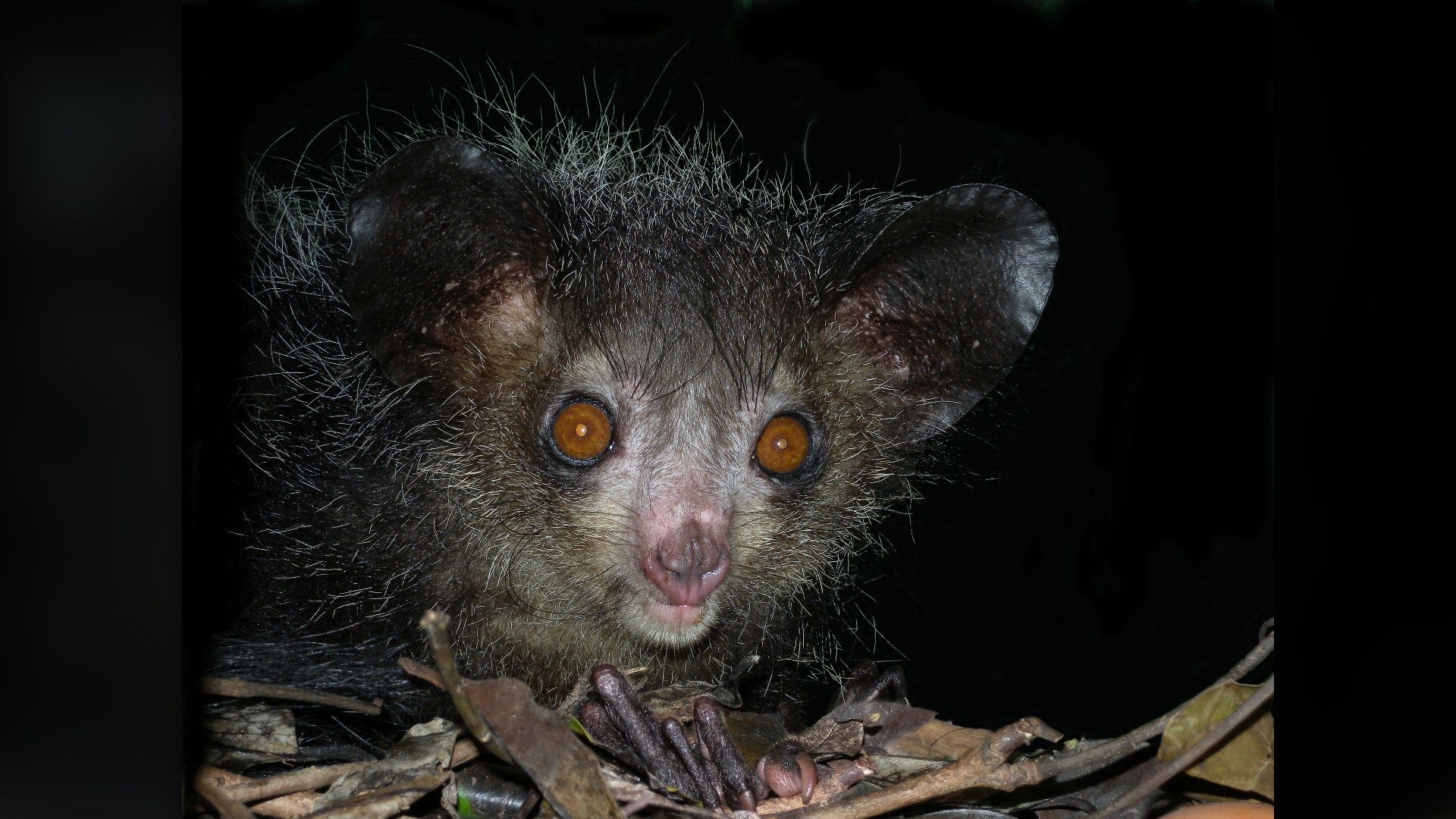
20. Aye-Aye
The aye-aye possesses rodent-like continuously growing teeth and an elongated middle finger designed for percussive foraging. Emitting taps along tree trunks up to eight times per second, this solitary nocturnal primate extracts larvae hidden beneath thick bark.
©Wikimedia / Frank Vassen
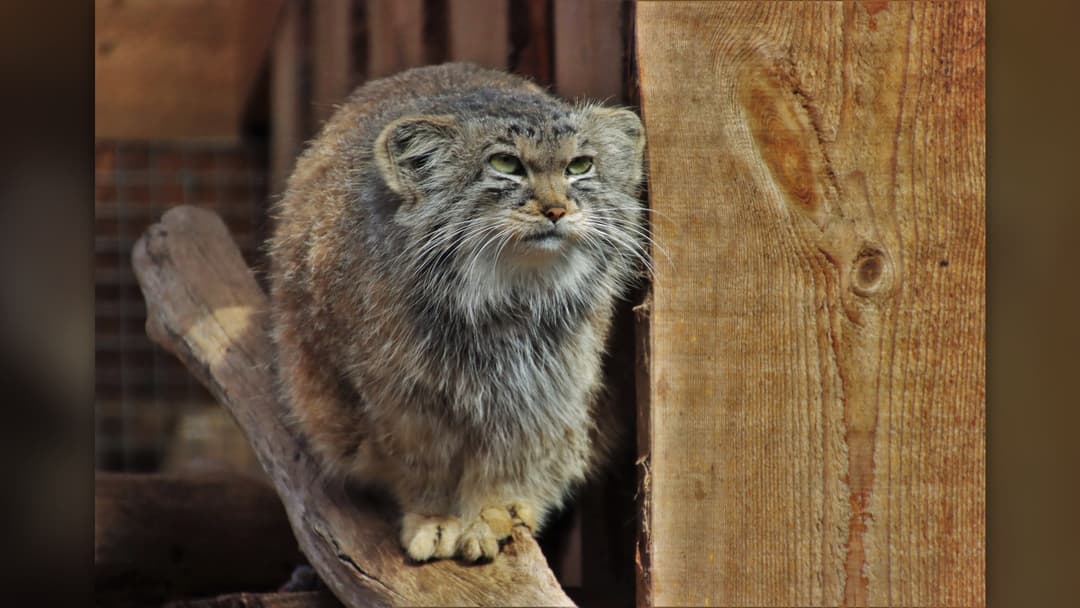
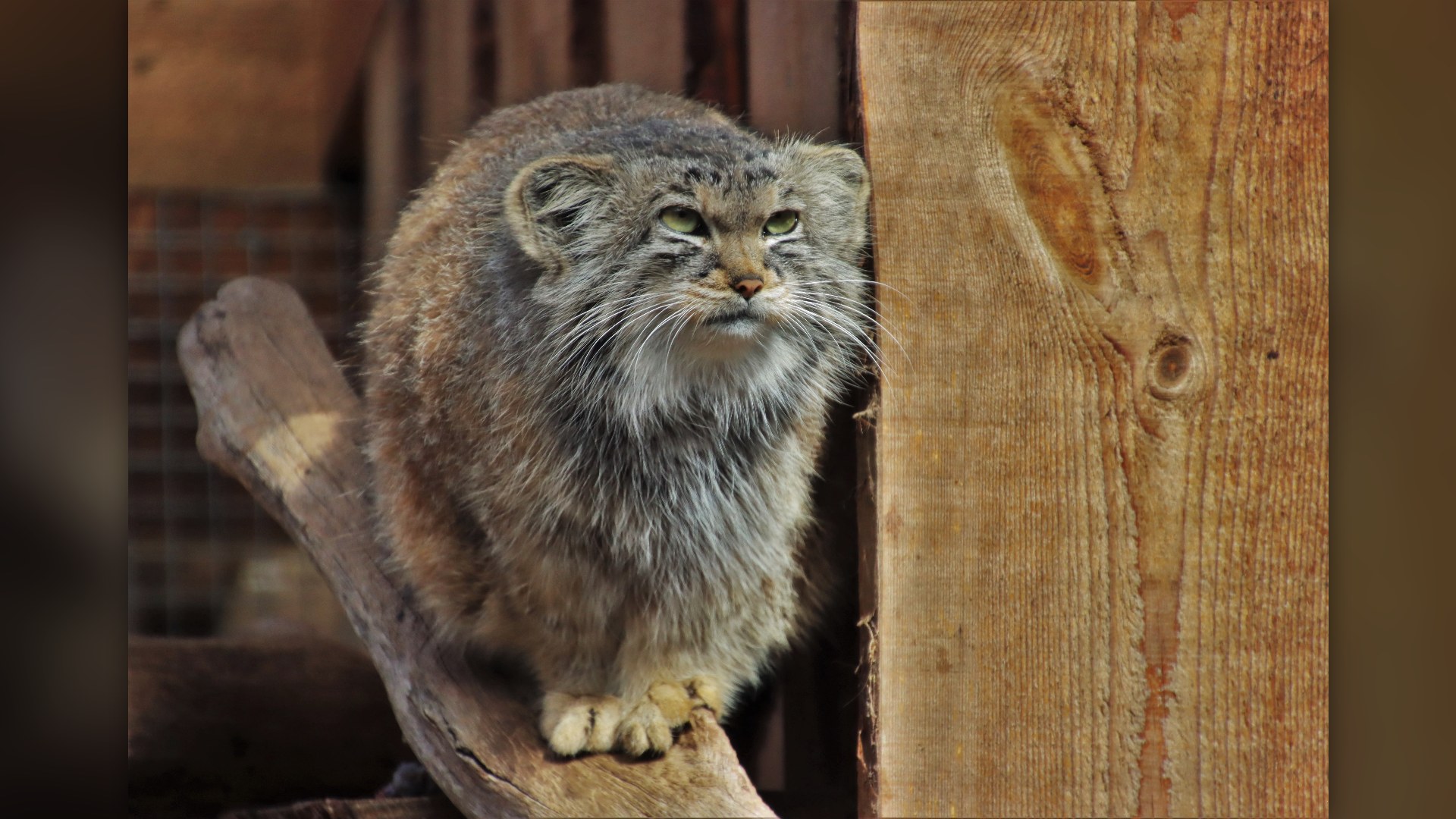
19. Pallas's Cat
Also called the manul, Pallas's cat thrives across frigid montane grasslands and stony slopes from Iran to Mongolia. Its stocky posture, low-set ears, and dense winter coat allow it to flatten against rocky terrain and ambush rodents undetected.
©Wikimedia / Lysette Kadakas
Advertisement
Swipe or tap ▶ to resume the countdown.
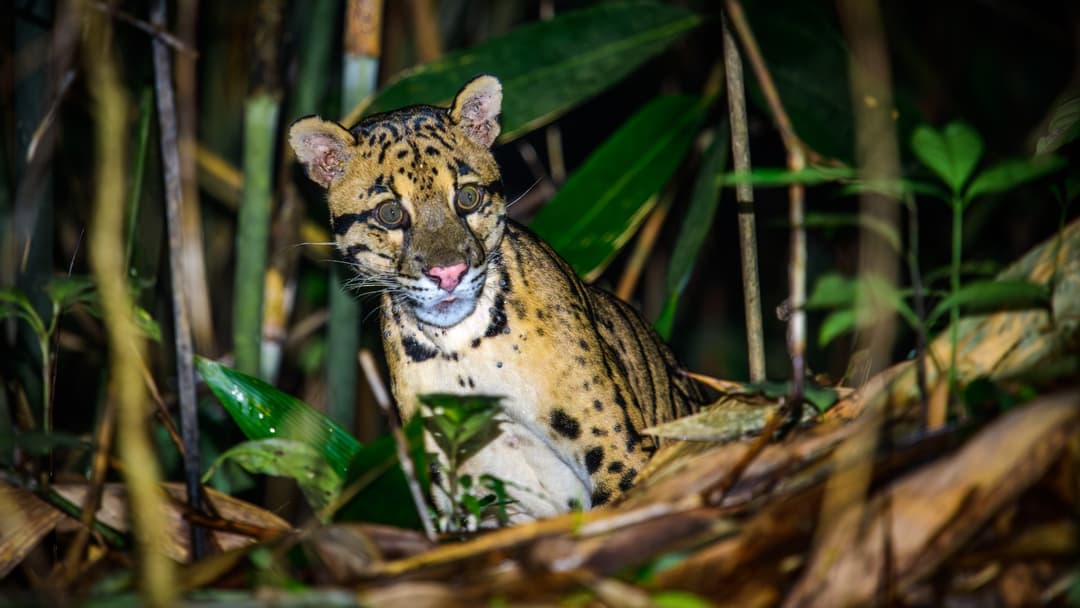
18. Clouded Leopard
Named for its distinctive cloud-patterned rosettes, the clouded leopard possesses the longest canine teeth relative to skull size of any living cat. Highly arboreal and secretive, it can descend tree trunks headfirst and hang from branches by its hind paws.
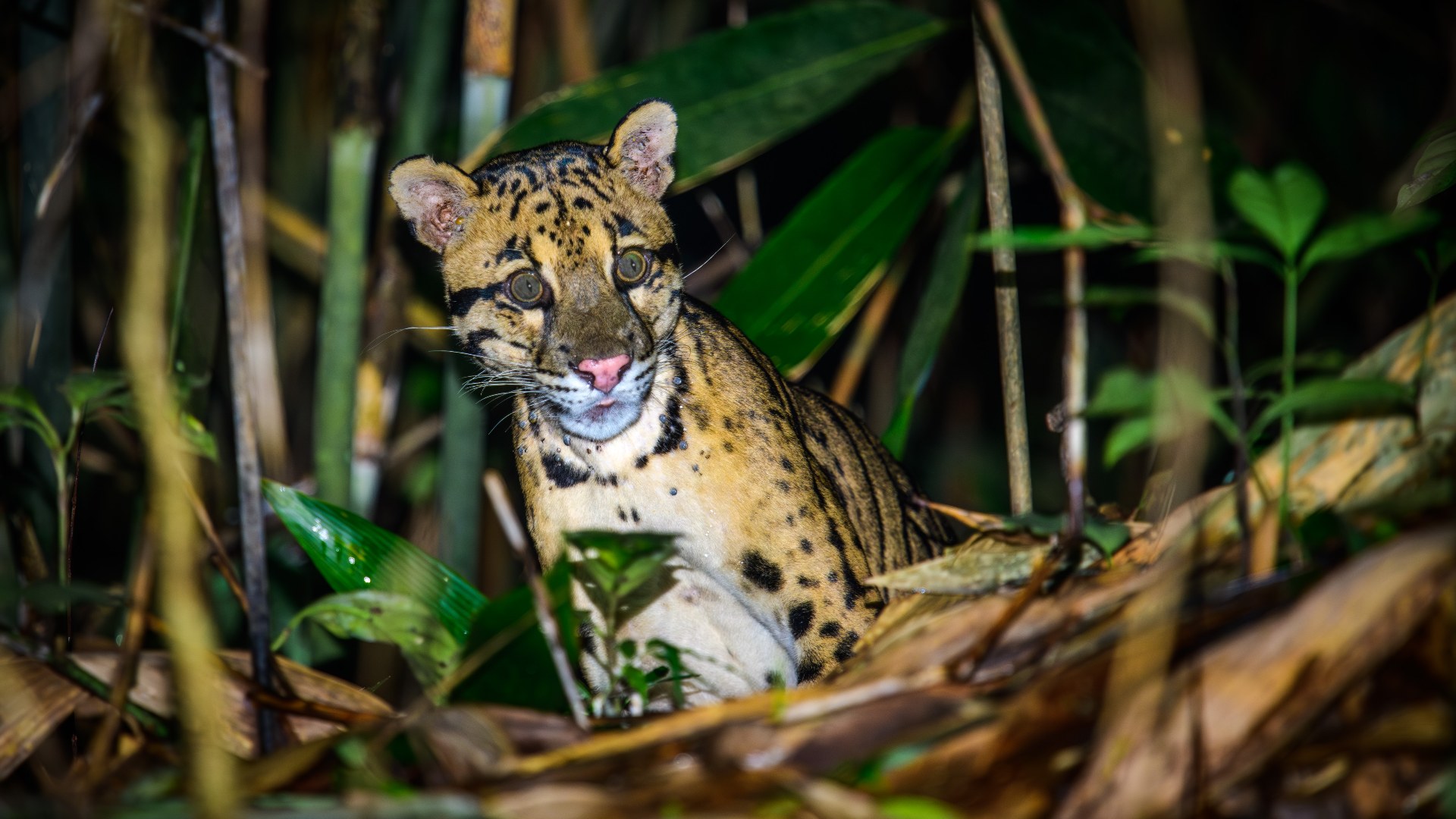
©Wikimedia / Rushenb
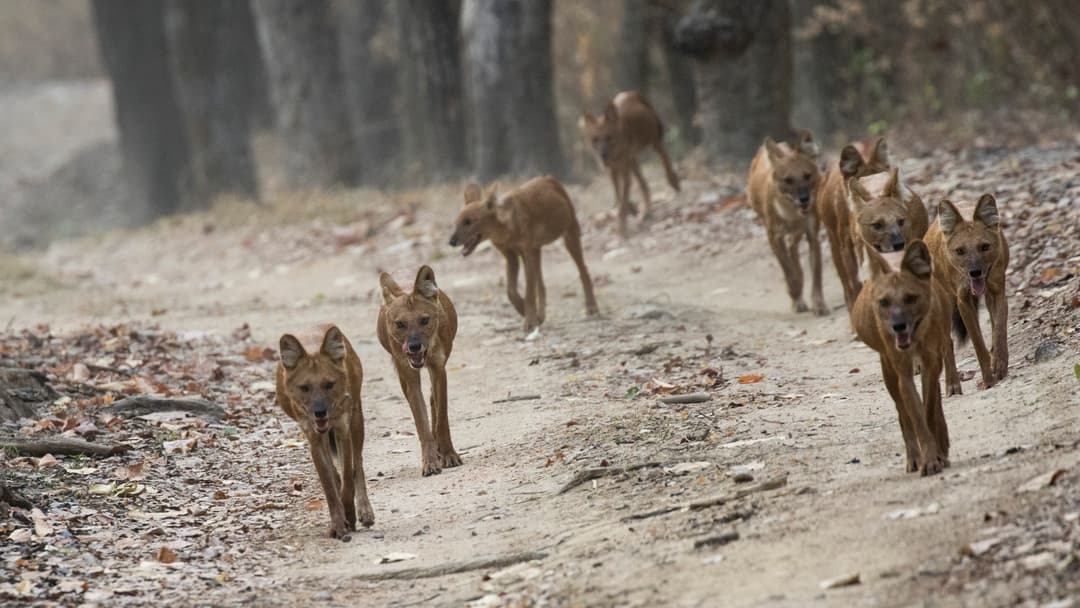
17. Dhole
Also called the whistling hunter, the dhole coordinates complex pack maneuvers across South and Southeast Asian forests using bird-like whistles. With fewer than twenty-five hundred adults left in the wild, disease and habitat fragmentation threaten their survival.
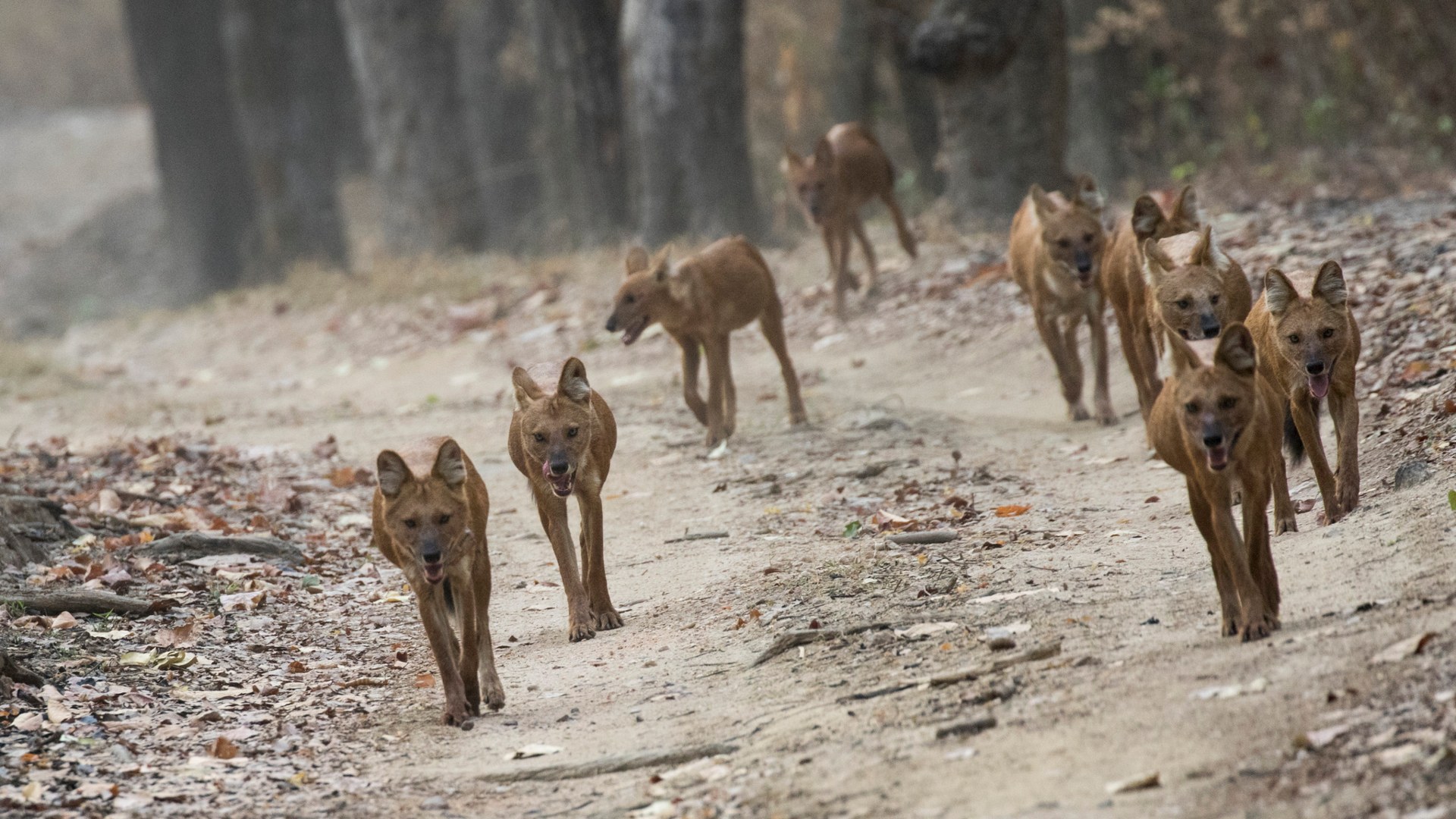
©Wikimedia / Ramesh Shenai Jr.
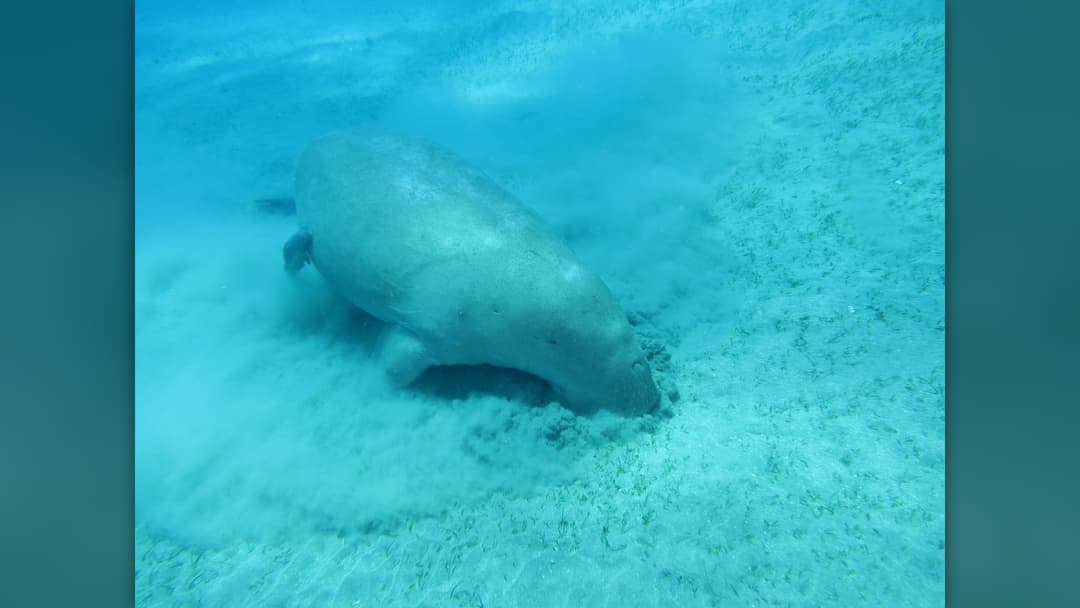
16. Dugong
Related to manatees but sporting a fluked whale-like tail, the dugong grazes on shallow underwater seagrass beds throughout the Indo-Pacific. Coastal development, boat collisions, and gillnet entanglements have led to catastrophic population declines.
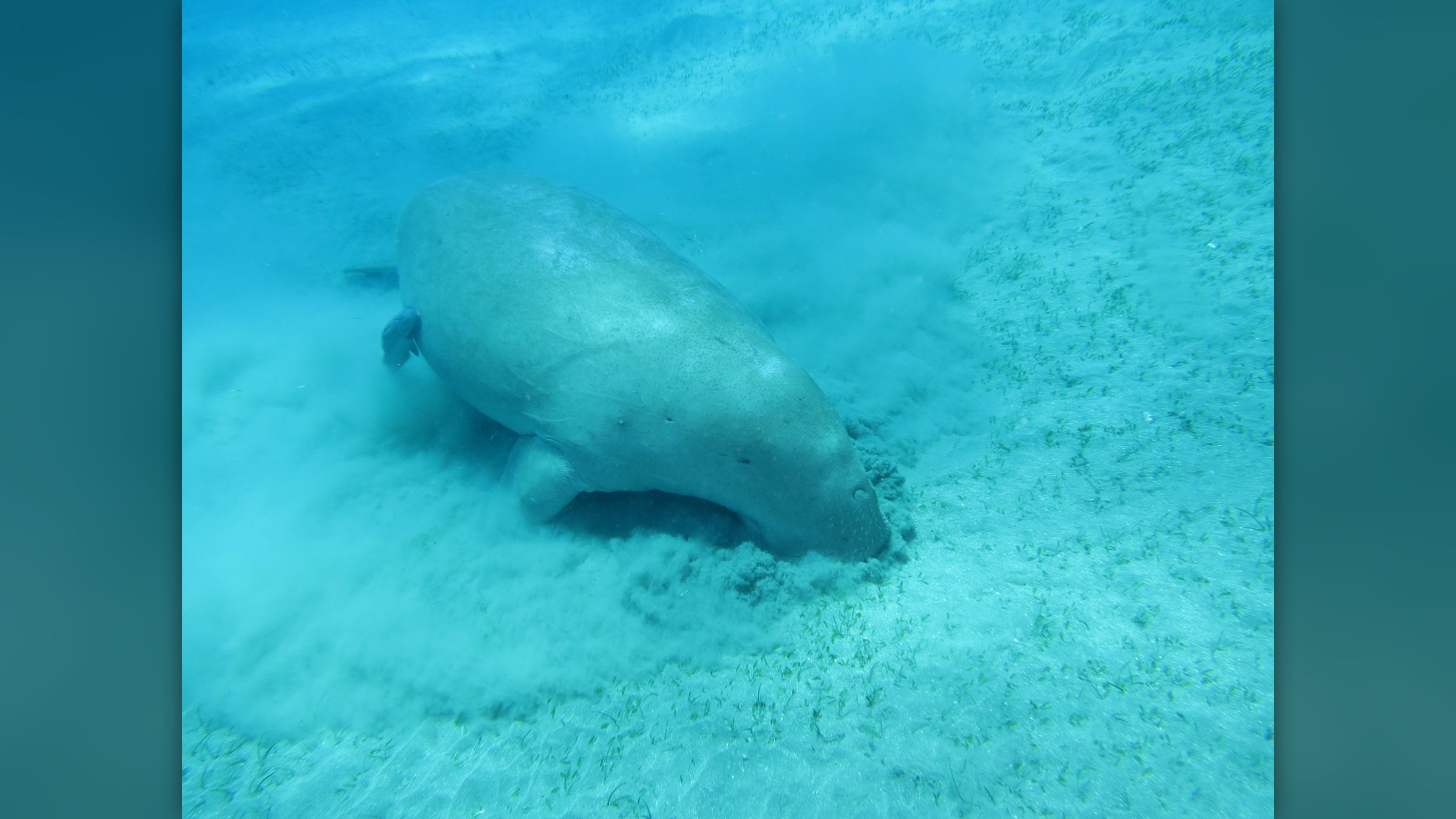
©Wikimedia / Jerome Paillet, IFREMER
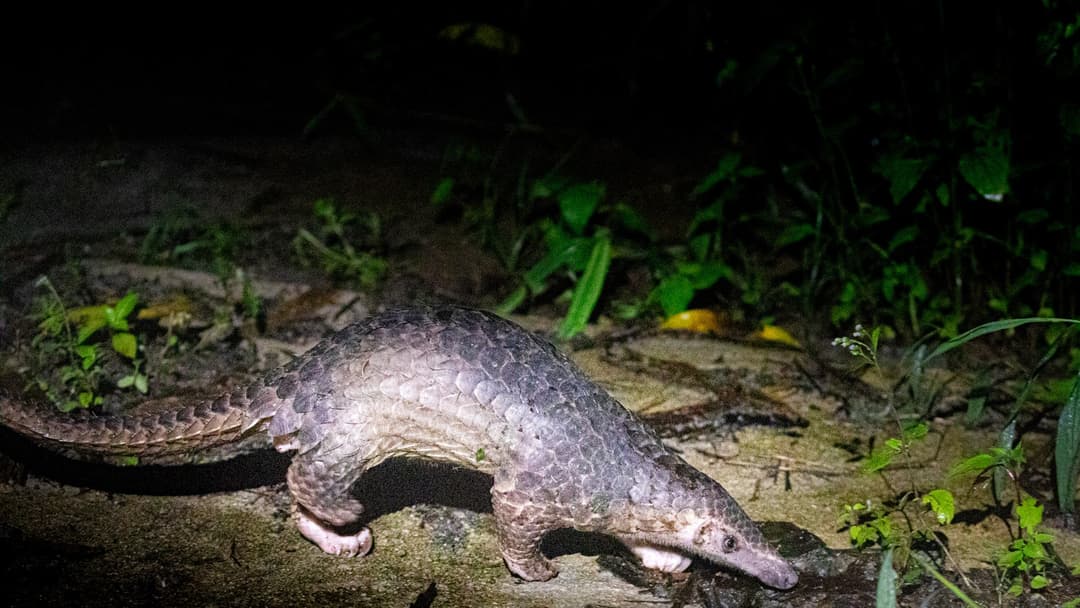
15. Sunda Pangolin
Also known as the Malayan pangolin, this solitary creature is covered in defensive keratin scales. Rampant illicit poaching for traditional remedies has devastated wild numbers across Southeast Asia, making it one of the most trafficked mammals on the planet.
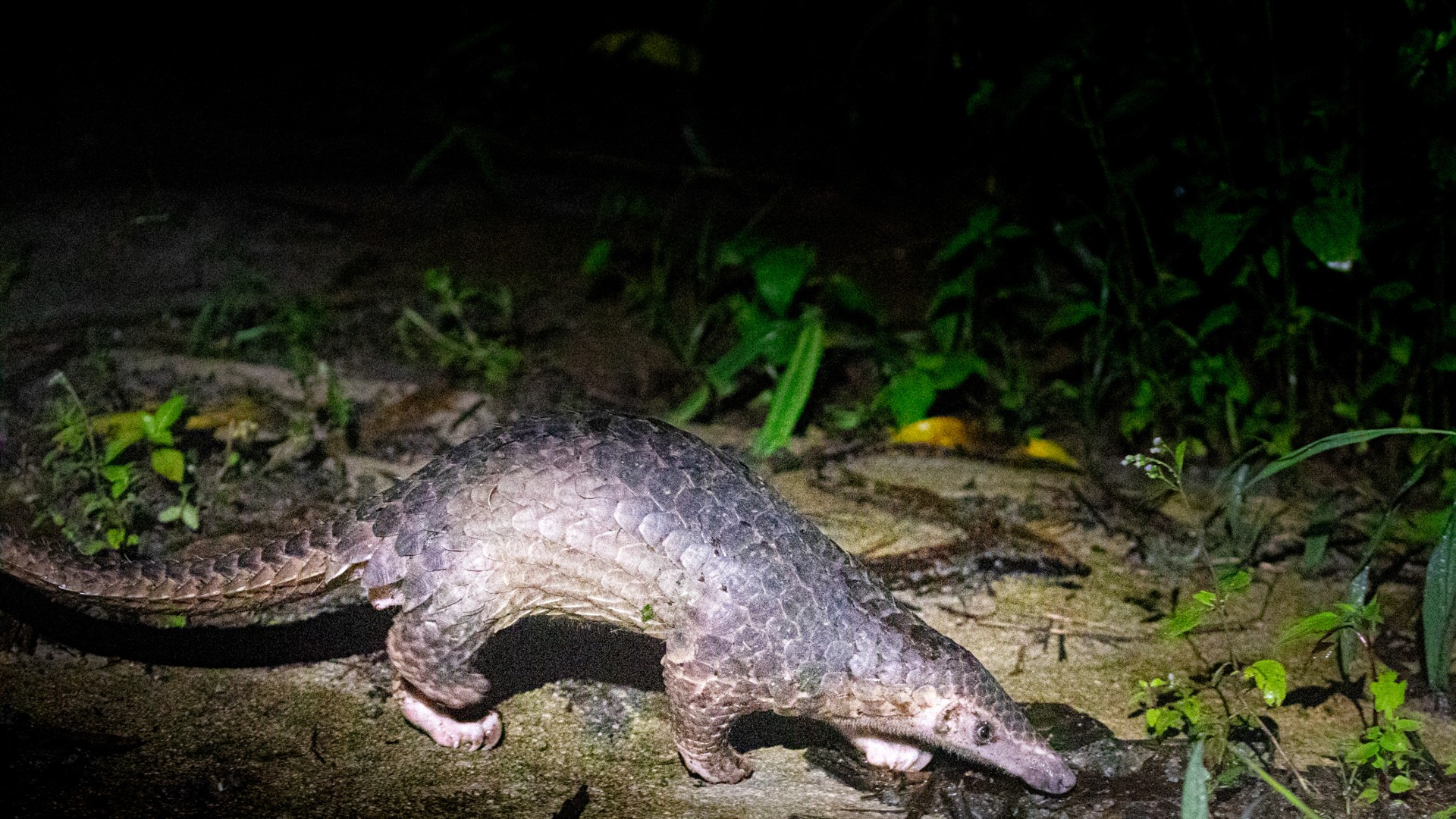
©Wikimedia / The Kukang Rescue Program
Advertisement
Swipe or tap ▶ to resume the countdown.
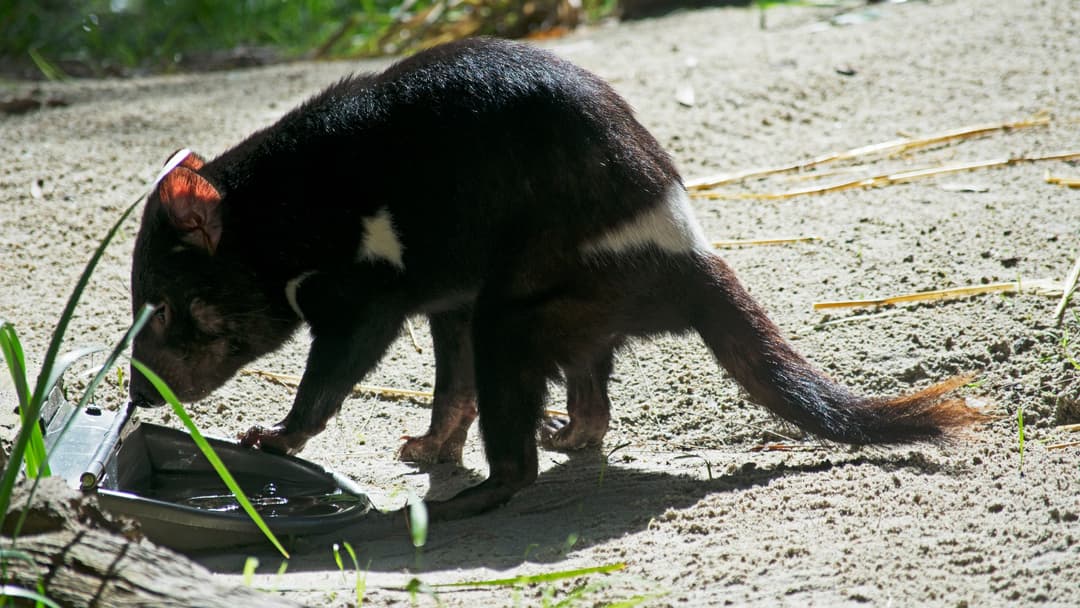
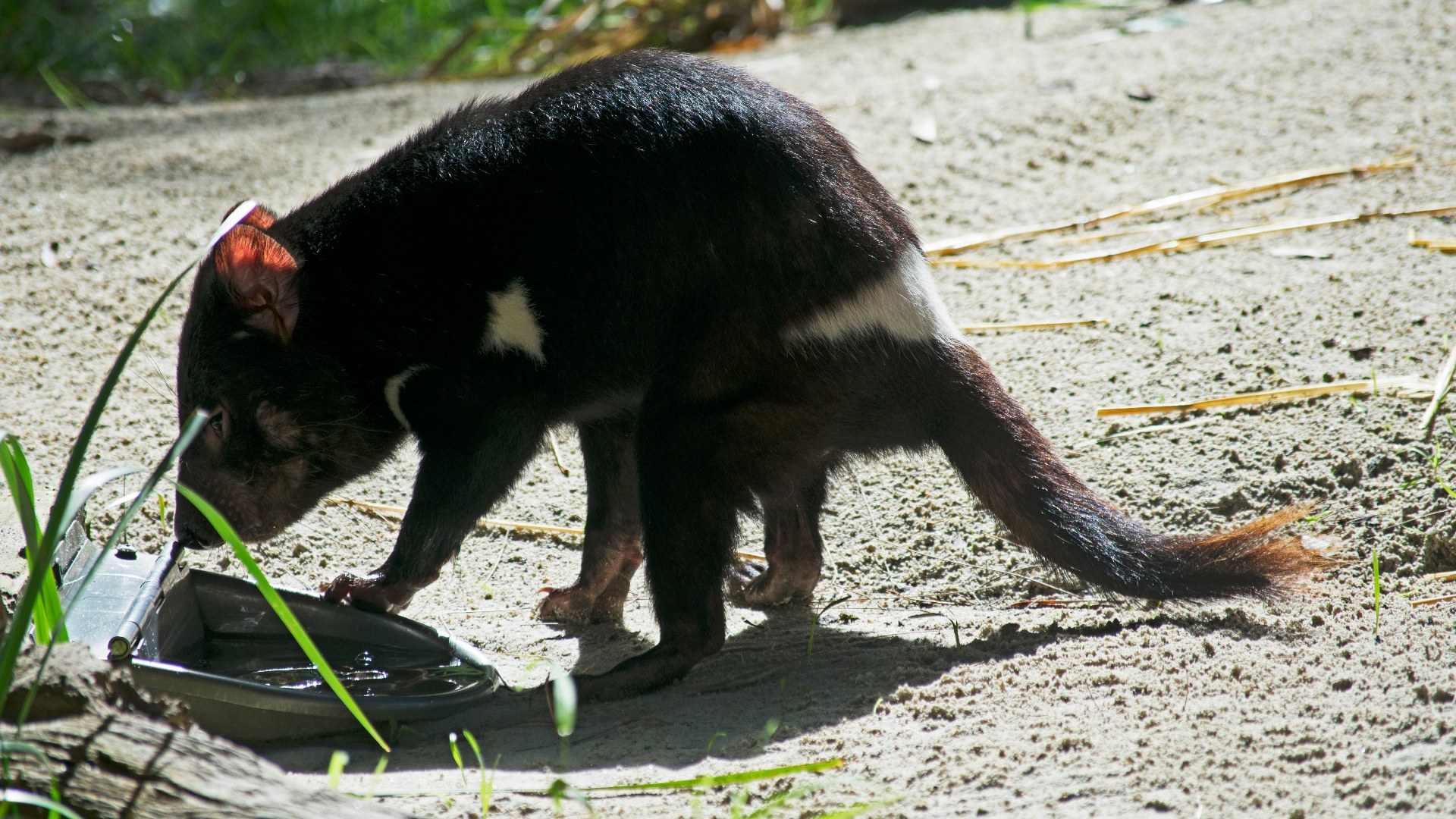
14. Tasmanian Devil
Confined entirely to the island of Tasmania, this carnivorous marsupial is notorious for its blood-curdling screech and powerful bite force relative to body mass. A transmissible facial tumor disease has wiped out over eighty percent of wild populations since 1996.
©Wikimedia / Ymblanter
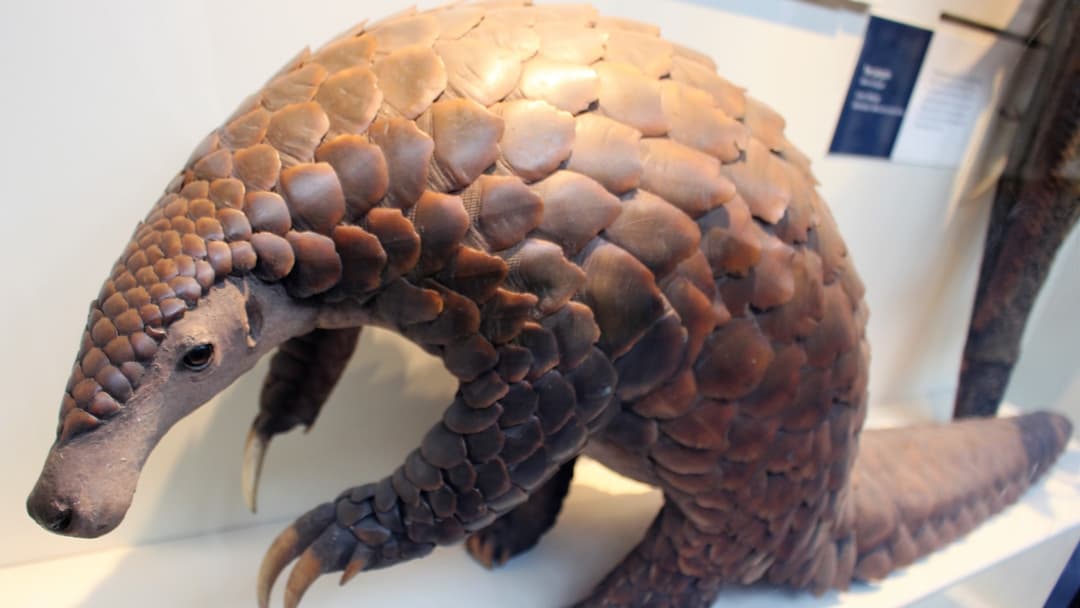
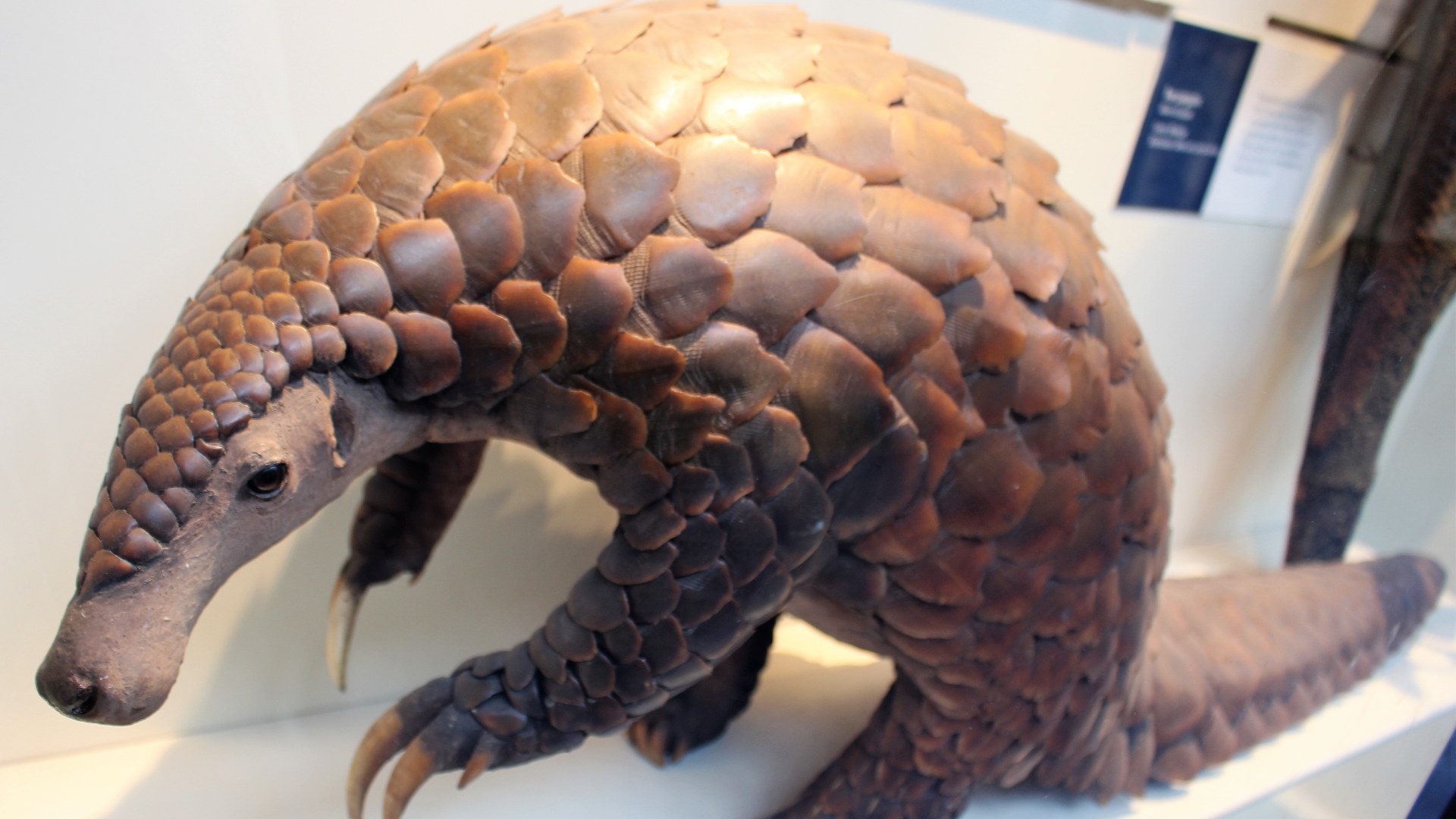
13. Giant Pangolin
Reaching lengths of nearly six feet, the giant pangolin is the largest of all eight pangolin species. Strictly nocturnal and residing in deep subterranean burrows across equatorial Africa, wild encounters remain extraordinarily scarce.
©Wikimedia / Emoke Denes
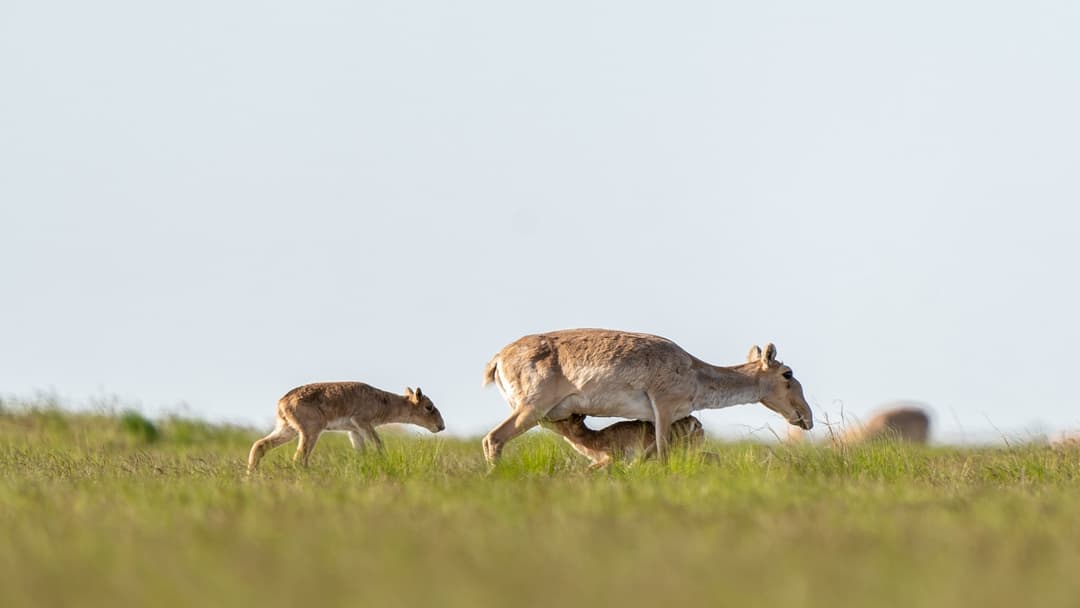
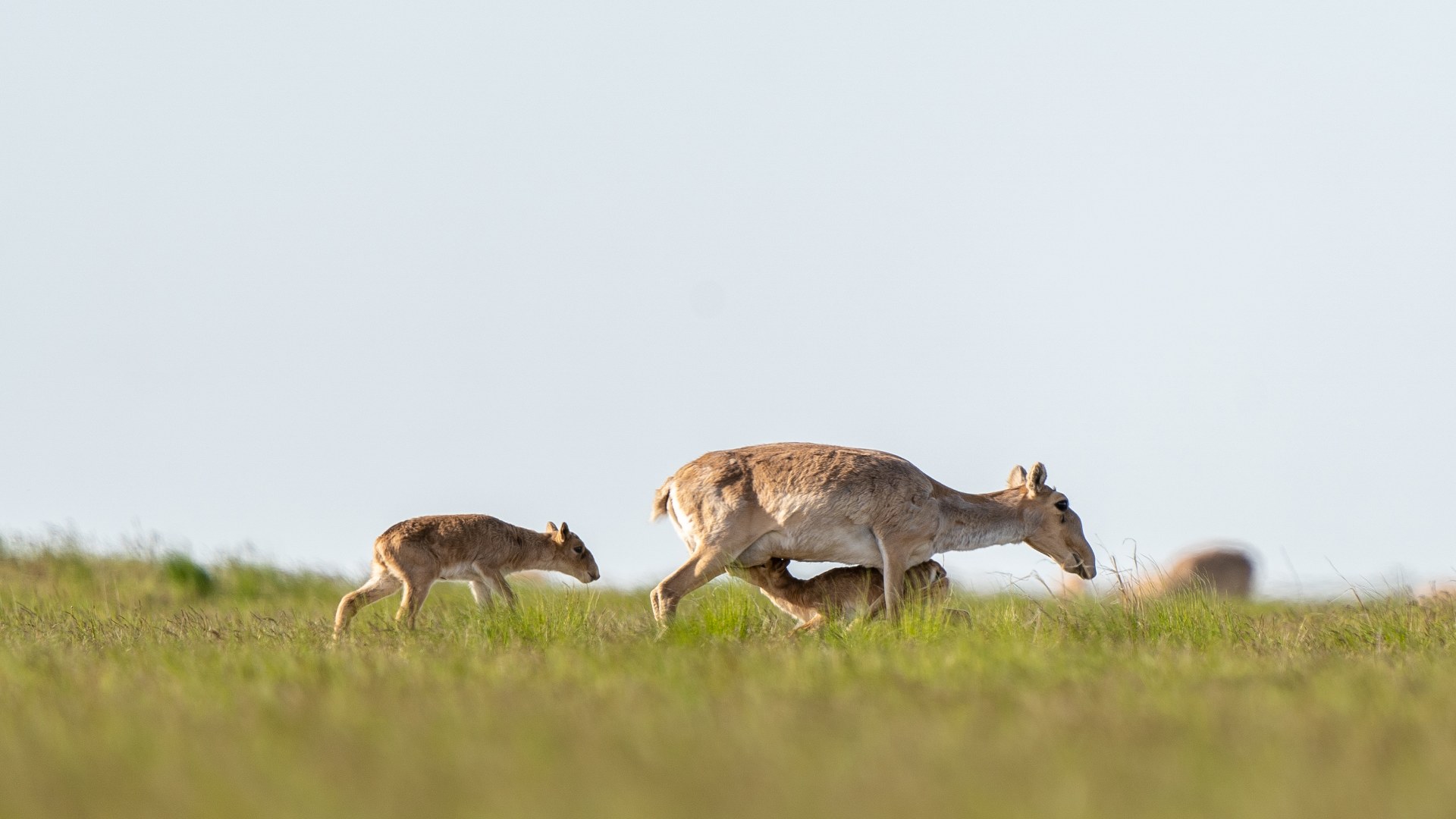
12. Saiga Antelope
Roaming the arid grasslands of Kazakhstan, Mongolia, and Russia, the saiga antelope is instantly identified by its drooping, flexible snout. The unique inflatable nose warms freezing winter air and filters out blinding dust kicked up by massive galloping herds.
©Wikimedia / Dildakhmet
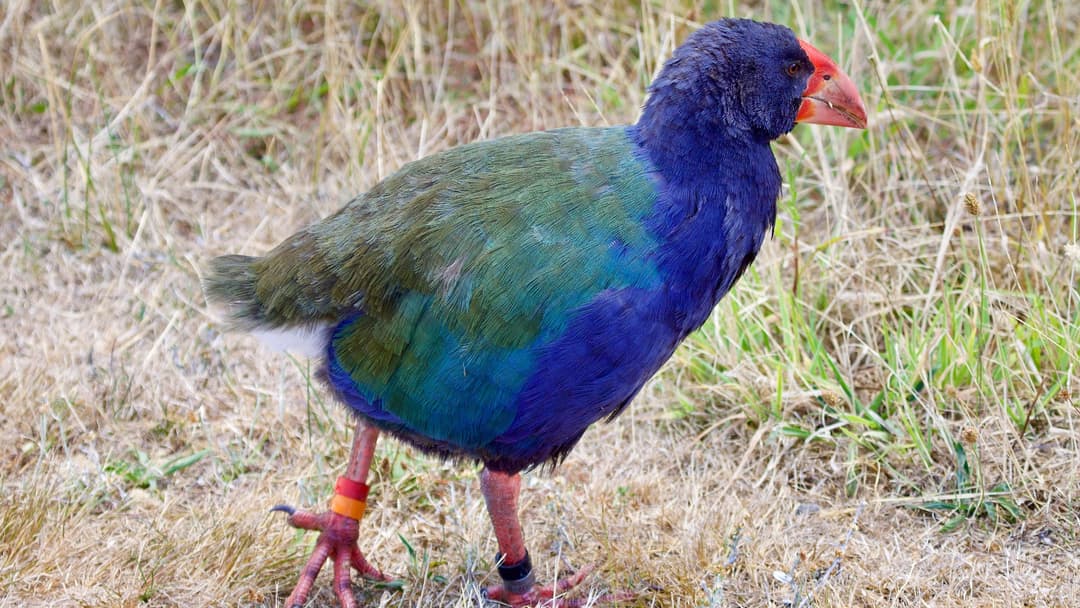
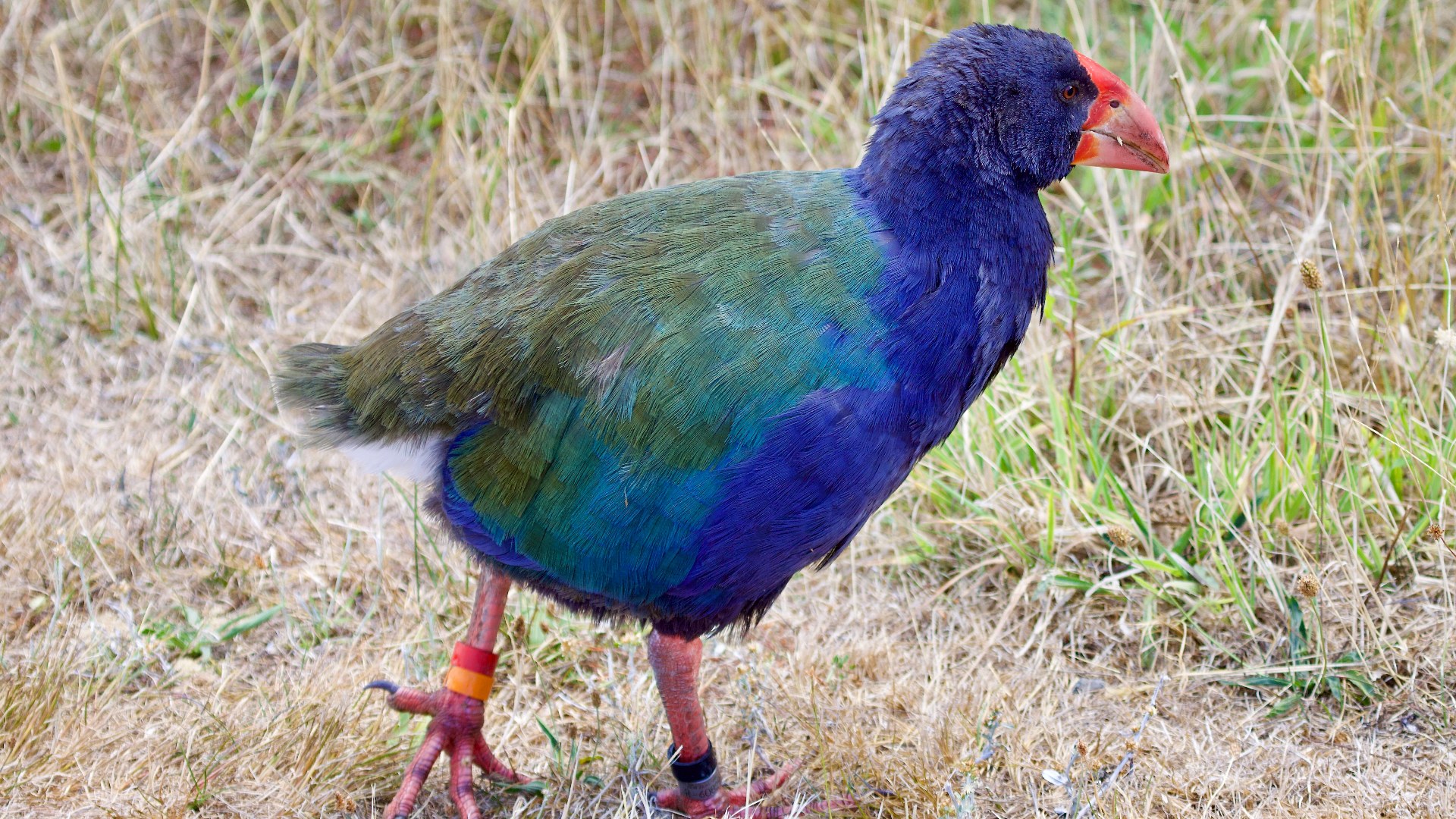
11. South Island Takahe
Believed extinct for nearly half a century until an astonishing rediscovery in New Zealand's Murchison Mountains in 1948, the takahe is a stout flightless rail. Intense conservation efforts on predator-free sanctuaries have steadily rebuilt wild numbers to around five hundred birds.
©Wikimedia / Basar
Advertisement
Swipe or tap ▶ to resume the countdown.
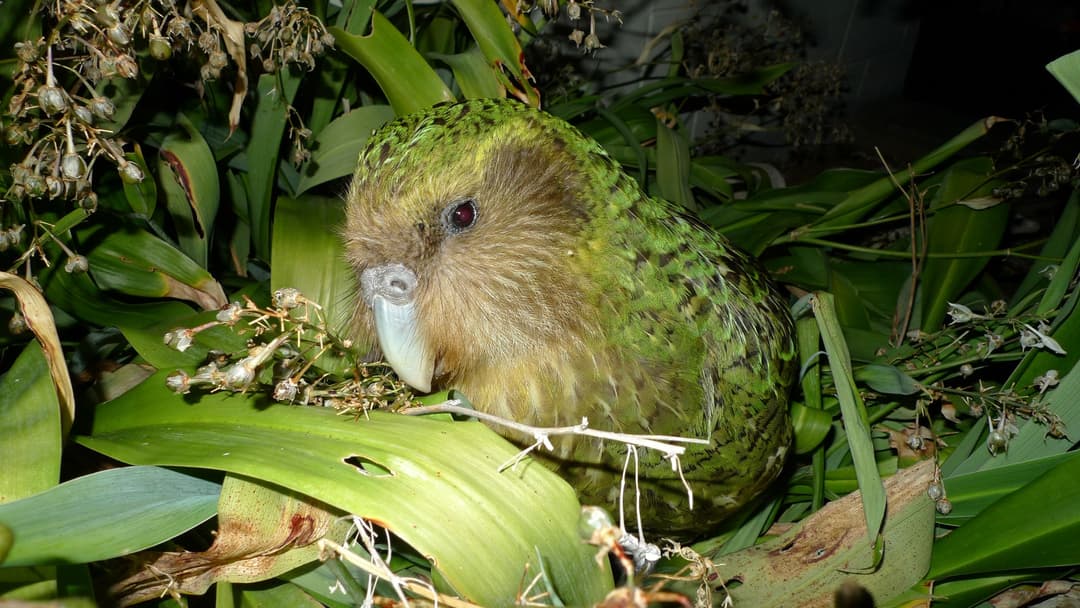
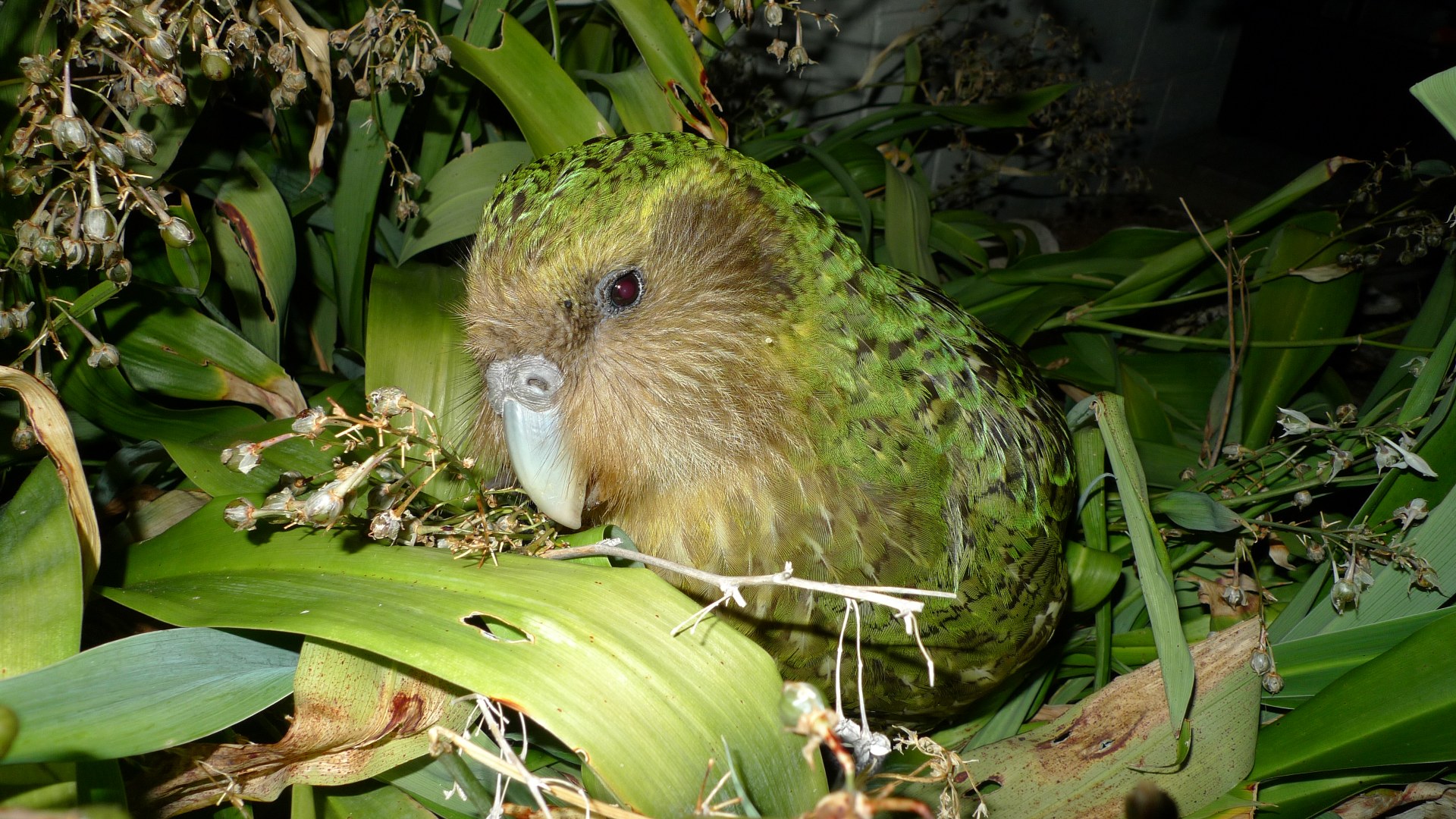
10. Kakapo
The kakapo is a nocturnal, moss-green parrot native to New Zealand that cannot fly and weighs up to nine pounds. Restricted to strictly monitored predator-free offshore islands, only around two hundred fifty tagged individuals exist under around-the-clock ranger protection.
©Wikimedia / Department of Conservation
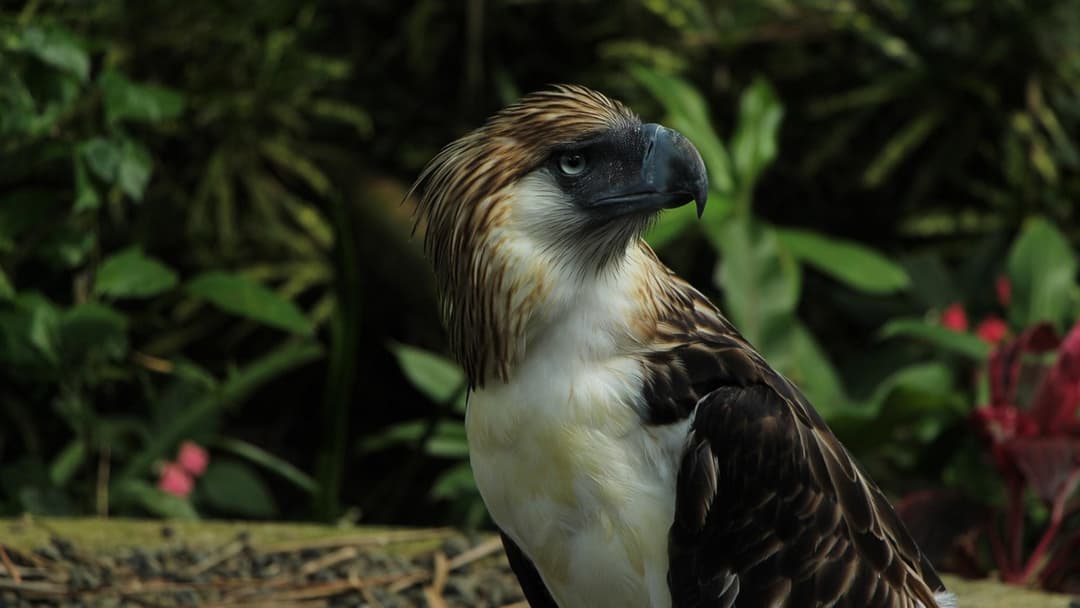
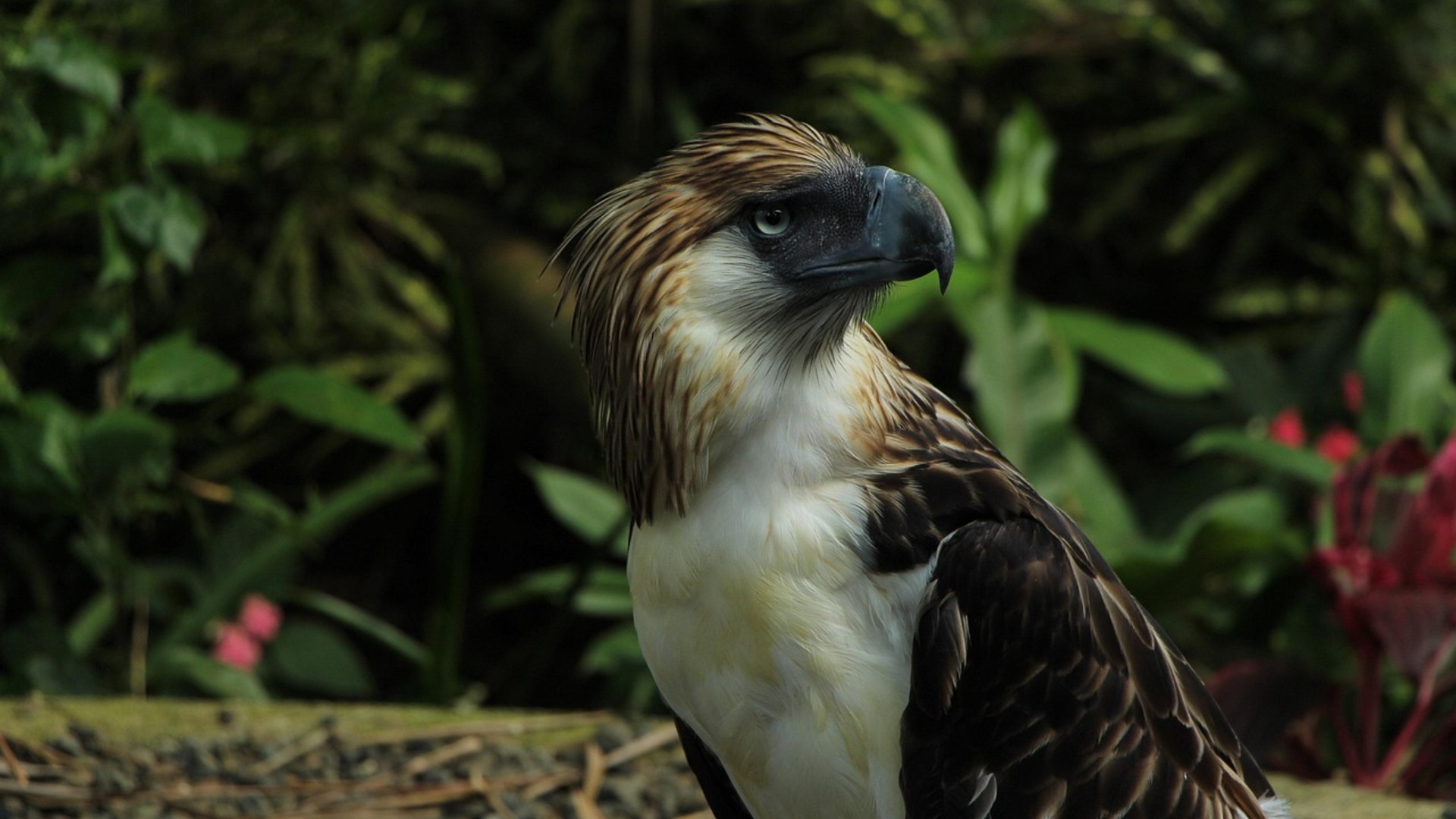
9. Philippine Eagle
With an imposing seven-foot wingspan and a crown of shaggy lion-like feathers, the Philippine eagle is one of the world's most powerful raptors. Endemic to old-growth primary rainforests in the Philippines, rampant logging leaves fewer than four hundred pairs alive.
©Pixabay / Pixabay Contributor
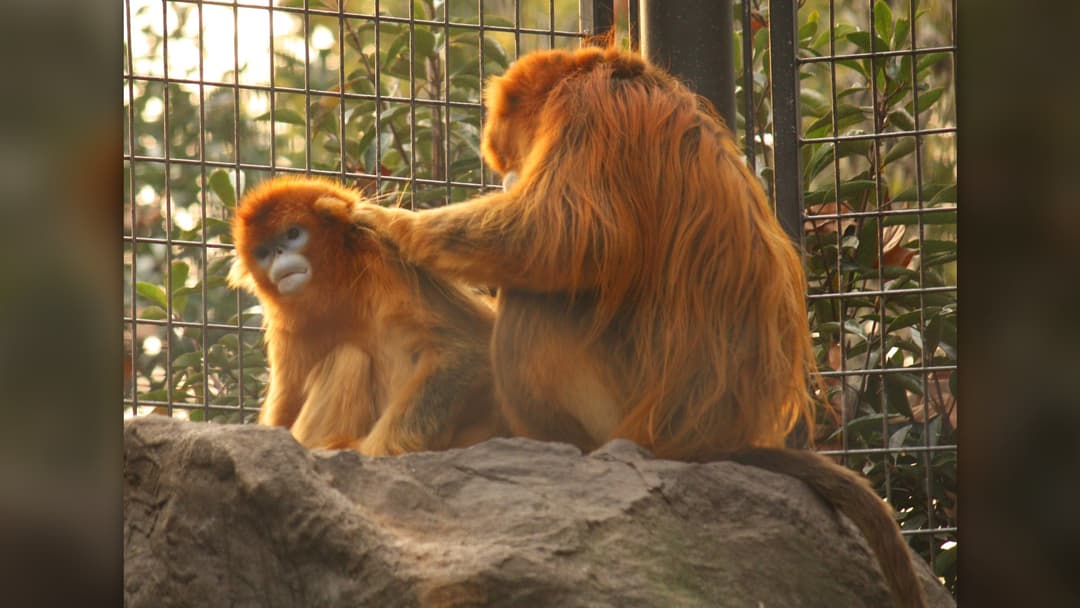
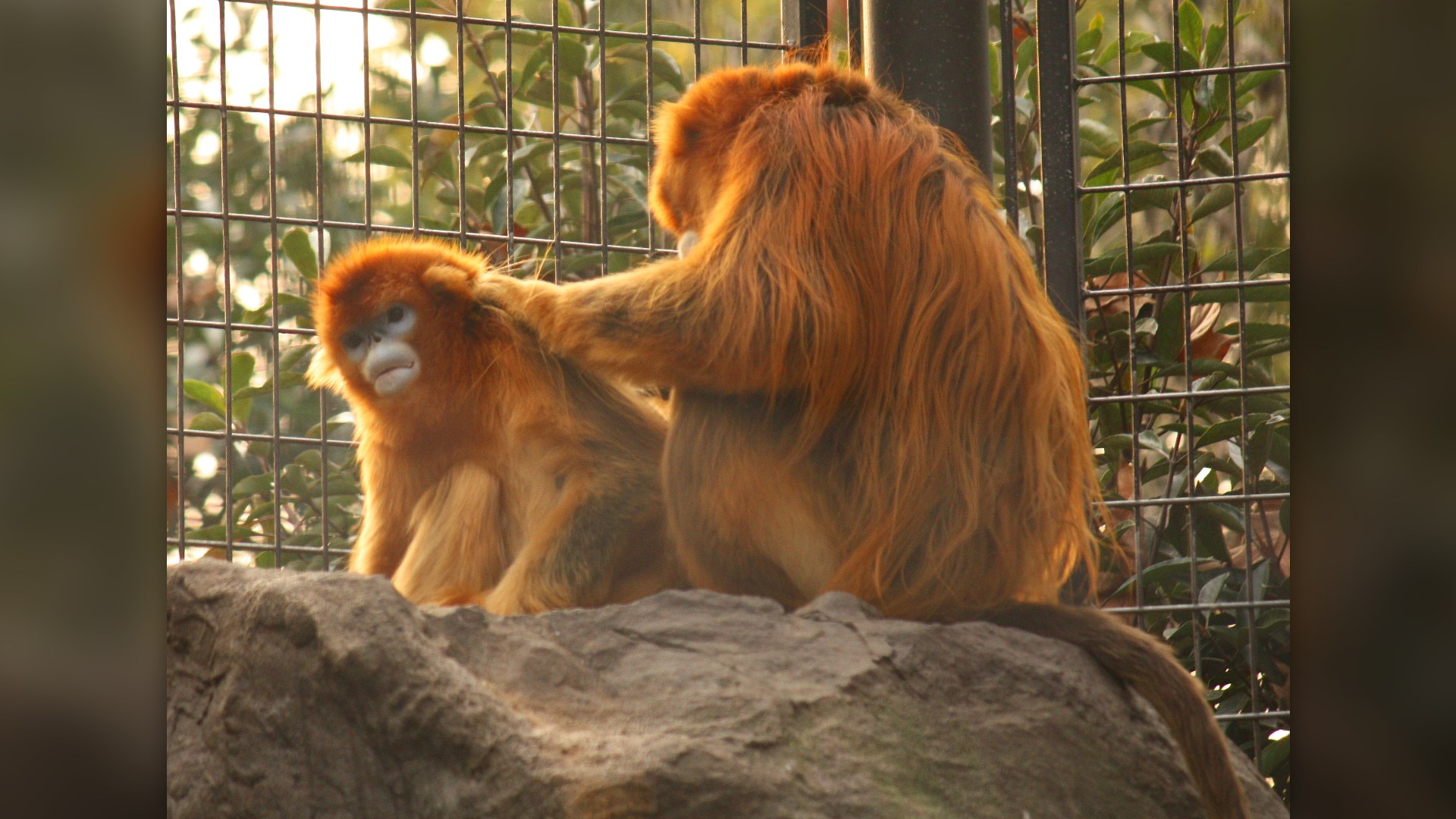
8. Golden Snub-Nosed Monkey
Living in temperate mountain forests of central China at elevations up to ten thousand feet, golden snub-nosed monkeys endure months of heavy snow. Their striking blue faces, flattened noses, and thick golden fur protect them from frostbite during sub-zero winters.
©Wikimedia / J. Patrick Fischer
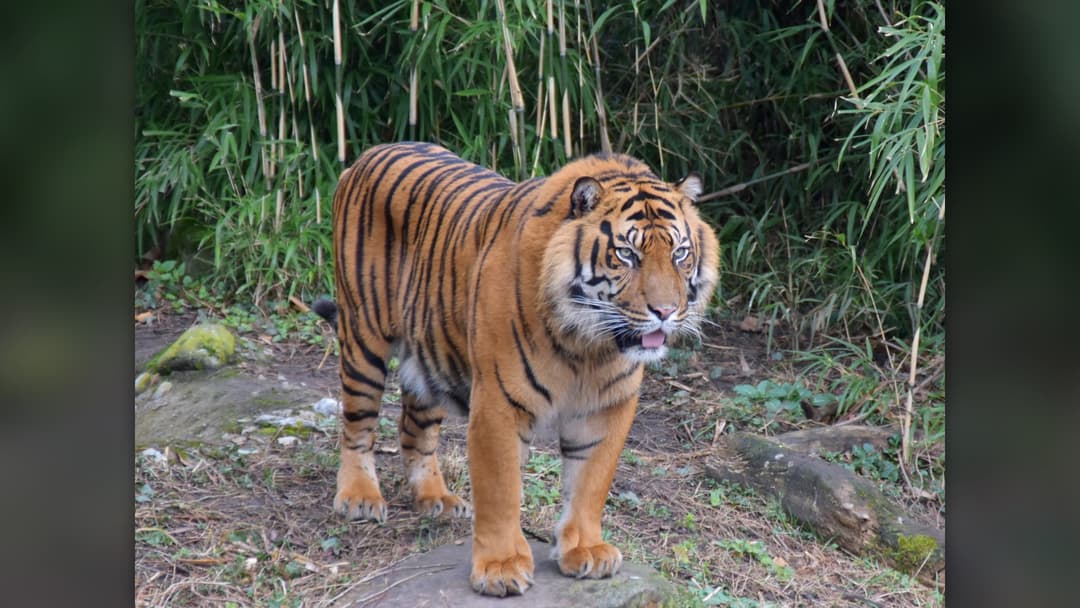
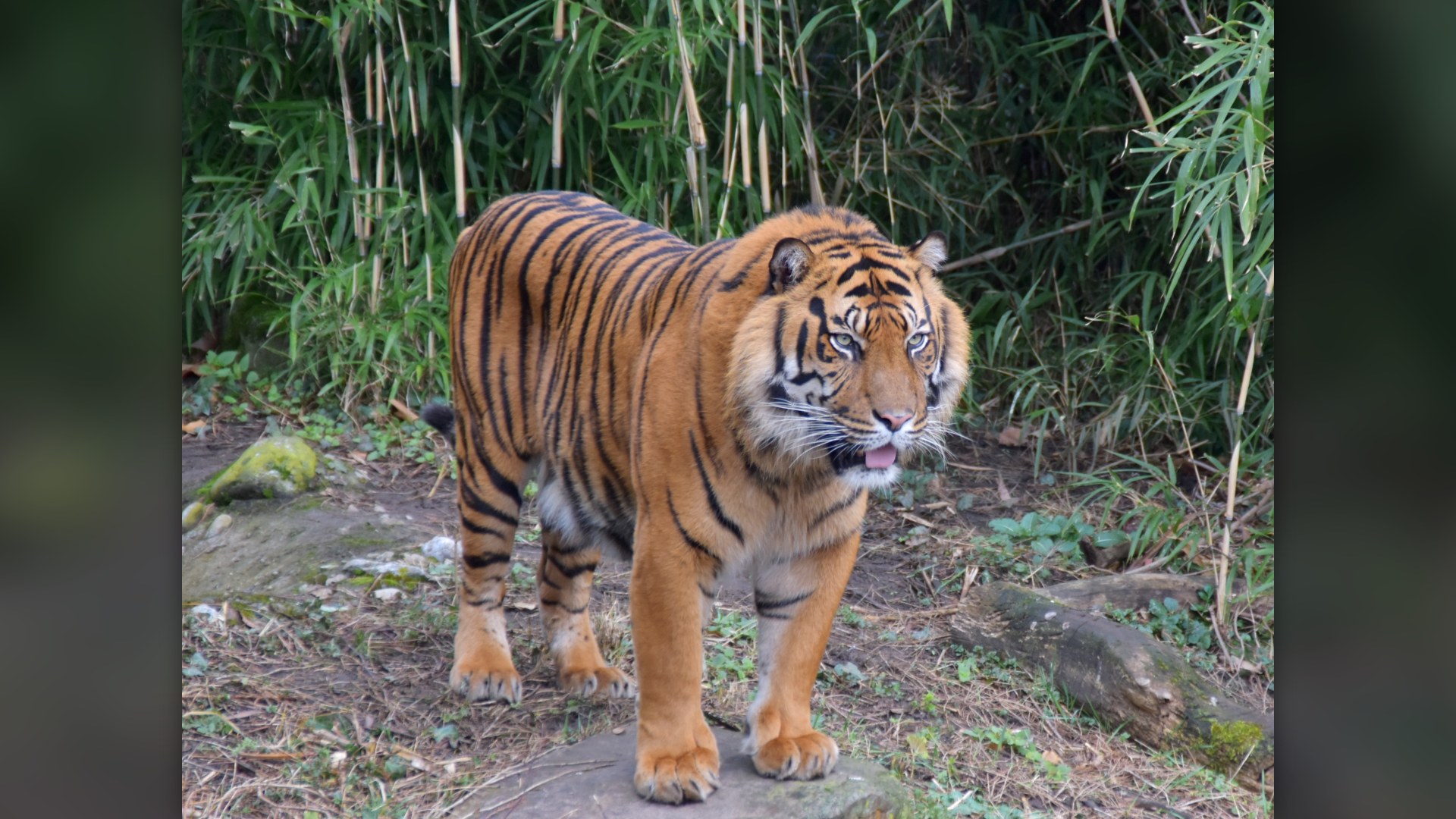
7. Sumatran Tiger
The smallest of all surviving tiger subspecies, the Sumatran tiger is distinguished by narrow stripes and webbed toes for swimming. Hemmed into fragmented patches of rainforest and peat swamp on Sumatra, fewer than four hundred individuals survive wild poachers and oil palm expansion.
©Wikimedia / NasserHalaweh
Advertisement
Swipe or tap ▶ to resume the countdown.
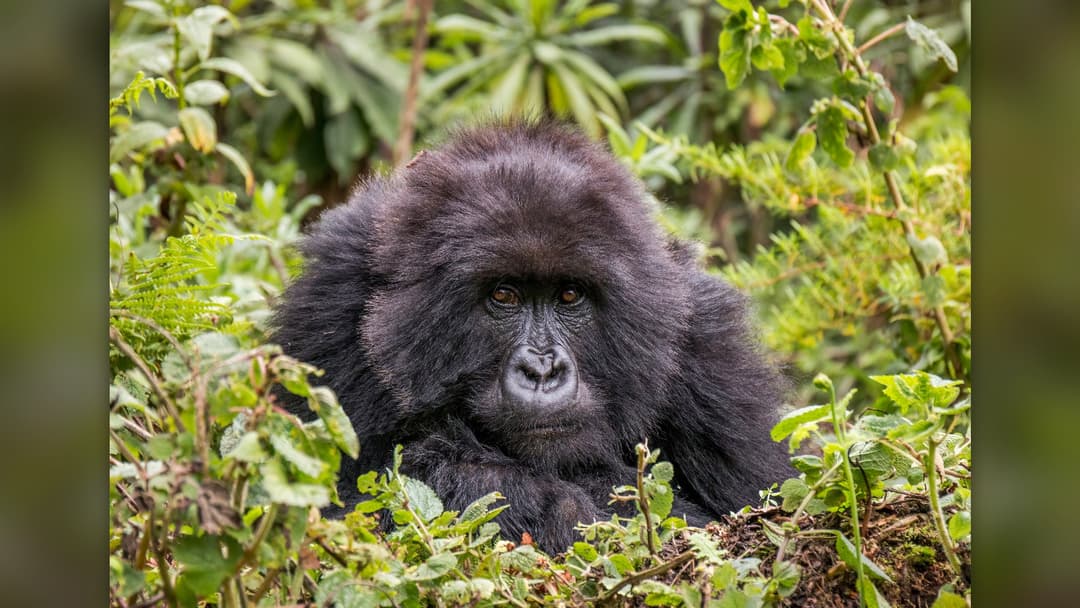
6. Mountain Gorilla
Inhabiting mist-shrouded volcanic slopes in the Virunga Mountains and Bwindi Impenetrable Forest, mountain gorillas live in close-knit family troops. Thanks to intensive cross-border ranger patrols, wild numbers have cautiously rebounded to just over one thousand apes.
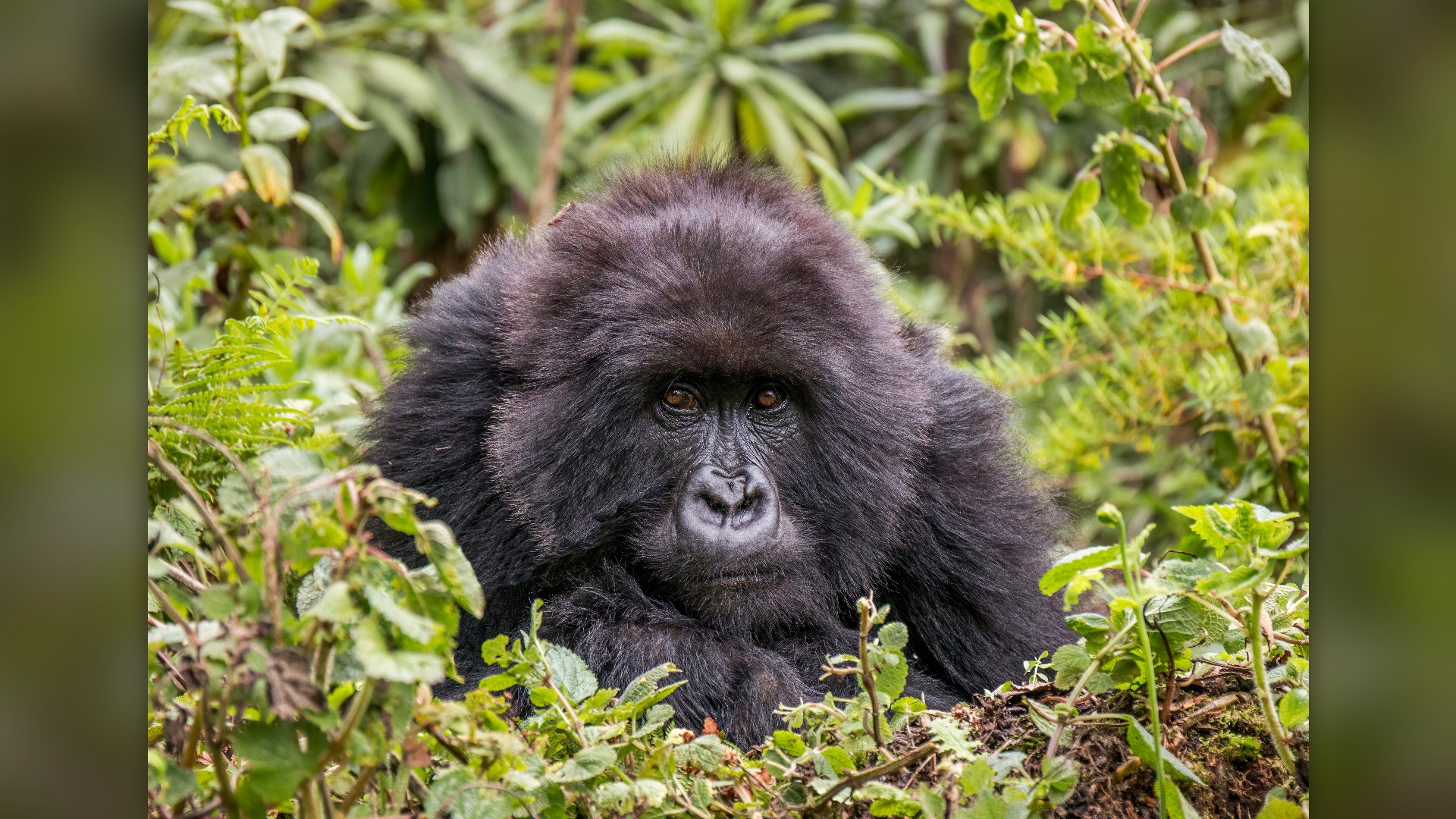
©Wikimedia / Charles J. Sharp
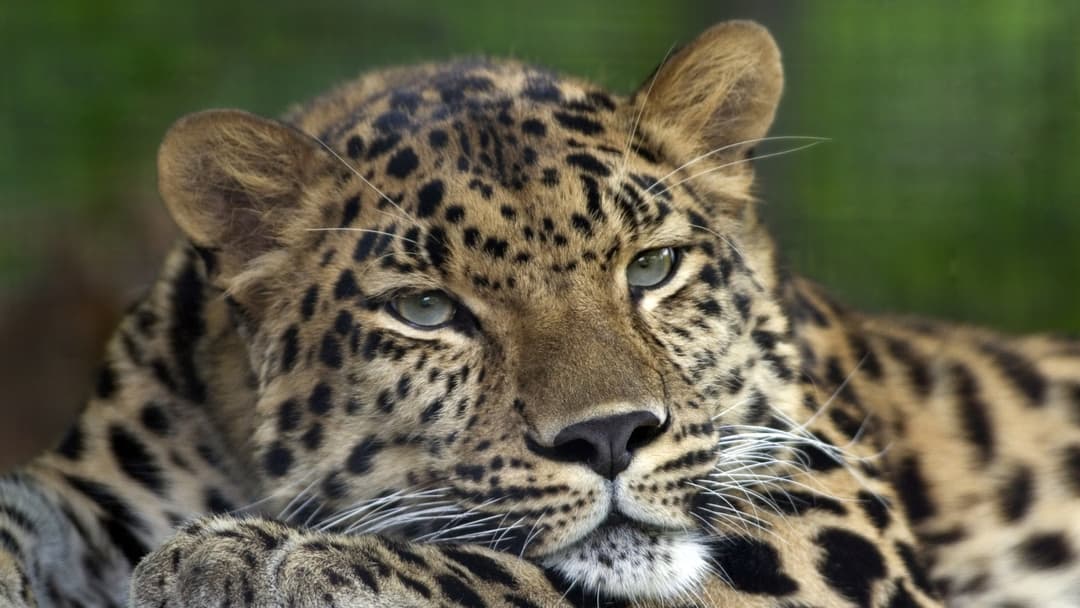
5. Amur Leopard
Adapted to harsh sub-freezing winters in the Russian Far East and neighboring northeastern China, the Amur leopard sports thick cream-colored fur with wide rosettes. With only an estimated one hundred twenty cats surviving in the wild, it remains the rarest big cat on Earth.
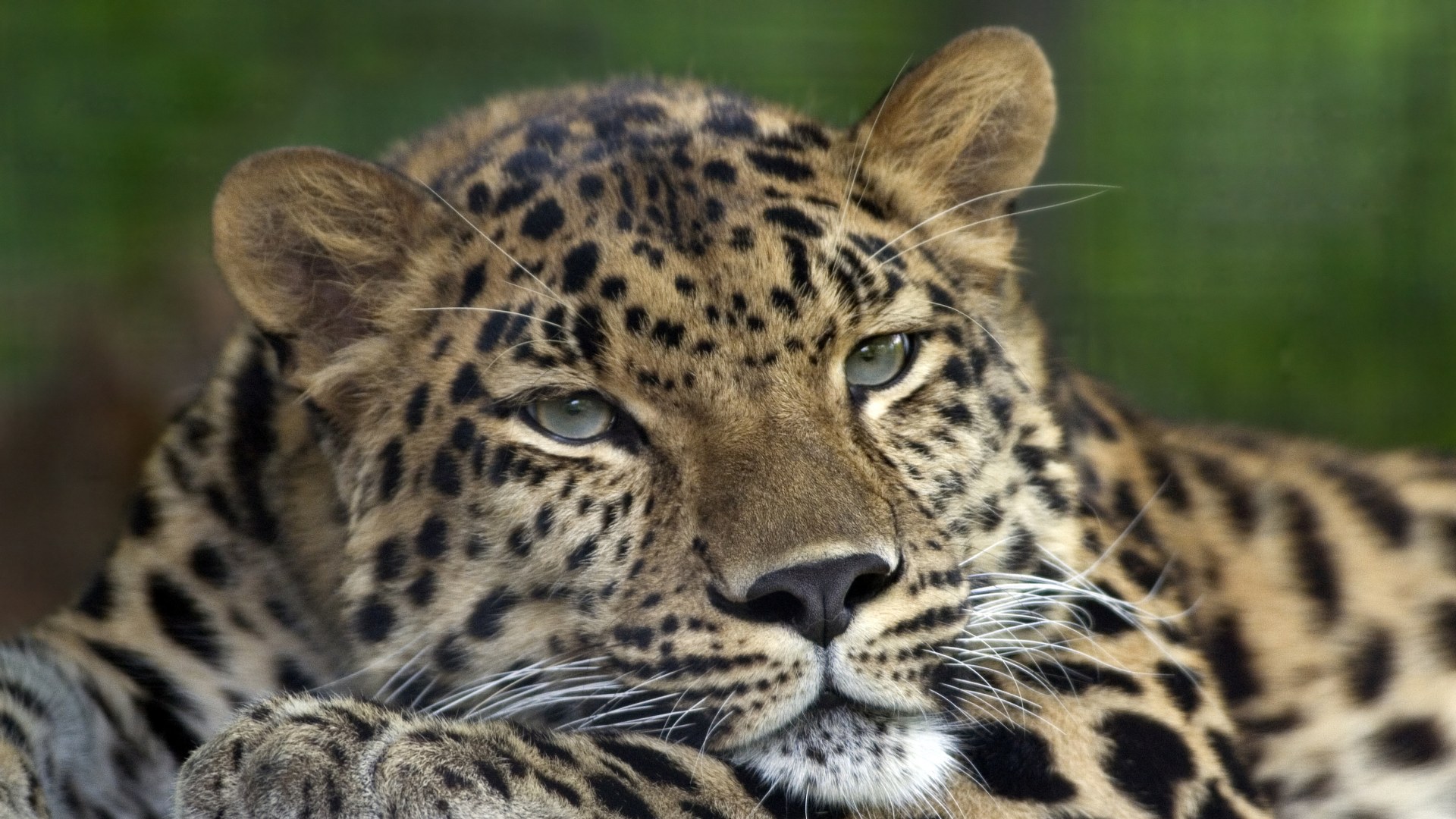
©Wikimedia / Colin Hines
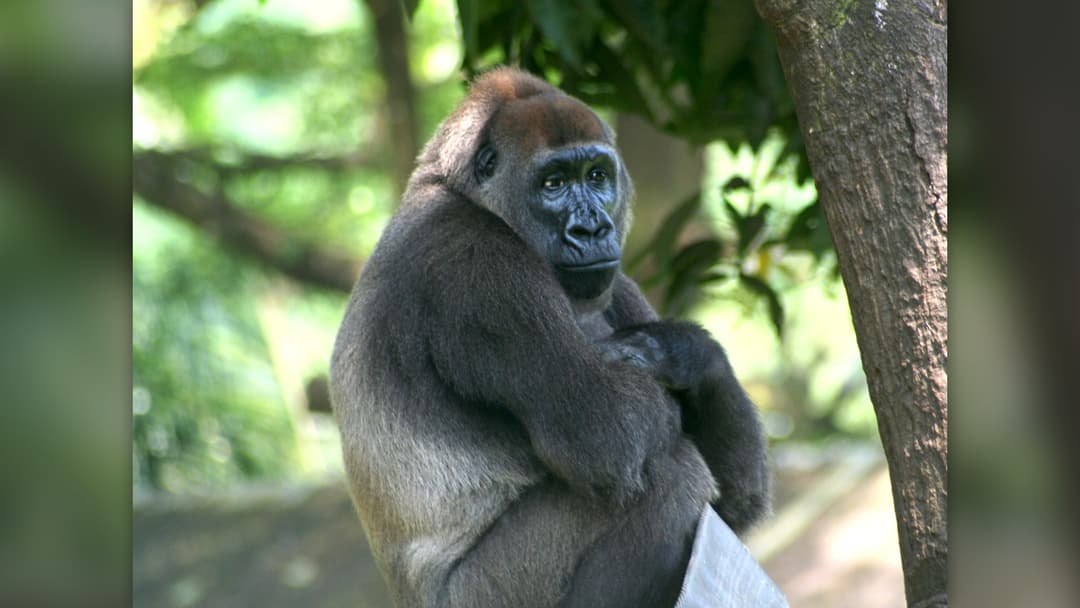
4. Cross River Gorilla
Restricted to a small mountainous border region between Nigeria and Cameroon, the Cross River gorilla is Africa's most endangered great ape. Inhabiting rugged, inaccessible jungle terrain, fewer than three hundred wary individuals remain in fragmented forest patches.
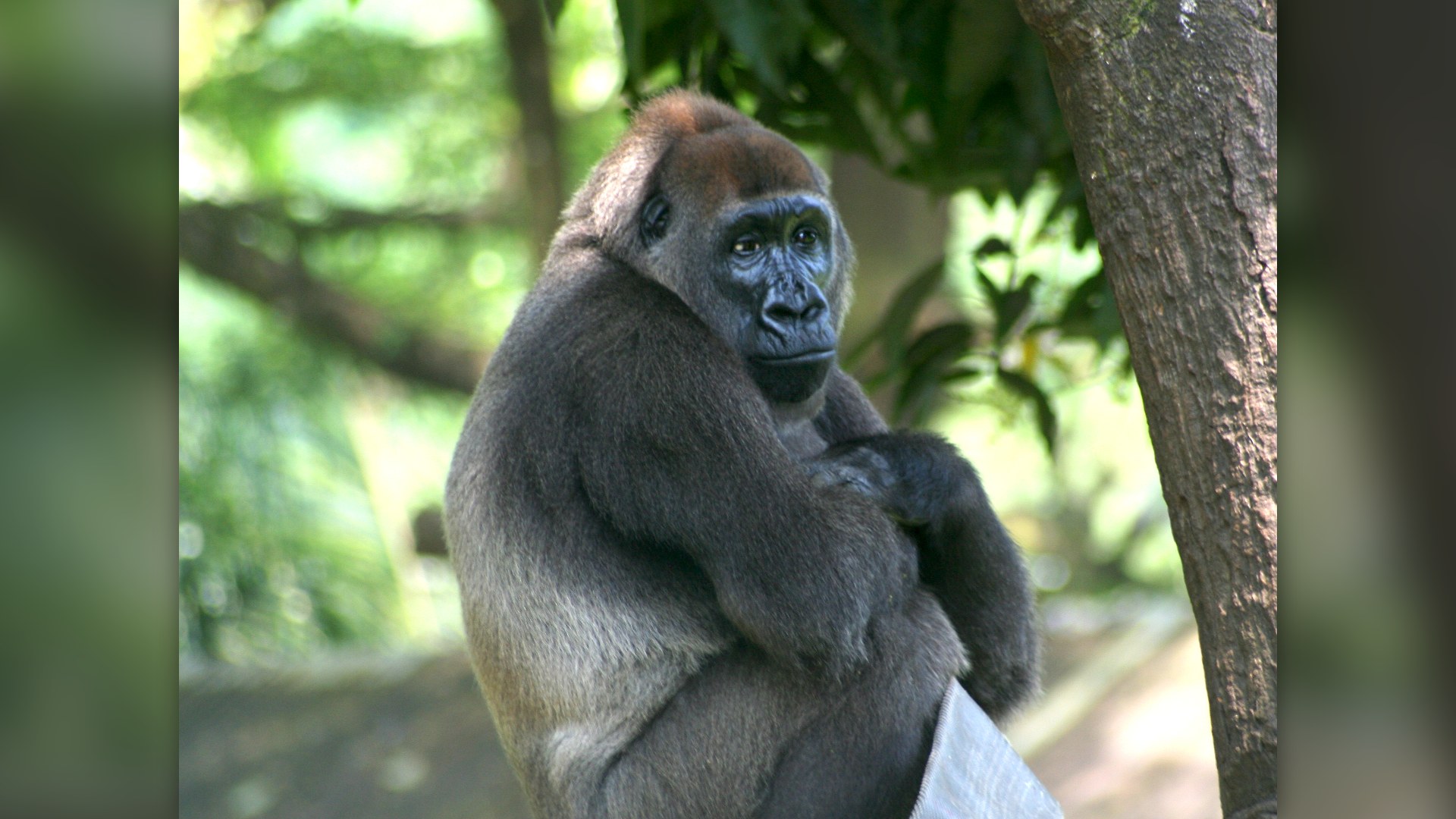
©Wikimedia / Julielangford
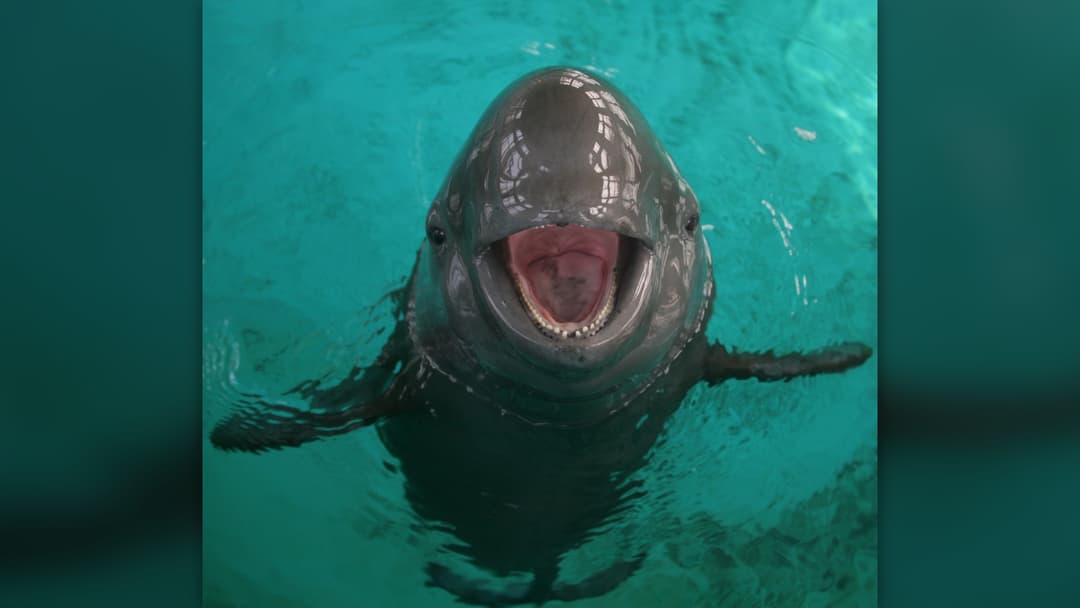
3. Yangtze Finless Porpoise
Following the tragic extinction of the Baiji dolphin, the Yangtze finless porpoise is the last remaining cetacean in Asia's longest river. Known for its expressive mouth line and intelligence, strict sand-mining bans and fishing moratoriums seek to preserve the remaining one thousand porpoises.
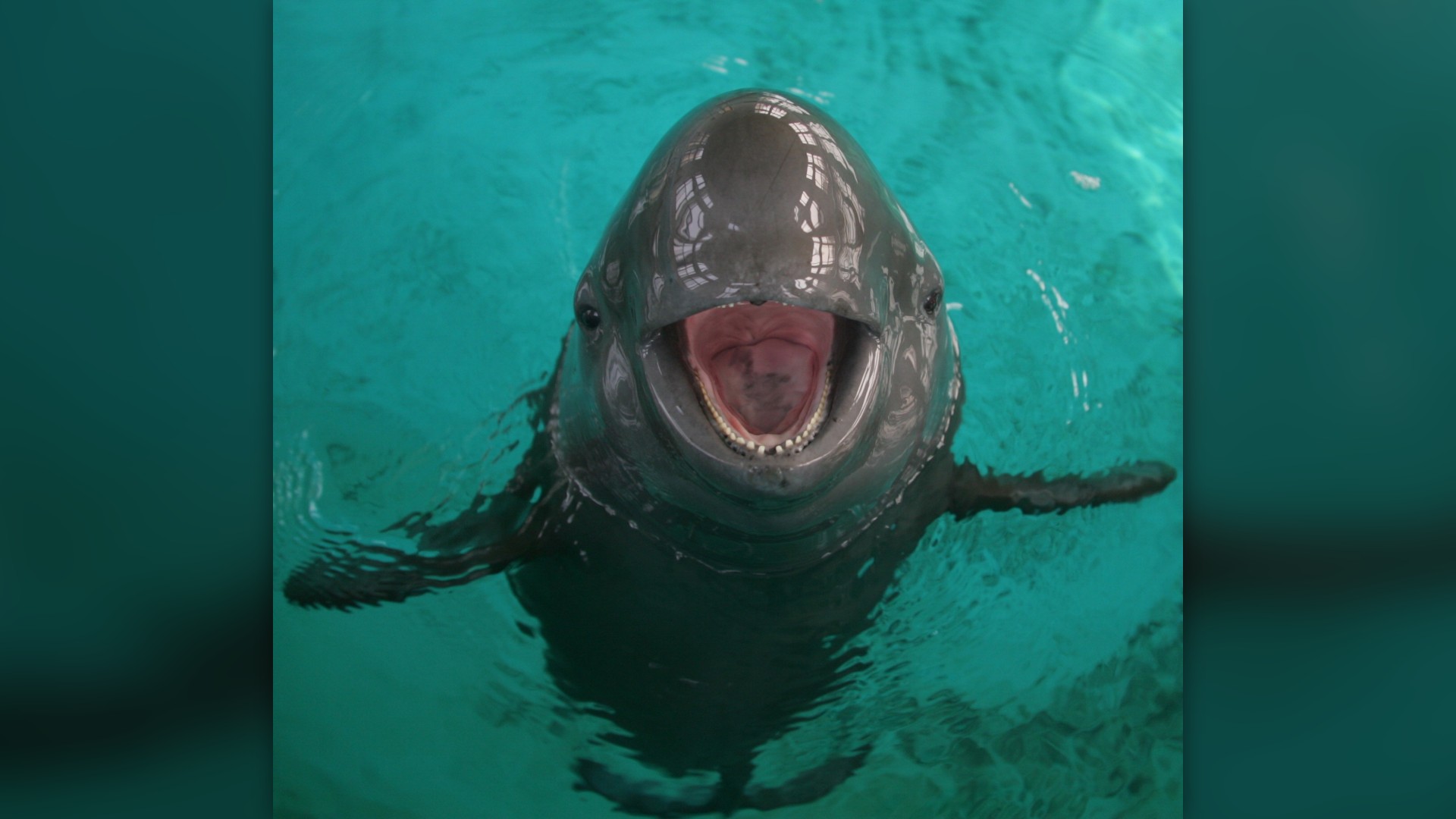
©Wikimedia / Huangdan2060
Advertisement
Swipe or tap ▶ to resume the countdown.
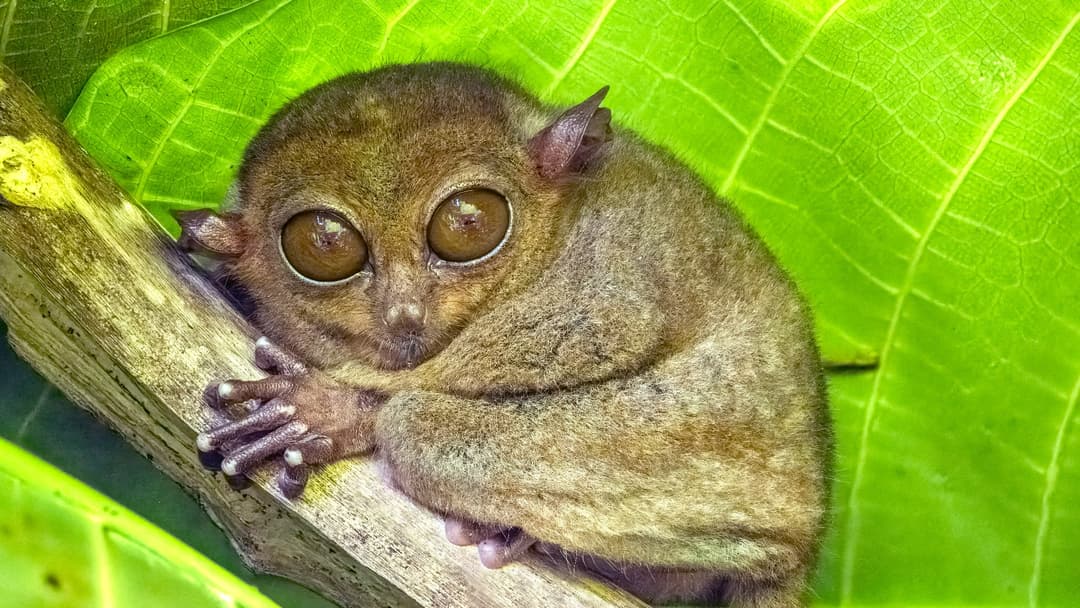
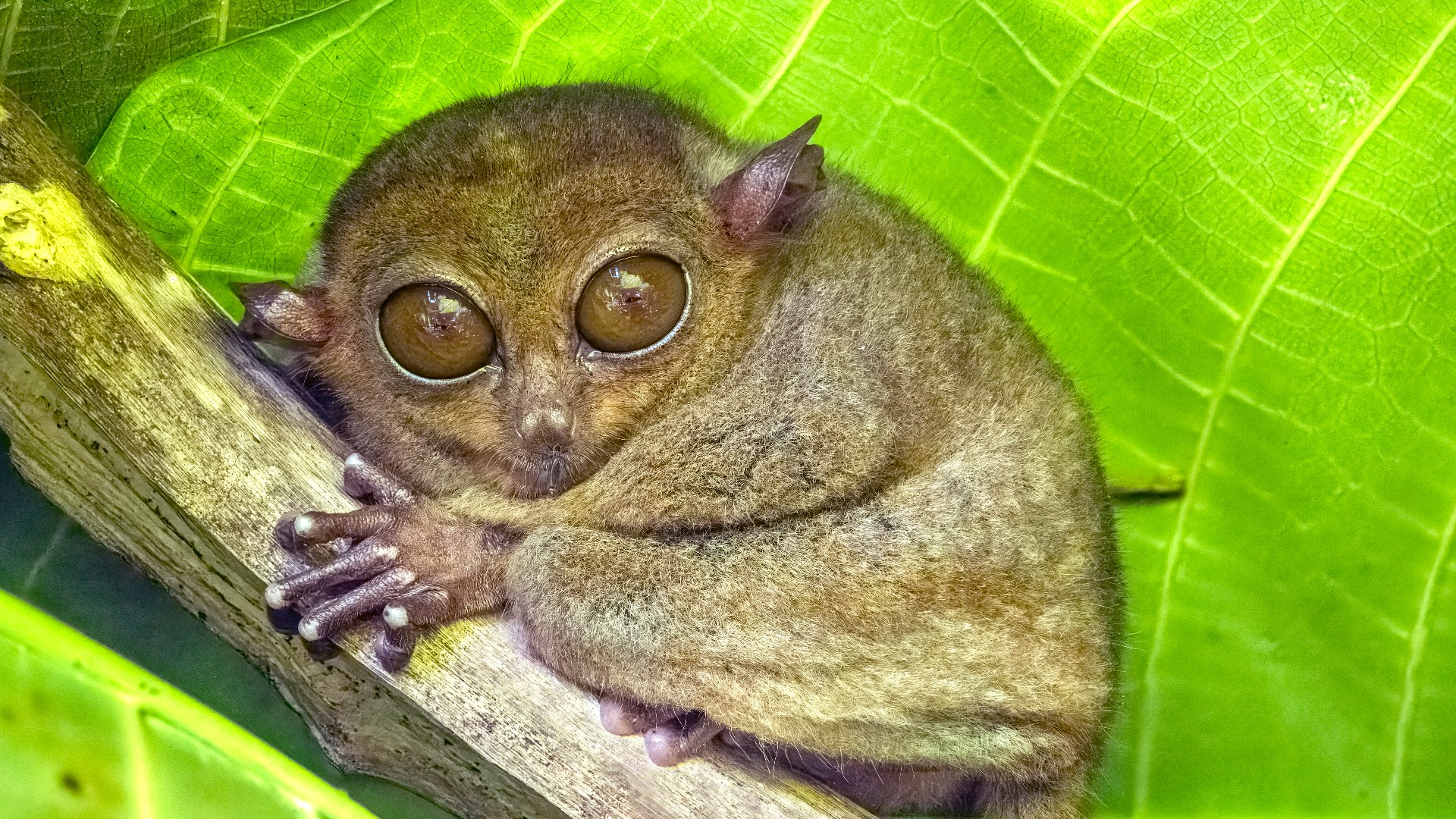
2. Philippine Tarsier
Measuring barely six inches in height, the Philippine tarsier possesses the largest eye-to-body size ratio of any mammal on Earth. Highly sensitive to human presence and noise, this solitary nocturnal hunter is restricted to dense understory thickets in the southern Philippines.
©Wikimedia / Charles J. Sharp
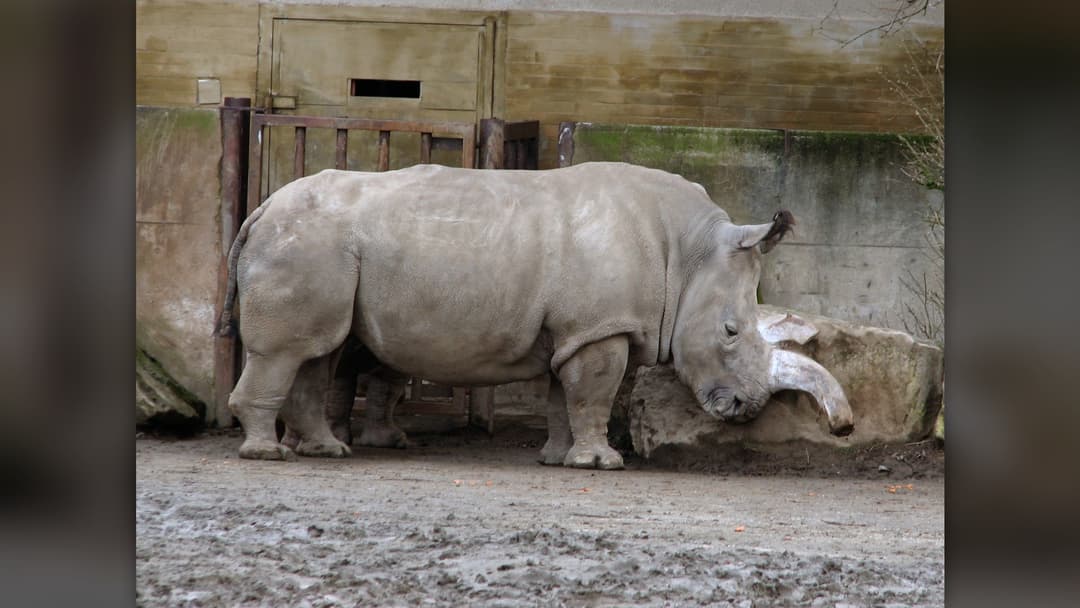
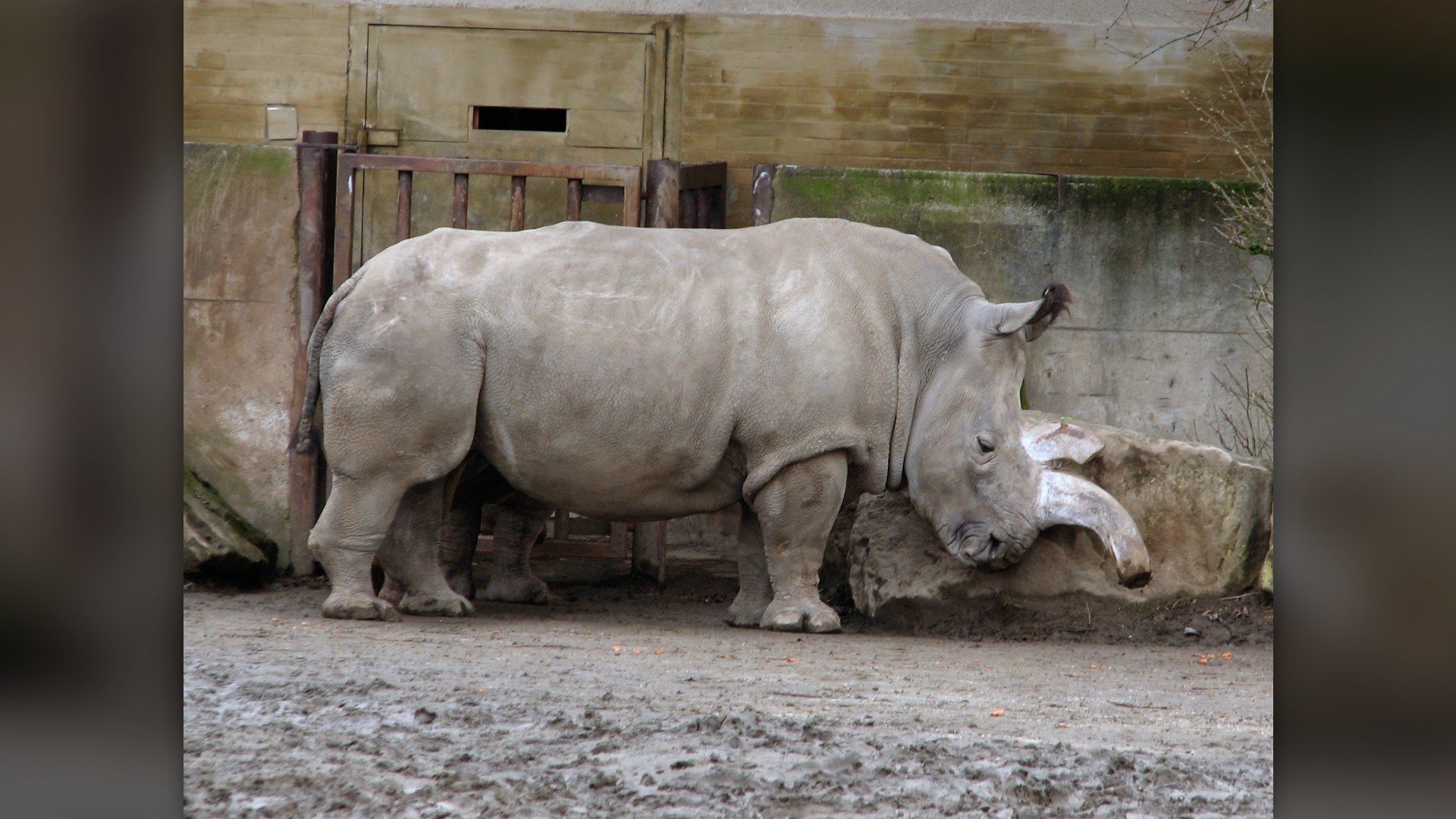
1. Northern White Rhino
With the passing of the last male in 2018, only two northern white rhinos remain on Earth, both females named Najin and Fatu. Guarded around the clock by armed rangers at Ol Pejeta Conservancy in Kenya, their species now depends entirely on cutting-edge assisted reproduction technologies.
©Wikimedia / Mistvan
Advertisement
You've reached the end of the story. Thanks for reading!

25 Unusual Animal Friendships From Around the World
25 Unusual Animal Friendships That Defy Nature
All 25 Entries in this Story
25. Snow Leopard
Known as the ghost of the mountains, the snow leopard inhabits rugged high-altitude terrain across Central and South Asia. Perfectly camouflaged against rocky slopes, fewer than sixty-five hundred individuals survive in the wild.

24. Duck-Billed Platypus
Found only in the freshwater creeks of eastern Australia and Tasmania, the platypus is one of only two living monotremes on Earth. Shy and predominantly nocturnal, wild sightings are exceptionally rare even for local naturalists.

23. Red Panda
Inhabiting the temperate cloud forests of the eastern Himalayas, the red panda spends daylight hours sleeping high in tree hollows. Deforestation and habitat fragmentation leave approximately ten thousand individuals surviving across isolated mountain ridges.

22. Okapi
The okapi lives exclusively in the dense rainforests of the Democratic Republic of the Congo. Despite its zebra-like leg stripes, it is the only living relative of the giraffe, using its prehensile blue tongue to strip tender leaves in absolute silence.

21. Fossa
Resembling a small cougar but closely related to the mongoose family, the fossa rules Madagascar as its top mammalian predator. With semi-retractable claws and flexible ankles, it maneuvers through tree canopies to hunt lemurs with acrobatic precision.

20. Aye-Aye
The aye-aye possesses rodent-like continuously growing teeth and an elongated middle finger designed for percussive foraging. Emitting taps along tree trunks up to eight times per second, this solitary nocturnal primate extracts larvae hidden beneath thick bark.

19. Pallas's Cat
Also called the manul, Pallas's cat thrives across frigid montane grasslands and stony slopes from Iran to Mongolia. Its stocky posture, low-set ears, and dense winter coat allow it to flatten against rocky terrain and ambush rodents undetected.

18. Clouded Leopard
Named for its distinctive cloud-patterned rosettes, the clouded leopard possesses the longest canine teeth relative to skull size of any living cat. Highly arboreal and secretive, it can descend tree trunks headfirst and hang from branches by its hind paws.

17. Dhole
Also called the whistling hunter, the dhole coordinates complex pack maneuvers across South and Southeast Asian forests using bird-like whistles. With fewer than twenty-five hundred adults left in the wild, disease and habitat fragmentation threaten their survival.

16. Dugong
Related to manatees but sporting a fluked whale-like tail, the dugong grazes on shallow underwater seagrass beds throughout the Indo-Pacific. Coastal development, boat collisions, and gillnet entanglements have led to catastrophic population declines.

15. Sunda Pangolin
Also known as the Malayan pangolin, this solitary creature is covered in defensive keratin scales. Rampant illicit poaching for traditional remedies has devastated wild numbers across Southeast Asia, making it one of the most trafficked mammals on the planet.

14. Tasmanian Devil
Confined entirely to the island of Tasmania, this carnivorous marsupial is notorious for its blood-curdling screech and powerful bite force relative to body mass. A transmissible facial tumor disease has wiped out over eighty percent of wild populations since 1996.

13. Giant Pangolin
Reaching lengths of nearly six feet, the giant pangolin is the largest of all eight pangolin species. Strictly nocturnal and residing in deep subterranean burrows across equatorial Africa, wild encounters remain extraordinarily scarce.

12. Saiga Antelope
Roaming the arid grasslands of Kazakhstan, Mongolia, and Russia, the saiga antelope is instantly identified by its drooping, flexible snout. The unique inflatable nose warms freezing winter air and filters out blinding dust kicked up by massive galloping herds.

11. South Island Takahe
Believed extinct for nearly half a century until an astonishing rediscovery in New Zealand's Murchison Mountains in 1948, the takahe is a stout flightless rail. Intense conservation efforts on predator-free sanctuaries have steadily rebuilt wild numbers to around five hundred birds.

10. Kakapo
The kakapo is a nocturnal, moss-green parrot native to New Zealand that cannot fly and weighs up to nine pounds. Restricted to strictly monitored predator-free offshore islands, only around two hundred fifty tagged individuals exist under around-the-clock ranger protection.

9. Philippine Eagle
With an imposing seven-foot wingspan and a crown of shaggy lion-like feathers, the Philippine eagle is one of the world's most powerful raptors. Endemic to old-growth primary rainforests in the Philippines, rampant logging leaves fewer than four hundred pairs alive.

8. Golden Snub-Nosed Monkey
Living in temperate mountain forests of central China at elevations up to ten thousand feet, golden snub-nosed monkeys endure months of heavy snow. Their striking blue faces, flattened noses, and thick golden fur protect them from frostbite during sub-zero winters.

7. Sumatran Tiger
The smallest of all surviving tiger subspecies, the Sumatran tiger is distinguished by narrow stripes and webbed toes for swimming. Hemmed into fragmented patches of rainforest and peat swamp on Sumatra, fewer than four hundred individuals survive wild poachers and oil palm expansion.

6. Mountain Gorilla
Inhabiting mist-shrouded volcanic slopes in the Virunga Mountains and Bwindi Impenetrable Forest, mountain gorillas live in close-knit family troops. Thanks to intensive cross-border ranger patrols, wild numbers have cautiously rebounded to just over one thousand apes.

5. Amur Leopard
Adapted to harsh sub-freezing winters in the Russian Far East and neighboring northeastern China, the Amur leopard sports thick cream-colored fur with wide rosettes. With only an estimated one hundred twenty cats surviving in the wild, it remains the rarest big cat on Earth.

4. Cross River Gorilla
Restricted to a small mountainous border region between Nigeria and Cameroon, the Cross River gorilla is Africa's most endangered great ape. Inhabiting rugged, inaccessible jungle terrain, fewer than three hundred wary individuals remain in fragmented forest patches.

3. Yangtze Finless Porpoise
Following the tragic extinction of the Baiji dolphin, the Yangtze finless porpoise is the last remaining cetacean in Asia's longest river. Known for its expressive mouth line and intelligence, strict sand-mining bans and fishing moratoriums seek to preserve the remaining one thousand porpoises.

2. Philippine Tarsier
Measuring barely six inches in height, the Philippine tarsier possesses the largest eye-to-body size ratio of any mammal on Earth. Highly sensitive to human presence and noise, this solitary nocturnal hunter is restricted to dense understory thickets in the southern Philippines.

1. Northern White Rhino
With the passing of the last male in 2018, only two northern white rhinos remain on Earth, both females named Najin and Fatu. Guarded around the clock by armed rangers at Ol Pejeta Conservancy in Kenya, their species now depends entirely on cutting-edge assisted reproduction technologies.