Slideshow · Animals
25 Reasons Why Dogs Lock Eyes With Their Owners in Silence
By Most Viral Today
12 min ago

25 Reasons Dogs Stare at Their Owners in Total Silence 
25. Pure Unconditional Devotion 
24. Separation Anxiety Clues 
23. Seeking Reassurance In Storms - AdvertisementSwipe or tap ▶ to continue countdown

22. Waiting For Permission 
21. Herding Breed Instincts 
20. Curiosity About Human Habits 
19. Learned Conditioning At Work - AdvertisementSwipe or tap ▶ to continue countdown

18. Tracking Distant Sounds 
17. Reading Departure Clues 
16. Showing Deference And Submission 
15. Masking Pain Or Illness - AdvertisementSwipe or tap ▶ to continue countdown

14. Senior Canine Confusion 
13. Listening For Familiar Keywords 
12. Checking For Approval 
11. Expressing Boredom And Energy - AdvertisementSwipe or tap ▶ to continue countdown

10. Looking For Protection While Pooping 
9. Guarding Vulnerable Moments 
8. Sensing Human Stress And Emotion 
7. Signaling Urgent Bathroom Needs - AdvertisementSwipe or tap ▶ to continue countdown

6. Craving Physical Affection 
5. Silent Food Begging 
4. Seeking Social Referencing 
3. Anticipating Daily Routines - AdvertisementSwipe or tap ▶ to continue countdown

2. Reading Facial Micro Expressions 
1. The Mutual Oxytocin Love Gaze - Advertisement🔥 UP NEXT IN THIS SERIES◫ 26 Slides

25 Unusual Animal Friendships From Around the World
25 Unusual Animal Friendships That Defy Nature
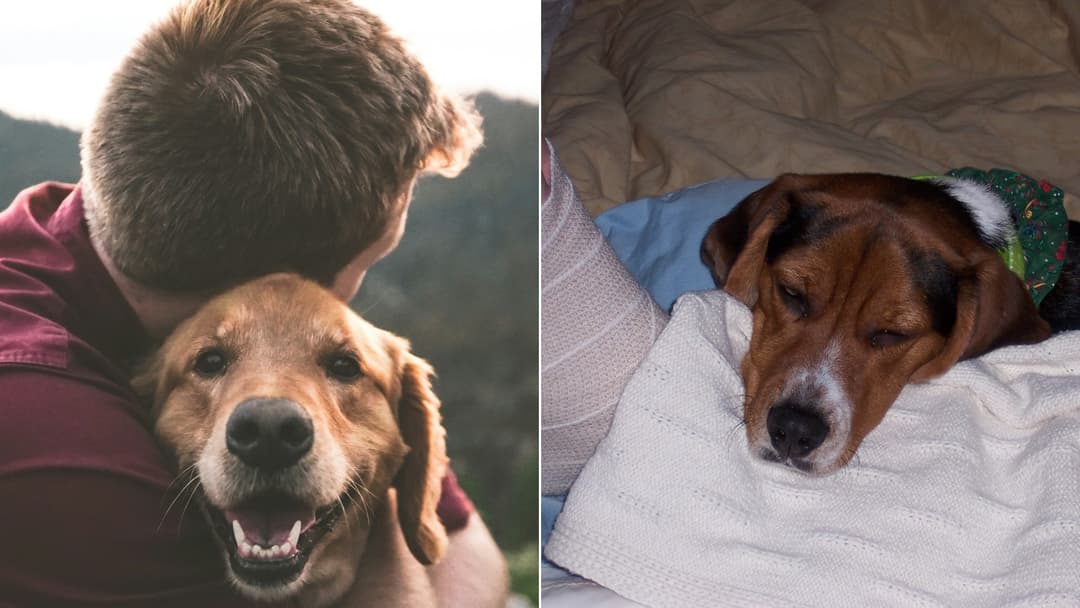
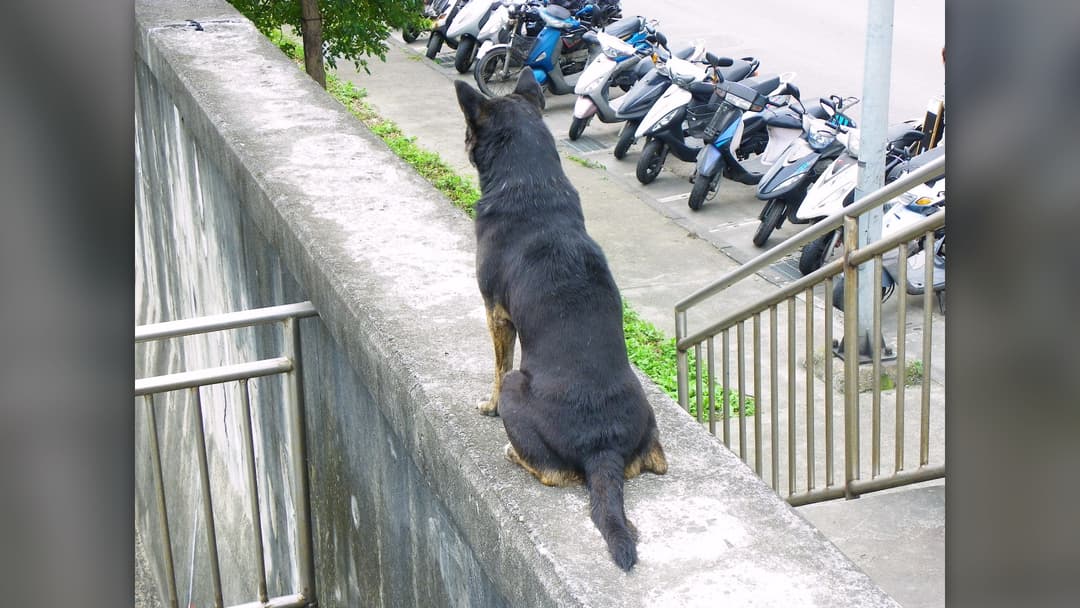
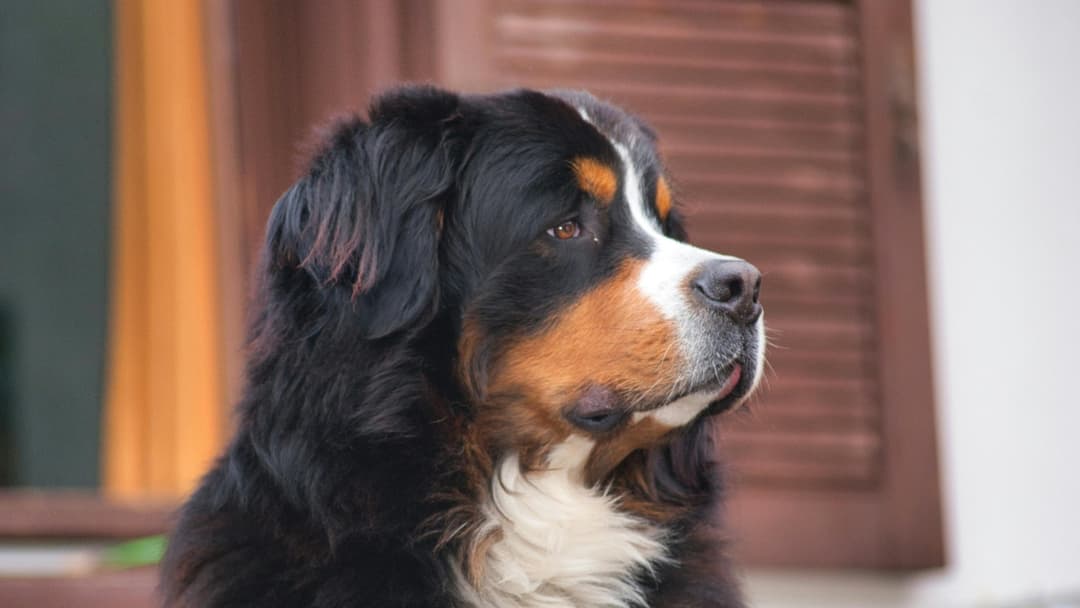
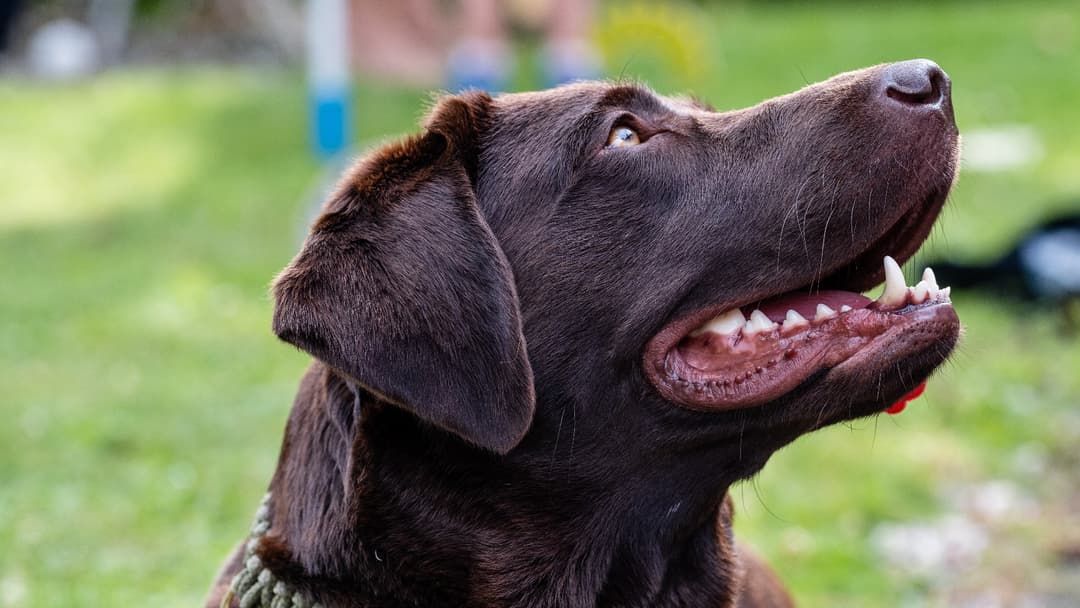
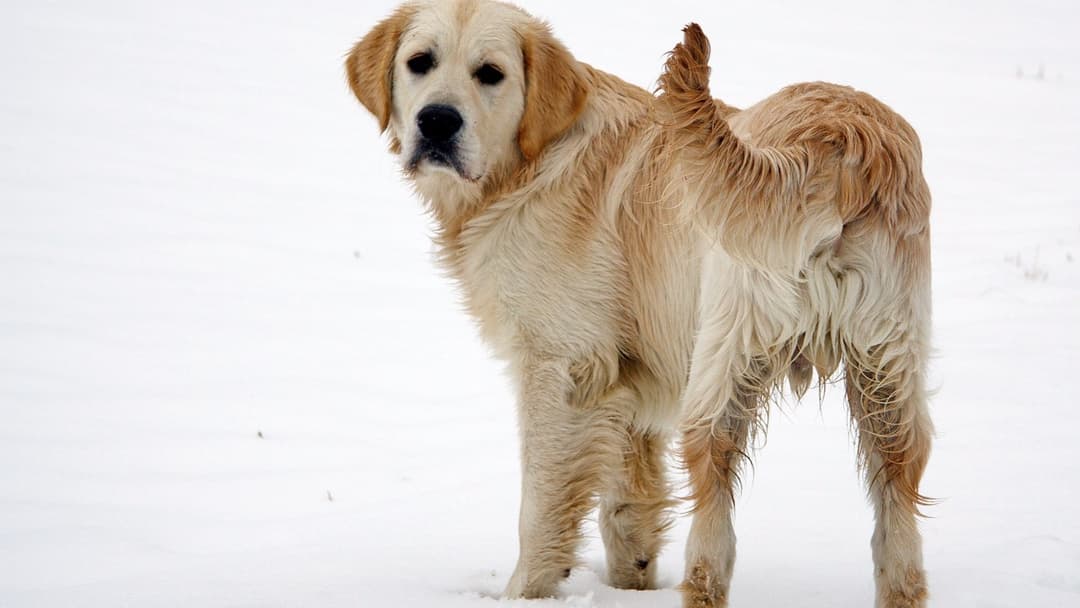
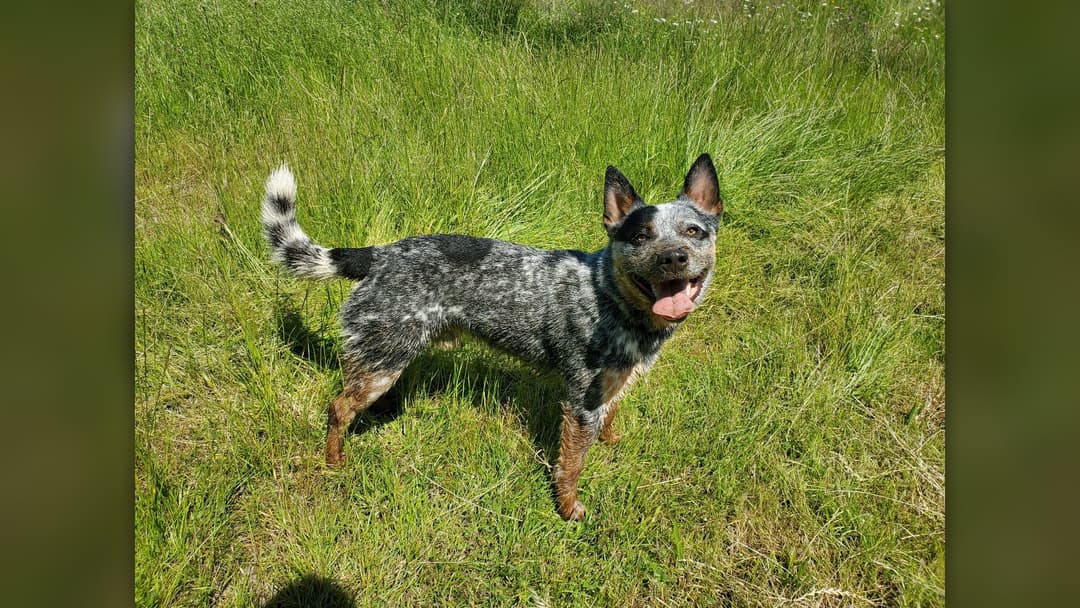
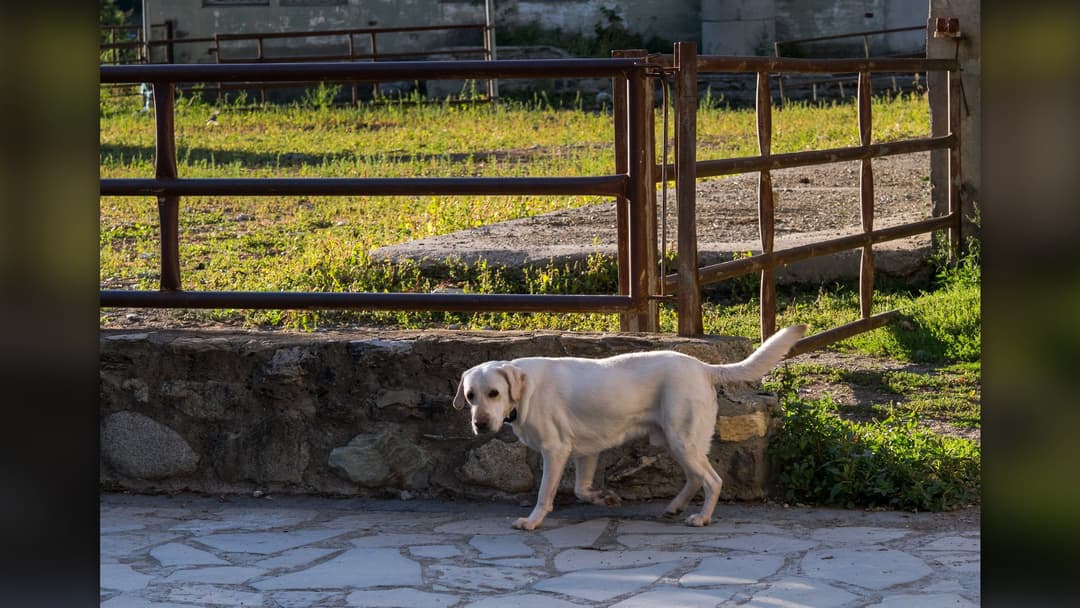
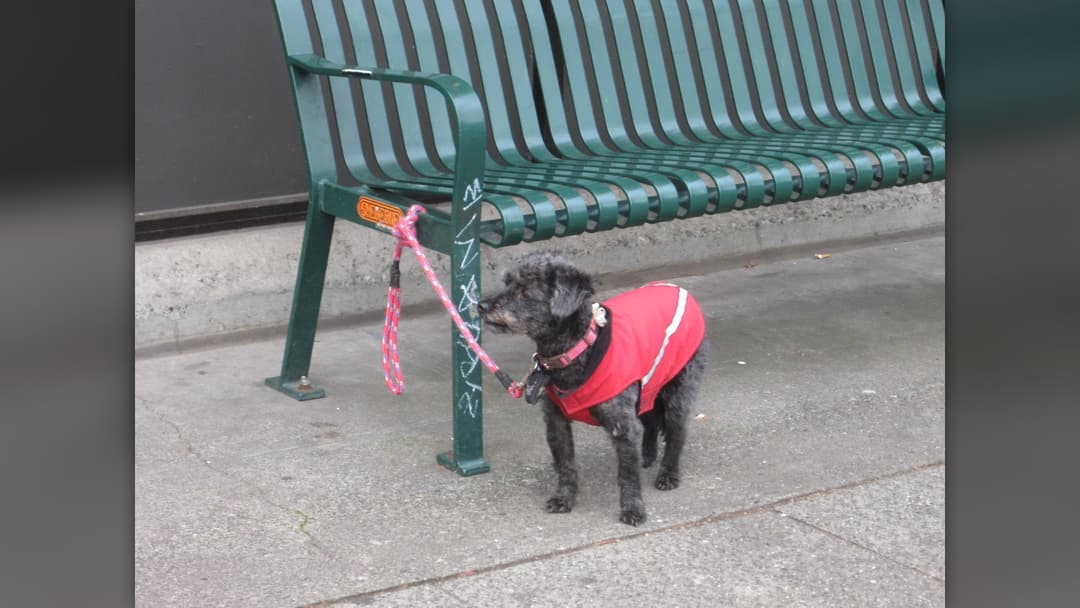
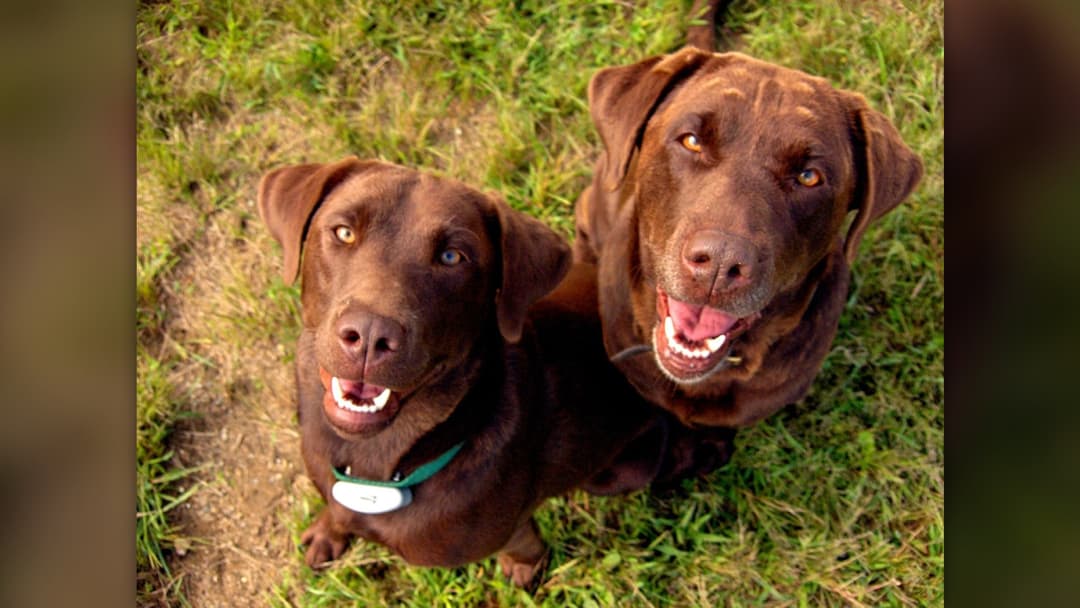
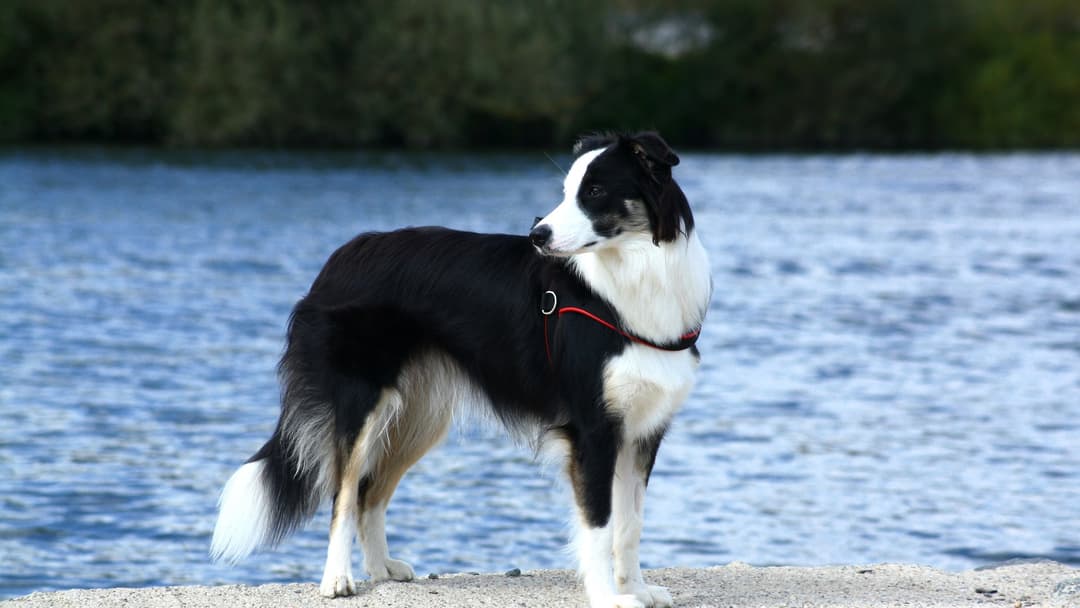
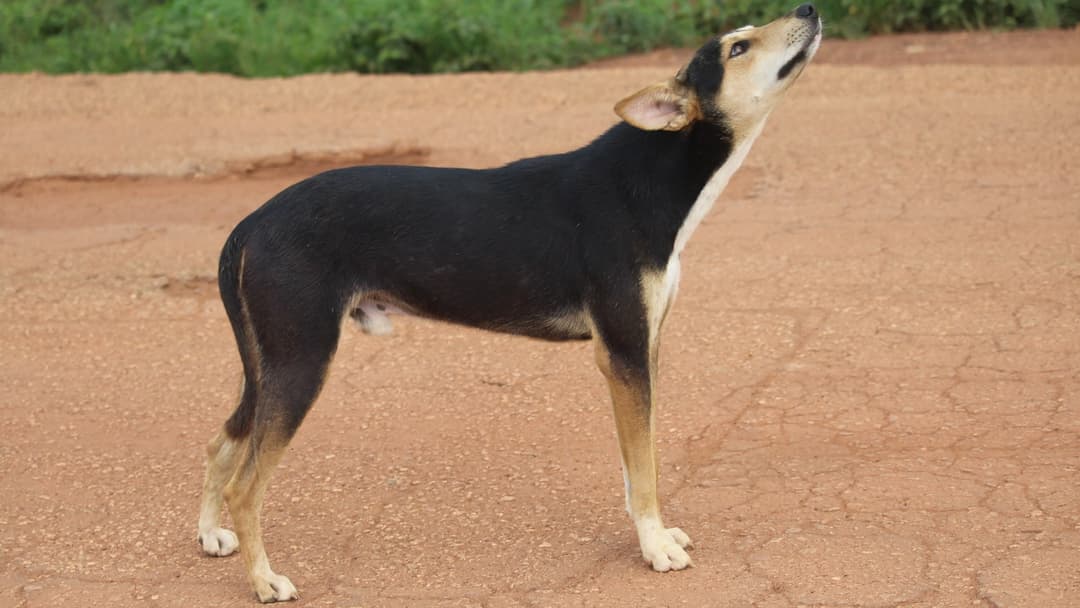
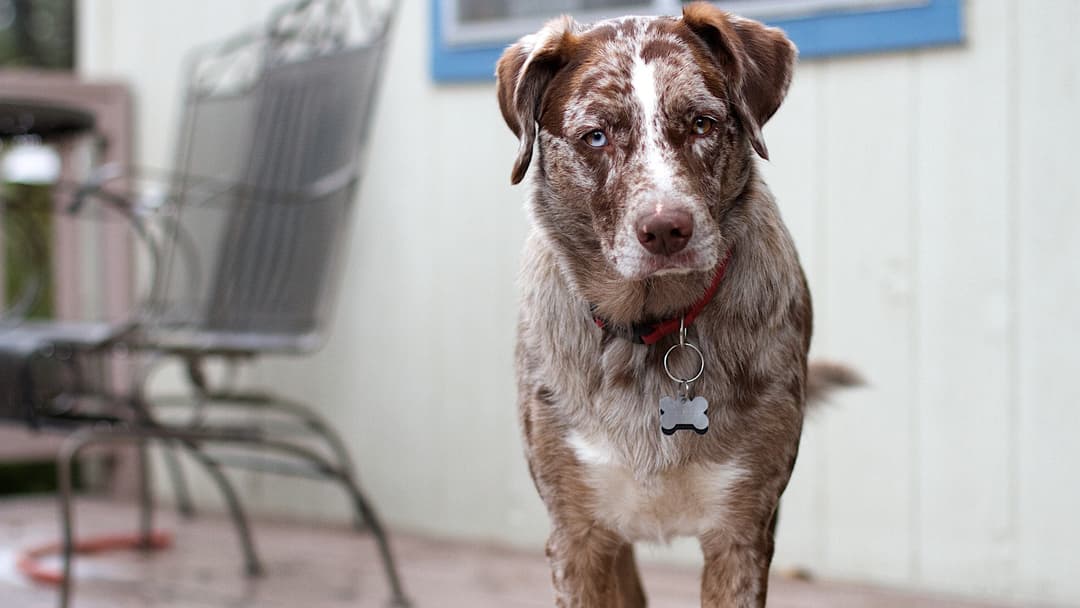
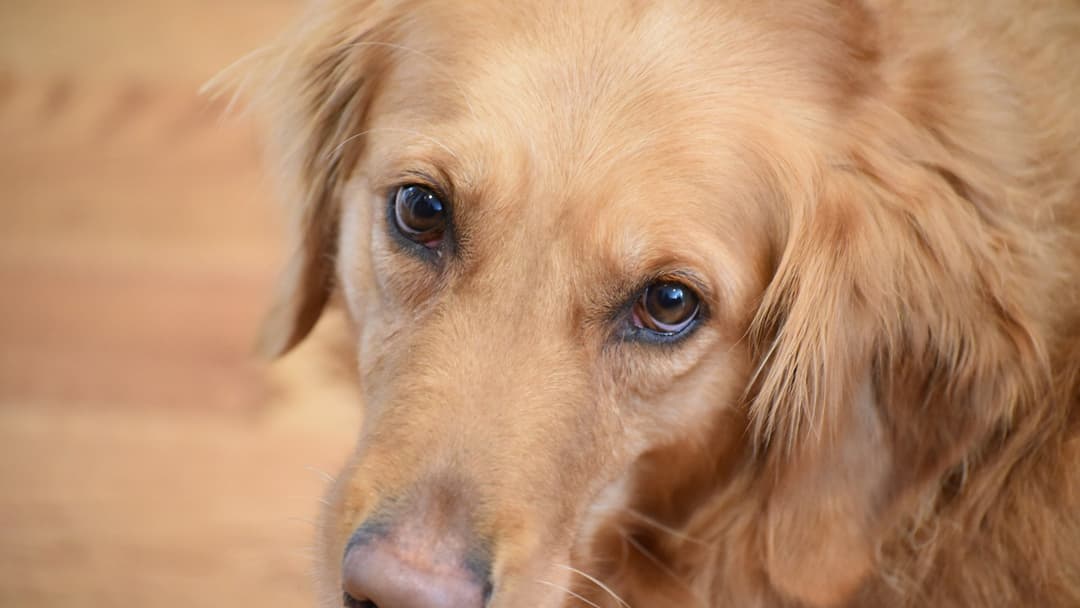
When a dog gazes quietly into your eyes without making a sound, it is communicating complex emotions rather than just begging. From releasing bonding hormones and decoding subtle facial expressions to seeking guidance and showing unconditional affection, canine eye contact reveals deep evolutionary trust.
Swipe or tap ▶ to begin the countdown
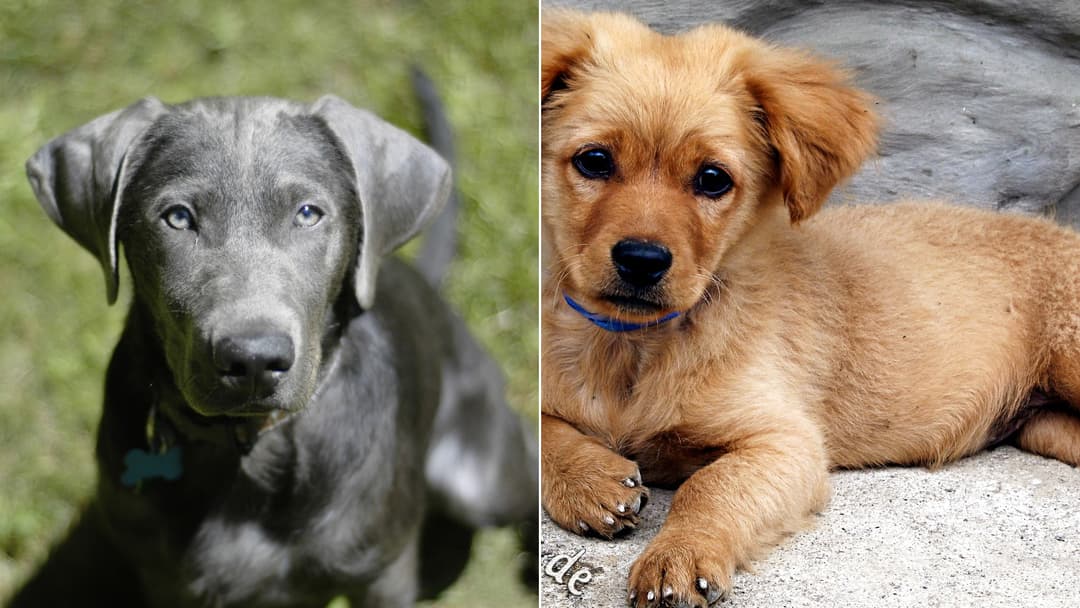
©Wikimedia / cmcclave & Wikimedia / epSos.de
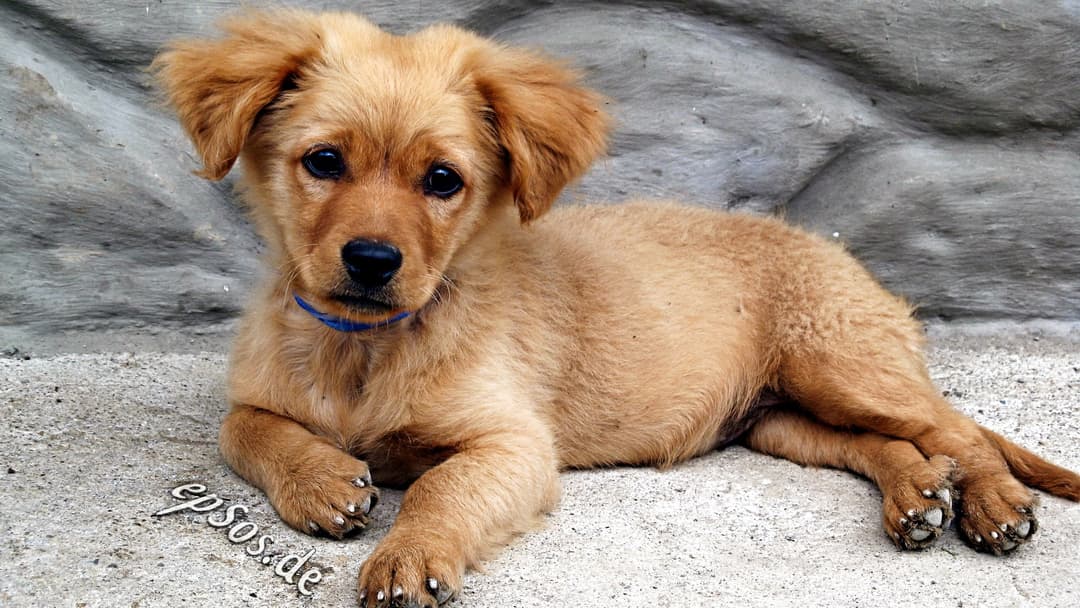
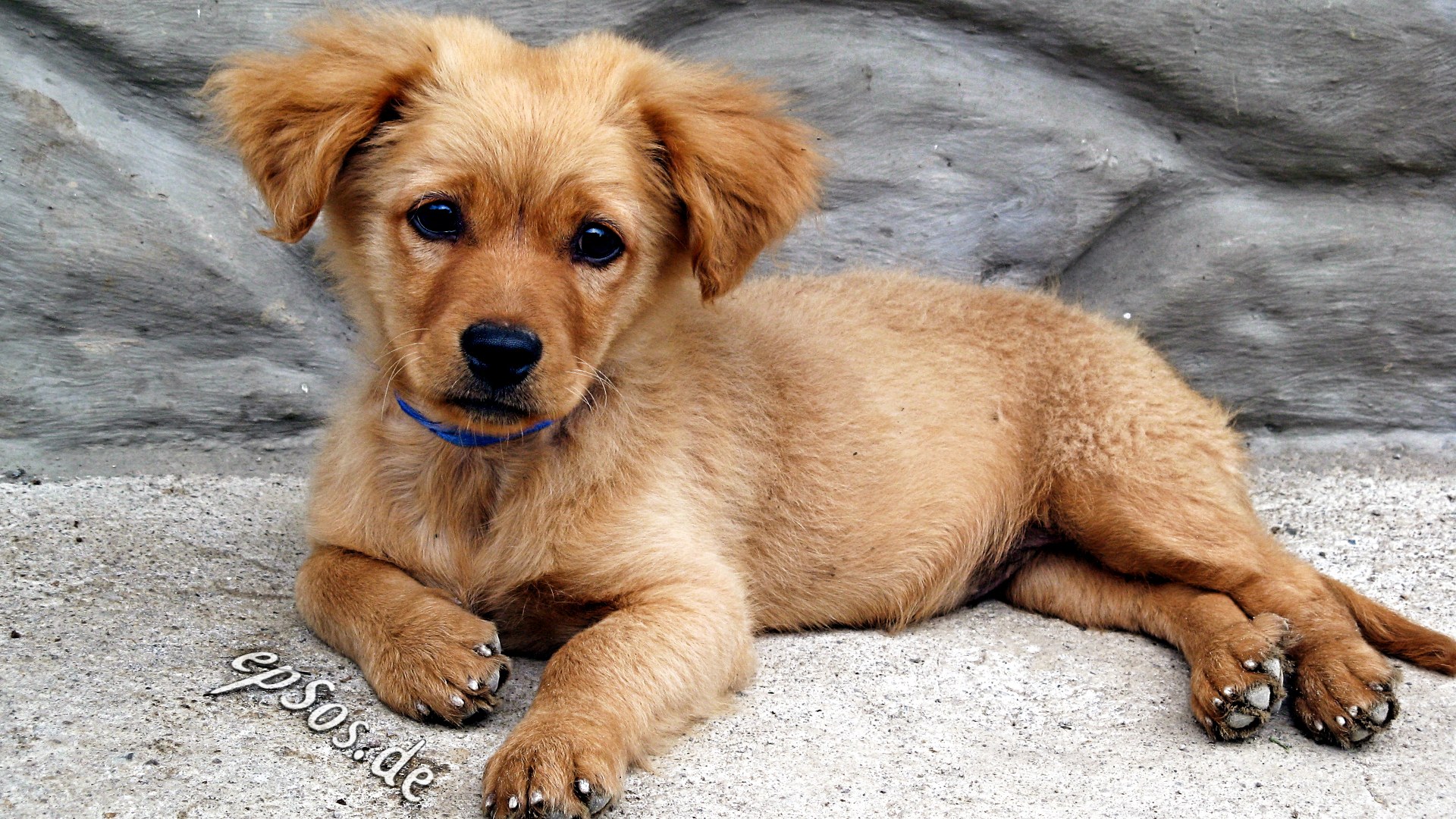
25. Pure Unconditional Devotion
Not every stare has an ulterior motive. Sometimes your dog looks across the living room simply because they adore you. This soft, contented gaze reflects decades of canine-human co-evolution and complete emotional security in your company.
©Wikimedia / epSos.de
24. Separation Anxiety Clues
Dogs prone to separation distress do not wait until you shut the door to feel nervous. They begin staring with wide, whale-eyed vigilance the moment departure routines begin, watching your every movement with quiet concern.

©Wikimedia / bangdoll
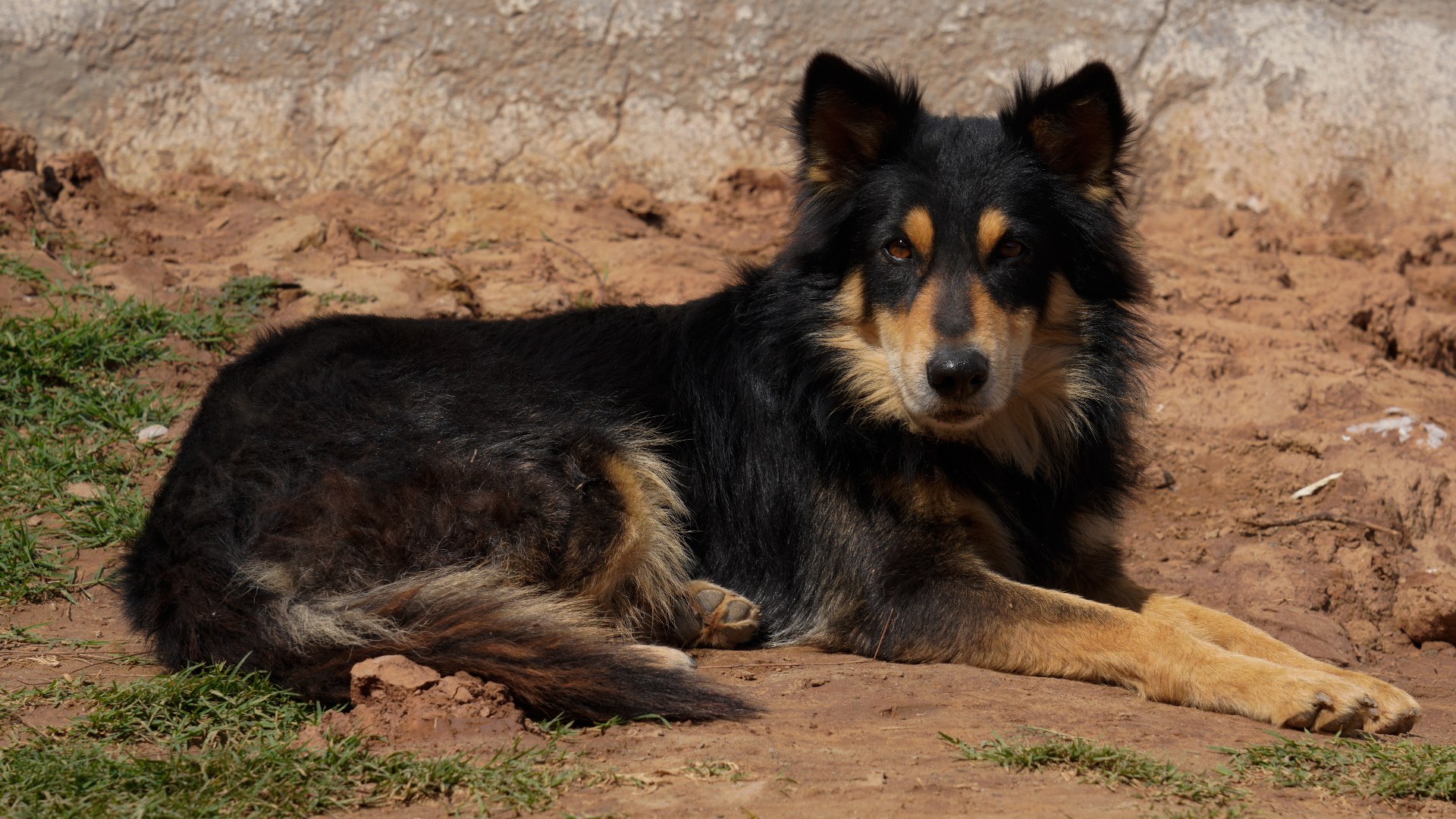
23. Seeking Reassurance In Storms
Loud noises like thunder or fireworks trigger fear in sensitive dogs. Rather than panicking immediately, a dog will often stare fixedly at their owner's face. If the human appears relaxed and unbothered, the dog's anxiety drops significantly.
©Wikimedia / Satdeep Gill
Advertisement
Swipe or tap ▶ to resume the countdown.
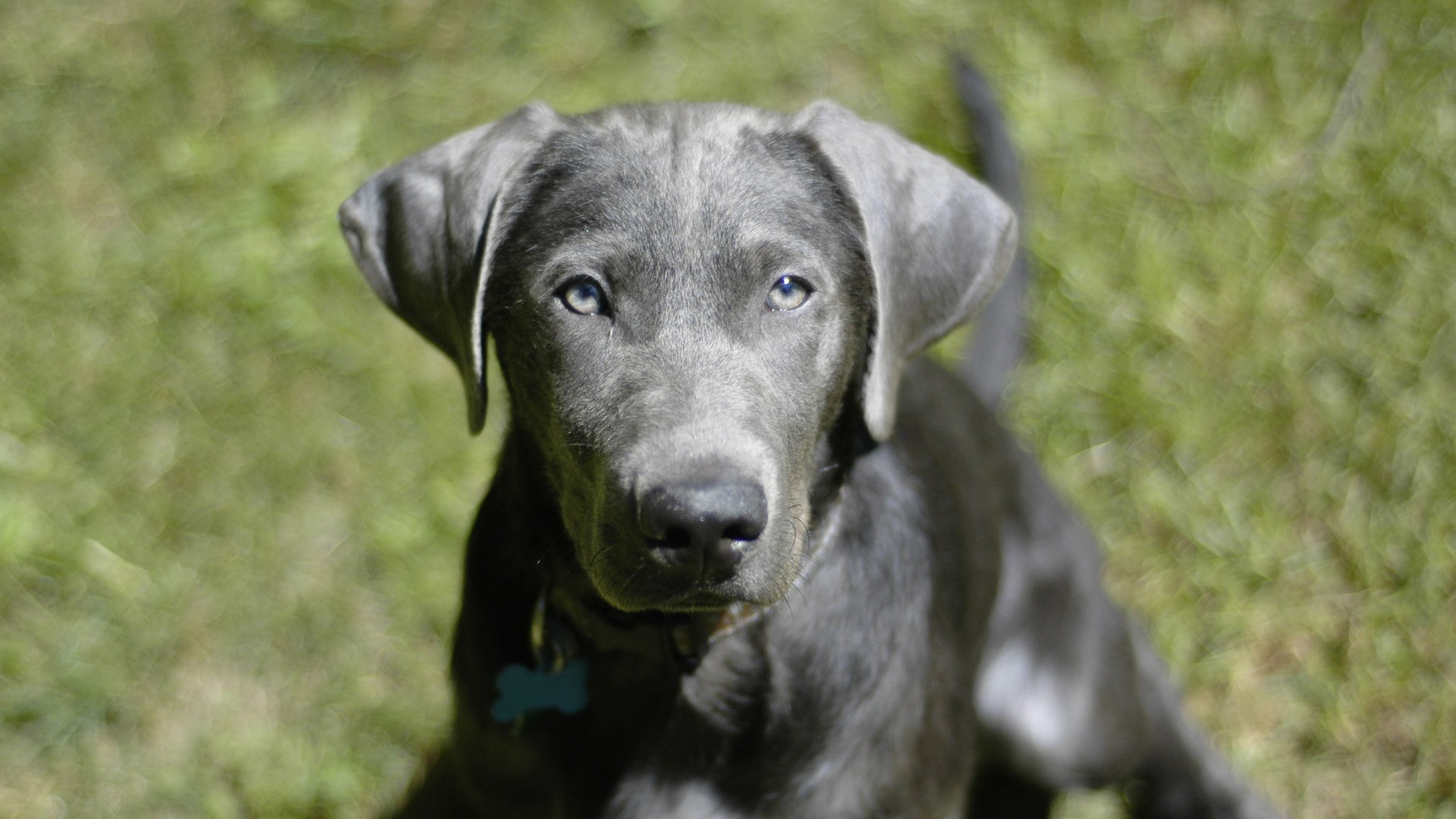
22. Waiting For Permission
Well-trained dogs are conditioned to wait for a release command such as okay or free before diving into their food bowl or walking through an open front door. During this brief wait, they lock eyes with you to receive the green light.
©Wikimedia / cmcclave
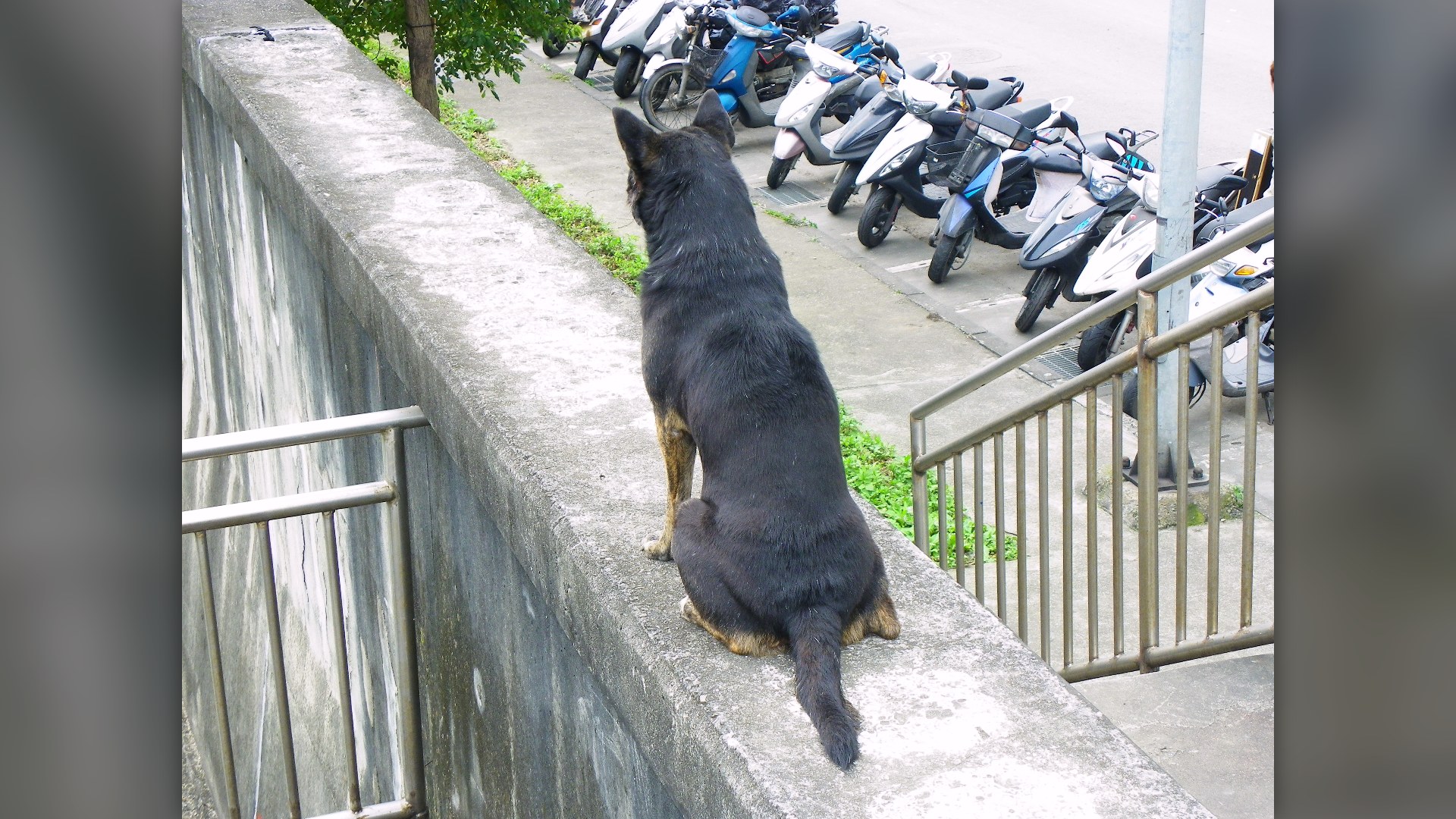
21. Herding Breed Instincts
Breeds like Border Collies and Australian Shepherds possess an instinctual behavior known as giving the eye. They stare at family members to monitor who is entering or leaving the room, keeping tabs on their human flock at all times.
©Wikimedia / Ralf Roletschek
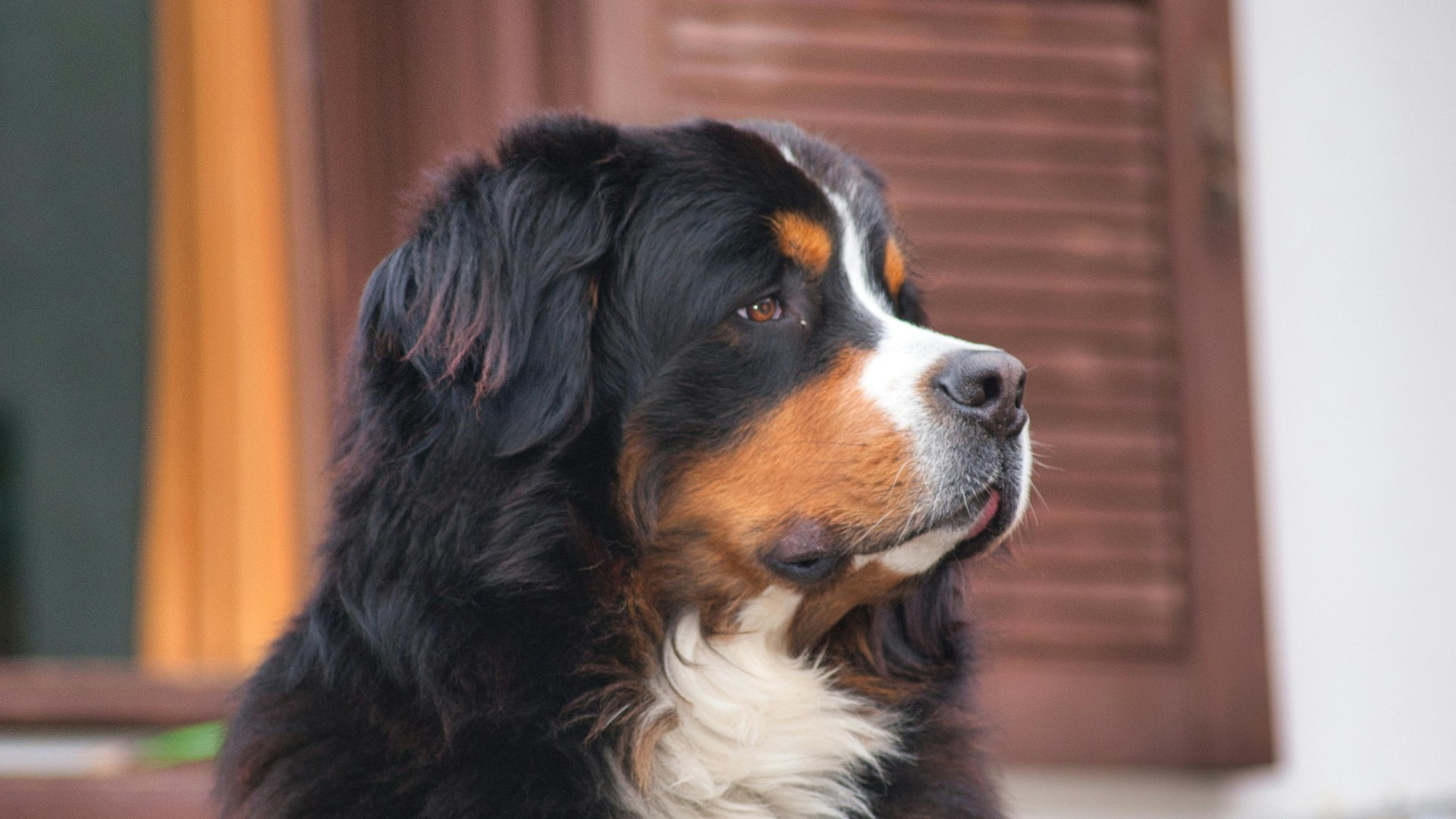
20. Curiosity About Human Habits
Humans do odd things from a dog's perspective, such as folding laundry, exercising on yoga mats, or blowing hair dry. Dogs will often sit and watch these peculiar human rituals in complete silence, trying to make sense of the commotion.
©Wikimedia / Hamoma30
19. Learned Conditioning At Work
Animals repeat behaviors that produce positive outcomes. If staring at you previously led to petting, baby talk, or a treat, your dog learned that this silent tactic works wonders, making it their go-to method for capturing your focus.
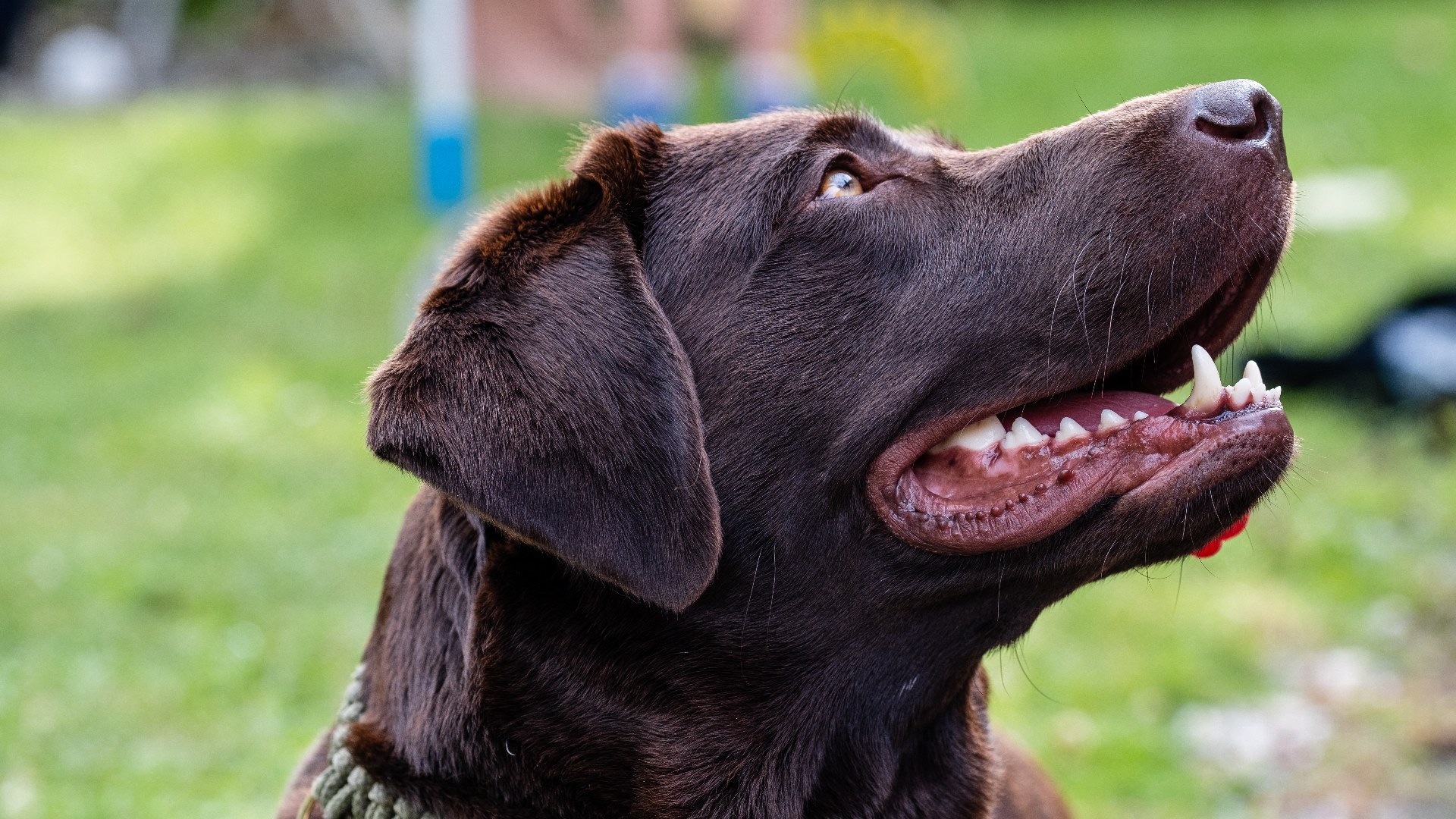
©Wikimedia / Dktue
Advertisement
Swipe or tap ▶ to resume the countdown.
18. Tracking Distant Sounds
Canine ears can hear frequencies up to 45,000 Hertz, far beyond human perception. When your dog hears a distant siren, a squirrel in the attic, or underground pipes, they may stare at you to see if you have registered the sound as well.
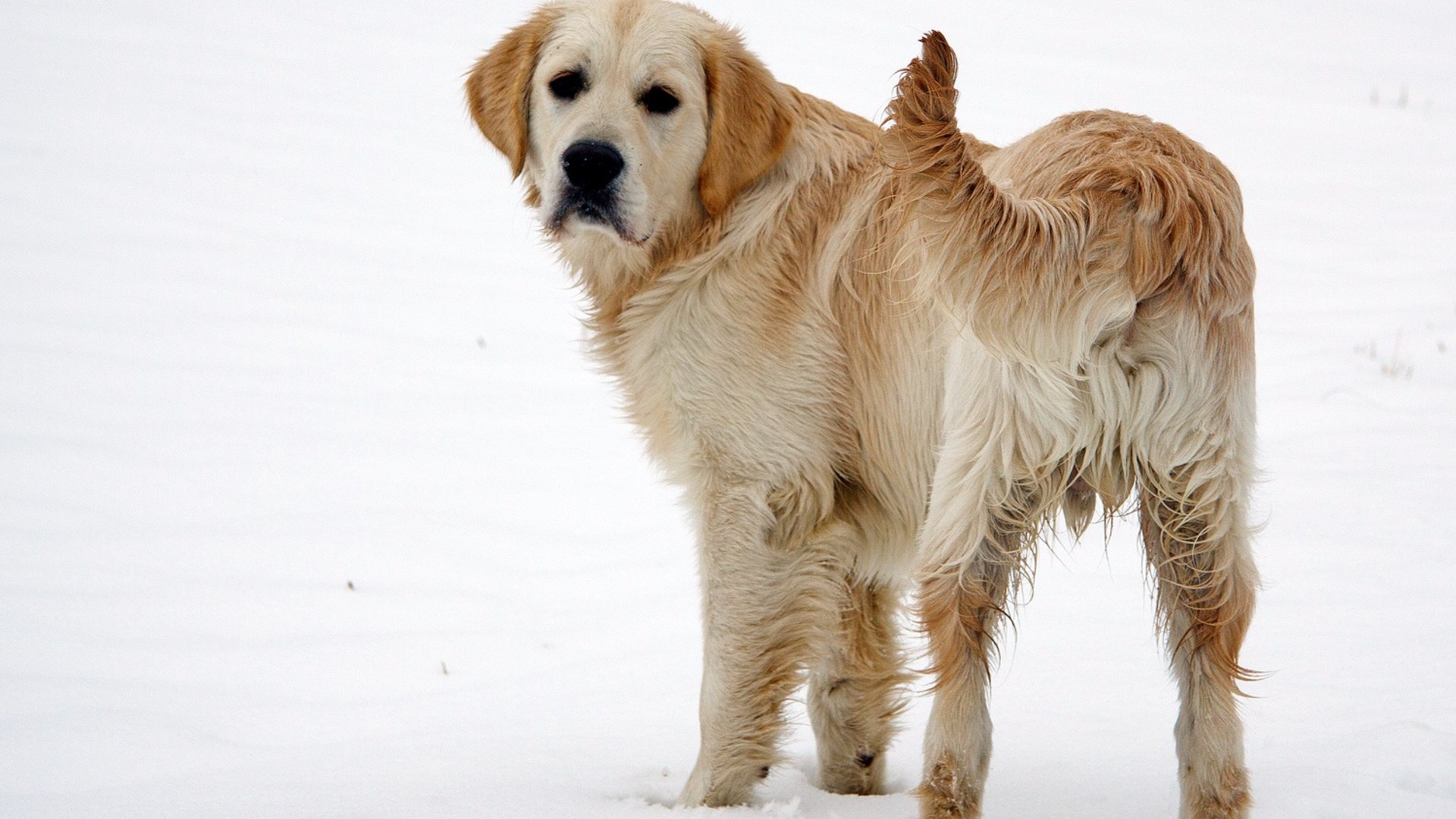
©Wikimedia / Dirk Vorderstraße
17. Reading Departure Clues
Dogs are keen observers of environmental sequences. When you pick up your wallet, put on socks, or reach for car keys, your dog stares intensely, assessing whether they are coming along on an adventure or being left behind at home.
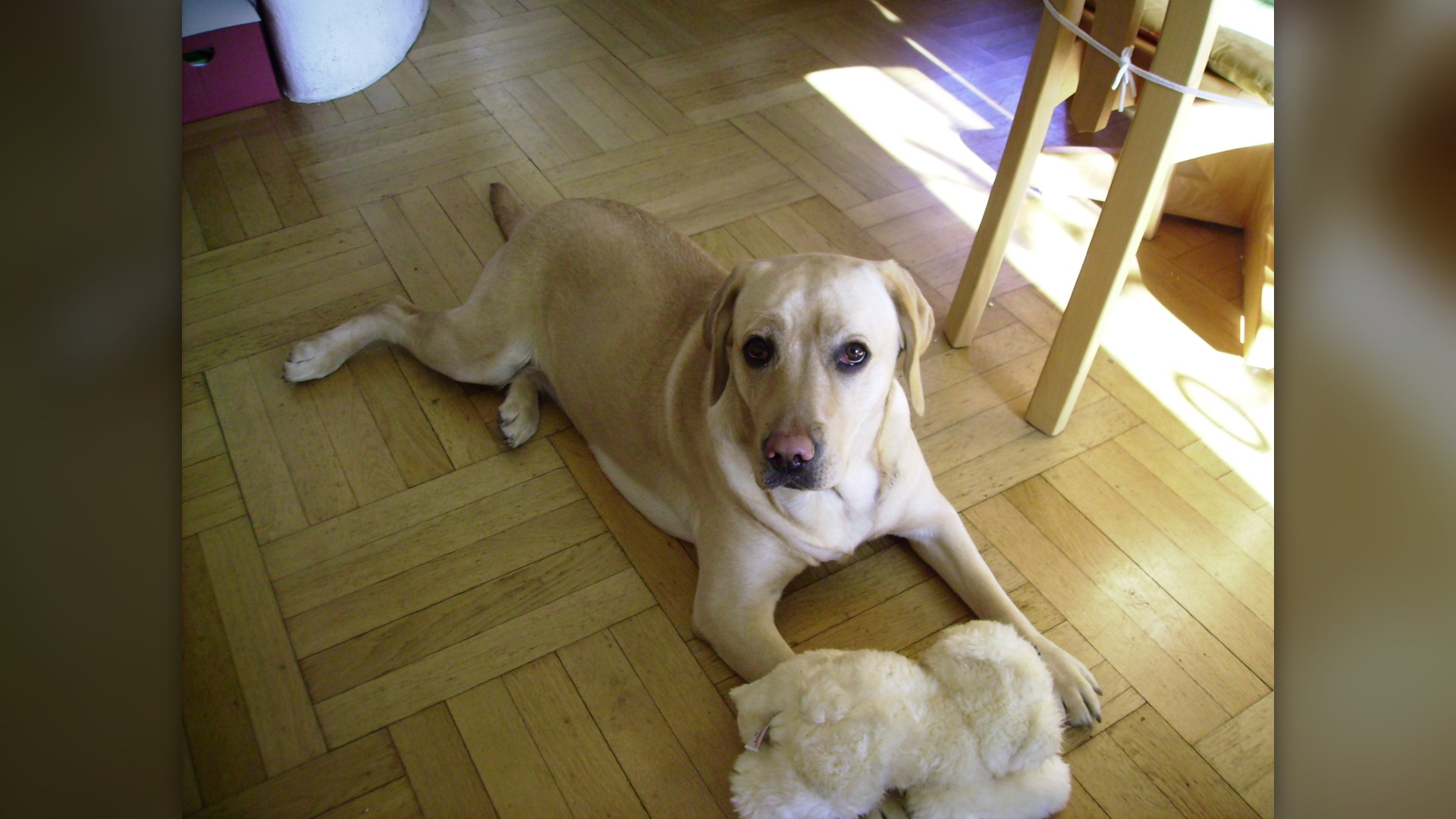
©Wikimedia / Jacktd
16. Showing Deference And Submission
In canine body language, a hard unblinking stare between strange dogs can mean aggression. However, when a dog looks at their owner with slow blinking eyes and relaxed ears, it communicates respect, peaceful intent, and trust in your pack leadership.
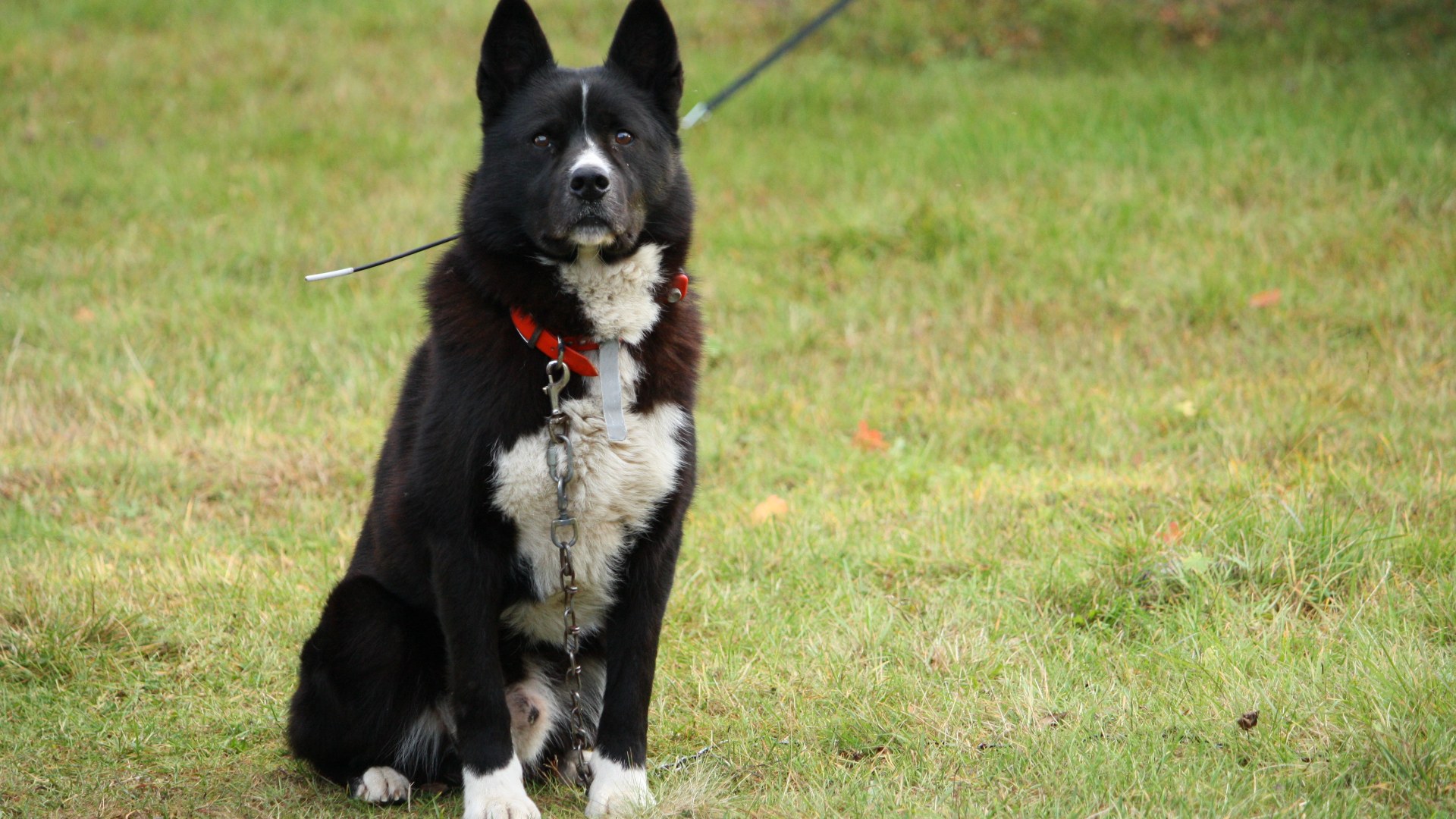
©Wikimedia / Uusijani
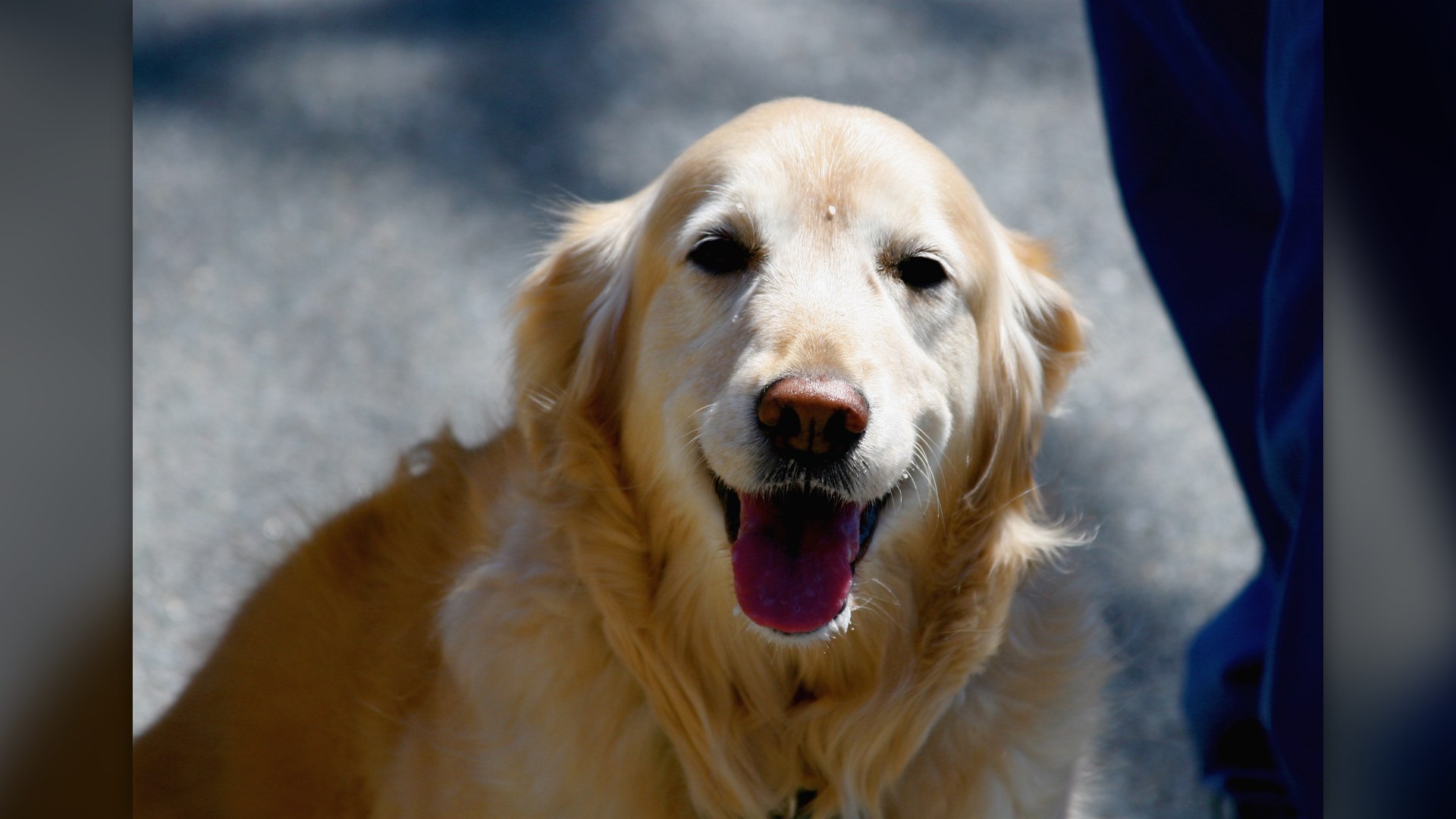
15. Masking Pain Or Illness
Canines have an evolutionary drive to hide physical vulnerability. Instead of whining, a dog experiencing abdominal pain, nausea, or arthritis will often sit motionless, staring at their owner with glassy, dilated pupils as an unspoken call for help.
©Wikimedia / liz west
Advertisement
Swipe or tap ▶ to resume the countdown.
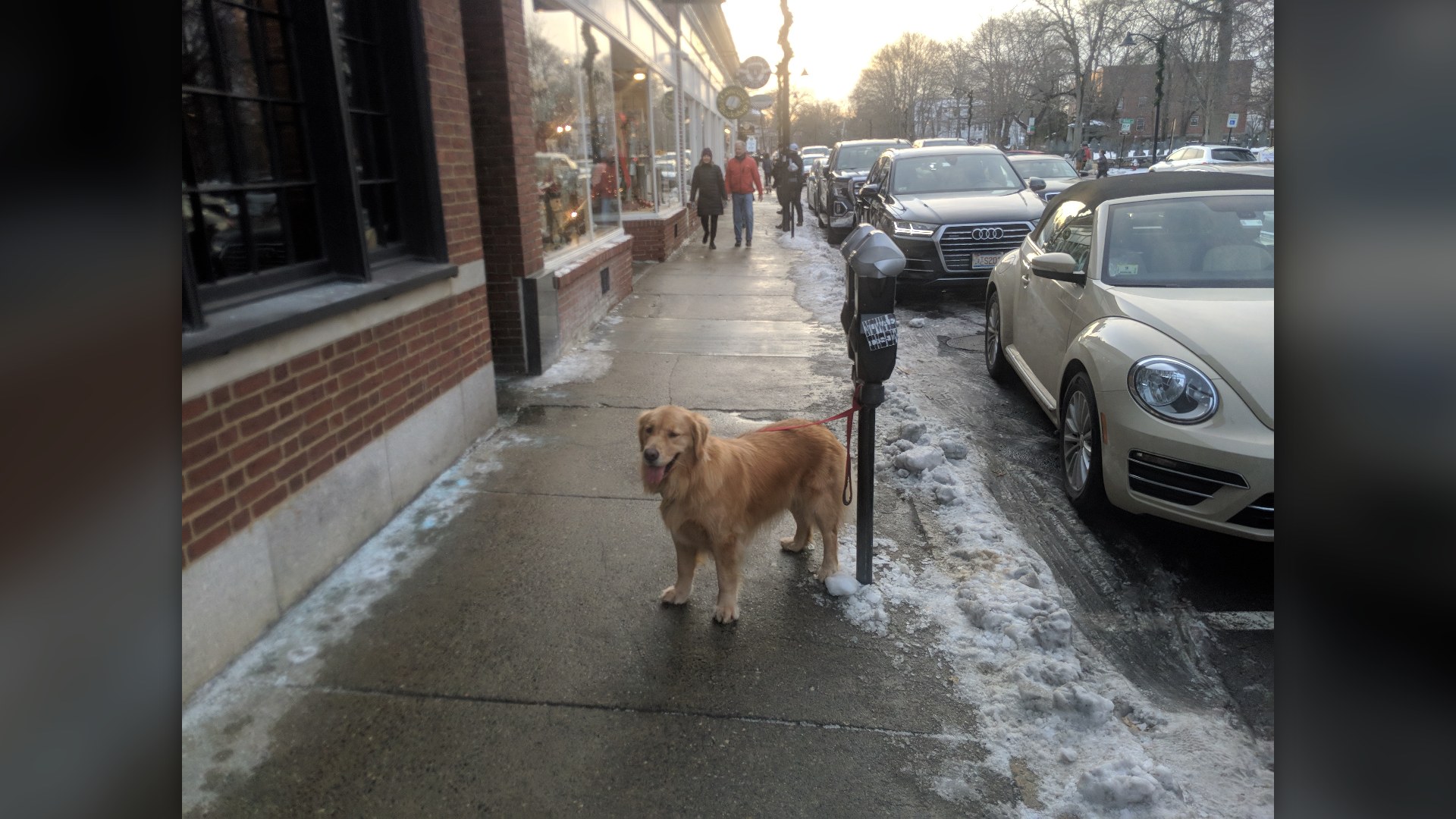
14. Senior Canine Confusion
In aging dogs, canine cognitive dysfunction syndrome, similar to Alzheimer's in humans, can cause disorientation. Senior dogs may stare blankly at walls, doors, or their owners for prolonged periods, needing gentle reassurance and veterinary support.
©Wikimedia / John Phelan
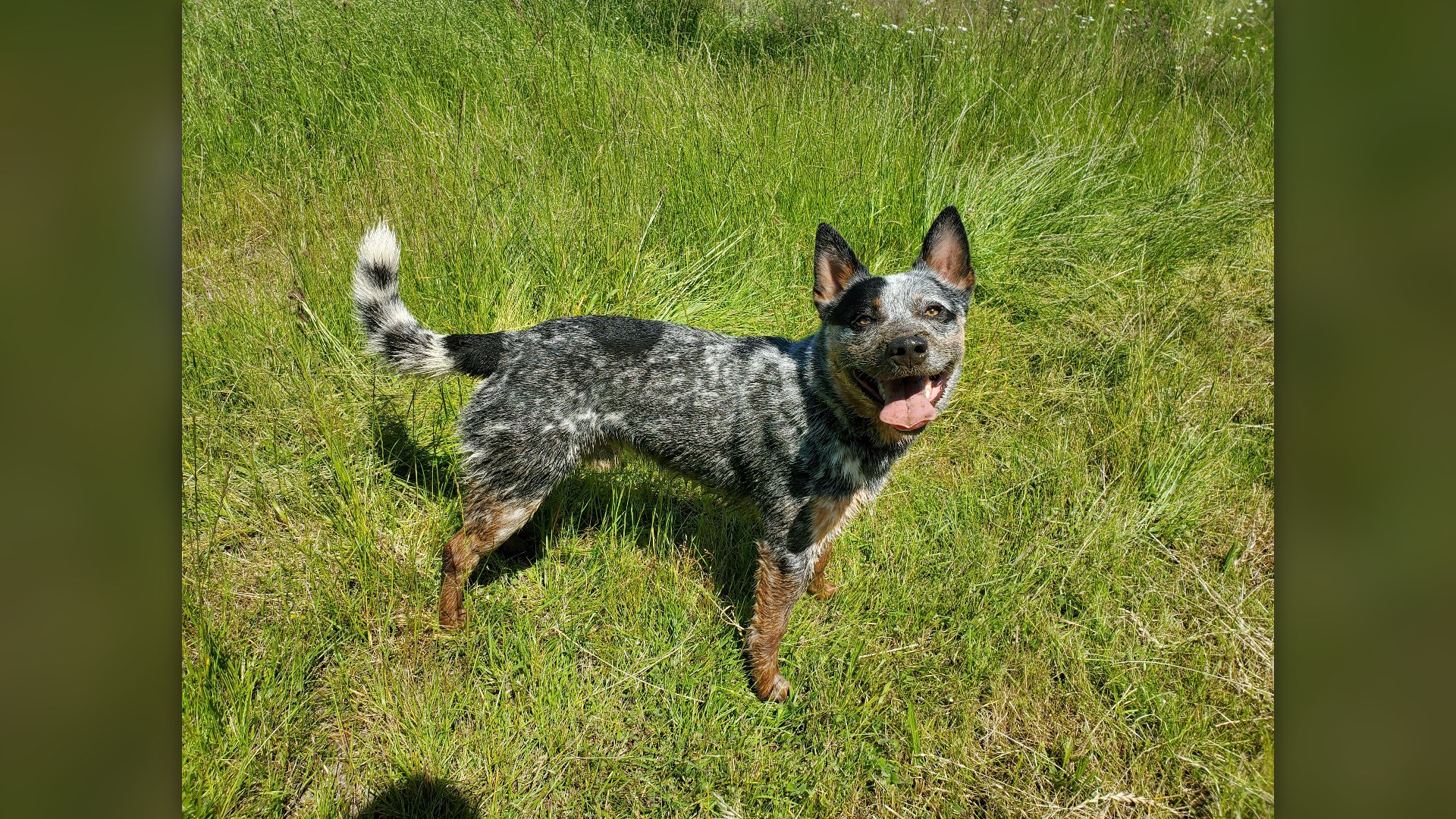
13. Listening For Familiar Keywords
Dogs recognize dozens of human words, including park, ride, treat, and walk. When you speak on the phone or chat with family, your dog will often stare fixedly, listening closely for the specific vocabulary syllables that predict fun activities.
©Wikimedia / Wonderchook
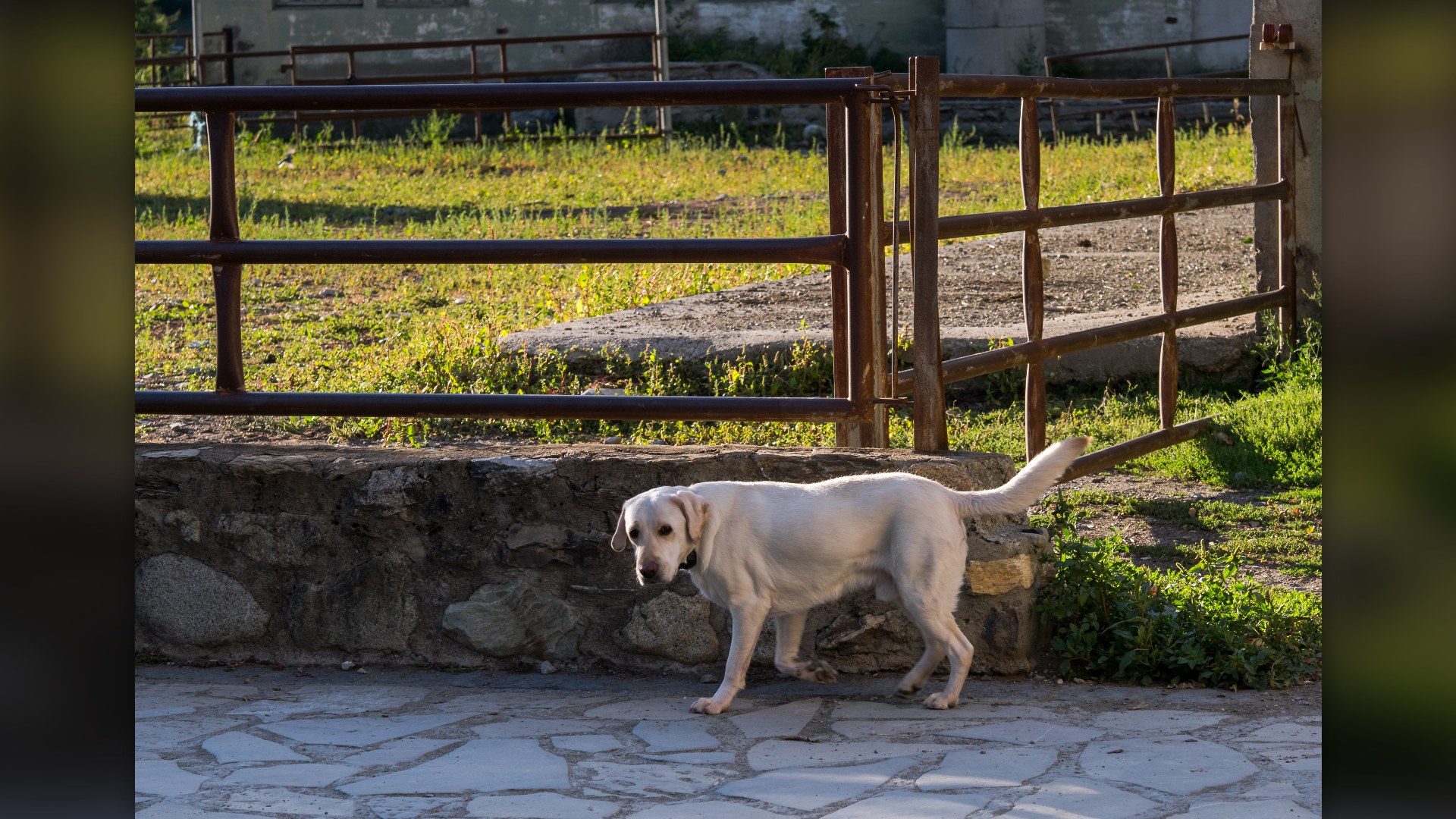
12. Checking For Approval
Positive reinforcement training teaches dogs that good choices earn treats and praise. When your dog lies down calmly on their mat instead of jumping on guests, they will often look up at you, waiting to see if you noticed their restraint.
©Wikimedia / Basotxerri
11. Expressing Boredom And Energy
When dogs have surplus mental or physical energy, they often sit right in your line of sight. They stare intently, hoping that making eye contact will prompt you to pick up a ball, grab a puzzle toy, or take them on an adventure.
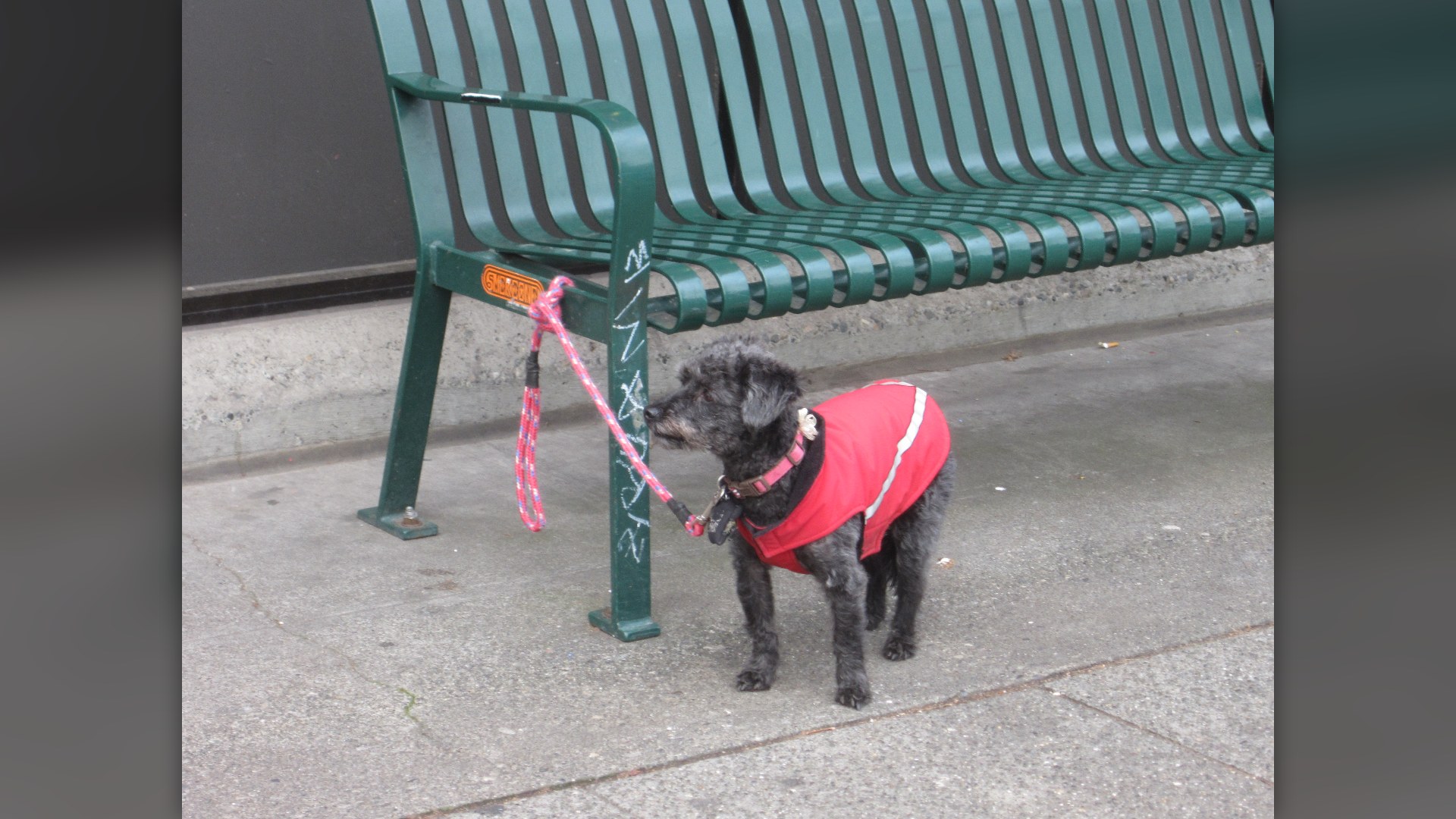
©Wikimedia / Upupa4me
Advertisement
Swipe or tap ▶ to resume the countdown.
10. Looking For Protection While Pooping
Owners often wonder why their dog makes awkward eye contact while doing their business outside. Because squatting leaves a dog physically vulnerable to attack, they look directly at you to confirm you are watching their back and monitoring the perimeter.
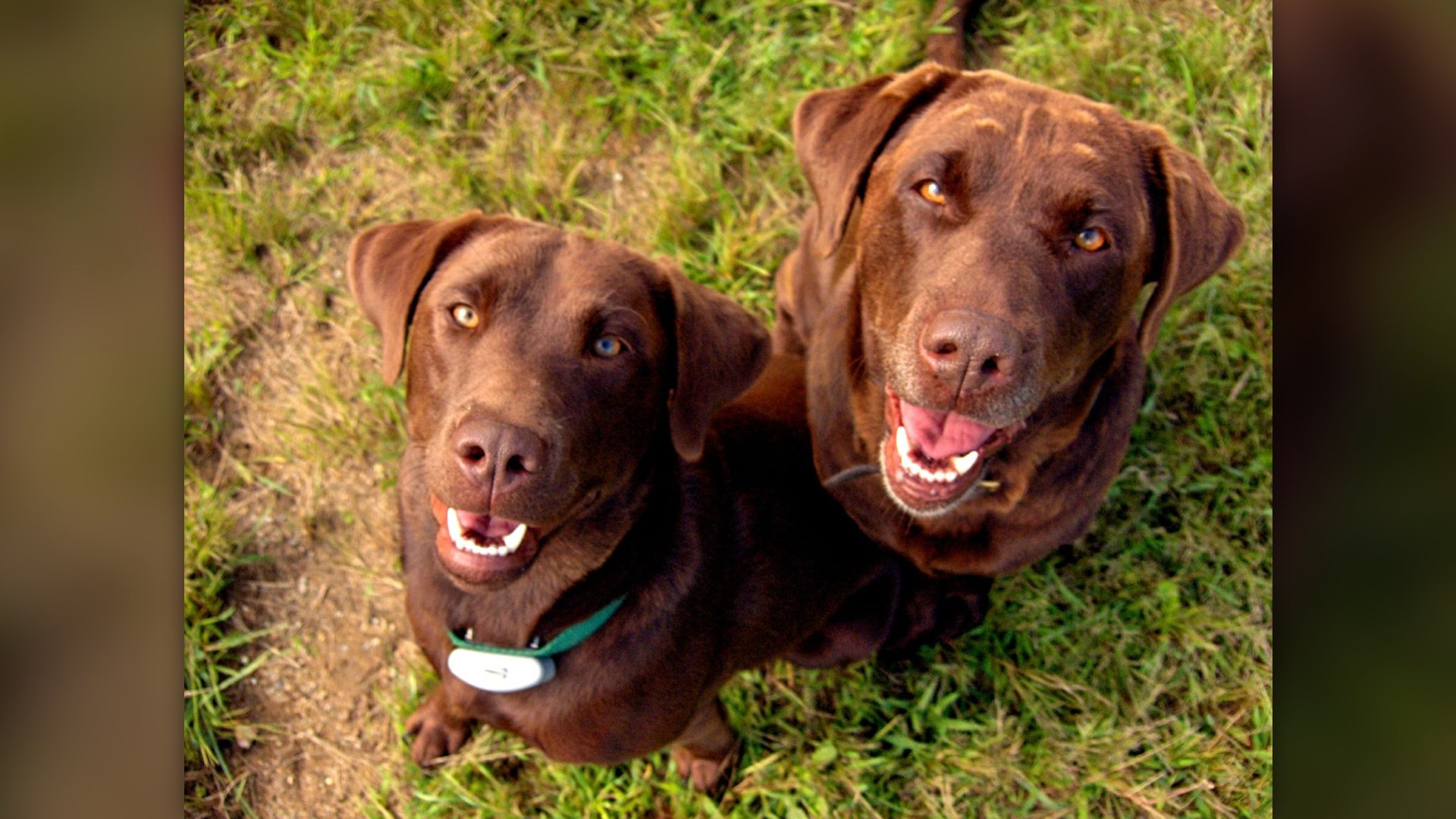
©Wikimedia / Mariah Gale
9. Guarding Vulnerable Moments
In wild wolf packs, animals look out for each other during vulnerable activities. When your dog follows you into the bathroom or sits staring while you shower, they are acting as a loyal sentry, ensuring no predators surprise you.
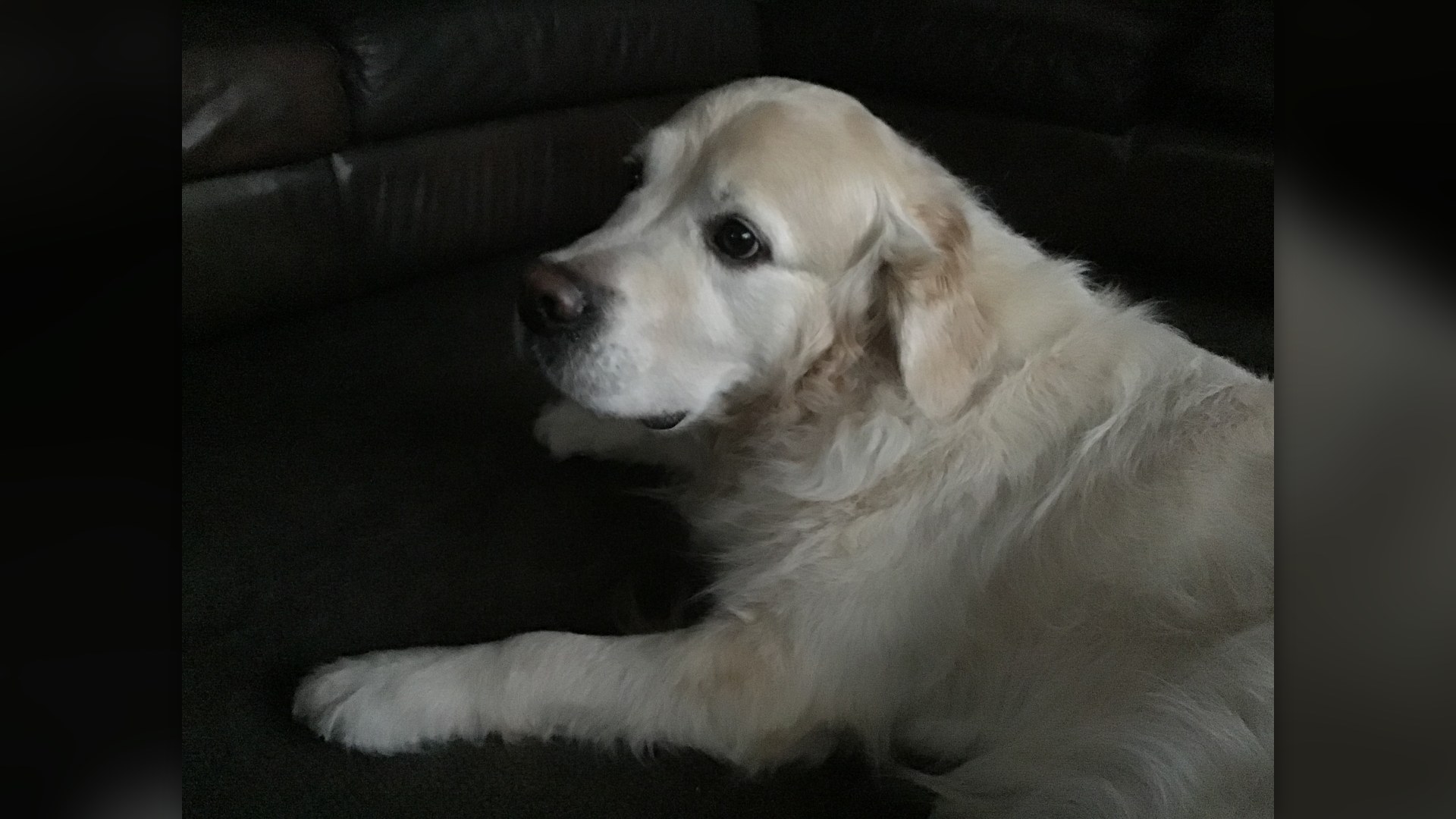
©Wikimedia / V.B.Speranza
8. Sensing Human Stress And Emotion
Canine olfactory receptors can detect elevated cortisol levels when you are upset. If you are crying or stressed, your dog will often approach, sit down, and stare with furrowed brows, staying close to offer steady comfort until you calm down.
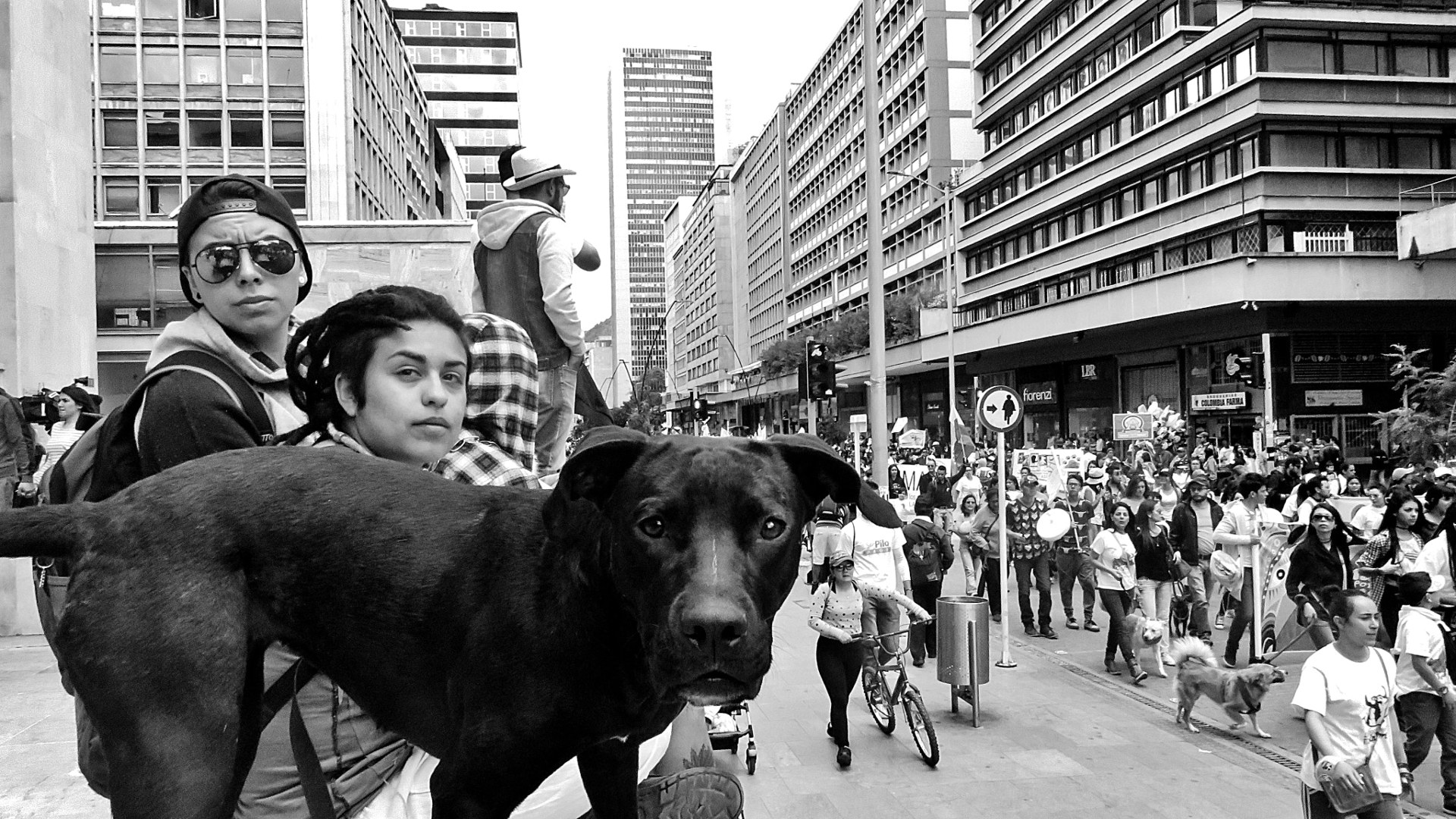
©Wikimedia / Jusezam
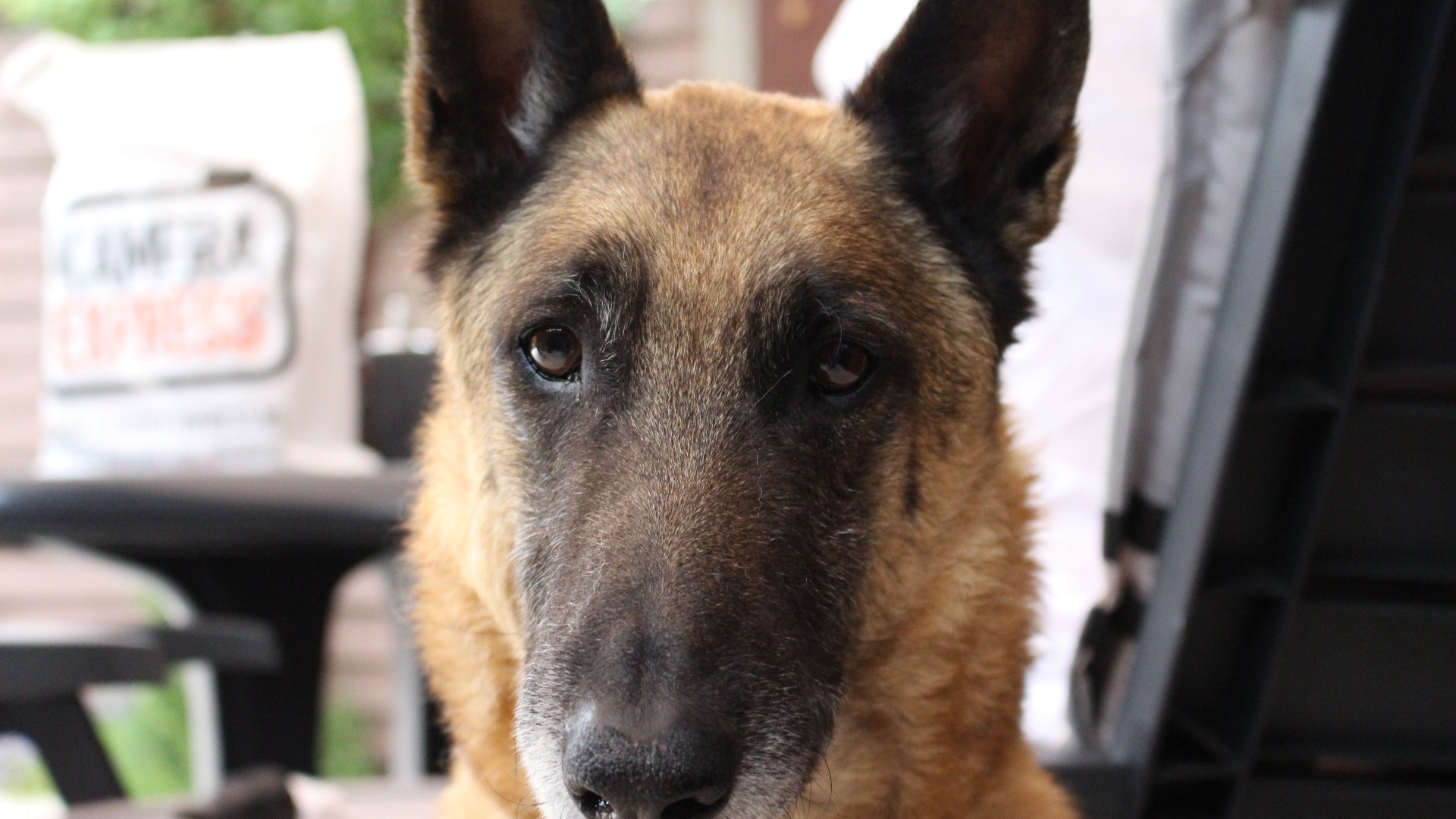
7. Signaling Urgent Bathroom Needs
Many house-trained dogs communicate urgency without whining or barking. They stand still, lock eyes with you, and glance repeatedly toward the front door. This quiet stare is an intentional plea to let them outside before an accident happens.
©Wikimedia / StockyPics
Advertisement
Swipe or tap ▶ to resume the countdown.
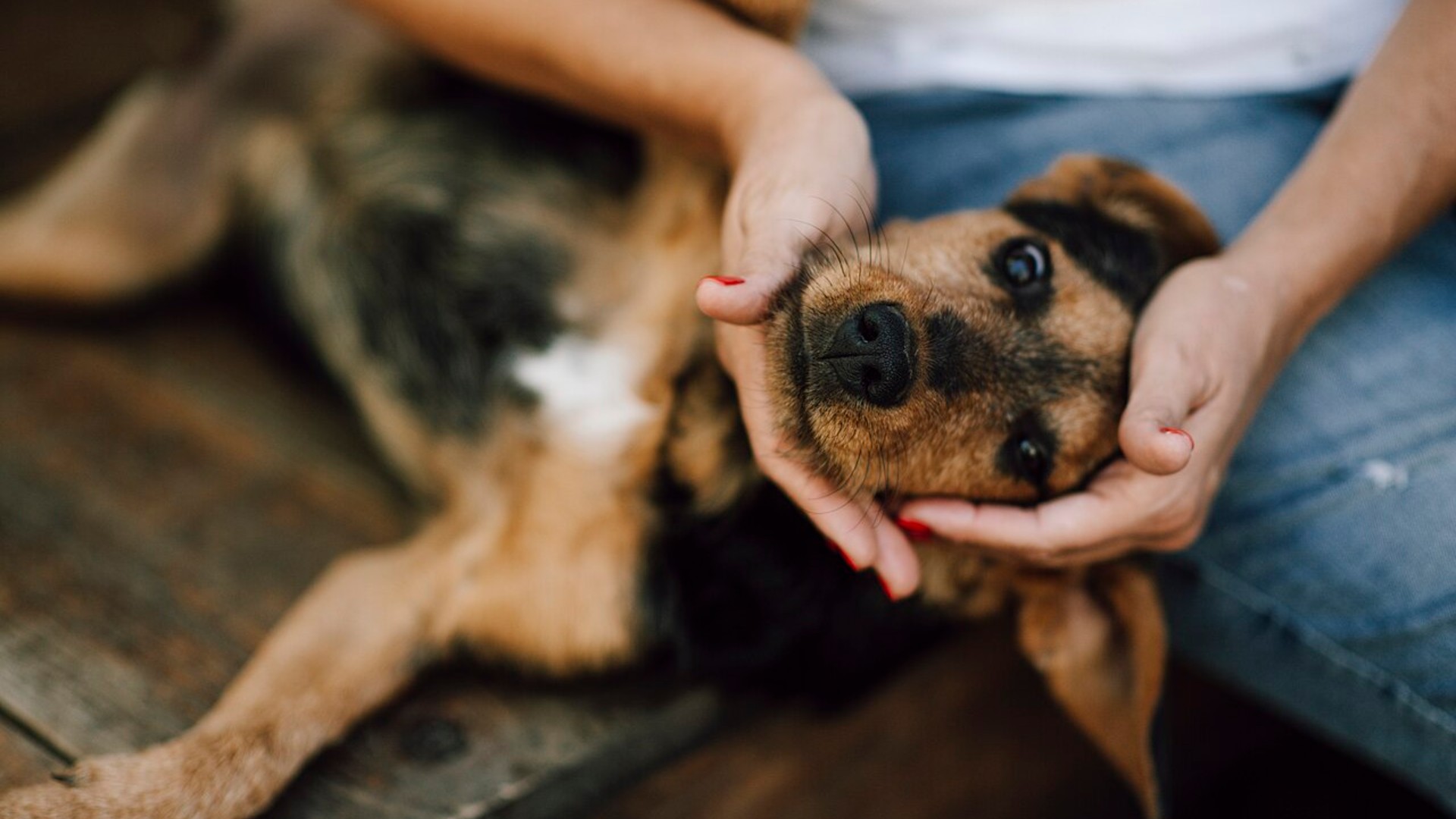
6. Craving Physical Affection
Just like humans reach for a hand, dogs use eye contact to initiate affectionate touch. A relaxed posture combined with soft, unblinking eyes usually signals that your dog wants an ear rub, chin scratch, or a spot on the couch beside you.
©Wikimedia / Shixart1985
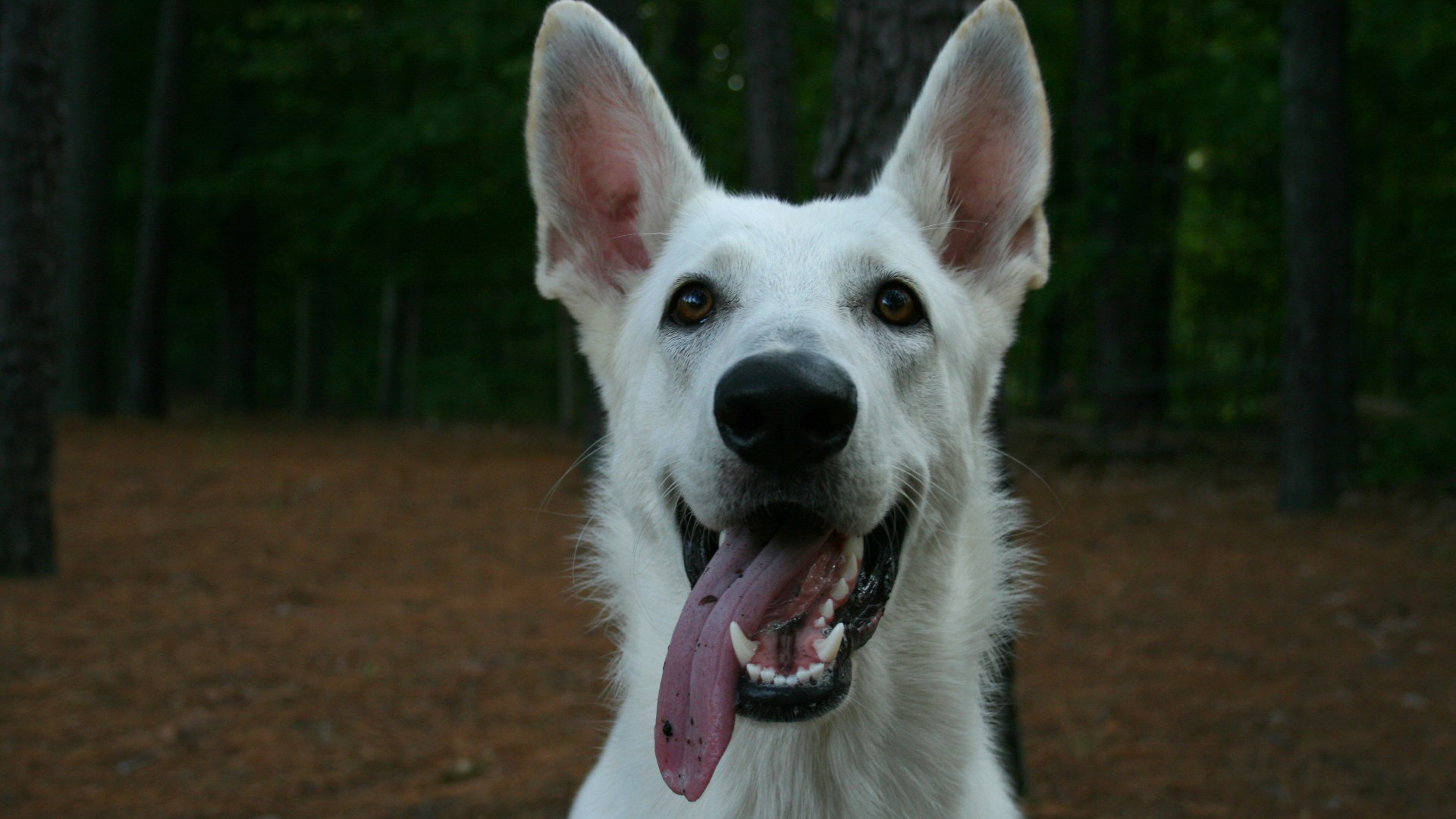
5. Silent Food Begging
Dogs quickly learn that barking at the dinner table gets them banished, but intense silent eye contact often melts human resolve. By tracking each bite from plate to mouth, they hope their quiet patience earns an accidental crumb.
©Wikimedia / Ildar Sagdejev
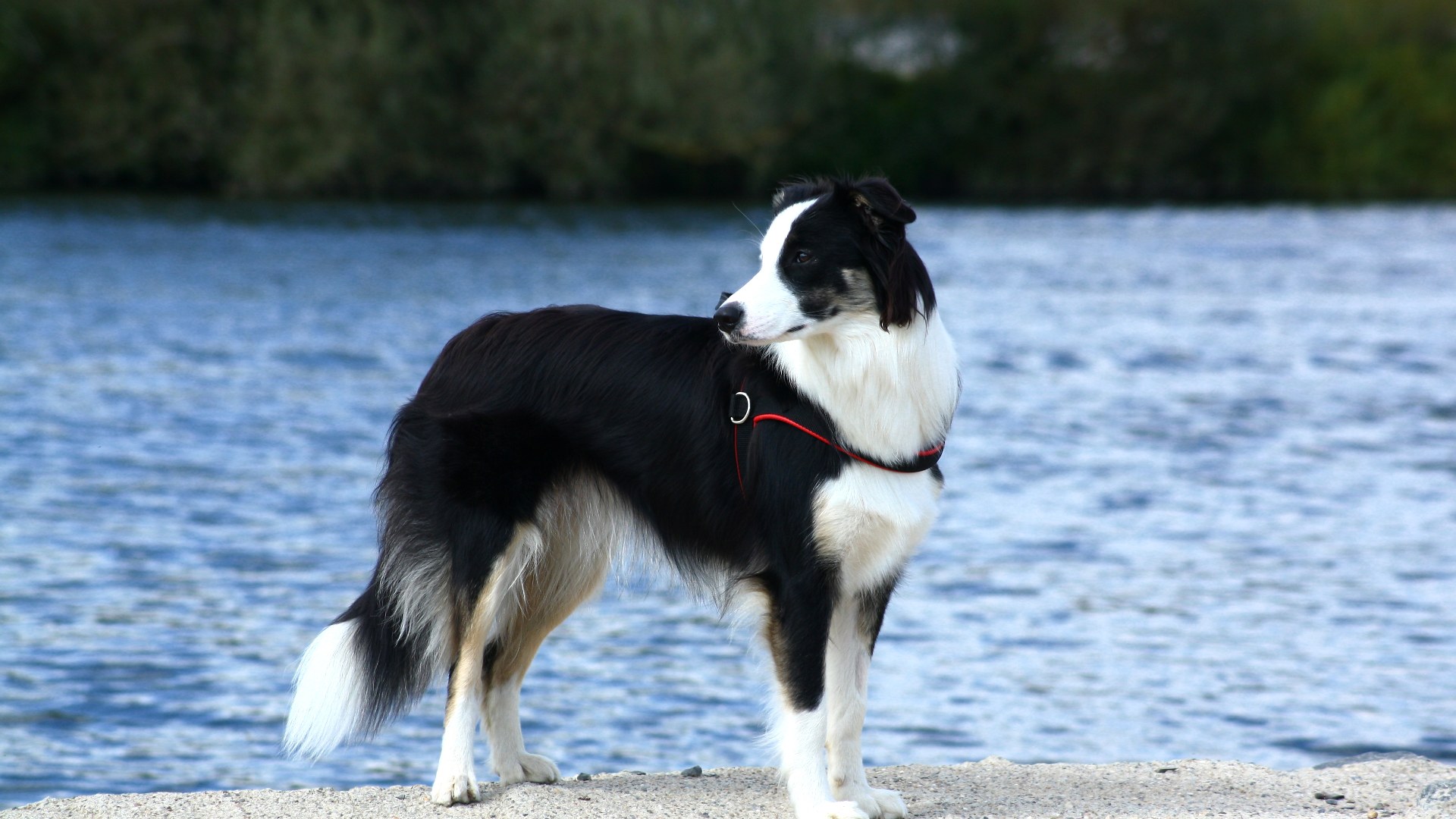
4. Seeking Social Referencing
Unlike wolves, domestic dogs evolved to look humans in the eye whenever they encounter an unsolvable puzzle or strange object. This behavior, known as social referencing, means your dog is asking you whether a new situation is safe or threatening.
©Wikimedia / Tina creates
3. Anticipating Daily Routines
Dogs possess precise internal clocks. When five o'clock approaches, your dog may sit squarely in front of you and stare quietly, serving as a living alarm clock that reminds you it is time to grab the leash or prepare their evening kibble.
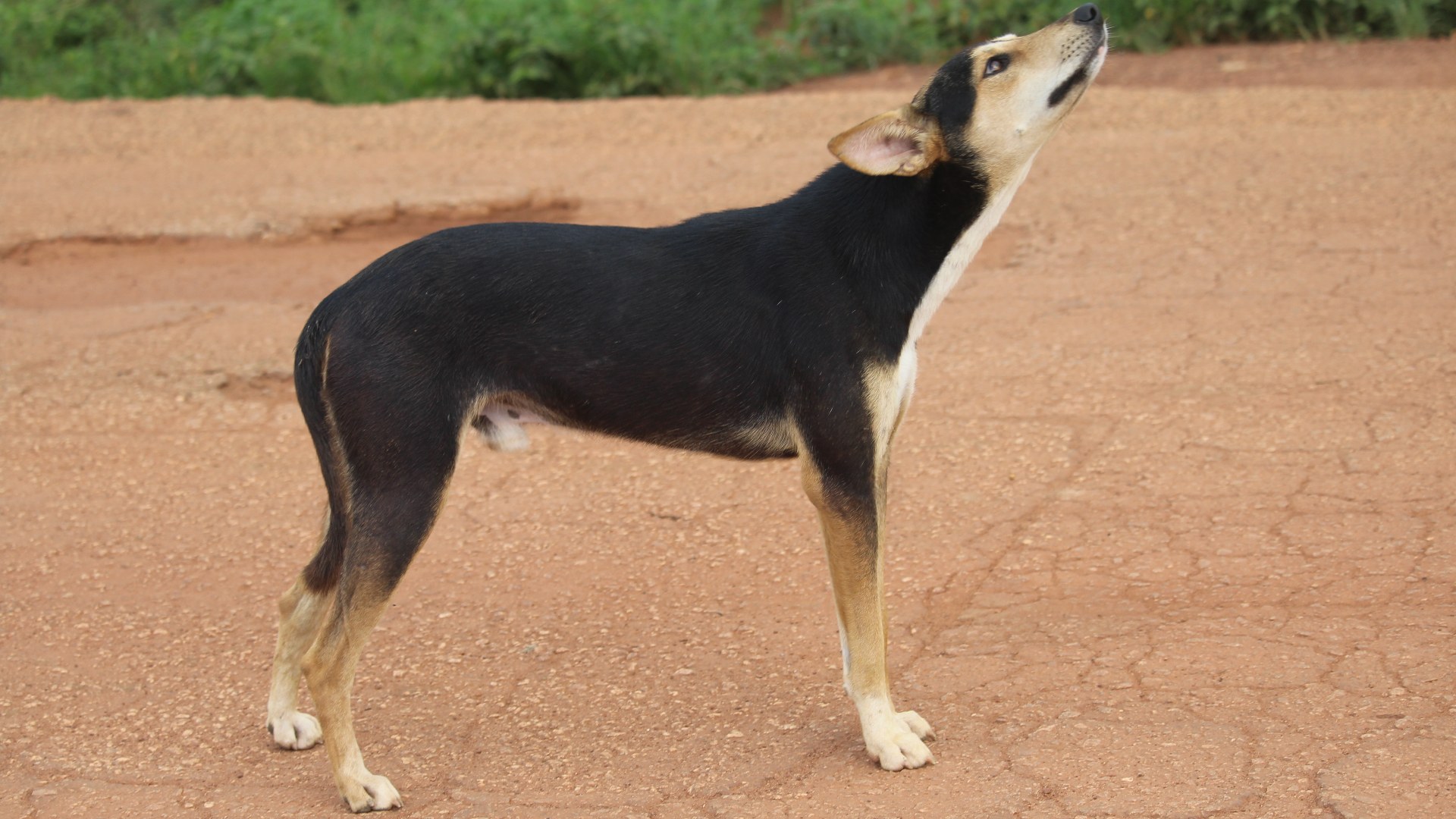
©Wikimedia / Favour Shichet
Advertisement
Swipe or tap ▶ to resume the countdown.
2. Reading Facial Micro Expressions
Dogs are masters at interpreting human nonverbal signals. By watching your face in silence, your pet deciphers whether you are happy, angry, anxious, or tired, adjusting their own demeanor and proximity to match your emotional state.
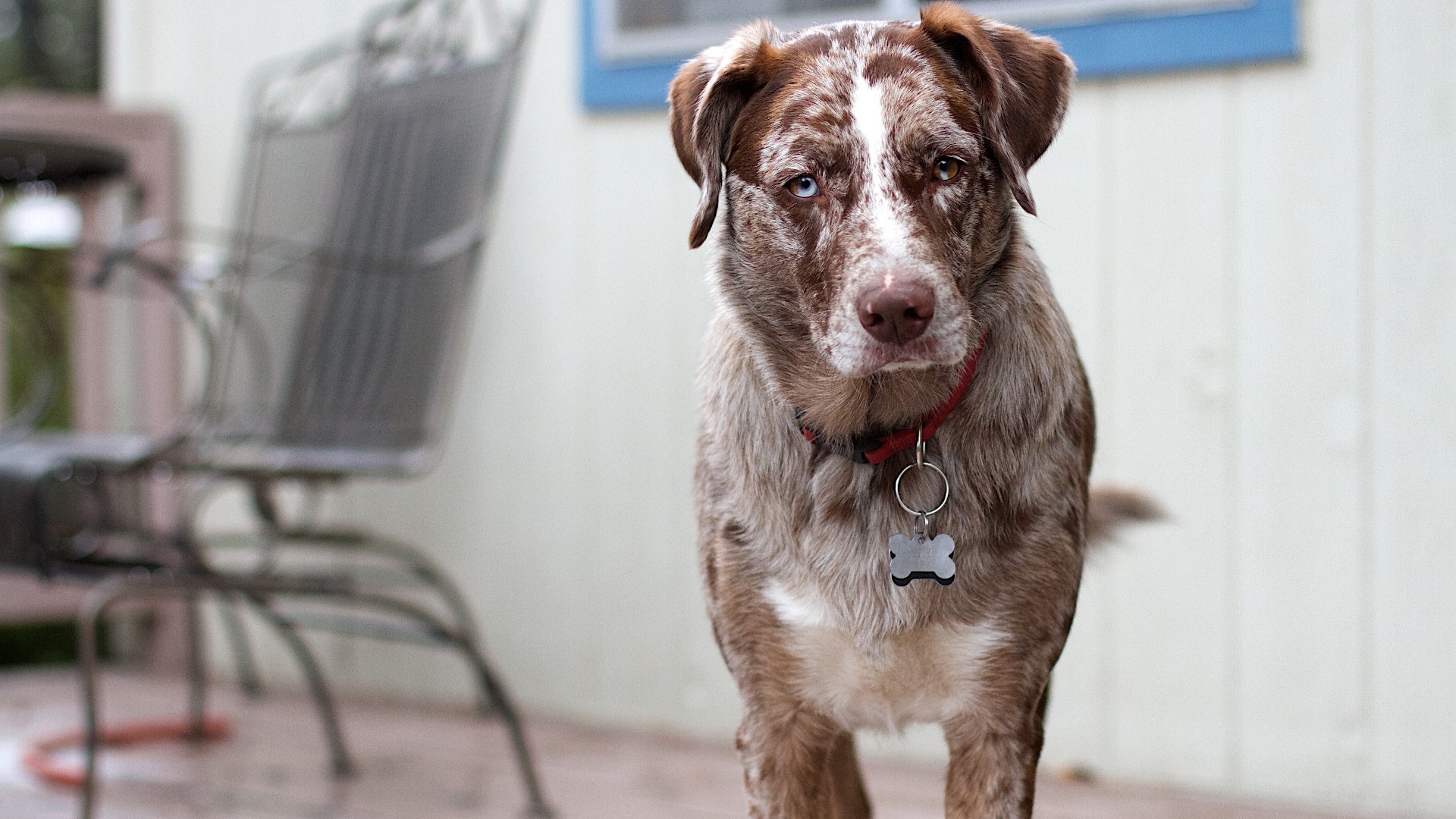
©Wikimedia / cogdogblog
1. The Mutual Oxytocin Love Gaze
Research published in Science showed that when dogs and owners gaze into each others eyes, both experience a dramatic spike in oxytocin. This maternal bonding hormone reduces stress, lowers heart rates, and deepens emotional attachment between human and dog.
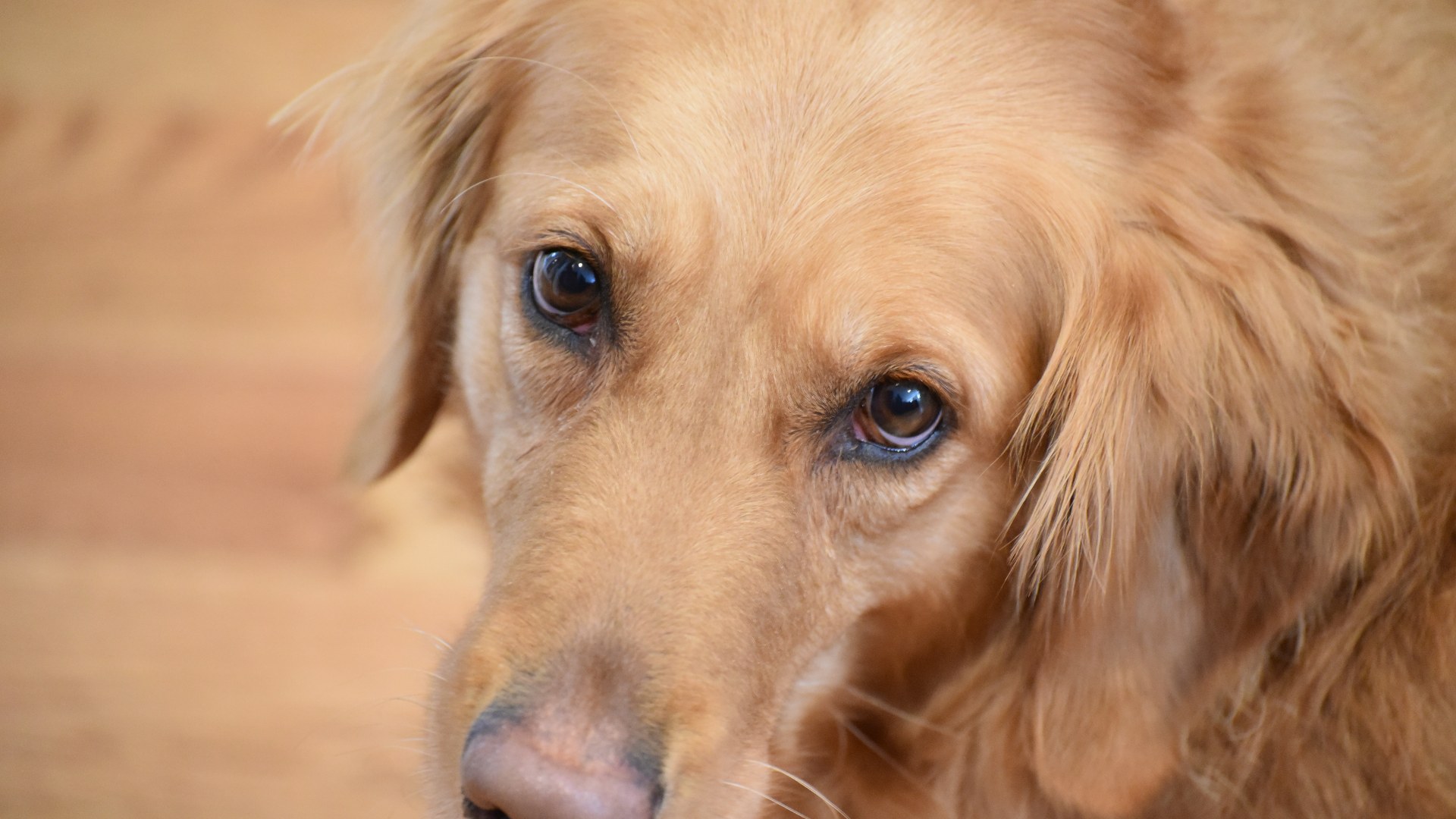
©Wikimedia / Candeadly
Advertisement
You've reached the end of the story. Thanks for reading!

25 Unusual Animal Friendships From Around the World
25 Unusual Animal Friendships That Defy Nature
All 25 Entries in this Story
25. Pure Unconditional Devotion
Not every stare has an ulterior motive. Sometimes your dog looks across the living room simply because they adore you. This soft, contented gaze reflects decades of canine-human co-evolution and complete emotional security in your company.

24. Separation Anxiety Clues
Dogs prone to separation distress do not wait until you shut the door to feel nervous. They begin staring with wide, whale-eyed vigilance the moment departure routines begin, watching your every movement with quiet concern.

23. Seeking Reassurance In Storms
Loud noises like thunder or fireworks trigger fear in sensitive dogs. Rather than panicking immediately, a dog will often stare fixedly at their owner's face. If the human appears relaxed and unbothered, the dog's anxiety drops significantly.

22. Waiting For Permission
Well-trained dogs are conditioned to wait for a release command such as okay or free before diving into their food bowl or walking through an open front door. During this brief wait, they lock eyes with you to receive the green light.

21. Herding Breed Instincts
Breeds like Border Collies and Australian Shepherds possess an instinctual behavior known as giving the eye. They stare at family members to monitor who is entering or leaving the room, keeping tabs on their human flock at all times.

20. Curiosity About Human Habits
Humans do odd things from a dog's perspective, such as folding laundry, exercising on yoga mats, or blowing hair dry. Dogs will often sit and watch these peculiar human rituals in complete silence, trying to make sense of the commotion.

19. Learned Conditioning At Work
Animals repeat behaviors that produce positive outcomes. If staring at you previously led to petting, baby talk, or a treat, your dog learned that this silent tactic works wonders, making it their go-to method for capturing your focus.

18. Tracking Distant Sounds
Canine ears can hear frequencies up to 45,000 Hertz, far beyond human perception. When your dog hears a distant siren, a squirrel in the attic, or underground pipes, they may stare at you to see if you have registered the sound as well.

17. Reading Departure Clues
Dogs are keen observers of environmental sequences. When you pick up your wallet, put on socks, or reach for car keys, your dog stares intensely, assessing whether they are coming along on an adventure or being left behind at home.

16. Showing Deference And Submission
In canine body language, a hard unblinking stare between strange dogs can mean aggression. However, when a dog looks at their owner with slow blinking eyes and relaxed ears, it communicates respect, peaceful intent, and trust in your pack leadership.

15. Masking Pain Or Illness
Canines have an evolutionary drive to hide physical vulnerability. Instead of whining, a dog experiencing abdominal pain, nausea, or arthritis will often sit motionless, staring at their owner with glassy, dilated pupils as an unspoken call for help.

14. Senior Canine Confusion
In aging dogs, canine cognitive dysfunction syndrome, similar to Alzheimer's in humans, can cause disorientation. Senior dogs may stare blankly at walls, doors, or their owners for prolonged periods, needing gentle reassurance and veterinary support.

13. Listening For Familiar Keywords
Dogs recognize dozens of human words, including park, ride, treat, and walk. When you speak on the phone or chat with family, your dog will often stare fixedly, listening closely for the specific vocabulary syllables that predict fun activities.

12. Checking For Approval
Positive reinforcement training teaches dogs that good choices earn treats and praise. When your dog lies down calmly on their mat instead of jumping on guests, they will often look up at you, waiting to see if you noticed their restraint.

11. Expressing Boredom And Energy
When dogs have surplus mental or physical energy, they often sit right in your line of sight. They stare intently, hoping that making eye contact will prompt you to pick up a ball, grab a puzzle toy, or take them on an adventure.

10. Looking For Protection While Pooping
Owners often wonder why their dog makes awkward eye contact while doing their business outside. Because squatting leaves a dog physically vulnerable to attack, they look directly at you to confirm you are watching their back and monitoring the perimeter.

9. Guarding Vulnerable Moments
In wild wolf packs, animals look out for each other during vulnerable activities. When your dog follows you into the bathroom or sits staring while you shower, they are acting as a loyal sentry, ensuring no predators surprise you.

8. Sensing Human Stress And Emotion
Canine olfactory receptors can detect elevated cortisol levels when you are upset. If you are crying or stressed, your dog will often approach, sit down, and stare with furrowed brows, staying close to offer steady comfort until you calm down.

7. Signaling Urgent Bathroom Needs
Many house-trained dogs communicate urgency without whining or barking. They stand still, lock eyes with you, and glance repeatedly toward the front door. This quiet stare is an intentional plea to let them outside before an accident happens.

6. Craving Physical Affection
Just like humans reach for a hand, dogs use eye contact to initiate affectionate touch. A relaxed posture combined with soft, unblinking eyes usually signals that your dog wants an ear rub, chin scratch, or a spot on the couch beside you.

5. Silent Food Begging
Dogs quickly learn that barking at the dinner table gets them banished, but intense silent eye contact often melts human resolve. By tracking each bite from plate to mouth, they hope their quiet patience earns an accidental crumb.

4. Seeking Social Referencing
Unlike wolves, domestic dogs evolved to look humans in the eye whenever they encounter an unsolvable puzzle or strange object. This behavior, known as social referencing, means your dog is asking you whether a new situation is safe or threatening.

3. Anticipating Daily Routines
Dogs possess precise internal clocks. When five o'clock approaches, your dog may sit squarely in front of you and stare quietly, serving as a living alarm clock that reminds you it is time to grab the leash or prepare their evening kibble.

2. Reading Facial Micro Expressions
Dogs are masters at interpreting human nonverbal signals. By watching your face in silence, your pet deciphers whether you are happy, angry, anxious, or tired, adjusting their own demeanor and proximity to match your emotional state.

1. The Mutual Oxytocin Love Gaze
Research published in Science showed that when dogs and owners gaze into each others eyes, both experience a dramatic spike in oxytocin. This maternal bonding hormone reduces stress, lowers heart rates, and deepens emotional attachment between human and dog.