Slideshow · Viral
25 Restaurant Dishes That Professional Chefs Refuse to Order
From questionable seafood specials to overpriced brunch staples, seasoned culinary professionals explain why certain popular dishes are best left off your dining ticket.
By Most Viral Today
6 Nov 2026

Why Seasoned Culinary Insiders Skip These 25 Menu Choices 
25. Sunday And Monday Mussels 
24. Draft Beer 
23. Buffet Pre-Cut Fruit - AdvertisementSwipe or tap ▶ to continue countdown

22. Blue Rare Steak 
21. Deli Chicken Salad 
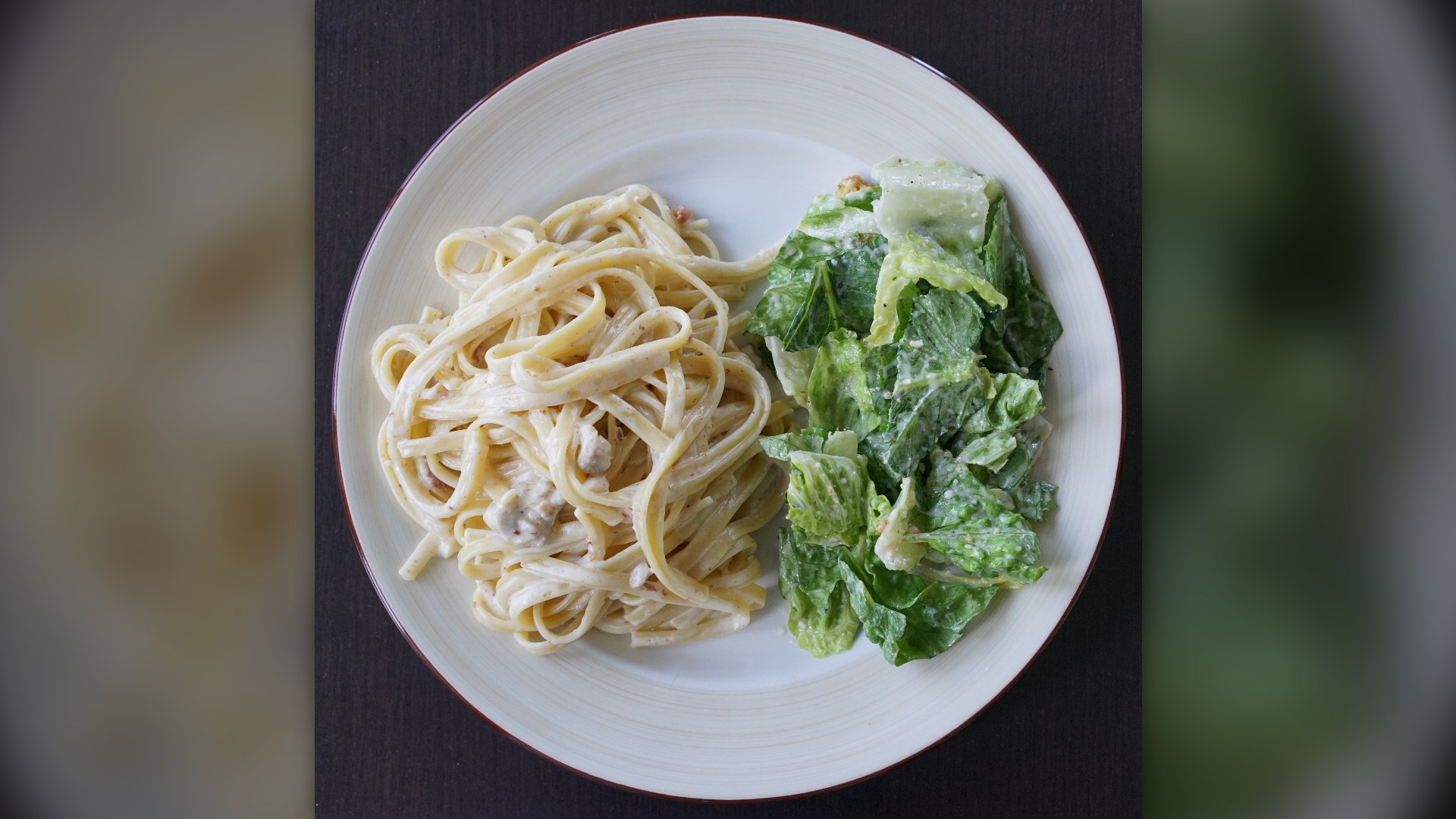
20. Heavy Cream Pasta Sauces 
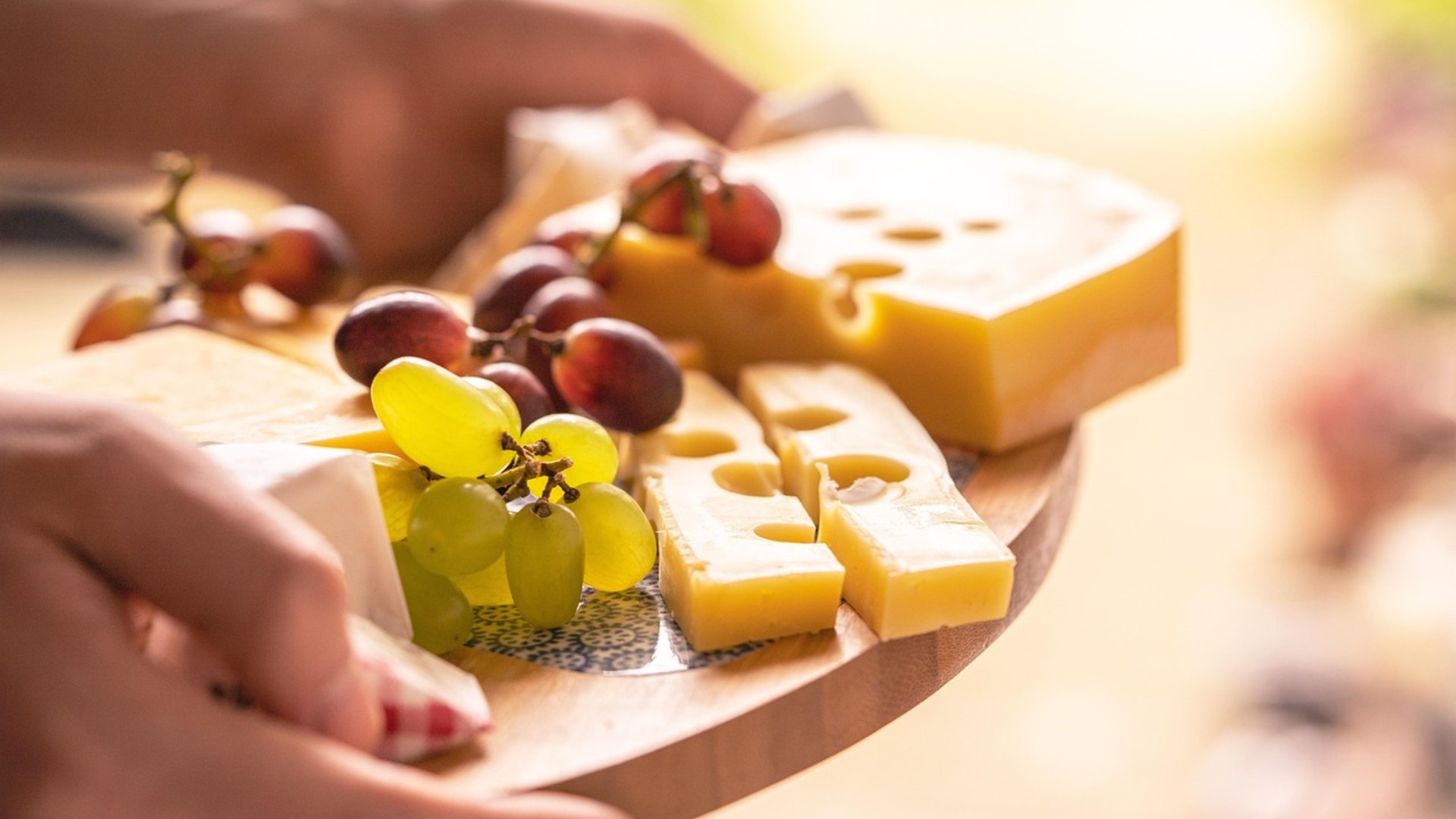
19. Basic Cheese Boards - AdvertisementSwipe or tap ▶ to continue countdown

18. Communal Bar Snacks 
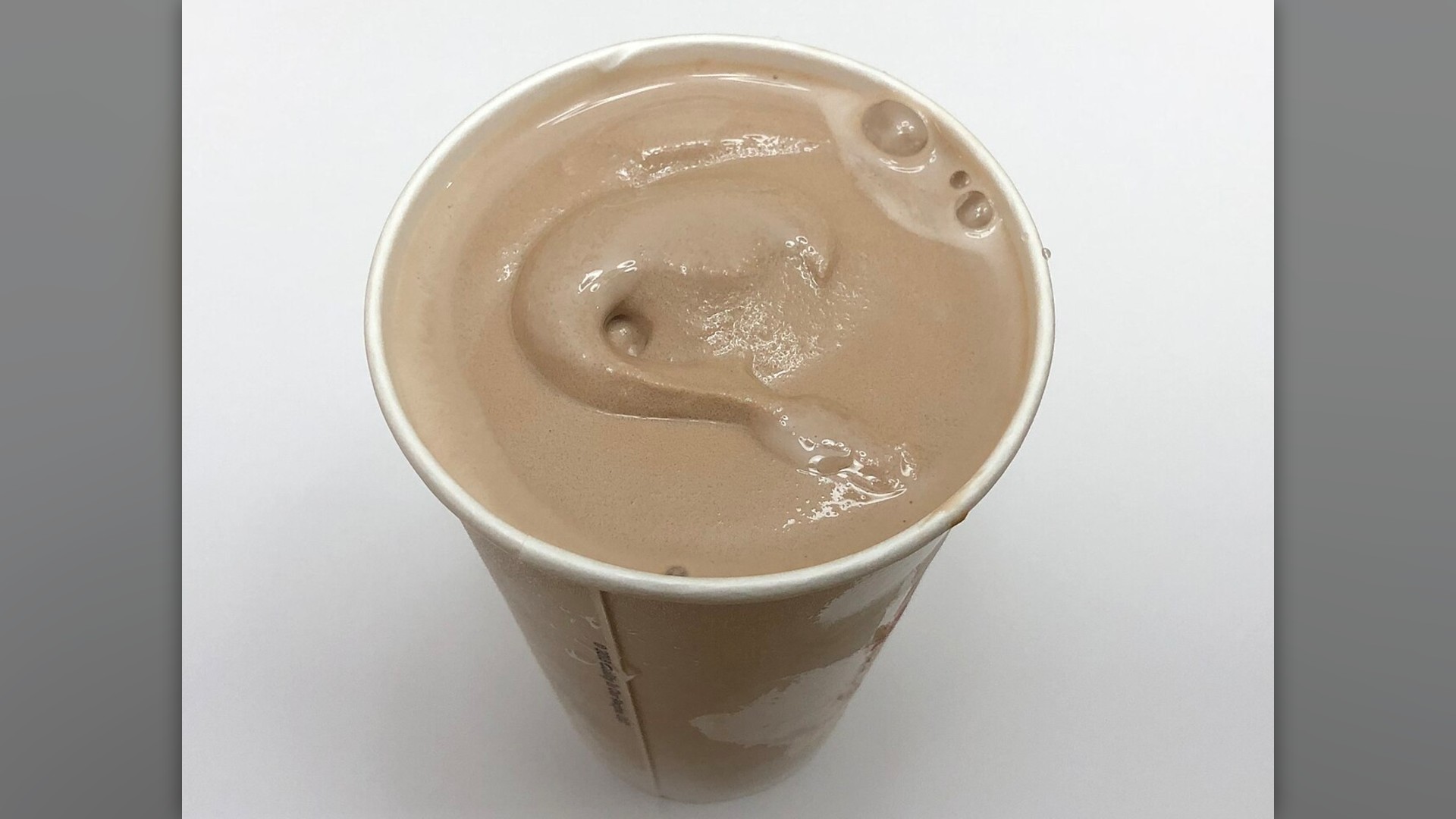
17. Soft-Serve Milkshakes 
16. Restaurant Swordfish 
15. Pasta Primavera - AdvertisementSwipe or tap ▶ to continue countdown

14. Buffet Scrambled Eggs 
13. Mystery House Soups 
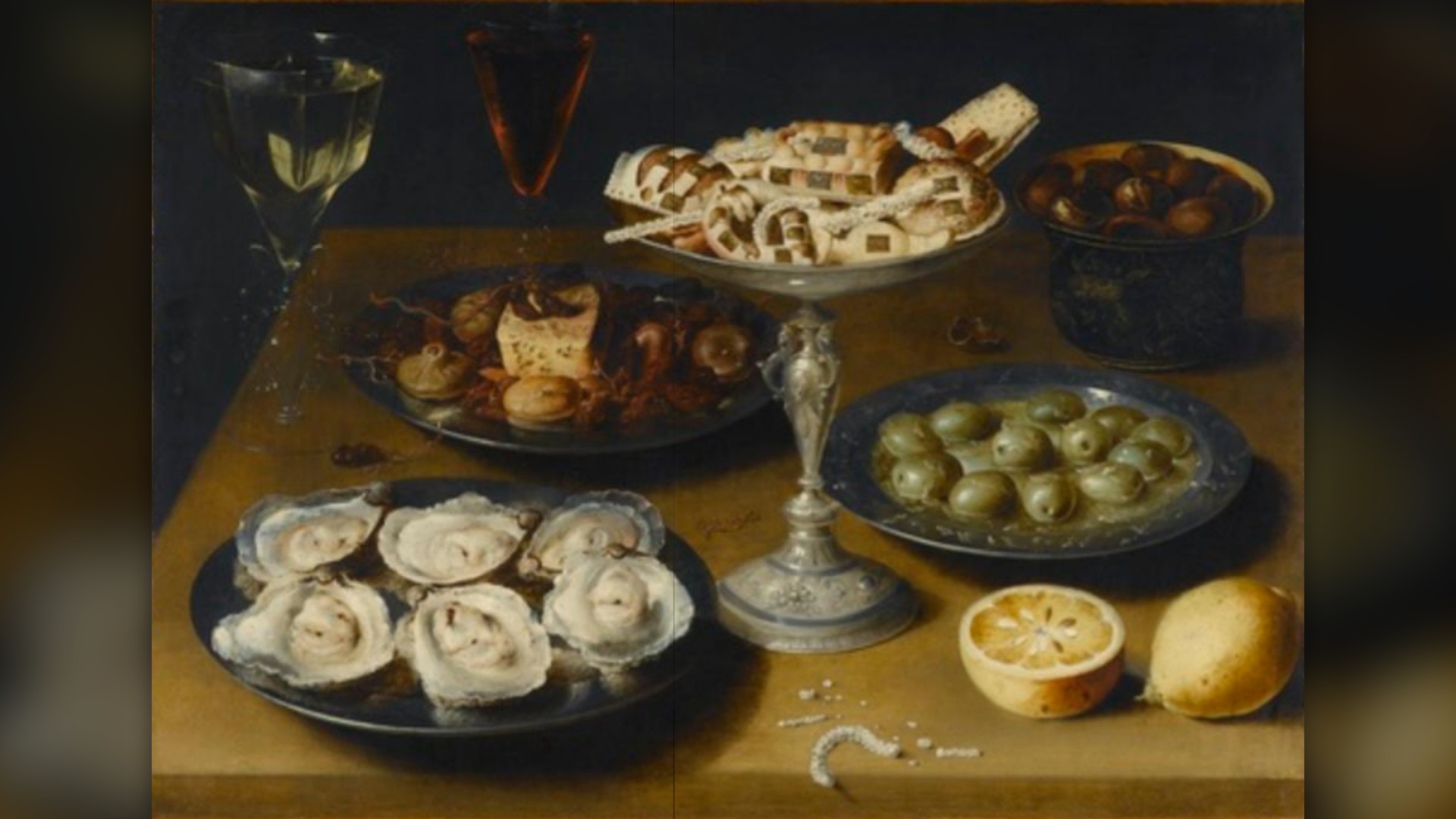
12. Inland Raw Oysters 
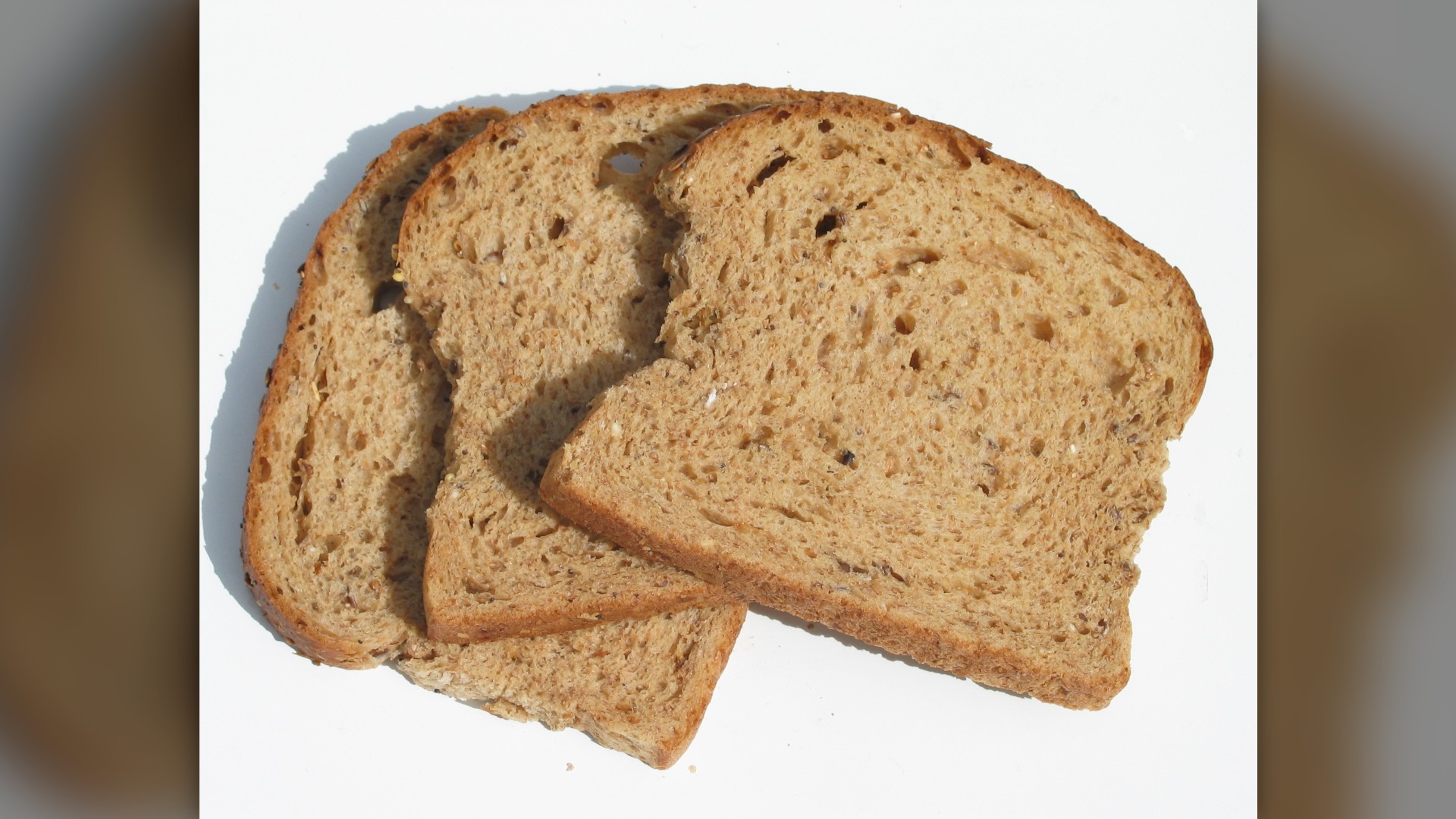
11. Recycled Bread Baskets - AdvertisementSwipe or tap ▶ to continue countdown

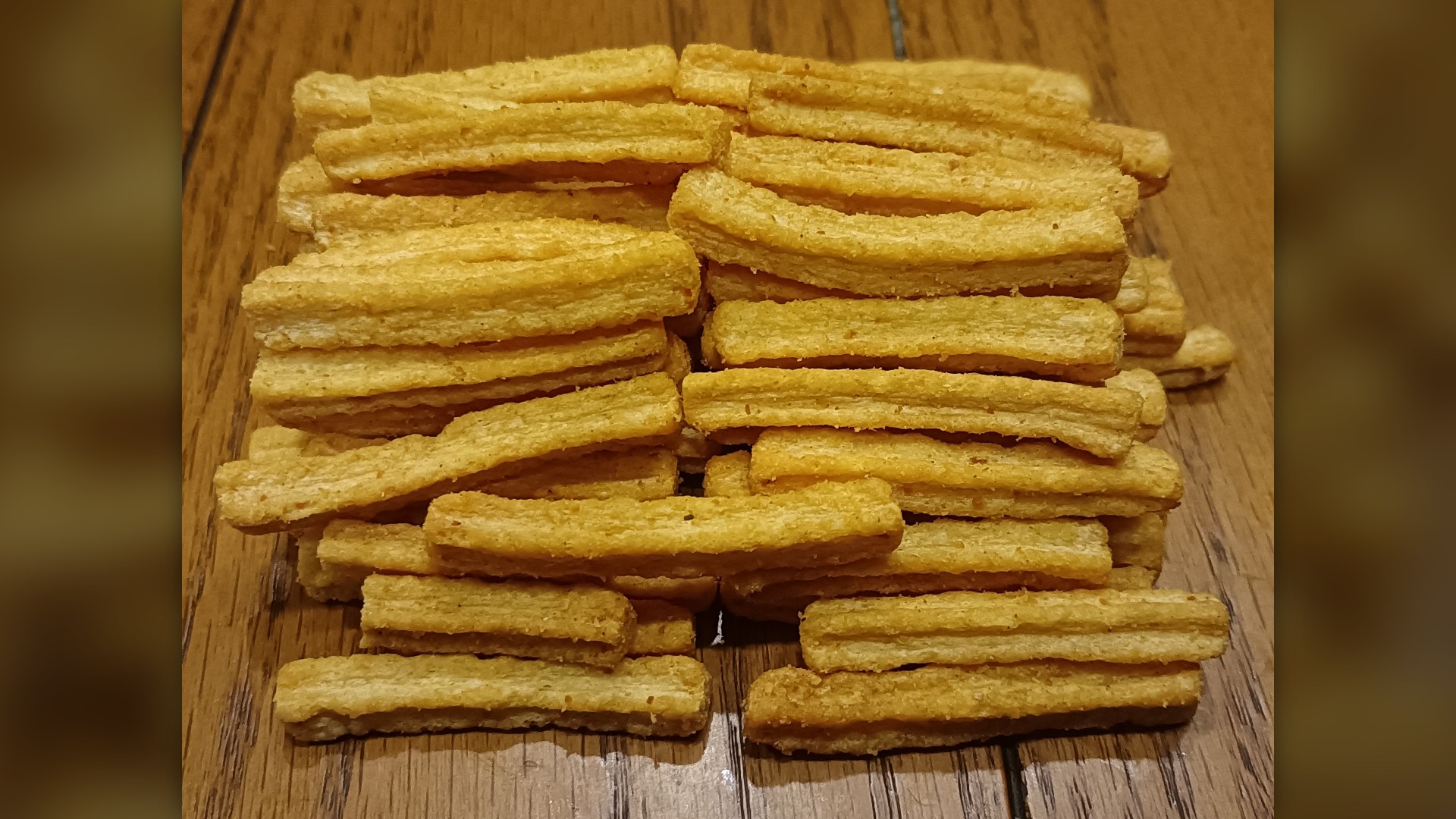
10. Overpriced Truffle Fries 
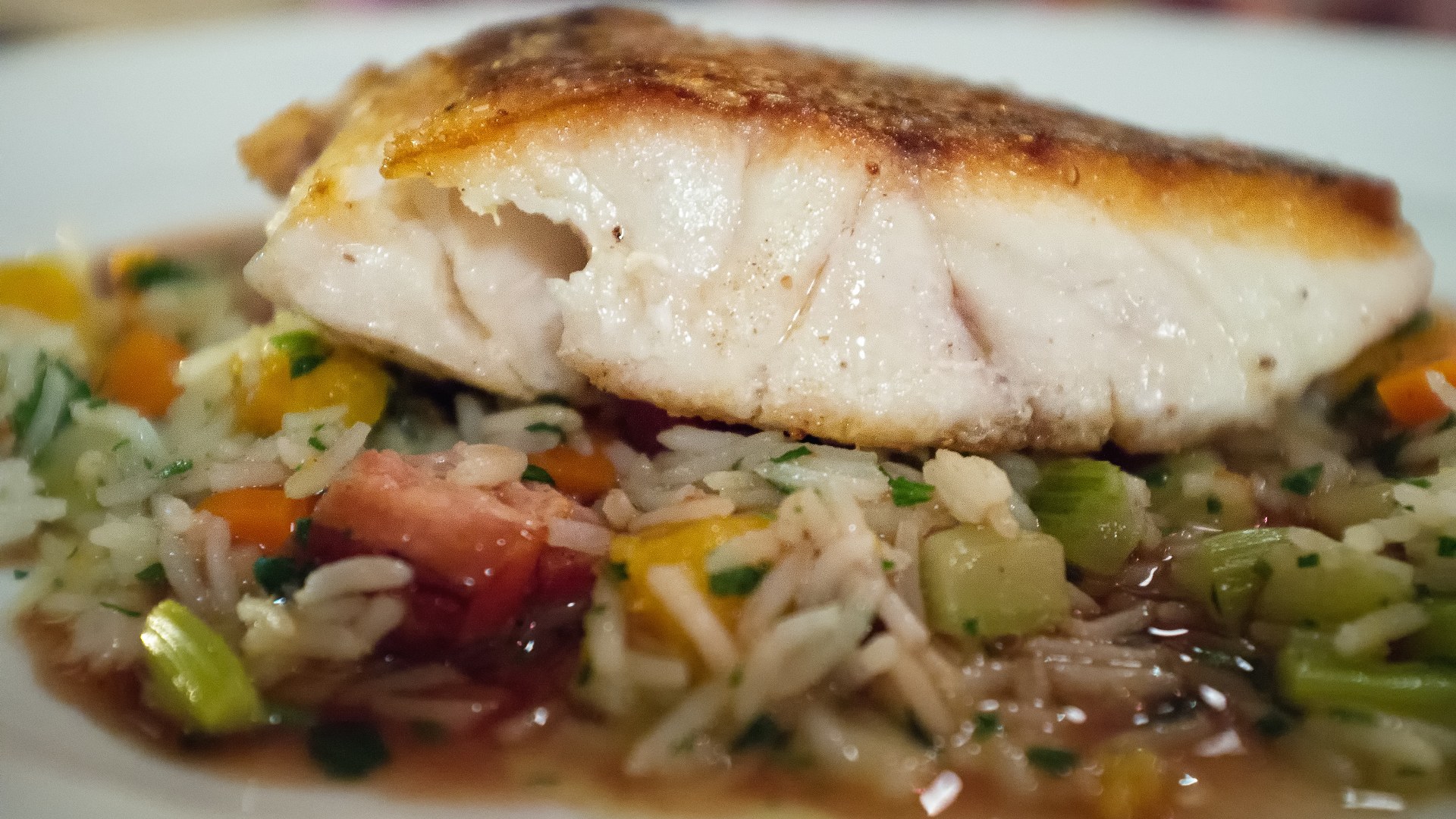
9. Monday Seafood Specials 
8. Well-Done Steak Orders 
7. Wagyu Beef Sliders - AdvertisementSwipe or tap ▶ to continue countdown

6. Late-Morning Hollandaise Sauce 
5. Tap Water With Lemon Wedges 
4. Boxed Chicken Cordon Bleu 
3. Synthetic Truffle Oil Pasta - AdvertisementSwipe or tap ▶ to continue countdown

2. Late-Night Decaf Coffee 
1. Commercial Salad Bar Greens - Advertisement🔥 UP NEXT IN THIS SERIES◫ 21 Slides

20 Famous Cars With Pop-Up Headlights That Shaped Car Design
From hand-cranked 1930s teardrops to wedge supercars of the 1980s, hidden headlights let stylists chase sleek aerodynamics until 2004 pedestrian rules closed the curtain. Here are 20 standout production cars that turned retractable lamps into an enduring automotive design feature across seven full decades.
From questionable seafood specials to overpriced brunch staples, seasoned culinary professionals explain why certain popular dishes are best left off your dining ticket.
Swipe or tap ▶ to begin the countdown
©Wikimedia / Andy Li & Wikimedia / PattayaPatrol
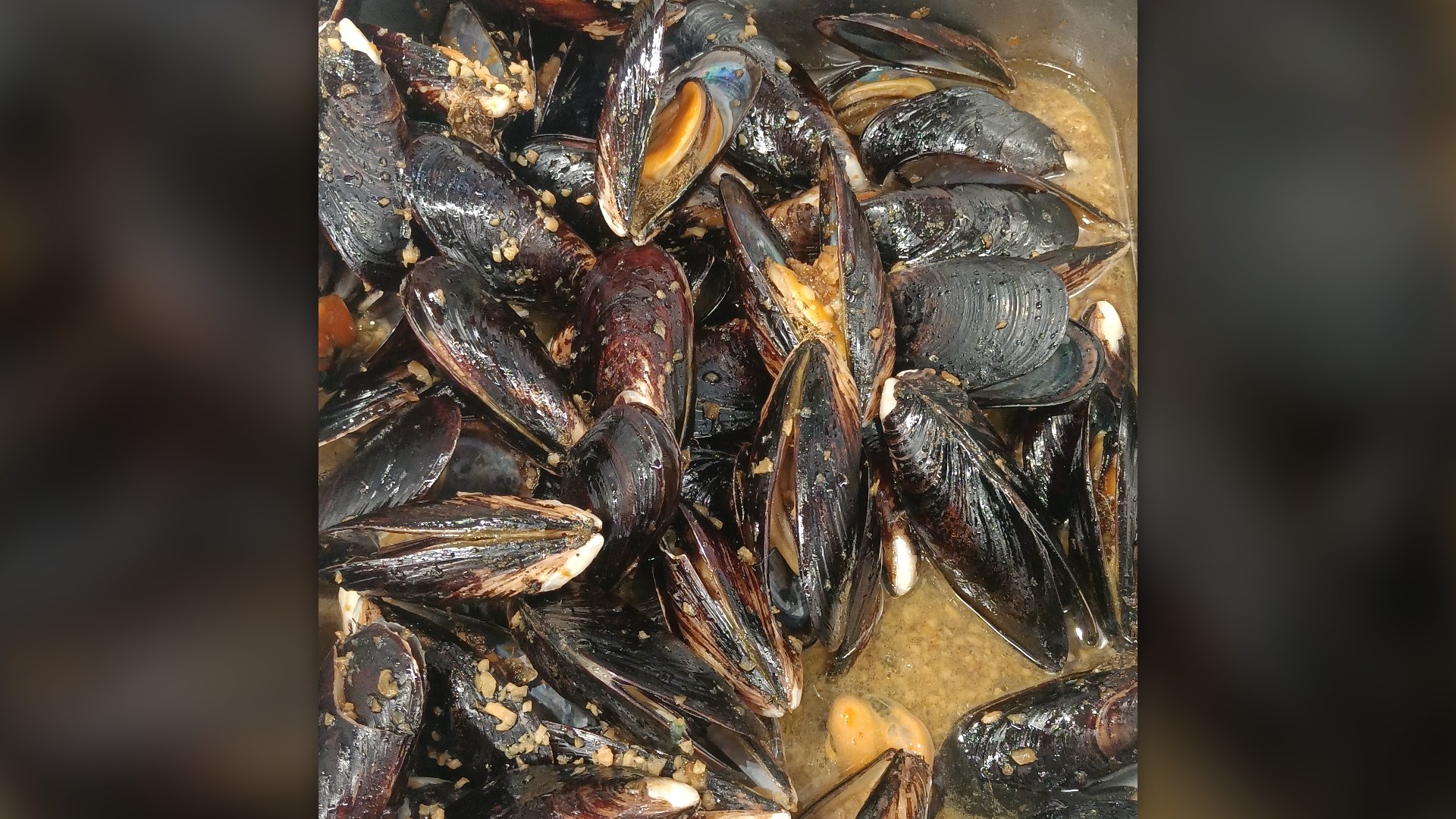
25. Sunday And Monday Mussels
Mussels are filter feeders that die and spoil rapidly once out of water. Because metropolitan seafood suppliers do not make weekend deliveries, mussels served on Sunday or Monday are usually four to five days old. One bad shellfish can ruin a customer's week.
©Wikimedia / Fumikas Sagisavas
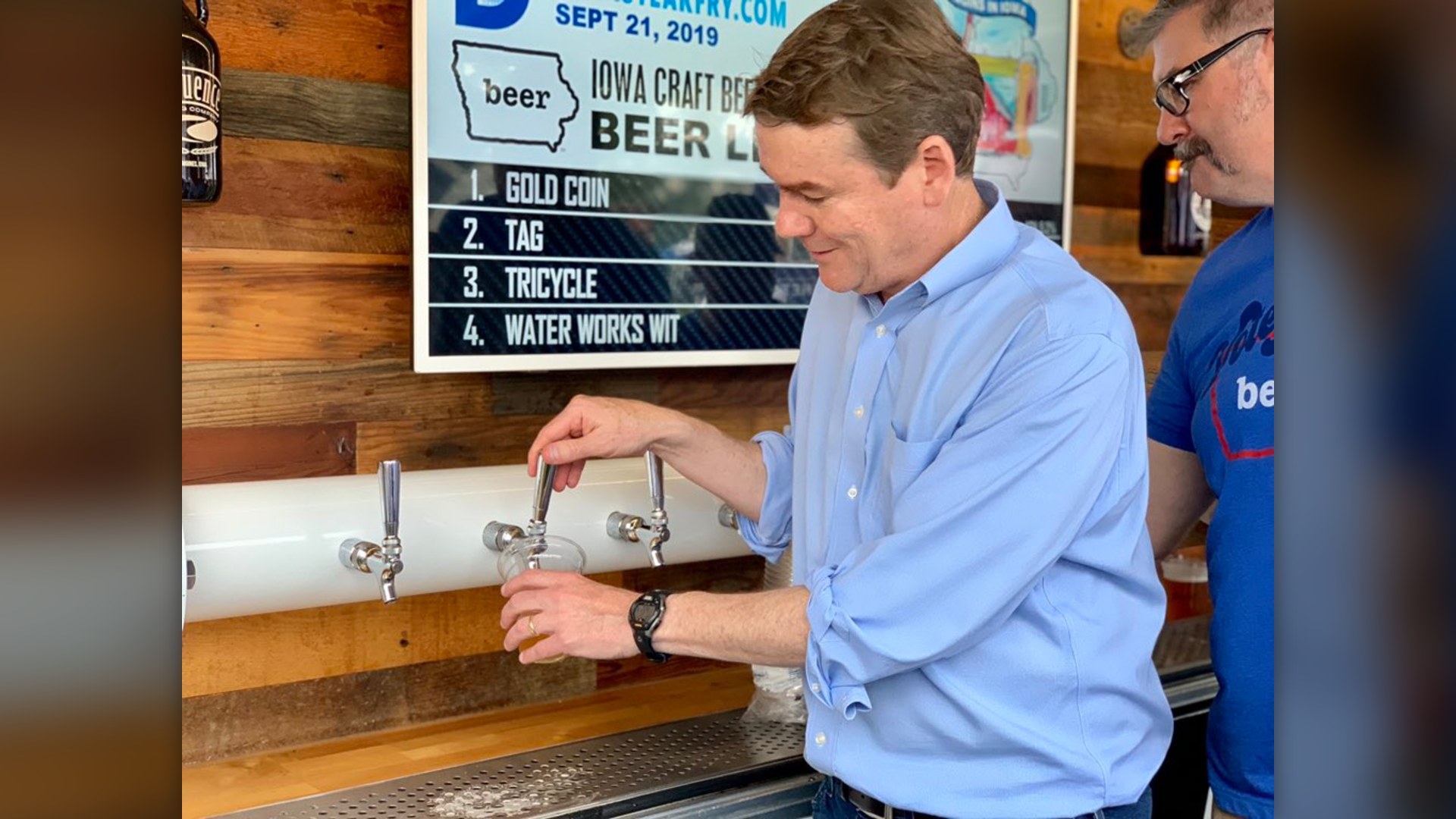
24. Draft Beer
Draft beer lines must be chemically flushed bi-weekly to prevent the accumulation of beer stone and bacterial biofilm. In poorly maintained bars, old lines produce sour or buttery off-flavors. Knowledgeable bartenders order bottled or canned beer when in doubt.
©Wikimedia / United State Senate
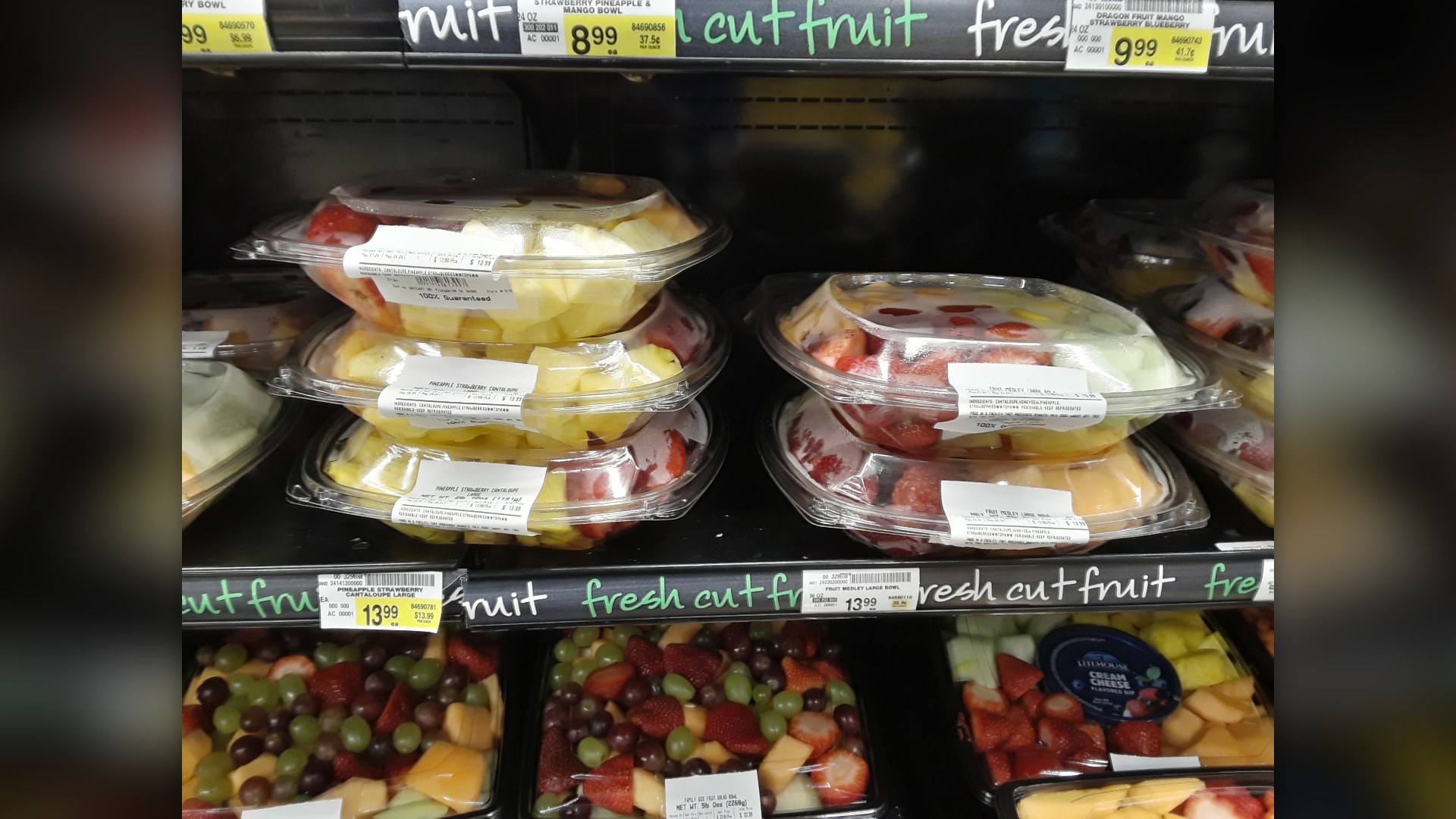
23. Buffet Pre-Cut Fruit
Slicing melon rind introduces surface soil bacteria directly into the sugary flesh. In self-serve buffet bars, cut fruit bowls sit on melting ice for hours. Experienced kitchen workers skip room temperature fruit salads in favor of whole, unpeeled bananas or oranges.
©Wikimedia / Ser Amantio di Nicolao
Advertisement
Swipe or tap ▶ to resume the countdown.
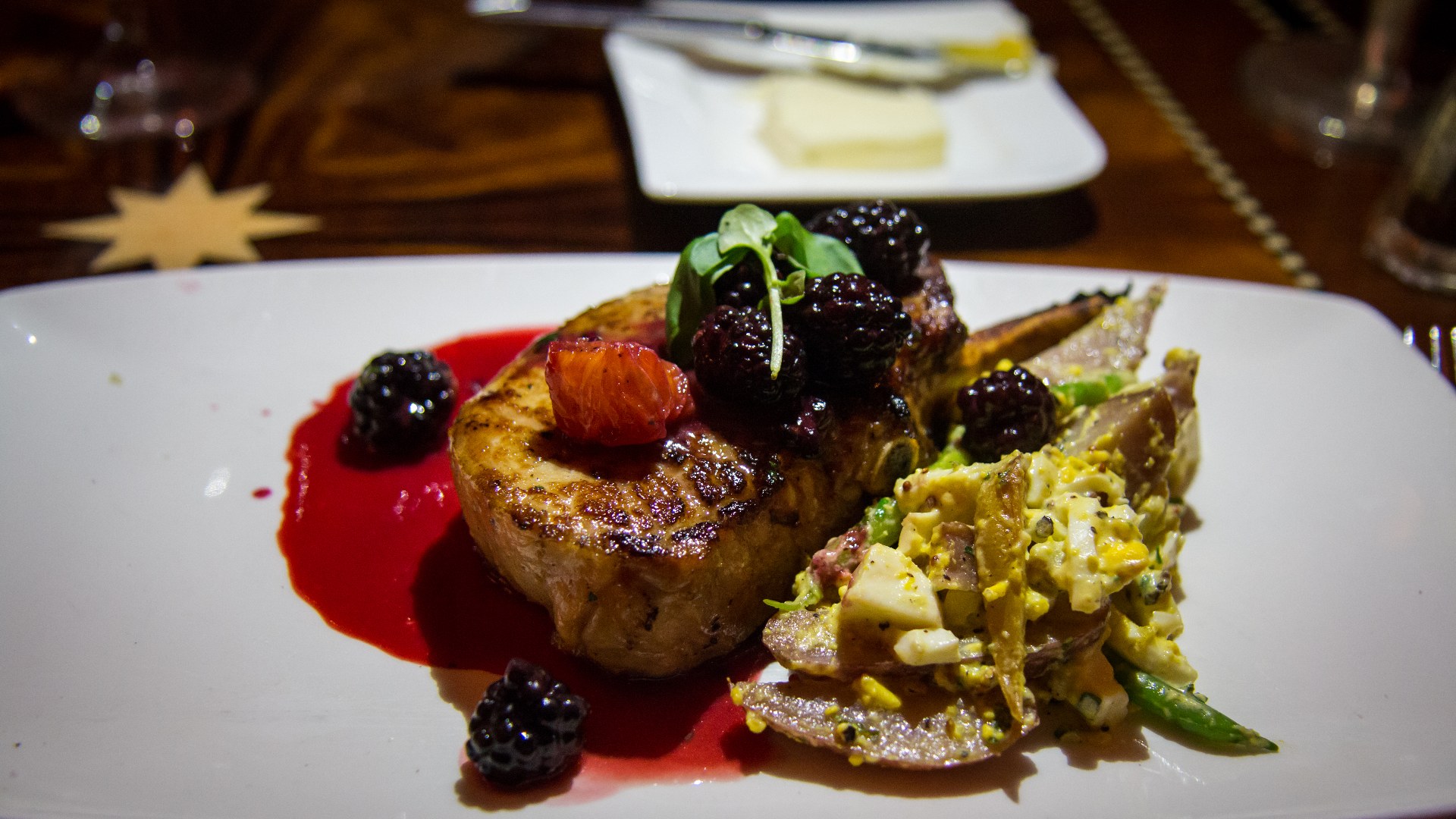
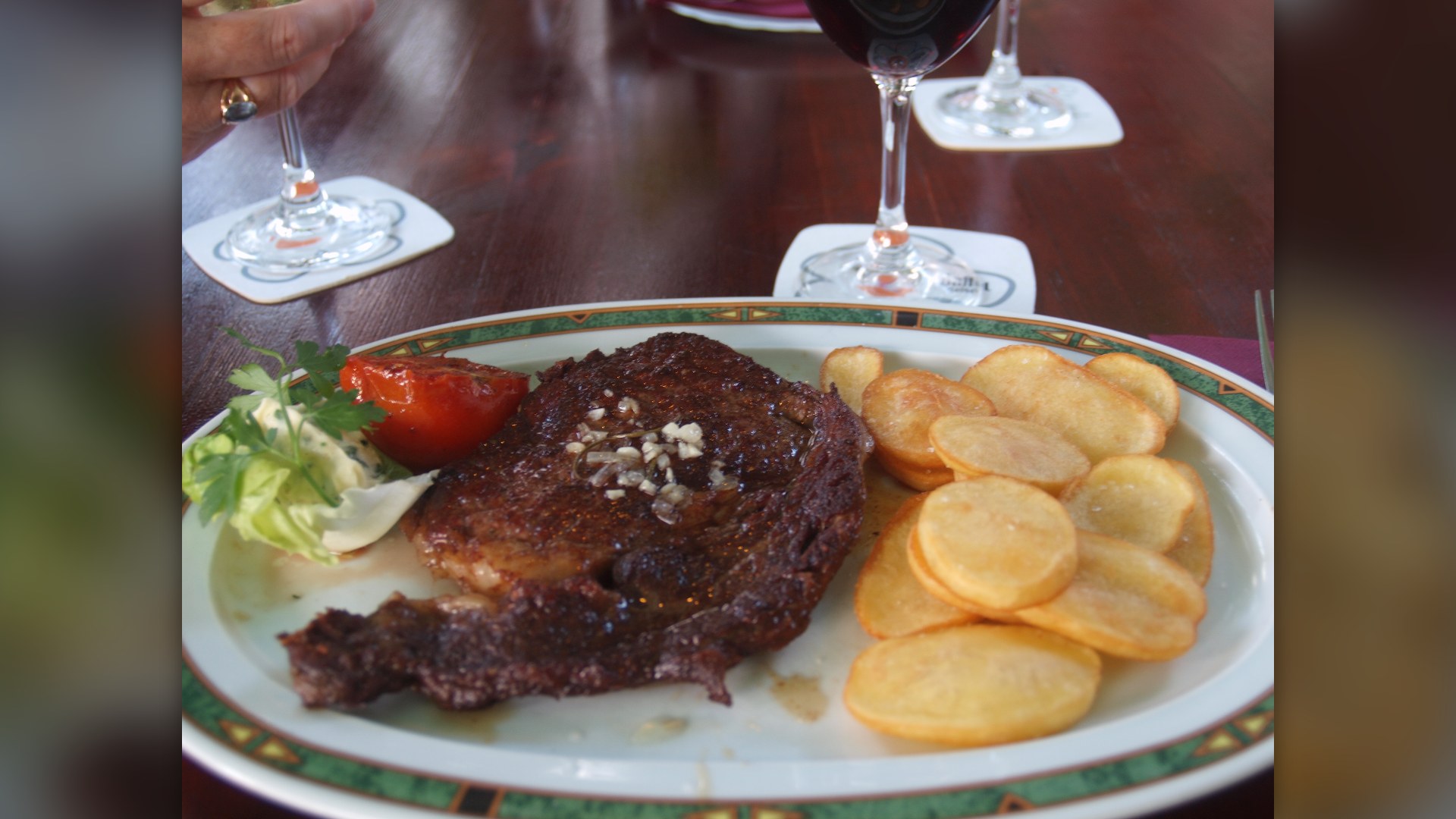
22. Blue Rare Steak
While the inside of intact muscle meat is generally sterile, the outside surface harbors bacteria picked up during butchering. If a grill cook rushes a blue rare steak and fails to achieve a hard sear on all exterior facets, dangerous bacteria can survive.
©Wikimedia / HarshLight
21. Deli Chicken Salad
Dry, overcooked chicken breasts from previous dinner services cannot be sold as entrees. Kitchens shred the meat and douse it with mayonnaise, mustard, and celery to mask the dry texture. Chefs recommend ordering proteins cooked fresh to order instead.
©Pixabay / romjanaly
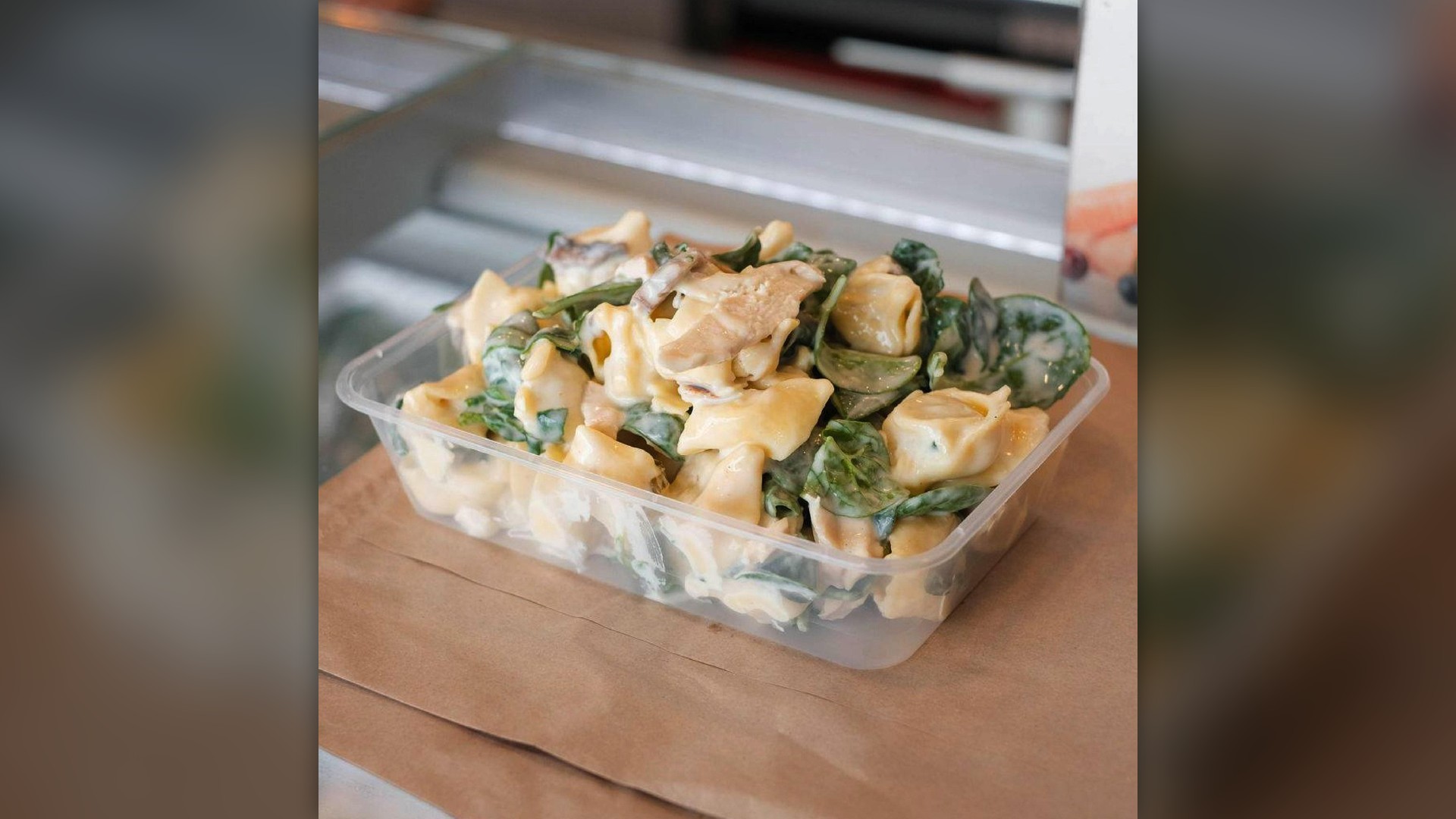
20. Heavy Cream Pasta Sauces
Traditional Italian pasta sauces rely on pasta cooking water, hard cheeses, and butter to create a silky emulsion. Casual American diners substitute heavy cream to create a thick coating quickly, resulting in a cloying dish that sits heavy in the stomach.
©Wikimedia / Dllu
19. Basic Cheese Boards
Unless a restaurant cures its own charcuterie or sources rare farmhouse cheeses, cheese boards are pure profit. Kitchens slice commercial cheddar, brie, and gouda with minimal labor, then sell the board for thirty dollars alongside off-the-shelf crackers.
©Pixabay / mariya_m
Advertisement
Swipe or tap ▶ to resume the countdown.
18. Communal Bar Snacks
Open bar snacks are a notorious breeding ground for pathogens. Bar patrons frequently touch barstools, cash, and their own faces before digging their hands into shared pretzel bowls. Industry workers never eat snacks from open bowls sitting on the bar counter.
©NPS-NOAA-USGS / Váradi Zsolt
17. Soft-Serve Milkshakes
Soft-serve equipment has intricate gaskets, valves, and mixing tubes that accumulate dairy residue if not fully sanitized daily. Due to tight closing schedules, staff often perform superficial wash cycles, leaving machines susceptible to mold and listeria.
©Wikimedia / Famartin
16. Restaurant Swordfish
Swordfish is a large apex predator prone to marine parasites like tapeworms, which prep cooks must meticulously excise before cooking. bioaccumulation gives mature swordfish higher mercury concentrations than almost any other commercial fish.
©Wikimedia / Timothy A. Gonsalves
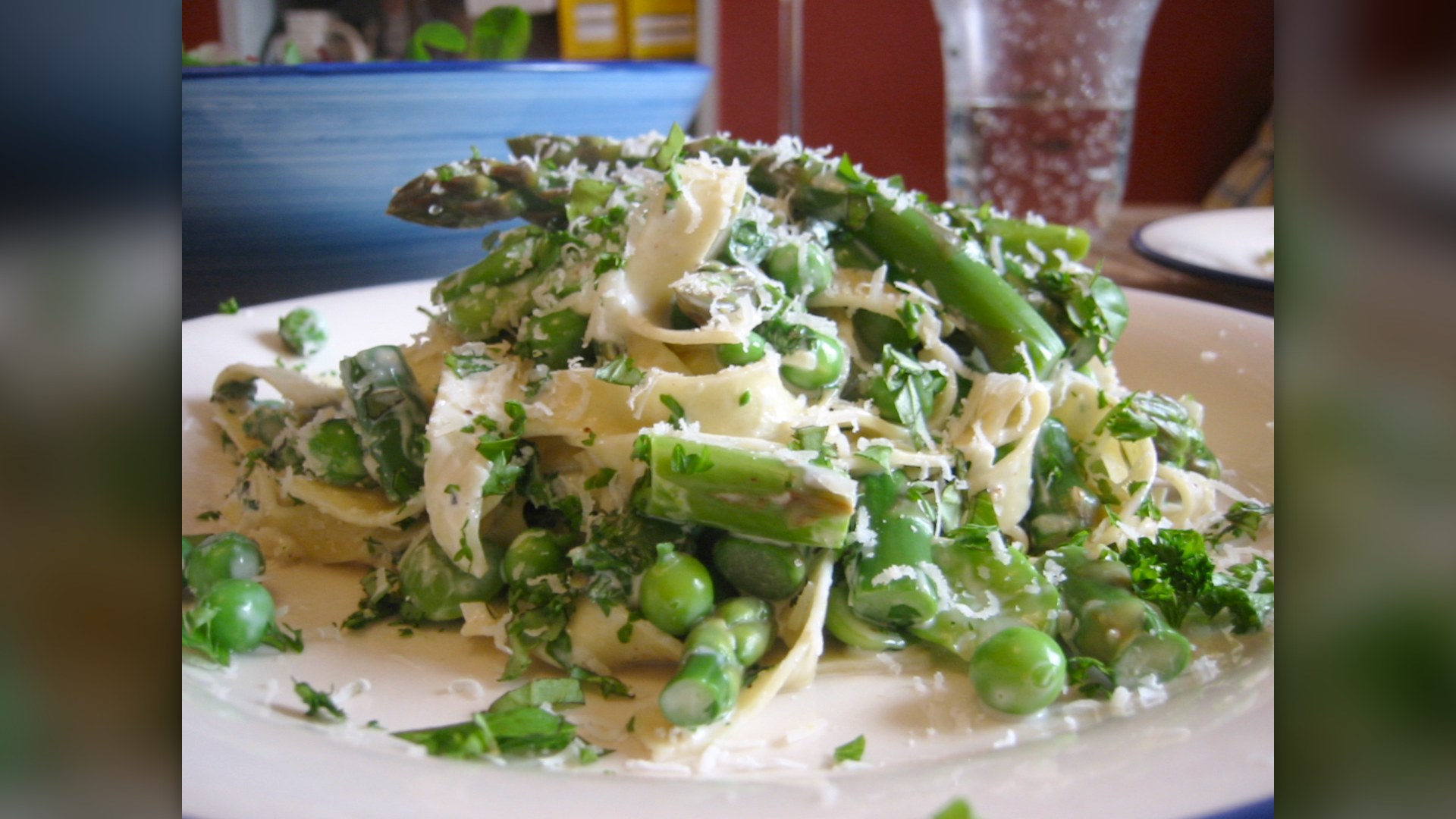
15. Pasta Primavera
Italian chefs view pasta primavera as a convenient way to clear out miscellaneous squash, peppers, and broccoli stems. Because the vegetables are smothered in heavy sauce and melted cheese, diners cannot tell that the produce was harvested days ago.
©Wikimedia / Jeremy Keith
Advertisement
Swipe or tap ▶ to resume the countdown.
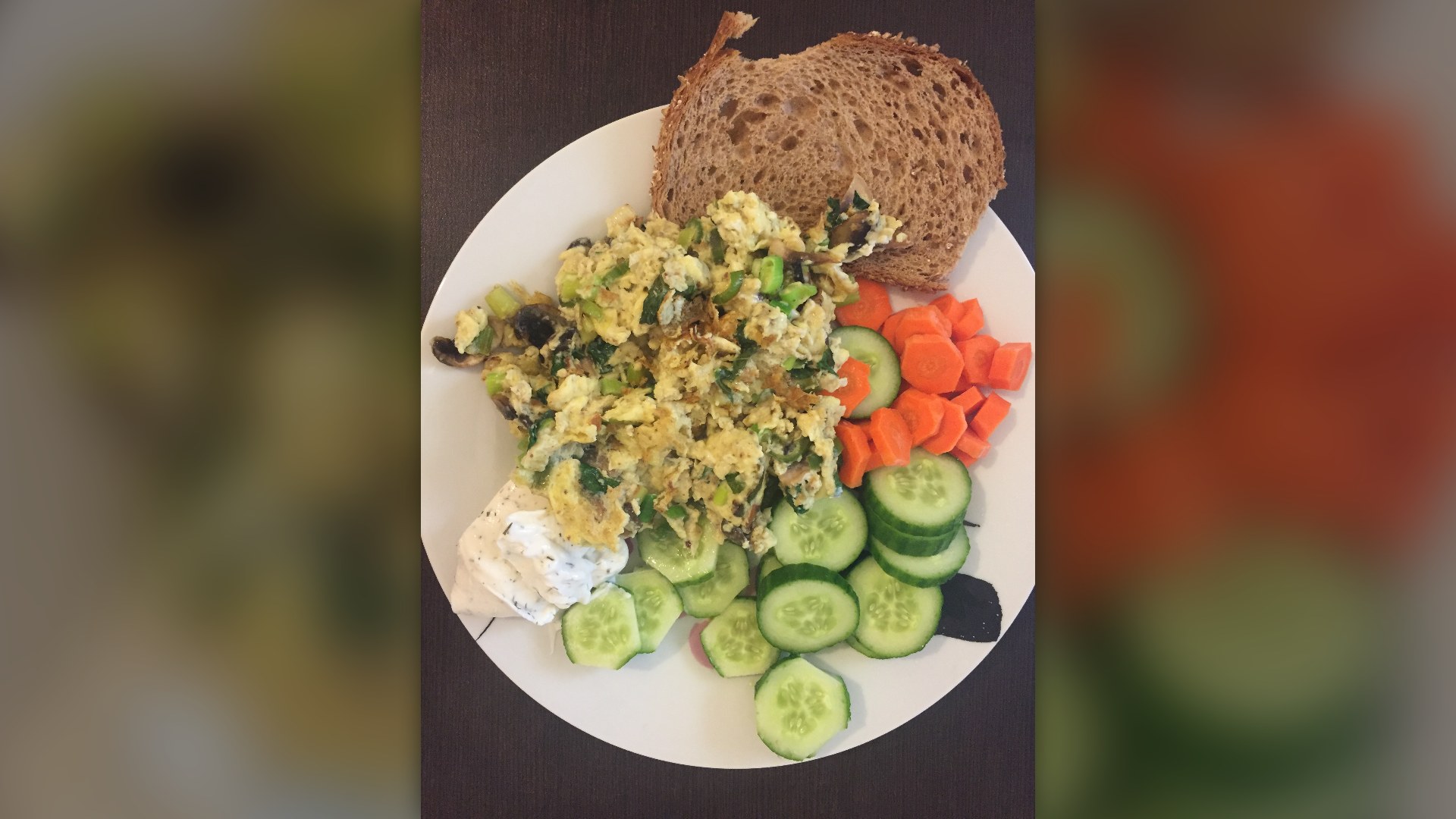
14. Buffet Scrambled Eggs
Breakfast steam tables dry out scrambled eggs within minutes, leaving them rubbery and discolored. Kitchens rely on pasteurized jug eggs containing citric acid preservatives. Line cooks always ask for freshly cracked eggs cooked to order over easy instead.
©Wikimedia / HaJunkiyada
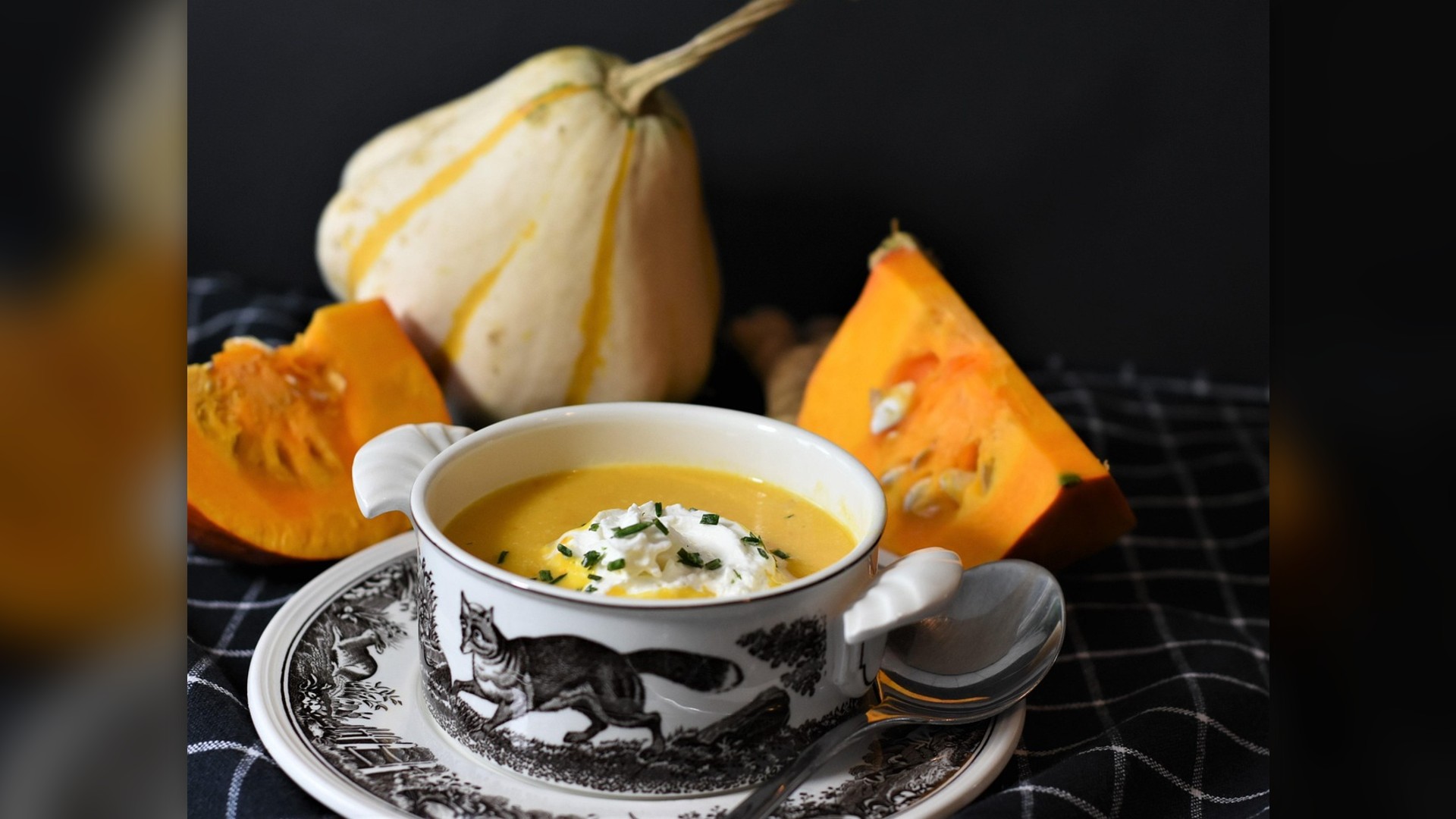
13. Mystery House Soups
Commercial stock pots are where expiring vegetables, roast trims, and aged gravies find a second life. Heavy cream and extra sodium disguise oxidized flavors. Unless a restaurant is specifically renowned for seasonal broths, chefs rarely pick the soup of the day.
©Pixabay / RitaE
12. Inland Raw Oysters
Oysters must be kept strictly below forty degrees from the moment of harvest until they are shucked. Inland distribution chains involve multiple freight transfers and refrigeration risks. Chefs only order raw bivalves when dining at reputable coastal oyster bars.
©Wikimedia / Osias Beert
11. Recycled Bread Baskets
While health codes strictly forbid re-serving food, underpaid bus staff during chaotic dinner rushes have been known to recycle uneaten dinner rolls back into the warmer. Chefs prefer ordering fresh baked bread only when they know it was sliced directly to order.
©Wikimedia / How can I recycle this
Advertisement
Swipe or tap ▶ to resume the countdown.
10. Overpriced Truffle Fries
Truffle fries are one of the most profitable menu items in the hospitality sector. A few drops of inexpensive chemical oil and a dusting of dry parmesan can turn fifty cents worth of bulk frozen potatoes into an eighteen-dollar starter.
©Wikimedia / Fumikas Sagisavas
9. Monday Seafood Specials
Most metropolitan fish markets operate Monday through Friday mornings. That means any fresh fish arriving on Friday has sat in commercial walk-in coolers for three days by Monday lunch. Kitchens routinely feature Monday seafood specials to empty out expiring stock.
©Wikimedia / Ralph Daily from Birmingham, United States
8. Well-Done Steak Orders
When a diner asks for beef cooked until brown throughout, the natural moisture and tenderness are incinerated. Grill cooks take advantage of this by reserving their oldest, oxidation-spotted steaks for well-done tickets, knowing the patron will never taste the difference.
©Wikimedia / JIP
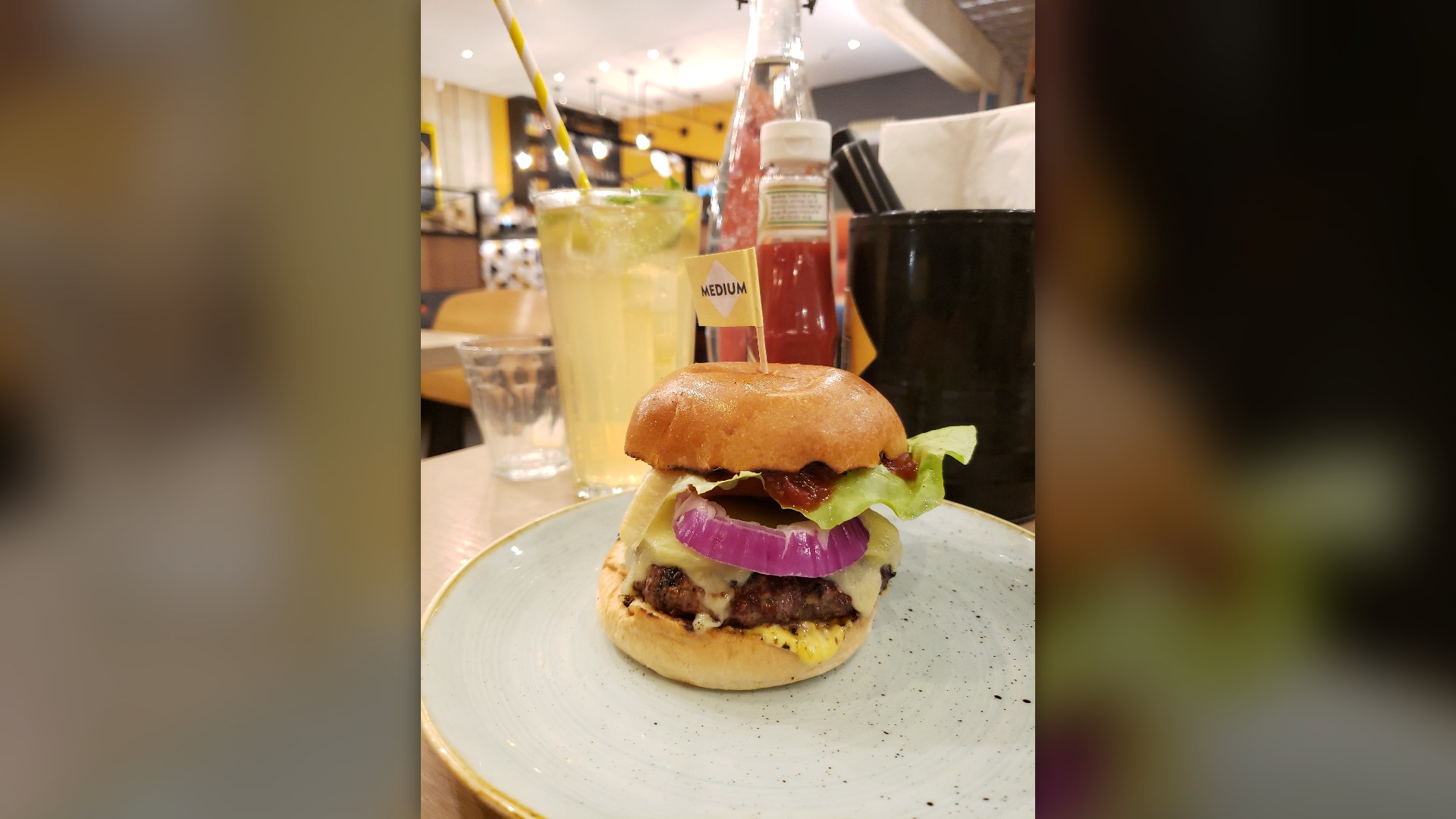
7. Wagyu Beef Sliders
Wagyu is renowned for its intramusclar fat webs that melt at low temperatures. Running Wagyu through an industrial meat grinder destroys that delicate texture completely. Chefs know that Wagyu burgers are made from cheap scrap trimmings with massive marketing markups.
©Wikimedia / Andy Li
Advertisement
Swipe or tap ▶ to resume the countdown.
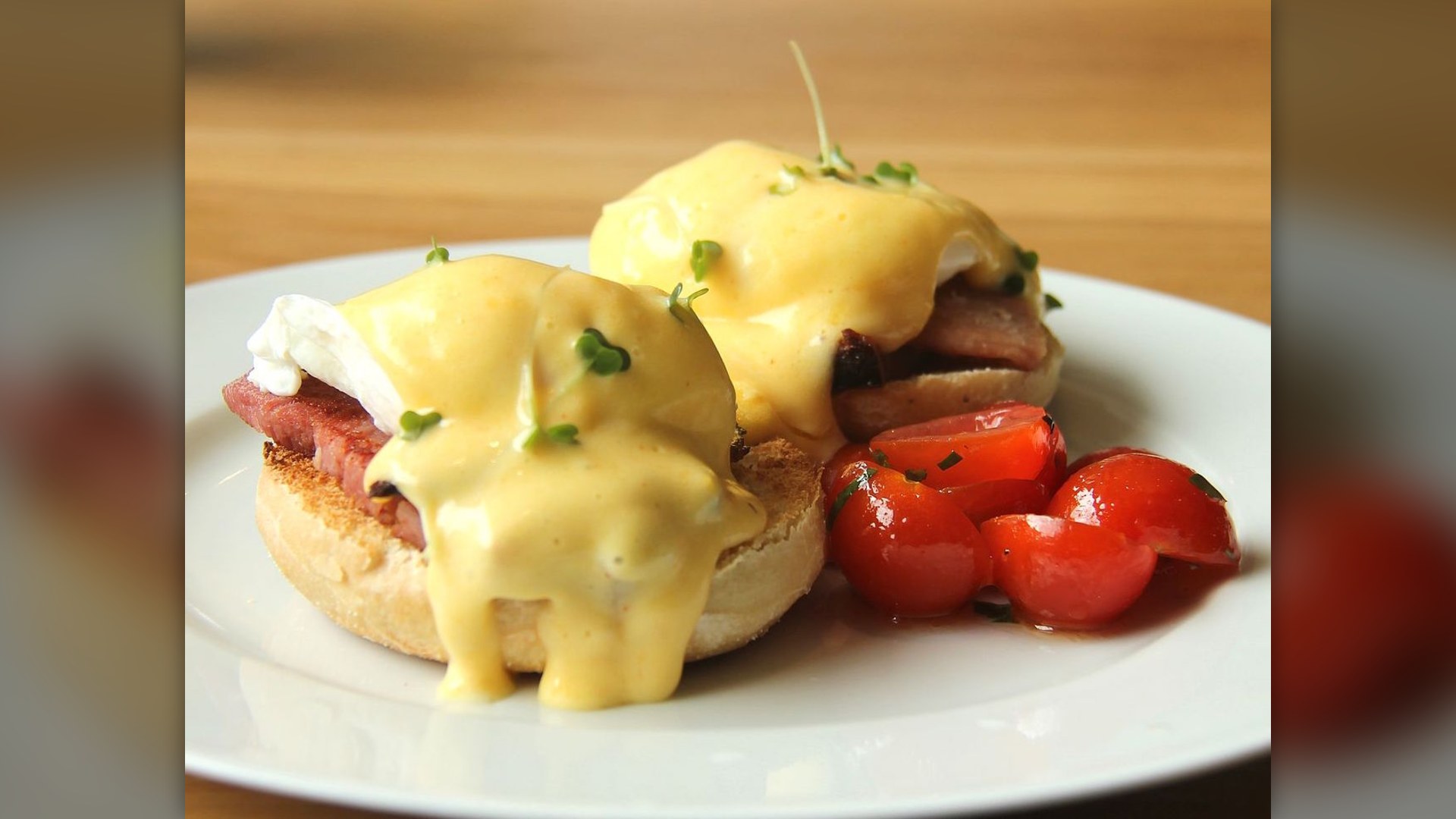
6. Late-Morning Hollandaise Sauce
Hollandaise is an emulsion of raw egg yolks and warm clarified butter that breaks if heated past body temperature. Anthony Bourdain famously warned that hollandaise held in warm kitchen pans throughout a long Sunday brunch is a notorious incubator for salmonella.
©Wikimedia / Jon Mountjoy
5. Tap Water With Lemon Wedges
Multiple microbiological studies have found high concentrations of fecal bacteria and mold on citrus garnishes. Bar staff often handle lemons with bare hands between handling cash and wiping tables, making drink garnishes a notorious microbial hotspot.
©Pixabay / JonasKIM
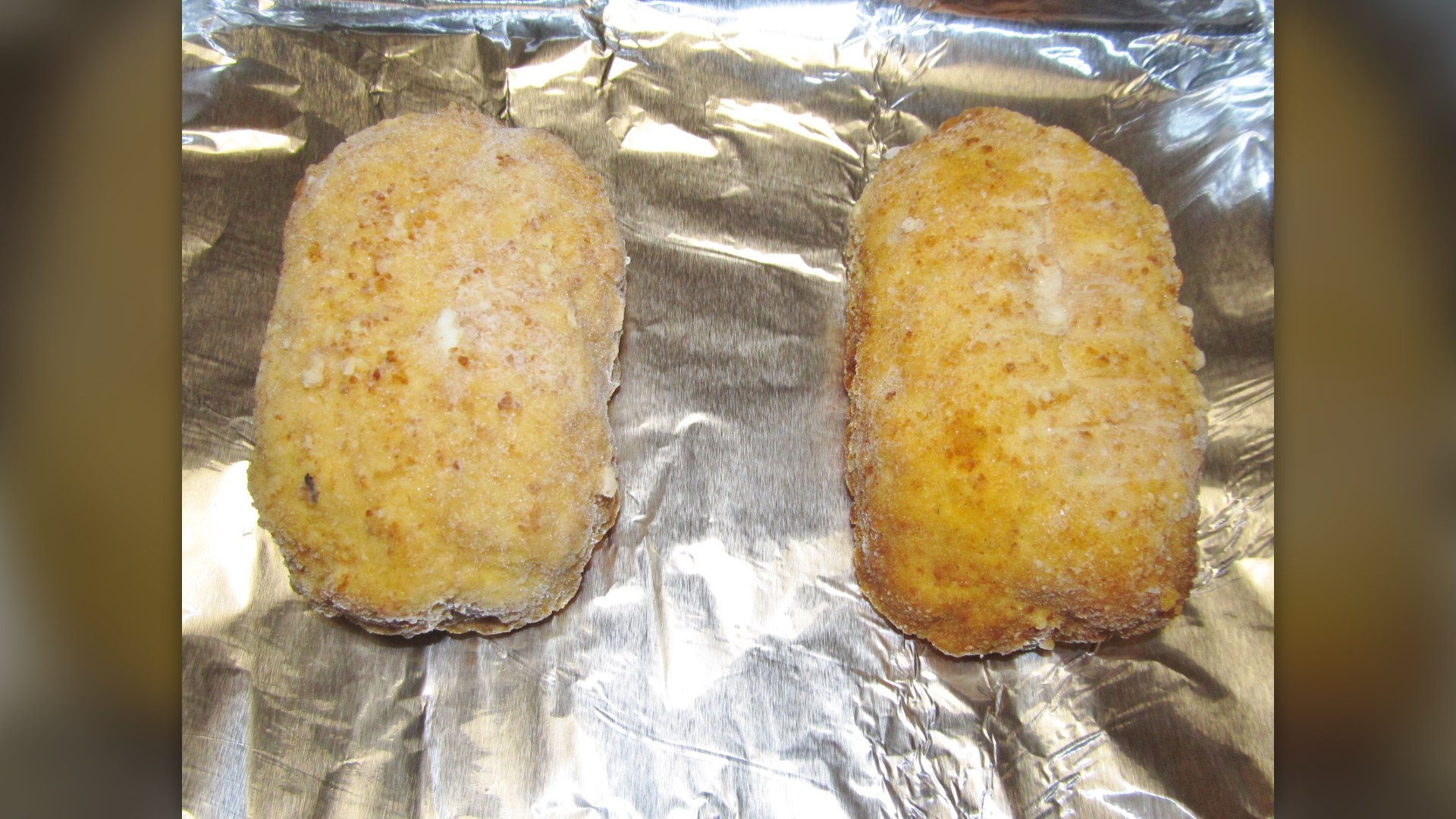
4. Boxed Chicken Cordon Bleu
Preparing authentic chicken cordon bleu requires intricate rolling, toothpicks, and delicate baking. Because of the heavy labor, mid-tier kitchens almost universally buy frozen pre-stuffed cutlets, charging fresh entree prices for processed cafeteria food.
©Wikimedia / Willis Lam
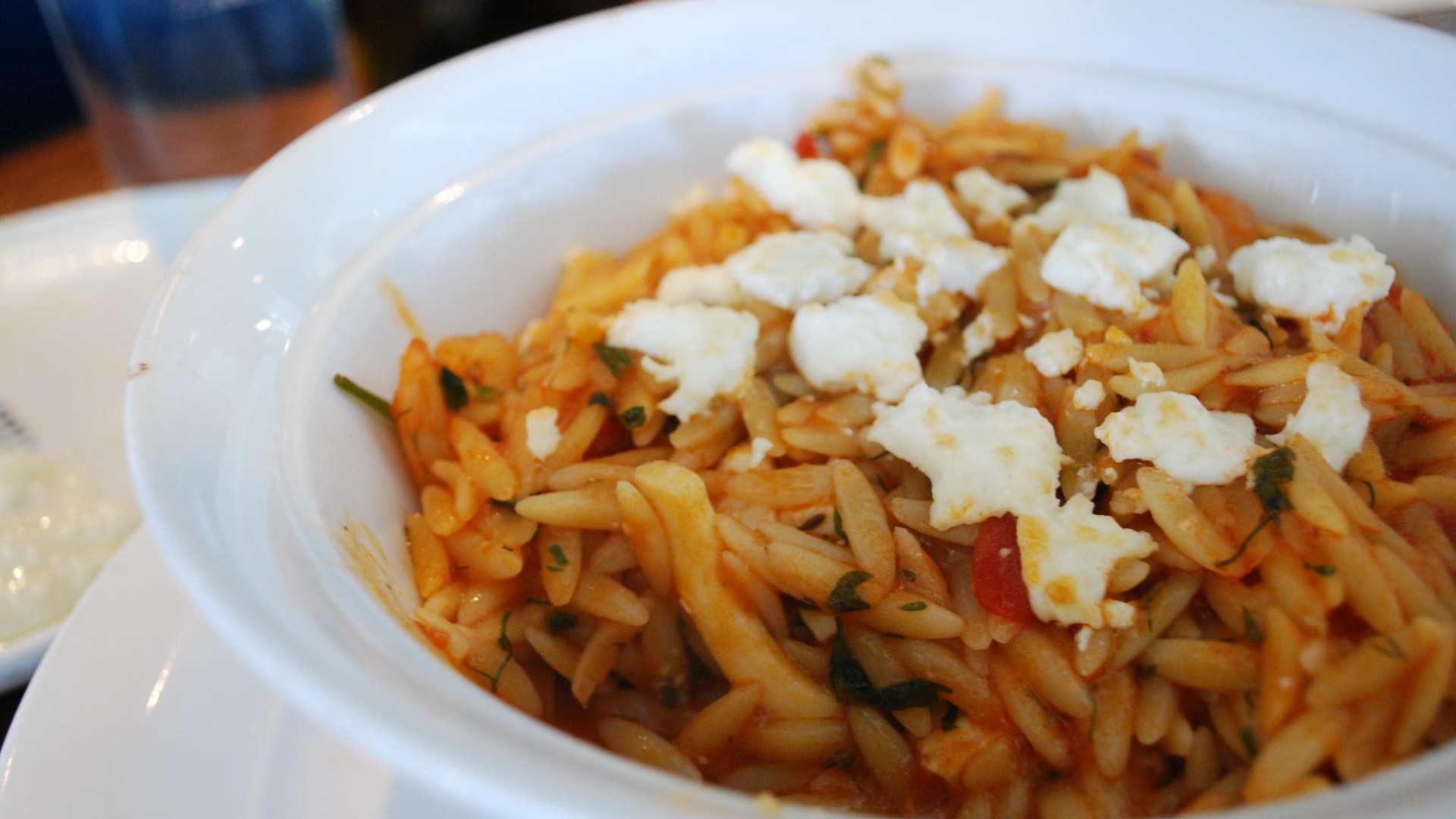
3. Synthetic Truffle Oil Pasta
Almost all restaurant truffle oil contains zero actual truffles. It is formulated with 2,4-dithiapentane, an artificial aroma derived from petroleum. Chefs refuse to pay premium prices for ordinary pasta flavored with synthetic flavoring agents.
©Wikimedia / Alpha
Advertisement
Swipe or tap ▶ to resume the countdown.
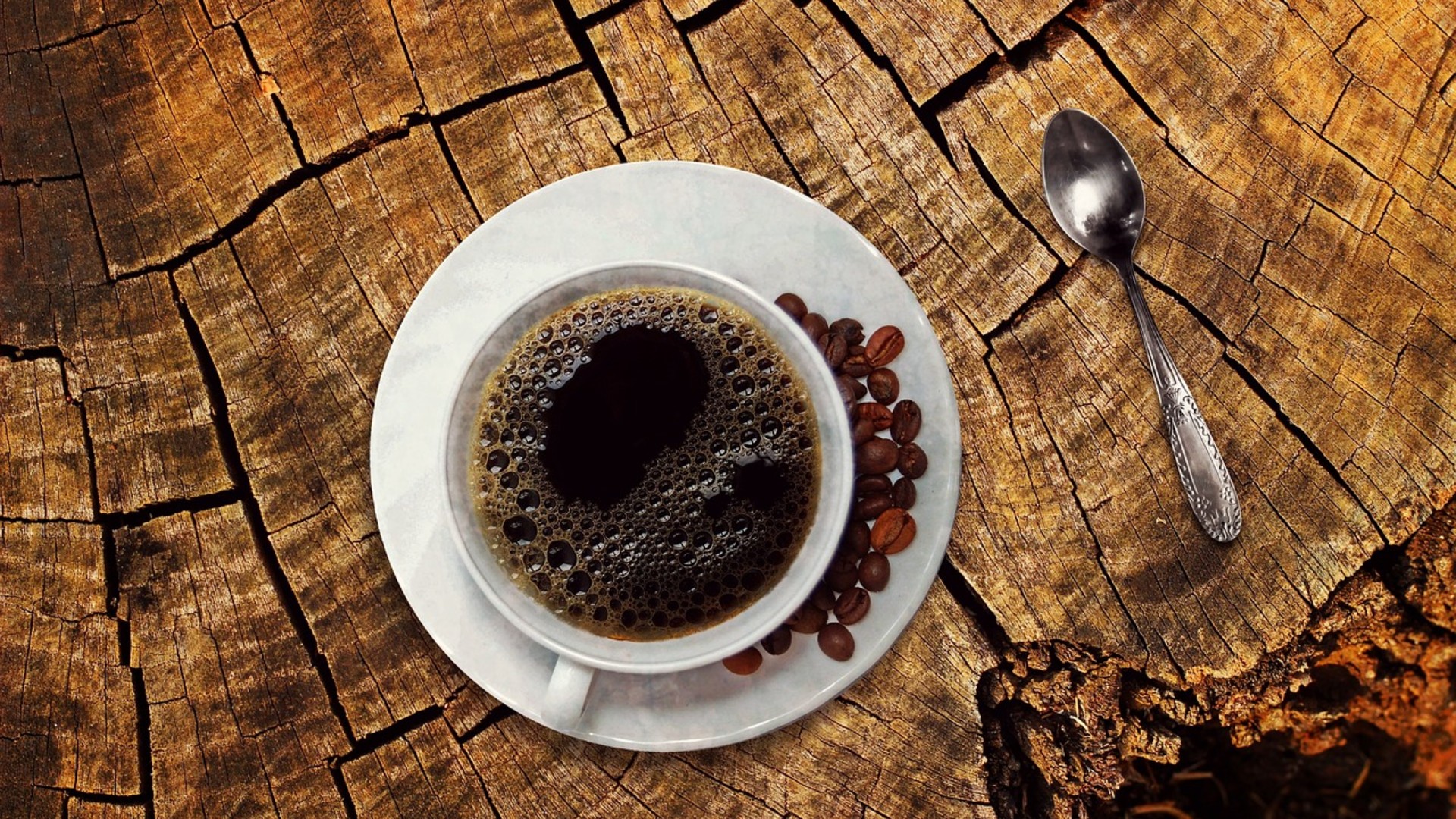
2. Late-Night Decaf Coffee
Late in the evening, commercial coffee makers are often turned off or neglected by cleaning crews. Industry insiders note that leftover decaf is either brewed from dusty, expired packets or diluted regular brew, giving patrons caffeine without their knowledge.
©Pixabay / cocoparisienne
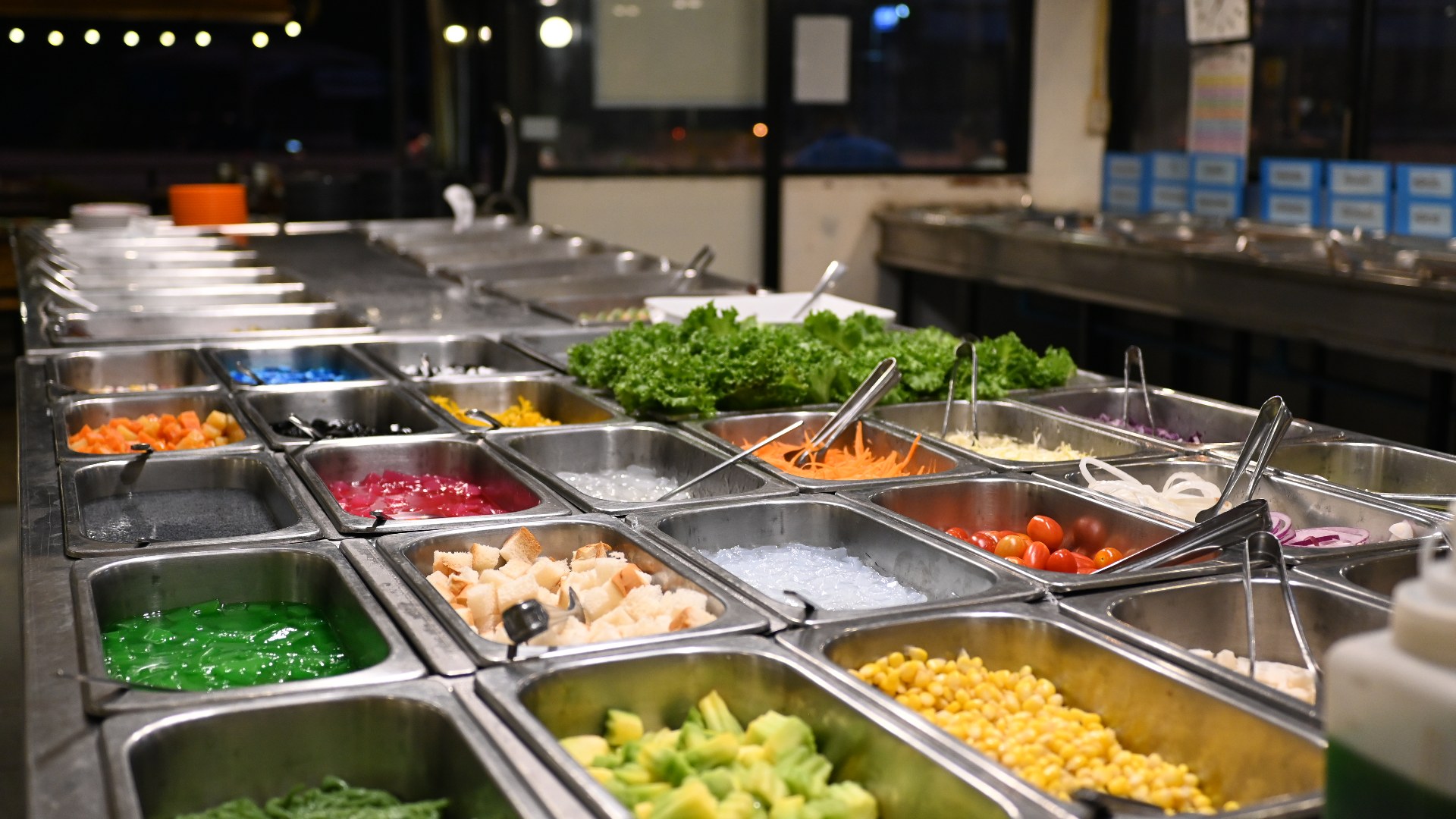
1. Commercial Salad Bar Greens
Executive chefs avoid buffet salad bars because raw greens are rarely kept below forty degrees Fahrenheit. Unwashed hands, sneezing diners, and room temperature holding trays make open salad stations one of the most common vectors for foodborne contamination.

©Wikimedia / PattayaPatrol
Advertisement
You've reached the end of the story. Thanks for reading!

20 Famous Cars With Pop-Up Headlights That Shaped Car Design
From hand-cranked 1930s teardrops to wedge supercars of the 1980s, hidden headlights let stylists chase sleek aerodynamics until 2004 pedestrian rules closed the curtain. Here are 20 standout production cars that turned retractable lamps into an enduring automotive design feature across seven full decades.
All 25 Entries in this Story
1. Sunday And Monday Mussels
Mussels are filter feeders that die and spoil rapidly once out of water. Because metropolitan seafood suppliers do not make weekend deliveries, mussels served on Sunday or Monday are usually four to five days old. One bad shellfish can ruin a customer's week.

2. Draft Beer
Draft beer lines must be chemically flushed bi-weekly to prevent the accumulation of beer stone and bacterial biofilm. In poorly maintained bars, old lines produce sour or buttery off-flavors. Knowledgeable bartenders order bottled or canned beer when in doubt.

3. Buffet Pre-Cut Fruit
Slicing melon rind introduces surface soil bacteria directly into the sugary flesh. In self-serve buffet bars, cut fruit bowls sit on melting ice for hours. Experienced kitchen workers skip room temperature fruit salads in favor of whole, unpeeled bananas or oranges.

4. Blue Rare Steak
While the inside of intact muscle meat is generally sterile, the outside surface harbors bacteria picked up during butchering. If a grill cook rushes a blue rare steak and fails to achieve a hard sear on all exterior facets, dangerous bacteria can survive.

5. Deli Chicken Salad
Dry, overcooked chicken breasts from previous dinner services cannot be sold as entrees. Kitchens shred the meat and douse it with mayonnaise, mustard, and celery to mask the dry texture. Chefs recommend ordering proteins cooked fresh to order instead.

6. Heavy Cream Pasta Sauces
Traditional Italian pasta sauces rely on pasta cooking water, hard cheeses, and butter to create a silky emulsion. Casual American diners substitute heavy cream to create a thick coating quickly, resulting in a cloying dish that sits heavy in the stomach.

7. Basic Cheese Boards
Unless a restaurant cures its own charcuterie or sources rare farmhouse cheeses, cheese boards are pure profit. Kitchens slice commercial cheddar, brie, and gouda with minimal labor, then sell the board for thirty dollars alongside off-the-shelf crackers.

8. Communal Bar Snacks
Open bar snacks are a notorious breeding ground for pathogens. Bar patrons frequently touch barstools, cash, and their own faces before digging their hands into shared pretzel bowls. Industry workers never eat snacks from open bowls sitting on the bar counter.

9. Soft-Serve Milkshakes
Soft-serve equipment has intricate gaskets, valves, and mixing tubes that accumulate dairy residue if not fully sanitized daily. Due to tight closing schedules, staff often perform superficial wash cycles, leaving machines susceptible to mold and listeria.

10. Restaurant Swordfish
Swordfish is a large apex predator prone to marine parasites like tapeworms, which prep cooks must meticulously excise before cooking. bioaccumulation gives mature swordfish higher mercury concentrations than almost any other commercial fish.

11. Pasta Primavera
Italian chefs view pasta primavera as a convenient way to clear out miscellaneous squash, peppers, and broccoli stems. Because the vegetables are smothered in heavy sauce and melted cheese, diners cannot tell that the produce was harvested days ago.

12. Buffet Scrambled Eggs
Breakfast steam tables dry out scrambled eggs within minutes, leaving them rubbery and discolored. Kitchens rely on pasteurized jug eggs containing citric acid preservatives. Line cooks always ask for freshly cracked eggs cooked to order over easy instead.

13. Mystery House Soups
Commercial stock pots are where expiring vegetables, roast trims, and aged gravies find a second life. Heavy cream and extra sodium disguise oxidized flavors. Unless a restaurant is specifically renowned for seasonal broths, chefs rarely pick the soup of the day.

14. Inland Raw Oysters
Oysters must be kept strictly below forty degrees from the moment of harvest until they are shucked. Inland distribution chains involve multiple freight transfers and refrigeration risks. Chefs only order raw bivalves when dining at reputable coastal oyster bars.

15. Recycled Bread Baskets
While health codes strictly forbid re-serving food, underpaid bus staff during chaotic dinner rushes have been known to recycle uneaten dinner rolls back into the warmer. Chefs prefer ordering fresh baked bread only when they know it was sliced directly to order.

16. Overpriced Truffle Fries
Truffle fries are one of the most profitable menu items in the hospitality sector. A few drops of inexpensive chemical oil and a dusting of dry parmesan can turn fifty cents worth of bulk frozen potatoes into an eighteen-dollar starter.

17. Monday Seafood Specials
Most metropolitan fish markets operate Monday through Friday mornings. That means any fresh fish arriving on Friday has sat in commercial walk-in coolers for three days by Monday lunch. Kitchens routinely feature Monday seafood specials to empty out expiring stock.

18. Well-Done Steak Orders
When a diner asks for beef cooked until brown throughout, the natural moisture and tenderness are incinerated. Grill cooks take advantage of this by reserving their oldest, oxidation-spotted steaks for well-done tickets, knowing the patron will never taste the difference.

19. Wagyu Beef Sliders
Wagyu is renowned for its intramusclar fat webs that melt at low temperatures. Running Wagyu through an industrial meat grinder destroys that delicate texture completely. Chefs know that Wagyu burgers are made from cheap scrap trimmings with massive marketing markups.

20. Late-Morning Hollandaise Sauce
Hollandaise is an emulsion of raw egg yolks and warm clarified butter that breaks if heated past body temperature. Anthony Bourdain famously warned that hollandaise held in warm kitchen pans throughout a long Sunday brunch is a notorious incubator for salmonella.

21. Tap Water With Lemon Wedges
Multiple microbiological studies have found high concentrations of fecal bacteria and mold on citrus garnishes. Bar staff often handle lemons with bare hands between handling cash and wiping tables, making drink garnishes a notorious microbial hotspot.

22. Boxed Chicken Cordon Bleu
Preparing authentic chicken cordon bleu requires intricate rolling, toothpicks, and delicate baking. Because of the heavy labor, mid-tier kitchens almost universally buy frozen pre-stuffed cutlets, charging fresh entree prices for processed cafeteria food.

23. Synthetic Truffle Oil Pasta
Almost all restaurant truffle oil contains zero actual truffles. It is formulated with 2,4-dithiapentane, an artificial aroma derived from petroleum. Chefs refuse to pay premium prices for ordinary pasta flavored with synthetic flavoring agents.

24. Late-Night Decaf Coffee
Late in the evening, commercial coffee makers are often turned off or neglected by cleaning crews. Industry insiders note that leftover decaf is either brewed from dusty, expired packets or diluted regular brew, giving patrons caffeine without their knowledge.

25. Commercial Salad Bar Greens
Executive chefs avoid buffet salad bars because raw greens are rarely kept below forty degrees Fahrenheit. Unwashed hands, sneezing diners, and room temperature holding trays make open salad stations one of the most common vectors for foodborne contamination.