Slideshow · Travel
25 Strange Places Hidden Beneath American Cities, Ranked
From subterranean streetscapes to forgotten transit tunnels, these 25 hidden places lie secretly beneath major American cities.
By Most Viral Today
2 Nov 2026

25 Strange Places Hidden Beneath American Cities, Ranked 
25. Strataca Salt Mine, Hutchinson 
24. Dupont Underground, Washington 
23. Mine Fire Tunnels, Centralia - AdvertisementSwipe or tap ▶ to continue countdown

22. Wabasha Street Caves, St. Paul 
21. SubTropolis, Kansas City 
20. Shanghai Tunnels, Portland 
19. Underground Atlanta, Atlanta - AdvertisementSwipe or tap ▶ to continue countdown

18. Belle Isle Aquarium, Detroit 
17. Atlantic Avenue Tunnel, Brooklyn 
16. Capitol Subway, Washington 
15. Tremont Street Subway, Boston - AdvertisementSwipe or tap ▶ to continue countdown

14. Rochester Subway, Rochester 
13. Detroit-Superior Subway, Cleveland 
12. Freight Tunnels, Chicago 
11. Belmont Trolley Tunnel, Los Angeles - AdvertisementSwipe or tap ▶ to continue countdown

10. Lemp Brewery Caves, St. Louis 
9. City Market Catacombs, Indianapolis 
8. Forestiere Gardens, Fresno 
7. Old Croton Aqueduct, New York - AdvertisementSwipe or tap ▶ to continue countdown

6. Carlsbad Caverns, Carlsbad 
5. Mammoth Cave, Kentucky 
4. Abandoned Subway, Cincinnati 
3. Seattle Underground, Seattle - AdvertisementSwipe or tap ▶ to continue countdown

2. City Hall Station, New York 
1. Federal Reserve Gold Vault, New York - Advertisement🔥 UP NEXT IN THIS SERIES◫ 21 Slides

20 Countries With the Strongest Passports, Ranked by Destinations
Global mobility rankings show how diplomatic agreements and visa pacts shape international travel. From European Union nations to dynamic Asian powerhouses, these passports grant seamless entry across continents. Based on official mobility data from the Henley Passport Index alongside statistics from the IATA database.
Beneath the sidewalks and skyscrapers of America's greatest metropolitan hubs lie forgotten worlds cut off from modern daylight. This definitive ranking explores twenty-five subterranean marvels, from abandoned transit tunnels to massive limestone caverns, counting down to the country's most secure subterranean site.
Swipe or tap ▶ to begin the countdown
©Wikimedia / Vlad Rud & Wikimedia / Rhododendrites
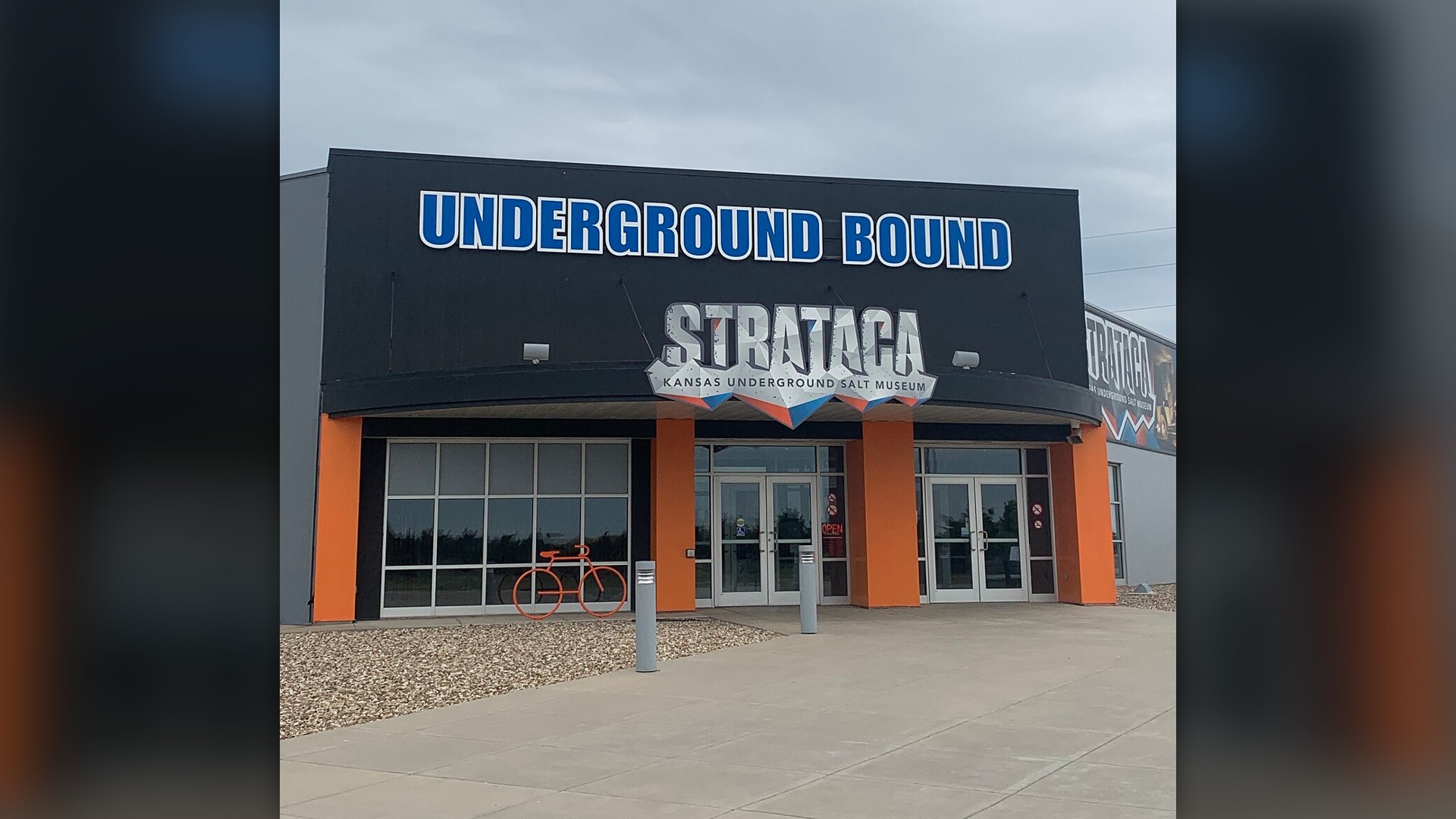
25. Strataca Salt Mine, Hutchinson
Carved into thick subterranean rock salt beds, Strataca descends 650 feet below Hutchinson. Beyond active mining operations, its subterranean caverns house secure climate-controlled vaults protecting original master film reels of classic movies, historic documents, and museum artifacts in perpetual preservation.
©Wikimedia / Wljacks5
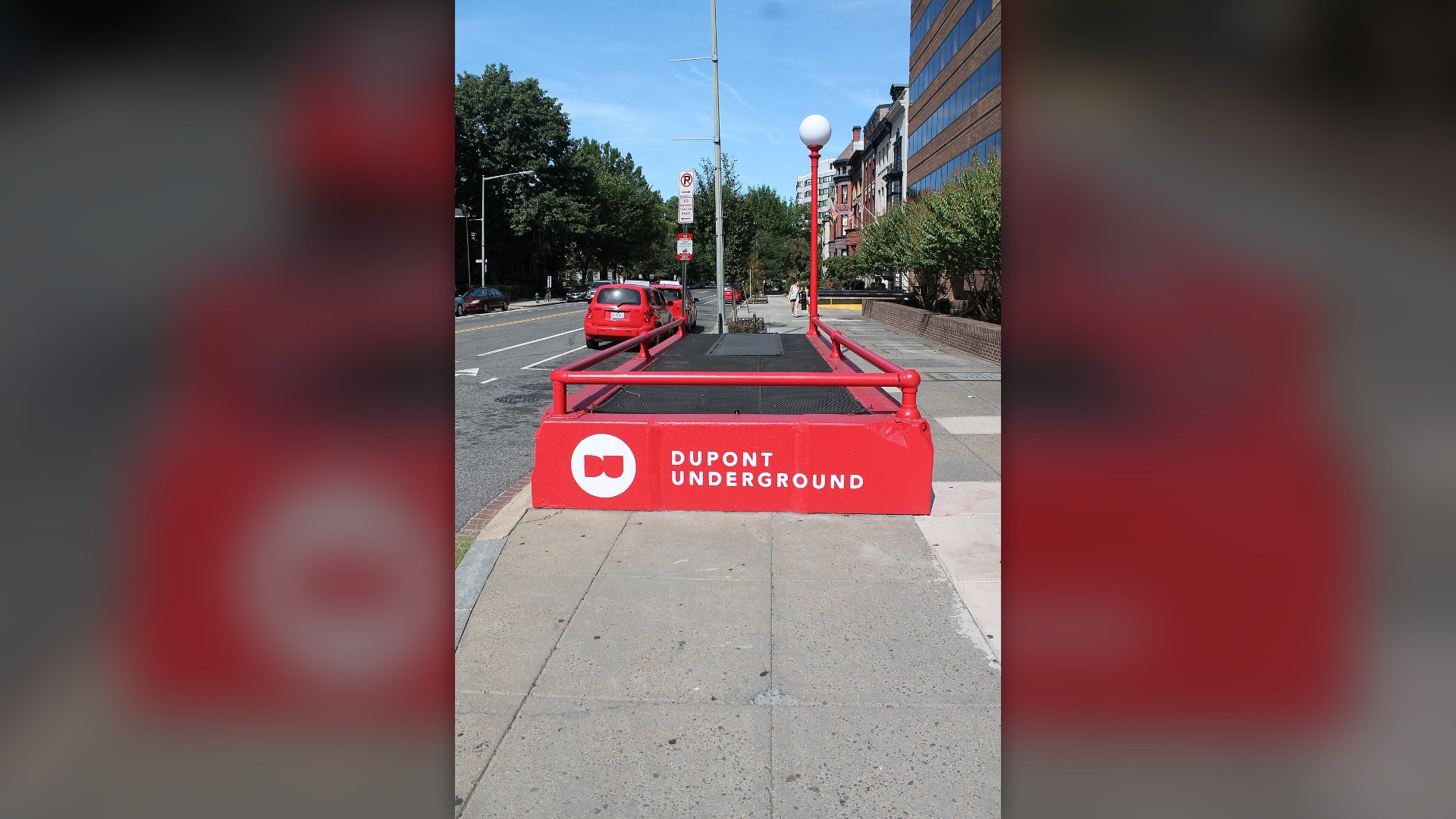
24. Dupont Underground, Washington
Beneath Dupont Circle lies a subterranean network of streetcar platforms and transit tunnels opened in 1949. Closed when trolleys were phased out in 1962, the expansive tunnels sat empty for decades before community volunteers transformed the curved concrete halls into an underground cultural arts destination.
©Wikimedia / Elvert Barnes
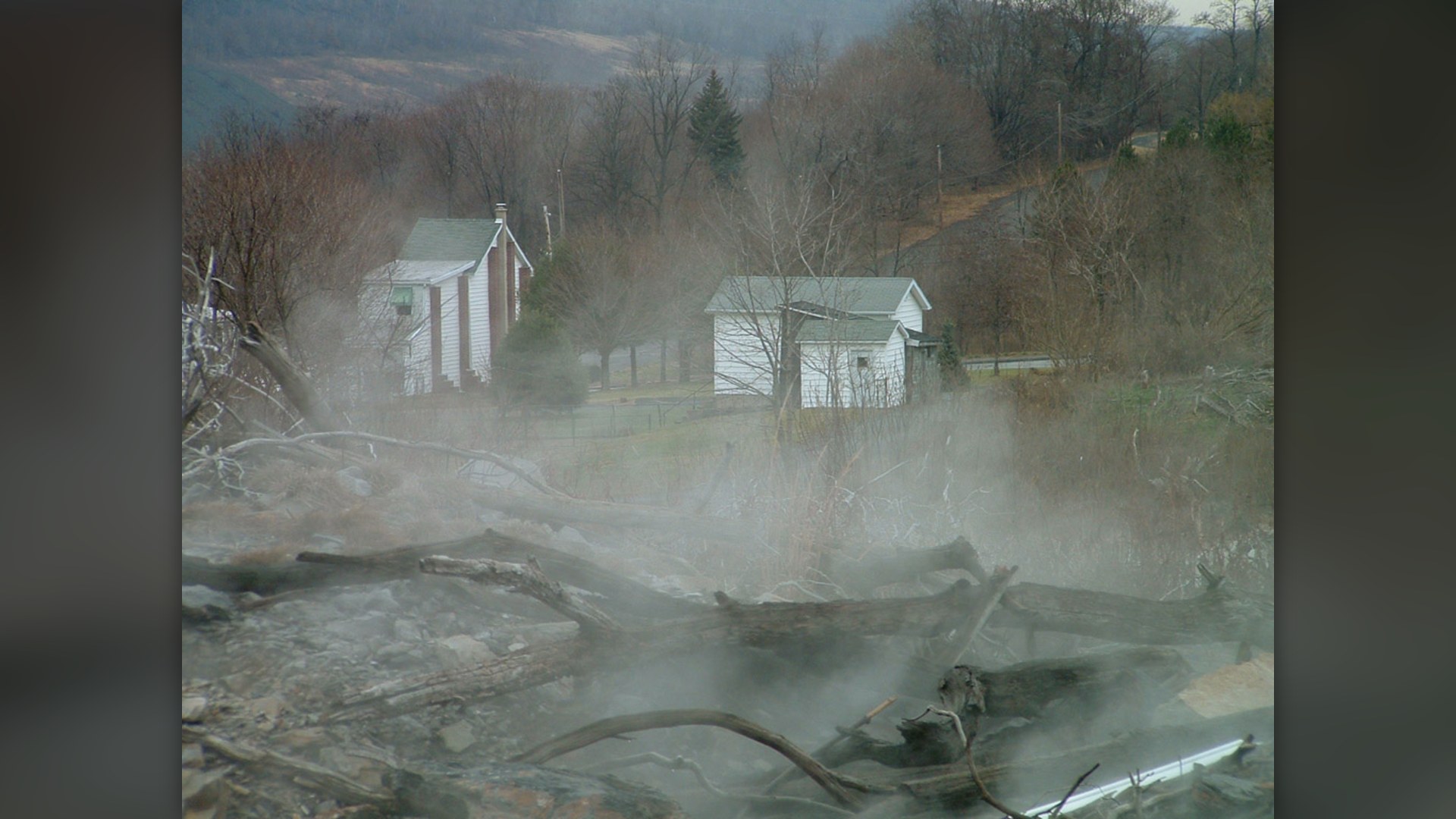
23. Mine Fire Tunnels, Centralia
A continuous subterranean blaze burns through abandoned coal labyrinths beneath Centralia, Pennsylvania. Ignited in an old strip pit in 1962, the fire spread into miles of subterranean mine workings, releasing toxic fumes, opening smoking sinkholes, and turning the surface borough into a modern ghost town.
©Wikimedia / Scott Drzyzga
Advertisement
Swipe or tap ▶ to resume the countdown.
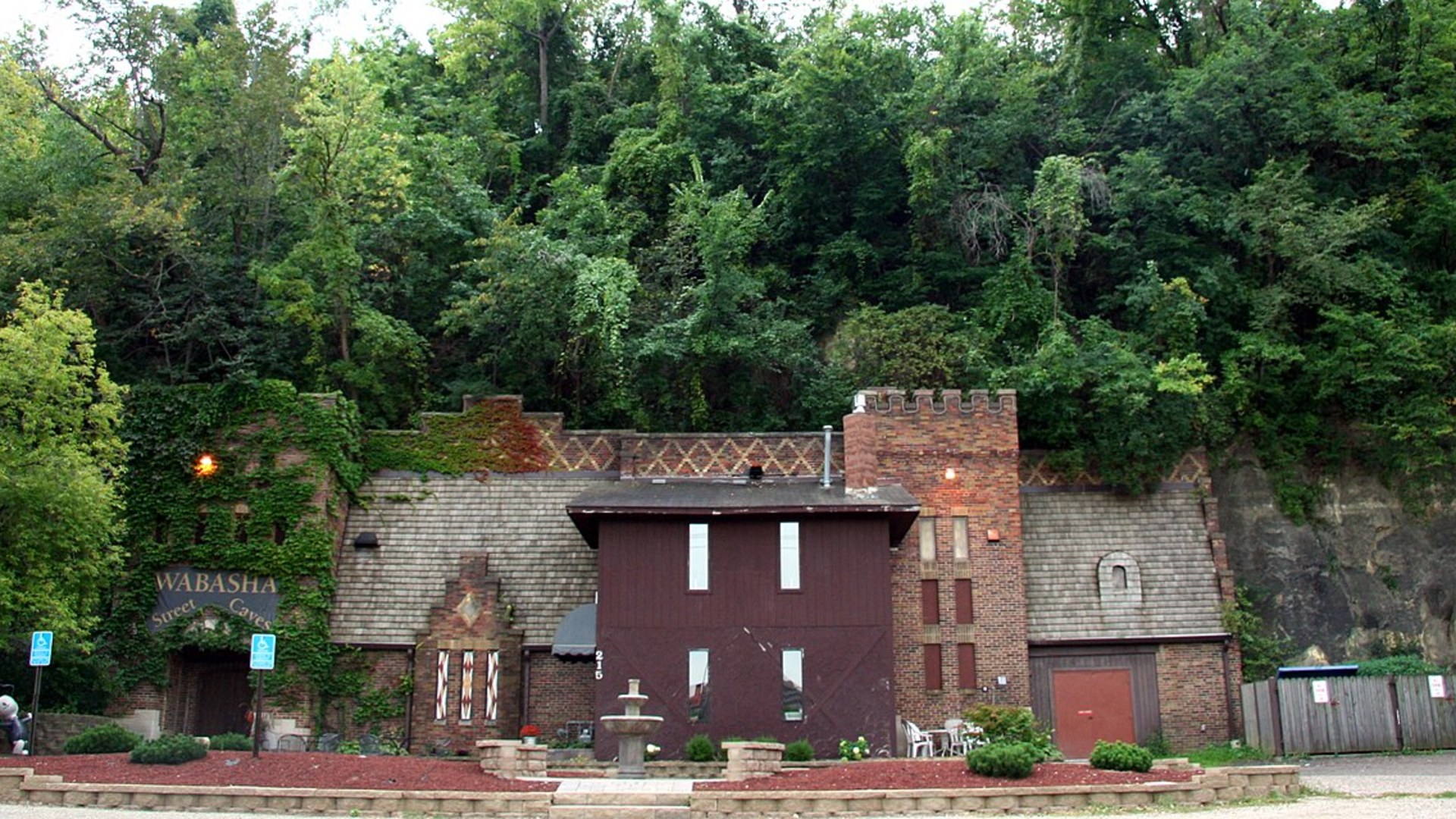
22. Wabasha Street Caves, St. Paul
Carved into St. Paul's soft St. Peter sandstone bluffs, the Wabasha Street Caves originated as silica mining chambers. During the 1920s and 1930s, the cool caverns were converted into the Castle Royal nightclub, where notorious gangsters like John Dillinger mingled beneath vaulted natural rock ceilings.
©Wikimedia / Jonathunder
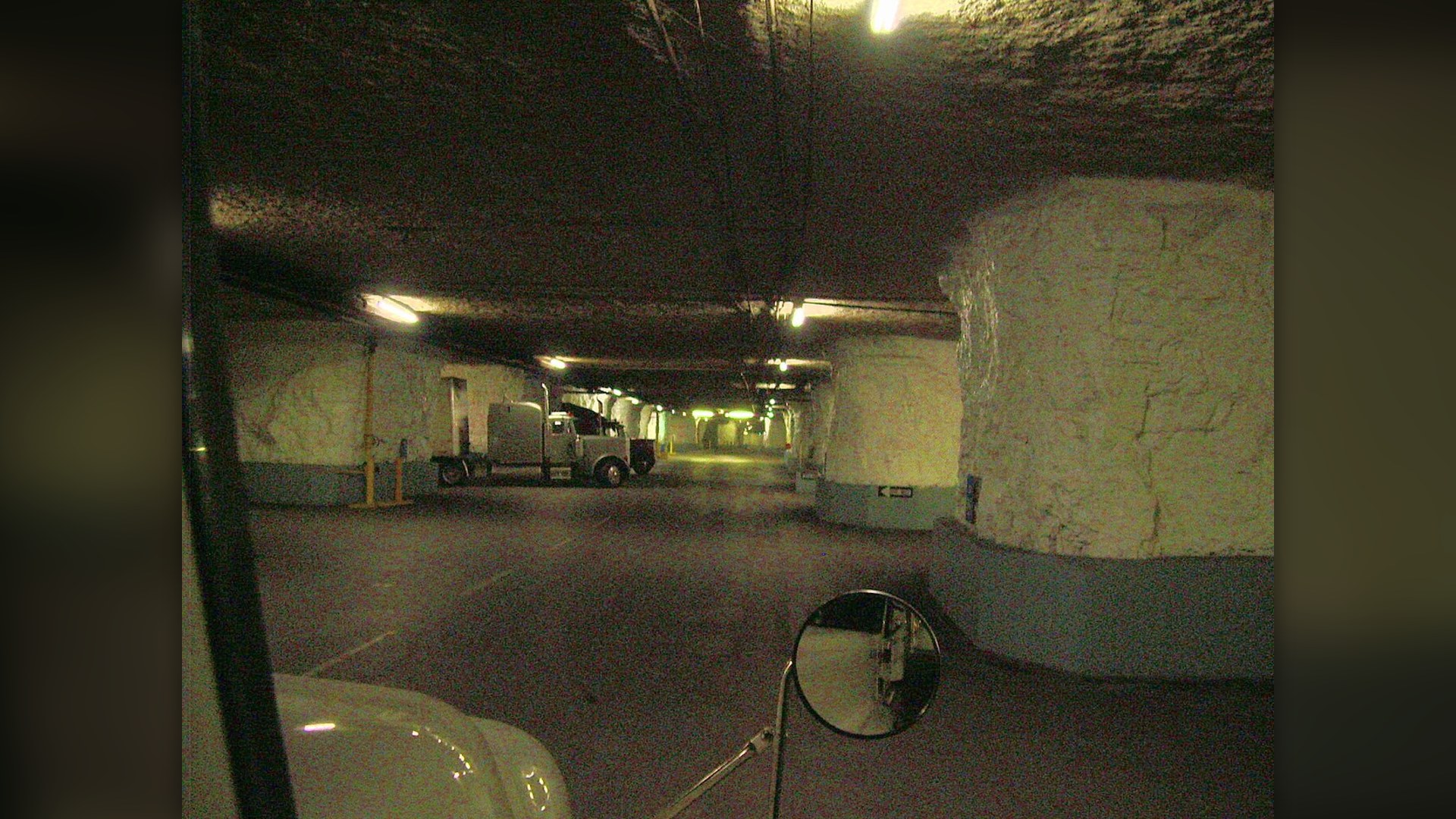
21. SubTropolis, Kansas City
Known as the world's largest underground business complex, SubTropolis spans 55 million square feet beneath Kansas City. Formed by room-and-pillar limestone mining, the cavern maintains a naturally constant 68-degree temperature, housing warehouses, secure server farms, and postal shipping distribution hubs.
©Wikimedia / ErgoSum88
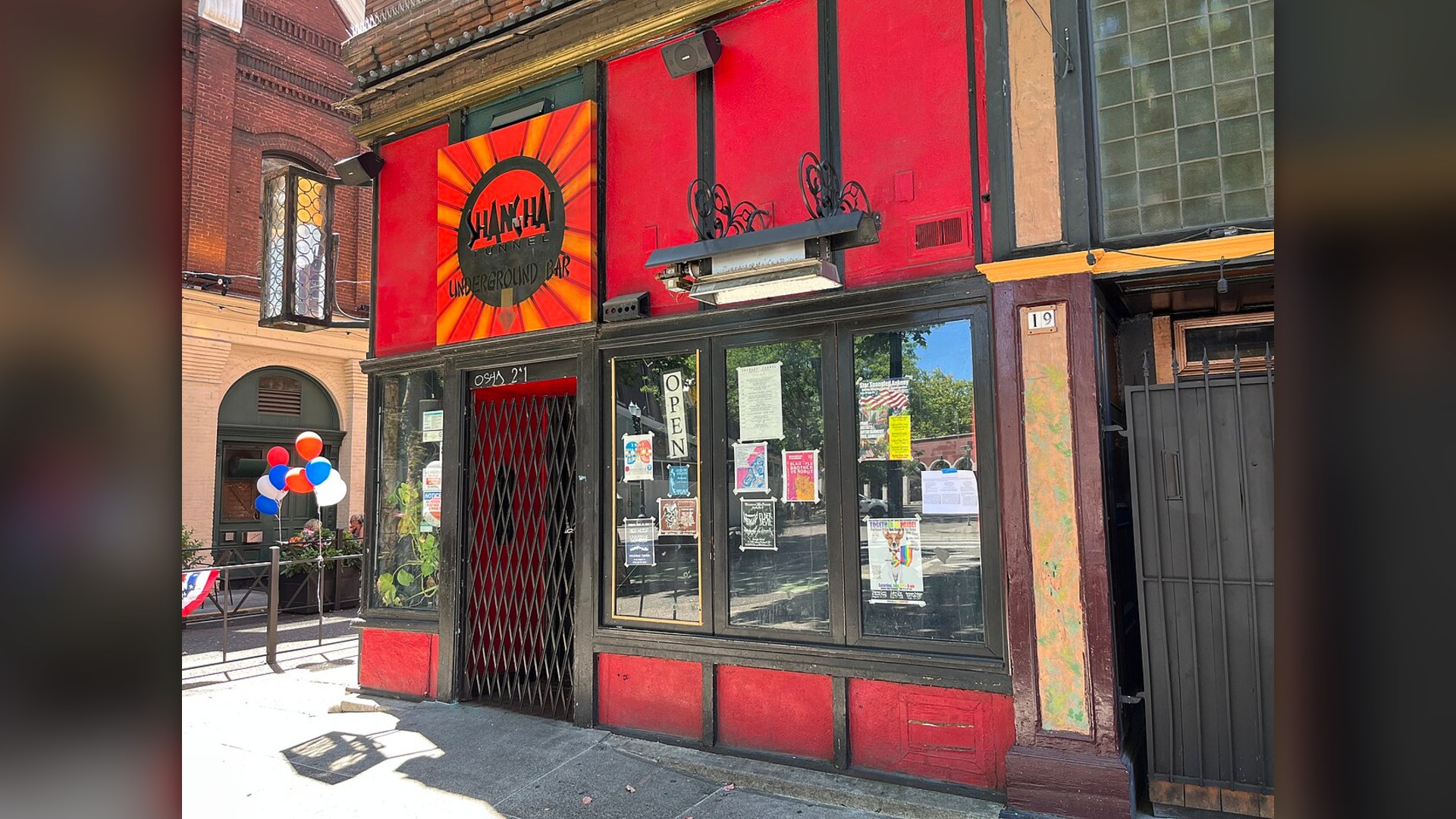
20. Shanghai Tunnels, Portland
Beneath Portland's Old Town Chinatown lies a web of underground corridors originally built to move freight between basement storage rooms and river docks. Local folklore claims the brick tunnels were used to kidnap unsuspecting patrons from local bars and force them into labor aboard merchant sea vessels.
©Wikimedia / Another Believer
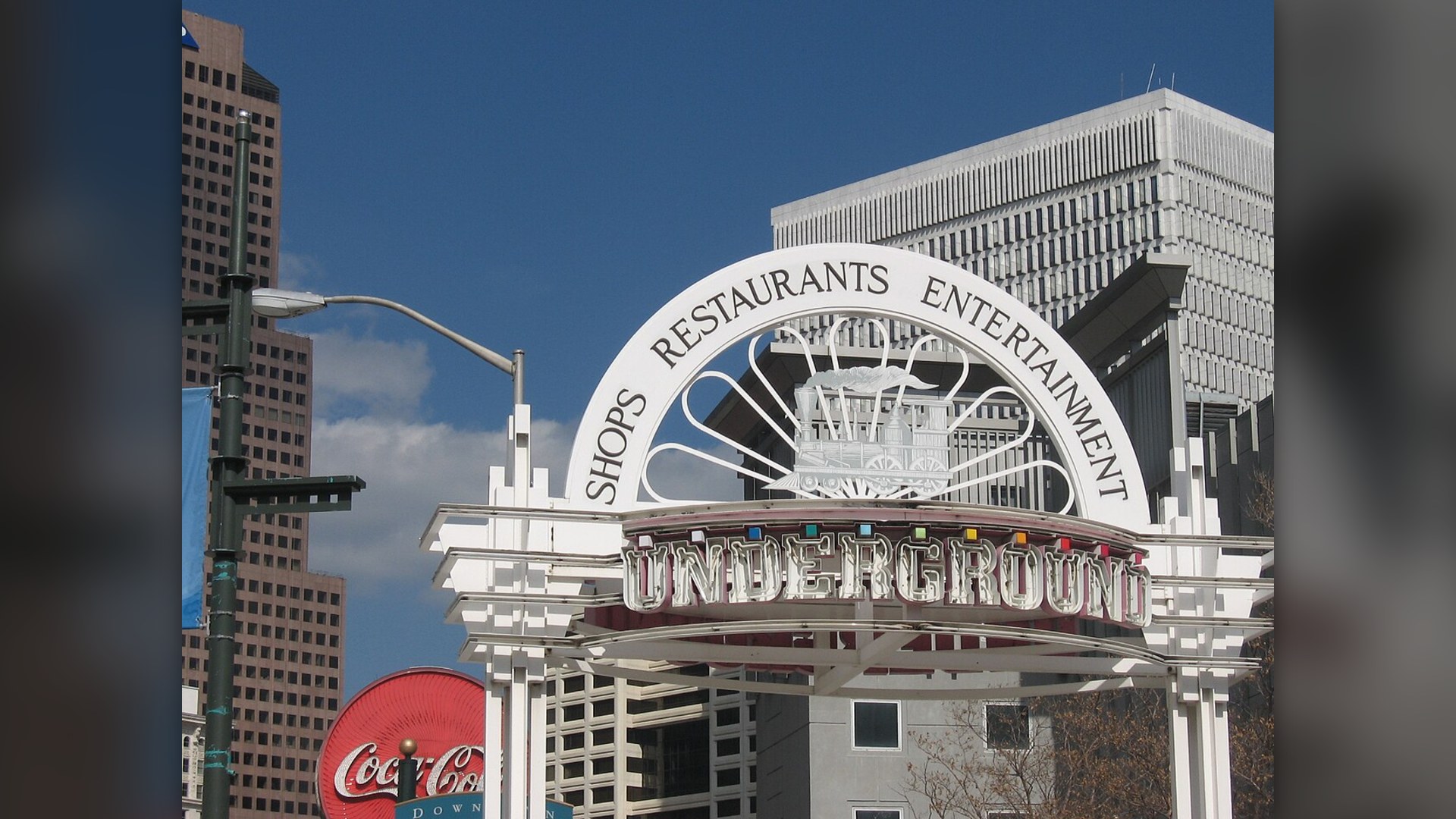
19. Underground Atlanta, Atlanta
When Atlanta constructed elevated concrete viaducts in the 1920s to cross busy railroad lines, the original ground-level streetscape was effectively entombed. The subterranean brick facades, iron lampposts, and wooden storefronts were rediscovered decades later and revitalized as an underground marketplace.
©Wikimedia / Thomas Moeller
Advertisement
Swipe or tap ▶ to resume the countdown.
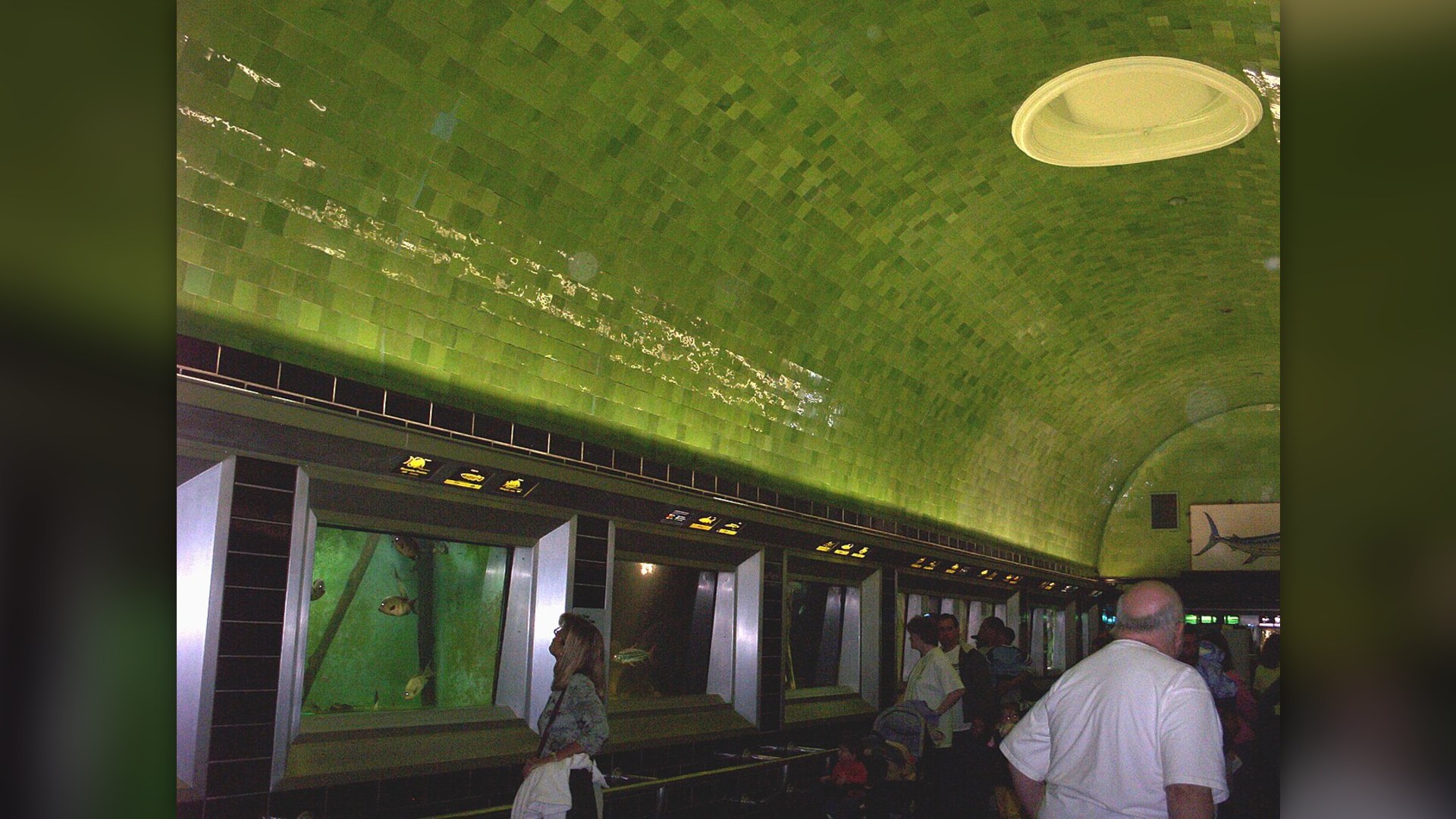
18. Belle Isle Aquarium, Detroit
Designed by famed architect Albert Kahn in 1904, Detroit's Belle Isle Aquarium is famed for its green glass arched ceiling. Beneath the public viewing gallery lies an extensive vaulted basement that rumor holds served as a discreet speakeasy and liquor storage cellar during the Roaring Twenties Prohibition era.
©Wikimedia / Rmhermen
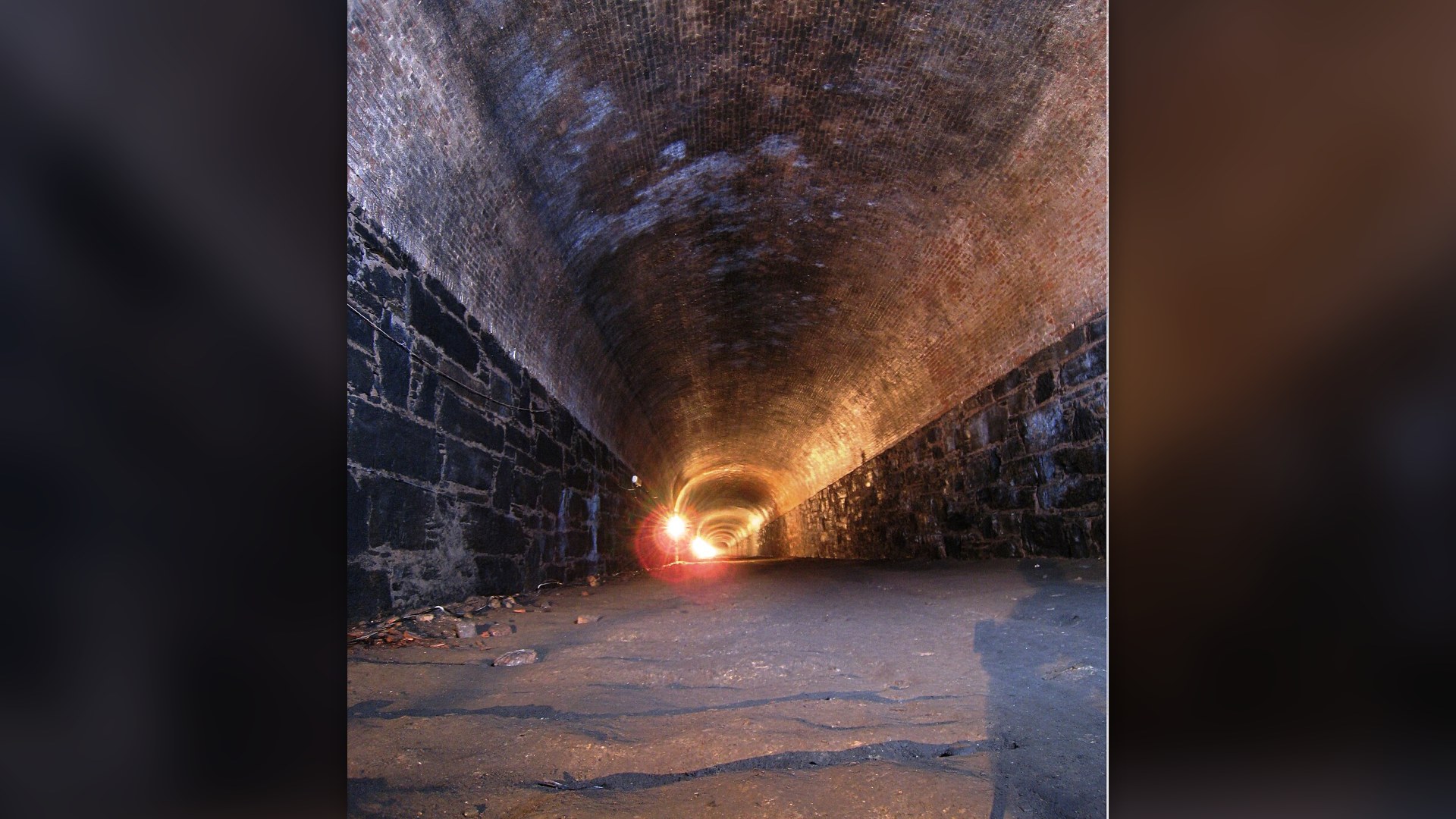
17. Atlantic Avenue Tunnel, Brooklyn
Built beneath Brooklyn by the Long Island Rail Road to relieve surface congestion, the half-mile Atlantic Avenue Tunnel was sealed off in 1861. Forgotten for over a century, urban legend held it concealed a buried steam locomotive before amateur historian Bob Diamond rediscovered the brick vault through a manhole.
©Wikimedia / Vlad Rud
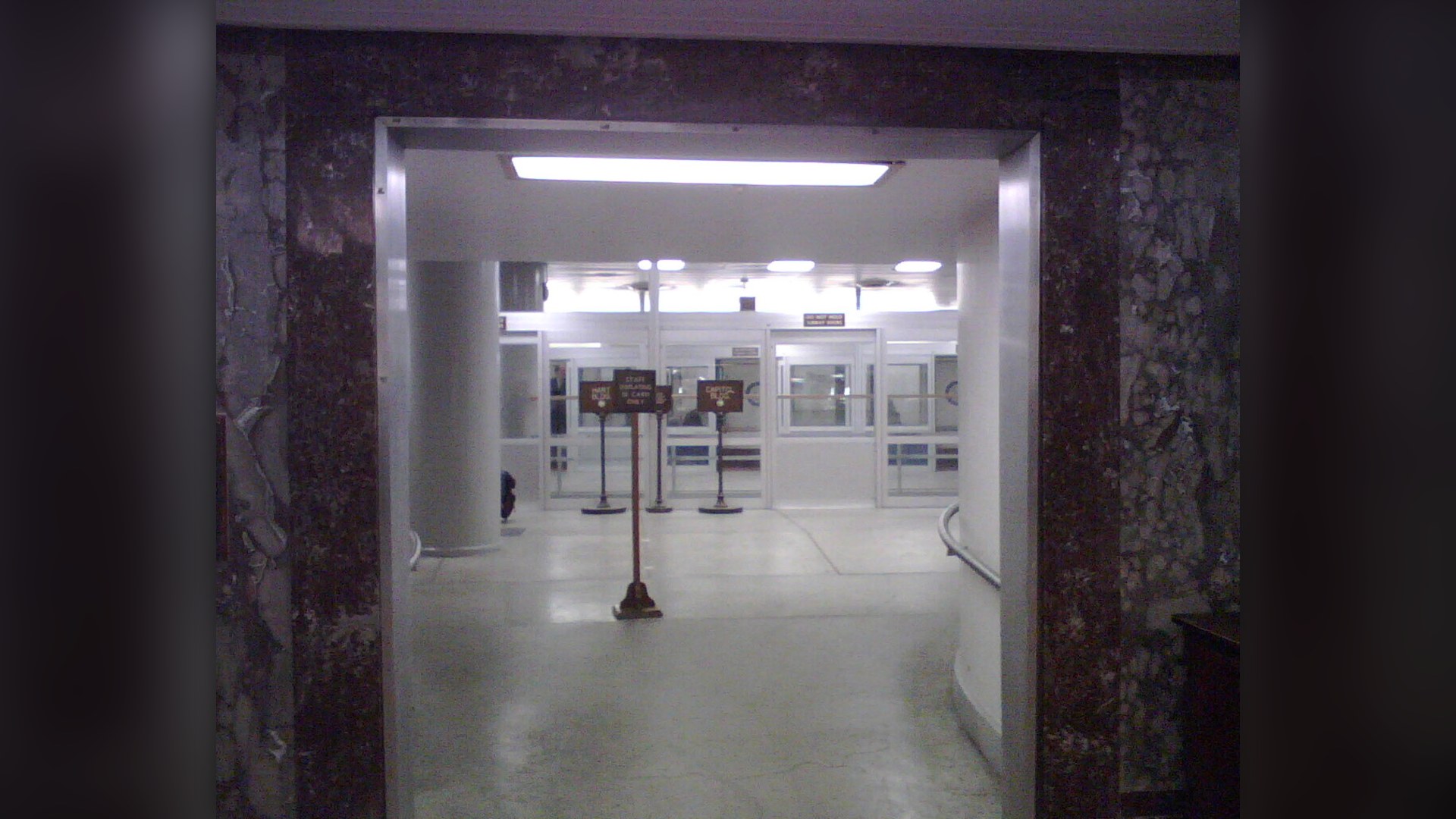
16. Capitol Subway, Washington
Running in concrete tunnels deep below Capitol Hill, the United States Capitol subway has shuttled politicians since 1909. Lawmakers travel between congressional office buildings and legislative chambers aboard small electric cars, allowing rapid transit shielded from surface weather and outside security threats.
©Wikimedia / Payton Chung
15. Tremont Street Subway, Boston
Boston pioneered American subway transit by burying streetcar tracks beneath Tremont Street and Boston Common. Opening in September 1897, the arched stone tunnel swept thousands of trolleys off congested downtown roads, establishing the historical foundation for modern metropolitan rail across North America.
©Wikimedia / Jollieduck
Advertisement
Swipe or tap ▶ to resume the countdown.
14. Rochester Subway, Rochester
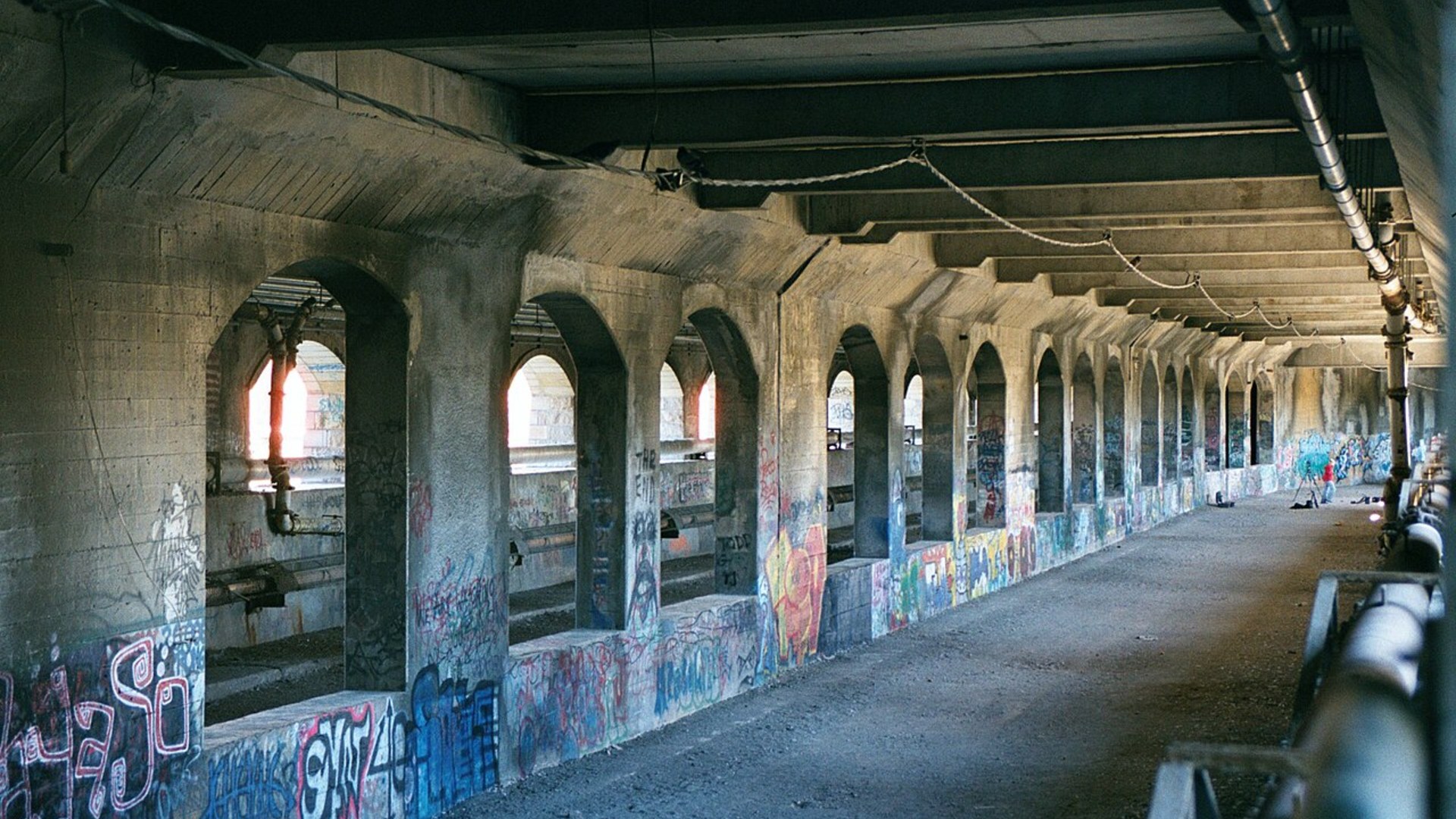
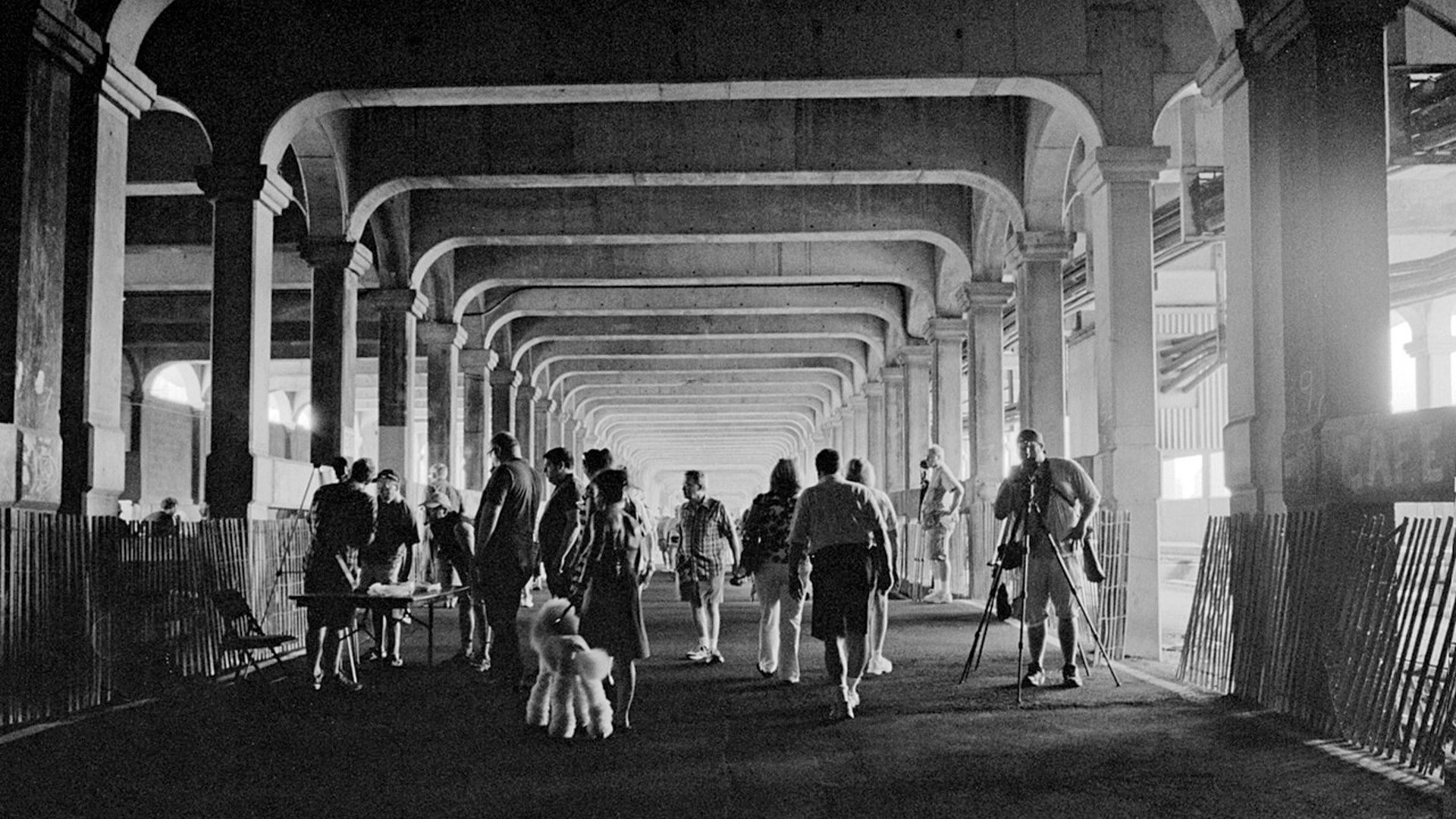
Rochester converted the empty stone aqueduct of the abandoned Erie Canal into a two-mile subterranean rapid transit line in 1927. Operating until 1956, the tunnel features massive stone pillars beneath the Broad Street bridge, which today stands as an underground gallery for regional urban artists and graffiti.
©Wikimedia / Andreas F. Borchert
13. Detroit-Superior Subway, Cleveland
Completed in 1918, Cleveland's Detroit-Superior Bridge featured an upper highway deck for road vehicles and a lower subterranean deck for streetcars. The hidden lower level contained four dedicated tracks and cavernous passenger platforms that ceased operations in 1954, remaining intact beneath daily traffic.
©Wikimedia / Tom Hart
12. Freight Tunnels, Chicago
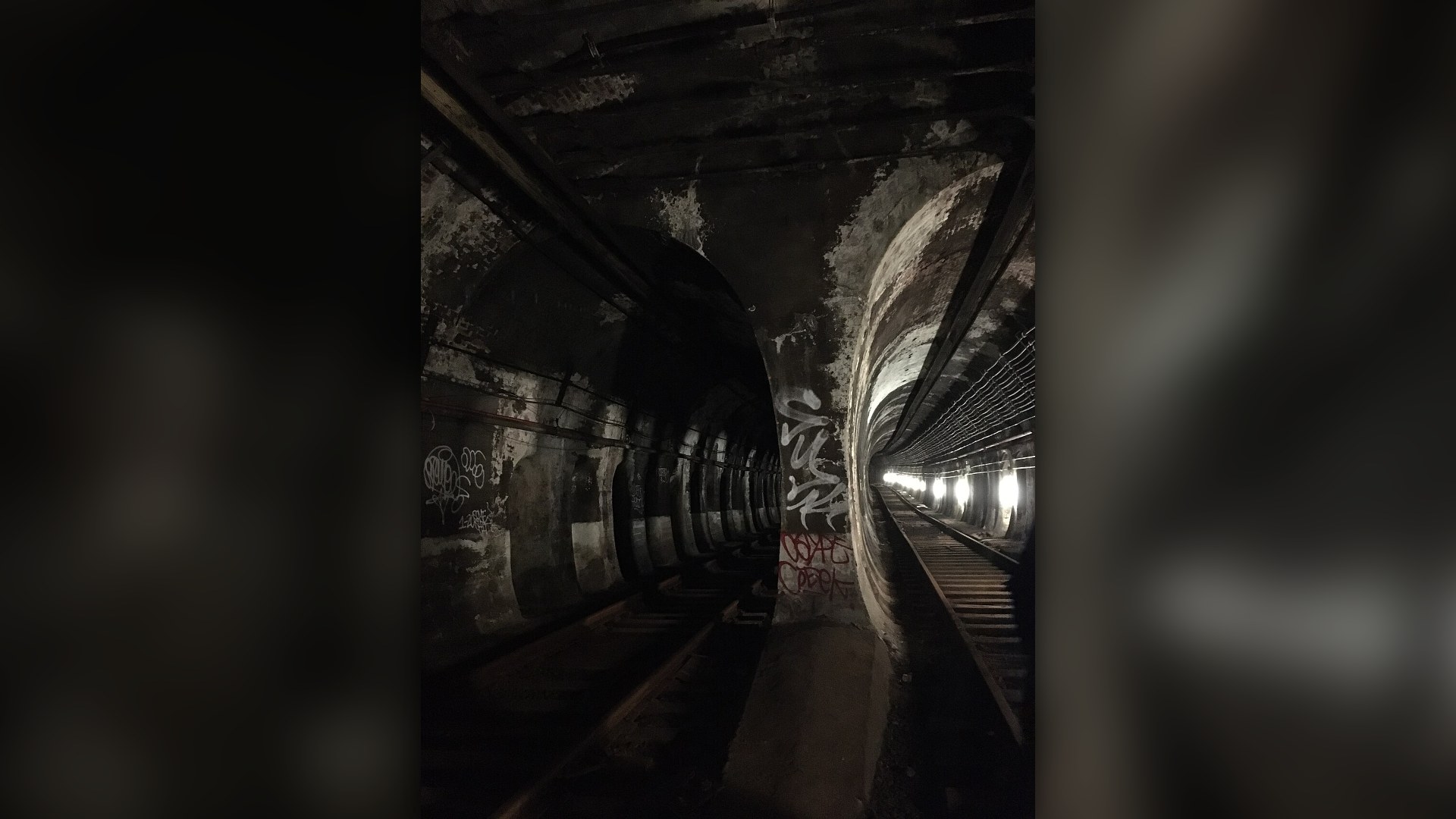
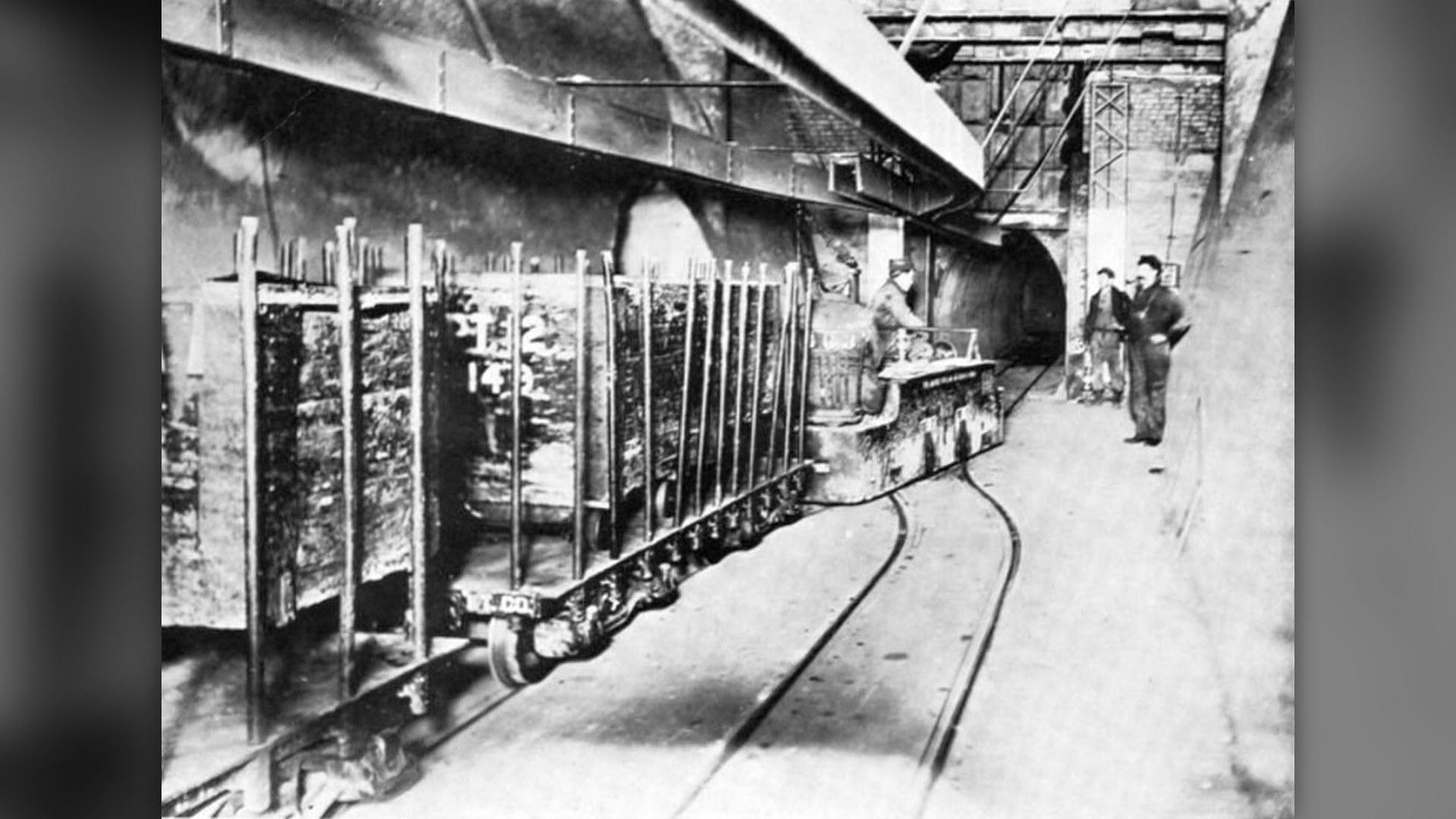
Beginning in 1899, the Chicago Tunnel Company bored a 60-mile subterranean network of narrow-gauge railways 40 feet below the city streets. Small electric engines quietly hauled coal, merchandise, and ash directly to skyscraper basements, until the Chicago Flood submerged the historic corridors in 1992.
©Wikimedia / Historic Contributor
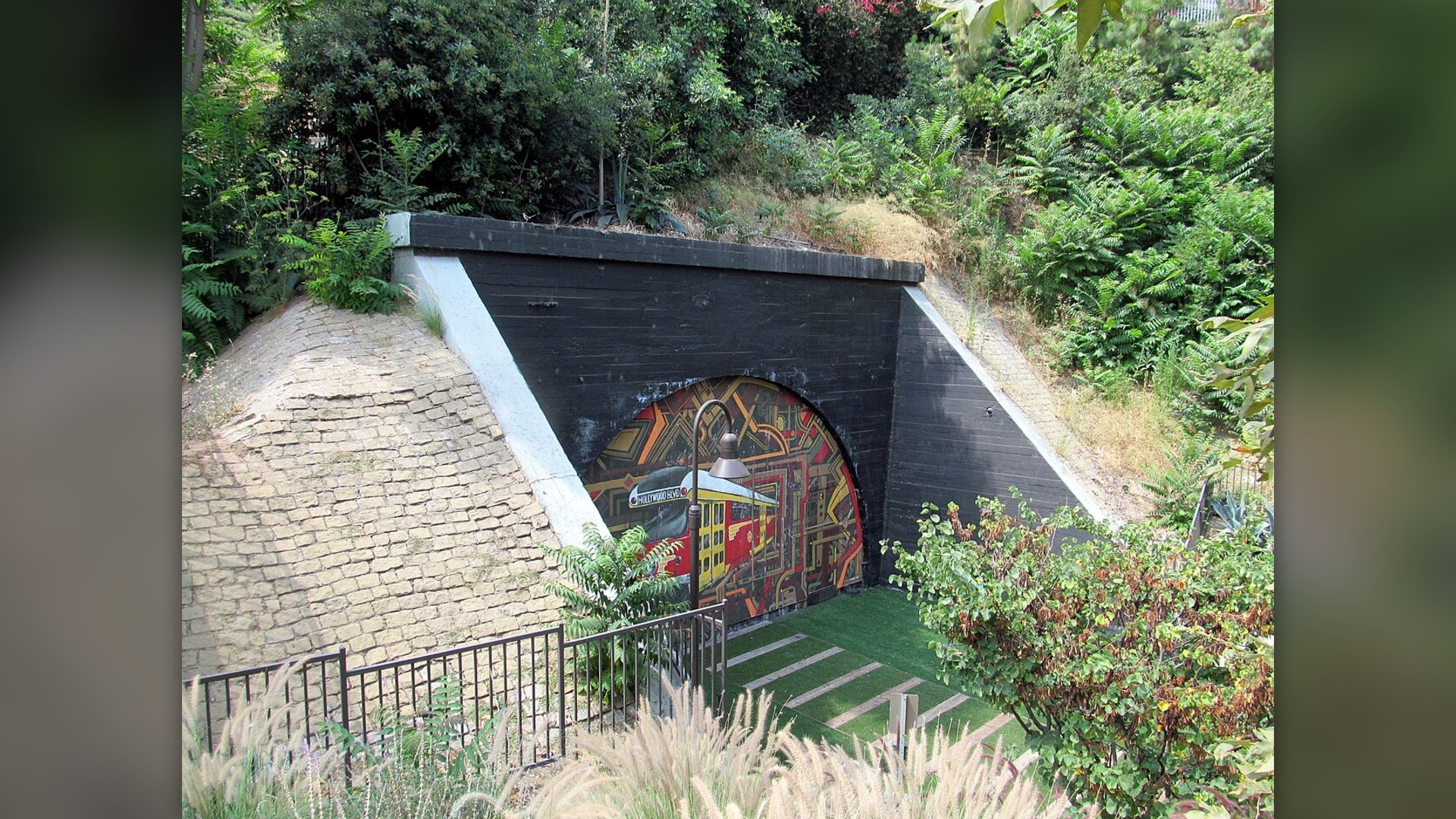
11. Belmont Trolley Tunnel, Los Angeles
The Pacific Electric Railway built the Belmont Tunnel in 1925 to bypass crowded Los Angeles surface streets, carrying streetcars directly to the subterranean Subway Terminal Building. Abandoned in 1955, the graffiti-lined portal and dark subterranean bore became a favorite backdrop for Hollywood film productions.
©Wikimedia / Pi.1415926535
Advertisement
Swipe or tap ▶ to resume the countdown.
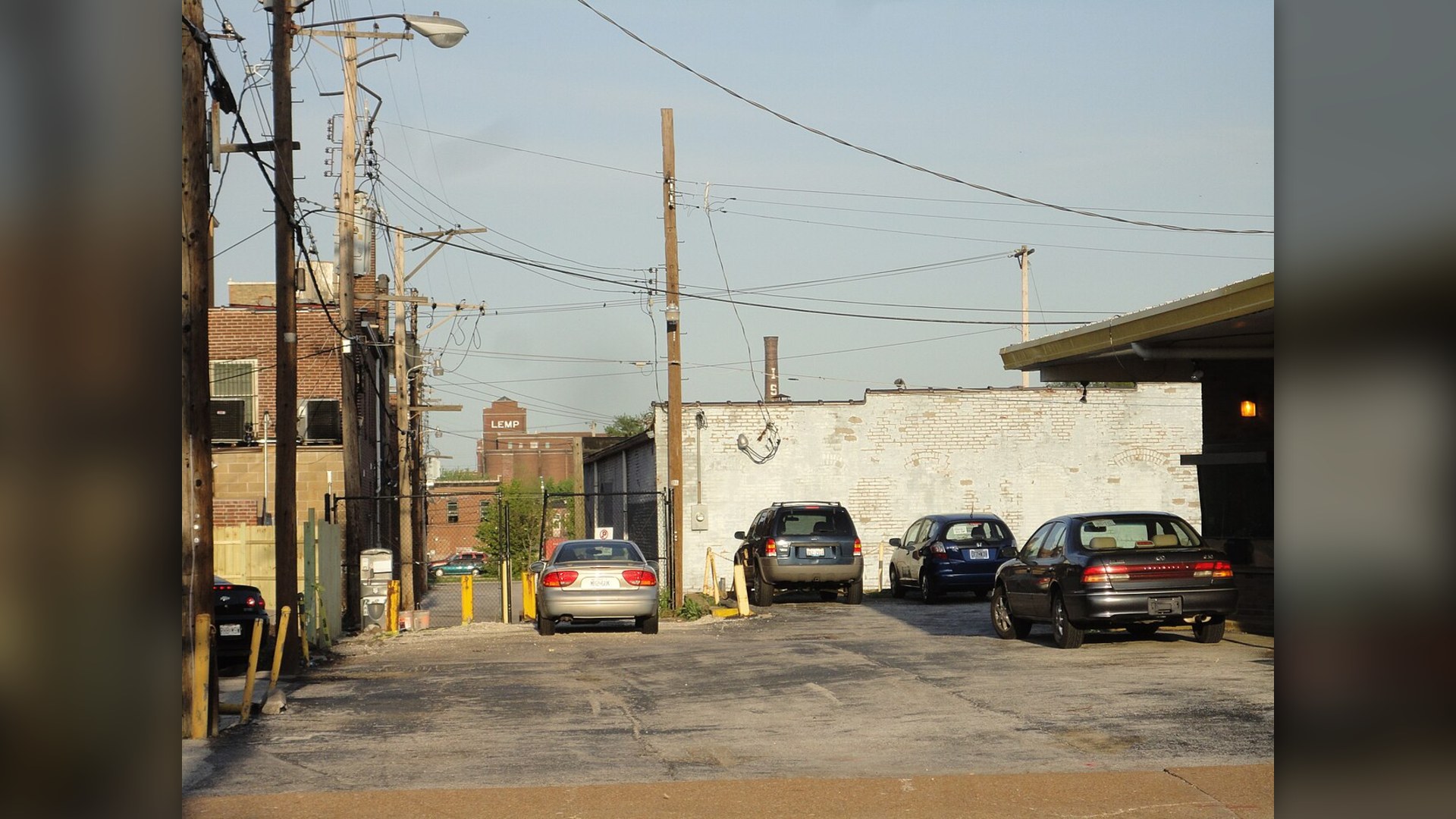
10. Lemp Brewery Caves, St. Louis
Before artificial refrigeration, German brewmaster William Lemp tapped into natural limestone caverns deep beneath South St. Louis. The extensive subterranean chambers provided year-round 50-degree cooling for lagering beer, featuring brick stairwells, brewing vats, and even an underground theater and swimming pool.
©Wikimedia / Paul Sableman
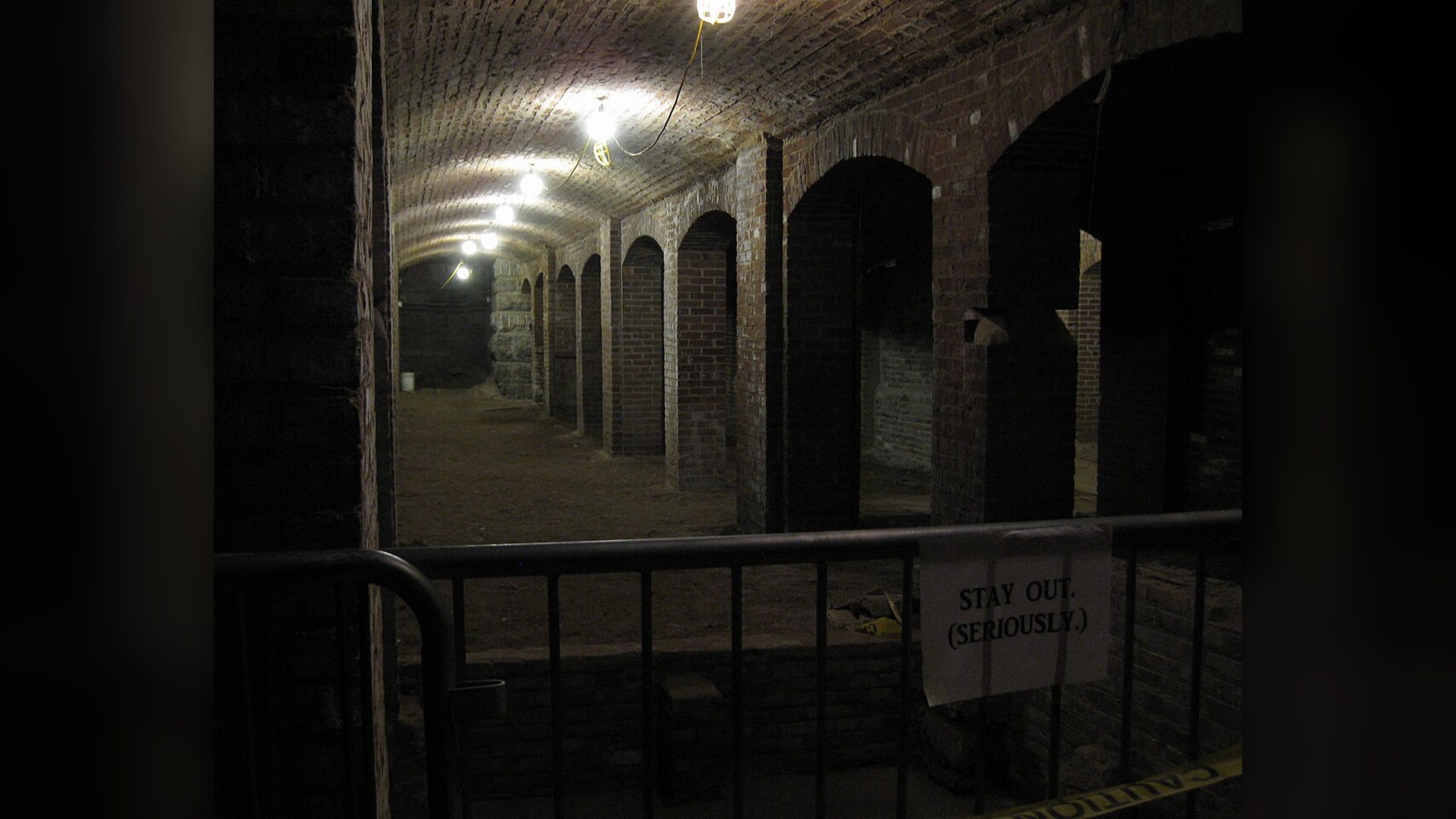
9. City Market Catacombs, Indianapolis
Beneath the plaza of the historic Indianapolis City Market lies an expansive subterranean labyrinth known as the Catacombs. Comprising 20,000 square feet of brick barrel arches, the chambers are the preserved basement foundation of Tomlinson Hall, an 1886 municipal auditorium destroyed by fire in 1958.
©Wikimedia / Nate Davis
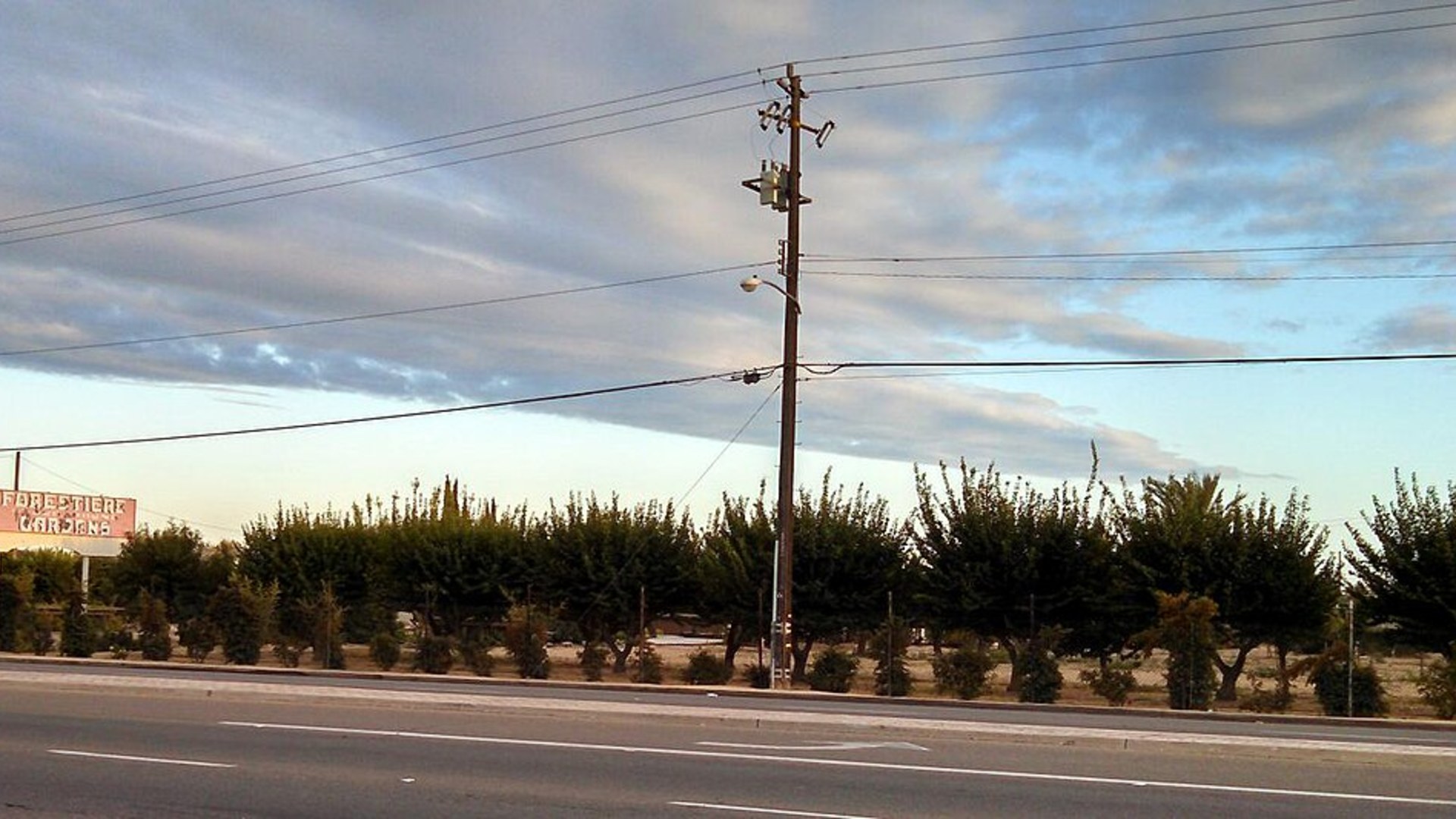
8. Forestiere Gardens, Fresno
Seeking relief from scorching San Joaquin Valley heat, Sicilian immigrant Baldassare Forestiere spent forty years hand-carving an underground subterranean home. Spanning sixty rooms with courtyards and skylights, he successfully cultivated citrus trees and grapevines growing beneath the surface of the earth.
©Wikimedia / R&sbwn
7. Old Croton Aqueduct, New York
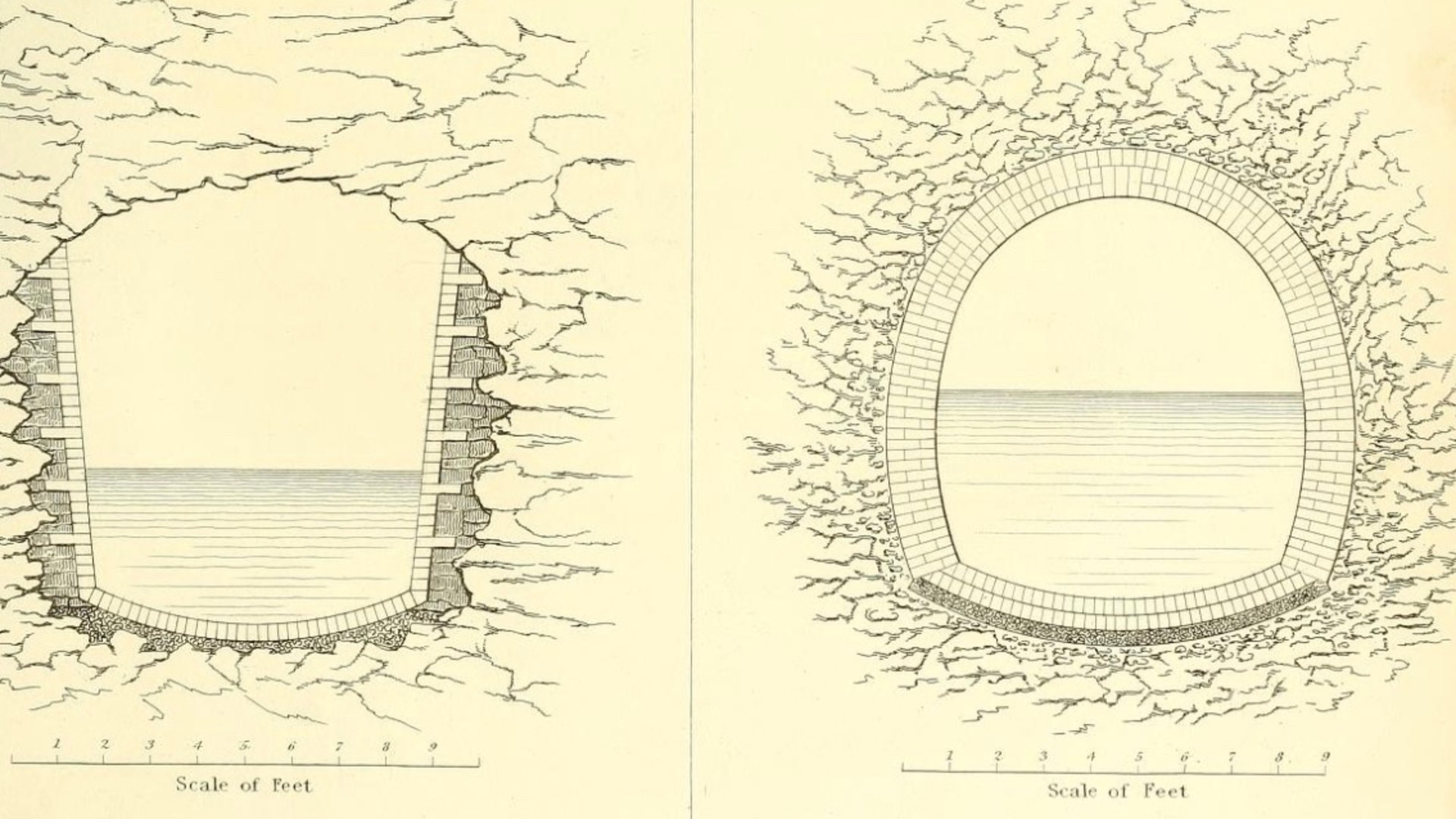
Completed in 1842, the Old Croton Aqueduct represented a triumph of nineteenth-century civil engineering. Hand-laid brick tunnels and subterranean conduit sections gravity-fed fresh drinking water 41 miles from Westchester County to Manhattan, providing the lifeblood that allowed the city to expand exponentially.
©Wikimedia / F. B. Tower
Advertisement
Swipe or tap ▶ to resume the countdown.
6. Carlsbad Caverns, Carlsbad
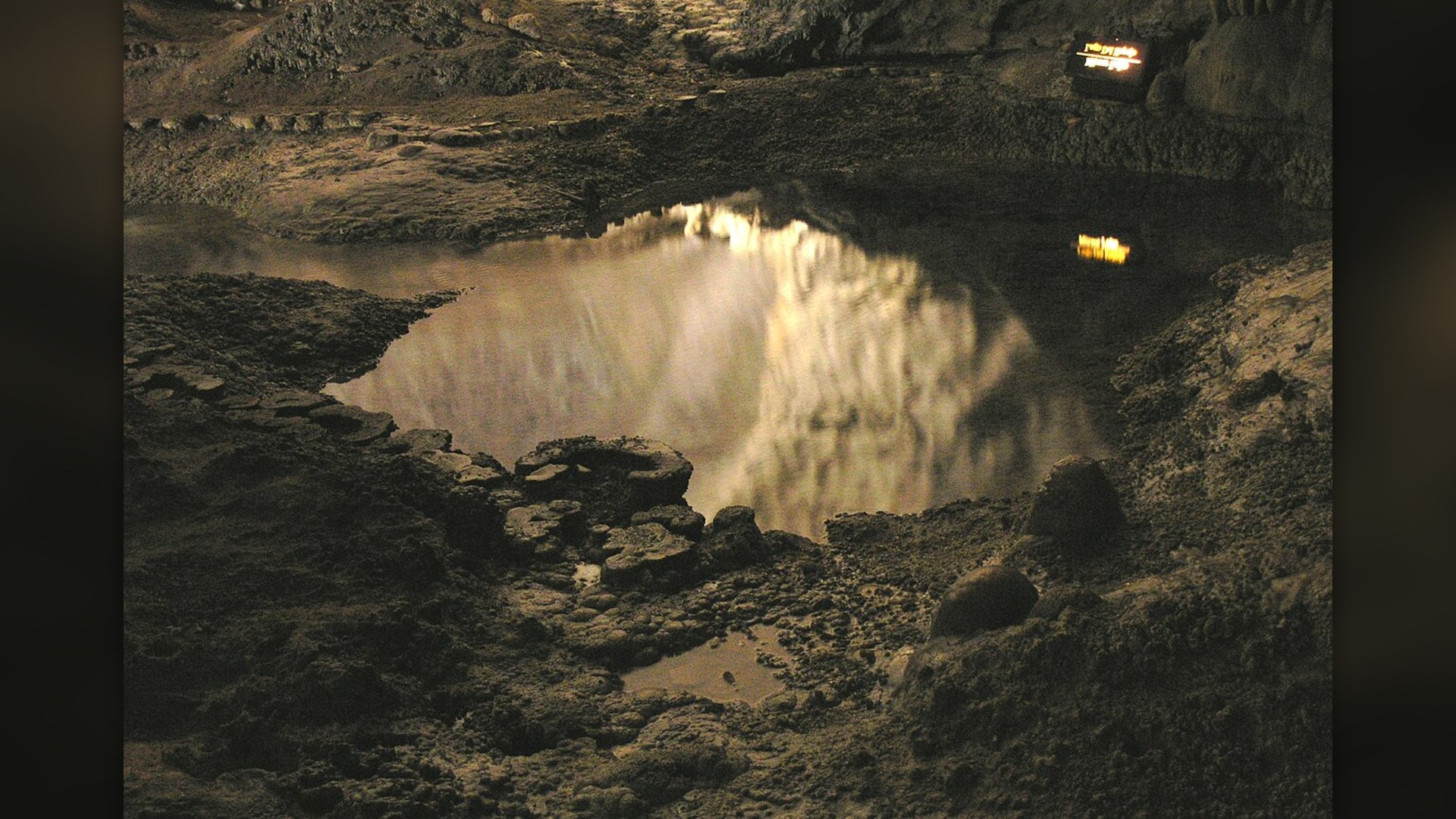
Beneath the Chihuahuan Desert lies Carlsbad Caverns, an immense subterranean network featuring the Big Room, a massive natural limestone chamber covering over eight acres. Formed by aggressive sulfuric acid dissolving ancient Permian reef limestone, the cool underground galleries attract thousands of explorers.
©Wikimedia / Daniel Mayer
5. Mammoth Cave, Kentucky
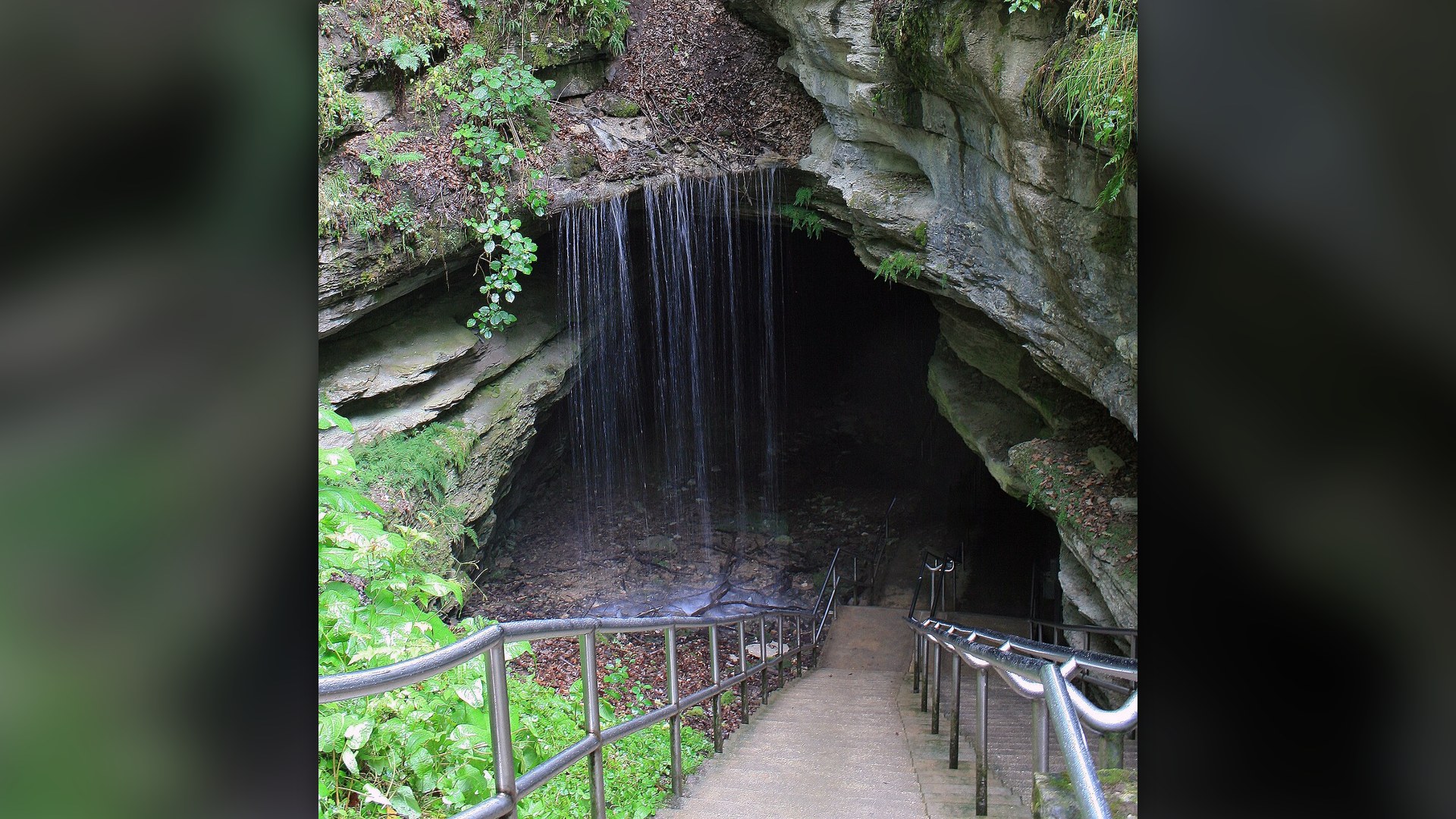
With over 420 miles of surveyed subterranean passages, Mammoth Cave constitutes the most extensive cave labyrinth on Earth. Historic subterranean rooms contain nineteenth-century saltpetre mining operations and historic signatures written in candle smoke, tracing human underground exploration across centuries.
©Wikimedia / NPS Photo
4. Abandoned Subway, Cincinnati
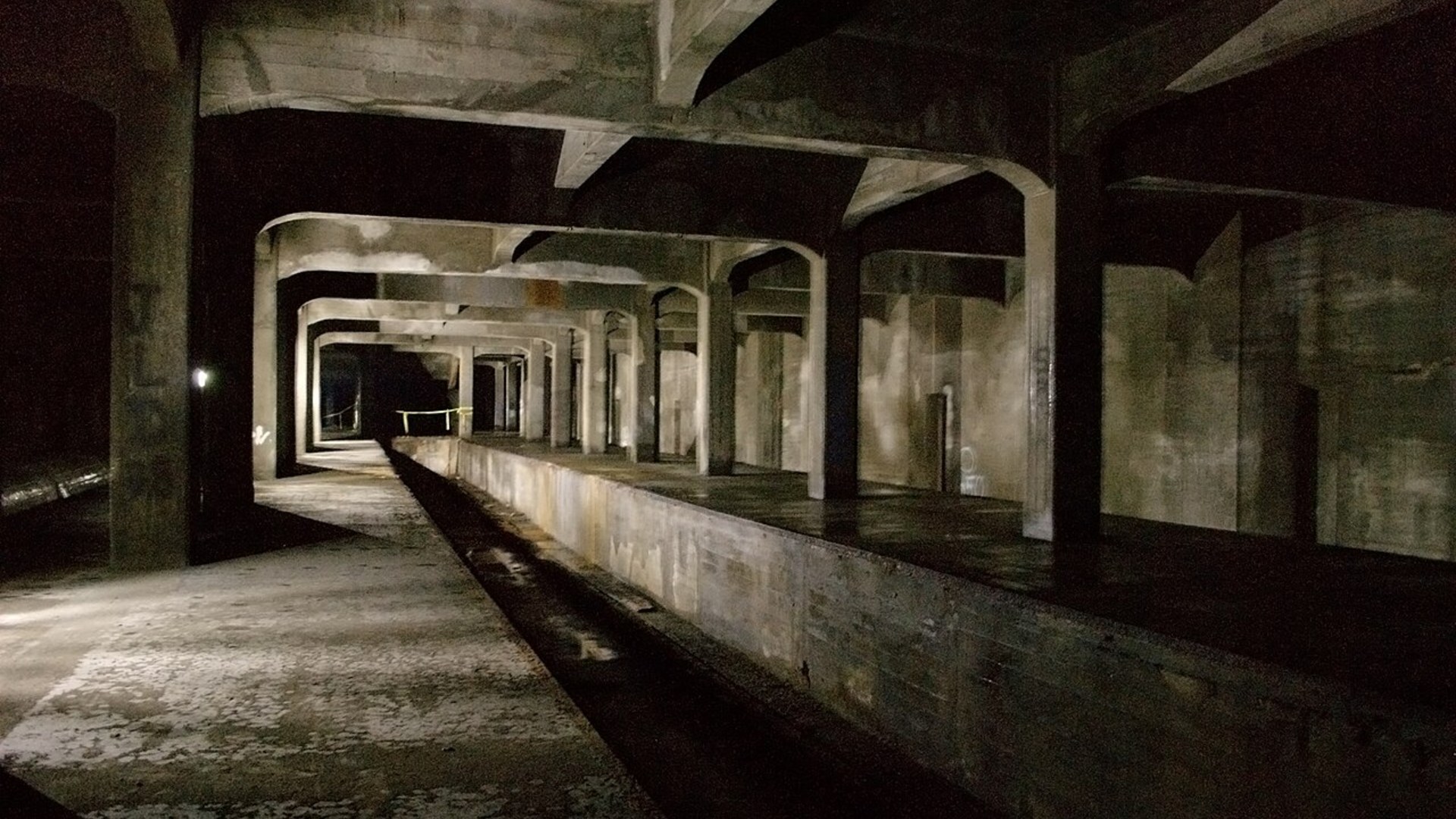
Cincinnati began building a 16-mile rapid transit loop in 1920, completing over two miles of underground concrete tunnels and four underground stations before funding collapsed. Never once fitted with tracks or trains, the quiet subterranean platforms remain frozen in time beneath Central Parkway.
©Wikimedia / Jonathan Warren
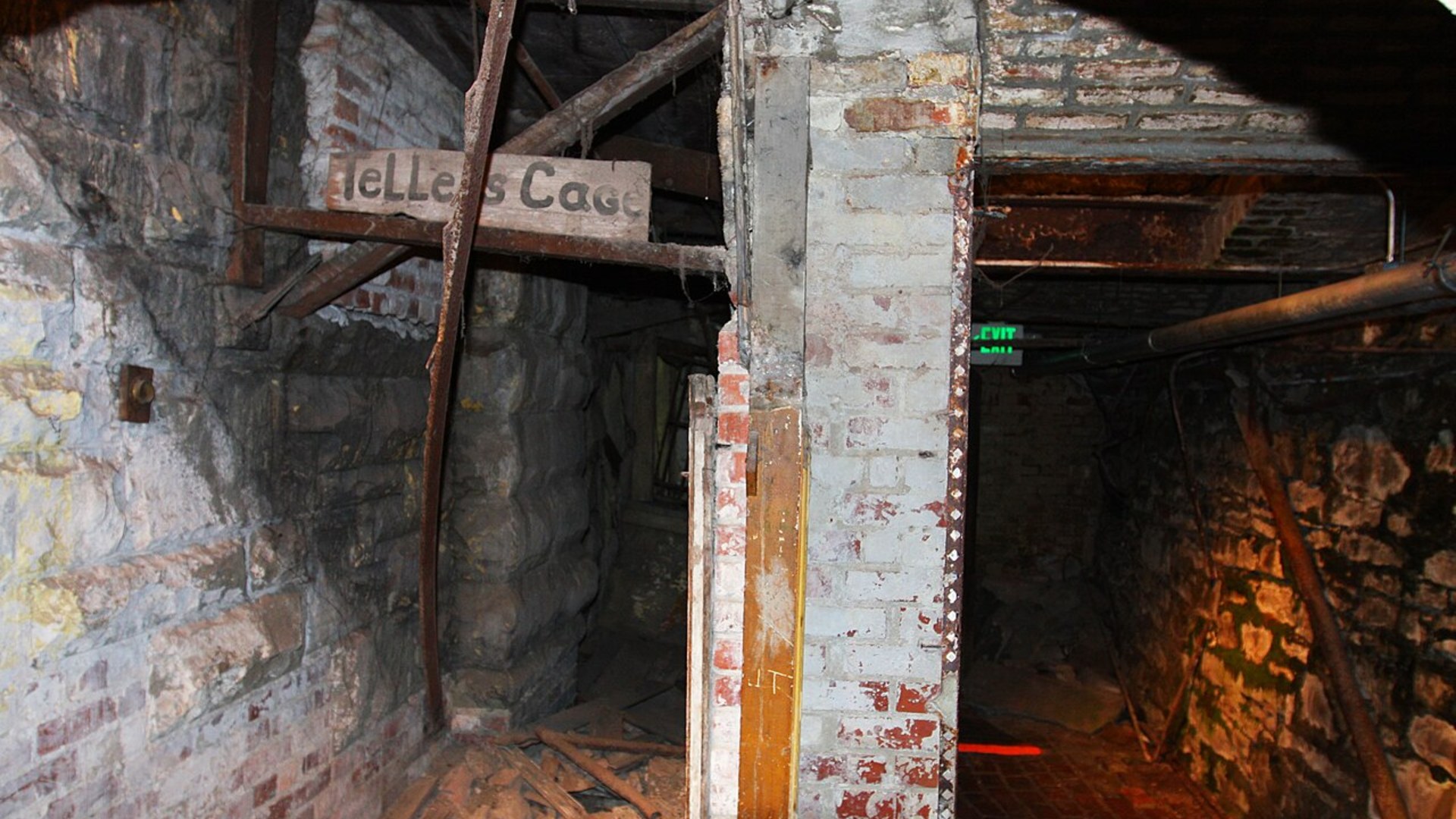
3. Seattle Underground, Seattle
Following the devastating fire of 1889, Seattle rebuilt its central district by raising street levels up to thirty feet to escape tidal flooding. The original stone sidewalks and storefront entrances remained intact underground, accessible only through cellar trapdoors until preserved as an iconic historic tour.
©Wikimedia / J. Stephen Conn
Advertisement
Swipe or tap ▶ to resume the countdown.
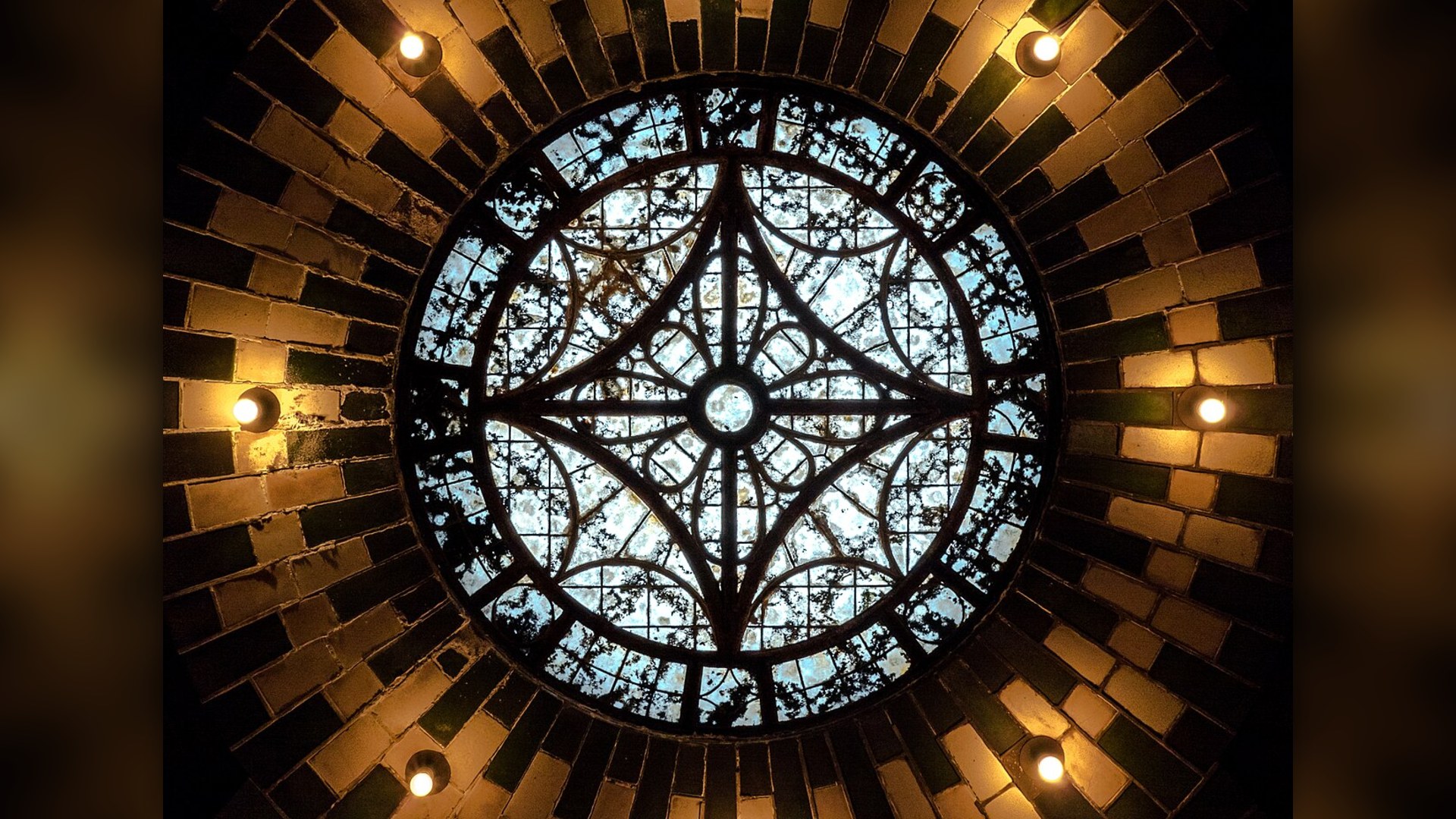
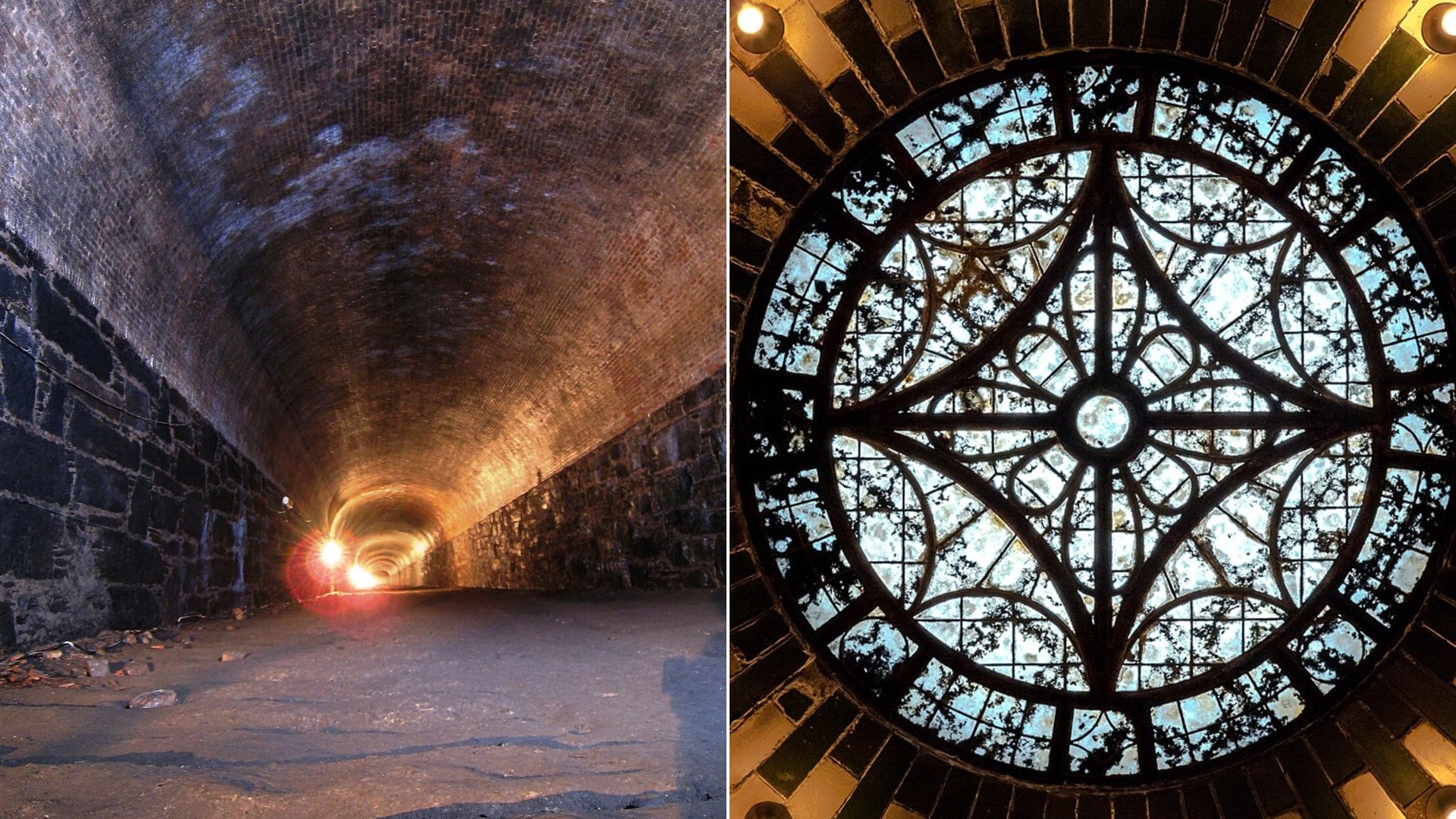
2. City Hall Station, New York
Opened in 1904 as the ceremonial showpiece of New York City's first subway line, the City Hall loop station dazzled riders with Romanesque vaulted ceilings, leaded glass skylights, and brass chandeliers. Its tight curve could not accommodate longer modern trains, leading to its closure and preservation in 1945.
©Wikimedia / Rhododendrites
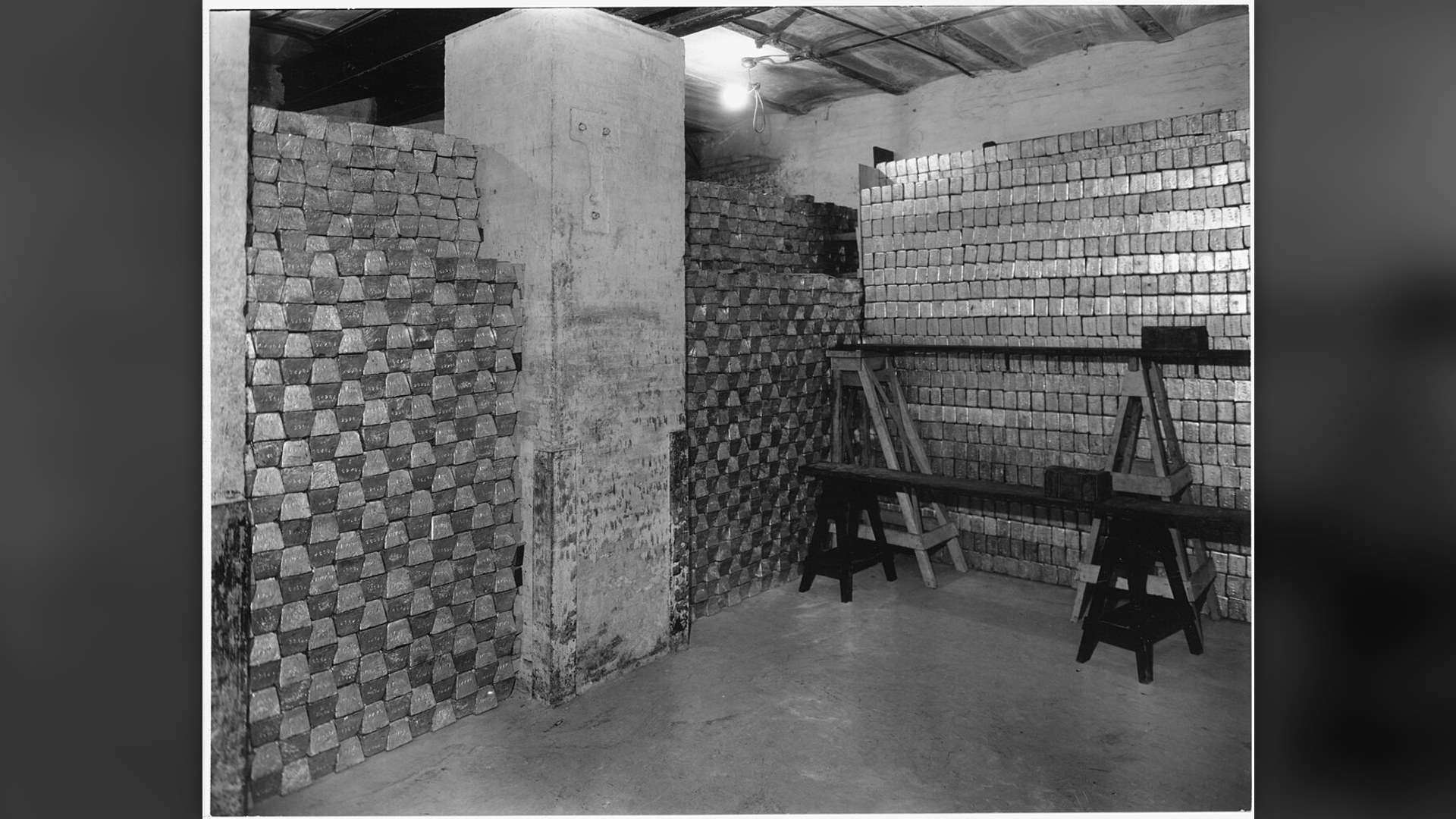
1. Federal Reserve Gold Vault, New York
Resting directly on Manhattan bedrock eighty feet below street level, the Federal Reserve Bank of New York vault secures hundreds of billions of dollars in gold bullion. Guarded by a ninety-ton revolving steel cylinder, this subterranean repository holds deposits for foreign governments and international banks.

©Wikimedia / San Francisco Mint
Advertisement
You've reached the end of the story. Thanks for reading!

20 Countries With the Strongest Passports, Ranked by Destinations
Global mobility rankings show how diplomatic agreements and visa pacts shape international travel. From European Union nations to dynamic Asian powerhouses, these passports grant seamless entry across continents. Based on official mobility data from the Henley Passport Index alongside statistics from the IATA database.
All 25 Entries in this Story
25. Strataca Salt Mine, Hutchinson
Carved into thick subterranean rock salt beds, Strataca descends 650 feet below Hutchinson. Beyond active mining operations, its subterranean caverns house secure climate-controlled vaults protecting original master film reels of classic movies, historic documents, and museum artifacts in perpetual preservation.

24. Dupont Underground, Washington
Beneath Dupont Circle lies a subterranean network of streetcar platforms and transit tunnels opened in 1949. Closed when trolleys were phased out in 1962, the expansive tunnels sat empty for decades before community volunteers transformed the curved concrete halls into an underground cultural arts destination.

23. Mine Fire Tunnels, Centralia
A continuous subterranean blaze burns through abandoned coal labyrinths beneath Centralia, Pennsylvania. Ignited in an old strip pit in 1962, the fire spread into miles of subterranean mine workings, releasing toxic fumes, opening smoking sinkholes, and turning the surface borough into a modern ghost town.

22. Wabasha Street Caves, St. Paul
Carved into St. Paul's soft St. Peter sandstone bluffs, the Wabasha Street Caves originated as silica mining chambers. During the 1920s and 1930s, the cool caverns were converted into the Castle Royal nightclub, where notorious gangsters like John Dillinger mingled beneath vaulted natural rock ceilings.

21. SubTropolis, Kansas City
Known as the world's largest underground business complex, SubTropolis spans 55 million square feet beneath Kansas City. Formed by room-and-pillar limestone mining, the cavern maintains a naturally constant 68-degree temperature, housing warehouses, secure server farms, and postal shipping distribution hubs.

20. Shanghai Tunnels, Portland
Beneath Portland's Old Town Chinatown lies a web of underground corridors originally built to move freight between basement storage rooms and river docks. Local folklore claims the brick tunnels were used to kidnap unsuspecting patrons from local bars and force them into labor aboard merchant sea vessels.

19. Underground Atlanta, Atlanta
When Atlanta constructed elevated concrete viaducts in the 1920s to cross busy railroad lines, the original ground-level streetscape was effectively entombed. The subterranean brick facades, iron lampposts, and wooden storefronts were rediscovered decades later and revitalized as an underground marketplace.

18. Belle Isle Aquarium, Detroit
Designed by famed architect Albert Kahn in 1904, Detroit's Belle Isle Aquarium is famed for its green glass arched ceiling. Beneath the public viewing gallery lies an extensive vaulted basement that rumor holds served as a discreet speakeasy and liquor storage cellar during the Roaring Twenties Prohibition era.

17. Atlantic Avenue Tunnel, Brooklyn
Built beneath Brooklyn by the Long Island Rail Road to relieve surface congestion, the half-mile Atlantic Avenue Tunnel was sealed off in 1861. Forgotten for over a century, urban legend held it concealed a buried steam locomotive before amateur historian Bob Diamond rediscovered the brick vault through a manhole.

16. Capitol Subway, Washington
Running in concrete tunnels deep below Capitol Hill, the United States Capitol subway has shuttled politicians since 1909. Lawmakers travel between congressional office buildings and legislative chambers aboard small electric cars, allowing rapid transit shielded from surface weather and outside security threats.

15. Tremont Street Subway, Boston
Boston pioneered American subway transit by burying streetcar tracks beneath Tremont Street and Boston Common. Opening in September 1897, the arched stone tunnel swept thousands of trolleys off congested downtown roads, establishing the historical foundation for modern metropolitan rail across North America.

14. Rochester Subway, Rochester
Rochester converted the empty stone aqueduct of the abandoned Erie Canal into a two-mile subterranean rapid transit line in 1927. Operating until 1956, the tunnel features massive stone pillars beneath the Broad Street bridge, which today stands as an underground gallery for regional urban artists and graffiti.

13. Detroit-Superior Subway, Cleveland
Completed in 1918, Cleveland's Detroit-Superior Bridge featured an upper highway deck for road vehicles and a lower subterranean deck for streetcars. The hidden lower level contained four dedicated tracks and cavernous passenger platforms that ceased operations in 1954, remaining intact beneath daily traffic.

12. Freight Tunnels, Chicago
Beginning in 1899, the Chicago Tunnel Company bored a 60-mile subterranean network of narrow-gauge railways 40 feet below the city streets. Small electric engines quietly hauled coal, merchandise, and ash directly to skyscraper basements, until the Chicago Flood submerged the historic corridors in 1992.

11. Belmont Trolley Tunnel, Los Angeles
The Pacific Electric Railway built the Belmont Tunnel in 1925 to bypass crowded Los Angeles surface streets, carrying streetcars directly to the subterranean Subway Terminal Building. Abandoned in 1955, the graffiti-lined portal and dark subterranean bore became a favorite backdrop for Hollywood film productions.

10. Lemp Brewery Caves, St. Louis
Before artificial refrigeration, German brewmaster William Lemp tapped into natural limestone caverns deep beneath South St. Louis. The extensive subterranean chambers provided year-round 50-degree cooling for lagering beer, featuring brick stairwells, brewing vats, and even an underground theater and swimming pool.

9. City Market Catacombs, Indianapolis
Beneath the plaza of the historic Indianapolis City Market lies an expansive subterranean labyrinth known as the Catacombs. Comprising 20,000 square feet of brick barrel arches, the chambers are the preserved basement foundation of Tomlinson Hall, an 1886 municipal auditorium destroyed by fire in 1958.

8. Forestiere Gardens, Fresno
Seeking relief from scorching San Joaquin Valley heat, Sicilian immigrant Baldassare Forestiere spent forty years hand-carving an underground subterranean home. Spanning sixty rooms with courtyards and skylights, he successfully cultivated citrus trees and grapevines growing beneath the surface of the earth.

7. Old Croton Aqueduct, New York
Completed in 1842, the Old Croton Aqueduct represented a triumph of nineteenth-century civil engineering. Hand-laid brick tunnels and subterranean conduit sections gravity-fed fresh drinking water 41 miles from Westchester County to Manhattan, providing the lifeblood that allowed the city to expand exponentially.

6. Carlsbad Caverns, Carlsbad
Beneath the Chihuahuan Desert lies Carlsbad Caverns, an immense subterranean network featuring the Big Room, a massive natural limestone chamber covering over eight acres. Formed by aggressive sulfuric acid dissolving ancient Permian reef limestone, the cool underground galleries attract thousands of explorers.

5. Mammoth Cave, Kentucky
With over 420 miles of surveyed subterranean passages, Mammoth Cave constitutes the most extensive cave labyrinth on Earth. Historic subterranean rooms contain nineteenth-century saltpetre mining operations and historic signatures written in candle smoke, tracing human underground exploration across centuries.

4. Abandoned Subway, Cincinnati
Cincinnati began building a 16-mile rapid transit loop in 1920, completing over two miles of underground concrete tunnels and four underground stations before funding collapsed. Never once fitted with tracks or trains, the quiet subterranean platforms remain frozen in time beneath Central Parkway.

3. Seattle Underground, Seattle
Following the devastating fire of 1889, Seattle rebuilt its central district by raising street levels up to thirty feet to escape tidal flooding. The original stone sidewalks and storefront entrances remained intact underground, accessible only through cellar trapdoors until preserved as an iconic historic tour.

2. City Hall Station, New York
Opened in 1904 as the ceremonial showpiece of New York City's first subway line, the City Hall loop station dazzled riders with Romanesque vaulted ceilings, leaded glass skylights, and brass chandeliers. Its tight curve could not accommodate longer modern trains, leading to its closure and preservation in 1945.

1. Federal Reserve Gold Vault, New York
Resting directly on Manhattan bedrock eighty feet below street level, the Federal Reserve Bank of New York vault secures hundreds of billions of dollars in gold bullion. Guarded by a ninety-ton revolving steel cylinder, this subterranean repository holds deposits for foreign governments and international banks.