Slideshow · News
25 Unusual Electoral College Rules That Still Shape US Elections
From split electors and emergency House votes to ceremonial mahogany ballot boxes, explore the strange legal mechanics that govern American presidential elections.
By Most Viral Today
1 hour ago

The Untold Rules That Decide Who Wins the Presidency 
25. The Oddly Specific December Voting Calendar 
24. The Historic Winner-Take-All State Precedent 
23. The Two-Vote Small State Representation Bonus - AdvertisementSwipe or tap ▶ to continue countdown

22. The Ineligibility Rule For Sitting Officials 
21. Electors Gather Only In State Capitols 
20. The Parchment Certificates Of Ascertainment 
19. Special Courier And Registered Mail Delivery - AdvertisementSwipe or tap ▶ to continue countdown

18. The Archivist Custody Of Electoral Certificates 
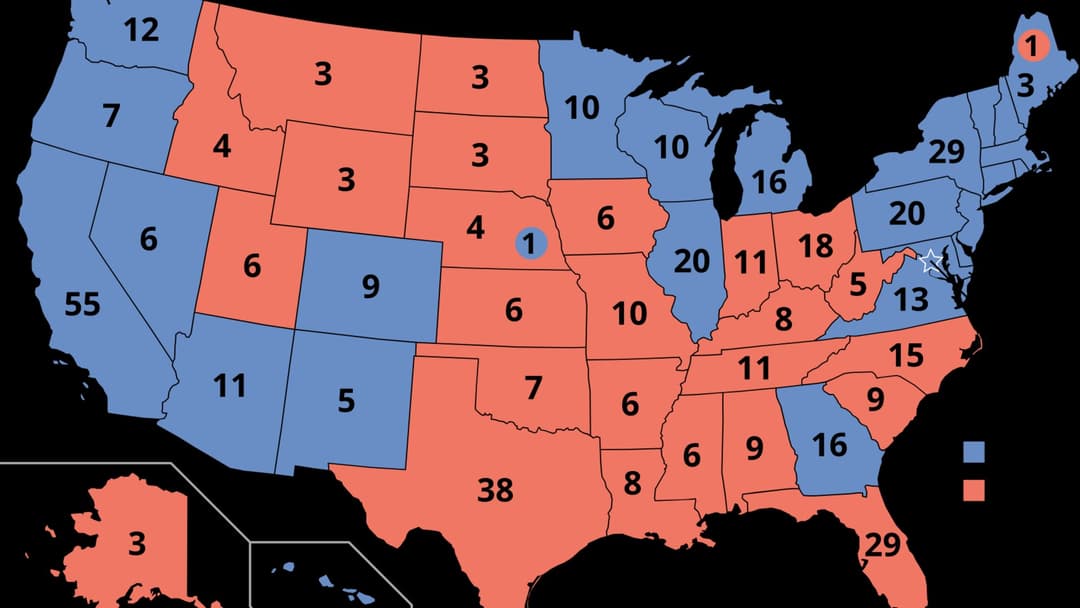
17. The District Split Method In Maine And Nebraska 
16. Washington D.C.'s Three-Vote Constitutional Cap 
15. The 12th Amendment Separate Ballots Mandate - AdvertisementSwipe or tap ▶ to continue countdown

14. Faithless Elector Laws And State Removal Powers 
13. The Safe Harbor Certification Deadline 
12. The National Popular Vote Interstate Compact 
11. The Electoral Count Reform Act Thresholds - AdvertisementSwipe or tap ▶ to continue countdown

10. The Alphabetical State Roll Call In Congress 
9. The Appointed House And Senate Tellers 
8. The 20th Amendment Lame-Duck Calendar Shift 
7. Death Of A Candidate Before Electoral Balloting - AdvertisementSwipe or tap ▶ to continue countdown

6. Death Of A President-Elect Before Inauguration 
5. Strict Two-Hour Limit On Chamber Debates 
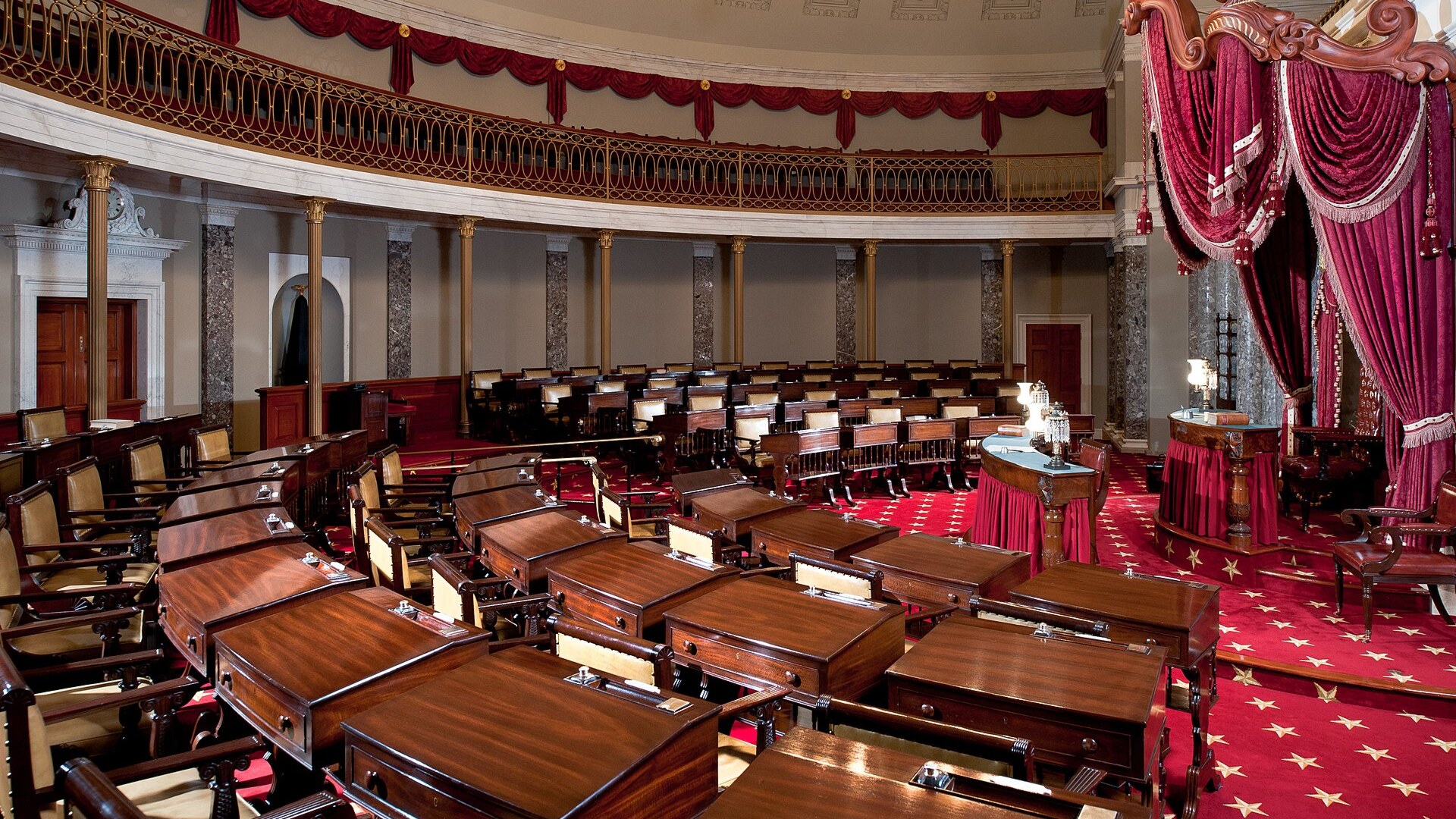
4. The Senate Elects The Vice President In A Tie 
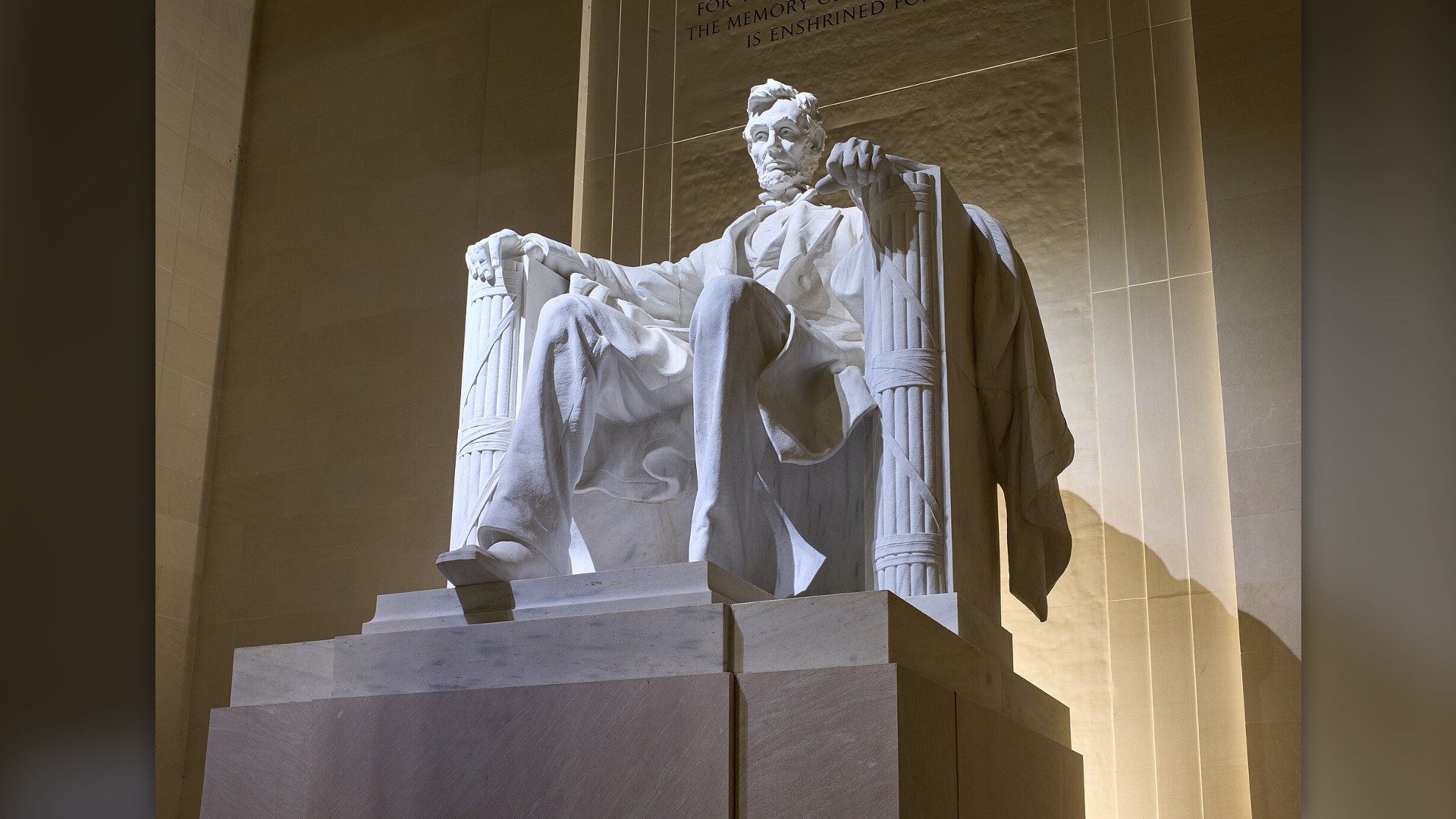
3. The House One-Vote-Per-State Contingent Election - AdvertisementSwipe or tap ▶ to continue countdown

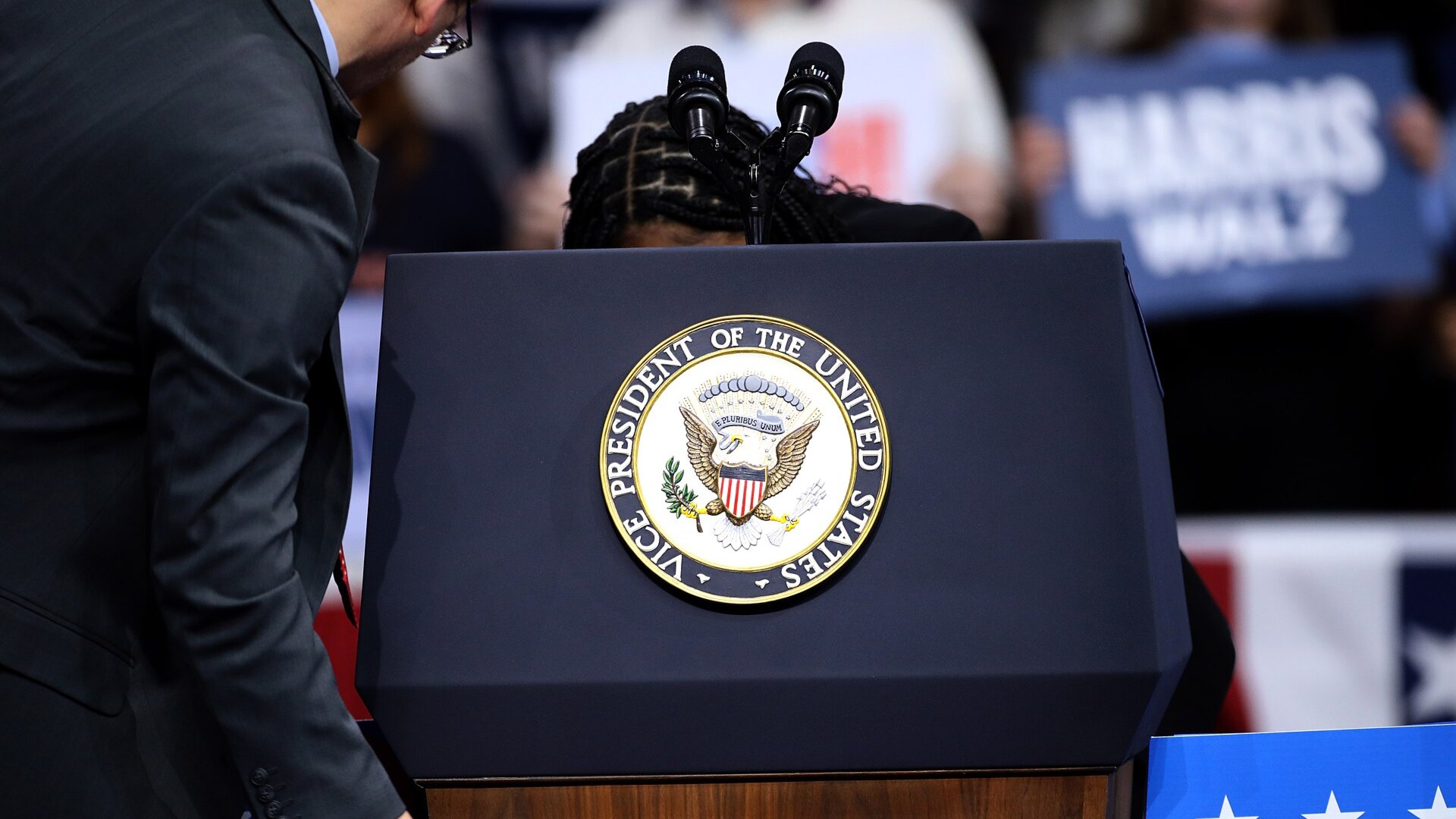
2. The Vice President's Strictly Ceremonial Tally Role 
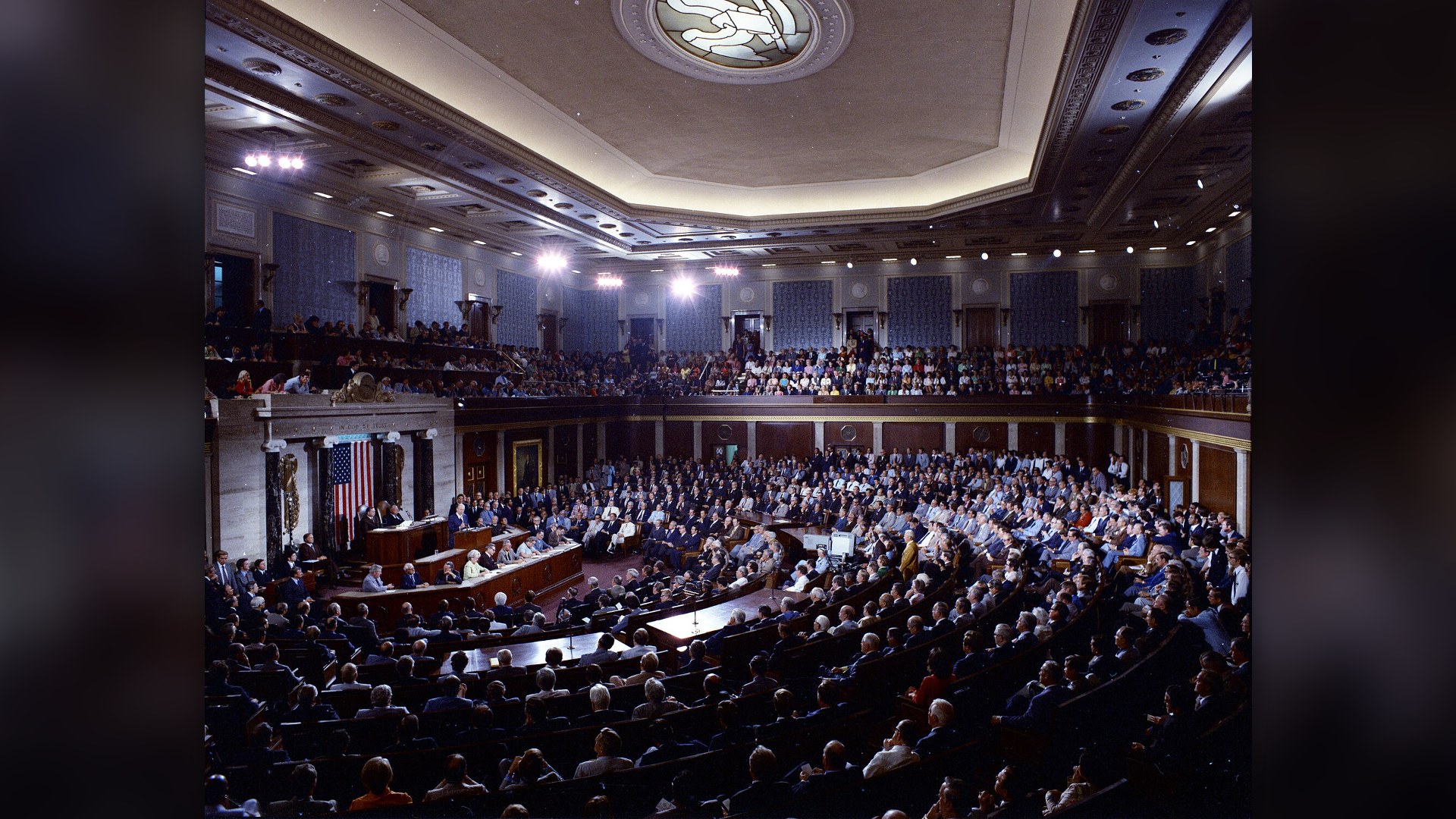
1. The Ceremonial Mahogany Ballot Boxes In Congress - Advertisement🔥 UP NEXT IN THIS SERIES◫ 21 Slides

20 Defining Moments In The Life Of Alexandria Ocasio-Cortez
20 Defining Facts and Milestones Behind the Rise of AOC
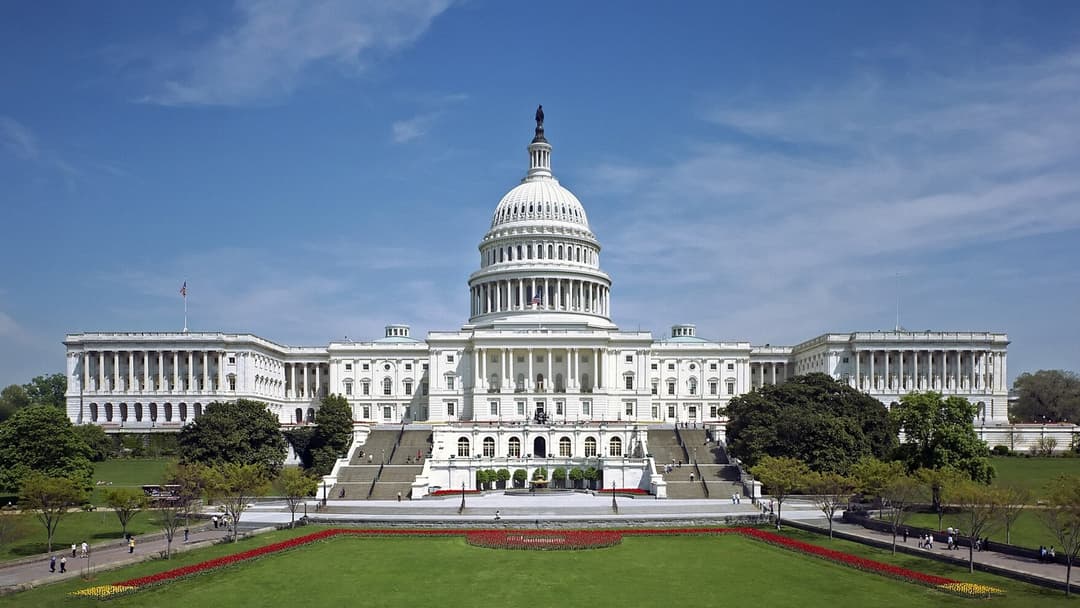
Every four years, Americans head to the polls, but the race for the presidency is actually decided by an intricate 18th-century system governed by surprising constitutional rules and state statutory quirks.
Swipe or tap ▶ to begin the countdown
©Wikimedia / Architect of the Capitol
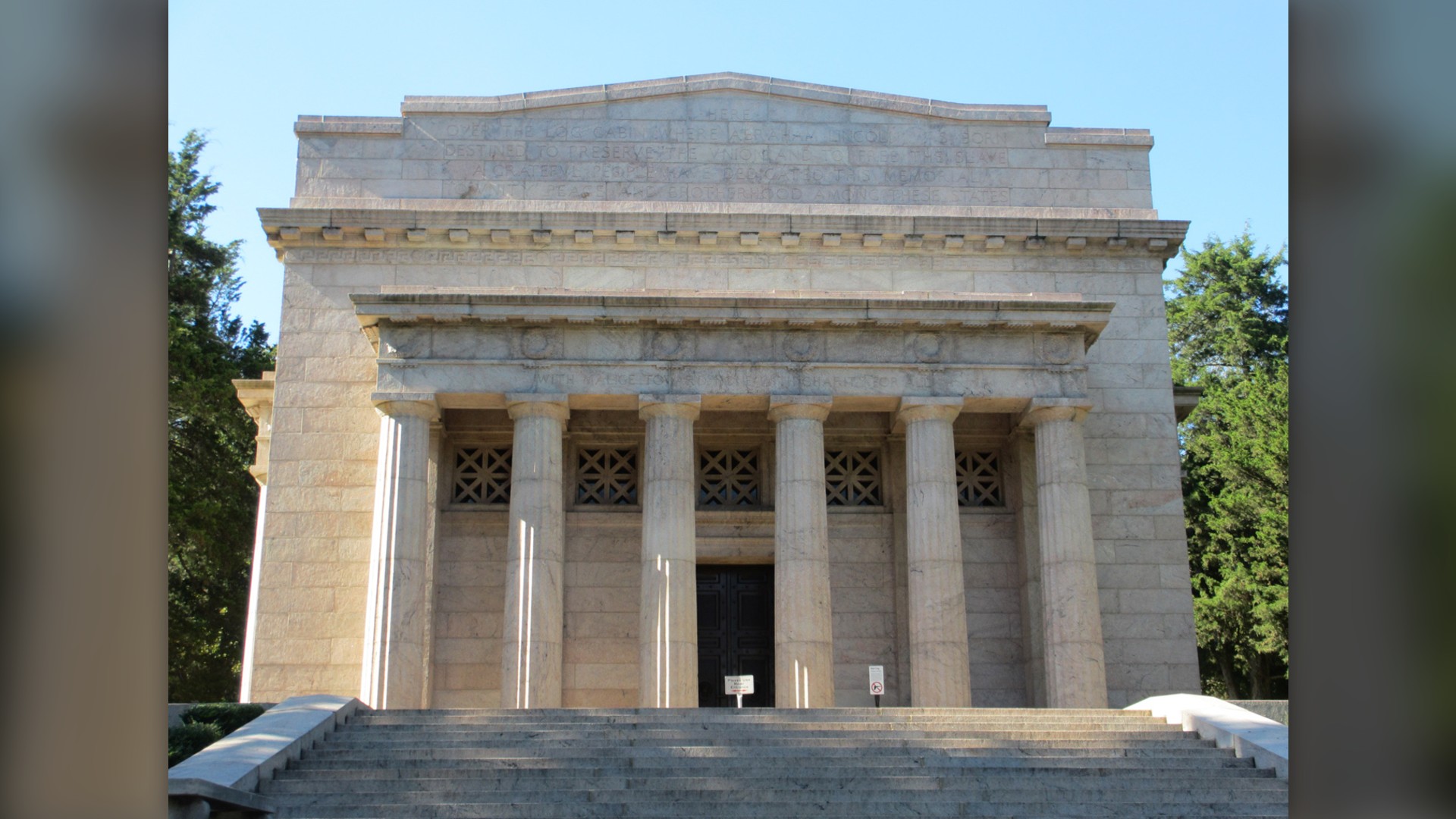
25. The Oddly Specific December Voting Calendar
Rather than gathering immediately after election day, electors cast their votes weeks later. Federal statutes established a specific calendar formula to allow states sufficient time to settle recount disputes and officially certify election results.
©NPS / NPS Photo
24. The Historic Winner-Take-All State Precedent
Early presidential elections saw electors chosen through diverse systems, including popular district votes and state legislative selection. Over time, states realized awarding all electors to the state winner maximized their national political clout.
©Pixabay / Mike_68
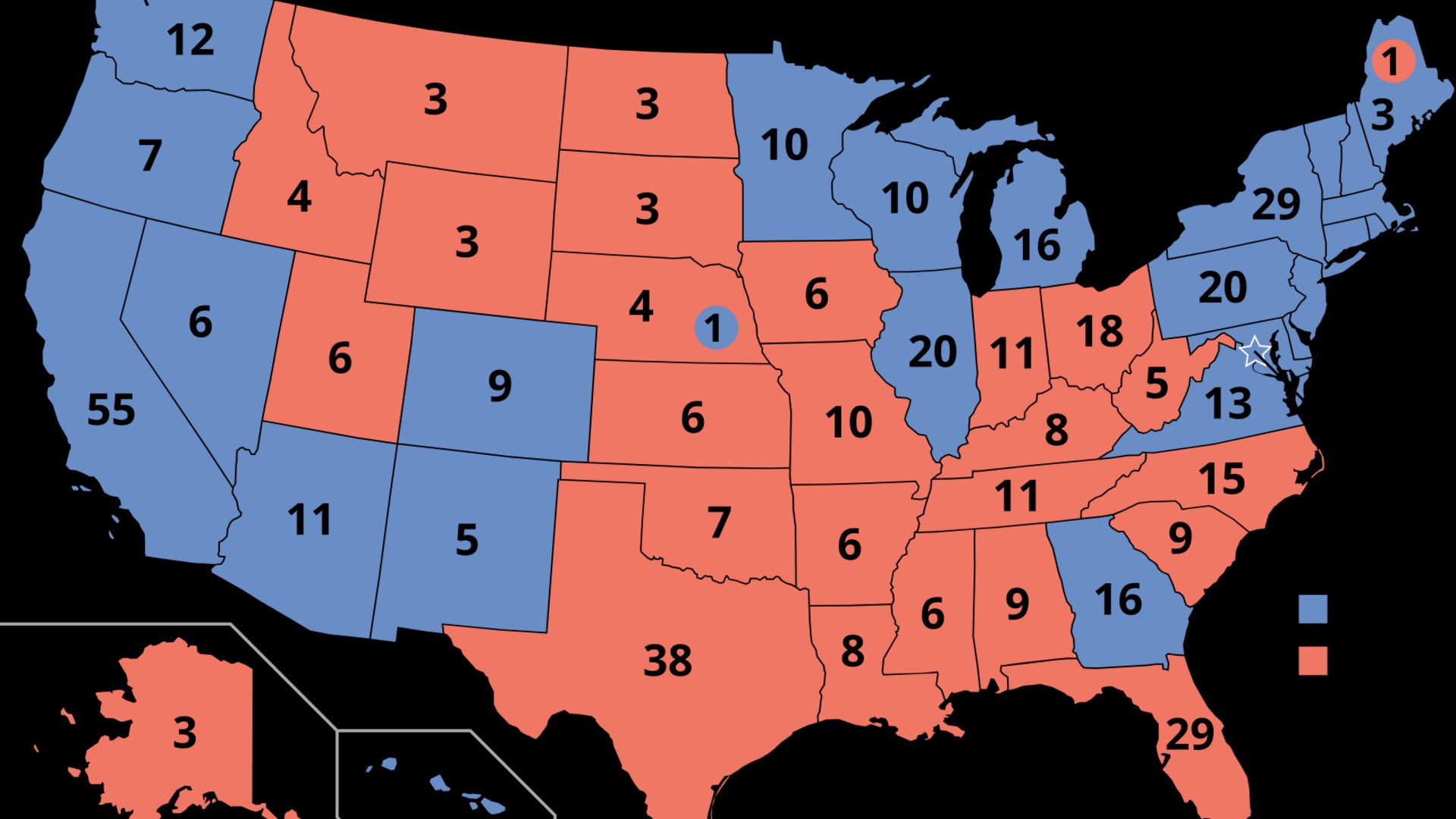
23. The Two-Vote Small State Representation Bonus
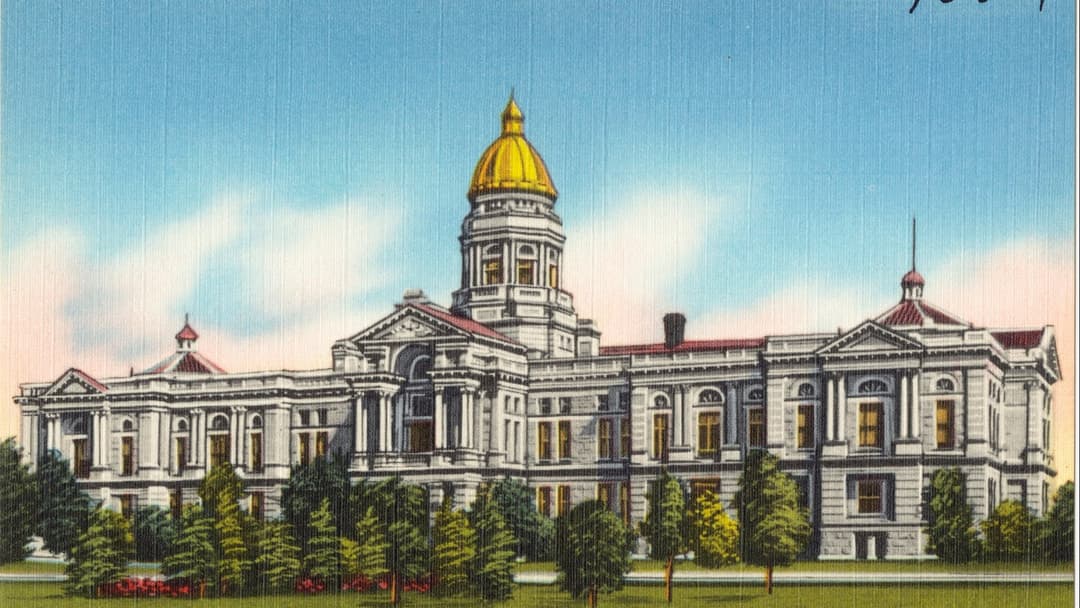
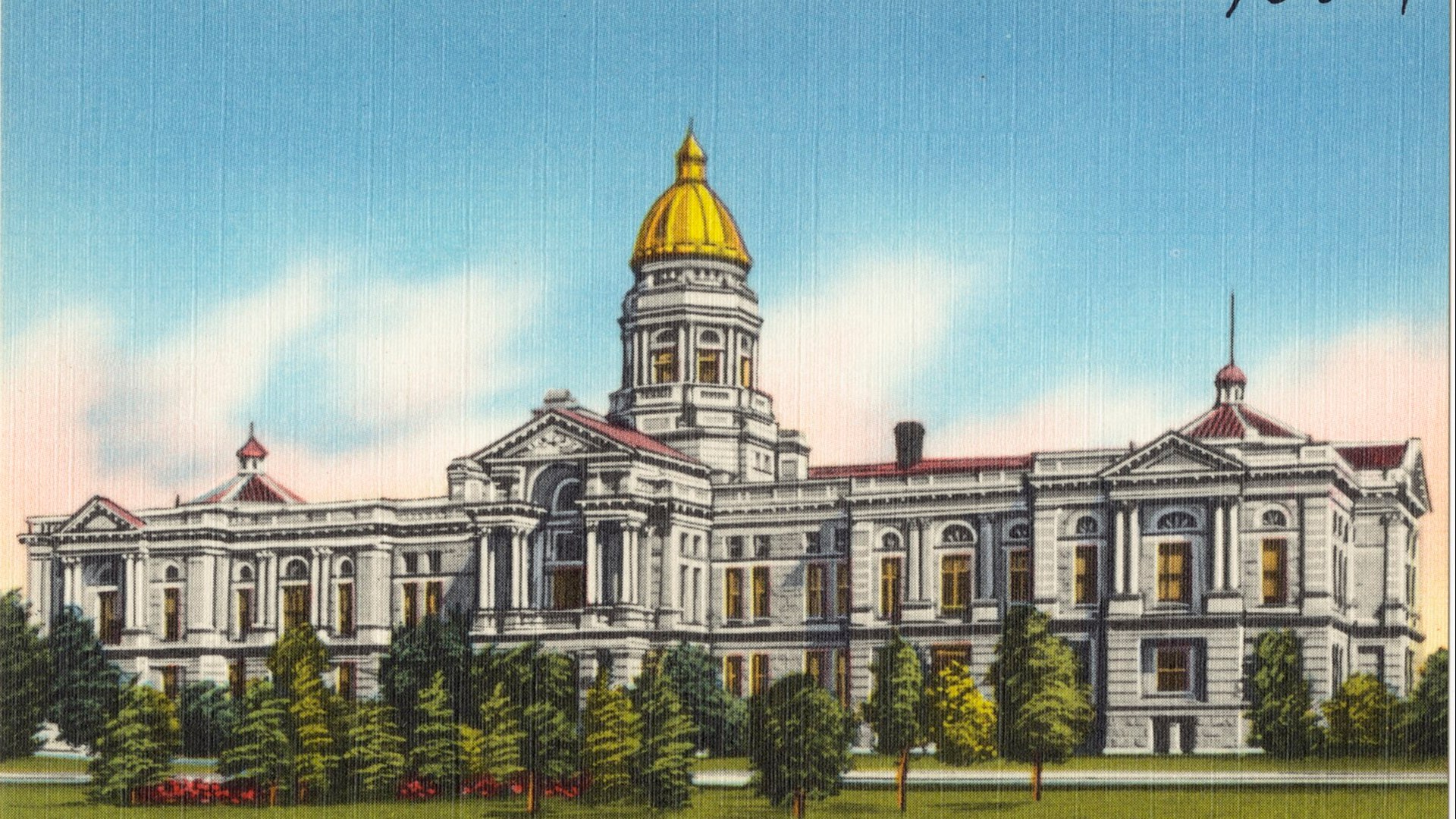
Because electoral totals equal the sum of a state's representatives plus its two senators, Wyoming receives three electoral votes despite its small population. This constitutional design guarantees that every state maintains a minimum voice.
©NYPL / Digital Collections
Advertisement
Swipe or tap ▶ to resume the countdown.
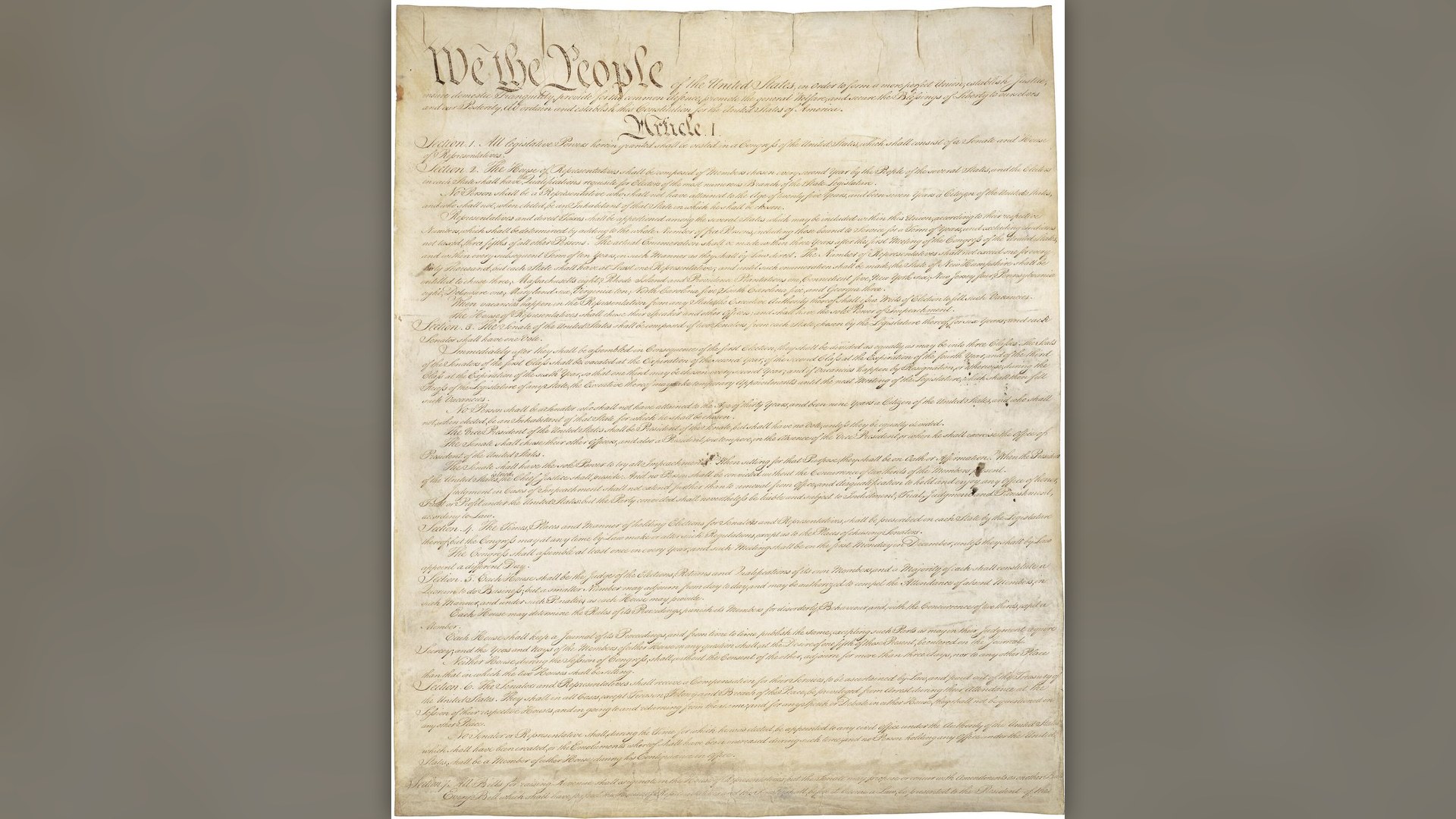
22. The Ineligibility Rule For Sitting Officials
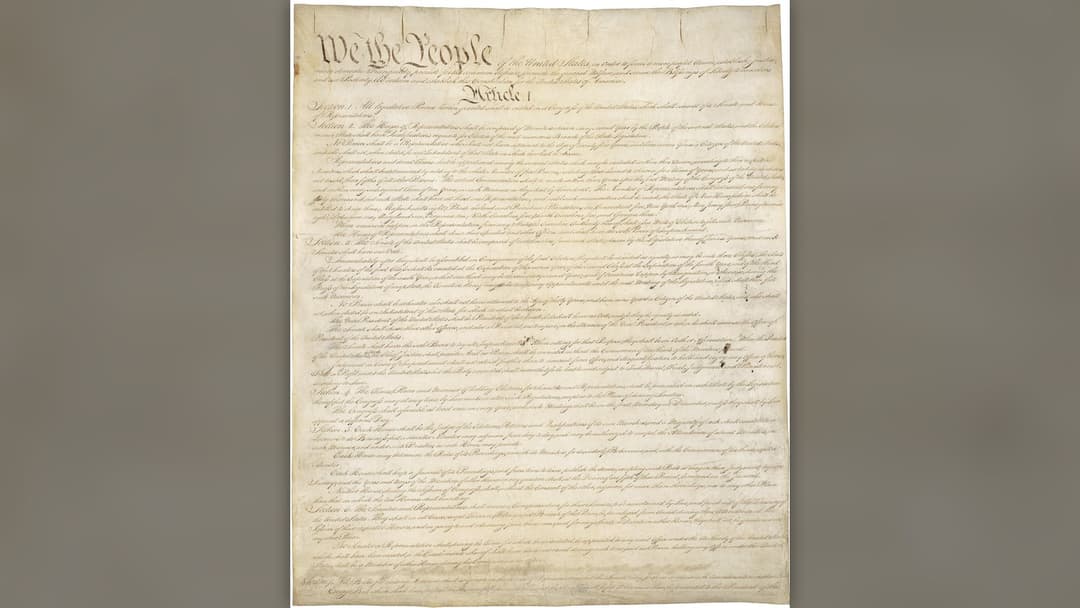
Article II, Section 1 ensures the separation of powers by barring sitting senators, representatives, or anyone holding a federal office of trust from acting as presidential electors, preserving independence from Capitol Hill.
©Wikimedia / US Constitutional Convention
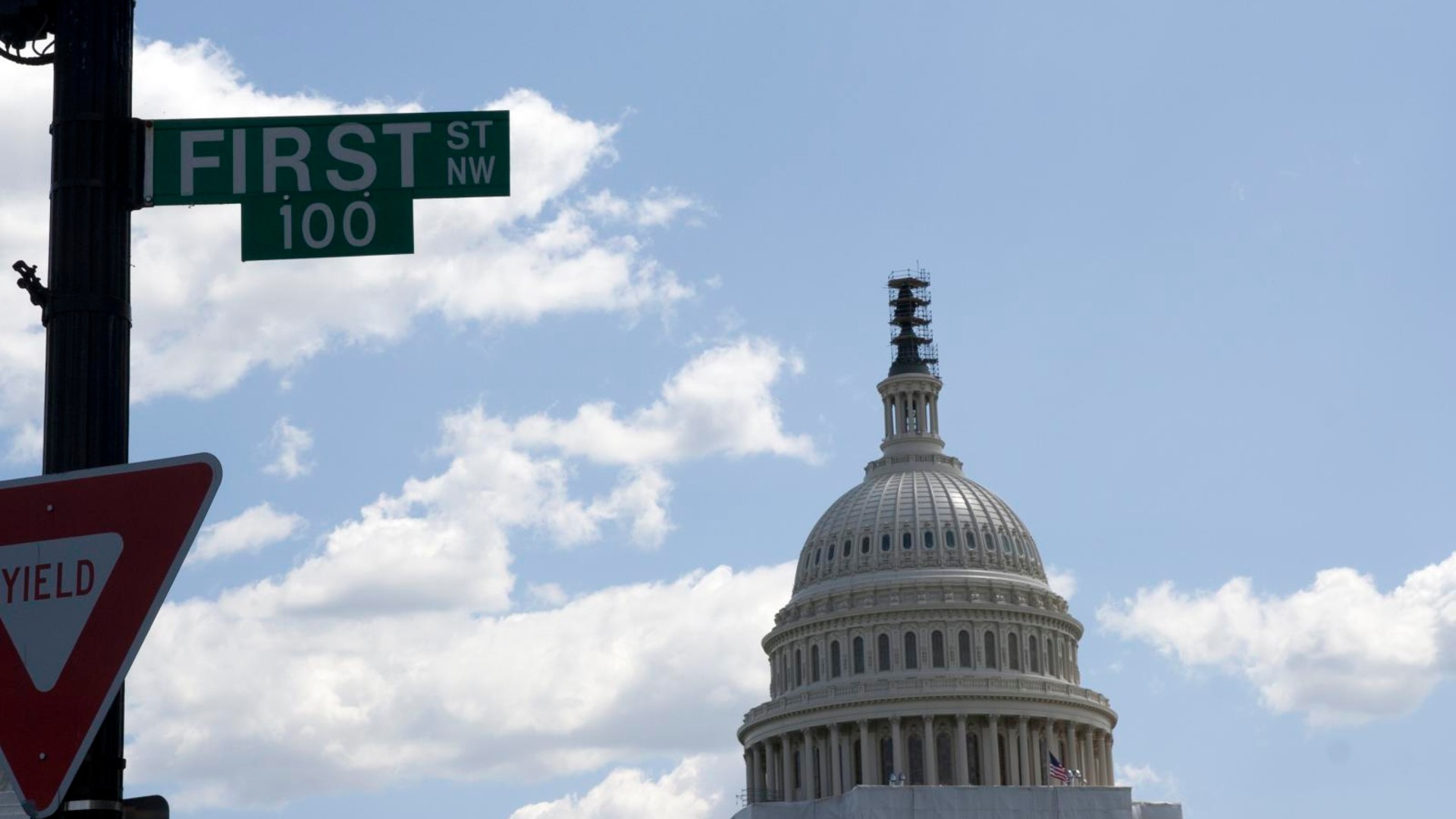
21. Electors Gather Only In State Capitols
The framers deliberately decentralized the voting process to prevent collusion and regional bribery. Electors gather in state capitols across the country on the same day, cast ballots, and sign formal documentation.
©Wikimedia / Luca Nebuloni
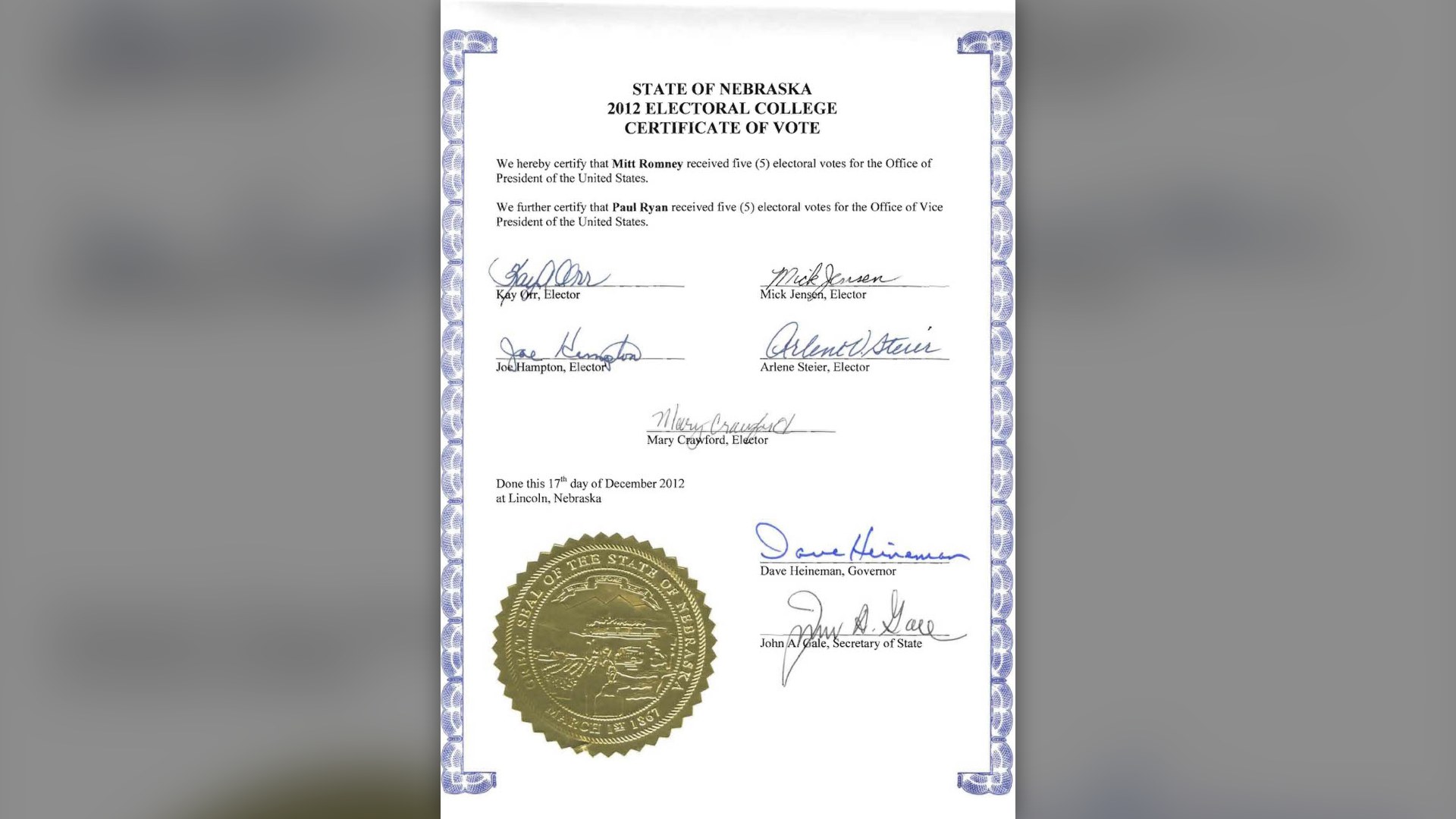
20. The Parchment Certificates Of Ascertainment
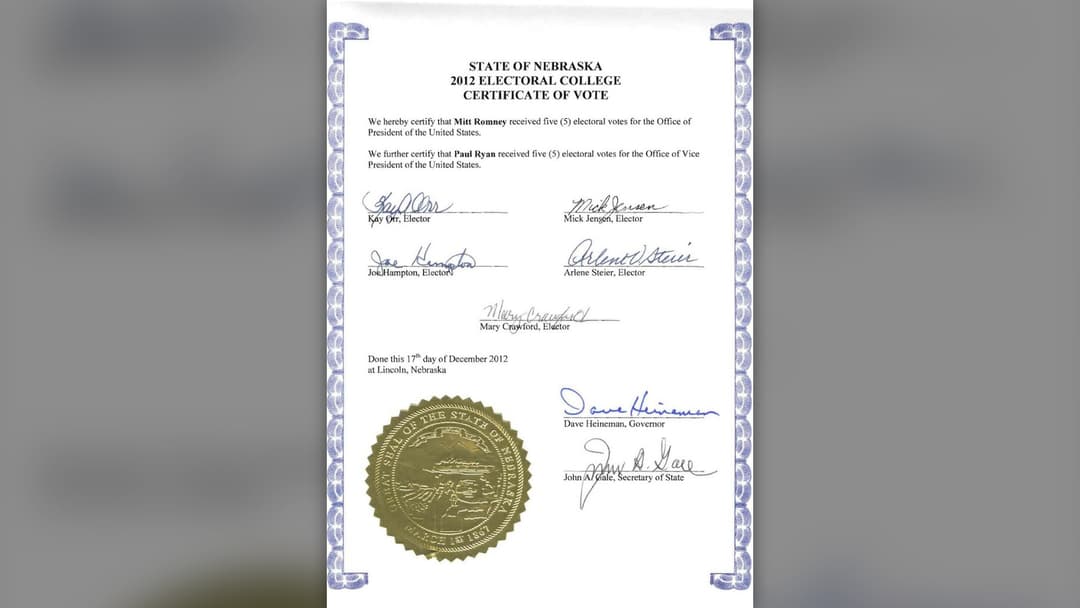
Following state certification, governors issue official Certificates of Ascertainment listing the appointed electors and vote totals. These signed documents carry the state seal and confirm legal authority.
©Wikimedia / National Archives and Records Administration
19. Special Courier And Registered Mail Delivery
State officials produce six official certified copies of the electoral vote. Copies travel via registered mail to the President of the Senate, the Archivist, the federal district judge, and the state secretary of state.

©Pixabay / Sergio-sq
Advertisement
Swipe or tap ▶ to resume the countdown.
18. The Archivist Custody Of Electoral Certificates
The Office of the Federal Register at the National Archives coordinates with governors, tracks incoming certificates, and ensures all state results arrive securely before the joint congressional session.

©Pixabay / saurabhsinha
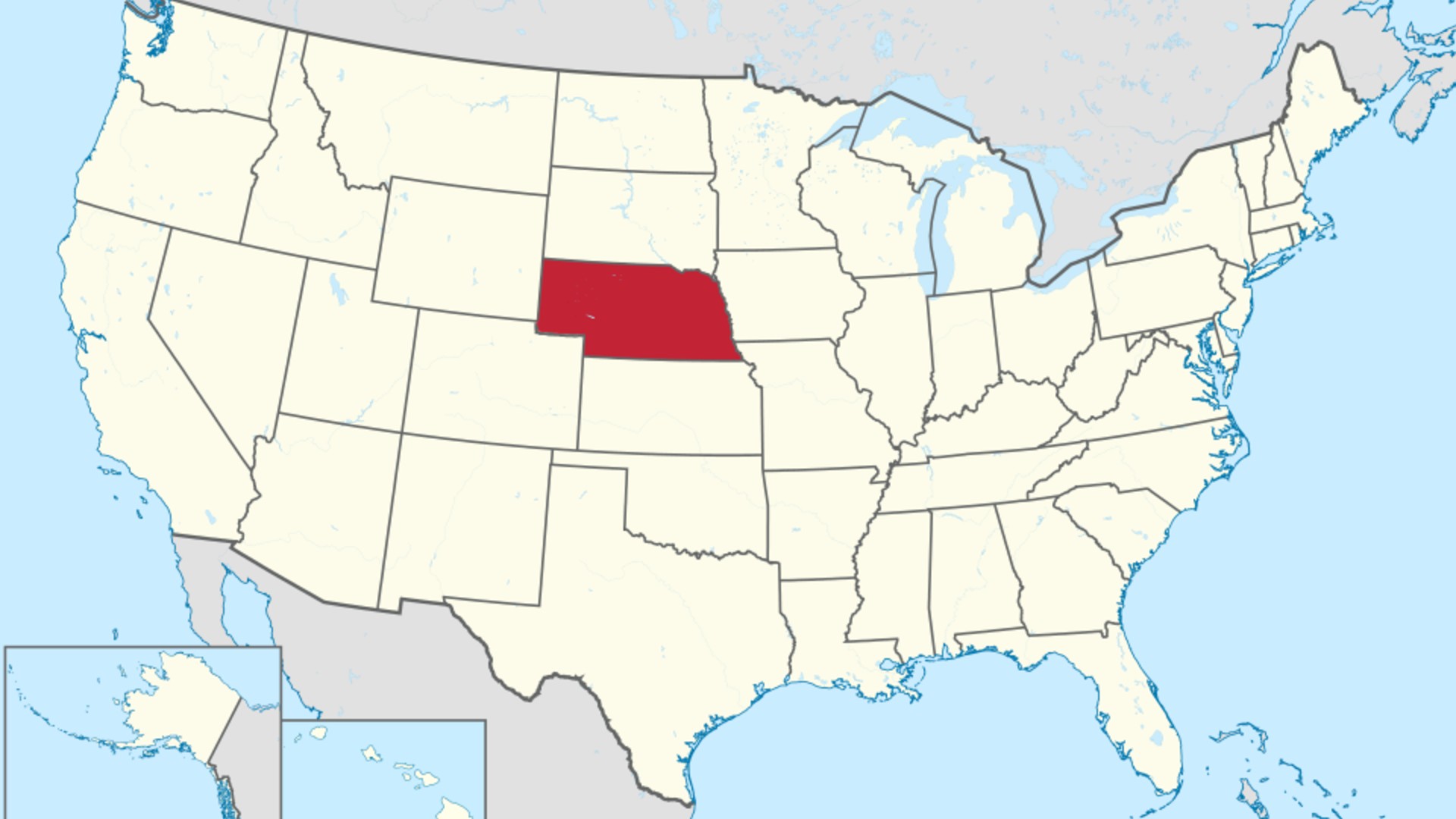
17. The District Split Method In Maine And Nebraska
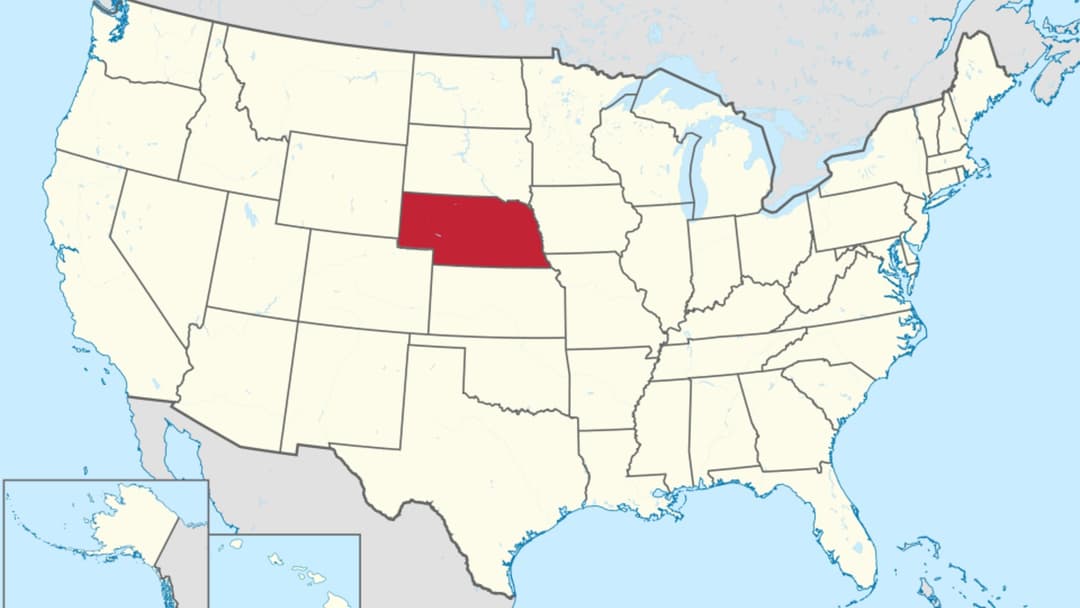
Maine adopted district allocation in 1969, followed by Nebraska in 1991. The system allows presidential candidates to win electoral votes in individual districts without winning the entire state popular vote.
©Wikimedia / Whipmastercolonizer
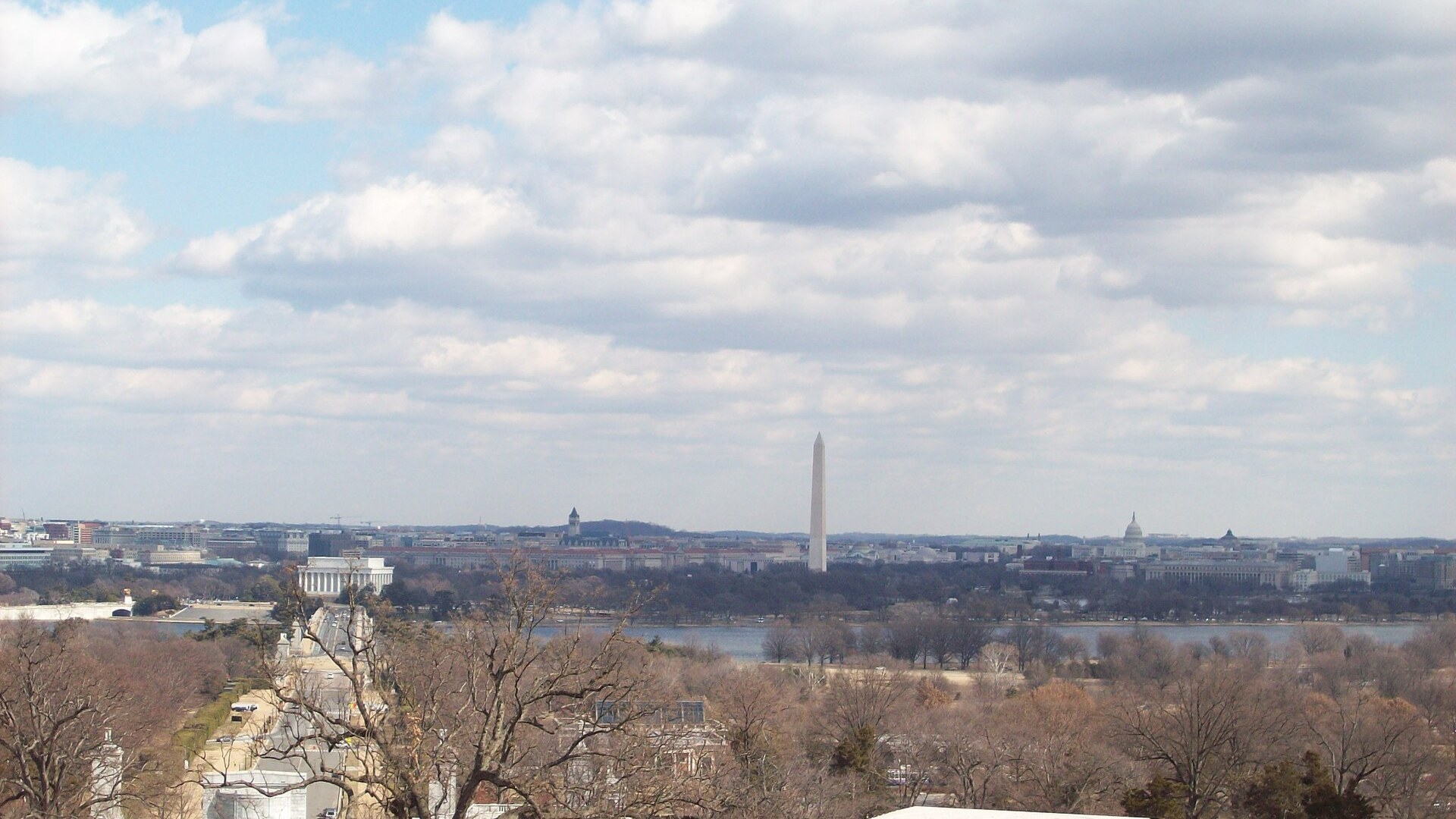
16. Washington D.C.'s Three-Vote Constitutional Cap
Ratified in 1961, the 23rd Amendment granted the District of Columbia representation in the Electoral College. However, the text limits the city to no more electors than the smallest state, currently three.
©Pixabay / pierre9x6
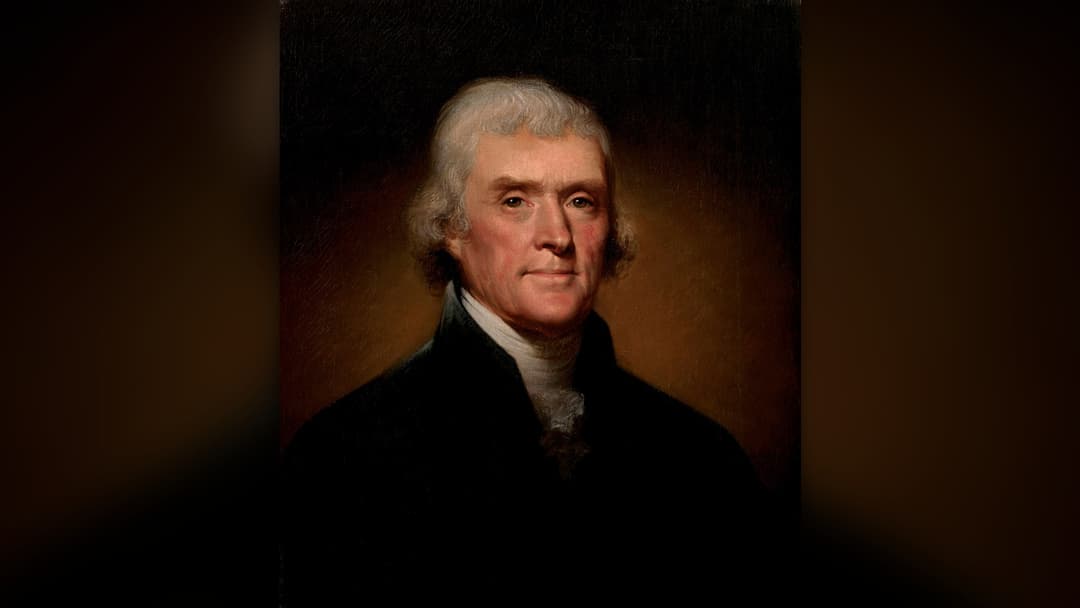
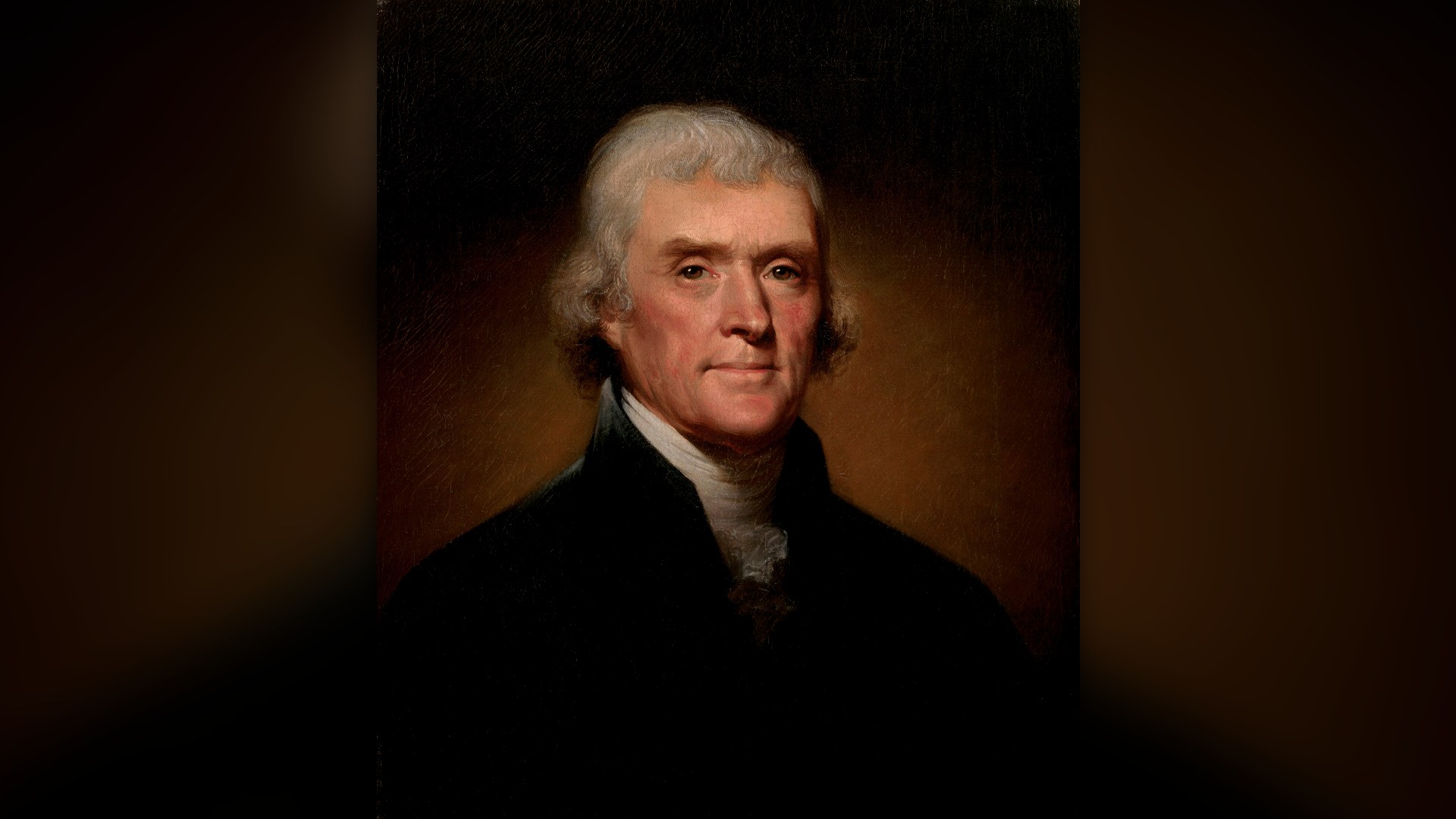
15. The 12th Amendment Separate Ballots Mandate
The original Constitution awarded the presidency to the top vote-getter and the vice presidency to the runner-up. After Thomas Jefferson and Aaron Burr tied in 1800, the 12th Amendment mandated separate distinct ballots.
©Wikimedia / Rembrandt Peale
Advertisement
Swipe or tap ▶ to resume the countdown.
14. Faithless Elector Laws And State Removal Powers
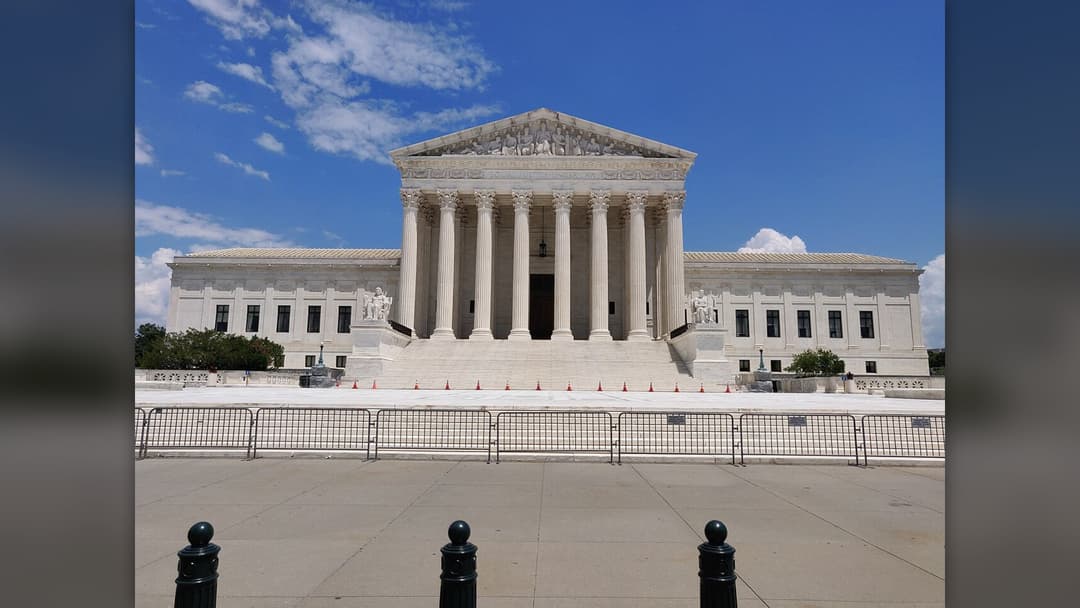
In the landmark 2020 Chiafalo v. Washington decision, the Supreme Court ruled unanimously that states have the constitutional authority to penalize or immediately replace electors who break their candidate pledges.
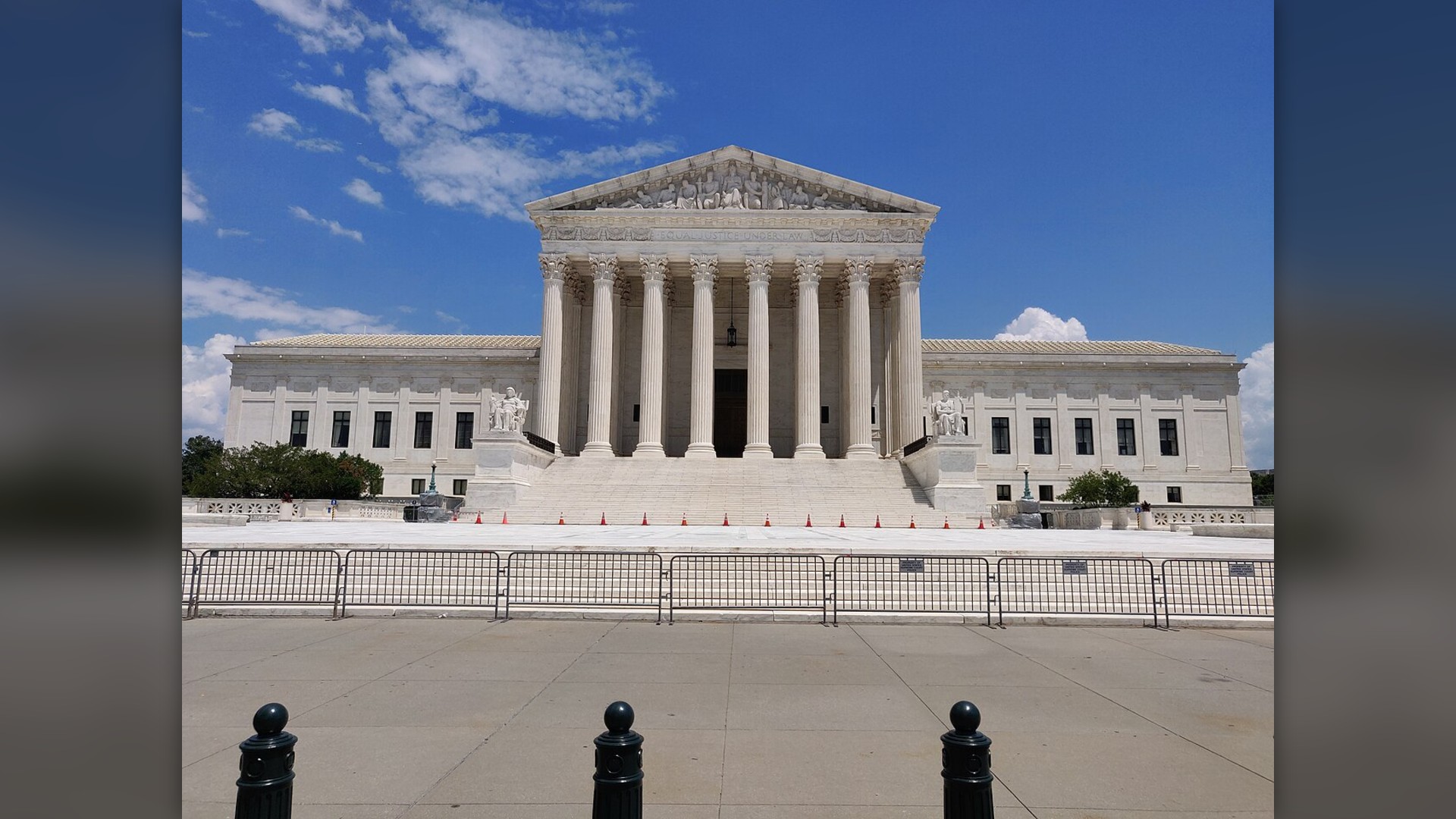
©Wikimedia / Kurt Kaiser
13. The Safe Harbor Certification Deadline
Under Title 3 of the United States Code, determinations made by states prior to the safe harbor deadline are binding on Congress, shielding state certified results from federal legislative challenges.
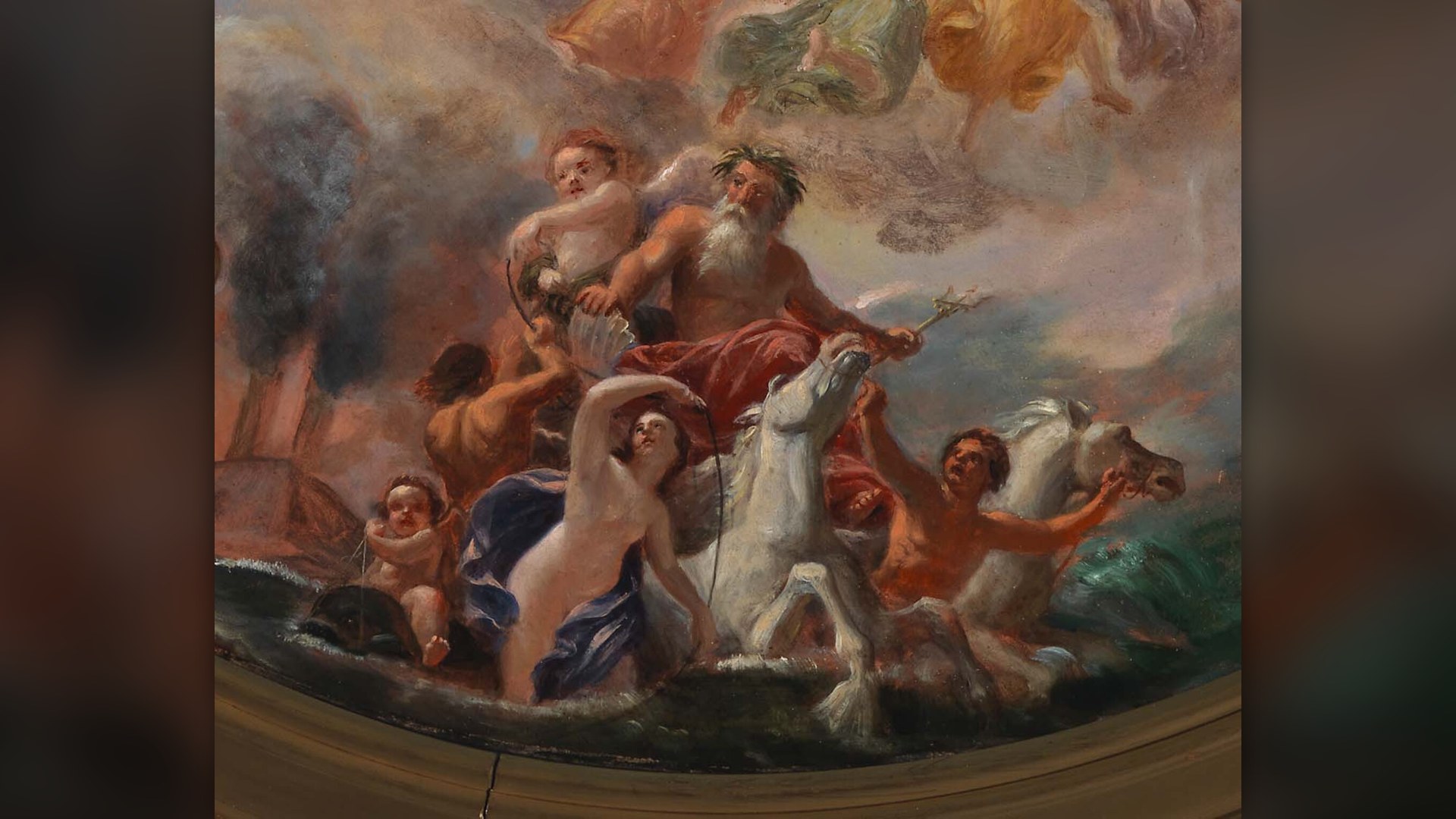
©Wikimedia / Constantino Brumidi
12. The National Popular Vote Interstate Compact
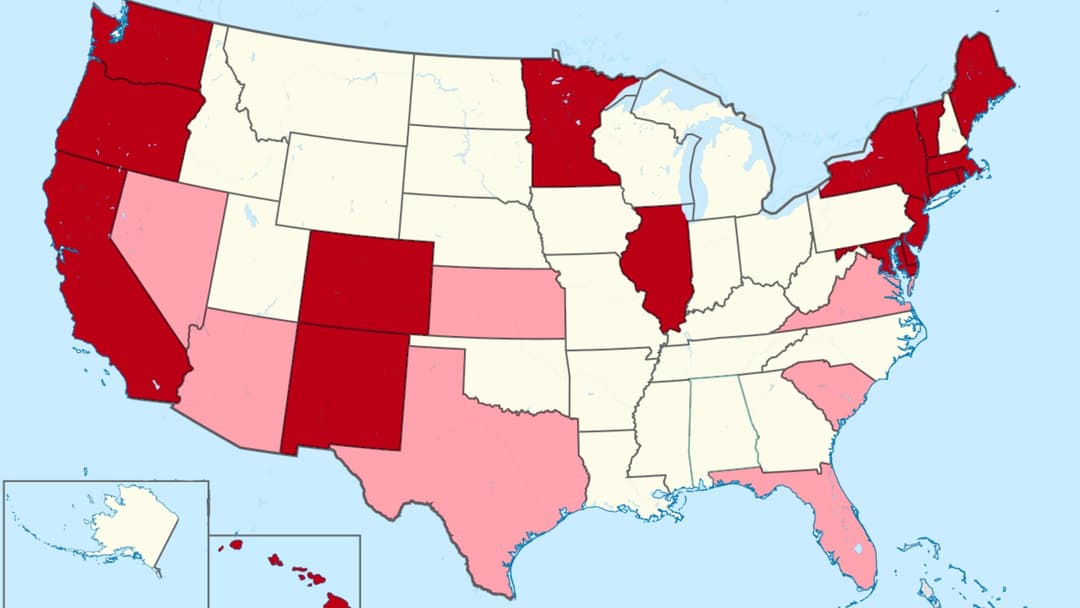
States representing over two hundred electoral votes have joined an interstate compact that would award all electors to the national popular vote winner once member states reach the decisive 270 threshold.
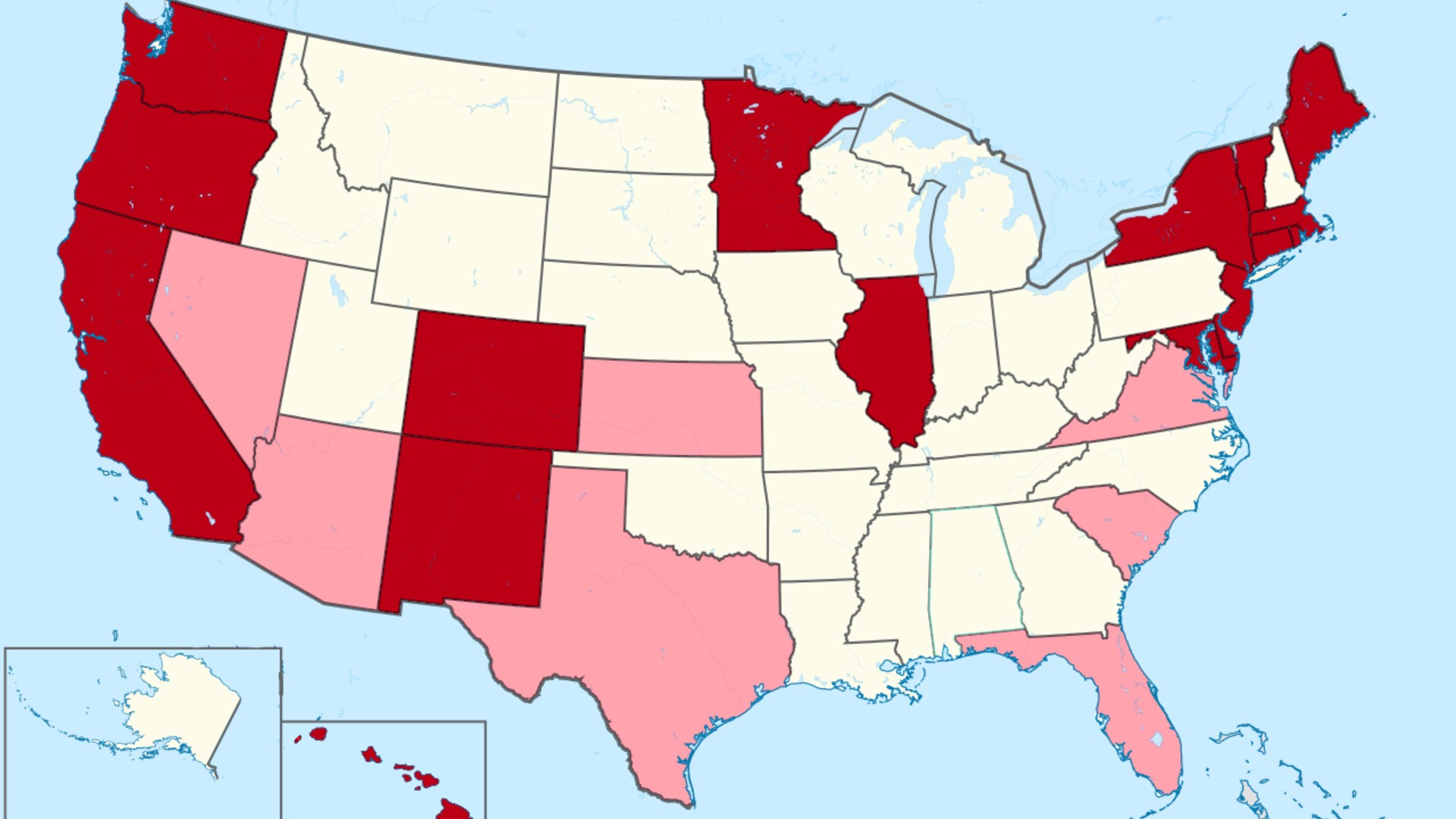
©Wikimedia / Tino il nabbo oopo
11. The Electoral Count Reform Act Thresholds
Enacted in 2022, the Electoral Count Reform Act overhauled the 1887 statute, raising the objection bar from a single lawmaker to twenty percent of each chamber to prevent frivolous certification disputes.
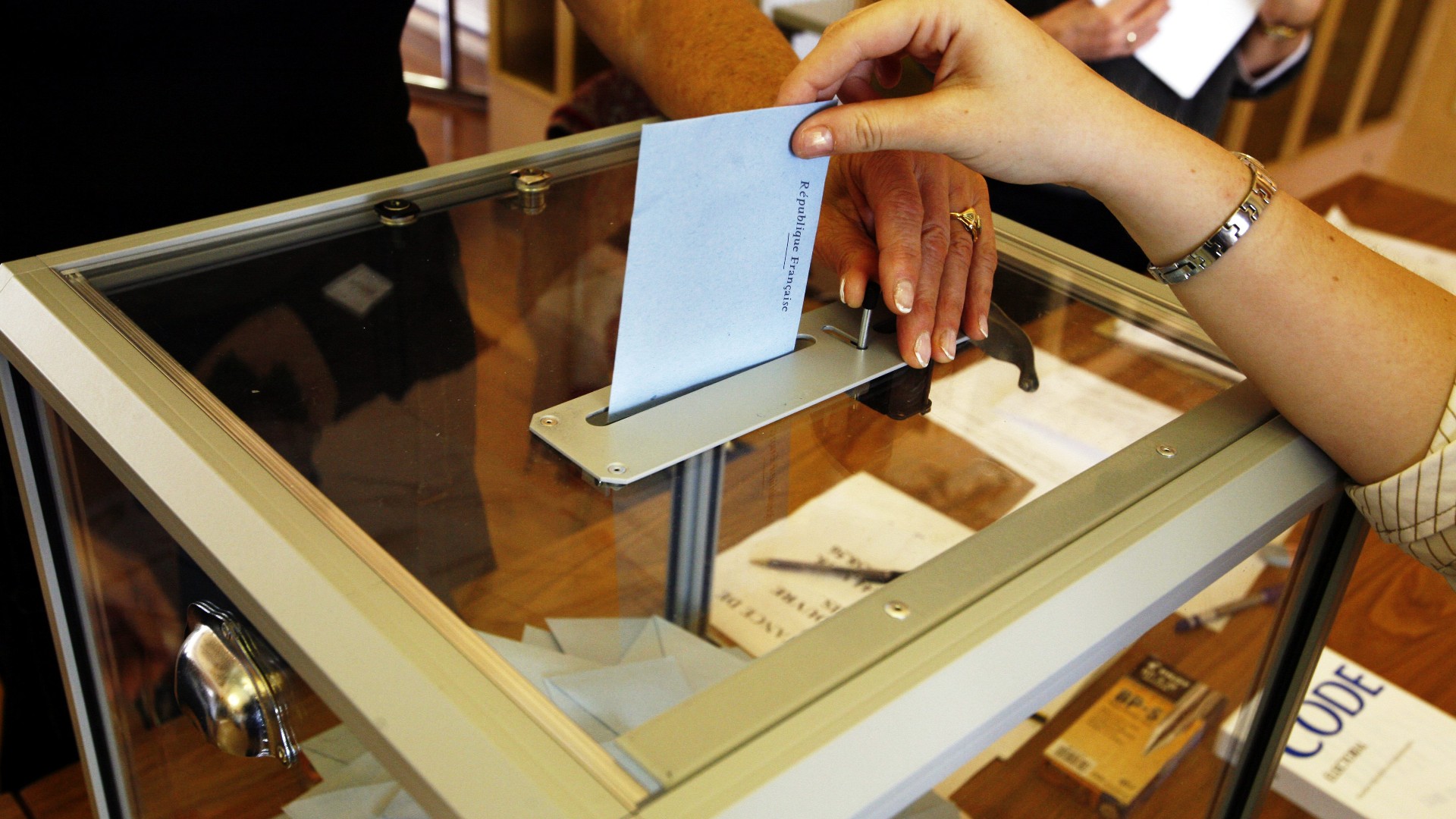
©Wikimedia / Election
Advertisement
Swipe or tap ▶ to resume the countdown.
10. The Alphabetical State Roll Call In Congress
Congress follows a rigid alphabetical sequence, starting with Alabama and concluding with Wyoming. The presiding officer opens certificates for each state before tellers verify and tally the figures.

©Wikimedia / Chairman of the Joint Chiefs of Staff
9. The Appointed House And Senate Tellers
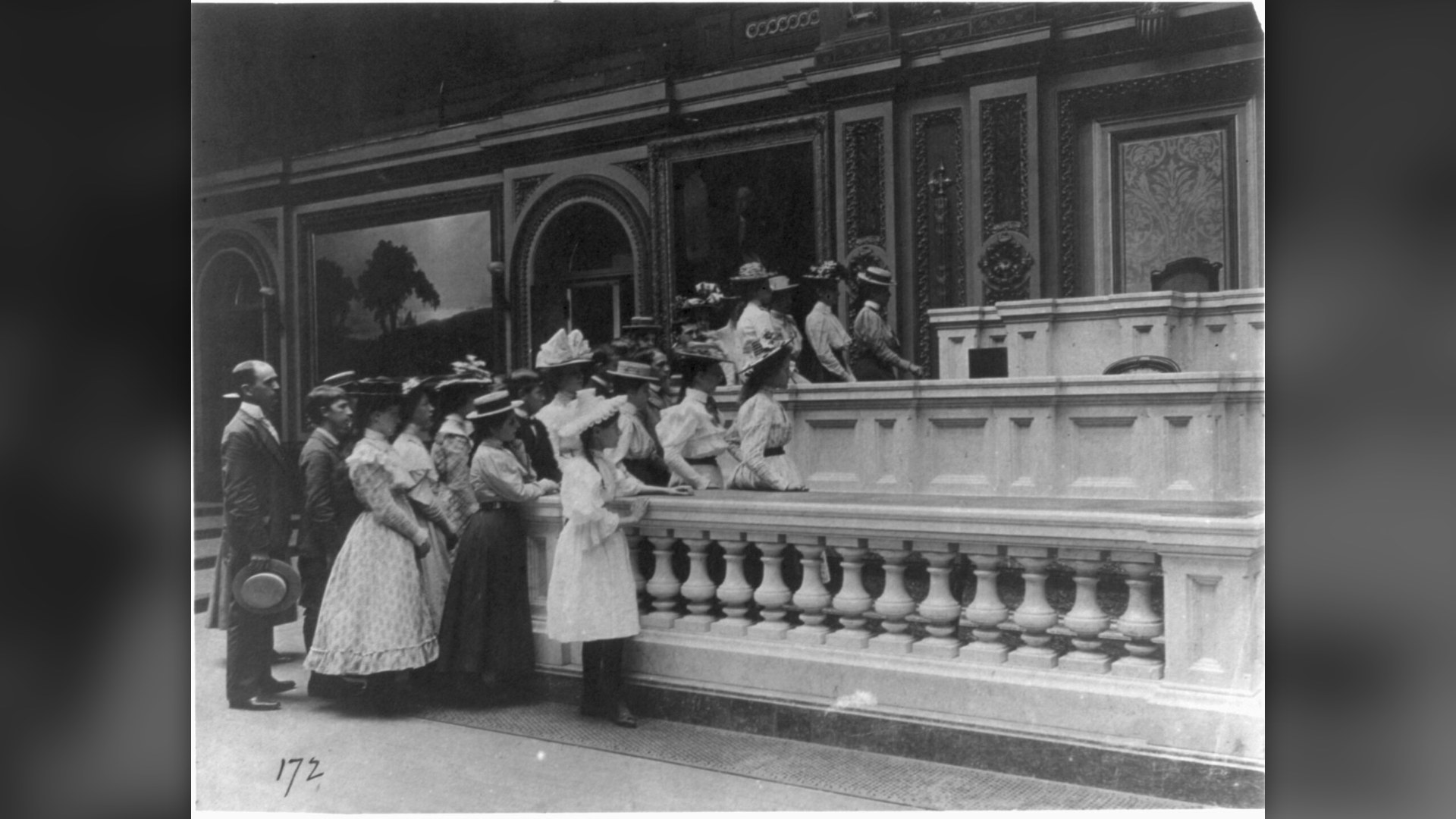
Two members from the Senate and two from the House serve as official tellers. Standing before both houses, they inspect seals, announce state totals, and record certified votes in legislative ledgers.
©Wikimedia / Frances Benjamin Johnston
8. The 20th Amendment Lame-Duck Calendar Shift
Before the 20th Amendment was ratified in 1933, departing lawmakers certified the election. Modern law seats the new Congress on January 3, ensuring fresh representatives count votes on January 6.

©Internet Archive / LOVE
7. Death Of A Candidate Before Electoral Balloting
In 1872, Horace Greeley died after election day but before electors convened, dispersing his votes among multiple politicians. Today, party charters empower national committees to fill ballot vacancies.
©Unsplash / Joshua Woroniecki
Advertisement
Swipe or tap ▶ to resume the countdown.
6. Death Of A President-Elect Before Inauguration
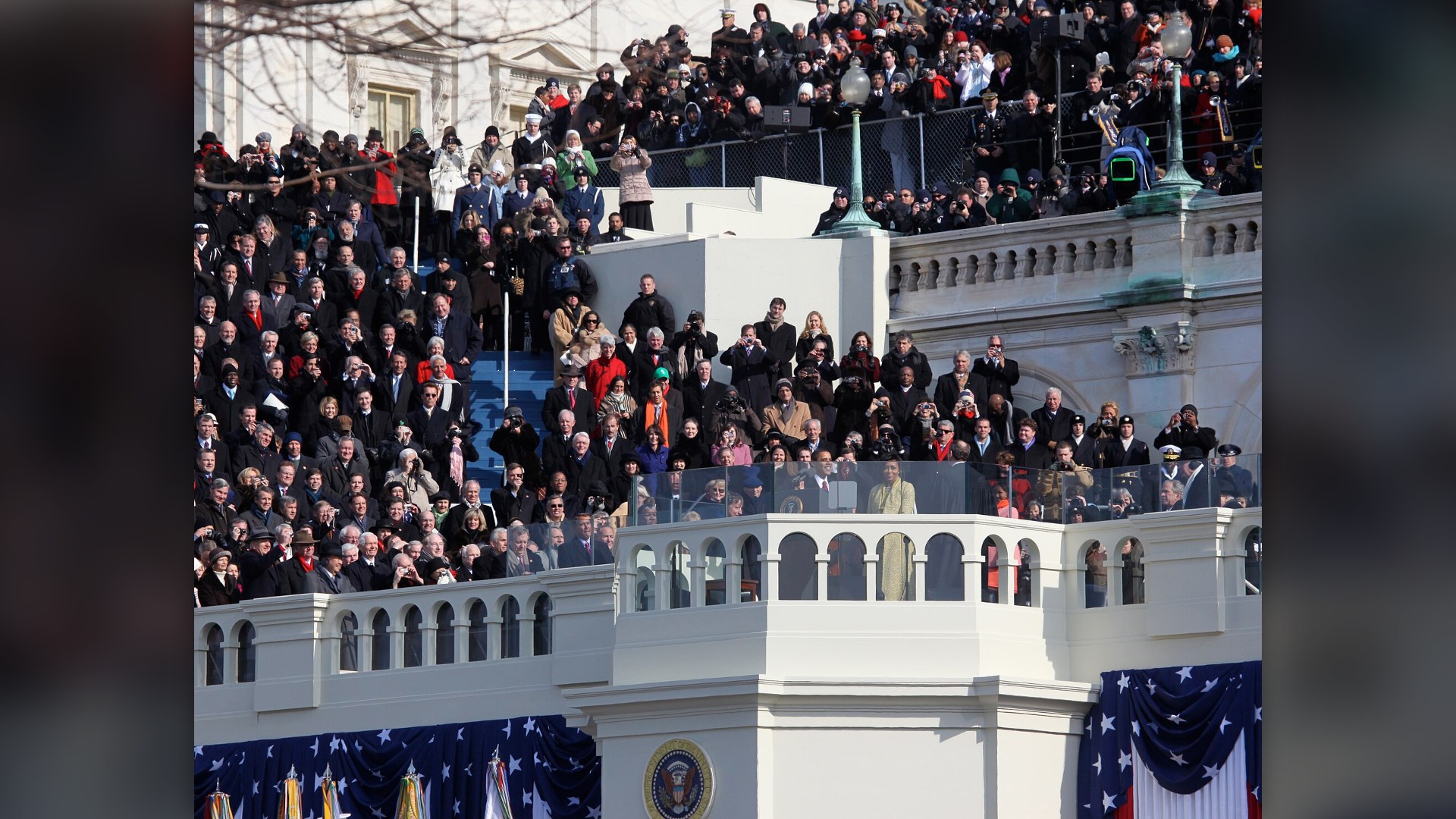
If a president-elect dies after Congress counts the electoral ballots but before January 20, the vice president-elect automatically assumes the presidency, guaranteeing stable executive continuity.
©Wikimedia / Steve Jurvetson
5. Strict Two-Hour Limit On Chamber Debates
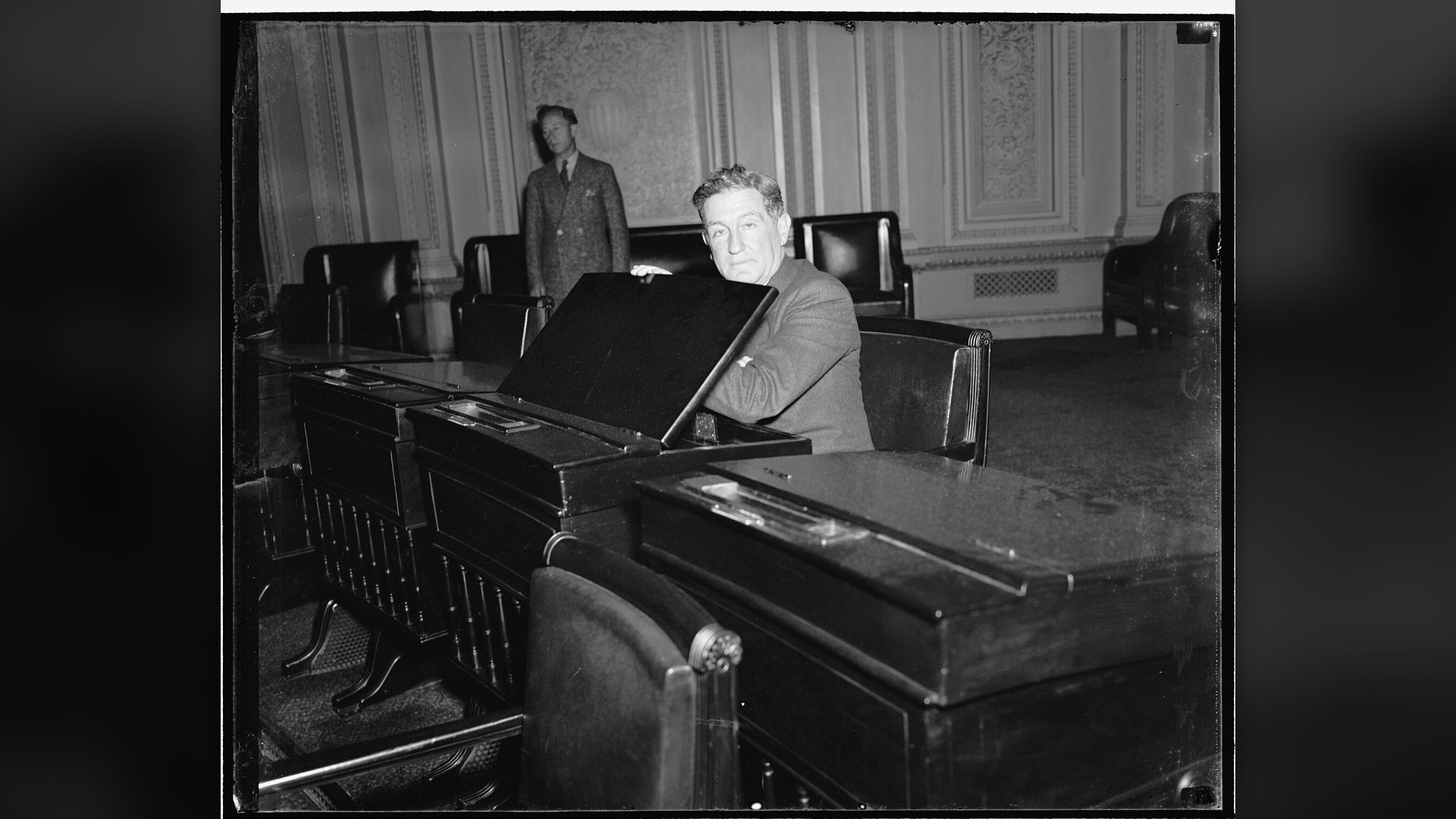
Federal rules prohibit prolonged filibusters during electoral counts. If an objection qualifies, both chambers withdraw to separate floors, limiting total debate to two hours and individual speeches to five minutes.
©Wikimedia / Harris & Ewing
4. The Senate Elects The Vice President In A Tie
Under the 12th Amendment, the Senate chooses the vice president if the Electoral College deadlocks. Each senator casts one vote, requiring a majority of the entire body to reach a decision.
©Wikimedia / Architect of the Capitol
3. The House One-Vote-Per-State Contingent Election
Should candidates fail to win 270 electoral votes, the House decides the presidency. Representatives vote by state delegation, meaning California and Wyoming carry equal weight of one single vote each.
©Wikimedia / Frank Schulenburg
Advertisement
Swipe or tap ▶ to resume the countdown.
2. The Vice President's Strictly Ceremonial Tally Role
The Constitution and the updated Electoral Count Reform Act confirm the vice president's duty is ministerial. The officer opens the envelopes, maintaining no legal discretion to discard certified votes.
©Wikimedia / Gage Skidmore
1. The Ceremonial Mahogany Ballot Boxes In Congress
During the quadrennial joint session, Senate pages carry two historic mahogany ballot boxes into the House chamber. These velvet-lined wooden chests hold the parchment certificates as the final votes are tallied.
©Wikimedia / National Archives and Records Administration
Advertisement
You've reached the end of the story. Thanks for reading!

20 Defining Moments In The Life Of Alexandria Ocasio-Cortez
20 Defining Facts and Milestones Behind the Rise of AOC
All 25 Entries in this Story
25. The Oddly Specific December Voting Calendar
Rather than gathering immediately after election day, electors cast their votes weeks later. Federal statutes established a specific calendar formula to allow states sufficient time to settle recount disputes and officially certify election results.

24. The Historic Winner-Take-All State Precedent
Early presidential elections saw electors chosen through diverse systems, including popular district votes and state legislative selection. Over time, states realized awarding all electors to the state winner maximized their national political clout.

23. The Two-Vote Small State Representation Bonus
Because electoral totals equal the sum of a state's representatives plus its two senators, Wyoming receives three electoral votes despite its small population. This constitutional design guarantees that every state maintains a minimum voice.

22. The Ineligibility Rule For Sitting Officials
Article II, Section 1 ensures the separation of powers by barring sitting senators, representatives, or anyone holding a federal office of trust from acting as presidential electors, preserving independence from Capitol Hill.

21. Electors Gather Only In State Capitols
The framers deliberately decentralized the voting process to prevent collusion and regional bribery. Electors gather in state capitols across the country on the same day, cast ballots, and sign formal documentation.

20. The Parchment Certificates Of Ascertainment
Following state certification, governors issue official Certificates of Ascertainment listing the appointed electors and vote totals. These signed documents carry the state seal and confirm legal authority.

19. Special Courier And Registered Mail Delivery
State officials produce six official certified copies of the electoral vote. Copies travel via registered mail to the President of the Senate, the Archivist, the federal district judge, and the state secretary of state.

18. The Archivist Custody Of Electoral Certificates
The Office of the Federal Register at the National Archives coordinates with governors, tracks incoming certificates, and ensures all state results arrive securely before the joint congressional session.

17. The District Split Method In Maine And Nebraska
Maine adopted district allocation in 1969, followed by Nebraska in 1991. The system allows presidential candidates to win electoral votes in individual districts without winning the entire state popular vote.

16. Washington D.C.'s Three-Vote Constitutional Cap
Ratified in 1961, the 23rd Amendment granted the District of Columbia representation in the Electoral College. However, the text limits the city to no more electors than the smallest state, currently three.

15. The 12th Amendment Separate Ballots Mandate
The original Constitution awarded the presidency to the top vote-getter and the vice presidency to the runner-up. After Thomas Jefferson and Aaron Burr tied in 1800, the 12th Amendment mandated separate distinct ballots.

14. Faithless Elector Laws And State Removal Powers
In the landmark 2020 Chiafalo v. Washington decision, the Supreme Court ruled unanimously that states have the constitutional authority to penalize or immediately replace electors who break their candidate pledges.

13. The Safe Harbor Certification Deadline
Under Title 3 of the United States Code, determinations made by states prior to the safe harbor deadline are binding on Congress, shielding state certified results from federal legislative challenges.

12. The National Popular Vote Interstate Compact
States representing over two hundred electoral votes have joined an interstate compact that would award all electors to the national popular vote winner once member states reach the decisive 270 threshold.

11. The Electoral Count Reform Act Thresholds
Enacted in 2022, the Electoral Count Reform Act overhauled the 1887 statute, raising the objection bar from a single lawmaker to twenty percent of each chamber to prevent frivolous certification disputes.

10. The Alphabetical State Roll Call In Congress
Congress follows a rigid alphabetical sequence, starting with Alabama and concluding with Wyoming. The presiding officer opens certificates for each state before tellers verify and tally the figures.

9. The Appointed House And Senate Tellers
Two members from the Senate and two from the House serve as official tellers. Standing before both houses, they inspect seals, announce state totals, and record certified votes in legislative ledgers.

8. The 20th Amendment Lame-Duck Calendar Shift
Before the 20th Amendment was ratified in 1933, departing lawmakers certified the election. Modern law seats the new Congress on January 3, ensuring fresh representatives count votes on January 6.

7. Death Of A Candidate Before Electoral Balloting
In 1872, Horace Greeley died after election day but before electors convened, dispersing his votes among multiple politicians. Today, party charters empower national committees to fill ballot vacancies.

6. Death Of A President-Elect Before Inauguration
If a president-elect dies after Congress counts the electoral ballots but before January 20, the vice president-elect automatically assumes the presidency, guaranteeing stable executive continuity.

5. Strict Two-Hour Limit On Chamber Debates
Federal rules prohibit prolonged filibusters during electoral counts. If an objection qualifies, both chambers withdraw to separate floors, limiting total debate to two hours and individual speeches to five minutes.

4. The Senate Elects The Vice President In A Tie
Under the 12th Amendment, the Senate chooses the vice president if the Electoral College deadlocks. Each senator casts one vote, requiring a majority of the entire body to reach a decision.

3. The House One-Vote-Per-State Contingent Election
Should candidates fail to win 270 electoral votes, the House decides the presidency. Representatives vote by state delegation, meaning California and Wyoming carry equal weight of one single vote each.

2. The Vice President's Strictly Ceremonial Tally Role
The Constitution and the updated Electoral Count Reform Act confirm the vice president's duty is ministerial. The officer opens the envelopes, maintaining no legal discretion to discard certified votes.

1. The Ceremonial Mahogany Ballot Boxes In Congress
During the quadrennial joint session, Senate pages carry two historic mahogany ballot boxes into the House chamber. These velvet-lined wooden chests hold the parchment certificates as the final votes are tallied.