Slideshow · Animals
25 Animals That Avoid Contact With Humans
By Most Viral Today
28 min ago

From mountain ghosts to forest recluses, meet nature's shyest animals. 
25. Wolverine 
24. Okapi 
23. Snow Leopard - AdvertisementSwipe or tap ▶ to continue countdown

22. Clouded Leopard 
21. Giant Pangolin 
20. Platypus 
19. Brown Kiwi - AdvertisementSwipe or tap ▶ to continue countdown

18. Fossa 
17. Binturong 
16. Maned Wolf 
15. Aardvark - AdvertisementSwipe or tap ▶ to continue countdown

14. Pallas's Cat 
13. Tasmanian Devil 
12. Kakapo 
11. Amur Leopard - AdvertisementSwipe or tap ▶ to continue countdown

10. Dugong 
9. South American Tapir 
8. Honey Badger 
7. Narwhal - AdvertisementSwipe or tap ▶ to continue countdown

6. Aye-Aye 
5. Pygmy Hippopotamus 
4. Bush Dog 
3. Dhole - AdvertisementSwipe or tap ▶ to continue countdown

2. Java Mouse-Deer 
1. Vaquita - Advertisement🔥 UP NEXT IN THIS SERIES◫ 26 Slides

25 Animals That Can Have Babies Without Mating
Explore twenty-five wild creatures with extraordinary senses and solitary habits that intentionally steer clear of human presence.
Swipe or tap ▶ to begin the countdown
©Wikimedia / Davidvraju & Wikimedia / Derek Ramsey
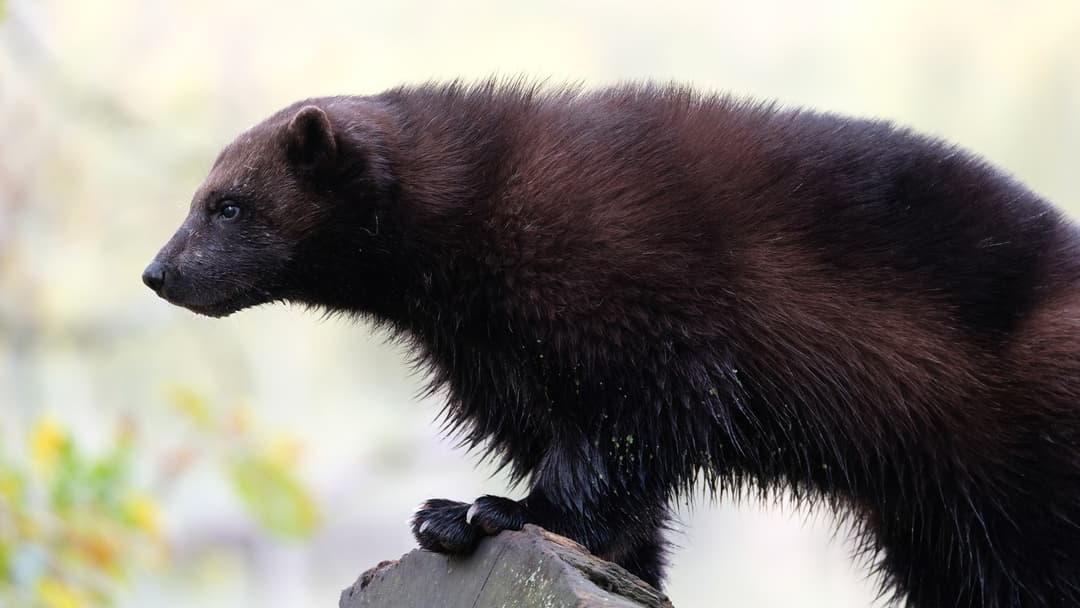
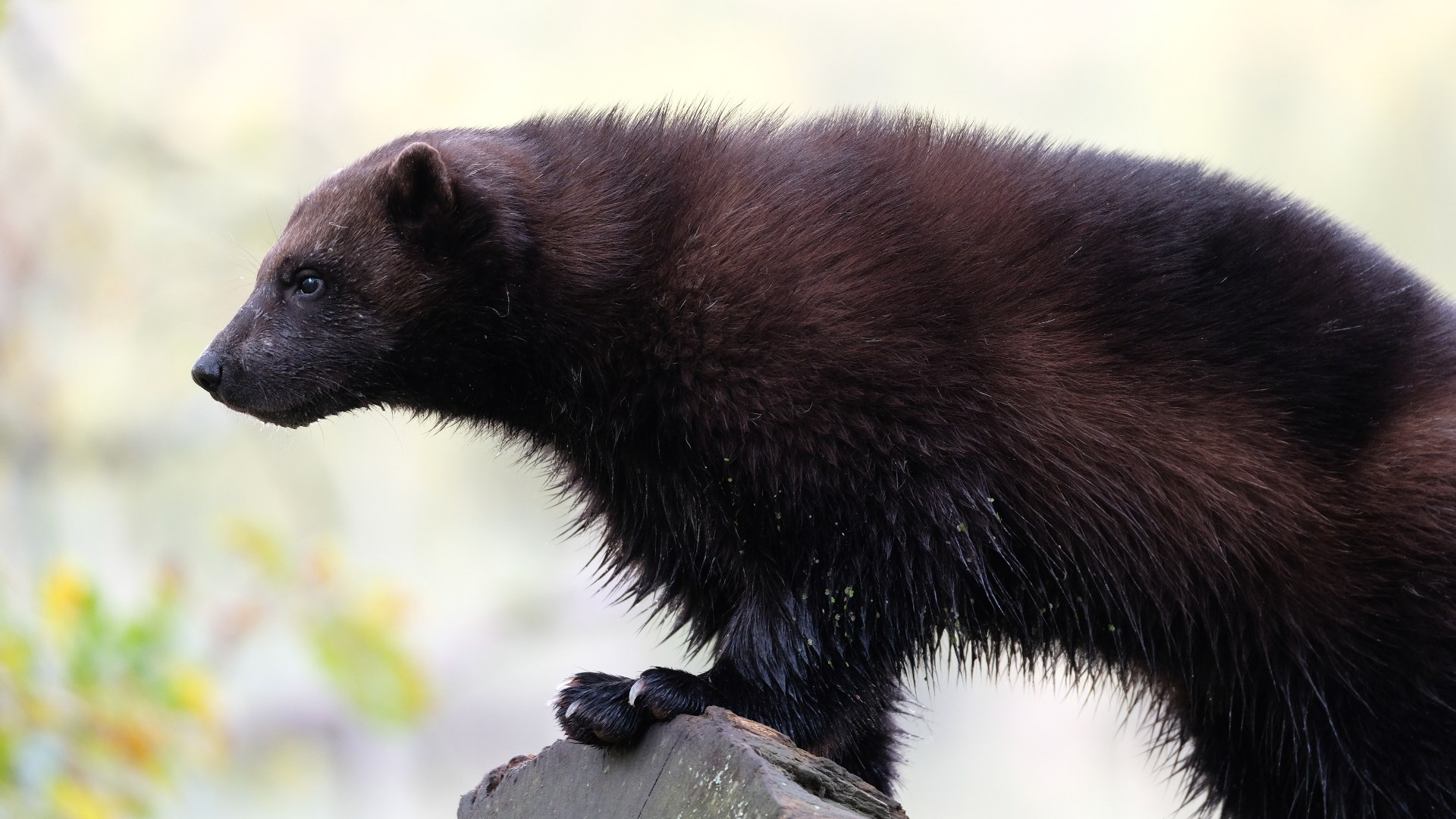
25. Wolverine
The wolverine inhabits remote boreal forests and subarctic tundra, maintaining massive individual territories. Renowned for its solitary nature, it actively retreats from human presence and avoids areas with road development or industrial disturbance.
©Wikimedia / Musicaline
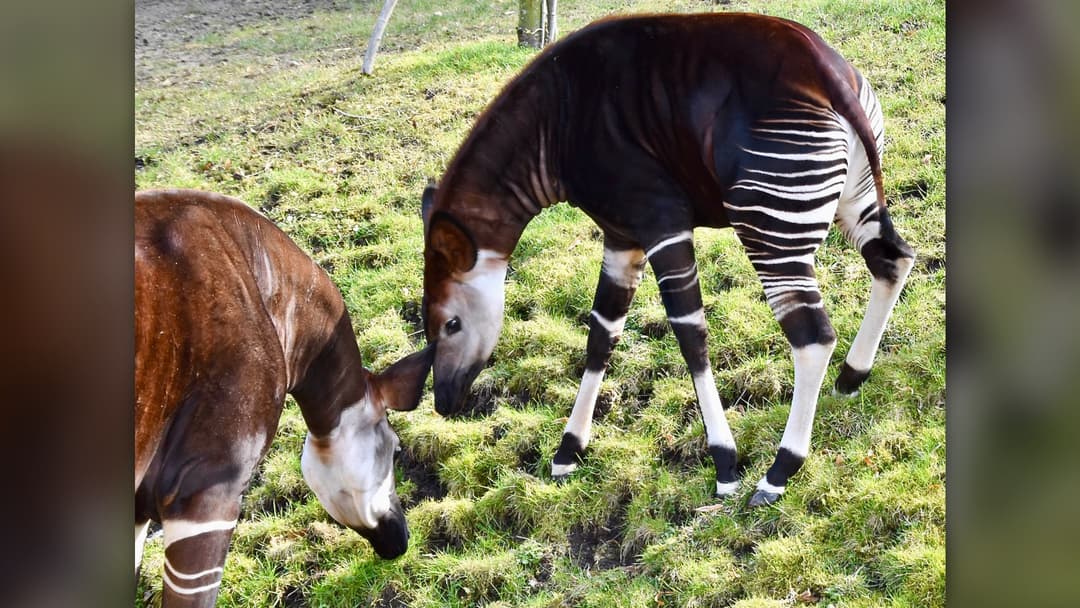
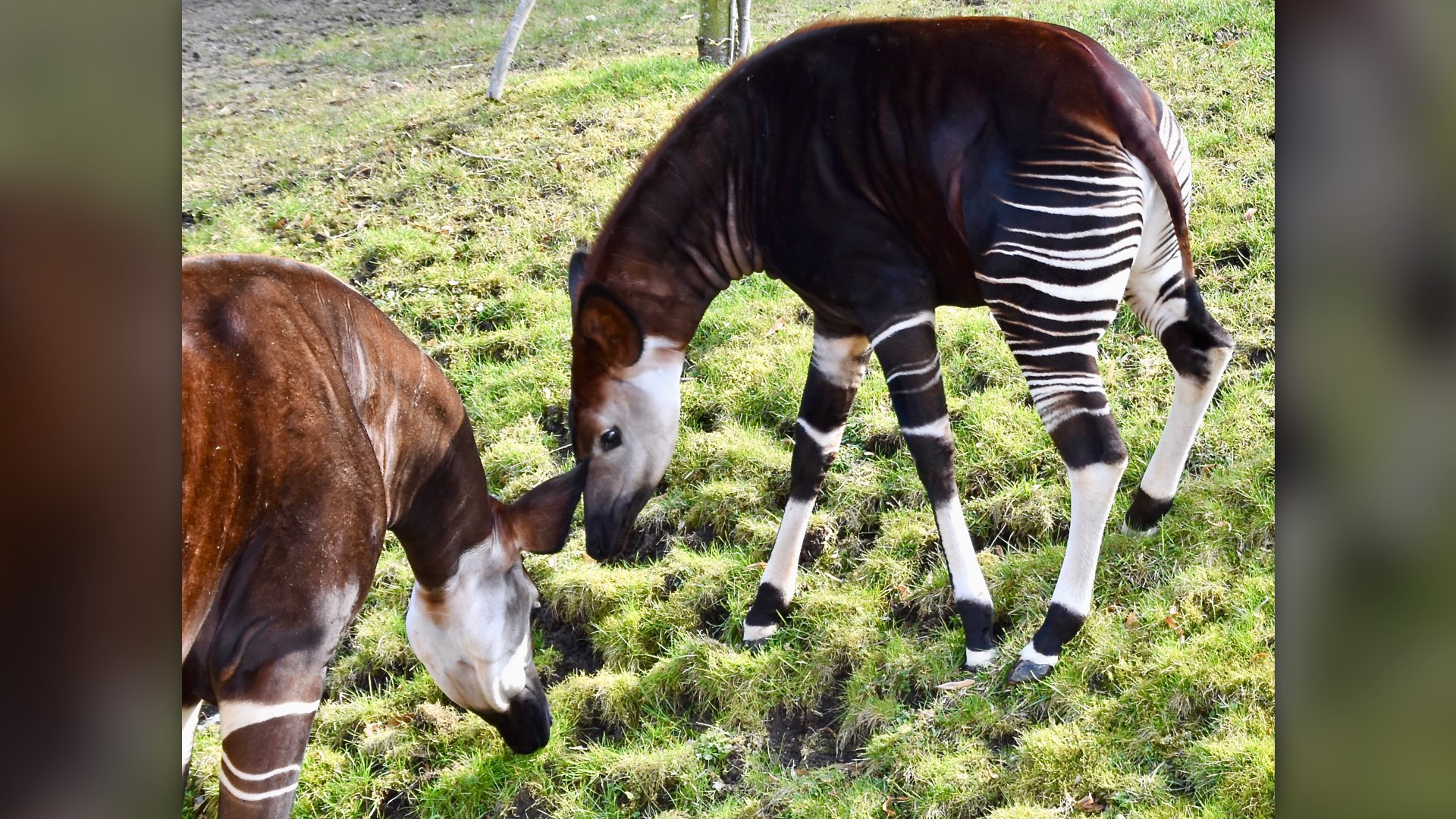
24. Okapi
Living within the dense canopies of the Ituri Forest in the Democratic Republic of the Congo, the okapi remained unknown to Western science until 1901. Its large, rotating ears detect the faintest sound of human footsteps from extraordinary distances.
©Wikimedia / NasserHalaweh
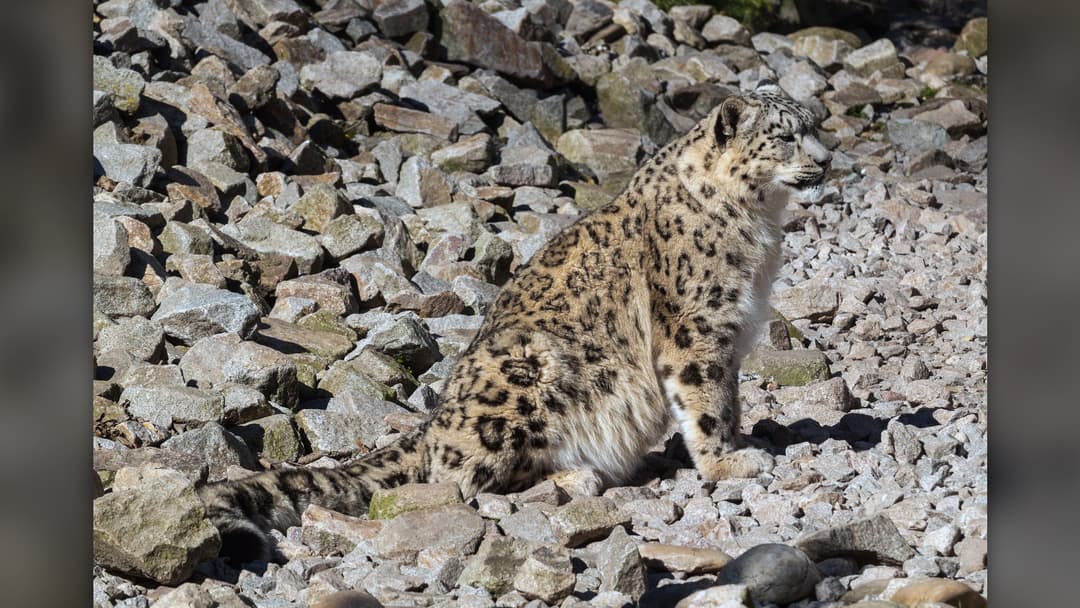
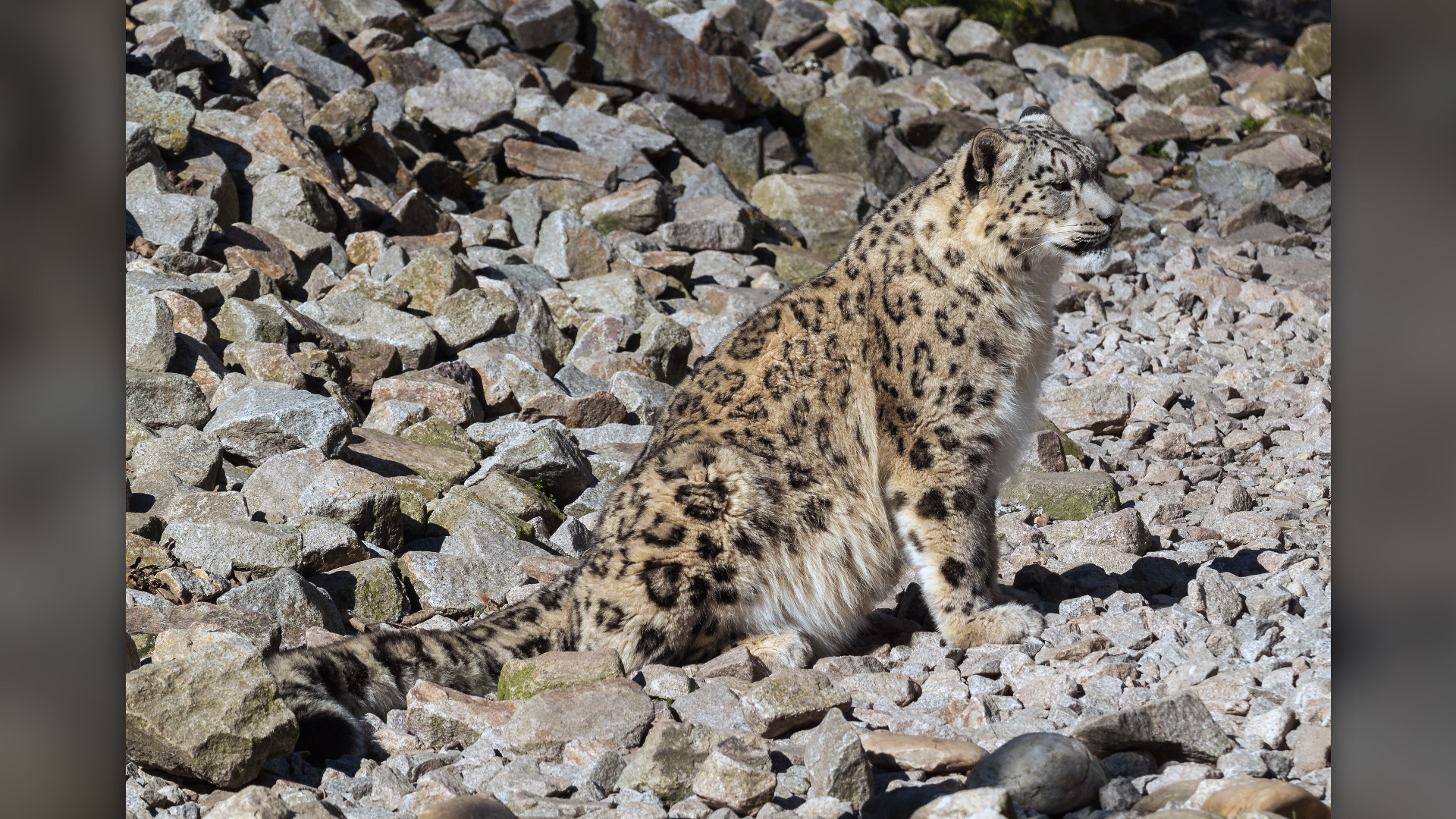
23. Snow Leopard
Known as the ghost of the mountains, the snow leopard stalks rugged, high-altitude terrain far above the tree line. Its smoky-gray rosette coat blends flawlessly into sheer rocky cliffs, enabling it to avoid human observation for lifetimes.
©Wikimedia / H. Zell
Advertisement
Swipe or tap ▶ to resume the countdown.
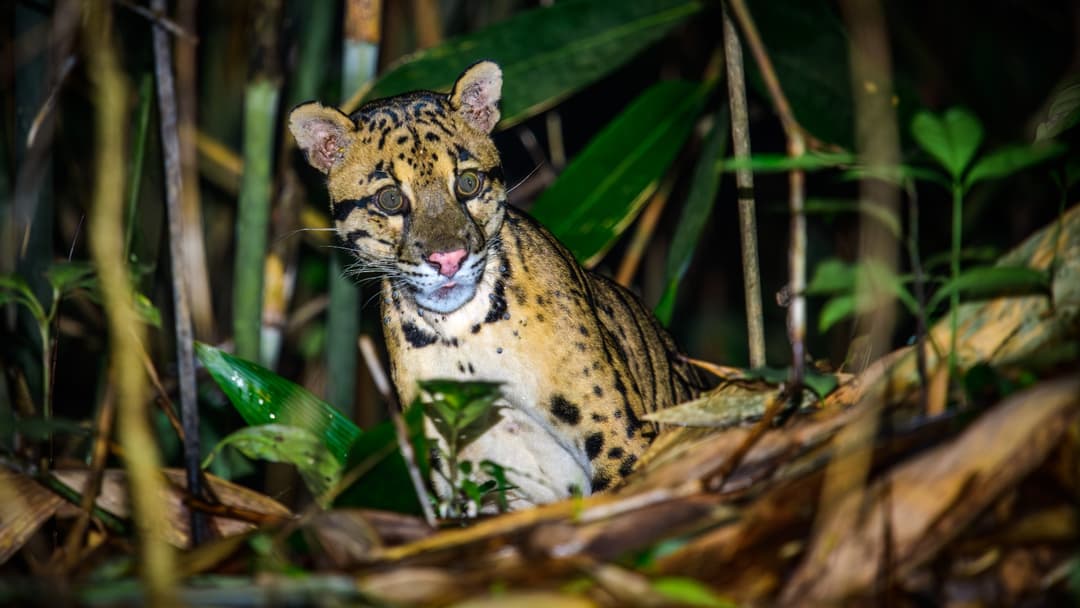
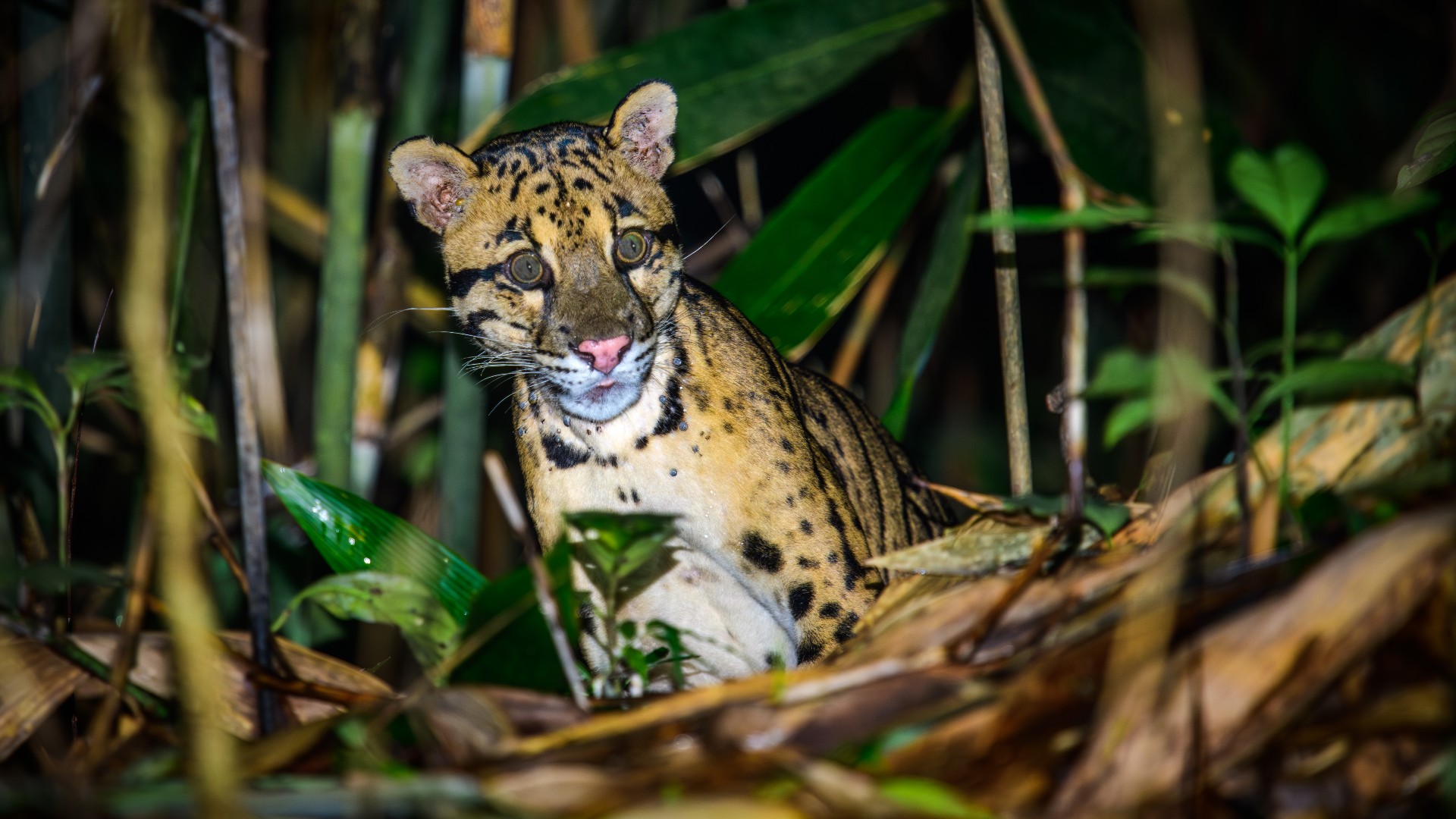
22. Clouded Leopard
Native to the rainforests of Southeast Asia, the clouded leopard rarely descends from the upper forest canopy. Highly secretive and nocturnal, this elusive wild feline relies on dense aerial foliage to avoid encountering humans on the ground.
©Wikimedia / Clouded leopard
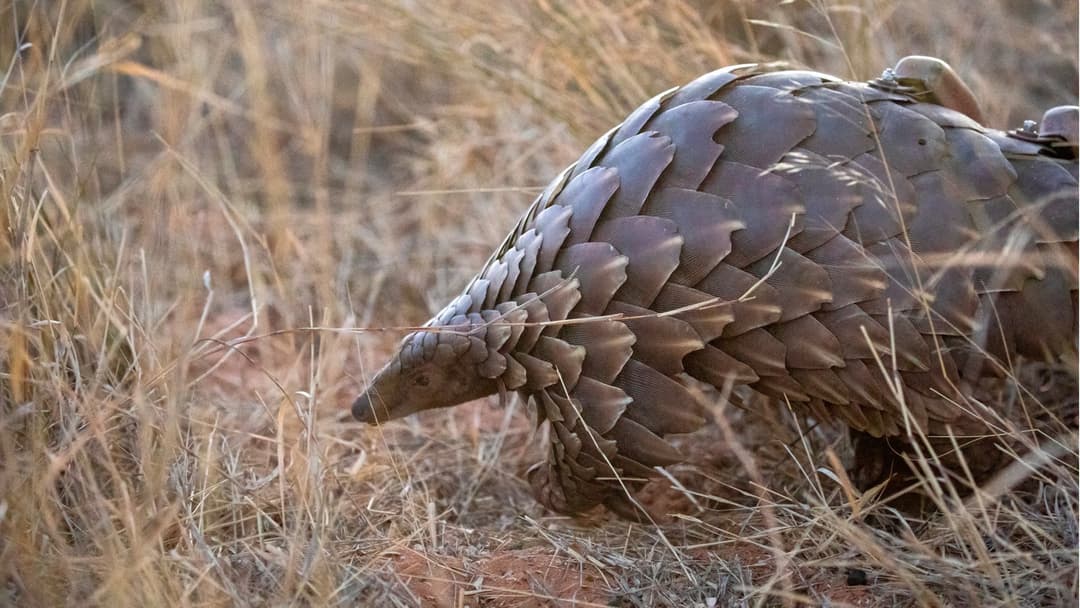
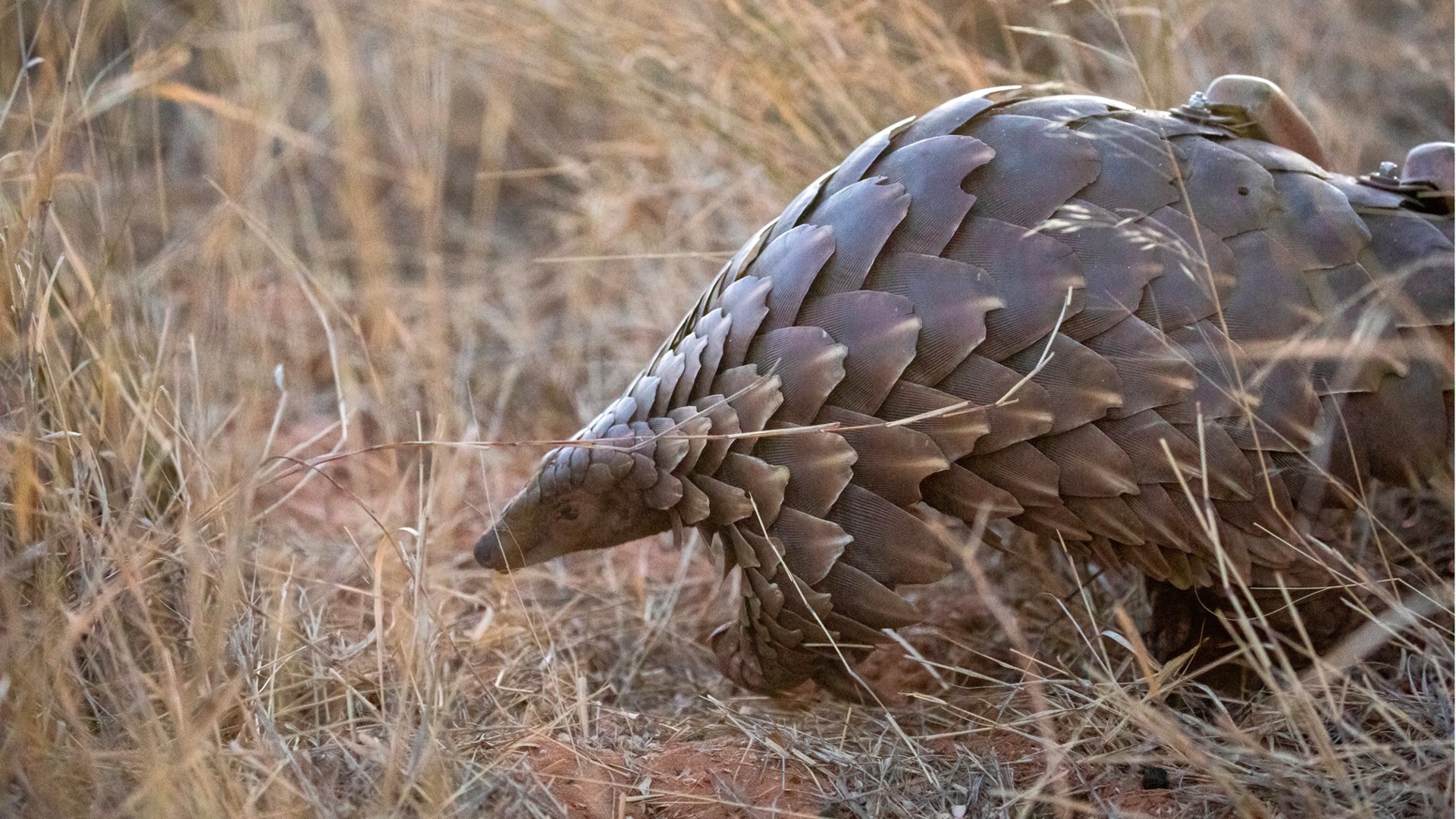
21. Giant Pangolin
Pangolins are shy, solitary mammals that forage strictly under the cover of darkness. Possessing keen senses of smell and hearing, a pangolin retreats into deep burrows or curls into an impenetrable armored ball at the first indication of human presence.
©Wikimedia / WildlifeConservationist
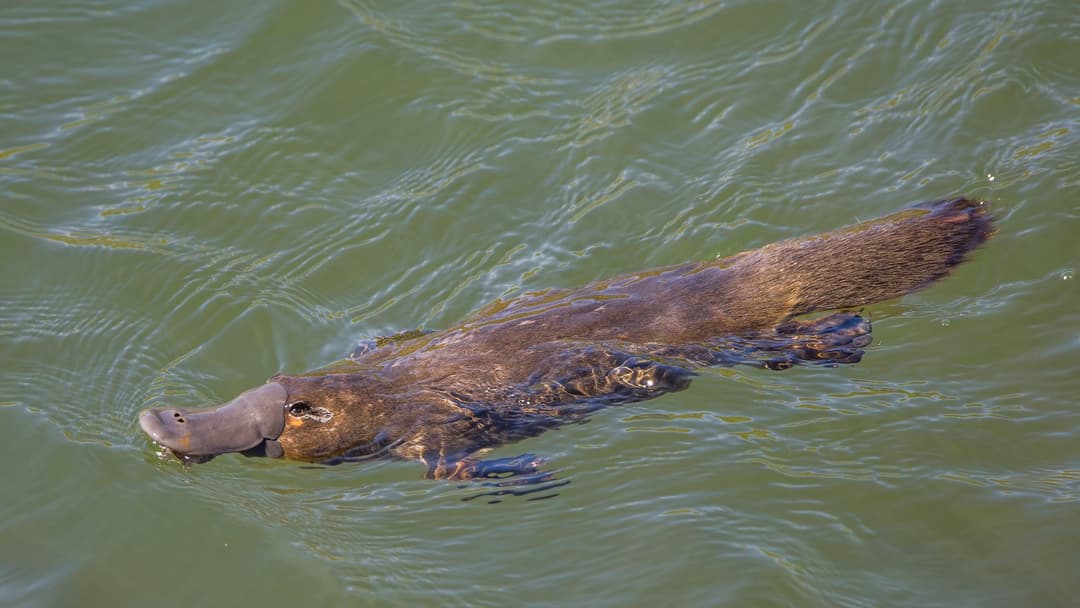
20. Platypus
Endemic to eastern Australia, the platypus is notoriously cautious and skittish around people. Equipped with electroreceptors and sensitive mechanoreceptors on its bill, it detects the faintest vibrations along riverbanks and submerges instantly to hide.
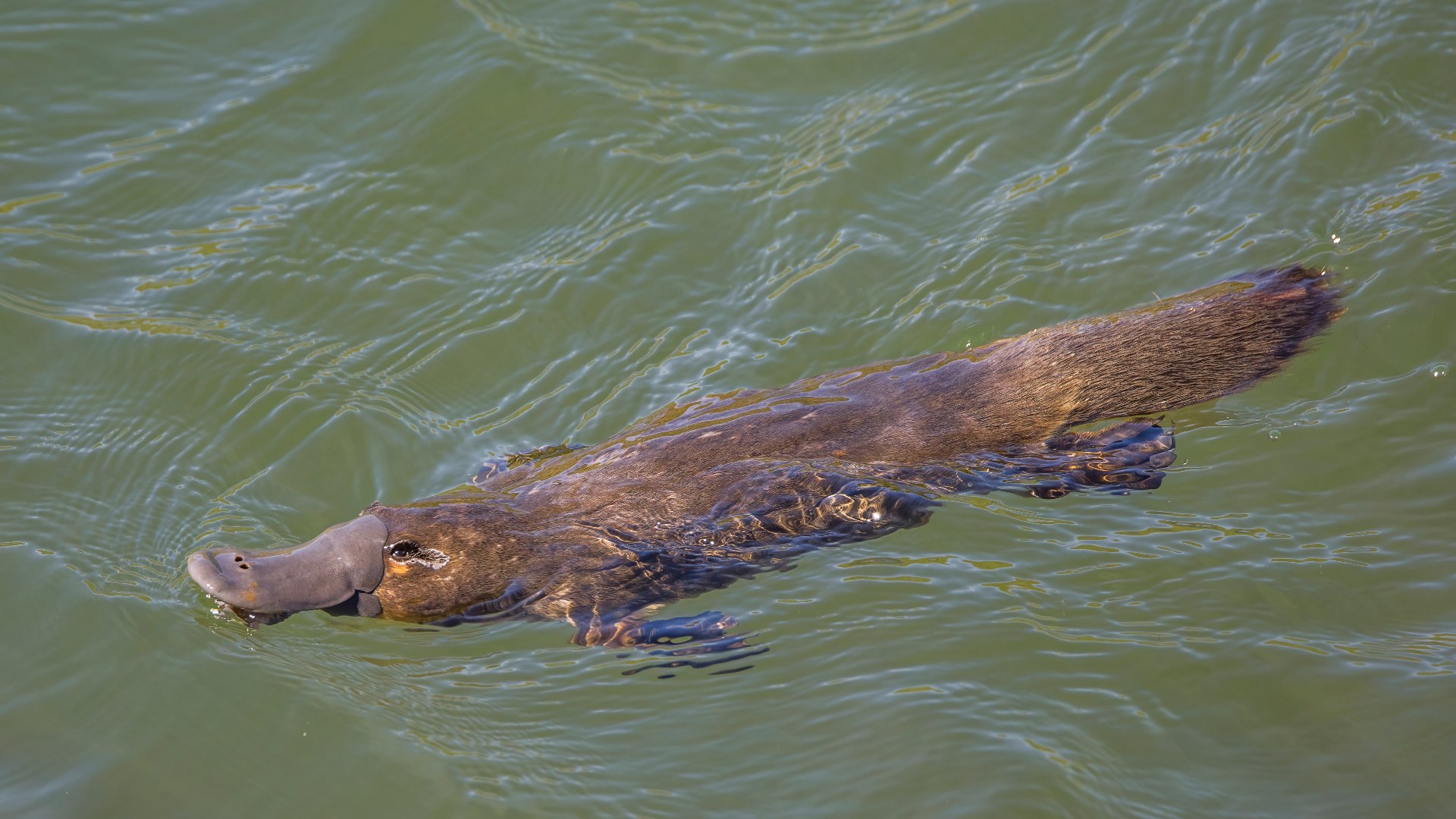
©Wikimedia / Charles J. Sharp
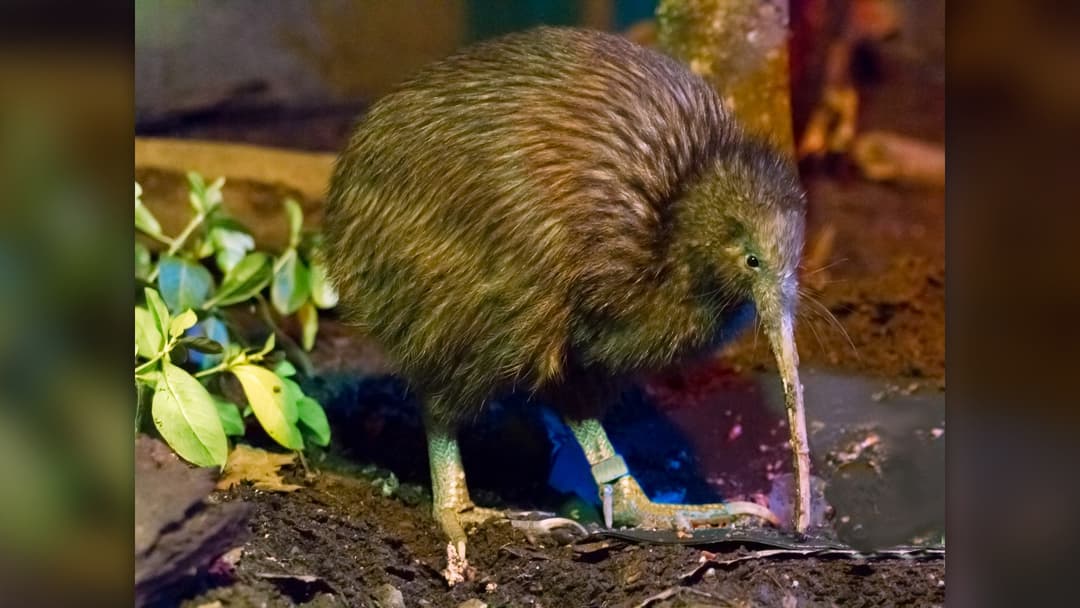
19. Brown Kiwi
New Zealand's brown kiwi spends its daylight hours concealed inside subterranean burrows or dense vegetation. Emerging only after total dark, this flightless bird relies on an acute sense of smell to forage while actively evading human trails.
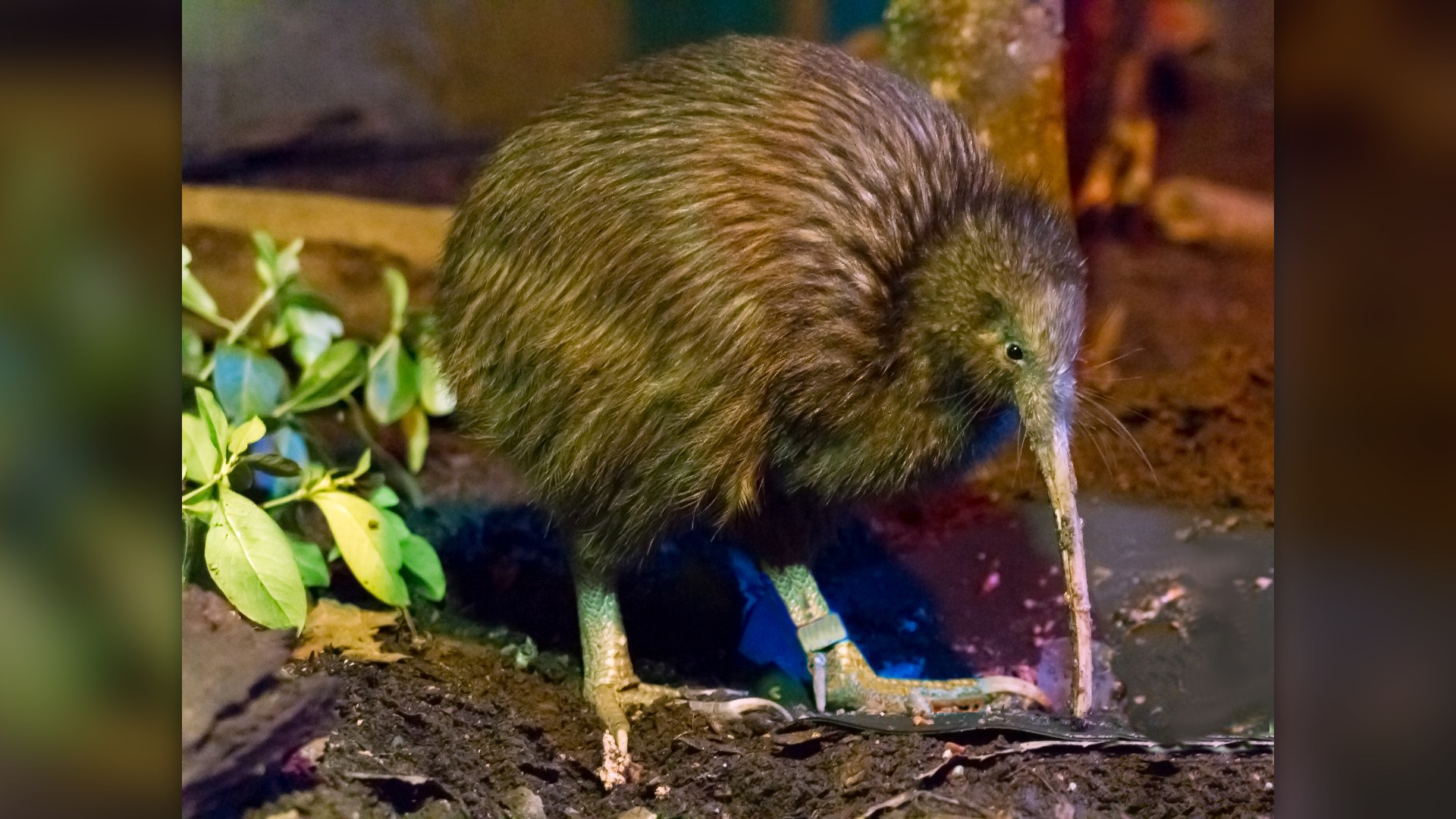
©Wikimedia / The.Rohit
Advertisement
Swipe or tap ▶ to resume the countdown.
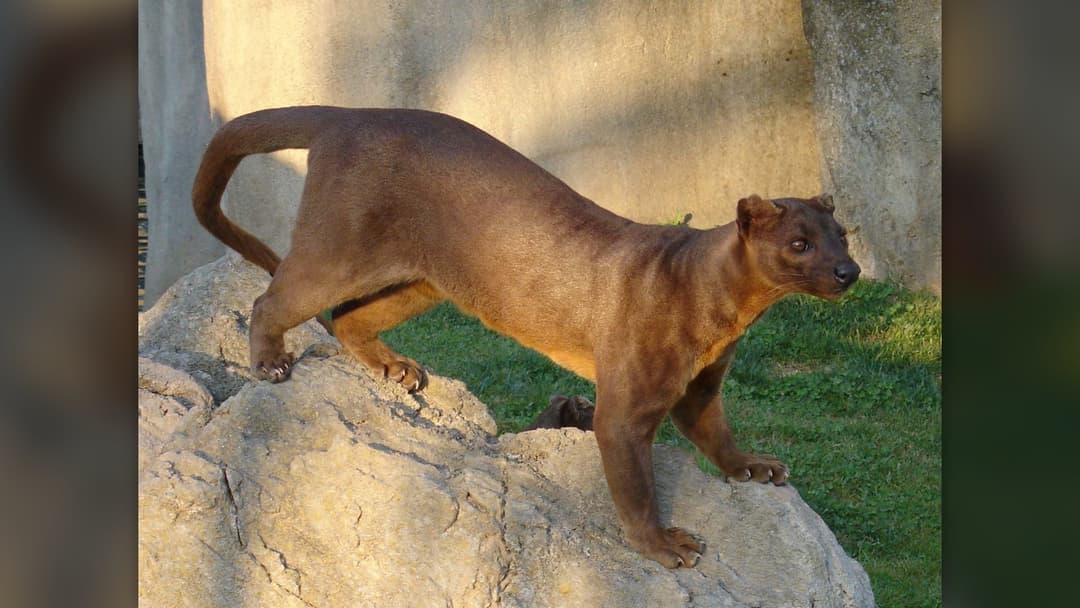
18. Fossa
The fossa is the top carnivore of Madagascar, stalking lemurs across primary forest canopies. Highly solitary and secretive, it requires extensive undisturbed forest tracts and avoids human clearings, farmland, and settled villages.
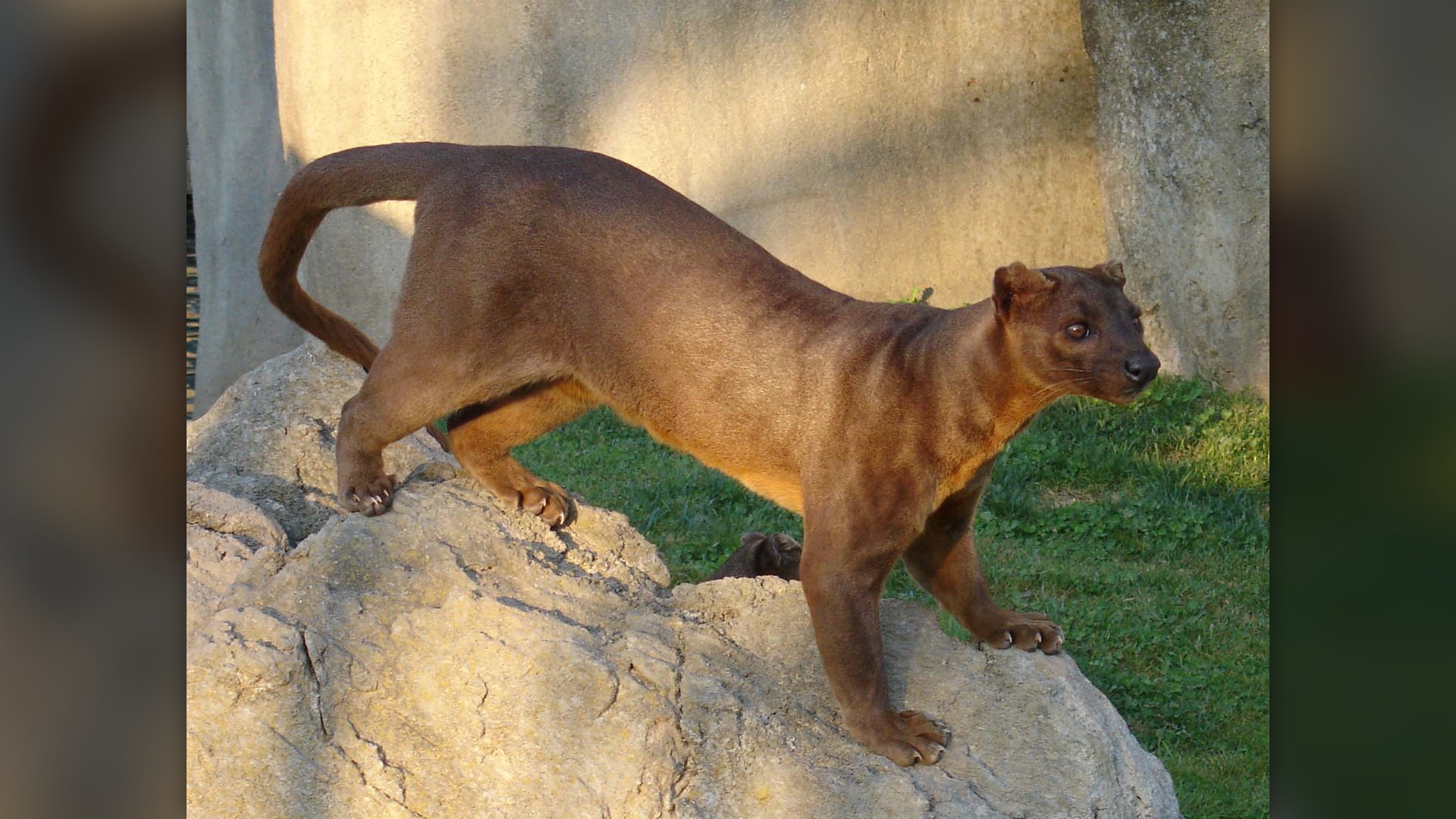
©Wikimedia / Ran Kirlian
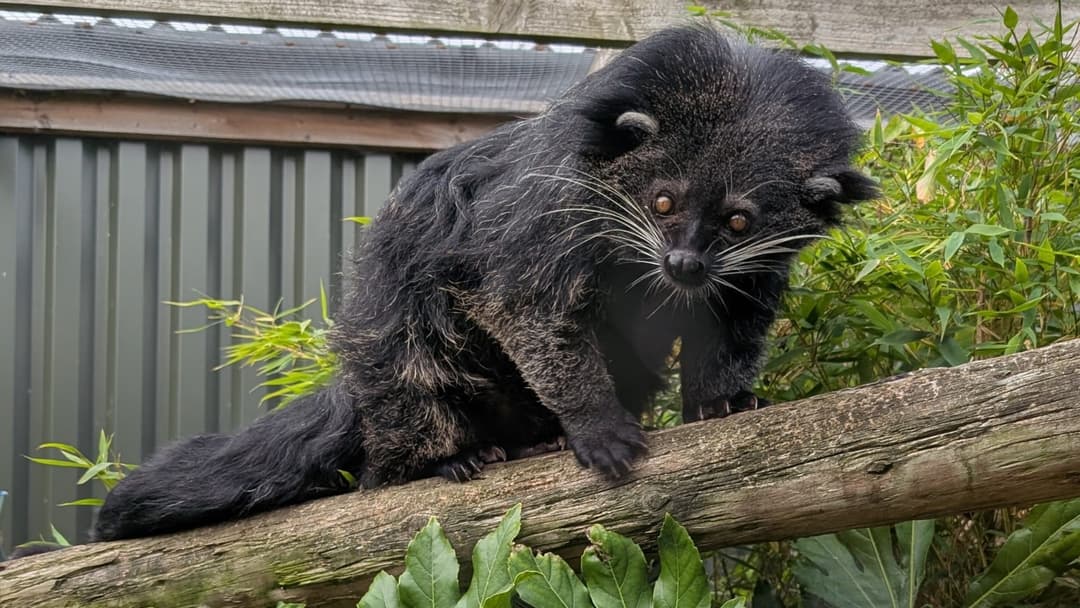
17. Binturong
Also called the bearcat, the binturong is an arboreal mammal that moves methodically through tall rainforest treetops. Rarely descending to ground level, it uses its prehensile tail to navigate high foliage far from human disturbance.
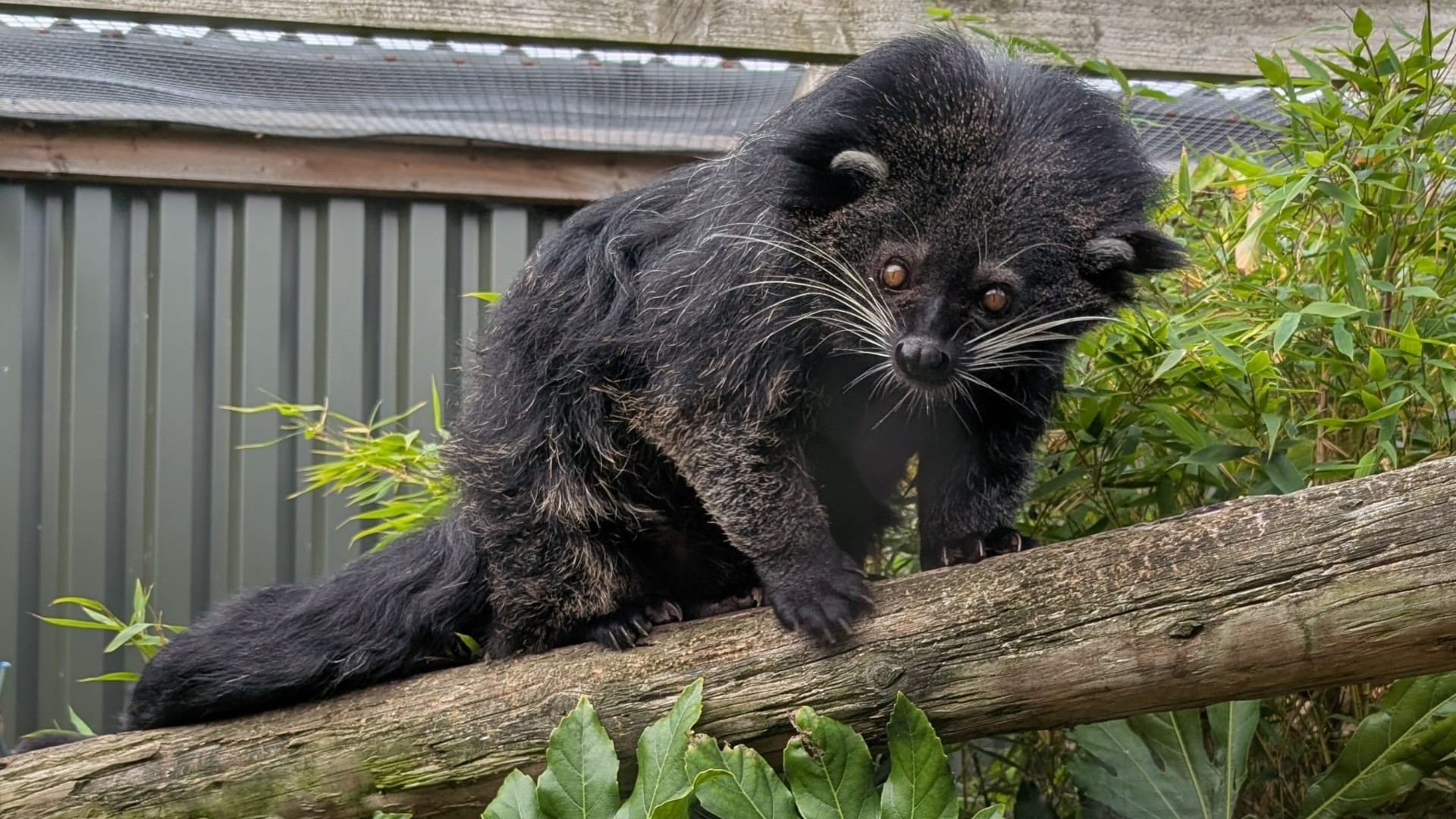
©Wikimedia / Binturong6
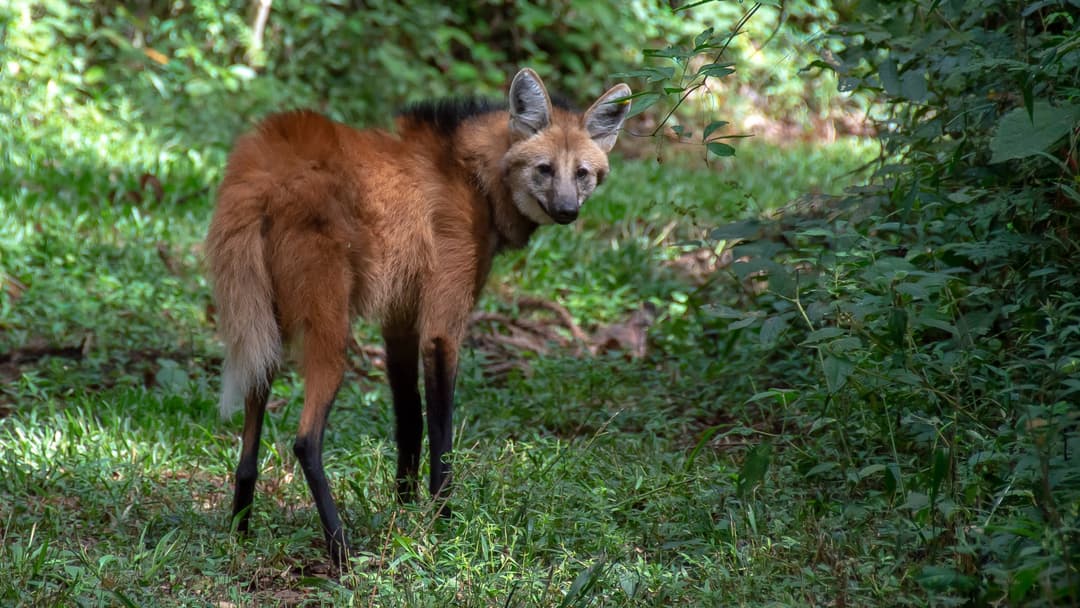
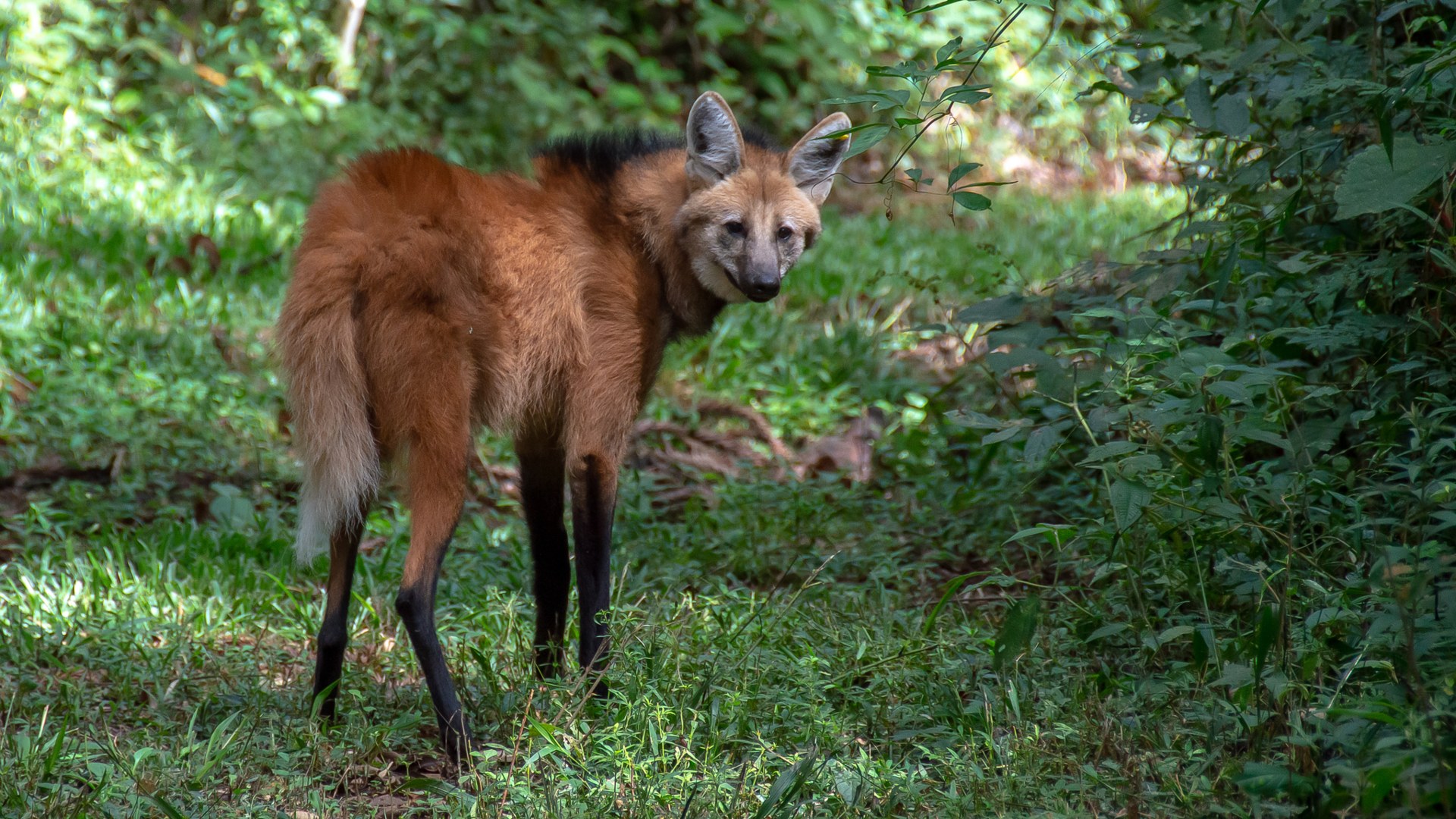
16. Maned Wolf
Roaming the open savannas and scrublands of South America, the maned wolf possesses tall legs and enormous, sensitive ears. Despite its impressive size, it is remarkably timid, sprinting away from humans long before being approached.
©Wikimedia / Whaldener Endo
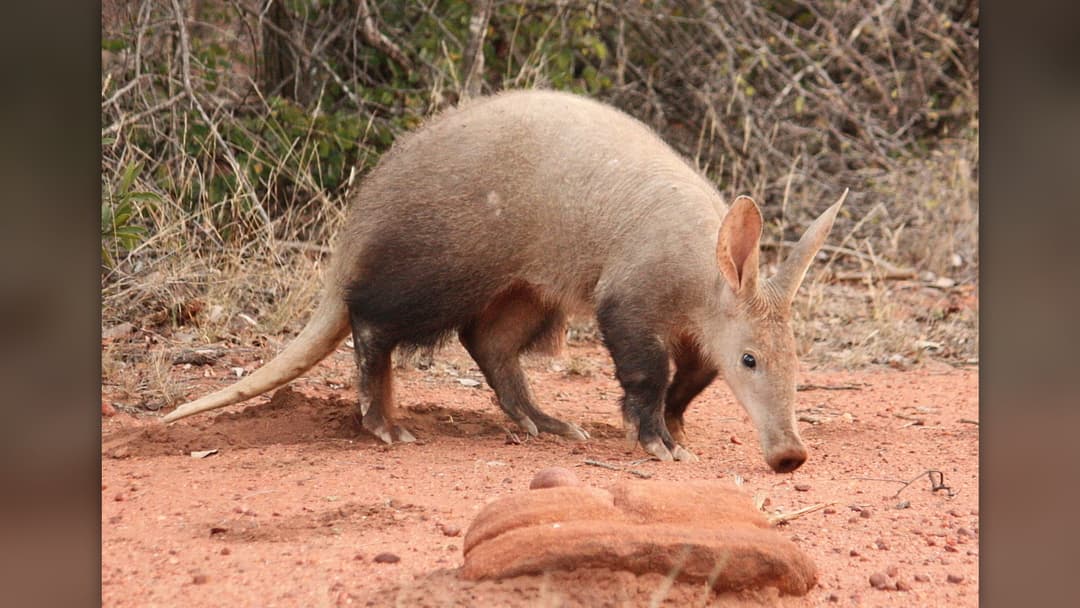
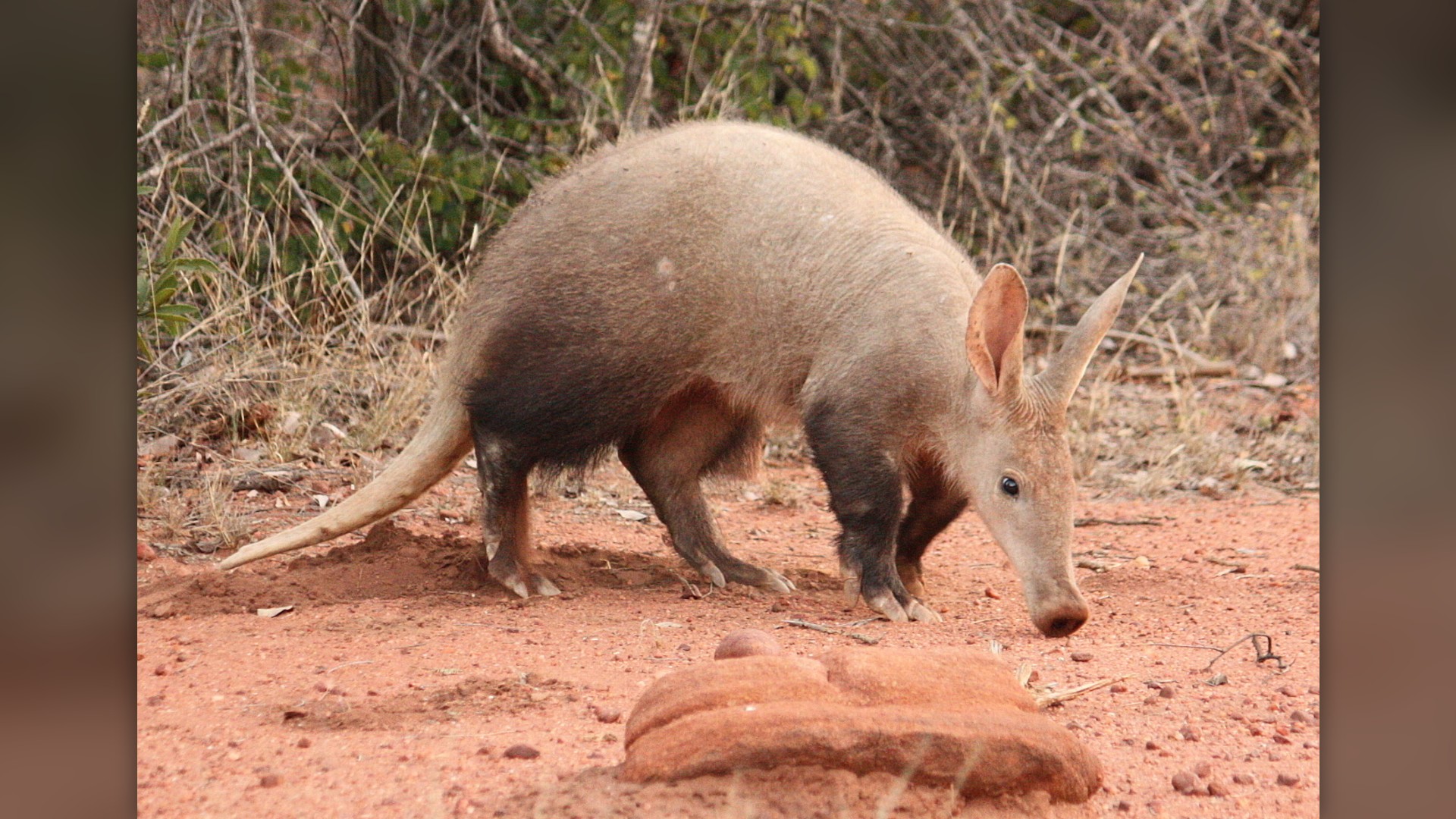
15. Aardvark
The aardvark spends daylight resting deep within extensive underground burrow complexes across sub-Saharan Africa. Strictly nocturnal and solitary, it possesses acute hearing that warns it of approaching humans long before they come into view.
©Wikimedia / Aardvark
Advertisement
Swipe or tap ▶ to resume the countdown.
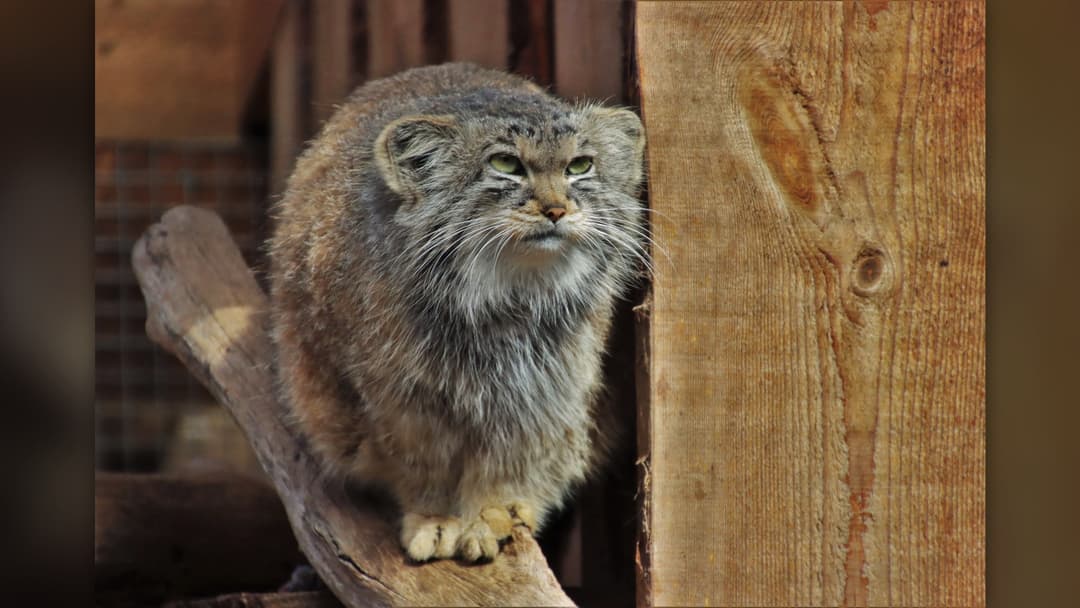
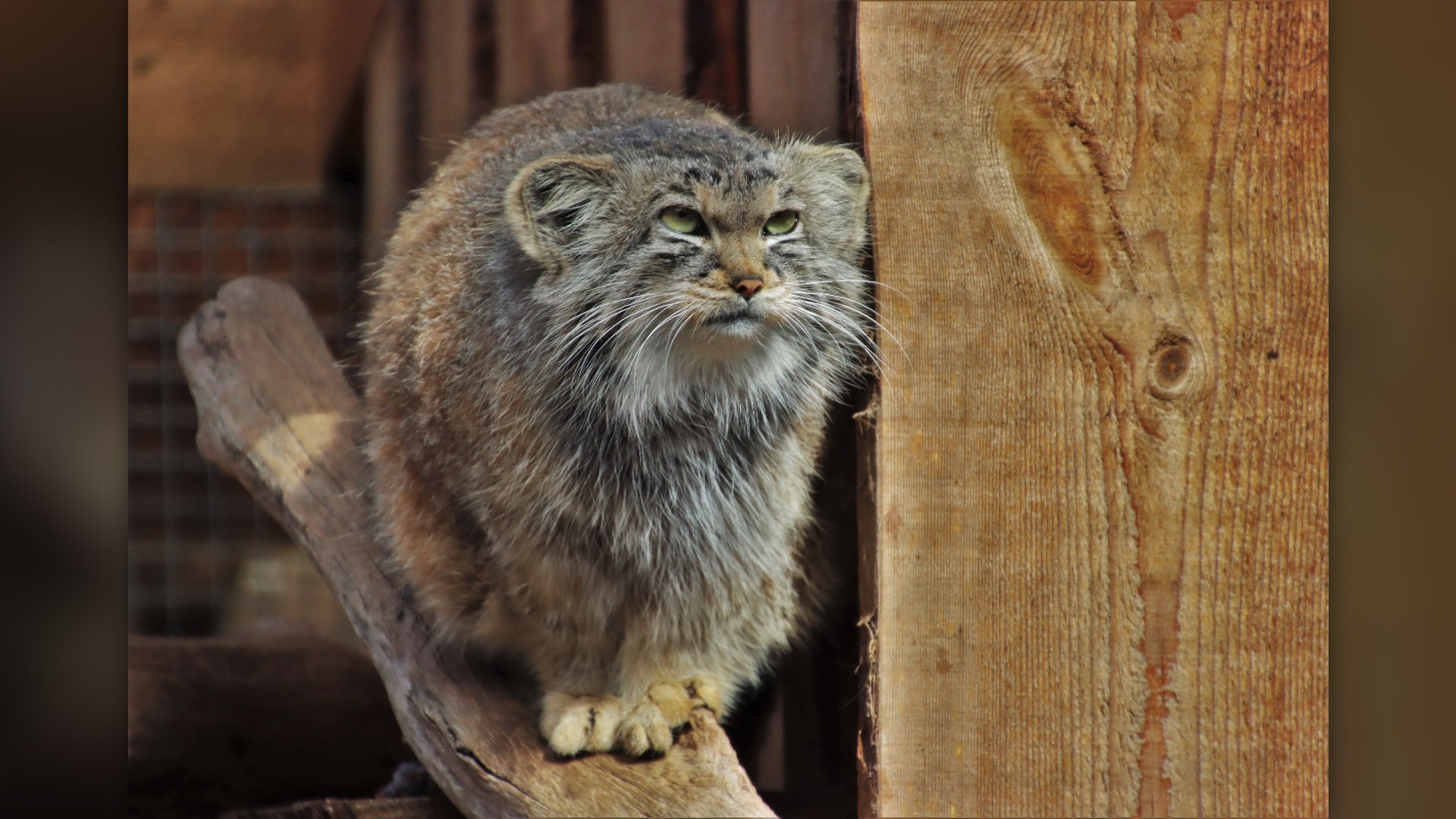
14. Pallas's Cat
Inhabiting the high cold grasslands and rocky steppes of Central Asia, Pallas's cat relies on extreme camouflage. When sensing potential human presence, it presses its dense fur flat against the stone, remaining motionless until danger passes.
©Wikimedia / Lysette Kadakas
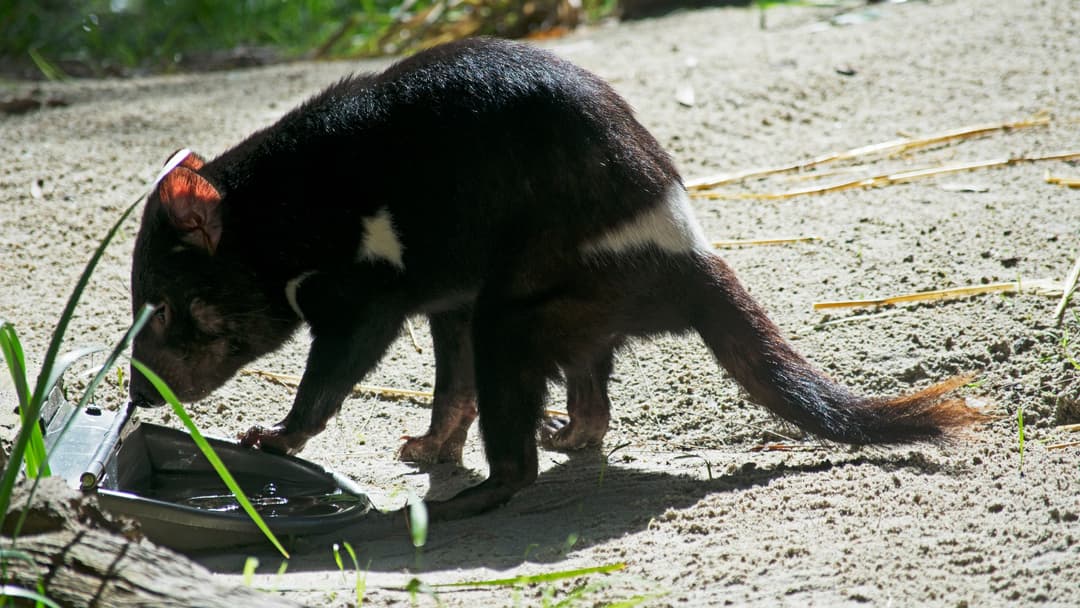
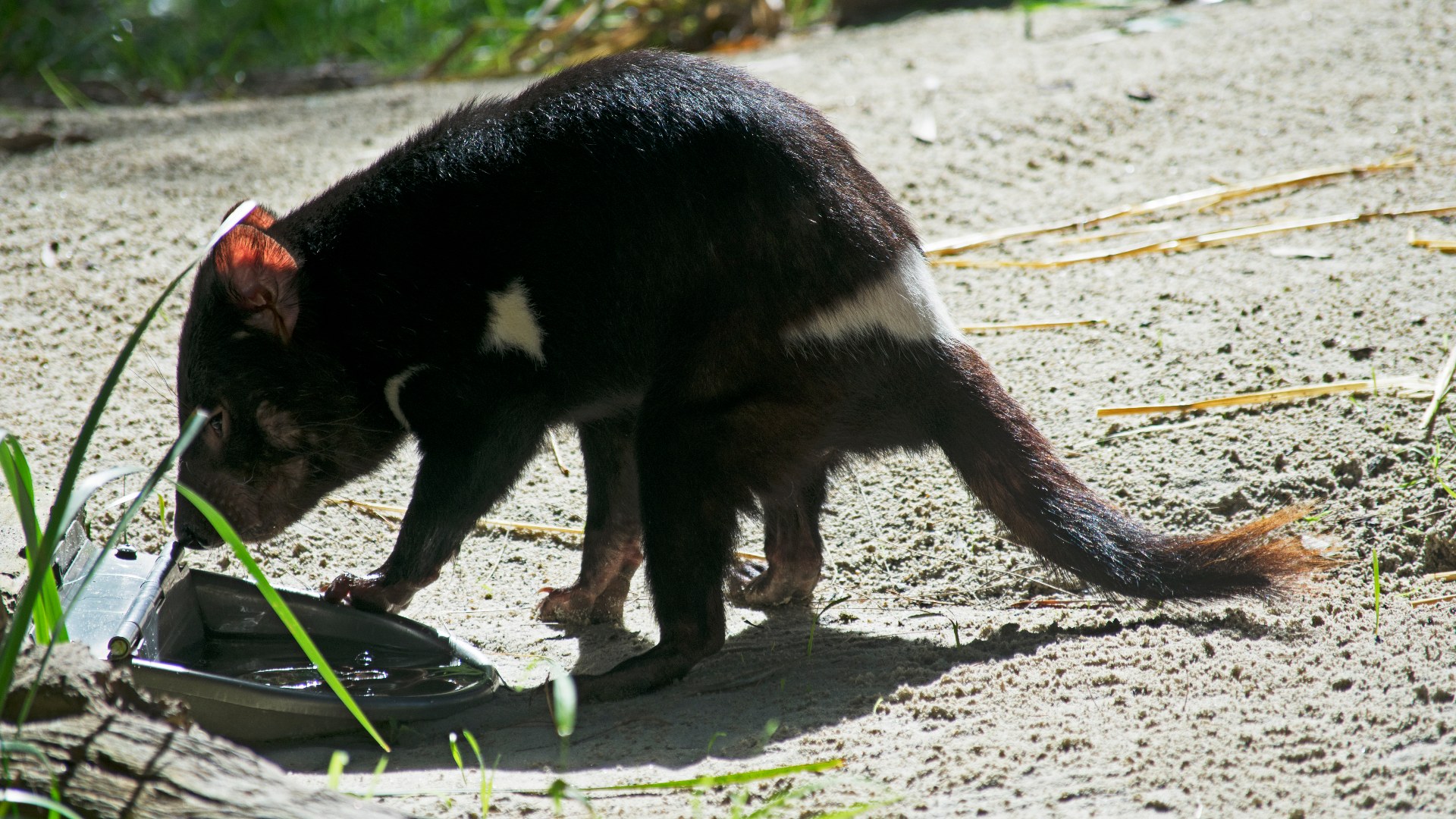
13. Tasmanian Devil
Endemic to Tasmania, the Tasmanian devil is a nocturnal and solitary scavenger. Rather than seeking out human contact, it shelters deep within hollow logs, caves, or thick brush, emerging only after dark to forage across remote bushlands.
©Wikimedia / Ymblanter
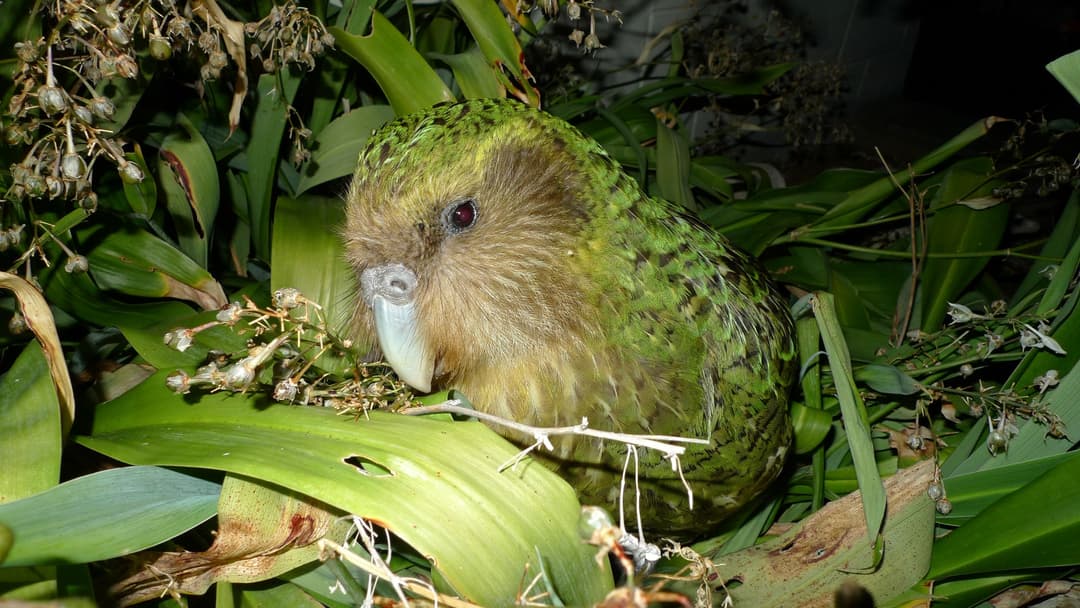
12. Kakapo
The kakapo is a heavy, nocturnal, flightless parrot native to New Zealand. Lacking defense mechanisms against introduced predators, it relies entirely on mossy camouflage and isolation on protected sanctuary islands untouched by human urbanization.
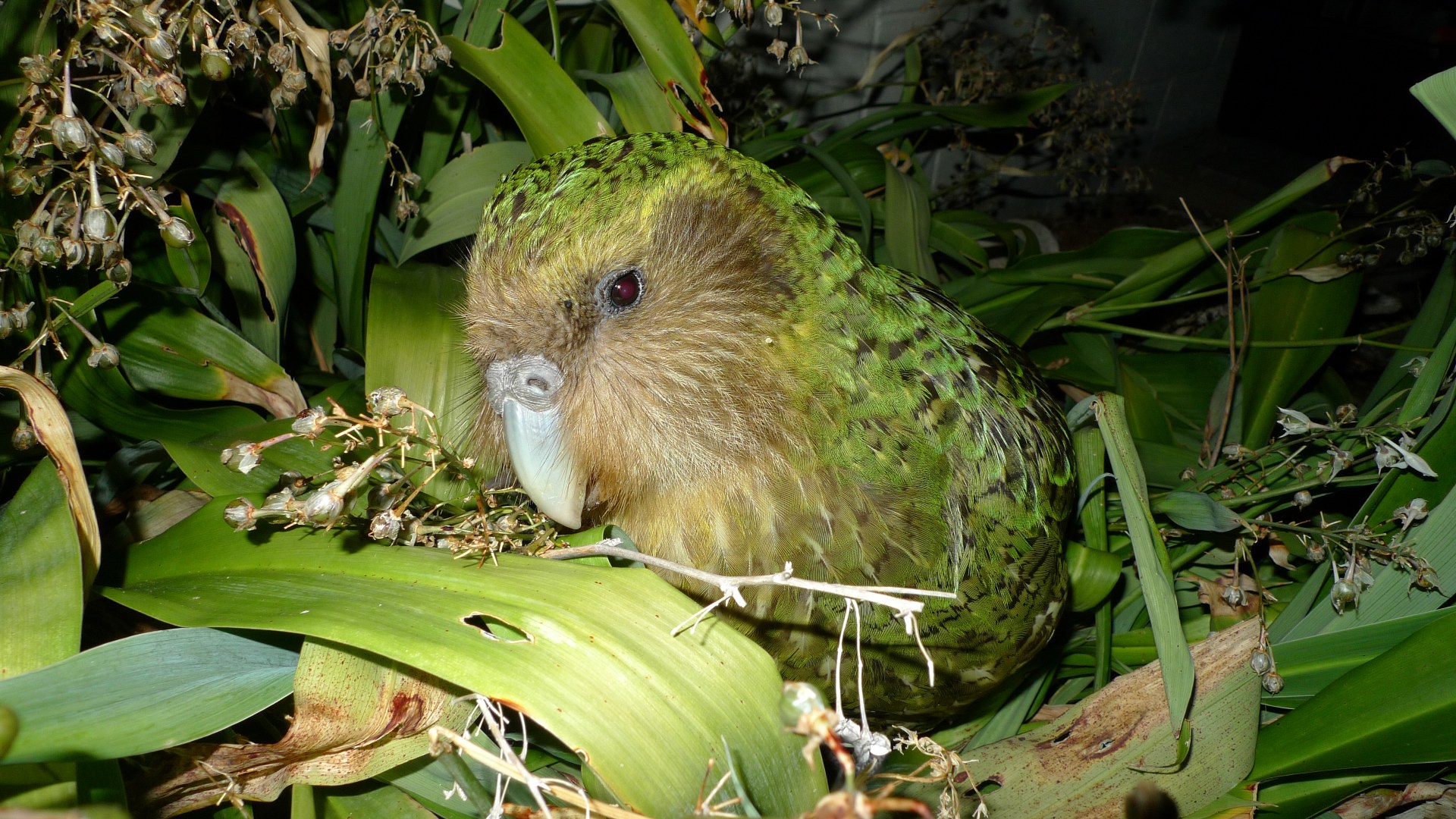
©Wikimedia / Department of Conservation
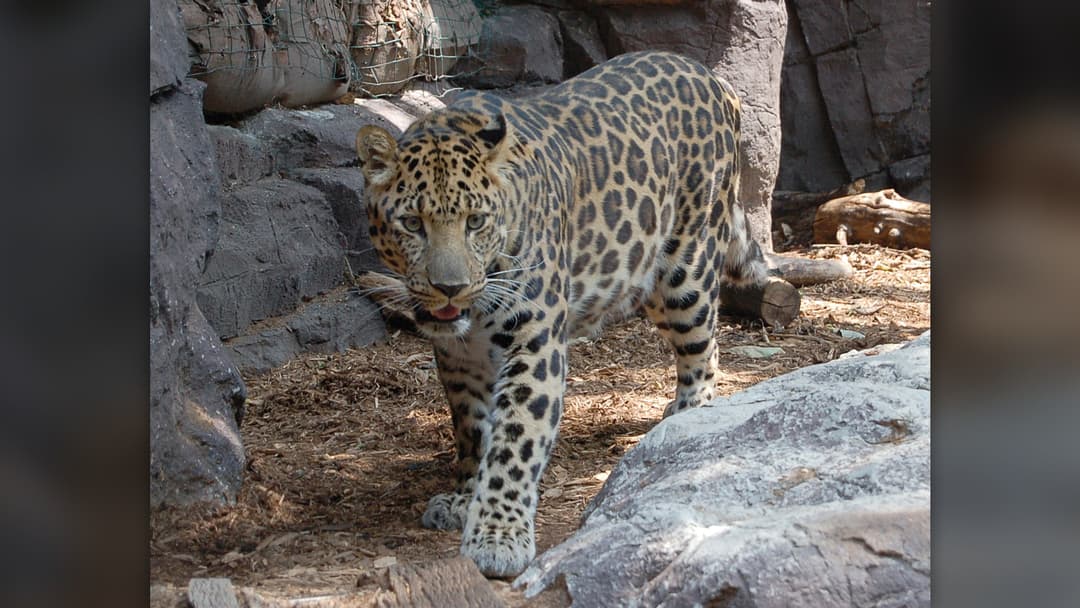
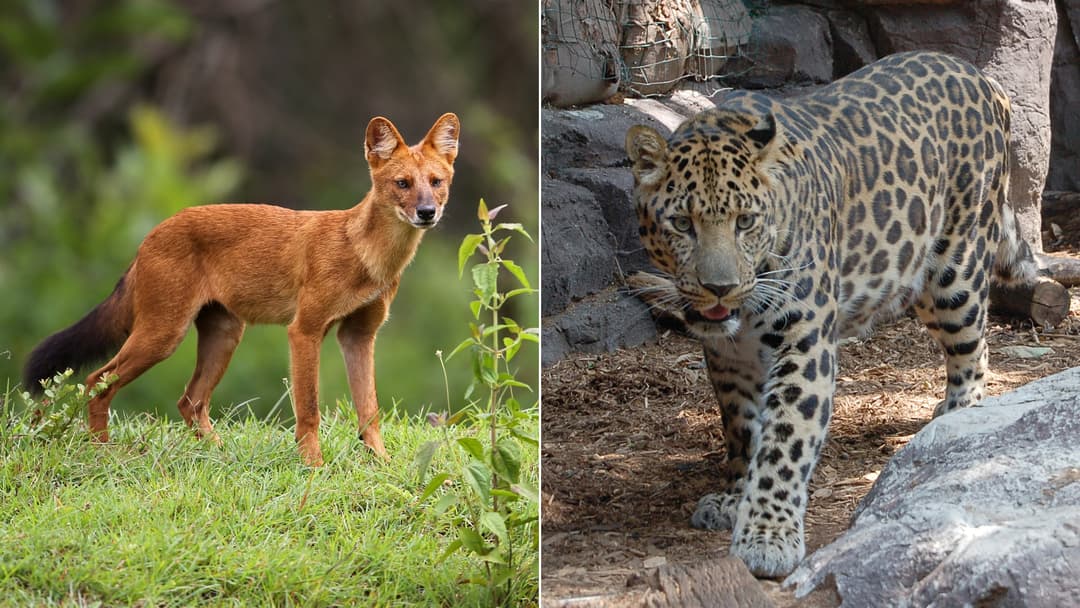
11. Amur Leopard
With fewer than one hundred and fifty individuals remaining in the temperate forests of the Russian Far East and northeast China, the Amur leopard is intensely solitary. It actively avoids roads, timber operations, and human settlements.
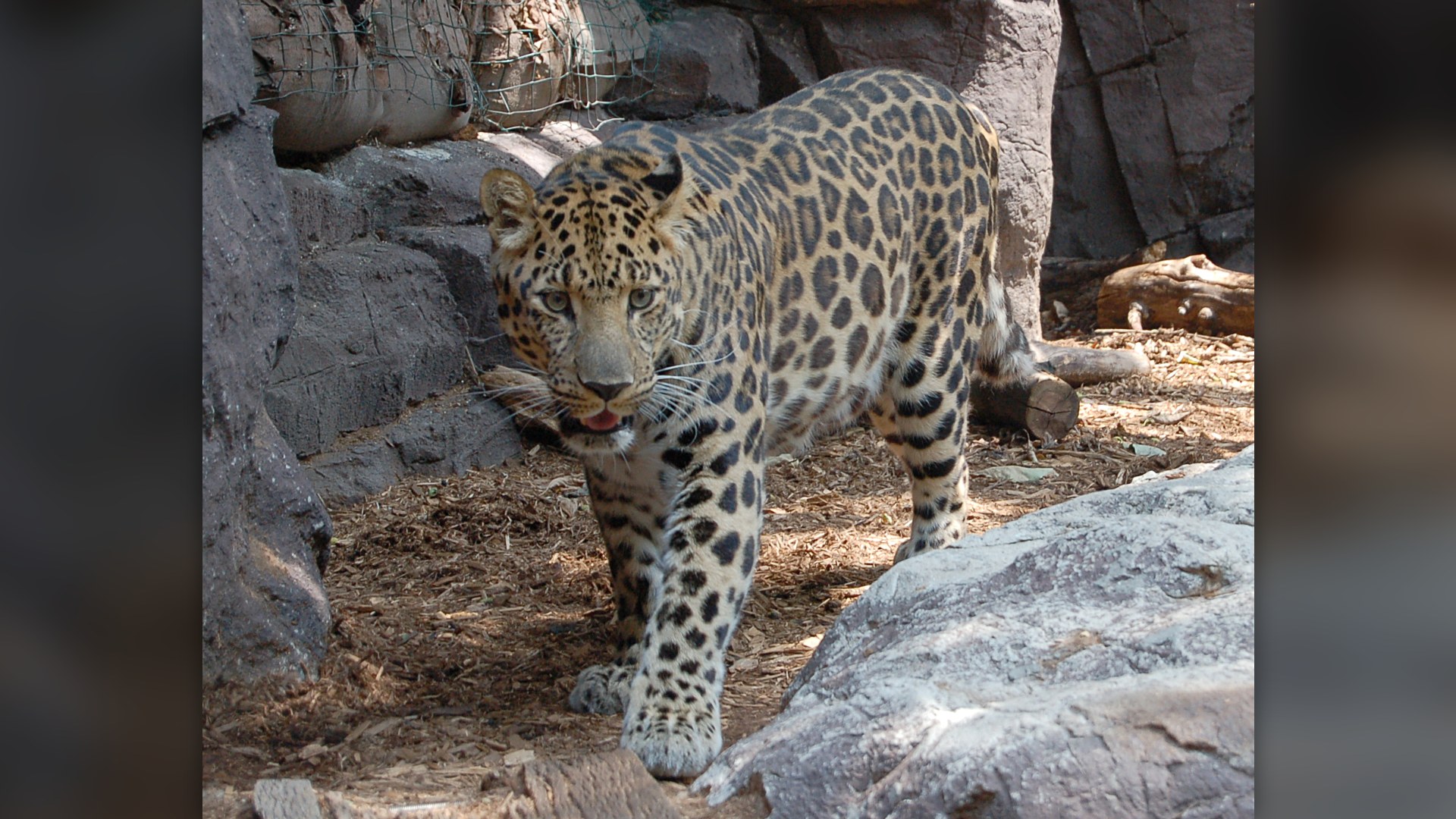
©Wikimedia / Derek Ramsey
Advertisement
Swipe or tap ▶ to resume the countdown.
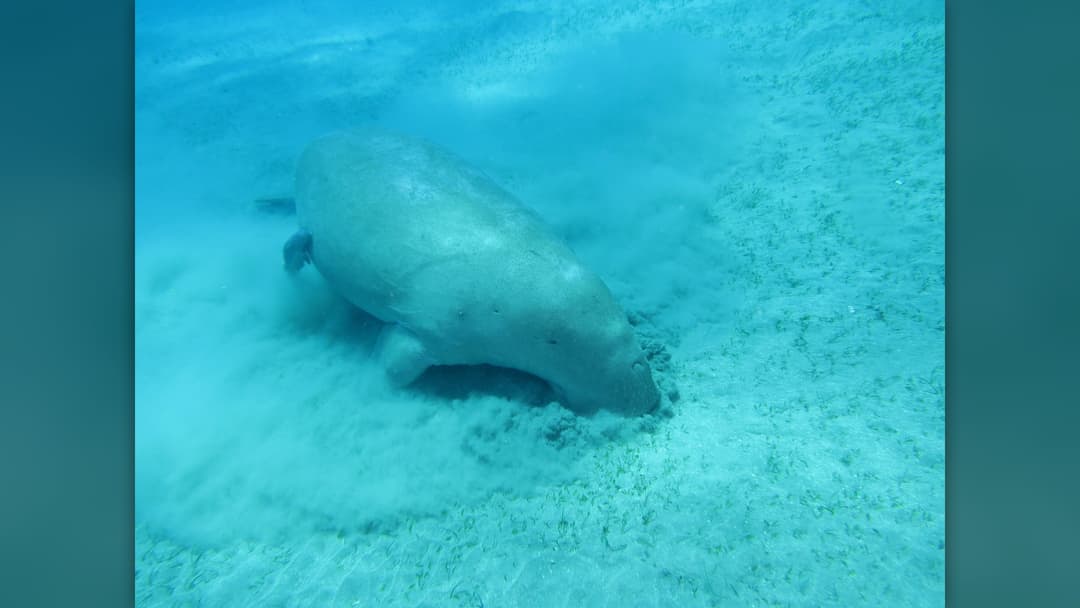
10. Dugong
The dugong grazes on underwater seagrass meadows throughout Indo-Pacific coastal shallows. Extremely sensitive to acoustic disturbance, it immediately flees motorized boats and abandons foraging grounds affected by human coastal development.
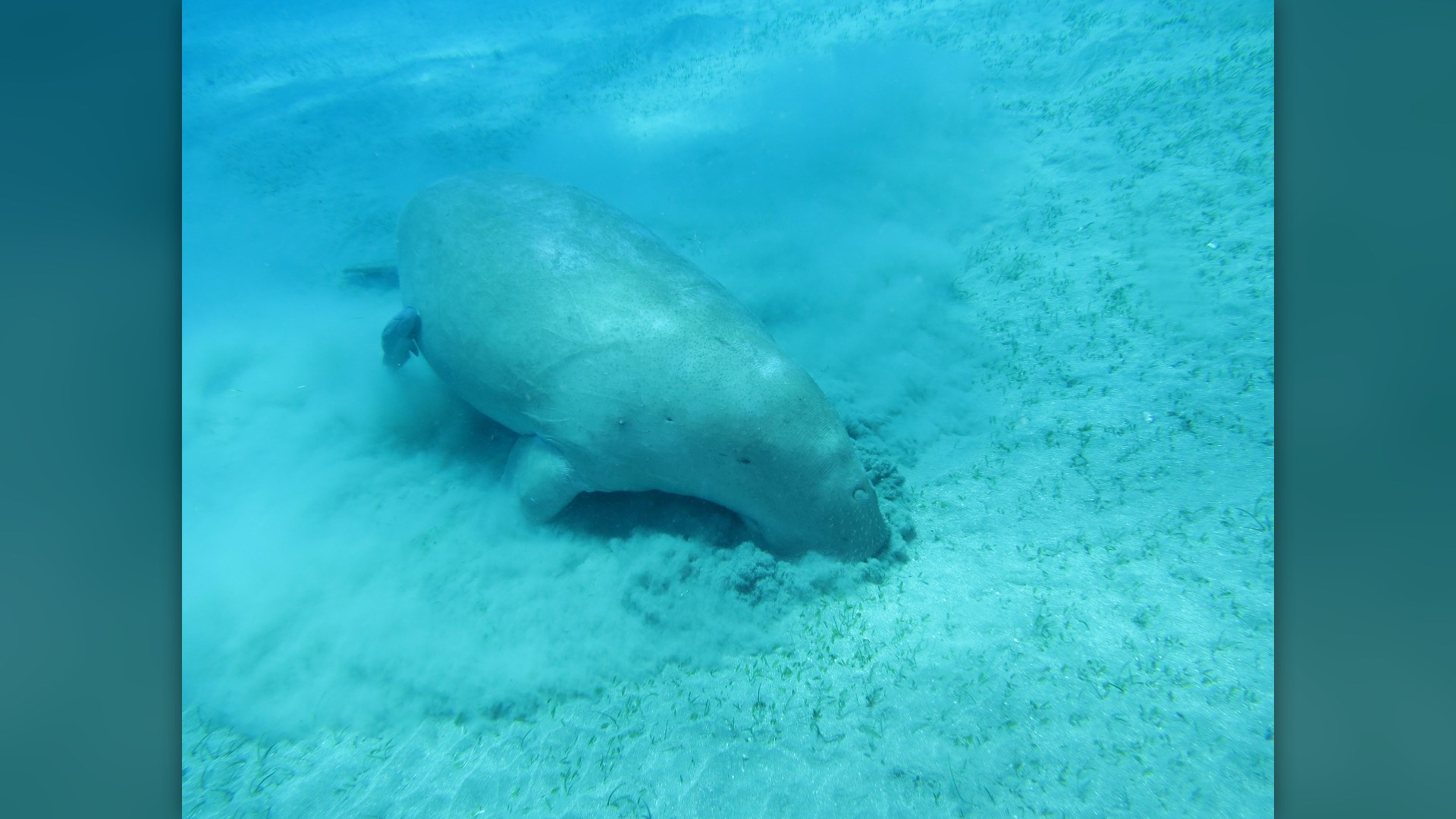
©Wikimedia / Jerome Paillet
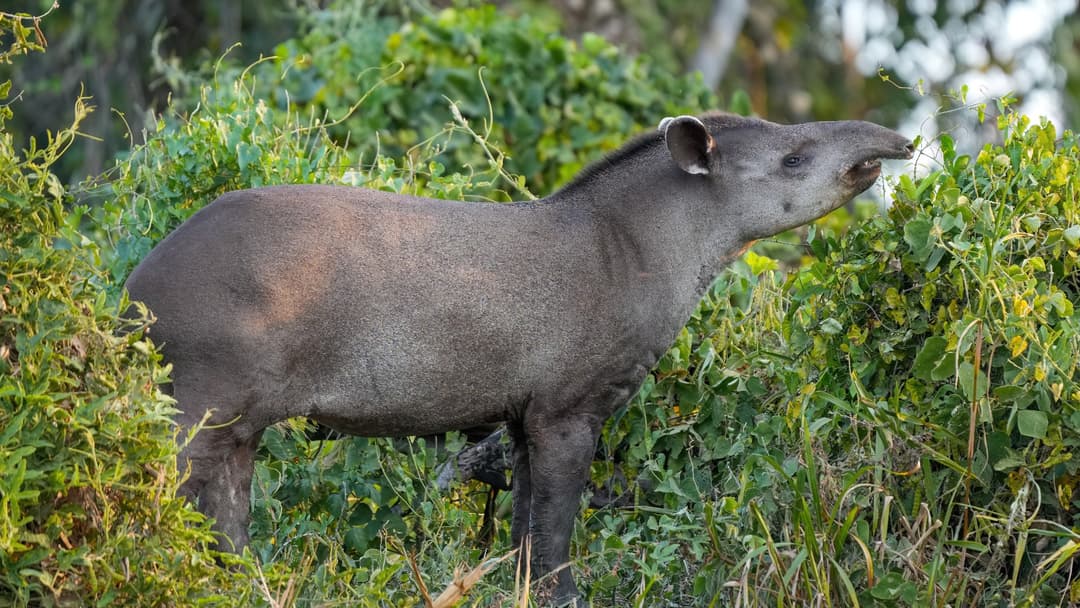
9. South American Tapir
The South American tapir navigates dense lowland rainforests and flooded grasslands. Equipped with keen senses of smell and hearing, this massive solitary herbivore dives into deep rivers and thick underbrush at the first sign of humans.
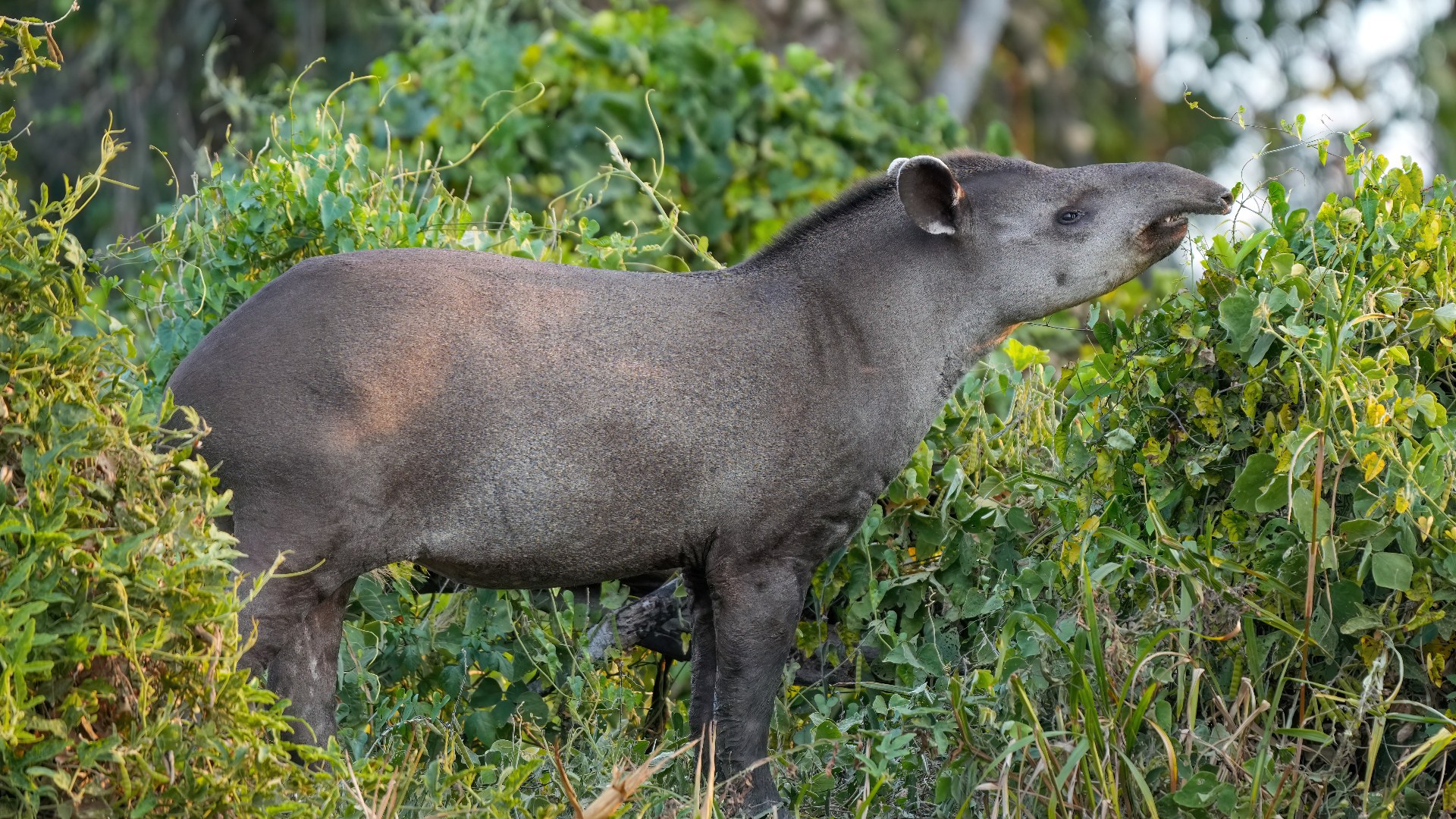
©Wikimedia / Giles Laurent
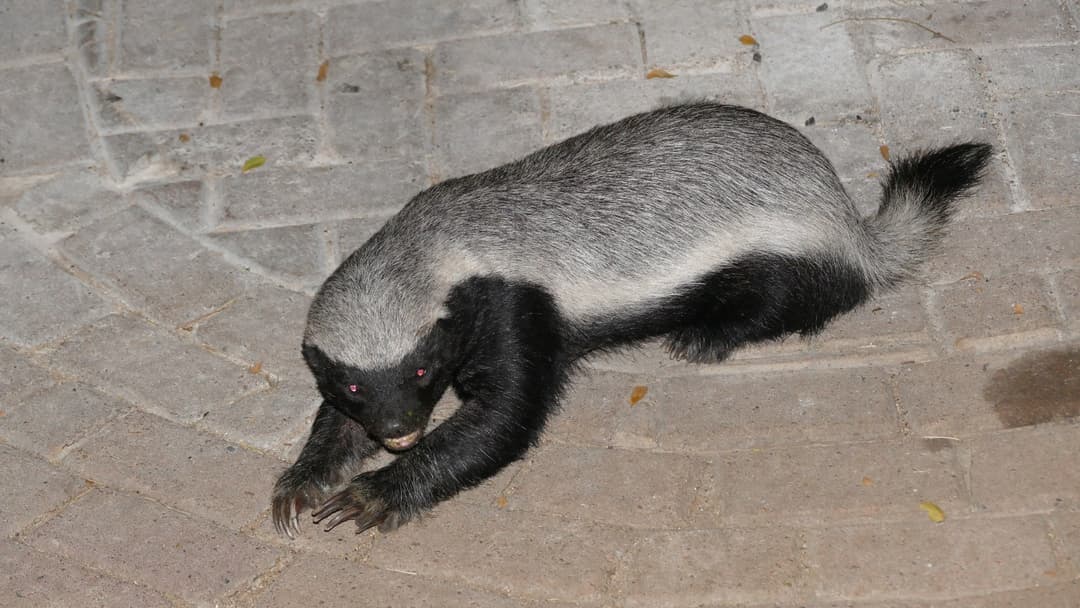
8. Honey Badger
Despite a fierce reputation for defense when cornered, the honey badger is predominantly nomadic, solitary, and nocturnal. It roams vast wilderness arid lands and dense bush, deliberately keeping away from human dwellings and agricultural farms.
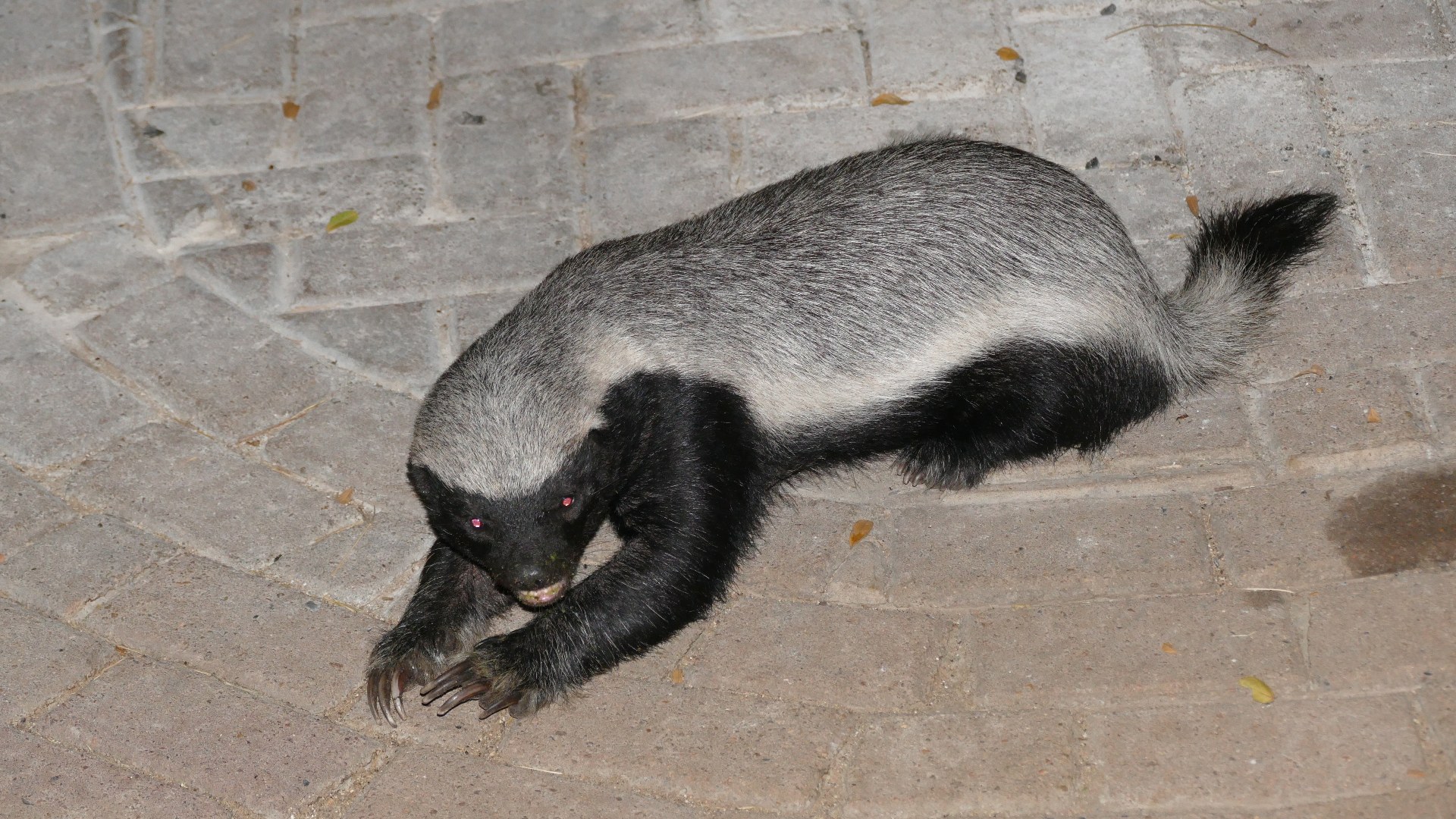
©Wikimedia / Bernard Dupont
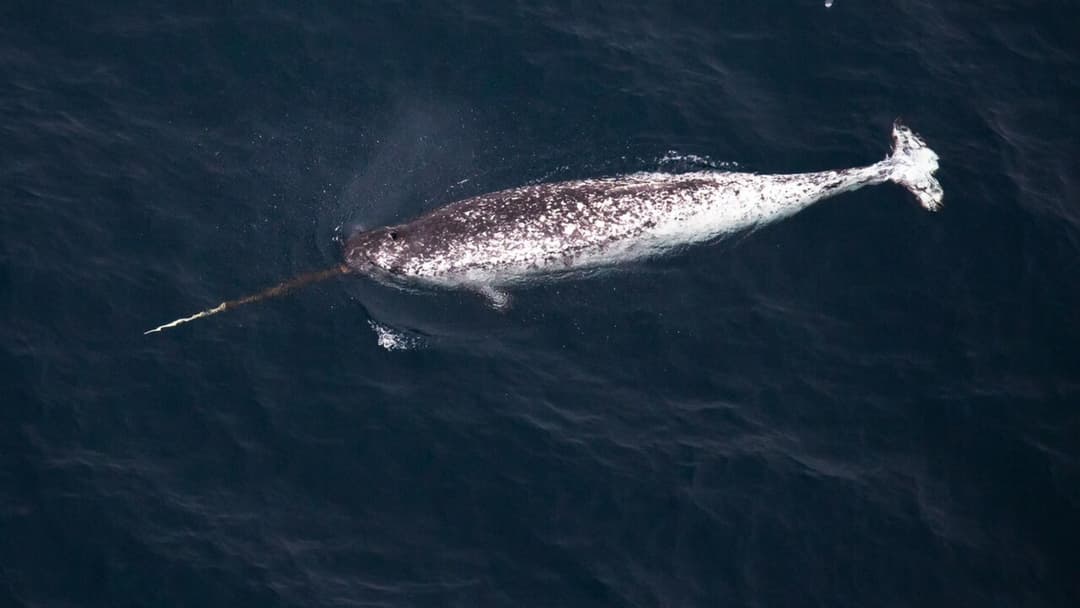
7. Narwhal
The narwhal spends its life navigating remote Arctic inlets and pack ice fractures. Extremely sensitive to shipping noise and vessel traffic, pods will travel hundreds of miles through dense sea ice to avoid marine industrial routes.
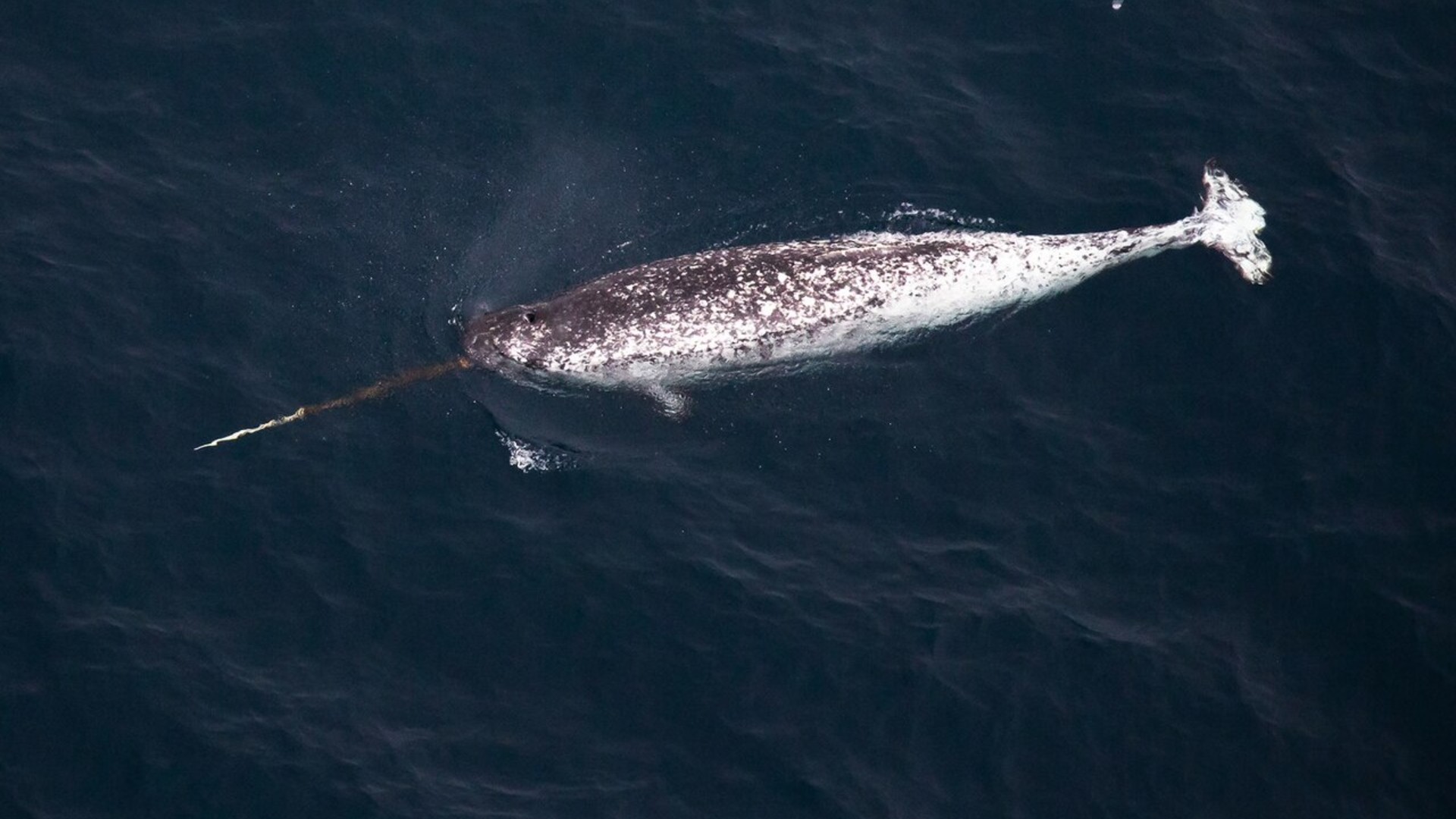
©Wikimedia / пресс-служба ПАО
Advertisement
Swipe or tap ▶ to resume the countdown.
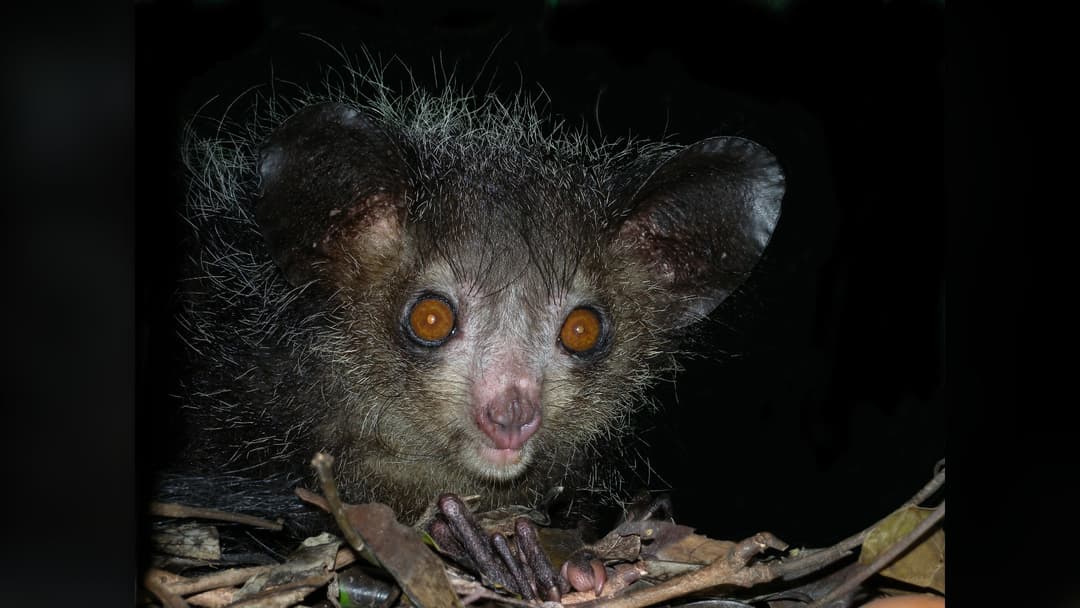
6. Aye-Aye
Found exclusively in Madagascar, the aye-aye is a nocturnal primate that retreats to high treetop nests before sunrise. Highly skittish, it moves silently through dense canopies, feeding on wood-boring larvae away from human settlements.
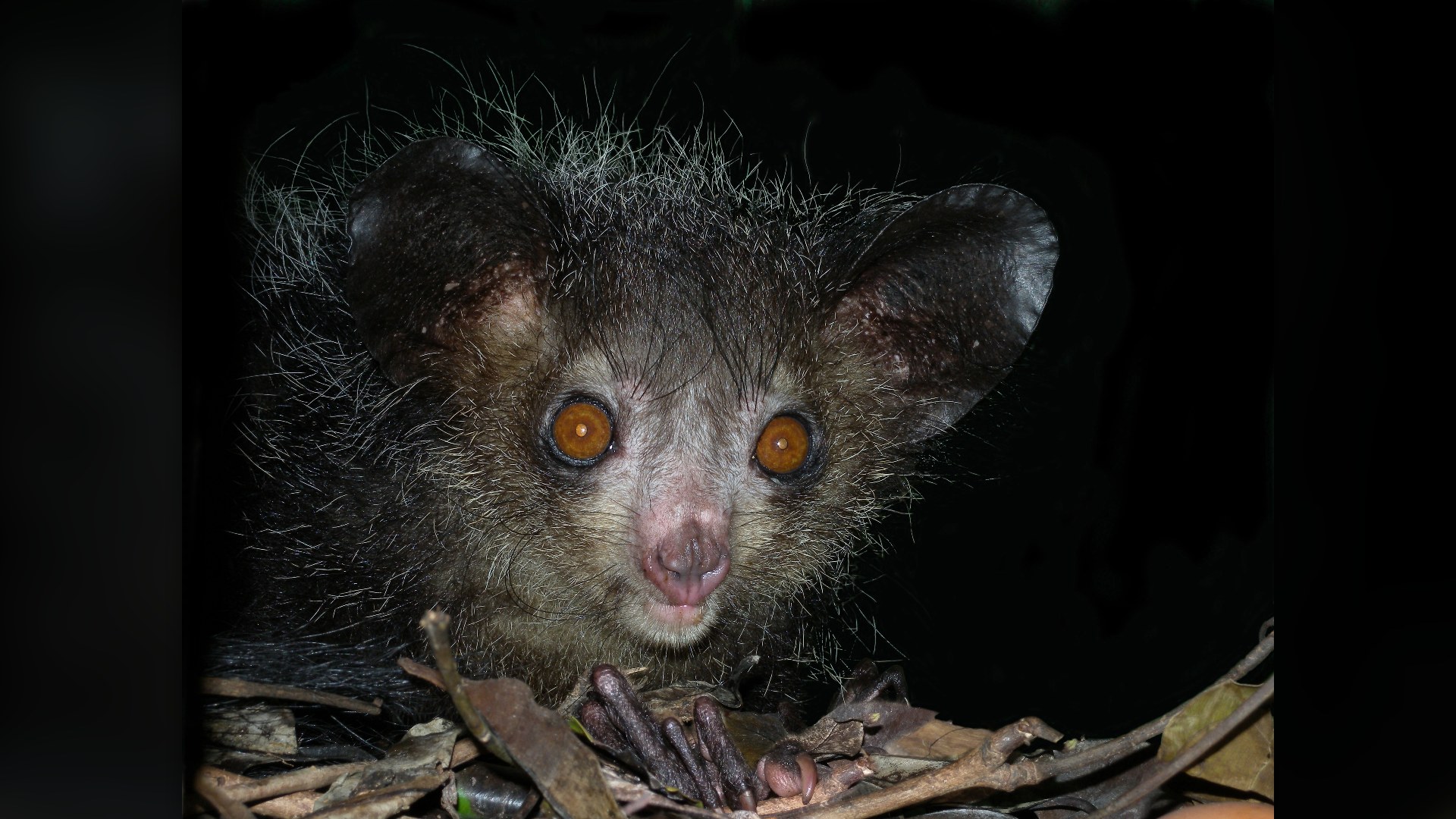
©Wikimedia / Frank Vassen
5. Pygmy Hippopotamus
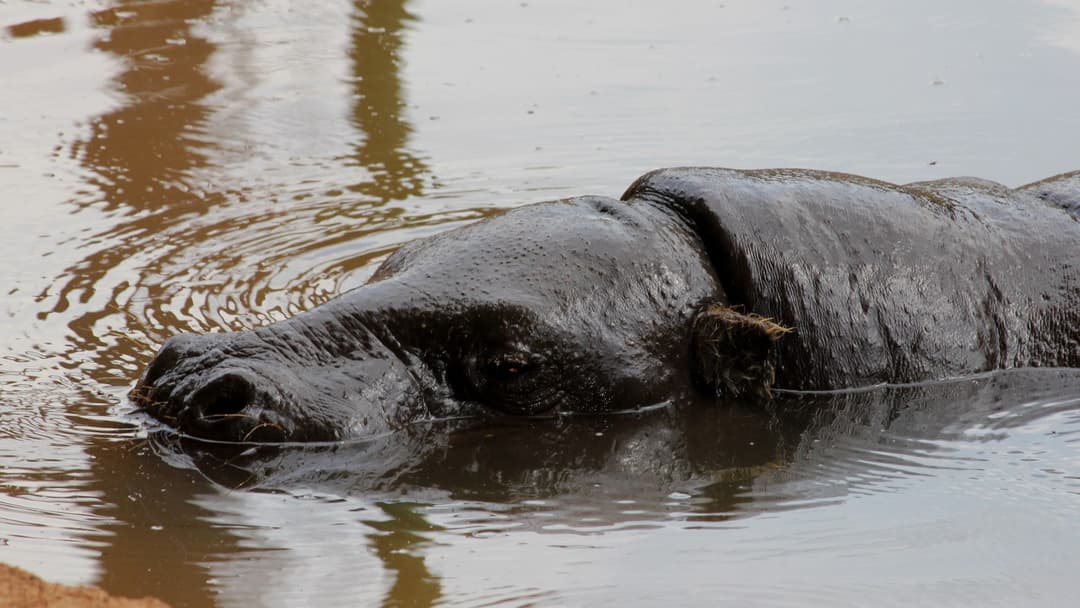
Unlike its gregarious river cousin, the pygmy hippopotamus lives a solitary, nocturnal life within dense swamp forests. It relies on secluded game trails through thick vegetation, vanishing into deep mud holes at the first sound of footsteps.
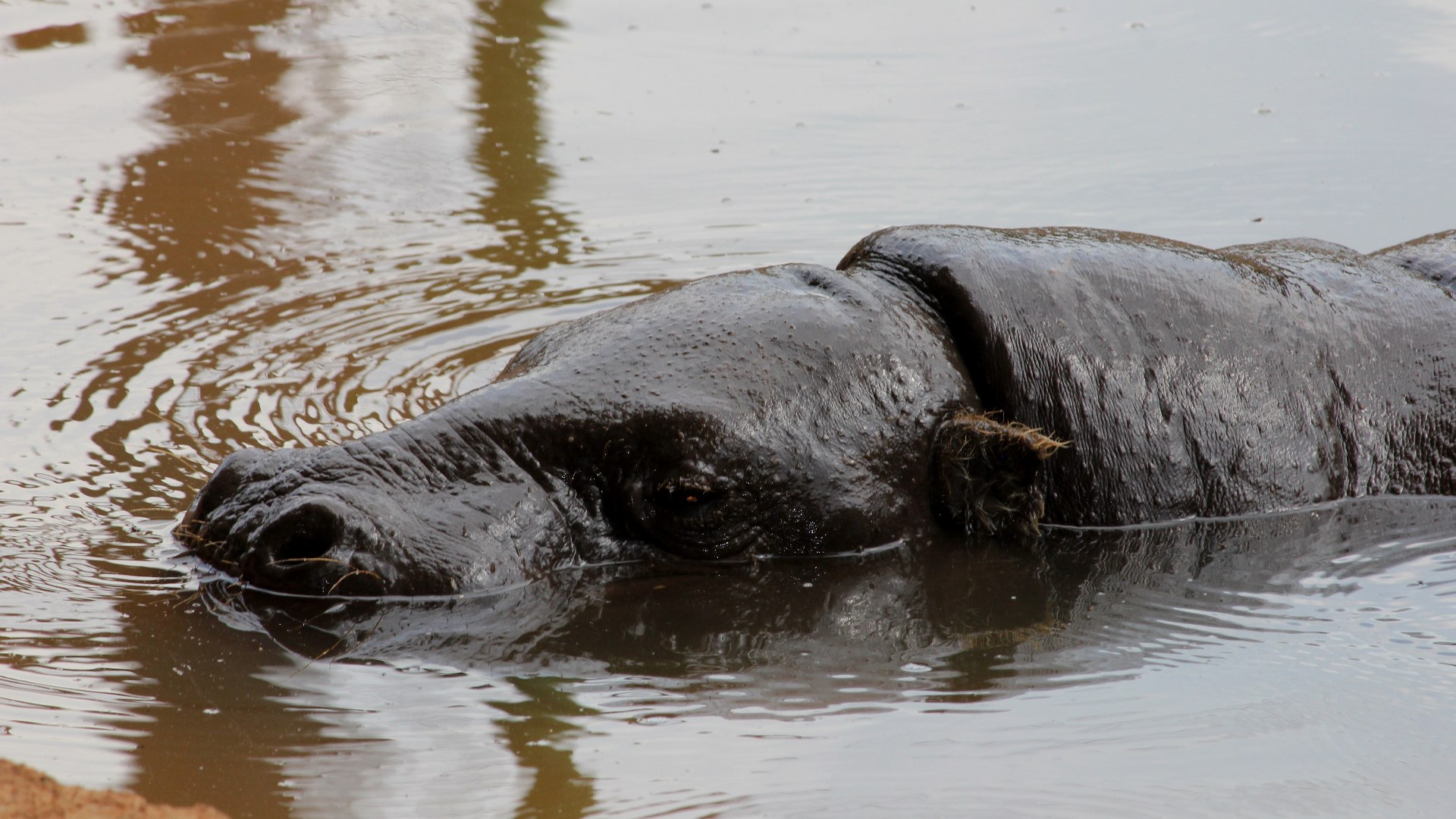
©Wikimedia / JMK
4. Bush Dog
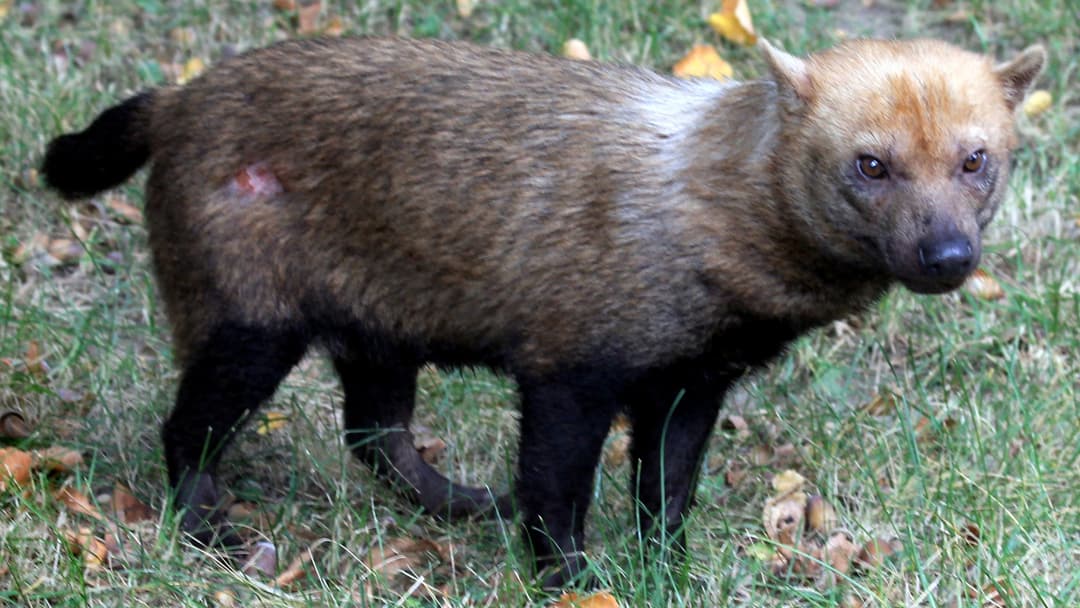
The bush dog is one of the most enigmatic carnivores of South America, moving in small packs through flooded lowland forests. Semi-aquatic and intensely wary, it rarely crosses human trails and dives into waterways when danger threatens.
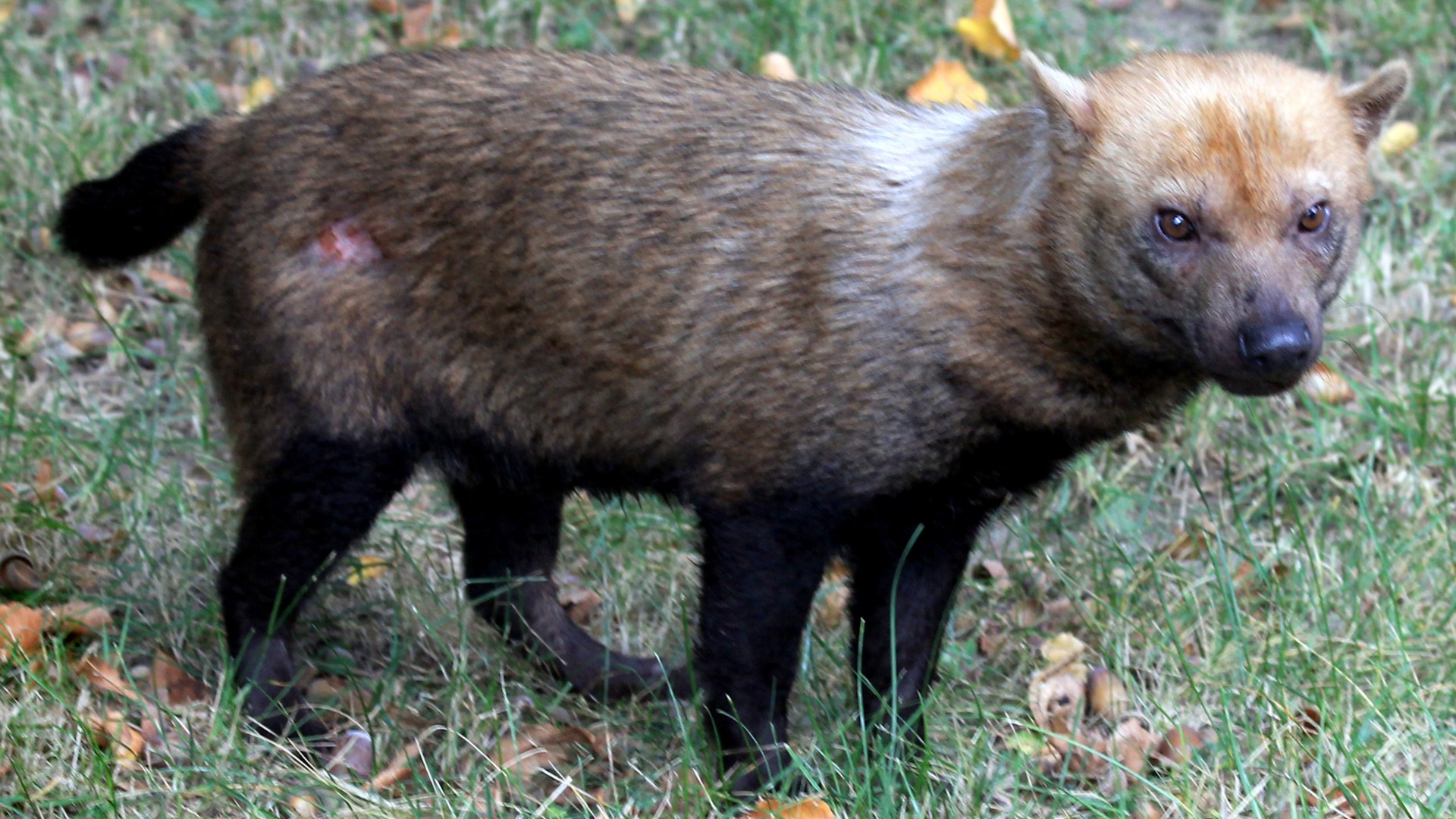
©Wikimedia / Bush dog
3. Dhole
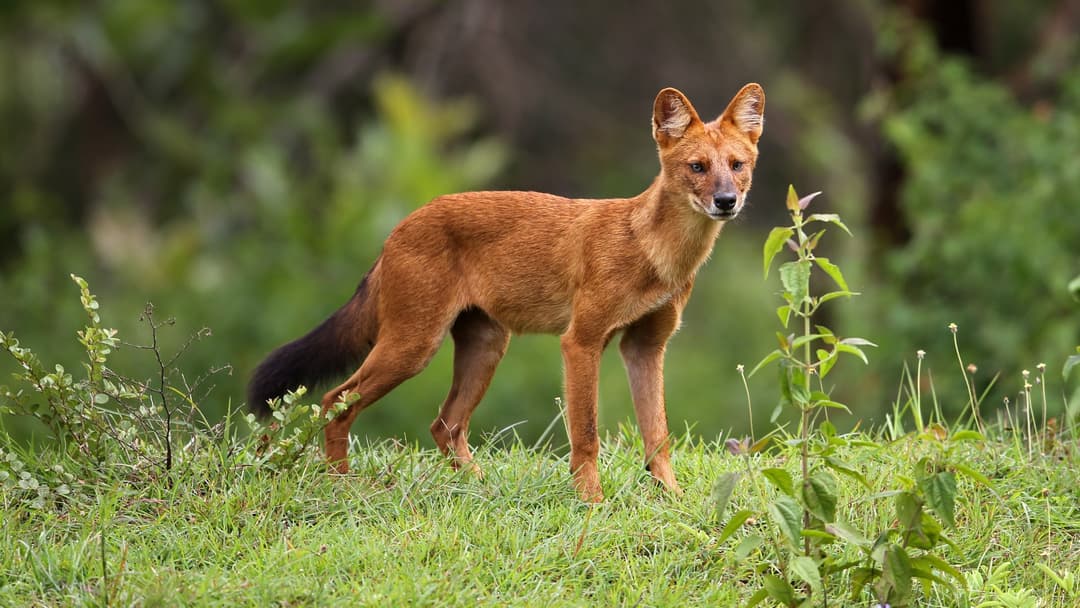
Also called the Asiatic wild dog, the dhole travels in cooperative packs through dense interior forests of South and Southeast Asia. Highly sensitive to human presence, packs actively avoid agricultural borders, livestock grazing areas, and roads.
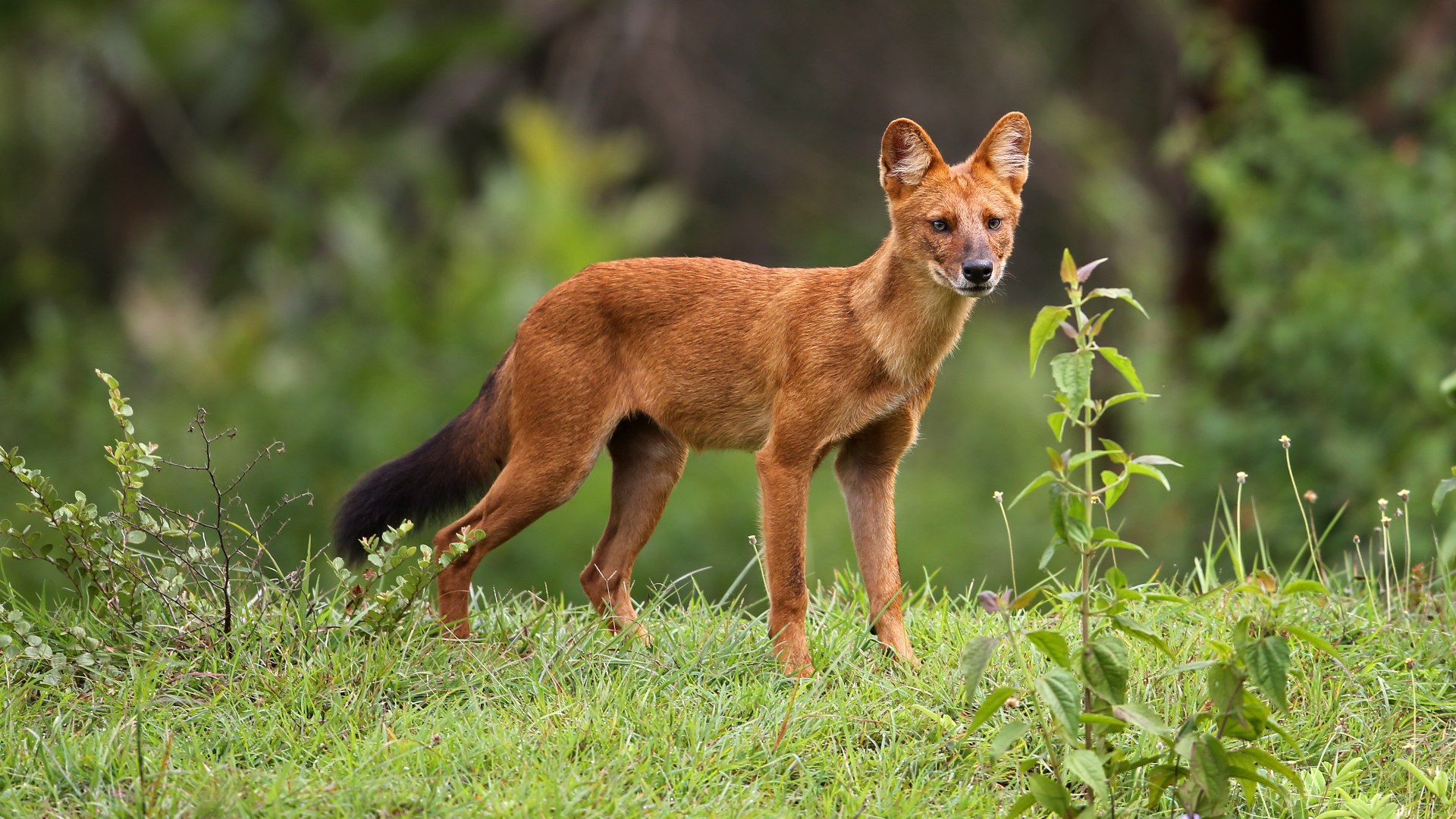
©Wikimedia / Davidvraju
Advertisement
Swipe or tap ▶ to resume the countdown.
2. Java Mouse-Deer
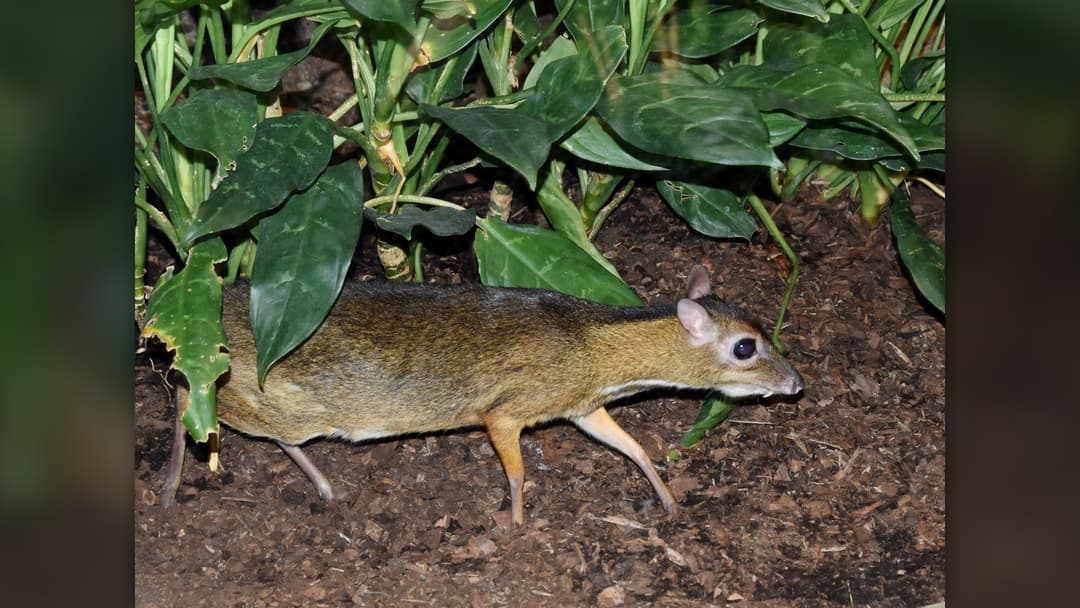
Weighing only a few pounds, the Java mouse-deer navigates dense tropical undergrowth across Southeast Asia. Solitary and strictly nocturnal, this diminutive herbivore freezes instantly at rustling sounds and sprints into hollow logs when humans draw near.
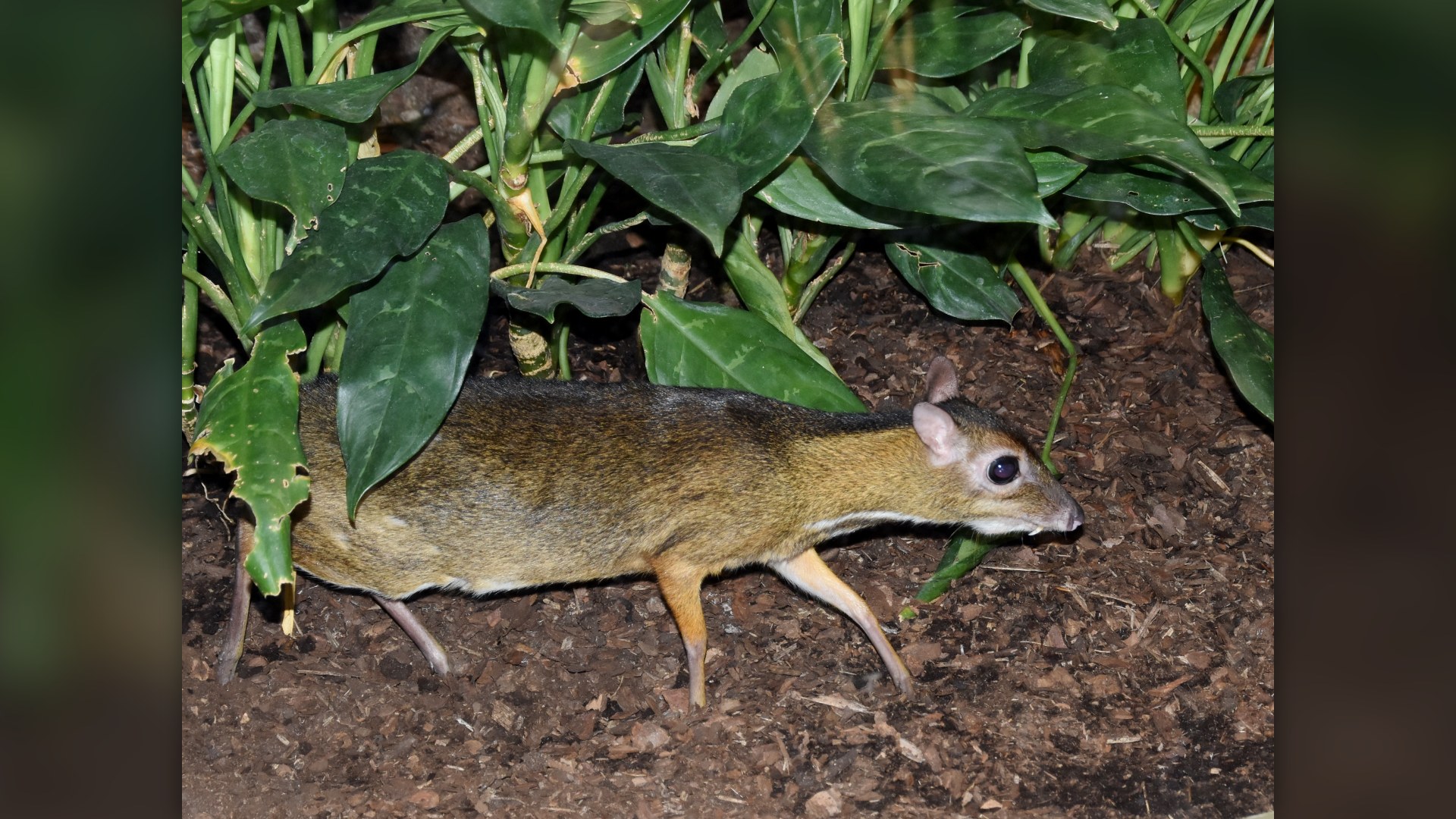
©Wikimedia / NasserHalaweh
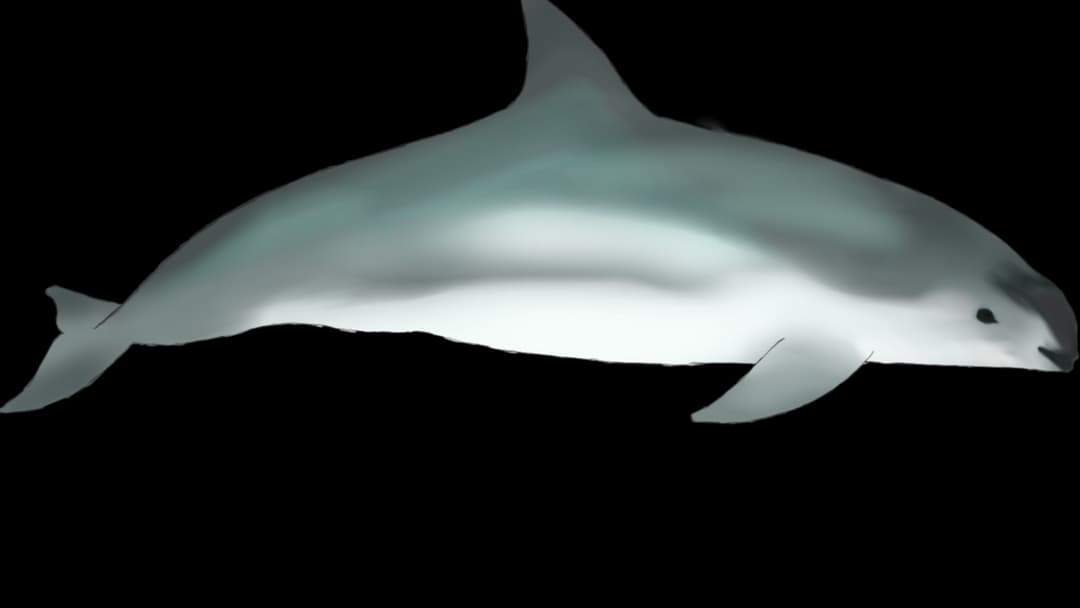
1. Vaquita
Confined to a tiny pocket in the northern Gulf of California, the vaquita is the most critically endangered and elusive cetacean on Earth. Highly shy of motorized vessels, it surfaces discreetly for mere seconds before vanishing into murky coastal waters.
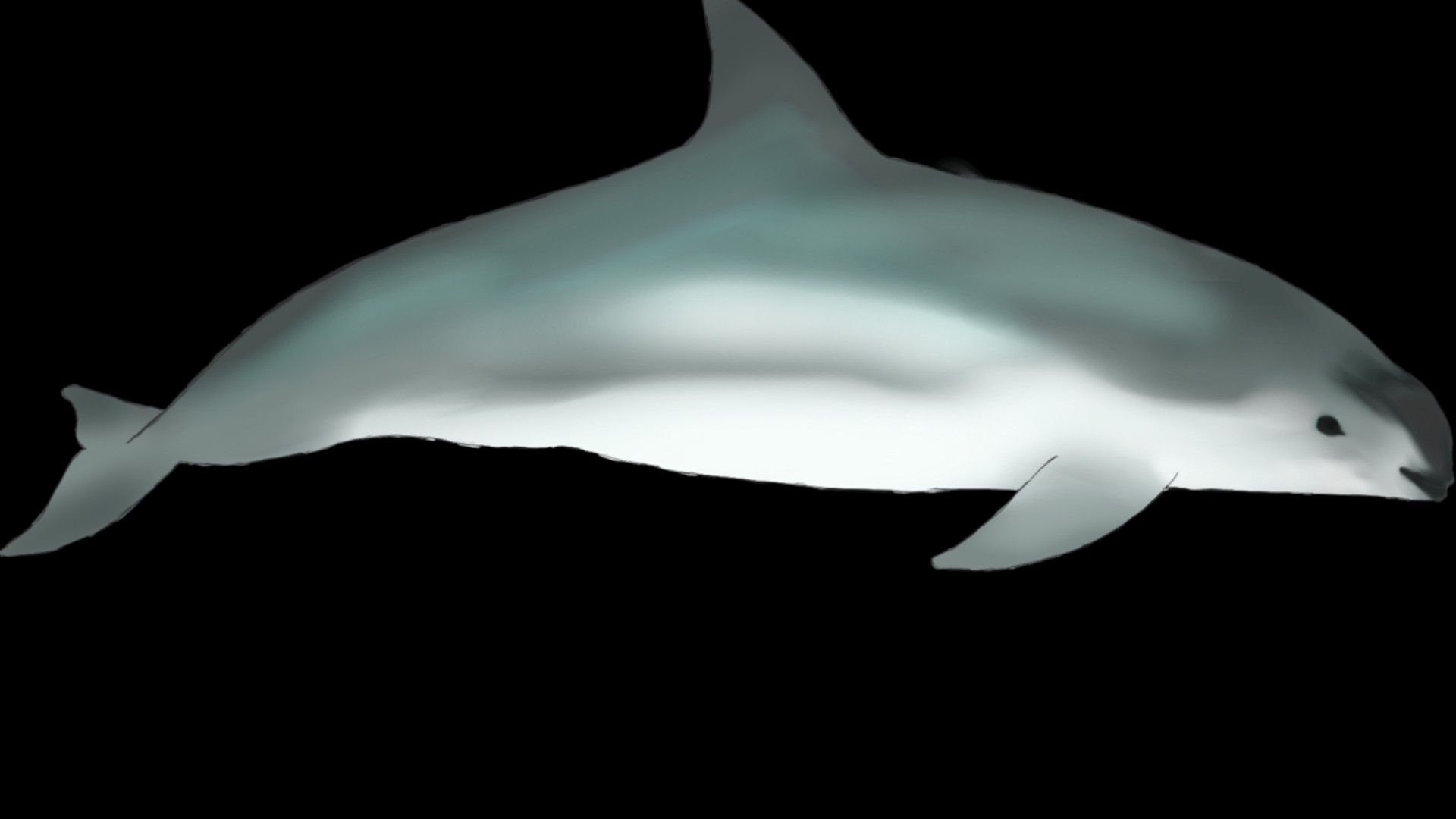
©Wikimedia / 좀비 브렌다
Advertisement
You've reached the end of the story. Thanks for reading!

25 Animals That Can Have Babies Without Mating
All 25 Entries in this Story
25. Wolverine
The wolverine inhabits remote boreal forests and subarctic tundra, maintaining massive individual territories. Renowned for its solitary nature, it actively retreats from human presence and avoids areas with road development or industrial disturbance.

24. Okapi
Living within the dense canopies of the Ituri Forest in the Democratic Republic of the Congo, the okapi remained unknown to Western science until 1901. Its large, rotating ears detect the faintest sound of human footsteps from extraordinary distances.

23. Snow Leopard
Known as the ghost of the mountains, the snow leopard stalks rugged, high-altitude terrain far above the tree line. Its smoky-gray rosette coat blends flawlessly into sheer rocky cliffs, enabling it to avoid human observation for lifetimes.

22. Clouded Leopard
Native to the rainforests of Southeast Asia, the clouded leopard rarely descends from the upper forest canopy. Highly secretive and nocturnal, this elusive wild feline relies on dense aerial foliage to avoid encountering humans on the ground.

21. Giant Pangolin
Pangolins are shy, solitary mammals that forage strictly under the cover of darkness. Possessing keen senses of smell and hearing, a pangolin retreats into deep burrows or curls into an impenetrable armored ball at the first indication of human presence.

20. Platypus
Endemic to eastern Australia, the platypus is notoriously cautious and skittish around people. Equipped with electroreceptors and sensitive mechanoreceptors on its bill, it detects the faintest vibrations along riverbanks and submerges instantly to hide.

19. Brown Kiwi
New Zealand's brown kiwi spends its daylight hours concealed inside subterranean burrows or dense vegetation. Emerging only after total dark, this flightless bird relies on an acute sense of smell to forage while actively evading human trails.

18. Fossa
The fossa is the top carnivore of Madagascar, stalking lemurs across primary forest canopies. Highly solitary and secretive, it requires extensive undisturbed forest tracts and avoids human clearings, farmland, and settled villages.

17. Binturong
Also called the bearcat, the binturong is an arboreal mammal that moves methodically through tall rainforest treetops. Rarely descending to ground level, it uses its prehensile tail to navigate high foliage far from human disturbance.

16. Maned Wolf
Roaming the open savannas and scrublands of South America, the maned wolf possesses tall legs and enormous, sensitive ears. Despite its impressive size, it is remarkably timid, sprinting away from humans long before being approached.

15. Aardvark
The aardvark spends daylight resting deep within extensive underground burrow complexes across sub-Saharan Africa. Strictly nocturnal and solitary, it possesses acute hearing that warns it of approaching humans long before they come into view.

14. Pallas's Cat
Inhabiting the high cold grasslands and rocky steppes of Central Asia, Pallas's cat relies on extreme camouflage. When sensing potential human presence, it presses its dense fur flat against the stone, remaining motionless until danger passes.

13. Tasmanian Devil
Endemic to Tasmania, the Tasmanian devil is a nocturnal and solitary scavenger. Rather than seeking out human contact, it shelters deep within hollow logs, caves, or thick brush, emerging only after dark to forage across remote bushlands.

12. Kakapo
The kakapo is a heavy, nocturnal, flightless parrot native to New Zealand. Lacking defense mechanisms against introduced predators, it relies entirely on mossy camouflage and isolation on protected sanctuary islands untouched by human urbanization.

11. Amur Leopard
With fewer than one hundred and fifty individuals remaining in the temperate forests of the Russian Far East and northeast China, the Amur leopard is intensely solitary. It actively avoids roads, timber operations, and human settlements.

10. Dugong
The dugong grazes on underwater seagrass meadows throughout Indo-Pacific coastal shallows. Extremely sensitive to acoustic disturbance, it immediately flees motorized boats and abandons foraging grounds affected by human coastal development.

9. South American Tapir
The South American tapir navigates dense lowland rainforests and flooded grasslands. Equipped with keen senses of smell and hearing, this massive solitary herbivore dives into deep rivers and thick underbrush at the first sign of humans.

8. Honey Badger
Despite a fierce reputation for defense when cornered, the honey badger is predominantly nomadic, solitary, and nocturnal. It roams vast wilderness arid lands and dense bush, deliberately keeping away from human dwellings and agricultural farms.

7. Narwhal
The narwhal spends its life navigating remote Arctic inlets and pack ice fractures. Extremely sensitive to shipping noise and vessel traffic, pods will travel hundreds of miles through dense sea ice to avoid marine industrial routes.

6. Aye-Aye
Found exclusively in Madagascar, the aye-aye is a nocturnal primate that retreats to high treetop nests before sunrise. Highly skittish, it moves silently through dense canopies, feeding on wood-boring larvae away from human settlements.

5. Pygmy Hippopotamus
Unlike its gregarious river cousin, the pygmy hippopotamus lives a solitary, nocturnal life within dense swamp forests. It relies on secluded game trails through thick vegetation, vanishing into deep mud holes at the first sound of footsteps.

4. Bush Dog
The bush dog is one of the most enigmatic carnivores of South America, moving in small packs through flooded lowland forests. Semi-aquatic and intensely wary, it rarely crosses human trails and dives into waterways when danger threatens.

3. Dhole
Also called the Asiatic wild dog, the dhole travels in cooperative packs through dense interior forests of South and Southeast Asia. Highly sensitive to human presence, packs actively avoid agricultural borders, livestock grazing areas, and roads.

2. Java Mouse-Deer
Weighing only a few pounds, the Java mouse-deer navigates dense tropical undergrowth across Southeast Asia. Solitary and strictly nocturnal, this diminutive herbivore freezes instantly at rustling sounds and sprints into hollow logs when humans draw near.

1. Vaquita
Confined to a tiny pocket in the northern Gulf of California, the vaquita is the most critically endangered and elusive cetacean on Earth. Highly shy of motorized vessels, it surfaces discreetly for mere seconds before vanishing into murky coastal waters.