Slideshow · Viral
25 US Cities With the Best Parks and Green Space, Ranked
From sprawling urban forests to world-class municipal trail systems, these 25 American cities offer residents the finest park access and outdoor recreation.
By Most Viral Today
5 Nov 2026

America's Greenest Cities: The Top 25 Municipal Park Systems 
25. Tampa, Florida 
24. Austin, Texas 
23. Philadelphia, Pennsylvania - AdvertisementSwipe or tap ▶ to continue countdown

22. New York, New York 
21. Atlanta, Georgia 
20. Albuquerque, New Mexico 
19. Richmond, Virginia - AdvertisementSwipe or tap ▶ to continue countdown

18. Madison, Wisconsin 
17. San Diego, California 
16. Pittsburgh, Pennsylvania 
15. Boise, Idaho - AdvertisementSwipe or tap ▶ to continue countdown

14. Milwaukee, Wisconsin 
13. Plano, Texas 
12. Boston, Massachusetts 
11. Denver, Colorado - AdvertisementSwipe or tap ▶ to continue countdown

10. Chicago, Illinois 
9. Portland, Oregon 
8. Seattle, Washington 
7. Arlington, Virginia - AdvertisementSwipe or tap ▶ to continue countdown

6. San Francisco, California 
5. St. Paul, Minnesota 
4. Cincinnati, Ohio 
3. Minneapolis, Minnesota - AdvertisementSwipe or tap ▶ to continue countdown

2. Irvine, California 
1. Washington, D.C - Advertisement🔥 UP NEXT IN THIS SERIES◫ 21 Slides

20 Famous Cars With Pop-Up Headlights That Shaped Car Design
From hand-cranked 1930s teardrops to wedge supercars of the 1980s, hidden headlights let stylists chase sleek aerodynamics until 2004 pedestrian rules closed the curtain. Here are 20 standout production cars that turned retractable lamps into an enduring automotive design feature across seven full decades.
Access to nature within city limits transforms daily urban life. Based on nationwide ParkScore data measuring resident proximity, acreage, and funding, here are the 25 US cities with the best park networks.
Swipe or tap ▶ to begin the countdown
©Wikimedia / Central Park
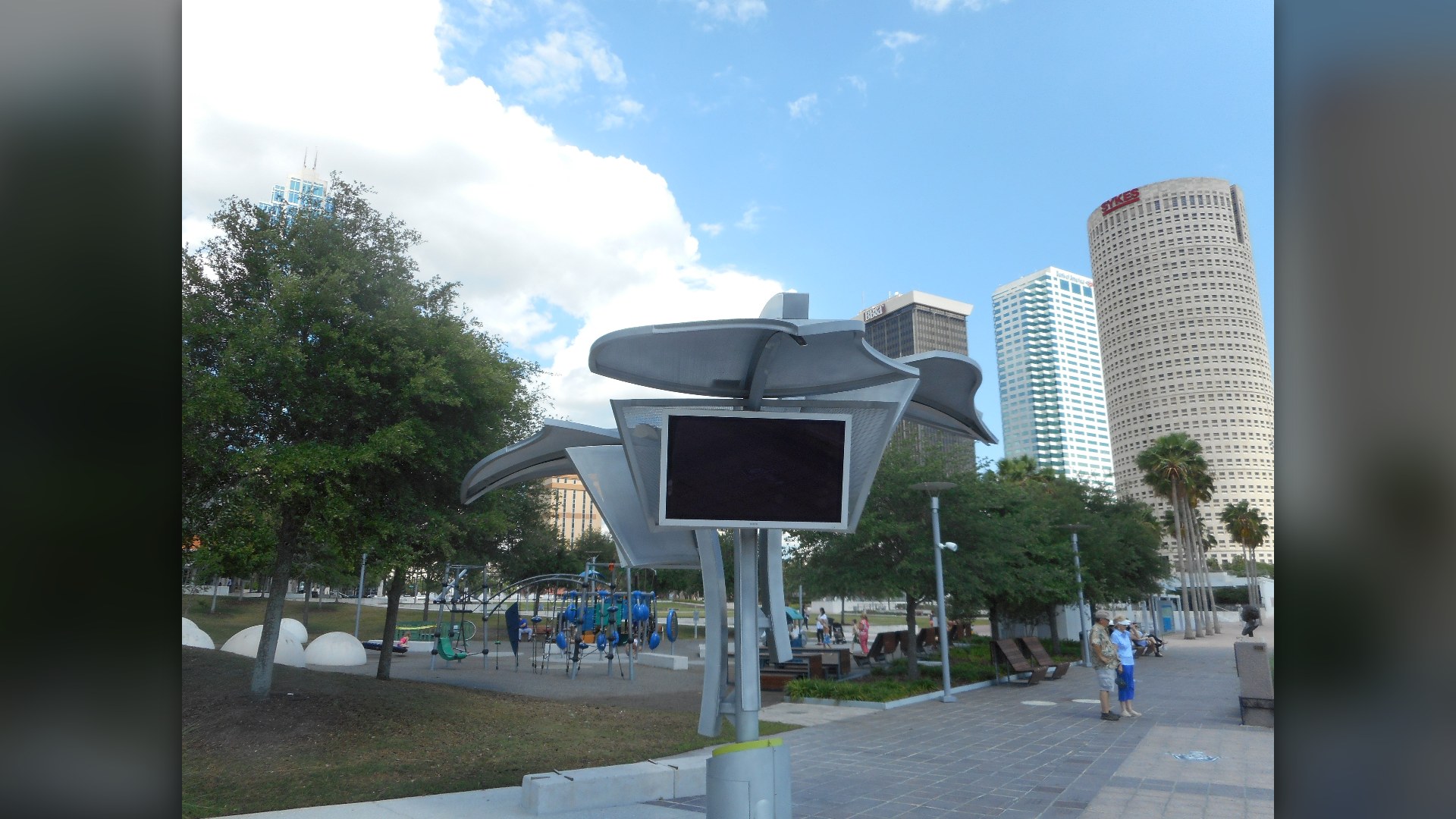
25. Tampa, Florida
Tampa earned national recognition for expanding green corridors along the Hillsborough River. The 2.6-mile Riverwalk ties together downtown public parks, including Curtis Hixon Waterfront Park and Water Works Park. Over 80 percent of residents now live within a short walk of public green space.
©Wikimedia / Walter
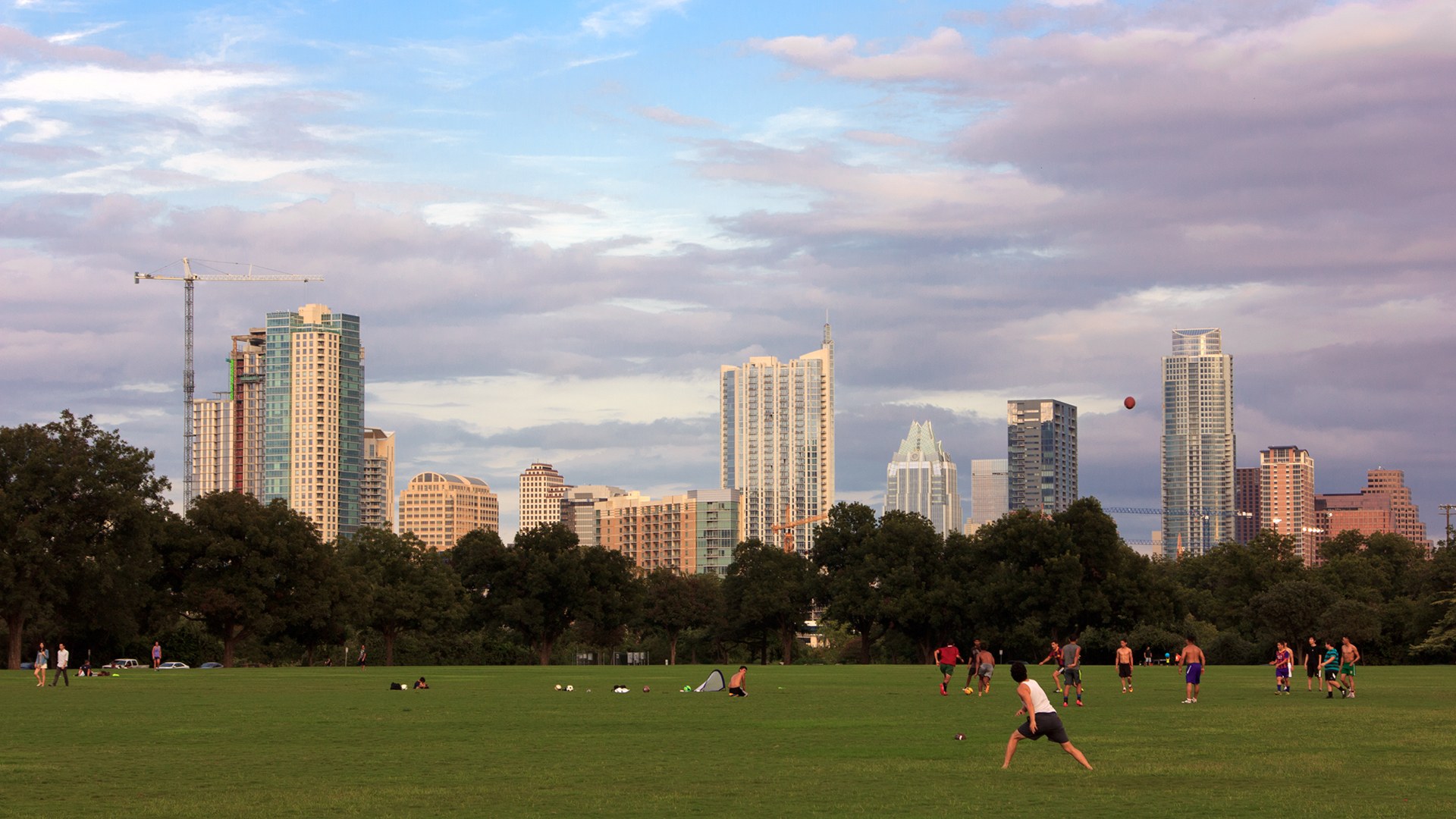
24. Austin, Texas
Austin balances rapid municipal expansion with aggressive conservation. The 351-acre Zilker Metropolitan Park anchors the downtown lakefront, while the Barton Creek Greenbelt provides over 12 miles of protected limestone trails. More than 15 percent of city territory remains reserved for parkland.
©Wikimedia / Lars Plougmann
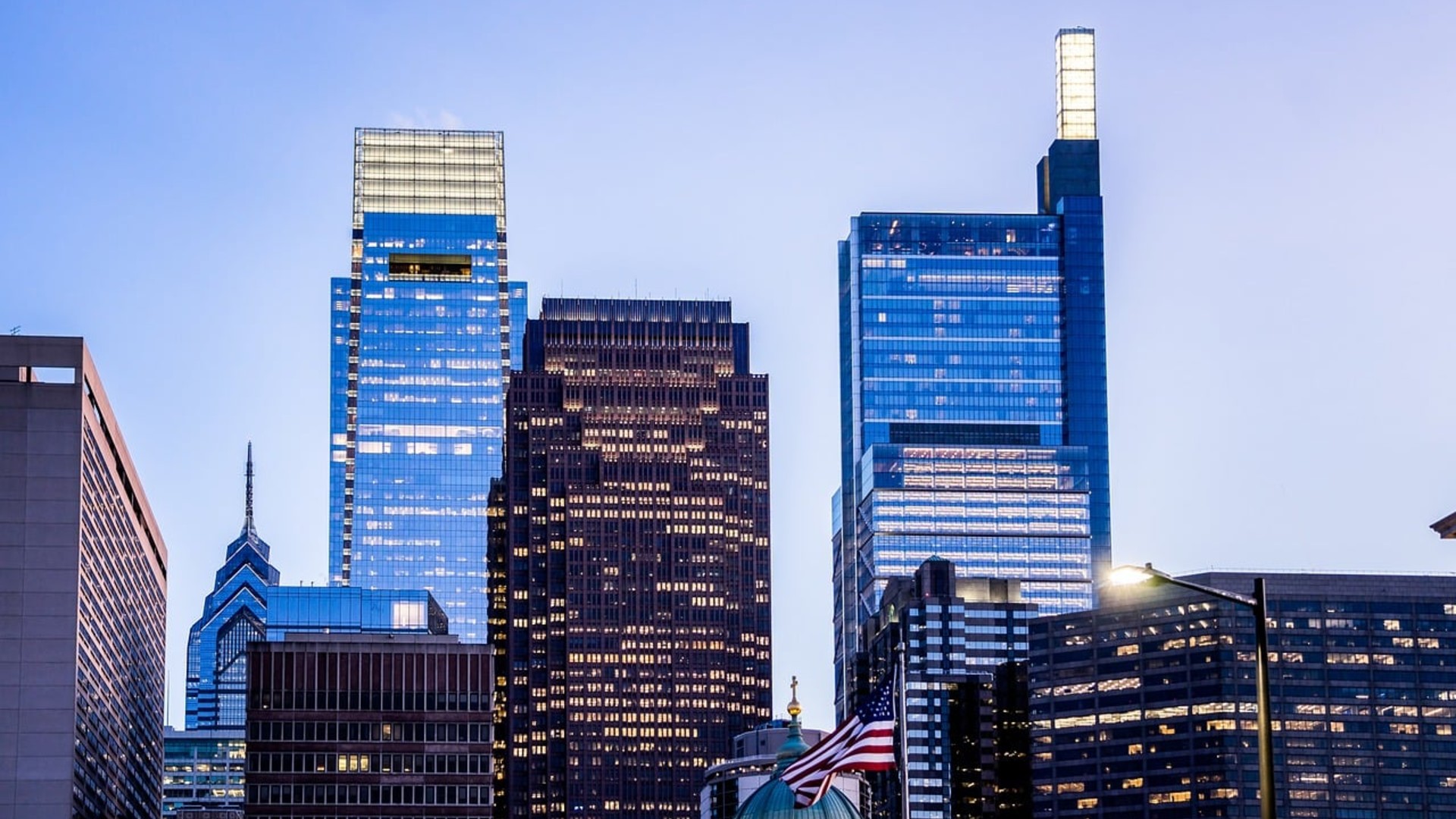
23. Philadelphia, Pennsylvania
Philadelphia founded one of the earliest urban park networks in America. Fairmount Park encompasses over 2,000 acres of woodland trails, historic mansions, and waterfront paths along the Schuylkill River. William Penn designed the original five civic squares that still green the city core.
©Pixabay / Leonhard_Niederwimmer
Advertisement
Swipe or tap ▶ to resume the countdown.
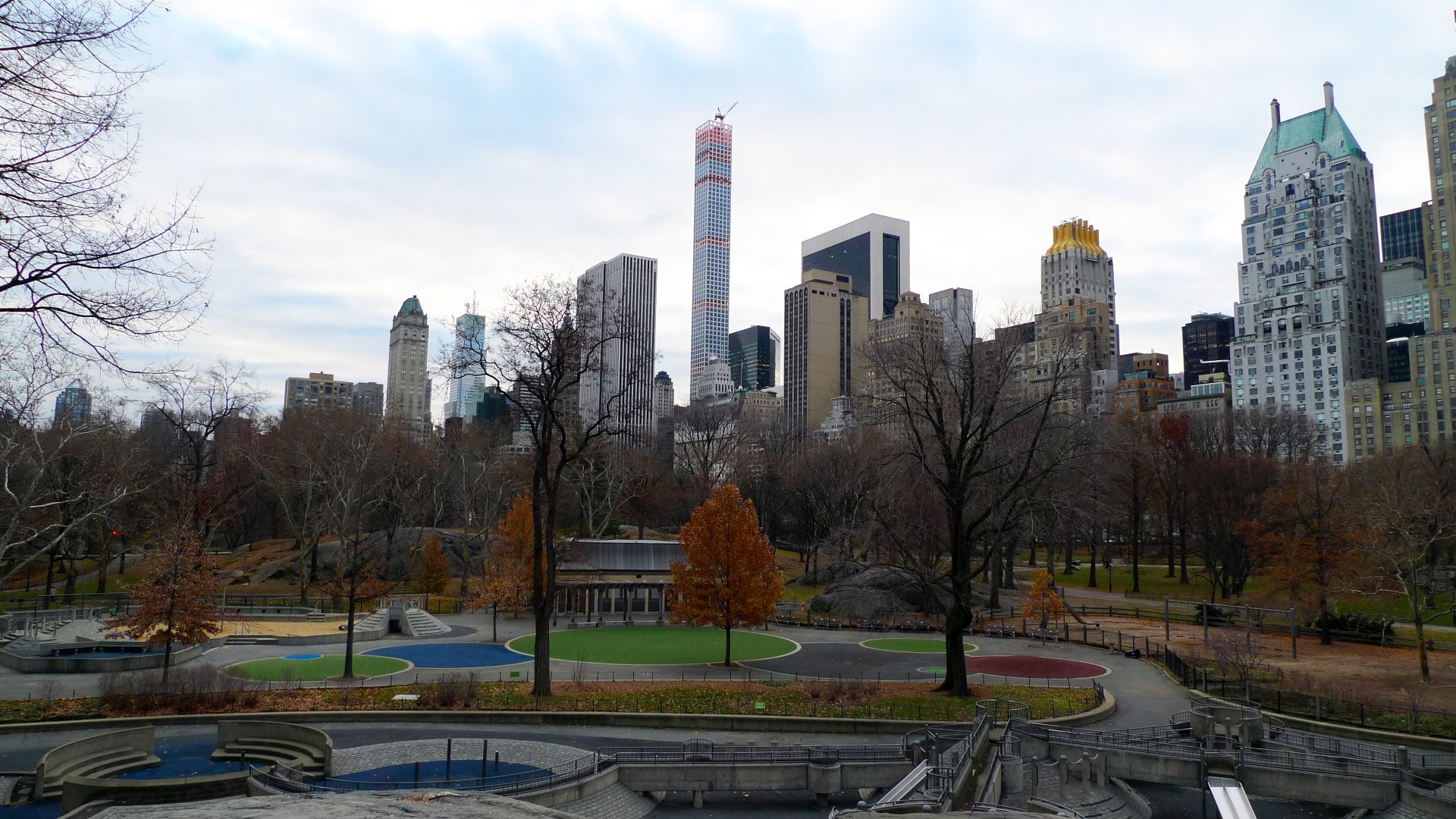
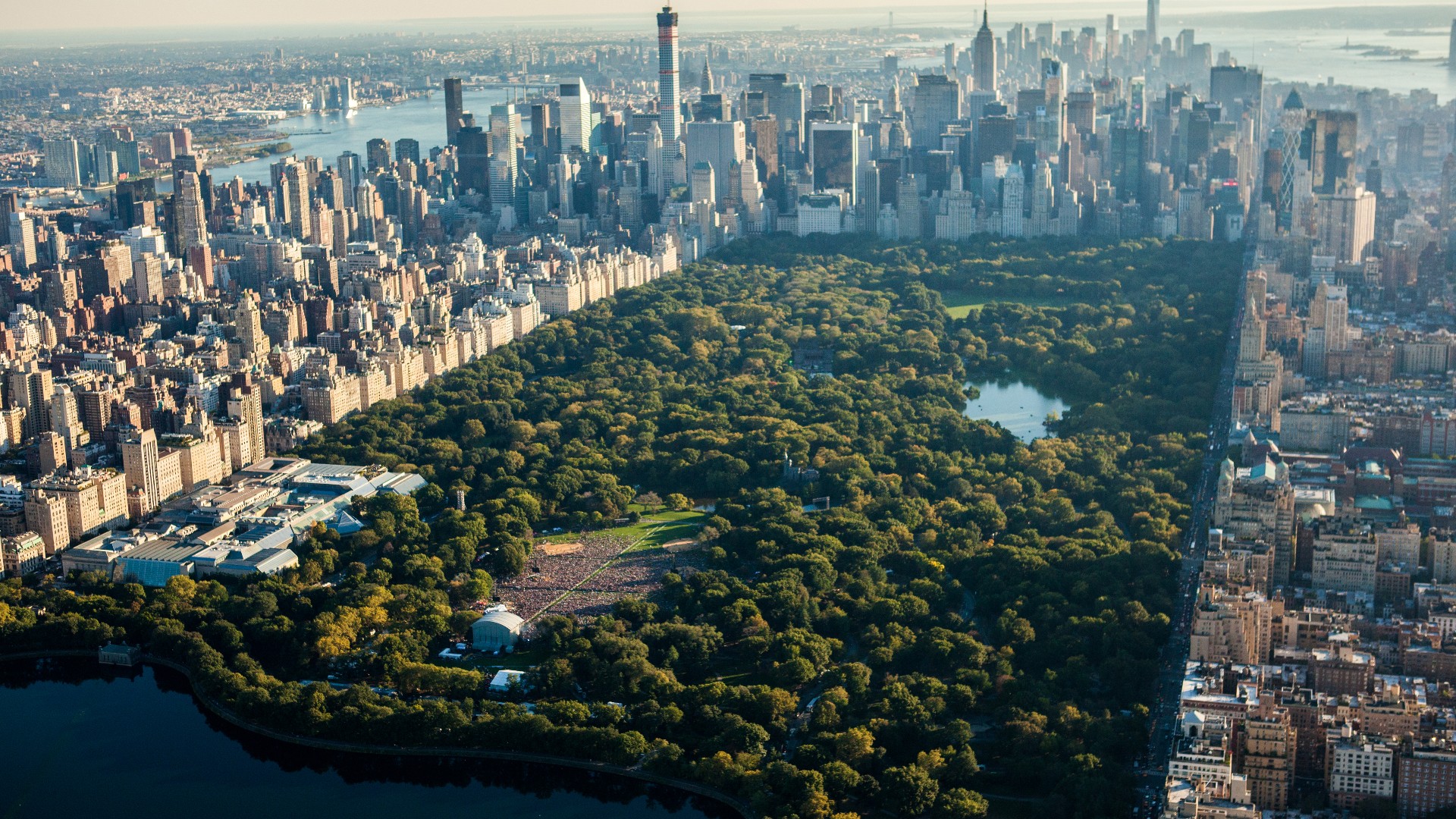
22. New York, New York
New York City maintains over 30,000 acres of parkland across five boroughs. While Central Park and Prospect Park draw millions of international visitors, newer additions like the elevated High Line and Brooklyn Bridge Park transformed industrial waterfronts into popular community gathering spaces.
©Wikimedia / Carol M. Highsmith
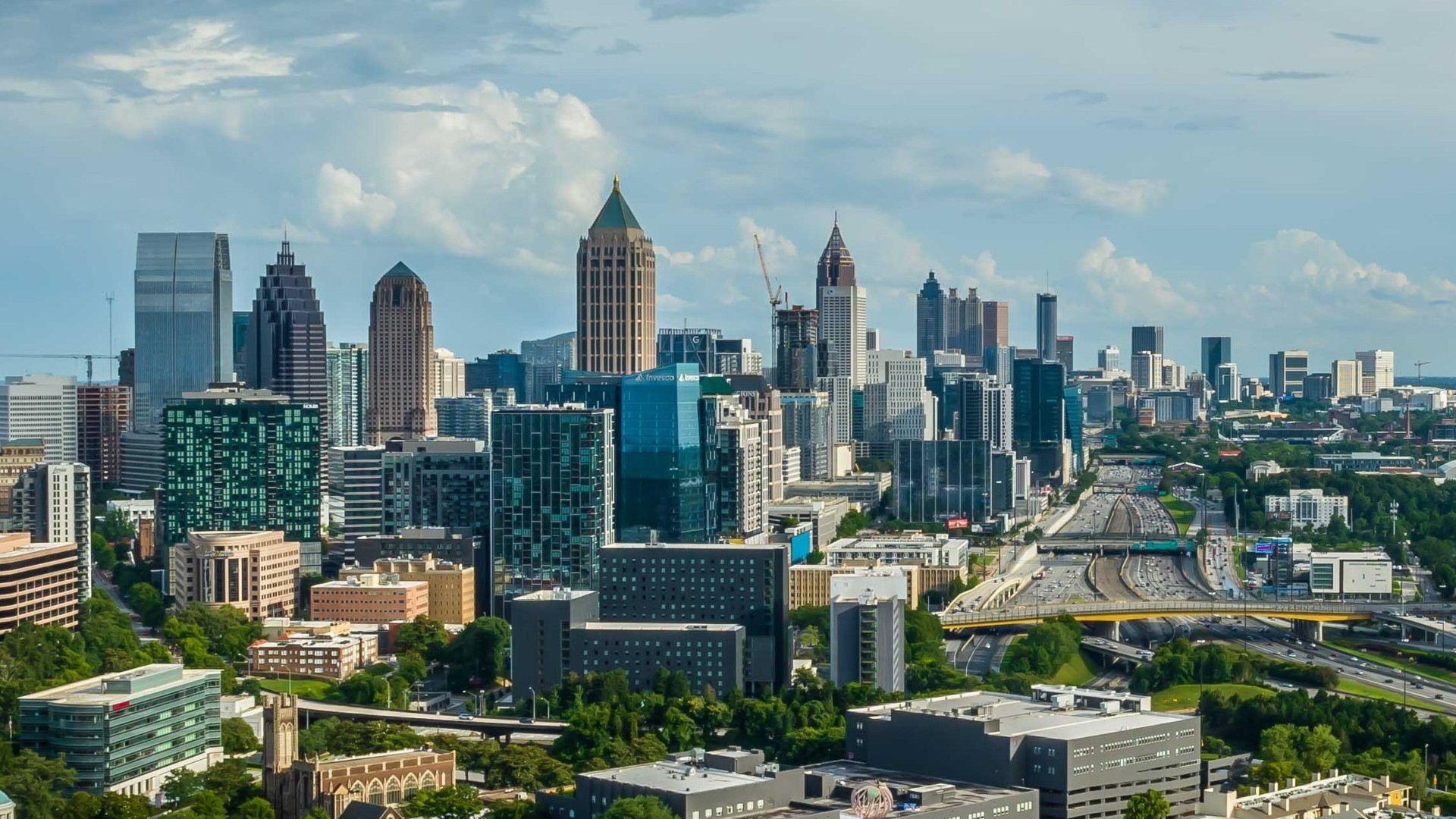
21. Atlanta, Georgia
Known as the City in a Forest, Atlanta features one of the highest tree canopy percentages among major US metros. The ongoing 22-mile BeltLine trail project converts historic rail corridors into public parks and multi-use greenways, connecting dozens of historically divided neighborhoods.
©Wikimedia / Atlanta
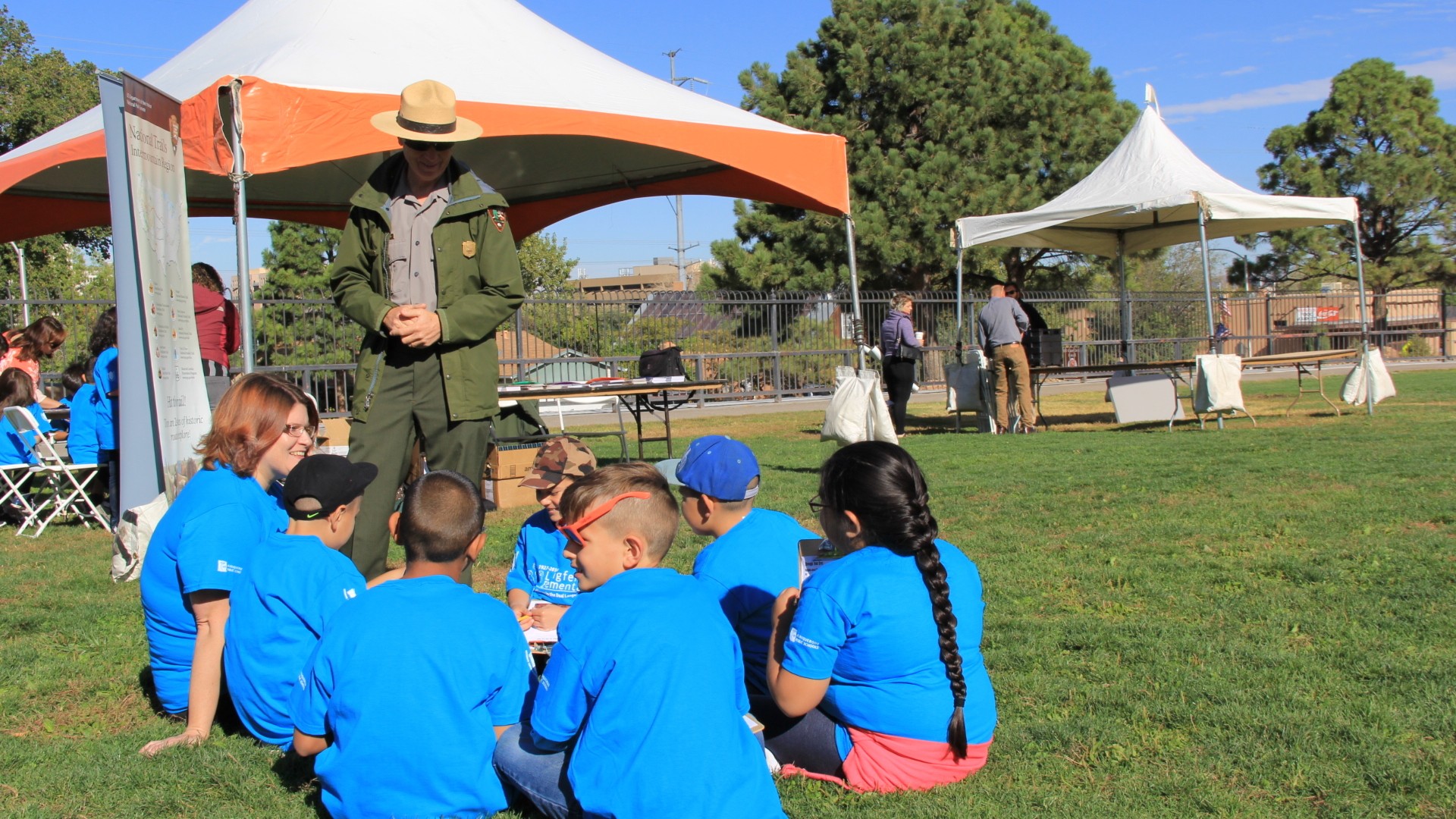
20. Albuquerque, New Mexico
Albuquerque protects dramatic southwestern landscapes through its dedicated Open Space program. The city manages over 30,000 acres of high-desert preserves, cottonwood bosque along the Rio Grande, and mountain foothills, ensuring 89 percent of residents enjoy direct park access.
©NPS-NOAA-USGS / National Trails Office ( US National Park
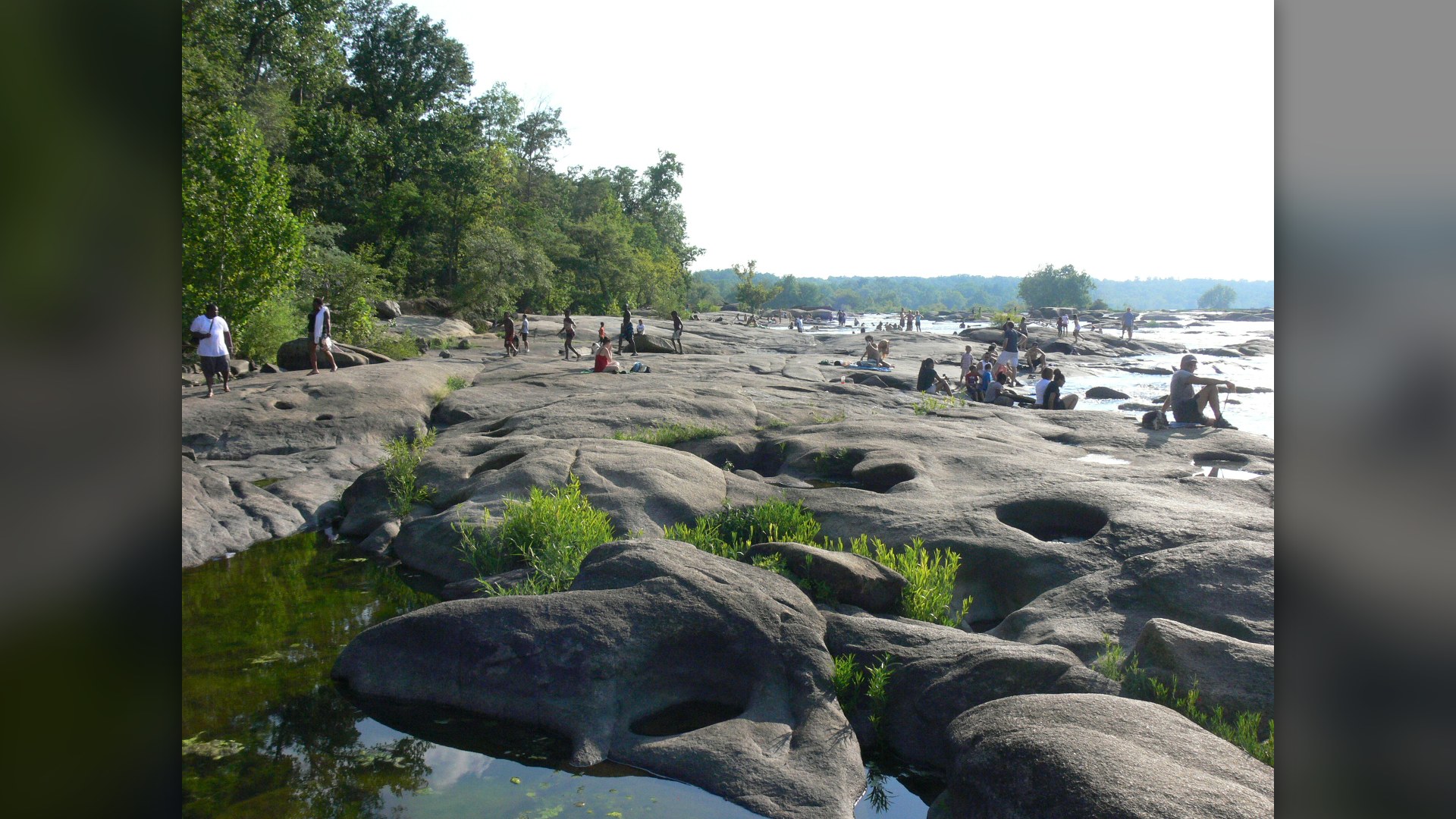
19. Richmond, Virginia
Richmond offers the only downtown Class IV river rapids in the United States. The James River Park System spans more than 600 acres along both riverbanks, featuring Belle Isle, wooded islands, and walking trails that immerse urban residents in protected wilderness minutes from downtown.
©Wikimedia / Mobilus In Mobili
Advertisement
Swipe or tap ▶ to resume the countdown.
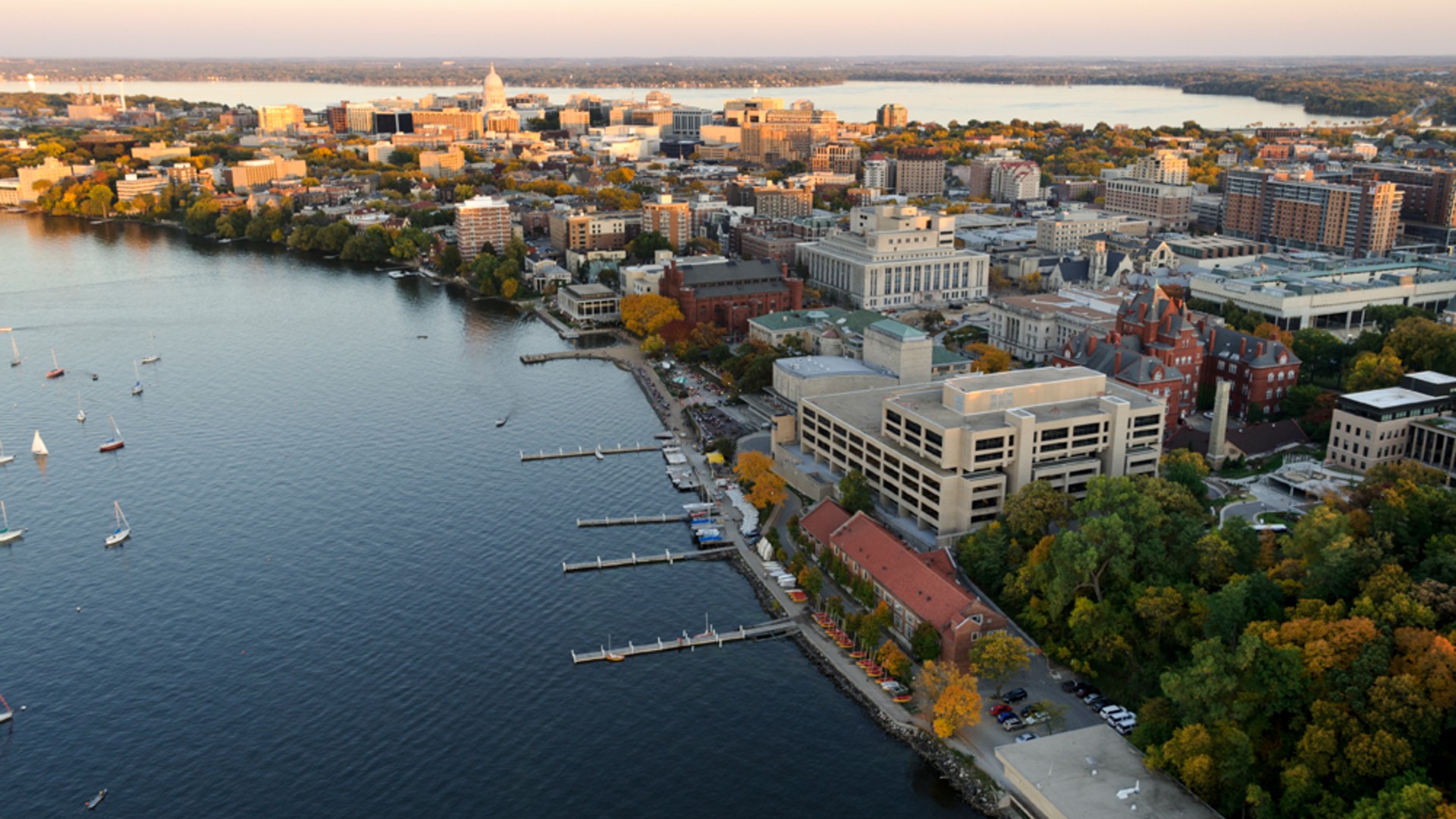
18. Madison, Wisconsin
Madison sits on a scenic isthmus between Lake Mendota and Lake Monona. The city maintains more than 270 public parks and nearly 200 miles of paved bike trails. Over 95 percent of Madison residents live within a 10-minute walk of an open public park or nature reserve.
©Wikimedia / Madison, Wisconsin
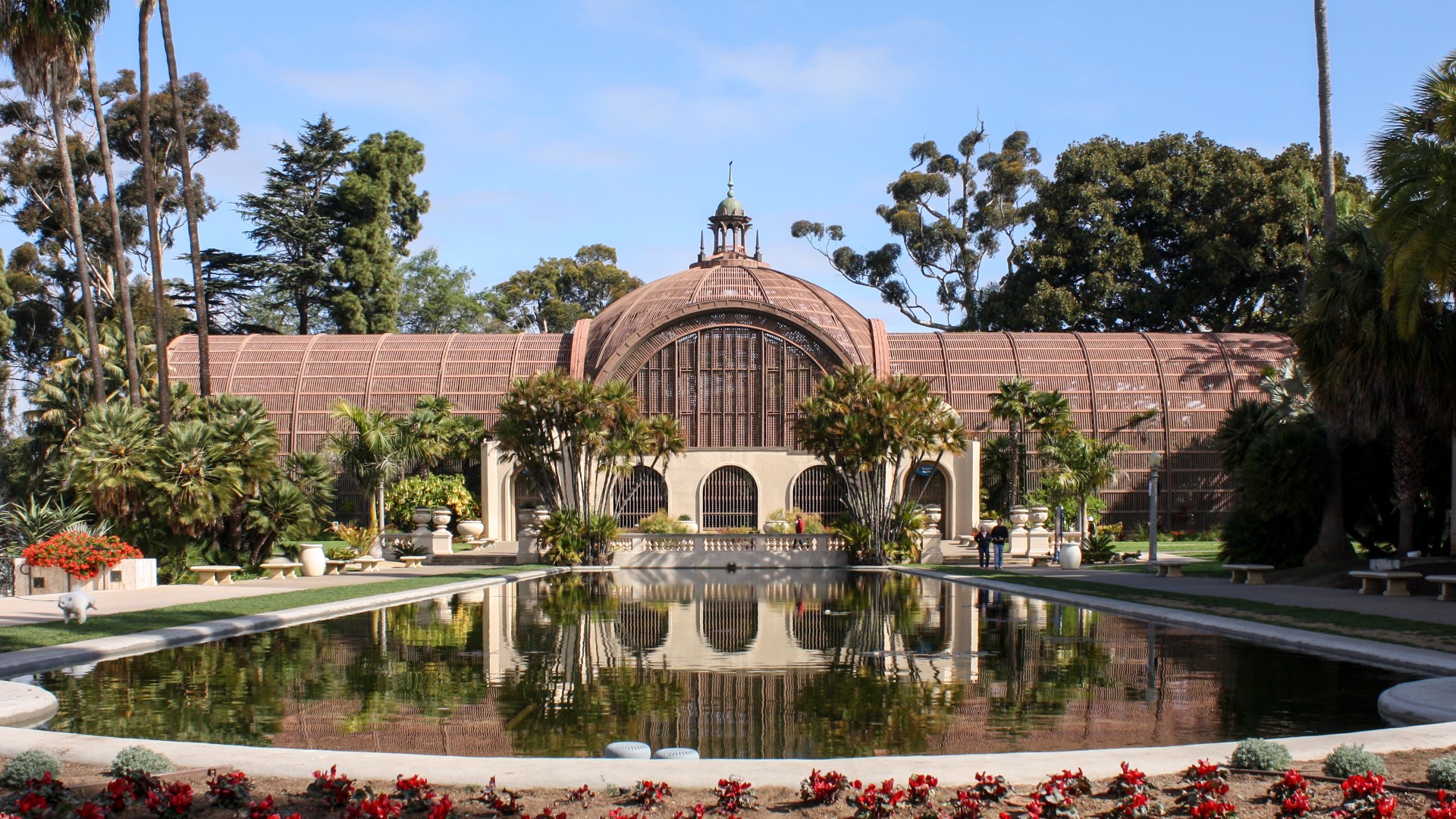
17. San Diego, California
San Diego features Balboa Park, a 1,200-acre cultural and botanical landmark established in 1868. Beyond Balboa, the city preserves coastal bluffs, coastal lagoons, and chaparral canyons that provide year-round outdoor recreation across more than 40,000 acres of open space.
©Wikimedia / Bernard Gagnon
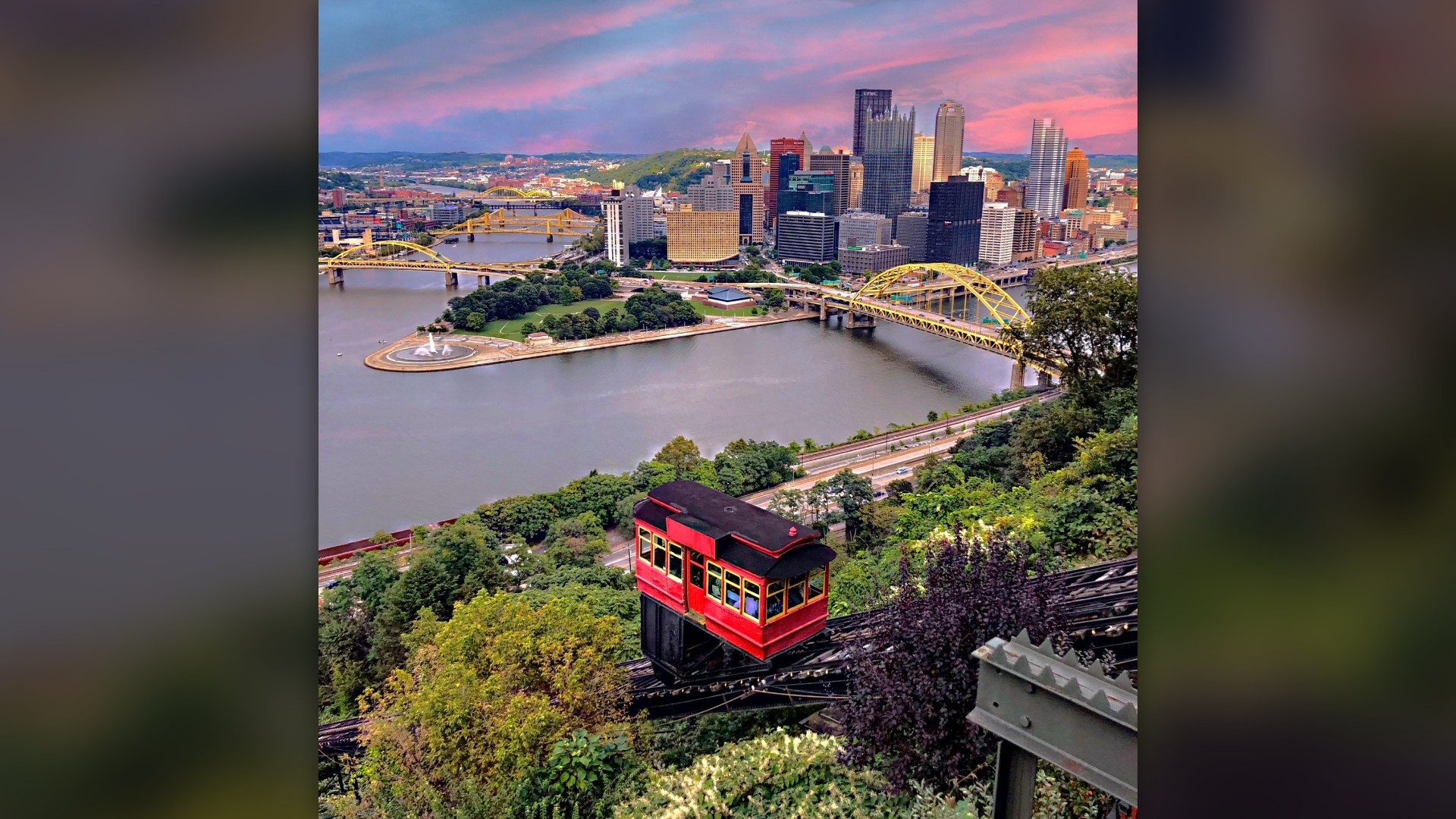
16. Pittsburgh, Pennsylvania
Pittsburgh transformed industrial riverfronts into emerald parklands. Point State Park marks the scenic confluence of the Allegheny and Monongahela rivers, while Schenley Park and Frick Park preserve hundreds of acres of old-growth woodland within minutes of residential districts.
©Pixabay / pittsburghbeautiful
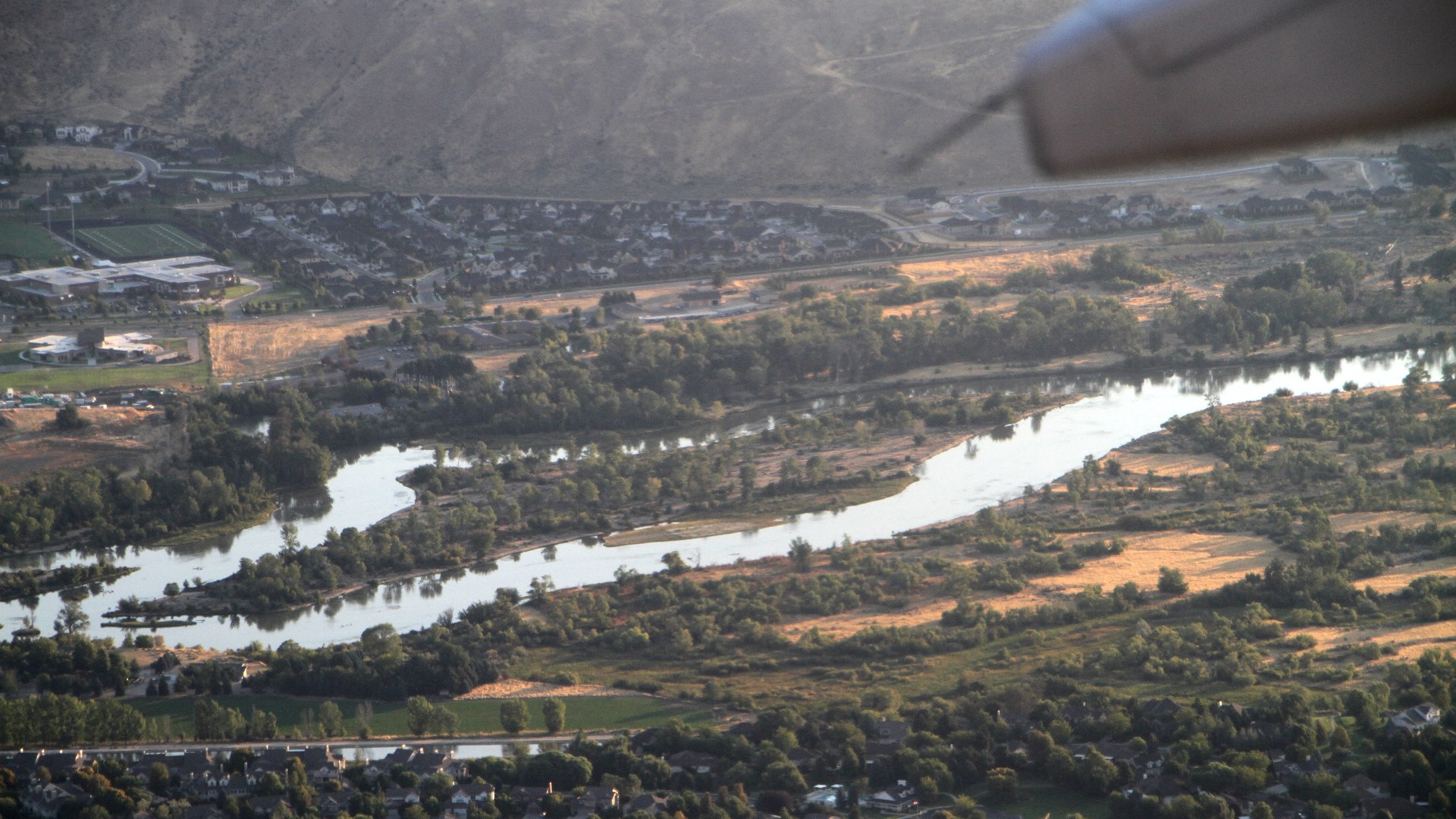
15. Boise, Idaho
Boise centers civic recreation along the 25-mile Boise River Greenbelt, a tree-lined path connecting dozens of municipal parks and nature reserves. The city also stewards the 160-mile Ridge to Rivers trail network in the Boise Foothills, protecting fragile sagebrush habitat.
©Wikimedia / Kenneth K
Advertisement
Swipe or tap ▶ to resume the countdown.
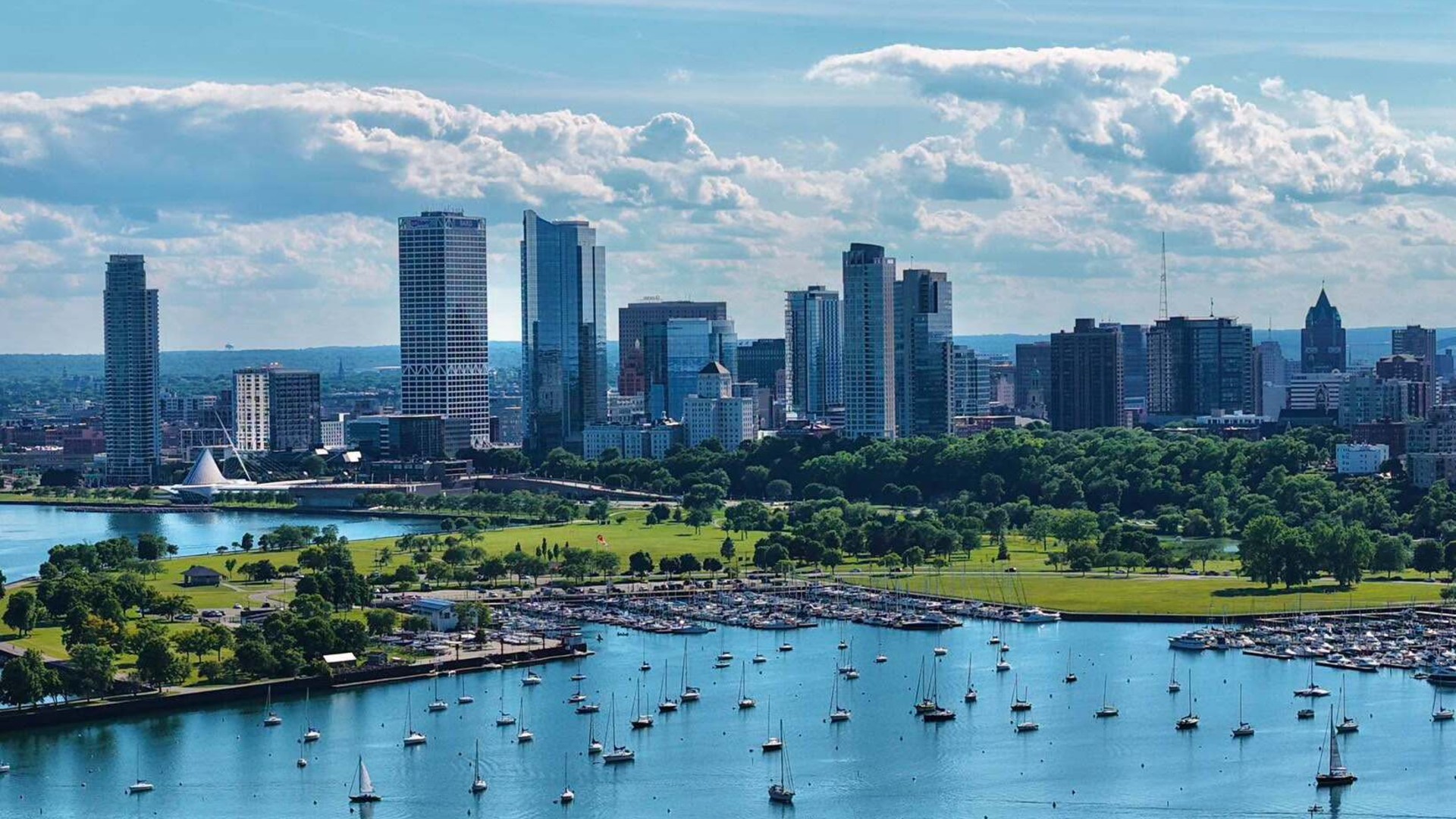
14. Milwaukee, Wisconsin
Milwaukee benefits from a century of thoughtful civic design. Landscape architect Frederick Law Olmsted shaped Lake Park, Riverside Park, and Washington Park in the late 1800s. Today, Milwaukee County preserves public access along Lake Michigan shoreline with beaches and bluffside trails.
©Wikimedia / Milwaukee
13. Plano, Texas
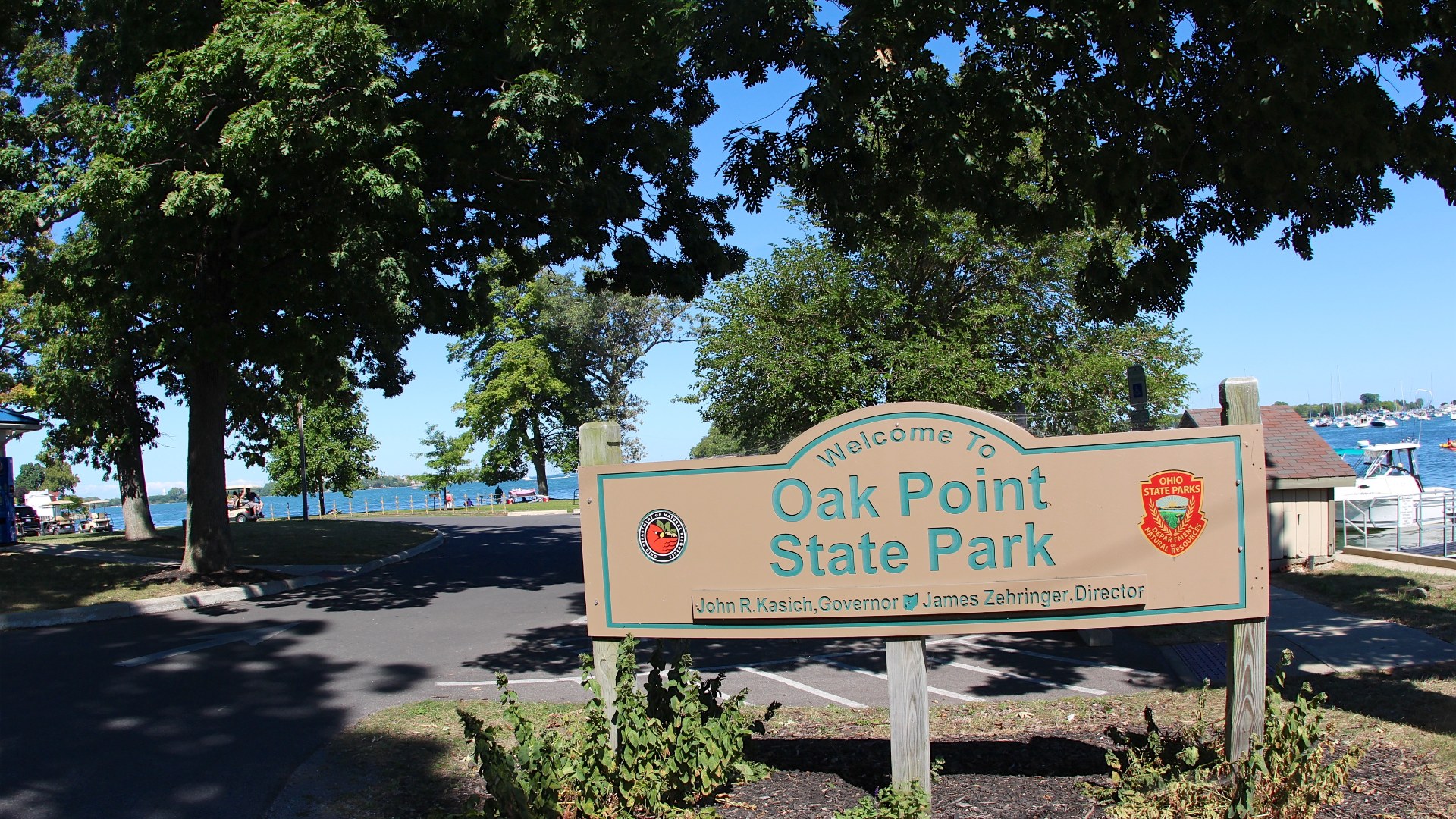
Plano demonstrates how suburban municipalities can lead in green space. The city preserves the 800-acre Oak Point Park and Nature Preserve, connected to Bob Woodruff Park by 8 miles of continuous trails. Nearly 85 percent of Plano residents live within a 10-minute walk of a park.
©Wikimedia / Michael Barera
12. Boston, Massachusetts
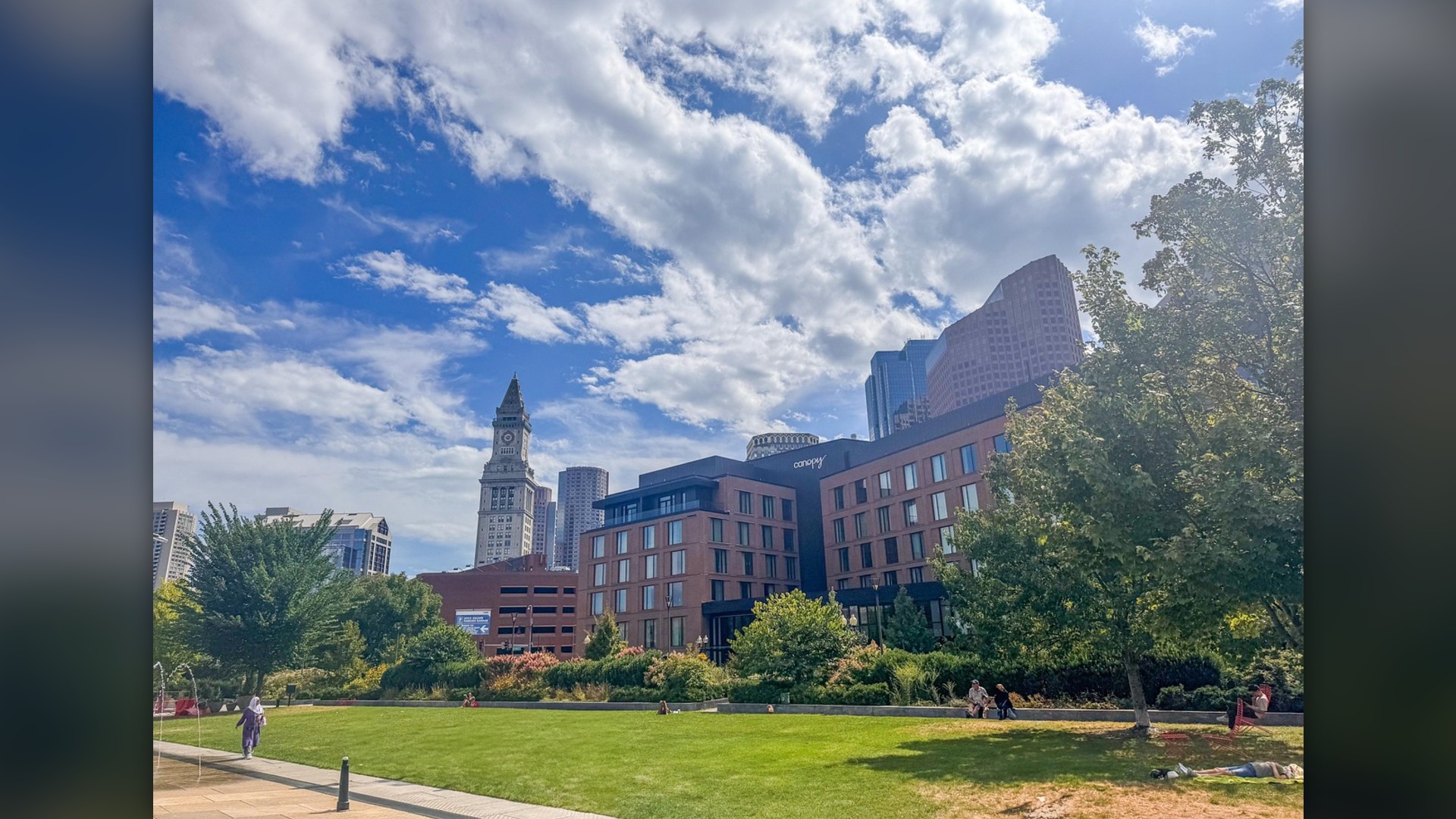
Boston created the first public park in America with Boston Common in 1634. Later, Frederick Law Olmsted linked city green spaces into the Emerald Necklace, a 1,100-acre chain of parks and waterways extending from the Back Bay Fens all the way to Franklin Park.
©Pixabay / Michelle-Maria
11. Denver, Colorado
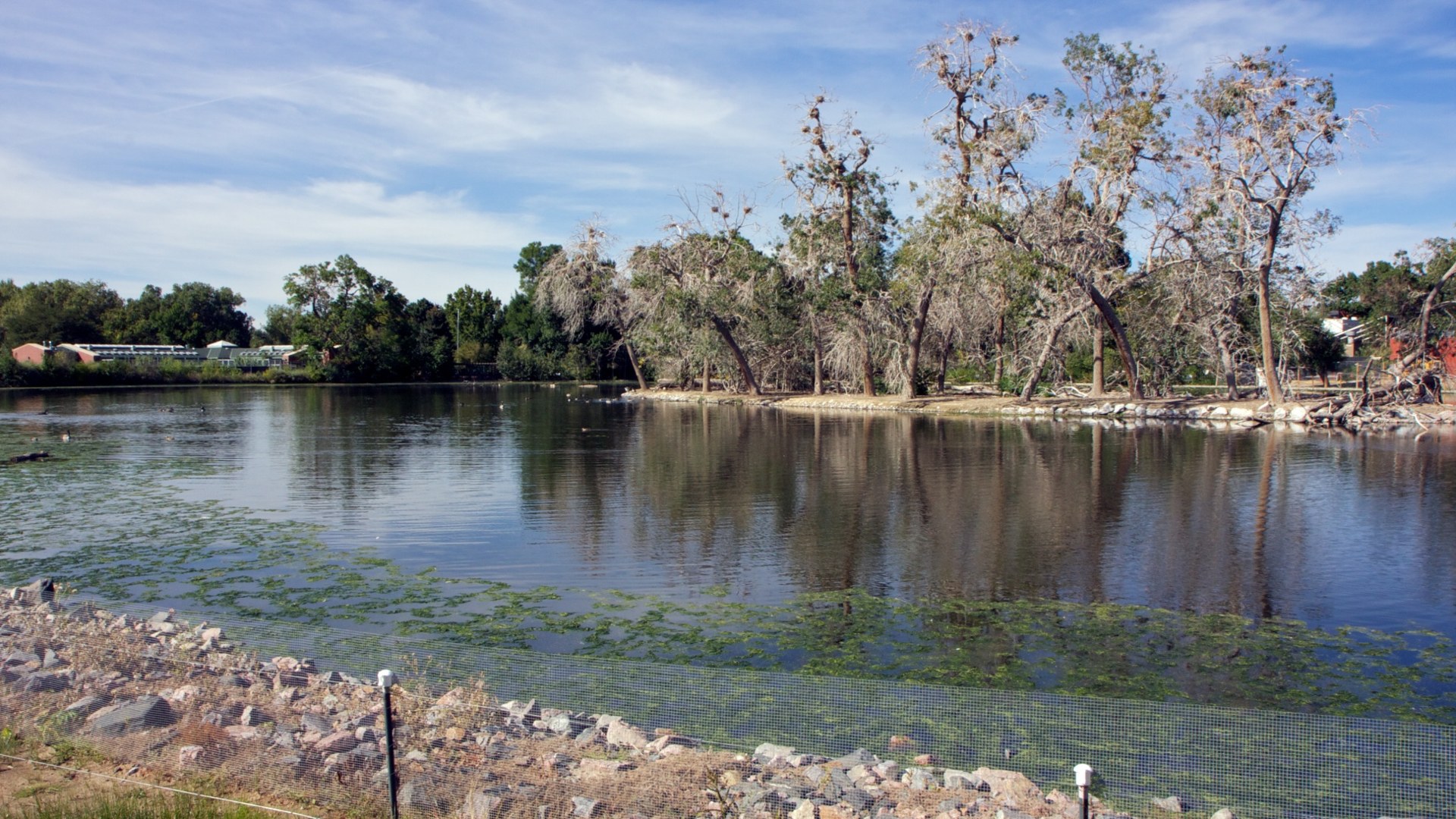
Denver manages over 20,000 acres of open space, including 14,000 acres of unique Mountain Parks located outside city limits. City Park and Washington Park anchor inner-city recreation, while distant municipal holdings protect Red Rocks Amphitheatre and roaming bison herds.
©Wikimedia / Carol M. Highsmith
Advertisement
Swipe or tap ▶ to resume the countdown.
10. Chicago, Illinois
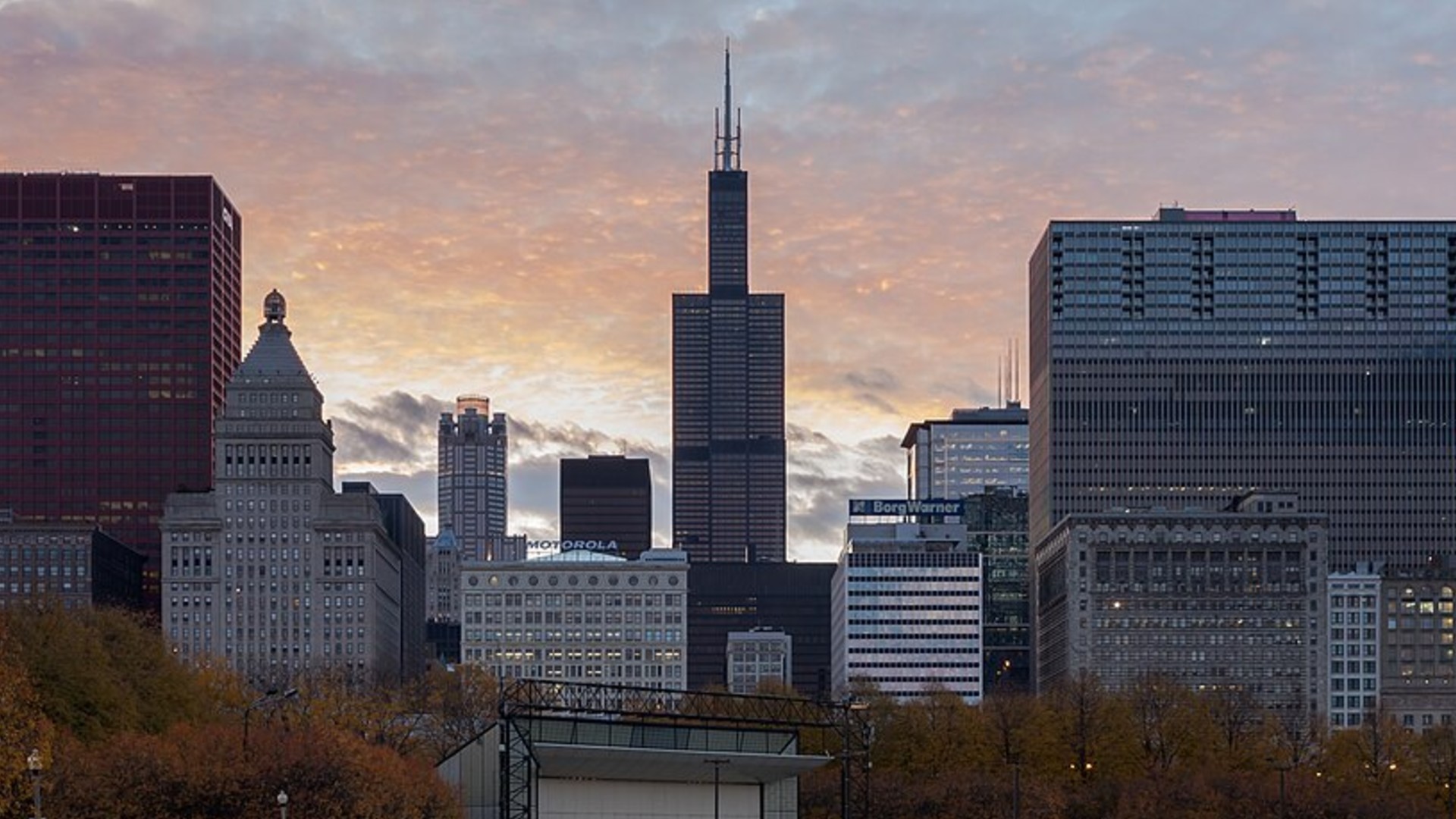
Chicago adopted the civic motto Urbs in Horto, meaning City in a Garden. The city permanently protected its 26-mile Lake Michigan shoreline from commercial development, creating lakefront attractions like Grant Park, Millennium Park, and Lincoln Park for free public enjoyment.
©Wikimedia / Diego Delso
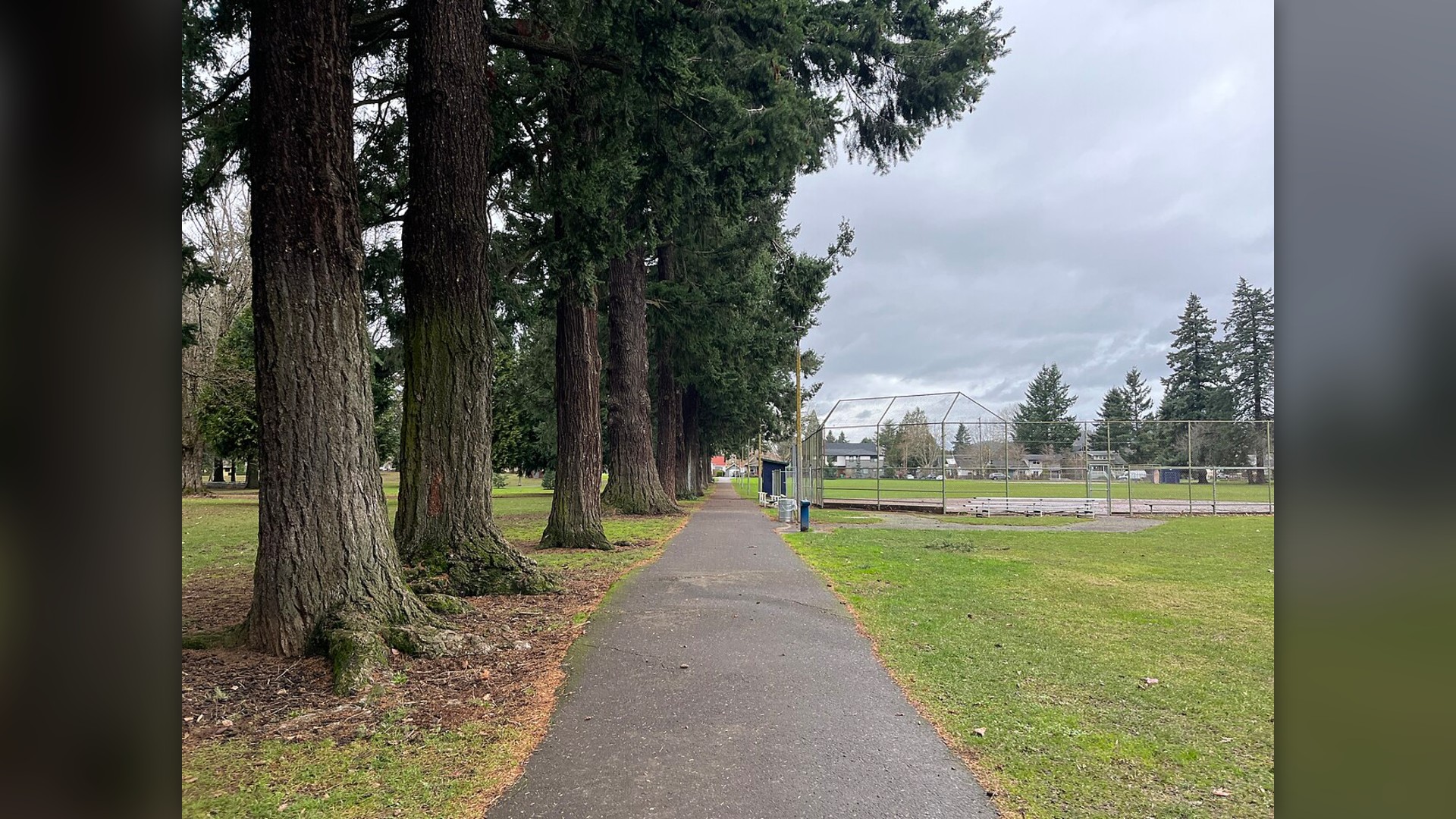
9. Portland, Oregon
Portland houses Forest Park, one of the largest contiguous urban forest reserves in the country, spanning over 5,200 acres across the Tualatin Mountains. The city also features Mount Tabor Park, an extinct volcanic cinder cone offering panoramic skyline views and historic open reservoirs.
©Wikimedia / Another Believer
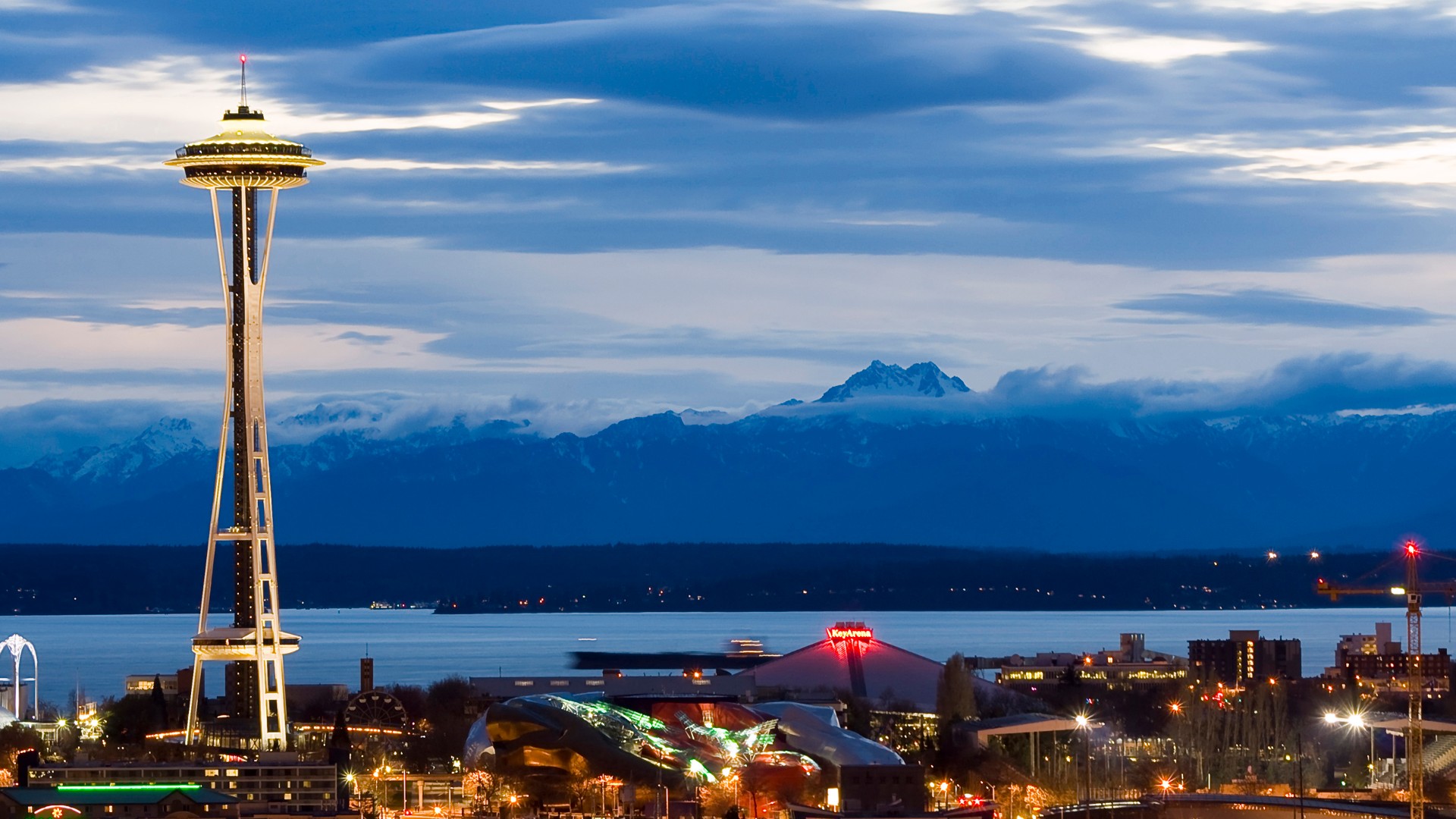
8. Seattle, Washington
Seattle earned its Emerald City moniker through lush public landscapes. Discovery Park spans 534 acres on Magnolia Bluff with tidal beaches and forest trails, while Volunteer Park in Capitol Hill showcases historic conservatory architecture and sweeping vistas of the Space Needle.
©Wikimedia / Seattle
7. Arlington, Virginia
Arlington ranks among the national leaders in park accessibility, with 99 percent of residents living within a 10-minute walk of green space. The county integrates compact neighborhood parks with scenic Potomac riverfront paths along the Mount Vernon Trail.
©Wikimedia / Carol M. Highsmith
Advertisement
Swipe or tap ▶ to resume the countdown.
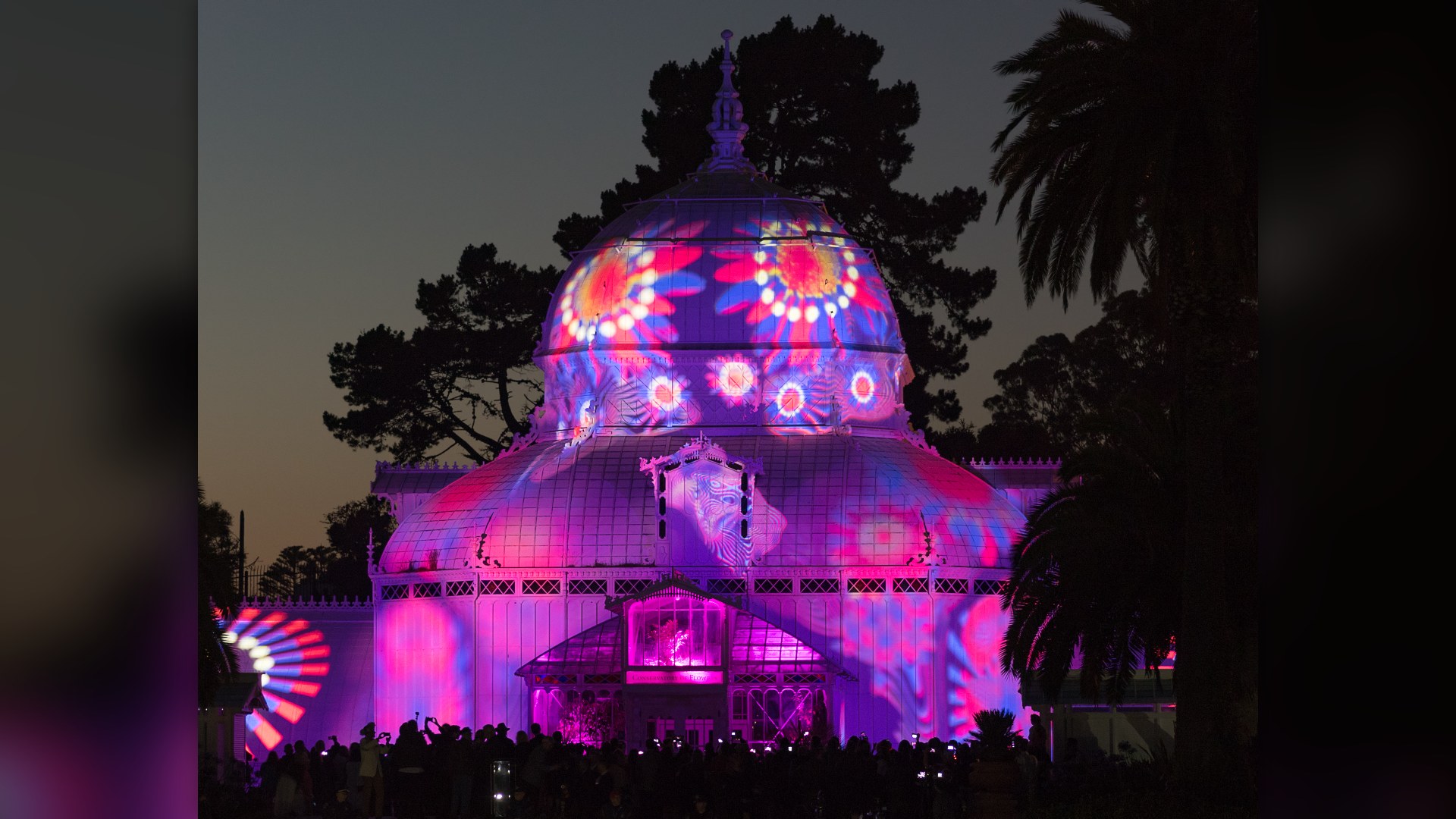
6. San Francisco, California
San Francisco became the first US city where 100 percent of residents live within a 10-minute walk of a park. Golden Gate Park spans over 1,017 acres, stretching three miles from the city center to the Pacific Ocean, while the Presidio protects coastal headlands and cypress groves.
©Wikimedia / Sanfranman59
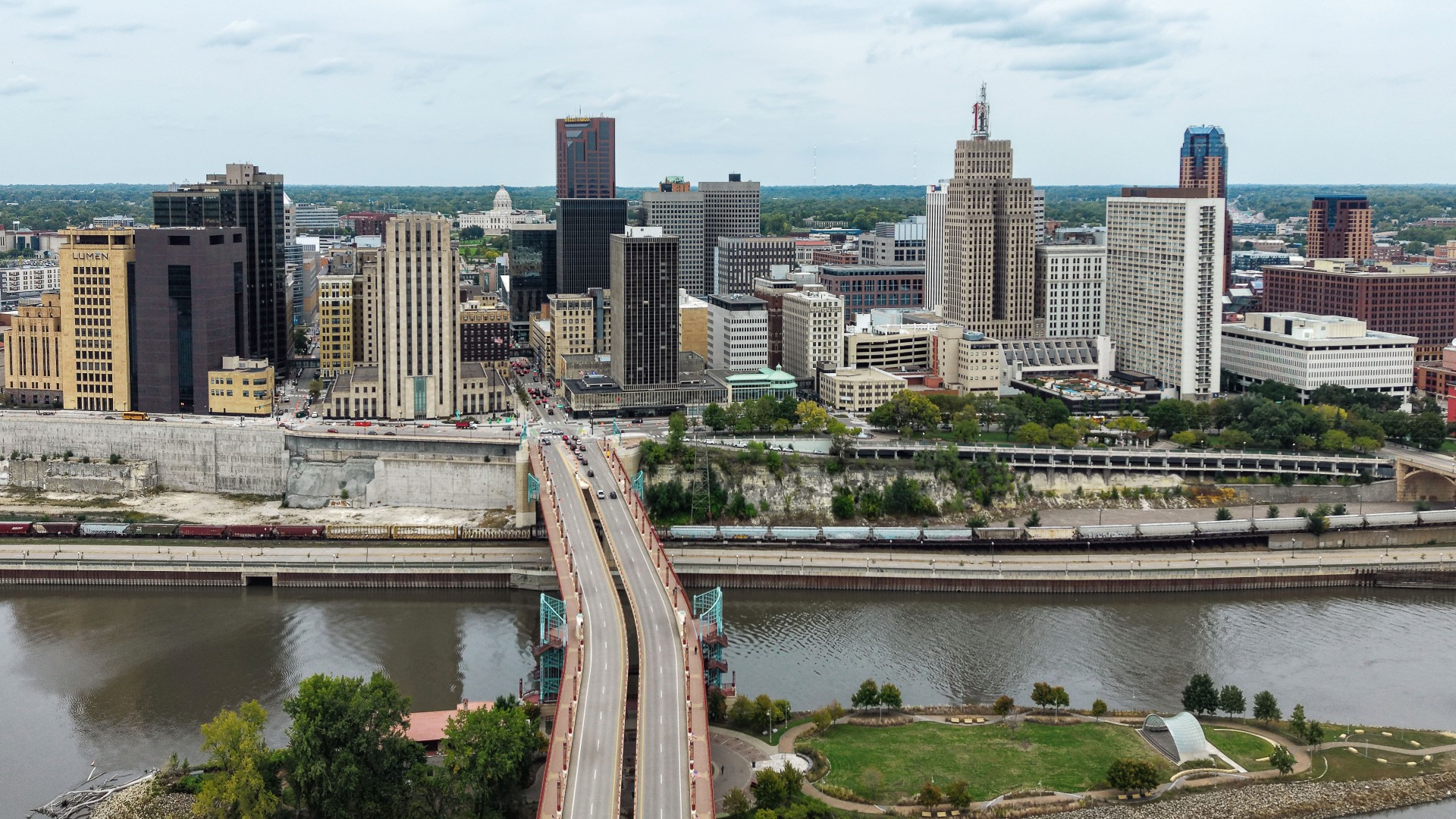
5. St. Paul, Minnesota
St. Paul shares the Upper Mississippi River with Minneapolis, providing scenic river bluffs and protected wetlands. Como Regional Park attracts visitors with its historic conservatory, zoo, and lake, while 99 percent of St. Paul residents enjoy park access within a short 10-minute walk.
©Wikimedia / Saint Paul, Minnesota
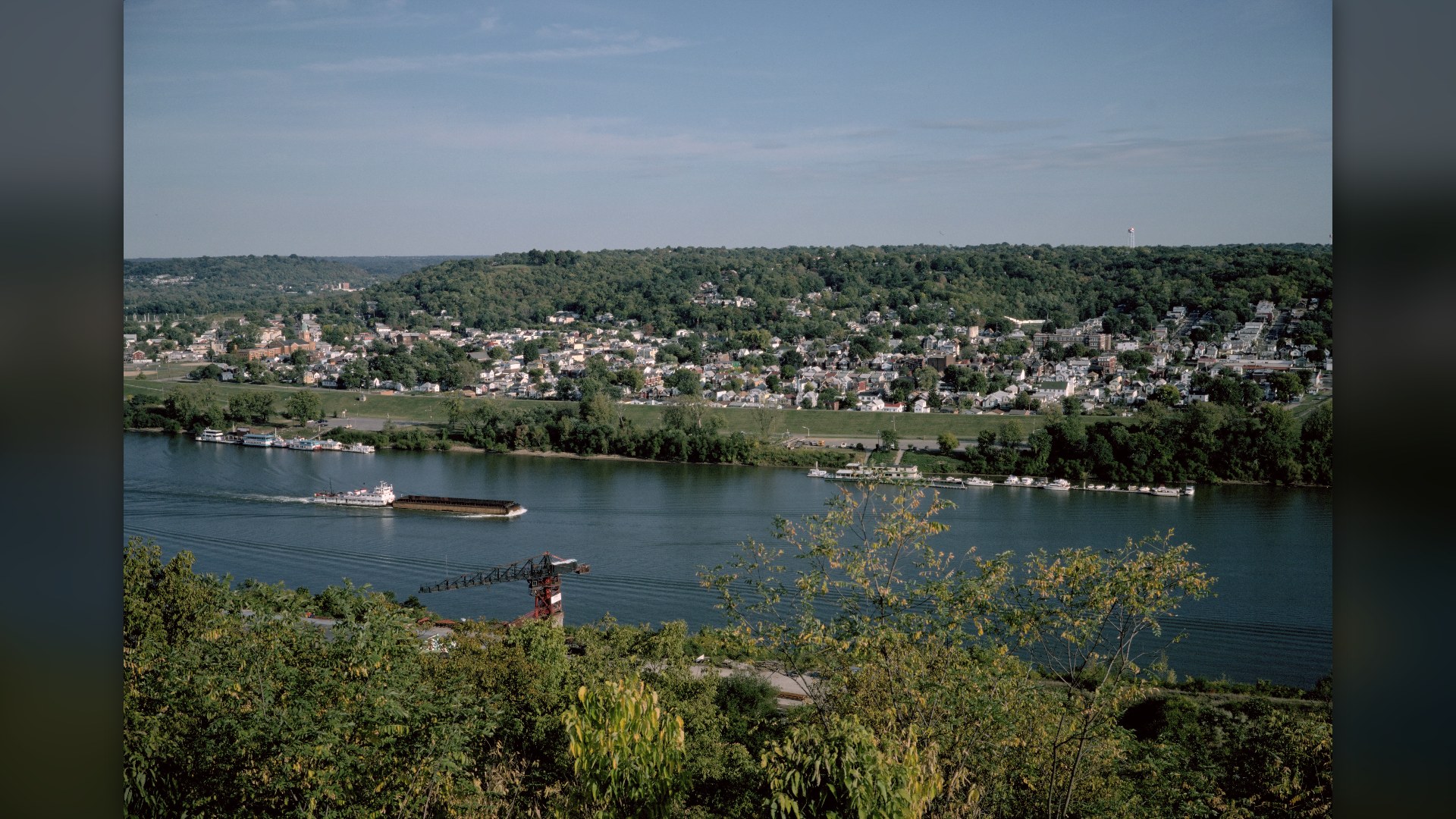
4. Cincinnati, Ohio
Cincinnati jumped into the national top five thanks to aggressive park investments and natural geography. Hilltop preserves like Eden Park and Mount Echo Park provide vistas of the Ohio River valley, while the city dedicates 17 percent of its total land area to public parks and nature centers.
©Wikimedia / Greg Hume
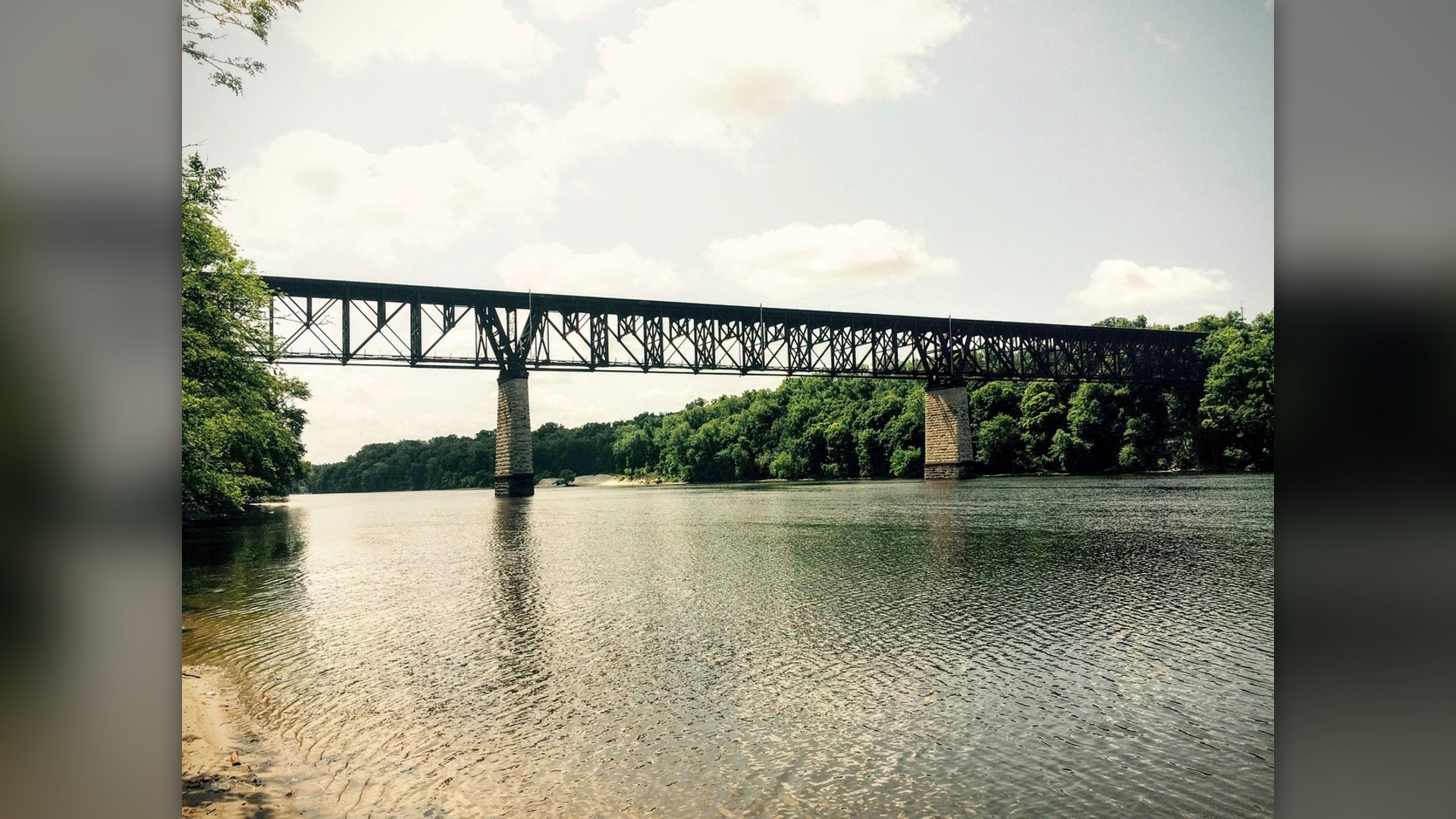
3. Minneapolis, Minnesota
Minneapolis built one of the finest municipal park systems in the world. The Grand Rounds National Scenic Byway loops 51 miles around the city, connecting Bde Maka Ska, Lake Harriet, and Minnehaha Falls. Over 98 percent of Minneapolis residents live within a 10-minute walk of a public park.
©Pixabay / davebaur
Advertisement
Swipe or tap ▶ to resume the countdown.
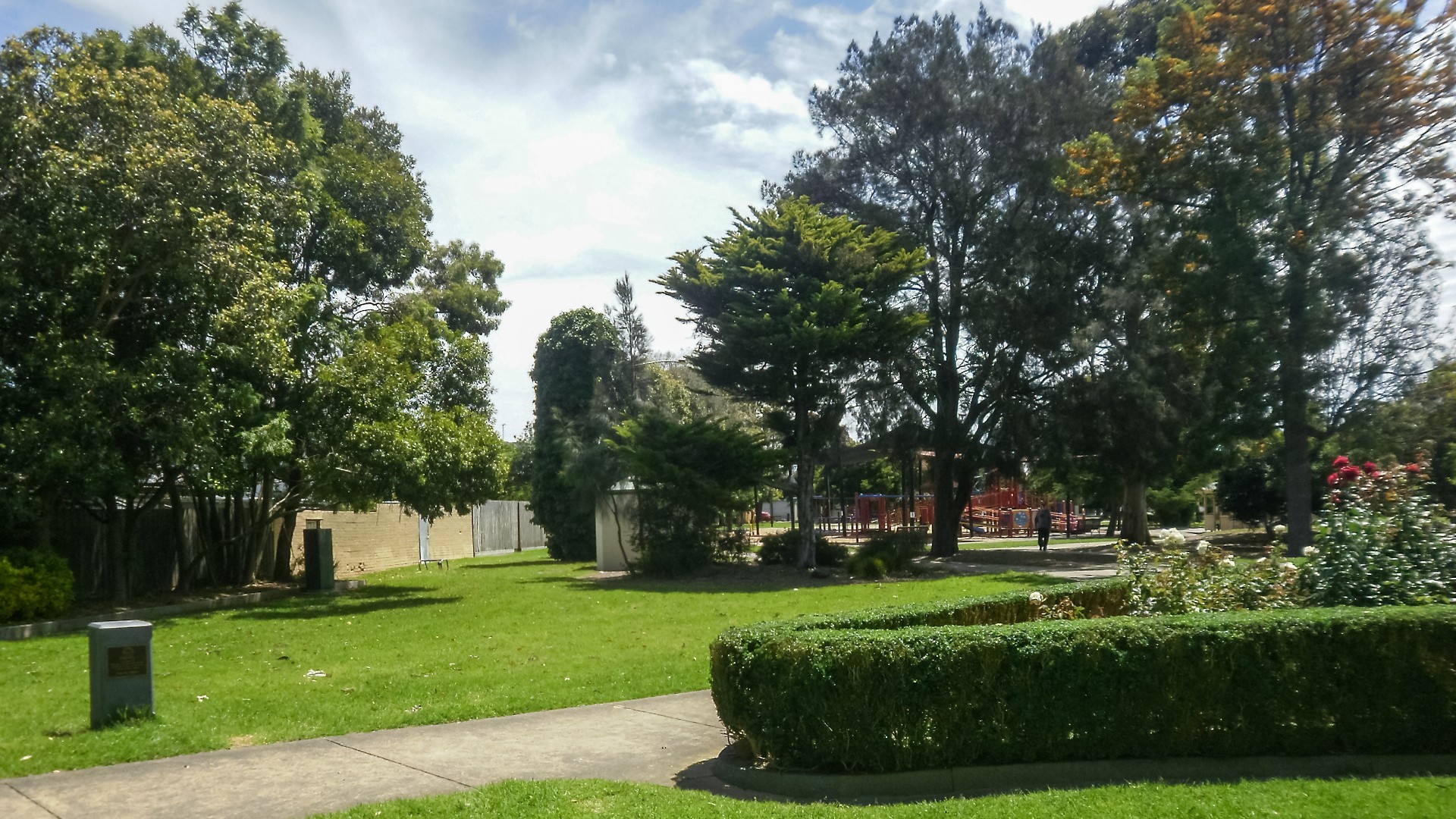
2. Irvine, California
Irvine climbed to the number two spot nationwide through visionary civic planning. Over a third of city land is permanently designated for parks and open space, anchored by the massive Orange County Great Park. Wide paved trail networks connect every neighborhood directly to public recreation.
©Wikimedia / Park
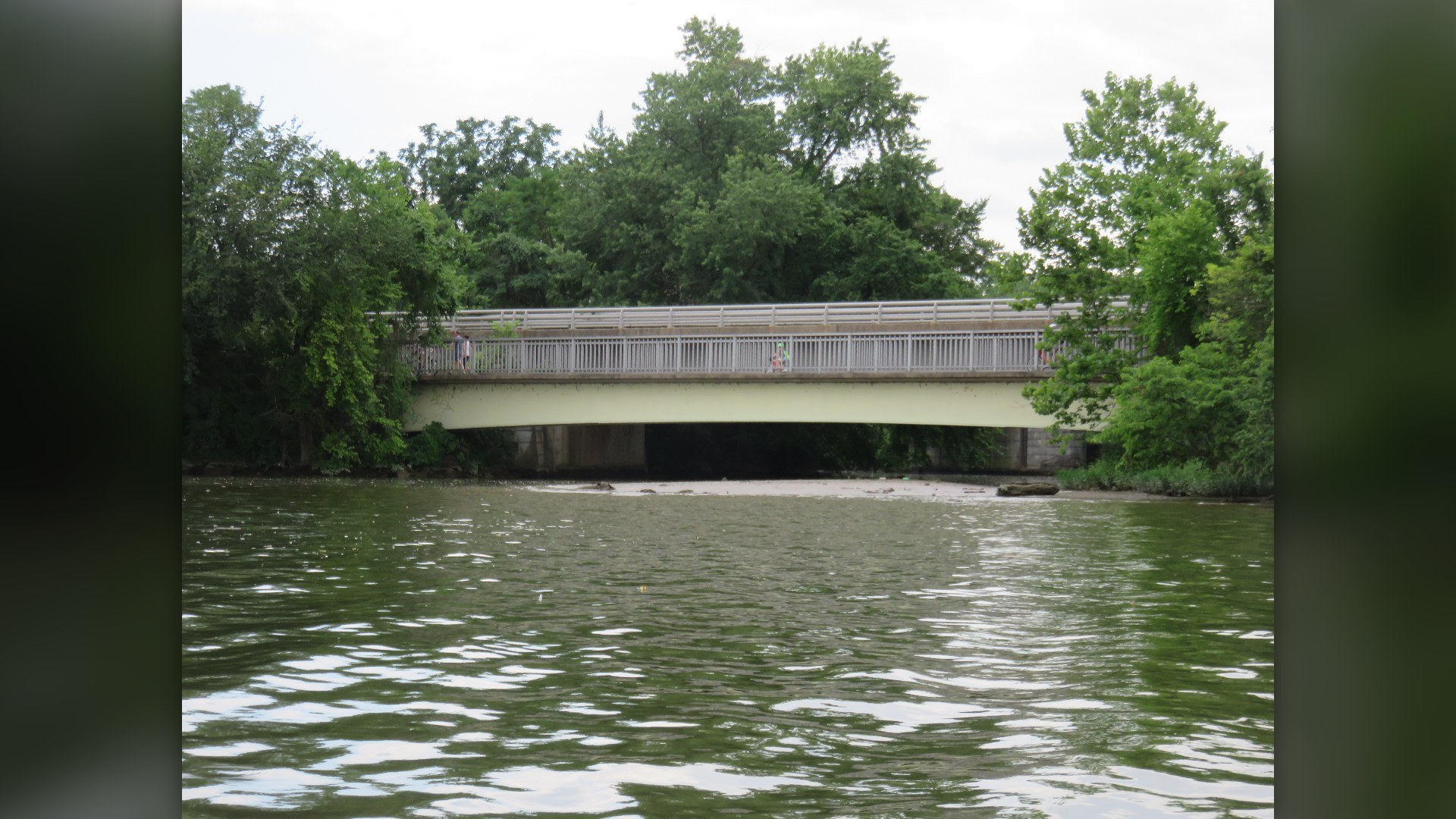
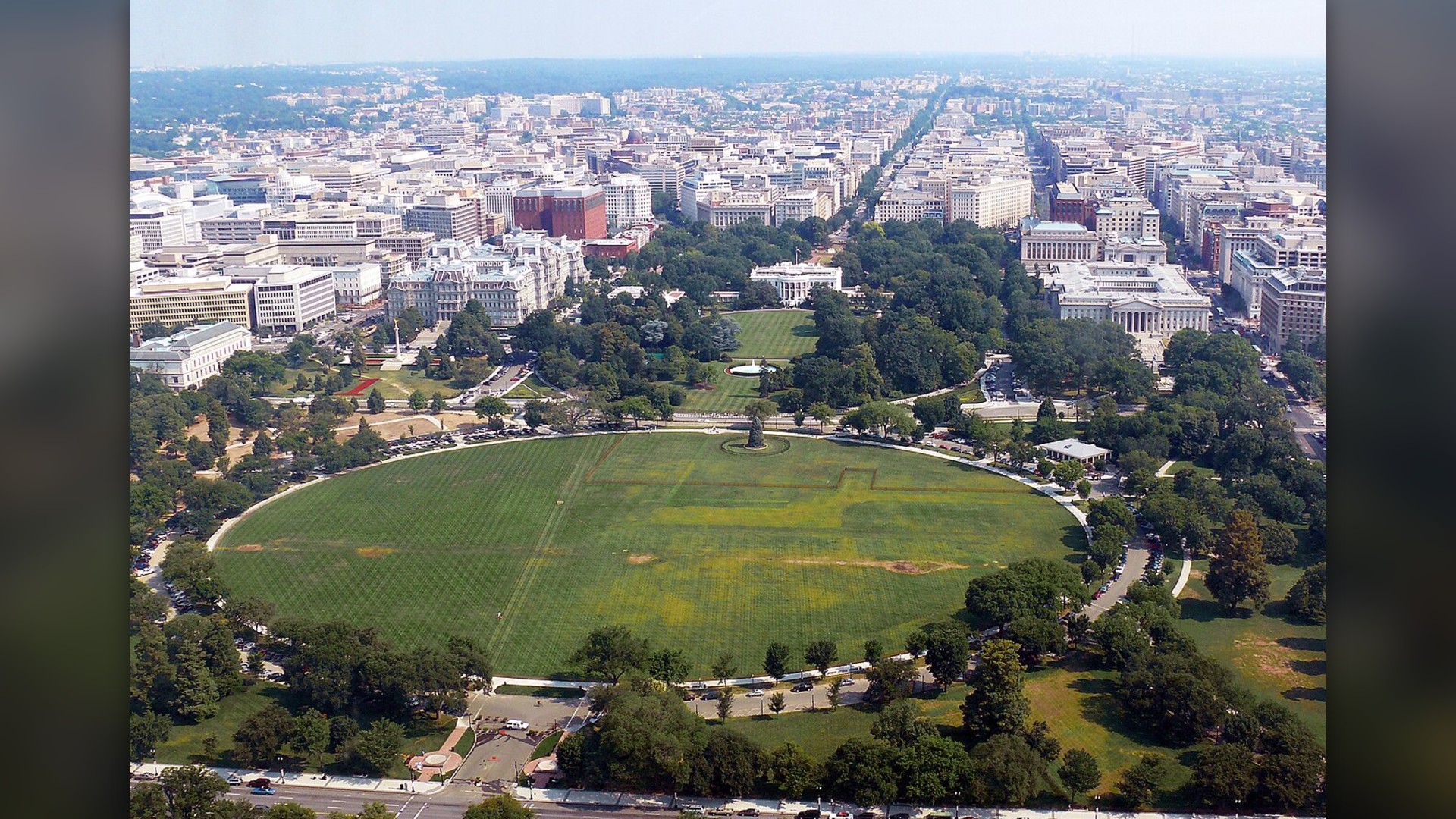
1. Washington, D.C
Washington, D.C. holds the top spot on the national ParkScore index. Over 24 percent of the capital consists of protected parkland, from the National Mall to the 1,754-acre forested sanctuary of Rock Creek Park. Exactly 99 percent of residents live within a 10-minute walk of green space.

©NPS-NOAA-USGS / Ad Meskens
Advertisement
You've reached the end of the story. Thanks for reading!

20 Famous Cars With Pop-Up Headlights That Shaped Car Design
From hand-cranked 1930s teardrops to wedge supercars of the 1980s, hidden headlights let stylists chase sleek aerodynamics until 2004 pedestrian rules closed the curtain. Here are 20 standout production cars that turned retractable lamps into an enduring automotive design feature across seven full decades.
All 25 Entries in this Story
25. Tampa, Florida
Tampa earned national recognition for expanding green corridors along the Hillsborough River. The 2.6-mile Riverwalk ties together downtown public parks, including Curtis Hixon Waterfront Park and Water Works Park. Over 80 percent of residents now live within a short walk of public green space.

24. Austin, Texas
Austin balances rapid municipal expansion with aggressive conservation. The 351-acre Zilker Metropolitan Park anchors the downtown lakefront, while the Barton Creek Greenbelt provides over 12 miles of protected limestone trails. More than 15 percent of city territory remains reserved for parkland.

23. Philadelphia, Pennsylvania
Philadelphia founded one of the earliest urban park networks in America. Fairmount Park encompasses over 2,000 acres of woodland trails, historic mansions, and waterfront paths along the Schuylkill River. William Penn designed the original five civic squares that still green the city core.

22. New York, New York
New York City maintains over 30,000 acres of parkland across five boroughs. While Central Park and Prospect Park draw millions of international visitors, newer additions like the elevated High Line and Brooklyn Bridge Park transformed industrial waterfronts into popular community gathering spaces.

21. Atlanta, Georgia
Known as the City in a Forest, Atlanta features one of the highest tree canopy percentages among major US metros. The ongoing 22-mile BeltLine trail project converts historic rail corridors into public parks and multi-use greenways, connecting dozens of historically divided neighborhoods.

20. Albuquerque, New Mexico
Albuquerque protects dramatic southwestern landscapes through its dedicated Open Space program. The city manages over 30,000 acres of high-desert preserves, cottonwood bosque along the Rio Grande, and mountain foothills, ensuring 89 percent of residents enjoy direct park access.

19. Richmond, Virginia
Richmond offers the only downtown Class IV river rapids in the United States. The James River Park System spans more than 600 acres along both riverbanks, featuring Belle Isle, wooded islands, and walking trails that immerse urban residents in protected wilderness minutes from downtown.

18. Madison, Wisconsin
Madison sits on a scenic isthmus between Lake Mendota and Lake Monona. The city maintains more than 270 public parks and nearly 200 miles of paved bike trails. Over 95 percent of Madison residents live within a 10-minute walk of an open public park or nature reserve.

17. San Diego, California
San Diego features Balboa Park, a 1,200-acre cultural and botanical landmark established in 1868. Beyond Balboa, the city preserves coastal bluffs, coastal lagoons, and chaparral canyons that provide year-round outdoor recreation across more than 40,000 acres of open space.

16. Pittsburgh, Pennsylvania
Pittsburgh transformed industrial riverfronts into emerald parklands. Point State Park marks the scenic confluence of the Allegheny and Monongahela rivers, while Schenley Park and Frick Park preserve hundreds of acres of old-growth woodland within minutes of residential districts.

15. Boise, Idaho
Boise centers civic recreation along the 25-mile Boise River Greenbelt, a tree-lined path connecting dozens of municipal parks and nature reserves. The city also stewards the 160-mile Ridge to Rivers trail network in the Boise Foothills, protecting fragile sagebrush habitat.

14. Milwaukee, Wisconsin
Milwaukee benefits from a century of thoughtful civic design. Landscape architect Frederick Law Olmsted shaped Lake Park, Riverside Park, and Washington Park in the late 1800s. Today, Milwaukee County preserves public access along Lake Michigan shoreline with beaches and bluffside trails.

13. Plano, Texas
Plano demonstrates how suburban municipalities can lead in green space. The city preserves the 800-acre Oak Point Park and Nature Preserve, connected to Bob Woodruff Park by 8 miles of continuous trails. Nearly 85 percent of Plano residents live within a 10-minute walk of a park.

12. Boston, Massachusetts
Boston created the first public park in America with Boston Common in 1634. Later, Frederick Law Olmsted linked city green spaces into the Emerald Necklace, a 1,100-acre chain of parks and waterways extending from the Back Bay Fens all the way to Franklin Park.

11. Denver, Colorado
Denver manages over 20,000 acres of open space, including 14,000 acres of unique Mountain Parks located outside city limits. City Park and Washington Park anchor inner-city recreation, while distant municipal holdings protect Red Rocks Amphitheatre and roaming bison herds.

10. Chicago, Illinois
Chicago adopted the civic motto Urbs in Horto, meaning City in a Garden. The city permanently protected its 26-mile Lake Michigan shoreline from commercial development, creating lakefront attractions like Grant Park, Millennium Park, and Lincoln Park for free public enjoyment.

9. Portland, Oregon
Portland houses Forest Park, one of the largest contiguous urban forest reserves in the country, spanning over 5,200 acres across the Tualatin Mountains. The city also features Mount Tabor Park, an extinct volcanic cinder cone offering panoramic skyline views and historic open reservoirs.

8. Seattle, Washington
Seattle earned its Emerald City moniker through lush public landscapes. Discovery Park spans 534 acres on Magnolia Bluff with tidal beaches and forest trails, while Volunteer Park in Capitol Hill showcases historic conservatory architecture and sweeping vistas of the Space Needle.

7. Arlington, Virginia
Arlington ranks among the national leaders in park accessibility, with 99 percent of residents living within a 10-minute walk of green space. The county integrates compact neighborhood parks with scenic Potomac riverfront paths along the Mount Vernon Trail.

6. San Francisco, California
San Francisco became the first US city where 100 percent of residents live within a 10-minute walk of a park. Golden Gate Park spans over 1,017 acres, stretching three miles from the city center to the Pacific Ocean, while the Presidio protects coastal headlands and cypress groves.

5. St. Paul, Minnesota
St. Paul shares the Upper Mississippi River with Minneapolis, providing scenic river bluffs and protected wetlands. Como Regional Park attracts visitors with its historic conservatory, zoo, and lake, while 99 percent of St. Paul residents enjoy park access within a short 10-minute walk.

4. Cincinnati, Ohio
Cincinnati jumped into the national top five thanks to aggressive park investments and natural geography. Hilltop preserves like Eden Park and Mount Echo Park provide vistas of the Ohio River valley, while the city dedicates 17 percent of its total land area to public parks and nature centers.

3. Minneapolis, Minnesota
Minneapolis built one of the finest municipal park systems in the world. The Grand Rounds National Scenic Byway loops 51 miles around the city, connecting Bde Maka Ska, Lake Harriet, and Minnehaha Falls. Over 98 percent of Minneapolis residents live within a 10-minute walk of a public park.

2. Irvine, California
Irvine climbed to the number two spot nationwide through visionary civic planning. Over a third of city land is permanently designated for parks and open space, anchored by the massive Orange County Great Park. Wide paved trail networks connect every neighborhood directly to public recreation.

1. Washington, D.C
Washington, D.C. holds the top spot on the national ParkScore index. Over 24 percent of the capital consists of protected parkland, from the National Mall to the 1,754-acre forested sanctuary of Rock Creek Park. Exactly 99 percent of residents live within a 10-minute walk of green space.