Slideshow · Money
25 Biggest Market Crashes in History, Ranked by Percentage Drop
From 17th-century tulip fever to 20th-century market panics, these historic crashes wiped out vast fortunes and fundamentally reshaped financial systems forever.
By Most Viral Today
1 hour ago

Wall Street Panics That Changed the Financial World 
25. The Panic Of 1792 
24. British Railway Mania Of 1845 
23. The Panic Of 1825 And Poyais Scheme - AdvertisementSwipe or tap ▶ to continue countdown

22. The Panic Of 1857 
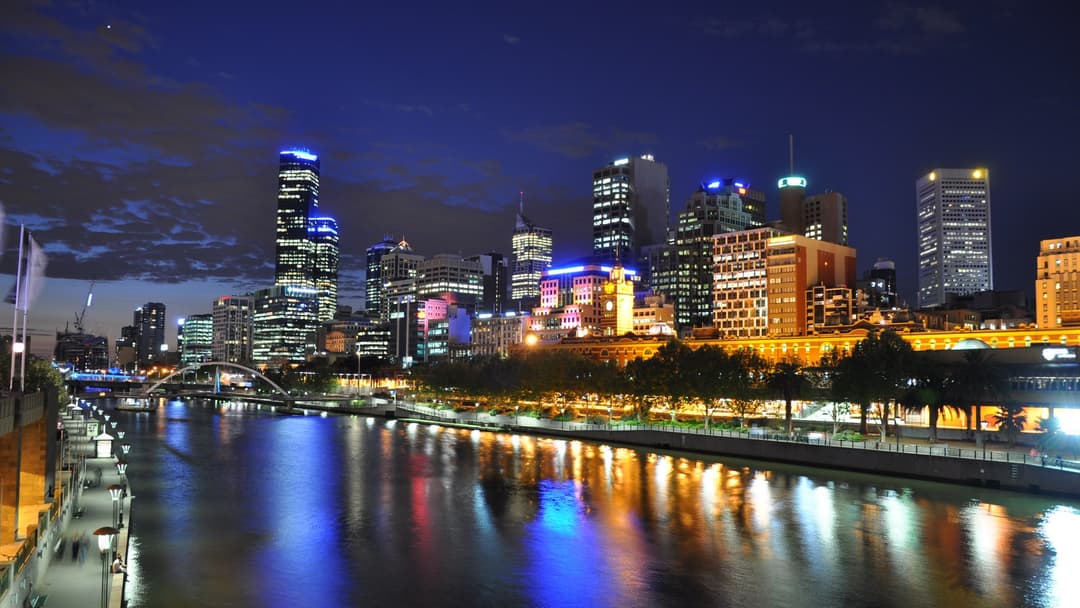
21. The Australian Banking Crisis Of 1893 
20. The Panic Of 1873 
19. The Florida Real Estate Crash Of 1926 - AdvertisementSwipe or tap ▶ to continue countdown

18. The Baring Crisis Of 1890 
17. The Panic Of 1893 
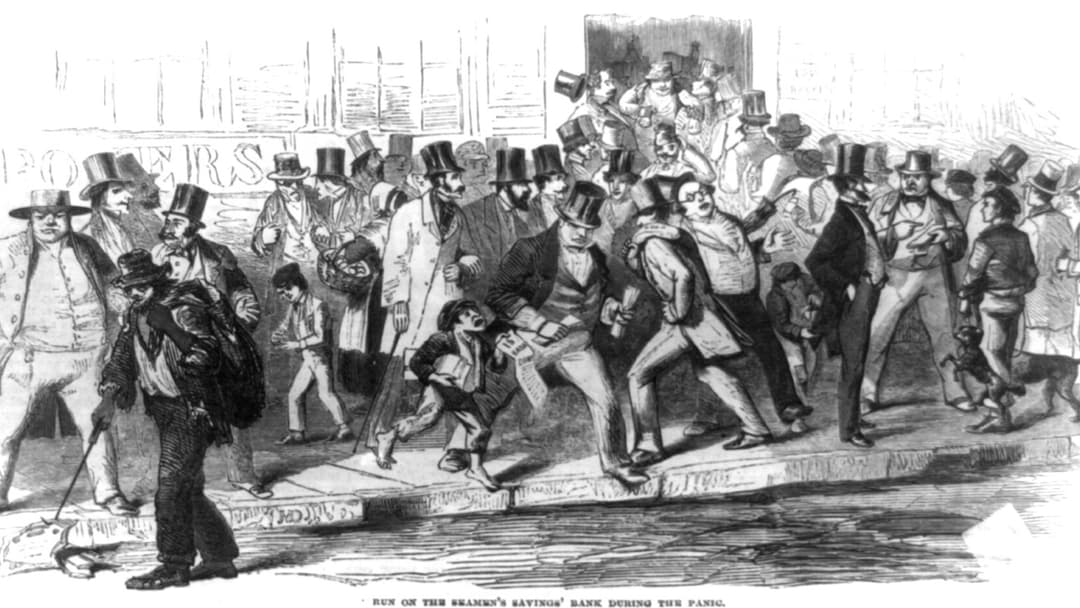
16. The Panic Of 1837 
15. The Japanese Asset Bubble Burst Of 1991 - AdvertisementSwipe or tap ▶ to continue countdown

14. The 1998 Russian Financial Crisis 
13. The Asian Financial Crisis Of 1997 
12. The Dot-Com Crash Of 2000 
11. Black Wednesday Of 1992 - AdvertisementSwipe or tap ▶ to continue countdown

10. The European Sovereign Debt Crisis Of 2010 
9. The 2010 Flash Crash 
8. The Panic Of 1907 
7. Black Monday Of 1987 - AdvertisementSwipe or tap ▶ to continue countdown

6. The Mississippi Scheme Of 1720 
5. The South Sea Bubble Of 1720 
4. Weimar Republic Hyperinflation Of 1923 
3. The 2008 Global Financial Crisis - AdvertisementSwipe or tap ▶ to continue countdown

2. Tulip Mania Of 1637 
1. The Wall Street Crash Of 1929 - Advertisement🔥 UP NEXT IN THIS SERIES◫ 21 Slides

20 US States Where Christmas Costs the Most, Ranked
Christmas costs vary across the country as seasonal expenses reach record highs. Examining the 20 US states where celebrations cost the most reveals how high local earnings, retail demand, and family traditions shape household budgets. Based on reporting and analysis from Chamber of Commerce economic studies.
From 17th-century tulip fever to modern algorithmic trading panics, speculative manias have repeatedly shaken the global economy. This countdown explores the twenty-five most dramatic financial collapses in recorded history.
Swipe or tap ▶ to begin the countdown
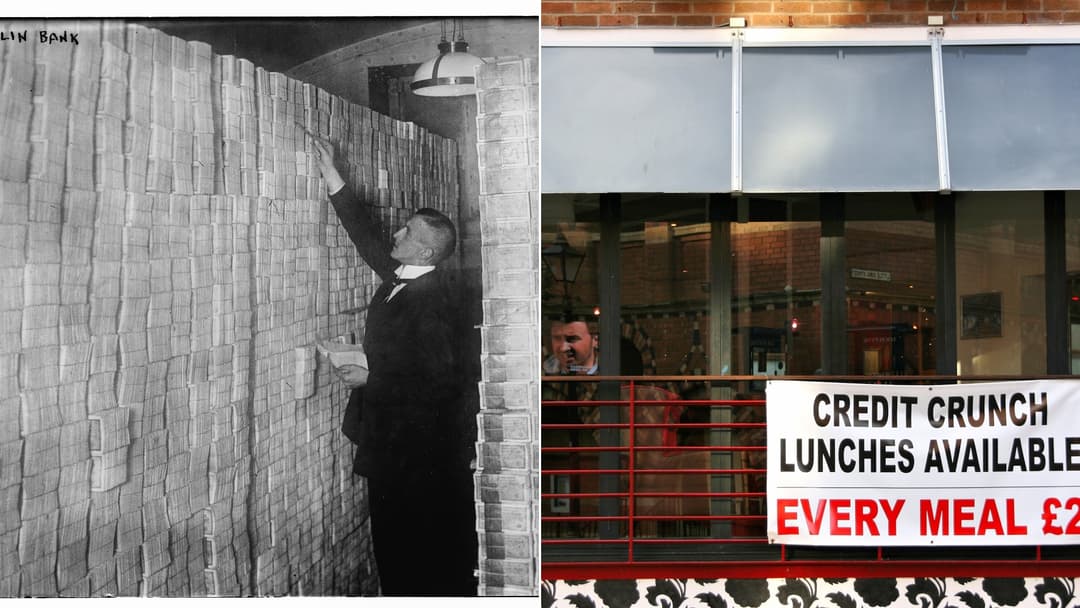
©Wikimedia / Bain News Service & Marek Ślusarczyk (
25. The Panic Of 1792
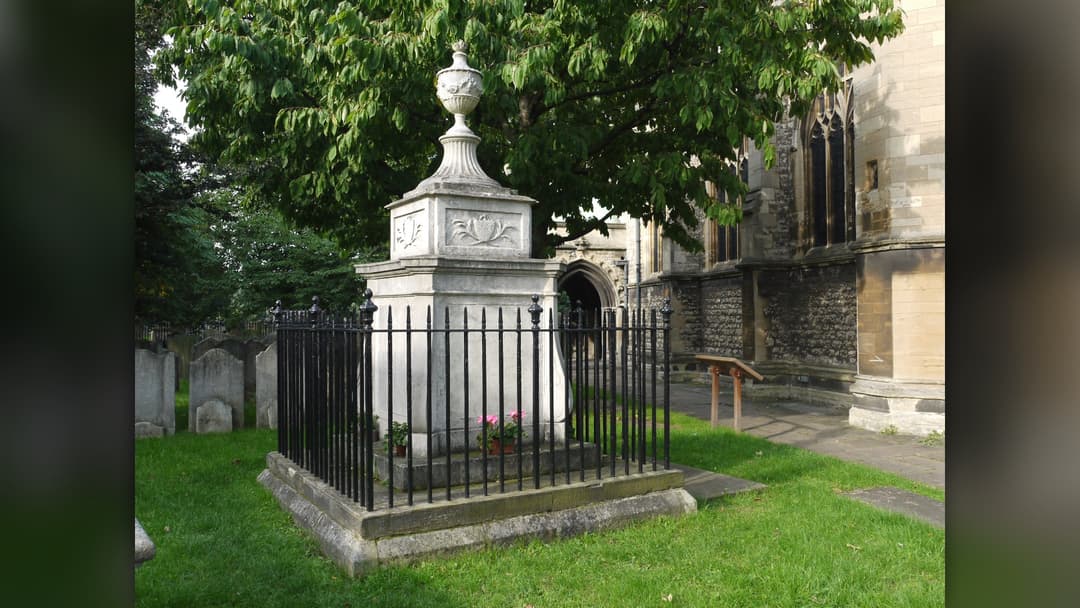
The Panic of 1792 erupted when rogue financier William Duer attempted to corner bank stock in New York. Treasury Secretary Alexander Hamilton organized emergency open-market purchases of debt securities to stabilize fragile credit markets.
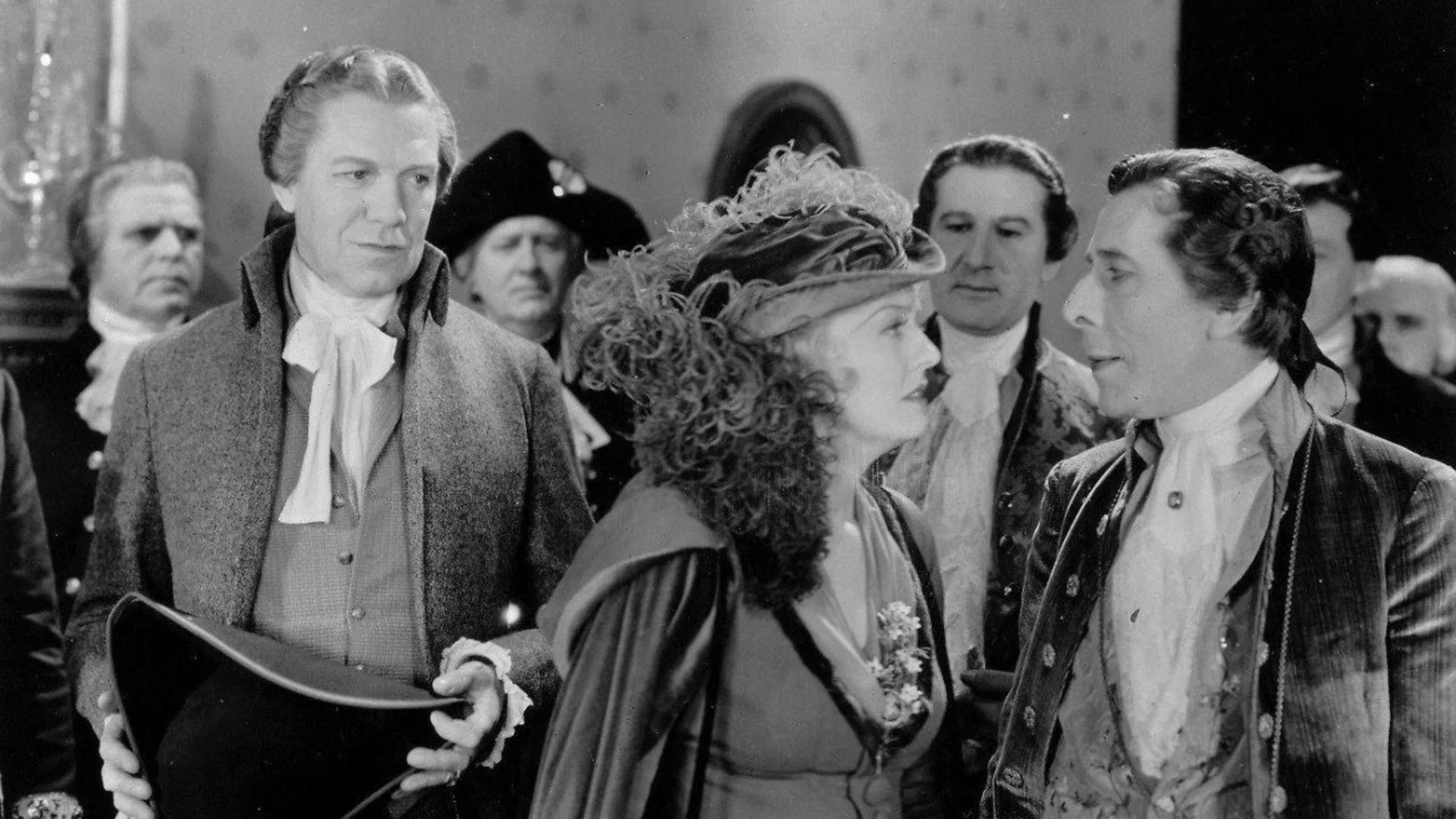
©TMDb / Warner Bros. Pictures
24. British Railway Mania Of 1845
During the 1840s, British Parliament chartered thousands of miles of proposed rail routes. Rampant speculation in phantom lines forced middle-class families into debt when interest rate hikes triggered an industry-wide bust.
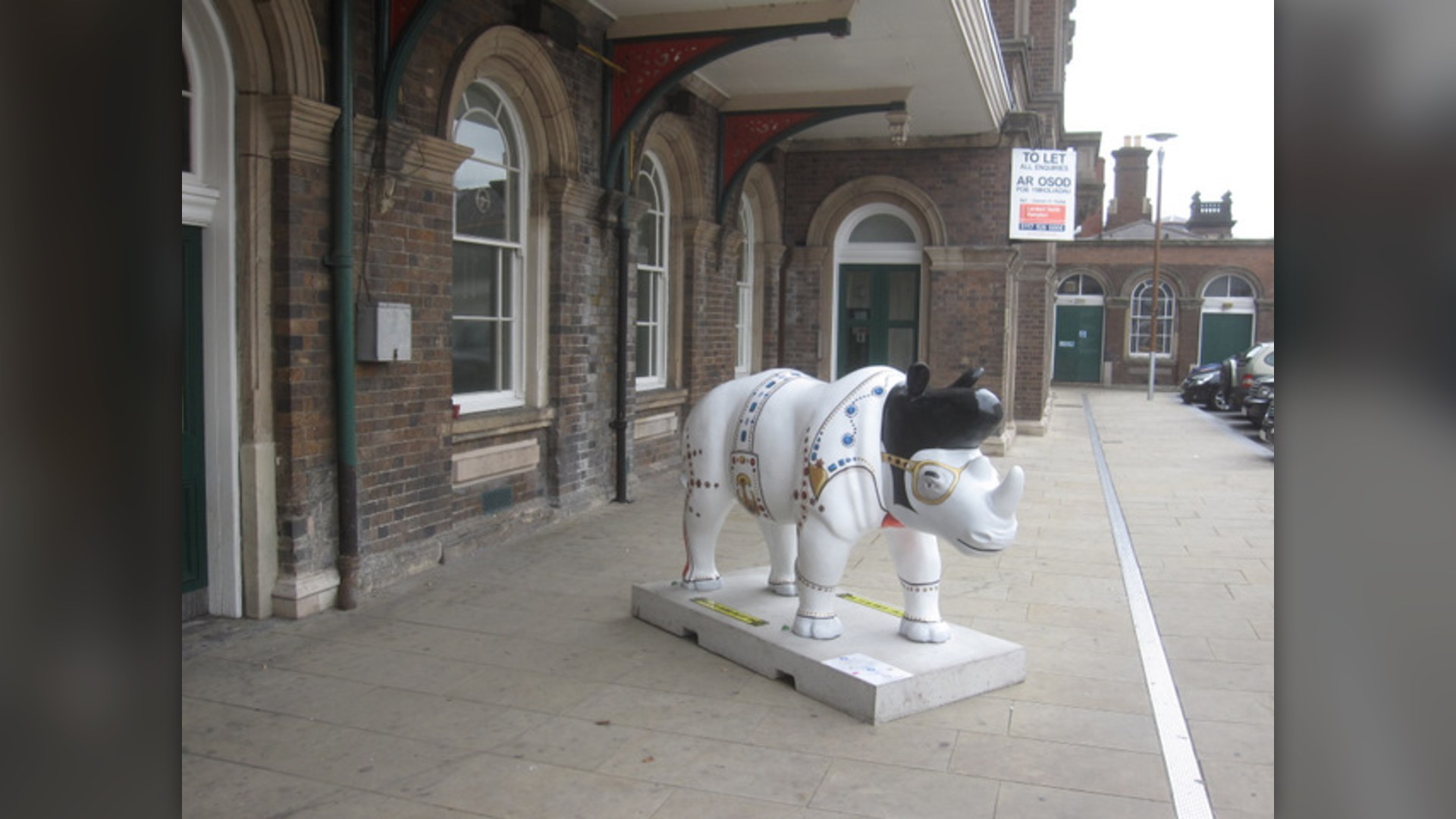
©Wikimedia / John S Turner
23. The Panic Of 1825 And Poyais Scheme
After adventurer Gregor MacGregor convinced British financiers he was sovereign ruler of Poyais, speculative bonds surged. The discovery that the nation was pure wilderness triggered a financial shockwave across European banking houses.
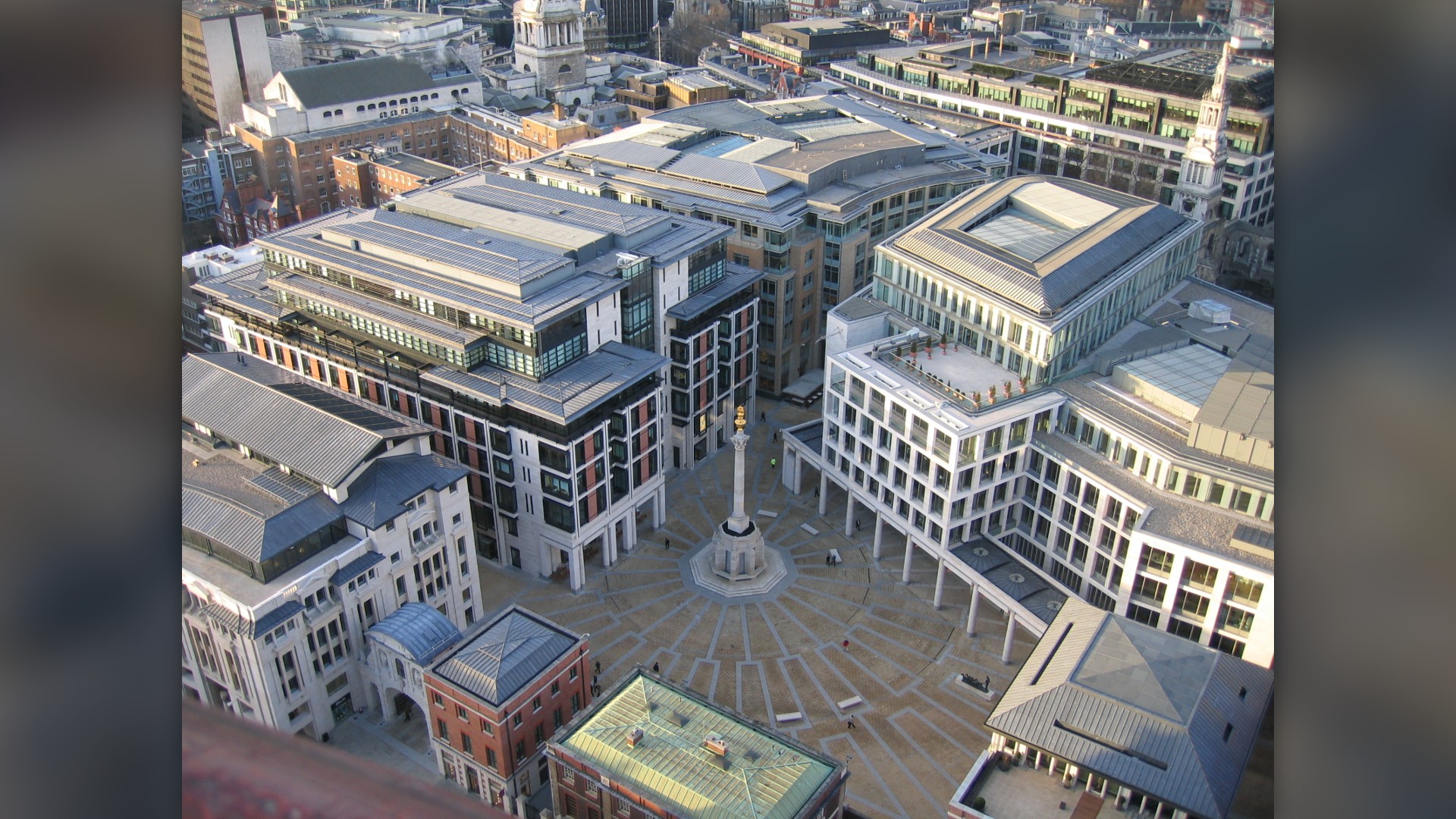
©Wikimedia / gren
Advertisement
Swipe or tap ▶ to resume the countdown.
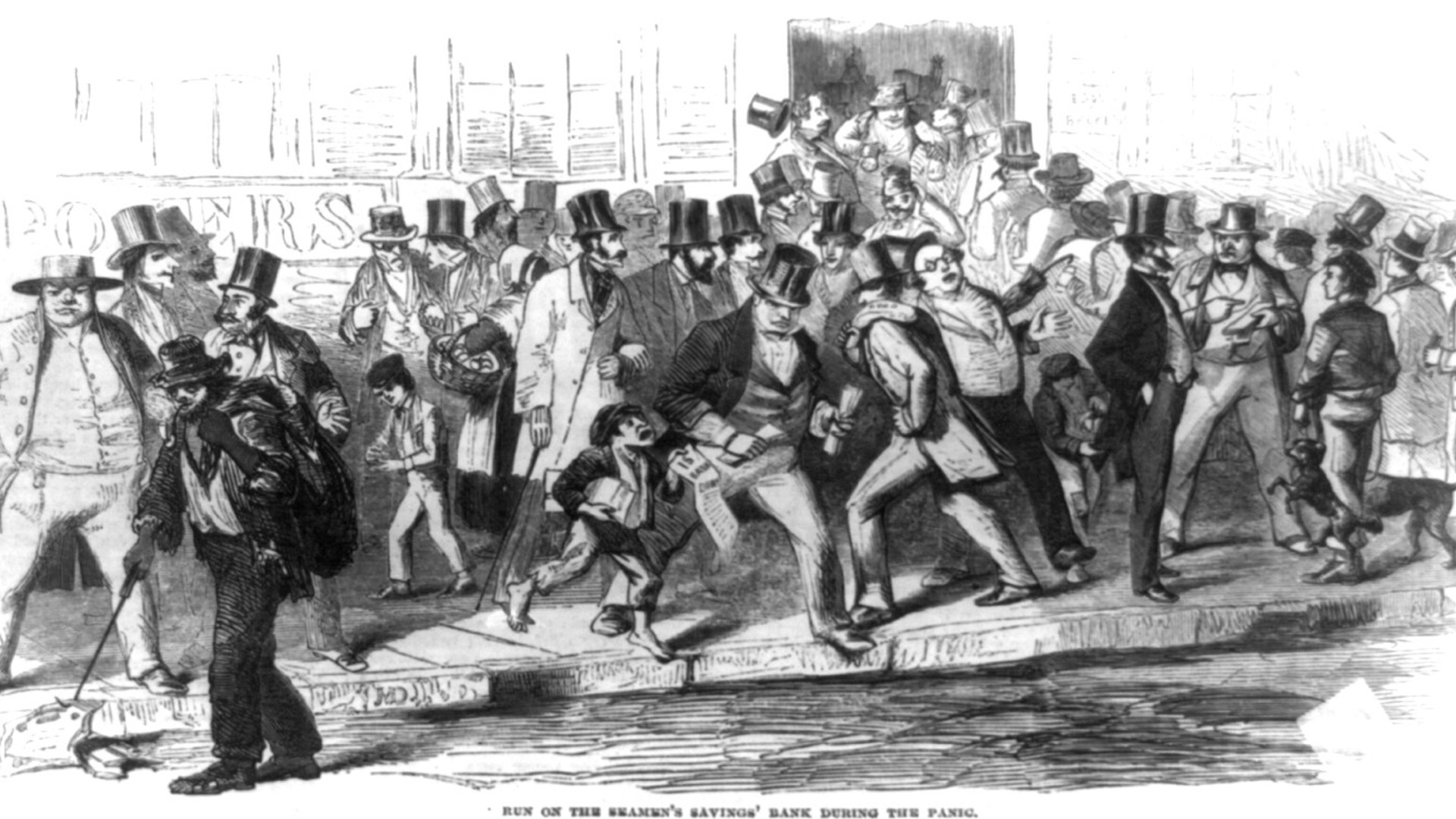
22. The Panic Of 1857
A cargo of California gold sank aboard the SS Central America just as Ohio Life Insurance collapsed from internal fraud. New York banks suspended specie payments as frightened depositors ran to withdraw physical gold.
©Wikimedia / Unknown author Unknown author
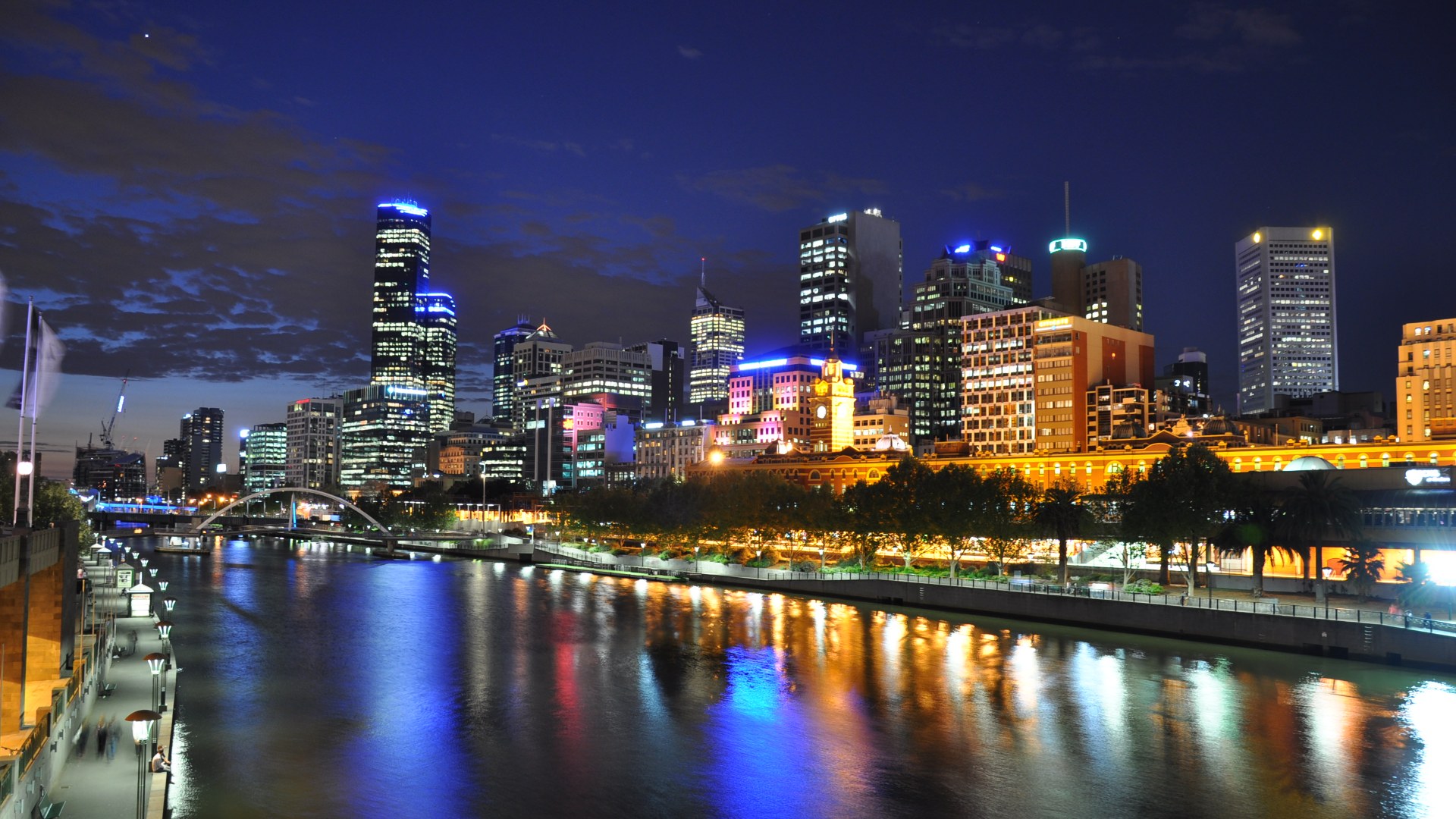
21. The Australian Banking Crisis Of 1893
Unchecked Victorian land speculation fueled dozens of unregulated mortgage institutions. When foreign capital dried up, eleven commercial banks closed their doors, inaugurating a severe nationwide economic depression.
©Wikimedia / Jorge Láscar from Australia
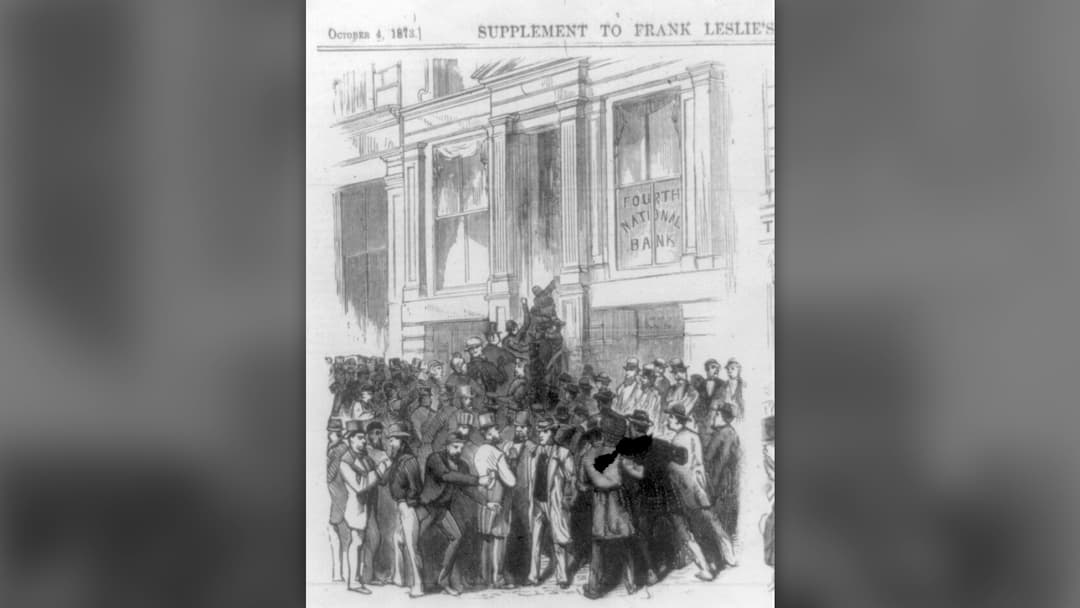
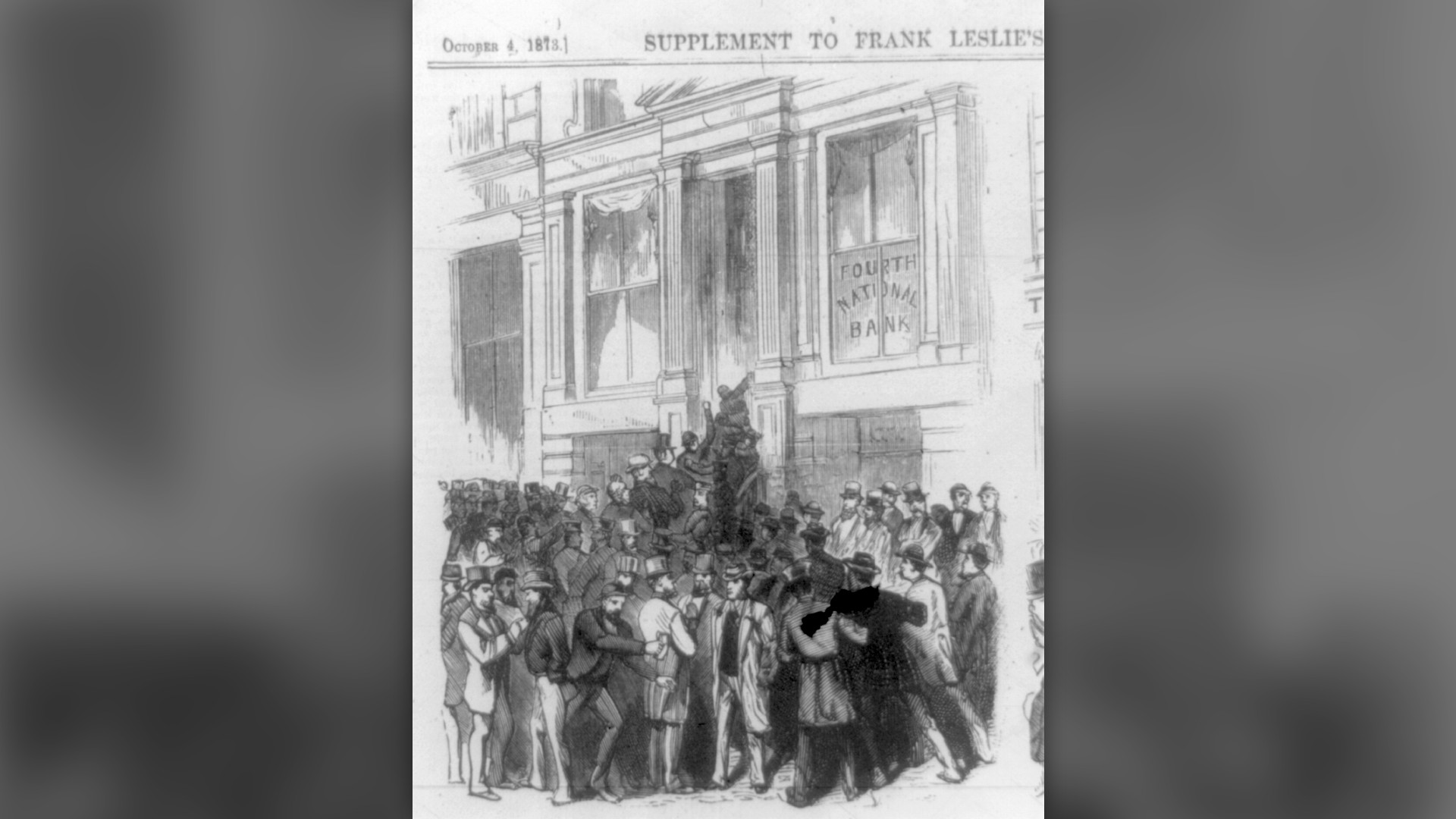
20. The Panic Of 1873
Overexpansion in transcontinental railroads sparked liquidity shortages across the United States and Europe. When banking house Jay Cooke and Company failed, panic shuttered Wall Street and triggered the Long Depression.
©Wikimedia / Unknown author Unknown author
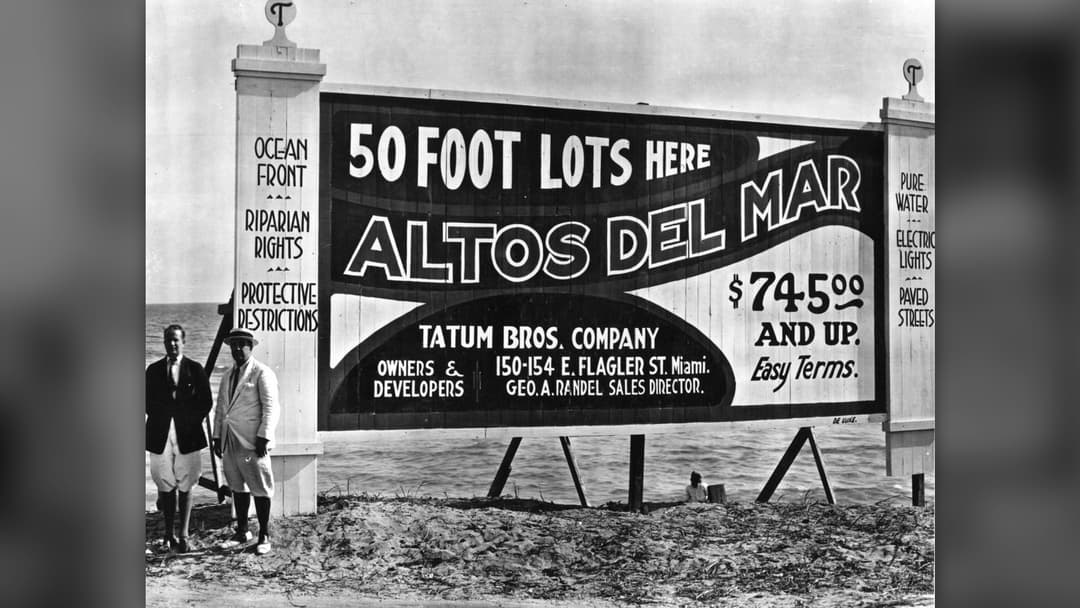
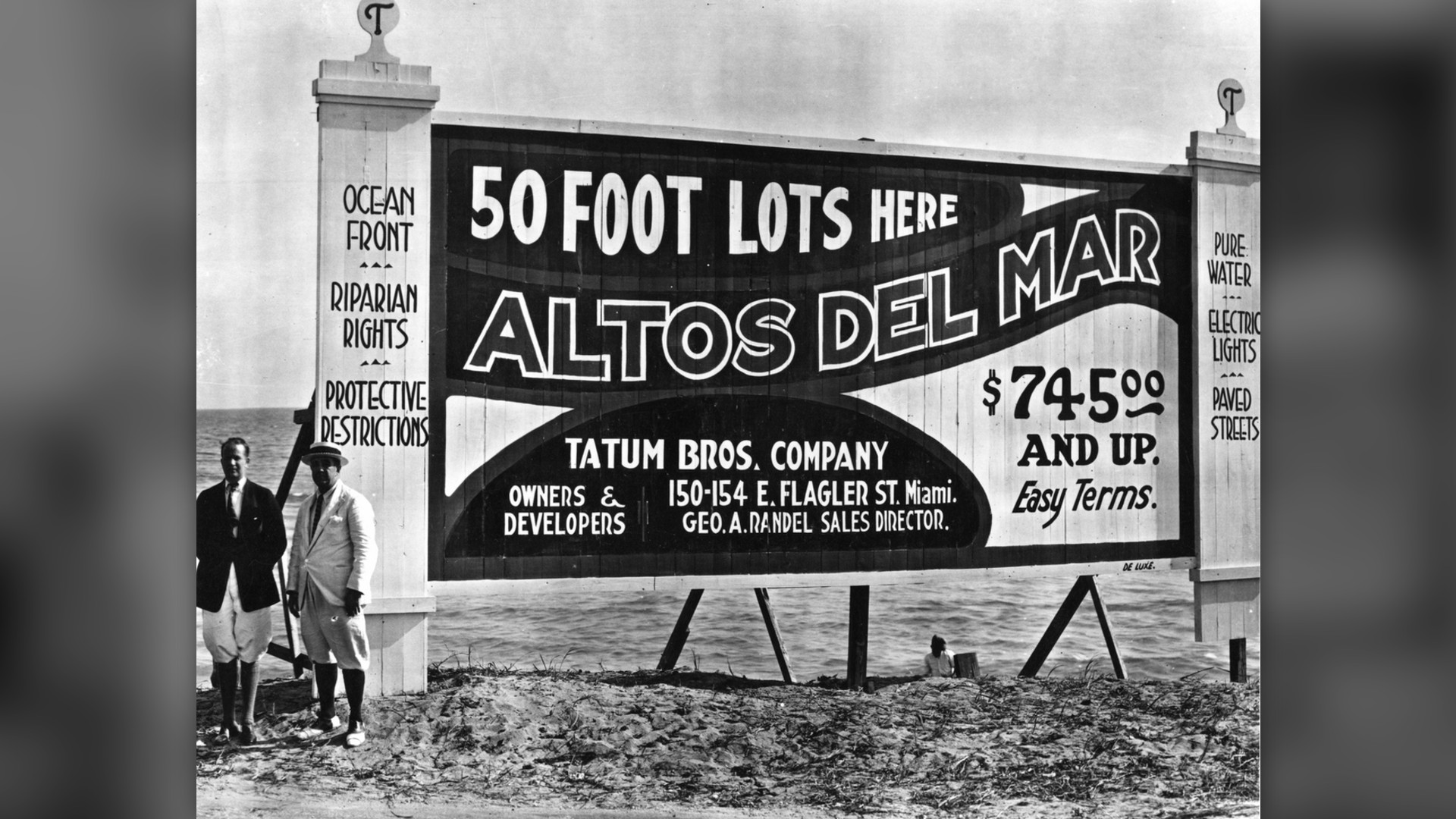
19. The Florida Real Estate Crash Of 1926
Investors bought Florida swamp tracts on binder deposits, trading paper titles multiple times per day. The mania unravelled when logistics snarls halted construction materials and the 1926 Great Miami Hurricane destroyed coastal developments.
©Wikimedia / Gallery:
Advertisement
Swipe or tap ▶ to resume the countdown.
18. The Baring Crisis Of 1890
London banking giant Baring Brothers overextended underwriting Argentine municipal loans and waterworks bonds. When political revolution gripped Buenos Aires, the Bank of England orchestrated an emergency syndicate to prevent systemic insolvency.

©Wikimedia / Ernesto de la Cárcova
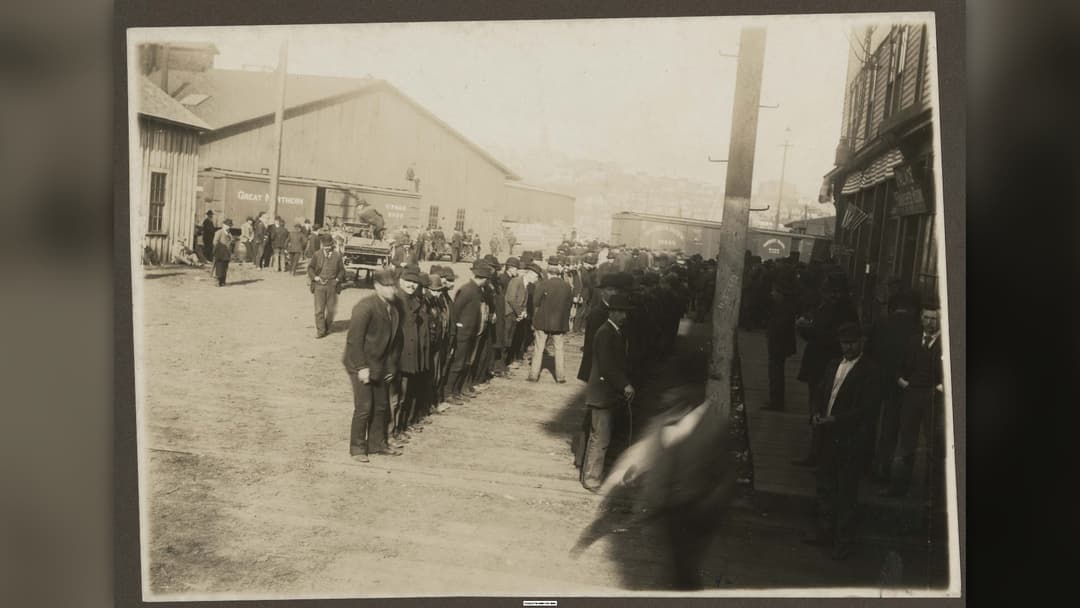
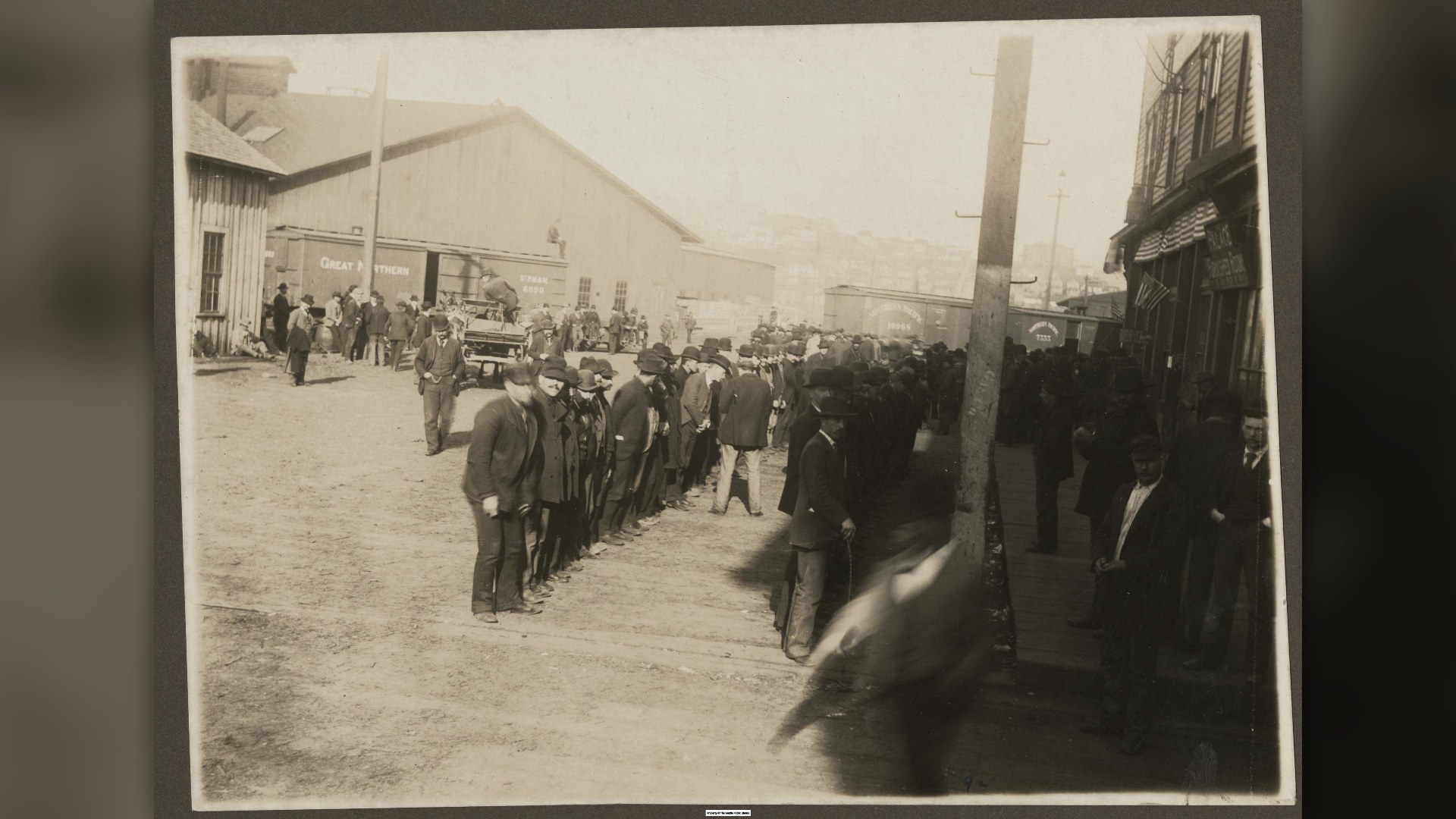
17. The Panic Of 1893
The insolvency of the Philadelphia and Reading Railroad triggered runs on commercial banks nationwide. Over five hundred financial institutions collapsed as gold reserves drained below statutory safety thresholds.
©Wikimedia / File URL IIIF manifest Catalog record
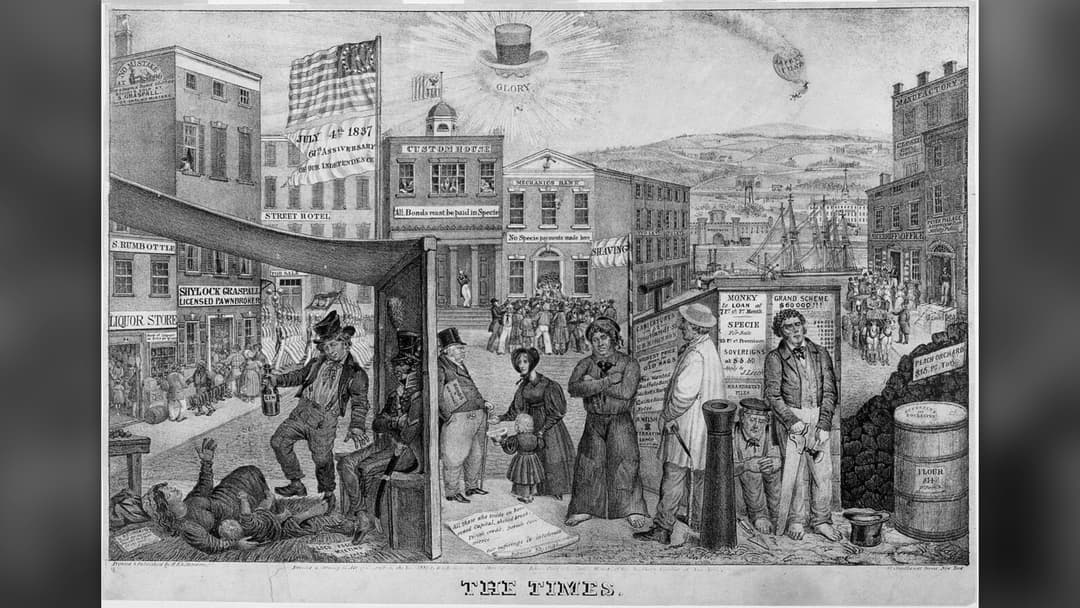
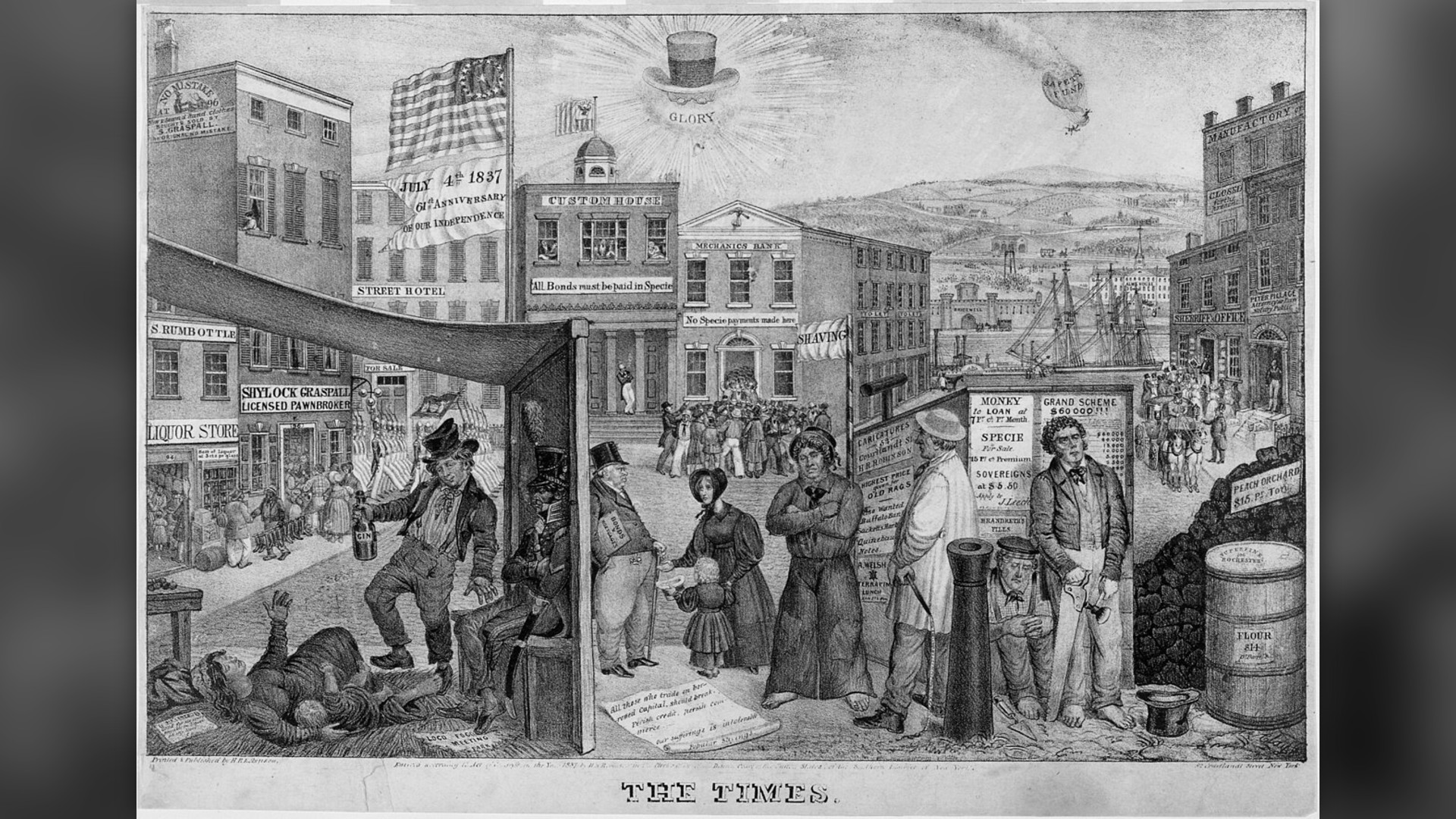
16. The Panic Of 1837
President Andrew Jackson mandated that public land purchases require physical gold or silver coin rather than paper bank notes. The sudden credit contraction prompted immediate runs on New York and New Orleans banks.
©Wikimedia / Edward Williams Clay
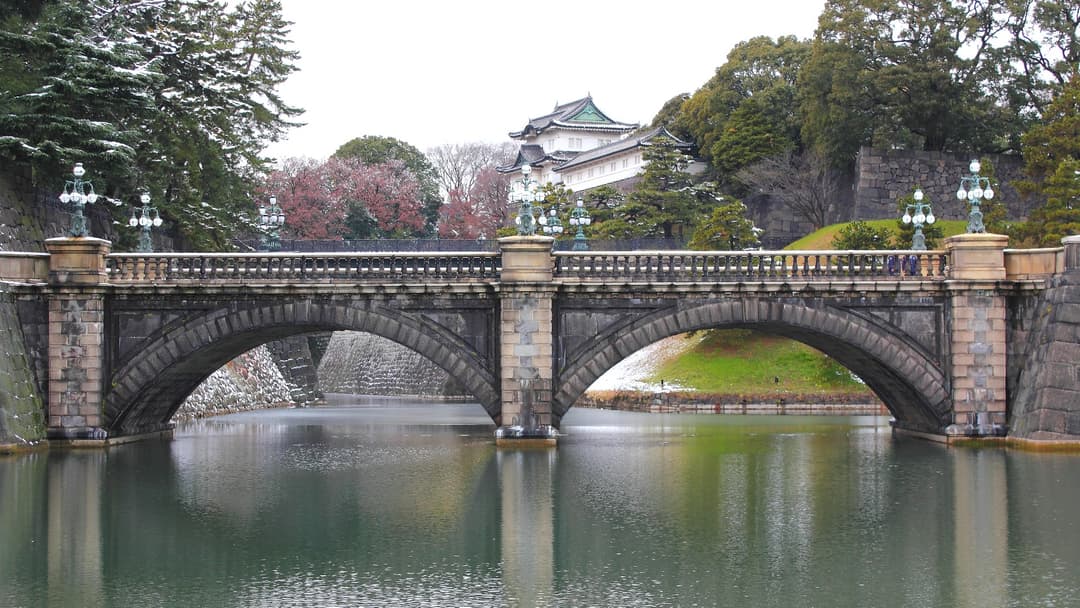
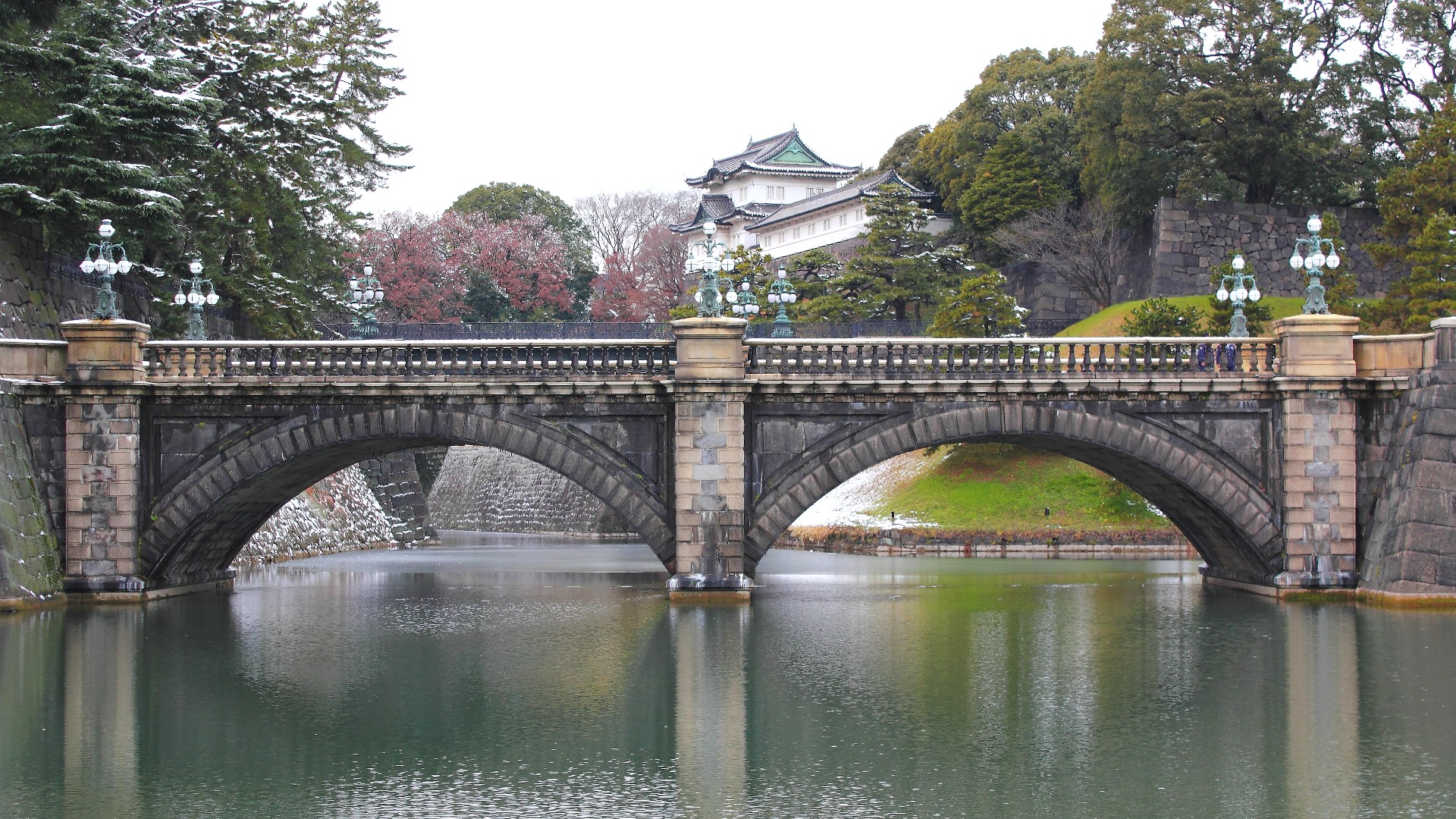
15. The Japanese Asset Bubble Burst Of 1991
At the peak of Japan asset mania, land under the Tokyo Imperial Palace was estimated to exceed the real estate value of California. An aggressive series of central bank rate hikes burst the bubble, freezing balance sheets for years.
©Wikimedia / Tokyo Imperial Palace
Advertisement
Swipe or tap ▶ to resume the countdown.
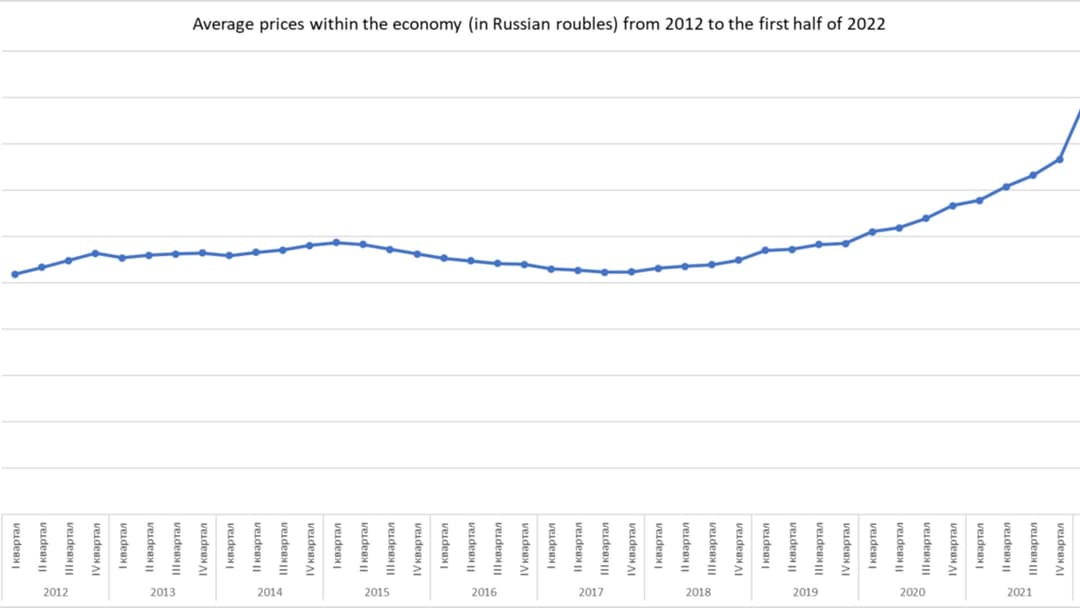
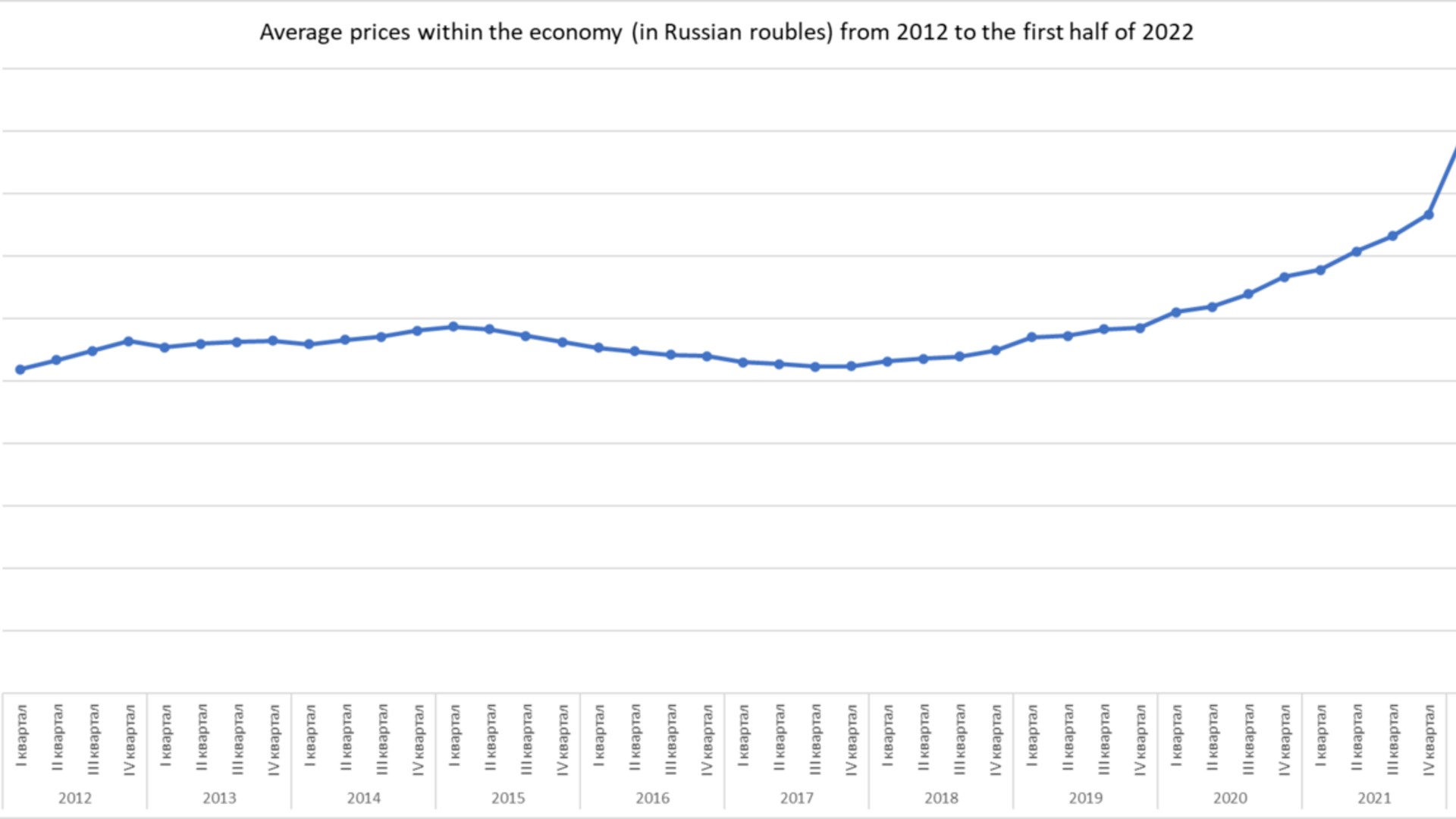
14. The 1998 Russian Financial Crisis
A collapse in commodity export prices and chronic fiscal deficits crippled Russian state finances. The unilateral debt moratorium shook emerging markets worldwide and led directly to the liquidation of hedge fund Long-Term Capital Management.
©Wikimedia / Владимир Казаринов
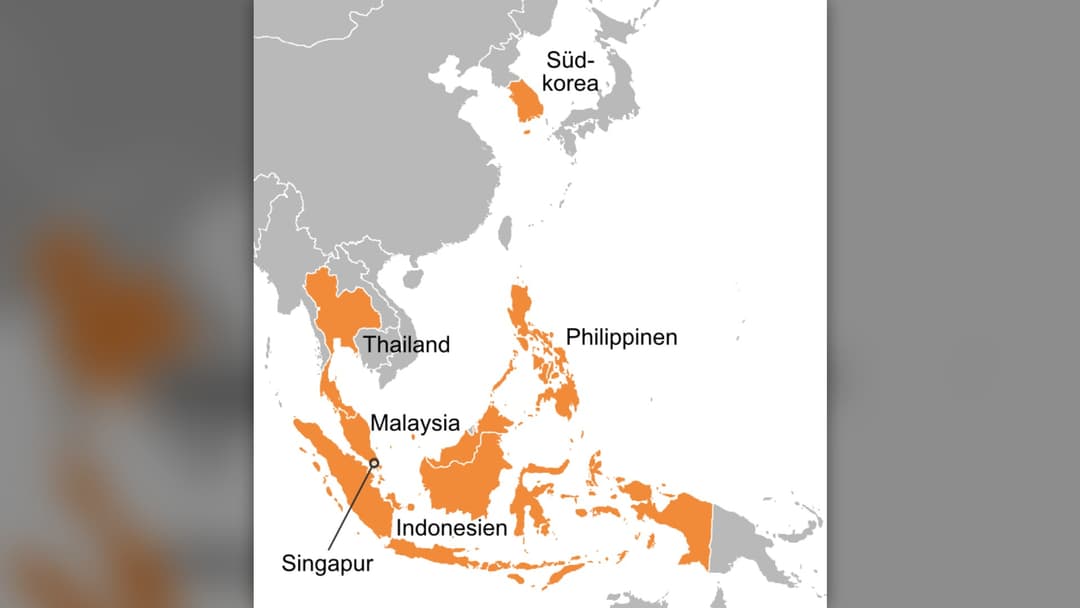
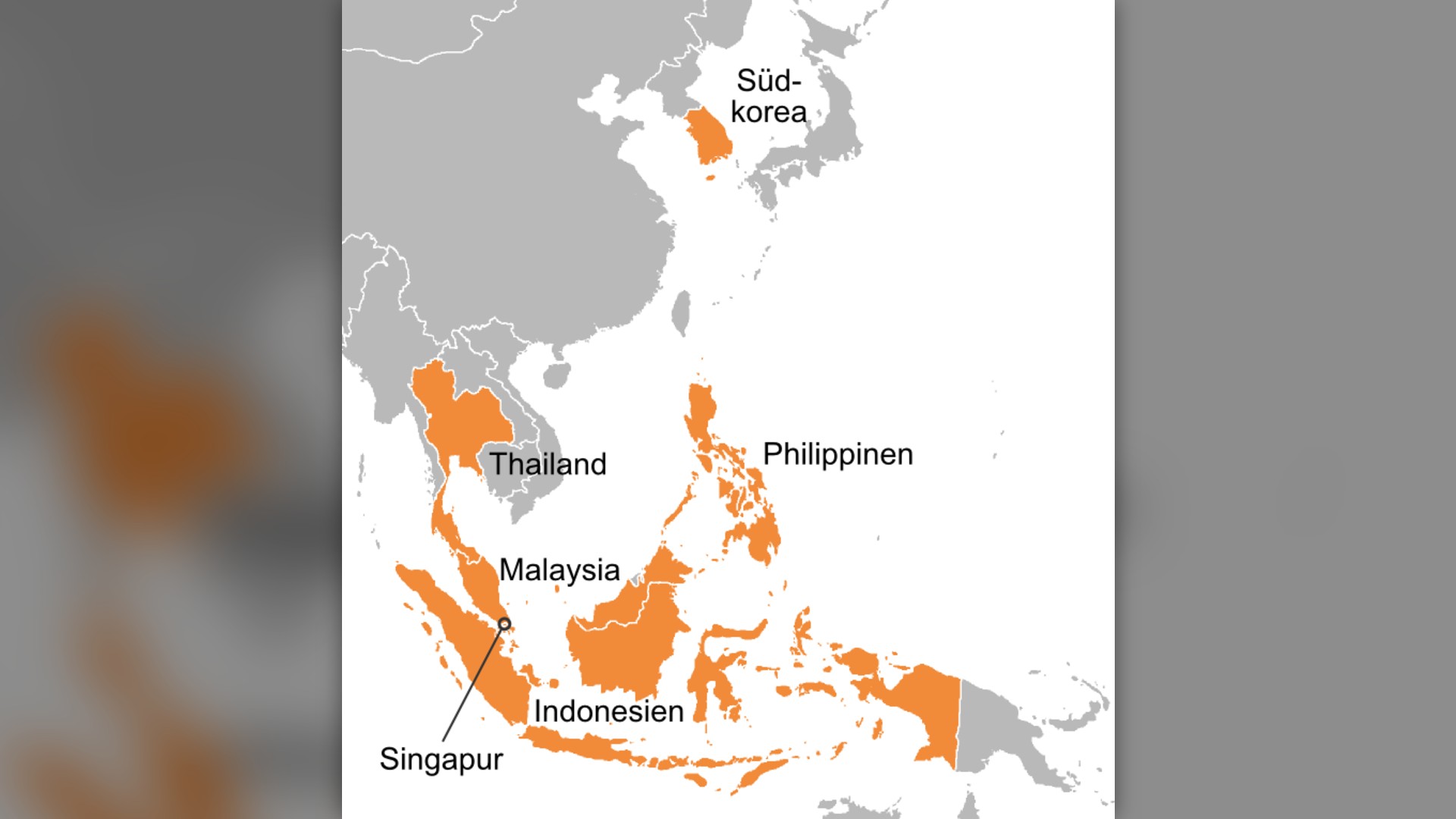
13. The Asian Financial Crisis Of 1997
Foreign capital fled emerging Asian economies as property bubbles and unhedged foreign debt burdened domestic lenders. The currency contagion spread rapidly through Indonesia, South Korea, and Malaysia, prompting international bailouts.
©Wikimedia / Bamse
12. The Dot-Com Crash Of 2000
Investors poured capital into tech firms boasting web traffic rather than earnings. When the Federal Reserve raised borrowing costs, the NASDAQ fell nearly eighty percent, wiping out trillions in market capitalization.

©Wikimedia / Roboticsfan
11. Black Wednesday Of 1992
Britain joined the European Exchange Rate Mechanism at an unsustainable exchange rate. Massive short positions forced the Bank of England to exhaust billions in foreign reserves before floating the currency.
©TMDb / Black Wednesday
Advertisement
Swipe or tap ▶ to resume the countdown.
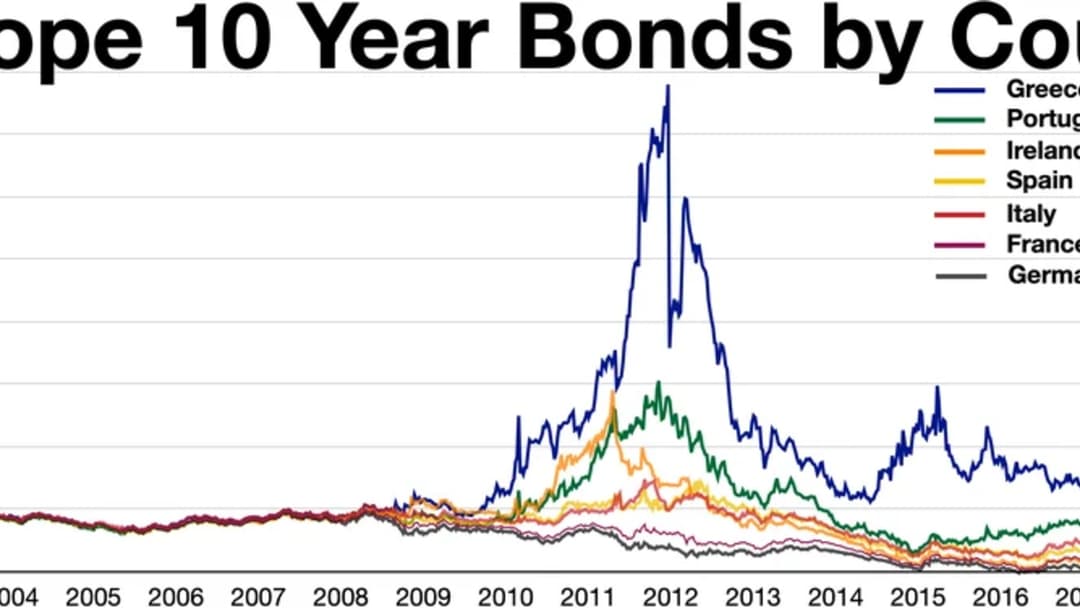
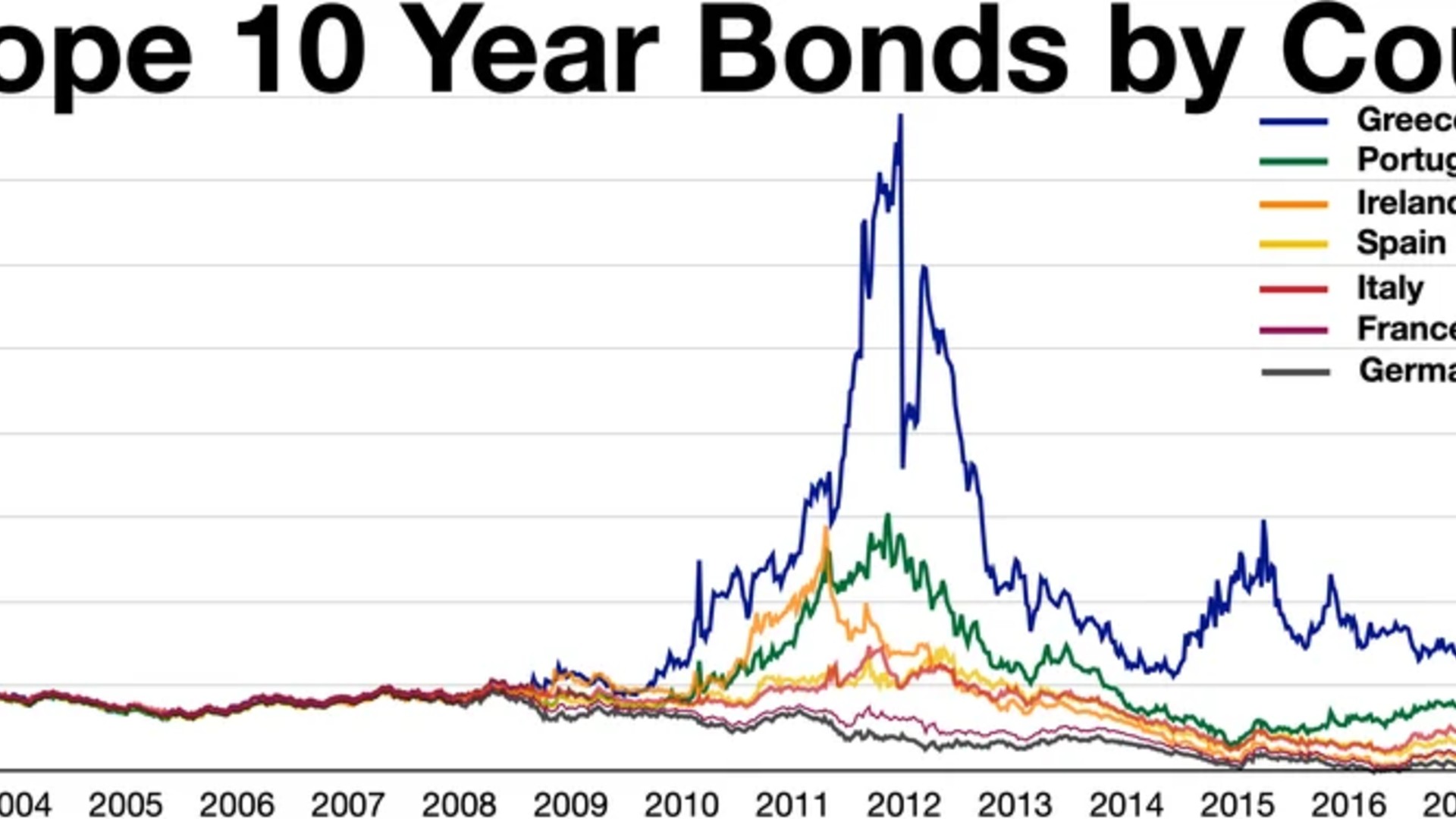
10. The European Sovereign Debt Crisis Of 2010
Revealed fiscal deficits in Greece sparked panic over sovereign defaults across southern Europe. Emergency European Central Bank rescue packages and strict fiscal compacts were deployed to preserve monetary union integrity.
©Wikimedia / Wikideas1
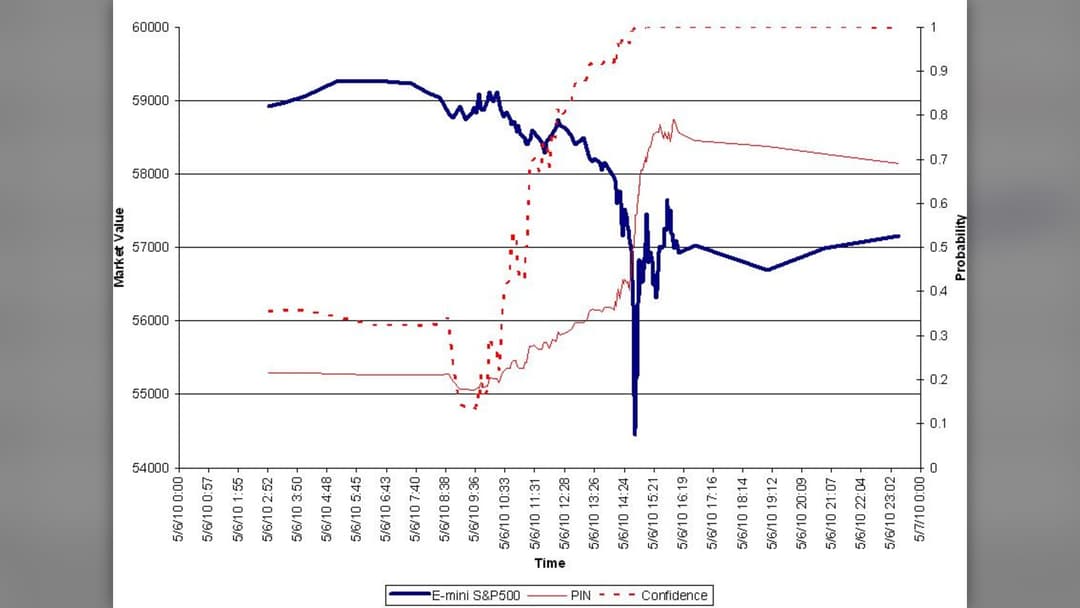
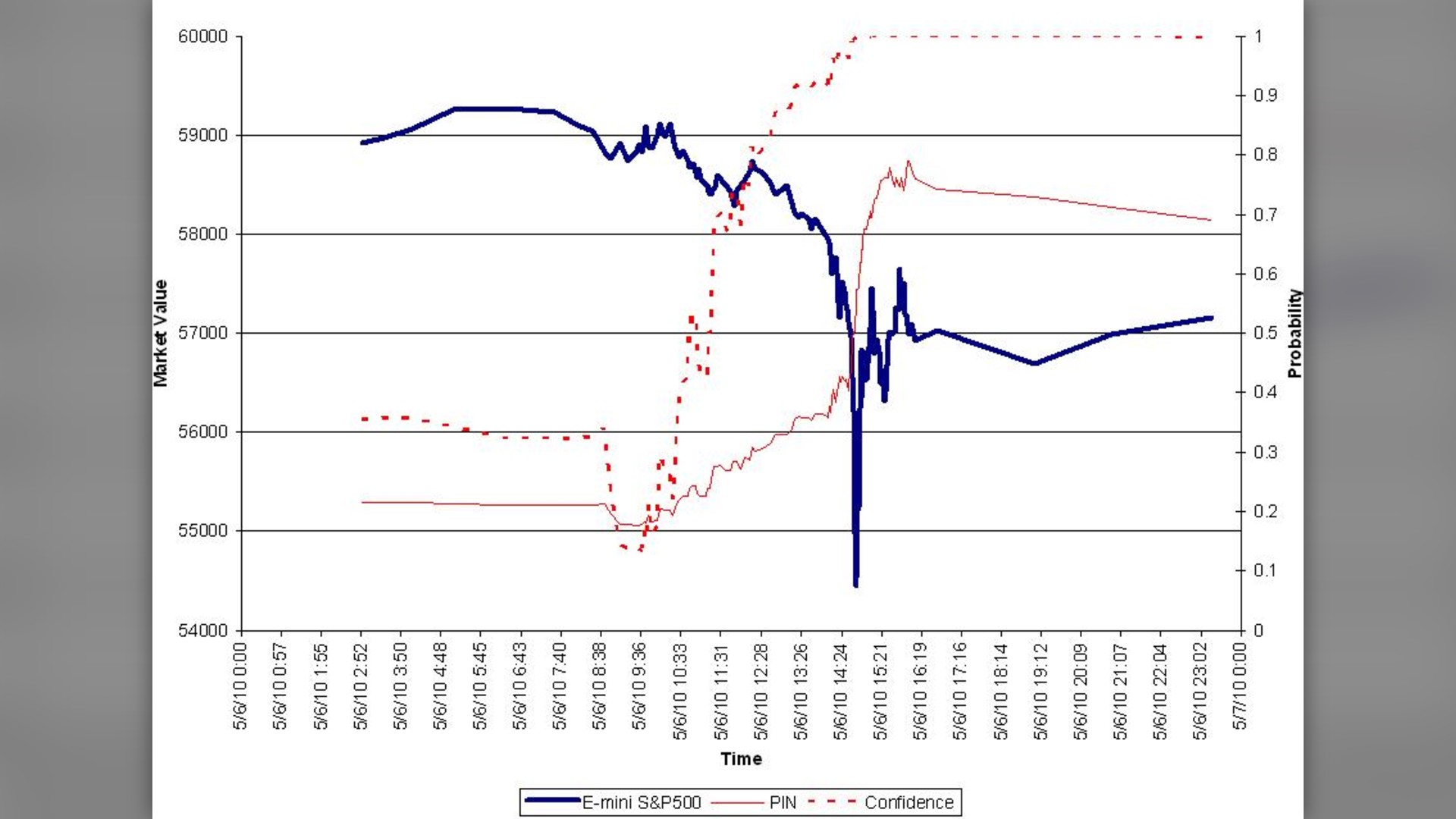
9. The 2010 Flash Crash
Algorithmic feedback loops and sudden liquidity withdrawal triggered a rapid one-thousand-point drop in the Dow Jones Industrial Average. The event prompted regulatory circuit breakers across modern electronic exchanges.
©Wikimedia / PaulTheOctopus
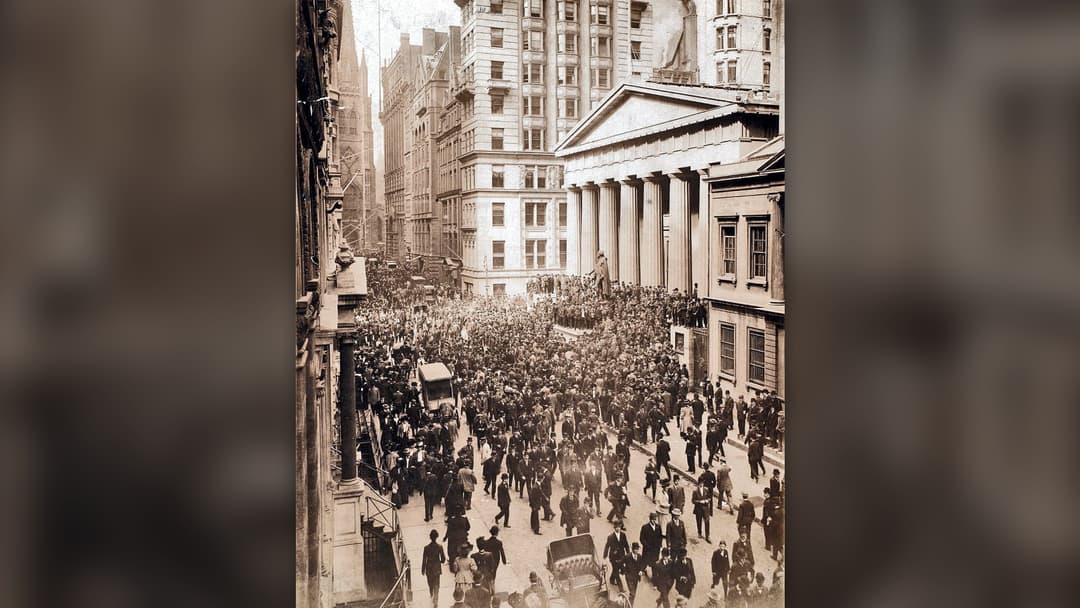
8. The Panic Of 1907
A botched attempt to corner United Copper stock sparked runs on the Knickerbocker Trust Company. J.P. Morgan assembled leading bankers in his library to inject liquidity, demonstrating the urgent need for a Federal Reserve system.
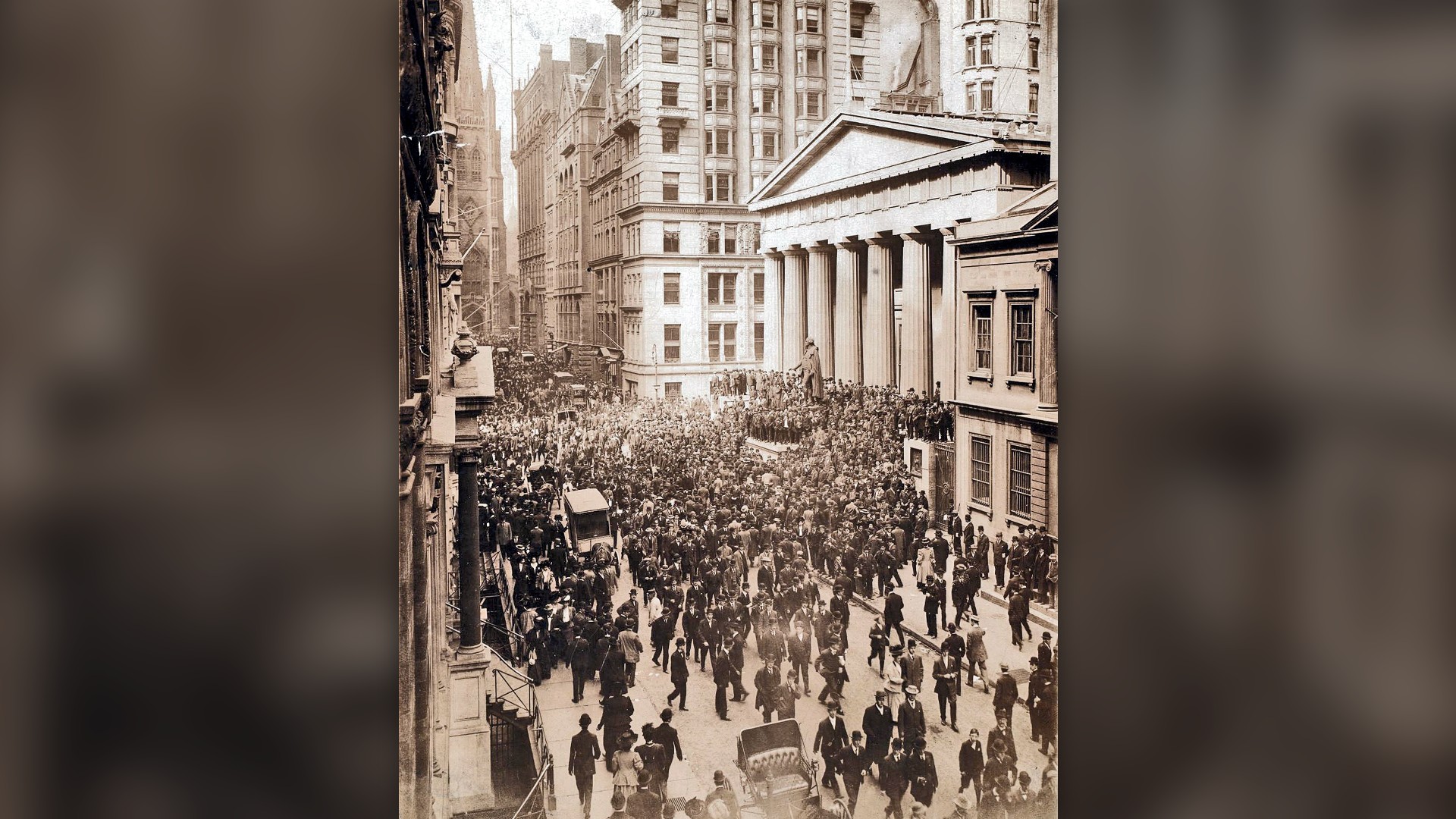
©Wikimedia / Unknown author Unknown author
7. Black Monday Of 1987
Automated portfolio insurance programs accelerated selling pressure across global equity bourses on October 19, 1987. The unprecedented plunge led to standardized trading halts known as market-wide circuit breakers.

©TMDb / NEWSMAX MEDIA INC
Advertisement
Swipe or tap ▶ to resume the countdown.
6. The Mississippi Scheme Of 1720
The Mississippi Company held a monopoly on trade in French Louisiana, financed by newly printed royal bank notes. When public confidence evaporated, holders rushed to exchange paper for gold, wrecking the French currency.
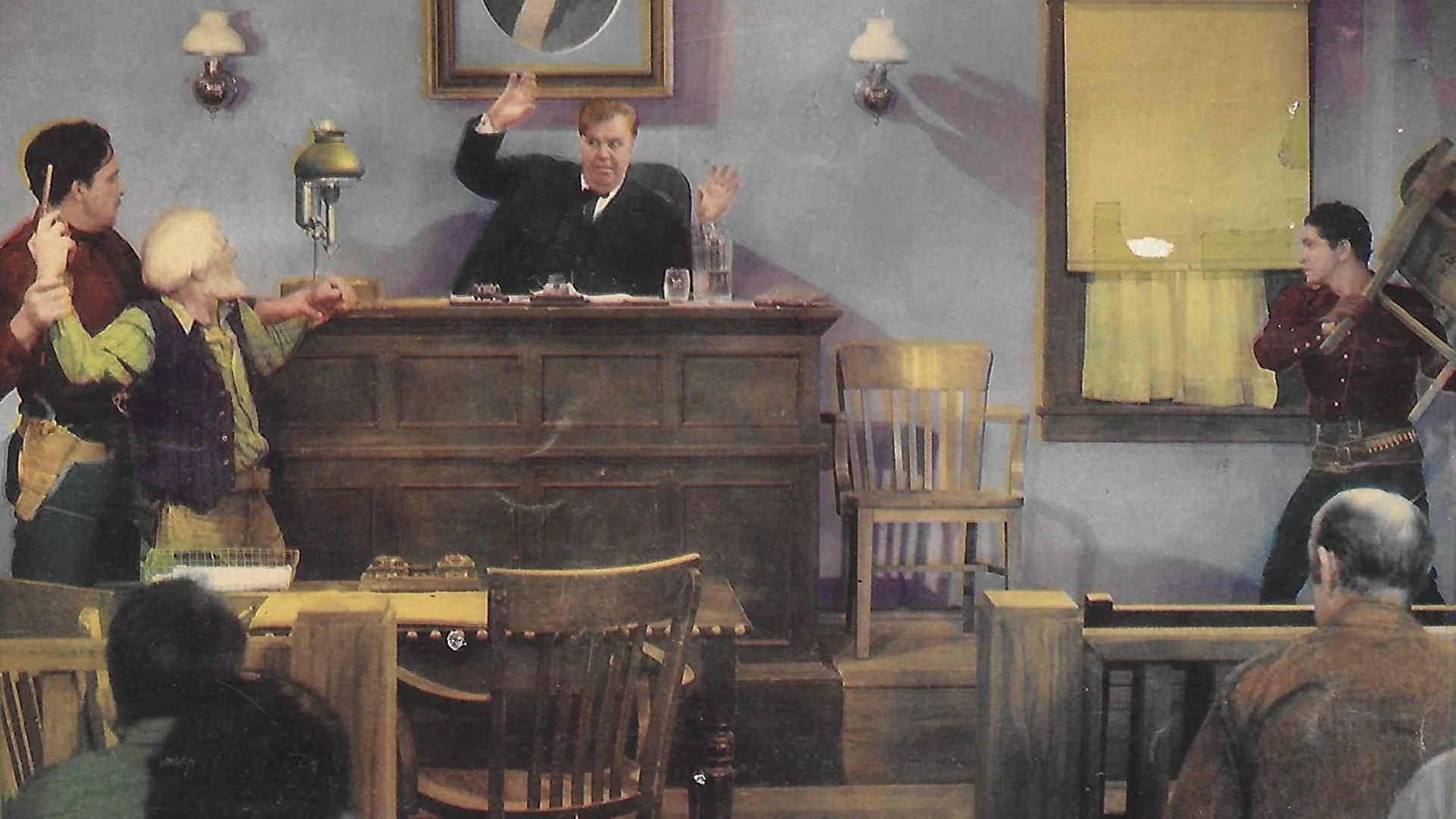
©TMDb / Supreme Pictures
5. The South Sea Bubble Of 1720
The South Sea Company assumed national debt in return for exclusive rights to South Seas trade. Intense public frenzy drove share prices to dizzying heights before insider sales ignited a ruinous panic.
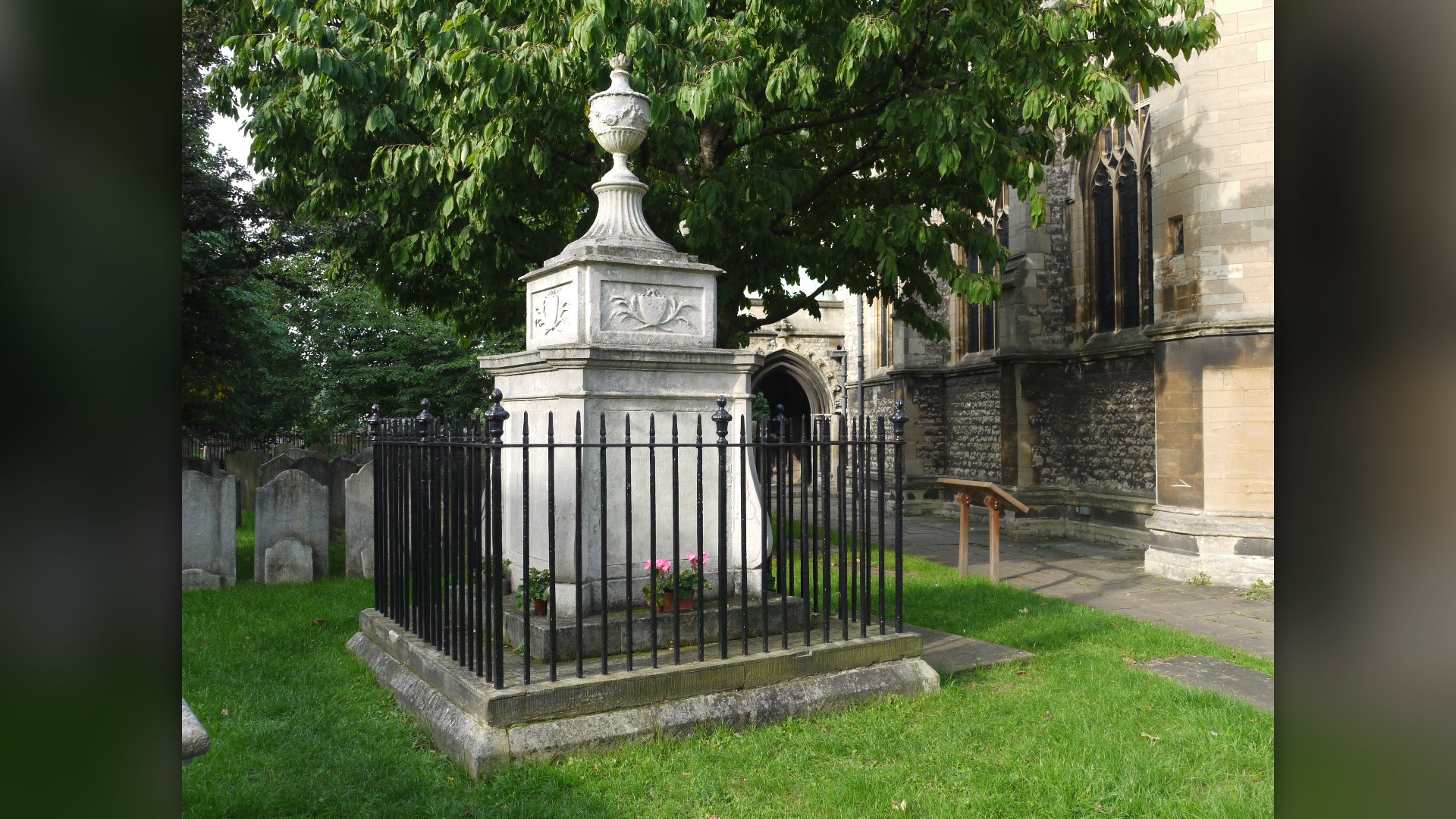
©Wikimedia / Patche99z
4. Weimar Republic Hyperinflation Of 1923
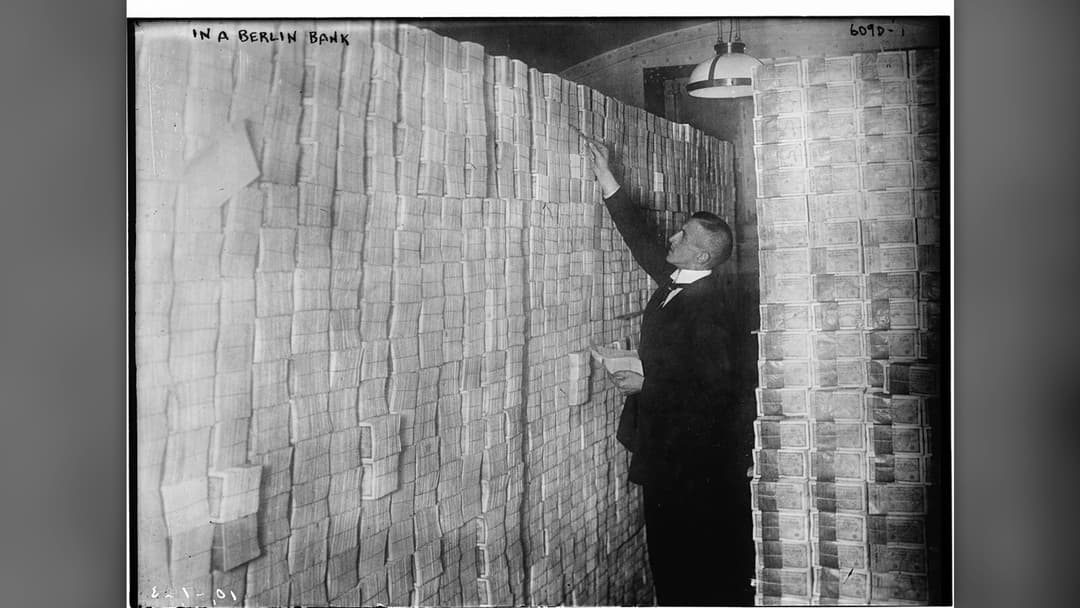
Burdened by wartime reparations and strikes in the Ruhr valley, the German government financed deficits via banknote printing. By late 1923, billions of marks were required to purchase a single loaf of bread.
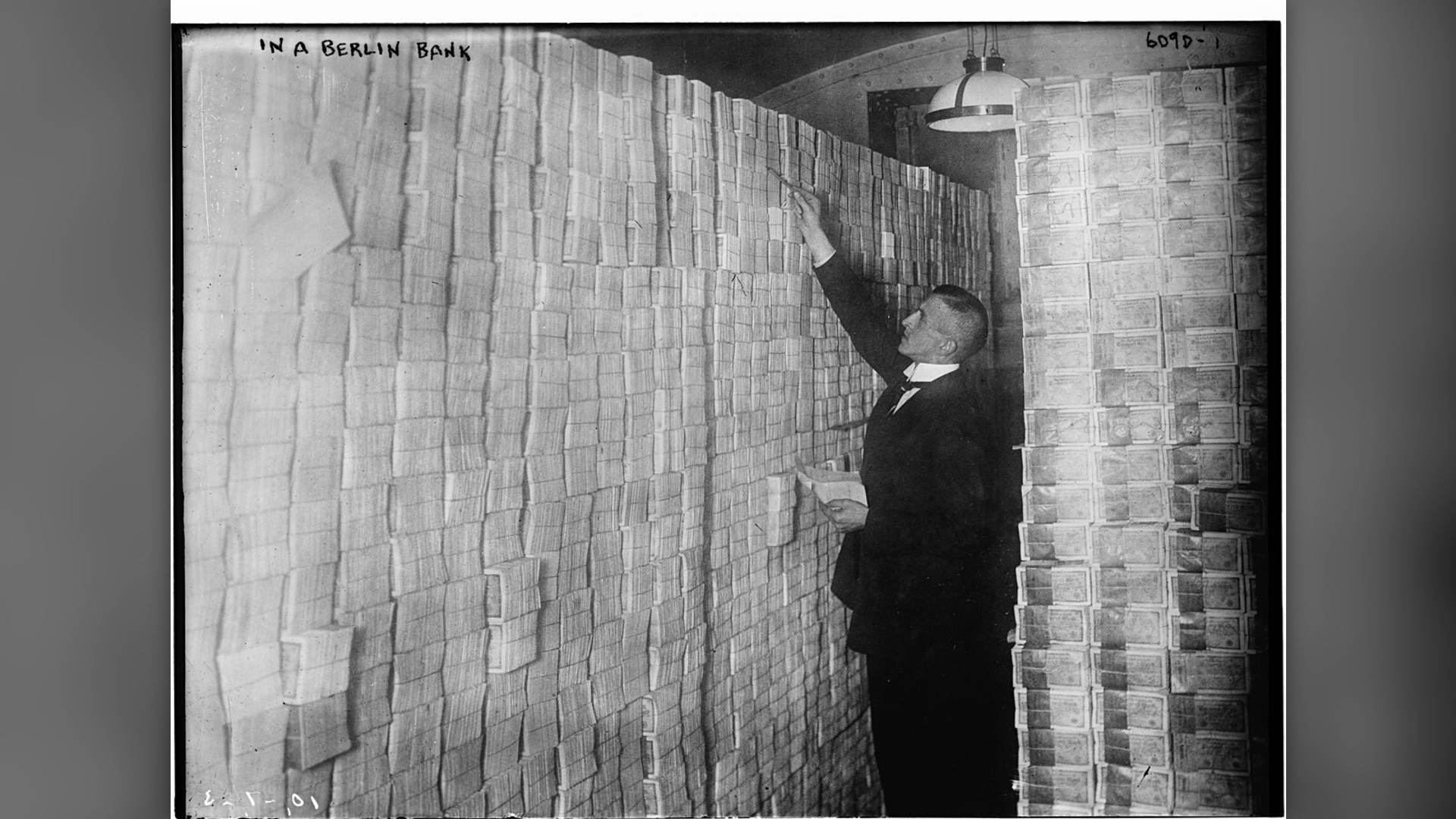
©Wikimedia / Bain News Service, publisher
3. The 2008 Global Financial Crisis
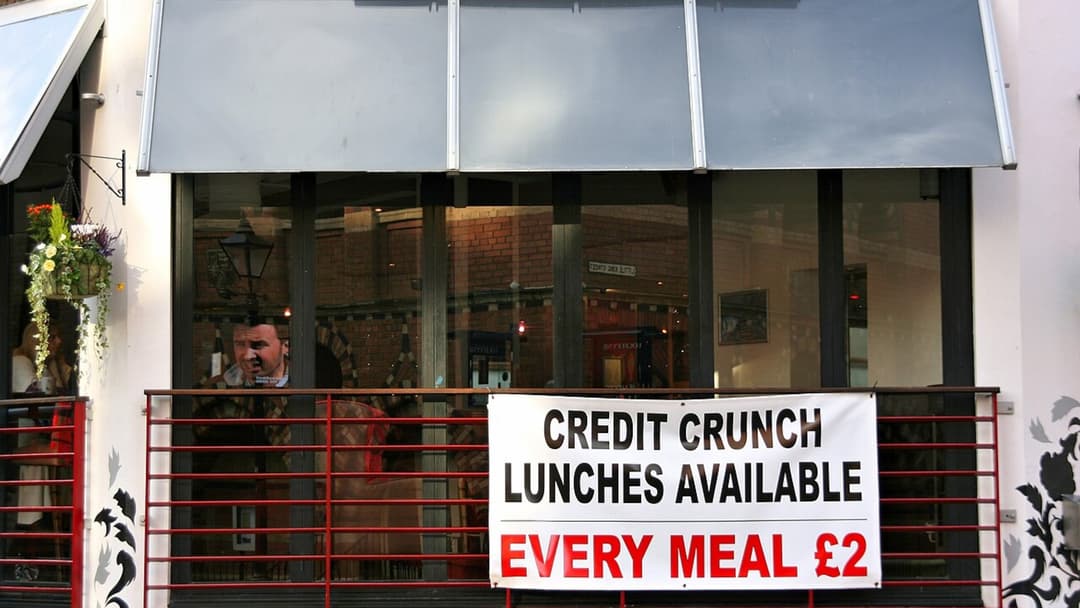
Widespread default on subprime mortgages infected complex derivative instruments across major Wall Street balance sheets. The bankruptcy of Lehman Brothers triggered international banking bailouts and the Great Recession.
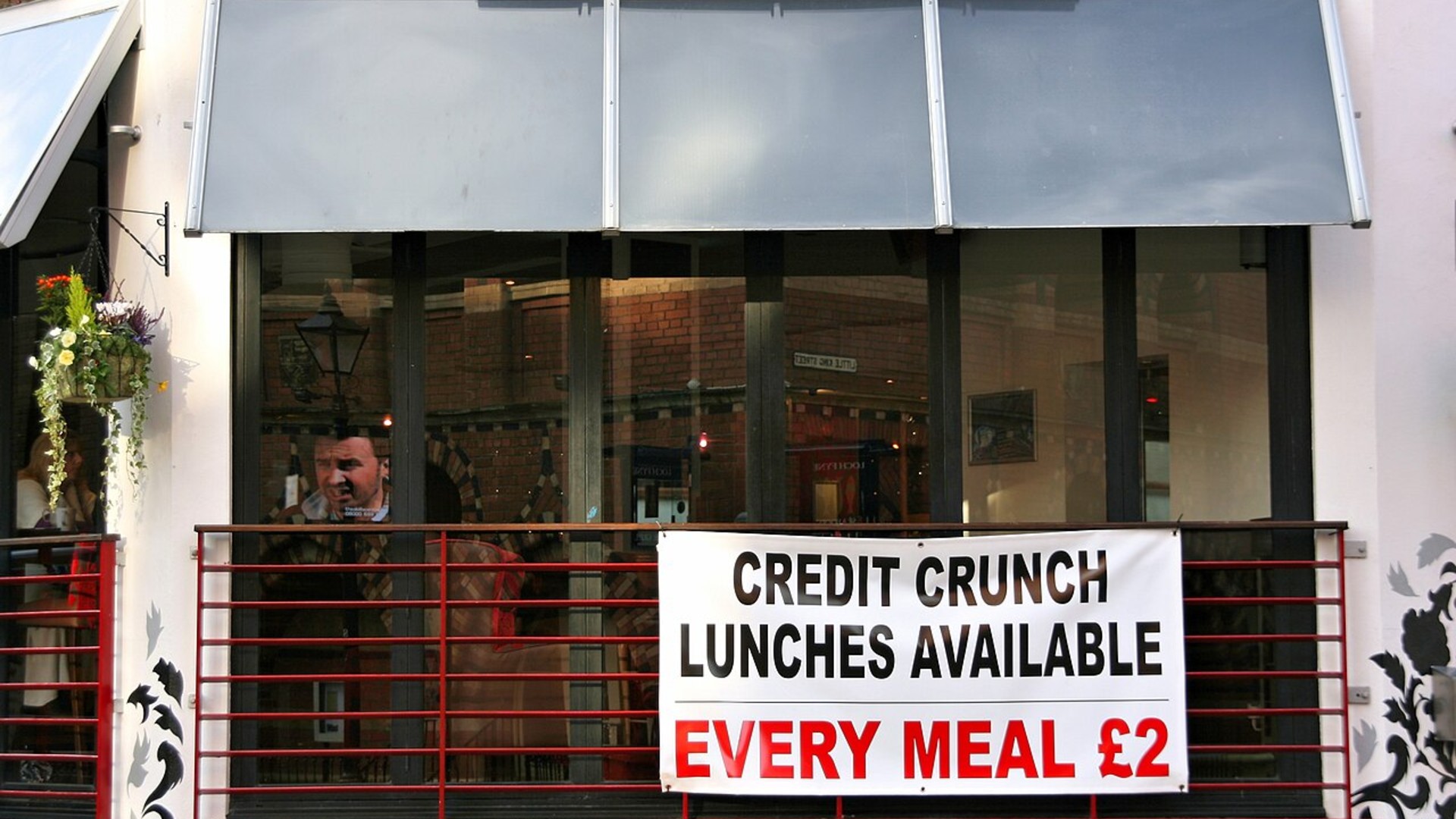
©Wikimedia / Marek Ślusarczyk ( Tupungato ) Photo
Advertisement
Swipe or tap ▶ to resume the countdown.
2. Tulip Mania Of 1637
In early 17th-century Amsterdam, speculative contracts for exotic variegated tulip bulbs surged to astronomical levels. In February 1637, buyers failed to appear at a Haarlem auction, sending the futures market into a tailspin.

©Wikimedia / Jan Brueghel the Younger
1. The Wall Street Crash Of 1929
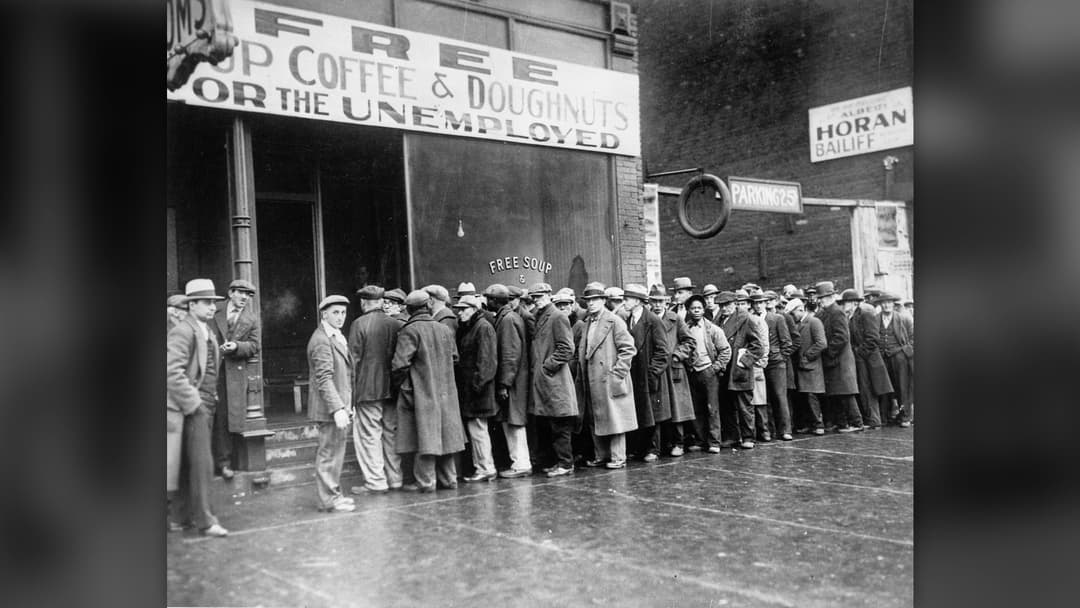
Overleveraged margin trading and unchecked speculation reached a breaking point on Black Tuesday, October 29, 1929. Billions in paper wealth vanished, shuttering thousands of banks and triggering the worst global depression in history.
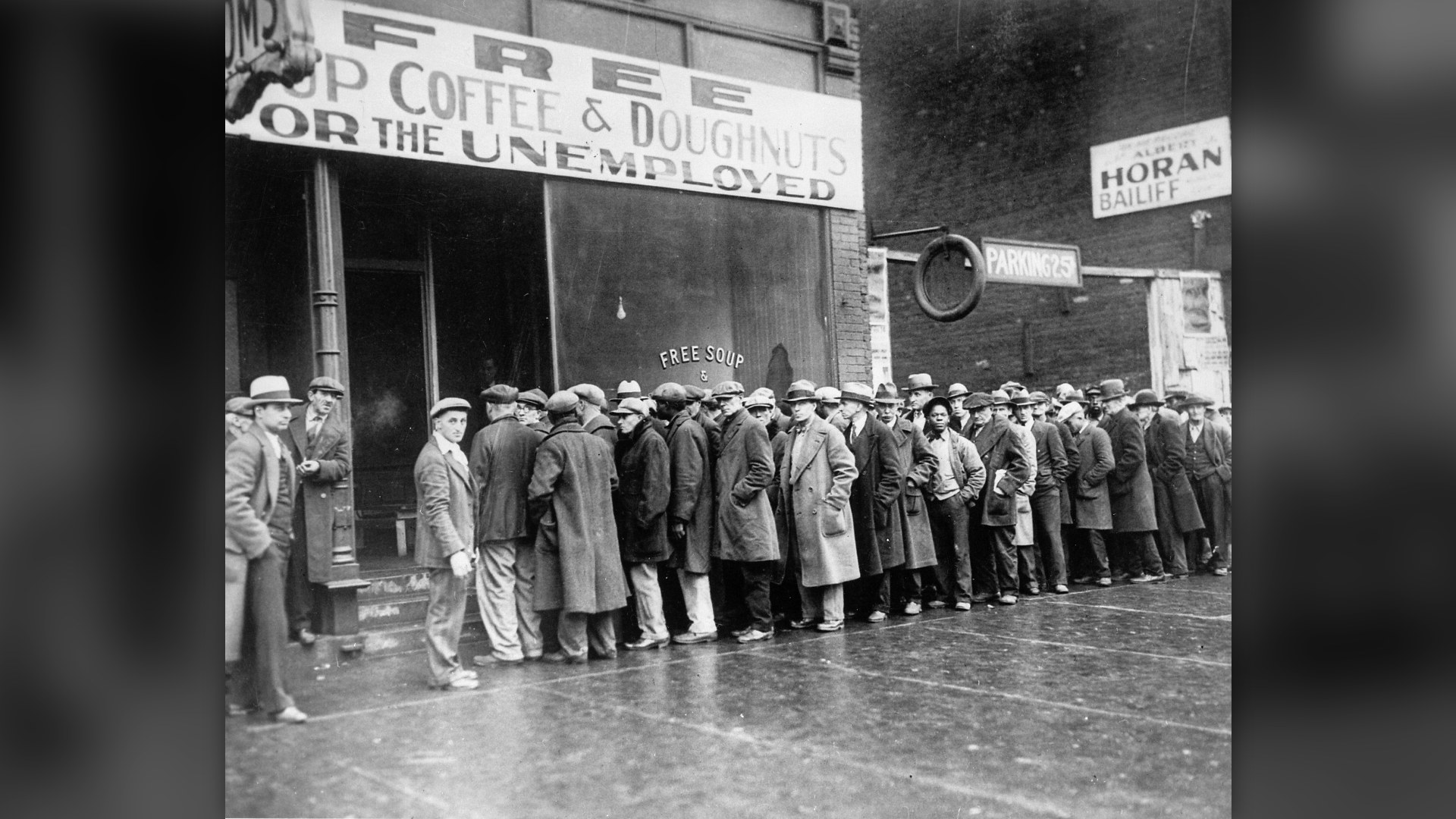
©Wikimedia / Unknown authorUnknown author or not provided
Advertisement
You've reached the end of the story. Thanks for reading!

20 US States Where Christmas Costs the Most, Ranked
Christmas costs vary across the country as seasonal expenses reach record highs. Examining the 20 US states where celebrations cost the most reveals how high local earnings, retail demand, and family traditions shape household budgets. Based on reporting and analysis from Chamber of Commerce economic studies.
All 25 Entries in this Story
25. The Panic Of 1792
The Panic of 1792 erupted when rogue financier William Duer attempted to corner bank stock in New York. Treasury Secretary Alexander Hamilton organized emergency open-market purchases of debt securities to stabilize fragile credit markets.

24. British Railway Mania Of 1845
During the 1840s, British Parliament chartered thousands of miles of proposed rail routes. Rampant speculation in phantom lines forced middle-class families into debt when interest rate hikes triggered an industry-wide bust.

23. The Panic Of 1825 And Poyais Scheme
After adventurer Gregor MacGregor convinced British financiers he was sovereign ruler of Poyais, speculative bonds surged. The discovery that the nation was pure wilderness triggered a financial shockwave across European banking houses.

22. The Panic Of 1857
A cargo of California gold sank aboard the SS Central America just as Ohio Life Insurance collapsed from internal fraud. New York banks suspended specie payments as frightened depositors ran to withdraw physical gold.

21. The Australian Banking Crisis Of 1893
Unchecked Victorian land speculation fueled dozens of unregulated mortgage institutions. When foreign capital dried up, eleven commercial banks closed their doors, inaugurating a severe nationwide economic depression.

20. The Panic Of 1873
Overexpansion in transcontinental railroads sparked liquidity shortages across the United States and Europe. When banking house Jay Cooke and Company failed, panic shuttered Wall Street and triggered the Long Depression.

19. The Florida Real Estate Crash Of 1926
Investors bought Florida swamp tracts on binder deposits, trading paper titles multiple times per day. The mania unravelled when logistics snarls halted construction materials and the 1926 Great Miami Hurricane destroyed coastal developments.

18. The Baring Crisis Of 1890
London banking giant Baring Brothers overextended underwriting Argentine municipal loans and waterworks bonds. When political revolution gripped Buenos Aires, the Bank of England orchestrated an emergency syndicate to prevent systemic insolvency.

17. The Panic Of 1893
The insolvency of the Philadelphia and Reading Railroad triggered runs on commercial banks nationwide. Over five hundred financial institutions collapsed as gold reserves drained below statutory safety thresholds.

16. The Panic Of 1837
President Andrew Jackson mandated that public land purchases require physical gold or silver coin rather than paper bank notes. The sudden credit contraction prompted immediate runs on New York and New Orleans banks.

15. The Japanese Asset Bubble Burst Of 1991
At the peak of Japan asset mania, land under the Tokyo Imperial Palace was estimated to exceed the real estate value of California. An aggressive series of central bank rate hikes burst the bubble, freezing balance sheets for years.

14. The 1998 Russian Financial Crisis
A collapse in commodity export prices and chronic fiscal deficits crippled Russian state finances. The unilateral debt moratorium shook emerging markets worldwide and led directly to the liquidation of hedge fund Long-Term Capital Management.

13. The Asian Financial Crisis Of 1997
Foreign capital fled emerging Asian economies as property bubbles and unhedged foreign debt burdened domestic lenders. The currency contagion spread rapidly through Indonesia, South Korea, and Malaysia, prompting international bailouts.

12. The Dot-Com Crash Of 2000
Investors poured capital into tech firms boasting web traffic rather than earnings. When the Federal Reserve raised borrowing costs, the NASDAQ fell nearly eighty percent, wiping out trillions in market capitalization.

11. Black Wednesday Of 1992
Britain joined the European Exchange Rate Mechanism at an unsustainable exchange rate. Massive short positions forced the Bank of England to exhaust billions in foreign reserves before floating the currency.

10. The European Sovereign Debt Crisis Of 2010
Revealed fiscal deficits in Greece sparked panic over sovereign defaults across southern Europe. Emergency European Central Bank rescue packages and strict fiscal compacts were deployed to preserve monetary union integrity.

9. The 2010 Flash Crash
Algorithmic feedback loops and sudden liquidity withdrawal triggered a rapid one-thousand-point drop in the Dow Jones Industrial Average. The event prompted regulatory circuit breakers across modern electronic exchanges.

8. The Panic Of 1907
A botched attempt to corner United Copper stock sparked runs on the Knickerbocker Trust Company. J.P. Morgan assembled leading bankers in his library to inject liquidity, demonstrating the urgent need for a Federal Reserve system.

7. Black Monday Of 1987
Automated portfolio insurance programs accelerated selling pressure across global equity bourses on October 19, 1987. The unprecedented plunge led to standardized trading halts known as market-wide circuit breakers.

6. The Mississippi Scheme Of 1720
The Mississippi Company held a monopoly on trade in French Louisiana, financed by newly printed royal bank notes. When public confidence evaporated, holders rushed to exchange paper for gold, wrecking the French currency.

5. The South Sea Bubble Of 1720
The South Sea Company assumed national debt in return for exclusive rights to South Seas trade. Intense public frenzy drove share prices to dizzying heights before insider sales ignited a ruinous panic.

4. Weimar Republic Hyperinflation Of 1923
Burdened by wartime reparations and strikes in the Ruhr valley, the German government financed deficits via banknote printing. By late 1923, billions of marks were required to purchase a single loaf of bread.

3. The 2008 Global Financial Crisis
Widespread default on subprime mortgages infected complex derivative instruments across major Wall Street balance sheets. The bankruptcy of Lehman Brothers triggered international banking bailouts and the Great Recession.

2. Tulip Mania Of 1637
In early 17th-century Amsterdam, speculative contracts for exotic variegated tulip bulbs surged to astronomical levels. In February 1637, buyers failed to appear at a Haarlem auction, sending the futures market into a tailspin.

1. The Wall Street Crash Of 1929
Overleveraged margin trading and unchecked speculation reached a breaking point on Black Tuesday, October 29, 1929. Billions in paper wealth vanished, shuttering thousands of banks and triggering the worst global depression in history.