Slideshow · Health
20 Fruits by Vitamin C Content Per Serving, Ranked
Oranges often get credit for fighting colds, but dozens of botanical fruits contain far higher ascorbic acid levels. Grounded in laboratory data from USDA FoodData Central and published nutritional assays, these twenty fruits are ranked by milligrams of vitamin C per one hundred grams of raw edible fruit pulp.
By Most Viral Today
17 min ago

From Orchard Citrus to Wild Superfruits, These Pack the Ultimate Ascorbic Punch 
20. Mango 
19. Cantaloupe 
18. Pineapple - AdvertisementSwipe or tap ▶ to continue countdown

17. Clementine 
16. Lemon 
15. Orange 
14. Strawberry - AdvertisementSwipe or tap ▶ to continue countdown

13. Papaya 
12. Lychee 
11. Green Kiwifruit 
10. Golden Kiwifruit - AdvertisementSwipe or tap ▶ to continue countdown

9. Blackcurrant 
8. Jujube 
7. Guava 
6. Sea Buckthorn - AdvertisementSwipe or tap ▶ to continue countdown

5. Rose Hip 
4. Amla 
3. Acerola Cherry 
2. Camu Camu - AdvertisementSwipe or tap ▶ to continue countdown

1. Kakadu Plum - Advertisement🔥 UP NEXT IN THIS SERIES◫ 21 Slides

20 Ways Alcohol Changes Your Organs and Body Systems
Alcohol enters the bloodstream within minutes of consumption, impacting virtually every vital organ from your frontal cortex to cellular DNA. While small amounts produce temporary relaxation, repeated exposure triggers profound biochemical disruptions, immune suppression and irreversible cardiovascular harm.
Oranges often get credit for fighting colds, but dozens of botanical fruits contain far higher ascorbic acid levels. Grounded in laboratory data from USDA FoodData Central and published nutritional assays, these twenty fruits are ranked by milligrams of vitamin C per one hundred grams of raw edible fruit pulp.
Swipe or tap ▶ to begin the countdown
©Wikimedia / Guava & Pixabay / anaterate
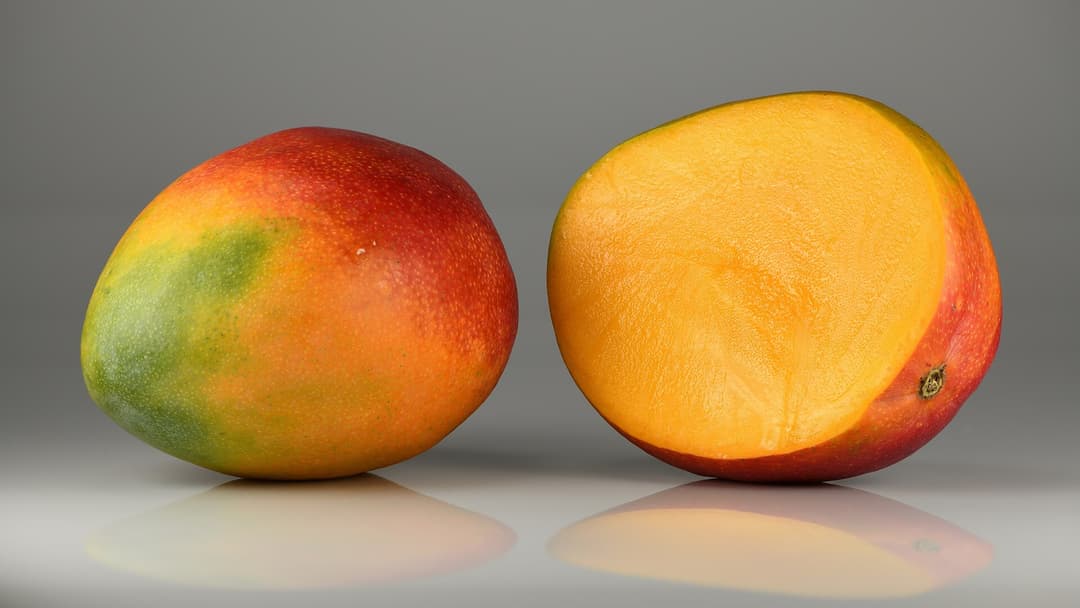
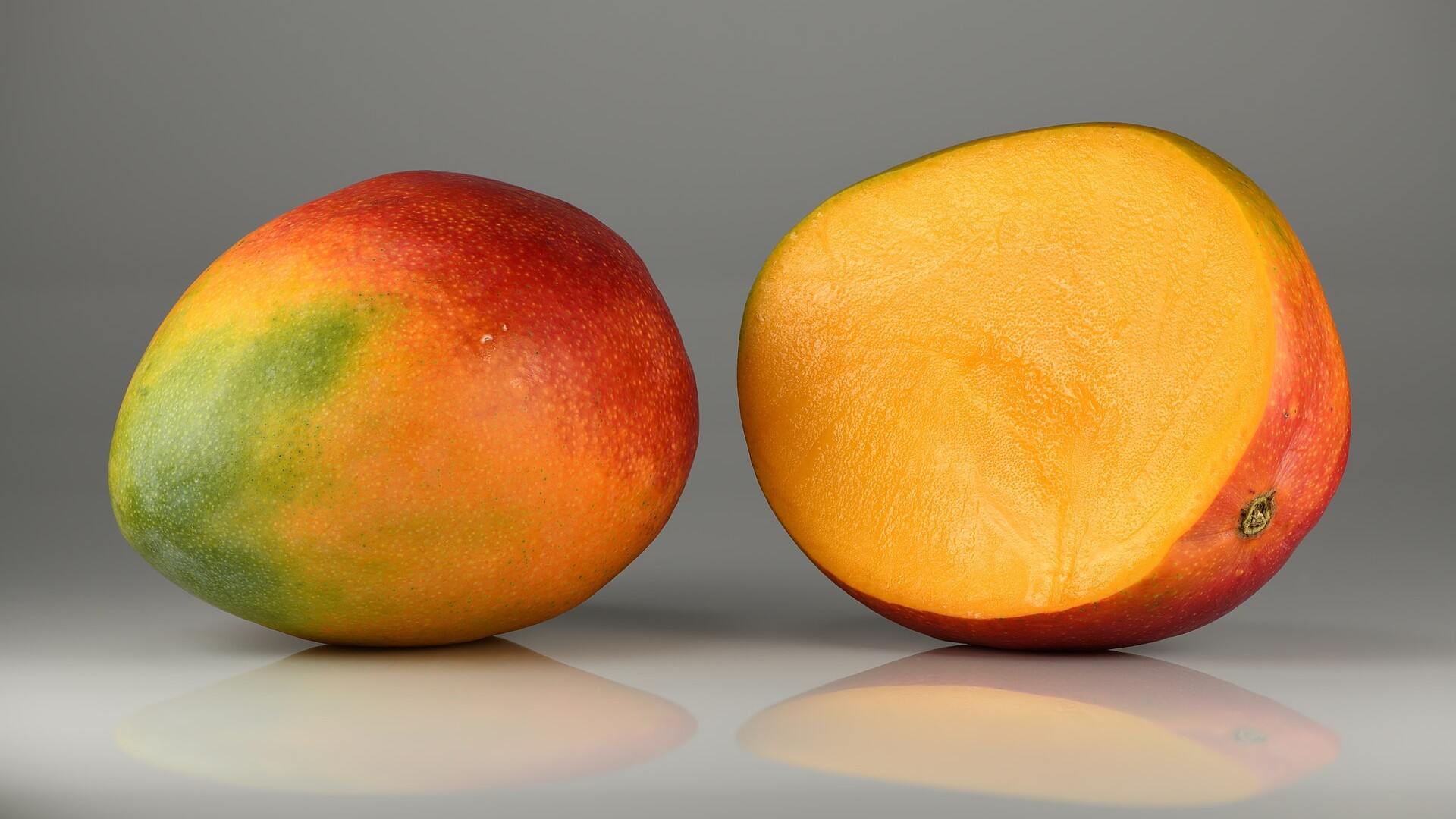
20. Mango
Raw mango provides 36.4 milligrams of vitamin C per 100 grams, meeting roughly 40 percent of adult daily requirements. Popular cultivars like Tommy Atkins and Kent also deliver abundant beta-carotene and dietary fiber alongside natural sugars that support skin health and digestion.
©Wikimedia / Mango
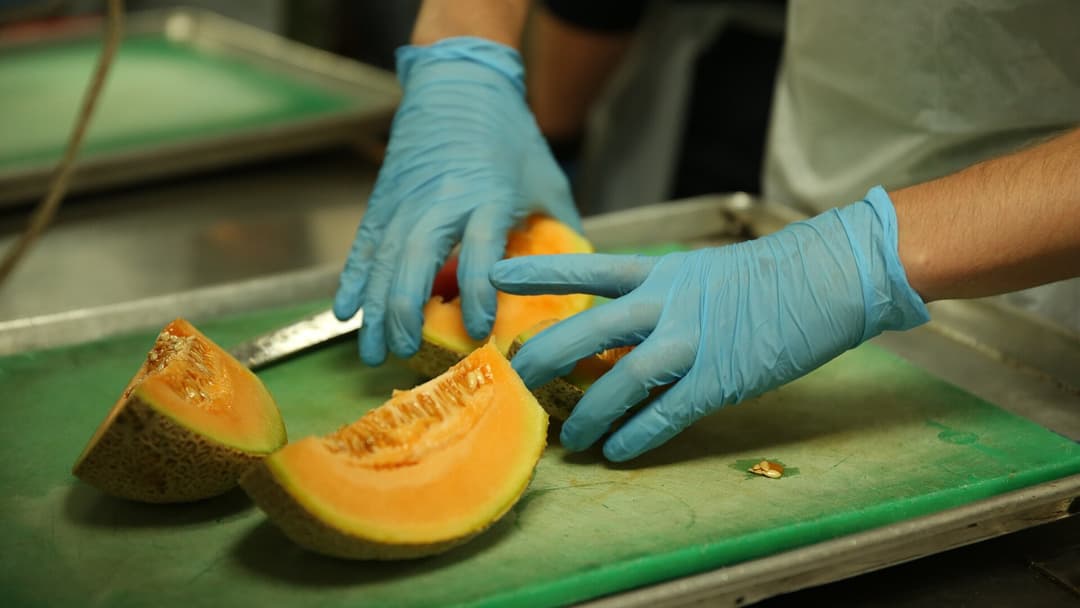
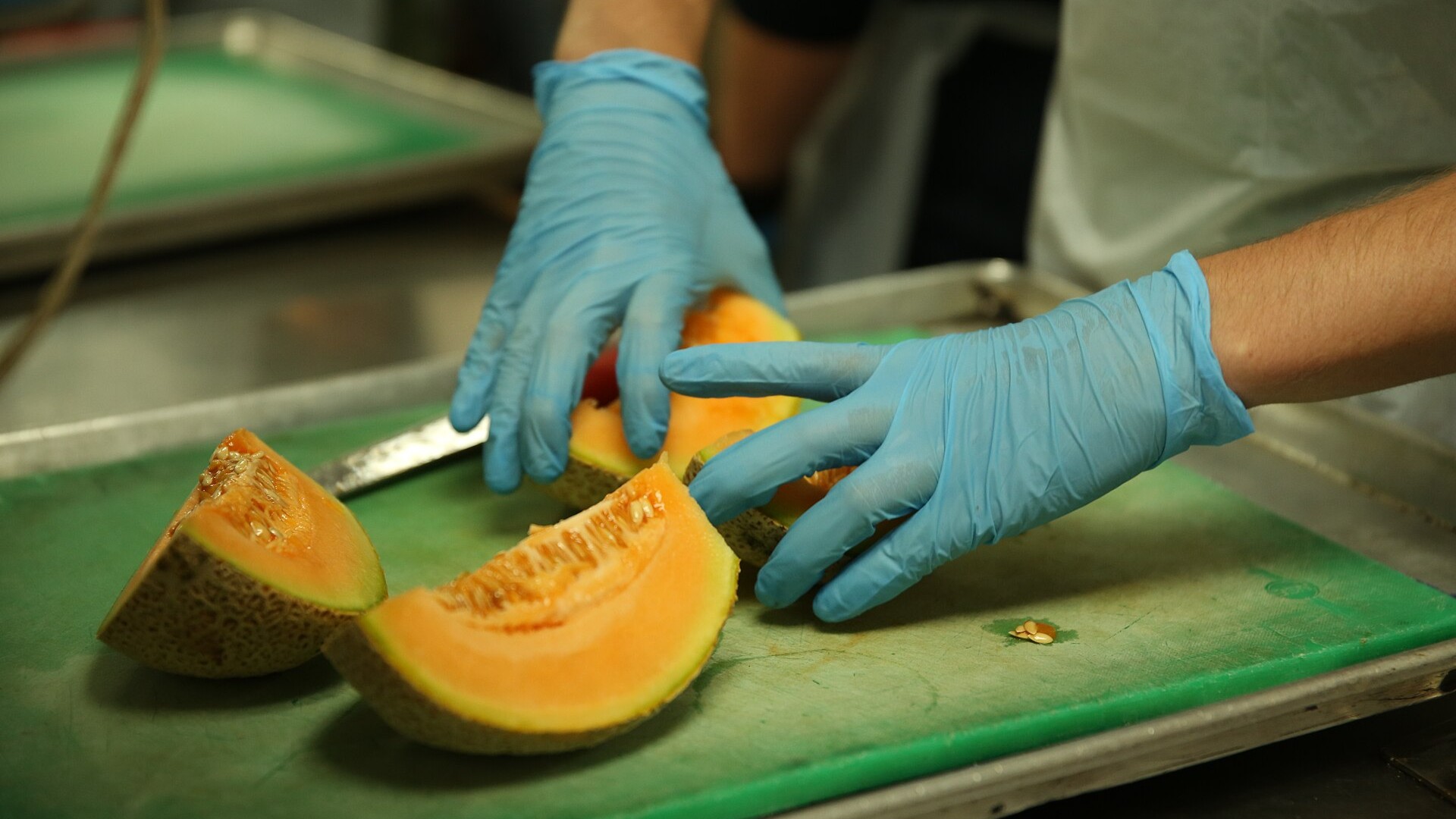
19. Cantaloupe
Cantaloupe delivers 36.7 milligrams of vitamin C per 100 grams, alongside exceptionally high concentrations of provitamin A. The orange flesh is more than ninety percent water, offering a refreshing combination of electrolytes, potassium, and immune-supporting antioxidants during warm summer harvests.
©Wikimedia / Paul S. Martinez
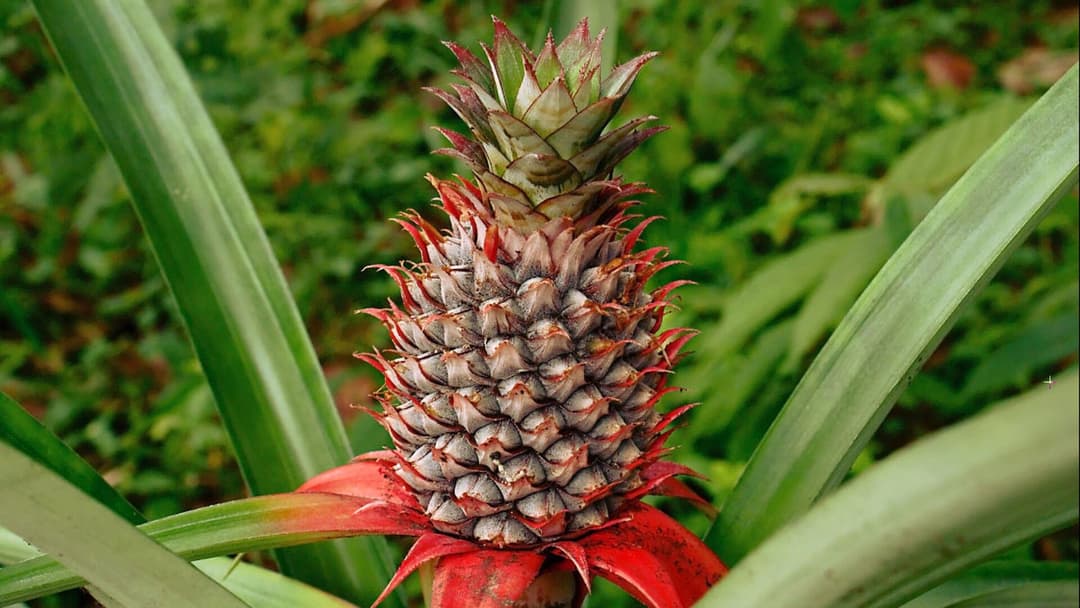
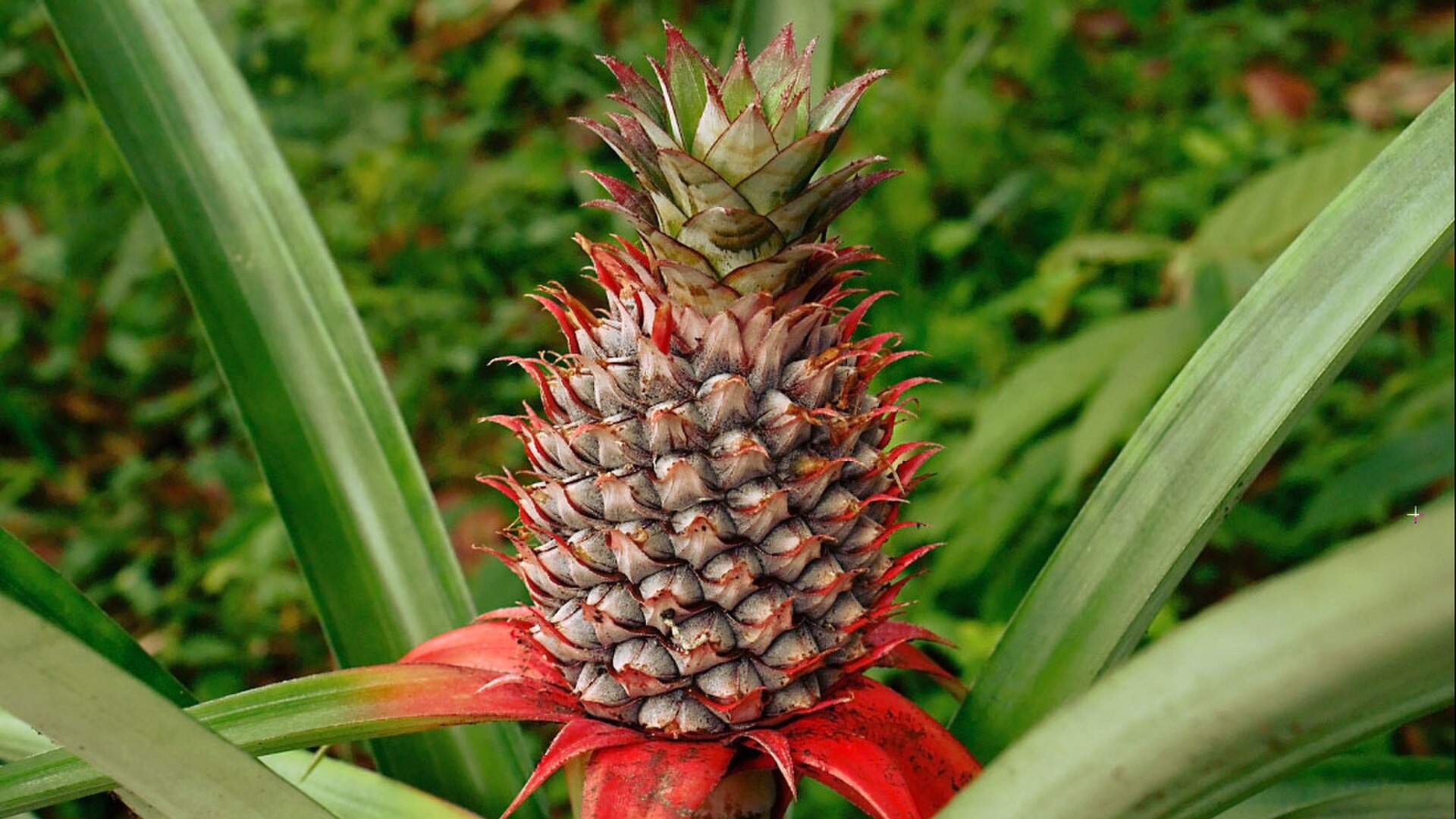
18. Pineapple
Raw pineapple supplies 47.8 milligrams of vitamin C per 100 grams, accounting for over half of standard daily recommended intake. Indigenous to South America, the fruit pairs ascorbic acid with bromelain, a proteolytic enzyme that assists protein digestion and helps reduce tissue inflammation.
©Wikimedia / Pineapple
Advertisement
Swipe or tap ▶ to resume the countdown.
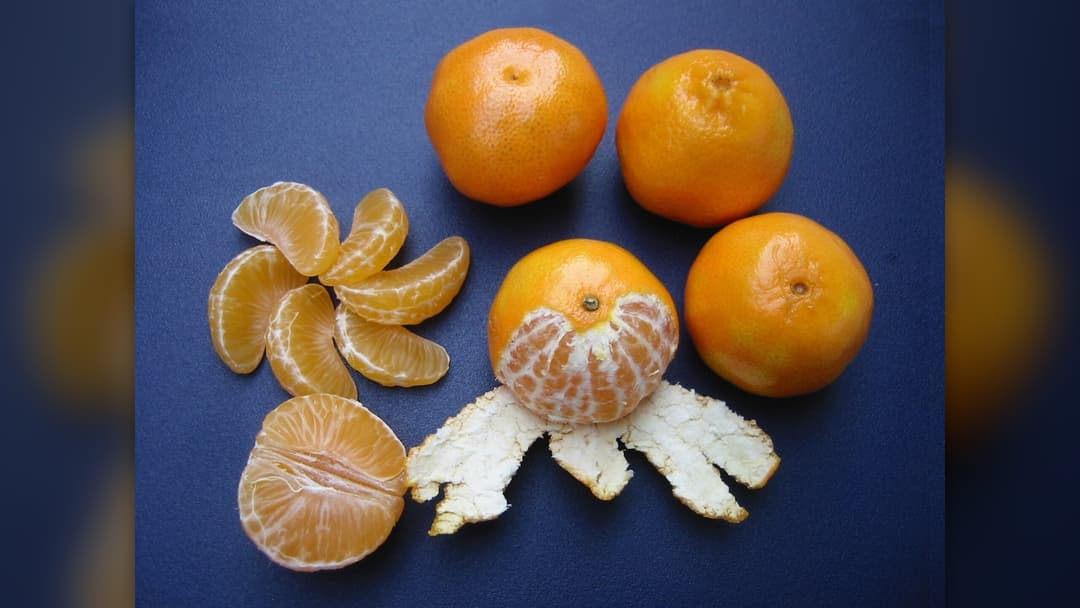
17. Clementine
Clementines offer 48.8 milligrams of vitamin C per 100 grams, making two small fruits enough to satisfy a full day of nutritional guidelines. First bred in Algeria by Brother Clement Rodier in 1902, this sweet citrus hybrid contains hesperidin flavonoids that strengthen capillary walls.
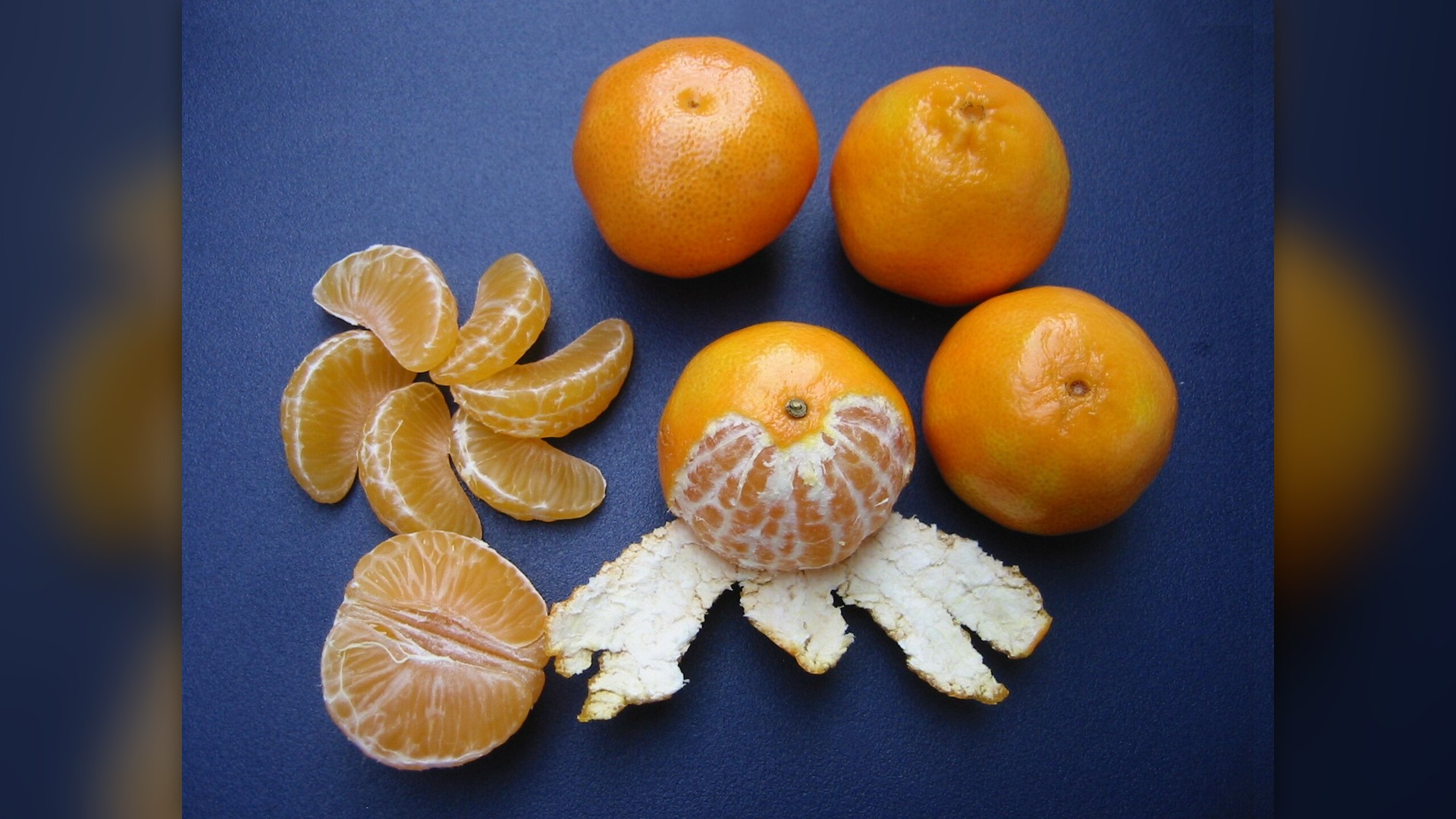
©Wikimedia / Clementine
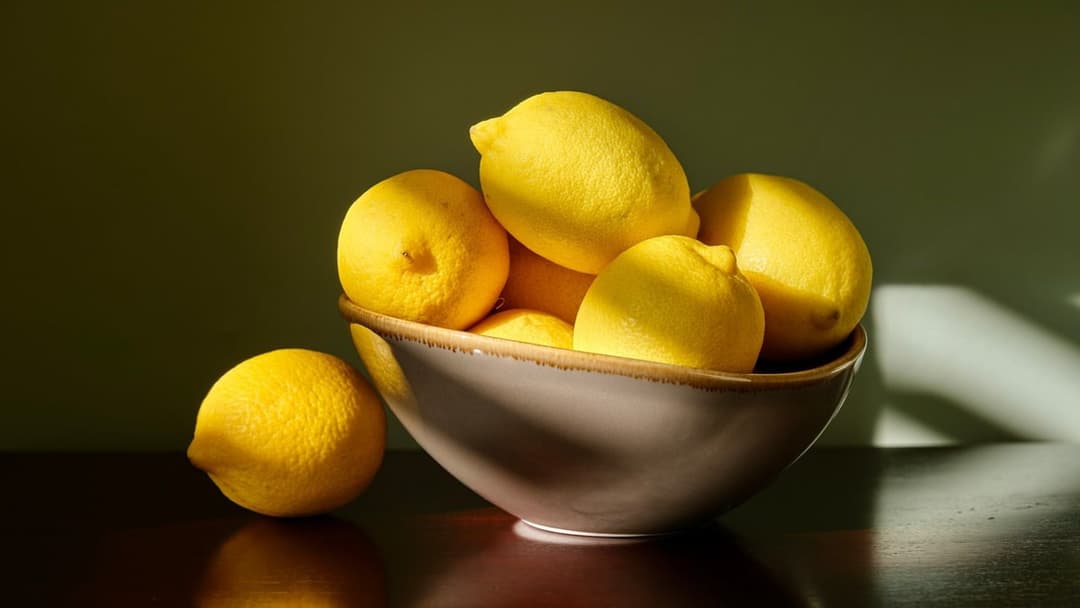
16. Lemon
Fresh peeled lemons deliver 53.0 milligrams of vitamin C per 100 grams, alongside five percent citric acid that gives them their signature sour bite. Historically used by naval surgeons like James Lind to prevent scurvy on long voyages, lemons remain a primary culinary source of plant bioflavonoids.
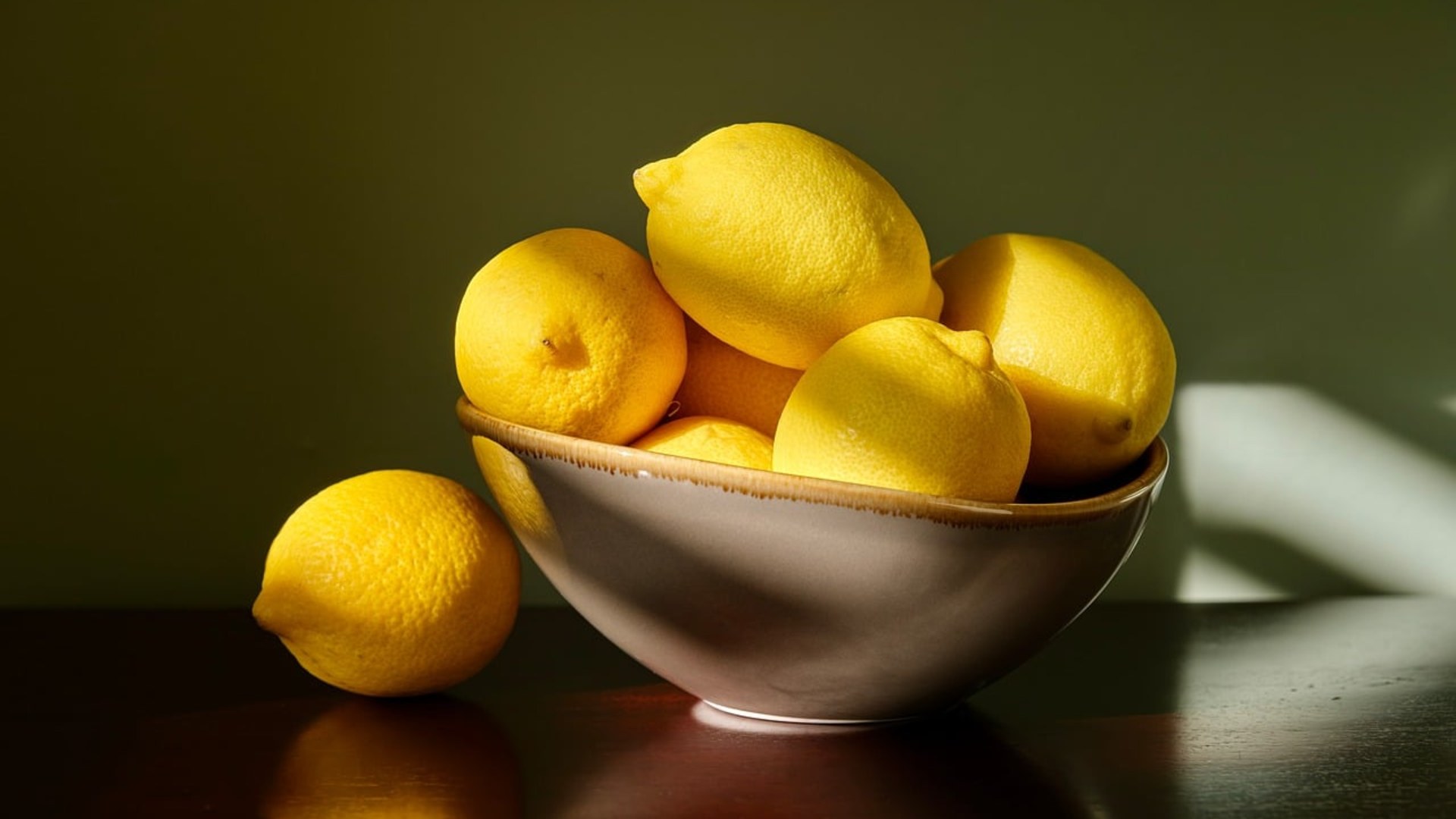
©Pixabay / WJ_Y2017fufu
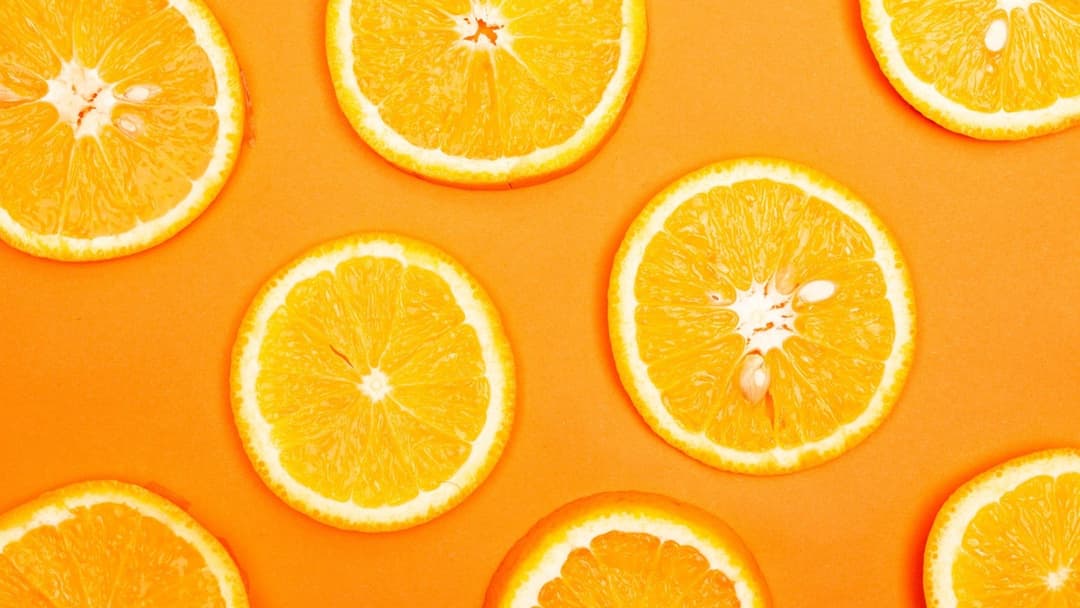
15. Orange
Navel and Valencia oranges provide 53.2 milligrams of vitamin C per 100 grams, establishing the cultural benchmark for dietary ascorbic acid. While widely celebrated as the ultimate vitamin C source, oranges are surpassed by numerous tropical berries, melons, and leafy orchard crops.
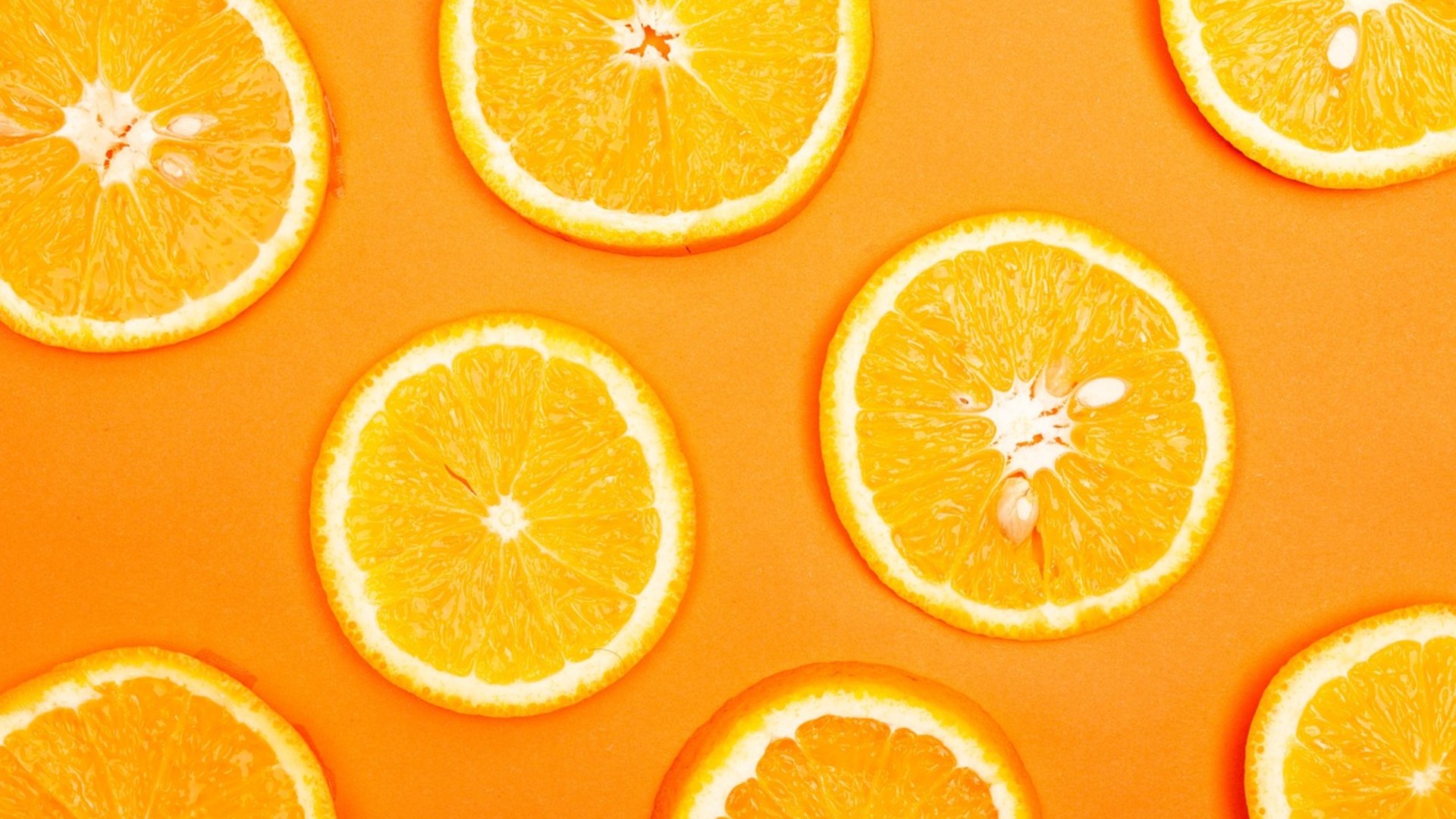
©Pixabay / tamanna_rumee
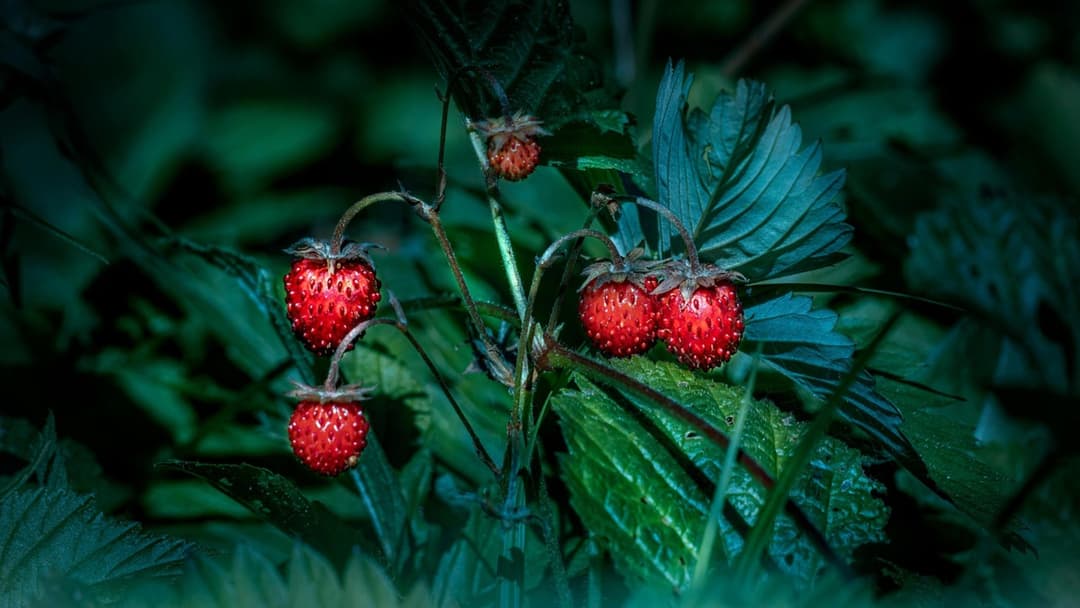
14. Strawberry
Raw garden strawberries supply 58.8 milligrams of vitamin C per 100 grams, edging out oranges and lemons in nutritional density. Packed with anthocyanin pigments and ellagic acid, a single cup of sliced strawberries provides complete daily immune support with minimal calories.
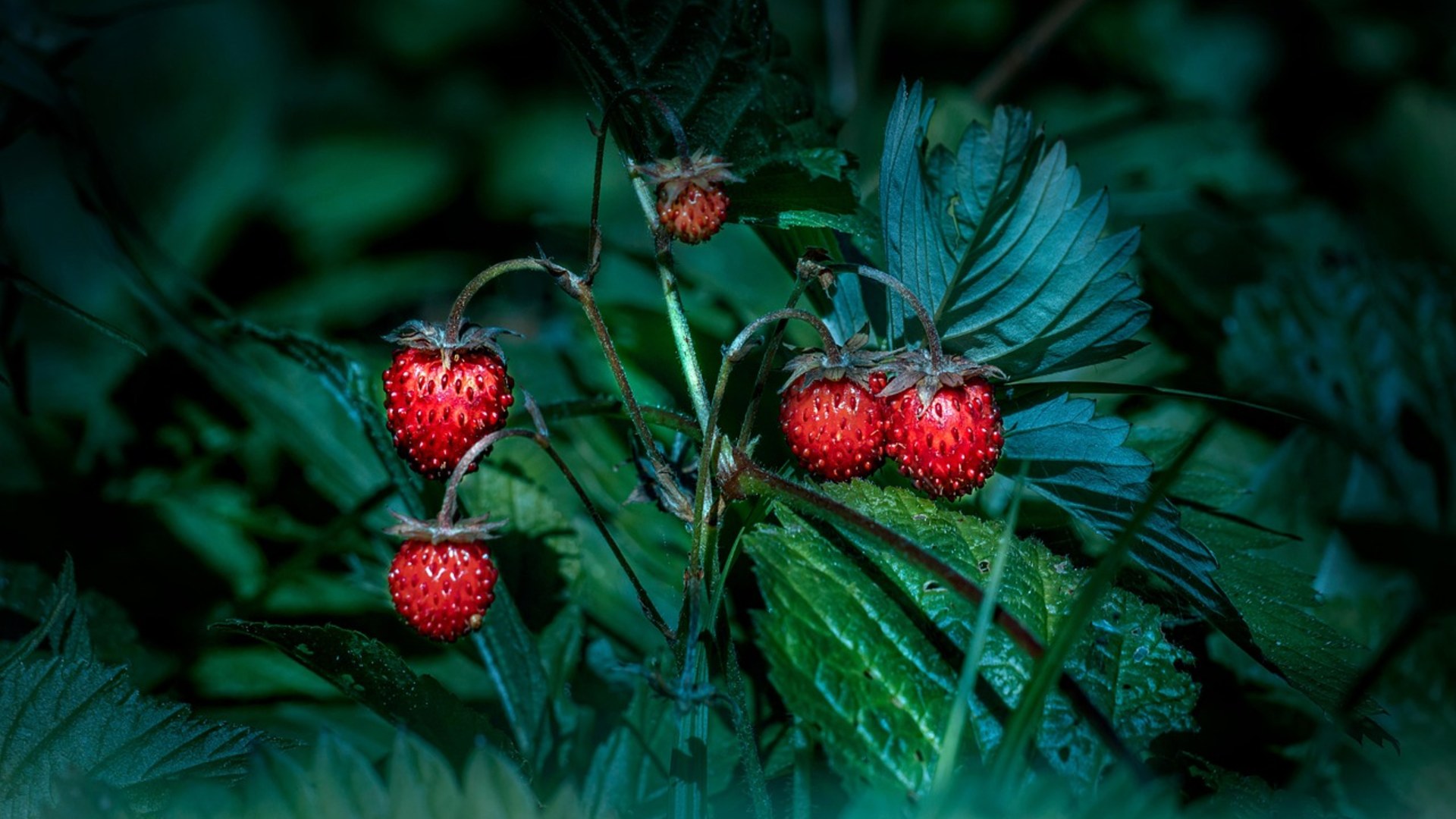
©Pixabay / Erik_Karits
Advertisement
Swipe or tap ▶ to resume the countdown.
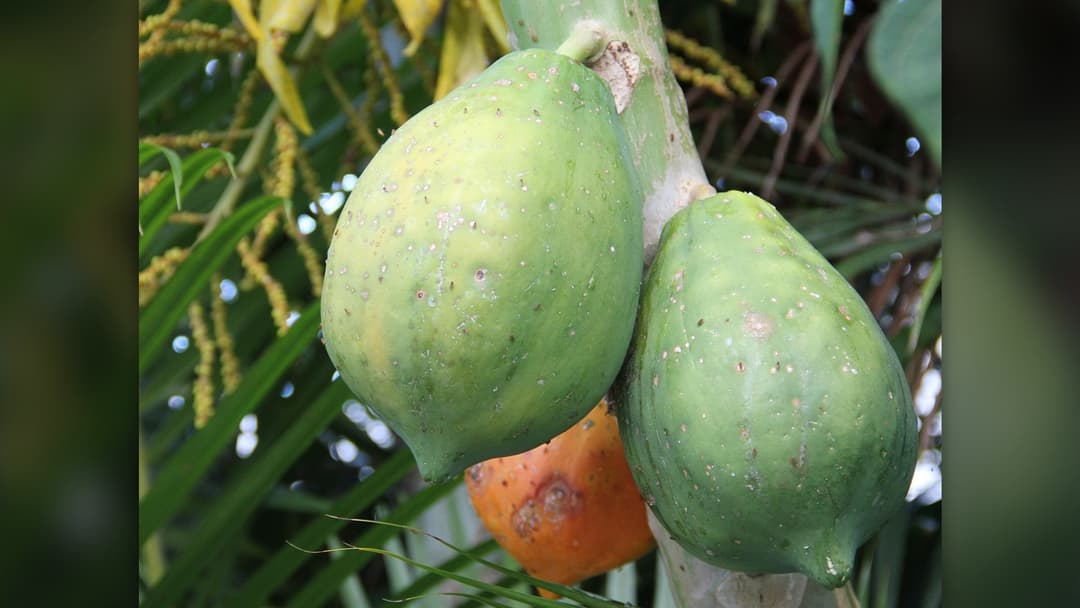
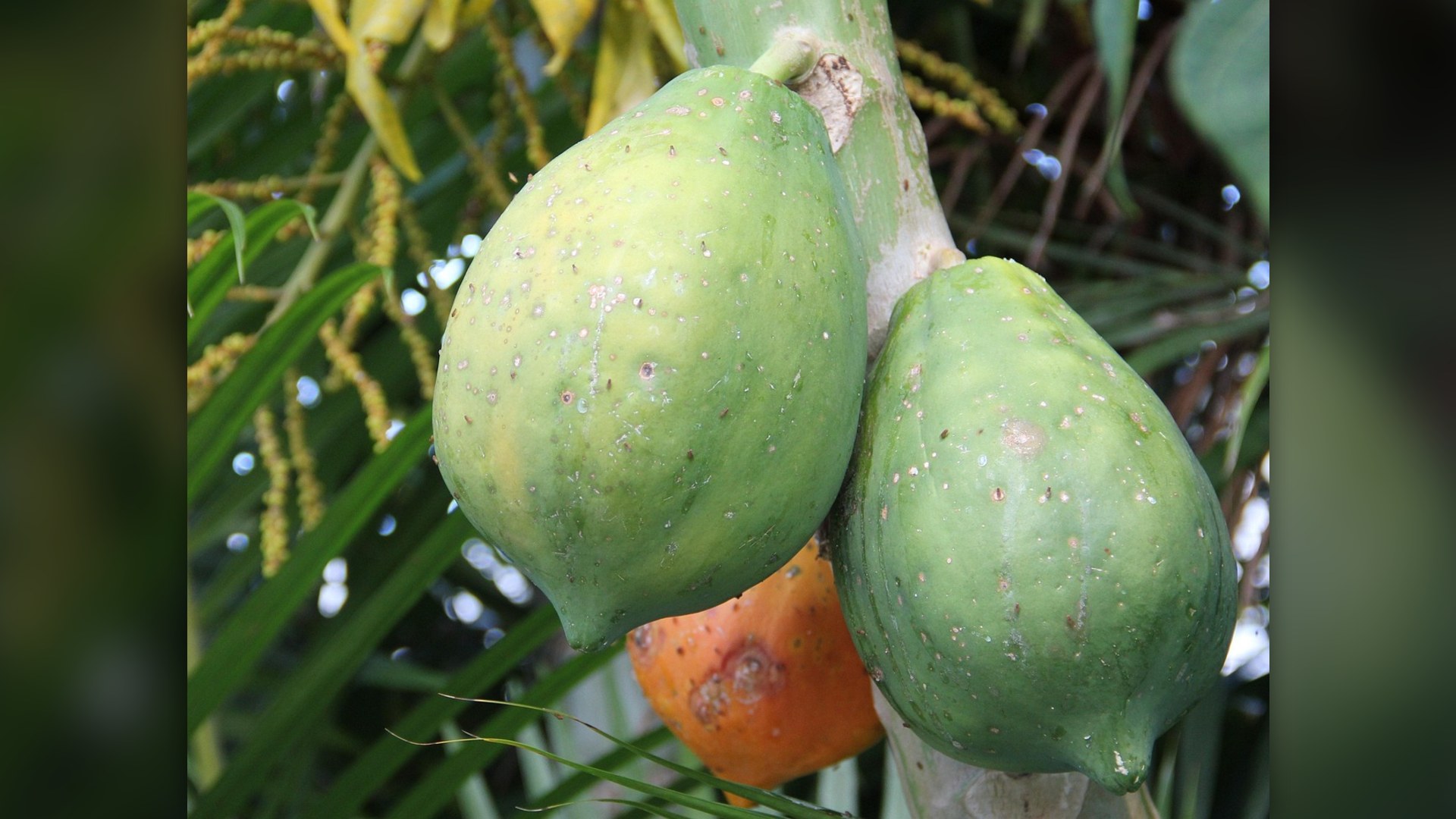
13. Papaya
Native to Central America, raw papaya provides 60.9 milligrams of vitamin C per 100 grams. The bright orange melon contains papain enzymes that tenderize proteins, alongside lycopene carotenoids that protect cellular membranes from oxidative damage caused by ultraviolet exposure.
©Pixabay / ASSY
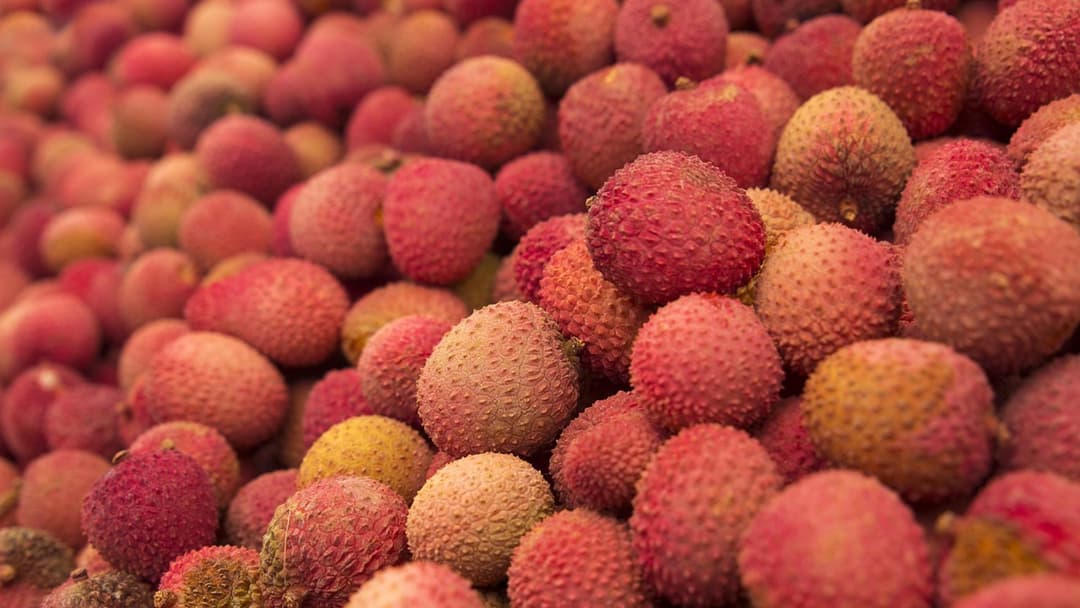
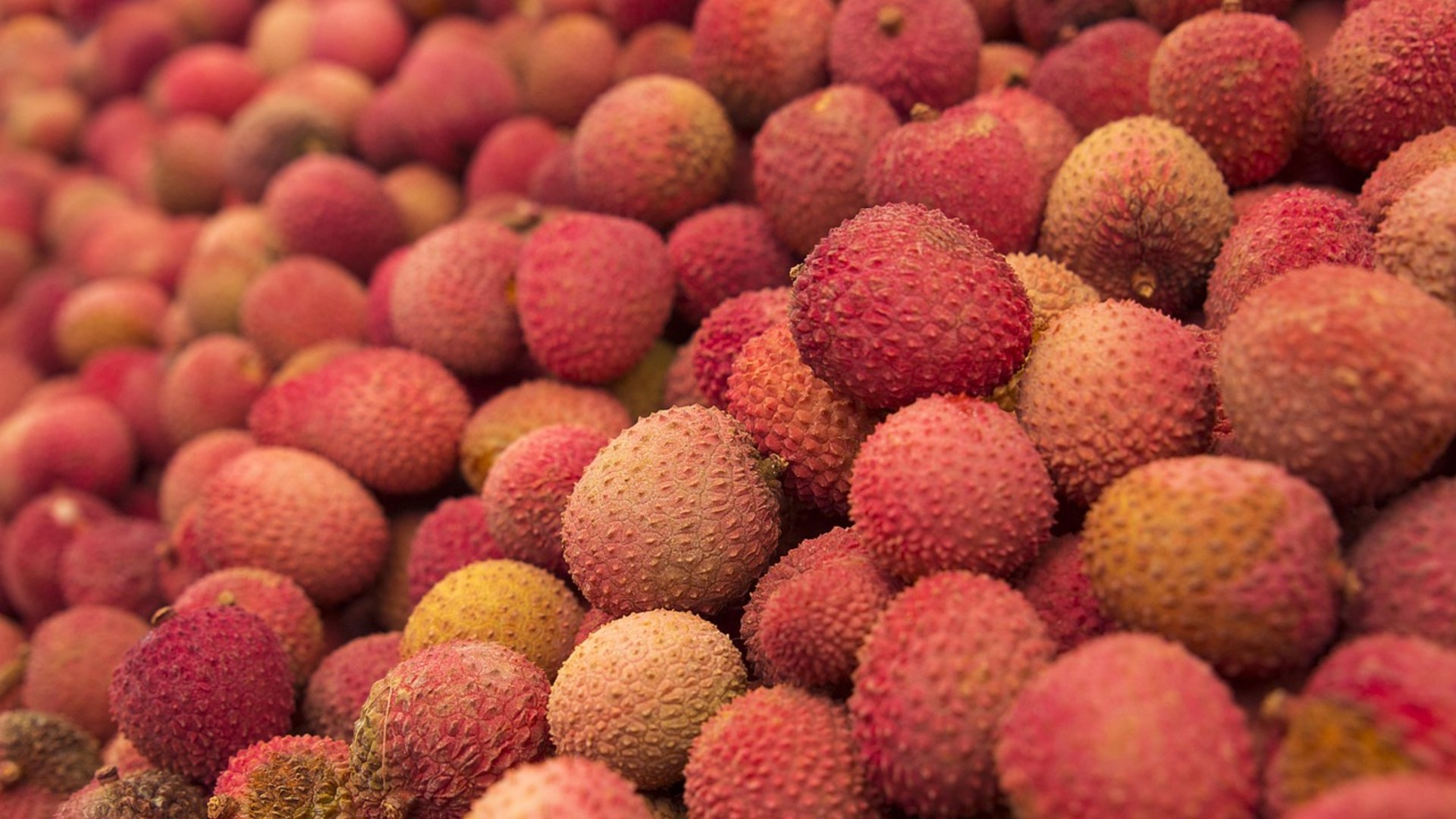
12. Lychee
Cultivated in southern China for over two thousand years, fresh lychees yield 71.5 milligrams of vitamin C per 100 grams. The floral white aril contains oligonol polyphenols, which researchers link to improved cardiovascular circulation and reduced exercise-induced muscle fatigue.
©Pixabay / greissdesign
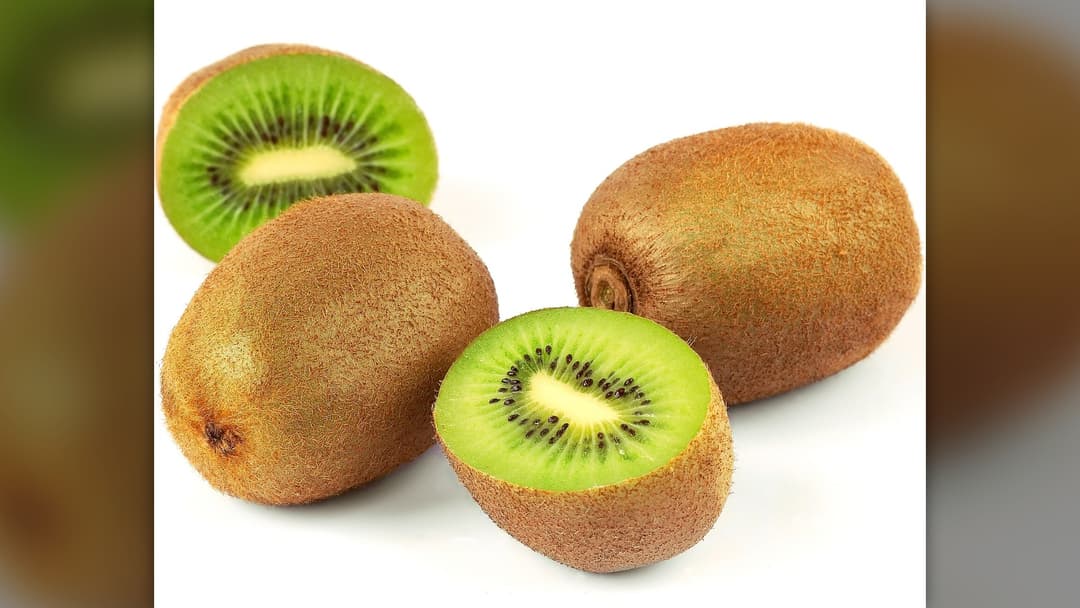
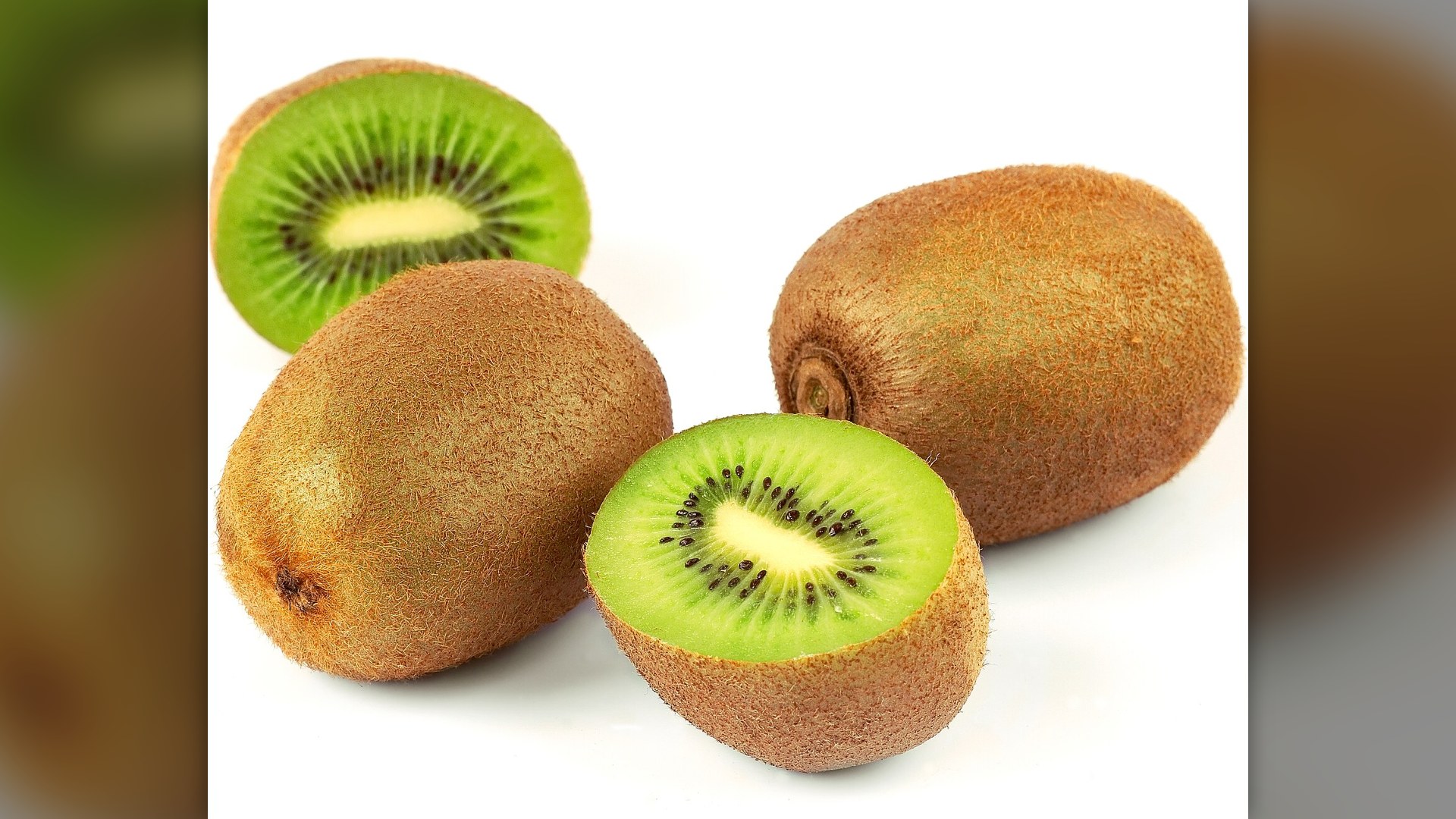
11. Green Kiwifruit
Green kiwifruit delivers 92.7 milligrams of vitamin C per 100 grams, nearly doubling the ascorbic density of standard oranges. Commercialized in New Zealand from Chinese gooseberry vines, the fruit carries actinidin enzymes and soluble pectin fiber that enhance gastrointestinal motility.
©Wikimedia / Luc Viatour
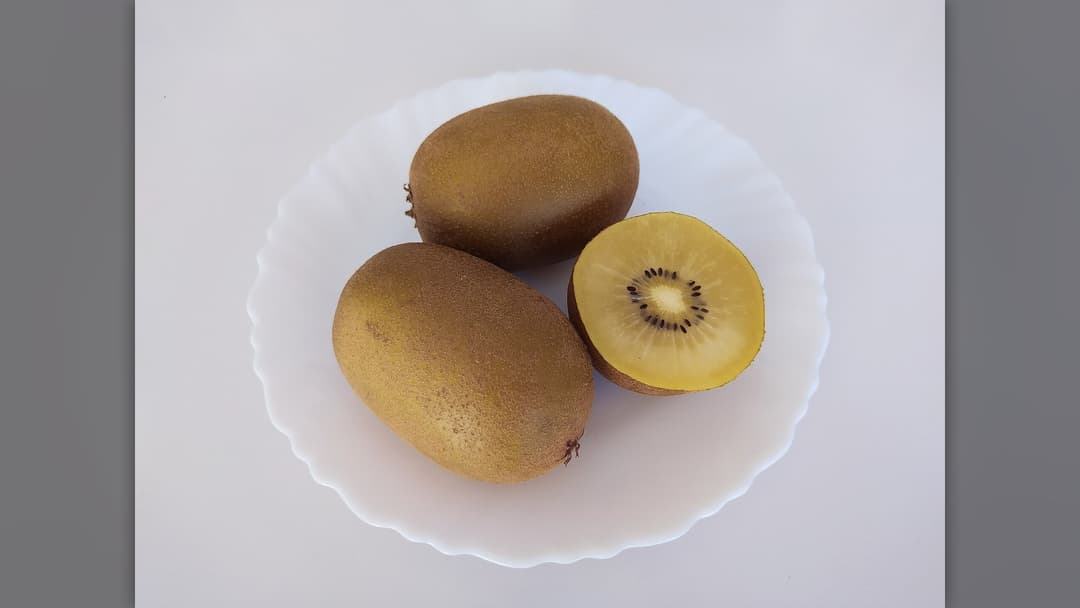
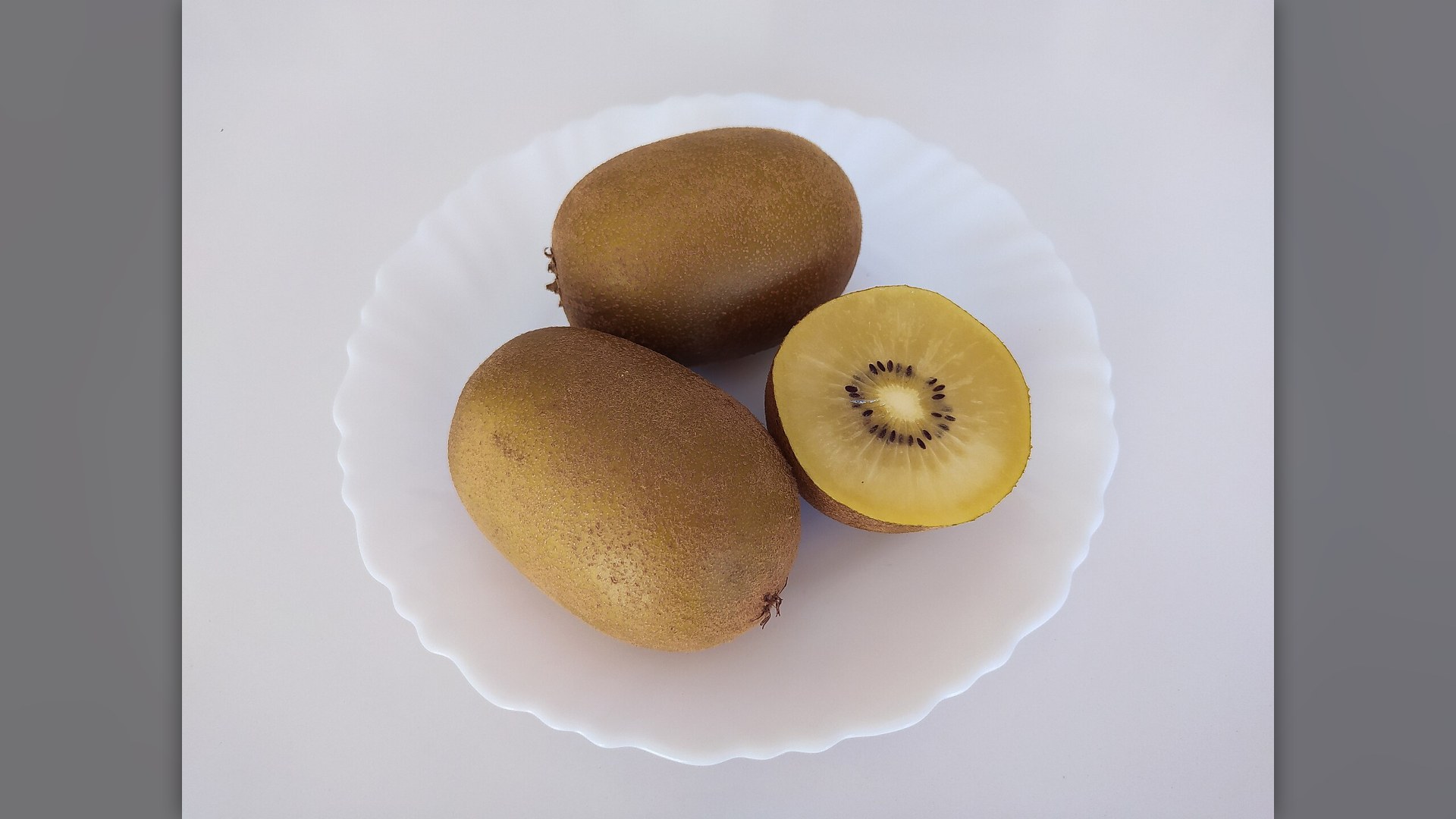
10. Golden Kiwifruit
Golden kiwifruit provides 161.3 milligrams of vitamin C per 100 grams, offering more than triple the concentration of fresh citrus. Developed through natural breeding in New Zealand during the 1990s, this yellow-fleshed variety features a tropical flavor profile and edible hairless skin.
©Wikimedia / El Mono Español
Advertisement
Swipe or tap ▶ to resume the countdown.
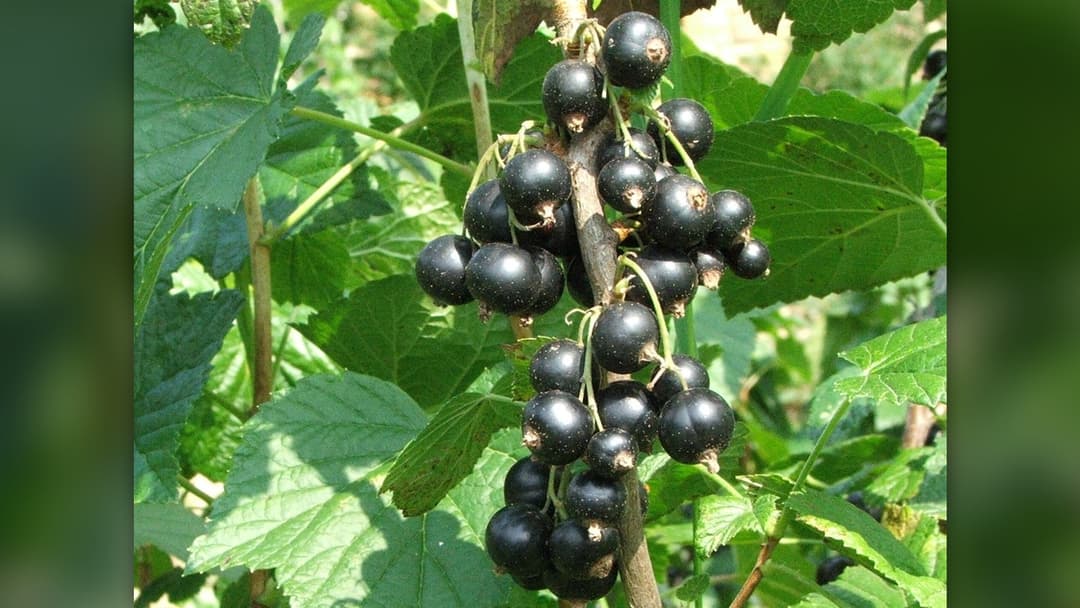
9. Blackcurrant
European blackcurrants deliver 181.0 milligrams of vitamin C per 100 grams, more than three times the level in lemons. Widely cultivated across Britain and Scandinavia for cordials and jams, these dark purple berries are heavily fortified with anthocyanins that support eye health.
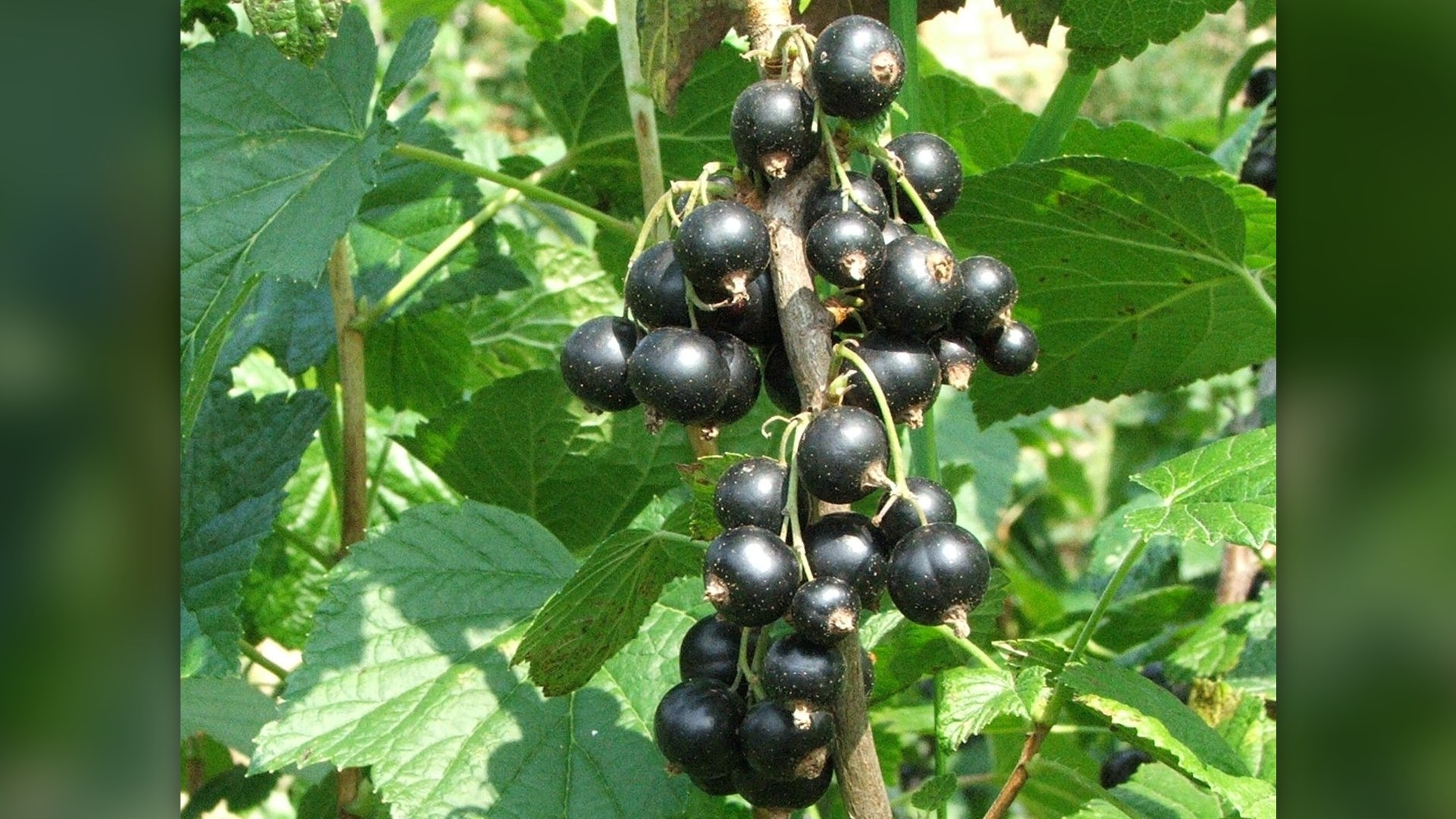
©Wikimedia / Jerzy Opioła
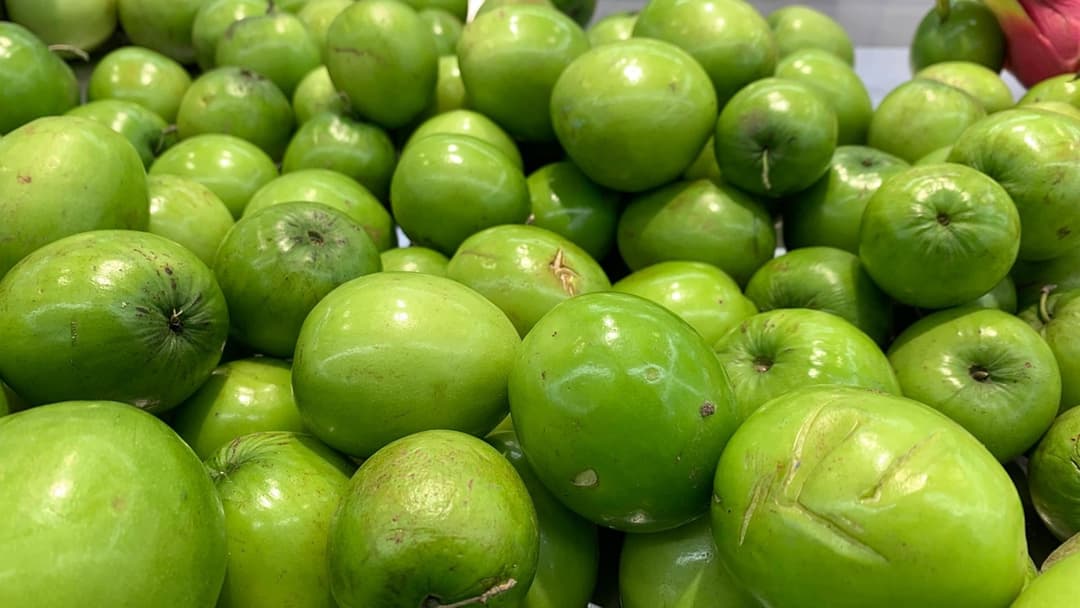
8. Jujube
Fresh Chinese jujubes contain 217.6 milligrams of vitamin C per 100 grams, offering an apple-like crunch when ripe. Used in traditional Chinese herbal medicine for over four millennia, the fruit features eighteen different amino acids that support metabolic vitality and deep restorative sleep.
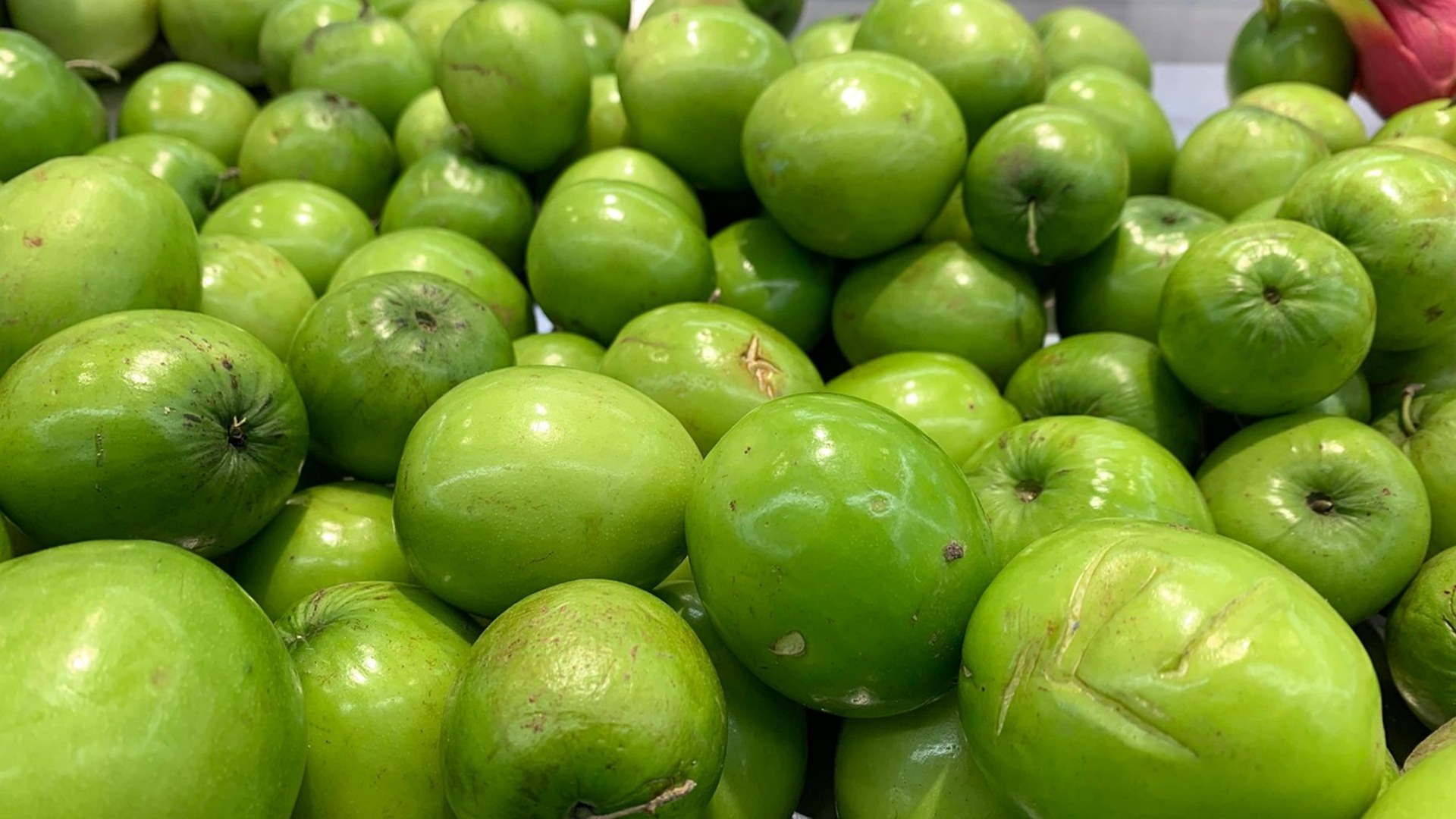
©Pixabay / AllDesignCreative_com
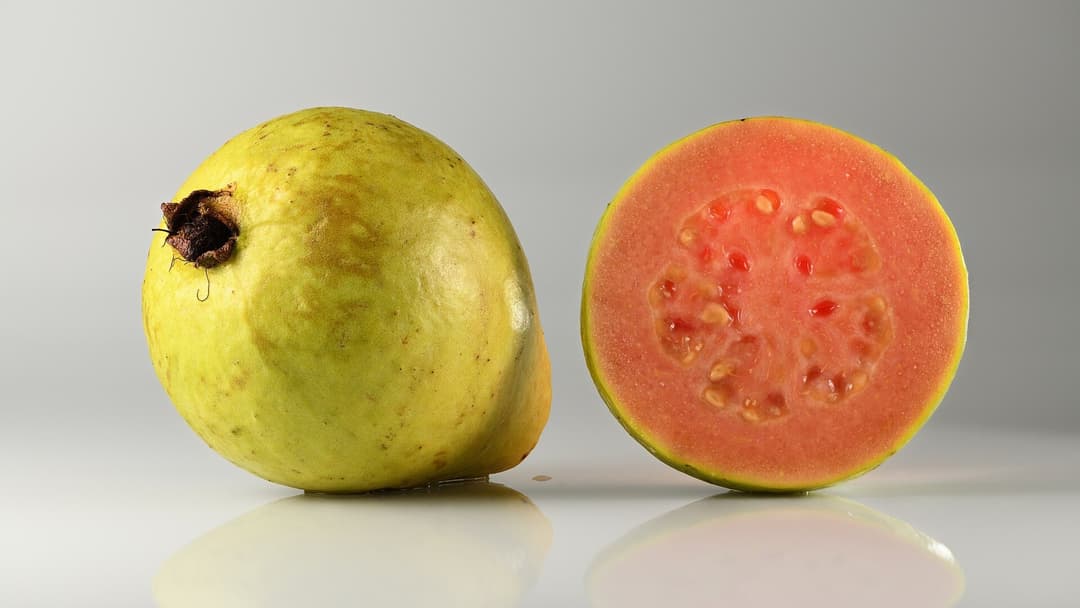
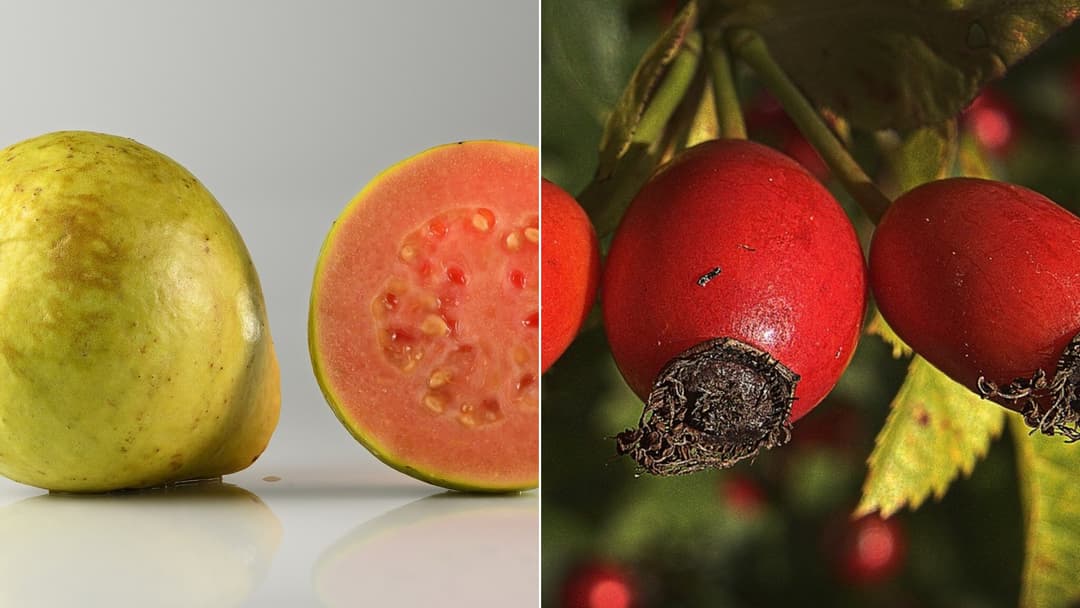
7. Guava
Common tropical guava delivers 228.3 milligrams of vitamin C per 100 grams, making it the most concentrated everyday supermarket fruit. A single guava supplies over two hundred percent of standard daily requirements, accompanied by high levels of dietary fiber, folate, and lycopene.
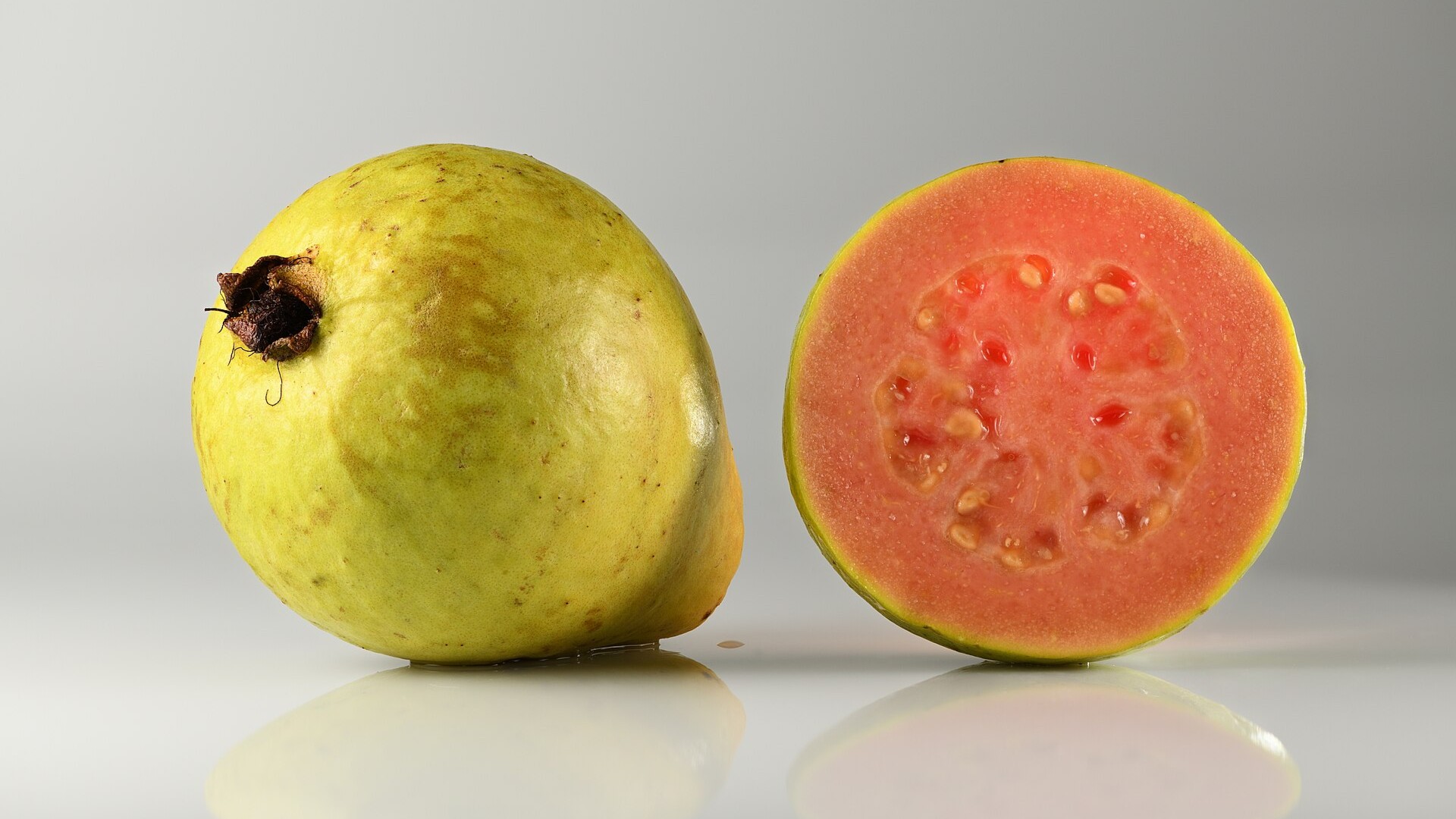
©Wikimedia / Guava
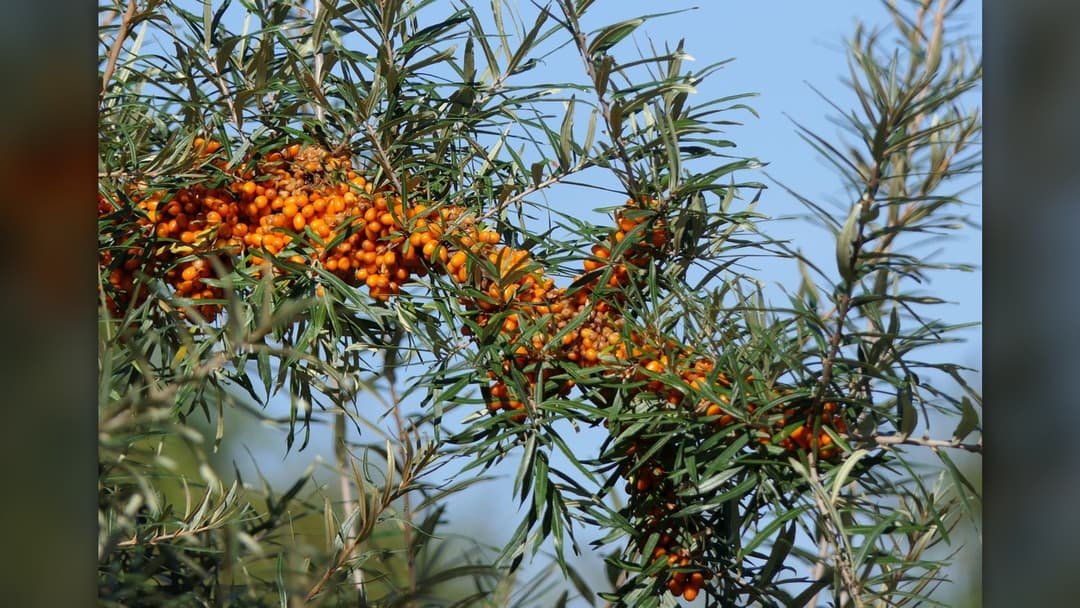
6. Sea Buckthorn
Wild sea buckthorn berries pack approximately 400.0 milligrams of vitamin C per 100 grams across cold Eurasian coastlines. The tart orange fruit also contains rare omega-7 palmitoleic fatty acids and fat-soluble carotenoids that speed tissue regeneration and fortify skin barriers.
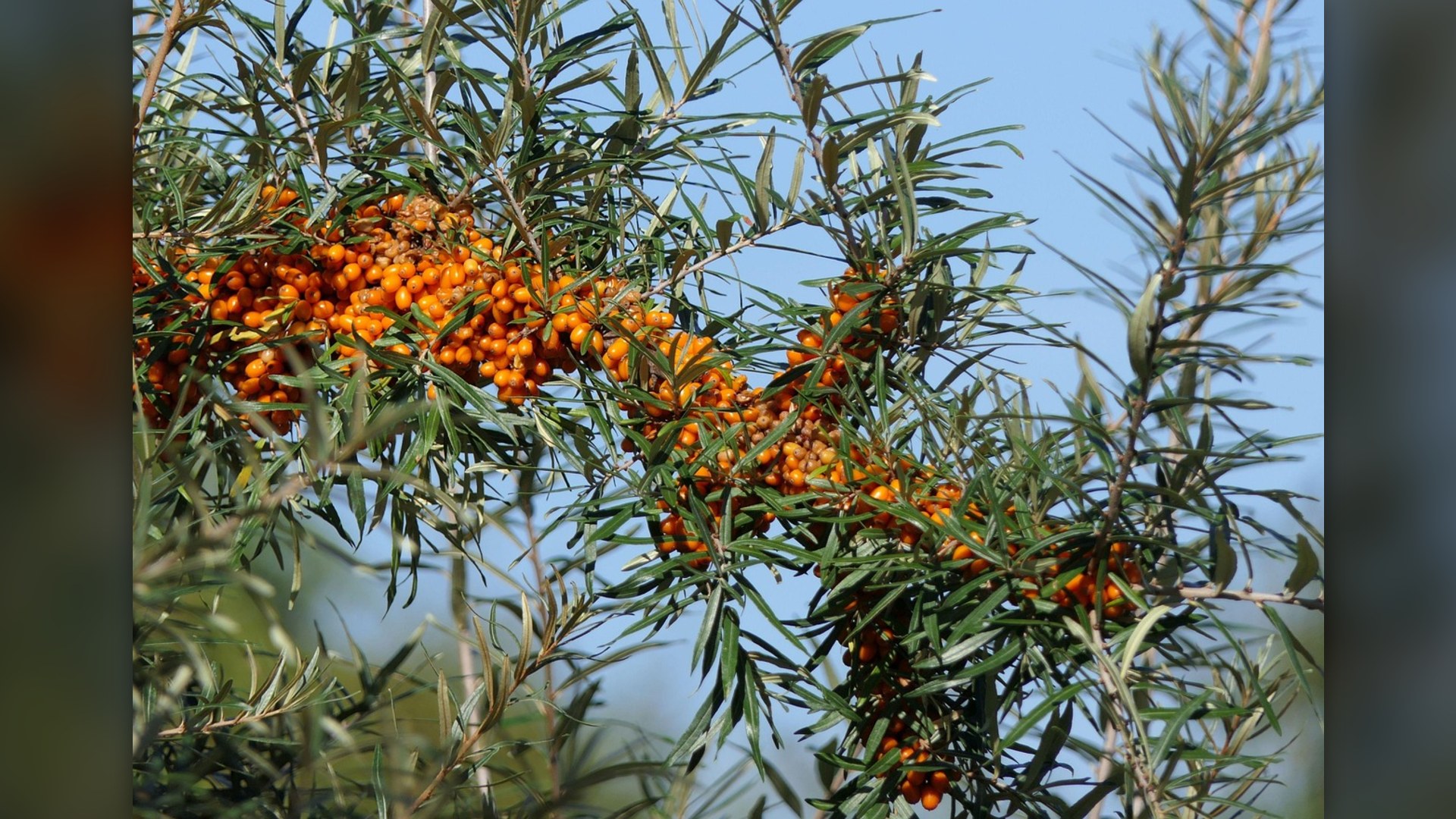
©Pixabay / Uschi_Du
Advertisement
Swipe or tap ▶ to resume the countdown.
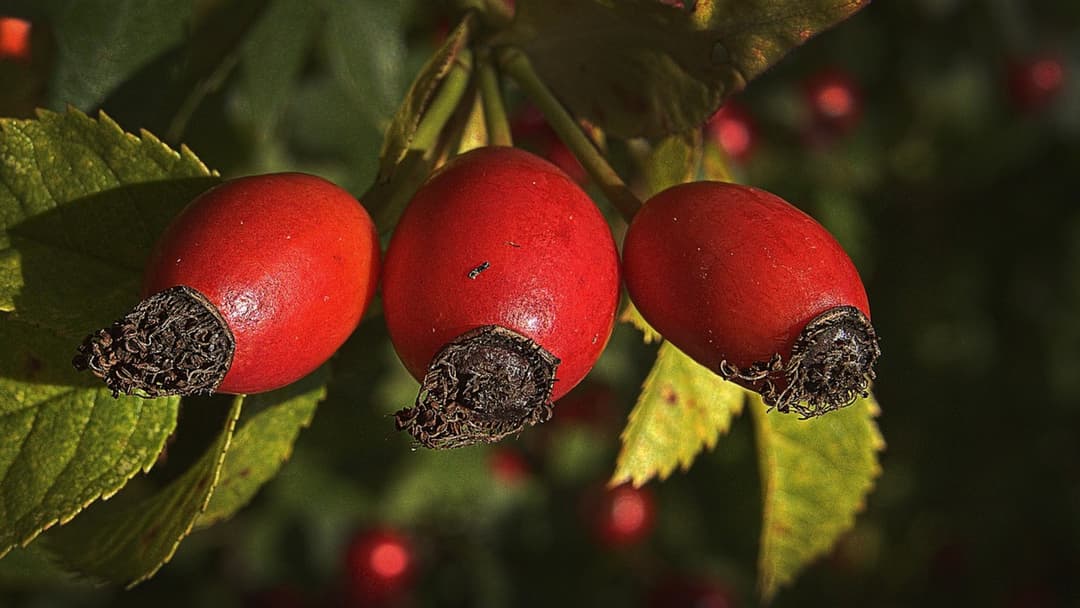
5. Rose Hip
The fruit of wild rose species like Rosa canina supplies 426.0 milligrams of vitamin C per 100 grams. During World War II, British civilians collected hundreds of tons of wild rose hips to produce government-rationed vitamin syrups when citrus imports were severed by naval blockades.
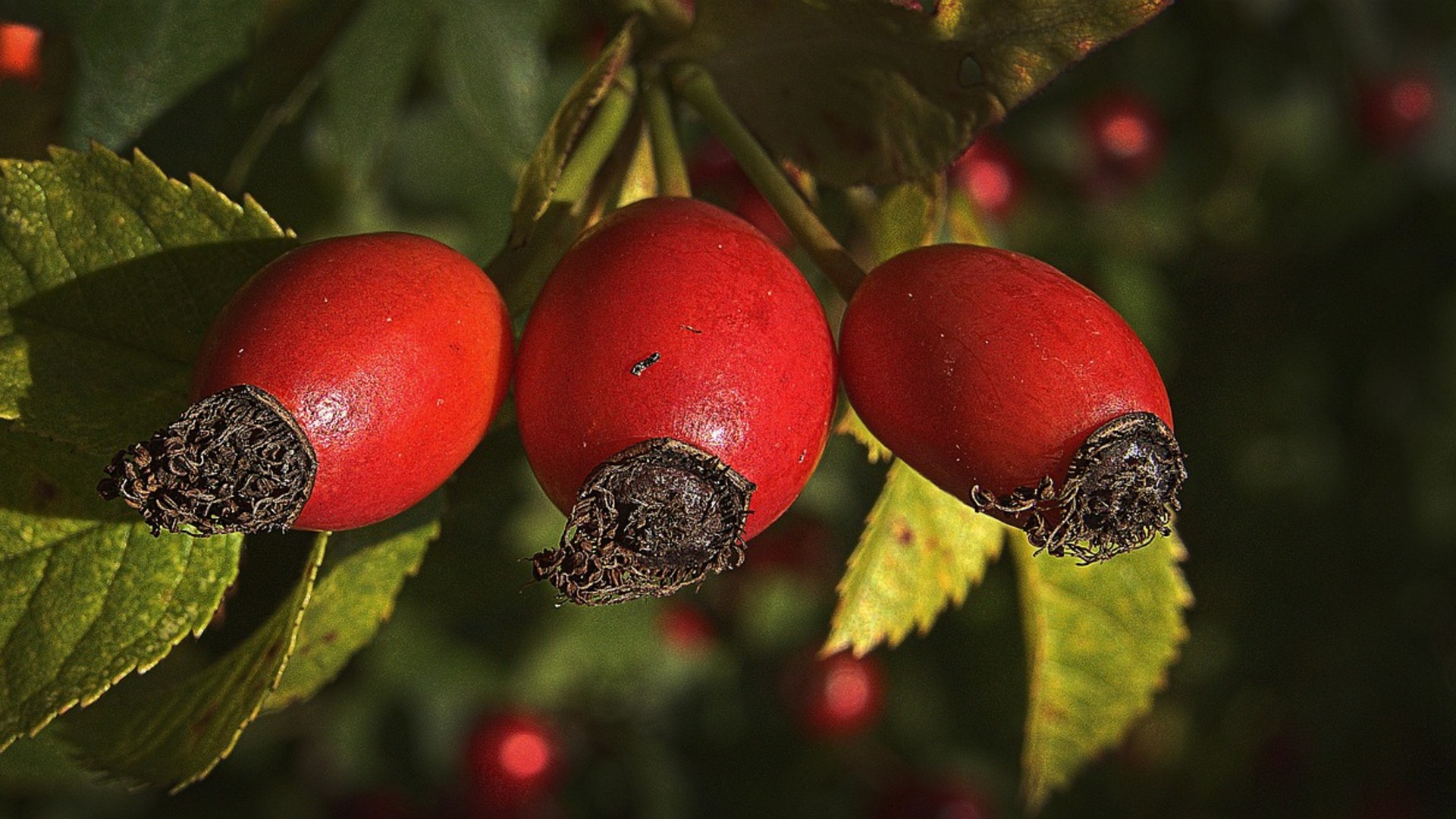
©Pixabay / anaterate
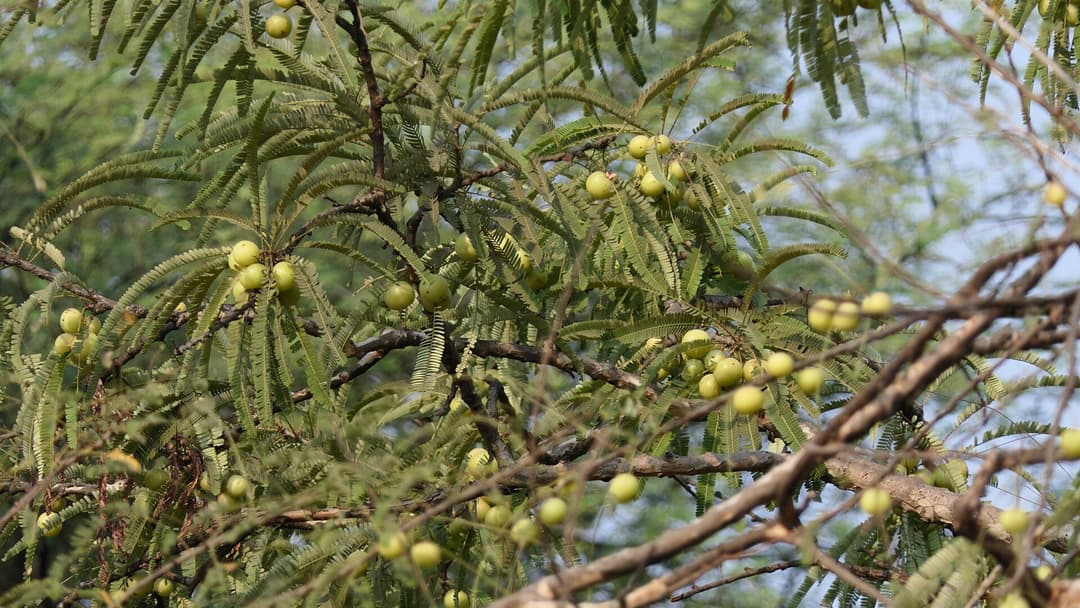
4. Amla
Amla berries yield 478.0 milligrams of vitamin C per 100 grams, serving as a cornerstone of Ayurvedic wellness preparations for centuries. The intense sour taste comes from concentrated ascorbic acid bonded with gallic acid and ellagitannins, which protect the vitamin from heat degradation.
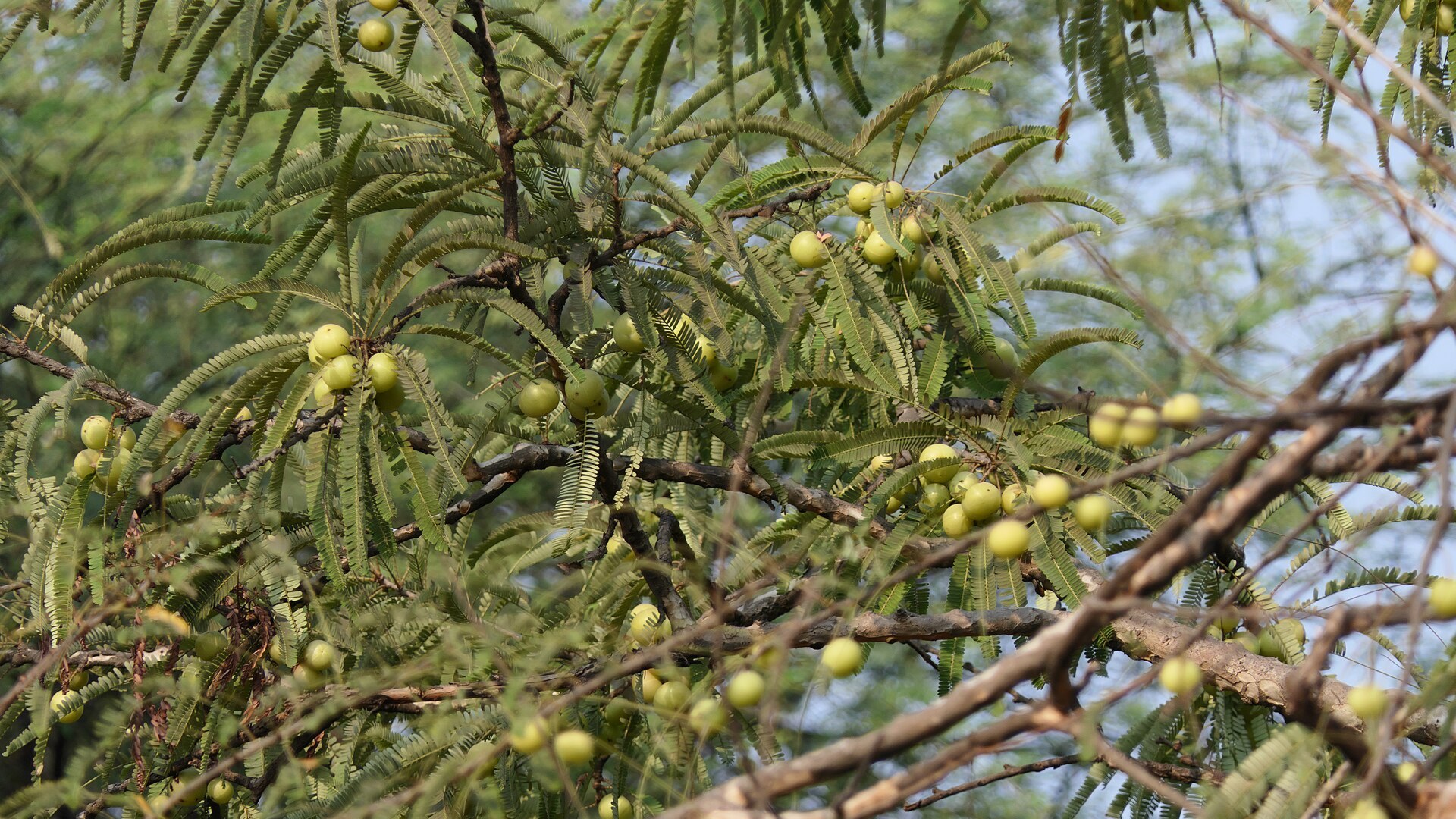
©Wikimedia / Dinesh Valke from Thane, India
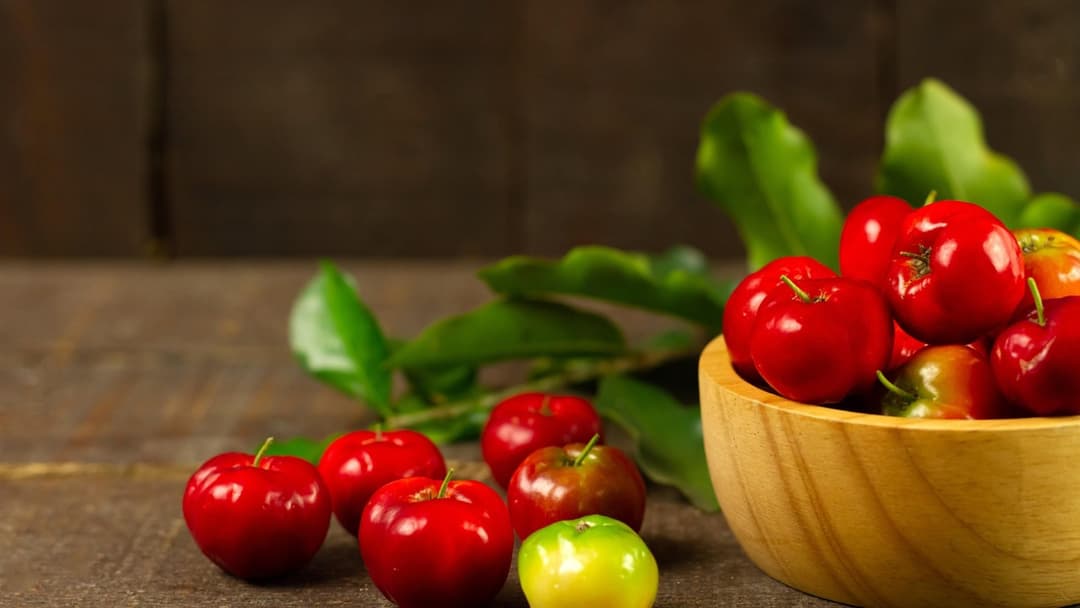
3. Acerola Cherry
Native to the Caribbean and Central America, fresh acerola cherries provide 1,677.6 milligrams of vitamin C per 100 grams. Just three or four small cherries satisfy daily human requirements, leading commercial supplement manufacturers to cultivate them extensively for natural vitamin C extracts.
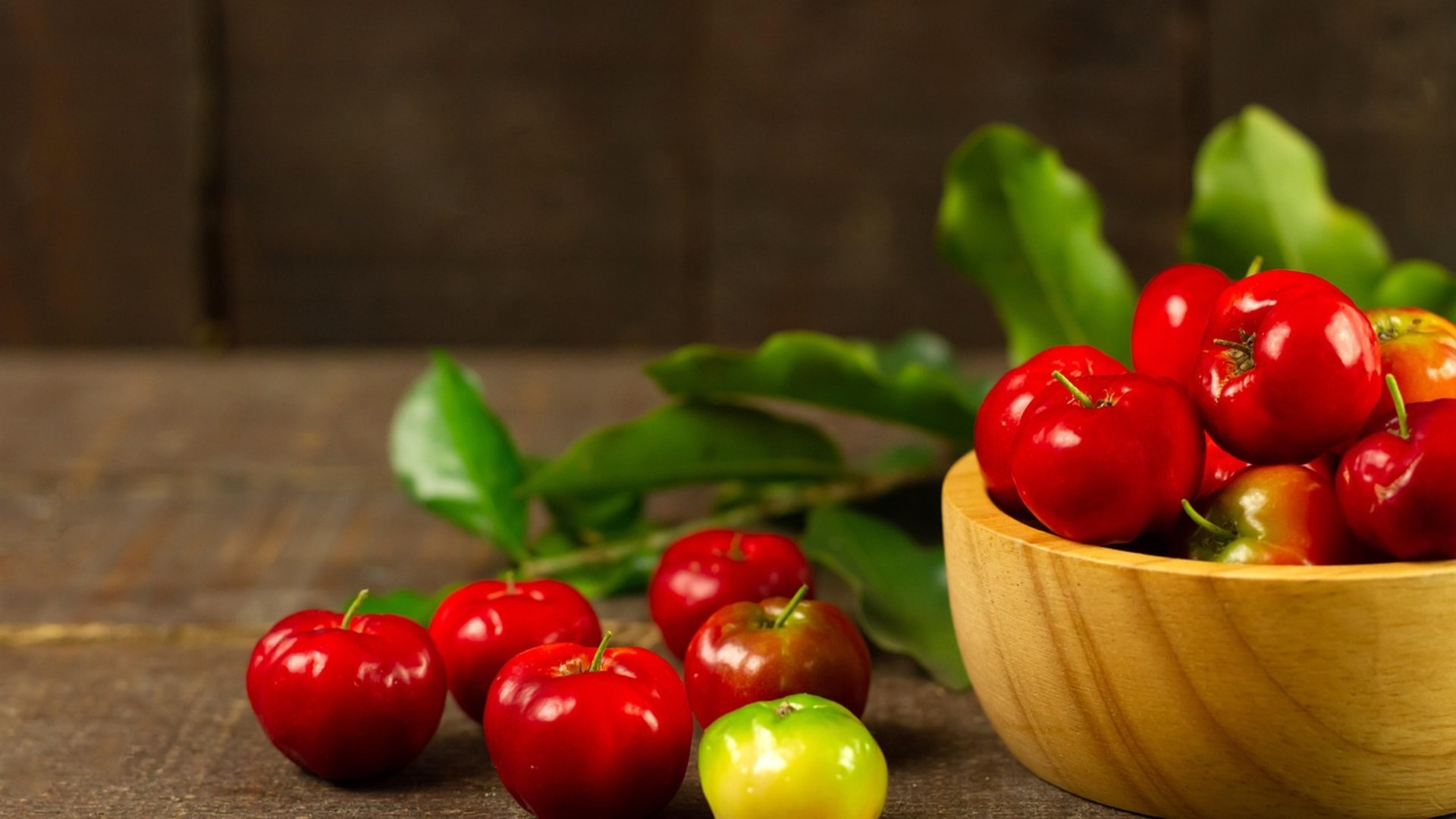
©Pixabay / Ninetechno
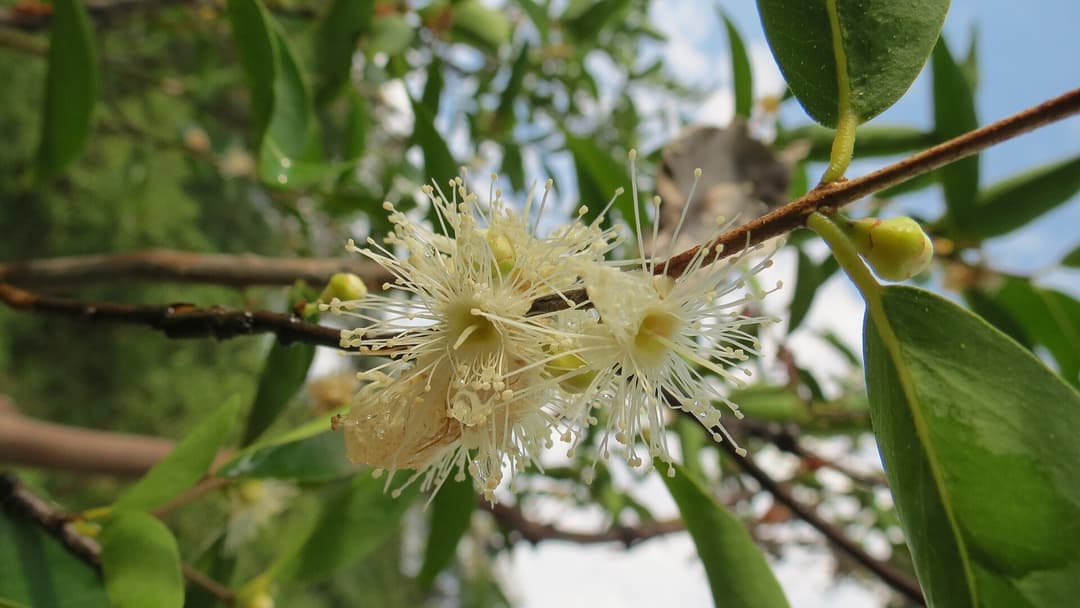
2. Camu Camu
Harvested along flooded Amazon river basins in Peru and Brazil, fresh camu camu yields 2,400.0 milligrams of vitamin C per 100 grams. The sour purplish berry contains forty times the ascorbic acid of an orange, alongside ellagic acid and potassium that thrive in nutrient-rich rainforest soils.
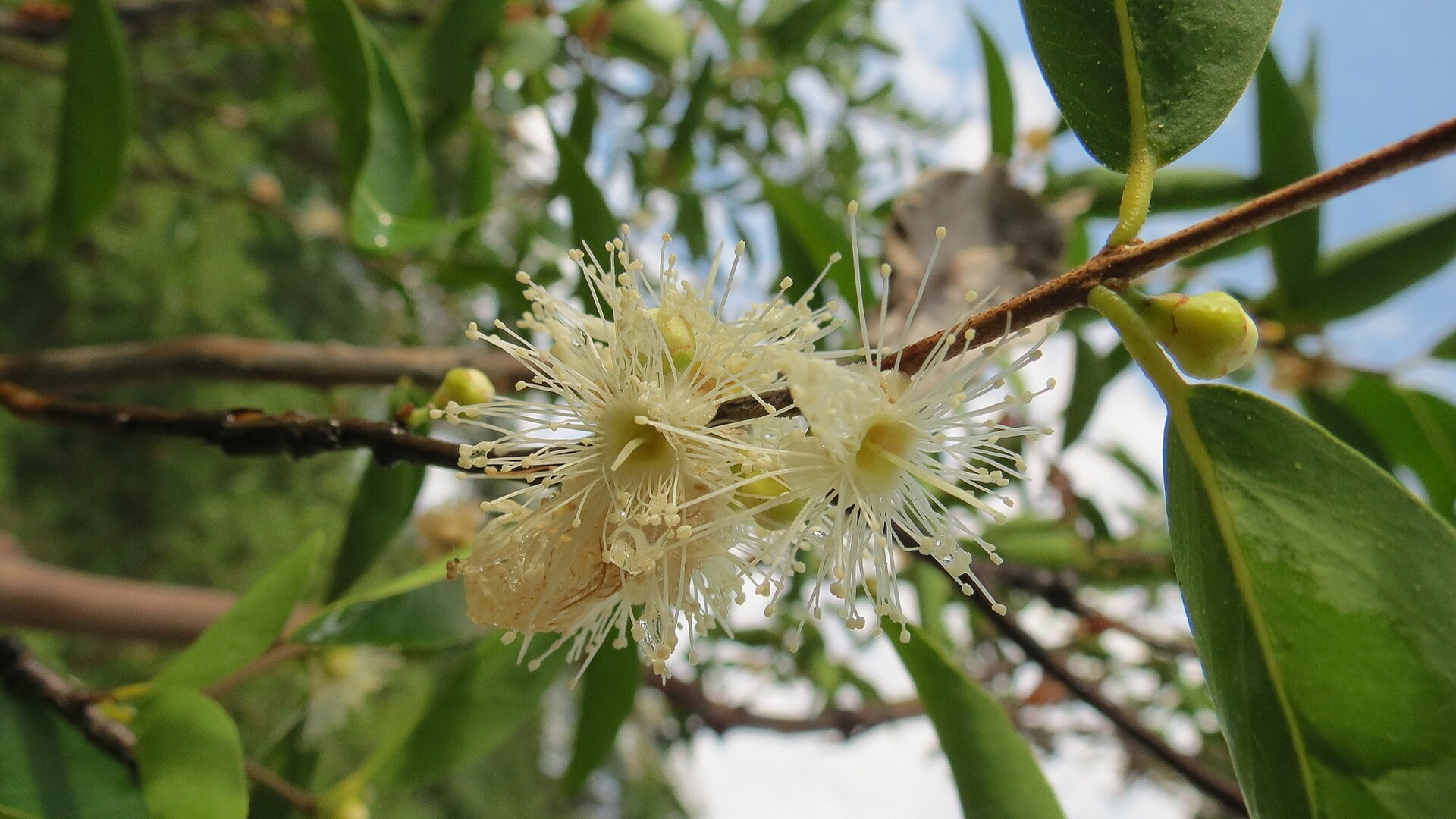
©Wikimedia / Fred Almeida2016
Advertisement
Swipe or tap ▶ to resume the countdown.
1. Kakadu Plum
Growing wild across northwestern Australian woodlands, the Kakadu plum produces 2,907.0 milligrams of vitamin C per 100 grams, the highest recorded in any natural fruit. Indigenous Australians have harvested the fruit for millennia, valuing its restorative power and concentrated antioxidants.

©Wikimedia / Thomas Mesaglio, some rights reserved (CC
Advertisement
You've reached the end of the story. Thanks for reading!

20 Ways Alcohol Changes Your Organs and Body Systems
Alcohol enters the bloodstream within minutes of consumption, impacting virtually every vital organ from your frontal cortex to cellular DNA. While small amounts produce temporary relaxation, repeated exposure triggers profound biochemical disruptions, immune suppression and irreversible cardiovascular harm.
All 20 Entries in this Story
20. Mango
Raw mango provides 36.4 milligrams of vitamin C per 100 grams, meeting roughly 40 percent of adult daily requirements. Popular cultivars like Tommy Atkins and Kent also deliver abundant beta-carotene and dietary fiber alongside natural sugars that support skin health and digestion.

19. Cantaloupe
Cantaloupe delivers 36.7 milligrams of vitamin C per 100 grams, alongside exceptionally high concentrations of provitamin A. The orange flesh is more than ninety percent water, offering a refreshing combination of electrolytes, potassium, and immune-supporting antioxidants during warm summer harvests.

18. Pineapple
Raw pineapple supplies 47.8 milligrams of vitamin C per 100 grams, accounting for over half of standard daily recommended intake. Indigenous to South America, the fruit pairs ascorbic acid with bromelain, a proteolytic enzyme that assists protein digestion and helps reduce tissue inflammation.

17. Clementine
Clementines offer 48.8 milligrams of vitamin C per 100 grams, making two small fruits enough to satisfy a full day of nutritional guidelines. First bred in Algeria by Brother Clement Rodier in 1902, this sweet citrus hybrid contains hesperidin flavonoids that strengthen capillary walls.

16. Lemon
Fresh peeled lemons deliver 53.0 milligrams of vitamin C per 100 grams, alongside five percent citric acid that gives them their signature sour bite. Historically used by naval surgeons like James Lind to prevent scurvy on long voyages, lemons remain a primary culinary source of plant bioflavonoids.

15. Orange
Navel and Valencia oranges provide 53.2 milligrams of vitamin C per 100 grams, establishing the cultural benchmark for dietary ascorbic acid. While widely celebrated as the ultimate vitamin C source, oranges are surpassed by numerous tropical berries, melons, and leafy orchard crops.

14. Strawberry
Raw garden strawberries supply 58.8 milligrams of vitamin C per 100 grams, edging out oranges and lemons in nutritional density. Packed with anthocyanin pigments and ellagic acid, a single cup of sliced strawberries provides complete daily immune support with minimal calories.

13. Papaya
Native to Central America, raw papaya provides 60.9 milligrams of vitamin C per 100 grams. The bright orange melon contains papain enzymes that tenderize proteins, alongside lycopene carotenoids that protect cellular membranes from oxidative damage caused by ultraviolet exposure.

12. Lychee
Cultivated in southern China for over two thousand years, fresh lychees yield 71.5 milligrams of vitamin C per 100 grams. The floral white aril contains oligonol polyphenols, which researchers link to improved cardiovascular circulation and reduced exercise-induced muscle fatigue.

11. Green Kiwifruit
Green kiwifruit delivers 92.7 milligrams of vitamin C per 100 grams, nearly doubling the ascorbic density of standard oranges. Commercialized in New Zealand from Chinese gooseberry vines, the fruit carries actinidin enzymes and soluble pectin fiber that enhance gastrointestinal motility.

10. Golden Kiwifruit
Golden kiwifruit provides 161.3 milligrams of vitamin C per 100 grams, offering more than triple the concentration of fresh citrus. Developed through natural breeding in New Zealand during the 1990s, this yellow-fleshed variety features a tropical flavor profile and edible hairless skin.

9. Blackcurrant
European blackcurrants deliver 181.0 milligrams of vitamin C per 100 grams, more than three times the level in lemons. Widely cultivated across Britain and Scandinavia for cordials and jams, these dark purple berries are heavily fortified with anthocyanins that support eye health.

8. Jujube
Fresh Chinese jujubes contain 217.6 milligrams of vitamin C per 100 grams, offering an apple-like crunch when ripe. Used in traditional Chinese herbal medicine for over four millennia, the fruit features eighteen different amino acids that support metabolic vitality and deep restorative sleep.

7. Guava
Common tropical guava delivers 228.3 milligrams of vitamin C per 100 grams, making it the most concentrated everyday supermarket fruit. A single guava supplies over two hundred percent of standard daily requirements, accompanied by high levels of dietary fiber, folate, and lycopene.

6. Sea Buckthorn
Wild sea buckthorn berries pack approximately 400.0 milligrams of vitamin C per 100 grams across cold Eurasian coastlines. The tart orange fruit also contains rare omega-7 palmitoleic fatty acids and fat-soluble carotenoids that speed tissue regeneration and fortify skin barriers.

5. Rose Hip
The fruit of wild rose species like Rosa canina supplies 426.0 milligrams of vitamin C per 100 grams. During World War II, British civilians collected hundreds of tons of wild rose hips to produce government-rationed vitamin syrups when citrus imports were severed by naval blockades.

4. Amla
Amla berries yield 478.0 milligrams of vitamin C per 100 grams, serving as a cornerstone of Ayurvedic wellness preparations for centuries. The intense sour taste comes from concentrated ascorbic acid bonded with gallic acid and ellagitannins, which protect the vitamin from heat degradation.

3. Acerola Cherry
Native to the Caribbean and Central America, fresh acerola cherries provide 1,677.6 milligrams of vitamin C per 100 grams. Just three or four small cherries satisfy daily human requirements, leading commercial supplement manufacturers to cultivate them extensively for natural vitamin C extracts.

2. Camu Camu
Harvested along flooded Amazon river basins in Peru and Brazil, fresh camu camu yields 2,400.0 milligrams of vitamin C per 100 grams. The sour purplish berry contains forty times the ascorbic acid of an orange, alongside ellagic acid and potassium that thrive in nutrient-rich rainforest soils.

1. Kakadu Plum
Growing wild across northwestern Australian woodlands, the Kakadu plum produces 2,907.0 milligrams of vitamin C per 100 grams, the highest recorded in any natural fruit. Indigenous Australians have harvested the fruit for millennia, valuing its restorative power and concentrated antioxidants.