Slideshow · Viral
30 Essential Emergency Fund Rules To Protect Your Finances
How much cash do you actually need in reserve and where should you park it? From high-yield savings to short-term Treasury bills, here is the complete financial guide.

By Most Viral Today
4 Nov 2026

The Step-By-Step Emergency Savings Playbook 
30. Audit Your Bare-Bones Budget 
29. Strip Non-Essential Recurring Fees 
28. Factor In Maximum Insurance Deductibles - AdvertisementSwipe or tap ▶ to continue countdown

27. Establish An Initial Starter Buffer 
26. Keep Three Months If Salaried And Stable 
25. Maintain Six Months For Single Income Homes 
24. Build Up To Nine Months For Freelancers - AdvertisementSwipe or tap ▶ to continue countdown

23. Expand Sizing For Dependents And Pets 
22. Select A High-Yield Savings Account 
21. Demand Full FDIC Or NCUA Insurance 
20. Separate Your Reserve From Checking - AdvertisementSwipe or tap ▶ to continue countdown

19. Avoid Stashing Thousands In Physical Cash 
18. Never Risk Emergency Cash In Equities 
17. Keep Cryptocurrencies Completely Out 
16. Beware Rigid Long-Term Certificates Of Deposit - AdvertisementSwipe or tap ▶ to continue countdown

15. Do Not Rely On Home Equity Lines 
14. Guard Your Retirement Accounts From Raids 
13. Stop High-Interest Credit Card Borrowing 
12. Maintain A Small Immediate Cash Cushion - AdvertisementSwipe or tap ▶ to continue countdown

11. Automate Payday Transfers Without Delay 
10. Route Windfalls And Tax Refunds Into Savings 
9. Utilize Short-Term Treasury Bills For Excess 
8. Consider Money Market Deposit Accounts - AdvertisementSwipe or tap ▶ to continue countdown

7. Define What Counts As A Real Emergency 
6. Establish A Clear Written Withdrawal Rule 
5. Freeze Discretionary Spending When Tapping Funds 
4. Adjust Fund Targets As Life Costs Shift - AdvertisementSwipe or tap ▶ to continue countdown

3. Schedule Bi-Annual Financial Audits 
2. Make Replenishment Your Top Financial Priority 
1. Value Peace Of Mind Over High Returns - Advertisement🔥 UP NEXT IN THIS SERIES◫ 21 Slides

20 Famous Cars With Pop-Up Headlights That Shaped Car Design
From hand-cranked 1930s teardrops to wedge supercars of the 1980s, hidden headlights let stylists chase sleek aerodynamics until 2004 pedestrian rules closed the curtain. Here are 20 standout production cars that turned retractable lamps into an enduring automotive design feature across seven full decades.
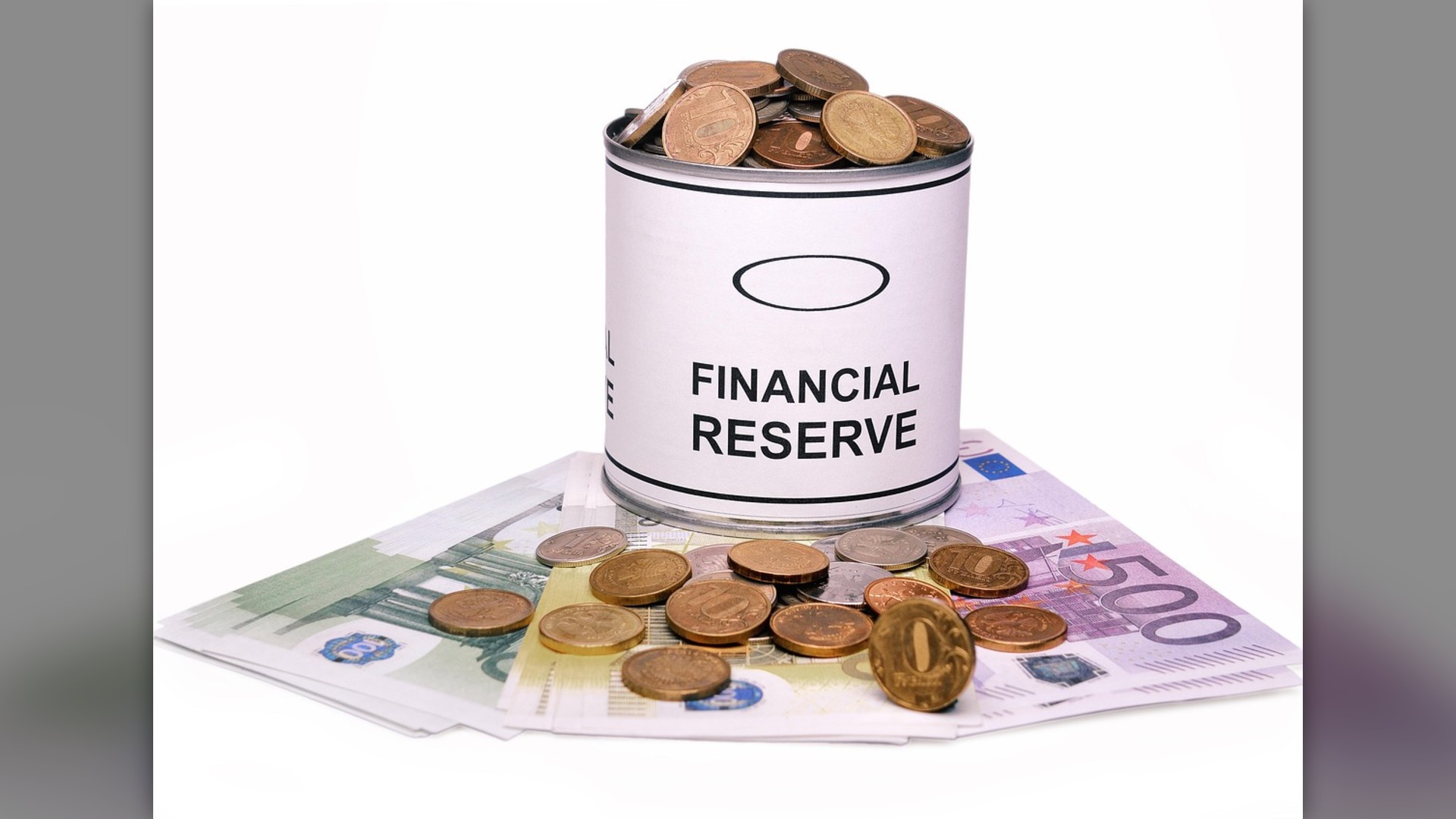
A well-structured safety net shields your family and home during unexpected financial storms. Here is how much you need and where to park it.
Swipe or tap ▶ to begin the countdown
©Pixabay / RHDUCEJO & Pixabay / QuinceCreative
30. Audit Your Bare-Bones Budget
Separate mandatory survival costs like housing and groceries from discretionary spending. Your true emergency number depends strictly on essentials.
©Pixabay / stevepb
29. Strip Non-Essential Recurring Fees
Unnecessary subscriptions drain hundreds of dollars every year. Knowing what to cut immediately gives your reserve greater endurance.
©Wikimedia Commons / Basile Morin
28. Factor In Maximum Insurance Deductibles
Health, home, and auto insurance deductibles require immediate liquidity. Ensure your cash stash exceeds your largest single policy co-pay.
©Pixabay / OleksandrPidvalnyi
Advertisement
Swipe or tap ▶ to resume the countdown.
27. Establish An Initial Starter Buffer
Before attempting a six-month reserve, save one thousand dollars rapidly. This stops small car repairs from hitting high-interest credit cards.
©Wikimedia / Tilemahos Efthimiadis from Athens, Greece
26. Keep Three Months If Salaried And Stable
Dual earners with reliable corporate careers face lower simultaneous layoff risks. Three months of core overhead offers adequate protection.
©Pixabay / geralt
25. Maintain Six Months For Single Income Homes
When one paycheck supports a mortgage and groceries, a layoff is severe. Six full months gives you the runway to find the right replacement role.
© Photo by Jessica Rockowitz on Unsplash
24. Build Up To Nine Months For Freelancers
Freelancers, commission salespeople, and gig contractors face unpredictable dry spells. Extended liquid reserves prevent emergency project discounting.
©Wikimedia Commons / Tran Mau Tri Tam
Advertisement
Swipe or tap ▶ to resume the countdown.
23. Expand Sizing For Dependents And Pets
Emergency veterinary surgery or pediatric dental procedures arise without warning. Add a dedicated contingency layer if you support dependents.
©Wikimedia / Kcjsew
22. Select A High-Yield Savings Account
Traditional national banks often pay near zero percent on standard savings. Modern online accounts deliver meaningful yield while keeping funds liquid.
©Wikimedia Commons / Shixart1985
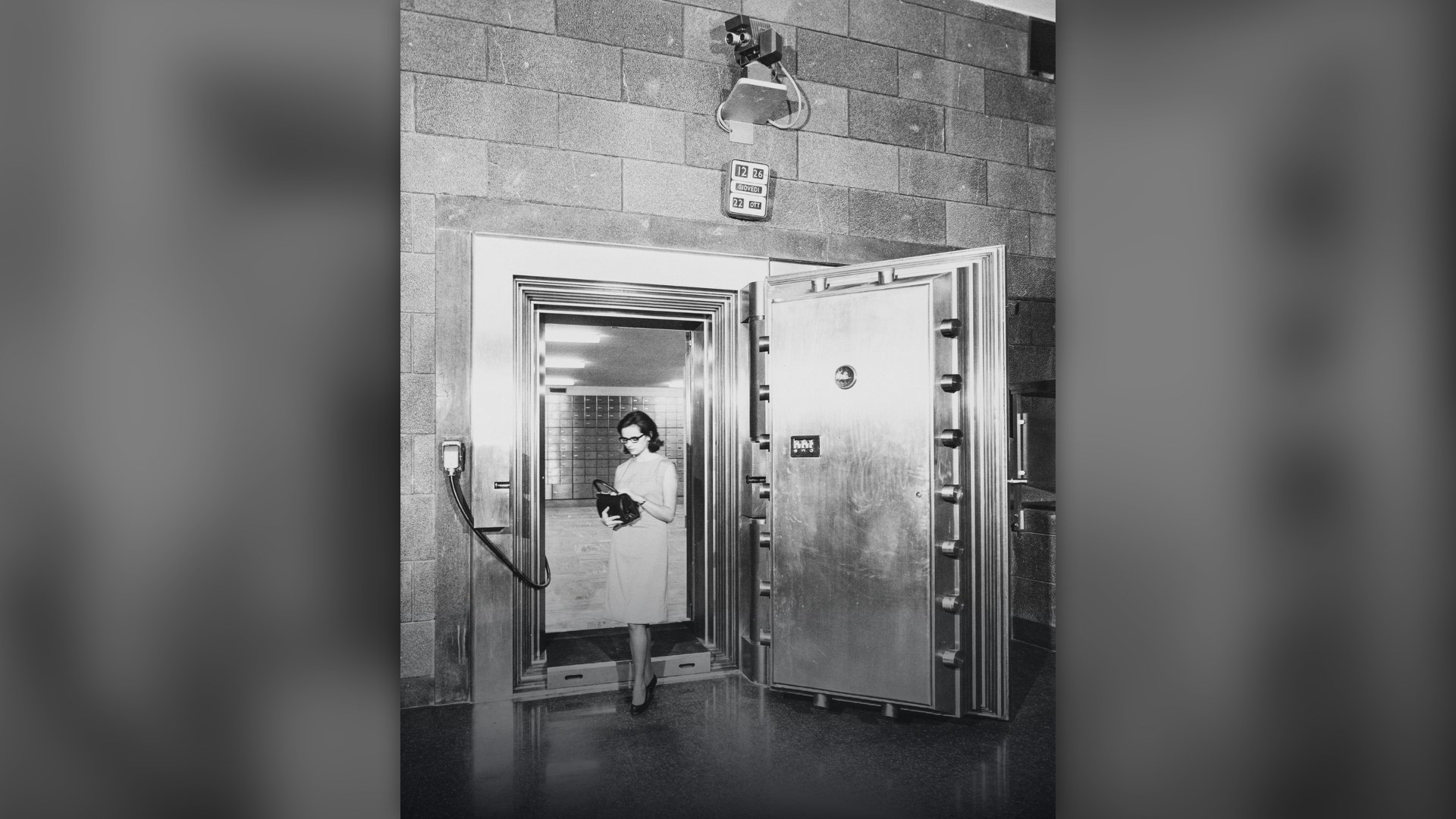
21. Demand Full FDIC Or NCUA Insurance
Verify that your depository institution holds direct government deposit insurance up to legal limits. Your capital must stay safe through bank failures.
©Wikimedia Commons / Aldo Moisio
20. Separate Your Reserve From Checking
Out of sight is out of mind. Storing your reserve at an institution different from your daily spending account adds friction against impulse buys.
©Pixabay / 777546
Advertisement
Swipe or tap ▶ to resume the countdown.
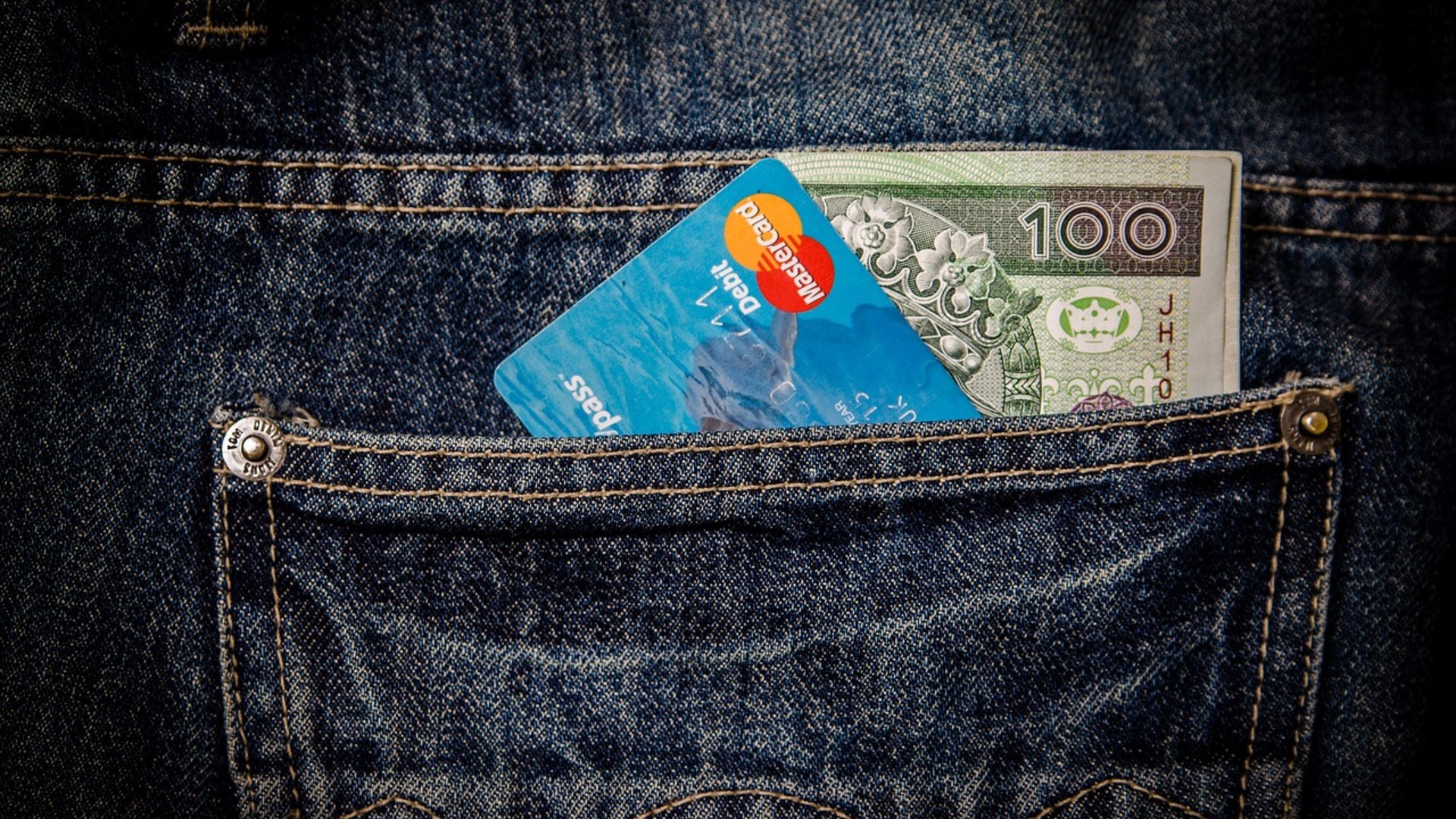
19. Avoid Stashing Thousands In Physical Cash
Paper currency earns no interest and loses purchasing power to inflation daily. Keep physical cash modest and let insured institutions hold the bulk.
©Wikimedia Commons / HuangWending18072009
18. Never Risk Emergency Cash In Equities
Investing your safety net in stocks risks forcing you to sell during severe market downturns. Capital preservation must always beat growth here.
©Wikimedia Commons / Ank Kumar
17. Keep Cryptocurrencies Completely Out
Crypto assets can plunge fifty percent in days during market corrections. When rent or mortgage payments are due, volatility is unacceptable.
©Wikimedia Commons / Tiberiandusk
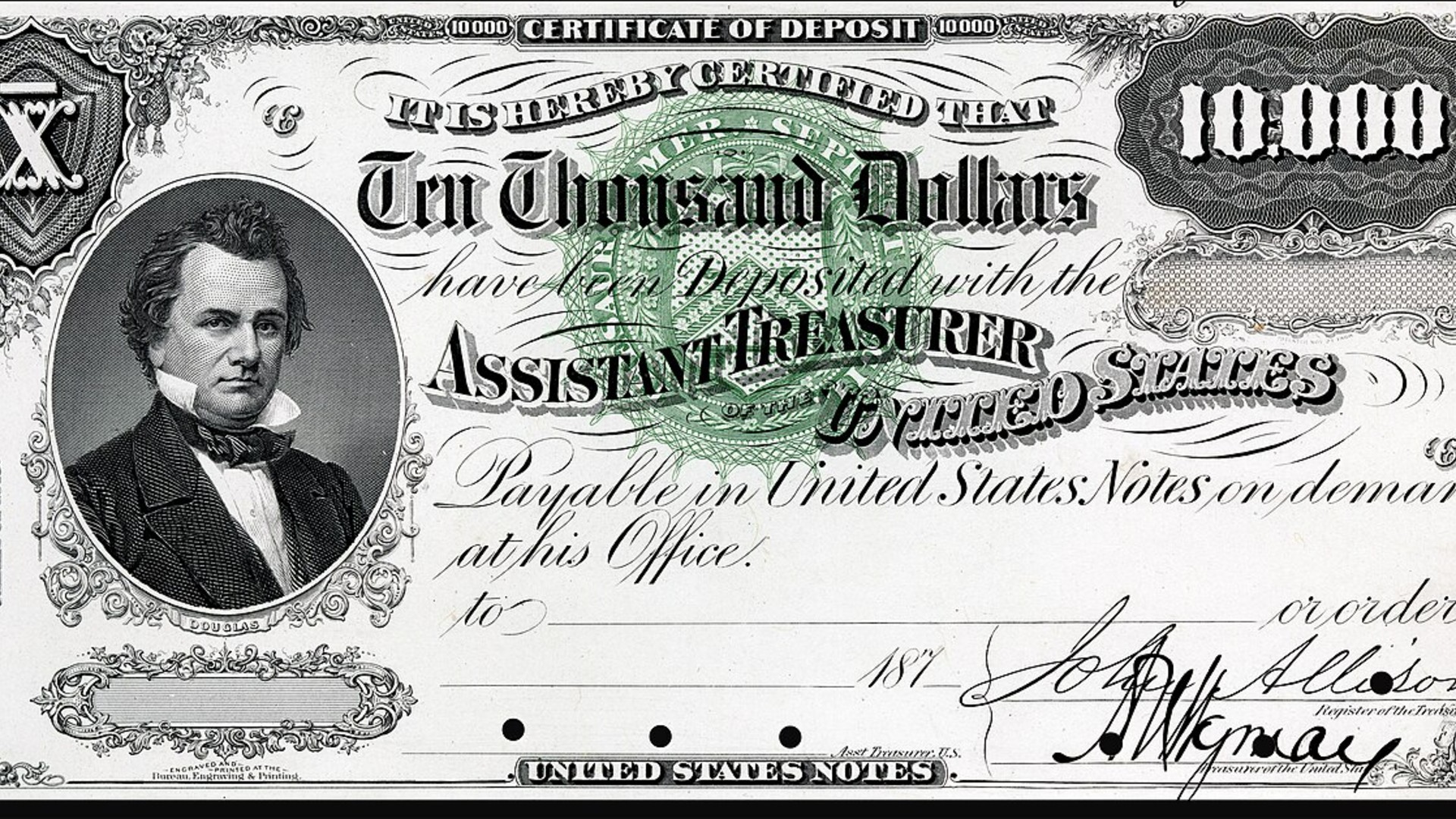
16. Beware Rigid Long-Term Certificates Of Deposit
Certificates of deposit promise fixed returns but restrict access. Breaking them early forfeits accrued interest right when cash is vital.
©Wikimedia / National Museum of American History
Advertisement
Swipe or tap ▶ to resume the countdown.
15. Do Not Rely On Home Equity Lines
A home equity credit line is debt, not cash. In deep recessions, financial institutions routinely reduce credit limits without warning.
©Wikimedia Commons / Andre Carrotflower
14. Guard Your Retirement Accounts From Raids
Cashing out retirement plans forfeits compound growth and invites IRS early penalty fees. A liquid cash fund protects your long-term retirement.
©Pixabay / geralt
13. Stop High-Interest Credit Card Borrowing
Charging emergencies to credit cards creates long-lasting double-digit interest burdens. Cash reserves insulate you from debt cycles.
©Wikimedia Commons / frankieleon
12. Maintain A Small Immediate Cash Cushion
During regional electrical blackouts or storm disruptions, electronic payment cards stop working. A modest physical cash stash covers gas and food.
©Wikimedia Commons / kmarinas86 and the United States Mi
Advertisement
Swipe or tap ▶ to resume the countdown.
11. Automate Payday Transfers Without Delay
Direct a percentage of every paycheck straight into your savings account before you see it. Consistency matters far more than occasional windfalls.
©Wikimedia Commons / Torsten Dettlaff
10. Route Windfalls And Tax Refunds Into Savings
Allocating fifty percent of unexpected cash gifts or tax refunds builds multiple months of security in one single deposit.
©Pixabay / stevepb
9. Utilize Short-Term Treasury Bills For Excess
For reserves beyond the three-month mark, rolling four-week government T-bills provide competitive yields exempt from state income tax.
©Wikimedia / JHerbstman
8. Consider Money Market Deposit Accounts
Offered by insured banks, these accounts provide check-writing privileges and debit cards, ensuring instant access during critical hospital visits.
©Pixabay / TBIT
Advertisement
Swipe or tap ▶ to resume the countdown.
7. Define What Counts As A Real Emergency
Job losses, urgent medical emergencies, and essential vehicle breakdowns qualify. Holiday sales and concert tickets never meet the standard.
©Pixabay / stevepb
6. Establish A Clear Written Withdrawal Rule
Writing down your withdrawal rules prevents rash emotional choices. Give yourself time to consider whether an expense is truly unavoidable.
©Wikimedia Commons / Shixart1985
5. Freeze Discretionary Spending When Tapping Funds
When dipping into your reserve, pause restaurant dinners and leisure purchases immediately until the balance is fully restored.
©Pixabay / jarmoluk
4. Adjust Fund Targets As Life Costs Shift
Higher rent, mortgage refinances, or expanding families increase monthly overhead. Keep your cash target aligned with your new cost reality.
©Pixabay / nattanan23
Advertisement
Swipe or tap ▶ to resume the countdown.
3. Schedule Bi-Annual Financial Audits
Inflation quietly erodes the buying power of cash reserves. A quick mid-year check confirms your funds still cover three to six months of expenses.
©Pixabay / Ralf1403
2. Make Replenishment Your Top Financial Priority
Once an emergency passes, divert extra cash back into your reserve right away. Leaving the fund depleted leaves you vulnerable to the next surprise.
©Pixabay / ds_30
1. Value Peace Of Mind Over High Returns
Accepting modest yield in exchange for rock-solid liquidity is the core purpose. Knowing your bills are covered delivers priceless peace of mind.

©Pixabay / RHDUCEJO
Advertisement
You've reached the end of the story. Thanks for reading!

20 Famous Cars With Pop-Up Headlights That Shaped Car Design
From hand-cranked 1930s teardrops to wedge supercars of the 1980s, hidden headlights let stylists chase sleek aerodynamics until 2004 pedestrian rules closed the curtain. Here are 20 standout production cars that turned retractable lamps into an enduring automotive design feature across seven full decades.
All 30 Entries in this Story
30. Audit Your Bare-Bones Budget
Separate mandatory survival costs like housing and groceries from discretionary spending. Your true emergency number depends strictly on essentials.

29. Strip Non-Essential Recurring Fees
Unnecessary subscriptions drain hundreds of dollars every year. Knowing what to cut immediately gives your reserve greater endurance.

28. Factor In Maximum Insurance Deductibles
Health, home, and auto insurance deductibles require immediate liquidity. Ensure your cash stash exceeds your largest single policy co-pay.

27. Establish An Initial Starter Buffer
Before attempting a six-month reserve, save one thousand dollars rapidly. This stops small car repairs from hitting high-interest credit cards.

26. Keep Three Months If Salaried And Stable
Dual earners with reliable corporate careers face lower simultaneous layoff risks. Three months of core overhead offers adequate protection.

25. Maintain Six Months For Single Income Homes
When one paycheck supports a mortgage and groceries, a layoff is severe. Six full months gives you the runway to find the right replacement role.

24. Build Up To Nine Months For Freelancers
Freelancers, commission salespeople, and gig contractors face unpredictable dry spells. Extended liquid reserves prevent emergency project discounting.

23. Expand Sizing For Dependents And Pets
Emergency veterinary surgery or pediatric dental procedures arise without warning. Add a dedicated contingency layer if you support dependents.

22. Select A High-Yield Savings Account
Traditional national banks often pay near zero percent on standard savings. Modern online accounts deliver meaningful yield while keeping funds liquid.

21. Demand Full FDIC Or NCUA Insurance
Verify that your depository institution holds direct government deposit insurance up to legal limits. Your capital must stay safe through bank failures.

20. Separate Your Reserve From Checking
Out of sight is out of mind. Storing your reserve at an institution different from your daily spending account adds friction against impulse buys.

19. Avoid Stashing Thousands In Physical Cash
Paper currency earns no interest and loses purchasing power to inflation daily. Keep physical cash modest and let insured institutions hold the bulk.

18. Never Risk Emergency Cash In Equities
Investing your safety net in stocks risks forcing you to sell during severe market downturns. Capital preservation must always beat growth here.

17. Keep Cryptocurrencies Completely Out
Crypto assets can plunge fifty percent in days during market corrections. When rent or mortgage payments are due, volatility is unacceptable.

16. Beware Rigid Long-Term Certificates Of Deposit
Certificates of deposit promise fixed returns but restrict access. Breaking them early forfeits accrued interest right when cash is vital.

15. Do Not Rely On Home Equity Lines
A home equity credit line is debt, not cash. In deep recessions, financial institutions routinely reduce credit limits without warning.

14. Guard Your Retirement Accounts From Raids
Cashing out retirement plans forfeits compound growth and invites IRS early penalty fees. A liquid cash fund protects your long-term retirement.

13. Stop High-Interest Credit Card Borrowing
Charging emergencies to credit cards creates long-lasting double-digit interest burdens. Cash reserves insulate you from debt cycles.

12. Maintain A Small Immediate Cash Cushion
During regional electrical blackouts or storm disruptions, electronic payment cards stop working. A modest physical cash stash covers gas and food.

11. Automate Payday Transfers Without Delay
Direct a percentage of every paycheck straight into your savings account before you see it. Consistency matters far more than occasional windfalls.

10. Route Windfalls And Tax Refunds Into Savings
Allocating fifty percent of unexpected cash gifts or tax refunds builds multiple months of security in one single deposit.

9. Utilize Short-Term Treasury Bills For Excess
For reserves beyond the three-month mark, rolling four-week government T-bills provide competitive yields exempt from state income tax.

8. Consider Money Market Deposit Accounts
Offered by insured banks, these accounts provide check-writing privileges and debit cards, ensuring instant access during critical hospital visits.

7. Define What Counts As A Real Emergency
Job losses, urgent medical emergencies, and essential vehicle breakdowns qualify. Holiday sales and concert tickets never meet the standard.

6. Establish A Clear Written Withdrawal Rule
Writing down your withdrawal rules prevents rash emotional choices. Give yourself time to consider whether an expense is truly unavoidable.

5. Freeze Discretionary Spending When Tapping Funds
When dipping into your reserve, pause restaurant dinners and leisure purchases immediately until the balance is fully restored.

4. Adjust Fund Targets As Life Costs Shift
Higher rent, mortgage refinances, or expanding families increase monthly overhead. Keep your cash target aligned with your new cost reality.

3. Schedule Bi-Annual Financial Audits
Inflation quietly erodes the buying power of cash reserves. A quick mid-year check confirms your funds still cover three to six months of expenses.

2. Make Replenishment Your Top Financial Priority
Once an emergency passes, divert extra cash back into your reserve right away. Leaving the fund depleted leaves you vulnerable to the next surprise.

1. Value Peace Of Mind Over High Returns
Accepting modest yield in exchange for rock-solid liquidity is the core purpose. Knowing your bills are covered delivers priceless peace of mind.