Slideshow · Travel
30 Foods and the Countries That Eat Them Most
Argentina eats 47 kilograms of beef per person each year, while Iceland tops 91 kilograms of fish.
By Most Viral Today
6 Nov 2026

30 Everyday Foods and the Countries That Eat Them Most 
30. Ready To-Eat Meals (United Kingdom) 
29. Fast Food (United States) 
28. Pizza (United States) - AdvertisementSwipe or tap ▶ to continue countdown

27. Sugar (United States) 
26. Ice Cream (New Zealand) 
25. Candy & Sweets (Sweden) 
24. Chocolate (Switzerland) - AdvertisementSwipe or tap ▶ to continue countdown

23. Tea (Turkey) 
22. Coffee (Finland) 
21. Avocados (Mexico) 
20. Bananas & Plantains (Ecuador) - AdvertisementSwipe or tap ▶ to continue countdown

19. Olive Oil (Greece) 
18. Tomatoes (Greece) 
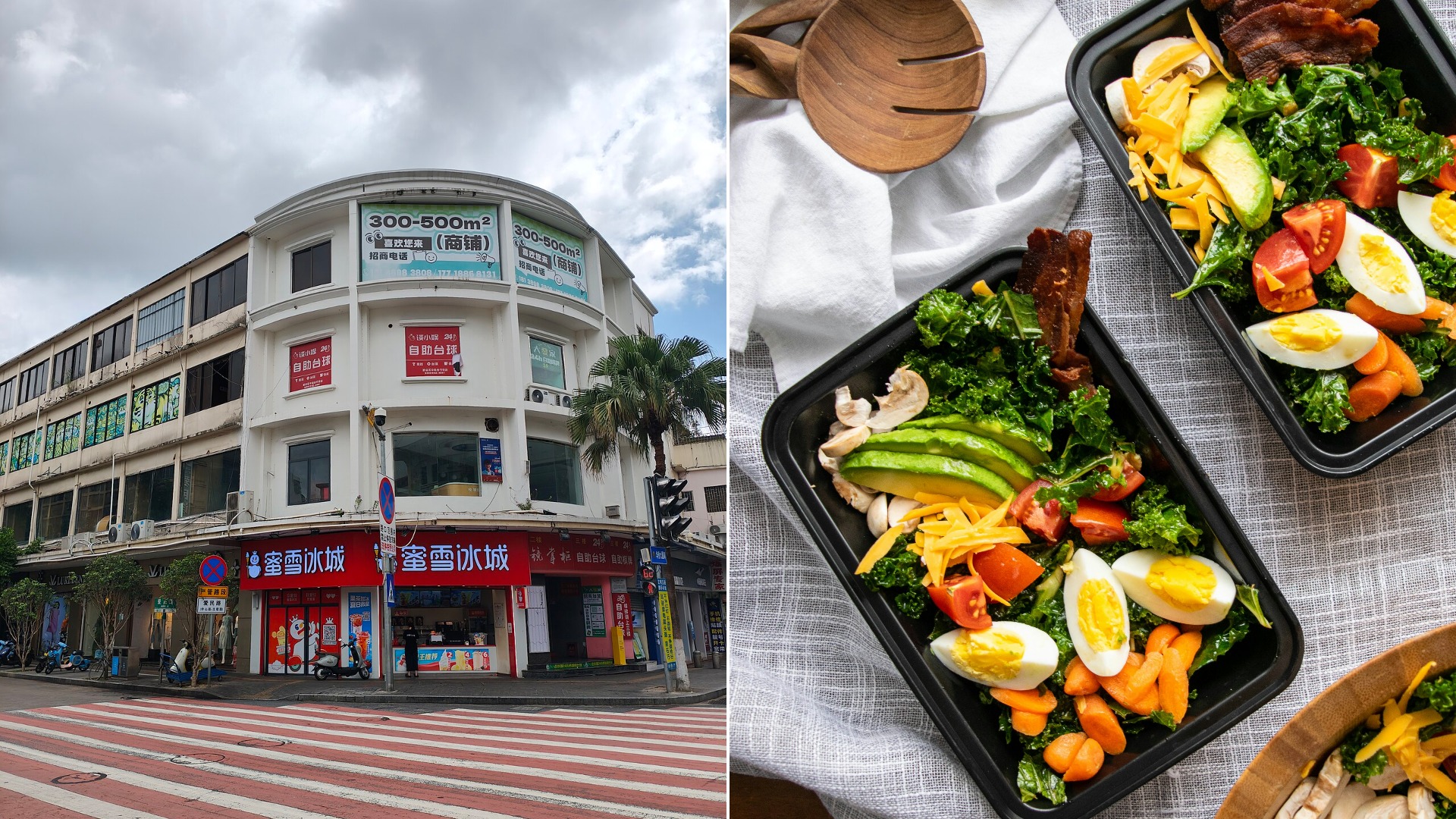
17. Vegetables (China) 
16. Tofu (Indonesia) - AdvertisementSwipe or tap ▶ to continue countdown

15. Macaroni & Cheese (Canada) 
14. Potatoes (Belarus) 
13. Pasta (Italy) 
12. Wheat & Bread (Turkey) - AdvertisementSwipe or tap ▶ to continue countdown

11. Rice (Bangladesh) 
10. Yogurt (Turkey) 
9. Eggs (Japan) 
8. Butter (New Zealand) - AdvertisementSwipe or tap ▶ to continue countdown

7. Cheese (Denmark) 
6. Milk (Ireland) 
5. Mutton & Lamb (Mongolia) 
4. Fish & Seafood (Iceland) - AdvertisementSwipe or tap ▶ to continue countdown

3. Chicken (Brazil) 
2. Pork (Hong Kong) 
1. Beef (Argentina) - Advertisement🔥 UP NEXT IN THIS SERIES◫ 21 Slides

20 Countries With the Strongest Passports, Ranked by Destinations
Global mobility rankings show how diplomatic agreements and visa pacts shape international travel. From European Union nations to dynamic Asian powerhouses, these passports grant seamless entry across continents. Based on official mobility data from the Henley Passport Index alongside statistics from the IATA database.
Argentina eats 47 kilograms of beef per person each year, while Iceland tops 91 kilograms of fish.

Swipe or tap ▶ to begin the countdown
©Wikimedia / TuxStrikesBack & Unsplash / Leanna Myers
30. Ready To-Eat Meals (United Kingdom)
The United Kingdom leads Europe in ready-to-eat meal consumption, with chilled supermarket trays anchoring weeknight dinners across the country. British grocers stock entire aisles of pre-packaged curries, pies, and pasta bakes designed for quick oven or microwave heating after long commutes.
©Wikimedia / Andrew Dunn / User:Mattes
29. Fast Food (United States)
The United States leads the world in fast food spending and intake, with national surveys showing that more than one in three American adults eat quick-service meals on any given day. Drive-thru lanes and burger, fried chicken, and taco chains shape daily dining habits from coast to coast.
©Wikimedia / Dietmar Rabich / Jerry Huddleston
28. Pizza (United States)
While Norway often tops per-capita surveys through frozen pizza sales, the United States consumes the highest volume of fresh pizzeria slices on Earth. Americans eat roughly 13 kilograms, or 28 pounds, of pizza per person every year across regional styles from foldable New York slices to deep-dish Chicago pies.
©Wikimedia / Christian David / Shisma
Advertisement
Swipe or tap ▶ to resume the countdown.
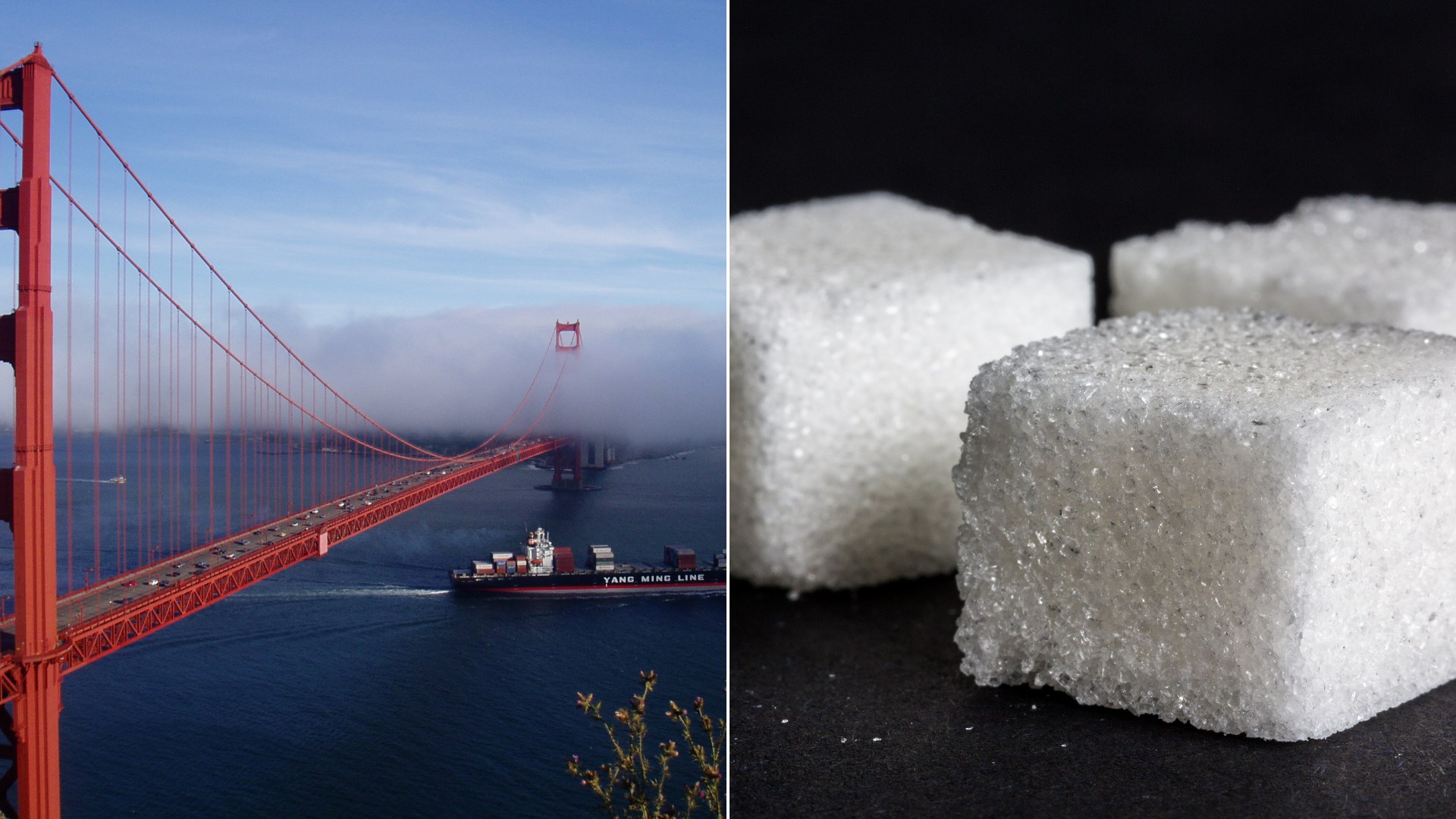
27. Sugar (United States)
The United States ranks first globally in per-capita sugar and caloric sweetener intake, with residents consuming an average of more than 126 grams per person every day. Sweetened beverages, commercial baked goods, breakfast cereals, and packaged sauces account for most added sugars in the American diet.
©Wikimedia / Cary Bass / Dietmar Rabich
26. Ice Cream (New Zealand)
New Zealand consumes more ice cream per person than any other country on Earth, averaging roughly 28.4 liters per resident each year. Backed by a world-leading grass-fed dairy sector, Kiwis enjoy full-cream frozen desserts year-round, led by their signature hokey pokey vanilla and honeycomb toffee flavor.
©Wikimedia / Marco Klapper / Joy
25. Candy & Sweets (Sweden)
Sweden leads the world in non-chocolate candy consumption, with the average Swede eating roughly 15 kilograms of sweets per year. Every supermarket features massive pick-and-mix walls known as losgodis, where families fill paper bags for lordagsgodis, a cherished Saturday candy tradition.
©Wikimedia / Richardmaackphotography / Petar Milosevic
24. Chocolate (Switzerland)
Switzerland tops the global leaderboard in chocolate consumption, with the average resident eating more than 11 kilograms, or 24 pounds, of chocolate each year. Swiss chocolatiers pioneered milk chocolate in 1875 and invented conching in 1879, cementing smooth Alpine chocolate in daily life.
©Wikimedia / Roy Egloff / Chocolate bar
Advertisement
Swipe or tap ▶ to resume the countdown.
23. Tea (Turkey)
Turkey consumes more tea per person than any other nation, averaging roughly 3.16 kilograms, or nearly 7 pounds, of loose-leaf black tea per resident annually. Brewed in stacked caydanlik kettles and served in tulip-shaped glasses, hot cay is poured from breakfast through late-night gatherings.
©Wikimedia / Calistemon / Nevit Dilmen
22. Coffee (Finland)
Finland is the undisputed world leader in coffee consumption, with the average Finn going through roughly 12 kilograms, or 26.4 pounds, of roasted coffee beans per year. Light-roast filter coffee is so central to daily life that workplace collective agreements mandate two statutory coffee breaks.
©Wikimedia / Alvesgaspar / Iid Muiz
21. Avocados (Mexico)
Mexico consumes more avocados per person than any other country, averaging nearly 9 kilograms, or 20 pounds, per resident each year. Native to south-central Mexico and grown across the volcanic orchards of Michoacan, buttery Hass avocados are mashed into guacamole or sliced onto tacos daily.
©Wikimedia / Jeses / Nikodem Nijaki
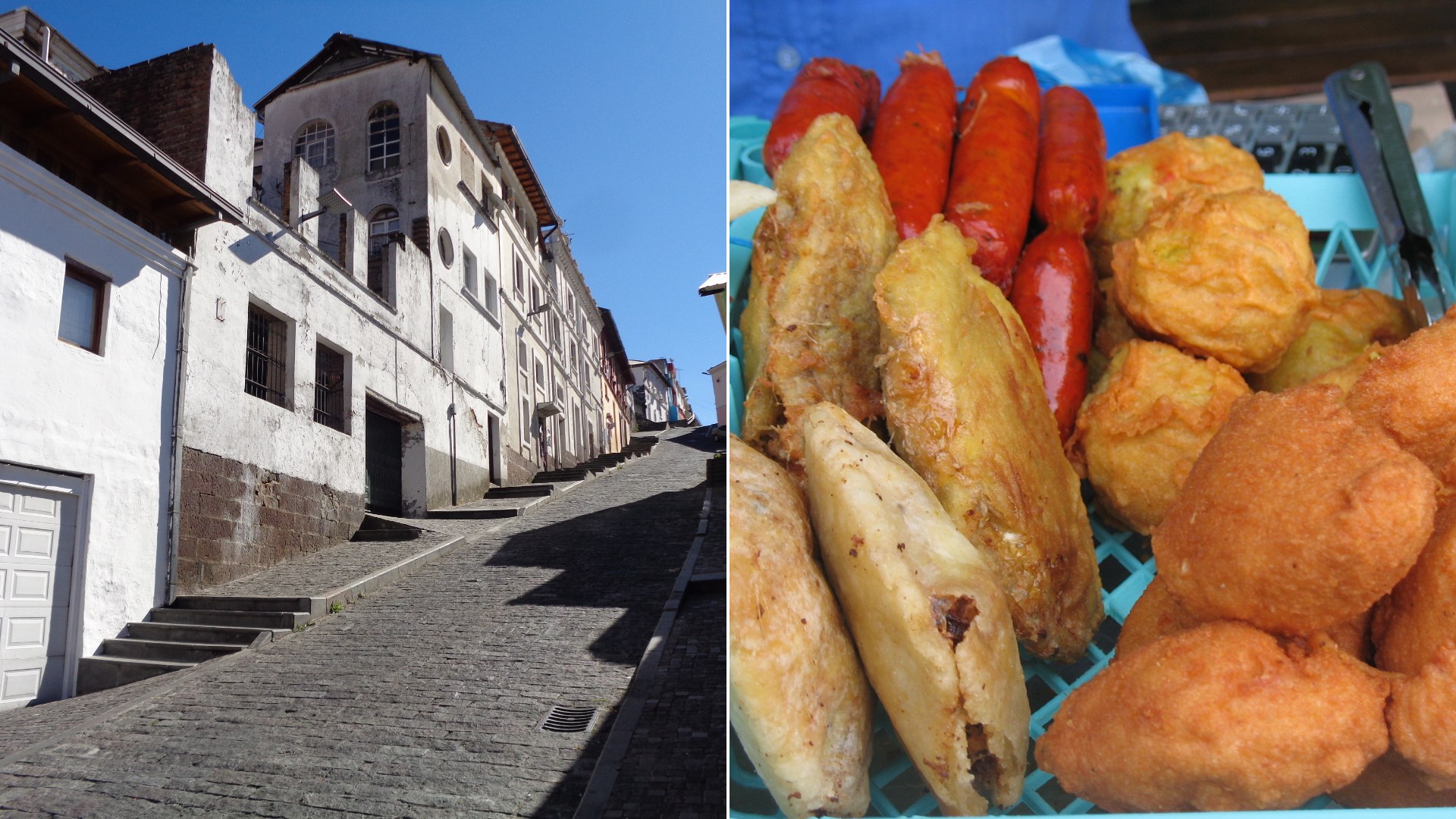
20. Bananas & Plantains (Ecuador)
As the world's largest banana exporter, Ecuador also ranks among the highest per-capita consumers of bananas and plantains on the planet. Green and ripe plantains appear at nearly every meal, mashed with cheese into breakfast bolones de verde or twice-fried into crispy golden patacones.
©Wikimedia / David Adam Kess / Jdvillalobos
Advertisement
Swipe or tap ▶ to resume the countdown.
19. Olive Oil (Greece)
Greece ranks number one in global olive oil consumption, with the average Greek using more than 20 liters per year. Cold-pressed Koroneiki olive oil is poured generously over village salads, braised greens, legumes, and grilled fish, serving as the primary cooking fat across the country.
©Wikimedia / C messier / Jacek Halicki
18. Tomatoes (Greece)
Greece also leads the world in per-capita tomato consumption, where sun-ripened tomatoes anchor daily home cooking. In traditional horiatiki village salads, thick wedges of tomato are tossed with feta cheese, cucumbers, oregano, and olive oil without a single leaf of lettuce.
©Wikimedia / A.Savin / Andrew Fogg
17. Vegetables (China)
China leads the world in total per-capita vegetable intake, with residents consuming more than 380 kilograms of fresh produce per person each year. Chinese home cooking centers on seasonal greens like bok choy and gai lan, alongside lotus root, bamboo shoots, eggplant, and radishes.
©Wikimedia / Great Wall of China / Alabama Extension
16. Tofu (Indonesia)
Indonesia is the largest per-capita consumer of tofu on Earth, where soy-based blocks known as tahu and fermented soybean cakes called tempeh serve as foundational daily protein sources. Street vendors fry golden tahu Sumedang to order, while home cooks simmer tofu in coconut curries.
©Wikimedia / Philip Nalangan / Serenity
Advertisement
Swipe or tap ▶ to resume the countdown.
15. Macaroni & Cheese (Canada)
Canada consumes more boxed macaroni and cheese per person than any other country, with Canadians buying an average of 3.2 boxes of Kraft Dinner per resident annually. Known affectionately by its initials KD, the bright orange pantry staple accounts for nearly a quarter of global sales.
©Wikimedia / George Socka / Stephen Boisvert
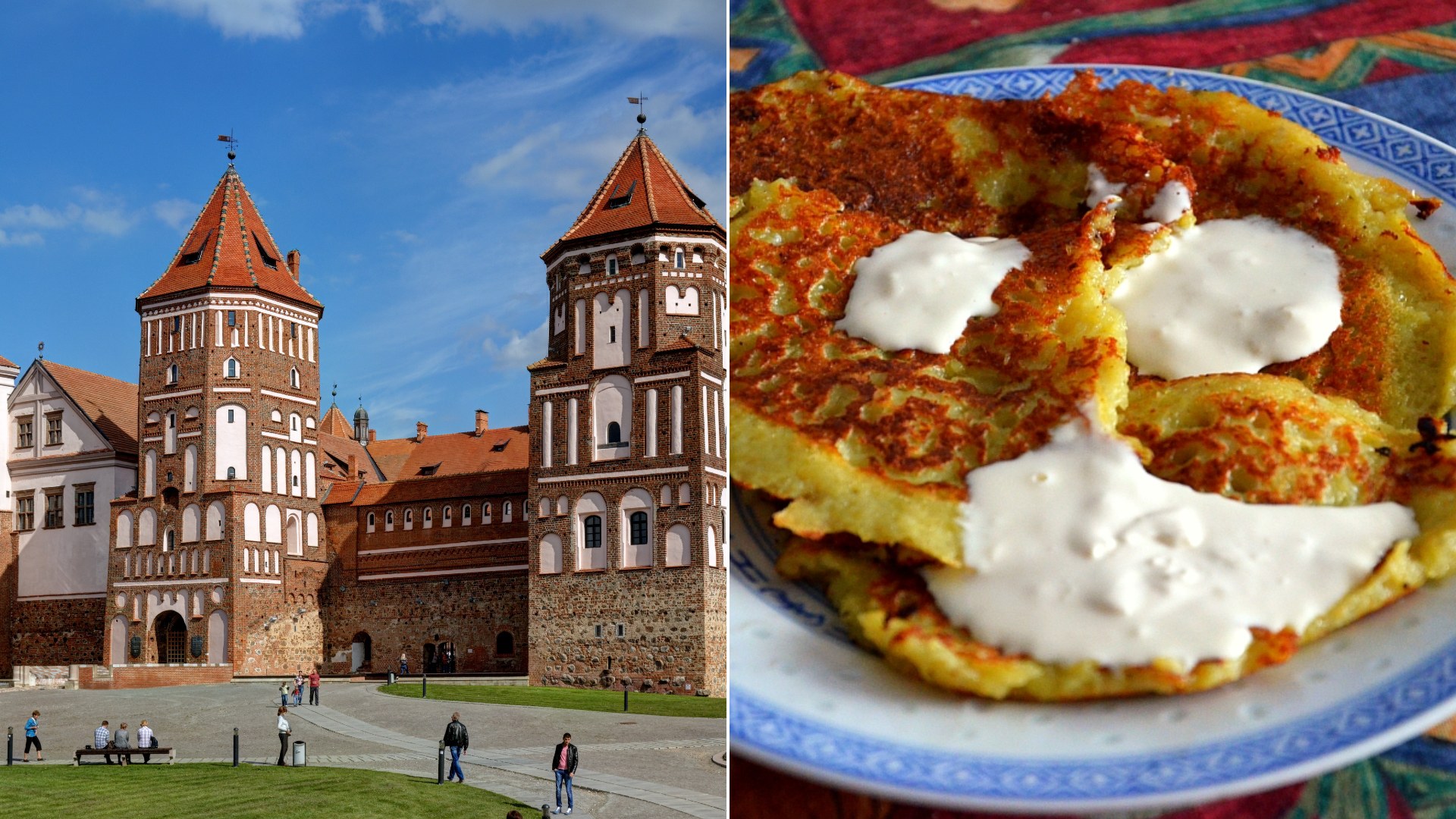
14. Potatoes (Belarus)
Belarus eats more potatoes per person than any other country in the world, averaging more than 170 kilograms, or 375 pounds, per resident each year. Known locally as bulba, potatoes anchor hundreds of regional recipes, most famously crispy grated potato pancakes called draniki.
©Wikimedia / Alexxx1979 / Silar
13. Pasta (Italy)
Italy is the undisputed world champion of pasta consumption, with the average Italian eating upwards of 23 kilograms, or 50.7 pounds, of pasta per year. Hundreds of regional shapes pair with specific sauces, from Roman spaghetti alla carbonara to Neapolitan paccheri and Bolognese tagliatelle.
©Wikimedia / Wilfredor / Javier Somoza
12. Wheat & Bread (Turkey)
Turkey holds the Guinness World Record for the highest per-capita bread consumption, averaging more than 100 kilograms, or 220 pounds, per person annually. Freshly baked white loaves called somun ekmek, flatbread pide, and sesame-crusted simit rings accompany nearly every meal.
©Wikimedia / Alexxx1979 / E4024
Advertisement
Swipe or tap ▶ to resume the countdown.
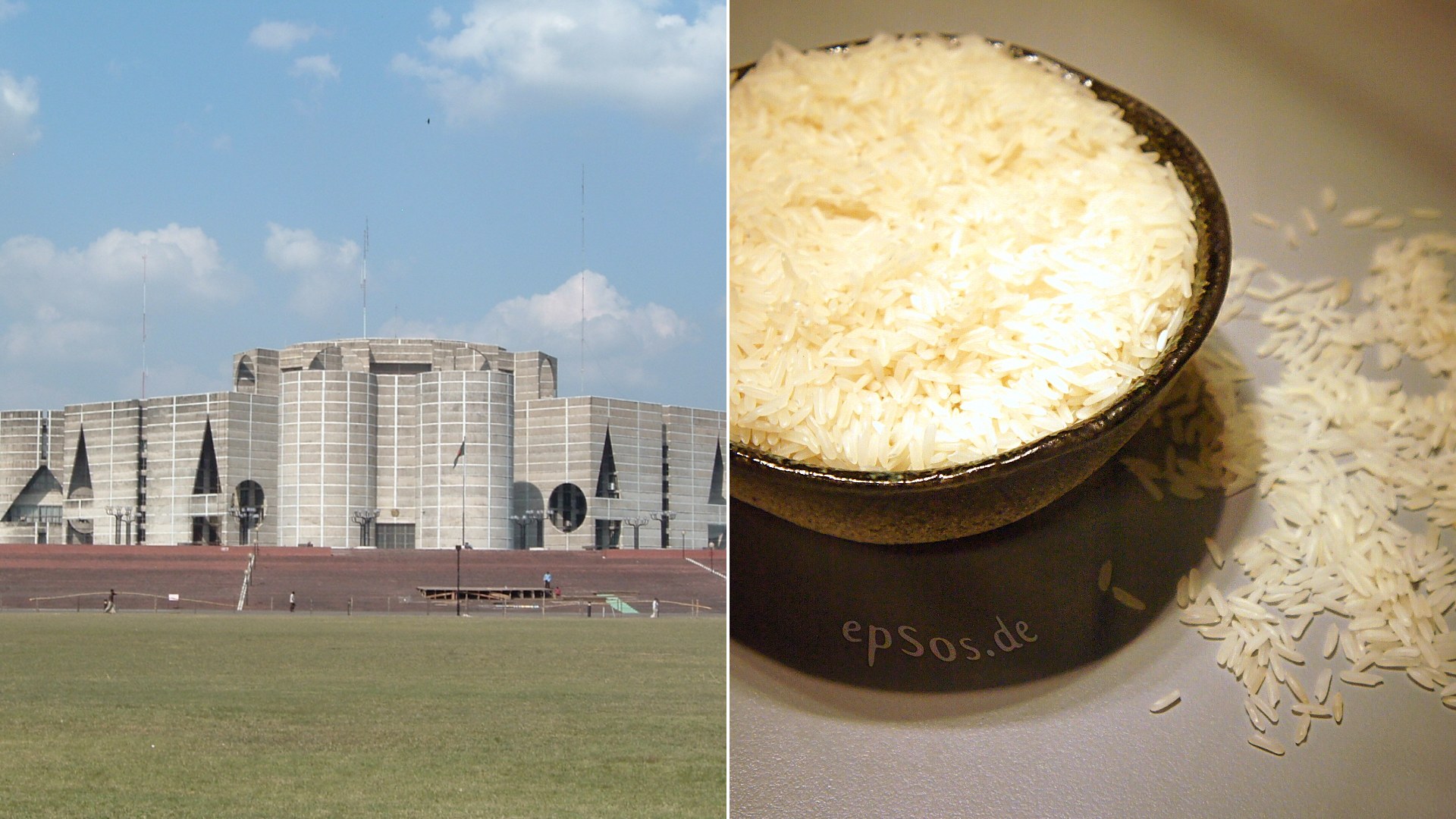
11. Rice (Bangladesh)
Bangladesh is the world leader in per-capita rice consumption, where residents eat roughly 170 kilograms of milled rice per person each year. Grown across the fertile Ganges-Brahmaputra delta, steamed rice forms the foundation of breakfast, lunch, and dinner alongside fish and lentils.
©Wikimedia / Subarashitours / epSos.de
10. Yogurt (Turkey)
Turkey consumes more yogurt per person than any other country, averaging over 30 kilograms per resident annually. The word yogurt itself comes from Turkish, and locals spoon tangy plain yogurt over grilled meats, manti dumplings, and soups while drinking salted yogurt ayran daily.
©Wikimedia / Alexxx1979 / T.Tseng
9. Eggs (Japan)
Japan ranks among the highest per-capita egg consumers on Earth, with the average resident eating roughly 320 to 340 eggs per year. Strict farm hygiene allows eggs to be eaten raw in tamago kake gohan over hot rice, rolled into sweet tamagoyaki omelets, or soft-boiled for ramen.
©Wikimedia / Supanut Arunoprayote / Ocdp
8. Butter (New Zealand)
New Zealand ranks among the top per-capita consumers of butter globally, supported by a pasture-raised dairy industry that produces rich, golden beta-carotene butter. Home baking traditions and everyday table use keep butter intake high across both the North and South Islands.
©Wikimedia / Krzysztof Golik / Jacek Halicki
Advertisement
Swipe or tap ▶ to resume the countdown.
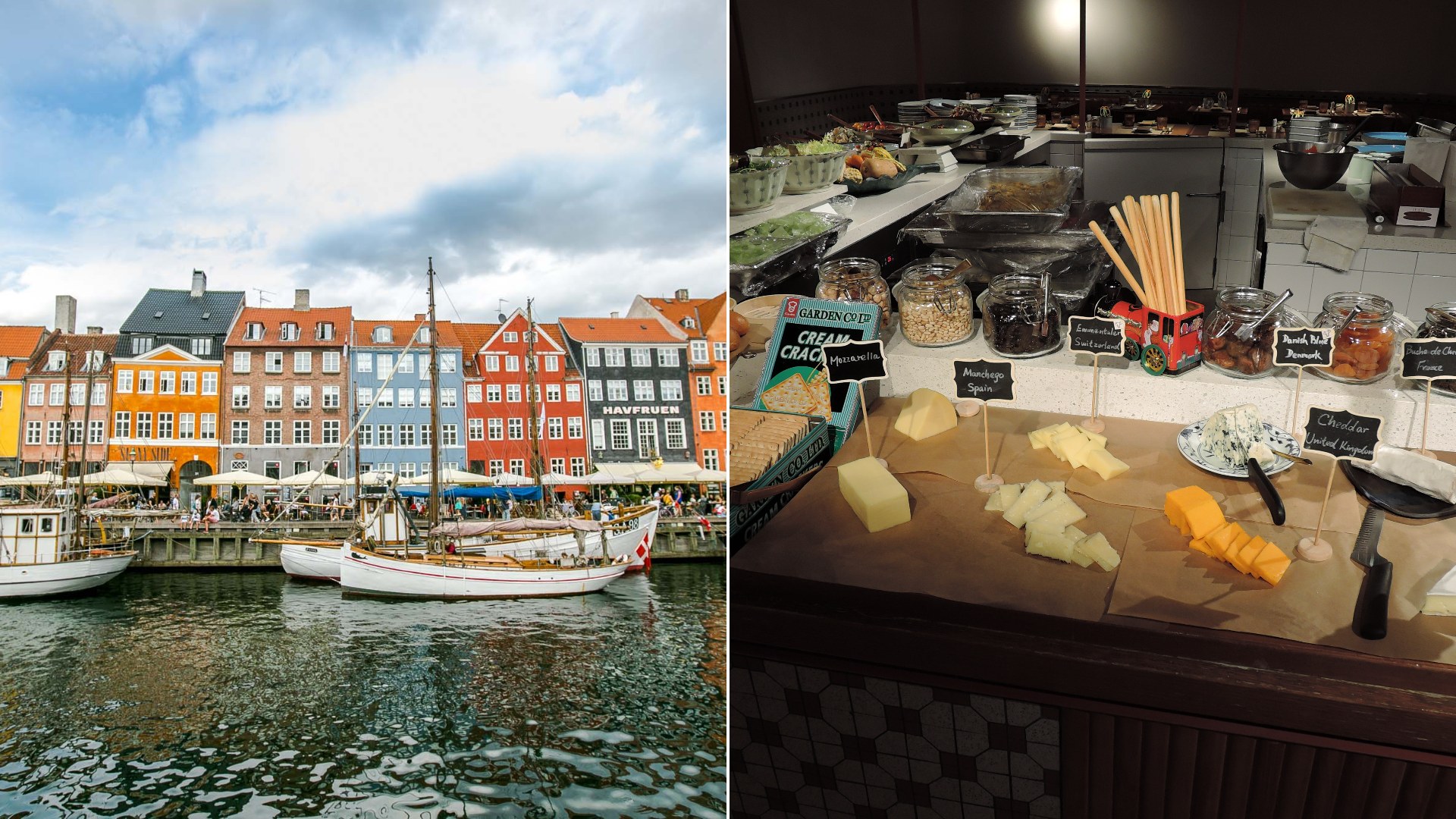
7. Cheese (Denmark)
Denmark leads global cheese consumption, with the average Dane eating roughly 28 kilograms, or nearly 62 pounds, of cheese per year. Sliced Danbo, Havarti, and creamy blue cheeses are a fixture of breakfast tables across the country, served over buttered sourdough rye bread.
©Wikimedia / JD Lasica / Geoffreyrabbit
6. Milk (Ireland)
Ireland takes the top spot in global liquid milk consumption, with residents drinking more than 120 liters of fluid milk per person annually. Mild Atlantic rainfall keeps Irish pastures lush for nearly ten months of the year, producing rich grass-fed milk enjoyed by the glass.
©Wikimedia / Berthold Werner / Rii'jeg'fkep'c
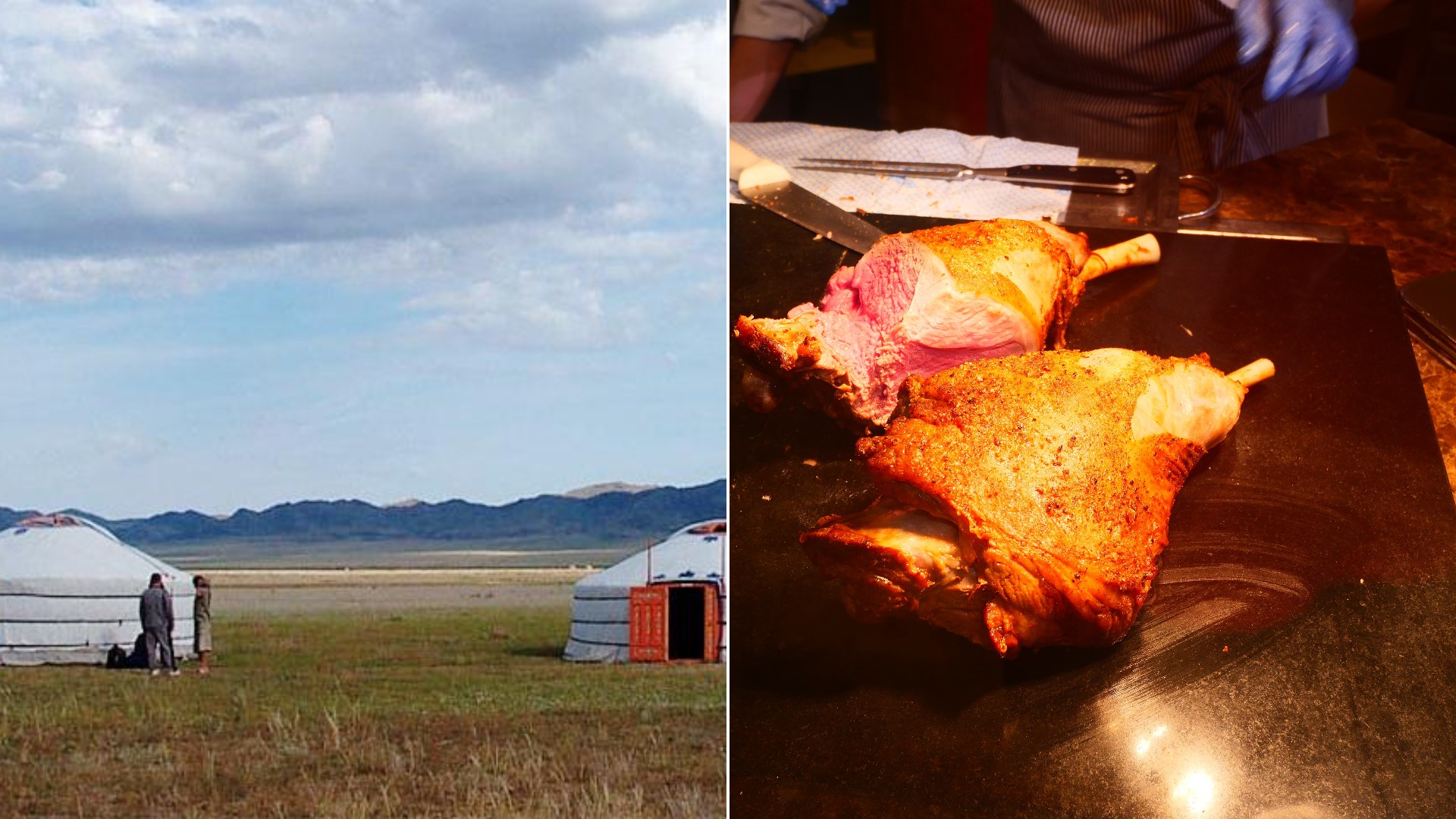
5. Mutton & Lamb (Mongolia)
Mongolia consumes the highest amount of sheep and goat meat per capita on Earth, averaging over 60 kilograms per resident each year. Across the high-altitude steppe, where winter temperatures plunge below minus 30 degrees Celsius, caloric mutton sustains nomadic herding families.
©Wikimedia / Yosemite / Peachyeung316
4. Fish & Seafood (Iceland)
Iceland holds the world crown for total seafood consumption, with residents eating 91.2 kilograms, or 201 pounds, of fish and marine catch per person annually. Surrounded by cold North Atlantic fishing grounds, Icelanders eat fresh cod, haddock, and arctic char almost daily.
©Wikimedia / Jakub Halun / Geoffreyrabbit
Advertisement
Swipe or tap ▶ to resume the countdown.
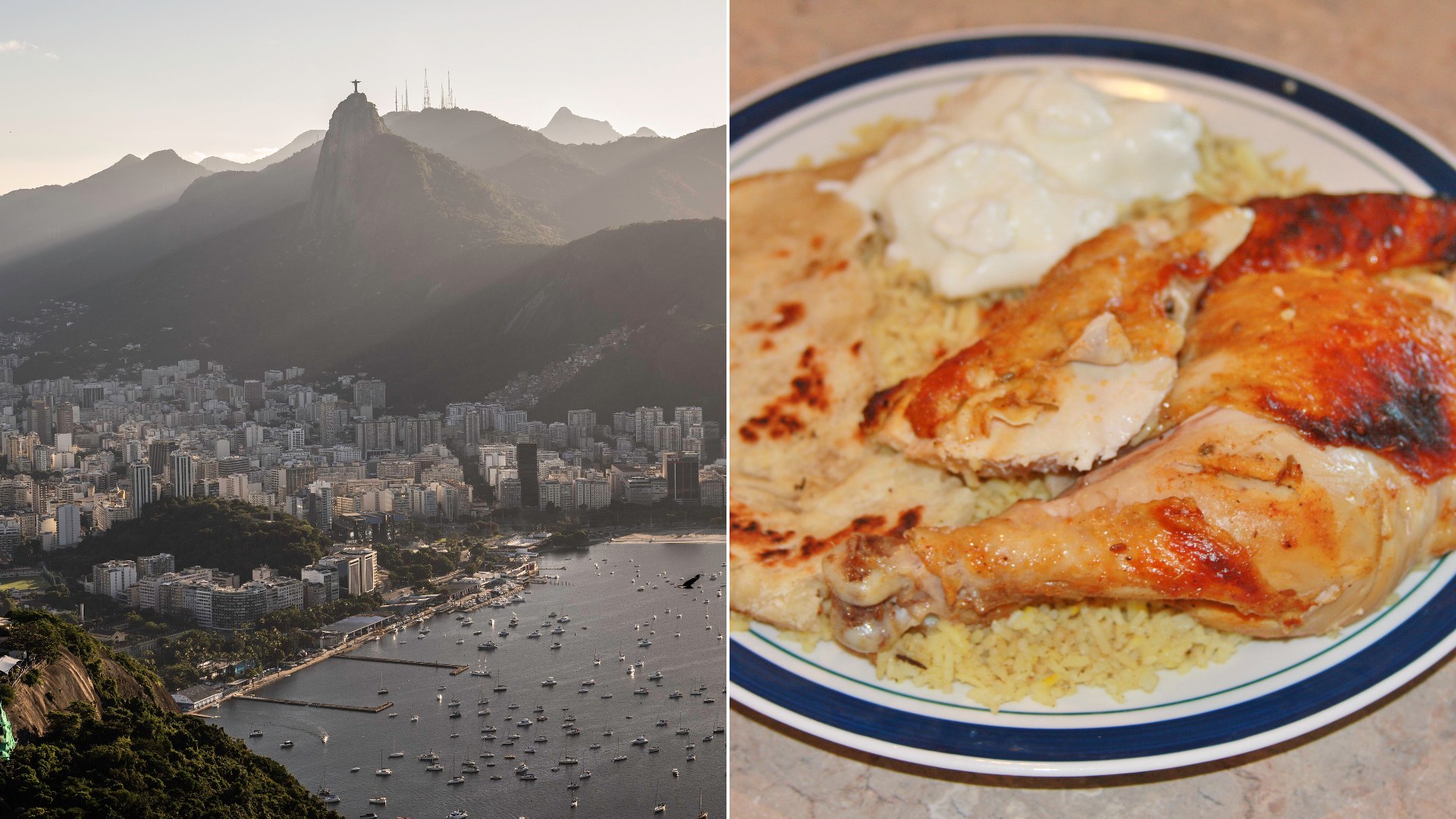
3. Chicken (Brazil)
Brazil ranks as one of the world's top per-capita consumers and largest exporters of poultry, with residents eating roughly 47.4 kilograms, or 104 pounds, of chicken per year. From skewered chicken hearts at weekend churrasco barbecues to shredded frango, poultry anchors daily meals.
©Wikimedia / Wilfredor / andrusdevelopment
2. Pork (Hong Kong)
Hong Kong leads the world in per-capita pork consumption, averaging roughly 55 kilograms, or 121 pounds, per person annually. Pork is the star of Cantonese roast-meat shops and dim sum parlors, served as honey-glazed char siu, crispy-skinned siu yuk pork belly, and steamed siu mai.
©Wikimedia / Wilfredor
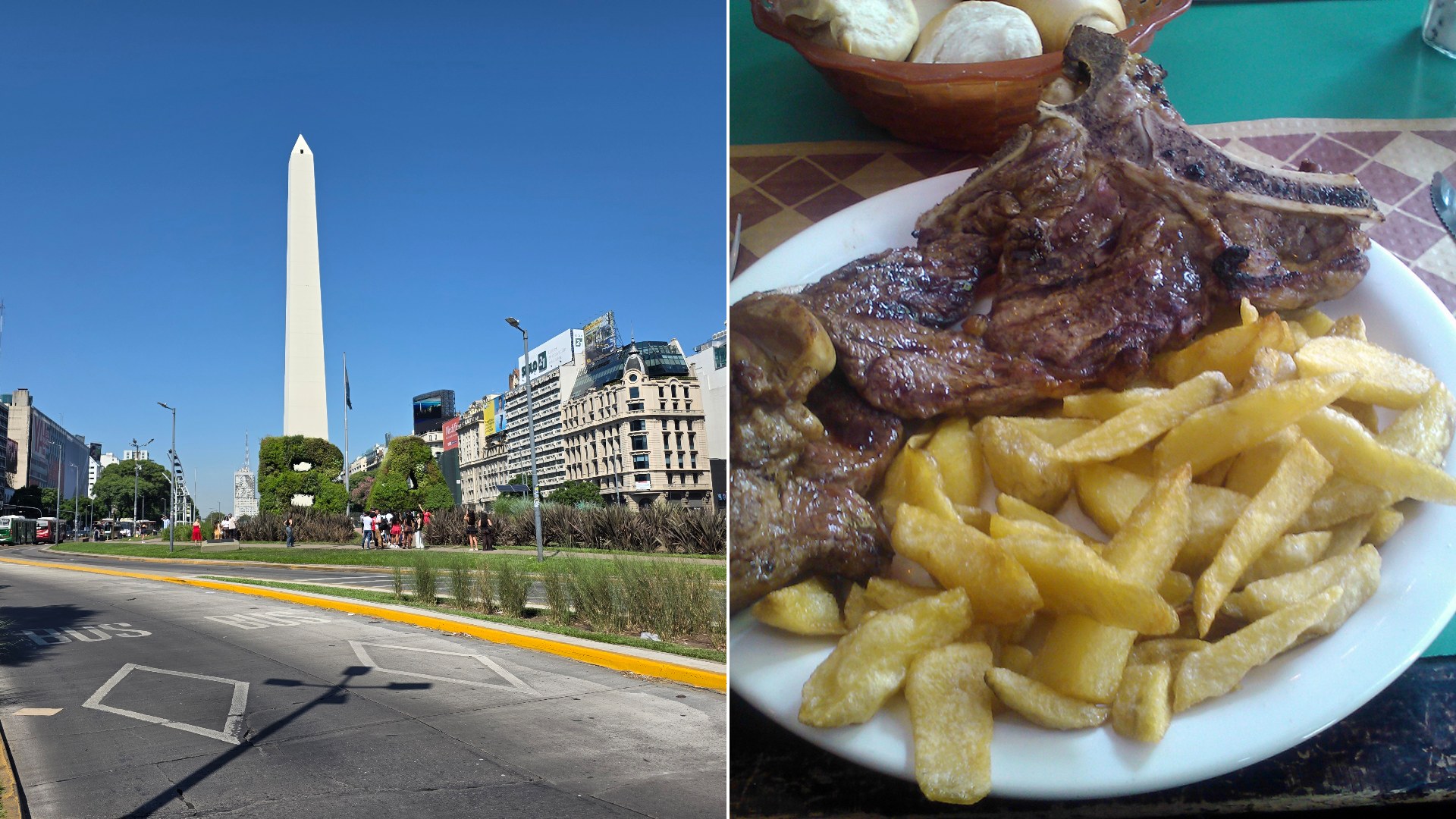
1. Beef (Argentina)
Argentina dominates global beef consumption, with the average resident eating nearly 47 kilograms, or 103 pounds, of beef per year. Cattle ranching across the fertile Pampas grasslands has shaped national culture for centuries, centered on the weekend ritual of the wood-fired asado grill.

©Wikimedia / Horacio Cambeiro / Diego Torres Silvestre
Advertisement
You've reached the end of the story. Thanks for reading!

20 Countries With the Strongest Passports, Ranked by Destinations
Global mobility rankings show how diplomatic agreements and visa pacts shape international travel. From European Union nations to dynamic Asian powerhouses, these passports grant seamless entry across continents. Based on official mobility data from the Henley Passport Index alongside statistics from the IATA database.
All 30 Entries in this Story
#30 Ready To-Eat Meals (United Kingdom)
The United Kingdom leads Europe in ready-to-eat meal consumption, with chilled supermarket trays anchoring weeknight dinners across the country. British grocers stock entire aisles of pre-packaged curries, pies, and pasta bakes designed for quick oven or microwave heating after long commutes.

#29 Fast Food (United States)
The United States leads the world in fast food spending and intake, with national surveys showing that more than one in three American adults eat quick-service meals on any given day. Drive-thru lanes and burger, fried chicken, and taco chains shape daily dining habits from coast to coast.

#28 Pizza (United States)
While Norway often tops per-capita surveys through frozen pizza sales, the United States consumes the highest volume of fresh pizzeria slices on Earth. Americans eat roughly 13 kilograms, or 28 pounds, of pizza per person every year across regional styles from foldable New York slices to deep-dish Chicago pies.

#27 Sugar (United States)
The United States ranks first globally in per-capita sugar and caloric sweetener intake, with residents consuming an average of more than 126 grams per person every day. Sweetened beverages, commercial baked goods, breakfast cereals, and packaged sauces account for most added sugars in the American diet.

#26 Ice Cream (New Zealand)
New Zealand consumes more ice cream per person than any other country on Earth, averaging roughly 28.4 liters per resident each year. Backed by a world-leading grass-fed dairy sector, Kiwis enjoy full-cream frozen desserts year-round, led by their signature hokey pokey vanilla and honeycomb toffee flavor.

#25 Candy & Sweets (Sweden)
Sweden leads the world in non-chocolate candy consumption, with the average Swede eating roughly 15 kilograms of sweets per year. Every supermarket features massive pick-and-mix walls known as losgodis, where families fill paper bags for lordagsgodis, a cherished Saturday candy tradition.

#24 Chocolate (Switzerland)
Switzerland tops the global leaderboard in chocolate consumption, with the average resident eating more than 11 kilograms, or 24 pounds, of chocolate each year. Swiss chocolatiers pioneered milk chocolate in 1875 and invented conching in 1879, cementing smooth Alpine chocolate in daily life.

#23 Tea (Turkey)
Turkey consumes more tea per person than any other nation, averaging roughly 3.16 kilograms, or nearly 7 pounds, of loose-leaf black tea per resident annually. Brewed in stacked caydanlik kettles and served in tulip-shaped glasses, hot cay is poured from breakfast through late-night gatherings.

#22 Coffee (Finland)
Finland is the undisputed world leader in coffee consumption, with the average Finn going through roughly 12 kilograms, or 26.4 pounds, of roasted coffee beans per year. Light-roast filter coffee is so central to daily life that workplace collective agreements mandate two statutory coffee breaks.

#21 Avocados (Mexico)
Mexico consumes more avocados per person than any other country, averaging nearly 9 kilograms, or 20 pounds, per resident each year. Native to south-central Mexico and grown across the volcanic orchards of Michoacan, buttery Hass avocados are mashed into guacamole or sliced onto tacos daily.

#20 Bananas & Plantains (Ecuador)
As the world's largest banana exporter, Ecuador also ranks among the highest per-capita consumers of bananas and plantains on the planet. Green and ripe plantains appear at nearly every meal, mashed with cheese into breakfast bolones de verde or twice-fried into crispy golden patacones.

#19 Olive Oil (Greece)
Greece ranks number one in global olive oil consumption, with the average Greek using more than 20 liters per year. Cold-pressed Koroneiki olive oil is poured generously over village salads, braised greens, legumes, and grilled fish, serving as the primary cooking fat across the country.

#18 Tomatoes (Greece)
Greece also leads the world in per-capita tomato consumption, where sun-ripened tomatoes anchor daily home cooking. In traditional horiatiki village salads, thick wedges of tomato are tossed with feta cheese, cucumbers, oregano, and olive oil without a single leaf of lettuce.

#17 Vegetables (China)
China leads the world in total per-capita vegetable intake, with residents consuming more than 380 kilograms of fresh produce per person each year. Chinese home cooking centers on seasonal greens like bok choy and gai lan, alongside lotus root, bamboo shoots, eggplant, and radishes.

#16 Tofu (Indonesia)
Indonesia is the largest per-capita consumer of tofu on Earth, where soy-based blocks known as tahu and fermented soybean cakes called tempeh serve as foundational daily protein sources. Street vendors fry golden tahu Sumedang to order, while home cooks simmer tofu in coconut curries.

#15 Macaroni & Cheese (Canada)
Canada consumes more boxed macaroni and cheese per person than any other country, with Canadians buying an average of 3.2 boxes of Kraft Dinner per resident annually. Known affectionately by its initials KD, the bright orange pantry staple accounts for nearly a quarter of global sales.

#14 Potatoes (Belarus)
Belarus eats more potatoes per person than any other country in the world, averaging more than 170 kilograms, or 375 pounds, per resident each year. Known locally as bulba, potatoes anchor hundreds of regional recipes, most famously crispy grated potato pancakes called draniki.

#13 Pasta (Italy)
Italy is the undisputed world champion of pasta consumption, with the average Italian eating upwards of 23 kilograms, or 50.7 pounds, of pasta per year. Hundreds of regional shapes pair with specific sauces, from Roman spaghetti alla carbonara to Neapolitan paccheri and Bolognese tagliatelle.

#12 Wheat & Bread (Turkey)
Turkey holds the Guinness World Record for the highest per-capita bread consumption, averaging more than 100 kilograms, or 220 pounds, per person annually. Freshly baked white loaves called somun ekmek, flatbread pide, and sesame-crusted simit rings accompany nearly every meal.

#11 Rice (Bangladesh)
Bangladesh is the world leader in per-capita rice consumption, where residents eat roughly 170 kilograms of milled rice per person each year. Grown across the fertile Ganges-Brahmaputra delta, steamed rice forms the foundation of breakfast, lunch, and dinner alongside fish and lentils.

#10 Yogurt (Turkey)
Turkey consumes more yogurt per person than any other country, averaging over 30 kilograms per resident annually. The word yogurt itself comes from Turkish, and locals spoon tangy plain yogurt over grilled meats, manti dumplings, and soups while drinking salted yogurt ayran daily.

#9 Eggs (Japan)
Japan ranks among the highest per-capita egg consumers on Earth, with the average resident eating roughly 320 to 340 eggs per year. Strict farm hygiene allows eggs to be eaten raw in tamago kake gohan over hot rice, rolled into sweet tamagoyaki omelets, or soft-boiled for ramen.

#8 Butter (New Zealand)
New Zealand ranks among the top per-capita consumers of butter globally, supported by a pasture-raised dairy industry that produces rich, golden beta-carotene butter. Home baking traditions and everyday table use keep butter intake high across both the North and South Islands.

#7 Cheese (Denmark)
Denmark leads global cheese consumption, with the average Dane eating roughly 28 kilograms, or nearly 62 pounds, of cheese per year. Sliced Danbo, Havarti, and creamy blue cheeses are a fixture of breakfast tables across the country, served over buttered sourdough rye bread.

#6 Milk (Ireland)
Ireland takes the top spot in global liquid milk consumption, with residents drinking more than 120 liters of fluid milk per person annually. Mild Atlantic rainfall keeps Irish pastures lush for nearly ten months of the year, producing rich grass-fed milk enjoyed by the glass.

#5 Mutton & Lamb (Mongolia)
Mongolia consumes the highest amount of sheep and goat meat per capita on Earth, averaging over 60 kilograms per resident each year. Across the high-altitude steppe, where winter temperatures plunge below minus 30 degrees Celsius, caloric mutton sustains nomadic herding families.

#4 Fish & Seafood (Iceland)
Iceland holds the world crown for total seafood consumption, with residents eating 91.2 kilograms, or 201 pounds, of fish and marine catch per person annually. Surrounded by cold North Atlantic fishing grounds, Icelanders eat fresh cod, haddock, and arctic char almost daily.

#3 Chicken (Brazil)
Brazil ranks as one of the world's top per-capita consumers and largest exporters of poultry, with residents eating roughly 47.4 kilograms, or 104 pounds, of chicken per year. From skewered chicken hearts at weekend churrasco barbecues to shredded frango, poultry anchors daily meals.

#2 Pork (Hong Kong)
Hong Kong leads the world in per-capita pork consumption, averaging roughly 55 kilograms, or 121 pounds, per person annually. Pork is the star of Cantonese roast-meat shops and dim sum parlors, served as honey-glazed char siu, crispy-skinned siu yuk pork belly, and steamed siu mai.

#1 Beef (Argentina)
Argentina dominates global beef consumption, with the average resident eating nearly 47 kilograms, or 103 pounds, of beef per year. Cattle ranching across the fertile Pampas grasslands has shaped national culture for centuries, centered on the weekend ritual of the wood-fired asado grill.