
Slideshow · Viral
30 of Nature's Most Unusual Rock Formations
From towering desert hoodoos and hexagonal basalt columns to glacial balancing boulders, discover 30 geological wonders shaped by wind, water, and time.

All 30 Entries in this Story
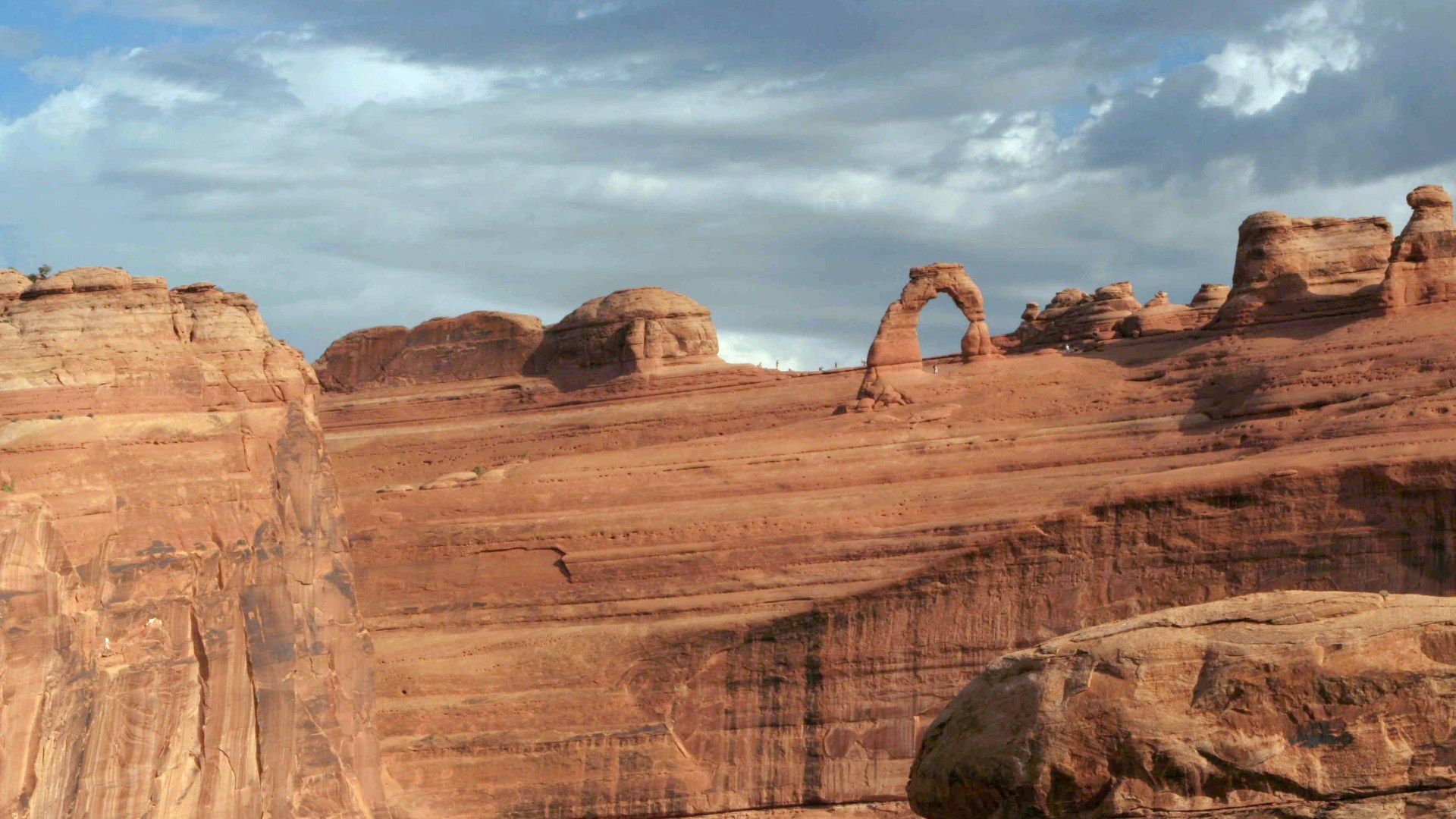
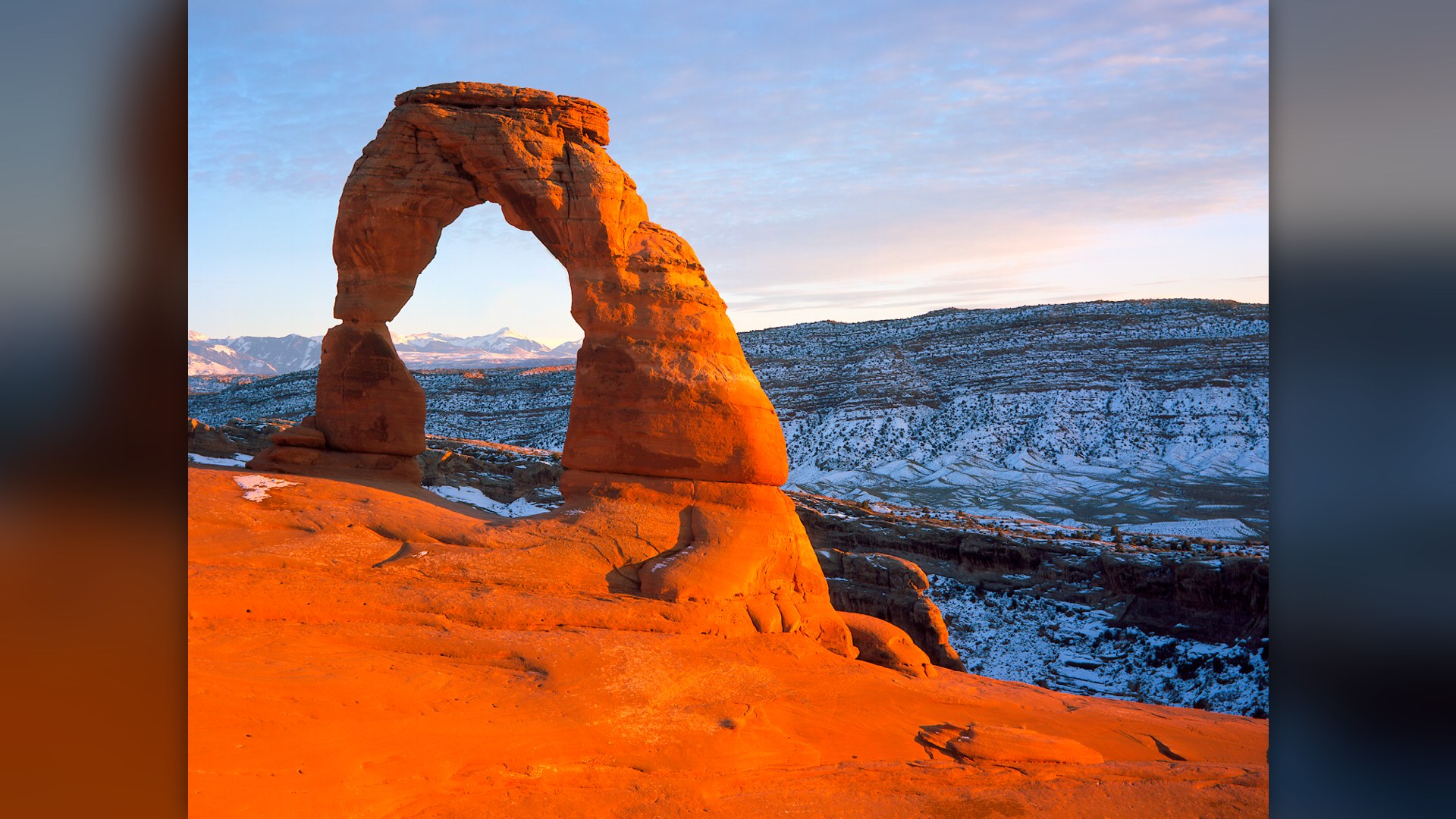
30. Delicate Arch, Utah
Carved from a sandstone fin worn thin by wind and frost wedging over millions of years, Delicate Arch rises fifty-two feet above a natural amphitheater in Utah's Arches National Park. Softer rock strata underneath eroded away first, leaving the curved span standing alone.
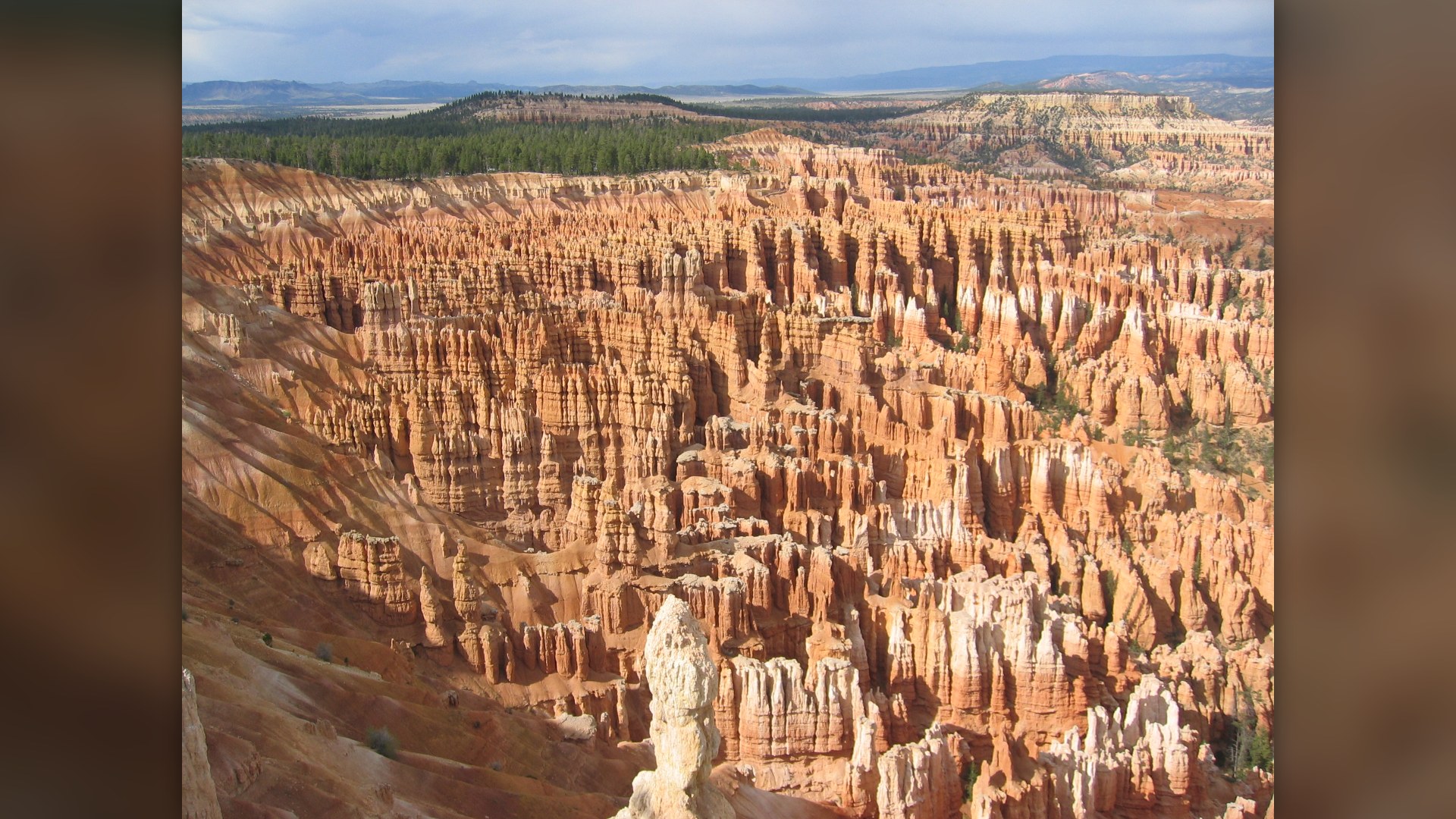
29. Bryce Canyon Hoodoos, Utah
Bryce Canyon holds the largest concentration of hoodoos on Earth. More than two hundred annual freeze-thaw cycles force water into narrow cracks in the Claron Formation, splitting plateau walls into fins and then eroding those fins into banded orange and white spires.
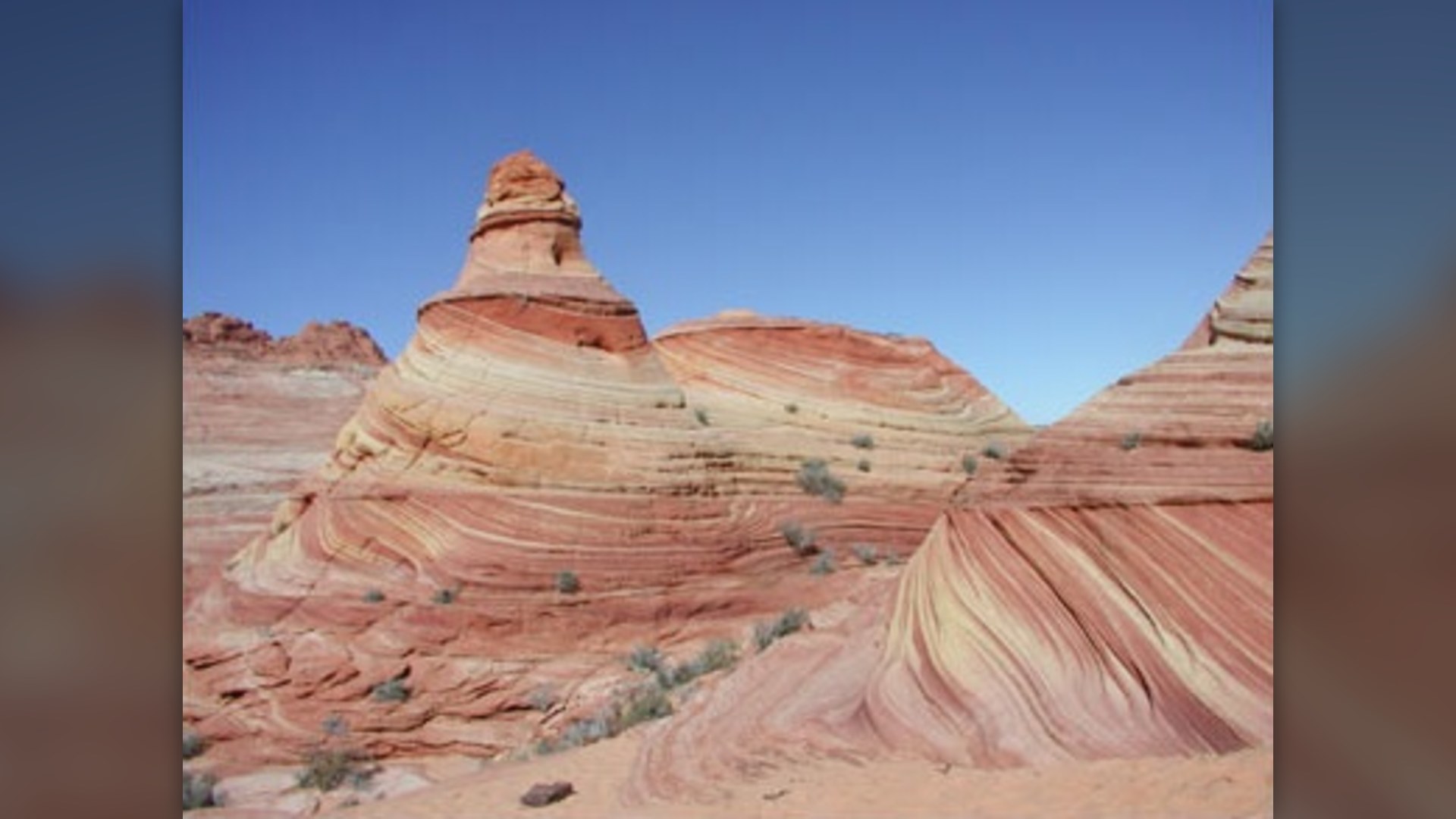
28. The Wave, Arizona
Located in the Coyote Buttes wilderness of northern Arizona, The Wave began as shifting desert sand dunes during the Jurassic period. Seasonal runoff and abrasive winds later carved two intersecting troughs, exposing sweeping cross-bedded layers tinted red and gold by iron deposits.
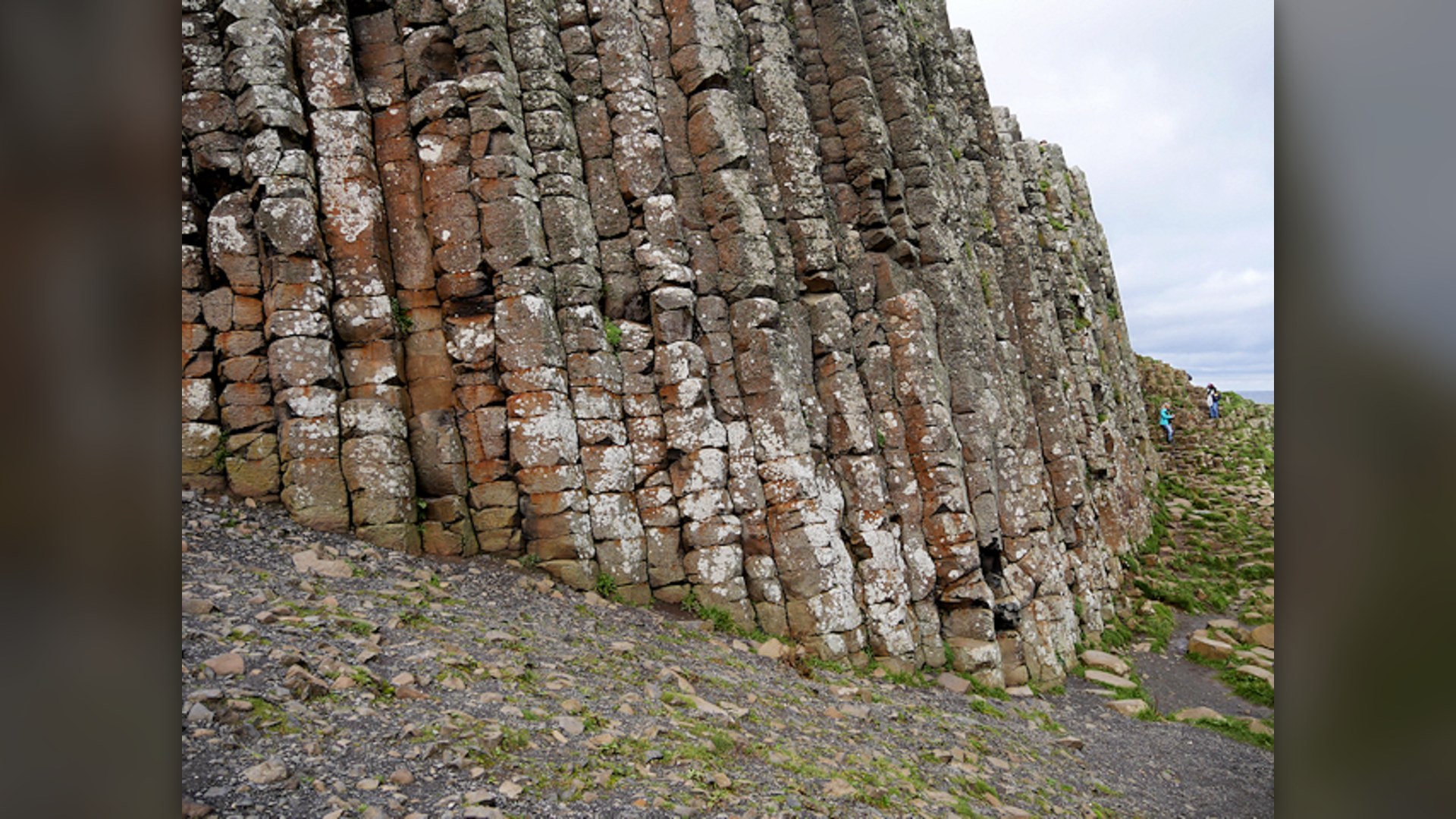
27. Giant's Causeway, Northern Ireland
Formed roughly fifty to sixty million years ago during Paleogene volcanic activity, the Giant's Causeway consists of forty thousand tightly packed basalt pillars. As thick lava cooled and contracted rapidly across a chalk bed, it fractured into neat polygonal columns.
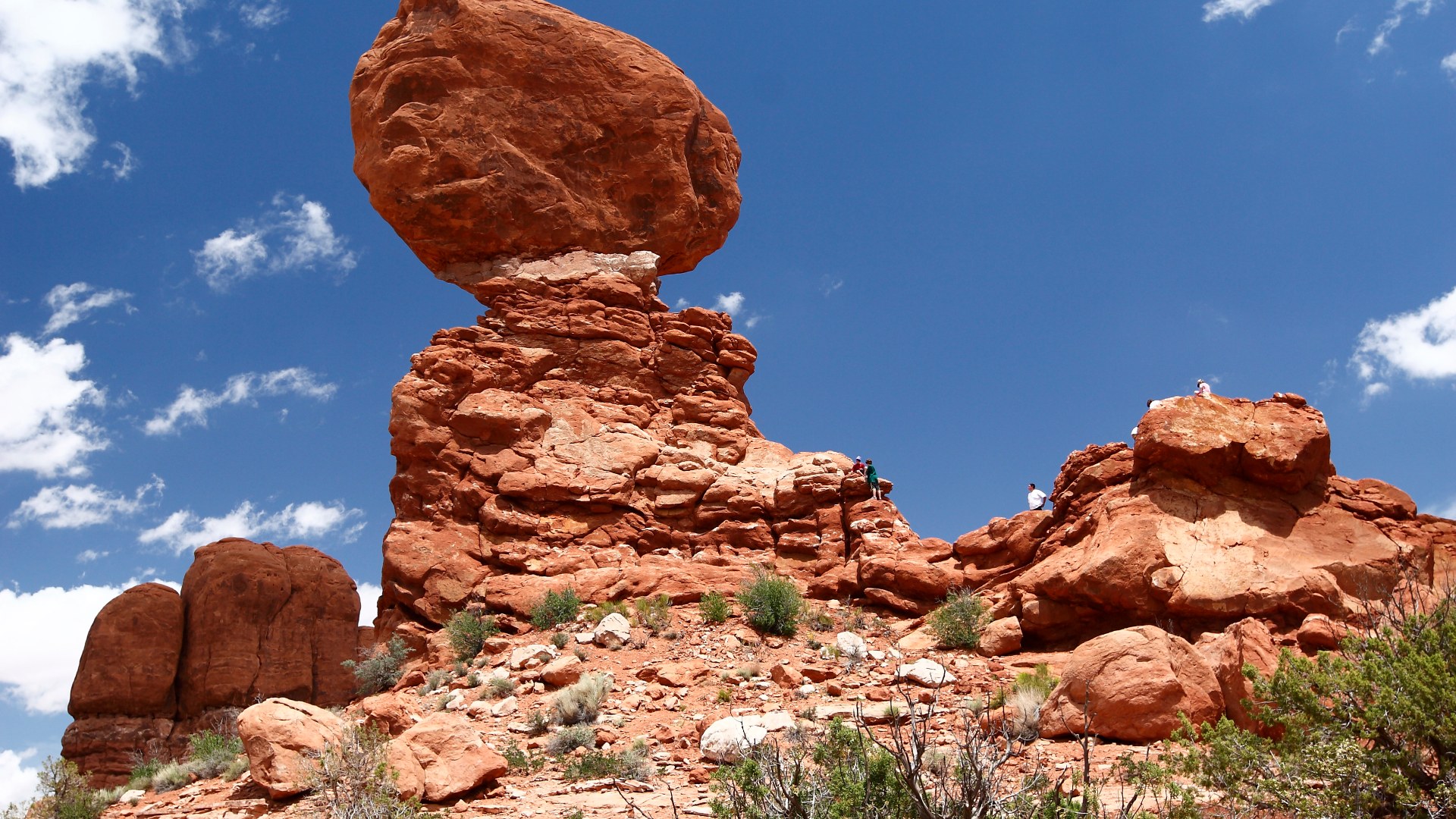
26. Balanced Rock, Utah
Standing one hundred and twenty-eight feet tall in Arches National Park, Balanced Rock supports a massive cap of hard Slick Rock Member sandstone weighing over three thousand five hundred tons. Because the underlying Dewey Bridge mudstone erodes faster, the pedestal continues to narrow.
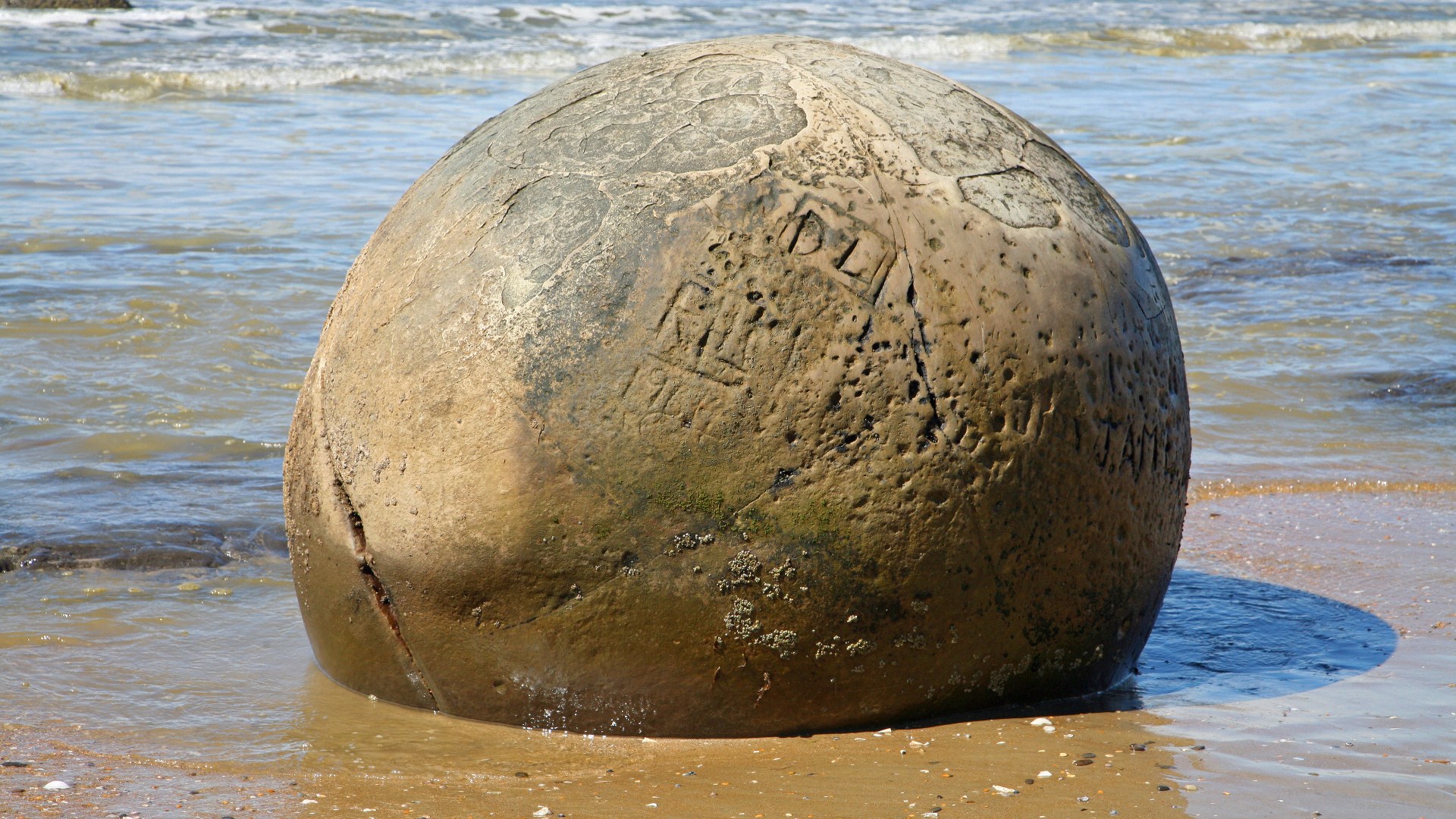
25. Moeraki Boulders, New Zealand
Scattered along New Zealand's South Island coast, the Moeraki Boulders are grey mudstone concretions measuring up to seven feet across. They formed on the Paleocene seafloor as calcium carbonate slowly cemented around mineral cores over four million years before coastal waves freed them.
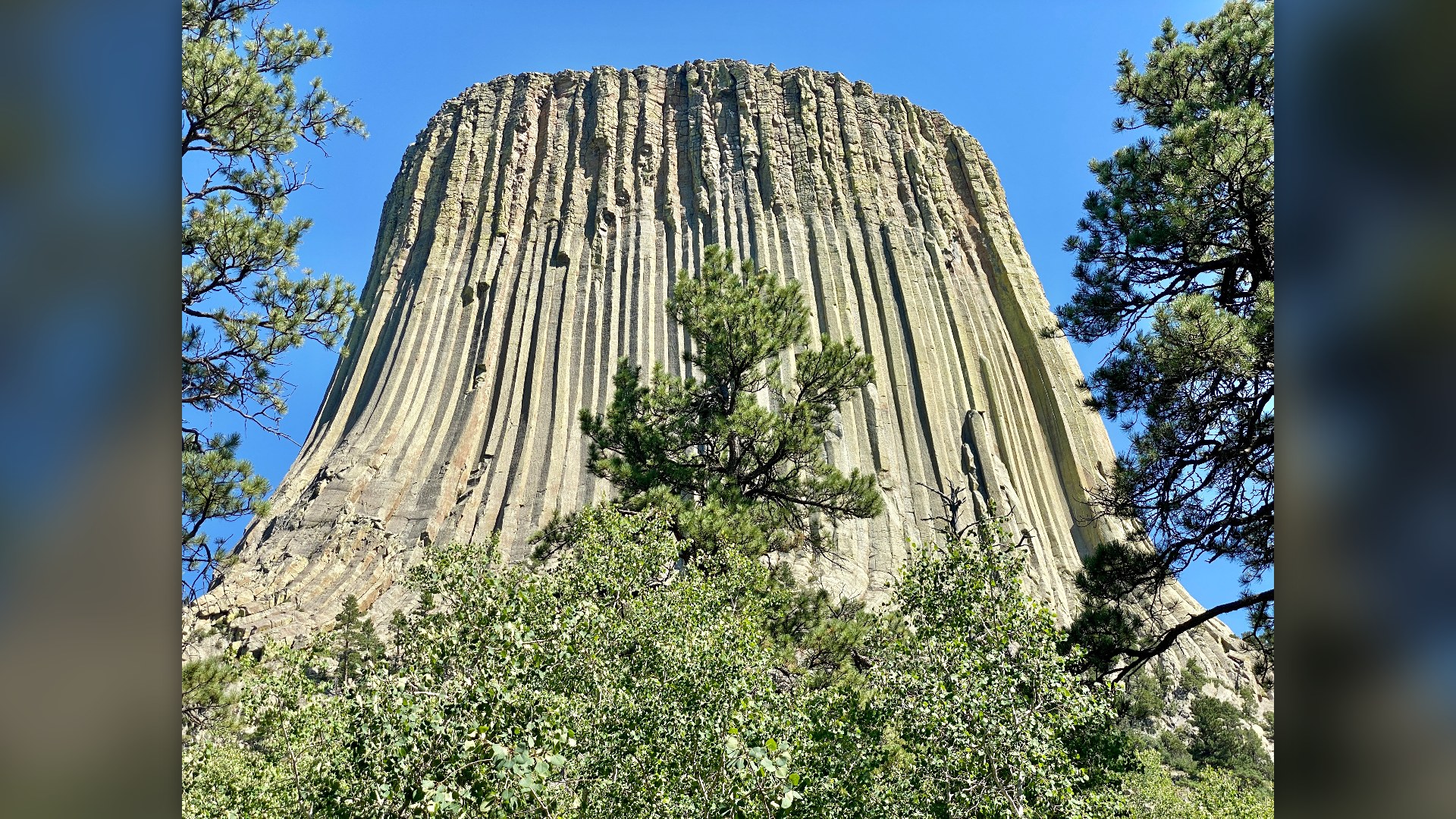
24. Devils Tower, Wyoming
Known to Indigenous Plains tribes as Bear Lodge, Devils Tower is an intrusion of phonolite porphyry magma that cooled underground roughly fifty million years ago. As softer sedimentary rock washed away over eons, the hard igneous core remained standing with deep vertical joints.
23. Zhangye Danxia Landform, China
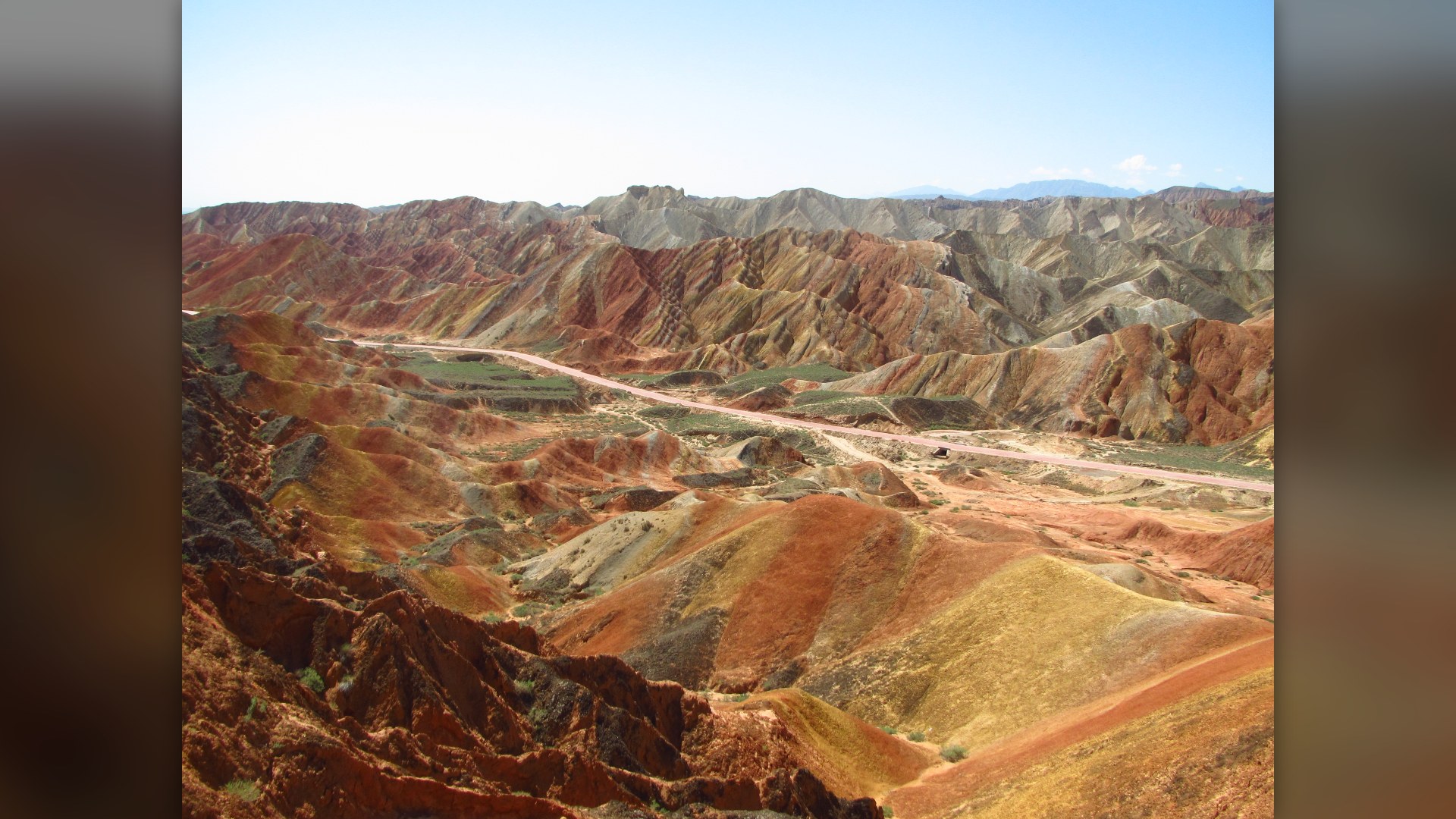
In northwestern China's Gansu province, the Zhangye Danxia hills display distinct layers of crimson, ochre, and cream sandstone. Deposited in an ancient inland basin and later buckled upward by the same tectonic collision that raised the Himalayas, each band marks a different mineral oxide.
22. Monument Valley Buttes, Arizona
Monument Valley's formations, including the Three Sisters and the Mittens, are the eroded remnants of an ancient sandstone plateau. Each monument features three distinct rock layers, a shale base slope, a vertical De Chelly Sandstone cliff wall, and a protective caprock.
21. Tsingy De Bemaraha, Madagascar
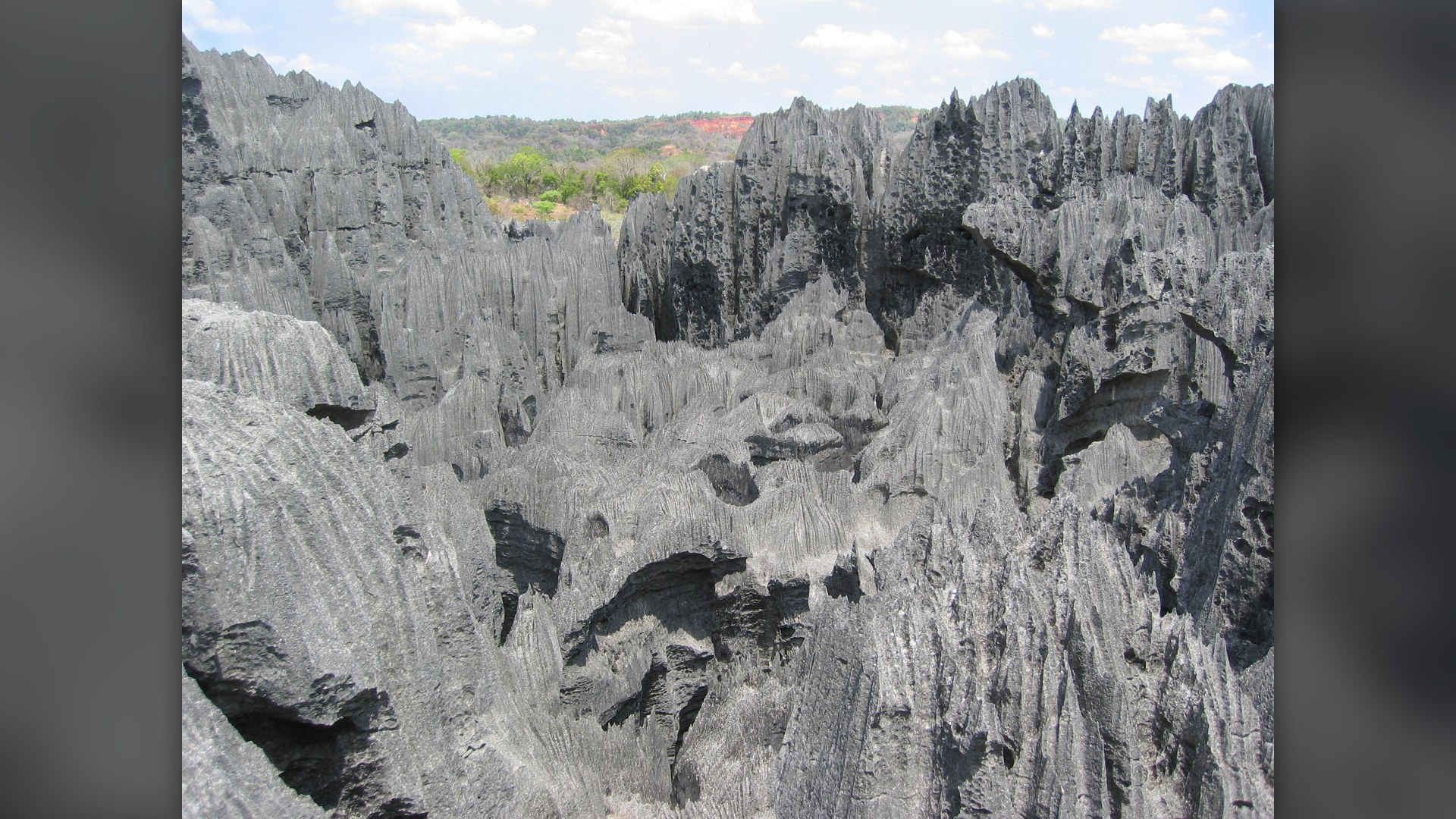
Meaning "where one cannot walk barefoot" in Malagasy, the Tsingy de Bemaraha reserve is a vast karst labyrinth of limestone needles reaching up to three hundred feet high. Groundwater and monsoon rains etched deep canyons and knife-edged pinnacles out of ancient marine fossils.
20. Brimham Rocks, England
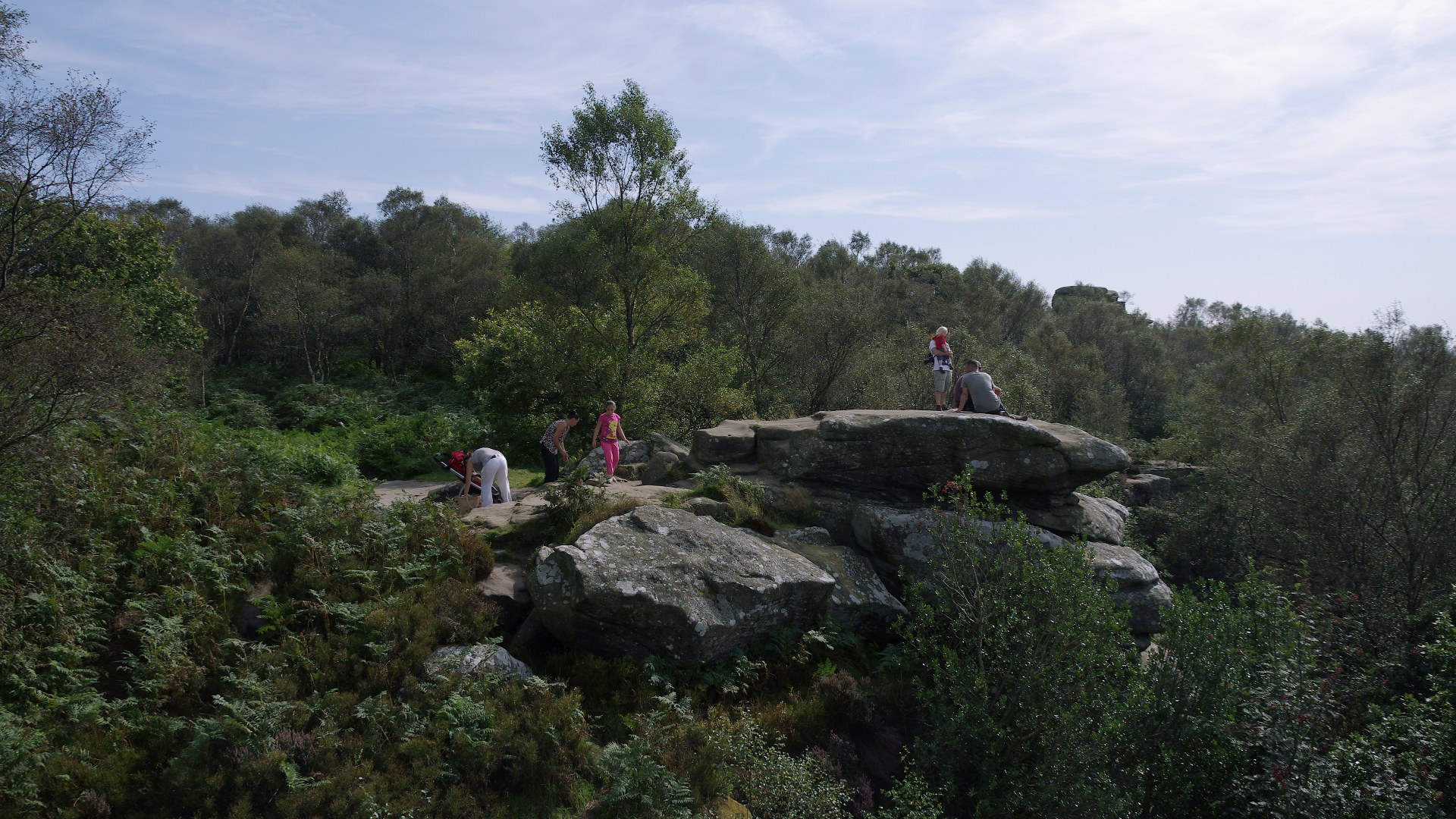
Across Brimham Moor in North Yorkshire, Carboniferous Millstone Grit boulders have been scoured by windblown sand and ice since the last glacial period. Differential erosion ate away softer lower beds faster than the dense upper stone, leaving top-heavy columns like the Idol Rock.
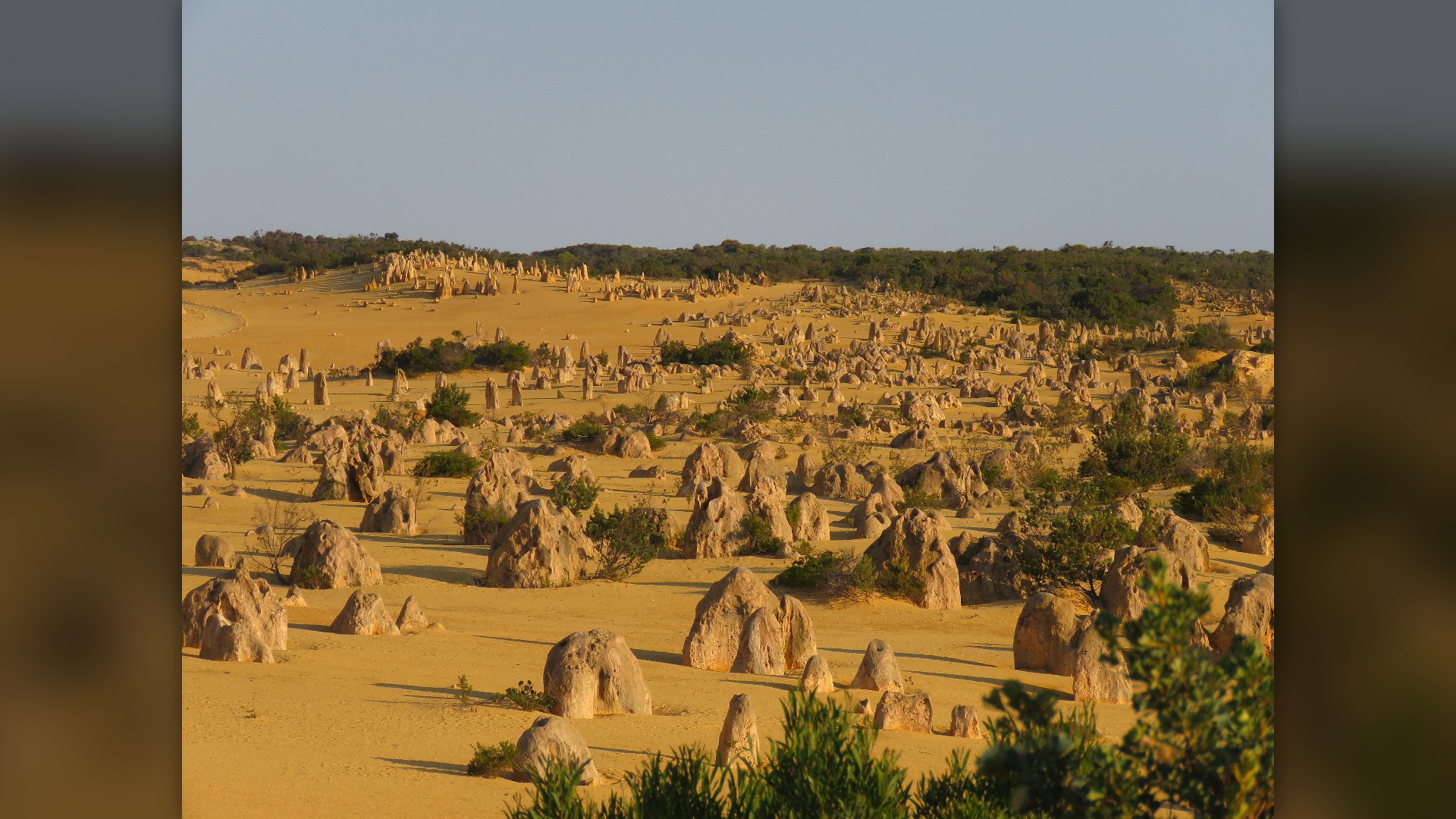
19. The Pinnacles Of Nambung, Australia
Rising up to eleven feet out of golden desert sands in Nambung National Park, the Pinnacles formed from seashell-rich coastal lime sands. Rainwater leached calcium down around ancient tree roots to form hard calcrete pipes, which stayed standing after wind blew the loose soil away.
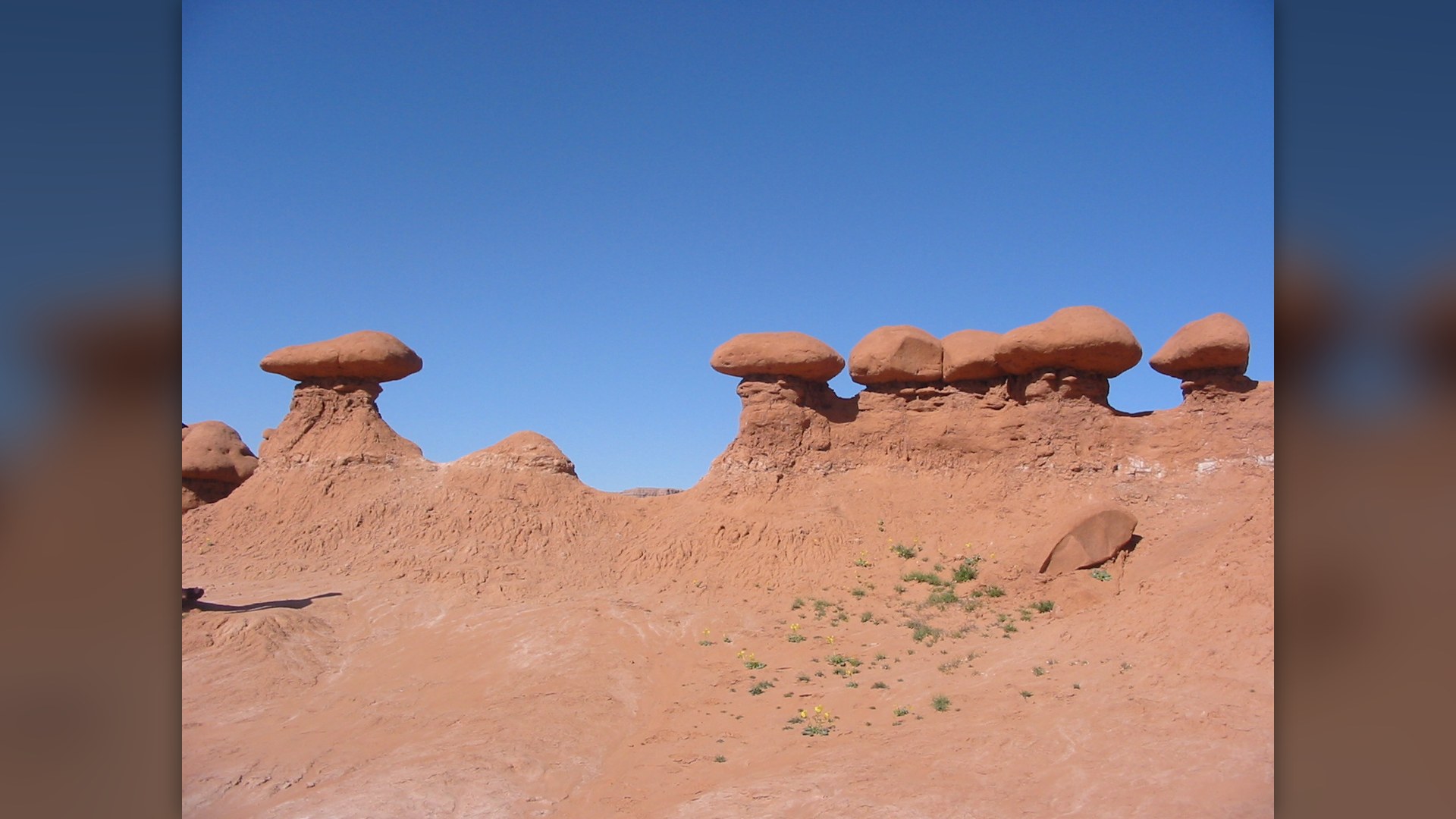
18. Goblin Valley Hoodoos, Utah
Goblin Valley State Park in central Utah contains dense clusters of bulbous sandstone goblins. Deposited near an ancient tidal flat, alternating beds of hard sandstone and soft siltstone weathered unevenly under wind and rain to produce squat, round-headed pillars.
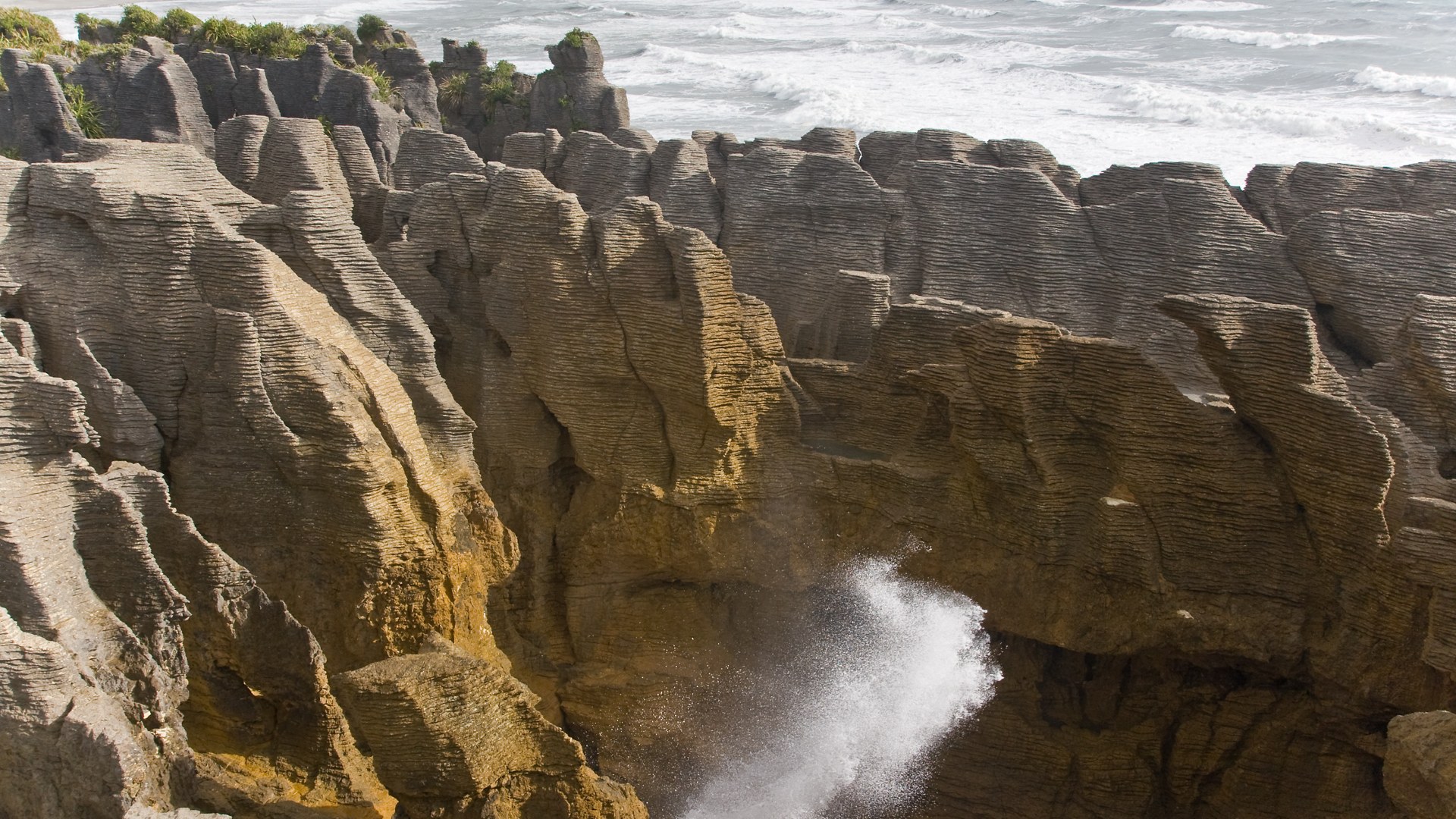
17. Punakaiki Pancake Rocks, New Zealand
Along the West Coast of New Zealand's South Island, the Punakaiki cliffs formed thirty million years ago from alternating layers of marine shells and soft mud on the ocean floor. Tectonic uplift raised the seabed, allowing rain and Tasman Sea surf to etch out horizontal ledges.
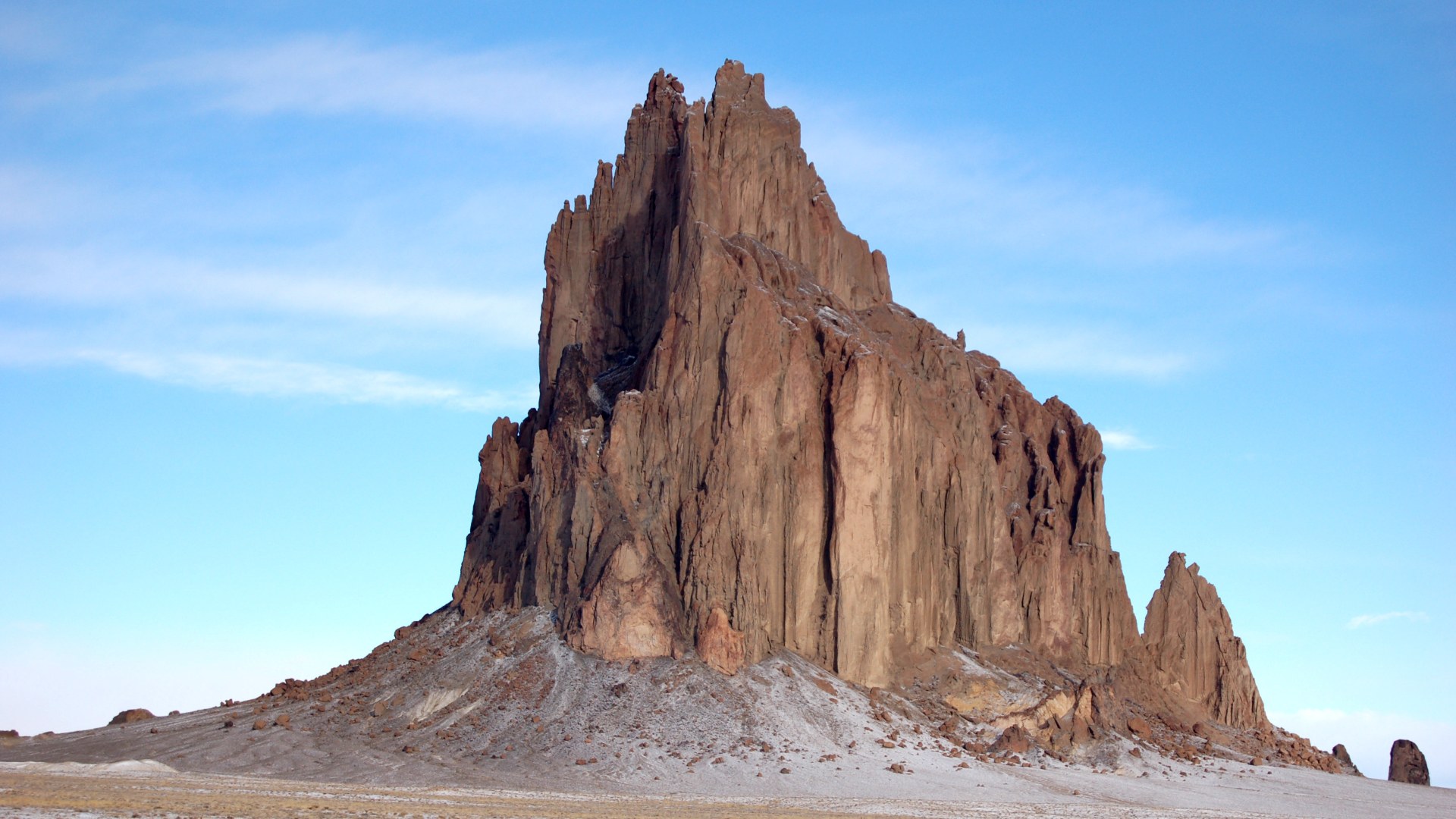
16. Shiprock Volcanic Neck, New Mexico
Known to the Navajo Nation as Tse Bit'a'i, or "rock with wings," Shiprock is the eroded throat of a volcano that erupted twenty-seven million years ago. Three thousand feet of surrounding sedimentary rock eroded away, exposing the jagged breccia core and wall-like minette dikes.
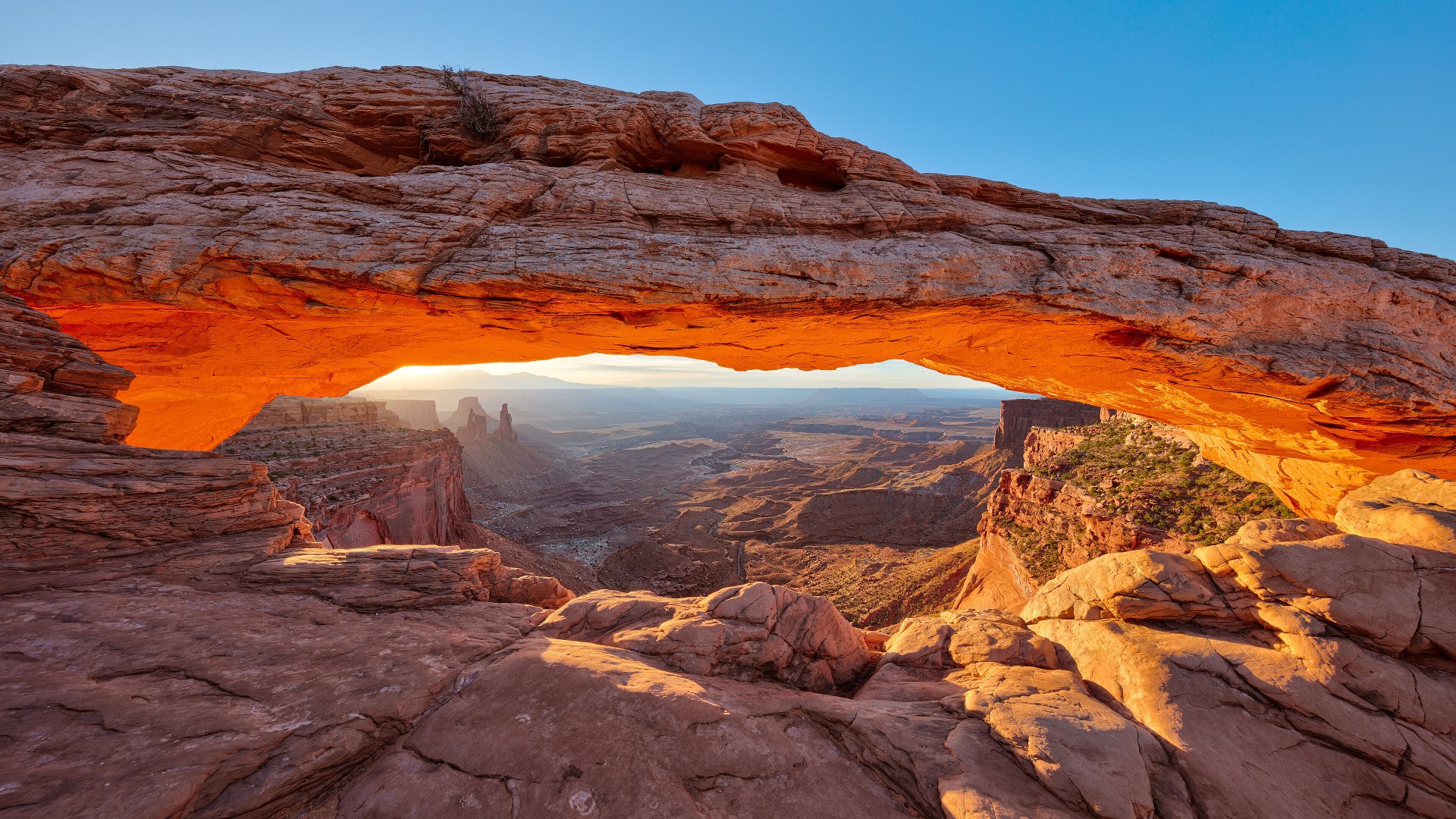
15. Mesa Arch, Utah
Spanning twenty-seven feet along the eastern edge of Island in the Sky in Canyonlands National Park, Mesa Arch formed as pooling rainwater and frost eroded the Navajo Sandstone cliff from above. At dawn, sunlight reflects off the red canyon walls below to illuminate its underside.
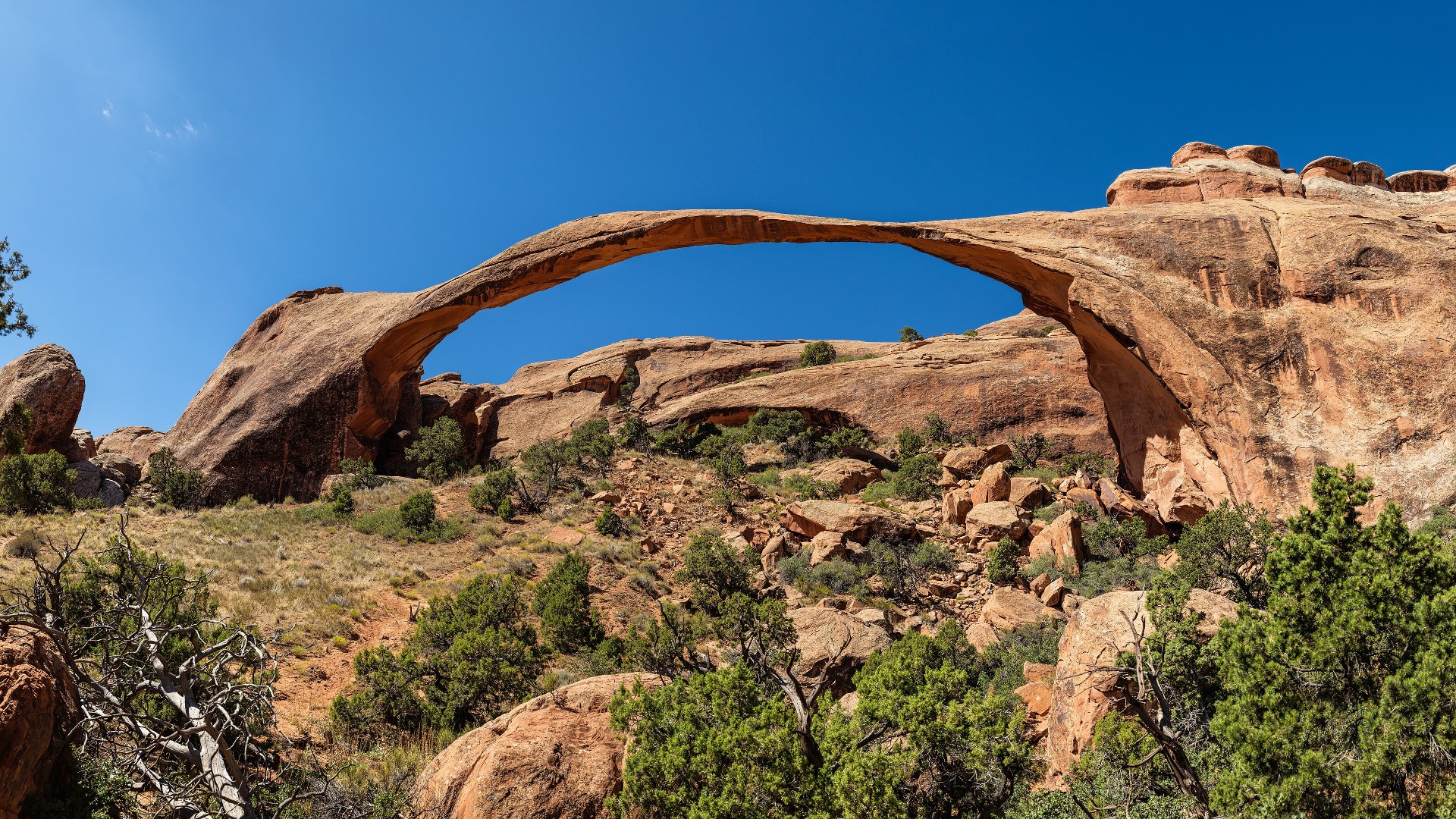
14. Landscape Arch, Utah
Located in the Devil's Garden section of Arches National Park, Landscape Arch stretches two hundred and ninety feet across the sky while measuring just eleven feet thick at its narrowest center point. Rockfalls in the 1990s thinned the span further, showing that erosion never stops.
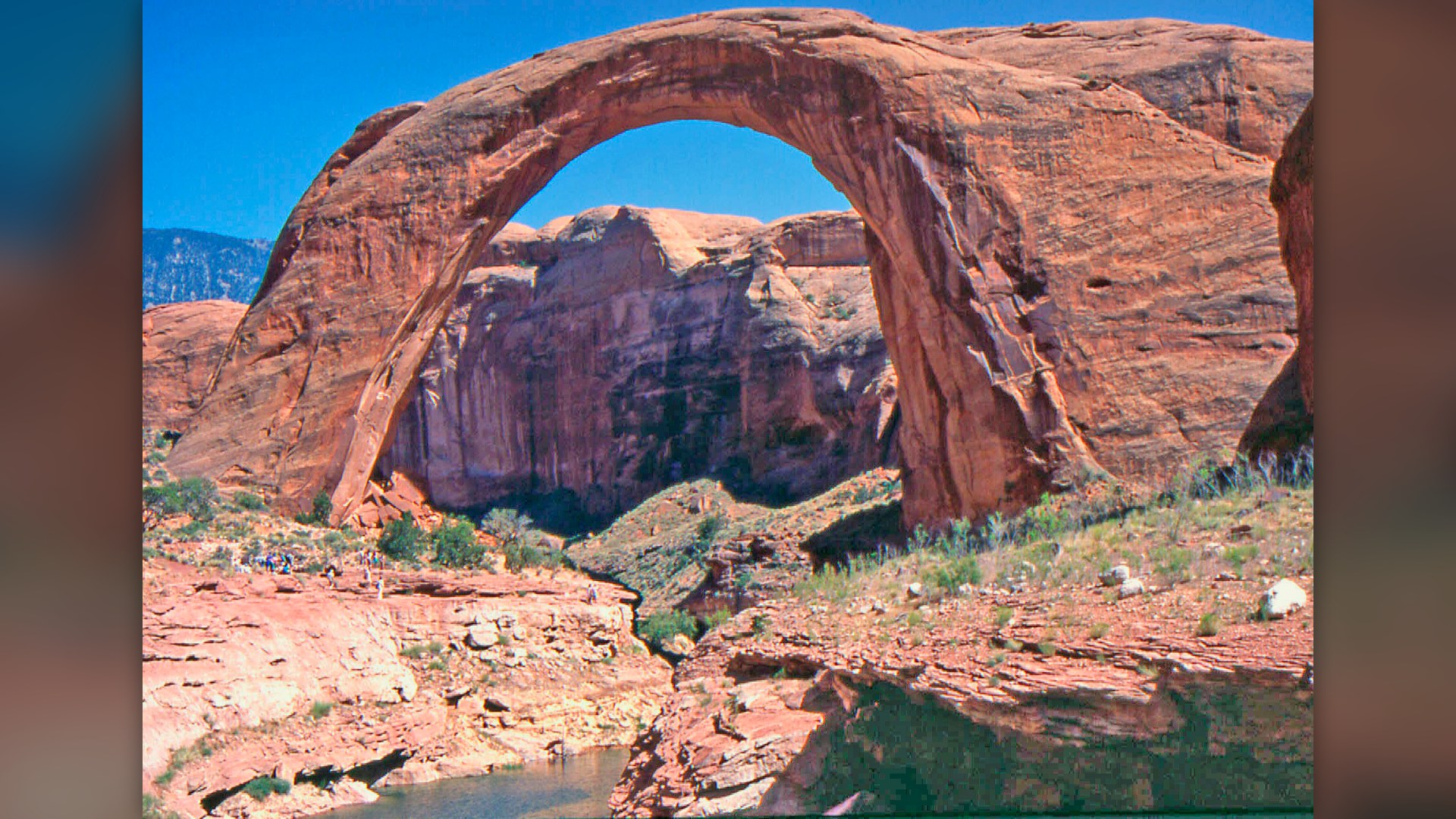
13. Rainbow Bridge, Utah
Unlike wind-carved desert arches, Rainbow Bridge was cut by flowing water in Bridge Creek as it looped around a narrow sandstone fin at the base of Navajo Mountain. Eventually the stream broke through the neck of the bend, leaving a massive stone bridge two hundred and ninety feet tall.
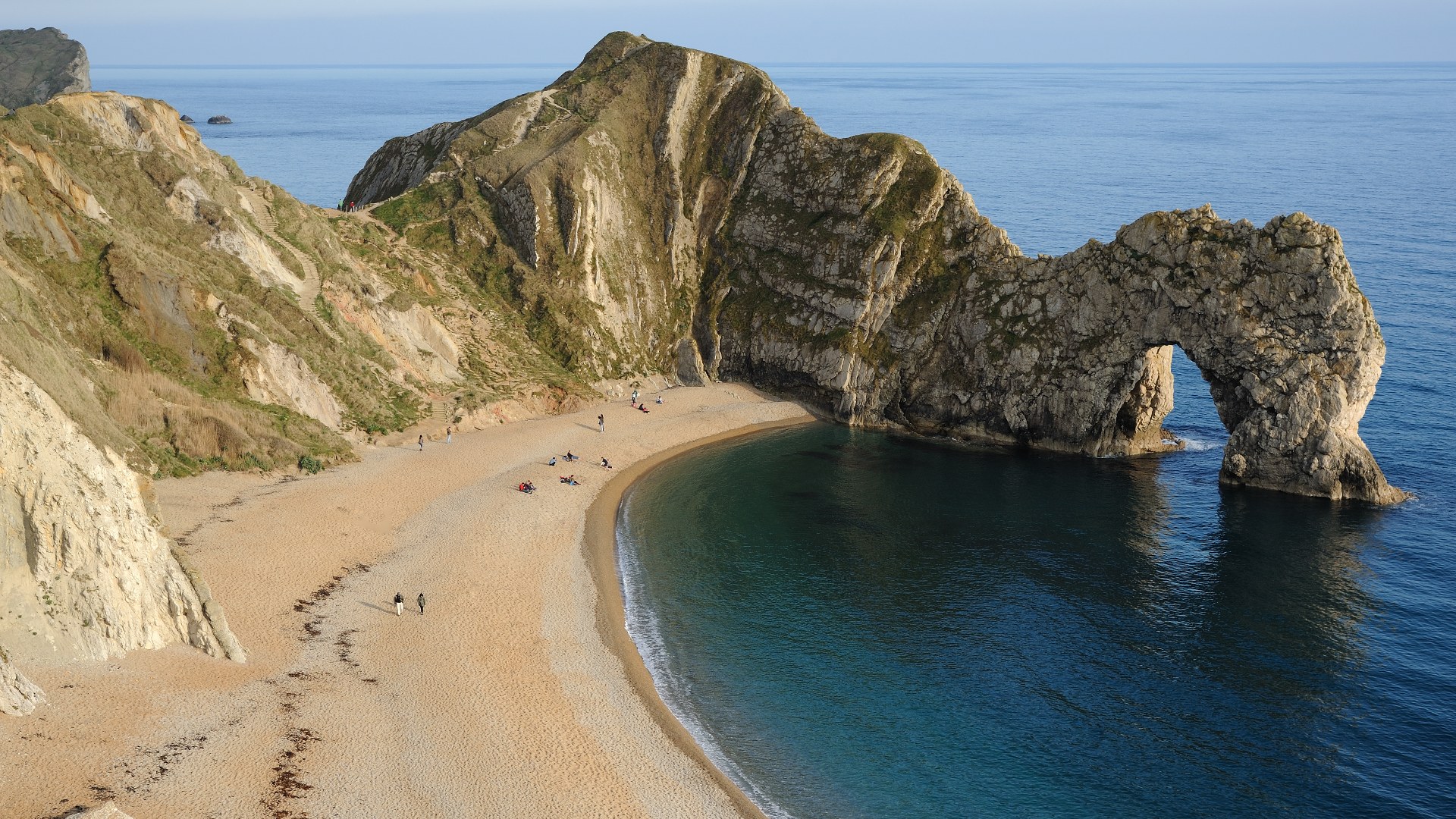
12. Durdle Door, England
On England's Jurassic Coast, tectonic folding tilted beds of hard Portland limestone nearly vertical along the shoreline. When the English Channel breached that resistant outer wall, it washed away the softer clays behind it and left the sea arch of Durdle Door jutting into the bay.
11. Cliffs Of Etretat, France
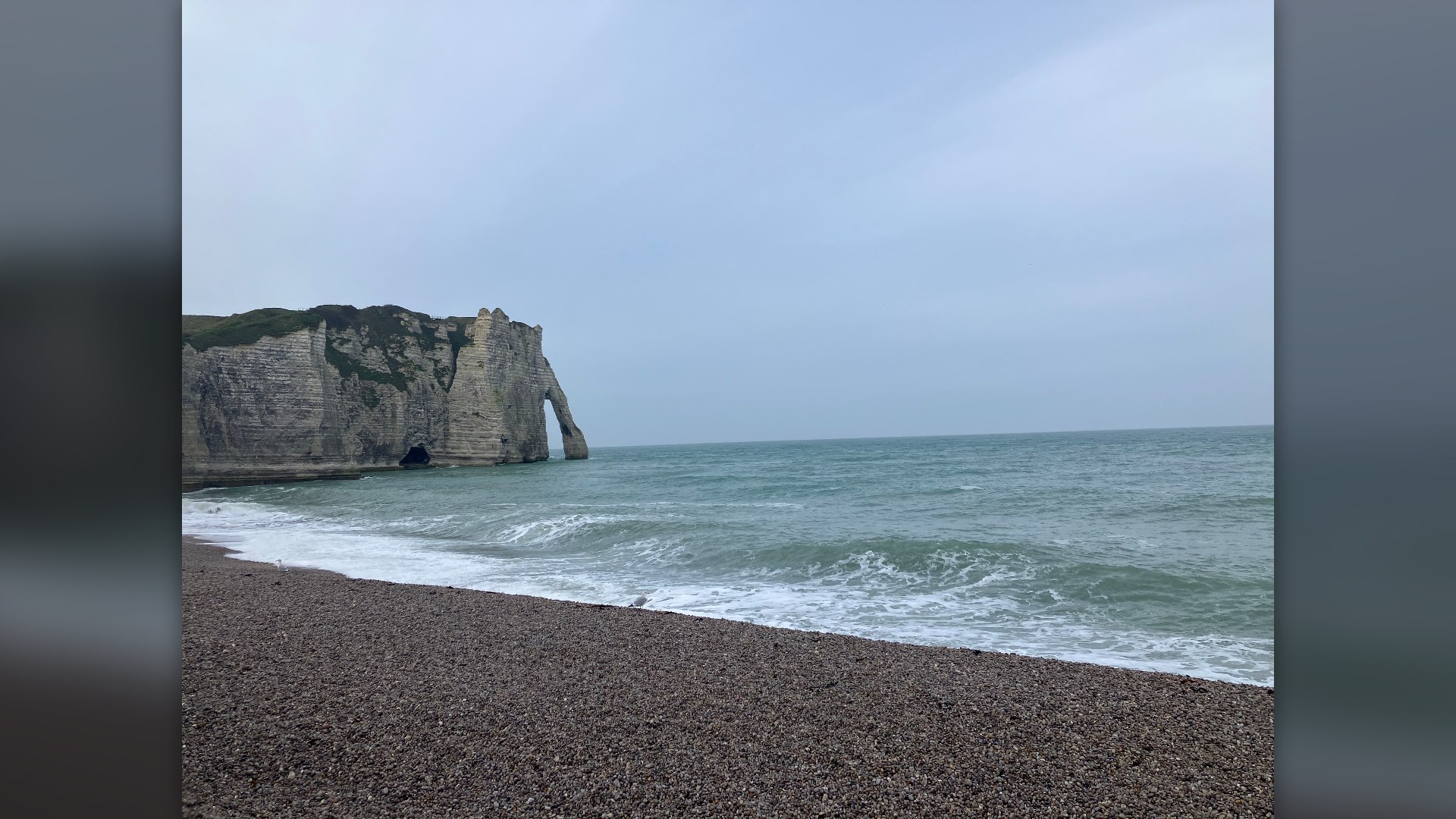
Along Normandy's Alabaster Coast, the sea has carved three grand natural arches and a freestanding chalk spire out of white Upper Cretaceous limestone. Underground rivers and pounding Atlantic waves hollowed out weak fractures in the cliff face to create the Porte d'Aval arch.
10. The Twelve Apostles, Australia
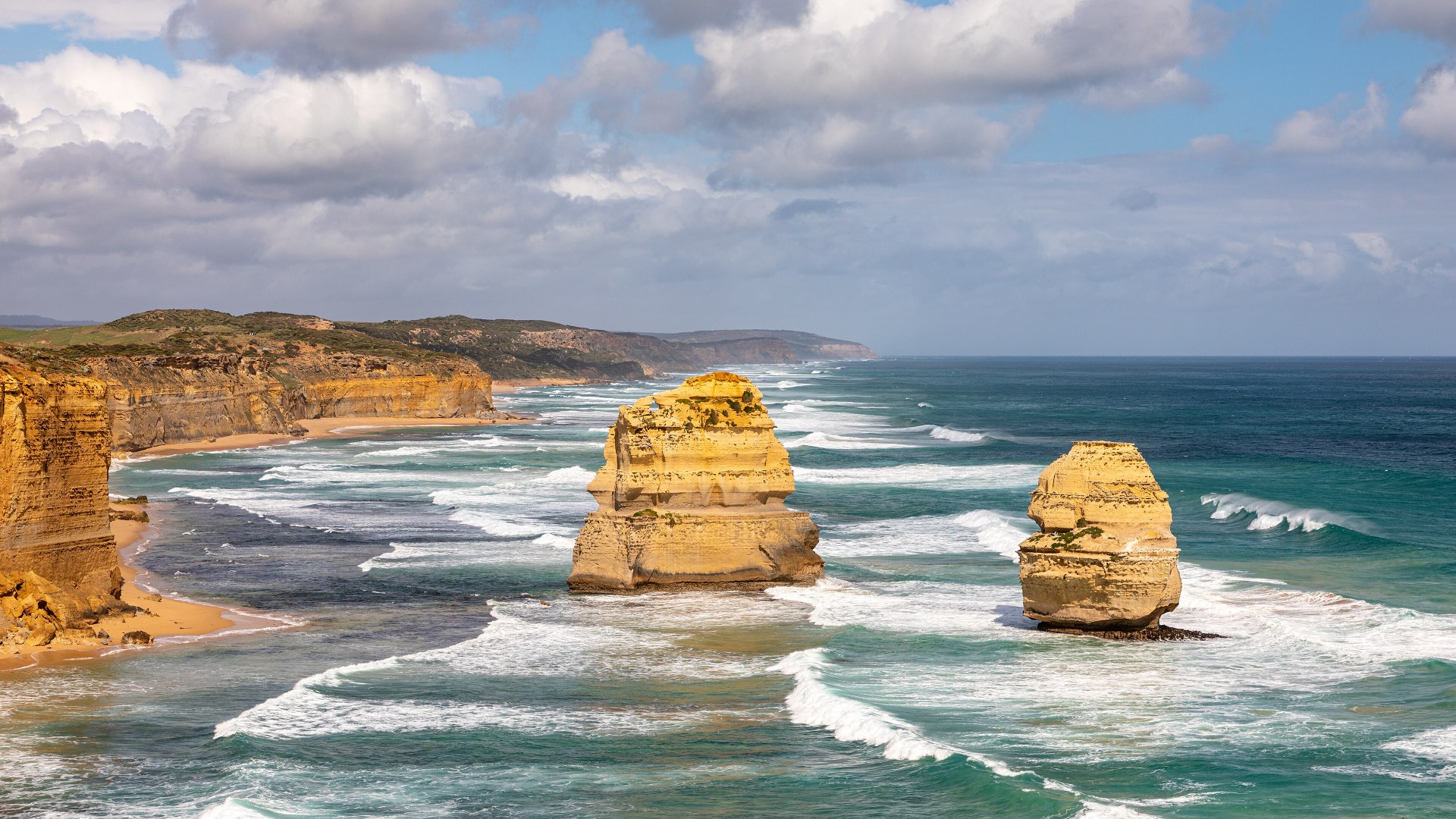
Off Victoria's Great Ocean Road, relentless Southern Ocean storms chip away at coastal limestone cliffs at a rate of roughly an inch per year. Waves first carve deep sea caves into headlands, then widen them into arches that eventually collapse to leave isolated stacks up to 150 feet high.
9. Old Man Of Hoy, Scotland
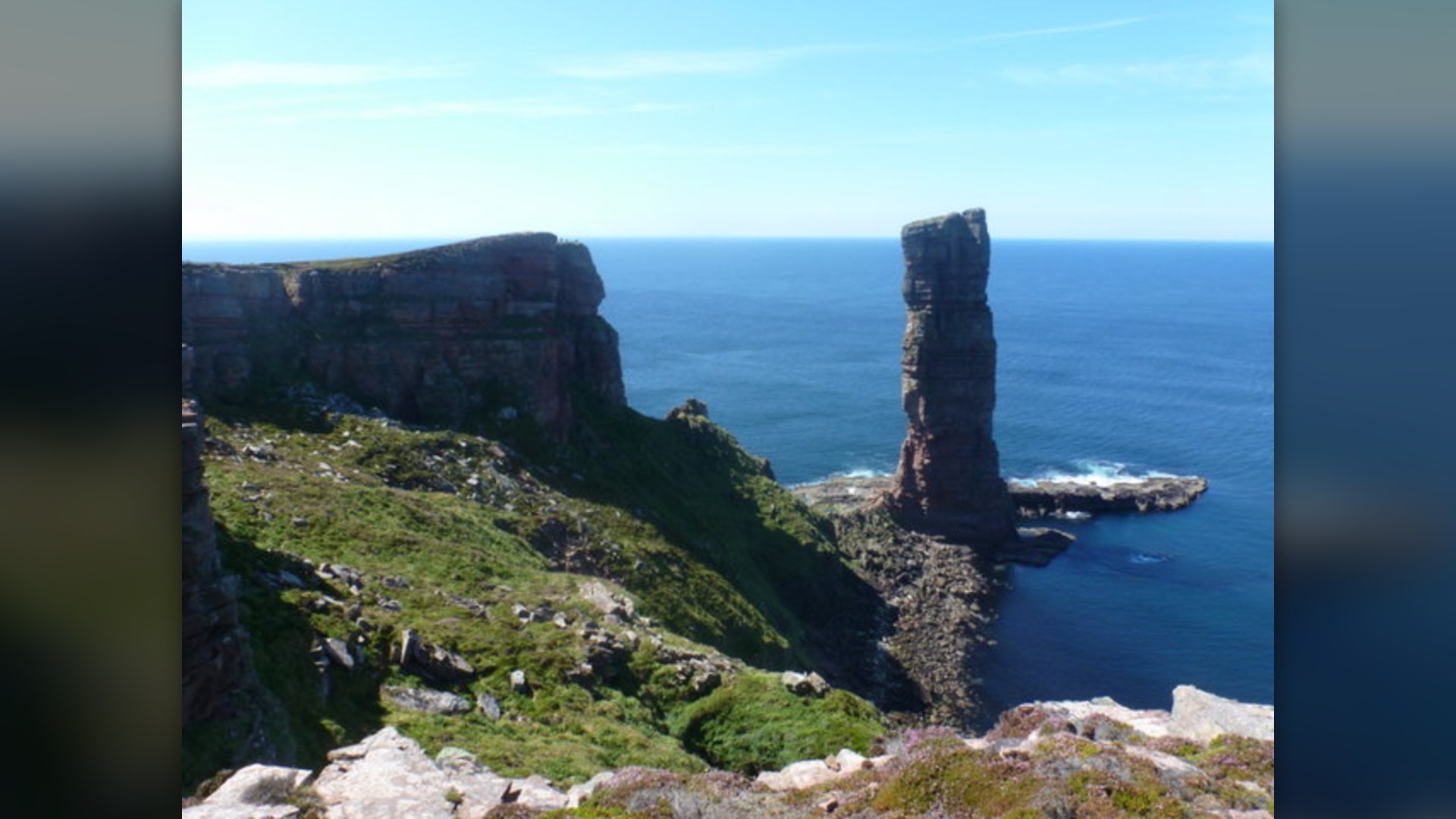
Rising four hundred and forty-nine feet off the Orkney island of Hoy, this sea stack is geologically young at less than four hundred years old. Eighteenth-century maps still showed it as a headland before North Atlantic gales severed the arch linking it to the Old Red Sandstone cliff.
Mono Lake Tufa Towers
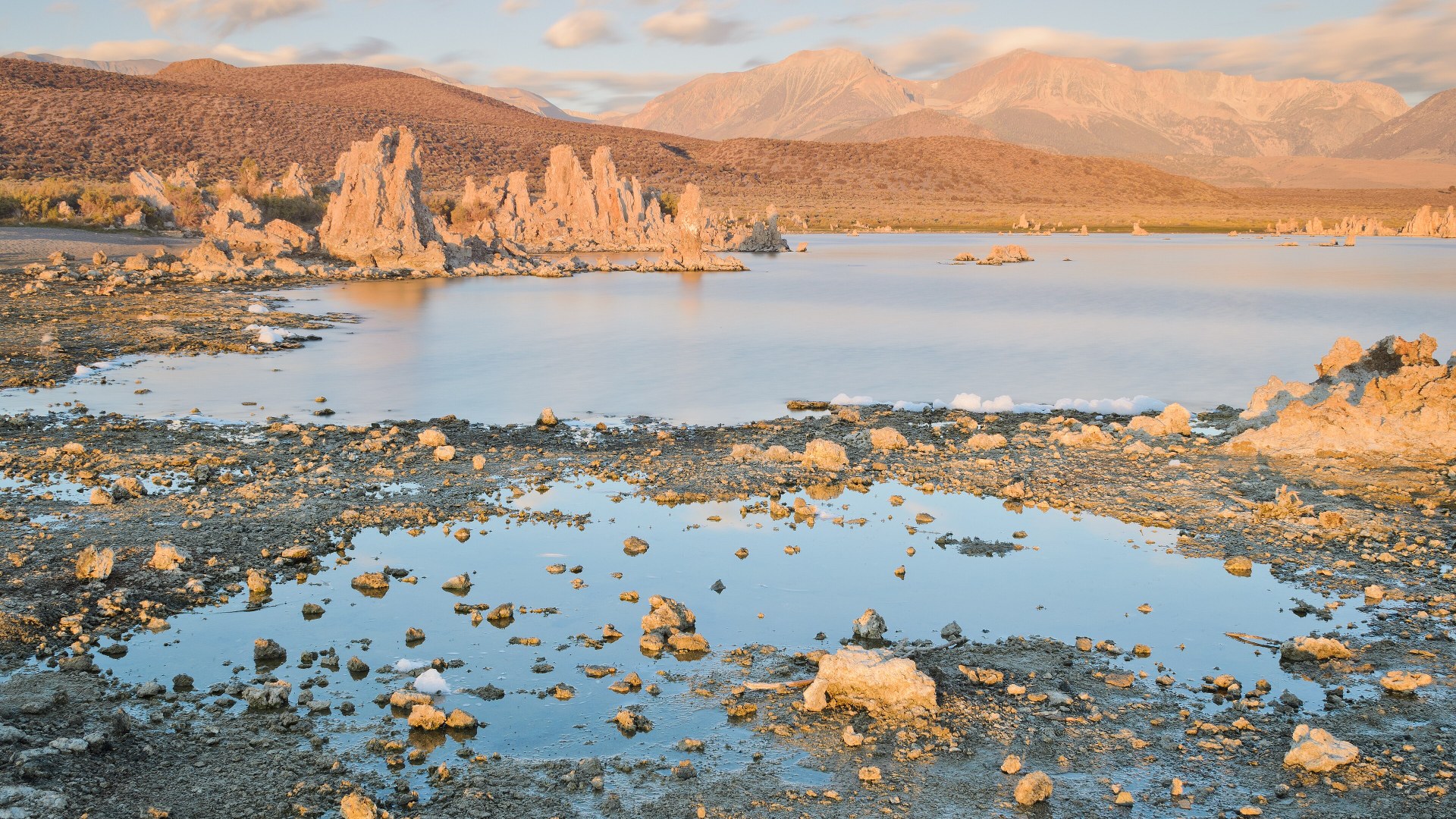
Mono Lake's ghostly tufa spires actually grew underwater. When underwater springs carrying dissolved calcium met the carbonate-rich alkaline waters of the basin, calcium carbonate precipitated into solid travertine towers around the vents, later exposed when water levels dropped.
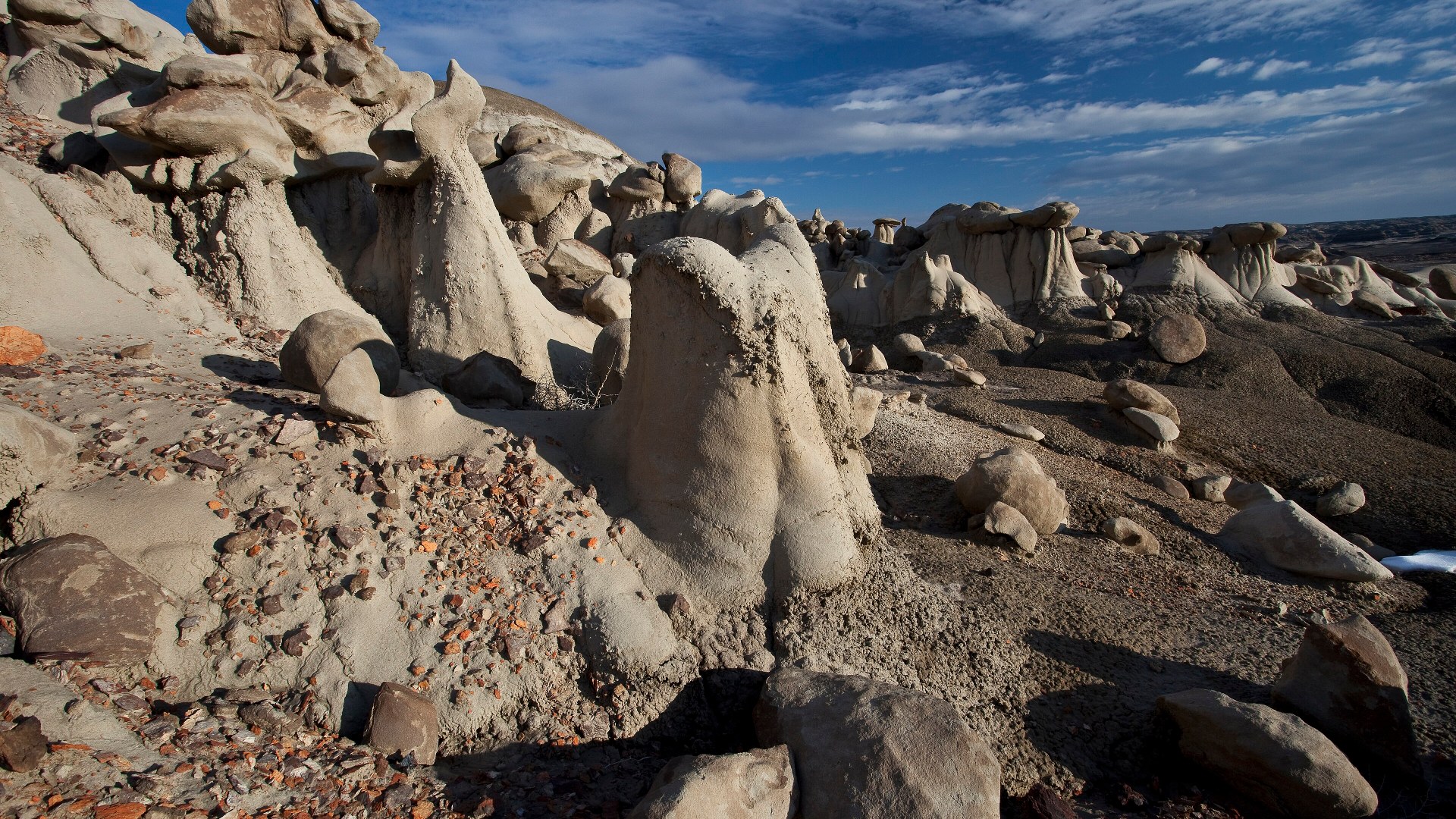
Bisti Badlands Hoodoos
In the San Juan Basin of northwestern New Mexico, the Bisti Badlands were once a lush coastal swamp seventy million years ago. Today, rare desert cloudbursts wash away soft gray mudstone while leaving hard sandstone slabs perched aloft like stone wings and toadstools.
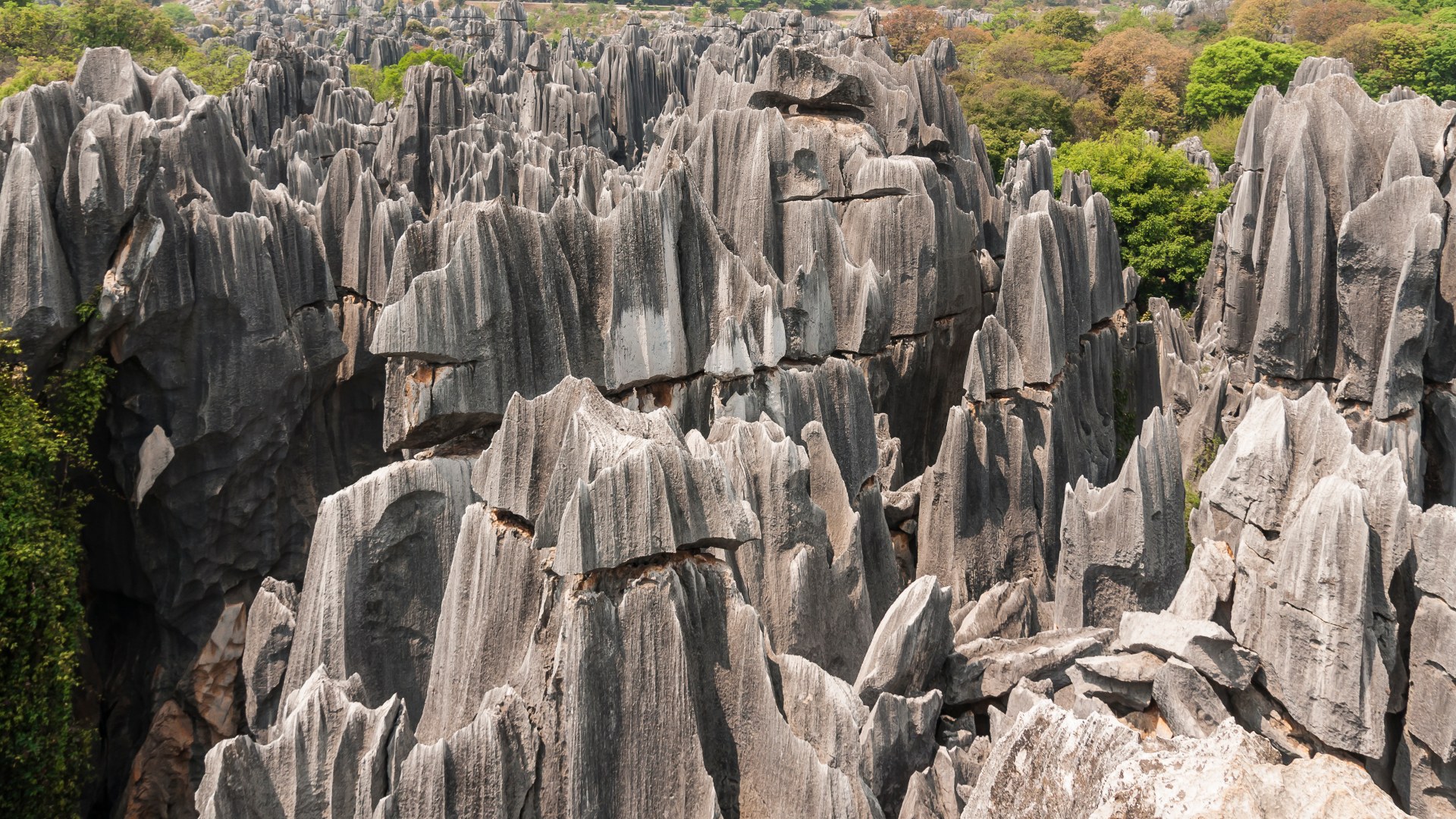
Shilin Stone Forest
Covering more than one hundred and fifty square miles in Yunnan province, the Shilin Stone Forest is an ancient karst landscape formed when a Permian sea floor uplifted into a plateau. Subsurface water corroded deep vertical joints in the limestone, leaving tall, fluted stone towers.
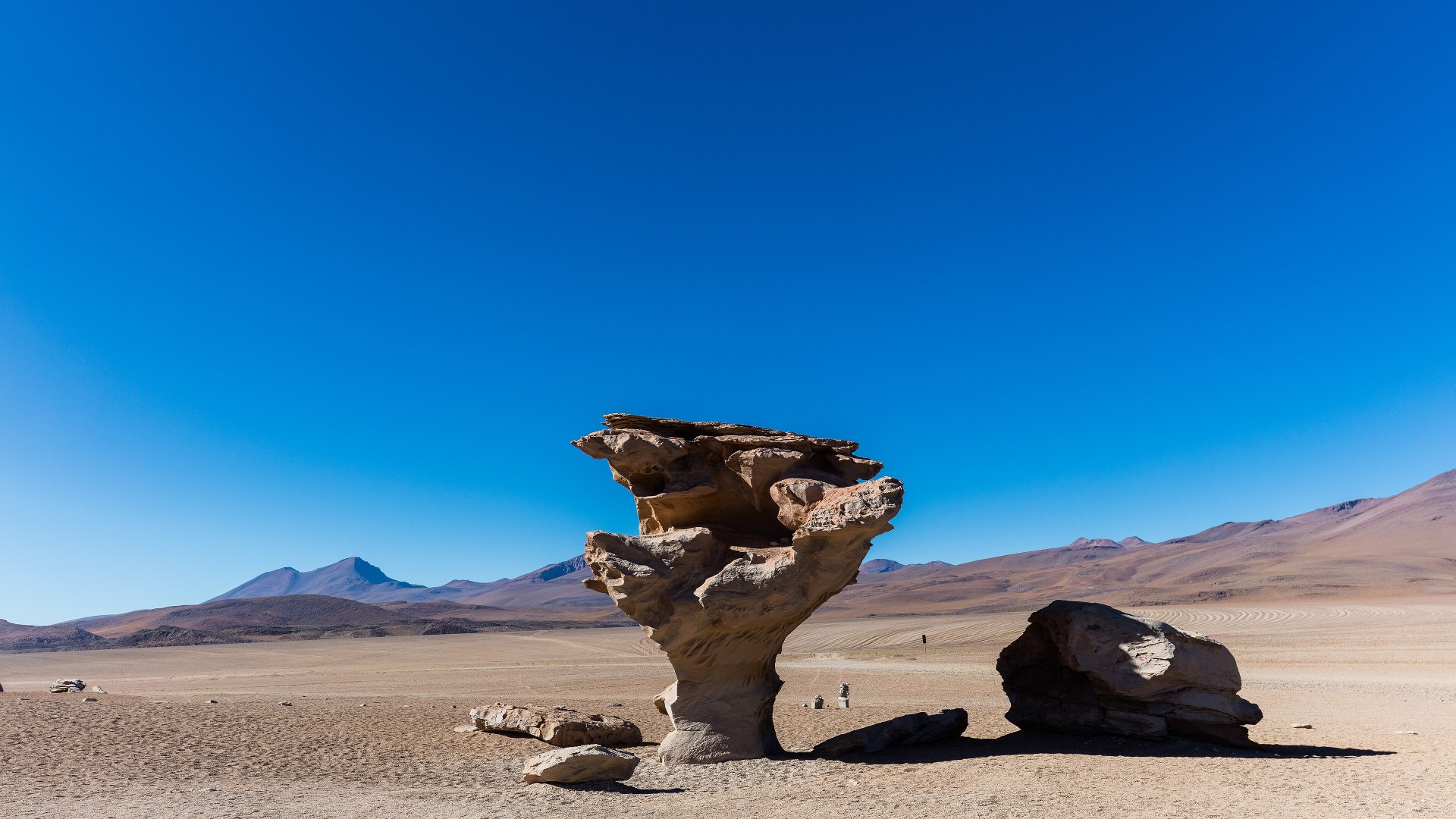
Arbol De Piedra
Standing in the high-altitude Siloli Desert of southwestern Bolivia at over fourteen thousand feet, the Arbol de Piedra is a classic ventifact. Relentless winds sweeping across the Altiplano carry coarse quartz sand near the ground, abrading the lower stem much faster than the crown.
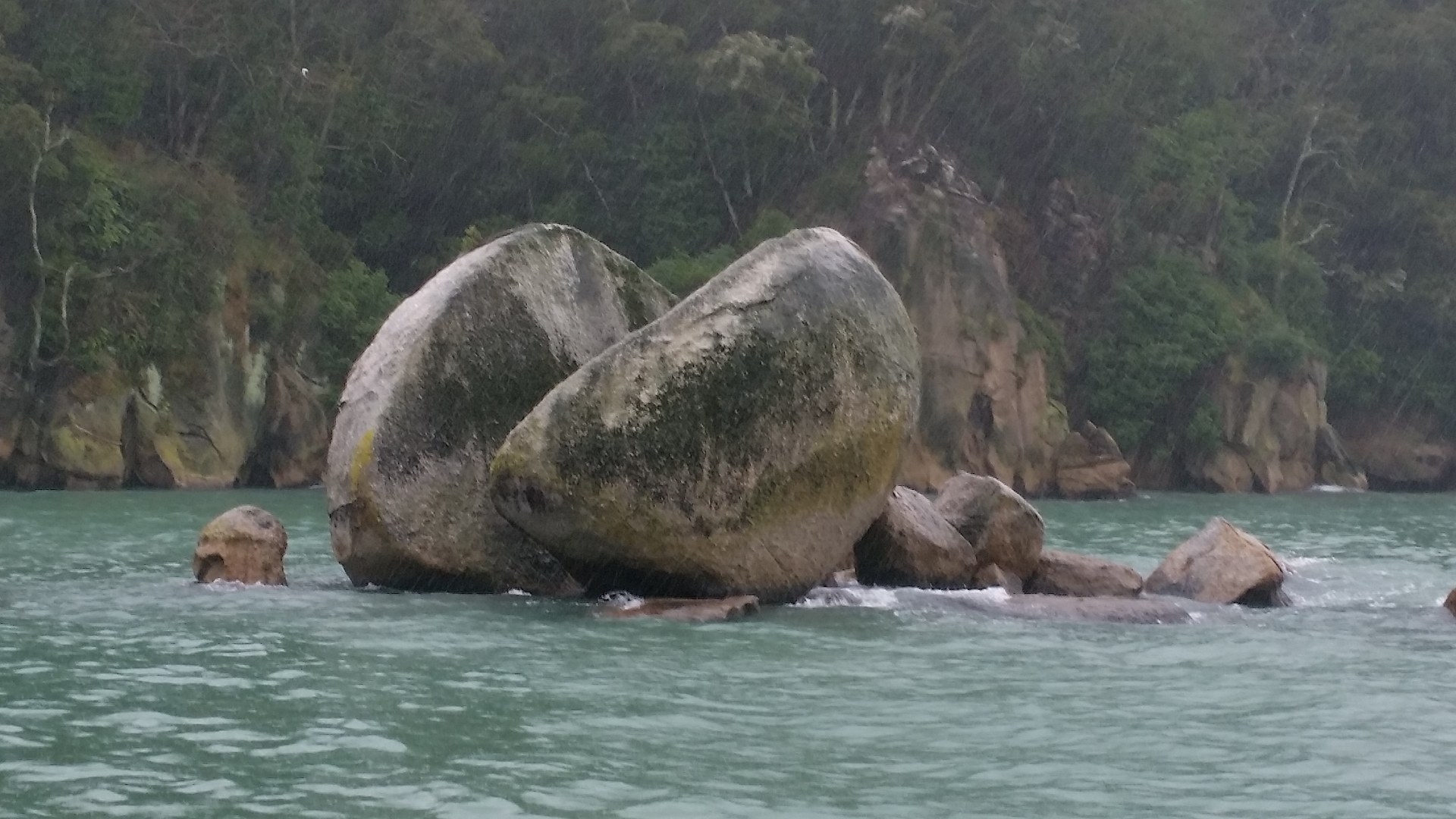
Split Apple Rock
Sitting just offshore in New Zealand's Abel Tasman National Park, Split Apple Rock is a one-hundred-and-twenty-million-year-old Cretaceous granite boulder. During an ice age when sea levels were lower, water seeped into a natural joint and froze, cleaving the sphere into two neat halves.
Kummakivi Balancing Boulder
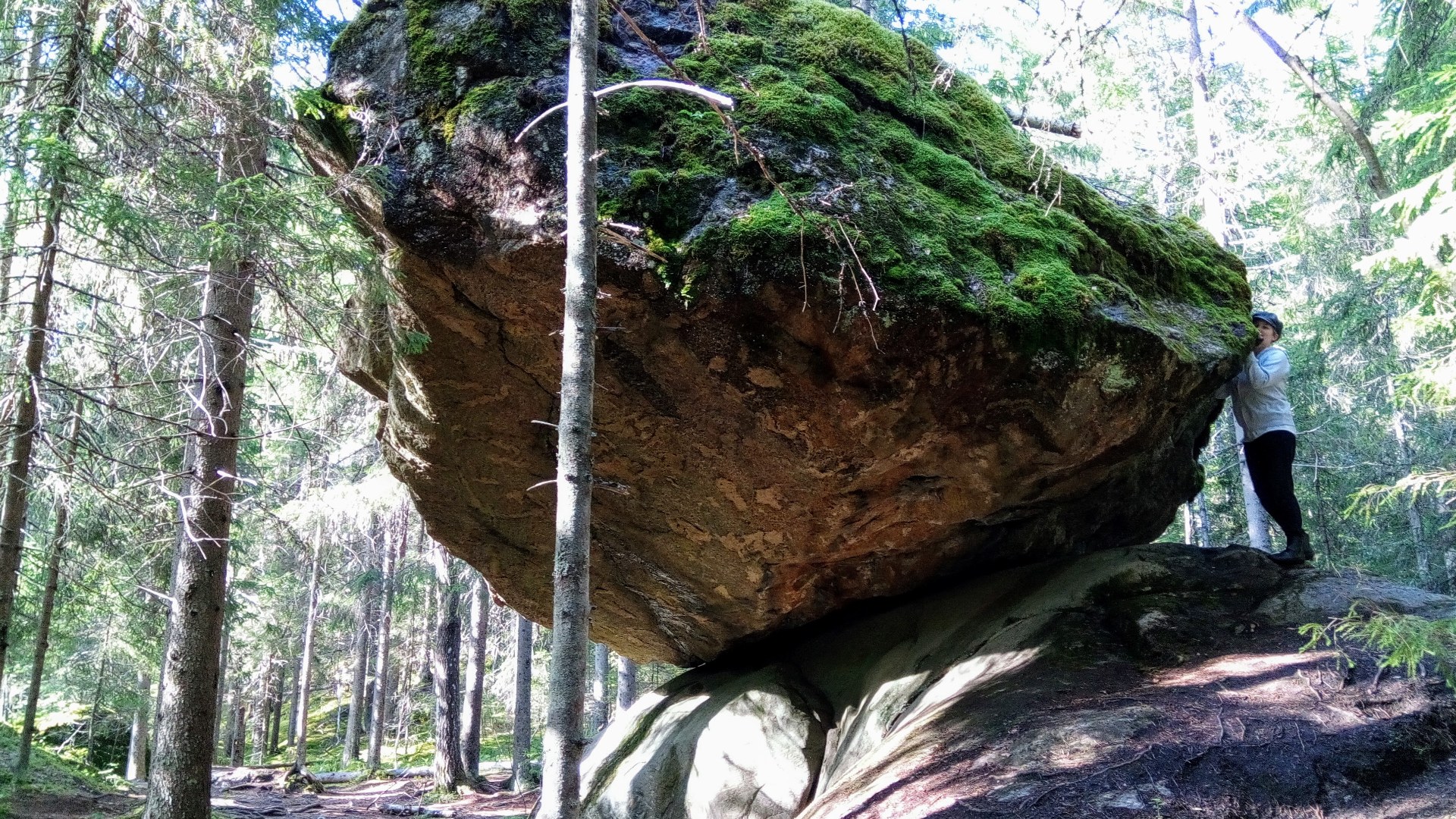
In the forests of Ruokolahti, Finland, a twenty-three-foot glacial erratic known as Kummakivi, or "strange stone," rests on a tiny footprint atop a rounded granite hill. Deposited by melting ice sheets around eleven thousand years ago, friction keeps the 500-ton rock locked in place.
Krishna's Butterball
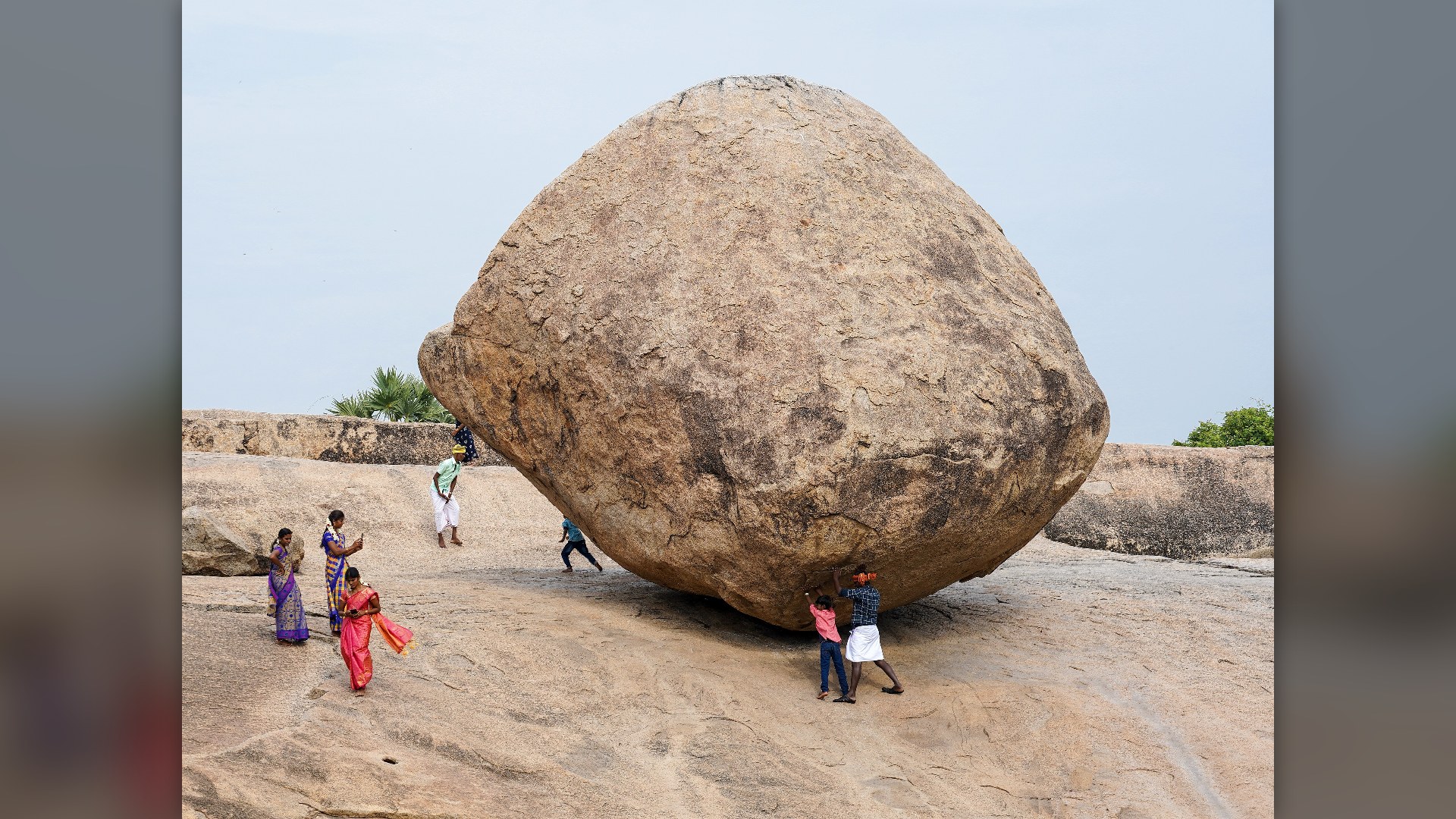
Perched on a smooth forty-five-degree incline in Mahabalipuram, India, Krishna's Butterball is a twenty-foot-high granite gneiss boulder that appears ready to roll downhill. In 1908, seven elephants failed to budge the 250-ton stone, which is held steady by its center of gravity.
Cappadocia Fairy Chimneys
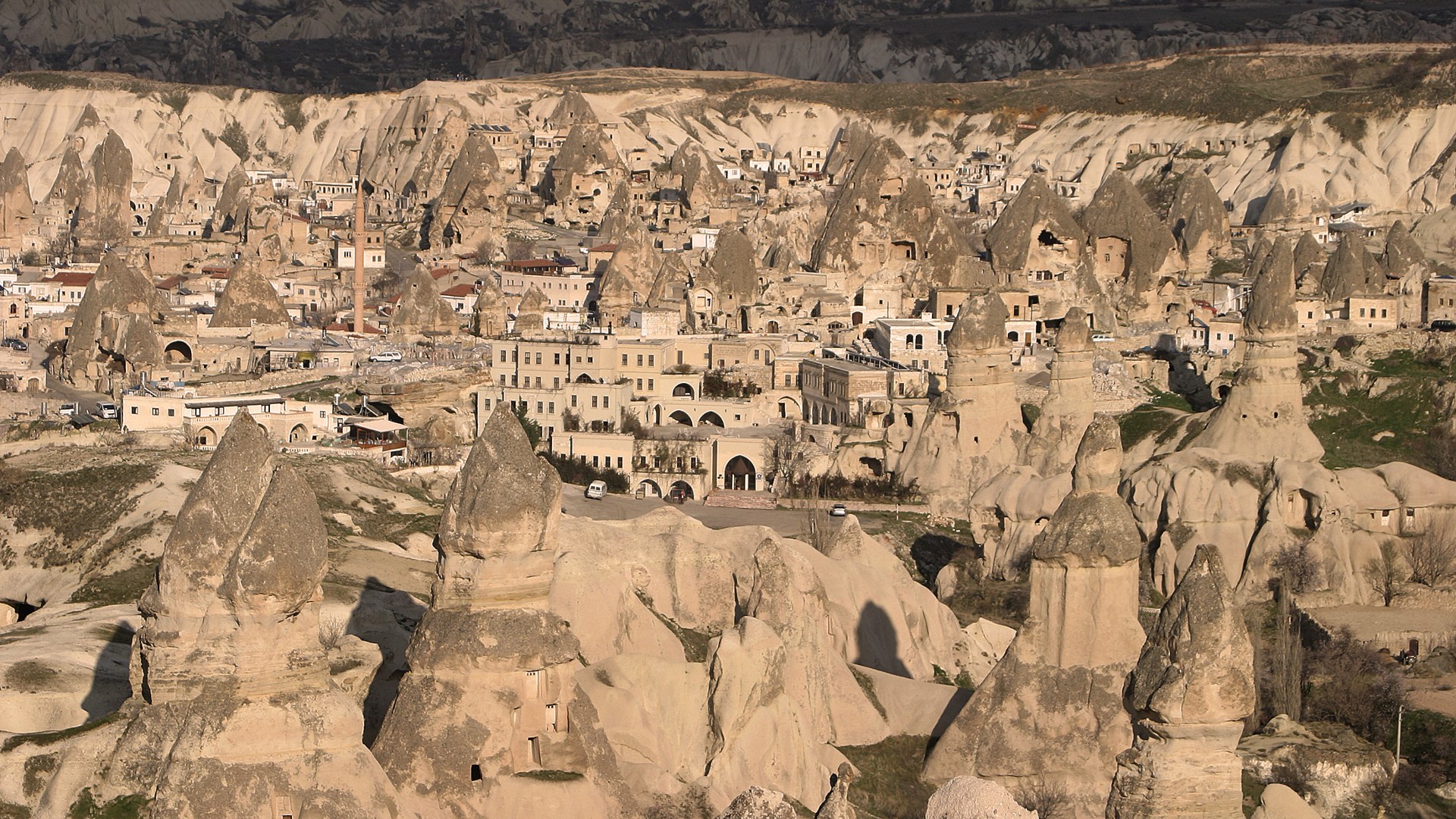
Eruptions from ancient volcanoes blanketed central Turkey in thick layers of soft white volcanic ash that solidified into tuff, topped by a thin crust of harder basalt. As wind and rain carved valleys through the tuff, isolated blocks of basalt protected the cone-shaped pillars beneath them.









