Slideshow · Science
30 Real Animals That Inspired Famous Monster Legends
By Most Viral Today
27 Oct 2026

30 Real Animals That Inspired Famous Monster Legends 
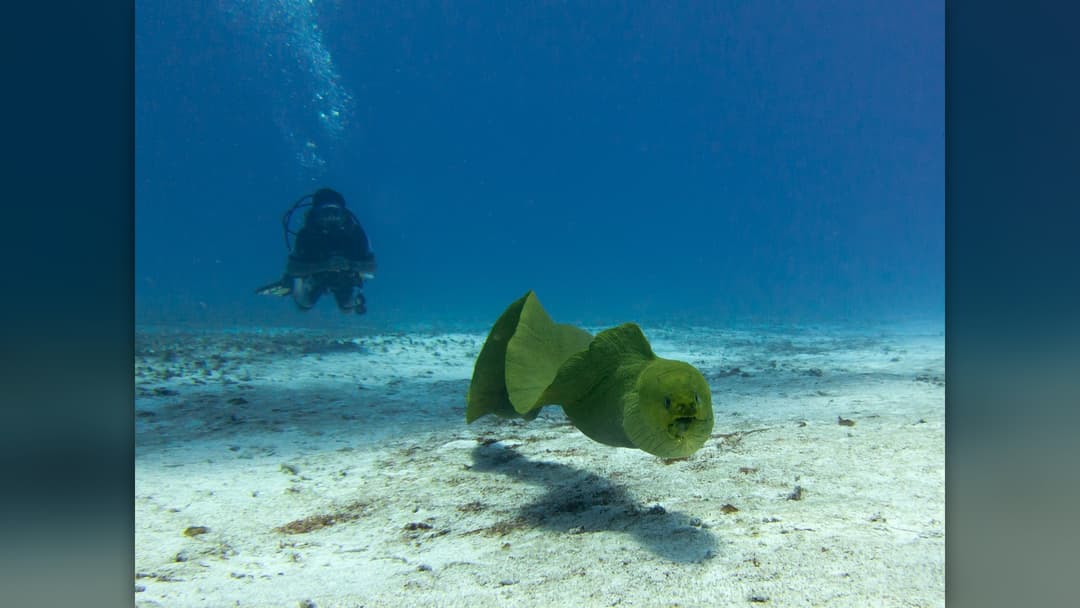
30. Giant Moray Eel And Mediterranean Hydras 
29. Porcupinefish And Zombie Lore 
28. Great White Pelican And Blood Feeding Piety - AdvertisementSwipe or tap ▶ to continue countdown

27. Barnacle Goose And The Tree Born Bird 
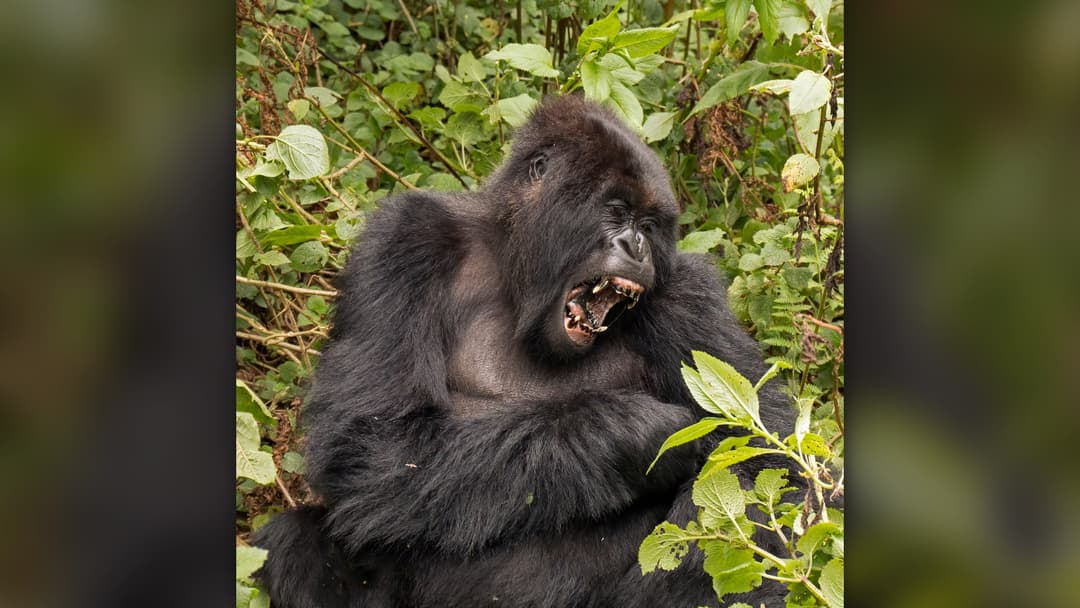
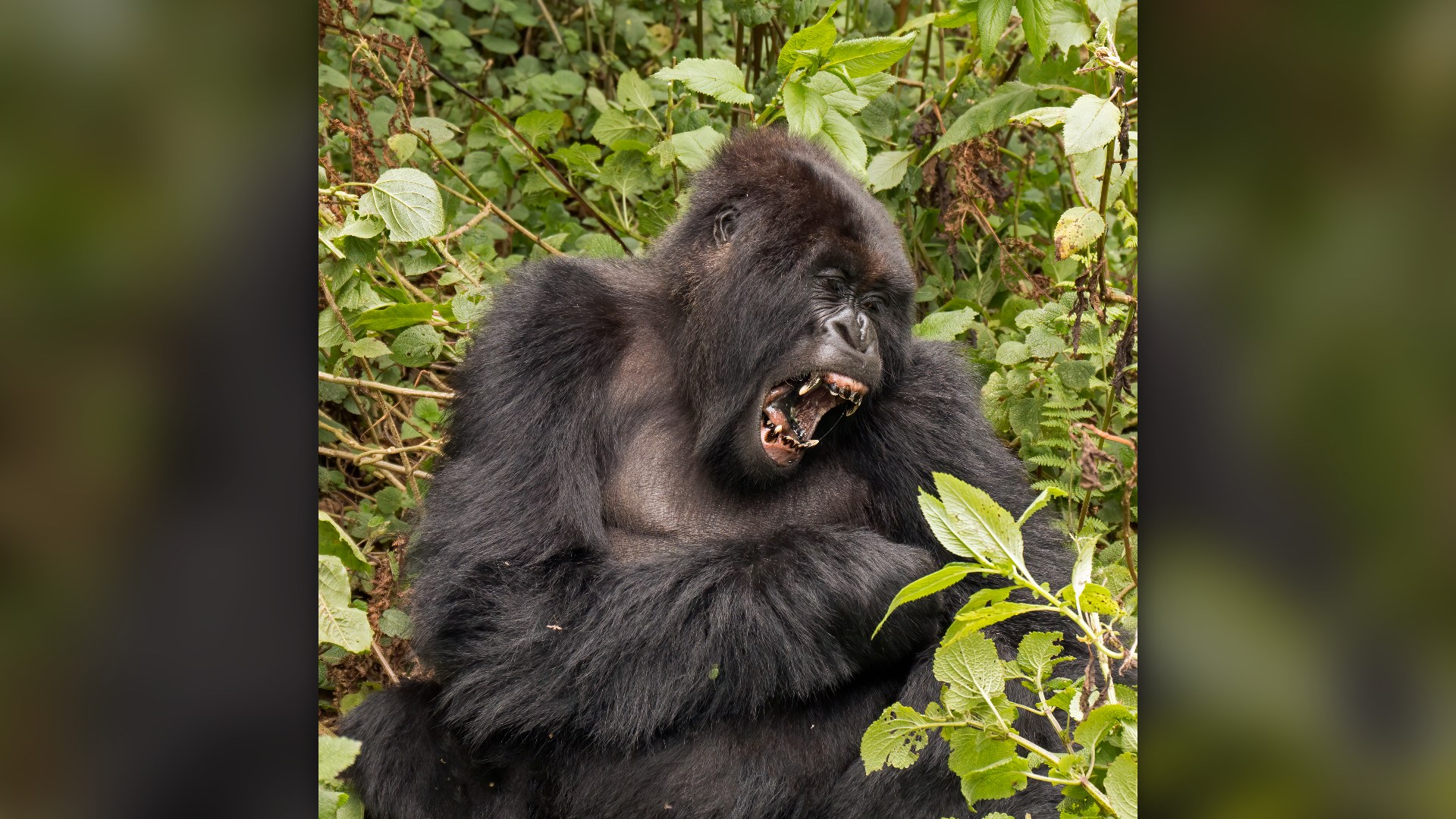
26. Mountain Gorilla And The Yeti 
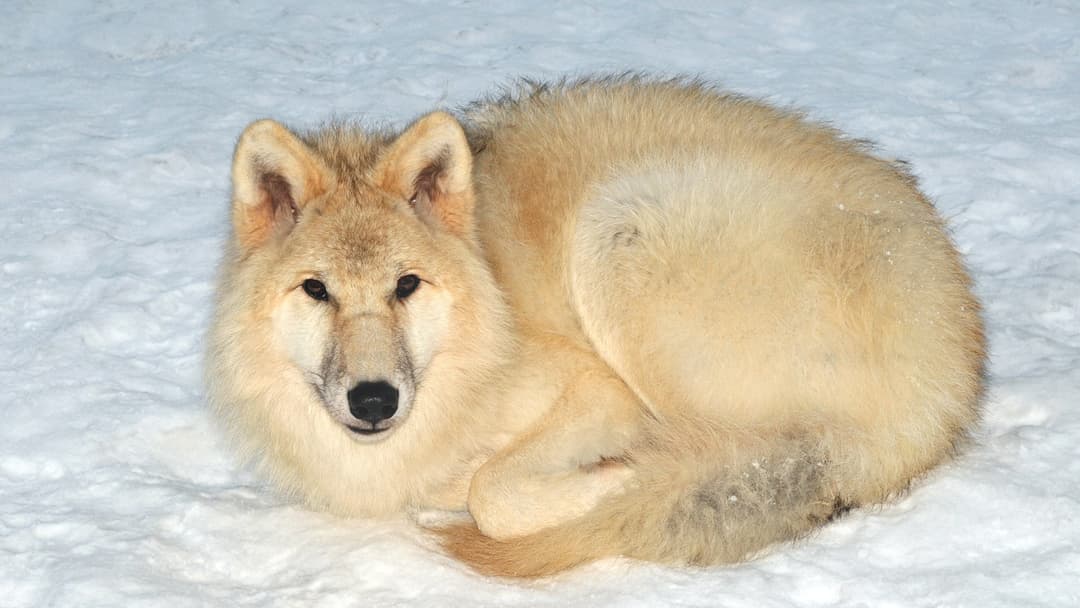
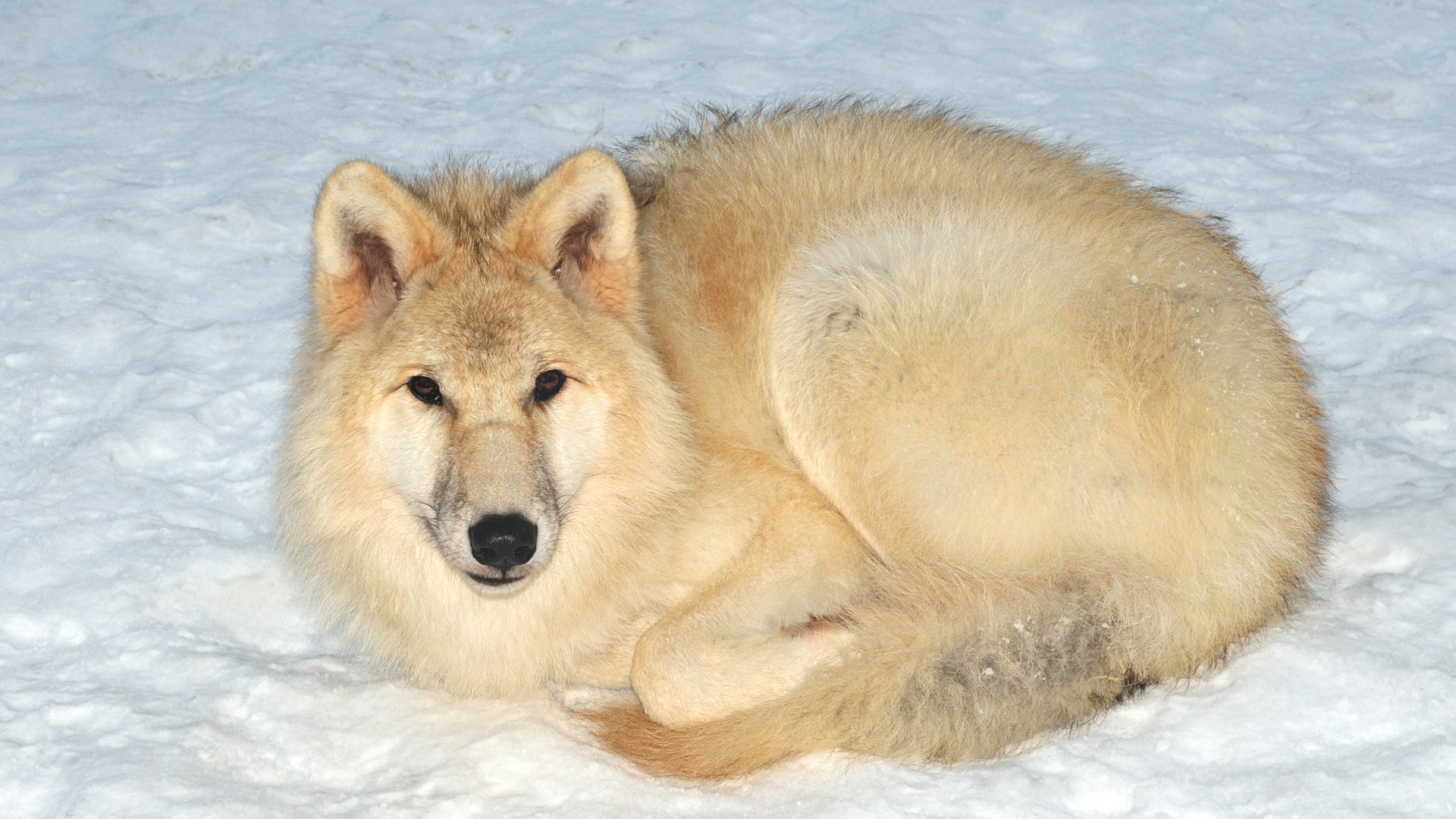
25. Gray Wolf And The Werewolf 
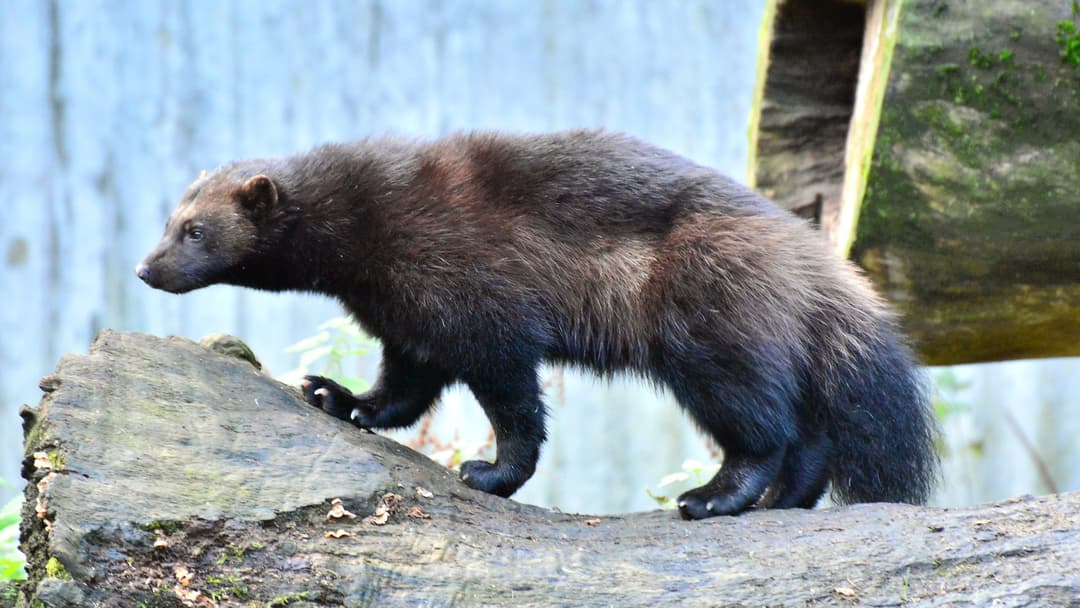
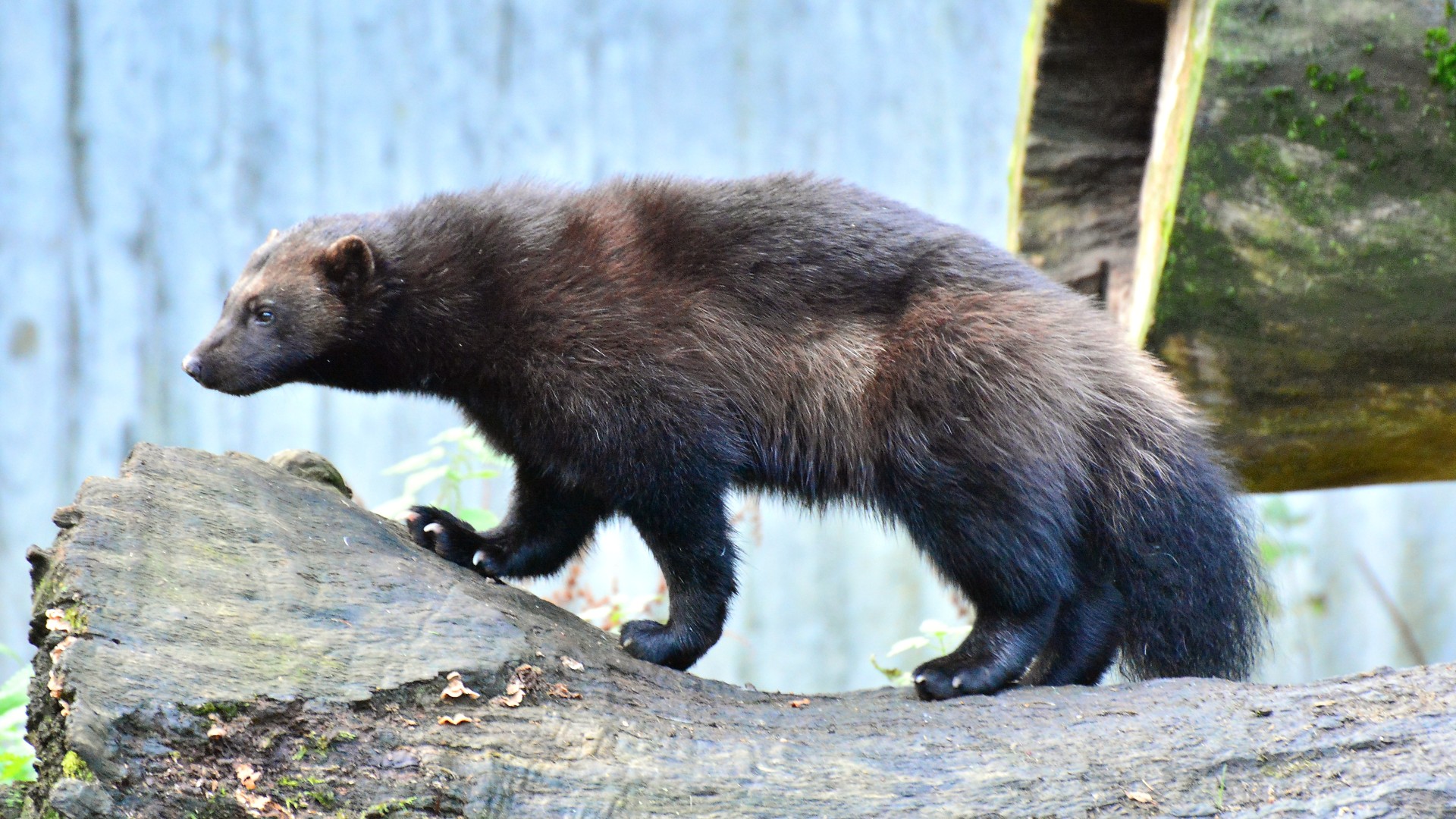
24. Wolverine And The Glutton Beast - AdvertisementSwipe or tap ▶ to continue countdown

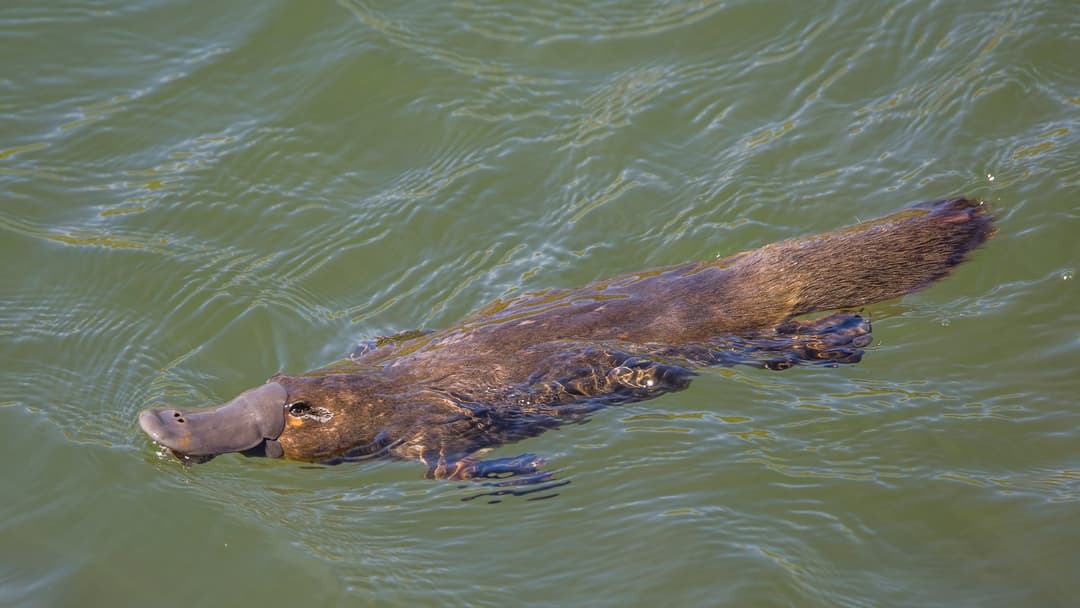
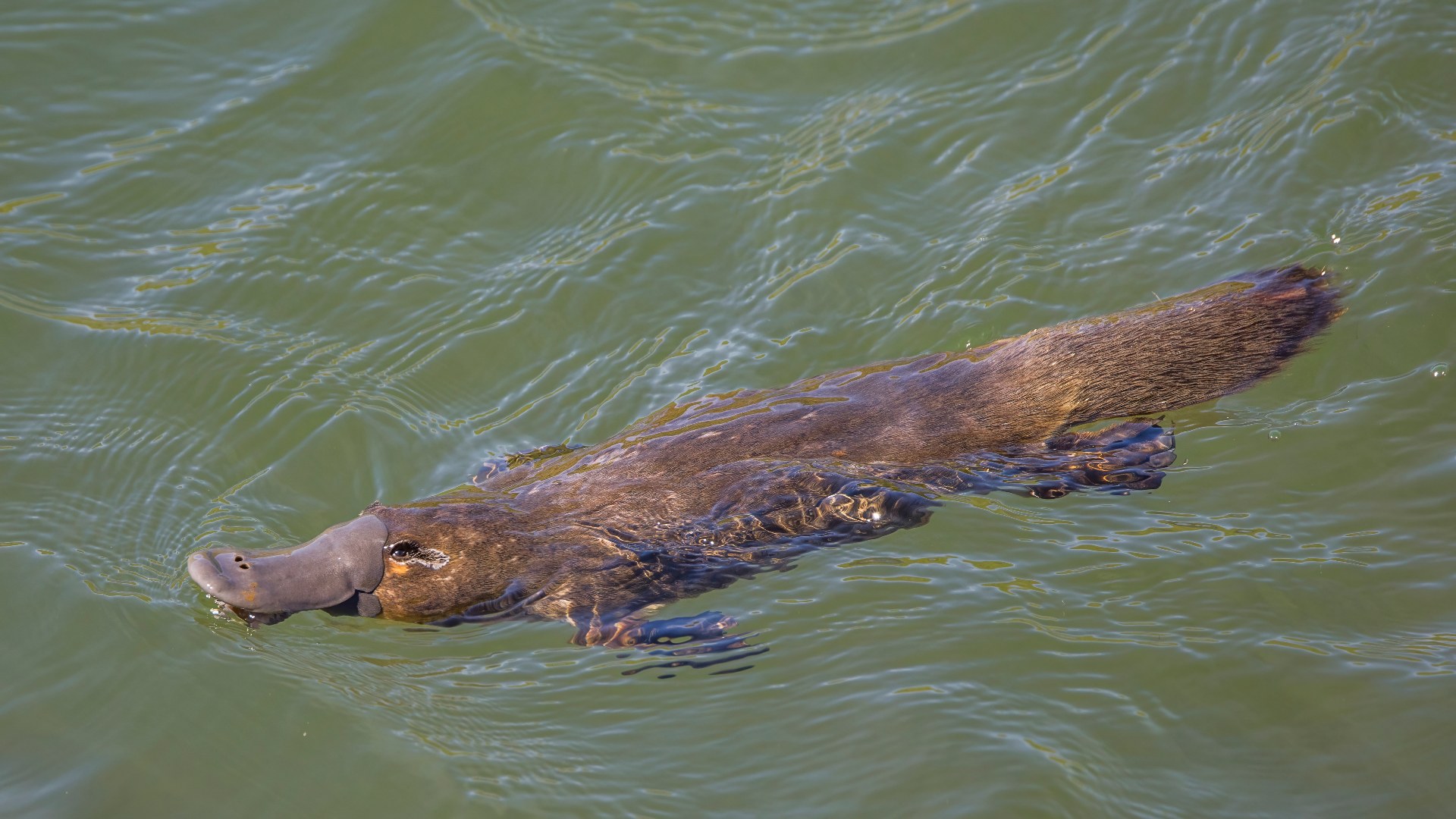
23. Platypus And The Chimera 
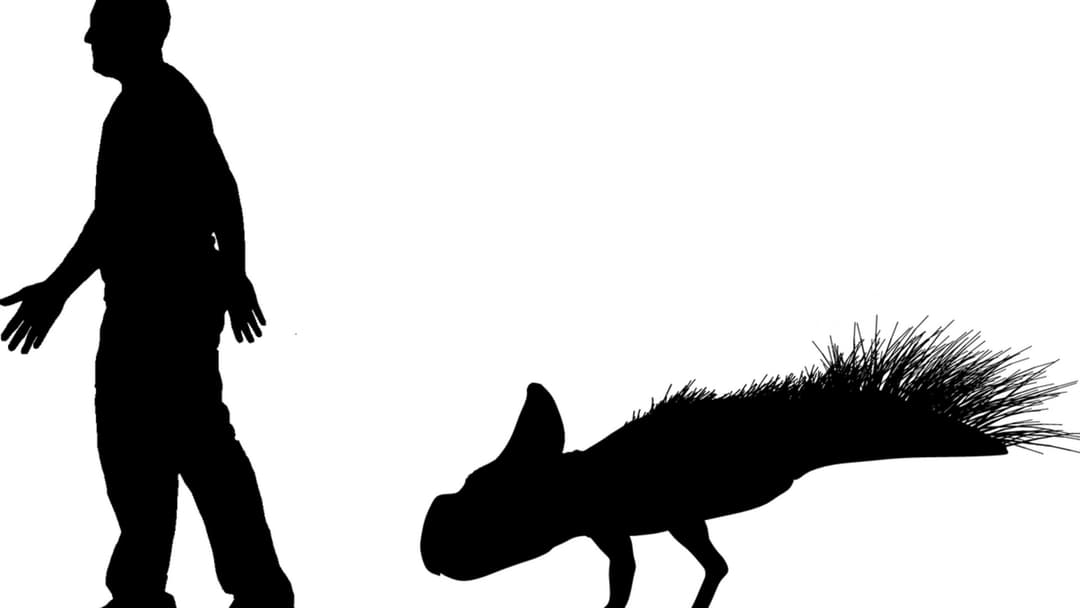
22. Protoceratops And The Griffin 
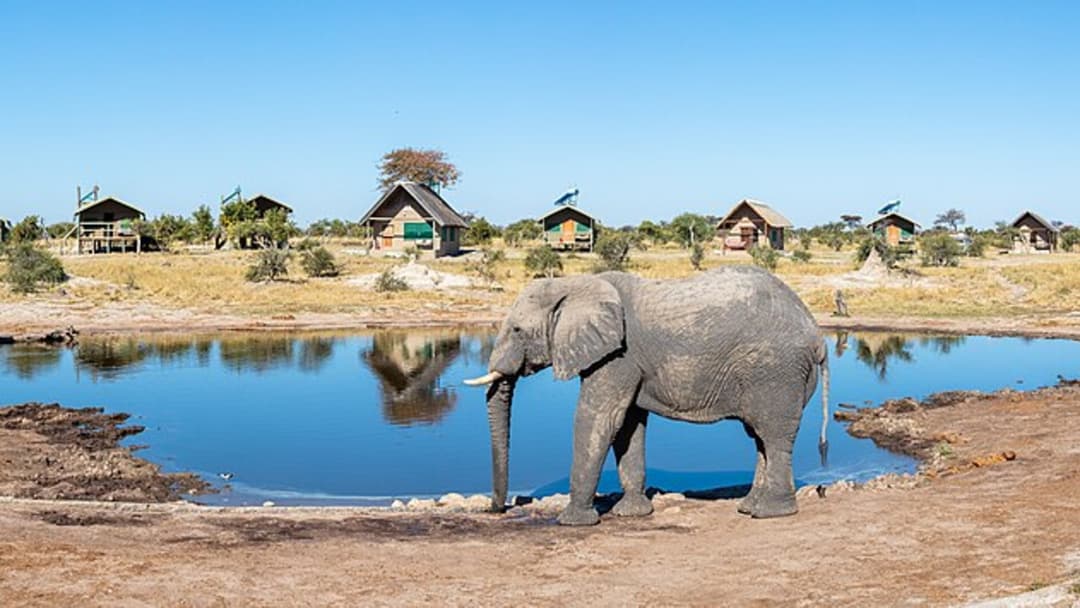
21. Elephant Fossil Skulls And The Cyclops 
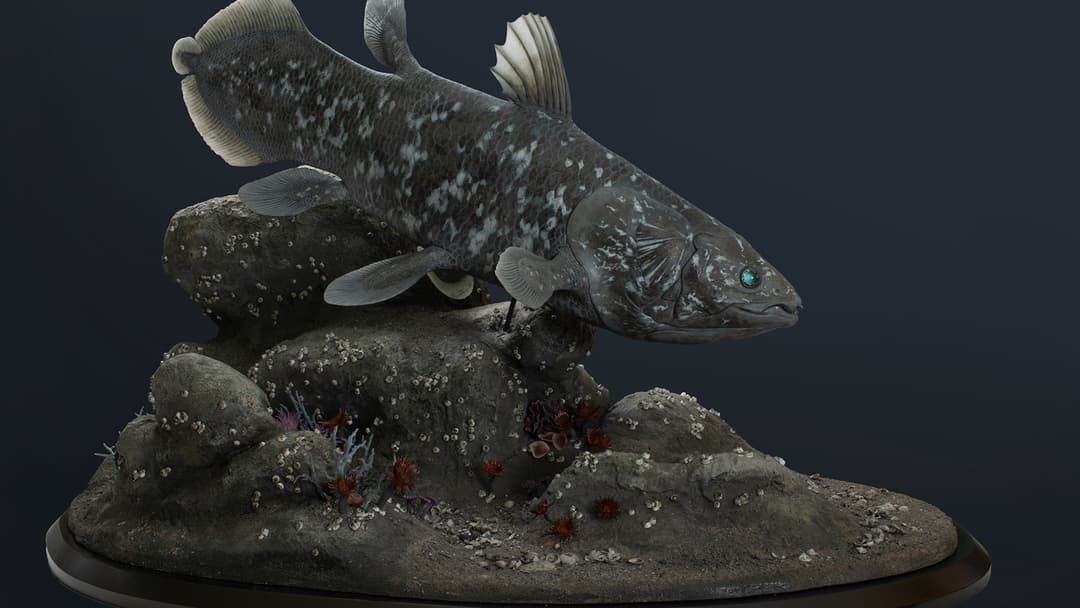
20. Coelacanth And Living Fossils - AdvertisementSwipe or tap ▶ to continue countdown

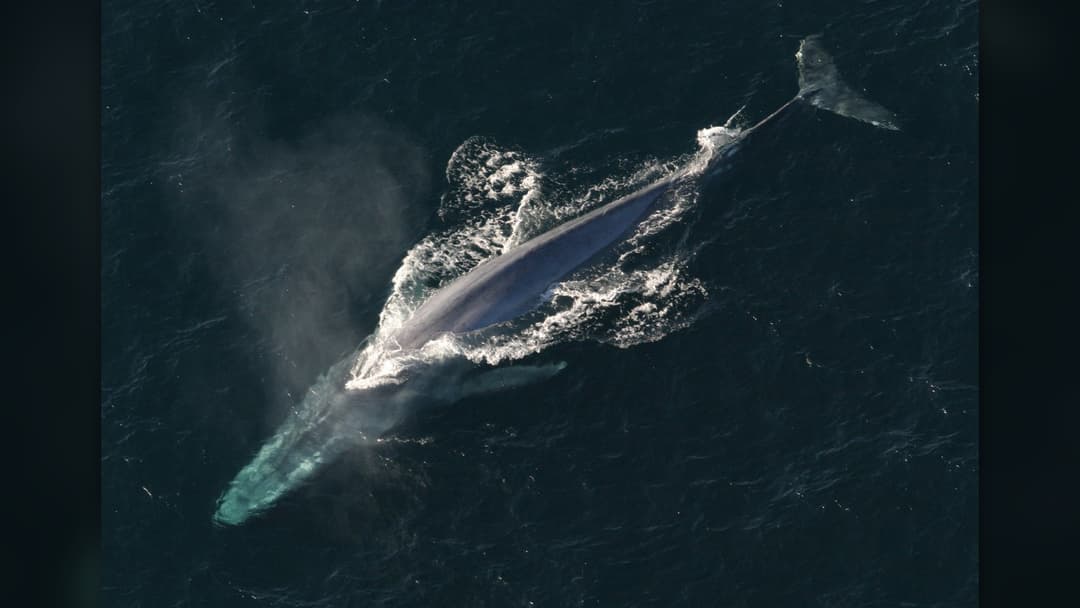
19. Blue Whale And The Leviathan 
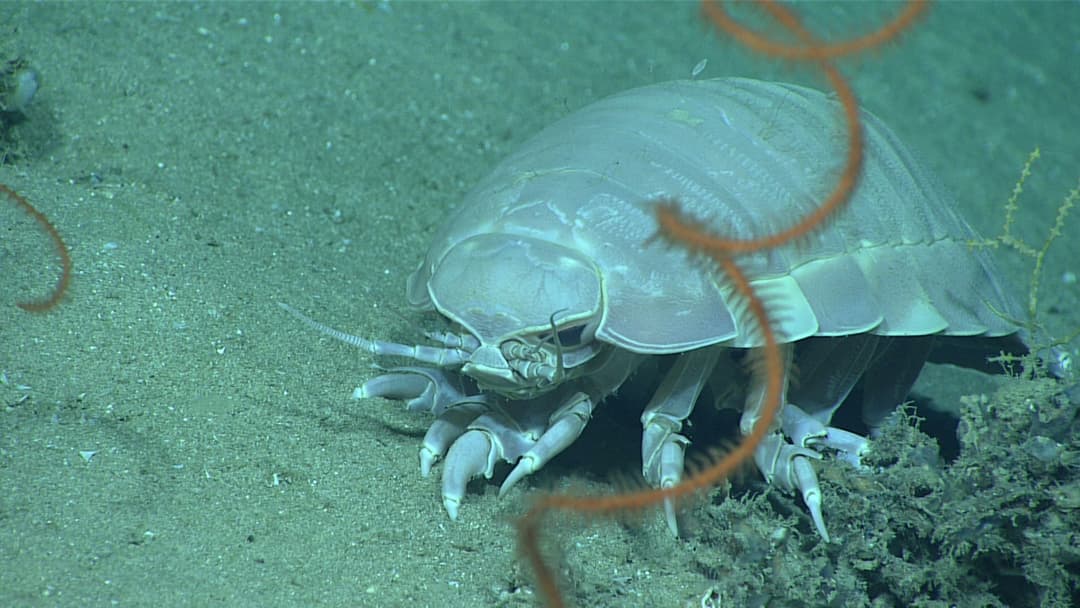
18. Giant Isopod And Alien Sea Scorpions 
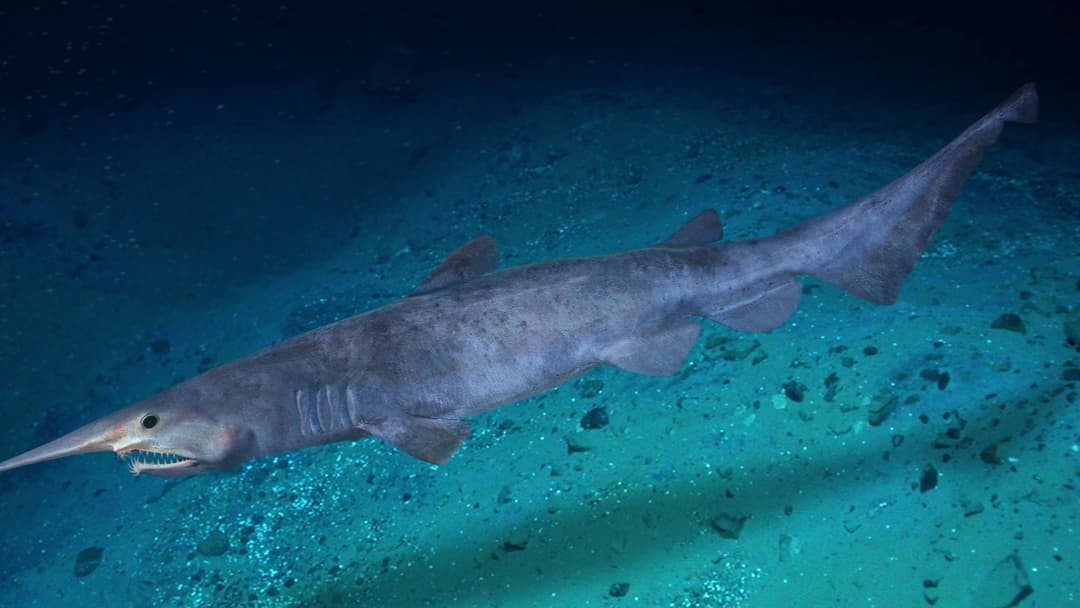
17. Goblin Shark And Deep Sea Goblins 
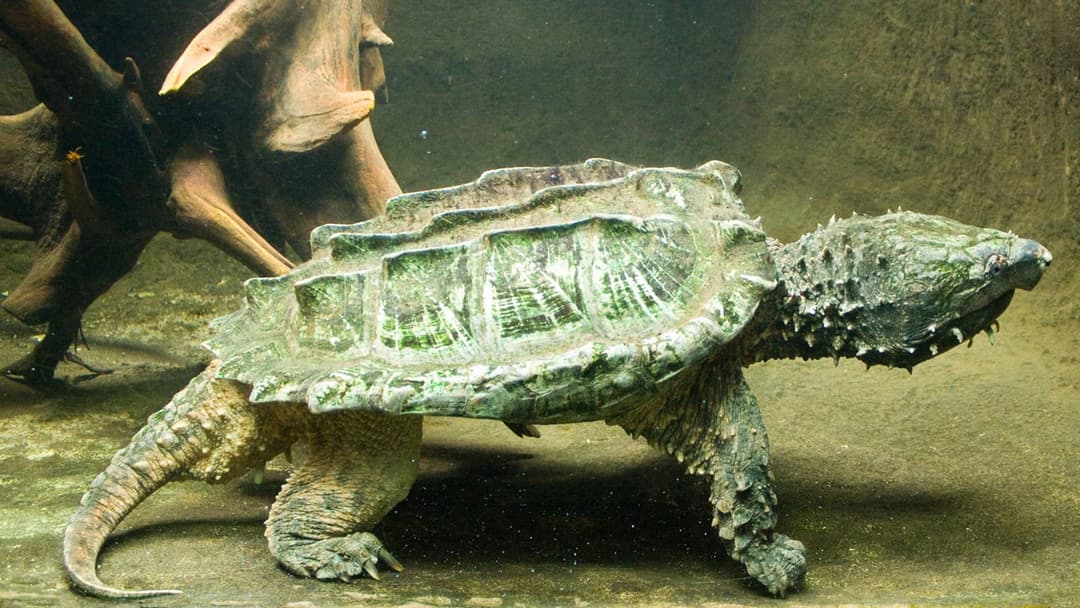
16. Alligator Snapping Turtle And River Horrors - AdvertisementSwipe or tap ▶ to continue countdown

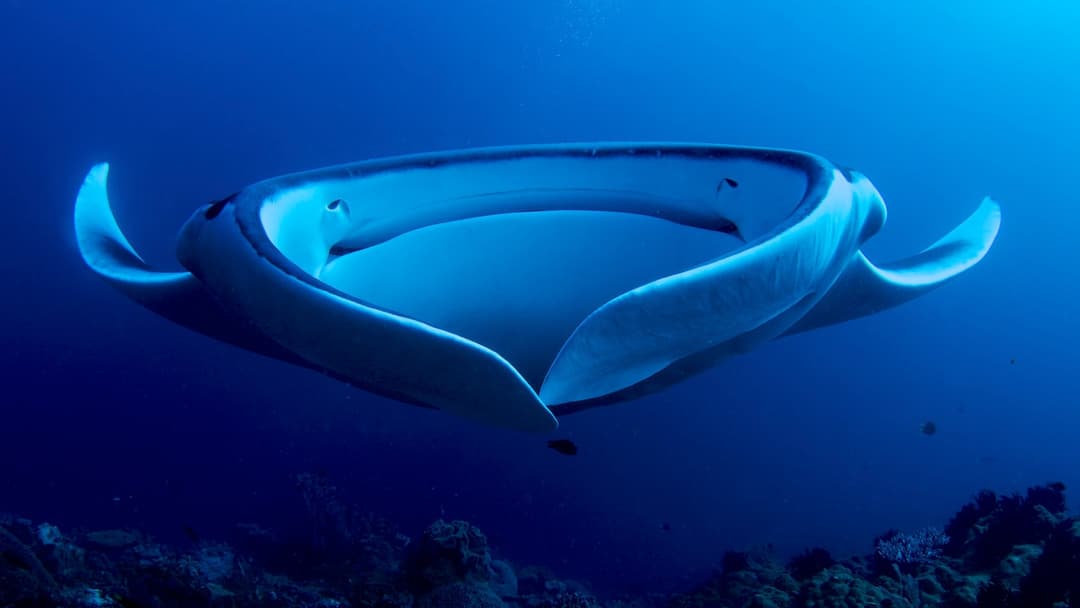
15. Giant Manta Ray And The Devil Fish 
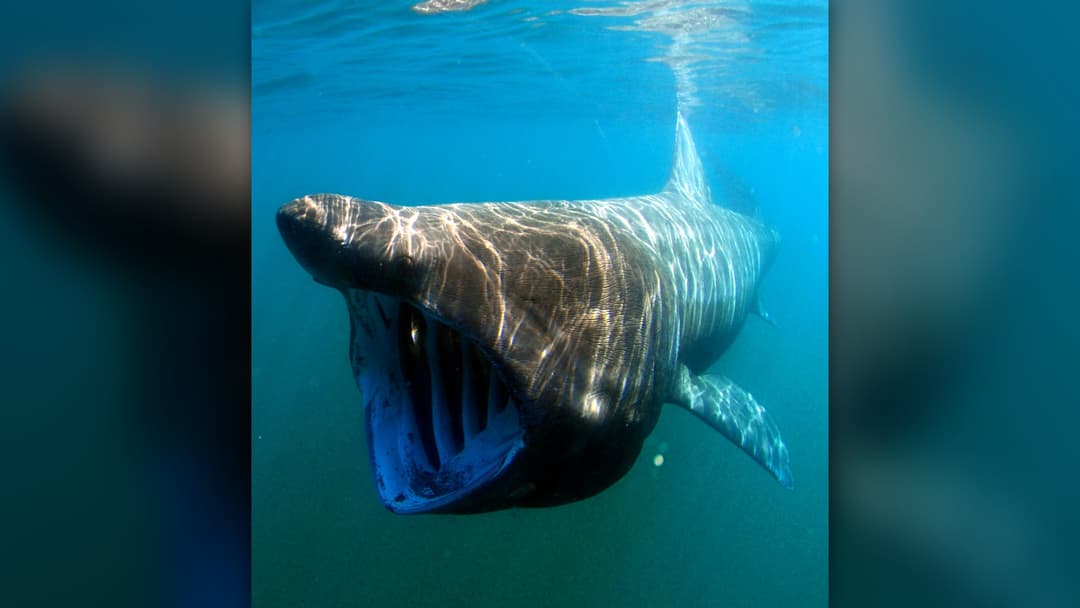
14. Basking Shark And The Stronsay Beast 
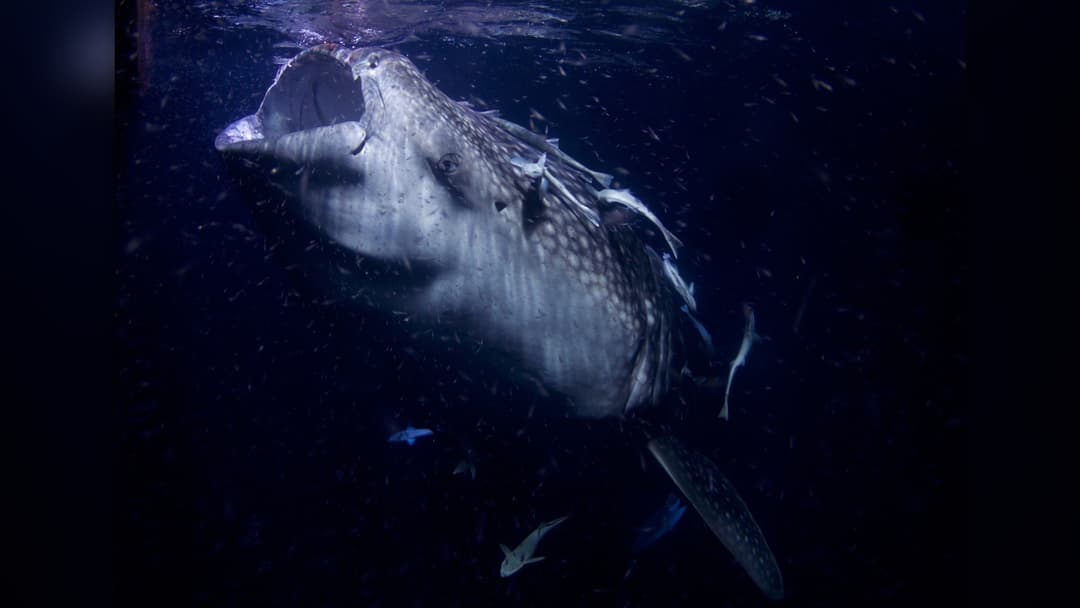
13. Whale Shark And Island Monsters 
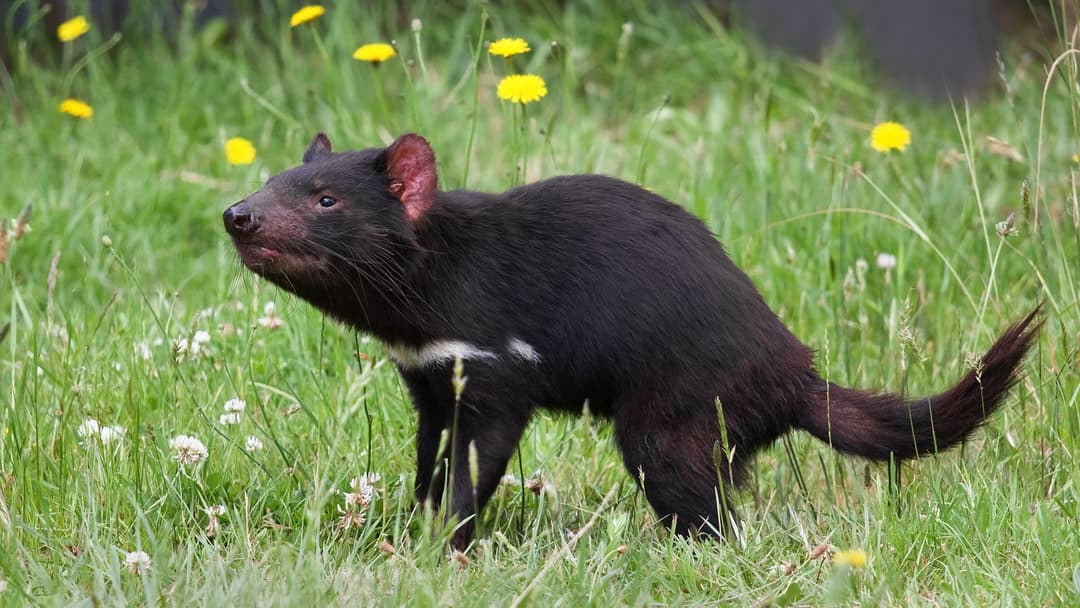
12. Tasmanian Devil And Wild Demons - AdvertisementSwipe or tap ▶ to continue countdown

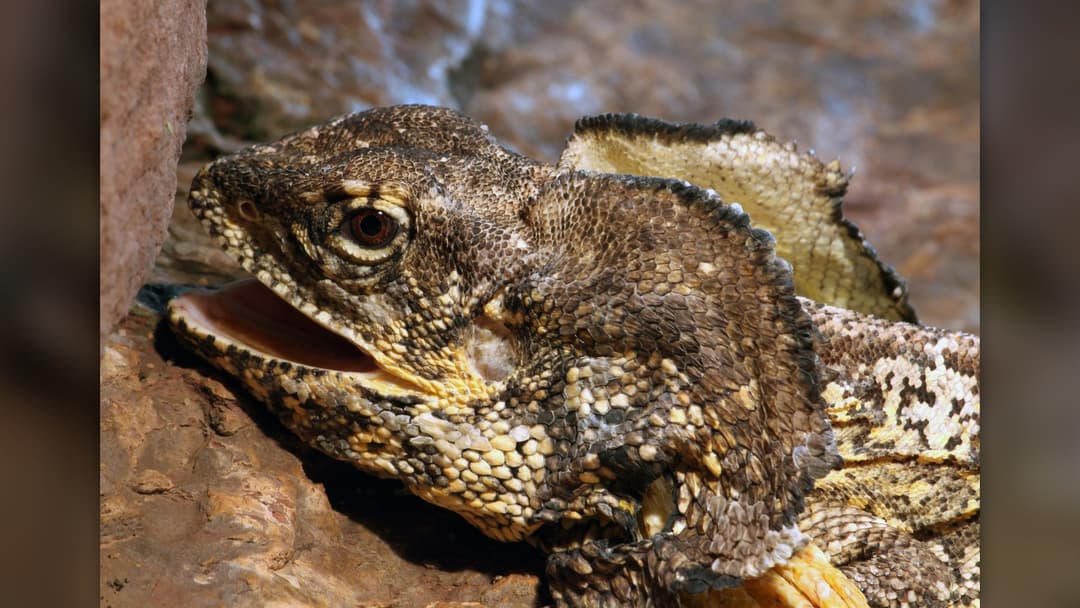
11. Frilled Lizard And The Basilisk 
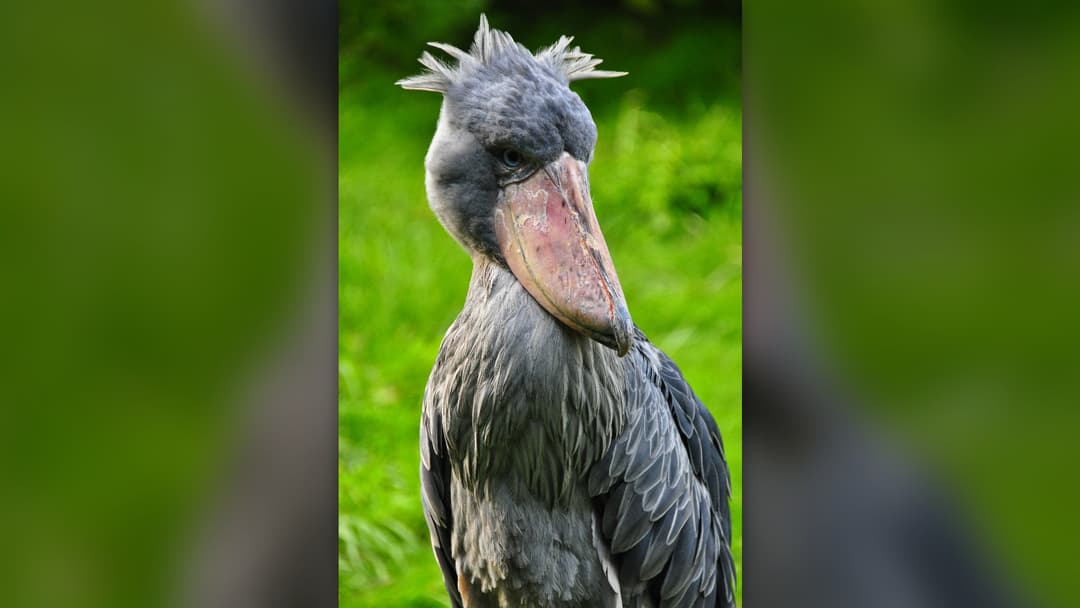
10. Shoebill Stork And Prehistoric Monsters 
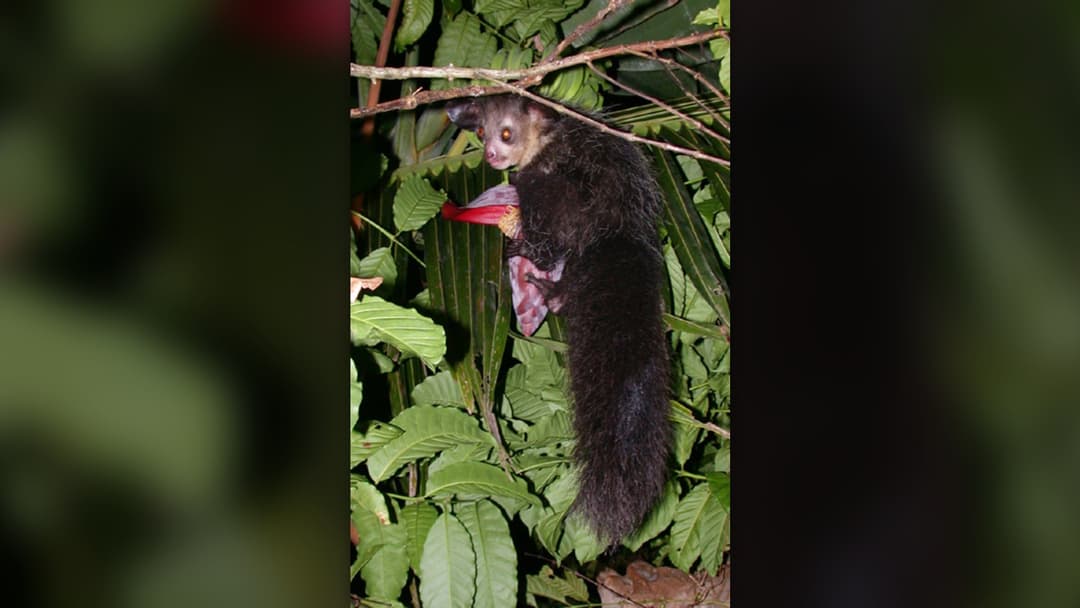
9. Aye-Aye And The Forest Demon 
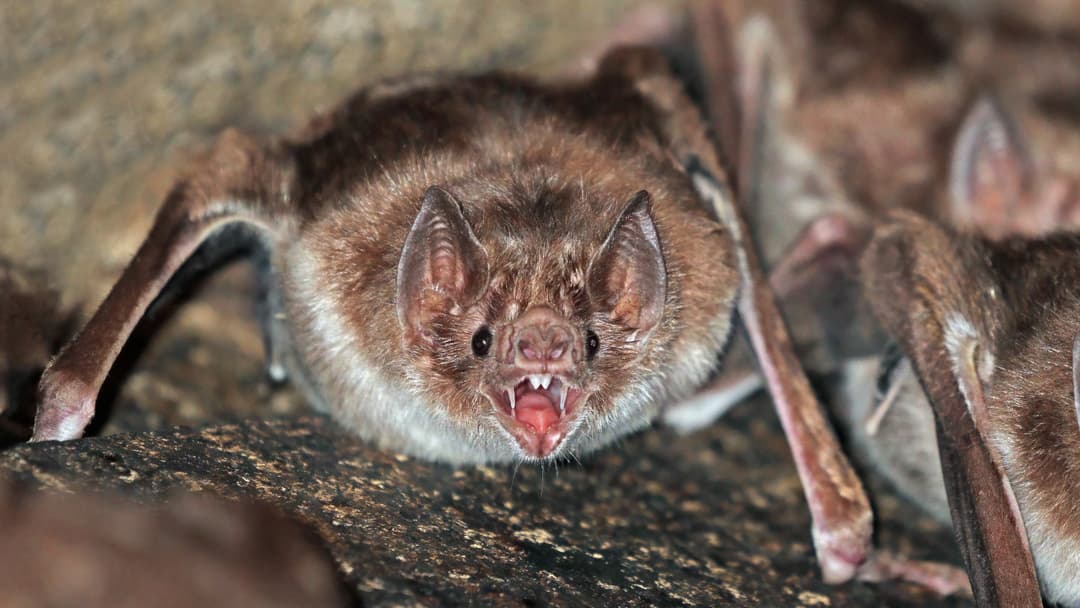
8. Vampire Bat And Count Dracula - AdvertisementSwipe or tap ▶ to continue countdown

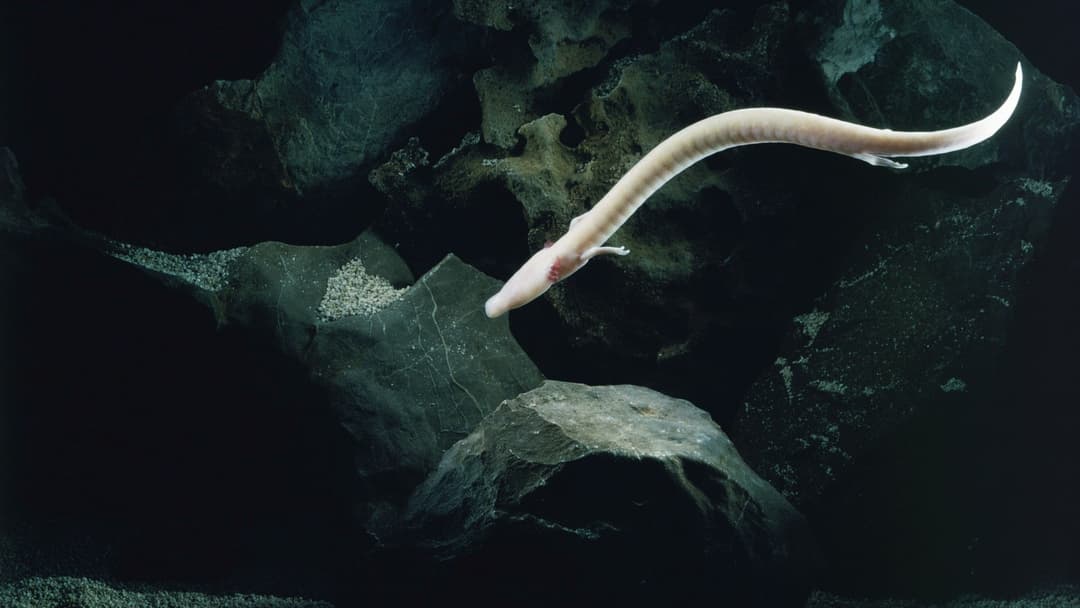
7. Olm Salamander And Baby Dragons 
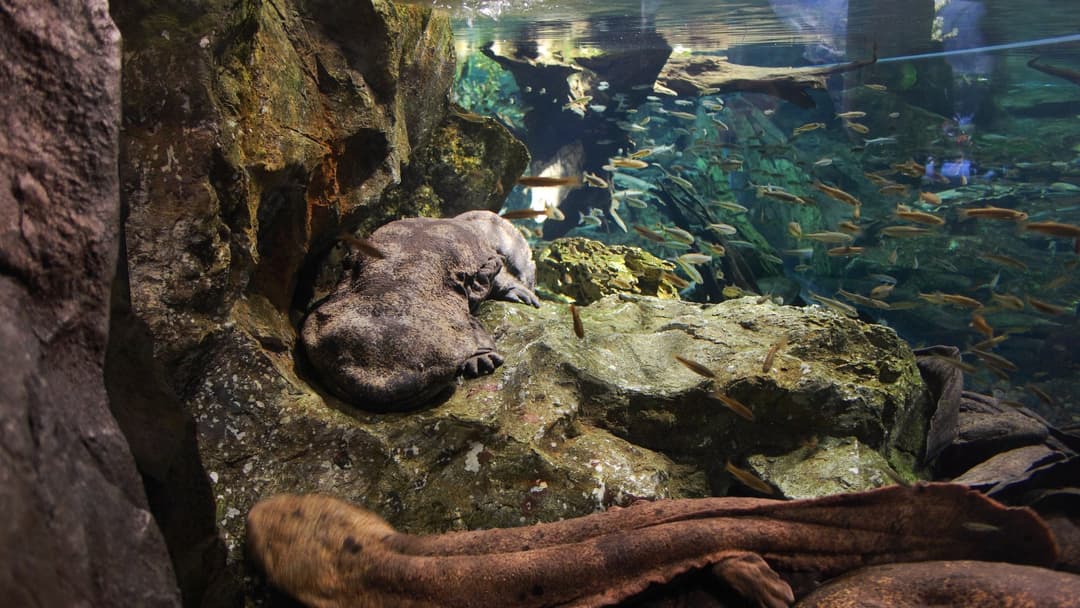
6. Japanese Giant Salamander And The Kappa 
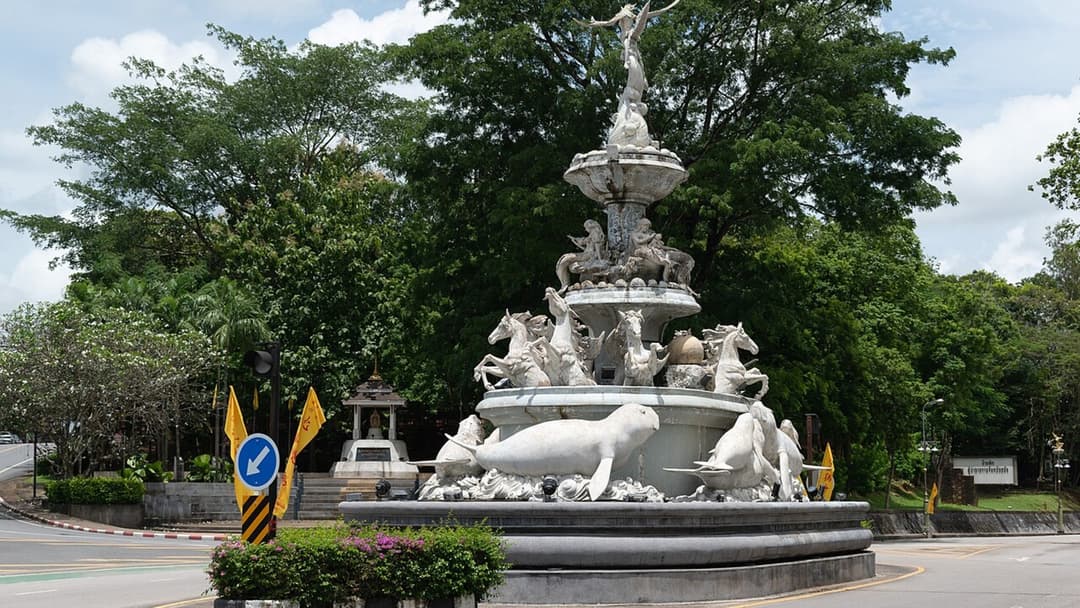
5. Dugong And The Mermaid 
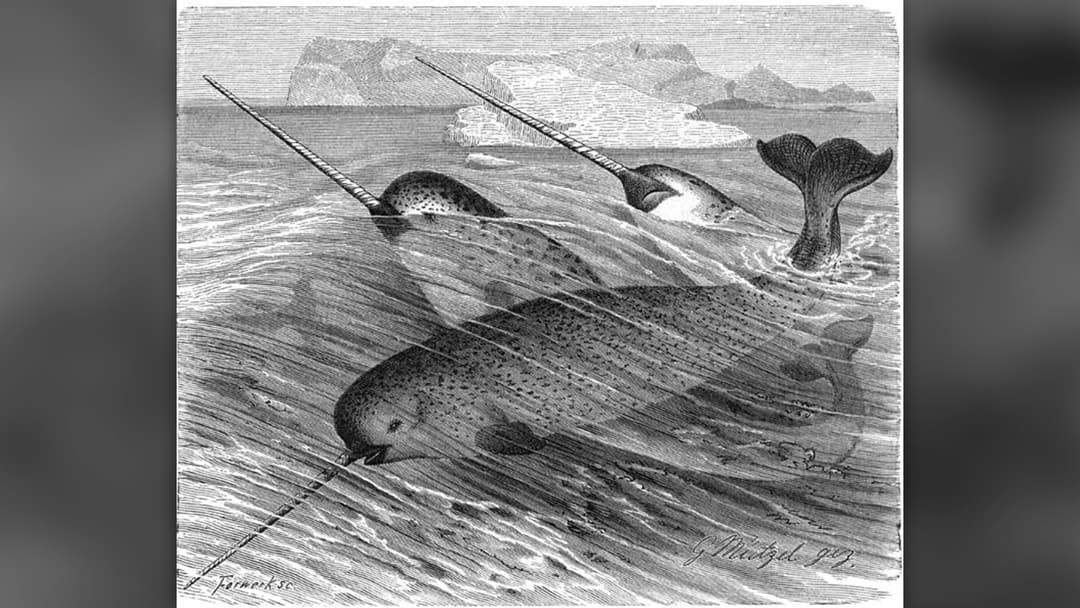
4. Narwhal And The Unicorn - AdvertisementSwipe or tap ▶ to continue countdown

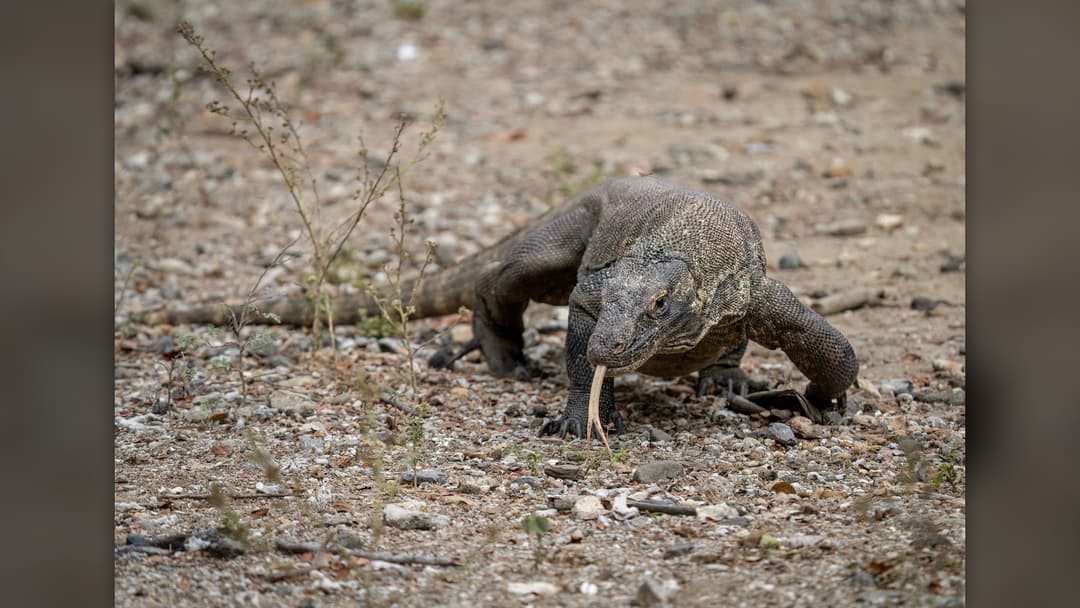
3. Komodo Dragon And Fire Drakes 
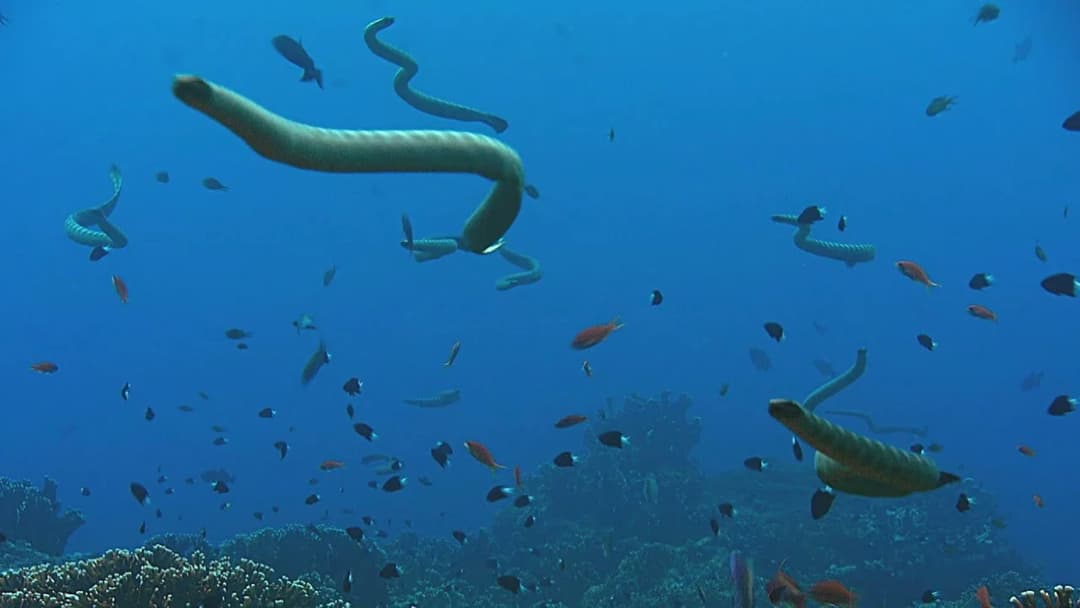
2. Oarfish And The Sea Serpent 
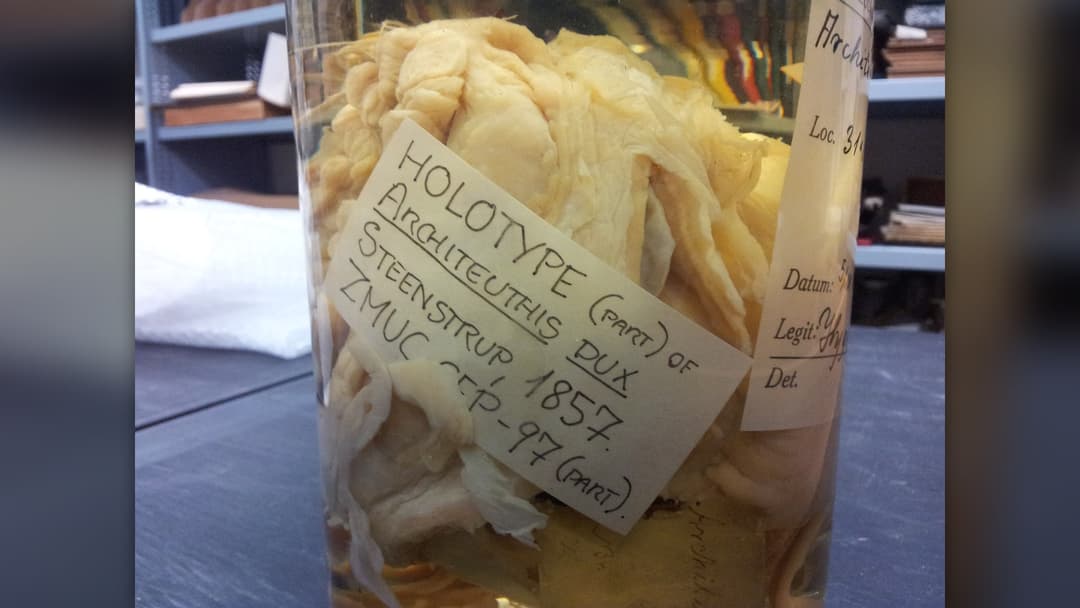
1. Giant Squid And The Kraken - Advertisement🔥 UP NEXT IN THIS SERIES◫ 23 Slides

22 High-Calorie Burning Exercises Ranked by Harvard Medical Data
Ranked according to Harvard Medical School caloric expenditure data, these 22 physical exercises burn the highest number of calories per hour for optimal cardiovascular health. Medical data reveals true effort.
Centuries before modern zoology explained rare wildlife, sailors and villagers encountered extraordinary creatures in the wild. From abyssal squids to subterranean dragons, discover thirty real animals that inspired global monster folklore.
Swipe or tap ▶ to begin the countdown
©Wikimedia / P.Lindgren & Wikimedia / Charles J. Sharp
30. Giant Moray Eel And Mediterranean Hydras
Concealed within Aegean coral crevices, giant moray eels strike with lightning speed and pharyngeal jaws. Ancient Greek divers encountering these sinuous predators forged legends of the multi-headed Hydra.
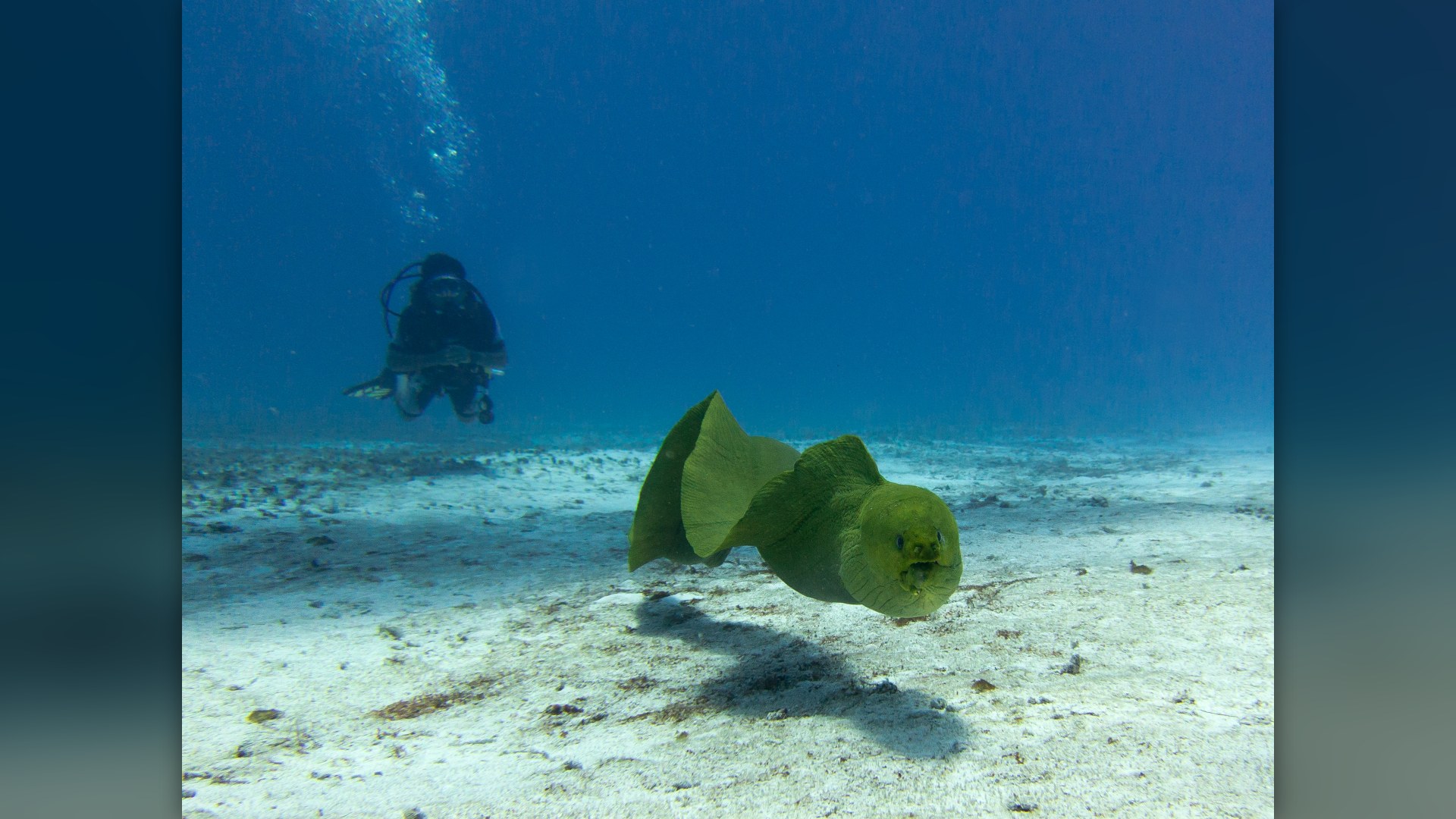
©Wikimedia / P.Lindgren
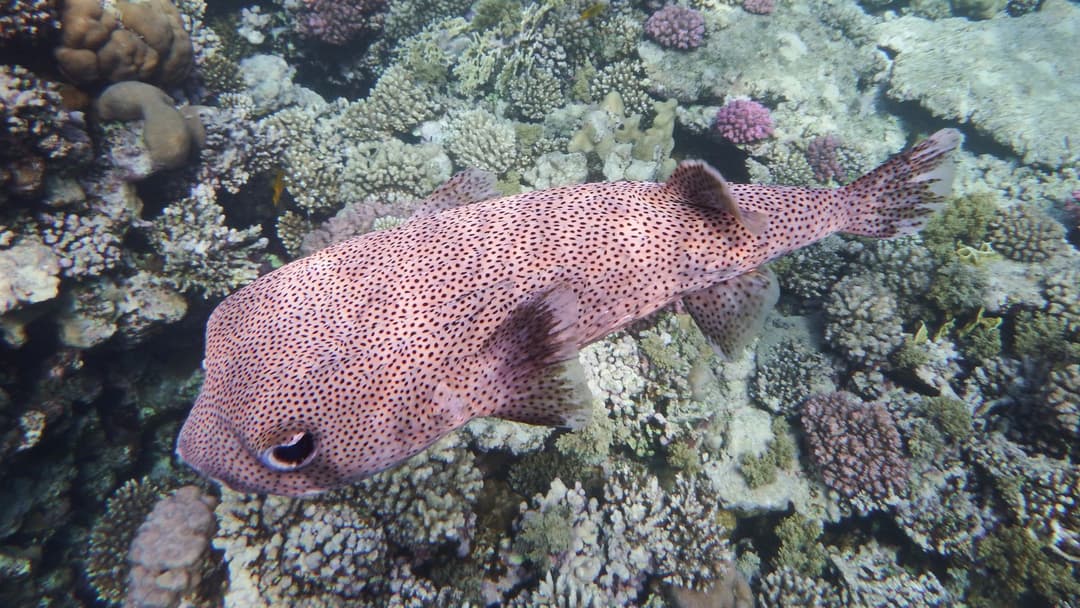
29. Porcupinefish And Zombie Lore
When threatened, porcupinefish inflate into spiky venomous spheres laden with potent tetrodotoxin. Folk practitioners utilized trace neurotoxins to induce catatonic states, inspiring zombie myths.
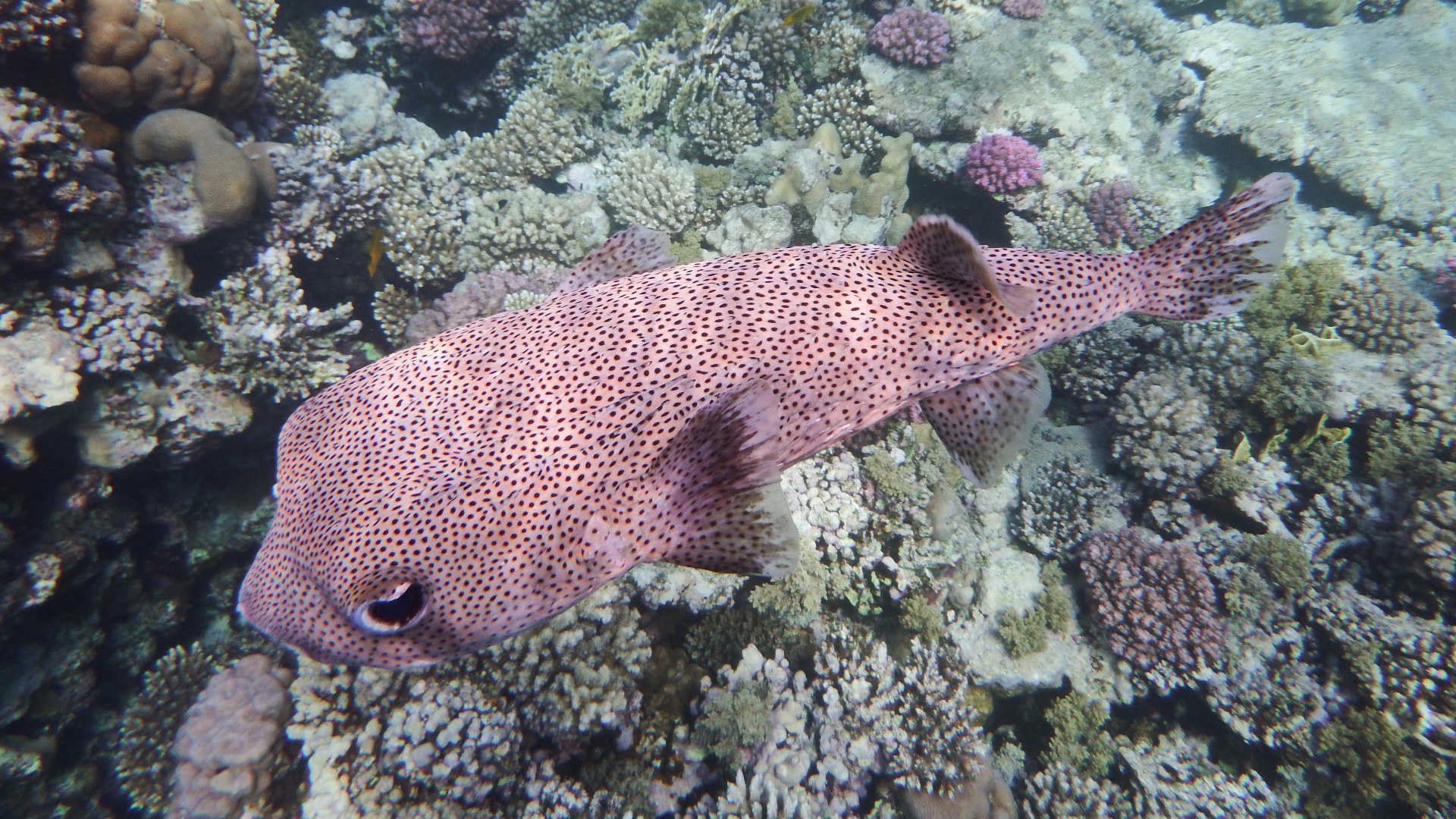
©Wikimedia / Kora27
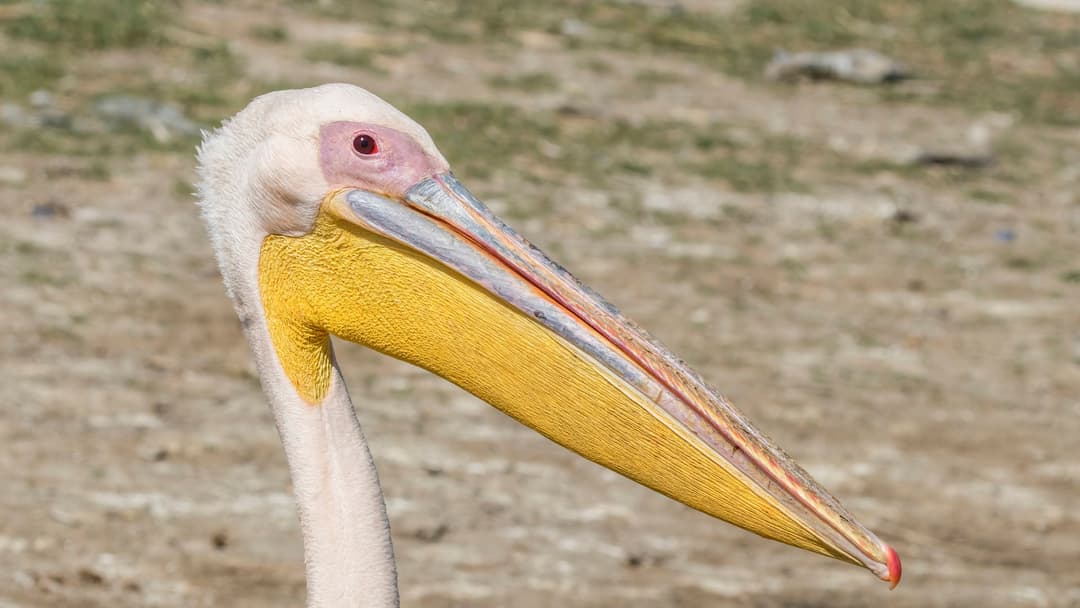
28. Great White Pelican And Blood Feeding Piety
During nesting season, pelicans press their long bills against their red-tinged breast feathers while feeding chicks. Observers misconstrued this behavior as a mother piercing her breast to feed young.
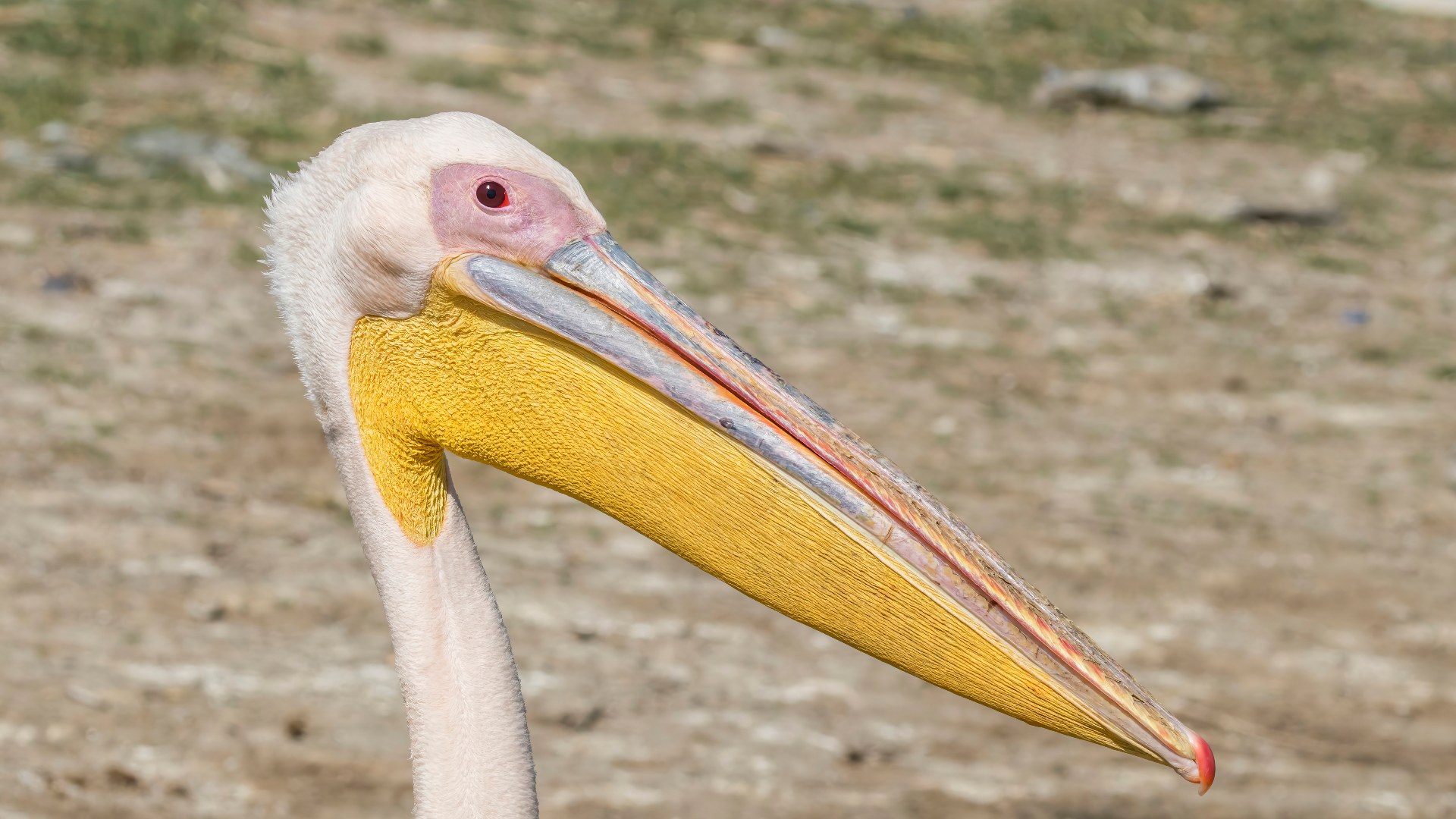
©Wikimedia / Charles J. Sharp
Advertisement
Swipe or tap ▶ to resume the countdown.
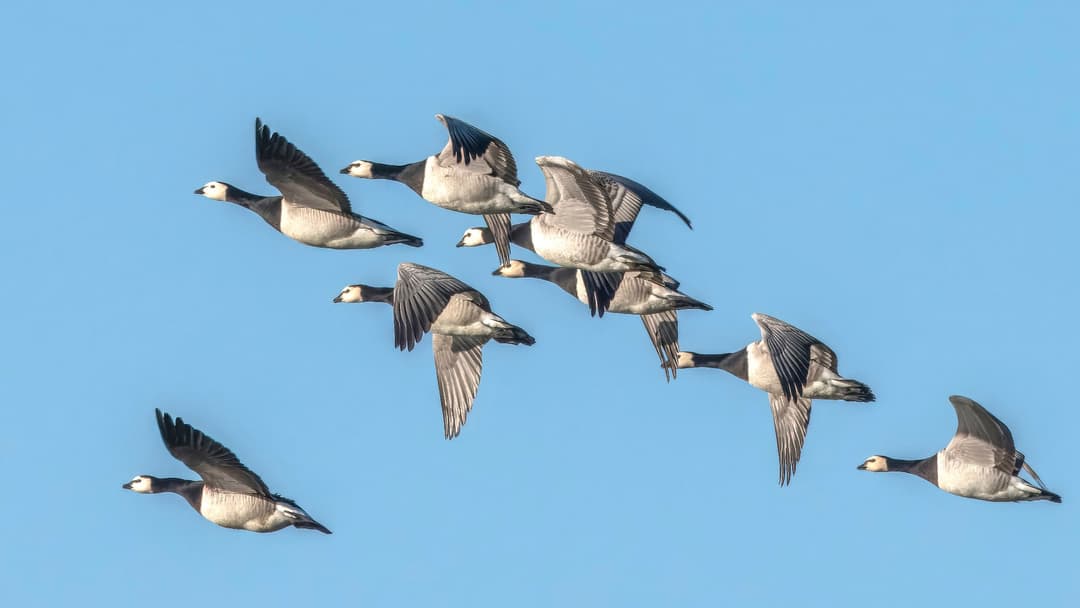
27. Barnacle Goose And The Tree Born Bird
Because barnacle geese nested in unreachable Arctic cliffs, medieval Europeans never saw their eggs. Finding goose barnacles clinging to driftwood, they believed the birds sprouted from trees.
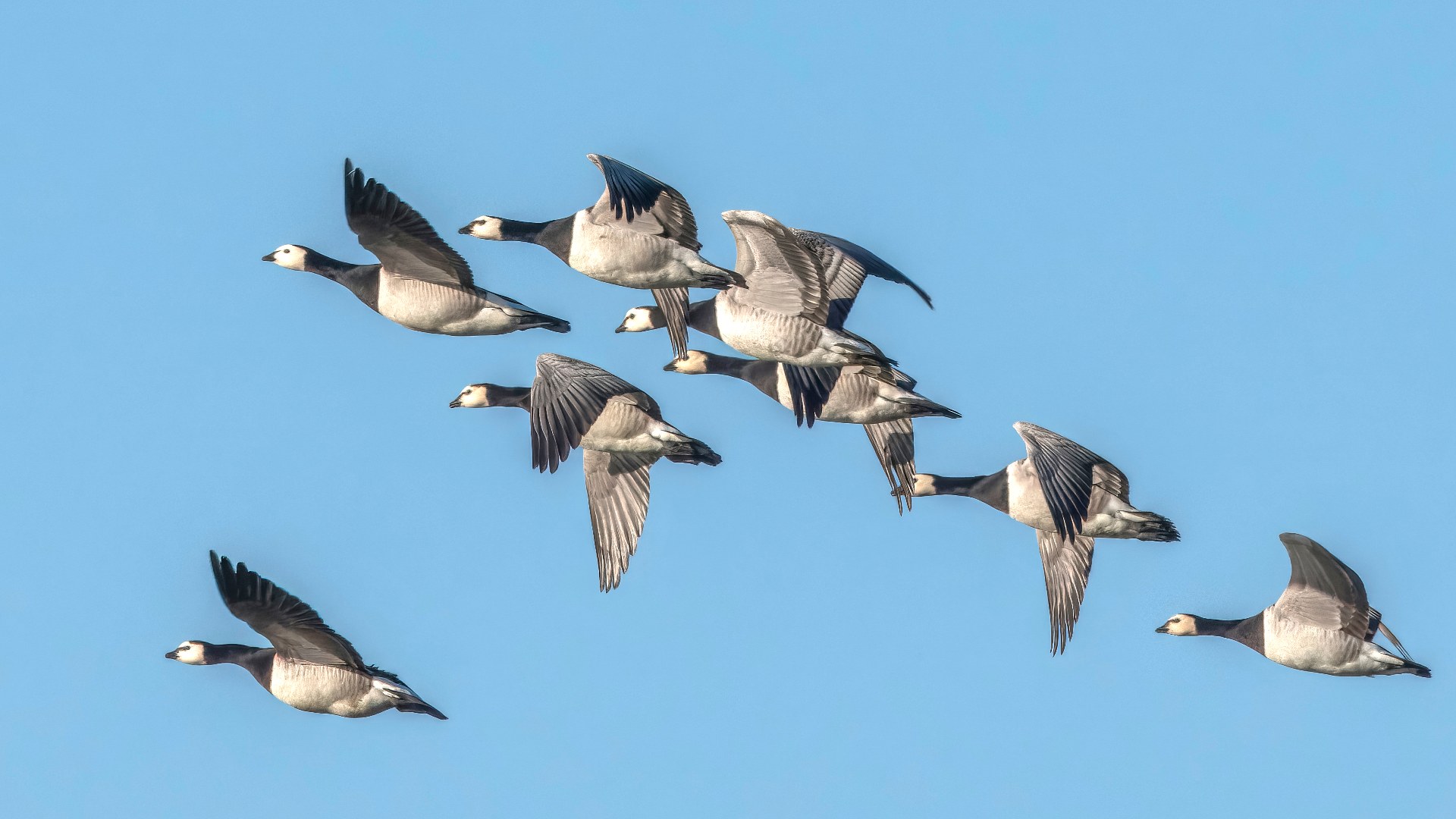
©Wikimedia / Charles J. Sharp
26. Mountain Gorilla And The Yeti
Western science did not confirm the existence of mountain gorillas until 1902. Indigenous accounts of massive forest giants walking on two legs helped ignite persistent Yeti and Bigfoot legends.
©Wikimedia / Charles J. Sharp
25. Gray Wolf And The Werewolf
Wolves dominated medieval European forests with stealth and relentless tracking. Isolated attacks during harsh winters gave rise to werewolf legends of cursed humans transforming under full moons.
©Wikimedia / Michael Gäbler
24. Wolverine And The Glutton Beast
Weighing only thirty pounds, the wolverine routinely fends off wolves and bears in Arctic tundra. Medieval bestiaries exaggerated its ferocious appetite into the legendary insatiable Glutton.
©Wikimedia / Wolverine
Advertisement
Swipe or tap ▶ to resume the countdown.
23. Platypus And The Chimera
When British scientists examined the first platypus specimen in 1798, they suspected a stitched hoax. The egg-laying mammal with a beaver tail and duck bill resembled mythical blended chimeras.
©Wikimedia / Charles J. Sharp
22. Protoceratops And The Griffin
Gold prospectors in the Gobi Desert frequently uncovered exposed Protoceratops skeletons. The four-legged dinosaur featured a hooked beak, inspiring nomadic tales of the half-lion half-eagle griffin.
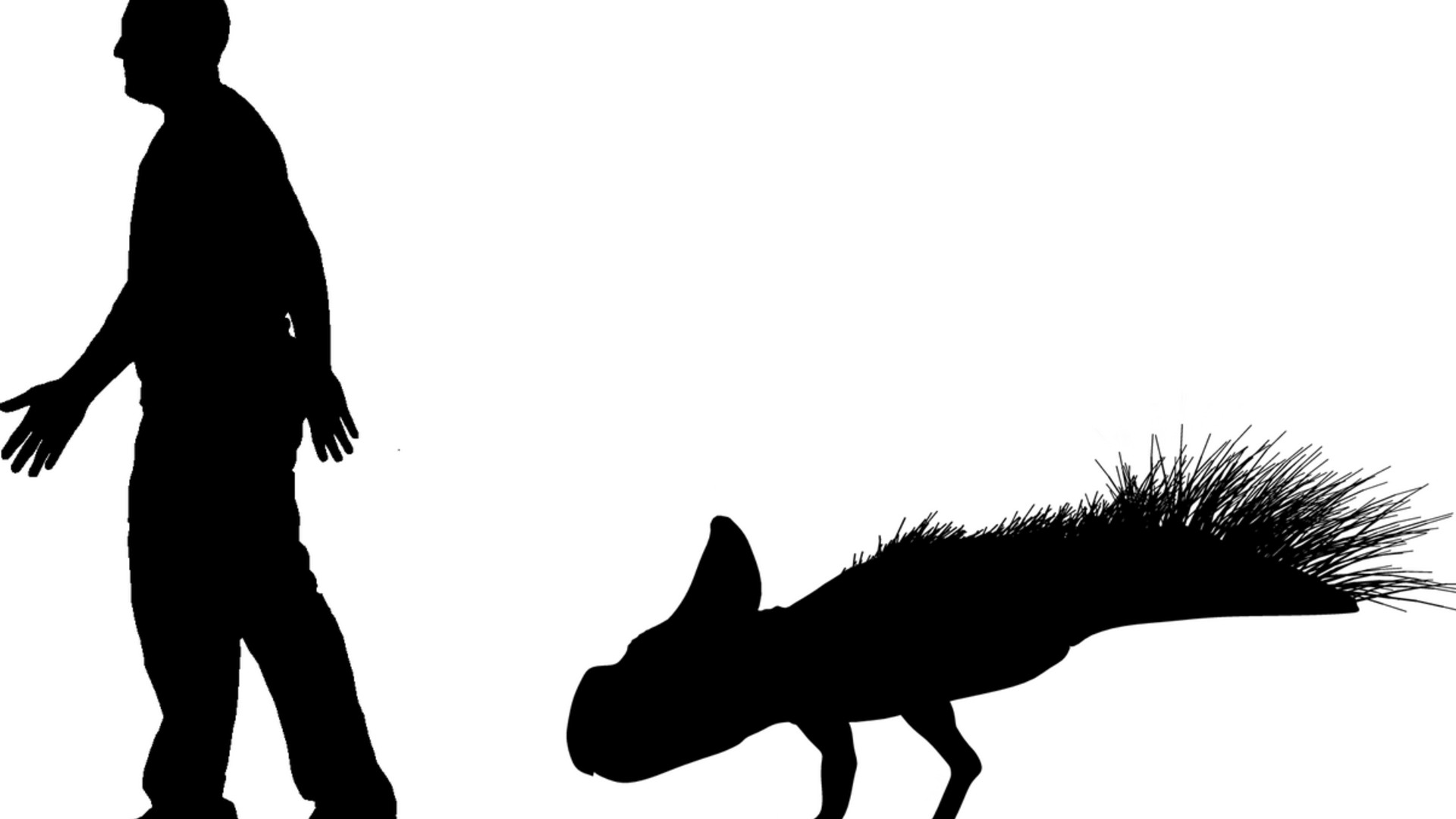
©Wikimedia / IJReid , Andrew A. Farke, and David Maas
21. Elephant Fossil Skulls And The Cyclops
Ancient Mediterranean cultures unearthing fossil elephant skulls saw a huge hollow cavity in the center of the forehead. Unfamiliar with trunk anatomy, they envisioned gigantic one-eyed giants.
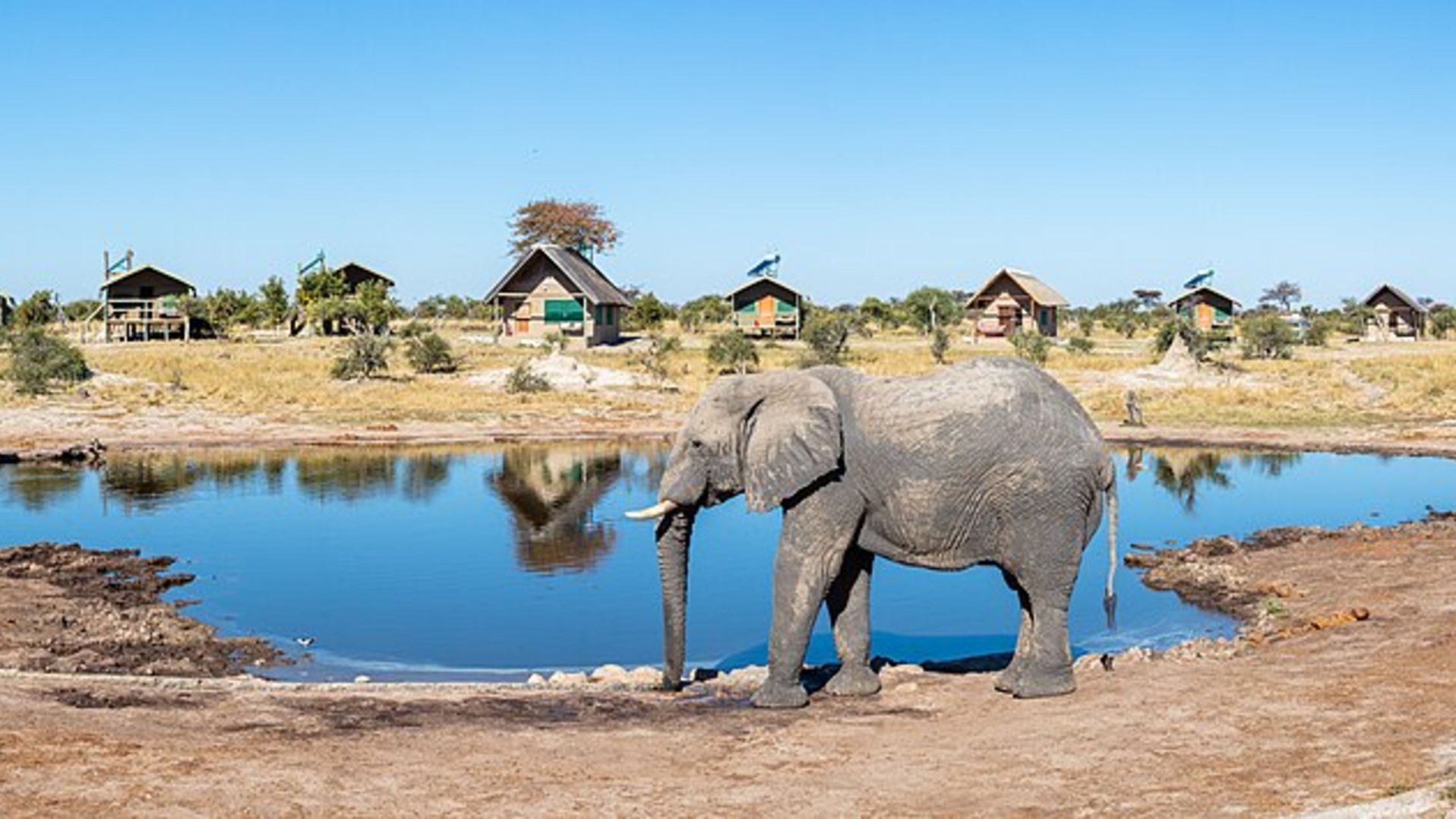
©Wikimedia / Diego Delso
20. Coelacanth And Living Fossils
Thought to have vanished alongside the dinosaurs, a living coelacanth was hauled from South African waters in 1938. The discovery proved prehistoric sea monsters could still roam ocean depths.
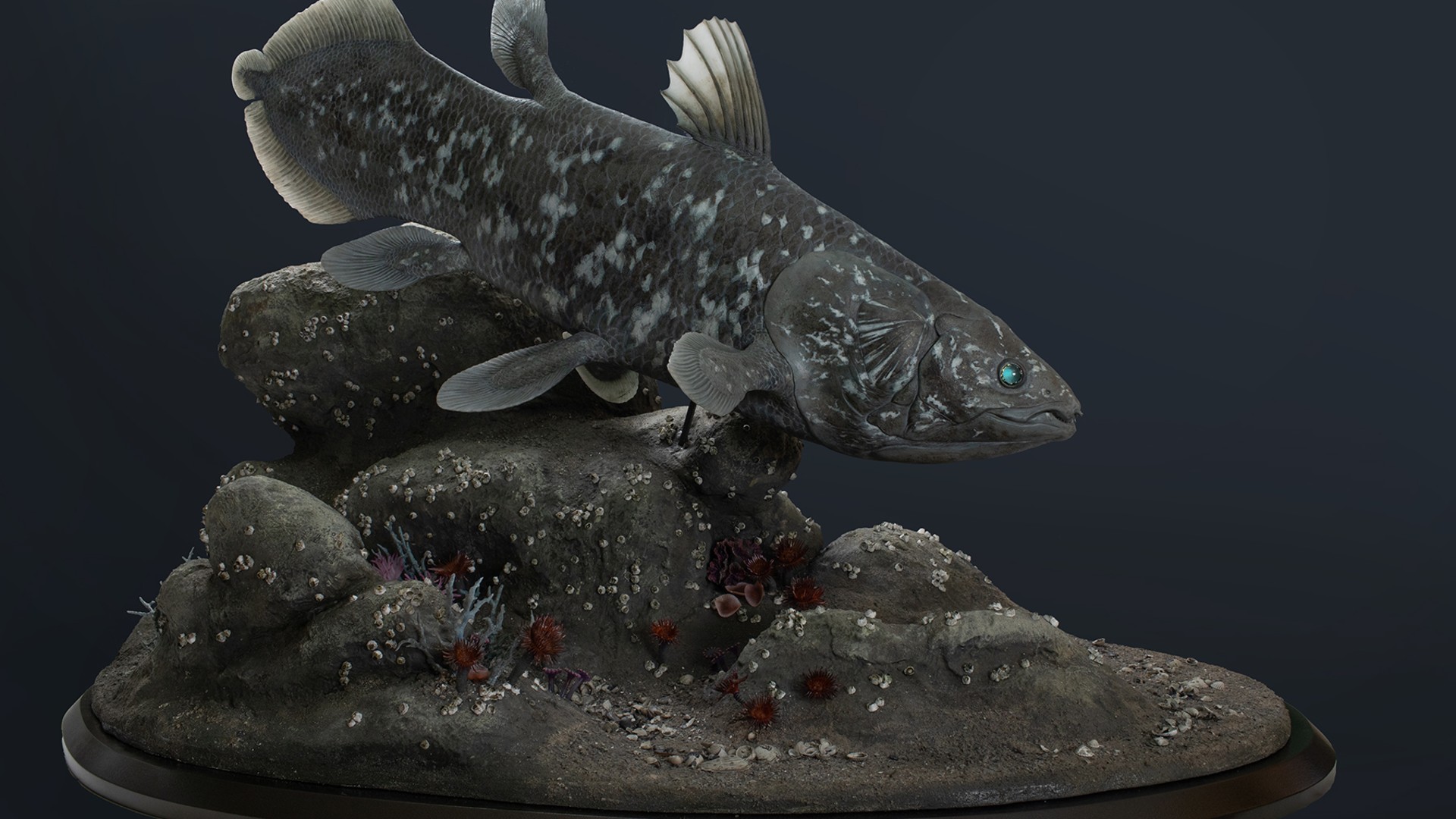
©Wikimedia / TB0815
Advertisement
Swipe or tap ▶ to resume the countdown.
19. Blue Whale And The Leviathan
The largest animal ever known, the blue whale displaces two hundred tons of seawater. Ancient Middle Eastern navigators hearing its echoing blows created the legend of the mighty Leviathan.
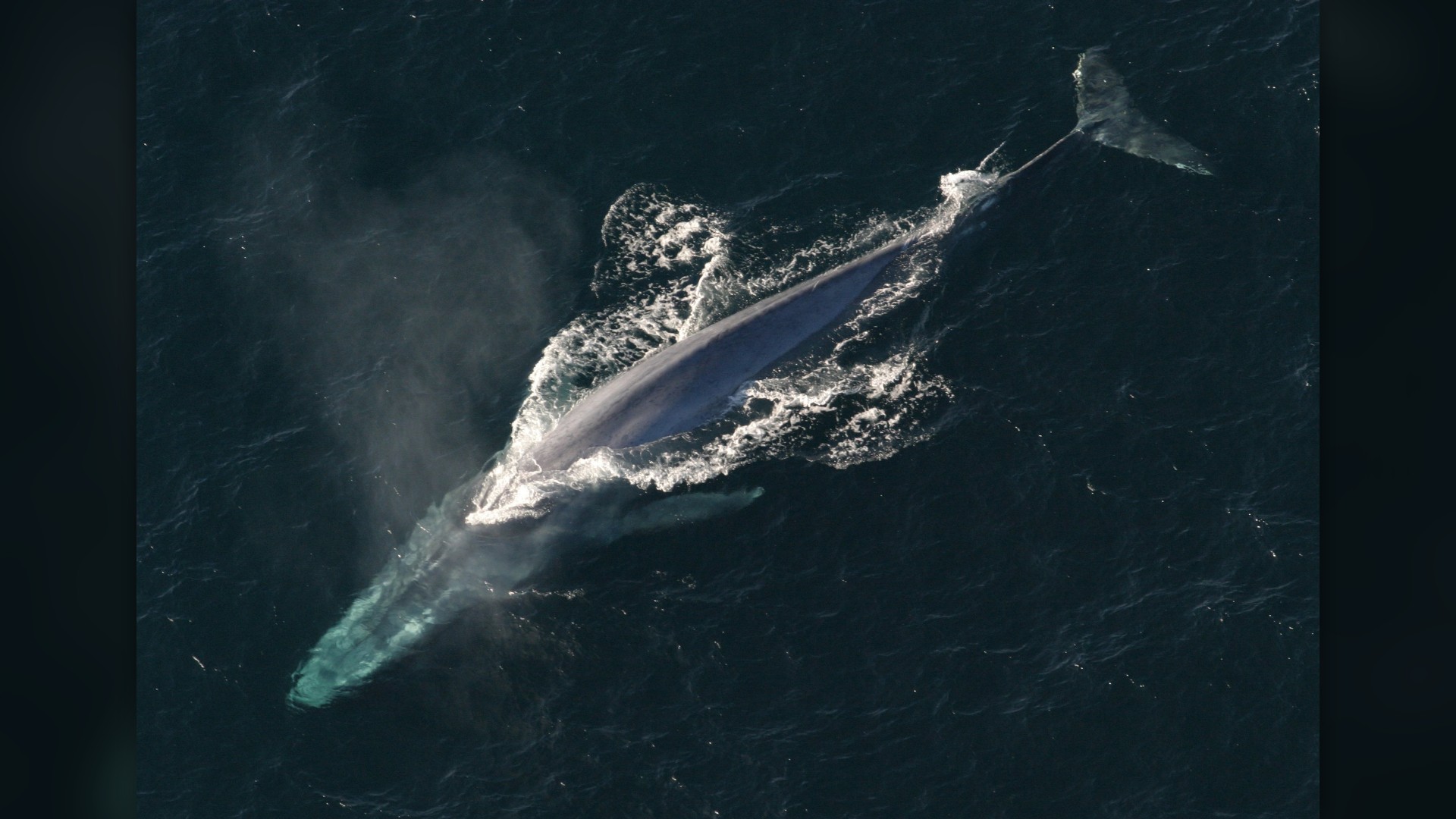
©Wikimedia / Blue whale
18. Giant Isopod And Alien Sea Scorpions
Scavenging on the ocean floor thousands of feet down, giant isopods grow up to twenty inches. Their multi-segmented shell and alien compound eyes fuel tales of primeval sea beasts.
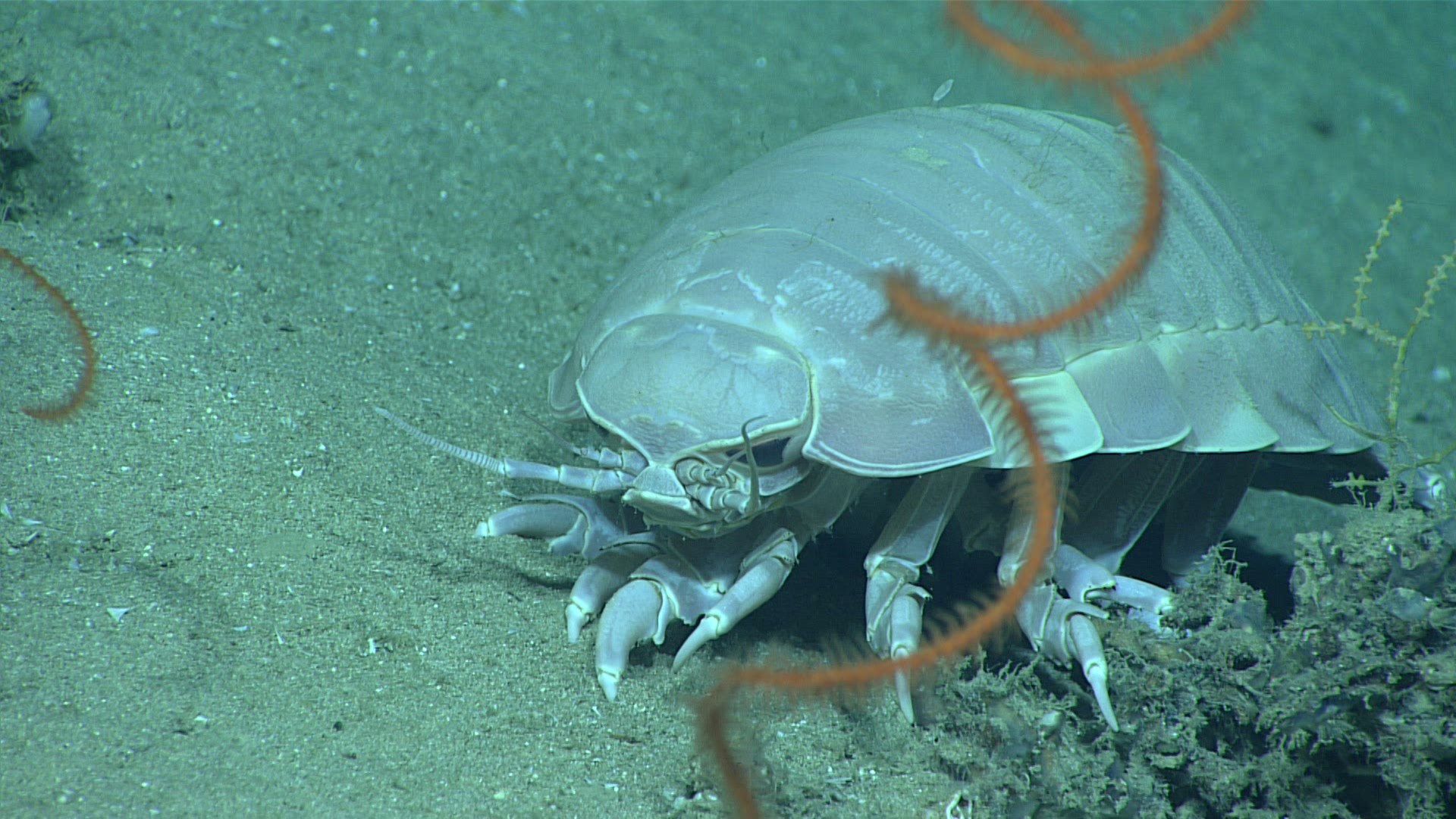
©Wikimedia / NOAA
17. Goblin Shark And Deep Sea Goblins
Discovered in deep waters off Japan, the goblin shark catapults its jaws forward to snare prey. Japanese fishermen named it tenguzame after the long-nosed goblin demon of mountain myth.
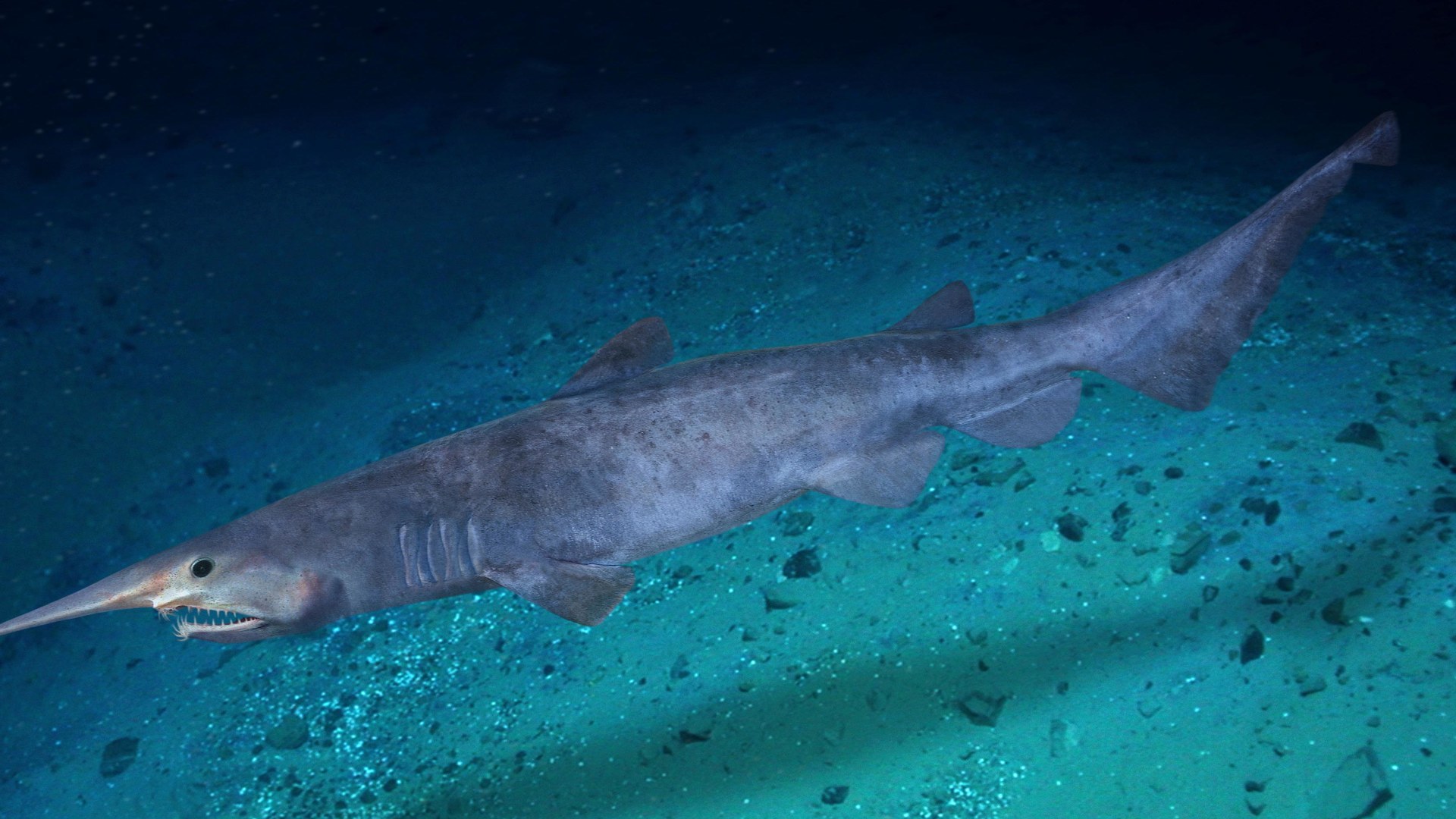
©Wikimedia / Michigan State University/USFWS
16. Alligator Snapping Turtle And River Horrors
With ridged shells resembling dinosaur plates and jaws capable of snapping bone, this freshwater turtle lies motionless underwater, inspiring tales of predatory river monsters.
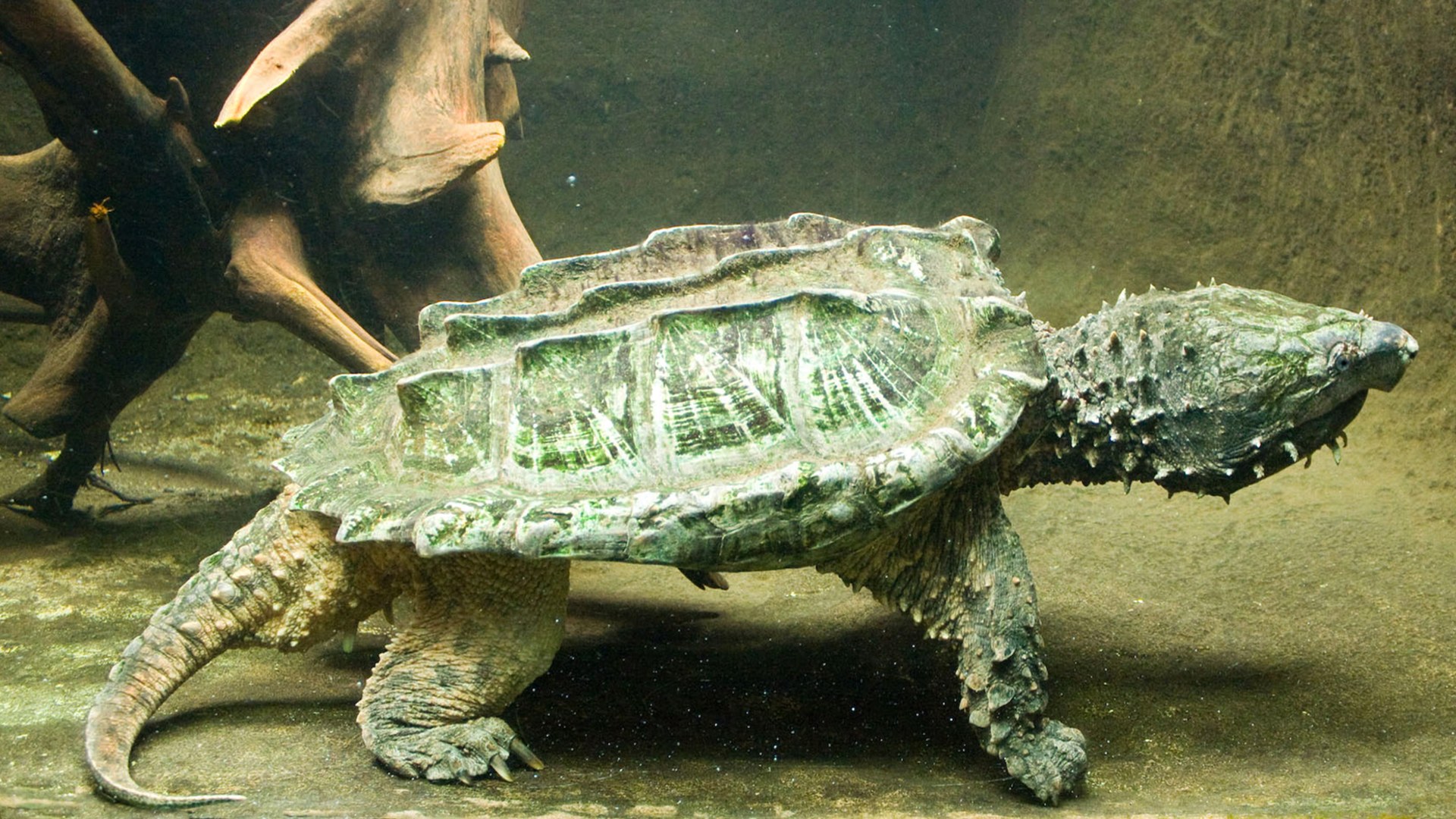
©Wikimedia / Tina Li
Advertisement
Swipe or tap ▶ to resume the countdown.
15. Giant Manta Ray And The Devil Fish
With wingspans reaching twenty feet, manta rays glide gracefully through tropical seas. Early divers called them devil fish after observing the horn-like flaps framing their gaping mouths.
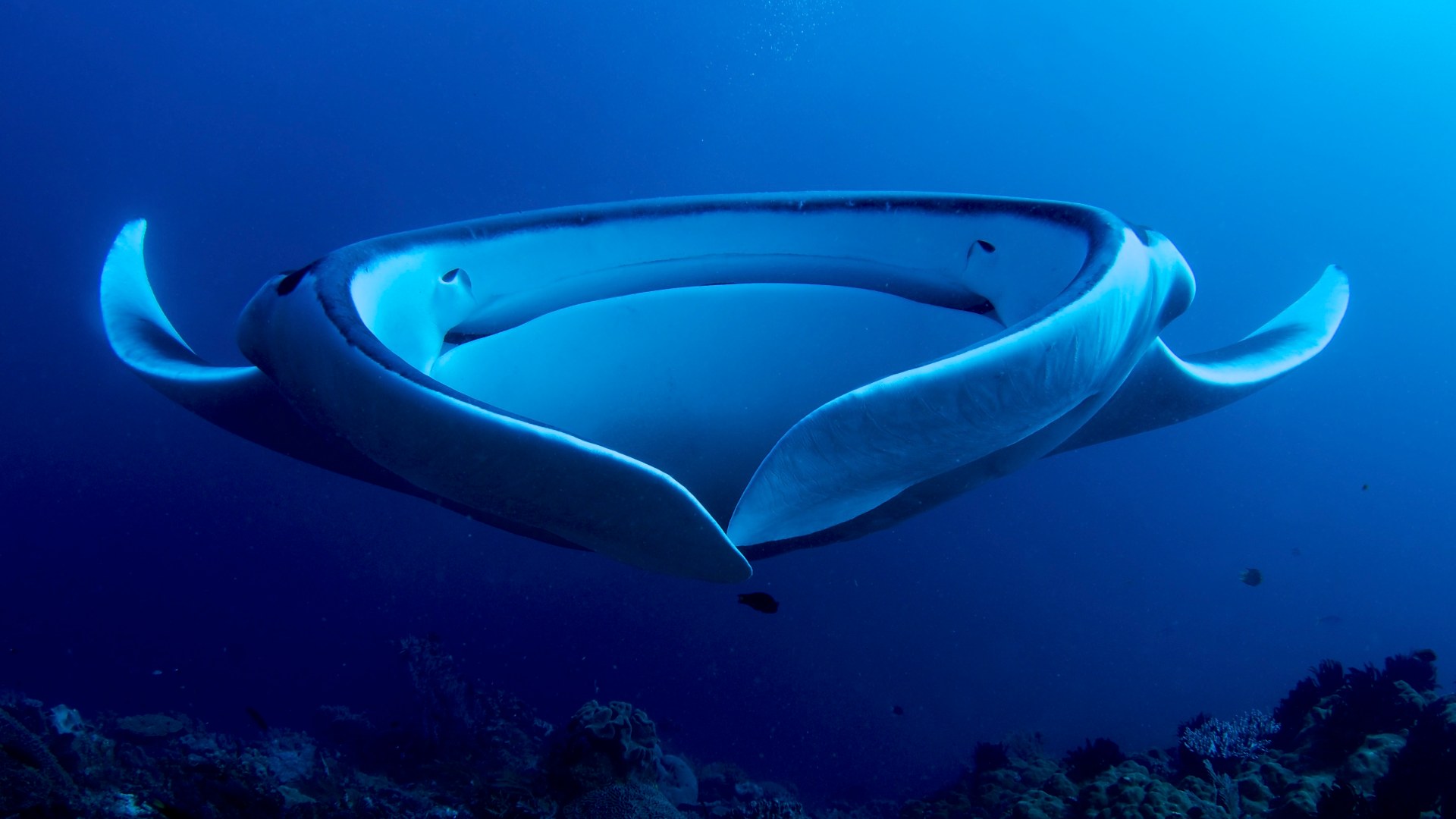
©Wikimedia / Arturo de Frias Marques
14. Basking Shark And The Stronsay Beast
When a fifty foot basking shark dies, its lower jaw and gill arches rot away first. The remaining elongated neck and spinal column convinced coastal villages they had found sea serpents.
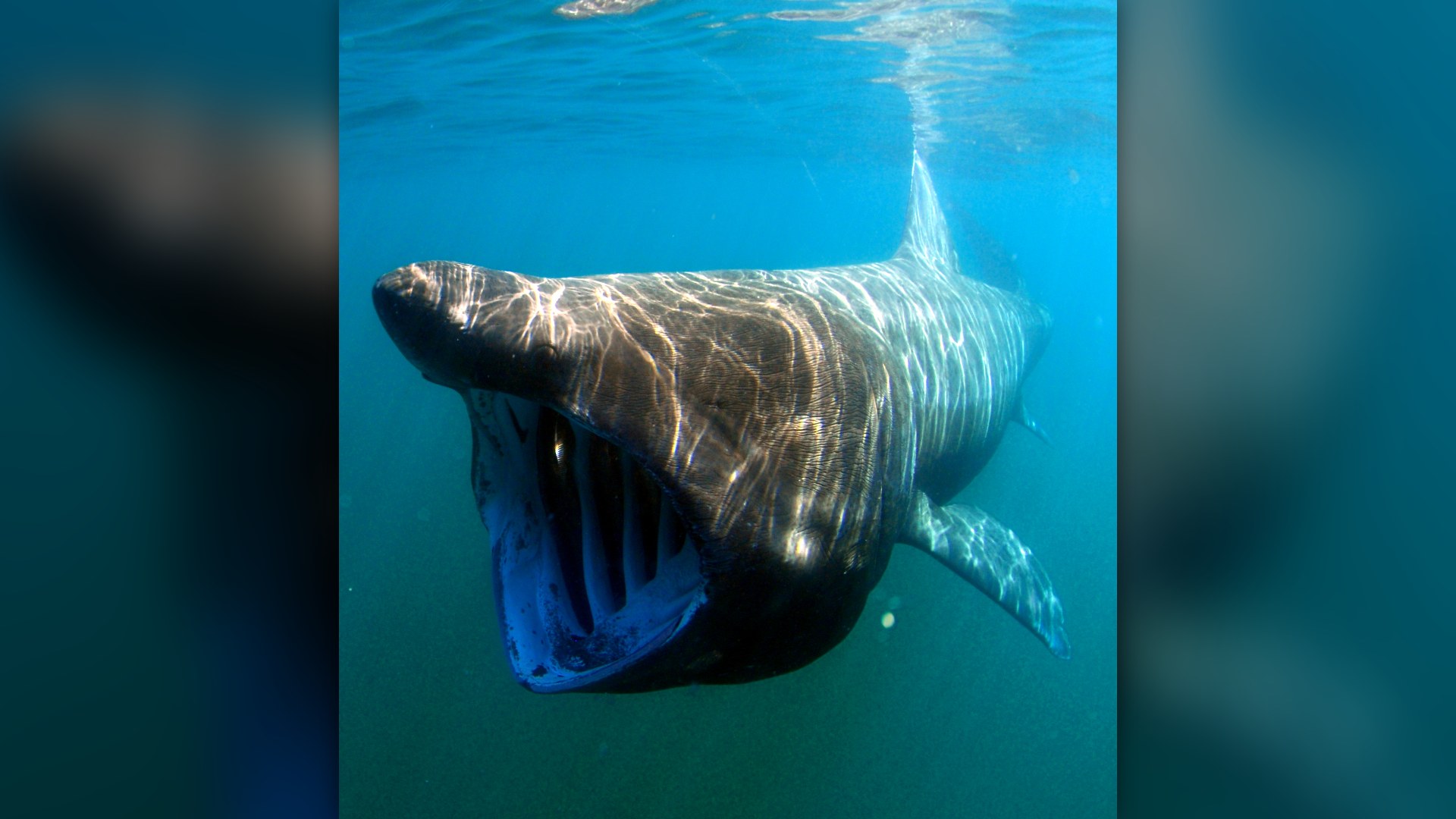
©Wikimedia / Greg Skomal / NOAA Fisheries Service
13. Whale Shark And Island Monsters
As the largest fish on Earth, the whale shark basks peacefully near the ocean surface. Ancient mariners mistook their vast patterned backs for living islands that dragged ships under.
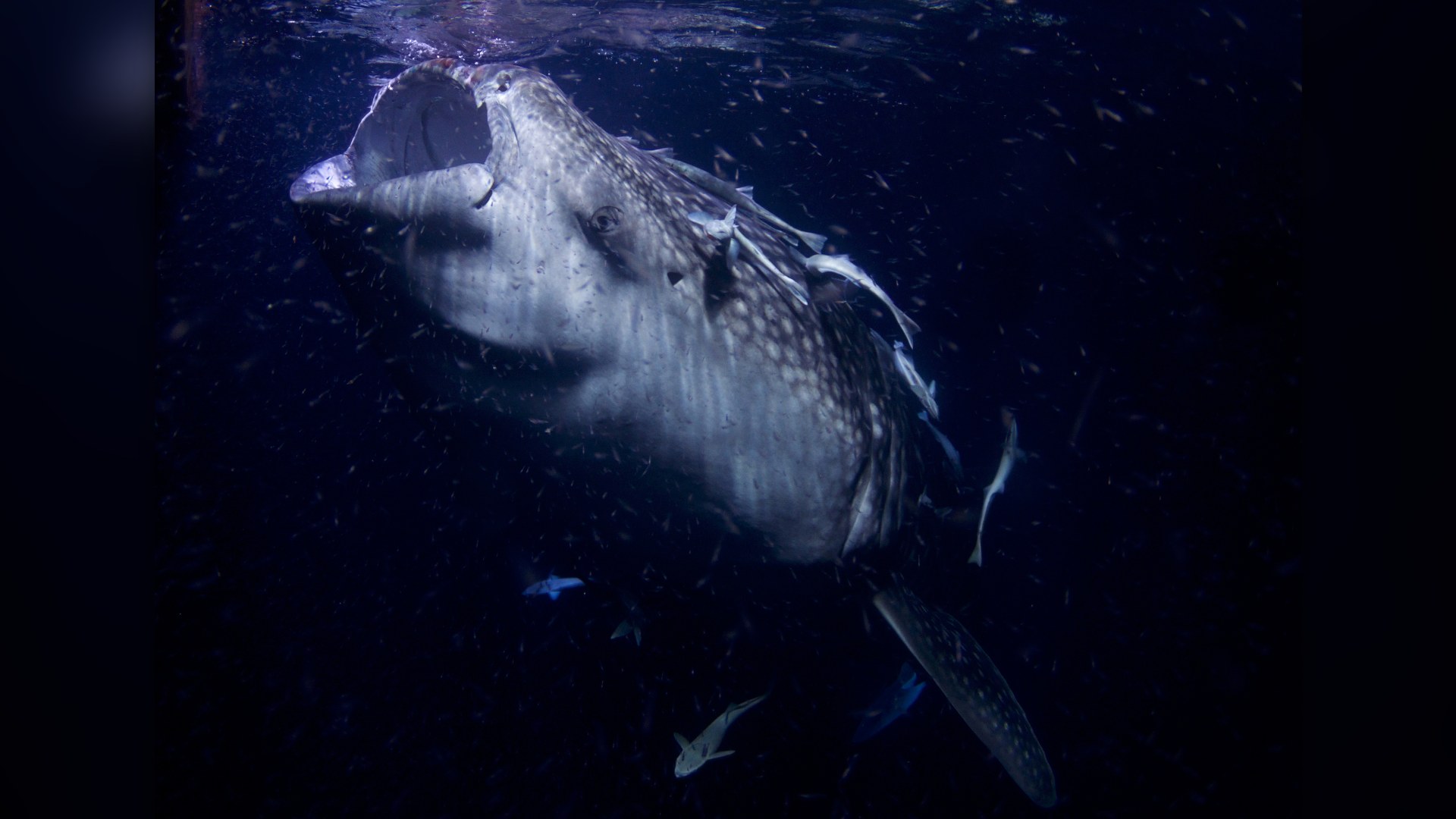
©Wikimedia / Arturo de Frias Marques
12. Tasmanian Devil And Wild Demons
Early European settlers in Tasmania were terrified by unearthly nocturnal screams and blood red ears. The ferocious scavenger earned its demonic name from these chilling sounds.
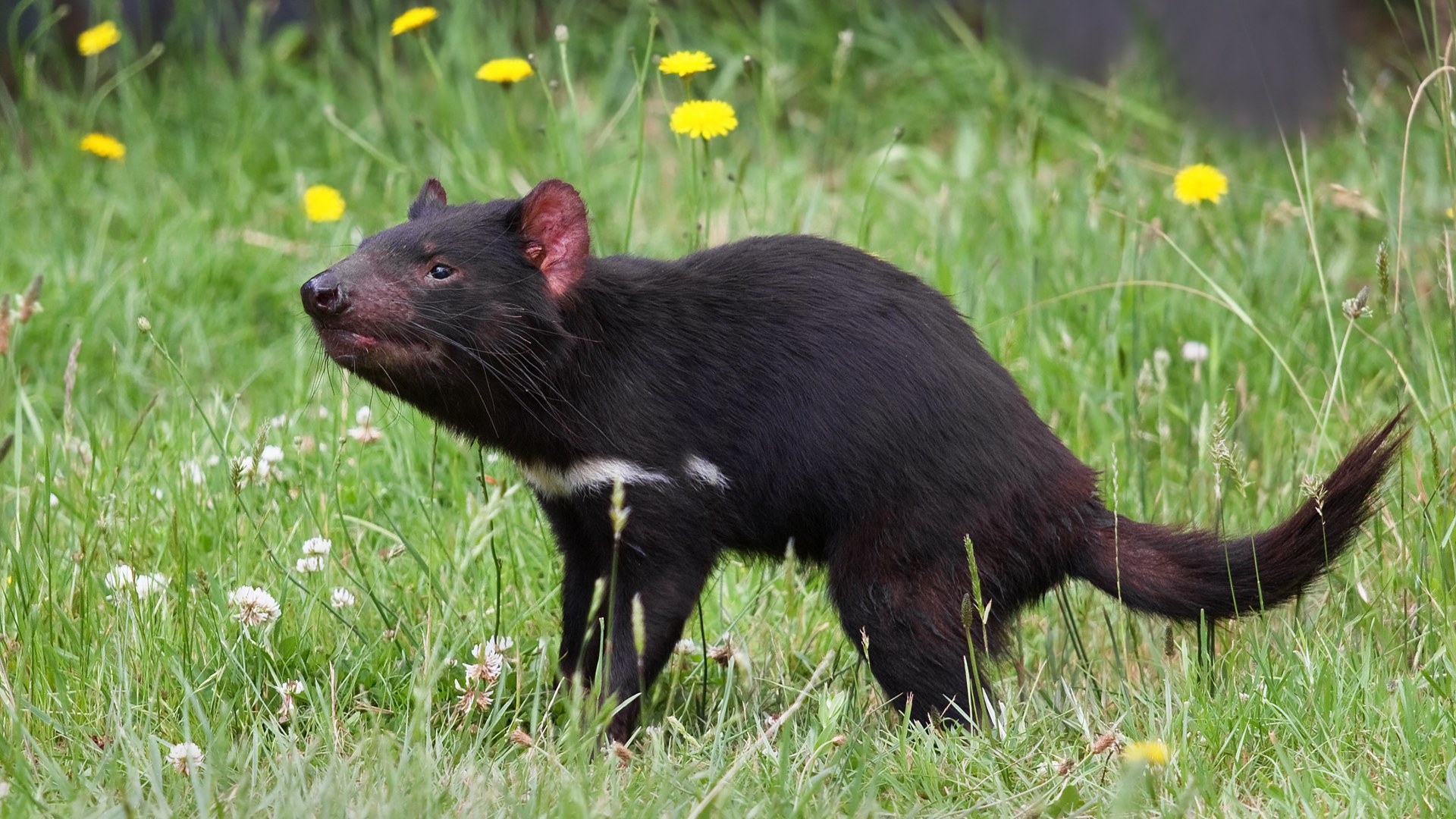
©Wikimedia / JJ Harrison (
Advertisement
Swipe or tap ▶ to resume the countdown.
11. Frilled Lizard And The Basilisk
When threatened, the Australian frilled neck lizard expands a broad pleated collar and dashes on two legs. Early explorers saw this bizarre display as proof of mythical basilisks.
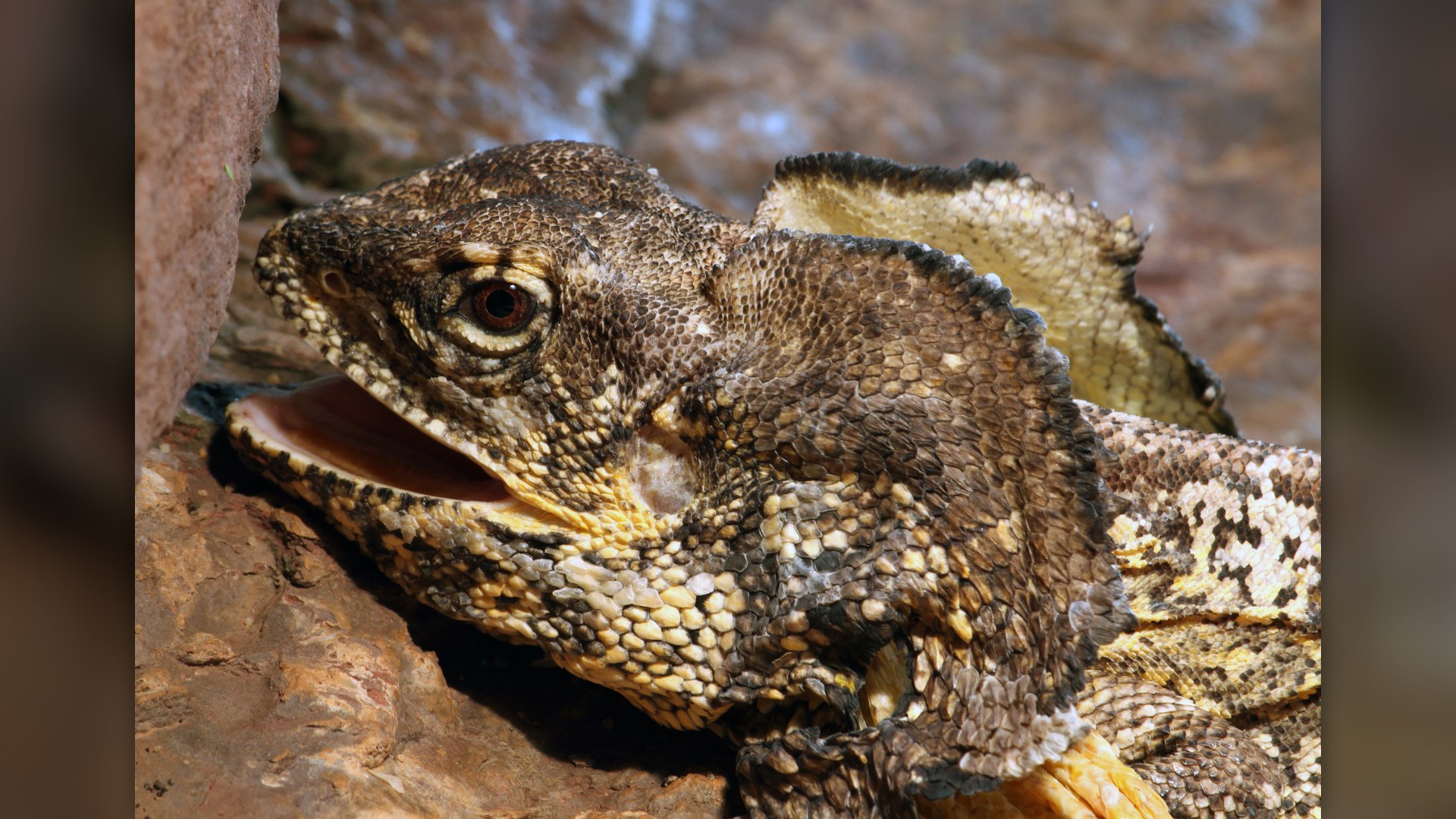
©Wikimedia / Holger Krisp
10. Shoebill Stork And Prehistoric Monsters
Standing nearly five feet tall in African swamps, the shoebill stork hunts lungfish with explosive force. Its towering prehistoric silhouette gave rise to terrifying marsh demon myths.
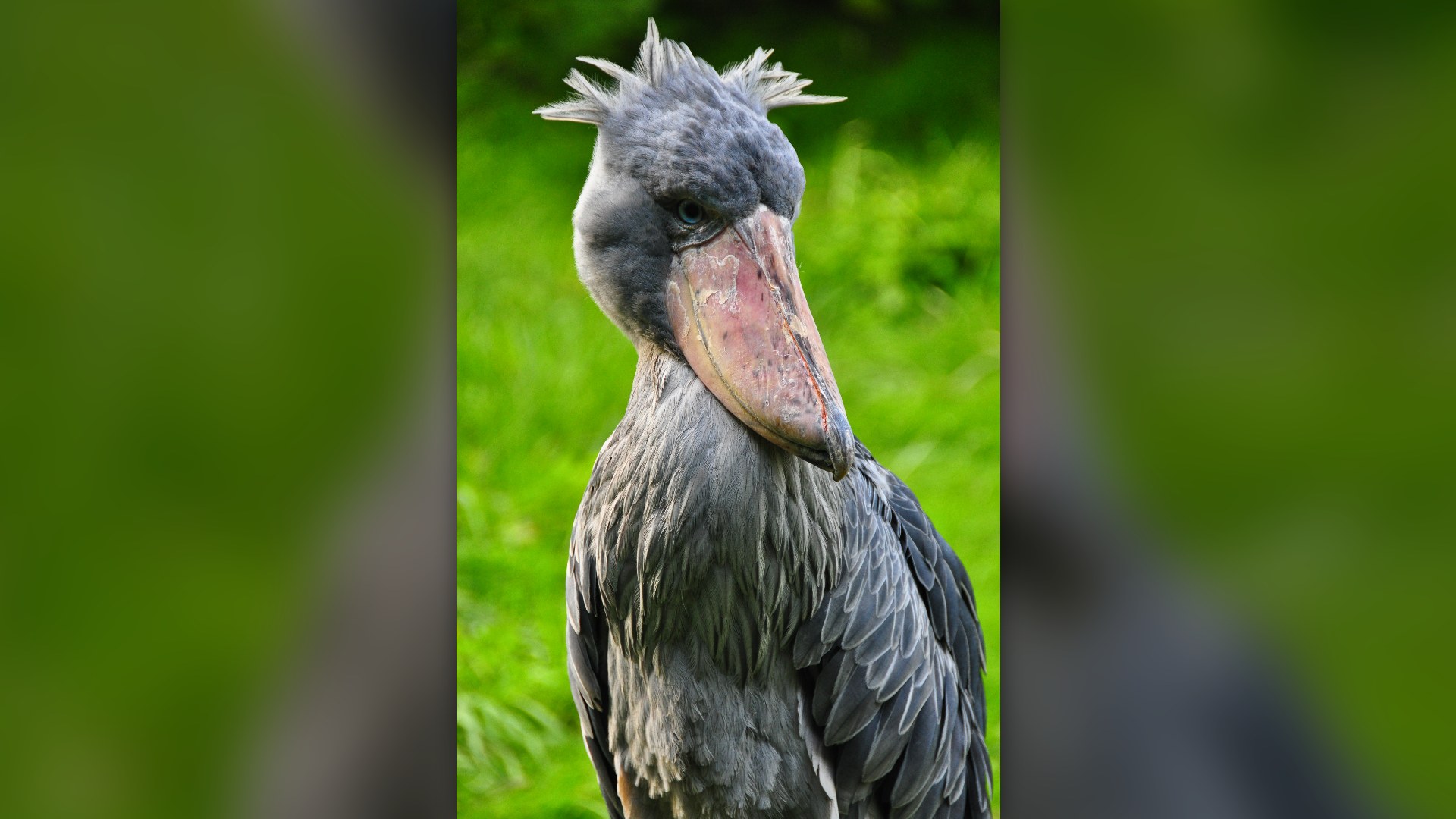
©Wikimedia / Olaf Oliviero Riemer
9. Aye-Aye And The Forest Demon
This nocturnal lemur taps tree bark with a bony finger to locate wood boring grubs. Its bizarre features led local folklore to view the gentle creature as a demonic harbinger of misfortune.
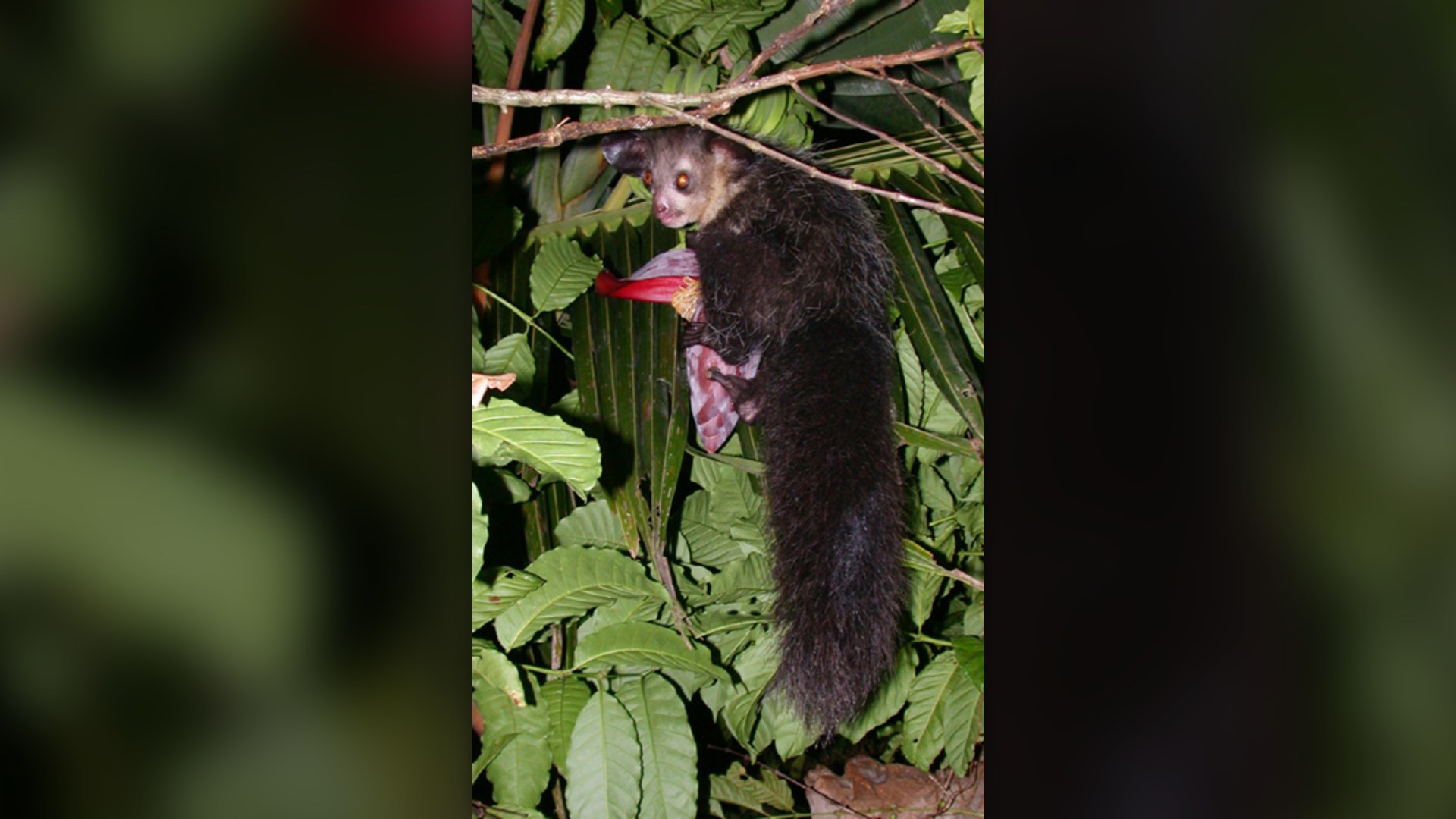
©Wikimedia / Tom Junek
8. Vampire Bat And Count Dracula
Native to Central and South America, vampire bats feed exclusively on blood using specialized heat sensors. European explorers carried these chilling accounts home, transforming vampire lore.
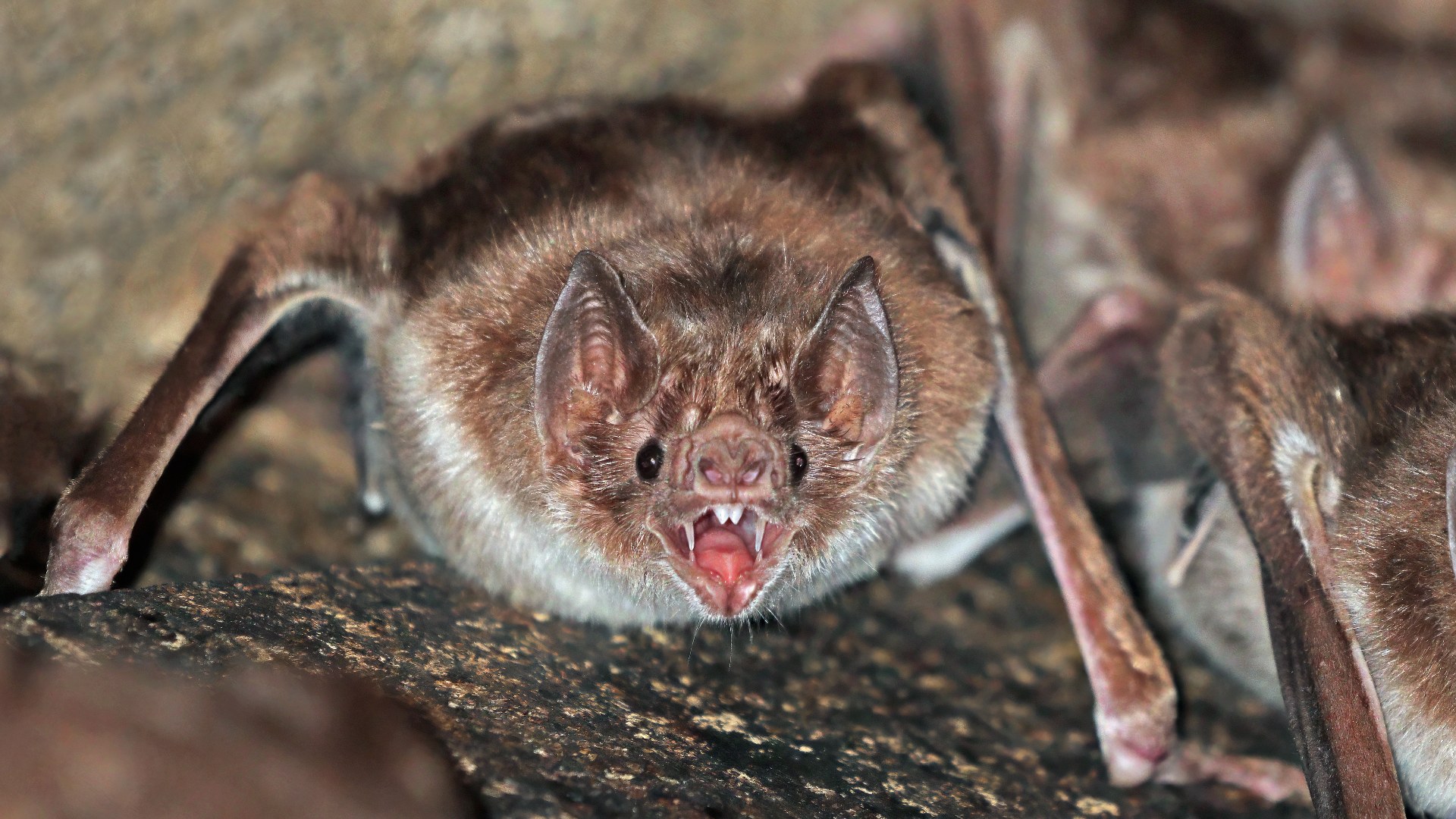
©Wikimedia / Charles J. Sharp
Advertisement
Swipe or tap ▶ to resume the countdown.
7. Olm Salamander And Baby Dragons
Living inside flooded European caverns, the pale olm salamander resembles a tiny wingless serpent. Heavy rains occasionally flushed them into rivers, leading locals to believe cave dragons existed.
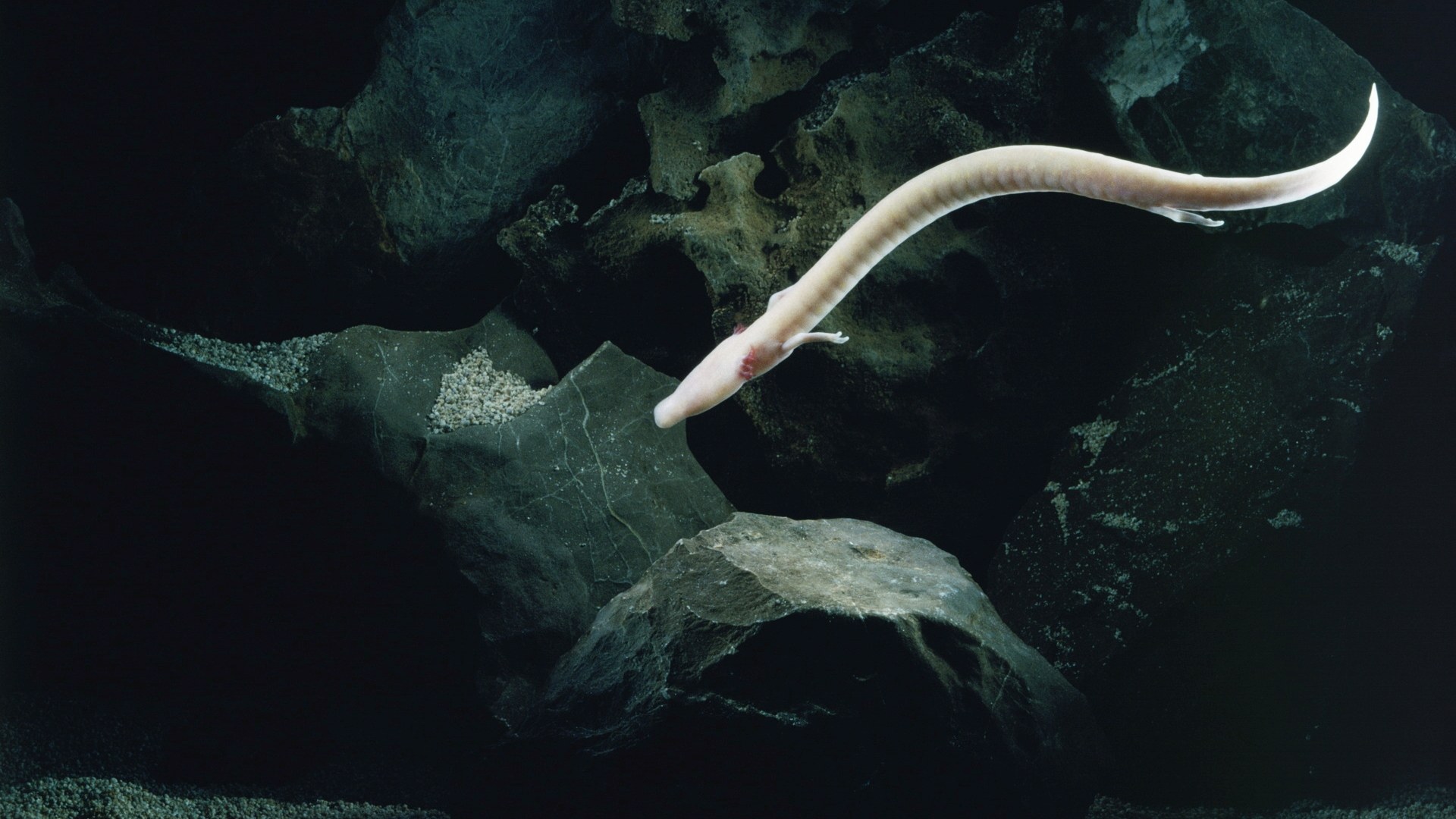
©Wikimedia / Arne Hodalič
6. Japanese Giant Salamander And The Kappa
Hiding along murky riverbeds, the Japanese giant salamander grows up to five feet long. Its slimy skin and turtle-like posture helped spawn folktales of the mischievous Kappa river demon.
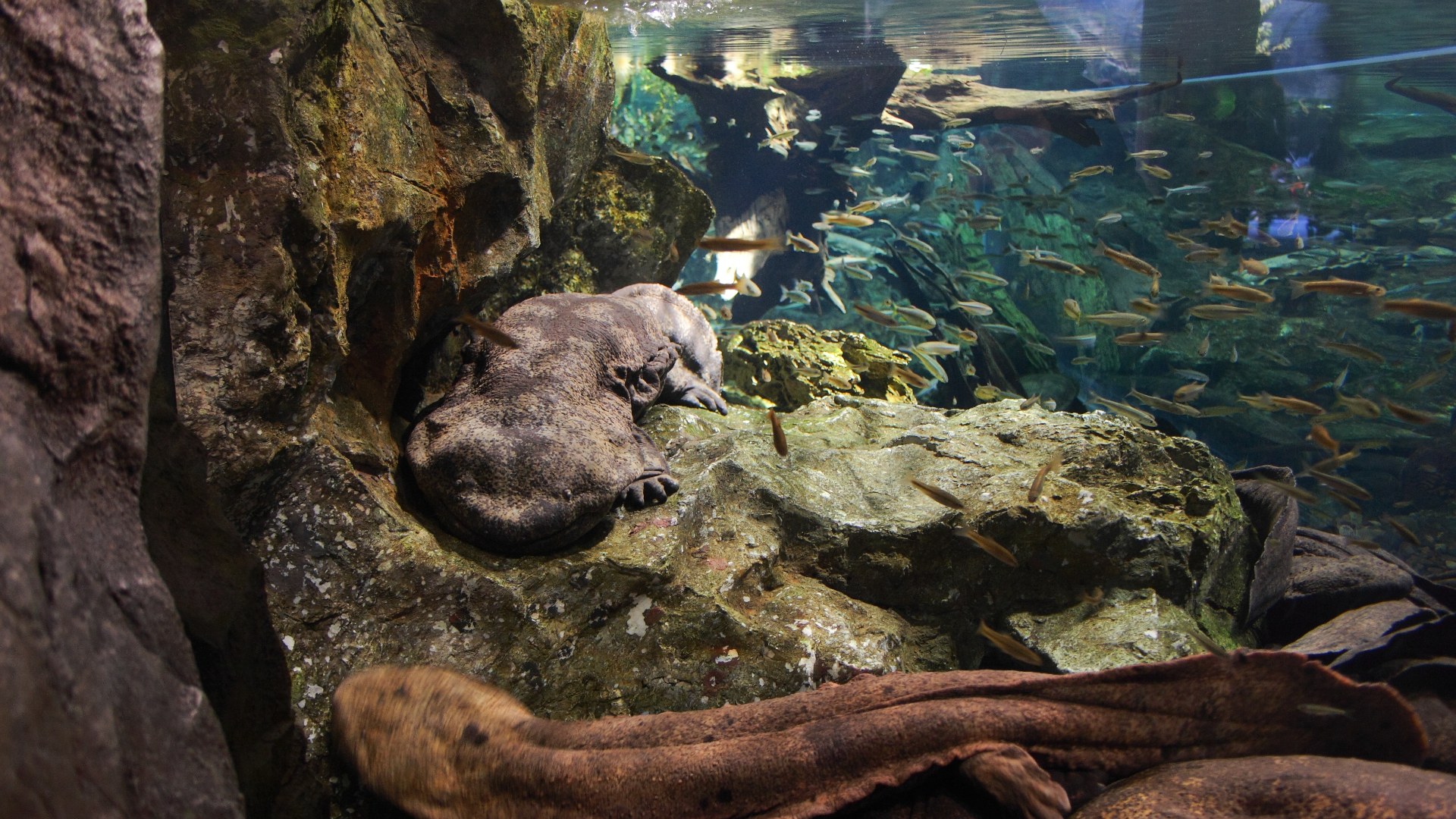
©Wikimedia / V31S70
5. Dugong And The Mermaid
Dugongs and manatees cradle nursing calves at the water surface. Weary sailors at sea for months frequently mistook these blubbery shapes in distant waves for mythical mermaids.
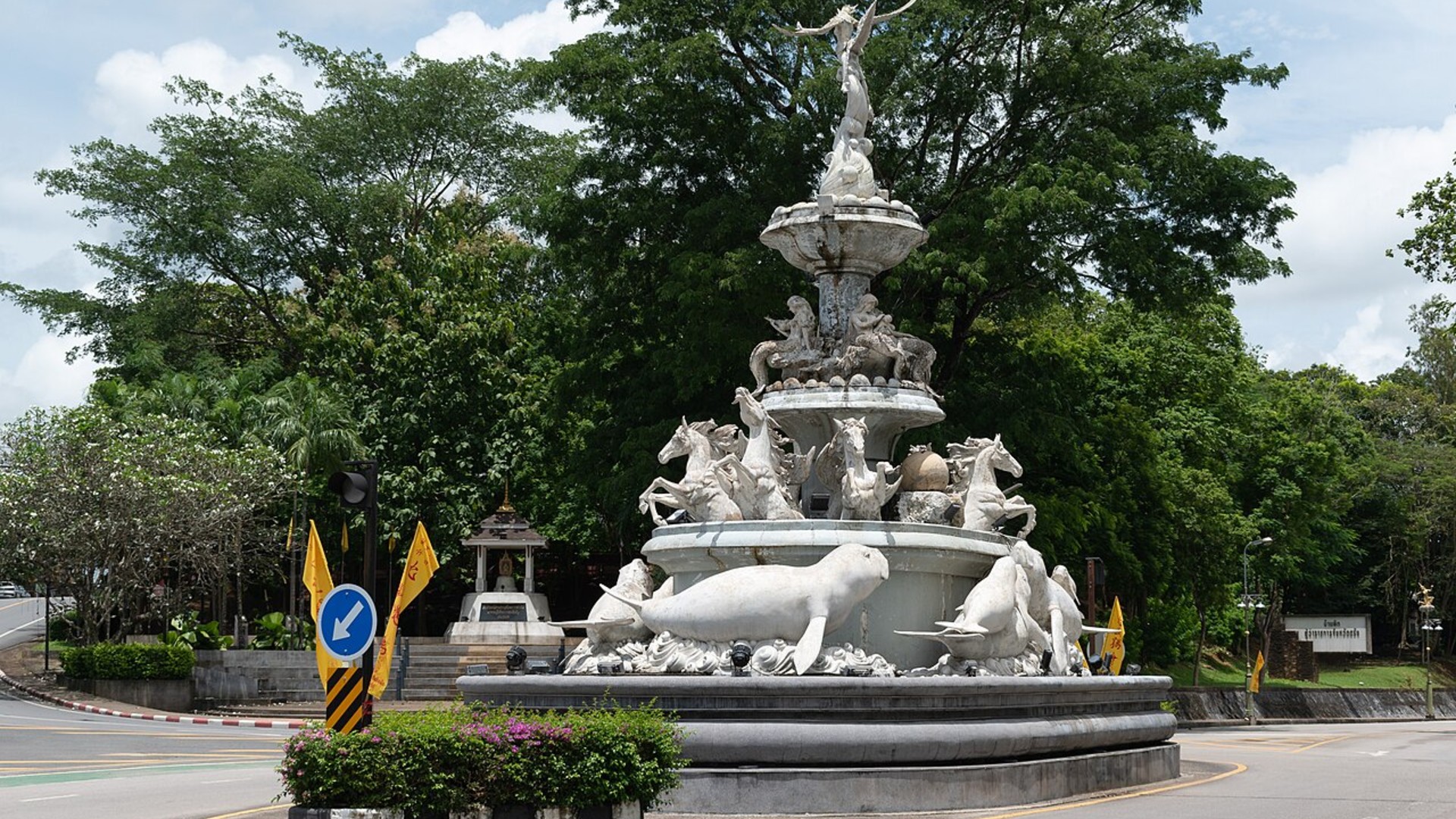
©Wikimedia / Dominic Nelson
4. Narwhal And The Unicorn
Male narwhals grow a single spiraling tusk up to ten feet long. Medieval merchants sold these rare teeth to European royalty as enchanted unicorn horns capable of neutralizing poison.
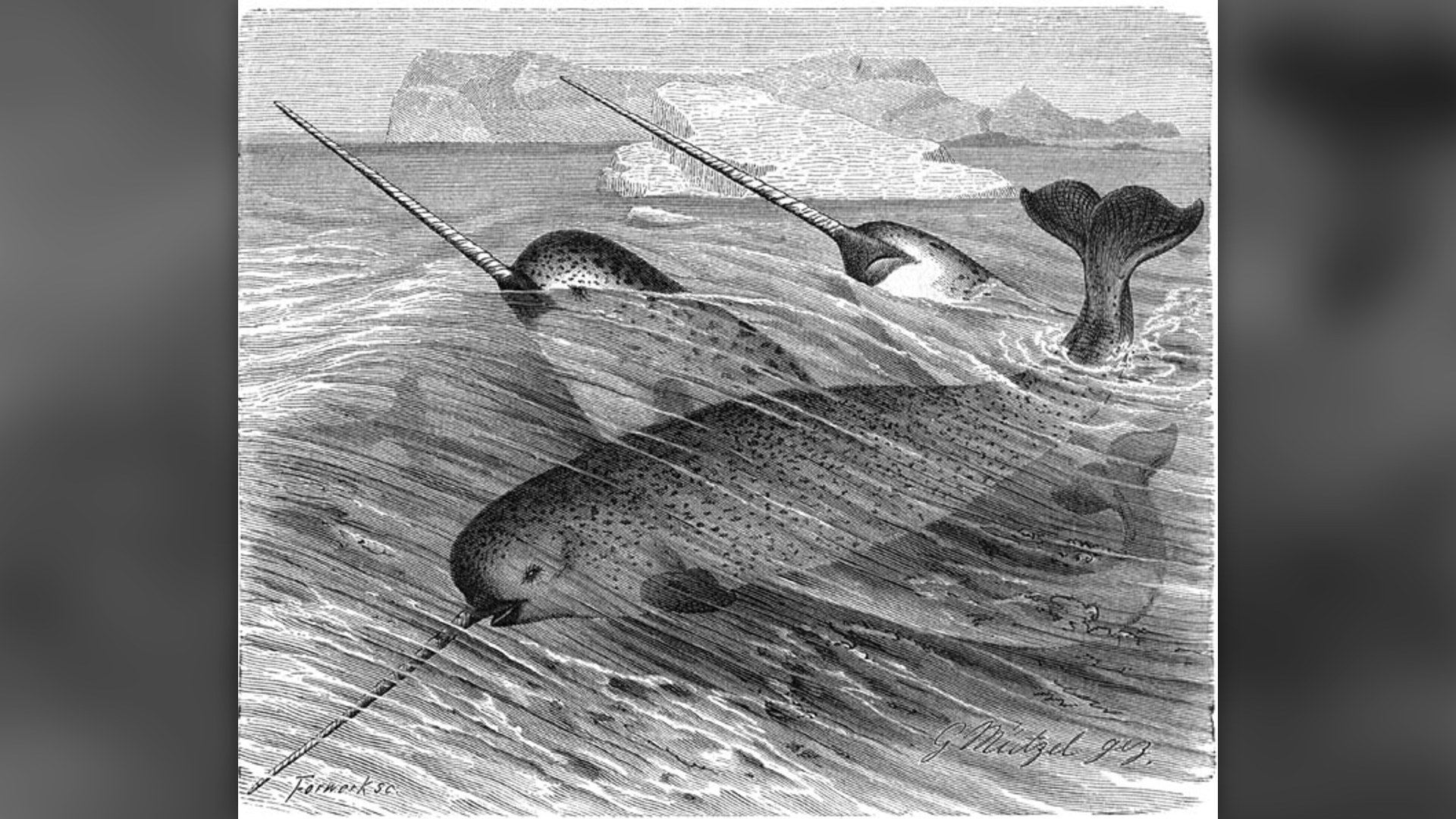
©Wikimedia / AE Brehm
Advertisement
Swipe or tap ▶ to resume the countdown.
3. Komodo Dragon And Fire Drakes
Native to Indonesian islands, Komodo dragons possess armored scales and venomous bites. Early Chinese and Arab traders returning with skins inspired legendary depictions of scaly dragons.
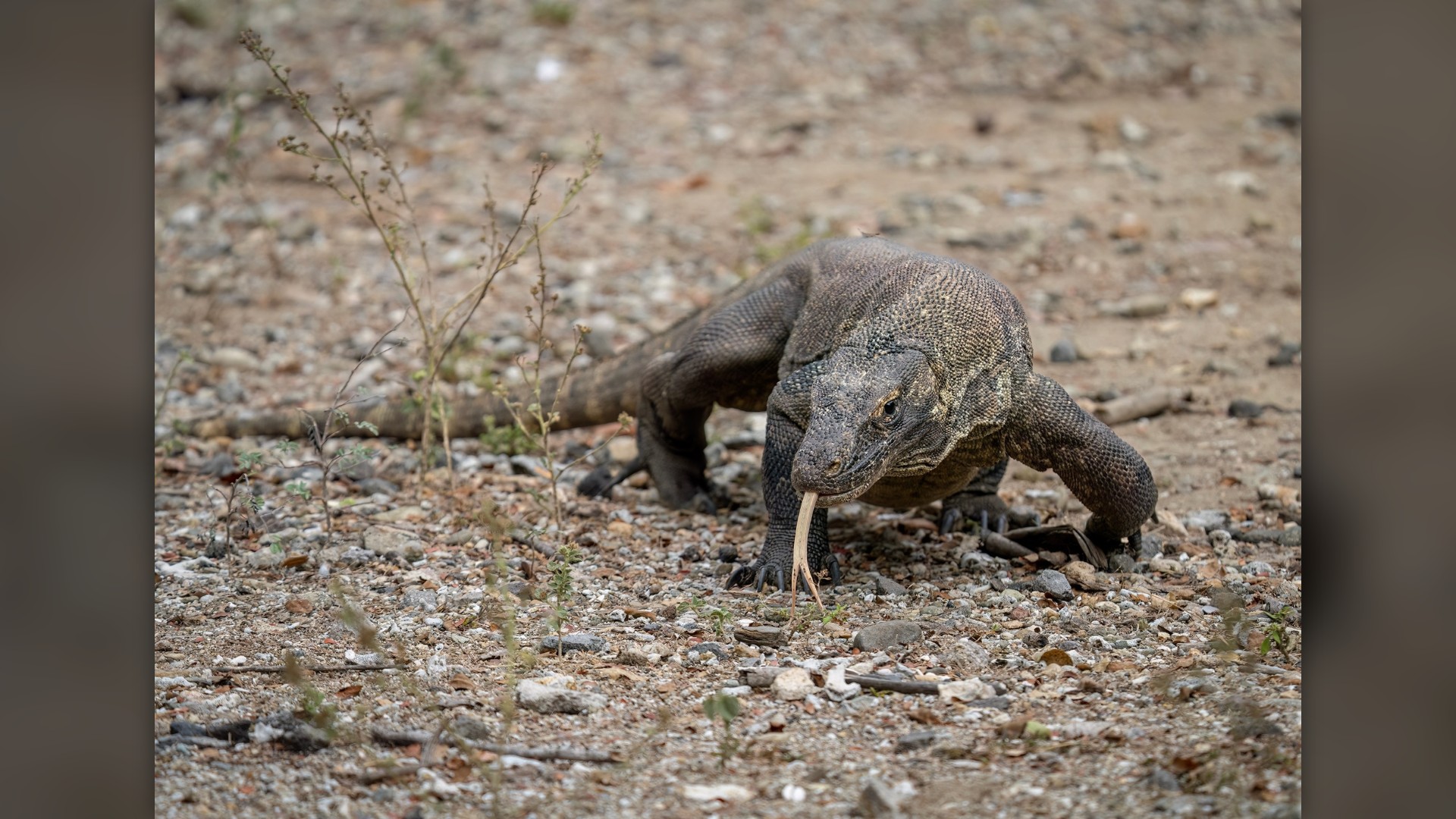
©Wikimedia / Komodo dragon
2. Oarfish And The Sea Serpent
The giant oarfish swims vertically with undulating red dorsal fins. Surface sightings and rare beach strandings convinced terrified mariners that great undulating serpents patrolled the oceans.
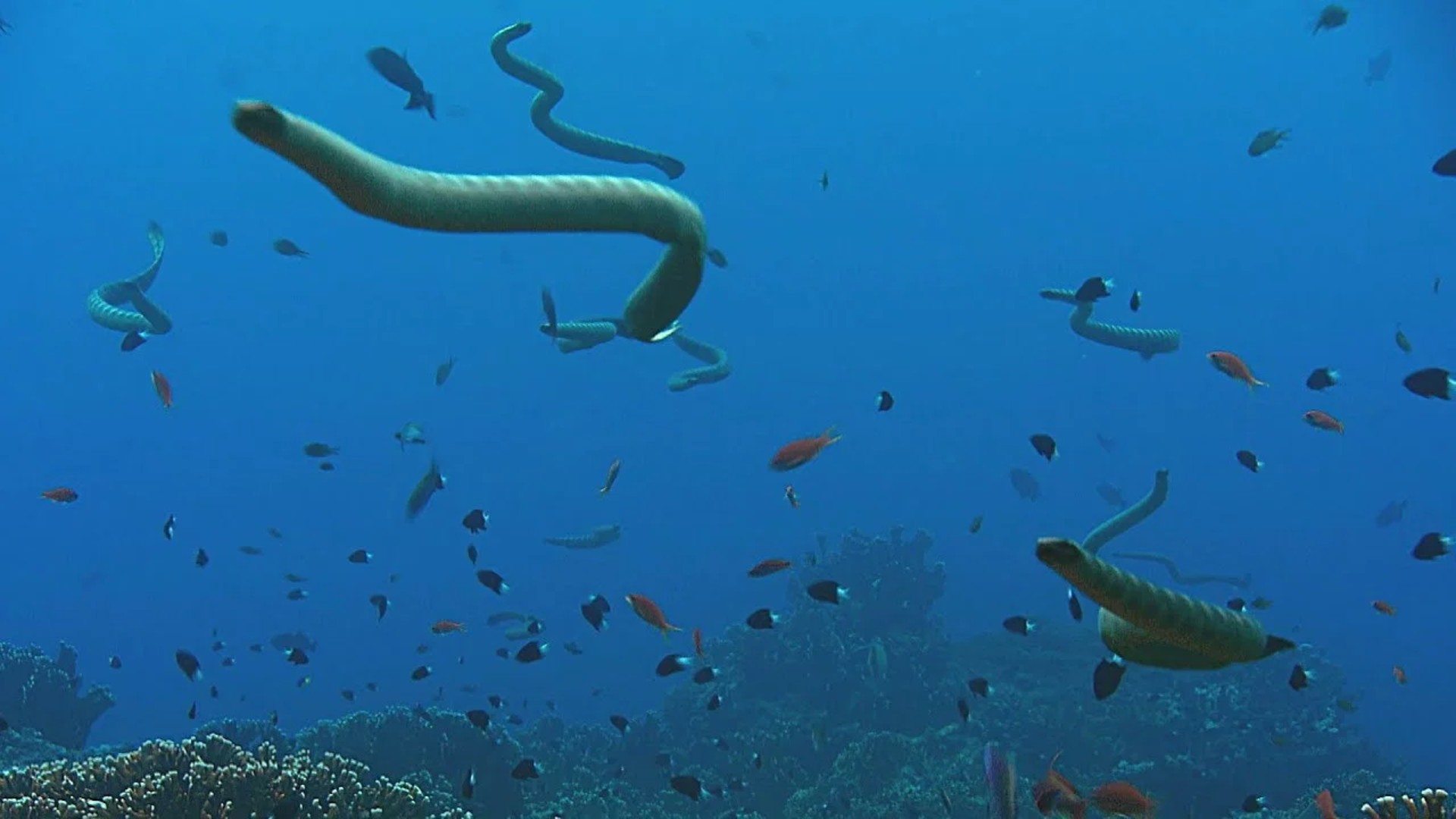
©TMDb / Giant Sea Serpent: Meet the Myth
1. Giant Squid And The Kraken
Reaching lengths over forty feet with dinner plate eyes, Architeuthis dux lurks in ocean trenches. Sighted by Norse mariners, dying specimens washed ashore to fuel epic Kraken tales.
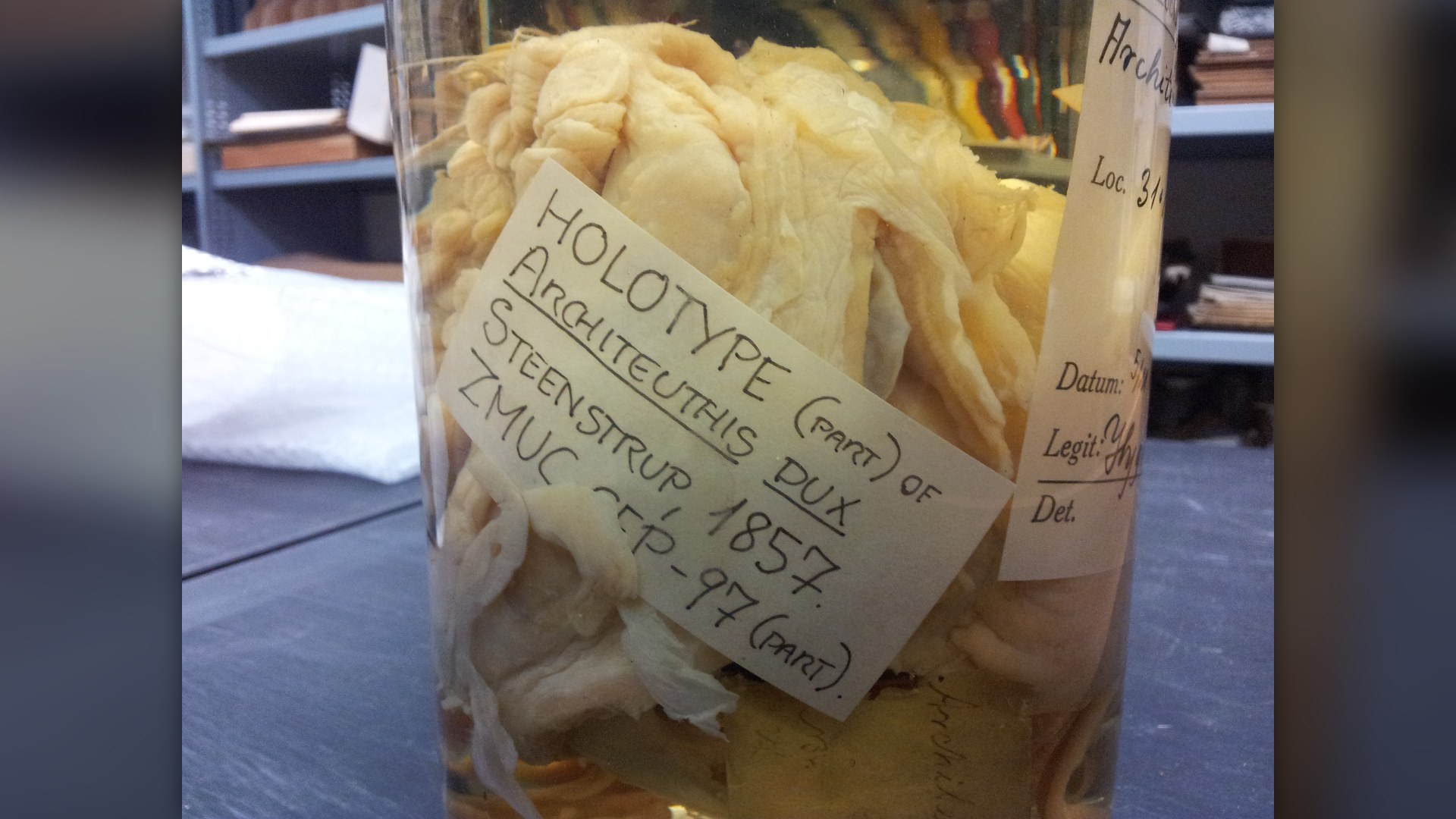
©Wikimedia / Inger Eleanor Winkelmann
Advertisement
You've reached the end of the story. Thanks for reading!

22 High-Calorie Burning Exercises Ranked by Harvard Medical Data
Ranked according to Harvard Medical School caloric expenditure data, these 22 physical exercises burn the highest number of calories per hour for optimal cardiovascular health. Medical data reveals true effort.
All 30 Entries in this Story
30. Giant Moray Eel And Mediterranean Hydras
Concealed within Aegean coral crevices, giant moray eels strike with lightning speed and pharyngeal jaws. Ancient Greek divers encountering these sinuous predators forged legends of the multi-headed Hydra.

29. Porcupinefish And Zombie Lore
When threatened, porcupinefish inflate into spiky venomous spheres laden with potent tetrodotoxin. Folk practitioners utilized trace neurotoxins to induce catatonic states, inspiring zombie myths.

28. Great White Pelican And Blood Feeding Piety
During nesting season, pelicans press their long bills against their red-tinged breast feathers while feeding chicks. Observers misconstrued this behavior as a mother piercing her breast to feed young.

27. Barnacle Goose And The Tree Born Bird
Because barnacle geese nested in unreachable Arctic cliffs, medieval Europeans never saw their eggs. Finding goose barnacles clinging to driftwood, they believed the birds sprouted from trees.

26. Mountain Gorilla And The Yeti
Western science did not confirm the existence of mountain gorillas until 1902. Indigenous accounts of massive forest giants walking on two legs helped ignite persistent Yeti and Bigfoot legends.

25. Gray Wolf And The Werewolf
Wolves dominated medieval European forests with stealth and relentless tracking. Isolated attacks during harsh winters gave rise to werewolf legends of cursed humans transforming under full moons.

24. Wolverine And The Glutton Beast
Weighing only thirty pounds, the wolverine routinely fends off wolves and bears in Arctic tundra. Medieval bestiaries exaggerated its ferocious appetite into the legendary insatiable Glutton.

23. Platypus And The Chimera
When British scientists examined the first platypus specimen in 1798, they suspected a stitched hoax. The egg-laying mammal with a beaver tail and duck bill resembled mythical blended chimeras.

22. Protoceratops And The Griffin
Gold prospectors in the Gobi Desert frequently uncovered exposed Protoceratops skeletons. The four-legged dinosaur featured a hooked beak, inspiring nomadic tales of the half-lion half-eagle griffin.

21. Elephant Fossil Skulls And The Cyclops
Ancient Mediterranean cultures unearthing fossil elephant skulls saw a huge hollow cavity in the center of the forehead. Unfamiliar with trunk anatomy, they envisioned gigantic one-eyed giants.

20. Coelacanth And Living Fossils
Thought to have vanished alongside the dinosaurs, a living coelacanth was hauled from South African waters in 1938. The discovery proved prehistoric sea monsters could still roam ocean depths.

19. Blue Whale And The Leviathan
The largest animal ever known, the blue whale displaces two hundred tons of seawater. Ancient Middle Eastern navigators hearing its echoing blows created the legend of the mighty Leviathan.

18. Giant Isopod And Alien Sea Scorpions
Scavenging on the ocean floor thousands of feet down, giant isopods grow up to twenty inches. Their multi-segmented shell and alien compound eyes fuel tales of primeval sea beasts.

17. Goblin Shark And Deep Sea Goblins
Discovered in deep waters off Japan, the goblin shark catapults its jaws forward to snare prey. Japanese fishermen named it tenguzame after the long-nosed goblin demon of mountain myth.

16. Alligator Snapping Turtle And River Horrors
With ridged shells resembling dinosaur plates and jaws capable of snapping bone, this freshwater turtle lies motionless underwater, inspiring tales of predatory river monsters.

15. Giant Manta Ray And The Devil Fish
With wingspans reaching twenty feet, manta rays glide gracefully through tropical seas. Early divers called them devil fish after observing the horn-like flaps framing their gaping mouths.

14. Basking Shark And The Stronsay Beast
When a fifty foot basking shark dies, its lower jaw and gill arches rot away first. The remaining elongated neck and spinal column convinced coastal villages they had found sea serpents.

13. Whale Shark And Island Monsters
As the largest fish on Earth, the whale shark basks peacefully near the ocean surface. Ancient mariners mistook their vast patterned backs for living islands that dragged ships under.

12. Tasmanian Devil And Wild Demons
Early European settlers in Tasmania were terrified by unearthly nocturnal screams and blood red ears. The ferocious scavenger earned its demonic name from these chilling sounds.

11. Frilled Lizard And The Basilisk
When threatened, the Australian frilled neck lizard expands a broad pleated collar and dashes on two legs. Early explorers saw this bizarre display as proof of mythical basilisks.

10. Shoebill Stork And Prehistoric Monsters
Standing nearly five feet tall in African swamps, the shoebill stork hunts lungfish with explosive force. Its towering prehistoric silhouette gave rise to terrifying marsh demon myths.

9. Aye-Aye And The Forest Demon
This nocturnal lemur taps tree bark with a bony finger to locate wood boring grubs. Its bizarre features led local folklore to view the gentle creature as a demonic harbinger of misfortune.

8. Vampire Bat And Count Dracula
Native to Central and South America, vampire bats feed exclusively on blood using specialized heat sensors. European explorers carried these chilling accounts home, transforming vampire lore.

7. Olm Salamander And Baby Dragons
Living inside flooded European caverns, the pale olm salamander resembles a tiny wingless serpent. Heavy rains occasionally flushed them into rivers, leading locals to believe cave dragons existed.

6. Japanese Giant Salamander And The Kappa
Hiding along murky riverbeds, the Japanese giant salamander grows up to five feet long. Its slimy skin and turtle-like posture helped spawn folktales of the mischievous Kappa river demon.

5. Dugong And The Mermaid
Dugongs and manatees cradle nursing calves at the water surface. Weary sailors at sea for months frequently mistook these blubbery shapes in distant waves for mythical mermaids.

4. Narwhal And The Unicorn
Male narwhals grow a single spiraling tusk up to ten feet long. Medieval merchants sold these rare teeth to European royalty as enchanted unicorn horns capable of neutralizing poison.

3. Komodo Dragon And Fire Drakes
Native to Indonesian islands, Komodo dragons possess armored scales and venomous bites. Early Chinese and Arab traders returning with skins inspired legendary depictions of scaly dragons.

2. Oarfish And The Sea Serpent
The giant oarfish swims vertically with undulating red dorsal fins. Surface sightings and rare beach strandings convinced terrified mariners that great undulating serpents patrolled the oceans.

1. Giant Squid And The Kraken
Reaching lengths over forty feet with dinner plate eyes, Architeuthis dux lurks in ocean trenches. Sighted by Norse mariners, dying specimens washed ashore to fuel epic Kraken tales.