Slideshow · Lifestyle
20 Ways to Protect Your Home and Family in a Snowstorm
When severe blizzards and polar freezes threaten the power grid, proactive maintenance saves lives and prevents catastrophic property damage. This countdown details twenty essential actions to protect your home and family in a snowstorm, drawing from cold weather engineering guides and disaster response protocols.
By Most Viral Today
57 min ago

Essential Steps Before the Freeze Hits 
20. Reverse Ceiling Fans Clockwise 
19. Weatherstrip Drafty Doors And Windows 
18. Clear Leaves From Roof Gutters - AdvertisementSwipe or tap ▶ to continue countdown

17. Trim Overhanging Tree Branches 
16. Set Fridge And Freezer To Maximum Cold 
15. Service Furnace And Replace Air Filters 
14. Fill Vehicle Gas Tanks And Check Antifreeze - AdvertisementSwipe or tap ▶ to continue countdown

13. Stock Required Prescription Medications 
12. Assemble A 72-Hour Family Emergency Kit 
11. Check Heating Fuel And Firewood Reserves 
10. Seal Basement Wells And Attic Hatches - AdvertisementSwipe or tap ▶ to continue countdown

9. Designate A Single Well-Insulated Warm Room 
8. Insulate Exposed Basement And Crawl Space Pipes 
7. Disconnect Outdoor Garden Hoses And Shut Valves 
6. Open Under-Sink Kitchen And Bath Cabinets - AdvertisementSwipe or tap ▶ to continue countdown

5. Clear Snow From Exterior Furnace Exhaust Vents 
4. Drip Indoor Faucets To Relieve Water Pressure 
3. Locate And Tag The Main Water Shut-Off Valve 
2. Never Use Gas Ovens Or Grills For Indoor Heat - AdvertisementSwipe or tap ▶ to continue countdown

1. Install Working Carbon Monoxide Detectors - Advertisement🔥 UP NEXT IN THIS SERIES◫ 21 Slides

20 Childhood Fears Many Adults Still Have
Childhood fears often survive into adulthood because the human amygdala forms emotional memories before logic matures. Surveys from YouGov and the American Psychological Association show that common phobias, from dental drills to dark hallways, continue to influence adult habits across the globe every single day.
Before freezing winds arrive and roads become impassable, homeowners must take decisive steps to safeguard their property and household. This gallery outlines the top preventative measures for catastrophic winter storms. Based on disaster safety manuals from FEMA, Ready.gov, the CDC and the American Red Cross.
Swipe or tap ▶ to begin the countdown
©Pixabay / Arcaion & Wikimedia / Billjones94
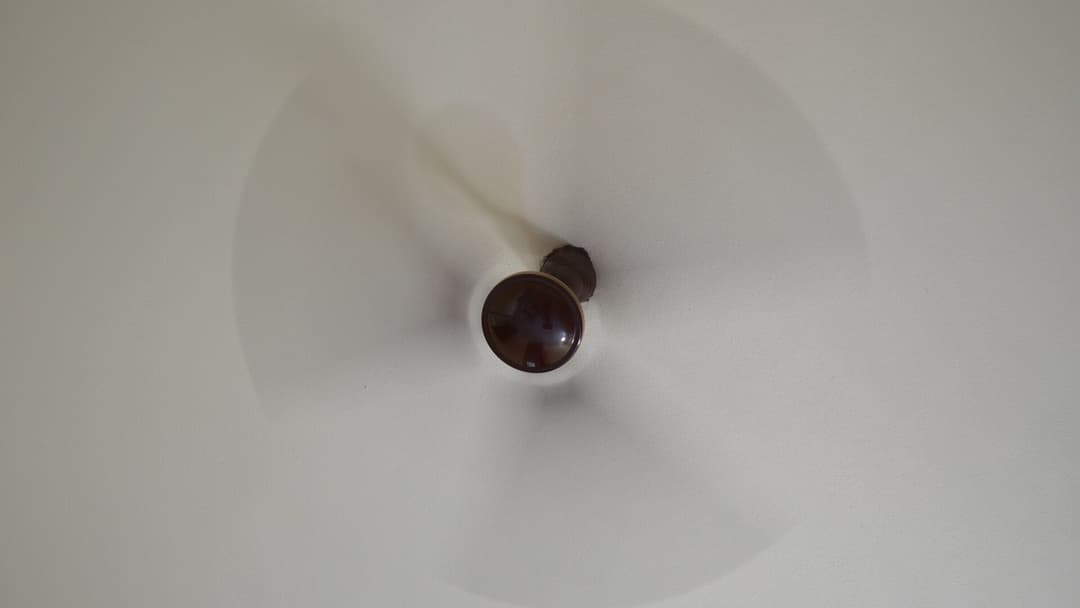
20. Reverse Ceiling Fans Clockwise
Warm air naturally rises to high ceilings, leaving living areas chilly. Switching your ceiling fan to rotate clockwise at low speed creates a gentle updraft that redistributes pooled heat down into the room, reducing furnace workloads by up to fifteen percent during sub-zero cold snaps.
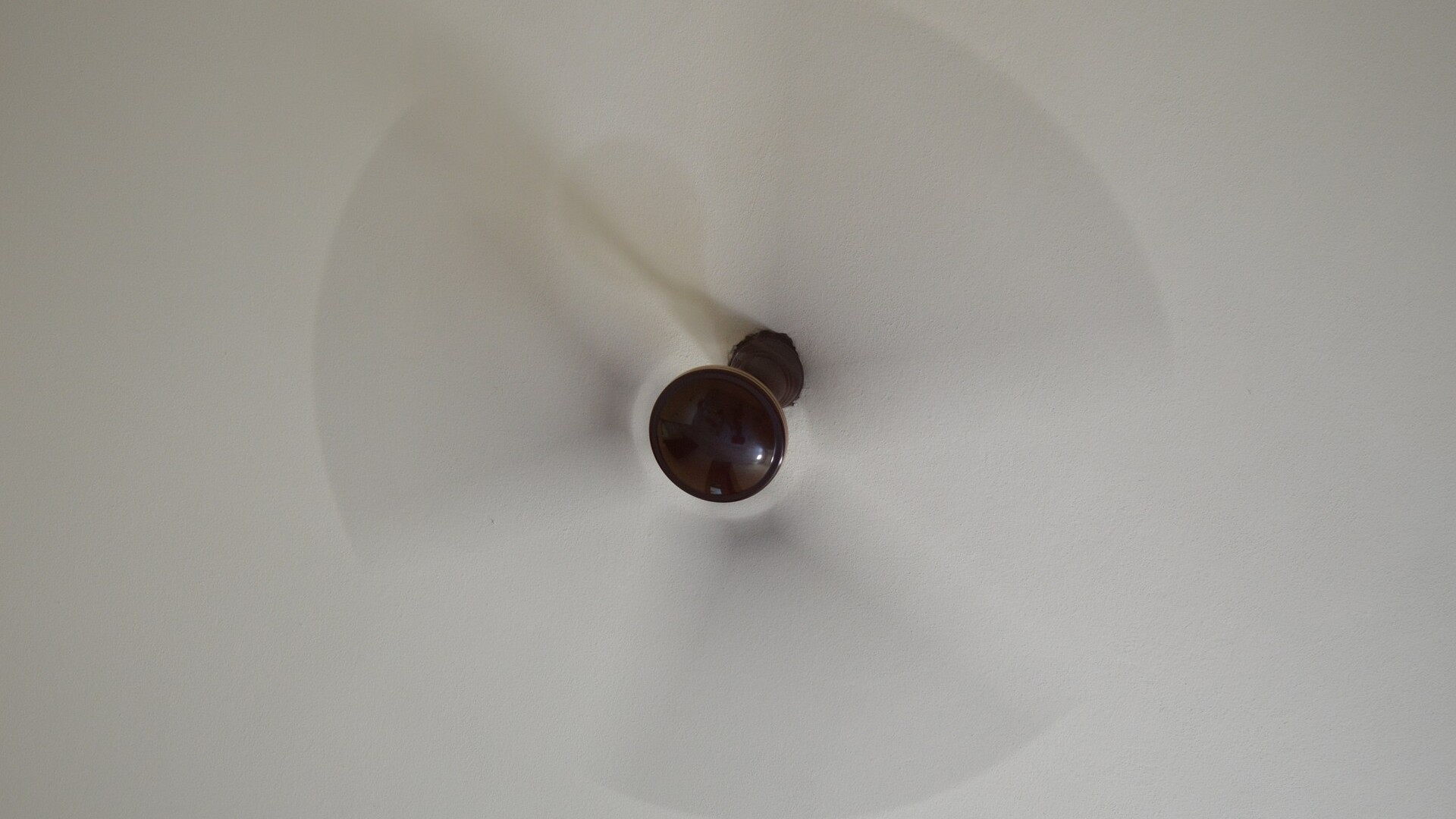
©Wikimedia / Veera.sj
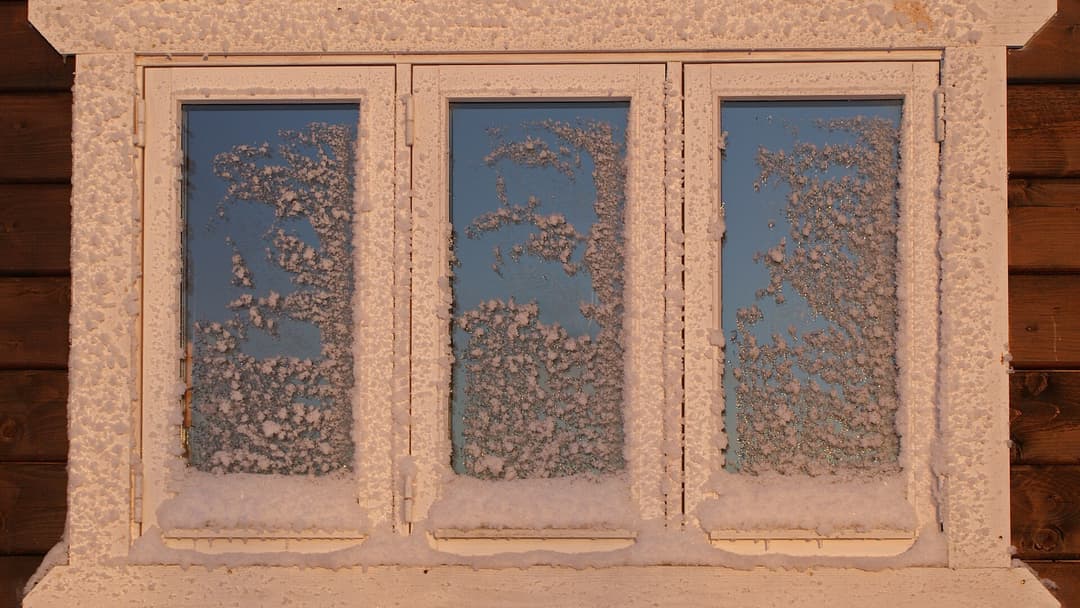
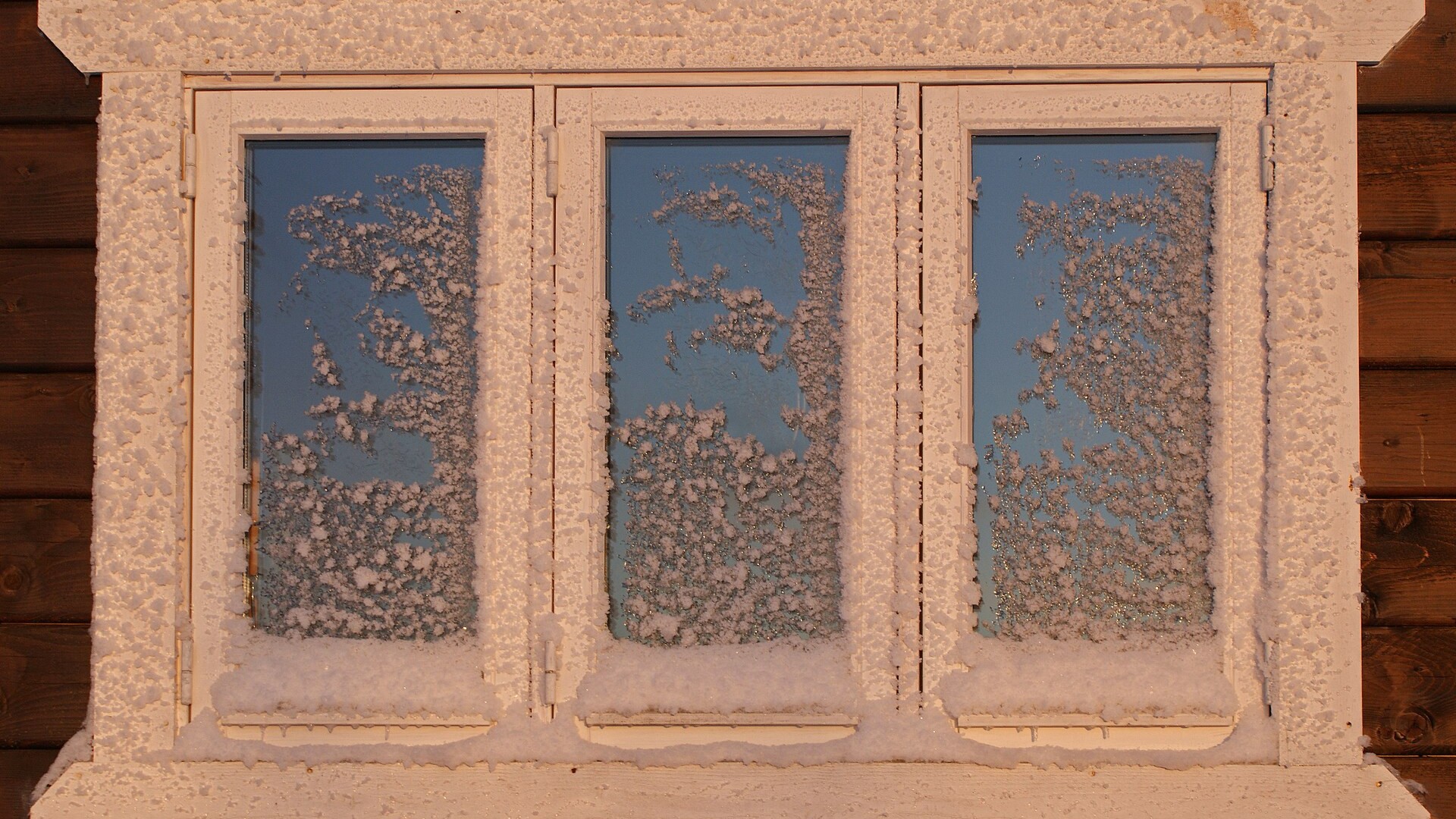
19. Weatherstrip Drafty Doors And Windows
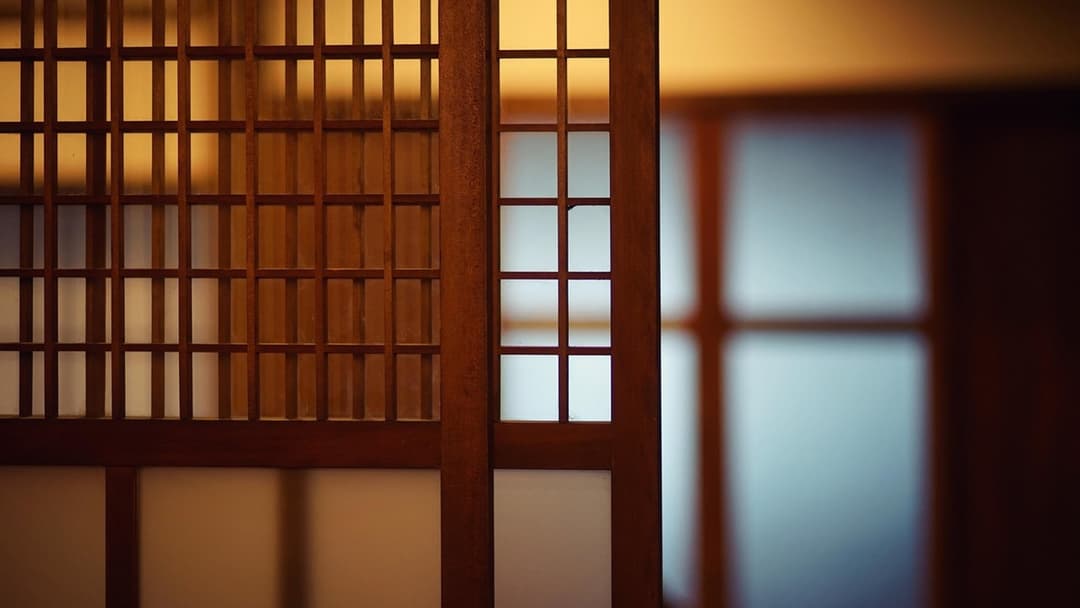
Drafty exterior door thresholds and window gaps pull bitter winds directly into living spaces. Installing self-adhesive rubber weatherstripping, silicone caulk and foam door sweeps stops heat loss and prevents ice accumulation inside window sashes during sustained high-wind blizzards.
©Wikimedia / Randi Hausken
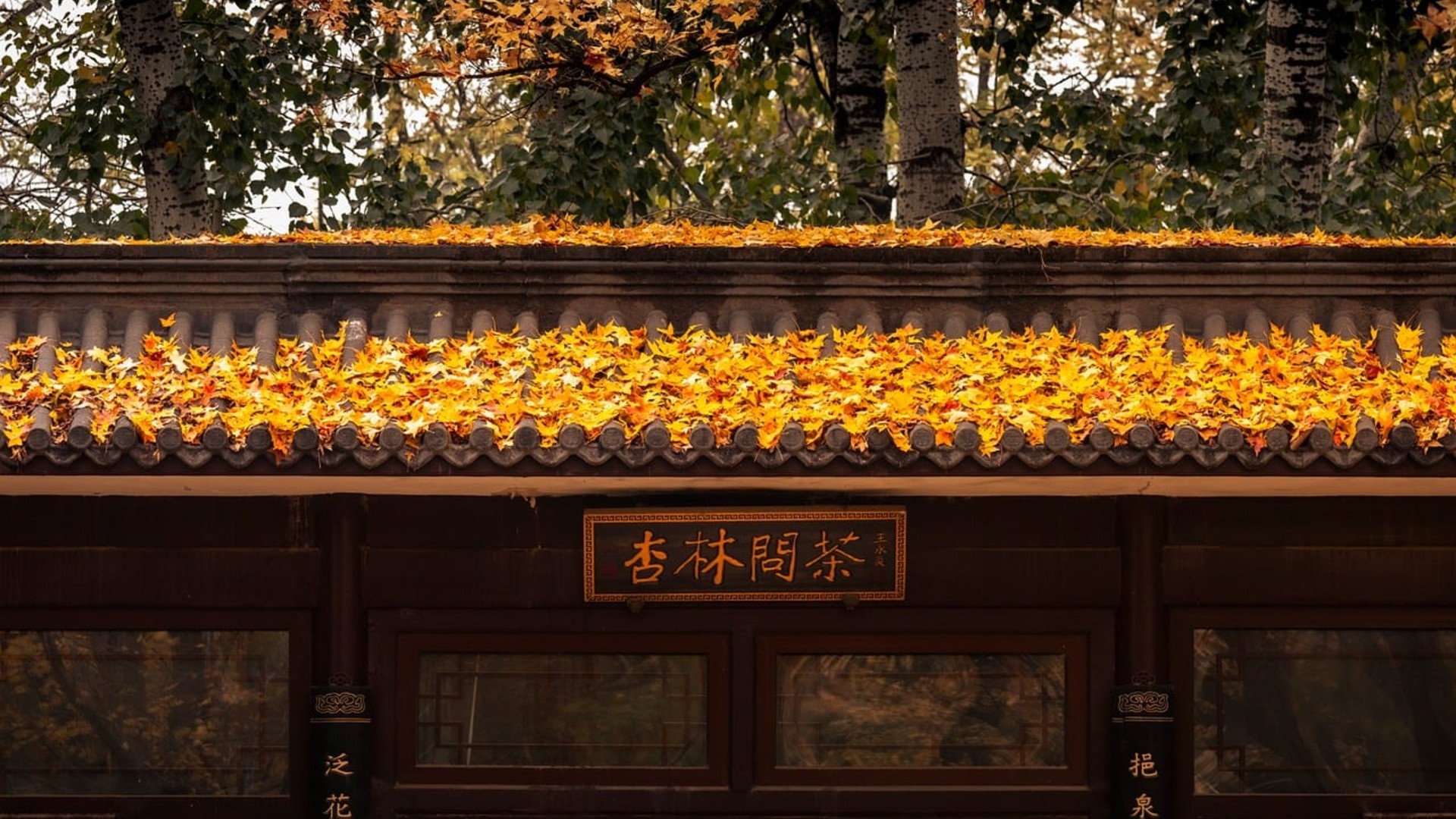
18. Clear Leaves From Roof Gutters
Clogged gutters trap melting roof runoff that freezes into heavy ice dams along eaves. Water backs up beneath shingles and leaks into interior ceilings and drywall insulation. Removing autumn leaves and twigs allows melting snow to drain cleanly away from building foundations.
©Pixabay / QiqiGuo
Advertisement
Swipe or tap ▶ to resume the countdown.
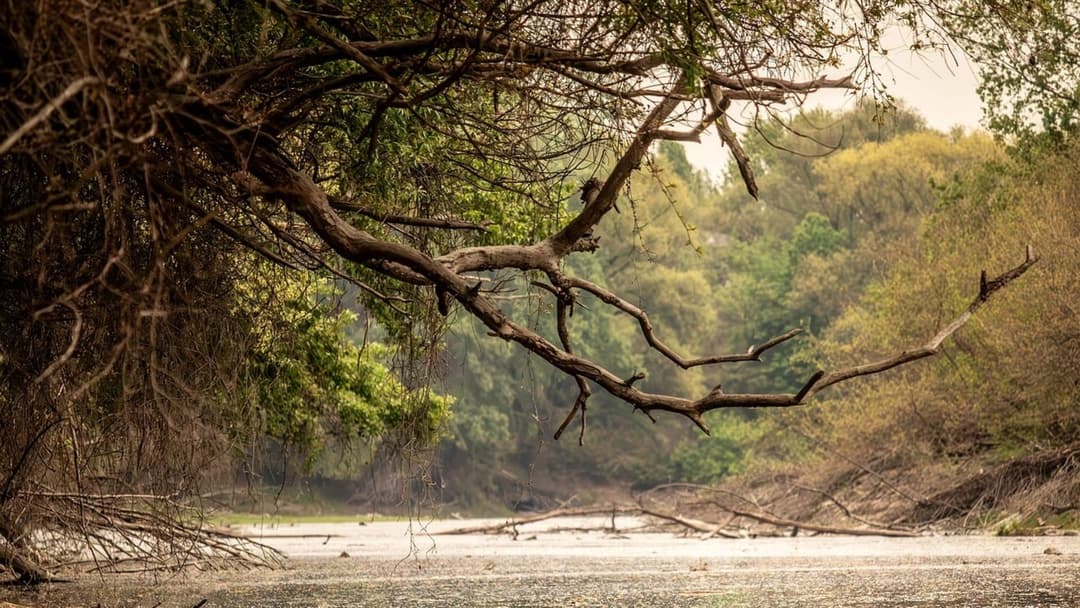
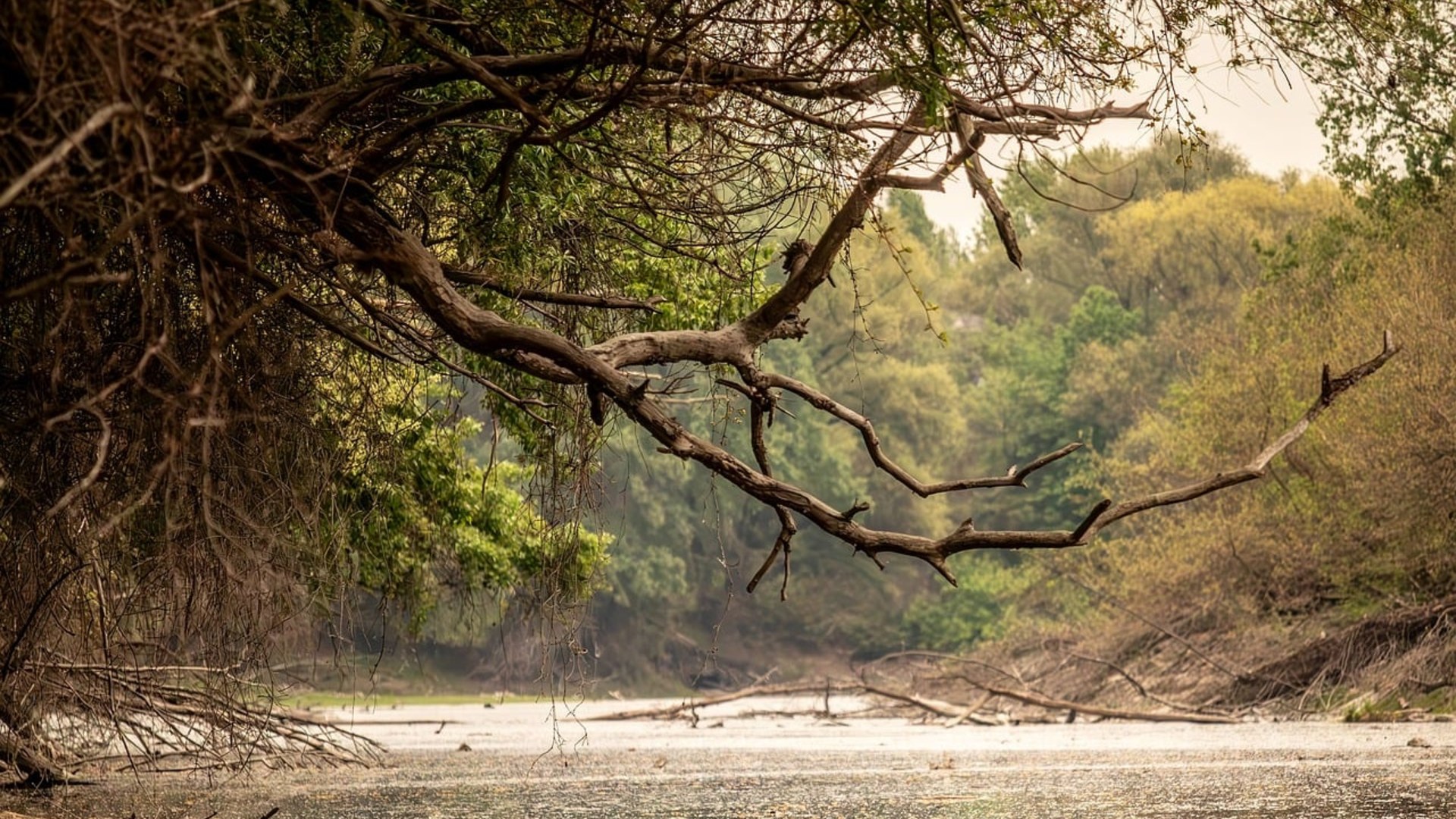
17. Trim Overhanging Tree Branches
Accumulated wet snow and glaze ice add thousands of pounds of weight to surrounding trees. Diseased or dead limbs easily snap under blizzard wind gusts, crashing through roofs or ripping overhead electrical service wires from the house, causing immediate structural and power failures.
©Pixabay / terbe_rezso
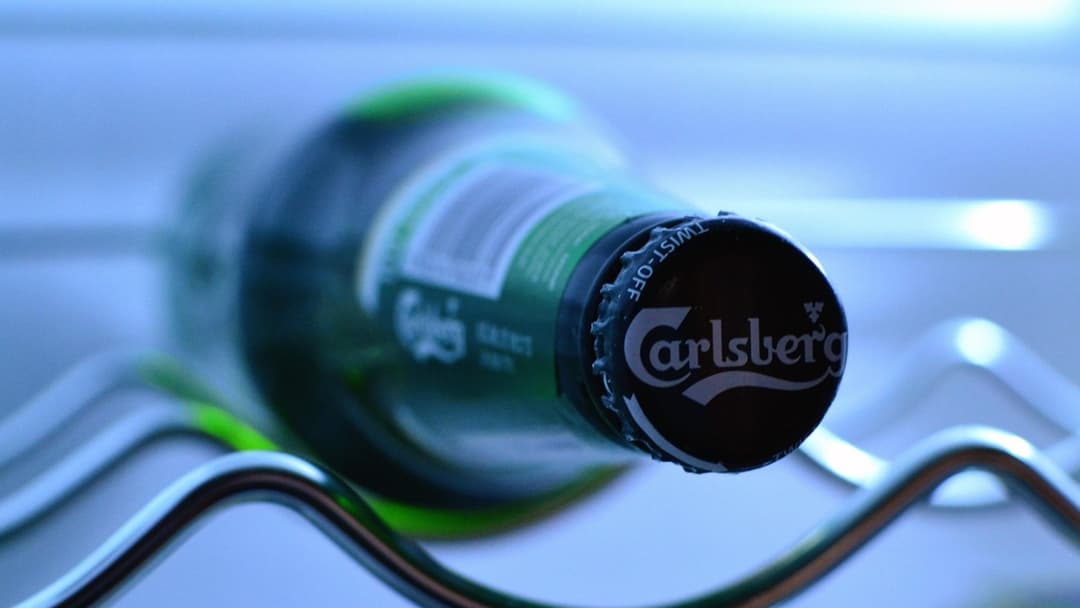
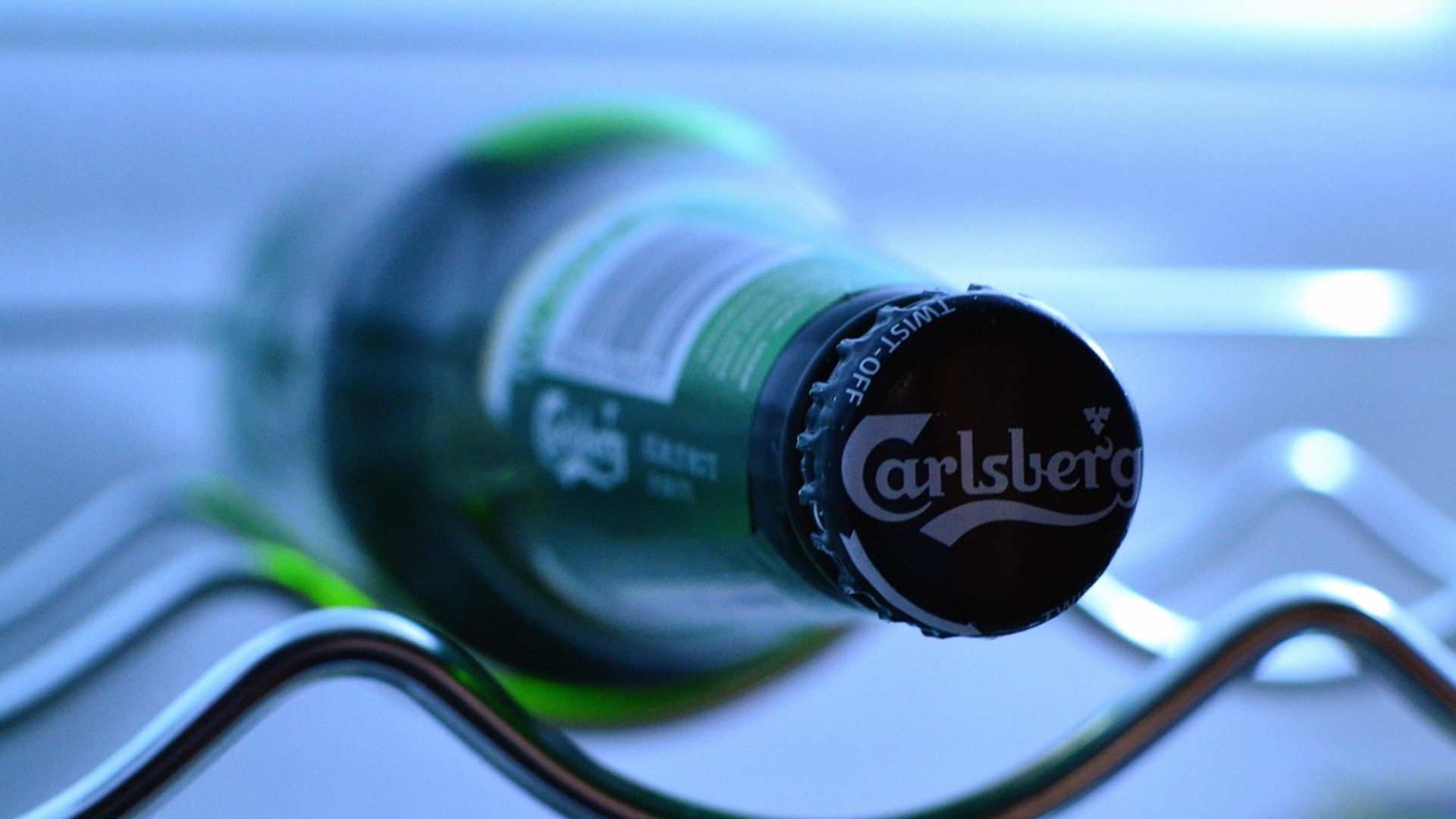
16. Set Fridge And Freezer To Maximum Cold
Turning dial thermostats to their coldest settings before the storm begins lowers internal compartment temperatures. If electrical lines fail, an unopened full freezer maintains food safety temperatures for forty-eight hours, protecting hundreds of dollars in family grocery investments.
©Wikimedia / USDAgov
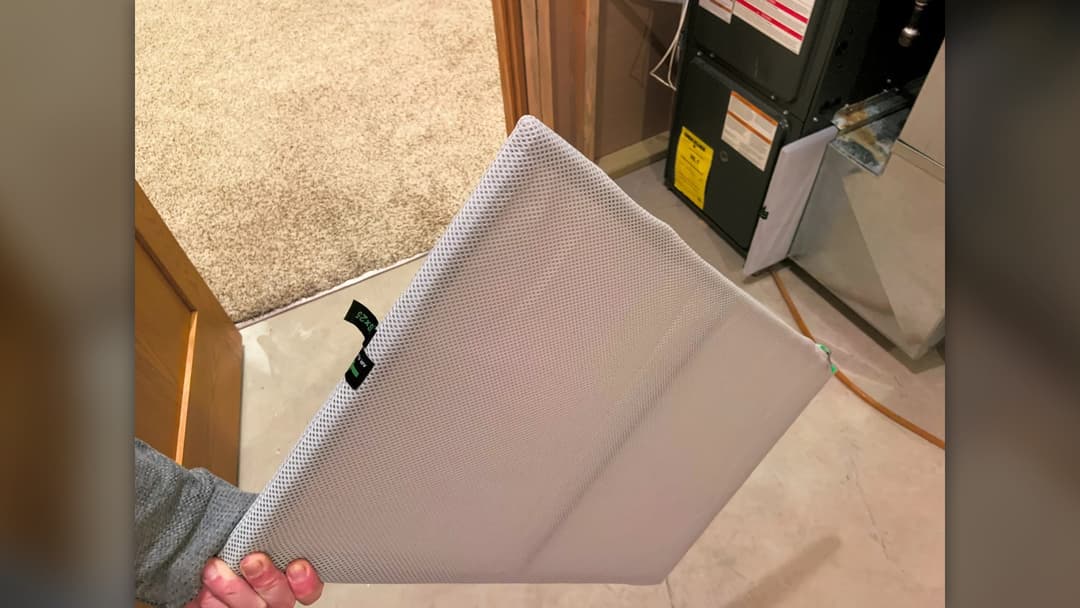
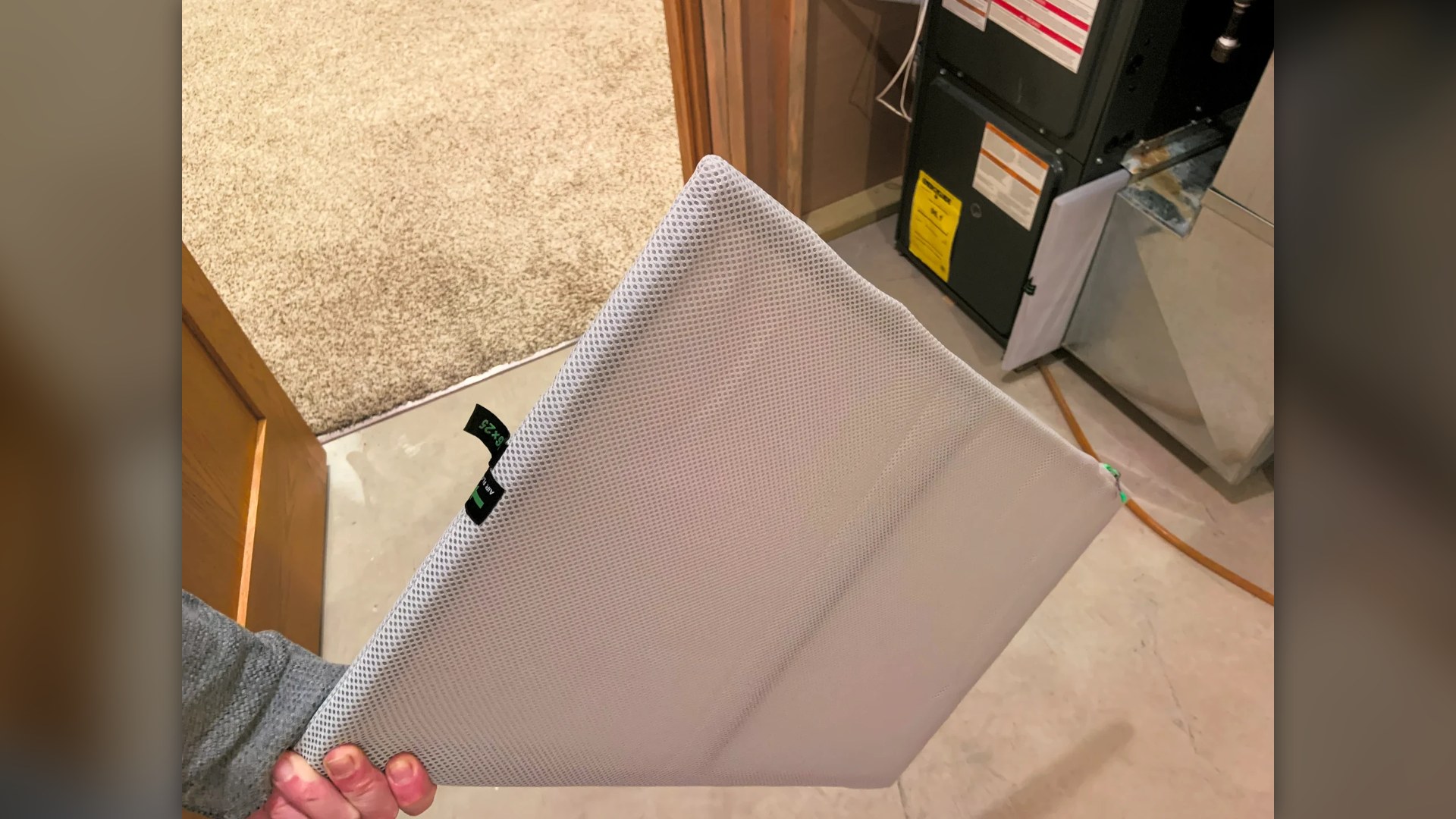
15. Service Furnace And Replace Air Filters
Heating systems operate continuously under blizzard conditions. A clogged furnace filter restricts airflow, causing system overheating, high energy bills and emergency limit-switch shutoffs. Inserting a clean pleated filter ensures smooth air circulation throughout prolonged polar freezes.
©Wikimedia / Wikideas1
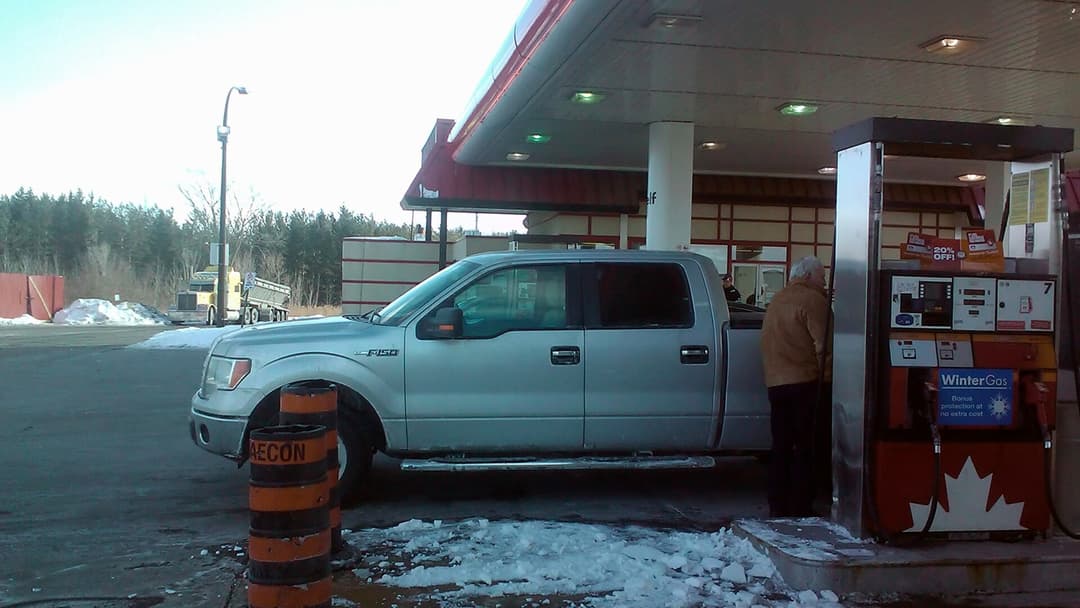
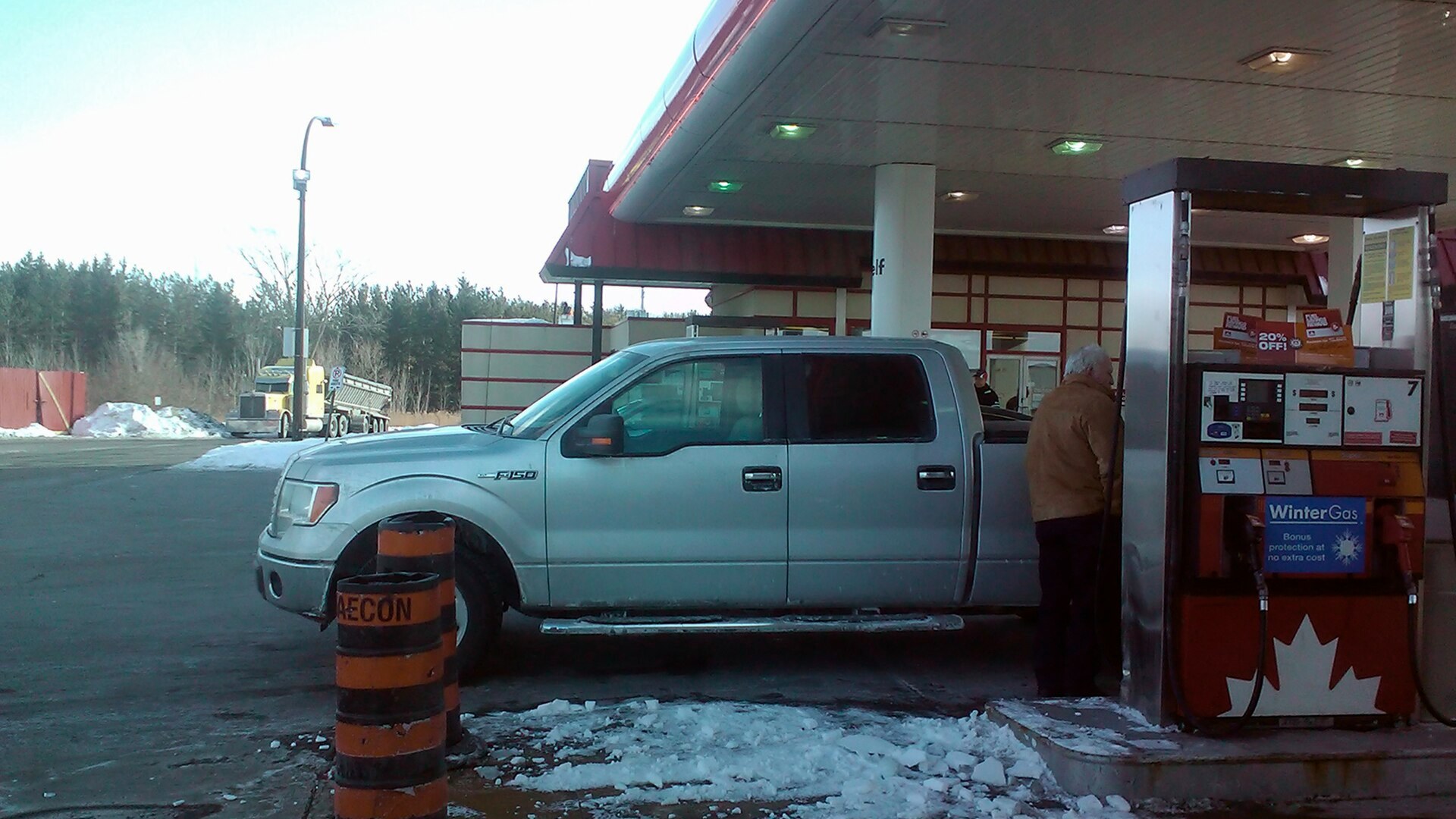
14. Fill Vehicle Gas Tanks And Check Antifreeze
Condensation in empty vehicle fuel tanks can freeze into ice crystals that block fuel filters. Keeping tanks full prevents frozen lines and provides an emergency battery-charging source, while testing radiator antifreeze ensures engine blocks do not crack when temperatures dive below zero.
©Wikimedia / Diego Torres Silvestre from Sao Paulo, Brazil
Advertisement
Swipe or tap ▶ to resume the countdown.
13. Stock Required Prescription Medications
Snowdrifts and municipal travel bans frequently close local pharmacies for days. Requesting prescription refills and securing over-the-counter fever reducers and infant medicine ahead of storm warnings prevents medical crises when emergency response vehicles cannot navigate roads.

©Pixabay / Pexels
12. Assemble A 72-Hour Family Emergency Kit
Emergency agencies advise keeping one gallon of potable water per person per day, along with a three-day supply of shelf-stable food. Your kit must also contain battery-operated radios, high-lumen flashlights, extra alkaline batteries and sterile first-aid dressings.

©Wikimedia / Basile Morin & Internet Archive / Public Domain
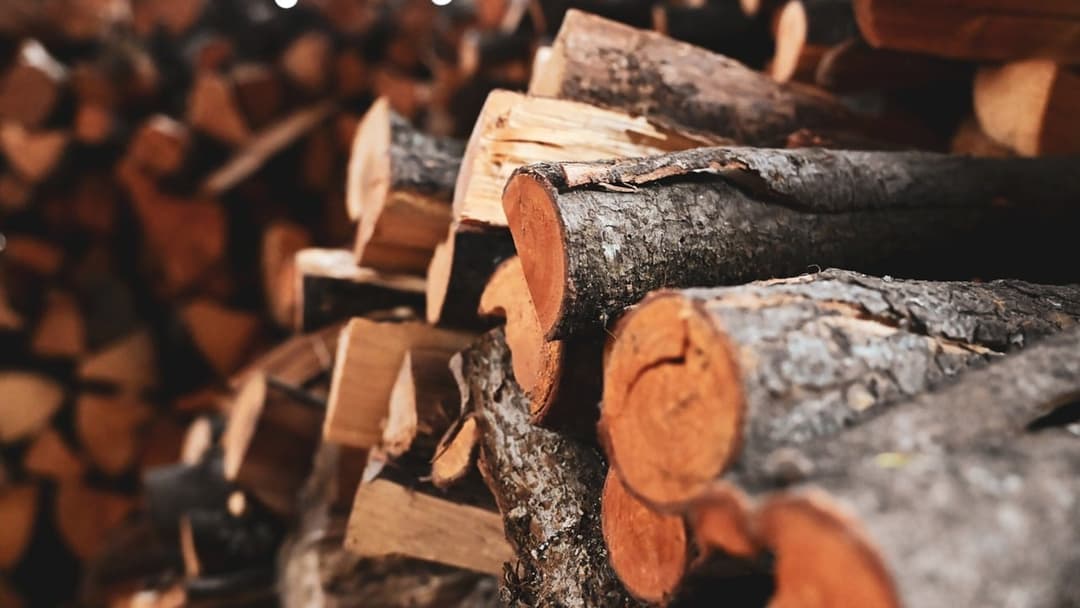
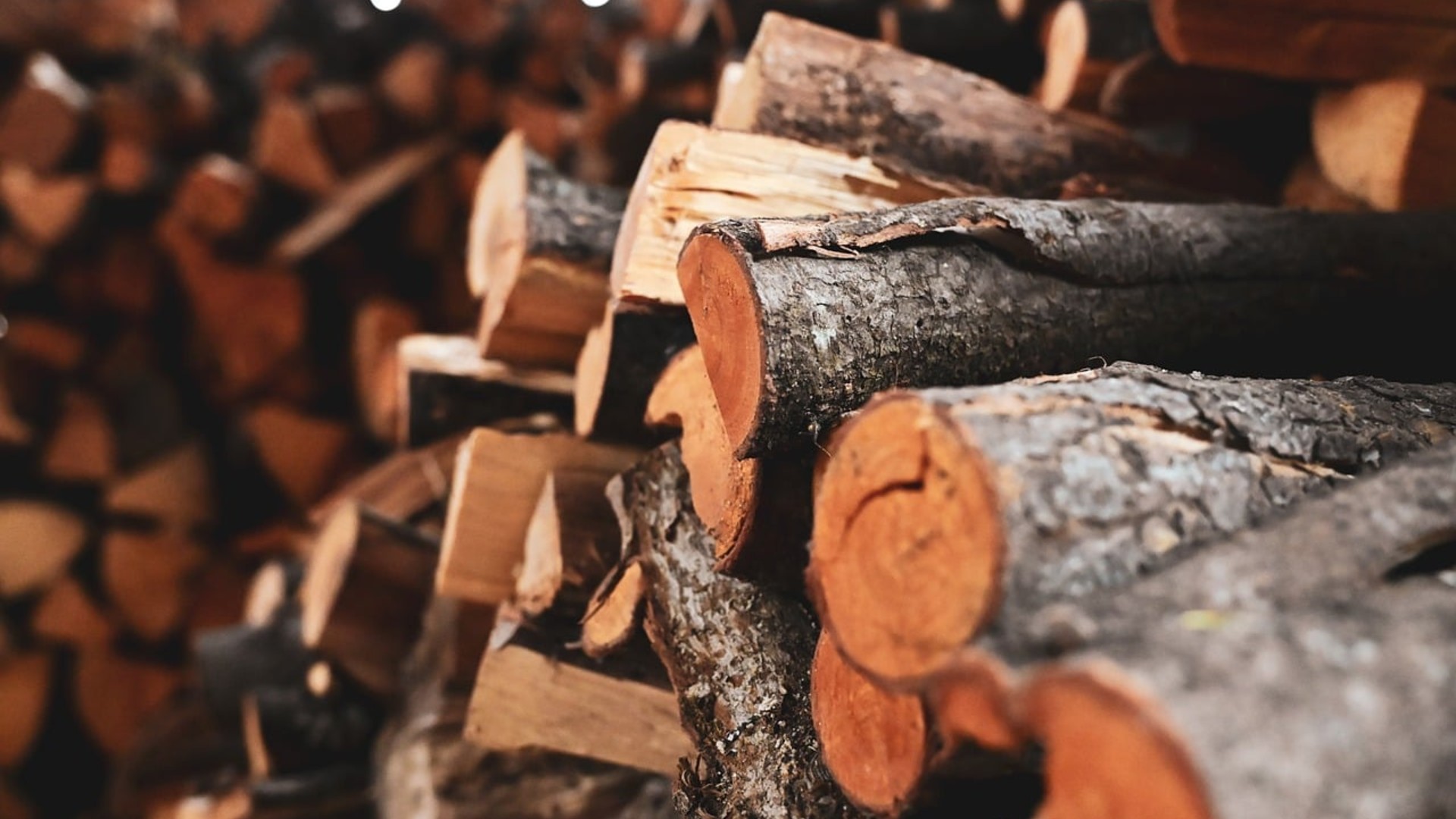
11. Check Heating Fuel And Firewood Reserves
Delivery trucks cannot travel during blizzard warnings, making last-minute fuel runs impossible. Verify that residential heating oil and propane tanks are at least half full, and stack clean seasoned split firewood under waterproof covers near home entrances for quick access.
©Pixabay / cecigre
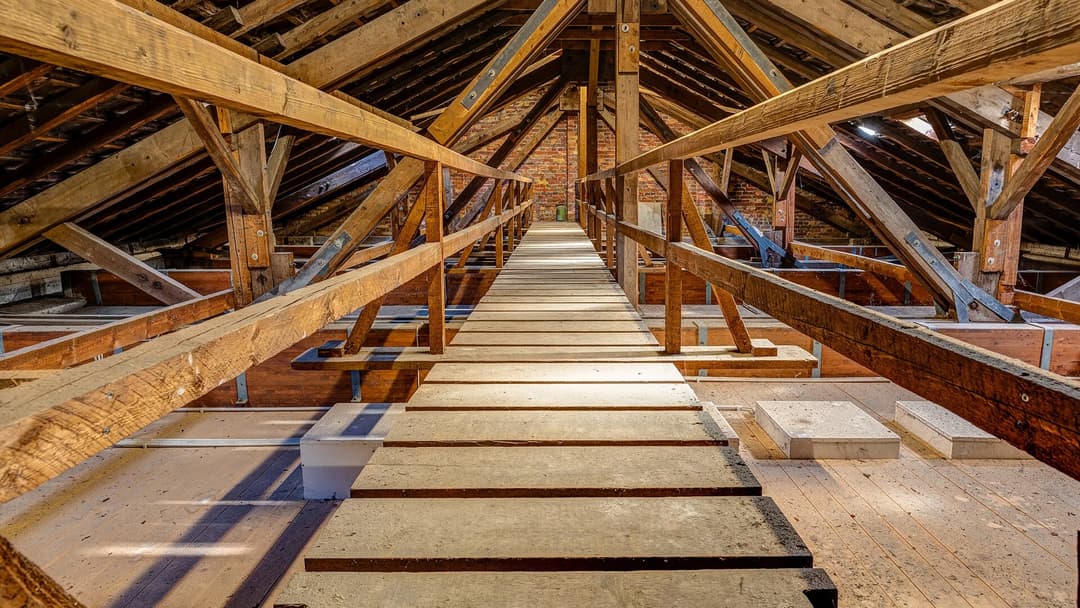
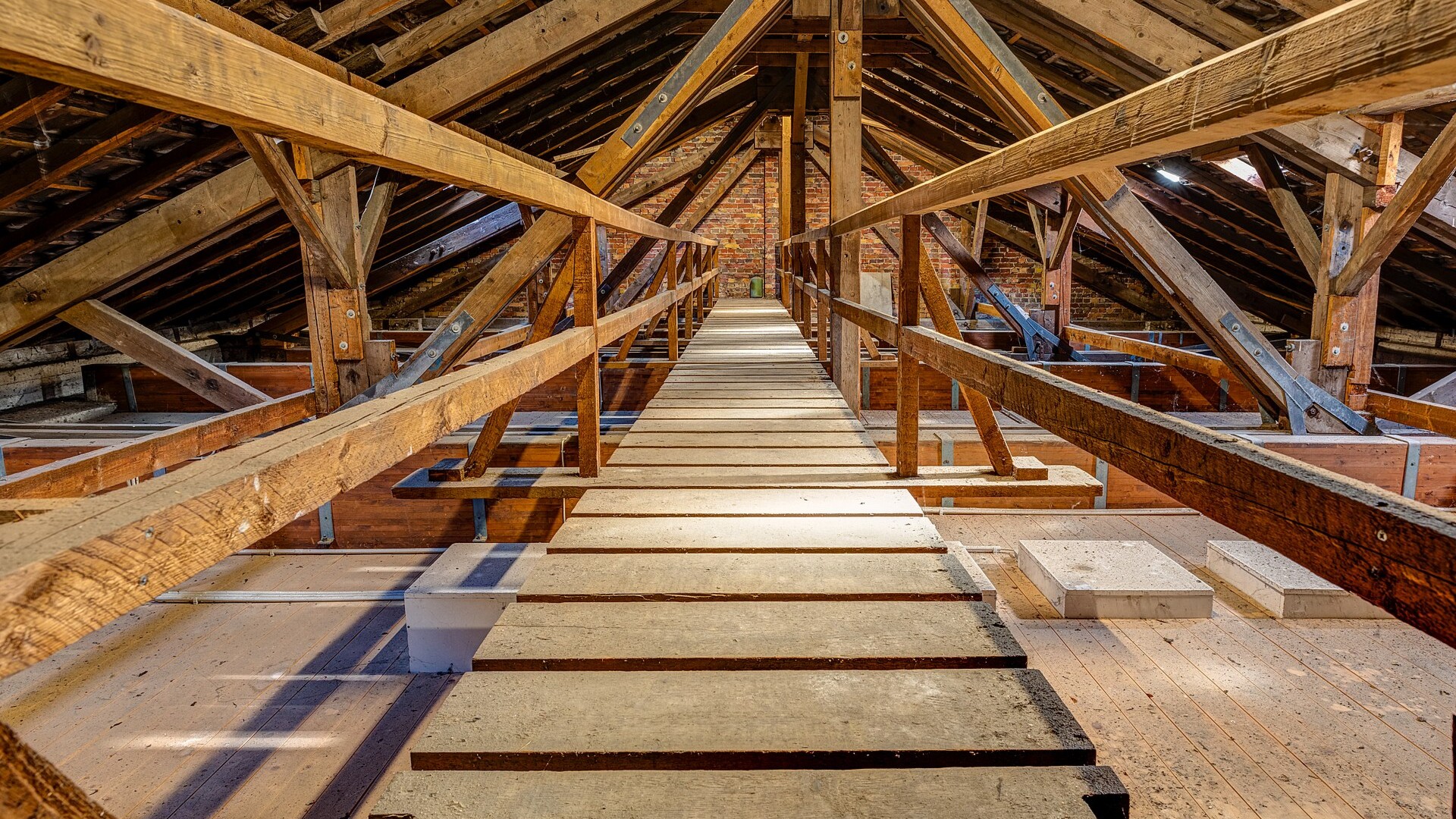
10. Seal Basement Wells And Attic Hatches
Drifting snow easily fills basement window wells, exerting pressure that cracks glass panes and causes sudden basement flooding during thaws. Installing rigid plastic well covers and weatherproofing interior attic pull-down stairs prevents drafty chimneys of heat loss.
©Wikimedia / Dietmar Rabich
Advertisement
Swipe or tap ▶ to resume the countdown.
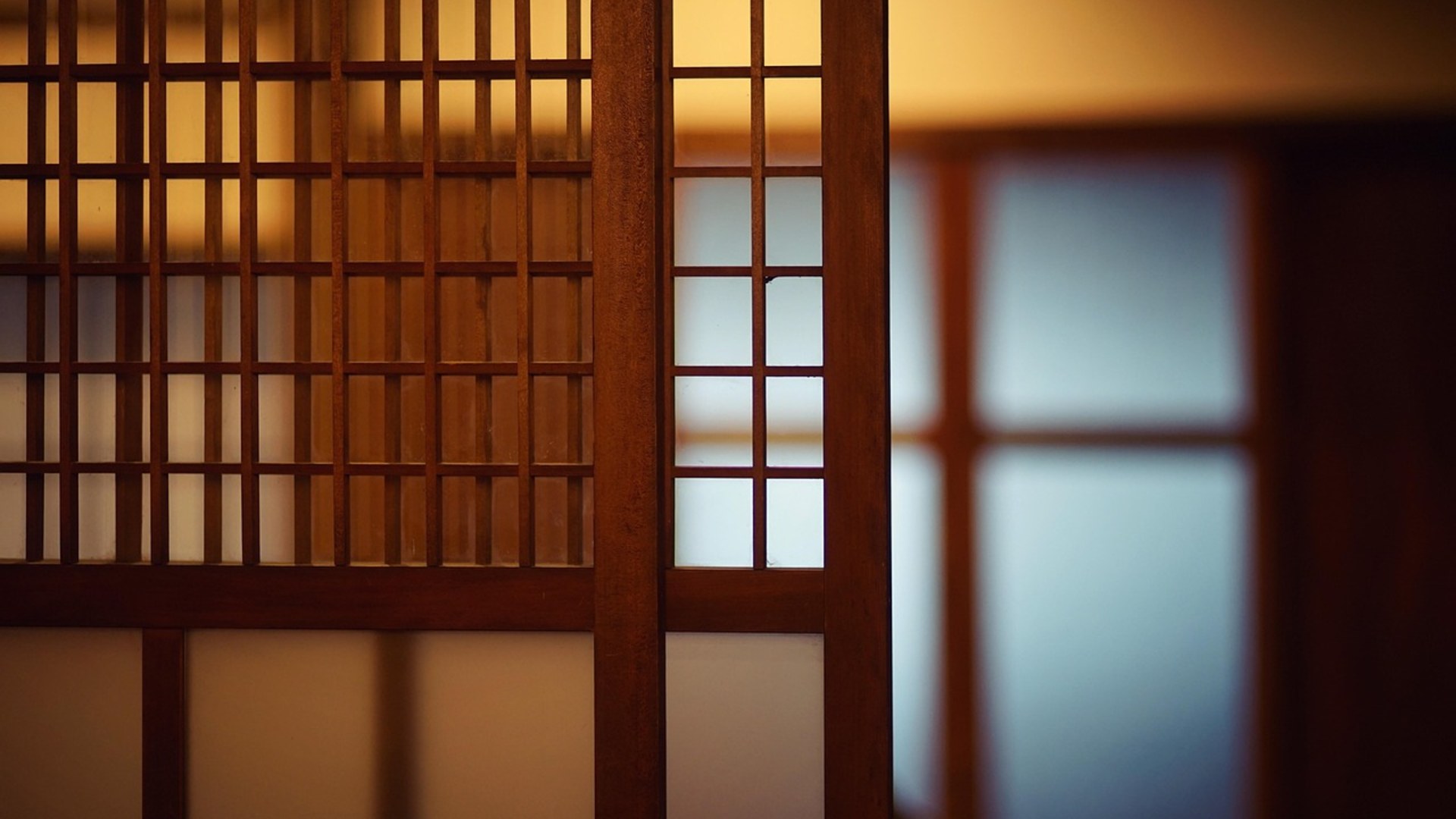
9. Designate A Single Well-Insulated Warm Room
During prolonged heating outages, trying to heat an entire multi-story house is impossible. Select an interior ground-floor room with minimal exterior walls, close off all unused hallways, and hang thick wool blankets over windows to conserve collective body warmth and camping lantern heat.
©Wikimedia / Shixart1985
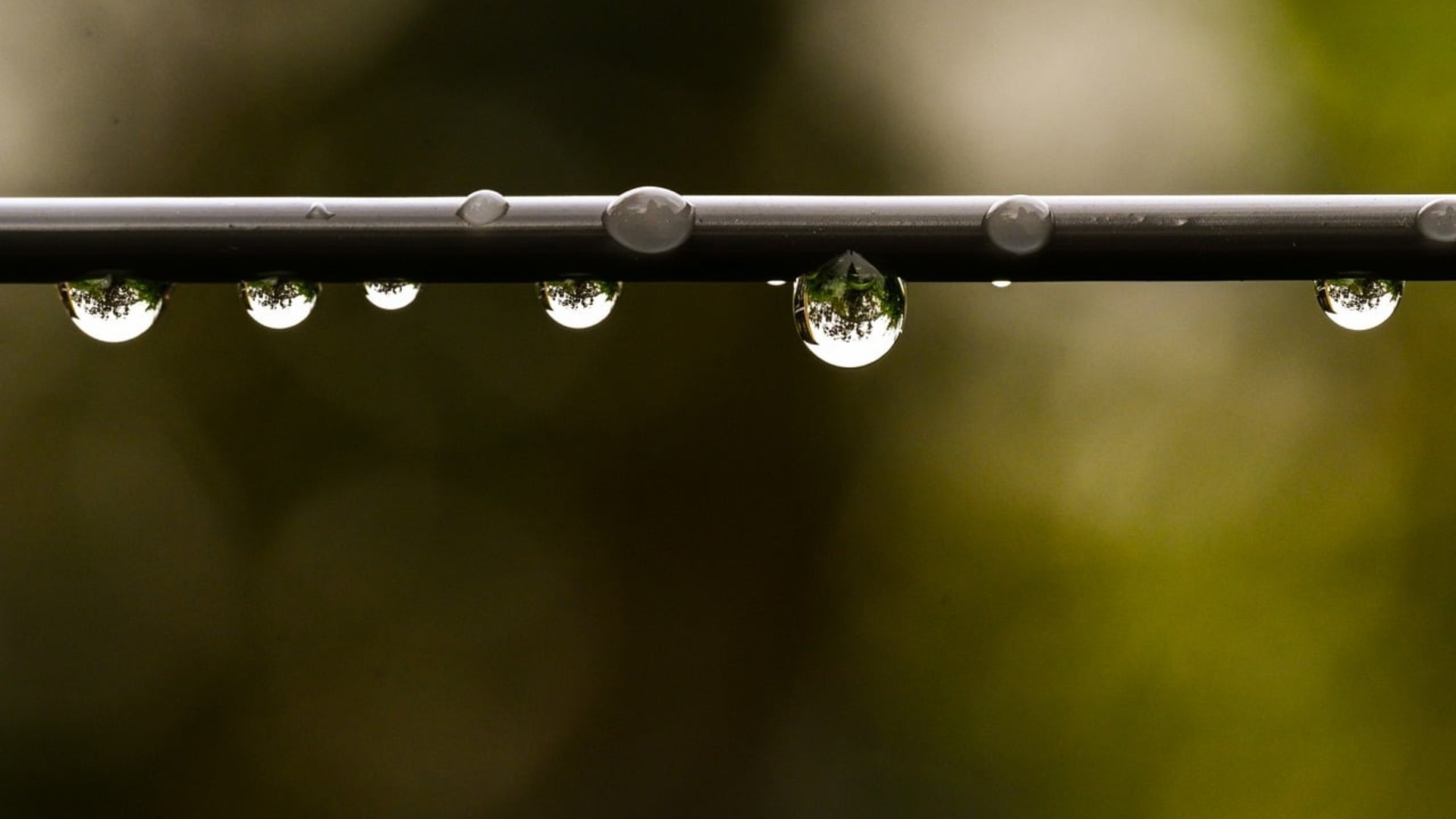
8. Insulate Exposed Basement And Crawl Space Pipes
Plumbing lines running through unheated crawl spaces, basements and outside walls freeze rapidly during polar outbreaks. Encasing copper and PEX lines in pre-slit closed-cell foam sleeves and sealing joints with foil tape prevents structural freeze-up and costly water line bursts.
©Pixabay / Alexas_Fotos
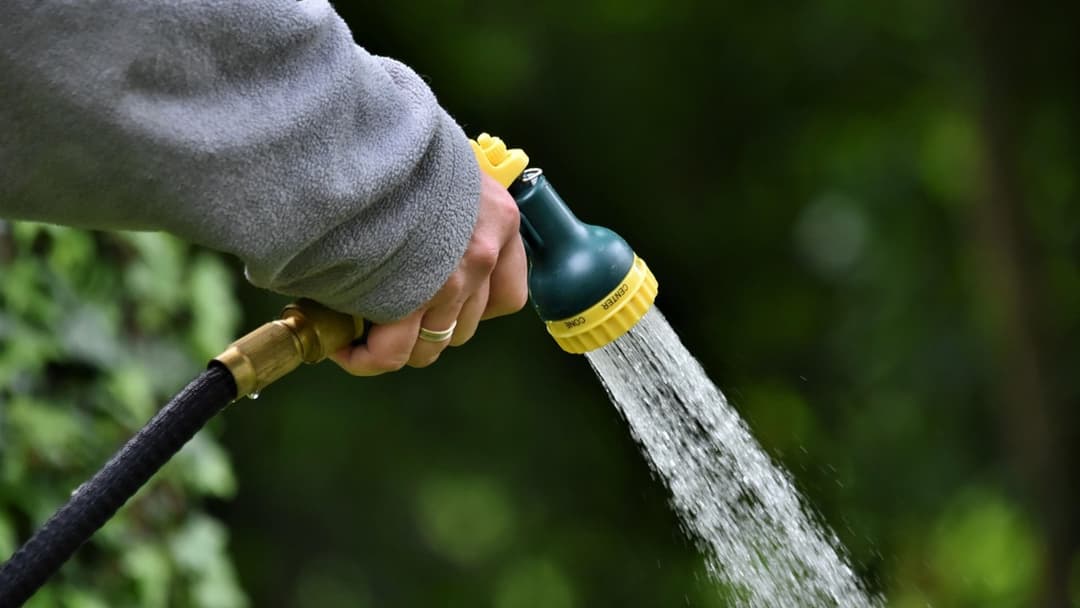
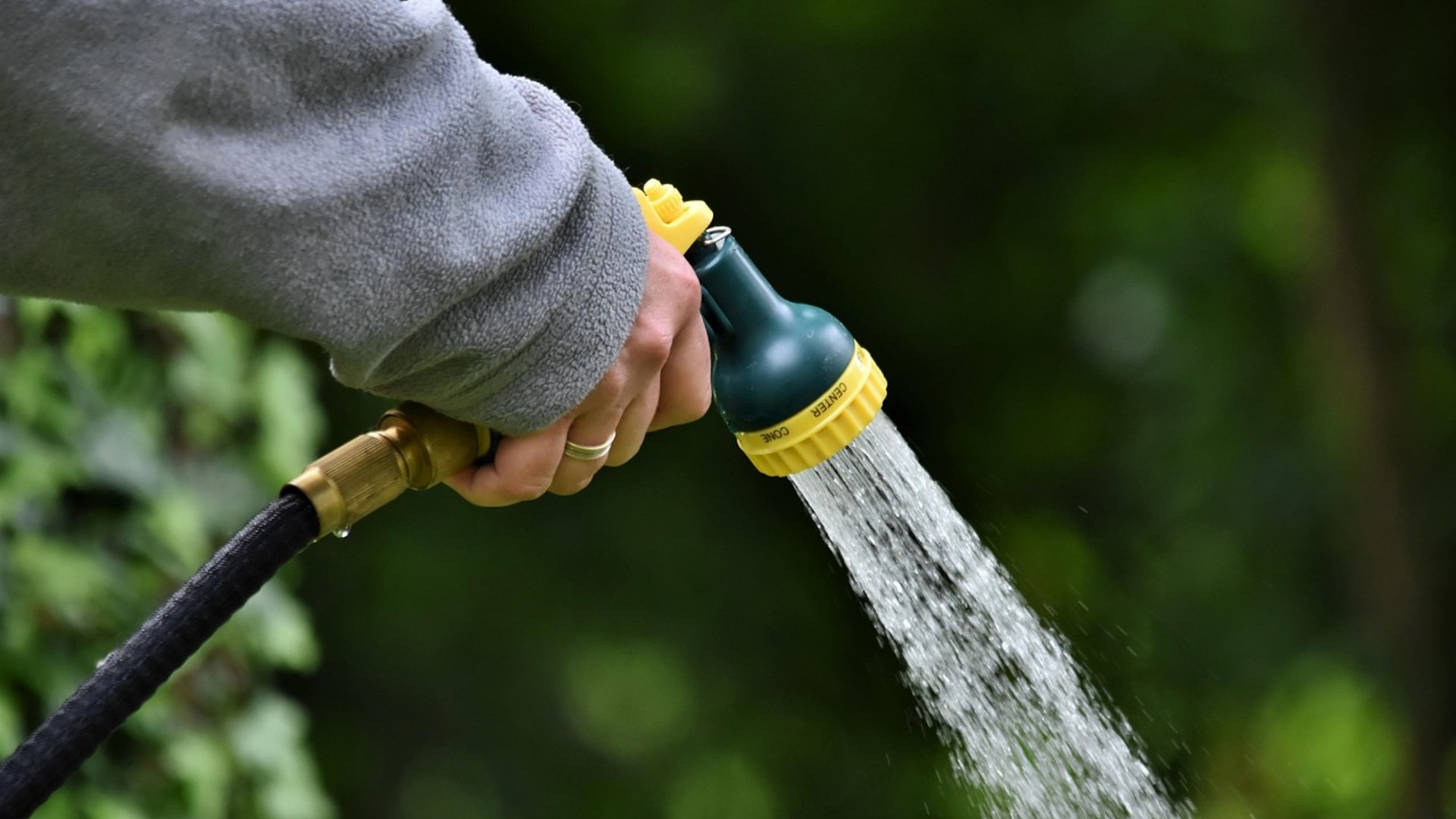
7. Disconnect Outdoor Garden Hoses And Shut Valves
Leaving a garden hose connected to an exterior spigot traps standing water inside the valve body. That trapped pocket freezes, expands and ruptures the interior supply pipe behind the wall. Disconnecting hoses and shutting interior isolation valves prevents hidden indoor floods.
©Pixabay / Ralphs_Fotos
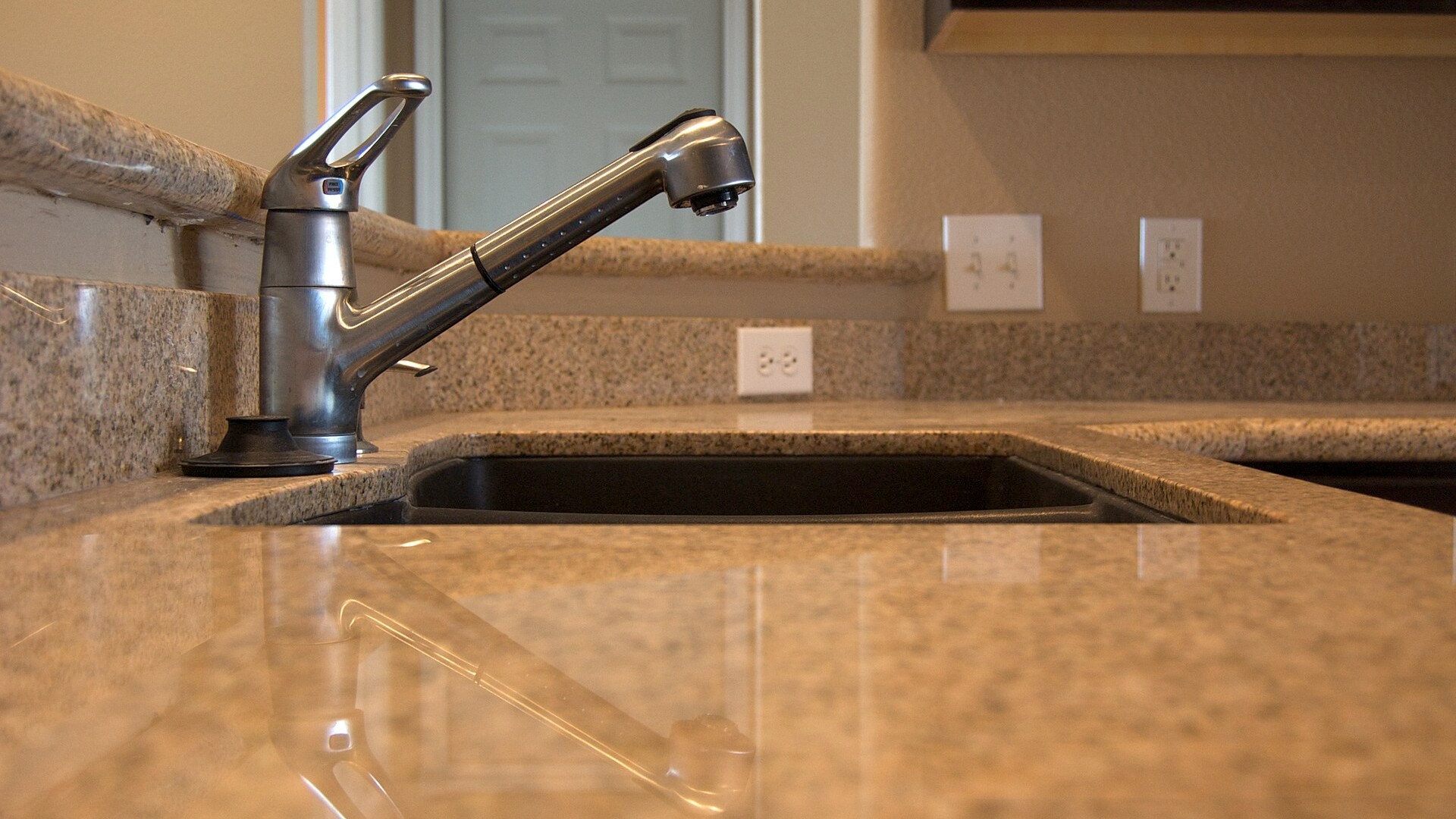
6. Open Under-Sink Kitchen And Bath Cabinets
Kitchen sinks and bathroom vanities located against outside walls sit in uninsulated pockets of cold air. Opening cabinet doors allows heated room air to circulate around plumbing traps and supply lines, keeping pipe wall temperatures well above the critical freezing point.
©Wikimedia / Fazimoto
Advertisement
Swipe or tap ▶ to resume the countdown.
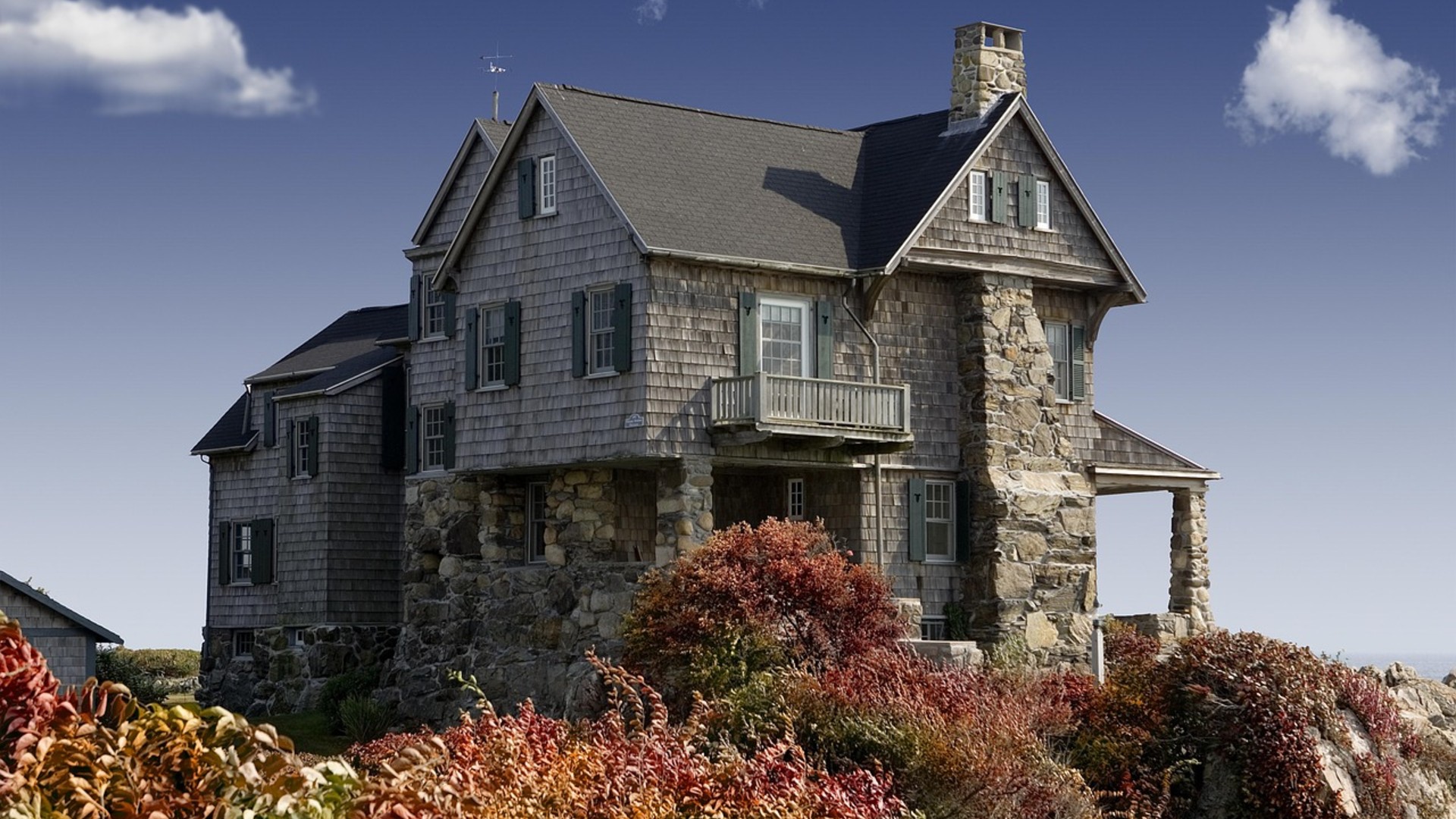
5. Clear Snow From Exterior Furnace Exhaust Vents
High-efficiency condensing furnaces vent combustion gases through low PVC pipes on outside walls. Snowdrifts that bury these terminal pipes trigger safety shutoffs that cut home heat entirely, or force toxic carbon monoxide gases backward into indoor bedrooms.
©Pixabay / FrankyFromGermany
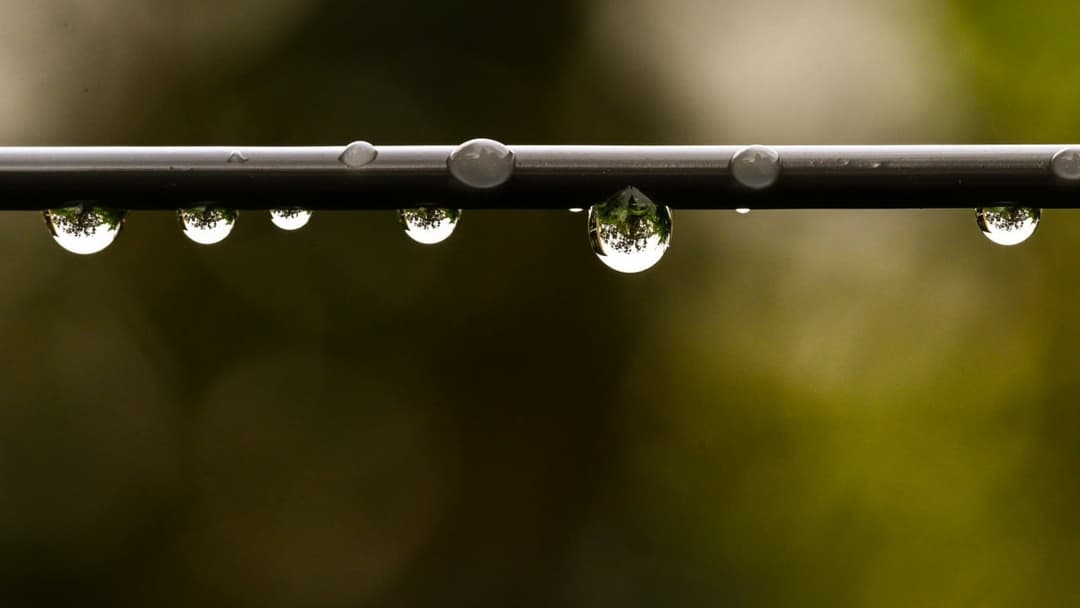
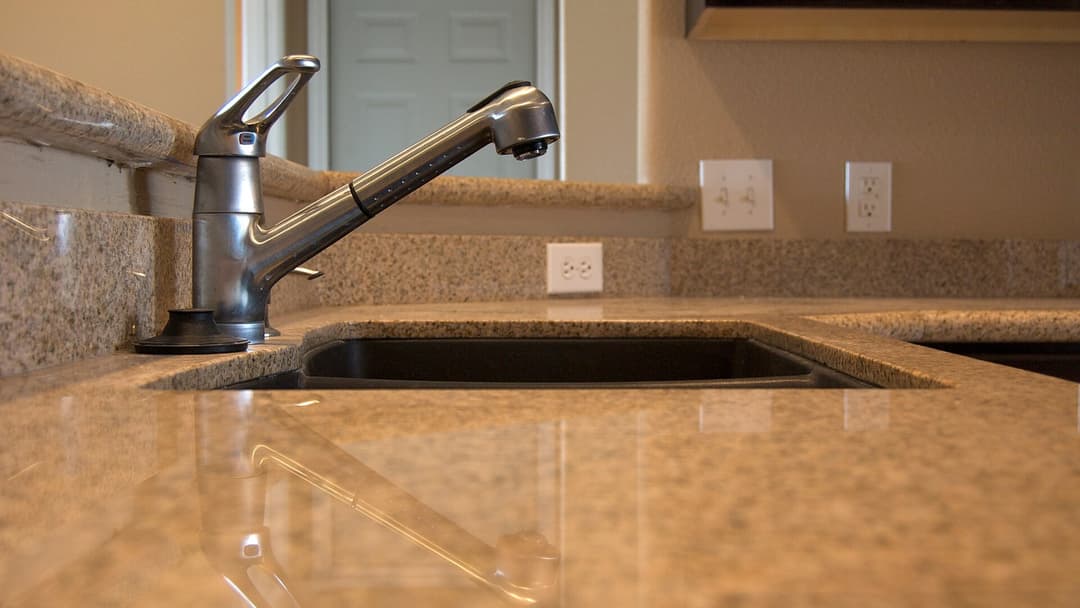
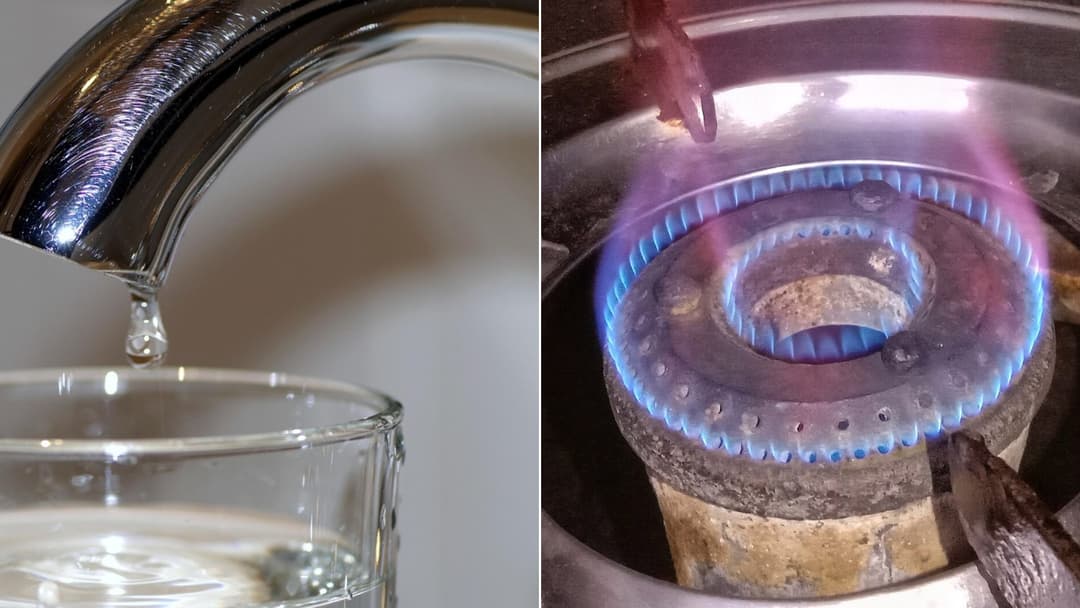
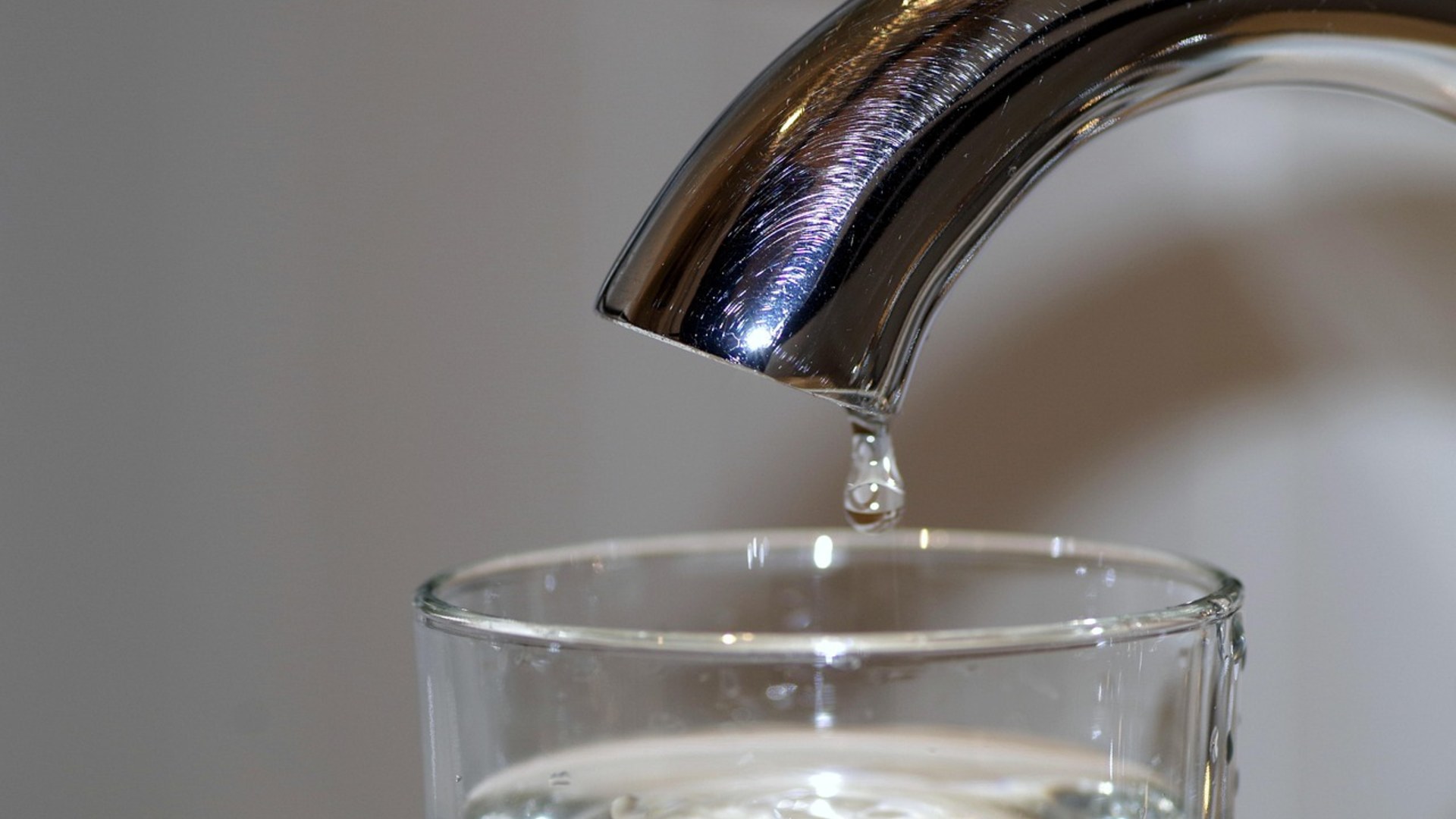
4. Drip Indoor Faucets To Relieve Water Pressure
Pipes rarely burst where ice forms. They rupture downstream from extreme hydraulic pressure trapped between the freeze and a closed faucet. Letting hot and cold taps drip at a continuous trickle relieves line pressure and keeps moving water flowing through vulnerable walls.
©Pixabay / Arcaion
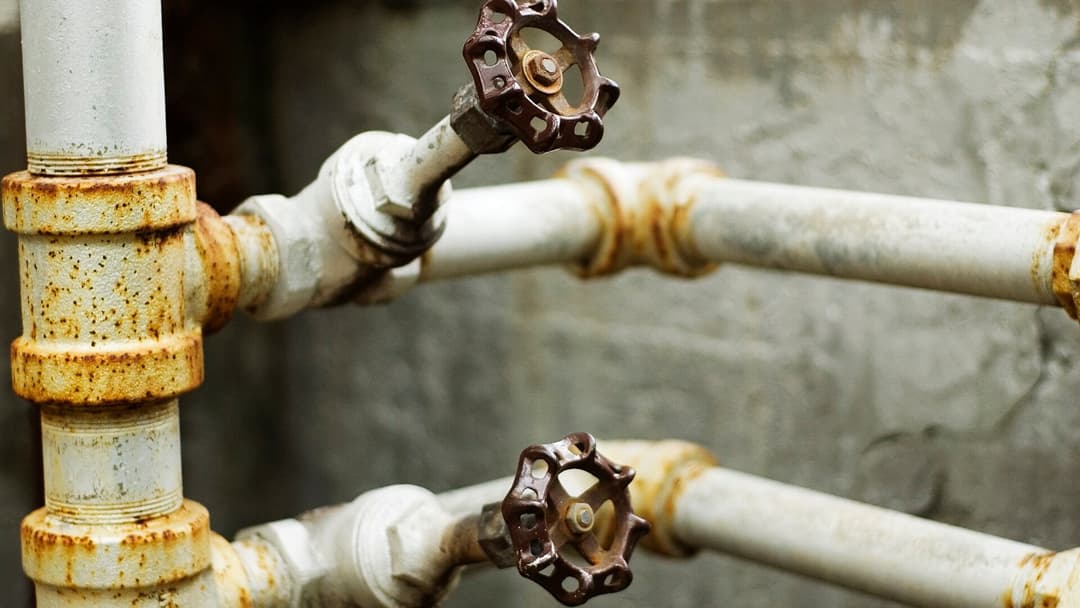
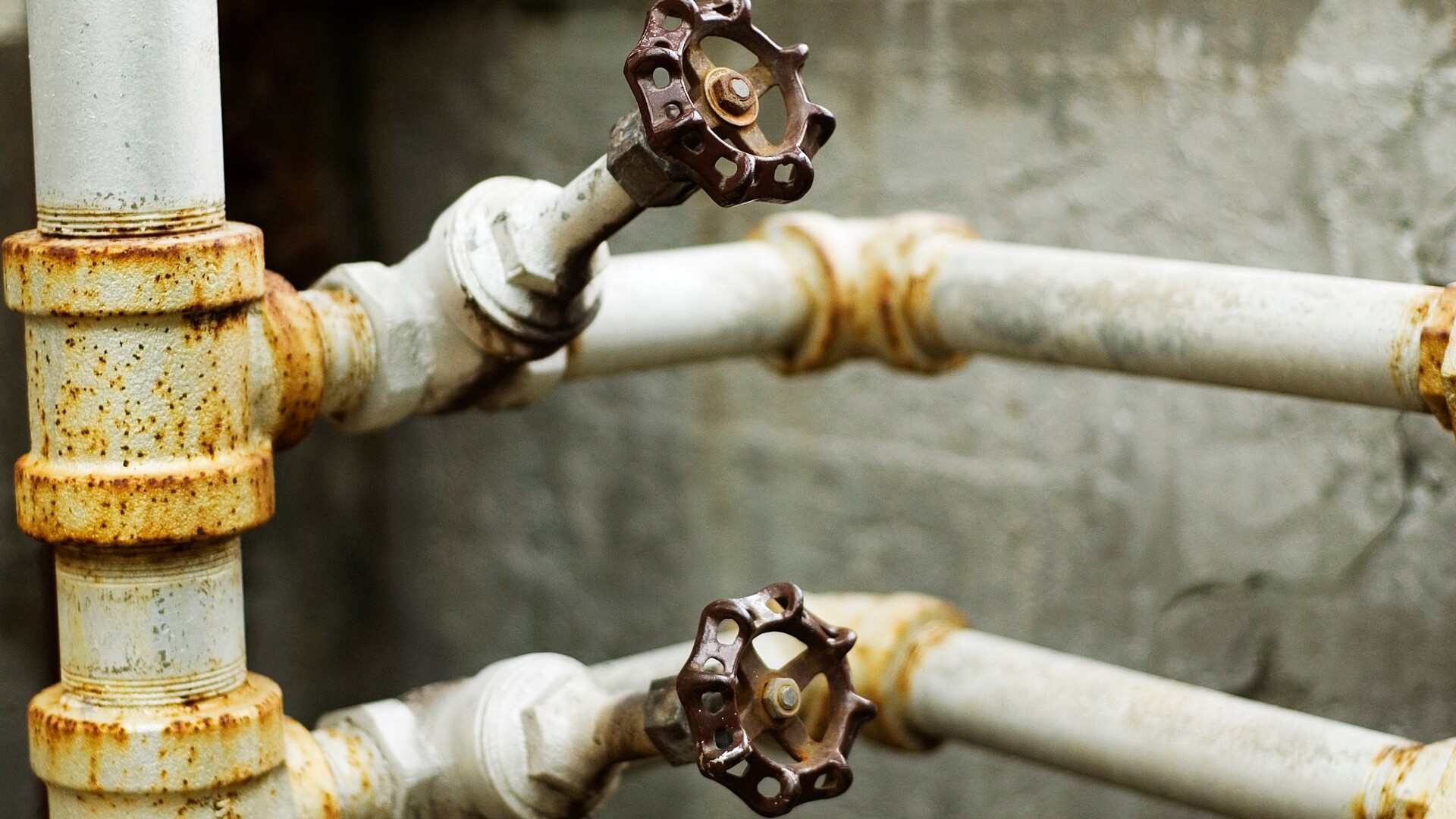
3. Locate And Tag The Main Water Shut-Off Valve
When a frozen pipe thaws and bursts, it discharges up to ten gallons of water per minute into living rooms and subflooring. Knowing the exact location of your main brass gate or quarter-turn ball valve lets you stop devastating domestic water damage within seconds of a line break.
©Openverse / Paul Goyette
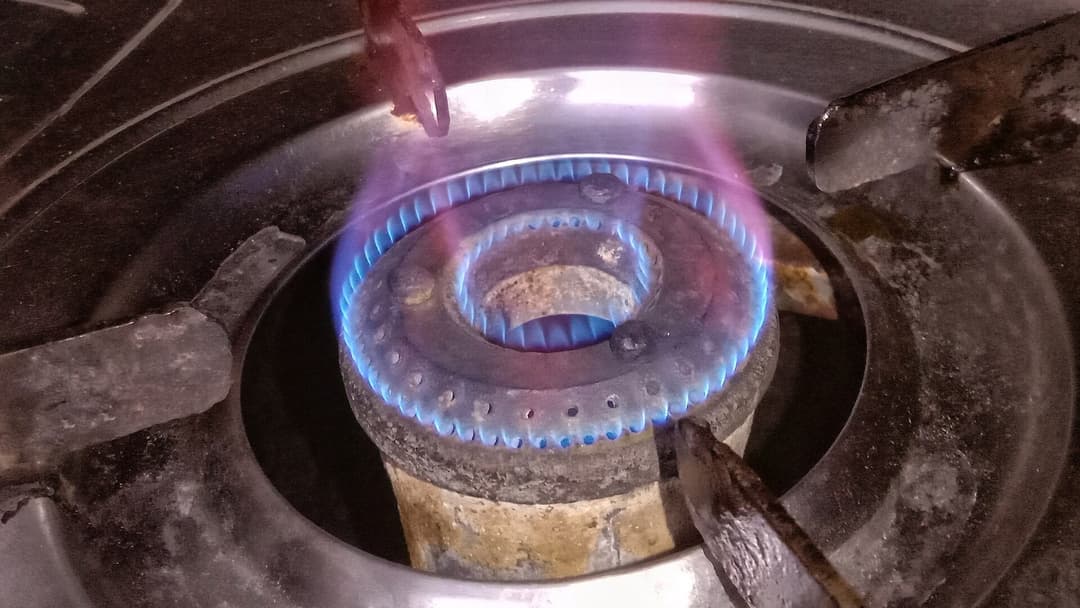
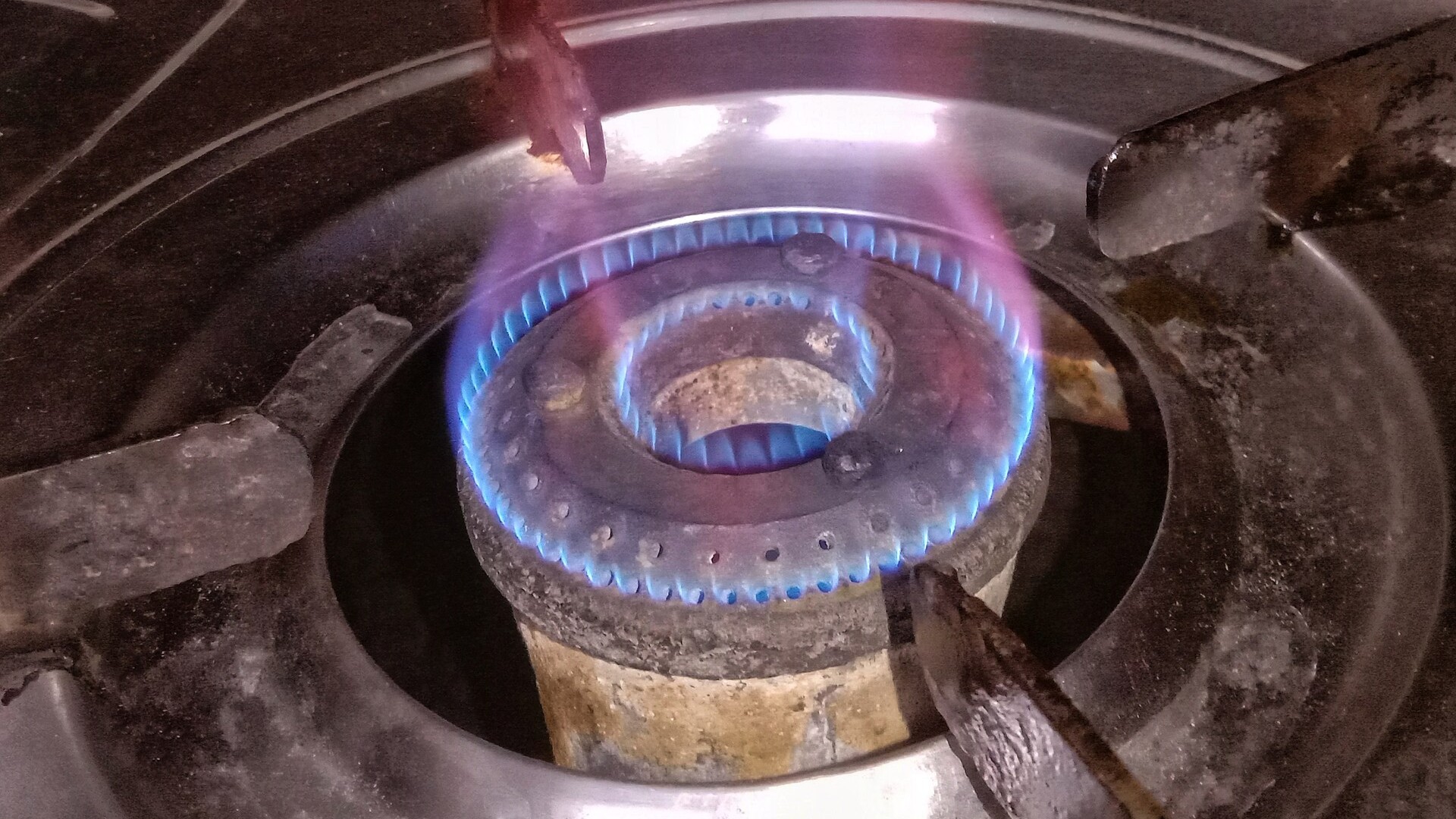
2. Never Use Gas Ovens Or Grills For Indoor Heat
Desperation during winter blackouts leads some to run gas kitchen ovens, charcoal hibachis or propane camp stoves inside living rooms. These combustion appliances rapidly consume room oxygen and produce lethal concentrations of odourless carbon monoxide that kill sleeping families.
©Wikimedia / Billjones94
Advertisement
Swipe or tap ▶ to resume the countdown.
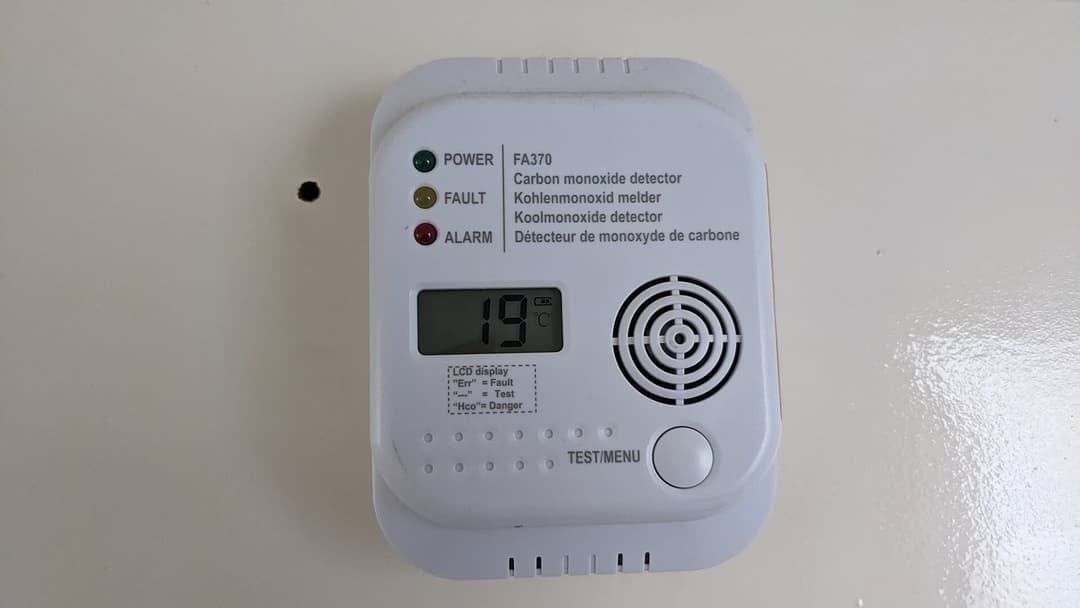
1. Install Working Carbon Monoxide Detectors
Carbon monoxide poisoning is the leading cause of preventable death during major winter storms and power blackouts. Portable generators must run outdoors at least twenty feet from windows, while dual-sensor alarms on every level alert families before colourless exhaust reaches lethal levels.
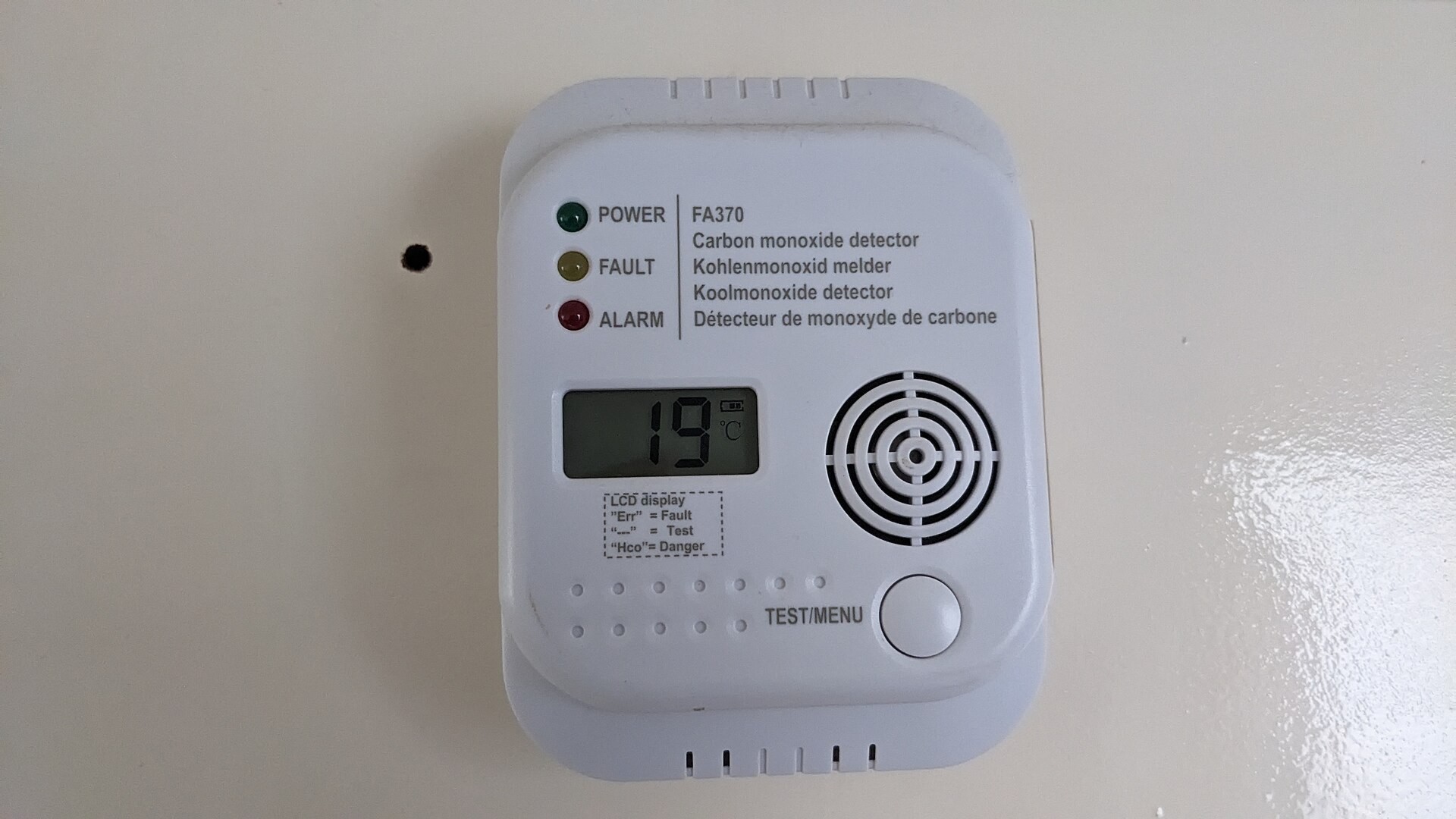
©Wikimedia / Donald Trung Quoc Don (Chữ Hán: 徵國單)
Advertisement
You've reached the end of the story. Thanks for reading!

20 Childhood Fears Many Adults Still Have
Childhood fears often survive into adulthood because the human amygdala forms emotional memories before logic matures. Surveys from YouGov and the American Psychological Association show that common phobias, from dental drills to dark hallways, continue to influence adult habits across the globe every single day.
All 20 Entries in this Story
#20 Reverse Ceiling Fans Clockwise
Warm air naturally rises to high ceilings, leaving living areas chilly. Switching your ceiling fan to rotate clockwise at low speed creates a gentle updraft that redistributes pooled heat down into the room, reducing furnace workloads by up to fifteen percent during sub-zero cold snaps.

#19 Weatherstrip Drafty Doors And Windows
Drafty exterior door thresholds and window gaps pull bitter winds directly into living spaces. Installing self-adhesive rubber weatherstripping, silicone caulk and foam door sweeps stops heat loss and prevents ice accumulation inside window sashes during sustained high-wind blizzards.

#18 Clear Leaves From Roof Gutters
Clogged gutters trap melting roof runoff that freezes into heavy ice dams along eaves. Water backs up beneath shingles and leaks into interior ceilings and drywall insulation. Removing autumn leaves and twigs allows melting snow to drain cleanly away from building foundations.

#17 Trim Overhanging Tree Branches
Accumulated wet snow and glaze ice add thousands of pounds of weight to surrounding trees. Diseased or dead limbs easily snap under blizzard wind gusts, crashing through roofs or ripping overhead electrical service wires from the house, causing immediate structural and power failures.

#16 Set Fridge And Freezer To Maximum Cold
Turning dial thermostats to their coldest settings before the storm begins lowers internal compartment temperatures. If electrical lines fail, an unopened full freezer maintains food safety temperatures for forty-eight hours, protecting hundreds of dollars in family grocery investments.

#15 Service Furnace And Replace Air Filters
Heating systems operate continuously under blizzard conditions. A clogged furnace filter restricts airflow, causing system overheating, high energy bills and emergency limit-switch shutoffs. Inserting a clean pleated filter ensures smooth air circulation throughout prolonged polar freezes.

#14 Fill Vehicle Gas Tanks And Check Antifreeze
Condensation in empty vehicle fuel tanks can freeze into ice crystals that block fuel filters. Keeping tanks full prevents frozen lines and provides an emergency battery-charging source, while testing radiator antifreeze ensures engine blocks do not crack when temperatures dive below zero.

#13 Stock Required Prescription Medications
Snowdrifts and municipal travel bans frequently close local pharmacies for days. Requesting prescription refills and securing over-the-counter fever reducers and infant medicine ahead of storm warnings prevents medical crises when emergency response vehicles cannot navigate roads.

#12 Assemble A 72-Hour Family Emergency Kit
Emergency agencies advise keeping one gallon of potable water per person per day, along with a three-day supply of shelf-stable food. Your kit must also contain battery-operated radios, high-lumen flashlights, extra alkaline batteries and sterile first-aid dressings.

#11 Check Heating Fuel And Firewood Reserves
Delivery trucks cannot travel during blizzard warnings, making last-minute fuel runs impossible. Verify that residential heating oil and propane tanks are at least half full, and stack clean seasoned split firewood under waterproof covers near home entrances for quick access.

#10 Seal Basement Wells And Attic Hatches
Drifting snow easily fills basement window wells, exerting pressure that cracks glass panes and causes sudden basement flooding during thaws. Installing rigid plastic well covers and weatherproofing interior attic pull-down stairs prevents drafty chimneys of heat loss.

#9 Designate A Single Well-Insulated Warm Room
During prolonged heating outages, trying to heat an entire multi-story house is impossible. Select an interior ground-floor room with minimal exterior walls, close off all unused hallways, and hang thick wool blankets over windows to conserve collective body warmth and camping lantern heat.

#8 Insulate Exposed Basement And Crawl Space Pipes
Plumbing lines running through unheated crawl spaces, basements and outside walls freeze rapidly during polar outbreaks. Encasing copper and PEX lines in pre-slit closed-cell foam sleeves and sealing joints with foil tape prevents structural freeze-up and costly water line bursts.

#7 Disconnect Outdoor Garden Hoses And Shut Valves
Leaving a garden hose connected to an exterior spigot traps standing water inside the valve body. That trapped pocket freezes, expands and ruptures the interior supply pipe behind the wall. Disconnecting hoses and shutting interior isolation valves prevents hidden indoor floods.

#6 Open Under-Sink Kitchen And Bath Cabinets
Kitchen sinks and bathroom vanities located against outside walls sit in uninsulated pockets of cold air. Opening cabinet doors allows heated room air to circulate around plumbing traps and supply lines, keeping pipe wall temperatures well above the critical freezing point.

#5 Clear Snow From Exterior Furnace Exhaust Vents
High-efficiency condensing furnaces vent combustion gases through low PVC pipes on outside walls. Snowdrifts that bury these terminal pipes trigger safety shutoffs that cut home heat entirely, or force toxic carbon monoxide gases backward into indoor bedrooms.

#4 Drip Indoor Faucets To Relieve Water Pressure
Pipes rarely burst where ice forms. They rupture downstream from extreme hydraulic pressure trapped between the freeze and a closed faucet. Letting hot and cold taps drip at a continuous trickle relieves line pressure and keeps moving water flowing through vulnerable walls.

#3 Locate And Tag The Main Water Shut-Off Valve
When a frozen pipe thaws and bursts, it discharges up to ten gallons of water per minute into living rooms and subflooring. Knowing the exact location of your main brass gate or quarter-turn ball valve lets you stop devastating domestic water damage within seconds of a line break.

#2 Never Use Gas Ovens Or Grills For Indoor Heat
Desperation during winter blackouts leads some to run gas kitchen ovens, charcoal hibachis or propane camp stoves inside living rooms. These combustion appliances rapidly consume room oxygen and produce lethal concentrations of odourless carbon monoxide that kill sleeping families.

#1 Install Working Carbon Monoxide Detectors
Carbon monoxide poisoning is the leading cause of preventable death during major winter storms and power blackouts. Portable generators must run outdoors at least twenty feet from windows, while dual-sensor alarms on every level alert families before colourless exhaust reaches lethal levels.