Slideshow · Viral
40 Surreal Places on Earth That Genuinely Look Like Another Planet
Earth contains bizarre geological environments that rival the most hostile and exotic surfaces across our solar system. From bubbling sulfur calderas and crystalline salt flats to wind-sculpted sandstone labyrinths, these forty otherworldly terrestrial formations reveal how extreme natural forces create alien-looking terrain right here at home.
By Most Viral Today
39 min ago

Extreme geology and vivid minerals make these places feel like distant worlds 
40. Fly Geyser 
39. Salar De Uyuni 
38. Dallol Volcano - AdvertisementSwipe or tap ▶ to continue countdown

37. Socotra Dragon Blood Trees 
36. Richat Structure 
35. Waitomo Glowworm Caves 
34. Chocolate Hills - AdvertisementSwipe or tap ▶ to continue countdown

33. Pamukkale Thermal Terraces 
32. Giant's Causeway 
31. Zhangjiajie Forest Park 
30. White Sands National Park - AdvertisementSwipe or tap ▶ to continue countdown

29. Lake Hillier 
28. Sossusvlei Sand Dunes 
27. Danakil Depression 
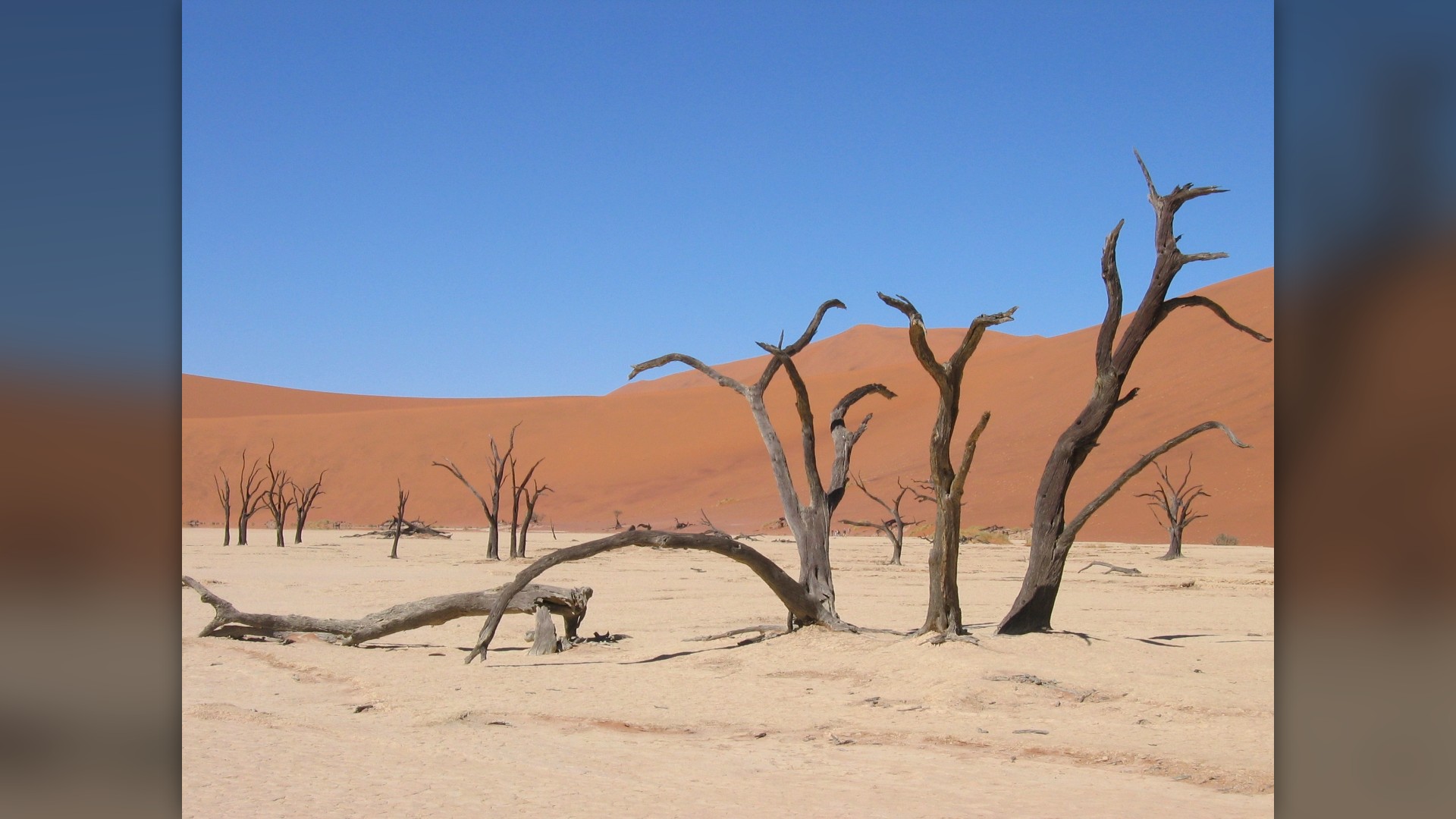
26. Deadvlei Clay Pan - AdvertisementSwipe or tap ▶ to continue countdown

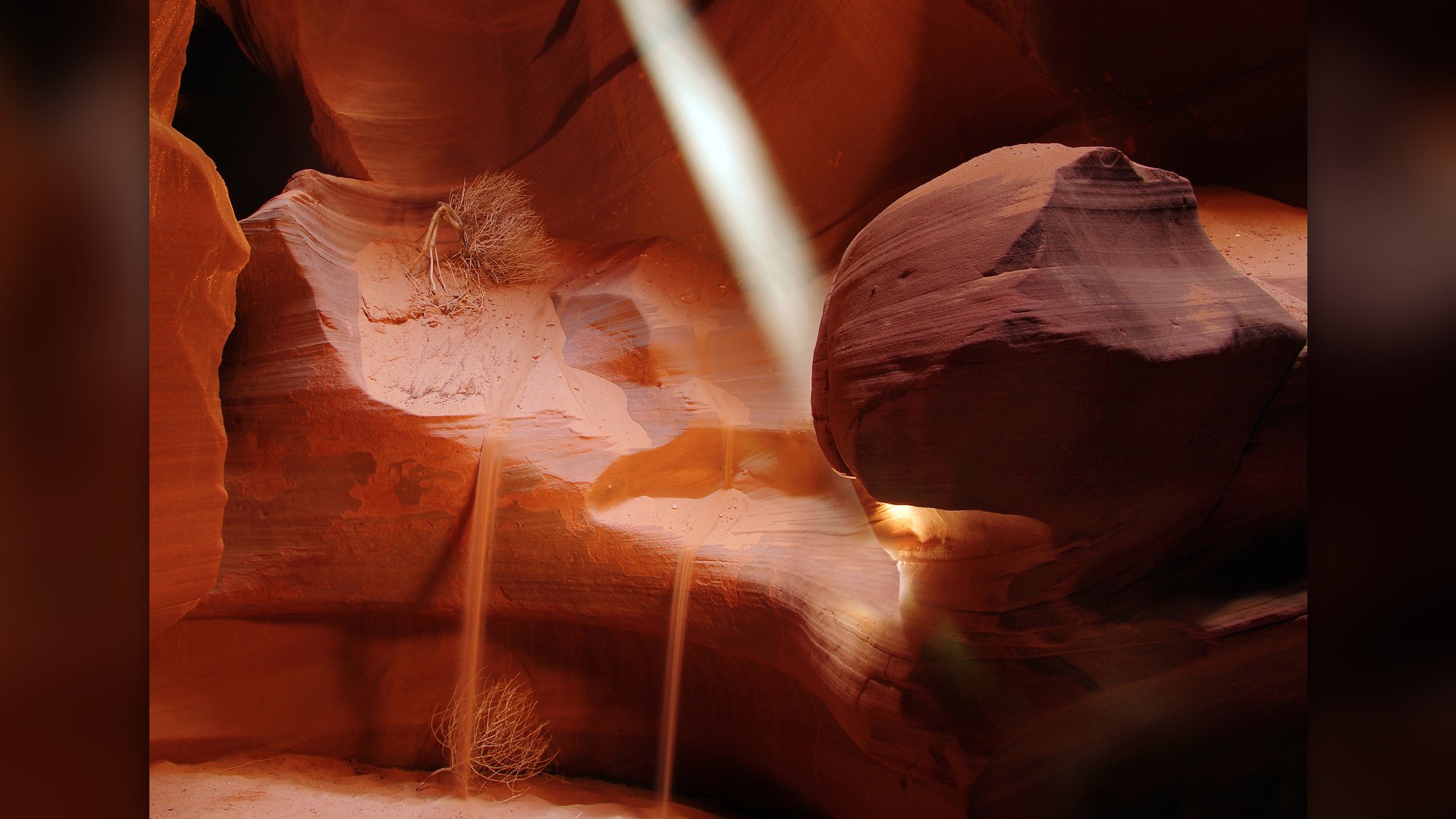
25. Antelope Canyon 
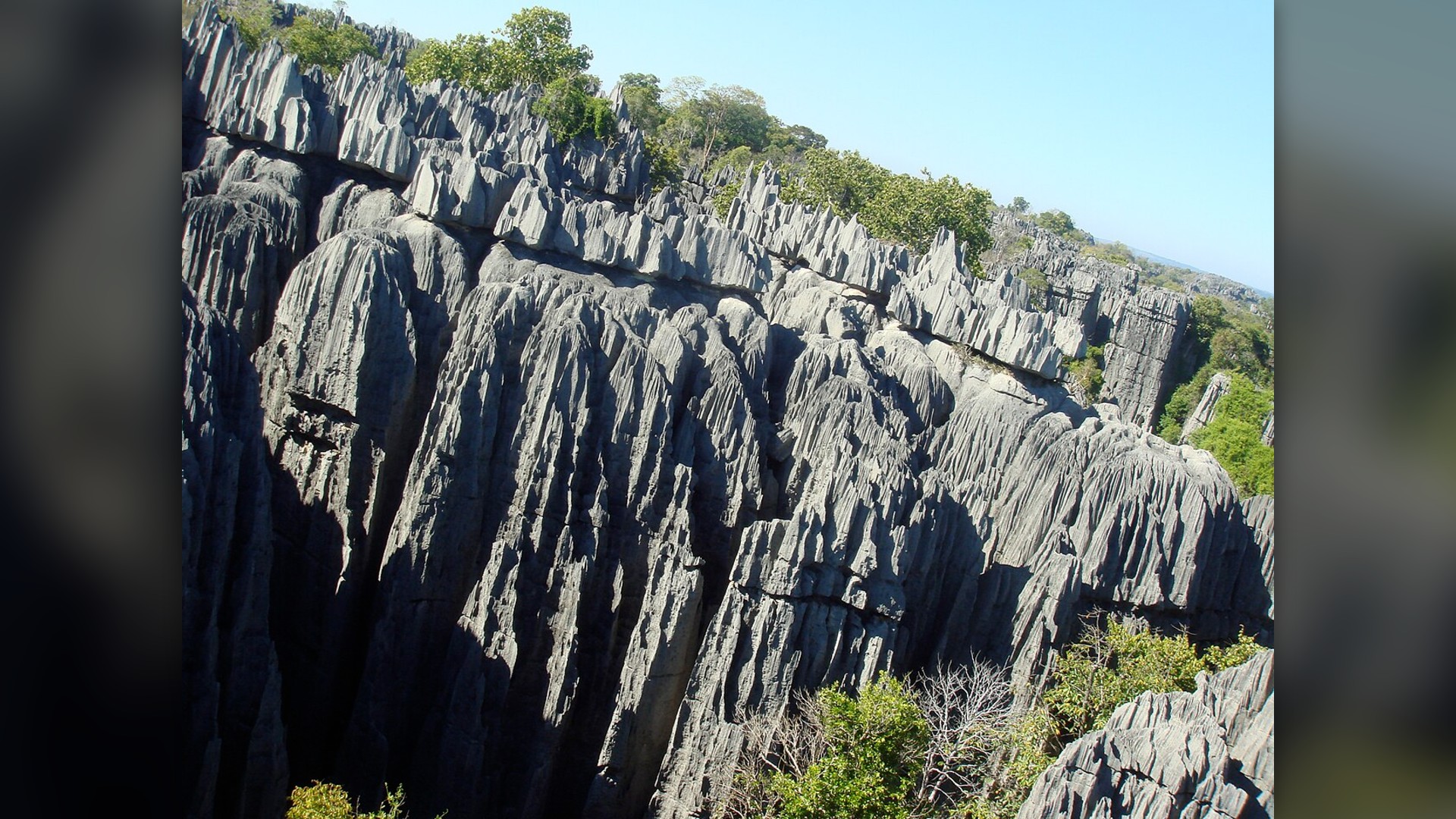
24. Tsingy De Bemaraha 
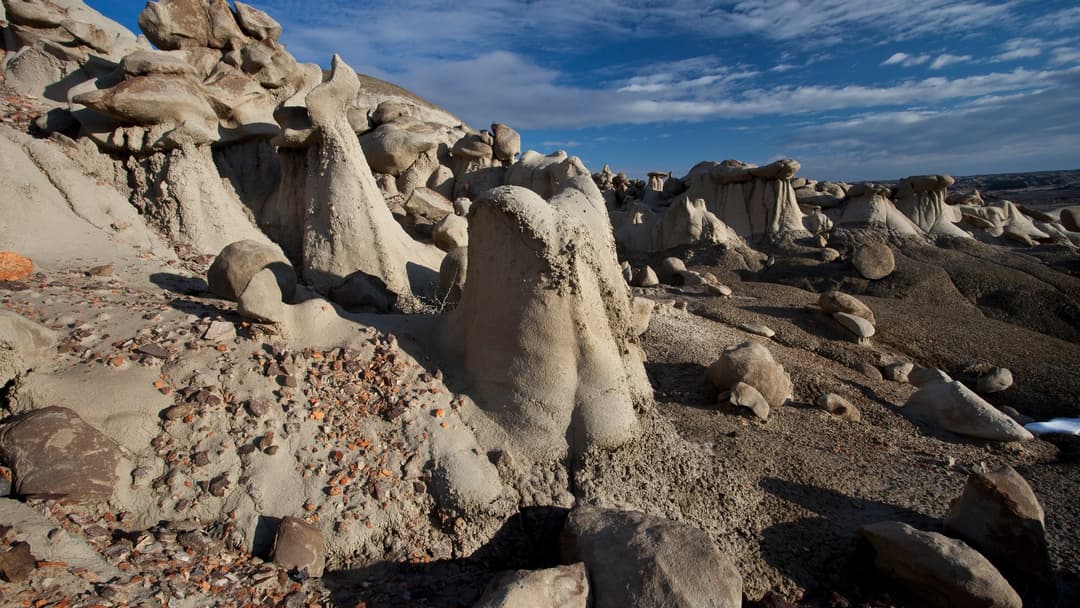
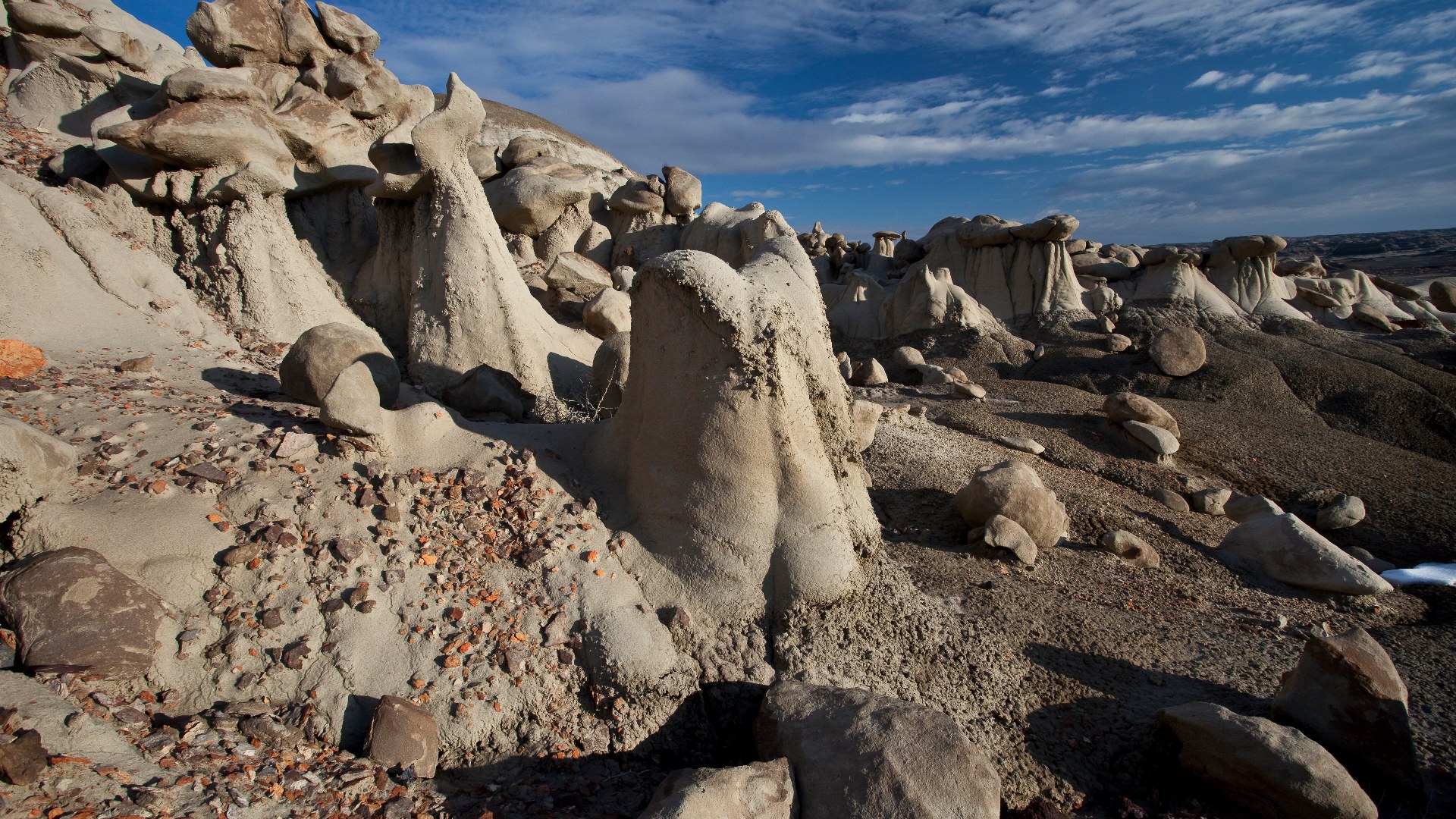
23. Bisti Wilderness 
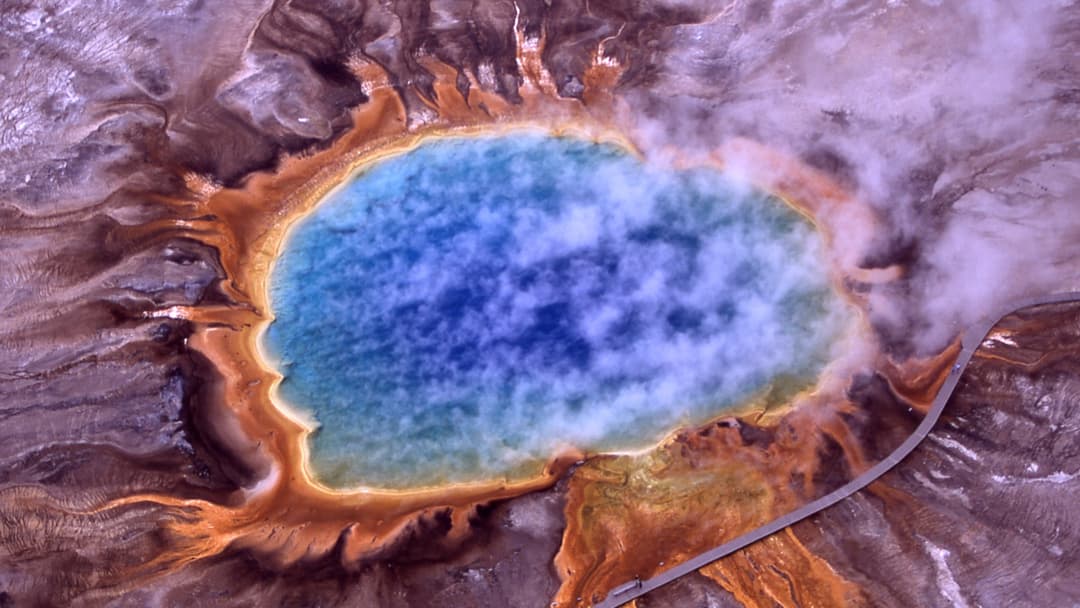
22. Grand Prismatic Spring - AdvertisementSwipe or tap ▶ to continue countdown

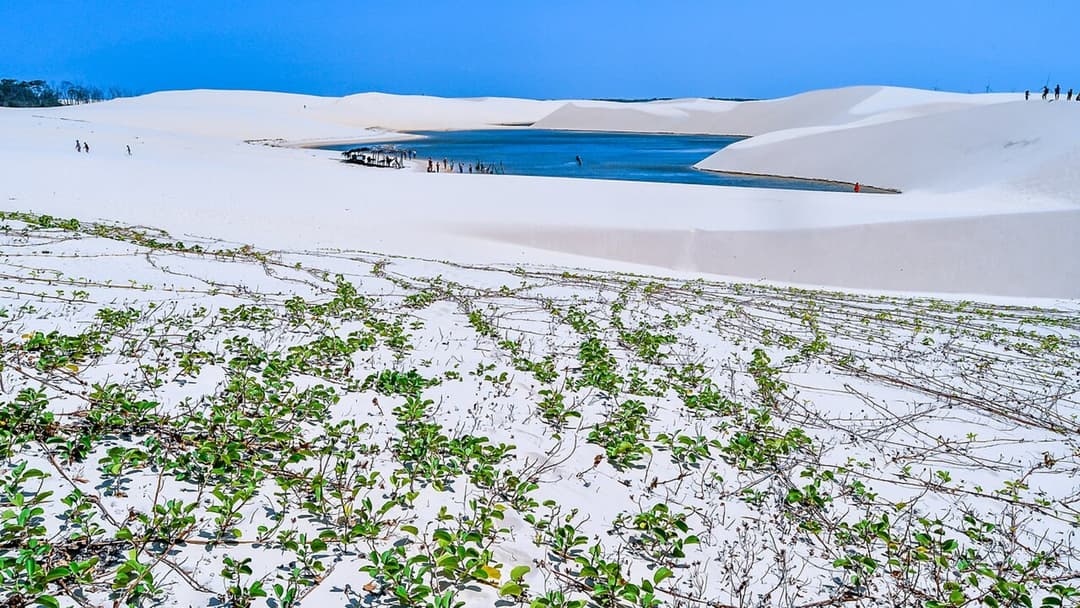
21. Lençóis Maranhenses 
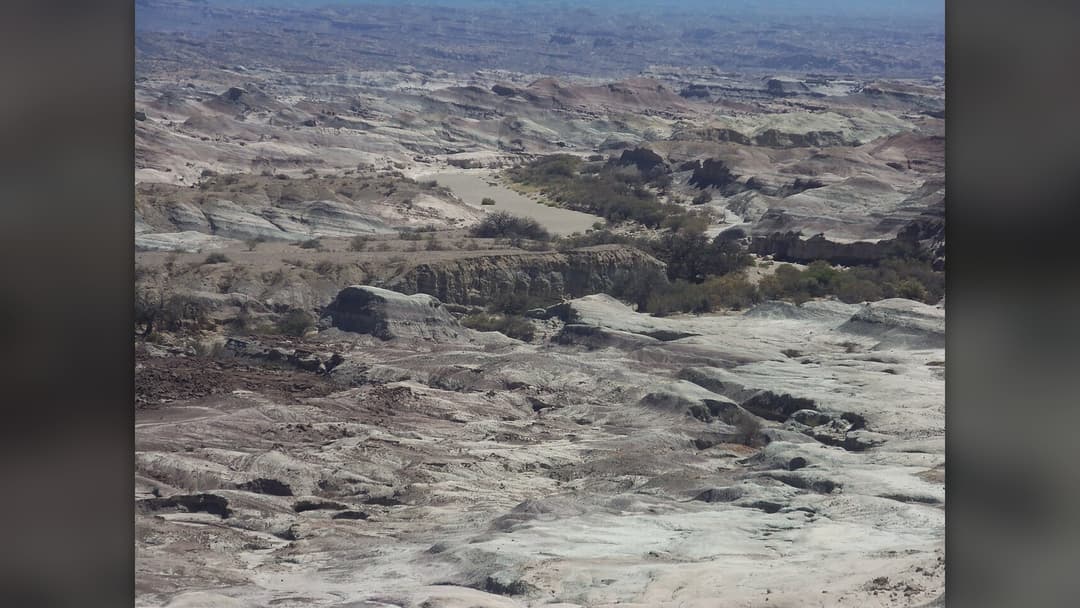
20. Ischigualasto Valley 
19. Bryce Canyon Hoodoos 
18. Mono Lake Tufa Towers - AdvertisementSwipe or tap ▶ to continue countdown

17. Lake Baikal Winter Ice 
16. Darvaza Gas Crater 
15. Painted Hills 
14. Goblin Valley State Park - AdvertisementSwipe or tap ▶ to continue countdown

13. Plitvice Lakes 
12. Badab E Surt 
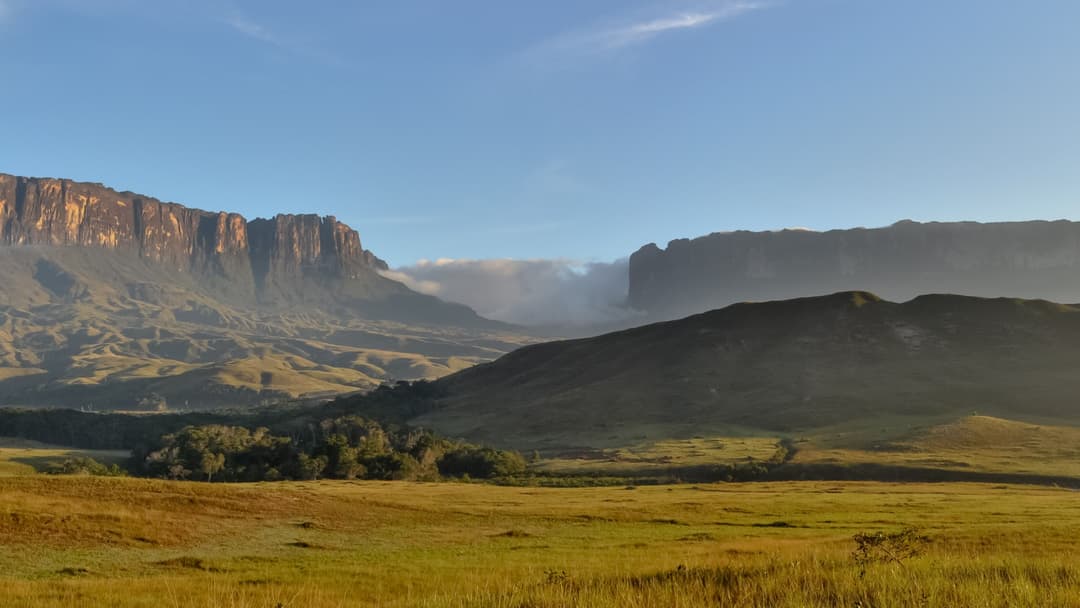
11. Mount Roraima 
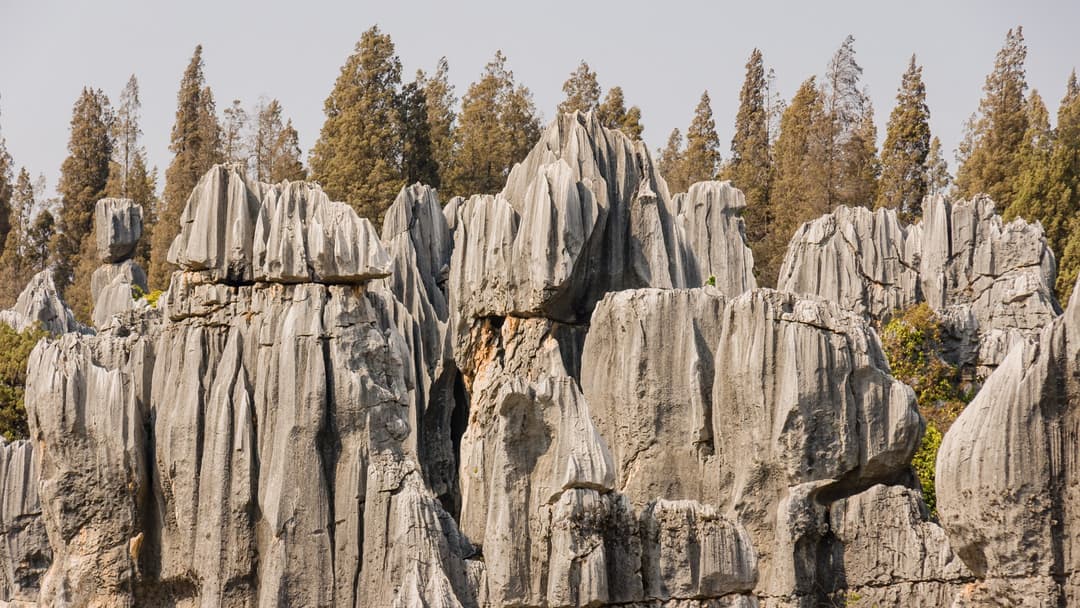
10. Shilin Stone Forest - AdvertisementSwipe or tap ▶ to continue countdown

9. Craters Of The Moon 
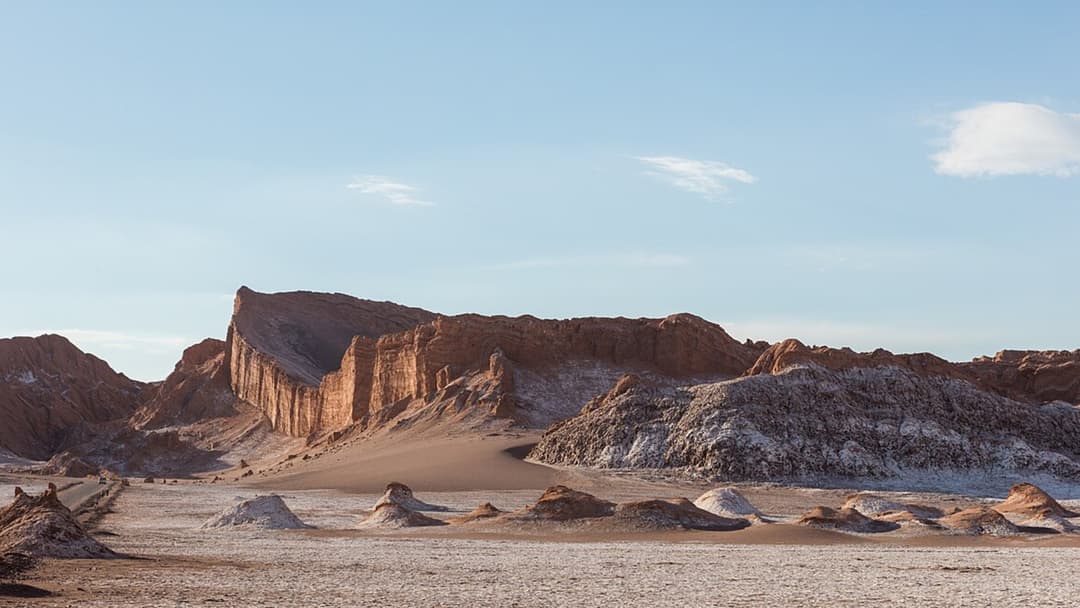
8. Valle De La Luna 
7. Kilauea Volcanic Fissures 
6. Wave Rock - AdvertisementSwipe or tap ▶ to continue countdown

5. Skaftafell Ice Cave 
4. Marble Caves 
3. Cappadocia Fairy Chimneys 
2. The Wave - AdvertisementSwipe or tap ▶ to continue countdown

1. Wadi Rum - Advertisement🔥 UP NEXT IN THIS SERIES◫ 21 Slides

20 Mind-Bending Secrets Behind London You Probably Didn't Know
From a secret underground mail railway and illegal suits of armor to the reason the London Eye skips the number 13, London is packed with ancient secrets and modern oddities. Here are twenty fascinating facts about the British capital that reveal the hidden side of the city.
Earth contains bizarre geological environments that rival the most hostile and exotic surfaces across our solar system.
Swipe or tap ▶ to begin the countdown
©Wikimedia / Luca Galuzzi (Lucag)
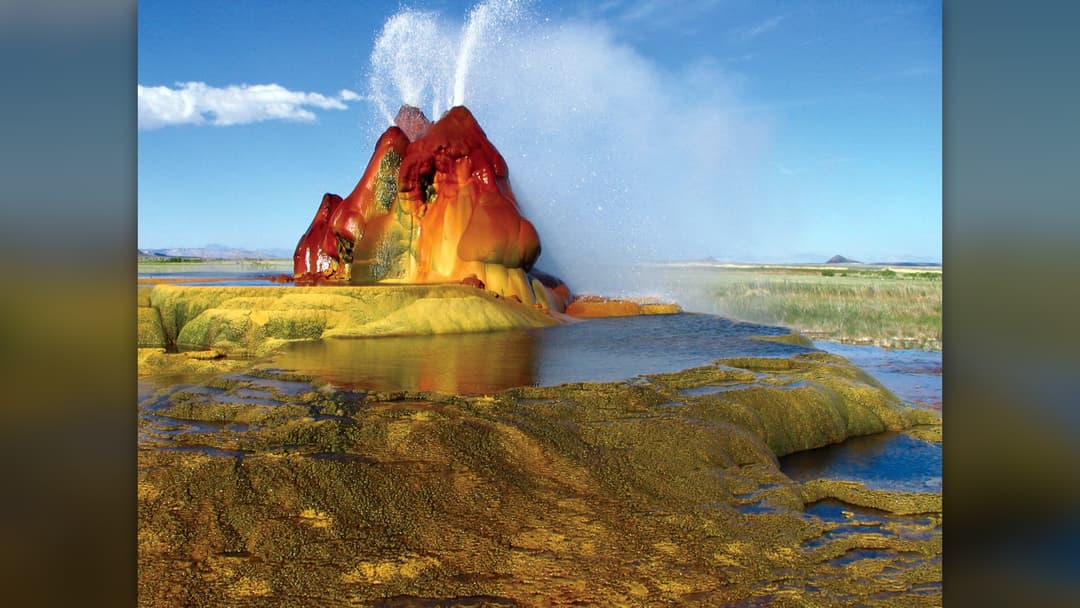
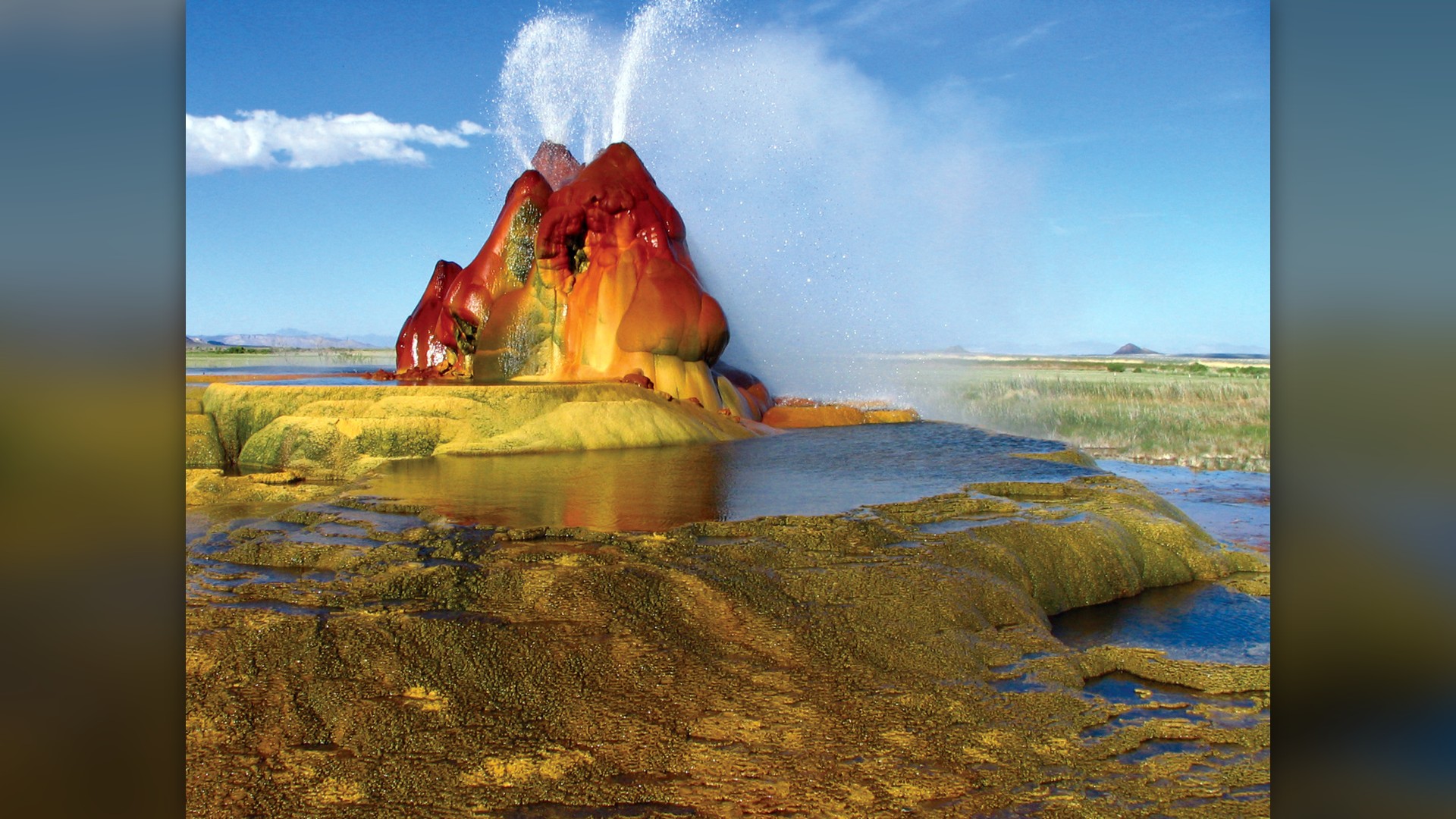
40. Fly Geyser
Accidentally created during test well drilling in 1964, Fly Geyser constantly spews boiling mineral-rich water onto private ranchland. Thermophilic algae coat its calcium carbonate terraces in vibrant reds and greens. The bizarre formation looks like a geothermal vent on Jupiter's moon Io.
©Wikimedia / Fly Geyser
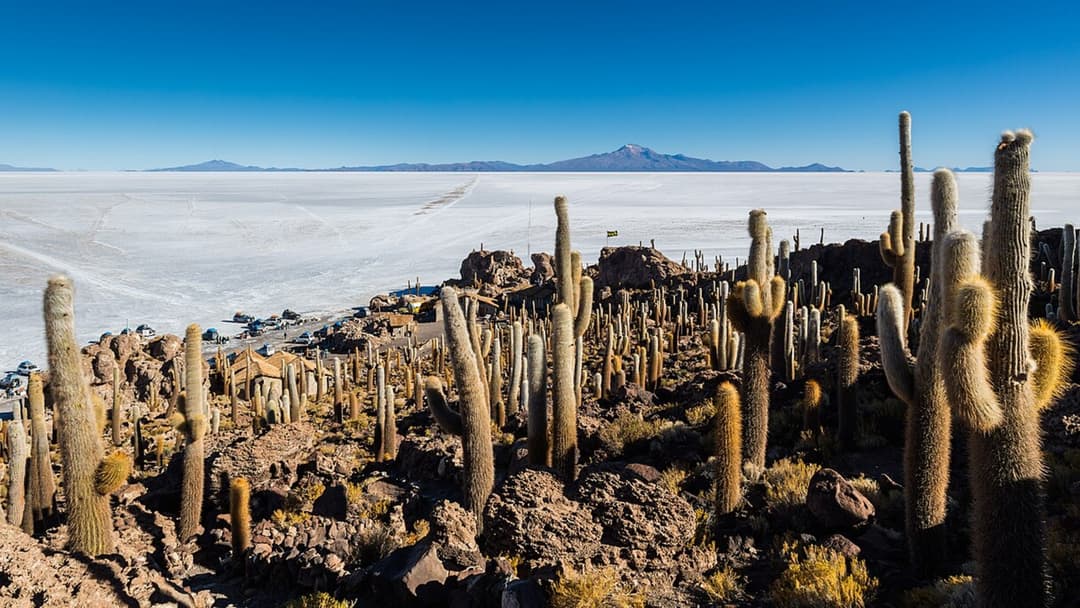
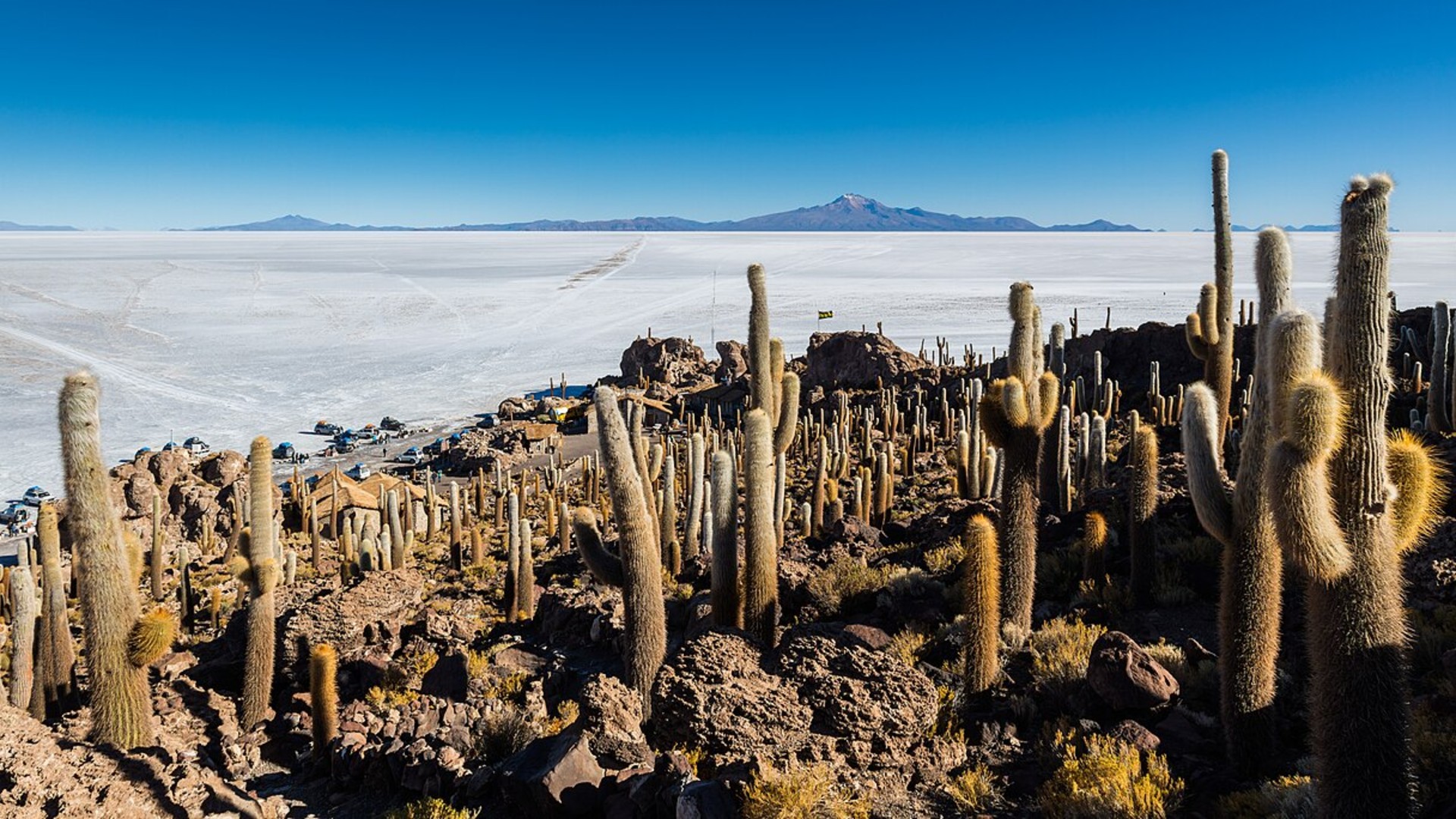
39. Salar De Uyuni
Spanning four thousand square miles across southwestern Bolivia, Salar de Uyuni contains over ten billion tons of mineral salts. During rainy months, thin surface water turns the blinding white crust into a seamless mirror. NASA calibrates earth-observation satellite sensors against its flat expanse.
©Wikimedia / Diego Delso
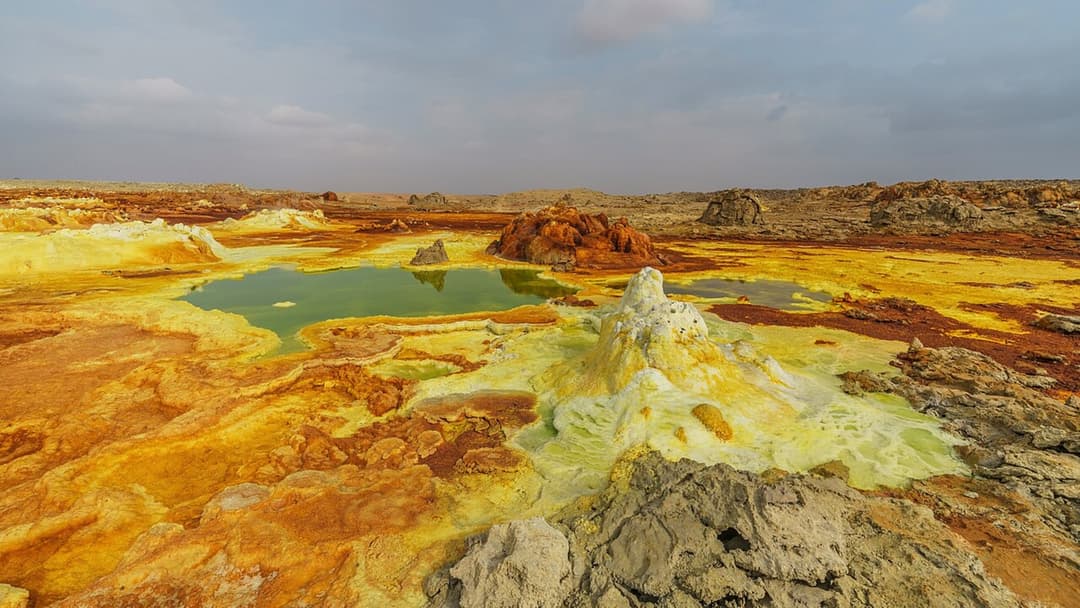
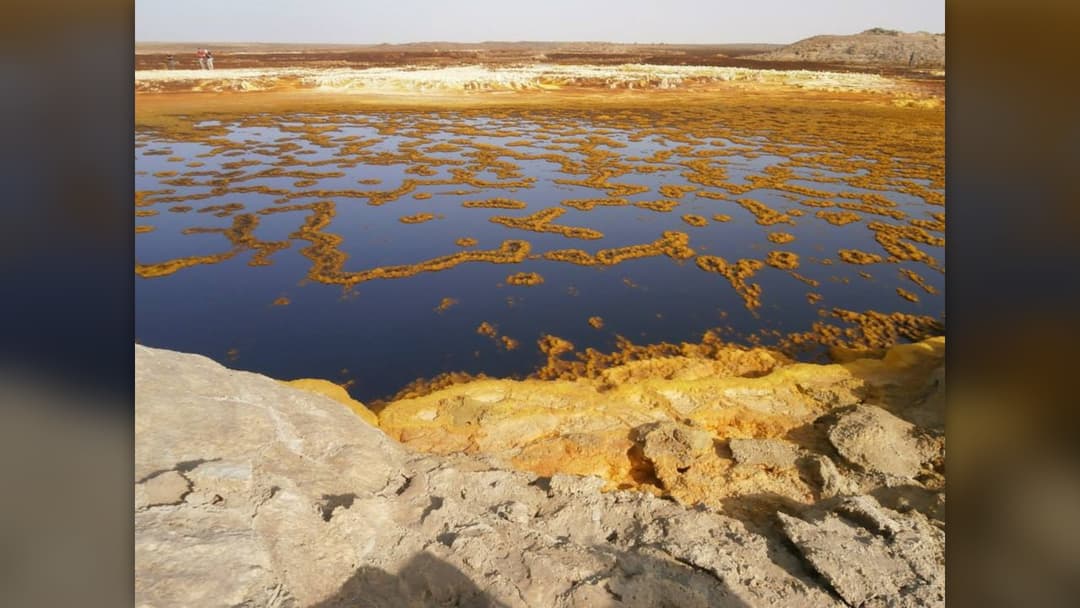
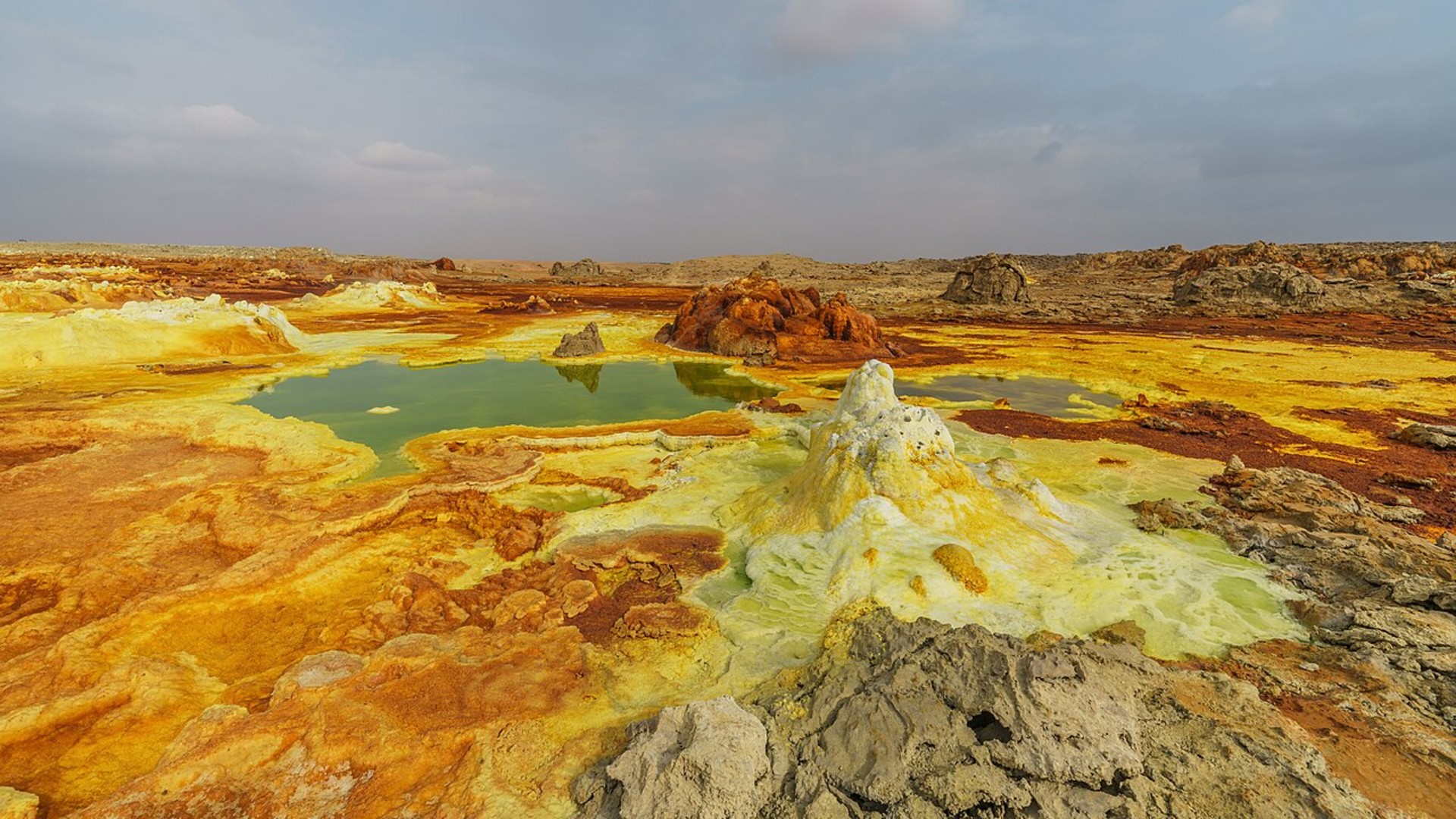
38. Dallol Volcano
Located four hundred feet below sea level in Ethiopia's Afar Depression, Dallol is one of the hottest places on Earth. Magma heats subterranean groundwater, forcing neon-green acid pools and toxic chlorine gases through salt crusts. Astrobiologists study its extreme conditions to model life on Mars.
©Wikimedia / A.Savin
Advertisement
Swipe or tap ▶ to resume the countdown.
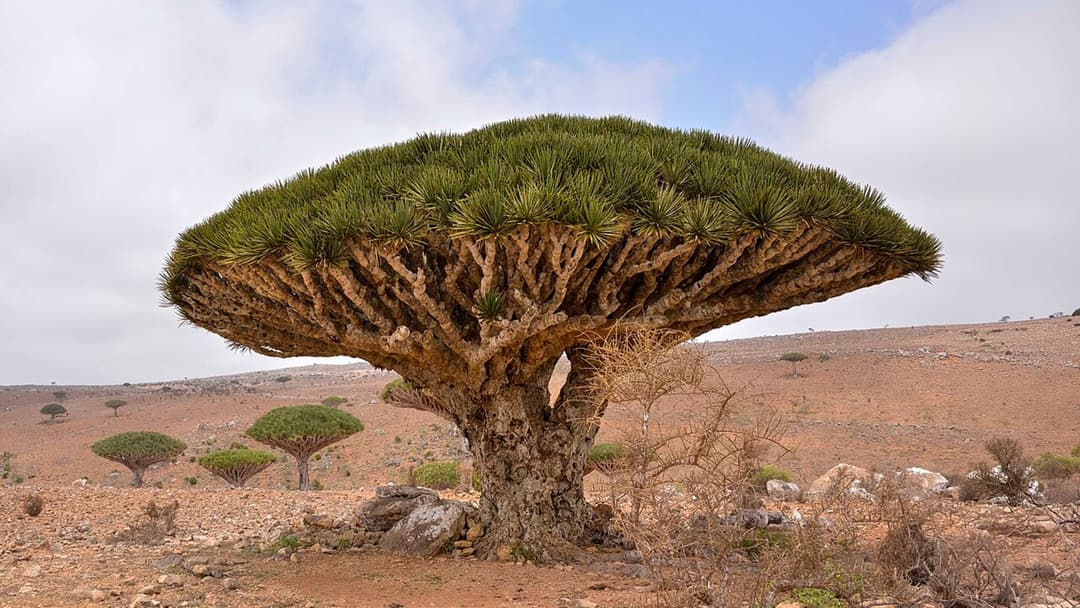
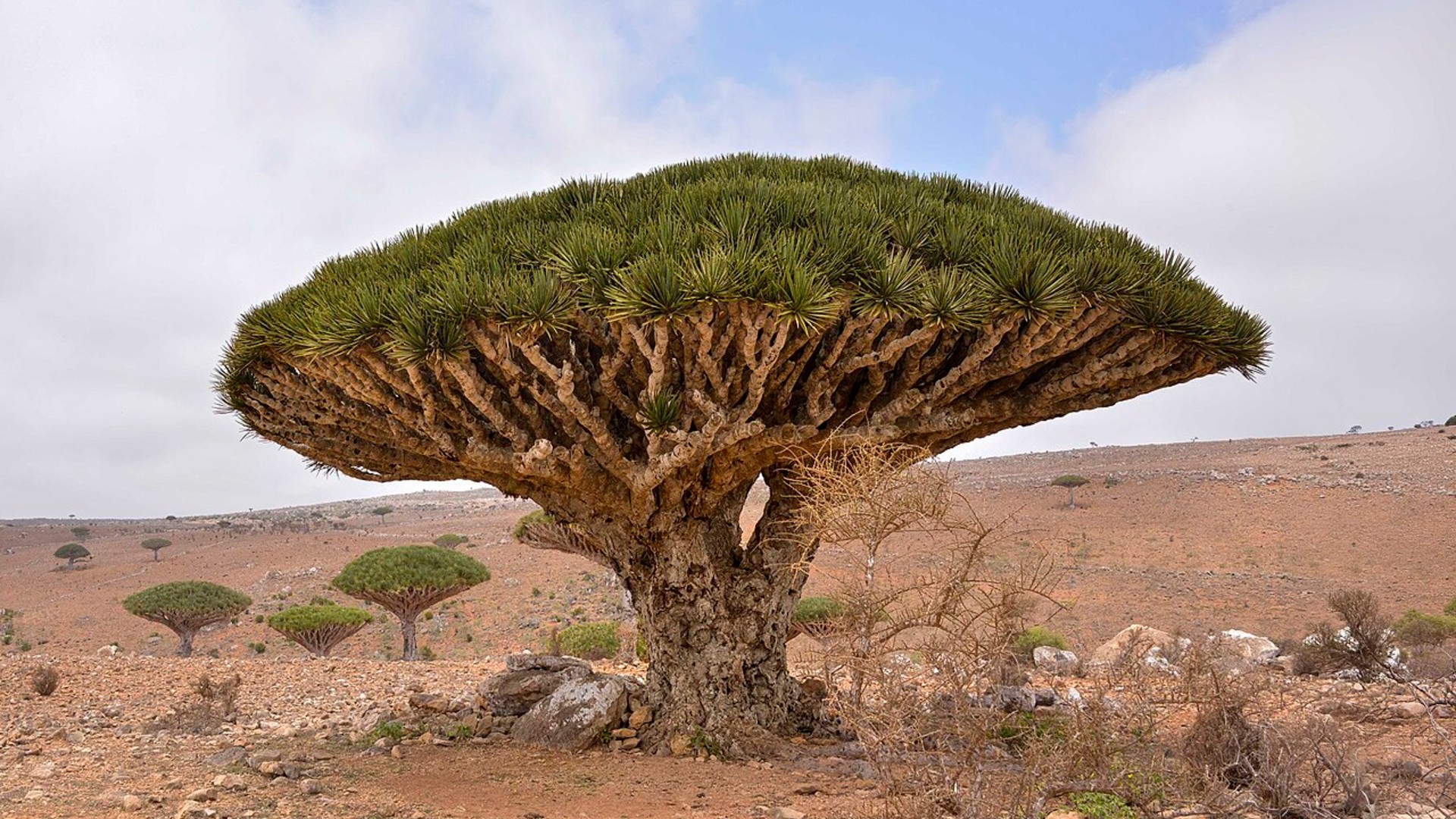
37. Socotra Dragon Blood Trees
One-third of all plant species on Yemen's Socotra Island exist nowhere else on the planet. The dragon's blood tree features thick mushroom-shaped canopies that capture moisture from ocean mists. Crimson resin harvested from bark fissures has been used in traditional medicines since antiquity.
©Wikimedia / Rod Waddington
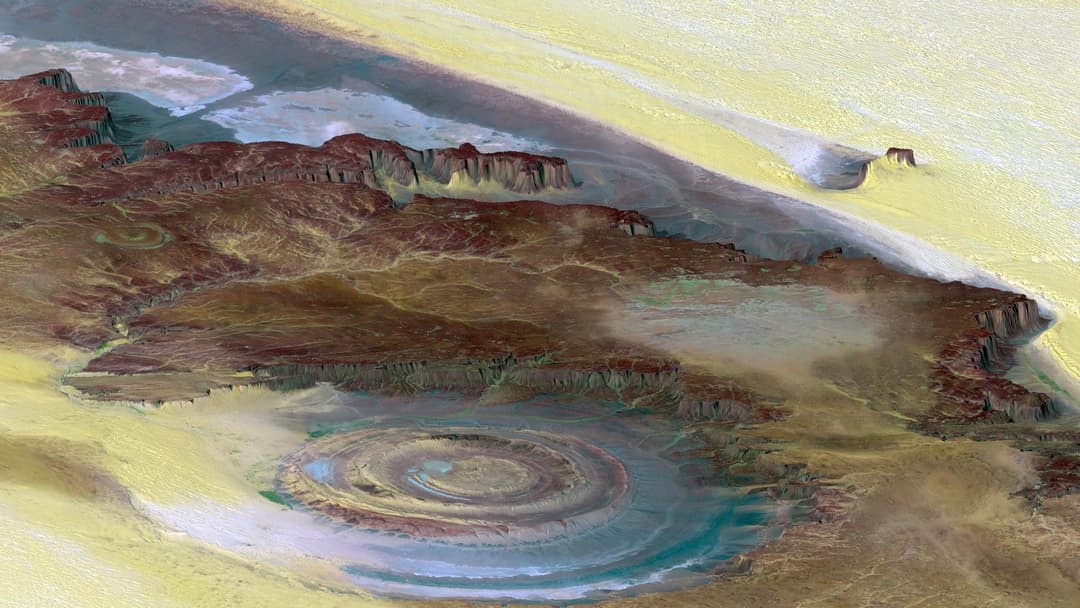
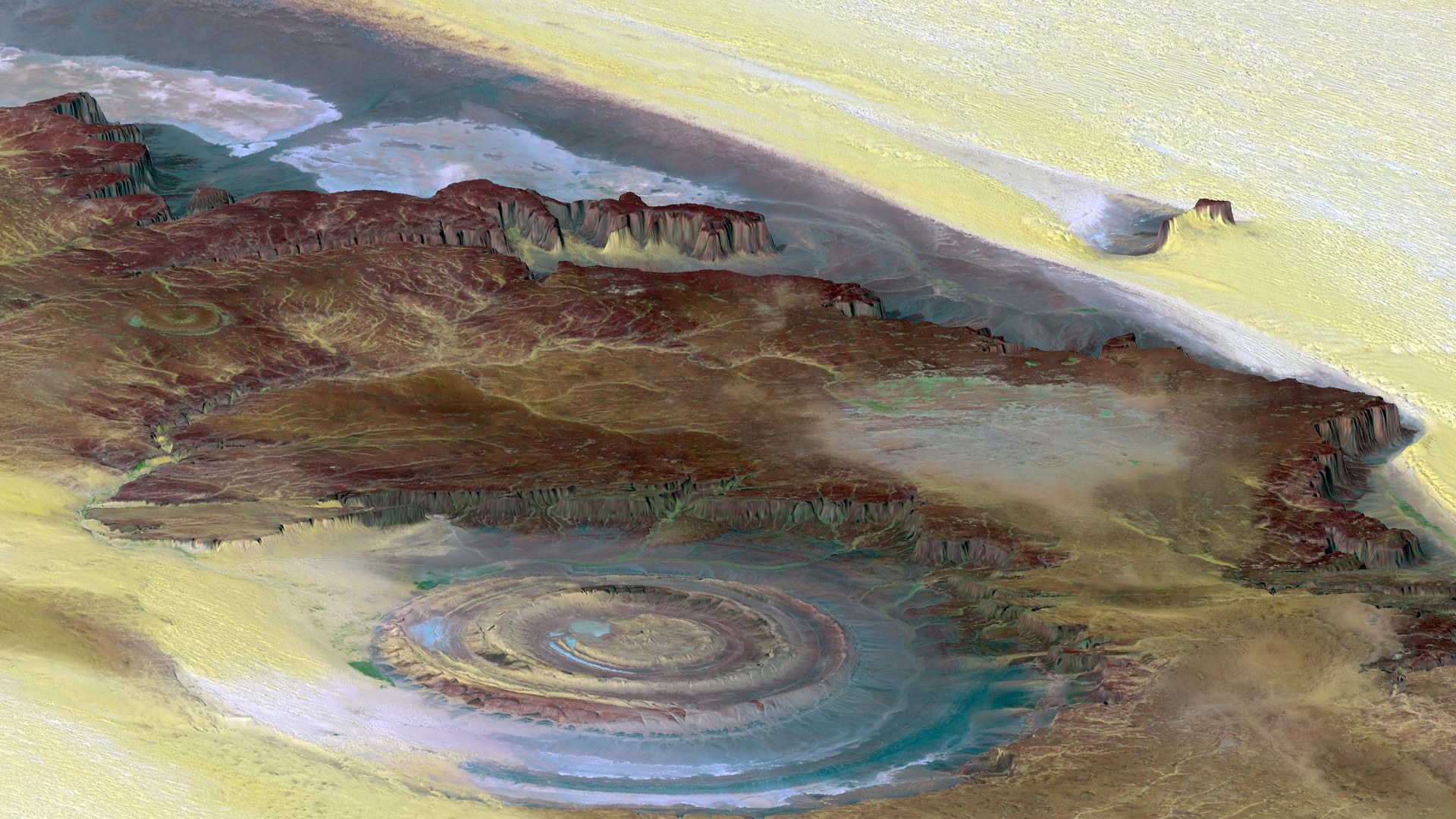
36. Richat Structure
Stretching twenty-eight miles across the Mauritanian Sahara, the Richat Structure long puzzled astronomers and astronauts. Once thought to be a meteorite crater, geologists now classify it as a deeply eroded symmetrical dome of ancient rock. Gemini astronauts used its distinctive rings as a navigation landmark.
©Wikimedia / NASA/JPL/NIMA
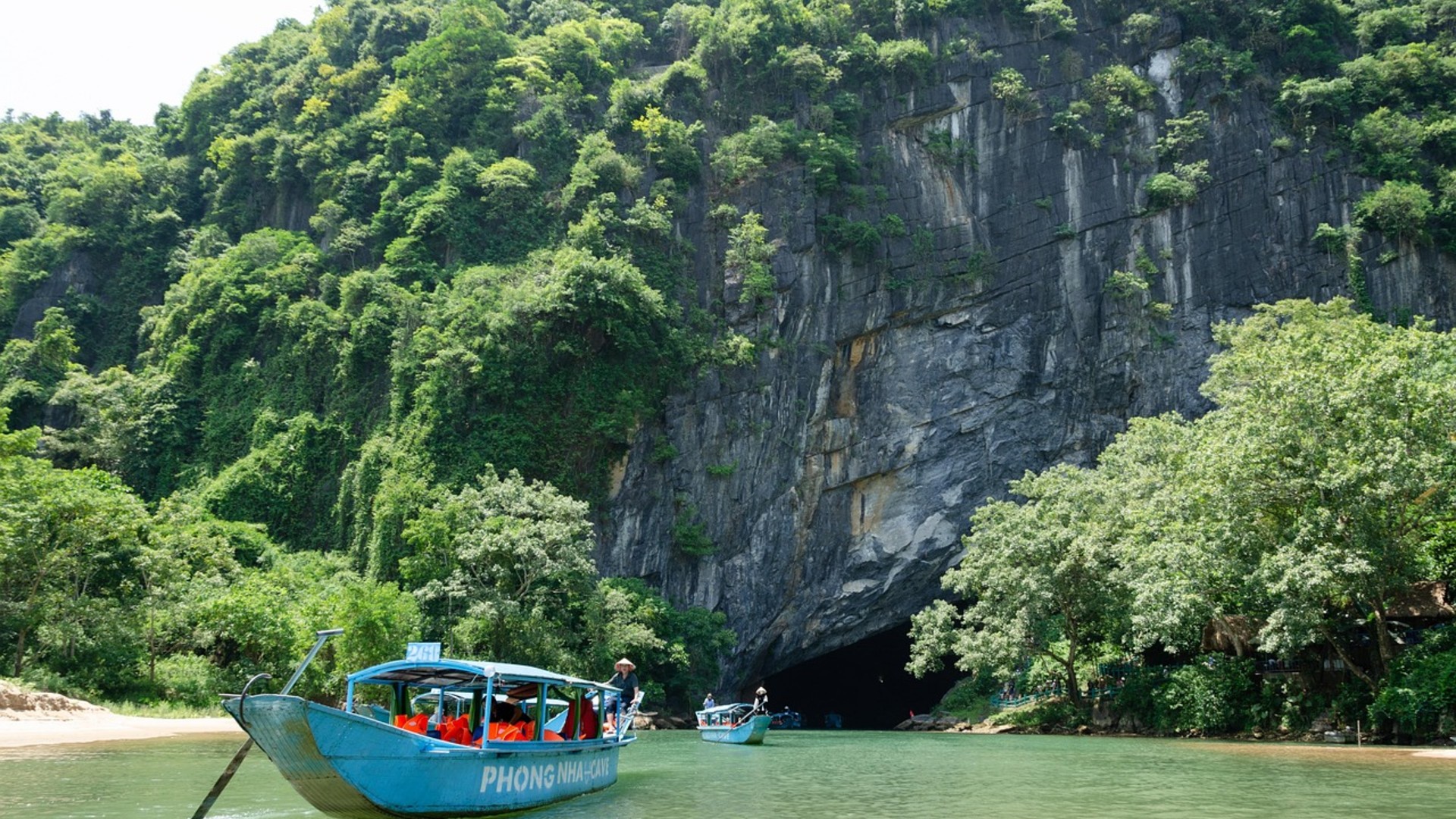
35. Waitomo Glowworm Caves
New Zealand's Waitomo Caves house Arachnocampa luminosa, a fungus gnat species unique to the island nation. Hungry larvae suspend sticky silk threads from cave ceilings, glowing bright blue to lure flying insects. Drifting through the silent cavern feels like floating beneath an alien starfield.
©Pixabay / pen_ash
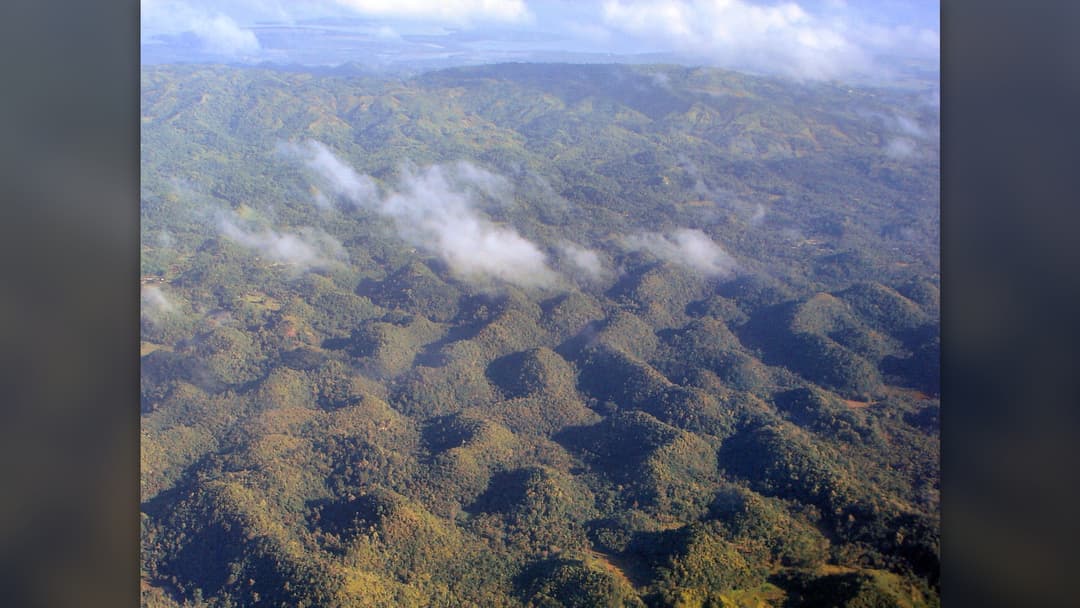
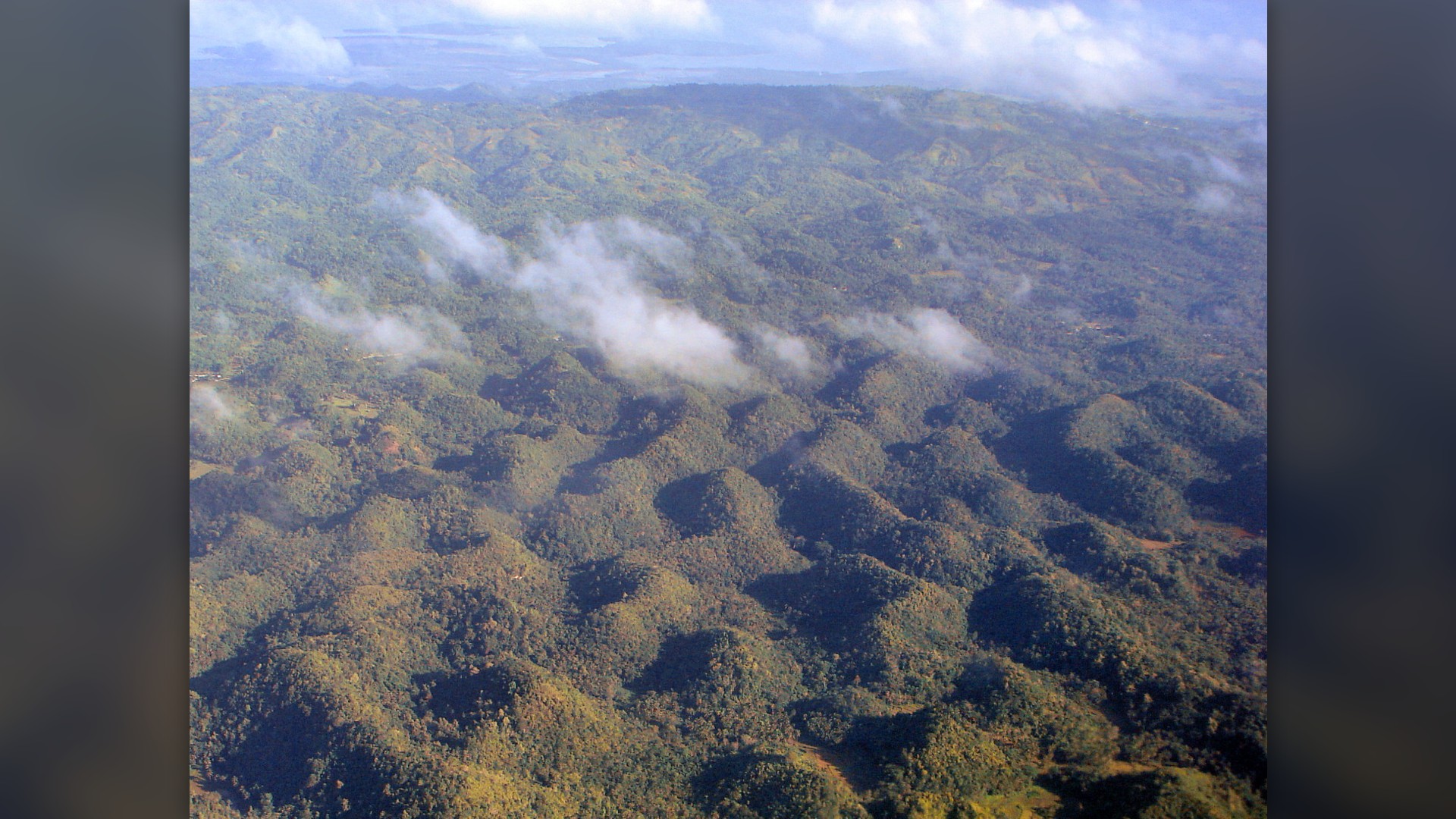
34. Chocolate Hills
More than 1,700 conical mounds rise across fifty square kilometers in the Philippines. During dry seasons, green vegetation turns cocoa-brown, creating an uncanny geometric terrain that looks computer-generated. Geologists attribute their shapes to marine limestone dissolution over millions of years.
©Wikimedia / Chocolate Hills
Advertisement
Swipe or tap ▶ to resume the countdown.
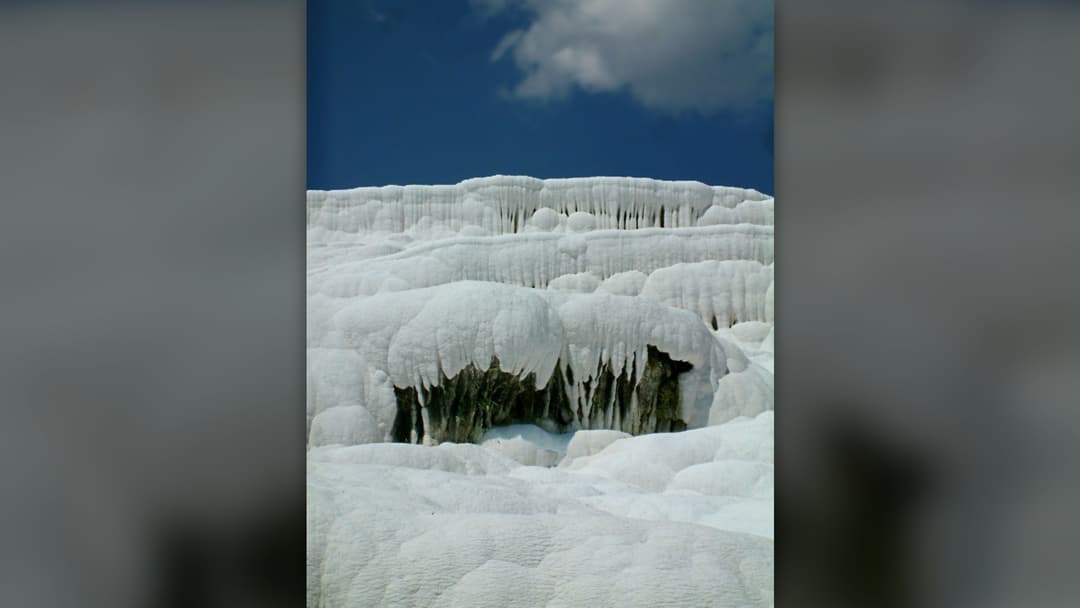
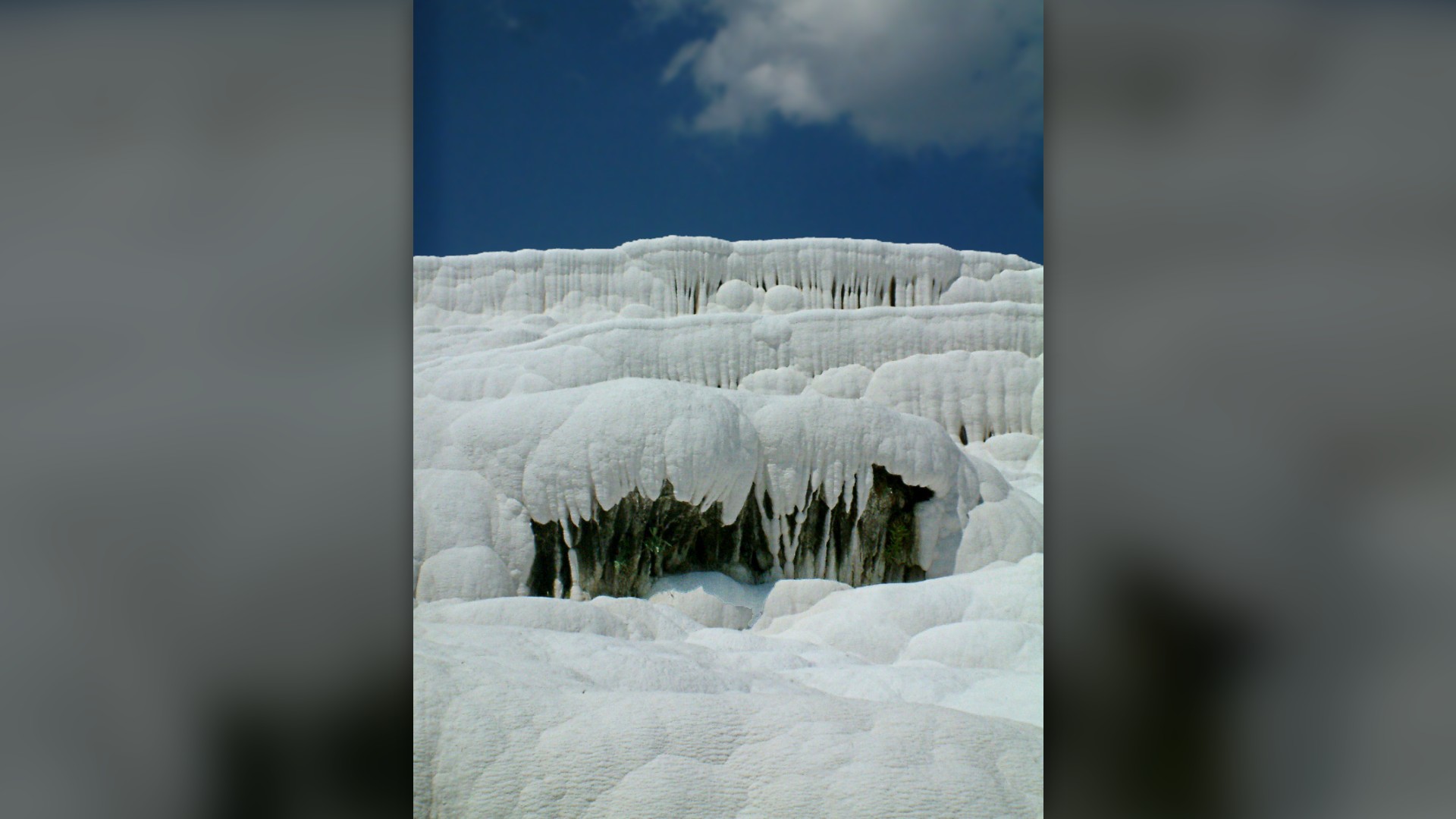
33. Pamukkale Thermal Terraces
For millennia, hot springs saturated with calcium carbonate have flowed down cliff faces in Denizli Province. As the water cools, bright white travertine terraces solidify into frozen mineral waterfalls. Ancient Romans built the resort city of Hierapolis directly above these therapeutic thermal baths.
©Wikimedia / Radomil
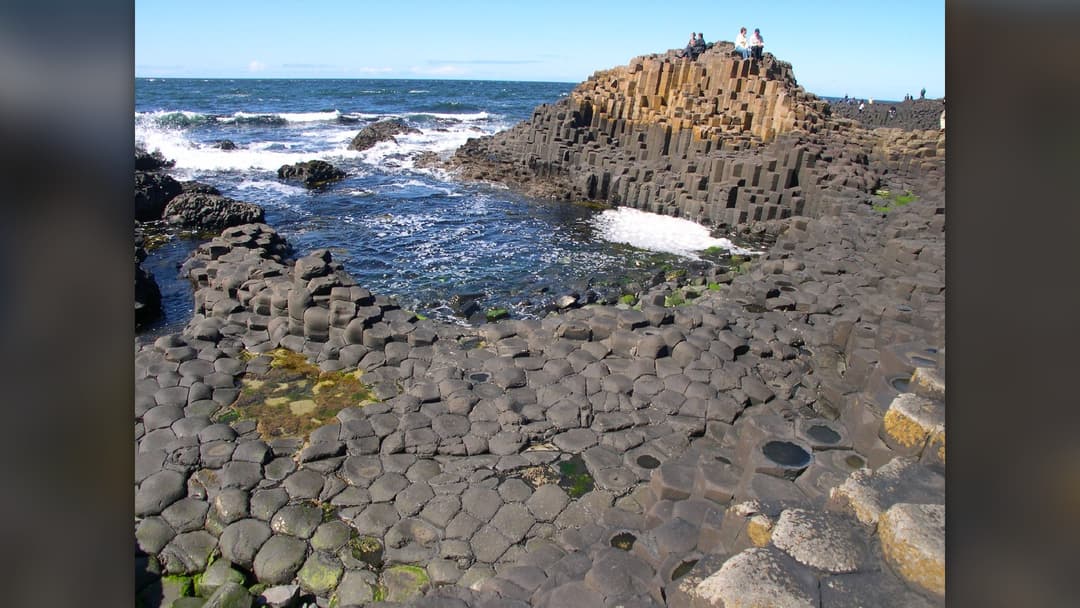
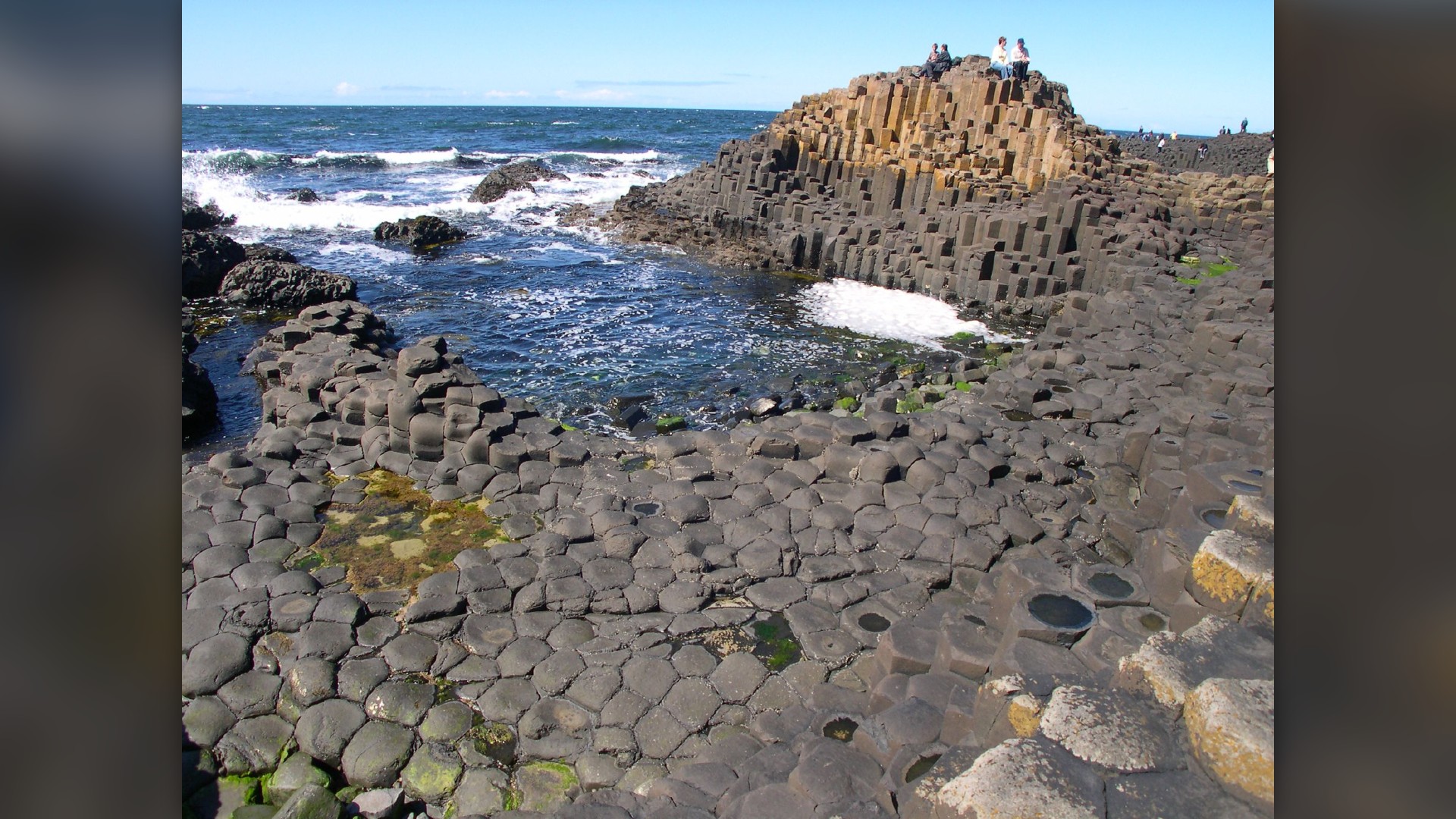
32. Giant's Causeway
Intense volcanic activity sixty million years ago created this Northern Ireland coastal marvel. As molten basalt lava cooled slowly, it contracted into near-perfect hexagonal pillars up to thirty-nine feet tall. The geometric shoreline looks like an alien architectural roadway.
©Wikimedia / Giant's Causeway
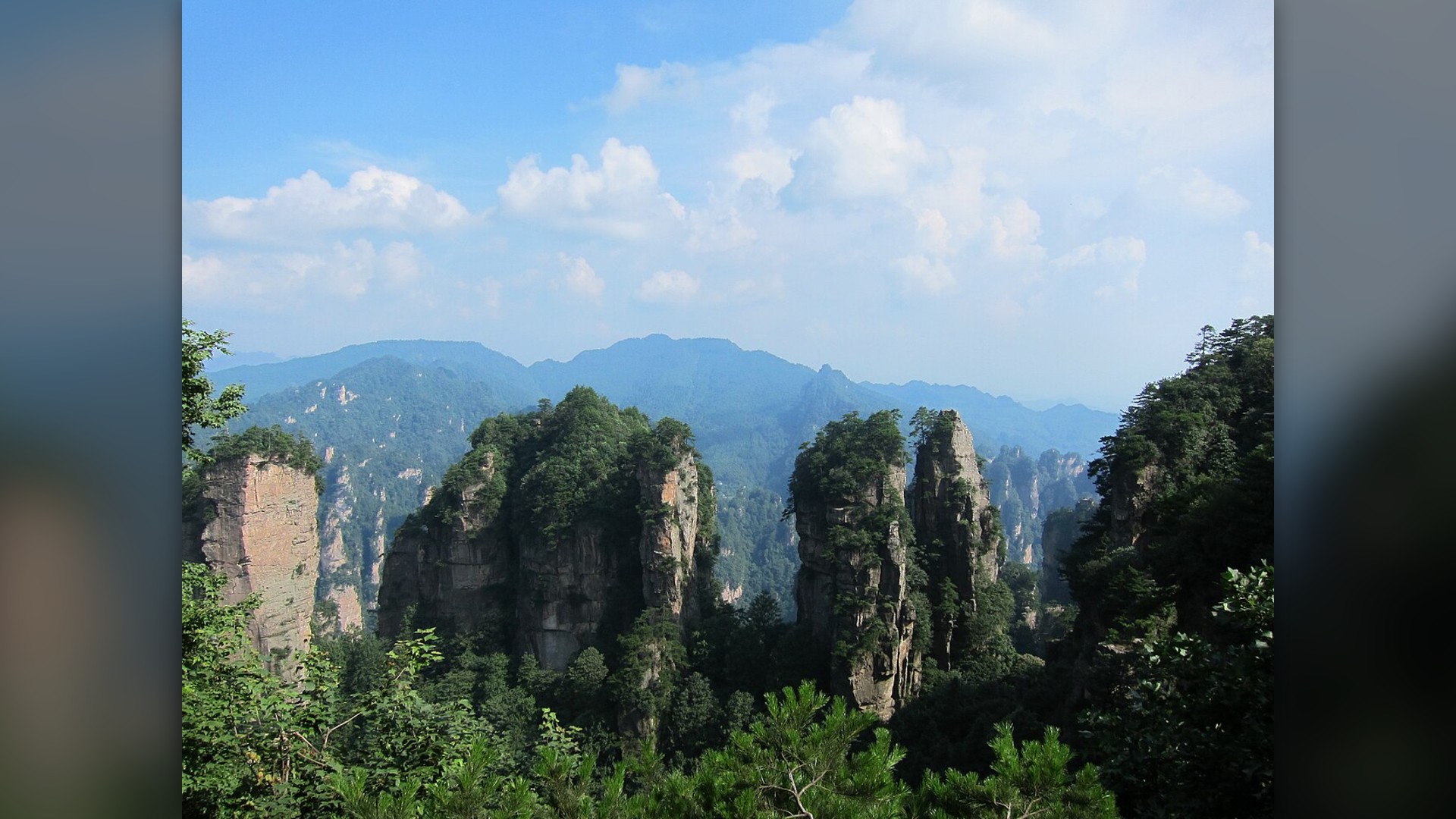
31. Zhangjiajie Forest Park
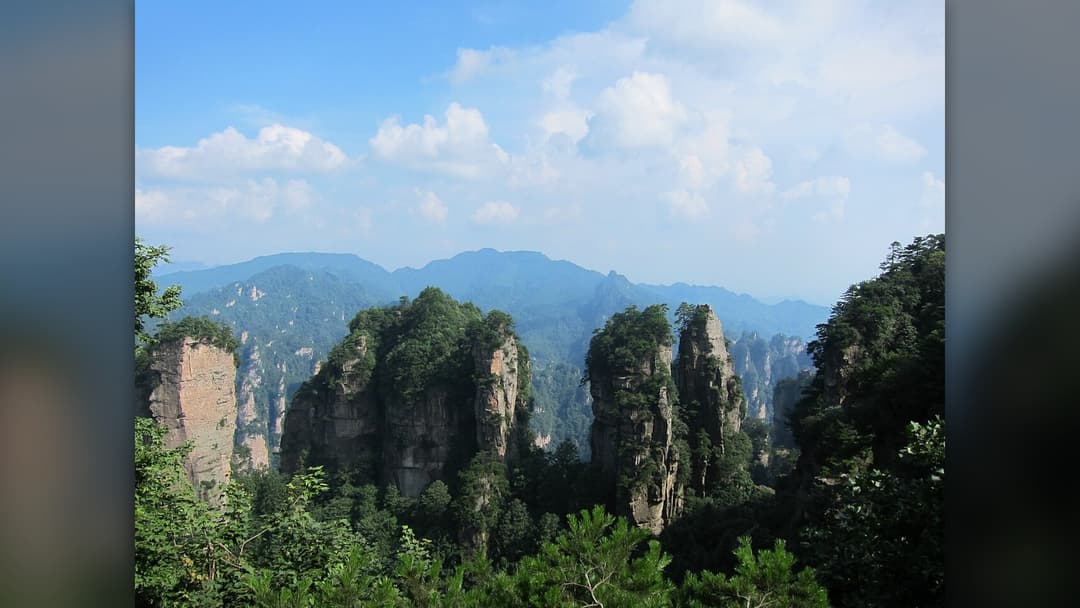
Located in Hunan Province, Zhangjiajie features three thousand sheer sandstone spires rising more than six hundred feet into dense mountain fog. Heavy rainfall and physical weathering eroded soft rock layers, leaving dramatic rock columns that inspired Hollywood depiction of alien worlds.
©Wikimedia / Kuruman from Tokyo, Japan
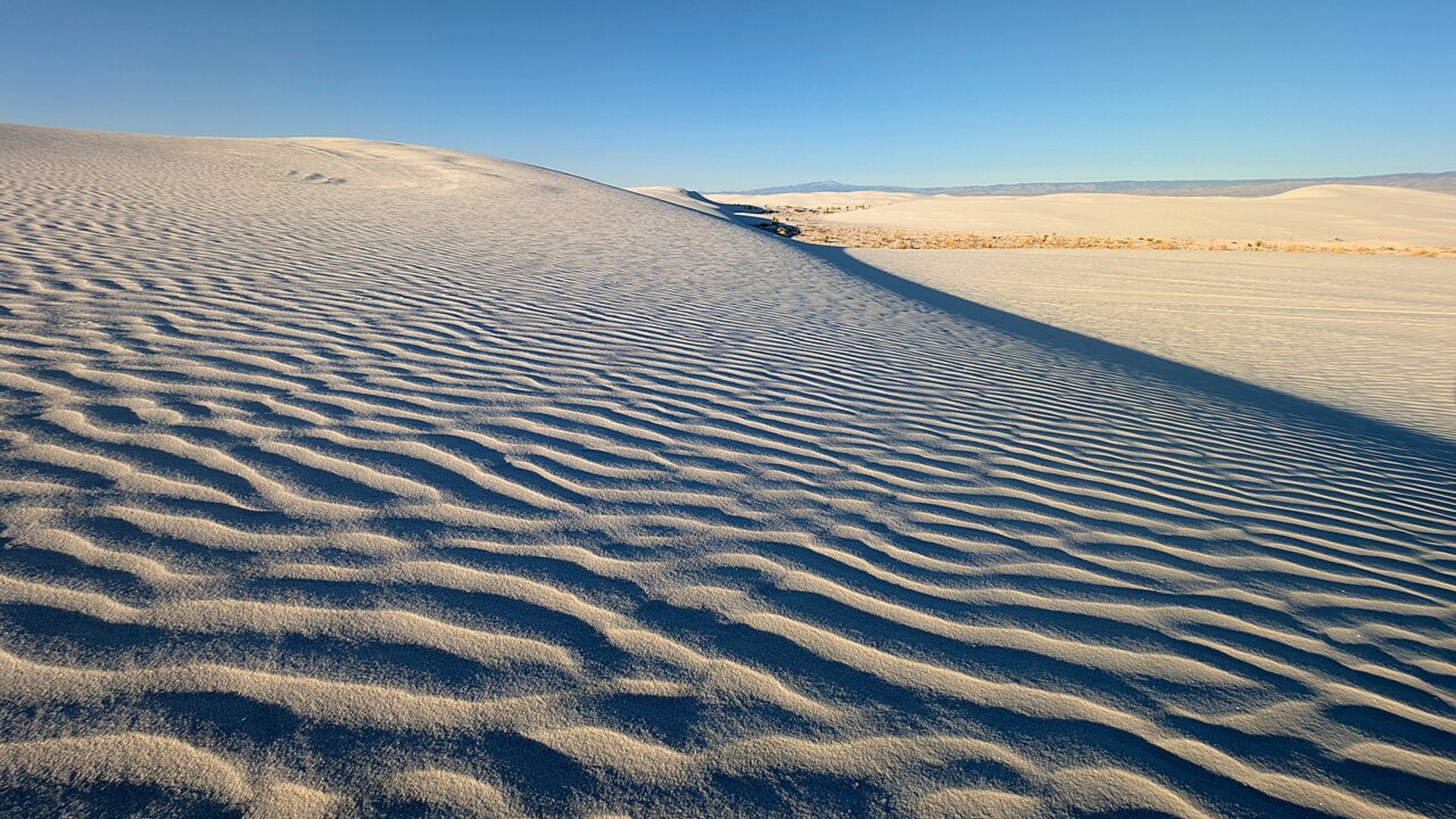
30. White Sands National Park
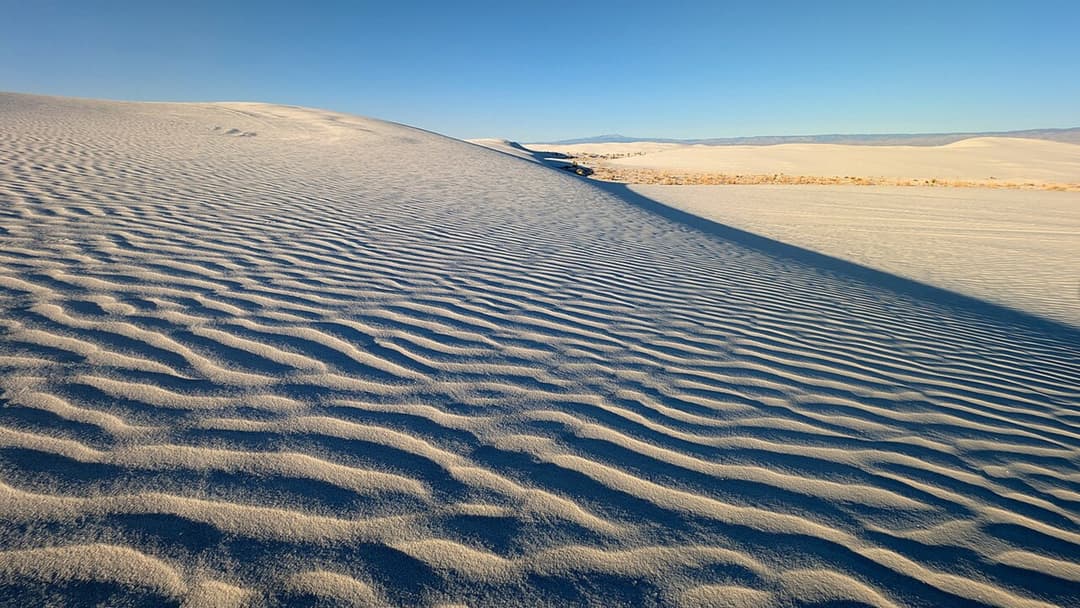
Covering 275 square miles in New Mexico, White Sands contains rare water-soluble gypsum crystals. Because gypsum does not absorb heat from the sun, the white dunes remain cool to the touch even during blistering summer days. Walking across the silent expanse feels like exploring an ice planet.
©Wikimedia / Krzysztof Ziarnek, Kenraiz
Advertisement
Swipe or tap ▶ to resume the countdown.
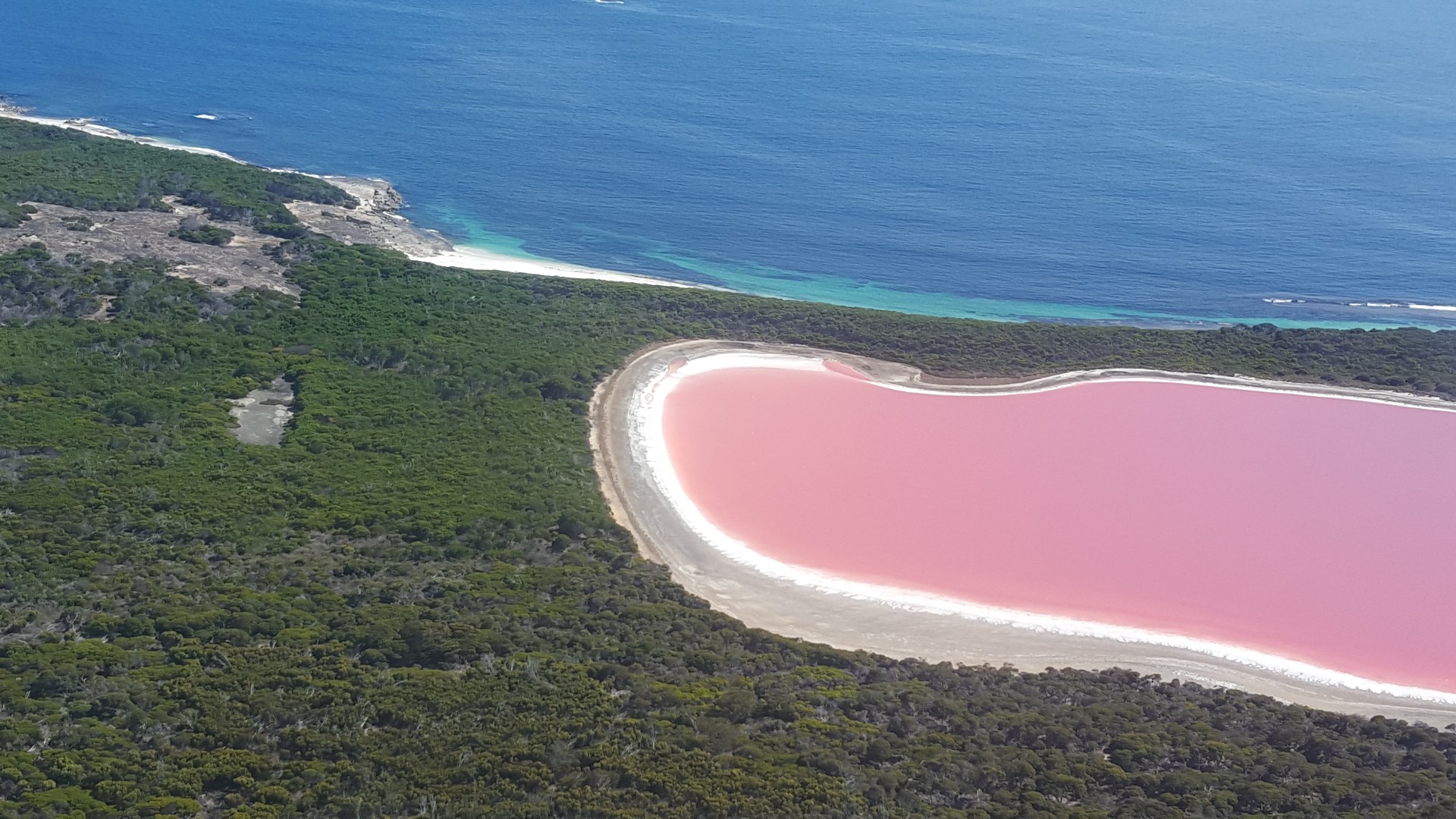
29. Lake Hillier
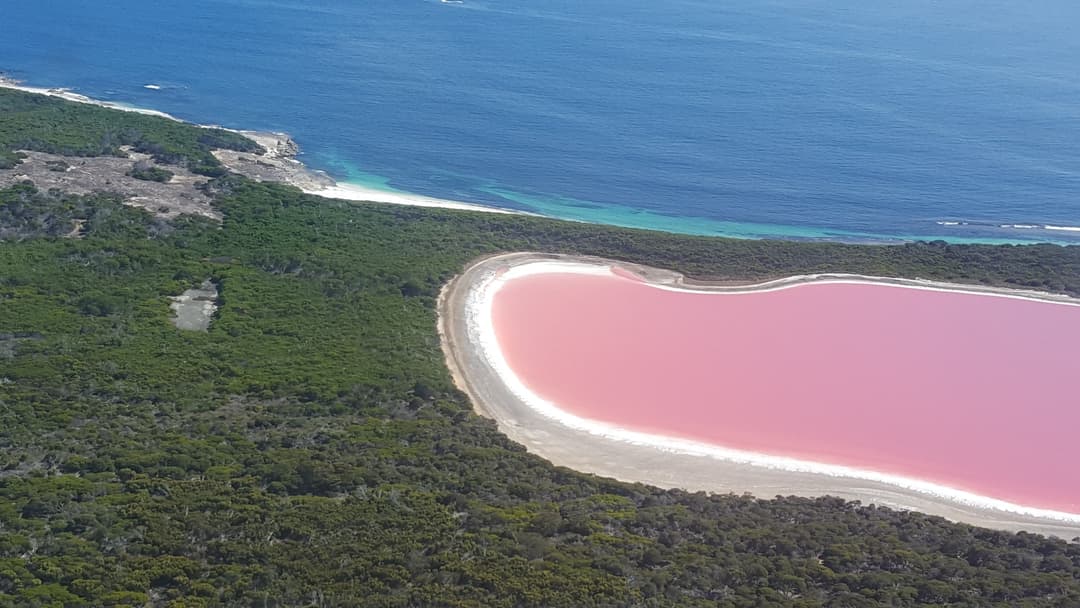
Situated on Middle Island off Western Australia's southern coast, Lake Hillier maintains its vivid magenta hue year-round. Scientists discovered that salt-tolerant microalgae and halophilic bacteria produce carotenoid pigments that color the briny water. Even when bottled, the pink liquid never fades.
©Wikimedia / Yodaobione
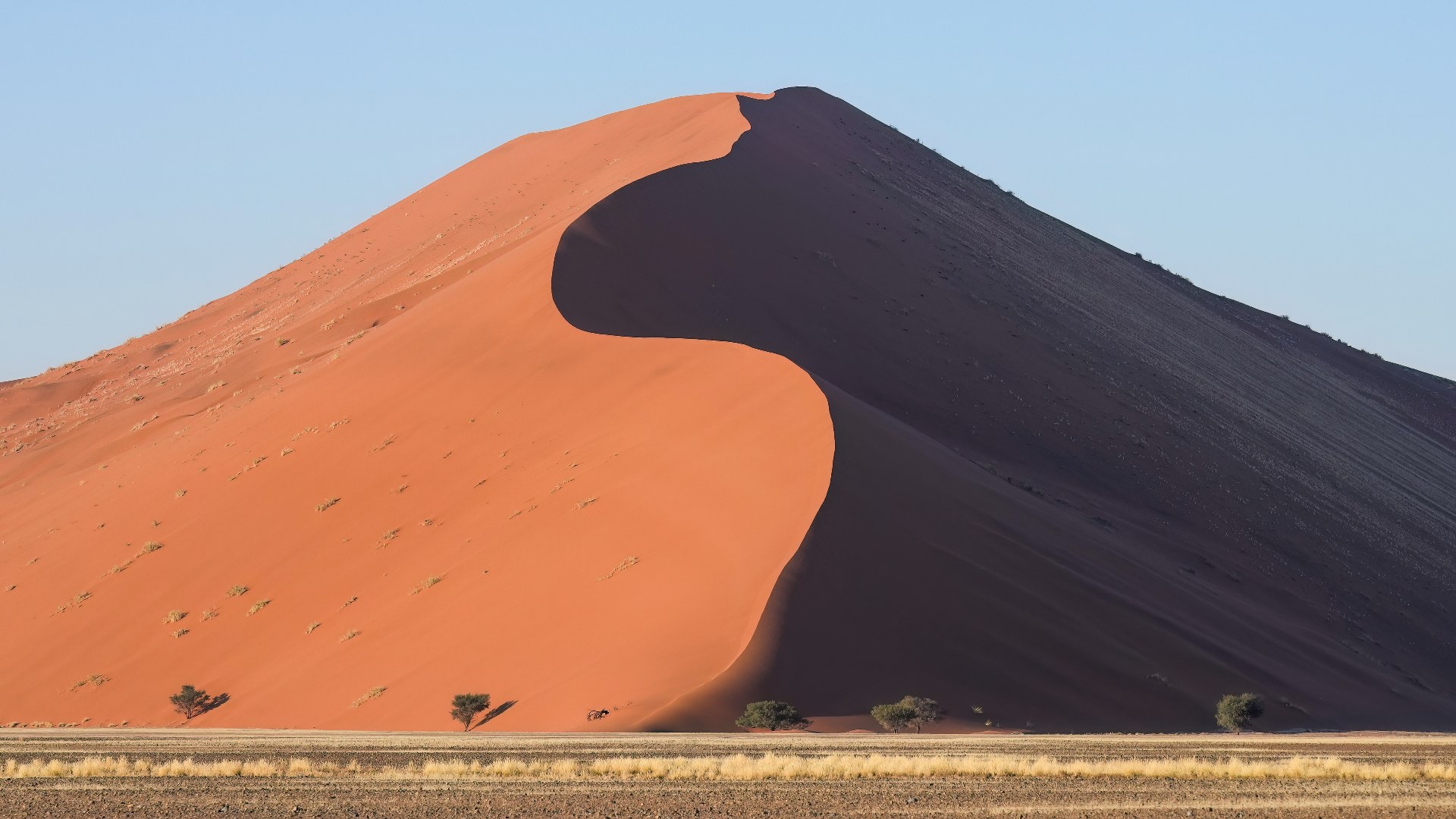
28. Sossusvlei Sand Dunes
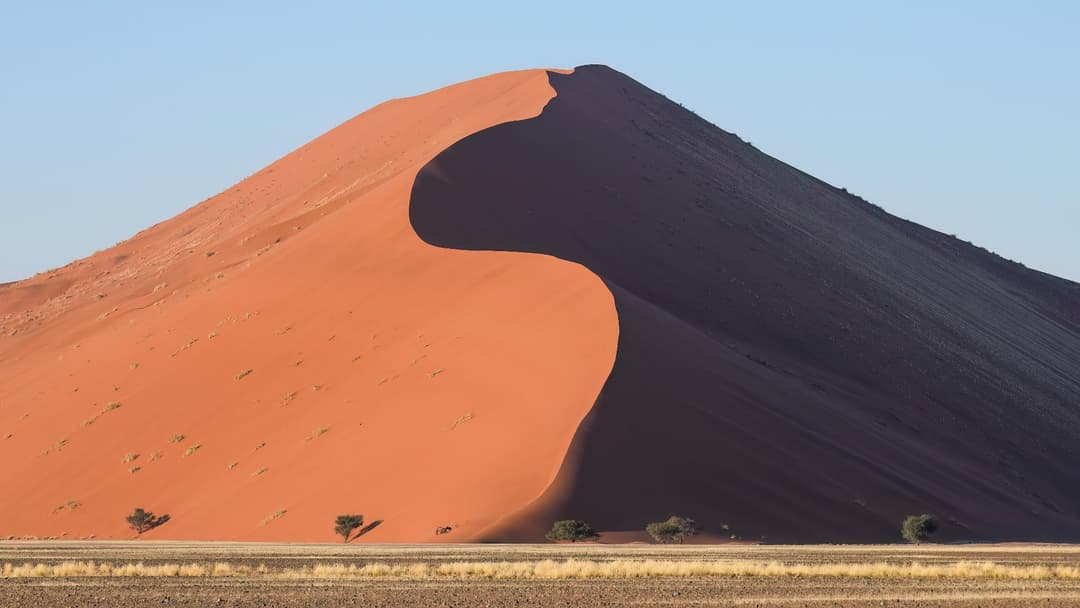
The Namib is the oldest desert on Earth, having experienced arid conditions for fifty-five million years. High iron oxide concentrations give its massive sand waves their deep orange-red coloration. Morning shadows carve razor-sharp edges across the dunes, producing an eerie Martian vista.
©Wikimedia / Giles Laurent
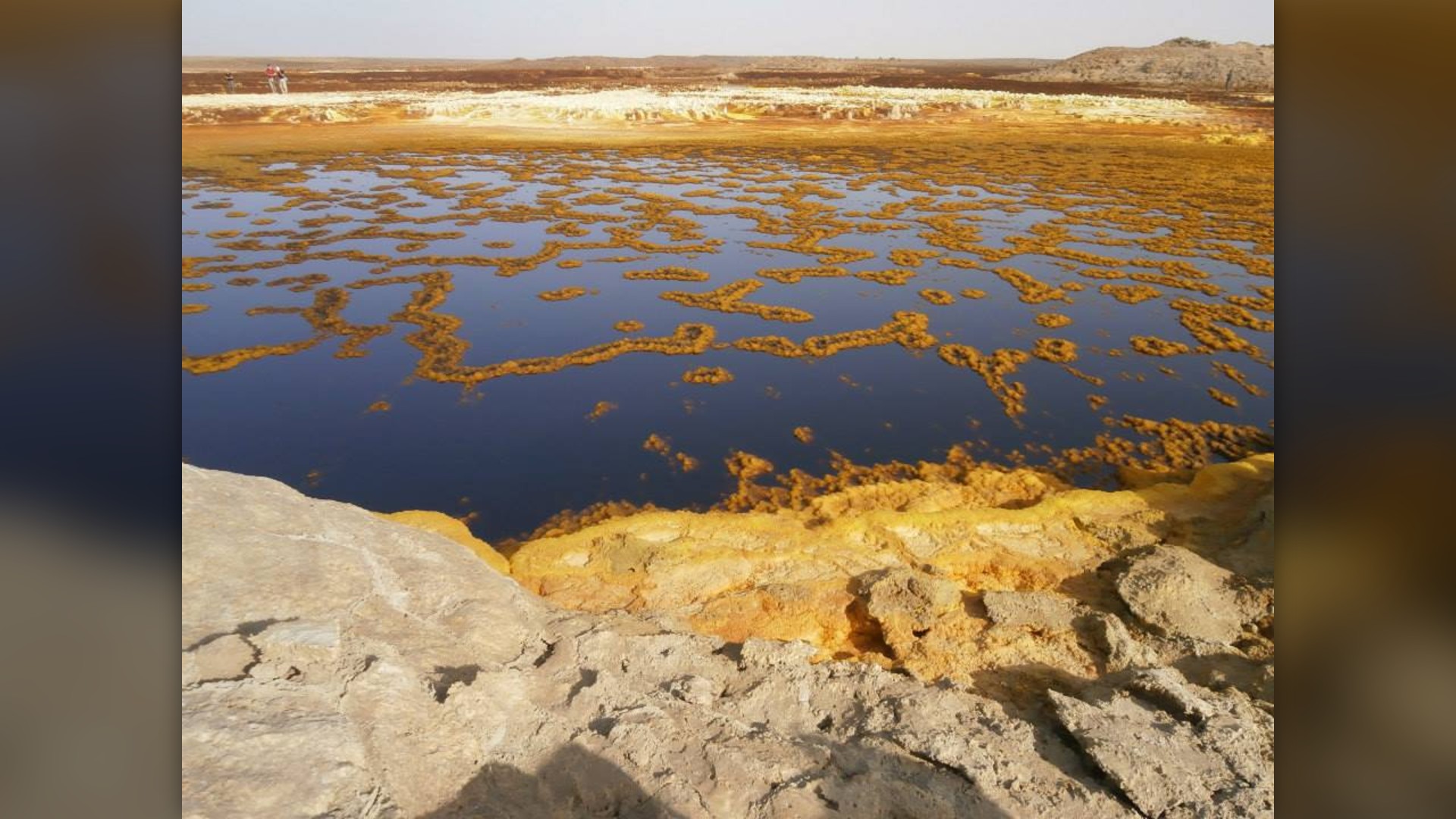
27. Danakil Depression
Three continental plates slowly diverge beneath northern Ethiopia, opening an active volcanic hellscape. Persistent lava lakes at Erta Ale bubble beside acidic geysers and brittle sulfur crusts. Temperatures routinely top 120 degrees Fahrenheit, creating conditions comparable to volcanic exoplanets.
©Wikimedia / Barrowbob
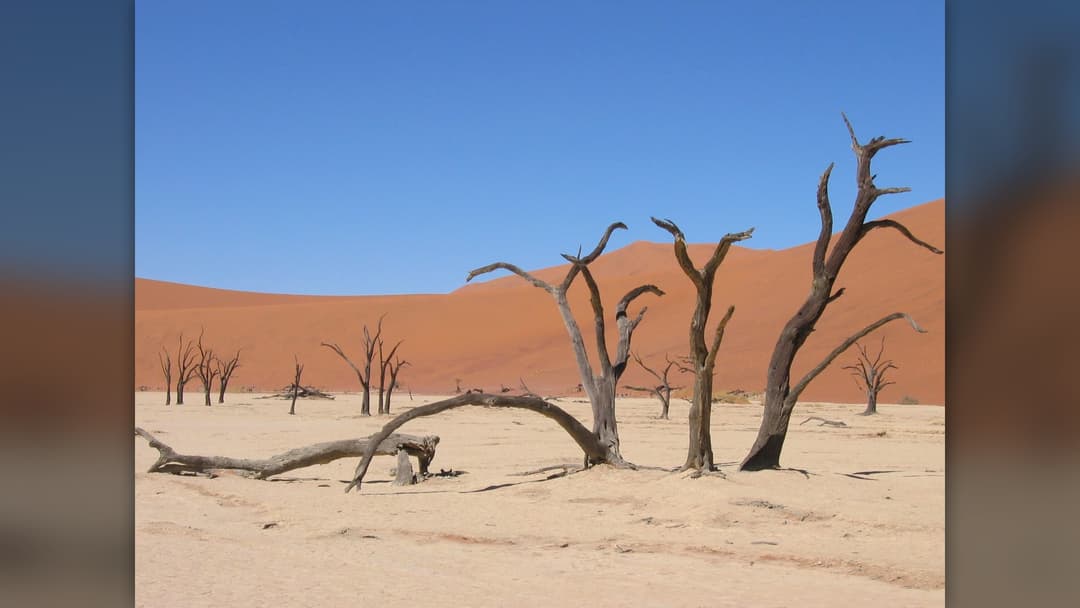
26. Deadvlei Clay Pan
Centuries ago, the Tsauchab River flooded, allowing camel thorn trees to sprout in this Namibian basin. When shifting dunes cut off water flow, the intense climate dried the trees without decomposing them. Today, scorched black trunks contrast sharply against white clay and towering orange dunes.
©Wikimedia / Harald Süpfle
Advertisement
Swipe or tap ▶ to resume the countdown.
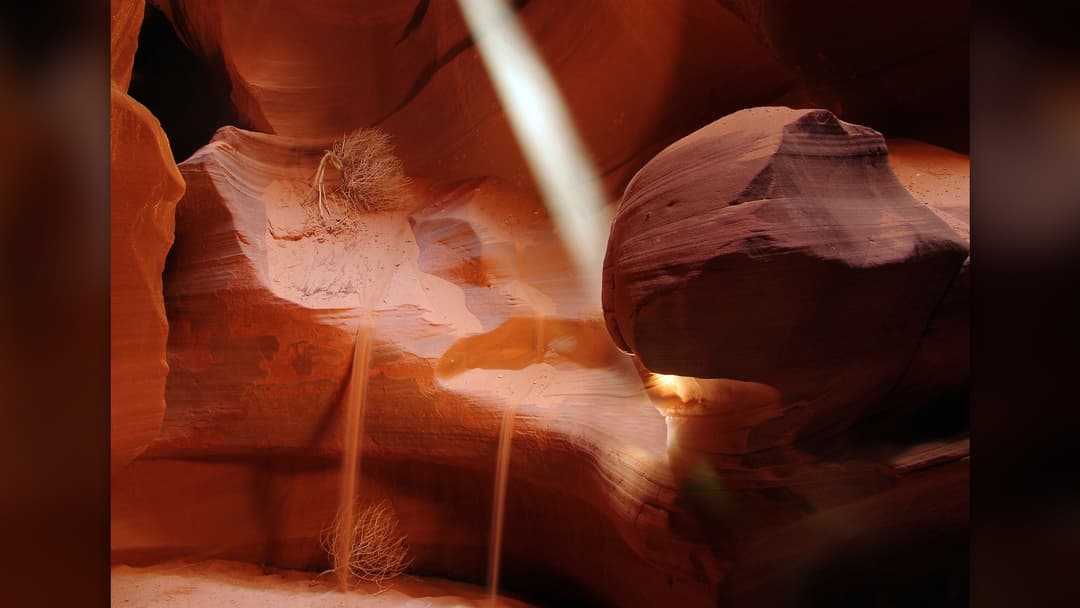
25. Antelope Canyon
Centuries of monsoon floods funneled through narrow desert washes, polishing Navajo sandstone into flowing wave-like corridors. Midday sunlight penetrates narrow ceiling fissures, illuminating airborne dust in ethereal shafts. The subterranean light display feels like walking inside a digital simulation.
©Wikimedia / Mferbfriske
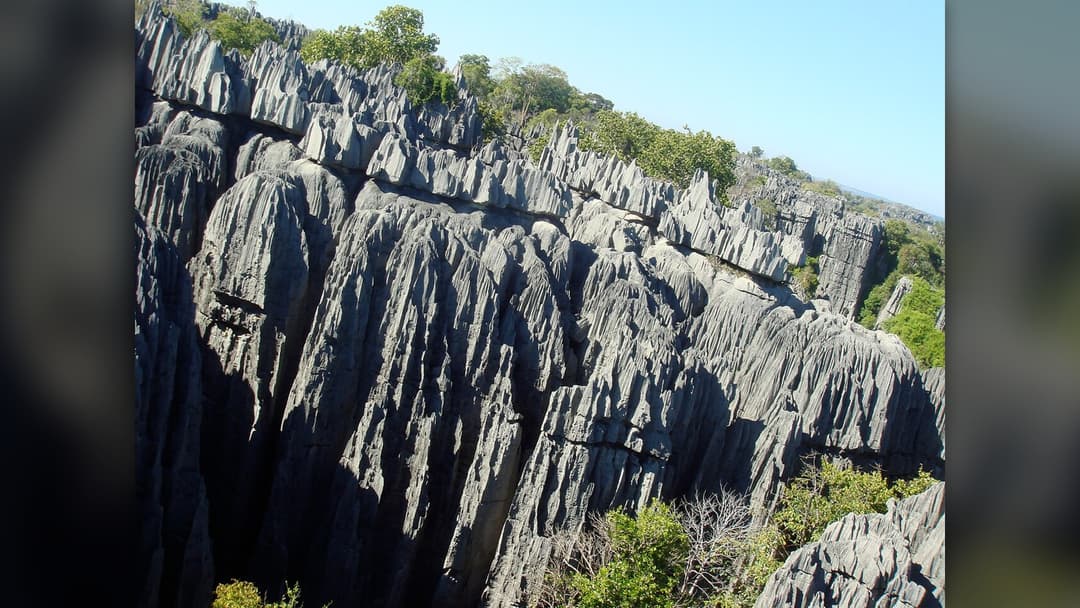
24. Tsingy De Bemaraha
Rising hundreds of feet into the air, these razor-edged limestone formations formed through groundwater erosion and tropical acid rain. The stone forest is so dense that humans require specialized climbing gear to cross it. Rare lemurs leap across the knife-like stone tips with complete ease.
©Wikimedia / Olivier Lejade
23. Bisti Wilderness
Seventy million years ago, a coastal delta covered northwestern New Mexico. Today, constant wind and rain wear down interbedded shale and sandstone, unearthing bizarre rock pillars and fossilized dinosaur bones. The desolate badlands feel like walking on the eroded terrain of a dead moon.
©Wikimedia / Bureau of Land Management
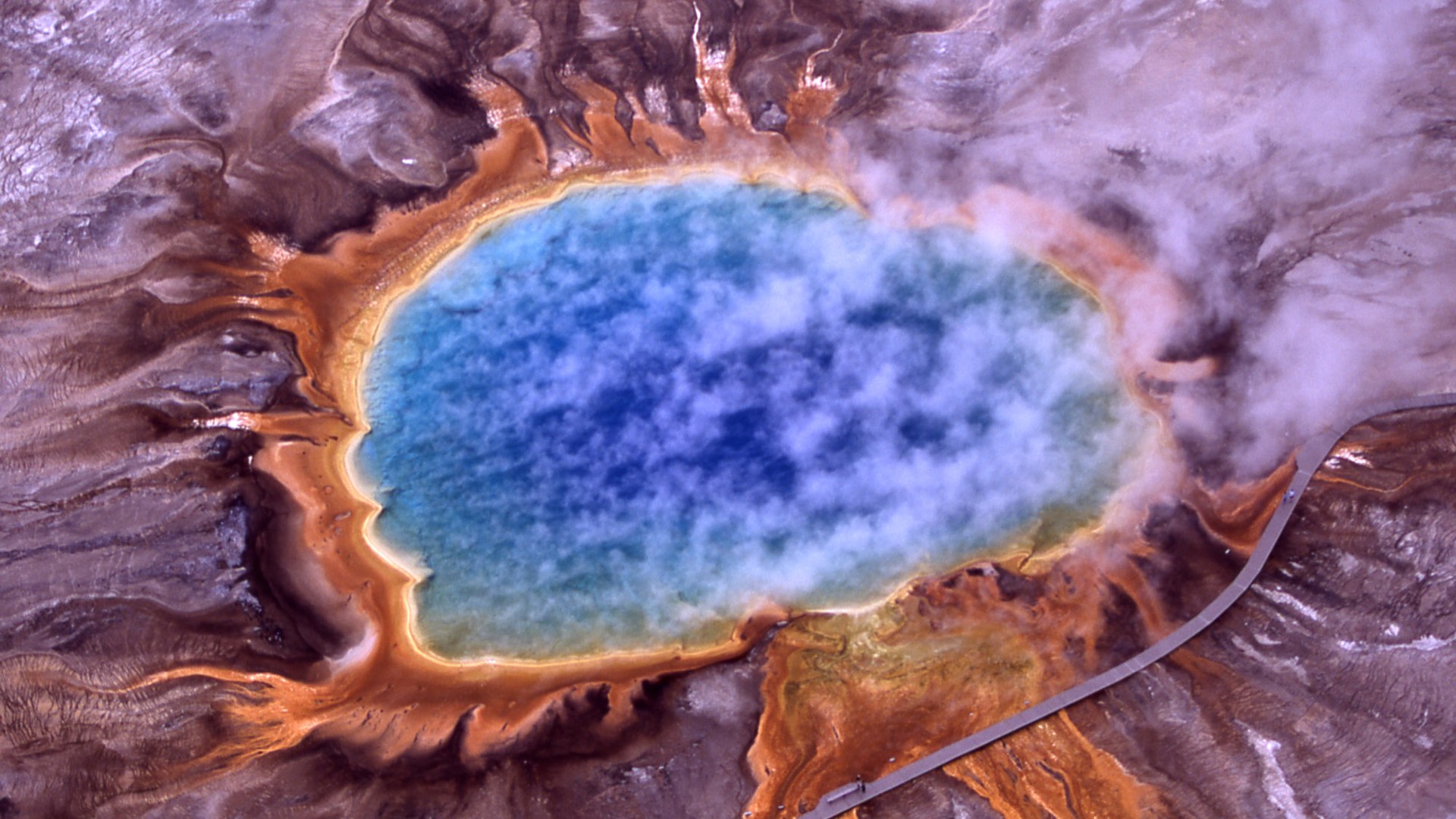
22. Grand Prismatic Spring
Discharging over five hundred gallons of near-boiling water every minute, this Wyoming thermal spring measures 370 feet across. Deep azure water at the center gives way to brilliant bands of orange, yellow, and green. Heat-loving microorganisms produce pigmented sunscreens that color each temperature zone.
©Wikimedia / Jim Peaco, National Park Service
Advertisement
Swipe or tap ▶ to resume the countdown.
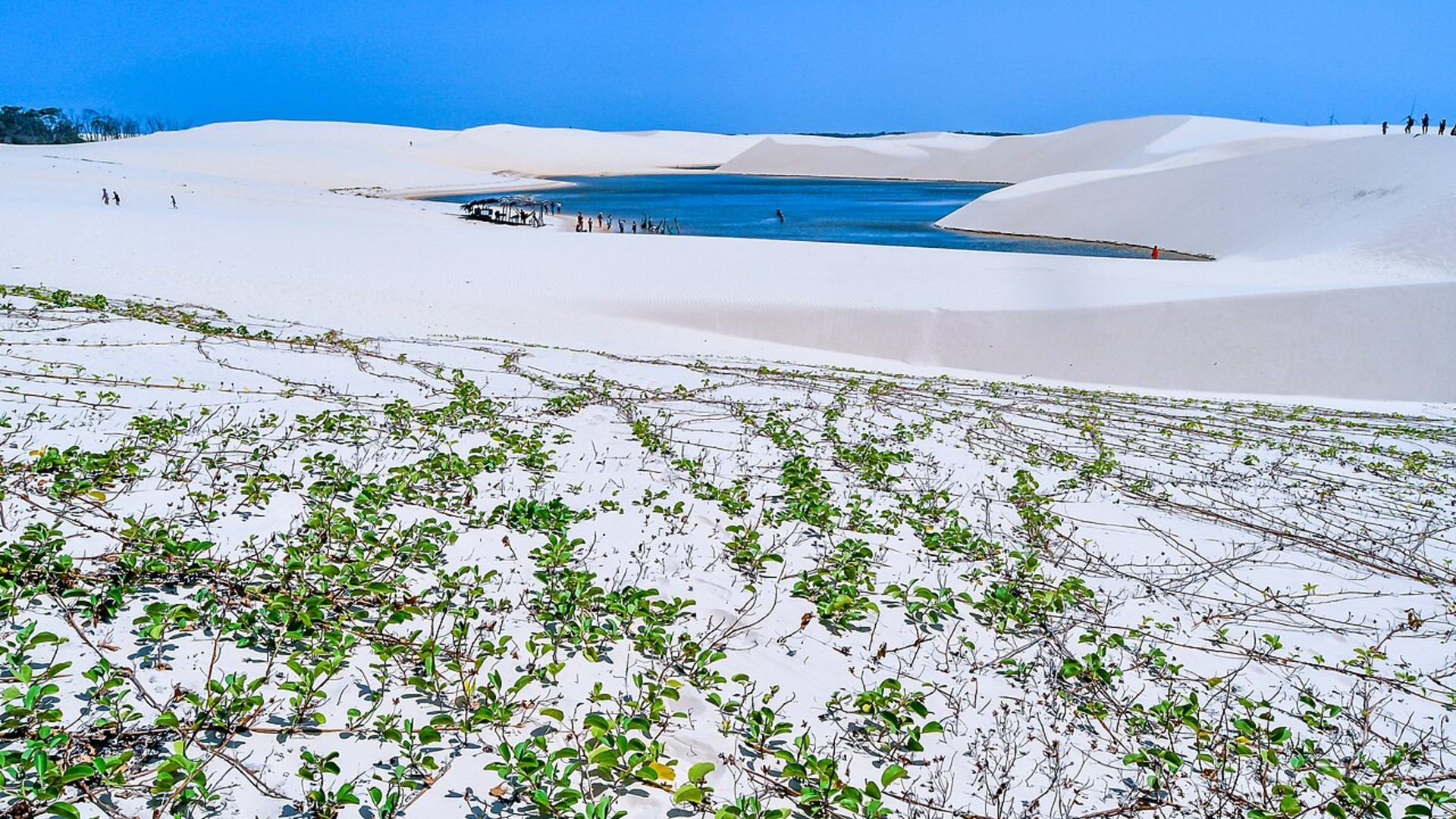
21. Lençóis Maranhenses
Located on Brazil's northern coast, this geographic marvel looks like an arid desert but receives forty-seven inches of annual rainfall. Impermeable rock layers trap rainwater between crescent dunes, creating thousands of crystalline pools. The resulting white-and-blue pattern stretches for miles.
©Wikimedia / Ceiencarelli
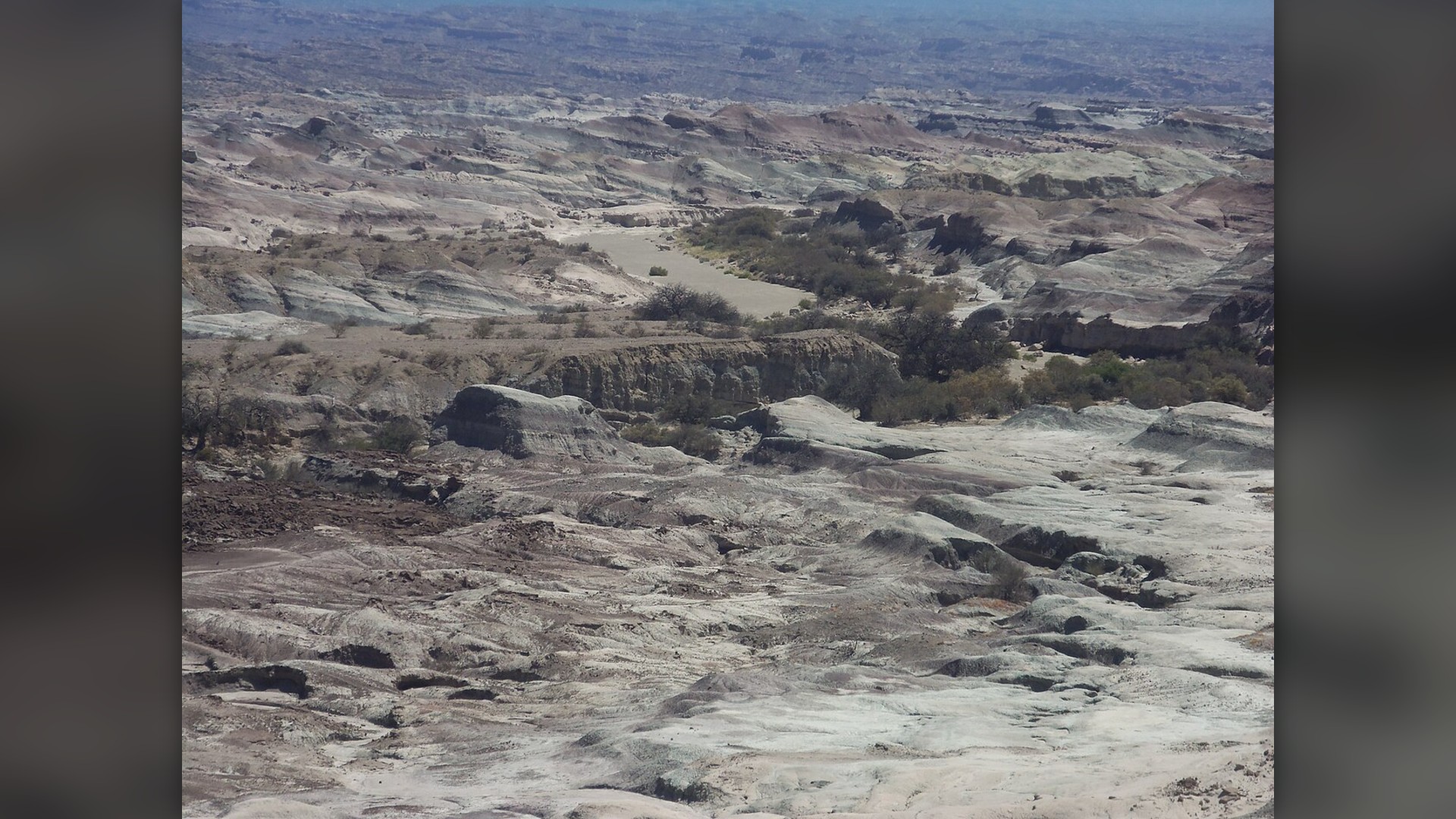
20. Ischigualasto Valley
Commonly known as the Valley of the Moon, Ischigualasto exposes fifty million years of unbroken Triassic geological strata. Wind has sculpted sandstone into uncanny shapes resembling mushrooms and chess pieces. Paleontologists consider it the most complete fossil record of dinosaur origins on Earth.
©Wikimedia / Silvanamisiones
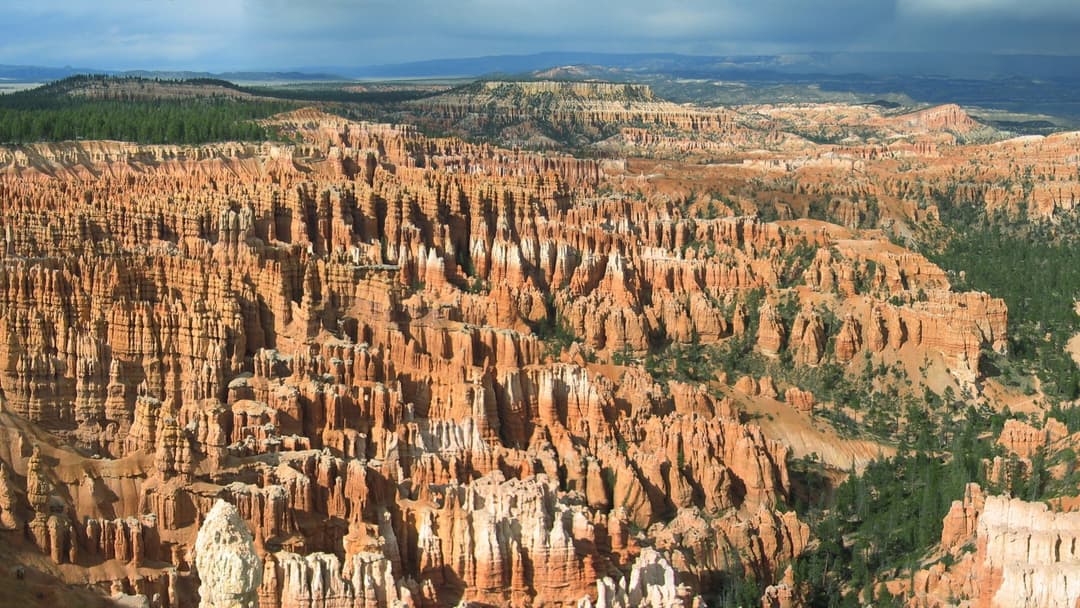
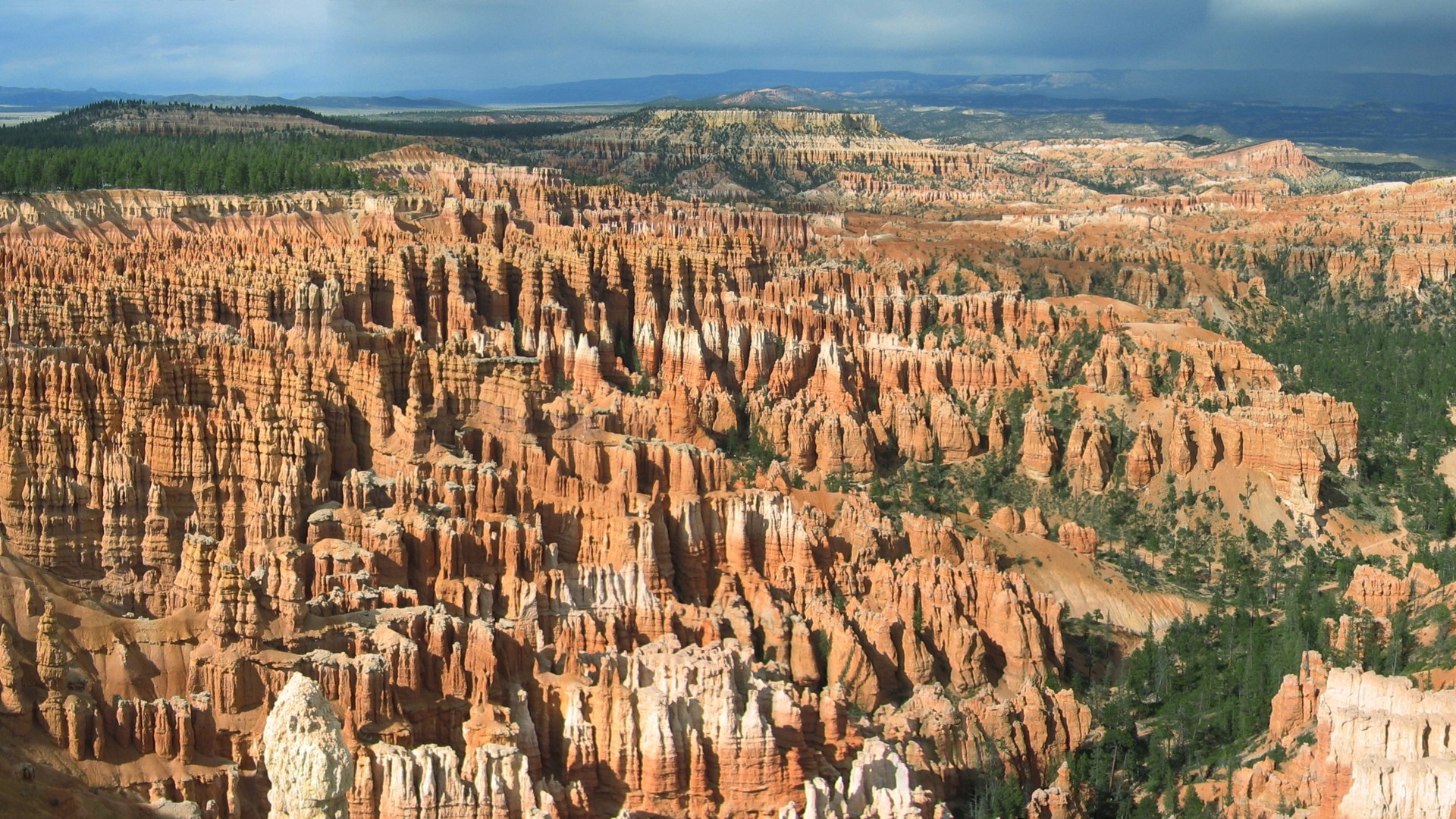
19. Bryce Canyon Hoodoos
Ice wedging and rainwater erosion carve the limestone cliffs of the Paunsaugunt Plateau into delicate rock towers called hoodoos. More than two hundred freeze-thaw cycles occur each year, continuously reshaping the red-rock labyrinth. Sunset bathes the stone columns in an otherworldly crimson glow.
©Wikimedia / “Jon Zander(digon3)”
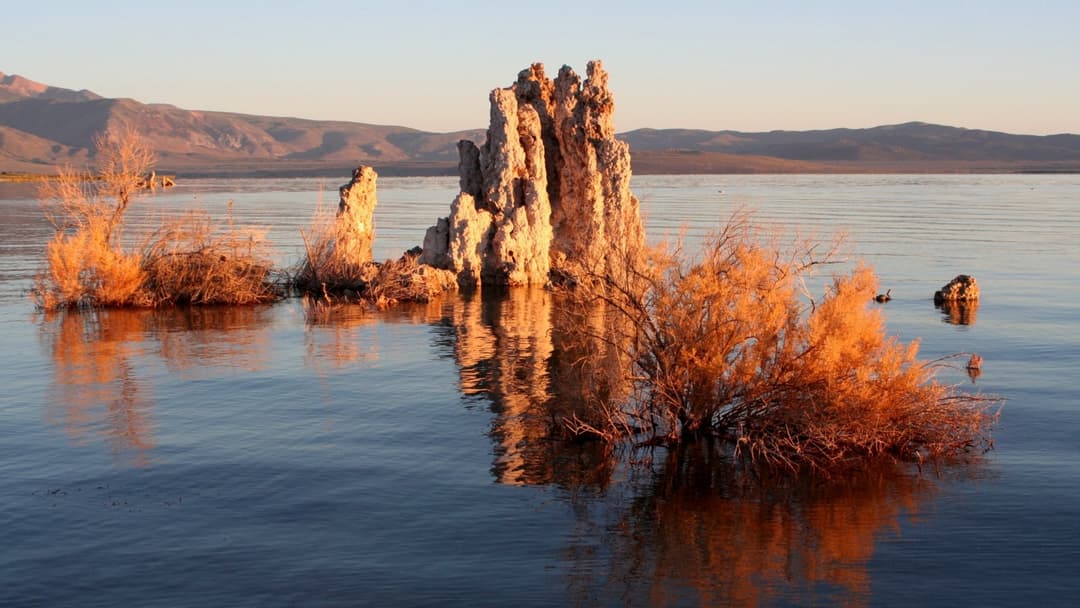
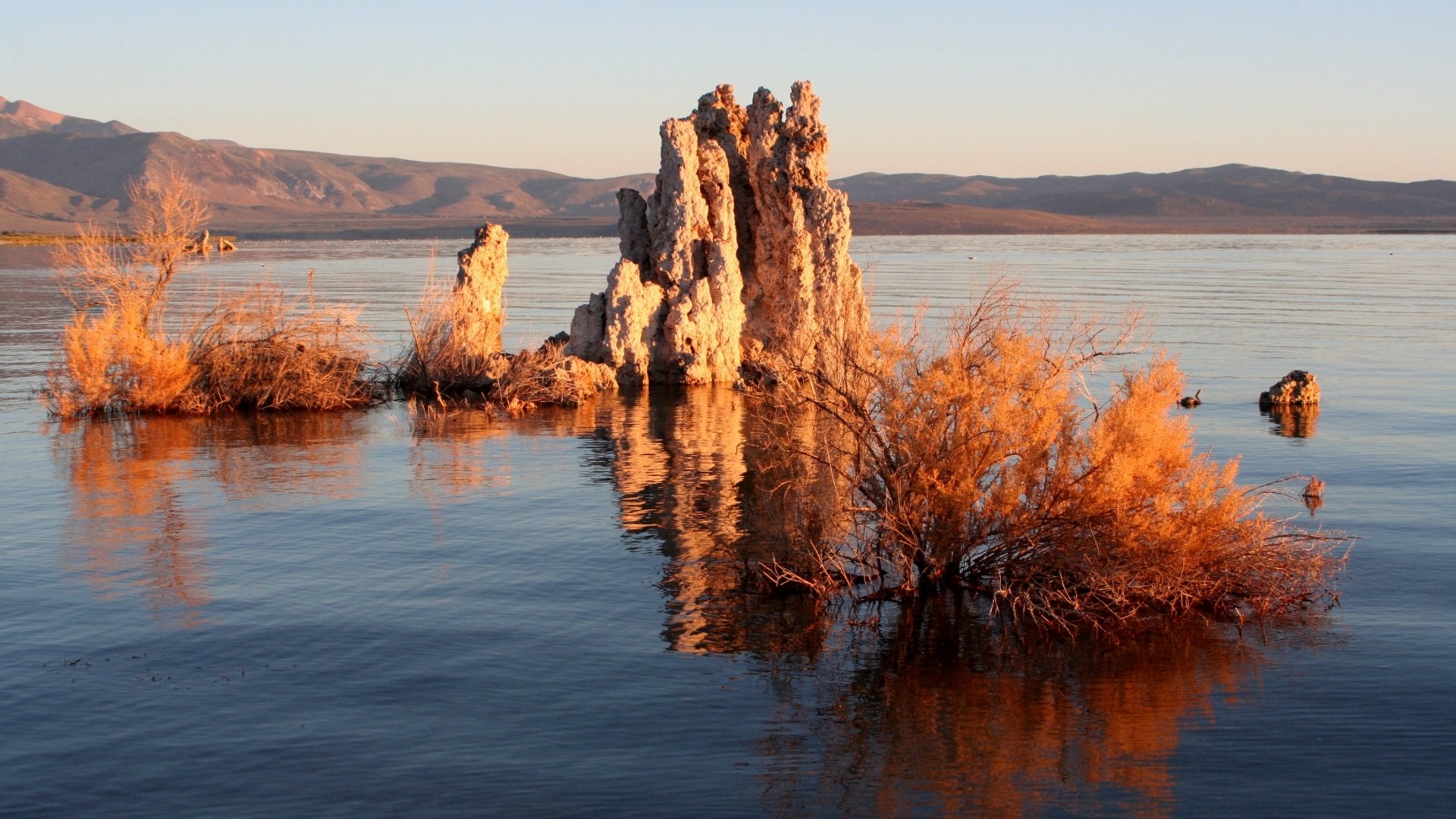
18. Mono Lake Tufa Towers
Mono Lake is nearly three times saltier than the Pacific Ocean and has no natural outlet. Underwater freshwater springs rich in calcium mingled with alkaline carbonates to form porous tufa spires. Water diversions in the twentieth century dropped lake levels, exposing these eerie ghostly columns.
©Wikimedia / Brocken Inaglory
Advertisement
Swipe or tap ▶ to resume the countdown.
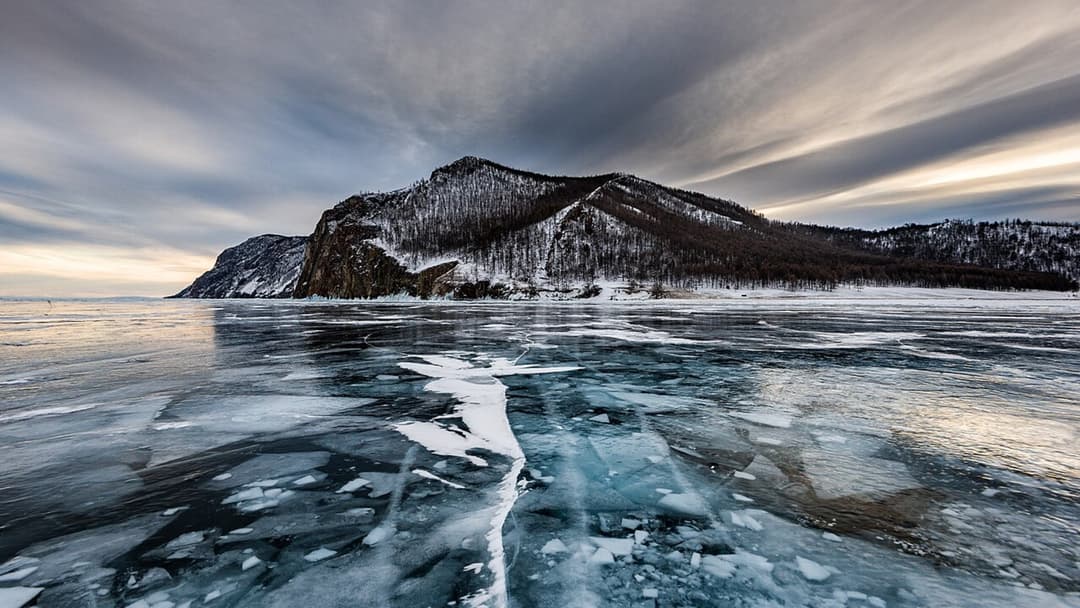
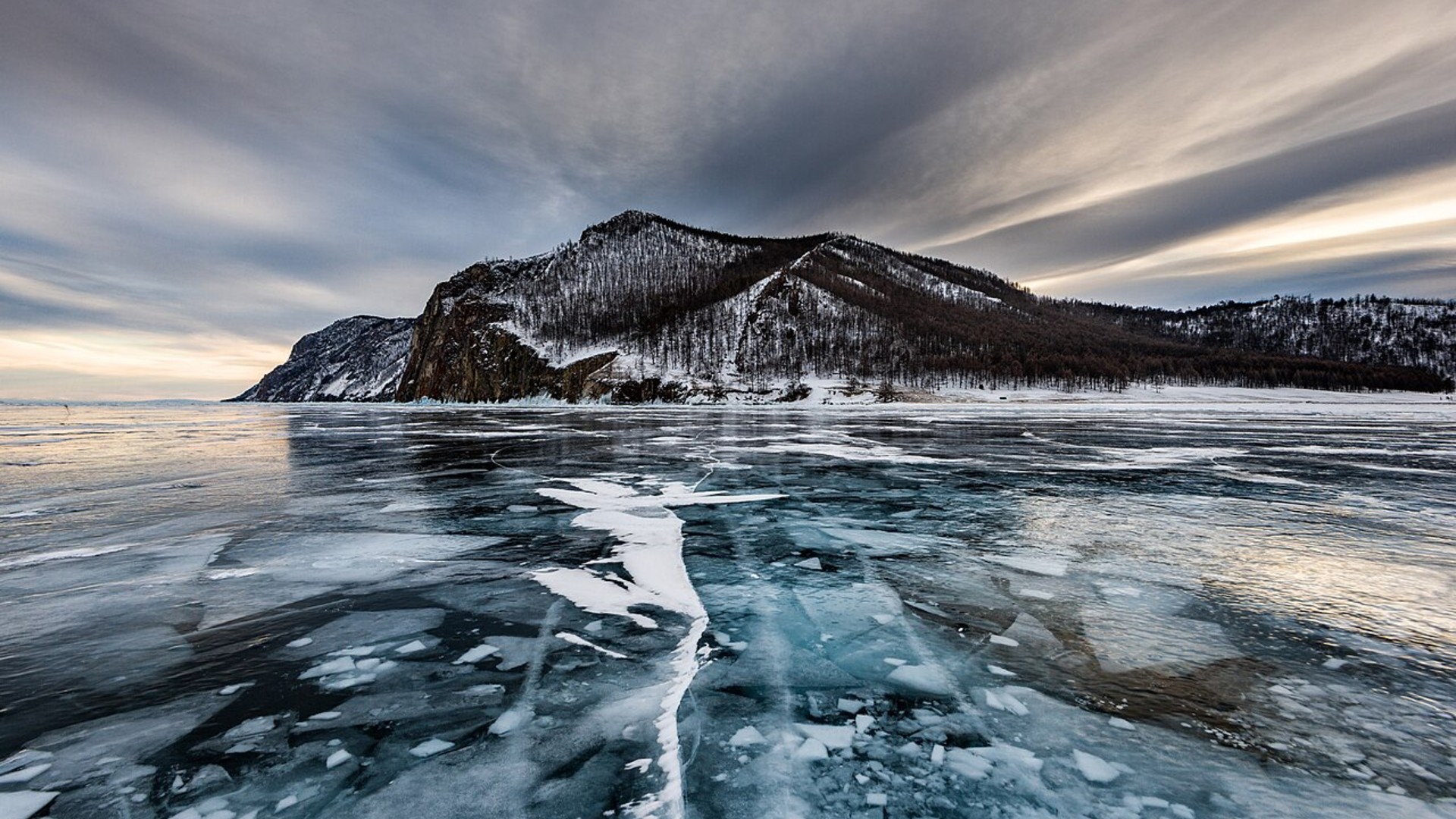
17. Lake Baikal Winter Ice
Holding twenty percent of Earth's unfrozen surface freshwater, Lake Baikal freezes up to six feet thick during Siberian winters. Exceptional water clarity allows daylight to penetrate deep into fractured turquoise ice blocks. Trapped biological methane forms ghostly white spheres frozen mid-rise.
©Wikimedia / Sergey Pesterev
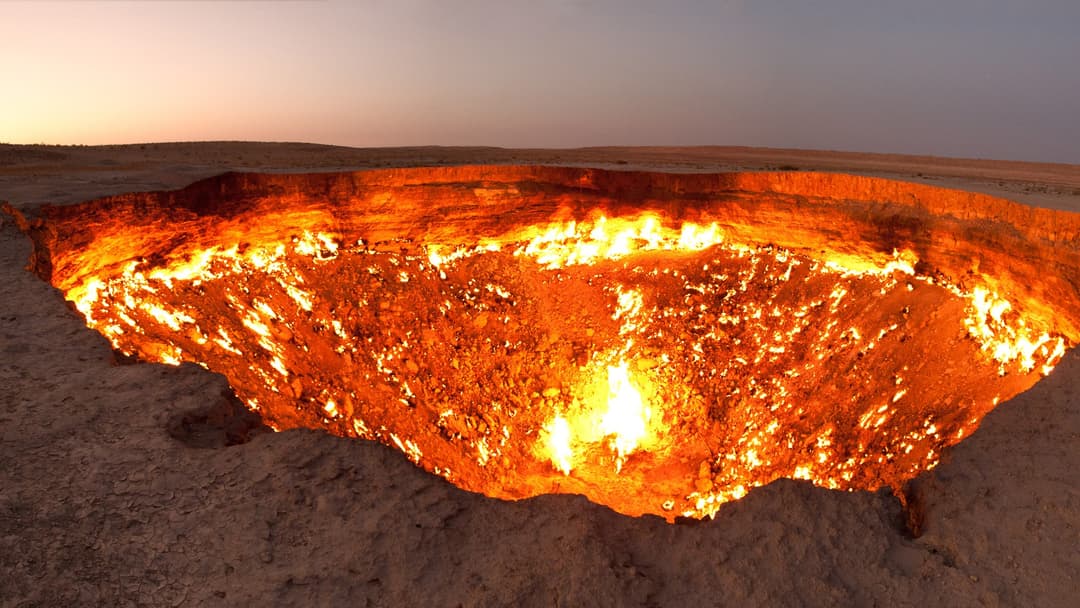
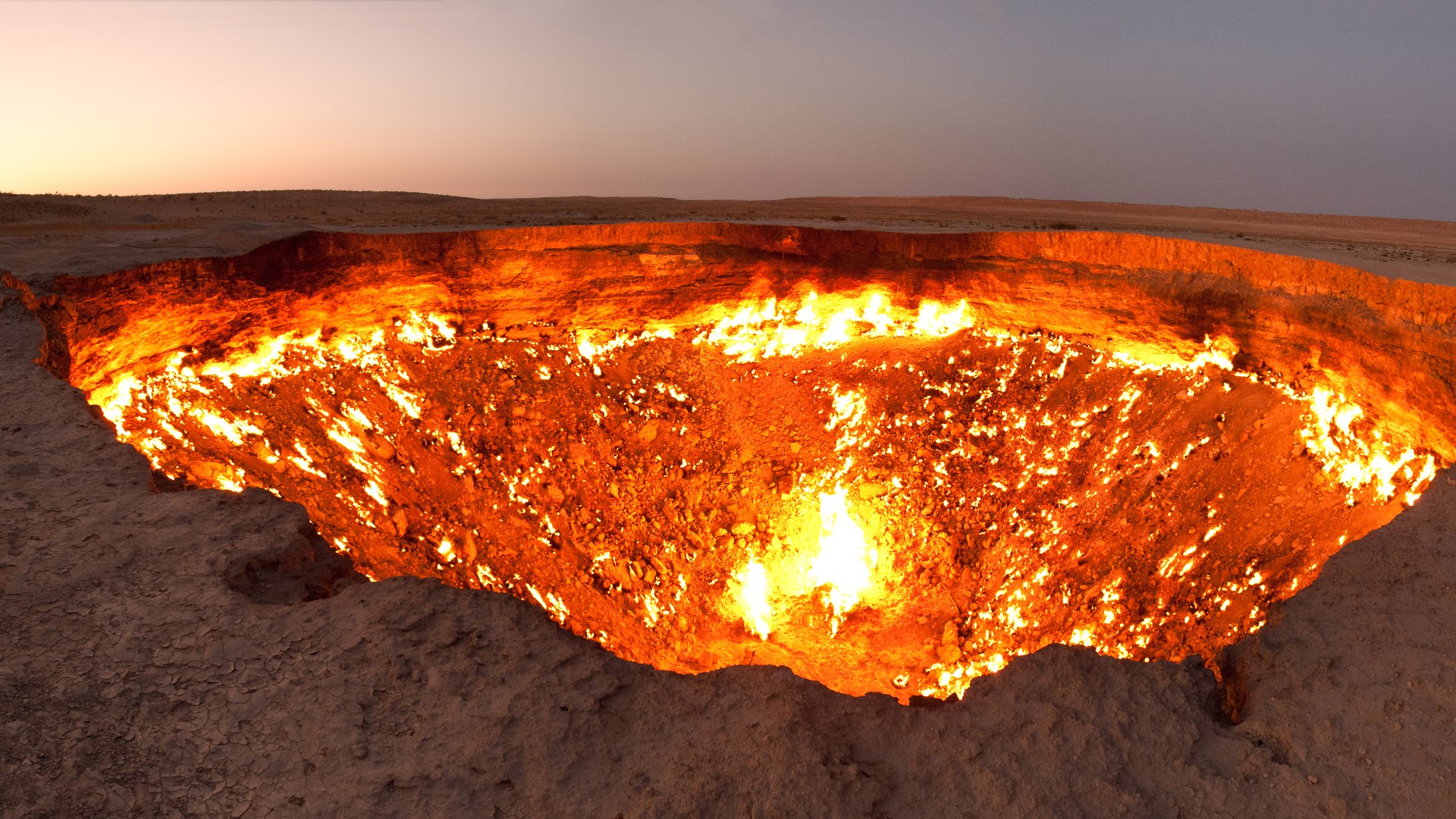
16. Darvaza Gas Crater
Soviet engineers were drilling for oil in Turkmenistan when their rig collapsed into a subterranean gas pocket. To prevent poisonous fumes from escaping, crews ignited the cavern expecting flames to burn out within weeks. The fiery two-hundred-foot cauldron has blazed uninterrupted for half a century.
©Wikimedia / Tormod Sandtorv (original picture) Hellbus
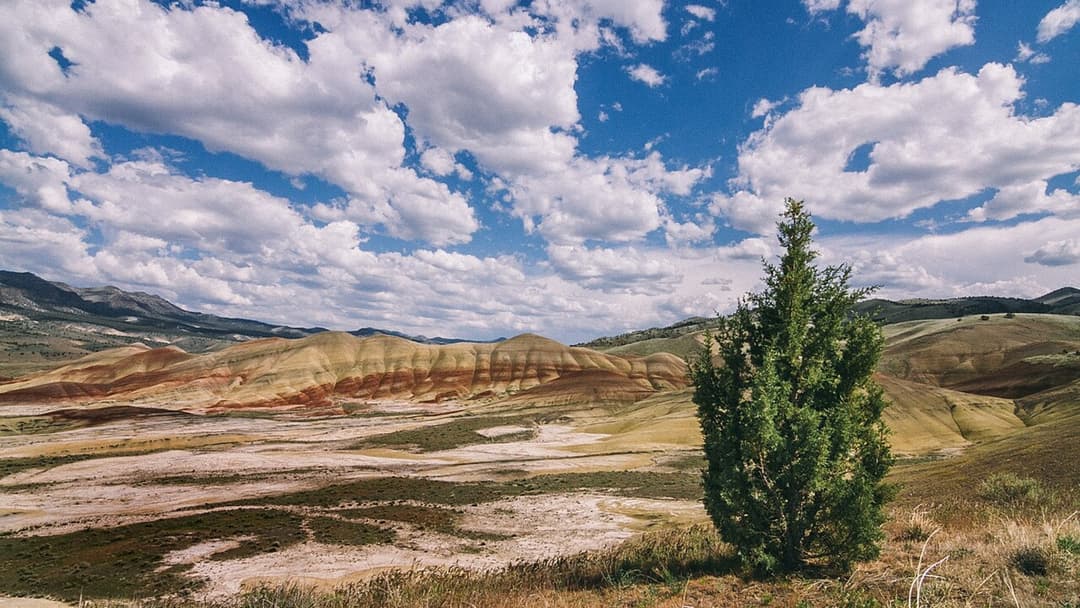
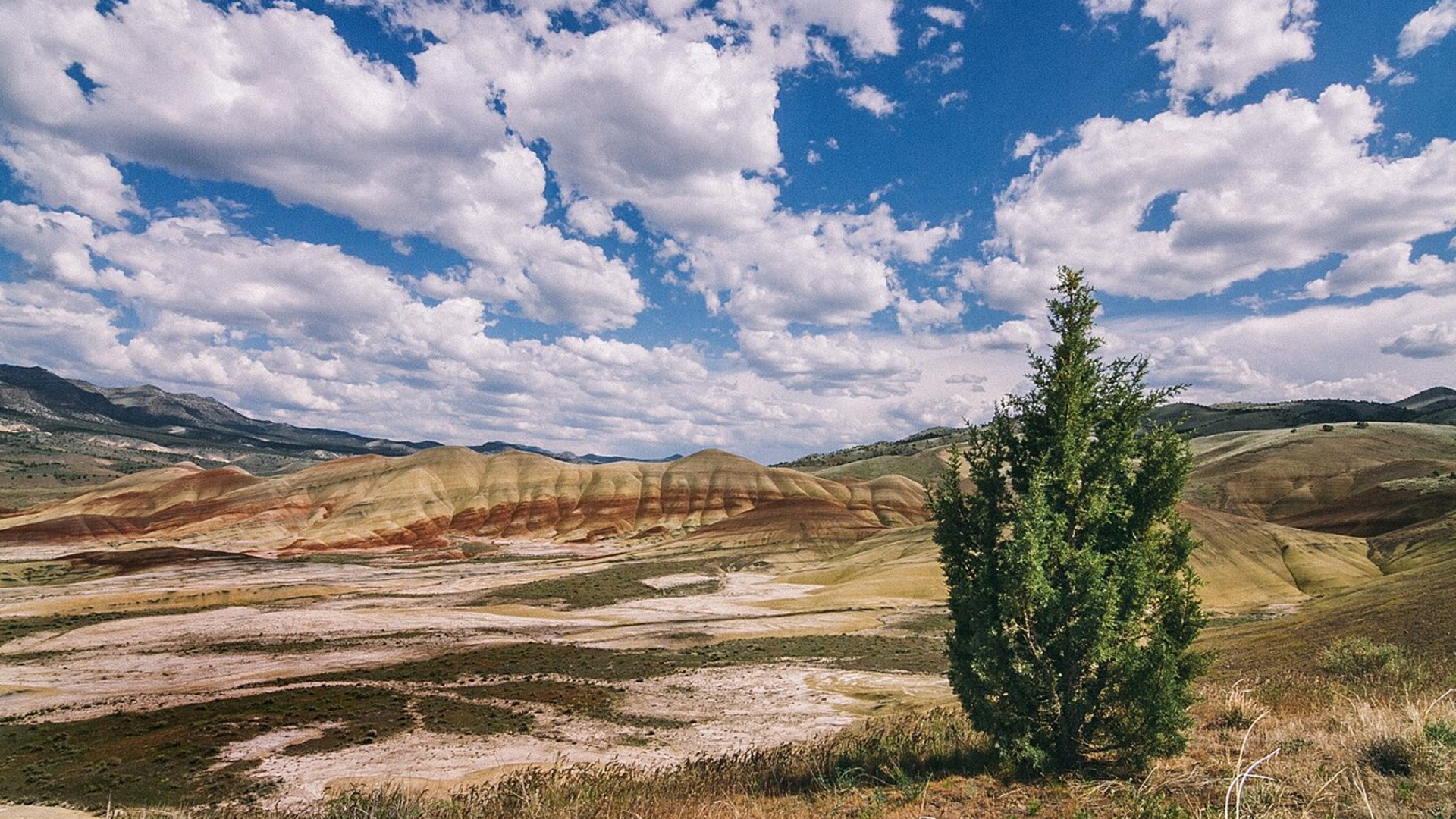
15. Painted Hills
Part of the John Day Fossil Beds, these hills display vivid ochre, black, and red horizontal strata. Each color represents distinct ancient floodplain soils weathered under ancient tropical and temperate climates. Shifts in sunlight and air moisture cause the colored clay bands to change shade throughout the day.
©Wikimedia / Ivan McClellan from Portland, OR, USA
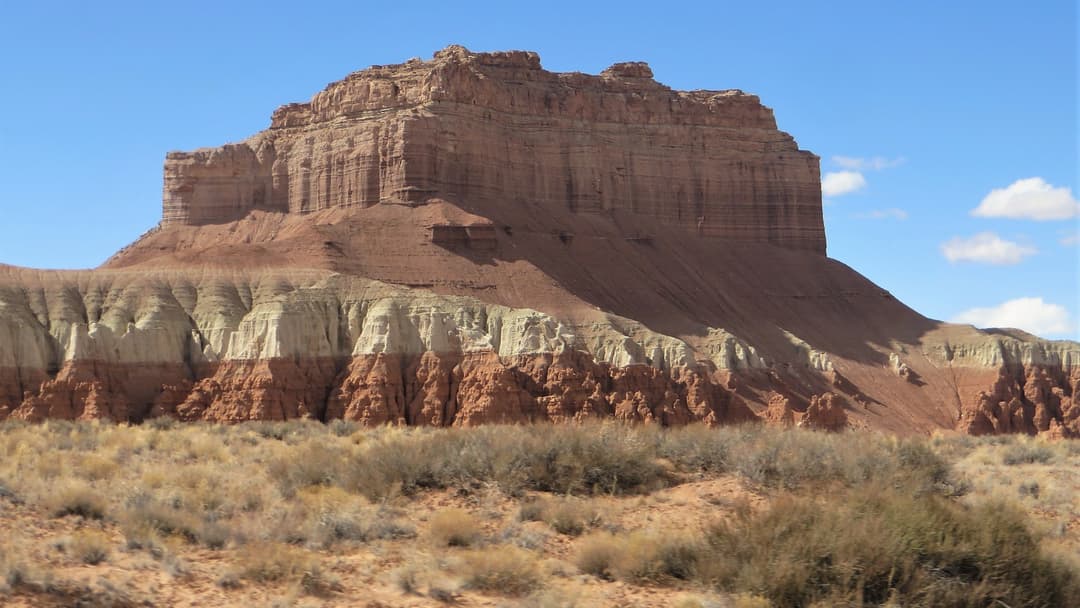
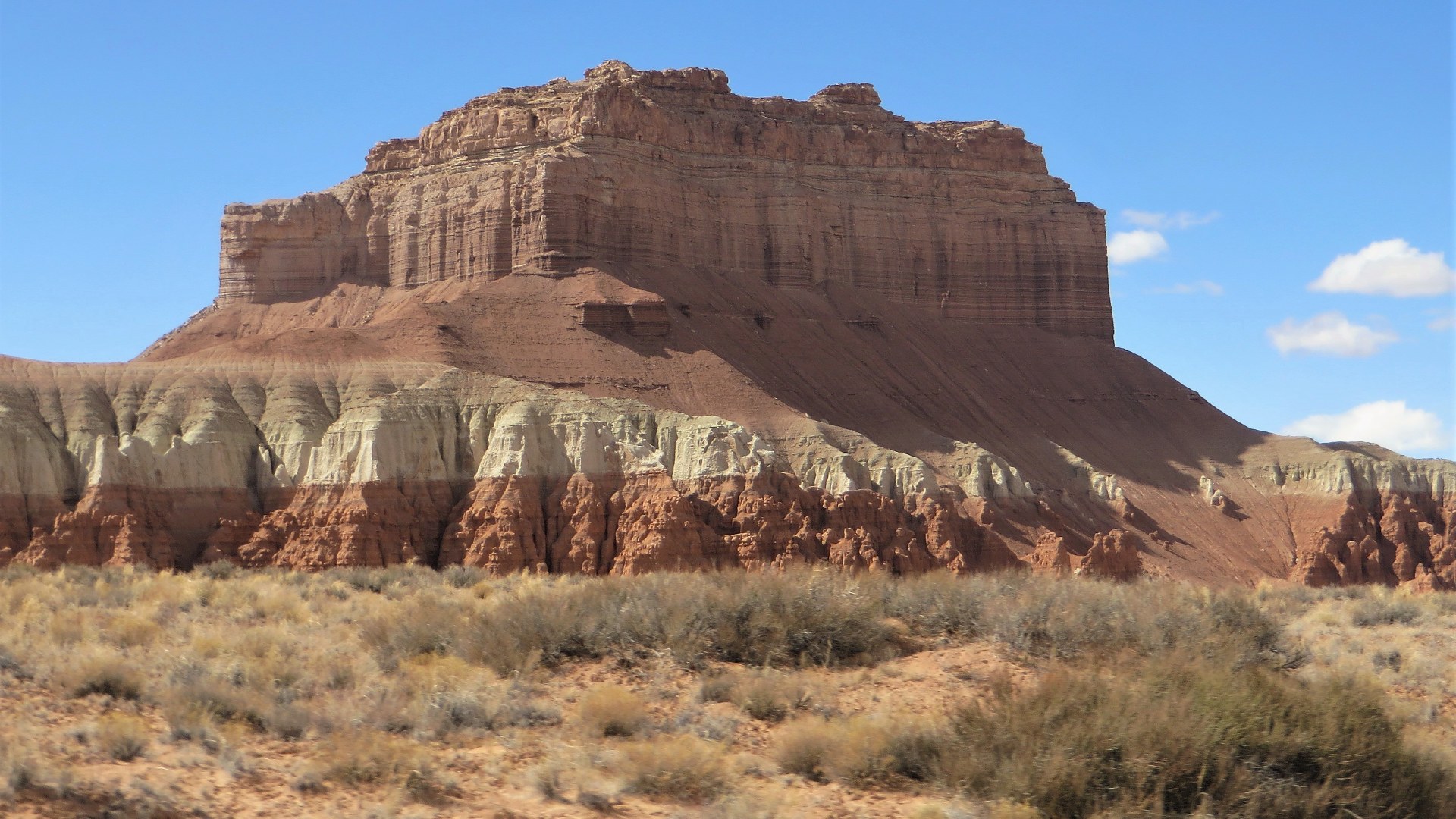
14. Goblin Valley State Park
Porous Entrada sandstone weathered beneath harder caprock layers to form thousands of round goblin-like hoodoos. Hollywood directors filmed alien planet scenes here for the sci-fi comedy Galaxy Quest. Wandering among the bizarre rock gnomes feels like touching down on an uninhabited exoplanet.
©Wikimedia / Ken Lund
Advertisement
Swipe or tap ▶ to resume the countdown.
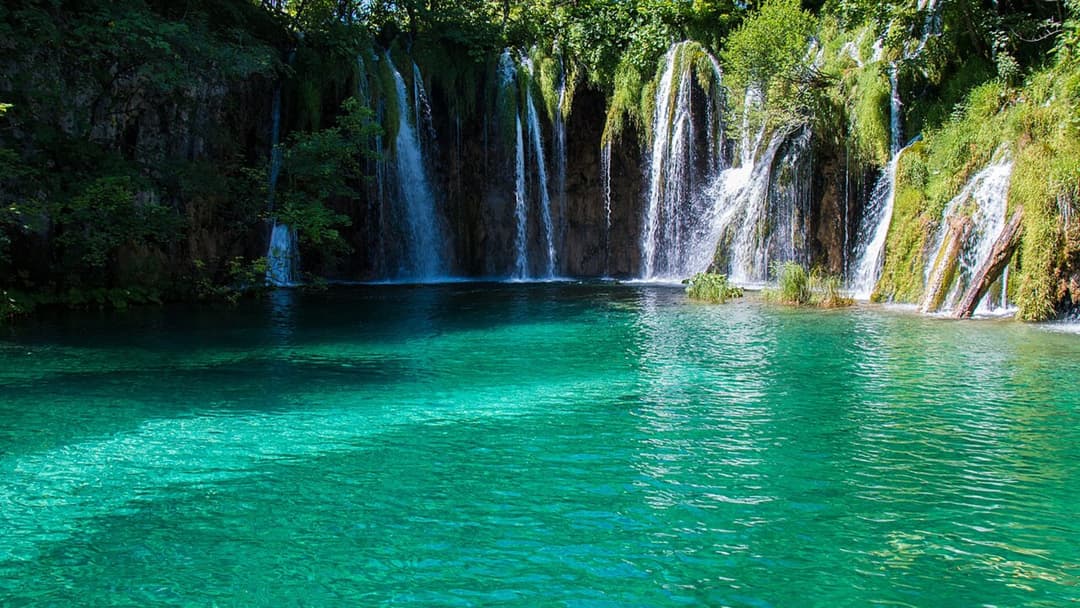
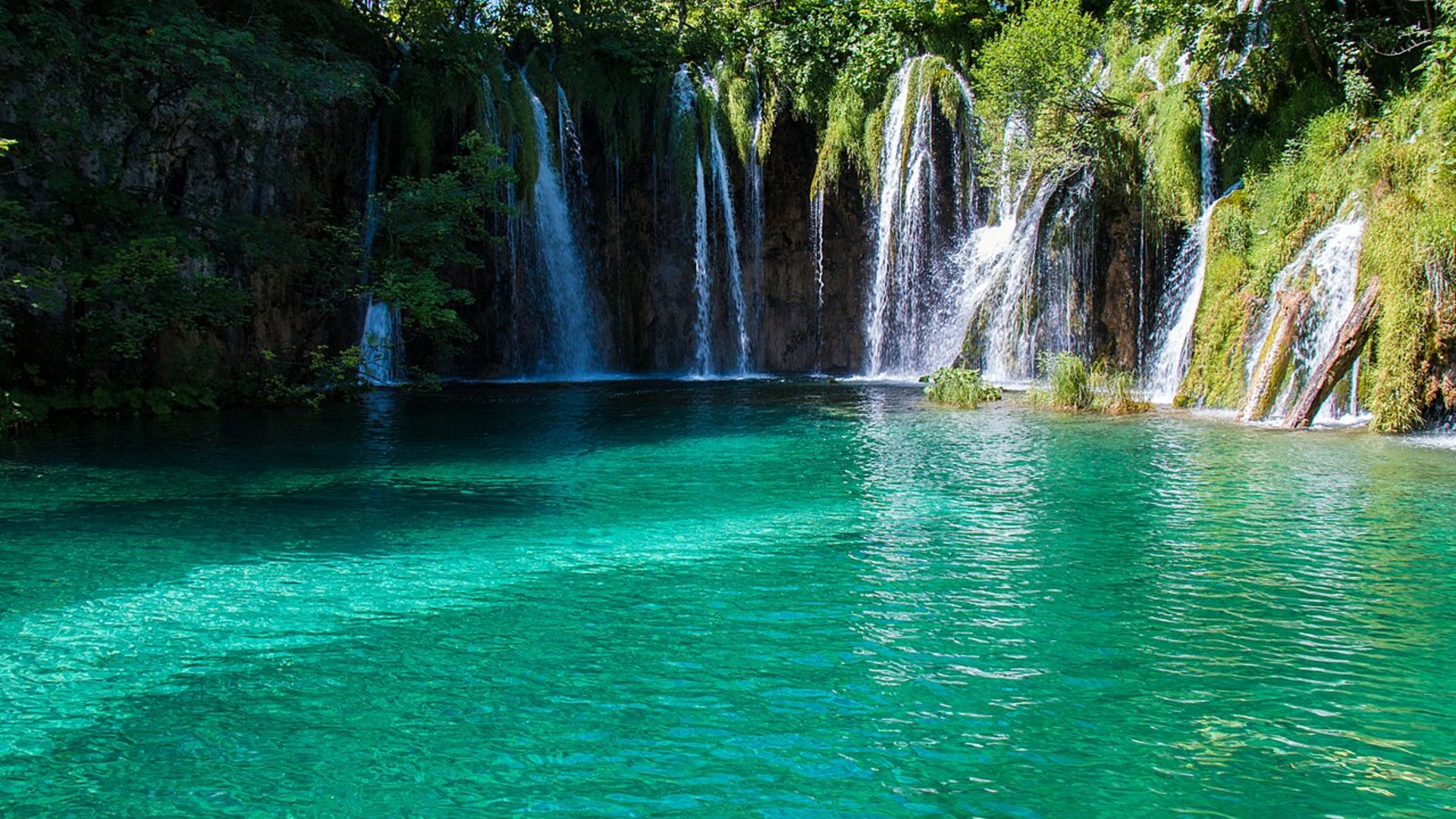
13. Plitvice Lakes
Croatia's oldest national park sits in a karst limestone valley where moss and algae build living travertine barriers. Water constantly shifts course as mineral barriers grow by one centimeter per year, creating cascading azure lagoons. The lush subterranean water maze feels completely supernatural.
©Wikimedia / Tesla Delacroix
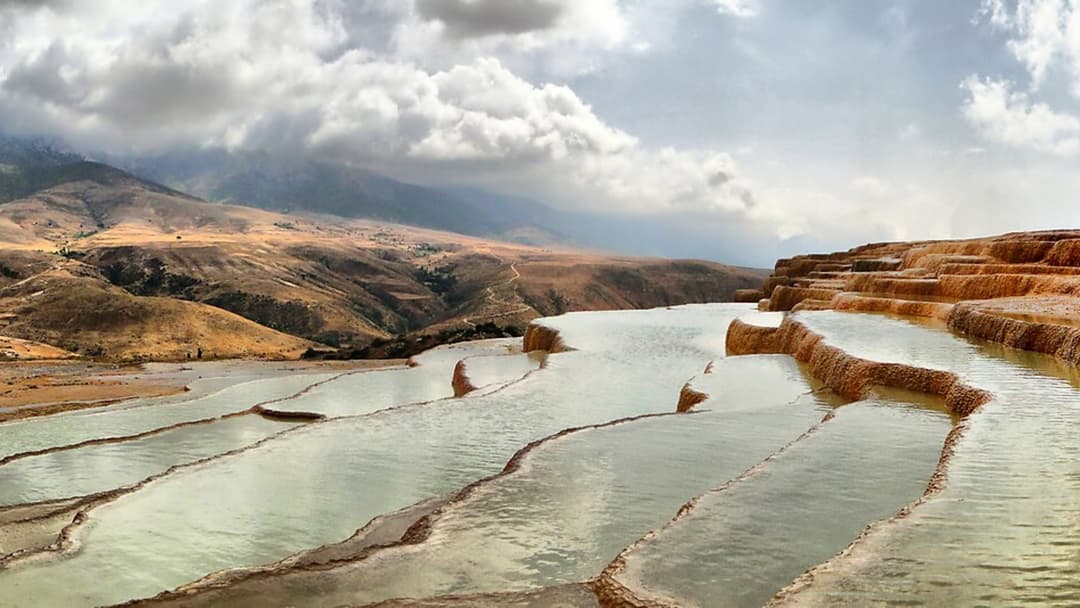
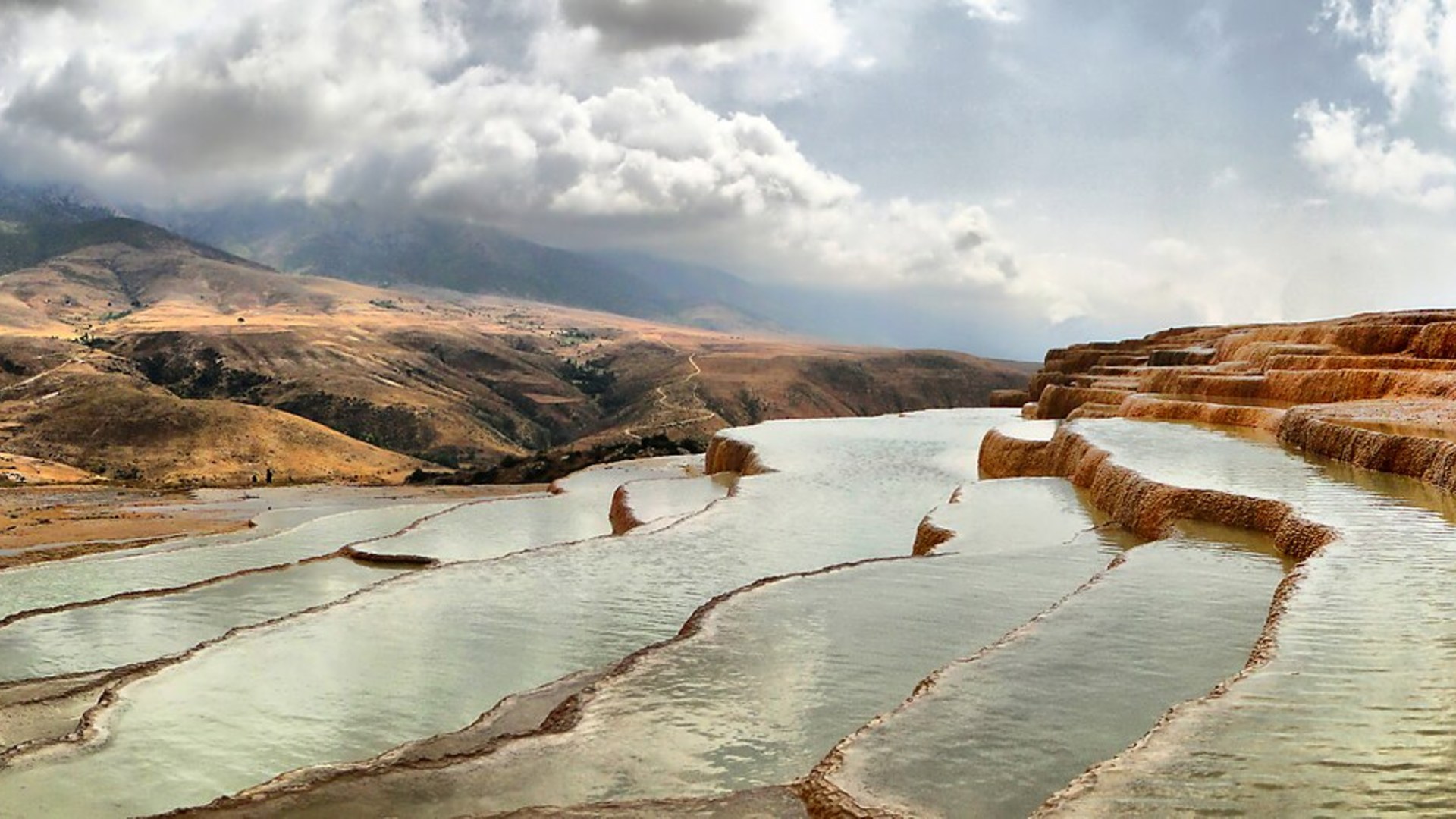
12. Badab E Surt
Two distinct mineral springs enriched with iron oxide and carbonated minerals created these stepped terraces over thousands of years. Sparkling orange and yellow pools contrast dramatically with surrounding mountain ridges. The tiered sulfur basins resemble volcanic hot springs found on extraterrestrial worlds.
©Wikimedia / Samaee
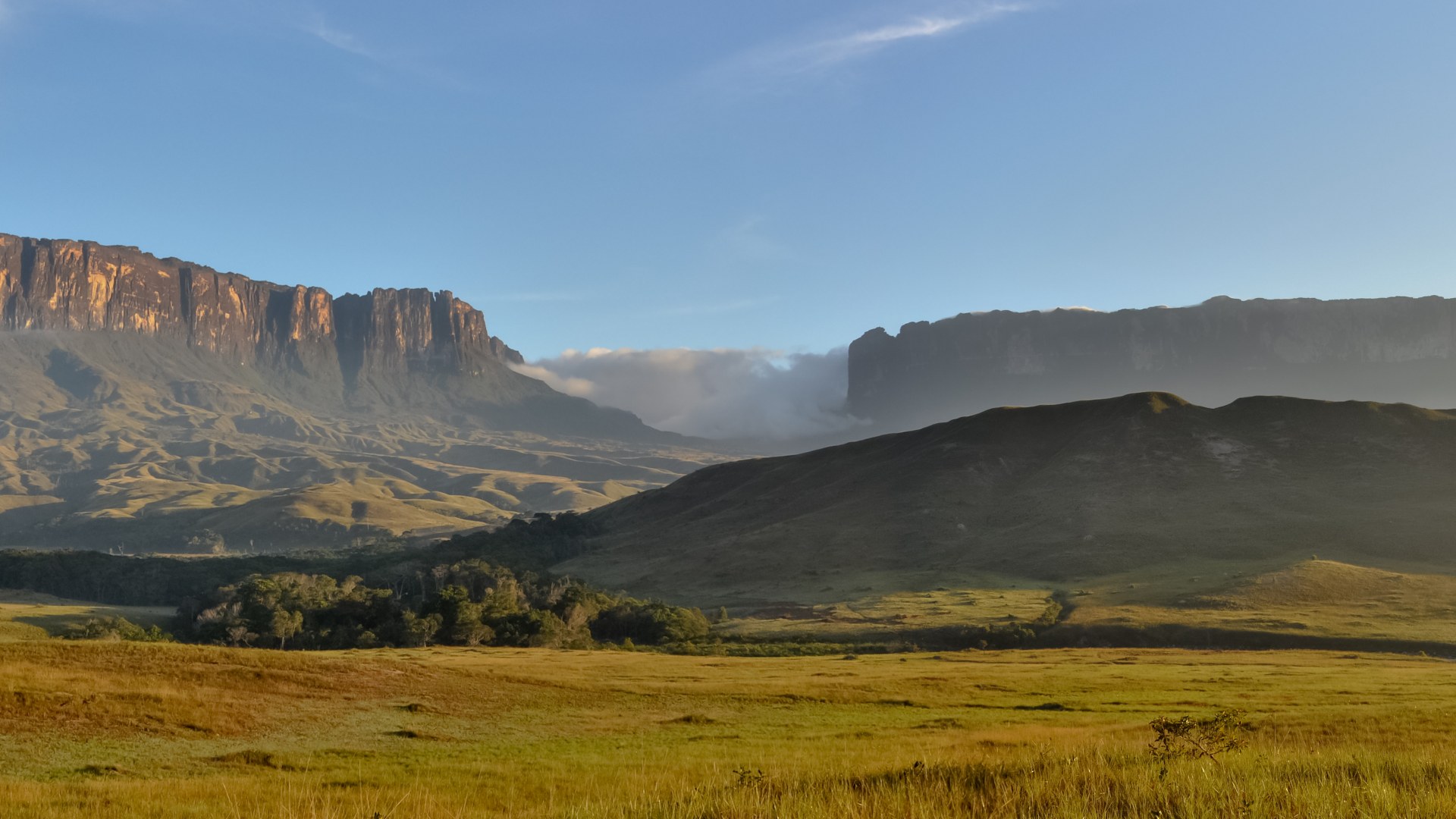
11. Mount Roraima
Straddling Venezuela, Brazil, and Guyana, Mount Roraima is a massive sandstone plateau flanked by vertical sixteen-hundred-foot cliffs. Torrential rain has carved the summit into black labyrinthine rock fields and crystal valleys. The isolated ecosystem directly inspired Sir Arthur Conan Doyle's The Lost World.
©Wikimedia / Paolo Costa Baldi
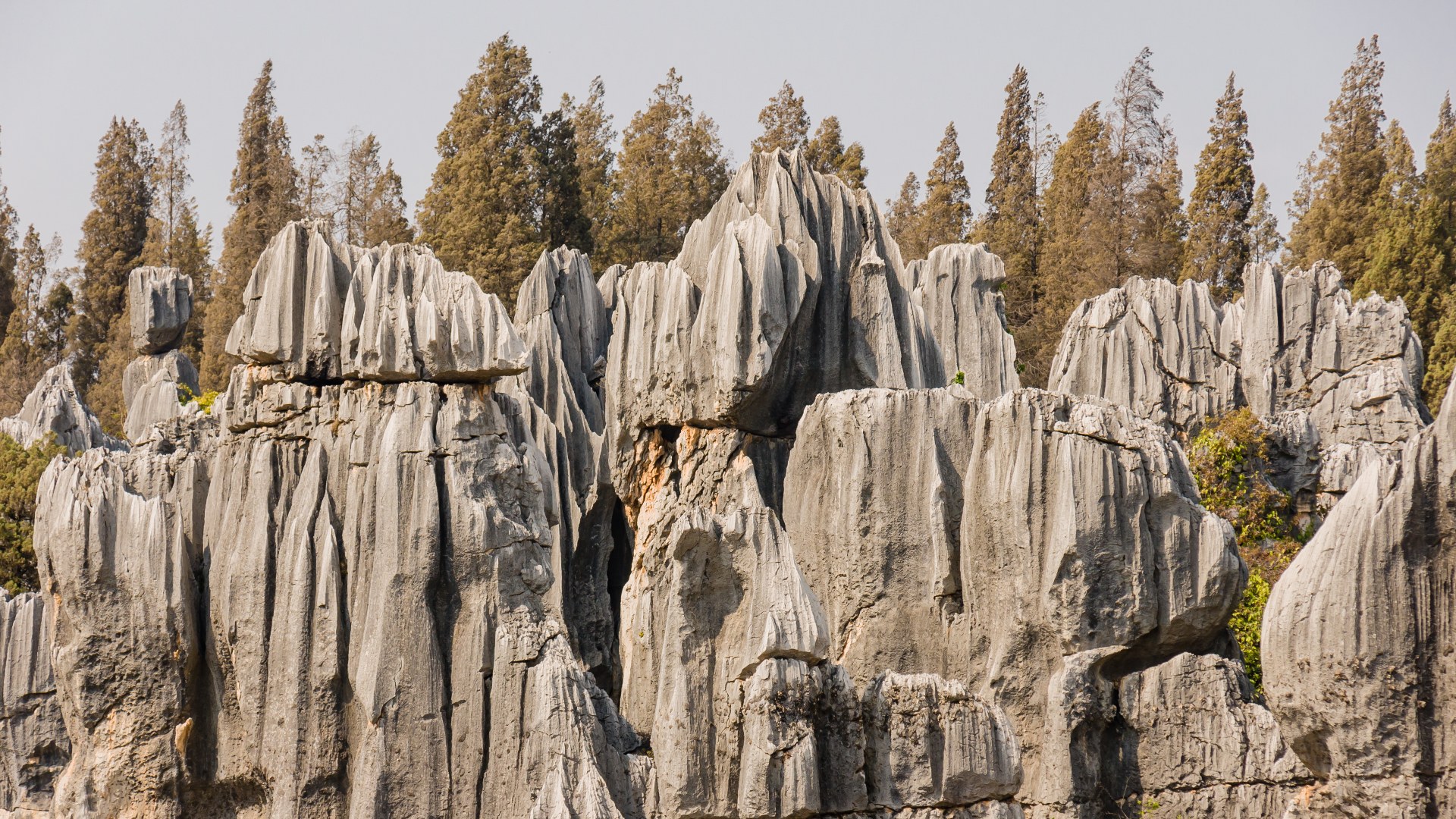
10. Shilin Stone Forest
Over 270 million years ago, a shallow sea deposited thick limestone layers across southwestern China. Tectonic uplift followed by relentless chemical erosion dissolved soft fissures, leaving behind a sprawling stone labyrinth. Looking across the dense grey peaks feels like exploring an alien mineral forest.
©Wikimedia / CEphoto, Uwe Aranas
Advertisement
Swipe or tap ▶ to resume the countdown.
9. Craters Of The Moon
Rift eruptions across Idaho's Snake River Plain produced an ocean of rugged lava flows between two and fifteen thousand years ago. NASA sent Apollo 14 astronauts to study the dark volcanic rock to prepare for lunar landings. The blackened jagged terrain remains virtually devoid of vegetation.
©Wikimedia / Gameraquai
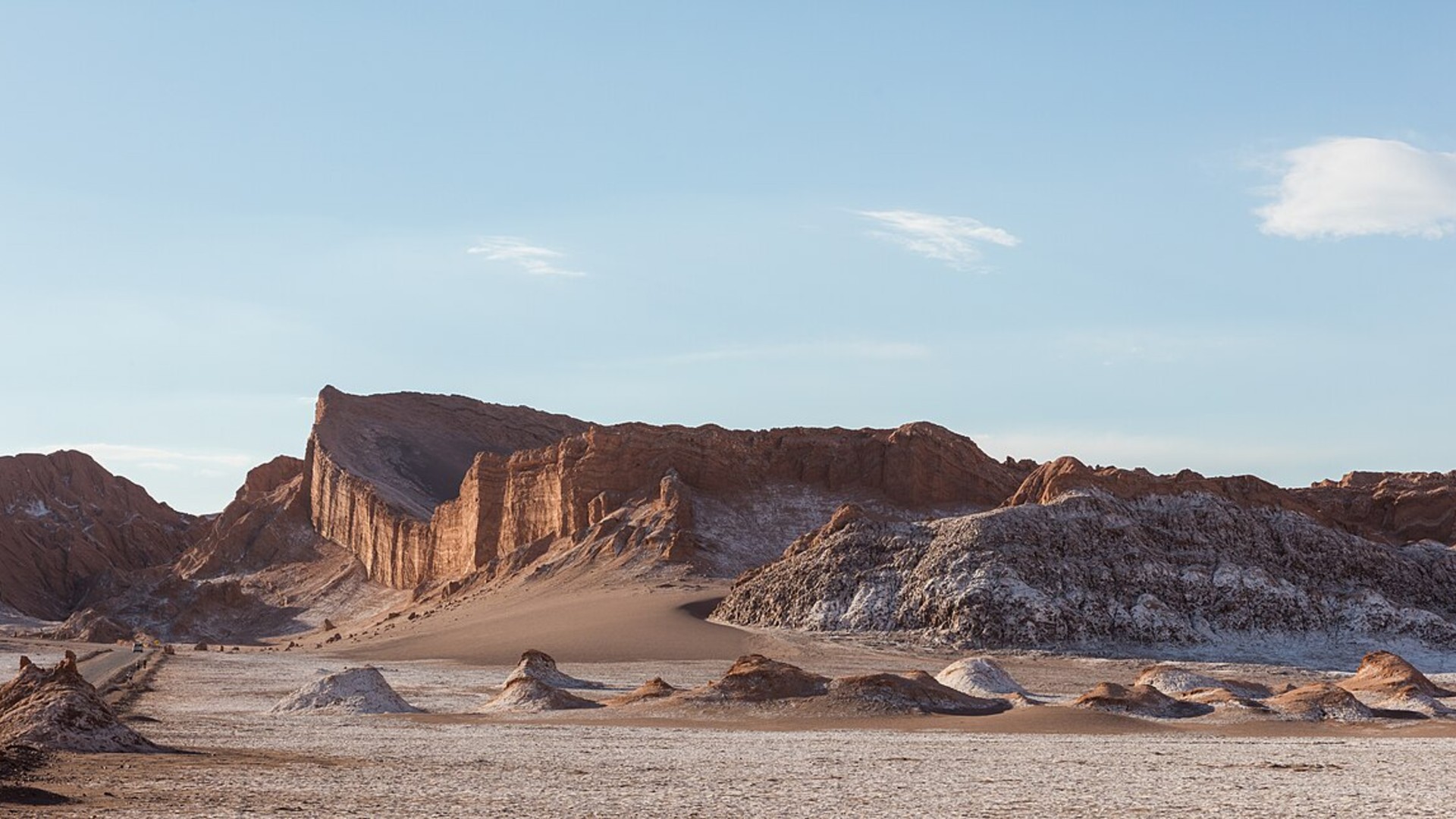
8. Valle De La Luna
Situated in northern Chile, the Atacama is the driest non-polar desert on Earth, with some weather stations recording zero rainfall for decades. Extreme dryness and relentless wind have carved clay and salt into jagged dunes and white spires. NASA regularly tests planetary rover prototypes across its dry terrain.
©Wikimedia / Diego Delso
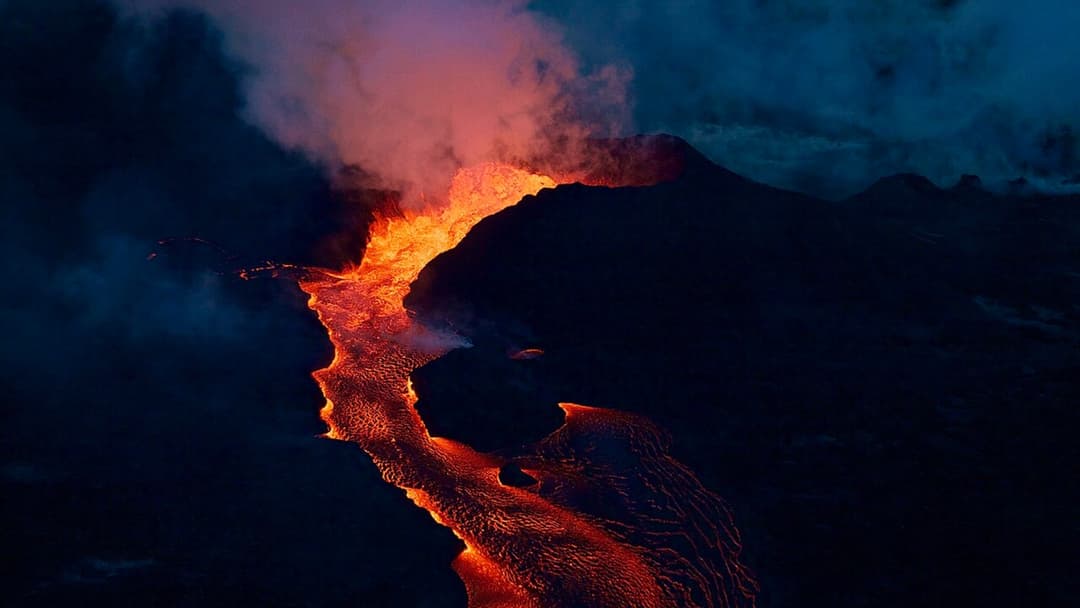
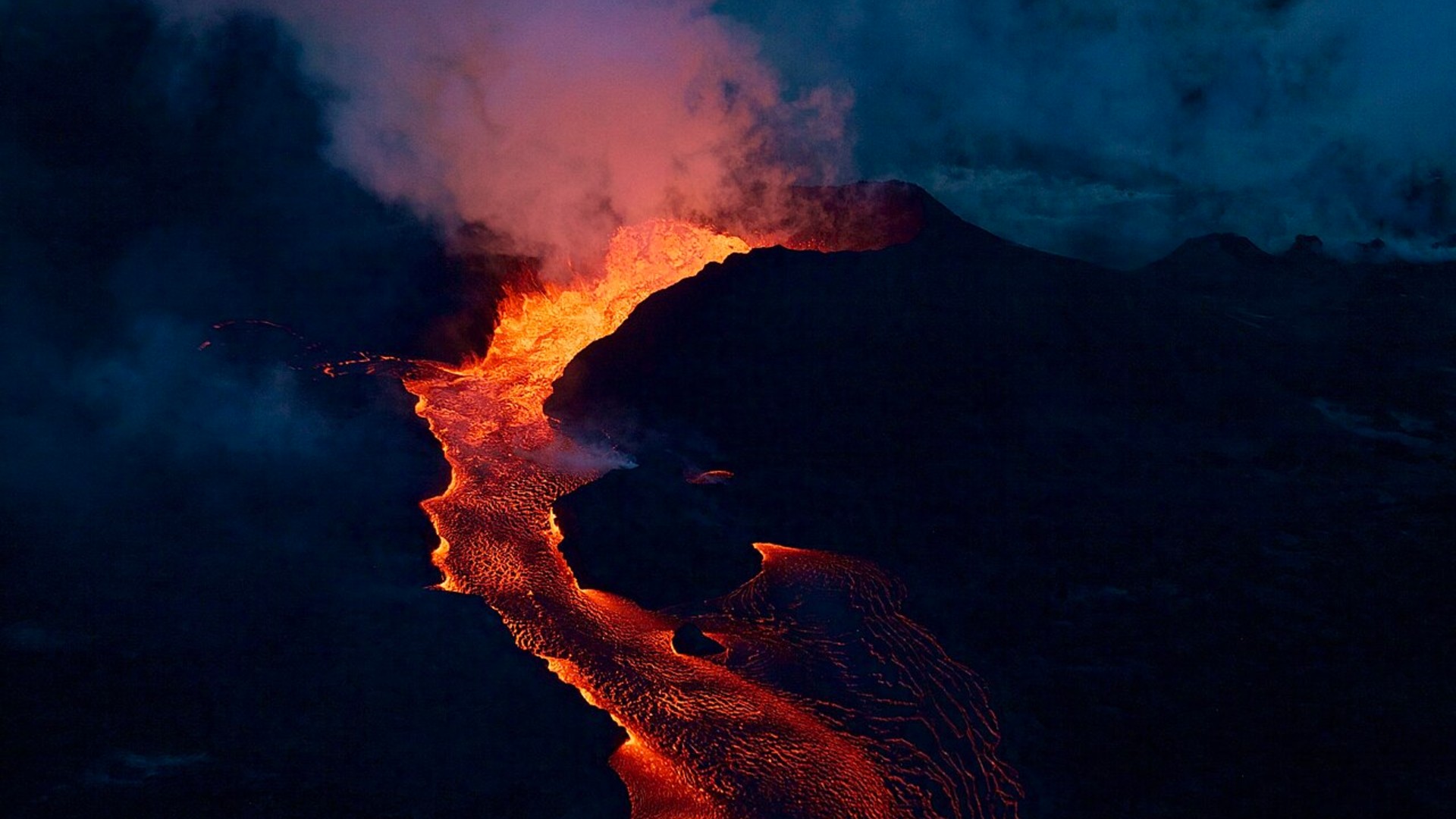
7. Kilauea Volcanic Fissures
Kilauea ranks among the most active shield volcanoes on Earth, erupting nearly continuously for decades. Glowing rivers of molten basalt reach temperatures exceeding two thousand degrees Fahrenheit before cooling into dark ropey rock. The glowing vents offer a front-row seat to primordial planetary formation.
©Wikimedia / United States Geological Survey
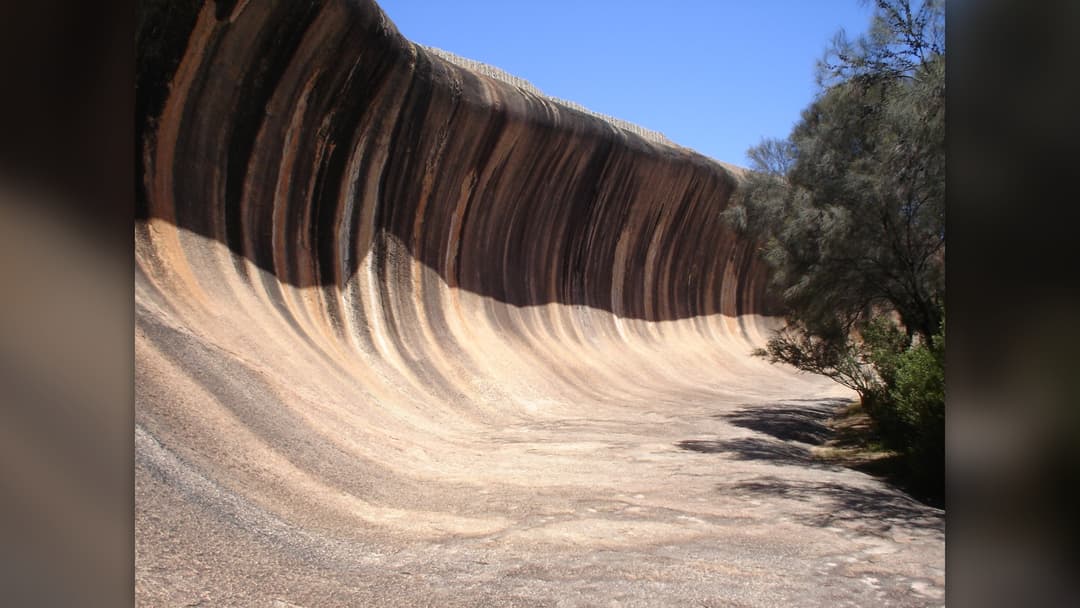
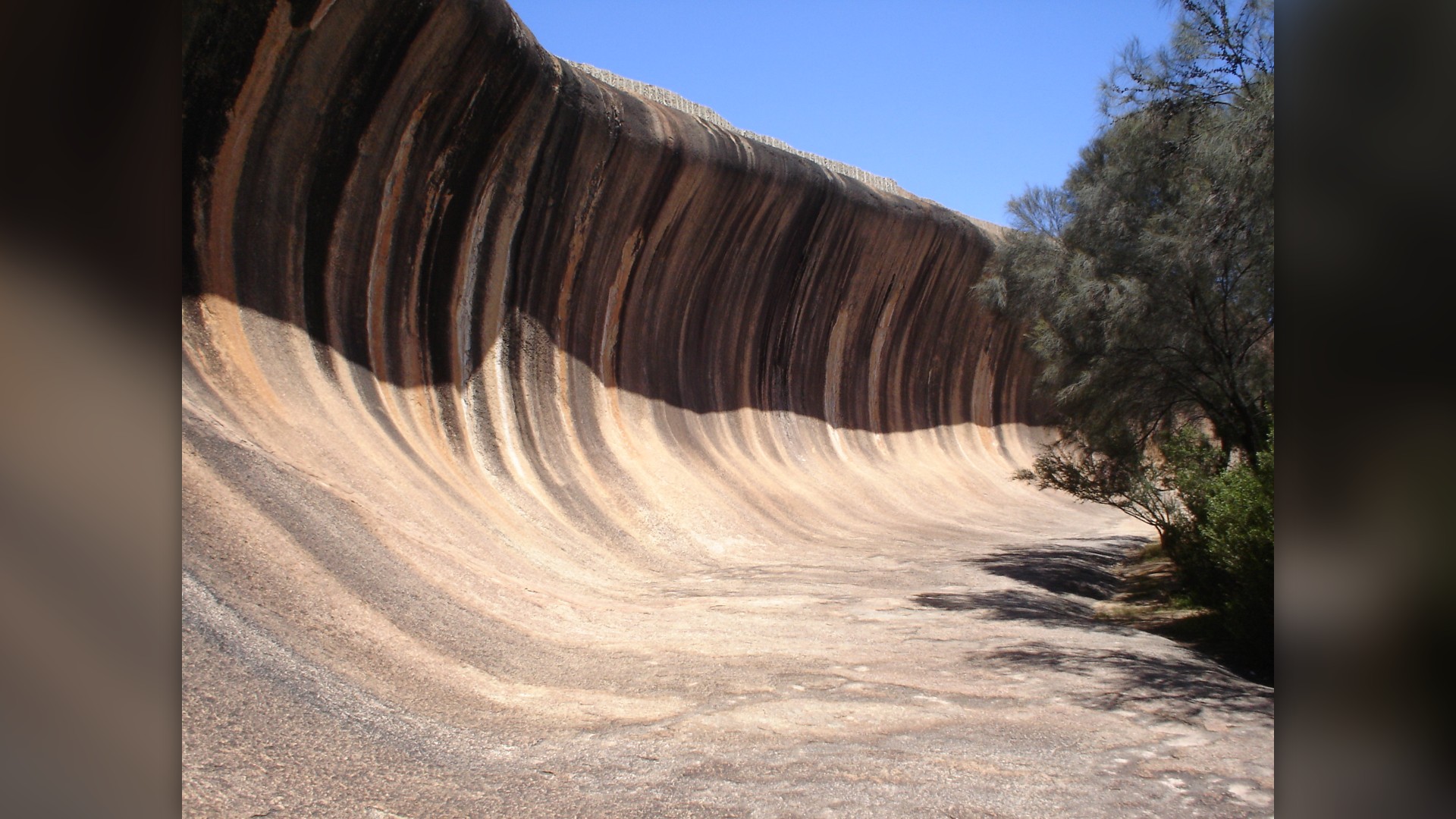
6. Wave Rock
Located near the small town of Hyden in Western Australia, Wave Rock is an inselberg of solid granite. Subsurface chemical weathering dissolved the granite base before erosion swept away surrounding soil. Algae and iron chemical stains run vertically down the rock face, enhancing the wave-like motion.
©Wikimedia / Wave Rock
Advertisement
Swipe or tap ▶ to resume the countdown.
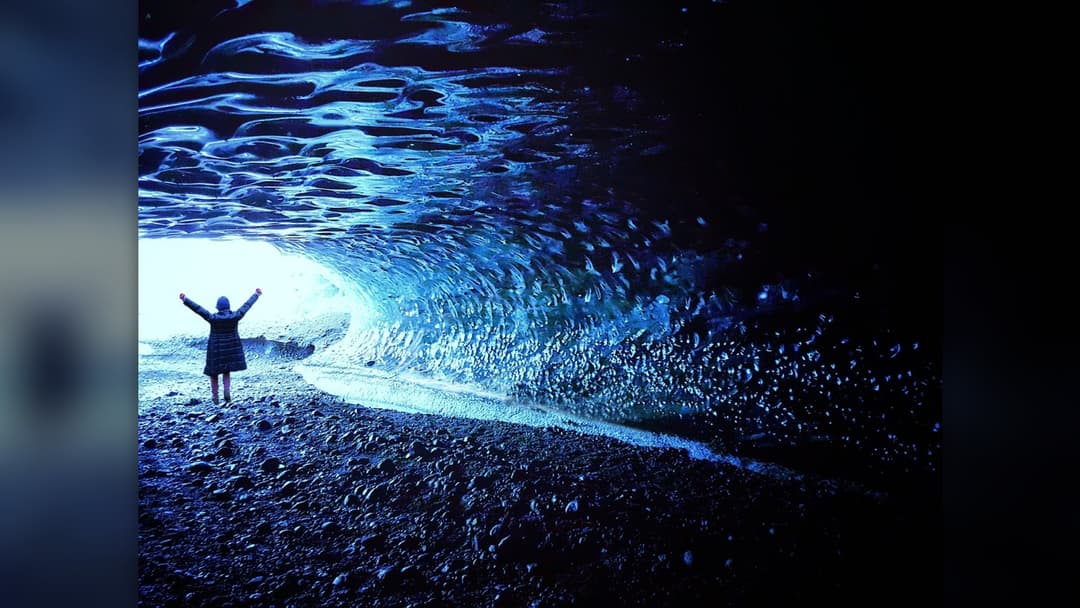
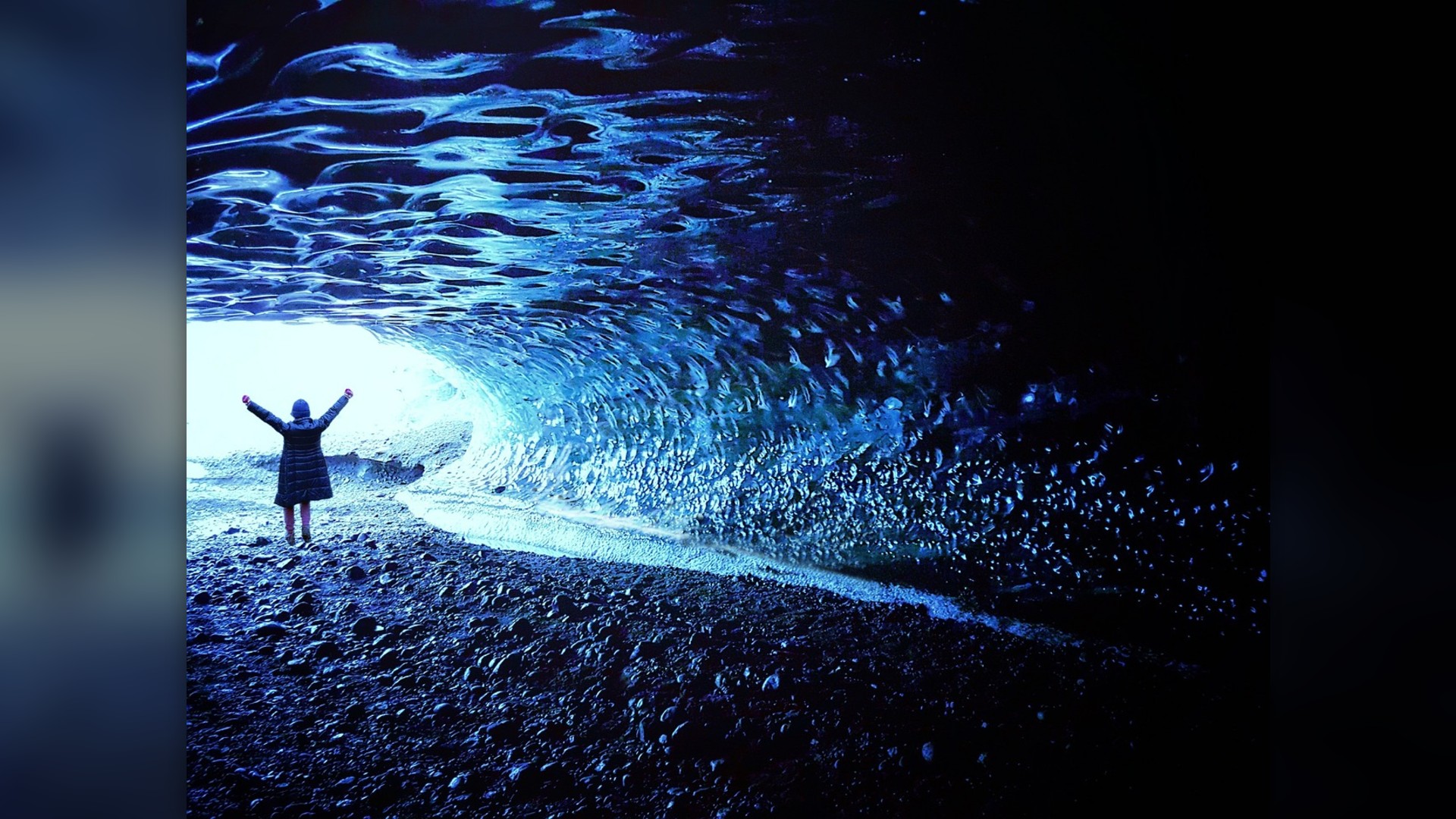
5. Skaftafell Ice Cave
Deep within Europe's largest ice cap, centuries of compressed glacial weight eliminate all trapped air bubbles. Without air scattering light, dense crystalline ice absorbs red wavelengths and reflects luminous sapphire blue. Standing inside the glittering cave feels like visiting an icy moon of Neptune.
©Pixabay / JimboChan
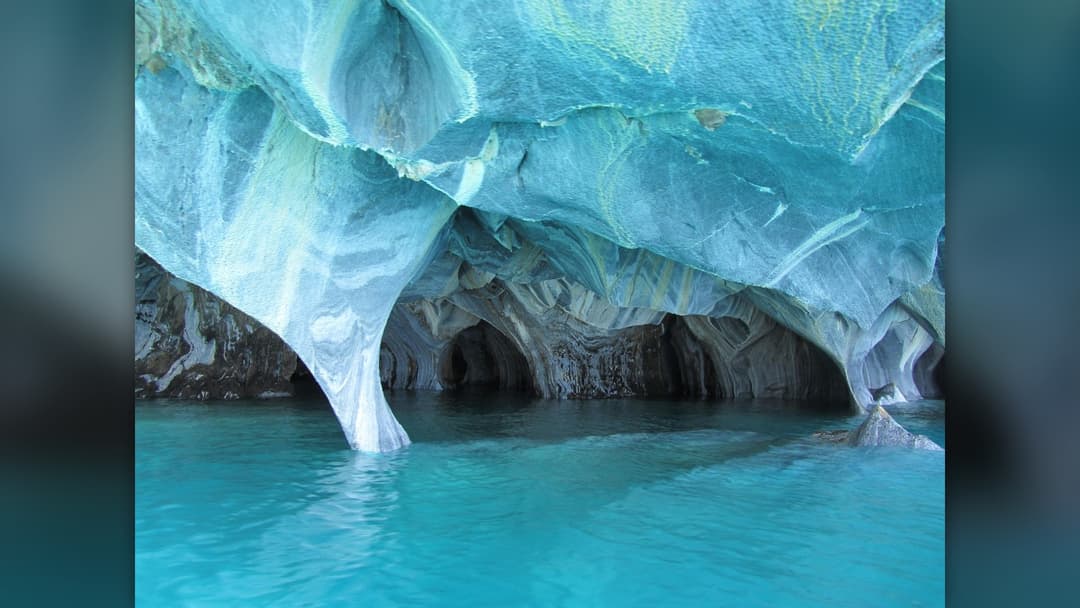
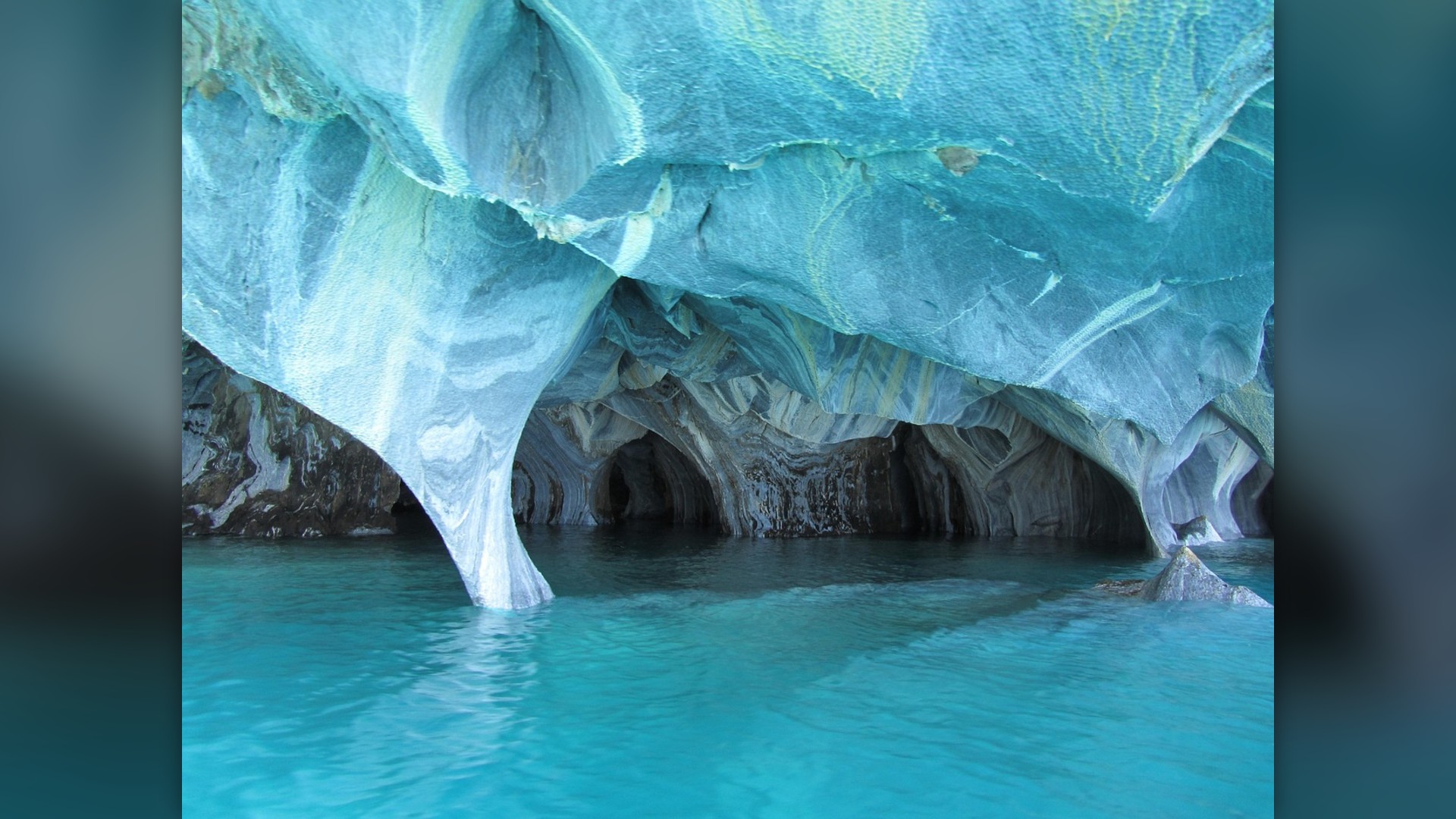
4. Marble Caves
Lake General Carrera features six-thousand-year-old caverns carved into solid calcium carbonate cliffs. Glacial silt suspended in meltwater reflects vibrant turquoise light onto the swirled white marble walls. Drifting inside by small boat reveals undulating geometric patterns carved by pure wave action.
©Pixabay / Backpackerin
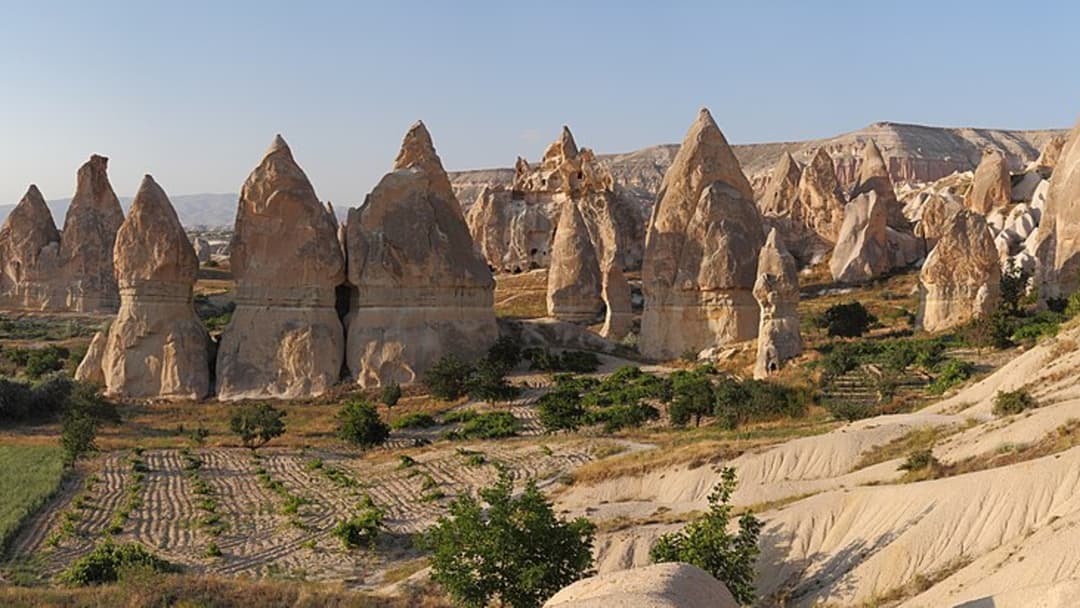
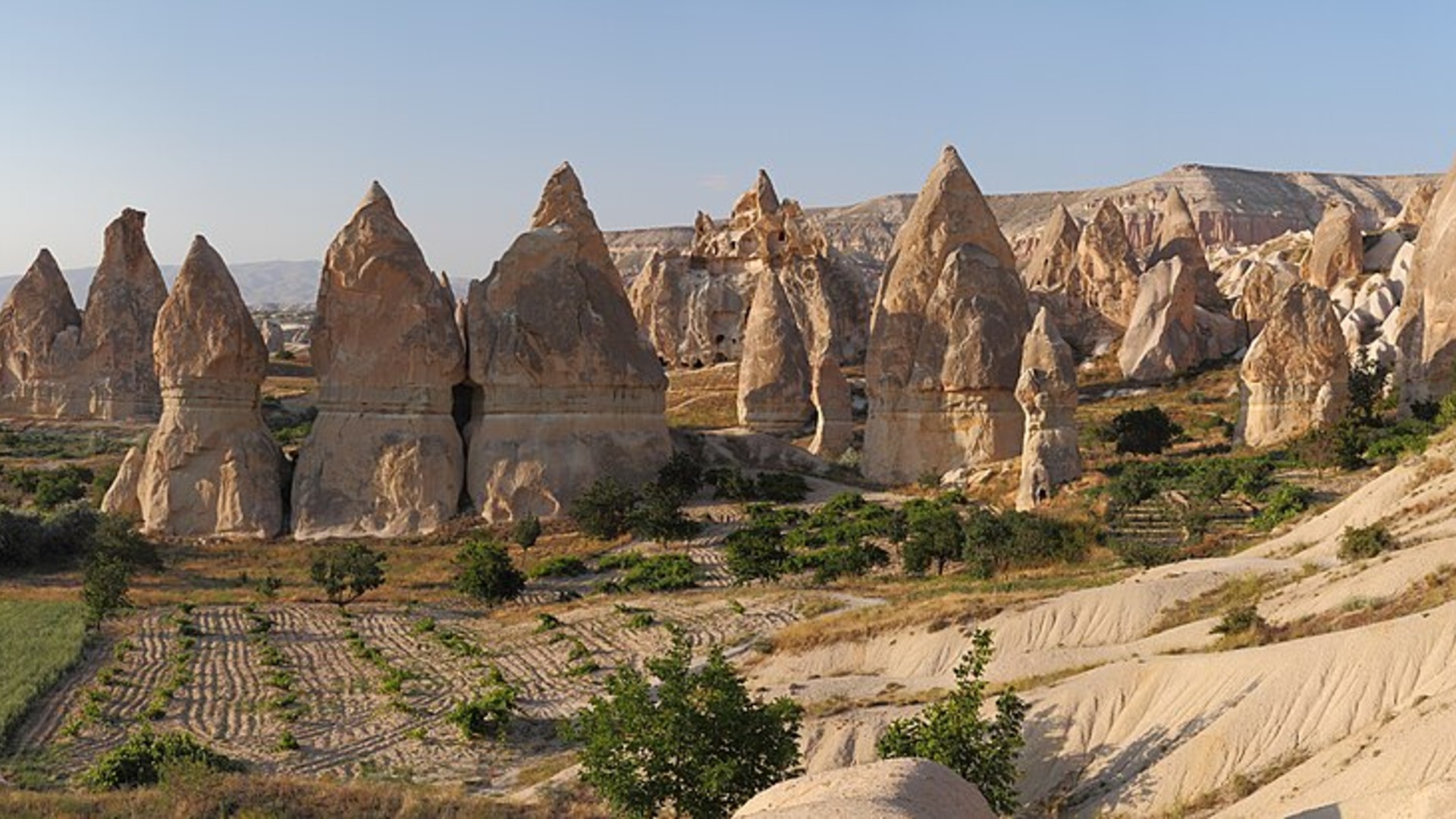
3. Cappadocia Fairy Chimneys
Ancient volcanic eruptions buried the Göreme region under soft ash that compacted into solid tuff. Rain and wind eroded the soft stone, leaving behind mushroom-topped columns known as fairy chimneys. Early Christians excavated multi-story homes, churches, and hidden subterranean cities inside the cones.
©Wikimedia / Benh LIEU SONG
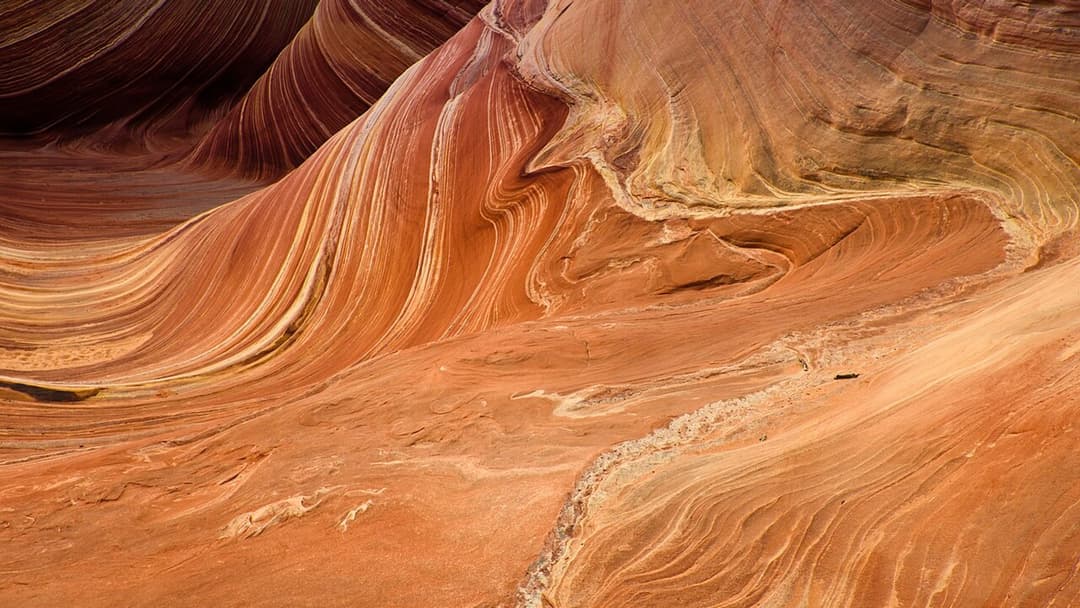
2. The Wave
Jurassic wind dunes consolidated into delicate cross-bedded sandstone over 190 million years. Intermittent flash floods and desert winds eroded intersecting troughs, exposing hypnotic orange and yellow mineral ribbons. Daily visitor quotas strictly preserve the fragile sandstone crests from damage.
©Wikimedia / BLMUtah
Advertisement
Swipe or tap ▶ to resume the countdown.
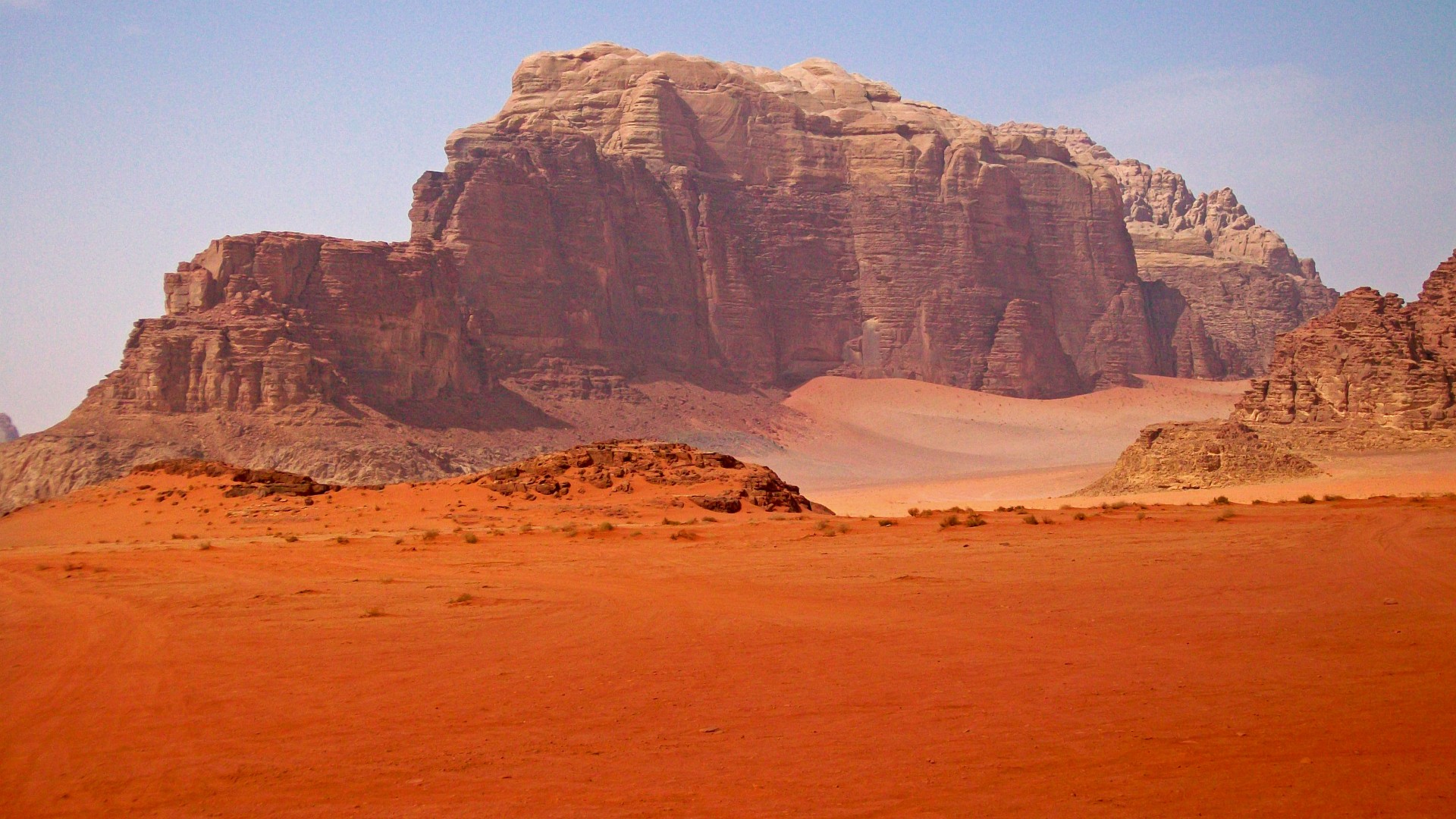
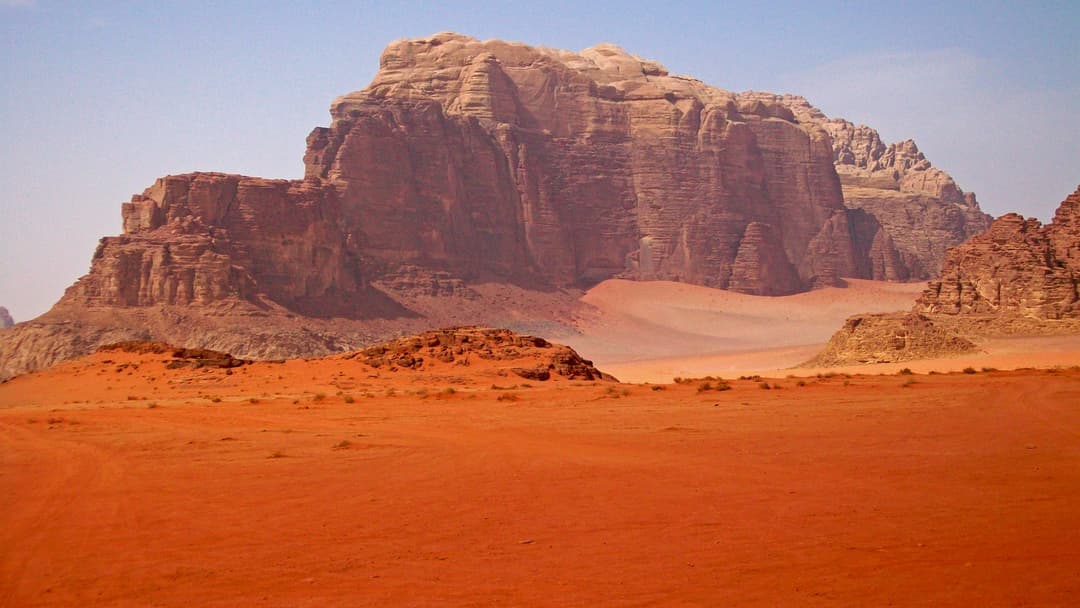
1. Wadi Rum
Known as the Valley of the Moon, southern Jordan's Wadi Rum features red sandstone mountains rising from crimson sand dunes. Millions of years of wind carved sheer canyons, natural rock arches, and narrow gorges. Blockbuster sci-fi films routinely use its scarlet expanse as the ultimate stand-in for Mars.
©Wikimedia / Wadi Rum
Advertisement
You've reached the end of the story. Thanks for reading!

20 Mind-Bending Secrets Behind London You Probably Didn't Know
From a secret underground mail railway and illegal suits of armor to the reason the London Eye skips the number 13, London is packed with ancient secrets and modern oddities. Here are twenty fascinating facts about the British capital that reveal the hidden side of the city.
All 40 Entries in this Story
40. Fly Geyser
Accidentally created during test well drilling in 1964, Fly Geyser constantly spews boiling mineral-rich water onto private ranchland. Thermophilic algae coat its calcium carbonate terraces in vibrant reds and greens. The bizarre formation looks like a geothermal vent on Jupiter's moon Io.
39. Salar De Uyuni
Spanning four thousand square miles across southwestern Bolivia, Salar de Uyuni contains over ten billion tons of mineral salts. During rainy months, thin surface water turns the blinding white crust into a seamless mirror. NASA calibrates earth-observation satellite sensors against its flat expanse.
38. Dallol Volcano
Located four hundred feet below sea level in Ethiopia's Afar Depression, Dallol is one of the hottest places on Earth. Magma heats subterranean groundwater, forcing neon-green acid pools and toxic chlorine gases through salt crusts. Astrobiologists study its extreme conditions to model life on Mars.
37. Socotra Dragon Blood Trees
One-third of all plant species on Yemen's Socotra Island exist nowhere else on the planet. The dragon's blood tree features thick mushroom-shaped canopies that capture moisture from ocean mists. Crimson resin harvested from bark fissures has been used in traditional medicines since antiquity.
36. Richat Structure
Stretching twenty-eight miles across the Mauritanian Sahara, the Richat Structure long puzzled astronomers and astronauts. Once thought to be a meteorite crater, geologists now classify it as a deeply eroded symmetrical dome of ancient rock. Gemini astronauts used its distinctive rings as a navigation landmark.
35. Waitomo Glowworm Caves
New Zealand's Waitomo Caves house Arachnocampa luminosa, a fungus gnat species unique to the island nation. Hungry larvae suspend sticky silk threads from cave ceilings, glowing bright blue to lure flying insects. Drifting through the silent cavern feels like floating beneath an alien starfield.
34. Chocolate Hills
More than 1,700 conical mounds rise across fifty square kilometers in the Philippines. During dry seasons, green vegetation turns cocoa-brown, creating an uncanny geometric terrain that looks computer-generated. Geologists attribute their shapes to marine limestone dissolution over millions of years.
33. Pamukkale Thermal Terraces
For millennia, hot springs saturated with calcium carbonate have flowed down cliff faces in Denizli Province. As the water cools, bright white travertine terraces solidify into frozen mineral waterfalls. Ancient Romans built the resort city of Hierapolis directly above these therapeutic thermal baths.
32. Giant's Causeway
Intense volcanic activity sixty million years ago created this Northern Ireland coastal marvel. As molten basalt lava cooled slowly, it contracted into near-perfect hexagonal pillars up to thirty-nine feet tall. The geometric shoreline looks like an alien architectural roadway.
31. Zhangjiajie Forest Park
Located in Hunan Province, Zhangjiajie features three thousand sheer sandstone spires rising more than six hundred feet into dense mountain fog. Heavy rainfall and physical weathering eroded soft rock layers, leaving dramatic rock columns that inspired Hollywood depiction of alien worlds.
30. White Sands National Park
Covering 275 square miles in New Mexico, White Sands contains rare water-soluble gypsum crystals. Because gypsum does not absorb heat from the sun, the white dunes remain cool to the touch even during blistering summer days. Walking across the silent expanse feels like exploring an ice planet.
29. Lake Hillier
Situated on Middle Island off Western Australia's southern coast, Lake Hillier maintains its vivid magenta hue year-round. Scientists discovered that salt-tolerant microalgae and halophilic bacteria produce carotenoid pigments that color the briny water. Even when bottled, the pink liquid never fades.
28. Sossusvlei Sand Dunes
The Namib is the oldest desert on Earth, having experienced arid conditions for fifty-five million years. High iron oxide concentrations give its massive sand waves their deep orange-red coloration. Morning shadows carve razor-sharp edges across the dunes, producing an eerie Martian vista.
27. Danakil Depression
Three continental plates slowly diverge beneath northern Ethiopia, opening an active volcanic hellscape. Persistent lava lakes at Erta Ale bubble beside acidic geysers and brittle sulfur crusts. Temperatures routinely top 120 degrees Fahrenheit, creating conditions comparable to volcanic exoplanets.
26. Deadvlei Clay Pan
Centuries ago, the Tsauchab River flooded, allowing camel thorn trees to sprout in this Namibian basin. When shifting dunes cut off water flow, the intense climate dried the trees without decomposing them. Today, scorched black trunks contrast sharply against white clay and towering orange dunes.
25. Antelope Canyon
Centuries of monsoon floods funneled through narrow desert washes, polishing Navajo sandstone into flowing wave-like corridors. Midday sunlight penetrates narrow ceiling fissures, illuminating airborne dust in ethereal shafts. The subterranean light display feels like walking inside a digital simulation.
24. Tsingy De Bemaraha
Rising hundreds of feet into the air, these razor-edged limestone formations formed through groundwater erosion and tropical acid rain. The stone forest is so dense that humans require specialized climbing gear to cross it. Rare lemurs leap across the knife-like stone tips with complete ease.
23. Bisti Wilderness
Seventy million years ago, a coastal delta covered northwestern New Mexico. Today, constant wind and rain wear down interbedded shale and sandstone, unearthing bizarre rock pillars and fossilized dinosaur bones. The desolate badlands feel like walking on the eroded terrain of a dead moon.
22. Grand Prismatic Spring
Discharging over five hundred gallons of near-boiling water every minute, this Wyoming thermal spring measures 370 feet across. Deep azure water at the center gives way to brilliant bands of orange, yellow, and green. Heat-loving microorganisms produce pigmented sunscreens that color each temperature zone.
21. Lençóis Maranhenses
Located on Brazil's northern coast, this geographic marvel looks like an arid desert but receives forty-seven inches of annual rainfall. Impermeable rock layers trap rainwater between crescent dunes, creating thousands of crystalline pools. The resulting white-and-blue pattern stretches for miles.
20. Ischigualasto Valley
Commonly known as the Valley of the Moon, Ischigualasto exposes fifty million years of unbroken Triassic geological strata. Wind has sculpted sandstone into uncanny shapes resembling mushrooms and chess pieces. Paleontologists consider it the most complete fossil record of dinosaur origins on Earth.
19. Bryce Canyon Hoodoos
Ice wedging and rainwater erosion carve the limestone cliffs of the Paunsaugunt Plateau into delicate rock towers called hoodoos. More than two hundred freeze-thaw cycles occur each year, continuously reshaping the red-rock labyrinth. Sunset bathes the stone columns in an otherworldly crimson glow.
18. Mono Lake Tufa Towers
Mono Lake is nearly three times saltier than the Pacific Ocean and has no natural outlet. Underwater freshwater springs rich in calcium mingled with alkaline carbonates to form porous tufa spires. Water diversions in the twentieth century dropped lake levels, exposing these eerie ghostly columns.
17. Lake Baikal Winter Ice
Holding twenty percent of Earth's unfrozen surface freshwater, Lake Baikal freezes up to six feet thick during Siberian winters. Exceptional water clarity allows daylight to penetrate deep into fractured turquoise ice blocks. Trapped biological methane forms ghostly white spheres frozen mid-rise.
16. Darvaza Gas Crater
Soviet engineers were drilling for oil in Turkmenistan when their rig collapsed into a subterranean gas pocket. To prevent poisonous fumes from escaping, crews ignited the cavern expecting flames to burn out within weeks. The fiery two-hundred-foot cauldron has blazed uninterrupted for half a century.
15. Painted Hills
Part of the John Day Fossil Beds, these hills display vivid ochre, black, and red horizontal strata. Each color represents distinct ancient floodplain soils weathered under ancient tropical and temperate climates. Shifts in sunlight and air moisture cause the colored clay bands to change shade throughout the day.
14. Goblin Valley State Park
Porous Entrada sandstone weathered beneath harder caprock layers to form thousands of round goblin-like hoodoos. Hollywood directors filmed alien planet scenes here for the sci-fi comedy Galaxy Quest. Wandering among the bizarre rock gnomes feels like touching down on an uninhabited exoplanet.
13. Plitvice Lakes
Croatia's oldest national park sits in a karst limestone valley where moss and algae build living travertine barriers. Water constantly shifts course as mineral barriers grow by one centimeter per year, creating cascading azure lagoons. The lush subterranean water maze feels completely supernatural.
12. Badab E Surt
Two distinct mineral springs enriched with iron oxide and carbonated minerals created these stepped terraces over thousands of years. Sparkling orange and yellow pools contrast dramatically with surrounding mountain ridges. The tiered sulfur basins resemble volcanic hot springs found on extraterrestrial worlds.
11. Mount Roraima
Straddling Venezuela, Brazil, and Guyana, Mount Roraima is a massive sandstone plateau flanked by vertical sixteen-hundred-foot cliffs. Torrential rain has carved the summit into black labyrinthine rock fields and crystal valleys. The isolated ecosystem directly inspired Sir Arthur Conan Doyle's The Lost World.
10. Shilin Stone Forest
Over 270 million years ago, a shallow sea deposited thick limestone layers across southwestern China. Tectonic uplift followed by relentless chemical erosion dissolved soft fissures, leaving behind a sprawling stone labyrinth. Looking across the dense grey peaks feels like exploring an alien mineral forest.
9. Craters Of The Moon
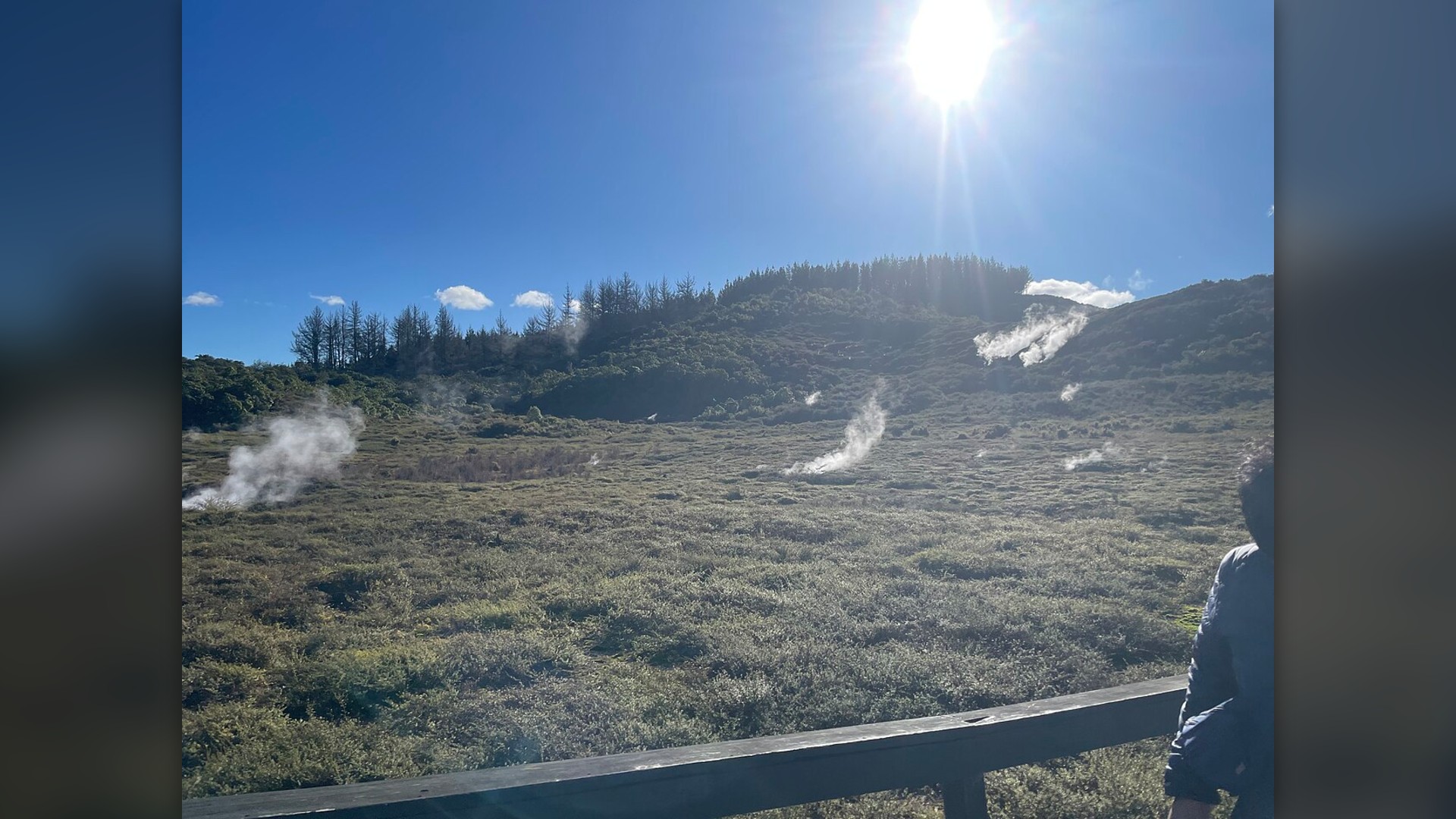
Rift eruptions across Idaho's Snake River Plain produced an ocean of rugged lava flows between two and fifteen thousand years ago. NASA sent Apollo 14 astronauts to study the dark volcanic rock to prepare for lunar landings. The blackened jagged terrain remains virtually devoid of vegetation.
8. Valle De La Luna
Situated in northern Chile, the Atacama is the driest non-polar desert on Earth, with some weather stations recording zero rainfall for decades. Extreme dryness and relentless wind have carved clay and salt into jagged dunes and white spires. NASA regularly tests planetary rover prototypes across its dry terrain.
7. Kilauea Volcanic Fissures
Kilauea ranks among the most active shield volcanoes on Earth, erupting nearly continuously for decades. Glowing rivers of molten basalt reach temperatures exceeding two thousand degrees Fahrenheit before cooling into dark ropey rock. The glowing vents offer a front-row seat to primordial planetary formation.
6. Wave Rock
Located near the small town of Hyden in Western Australia, Wave Rock is an inselberg of solid granite. Subsurface chemical weathering dissolved the granite base before erosion swept away surrounding soil. Algae and iron chemical stains run vertically down the rock face, enhancing the wave-like motion.
5. Skaftafell Ice Cave
Deep within Europe's largest ice cap, centuries of compressed glacial weight eliminate all trapped air bubbles. Without air scattering light, dense crystalline ice absorbs red wavelengths and reflects luminous sapphire blue. Standing inside the glittering cave feels like visiting an icy moon of Neptune.
4. Marble Caves
Lake General Carrera features six-thousand-year-old caverns carved into solid calcium carbonate cliffs. Glacial silt suspended in meltwater reflects vibrant turquoise light onto the swirled white marble walls. Drifting inside by small boat reveals undulating geometric patterns carved by pure wave action.
3. Cappadocia Fairy Chimneys
Ancient volcanic eruptions buried the Göreme region under soft ash that compacted into solid tuff. Rain and wind eroded the soft stone, leaving behind mushroom-topped columns known as fairy chimneys. Early Christians excavated multi-story homes, churches, and hidden subterranean cities inside the cones.
2. The Wave
Jurassic wind dunes consolidated into delicate cross-bedded sandstone over 190 million years. Intermittent flash floods and desert winds eroded intersecting troughs, exposing hypnotic orange and yellow mineral ribbons. Daily visitor quotas strictly preserve the fragile sandstone crests from damage.
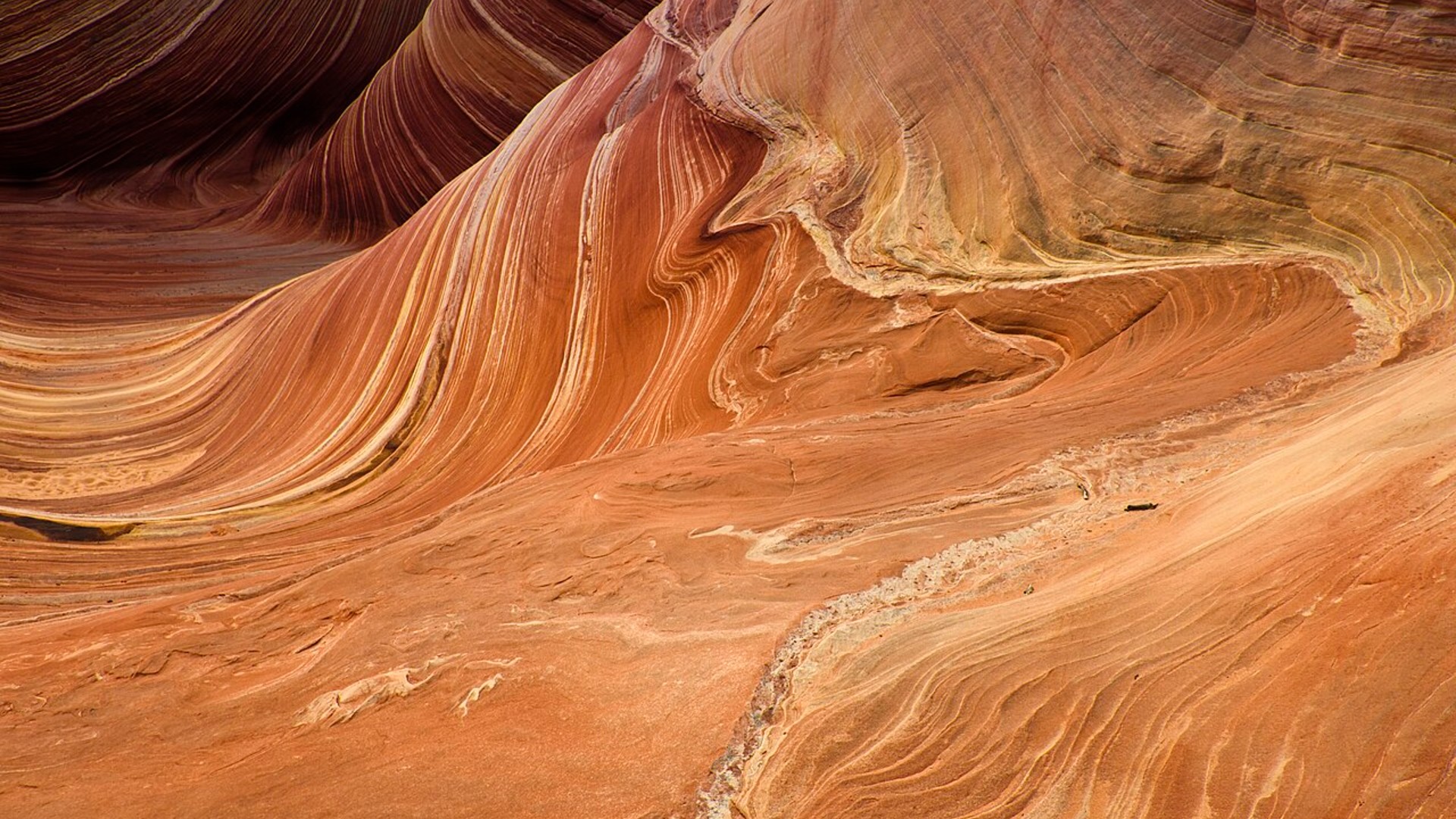
1. Wadi Rum
Known as the Valley of the Moon, southern Jordan's Wadi Rum features red sandstone mountains rising from crimson sand dunes. Millions of years of wind carved sheer canyons, natural rock arches, and narrow gorges. Blockbuster sci-fi films routinely use its scarlet expanse as the ultimate stand-in for Mars.