Slideshow · Science
Adopt These Everyday Habits of People Who Rarely Feel Stressed
15 Everyday Habits of People Who Rarely Feel Stressed

By Most Viral Today
20 Oct 2026

15 Everyday Habits of People Who Rarely Feel Stressed 

15. Prepping The Night Before 
14. Delaying Digital Content 
13. Arriving 10 Minutes Early - AdvertisementSwipe or tap ▶ to continue countdown

12. Single-Tasking Sequentially 
11. Notification Boundaries 
10. Top 3 Priorities List 
9. Automating Repetitive Choices - AdvertisementSwipe or tap ▶ to continue countdown

8. Protecting White Space 
7. Quick-Release Reset Move 
6. Present-Moment Mindfulness 
5. Phone-Free Nature Walks - AdvertisementSwipe or tap ▶ to continue countdown

4. Shifting Visual Focus 
3. Minimizing Background Noise 
2. Saying No For Peace 
1. Regular Sleep Regimen - Advertisement🔥 UP NEXT IN THIS SERIES◫ 23 Slides

22 High-Calorie Burning Exercises Ranked by Harvard Medical Data
Ranked according to Harvard Medical School caloric expenditure data, these 22 physical exercises burn the highest number of calories per hour for optimal cardiovascular health. Medical data reveals true effort.
People who stay calm under pressure rarely rely on willpower alone—they design small, repeatable daily routines that prevent overwhelm before it starts. From prepping clothes the night before to protecting blank calendar space, here are 15 everyday habits of people who rarely feel stressed.
Swipe or tap ▶ to begin the countdown
©Pixabay / kalyanayahaluwo & Unsplash / Jotform
15. Prepping The Night Before
Frantic mornings set a high-cortisol tone for the entire day. People who rarely feel stressed spend ten quiet minutes each evening laying out tomorrow's clothes, packing their work bag, and tidying their space so they can wake up to a calm, frictionless morning routine.

© Photo by Barney Goodman on Unsplash
14. Delaying Digital Content
Reaching for your smartphone the second your eyes open floods your brain with other people's urgencies, headlines, and notifications. Low-stress individuals keep their phone across the room, starting the day with a full glass of water and quiet daylight before touching a screen.

© Photo by Margo Evardson on Unsplash
13. Arriving 10 Minutes Early
Running five minutes late turns every red traffic light and slow elevator into an adrenaline spike. By aiming to arrive 10 minutes early for meetings and appointments, calm people give themselves a built-in buffer to walk in relaxed, coffee in hand, with time to settle their thoughts.

Advertisement
Swipe or tap ▶ to resume the countdown.
12. Single-Tasking Sequentially
Multitasking is a myth that fragments attention and raises cognitive stress by up to 40%. People who rarely feel overwhelmed keep a clean, minimalist desk with a single open notebook and one active window—completing one task fully before moving to the next.

©Pixabay / Deeezy
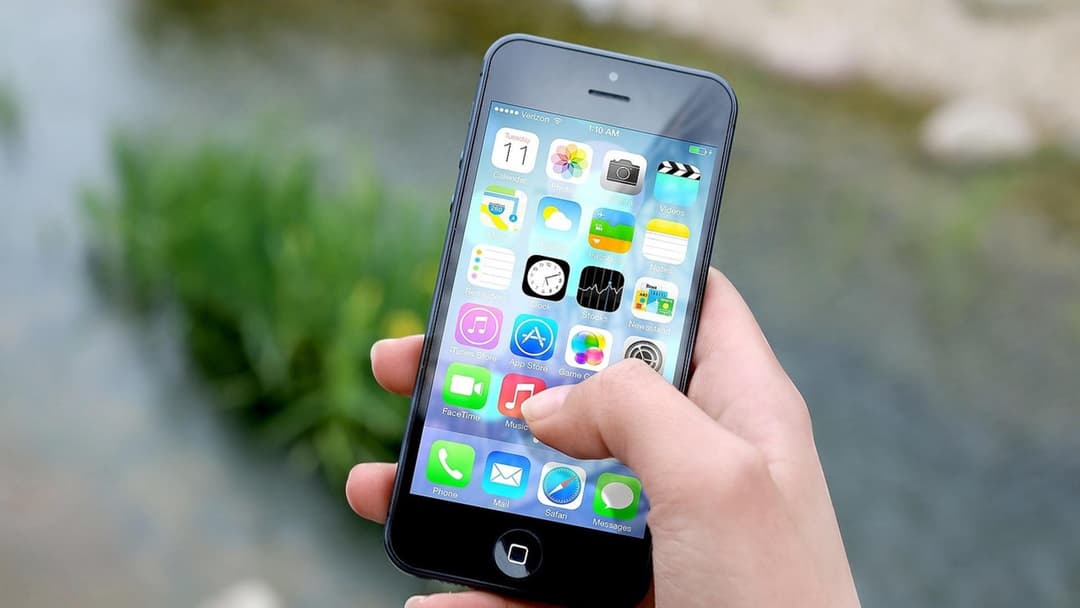
11. Notification Boundaries
Every unexpected ping triggers a micro fight-or-flight response in the brain. Calm people ruthlessly audit their smartphone settings—keeping their devices on silent or Focus Mode and checking messages in intentional batches rather than letting alerts interrupt their peace.
© Photo by Claudio Schwarz on Unsplash
10. Top 3 Priorities List
Staring at a 25-item to-do list guarantees a feeling of falling behind before lunch. Instead of trying to do everything at once, low-stress people write down just their Top 3 priorities on a simple notepad each morning—knowing that finishing those three items makes the day a success.

©Pixabay / kaboompics
9. Automating Repetitive Choices
Trying to hold dozens of small admin errands in working memory creates low-grade background anxiety. Calm people use automated bill pay, recurring grocery staples, and digital calendar reminders so routine obligations happen effortlessly without last-minute scrambles.
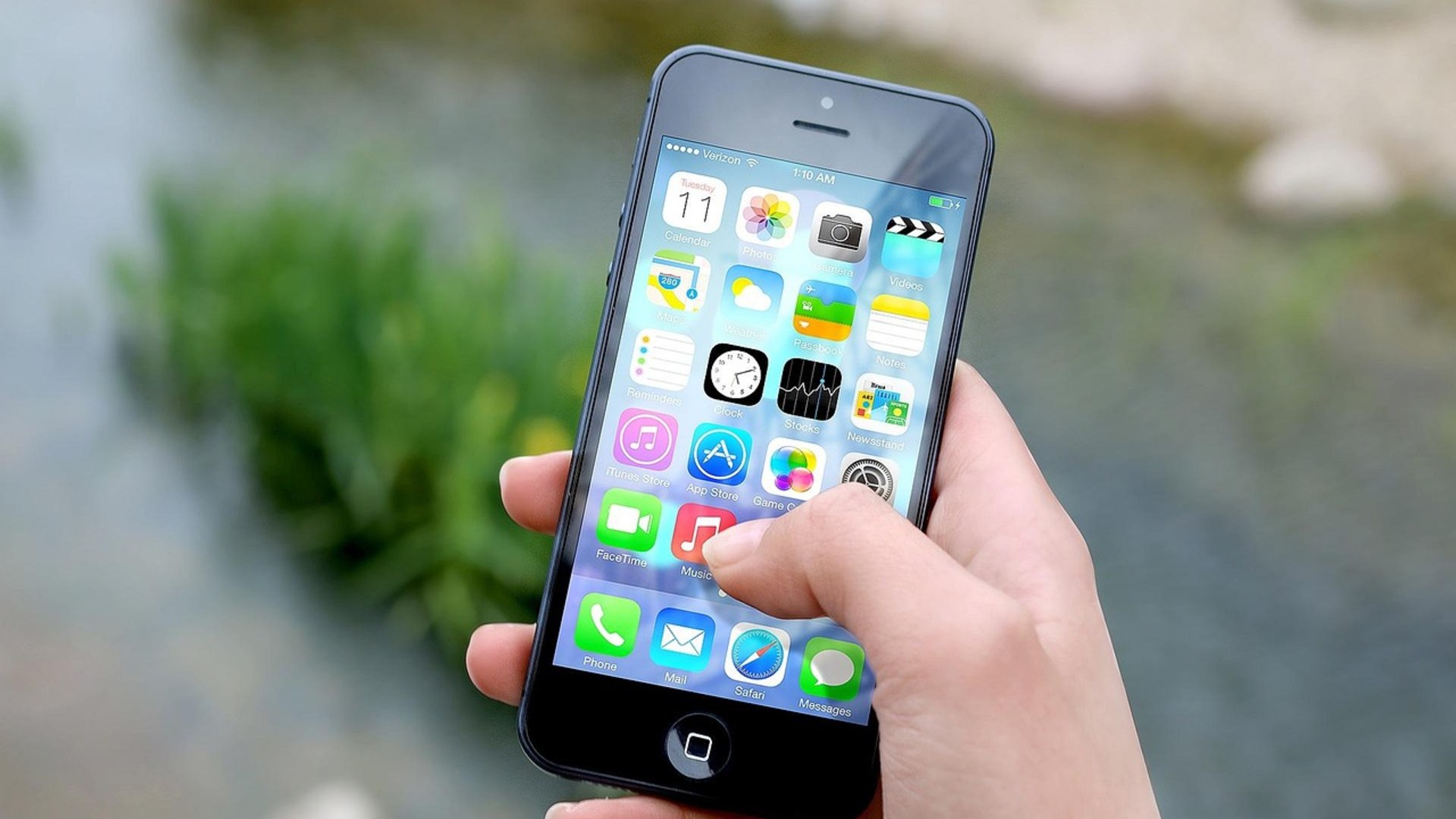
©Pixabay / JESHOOTS-com
Advertisement
Swipe or tap ▶ to resume the countdown.
8. Protecting White Space
When every single hour on a calendar is booked back-to-back, a single delayed call derails the entire day. People who rarely feel stressed guard blank 'white space' in their weekly planners just as fiercely as important meetings, giving themselves unscheduled time to recharge.

©Pixabay / kaboompics
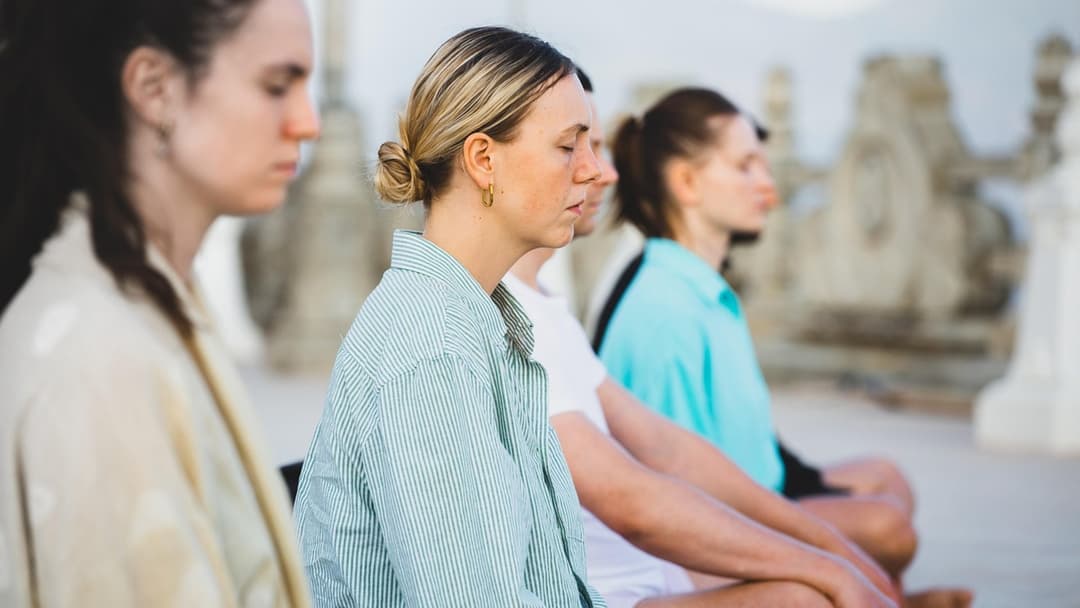
7. Quick-Release Reset Move
Instead of letting tension accumulate from morning until bedtime, low-stress people practice a quick physiological reset whenever pressure rises. Closing your eyes and taking three slow breaths with a long exhale signals the parasympathetic nervous system to lower heart rate within seconds.
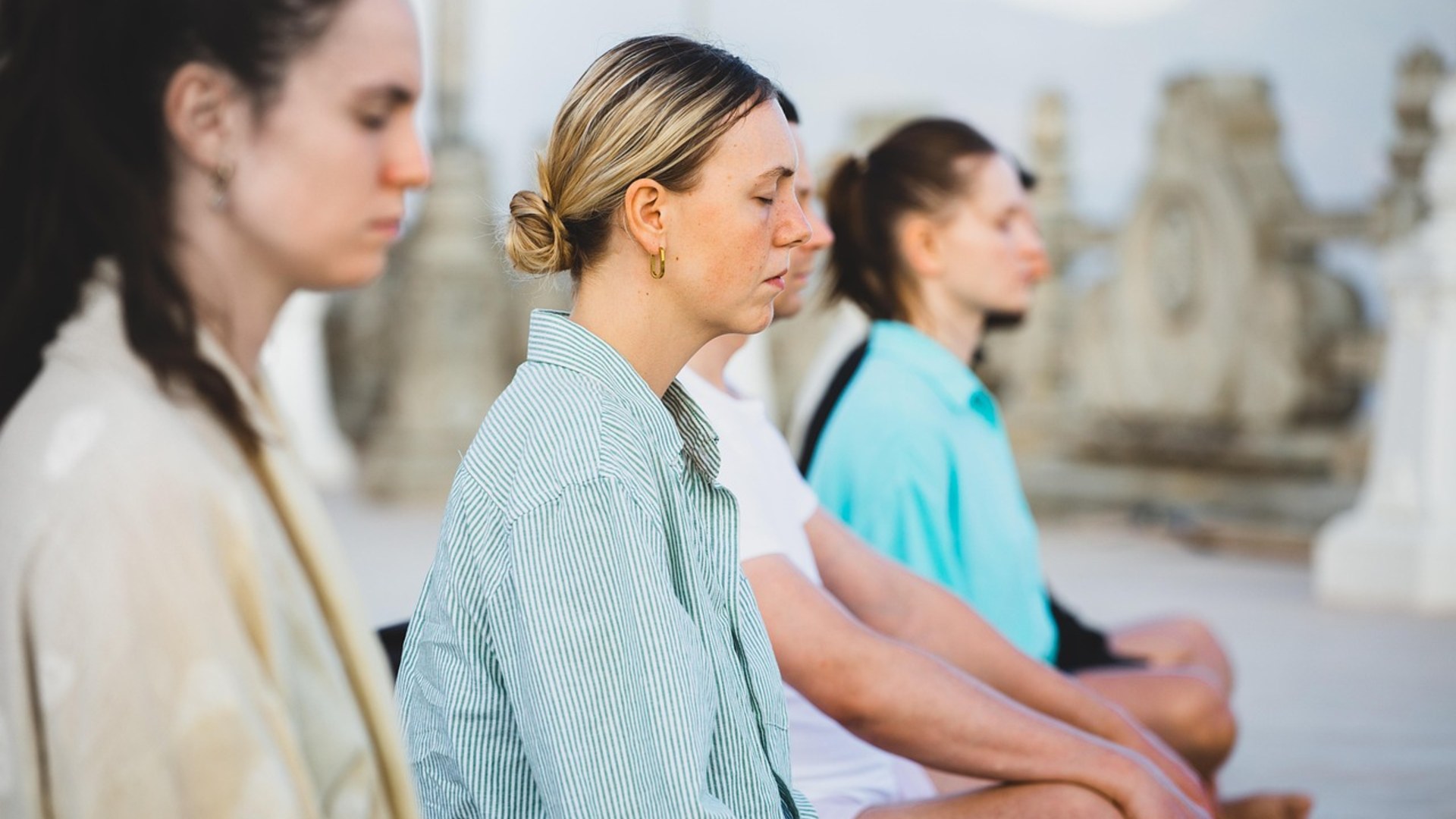
©Pixabay / kalyanayahaluwo
6. Present-Moment Mindfulness
Most anxiety lives in replaying yesterday's mistakes or rehearsing tomorrow's problems. Taking five quiet minutes to sit by a window, feel the warmth of a teacup in your hands, and notice your surroundings pulls the mind out of rumination and back into the present moment.

©Pixabay / StockSnap
5. Phone-Free Nature Walks
A walk isn't truly restorative if you spend the whole time scrolling through work emails or listening to intense news podcasts. Walking along a tree-lined park path with empty hands and no earbuds lets natural sunlight and greenery measurably drop stress hormones in just 15 minutes.

©Pixabay / alandsmann
Advertisement
Swipe or tap ▶ to resume the countdown.
4. Shifting Visual Focus
Staring closely at a glowing monitor for hours locks your eyes into narrow 'tunnel vision,' which neuroscience links directly to heightened autonomic alertness. Stepping over to a bright window and softening your gaze toward a distant horizon immediately relaxes both ocular muscles and the mind.

©Pixabay / mhouge
3. Minimizing Background Noise
Even when you aren't actively watching, constant background television, talk radio, and visual clutter force your brain to process a nonstop stream of sensory input. Calm people cultivate quiet, softly lit living spaces in the evening so their nervous system can truly decompress.

©Pixabay / ErikaWittlieb
2. Saying No For Peace
People-pleasing is one of the fastest routes to chronic burnout. Individuals who rarely feel stressed know that every 'yes' to a draining obligation is a 'no' to their own rest—so they set warm, polite, unmistakable boundaries without guilt or over-explaining.

©Pixabay / ottawagraphics
1. Regular Sleep Regimen
Even a single night of fragmented sleep amplifies the brain's emotional reactivity by up to 60% the following day. By keeping a consistent bedtime in a quiet, tidy bedroom—with a traditional alarm clock on the nightstand—low-stress people wake up emotionally steady and recharged.

©Pixabay / ErikaWittlieb
Advertisement
You've reached the end of the story. Thanks for reading!

22 High-Calorie Burning Exercises Ranked by Harvard Medical Data
Ranked according to Harvard Medical School caloric expenditure data, these 22 physical exercises burn the highest number of calories per hour for optimal cardiovascular health. Medical data reveals true effort.
All 15 Entries in this Story
15. Prepping The Night Before
Frantic mornings set a high-cortisol tone for the entire day. People who rarely feel stressed spend ten quiet minutes each evening laying out tomorrow's clothes, packing their work bag, and tidying their space so they can wake up to a calm, frictionless morning routine.

14. Delaying Digital Content
Reaching for your smartphone the second your eyes open floods your brain with other people's urgencies, headlines, and notifications. Low-stress individuals keep their phone across the room, starting the day with a full glass of water and quiet daylight before touching a screen.

13. Arriving 10 Minutes Early
Running five minutes late turns every red traffic light and slow elevator into an adrenaline spike. By aiming to arrive 10 minutes early for meetings and appointments, calm people give themselves a built-in buffer to walk in relaxed, coffee in hand, with time to settle their thoughts.

12. Single-Tasking Sequentially
Multitasking is a myth that fragments attention and raises cognitive stress by up to 40%. People who rarely feel overwhelmed keep a clean, minimalist desk with a single open notebook and one active window—completing one task fully before moving to the next.

11. Notification Boundaries
Every unexpected ping triggers a micro fight-or-flight response in the brain. Calm people ruthlessly audit their smartphone settings—keeping their devices on silent or Focus Mode and checking messages in intentional batches rather than letting alerts interrupt their peace.

10. Top 3 Priorities List
Staring at a 25-item to-do list guarantees a feeling of falling behind before lunch. Instead of trying to do everything at once, low-stress people write down just their Top 3 priorities on a simple notepad each morning—knowing that finishing those three items makes the day a success.

9. Automating Repetitive Choices
Trying to hold dozens of small admin errands in working memory creates low-grade background anxiety. Calm people use automated bill pay, recurring grocery staples, and digital calendar reminders so routine obligations happen effortlessly without last-minute scrambles.

8. Protecting White Space
When every single hour on a calendar is booked back-to-back, a single delayed call derails the entire day. People who rarely feel stressed guard blank 'white space' in their weekly planners just as fiercely as important meetings, giving themselves unscheduled time to recharge.

7. Quick-Release Reset Move
Instead of letting tension accumulate from morning until bedtime, low-stress people practice a quick physiological reset whenever pressure rises. Closing your eyes and taking three slow breaths with a long exhale signals the parasympathetic nervous system to lower heart rate within seconds.

6. Present-Moment Mindfulness
Most anxiety lives in replaying yesterday's mistakes or rehearsing tomorrow's problems. Taking five quiet minutes to sit by a window, feel the warmth of a teacup in your hands, and notice your surroundings pulls the mind out of rumination and back into the present moment.

5. Phone-Free Nature Walks
A walk isn't truly restorative if you spend the whole time scrolling through work emails or listening to intense news podcasts. Walking along a tree-lined park path with empty hands and no earbuds lets natural sunlight and greenery measurably drop stress hormones in just 15 minutes.

4. Shifting Visual Focus
Staring closely at a glowing monitor for hours locks your eyes into narrow 'tunnel vision,' which neuroscience links directly to heightened autonomic alertness. Stepping over to a bright window and softening your gaze toward a distant horizon immediately relaxes both ocular muscles and the mind.

3. Minimizing Background Noise
Even when you aren't actively watching, constant background television, talk radio, and visual clutter force your brain to process a nonstop stream of sensory input. Calm people cultivate quiet, softly lit living spaces in the evening so their nervous system can truly decompress.

2. Saying No For Peace
People-pleasing is one of the fastest routes to chronic burnout. Individuals who rarely feel stressed know that every 'yes' to a draining obligation is a 'no' to their own rest—so they set warm, polite, unmistakable boundaries without guilt or over-explaining.

1. Regular Sleep Regimen
Even a single night of fragmented sleep amplifies the brain's emotional reactivity by up to 60% the following day. By keeping a consistent bedtime in a quiet, tidy bedroom—with a traditional alarm clock on the nightstand—low-stress people wake up emotionally steady and recharged.